Spain 2026
Supported by the Association of Corporate Counsel


General counsel, compliance officer and public affairs | ISDIN


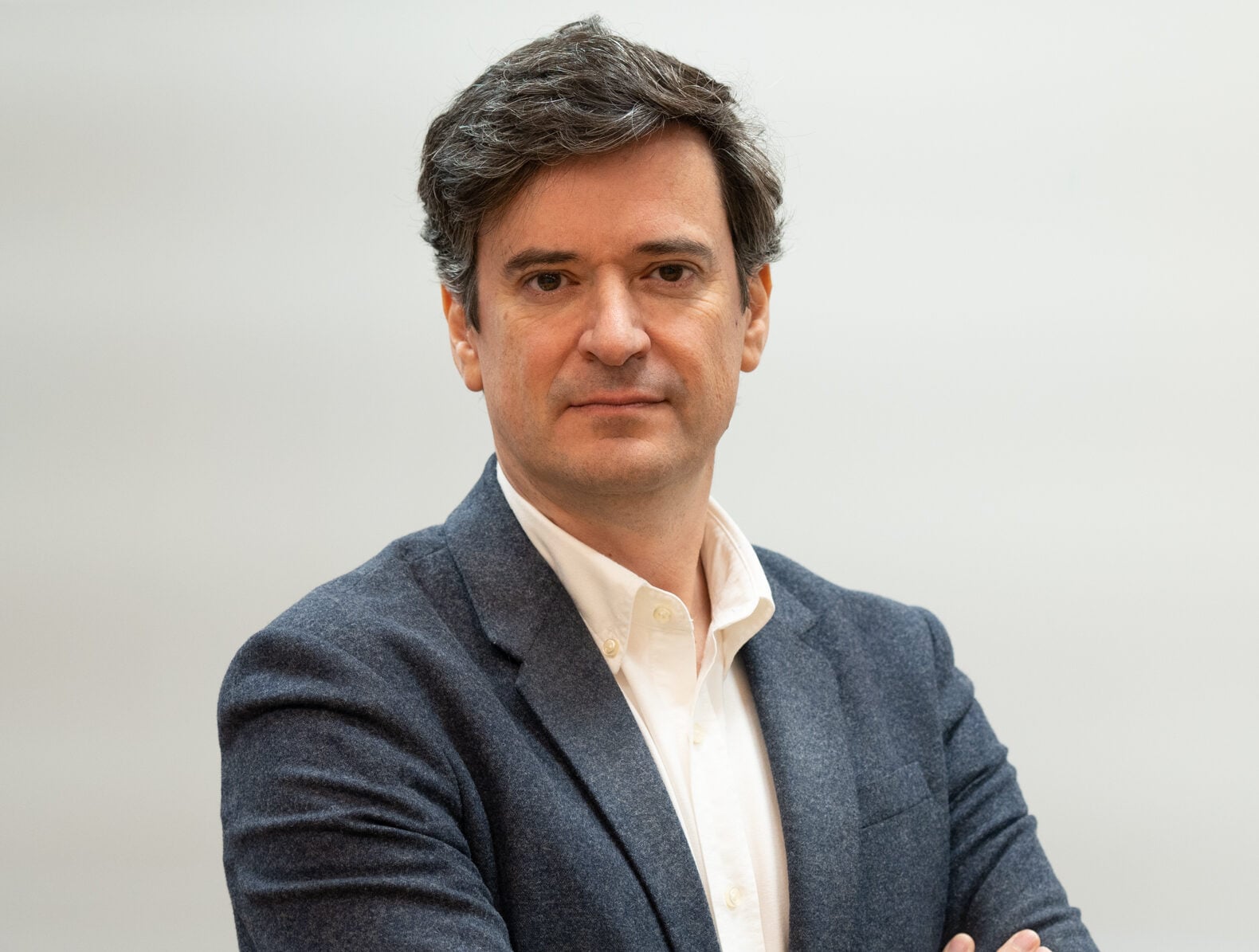


Business advisory director and associate deputy director | BANKINTER
General counsel, corporate and board secretary | Secuoya Content Group


Director of the legal advisory's coordination and control area | FCC


Chief legal officer and vice-secretary of the board of directors | Gestamp
Secretary‑general and secretary to the board | Grupo Nortegas


Secretary‑general and vice-secretary to the board | Banco Sabadell

General counsel and secretary of the board of directors | Hispasat


Chief legal officer and secretary of the board of directors | PREMIUMFIBER
General counsel and board secretary | Centros Comericales Carrefour
Head of legal IBM Spain, Portugal, Greece and Israel | International Business Machines
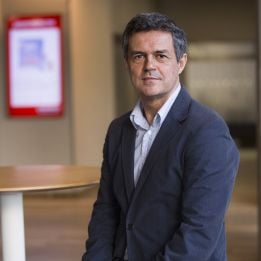

General counsel | Aena Desarrollo Internacional




Head of elgal of energy parks and exploration and production | Moeve

General counsel and head of corporate affairs | Cubico Sustainable Investments

General counsel and secretary to the board | Grupo DIA

Senior counsel | Ferrovial Airports (JFK New Terminal One)


Legal, regulatory and institutional affairs for Iberia, Italy and Latin America | Securitas Direct

Legal director - O&M and board secretary | Solarig Energy Services
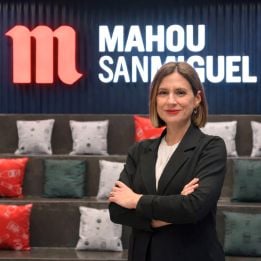
General counsel and company secretary | Mahou San Miguel

Director legal and compliance and integrity officer and data protection officer | Porsche Ibérica

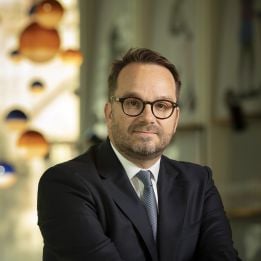

Head of legal business legal advisory – Trade, working capital, real estate and corporate | CaixaBank

Executive vice president and assurance and secretrary to the board | Moeve


Director of legal services | Banco Bilbao Vizcaya Argentaria (BBVA)
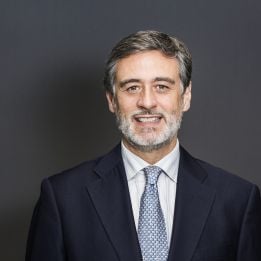
Vice president and deputy general counsel - chief of staff to the general counsel | HPE
General counsel Spain and head of legal for international sales | ArcelorMittal
Vice president, assistant general counsel IBM Europe | International Business Machines
General secretary and secretary to the board of directors | Redeia / Red Eléctrica de España
General counsel and company secretary | Autoridad Portuaria de la Bahía de Cádiz
Chief legal officer and general counsel, vice-secretary (non-member) | Almirall
Director of legal affairs and corporate governance | El Corte Inglés
Head of legal Spain and Latin America | Construcciones y Auxiliar de Ferrocarriles (CAF)
Director of legal affairs | LaLiga (Liga Nacional de Fútbol Profesional)
Director of board secretariat and compliance | Navantia
General counsel, compliance director and deputy company secretary | PROSEGUR
Group corporate and business legal affairs director | Cellnex
Secretary general and secretary of the board | Telefónica
Head of legal and regulatory affairs | OUIGO Spain
Director of legal affairs and secretary to the board | Iberia
General secretary and secretary to the board | Iberdrola
It is an honour for Legal 500 to present the GC Powerlist Spain 2026, a testament to the hard work of all our honourees in driving and promoting an innovative in-house legal market in Spain, particularly in a year marked by significant challenges.
Across our conversations, a clear shift emerged in how in-house counsel understand their role. Increasingly, they are moving beyond the traditional remit of risk management and positioning themselves as active contributors to business strategy, in line with broader international trends shaping the profession.
For many of the leaders featured in this edition, legal has become inseparable from strategy. María de los Reyes Escrig, of Aena, described the legal function as a “strategic enabler” of international growth, pointing to the legal team’s role in structuring complex acquisitions while balancing geopolitical, governance and regulatory considerations across jurisdictions.
This increasingly strategic identity was also reflected in some of Spain’s largest and most internationally active companies. At Banco Santander, Javier Illescas’ concept of “One Global Legal Team” captures an ambition many participants shared in building legal functions that are operationally sophisticated, globally aligned and deeply embedded in business execution.
Transformation through technology was another defining thread throughout our research process, though often framed with notable pragmatism. Rather than speaking about innovation in abstract terms, participants focused on implementation. Lidia Peyrona, of IBM, spoke of legal as both partner to the business and “client zero” for AI adoption, while Andrea Viale, at idealista, described a legal team using AI not as experimentation, but as a practical tool to reduce administrative burden and elevate higher-value work. What united these perspectives was a shared conviction that technology is meaningful when it strengthens judgement and allows legal teams to operate more strategically.
Infrastructure, energy, finance and technology leaders also returned repeatedly to resilience in uncertainty. At Cintra, Cristina Álvarez reflected that in crisis “the legal function earns its strategic role by combining speed with rigour”, while Susana Guerrero, of Mahou San Miguel, spoke of the need for legal teams to operate with greater anticipation and flexibility in response to geopolitical instability.
Another strong theme was governance as a driver of value with participants consistently framing governance, compliance and sustainability not as parallel obligations, but as embedded components of strategy. Carlos López Martín de Blas at Secuoya spoke compellingly about linking sustainability, financing and business growth through an innovative legal framework, while others similarly described legal functions operating at the intersection of growth, accountability and long-term resilience.
Just as notable, however, was the emphasis many participants placed on leadership itself with several general counsel speaking of leadership less in hierarchical terms and more in terms of enabling teams, fostering culture and leading through complexity with integrity.
Taken together, these perspectives portray a Spanish in-house legal community that is strategically minded, innovation-focused and increasingly influential, often serving as a bridge between European and Latin American markets. The leaders recognised in this 2026 edition of the GC Powerlist Spain reflect the strength and maturity of in-house legal excellence in the country, while also helping shape its future through vision, adaptability and leadership.
We would like to congratulate the 2026 cohort and thank them for their openness and generosity throughout our research process. It has been a real privilege to share your perspectives and showcase your achievements over the past year.
Enhorabuena y muchas gracias!
Carmen Godoy Martin
Lead Researcher, GC Powerlist Spain 2026