Peru 2023
Supported by the Association of Corporate Counsel




Legal, compliance and ESG vice president | CAMPOSOL
Legal director of Peru, director of integrity and compliance Latin America | Adecco Perú
Compliance officer for Peru and Ecuador | A.P. Moller - Maersk
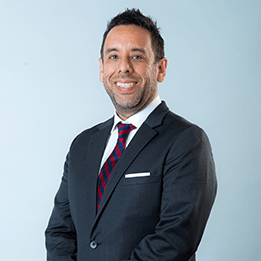
Chief legal counsel and compliance officer | Marsh McLennan
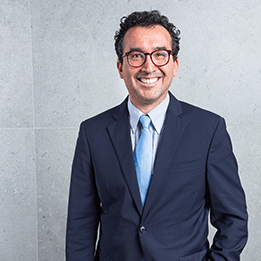
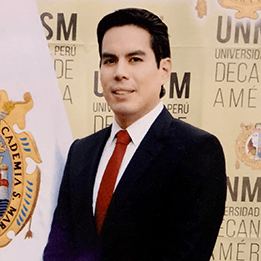
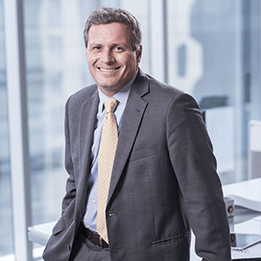
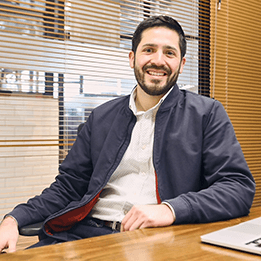
Head of legal and compliance | Bosch (BSH Electrodomésticos SAC)
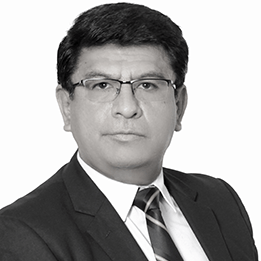

Legal head - procedural and regulatory affairs | Corporación Primax

Chief legal counsel - projects, business and compliance | Urbanova Inmobiliaria
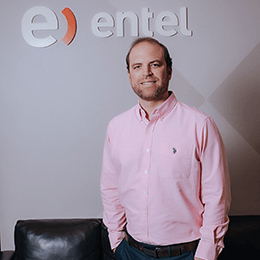
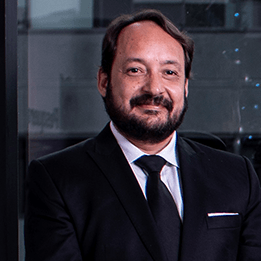


Legal vice president and corporate secretary | Scotiabank Peru

Legal and corporate affairs manager | Sky Peru
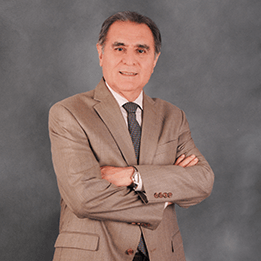
Legal and natural resources manager | Southern Peru Copper Corporation
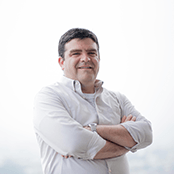
Director of government affairs, Andean South Region | Microsoft
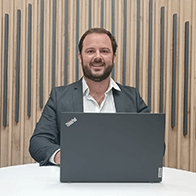
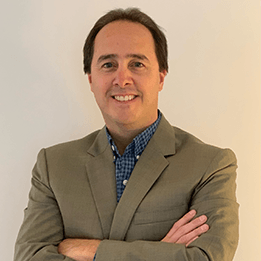

General counsel and compliance officer Perú | Hochschild Mining
Manager of legal affairs and corporate relations | Arca Continental Lindley
Legal and corporate affairs manager | Inca Rail, a Carlyle group company
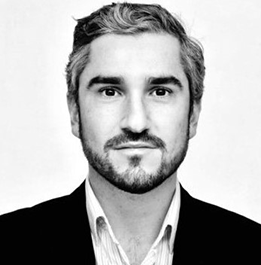
Legal corporate manager | Grupo Intercorp
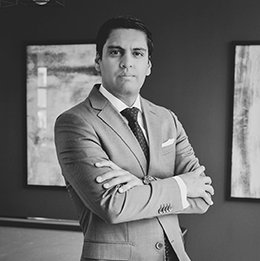

Corporate vice president and general counsel | Grupo Intercorp
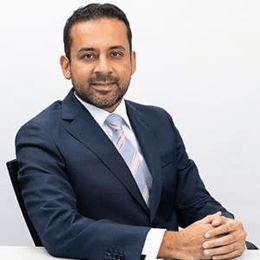
General counsel and secretary to the board | Banco de la Nación
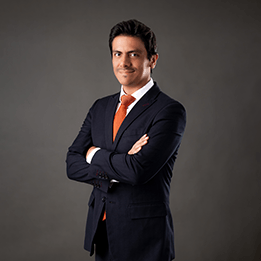
Legal manager and normative compliance officer | ICBC Peru Bank
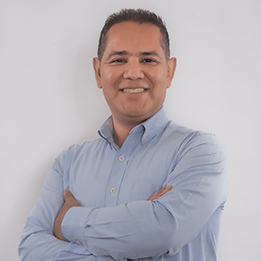
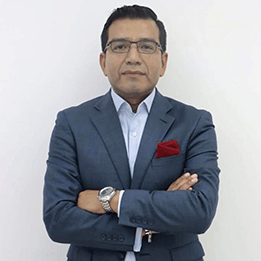
Legal and compliance manager | San Miguel Industrias
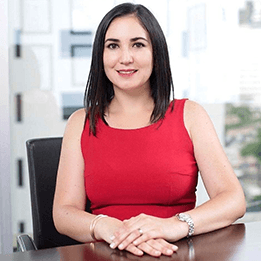
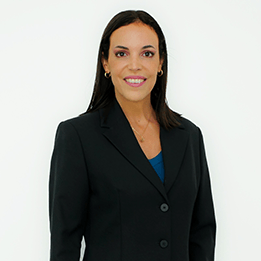
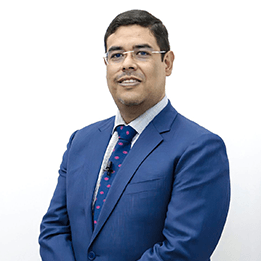
Legal and corporate affairs manager | AMG – Auplata Mining Group Peru

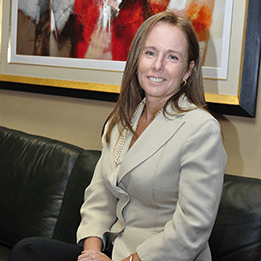
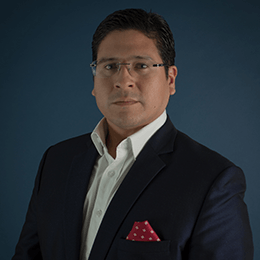
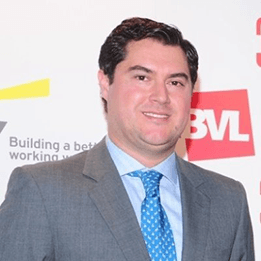

General counsel Peru and chief complaince officer regional Latin America and Peru | Repsol


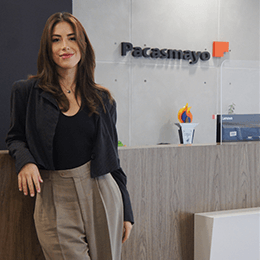
Legal and corporate compliance analyst | Cementos Pacasmayo
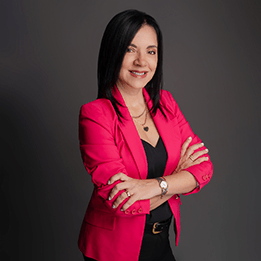
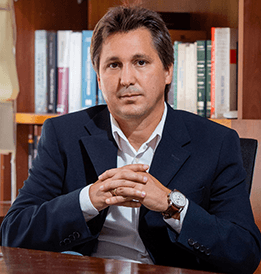
Vice president of compliance and legal counsel | Banco Pichincha
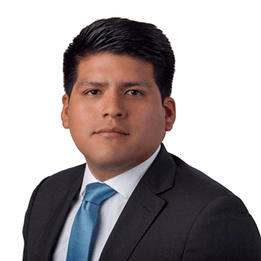



Legal director and corporate affairs | Urbanova Inmobiliaria
Head of legal Perú | Angloamerican Perú (Quellaveco Operation)
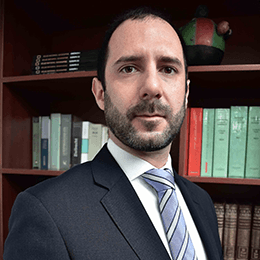
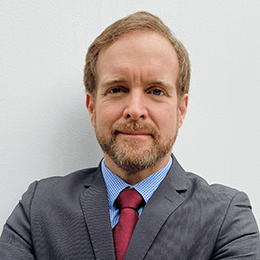
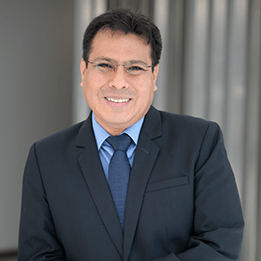
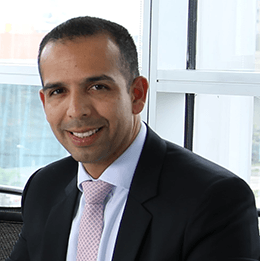

General counsel and board secretary | CGIAR International Potato Center (CIP)
Head of LCA I&N, market, services and Enel X Perú | Enel Distribución Perú
Legal manager | National Confederation of Private Business Institutions (CONFIEP)

Legal and compliance manager, general counsel | Compañía de Minas Buenaventura
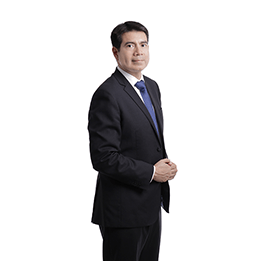
Manager of the legal and the general secretariat division | Banco GNB Perú
Focus on: The career of Miguel Angel Raygada Castillo Miguel Angel Raygada Castillo graduated from the Pontifical Catholic University of Peru, and is a recognised expert in financial regulation, legal...
It was a particular honour to lead the research for The Legal 500 GC Powerlist: Peru, 2023, covering the best in-house legal talent within the region. The great enthusiasm of the lawyers that we spoke to was outstanding and inspiring, but the sheer level of innovative work that has been carried out in this region is even more spectacular. Interviews in this edition touch on the challenges that esteemed counsel have faced in the past year, the impact of technological advancement on legal work, and causes, business related or otherwise, that the in-house lawyers are passionate about.
In-house counsel in this edition shared their biggest struggles of the past years, and the ways that they overcome such struggles, highlighting their immense ability to be flexible and adapt to the fast-changing legal and economic environment. This was emphasised by Carlos Zapata Zegarra, head of legal and compliance at Bosch (BSH Electrodomésticos SAC), who stated that, ‘On top of the non-optimal worldwide context, the political crisis in Peru and the region, in general, led us to massive challenges.’ Raúl Pizarro, legal director at Backus Corporative highlighted the challenges of the ever-evolving role of in-house legal counsel, stating that ‘The in-house legal department of a large corporation is no longer classified as a back-office service, our role is clearly leading, our internal clients need us on the front line, by their side, actively participating in business decision-making, identifying risks, managing contingencies and promptly activating the measures envisioned by law to keeping active the license to operate and commercialise.’
In spite of the overall uncertainty of global and local markets following the Covid-19 pandemic, esteemed counsel in this publication were delighted to share how technological advancements will benefit the role of in-house counsel in the near future. Javier Durand Planas, general counsel of Cementos Pacasmayo, emphasised this point, stating that ‘AI and machine learning will definitely continue to help in the automation of legal processes for instance through smart contracts, which will automate repetitive and low-complexity tasks, enabling legal teams to focus on more strategic and complex issues.’ However, this advancement does not come without potential challenges, as emphasised by Patricia Kosa Muñoz, legal and compliance director at Gold Fields La Cima, who stated that ‘These advancements may introduce new challenges such as data privacy and cybersecurity concerns. As legal professionals, we must remain abreast of legal and regulatory changes in the technology space and utilise our knowledge to provide guidance to the company.’
In-house counsel also took the time to share a cause, business related or otherwise, that they care about and why. The answers to this question were truly insightful, showing the passions and personality of the in-house lawyers in Peru. Responses included gender equality, ESG, diversity and inclusion, and health and safety within the business.
We would like to congratulate and thank all the in-house counsel featured in this edition on their incredible achievements in the legal industry, and on joining the list of hundreds of the most trusted, effective and innovative in-house lawyers across the globe. It was a pleasure to speak to all included and gain insight into the markets of Peru.
Elena Lewis | Lead researcher: GC Powerlist Peru 2023

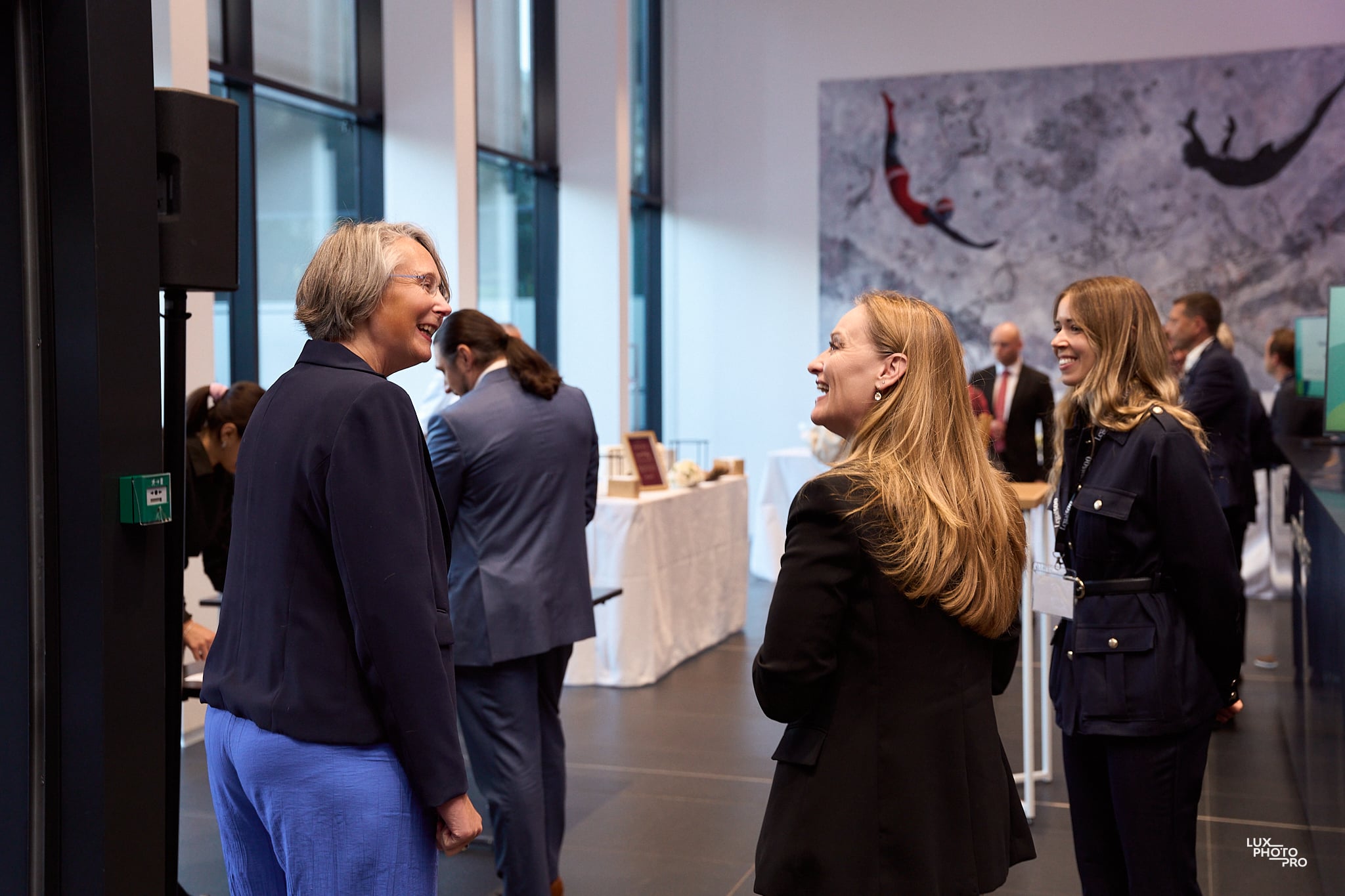
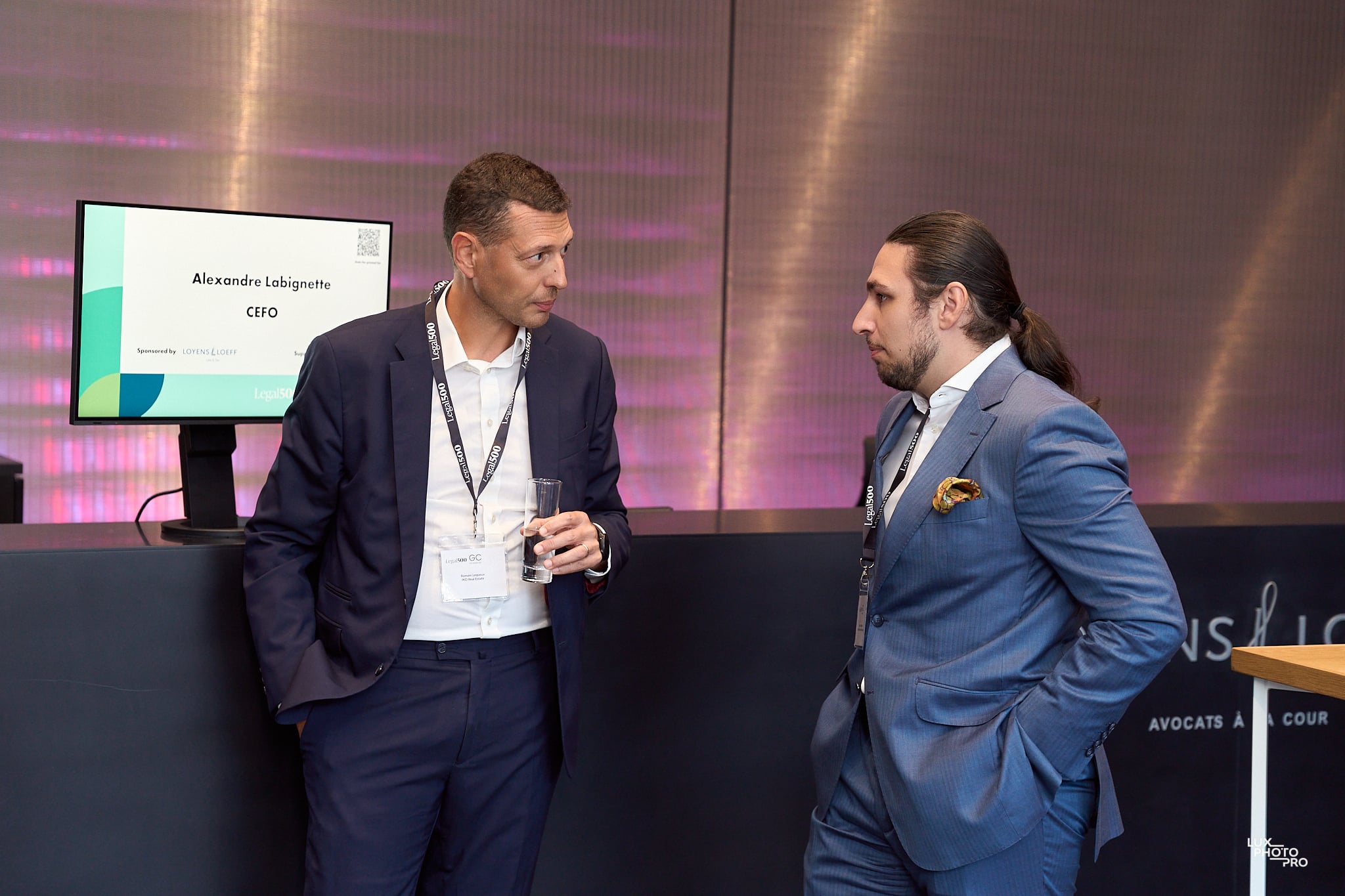
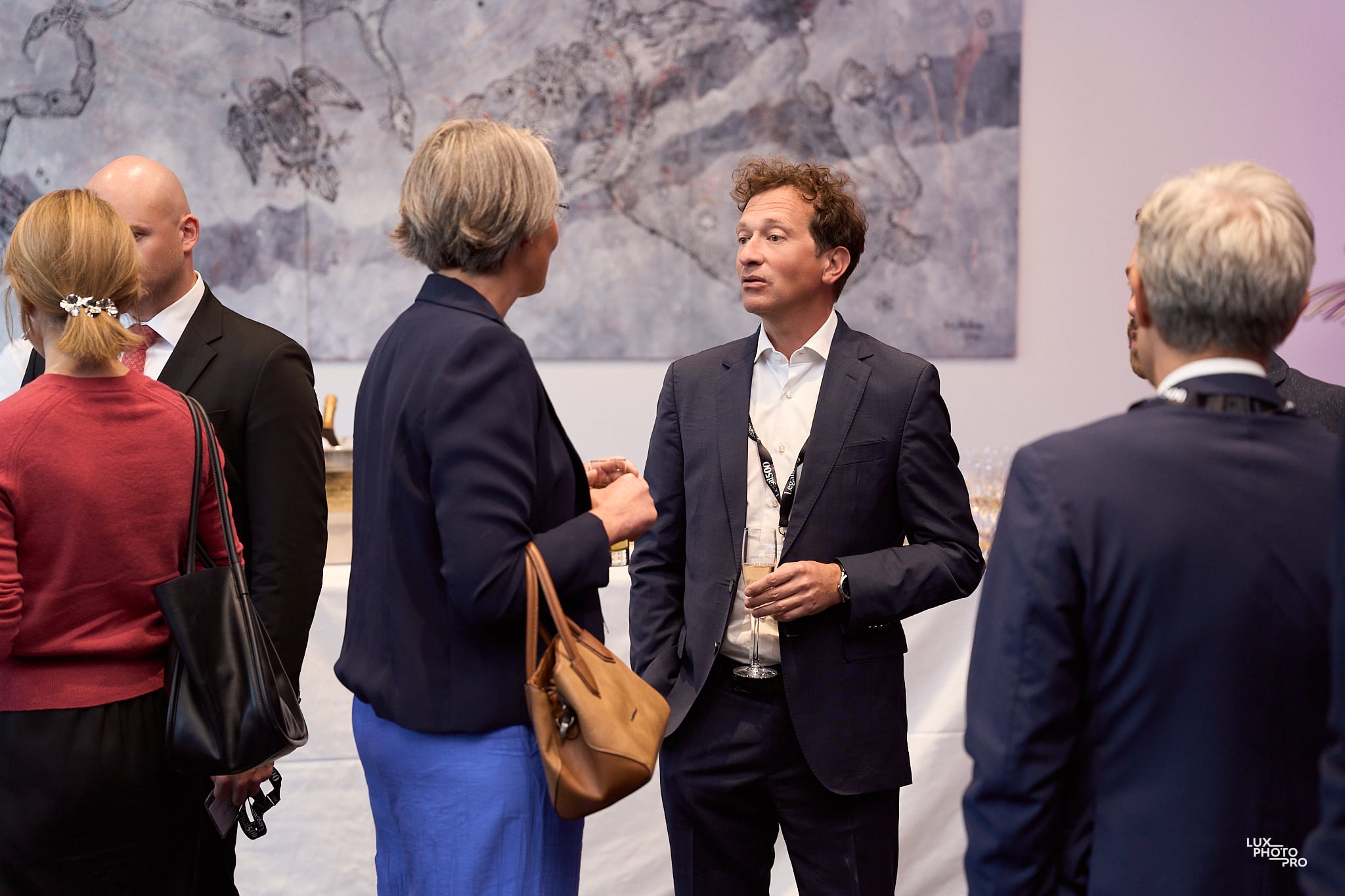
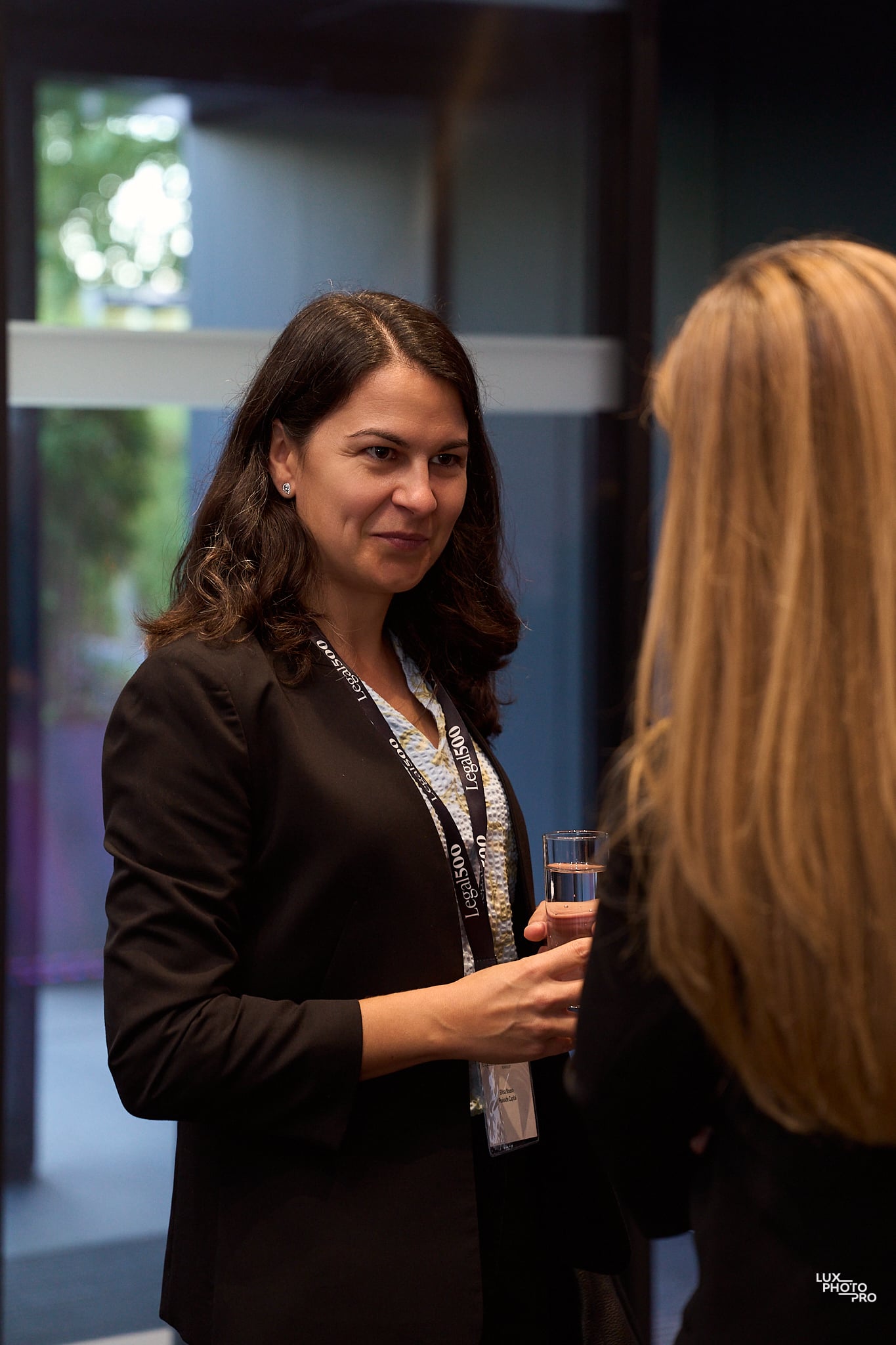
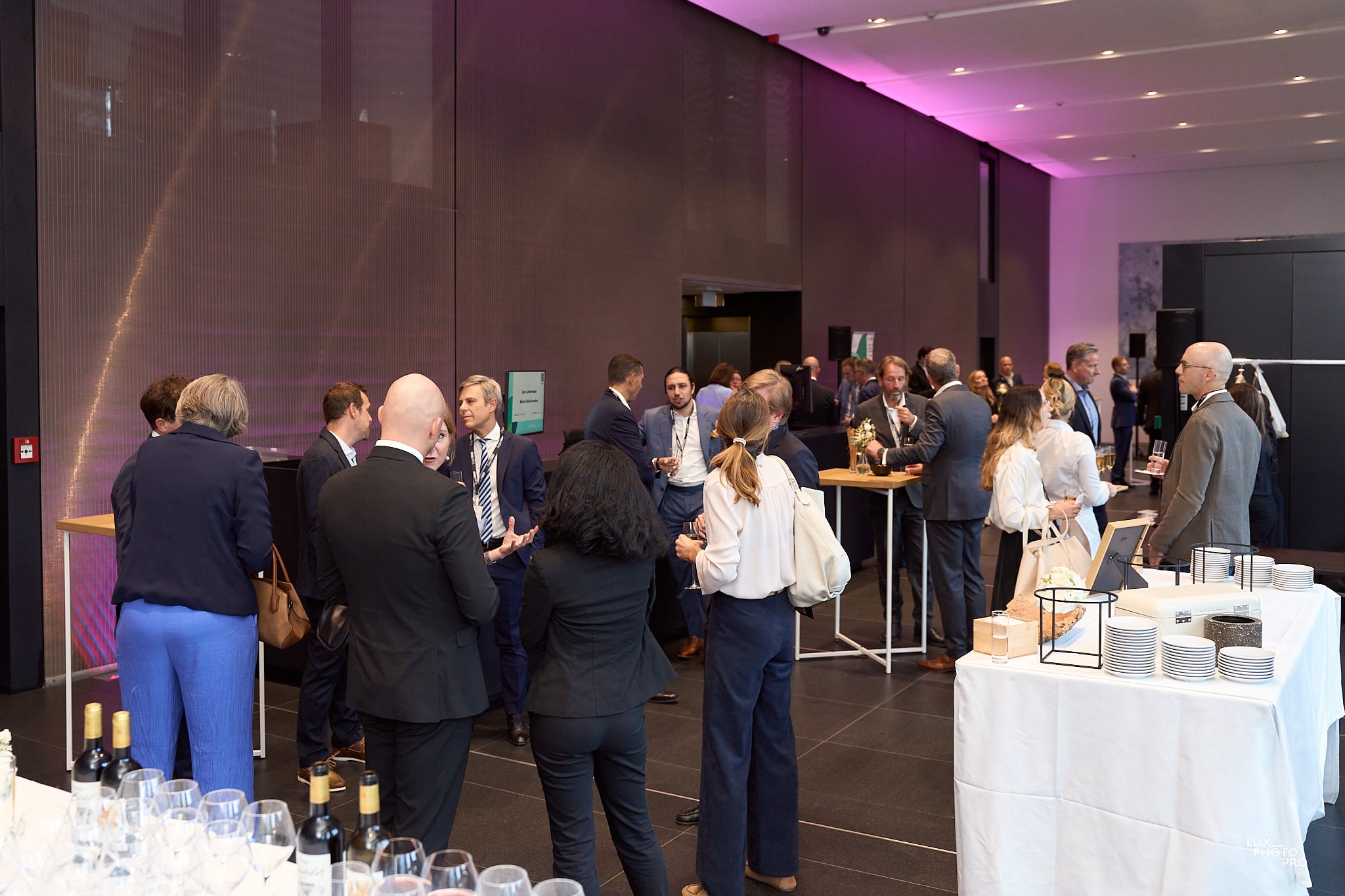
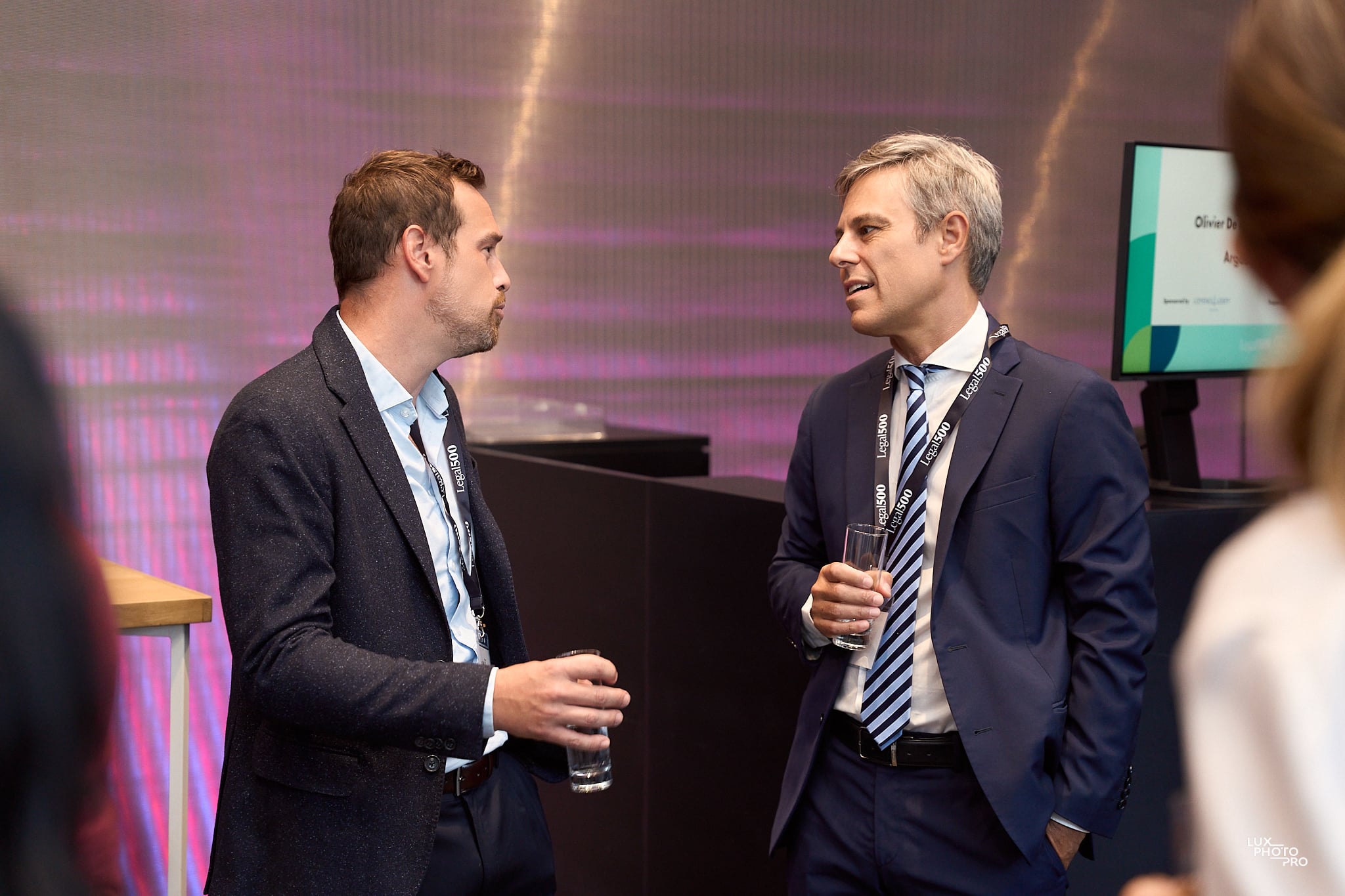
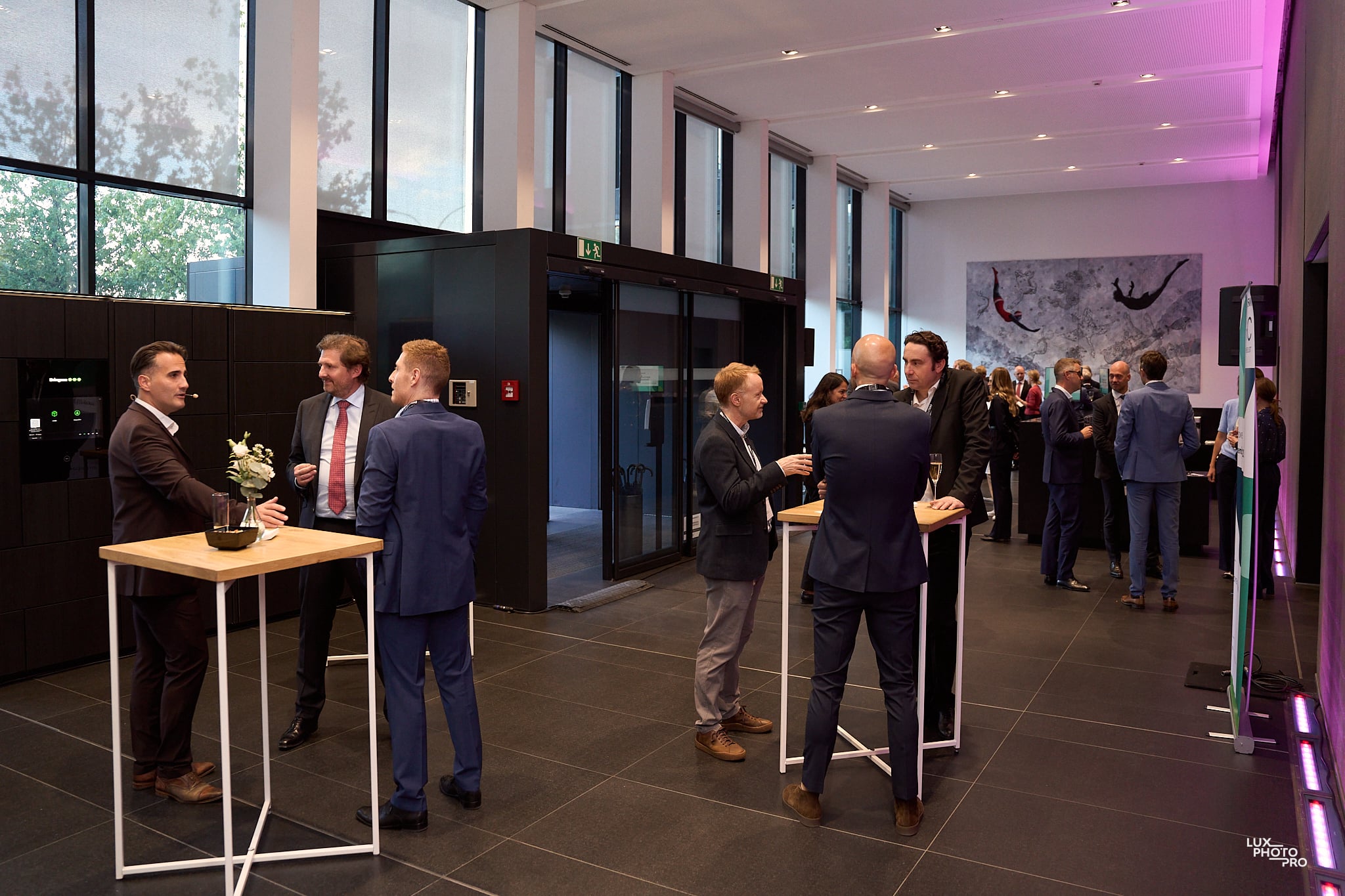
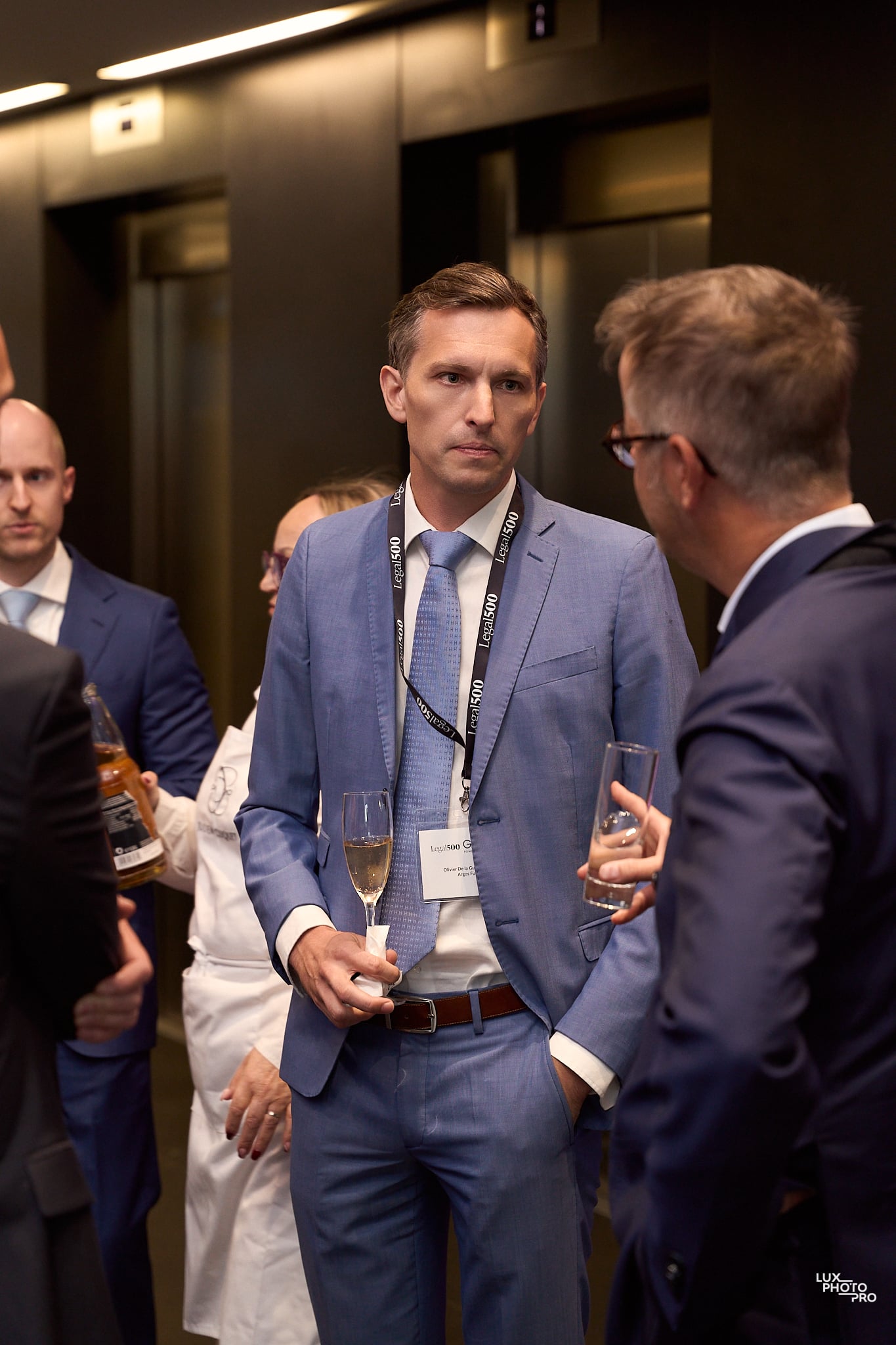
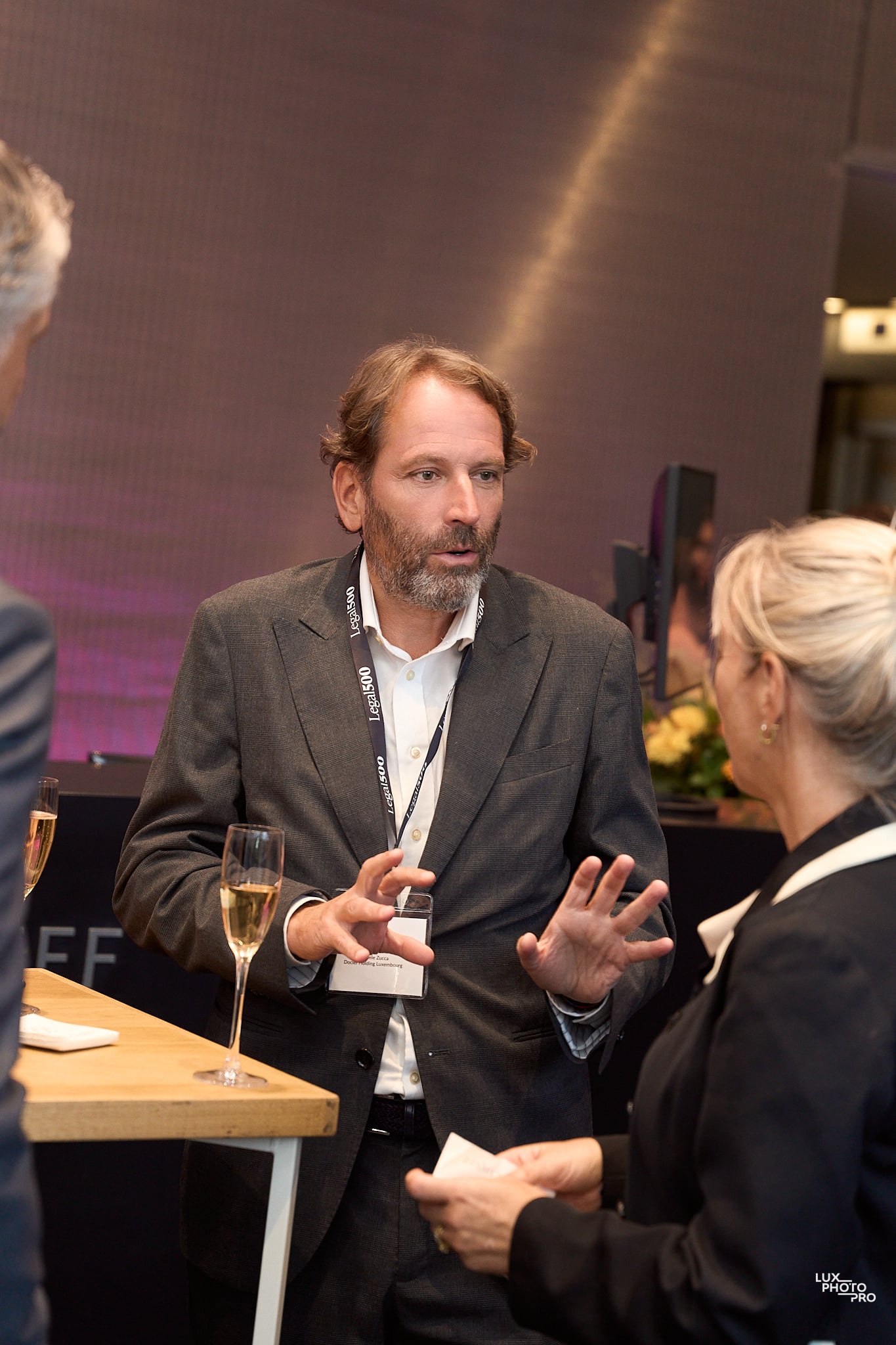
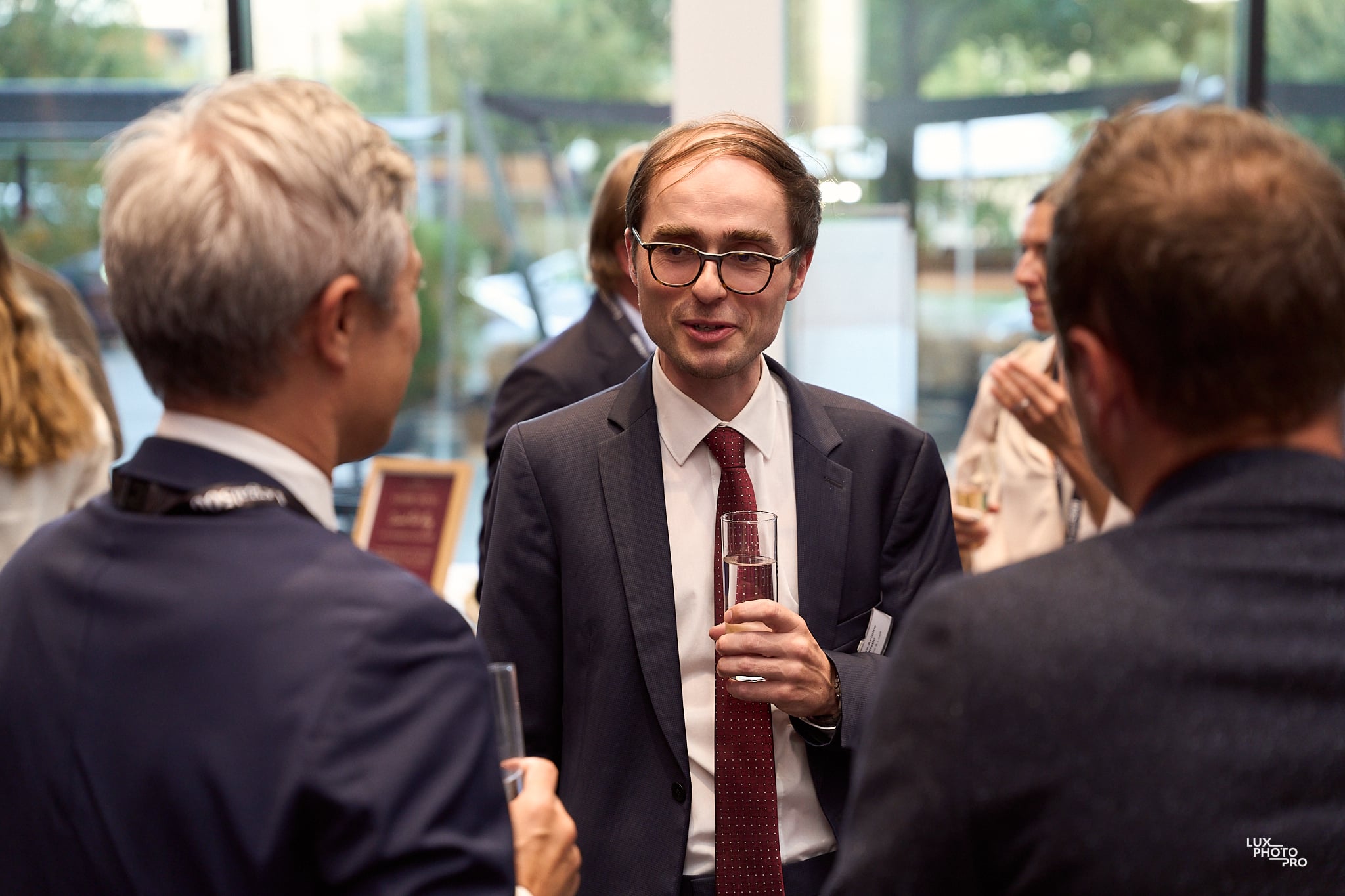
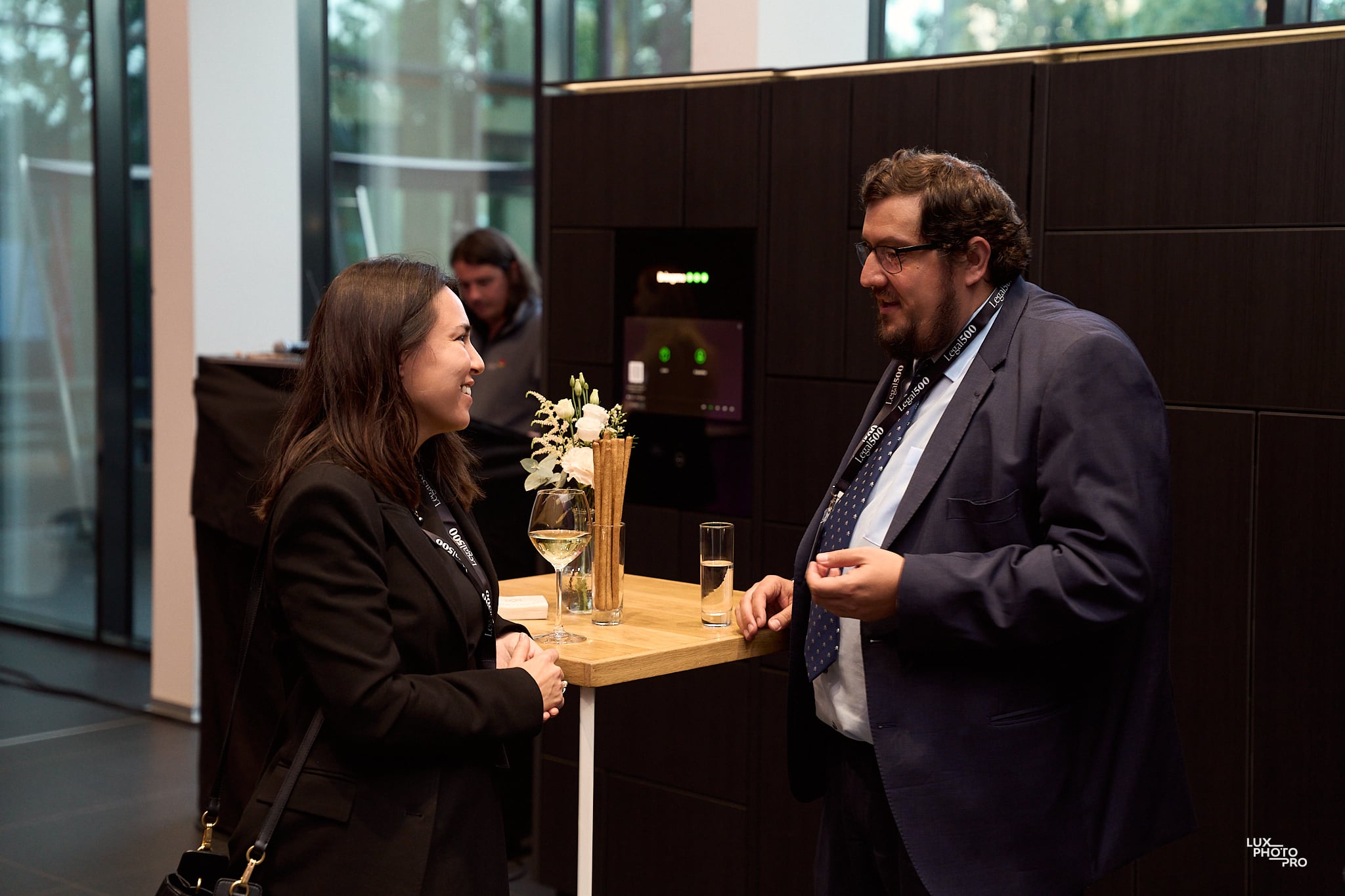
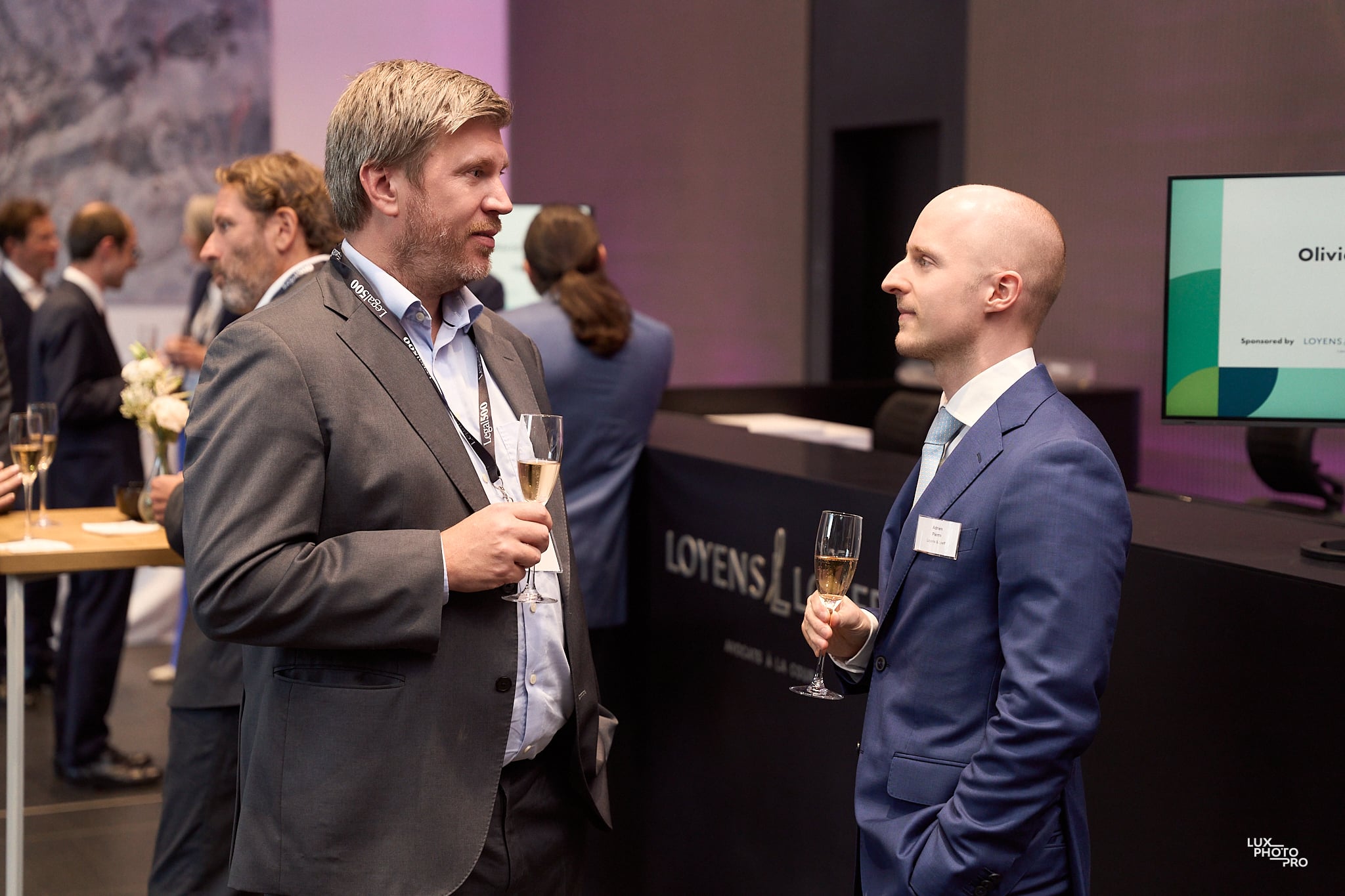
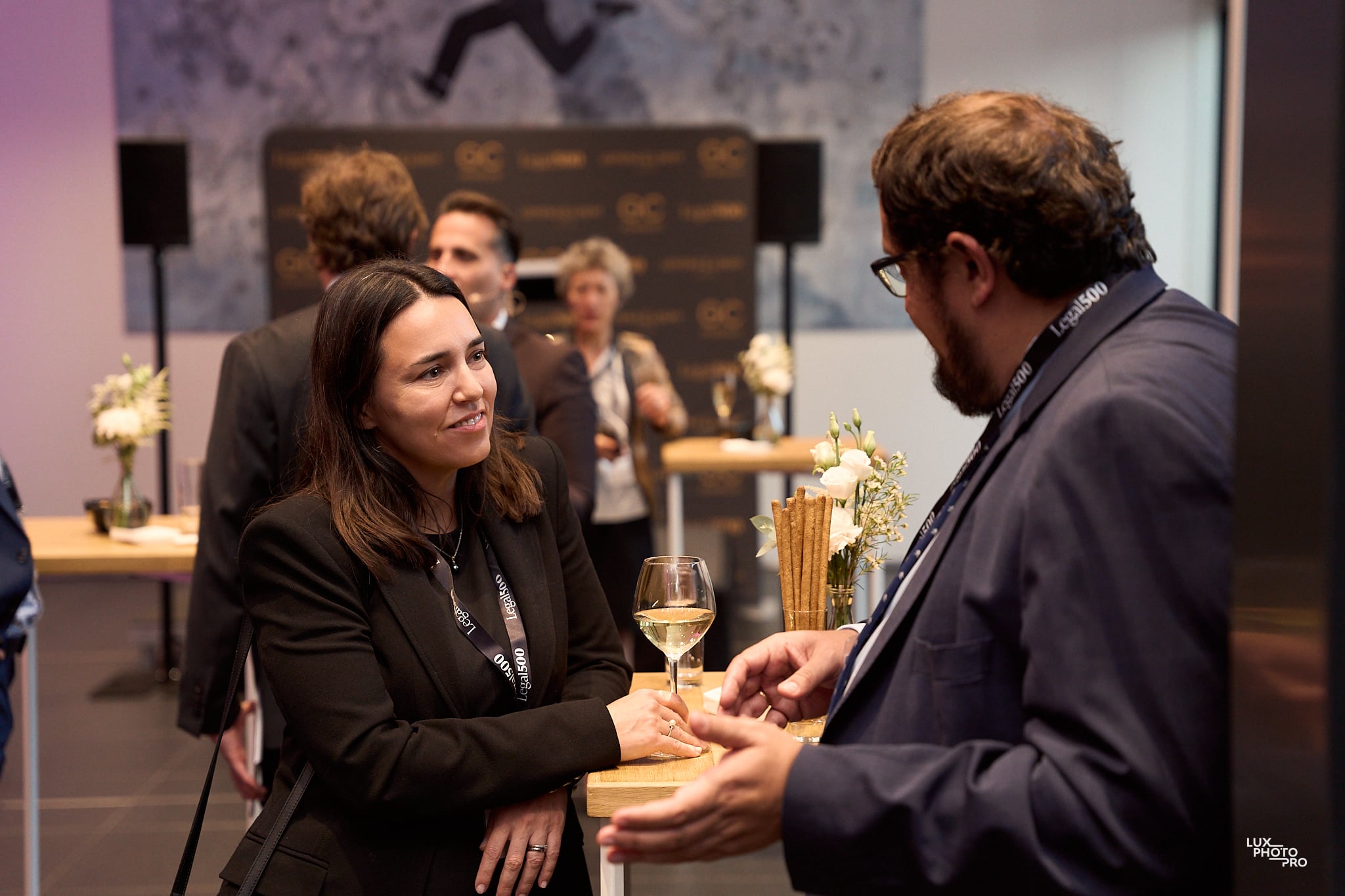
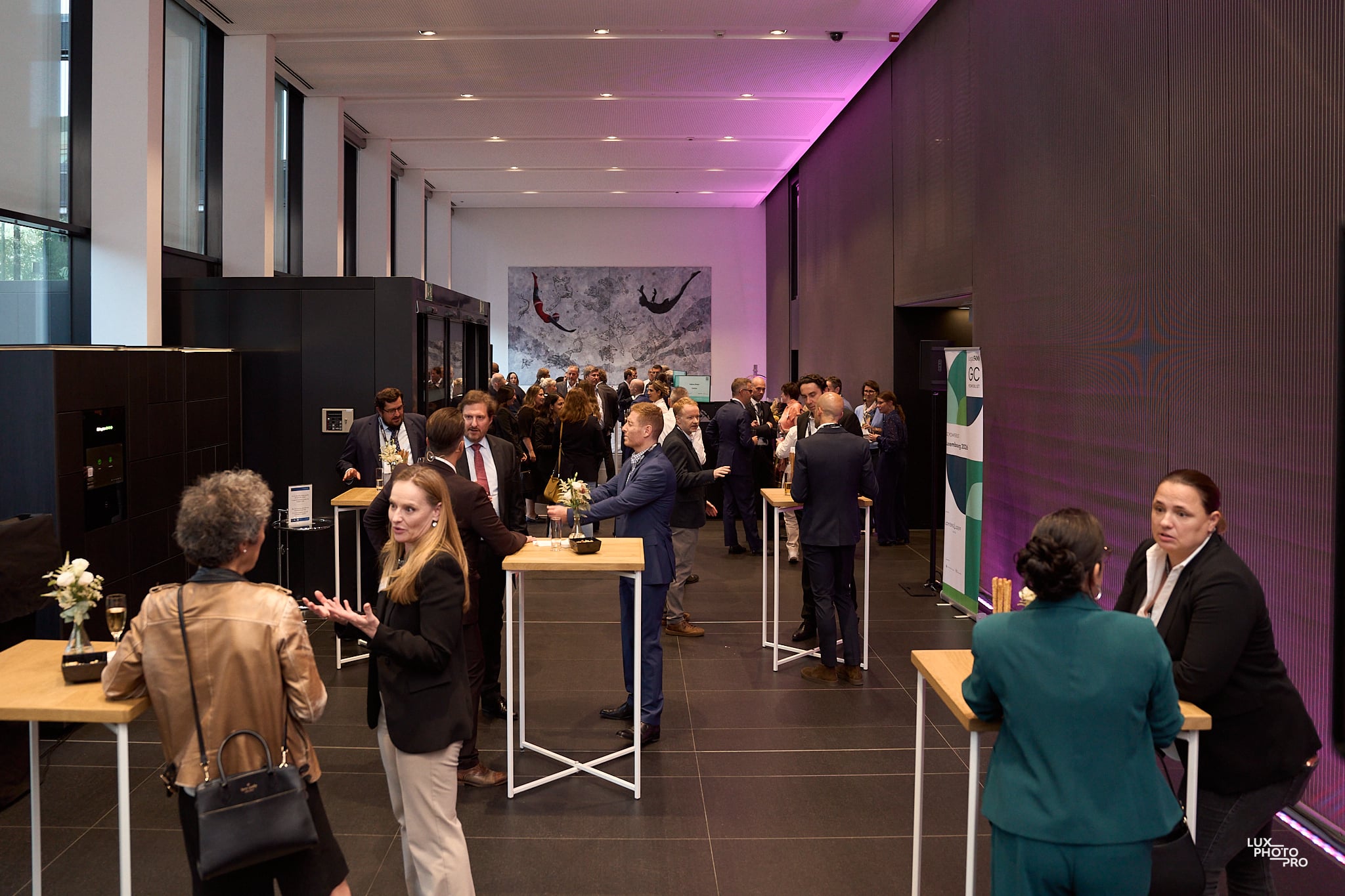
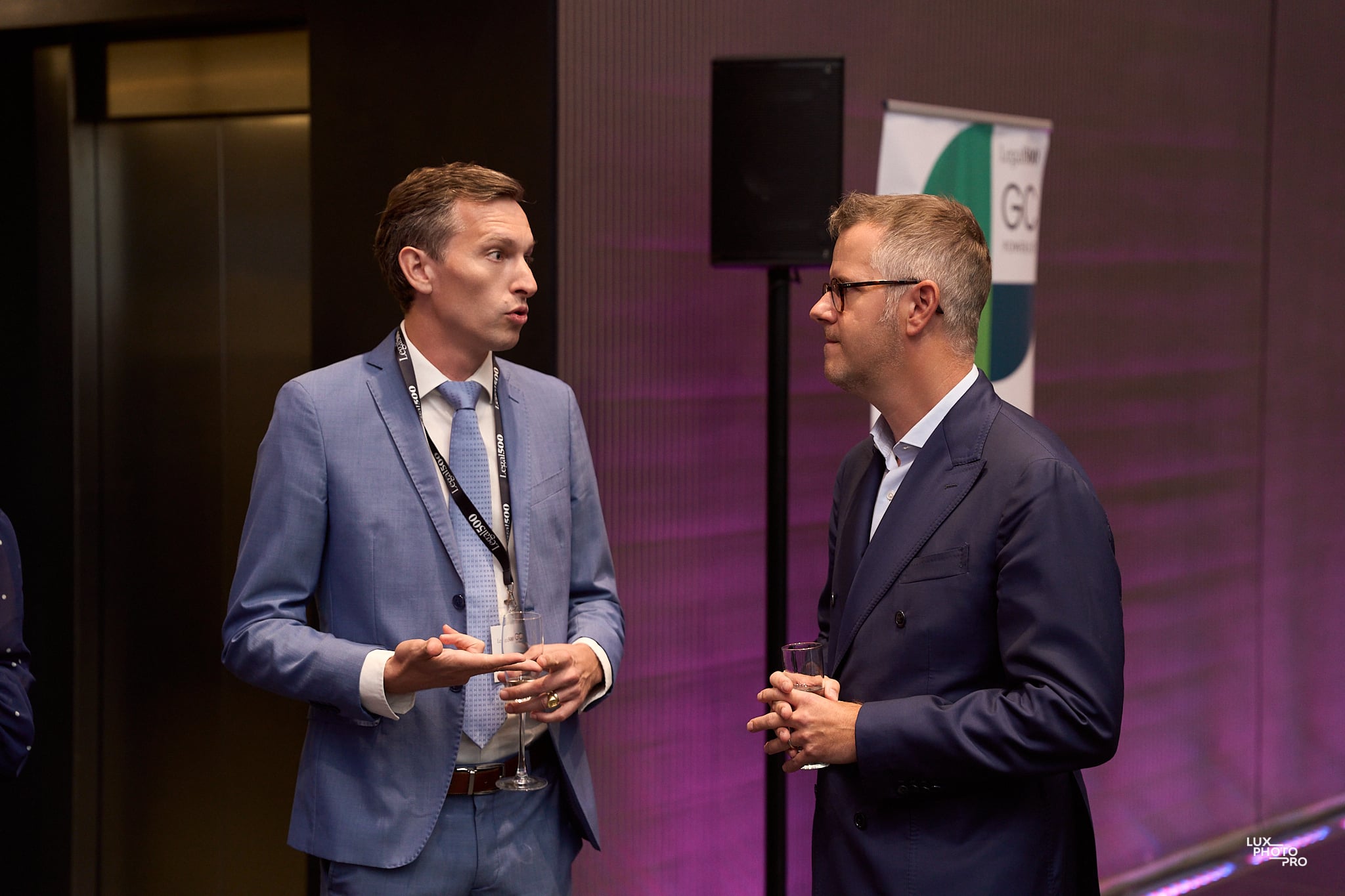
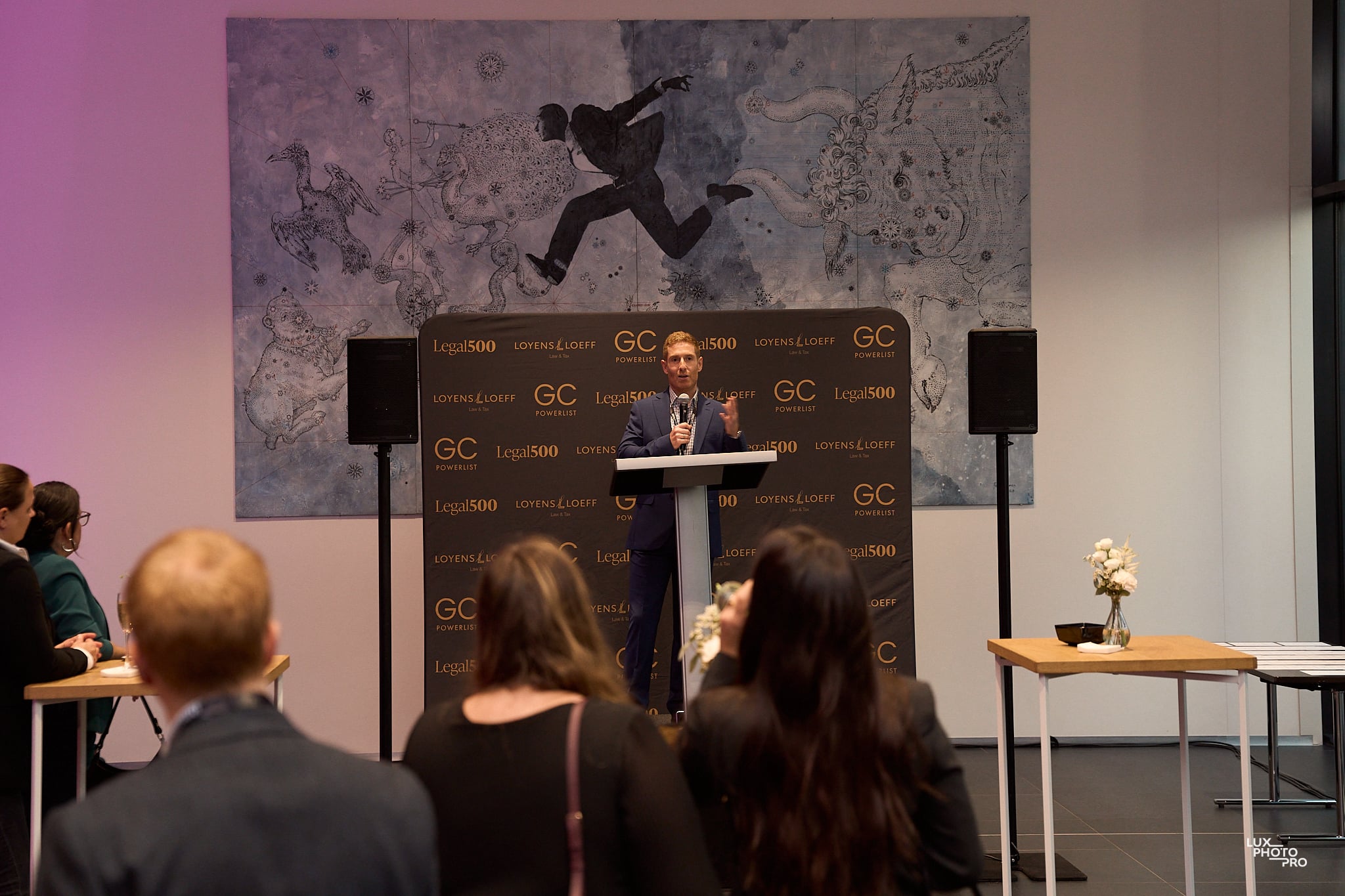
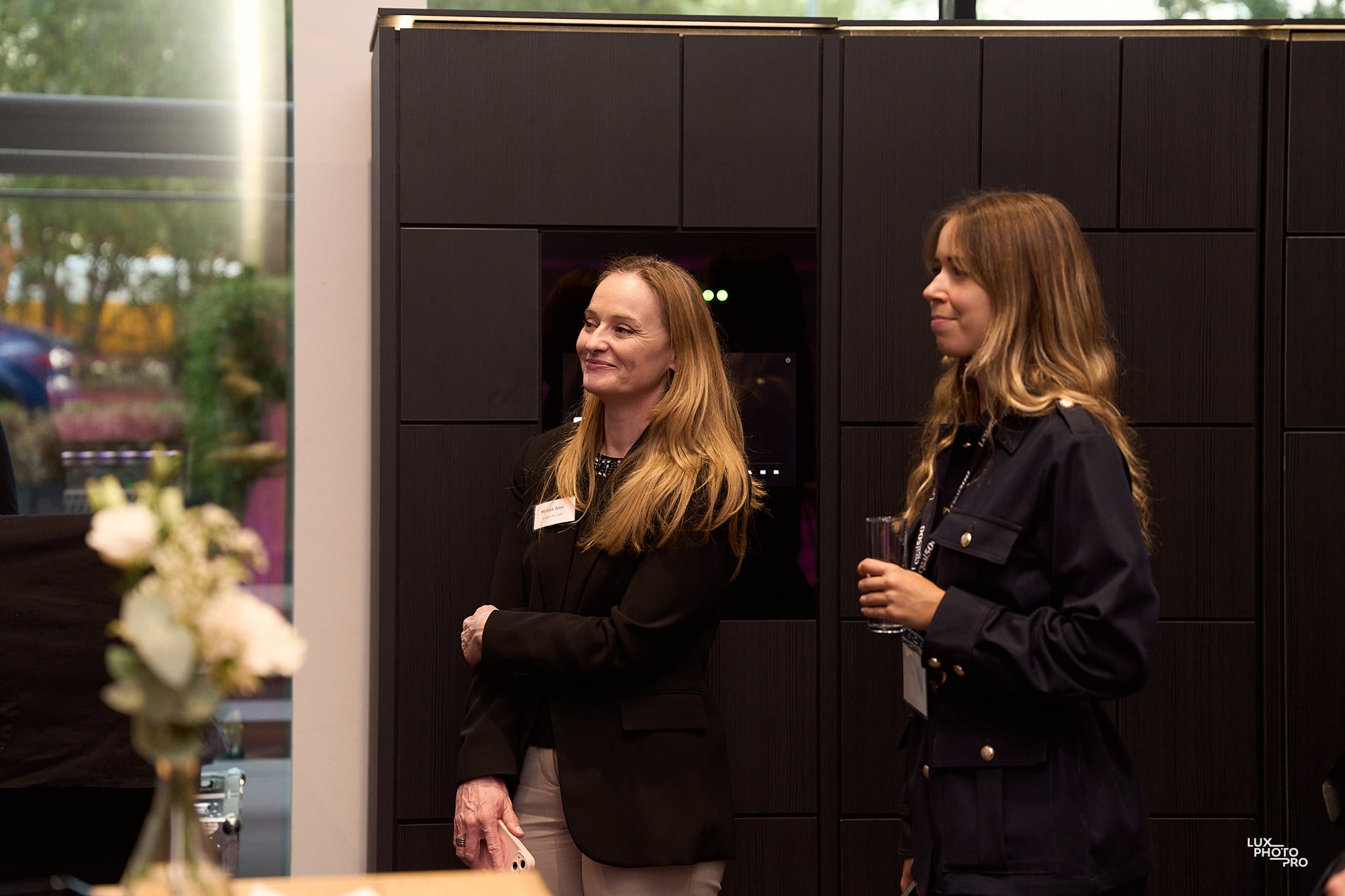
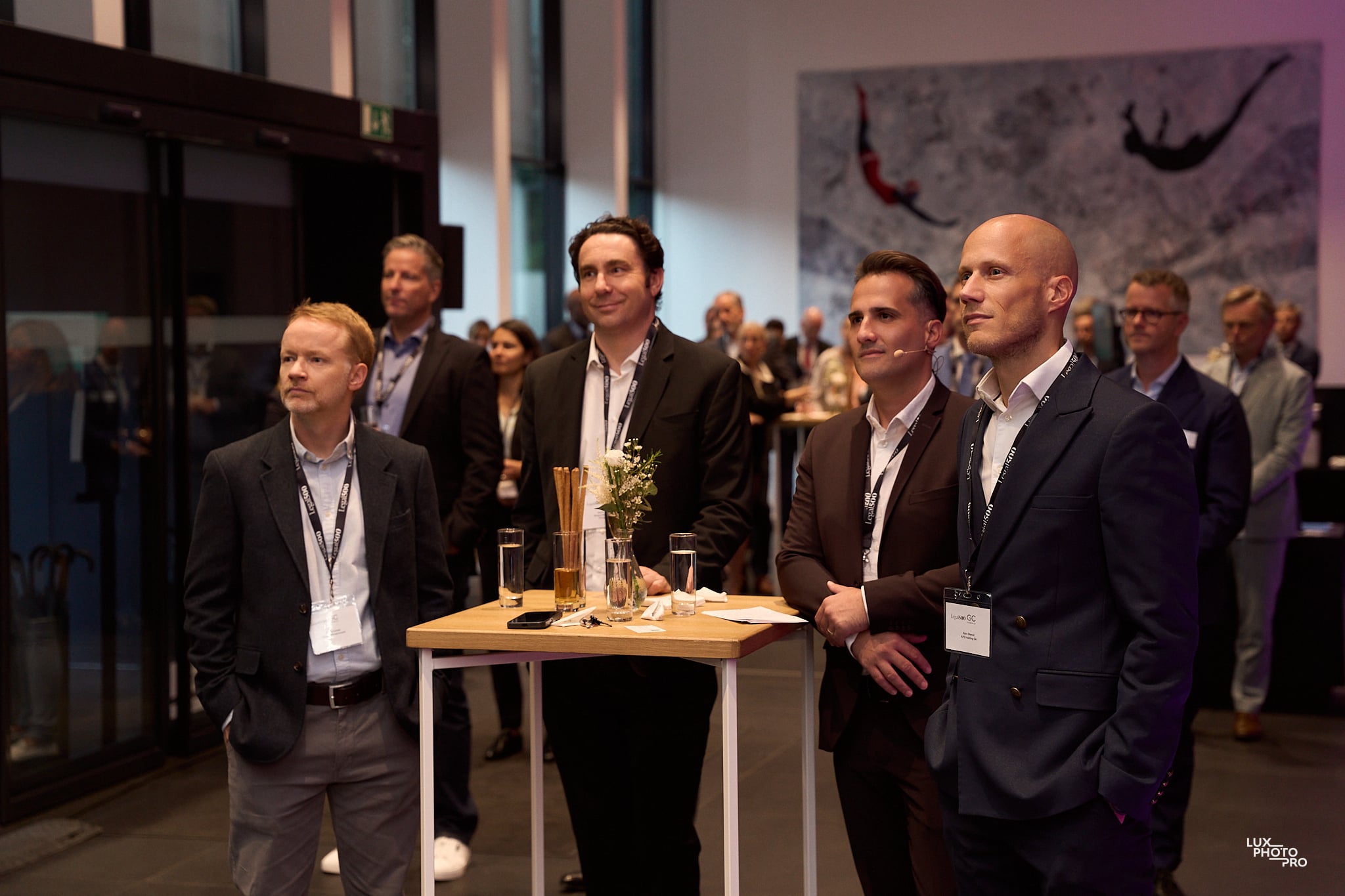
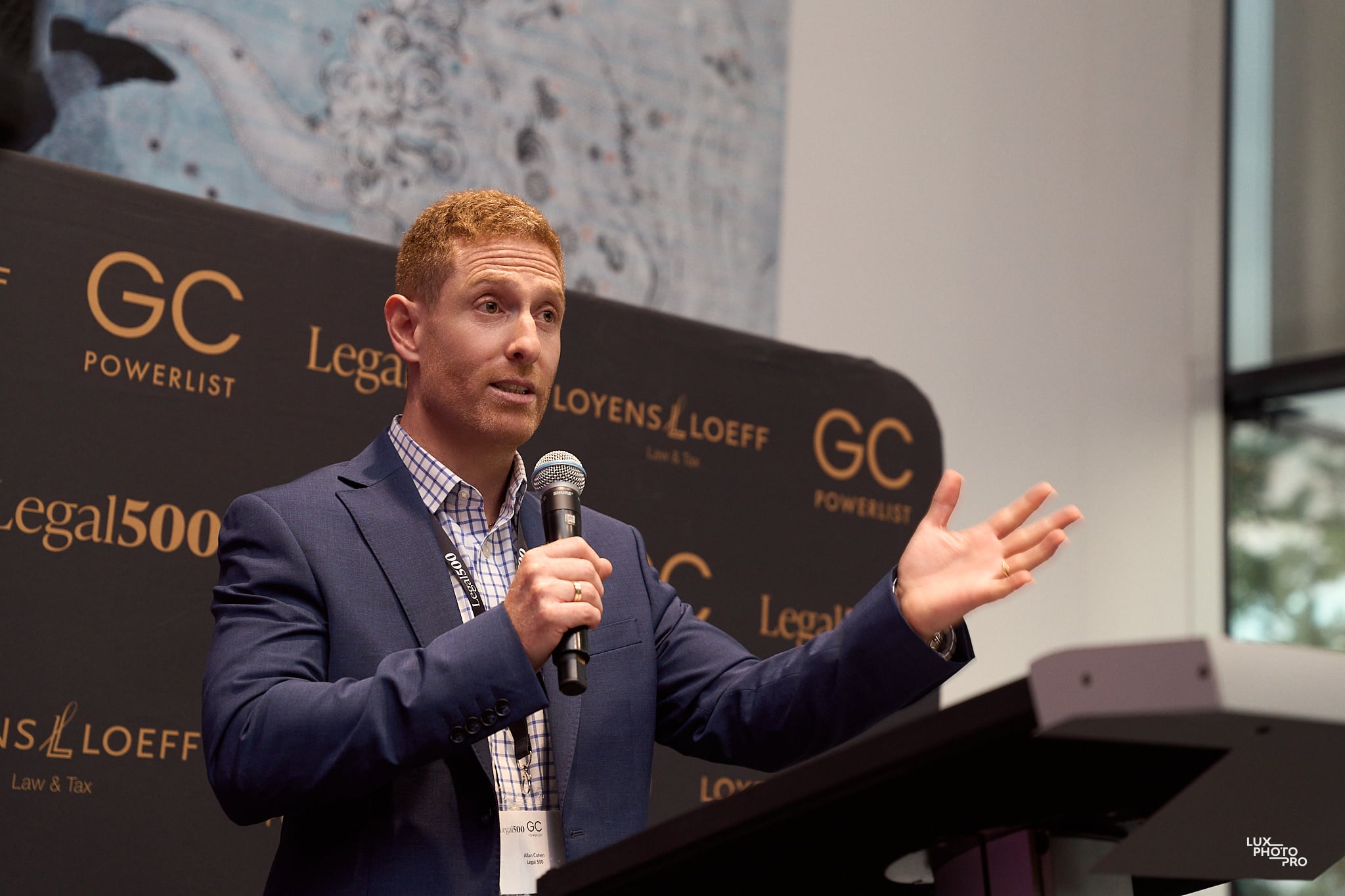
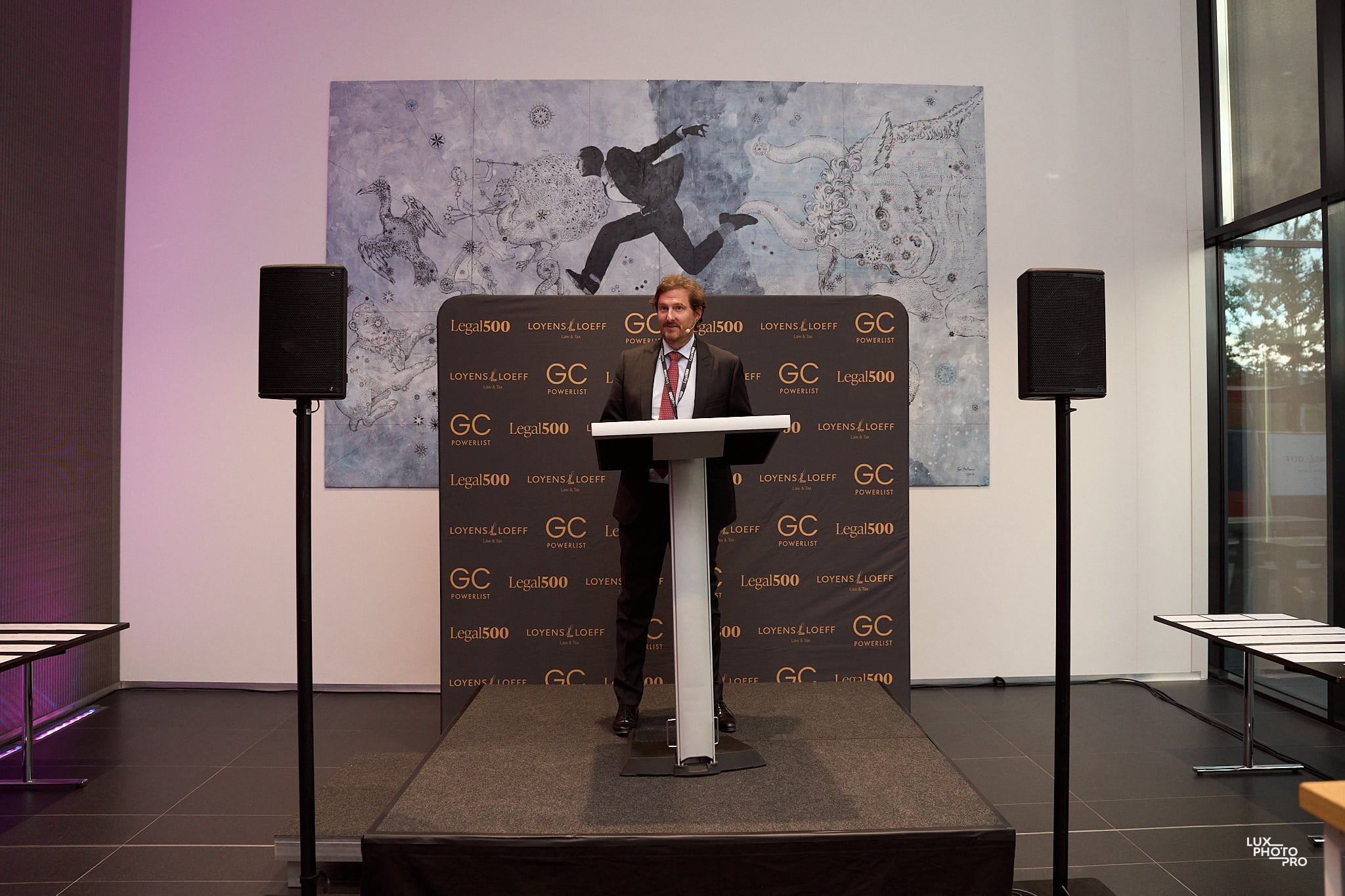
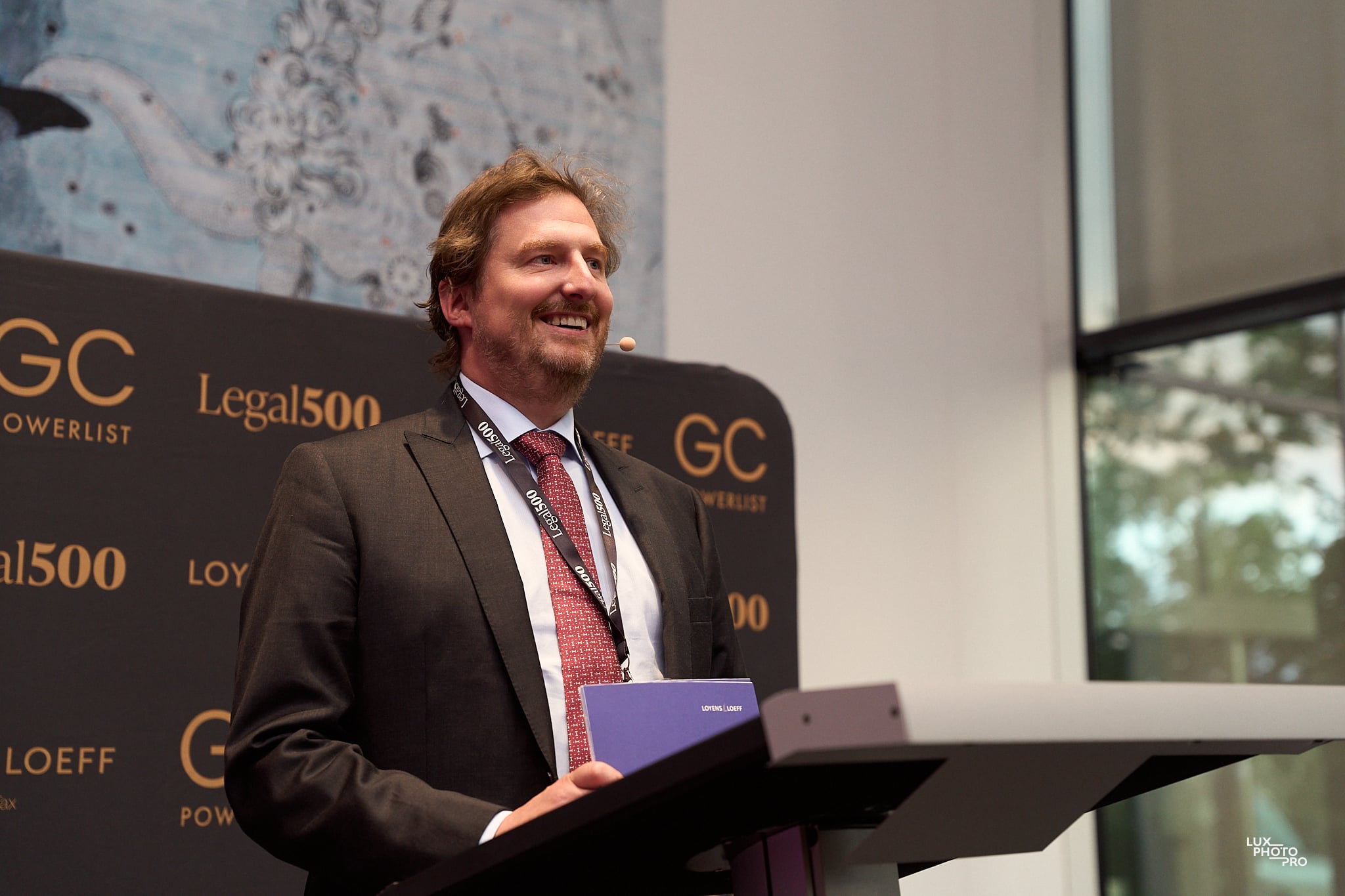
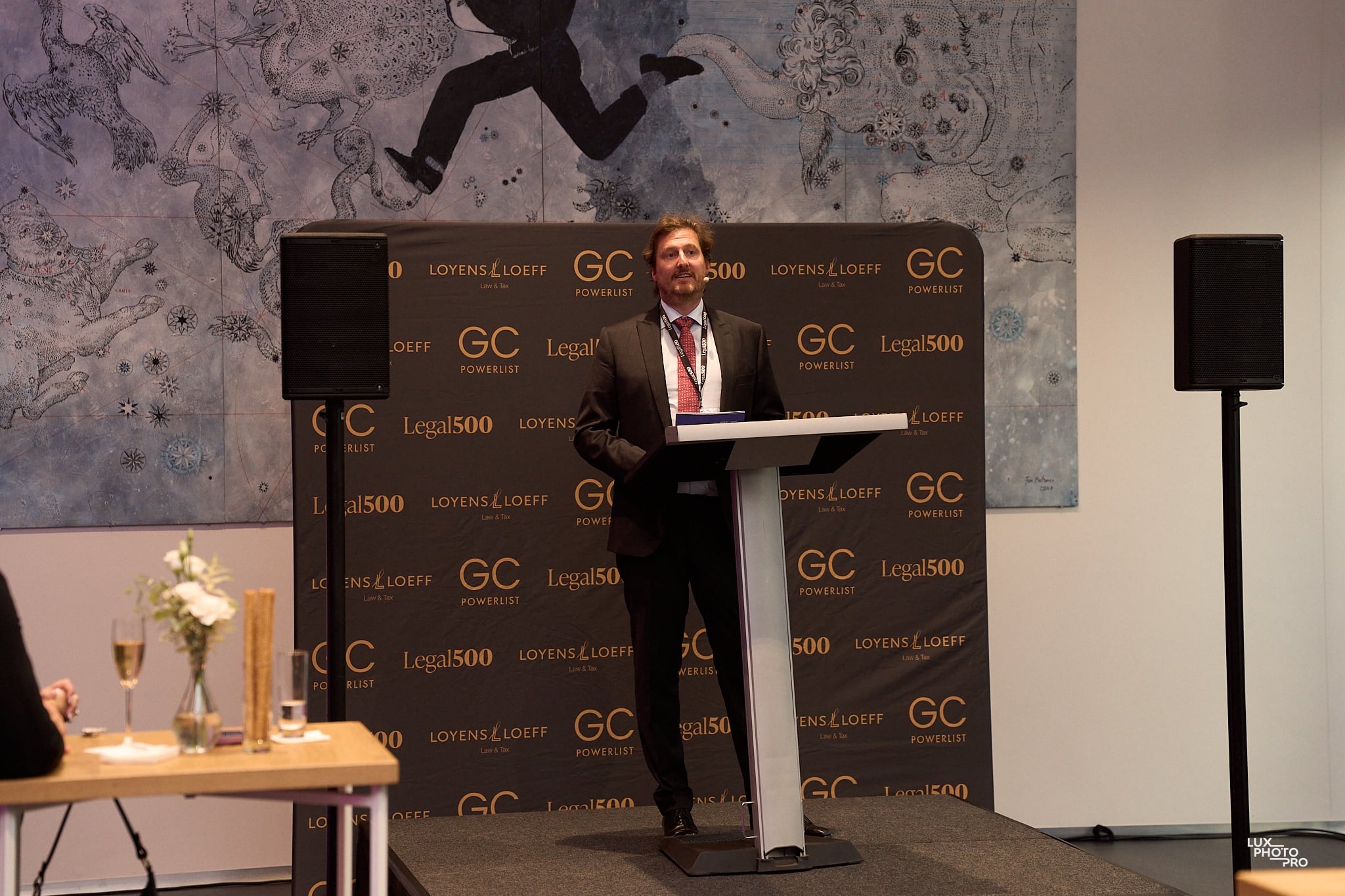
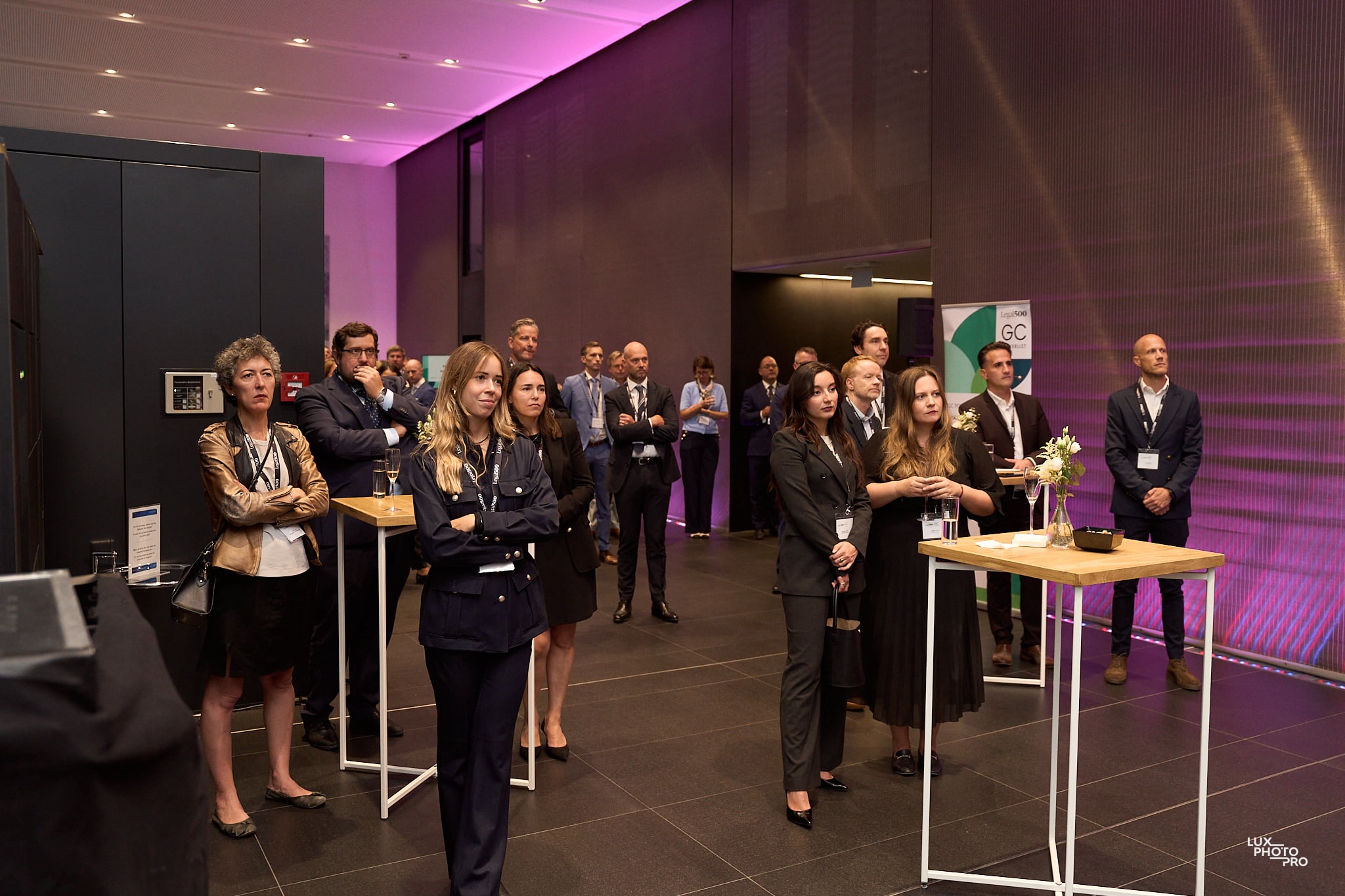
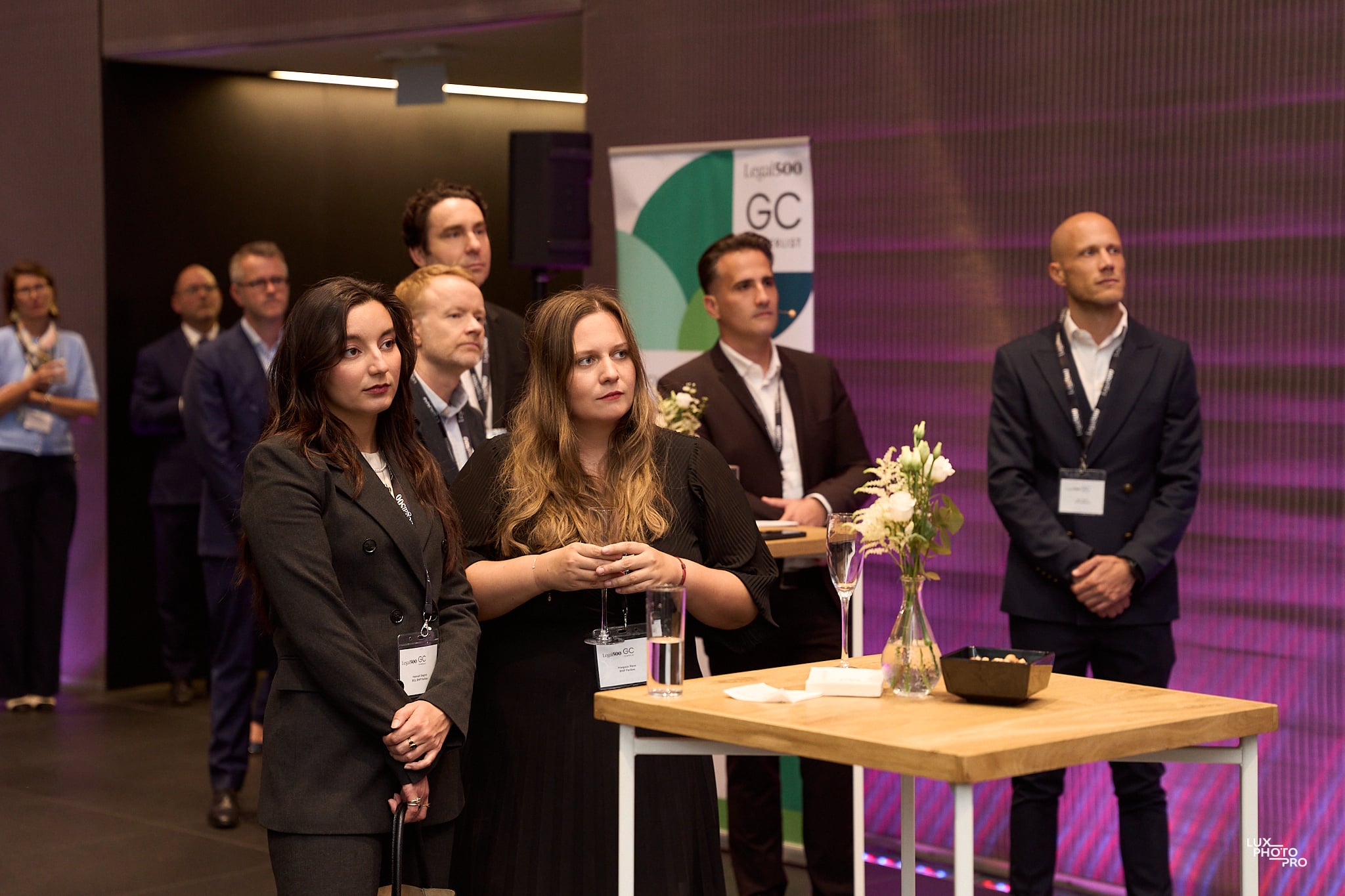
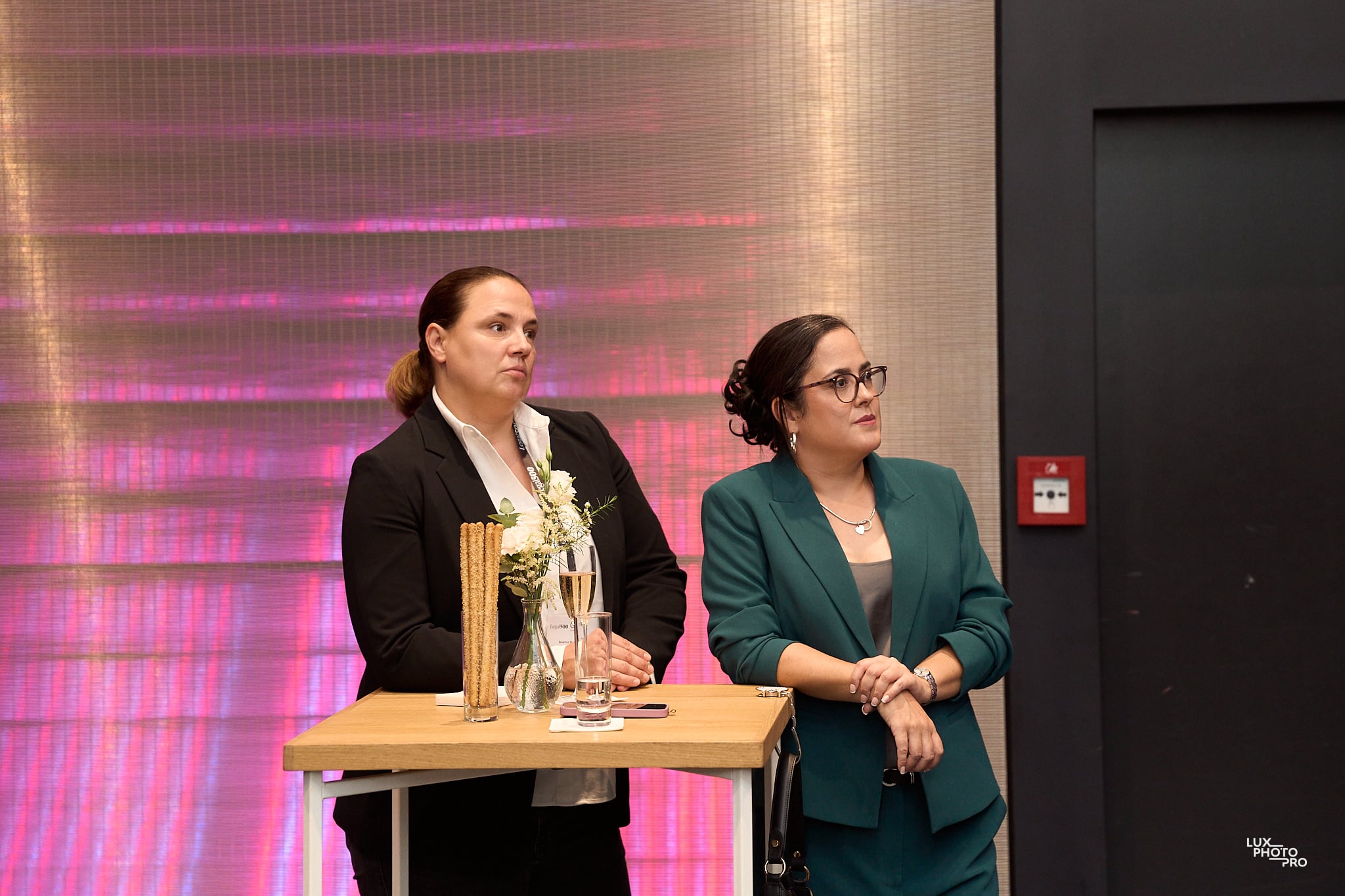
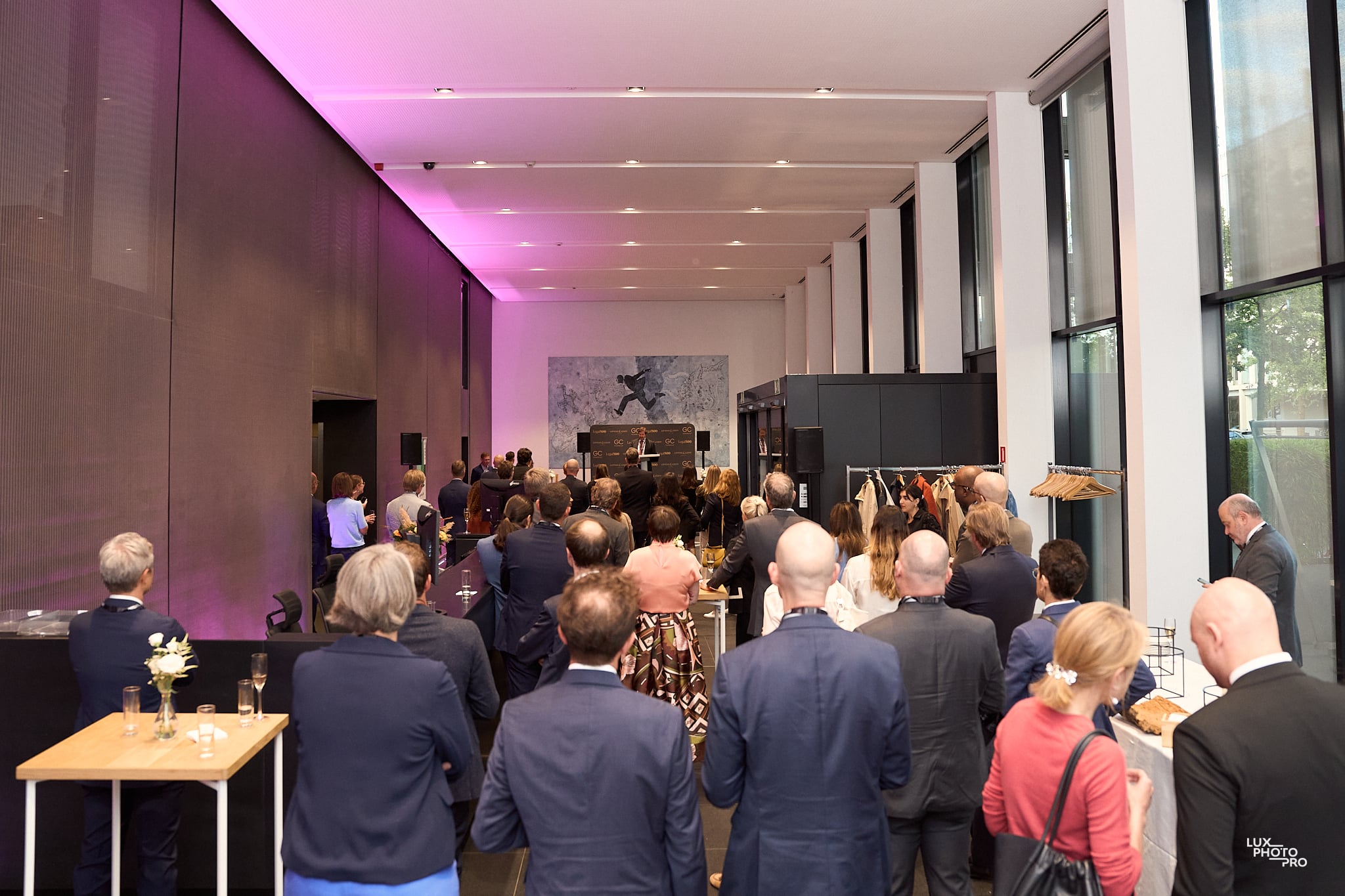
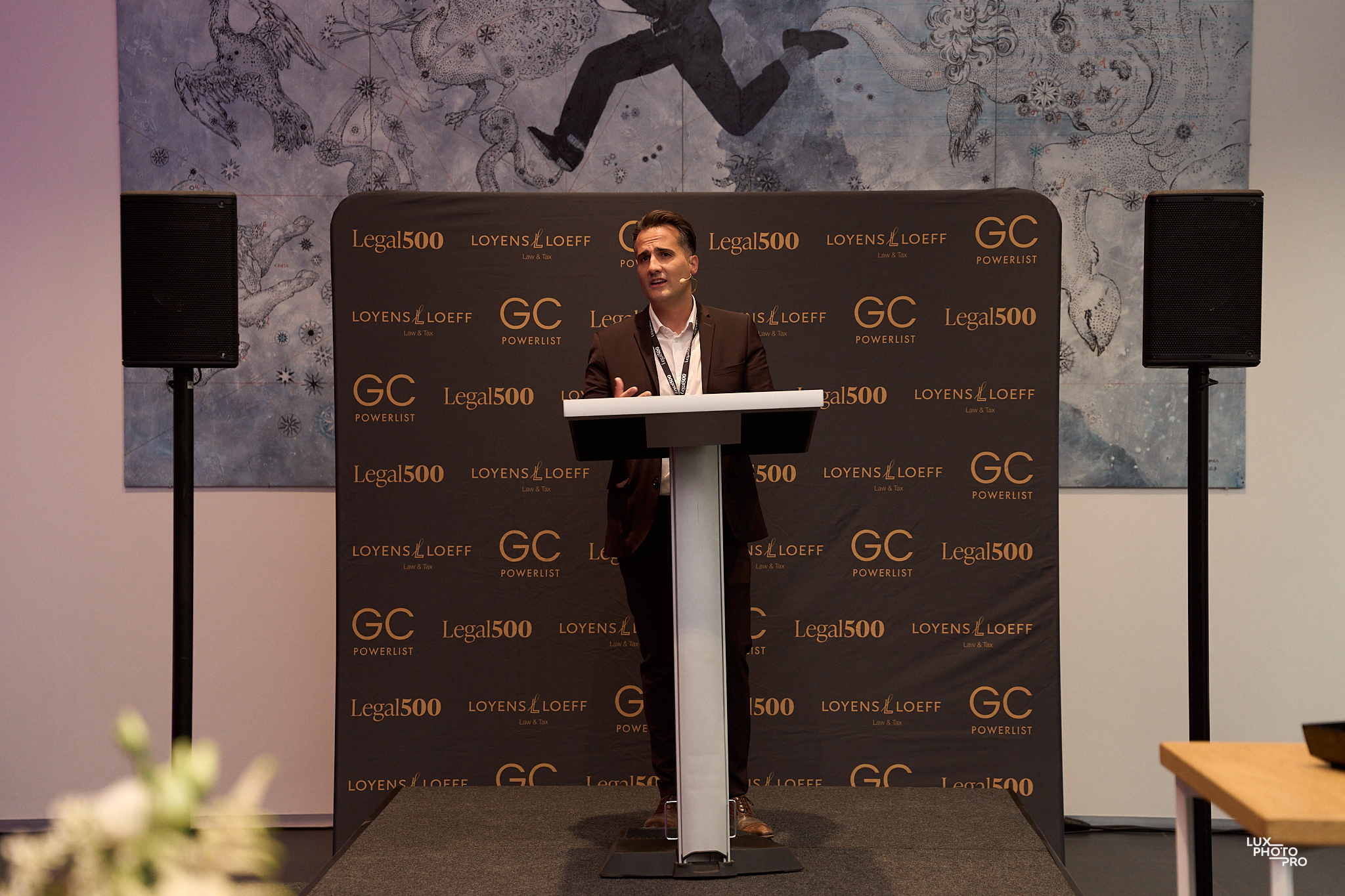
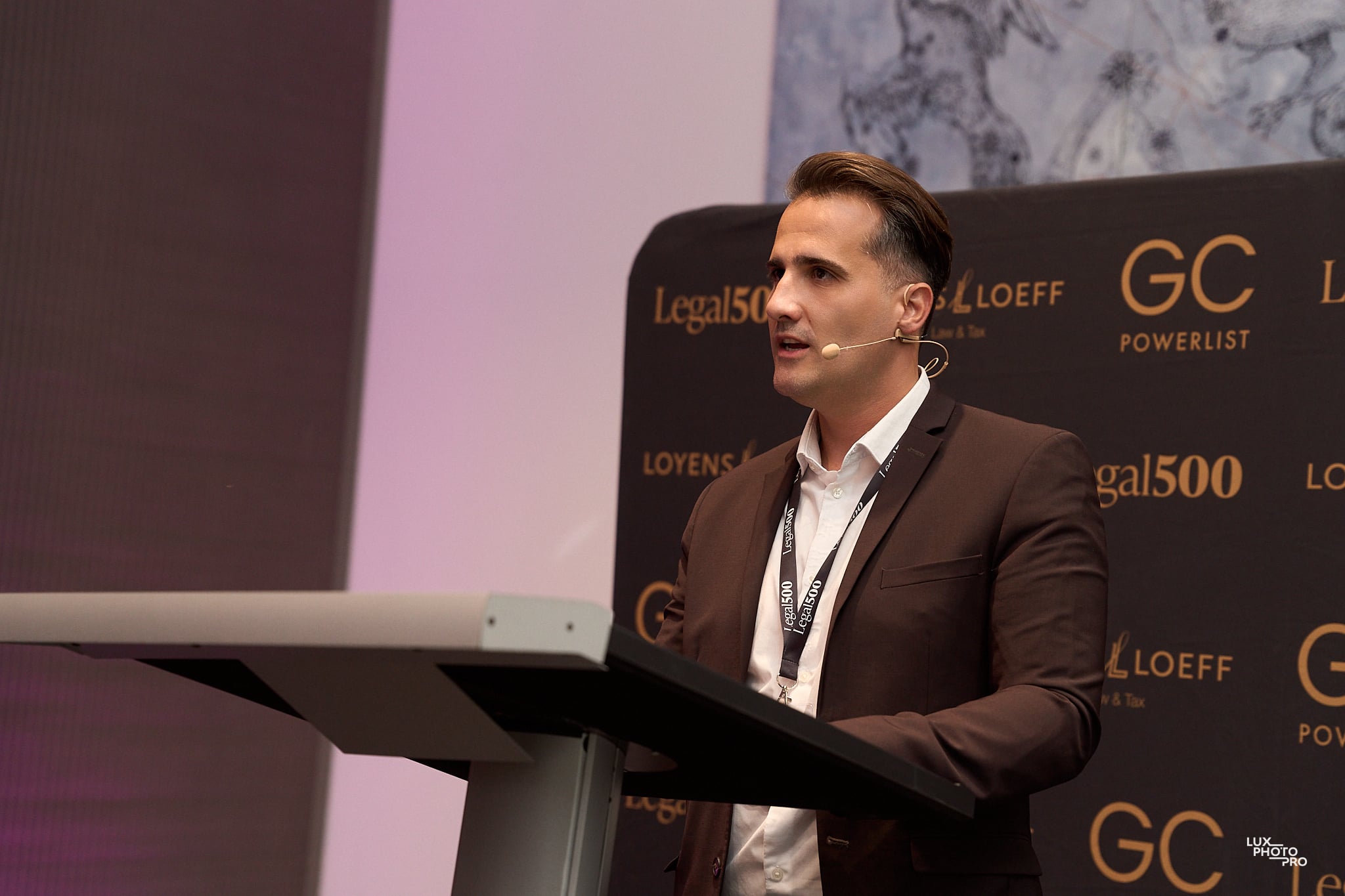
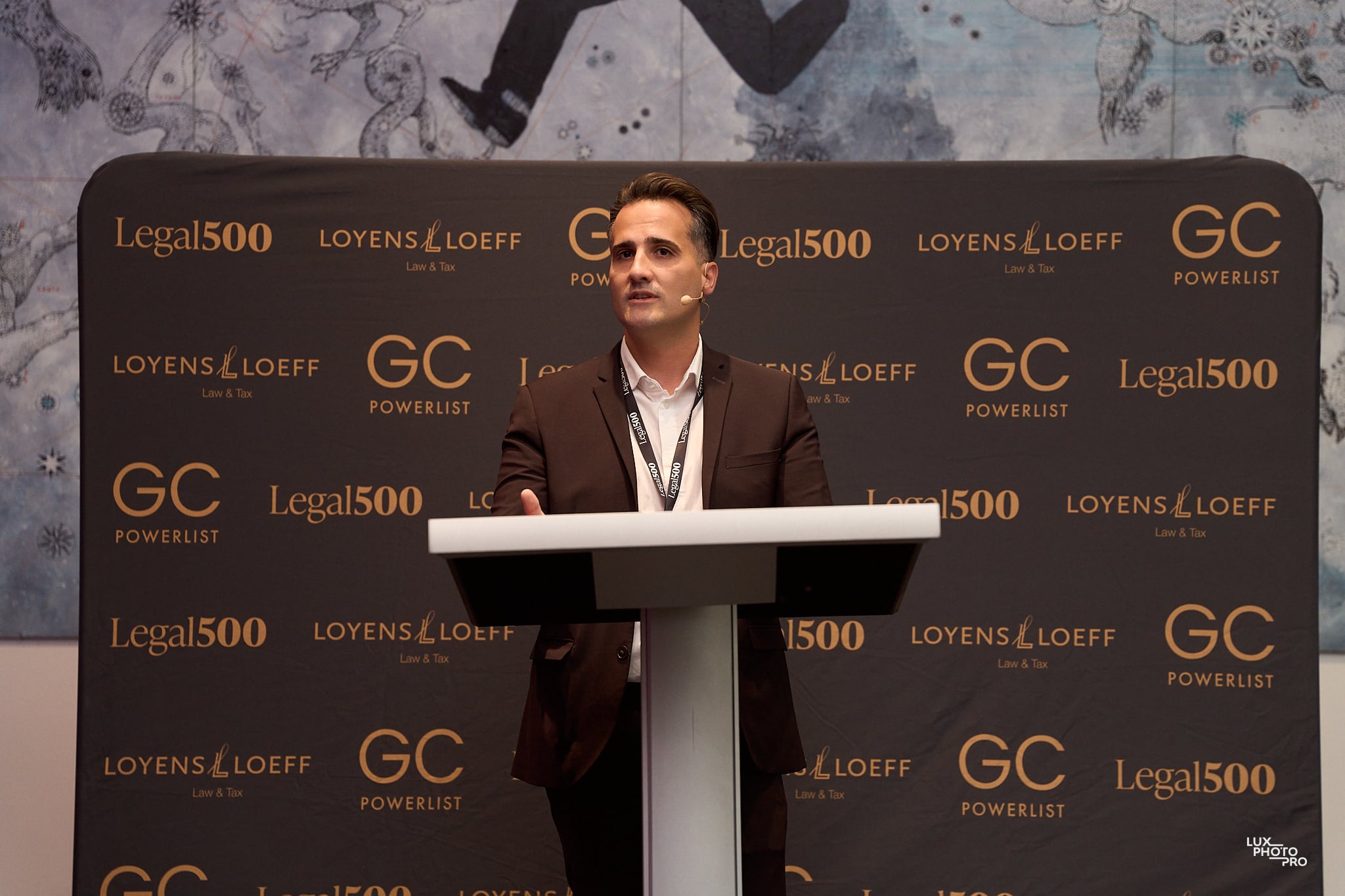
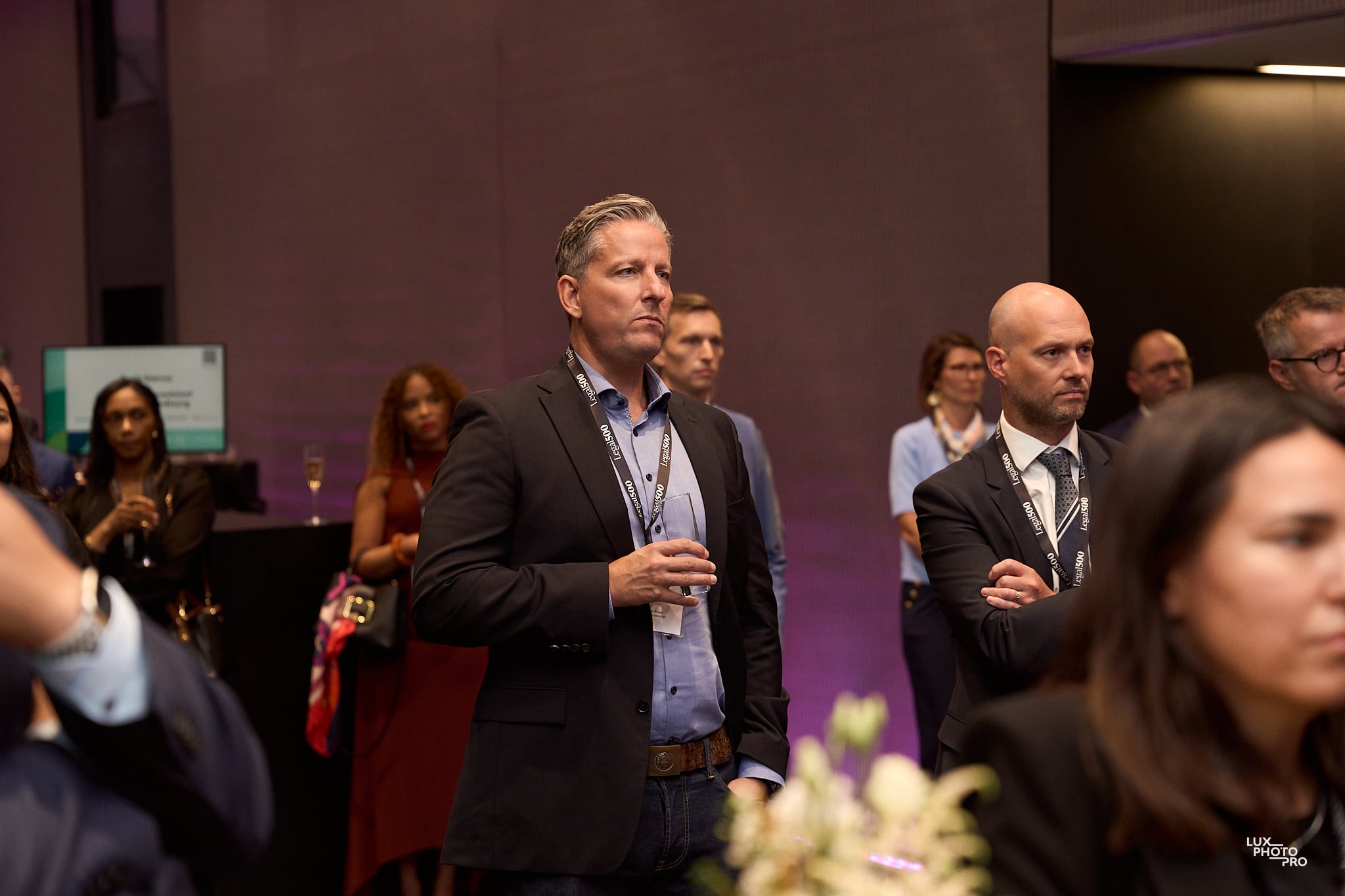
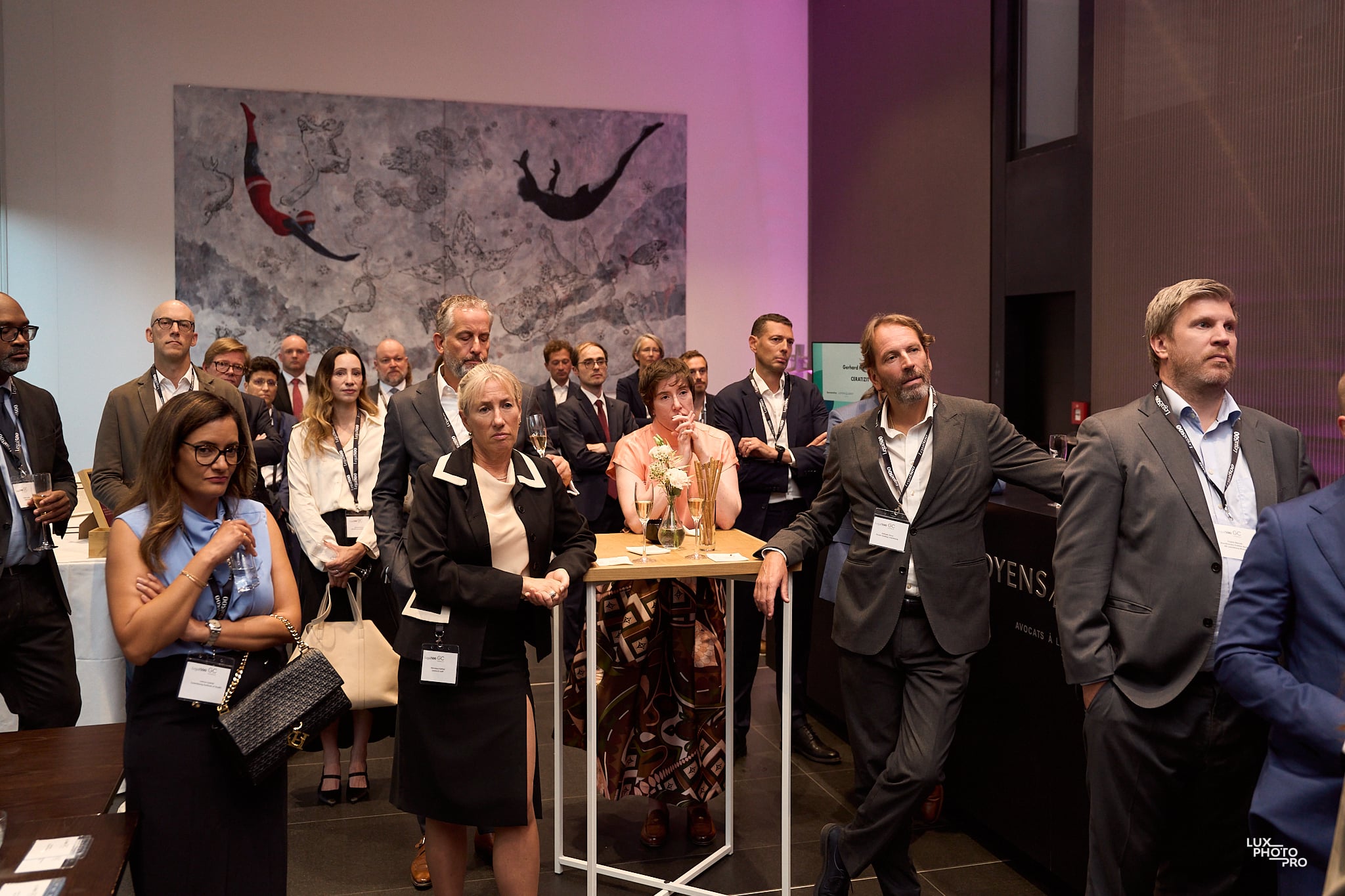
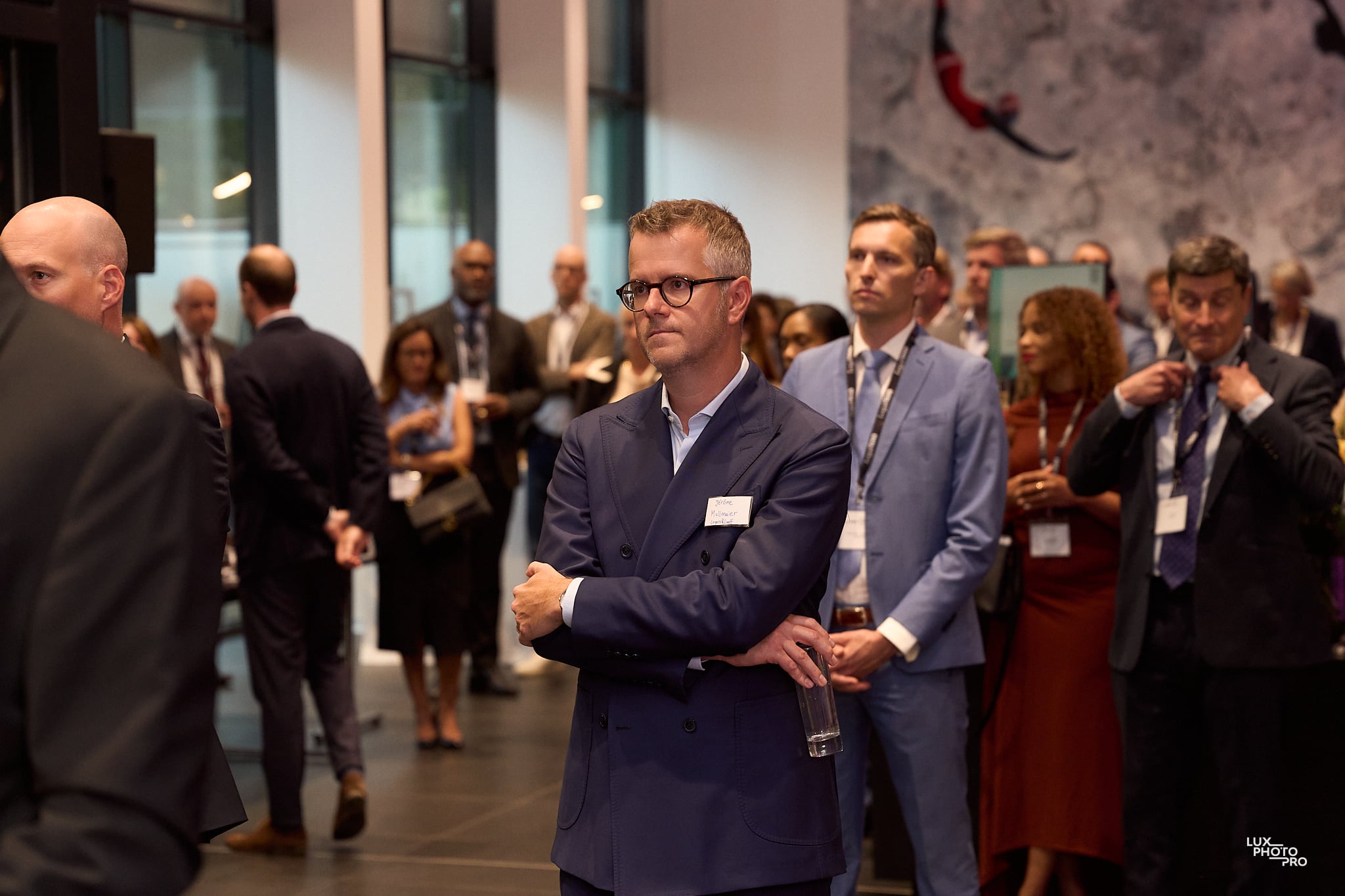
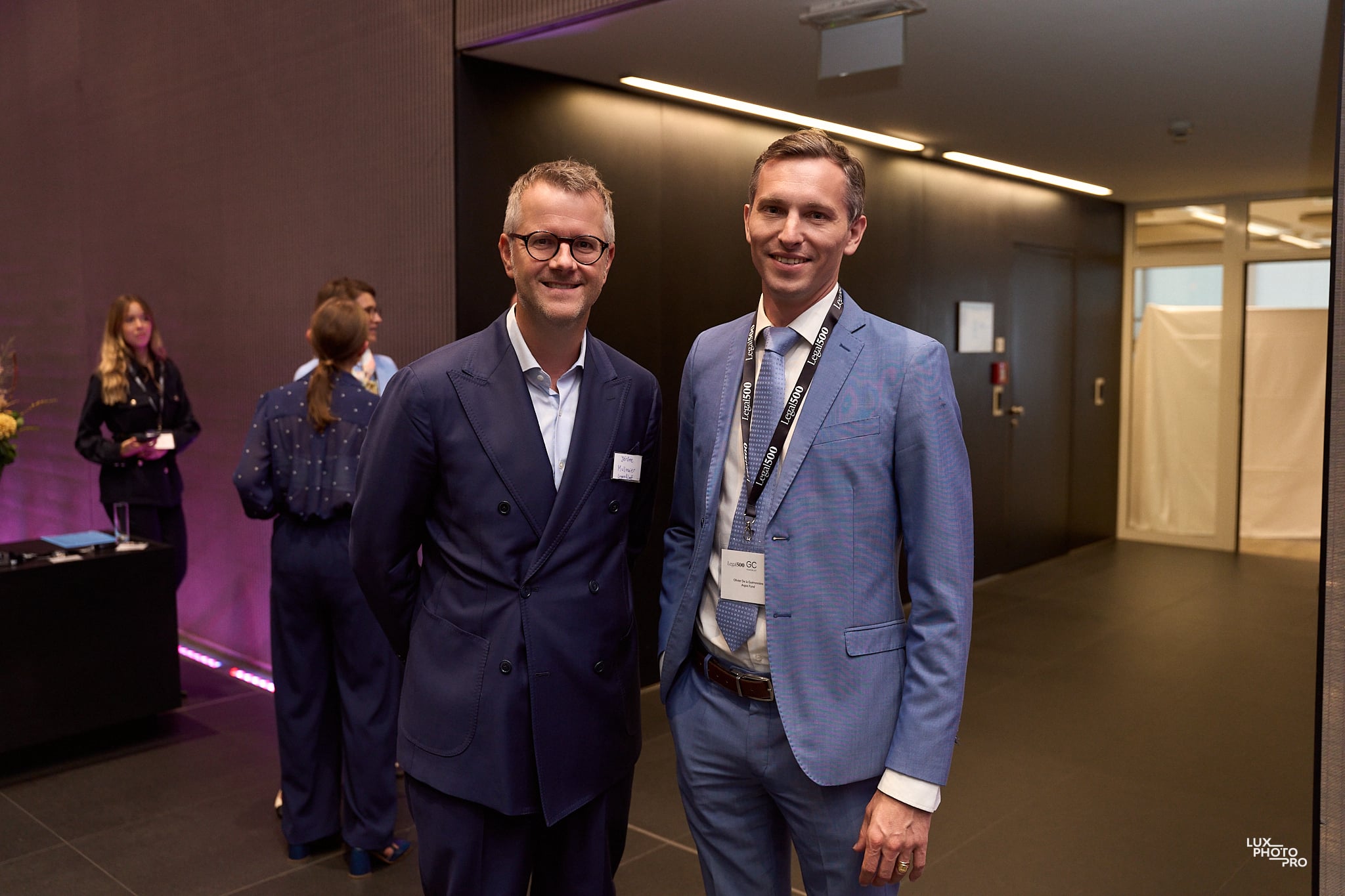
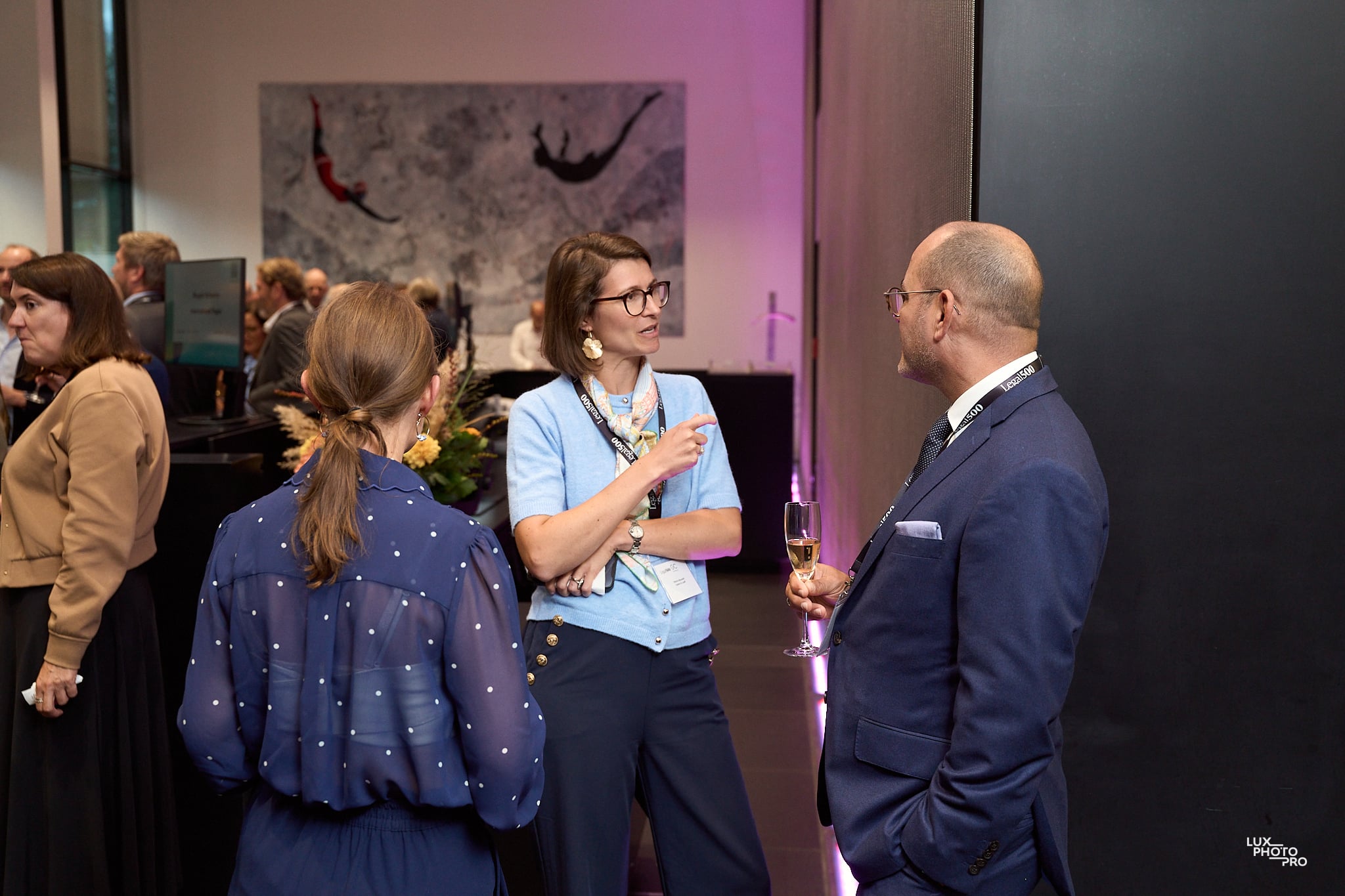
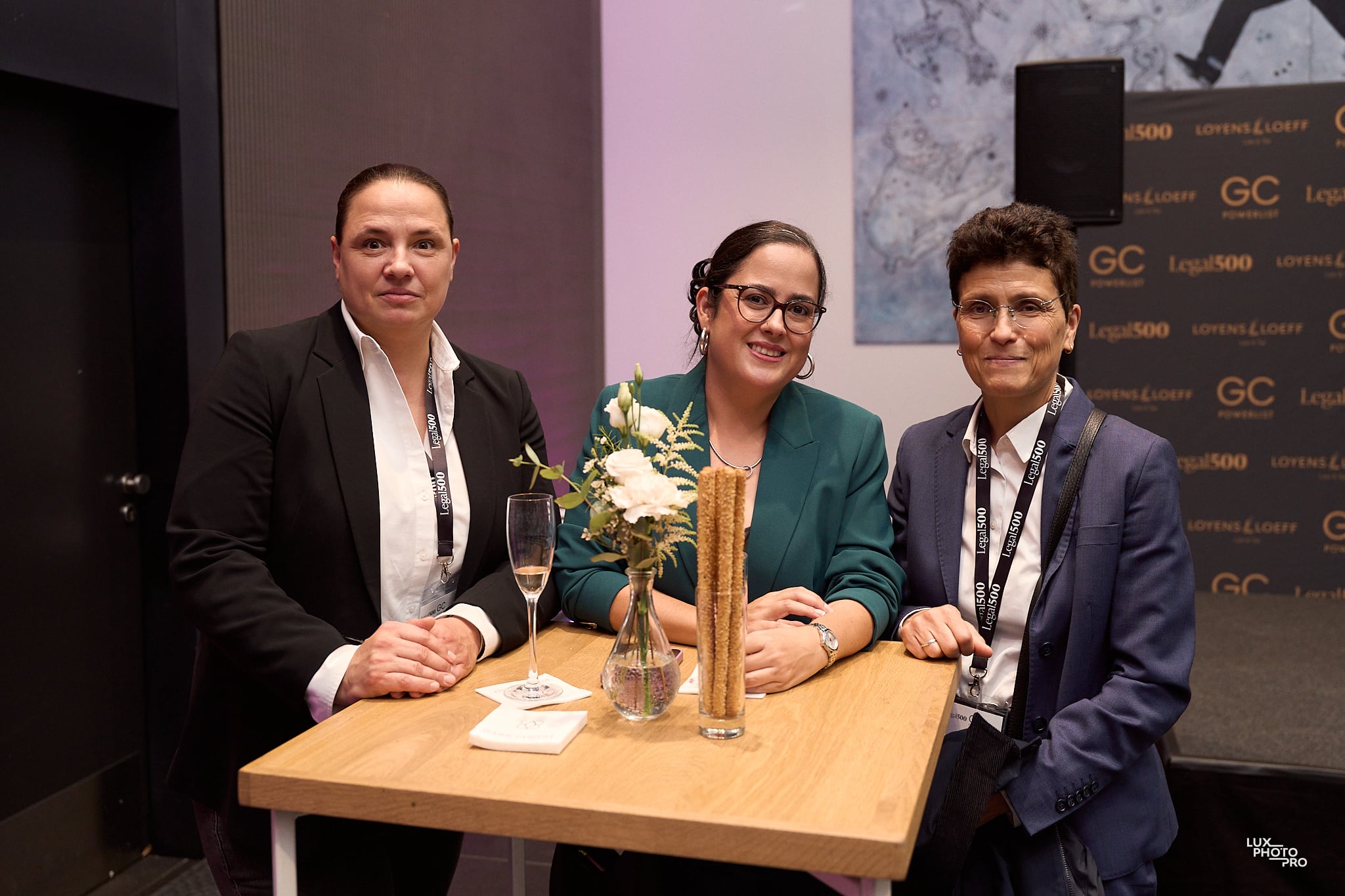
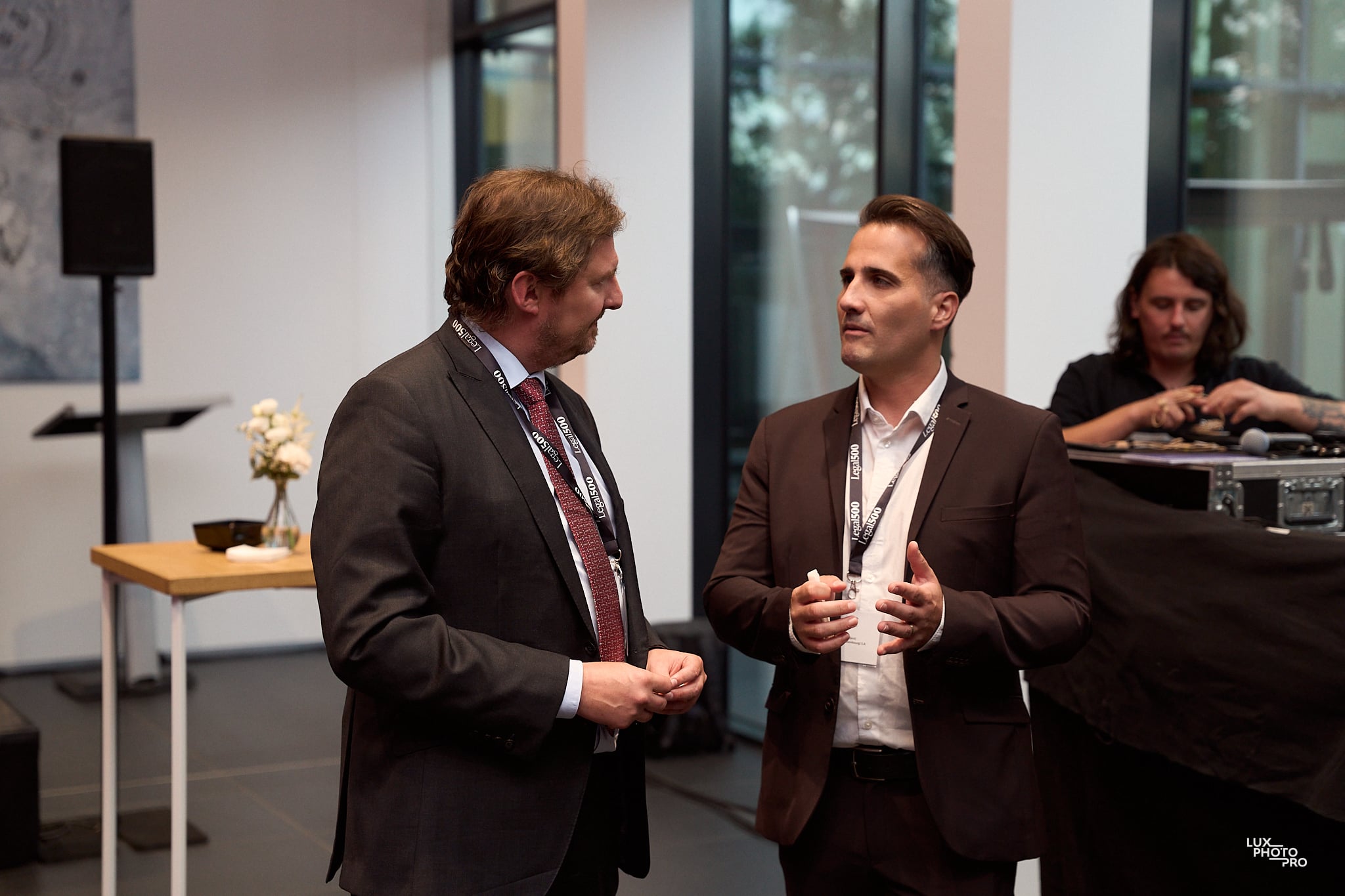
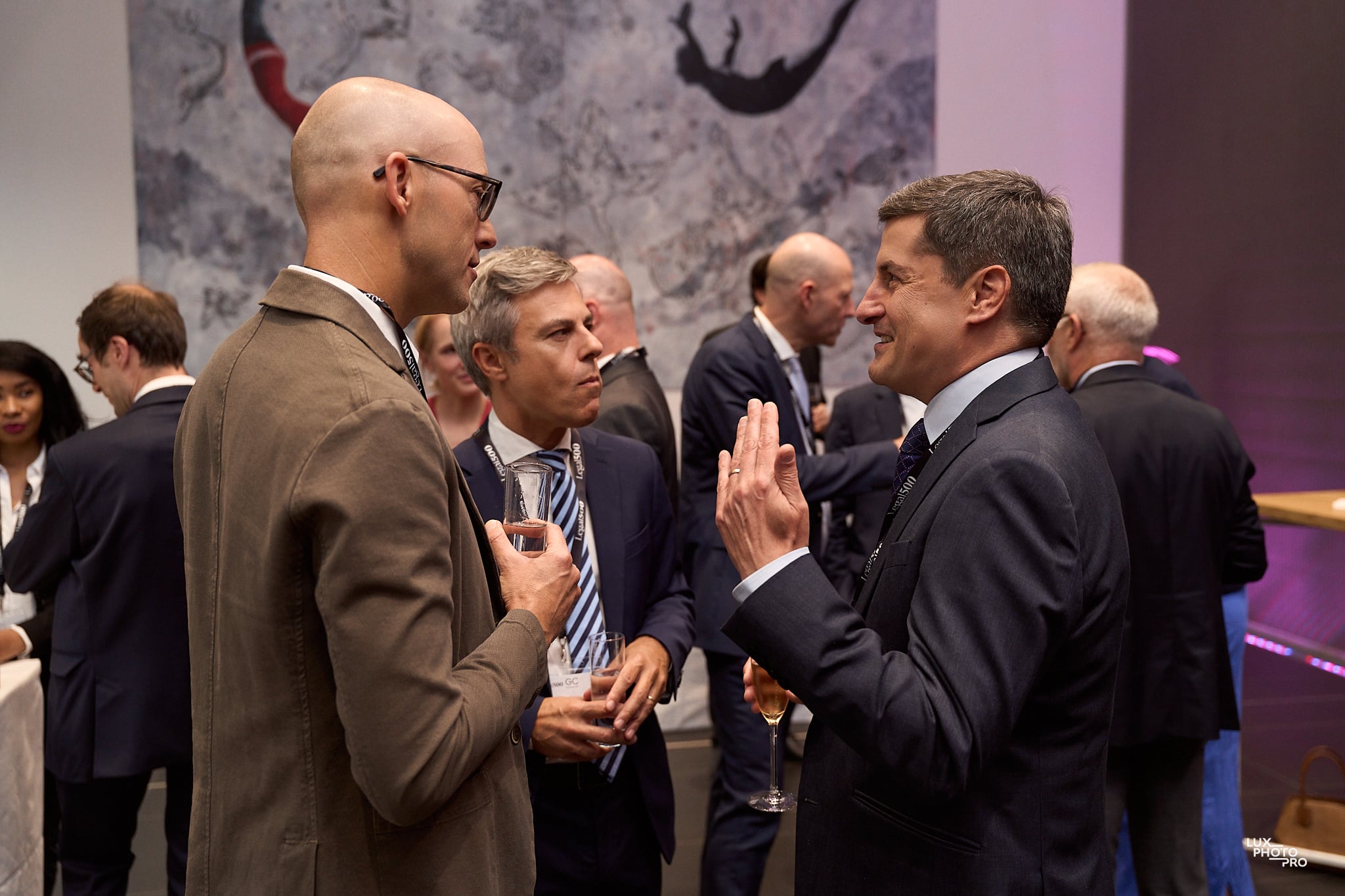
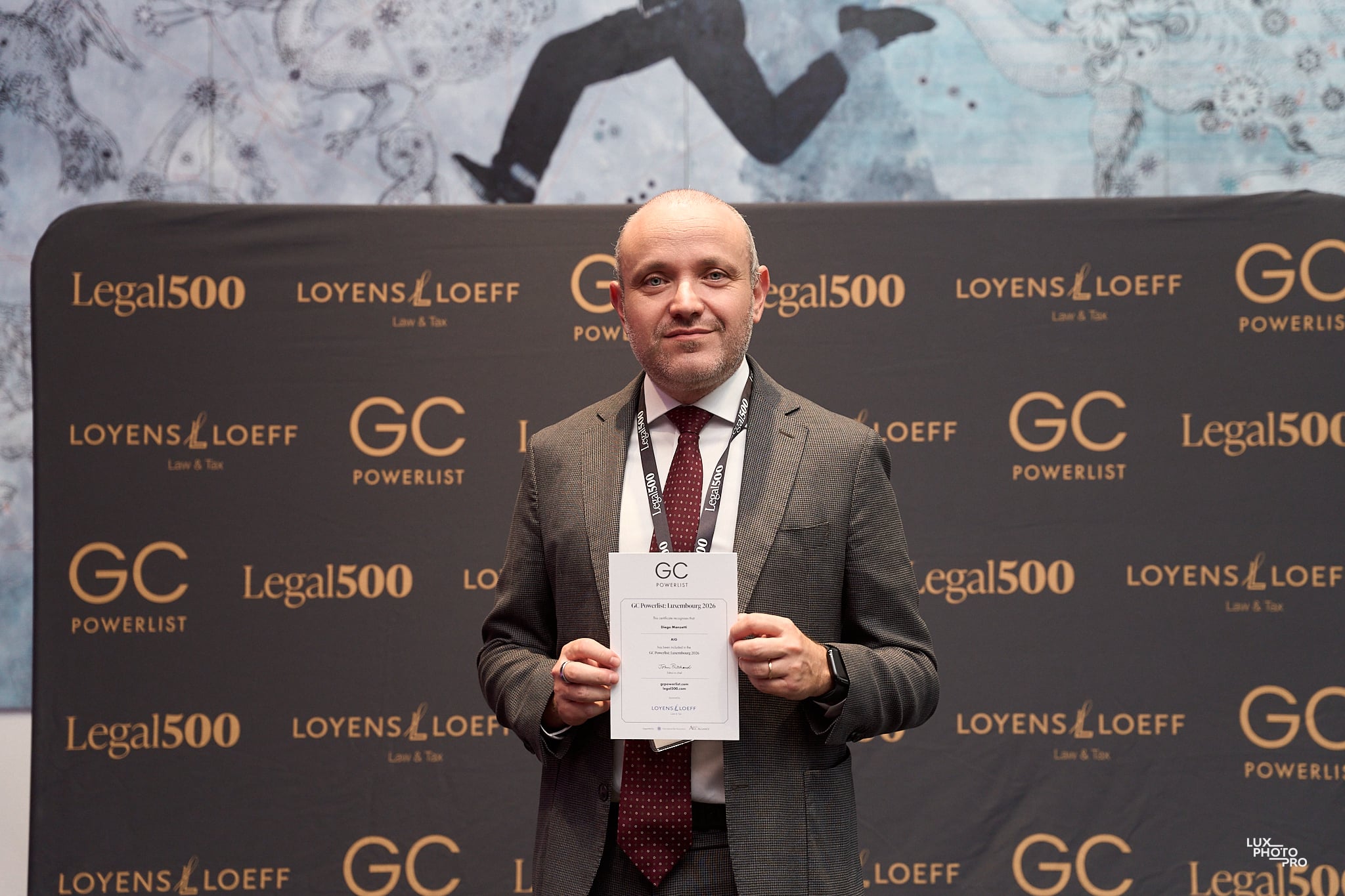
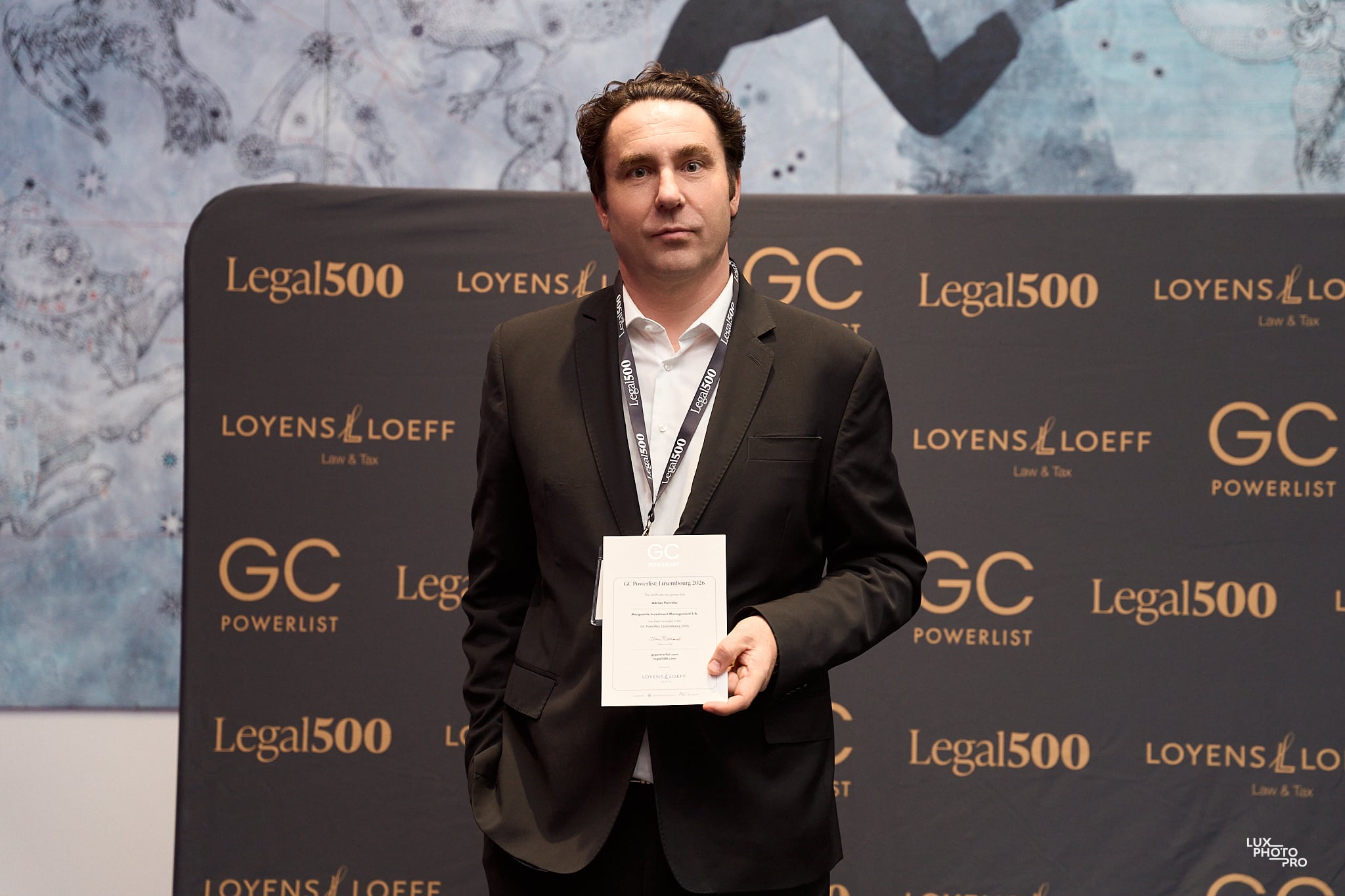
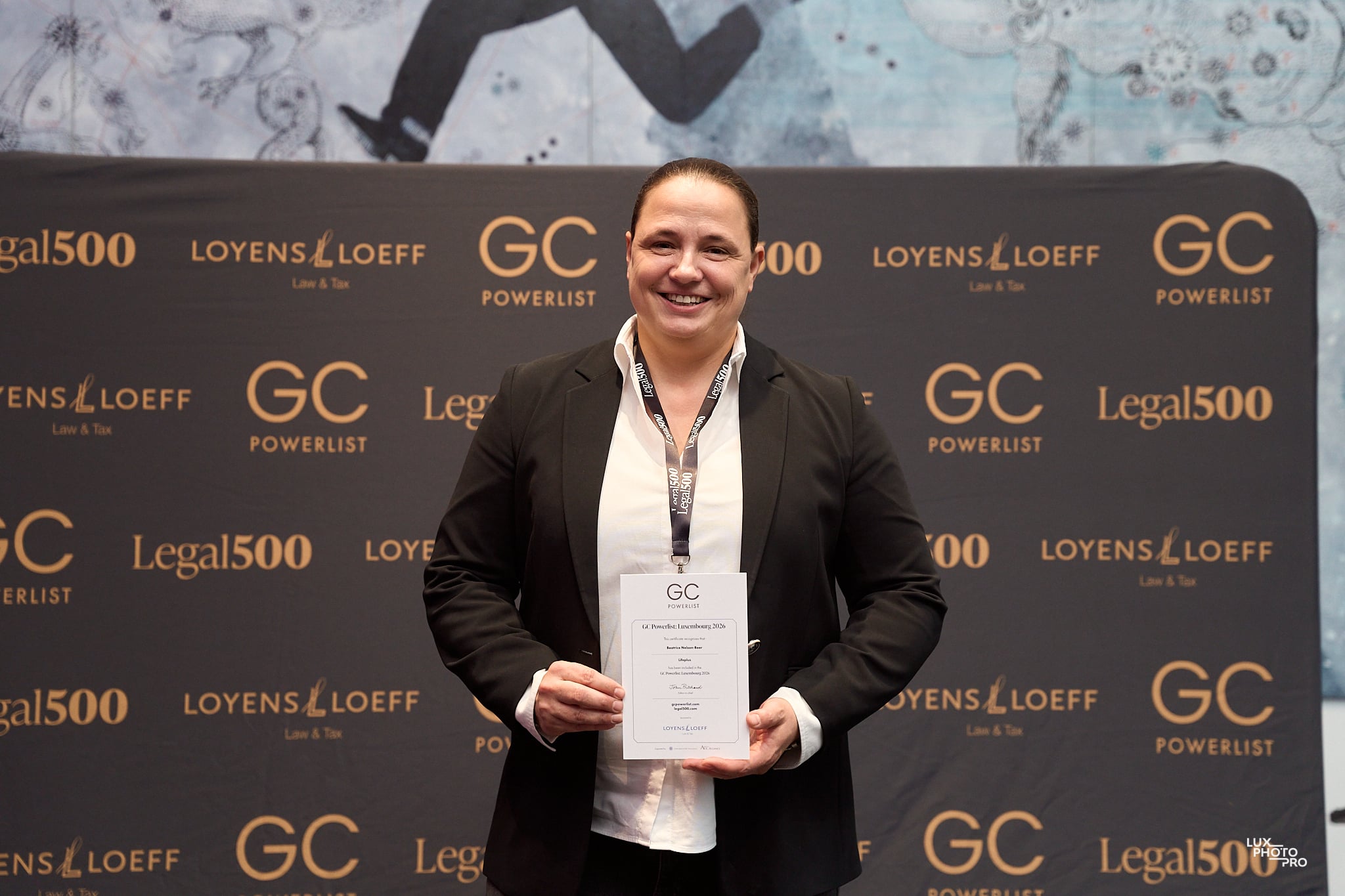
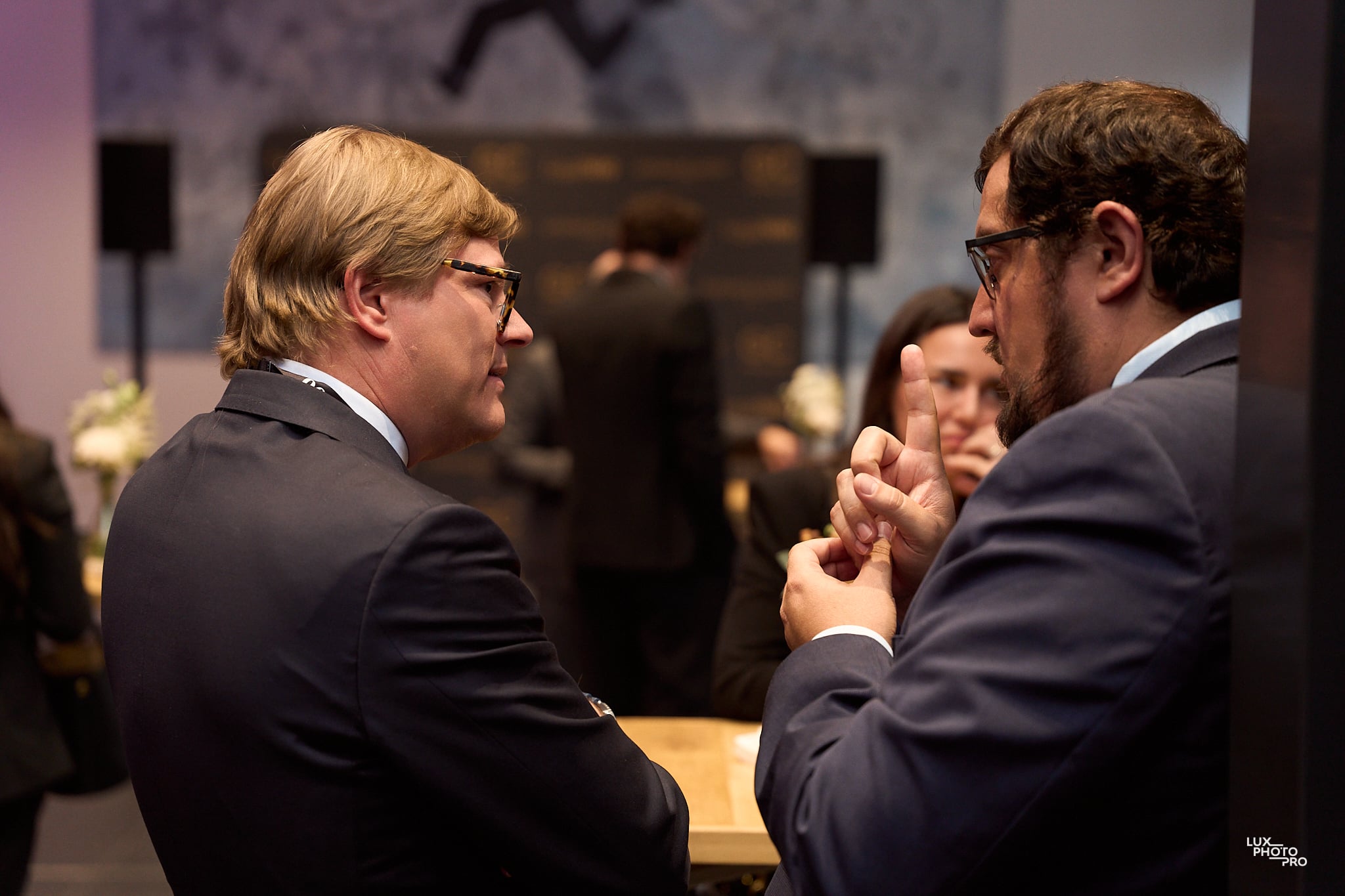
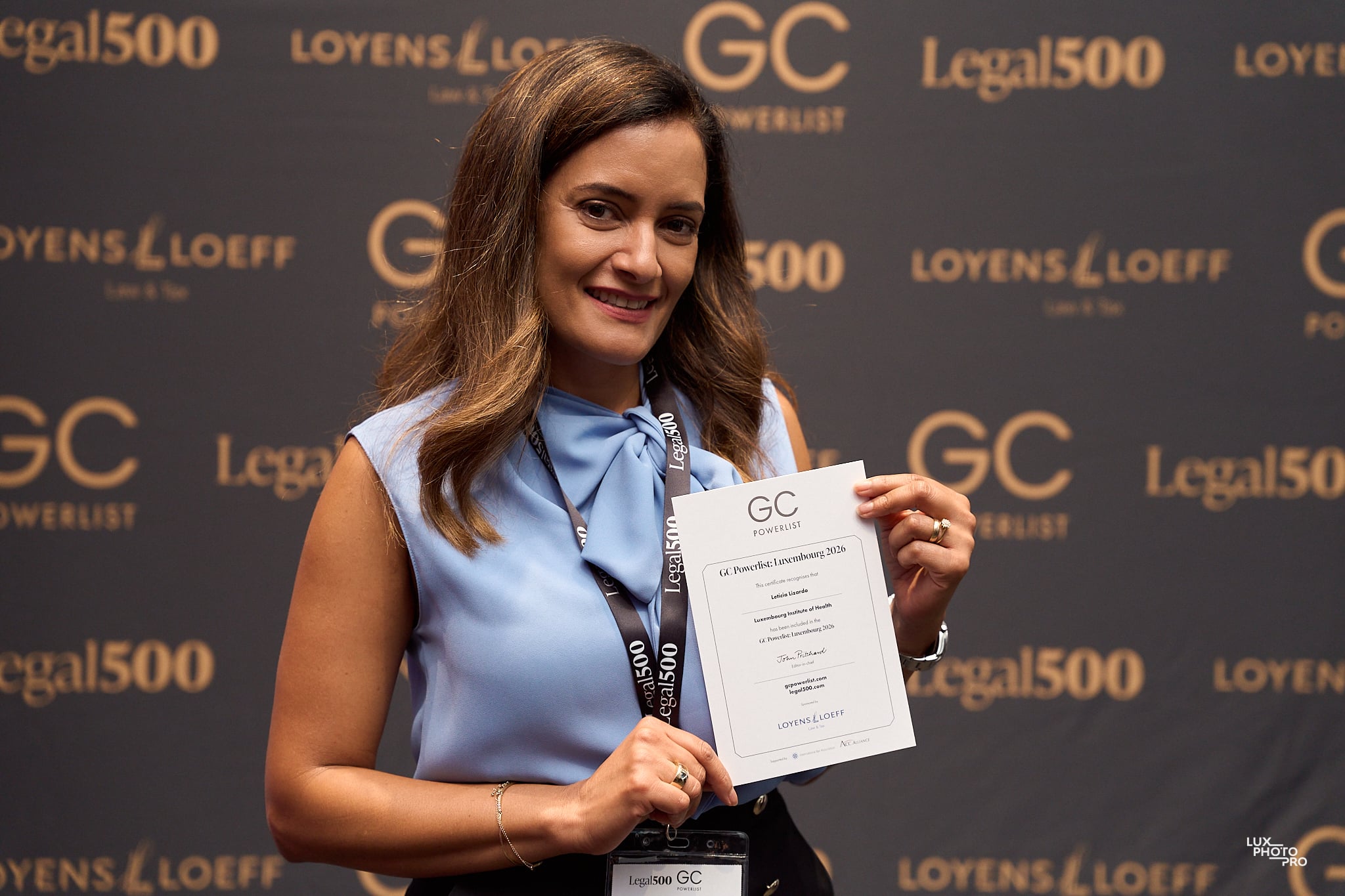
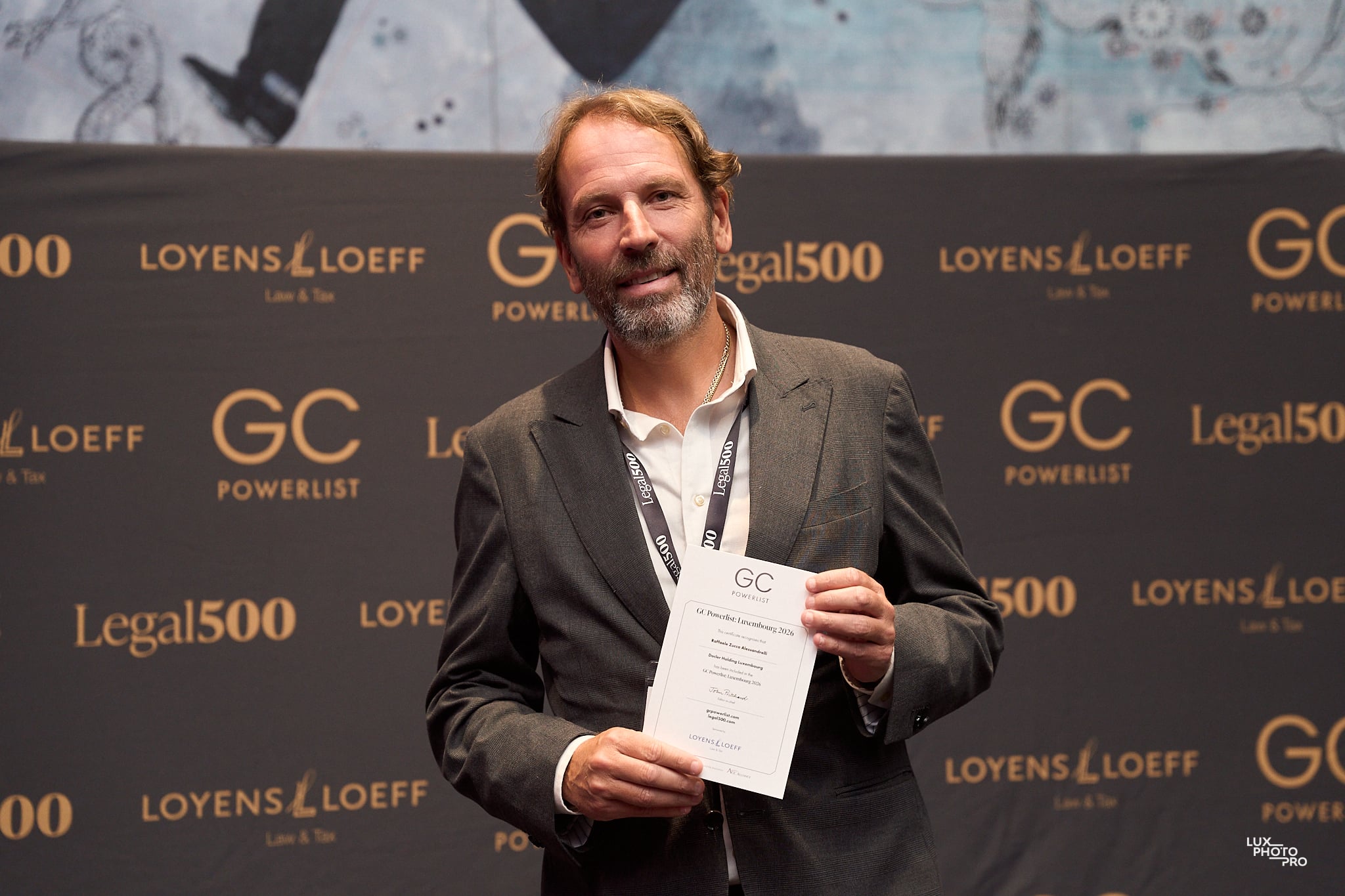
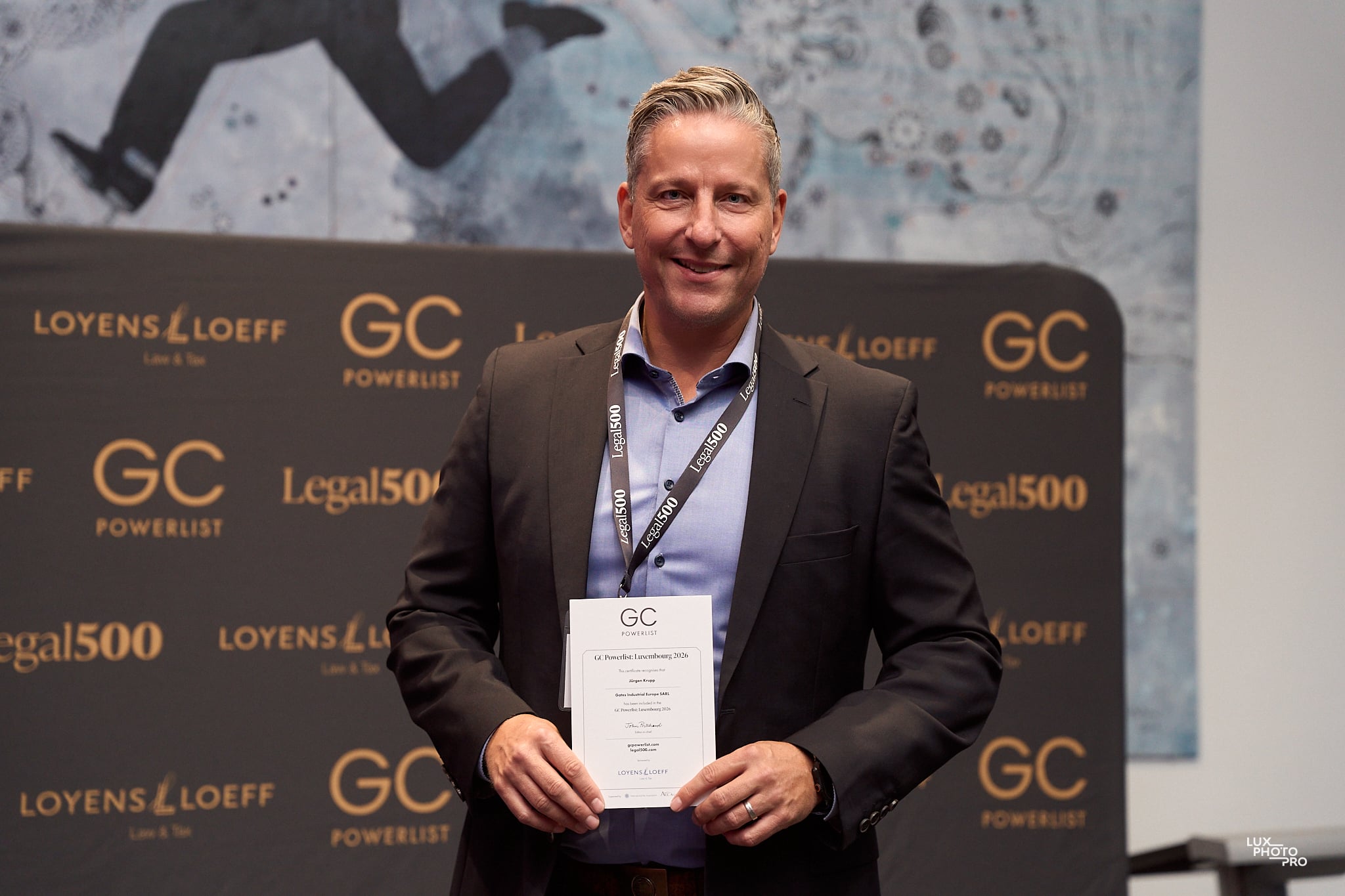
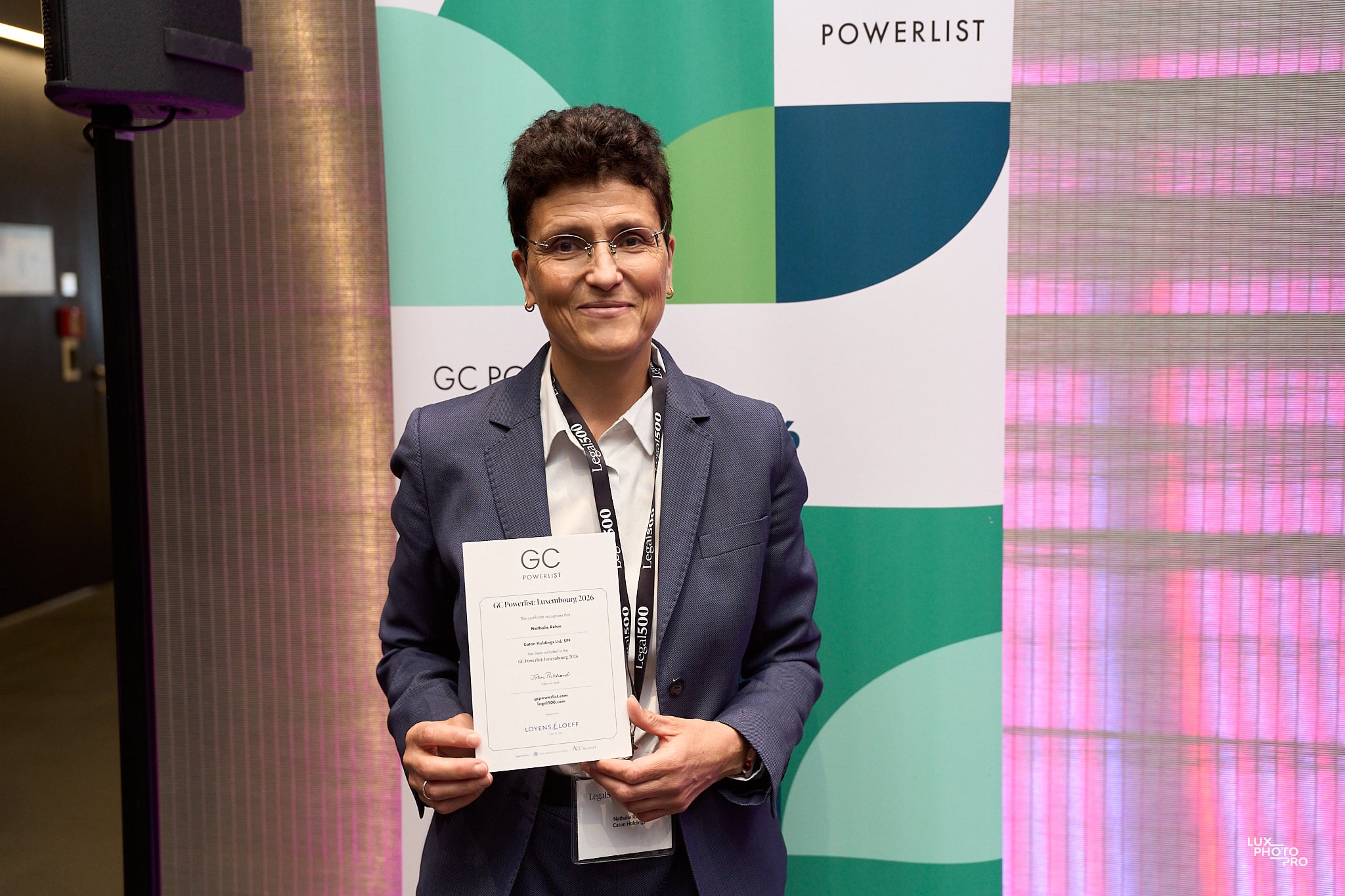
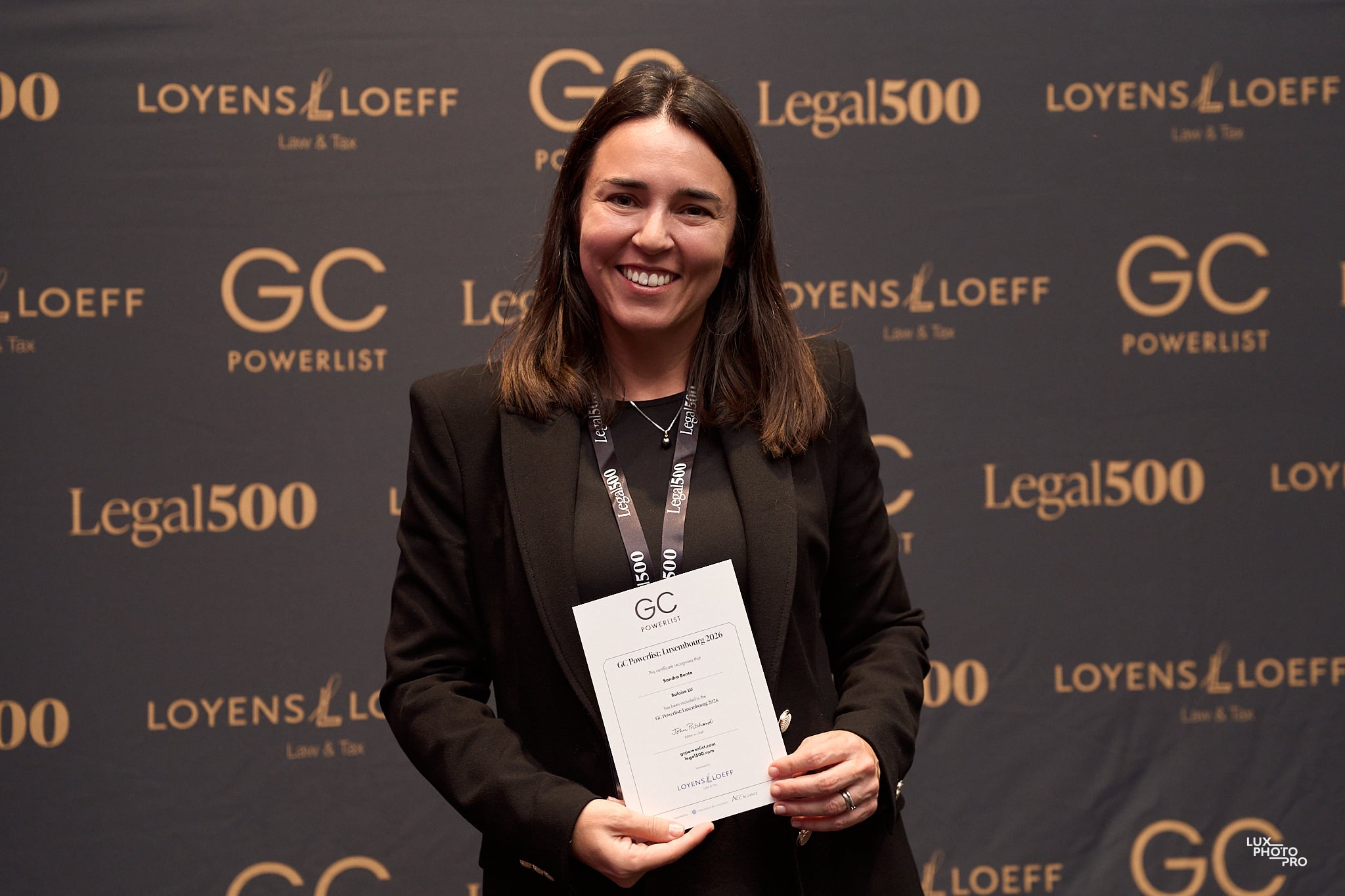
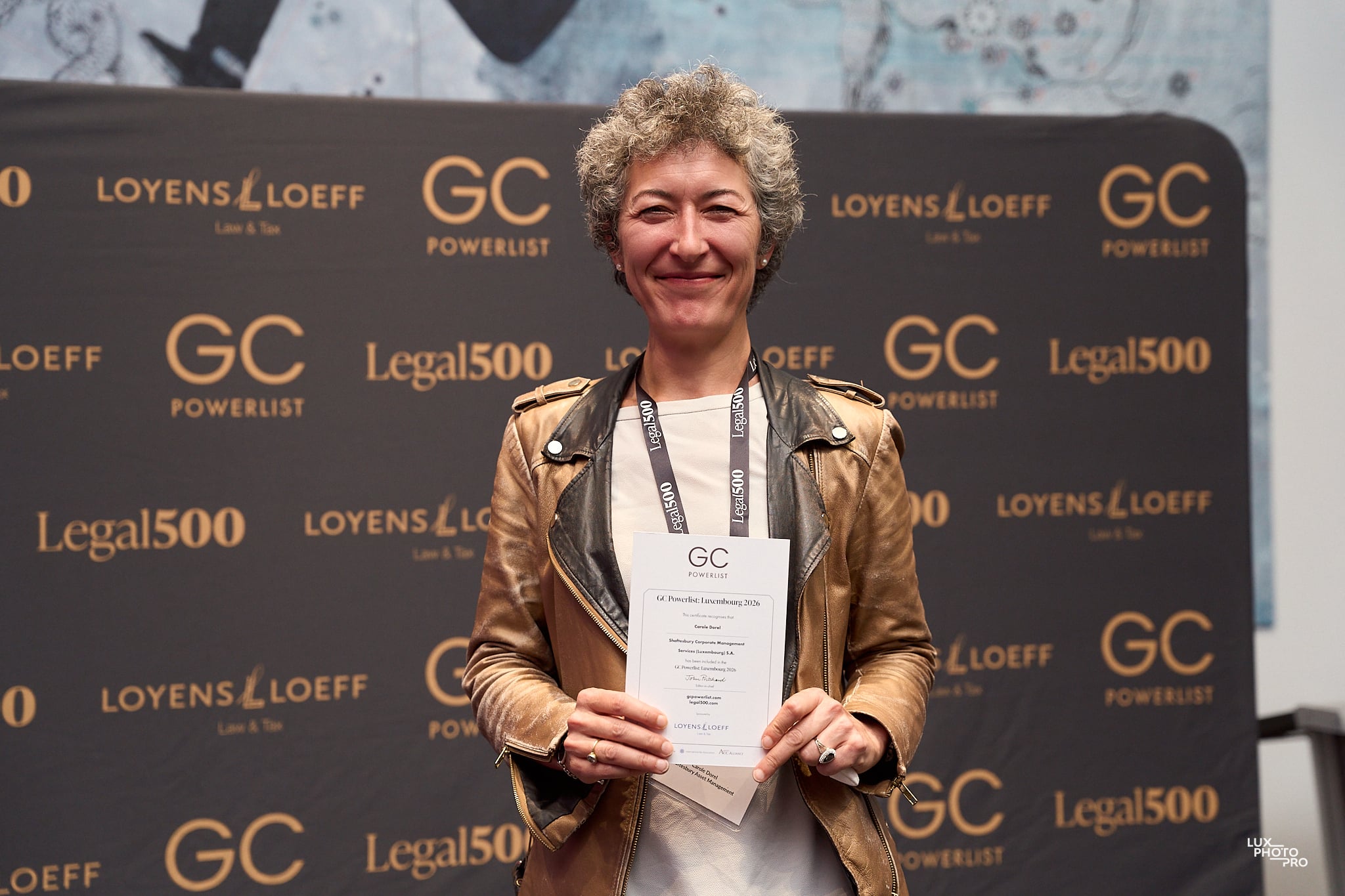
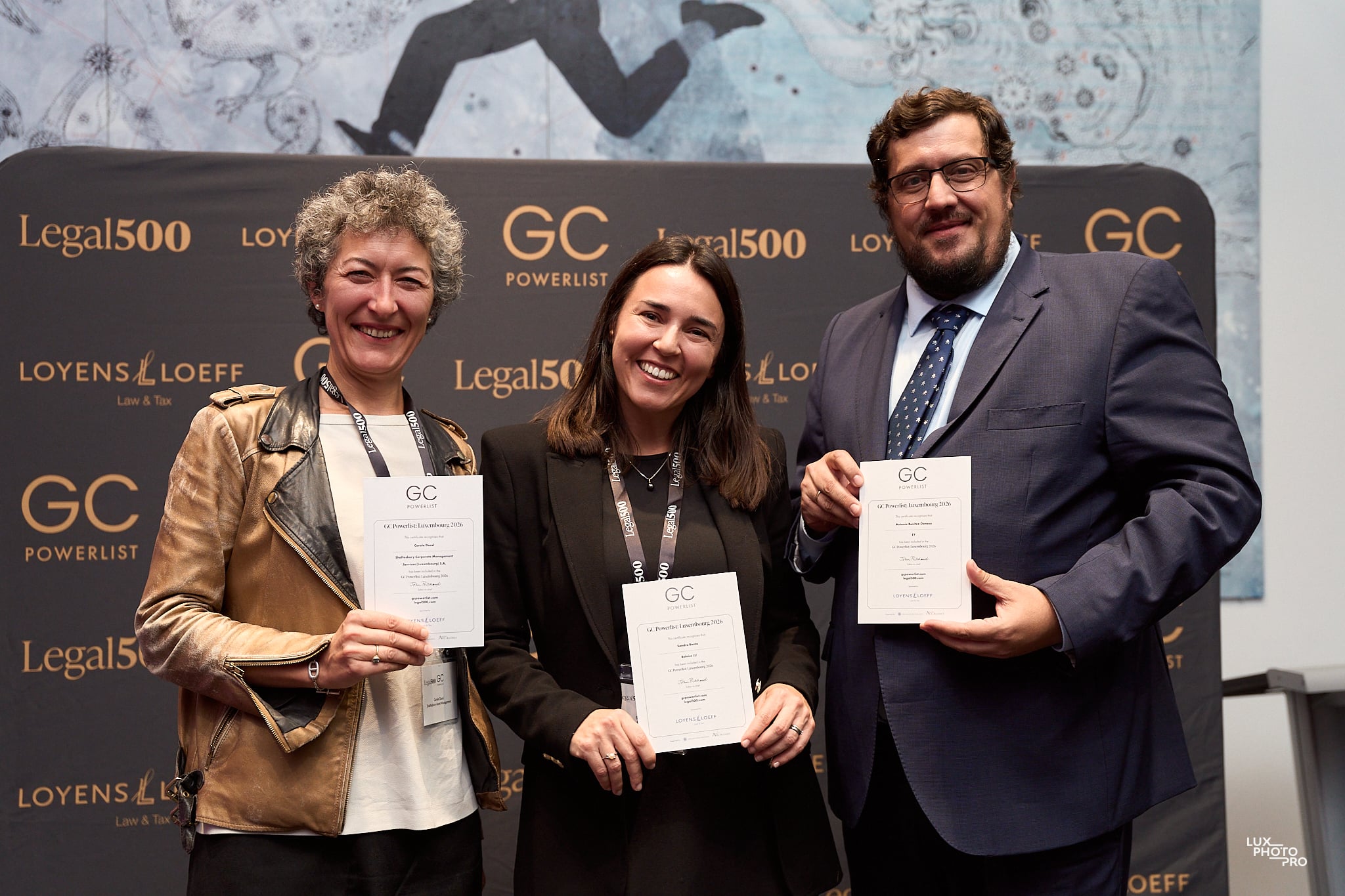
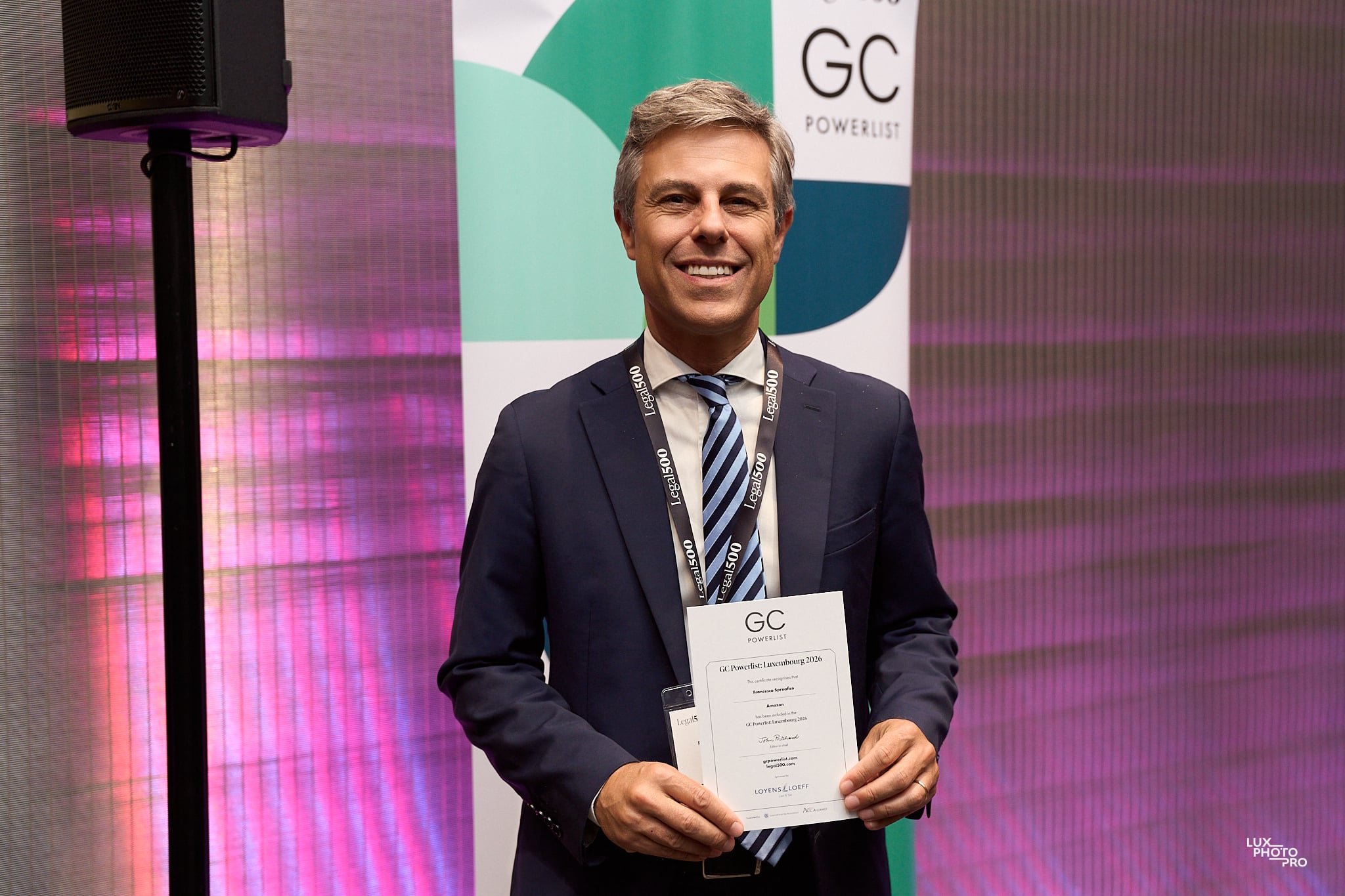
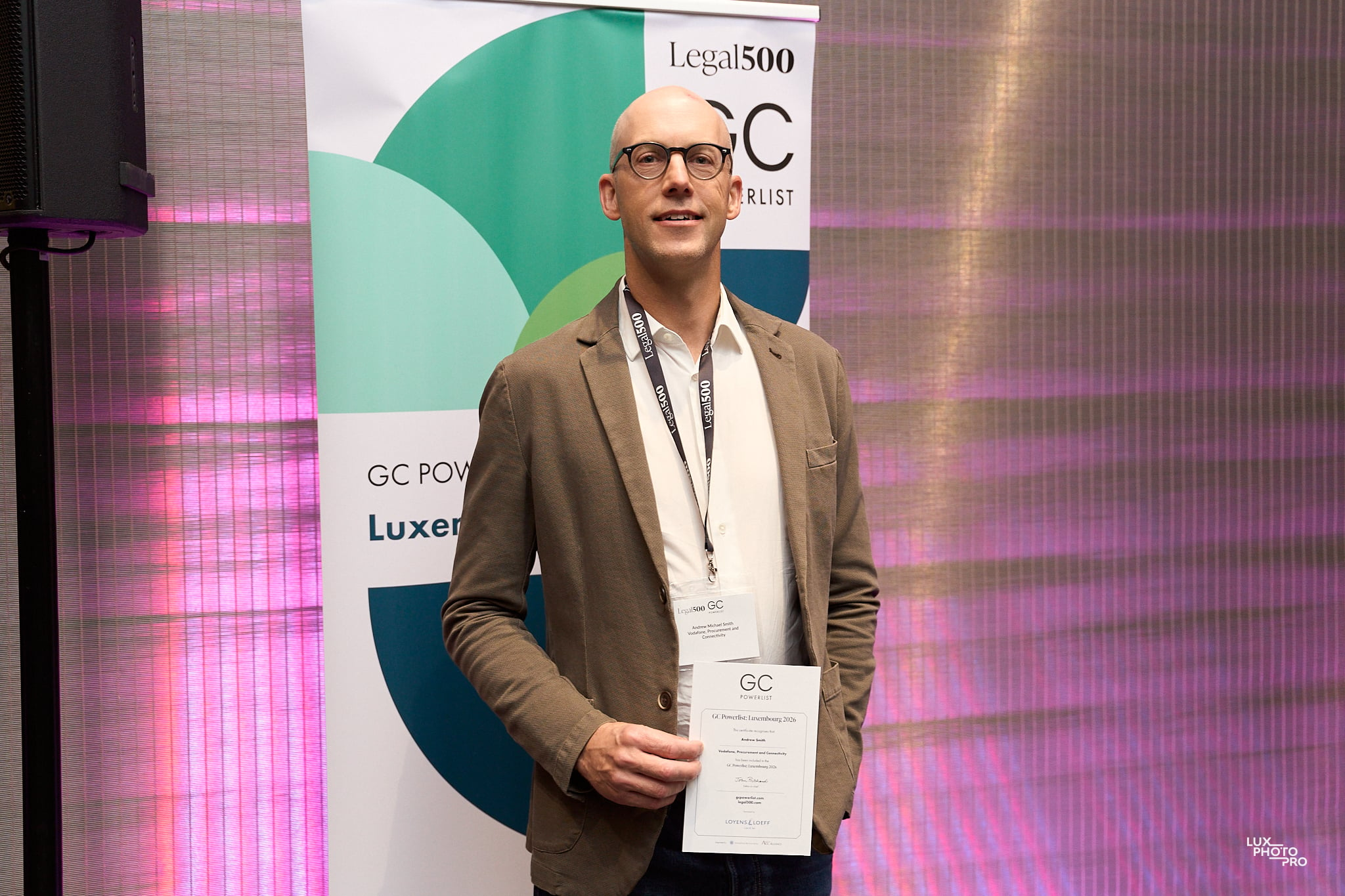
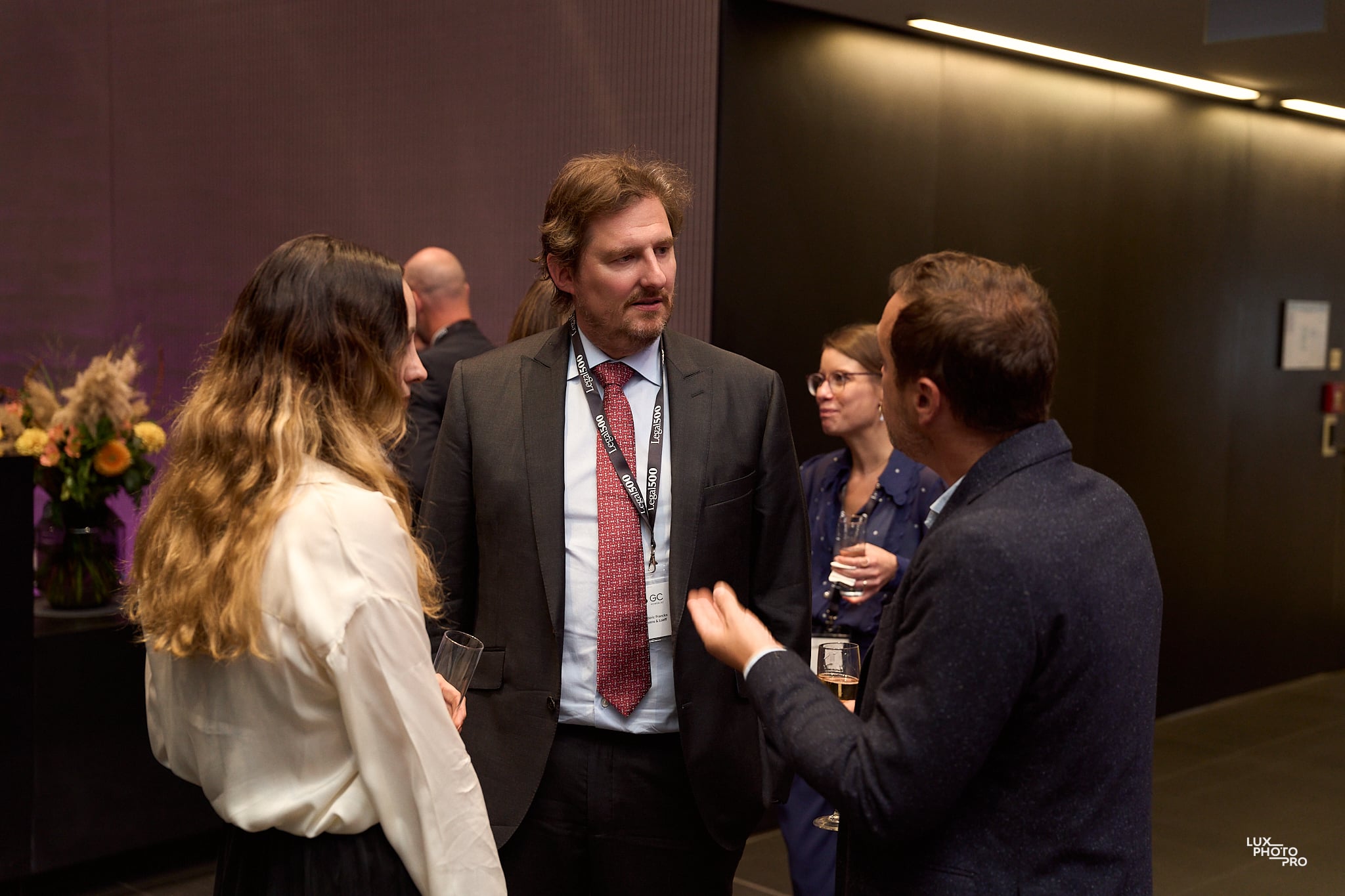
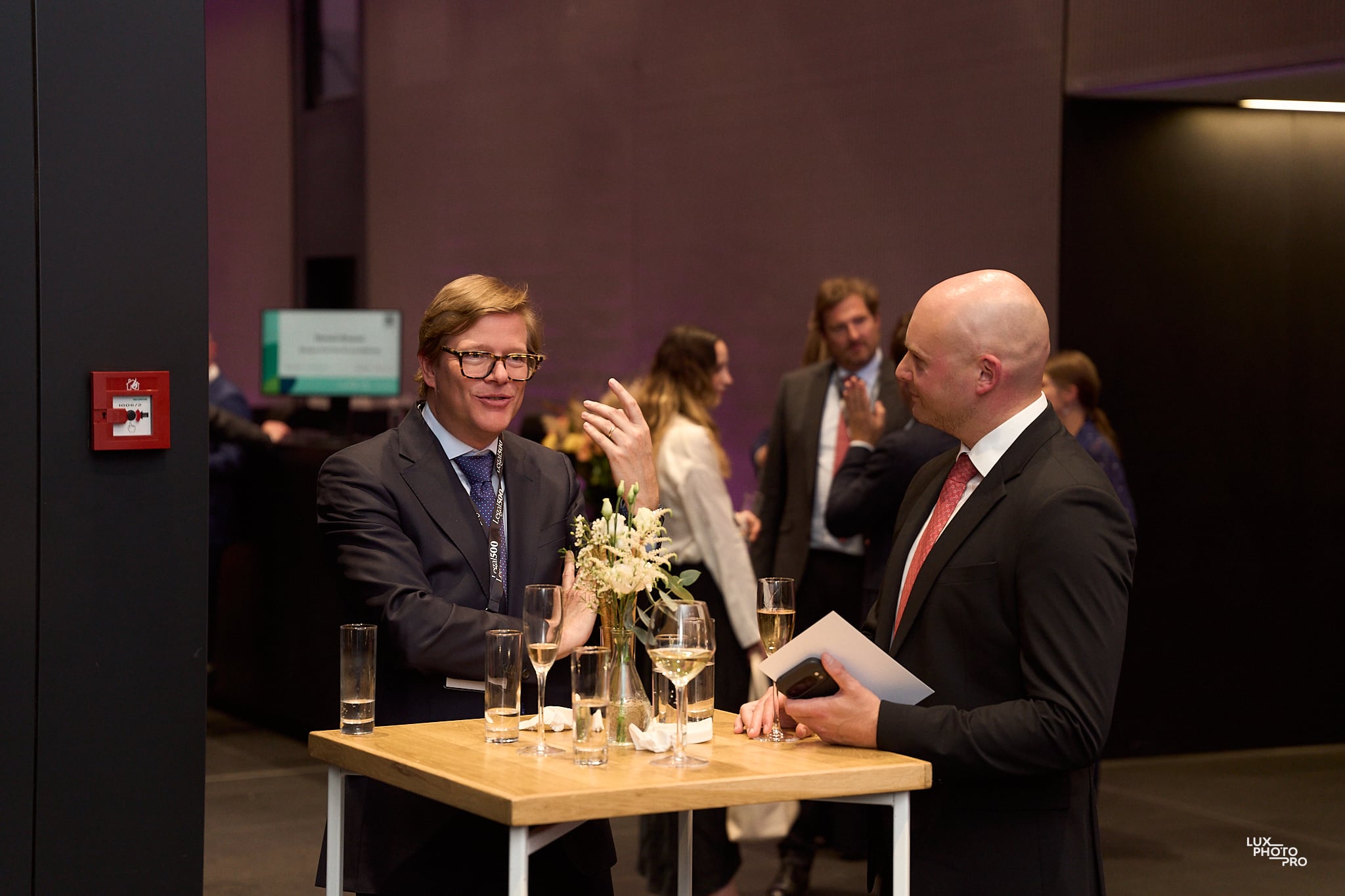
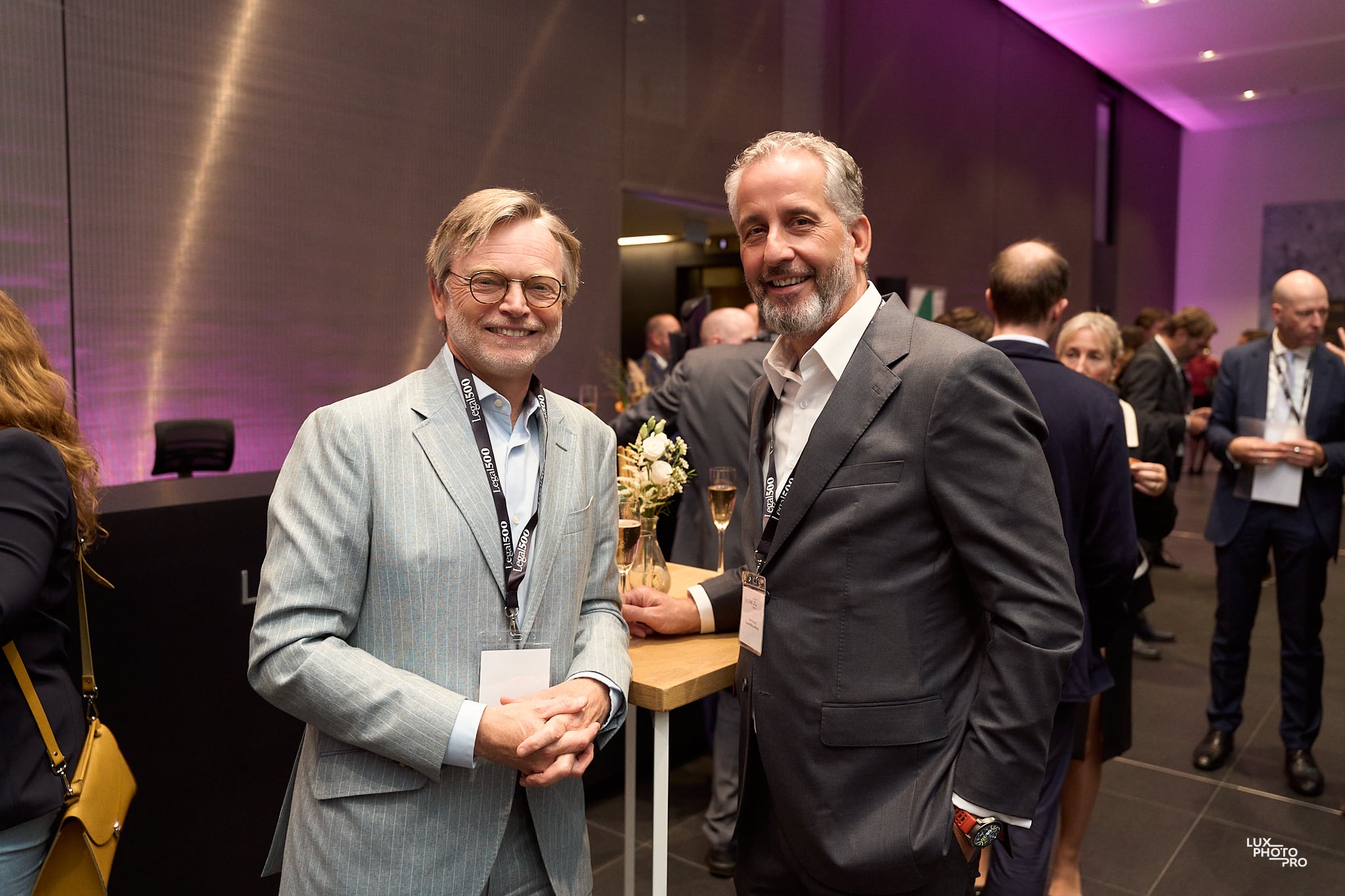
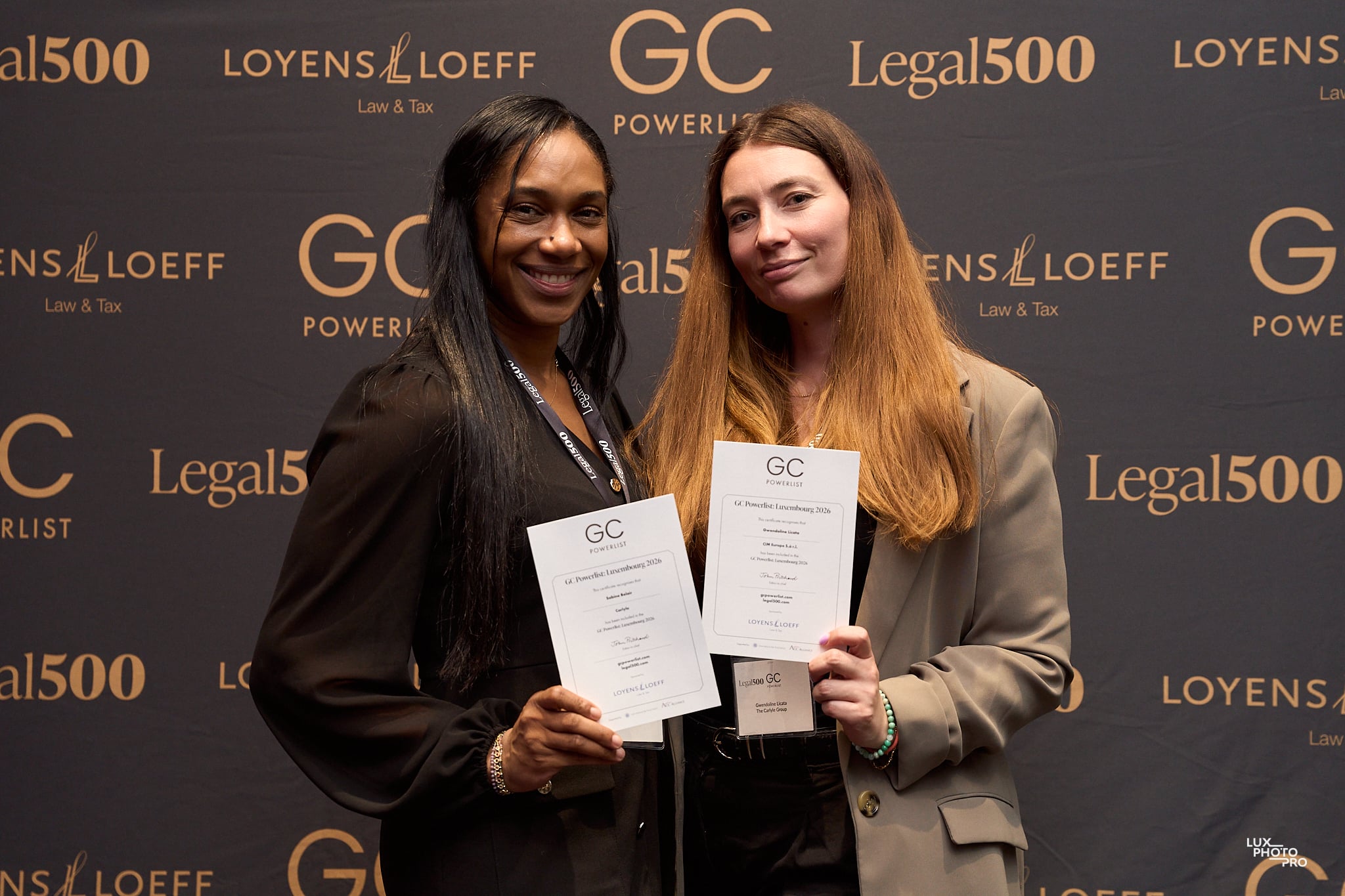
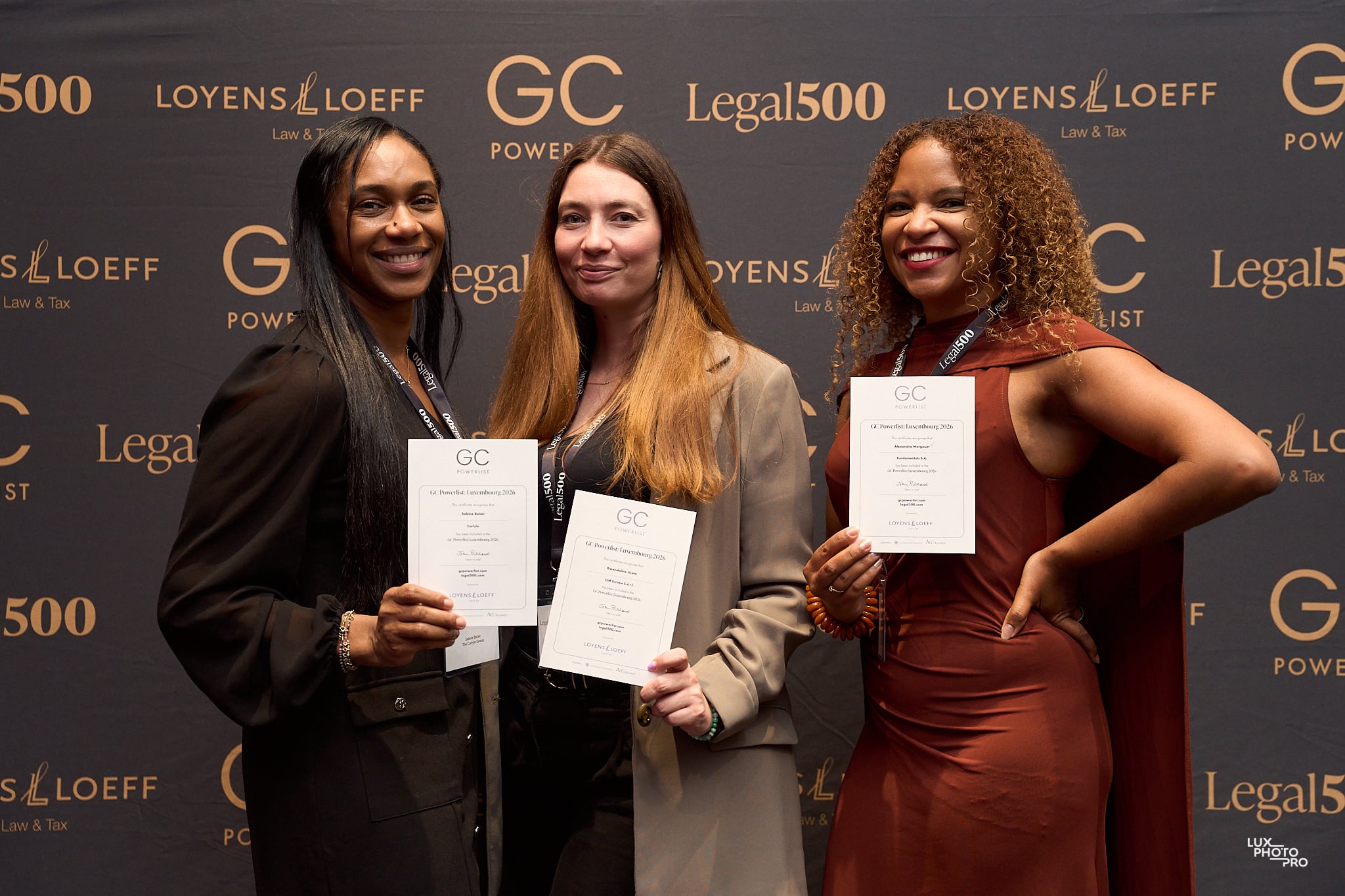
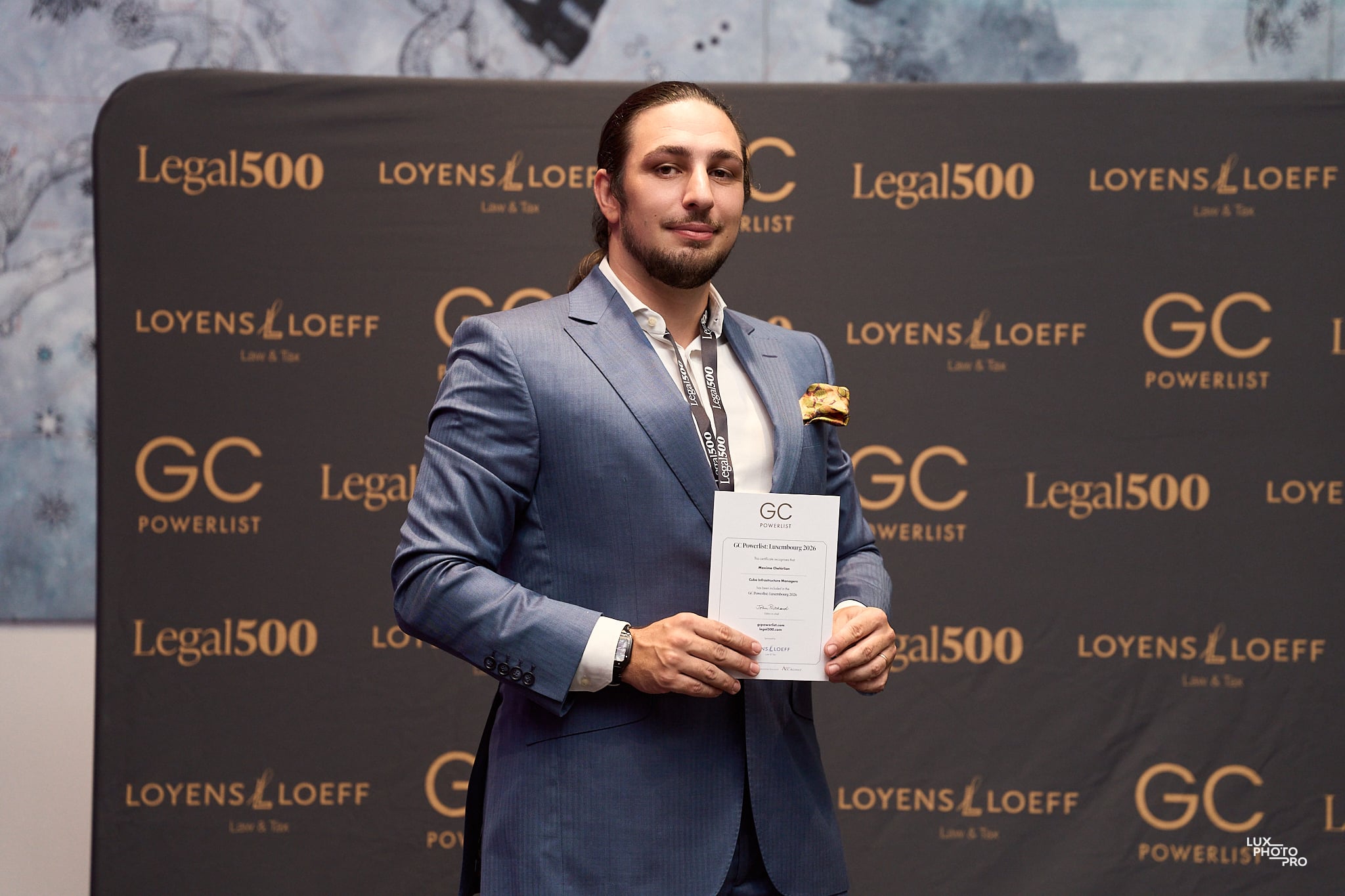
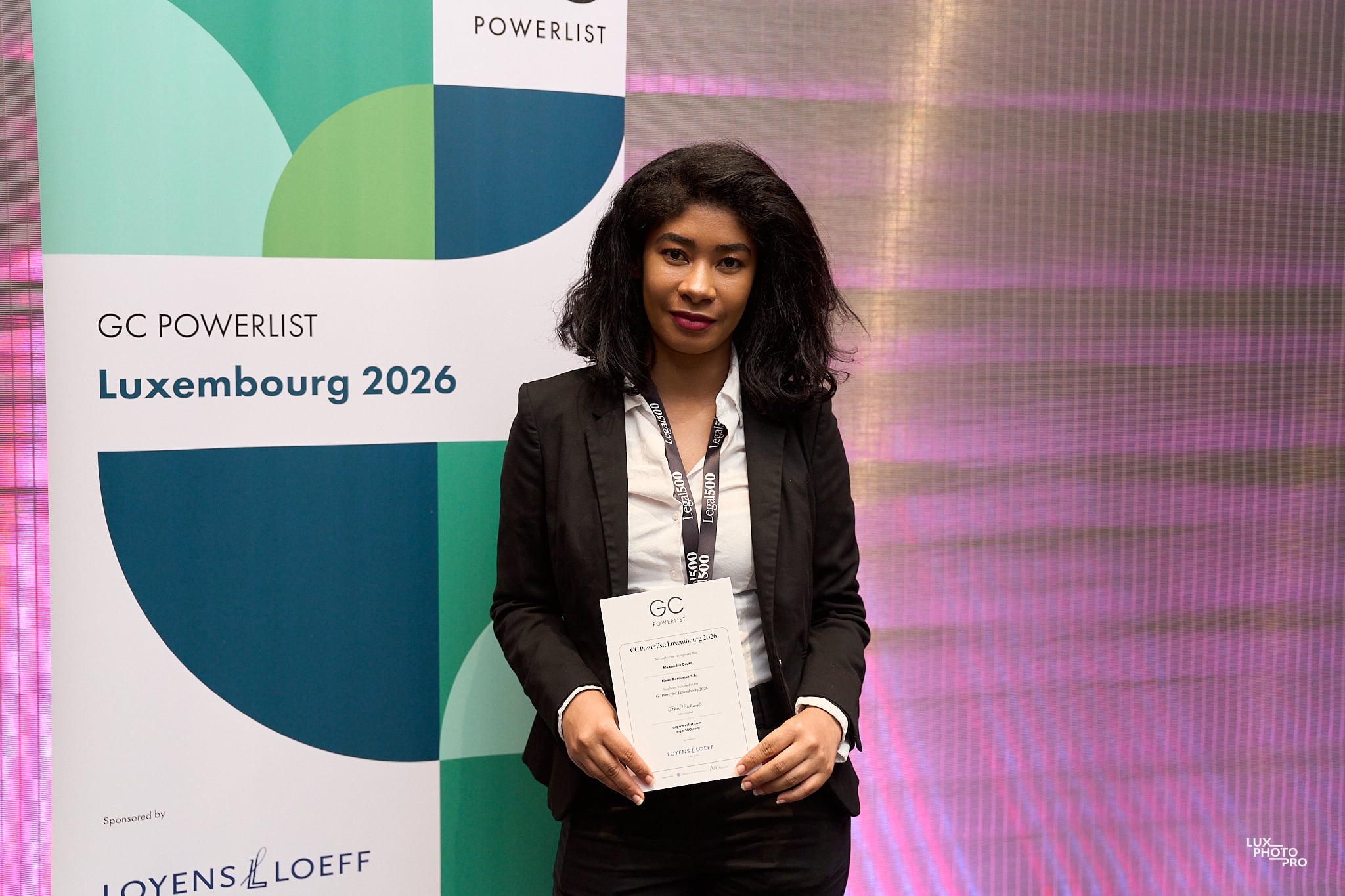
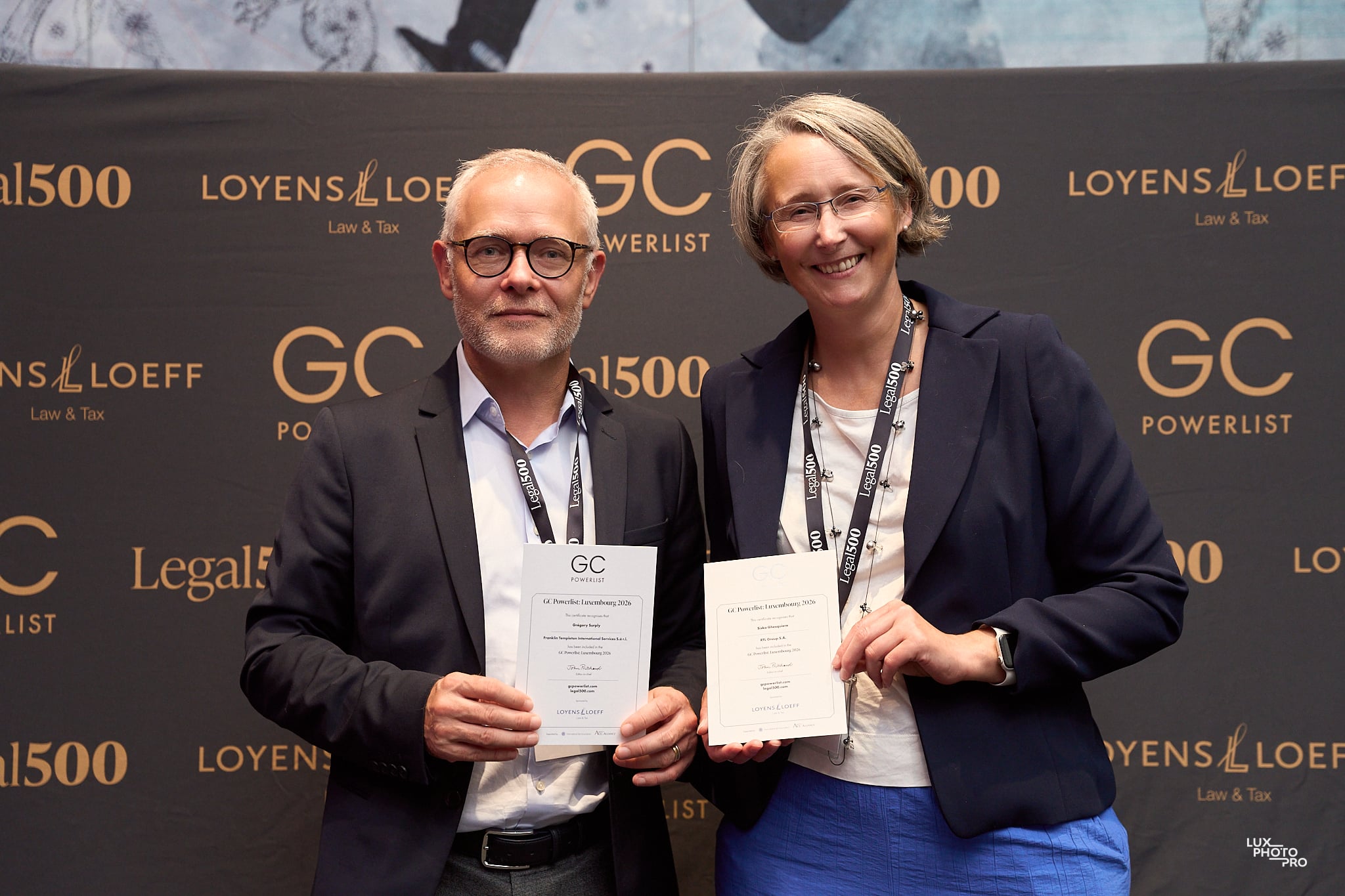
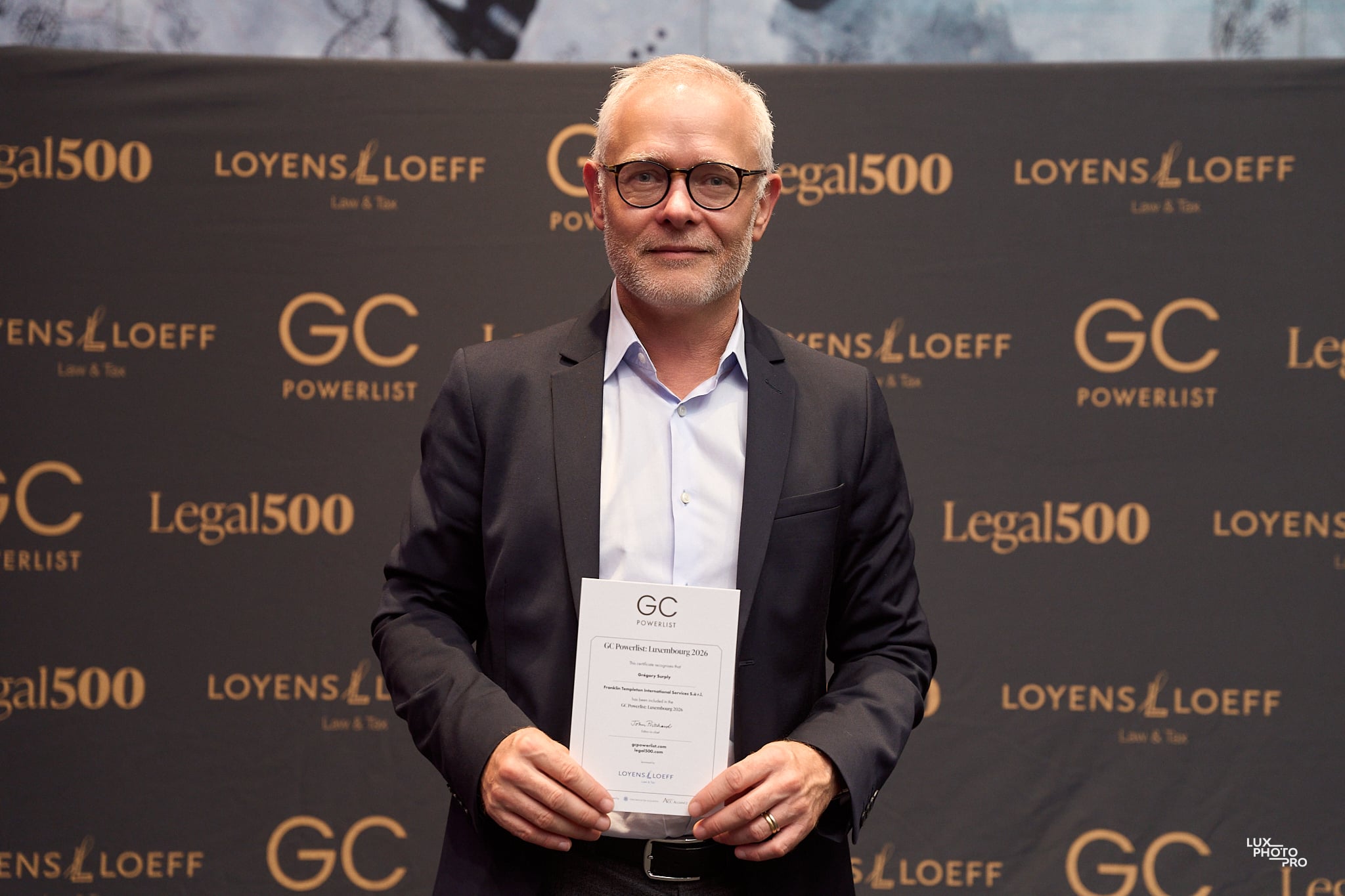
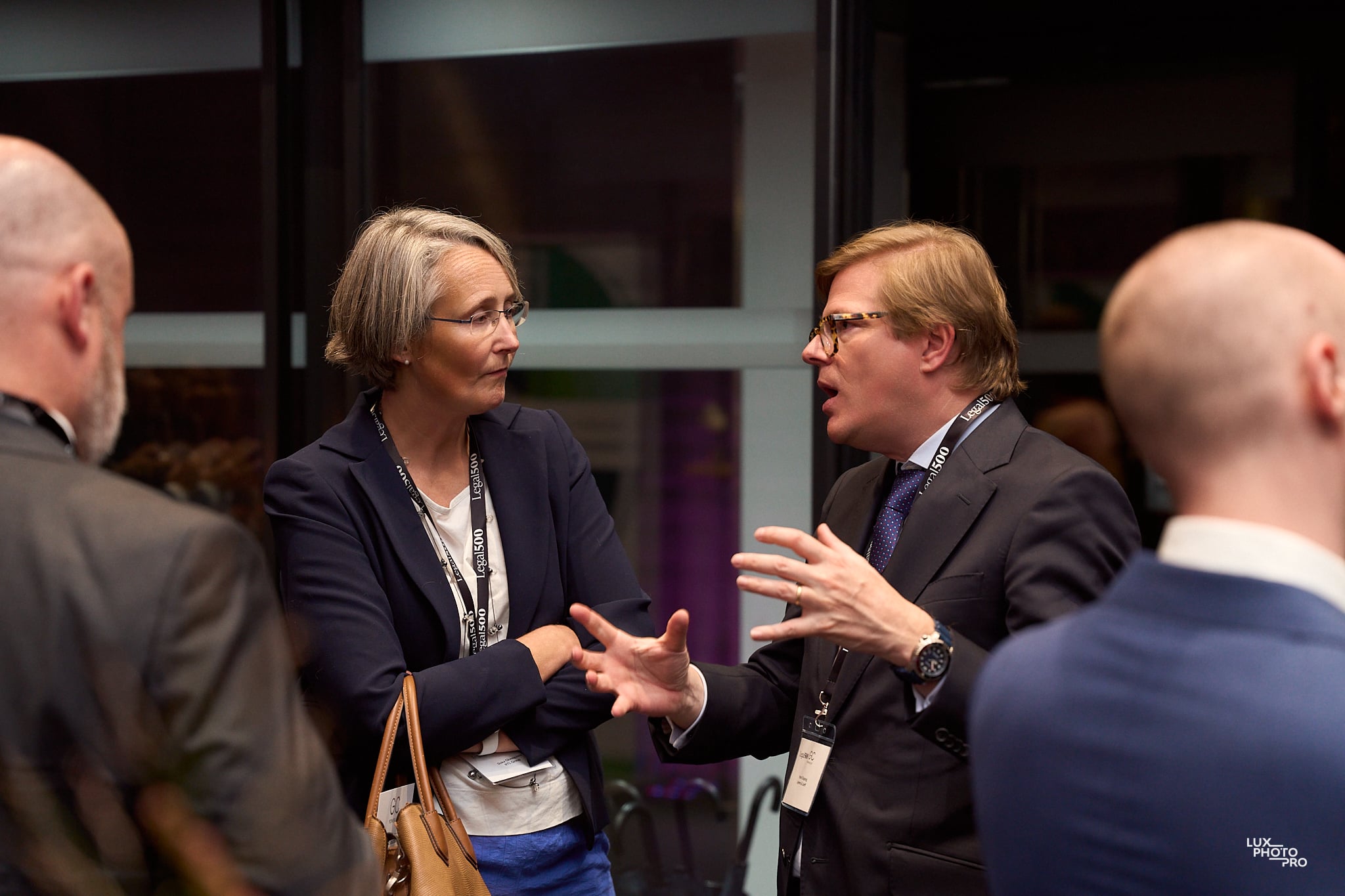
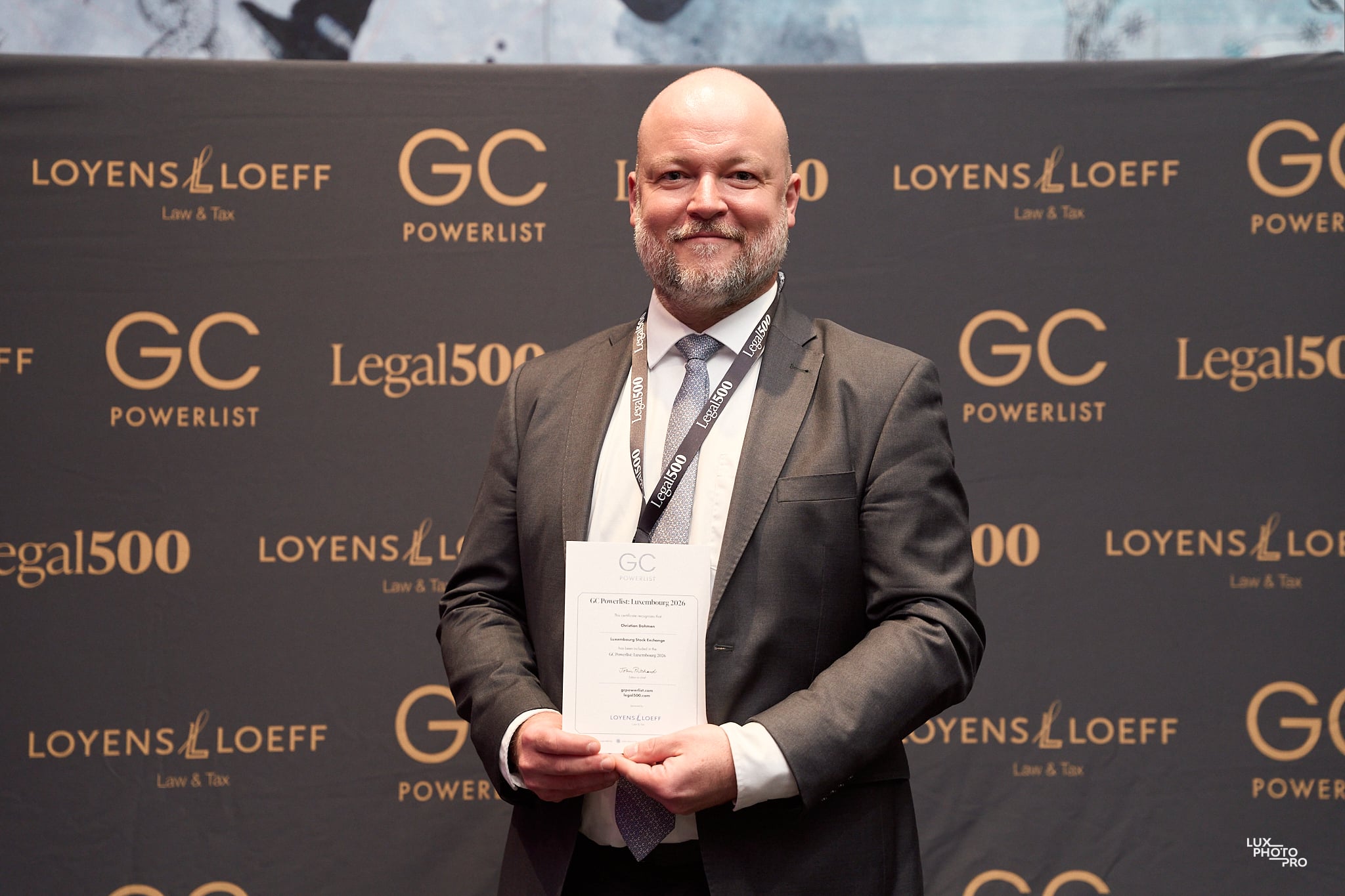
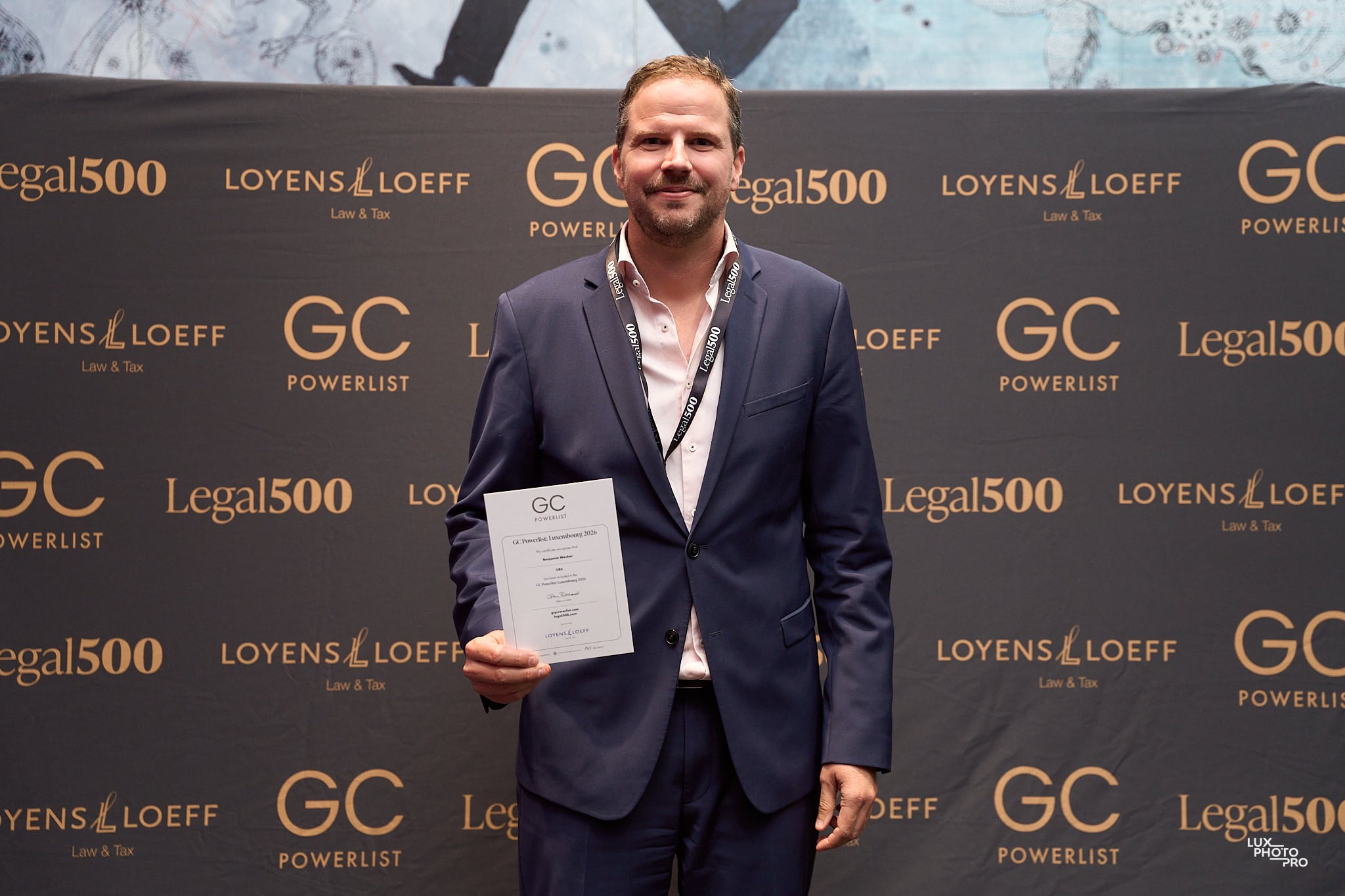
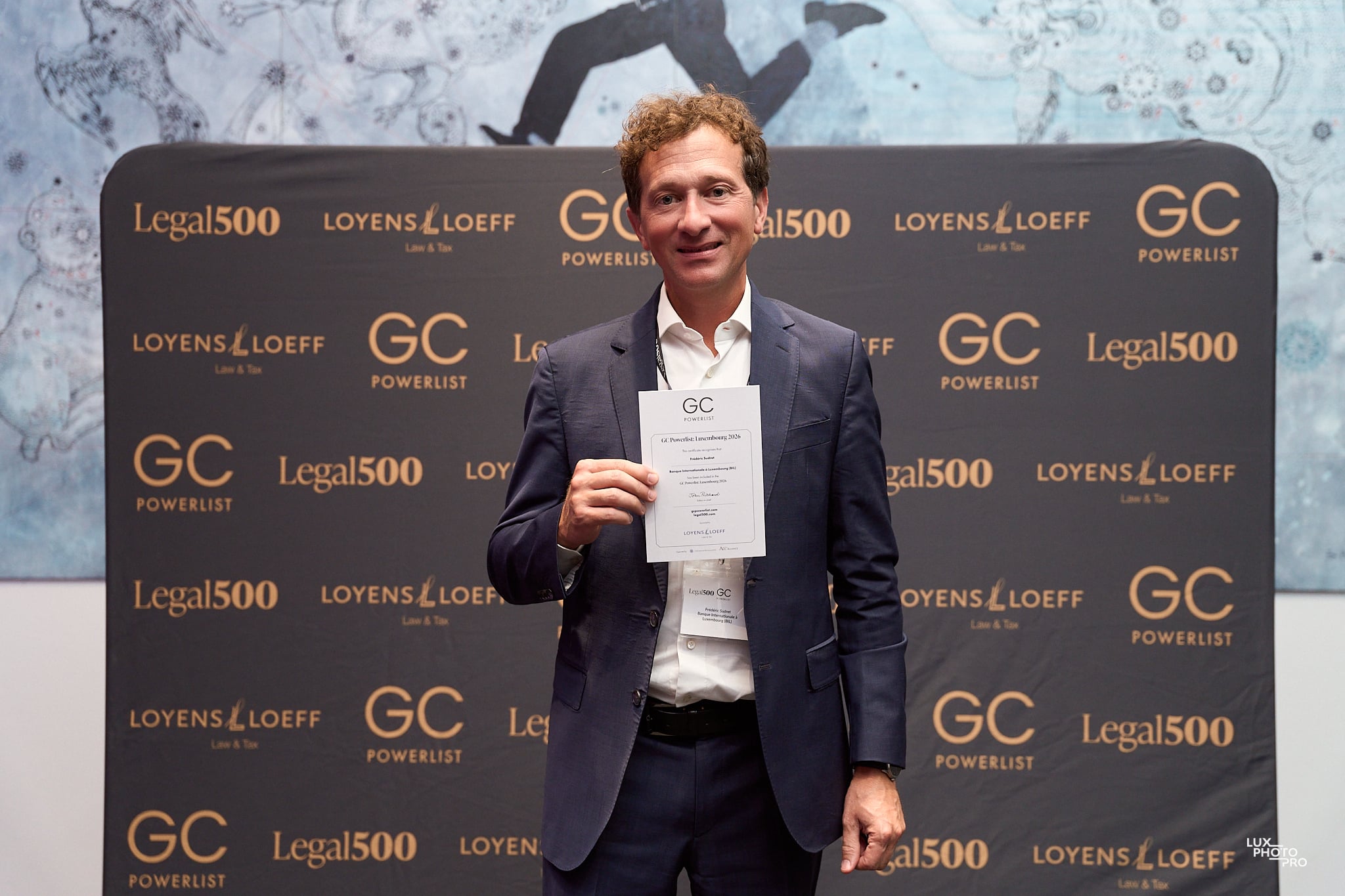
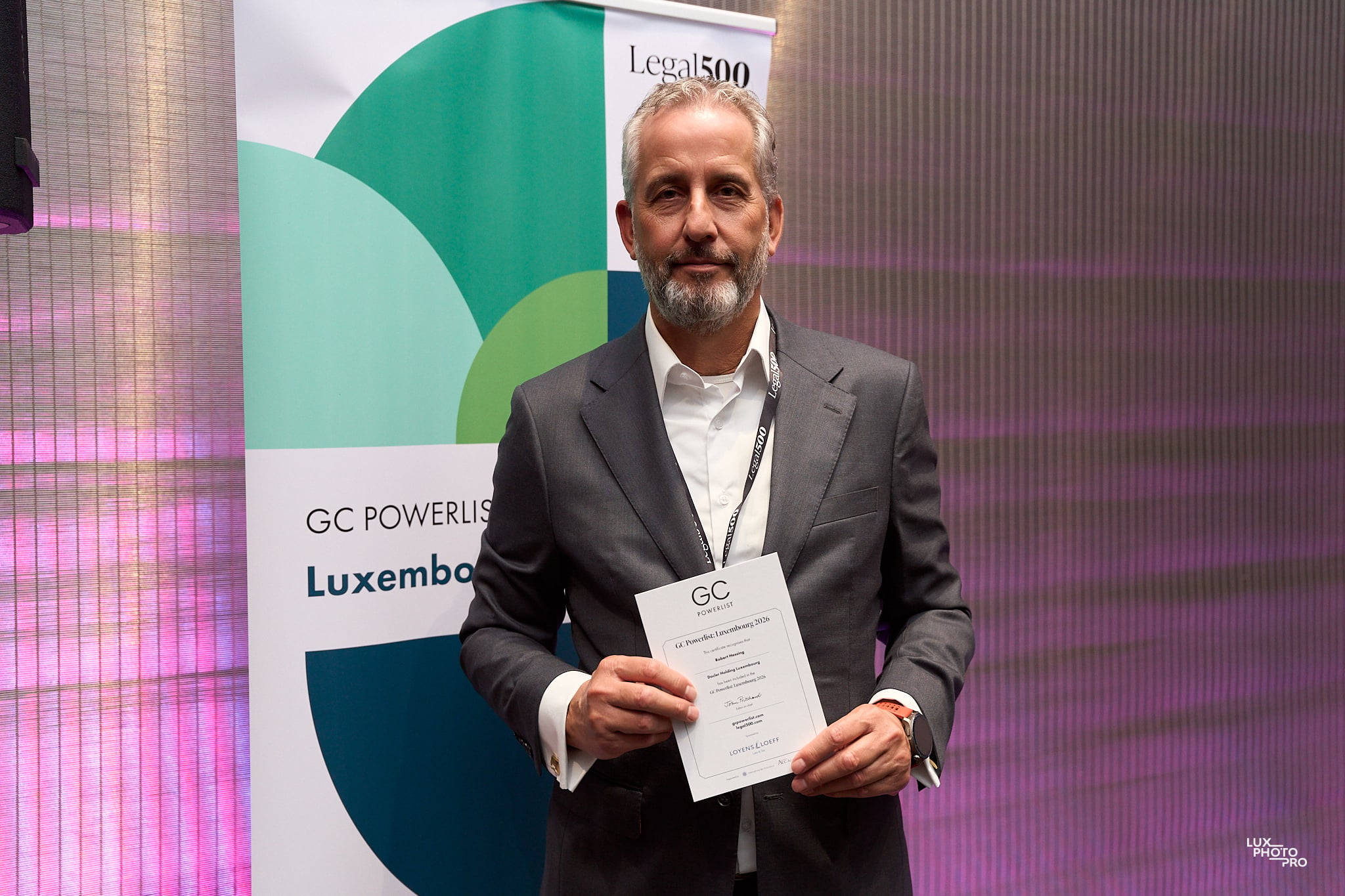
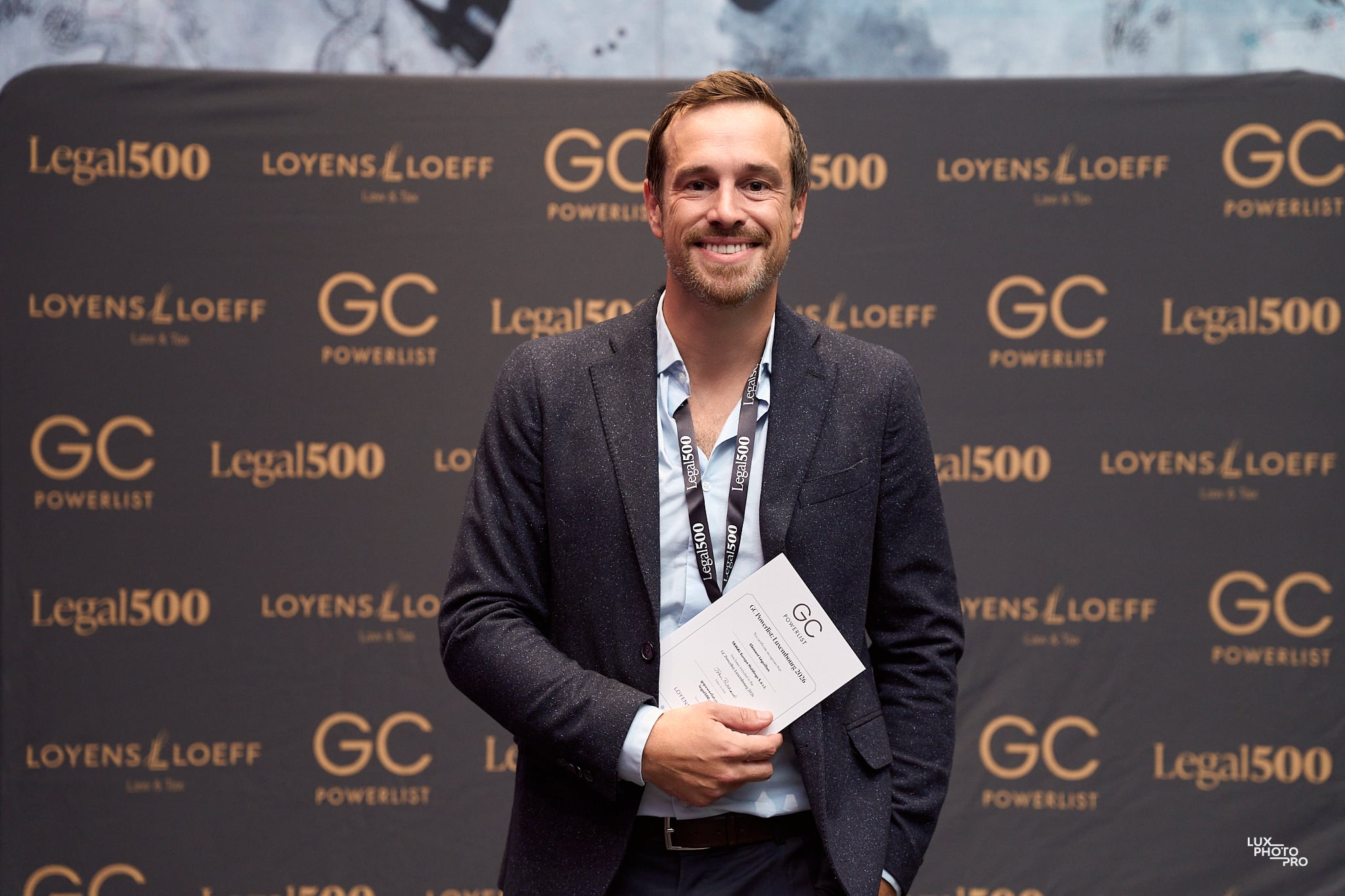
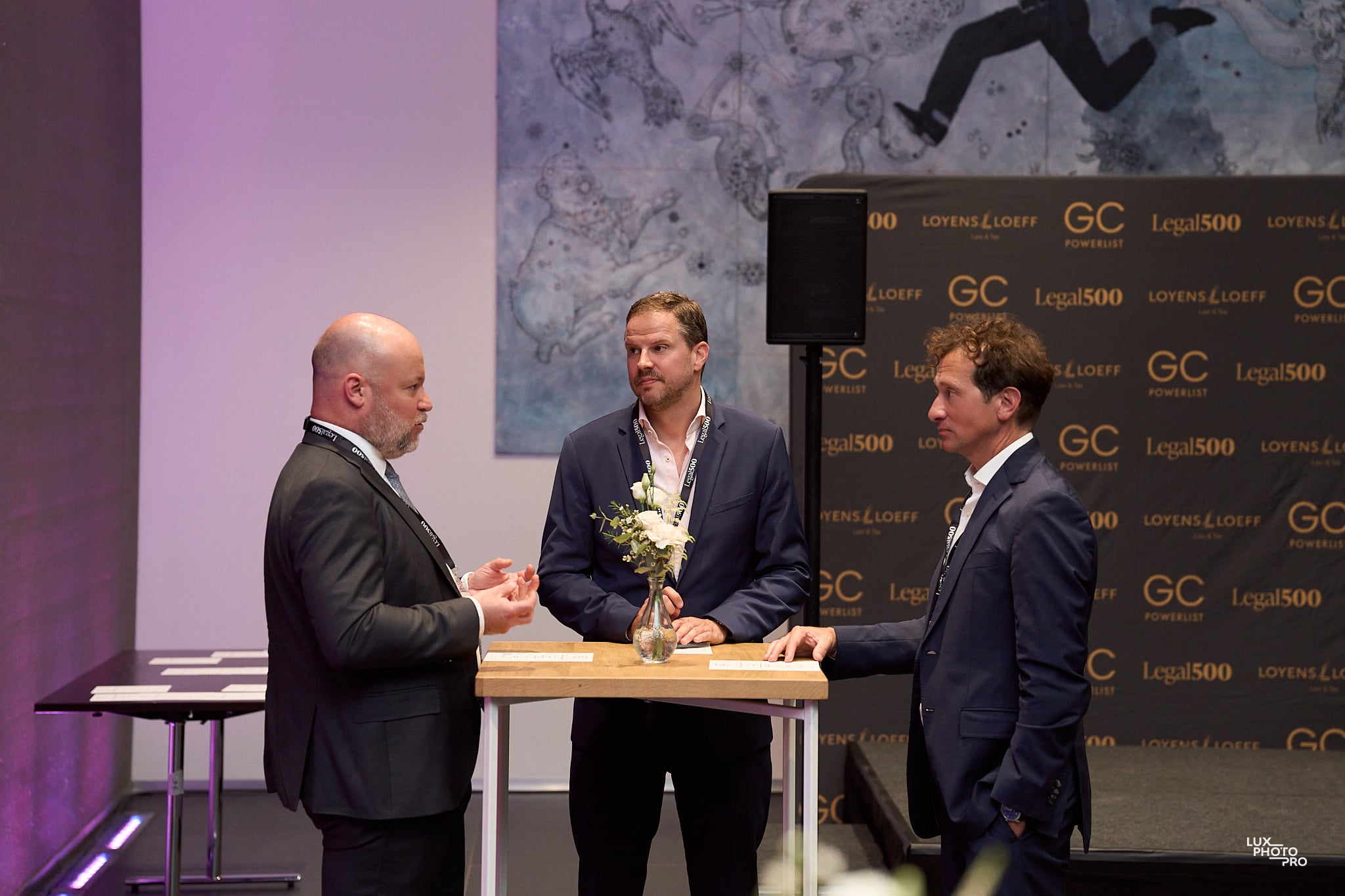
Legal 500 returned to Luxembourg for the launch of the GC Powerlist: Luxembourg 2026, held in partnership with Loyens & Loeff. The reception brought together leading general counsel from across Luxembourg for an evening celebrating their achievements, leadership and influence within their organisations.
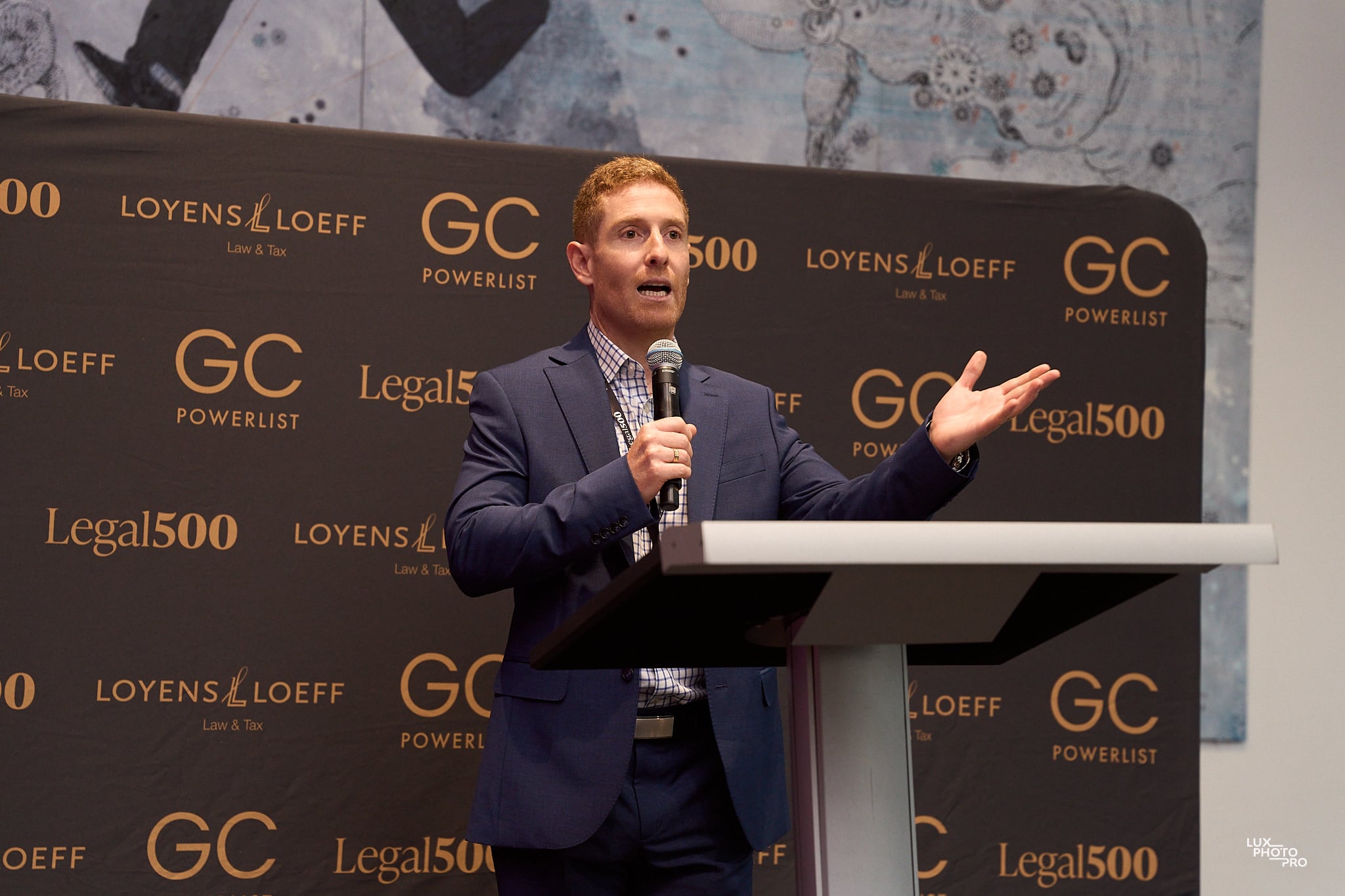
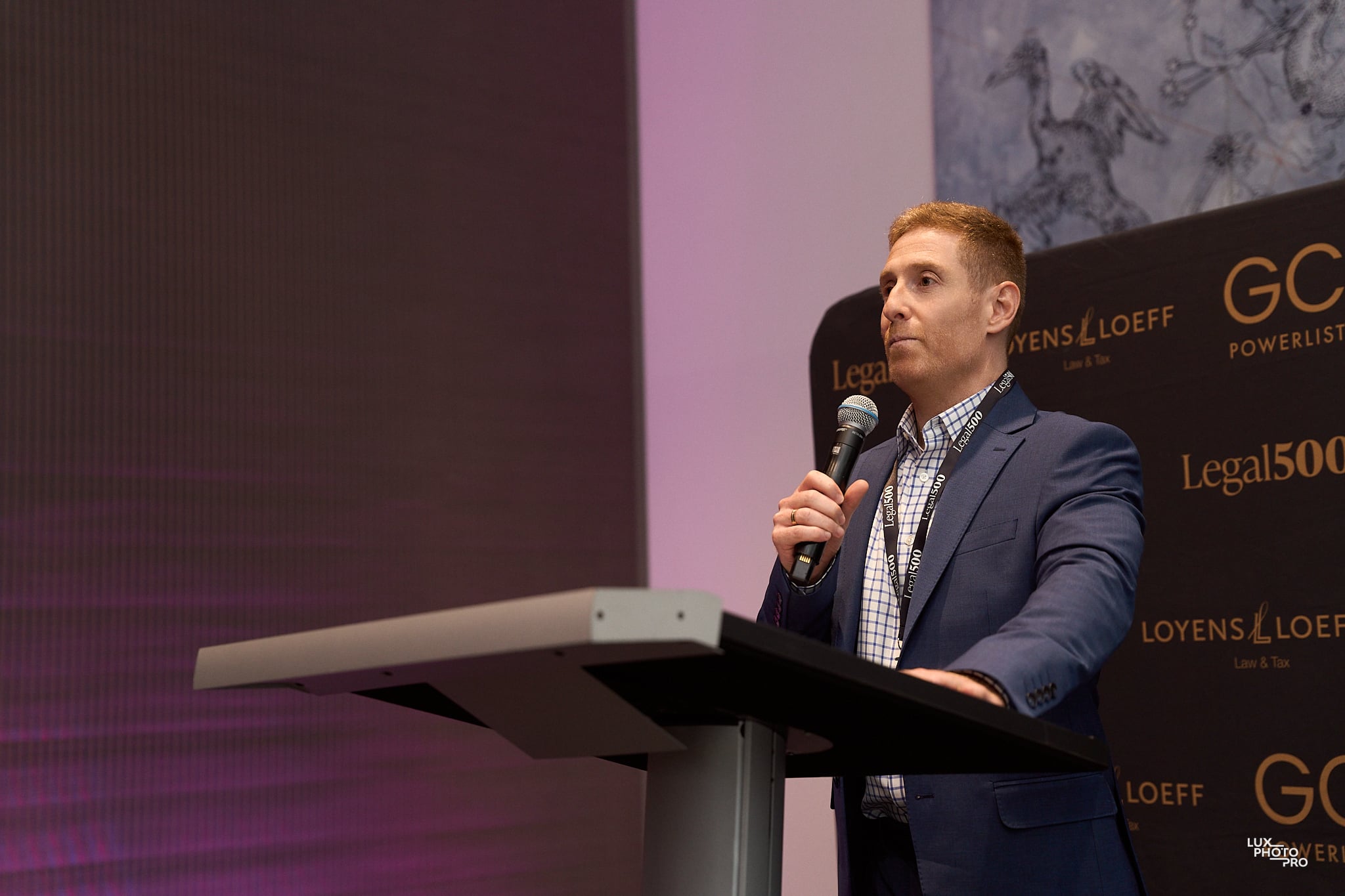
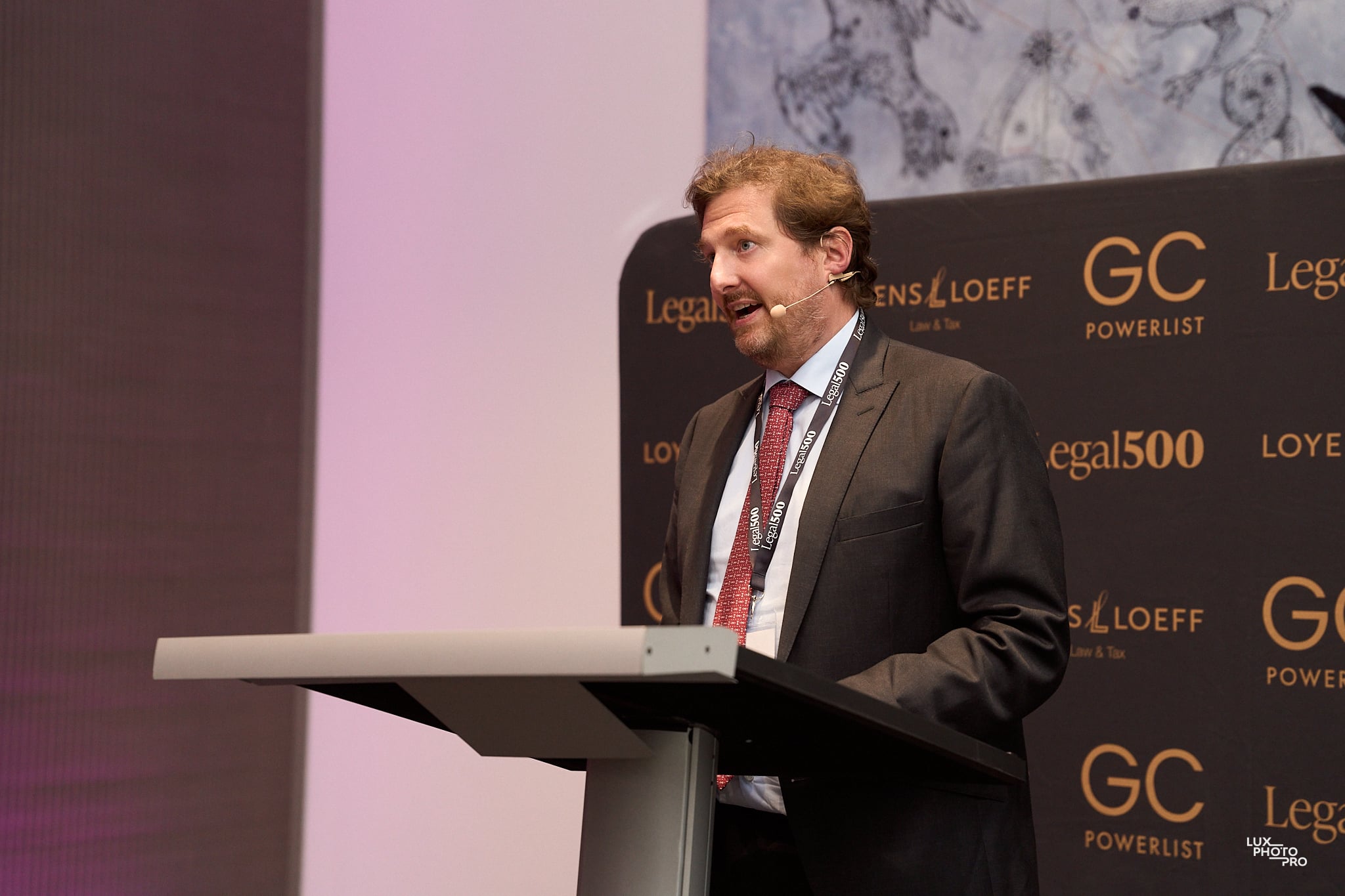
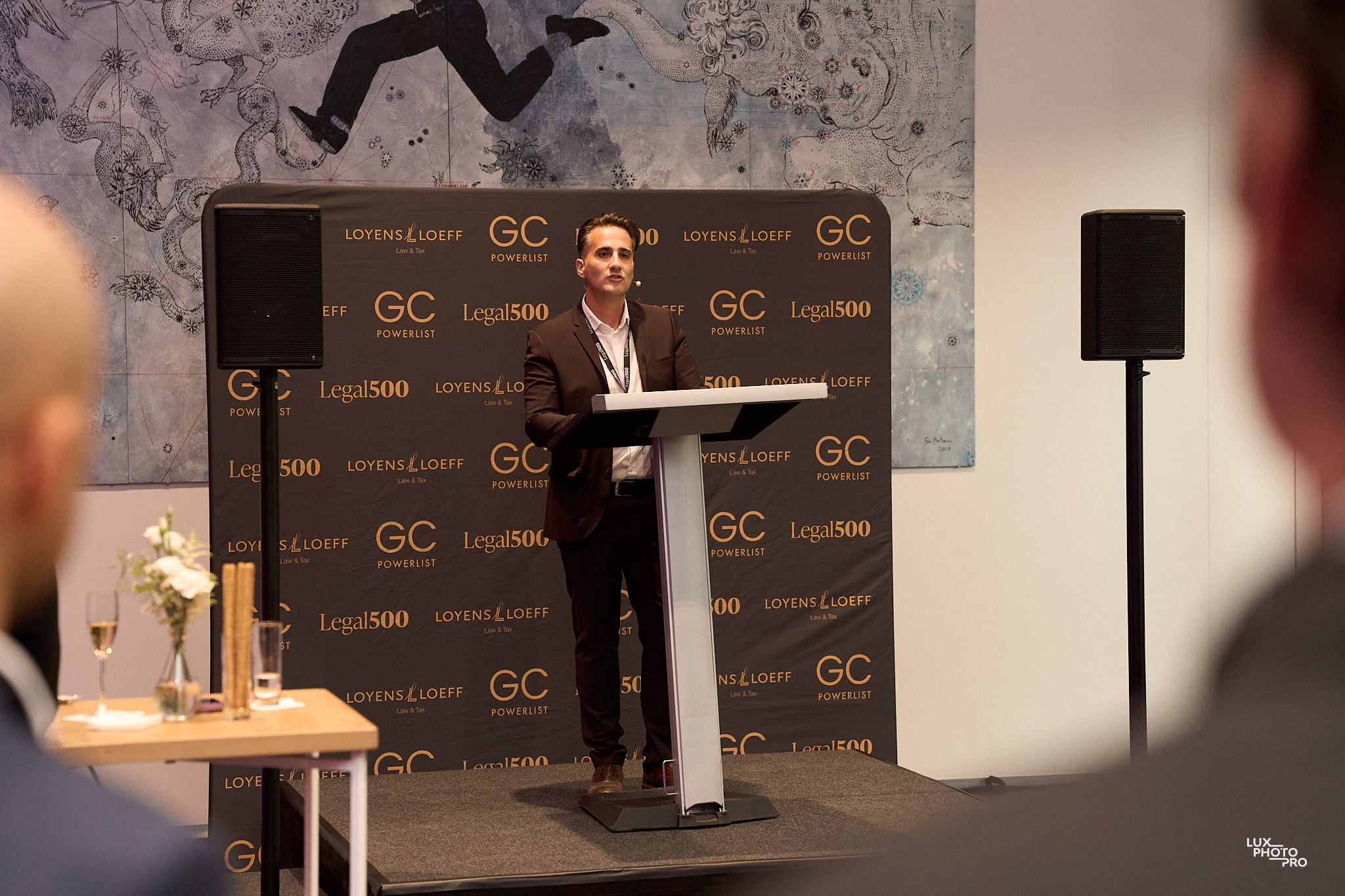
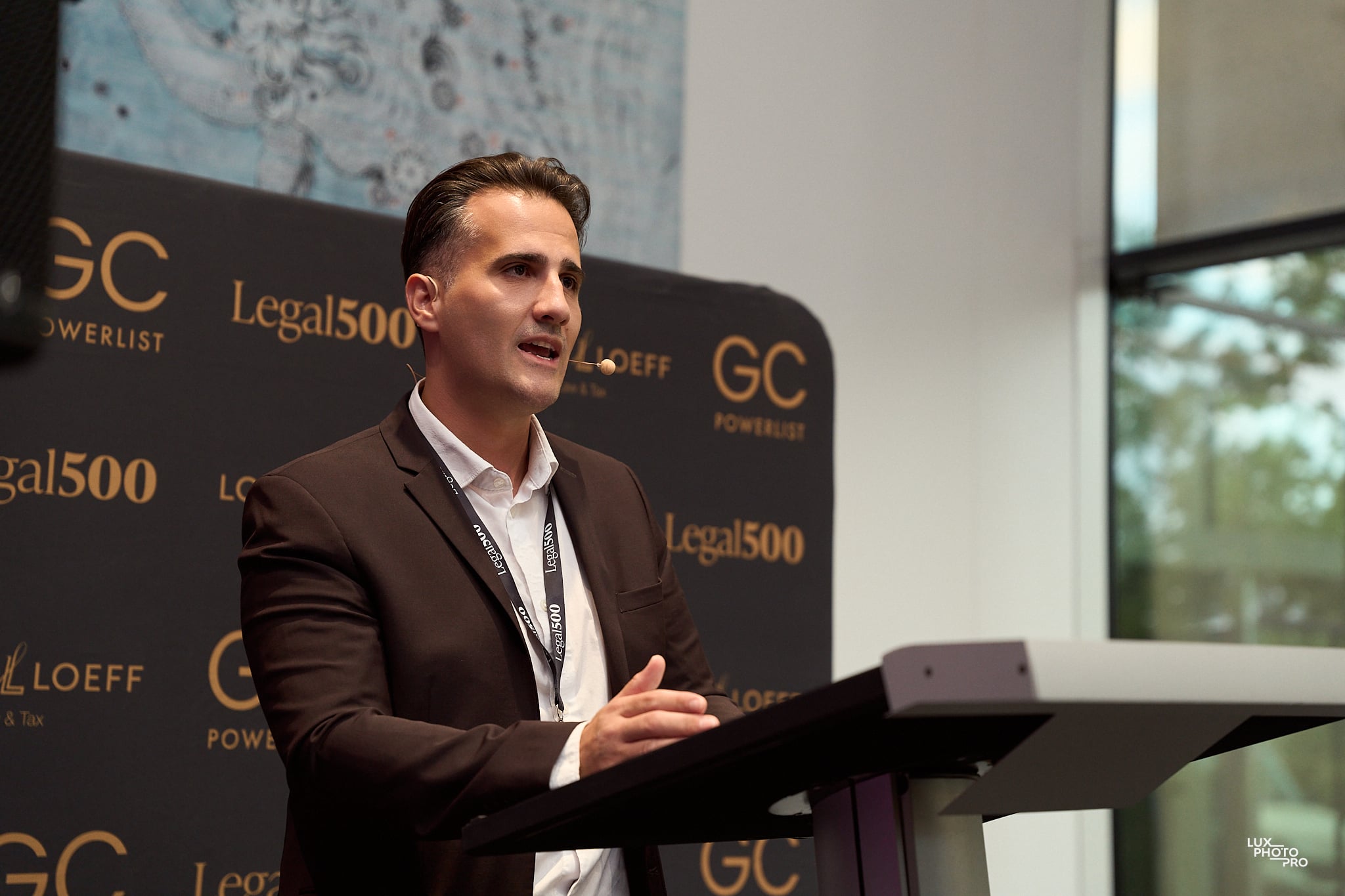
Frederic Franckx, Partner in the Corporate and M&A practice and Managing Partner of Loyens & Loeff Luxembourg, opened the event with welcoming remarks.
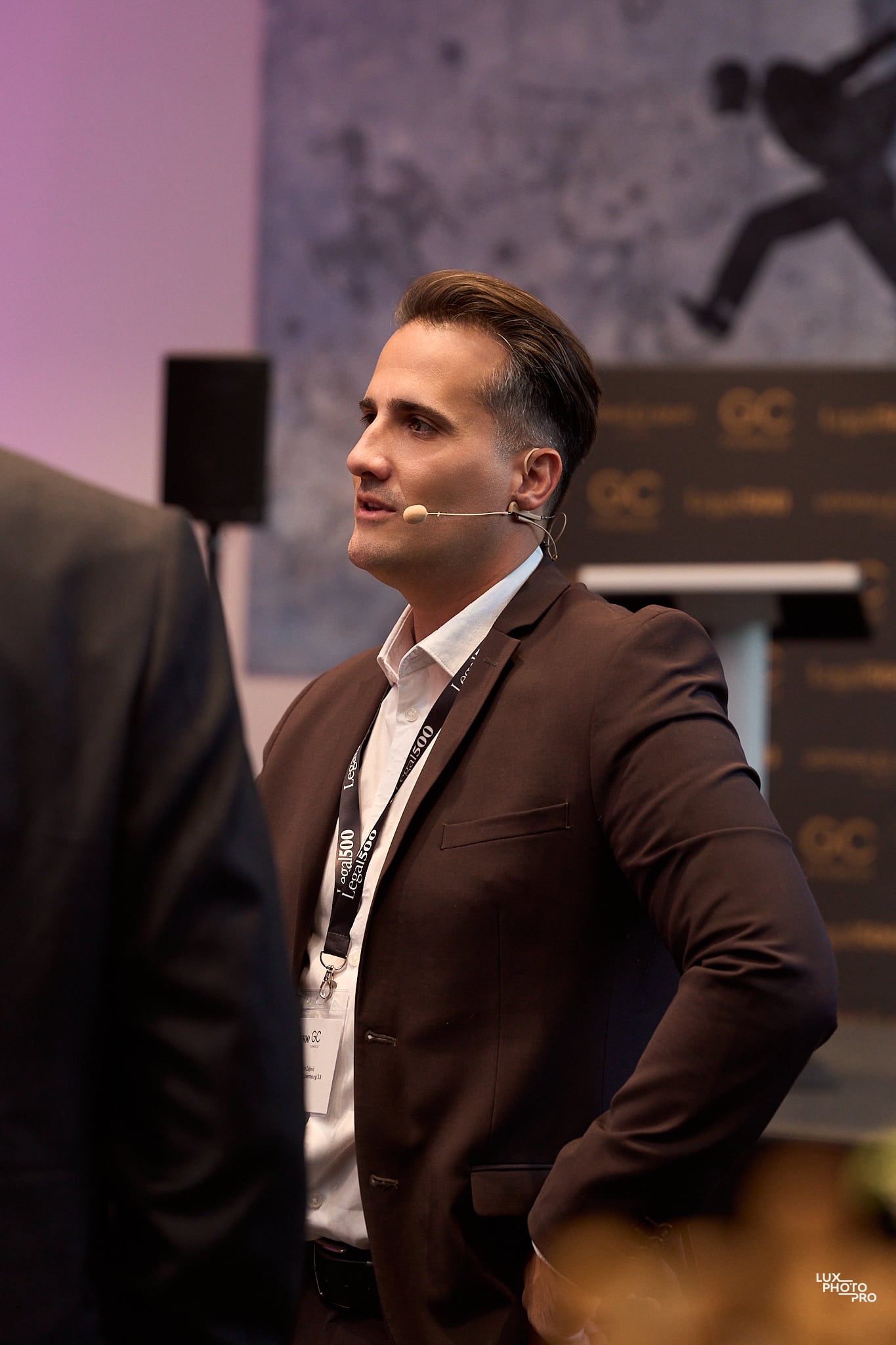
This was followed by a keynote speech by Ervin Zaljevic, Vice President and Head of Legal at BlackRock Luxembourg, who discussed the role of the GC and the future of legal leadership in Luxembourg.
Legal 500 thanks Loyens & Loeff for its support in recognising Luxembourg’s outstanding general counsel community and congratulates all those included in the GC Powerlist.