Ecuador 2022
Supported by the Association of Corporate Counsel



Gerente legal and apoderado especial | Directv Ecuador
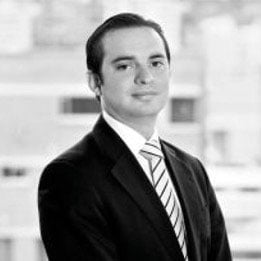
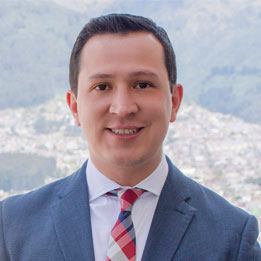
Legal counsel GM Ecuador legal department | Fresenius Medical Care

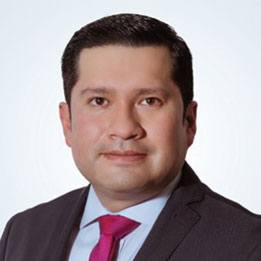
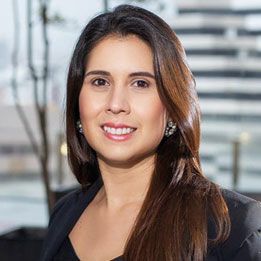
General counsel and chief compliance officer | Holcim

Legal and corporate affairs director | Cervecería Nacional
Legal counsel GM Ecuador legal department | Motors del Ecuador
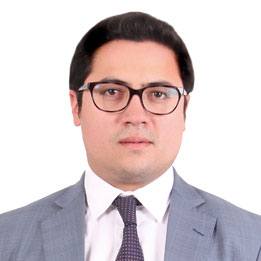
General counsel and chief compliance officer | DK Management Services
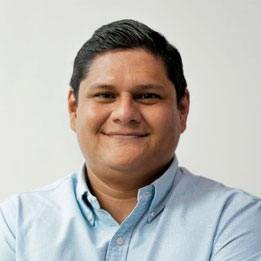
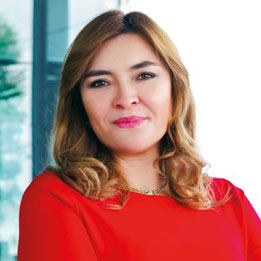
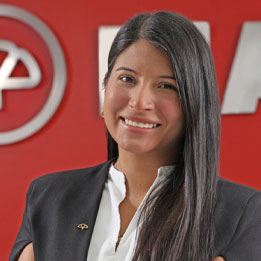
Legal and government affairs manager | Productos Avon Ecuador
Legal director | Las Lomas Ciudad Industrial y Comercial
Corporate counsel | SBA Communications Corporation - Ecuador
Director legal ecuador and legal counselor | Huawei Technologies
Director jurídico | Concentración Deportiva de Pichincha
Corporate manager of management control and risks and legal | Corporación GPF - Grupo Fybeca
Vice President of Legal and Corporate Affairs | Reybanpac
Legal chief and corporate affairs | Corporación El Rosado
Legal assistant manager | Latam Airlines Ecuador
Director jurídico | Grupo Empresarial Espinoza - GES
Head of legal and compliance andean cluster (Colombia, Ecuador, Peru) | Alcon
Senior corporate counsel, LATAM | Lumen Technologies
Gerente legal y relaciones publicas | UNACEM Ecuador
Gerente legal and compliance Ecuador, Puerto Rico, República Dominicana, Aruba and Curazao | Linde
Corporate legal manager | Asesoría y control
Ecuador has a rich natural endowment which if combined with climate-friendly policies has the potential to be a source of the country’s sustainable economic development. With the government initiatives on Environmental, Social, and Governance (ESG) such as the Green Bonus scheme, Ecuador’s in-house lawyers have been proactive in navigating their organisations by encouraging eco-friendly policies and socially responsible governance. Despite the challenges the country has faced through the unprecedented pandemic crisis, the legal teams serving the companies in Ecuador demonstrably helped businesses to drive success while mitigating risks and reducing potential legal issues.
This year’s GC Powerlist: Ecuador highlights the role of in-house counsel playing a vital part in promoting global initiatives including Corporate Social Responsibility (CSR). Taking the lead in implementing corporate agendas with social accountability, in-house counsel in Ecuador promoted diversity and inclusion as well as community engagement into their corporate governance internal model. Recognised as business partner, the in-house legal role in Ecuador continues to evolve as strategic advisor, leading the latest opportunities and challenges.
Remaining abreast of the latest legal technology, legal functions demonstrated their increasing efficiency and productivity over the pandemic. Technology will continue the push for in-house lawyers to work faster and smarter. Driving further efficiencies in processes, the counsel contained within these pages have utilised their legal knowledge strategically alongside business insight to make a positive impact towards their organisation’s success.
It was my pleasure to speak and extensively interview the most agile, innovative, and exceptional in-house lawyers in Ecuador spanning international and domestic business titans and organisations at the cutting edge of technology and the future of work, each with their own priorities and challenges. I would like to extend the sincerest gratitude to all the general counsel and in-house lawyers who participated in this edition of the GC Powerlist: Ecuador. This edition identifies the most impressive counsel who have tackled new challenges caused by the pandemic as well as the development of eco-friendly regulations and policies.
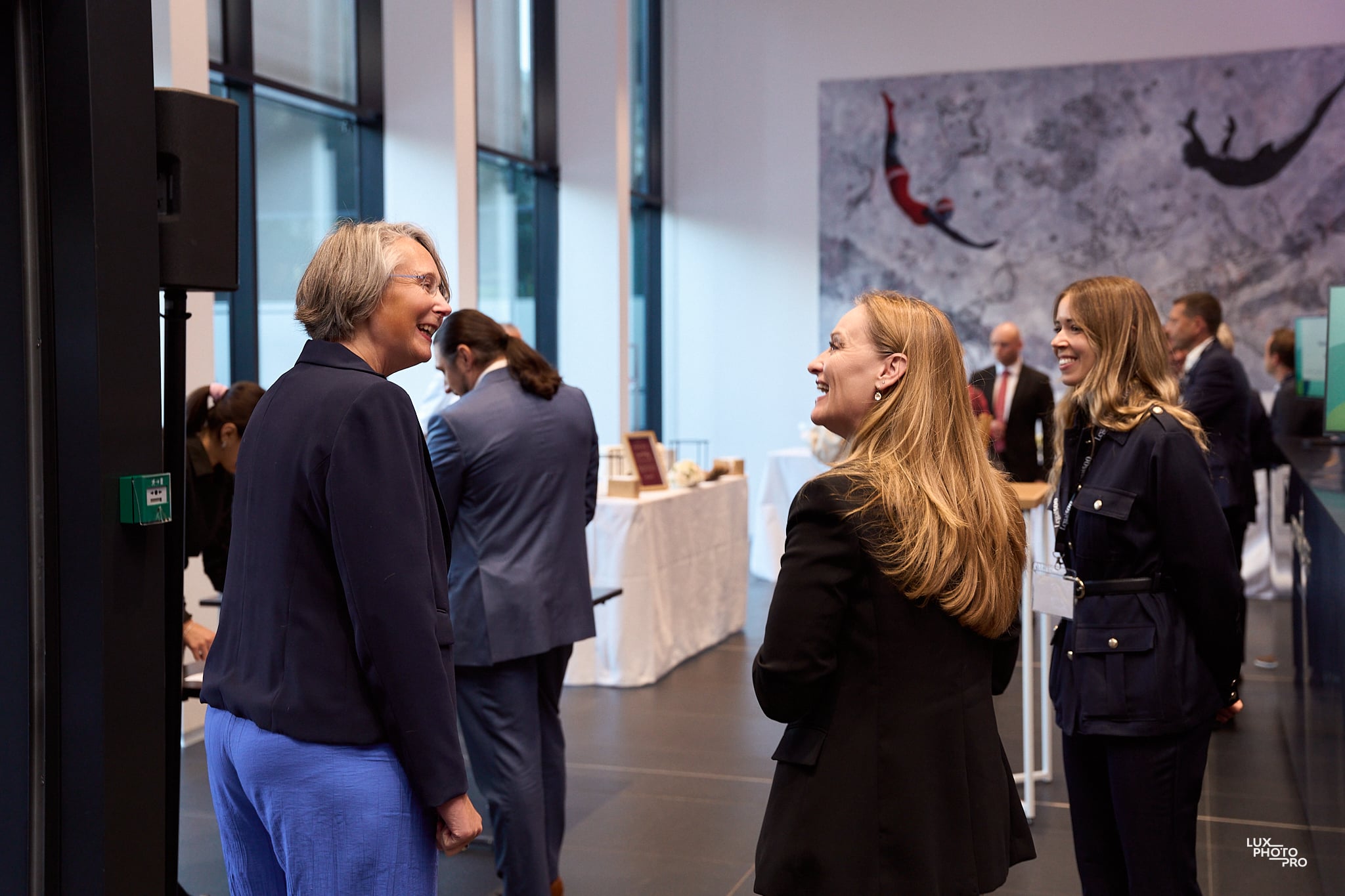
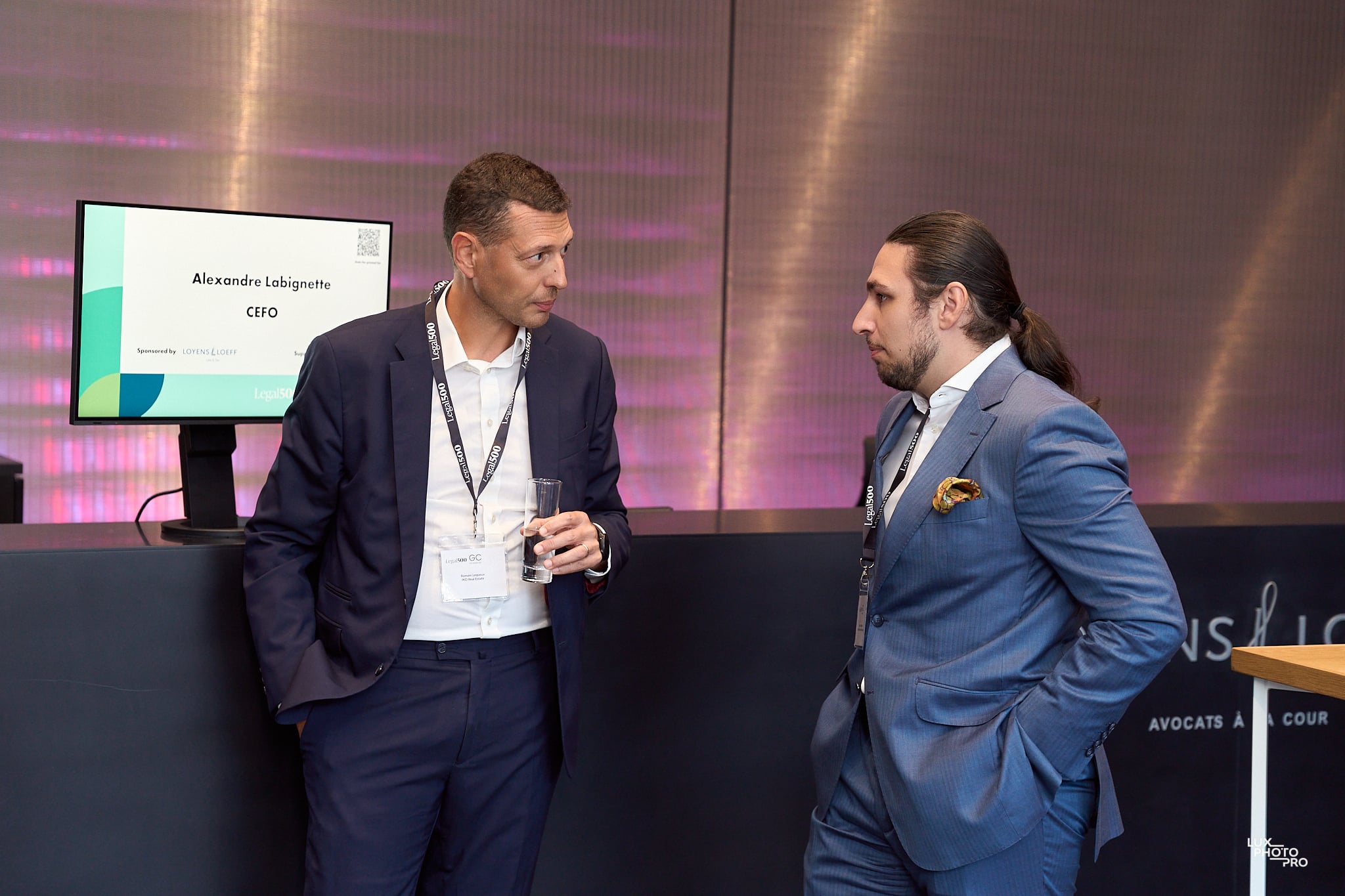
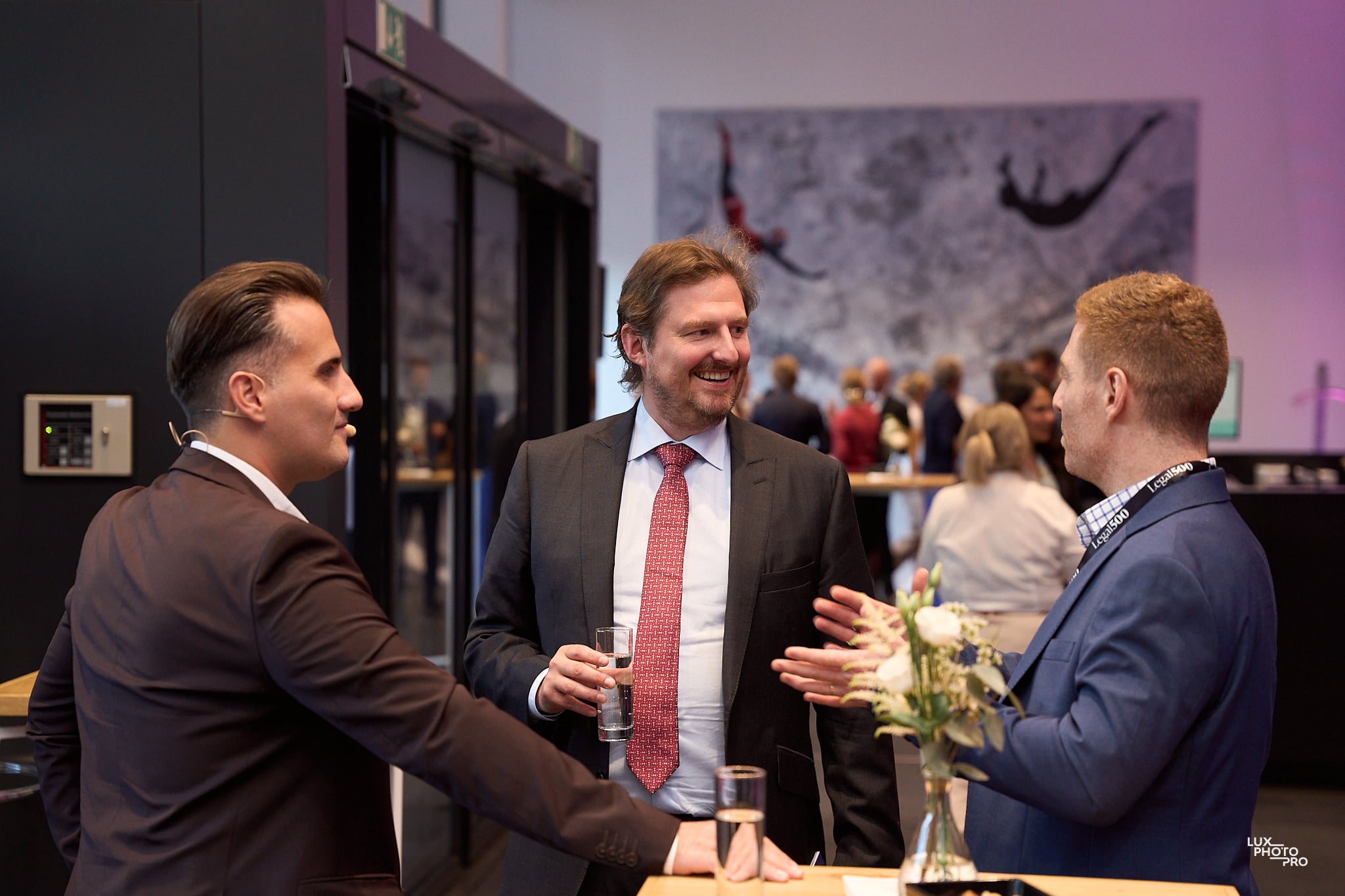
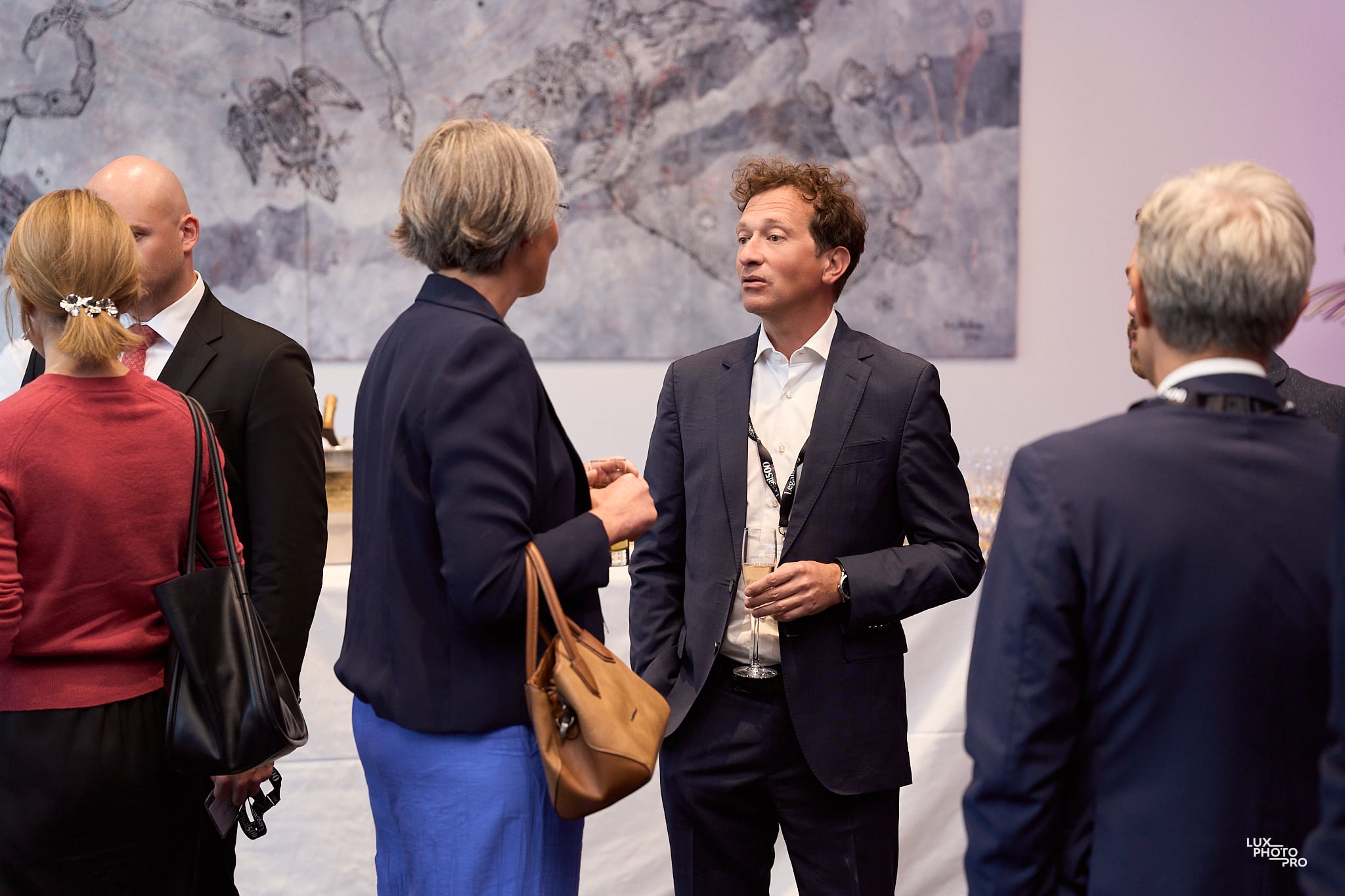
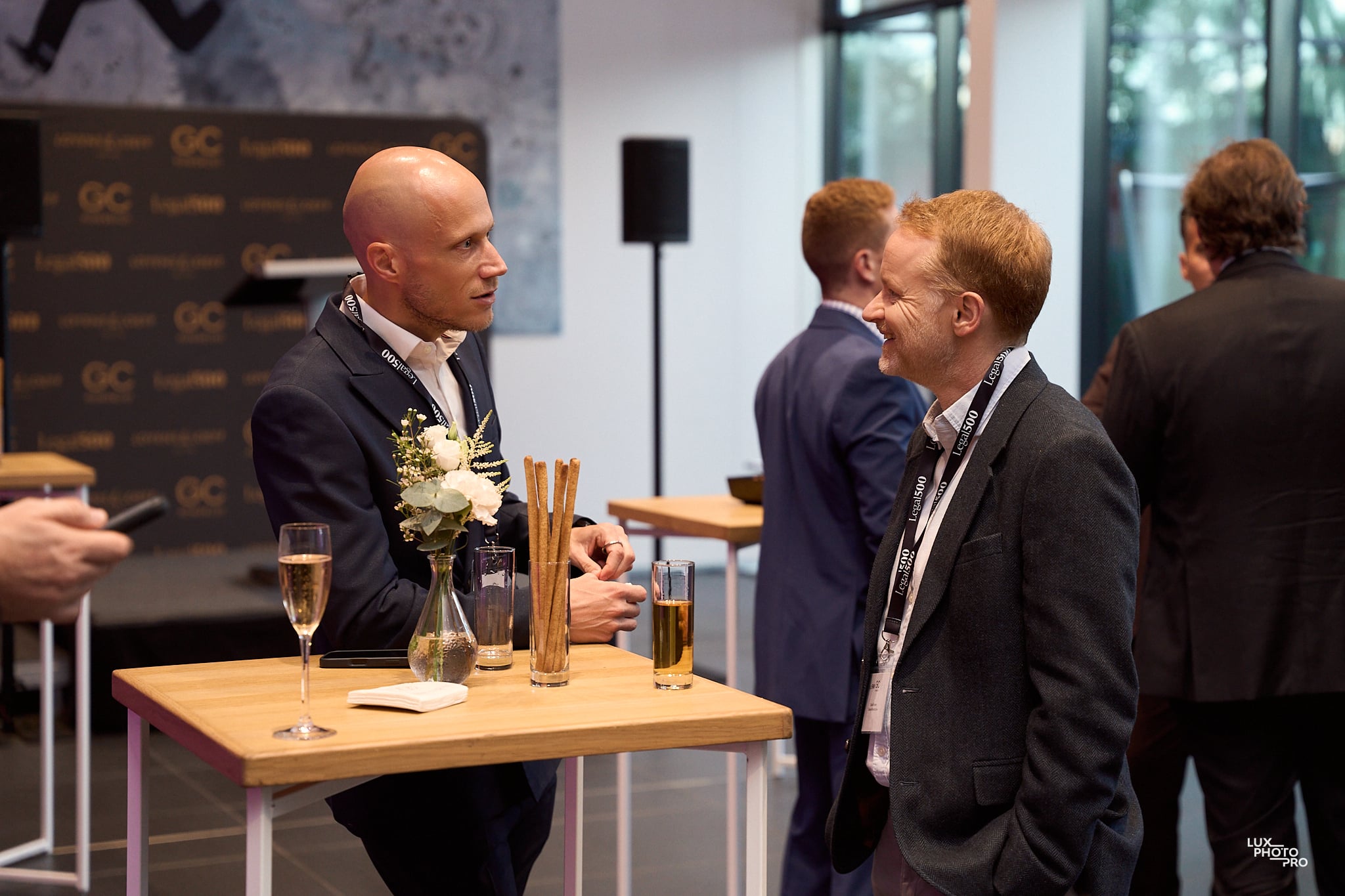
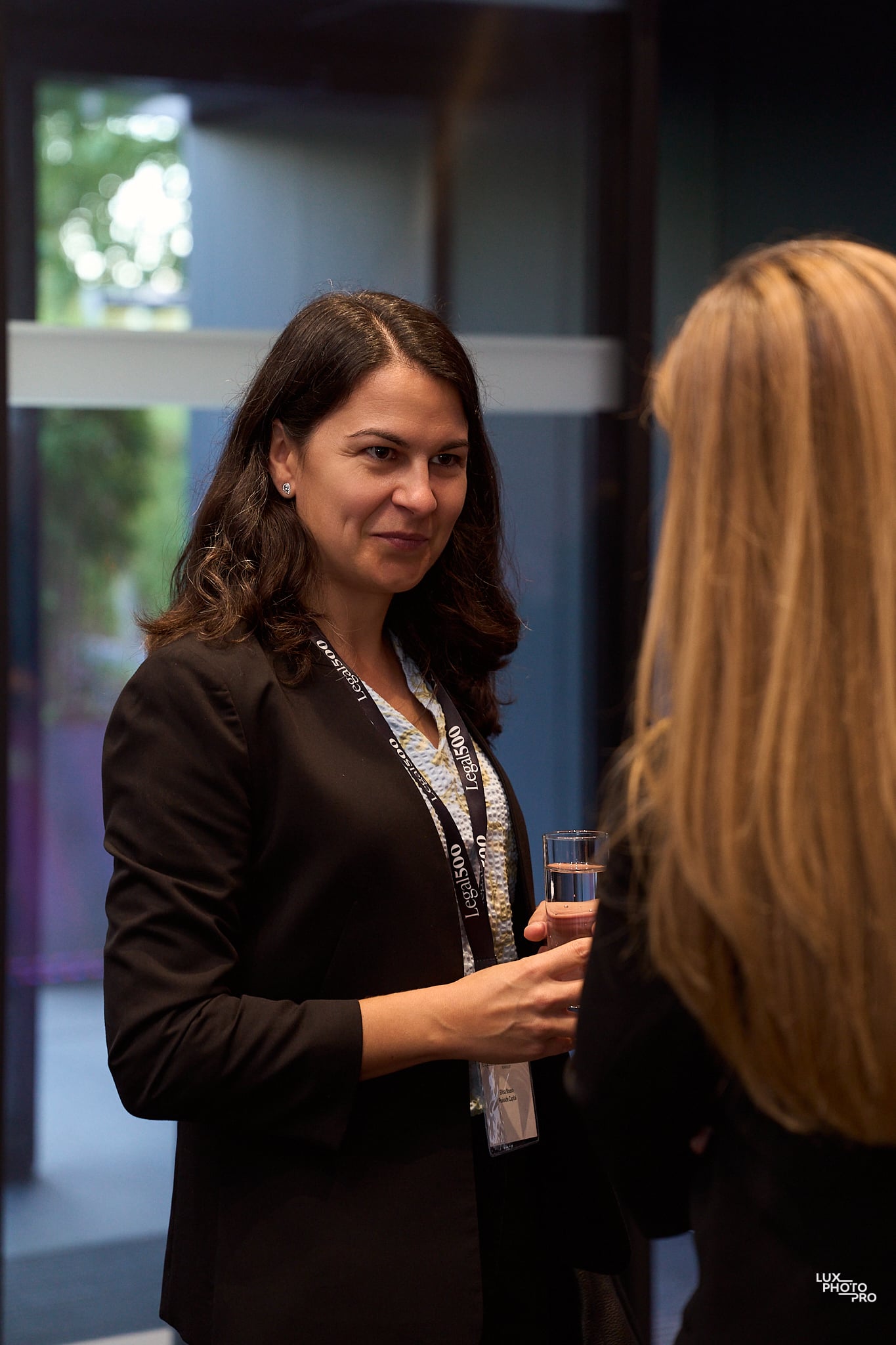
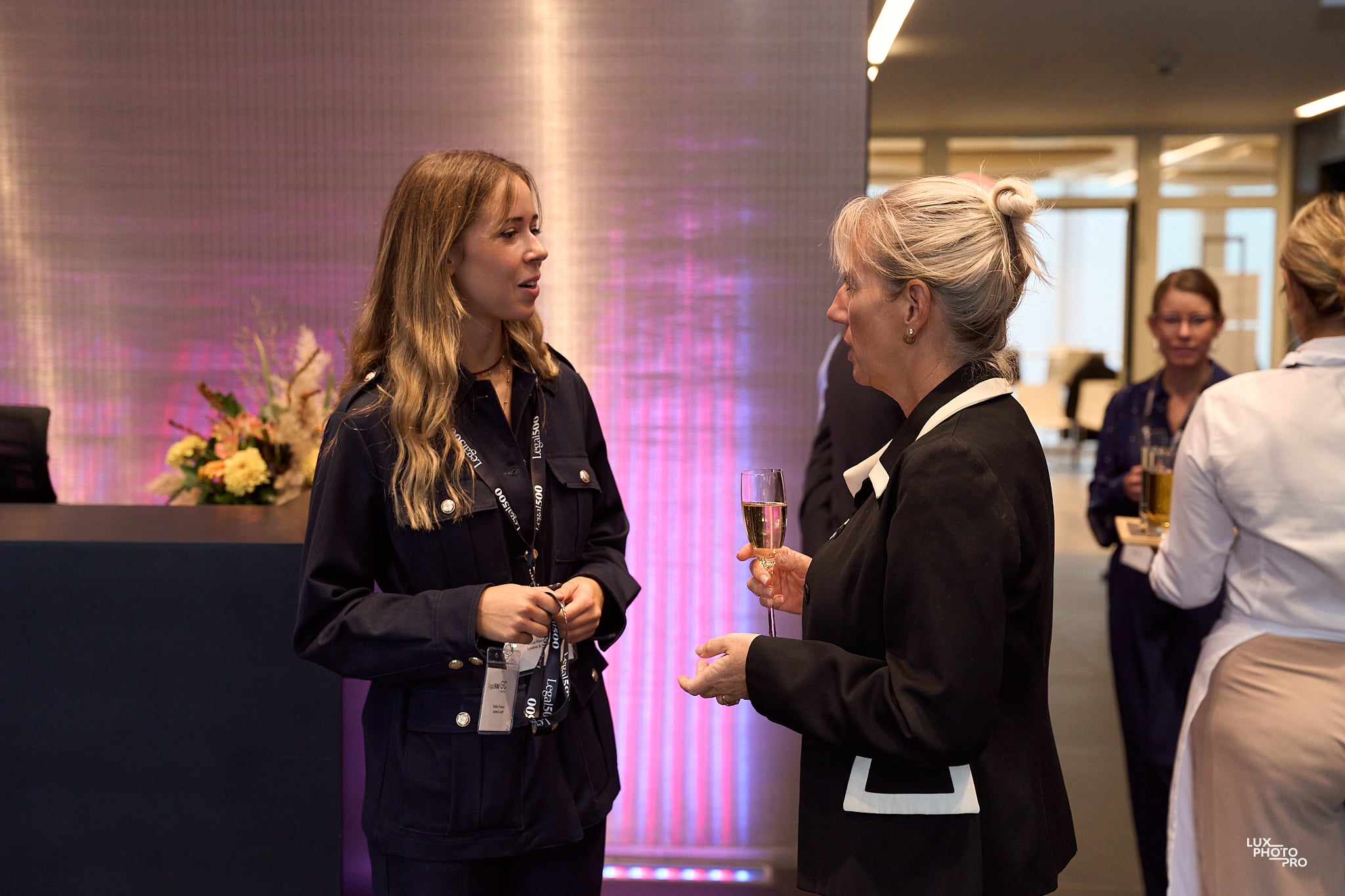
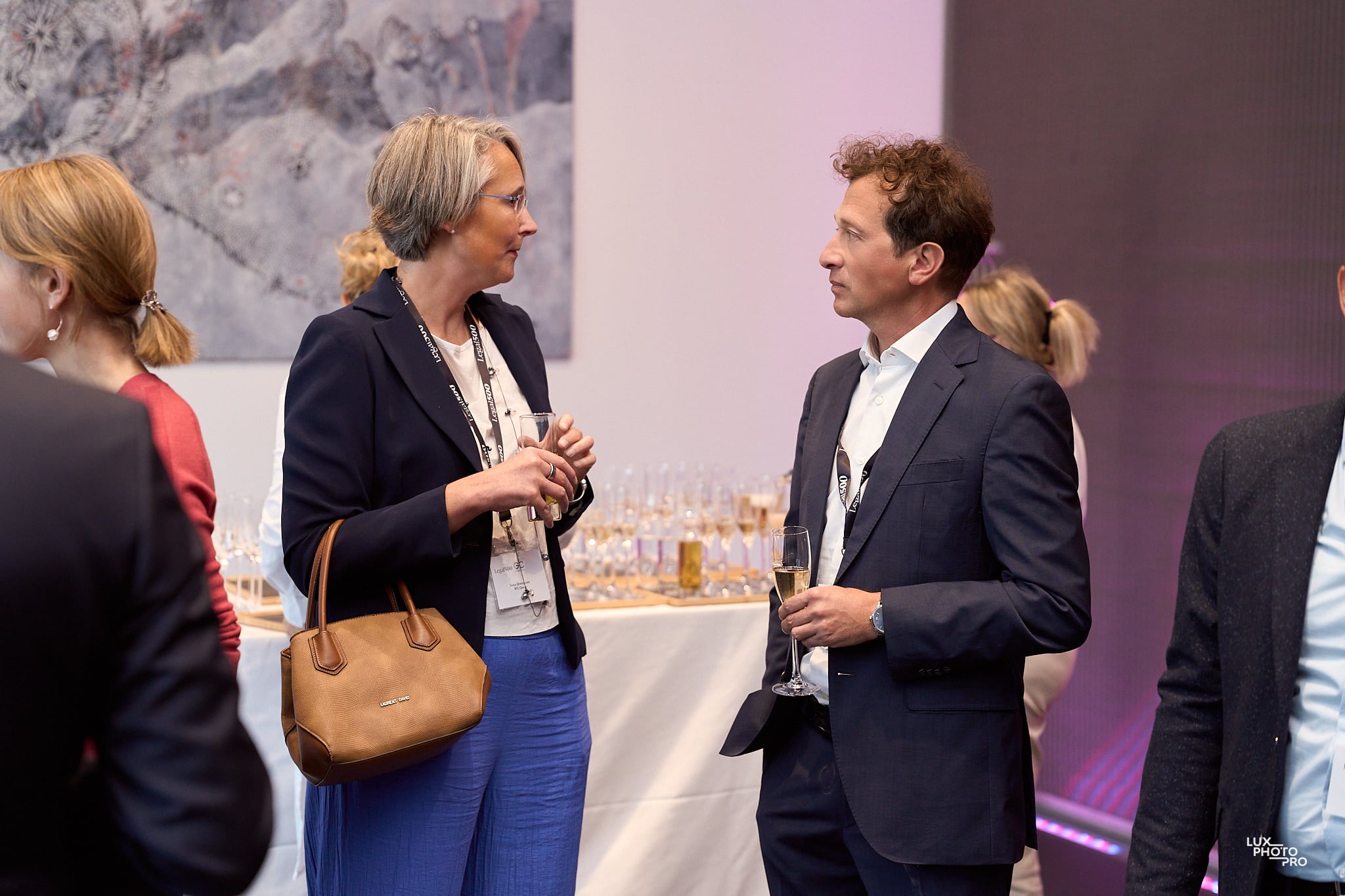
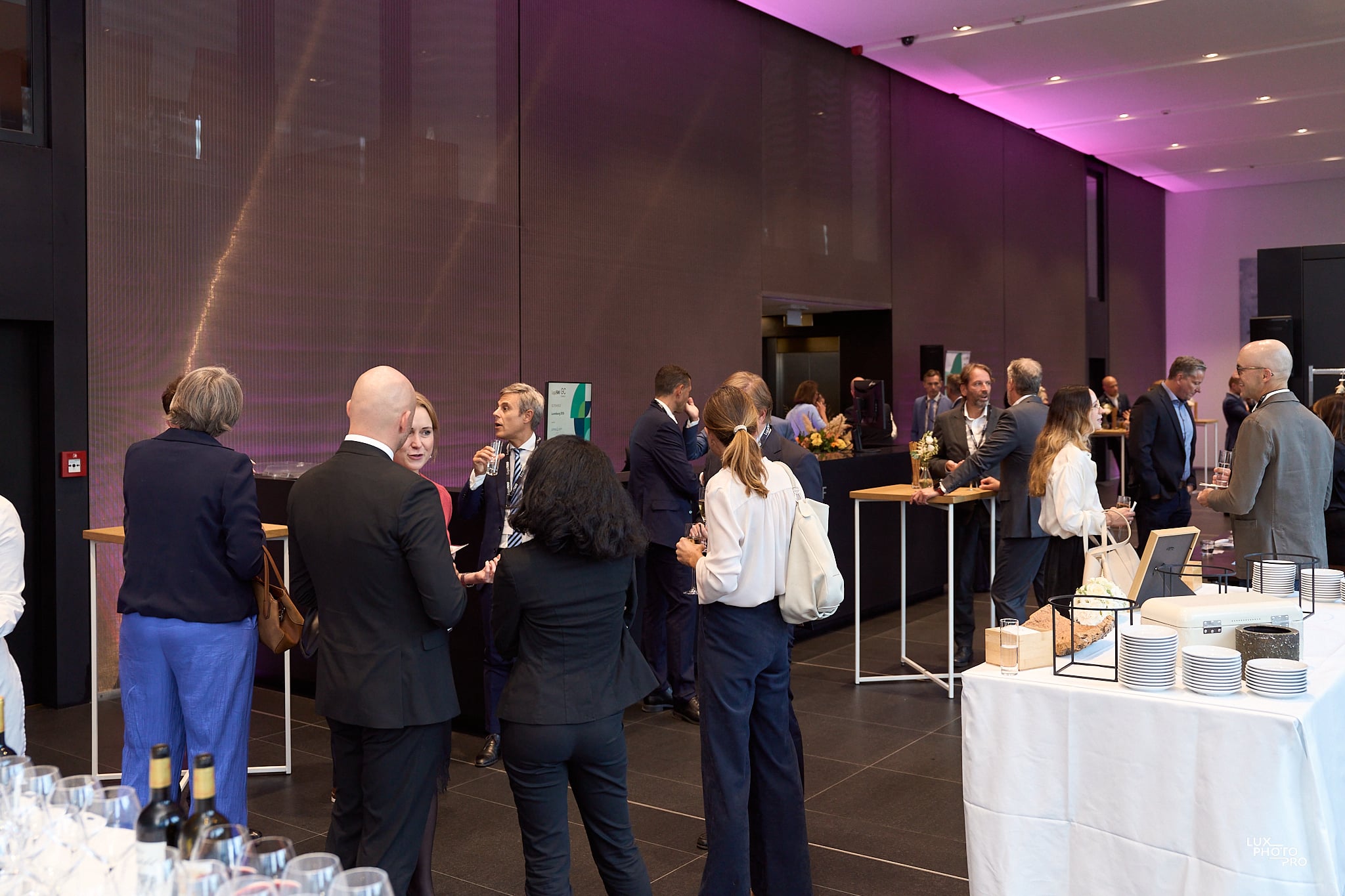
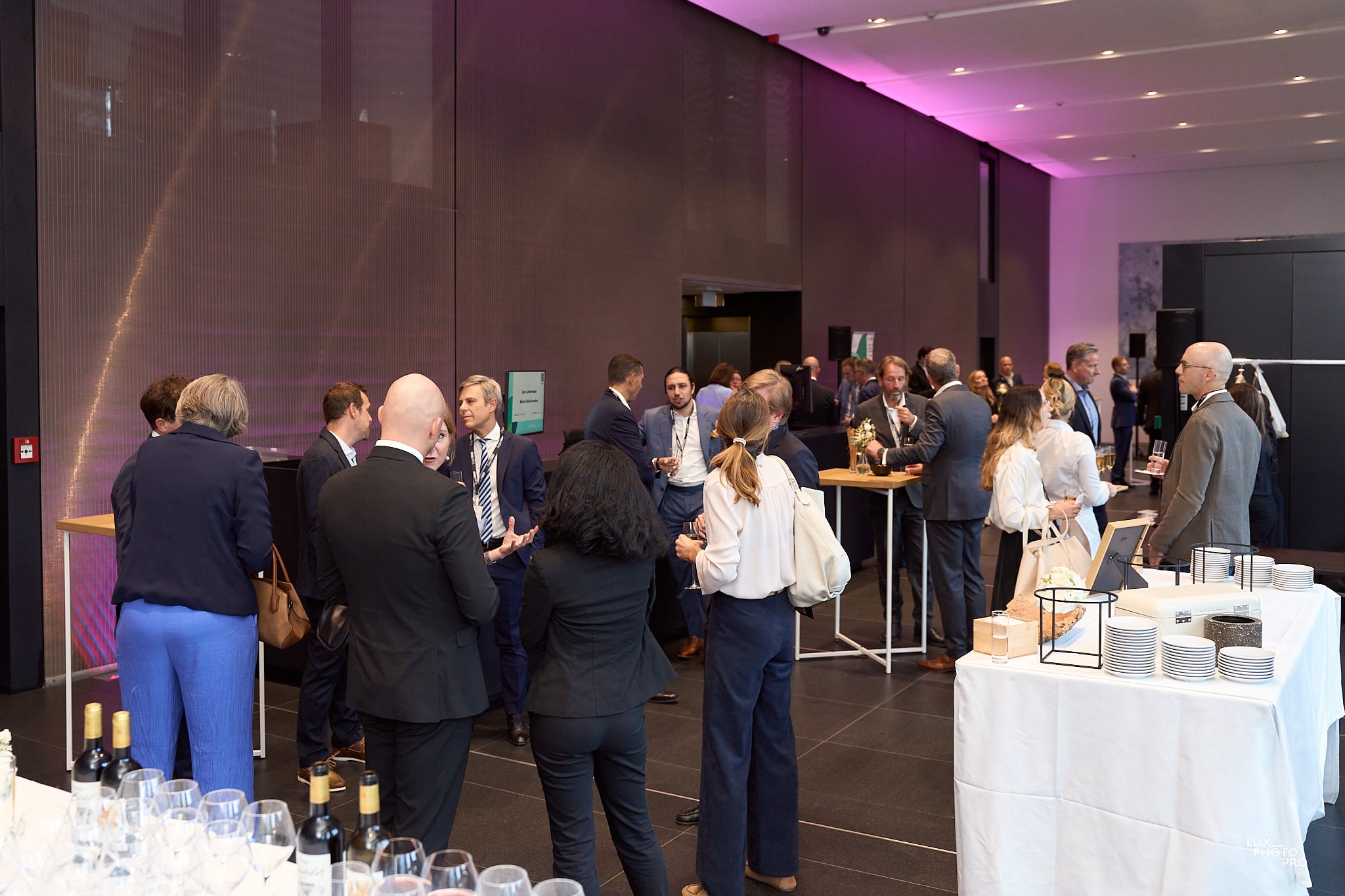
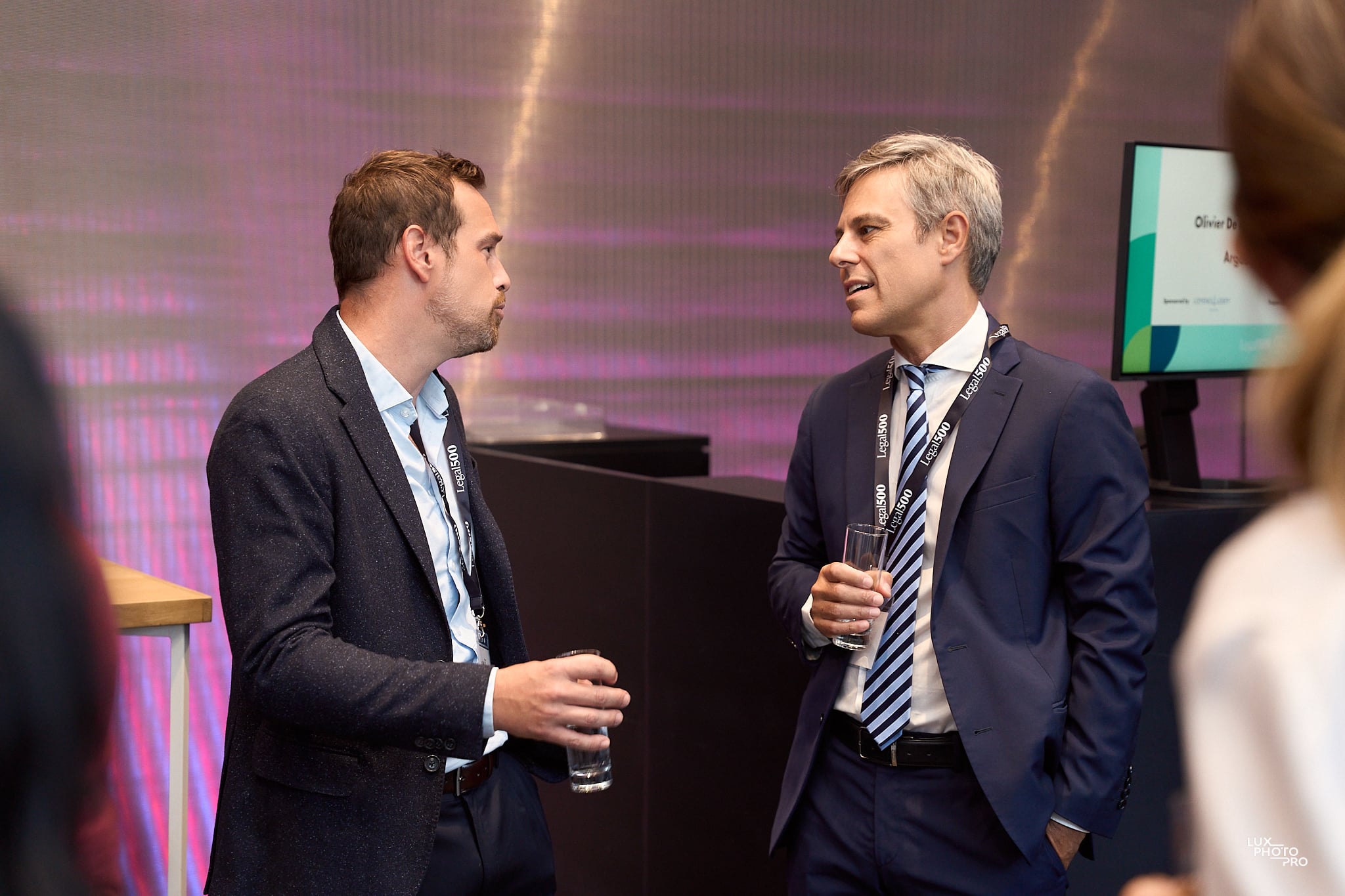
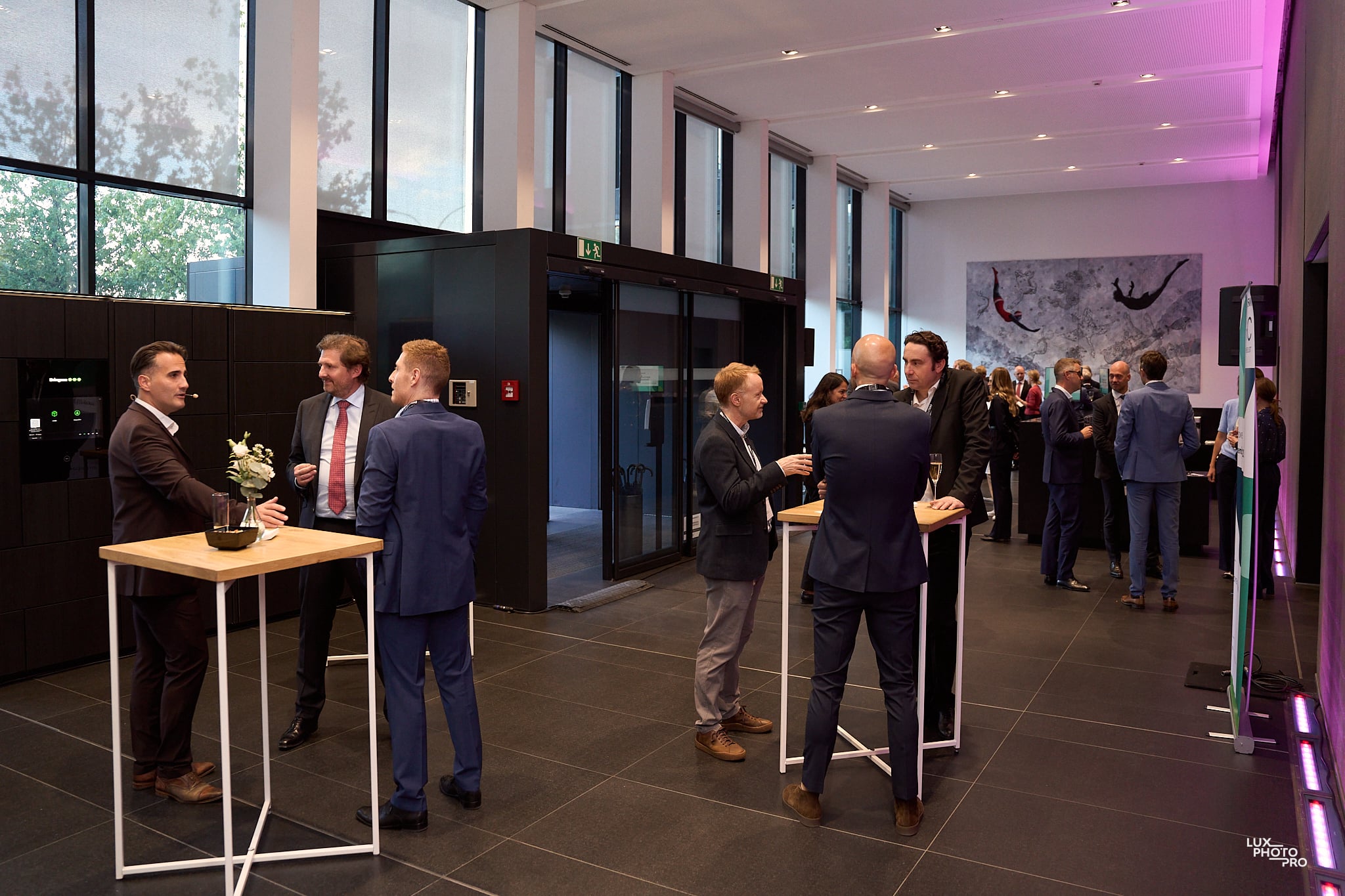
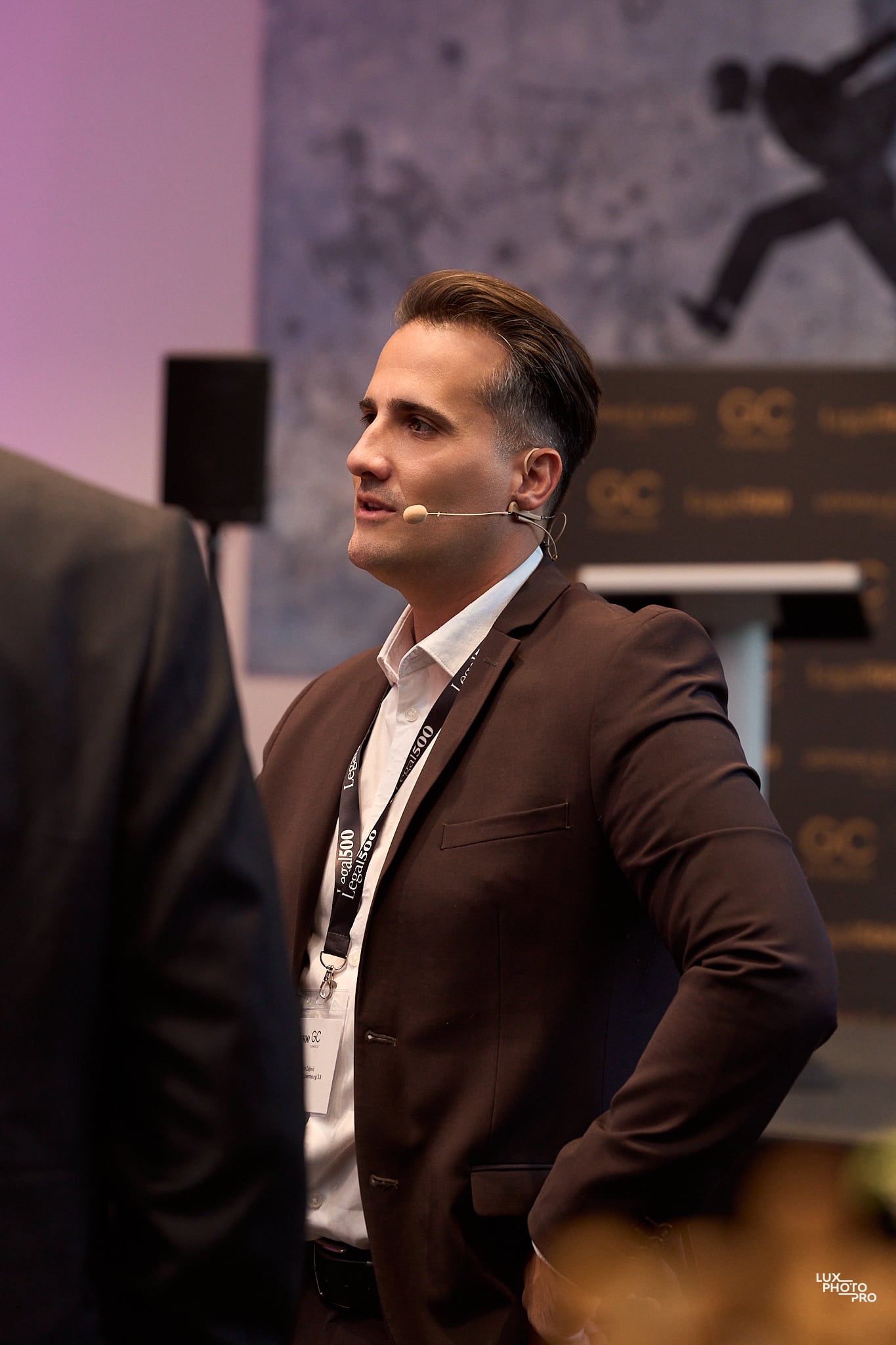
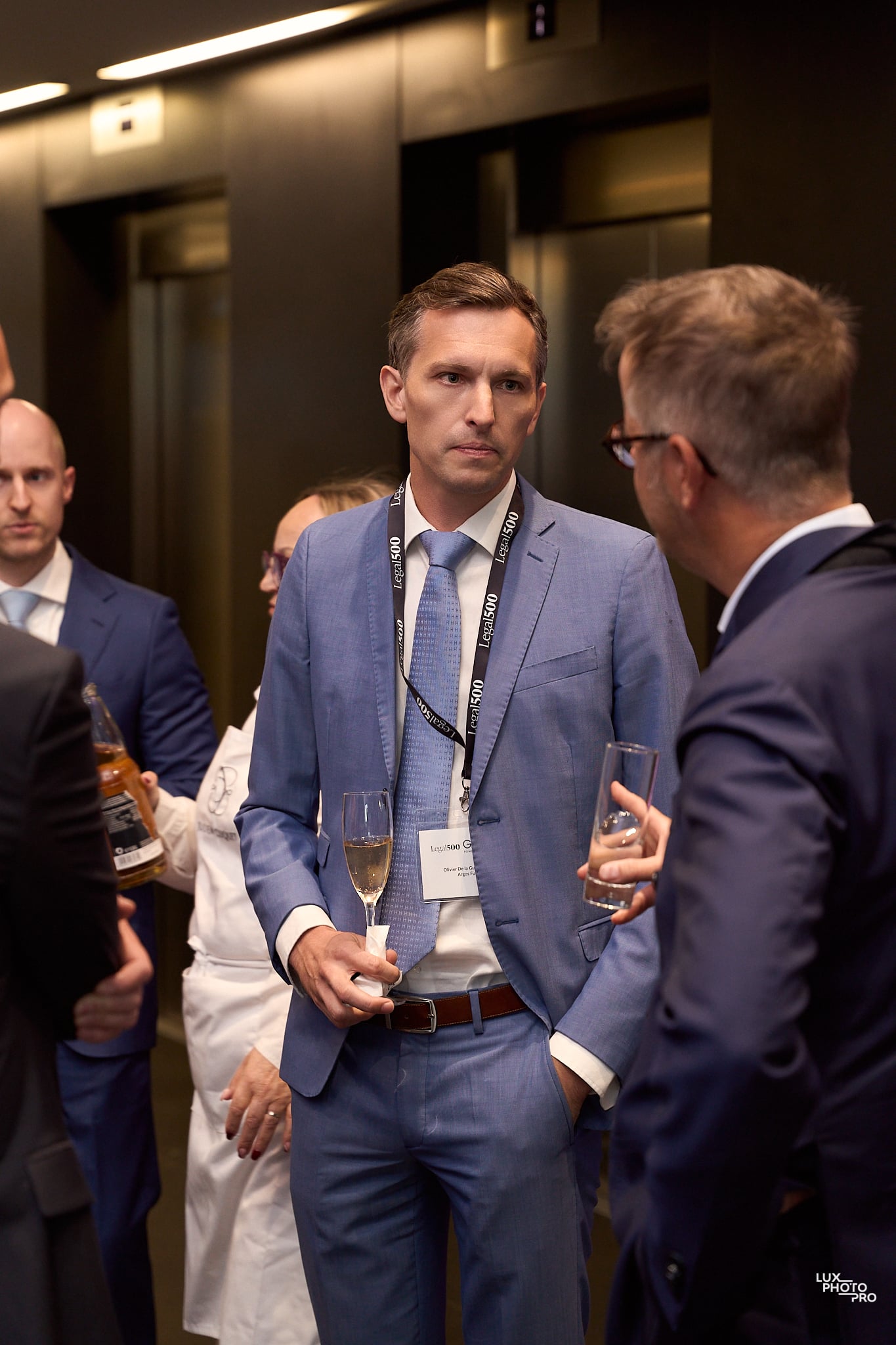
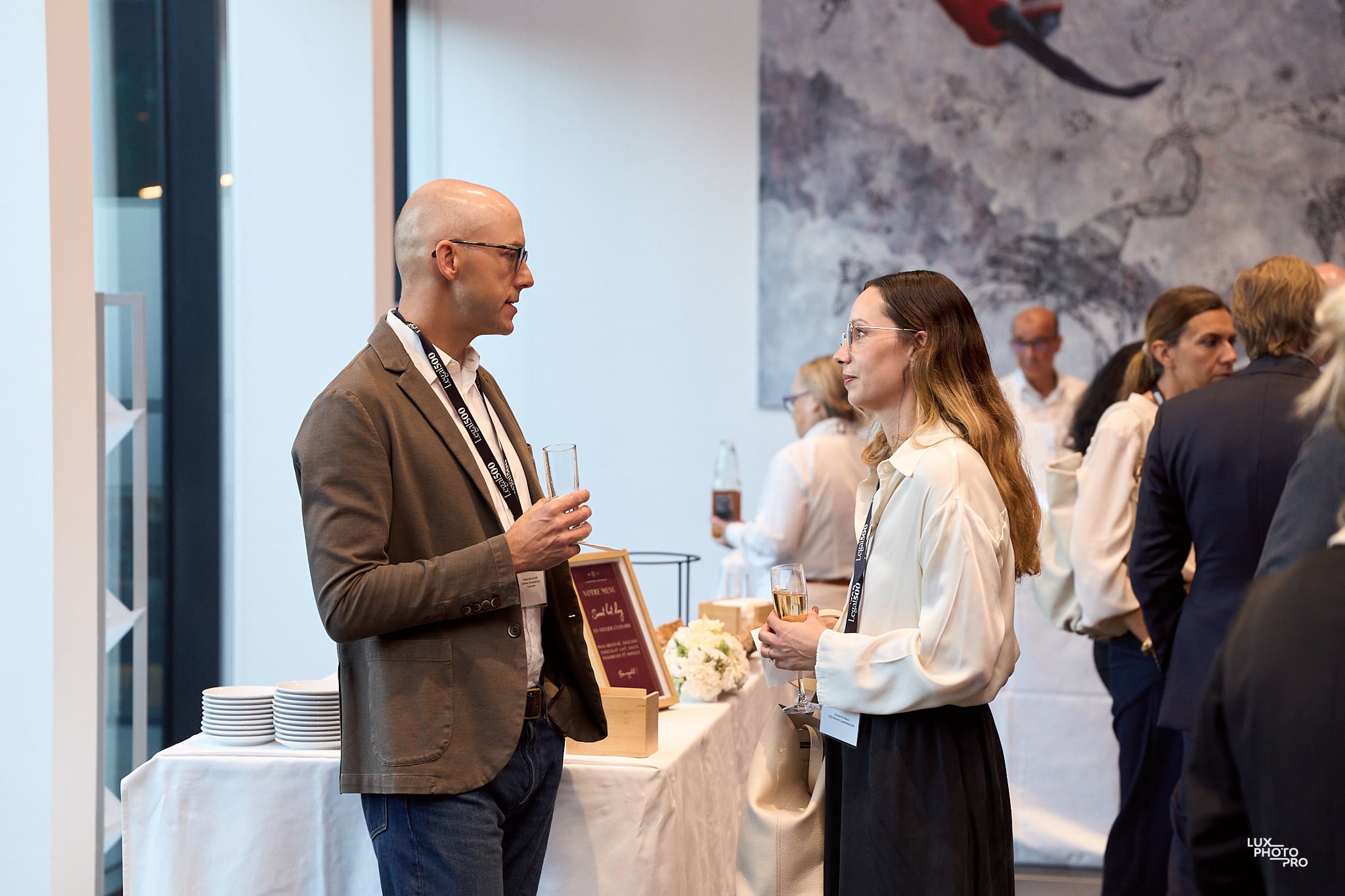
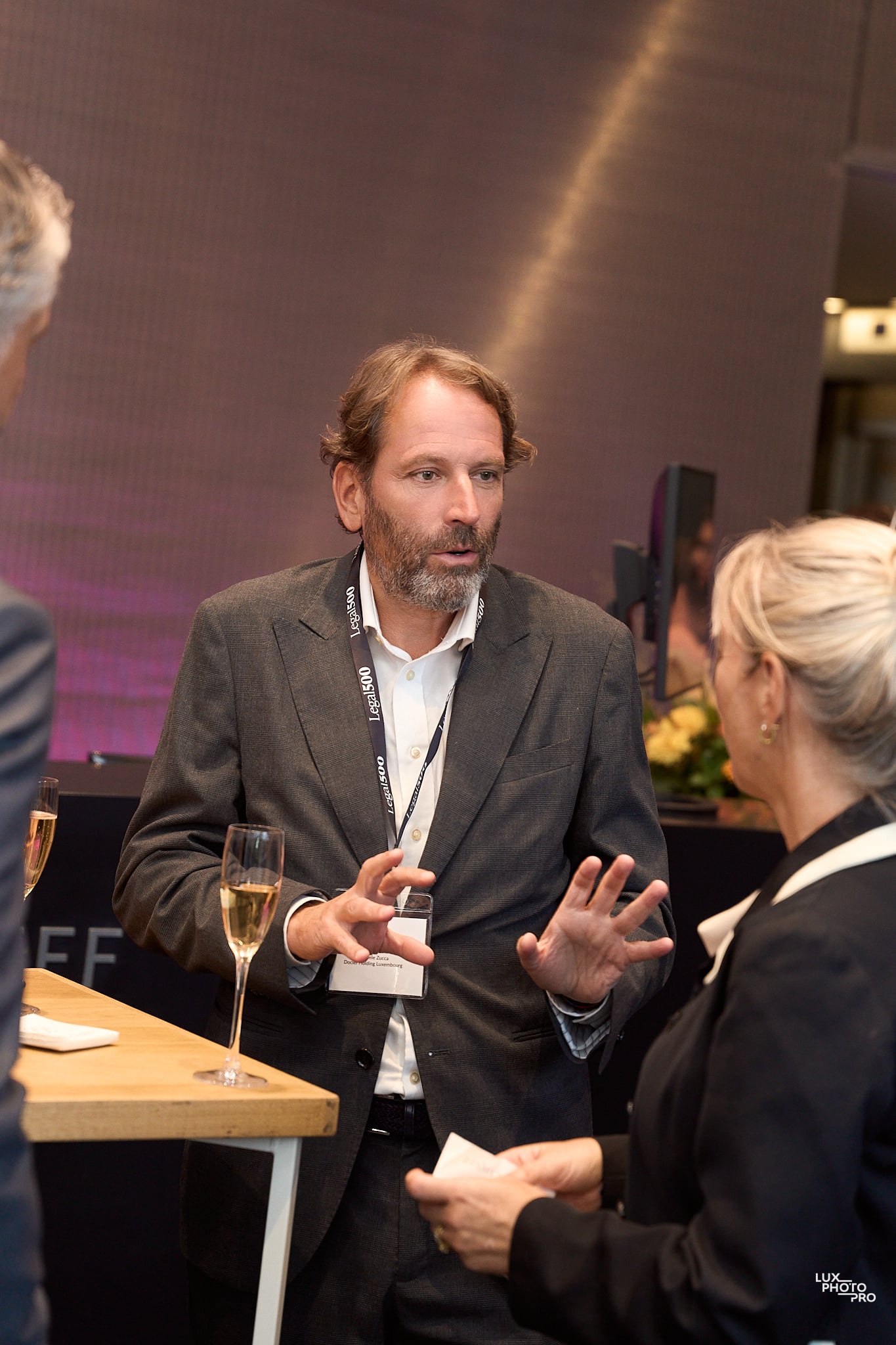
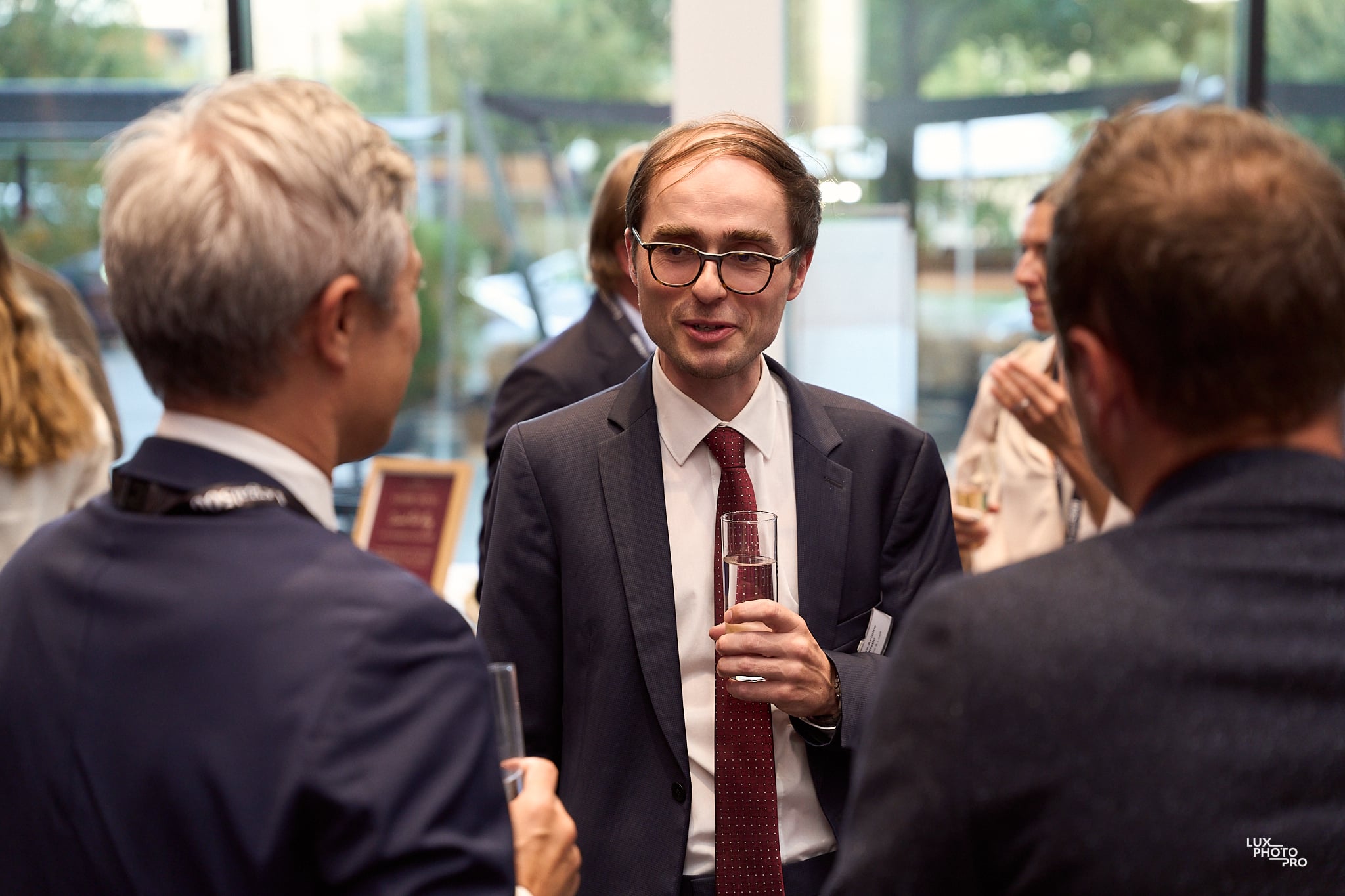
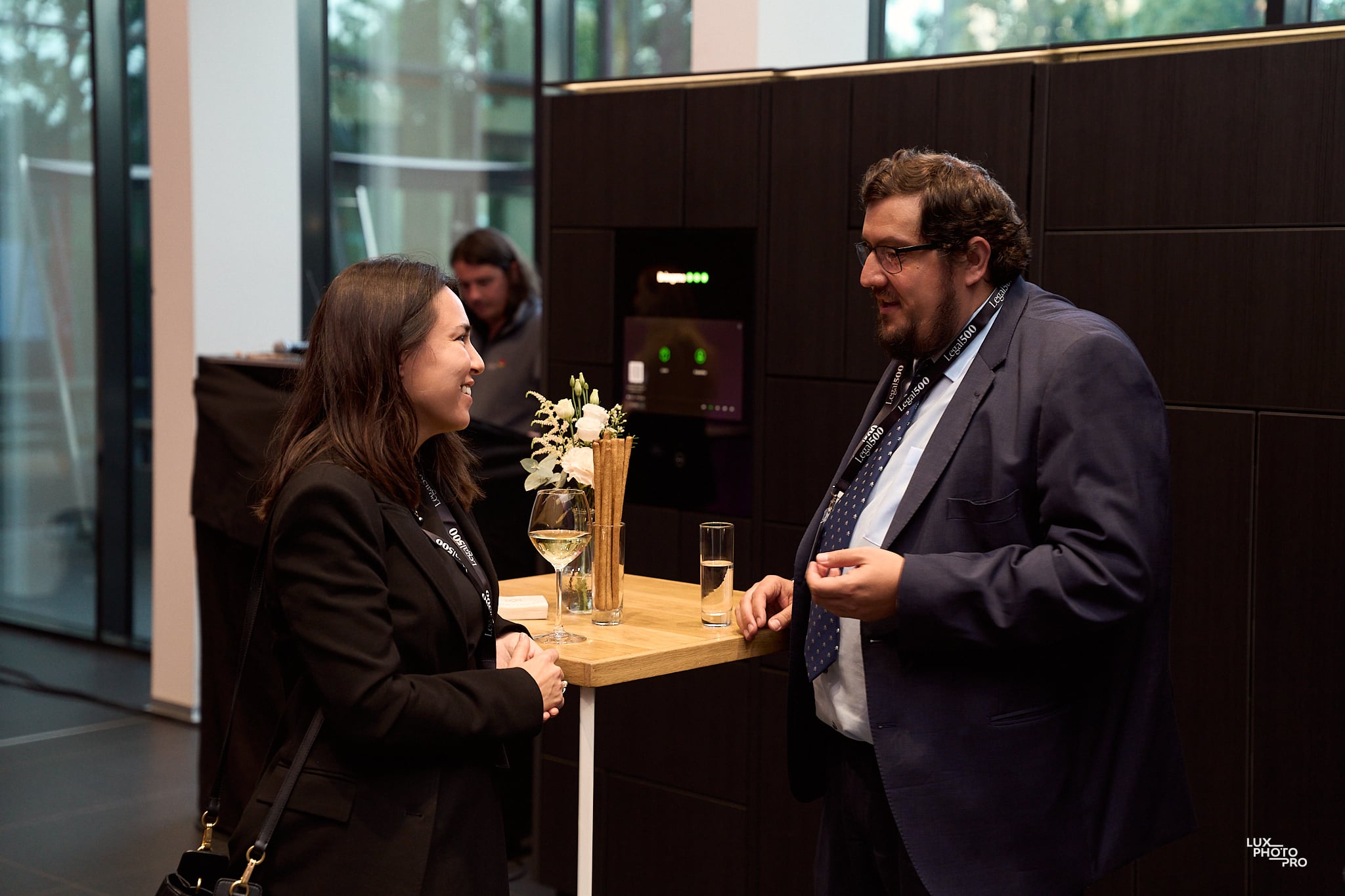
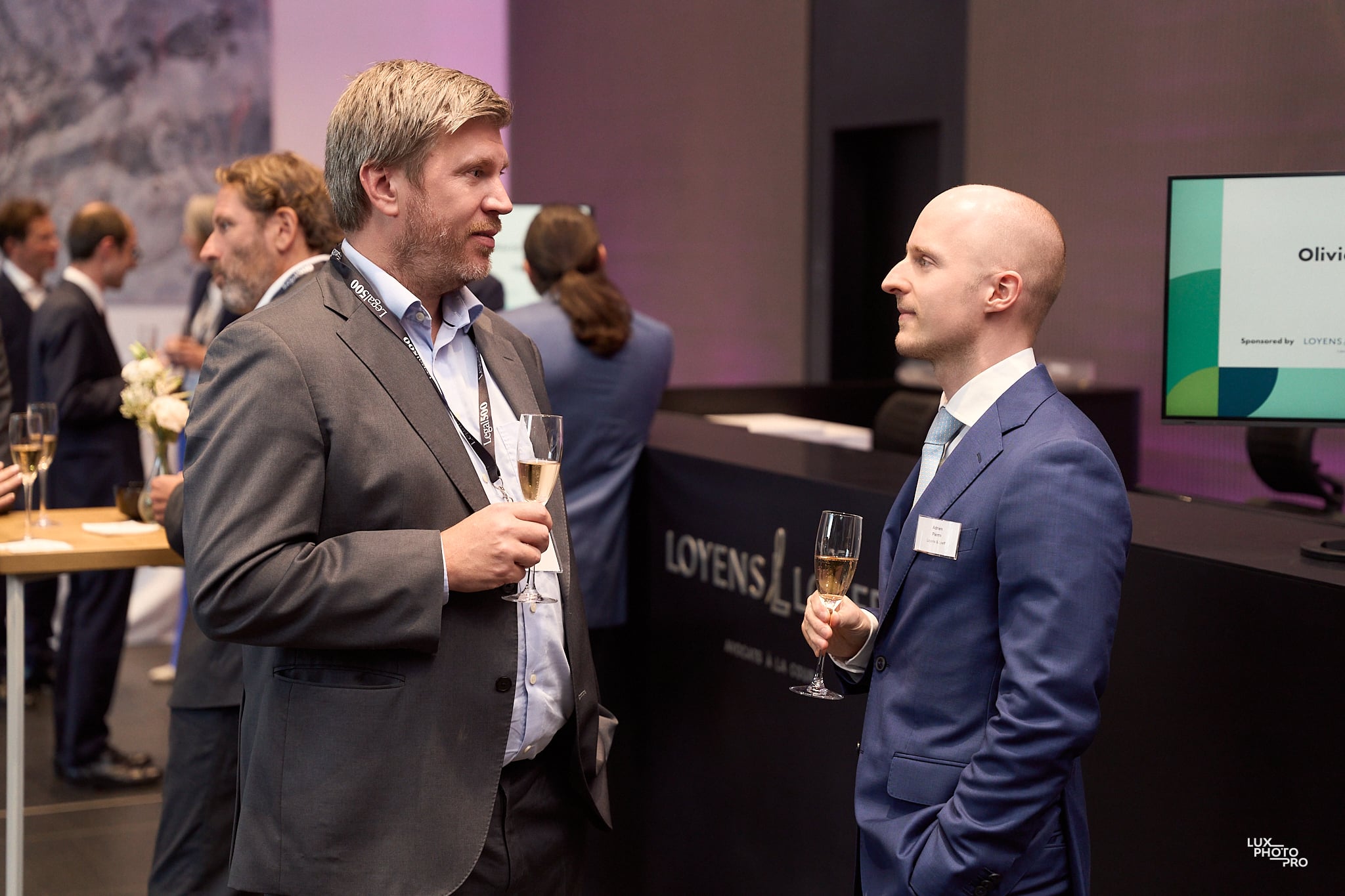
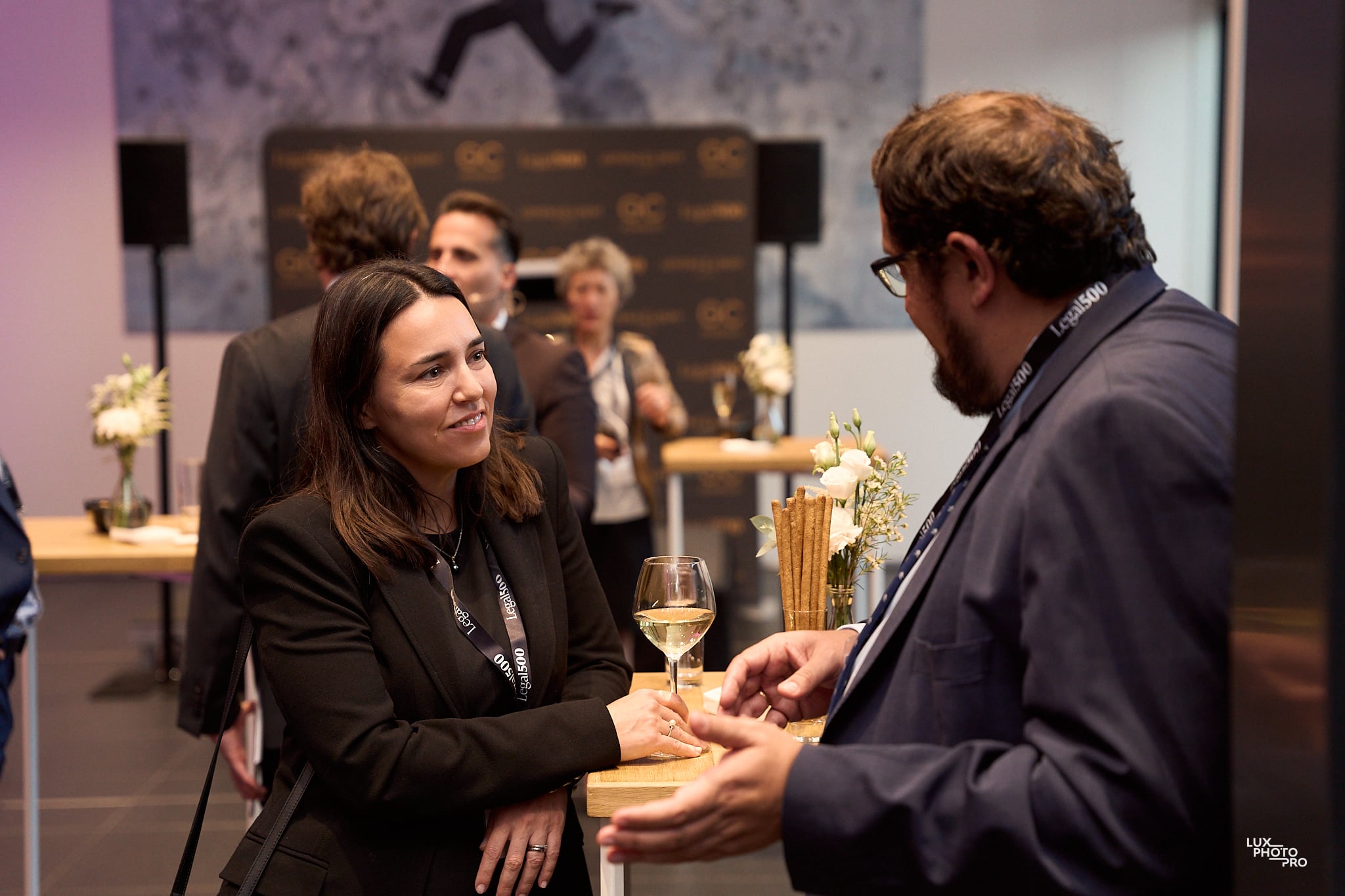
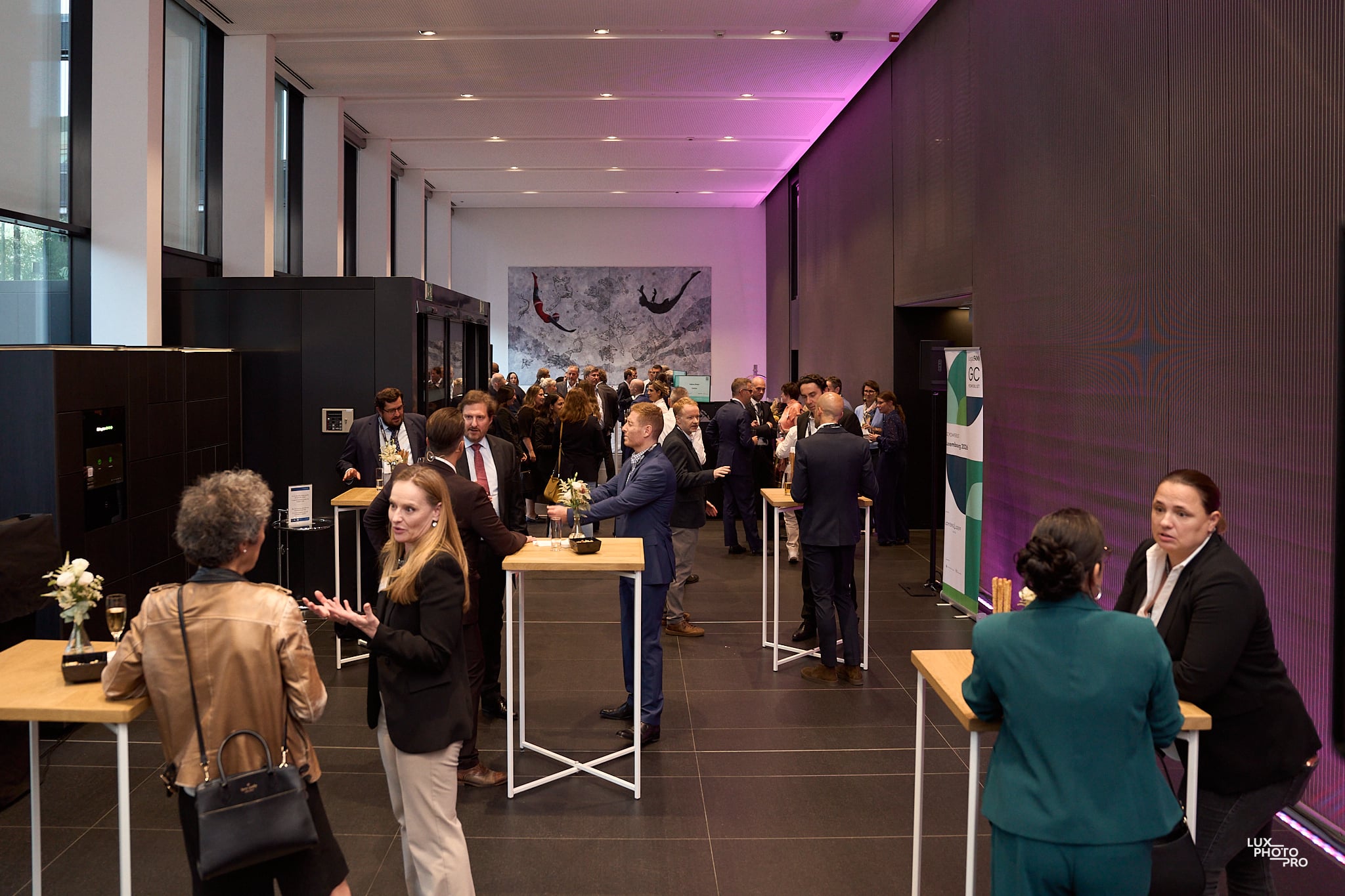
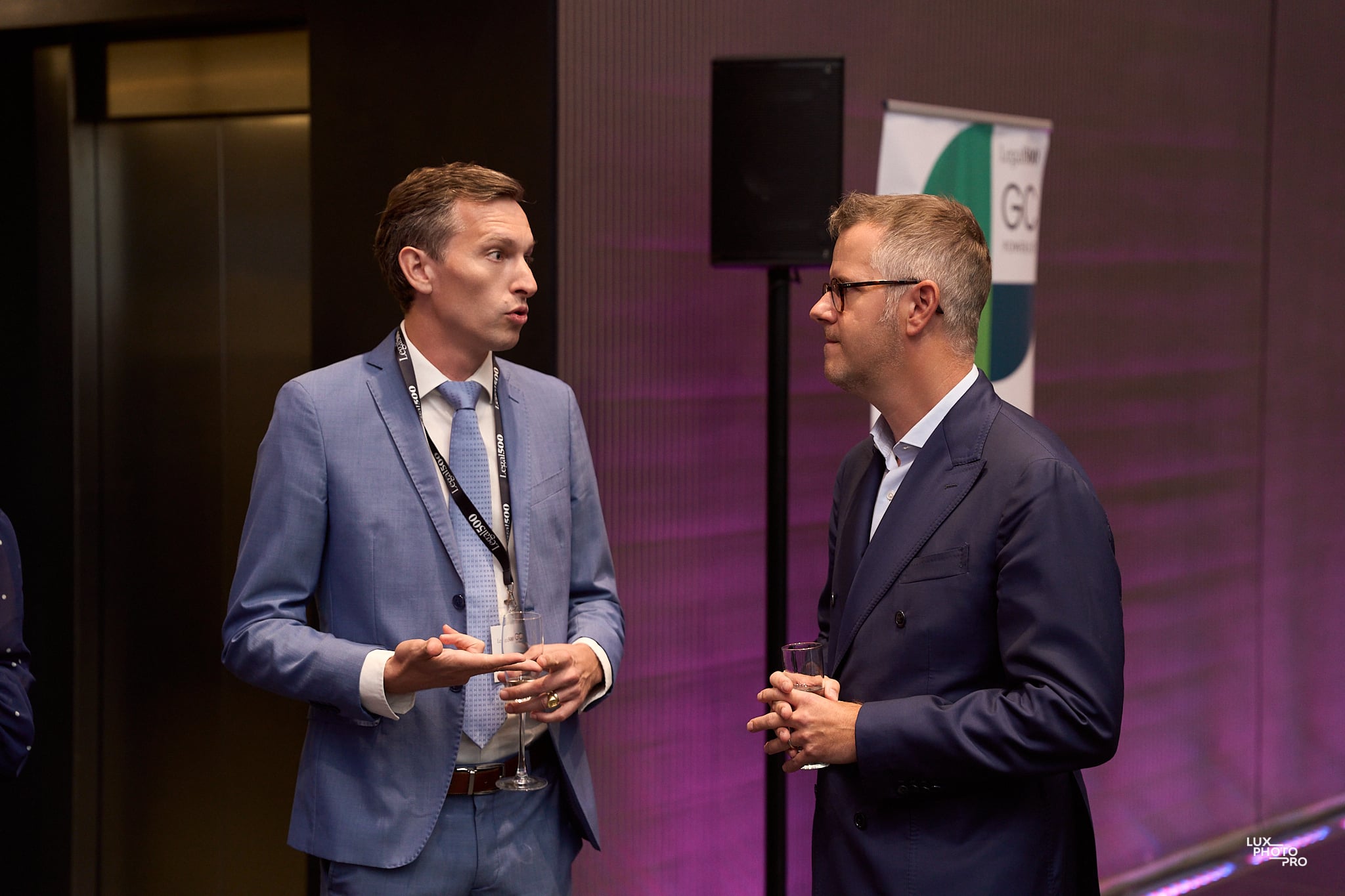
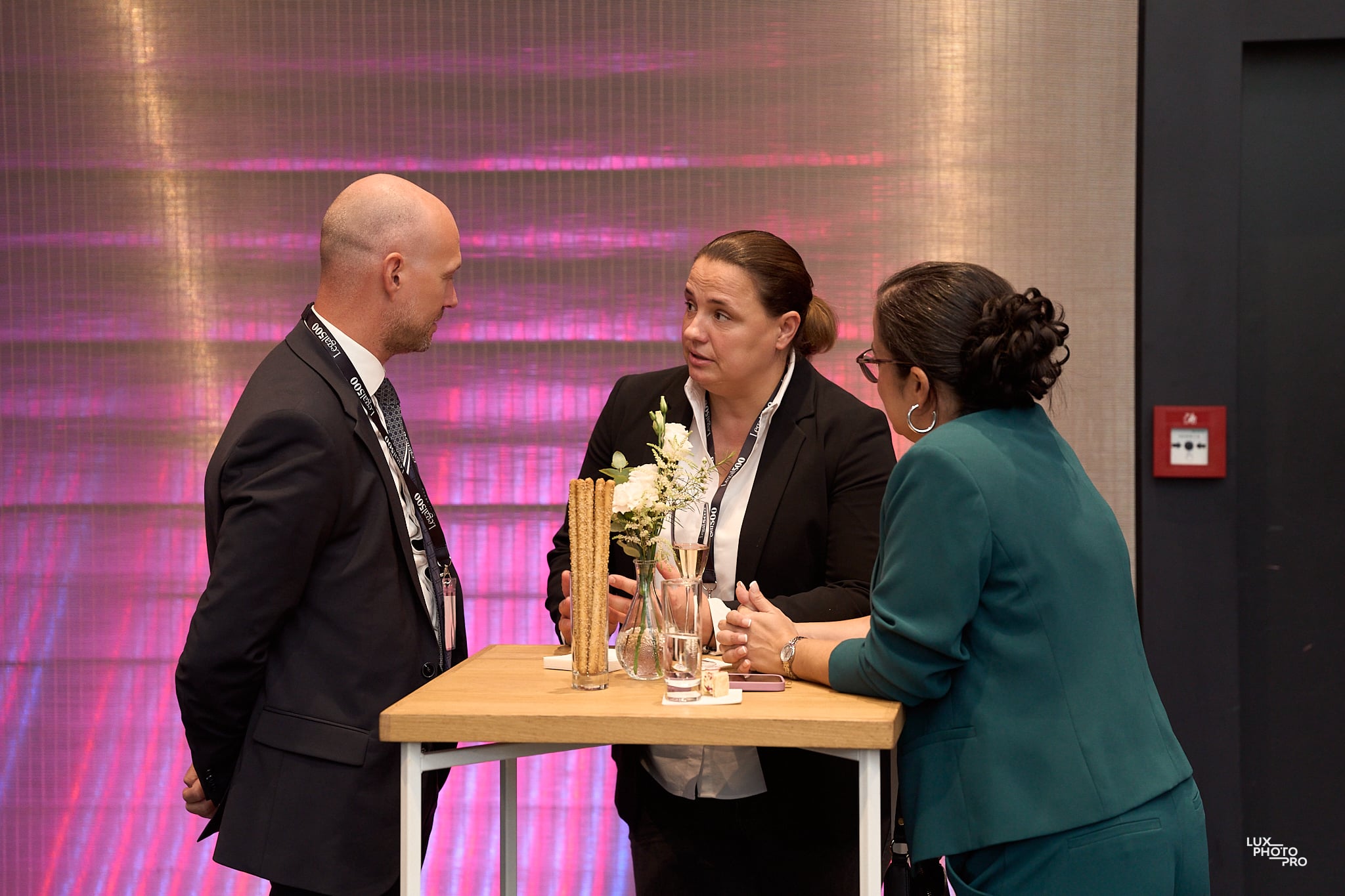
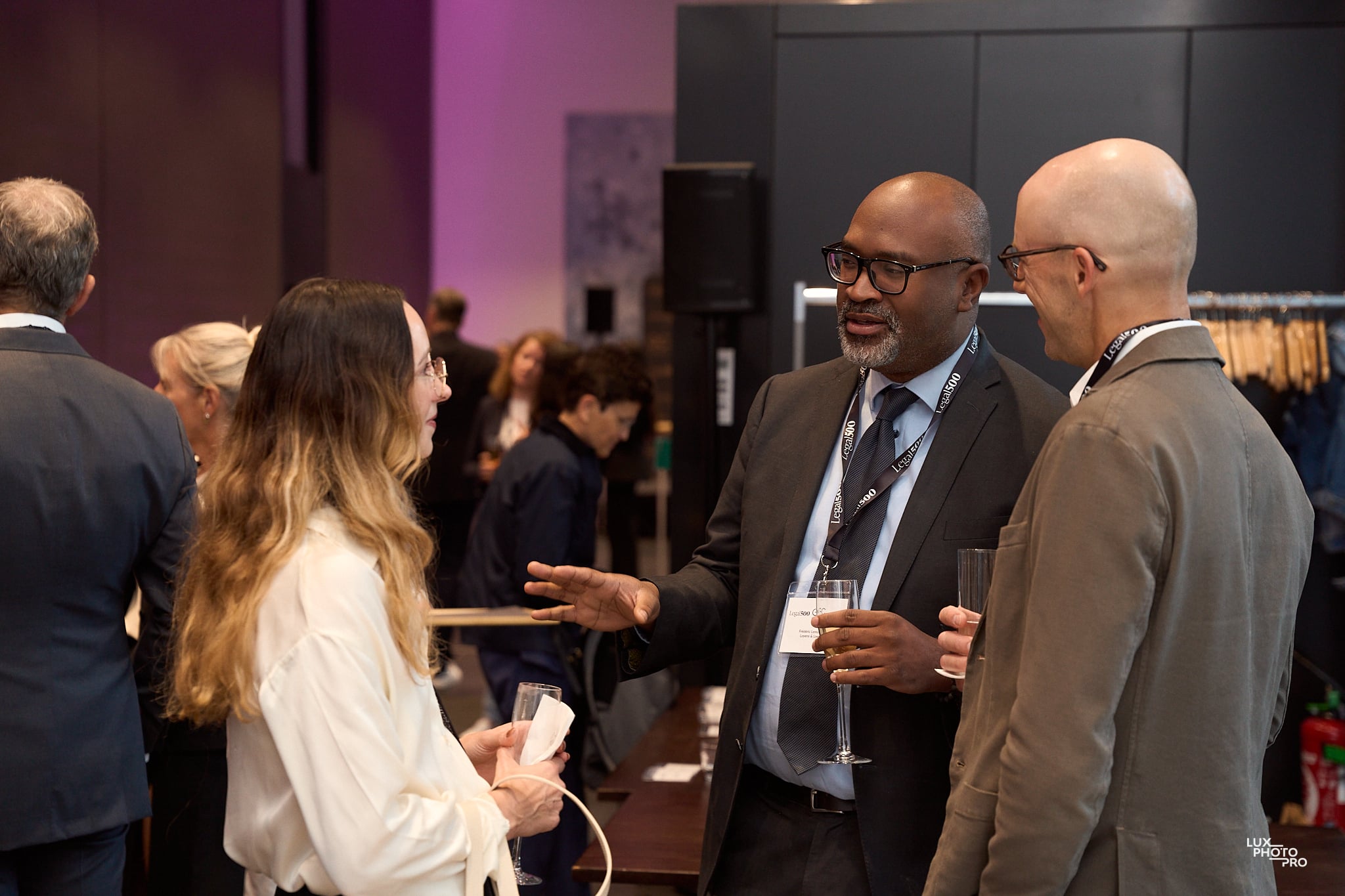
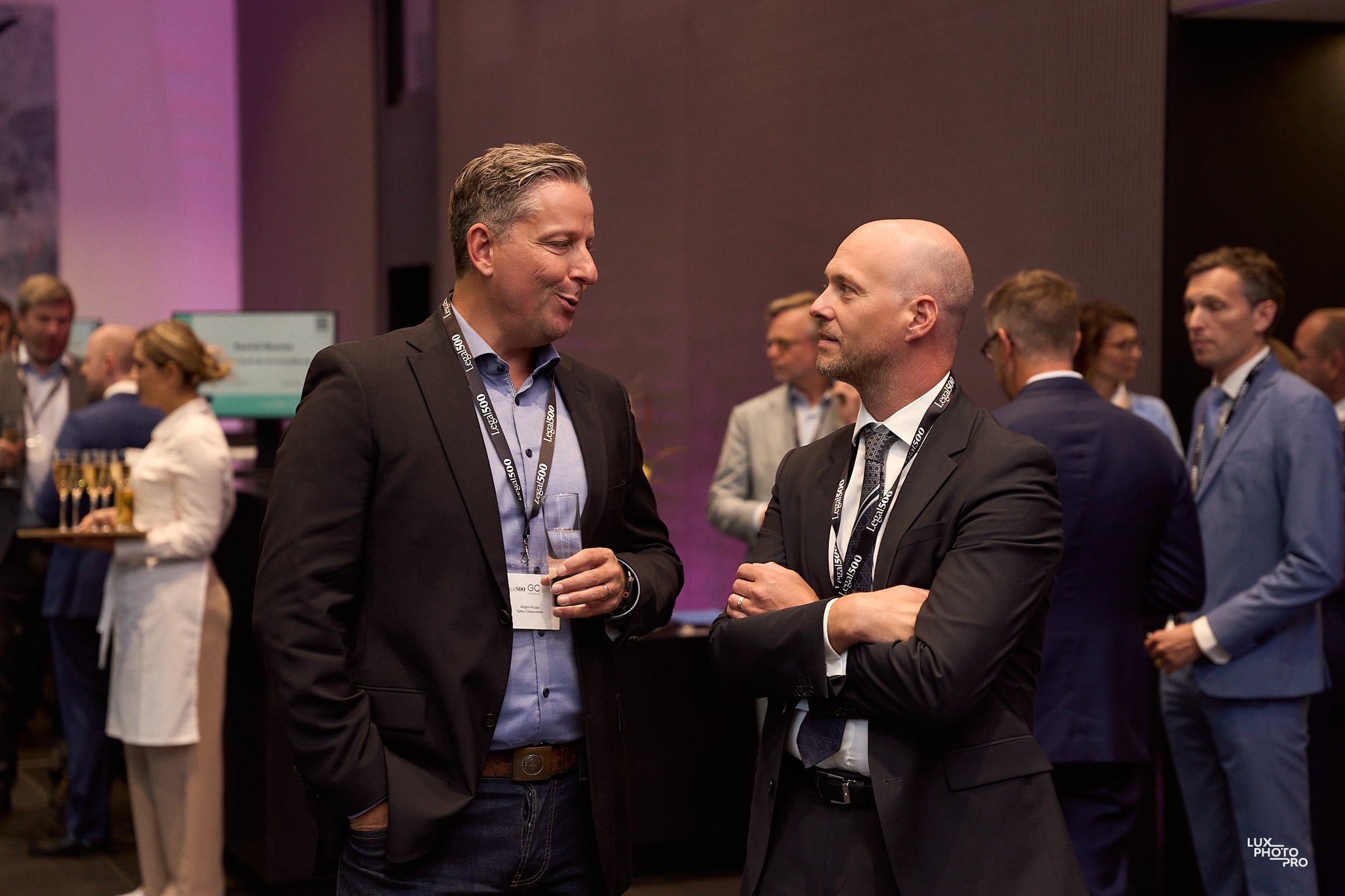
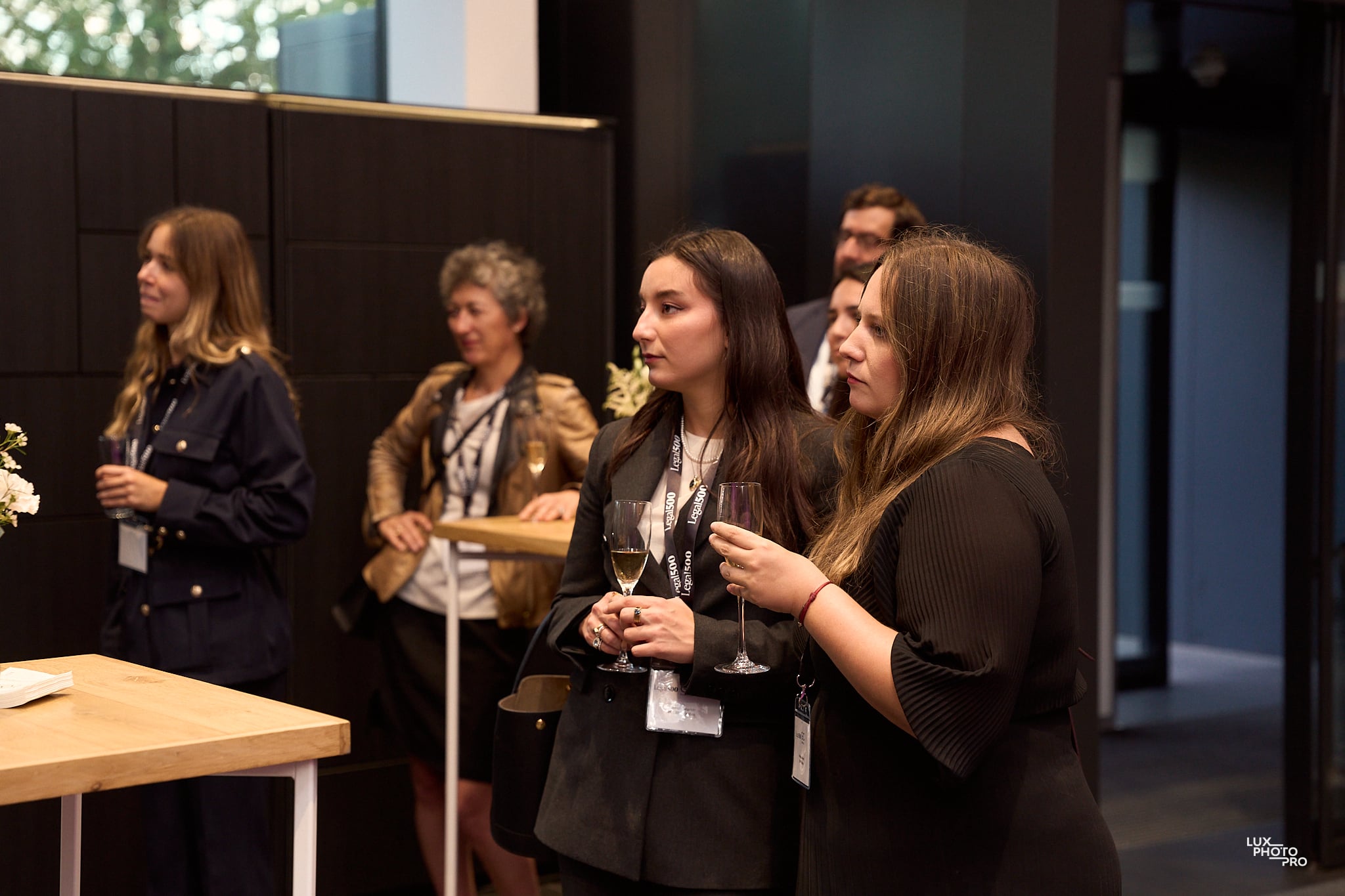
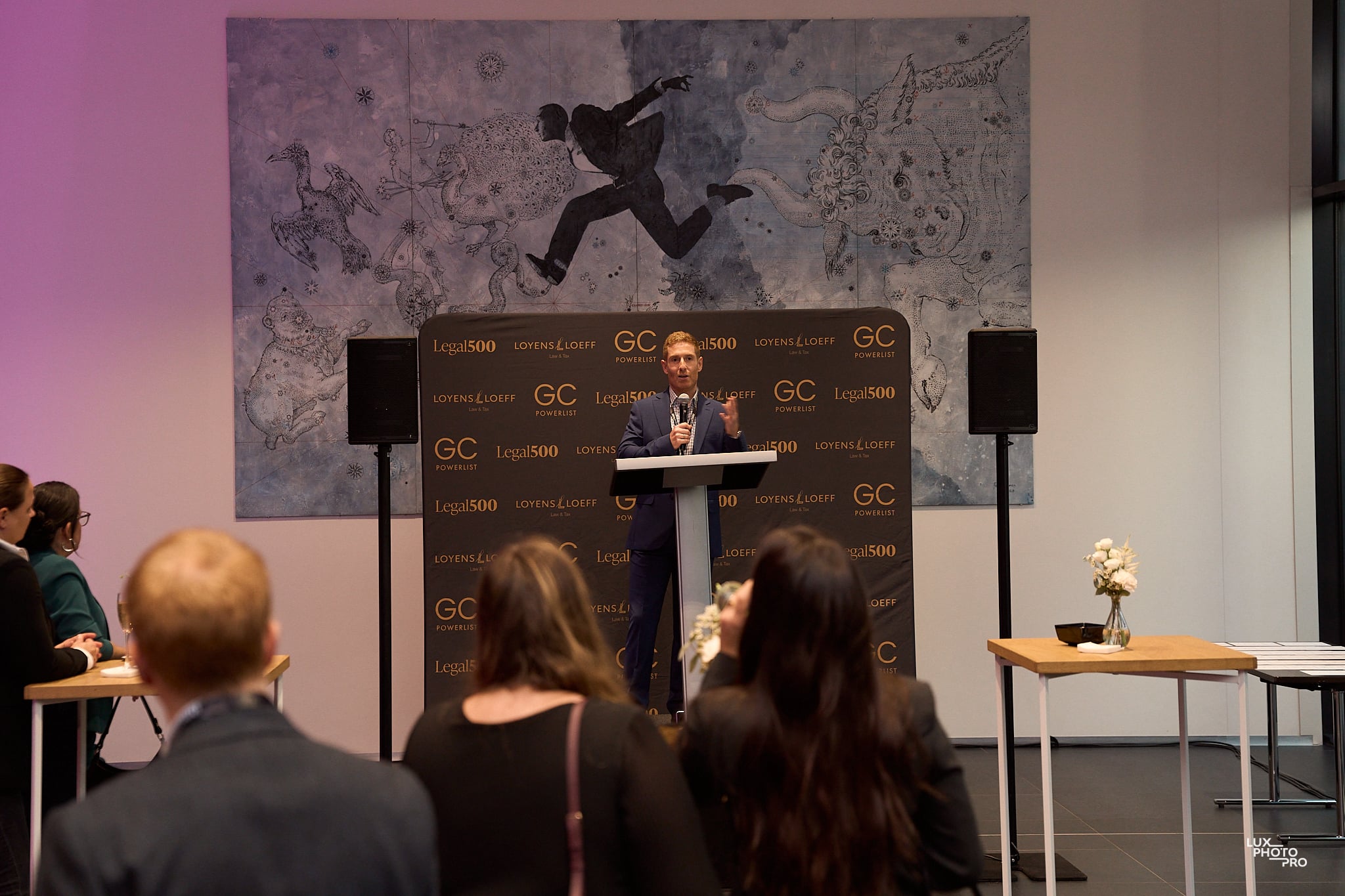
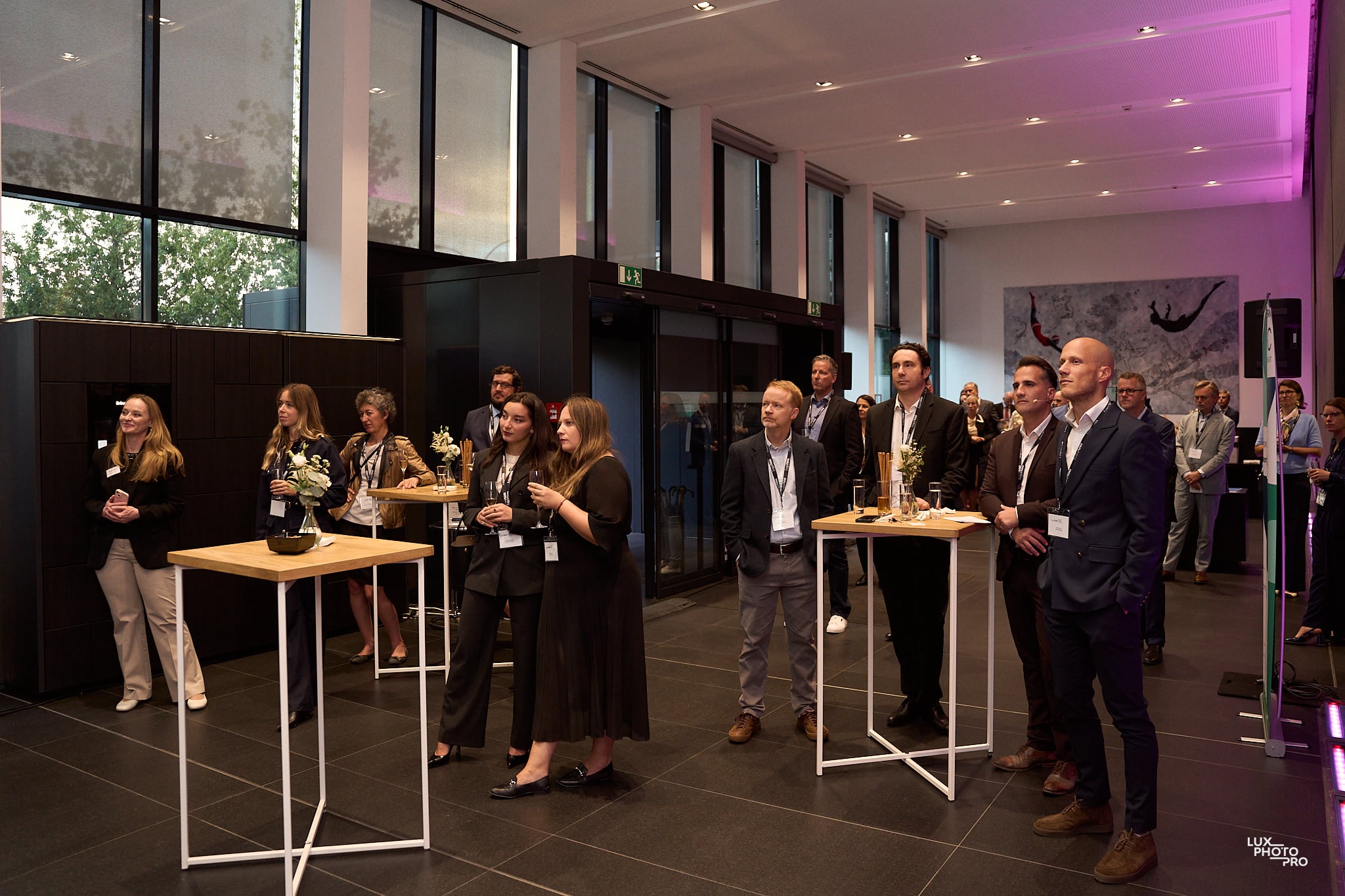
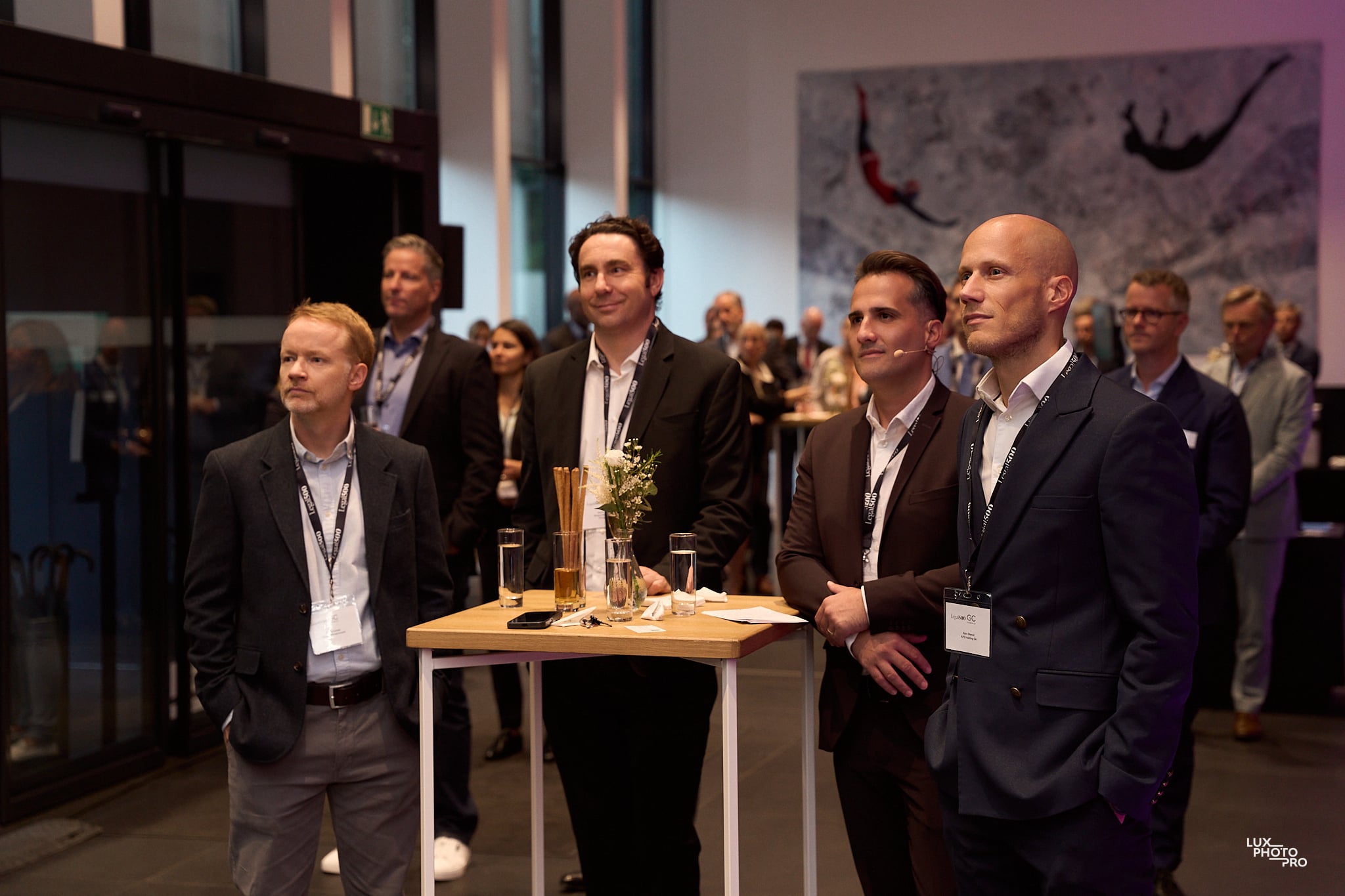
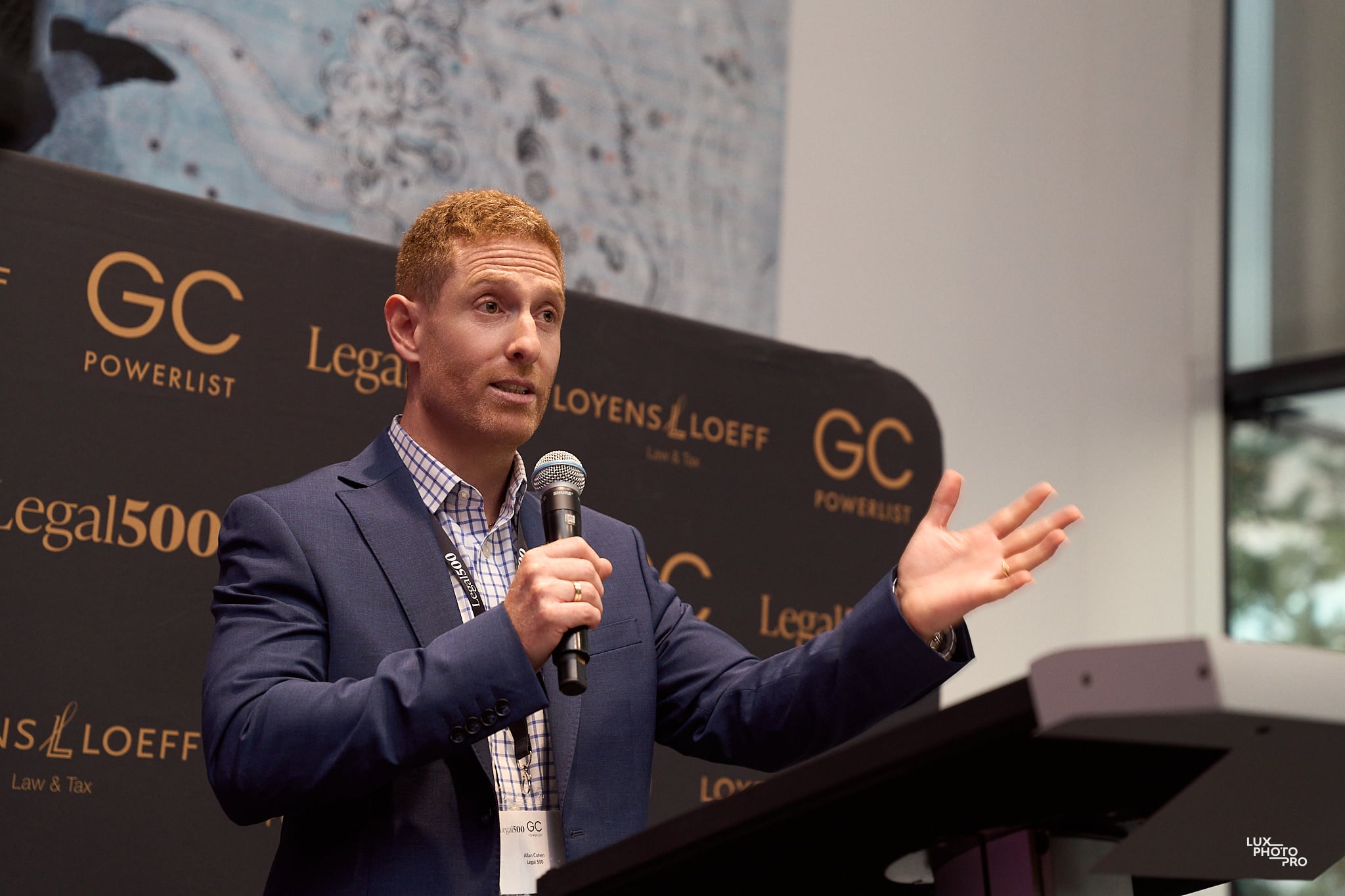
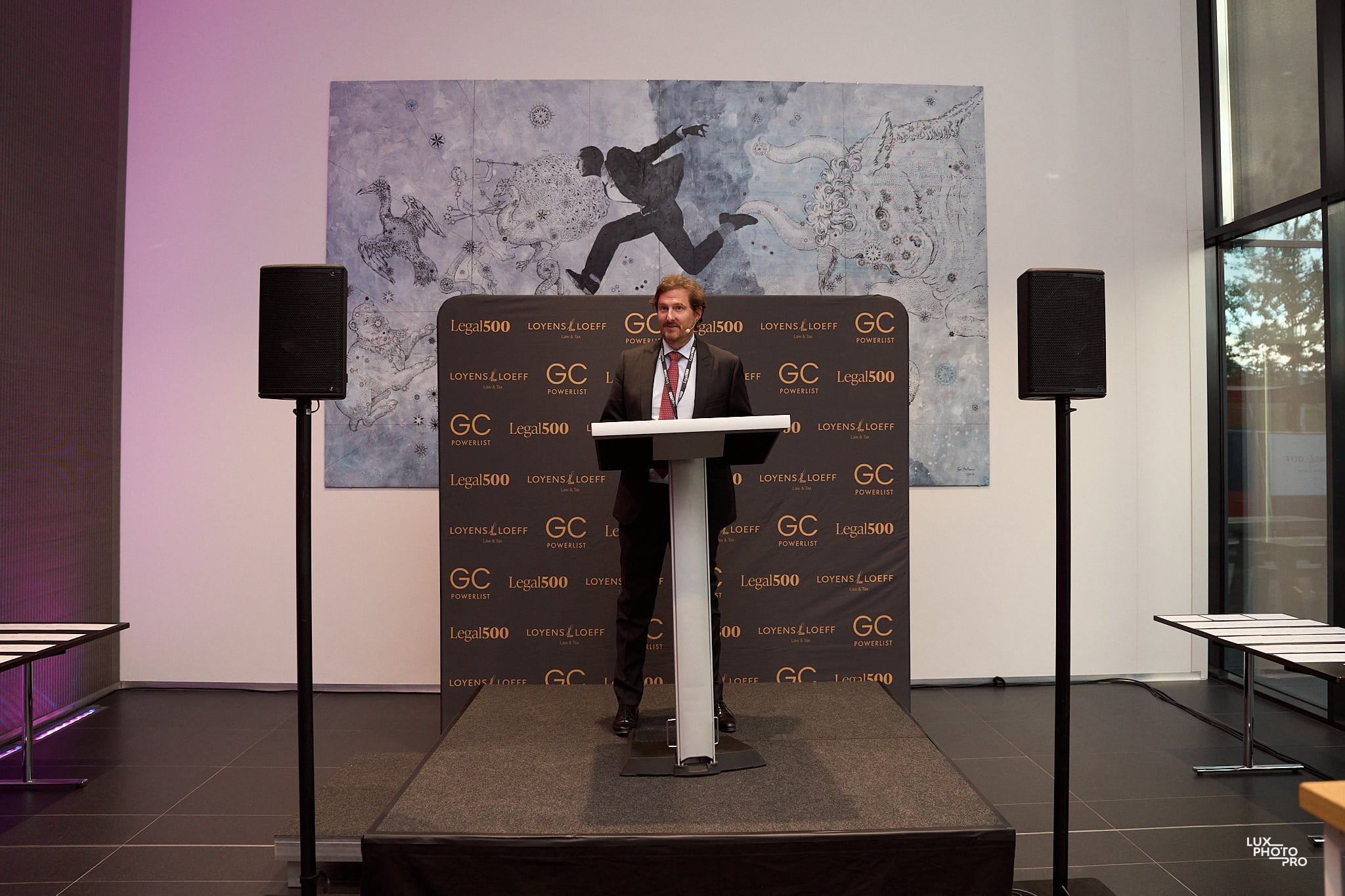
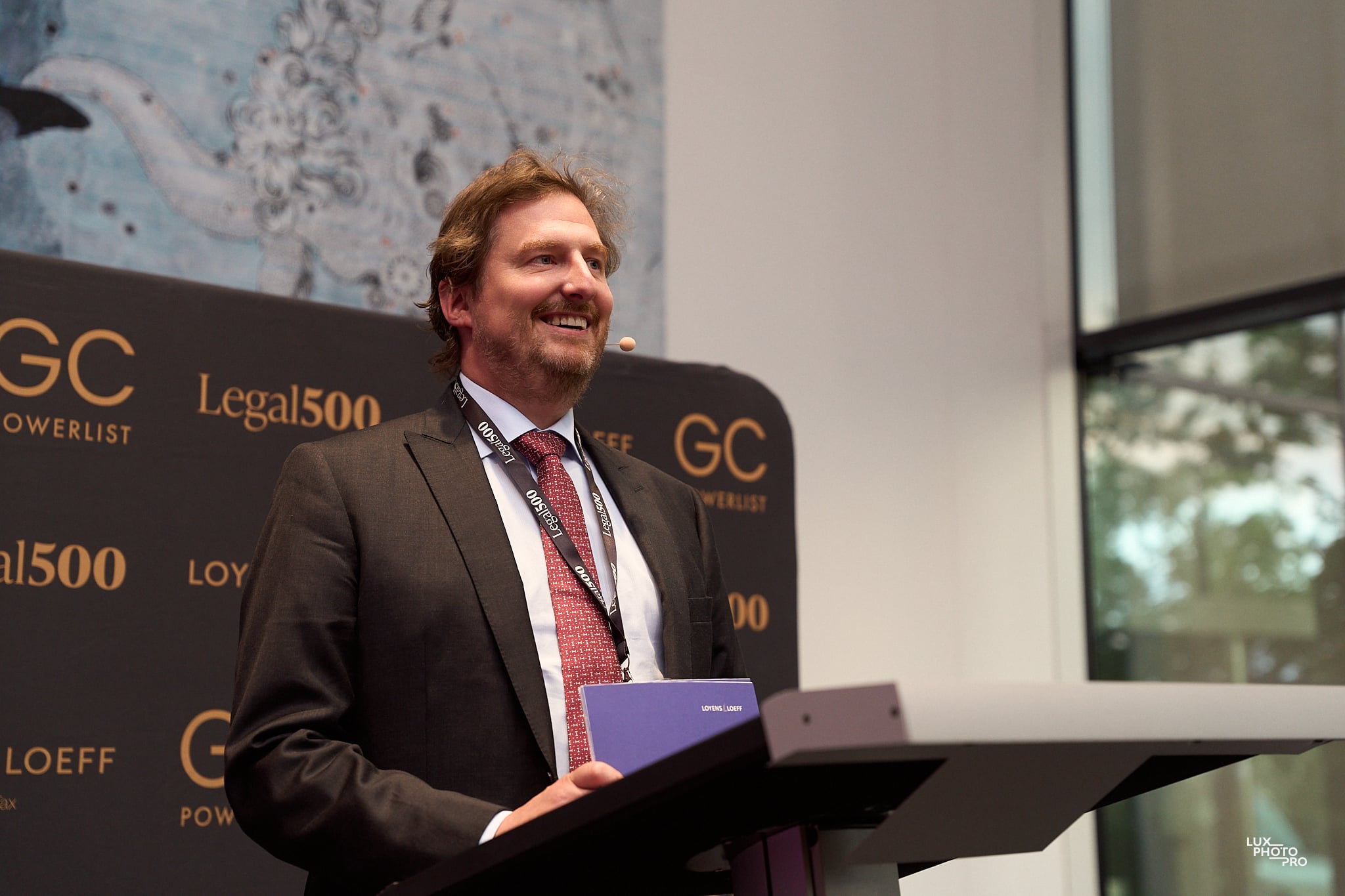
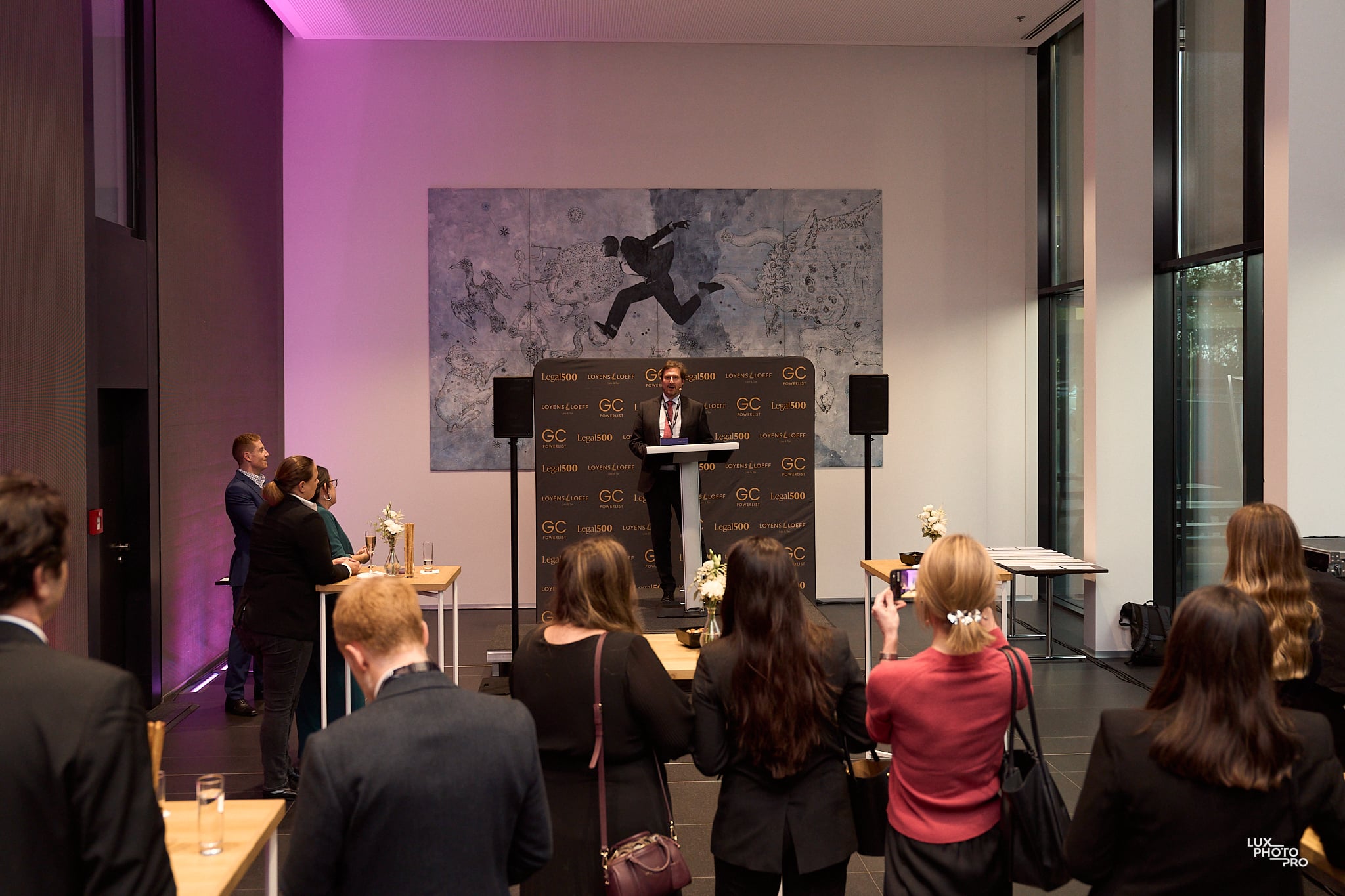
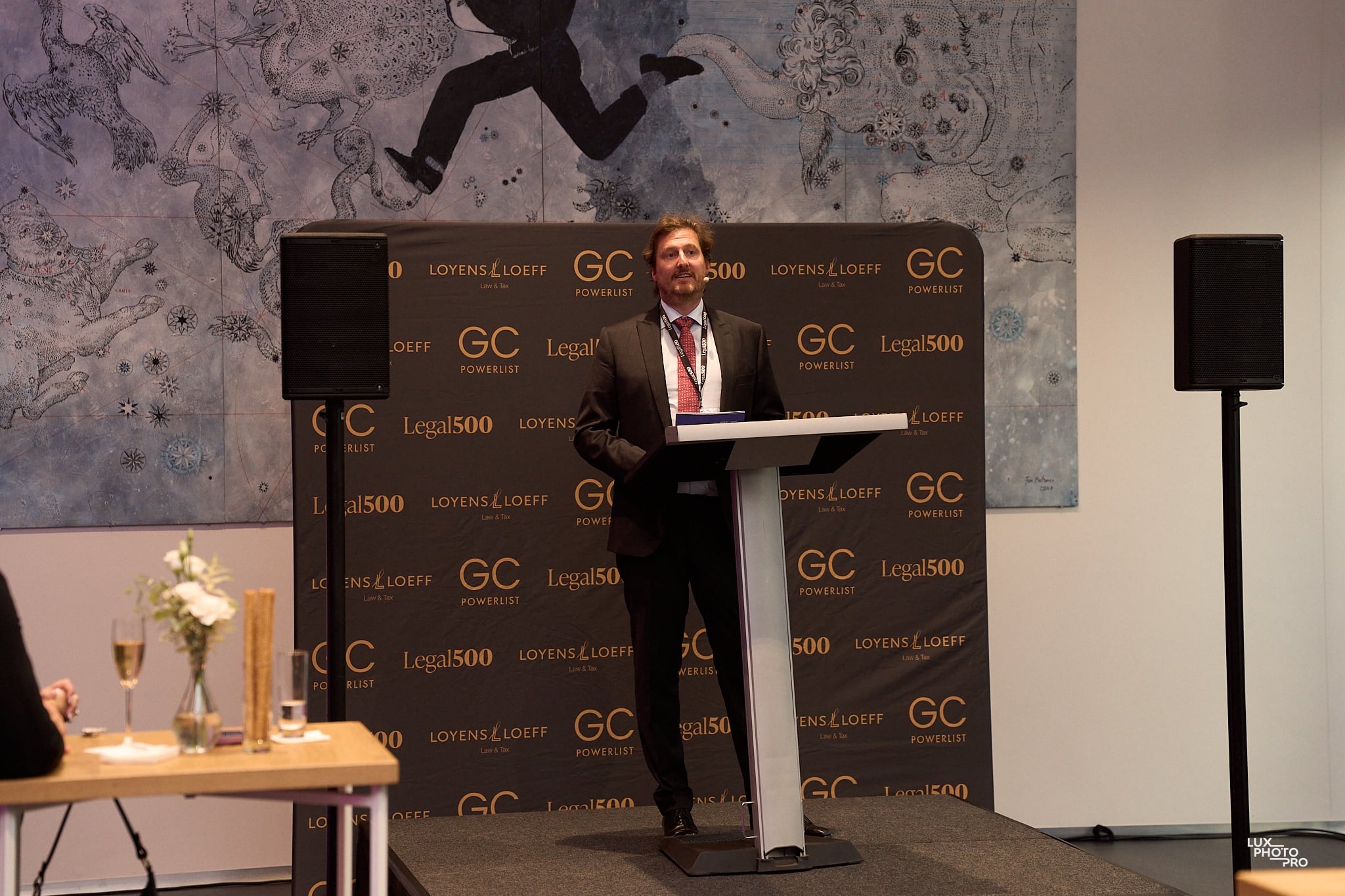
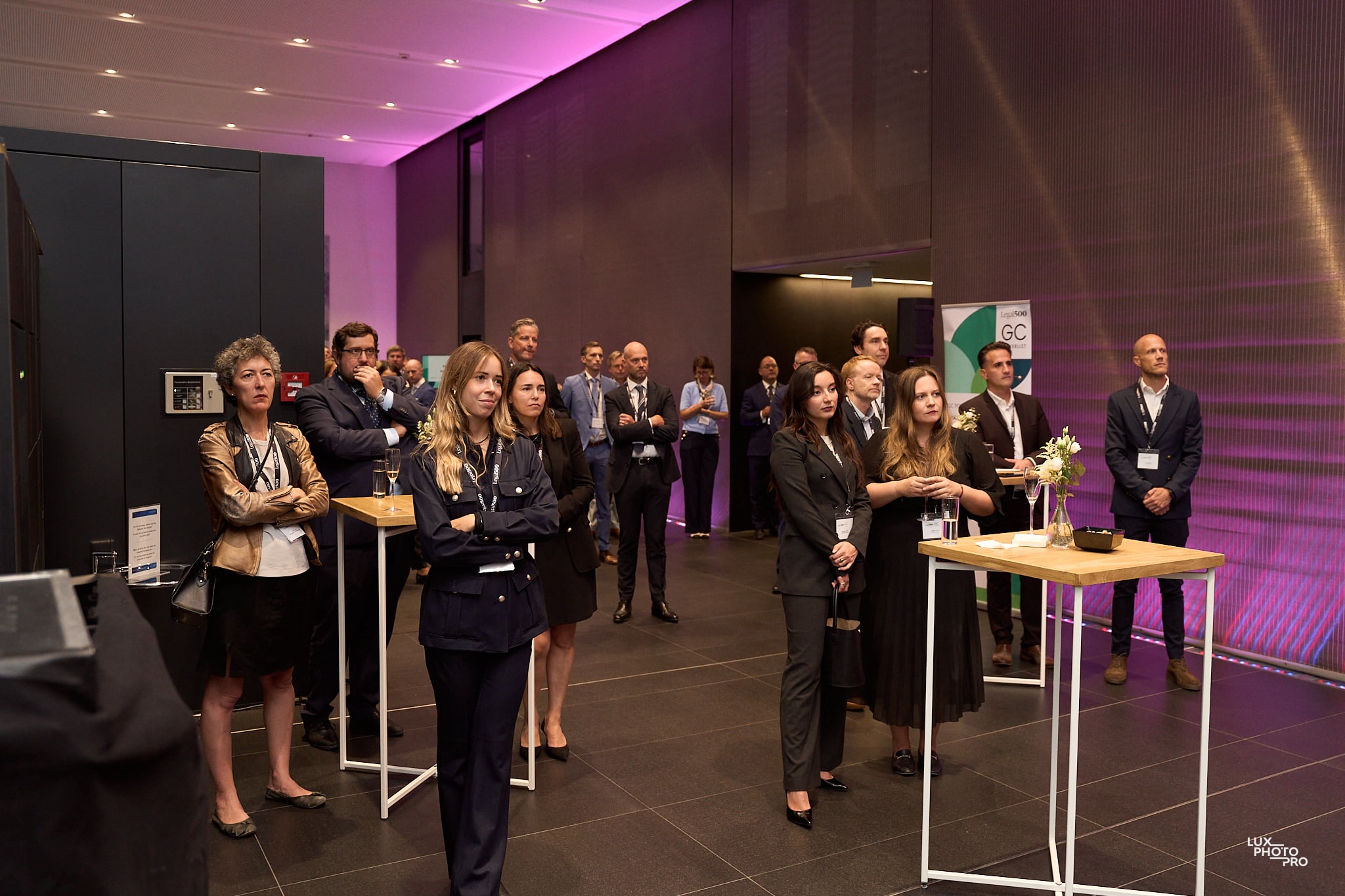
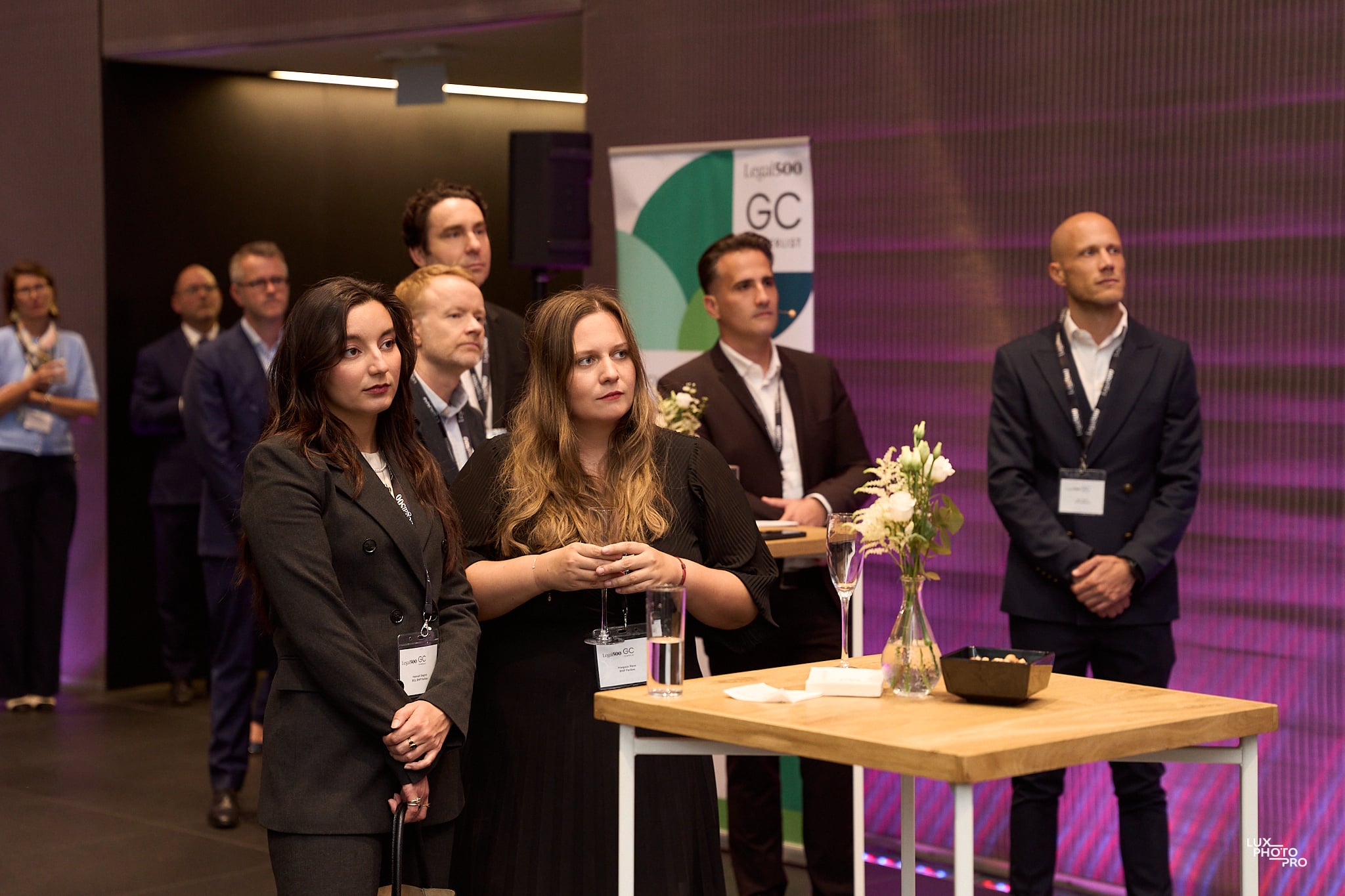
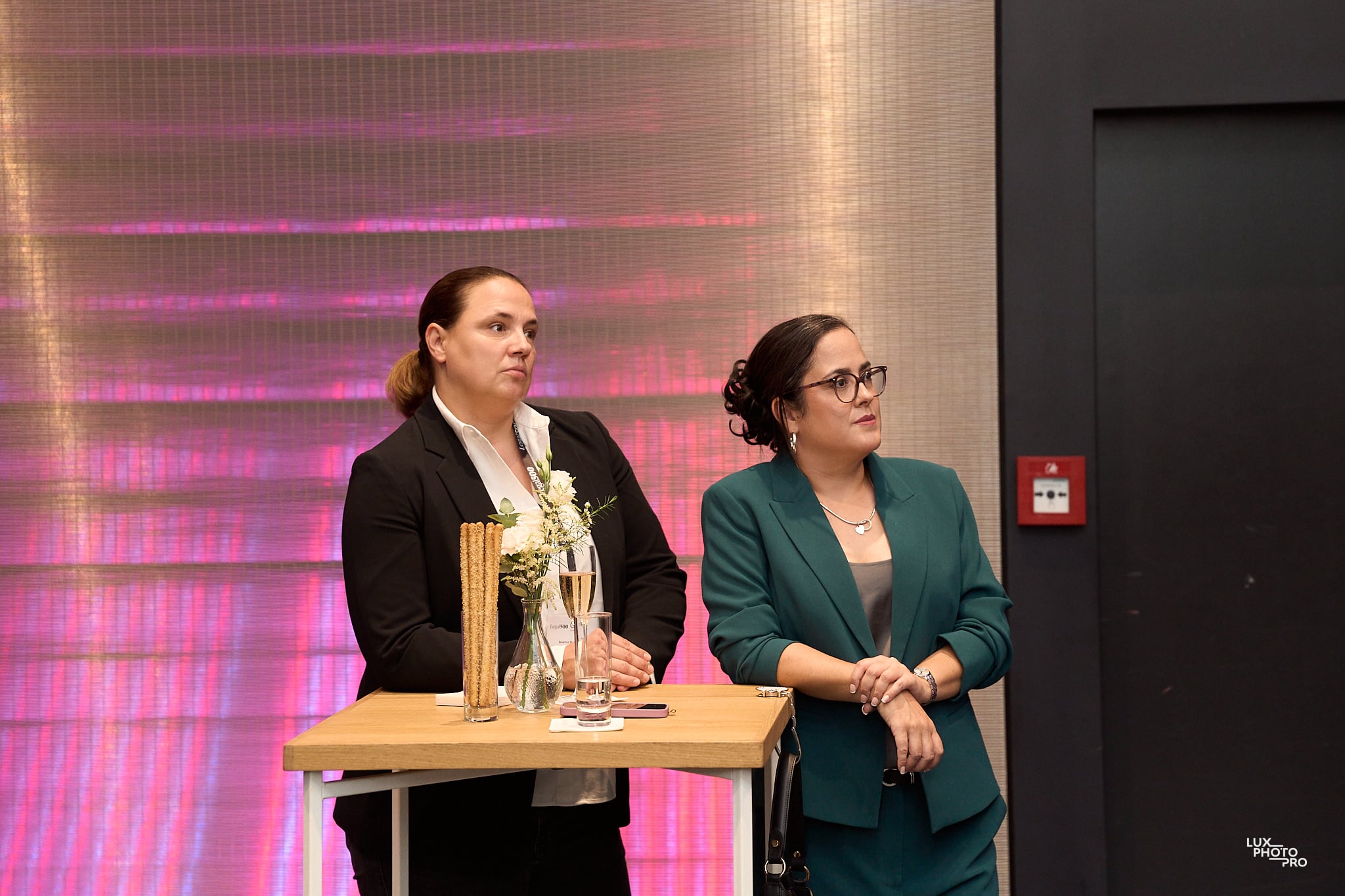
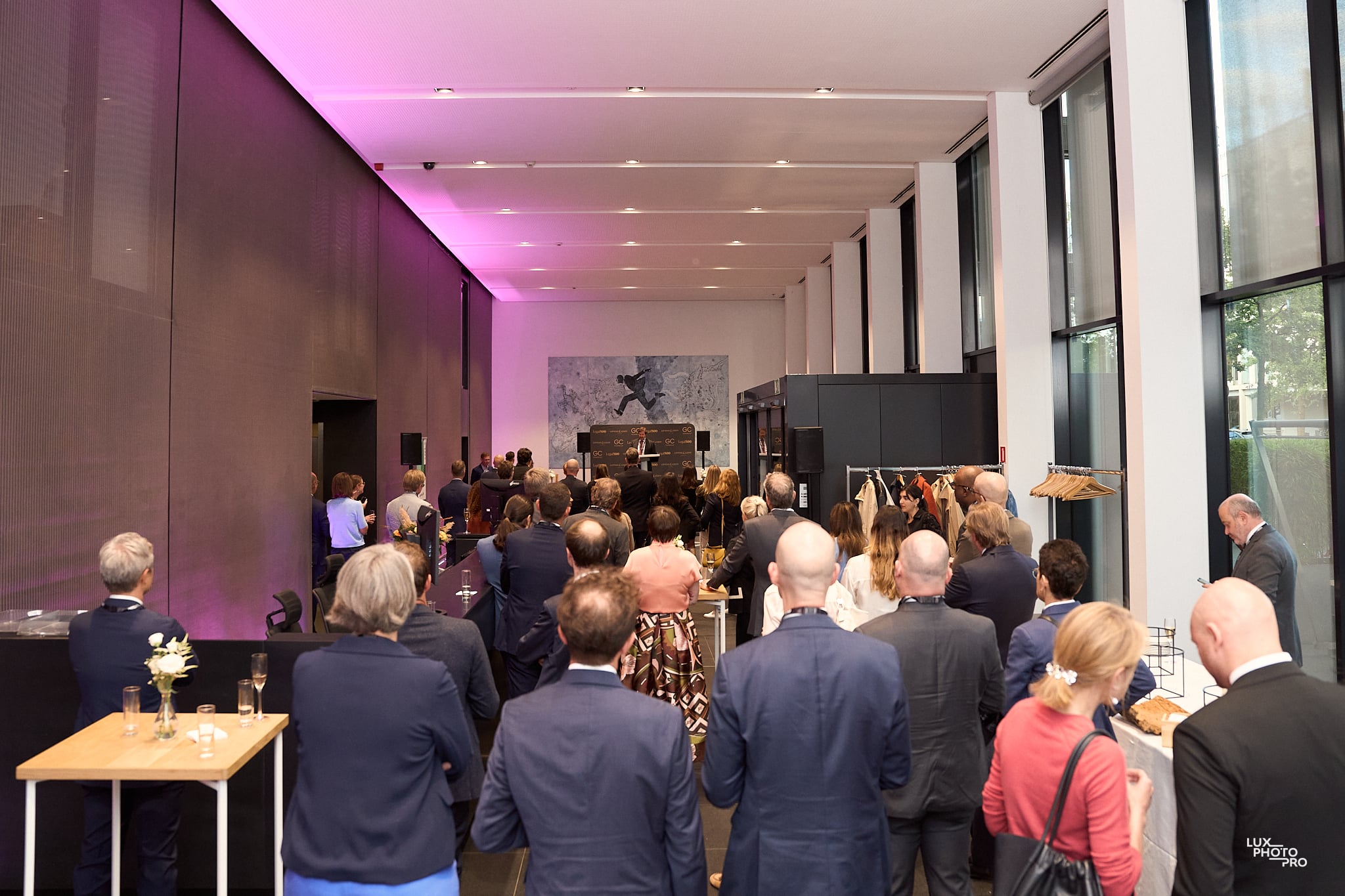
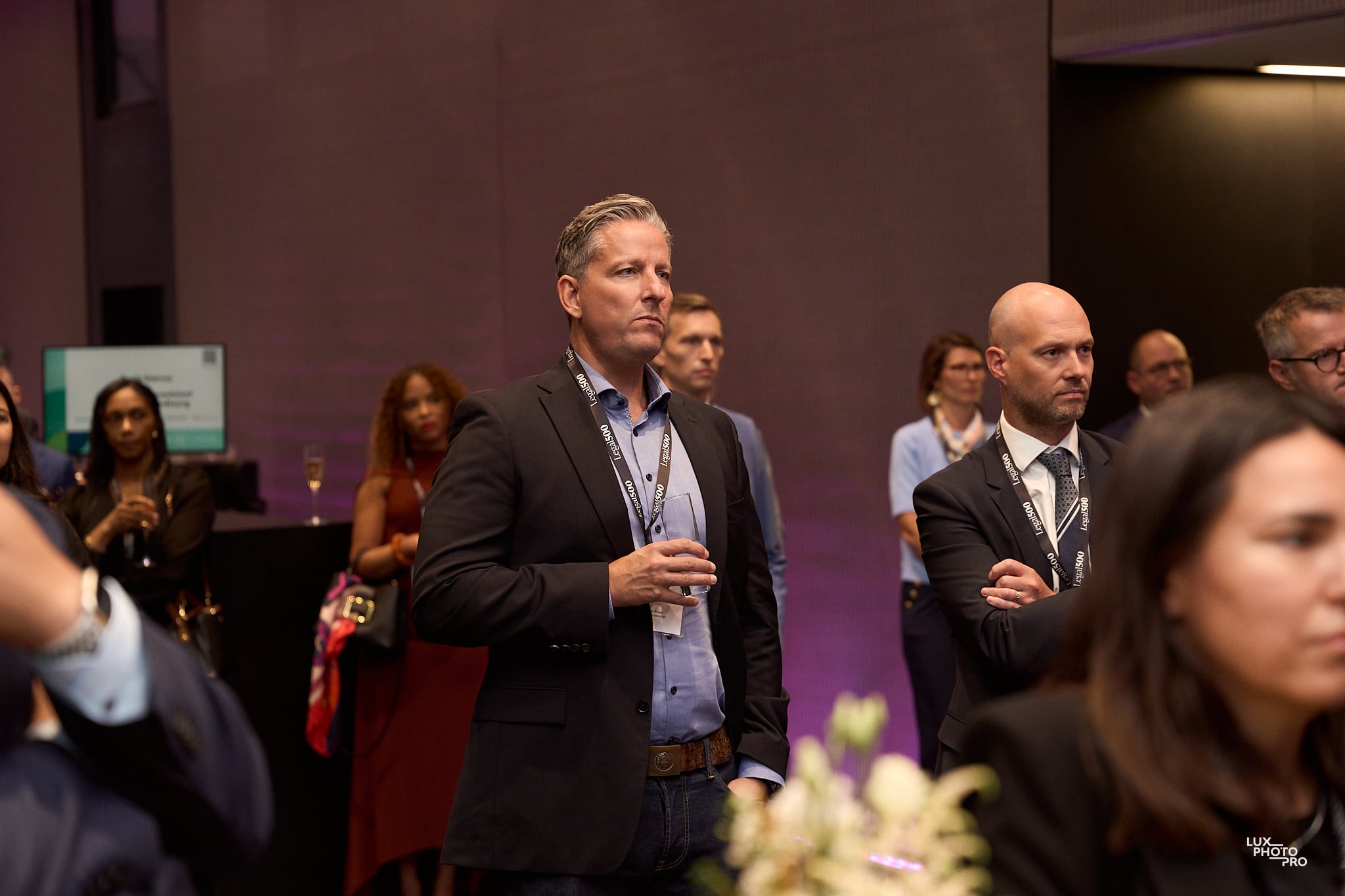
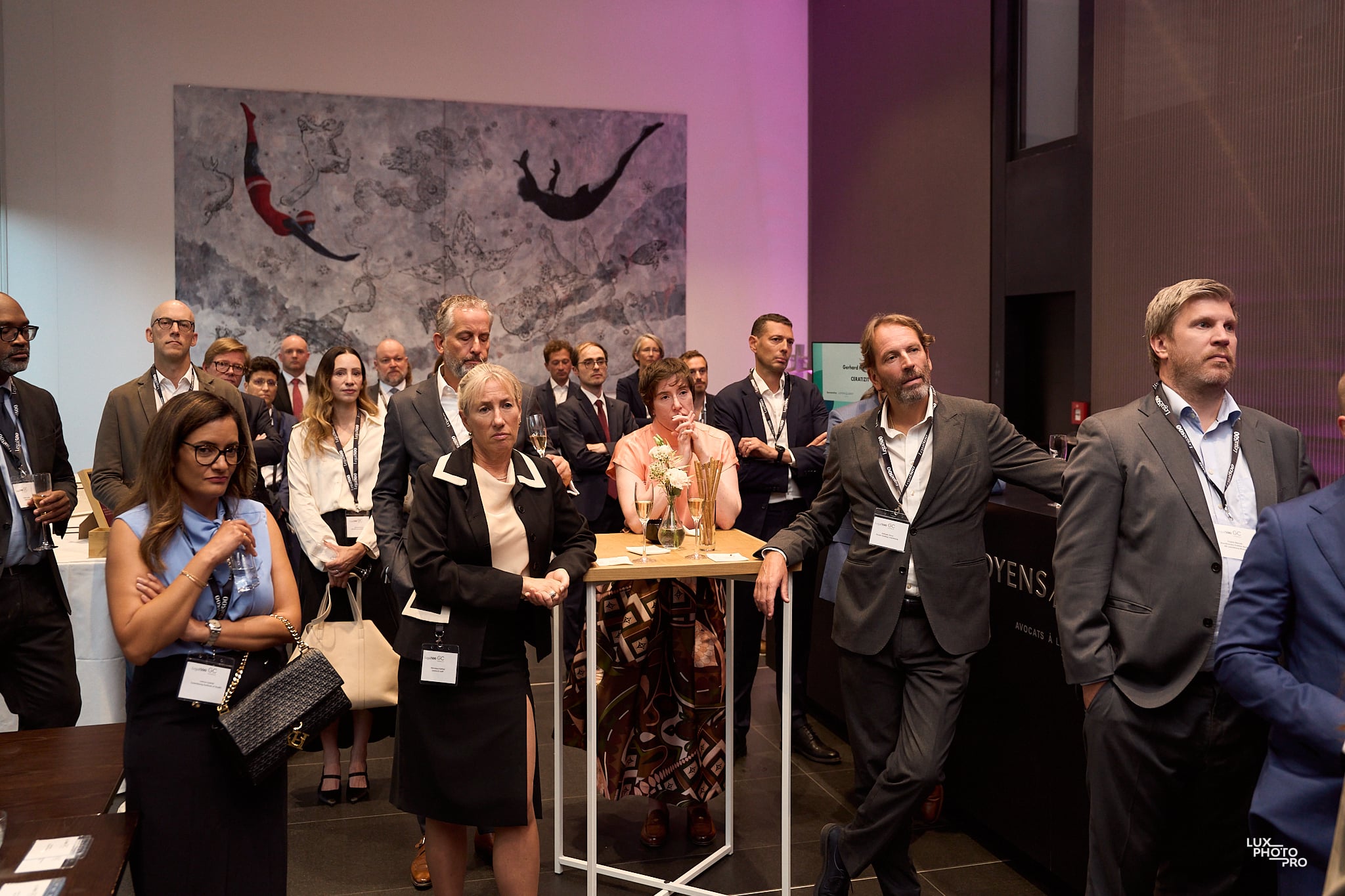
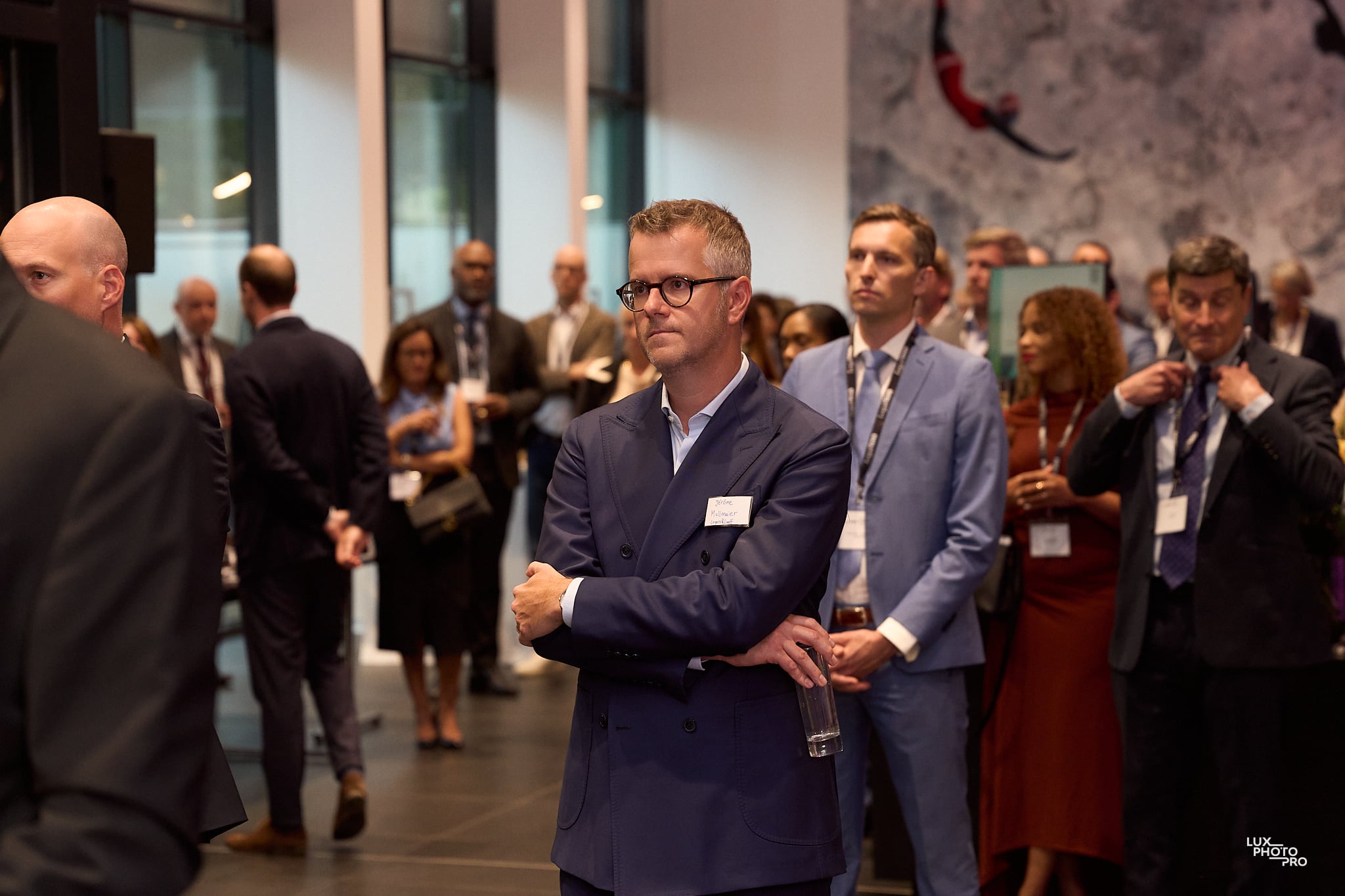
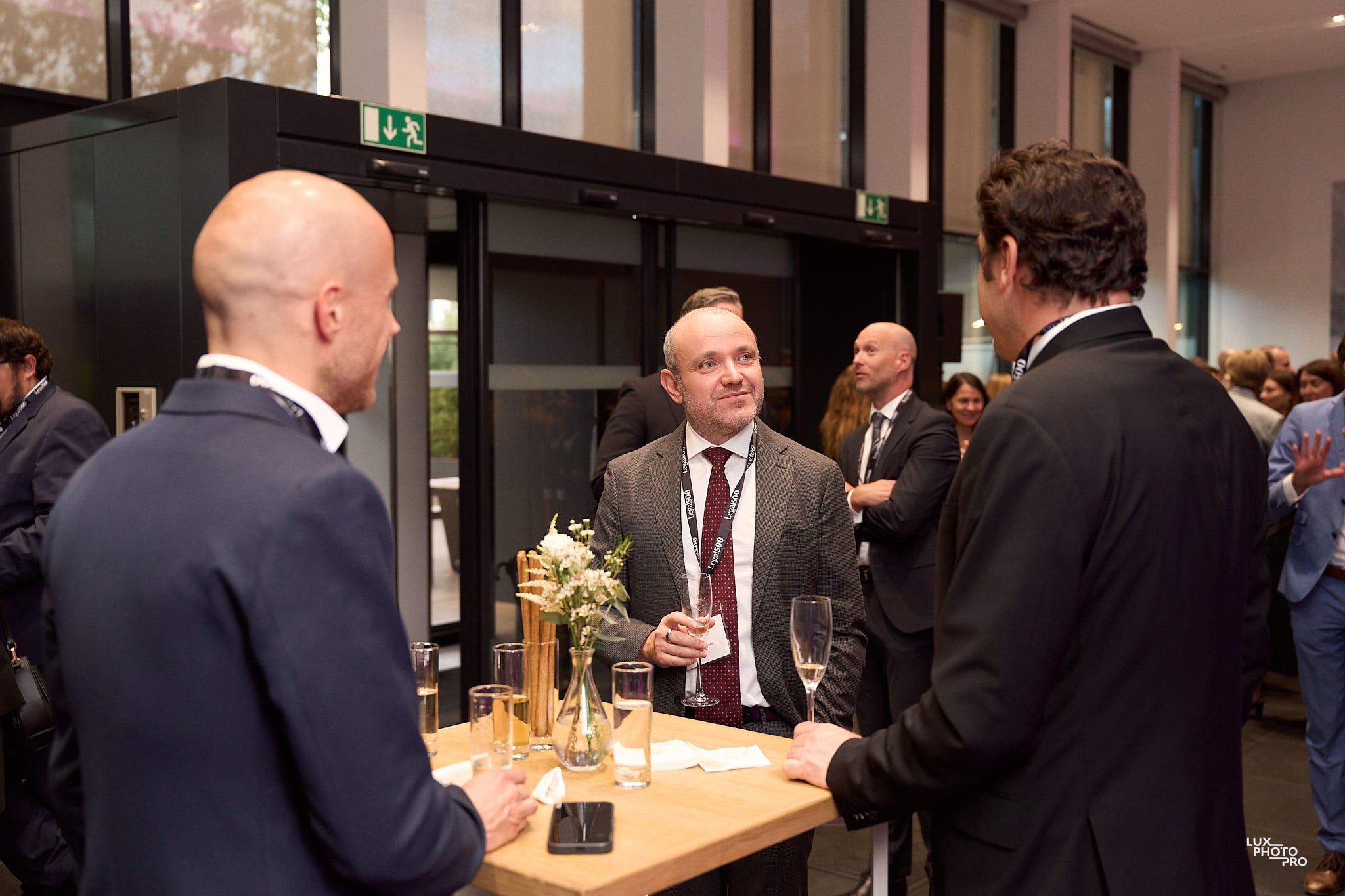
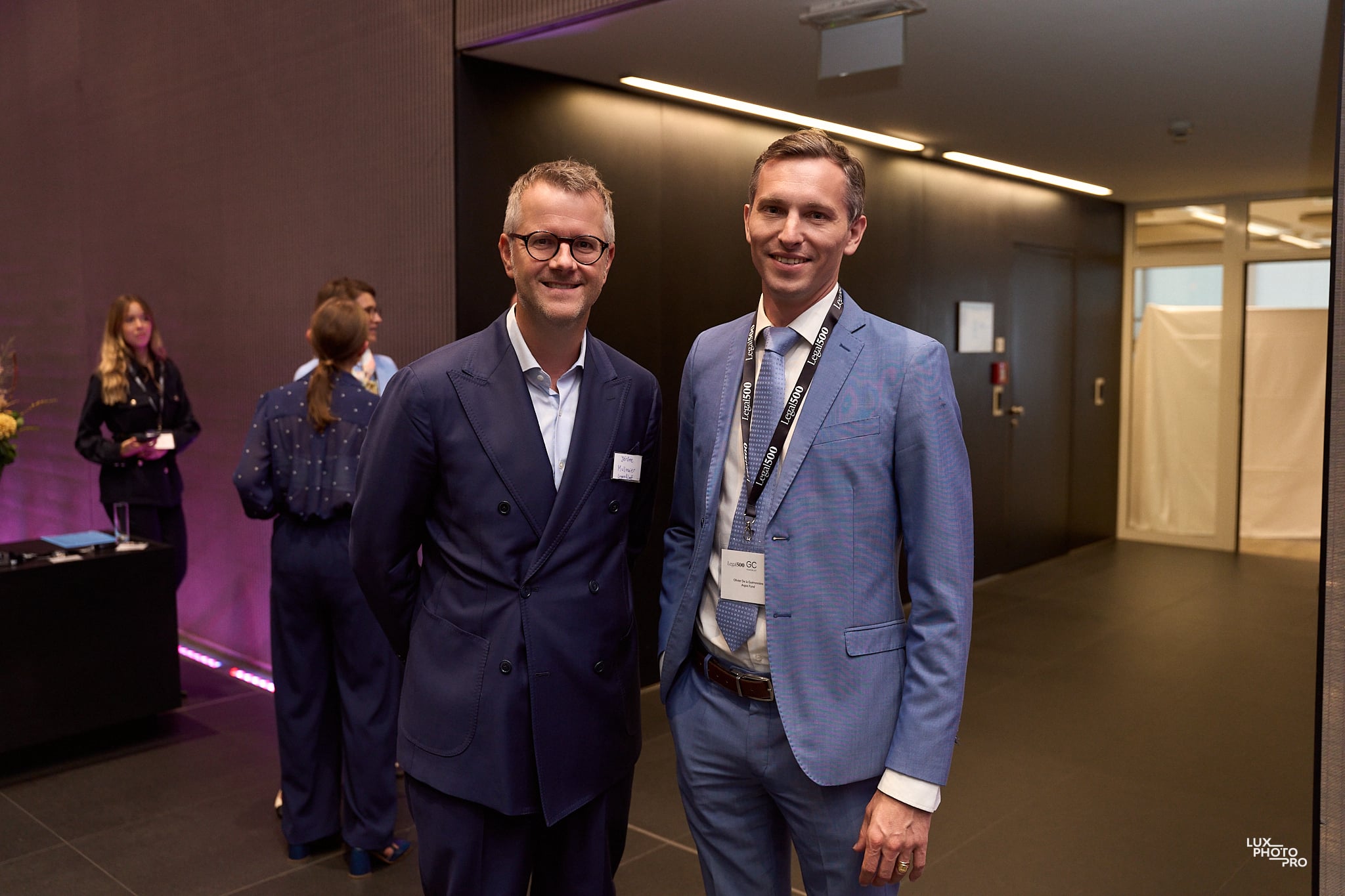
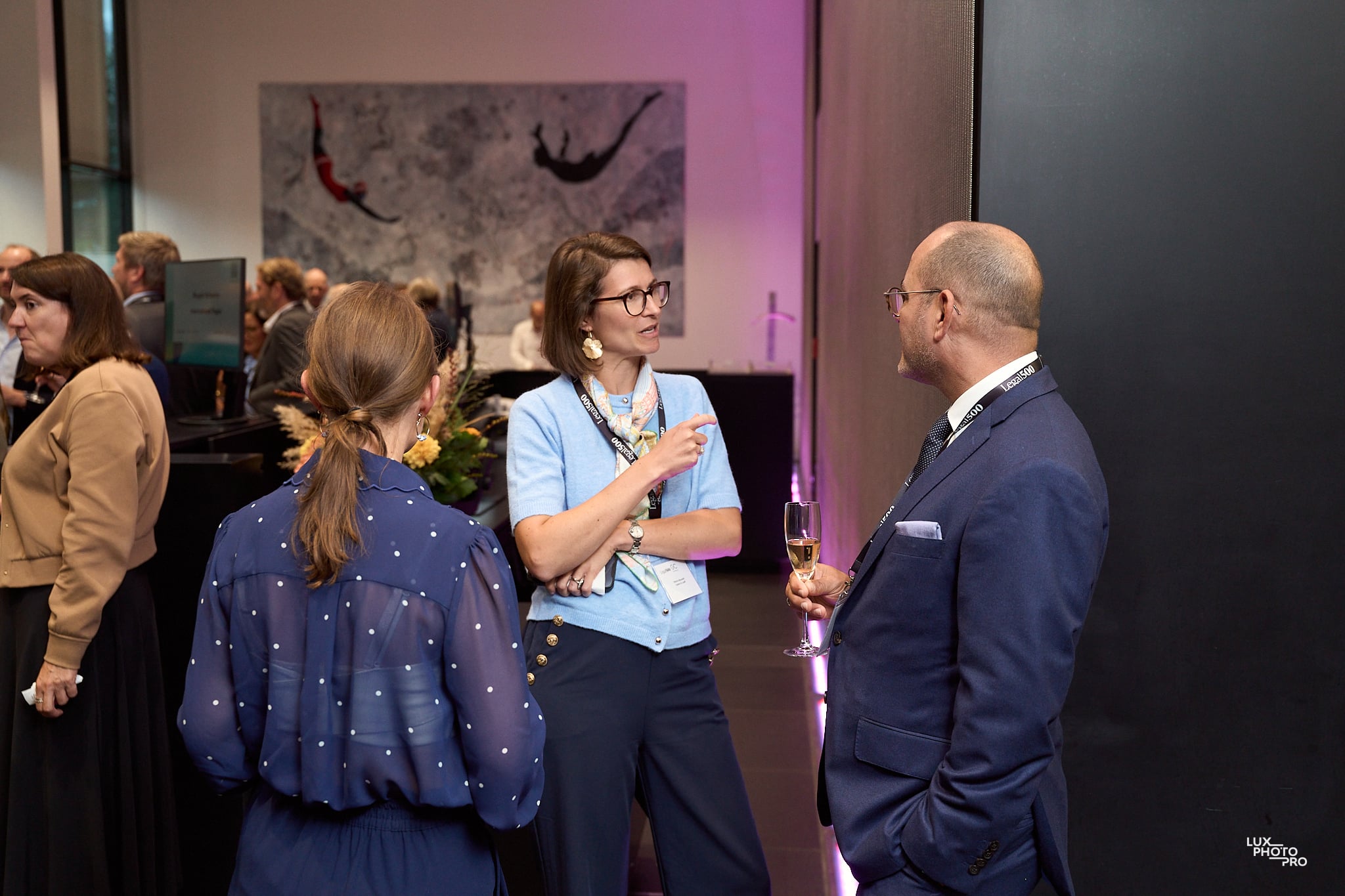
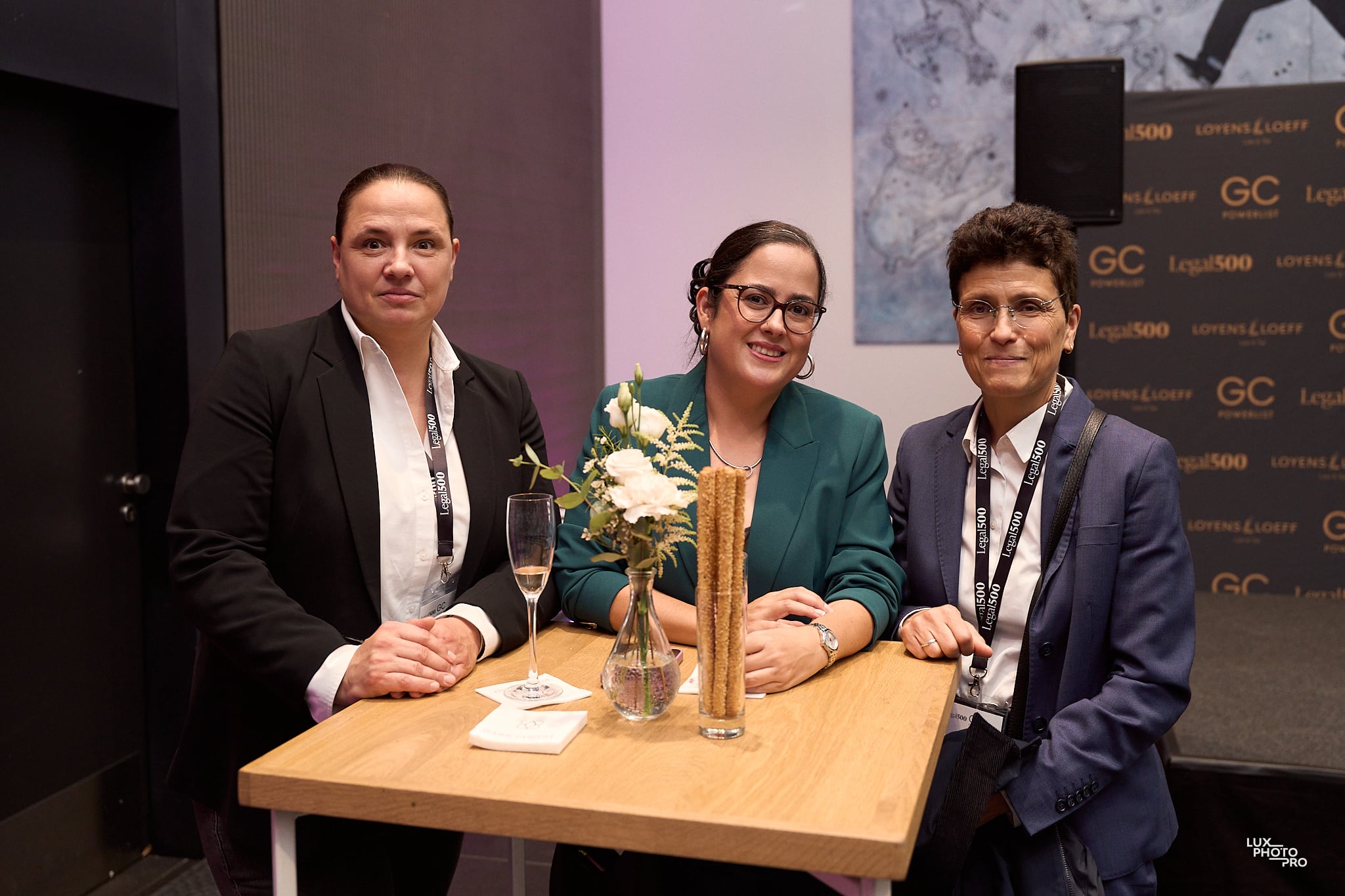
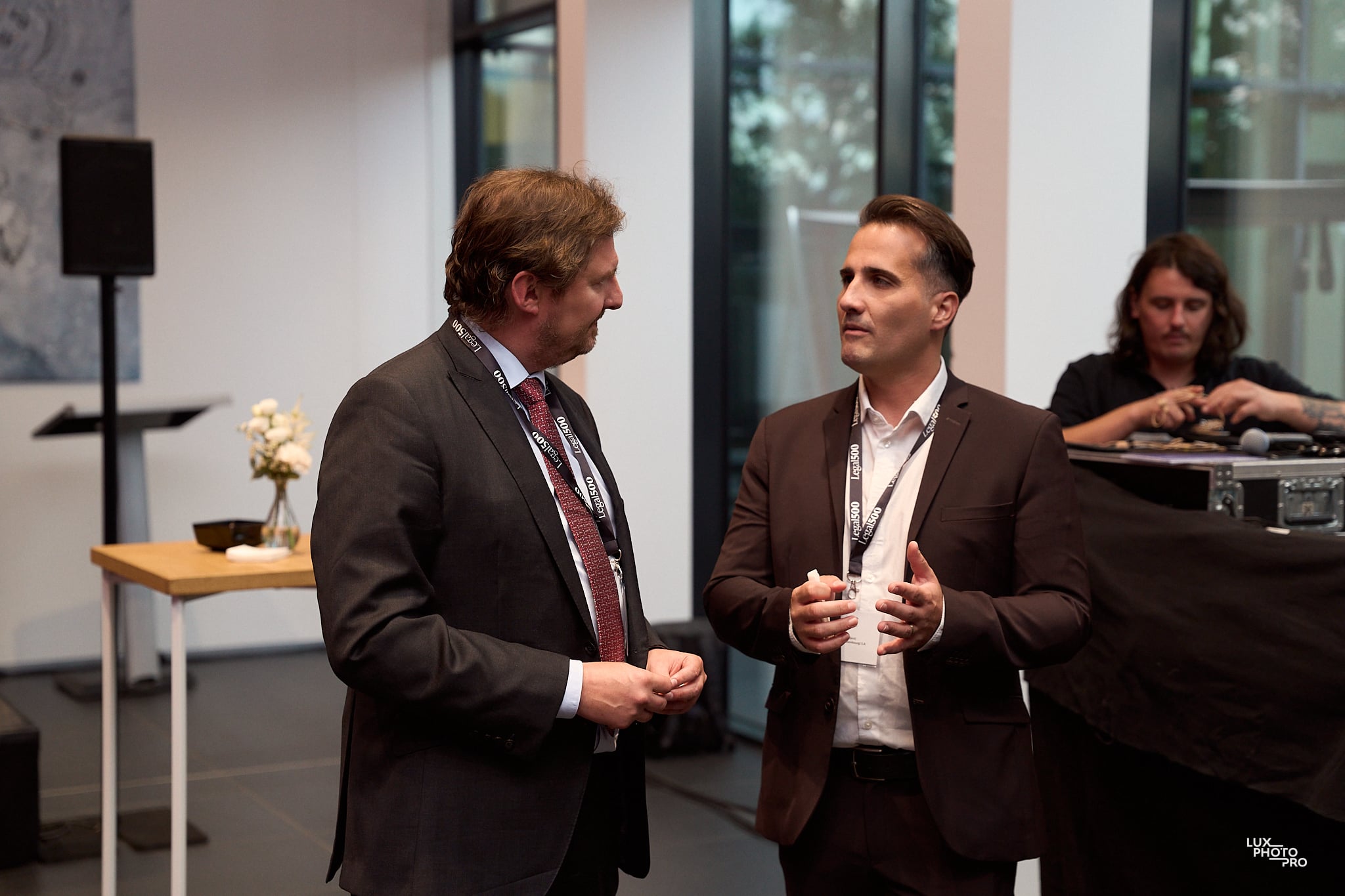
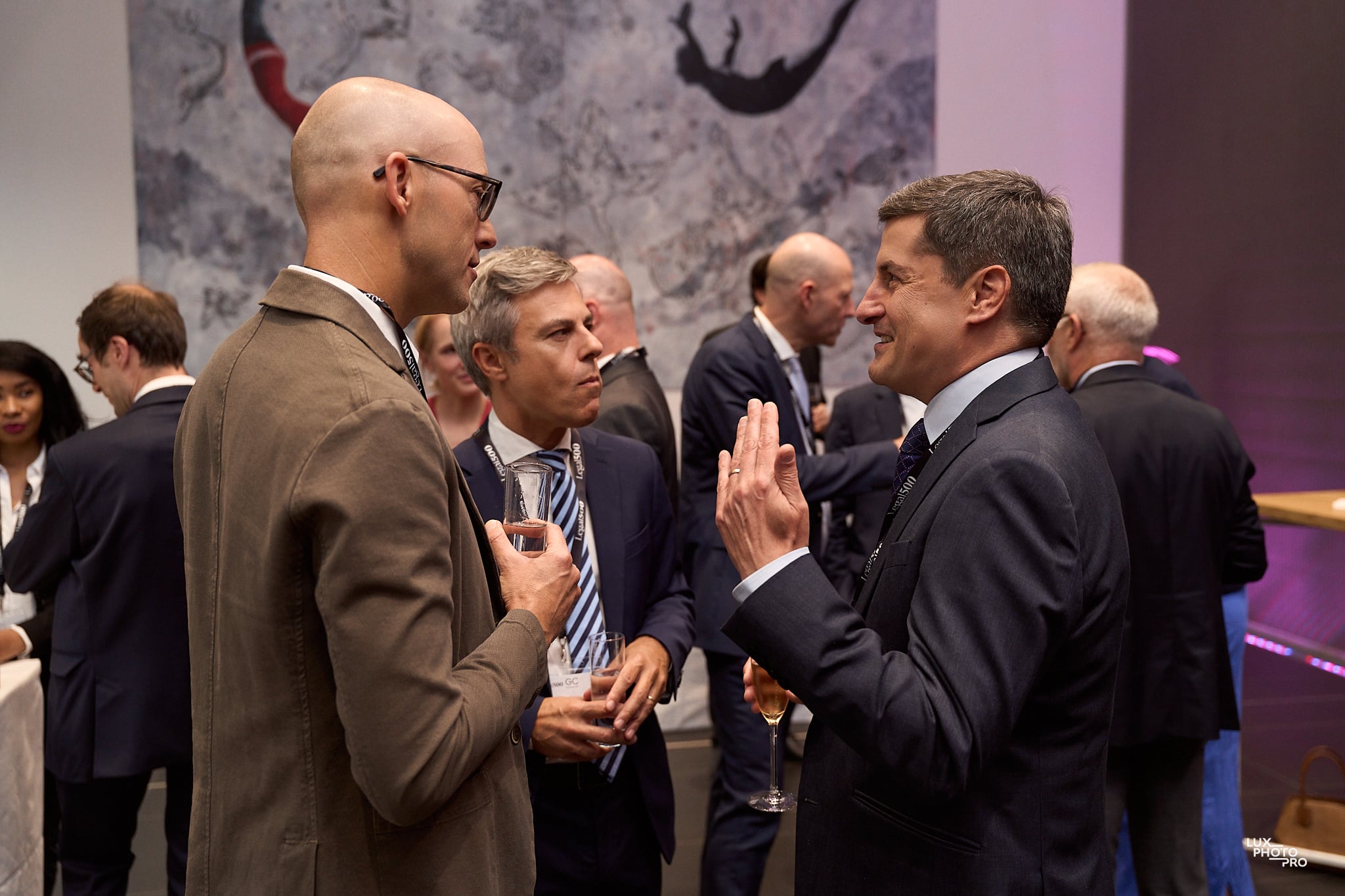
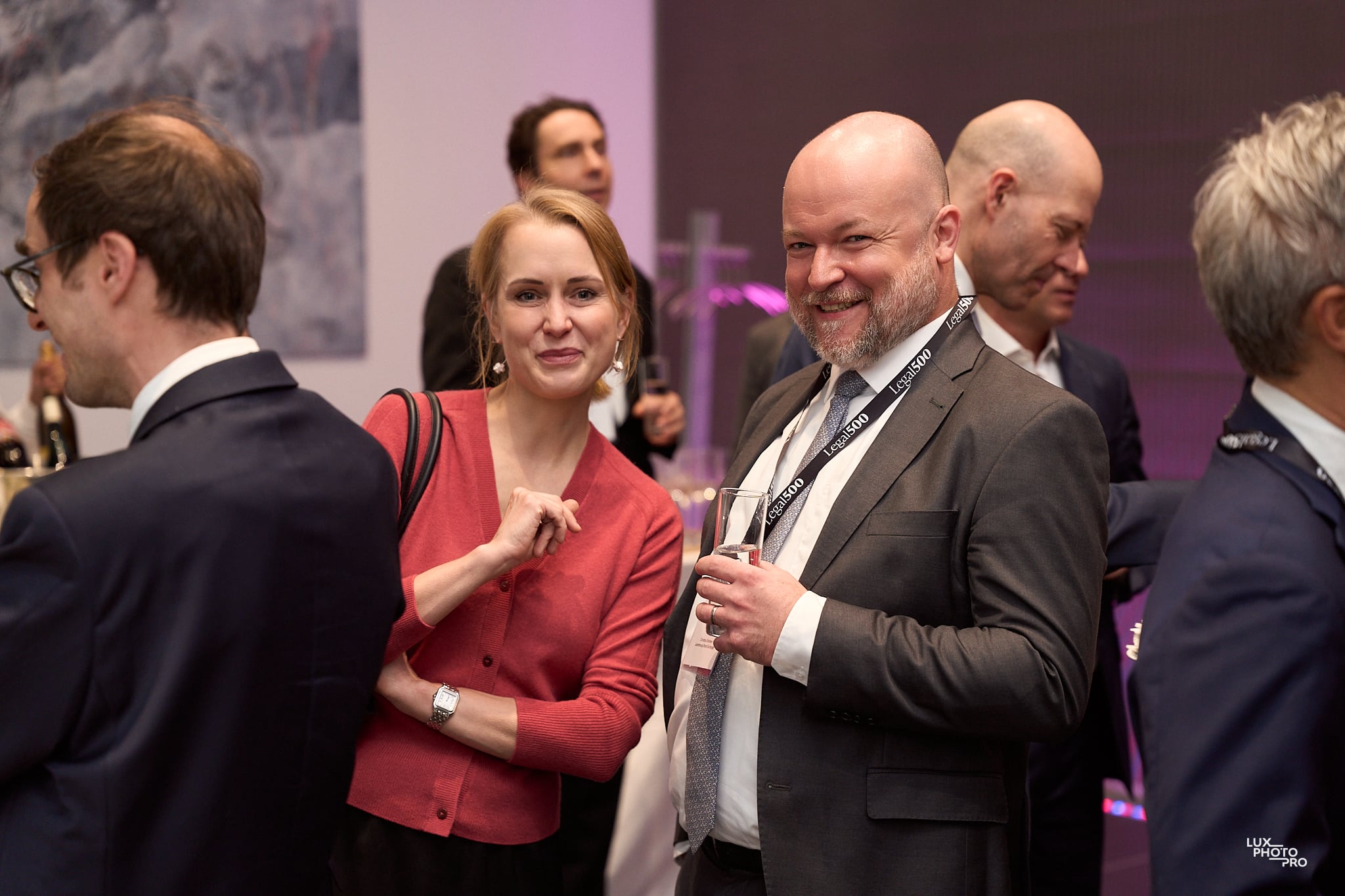
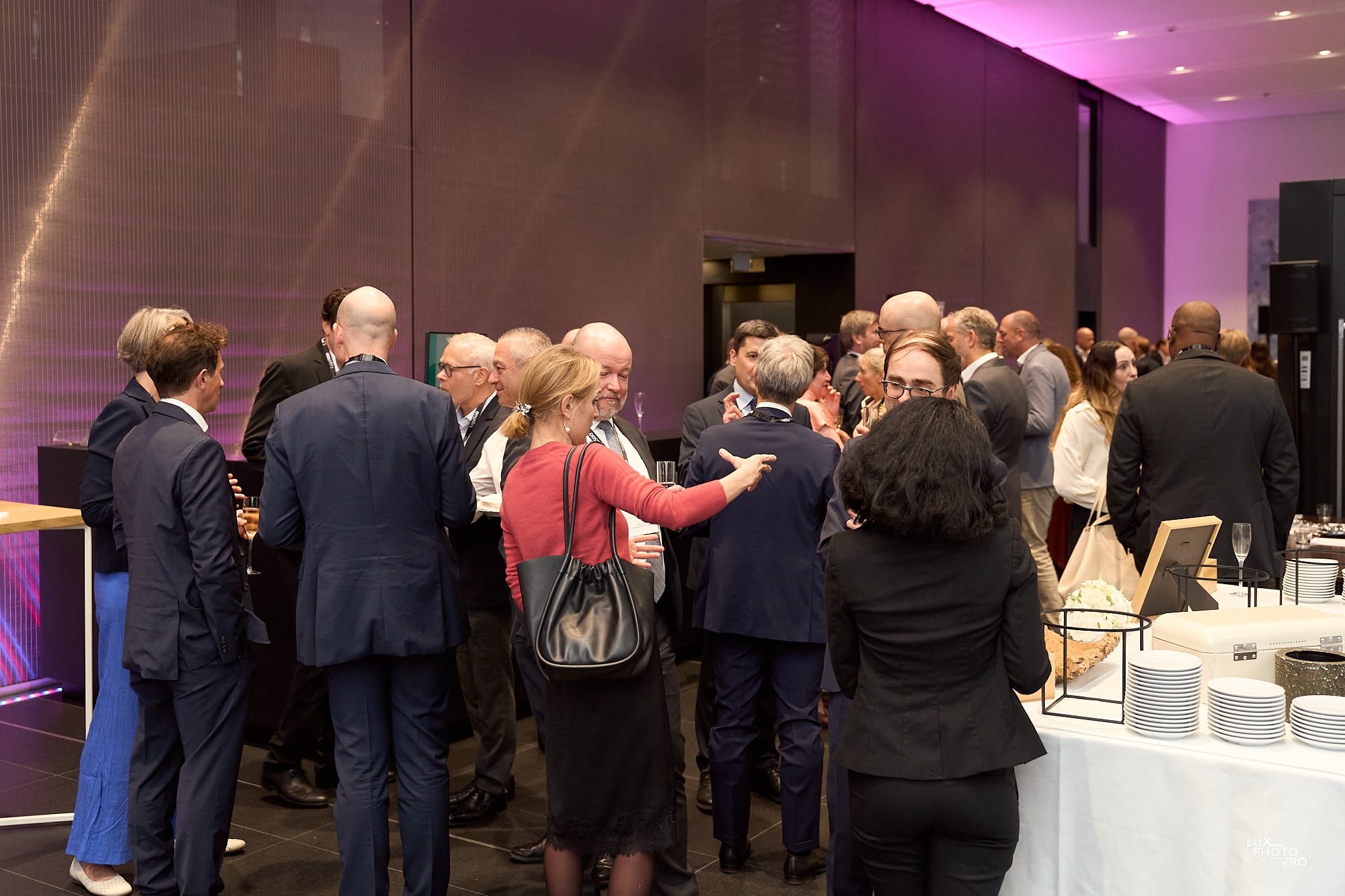
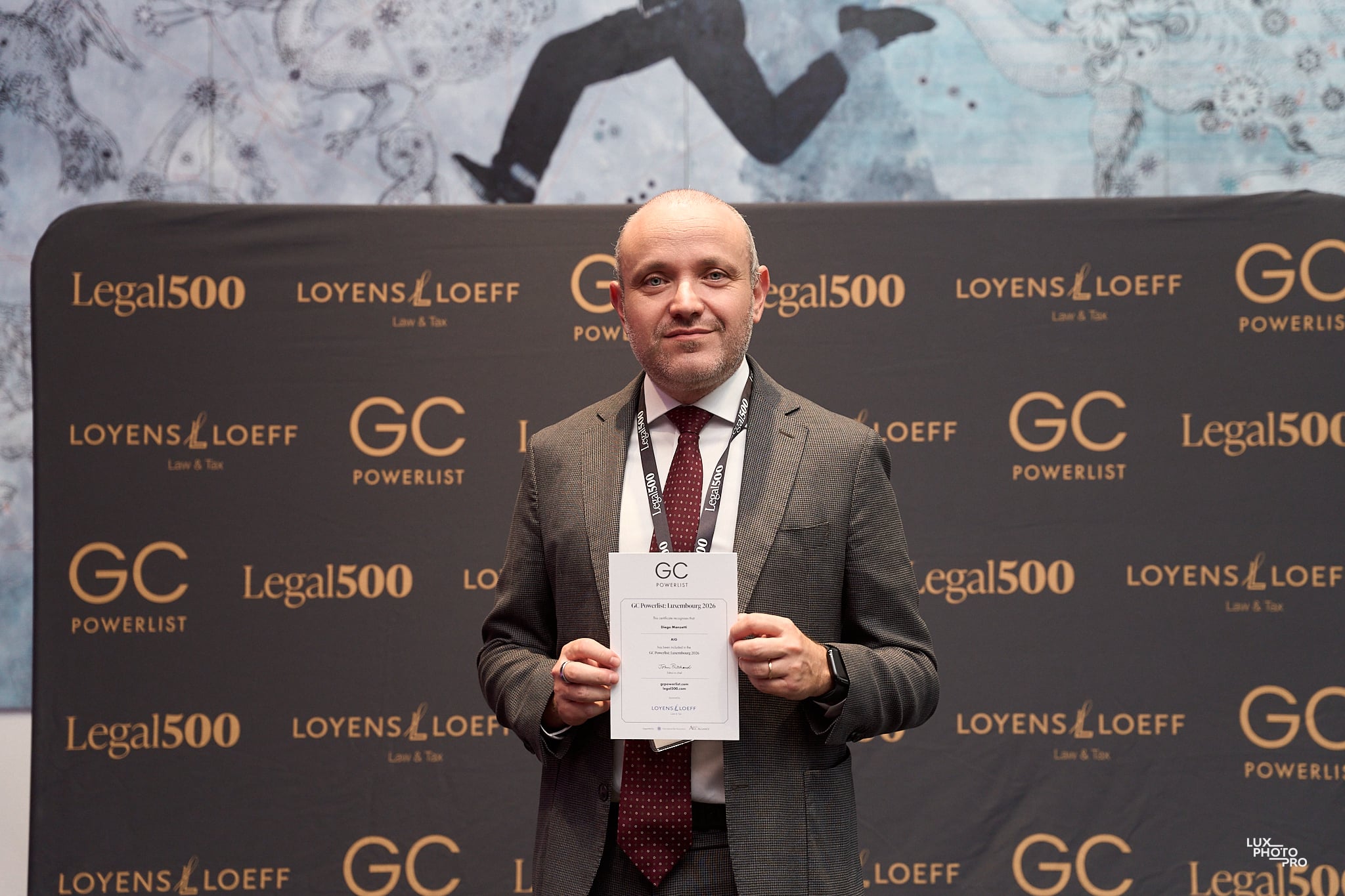
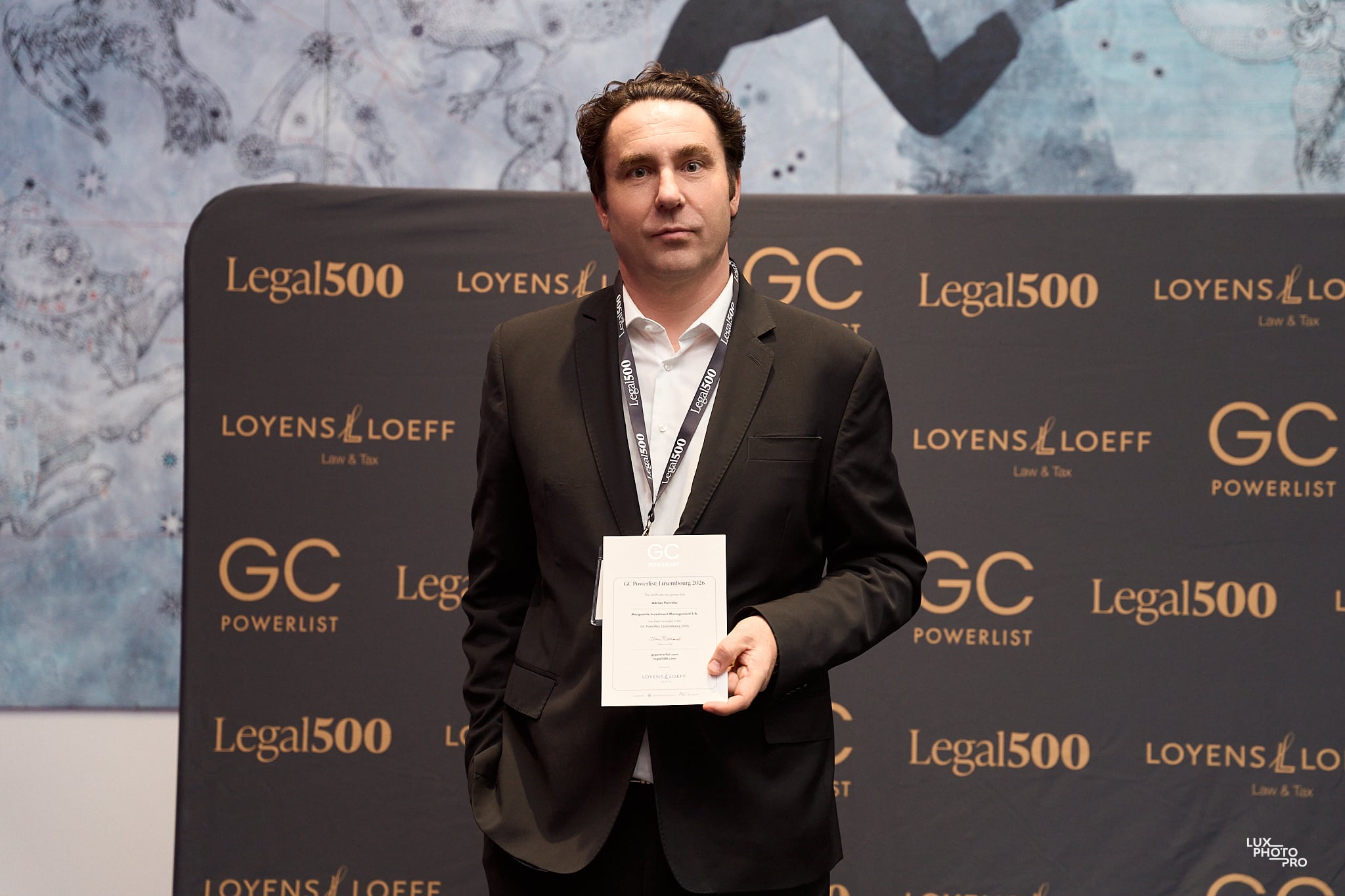
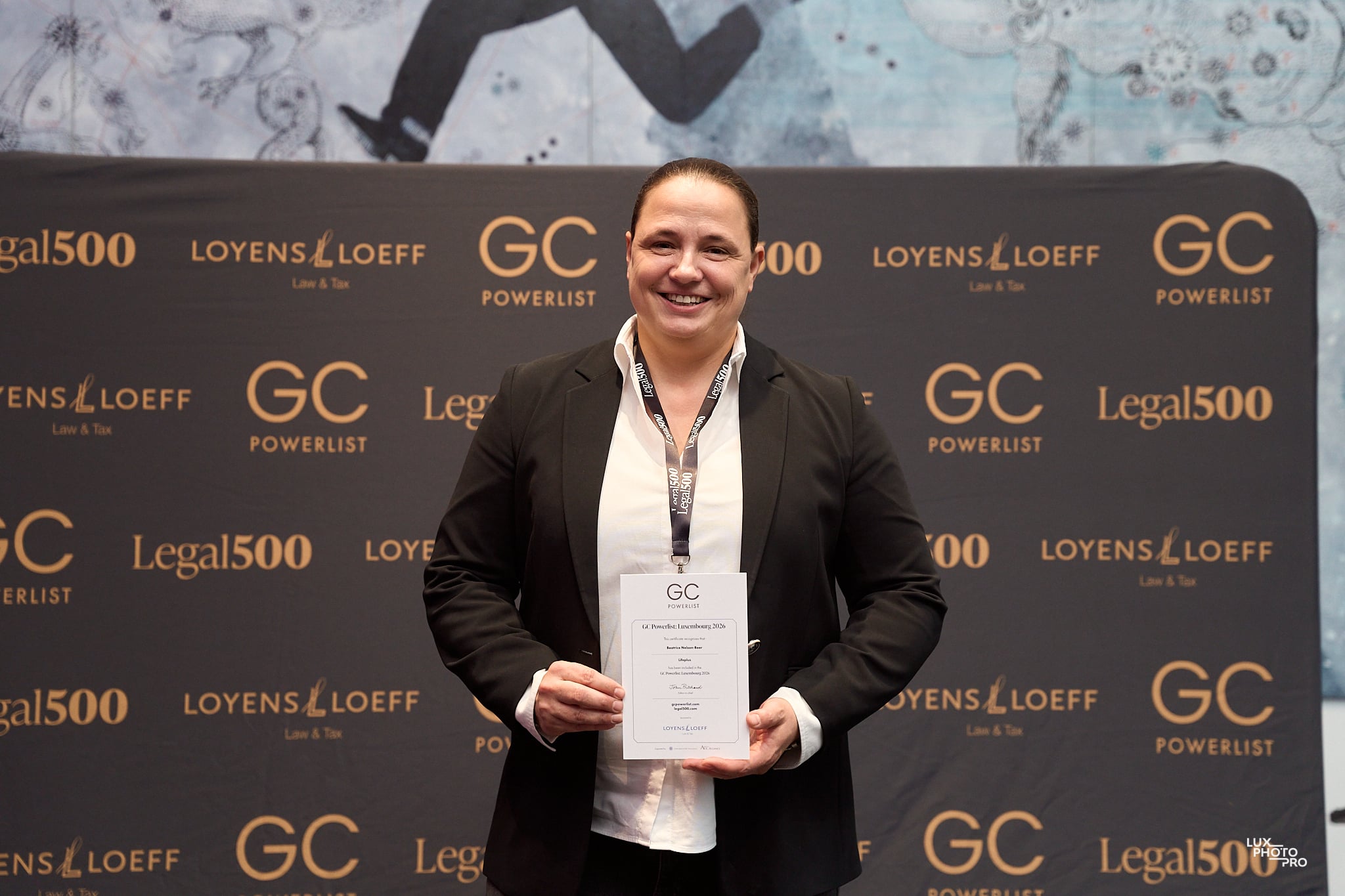
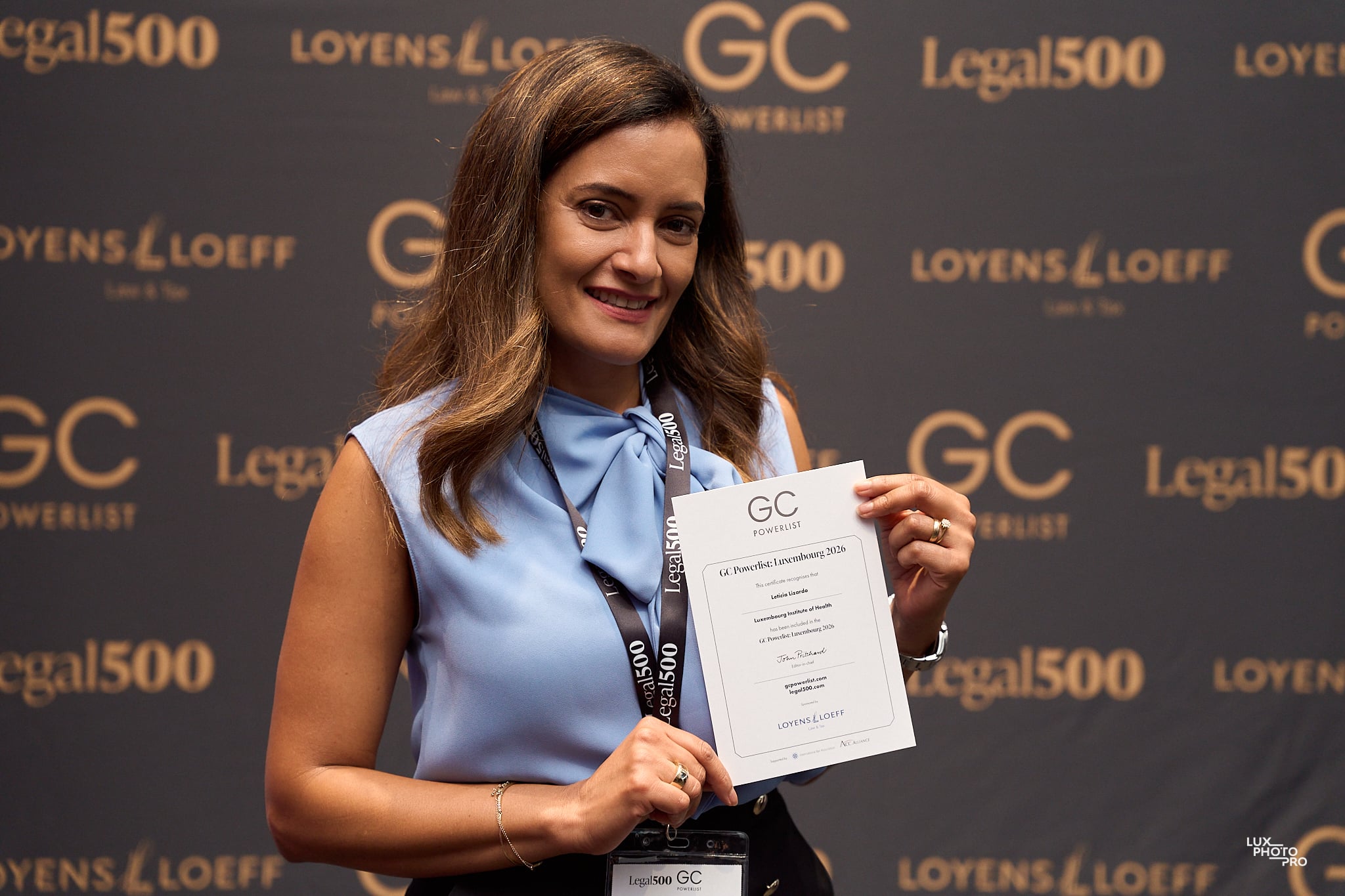
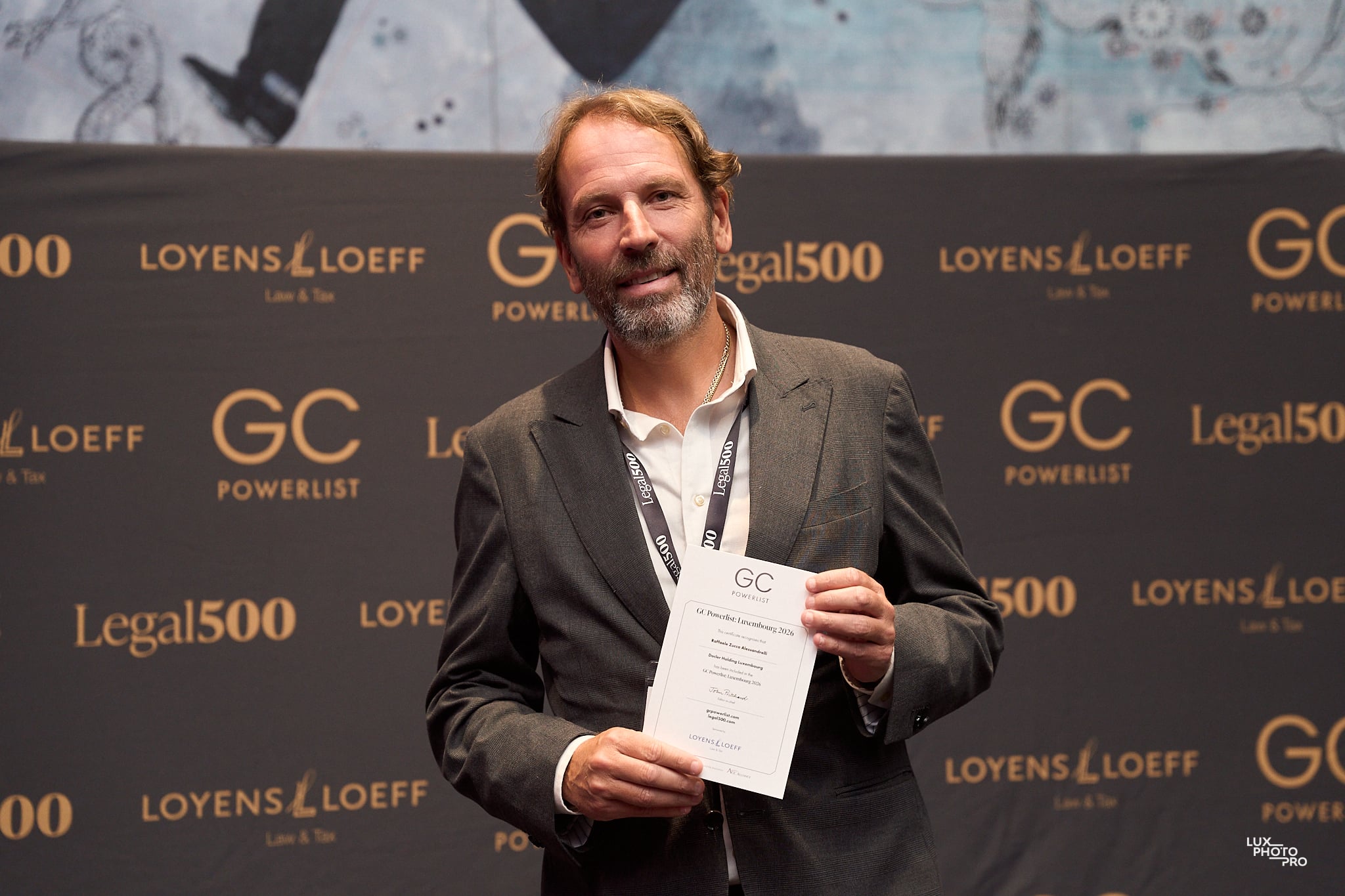
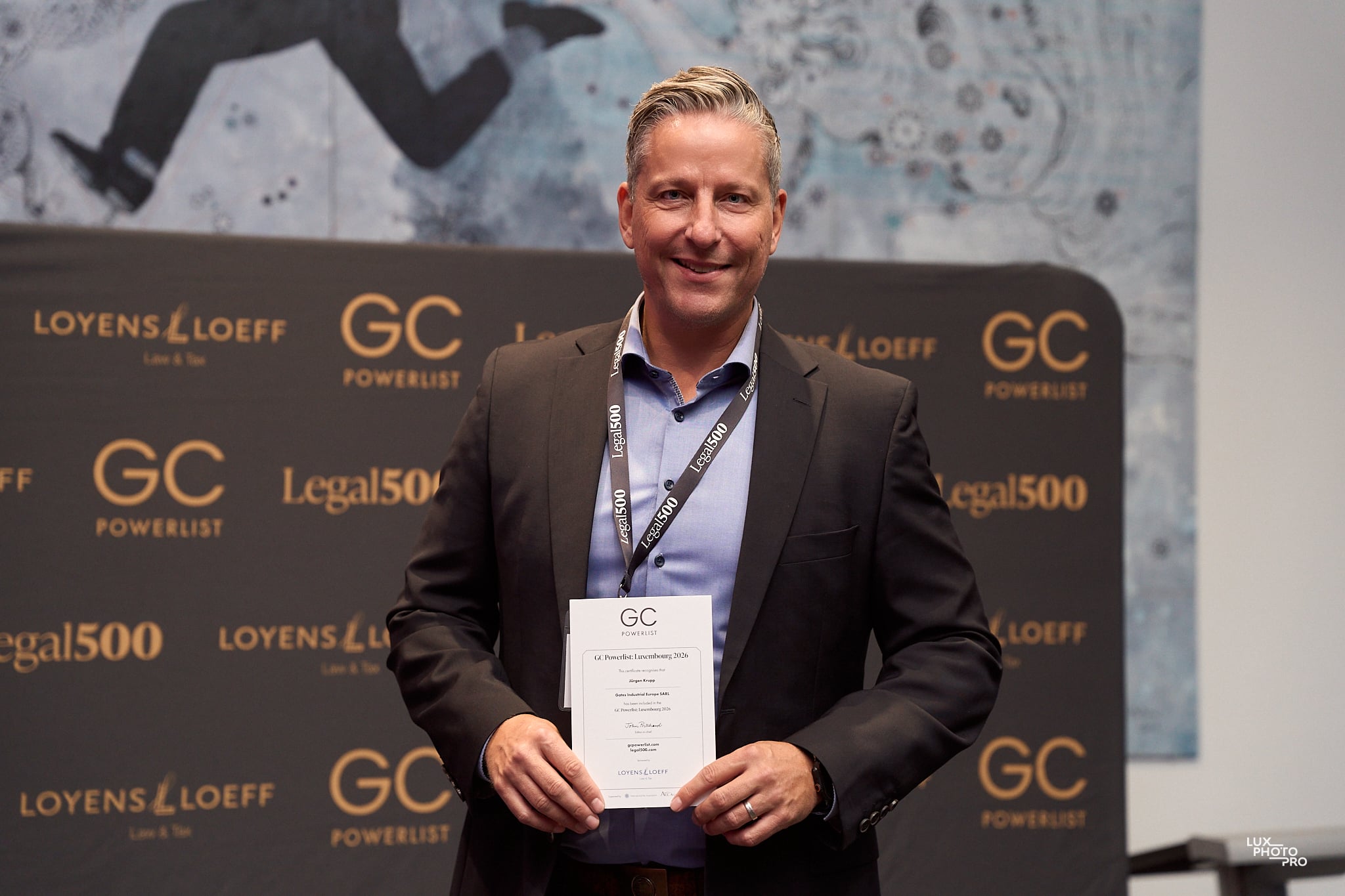
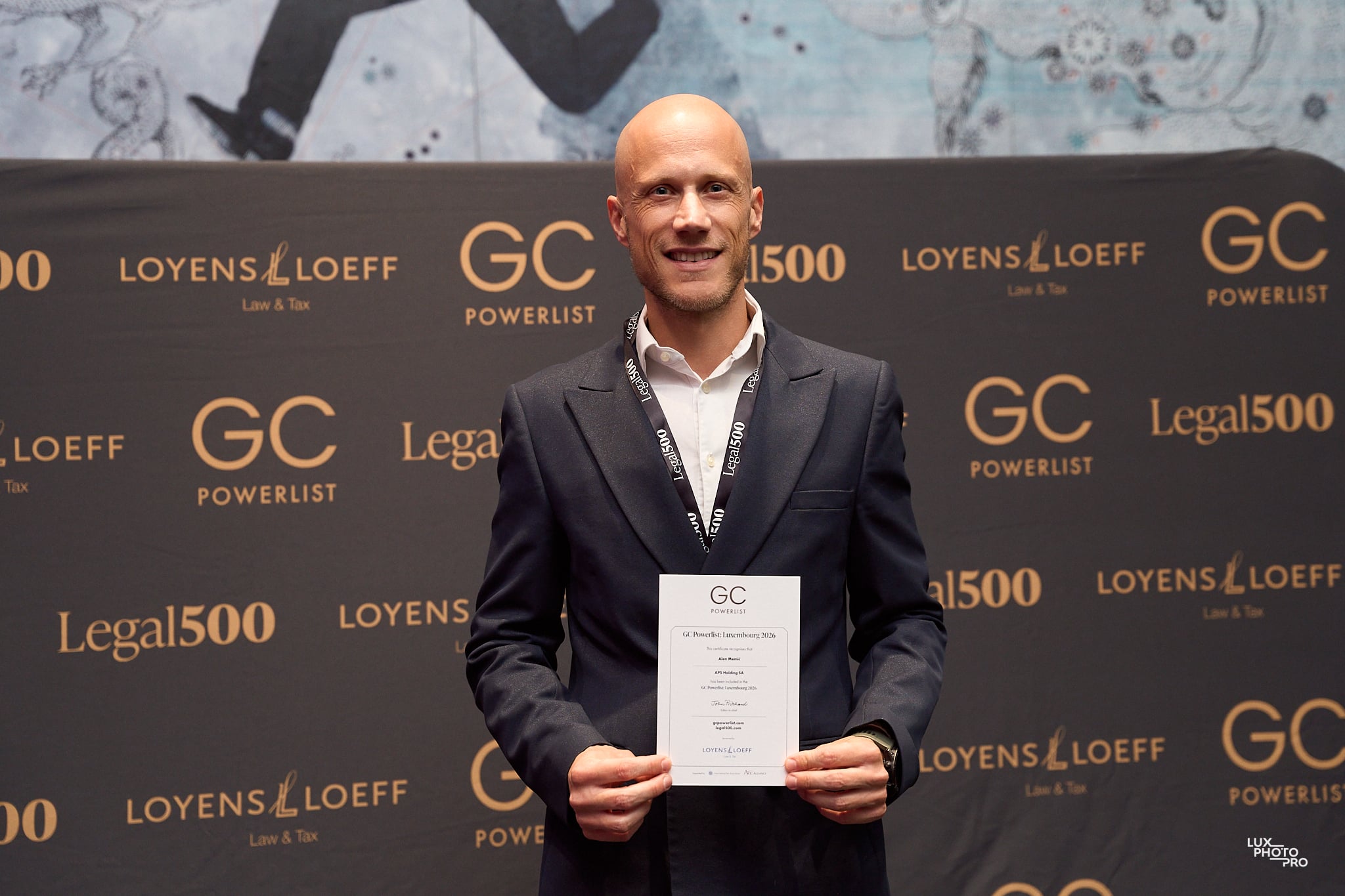
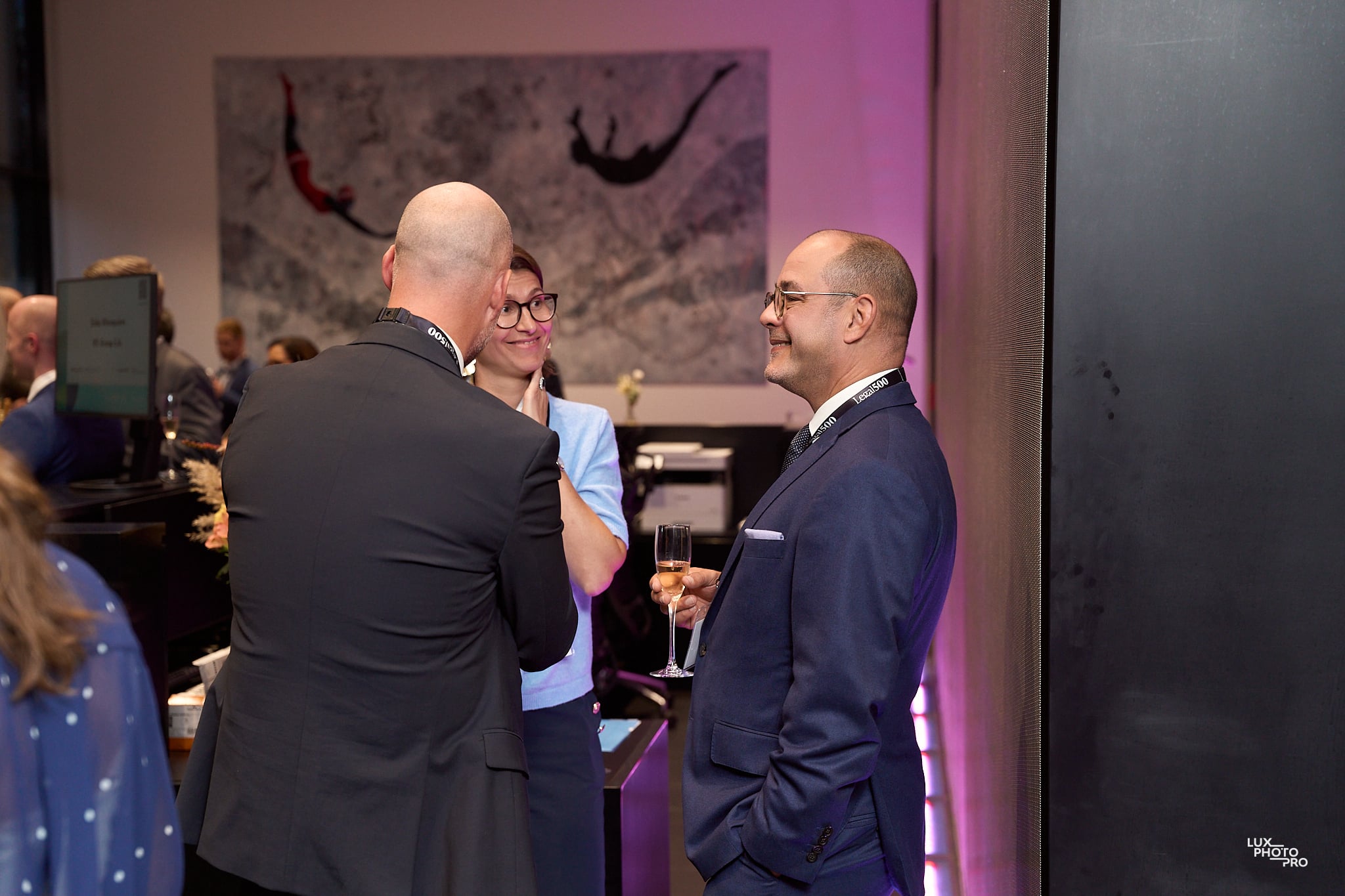
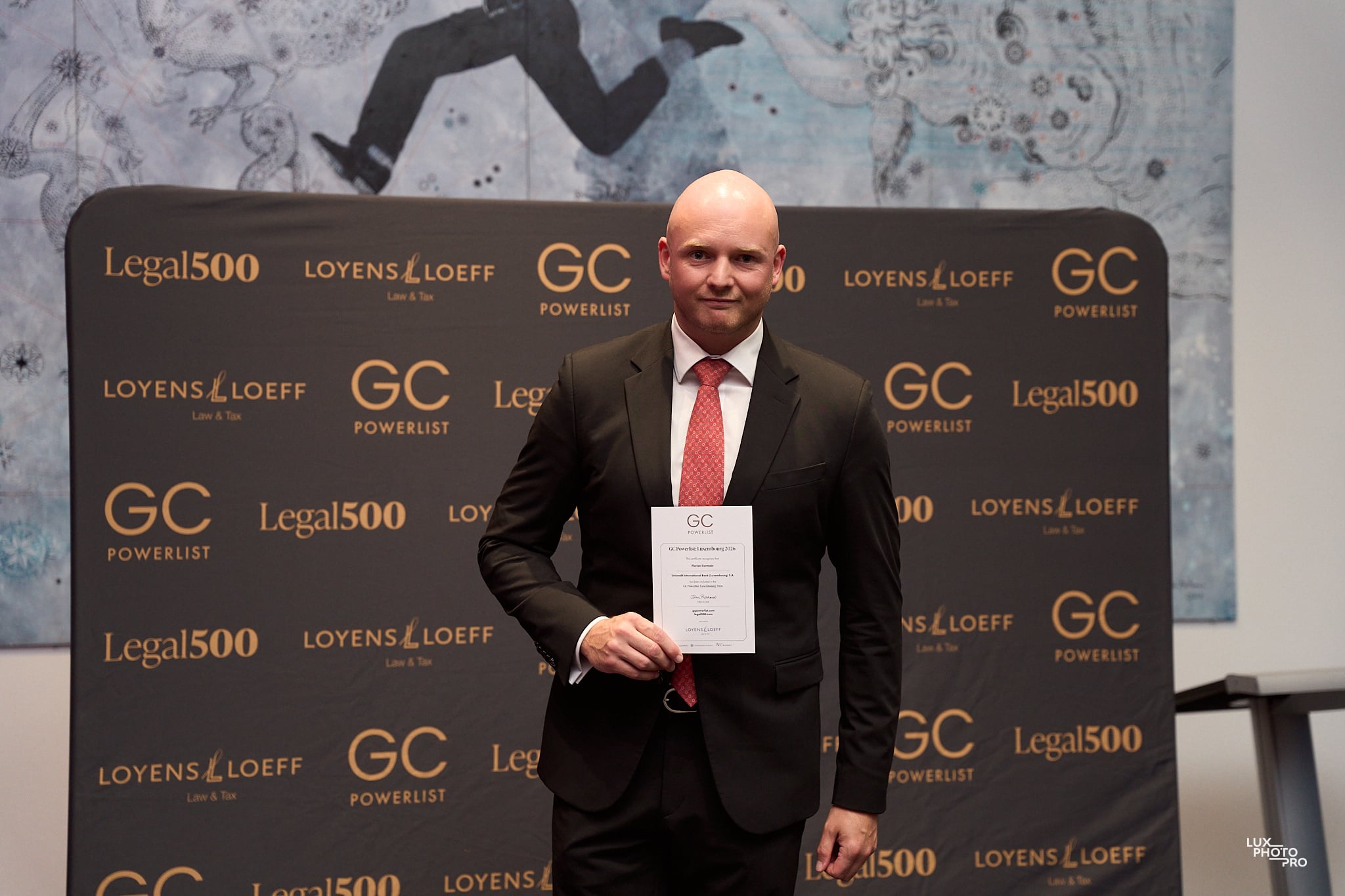
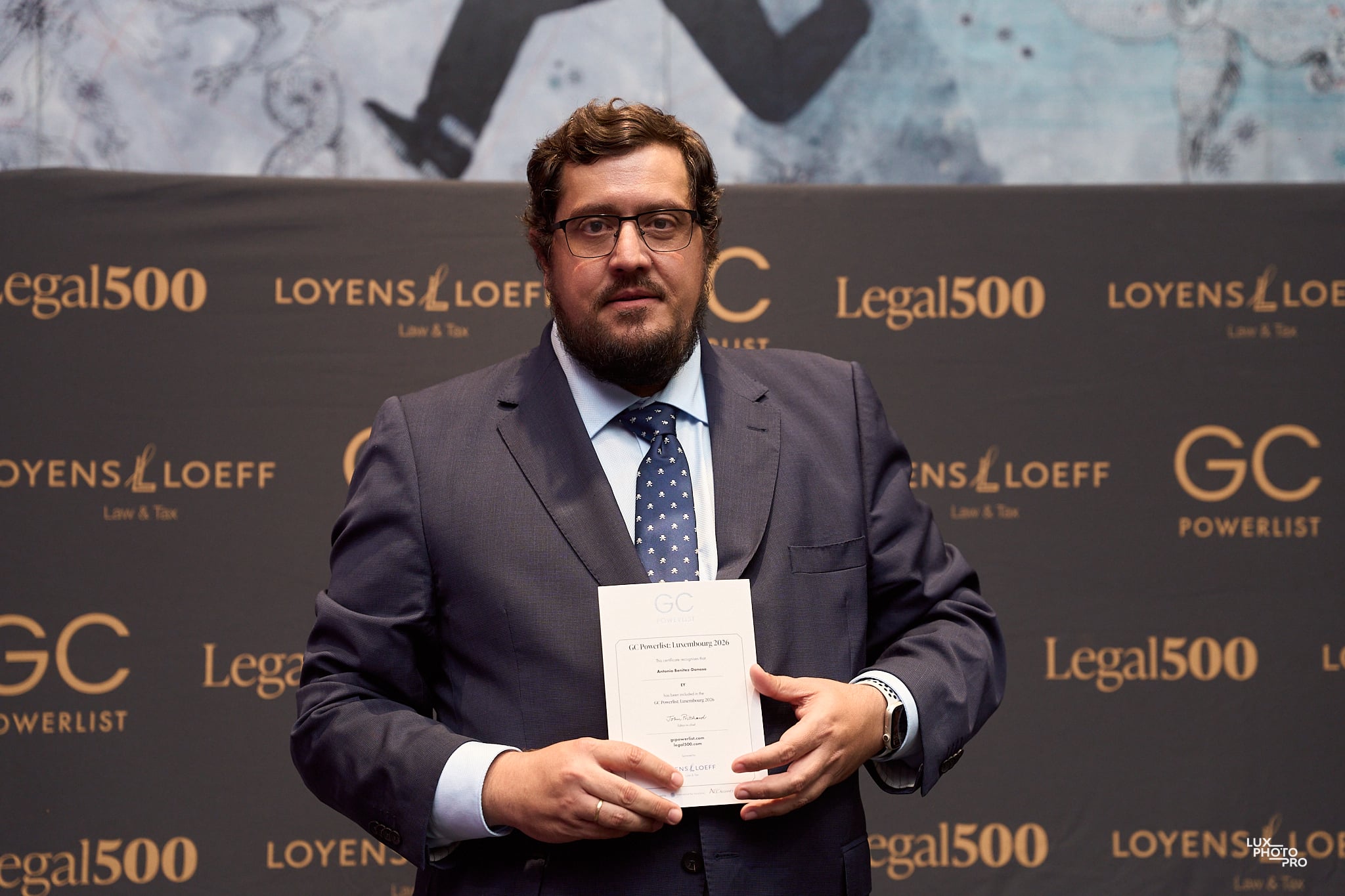
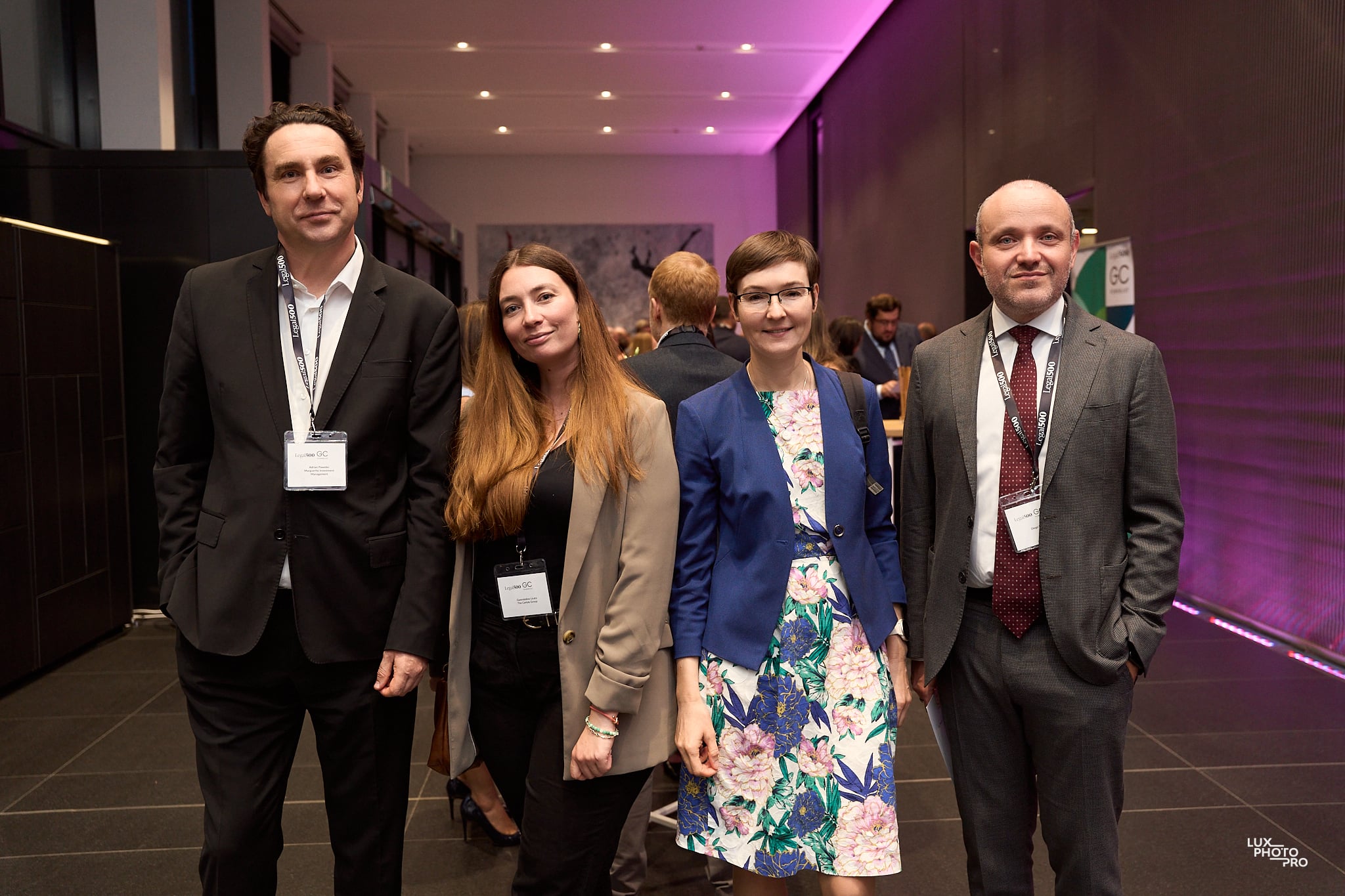
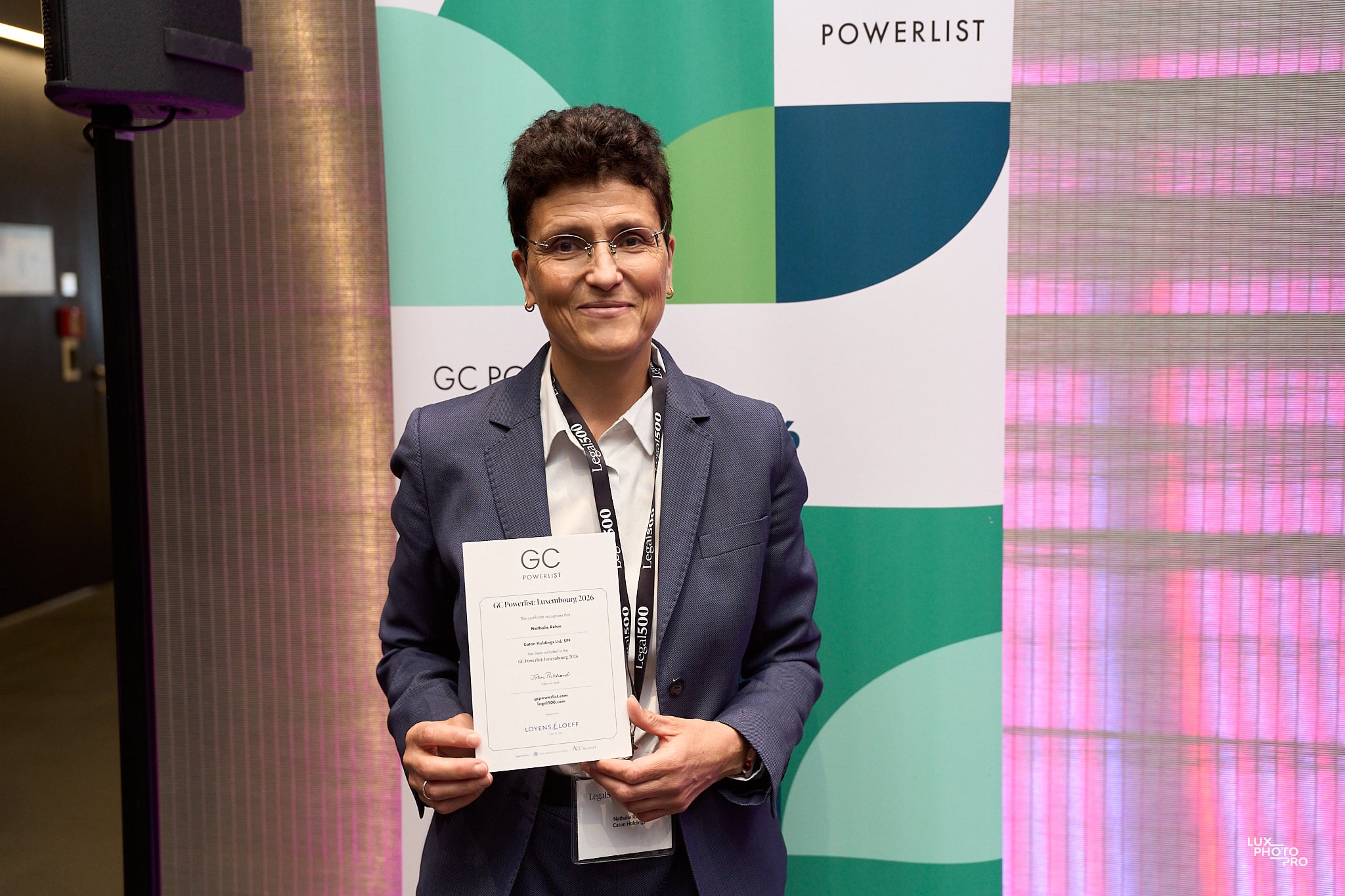
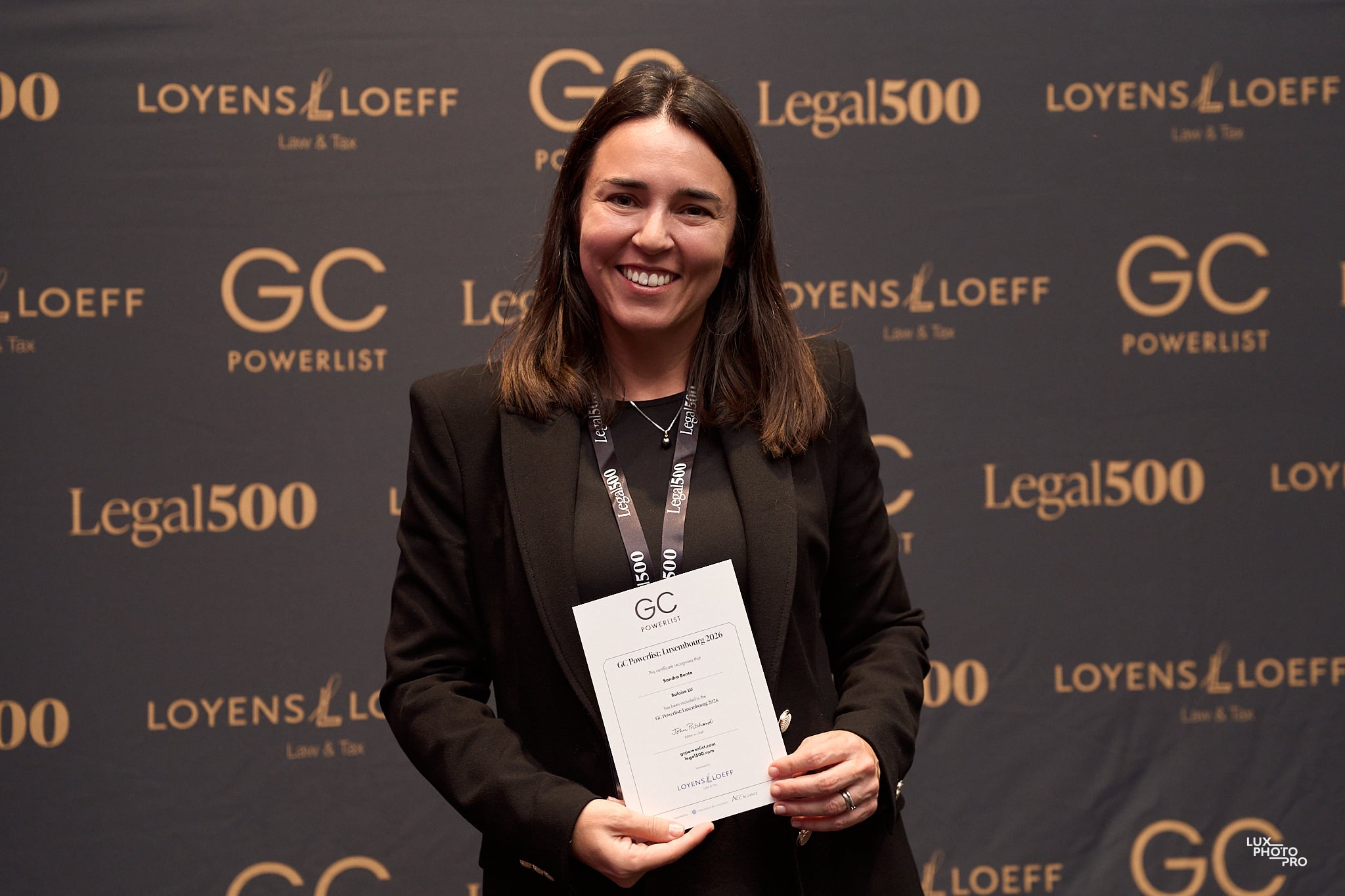
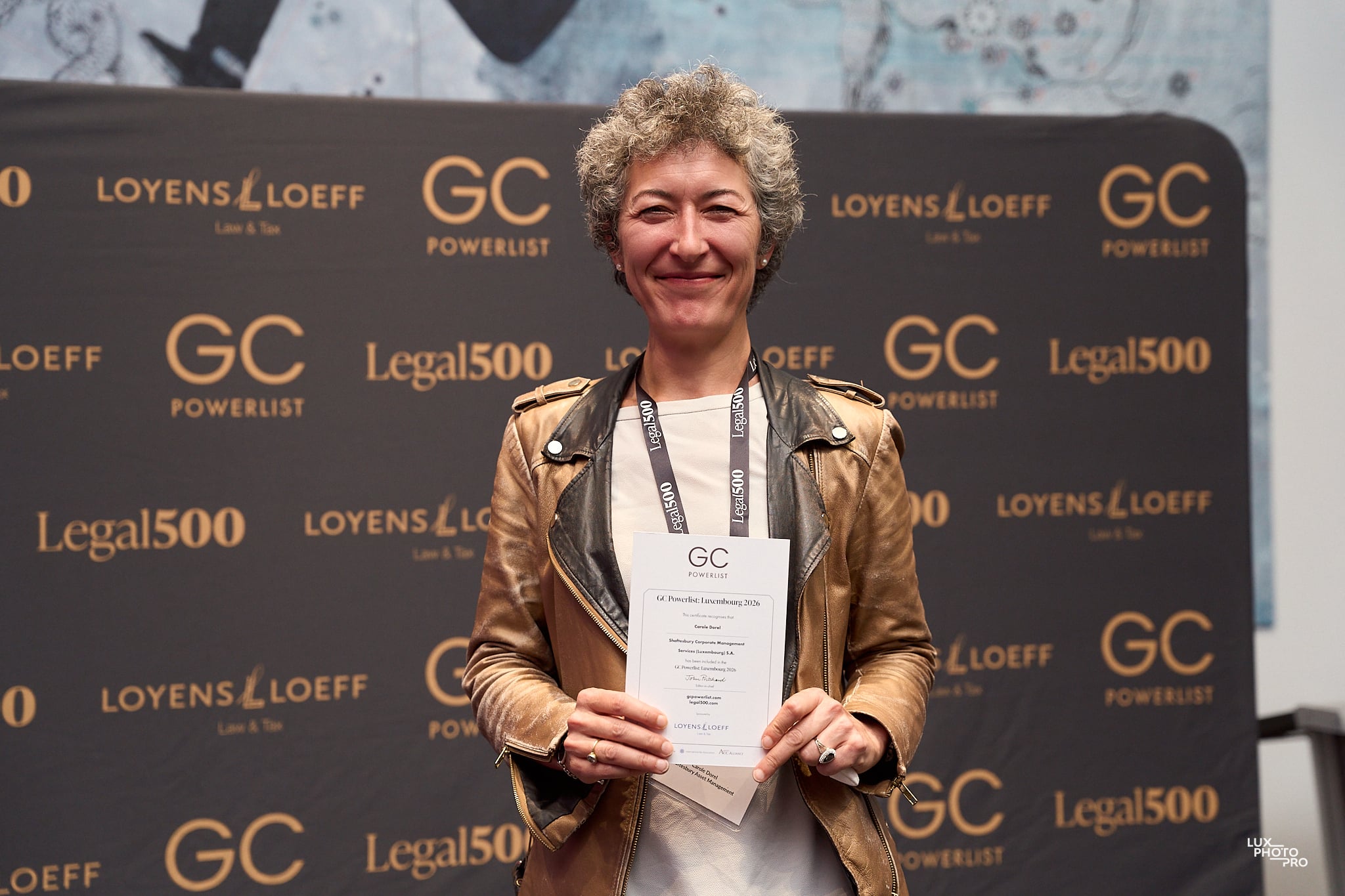
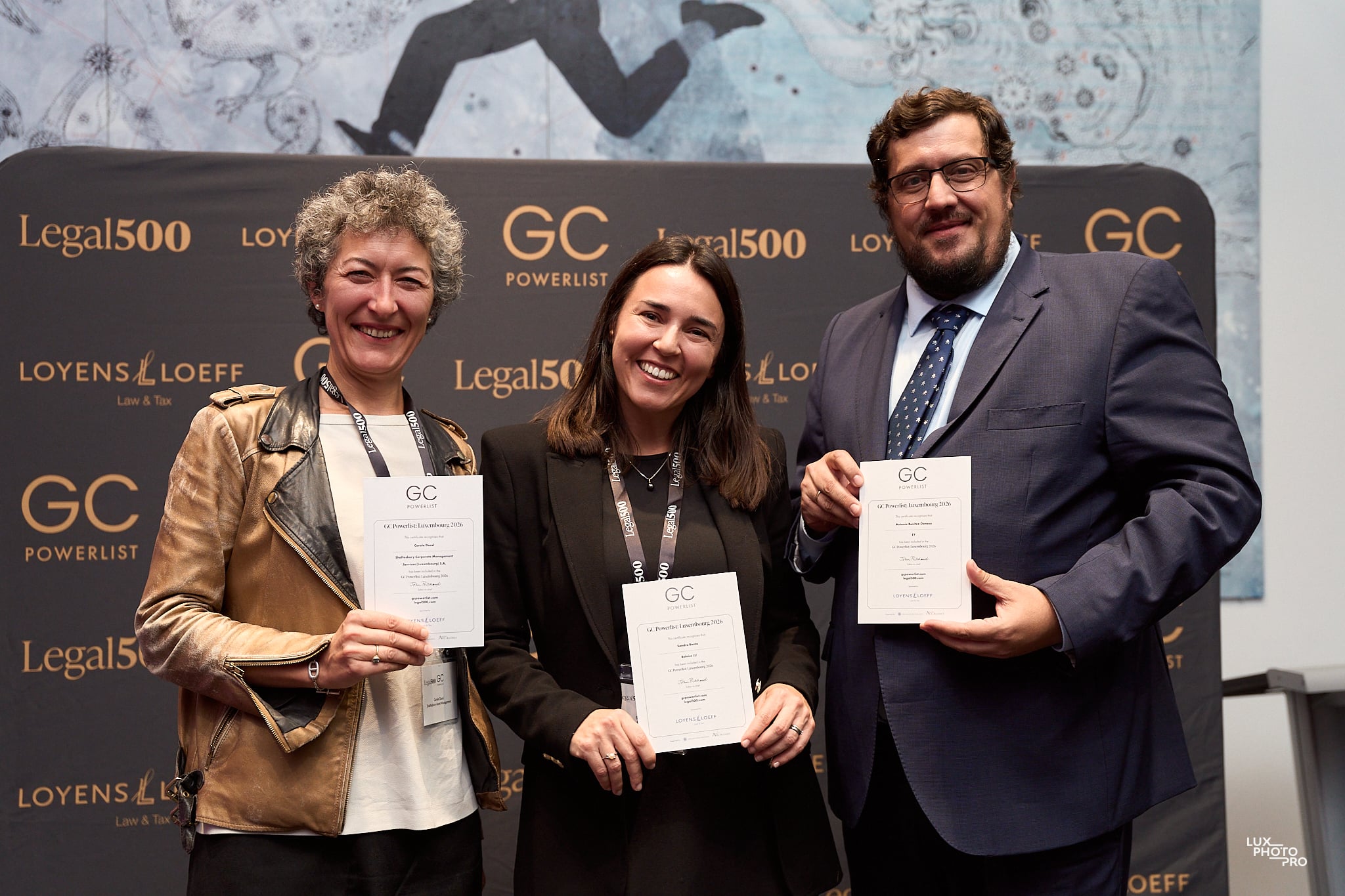
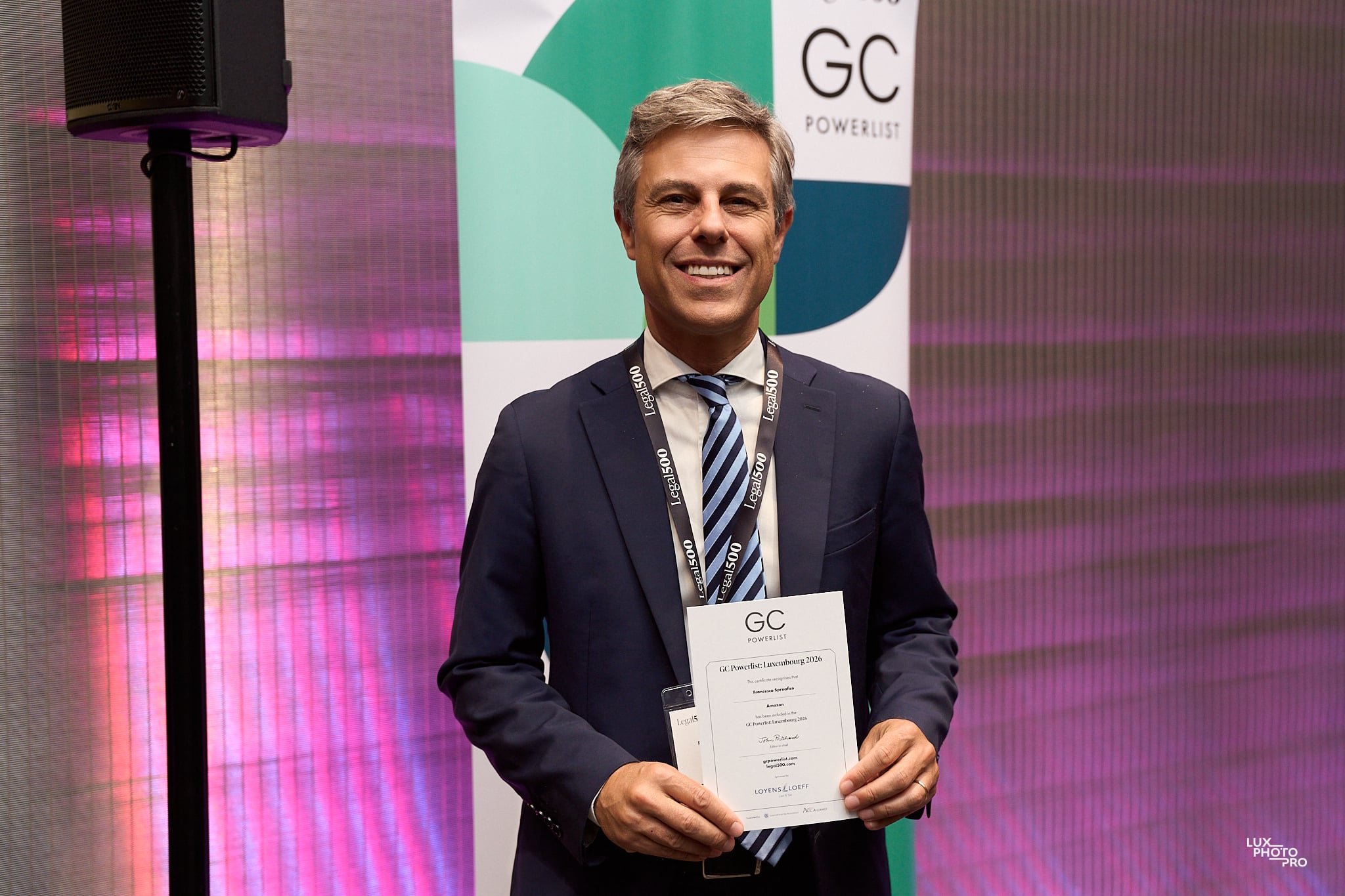
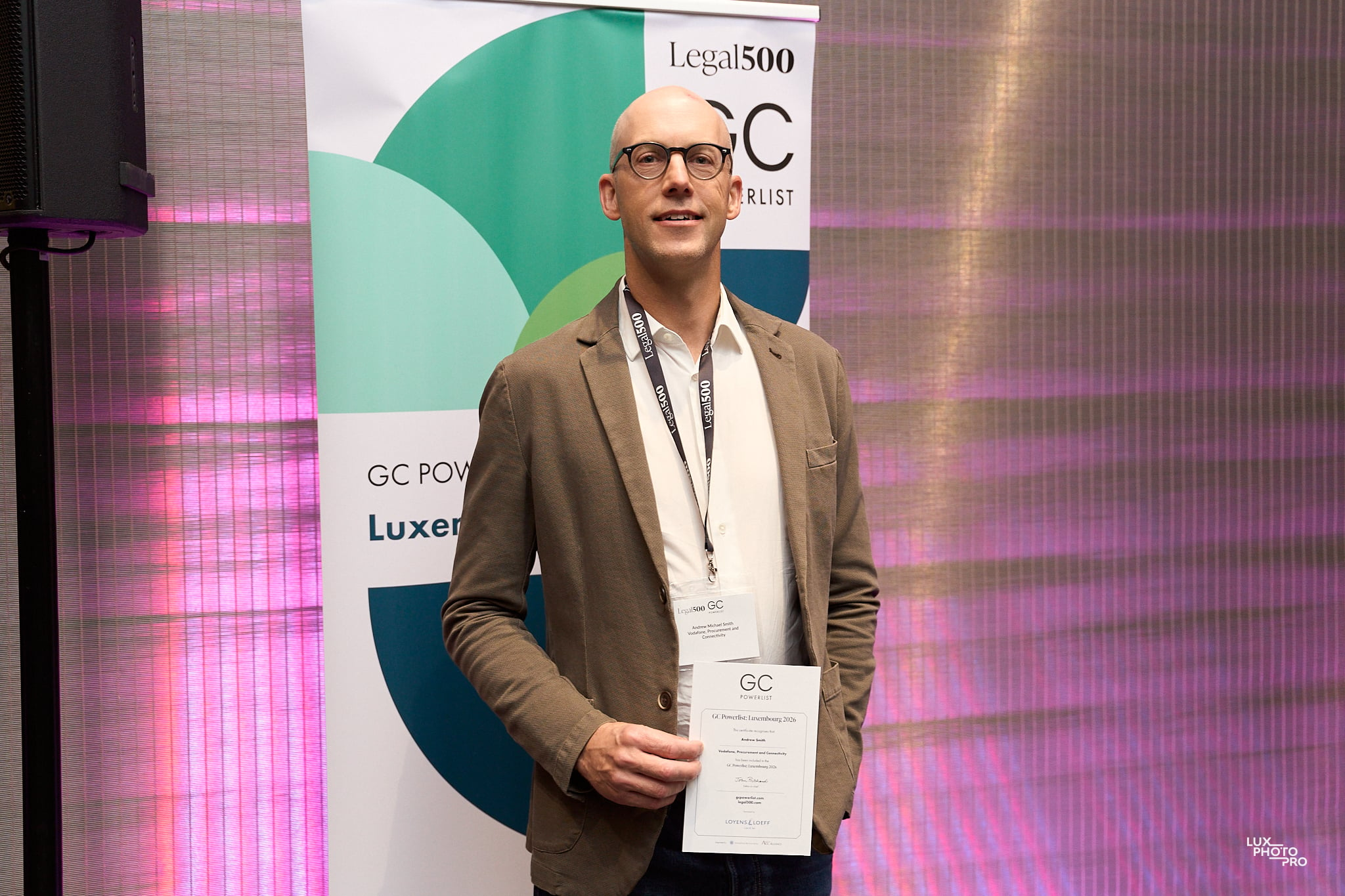
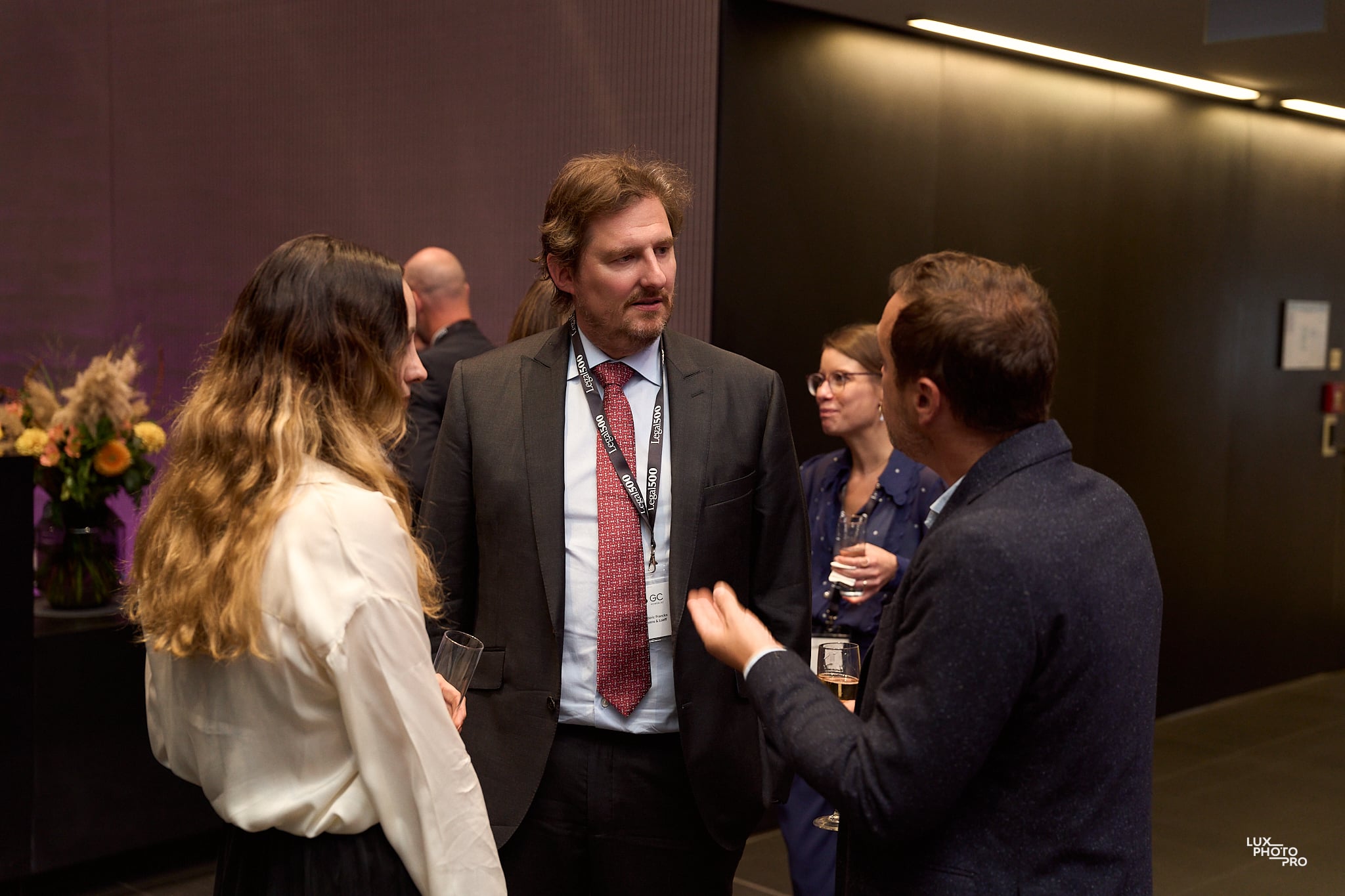
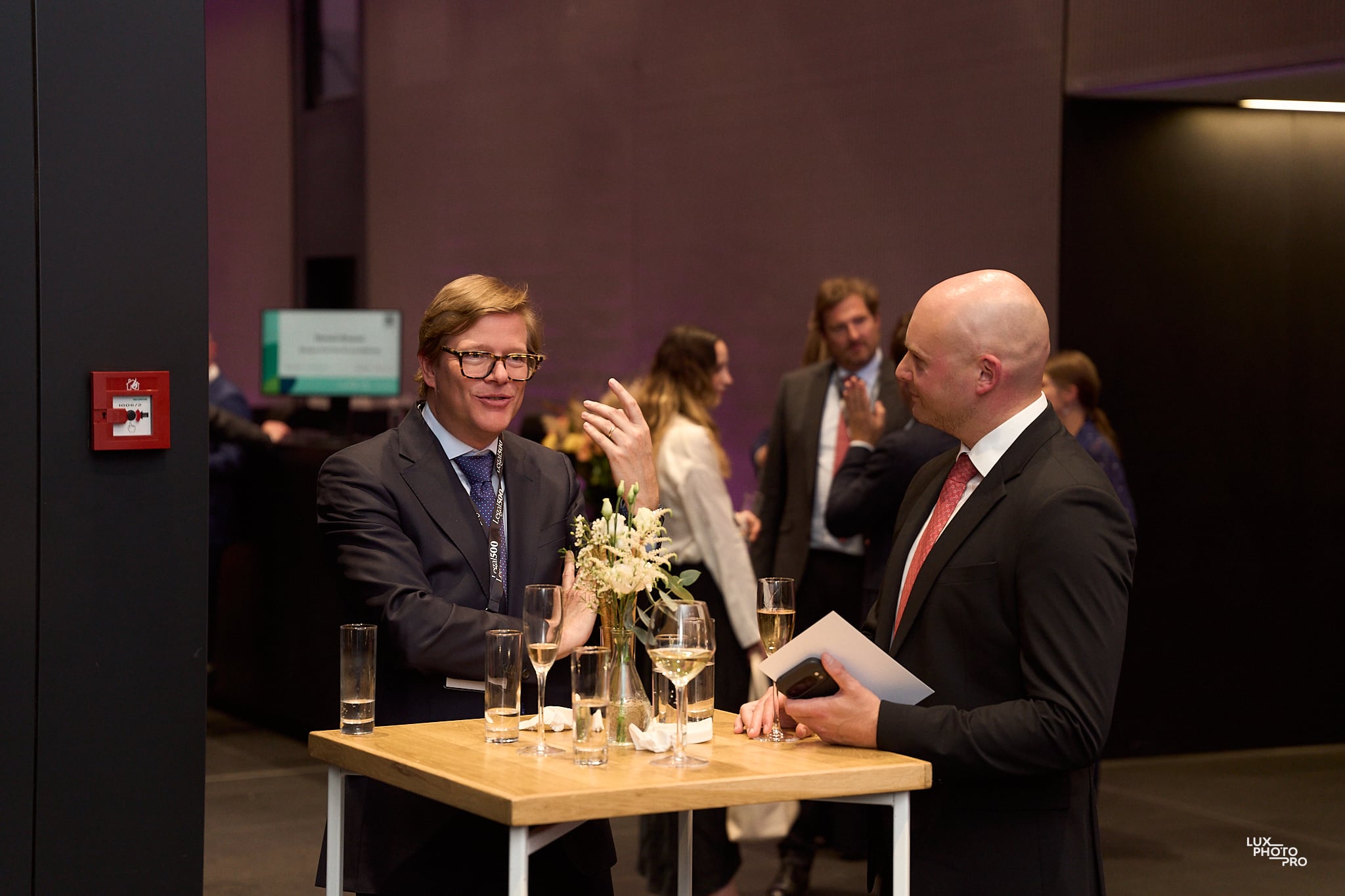
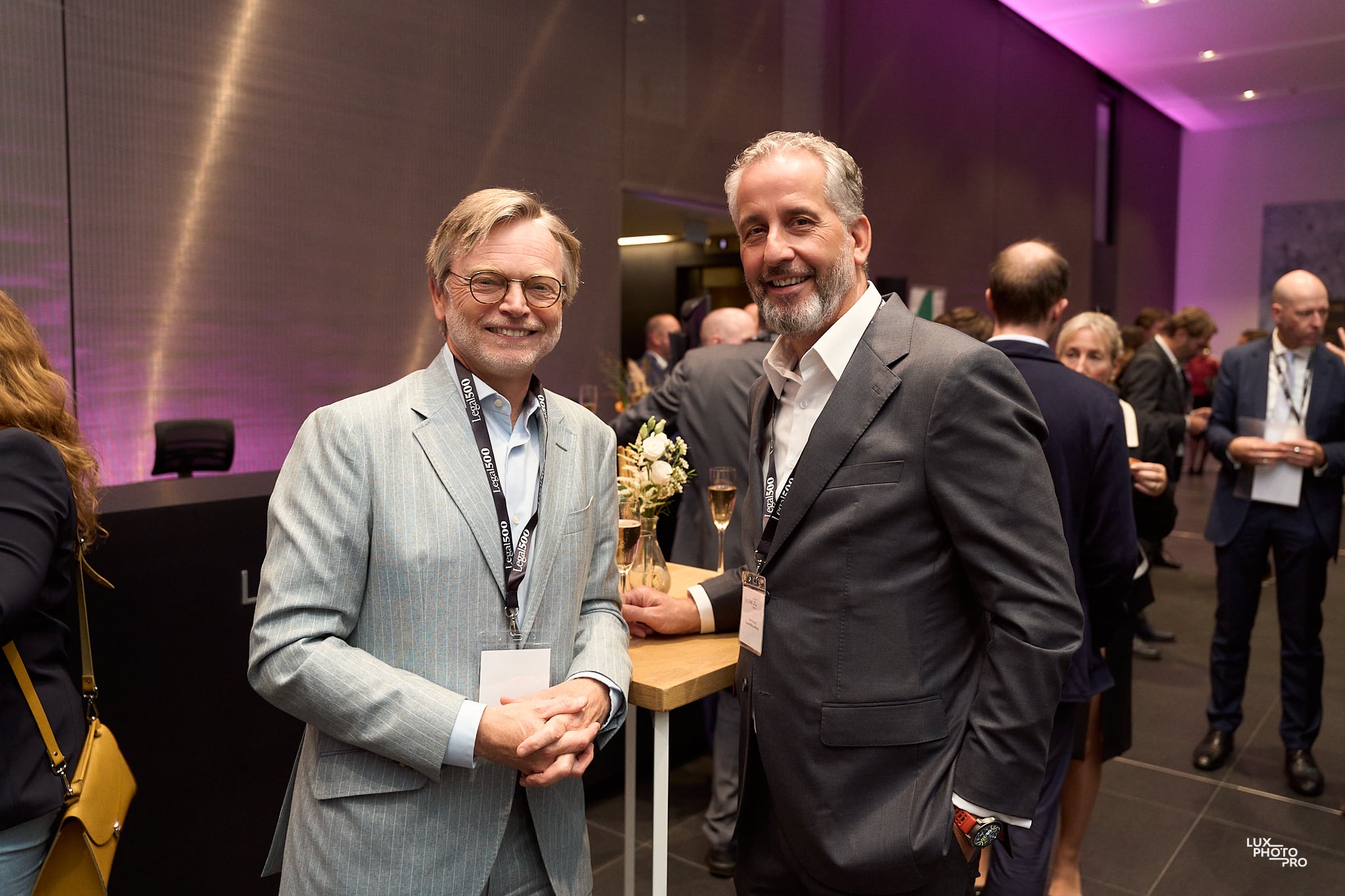
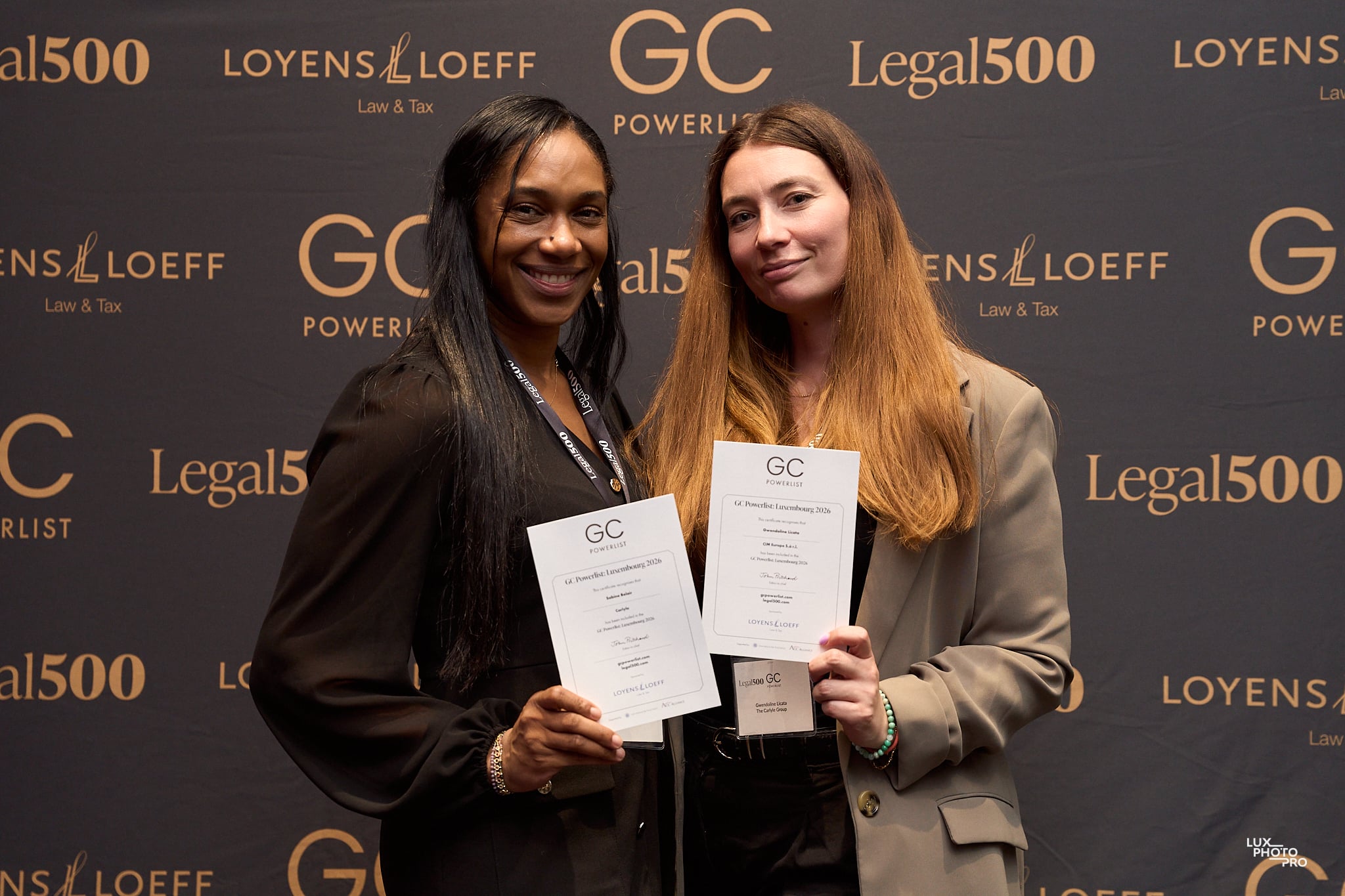
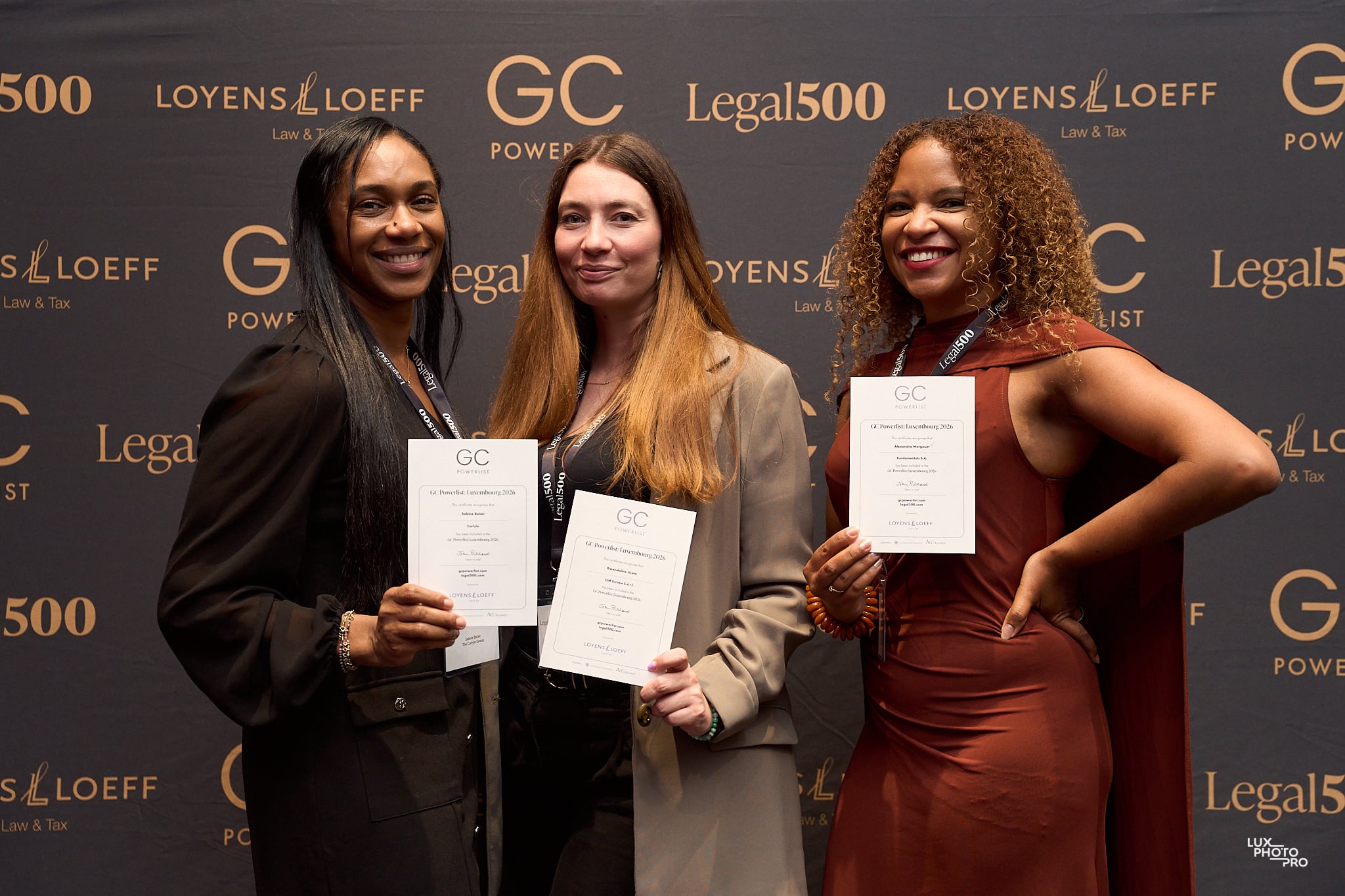
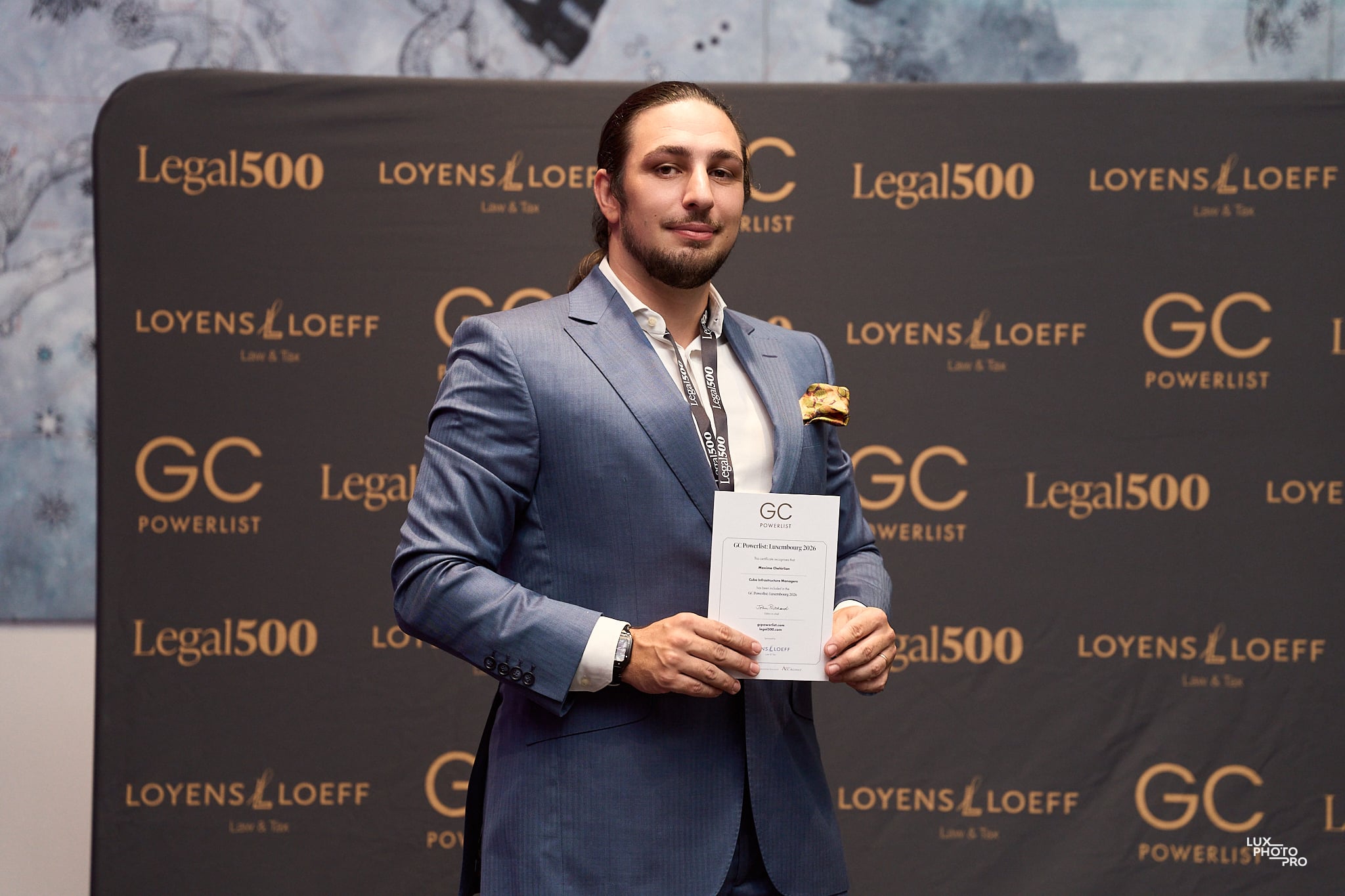
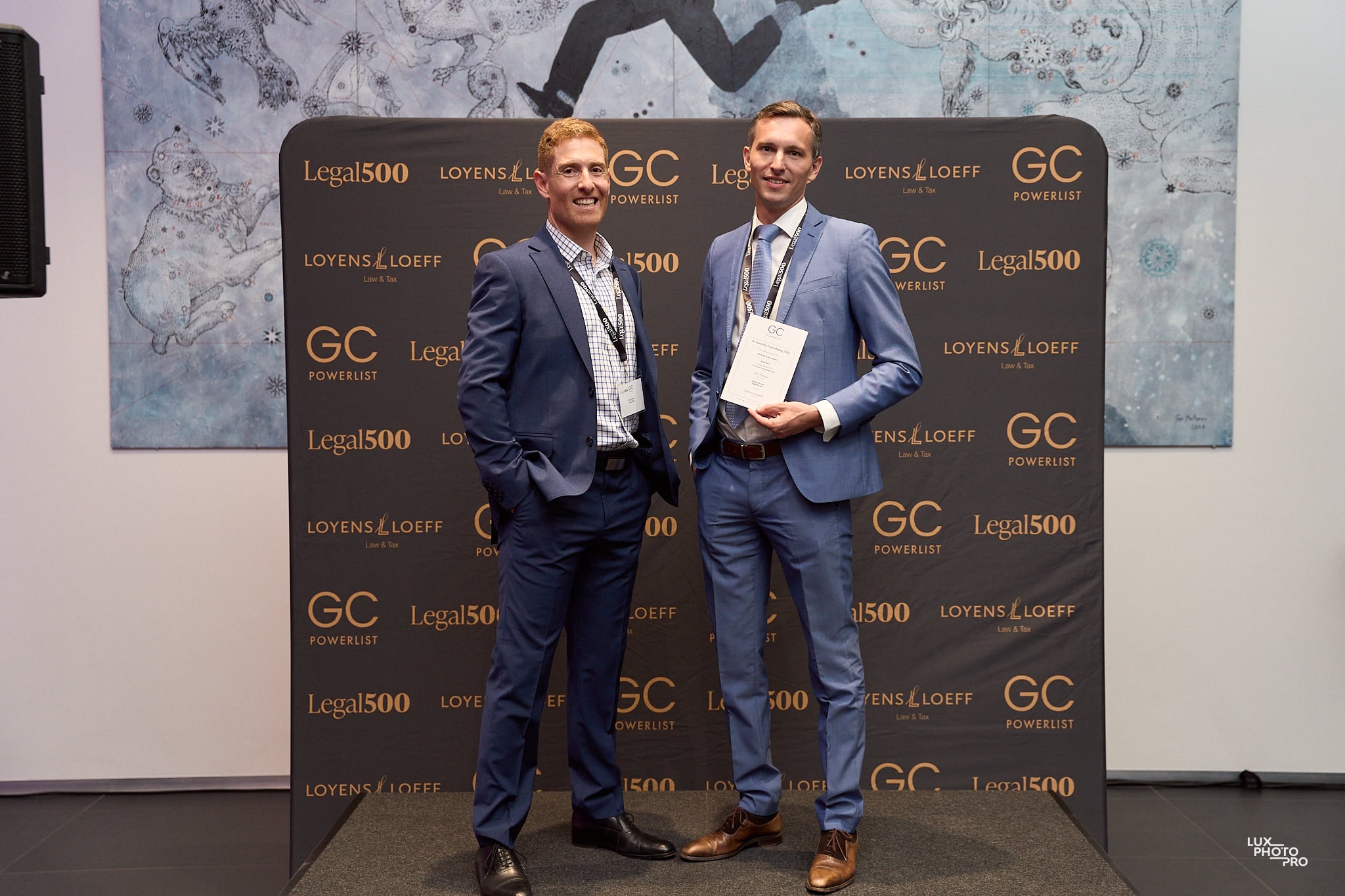
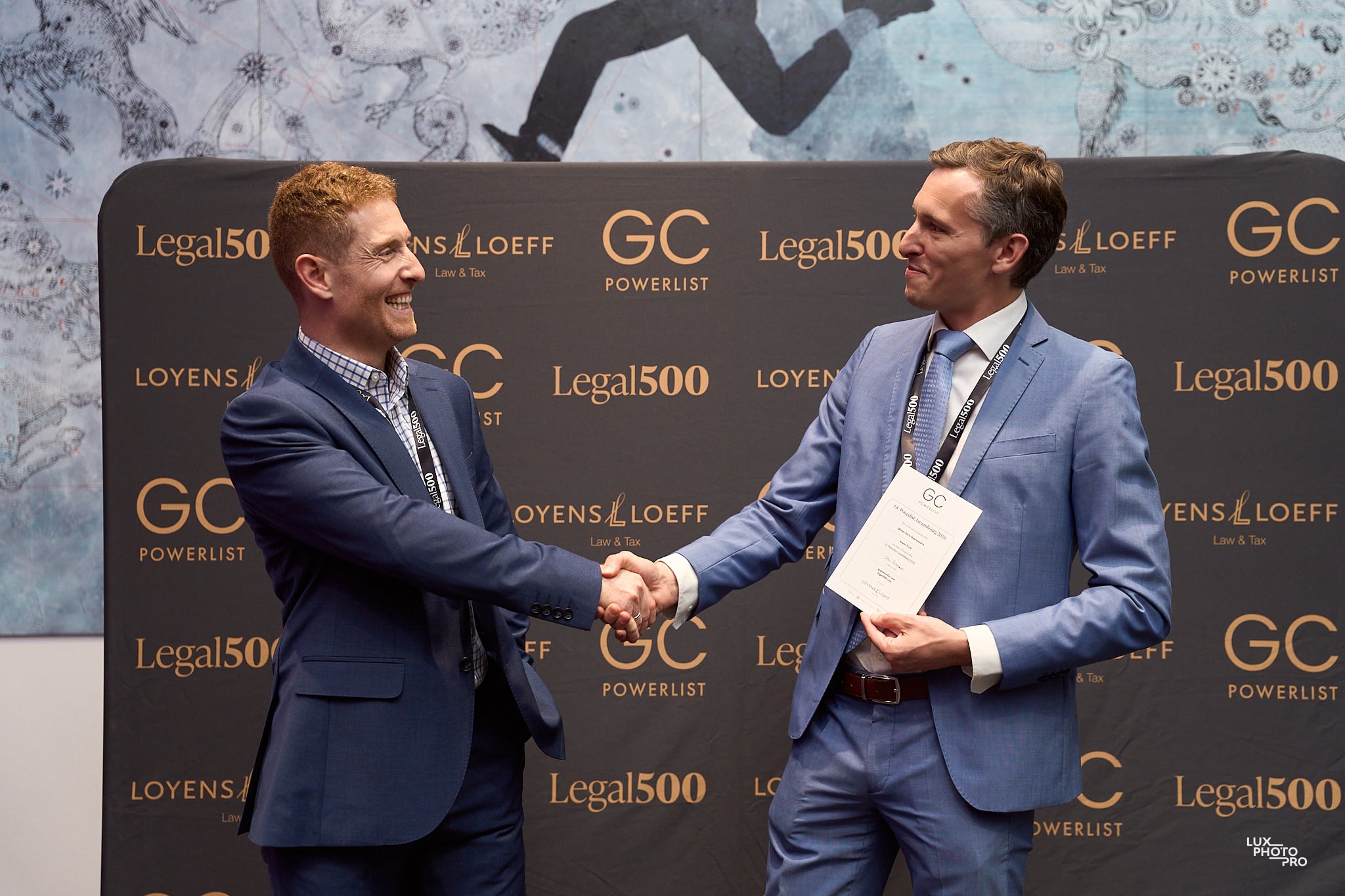
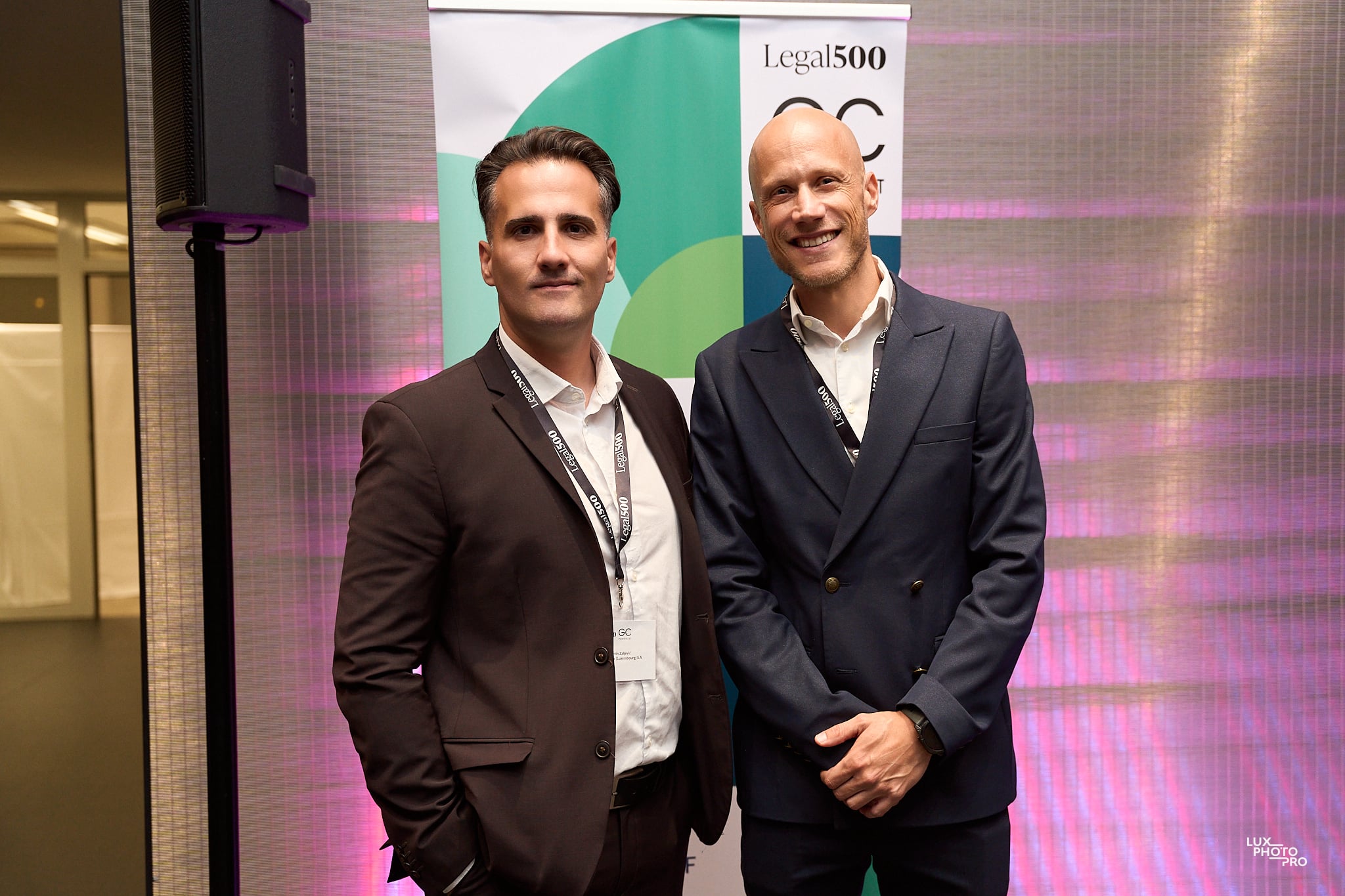
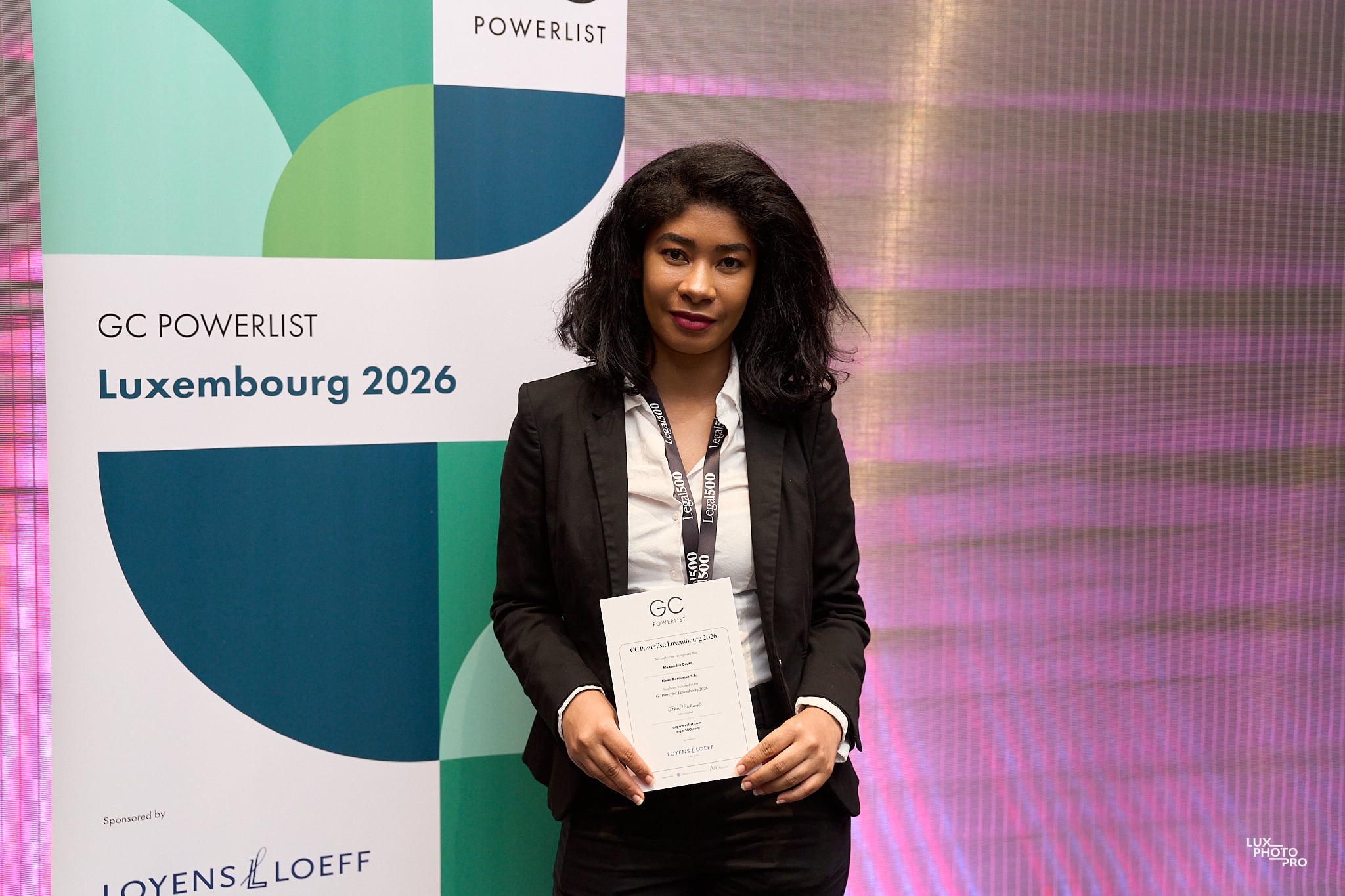
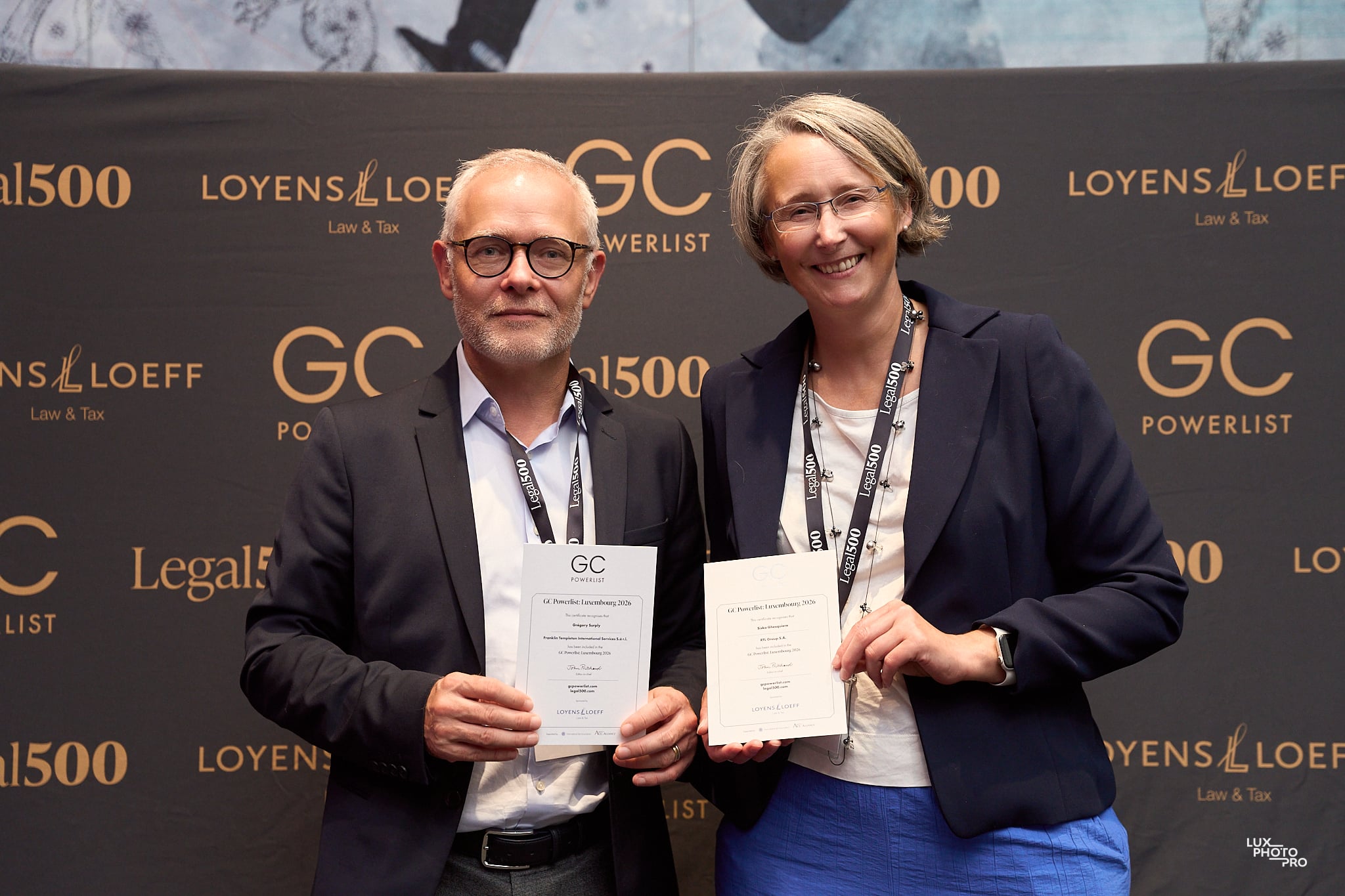
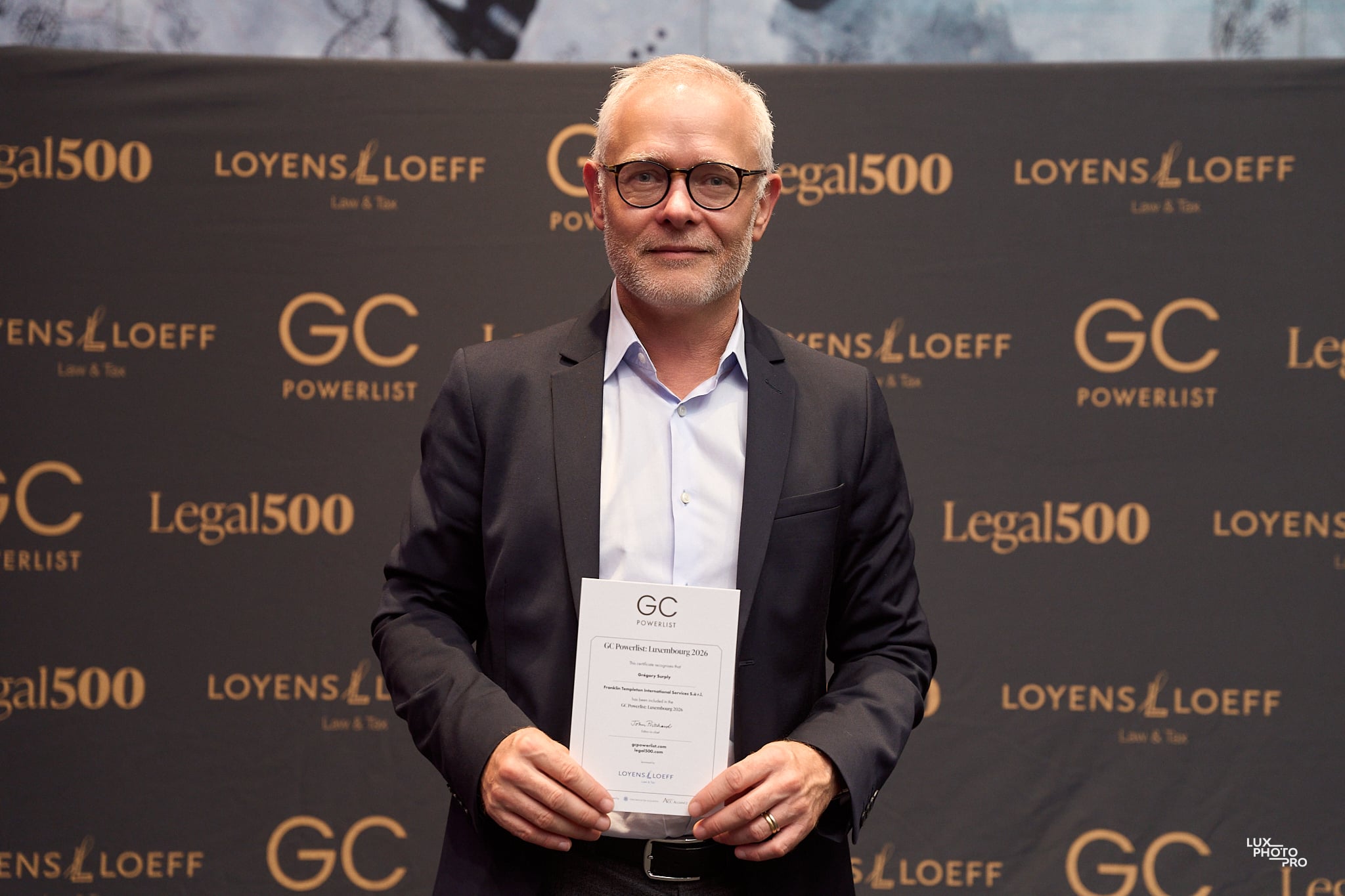
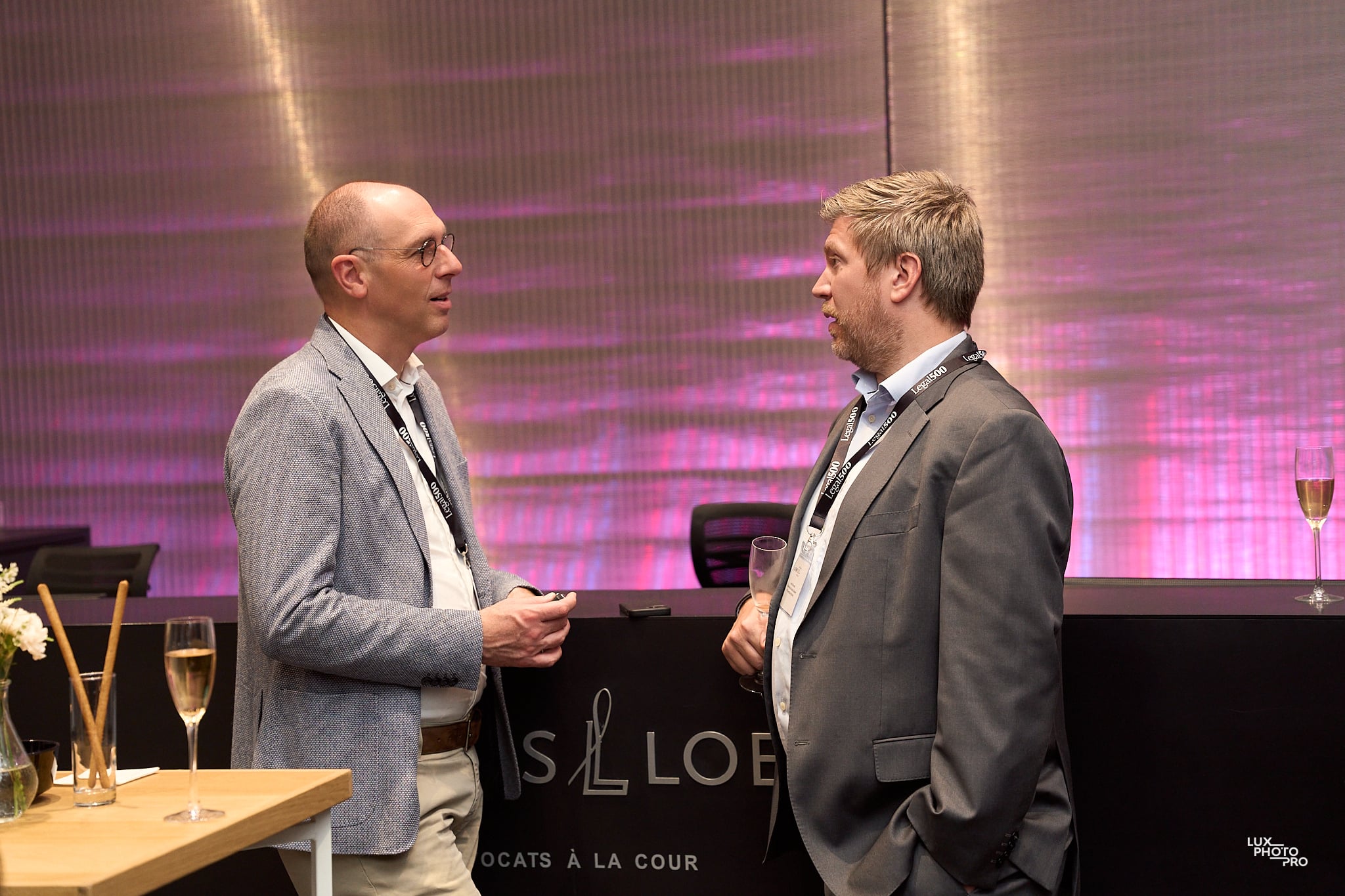
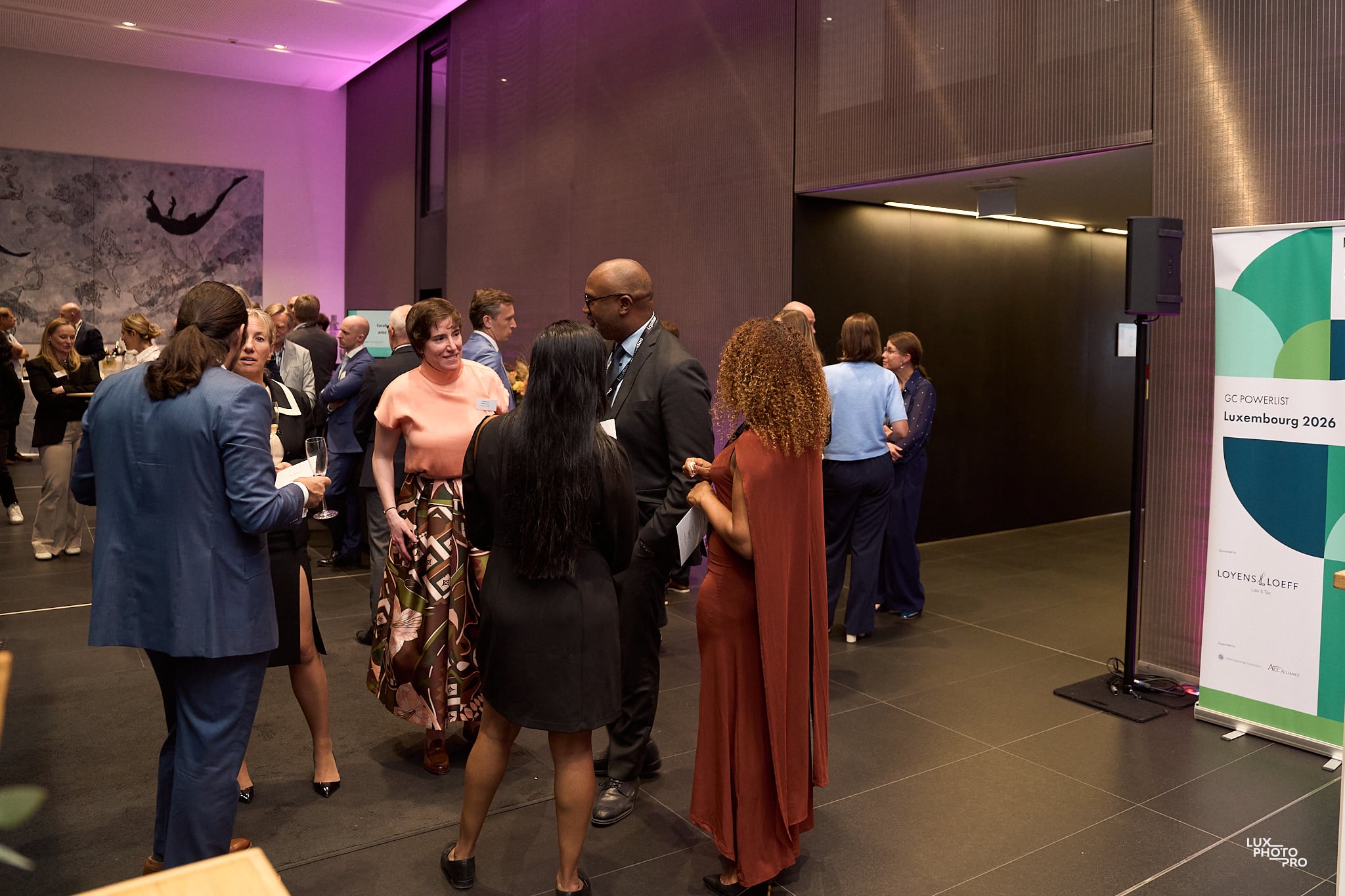
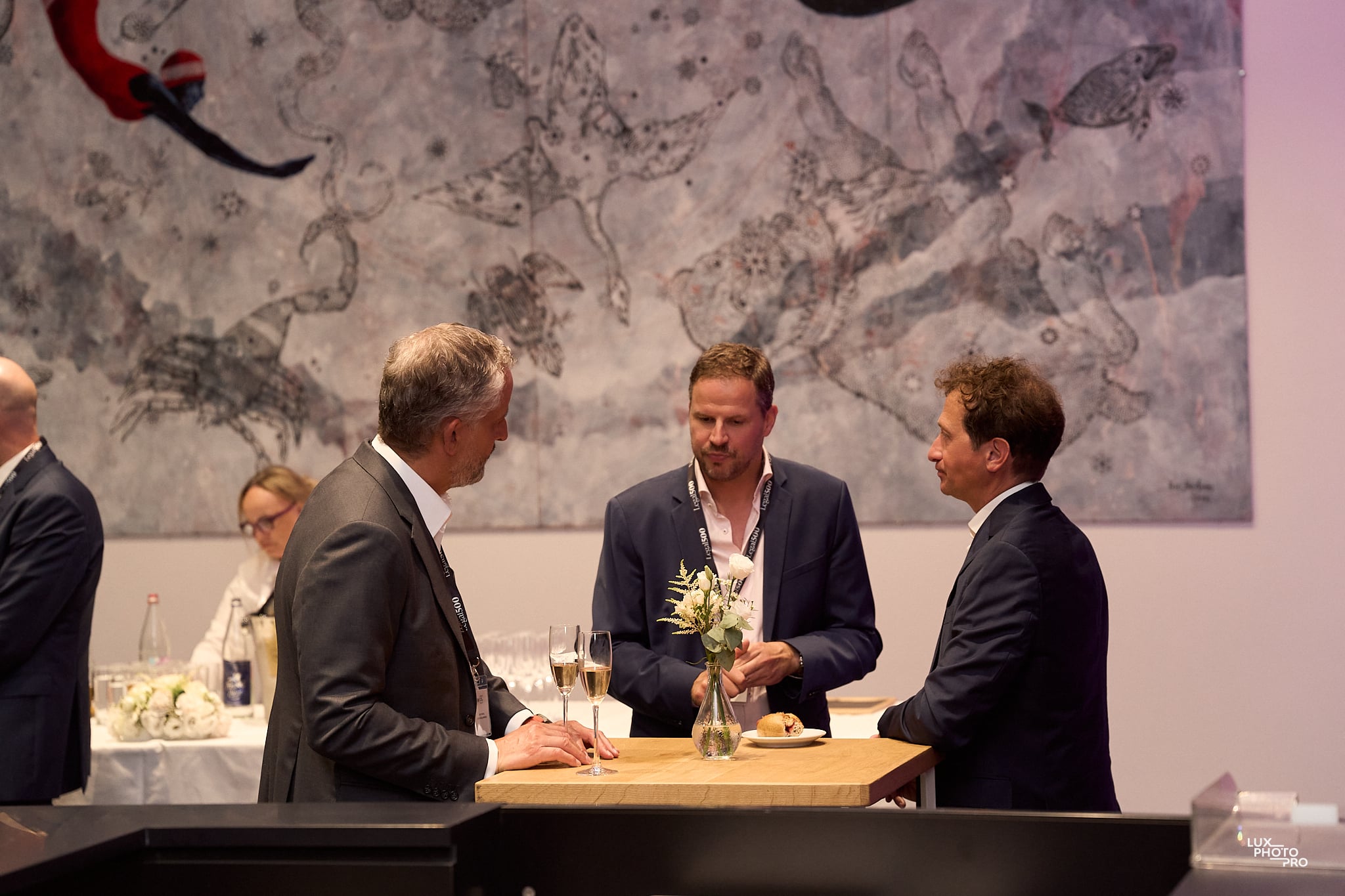
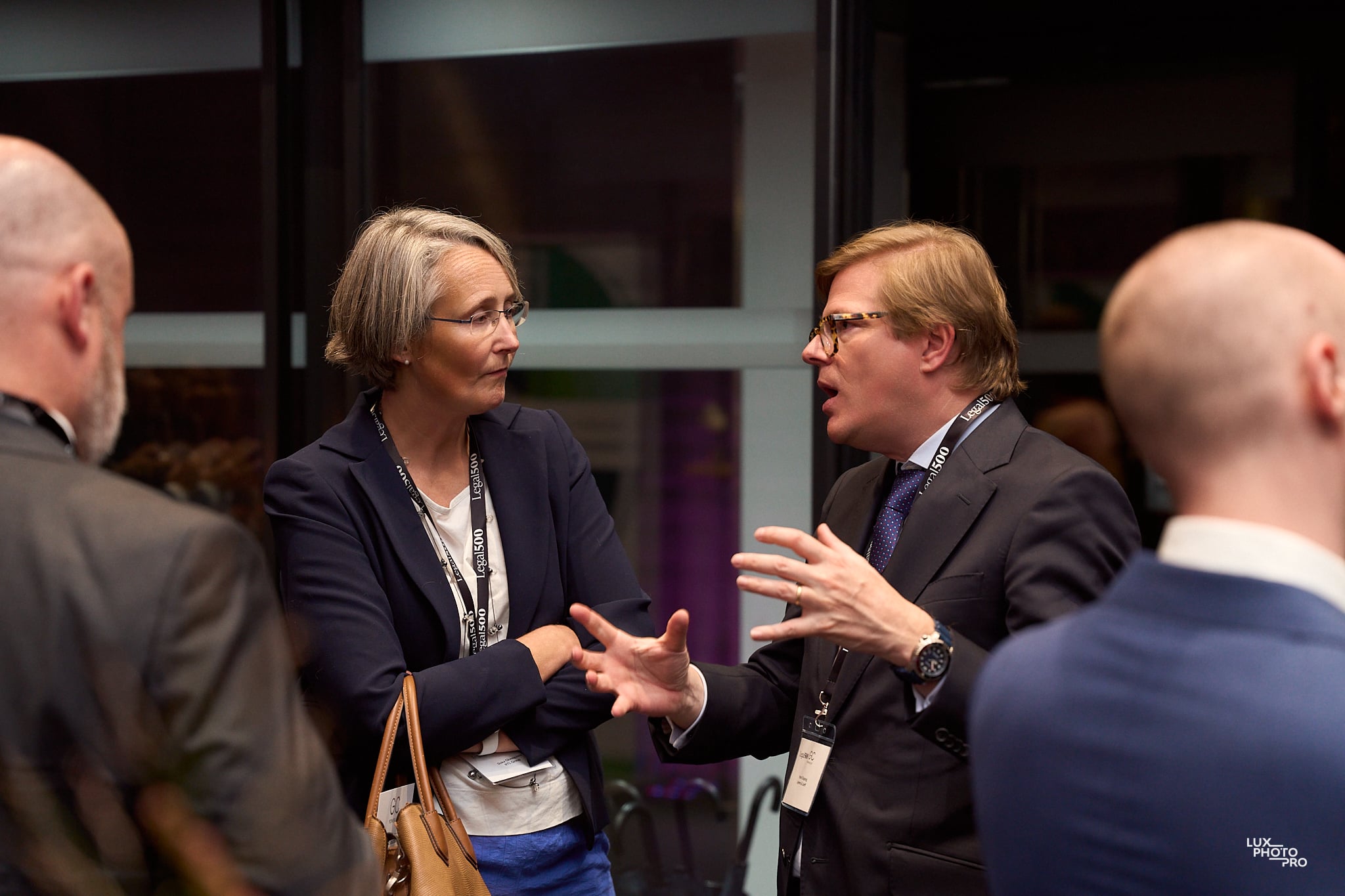
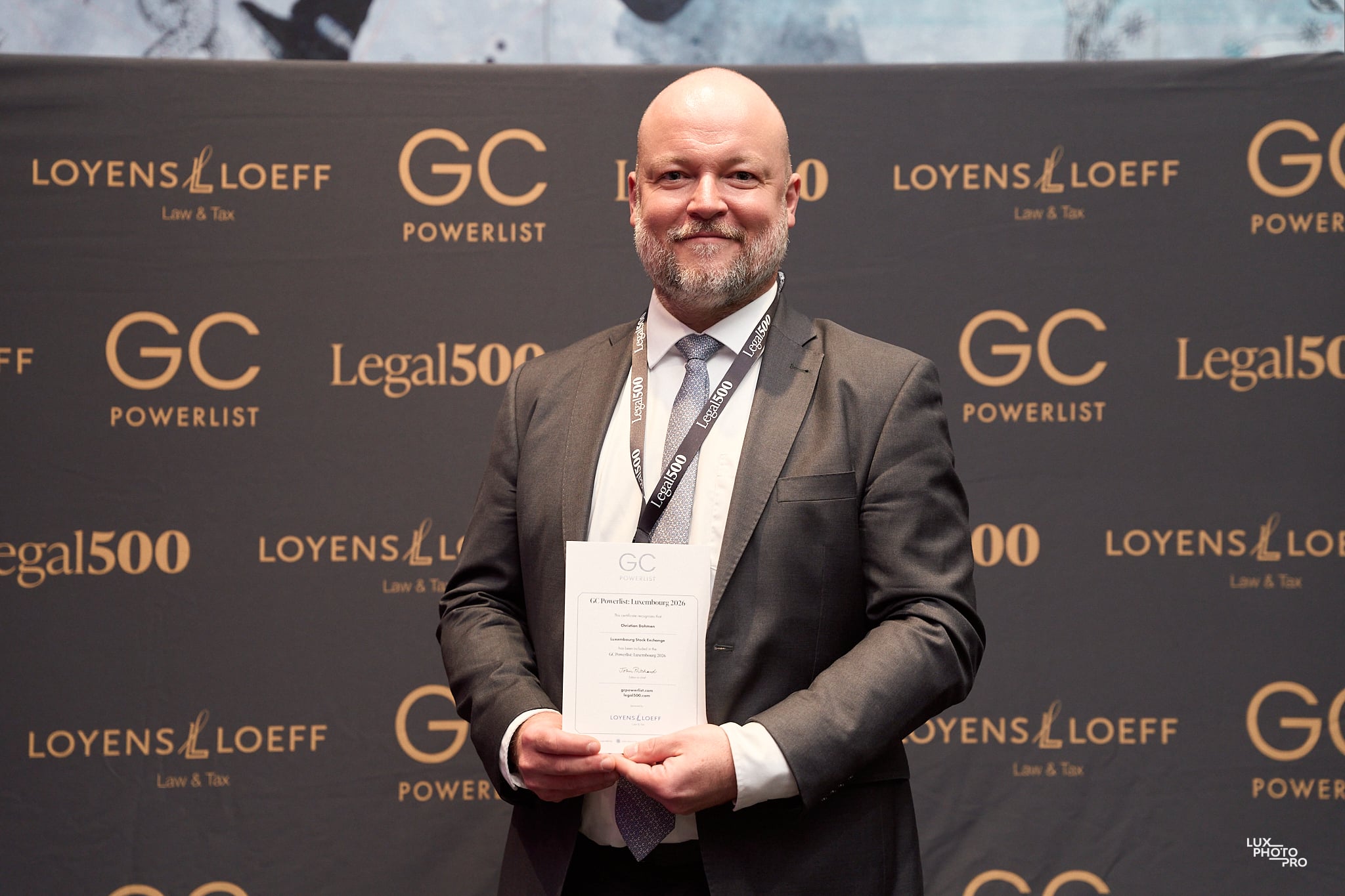
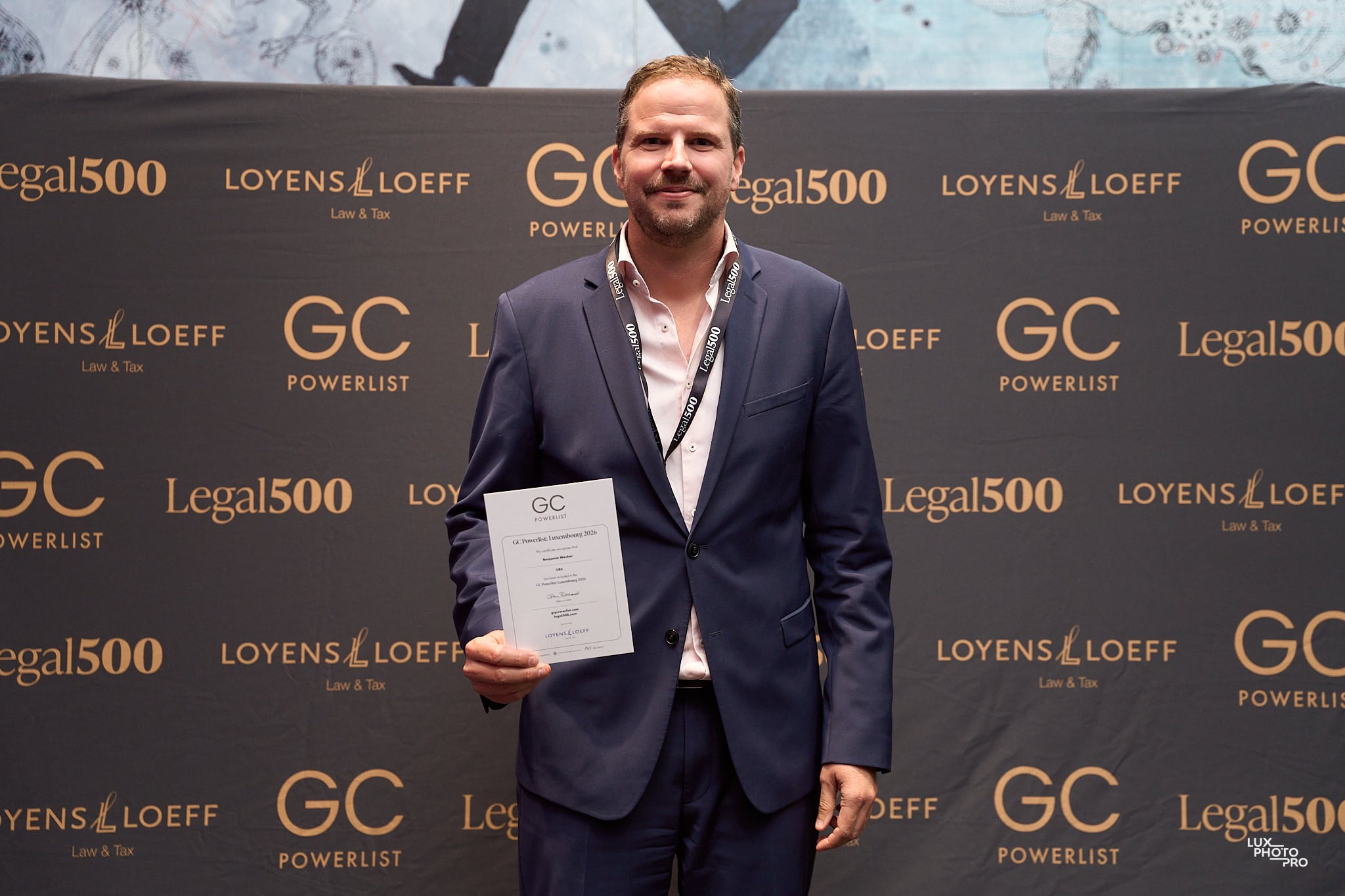
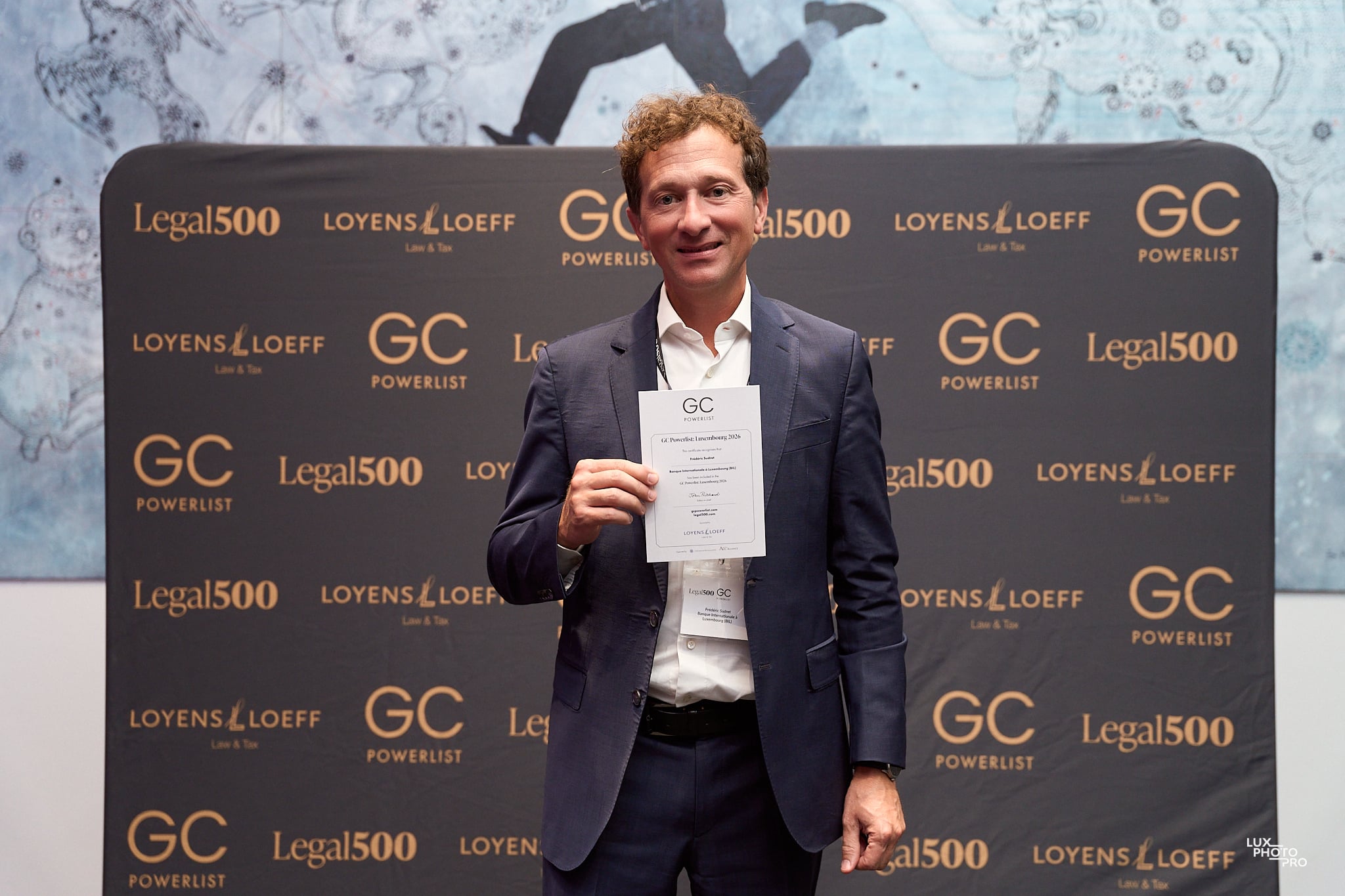
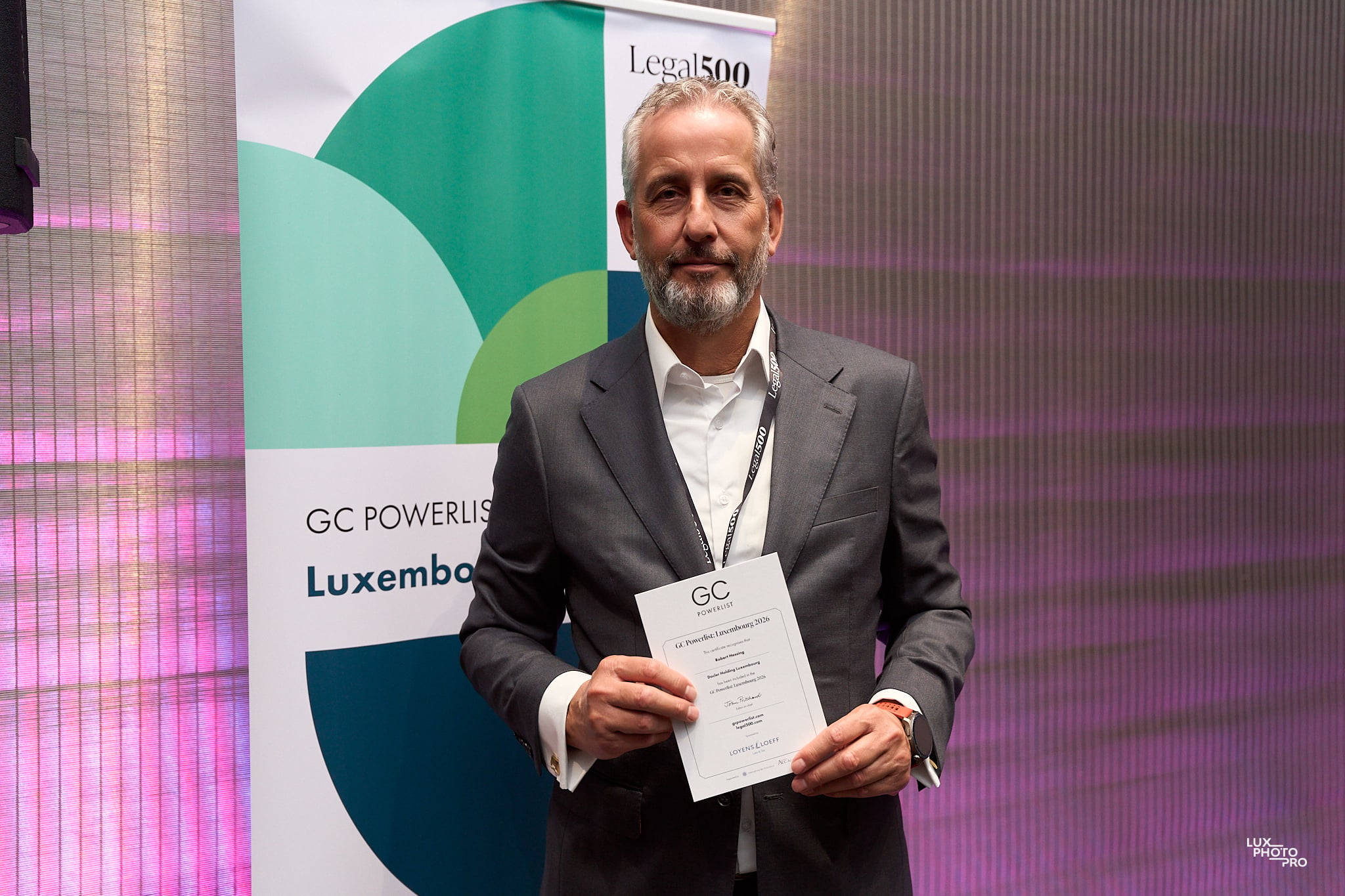
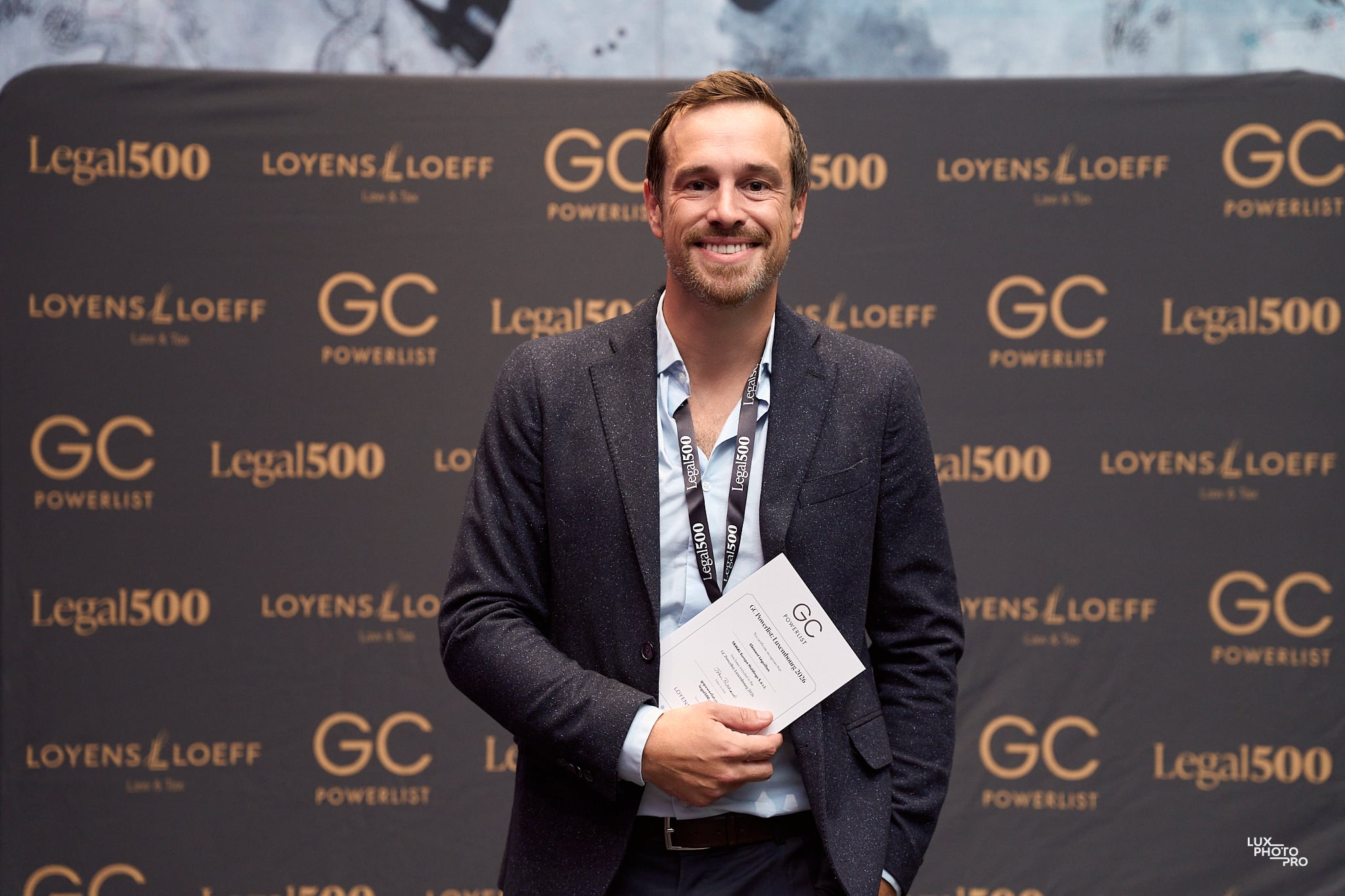
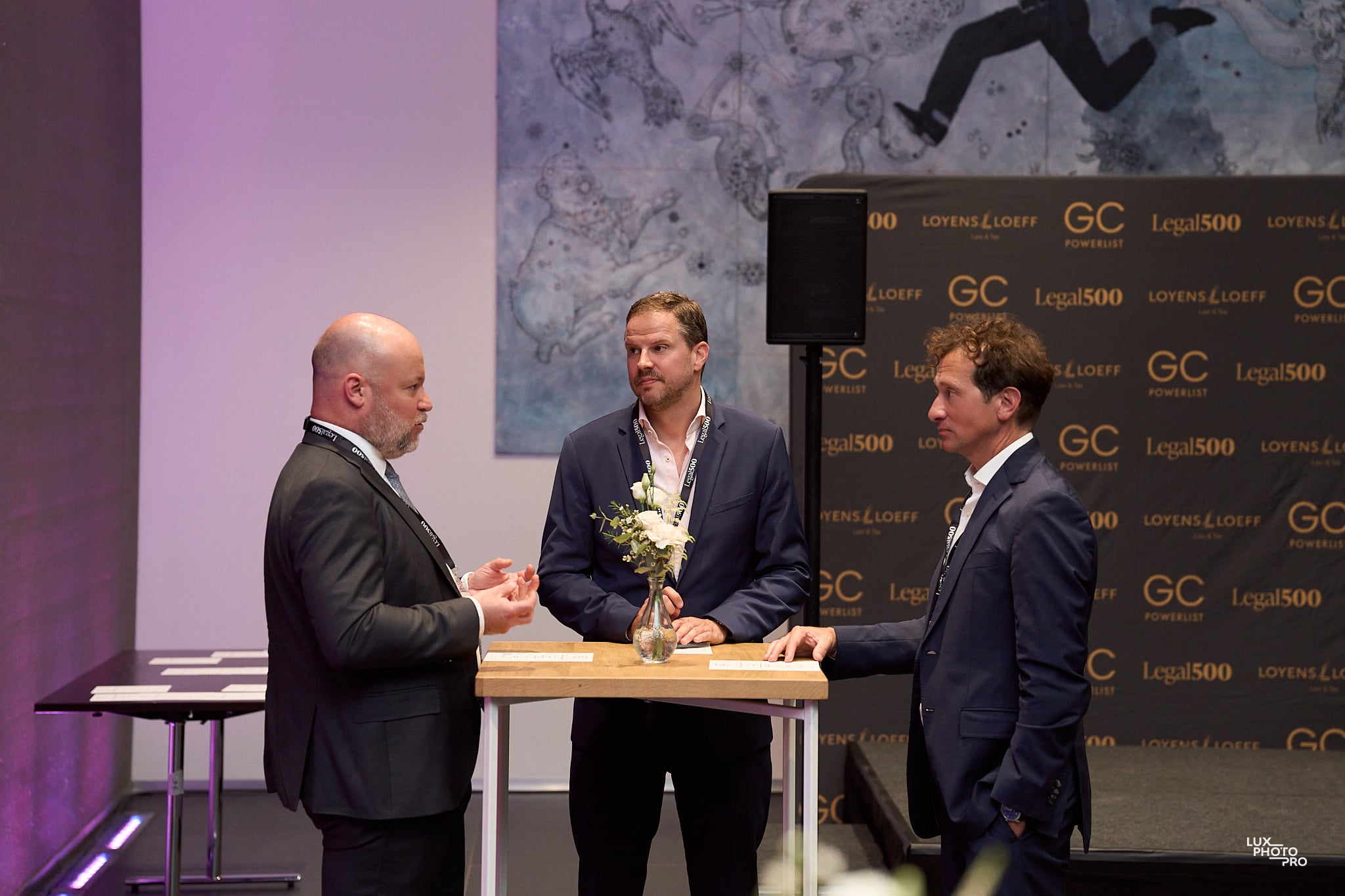
Legal 500 returned to Luxembourg for the launch of the GC Powerlist: Luxembourg 2026, held in partnership with Loyens & Loeff. The reception brought together leading general counsel from across Luxembourg for an evening celebrating their achievements, leadership and influence within their organisations.
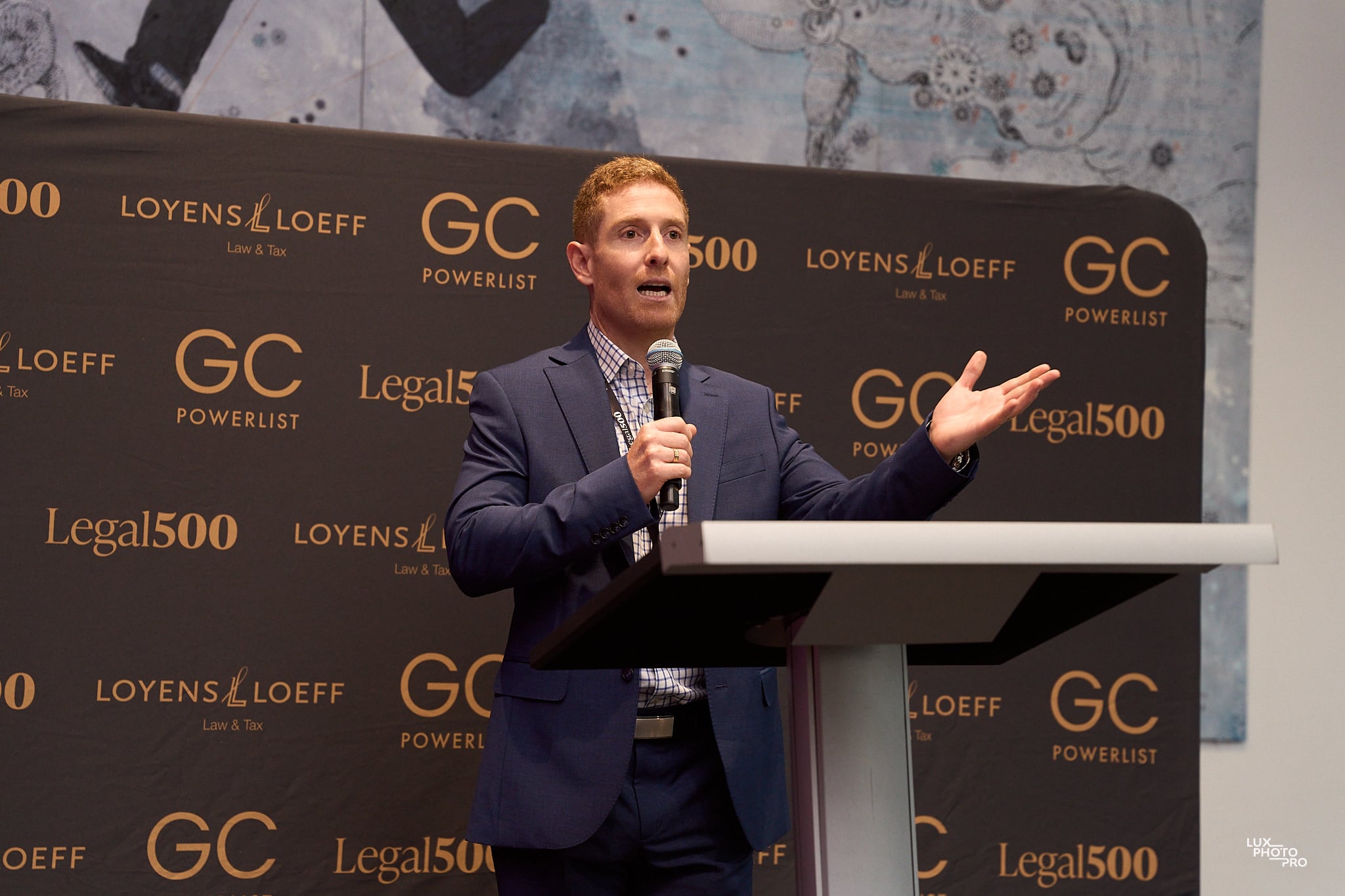
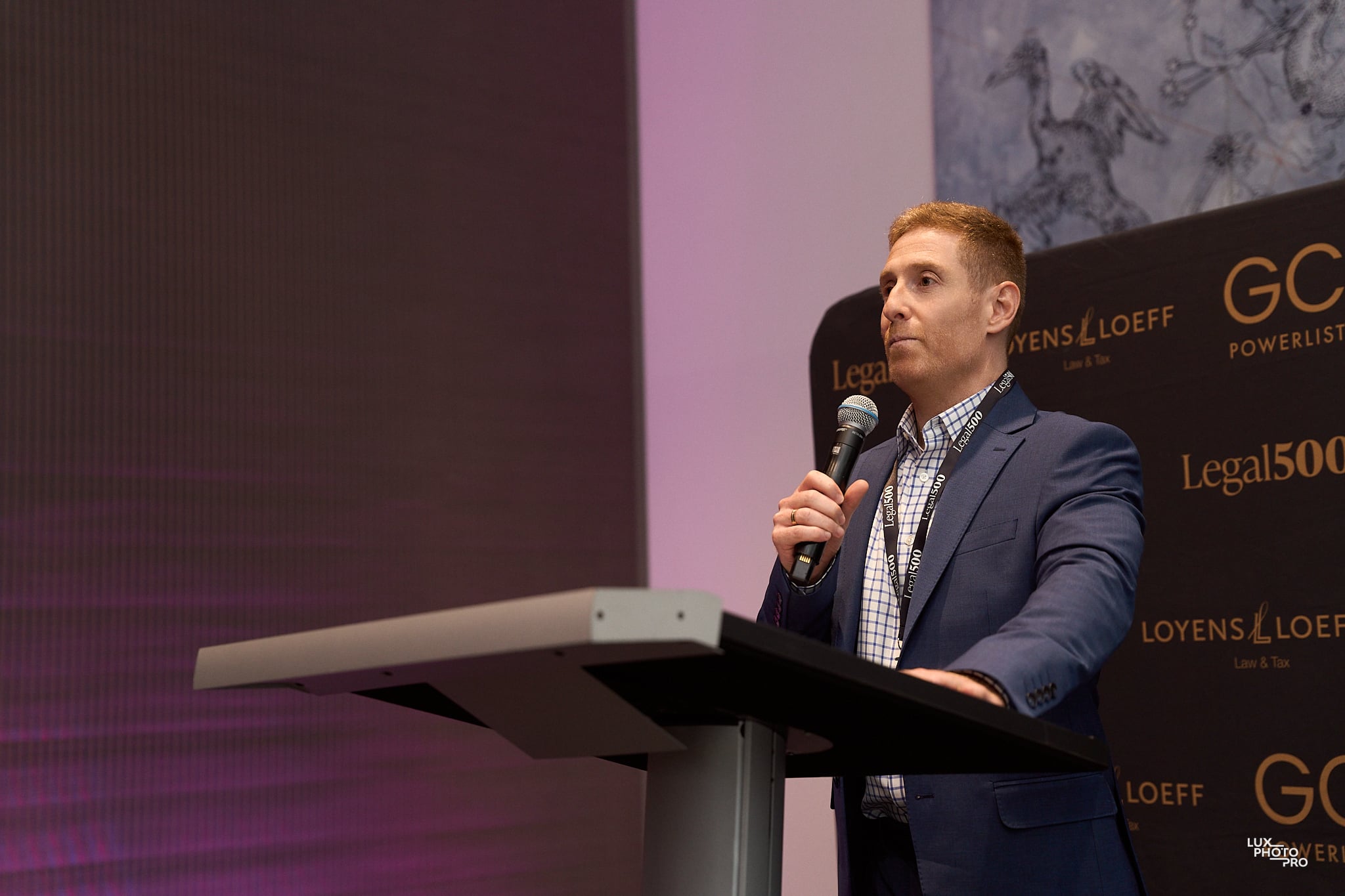
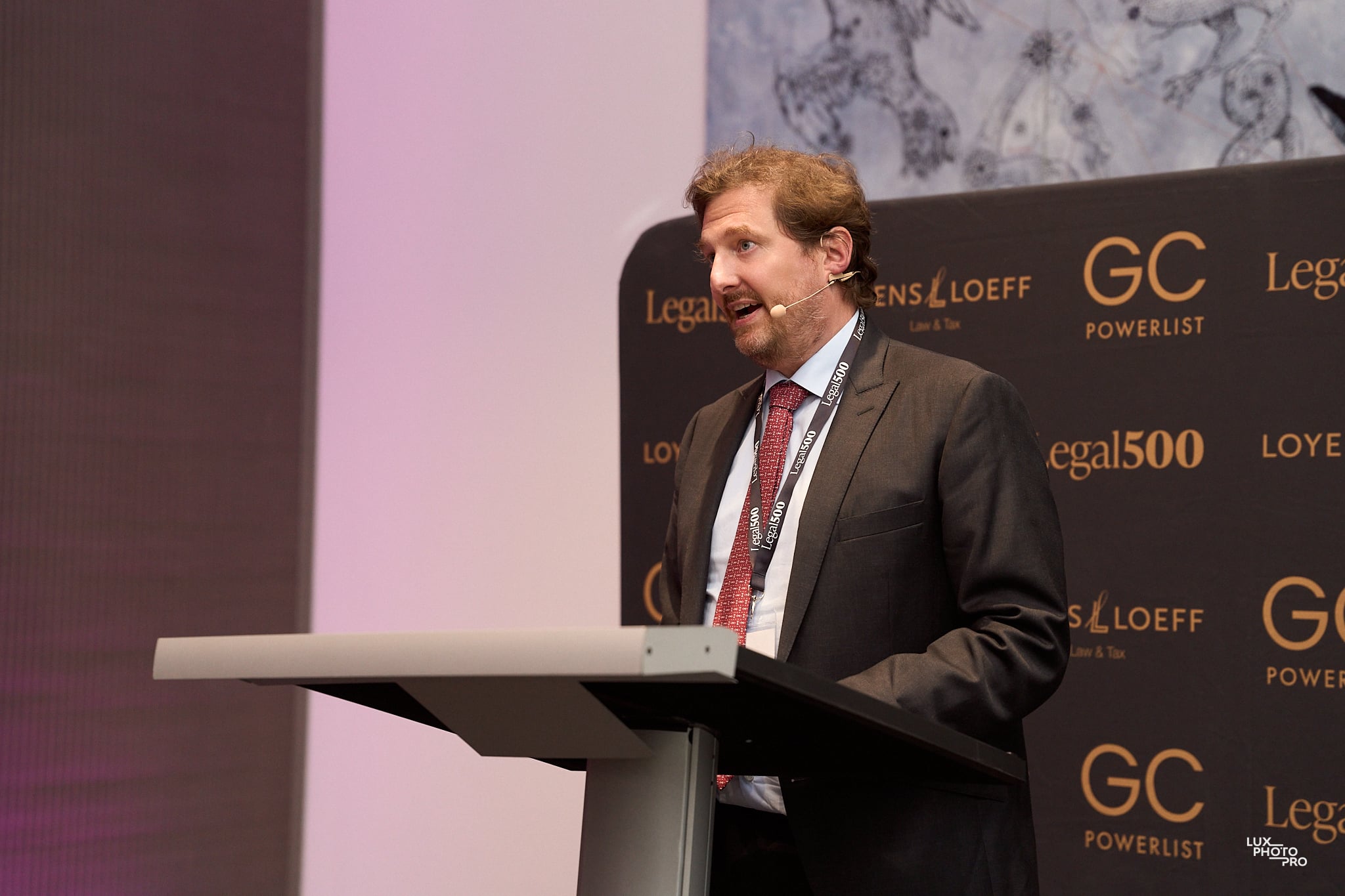
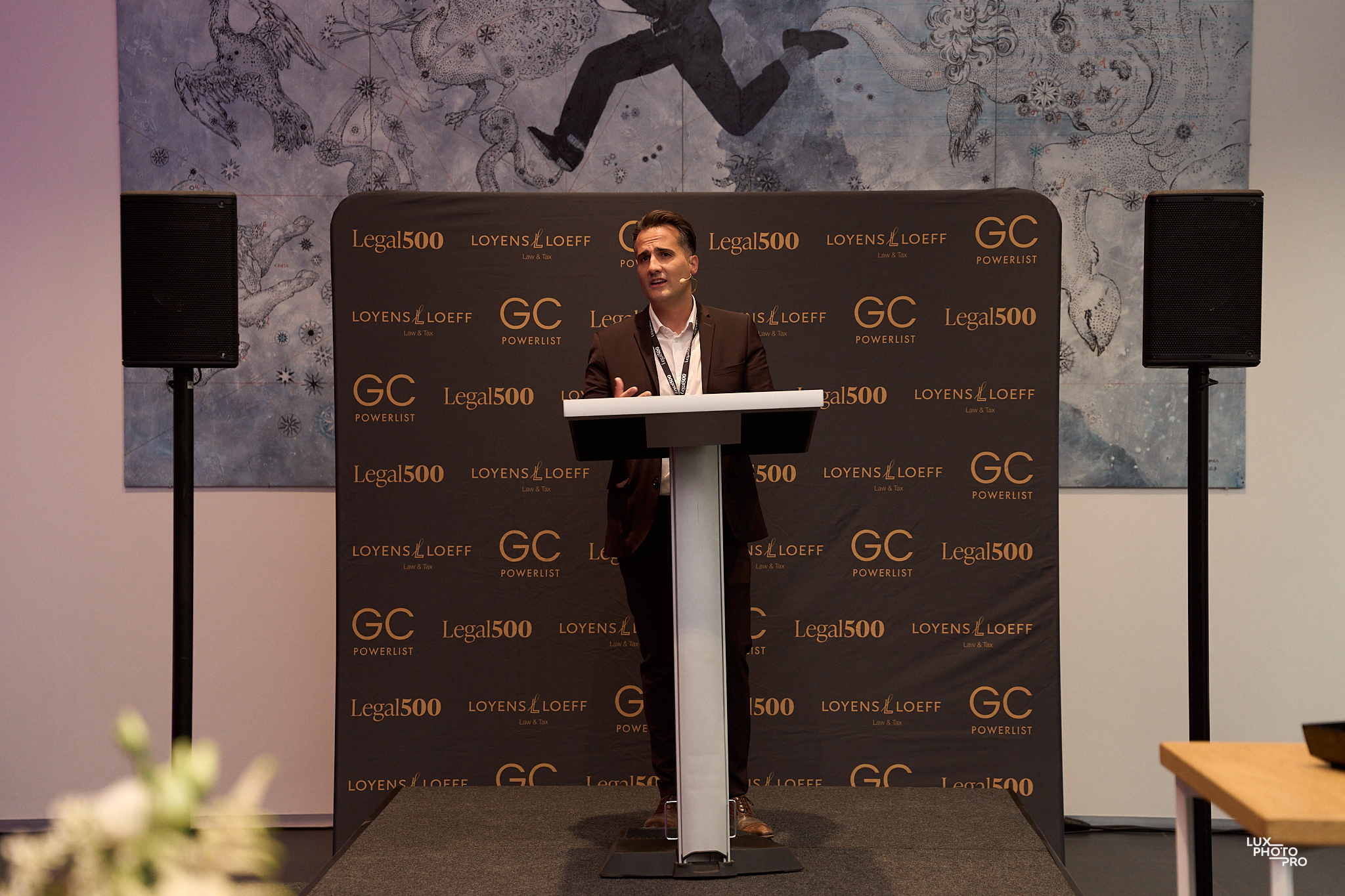
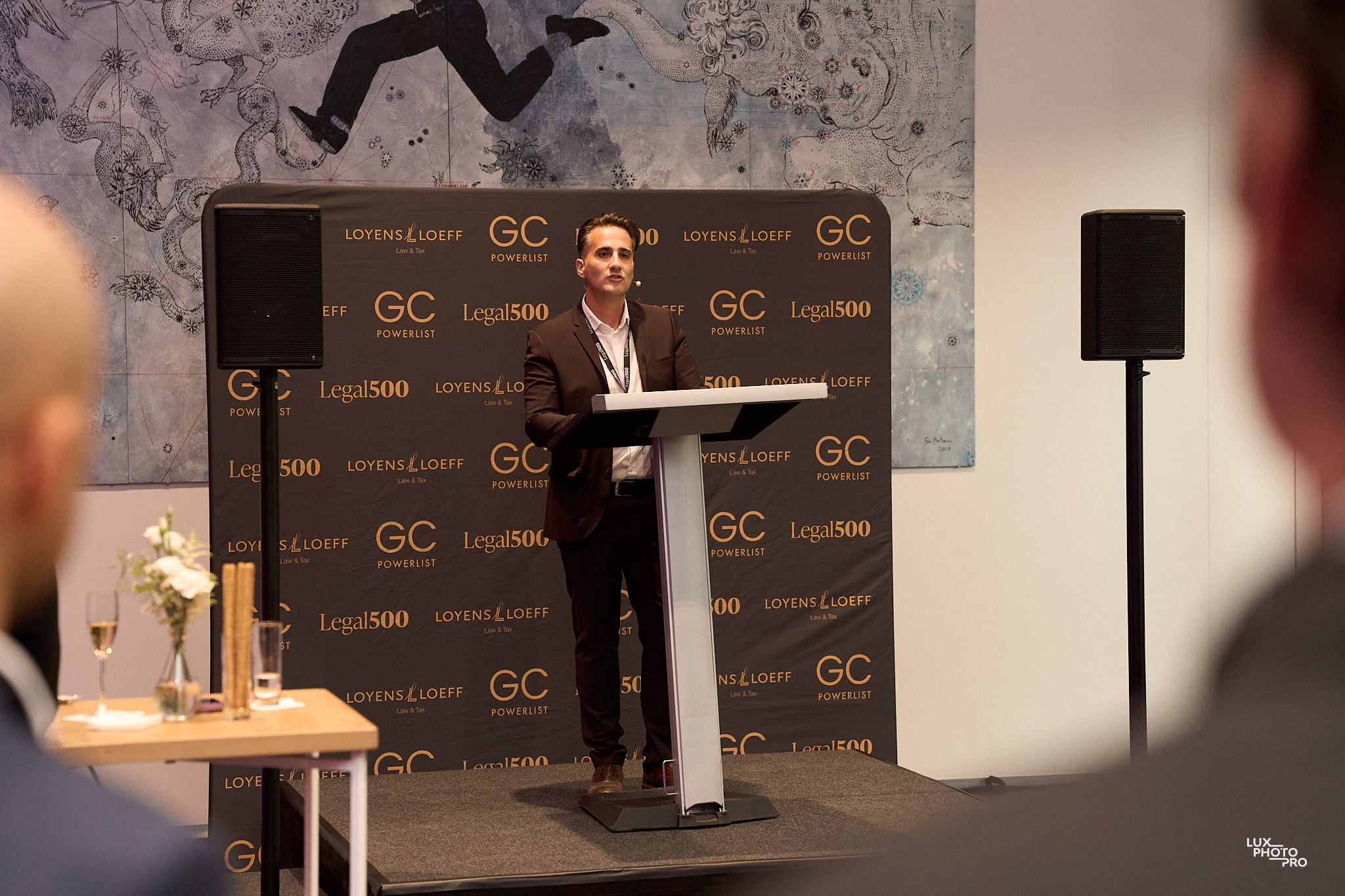
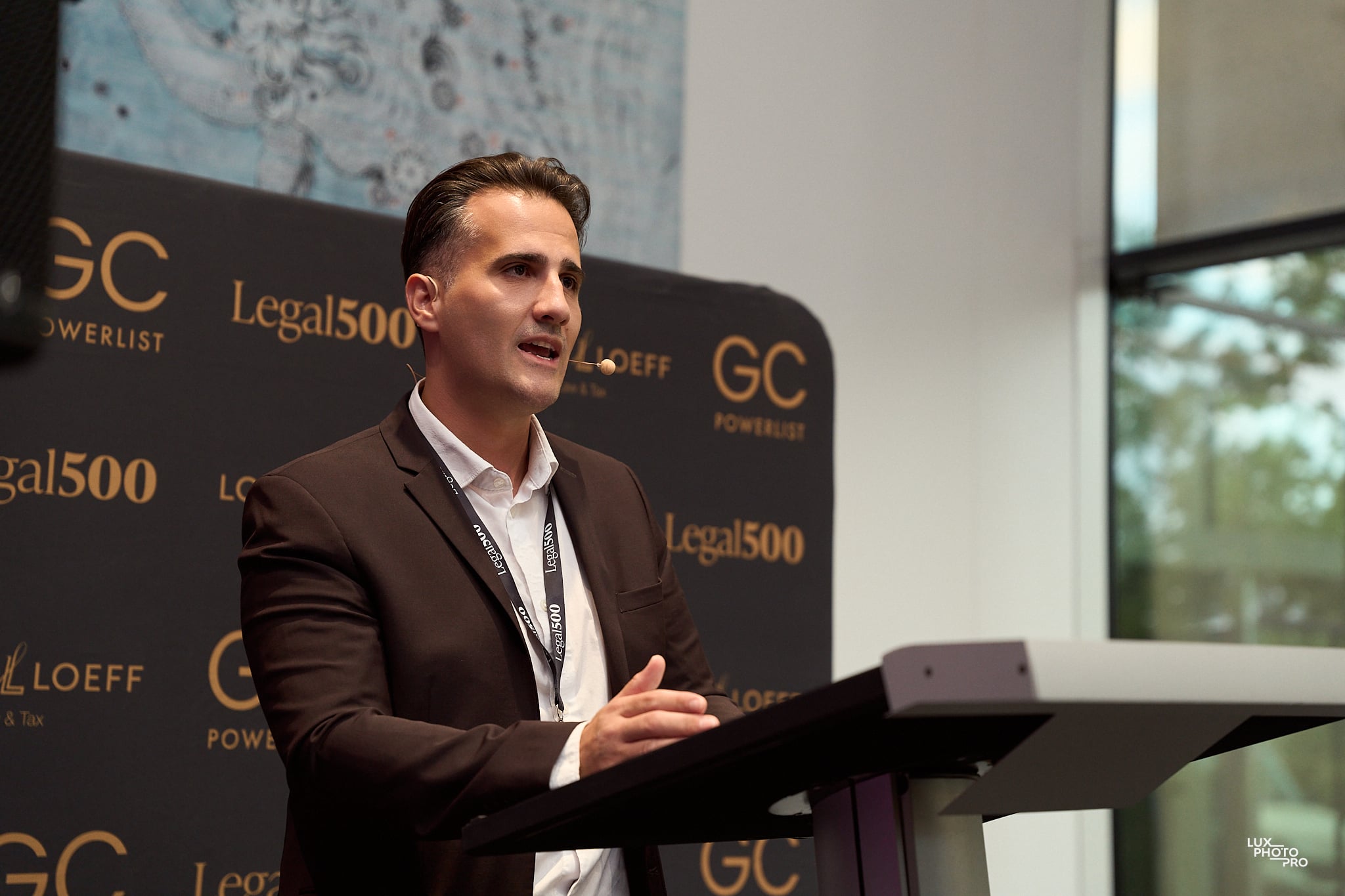
Frederic Franckx, Partner in the Corporate and M&A practice and Managing Partner of Loyens & Loeff Luxembourg, opened the event with welcoming remarks.
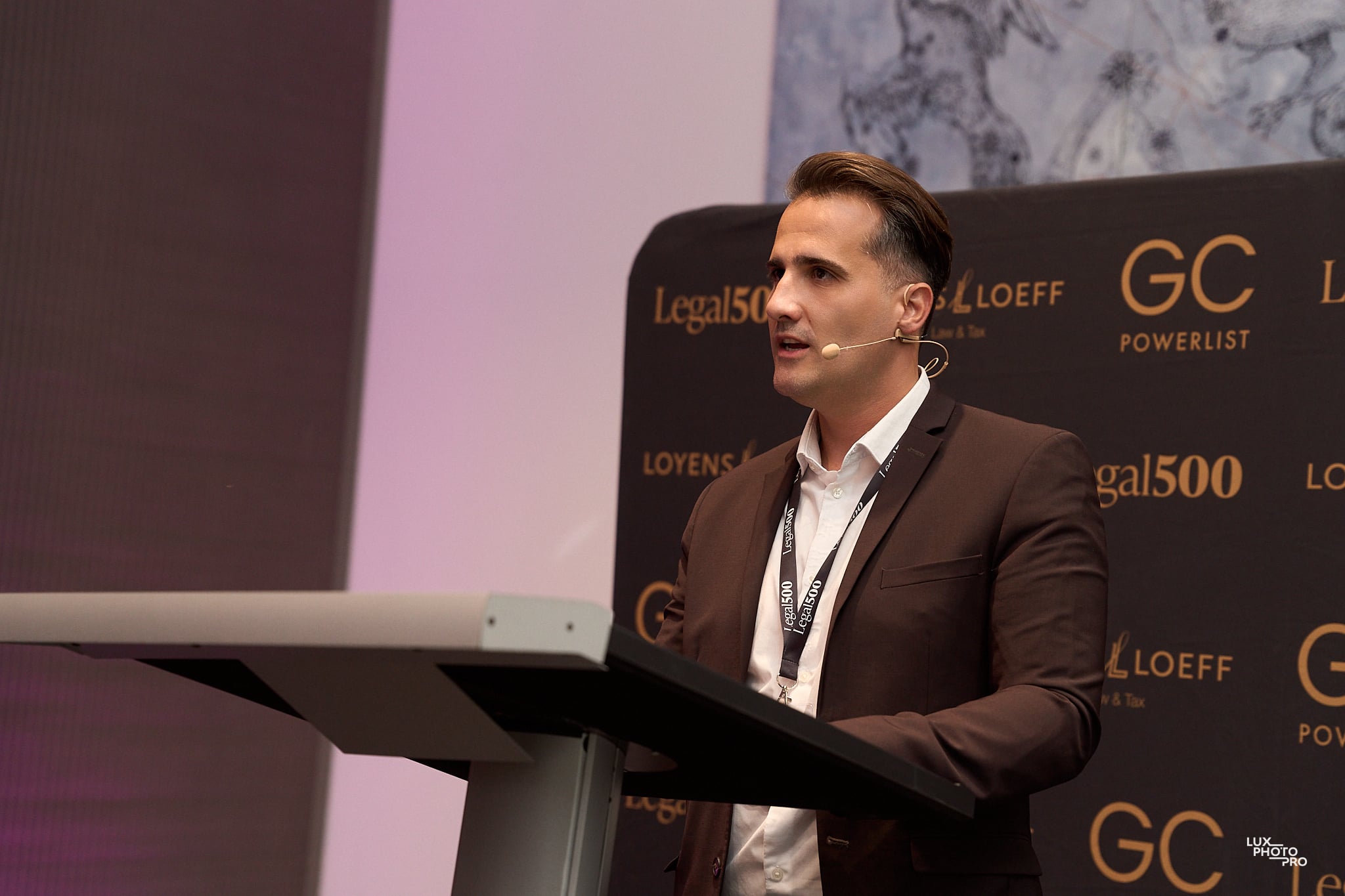
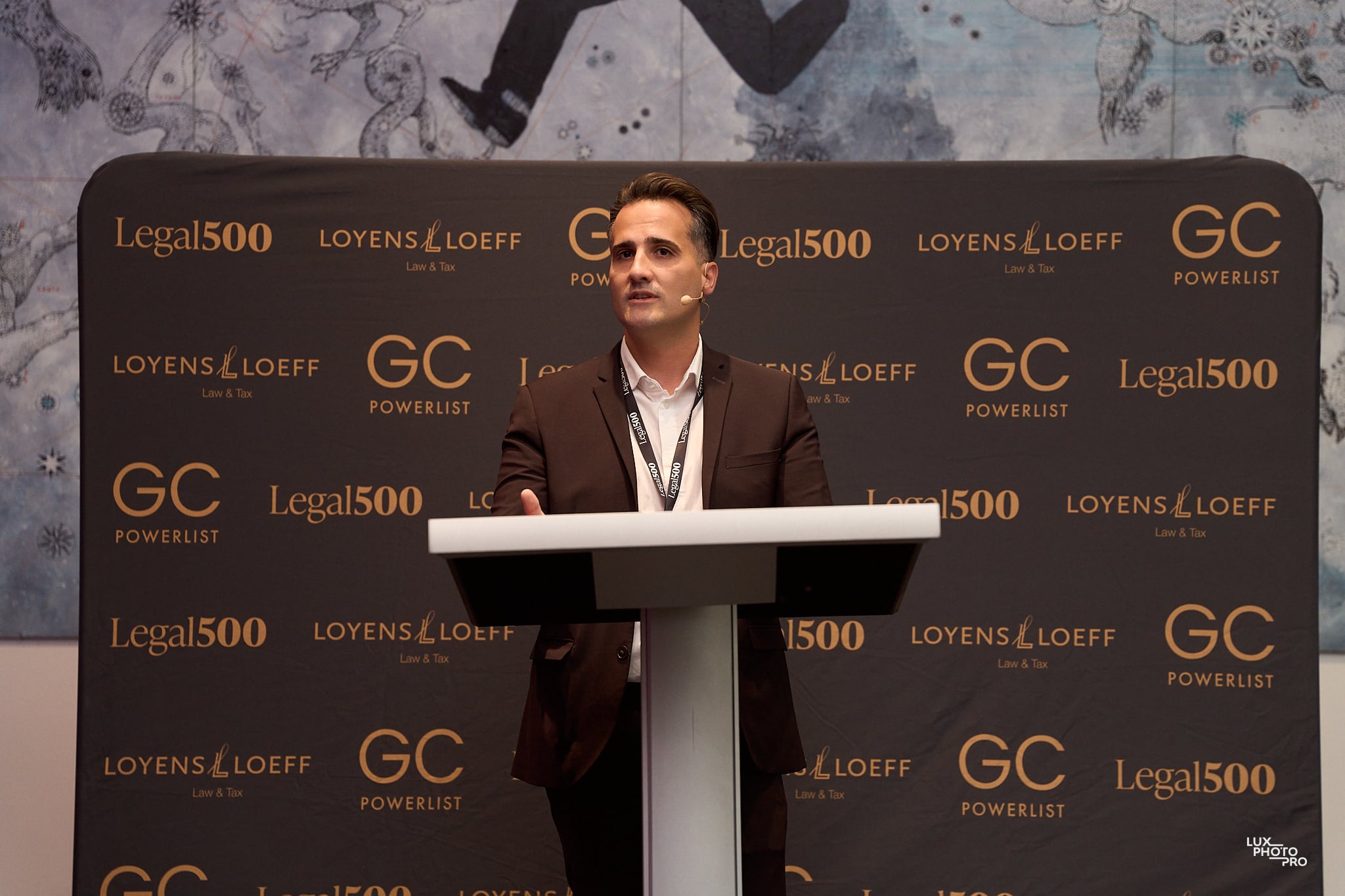
This was followed by a keynote speech by Ervin Zaljevic, Vice President and Head of Legal at BlackRock Luxembourg, who discussed the role of the GC and the future of legal leadership in Luxembourg.
Legal 500 thanks Loyens & Loeff for its support in recognising Luxembourg’s outstanding general counsel community and congratulates all those included in the GC Powerlist.