Portugal Teams 2025
Supported by the Association of Corporate Counsel









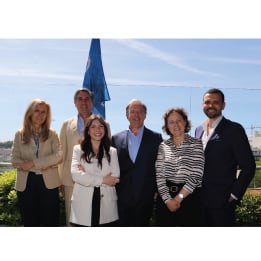



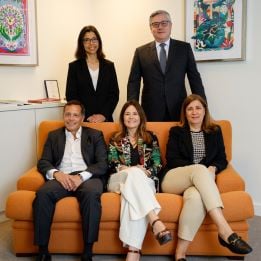
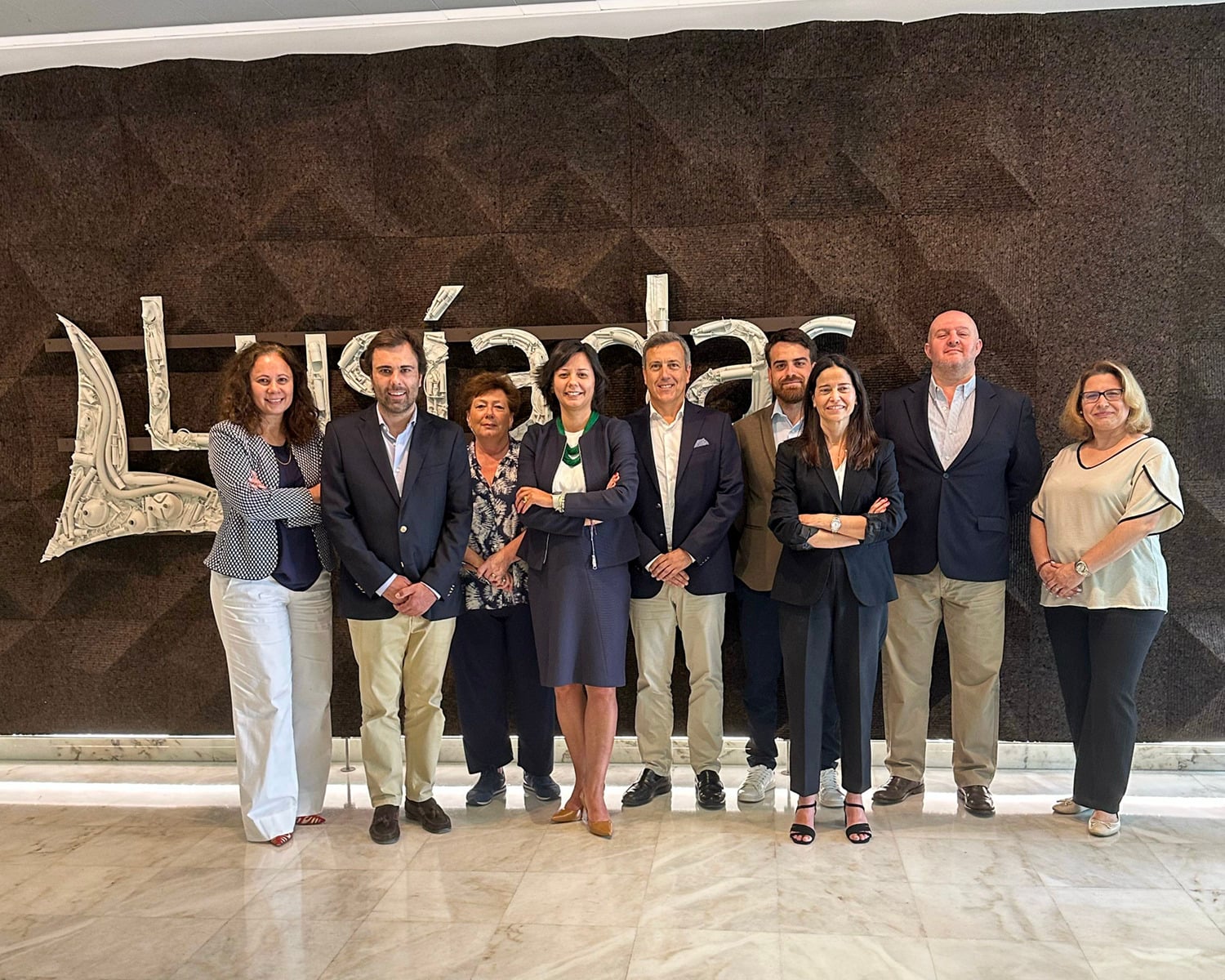






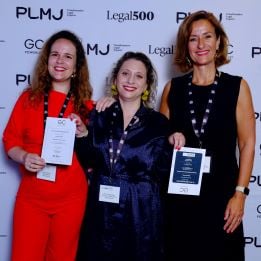



Legal 500 is proud to present the first-ever Teams edition of the GC Powerlist: Portugal, a milestone shift from the traditional Individuals issue, now spotlighting the country’s top corporate legal departments. For over a decade, the GC Powerlist series has consistently recognised the invaluable contributions of in-house counsel, expanding to more than 70 jurisdictions worldwide. This evolution to a Teams edition is a natural step forward, driven by the outstanding success of the past three years of the Individuals category.
Why now? Because today’s legal departments are no longer viewed as mere support functions. They are strategic business partners, deeply embedded in decision-making and integral to driving organisational success. Honouring entire teams better reflects the collaborative nature of in-house legal work, celebrates the diversity of expertise within departments, and acknowledges the shared effort behind major legal and commercial achievements. It also mirrors how modern businesses operate: through cross-functional teamwork and collective leadership.
This special edition recognises a select group of legal teams whose expertise, innovation, and strategic insight distinguish them across both the business and legal landscapes. From adopting cutting-edge legal technologies and navigating complex political and economic environments, to championing diversity, equity and inclusion and shaping decisions at the highest levels, these teams exemplify what it means to lead with impact in today’s corporate world.
Inside, you’ll find exclusive interviews and in-depth profiles of Portugal’s most influential legal departments, representing a diverse array of industries. Their ability to craft legal strategies, manage risk, and guide business priorities speaks to the increasingly pivotal role of in-house counsel in shaping the future of their organisations.
This publication also highlights key trends: the resilience of in-house teams amid ongoing European political and economic challenges; the growing integration of technology, particularly artificial intelligence, into legal workflows; and the rising influence of general counsel at the C-suite level.
Through this edition, we explore the evolving dynamics of Portugal’s in-house legal landscape and share the stories of the teams redefining what it means to be a modern legal leader. Our aim is to provide a compelling snapshot of the sector’s transformation and the enduring value of legal departments in today’s corporate environment.
We extend our sincere congratulations and gratitude to all the teams featured. Thank you for sharing your insights and for your commitment to excellence – it is our privilege to showcase your remarkable achievements.
Finally, our heartfelt thanks to PLMJ for once again partnering with us and hosting the official launch event. Your continued support is deeply appreciated and demonstrates your commitment to the country’s in-house legal community,
Francisco Faria e Castro | Research Editor | GC Powerlist Series

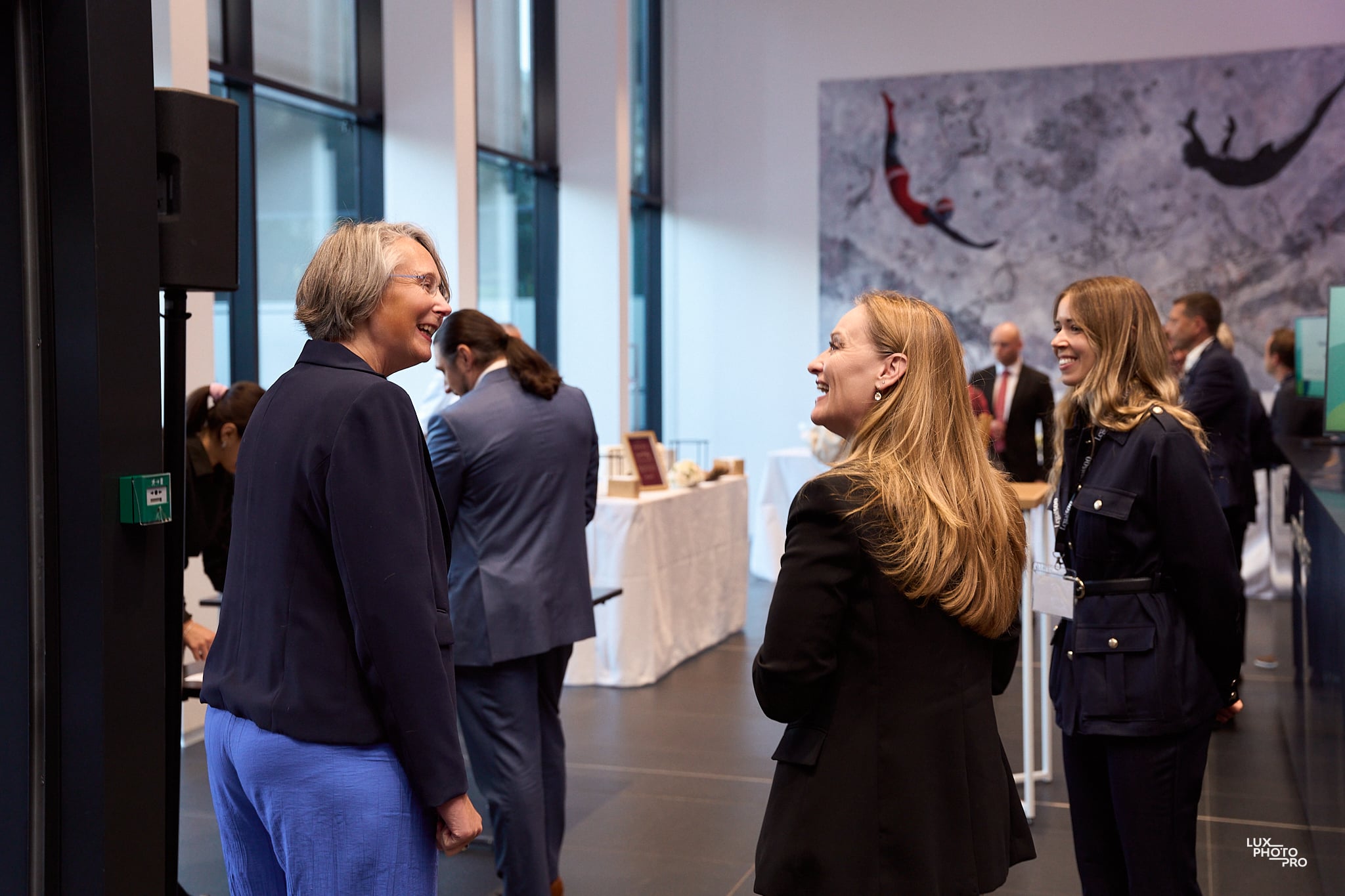
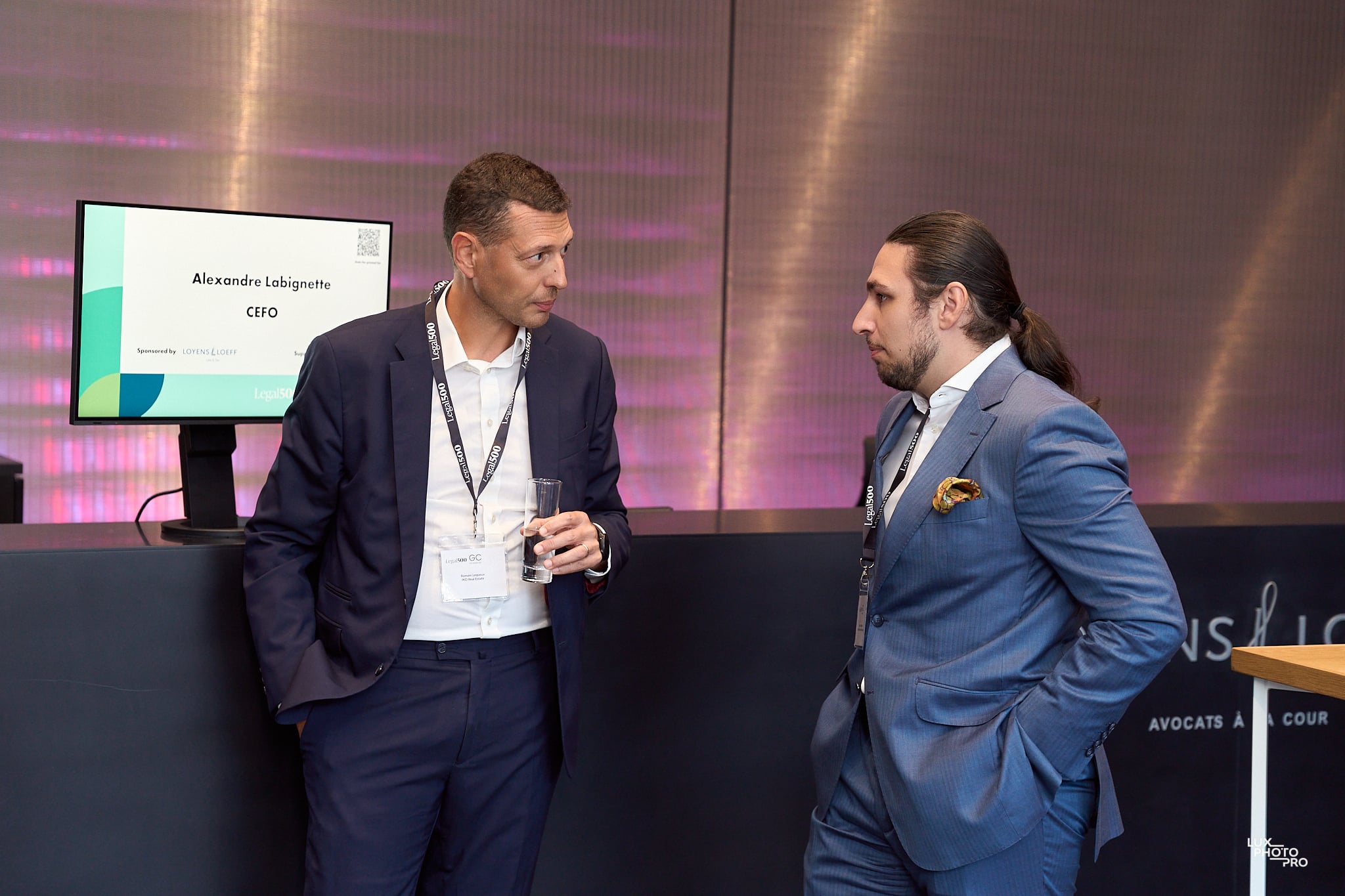
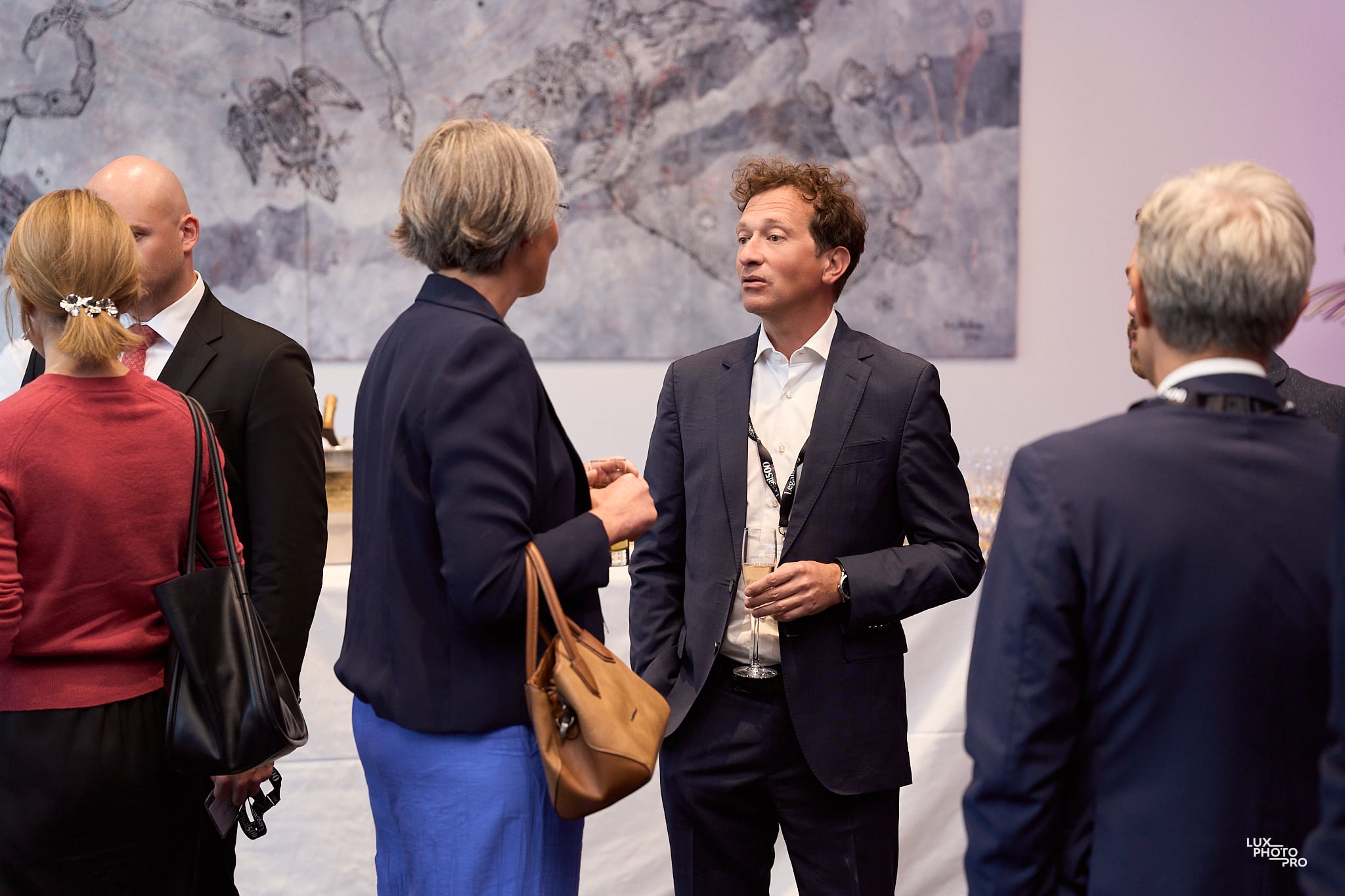
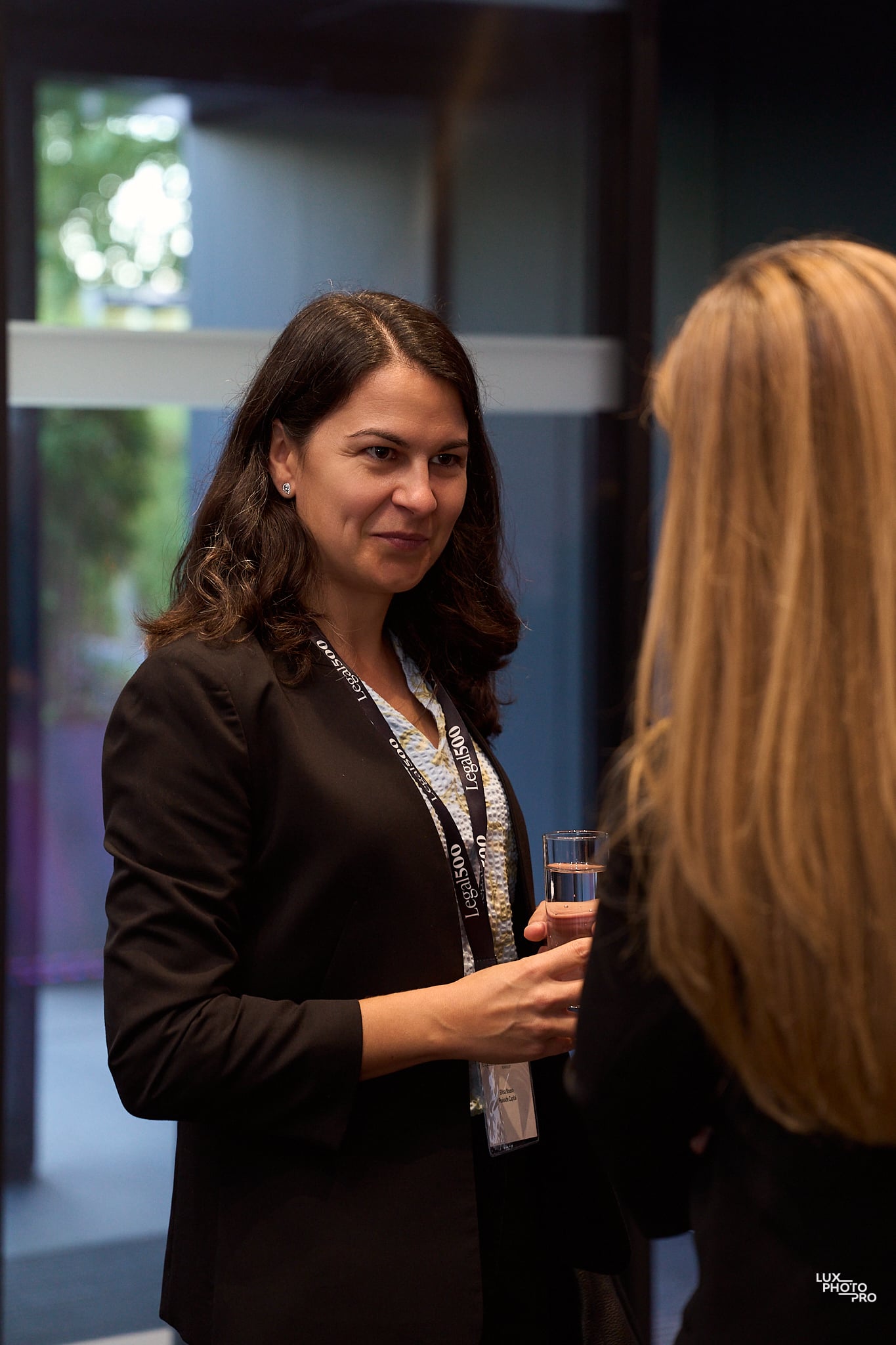
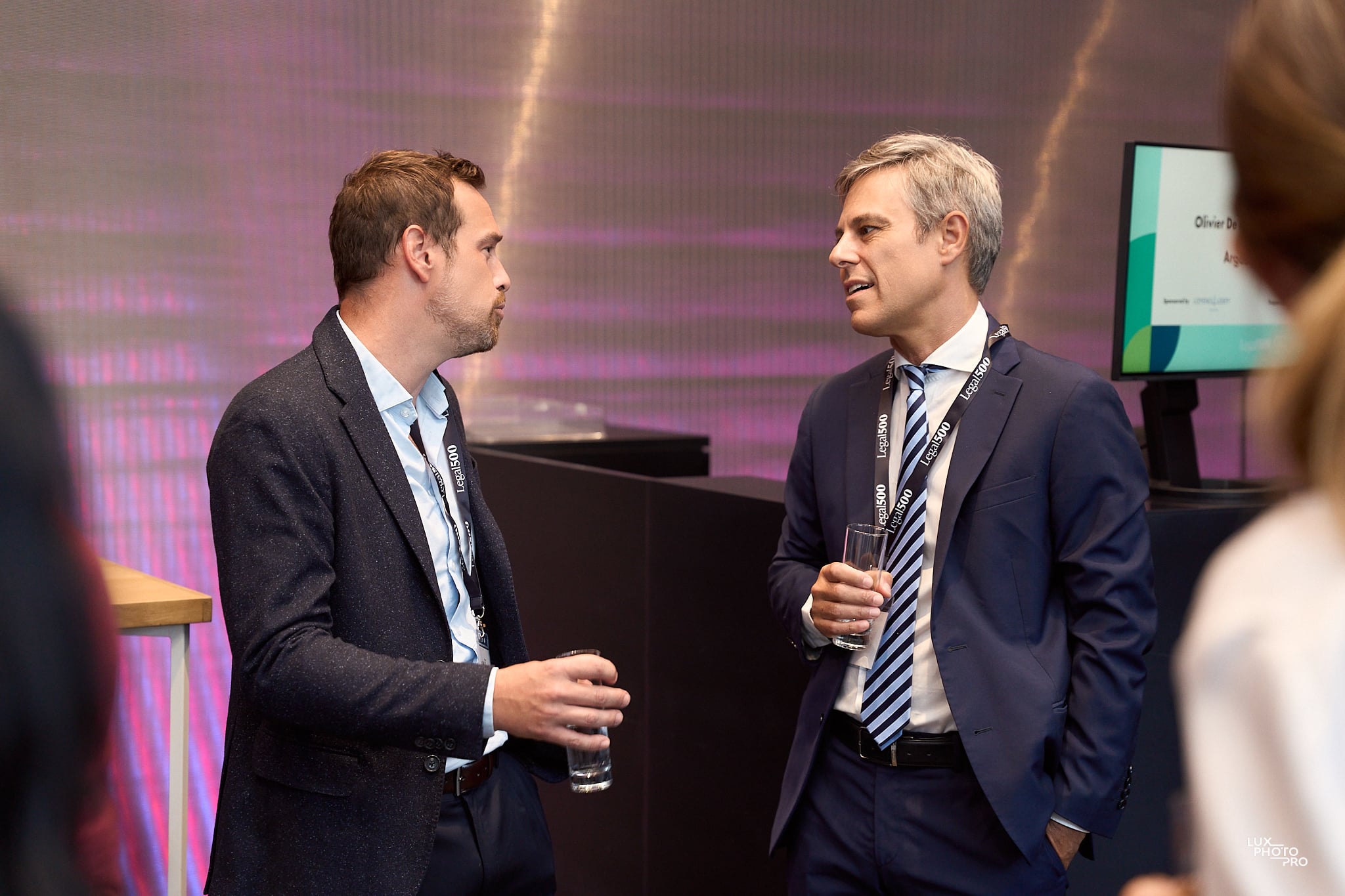
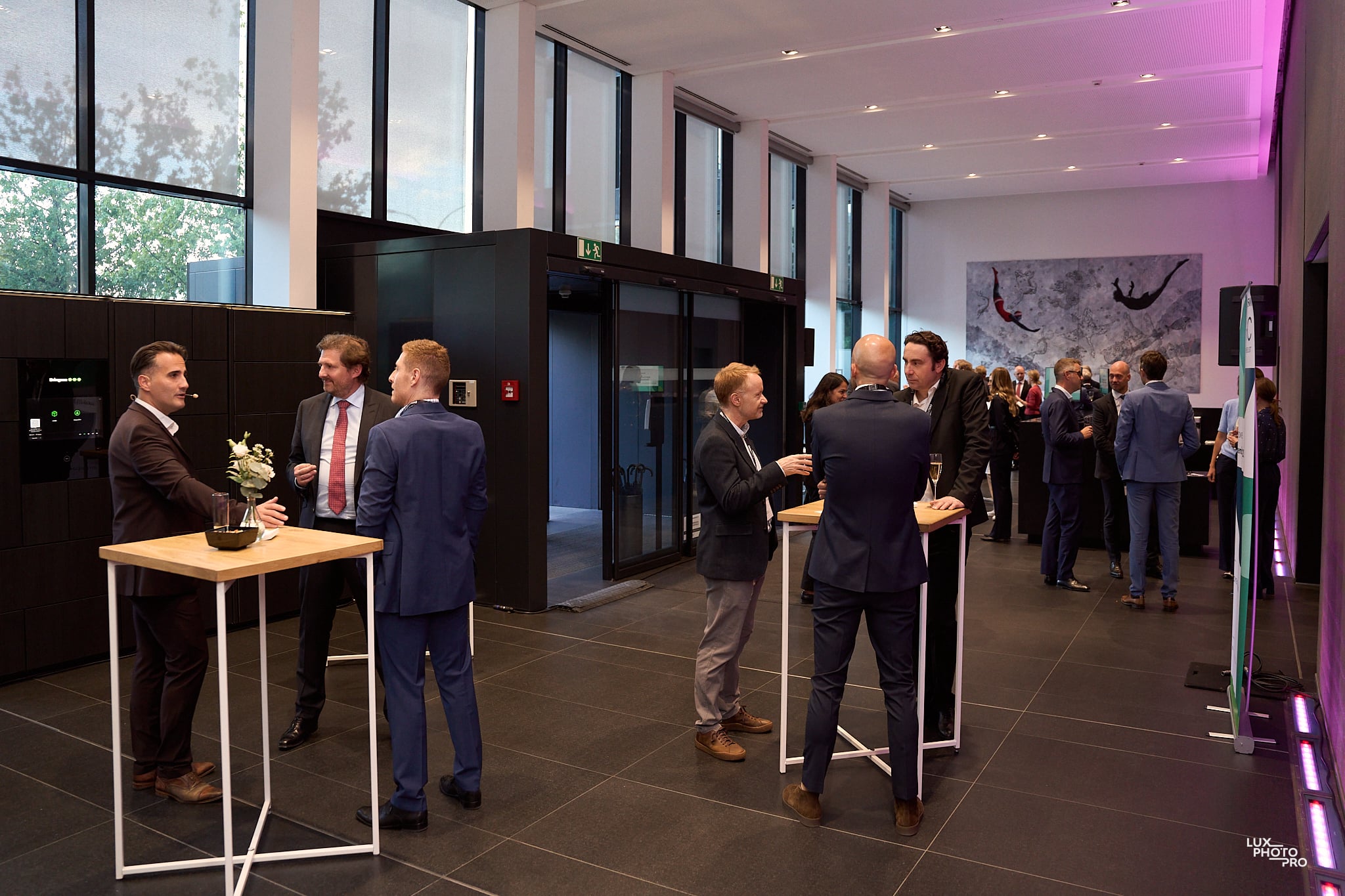
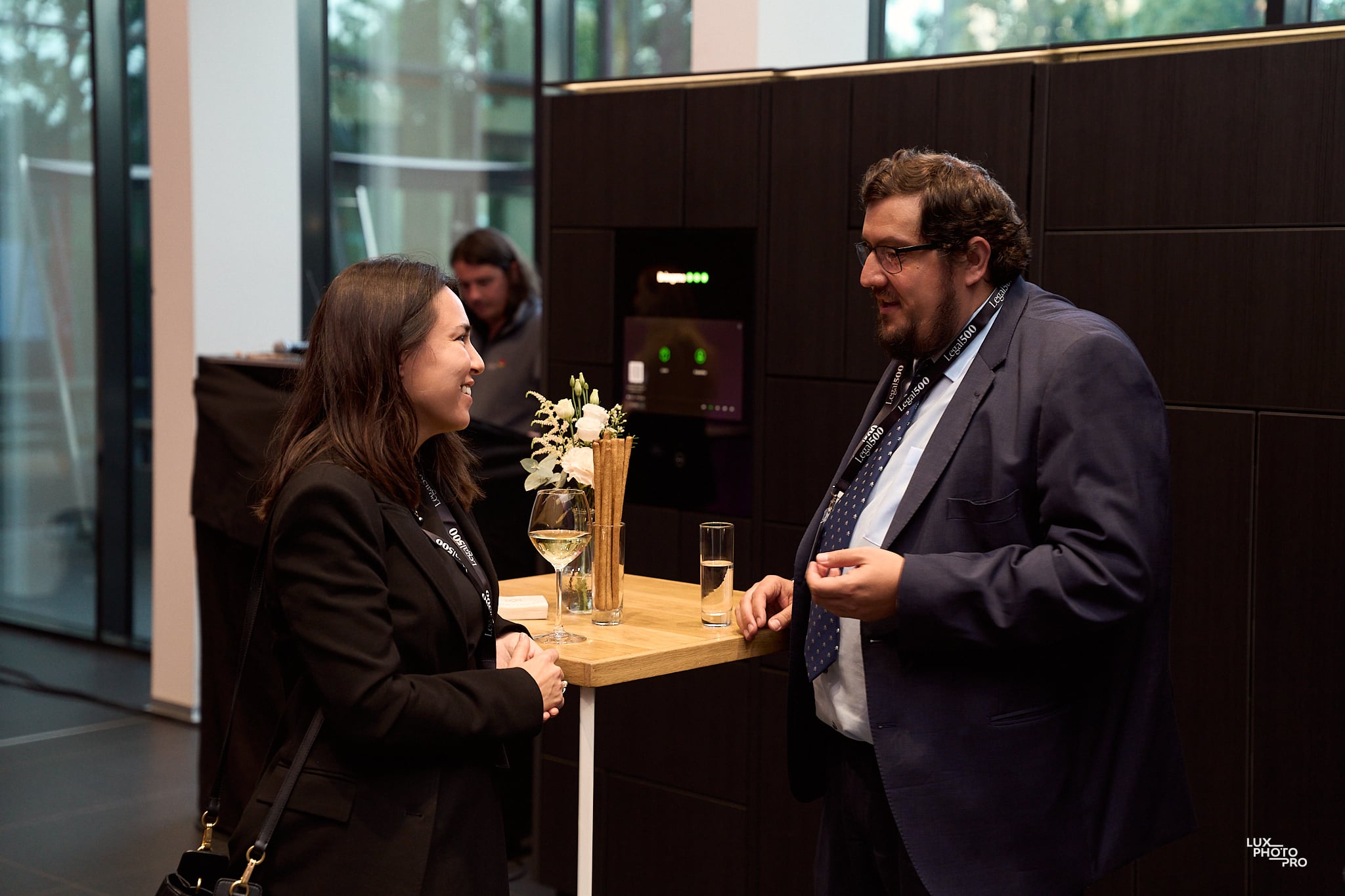
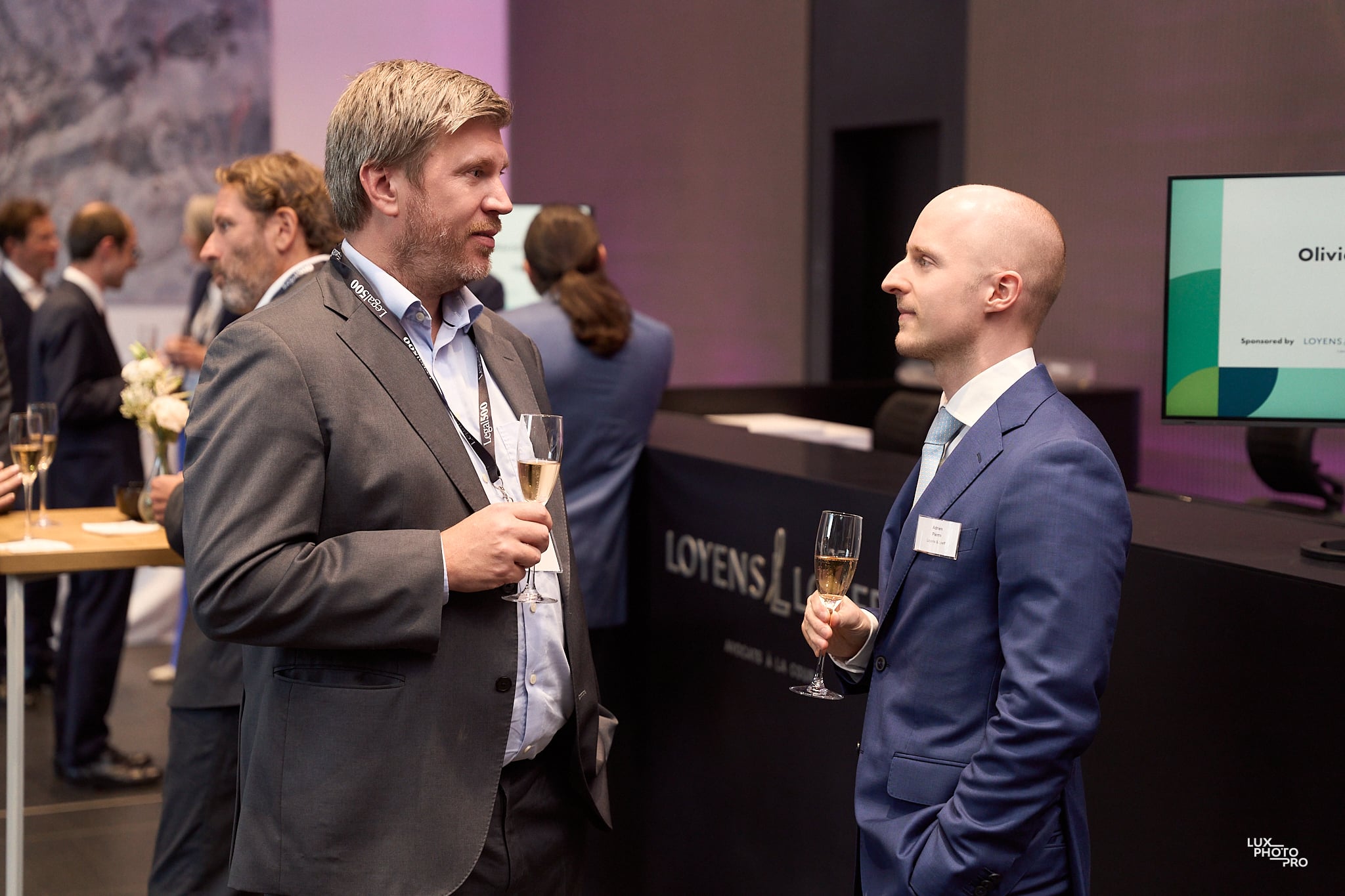
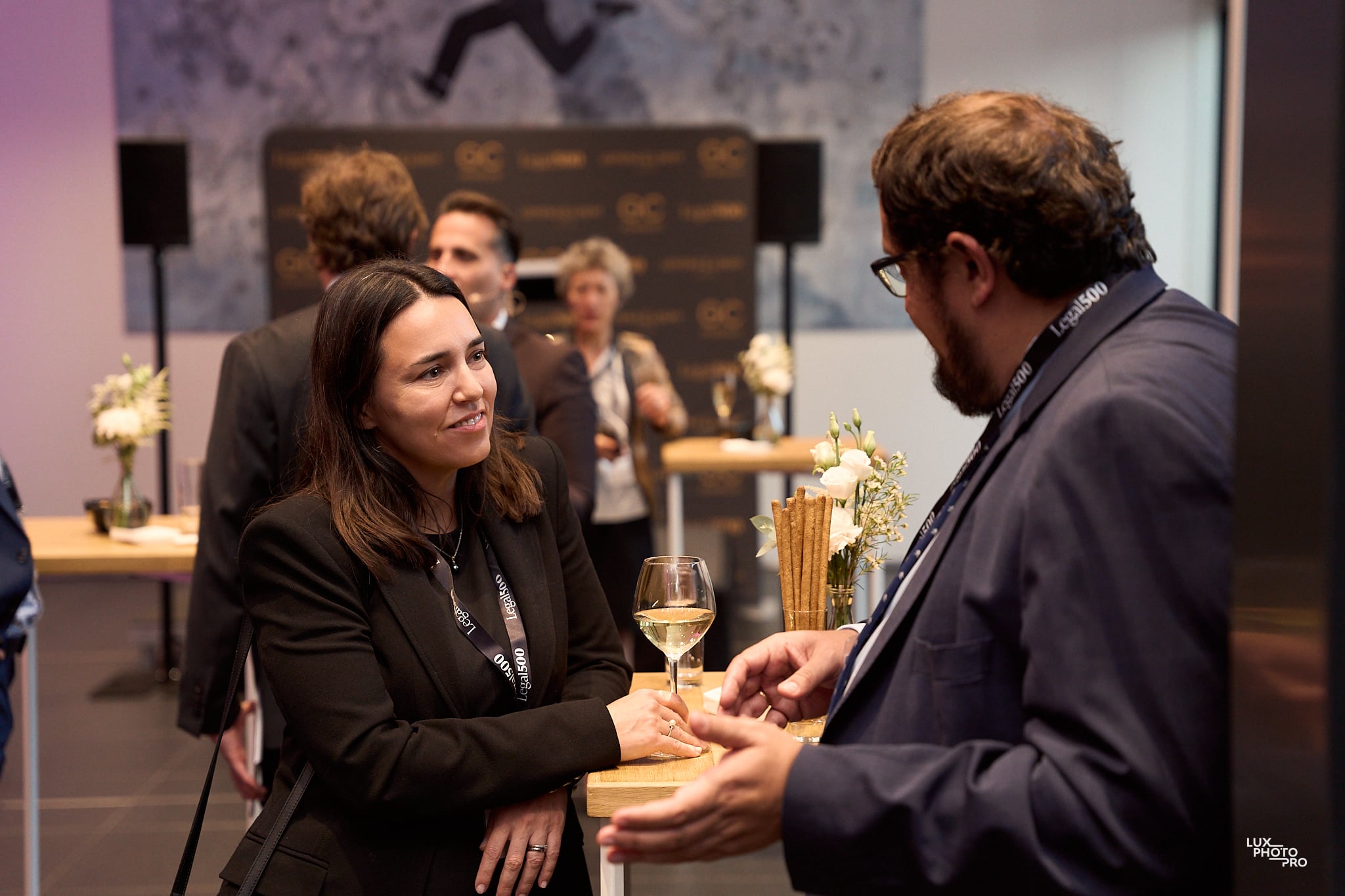
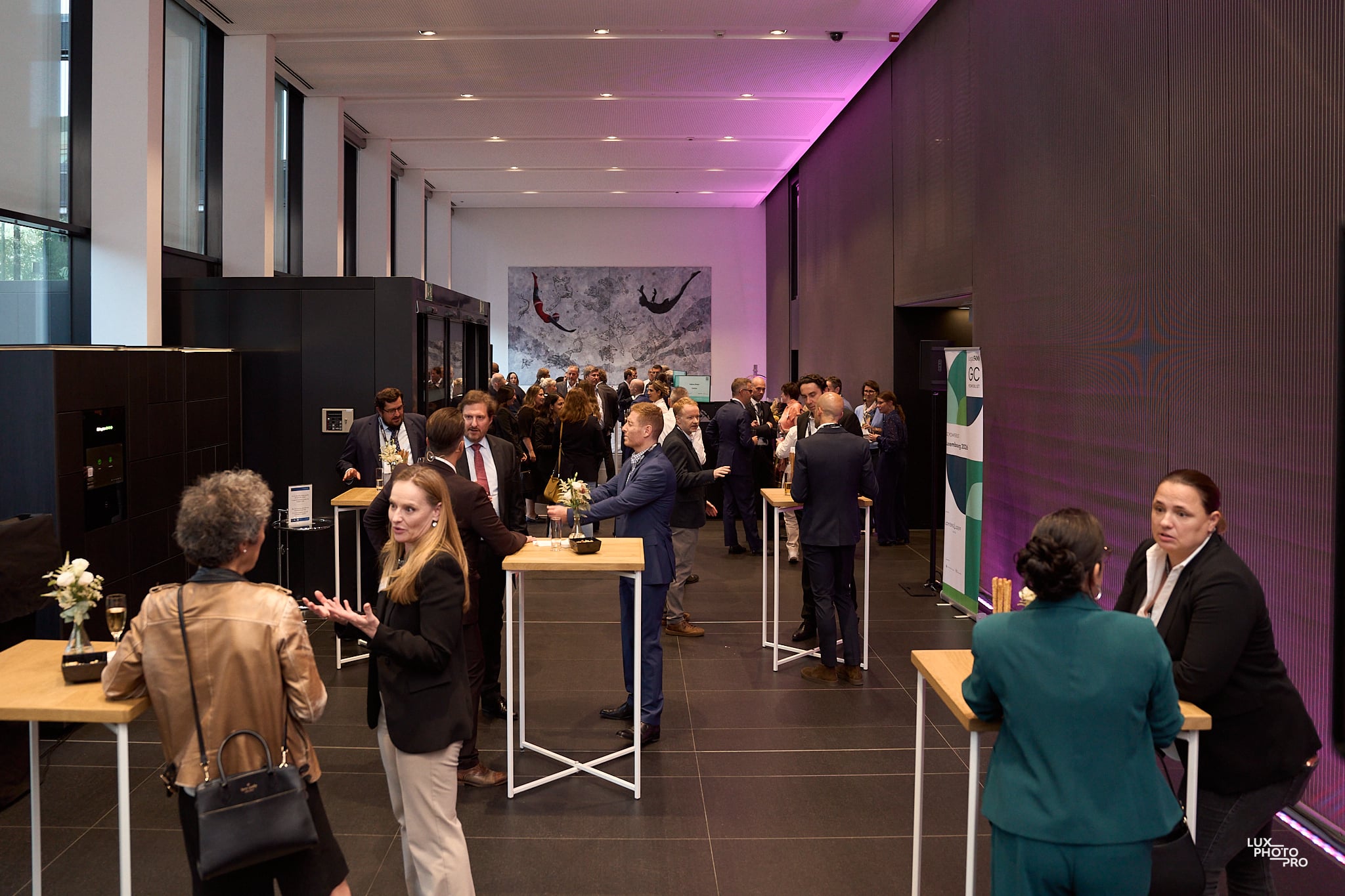
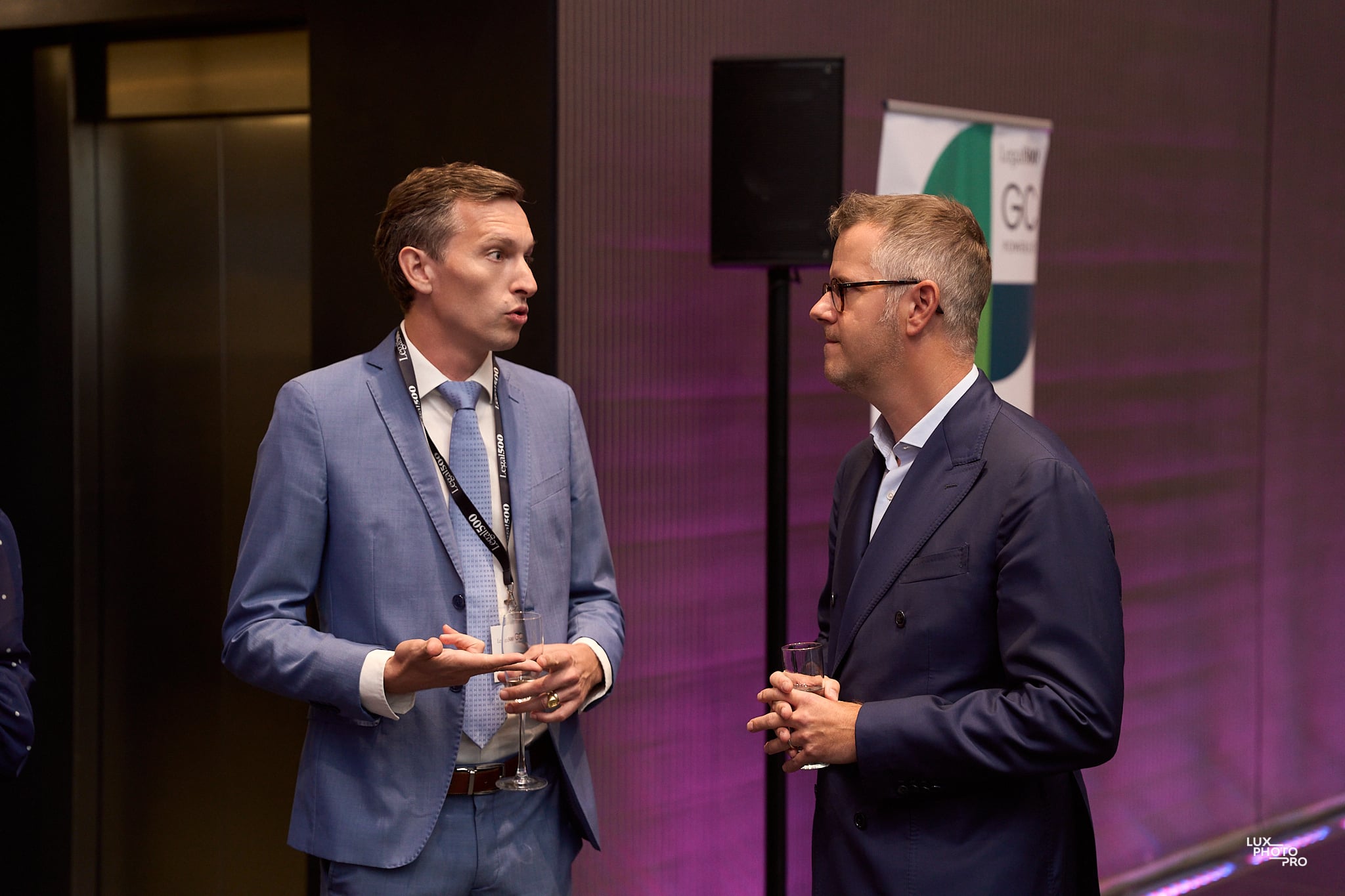
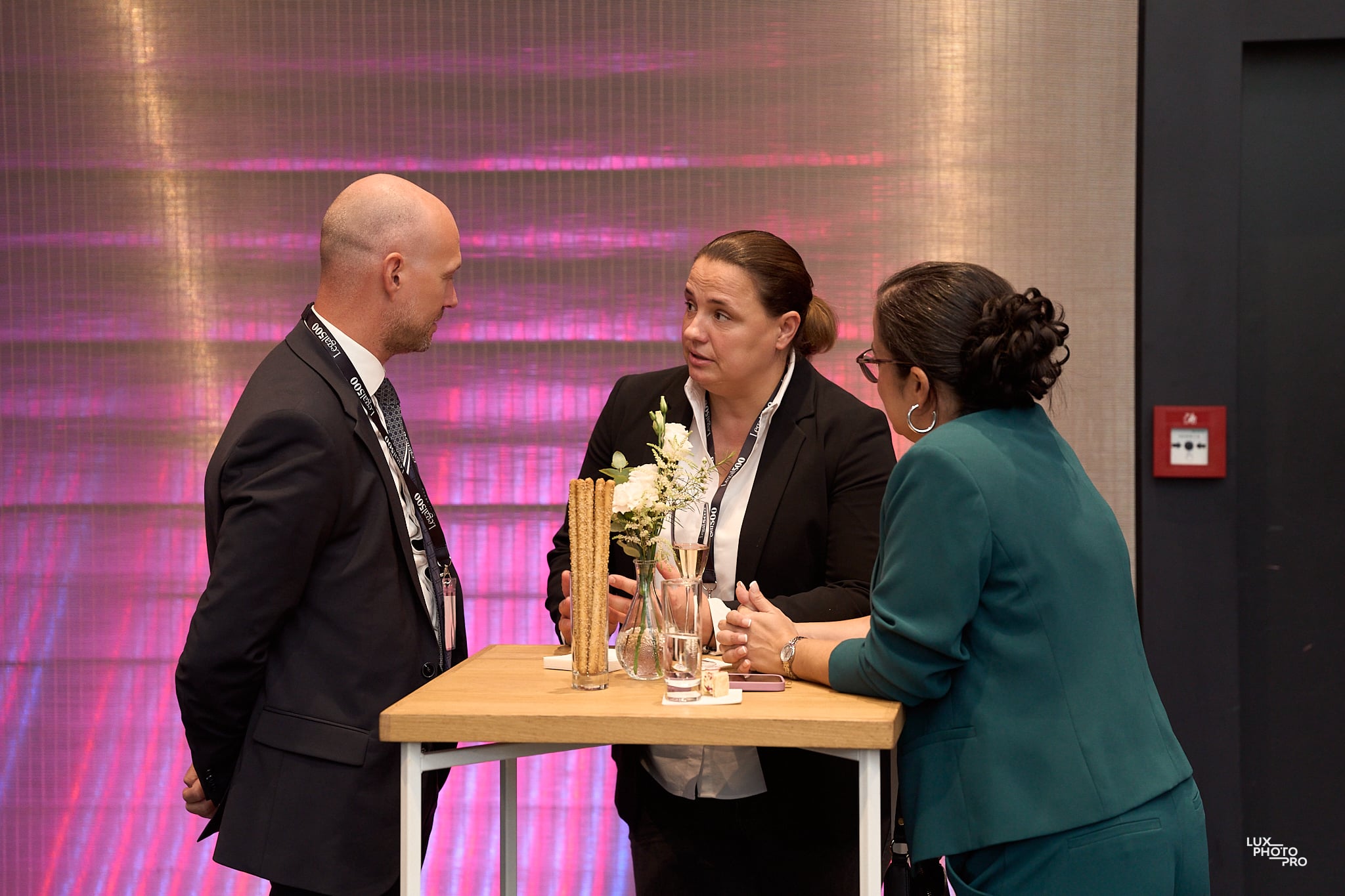
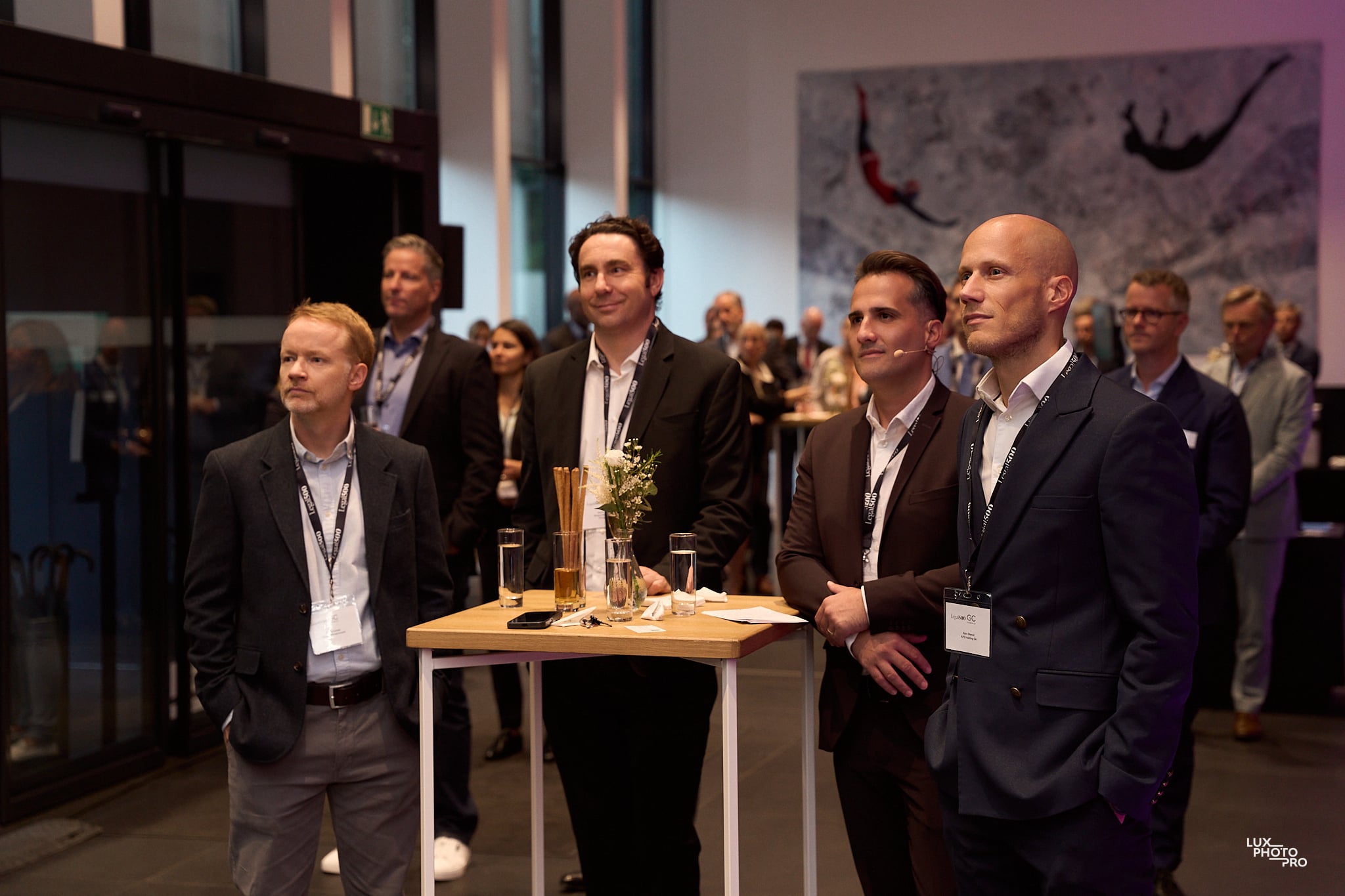
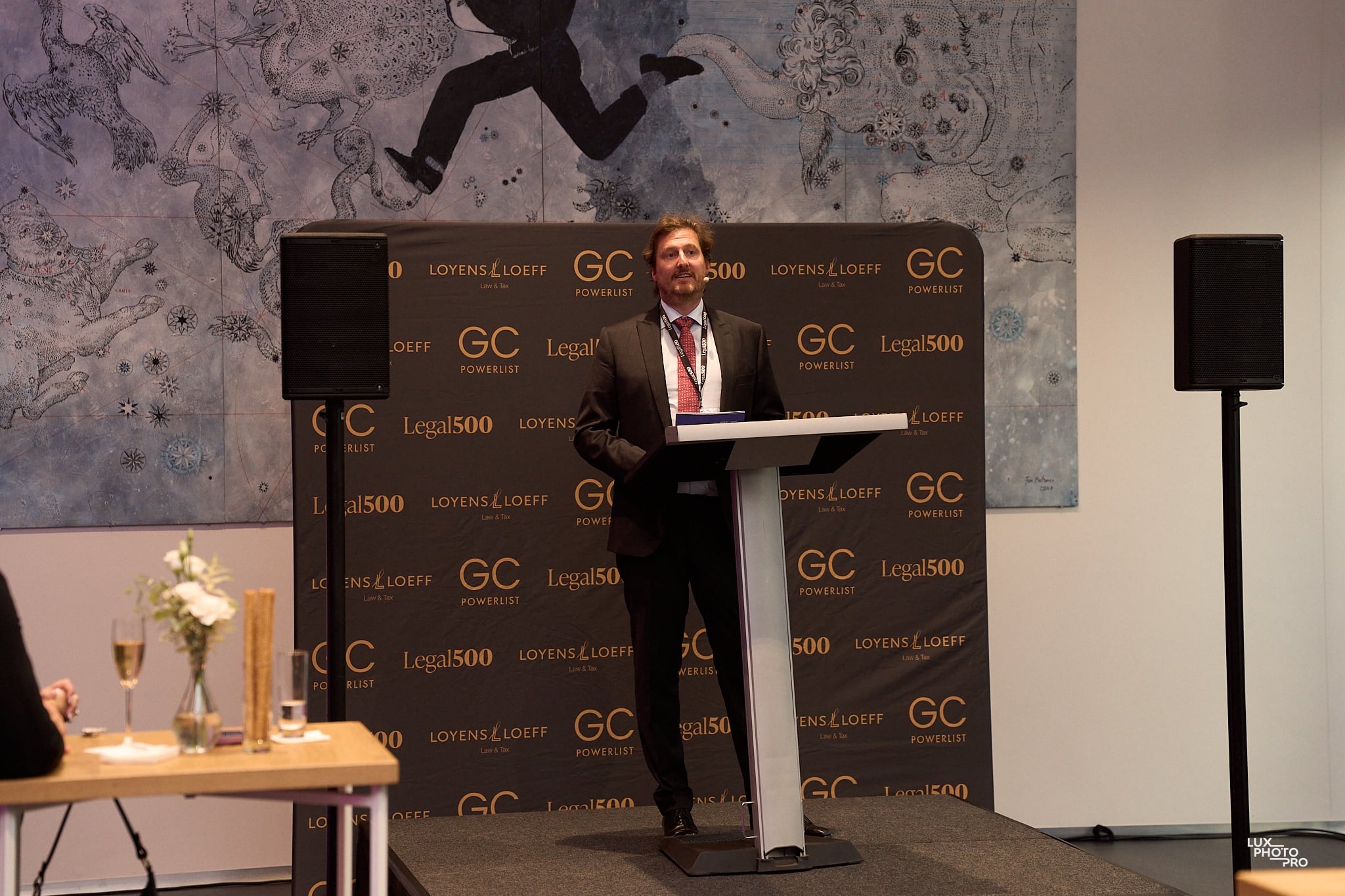
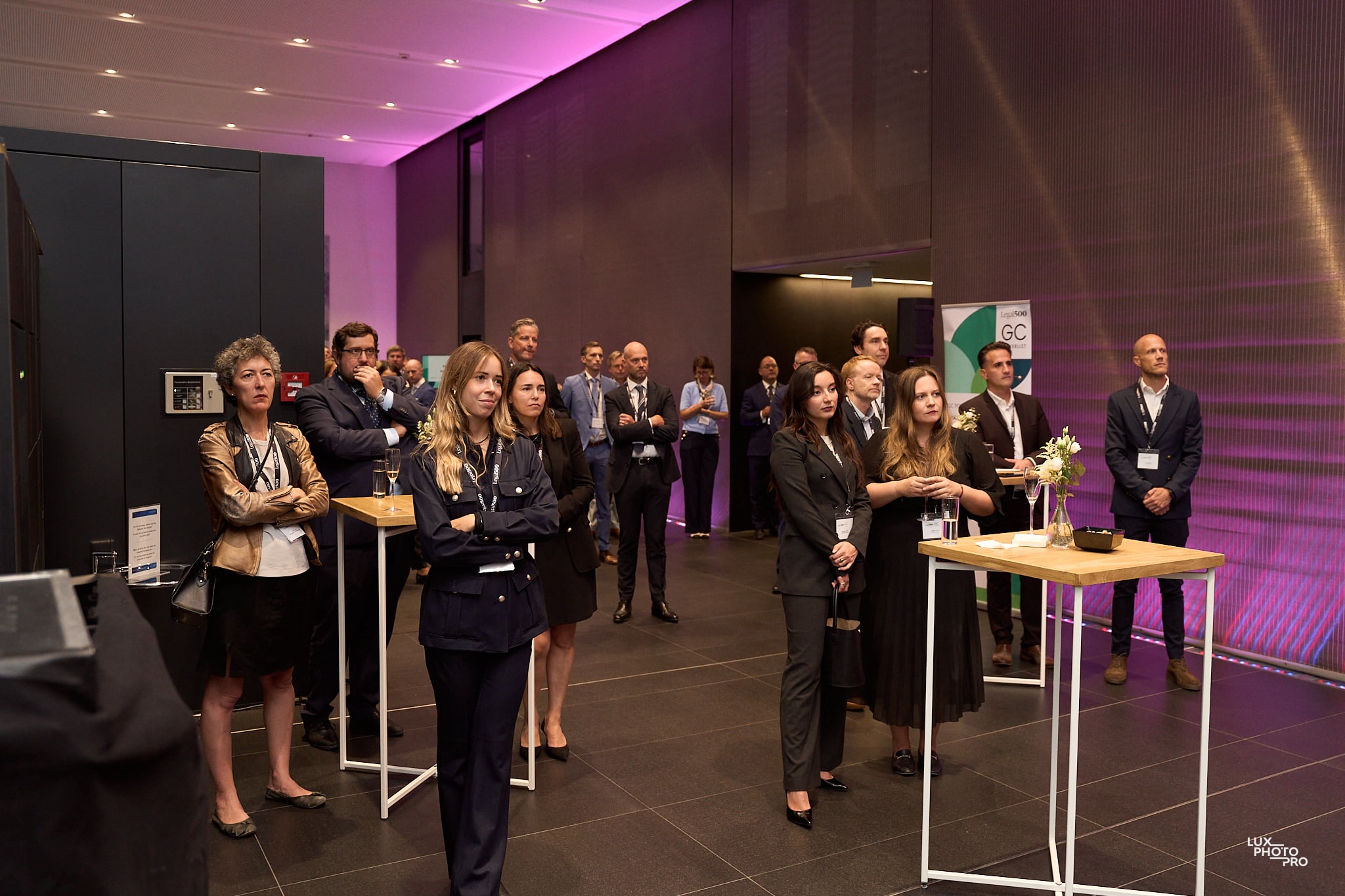
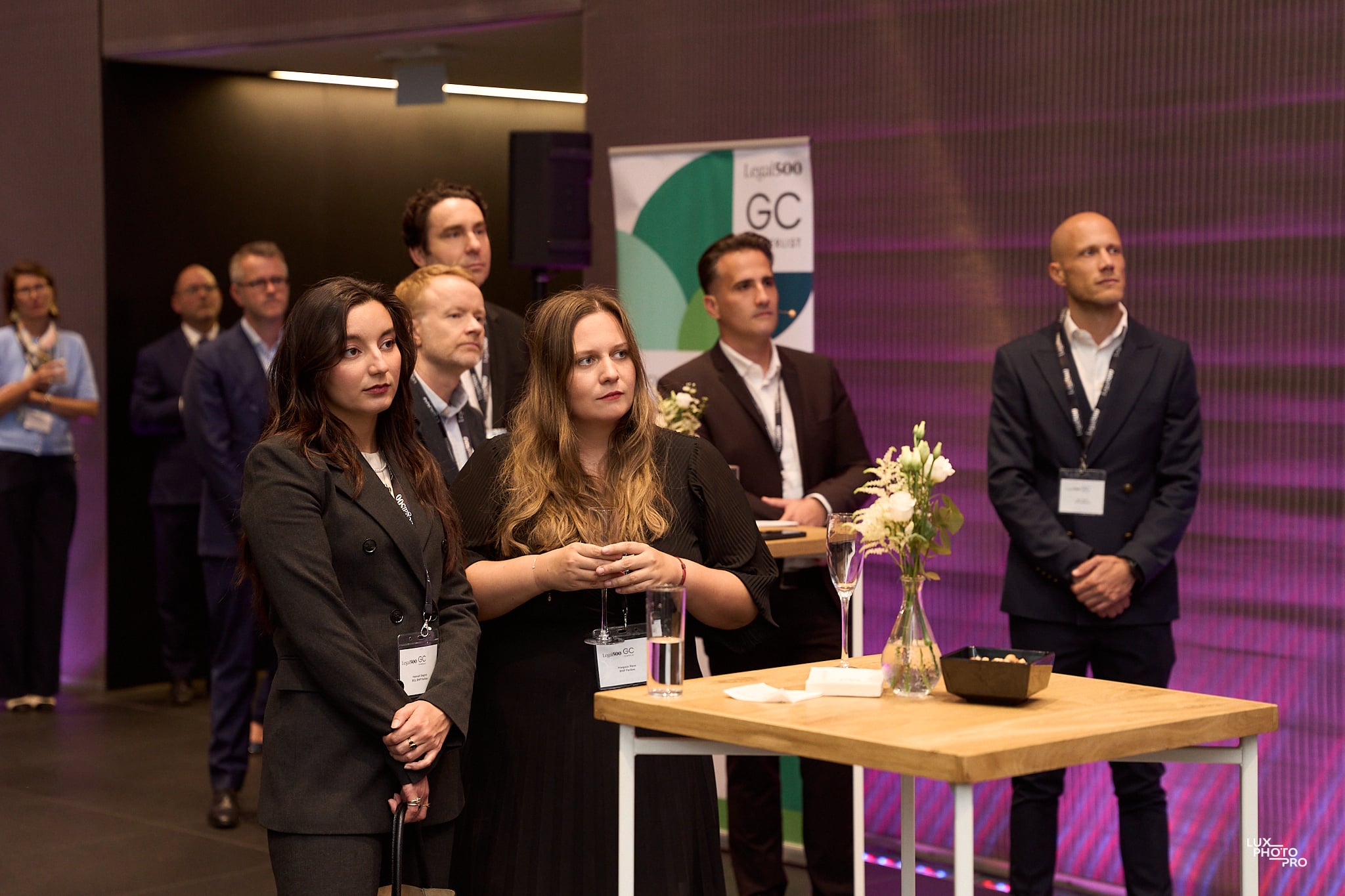
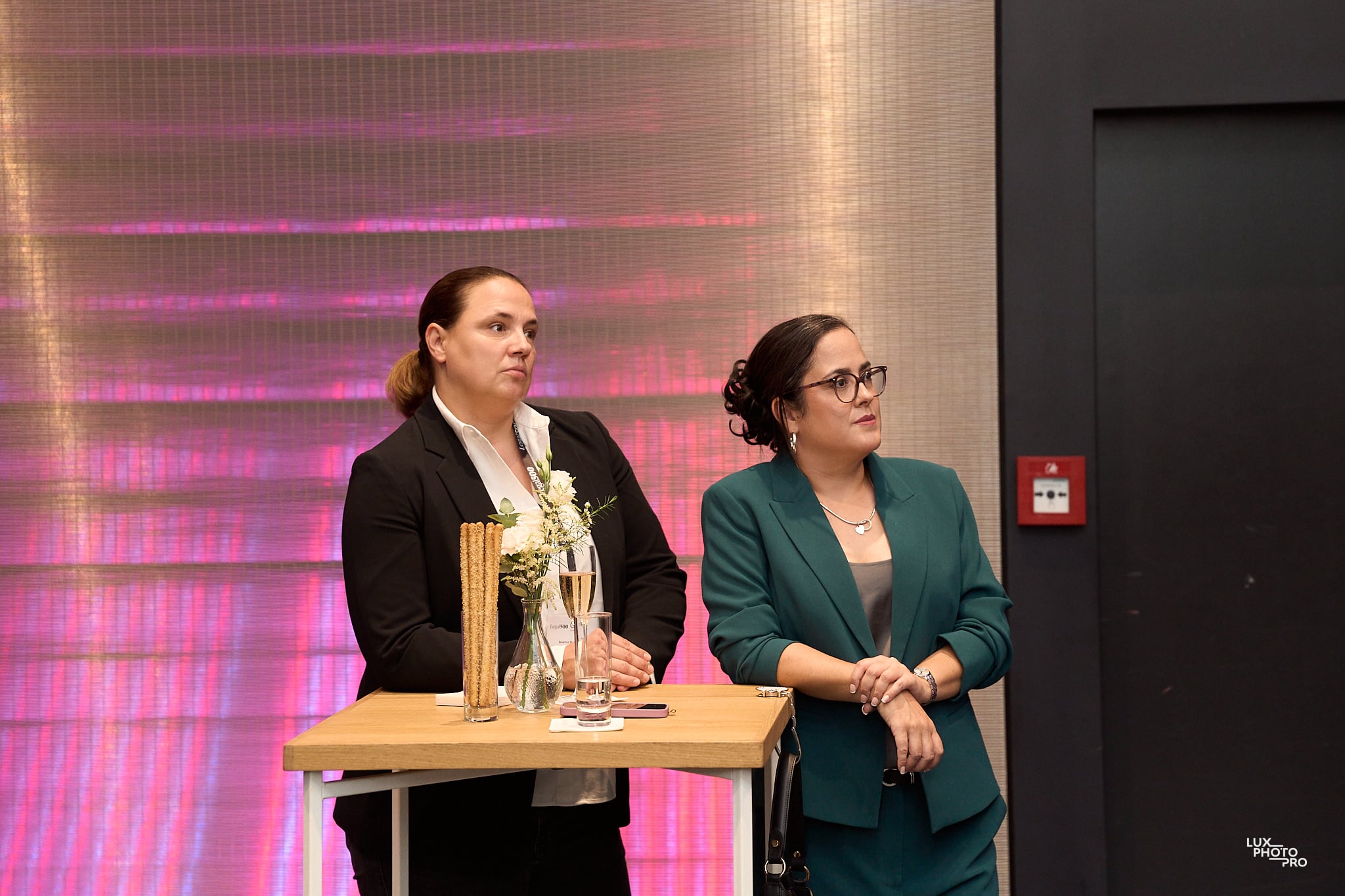
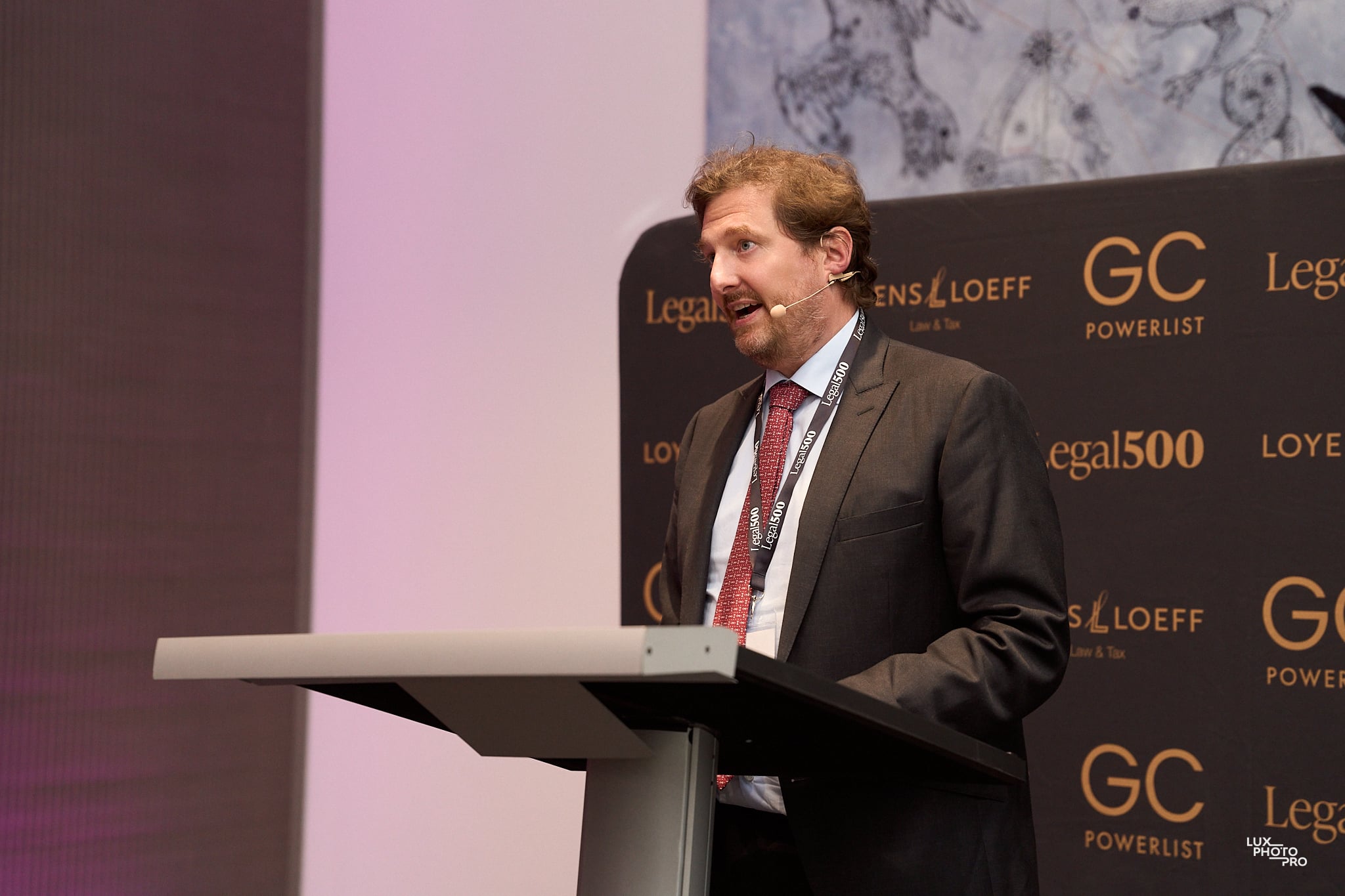
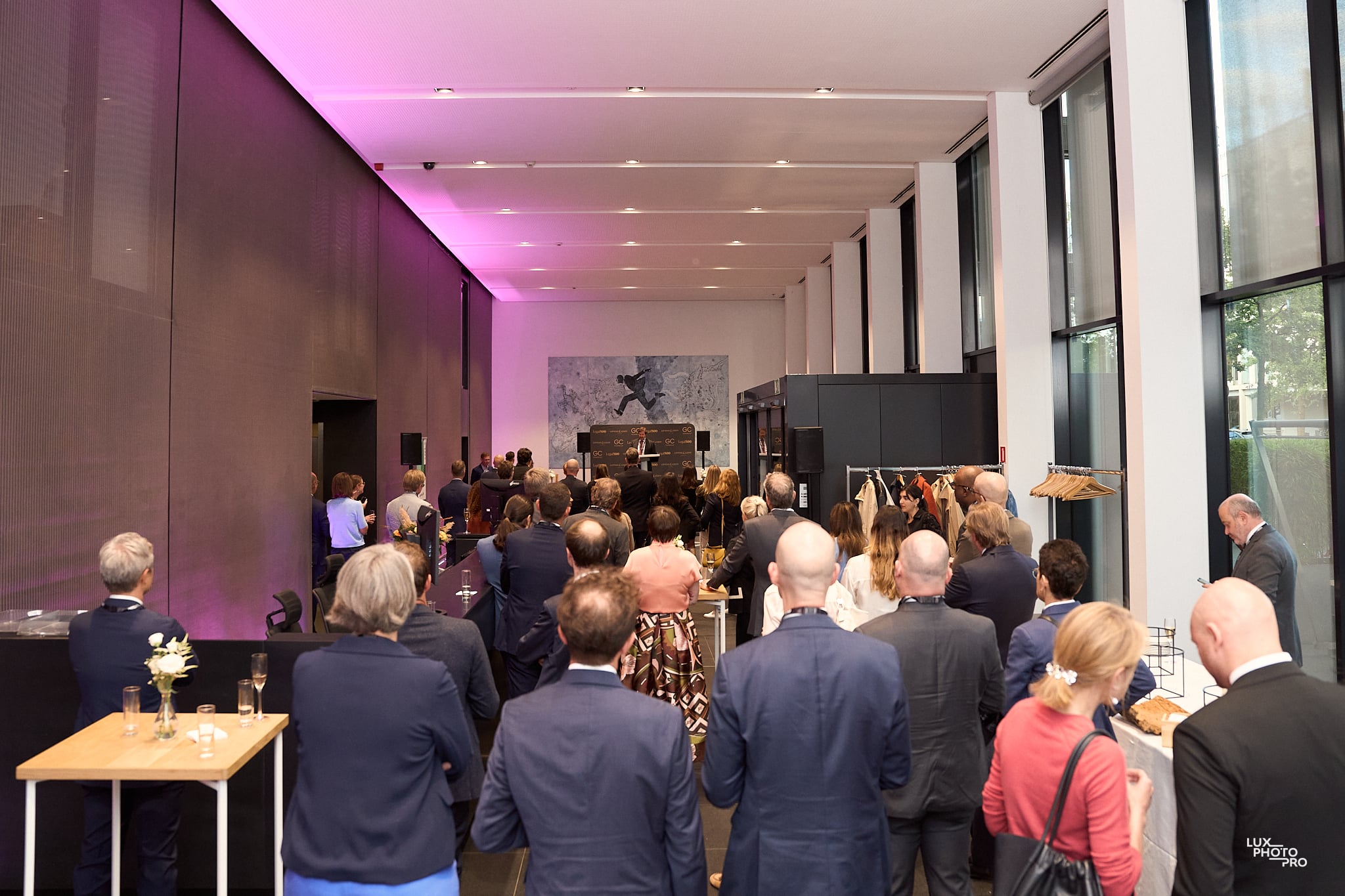
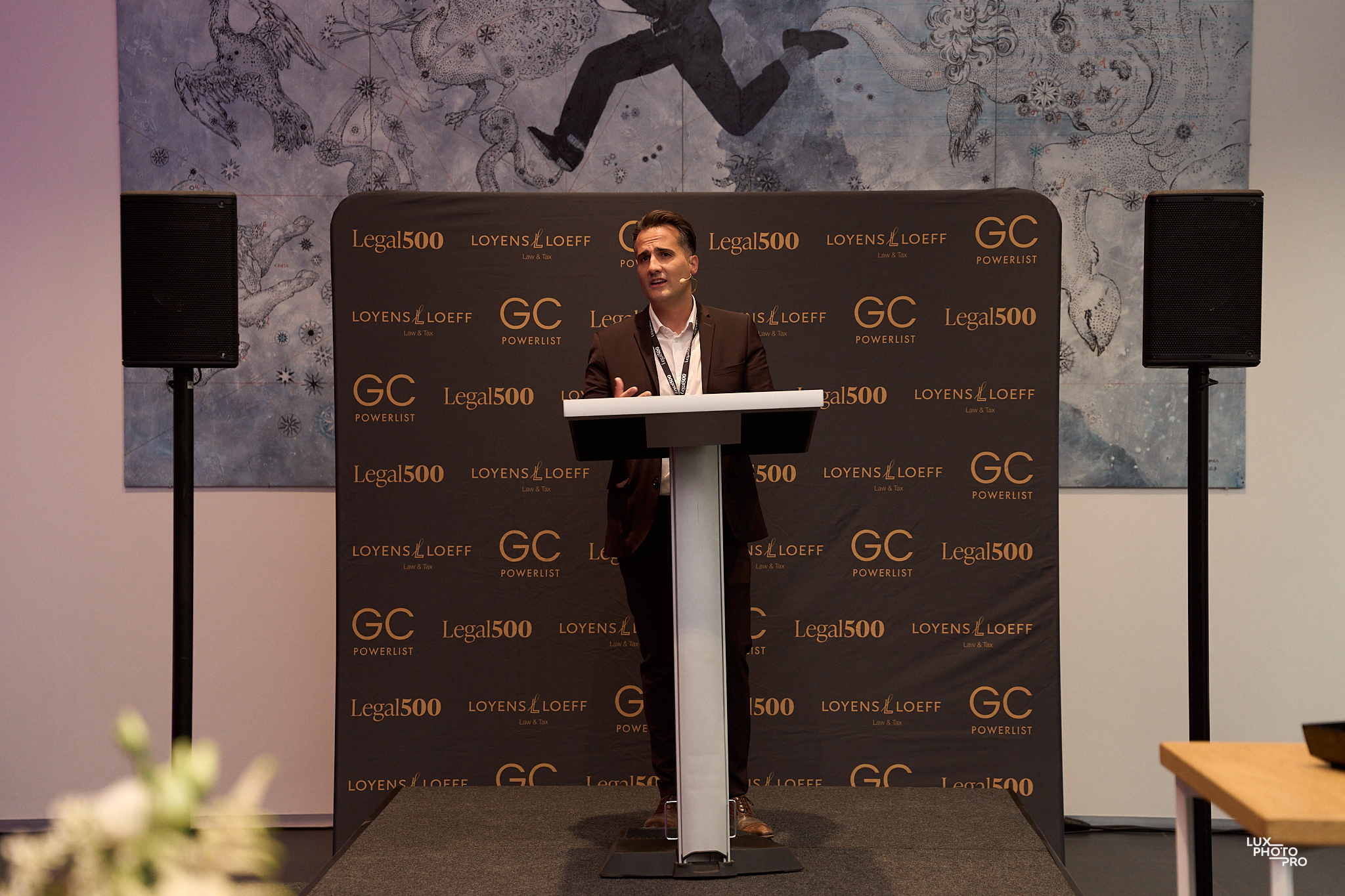
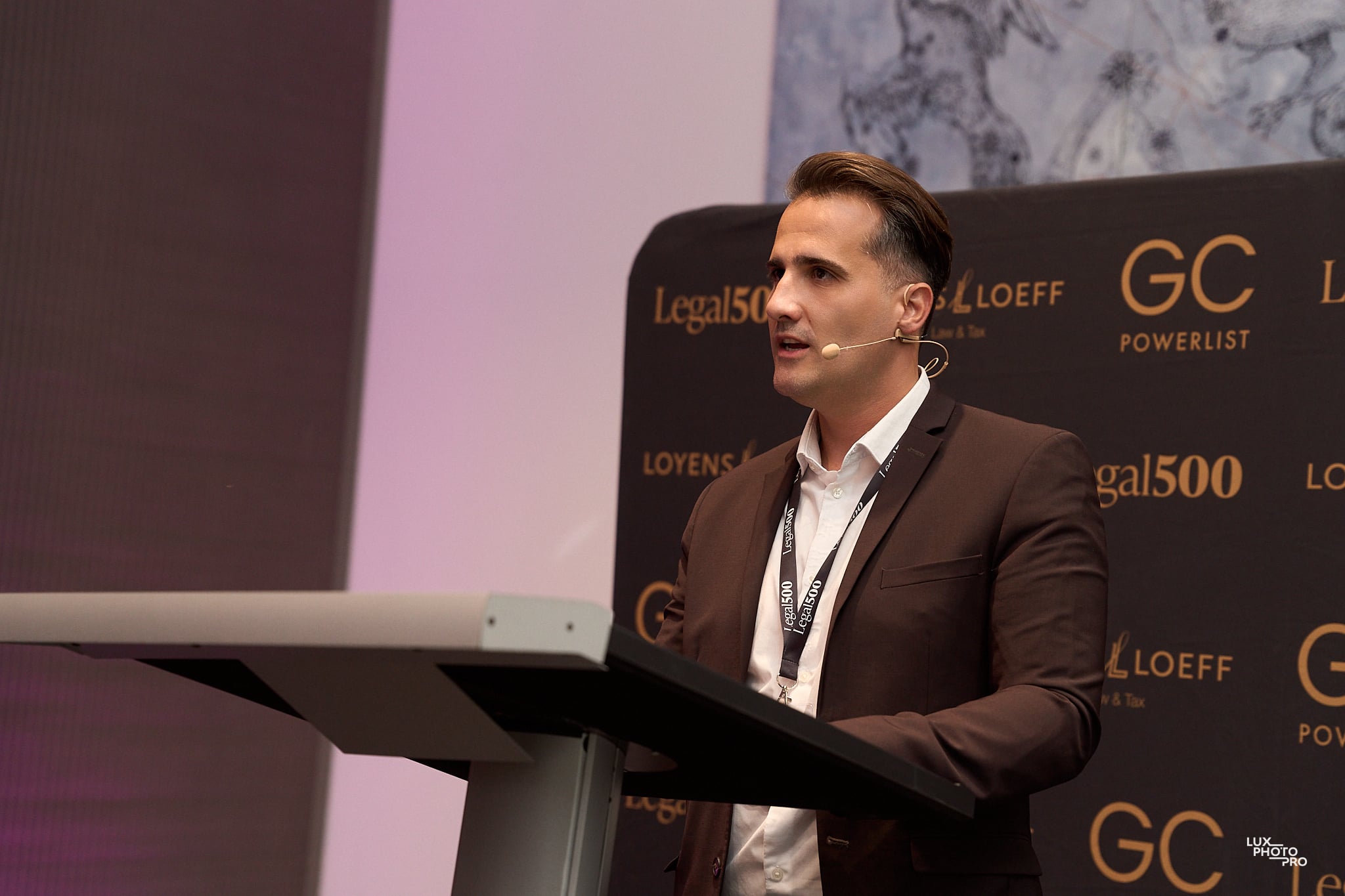
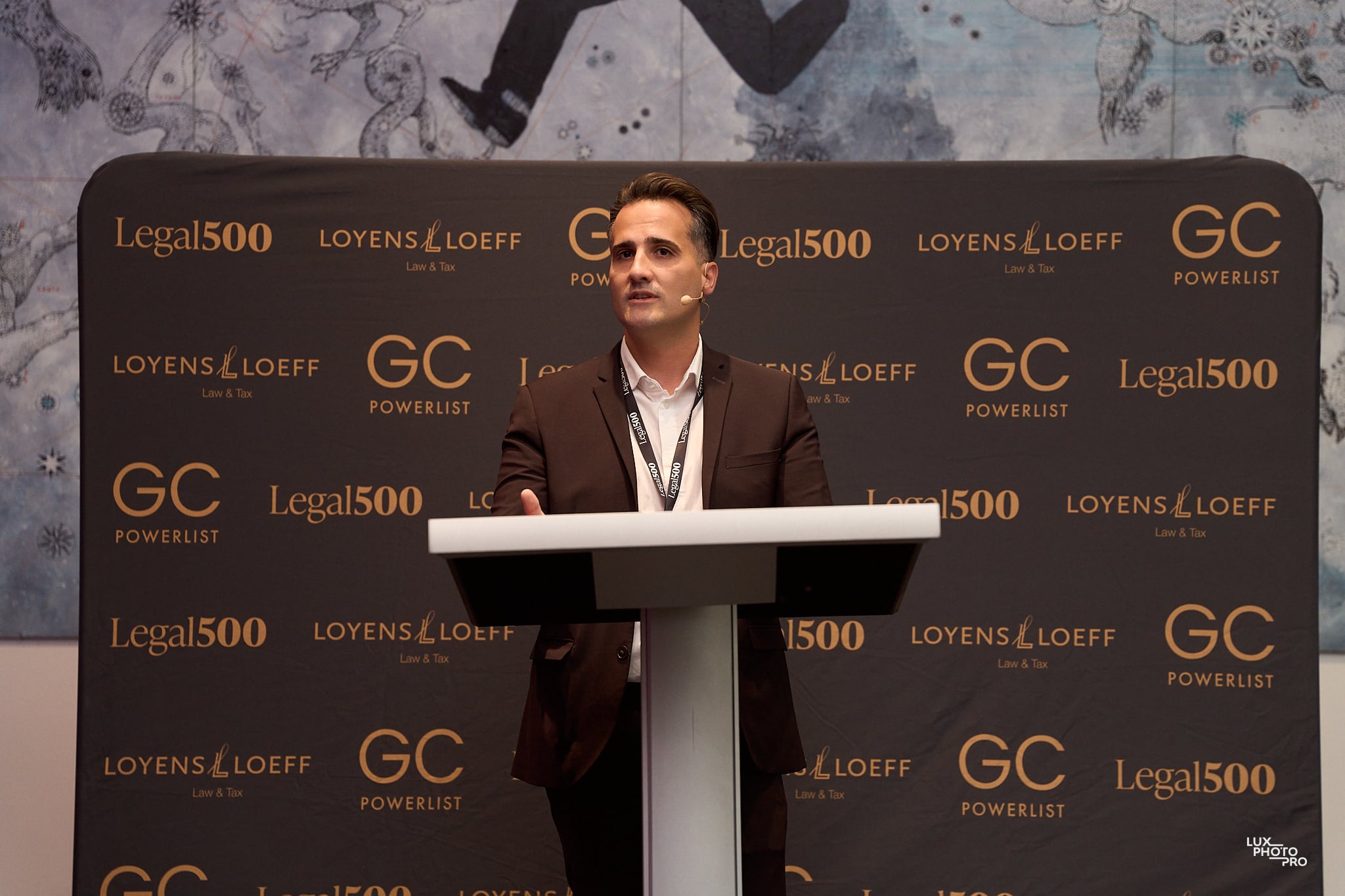
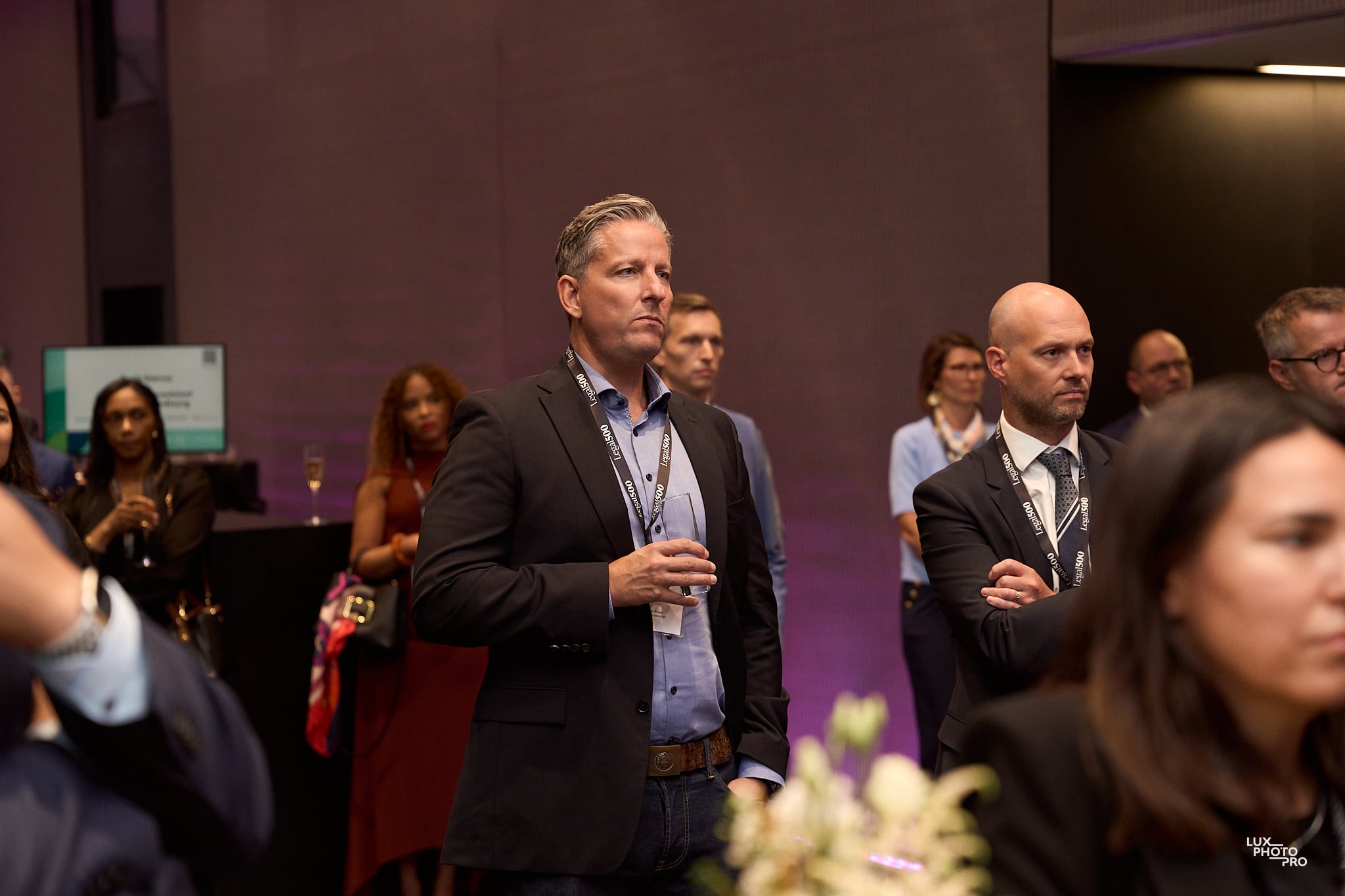
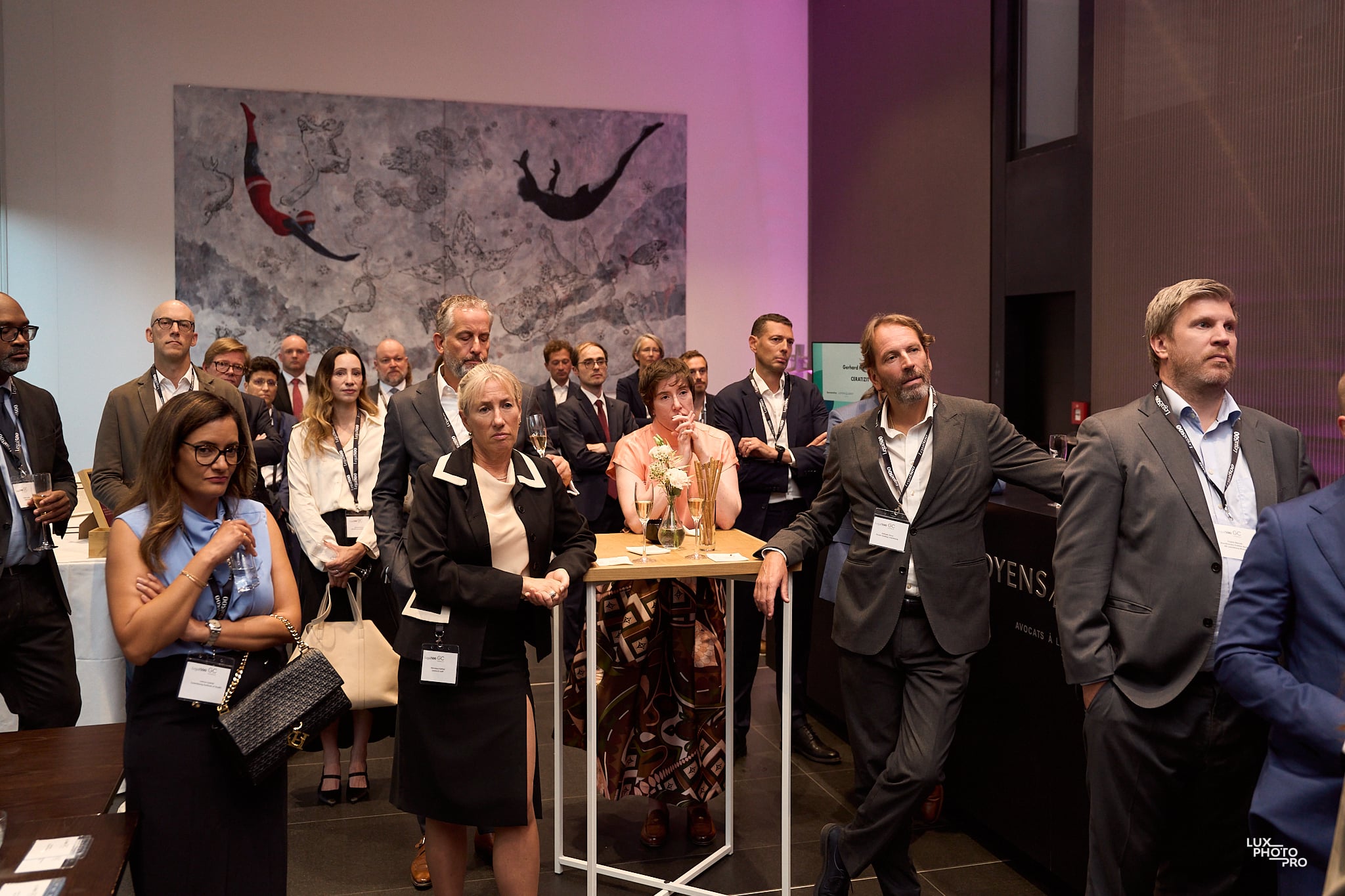
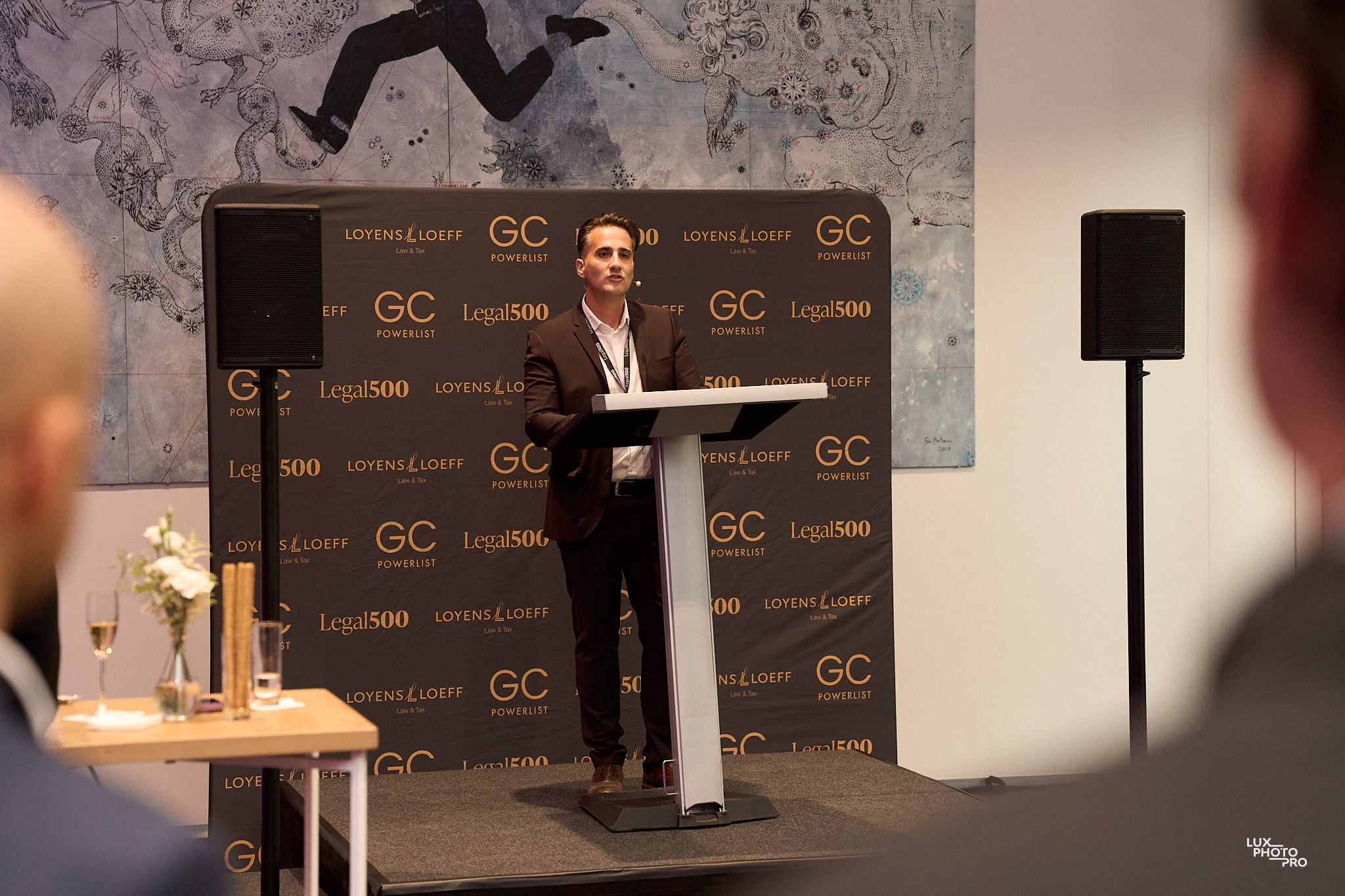
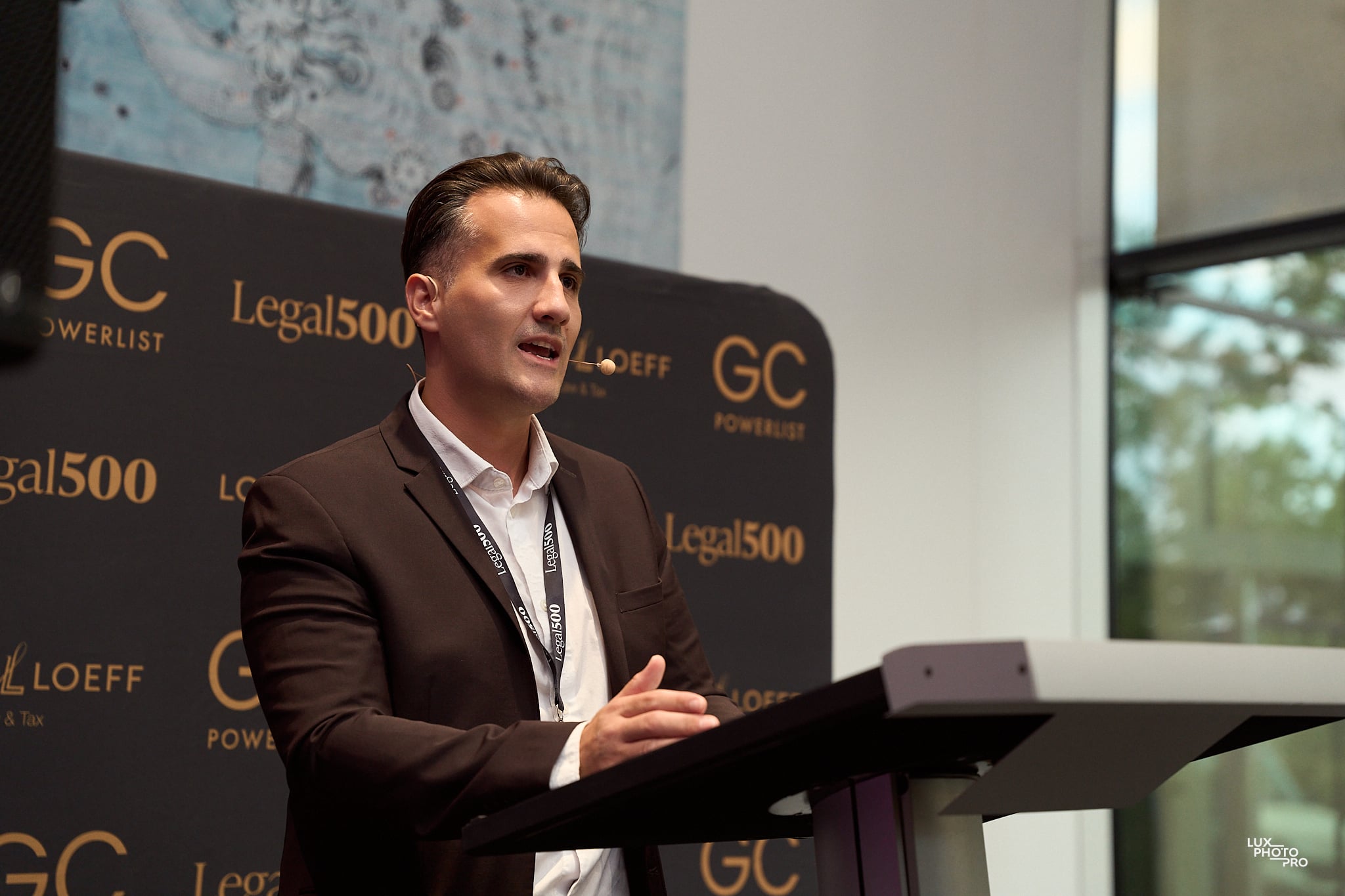
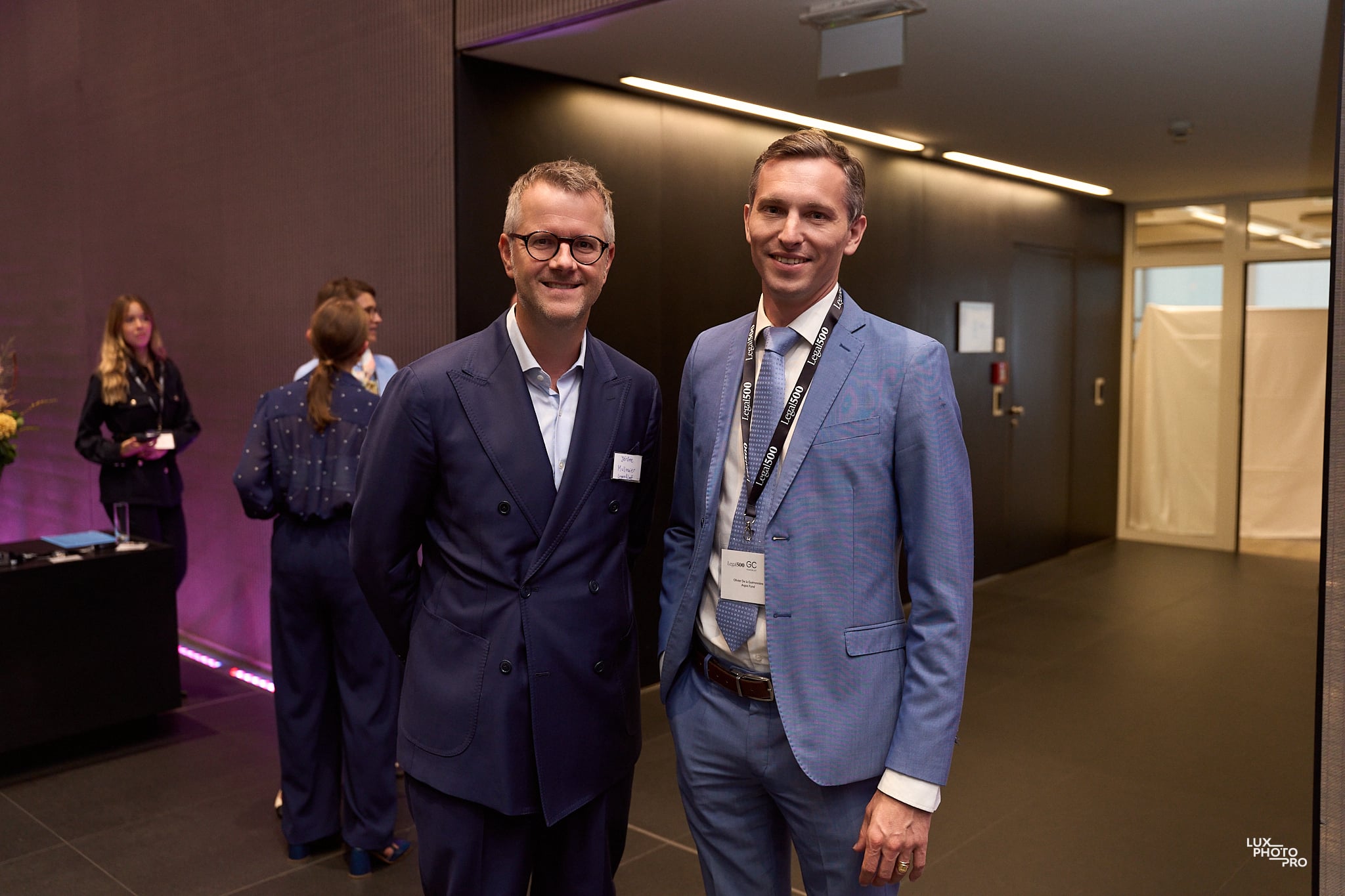
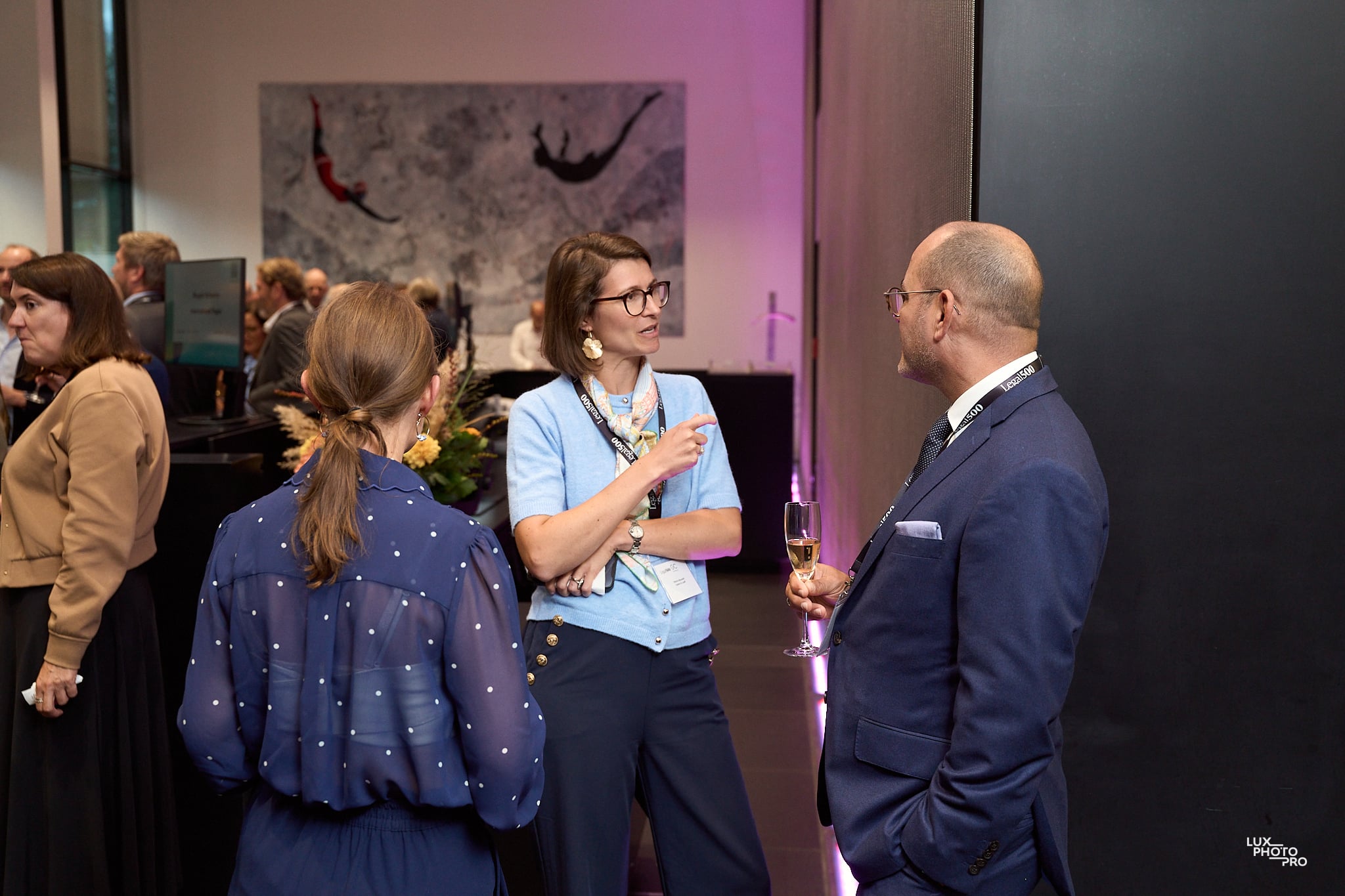
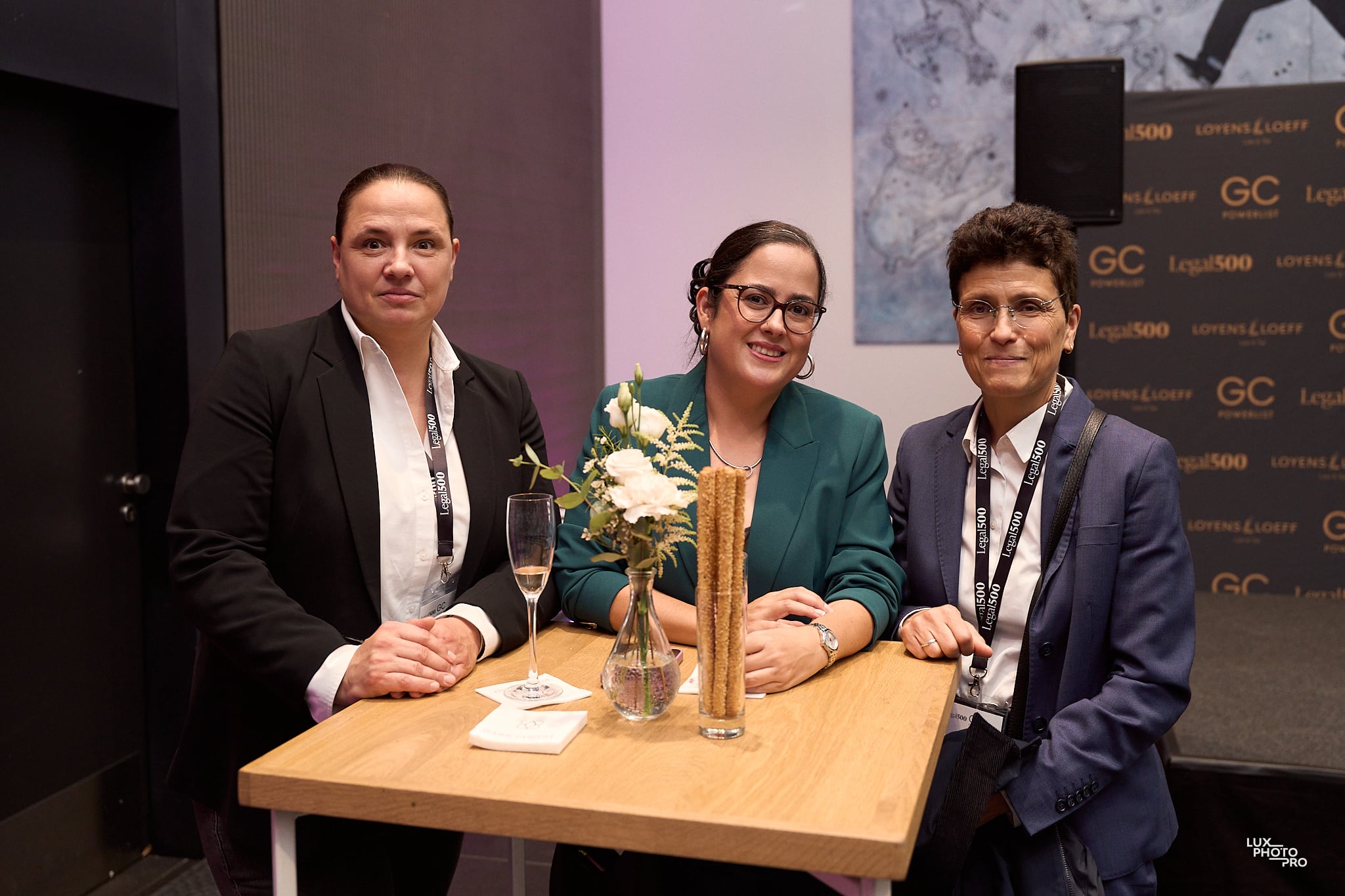
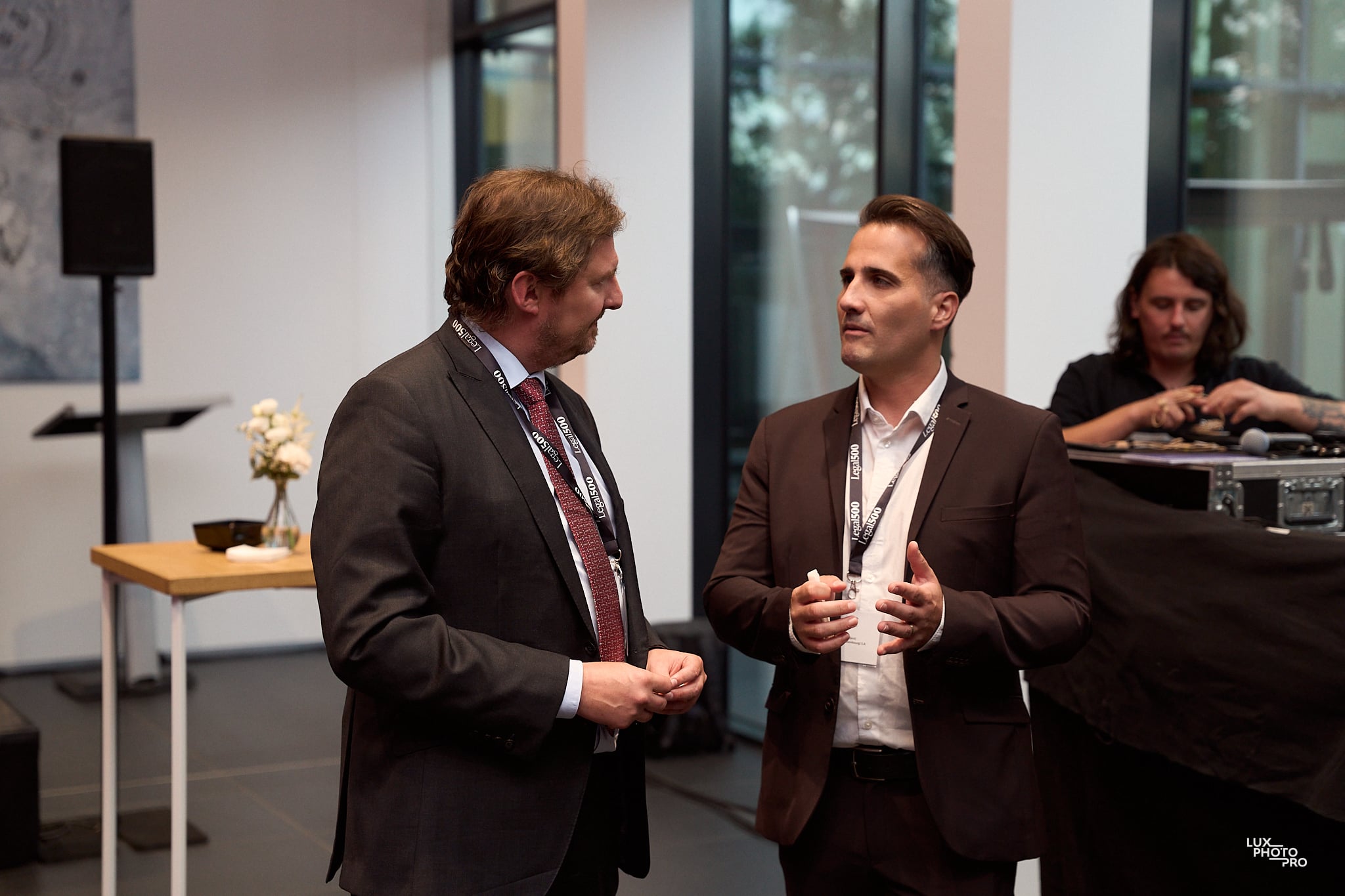
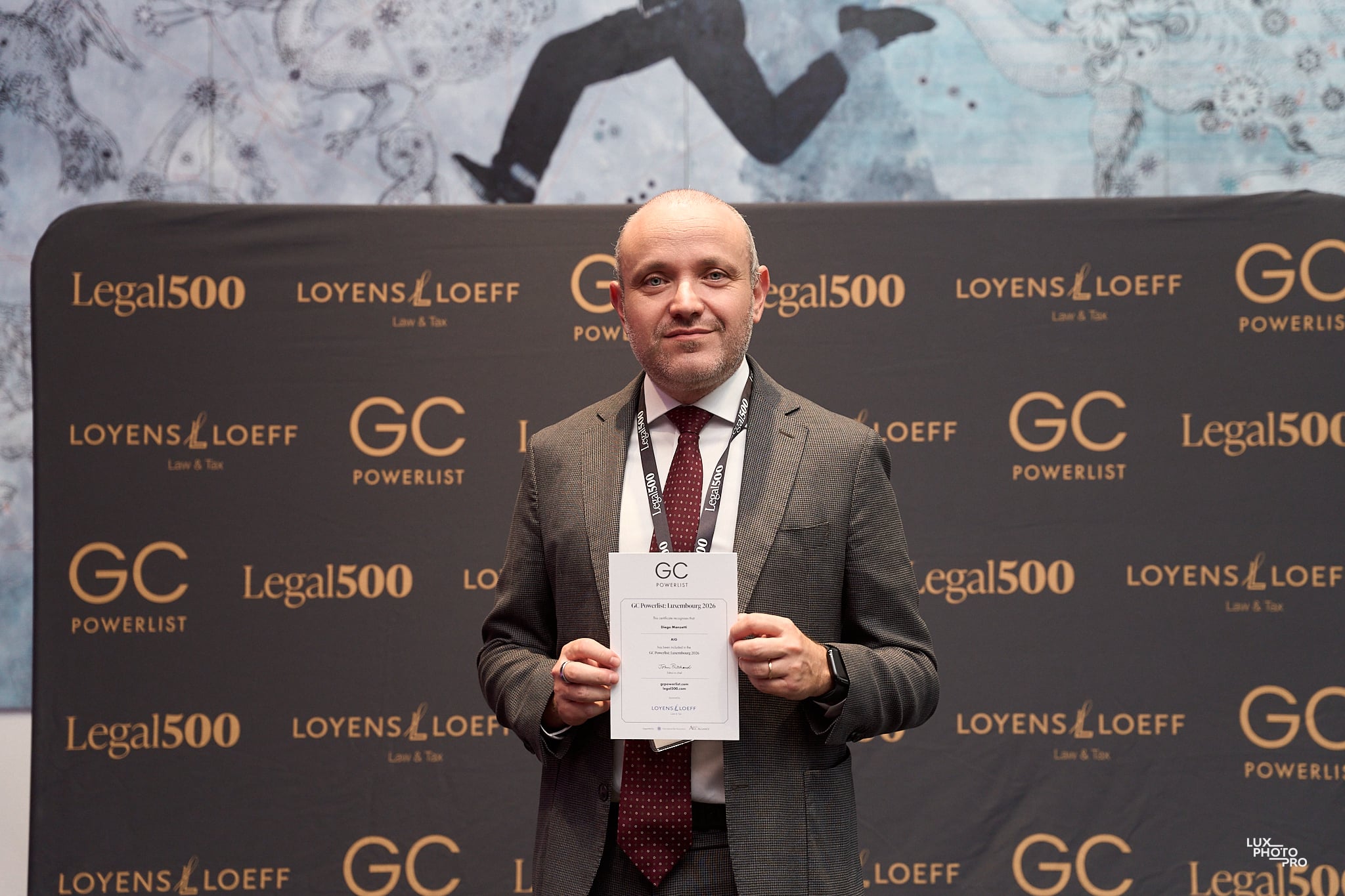
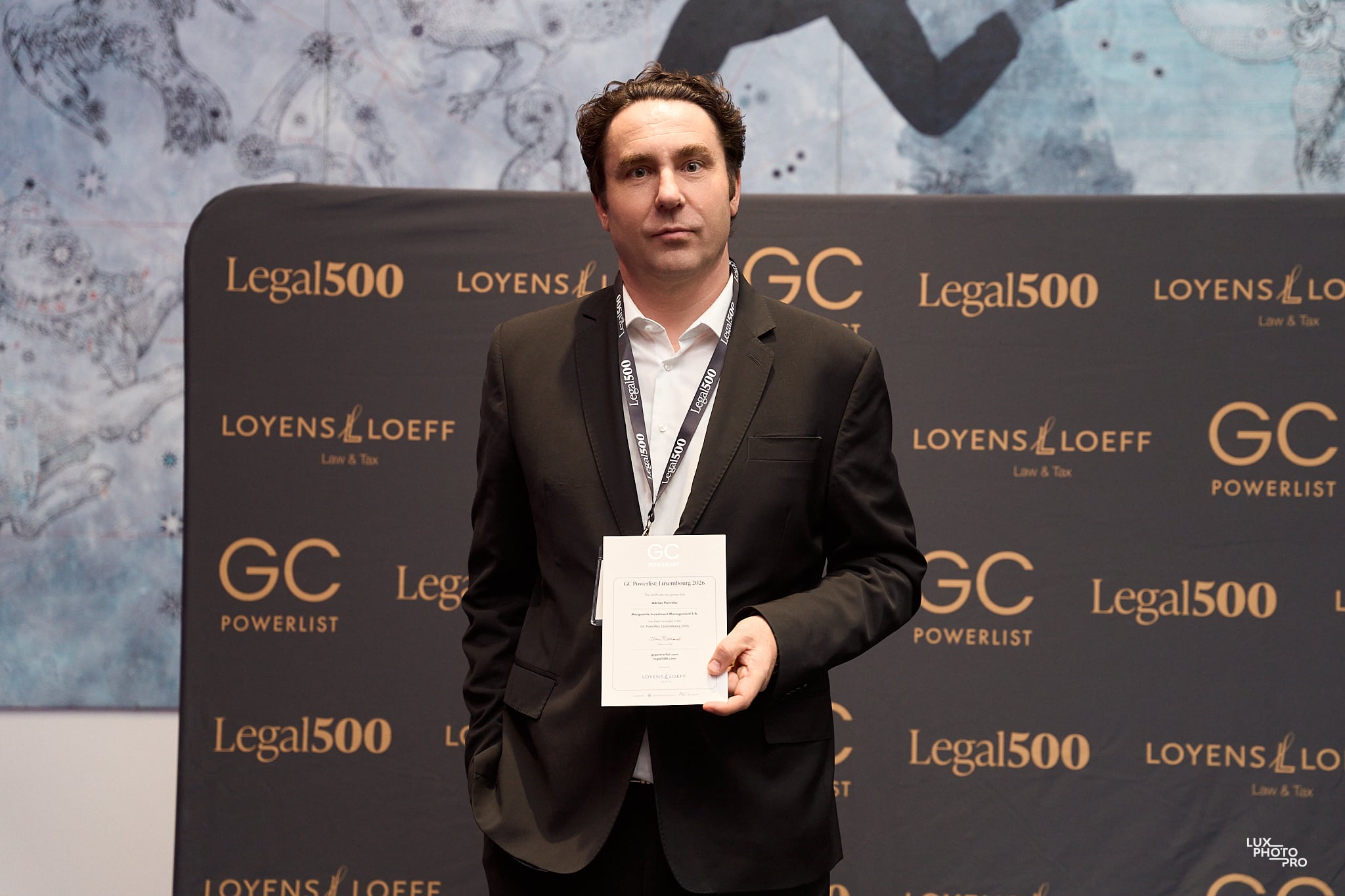
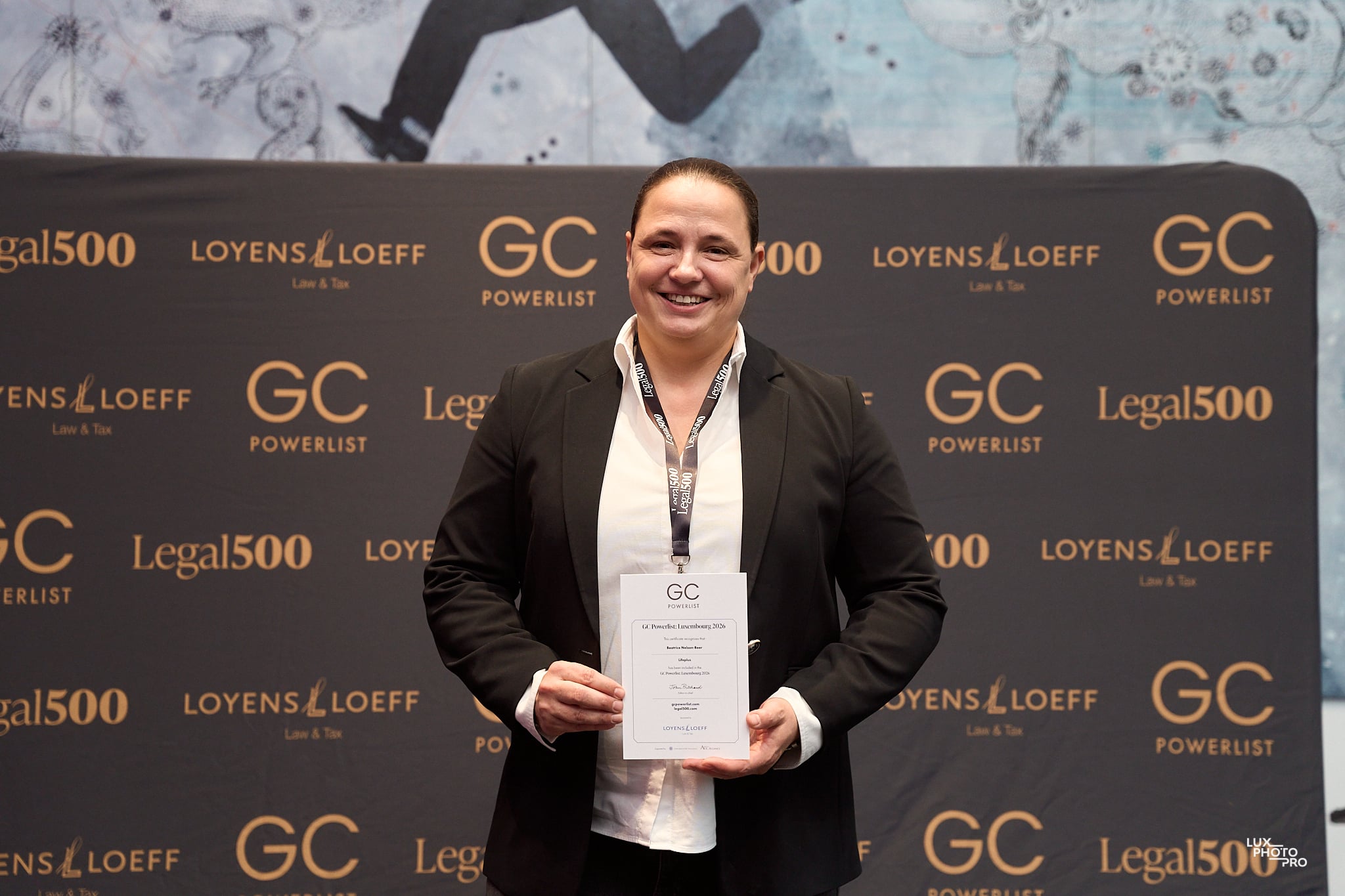
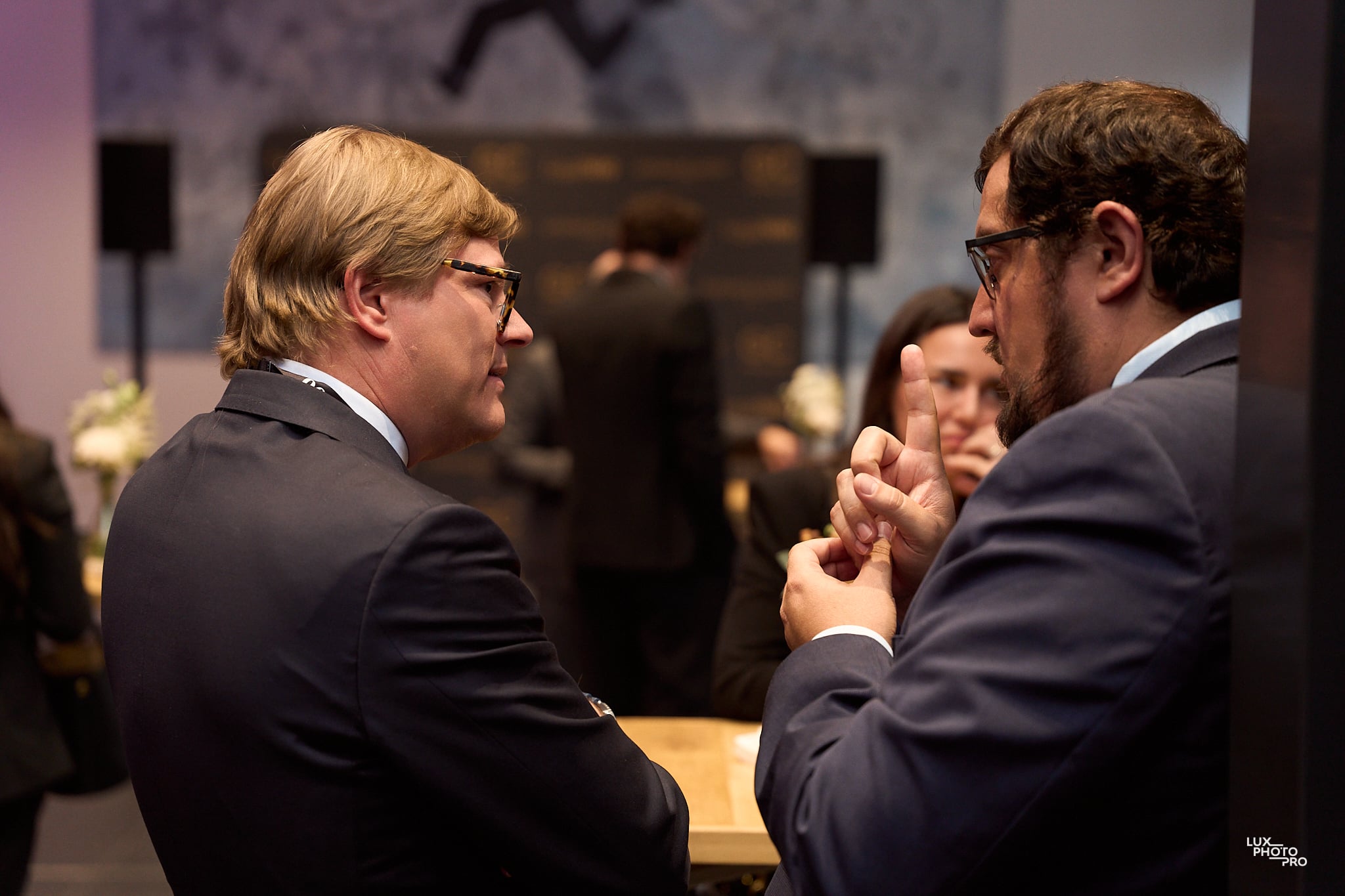
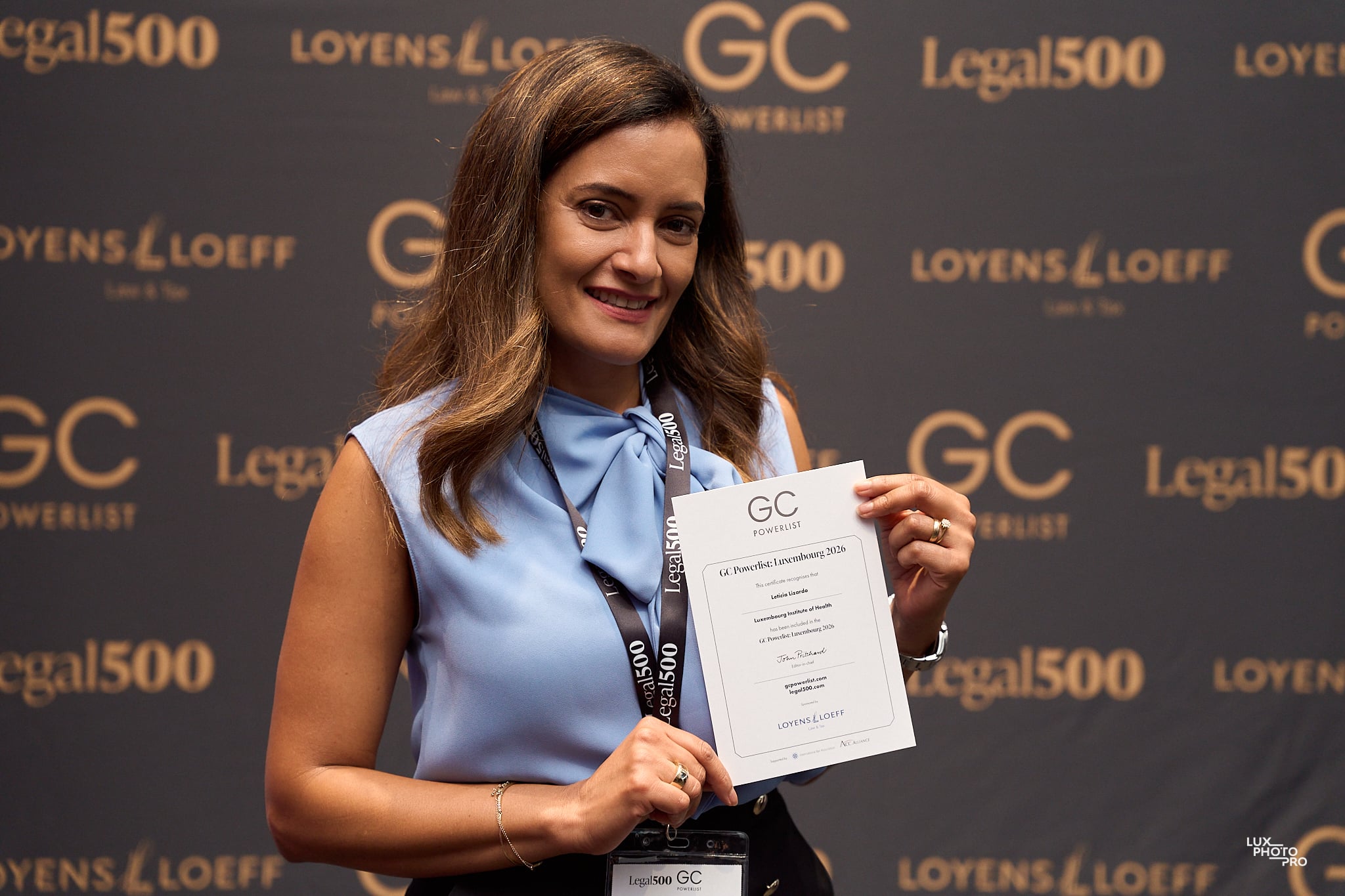
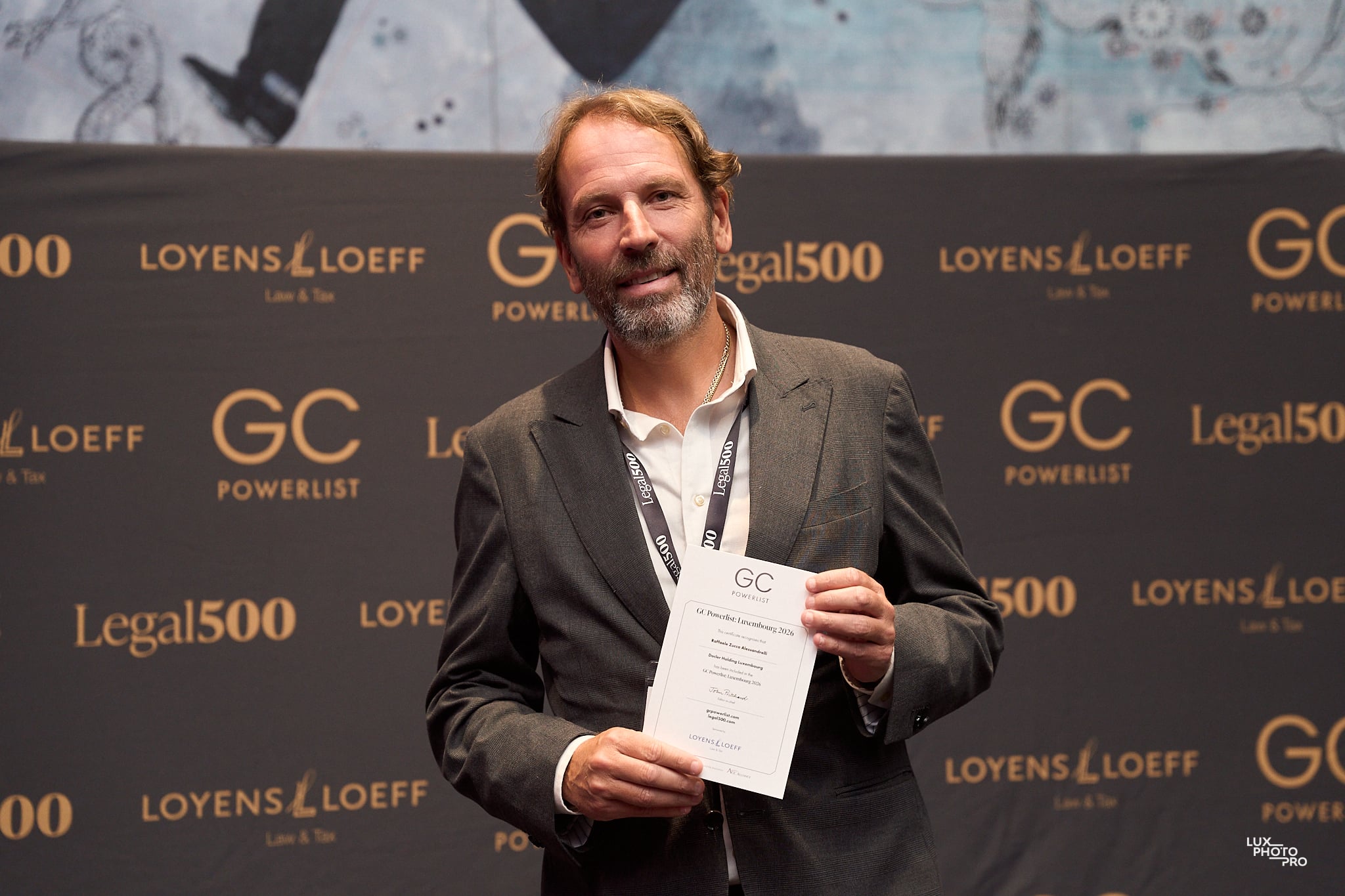
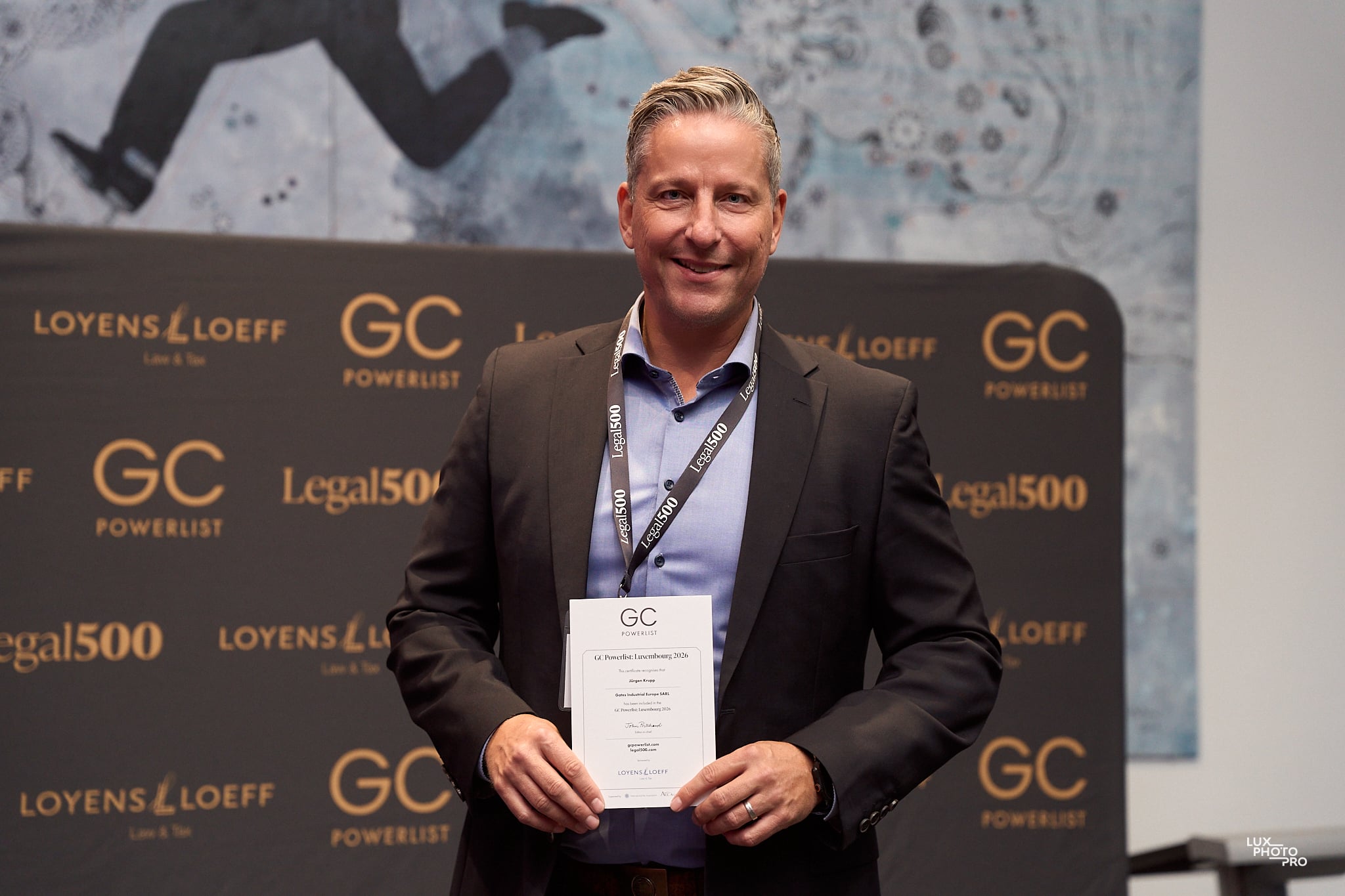
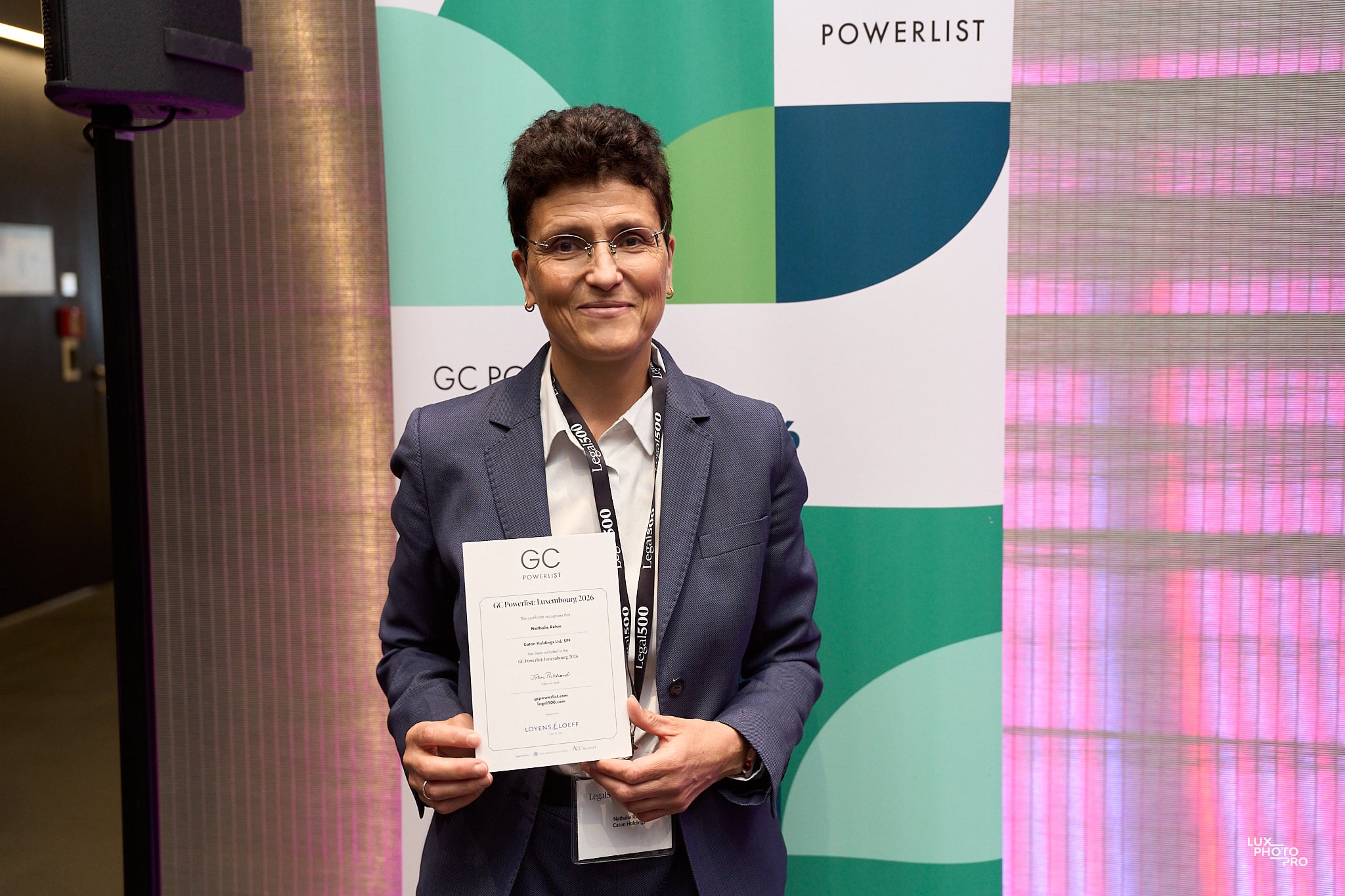
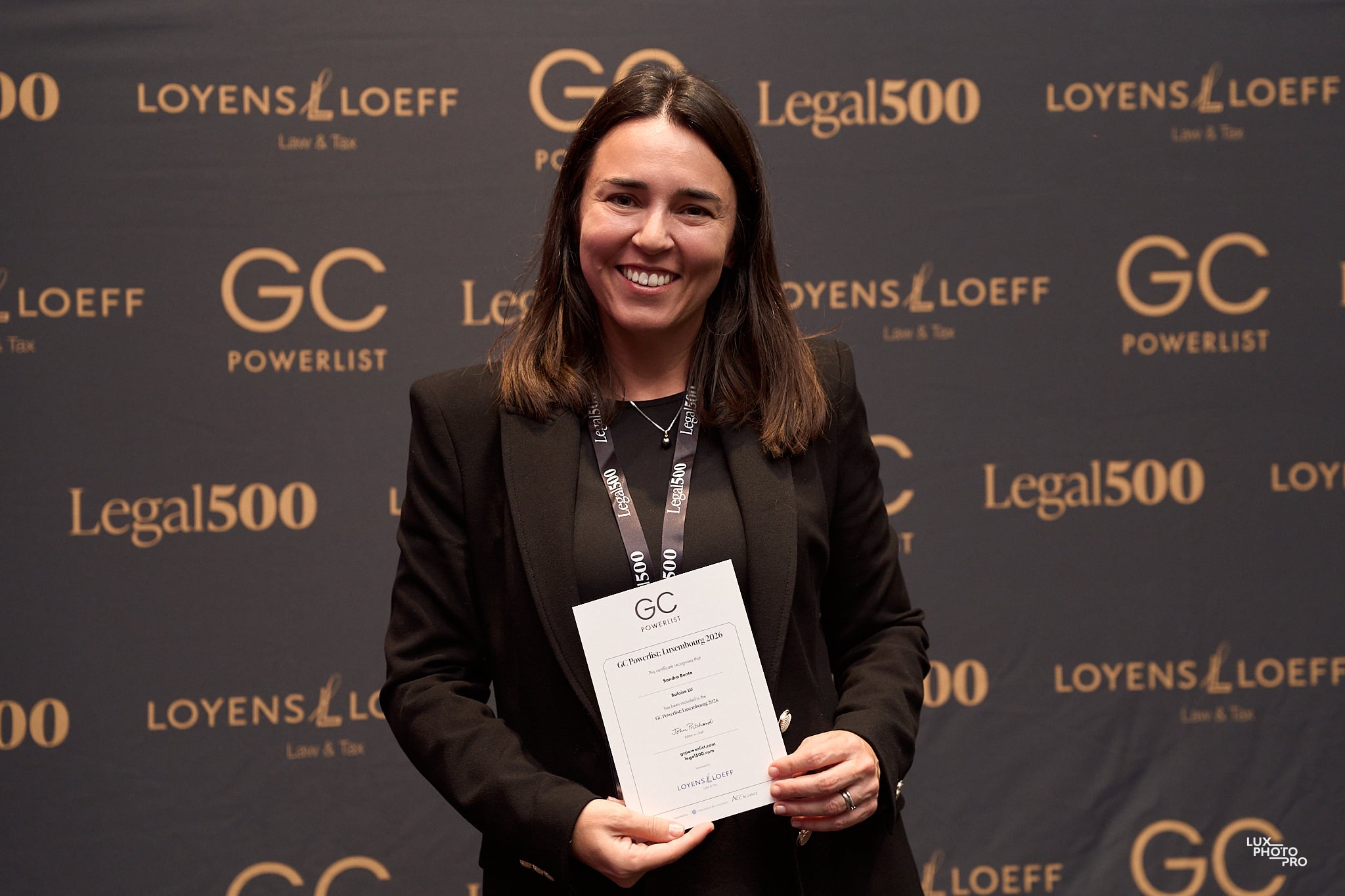
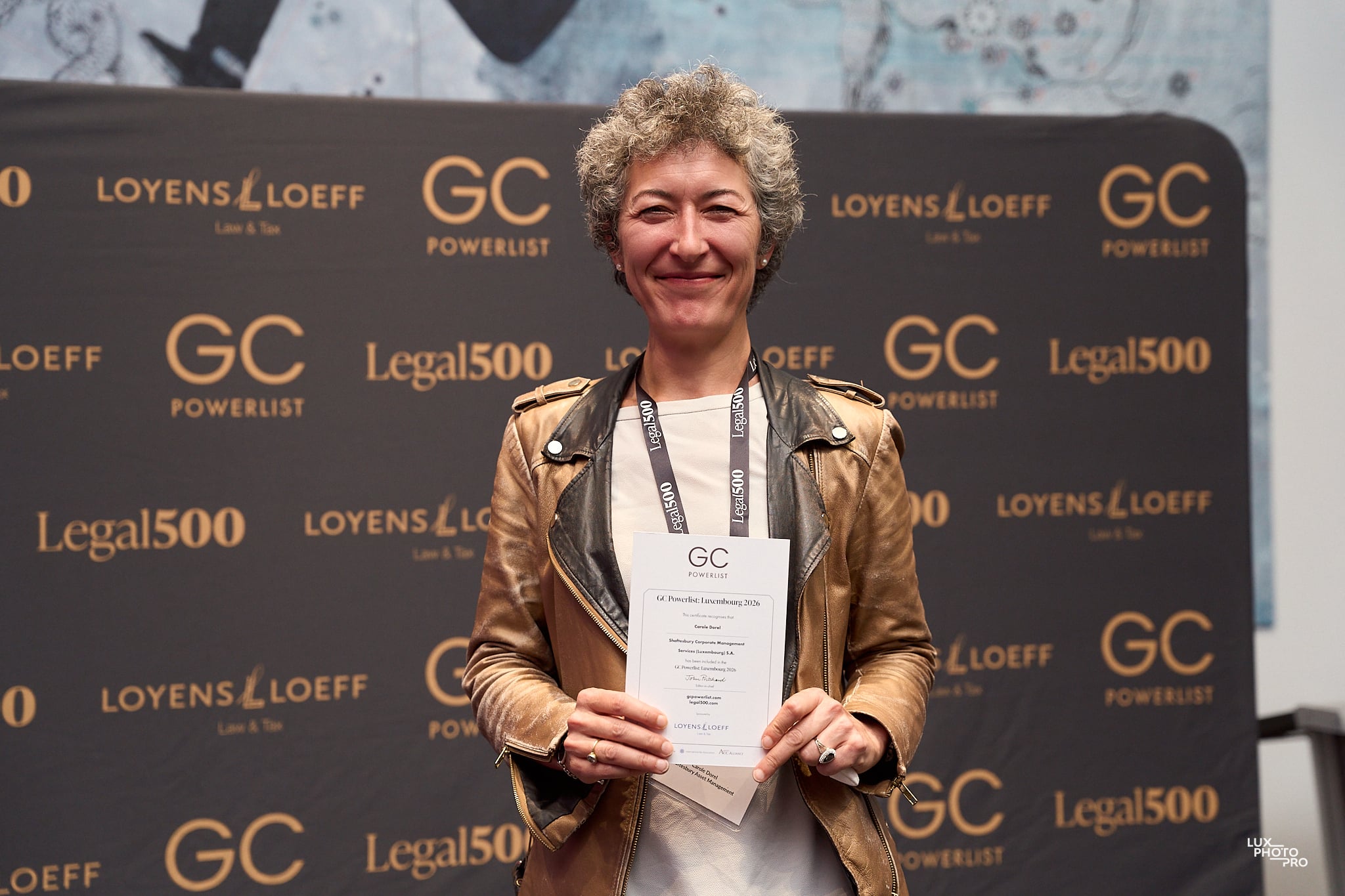
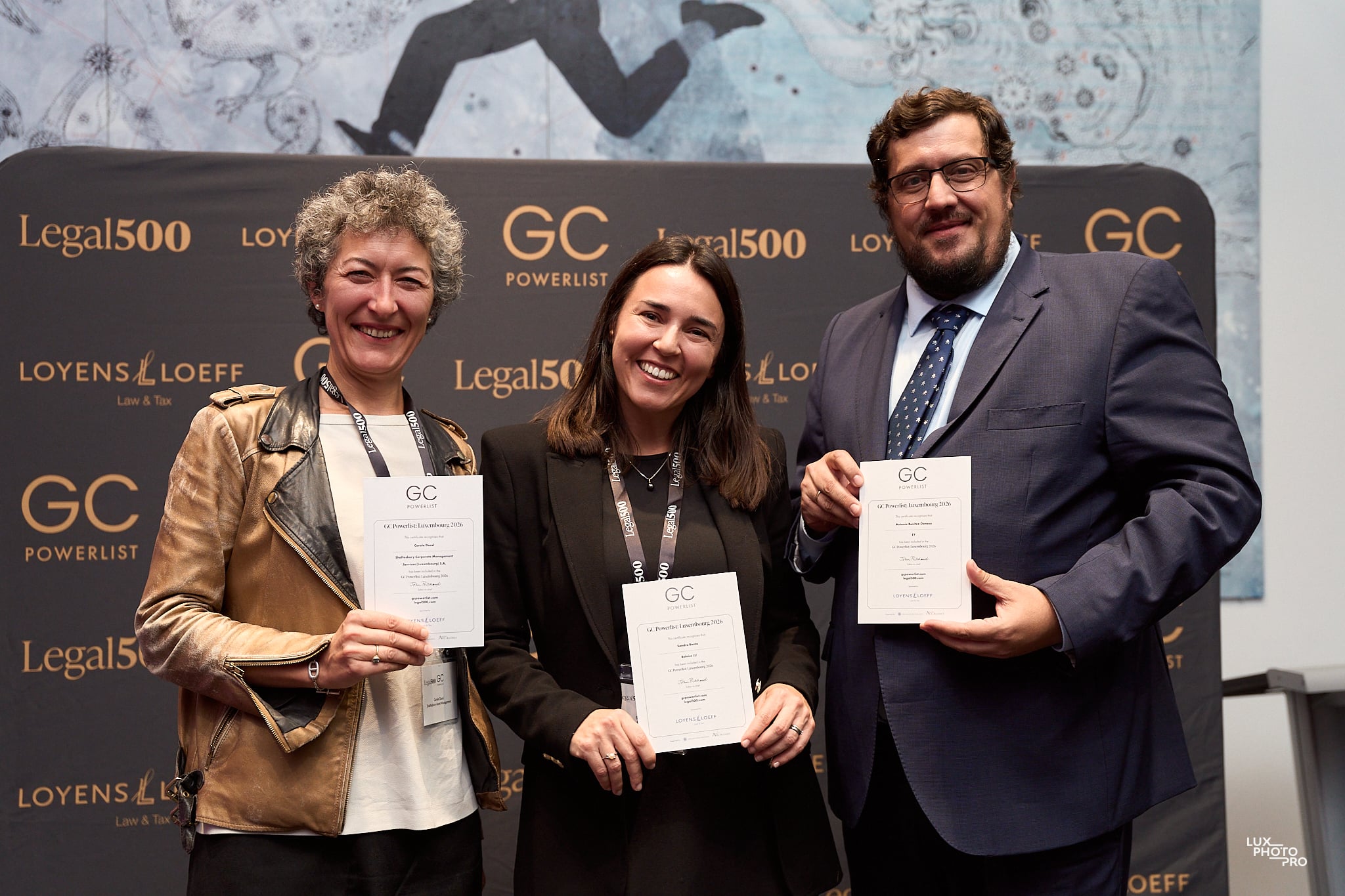
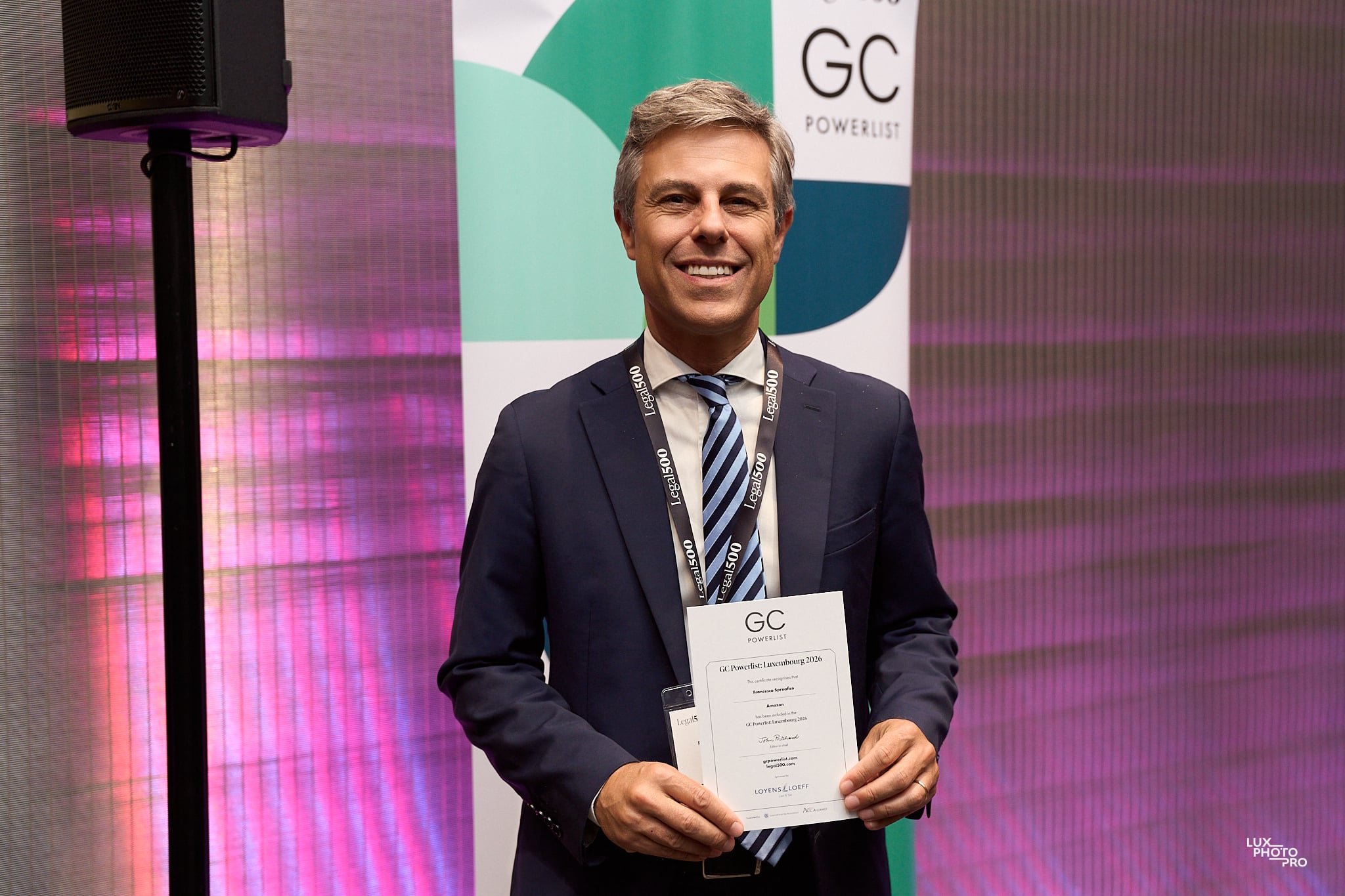
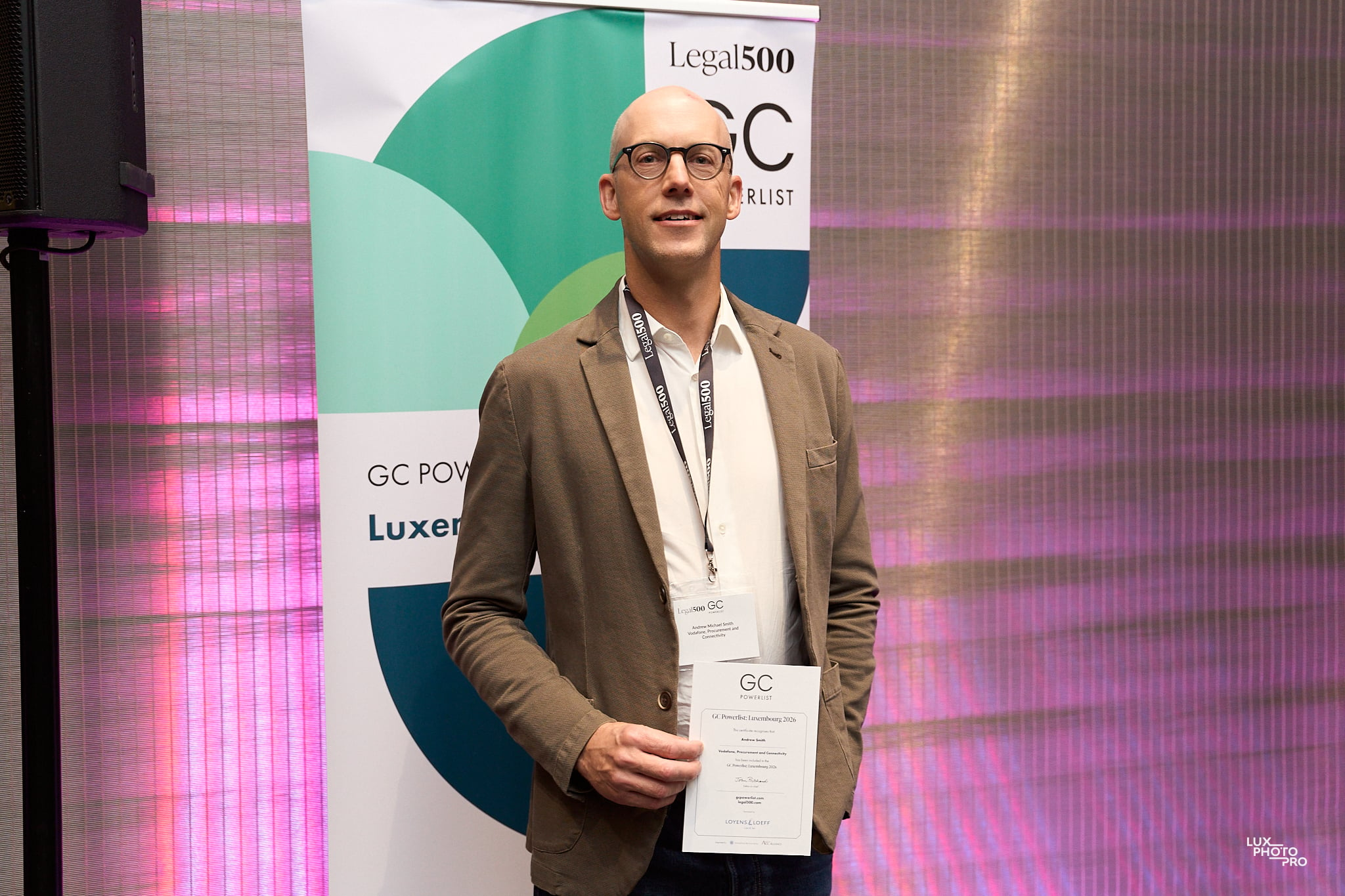
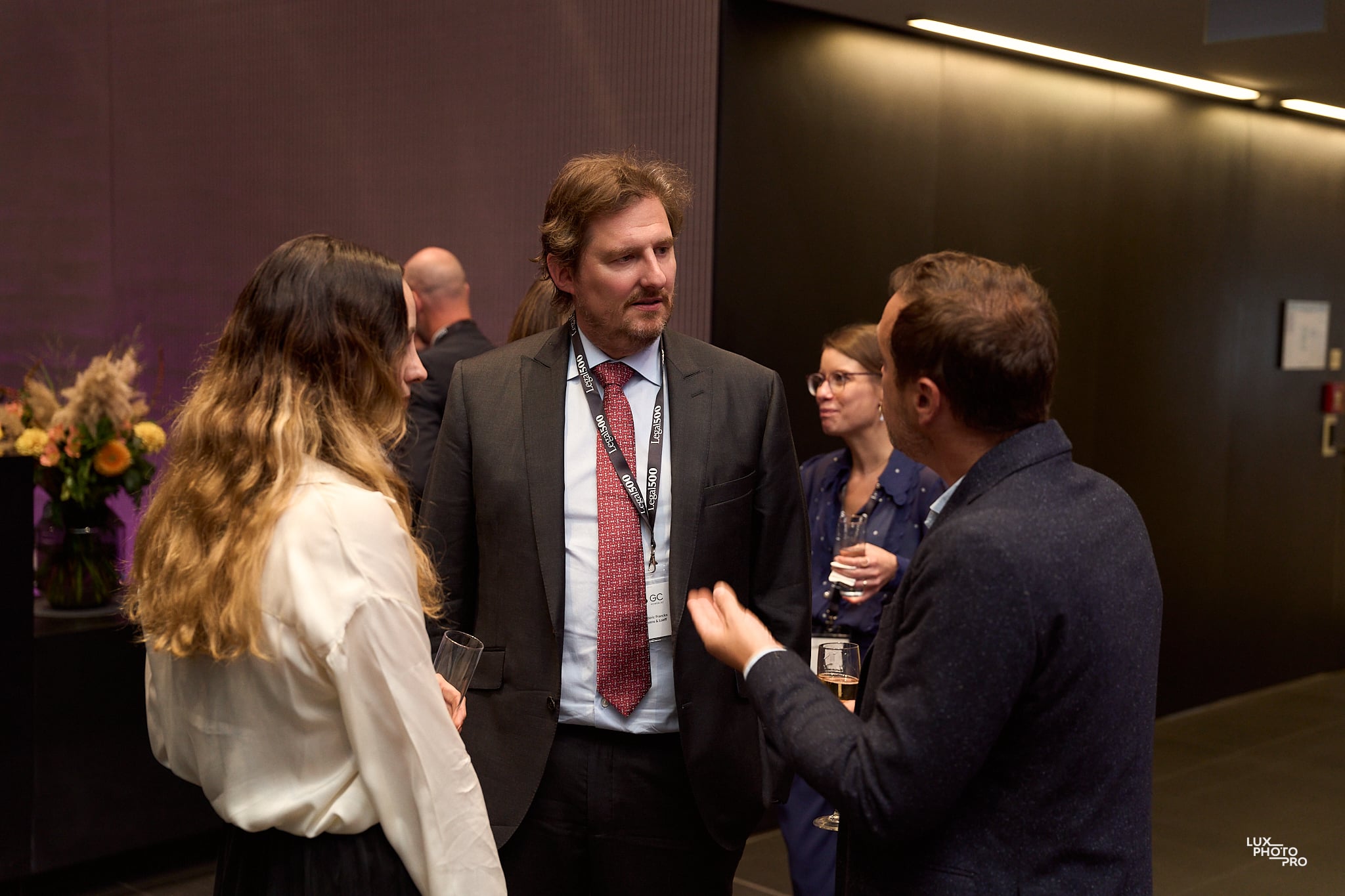
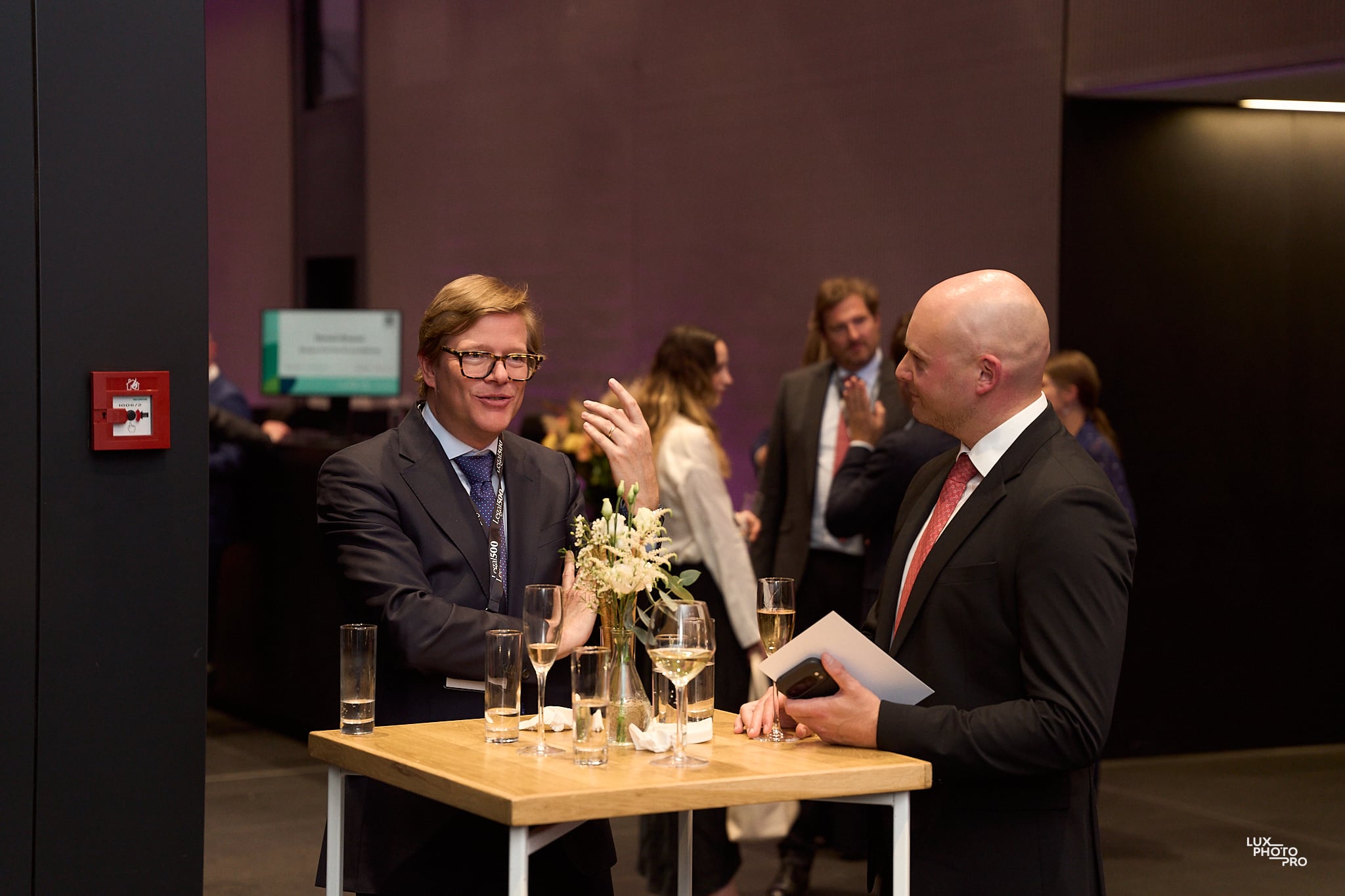
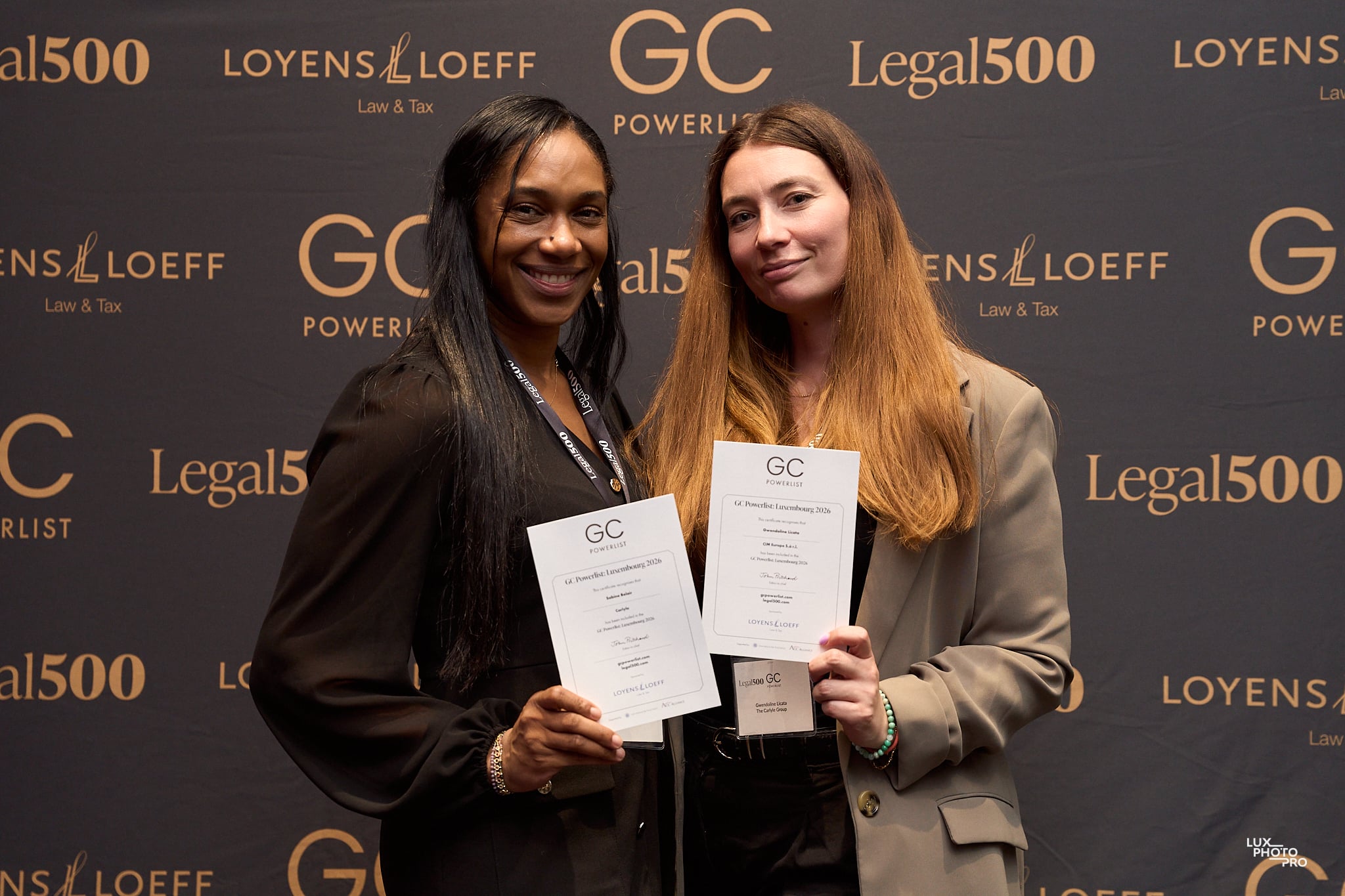
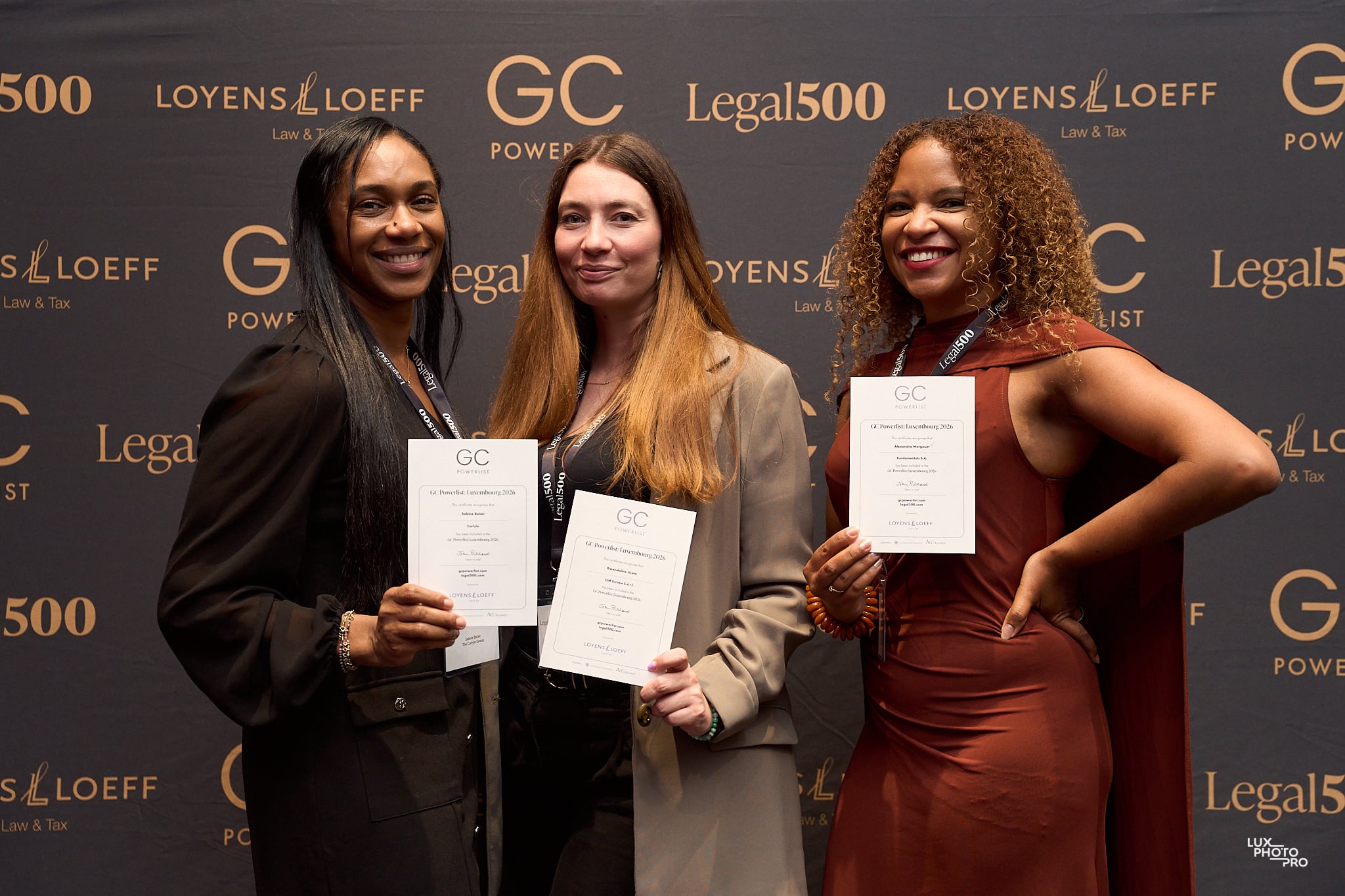
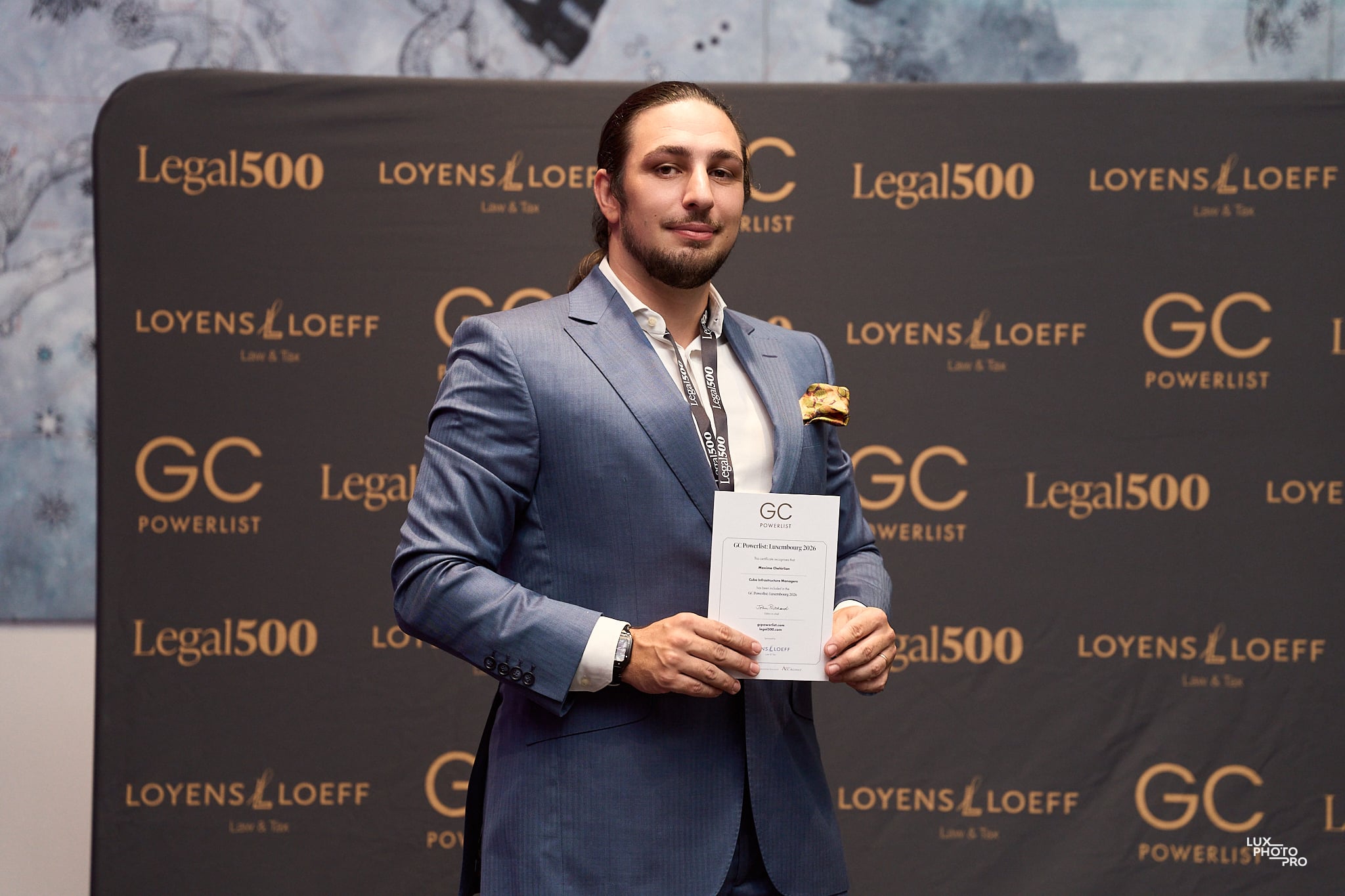
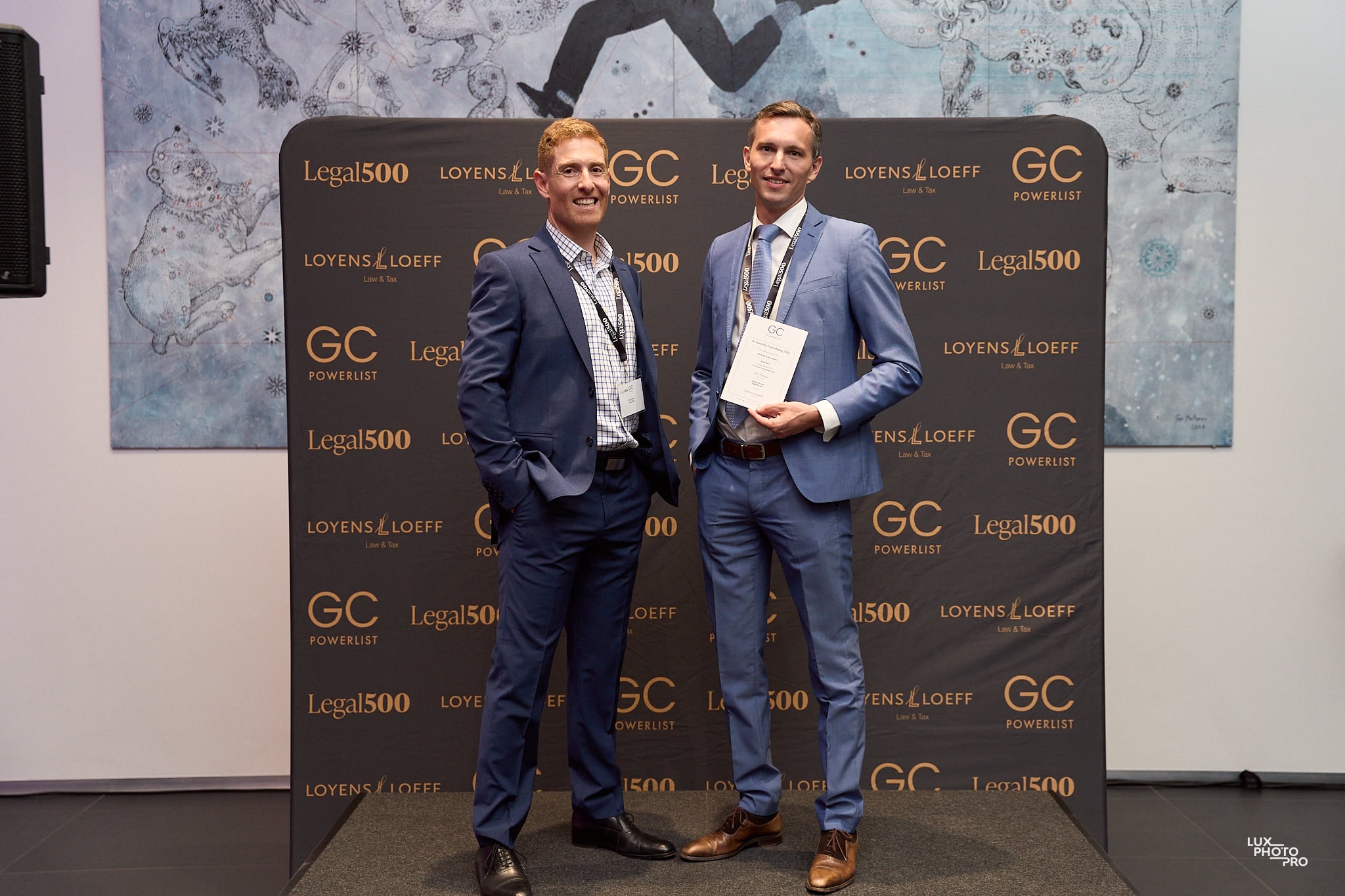
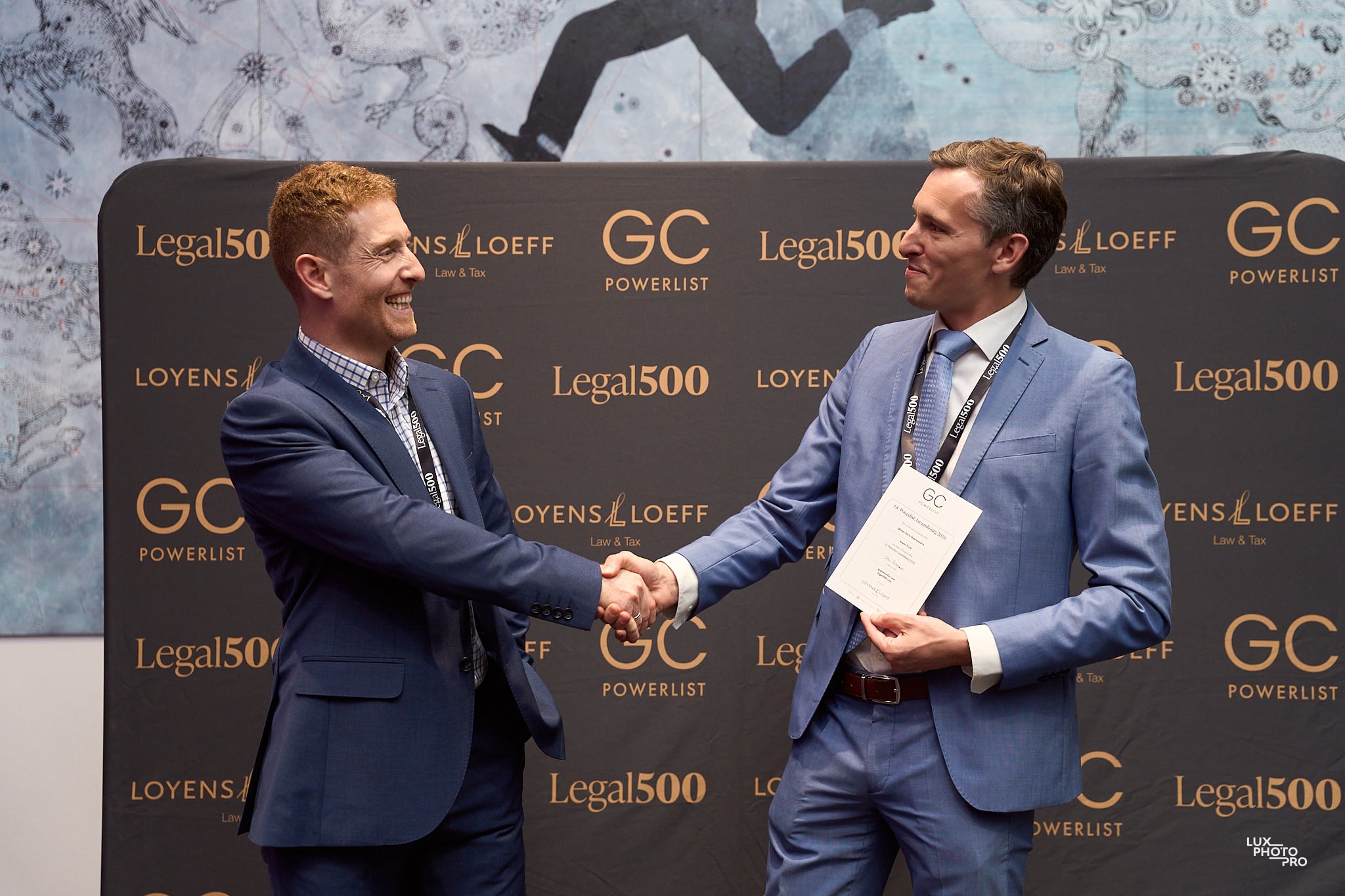
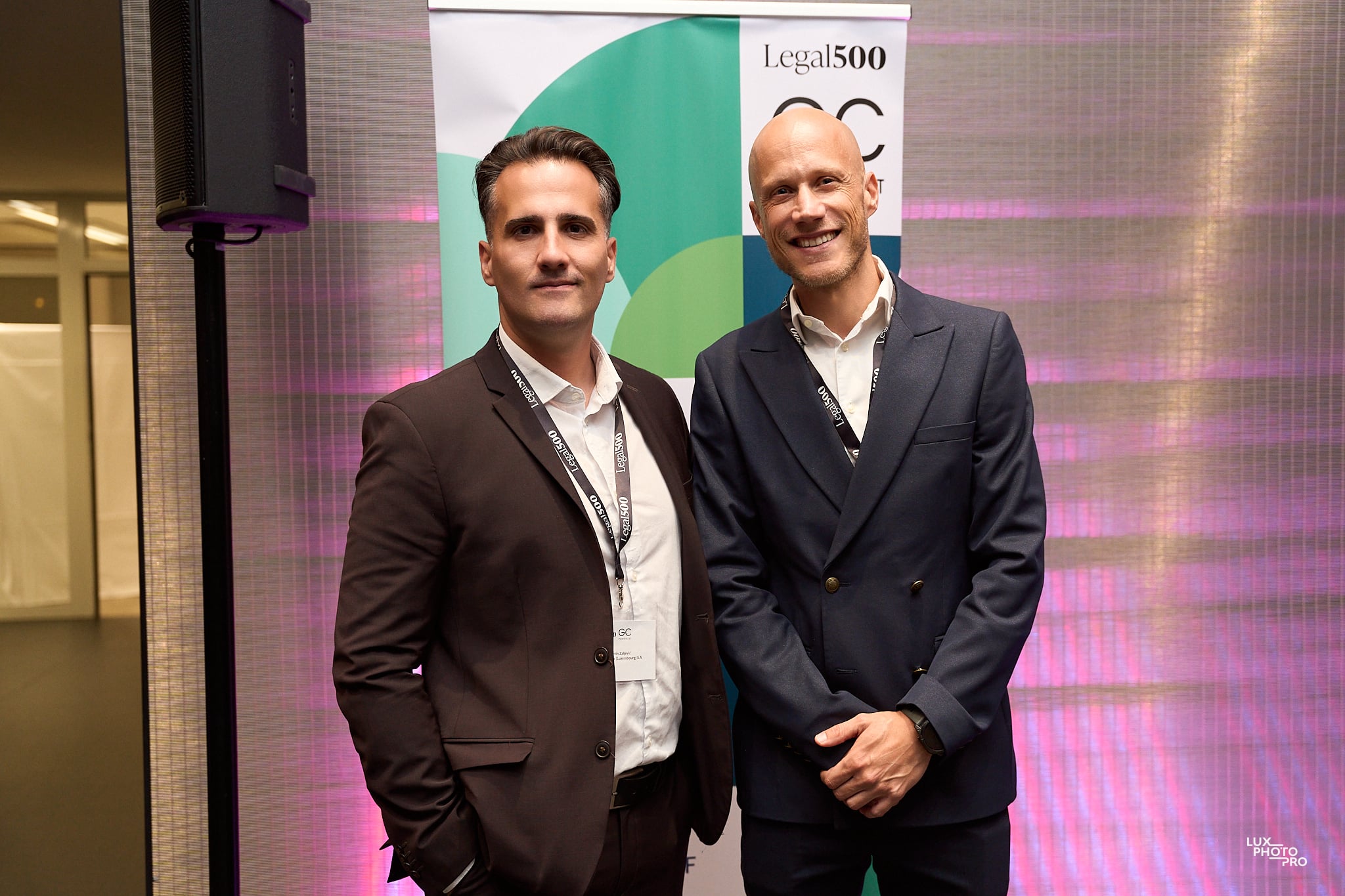
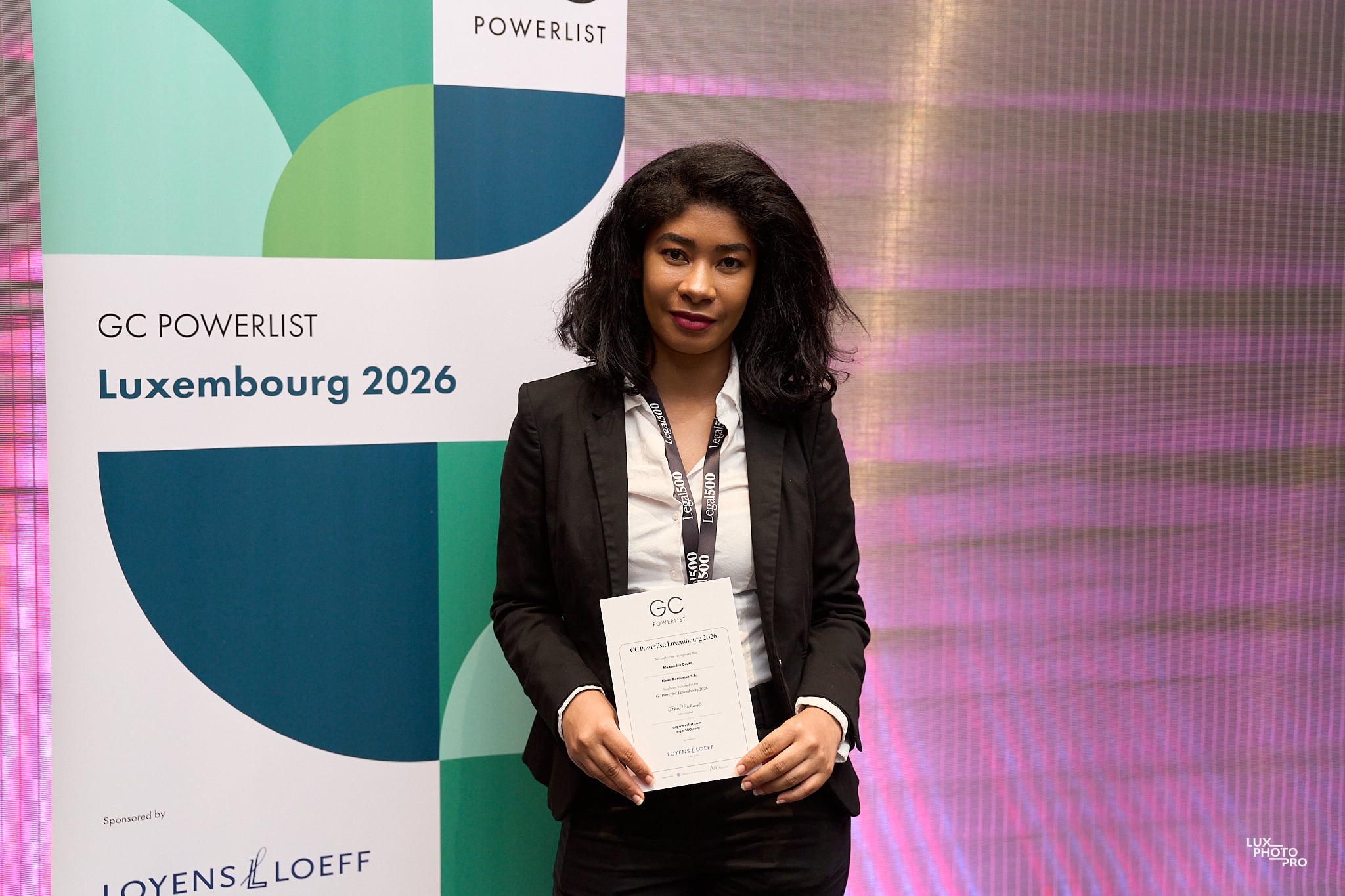
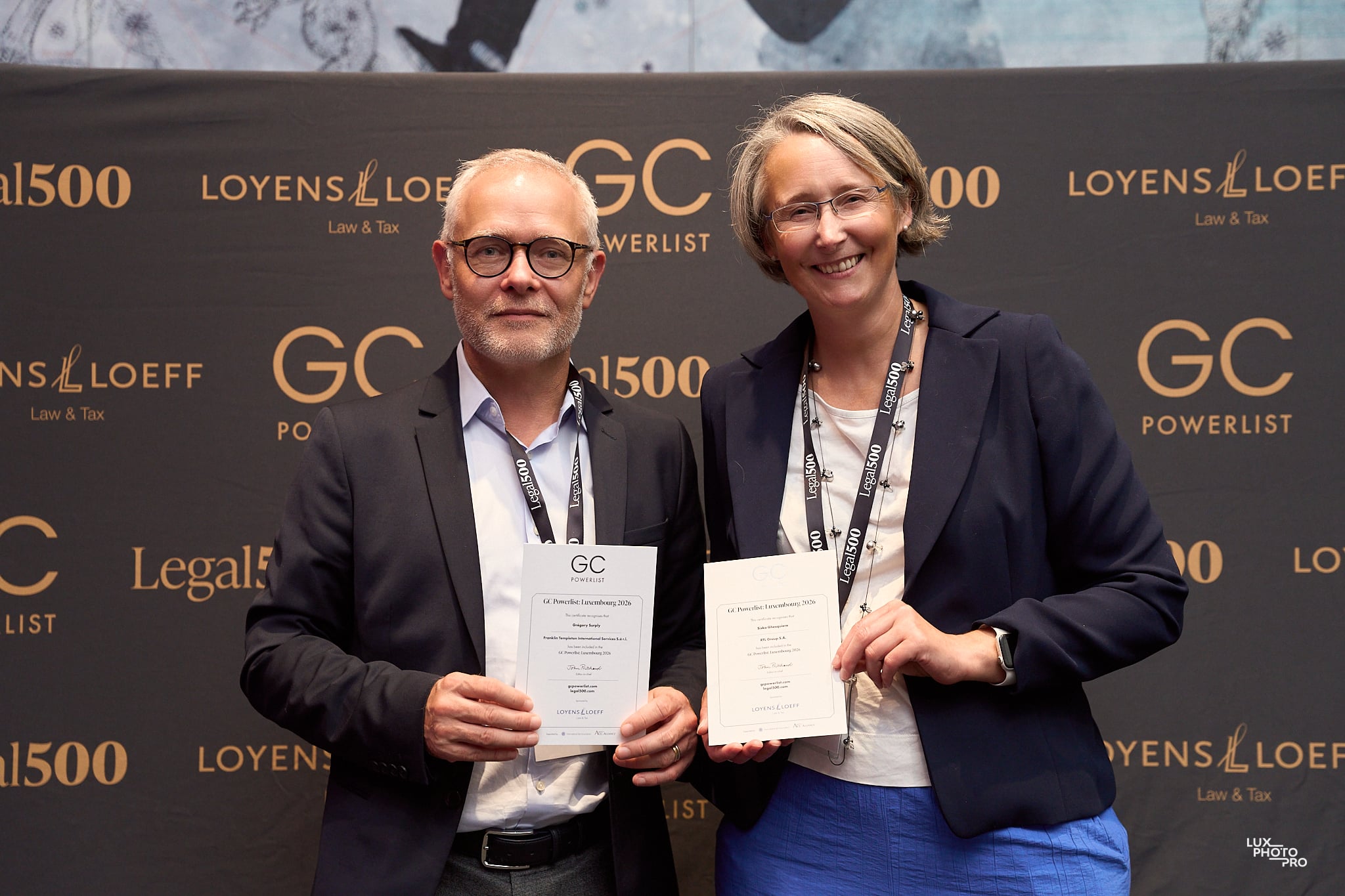
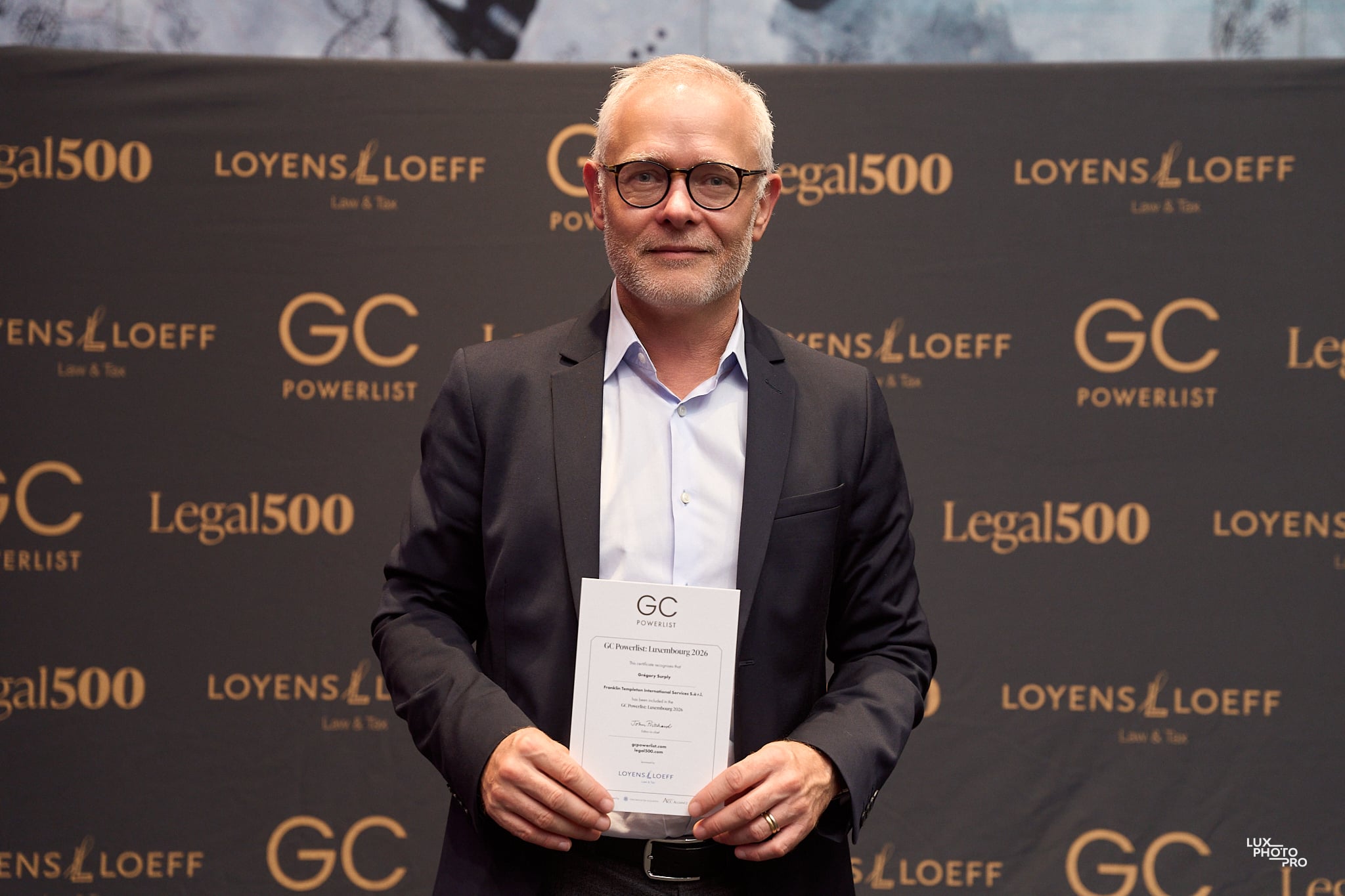
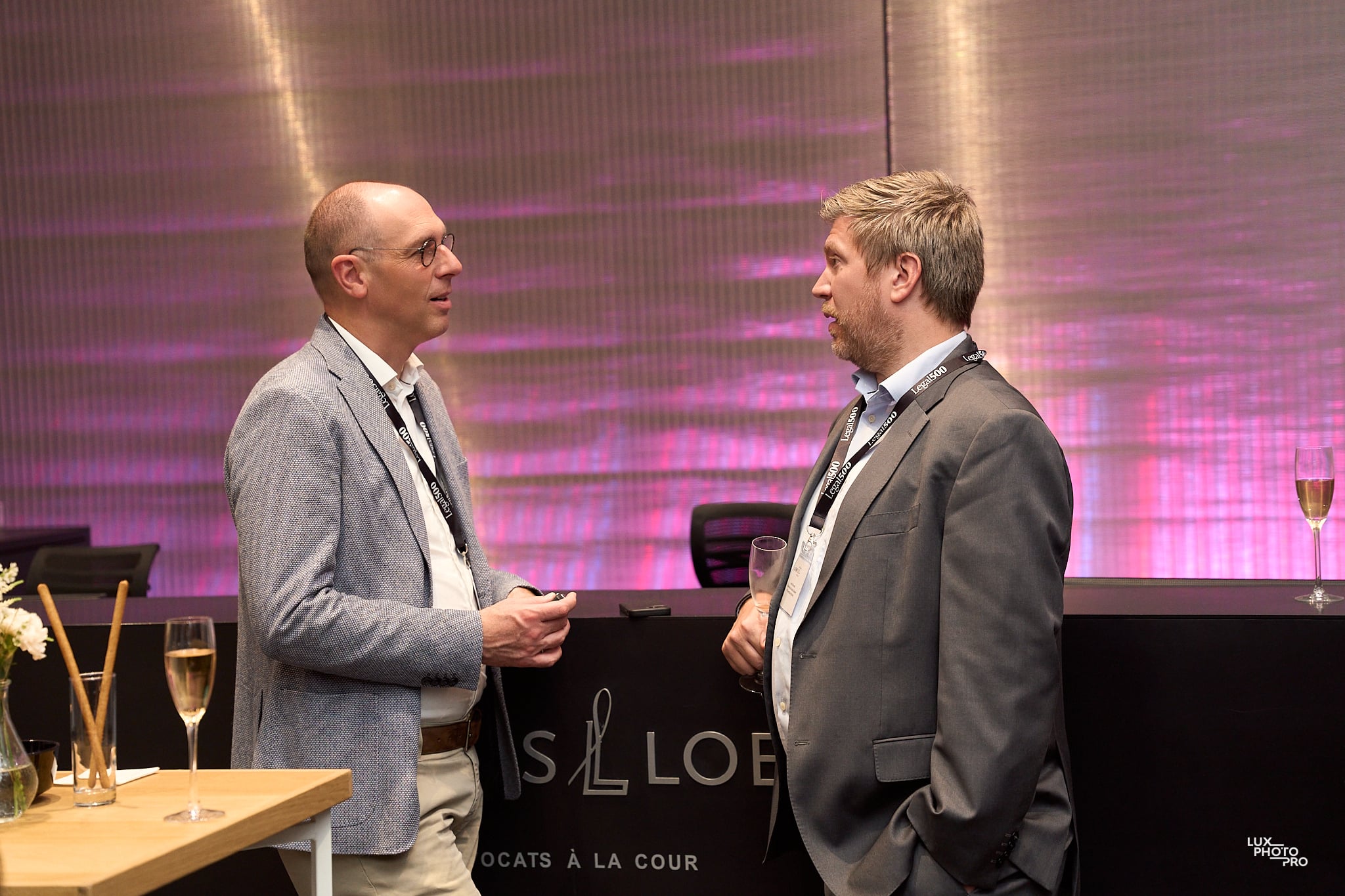
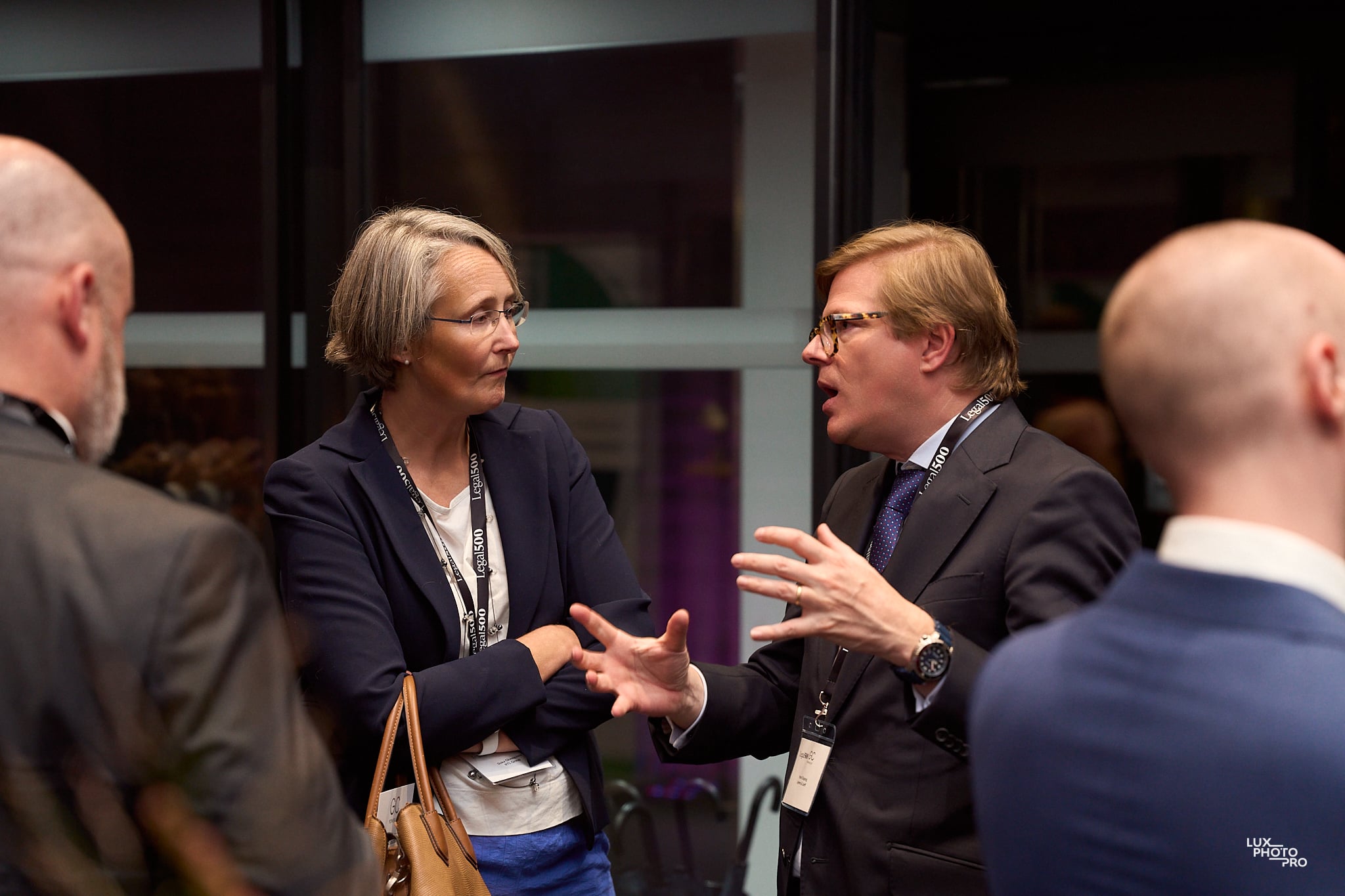
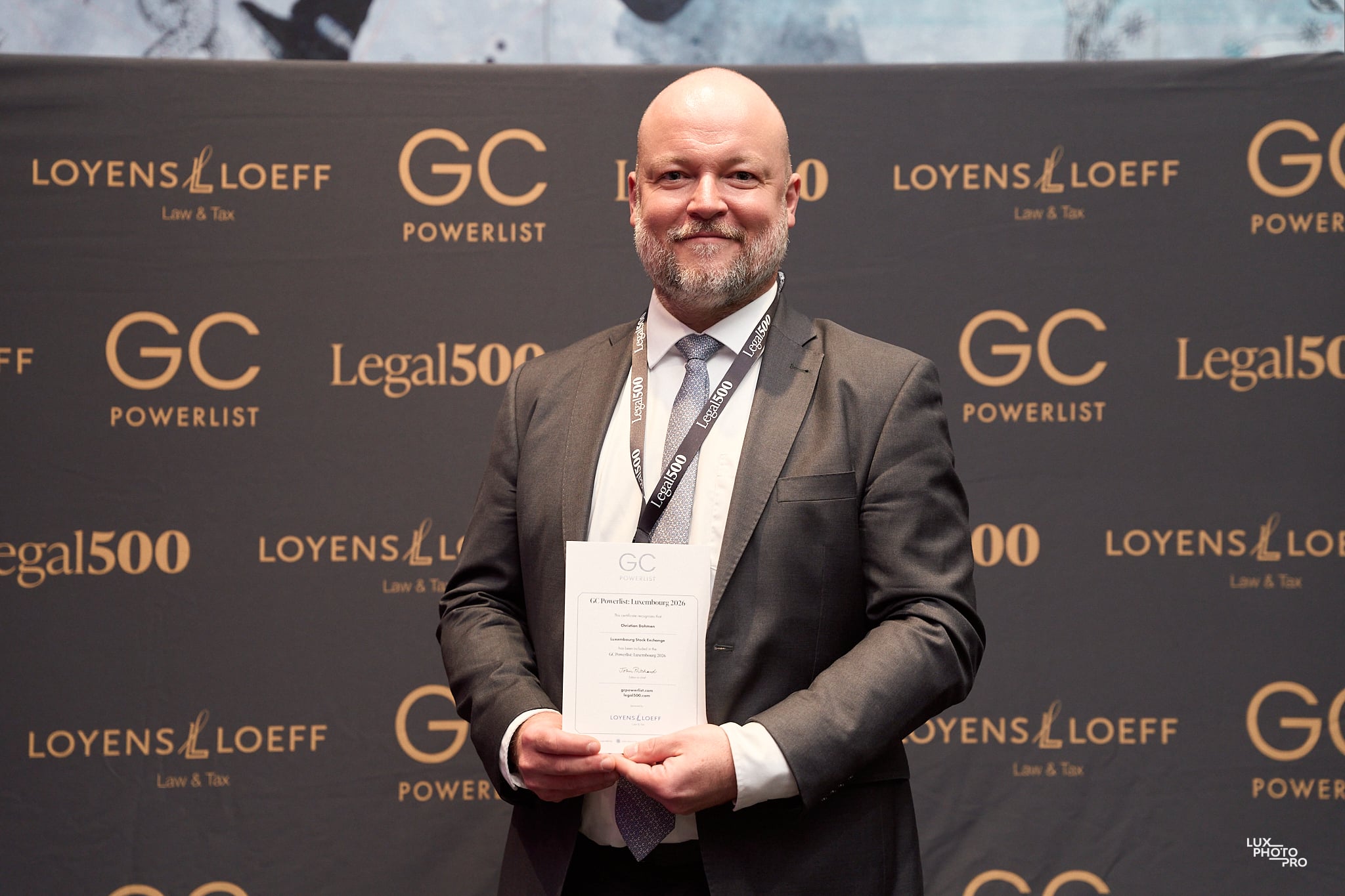
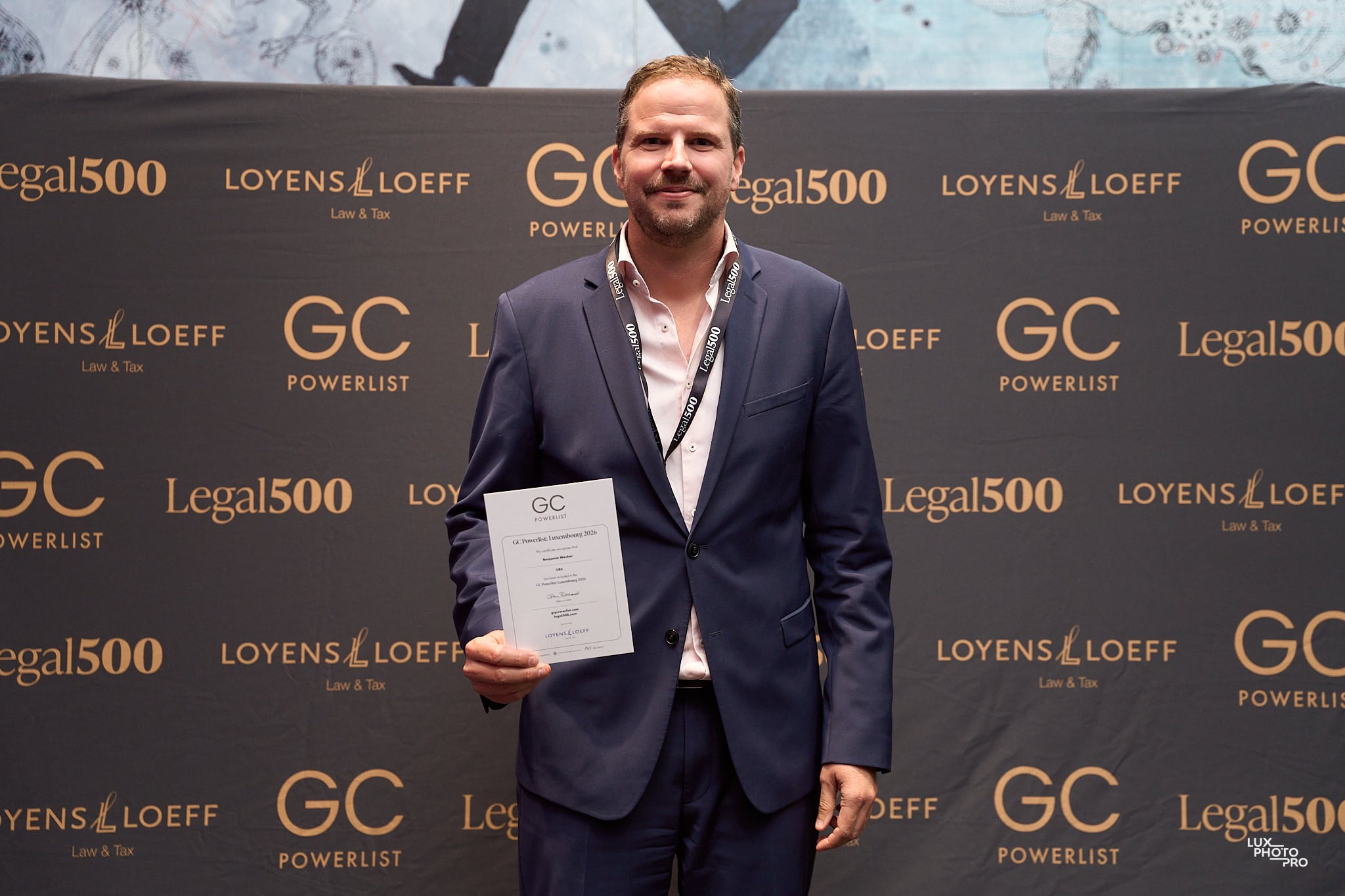
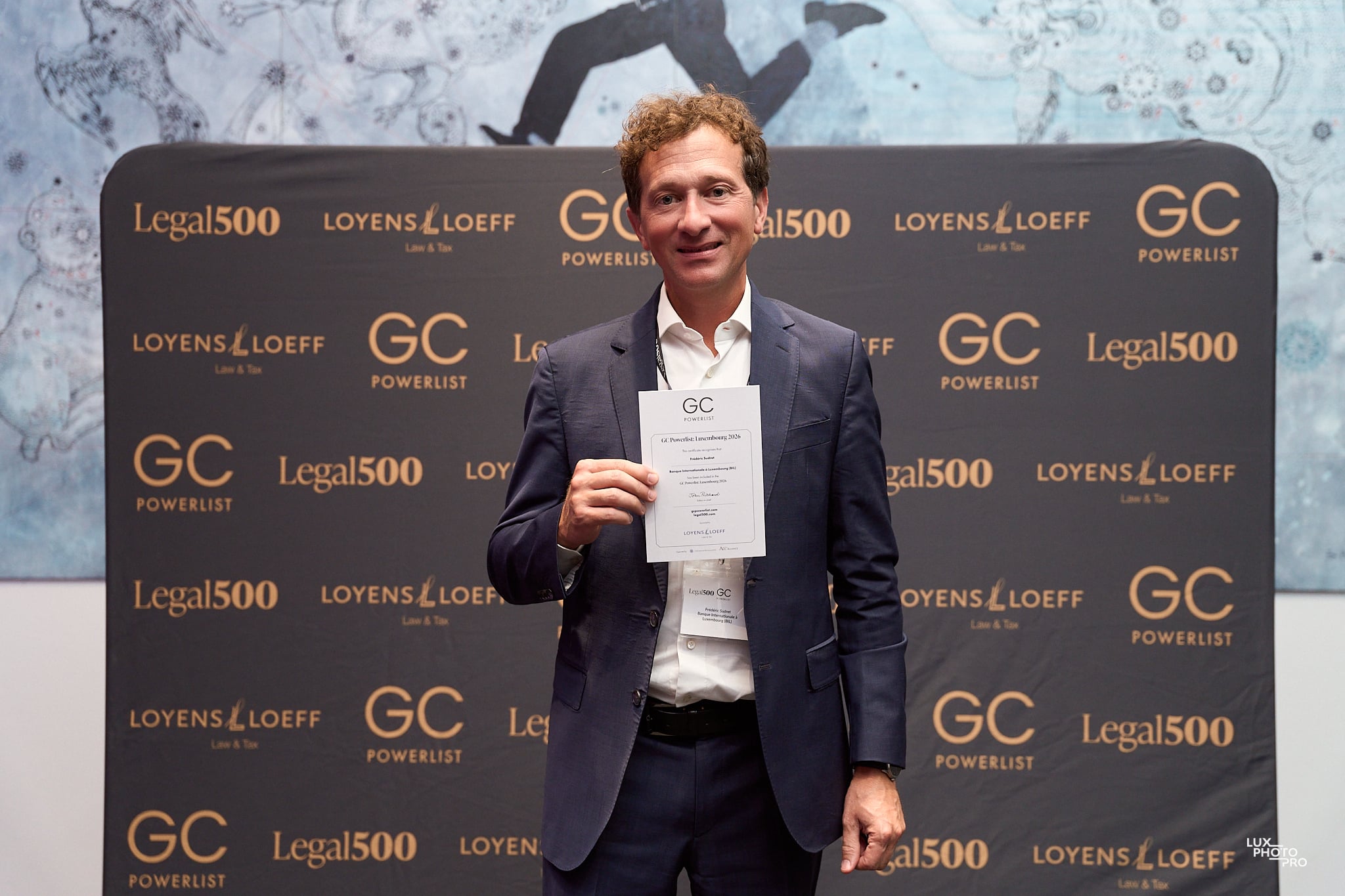
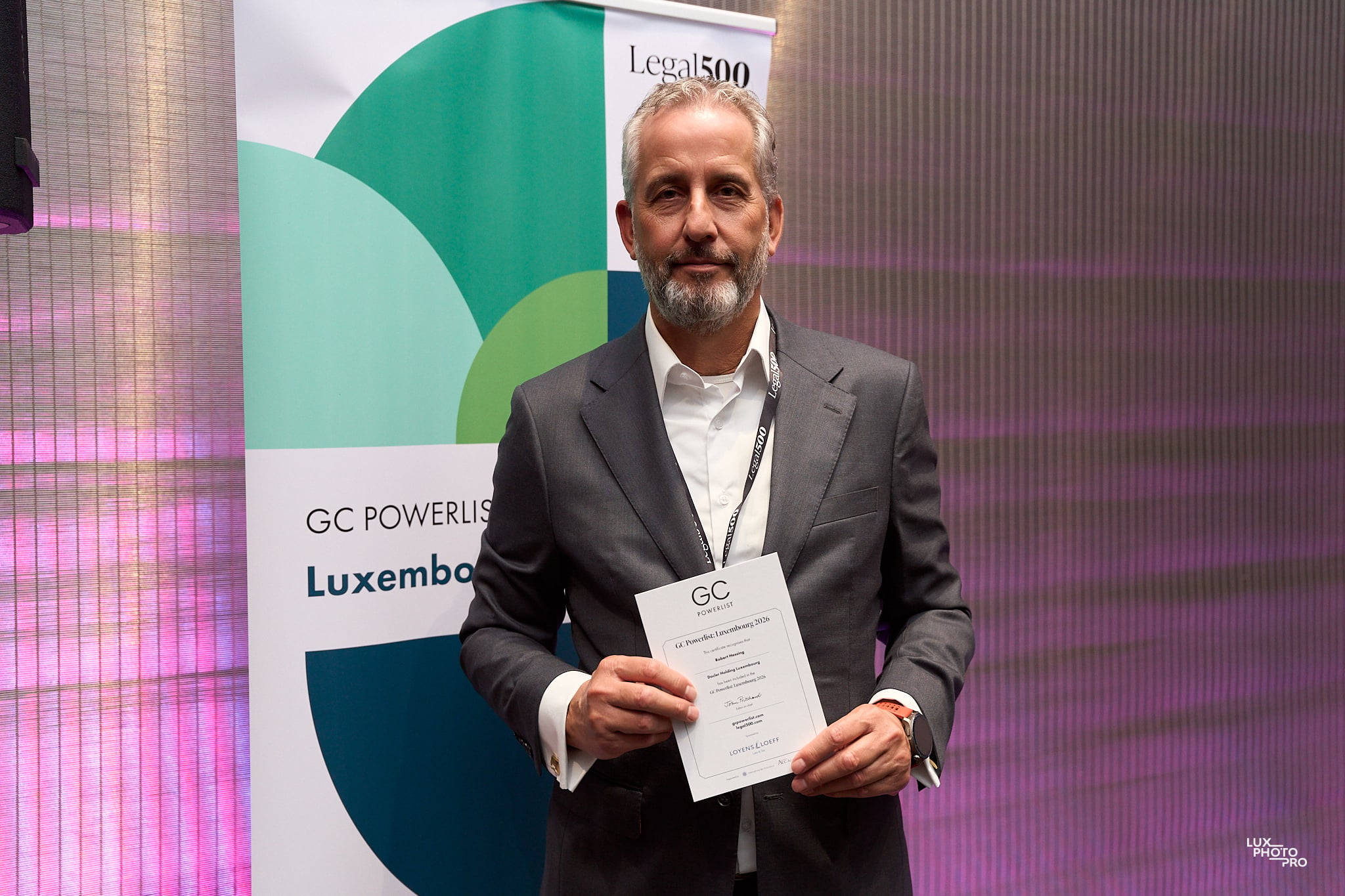
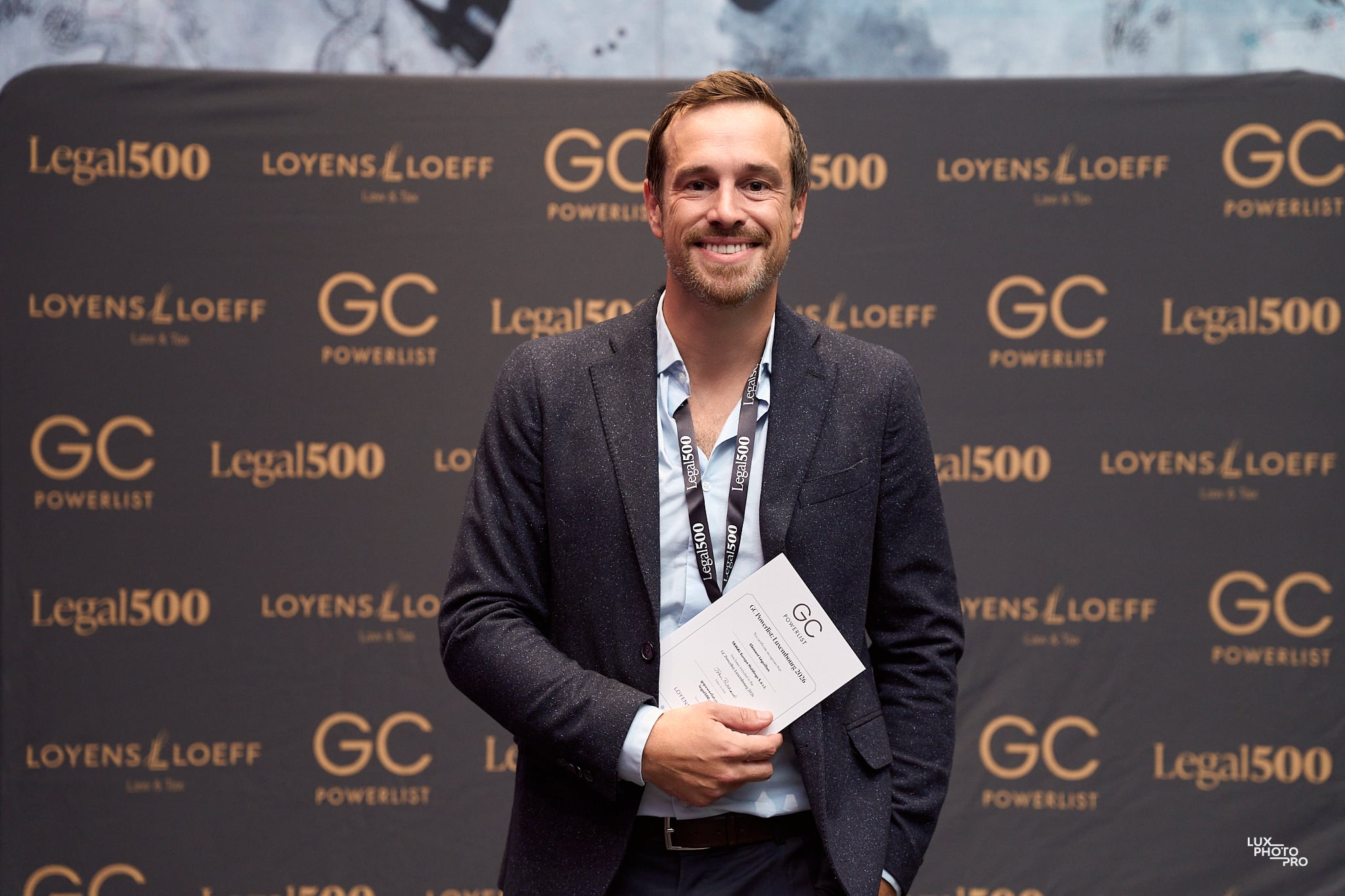
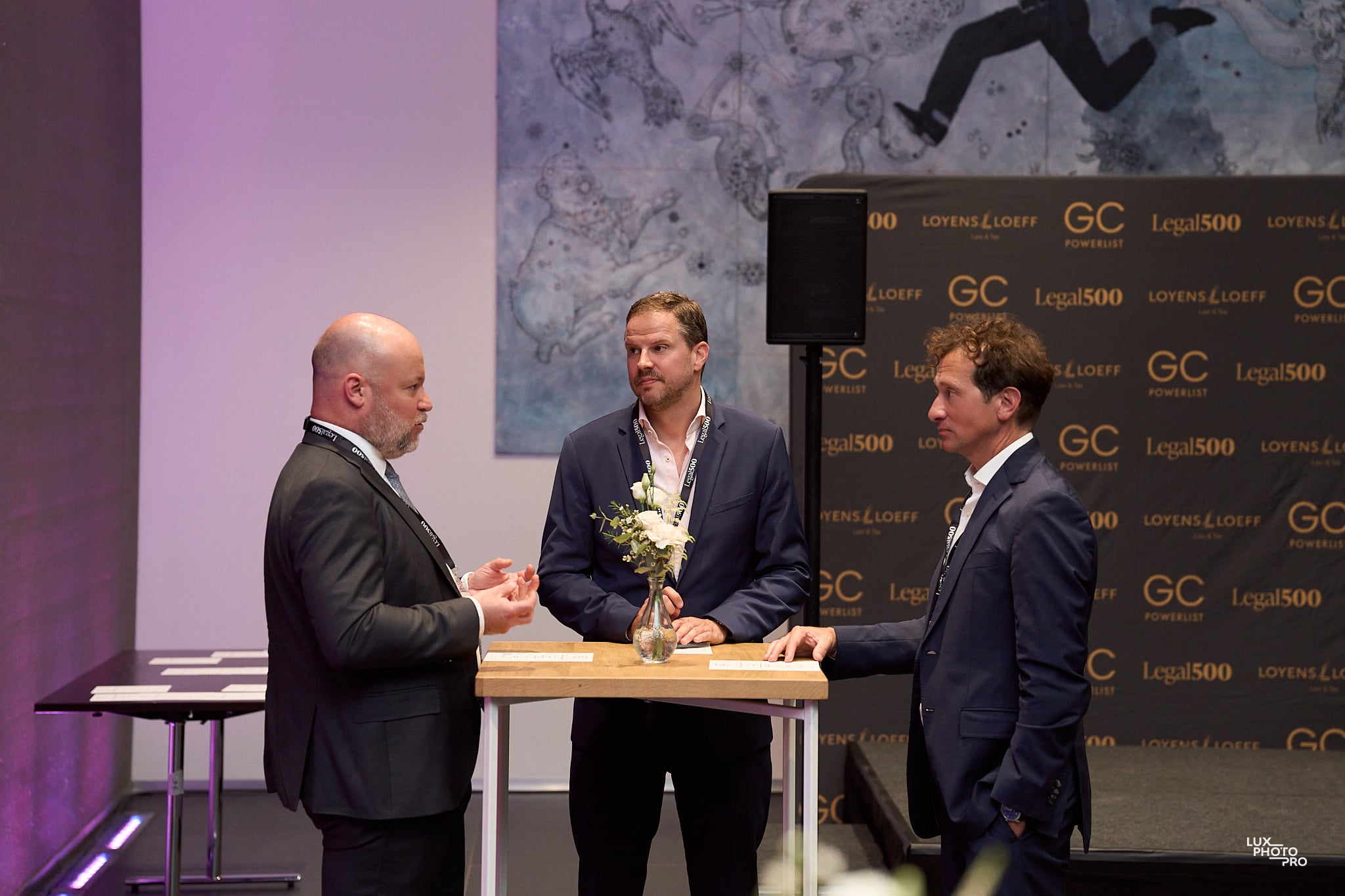
Legal 500 returned to Luxembourg for the launch of the GC Powerlist: Luxembourg 2026, held in partnership with Loyens & Loeff. The reception brought together leading general counsel from across Luxembourg for an evening celebrating their achievements, leadership and influence within their organisations.
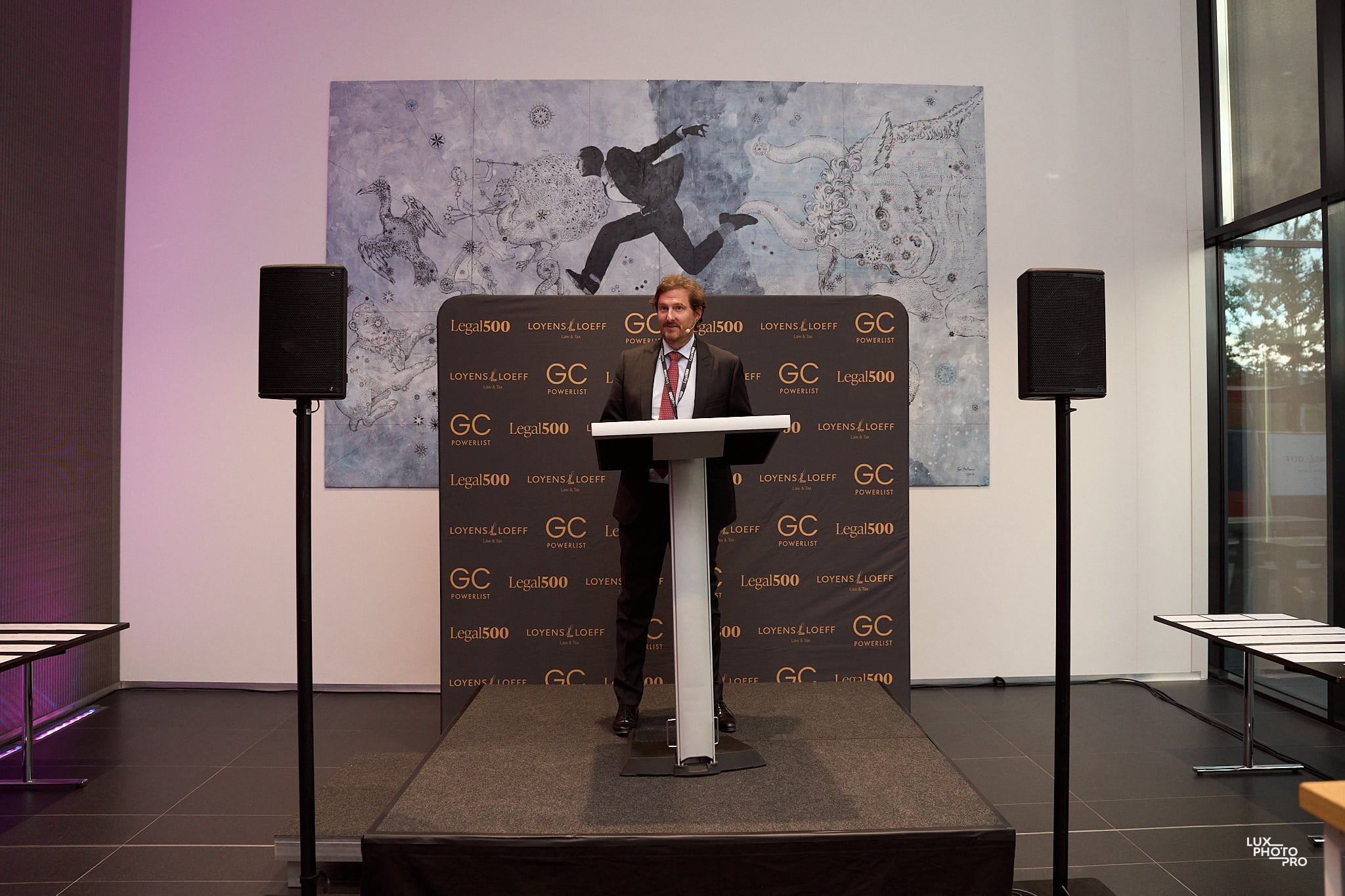
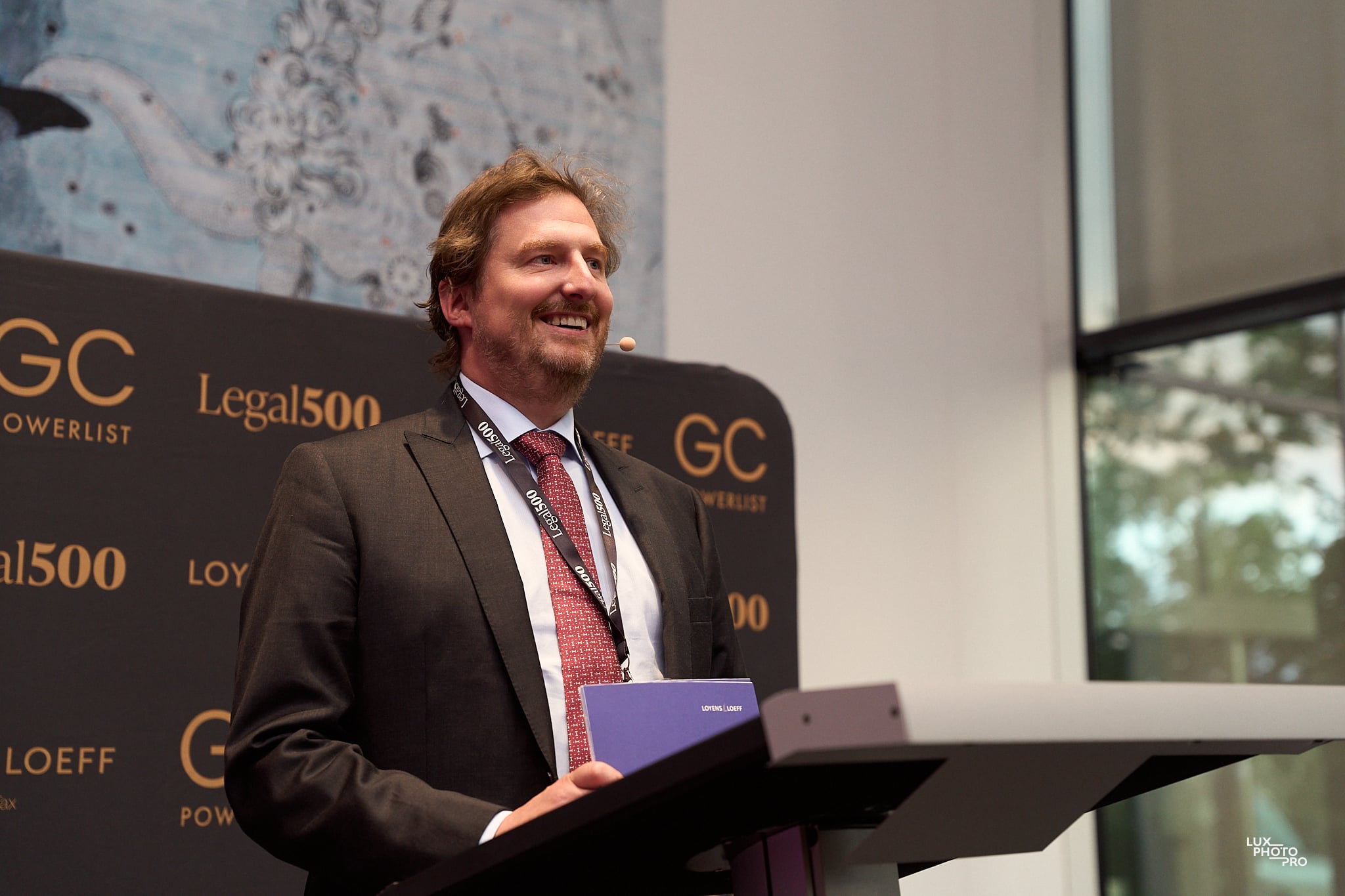
Frederic Franckx, Partner in the Corporate and M&A practice and Managing Partner of Loyens & Loeff Luxembourg, opened the event with welcoming remarks.
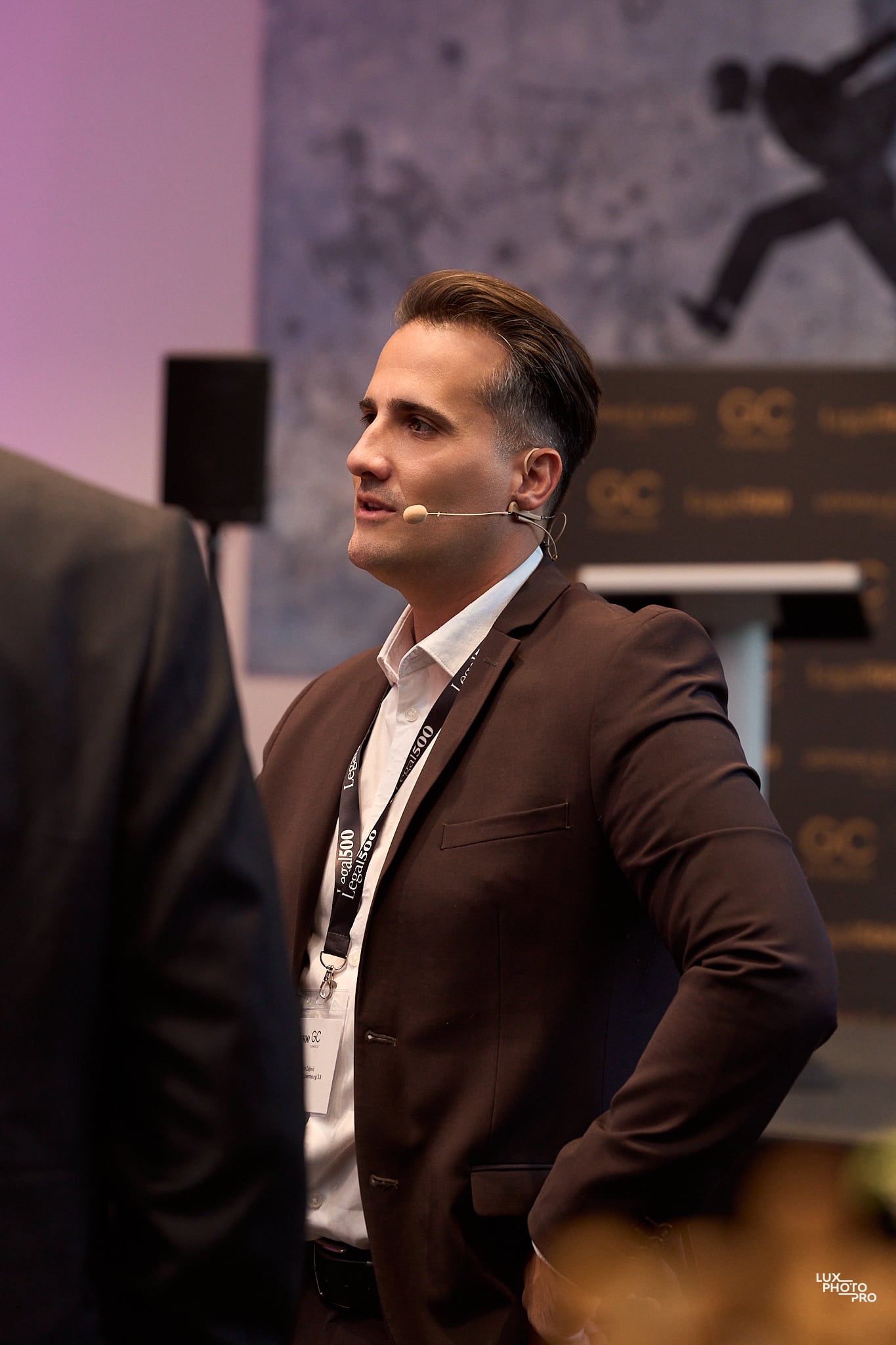
This was followed by a keynote speech by Ervin Zaljevic, Vice President and Head of Legal at BlackRock Luxembourg, who discussed the role of the GC and the future of legal leadership in Luxembourg.
Legal 500 thanks Loyens & Loeff for its support in recognising Luxembourg’s outstanding general counsel community and congratulates all those included in the GC Powerlist.