Norway 2026
Supported by the Association of Corporate Counsel


General counsel | Saint-Gobain Distribution Norway AS and Brødrene Dahl AS








Head of legal section | Forsvarsbygg (Norwegian Defence Estates Agency NDEA)



Vice president, head of legal, privacy and security management | Intility













VP, General counsel | Adecco/Akkodis Group Nordics

General counsel, personal banking [Head of legal Norway and branch manager] | Nordea


Head of Legal Norway & Iceland | Coca-Cola Europacific Partners



Group chief legal, compliance and HR officer | Viking Assistance Group AS

General counsel and Executive director for legal, compliance, risk and assurance | Coalition for Epidemic Preparedness Innovations (CEPI)





VP, legal and compliance | LINK Mobility Group AS




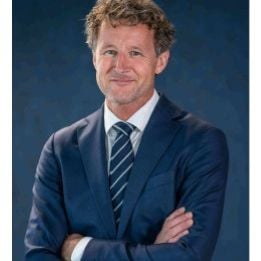

VP Group legal director/general counsel | DNV AS (DNV Group)


General counsel, European and international affairs | Statnett SF
Group EVP and general counsel and chief of staff | KONGSBERG
Head of Legal Telenor Norge AS & Vice President Group Legal Telenor ASA | Telenor
Chief Legal and Compliance Officer | Torvald Klaveness


I am honoured to introduce Legal 500’s GC Powerlist: Norway 2026, recognising leading in-house counsel from across the country. In association with DLA Piper, this year’s edition pays testament to the integral role that in-house counsel play within their organisations and celebrates their commitment and dedication.
Today’s legal and business landscape is characterised by economic, technological and geopolitical change. In-house counsel must guide their organisations through periods of uncertainty, while preserving commercial objectives.
The modern in-house lawyer requires an in-depth understanding of the company, its needs and priorities. ‘A core responsibility for any in-house counsel is to always be curious about the business and have the interest in the business’ success’, explains Fredrick Holm-Hansen, group legal counsel at Avinor AS.
This curiosity that forms the foundation of constructive legal advice. Frode Lillebakken, general counsel at Gelato ASA, agrees: ‘business acumen is one of the most important attributes: understanding the commercial landscape, product strategy and growth levers of the company is essential to delivering relevant, actionable legal advice’.
However, leading businesses through periods of instability often means that legal advice conflicts with commercial priorities. In-house counsel must strike a balance between the legal and the commercial: ‘the goal is rarely to eliminate risk entirely, but rather to enable informed choices that align with the company’s strategy and values’, notes Sigve Reme Sand, chief legal officer at Höegh Autoliners ASA.
It is therefore the responsibility of in-house counsel to ‘quantify, contextualise and prioritise risk in a language that resonates with commercial colleagues’, says Håvard Vikse, general counsel at EY Norge. ‘In uncertain environments, advice that helps the business understand the range of outcomes, enables the business to make risk-based decisions, and suggests alternative solutions is more valuable than just pointing out that something is risky’, he goes on to explain.
Artificial intelligence (AI) is an area that encapsulates this tension. While AI can drive efficiency, it also introduces associated risks: ‘the outcome can be unreliable without rigorous legal validation against trusted sources and professional judgement’, explains Ole Garborg, general counsel at Elkem ASA. ‘The general counsel’s challenge is to ensure efficiency gains do not come at the expense of quality and legal integrity’, adds Ane Løchen Johnstad, general counsel at Alliance Healthcare.
AI should be used to enhance, not replace, the legal function. It is ‘ideal for automating repetitive tasks, accelerating research and handling the straightforward work that does not require nuanced judgement’, says Annette Asper Berg, head of legal at Ringnes. In turn, this frees up ‘lawyers to focus on what only humans can do’, Berg adds, underscoring the enduring and indispensable role of in-house counsel.
Isabel Caine – Editor, corporate counsel
It has been an absolute honour for Legal 500 to present the fifth edition of the GC Powerlist Bolivia 2026. The years pass, yet the talent in the room never ceases to amaze us.
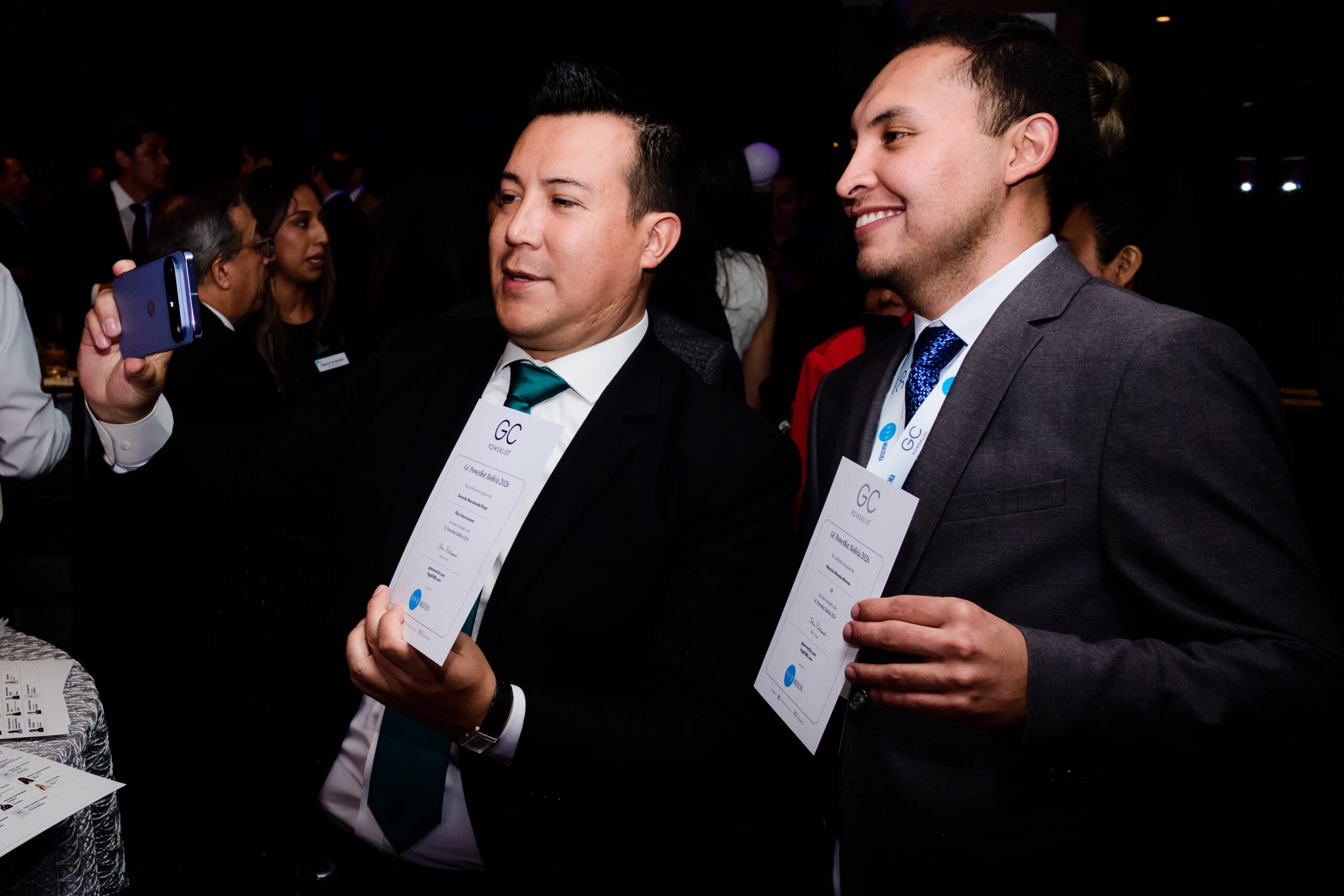
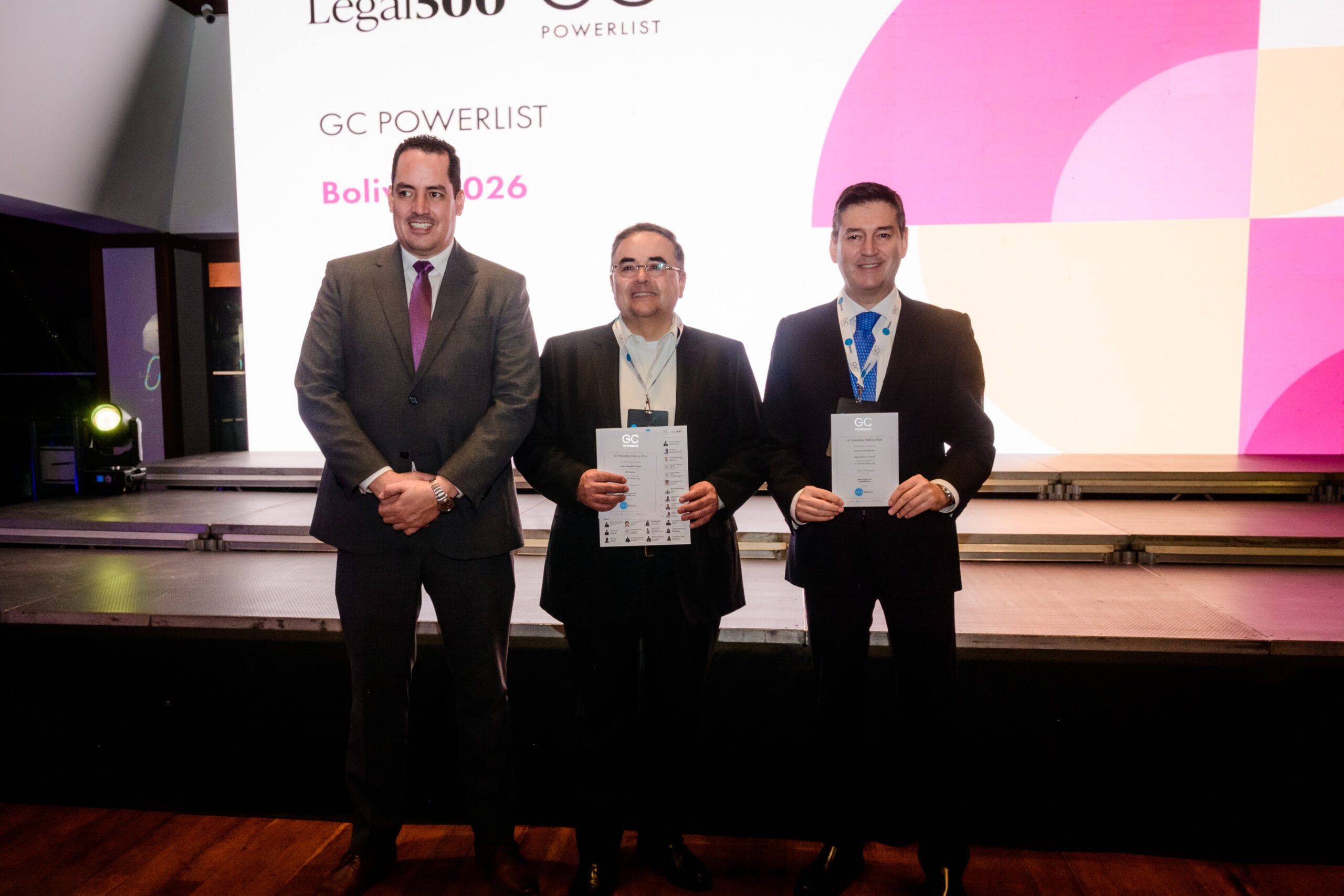
On 1 October, we met at Club Las Palmas in Santa Cruz de la Sierra to celebrate our 2026 cohort. Alongside our partners, PPO Abogados, we hosted some of the most prestigious in-house lawyers from across Bolivia in celebration of their outstanding leadership and achievements over the past year. It was a pleasure to reconnect with previous powerlisters and to welcome new members to the Legal 500 community in Bolivia.
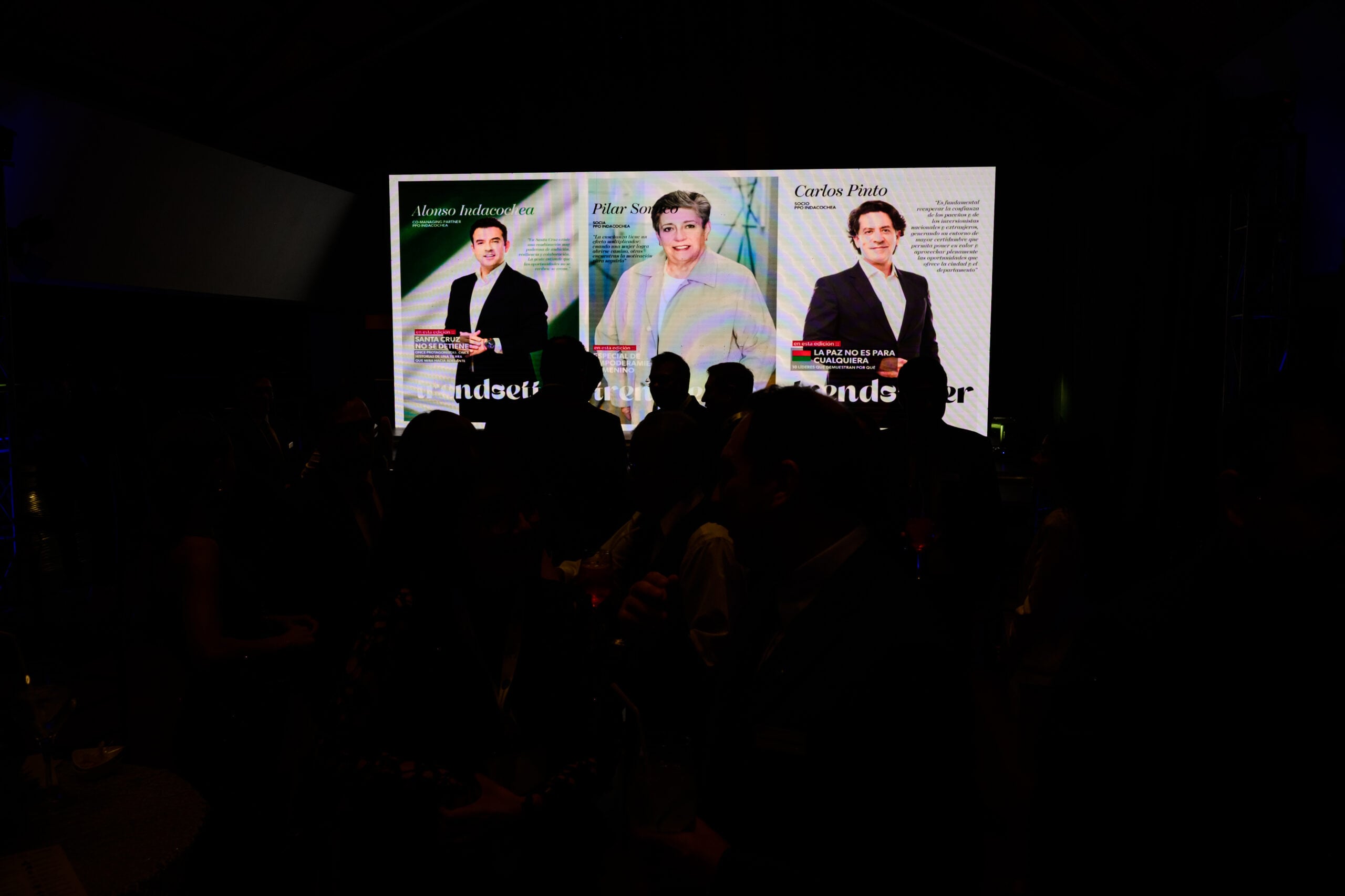
Andere Indacochea, Partner at PPO Indacochea, inaugurated the evening by addressing the powerlisters with a truly inspiring speech that left no one indifferent and highlighted the value of the legal profession within Bolivia’s current economic, political and regulatory landscape. Following her remarks, Carmen Godoy, Legal 500 Research Editor, welcomed this year’s cohort and presented the findings of our research, which position Bolivian in-house lawyers as key strategic partners to the businesses they represent, resilient in the face of regulatory change and increasingly focused on navigating technological transformation.
She then welcomed to the stage Rodrigo Valda Yanguas, Legal Manager at Tigo Bolivia, who addressed his peers as a representative of this year’s GC Powerlist Bolivia cohort. The speeches concluded with remarks from Pablo Ordóñez, Tax Partner at PPO Indacochea, who encouraged the general counsel in attendance to continue acting as ambassadors for the in-house legal profession under all circumstances and invited them to enjoy the rest of the evening.
Photos, music and great conversations filled the room throughout the remainder of the evening. We are grateful to PPO Indacochea for their longstanding partnership and continued support in making this event possible.
All that remains for us to say is that we are very pleased to see the very essence of what the Legal 500 GC Powerlist stands for reflected in this year’s cohort: a community that, in times of change, supports, learns from and inspires one another.