Colombia 2022
Supported by the Association of Corporate Counsel


Legal and compliance manager Colombia and Central America | Linde
Legal counsel contracts | Comcel - Claro Colombia
Legal director of corporate affairs | Hoteles Decameron
Director of legal and corporate affairs | Oleoducto de los Llanos Orientales and Oleoducto Bicentenario de Colombia

Head of legal and corporate affairs, general counsel and compliance officer | Tecnoglass
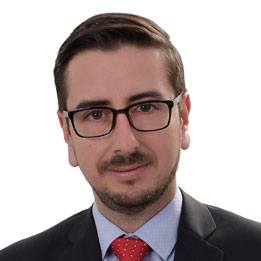
Associate general counsel - Latin America | Trane Technologies
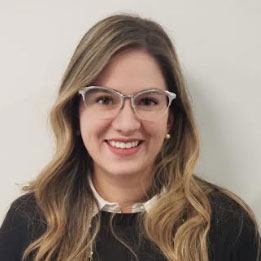
Advisor - legal vice president | Grupo Energía Bogotá

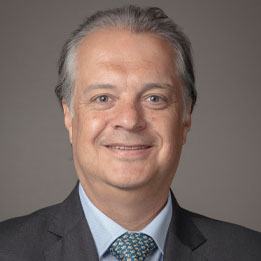
General counsel | Cenit Transporte y Logística de Hidrocarburos
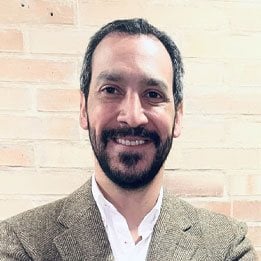
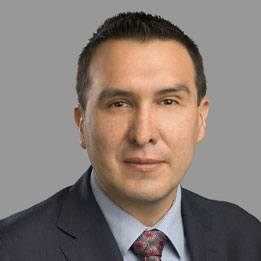
Head of legal and compliance – compliance officer | Mazda
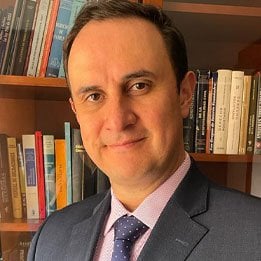
Corporate legal counsel and compliance officer, Andean and CCA-Caribbean and Central America Region | Avaya
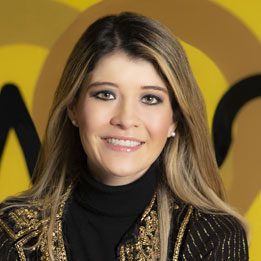
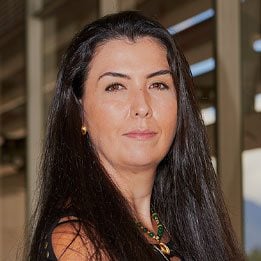
Legal manager, corporate secretary | Distribuidora Nissan (Grupo Vardí)
Legal manager and compliance officer - LATAM | Cepsa Colombia
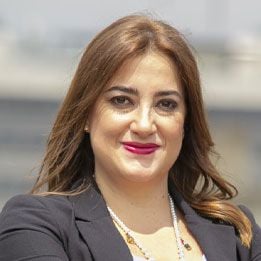
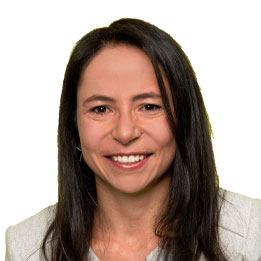
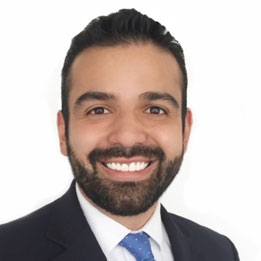
Legal vice president and secretary general | Arthur J. Gallagher Colombia
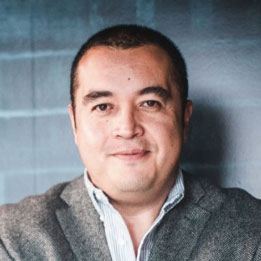
Chief legal and compliance officer | Teleperformance
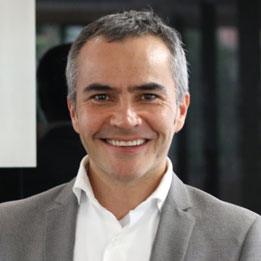
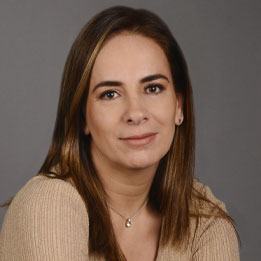
General counsel and corporate affairs director | Grupo Empresarial Levapan
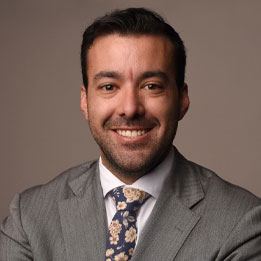
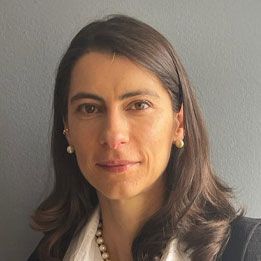
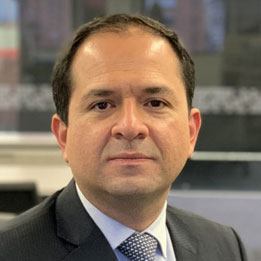
General secretary and legal director | Caracol Primera Cadena Radial Colombiana
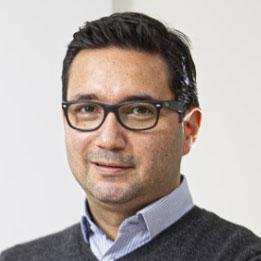

Senior counsel Latam and third party risk, export controls team manager | Zoom Video Communications
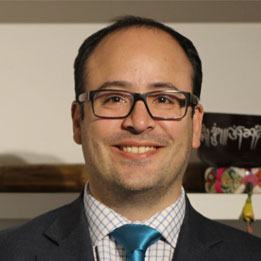

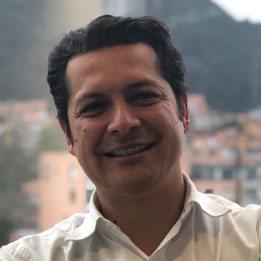
Legal vice president - general counsel | Hoteles Decameron
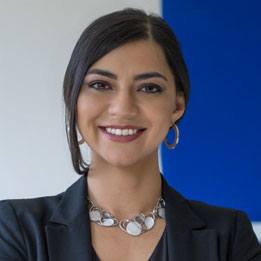
General counsel | Fondo Latinoamericano de reservas - FLAR
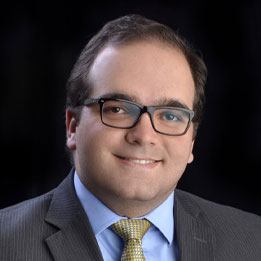
Legal and compliance manager Colombia and Panama | Bureau Veritas Colombia
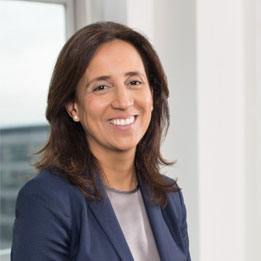
Vice president of corporate affairs and secretary general | Ecopetrol
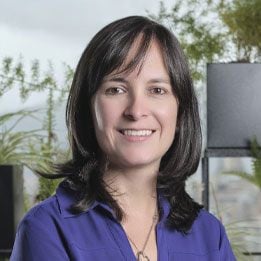
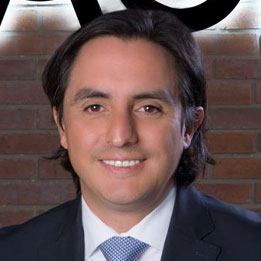
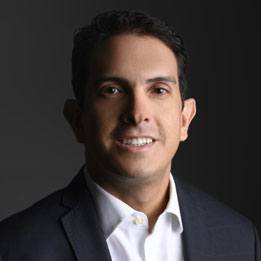

Legal director Colombia - data privacy advisor Latam | Unilever

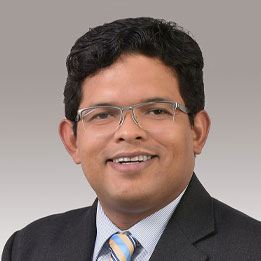
Principal counsel, corporate operations and rest of Latin America | The Walt Disney Company
Executive vice president, general counsel | Inter-American Coal
Director of legal, logistics and business | Biomax Biocombustibles
Vice president legal | Cámara Colombiana de la Infraestructura
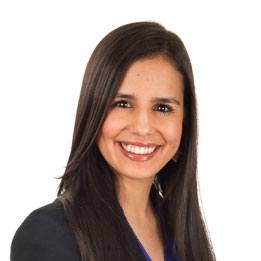
Chief counsel of private sector legal division and member of the board of directors | CAF - Development Bank of Latin America & CAF - Asset Management Uruguay
 It has been a privilege and an honour to conduct research for this year’s Legal 500 GC Powerlist: Colombia 2022, the first edition after the imposed hiatus caused by the pandemic. As lead researcher, I have had the opportunity to speak with the most outstanding in-house counsel in the region. Our interviews have touched upon several topics such as sustainability, technology and the impact of Covid-19 on business operations. Among other revelations, the overall picture that emerged is that Colombia-based in-house counsel have come out from the pandemic stronger than ever and ready to look ahead, working to bring added value to their organisations, harness technology to drive efficiencies, and make their operations more sustainable to promote the growth of the country.
Colombia’s position as one of the region’s most stable economies has allowed it to face the pandemic and overcome it without significant repercussions, and some statistics highlight this. Colombia’s GDP has expanded by 10.6% and is predicted to grow faster than any other country in Latin America. It continues to be an attractive destination for foreign investors, given the existence of multiple business centres and various sectoral demands. The strategic geographic position it enjoys at the centre of the continent allows for greater connection with every destination across the hemisphere.
Additionally, Colombia has been actively responding to international challenges, acting on sustainable development. It aims to reduce its greenhouse emissions by 51% by 2030 and carbon neutrality by 2050. These are just some factors that make Colombia a solid place to do business and, in turn, a fertile environment for producing high-quality in-house counsel.
This year’s GC Powerlist Colombia highlights the role of general counsel in embracing change and innovation, working towards the development of their country — “my team and I work with the purpose of being seen as supporters of these initiatives, which requires an attitude towards change backed by the legal knowledge that allows seeking for responses, said Jorge Adrián Rincón Plata, chief legal officer in Grupo Aval. Technology will continue to demand in-house lawyers to drive efficiencies and work smarter. These pages reveal that in-house lawyers in Colombia are on top of their games when it comes to adapting to new scenarios and changes. As Fernando Victoria Peña, chief legal and compliance officer at Teleperformance, suggests: “the pandemic has brought many lessons to the legal profession. Our role can adapt and transform, and we can guarantee the same legal security through new technologies. We are opening the Pandora’s box to be more efficient and productive”.
I want to extend the most profound gratitude to every in-house lawyer who participated in this edition of the GC Powerlist. This issue of our worldwide publication acknowledges the most outstanding and impressive in-house lawyers who have tackled new challenges and have used their expertise and versatility to adapt to new scenarios and master the use of technology advancements to promote the success of their corporations. I am incredibly proud to be able to introduce this list of Colombia’s most outstanding, agile and acclaimed in-house lawyers.
Sara Maggi | Research analyst | GC Powerlist Series
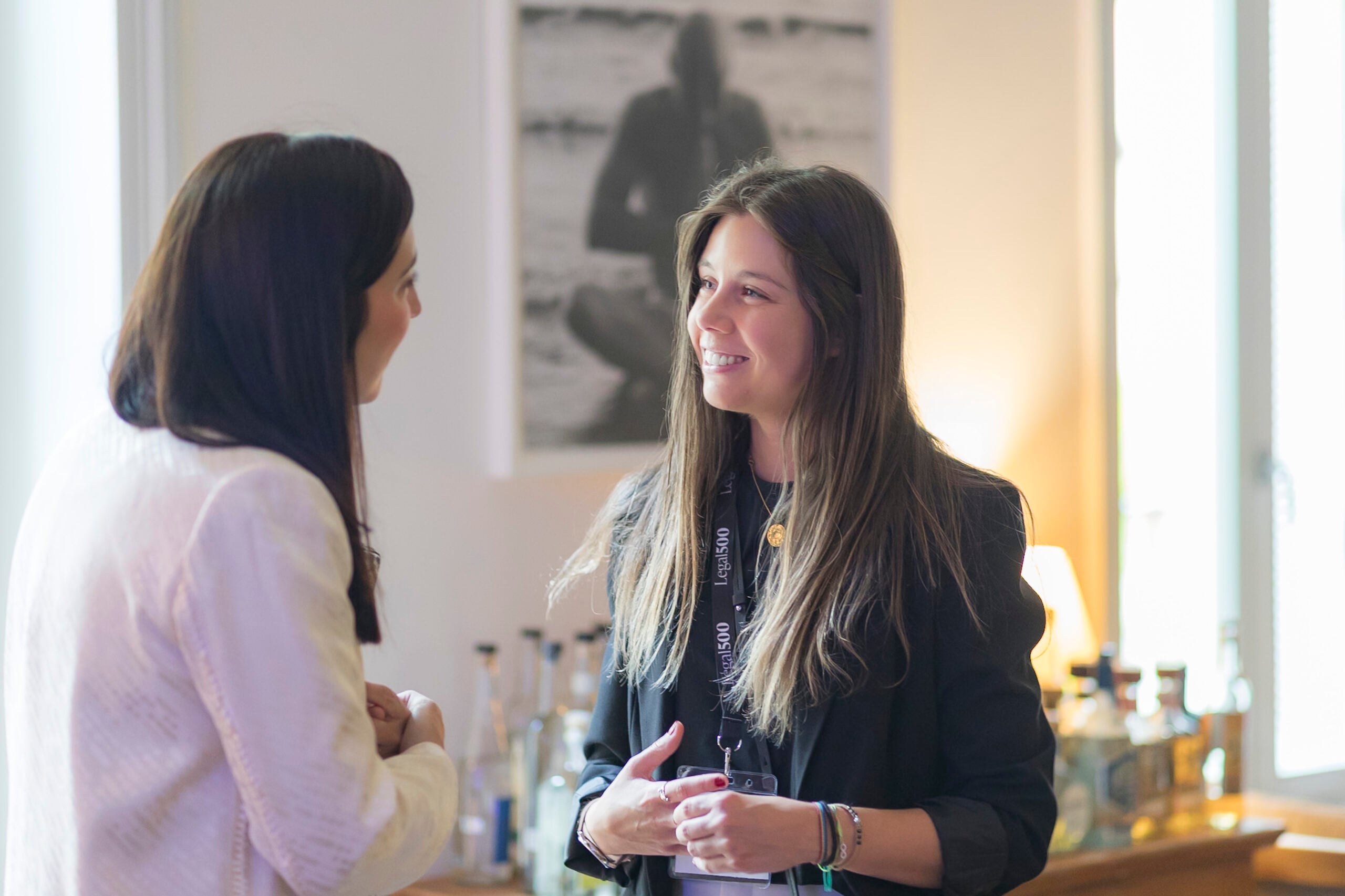
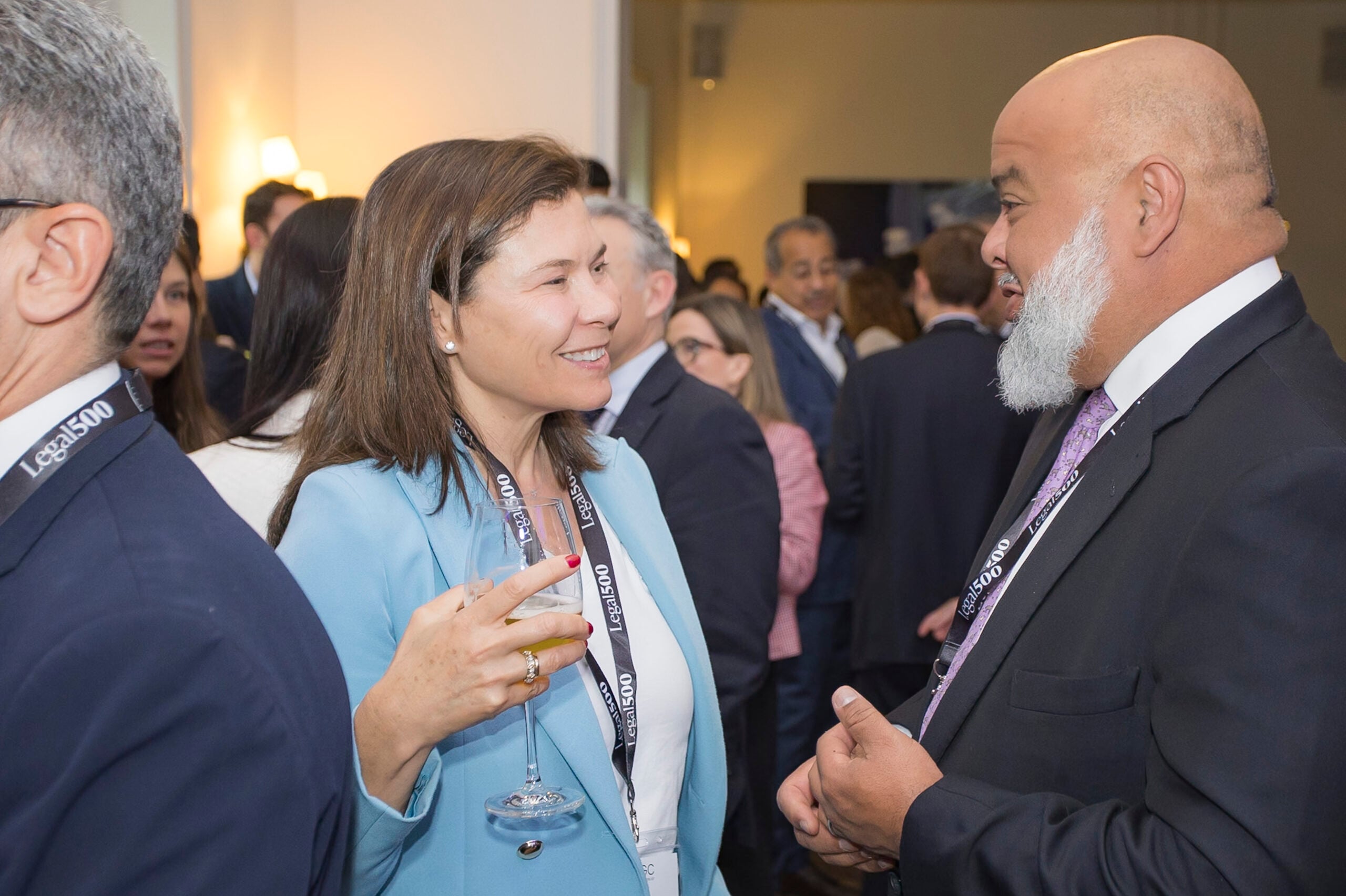
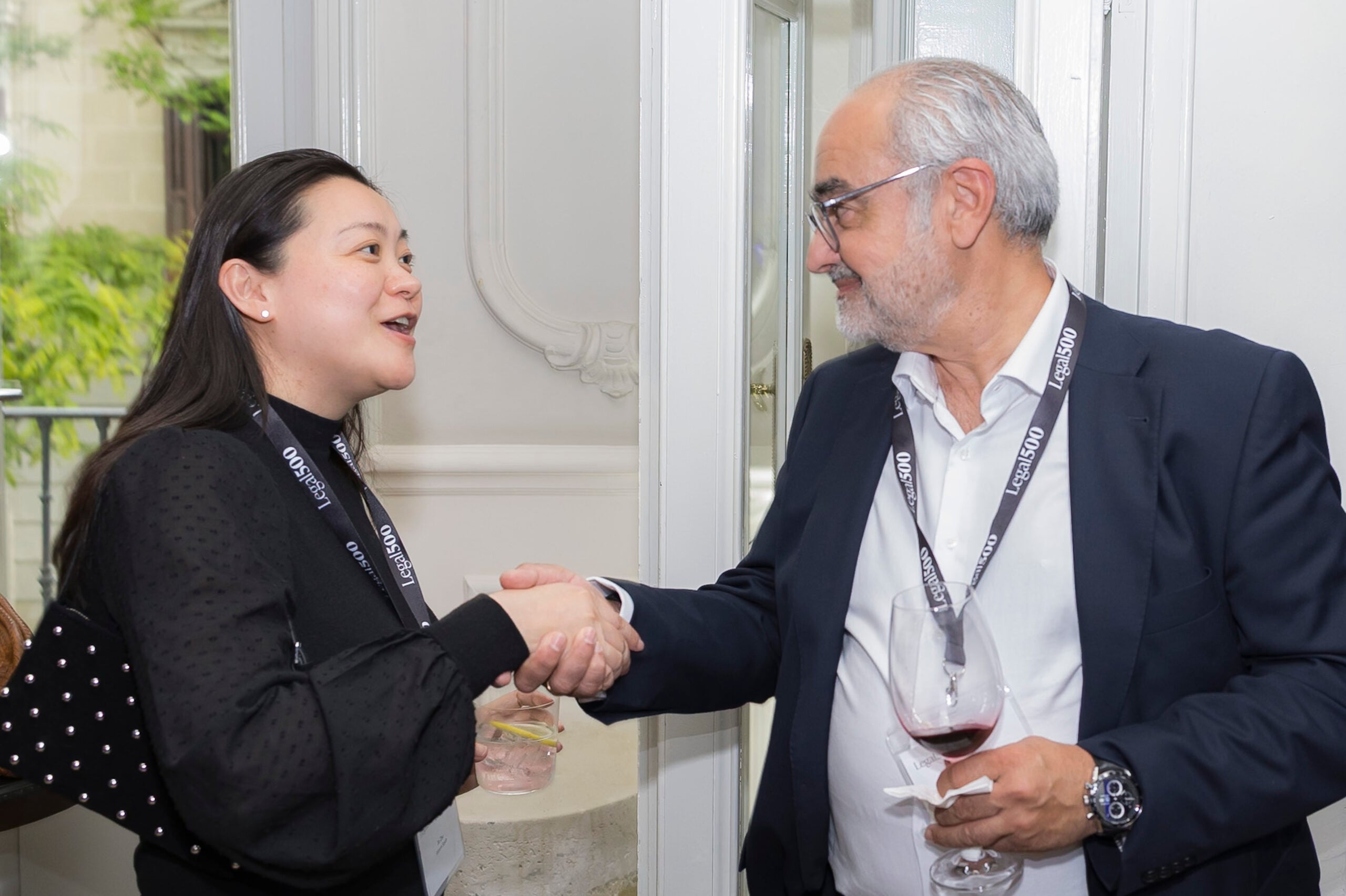
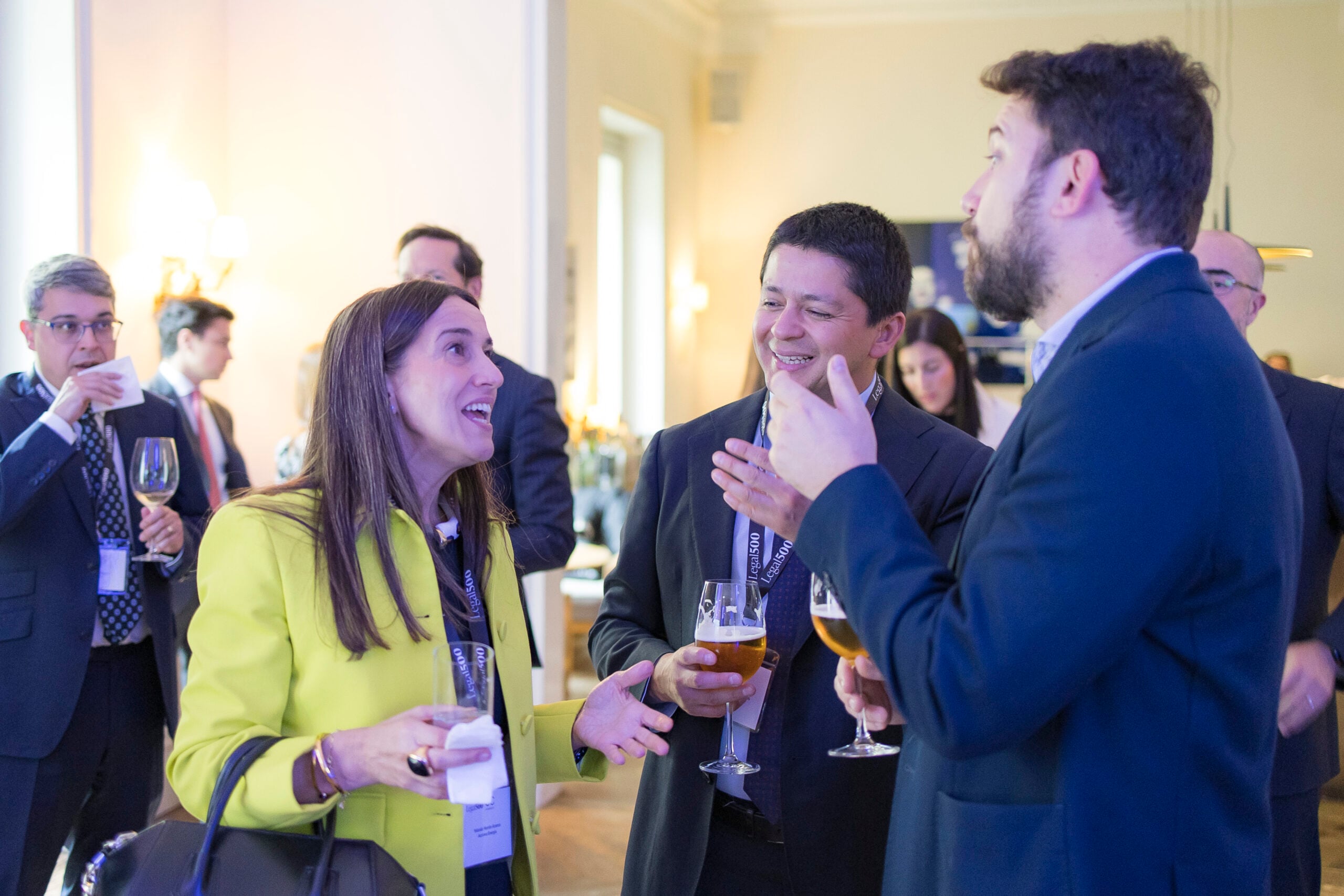
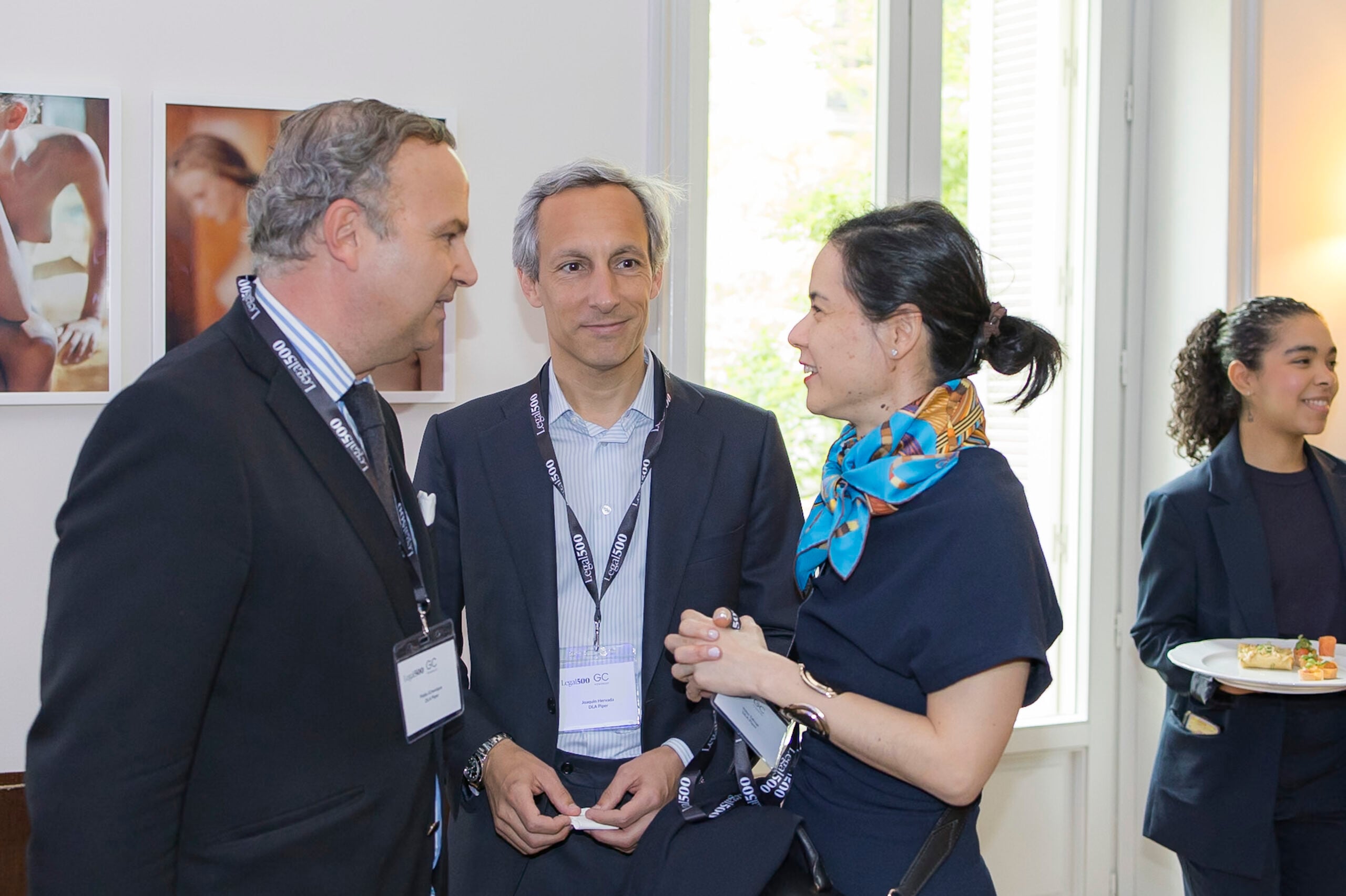
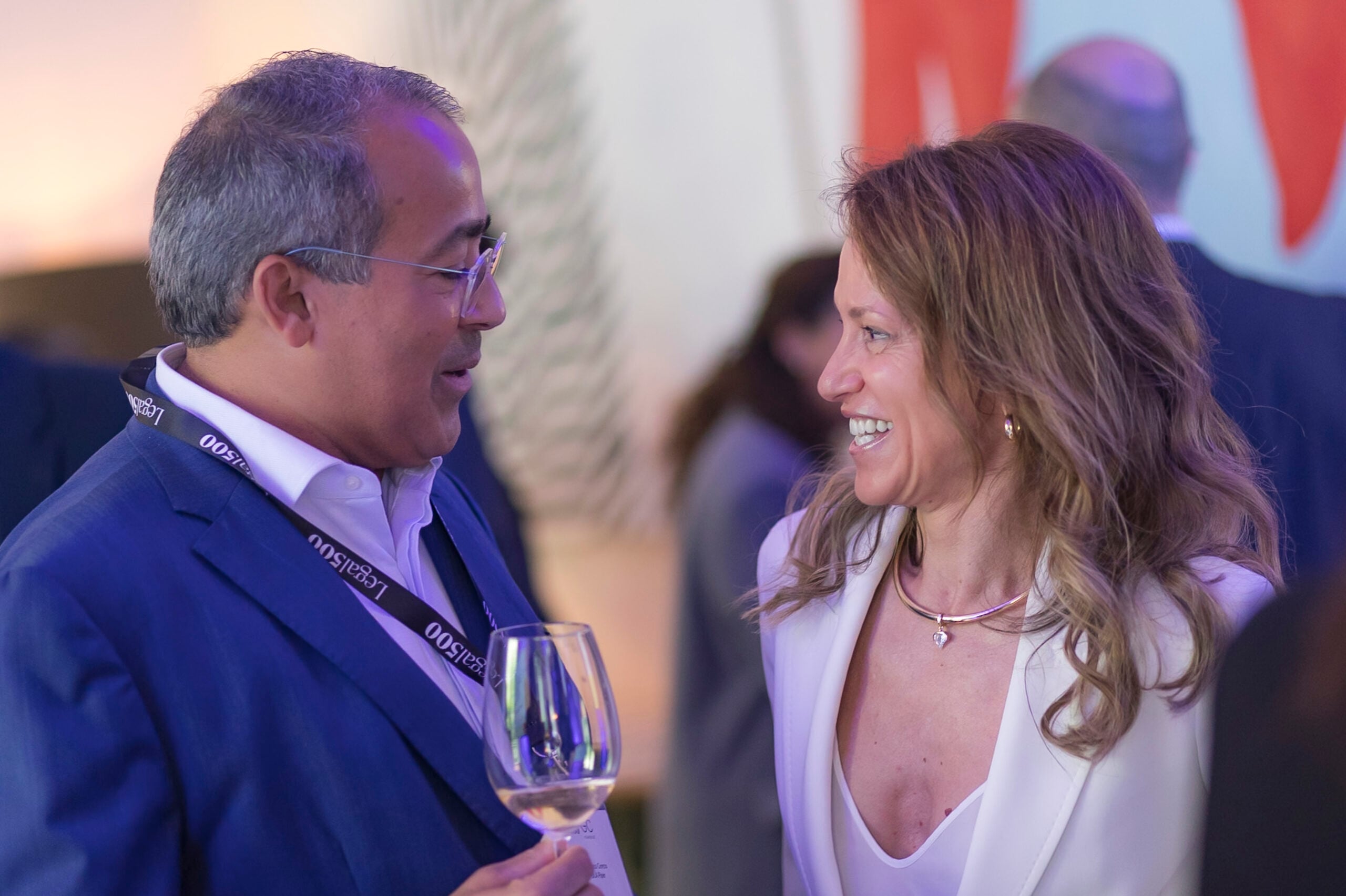
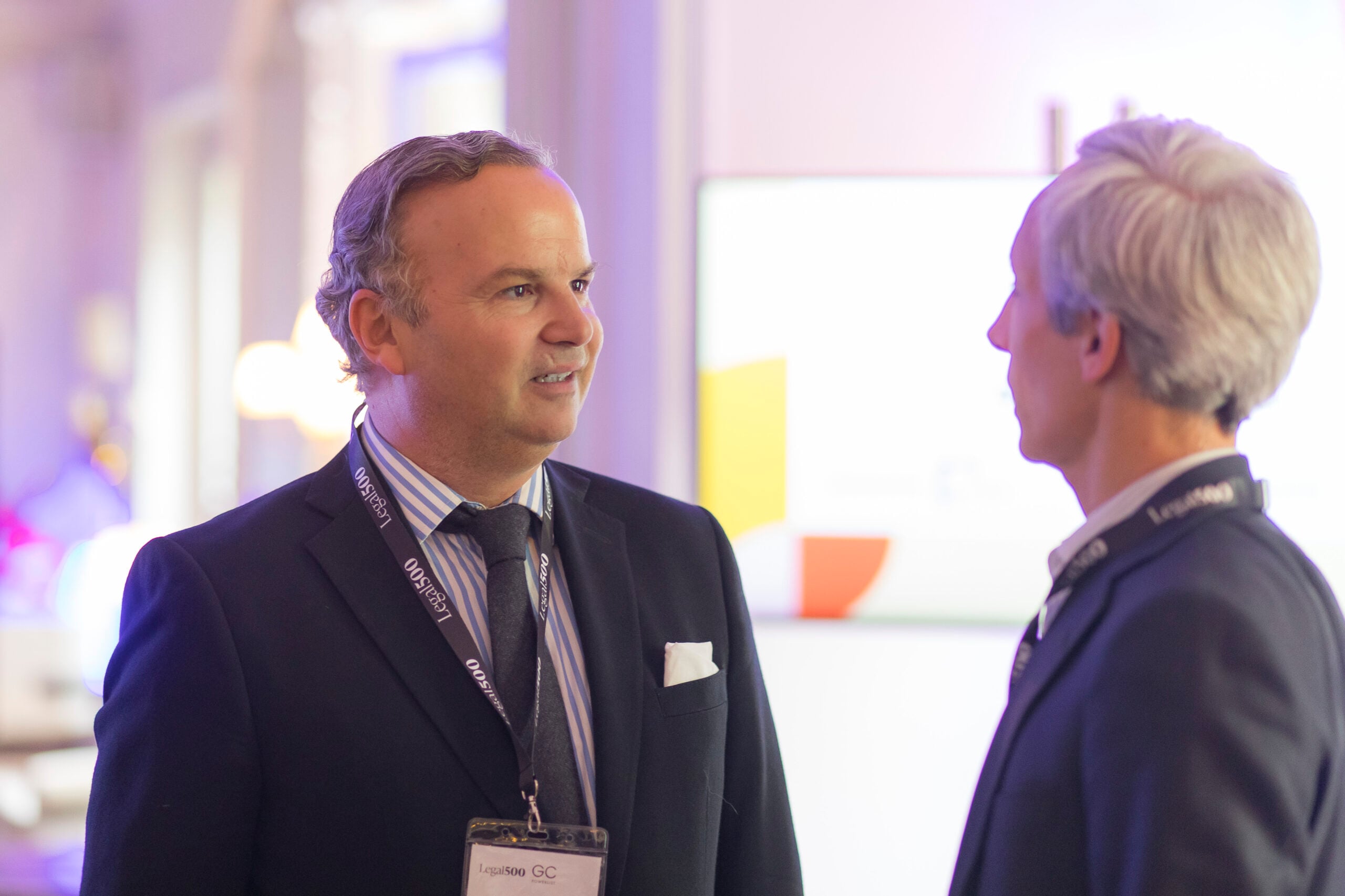
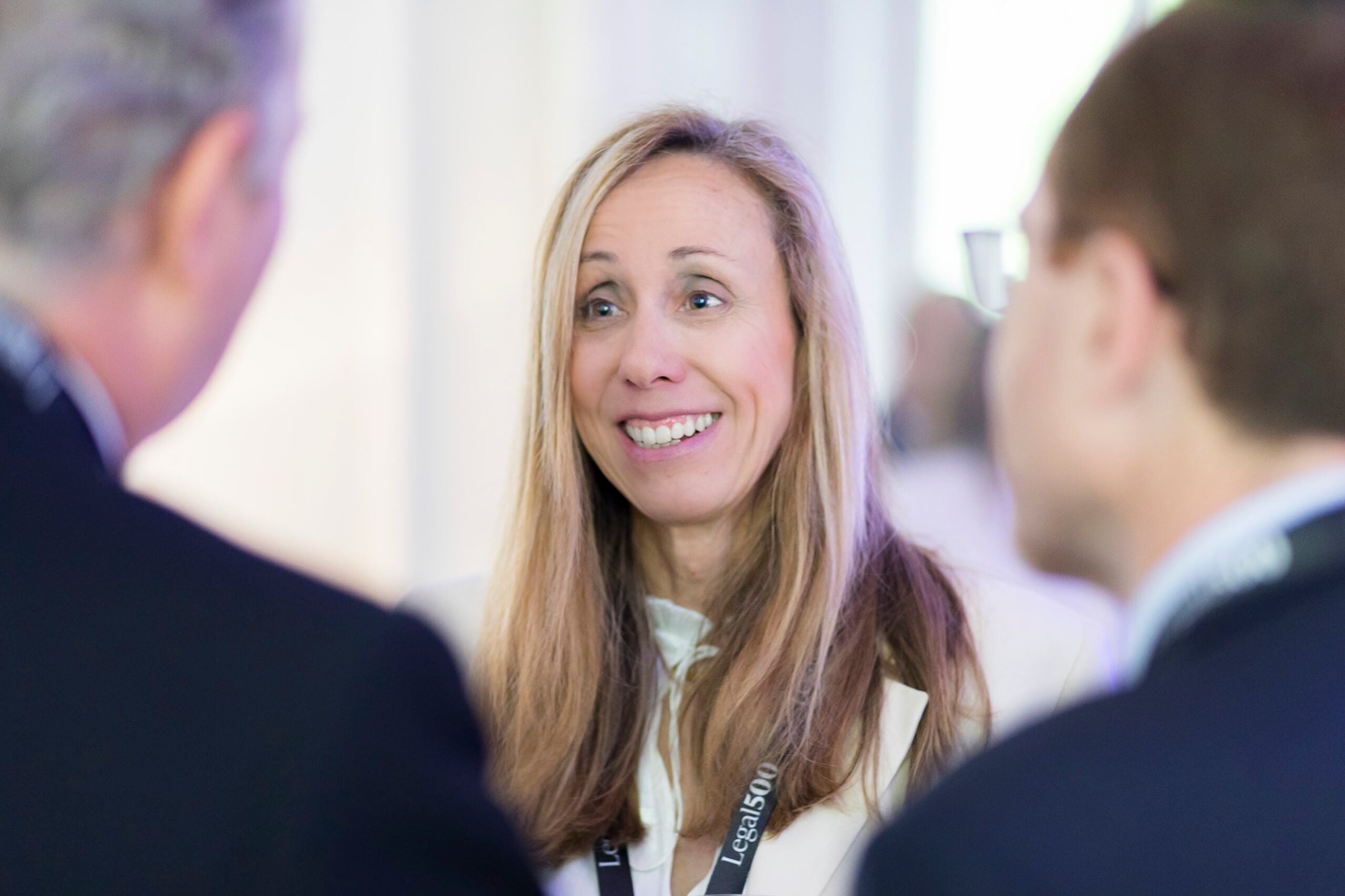
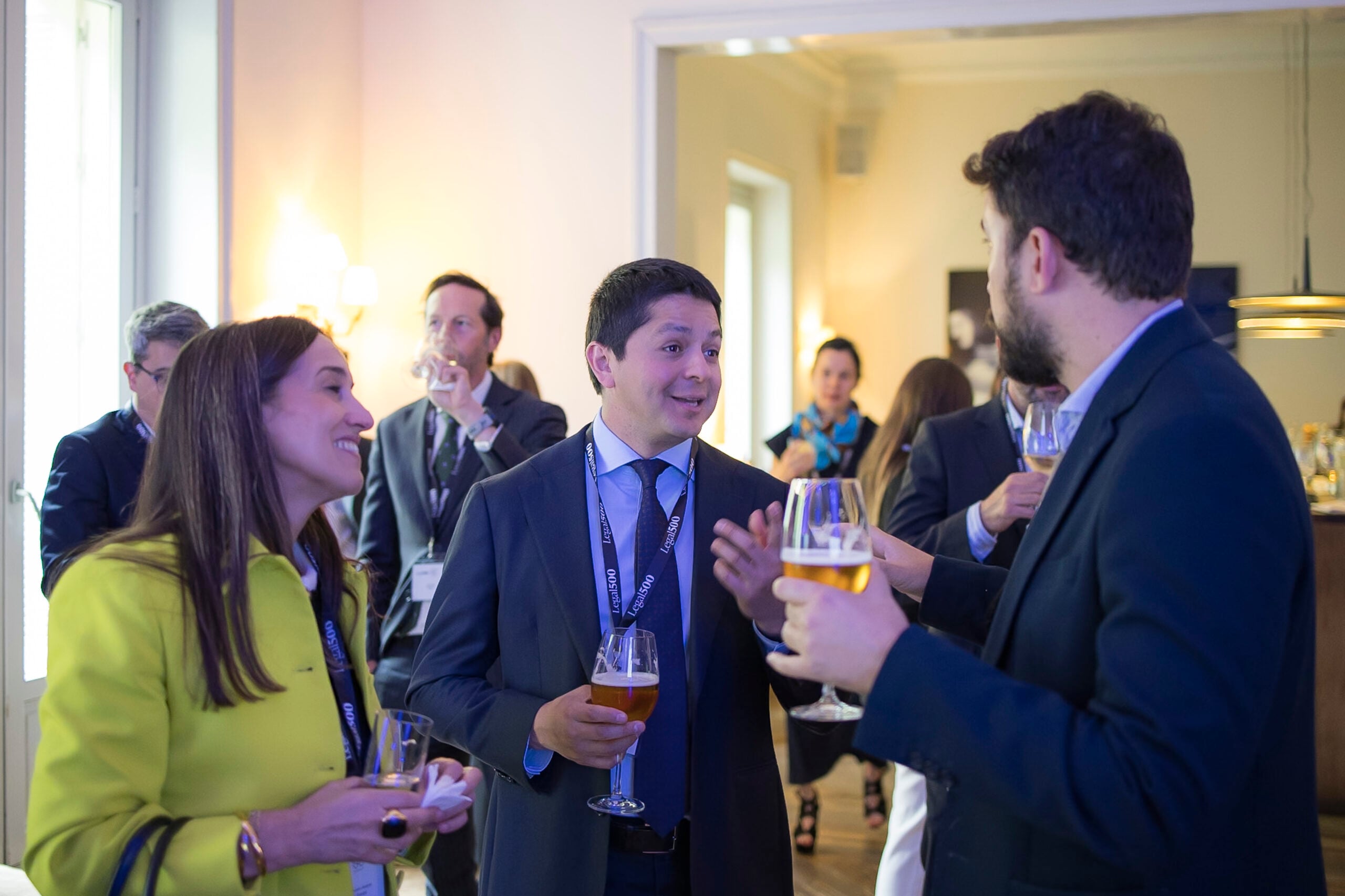
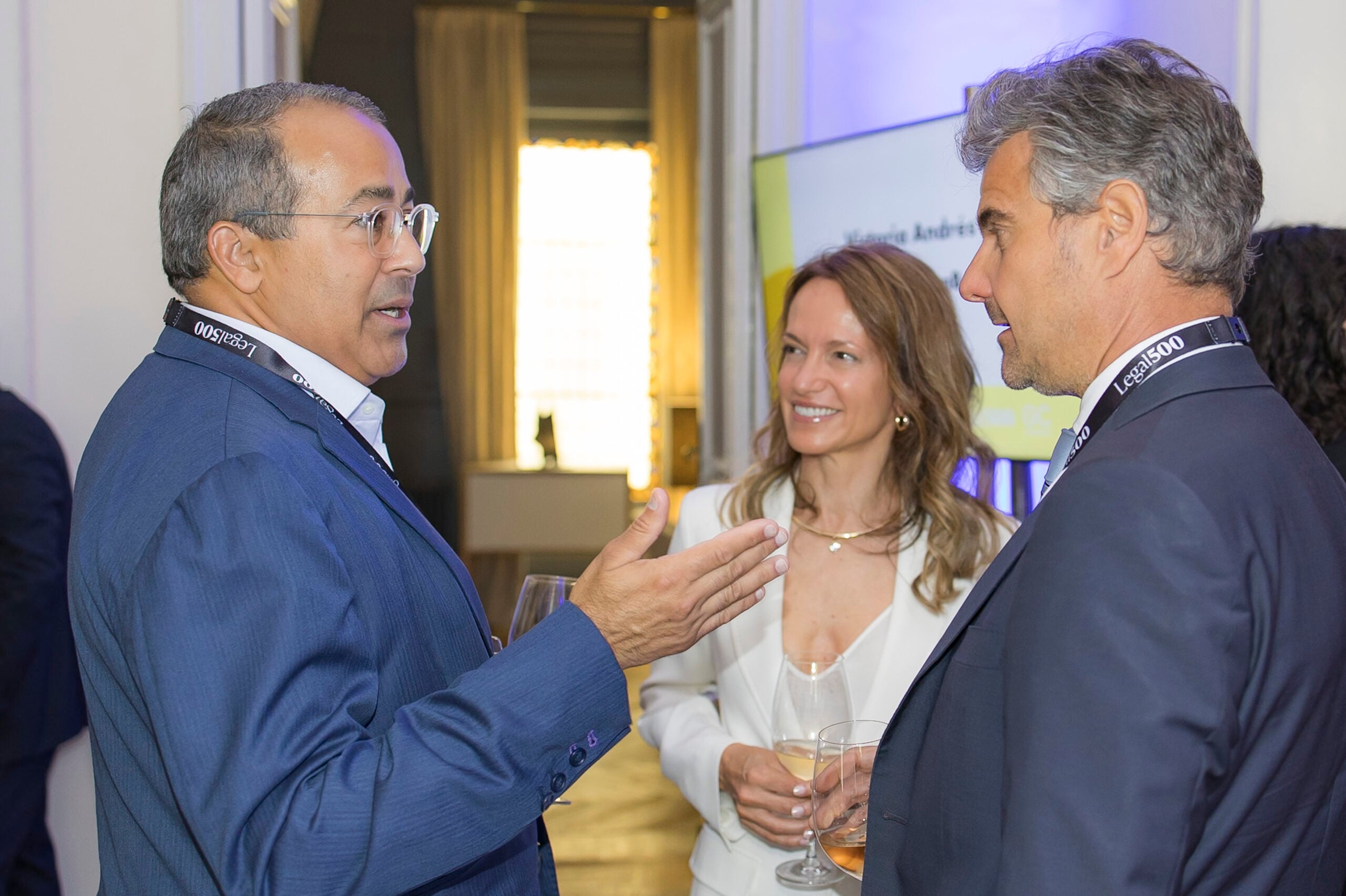
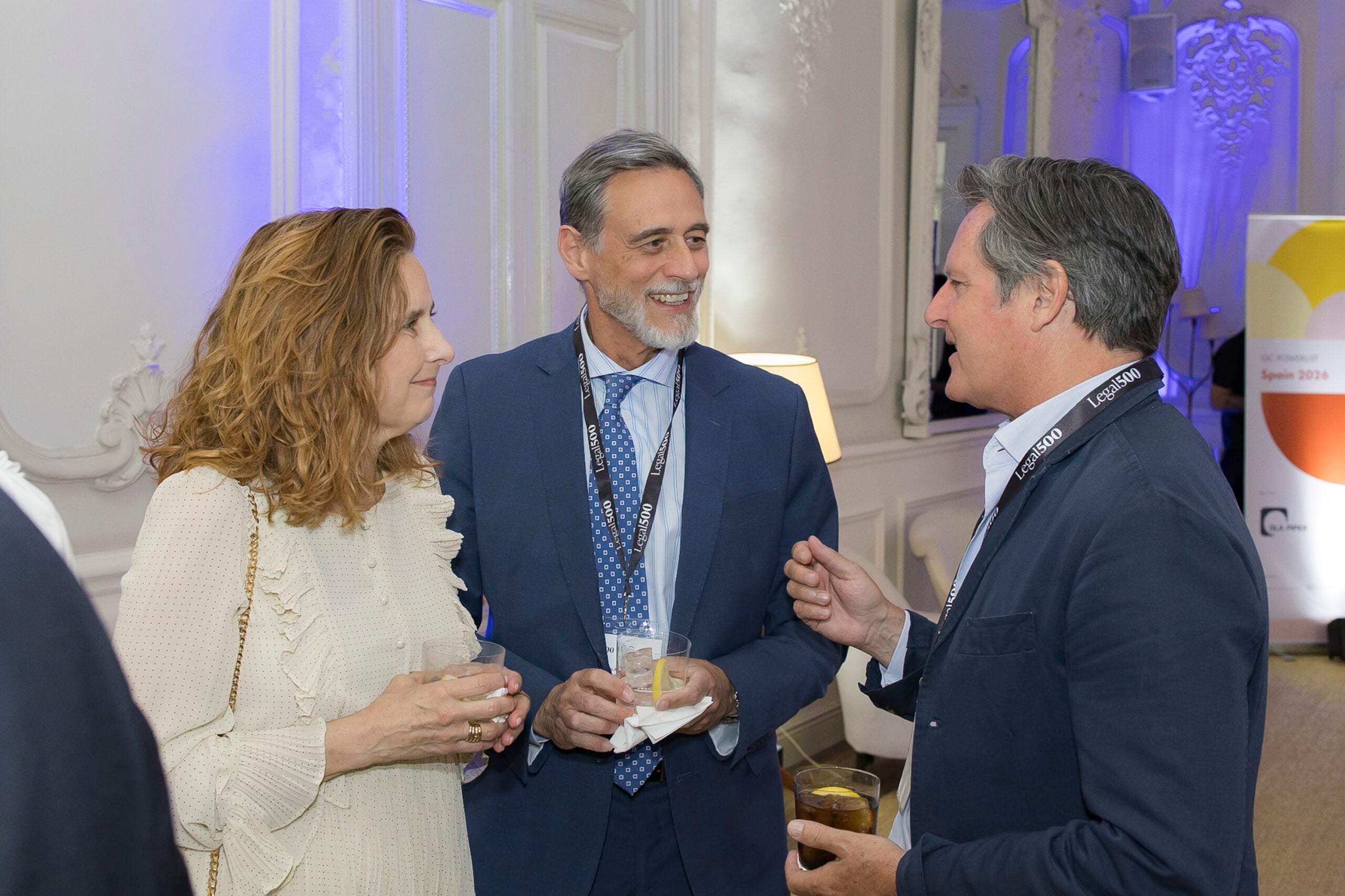
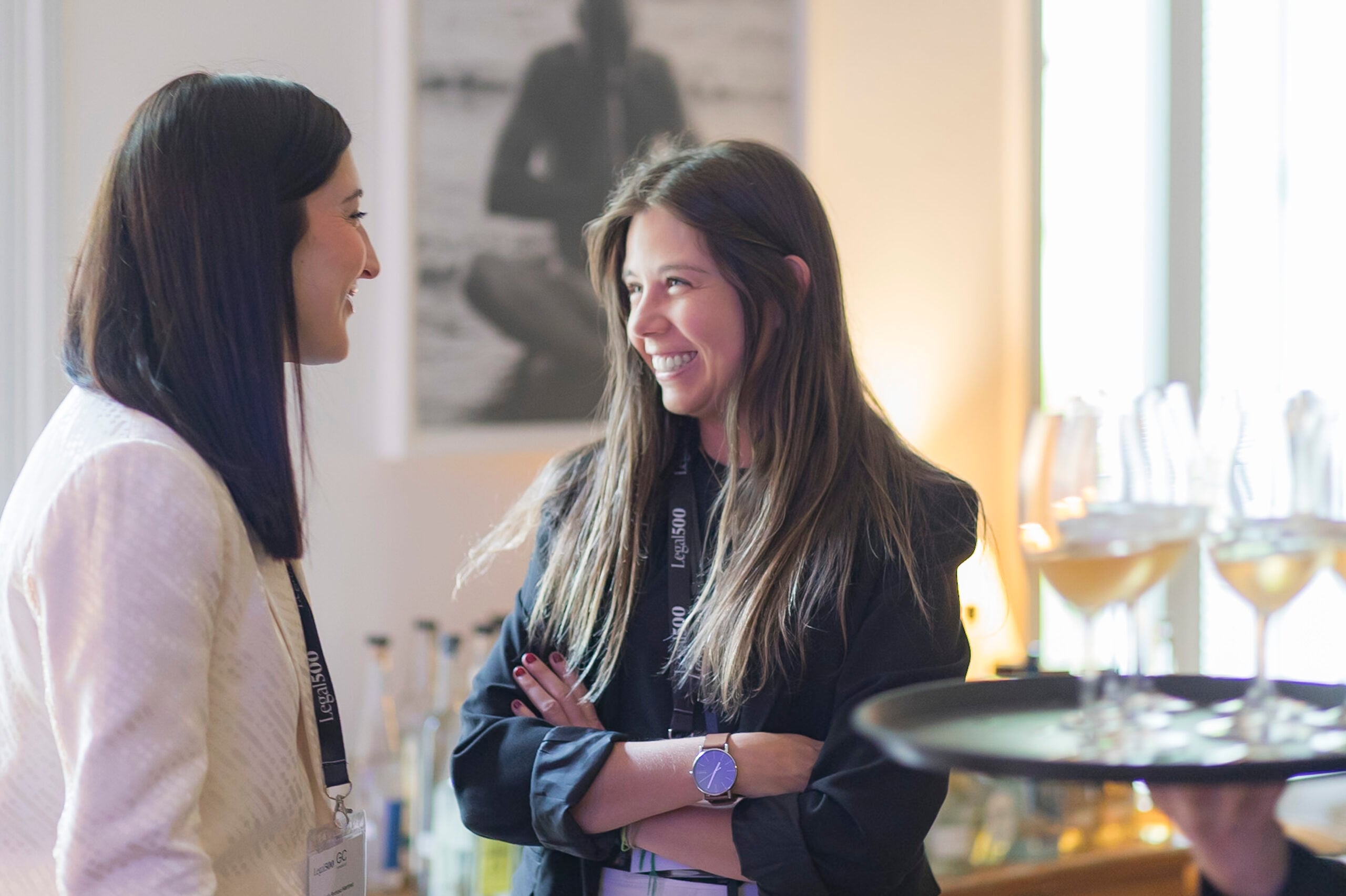
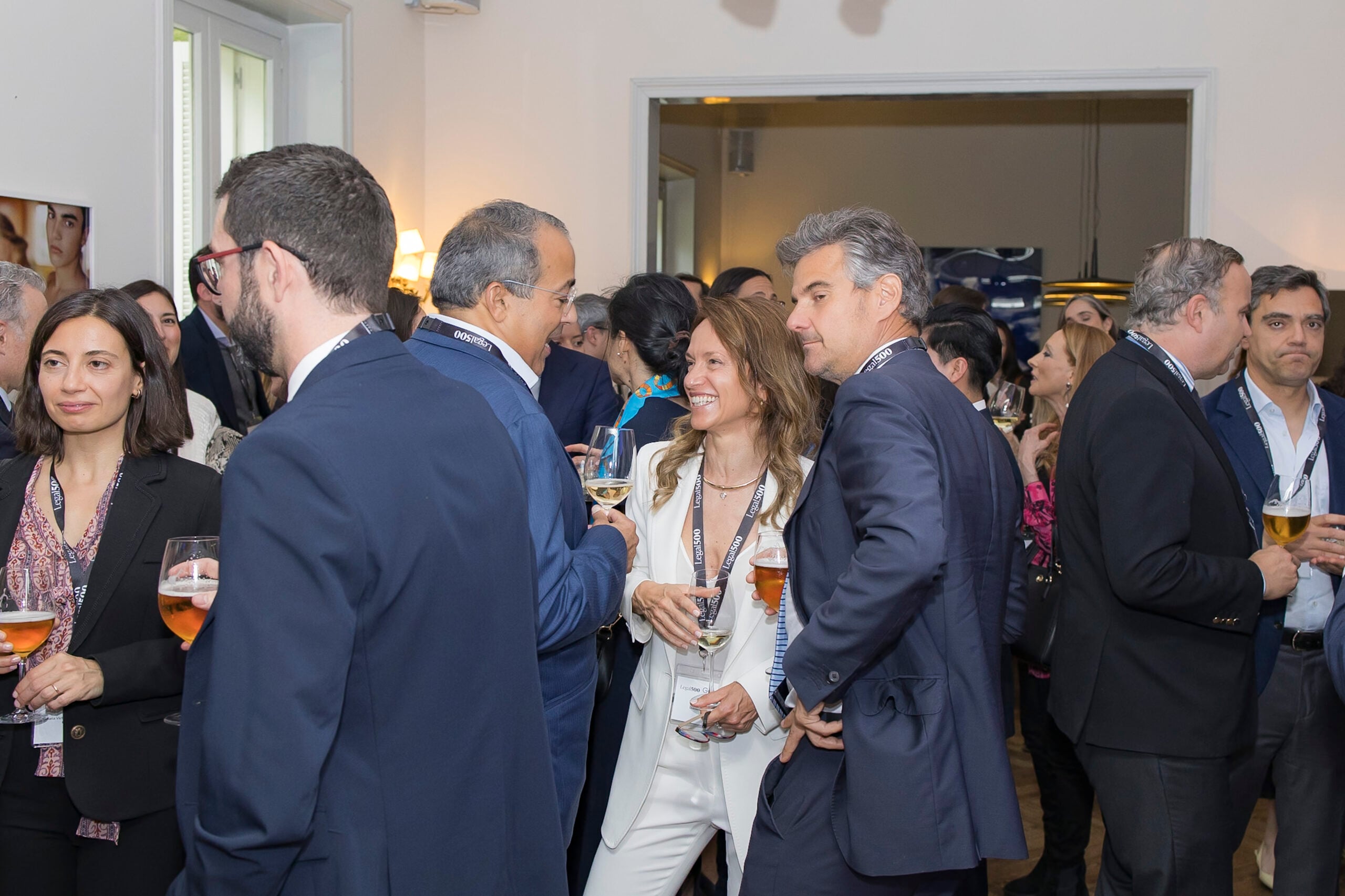
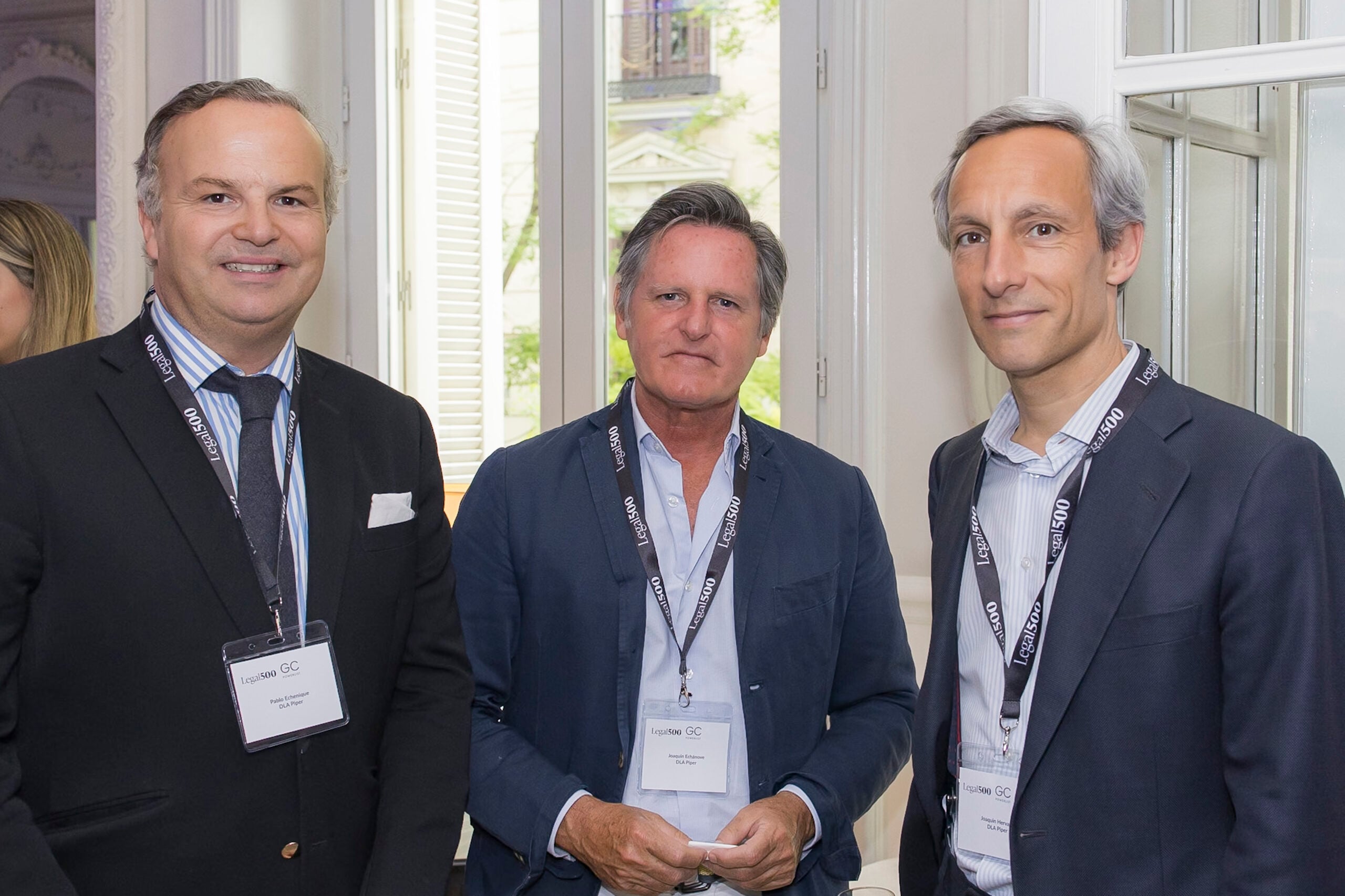
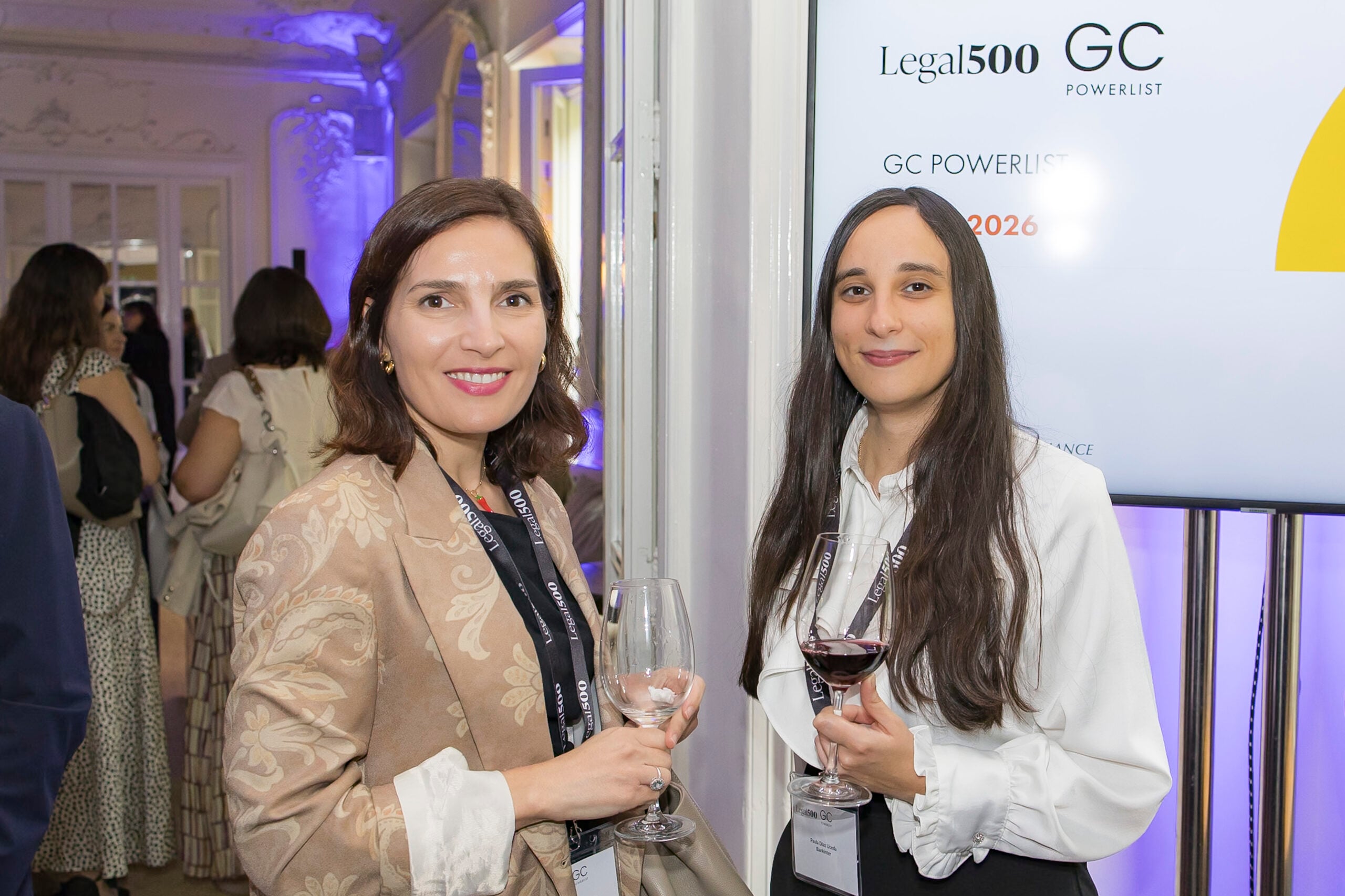
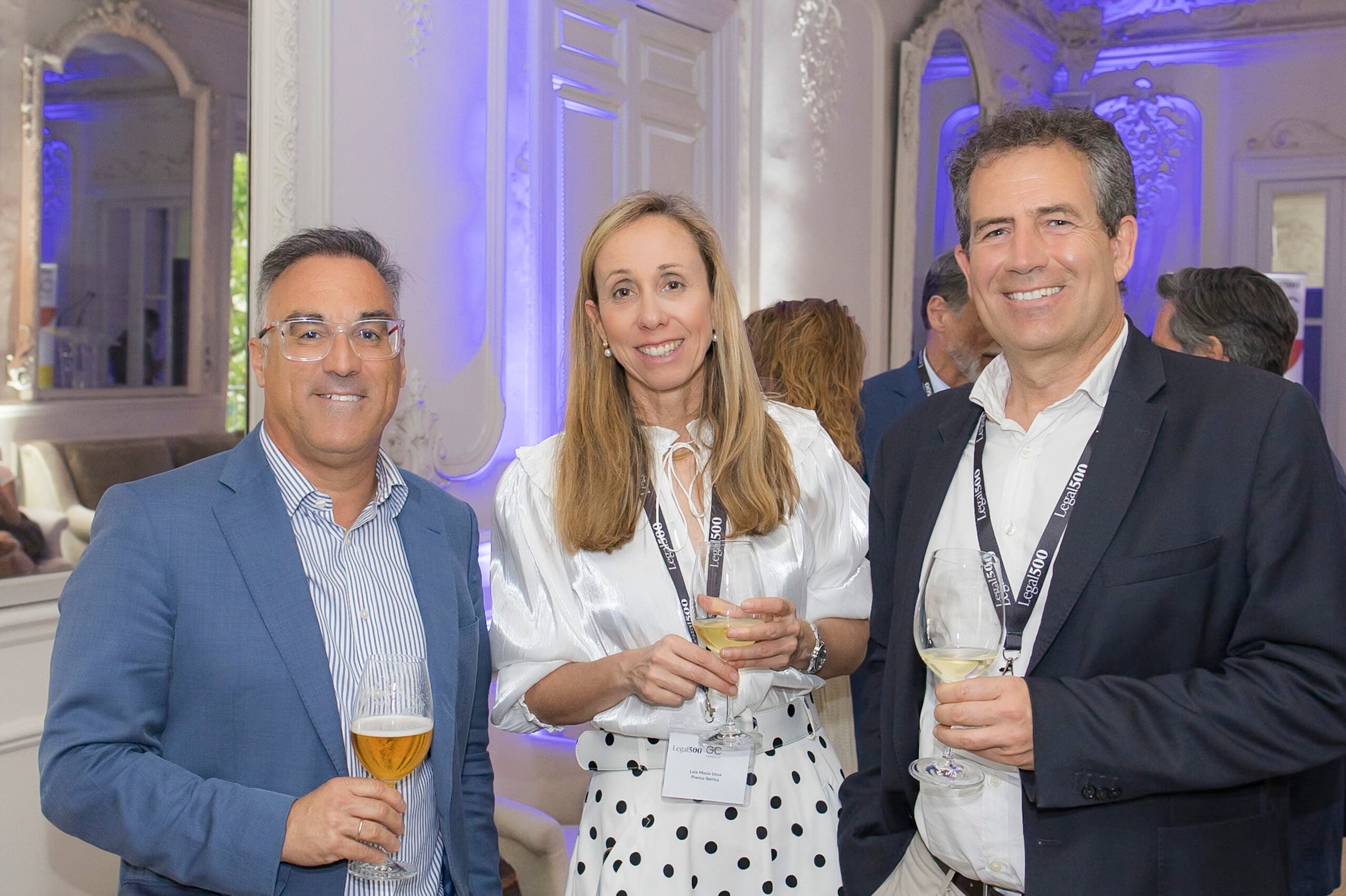
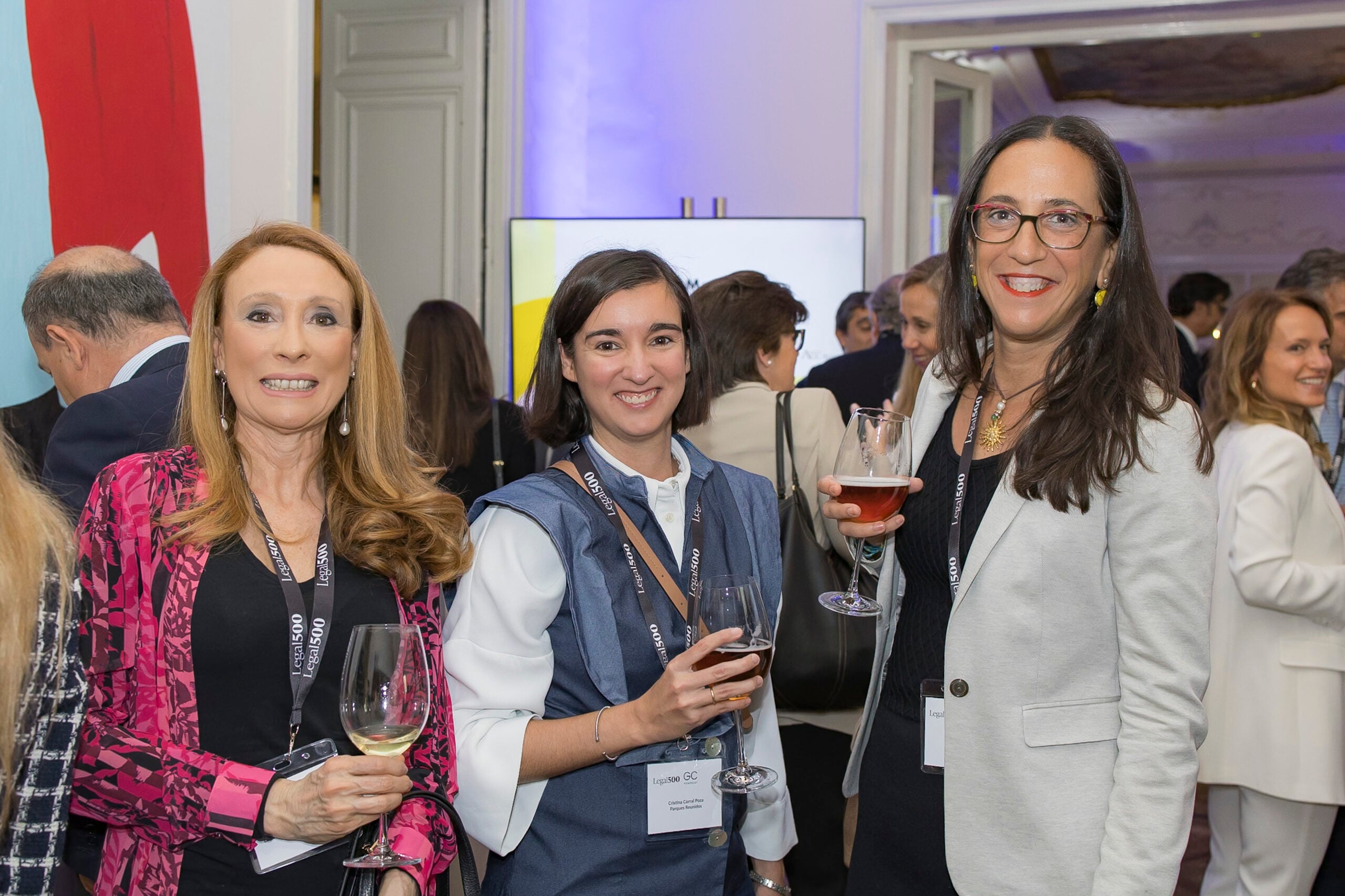
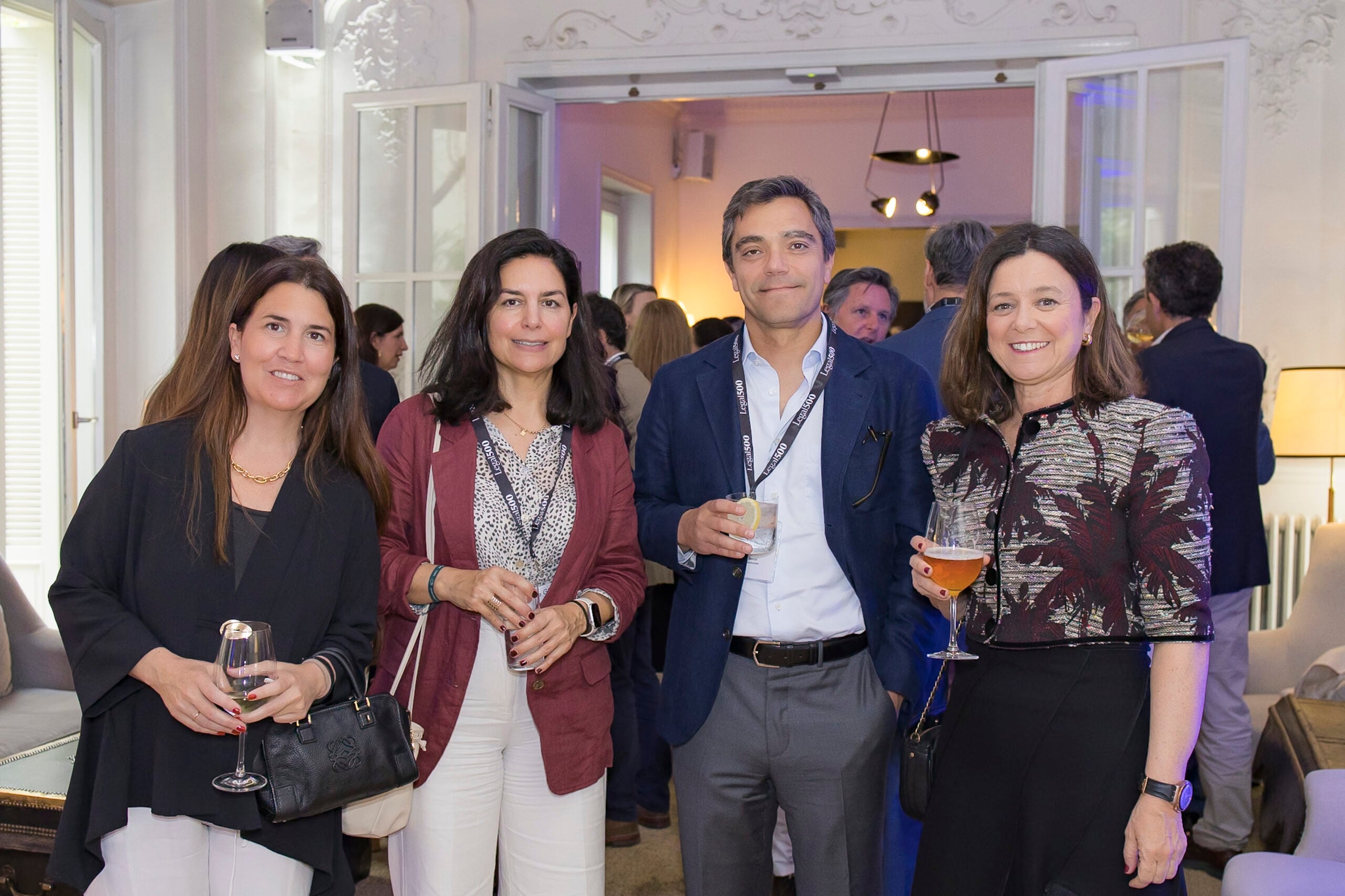
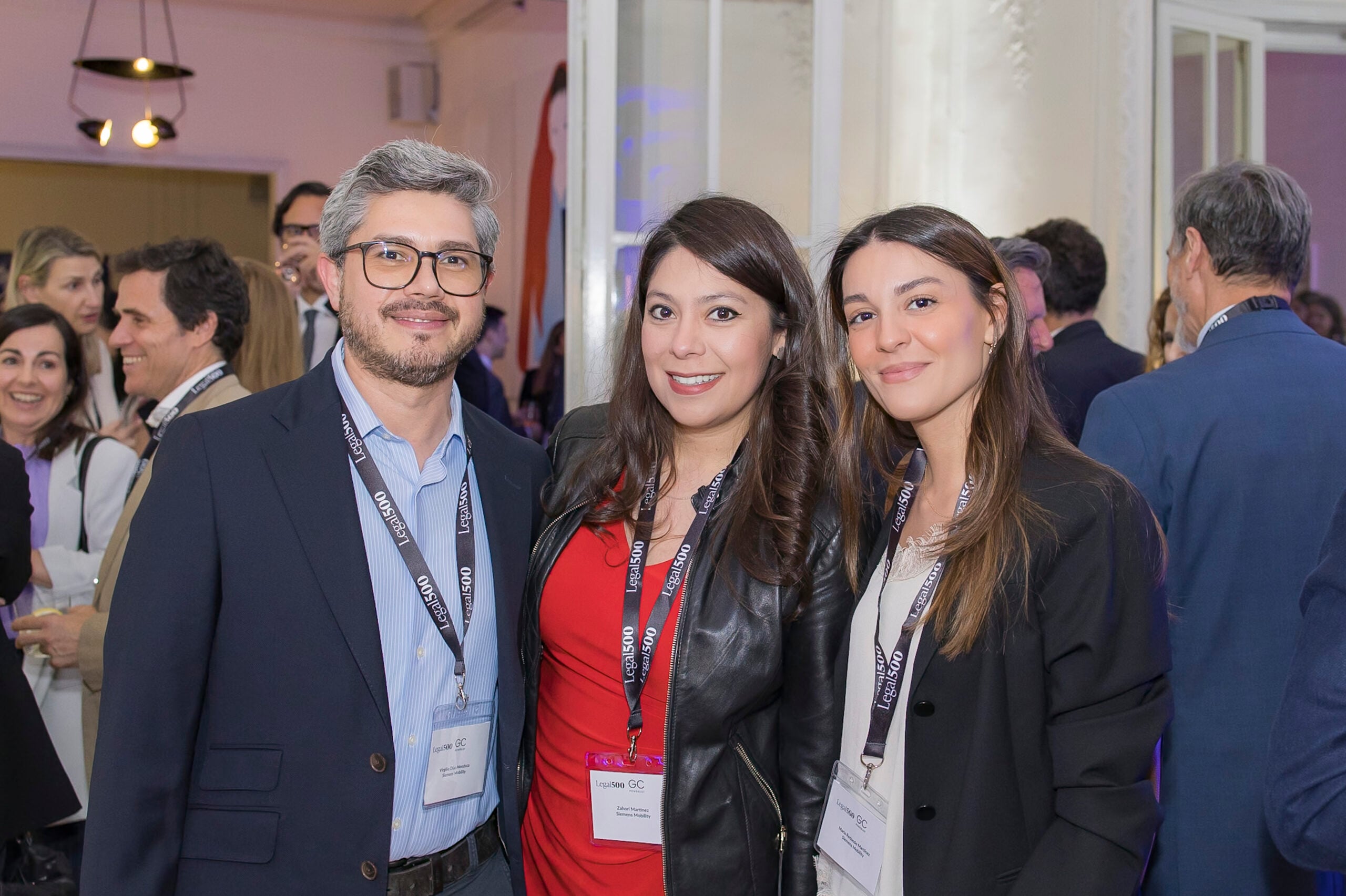
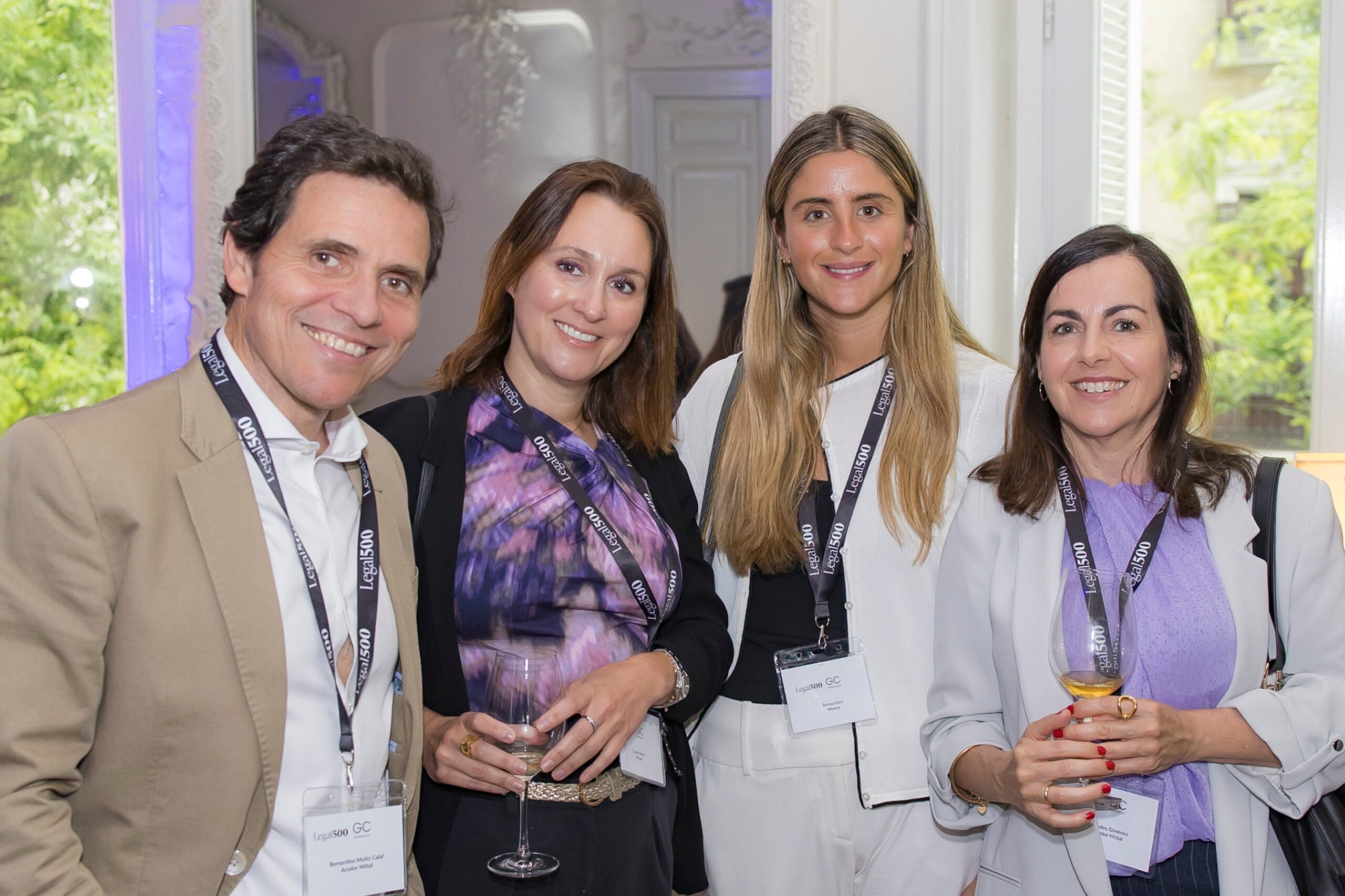
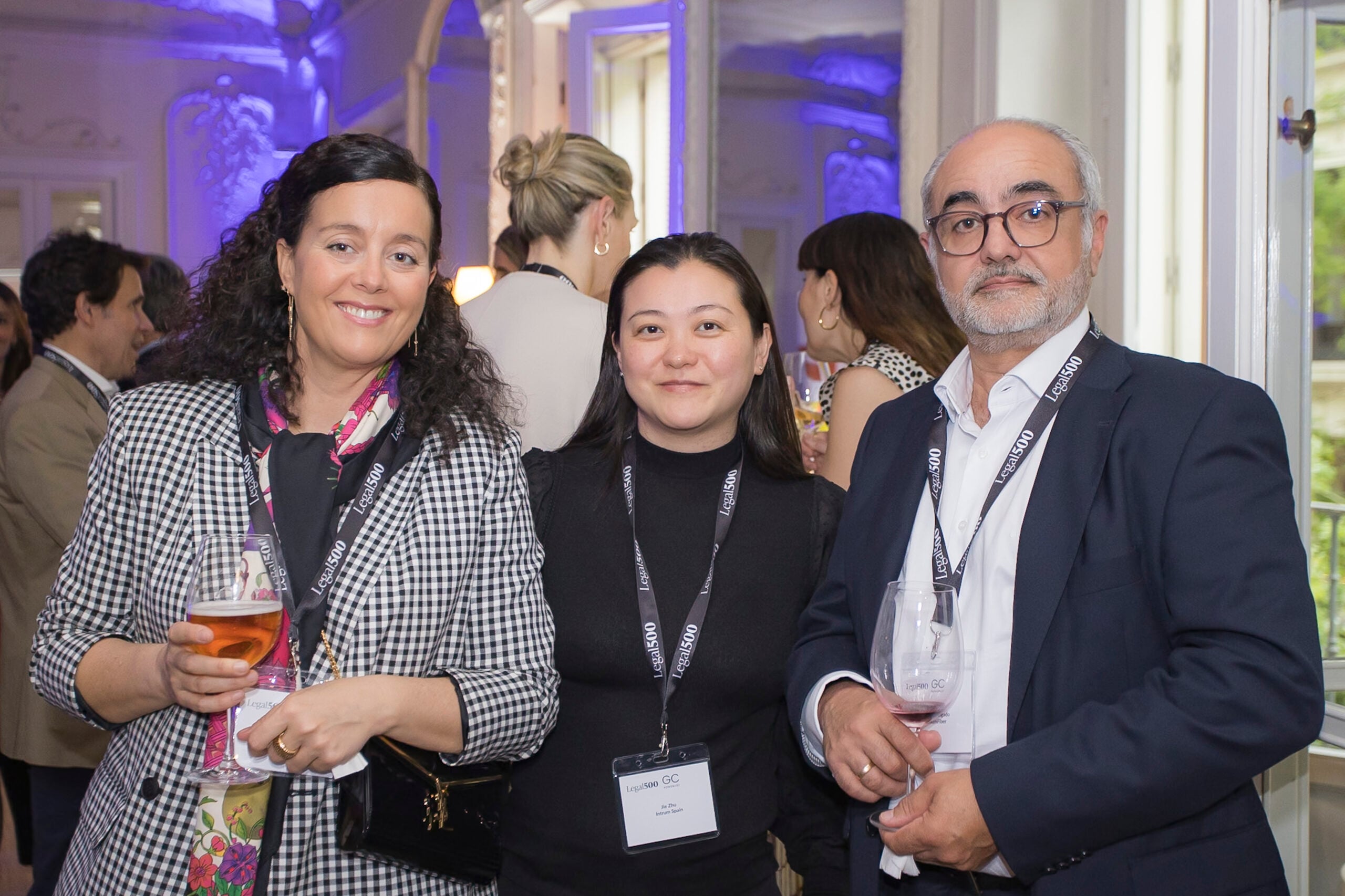
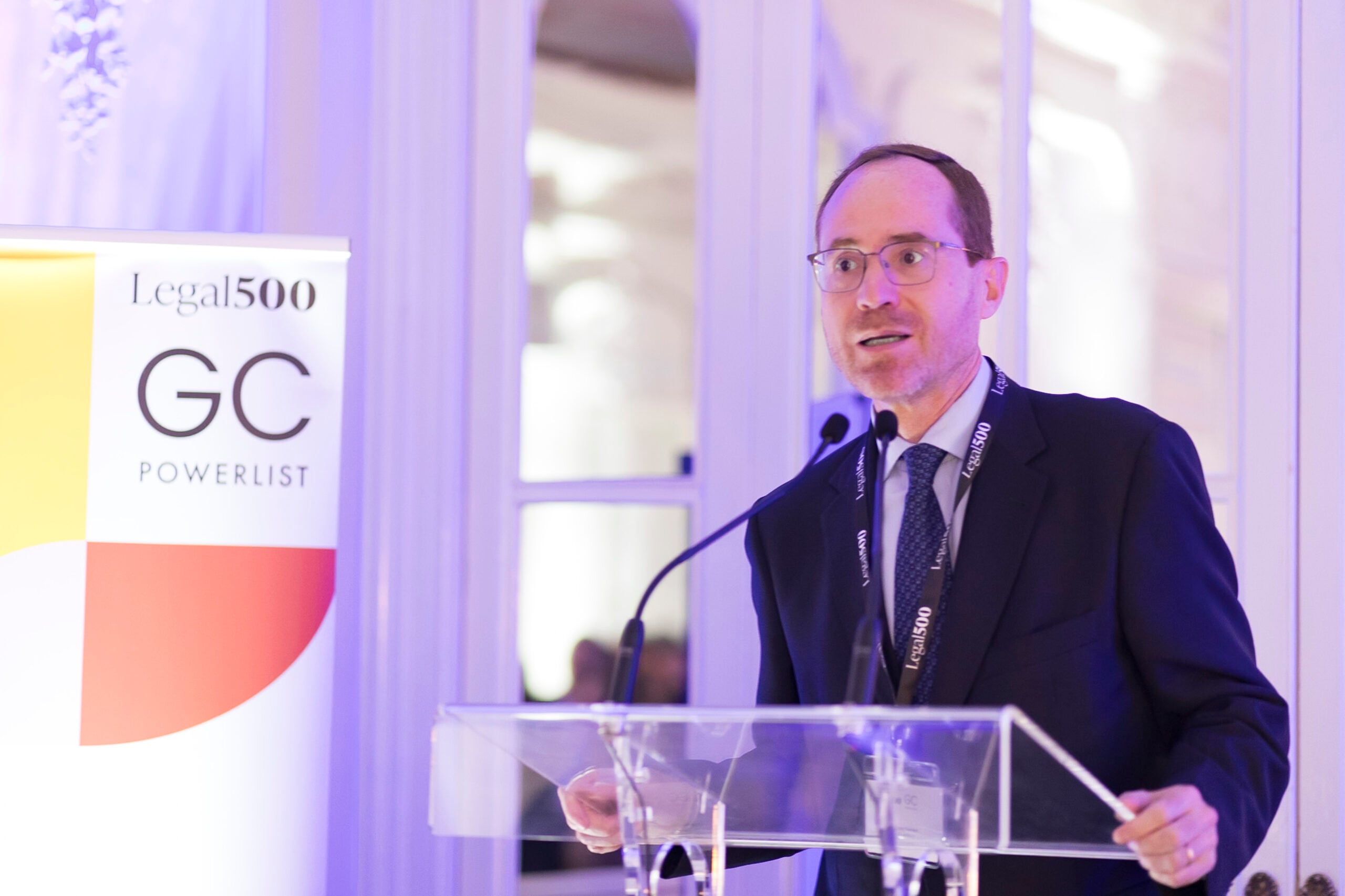
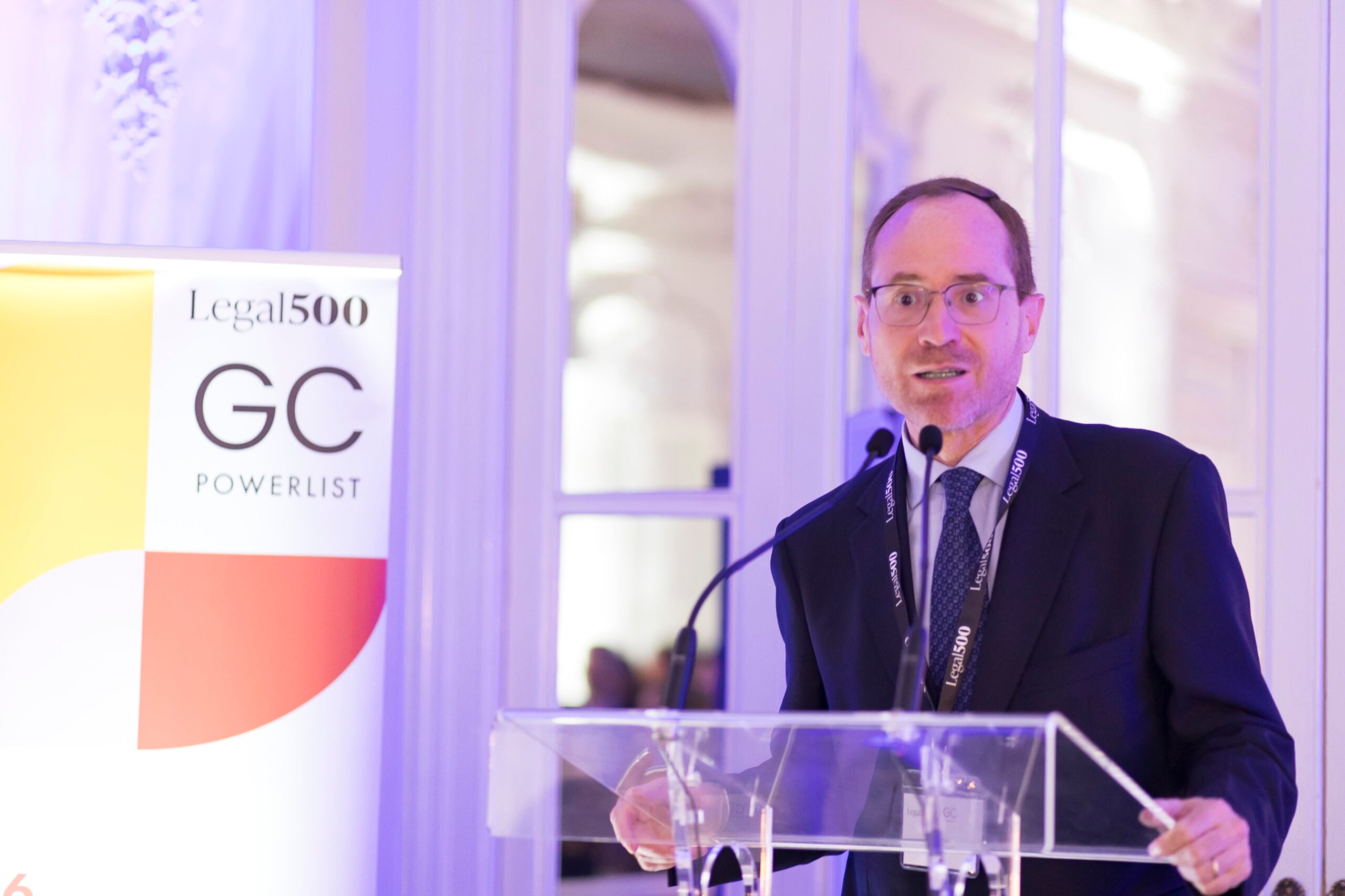
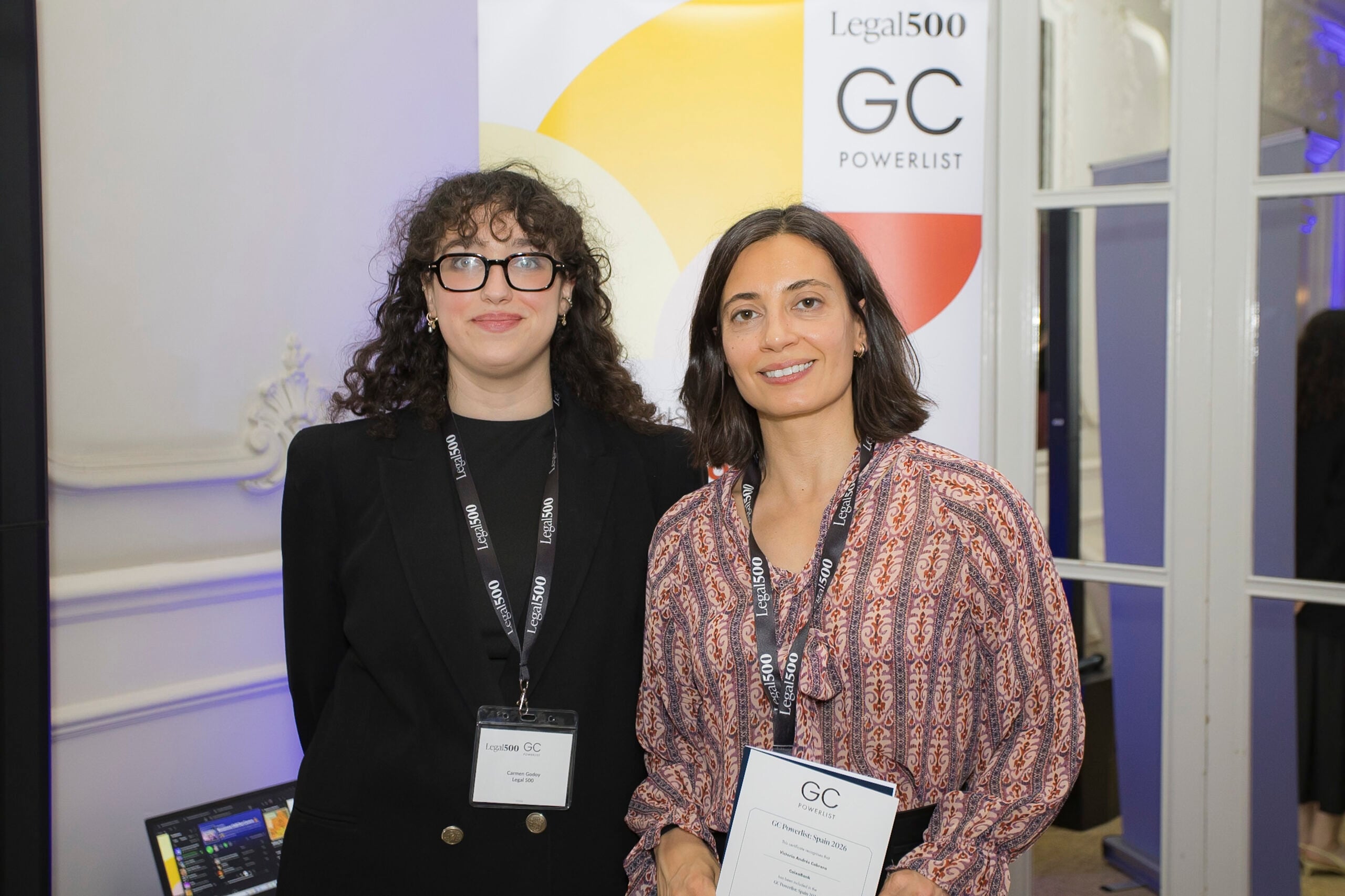
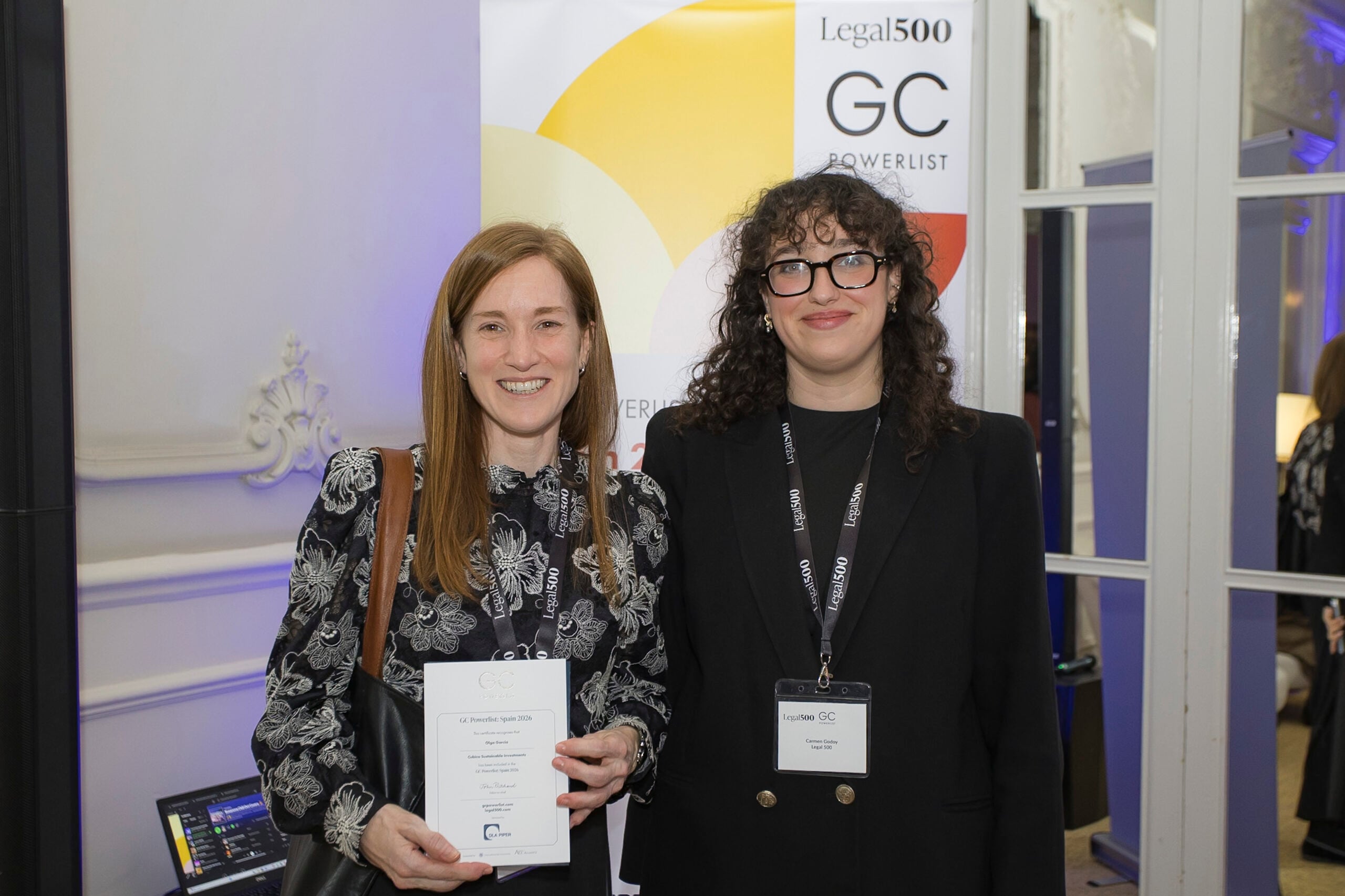
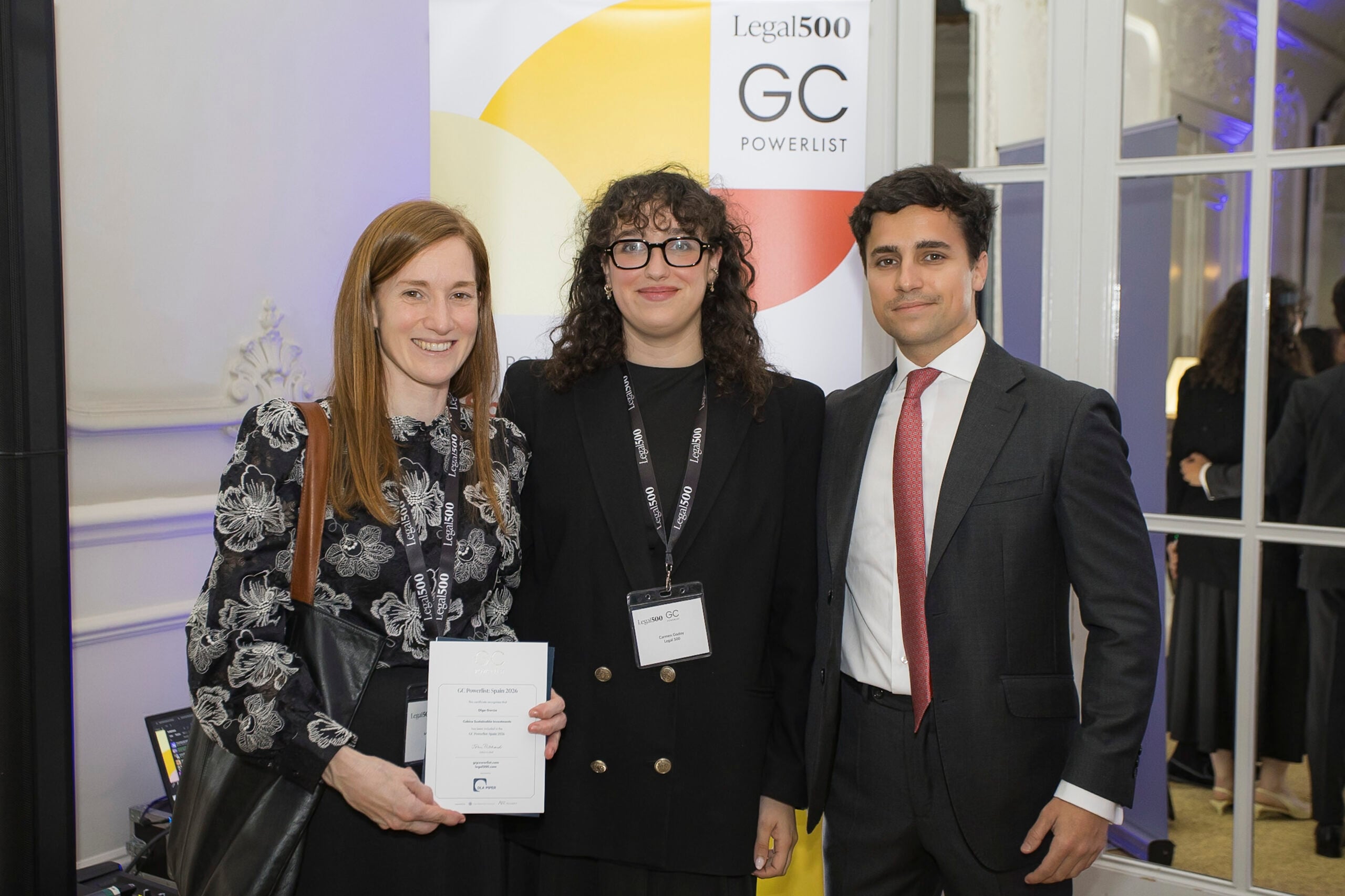
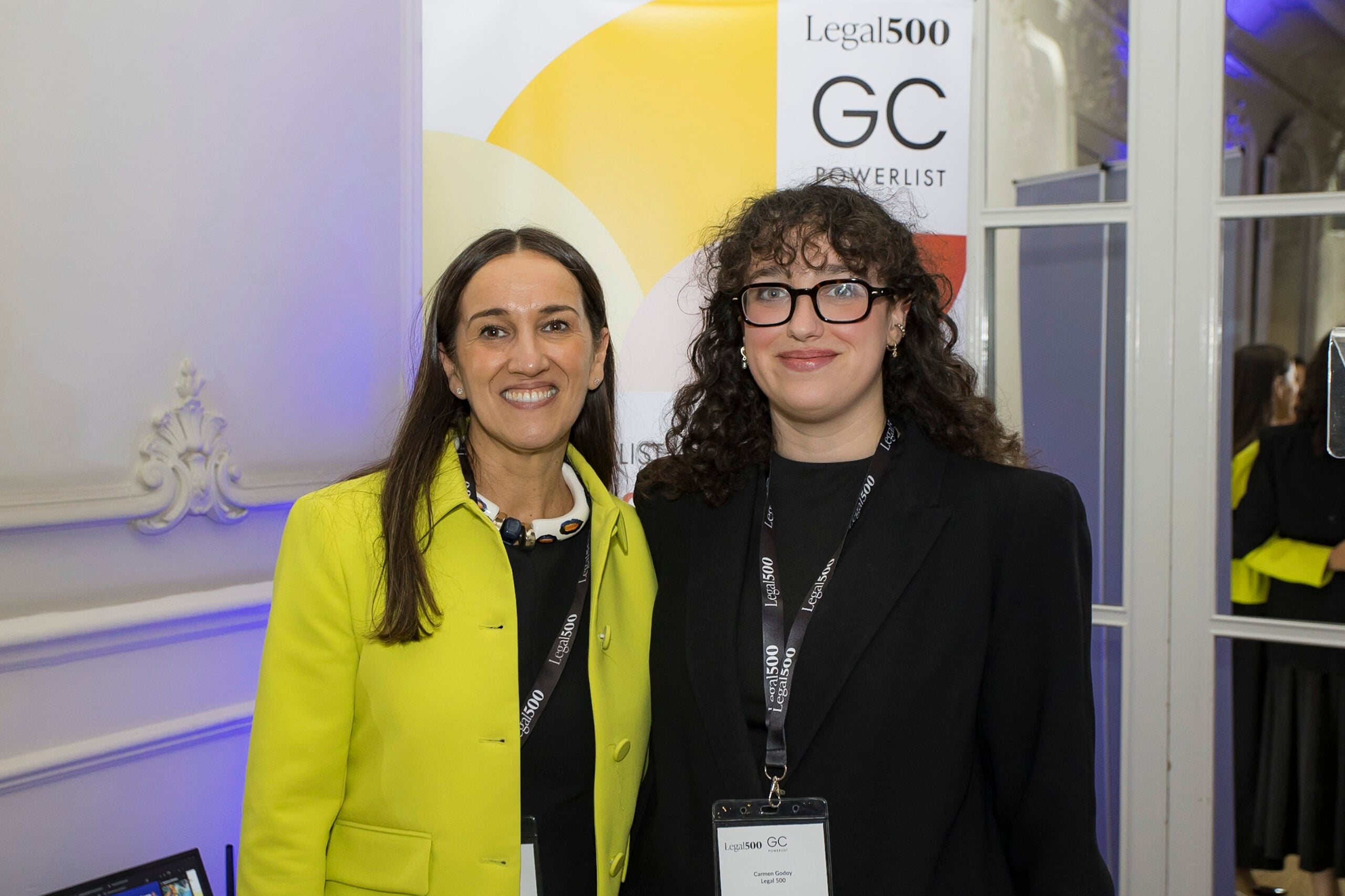
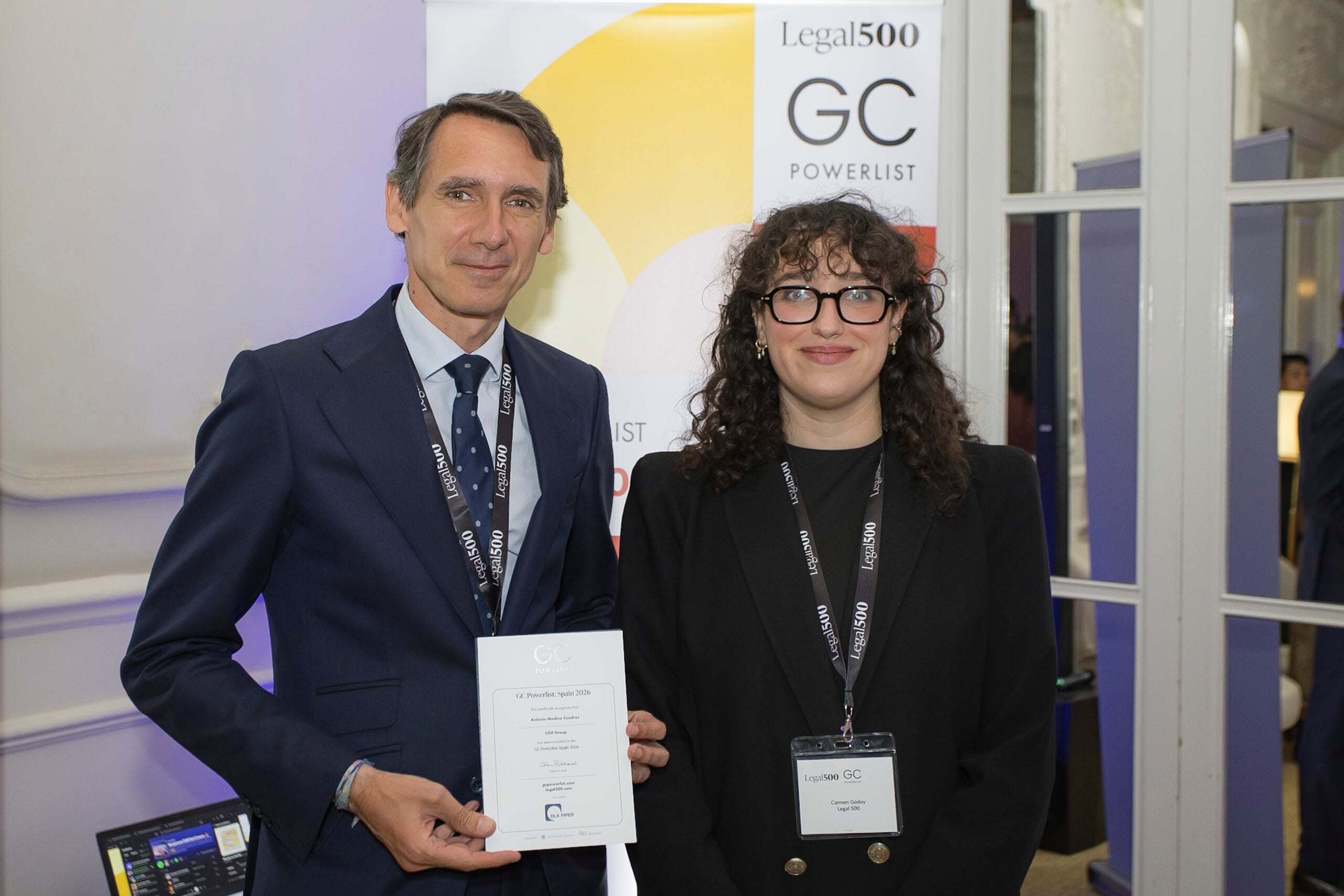
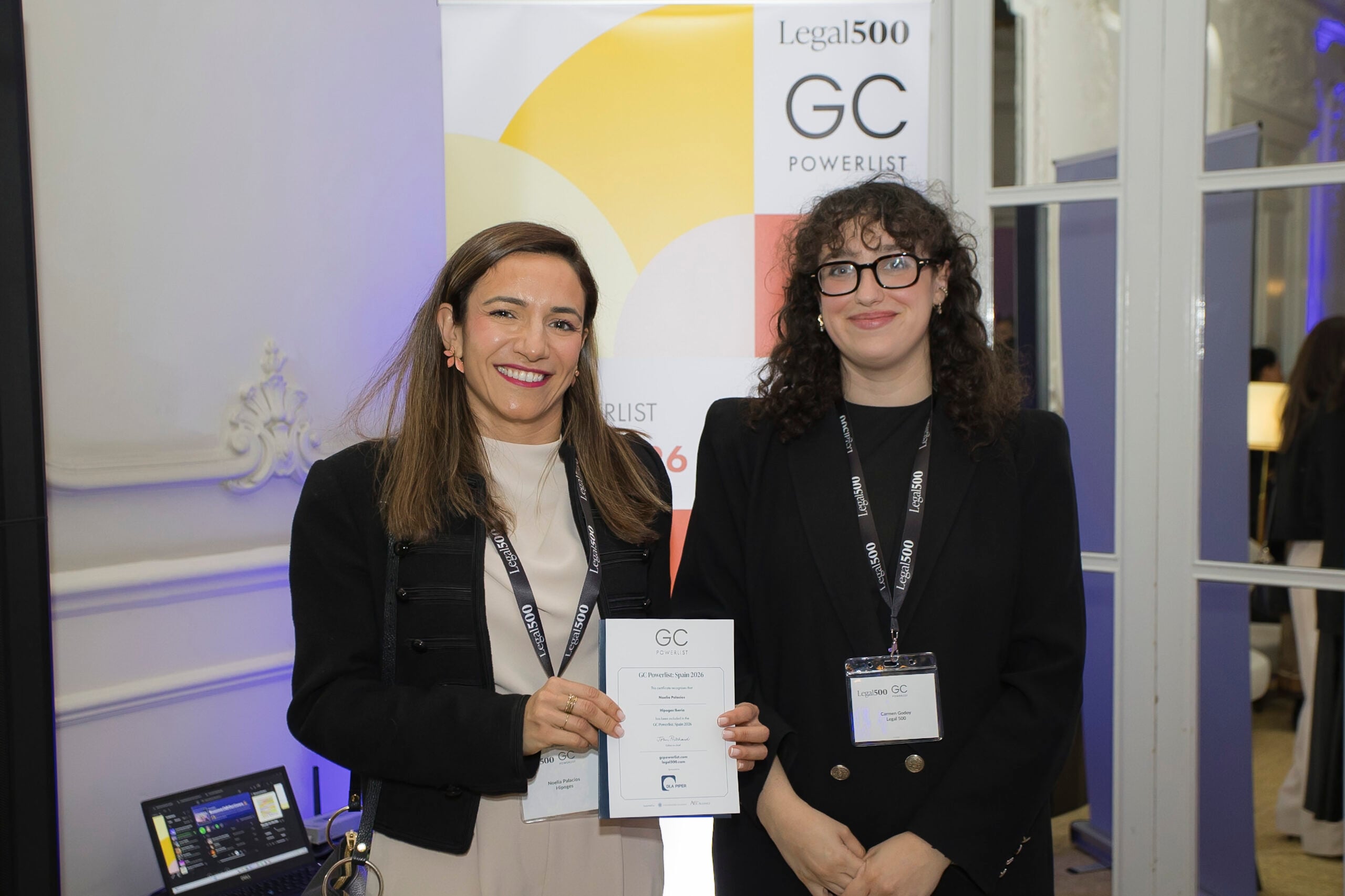
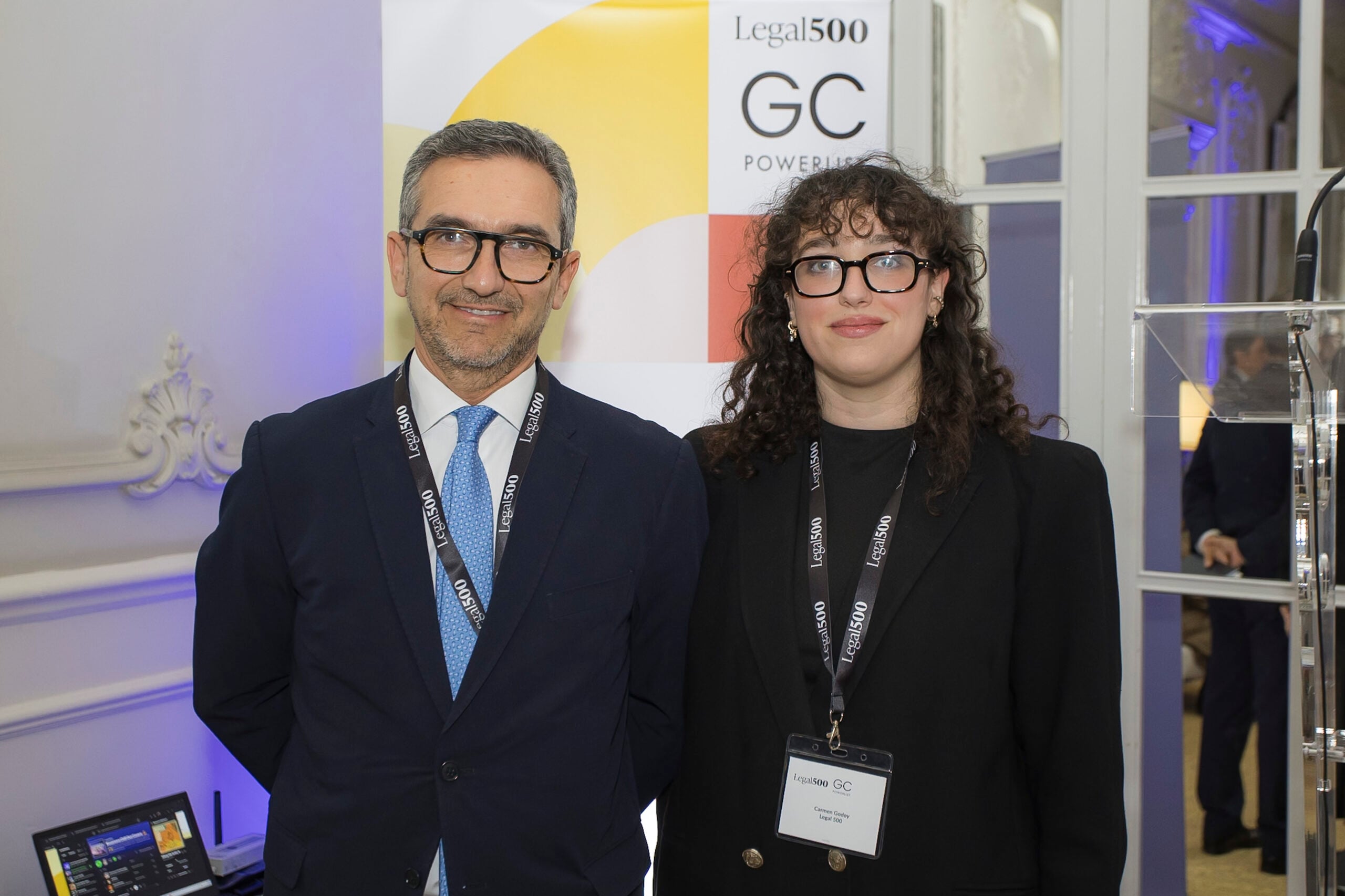
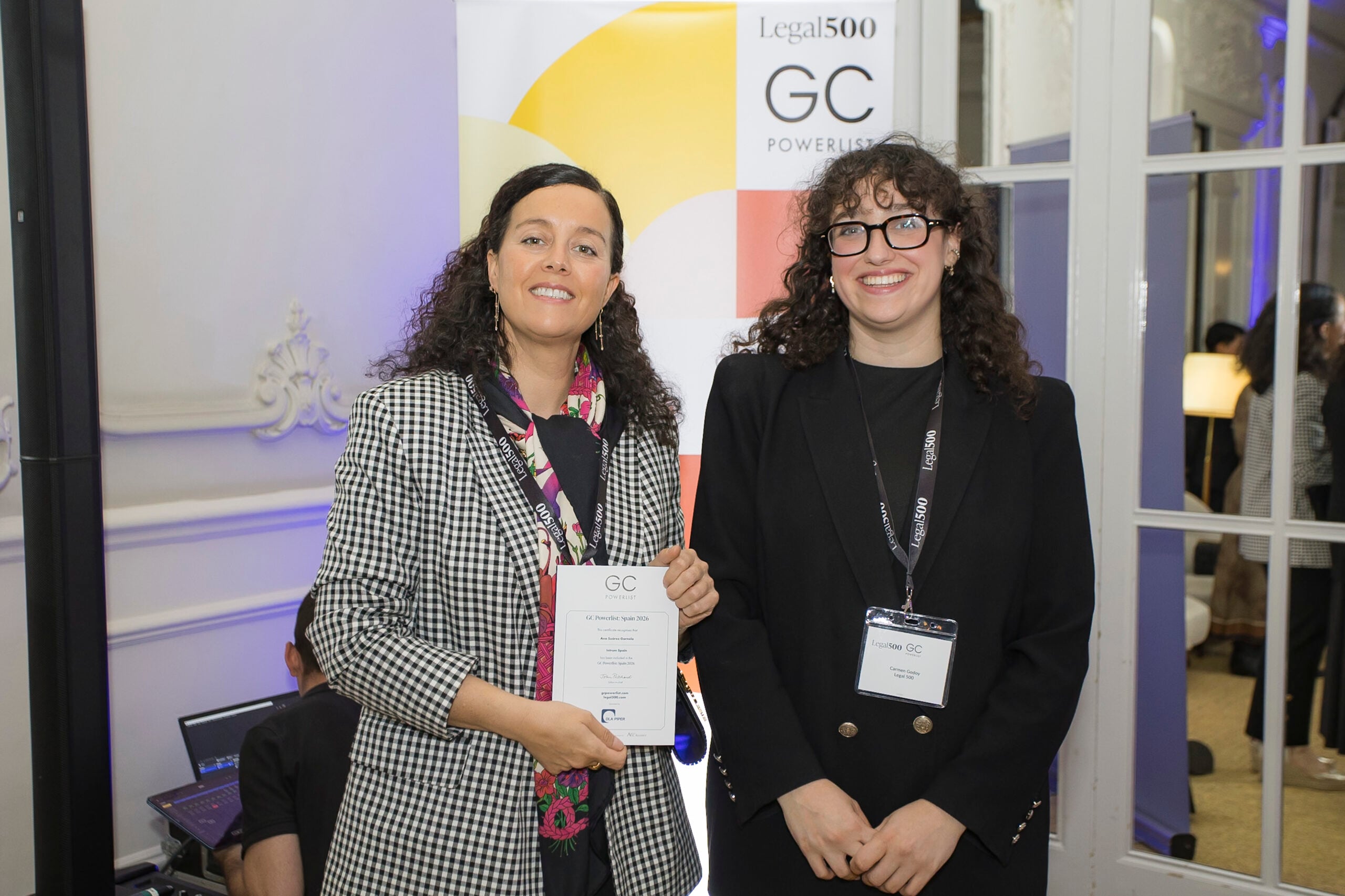
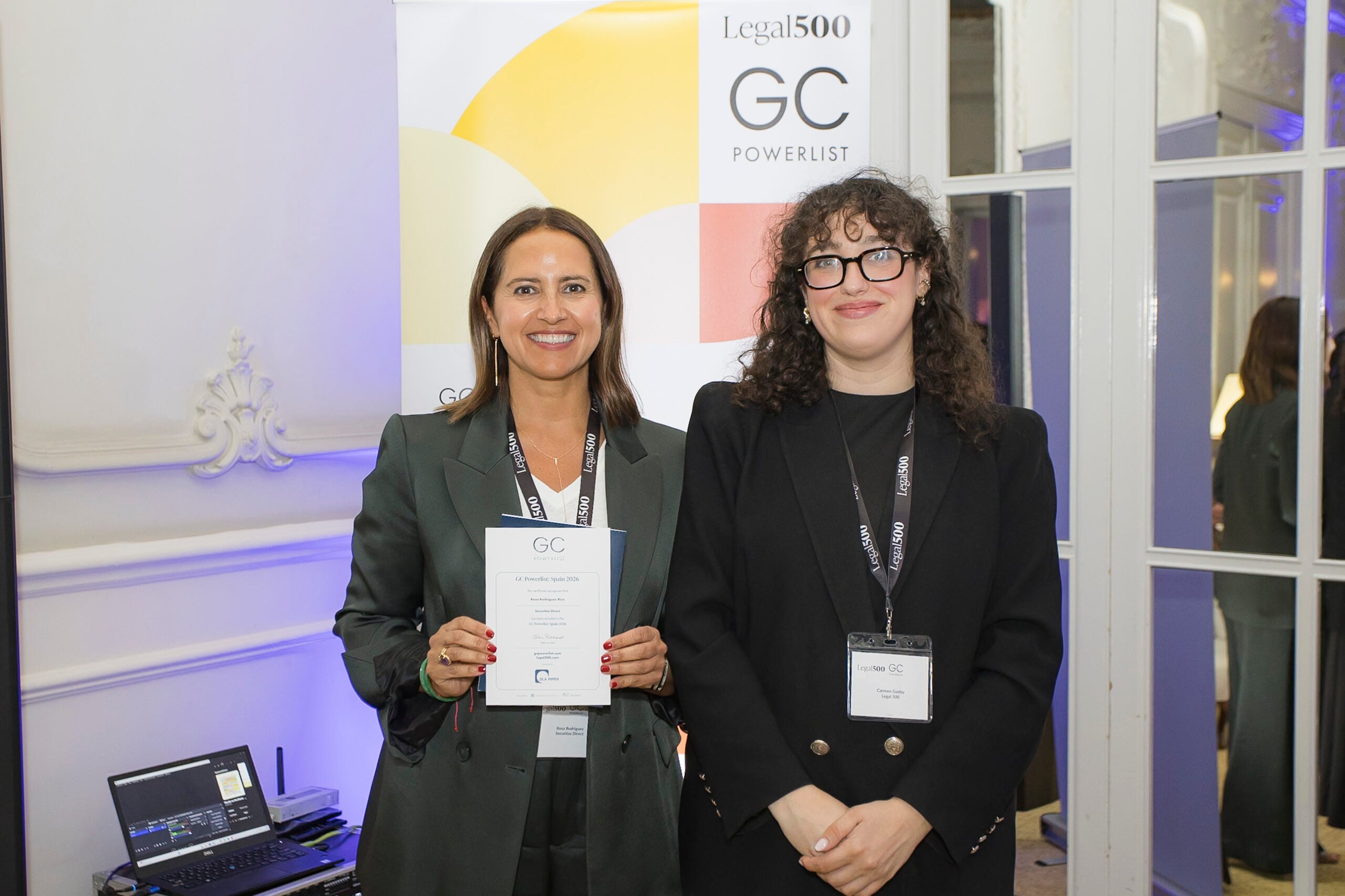
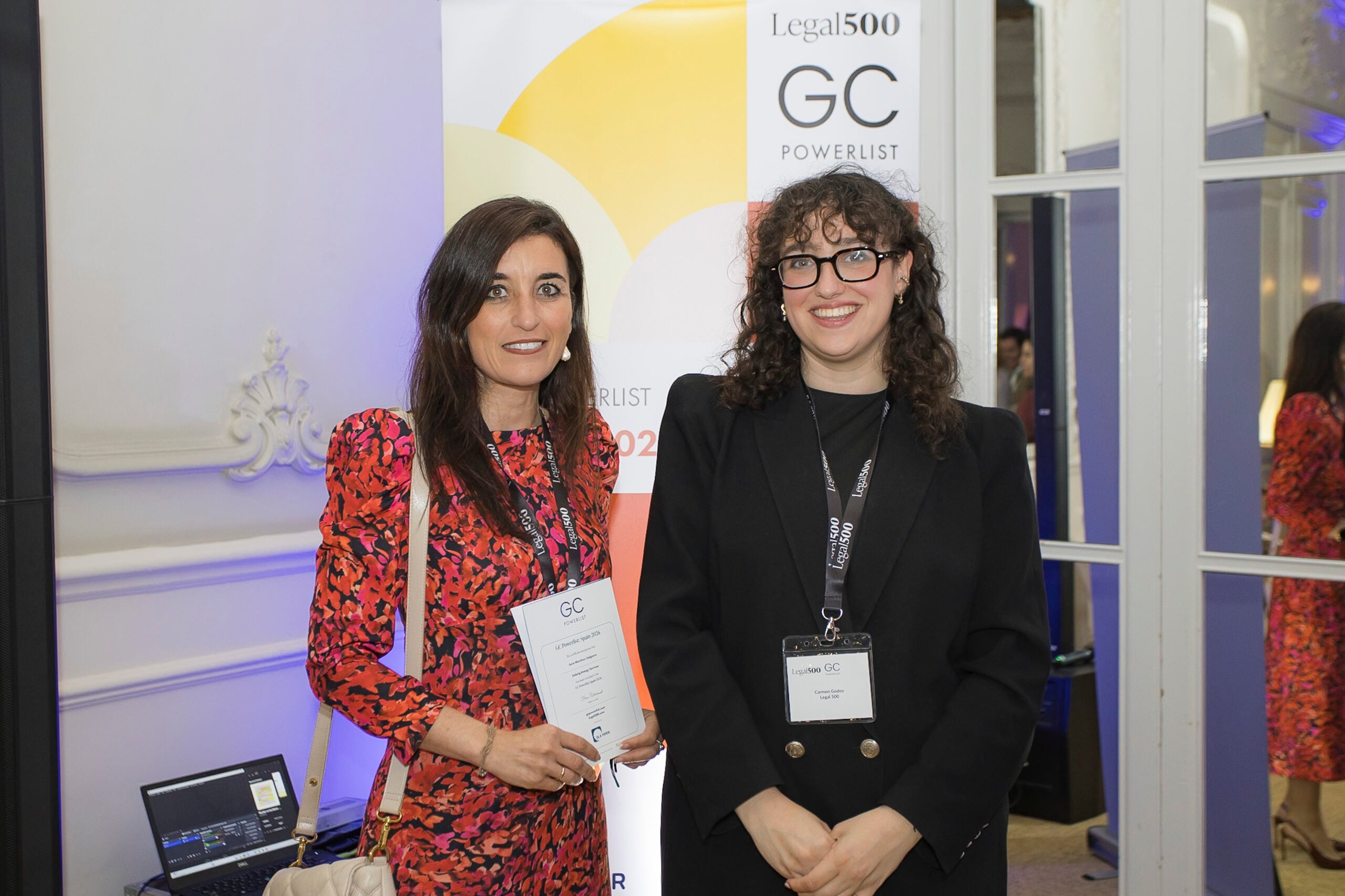
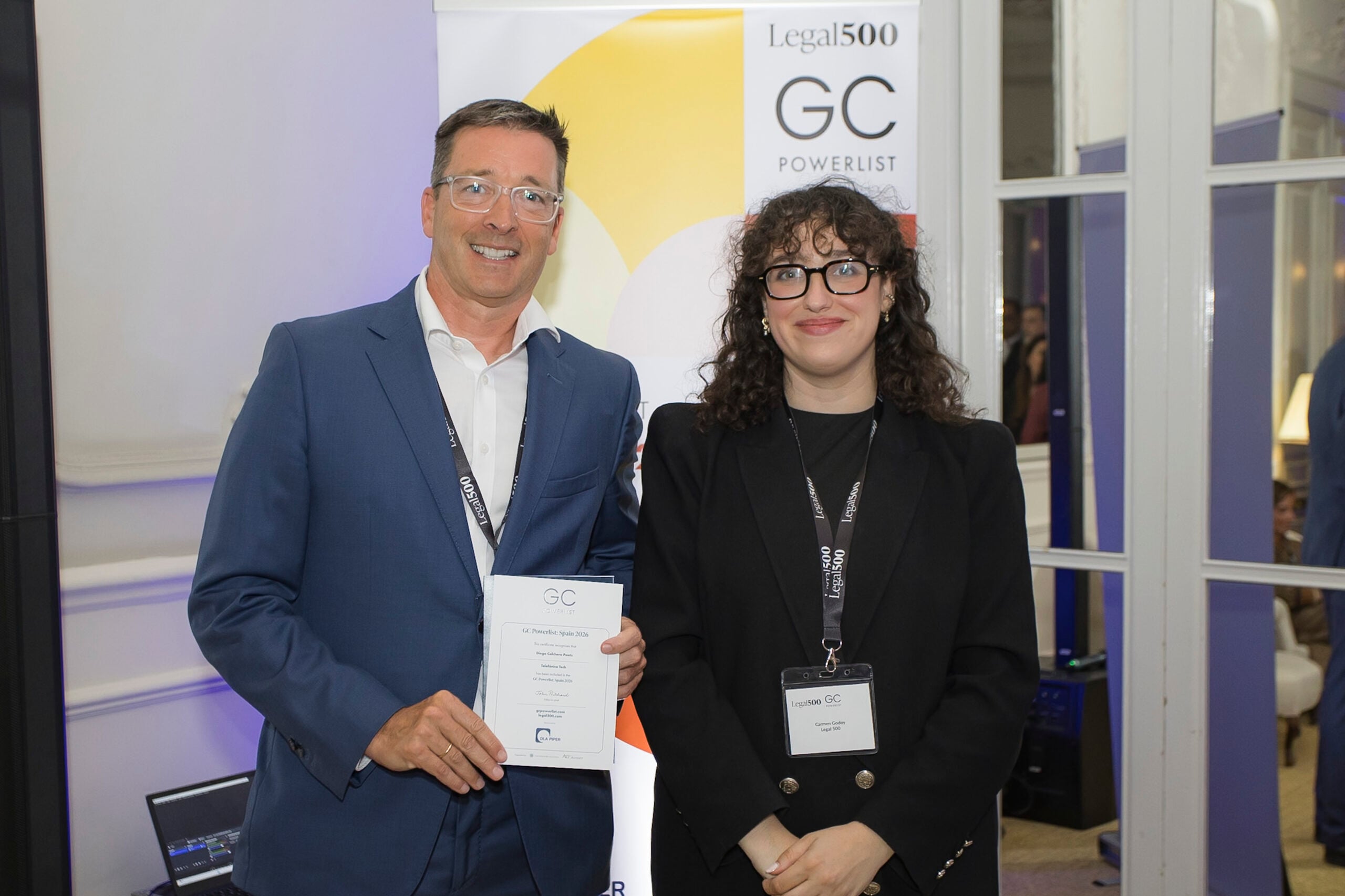
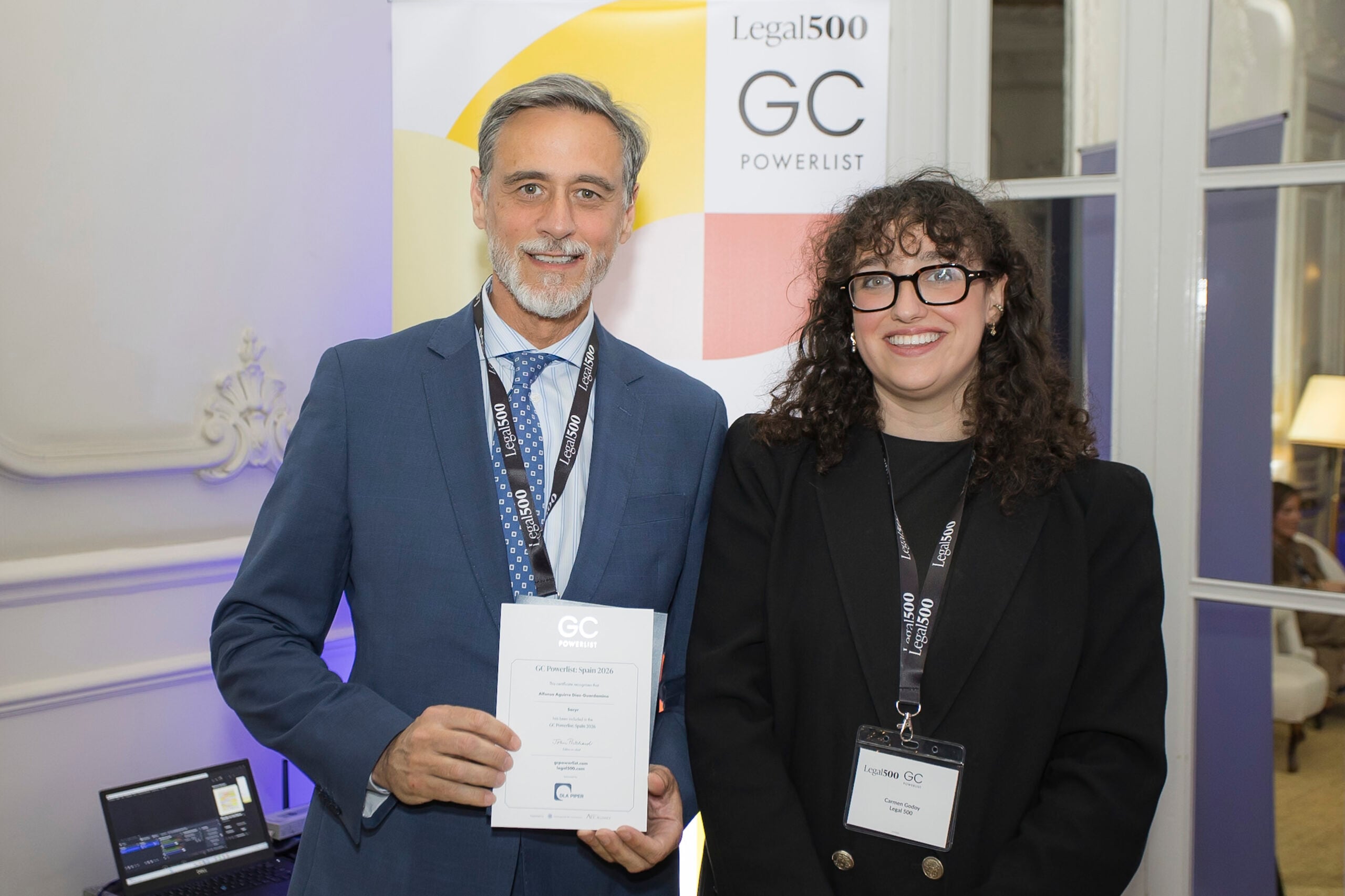
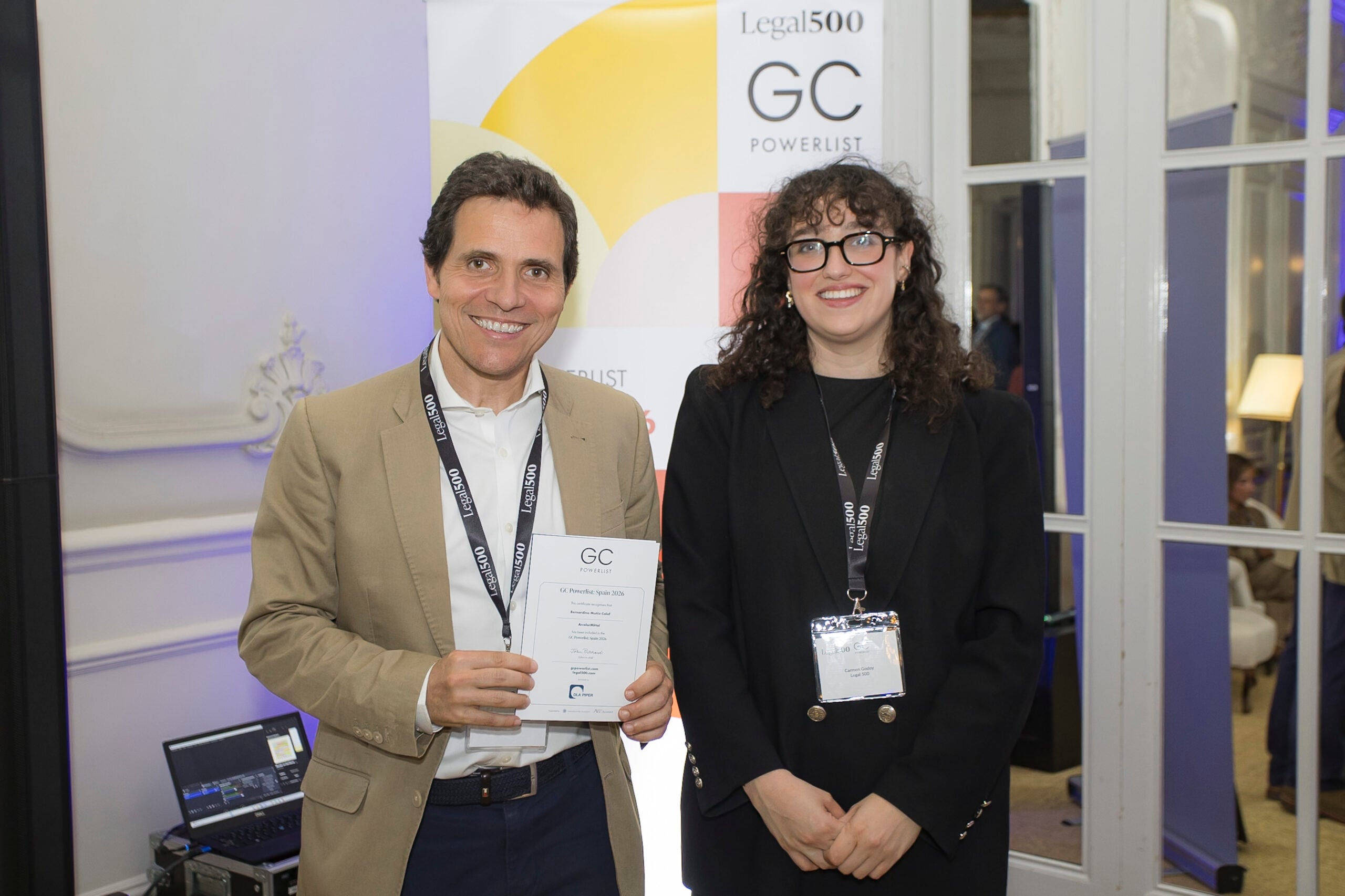
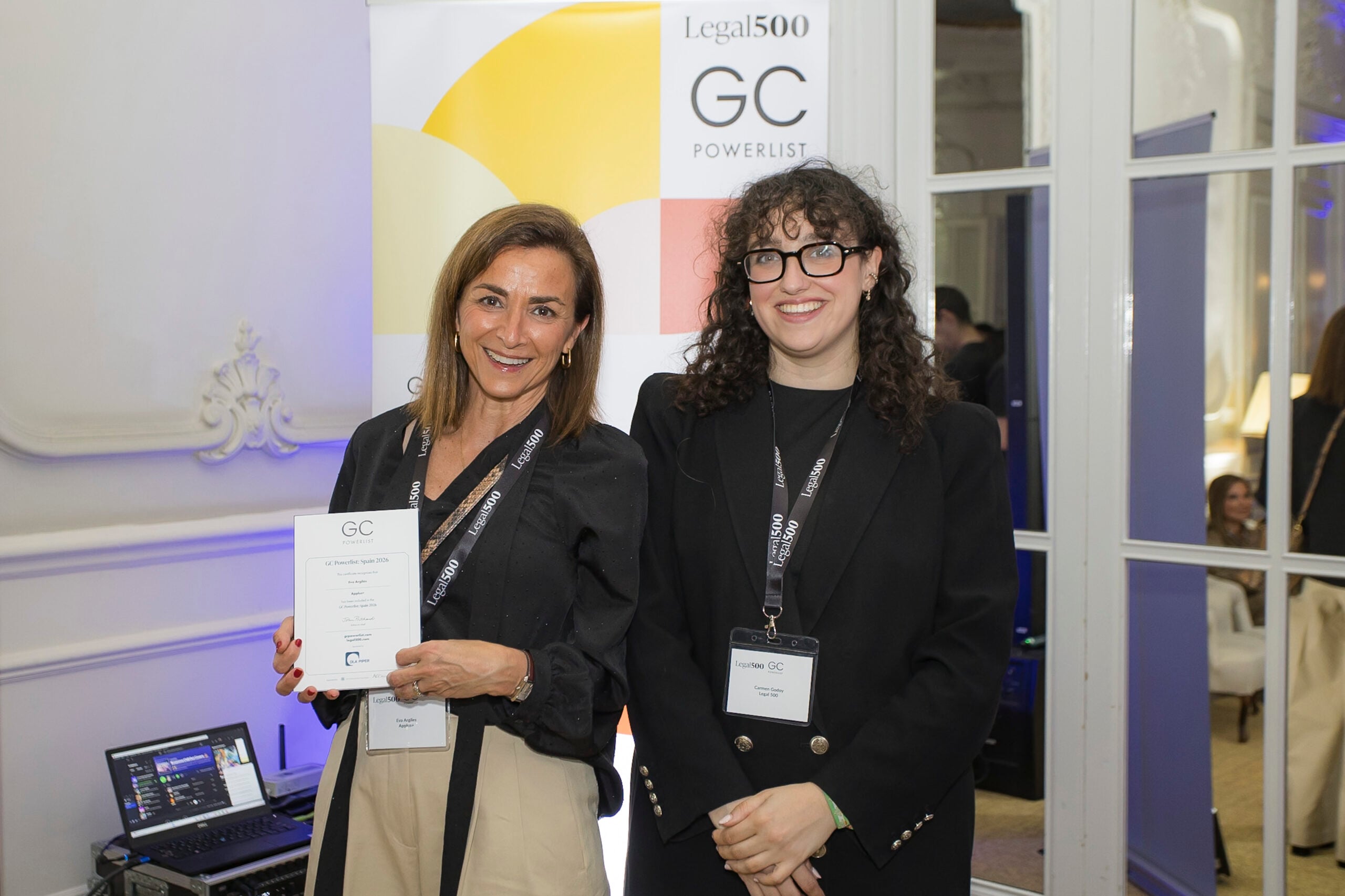
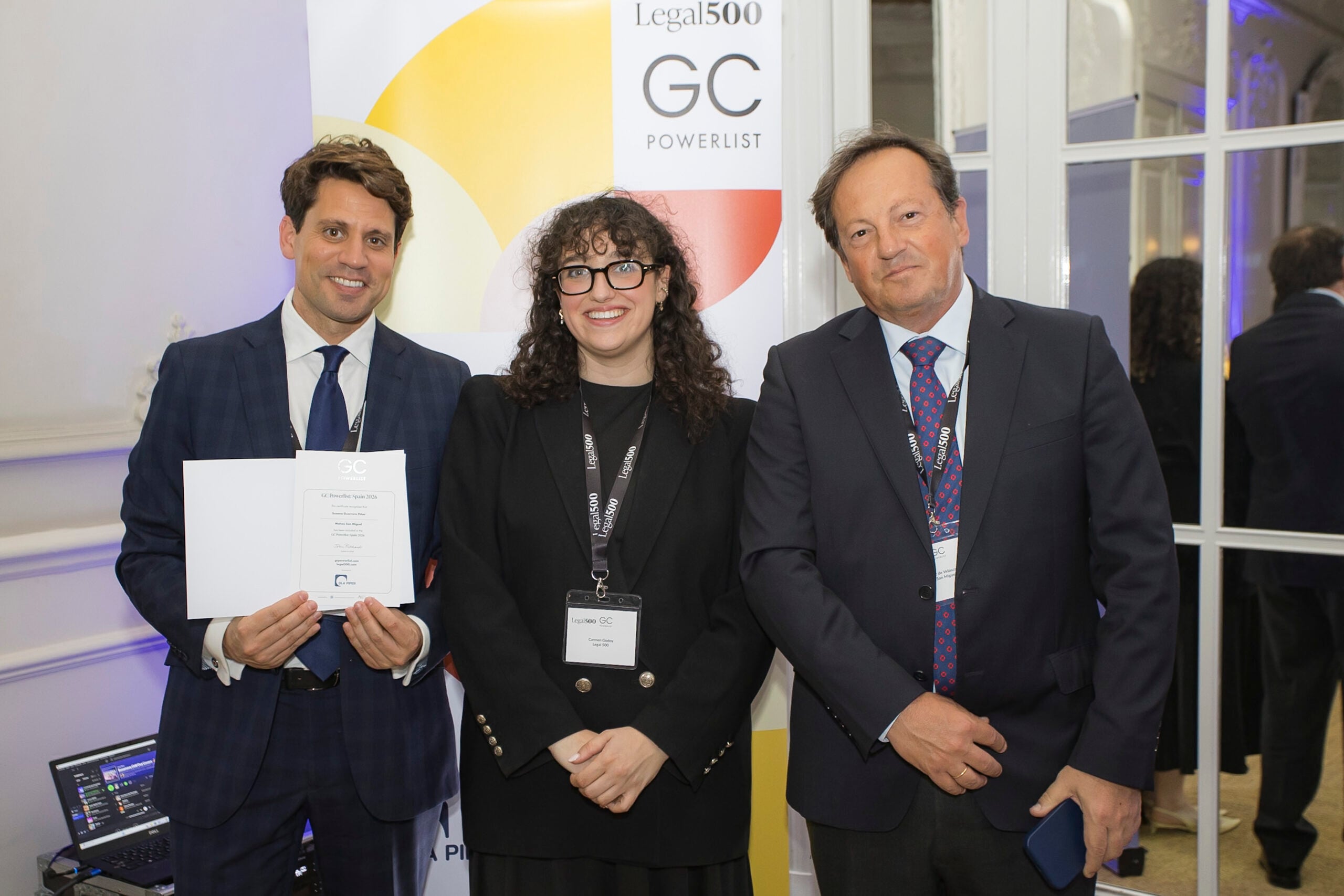
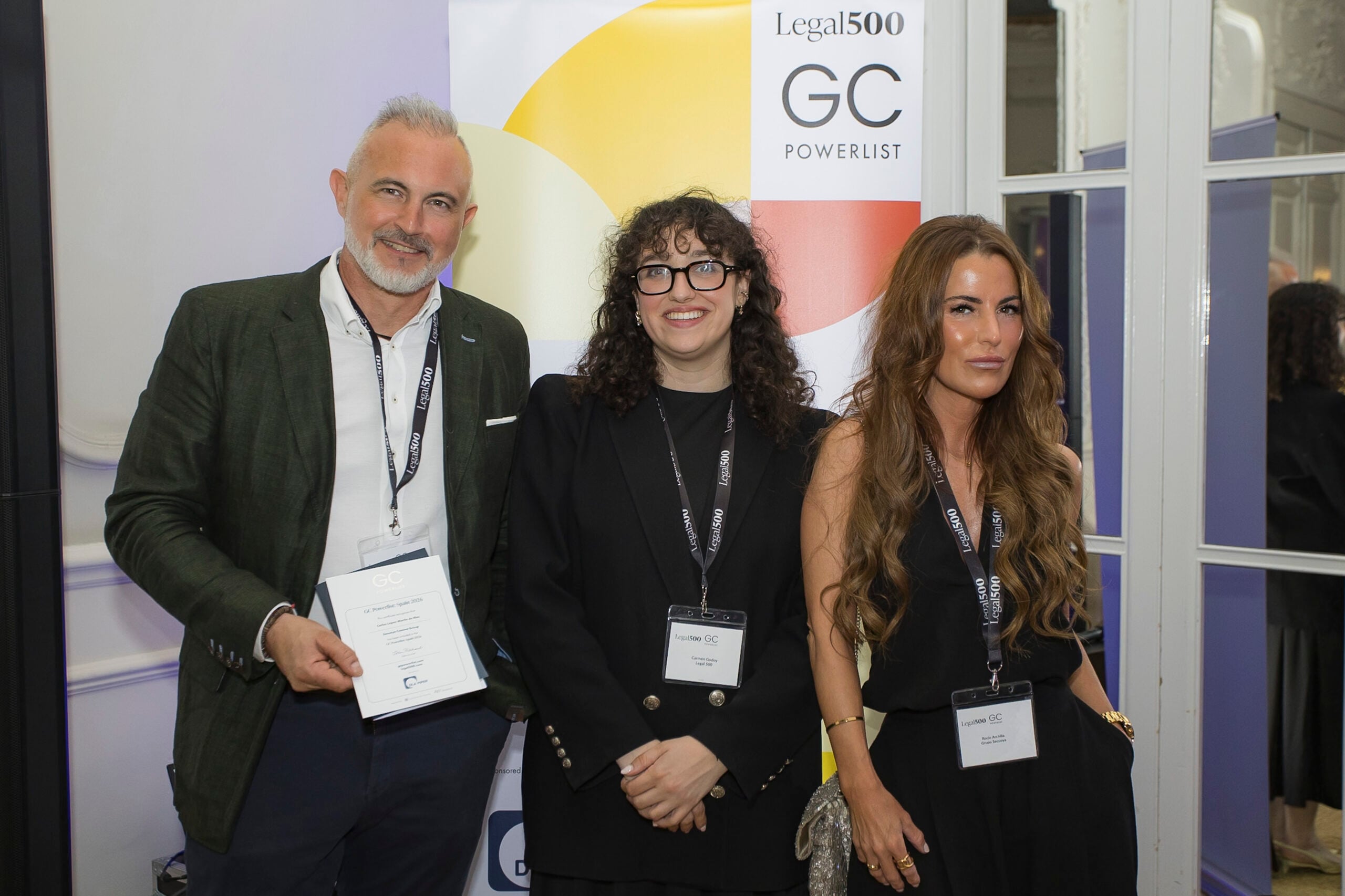
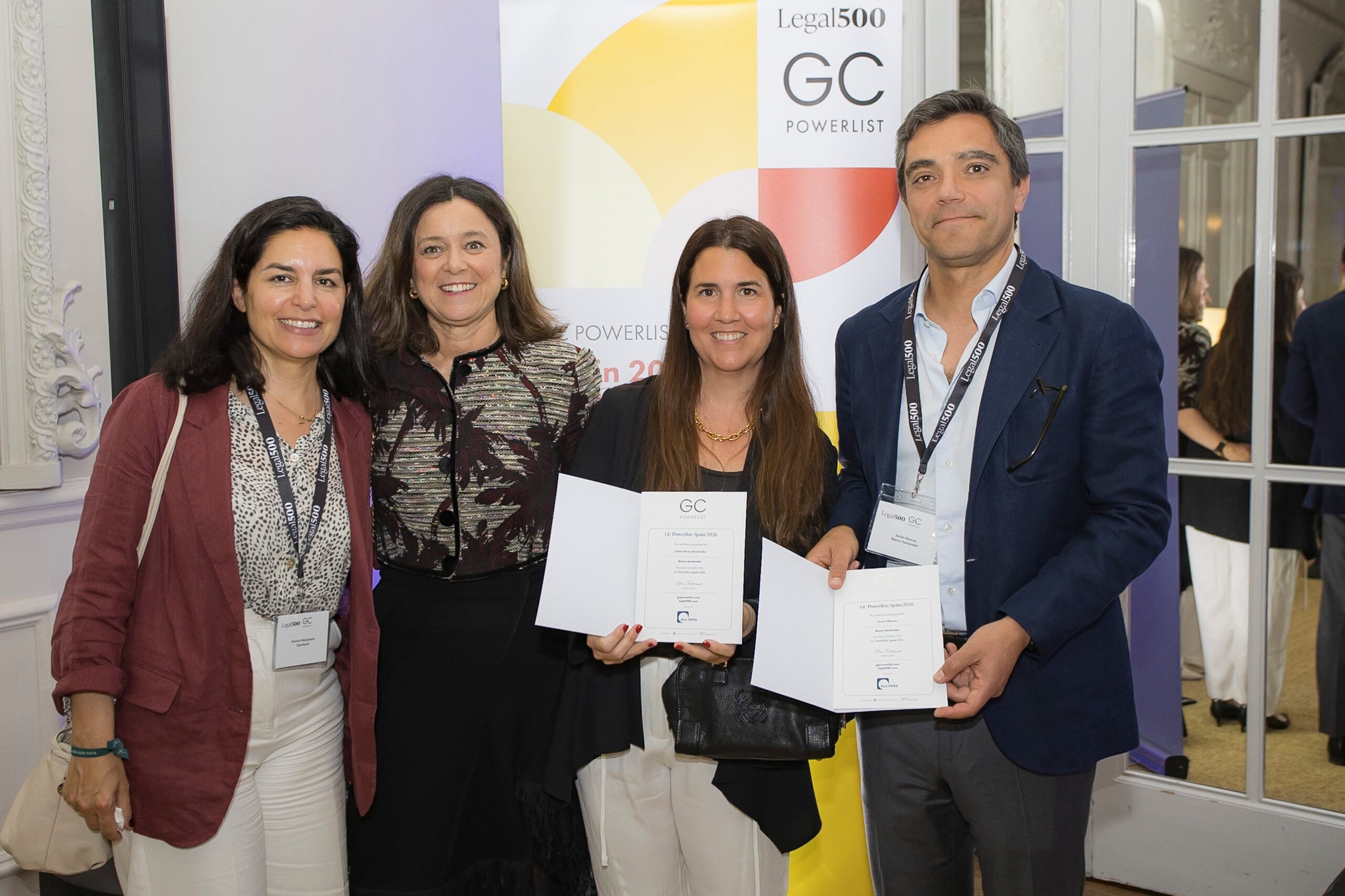
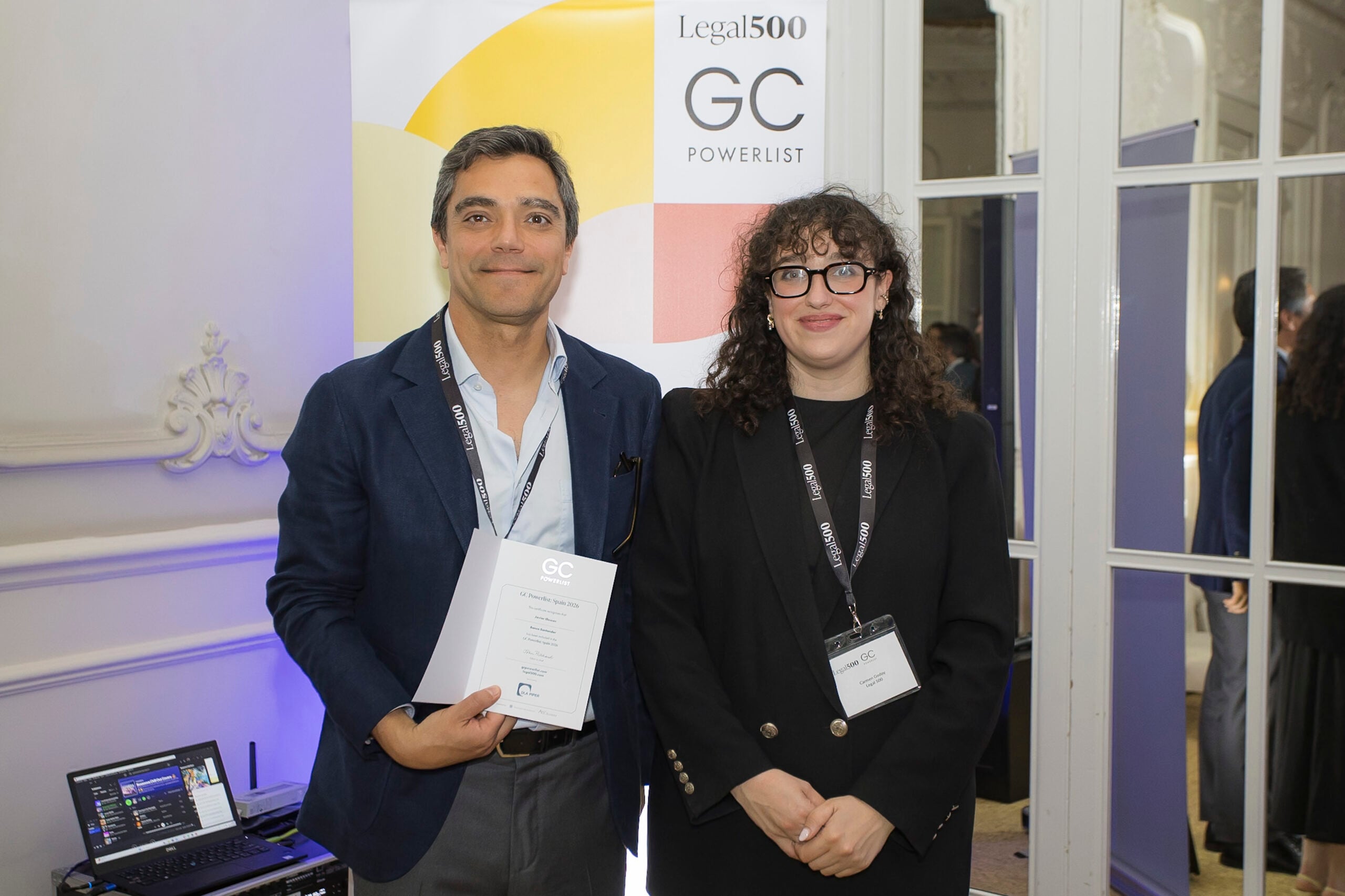
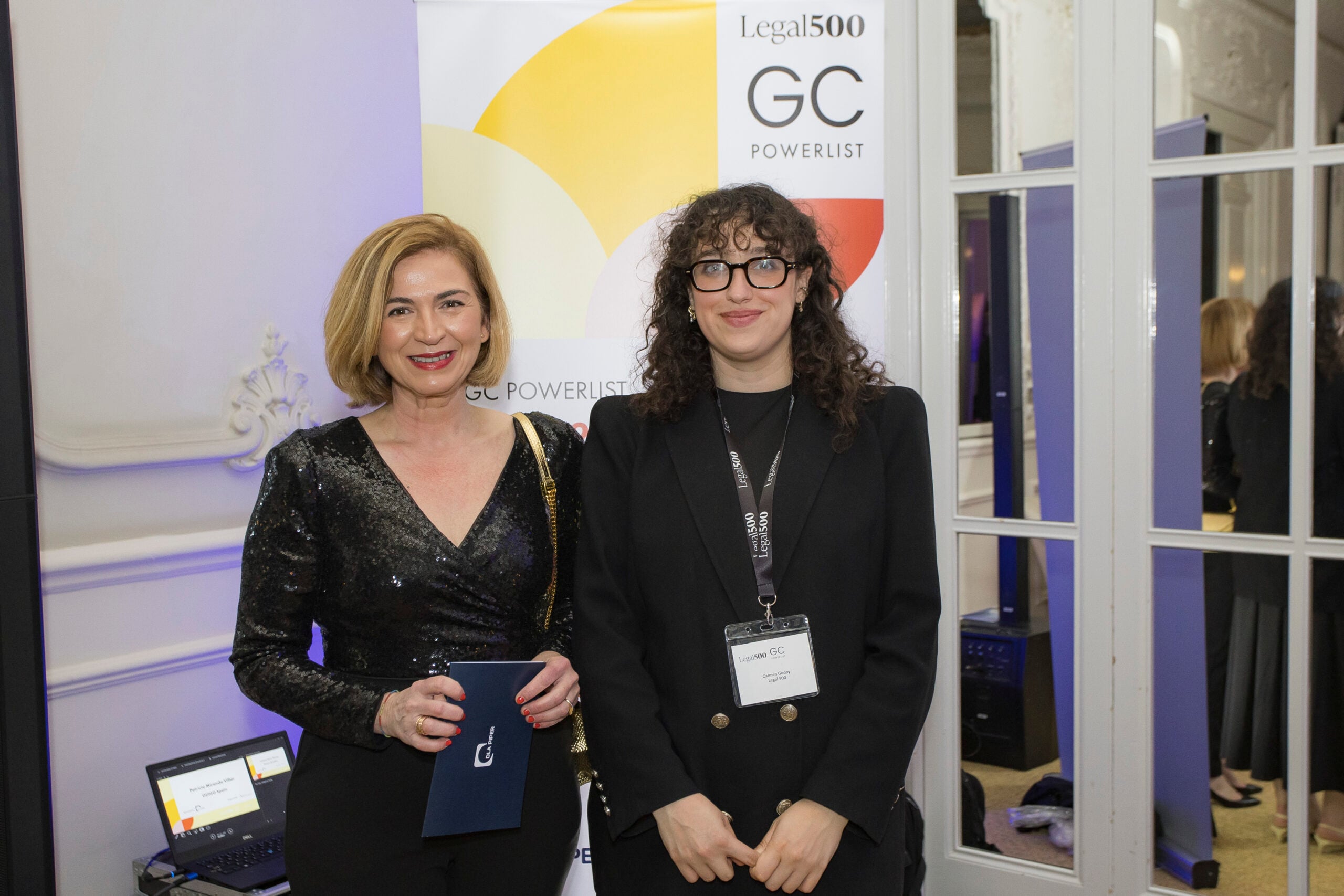
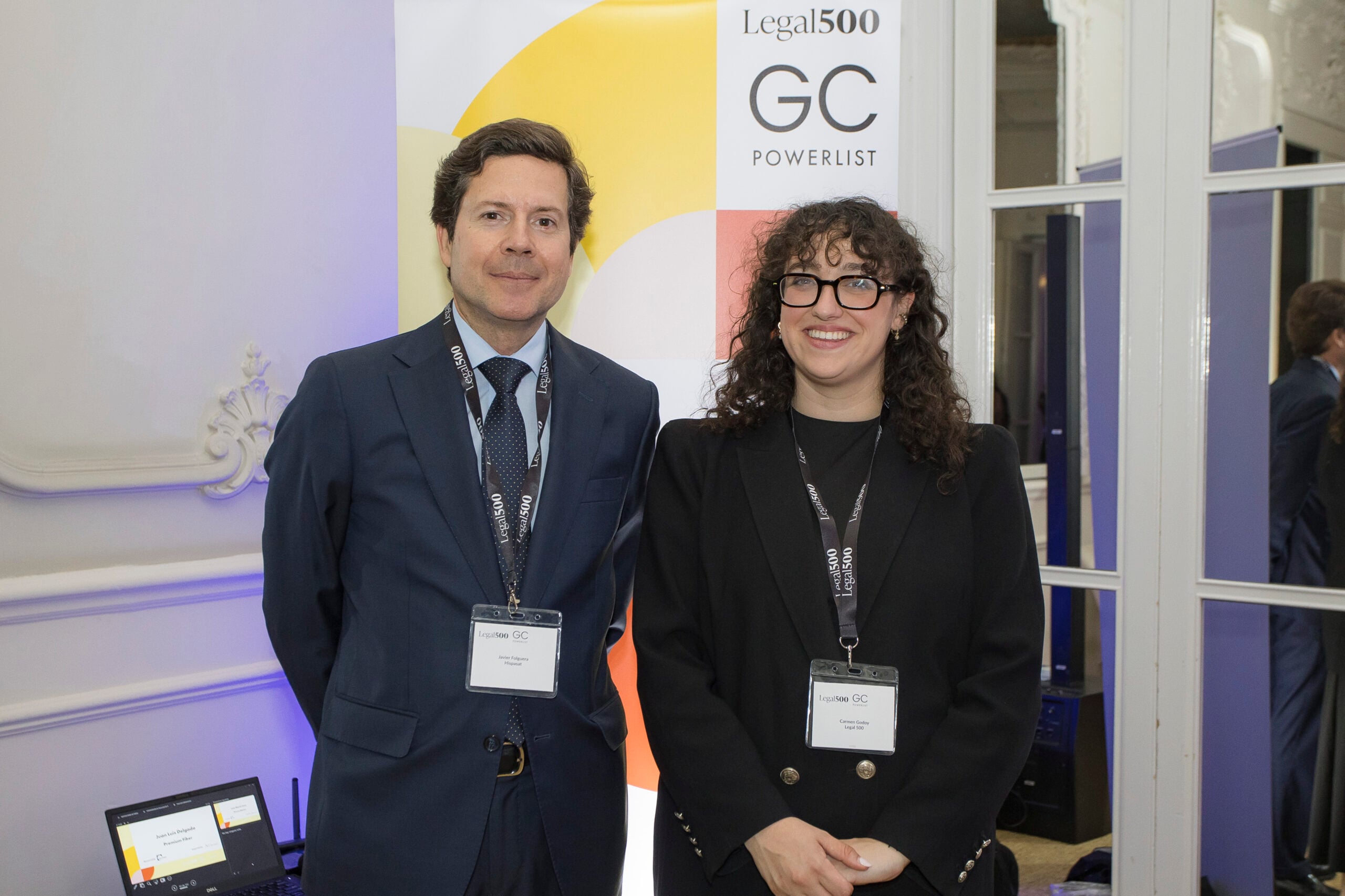
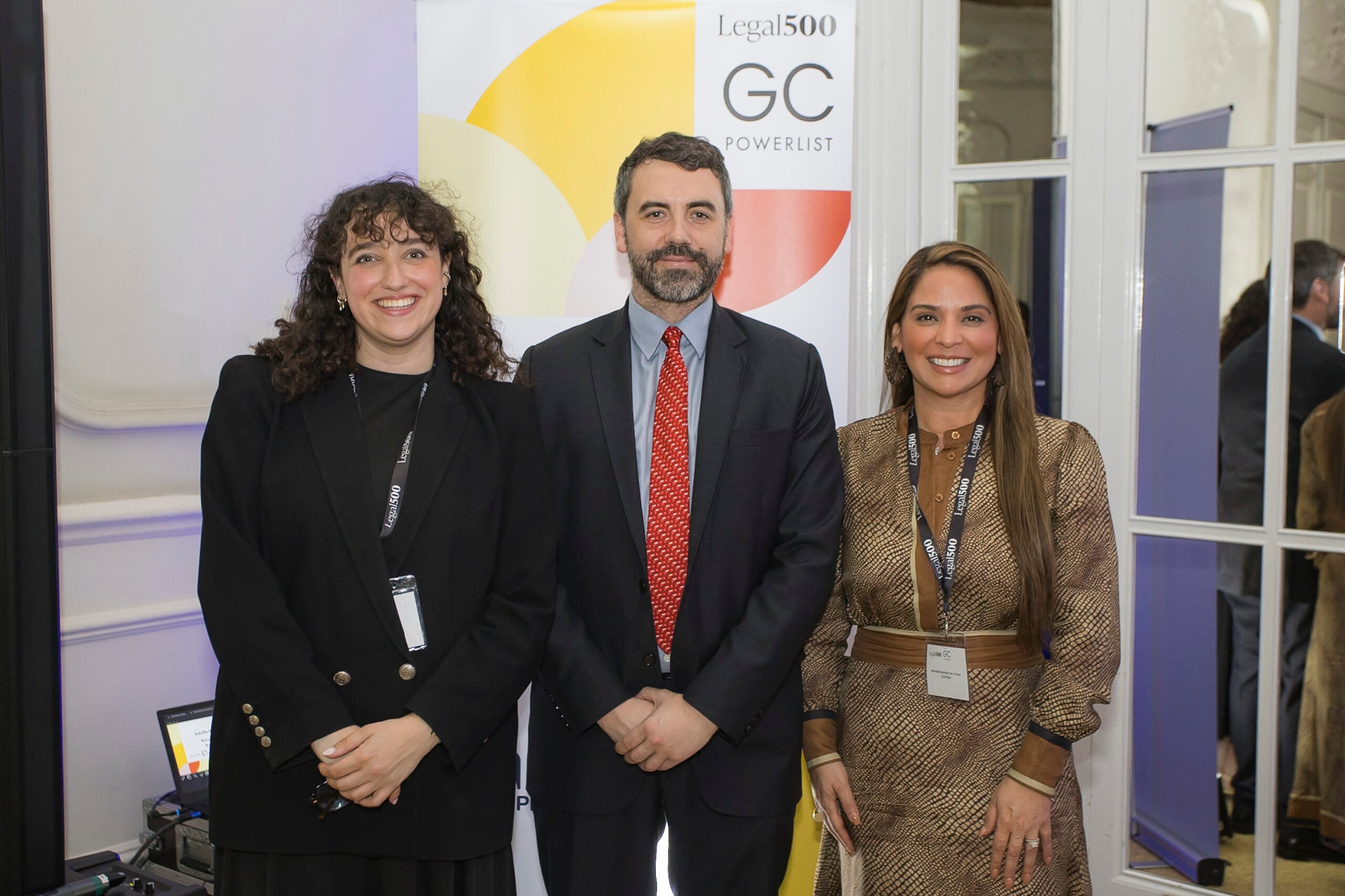
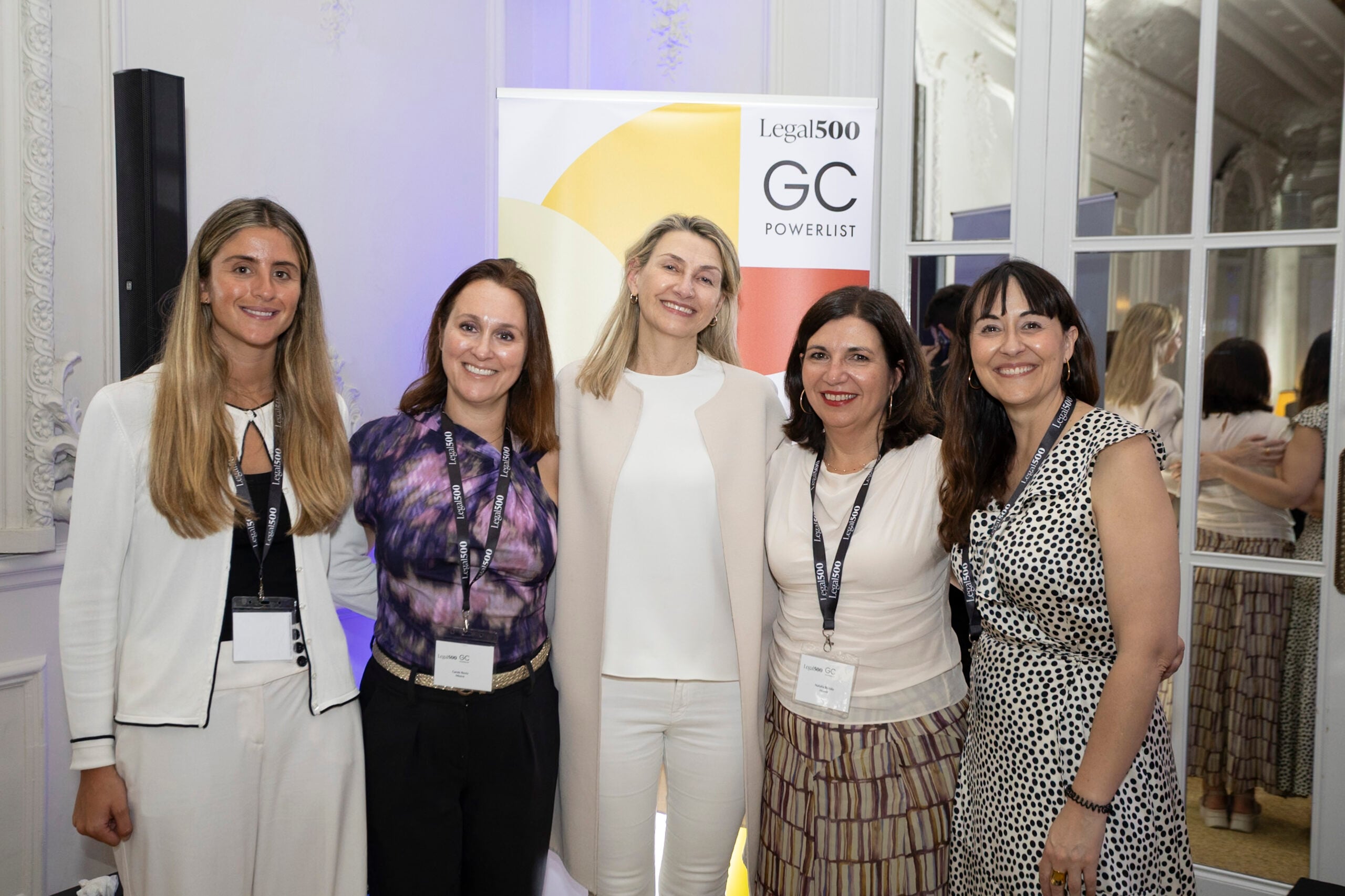
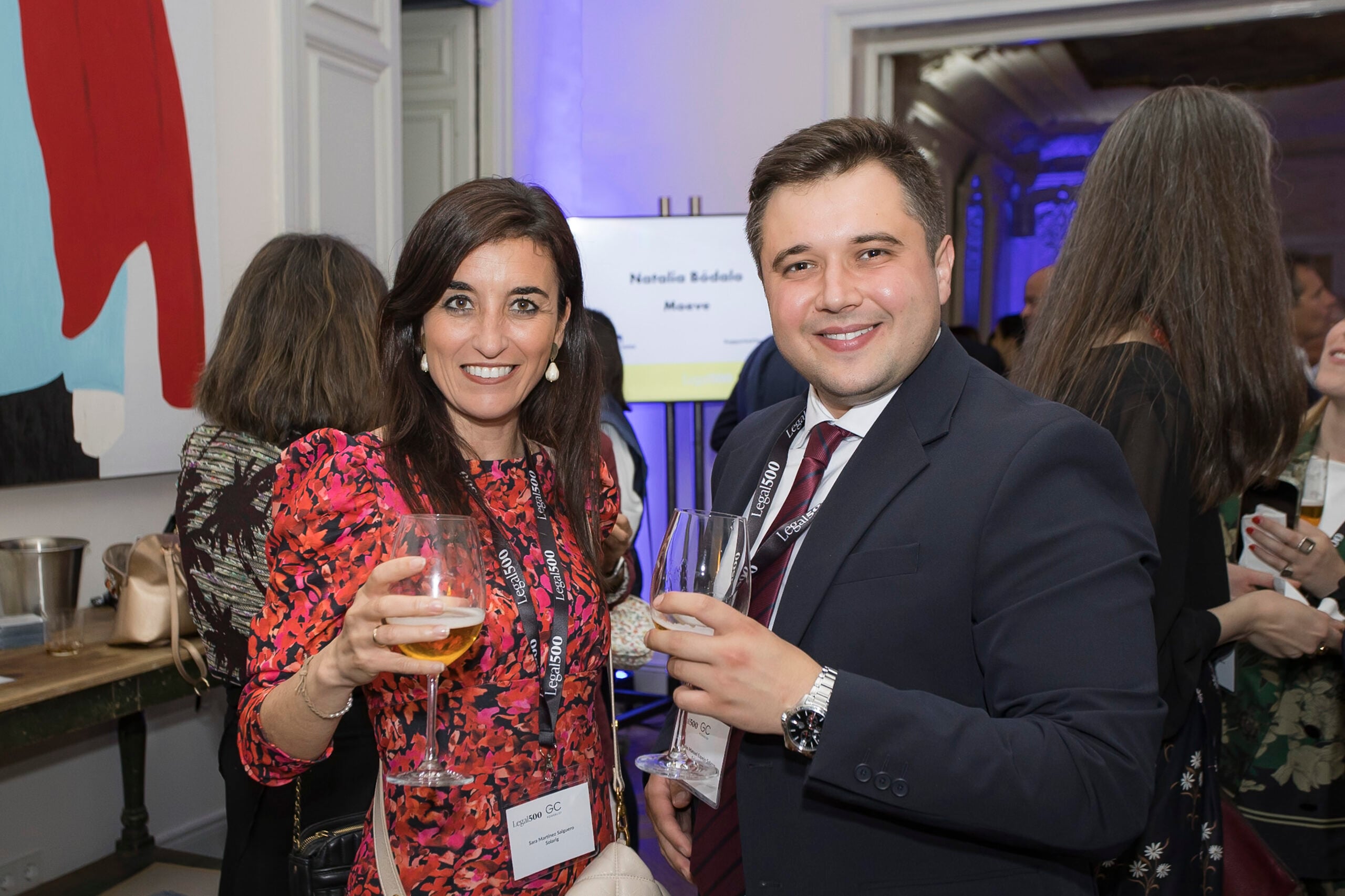
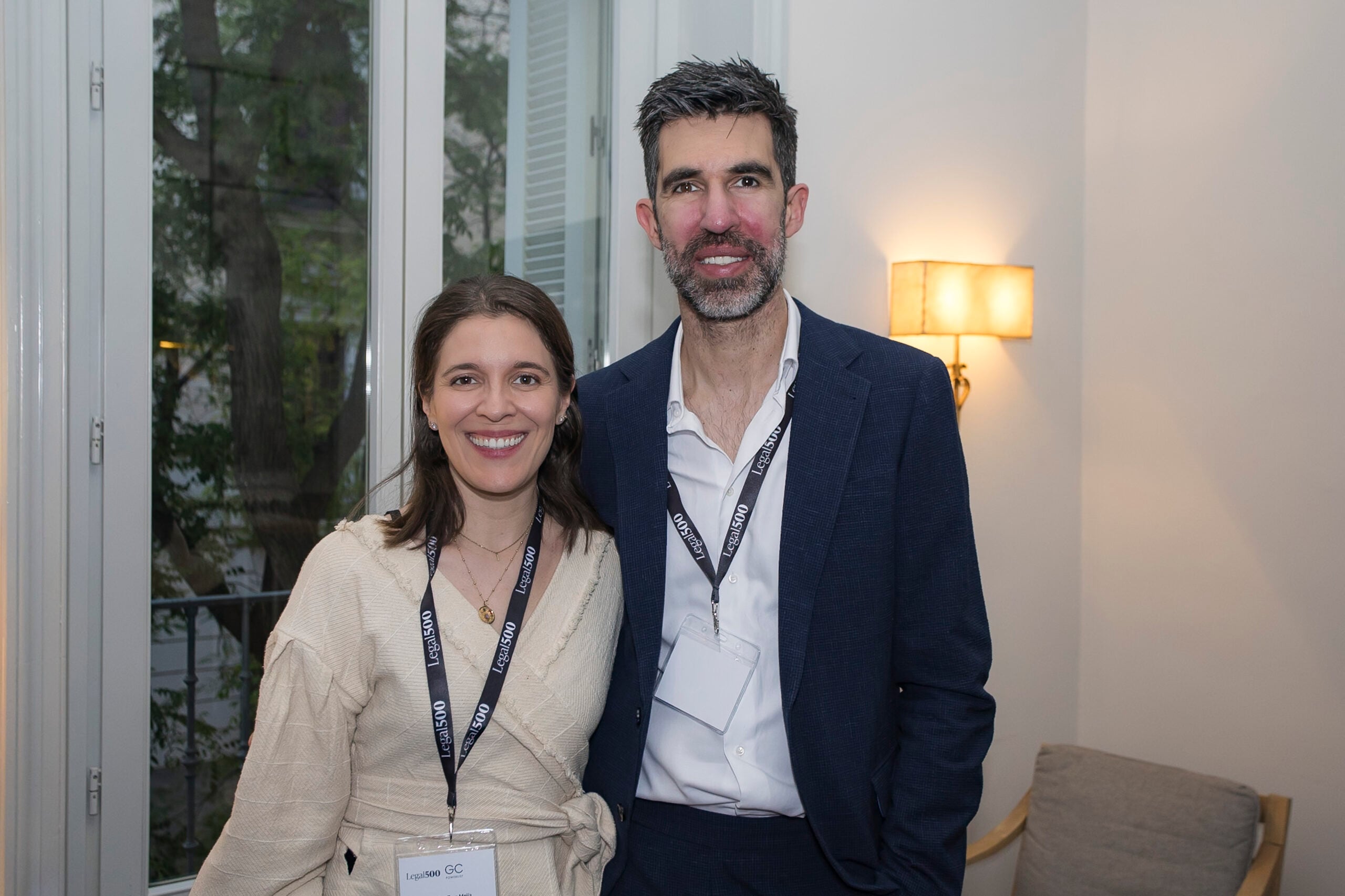
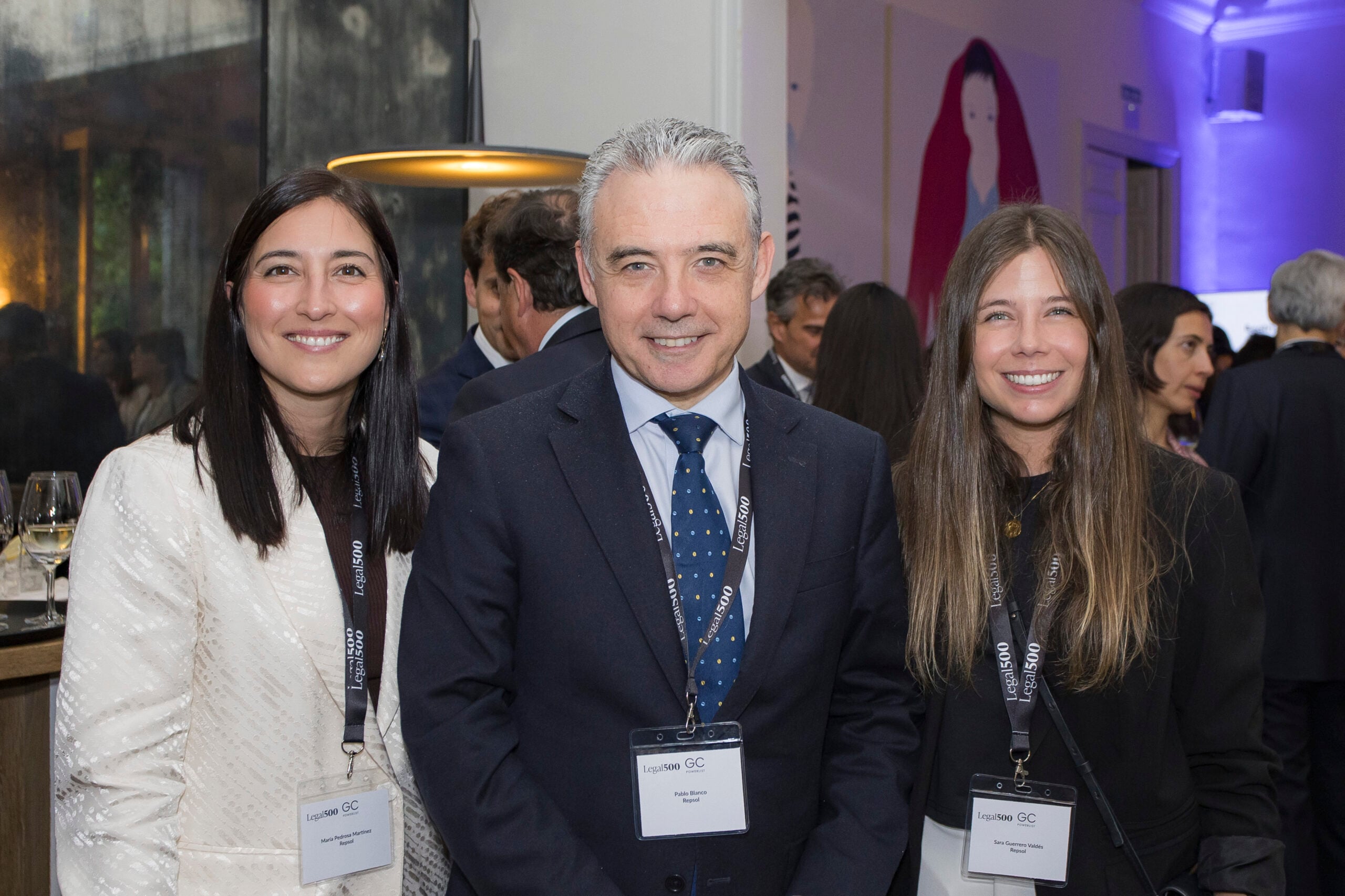
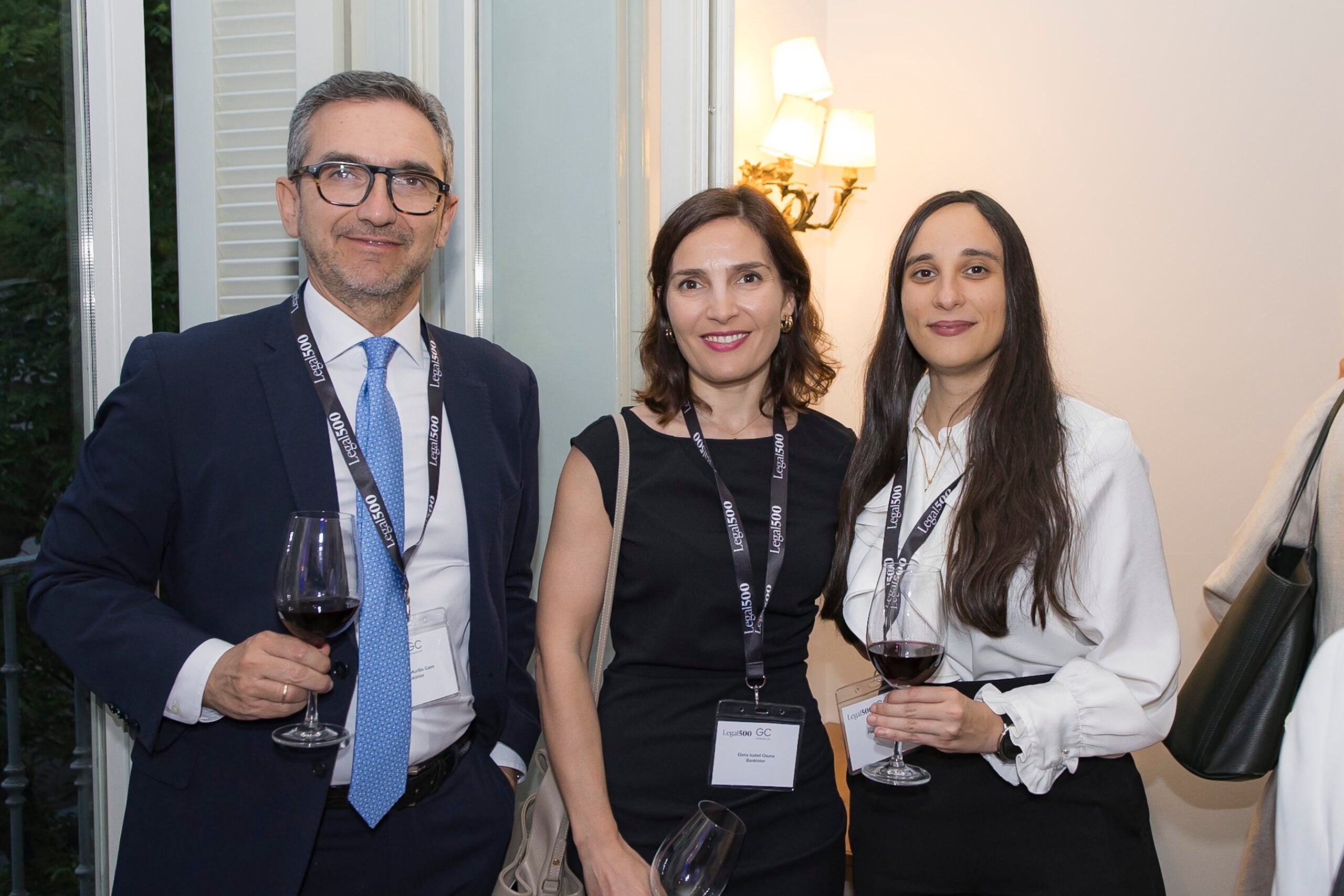
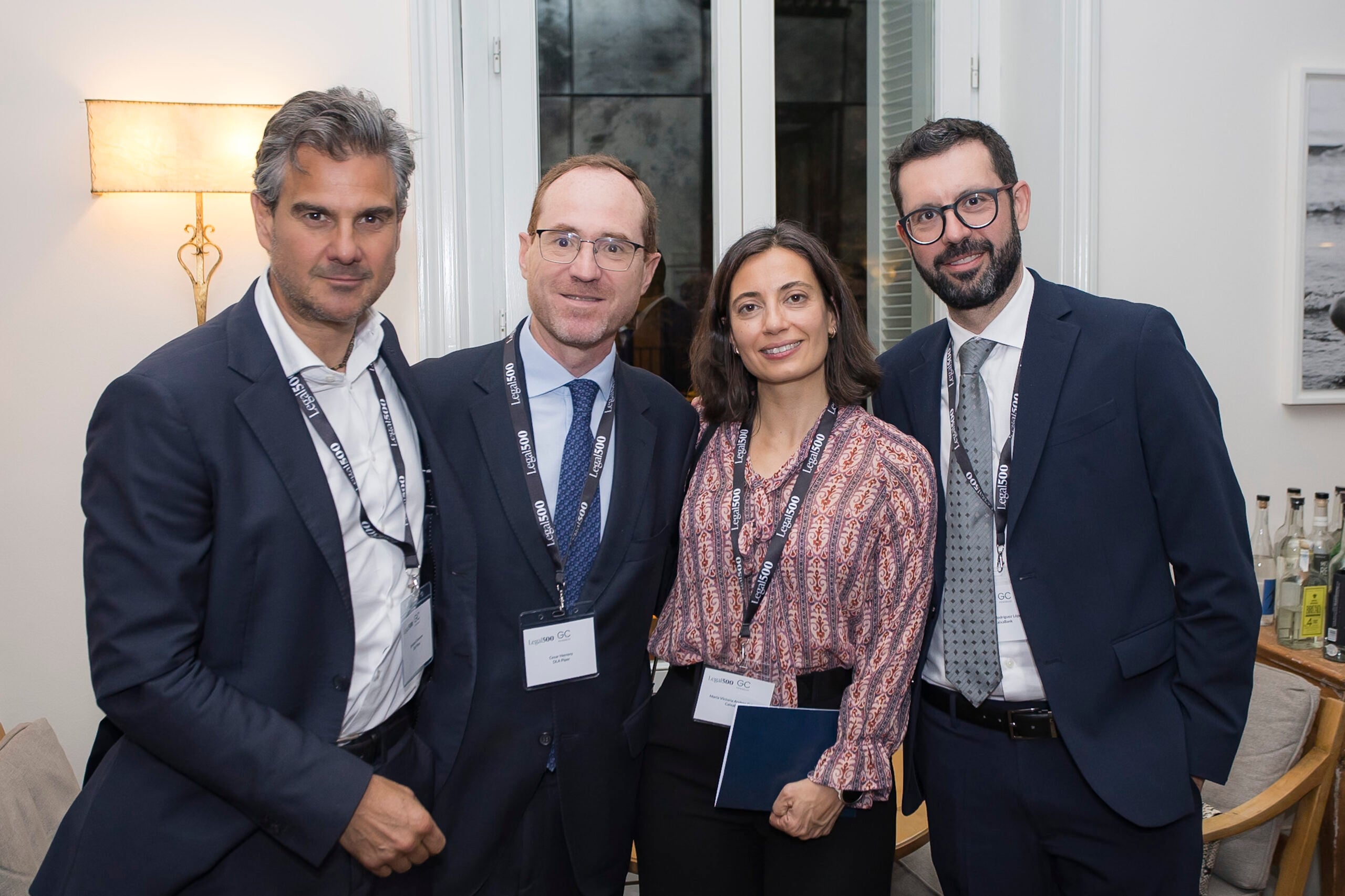
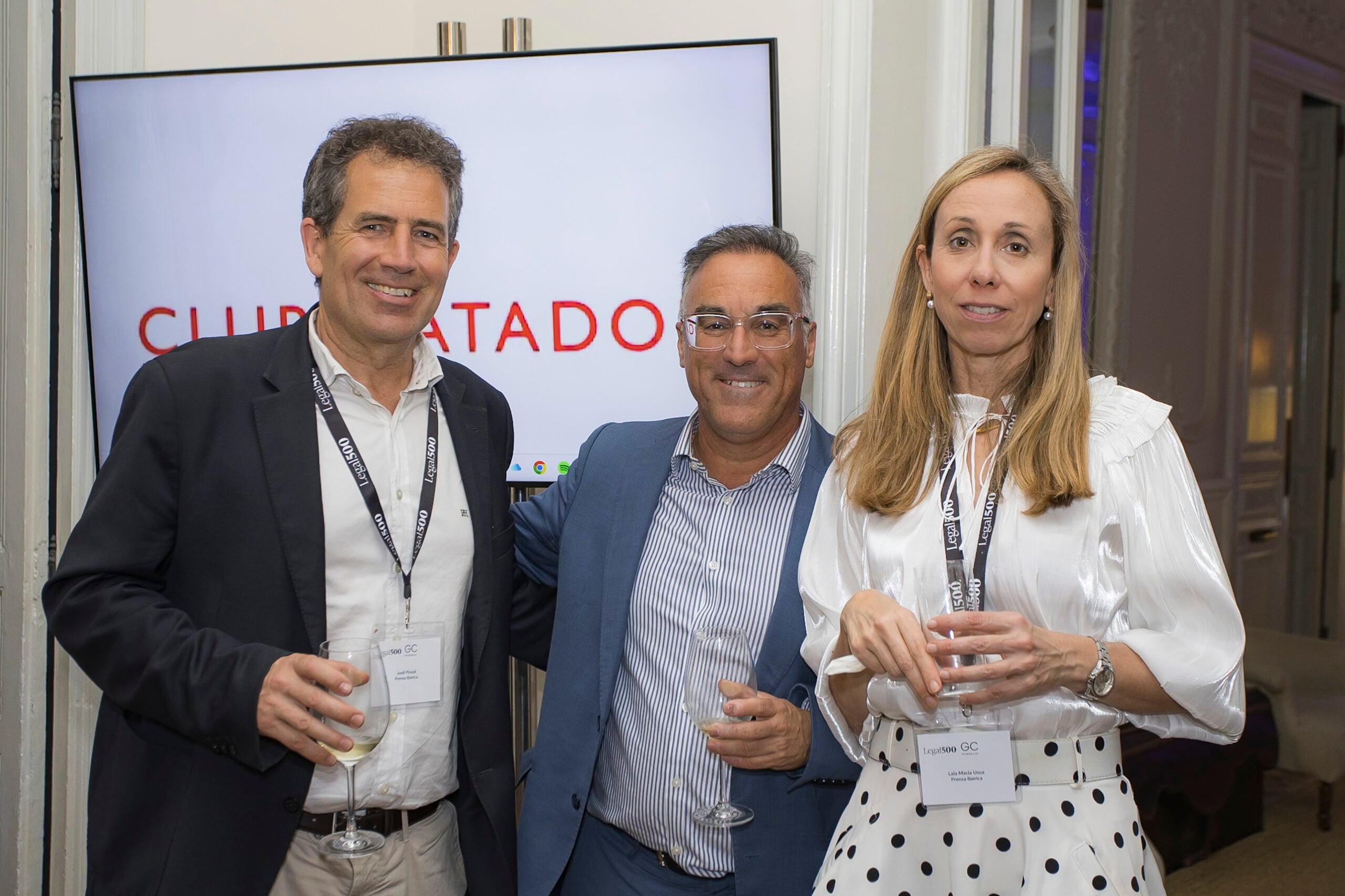
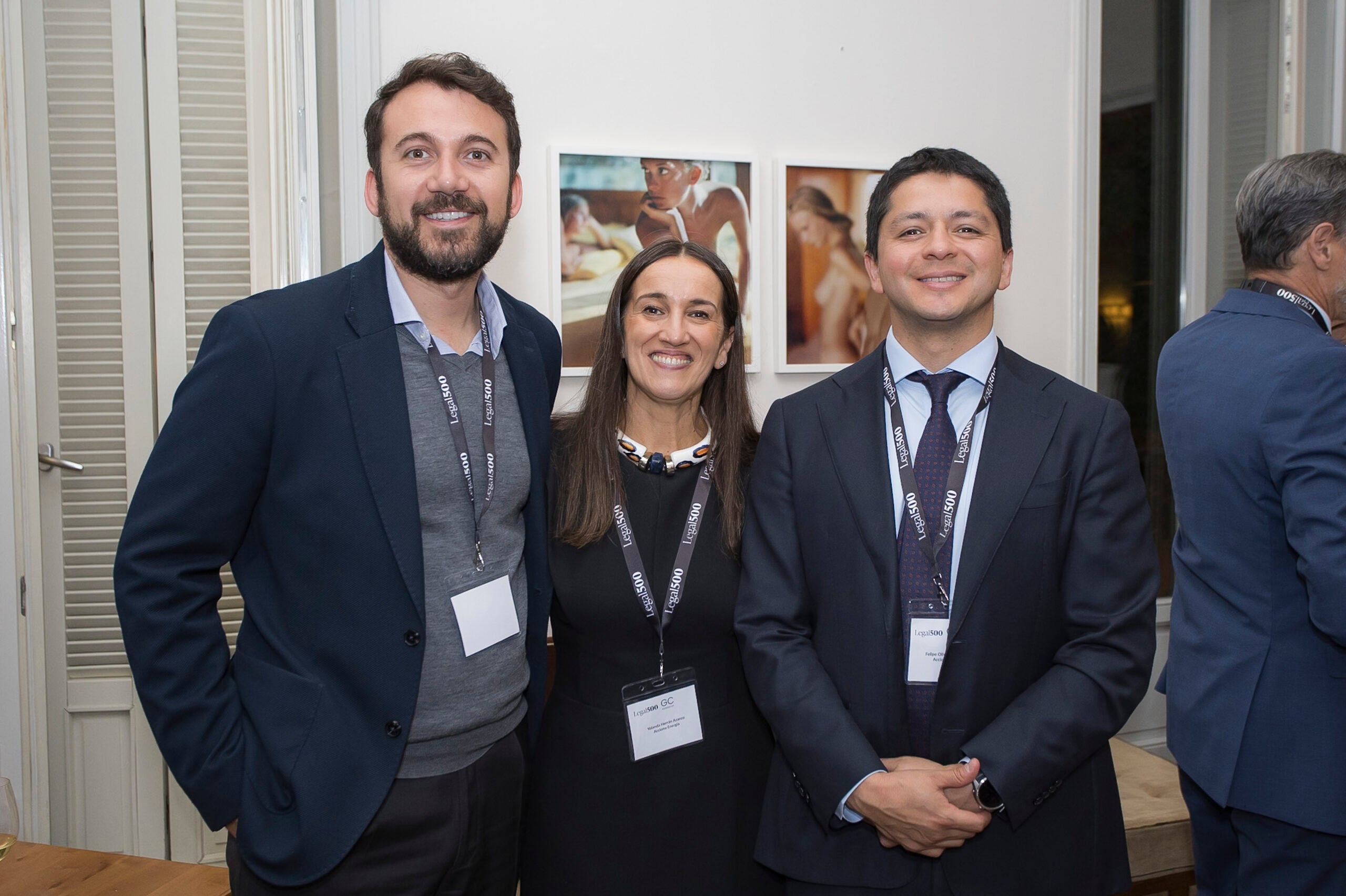
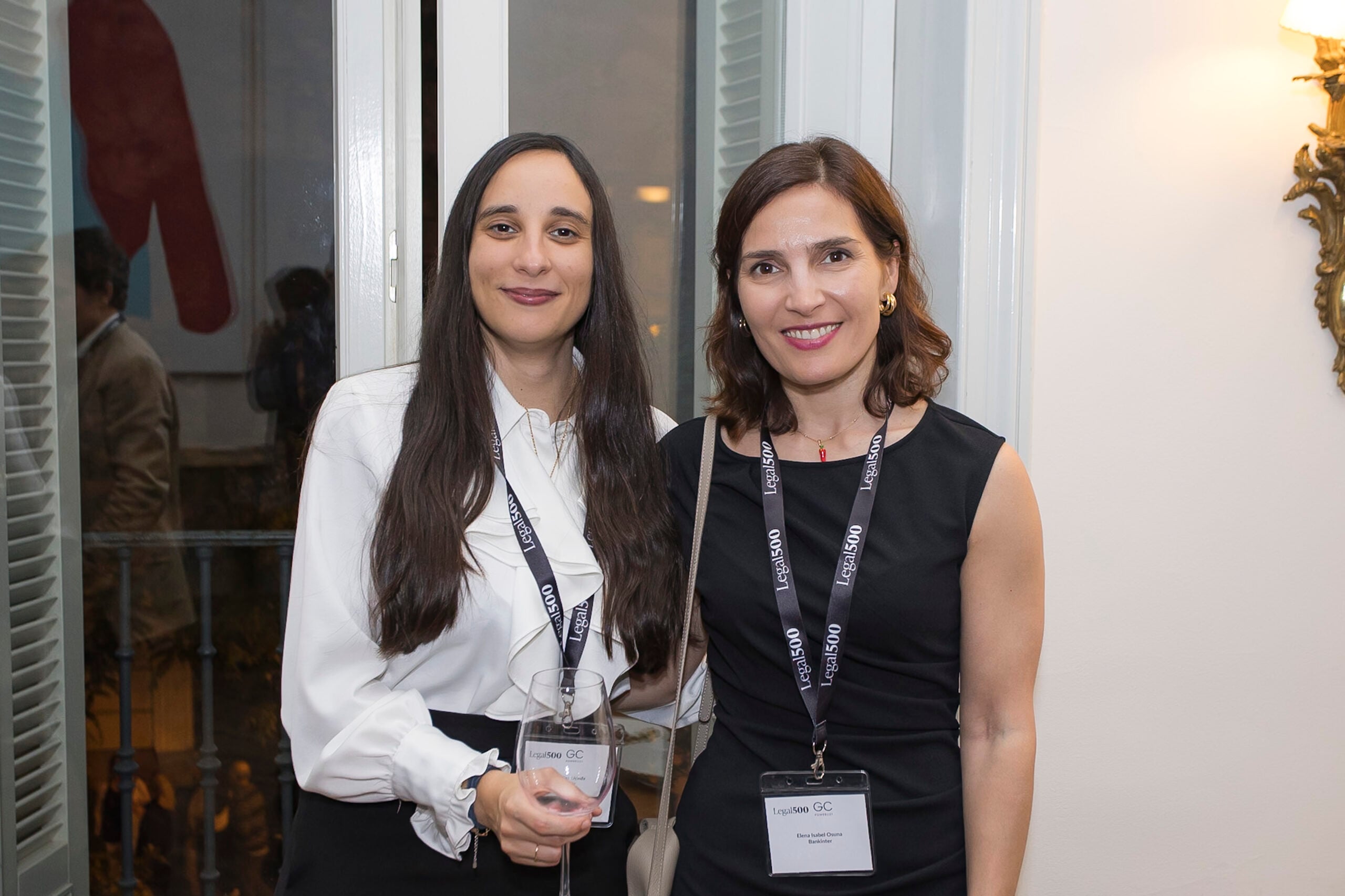
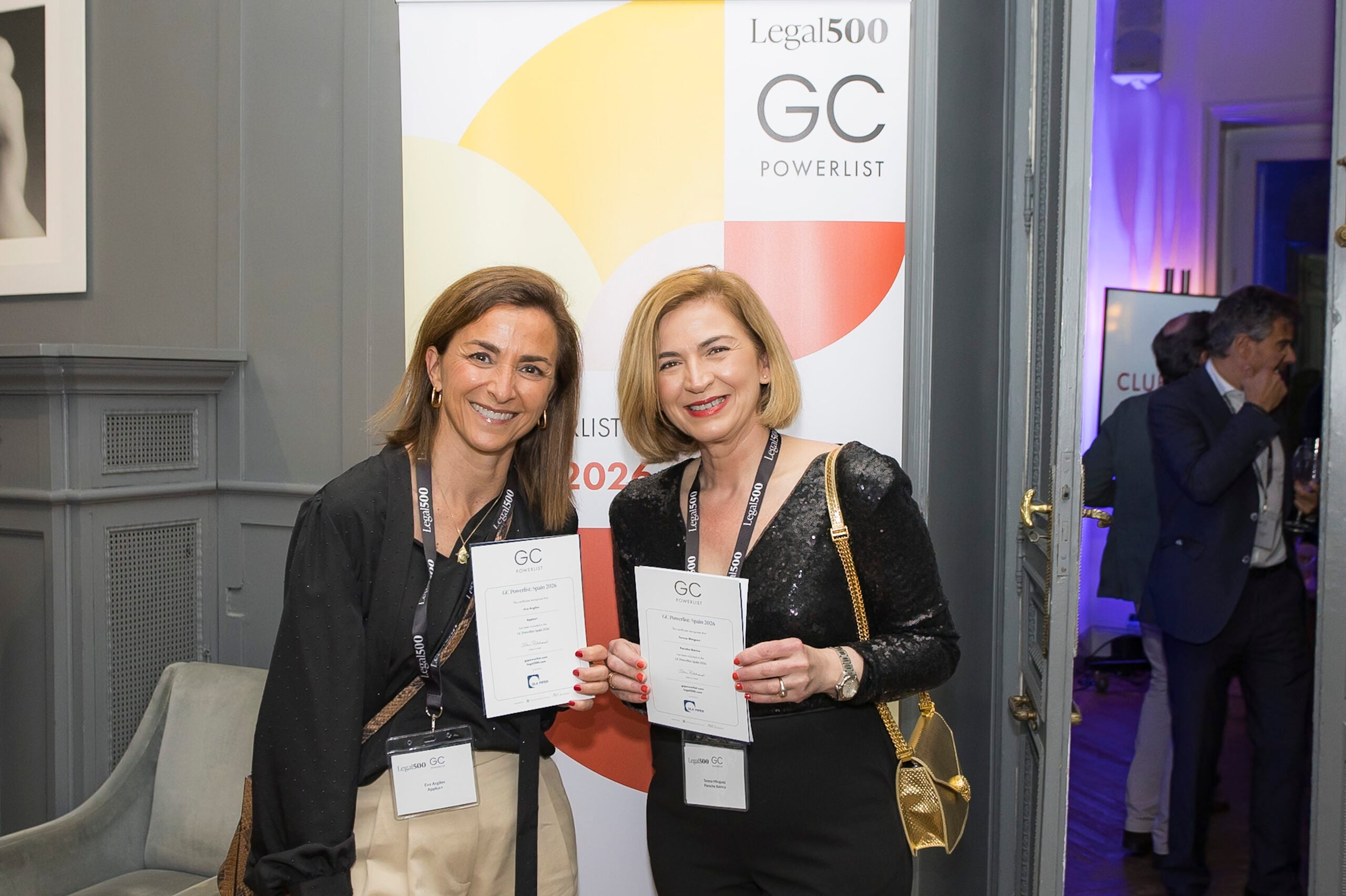
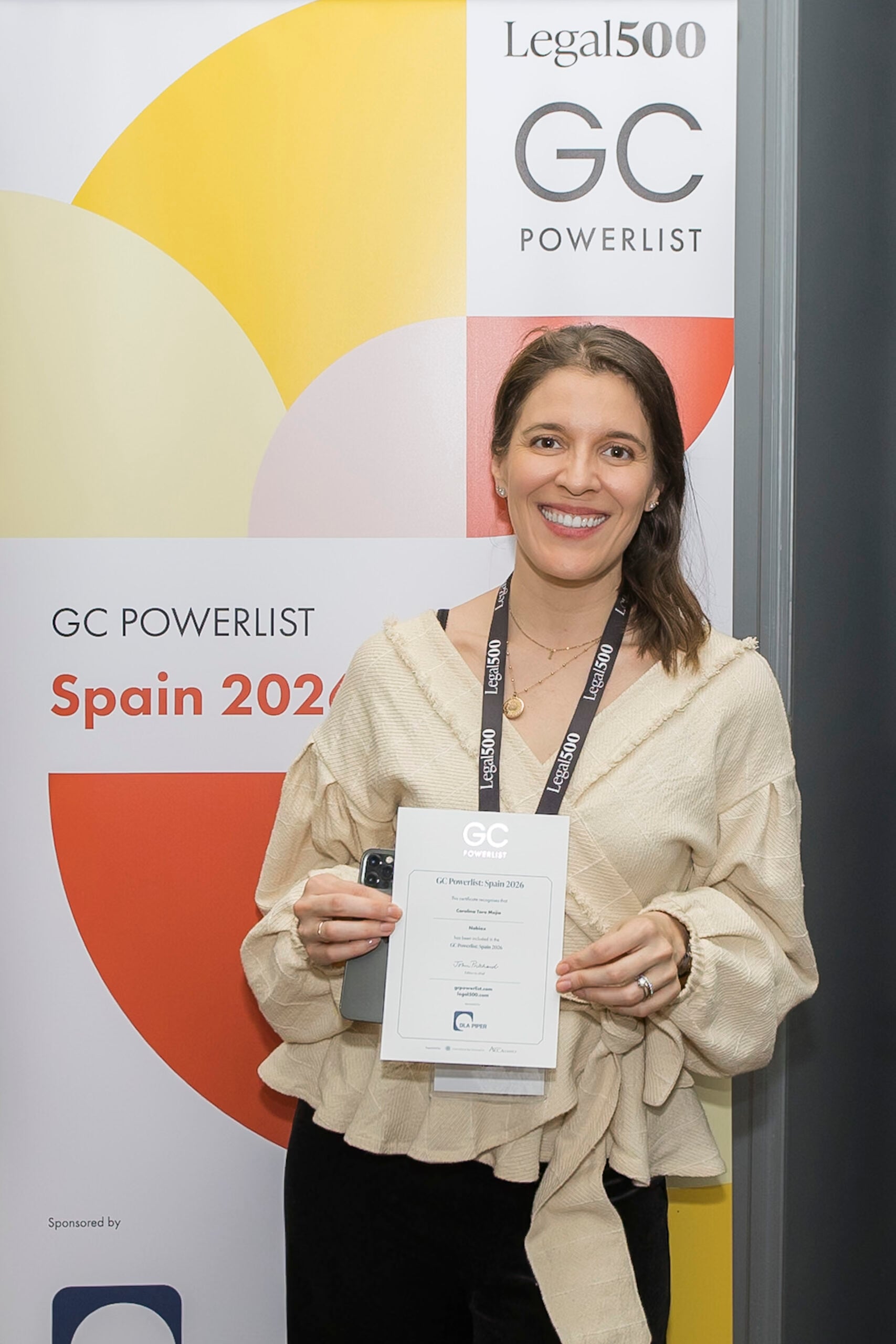
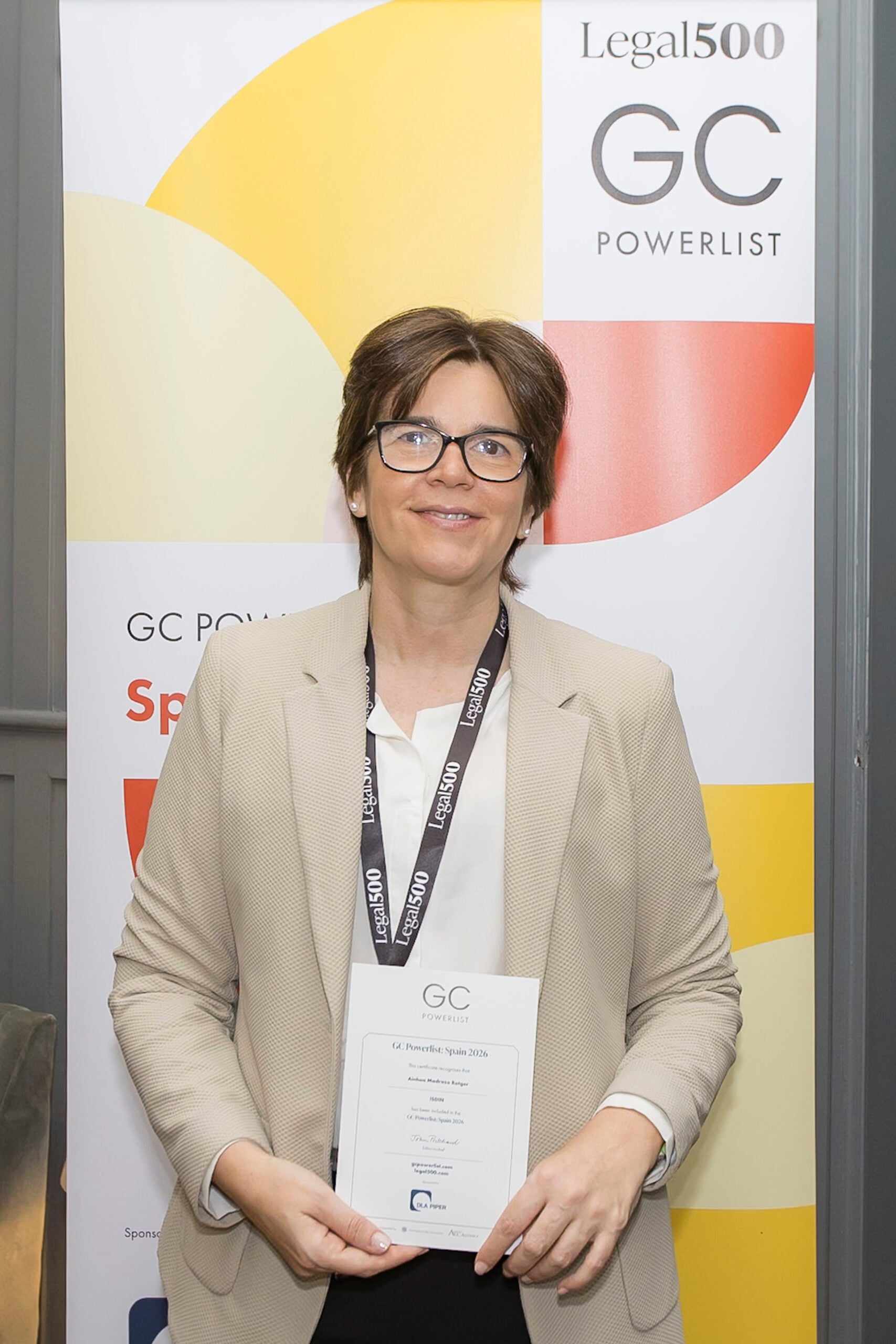
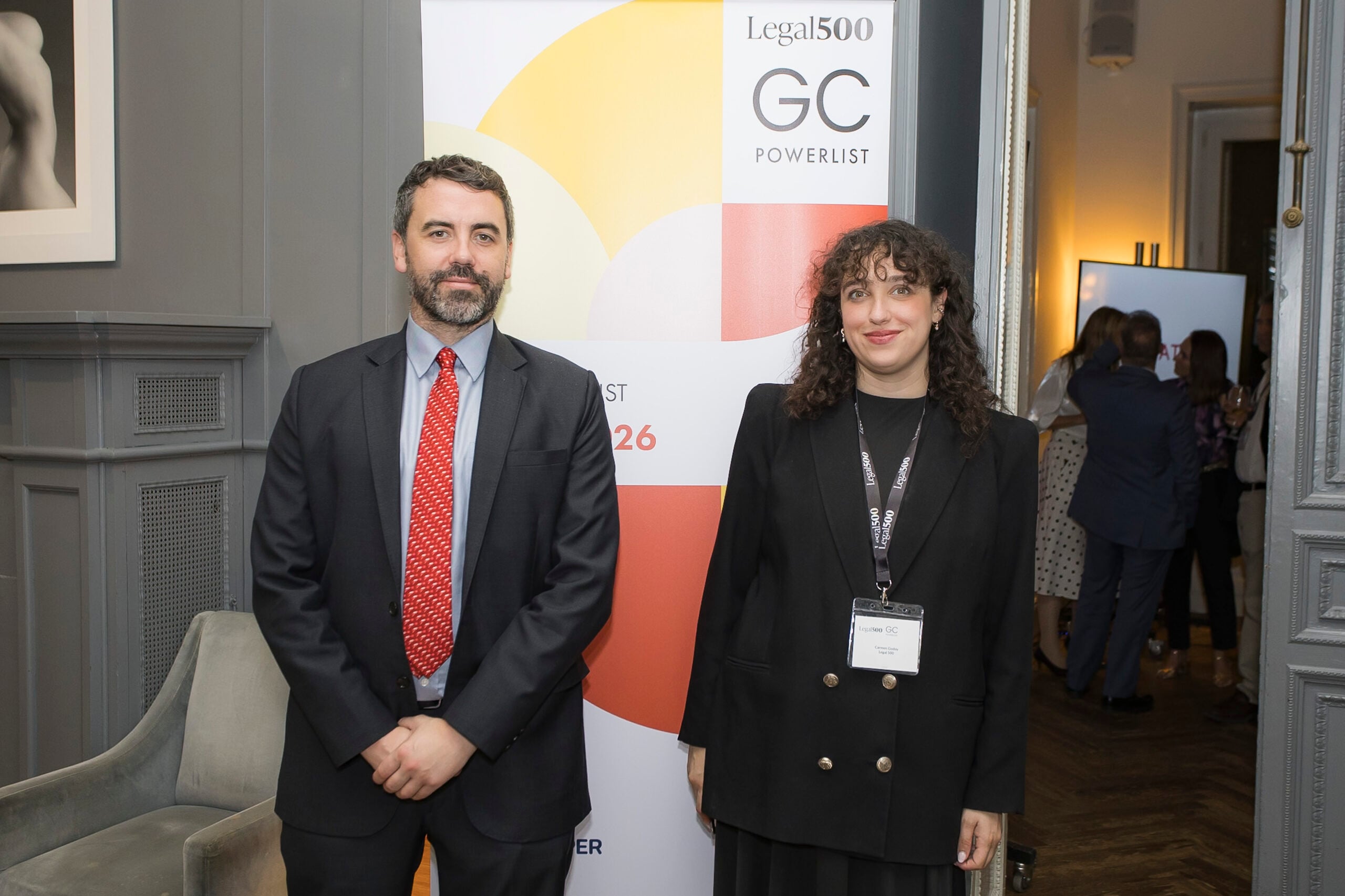
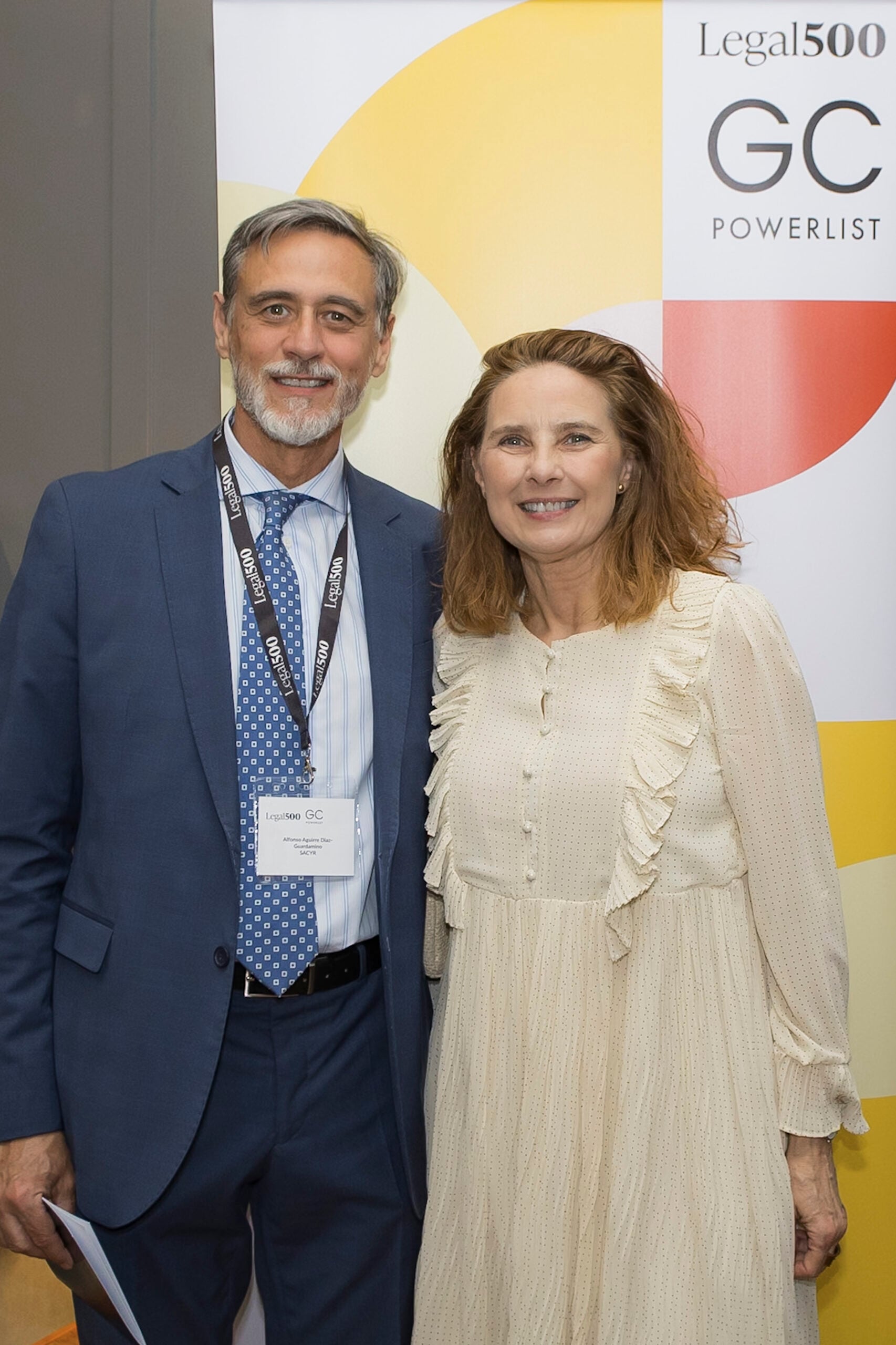
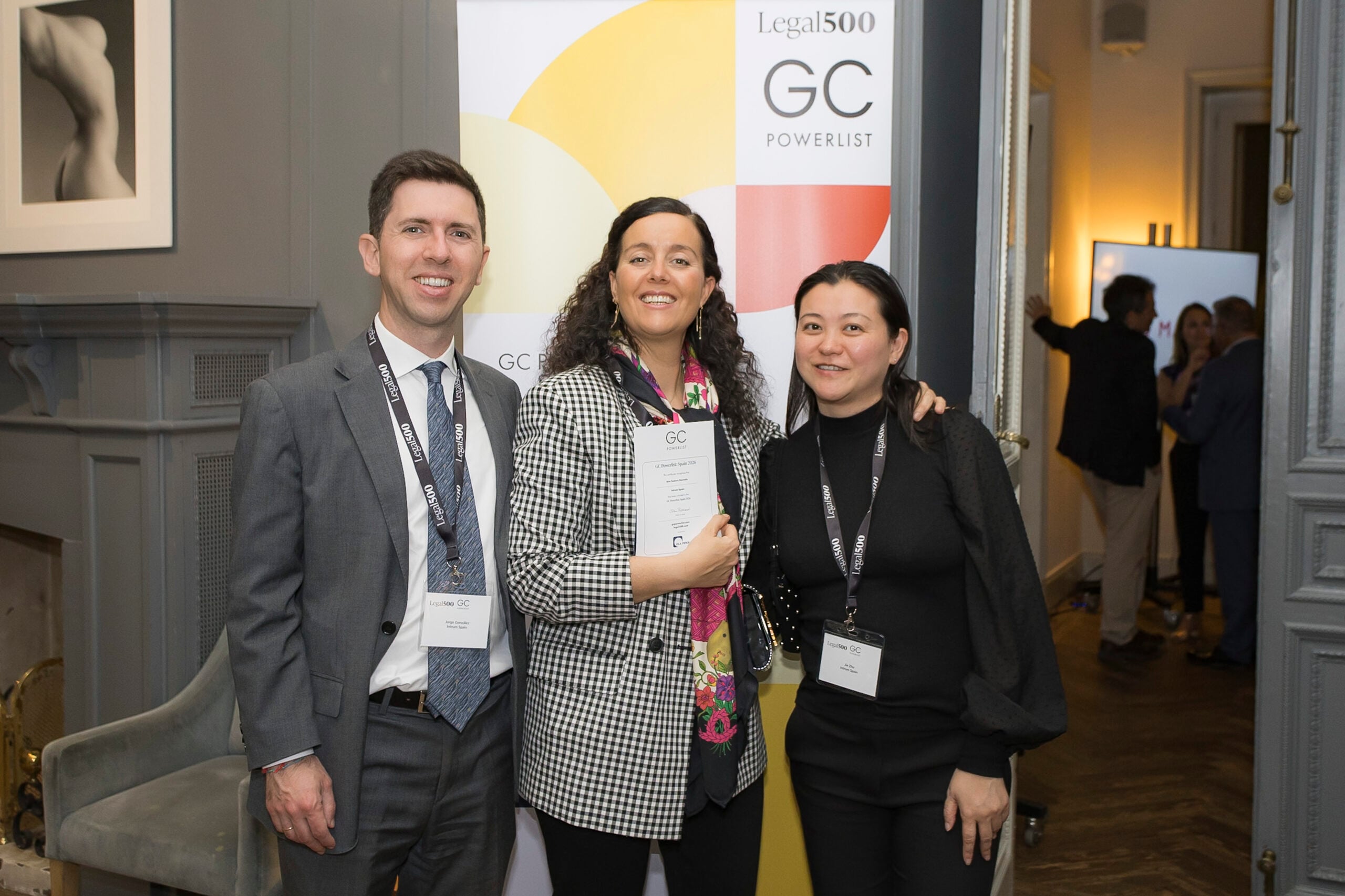
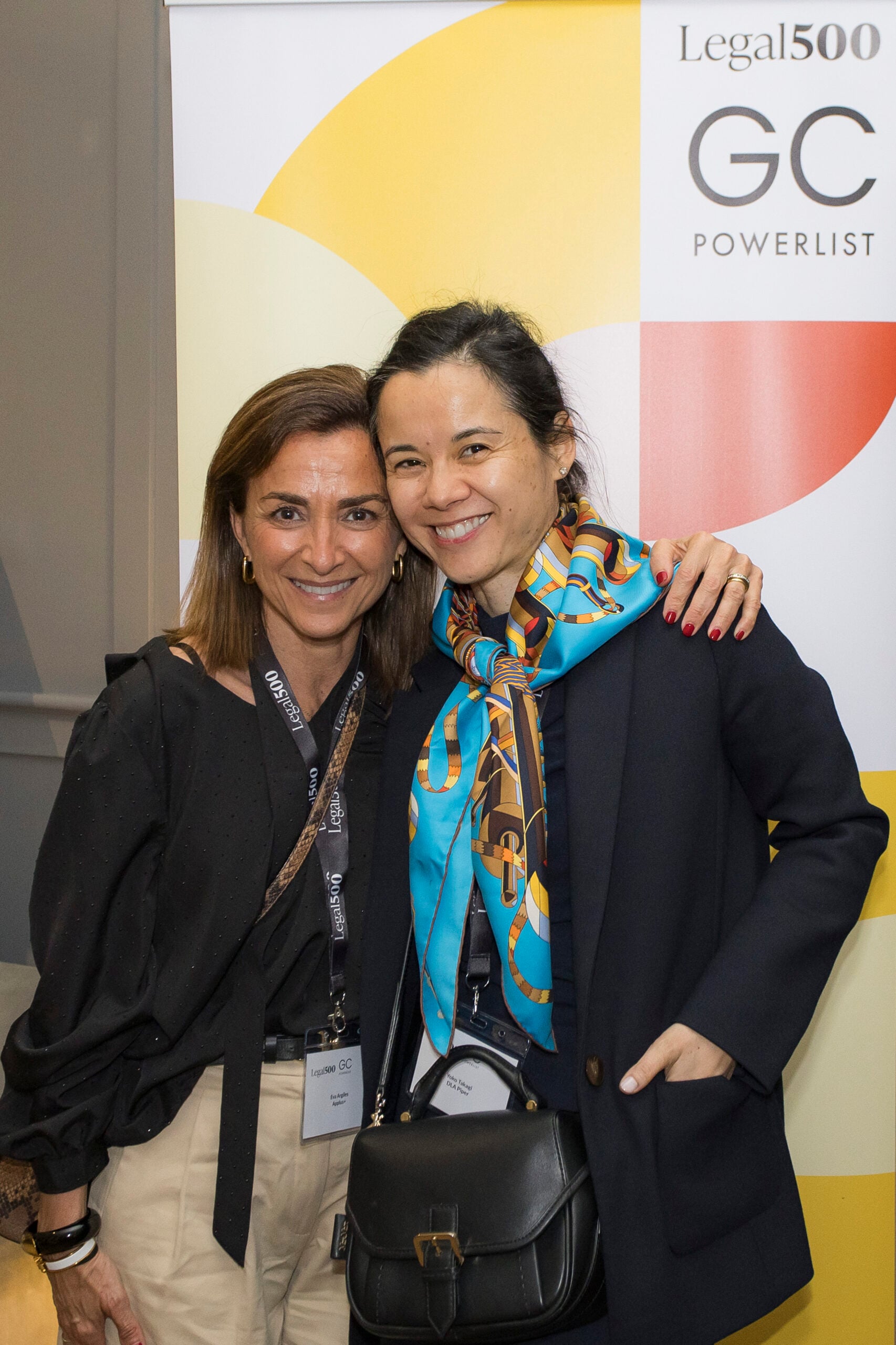
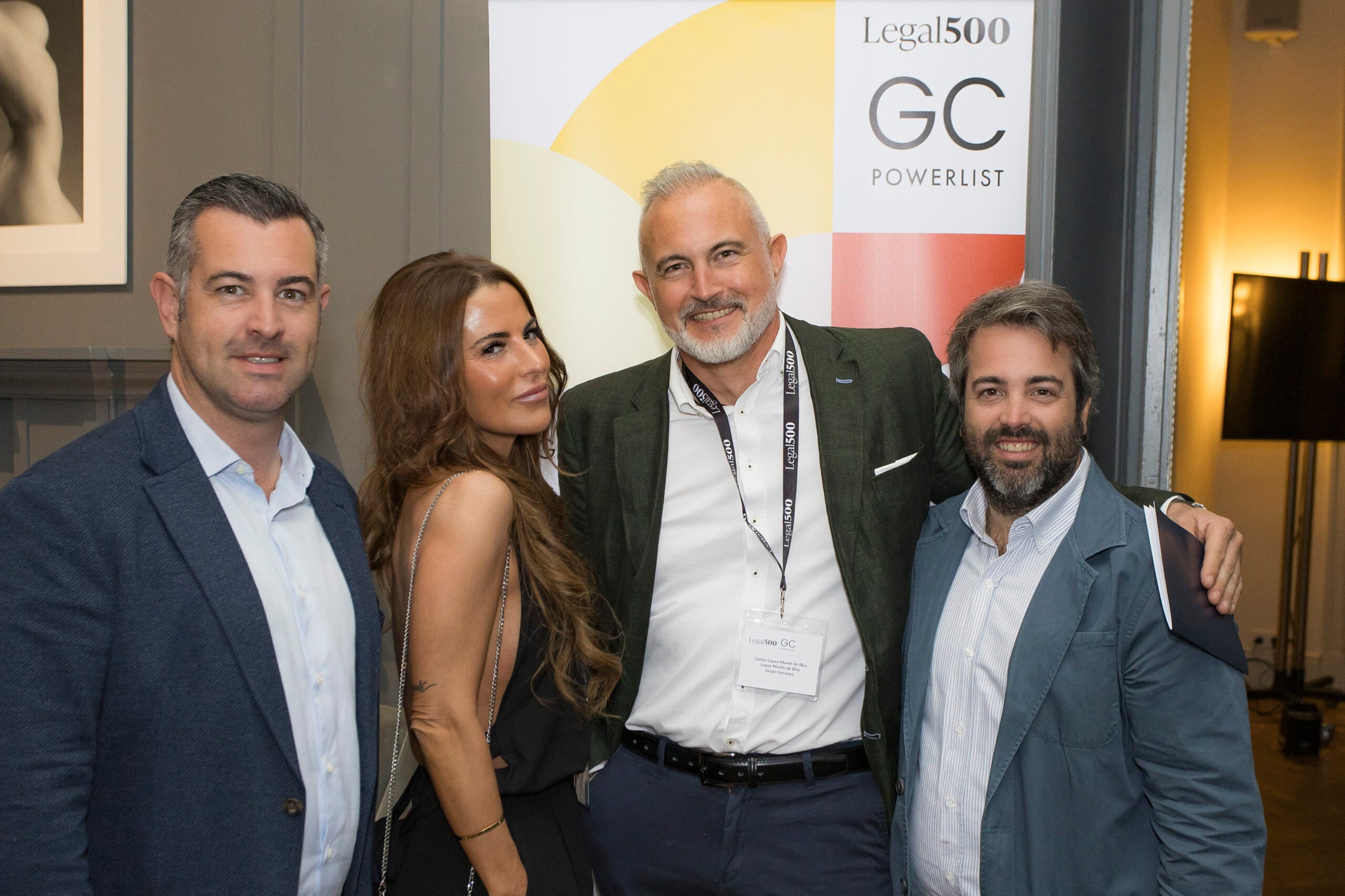
On Tuesday, Legal 500 had the pleasure of welcoming this year’s cohort to the GC Powerlist Spain 2026 launch event in Madrid: an evening celebrating the country’s in-house excellence shaping the legal landscape of today and tomorrow.
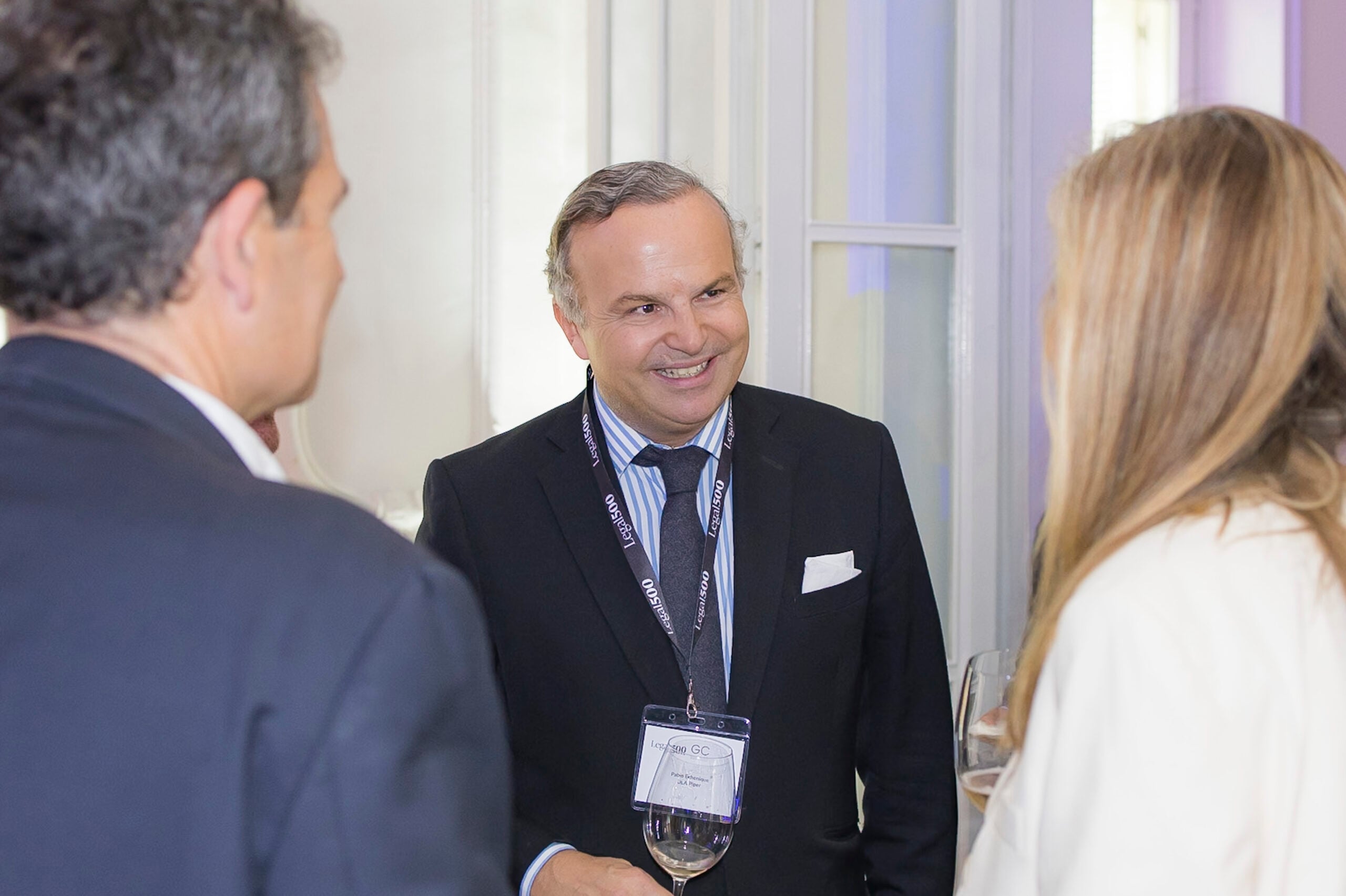
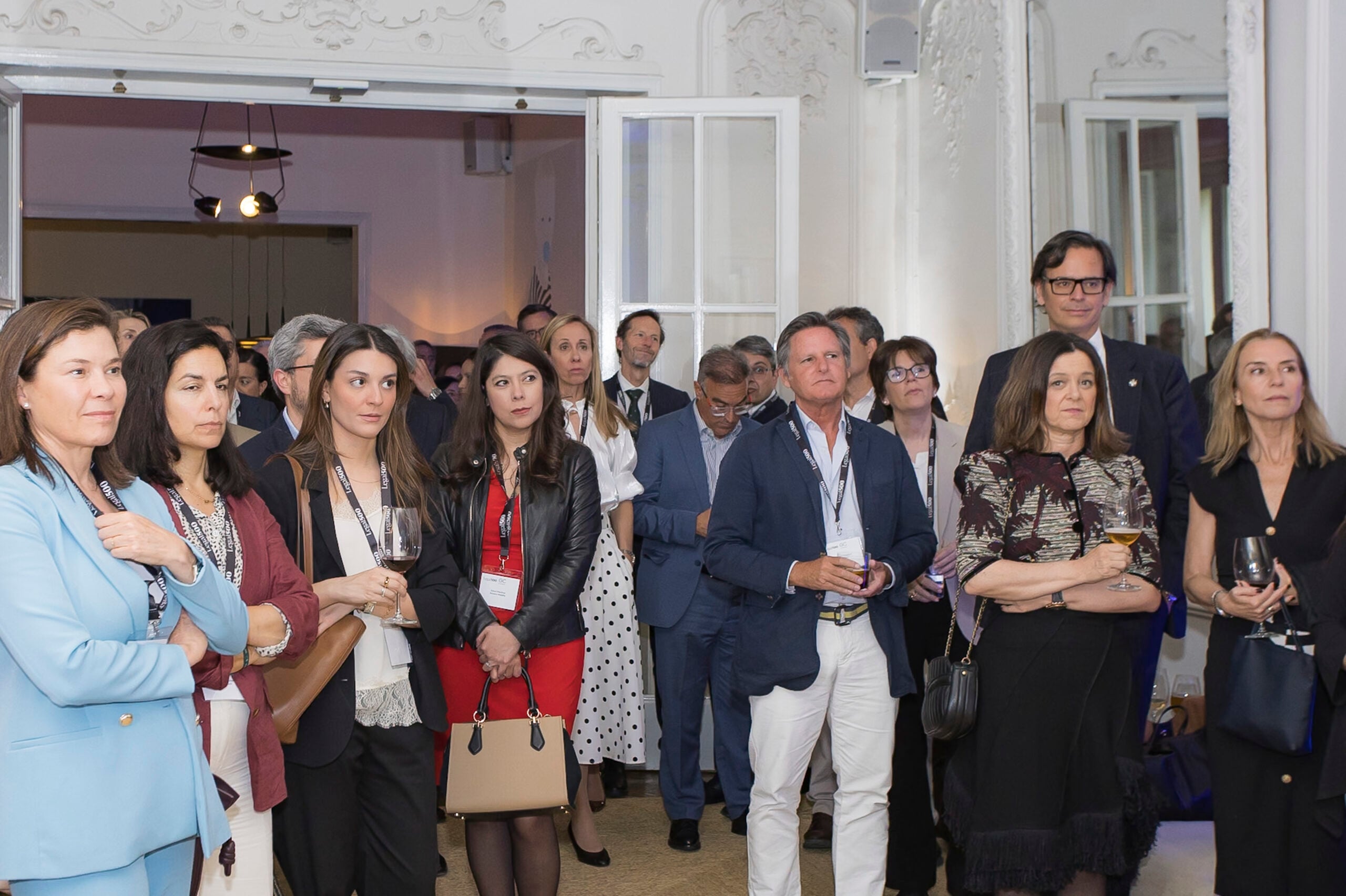
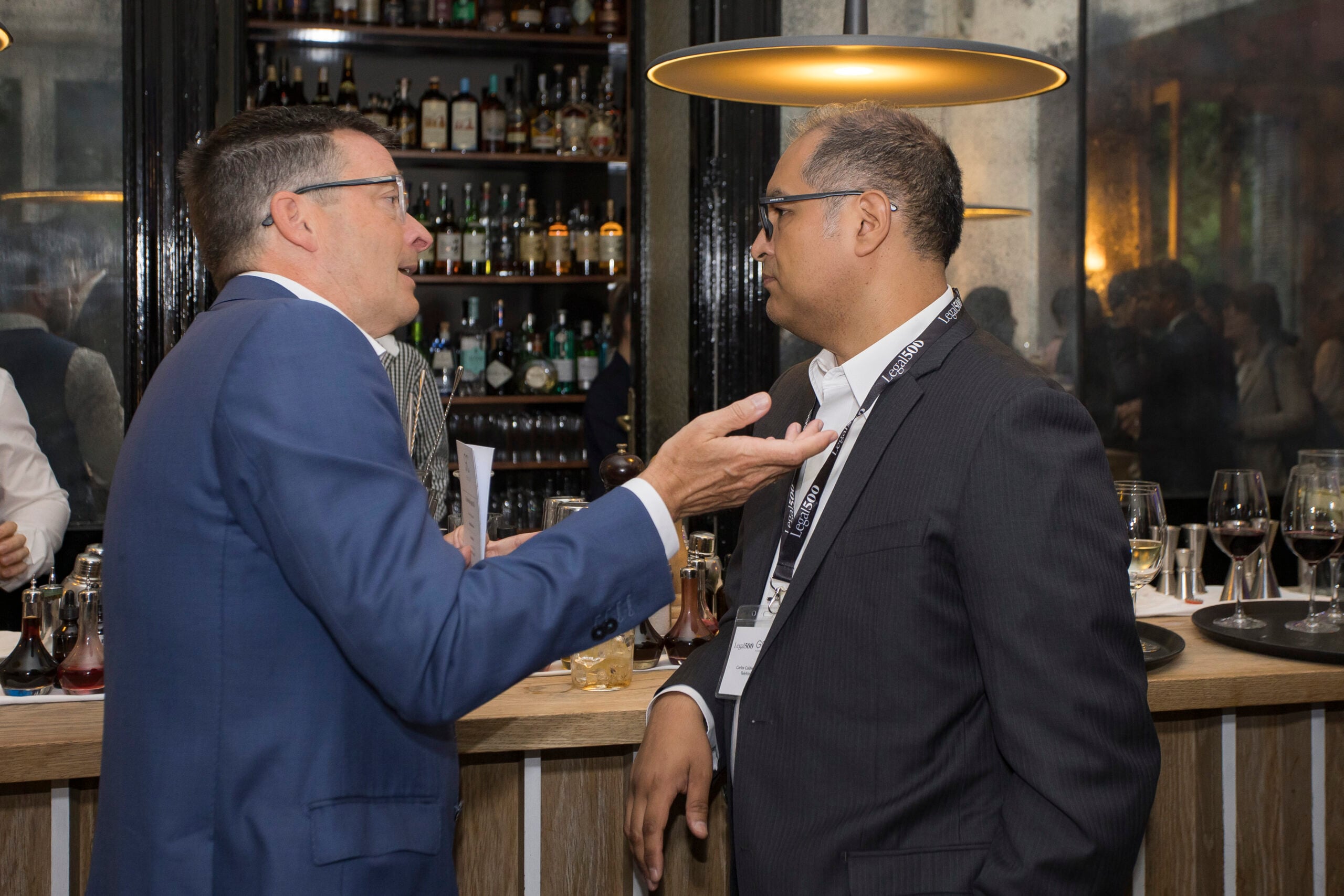
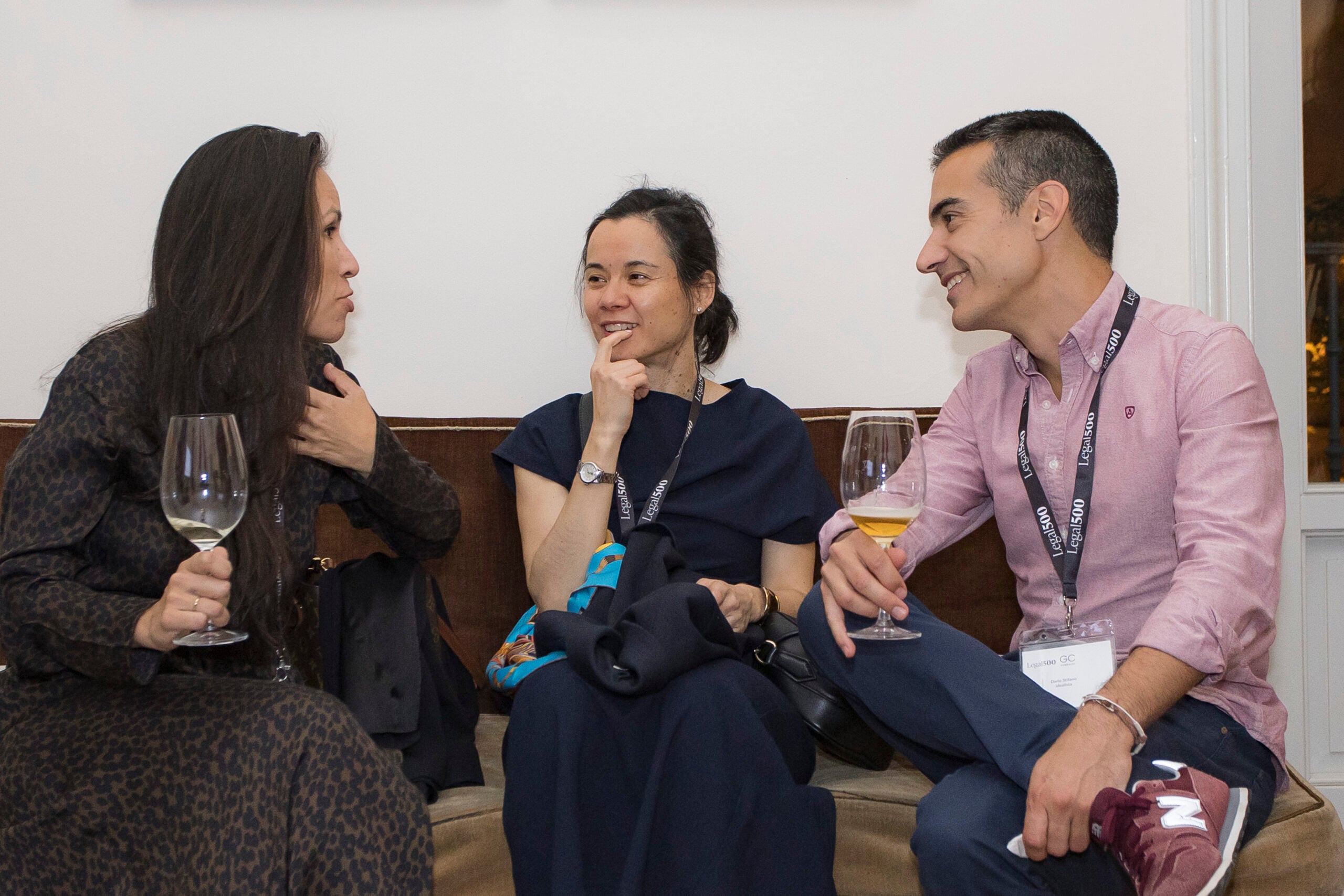
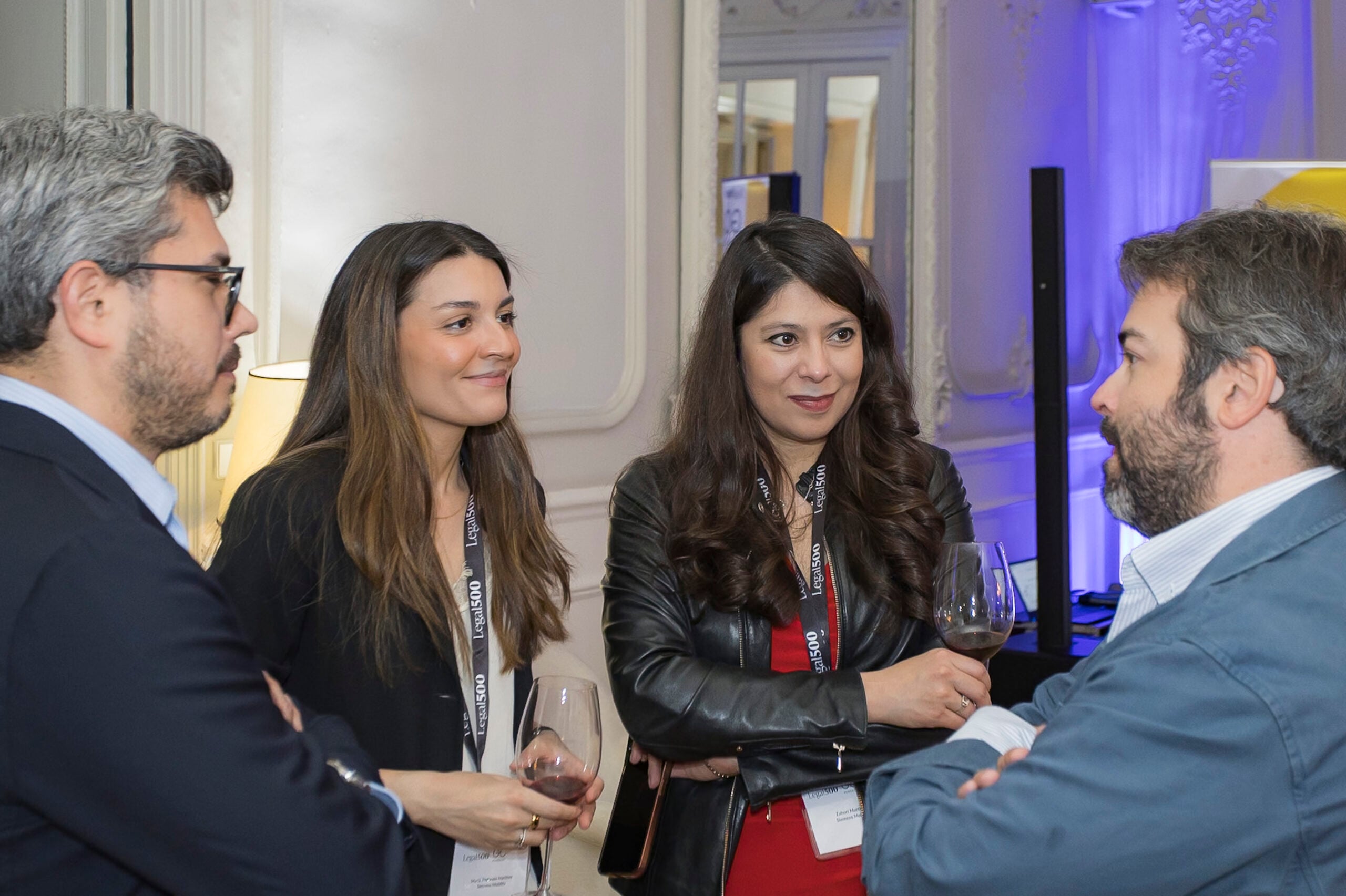
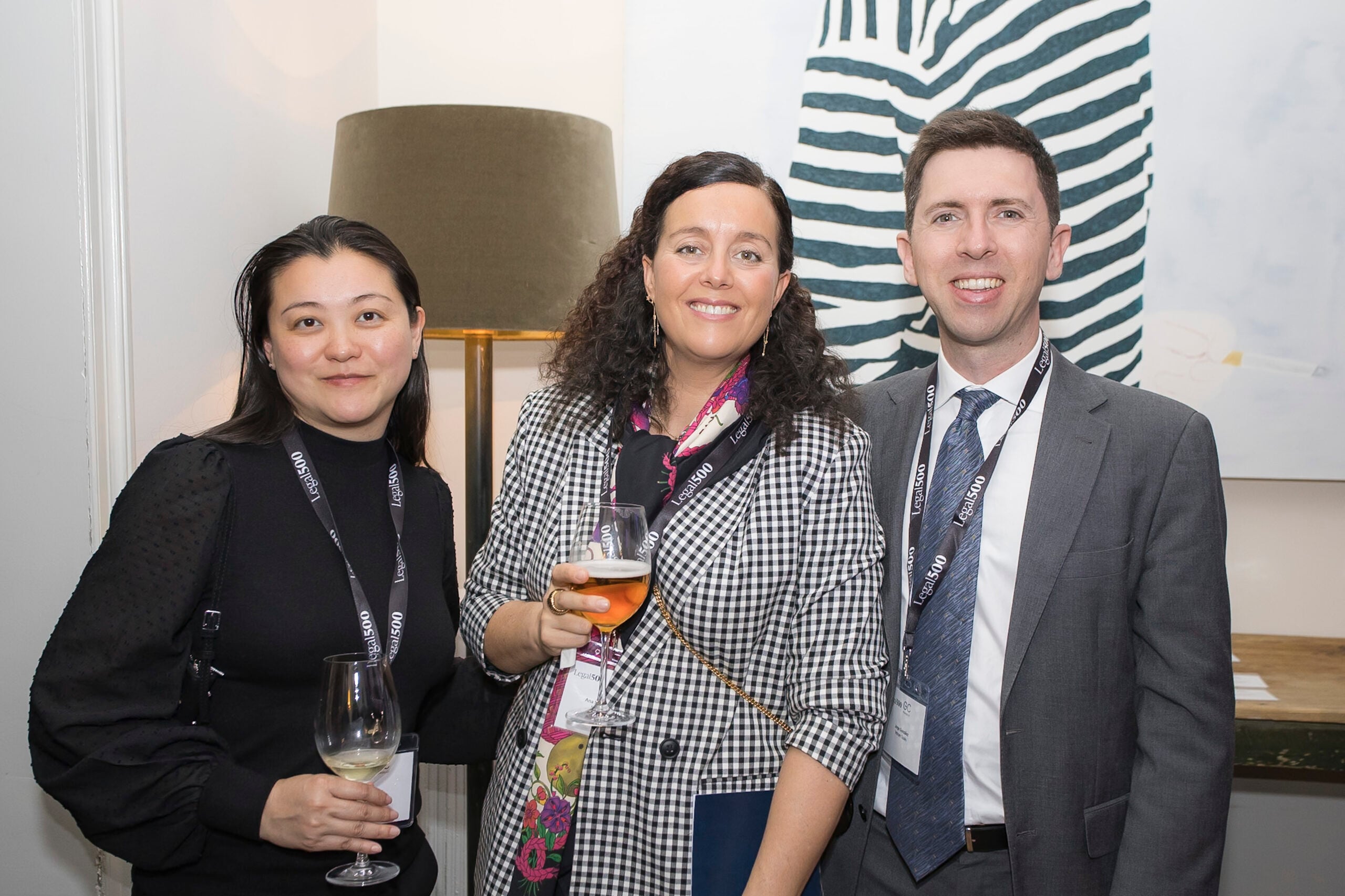
The evening, hosted in partnership with DLA Piper, brought together at Club Matador some of the most renowned names in the Spanish in-house legal market. This year’s reception welcomed senior in-house professionals from across industries, representing some of the most prominent companies in the country.
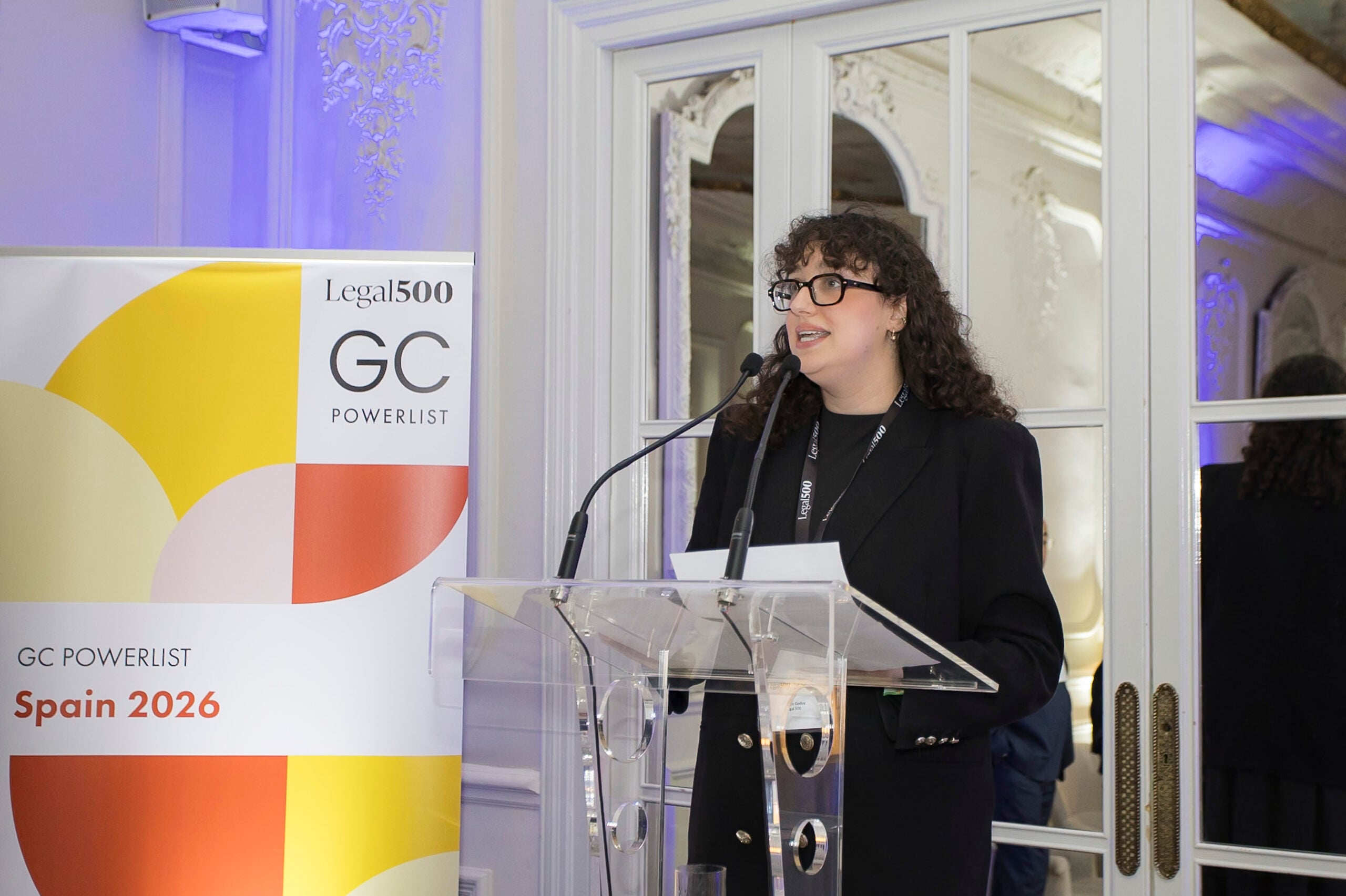
Carmen Godoy, lead editor of this edition of the GC Powerlist: Spain at The Legal 500, opened the evening by addressing more than 100 corporate legal professionals in attendance. In her remarks, Godoy highlighted how the research revealed Spain’s in-house legal community to be increasingly strategic and forward-looking. General counsel are evolving into key business partners, embracing innovation with pragmatism while providing resilience and stability in uncertain environments. With a strong focus on governance, compliance, sustainability, and leadership, these findings reflect a community that is strategic, innovative, and deeply human.
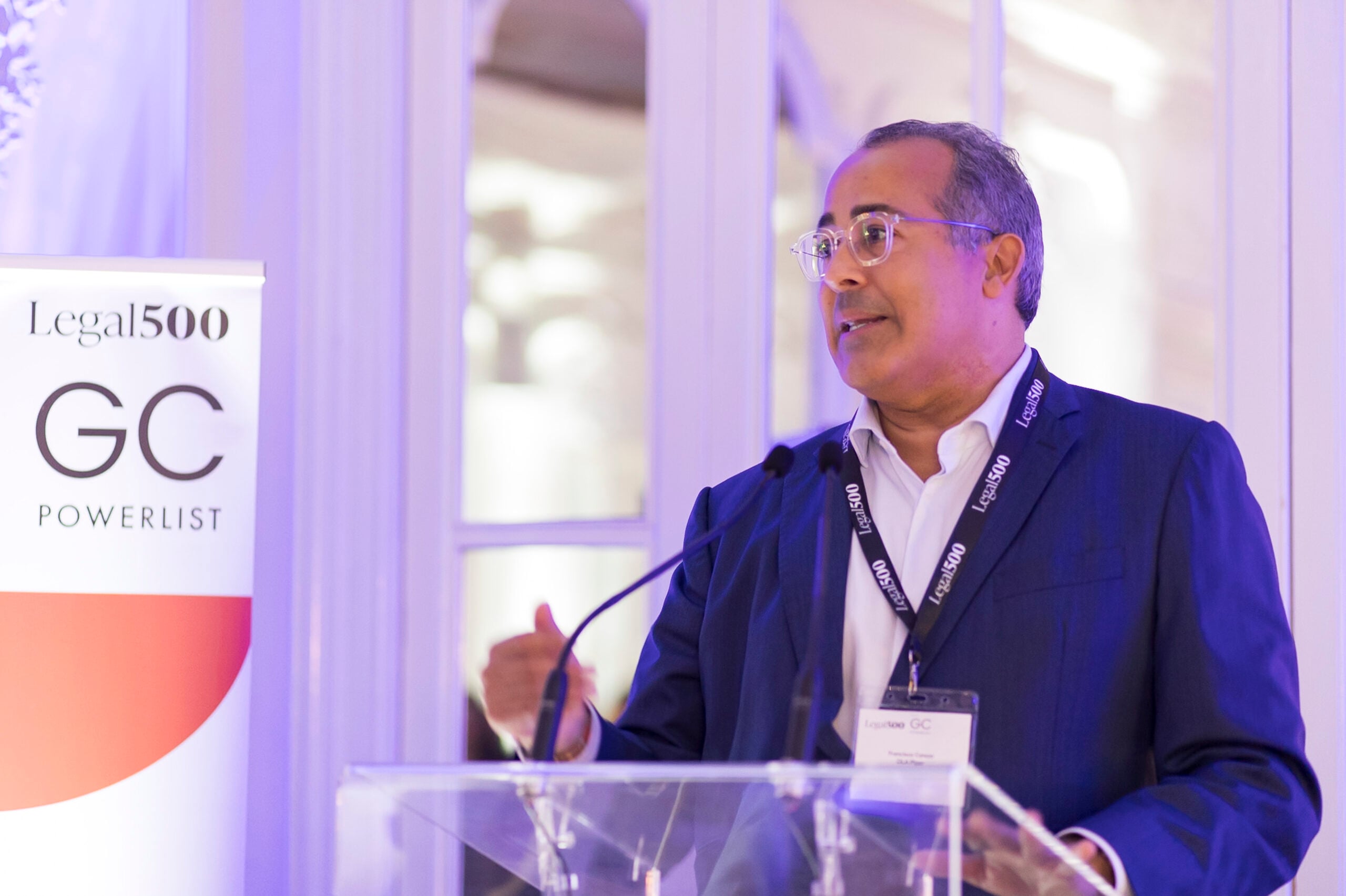
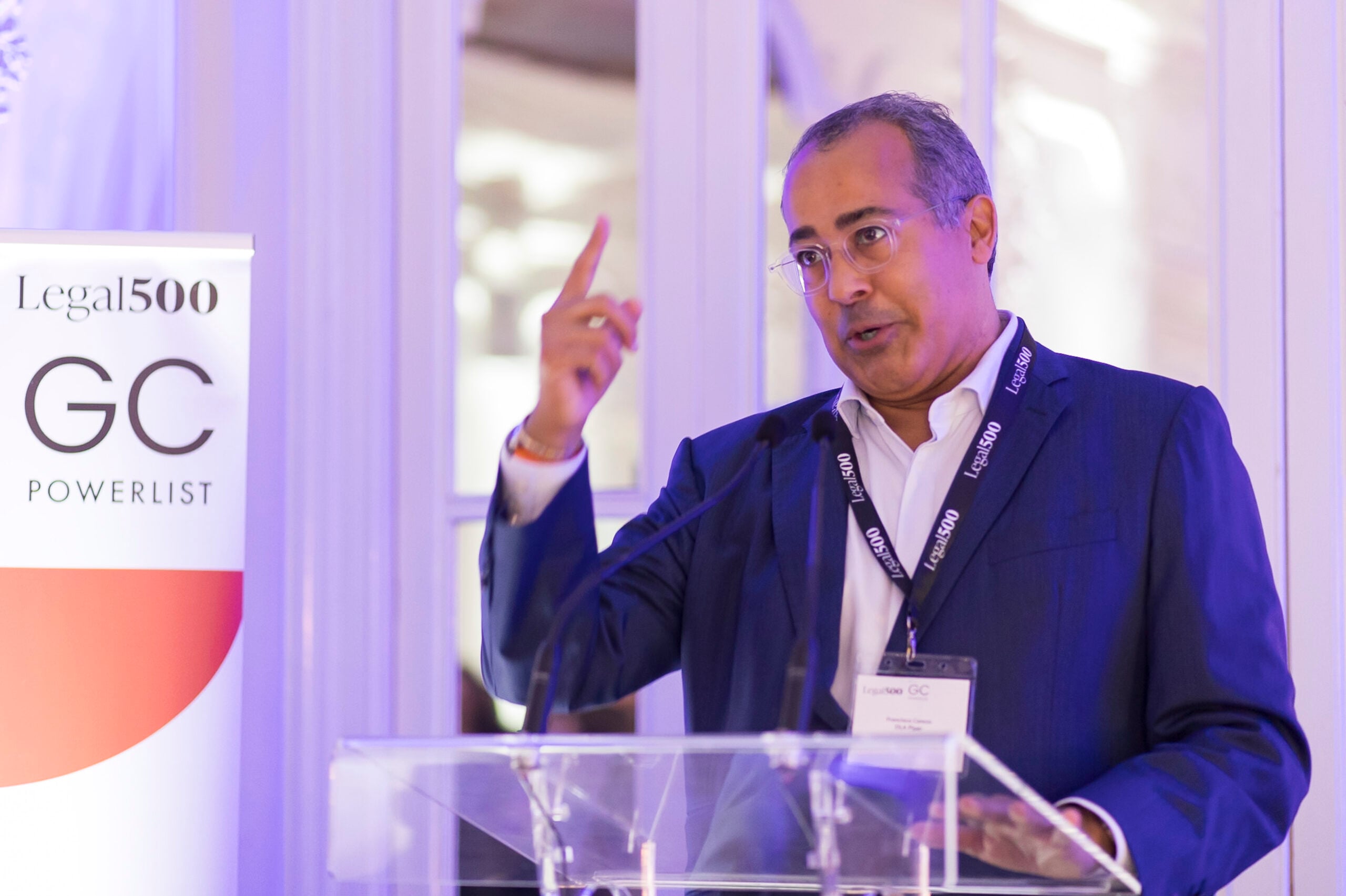
Following Godoy, Francisco Cerezo and César Herrero, managing partners of DLA Piper and hosts of the evening, addressed the audience, highlighting the importance of promoting spaces for exchange and recognition within the in-house legal community shaping modern business.
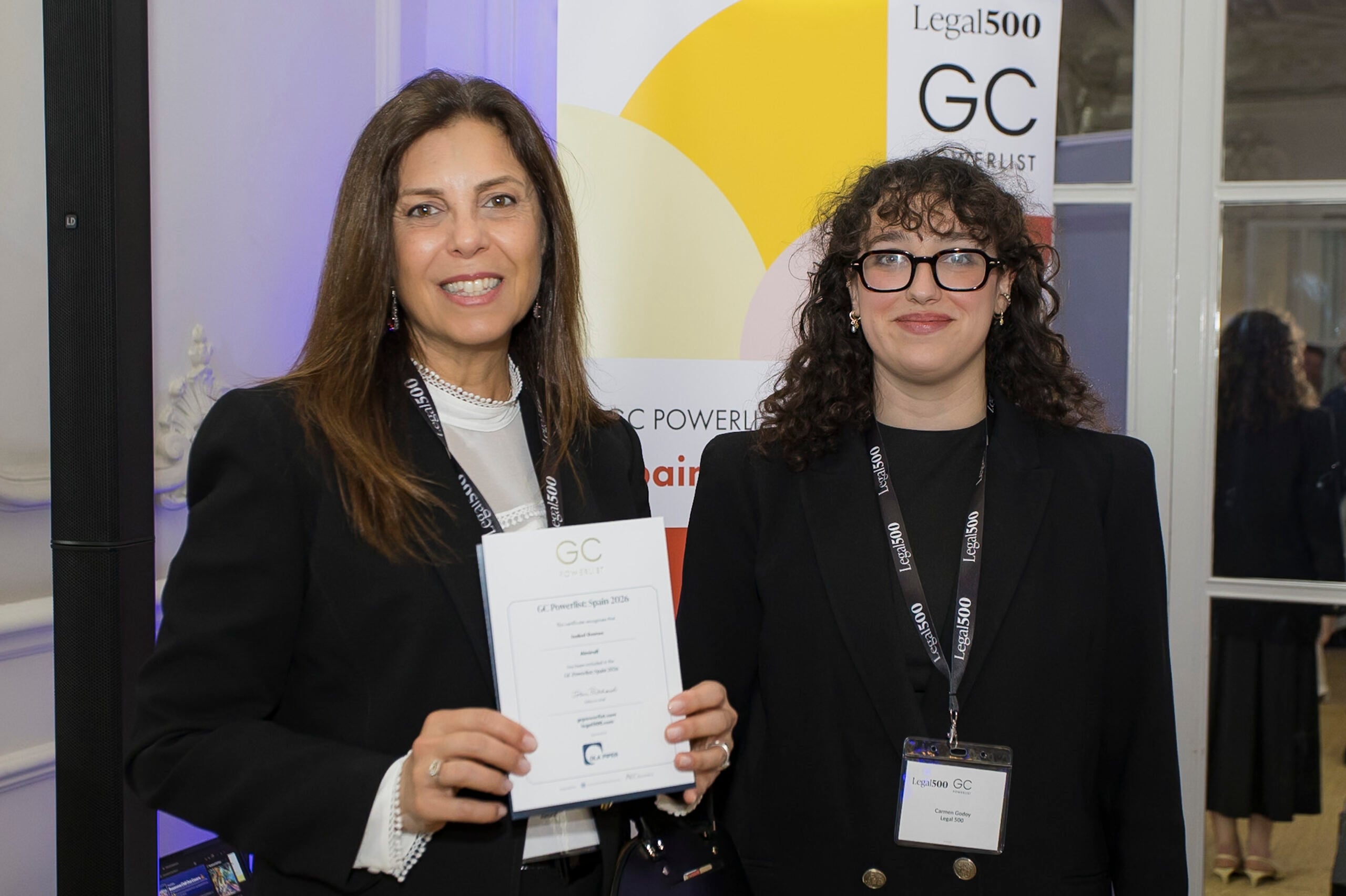
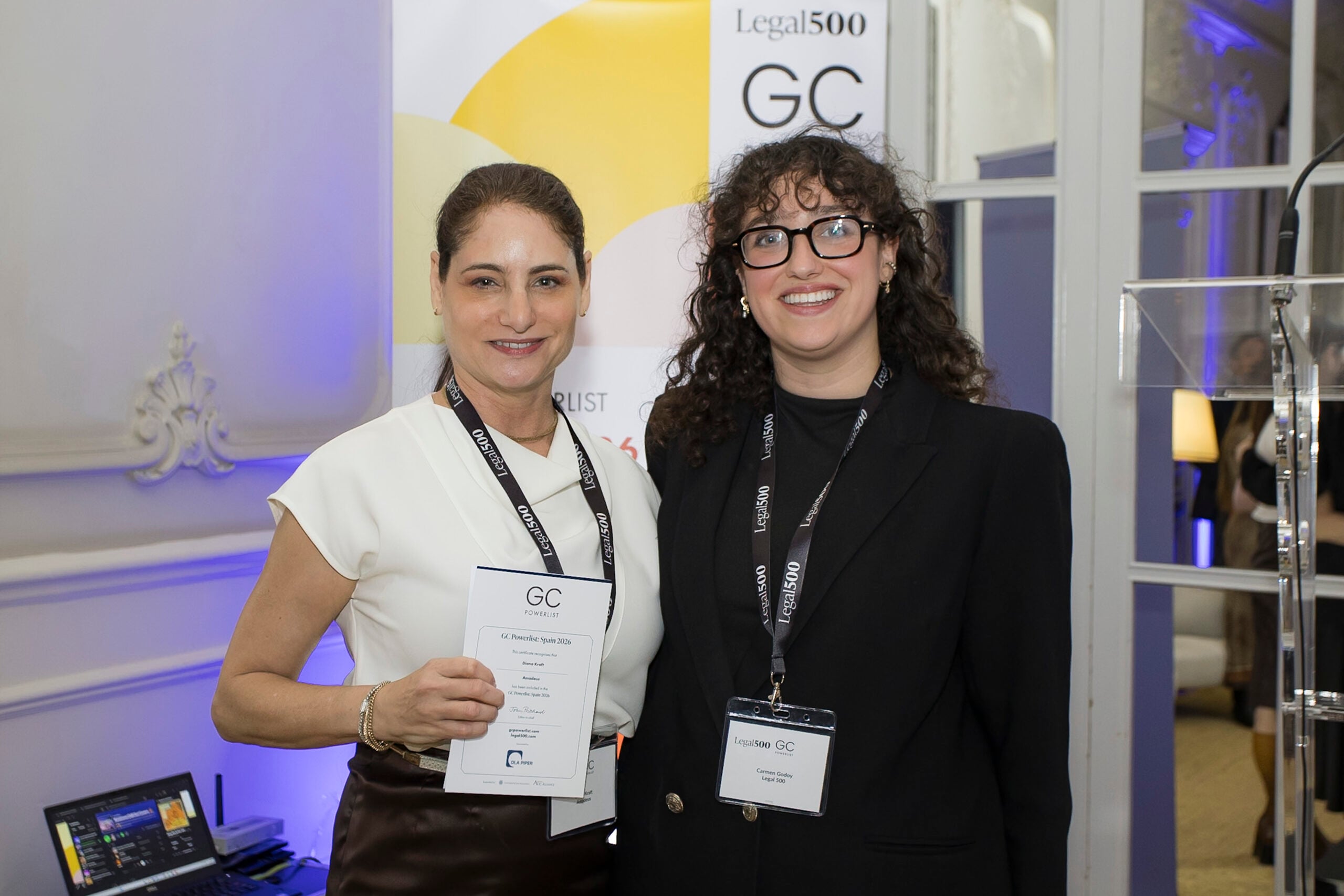
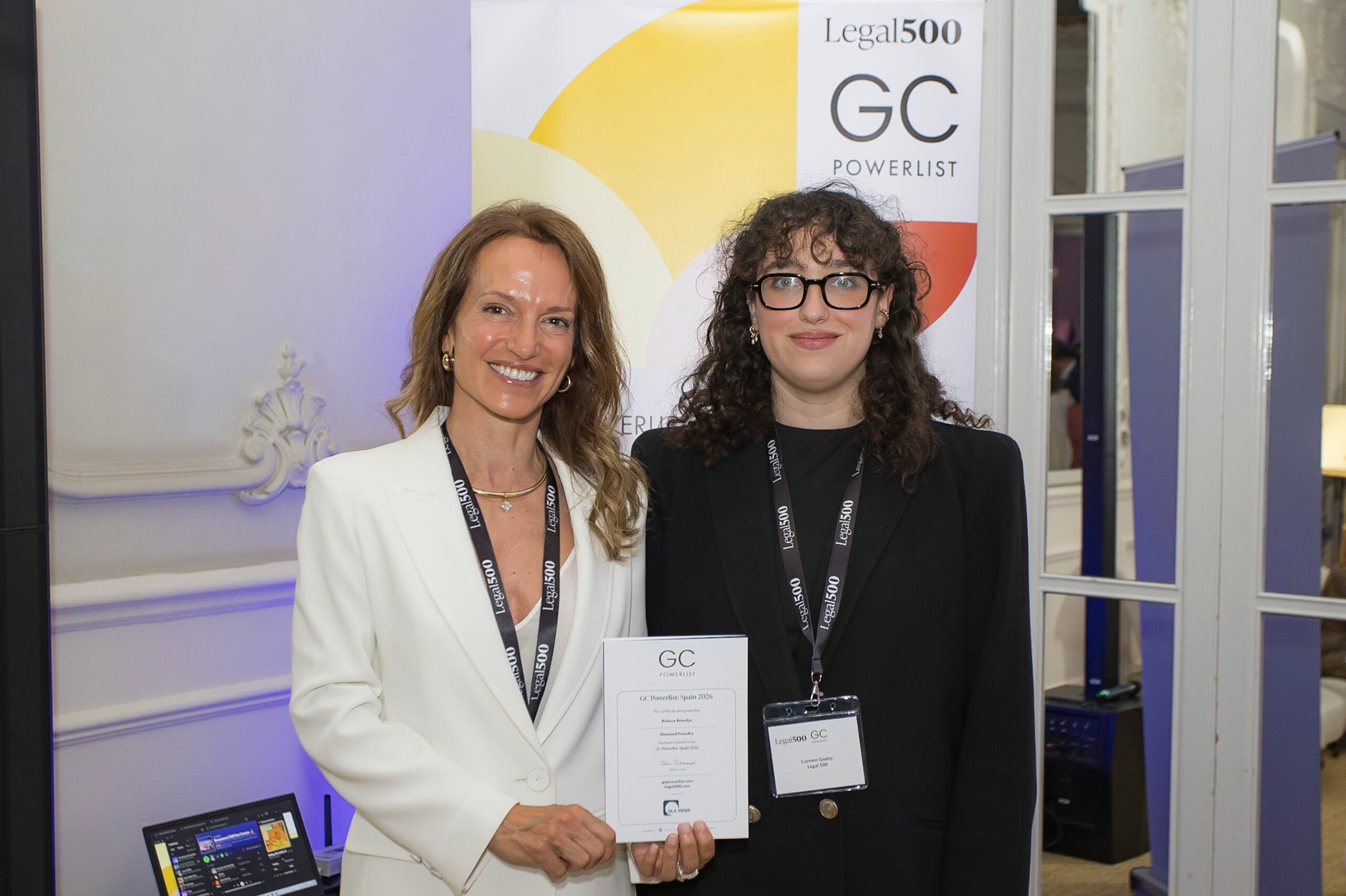
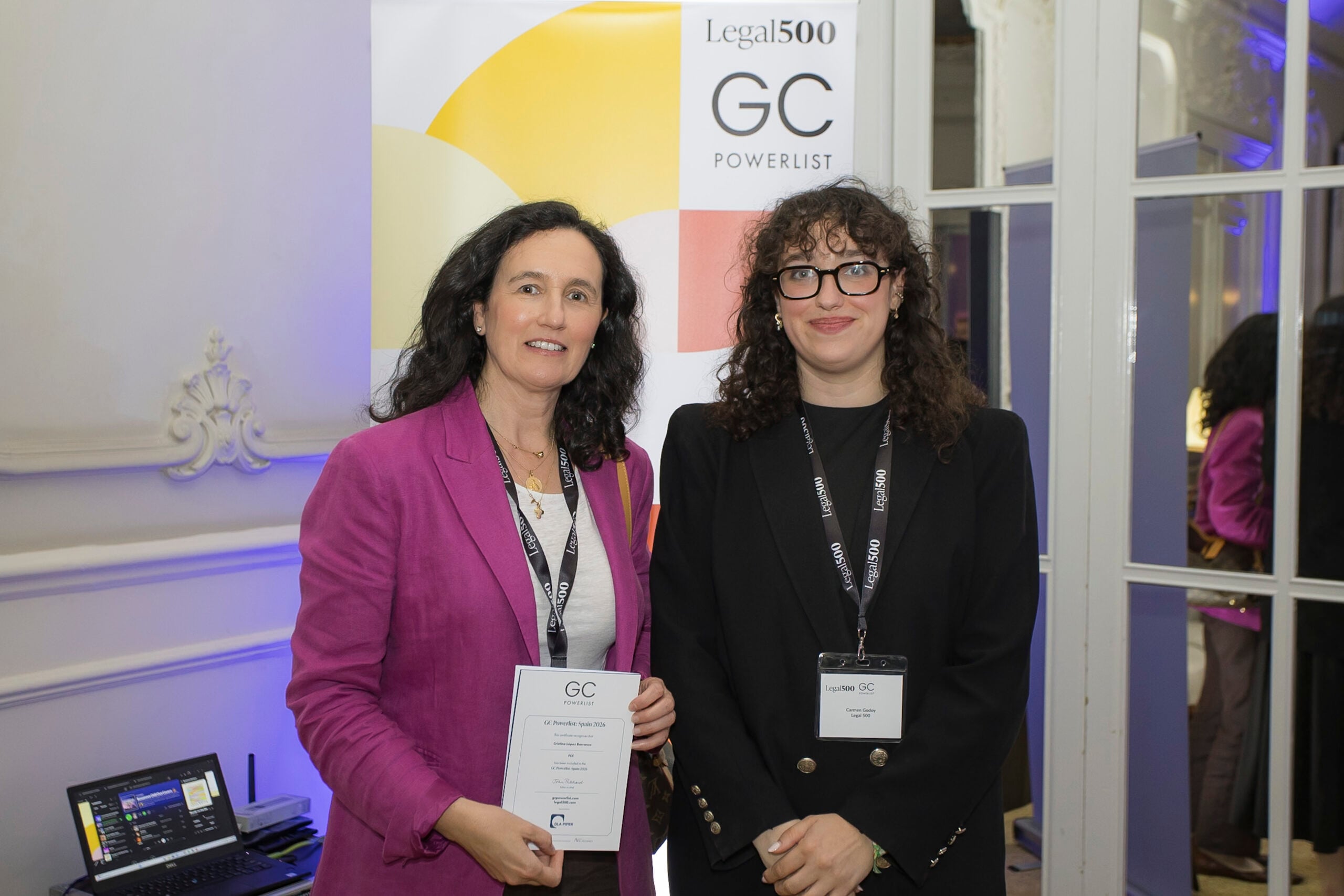
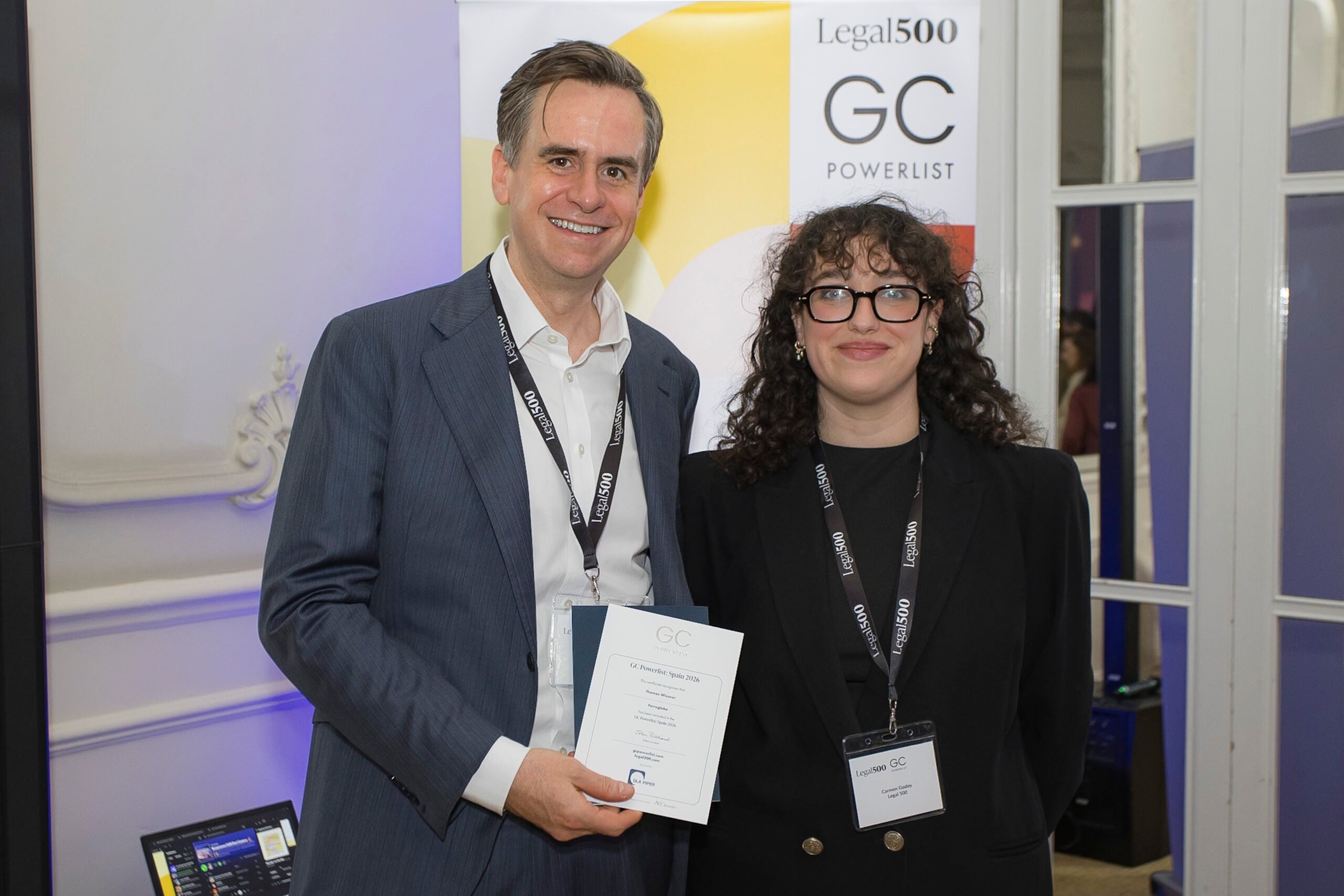
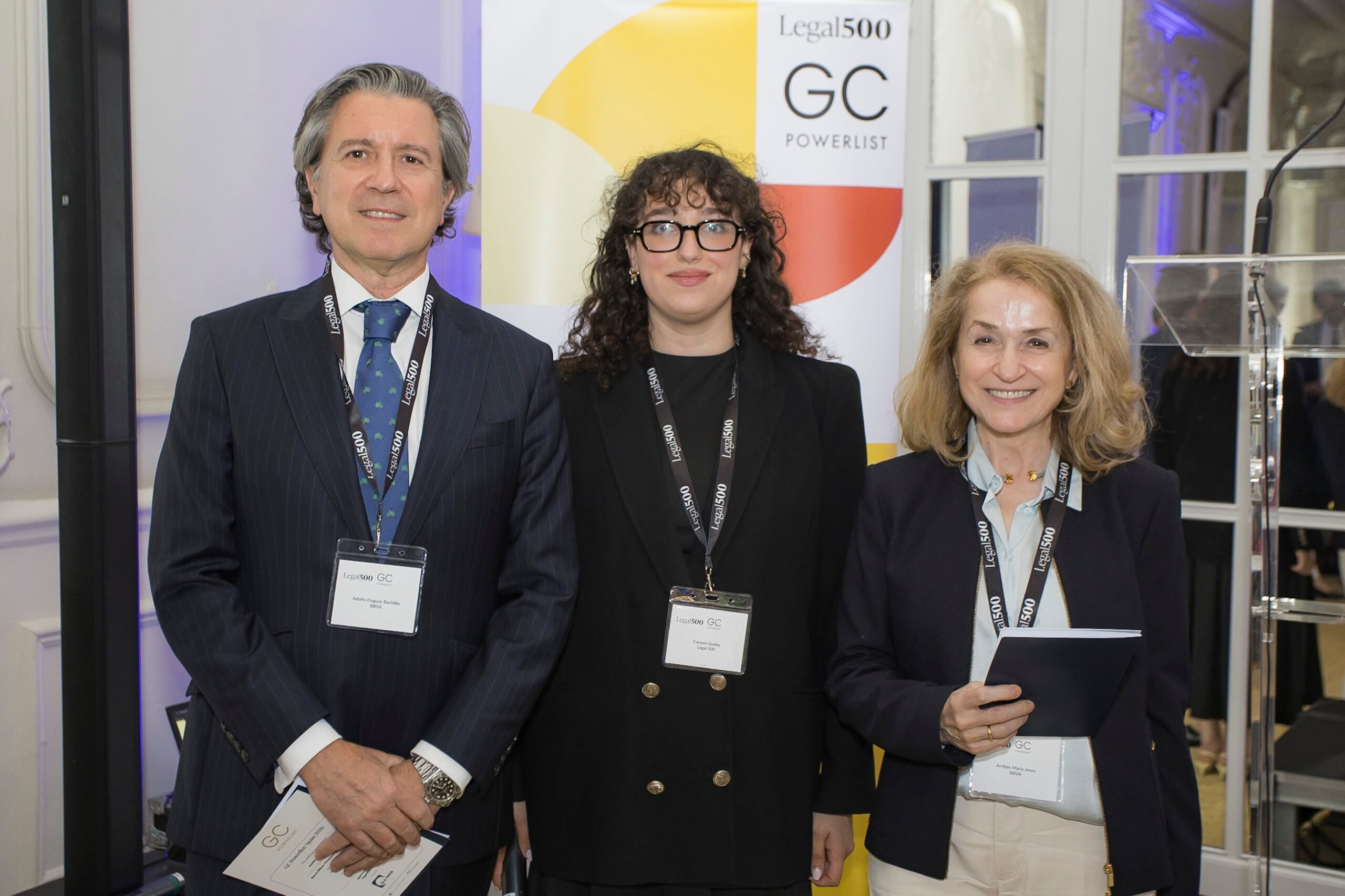
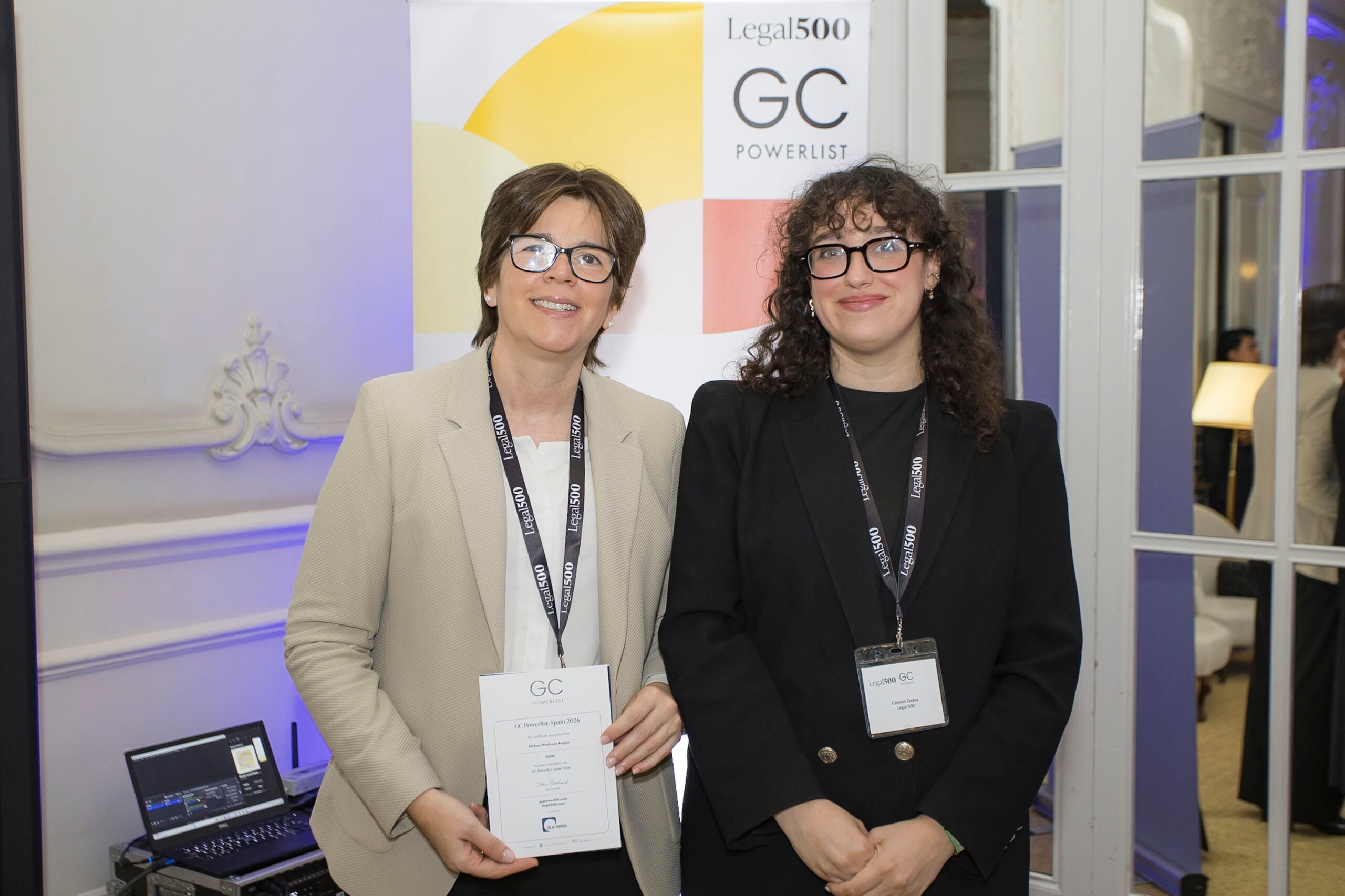
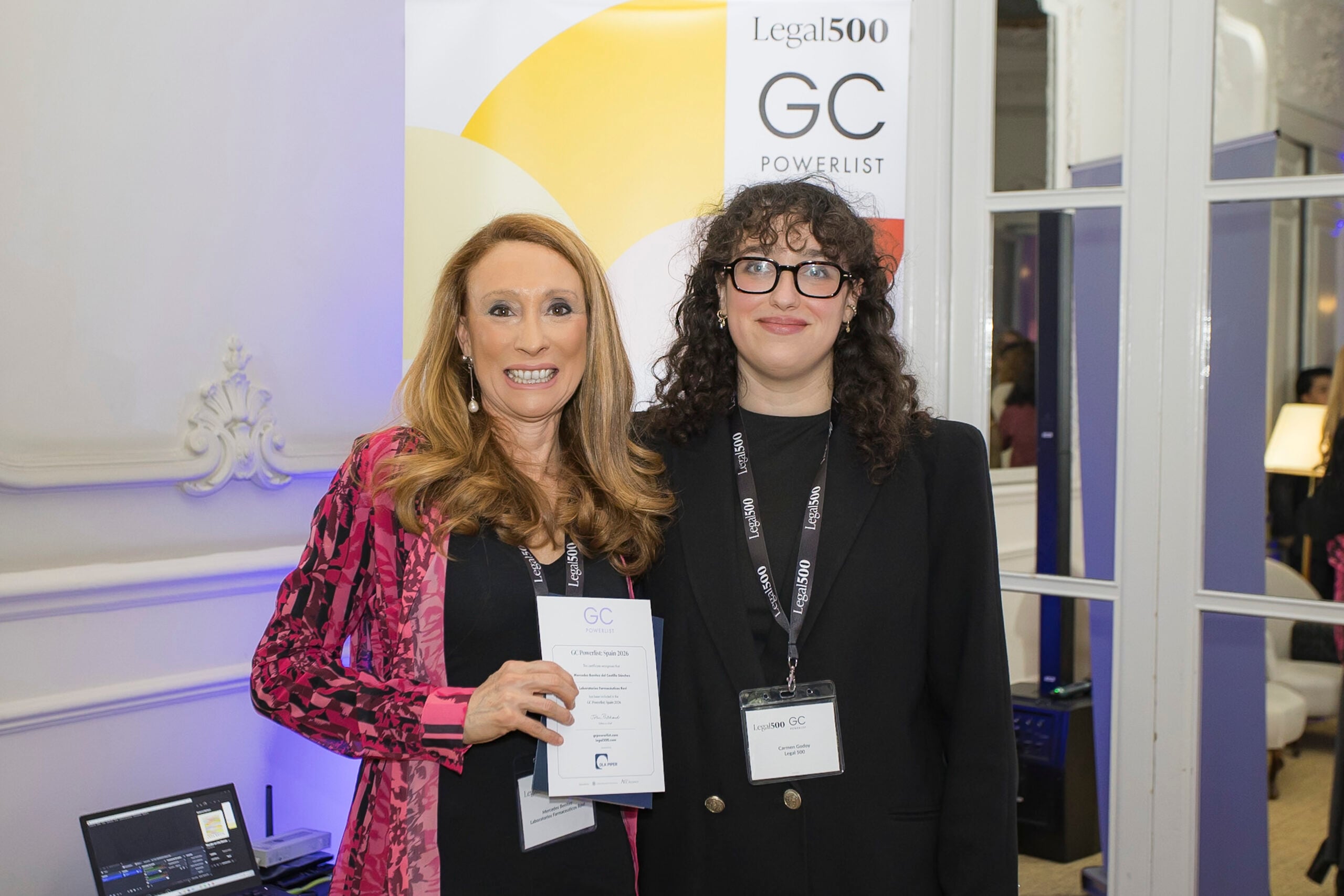
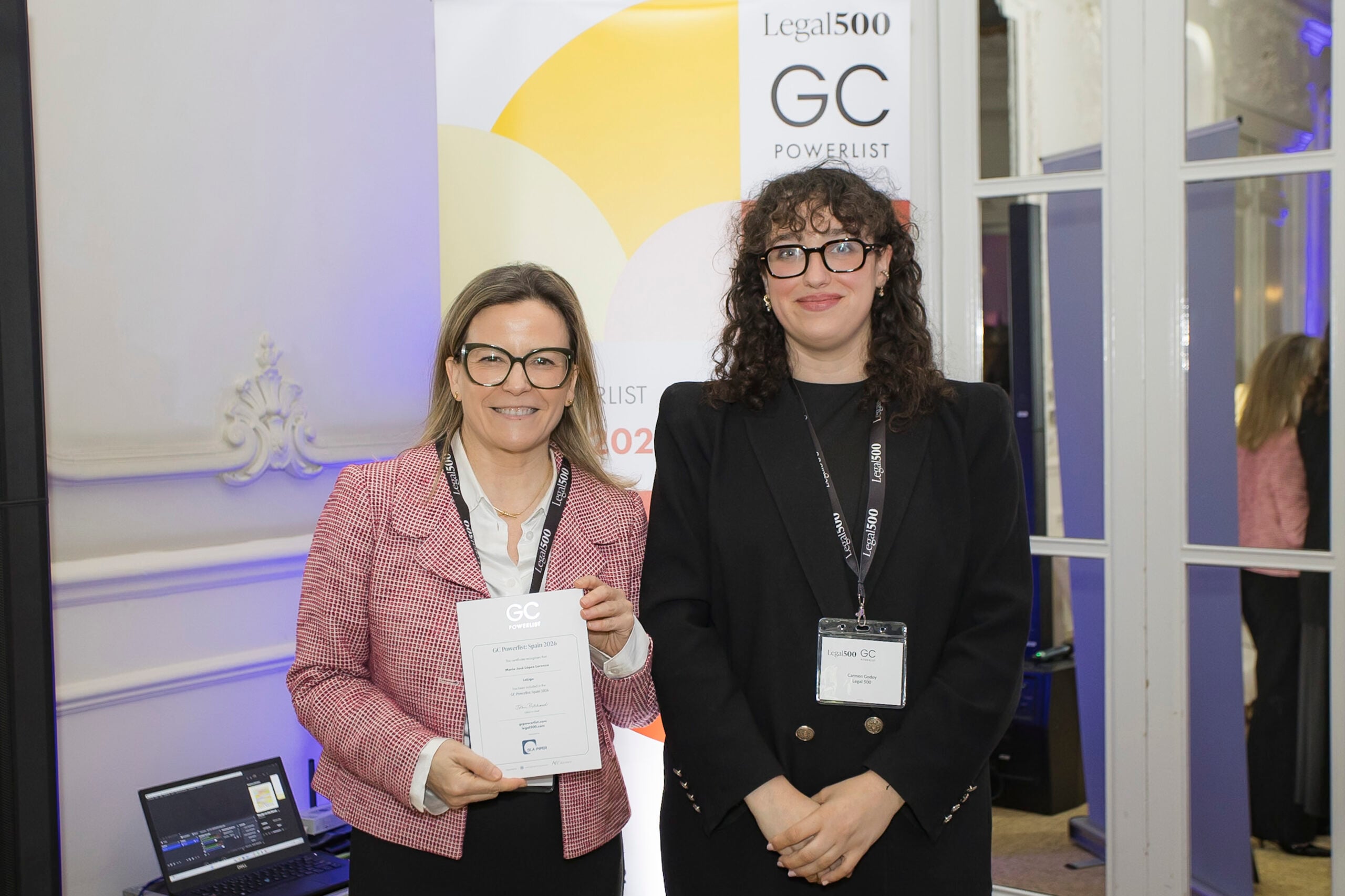
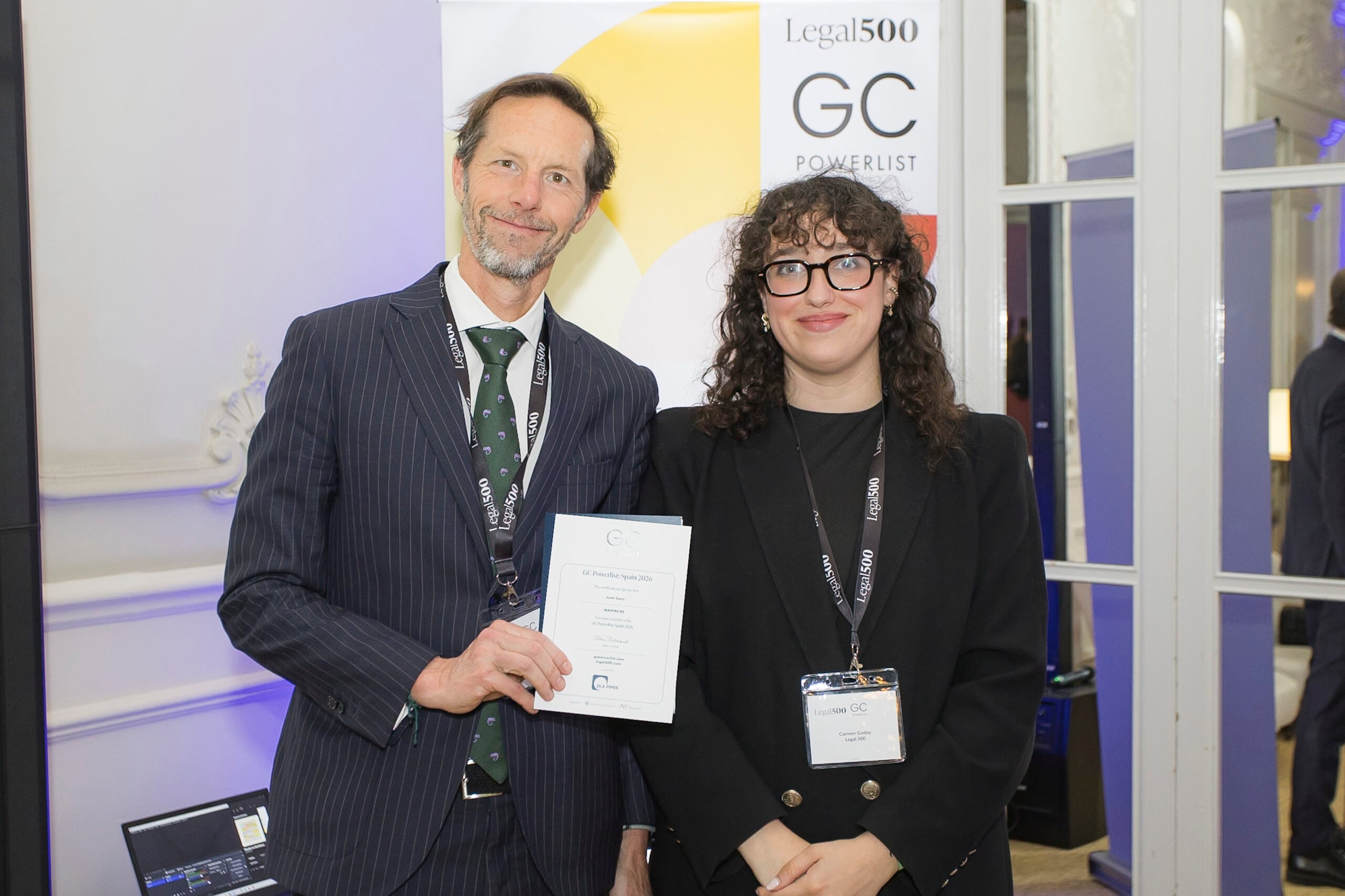
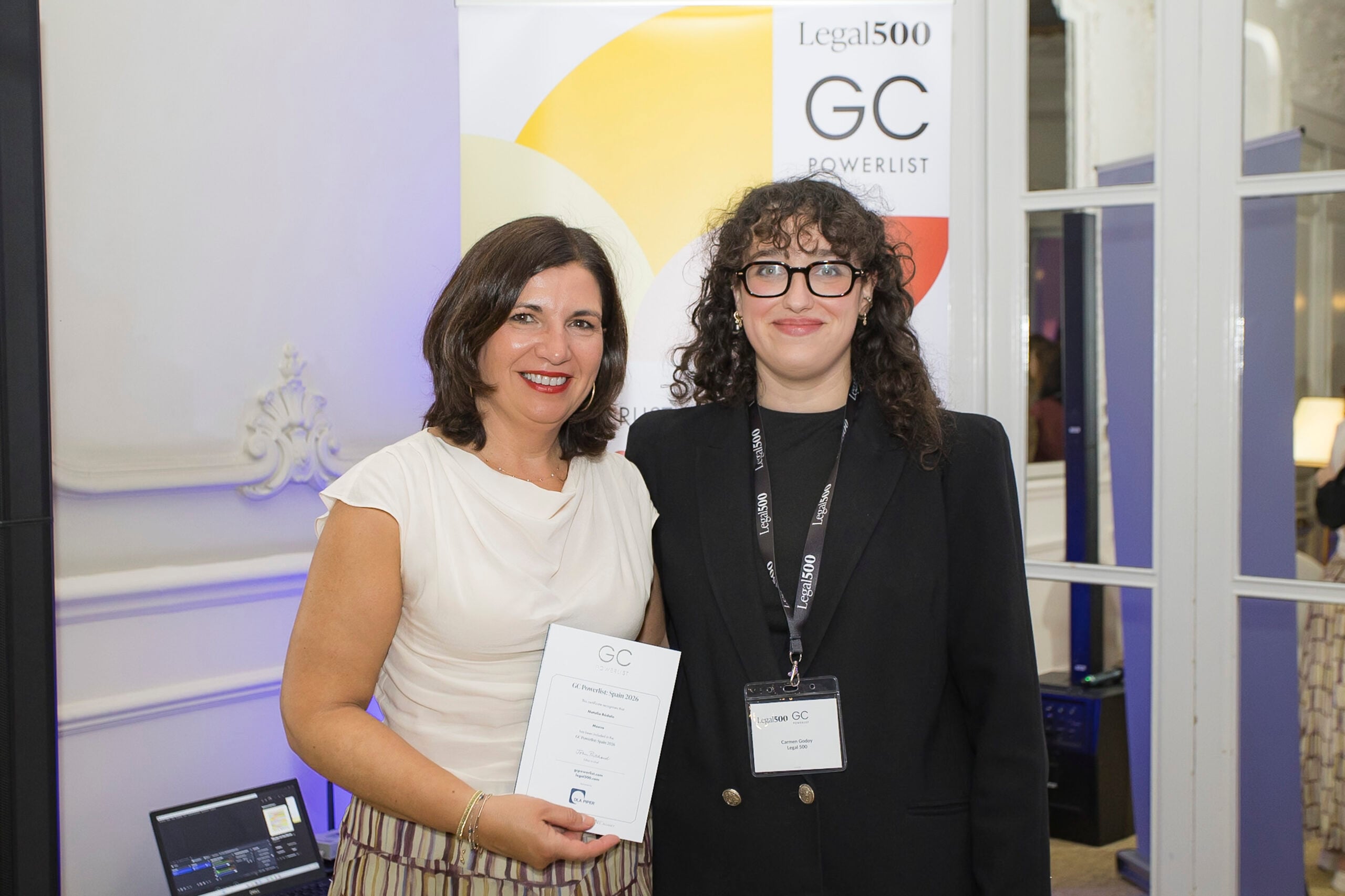
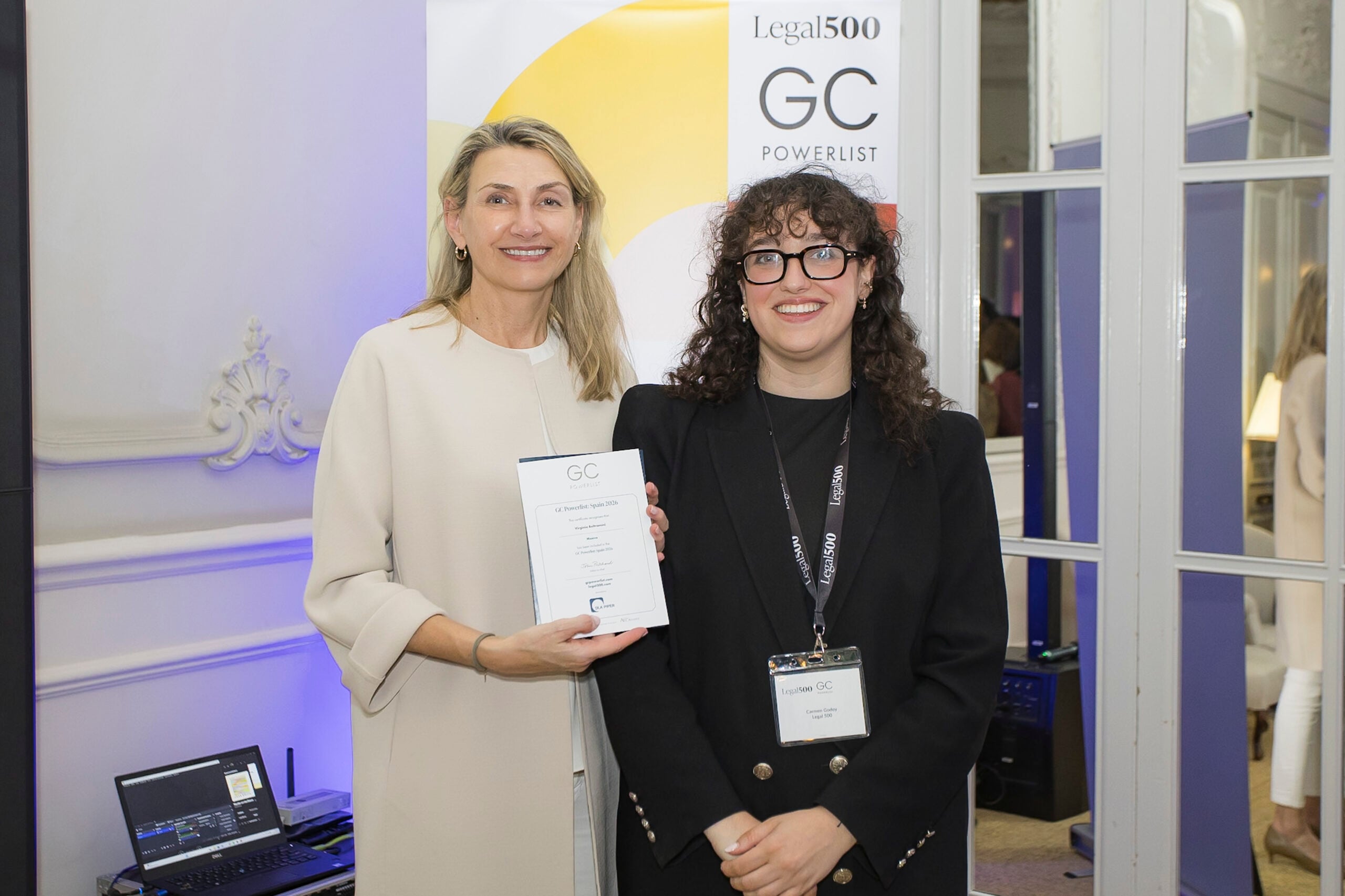
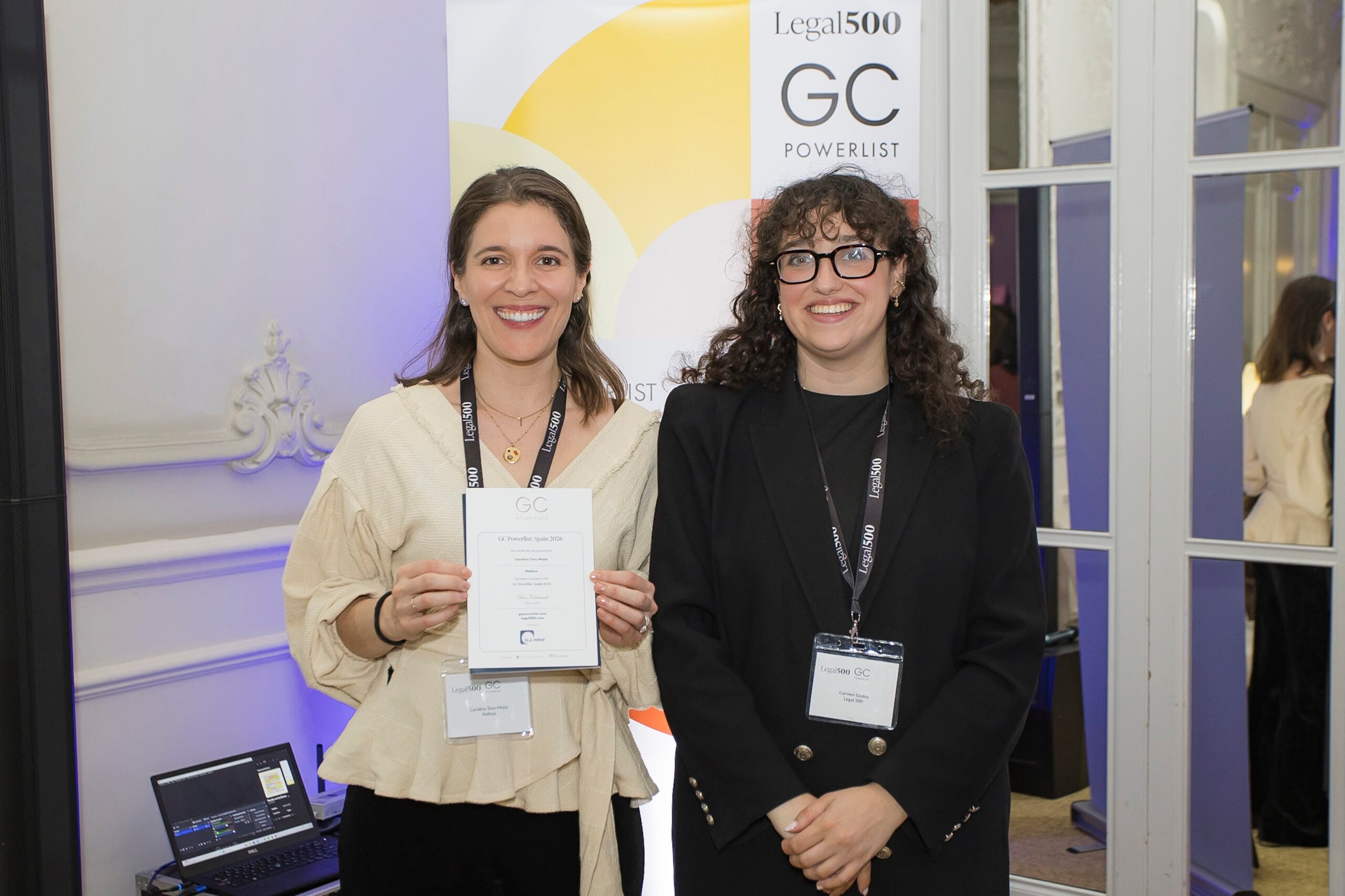
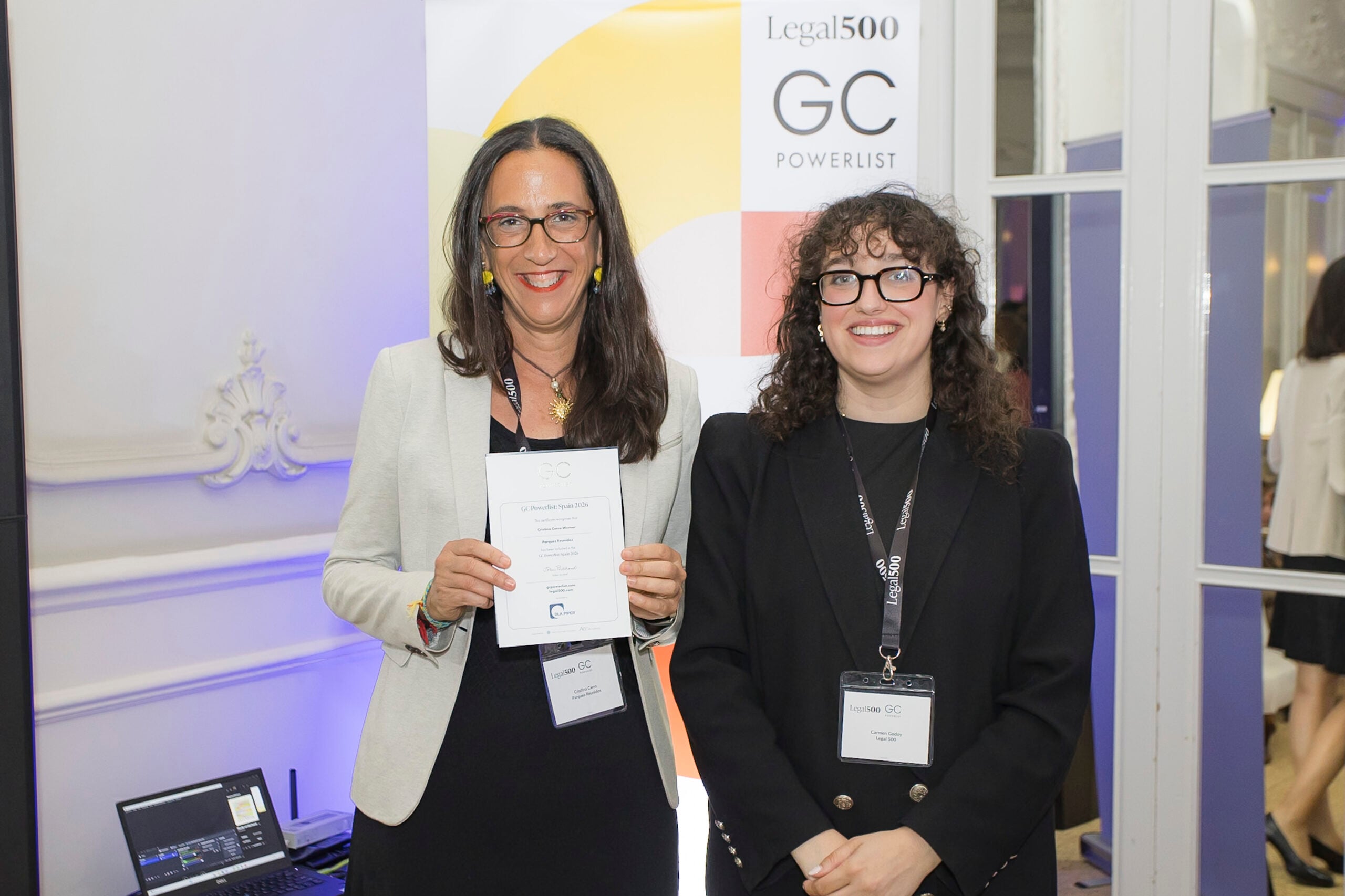
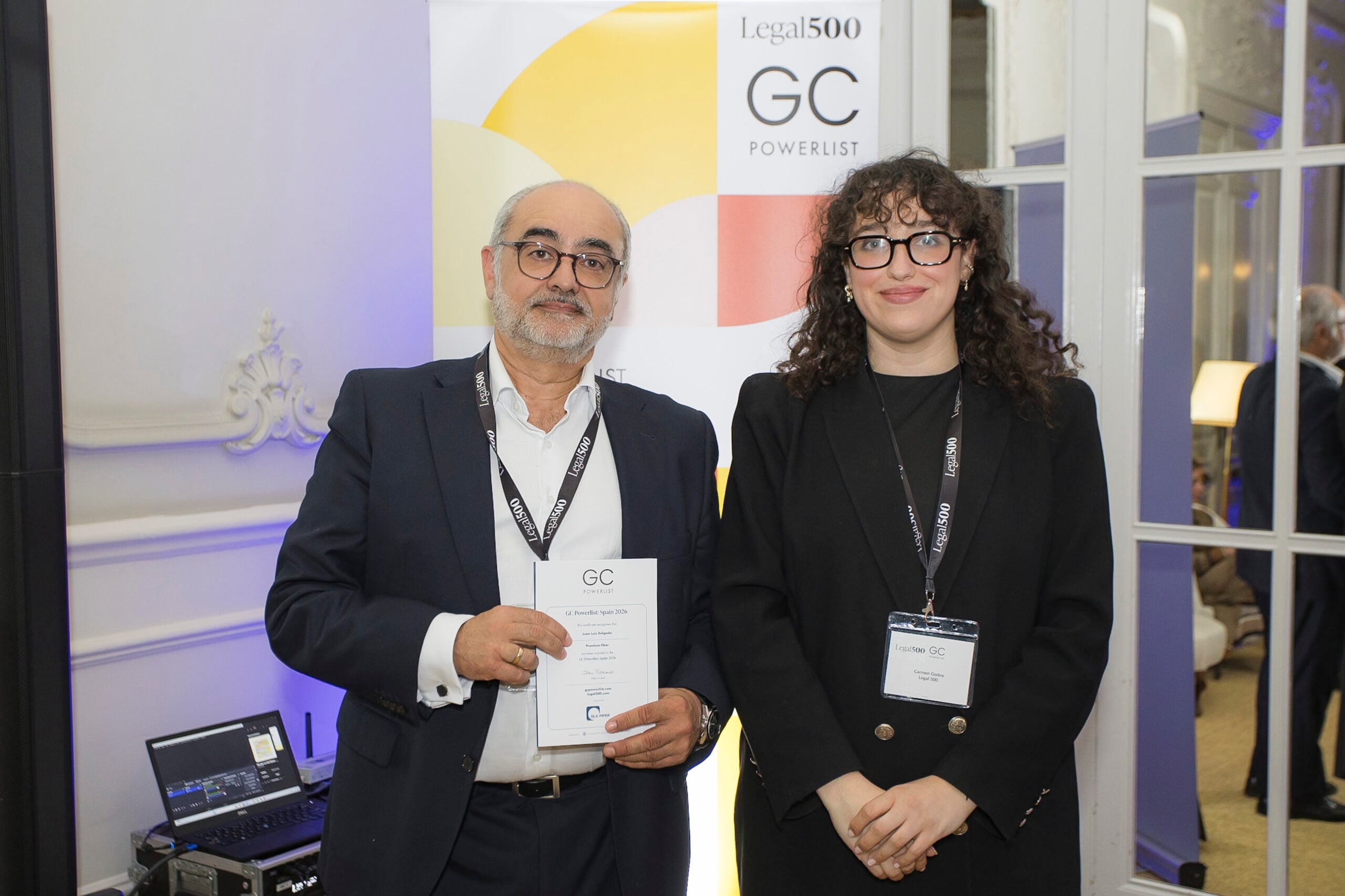
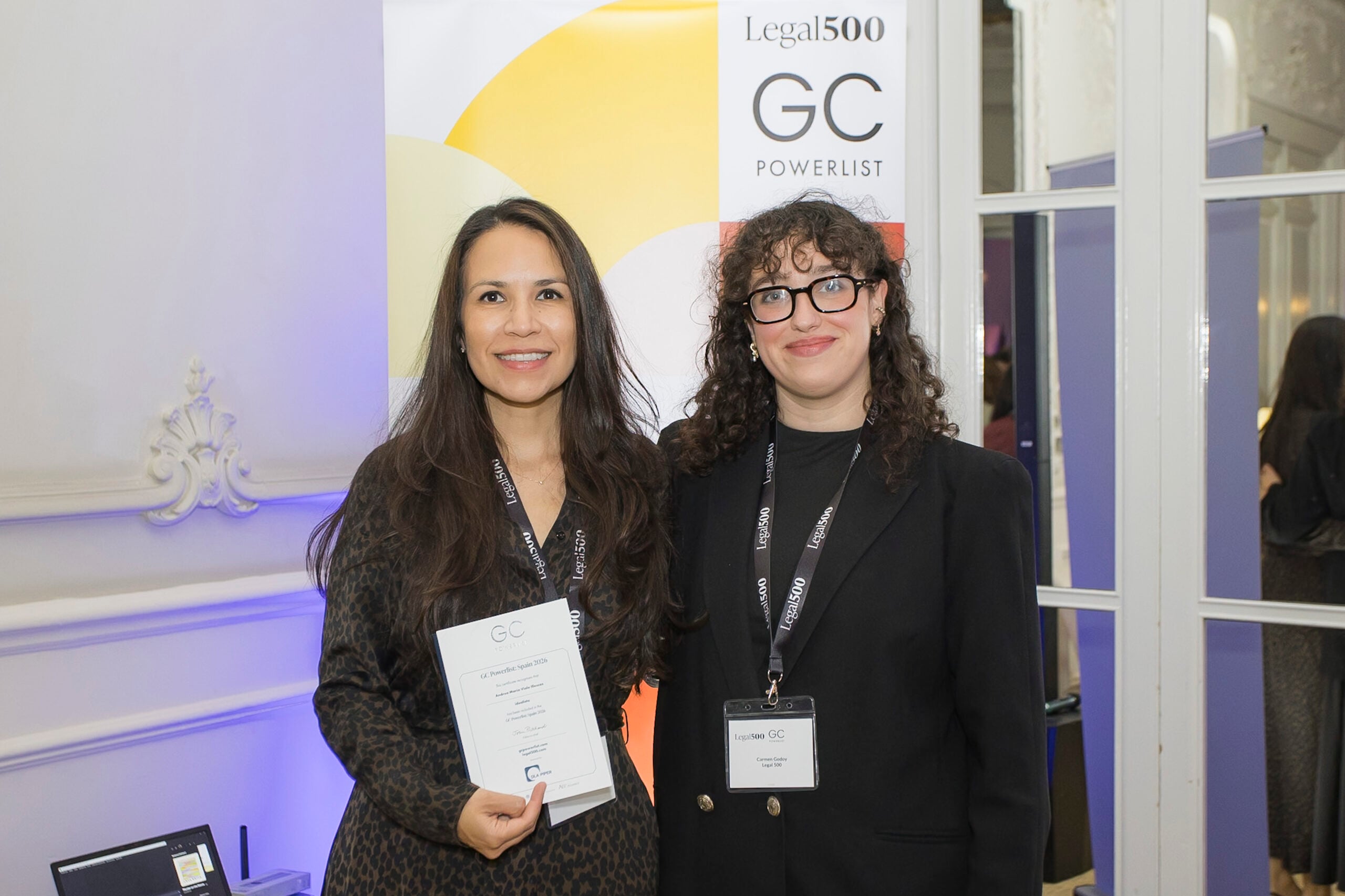
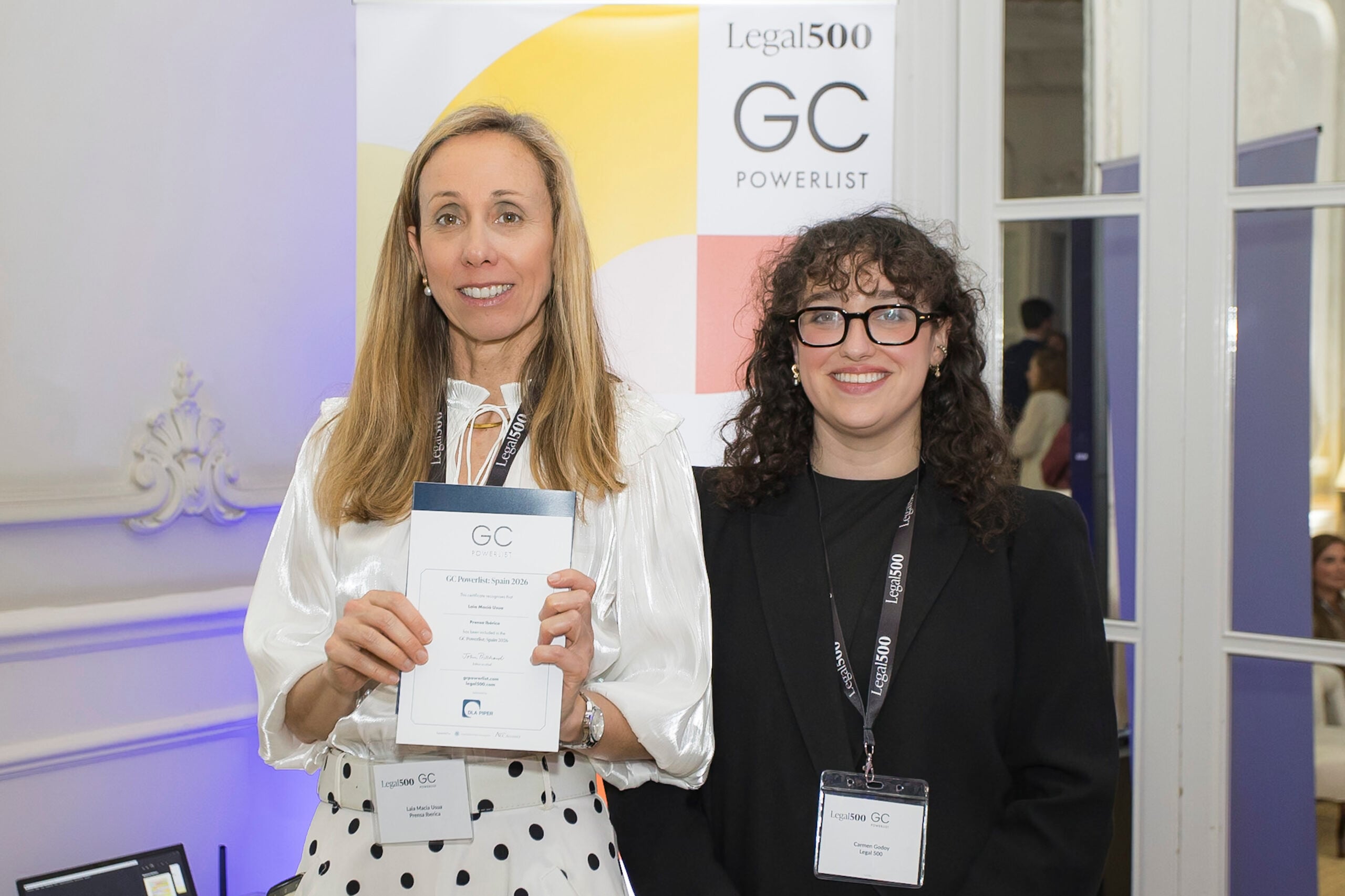
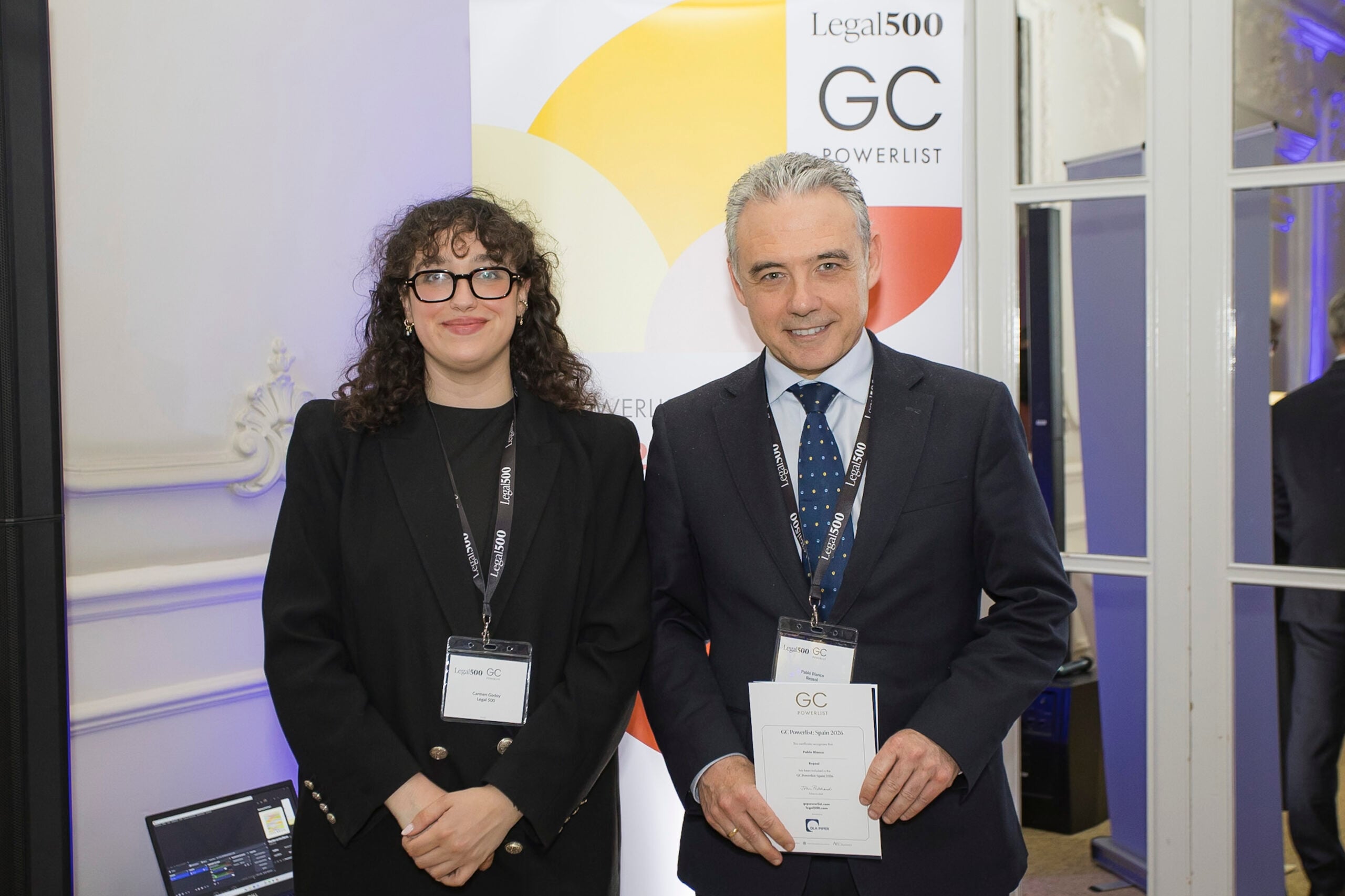
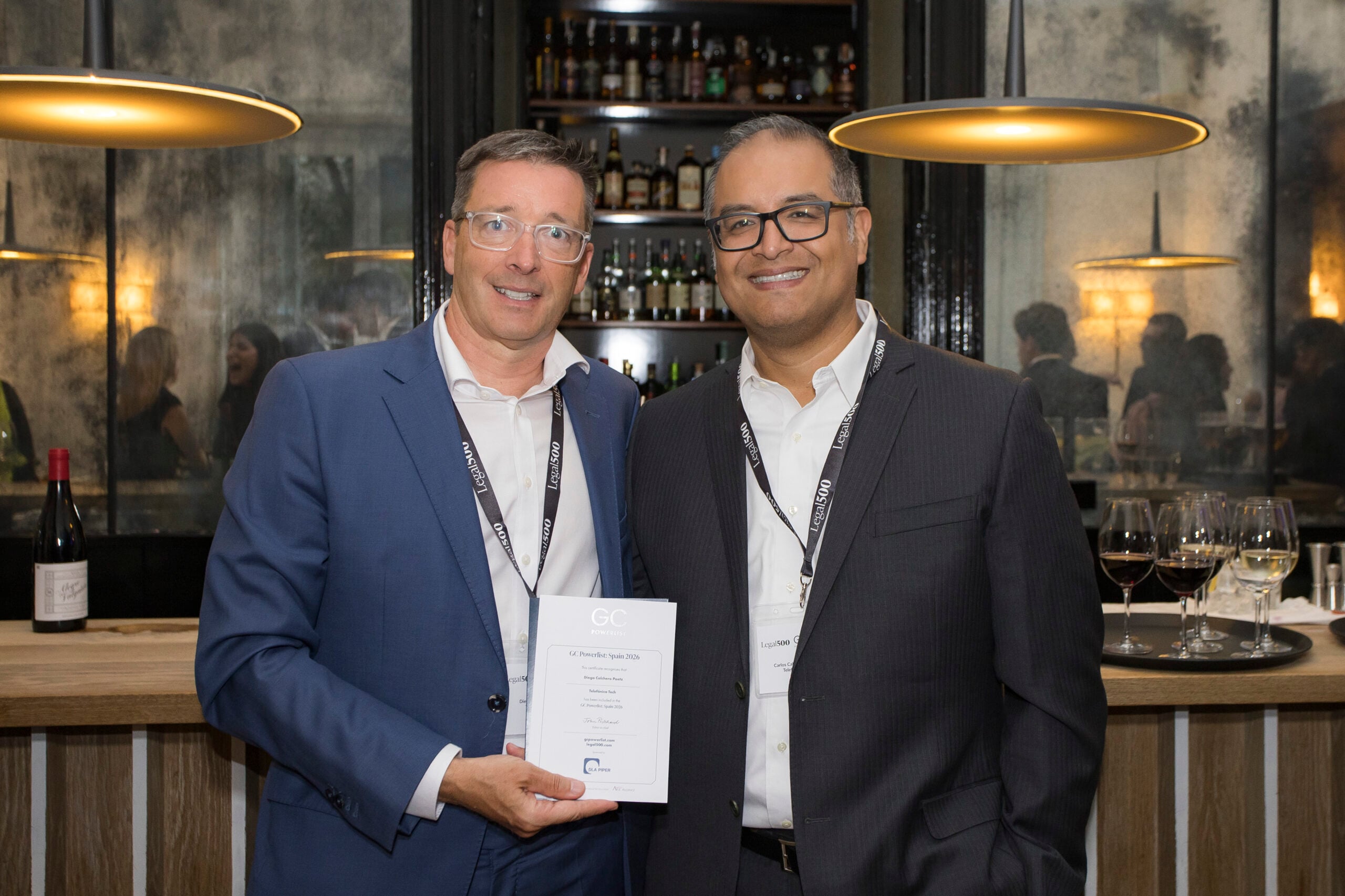
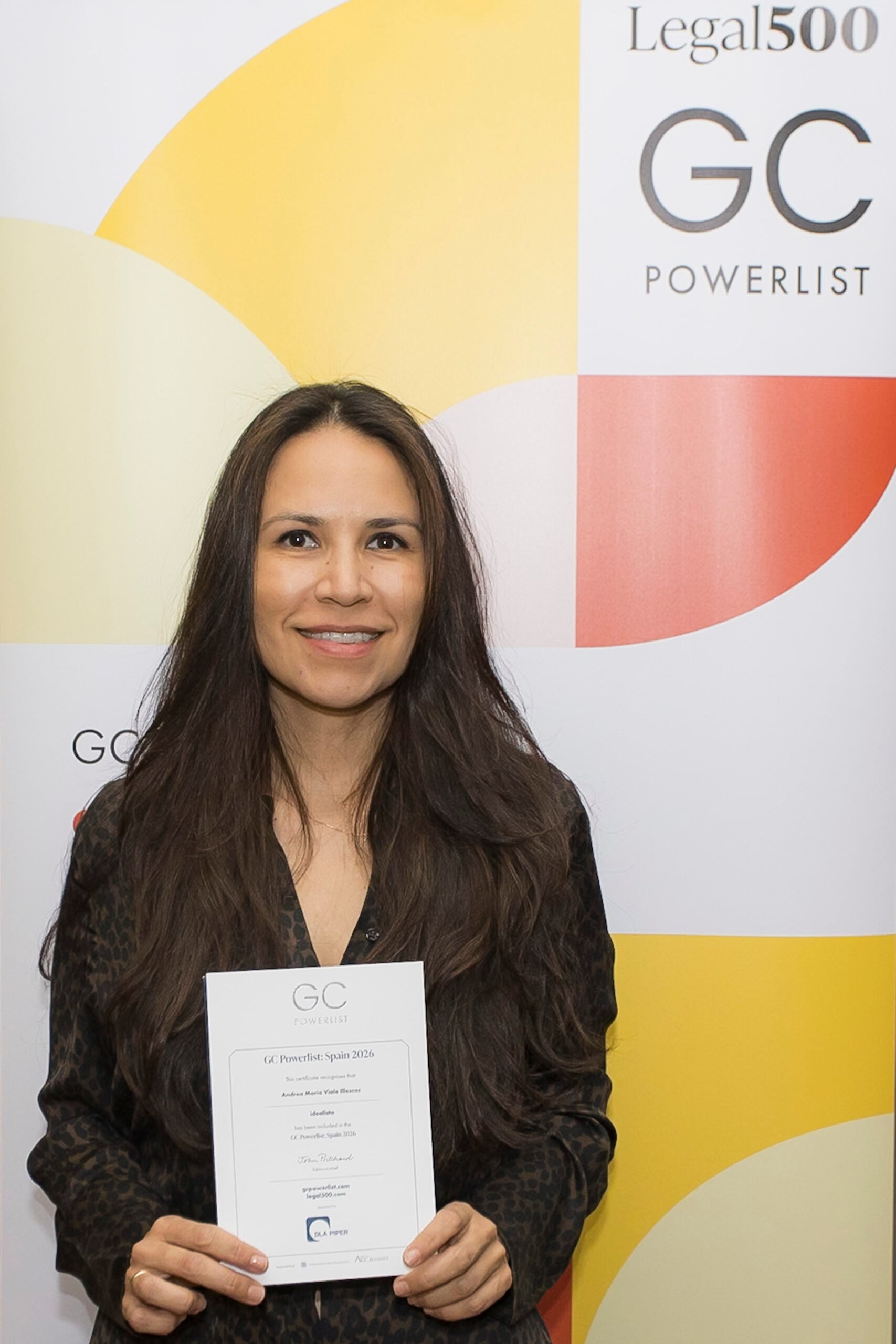
After their remarks, Carmen Godoy and David Freeman, on behalf of The Legal 500, proceeded with the certificate ceremony, during which each Powerlister was invited to the stage to collect their certificate.
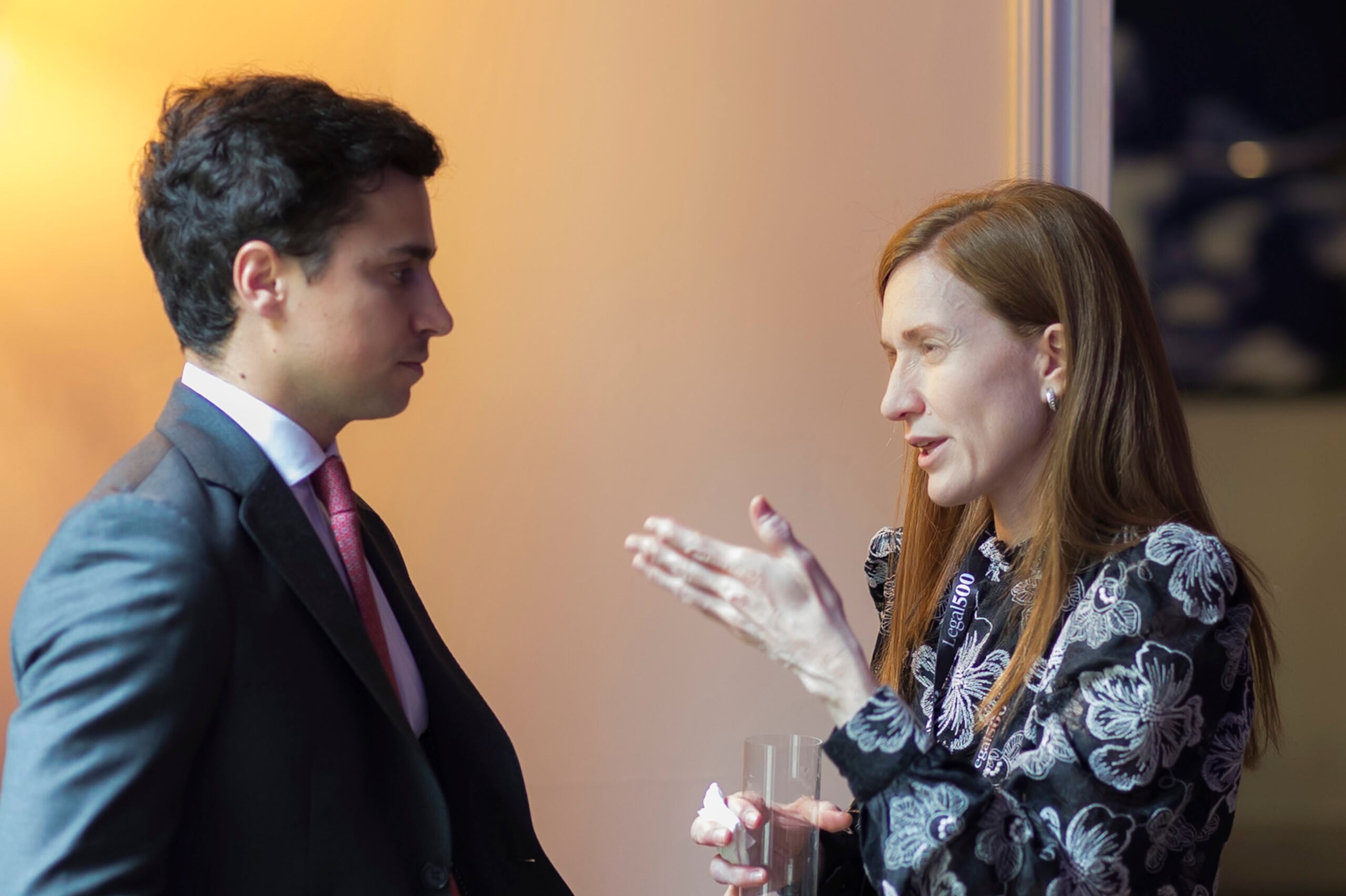
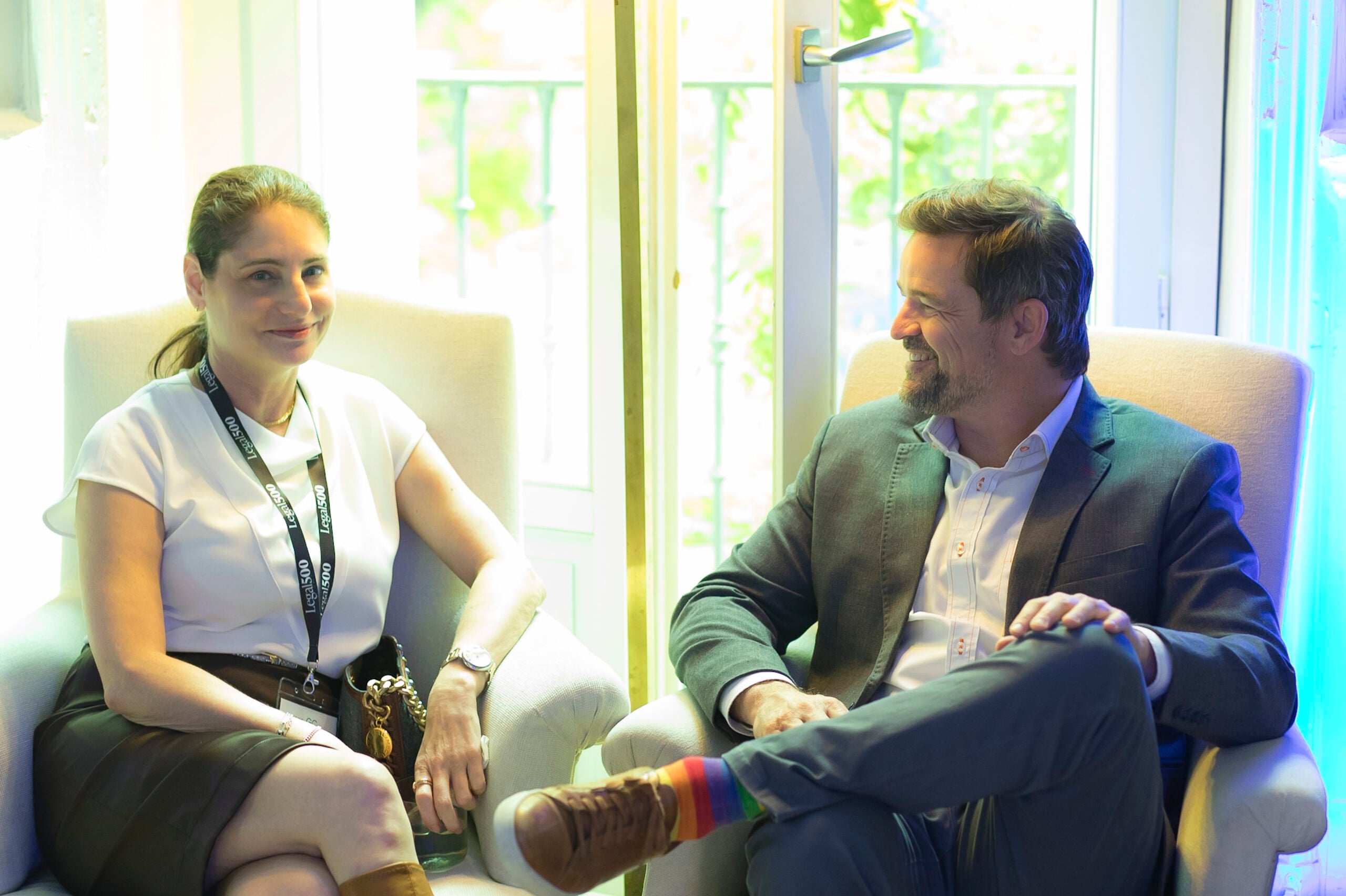
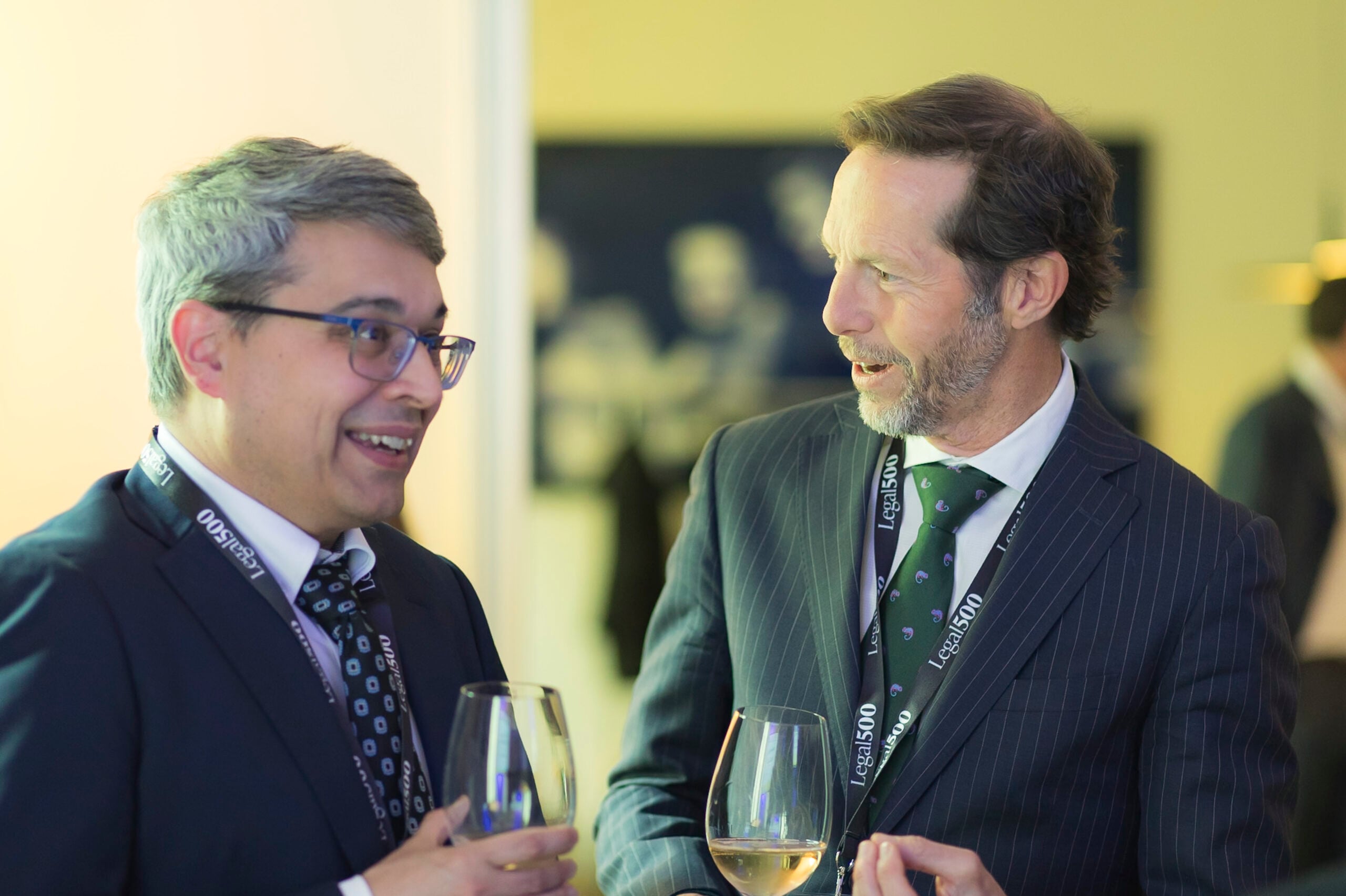
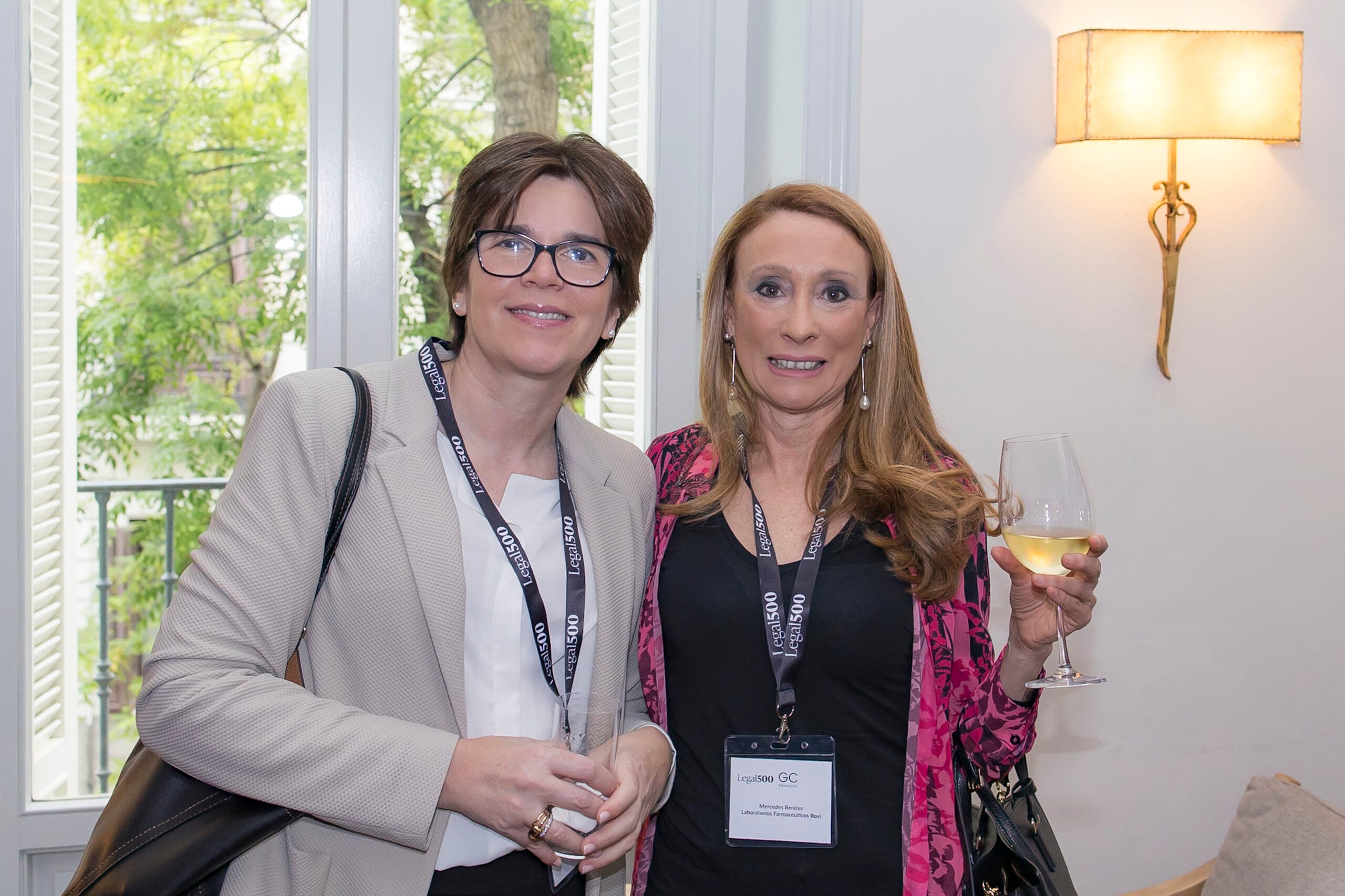
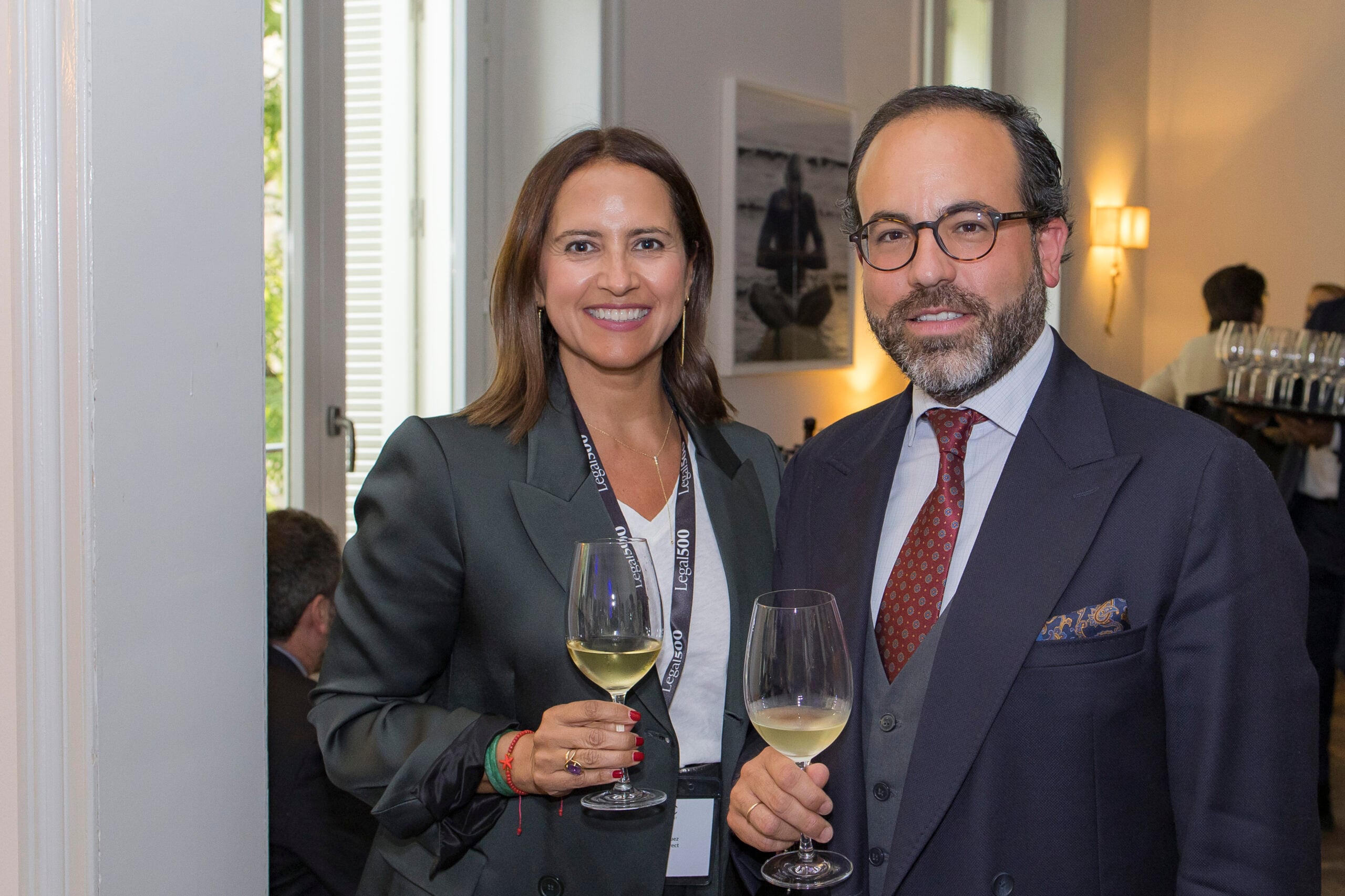
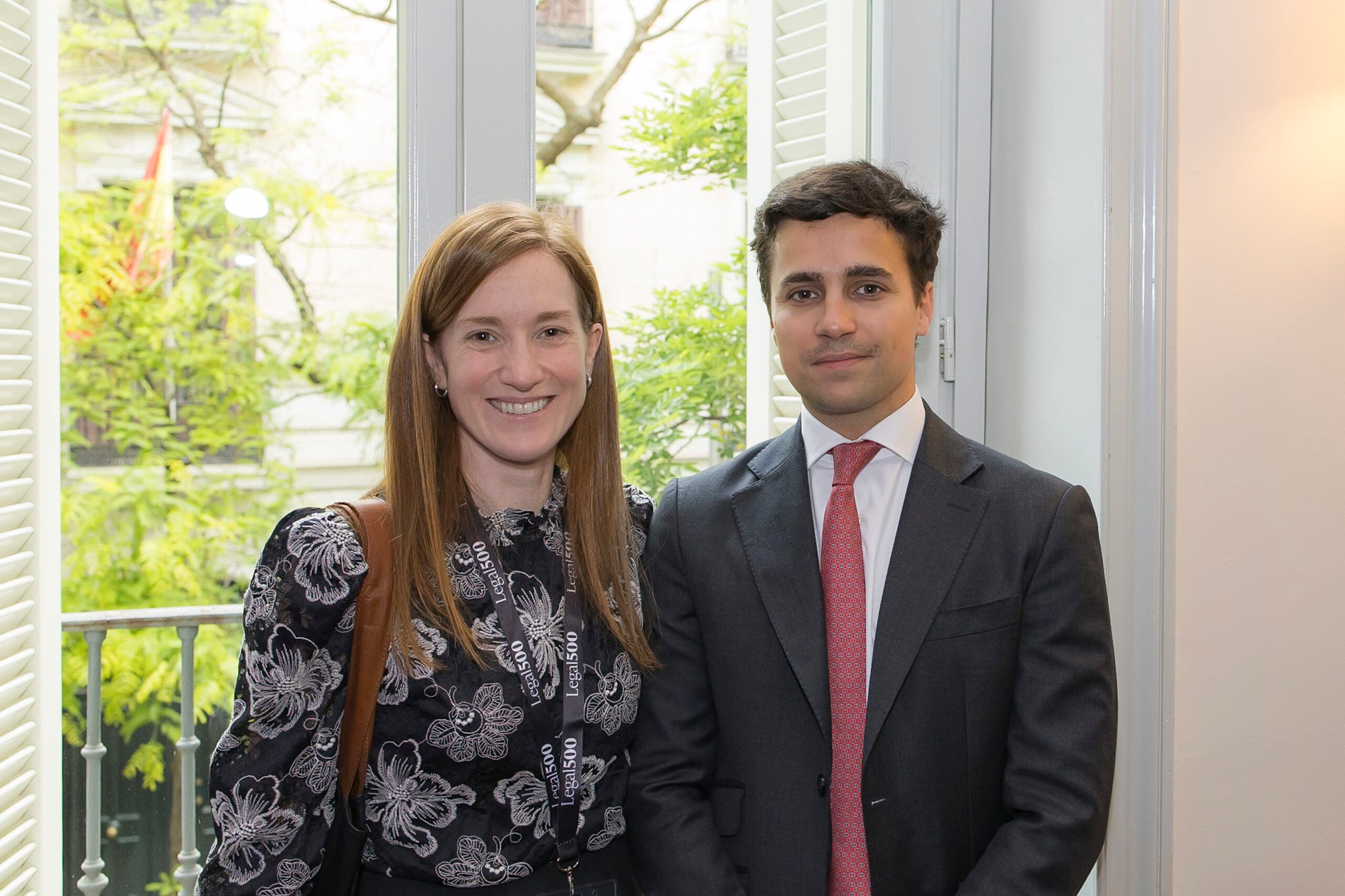
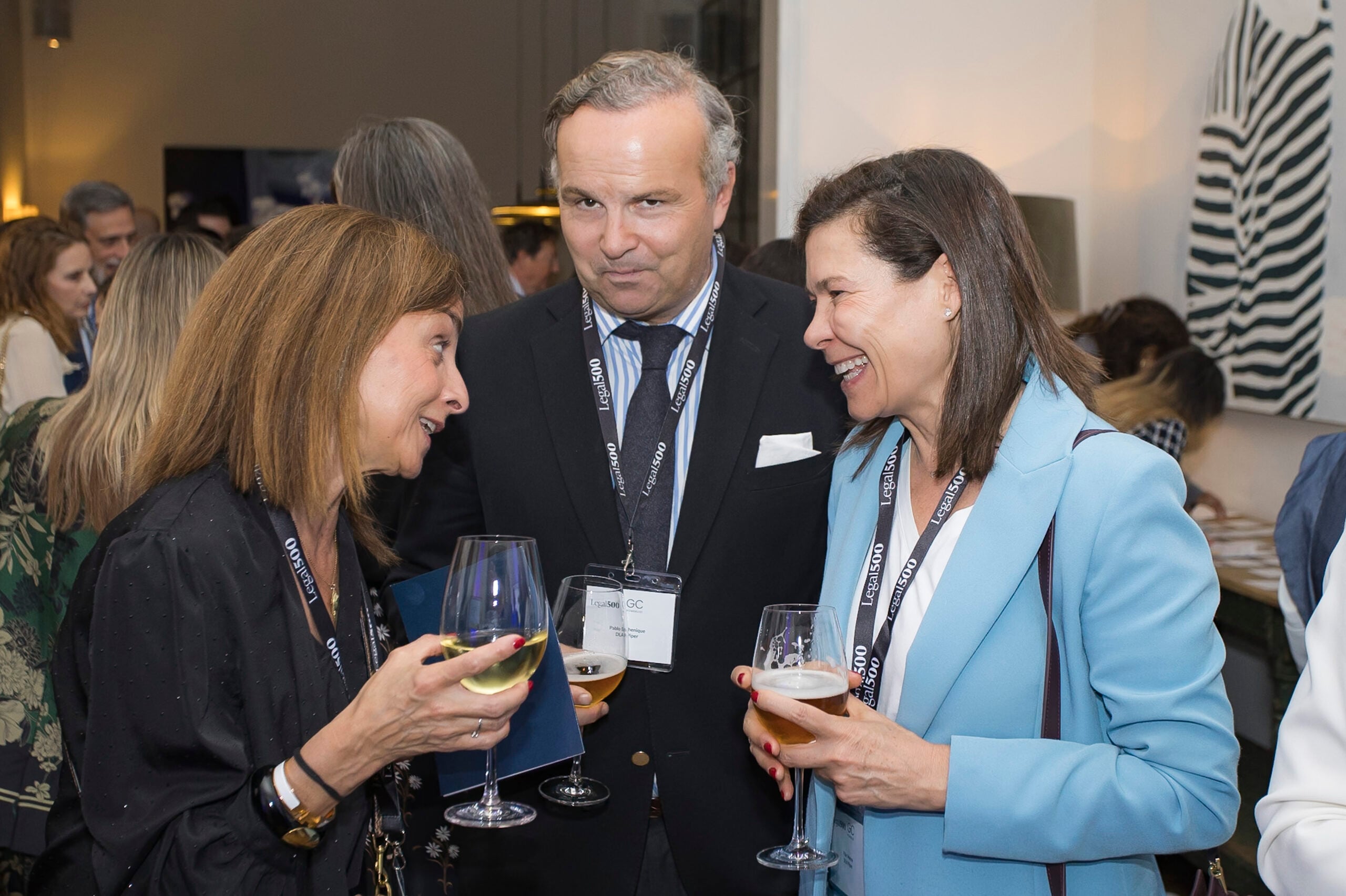
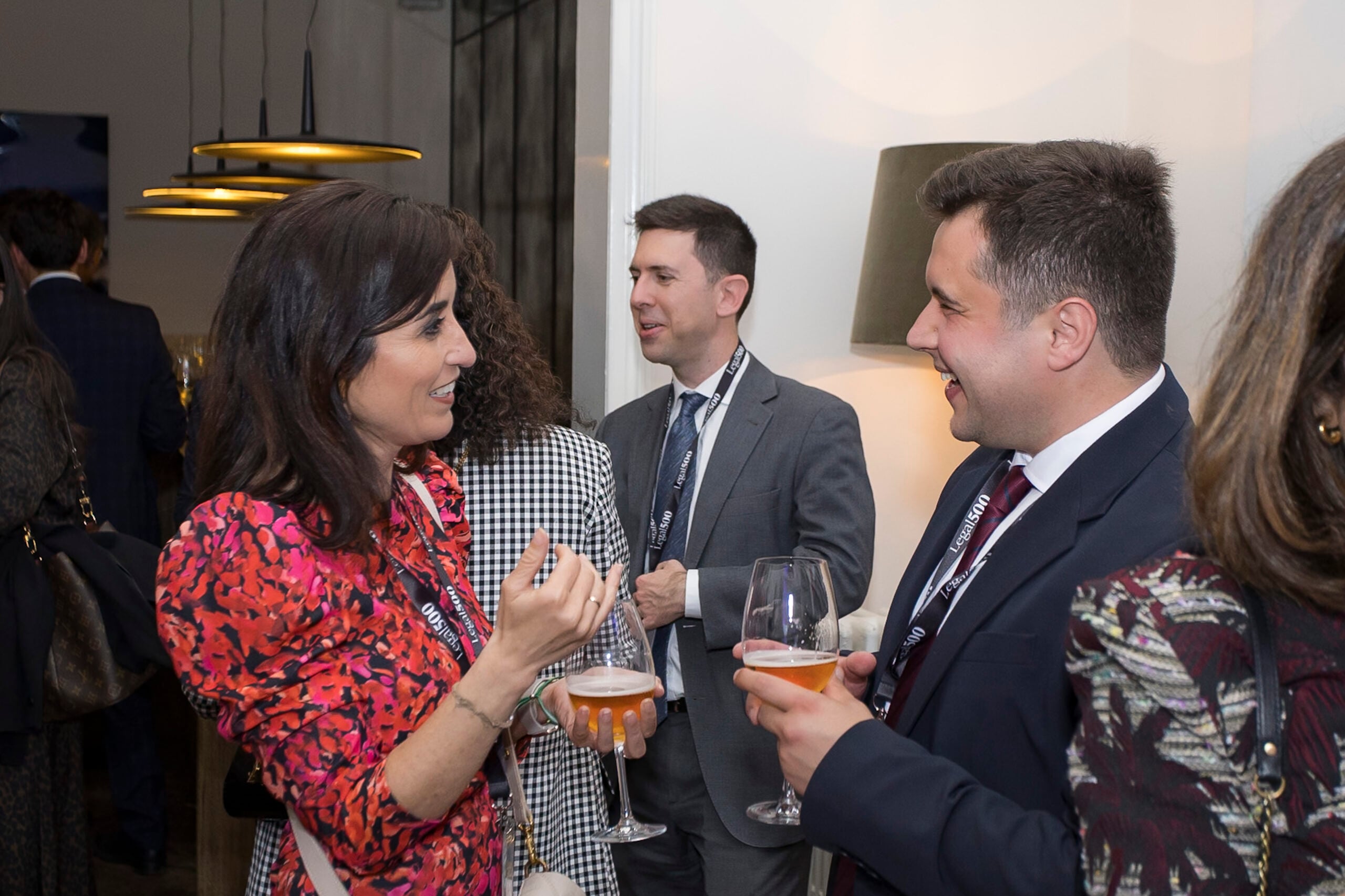
This year’s GC Powerlist event in Madrid served as an excellent opportunity for awardees to connect and exchange reflections with their professional peers and the Legal 500 team.
On behalf of the entire team at The Legal 500, we extend our warmest congratulations to all those included in this edition of the GC Powerlist: Spain. You stand as an example of the talent, leadership, and vision driving the evolution of the general counsel role in the country.
We would also like to take this opportunity to express our sincere gratitude to DLA Piper, our sponsor, for joining us in recognising the exceptional talent driving progress across Spain’s legal profession. And, of course, to each of the honourees who shared their time and insights with us. It has been a privilege to share your stories and celebrate the enduring impact you make every day.