Northern England 2026
Supported by the Association of Corporate Counsel


Assistant General Counsel - Business Development and Technology | AstraZeneca
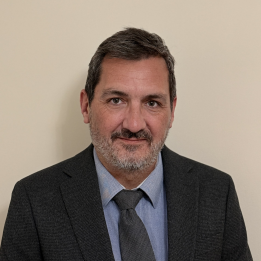
Regional Lead Counsel EMEAI/ANZ and Assistant General Counsel | Sherwin-Williams




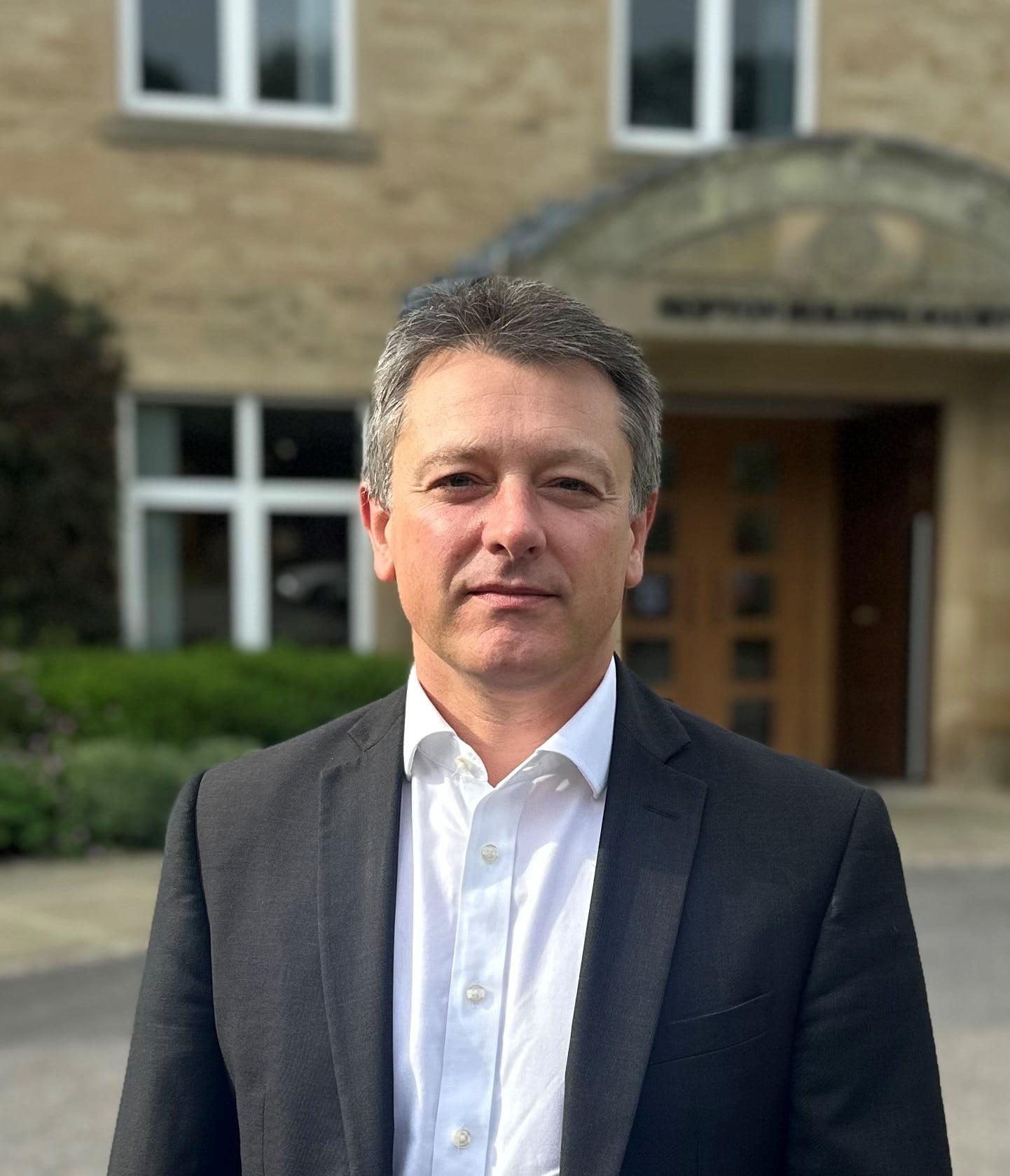









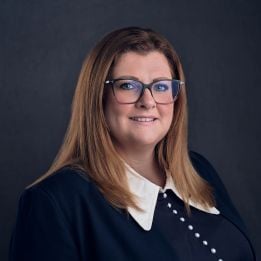
















Assistant Director of Legal Services: Commercial and Strategy | Manchester City Council

Vice President, Legal Counsel, Barclays Corporate Real Estate Solutions | Barclays

Director of Legal Affairs and Board Secretariat | The University of Manchester
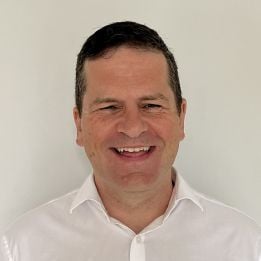






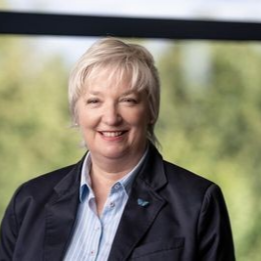


General Counsel and Company Secretary | Nuclear Transport Solutions



General Counsel and Group Company Secretary | Northumbrian Water Group (NWG)



On behalf of The Legal 500, I am pleased to introduce our inaugural GC Powerlist: Northern England 2026.
This first edition recognises general counsel and senior in-house legal leaders operating across one of the United Kingdom’s most commercially and industrially significant regions.
Our research this year reflects a community closely integrated within their businesses. Legal leaders in the region typically operate with broad mandates, often spanning legal, governance and risk responsibilities across lean teams. The role is highly practical, with a strong focus on enabling commercial decision-making while maintaining robust oversight.
Across sectors, legal leaders are increasingly central to organisational decision-making. In Northern England, this is often operational in nature, with teams supporting investment decisions, regulatory engagement, disputes and governance processes directly alongside the business.
Technology and efficiency remain a clear focus, but the emphasis is pragmatic. The priority is on tools and processes that reduce friction, improve delivery and support leaner operating models, rather than large-scale experimentation or transformation programmes.
Governance and resilience continue to be central concerns. Senior legal leaders play a key role in strengthening internal controls, supporting boards and ensuring decision-making is properly structured and defensible, particularly in environments shaped by ongoing economic and operational uncertainty.
The GC Powerlist: Northern England 2026 recognises those helping to shape this environment. They are trusted advisors within their organisations, combining legal expertise with commercial awareness and a clear understanding of operational realities. As the first edition of this regional Powerlist, it highlights the strength and depth of the in-house legal community across Northern England.

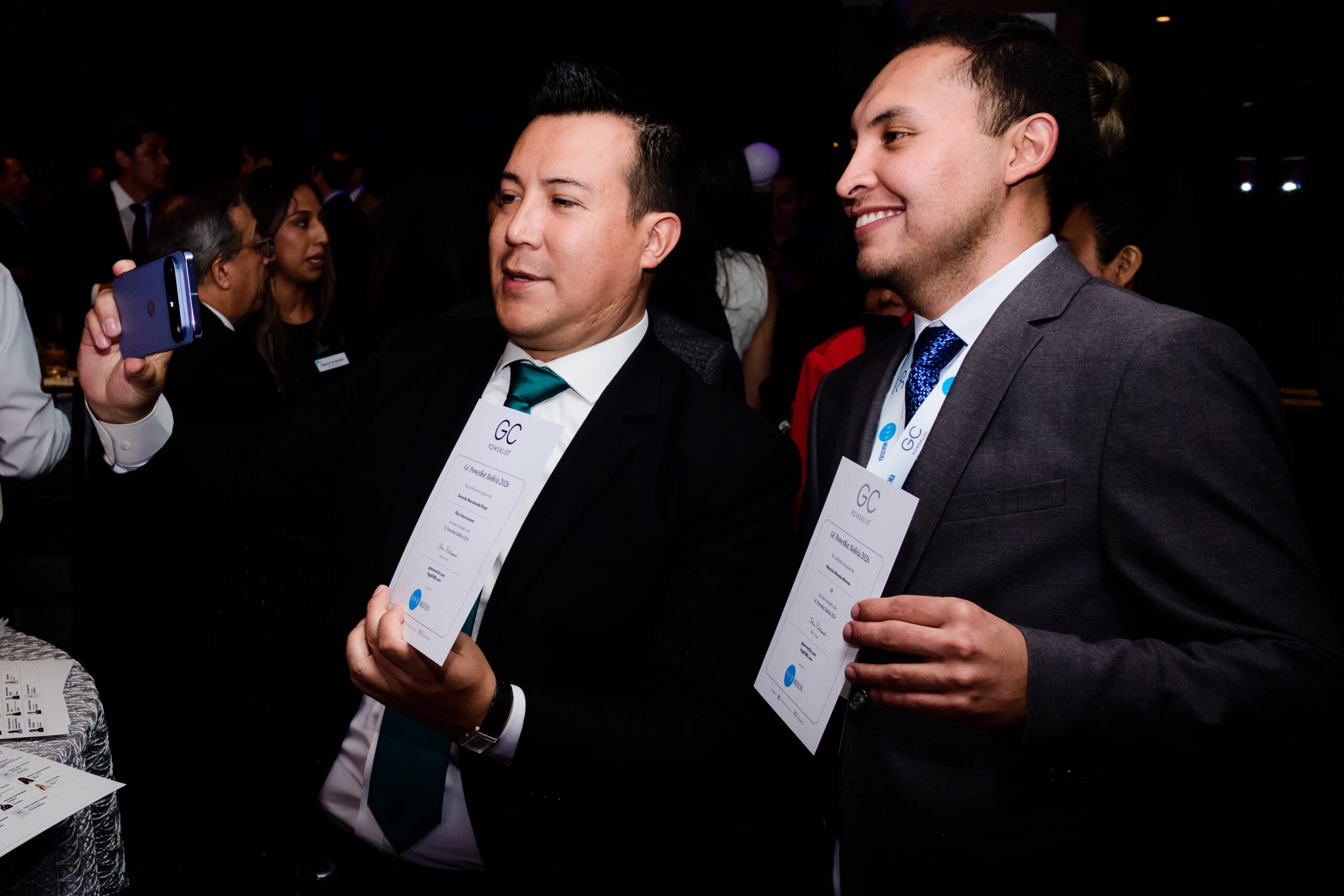
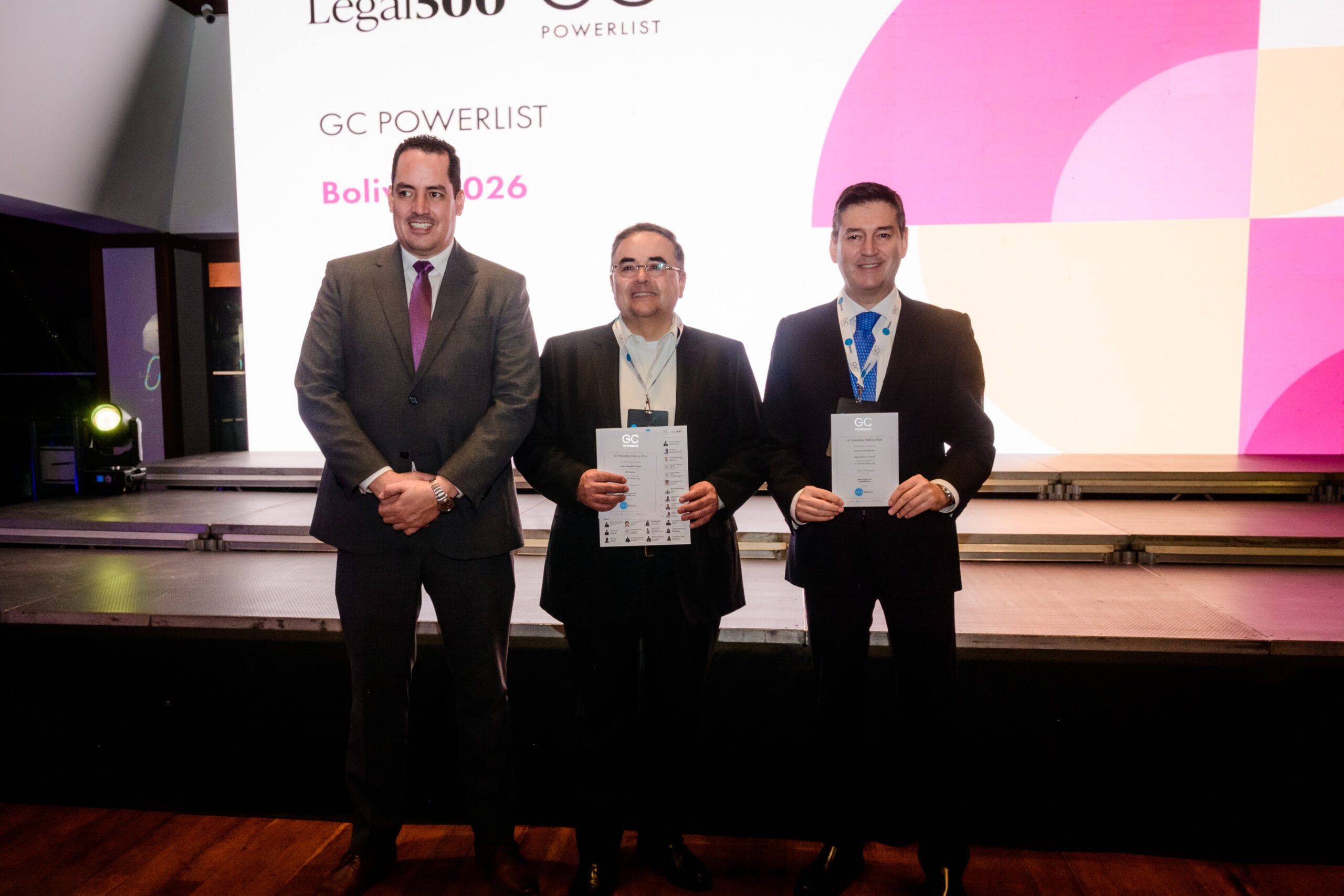
It has been an absolute honour for Legal 500 to present the fifth edition of the GC Powerlist Bolivia 2026. The years pass, yet the talent in the room never ceases to amaze us.
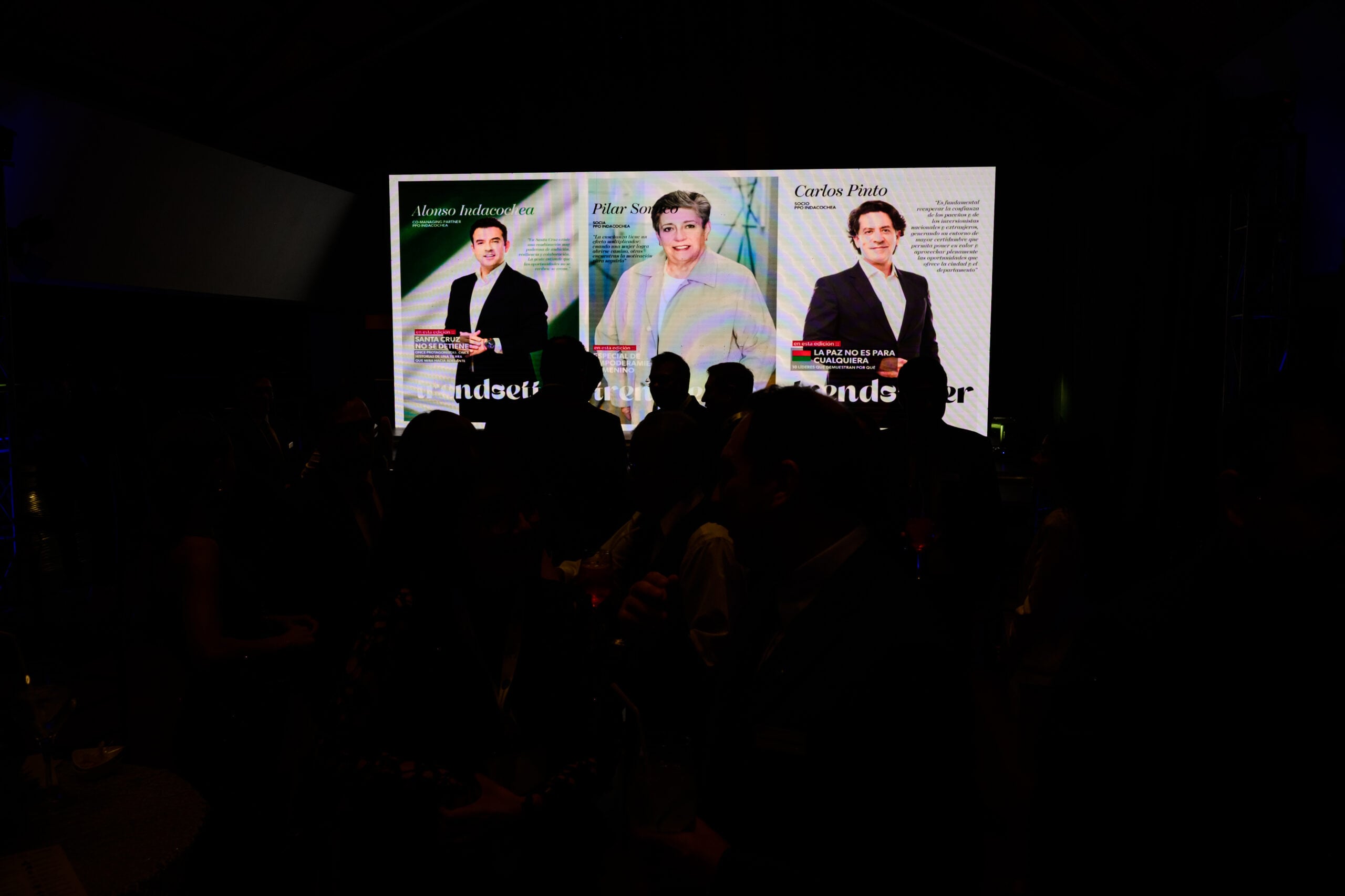
On 1 October, we met at Club Las Palmas in Santa Cruz de la Sierra to celebrate our 2026 cohort. Alongside our partners, PPO Abogados, we hosted some of the most prestigious in-house lawyers from across Bolivia in celebration of their outstanding leadership and achievements over the past year. It was a pleasure to reconnect with previous powerlisters and to welcome new members to the Legal 500 community in Bolivia.
Andere Indacochea, Partner at PPO Indacochea, inaugurated the evening by addressing the powerlisters with a truly inspiring speech that left no one indifferent and highlighted the value of the legal profession within Bolivia’s current economic, political and regulatory landscape. Following her remarks, Carmen Godoy, Legal 500 Research Editor, welcomed this year’s cohort and presented the findings of our research, which position Bolivian in-house lawyers as key strategic partners to the businesses they represent, resilient in the face of regulatory change and increasingly focused on navigating technological transformation.
She then welcomed to the stage Rodrigo Valda Yanguas, Legal Manager at Tigo Bolivia, who addressed his peers as a representative of this year’s GC Powerlist Bolivia cohort. The speeches concluded with remarks from Pablo Ordóñez, Tax Partner at PPO Indacochea, who encouraged the general counsel in attendance to continue acting as ambassadors for the in-house legal profession under all circumstances and invited them to enjoy the rest of the evening.
Photos, music and great conversations filled the room throughout the remainder of the evening. We are grateful to PPO Indacochea for their longstanding partnership and continued support in making this event possible.
All that remains for us to say is that we are very pleased to see the very essence of what the Legal 500 GC Powerlist stands for reflected in this year’s cohort: a community that, in times of change, supports, learns from and inspires one another.