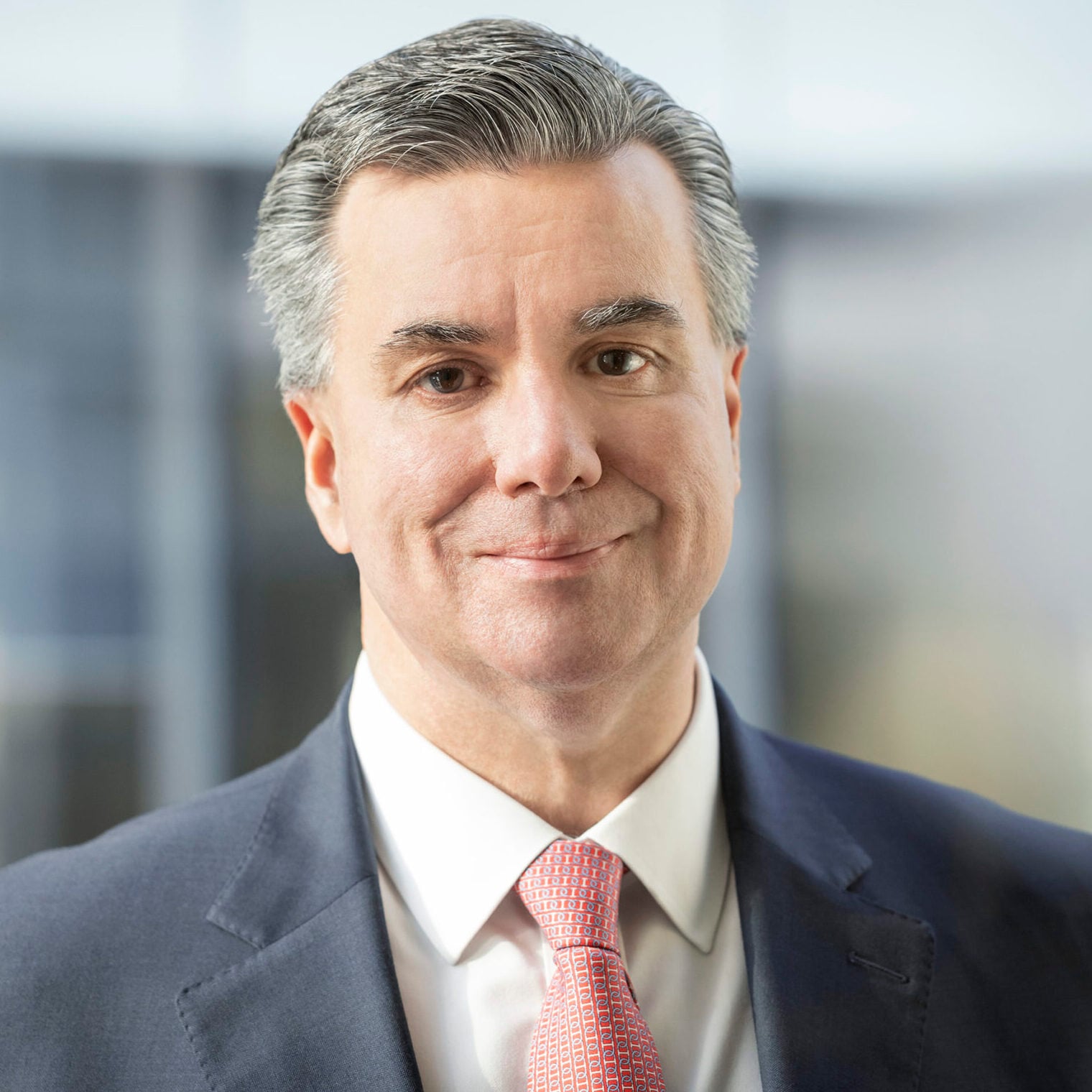
Legal head LSP Cluster (Chile, Peru & Ecuador) | GSK



Jean-Paul Azaro Silva
Legal head LSP Cluster (Chile, Peru & Ecuador) | GSK
What are the most significant cases, projects and/or transactions that you and/or your legal team have recently been involved in?
One of the most significant projects I have recently been involved in was providing legal support for the negotiation, drafting, and finalisation of a confidential project between commercial parties. This has been a highly challenging and rewarding experience, as it required not only strong legal knowledge but also the ability to work collaboratively with multidisciplinary teams and balance legal, regulatory, and commercial considerations in a fast-paced environment.
My role included reviewing different types of information from multiple legal perspectives, including, but not limited to, competition law, regulatory matters, corporate and financial issues, as well as identifying potential legal and commercial risks that could affect the successful implementation of the transaction. I was also responsible for drafting and negotiating key contractual provisions, coordinating with both internal and external stakeholders, and ensuring that all legal documentation accurately reflected the parties’ intentions while protecting GSK’s interests.
Throughout the project, I worked closely with colleagues from different business functions, including commercial, finance, compliance, and regulatory teams, as well as with external legal counsel. This collaboration required effective communication, careful project management, and the ability to explain complex legal concepts in a practical and business-oriented manner. One of the most valuable aspects of the project has been learning how to balance legal risk with commercial objectives and contribute to finding solutions that are both legally sound and commercially viable.
The project remains a work in progress, and we are now approaching what is arguably the most demanding and exciting stage: the closing of the transaction. This phase will require attention to detail, coordination across multiple workstreams, and the ability to manage tight deadlines while ensuring that all legal requirements are satisfied. I believe this final stage will allow me to further develop not only my technical legal expertise but also my negotiation, leadership, and interpersonal skills. Participating in this project has strengthened my confidence in handling complex cross-functional transactions and has reinforced my interest in working on sophisticated commercial matters with an international dimension.
Based on your experiences in the past year, are there any trends in the legal or business world that you are keeping an eye on that you think other in-house lawyers should be mindful of?
I think one of the most significant trends, although it may no longer be accurate to call it just a trend, is the rapid adoption of artificial intelligence across the legal profession. AI-powered tools are becoming increasingly sophisticated and accessible, and many lawyers are understandably eager to incorporate them into their daily work. However, I believe there is a risk that some professionals may rely on these tools as a substitute for their own legal knowledge, judgment, and analytical skills, rather than using them to enhance their work.
In my view, the greatest value of AI lies in its ability to improve efficiency by assisting with tasks such as legal research, document review, contract analysis, and drafting. Used appropriately, these technologies can free lawyers to focus on higher-value work that requires strategic thinking, sound judgment, and a deep understanding of the client’s business and objectives.
That said, lawyers should be mindful of the limitations of AI. These tools can make mistakes, generate inaccurate or incomplete information, and often lack the context necessary to assess legal risks or commercial implications. Ultimately, the responsibility for the quality and accuracy of legal advice remains with the lawyer.
As AI continues to evolve, I believe the legal profession should embrace these technologies while maintaining a critical and informed approach. The goal should not be to replace legal reasoning with technology, but to leverage technology in a way that strengthens professional expertise, ethical decision-making, and the value we deliver to our clients.
Legal head, LATAM South Pacific | GSK