Chile 2022
Supported by the Association of Corporate Counsel

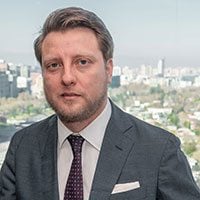

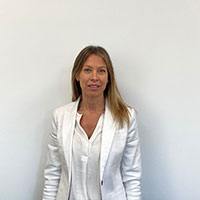
Legal manager North Latin America and Andean region | Electrolux
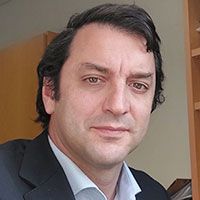
General counsel and corporate compliance officer | Sacyr Chile
Legal manager, data protection officer and human rights correspondant | L’Oréal Chile
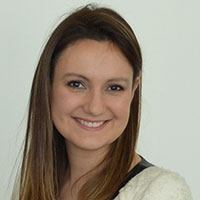
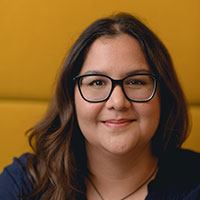
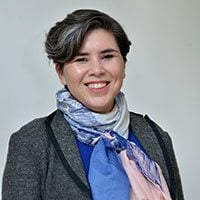
General counsel Chile and compliance officer Latam | ALSTOM


Vice president associate general counsel head of legal Latin America | Everest Compañía de Seguros Generales Chile
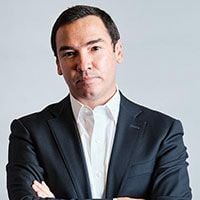
Chief legal, sustainability and corporate affairs officer | Softys
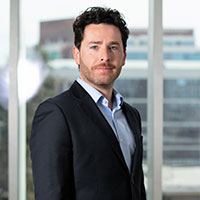
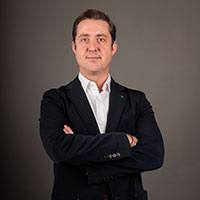
General counsel, corporate affairs and corporate secretary | Aclara Resources
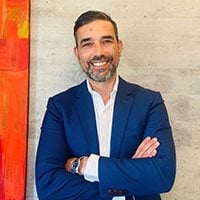
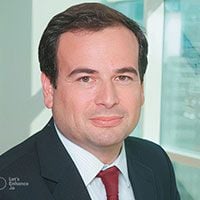
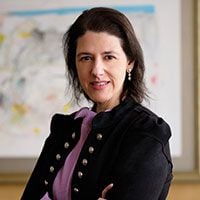
General counsel, chief compliance officer and corporate secretary | Grupo Automotores Gildemeister
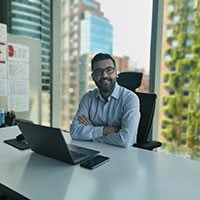
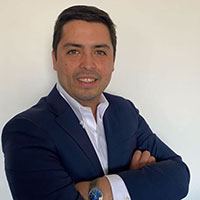
Legal manager – compliance and ethics | The Adecco Group
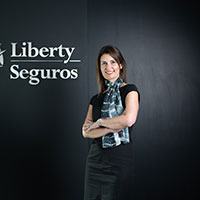
Vice president of legal and compliance in Andes | Liberty Mutual Insurance
General counsel for Latin America and Caribbean, and regional director risk management LAC | WSP
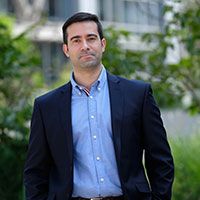
Director of legal affairs | Empresa de Correos de Chile
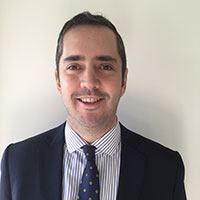
General counsel | Echeverría Izquierdo Montajes Industriales

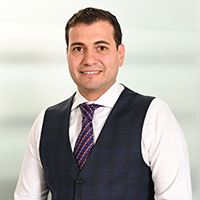
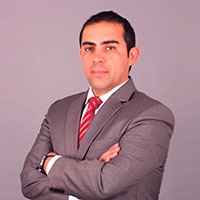
Legal and compliance manager | Grupo Bureau Veritas Chile
Human resources director | G4S Security Services Chile
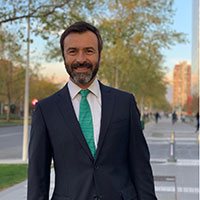
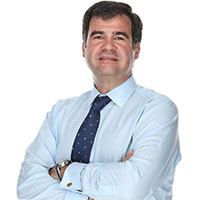


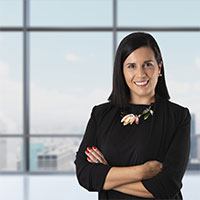
Company secretary and general counsel | Coordinador Eléctrico Nacional
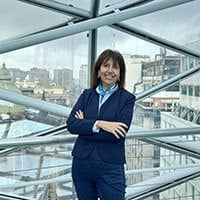


Legal and administration director | Minera Freeport McMoRan South America Limitada
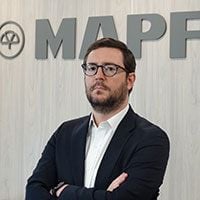
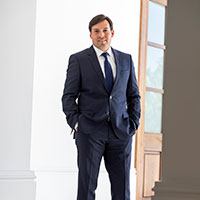
Vice president legal, regulatory and coporate affairs | VTR Comunicaciones
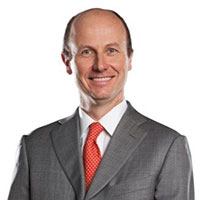
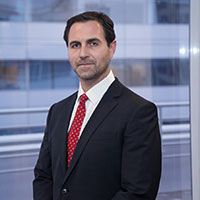
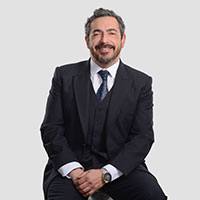
Legal manager – fiscal | Fábricas y Maestranzas del Ejército
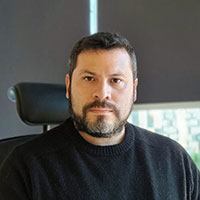

Head of legal, compliance and ethics officer | EDF Renewables Chile
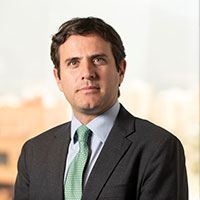
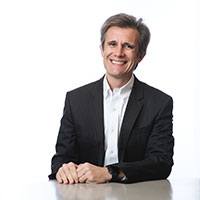
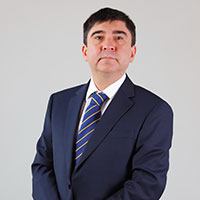
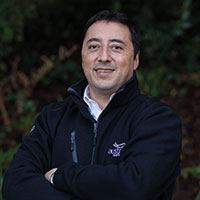
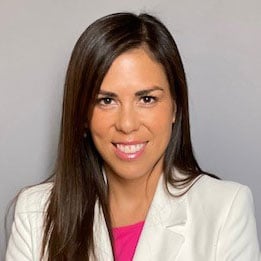
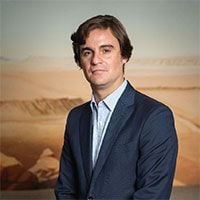
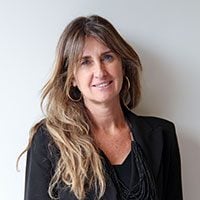
Corporate legal manager | Empresa Nacional del Petróleo
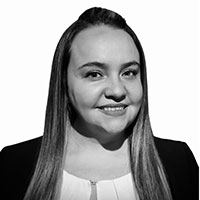
Senior corporate and real estate lawyer | Gibraltar Group
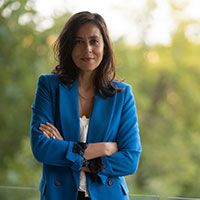
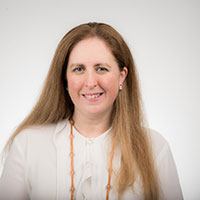
Vice president, corporate affairs and sustainability | WOM Chile
General counsel and secretary of the board | ENEL Chile and Enel Americas
Head of legal and compliance Chile, Perú and Ecuador | Boehringer Ingelheim
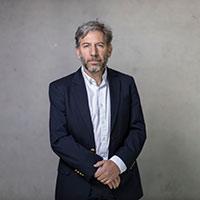
In-house lawyer, fiscal | Sociedad Concesionaria Vespucio Norte Express
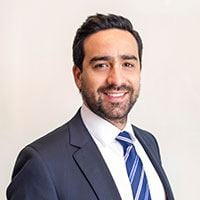
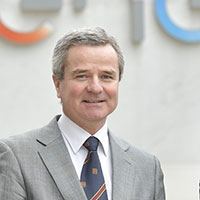
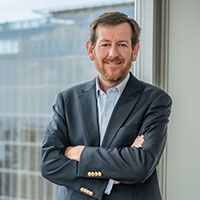
Associate general counsel and head of Latin America legal organisation | TATA Consultancy Services
The Legal 500 has been analysing the capabilities of law firms around the world for 35 years. Over the course of the last decade, we have expanded our legal analysis to include corporate counsel–again on a global scale–as reflected in our GC Powerlist series, which identifies the leading corporate counsel in more than 150 jurisdictions.
As lead researcher for The Legal 500’s Chile GC Powerlist 2022, it is my pleasure to introduce this extensive edition of the GC Powerlist series. Rarely have we conducted so many interviews with the leading in-house legal minds of a country while investigating; it was a privilege to be able to speak with the lawyers contained within these pages about opportunities and challenges they face now and in the future. Some examples of these enervating discussions are below.
In common with their contemporaries around the world, Chile-based GCs have endured a highly uncertain past two years. As Alberto Vergara, director of litigation at Scotiabank Chile reflects, ‘the Covid-19 pandemic made the changes and challenges that we were already facing even more dramatic, urgent, and exponential. Legal counsel, especially in-house ones, had to adopt overnight ways of working that we previously would have considered counterintuitive’. He views the agility that he and his in-house legal colleagues showed in adapting to the pandemic’s new requirements in order to continue effectively serving their organisations as a point of pride: ‘We as legal counsel were crucial in order to provide the legal advice required to adapt to the new circumstances, putting aside our established wisdom and old ways of working. We should be proud of the outcome.’
Anastassia Fagetti Arenas, legal manager, data protection officer and human rights correspondent for L’Oreal Chile summed up the huge value that top-quality in-house counsel can give to an organisation, with a fitting tribute to her contemporaries: ‘With our ability to anticipate changes in an increasingly volatile, complex, uncertain and ambiguous world, having a position in legal matters allows us to evaluate the most suitable solutions proactively and take a more active role in the face of different changes or challenges. This ability to accelerate our legal vision allows us to protect the organisation’s reputation and ourselves against possible impacts on the company, our stakeholders, and shareholders.’
I am extremely pleased to present this list of the most successful, agile and innovative in-house lawyers in Chile.
Yoonsong Choi | Lead Research Analyst | GC Powerlist Chile 2022

The Legal 500 has kindly invited Carey to host the fourth edition of the GC Powerlist Chile, which recognises the most influential and innovative general counsel of Chile. In order to identify the top general counsel in the country, The Legal 500 conducted independent research, which includes in-depth consultations with important members of the Chilean legal community, with a particular emphasis on those general counsel that promote effective team collaboration.
Carey warmly congratulates those who have been recognised, including those with whom we have shared professional experiences that have enabled us to appreciate first hand their leadership and effectiveness.
Although Chile is experiencing tumultuous times, including the drafting of a new constitution which will be approved or rejected through a referendum in September, the legal community in Chile widely believes that our democratic traditions, our solid institutions, a general absence of corruption and a respect for the rule of law will ultimately allow our country to continue prospering and maintain its position as one of the leading nations in Latin America.
Carey reiterates its belief that the general counsel recognised by The Legal 500 have played, and will continue to play, an important role in maintaining Chile’s high ethical and political standards. We view them as legal lighthouses which guide the corporations they serve, preventing them from making decisions that might lead them to dangerous waters. As Chile’s largest law firm, Carey, of course, shares this task.
We also share many of the same values and beliefs with this group of prestigious general counsels. Building a strong and positive culture in a law firm is not an easy task and requires continual work and reflection. We at Carey appreciate the leadership and inspiration that the lawyers recognised by The Legal 500 this year provide to the entire legal community.
Thank you to The Legal 500 for this invitation and, once again, congratulations to the general counsel selected for their outstanding work.
Jorge Carey | Chairman | Carey
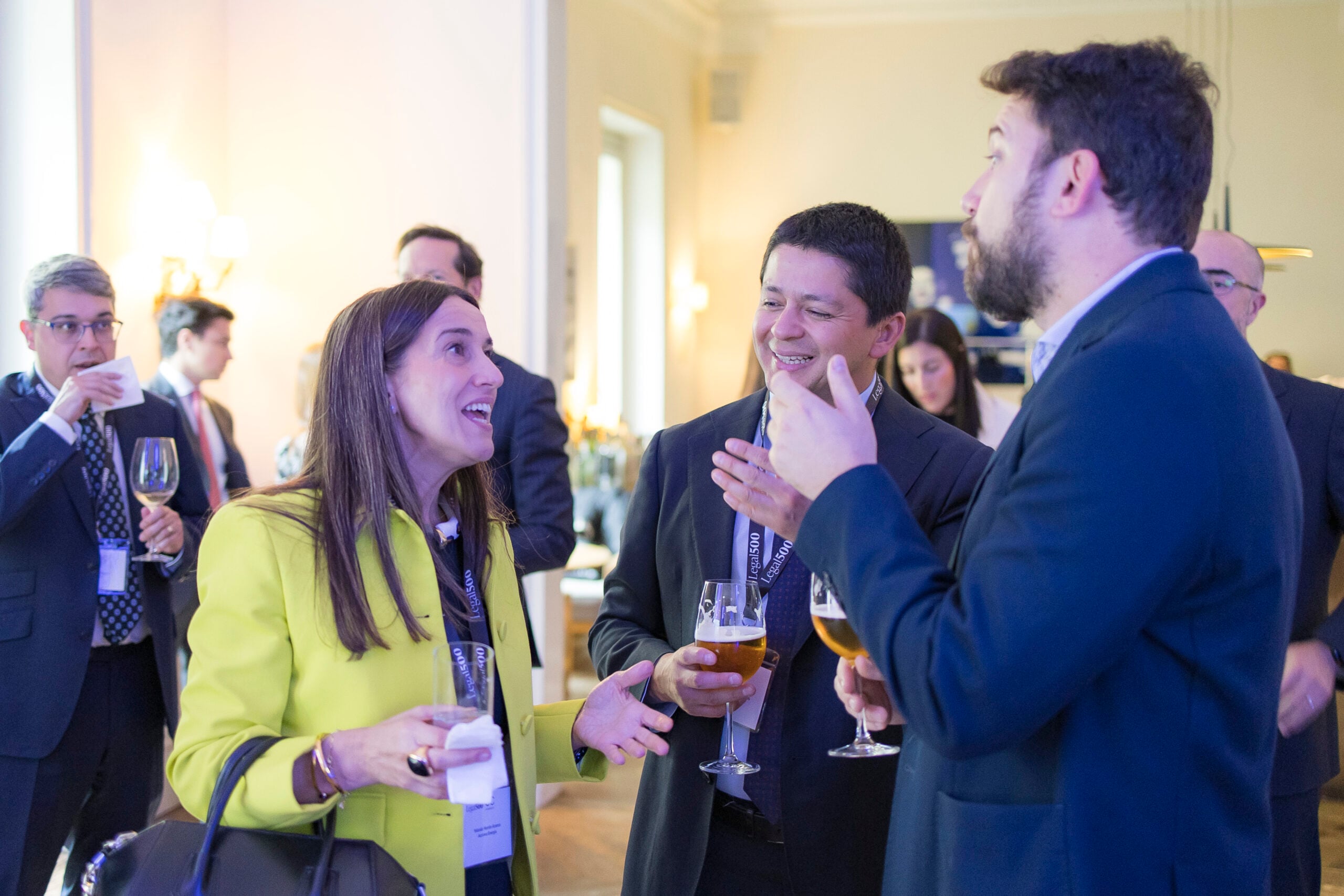
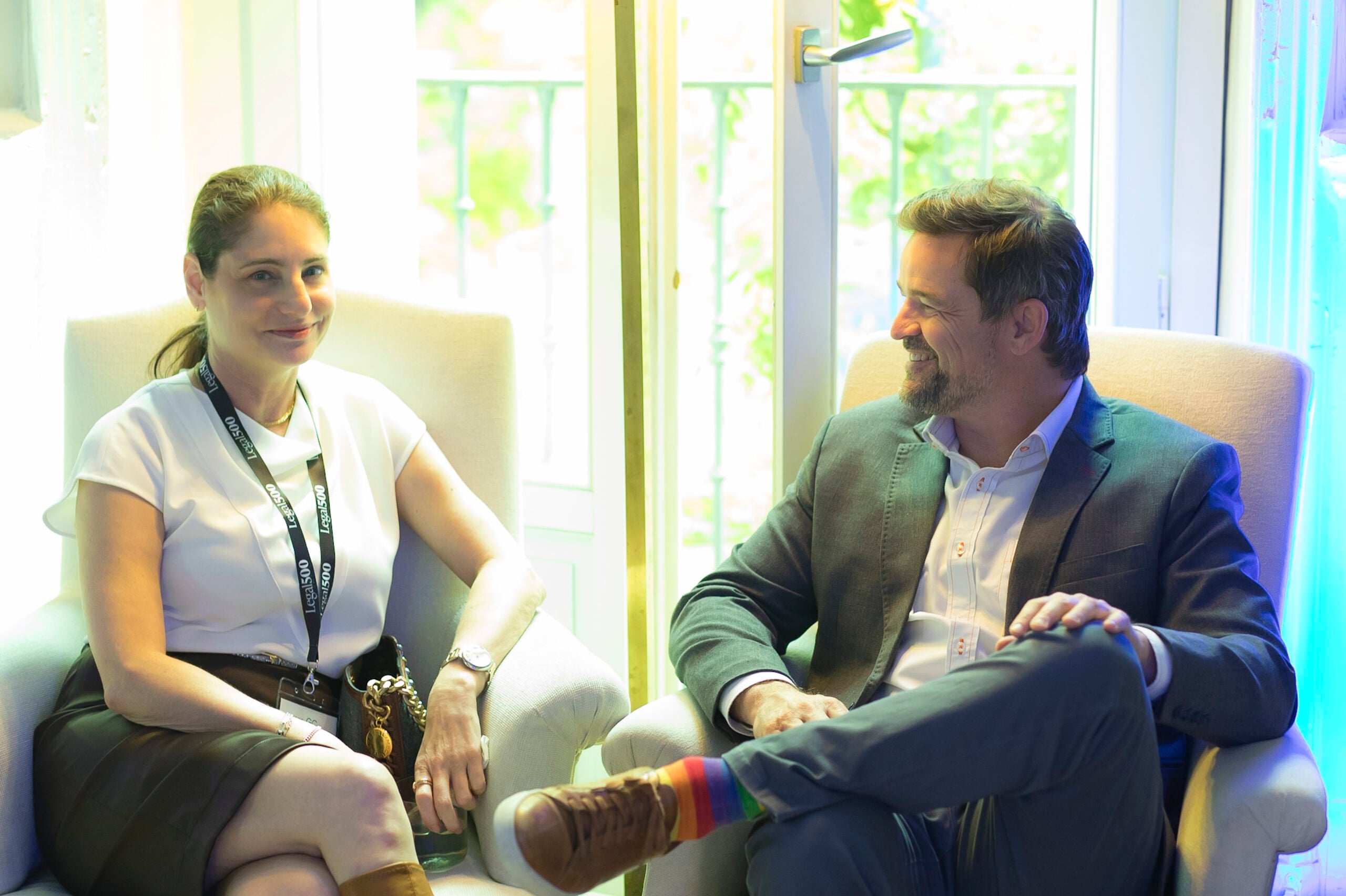
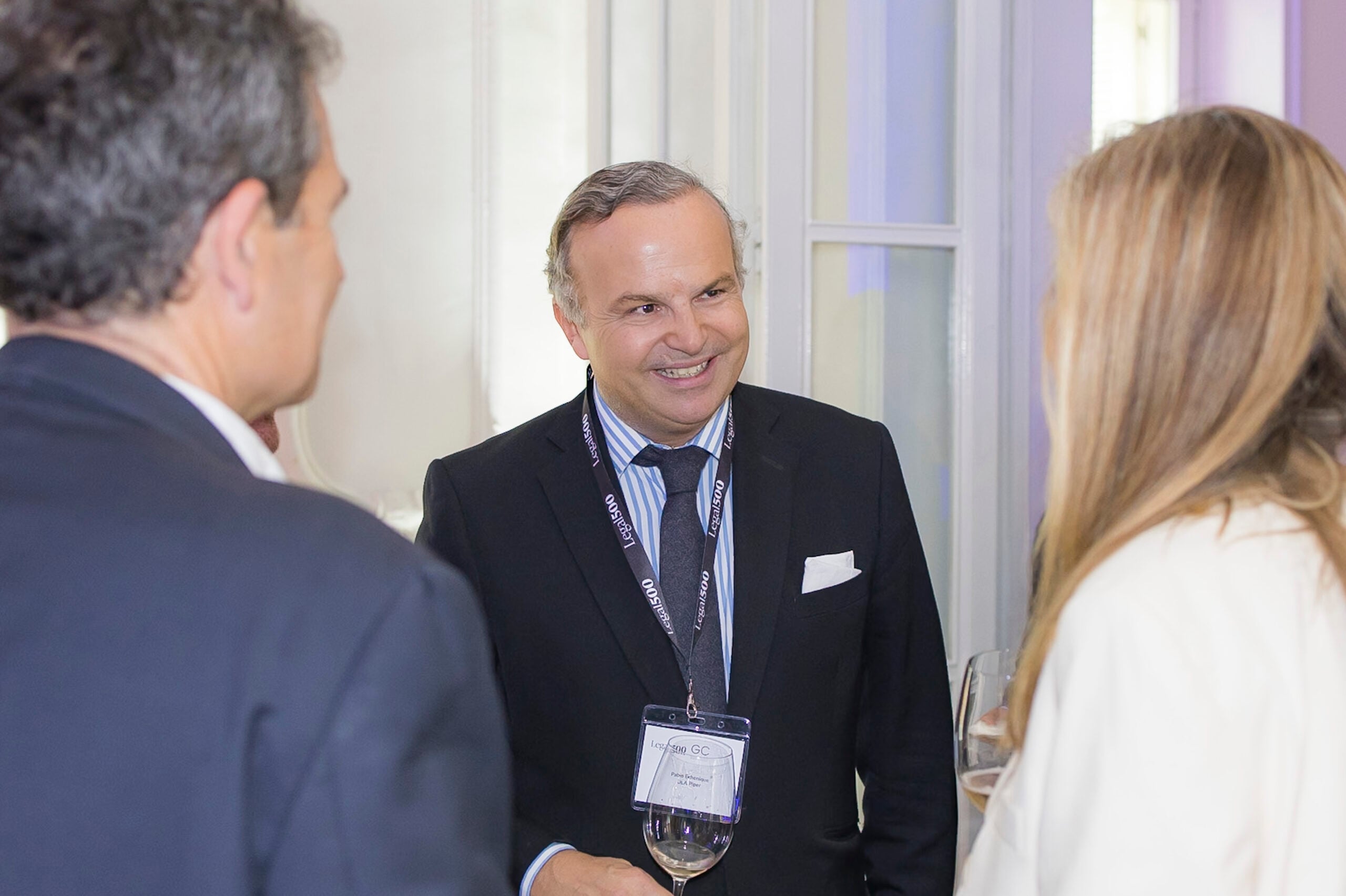
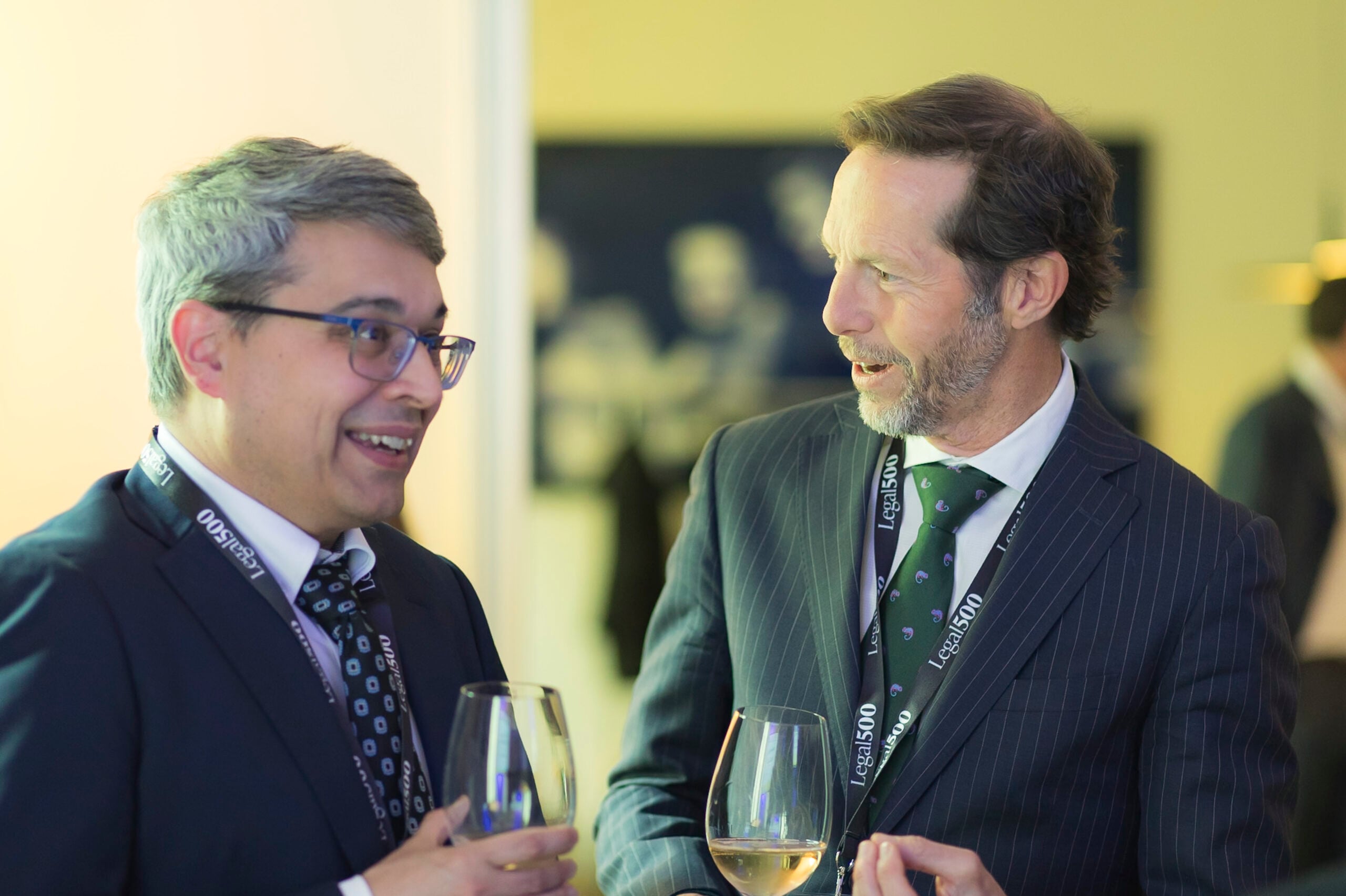
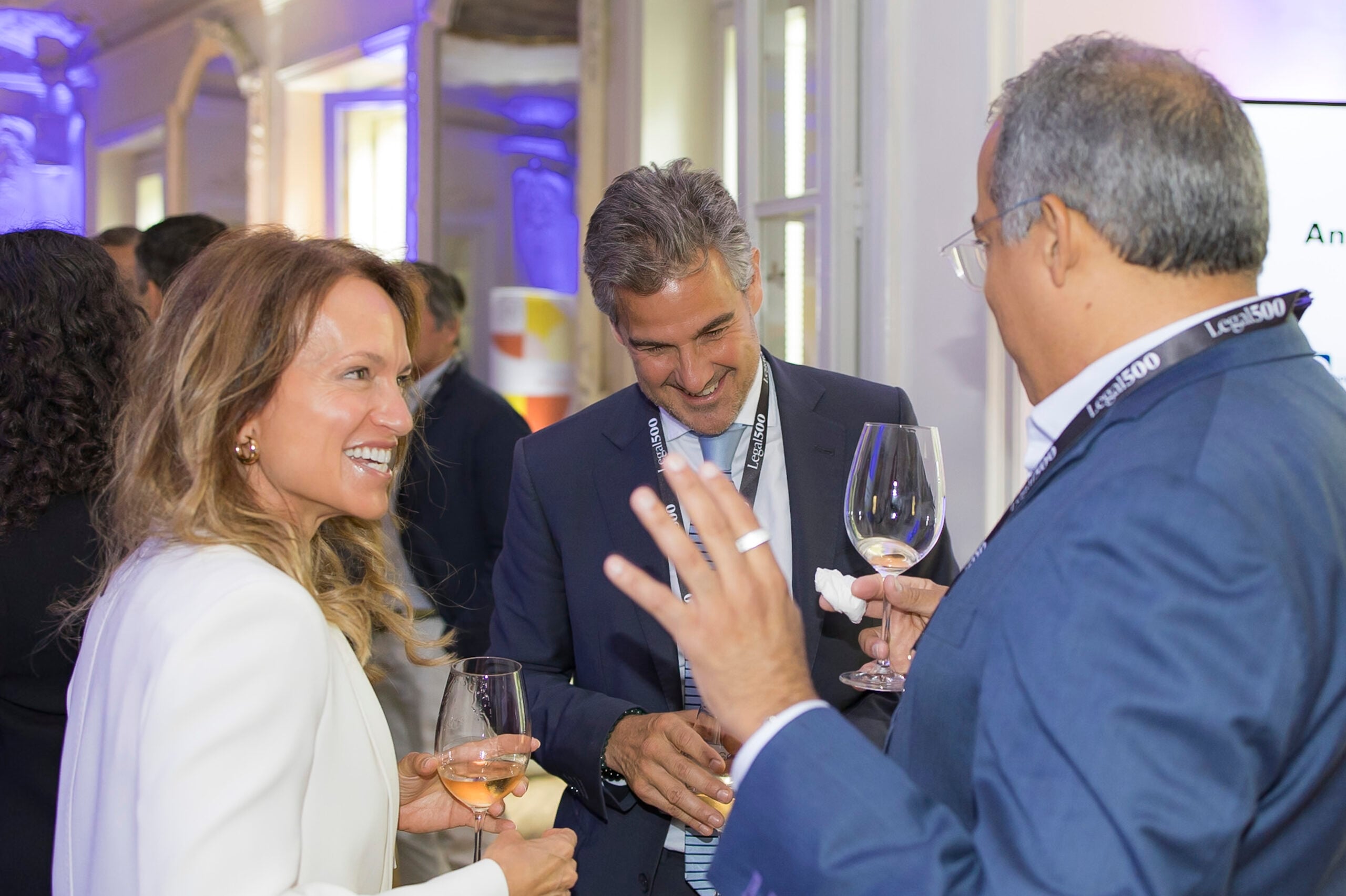
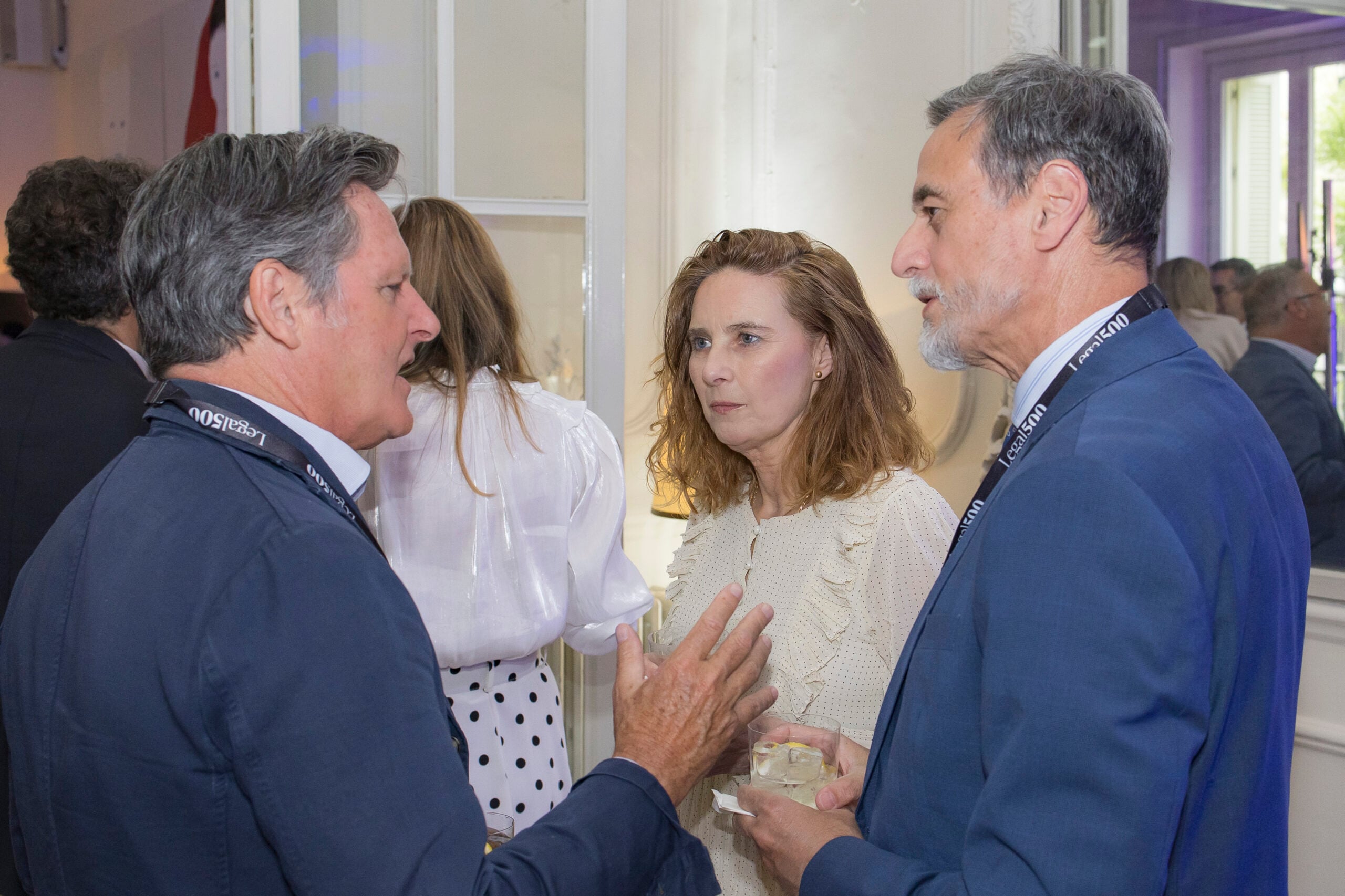
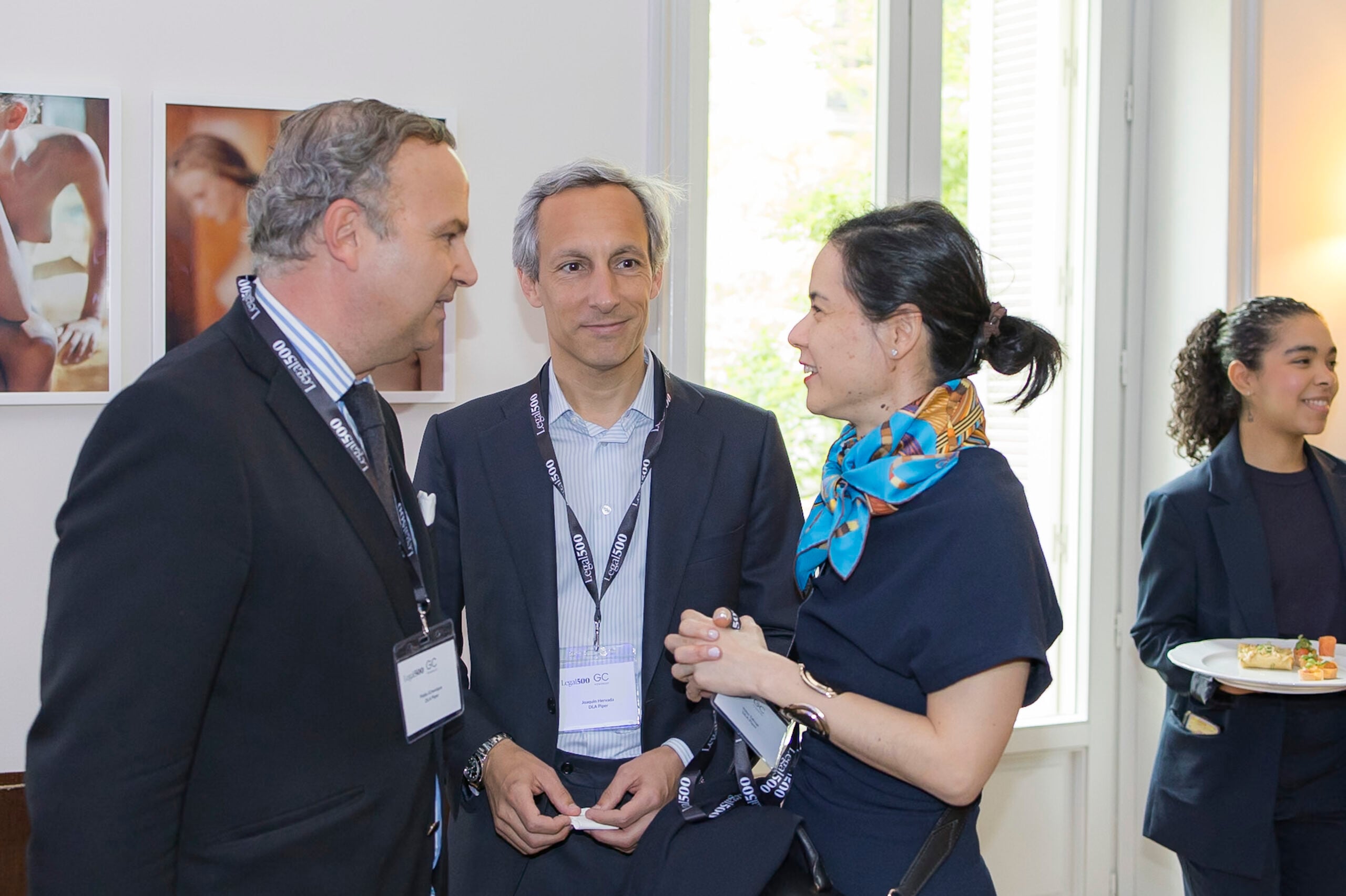
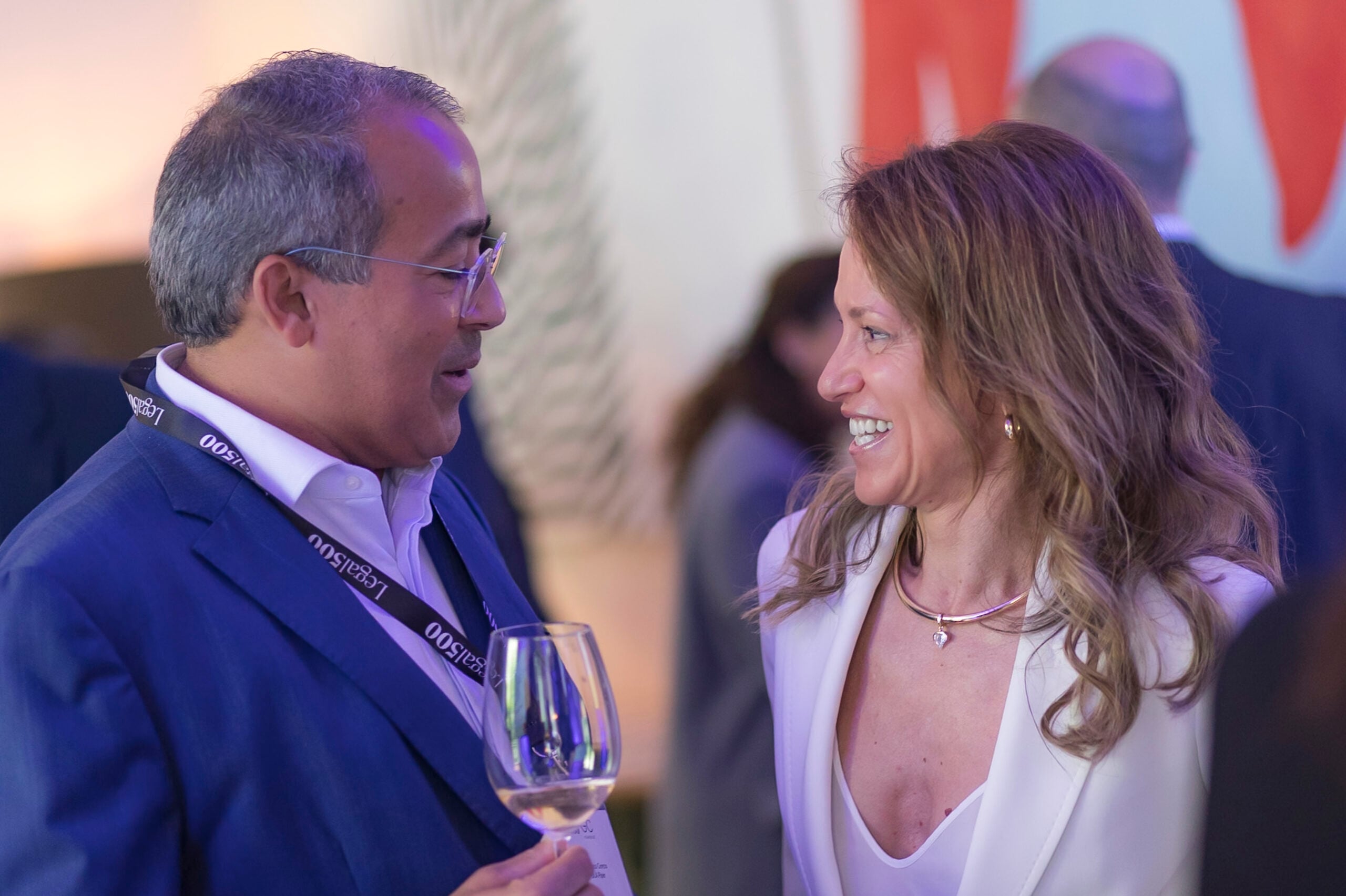
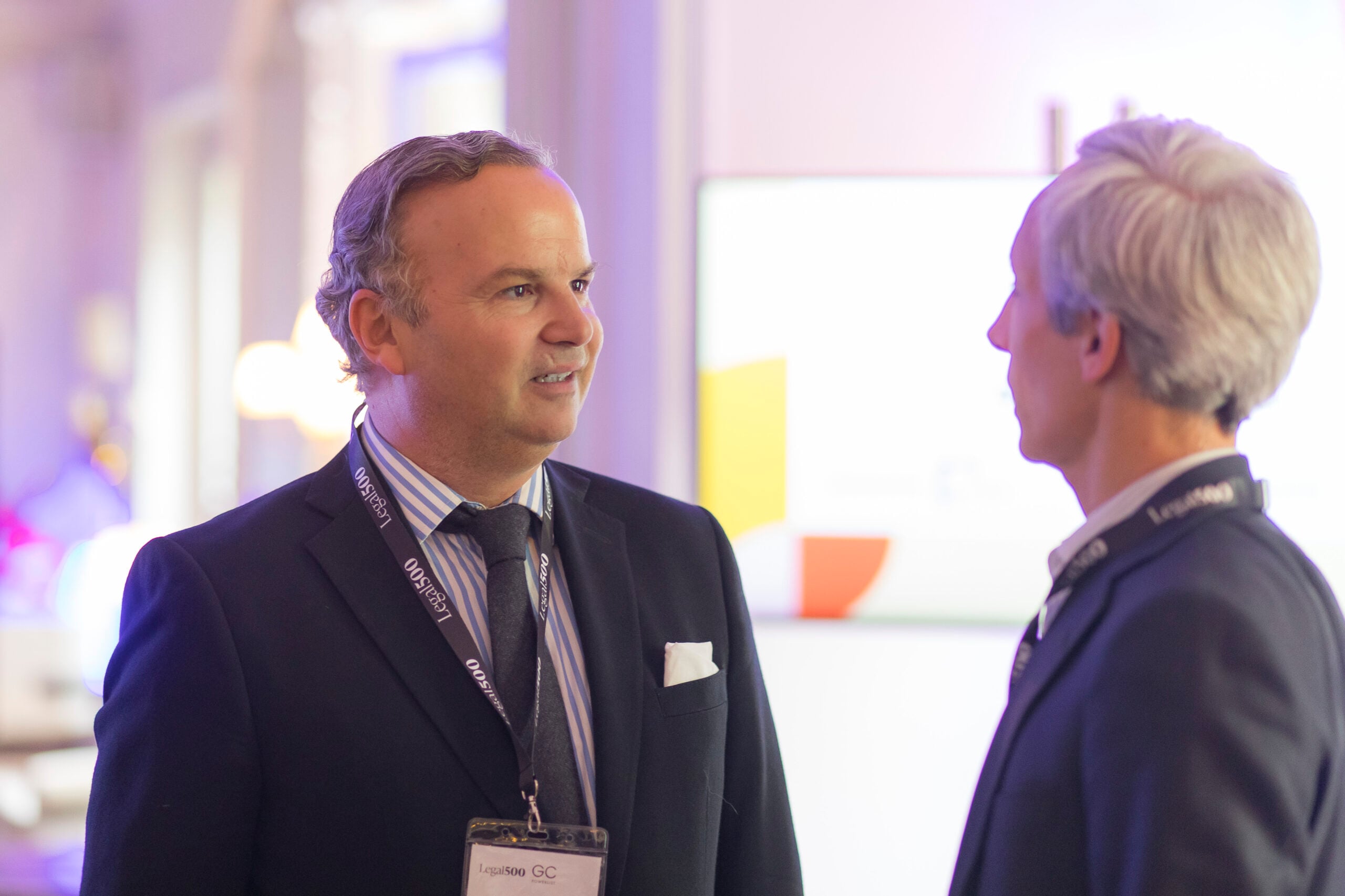
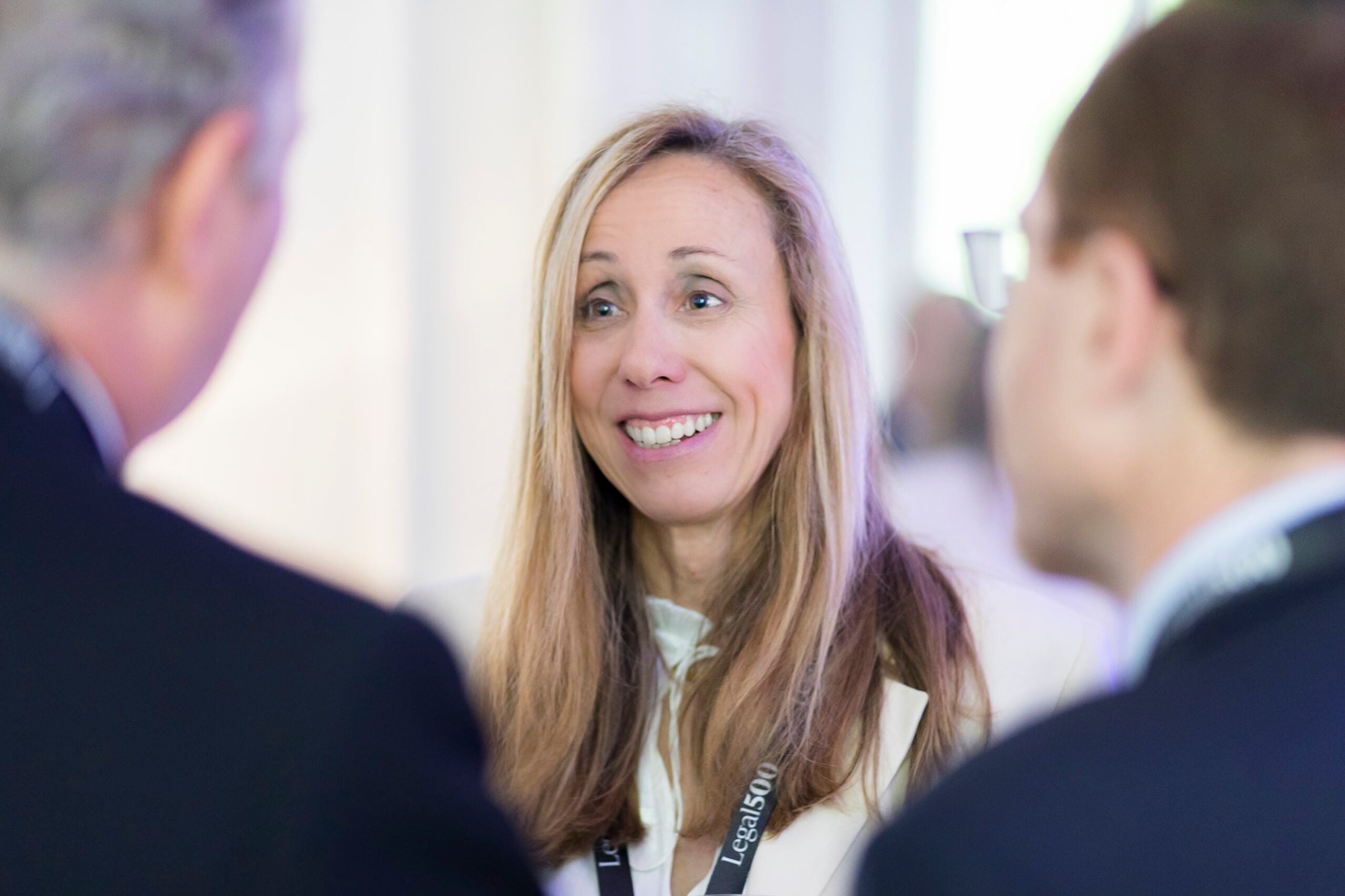
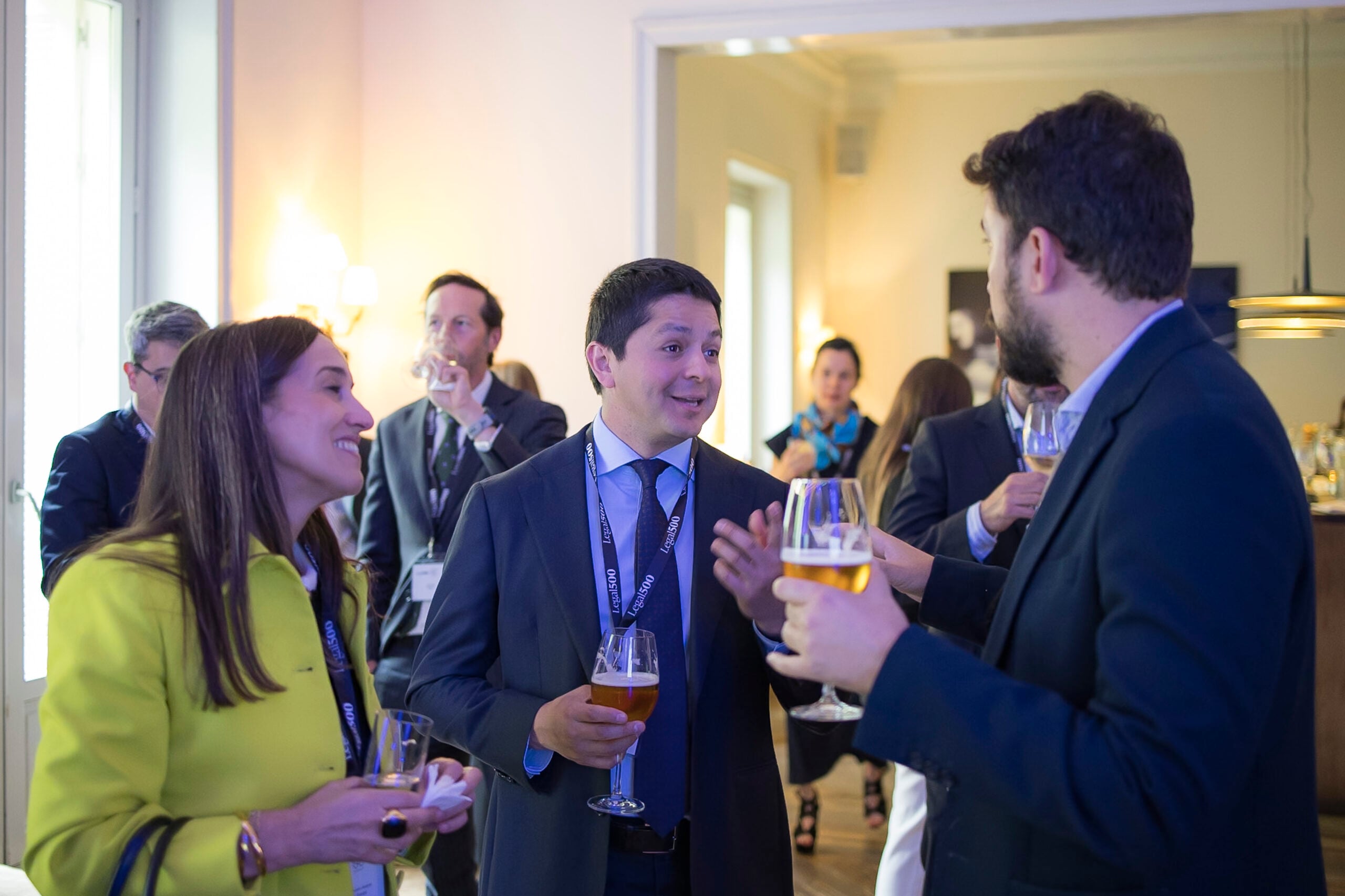
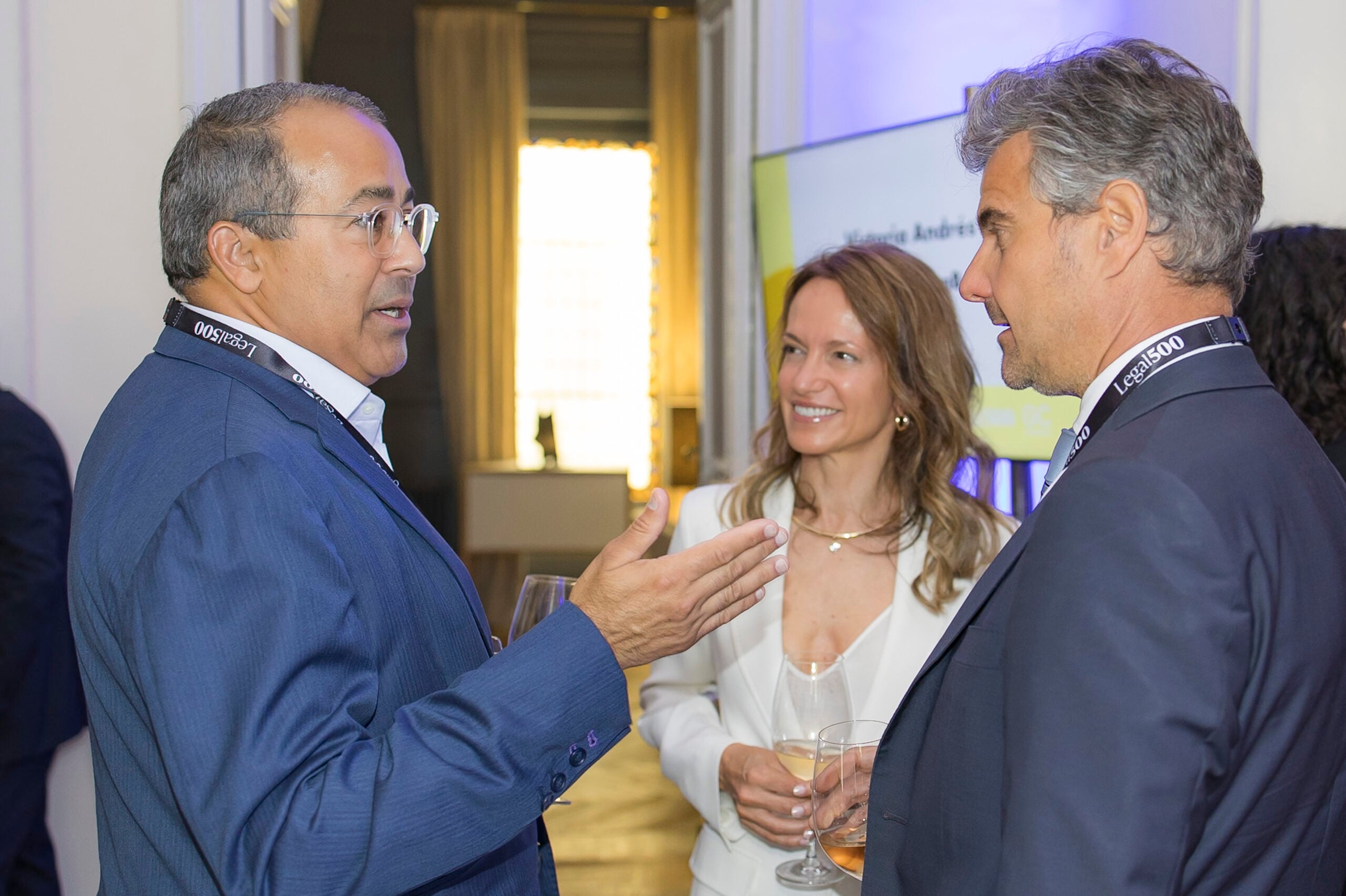
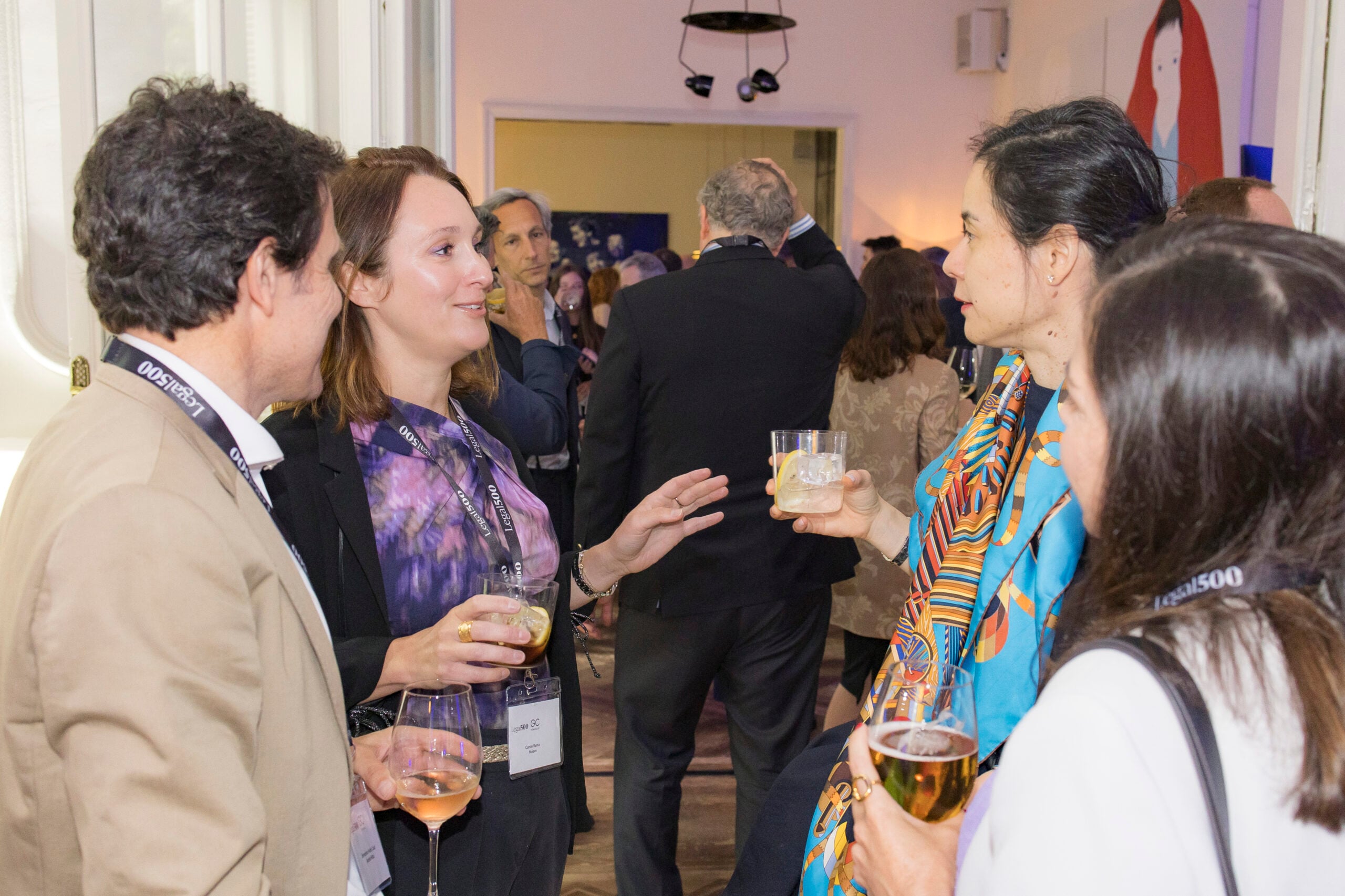
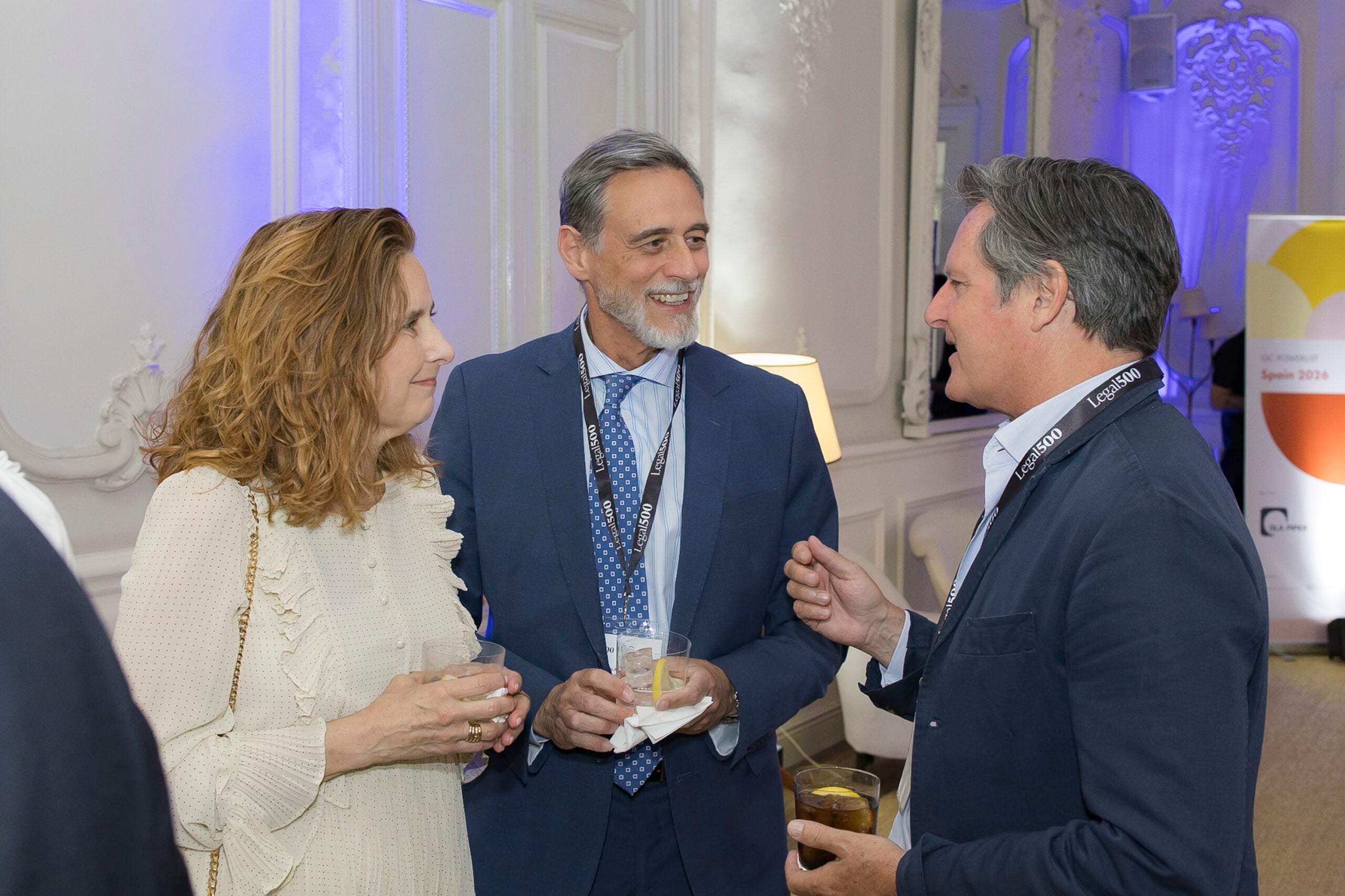
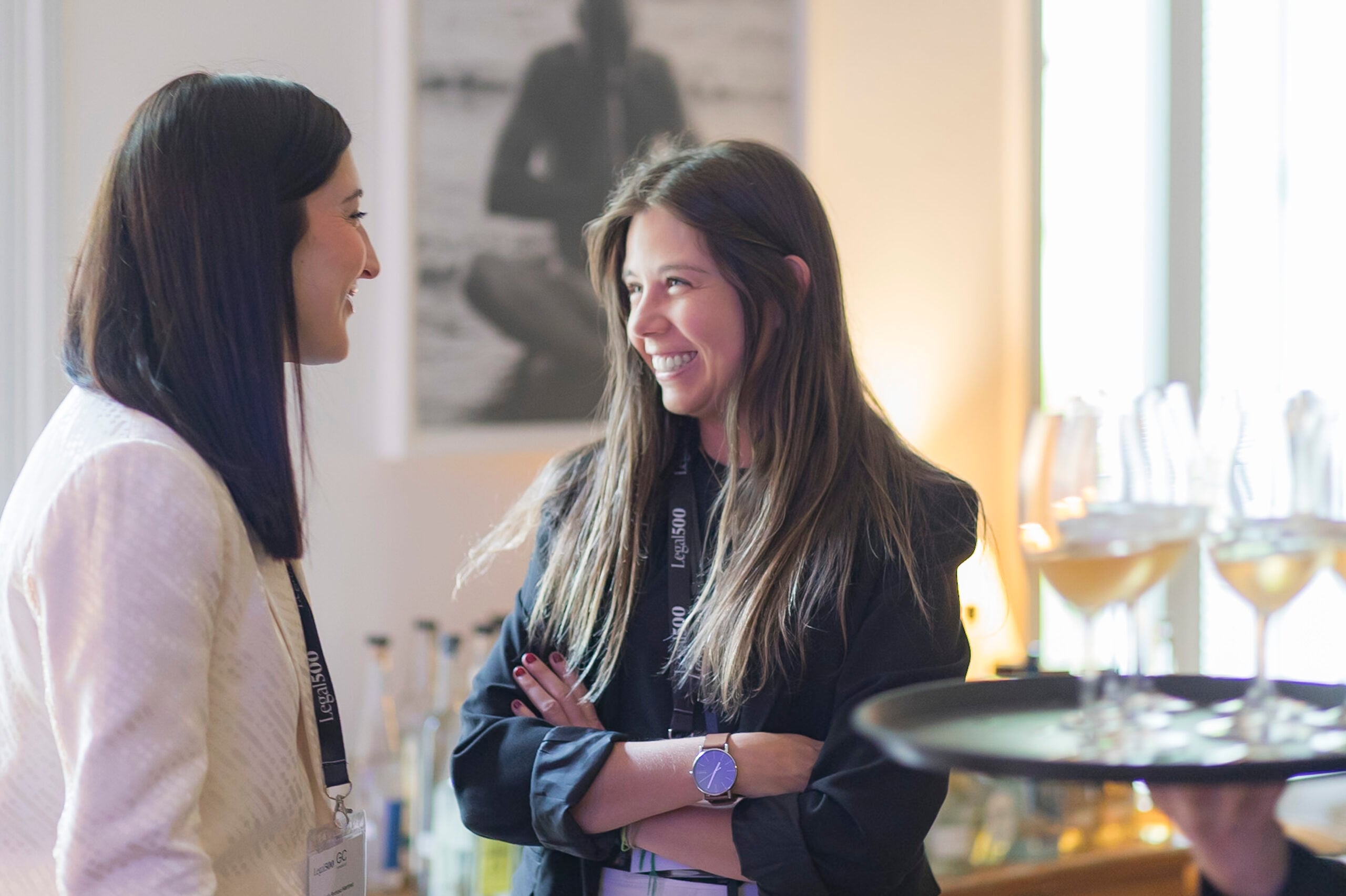
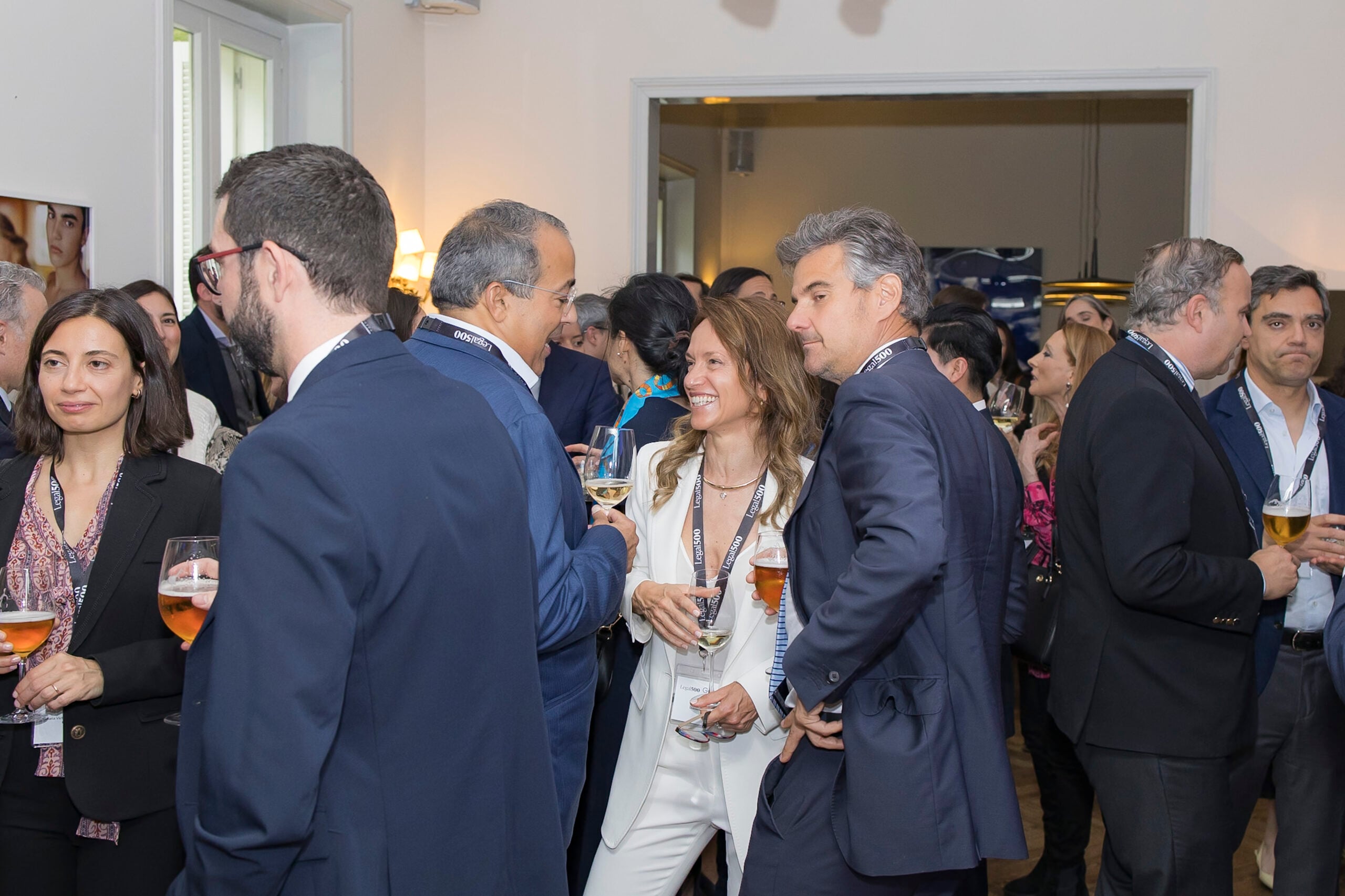
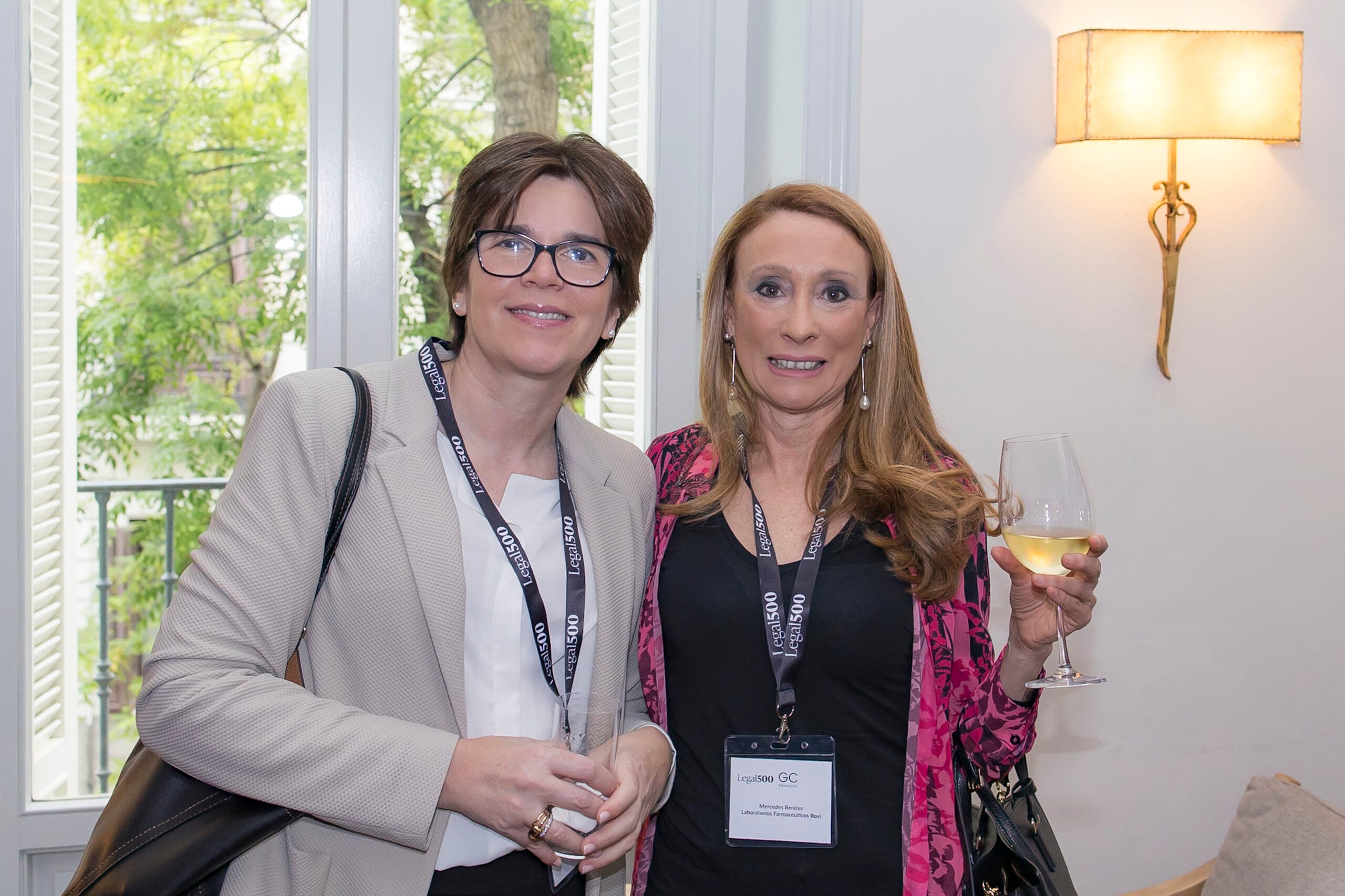
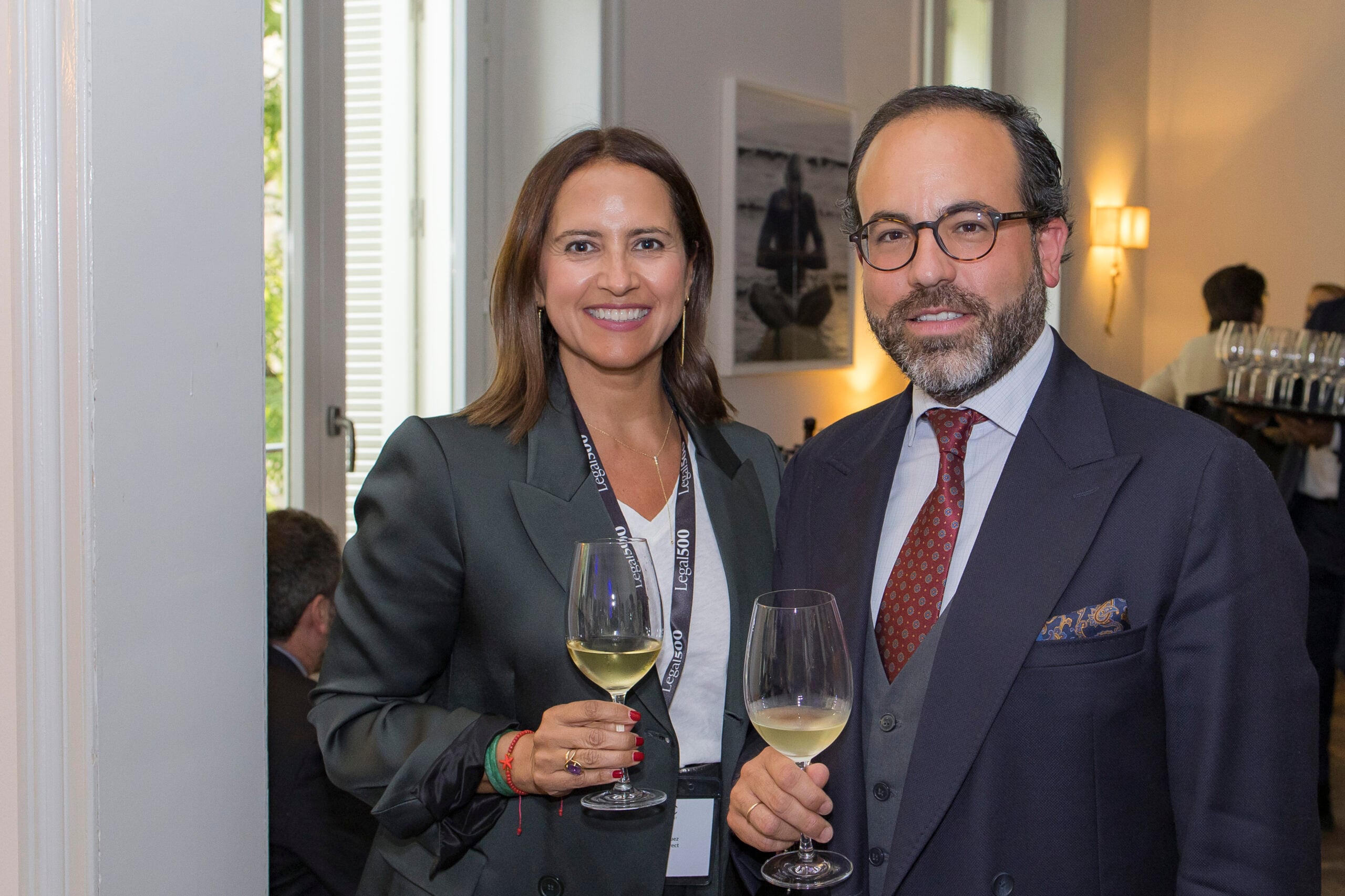
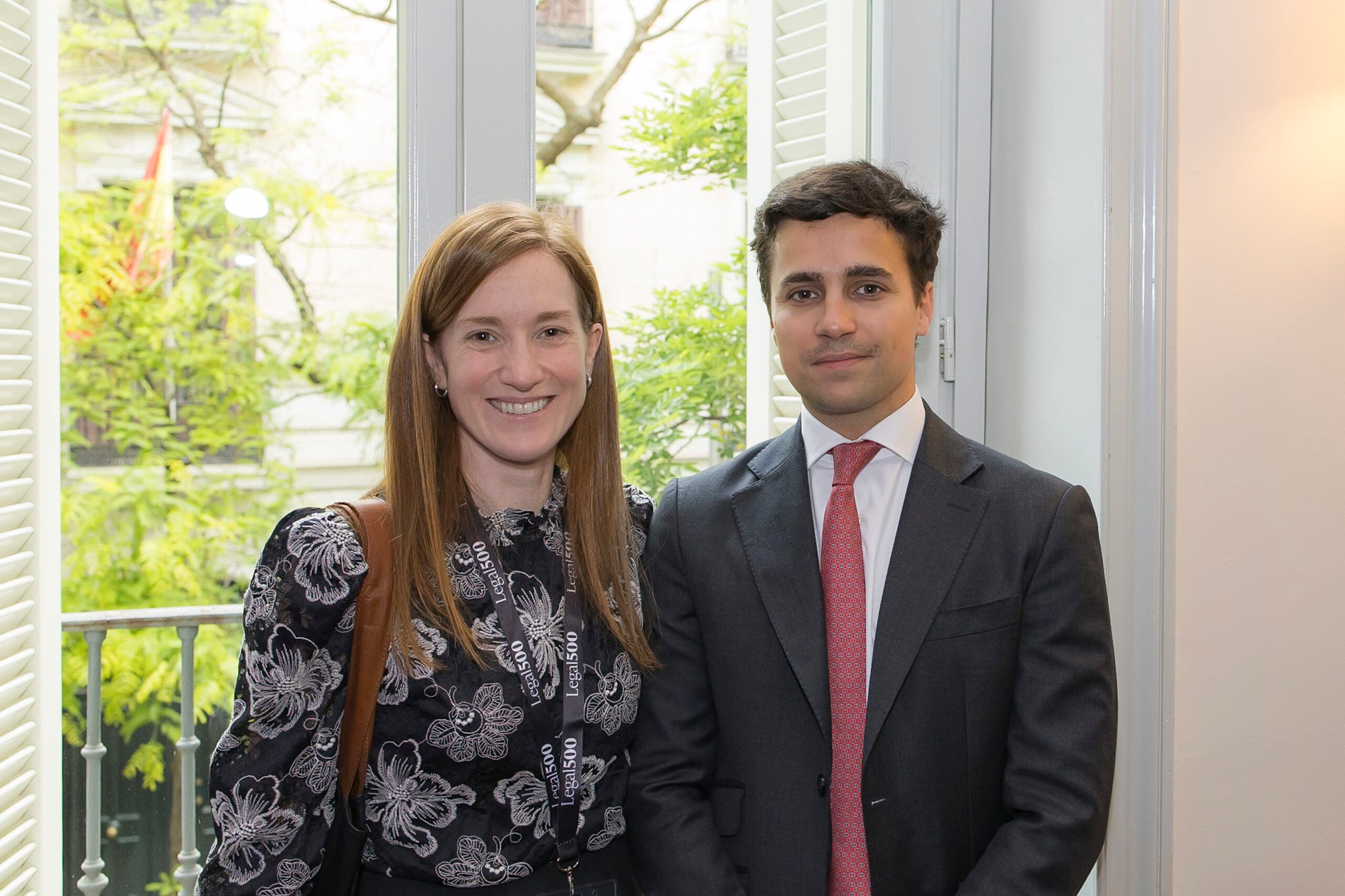
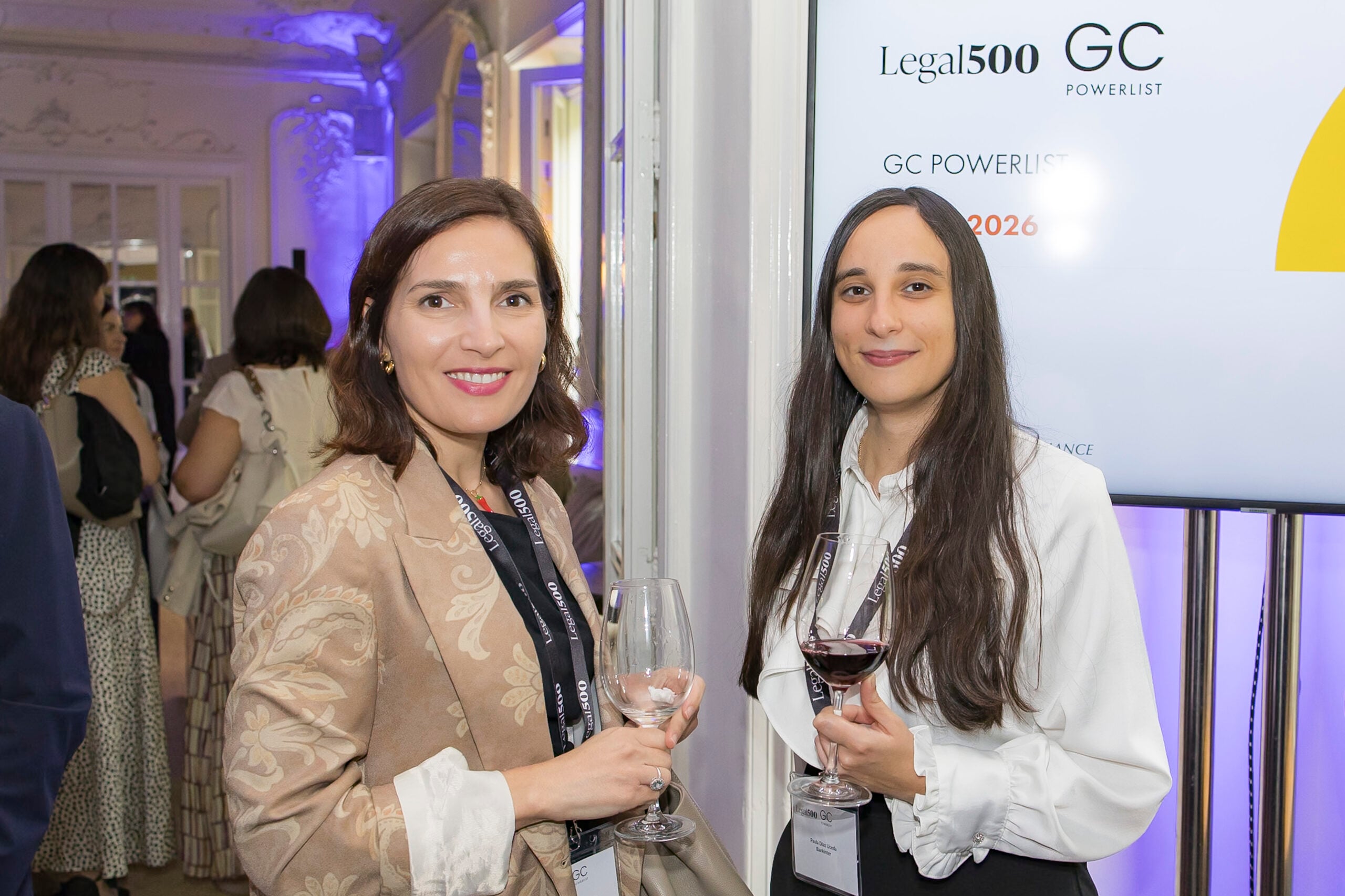
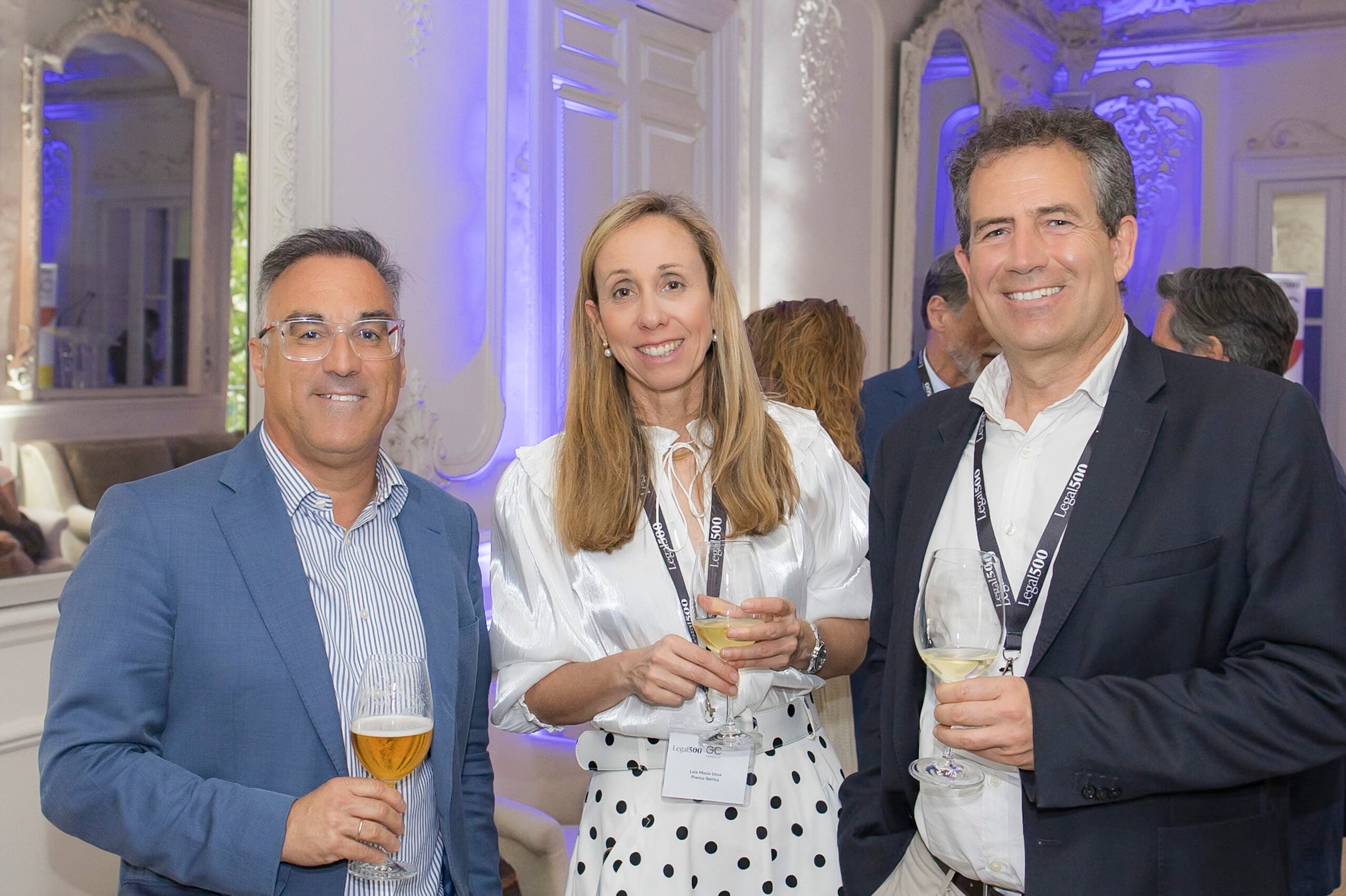
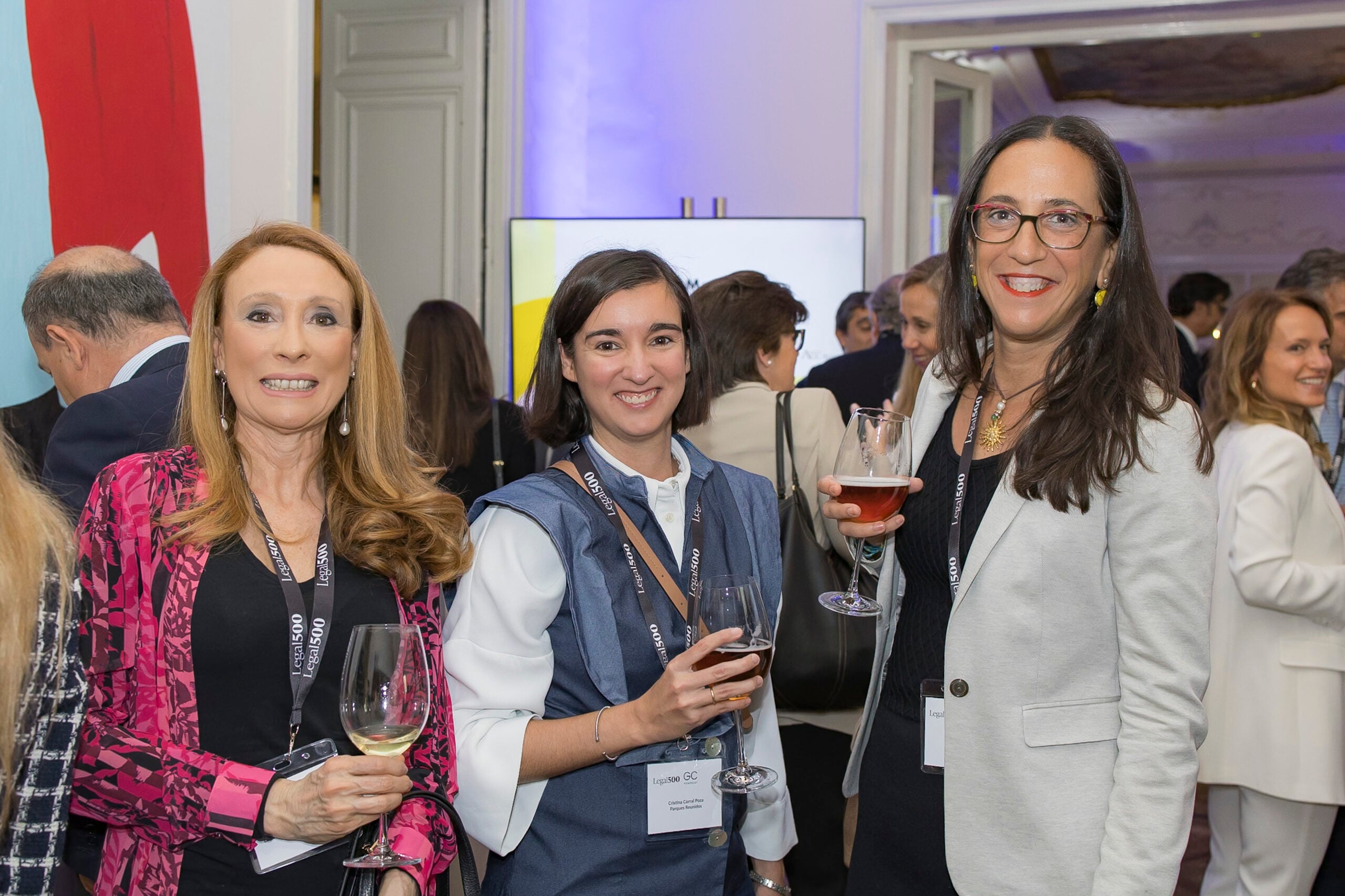
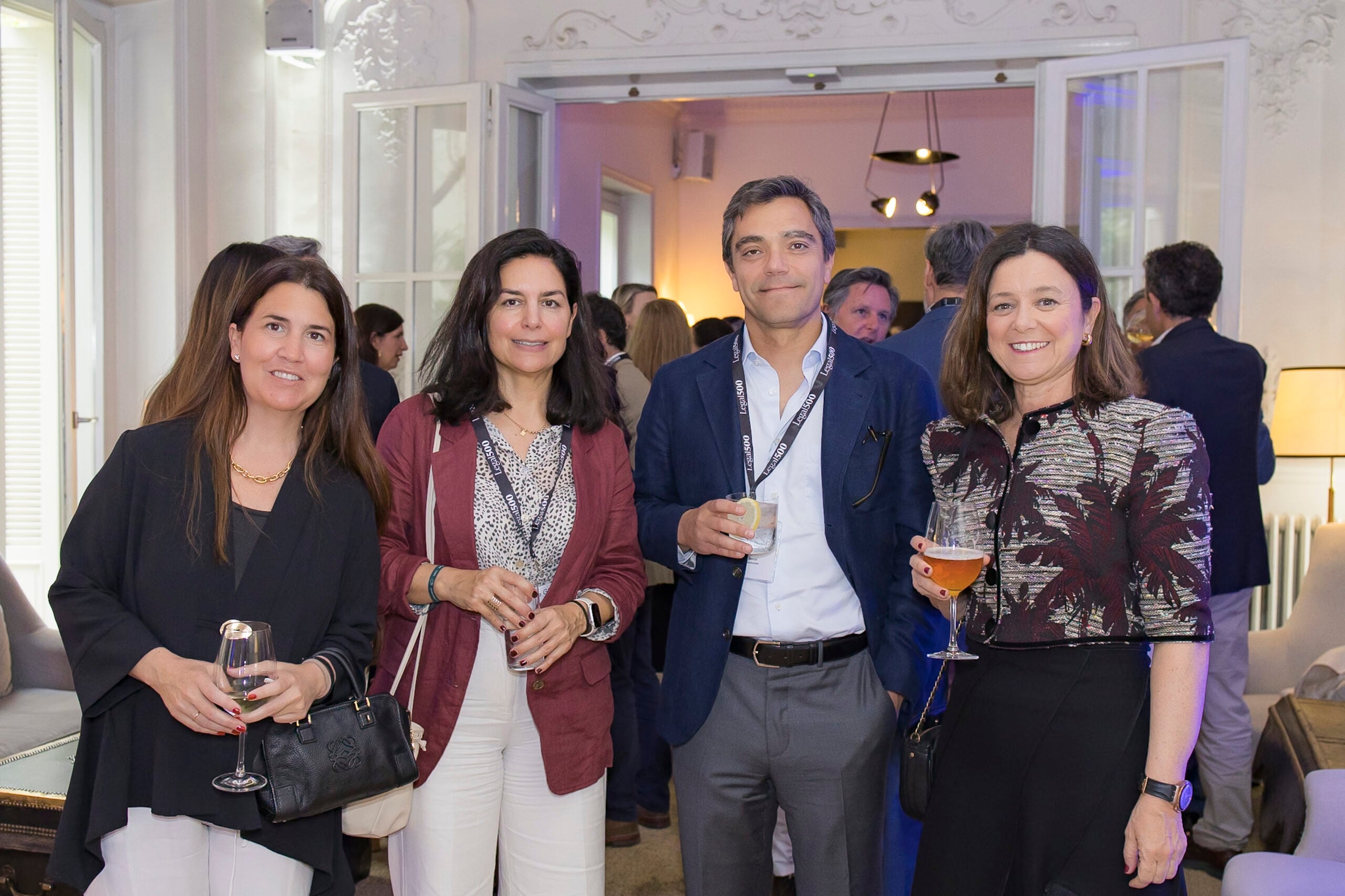
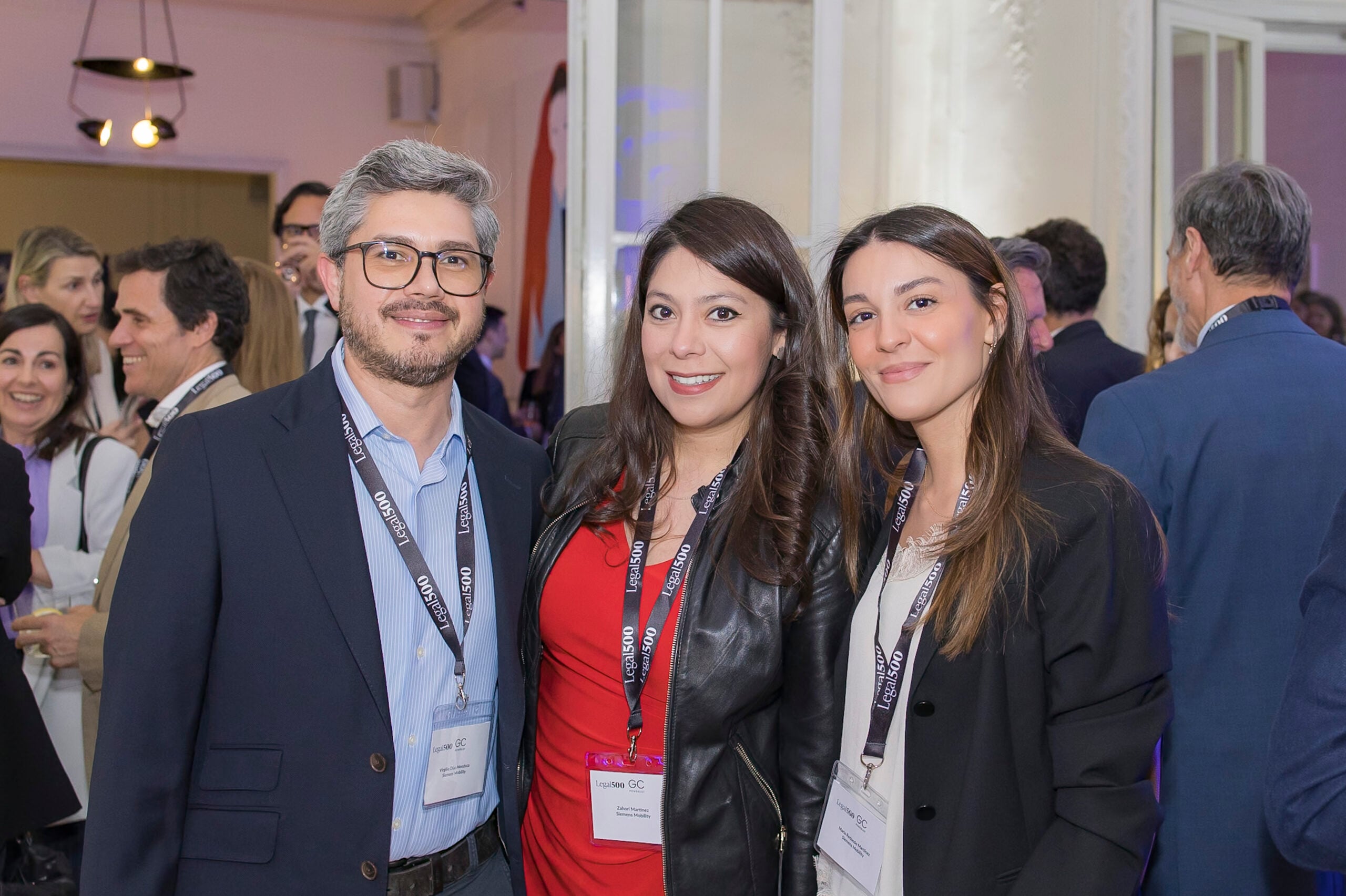
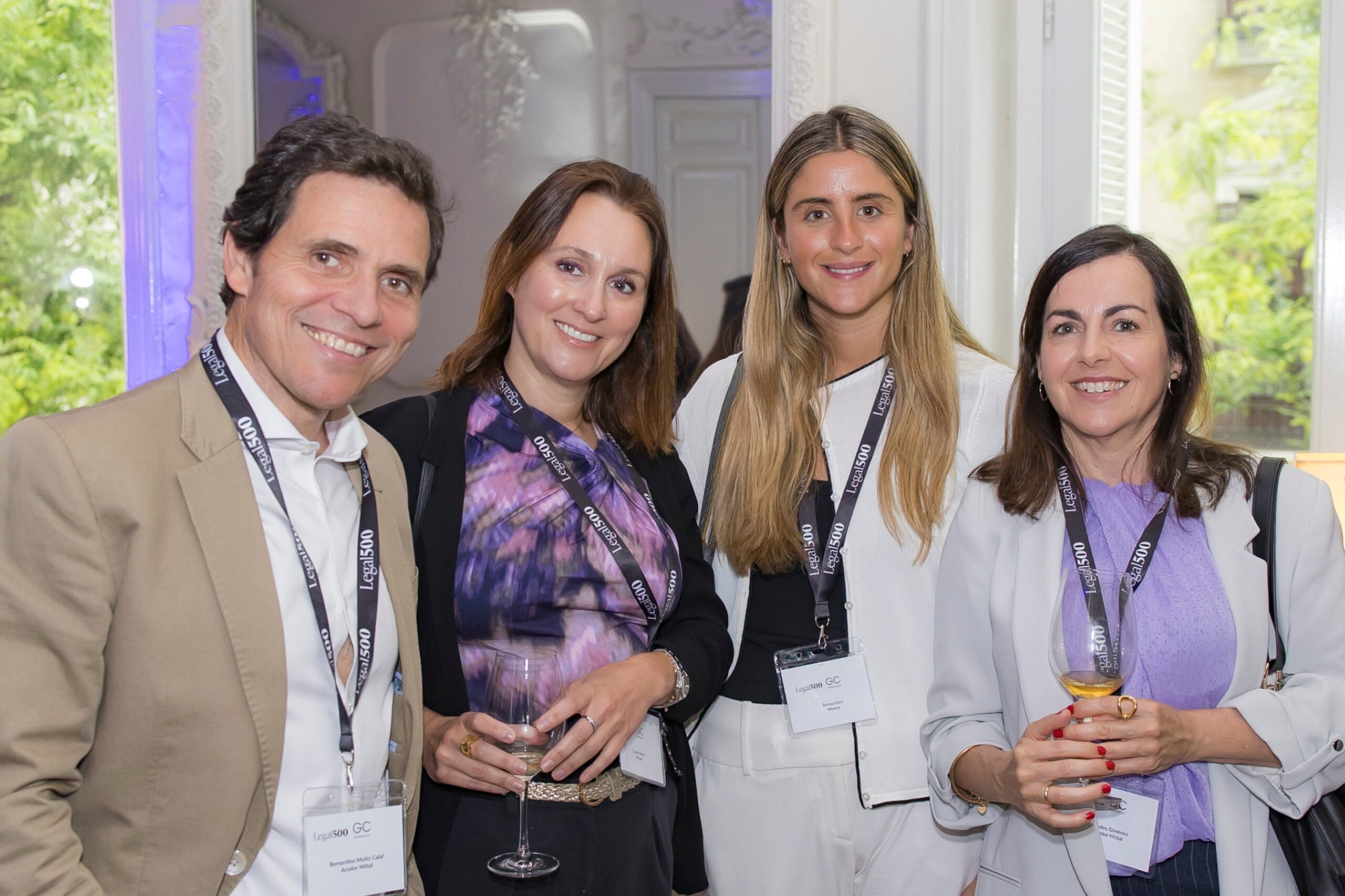
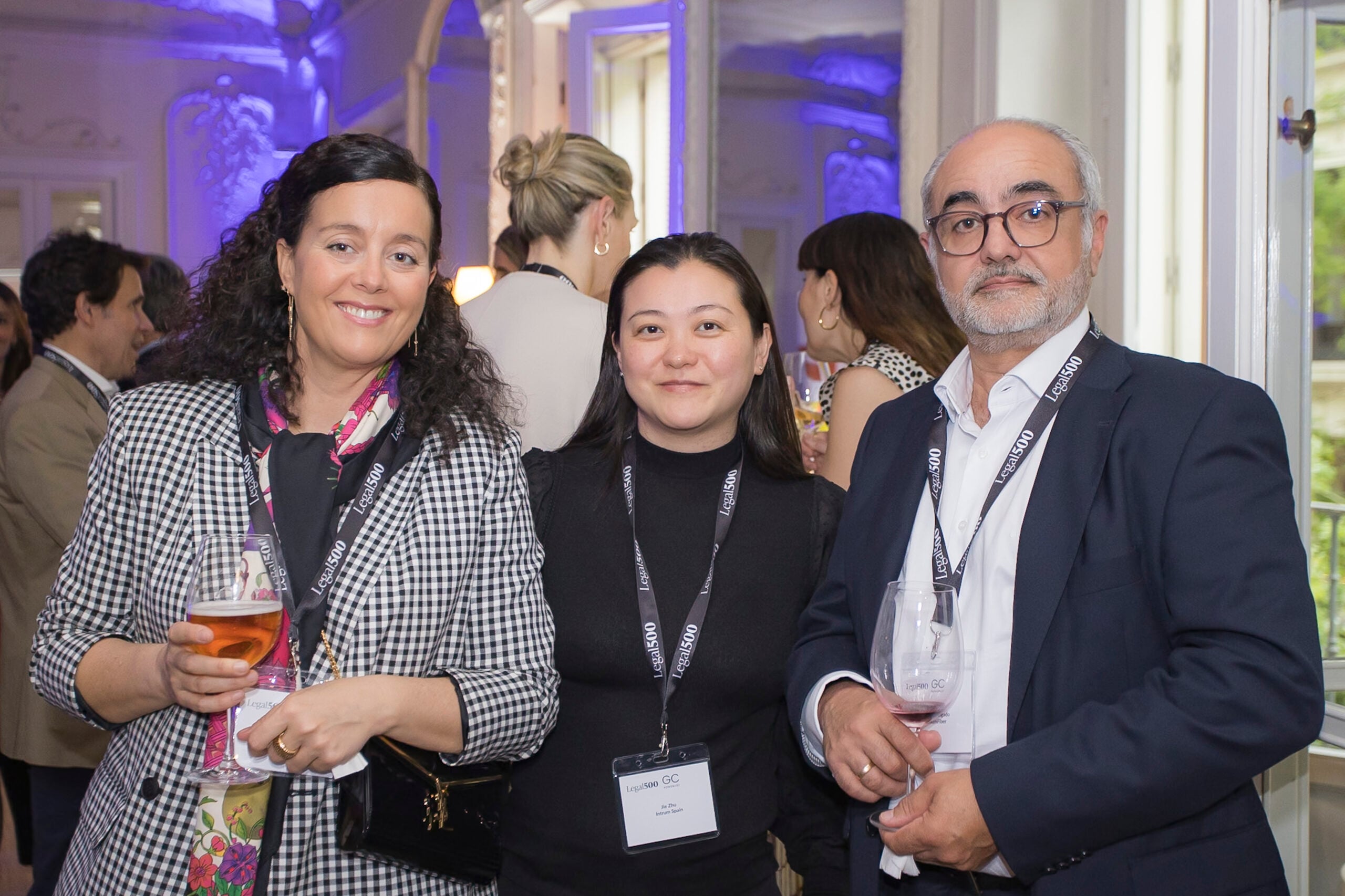
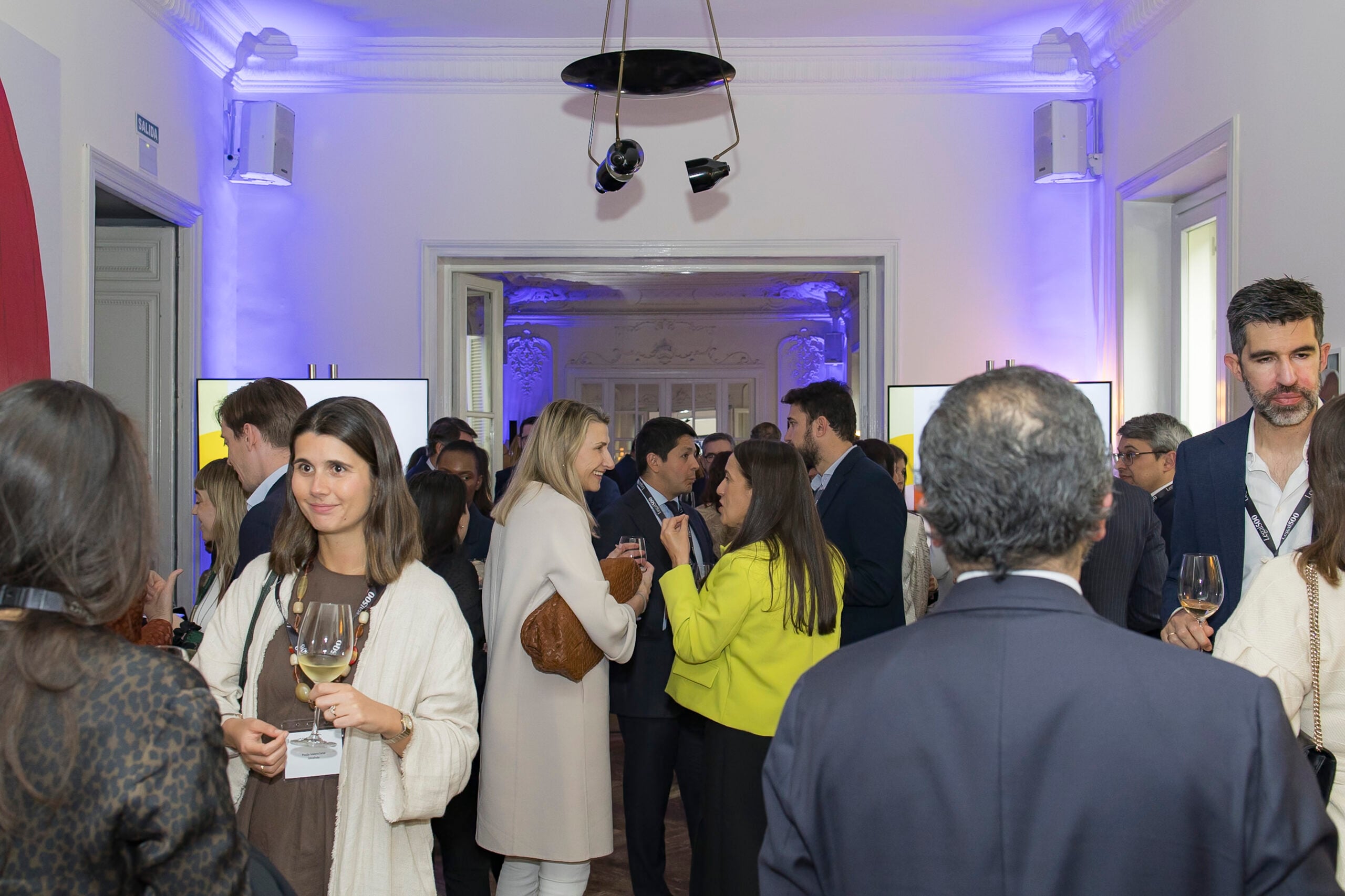
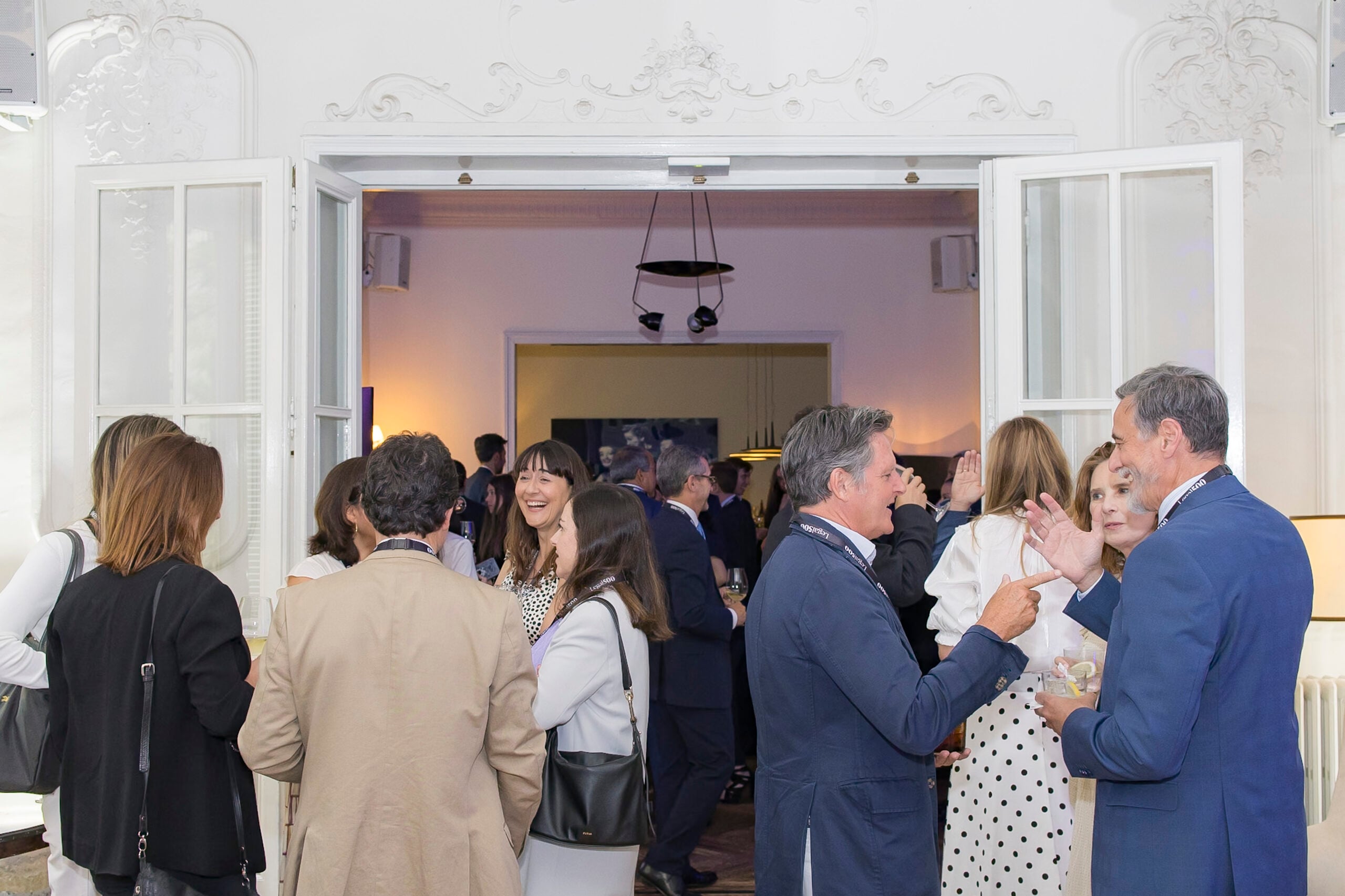
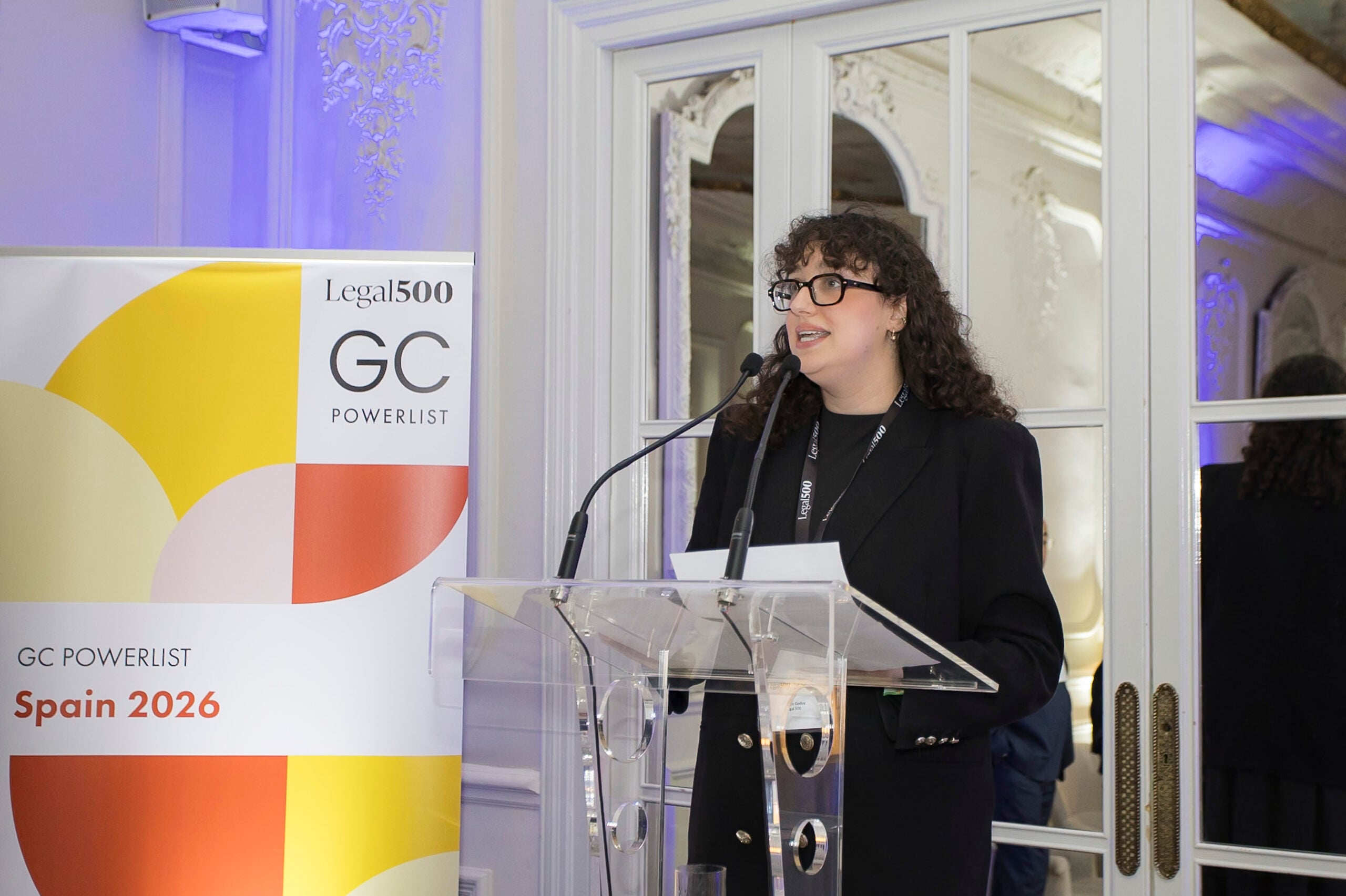
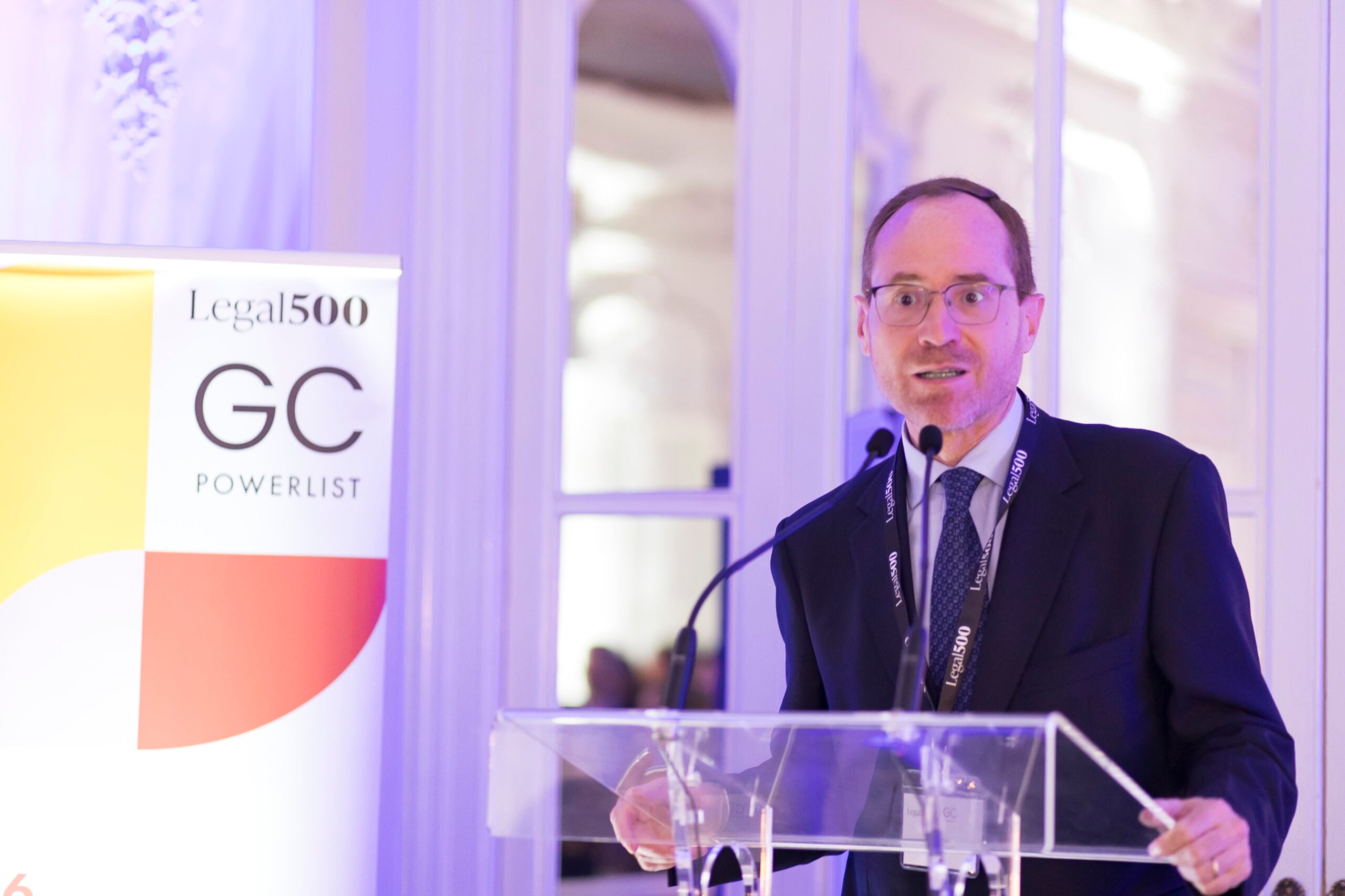
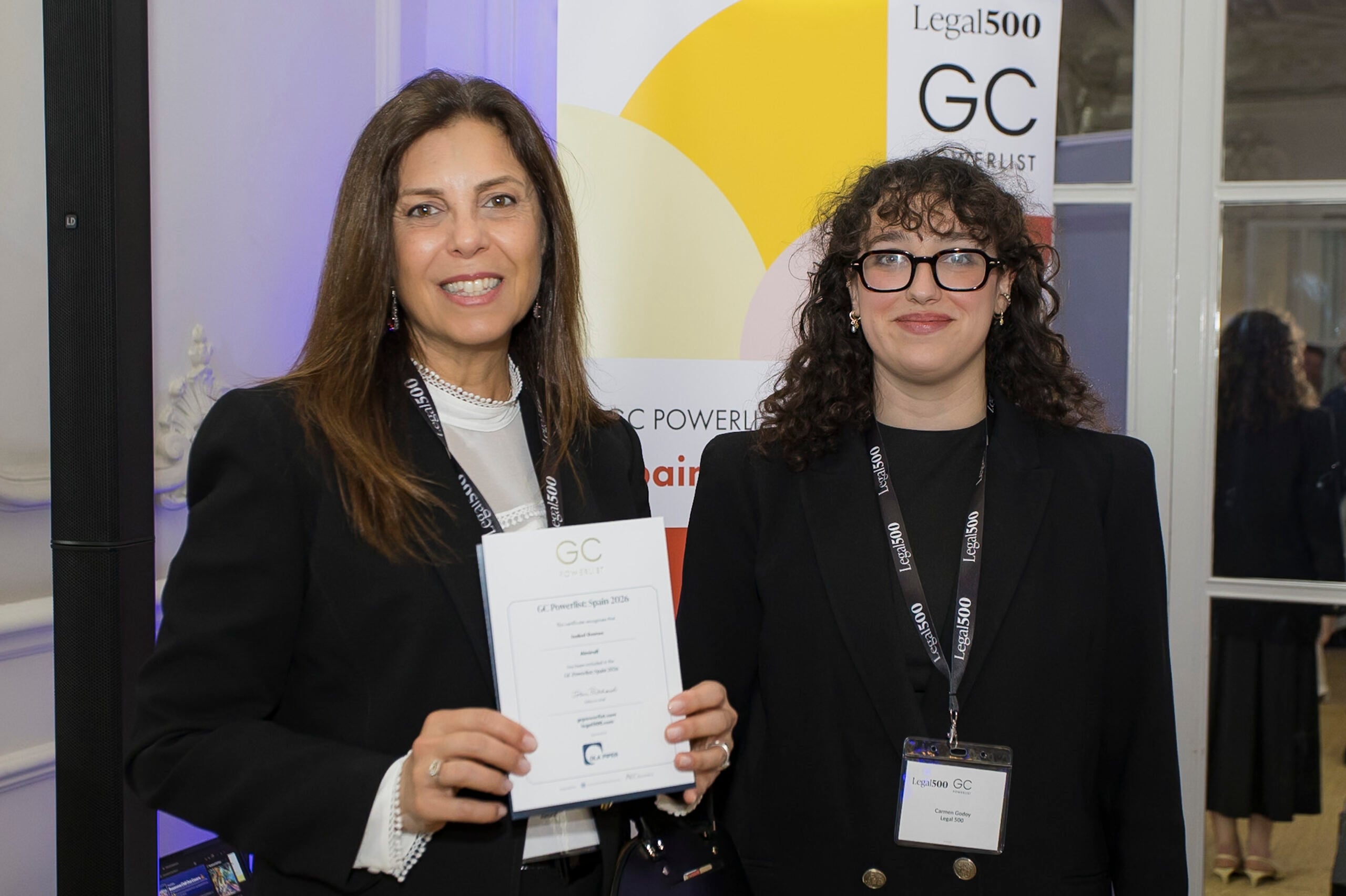
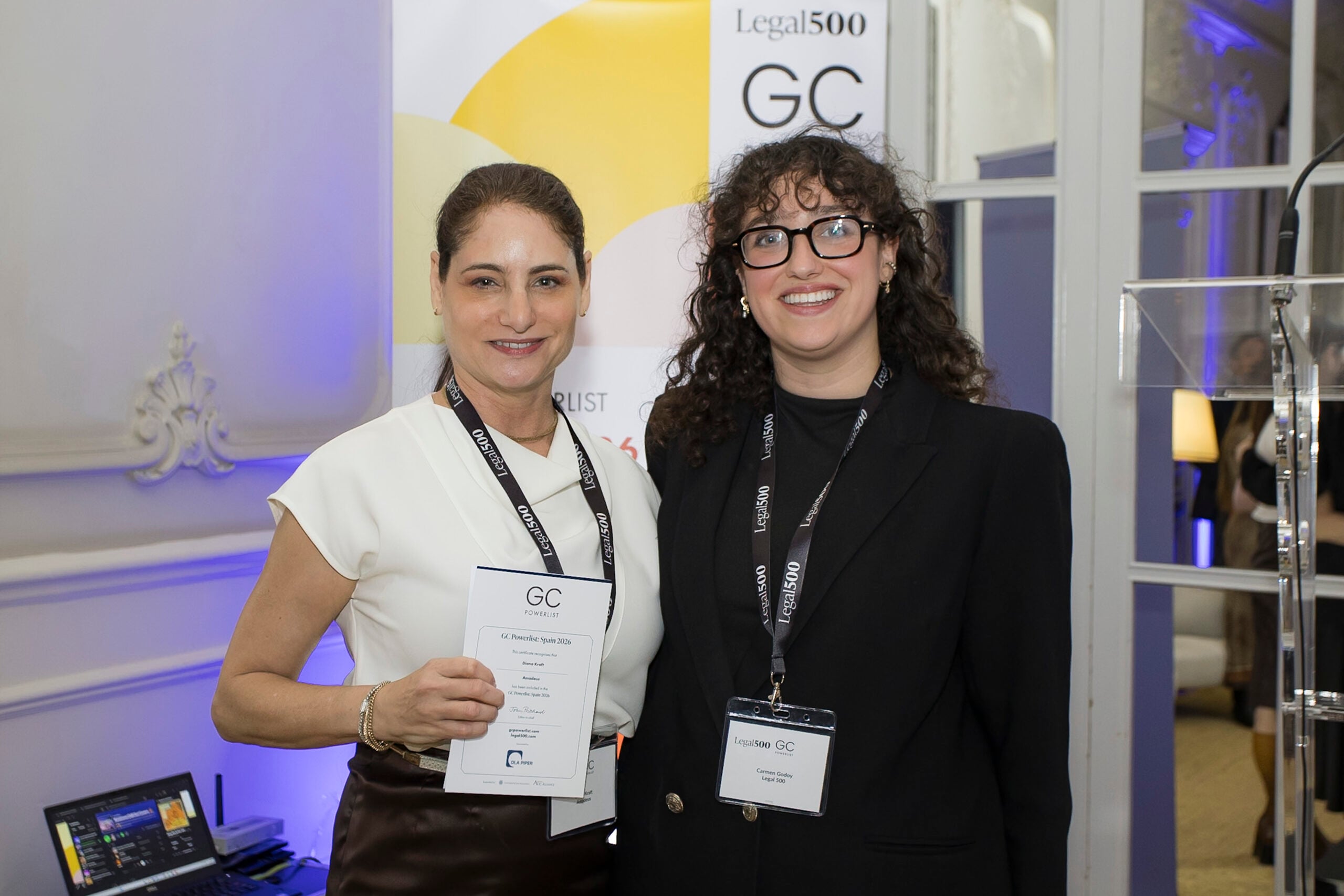
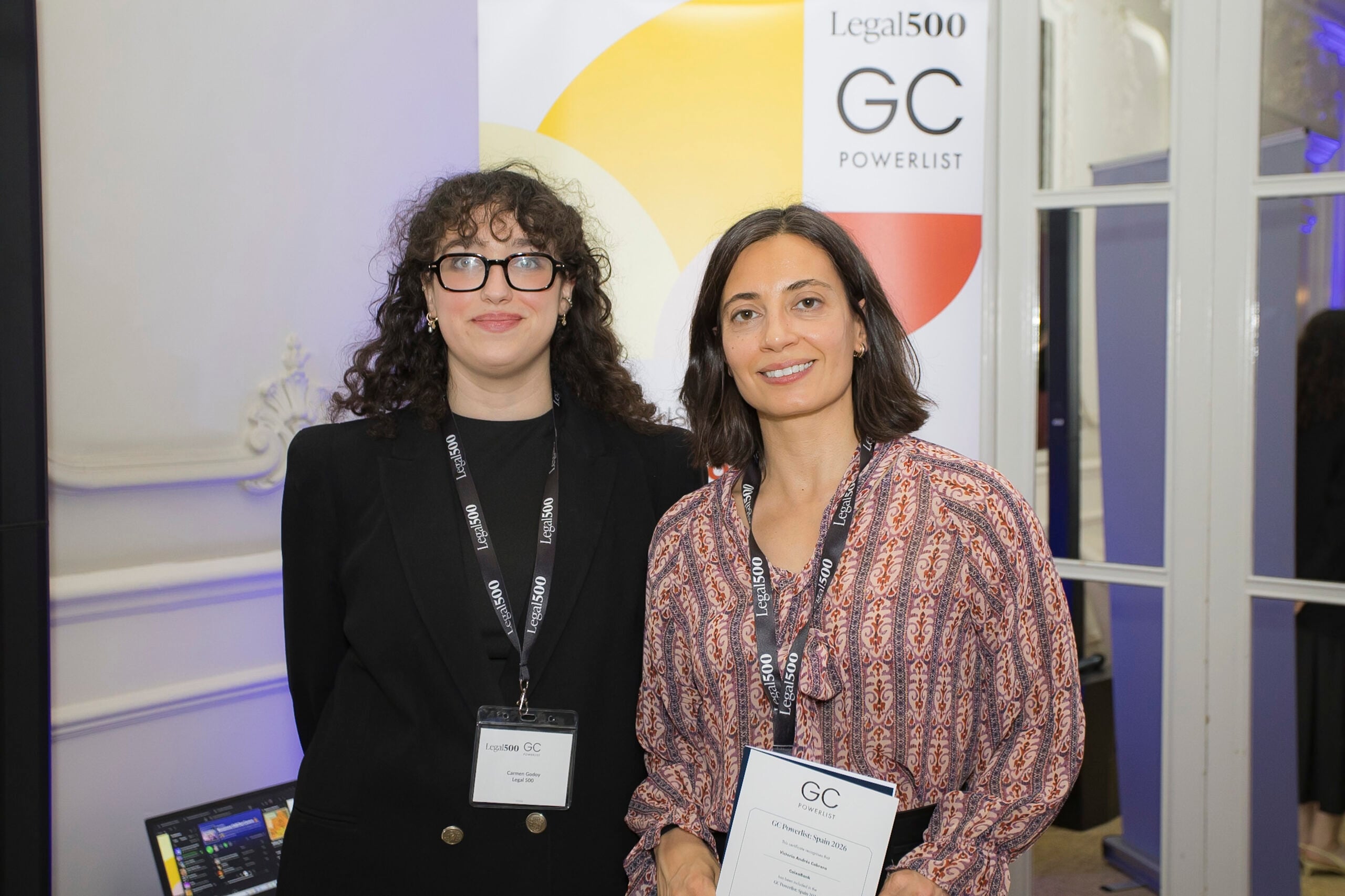
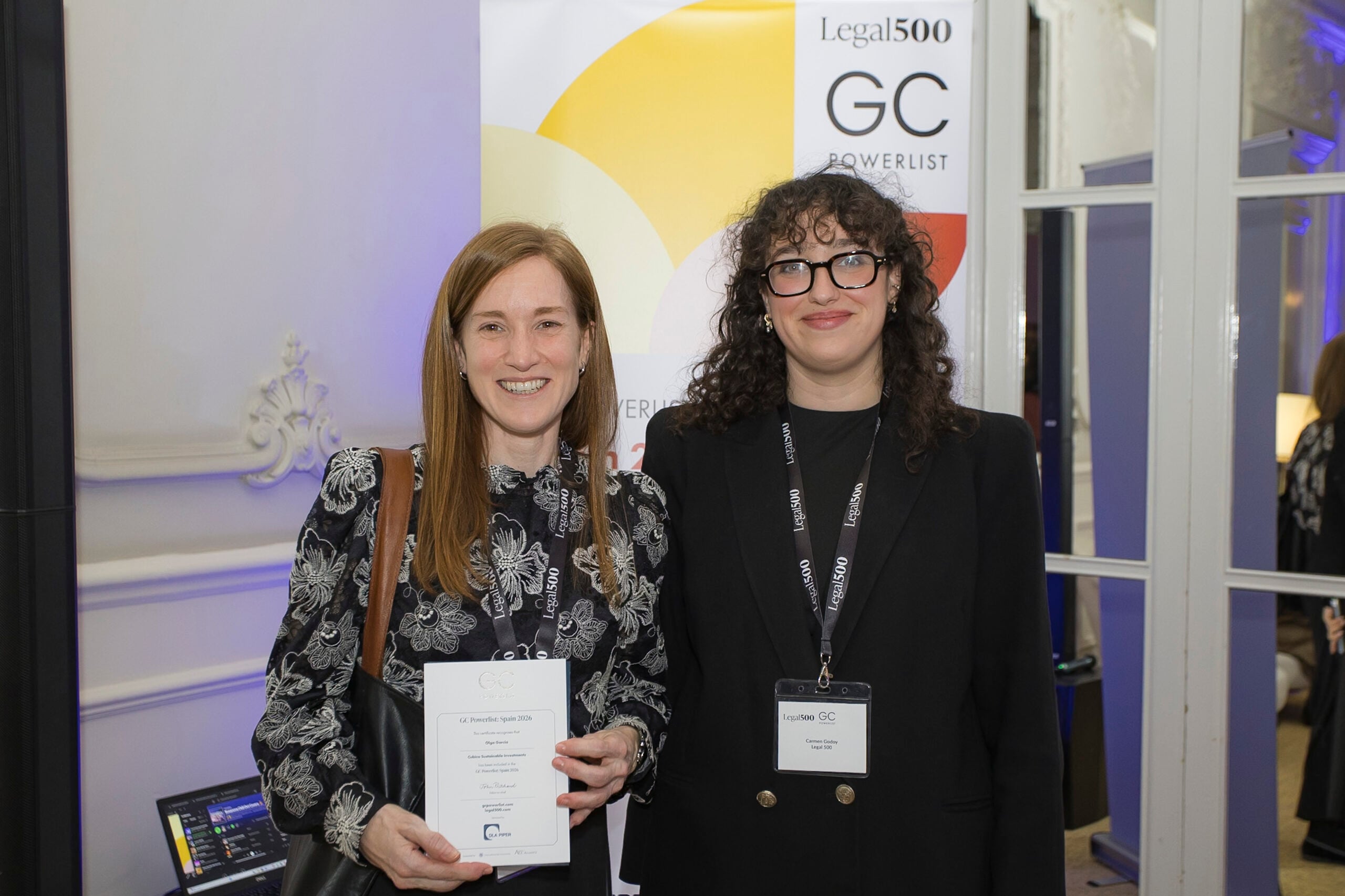
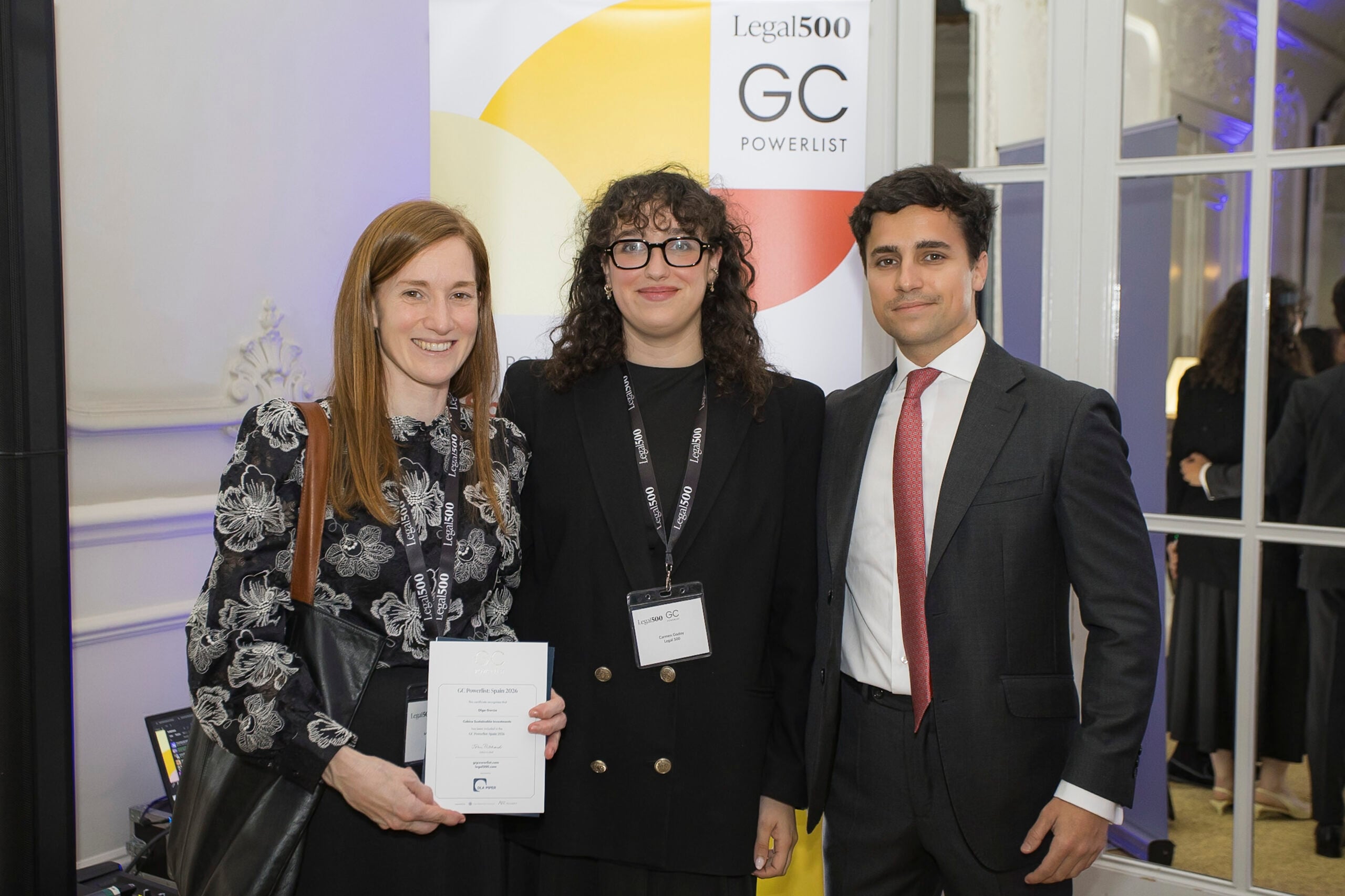
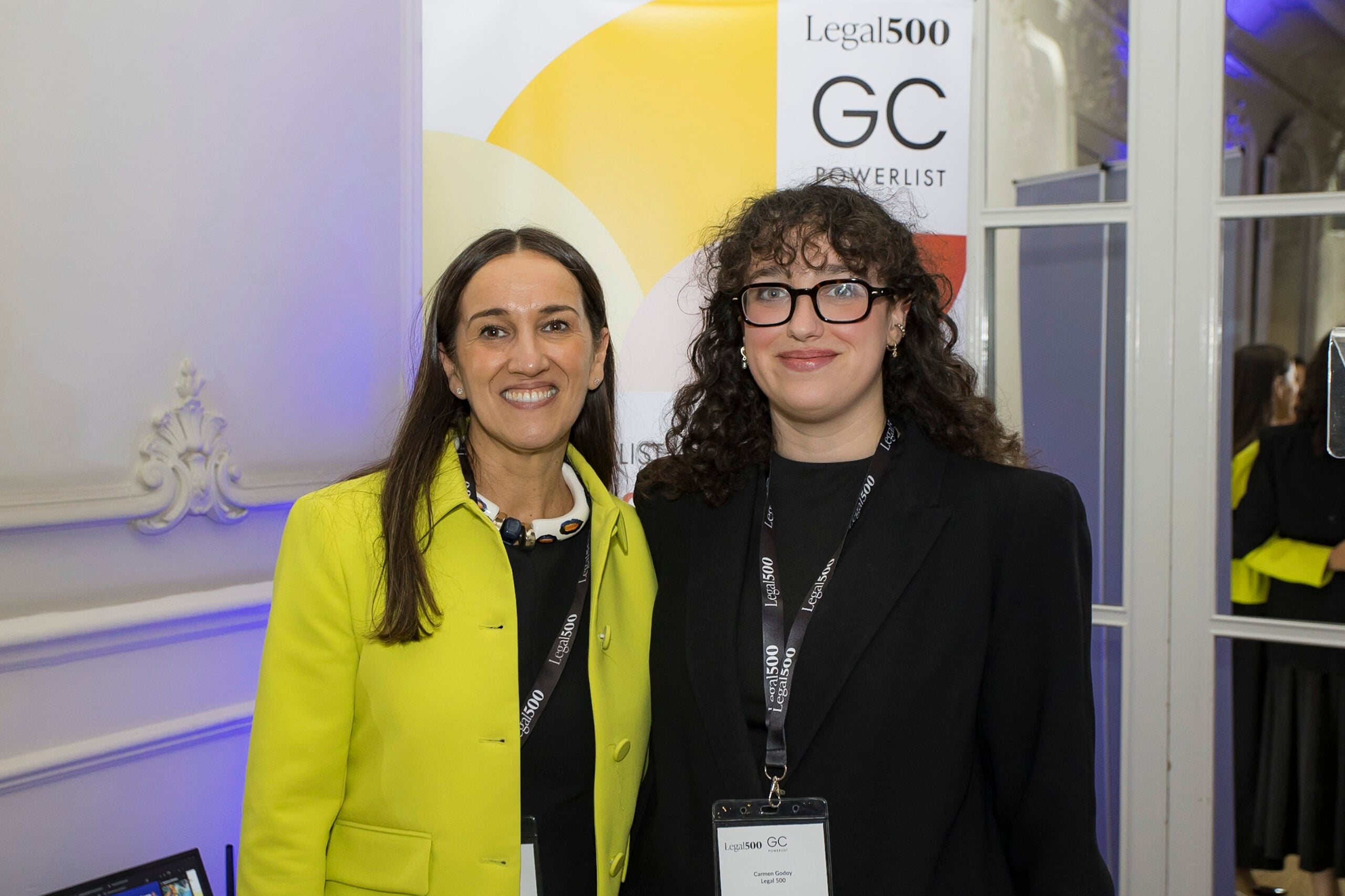
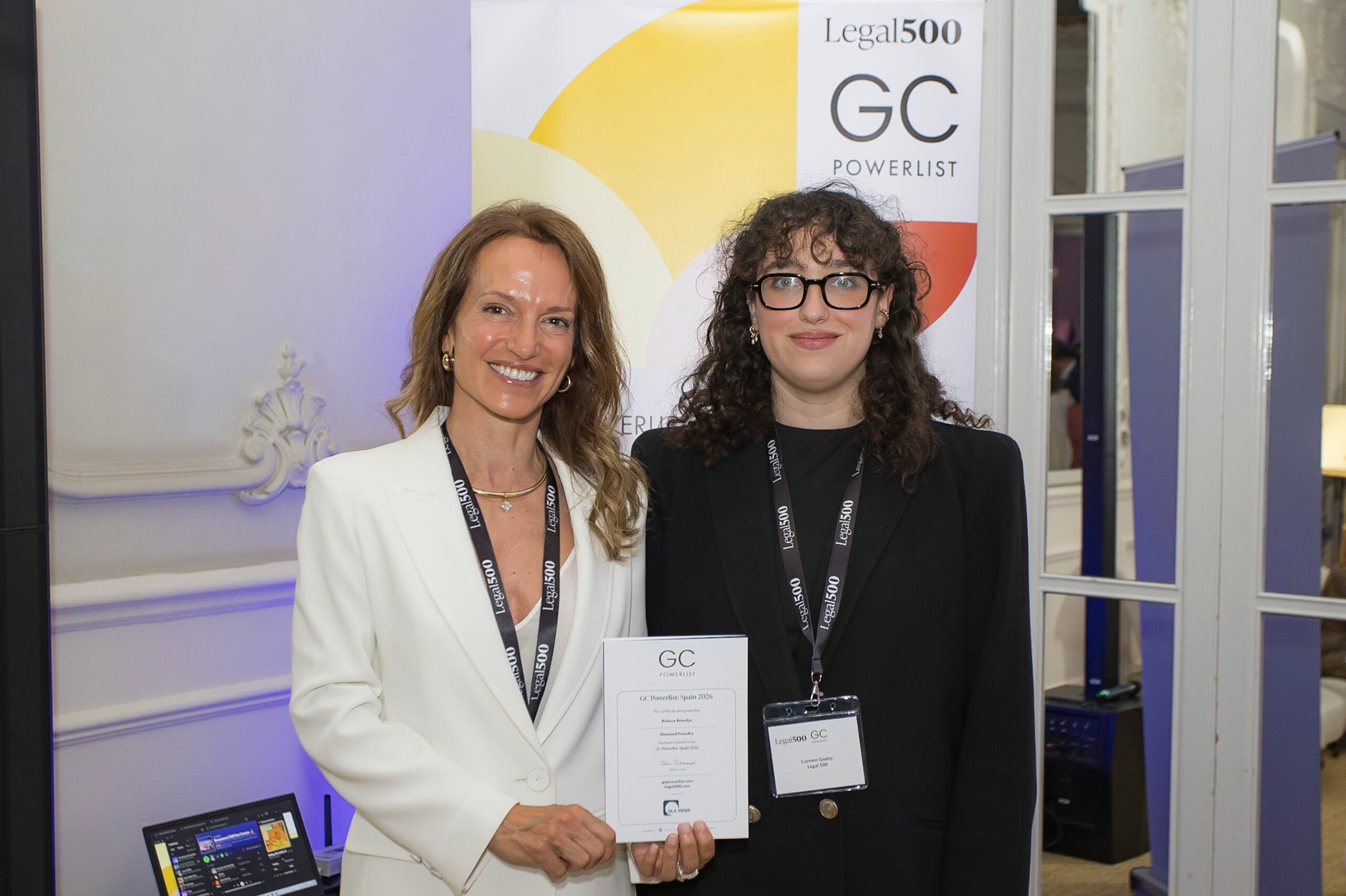
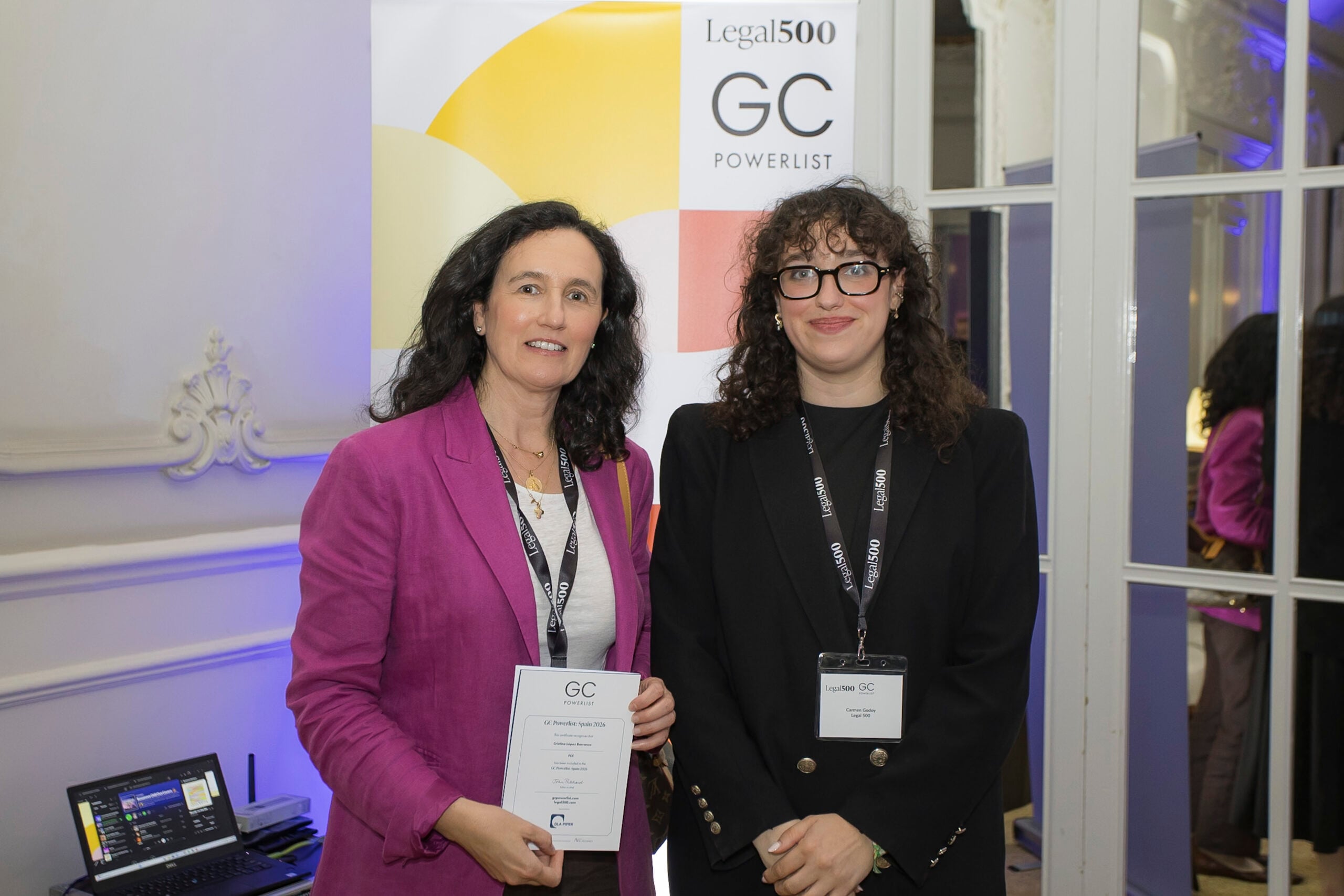
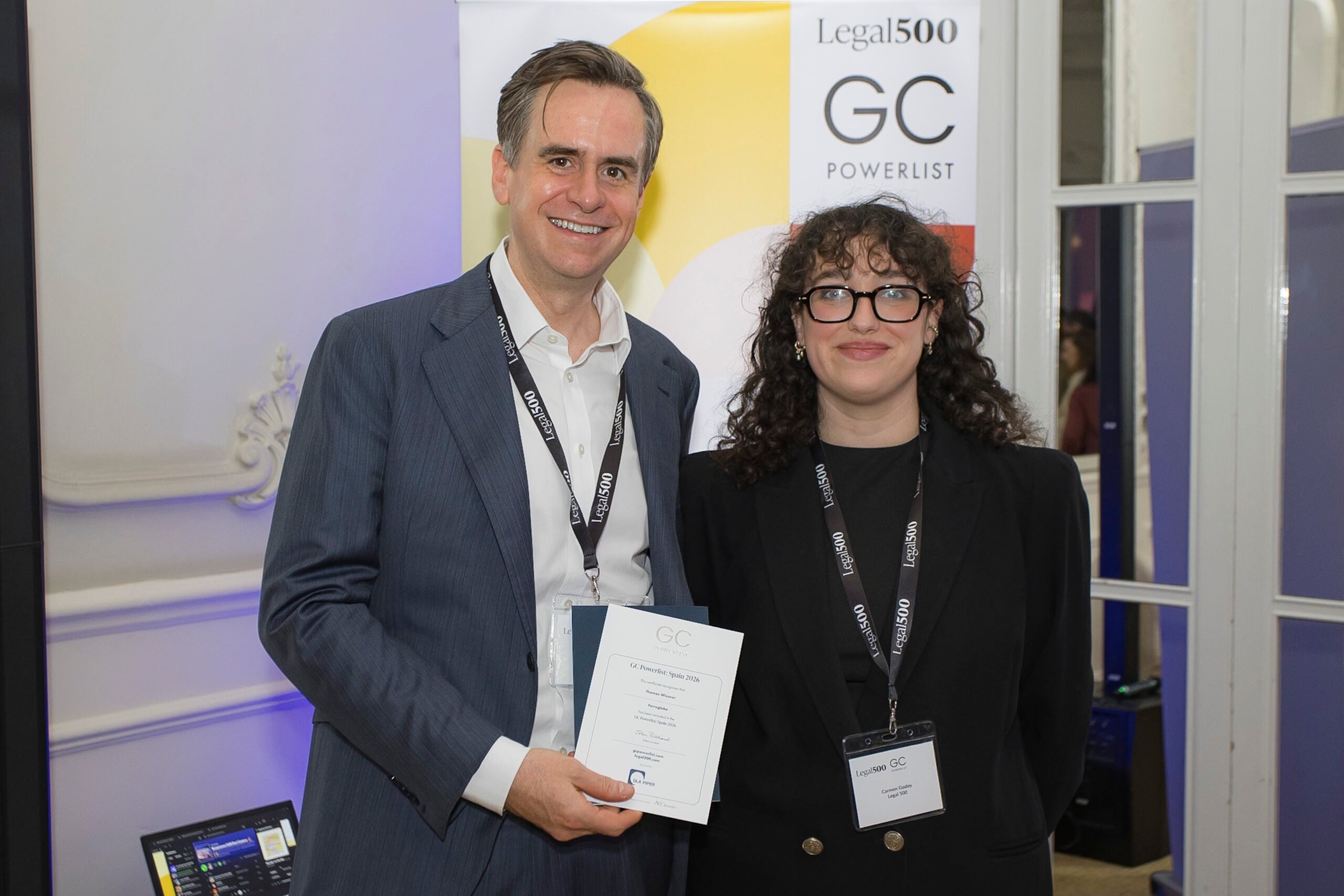
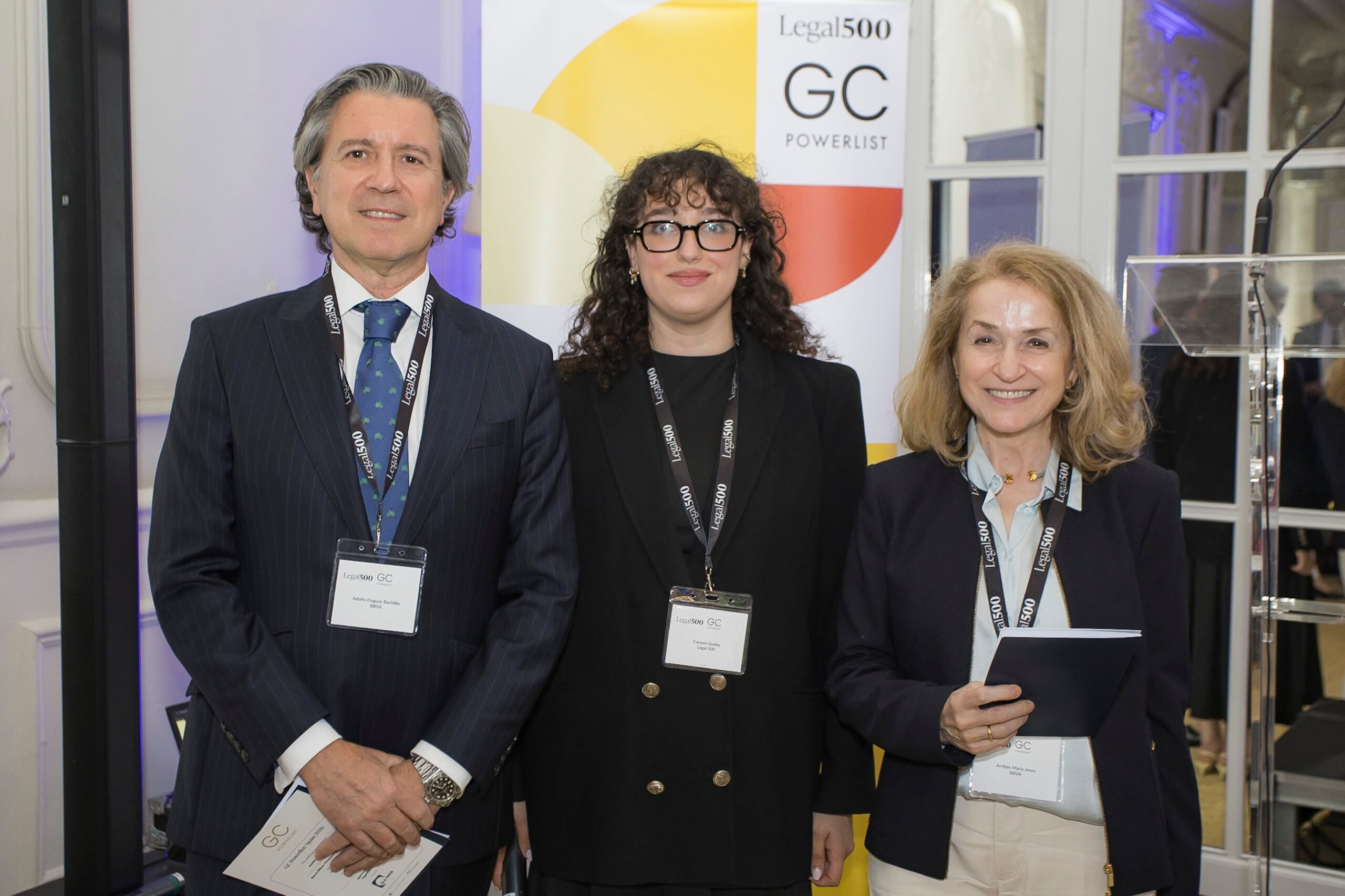
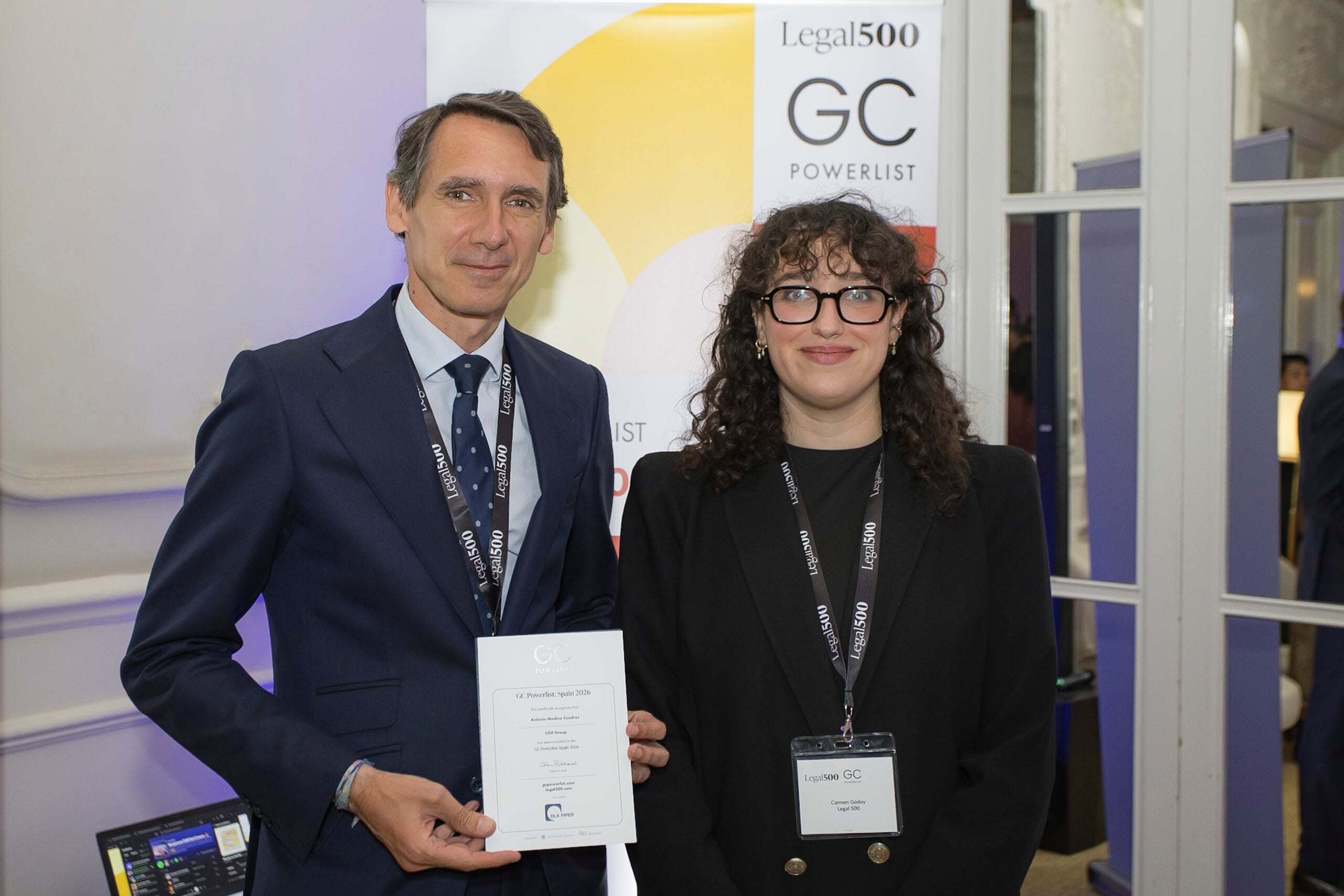
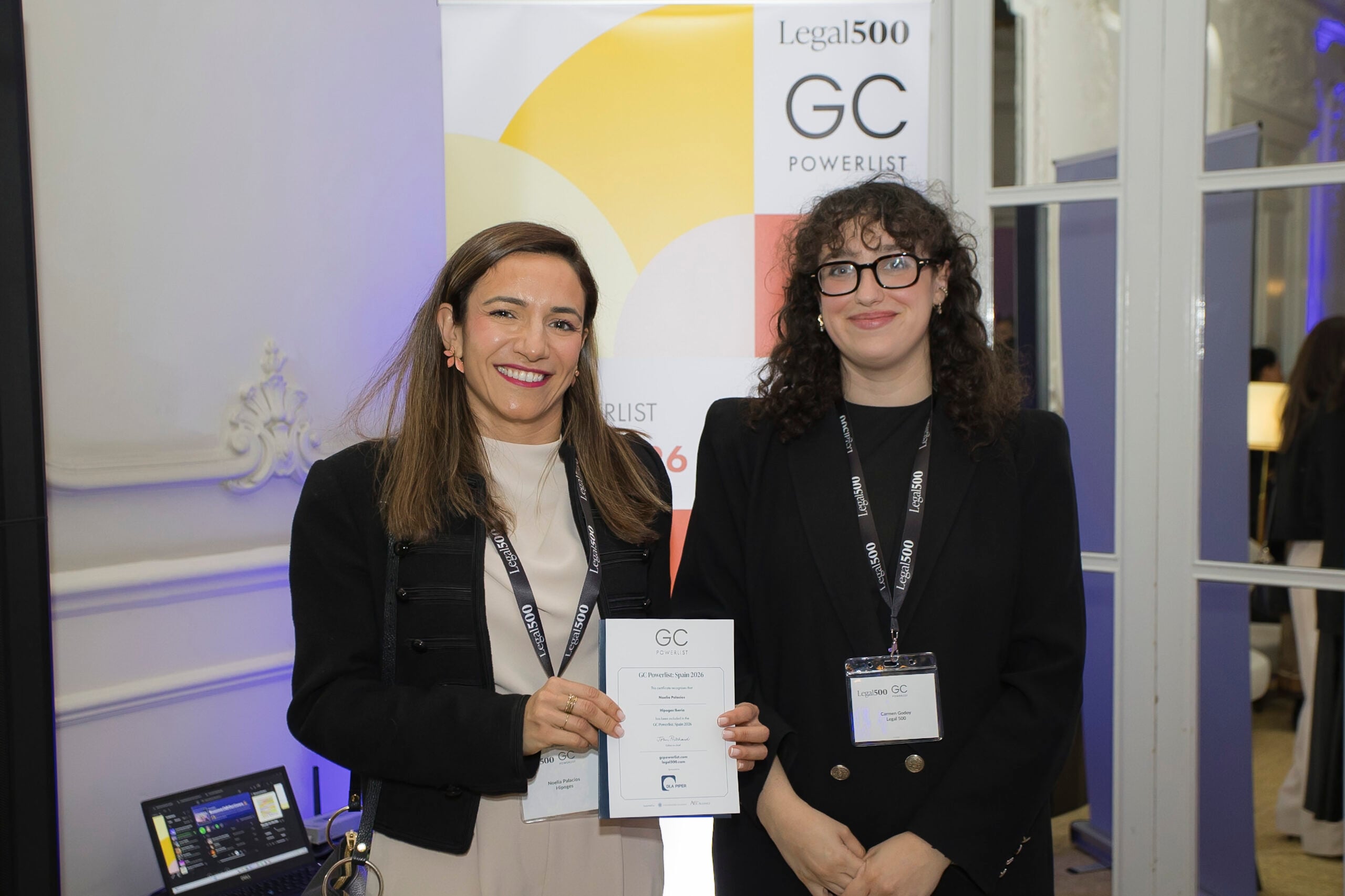
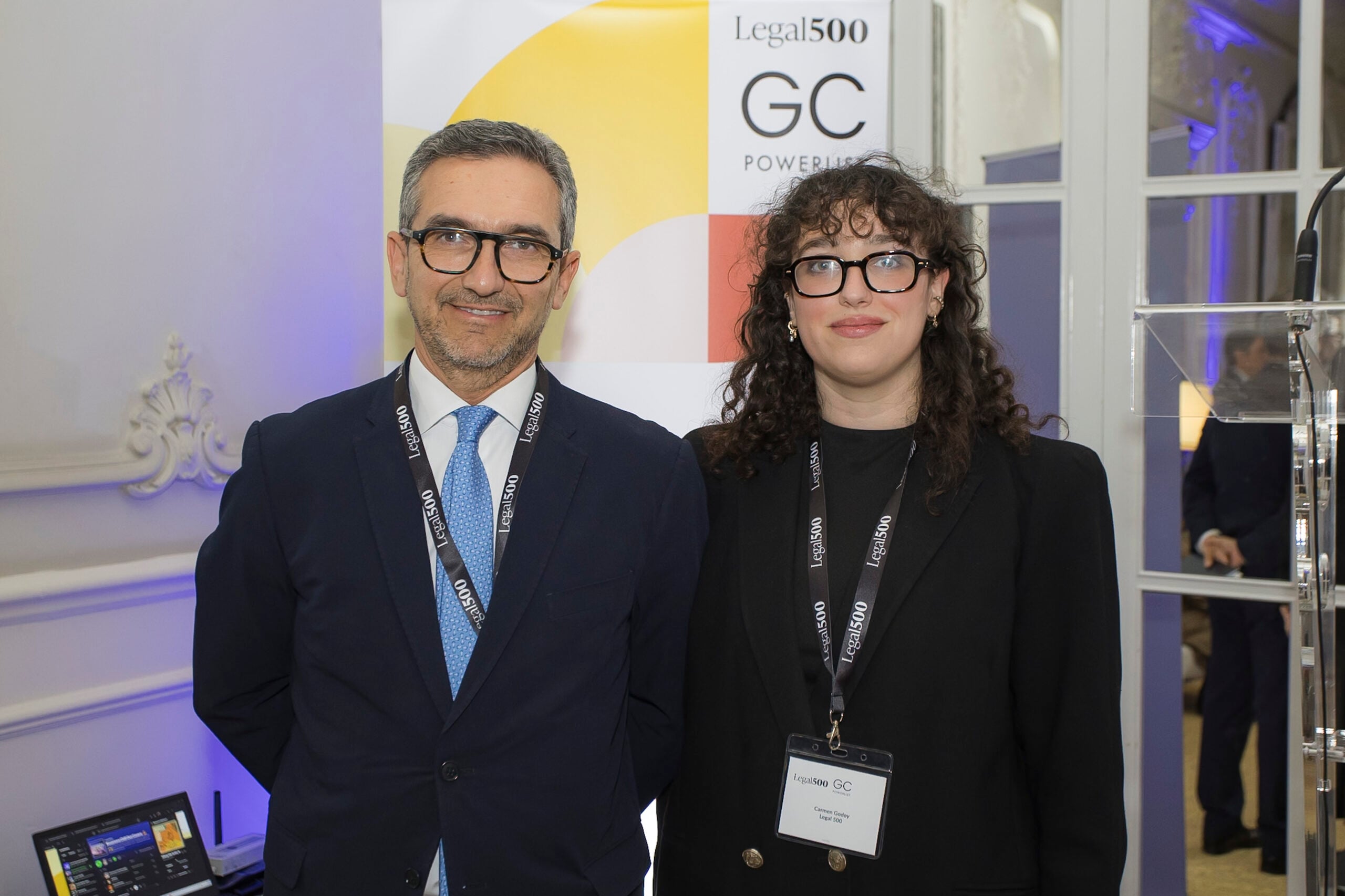
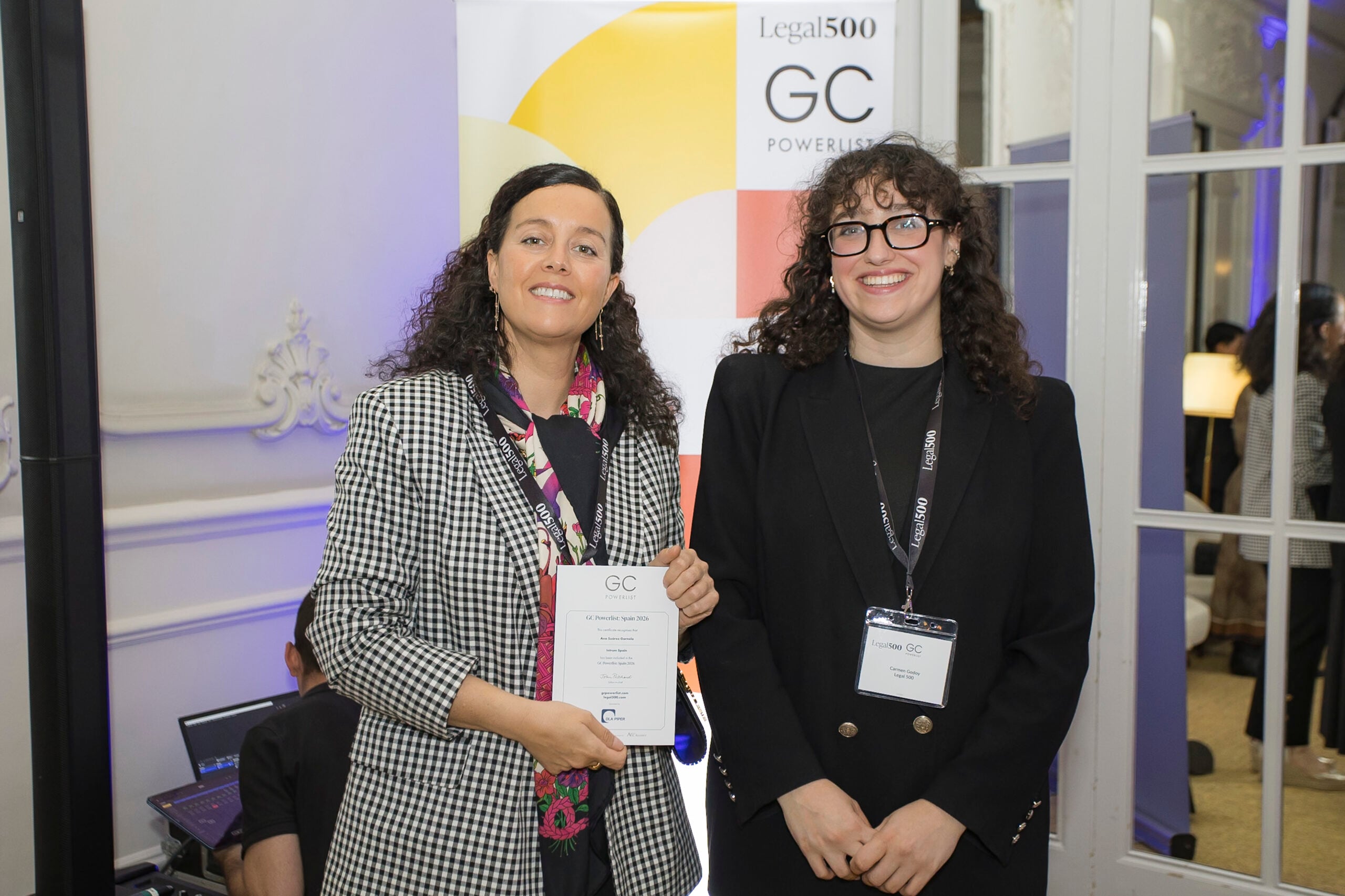
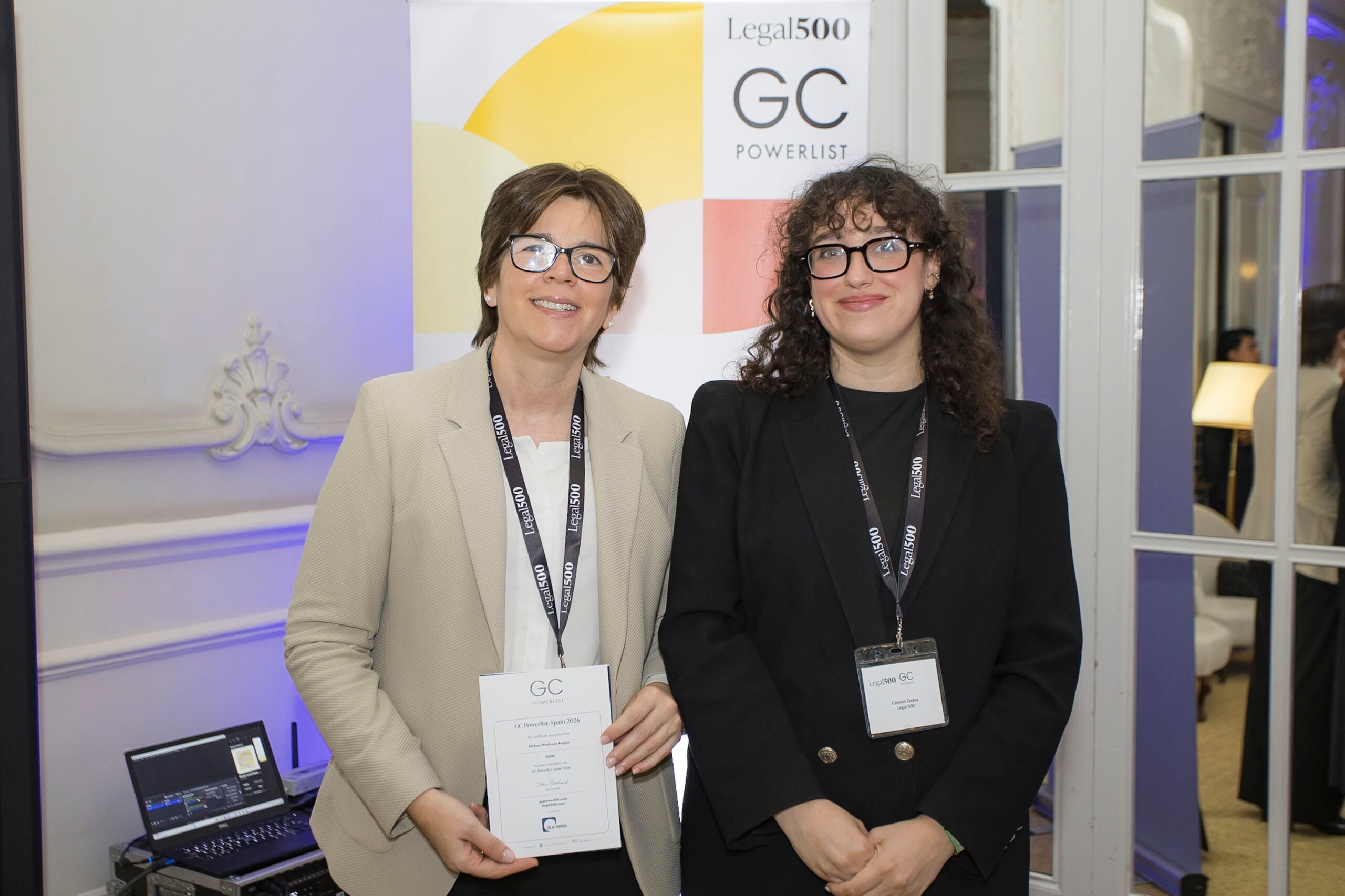
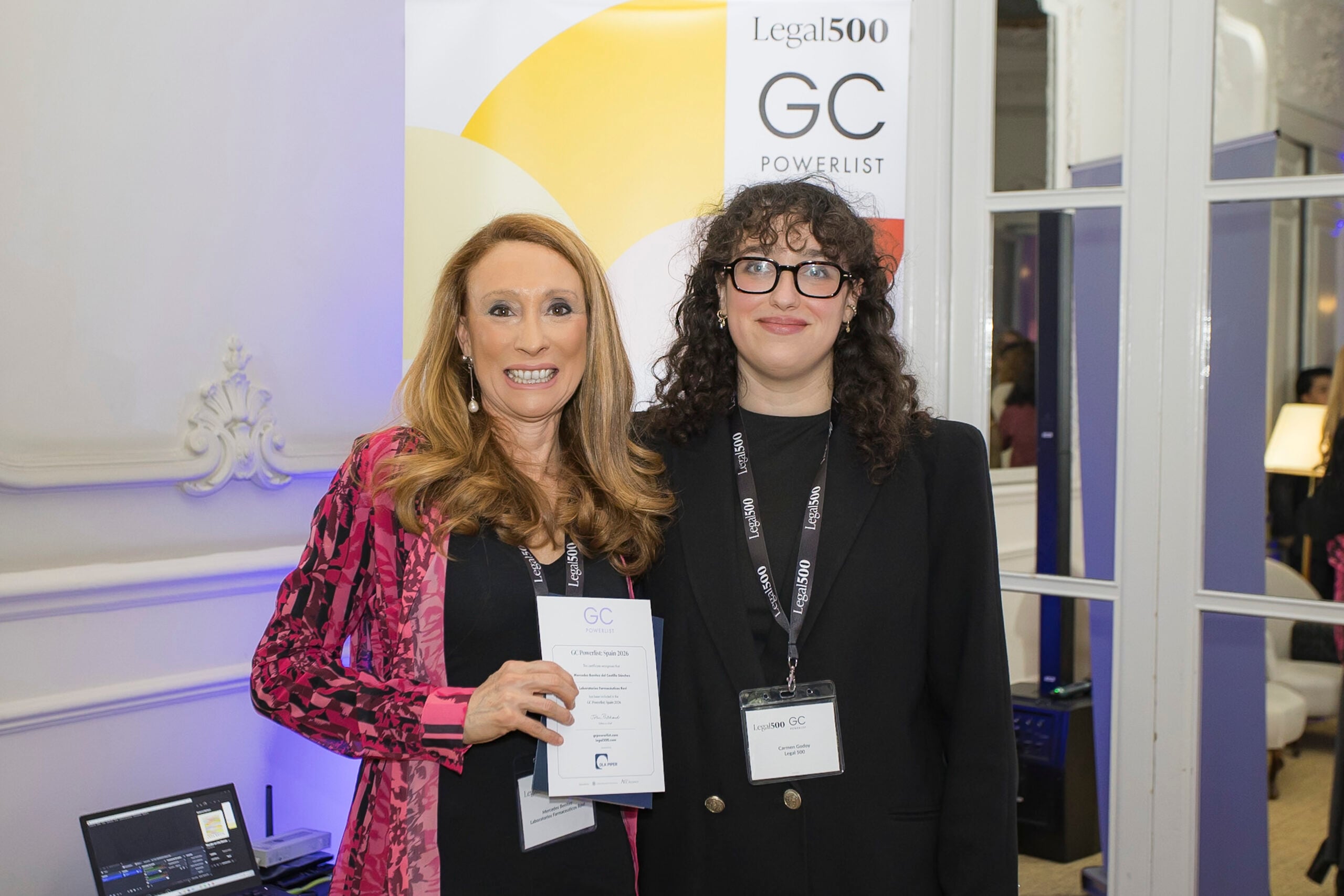
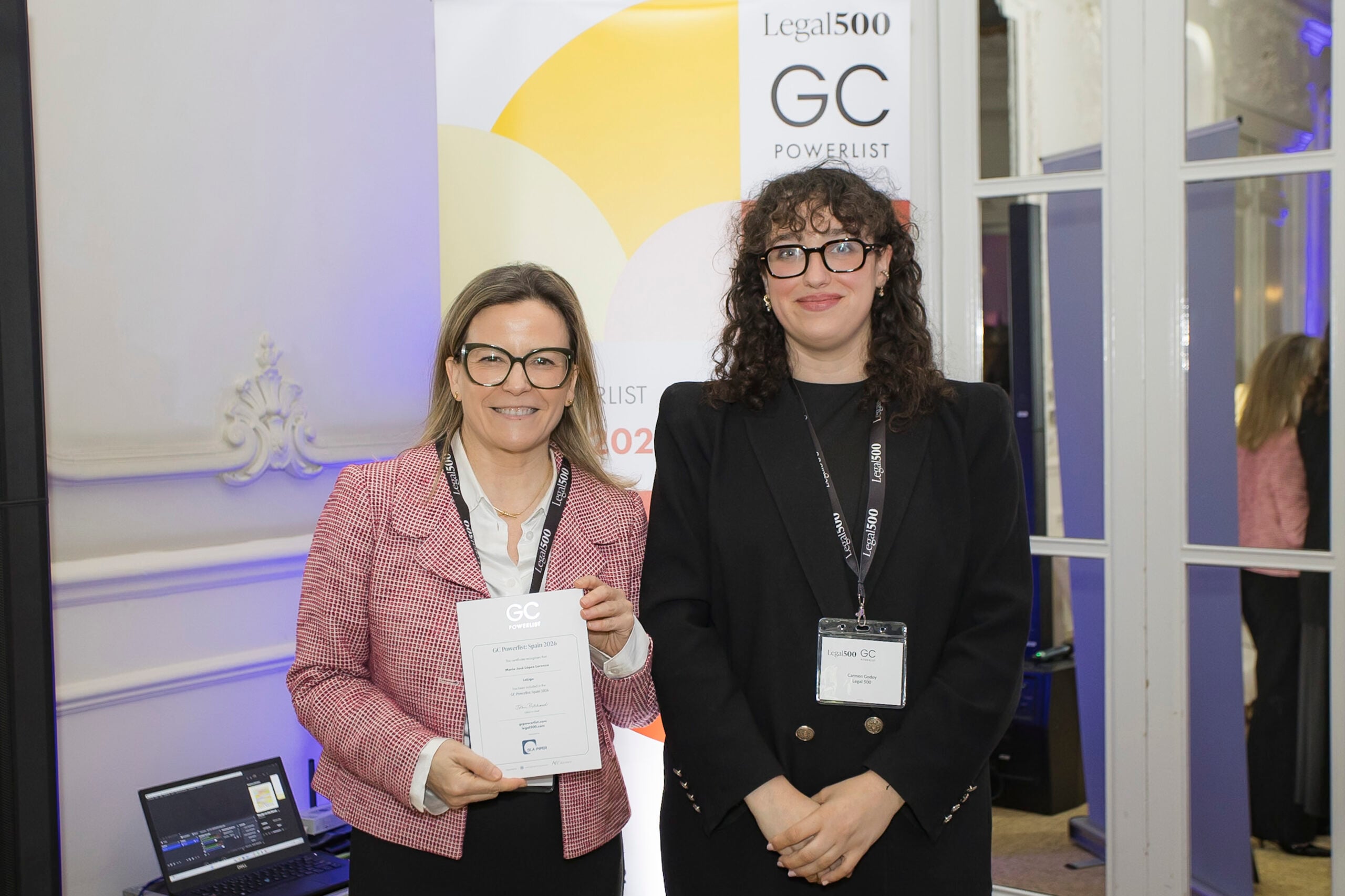
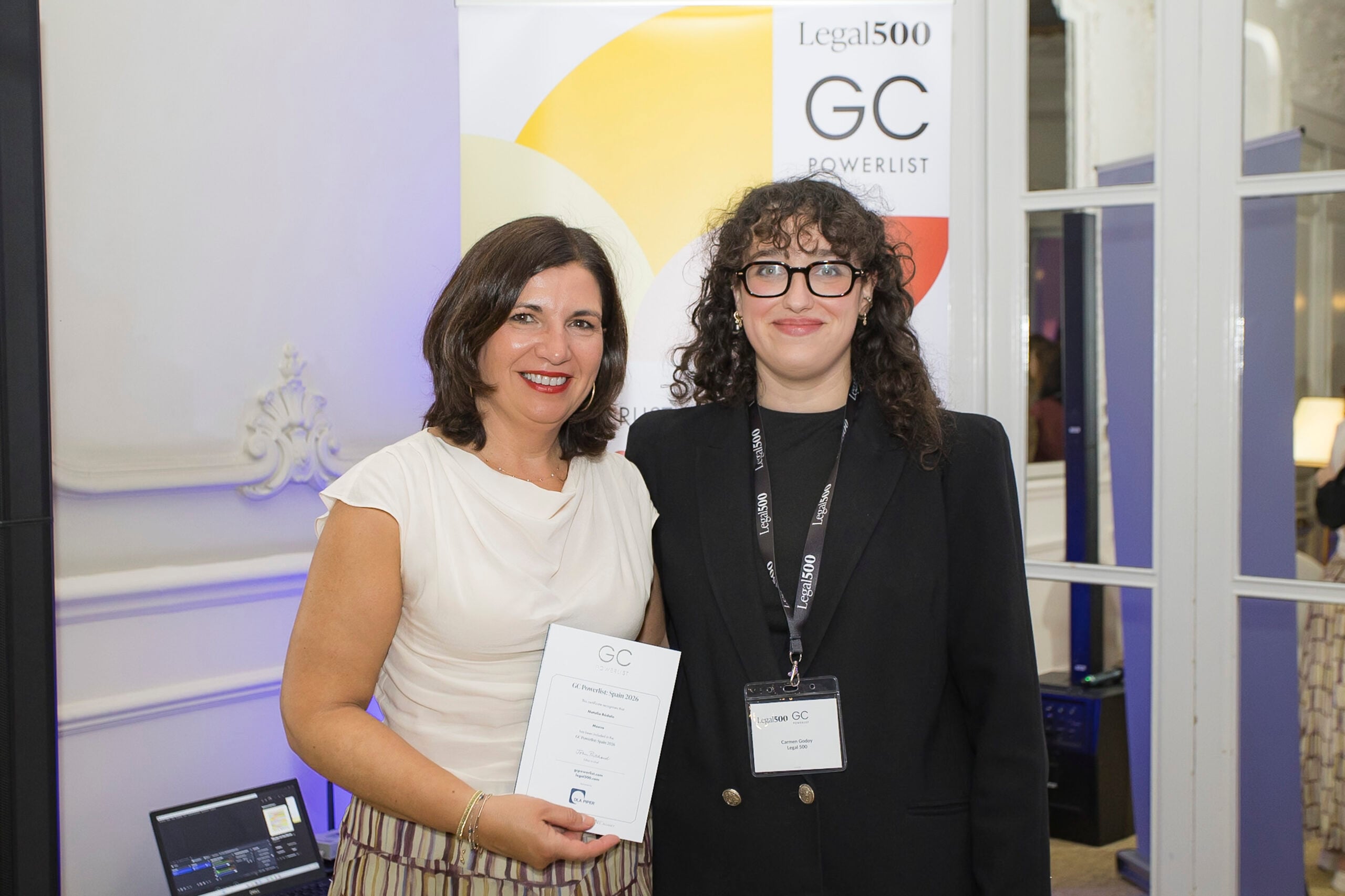
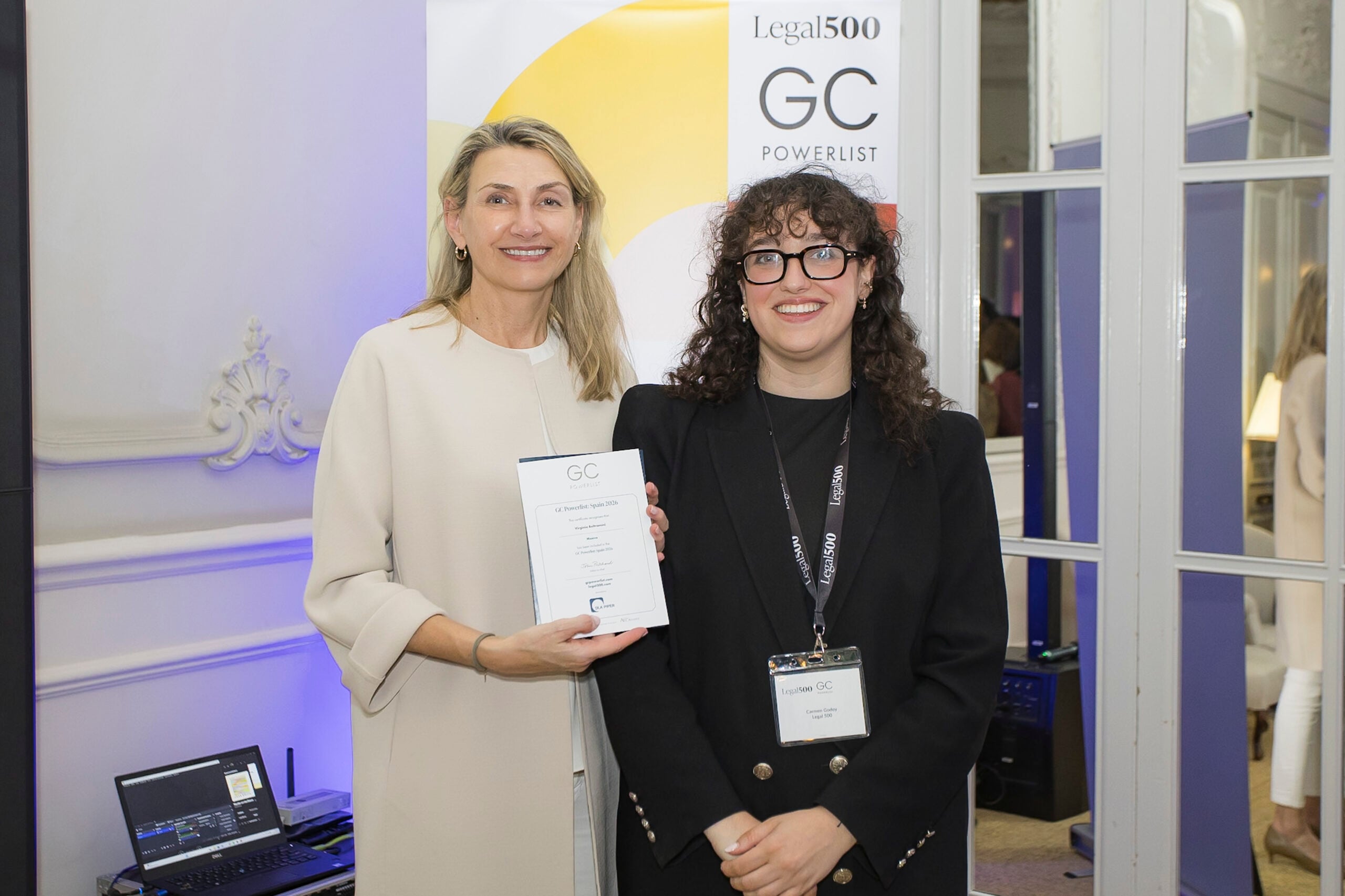
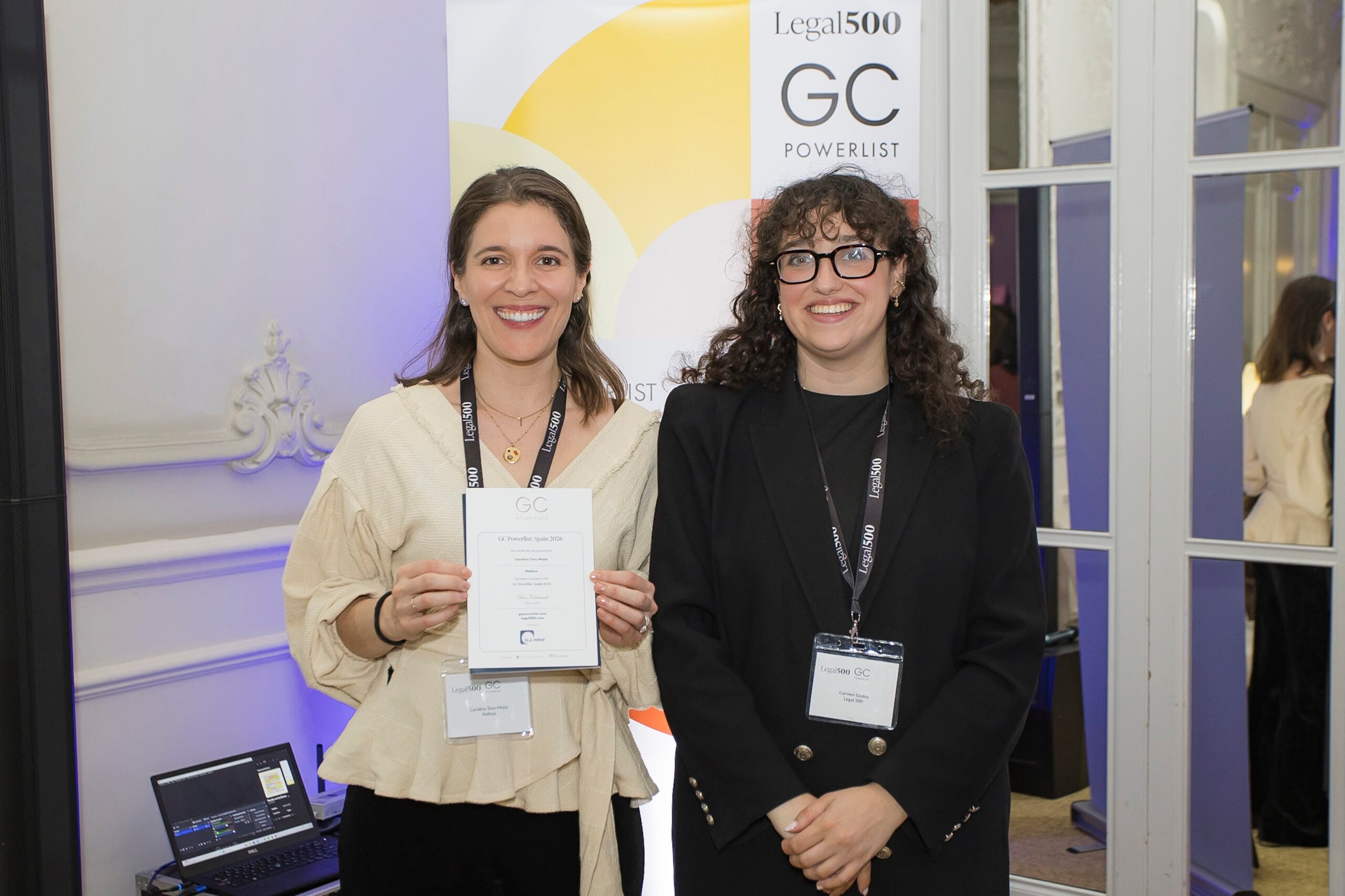
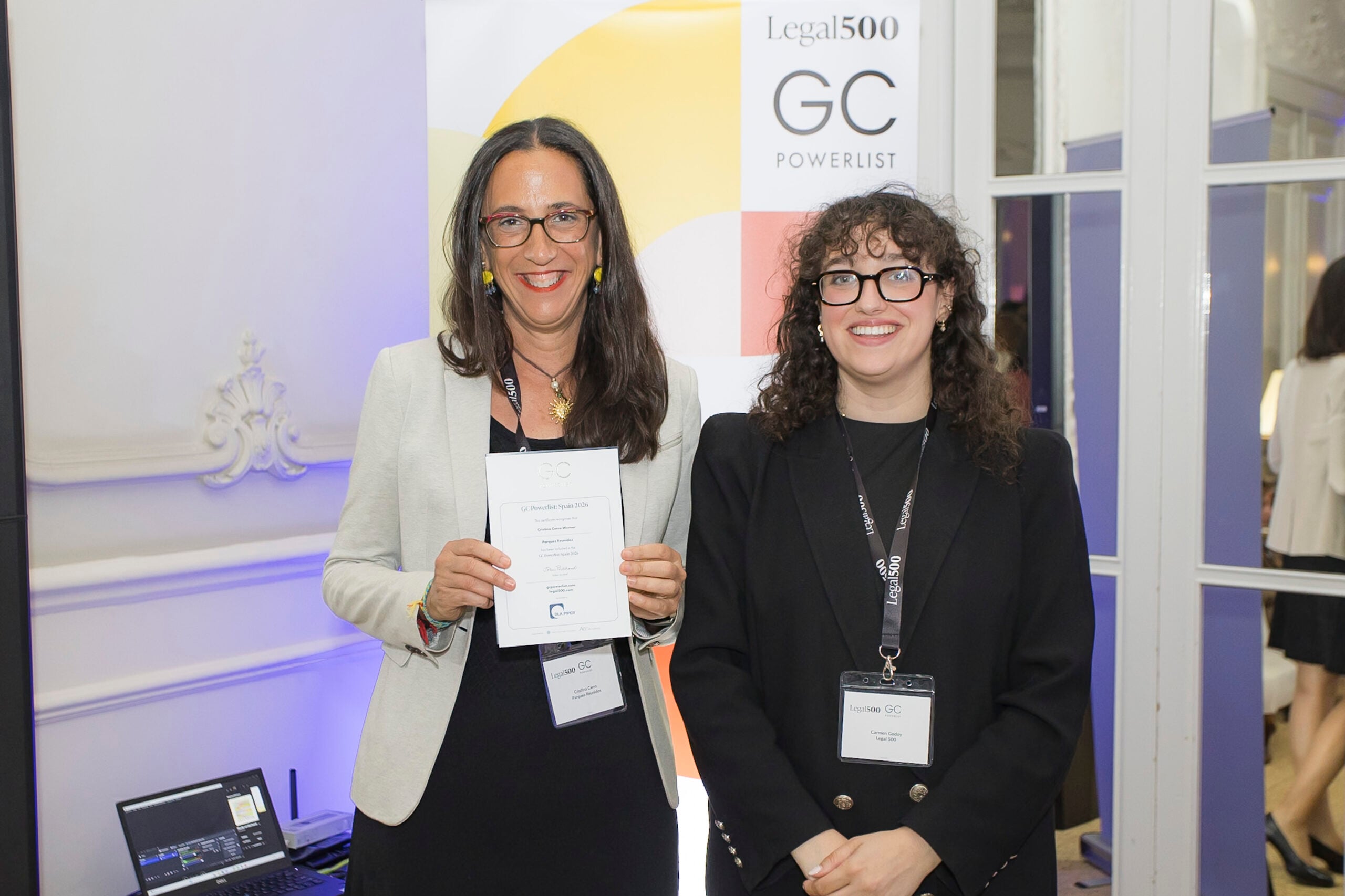
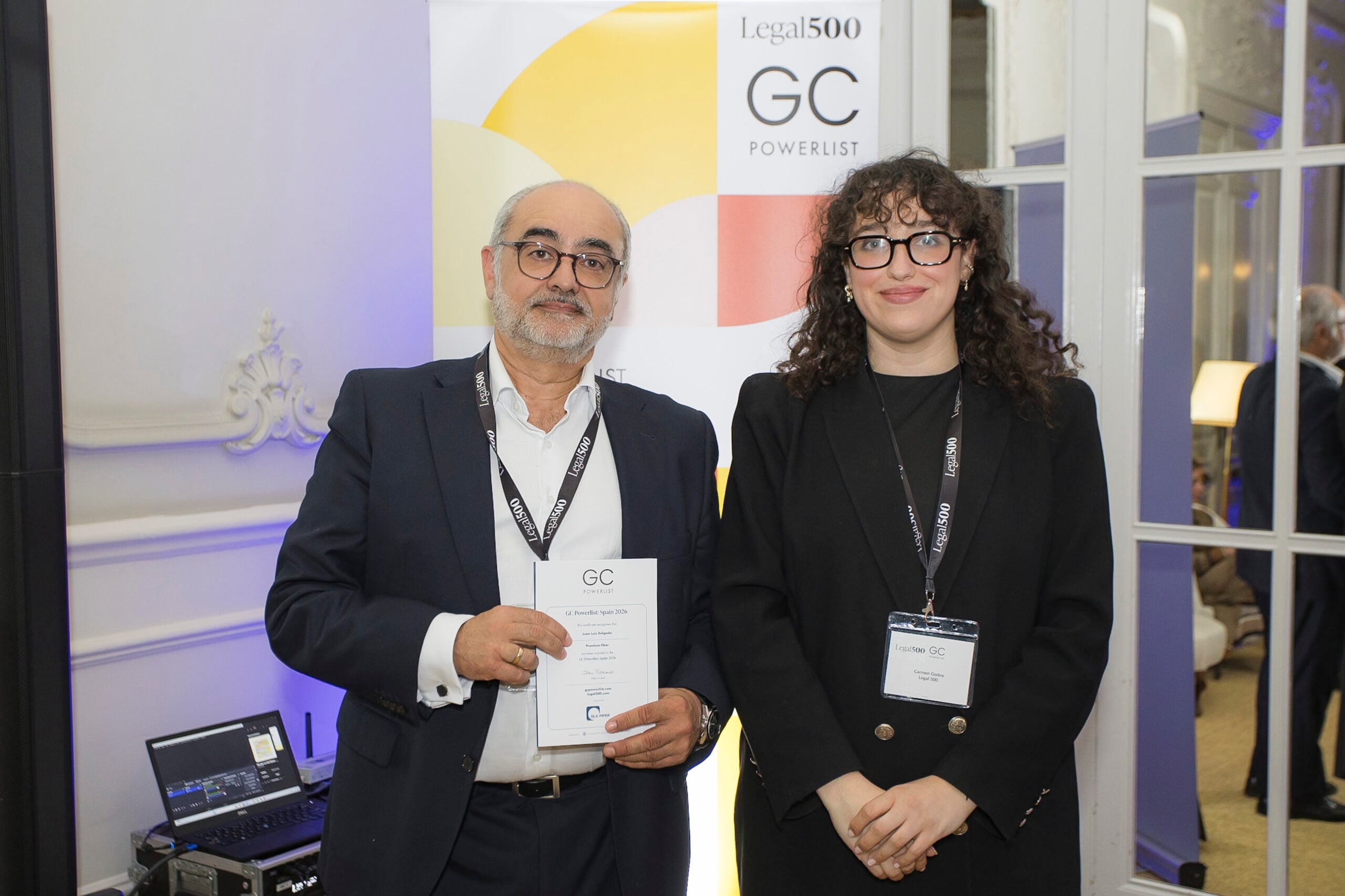
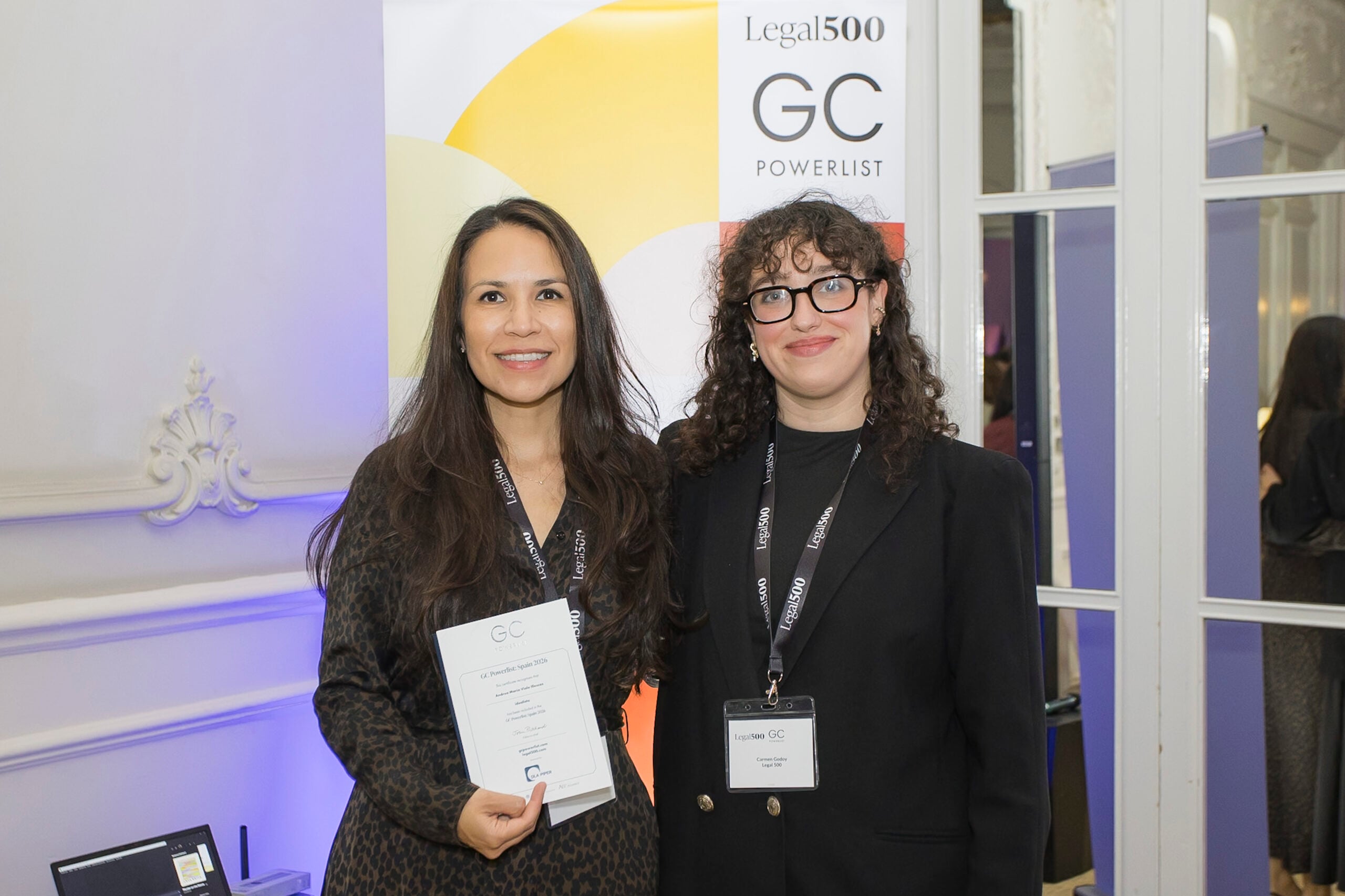
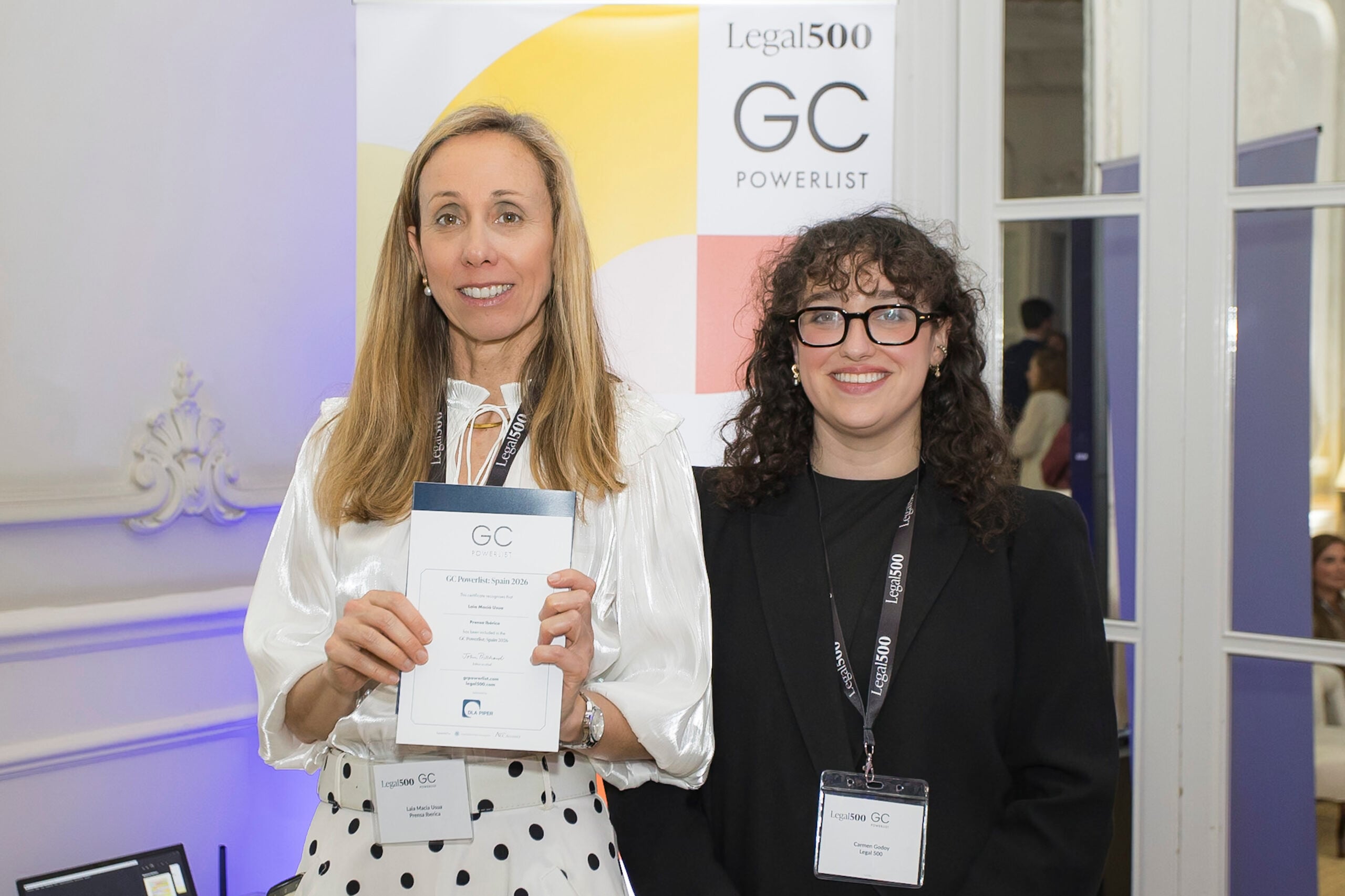
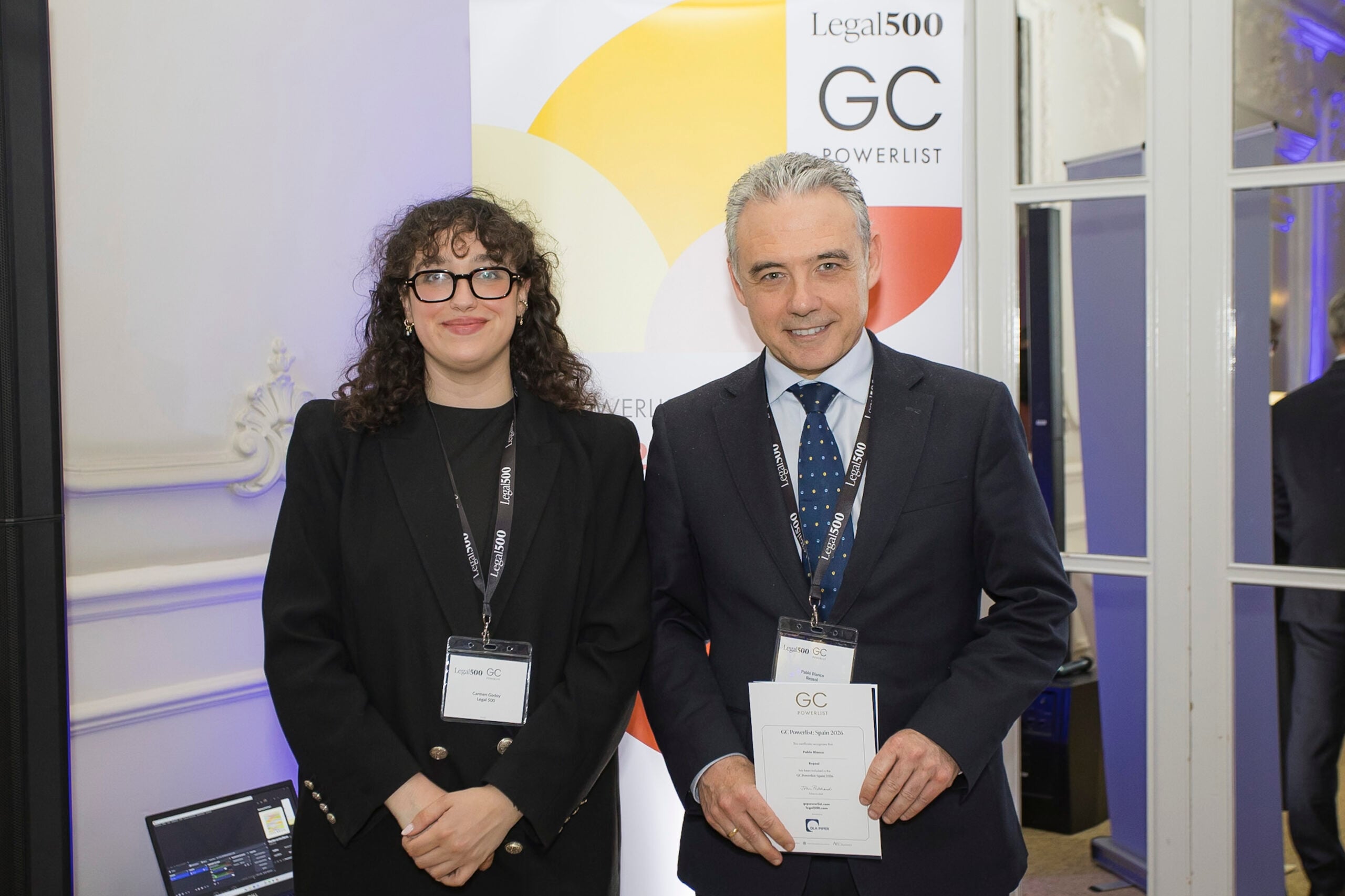
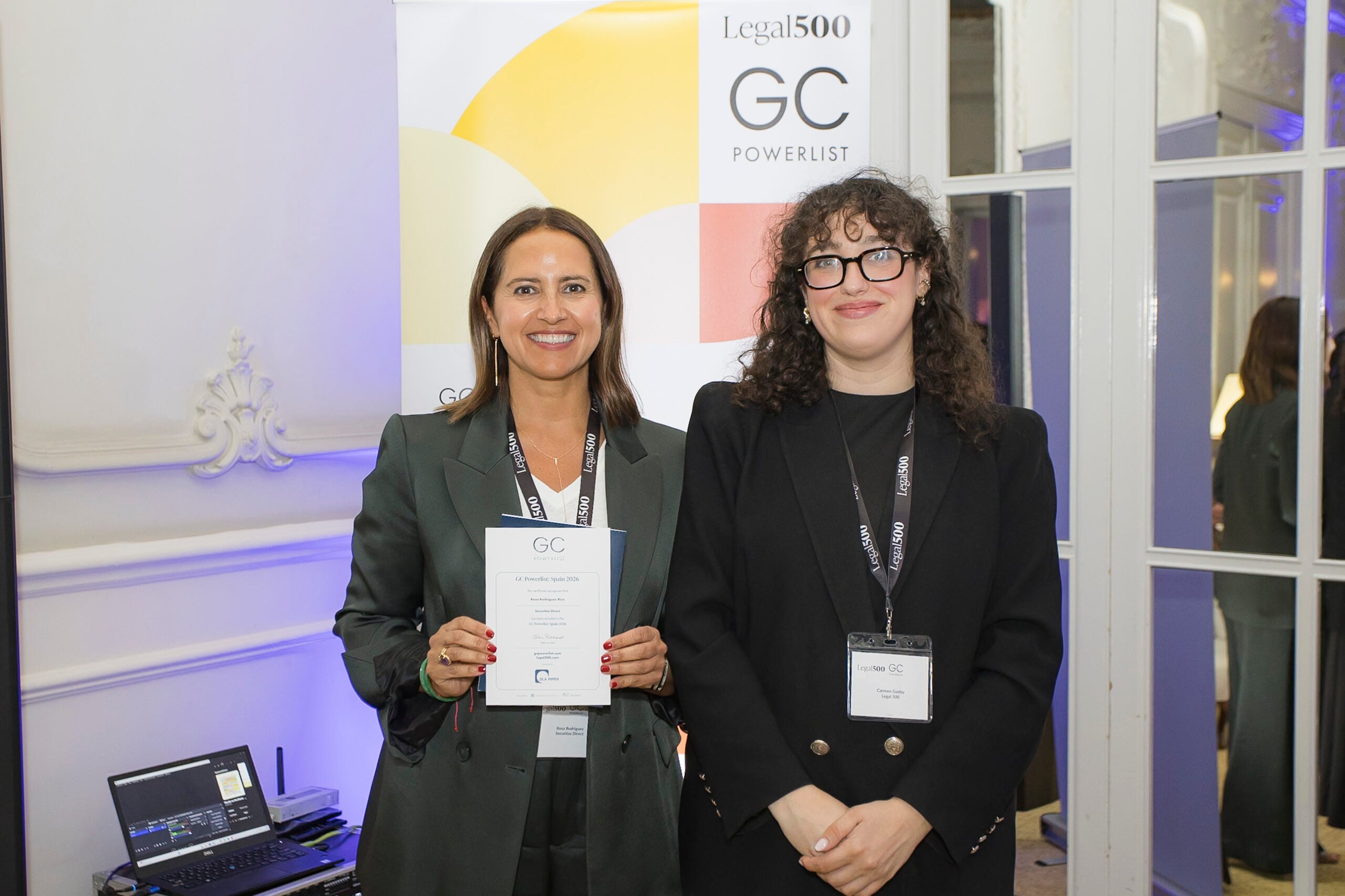
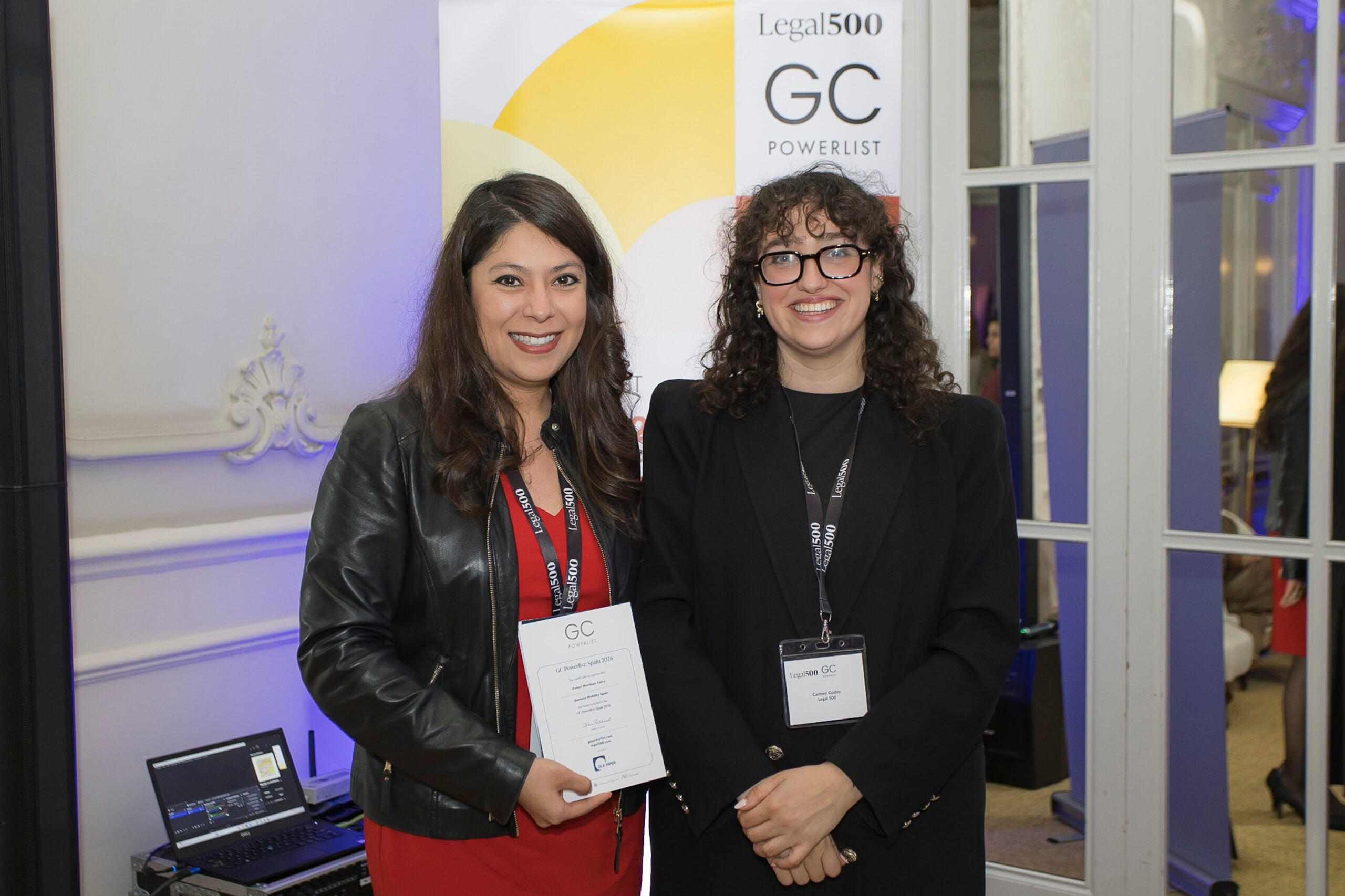
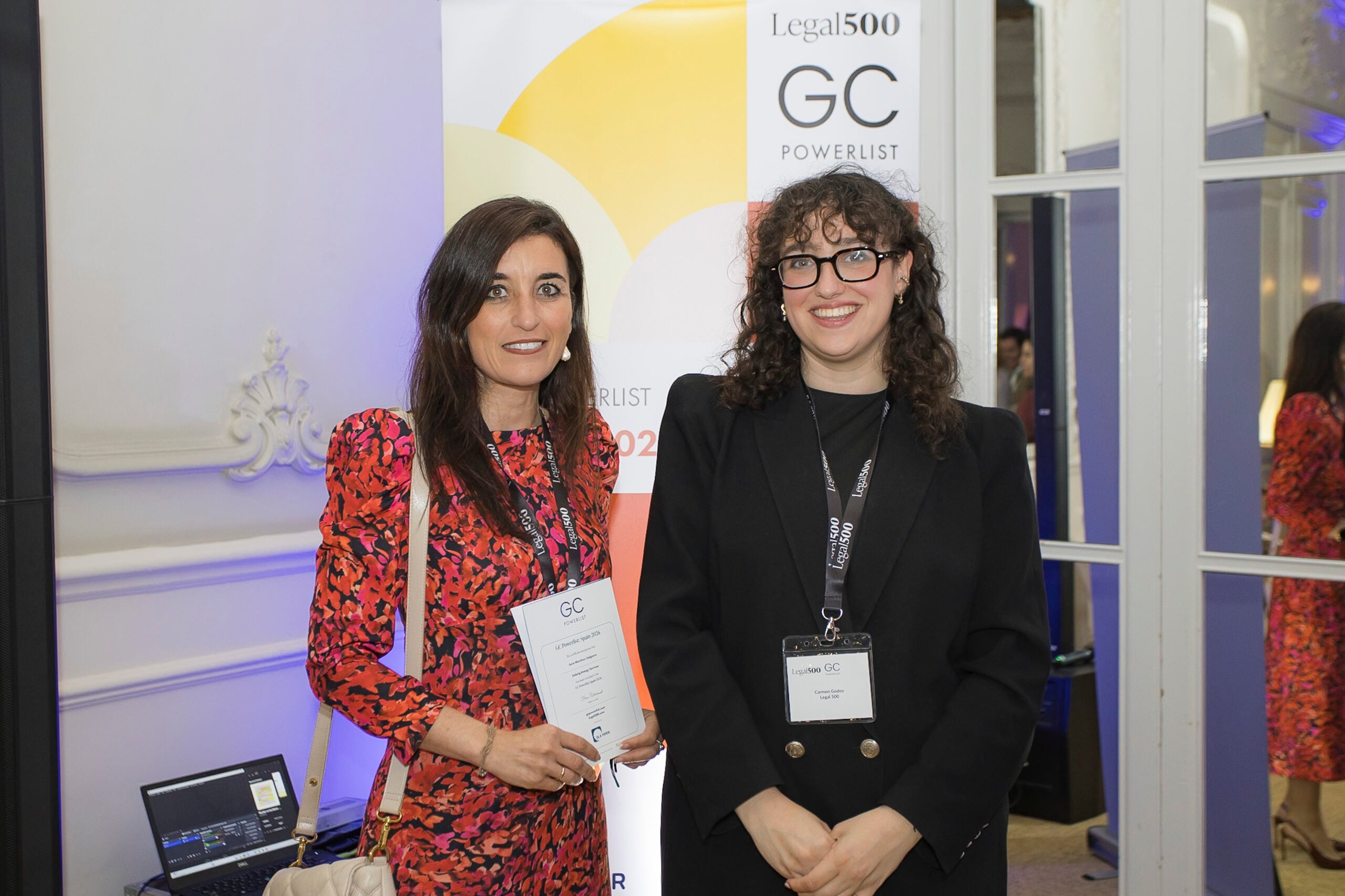
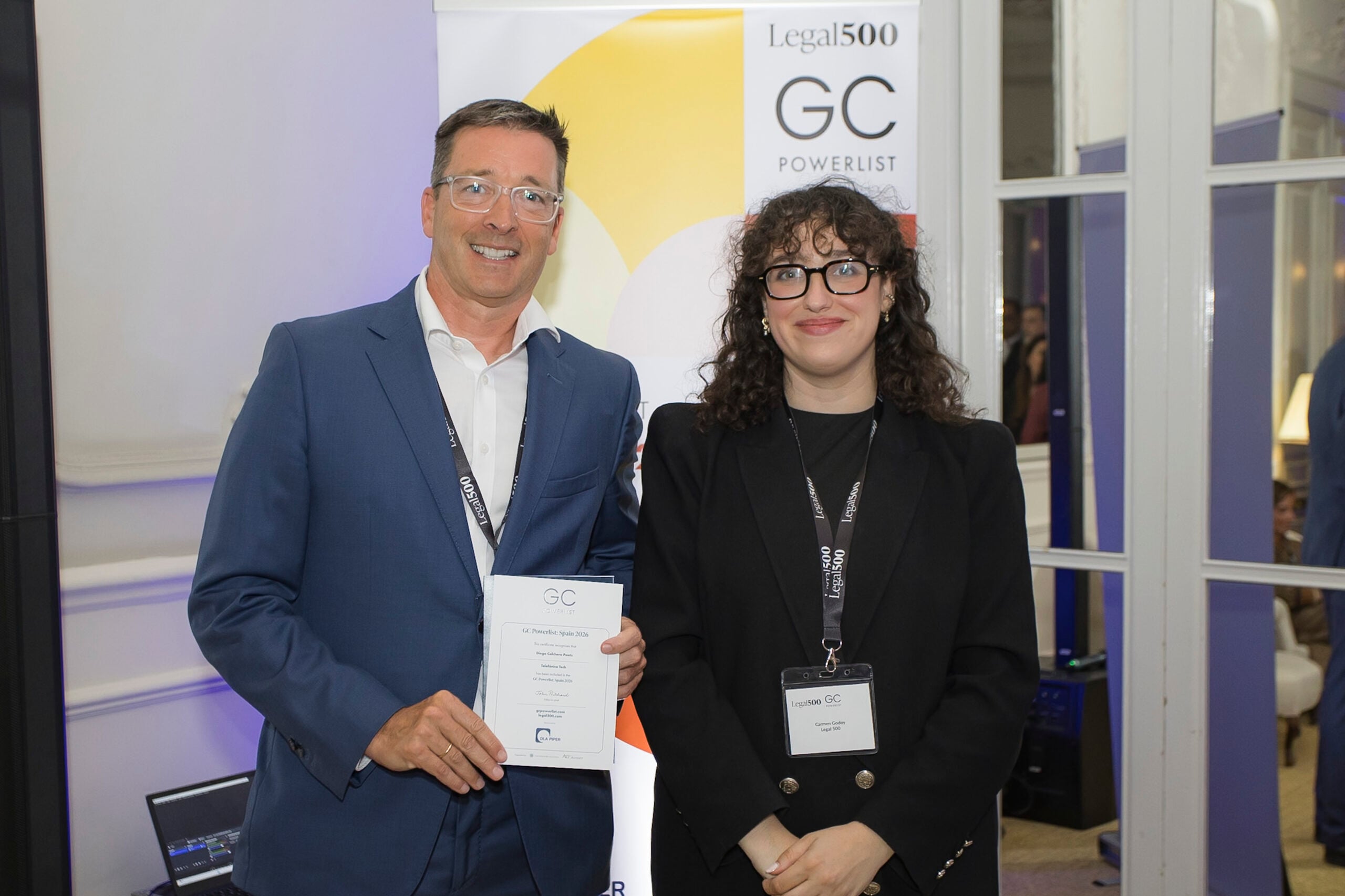
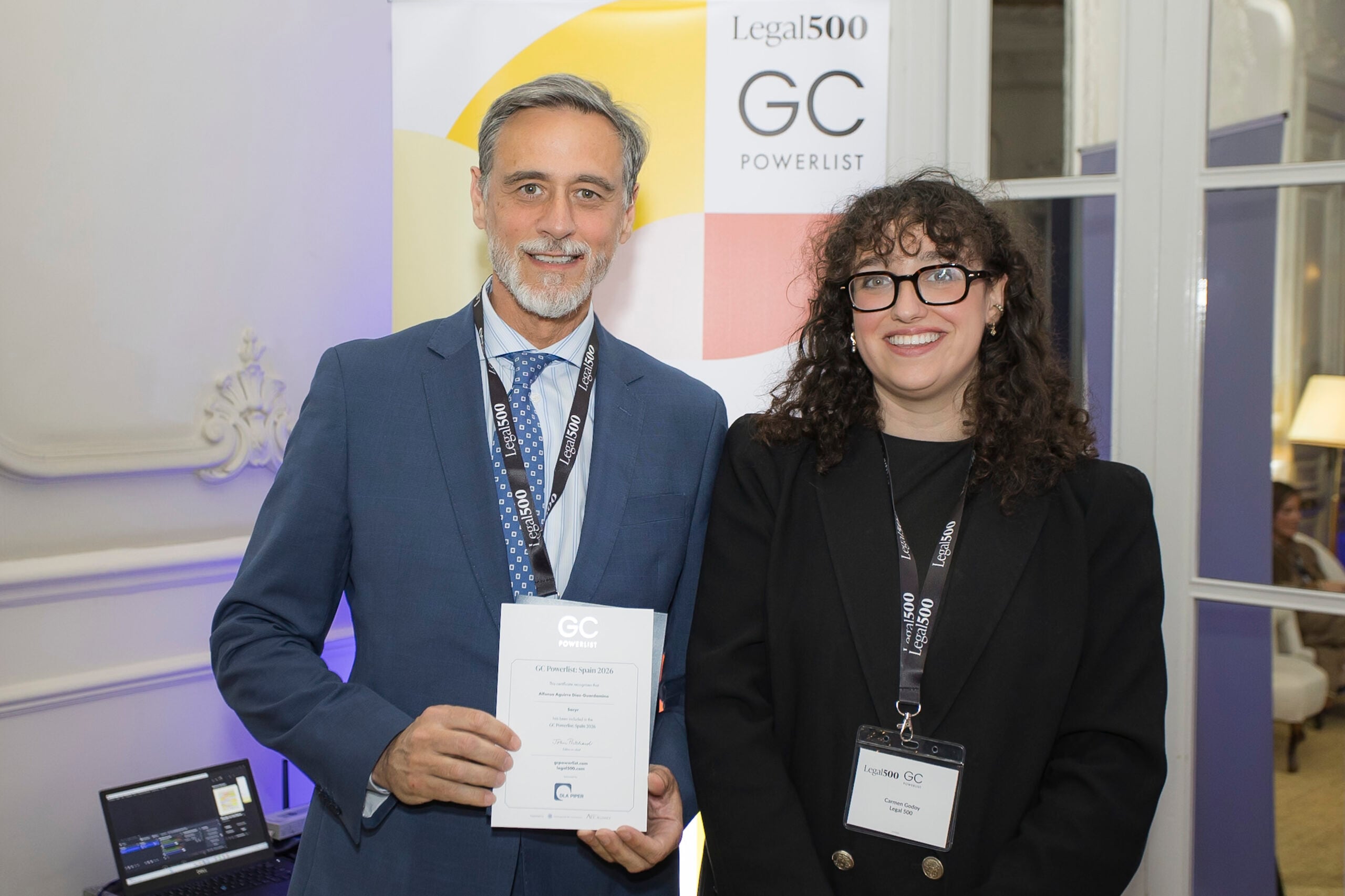
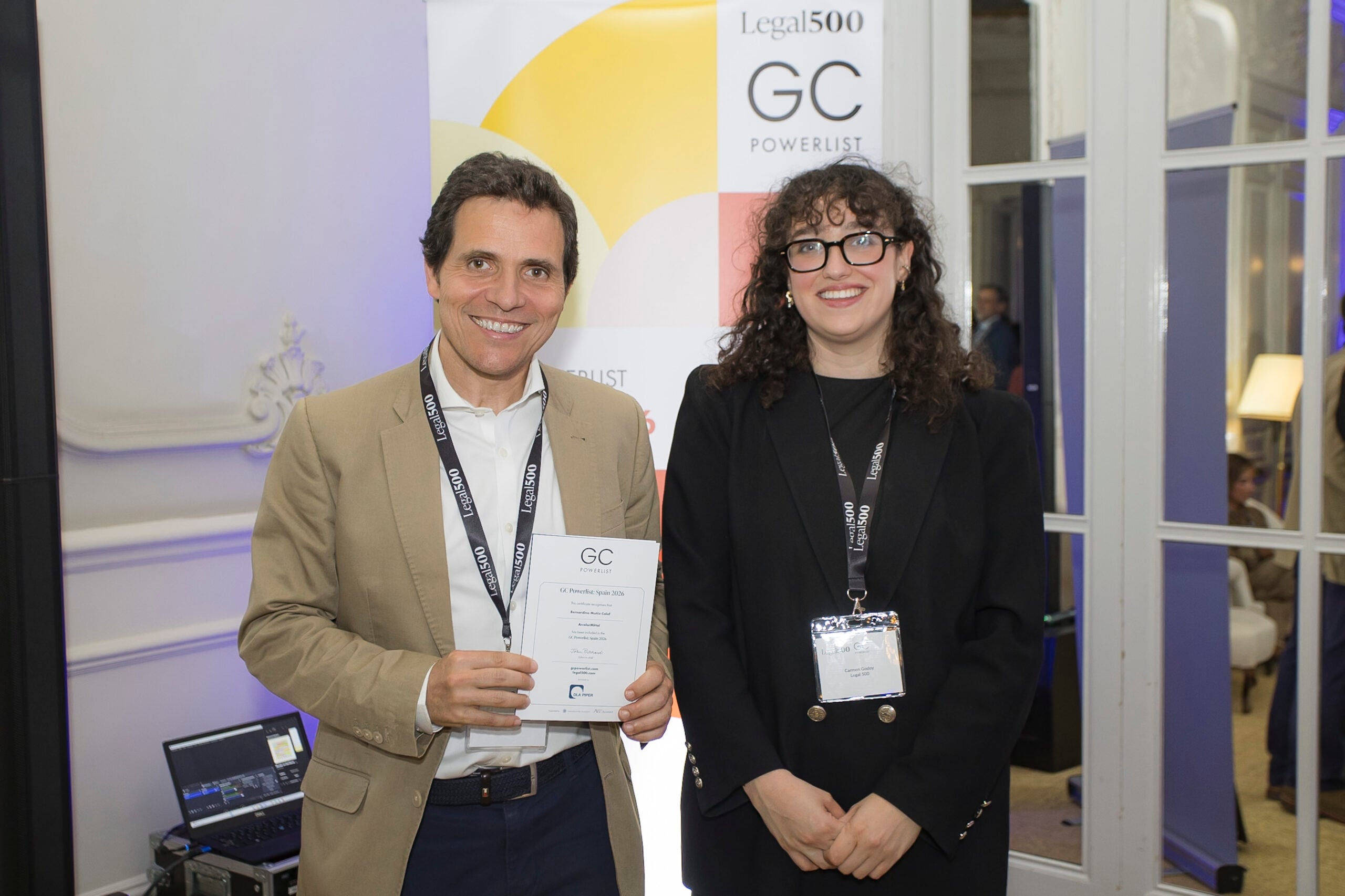
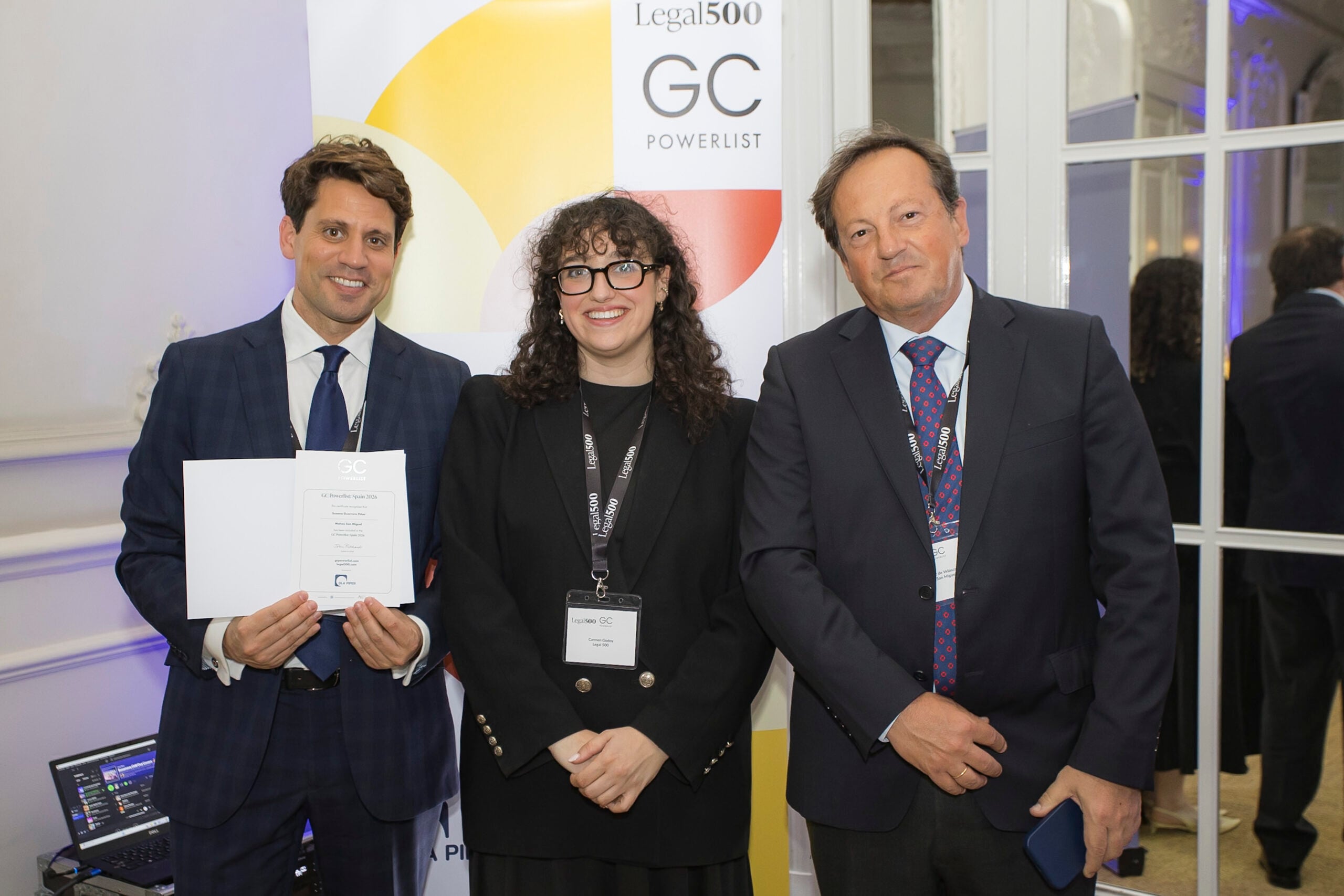
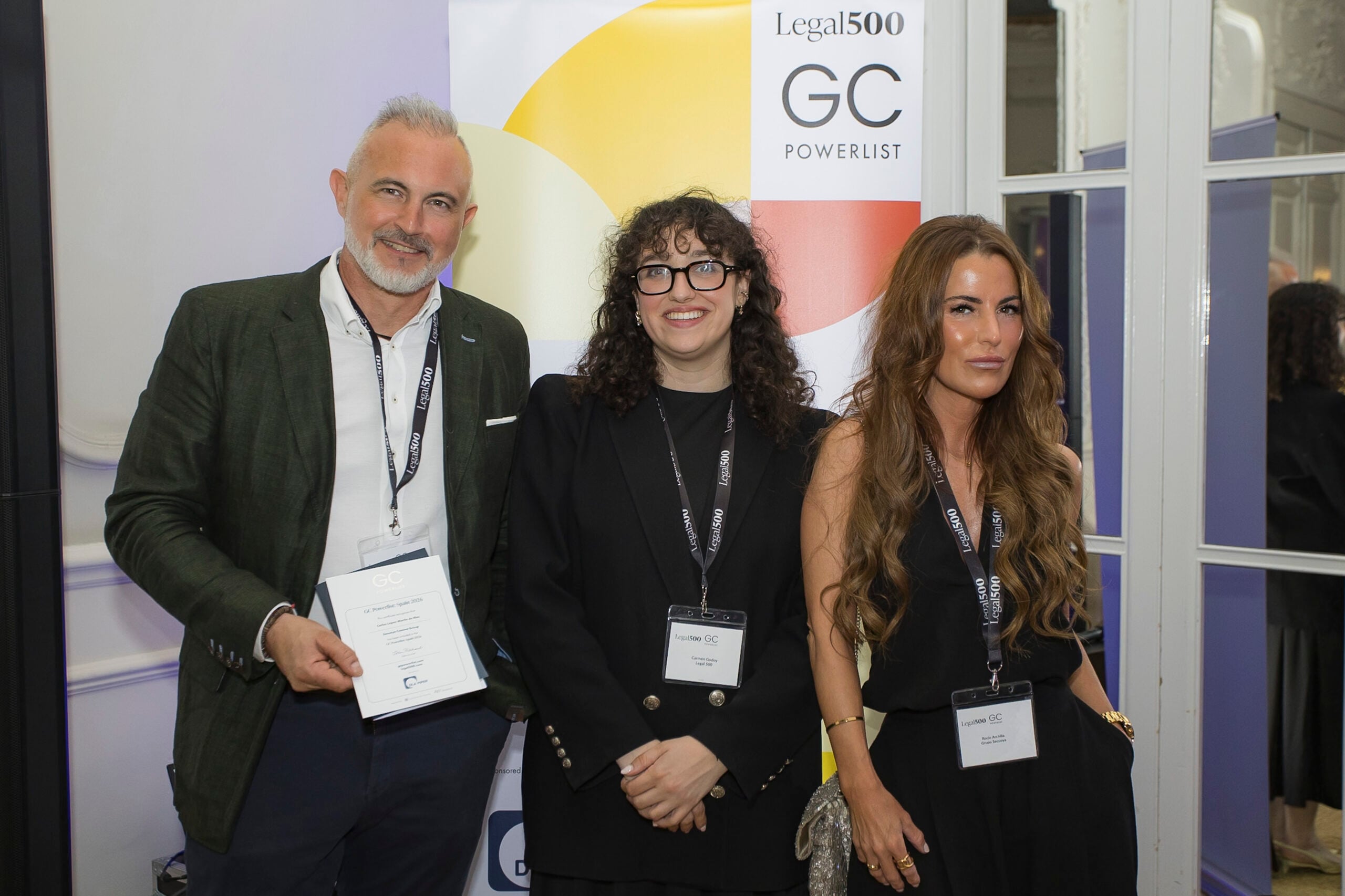
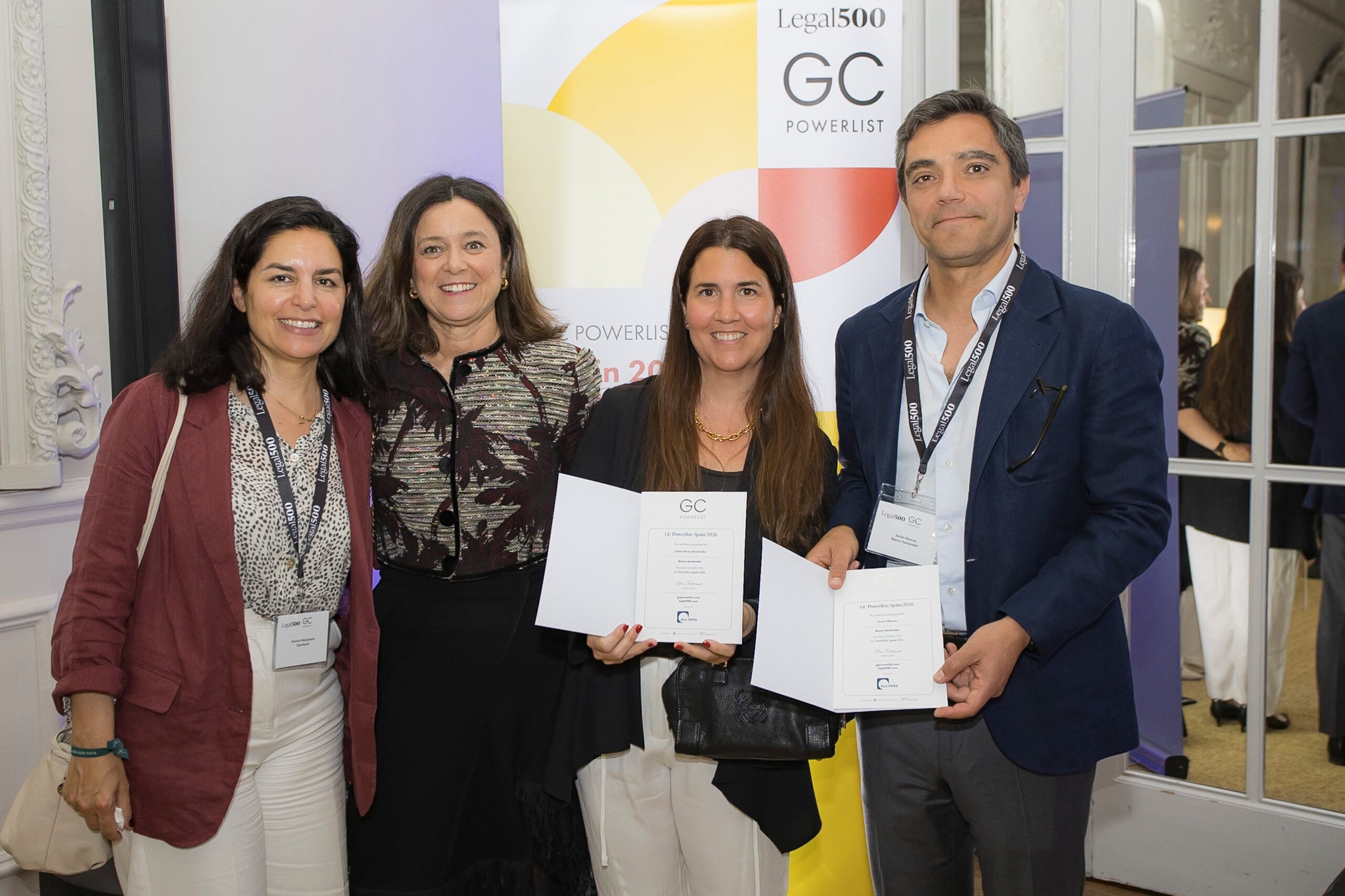
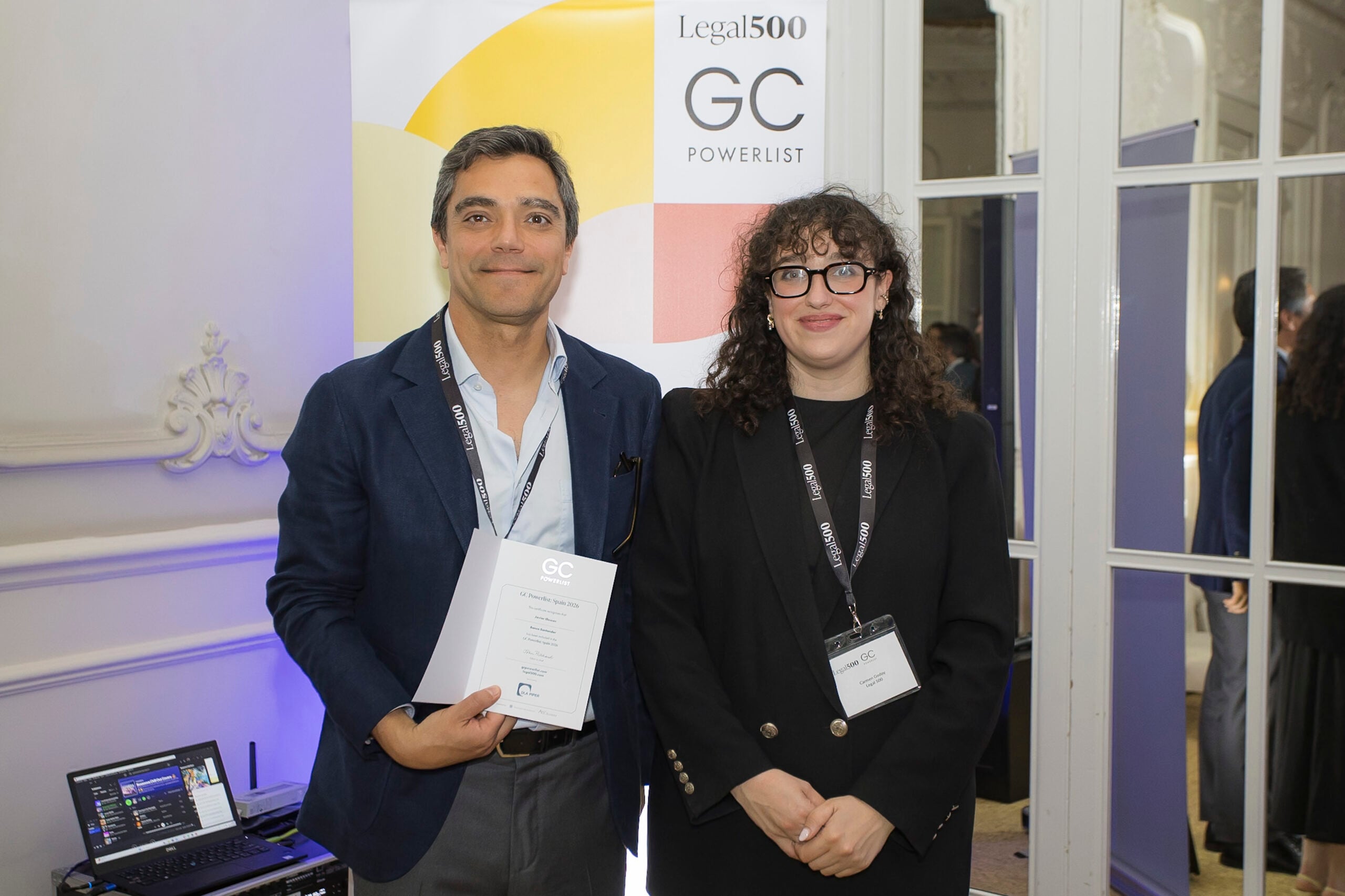
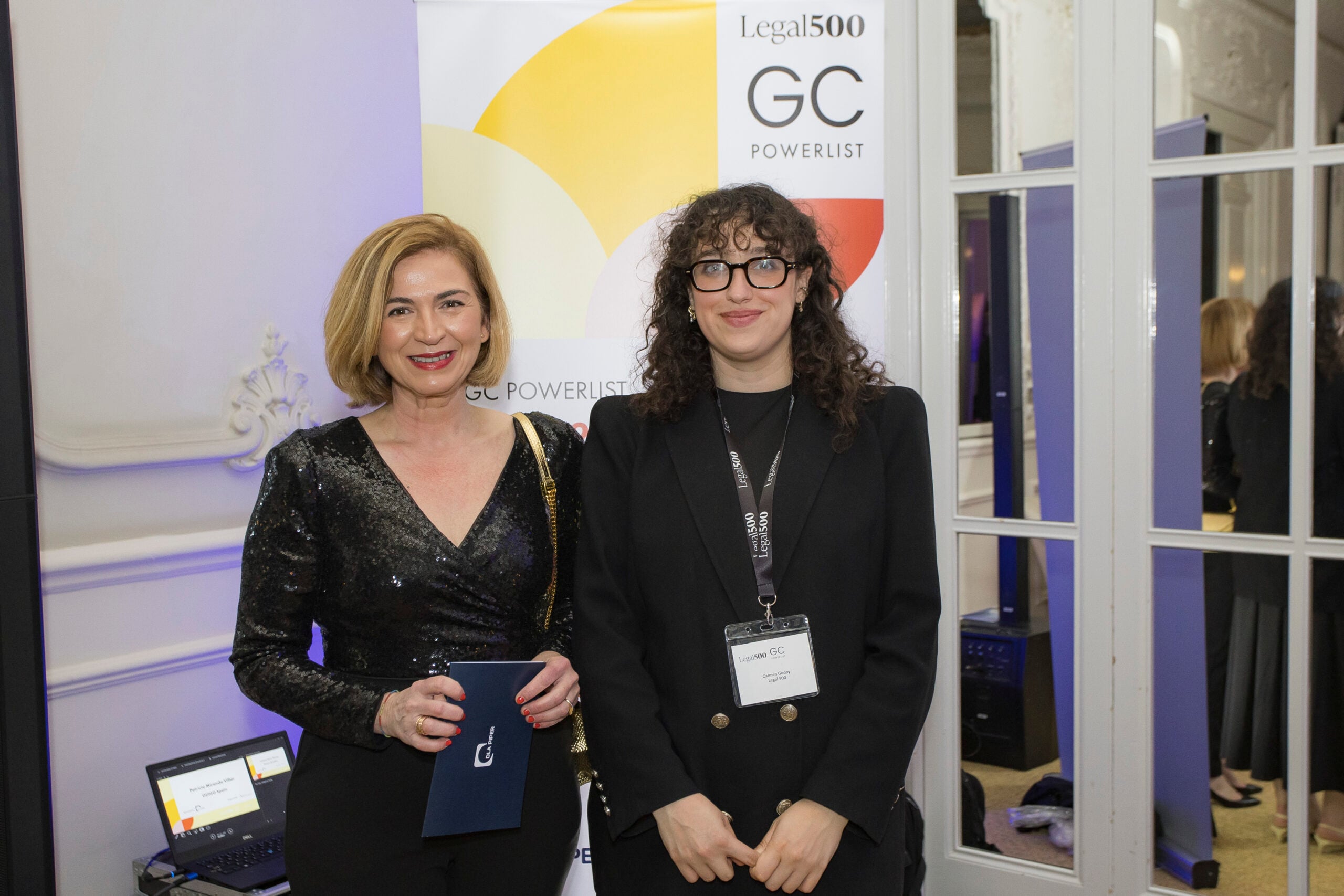
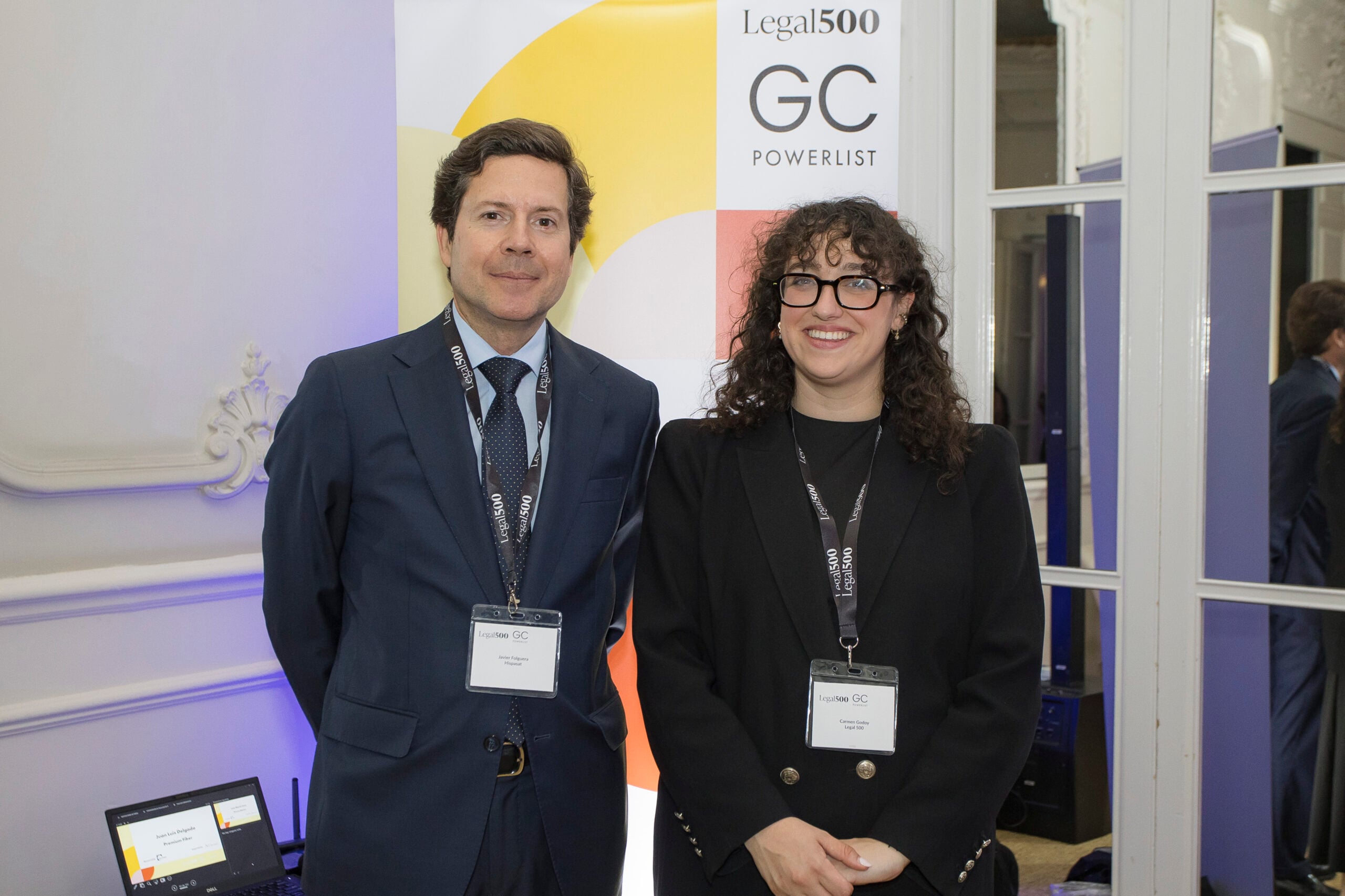
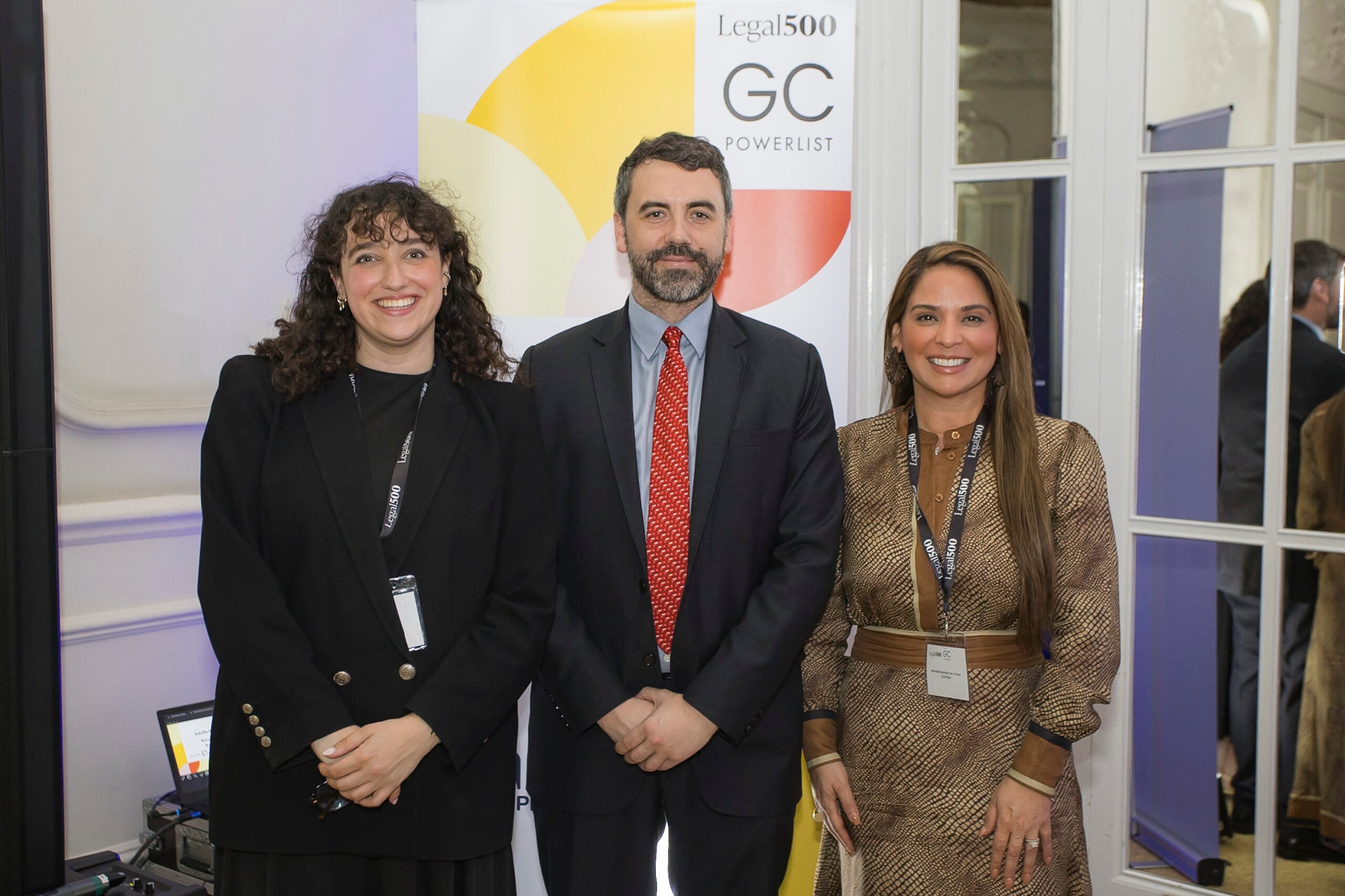
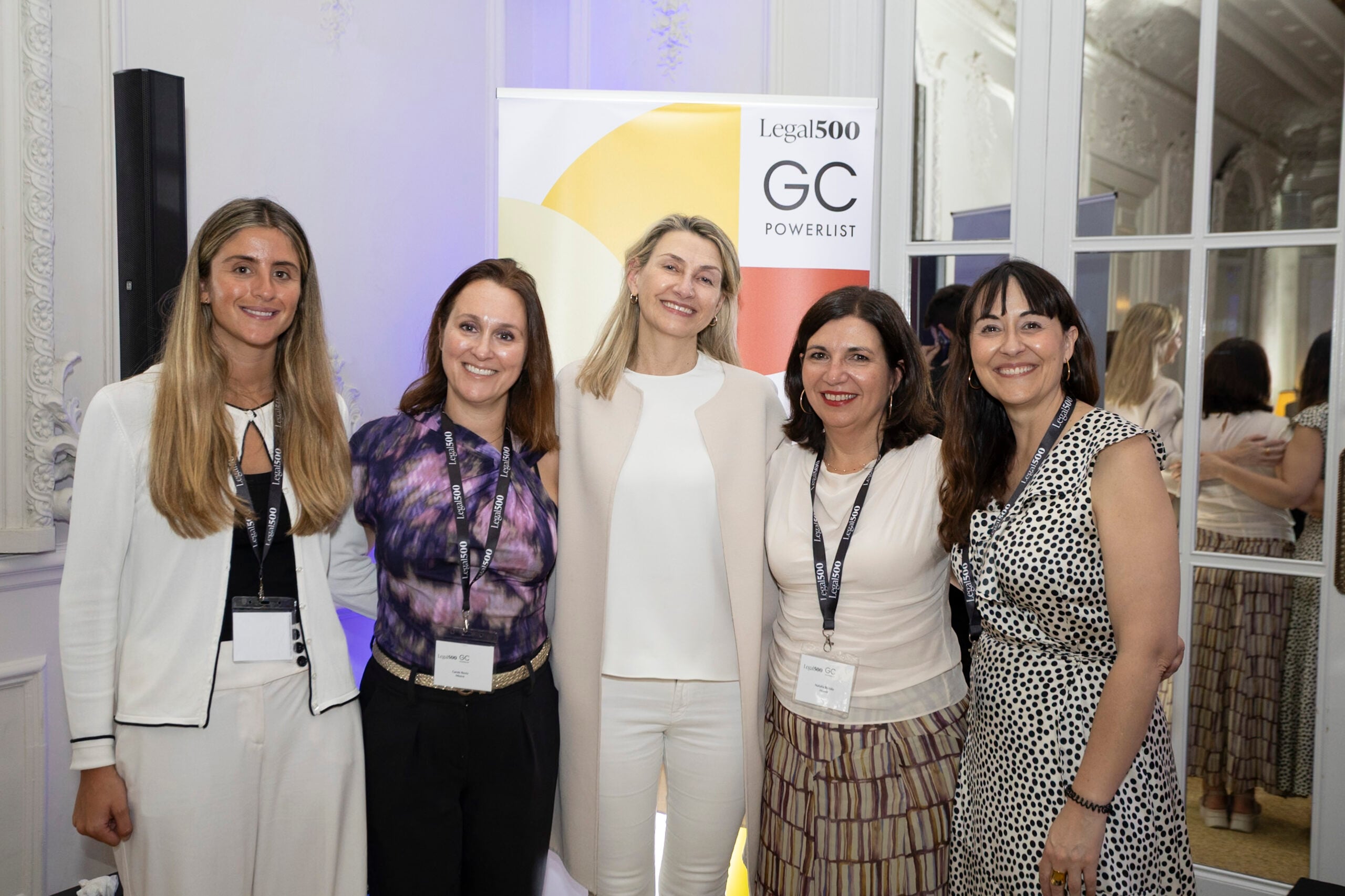
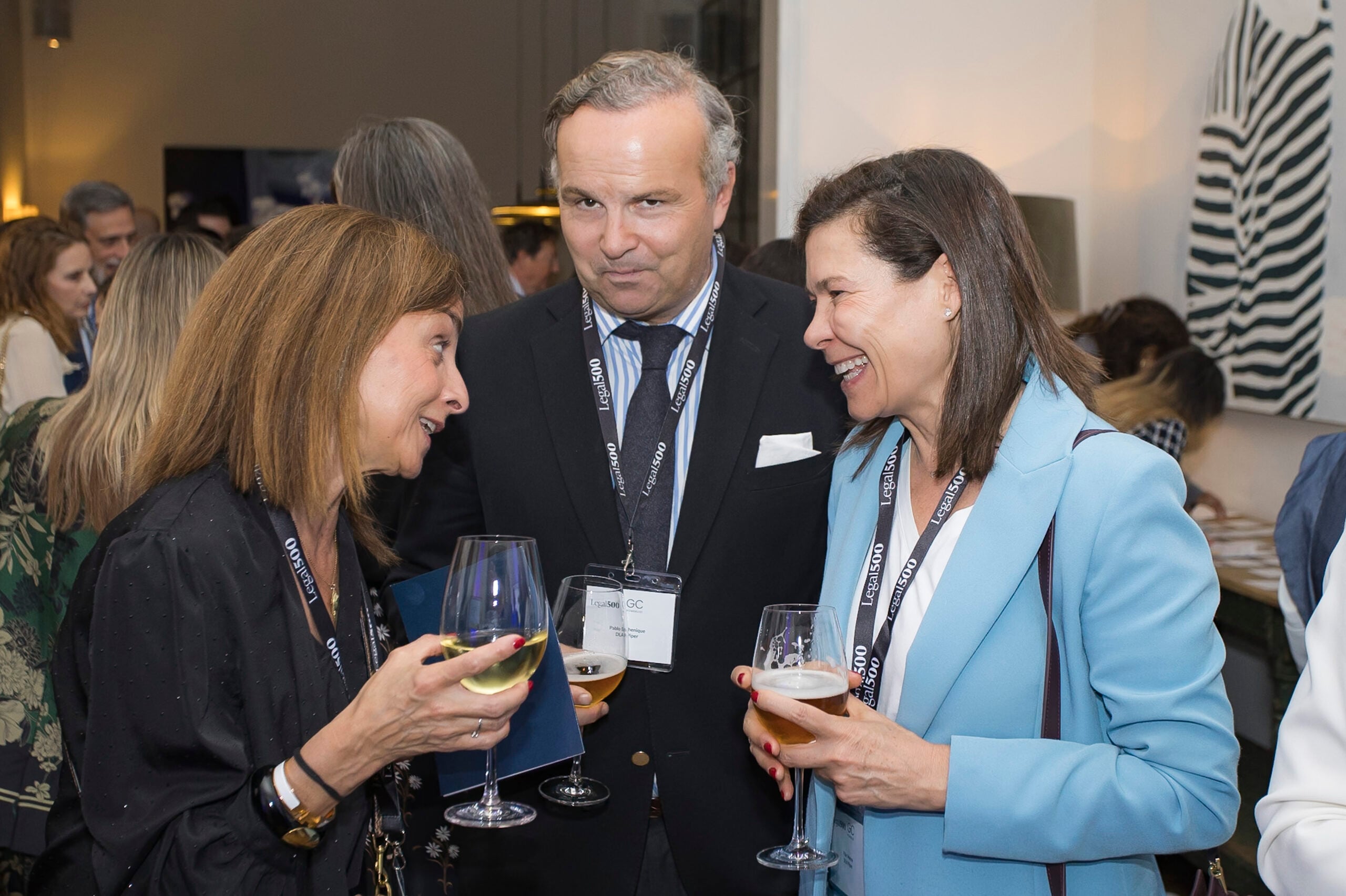
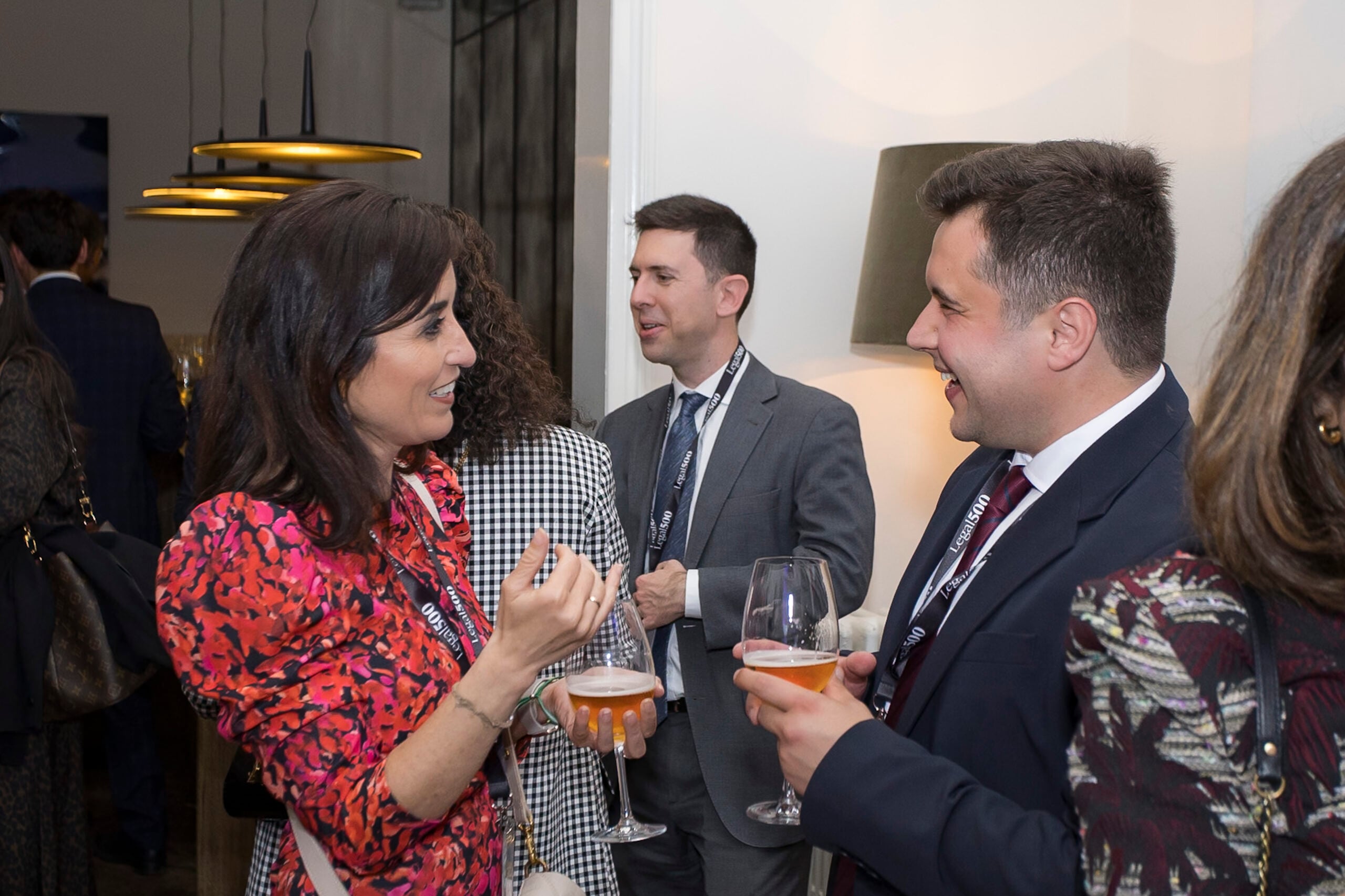
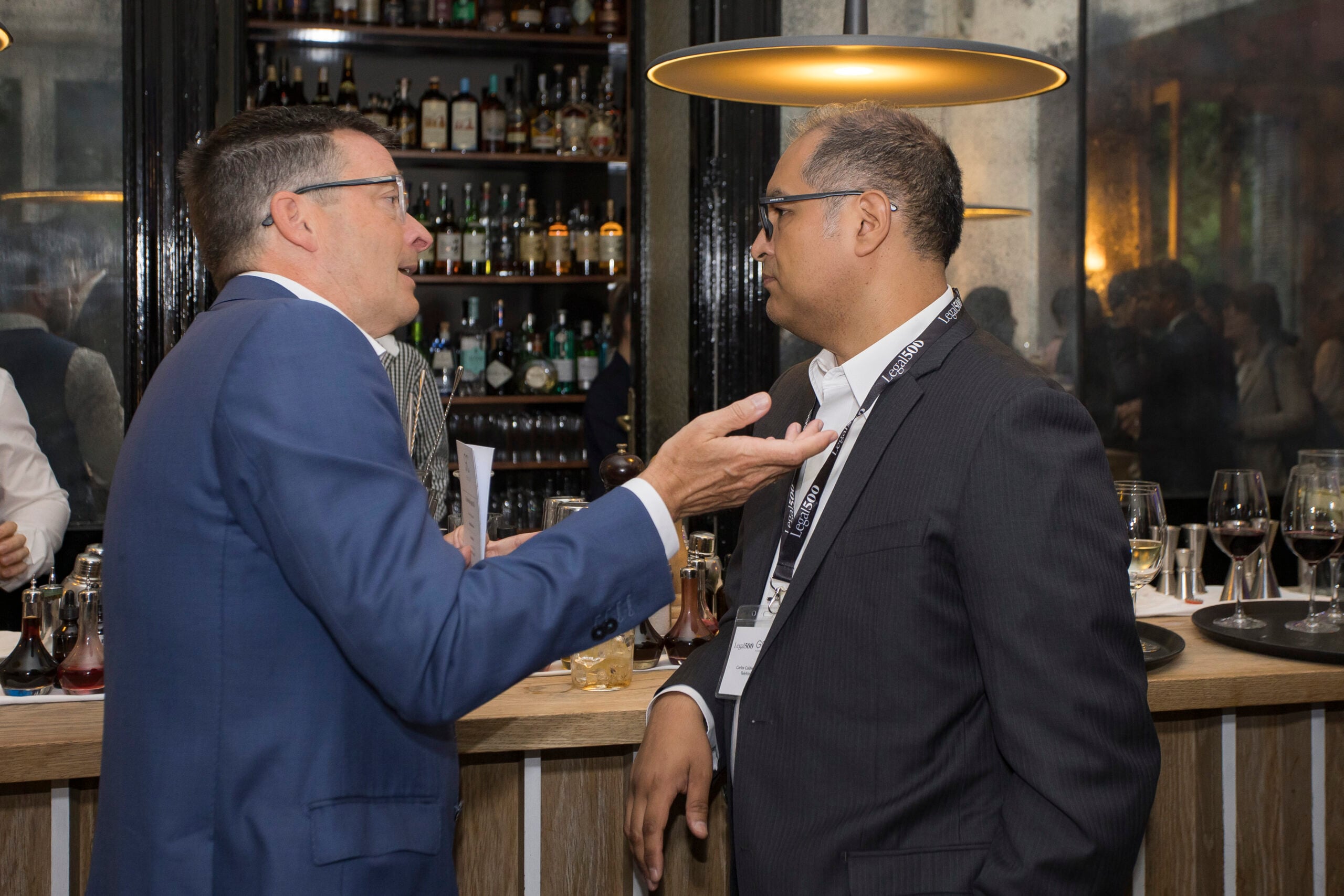
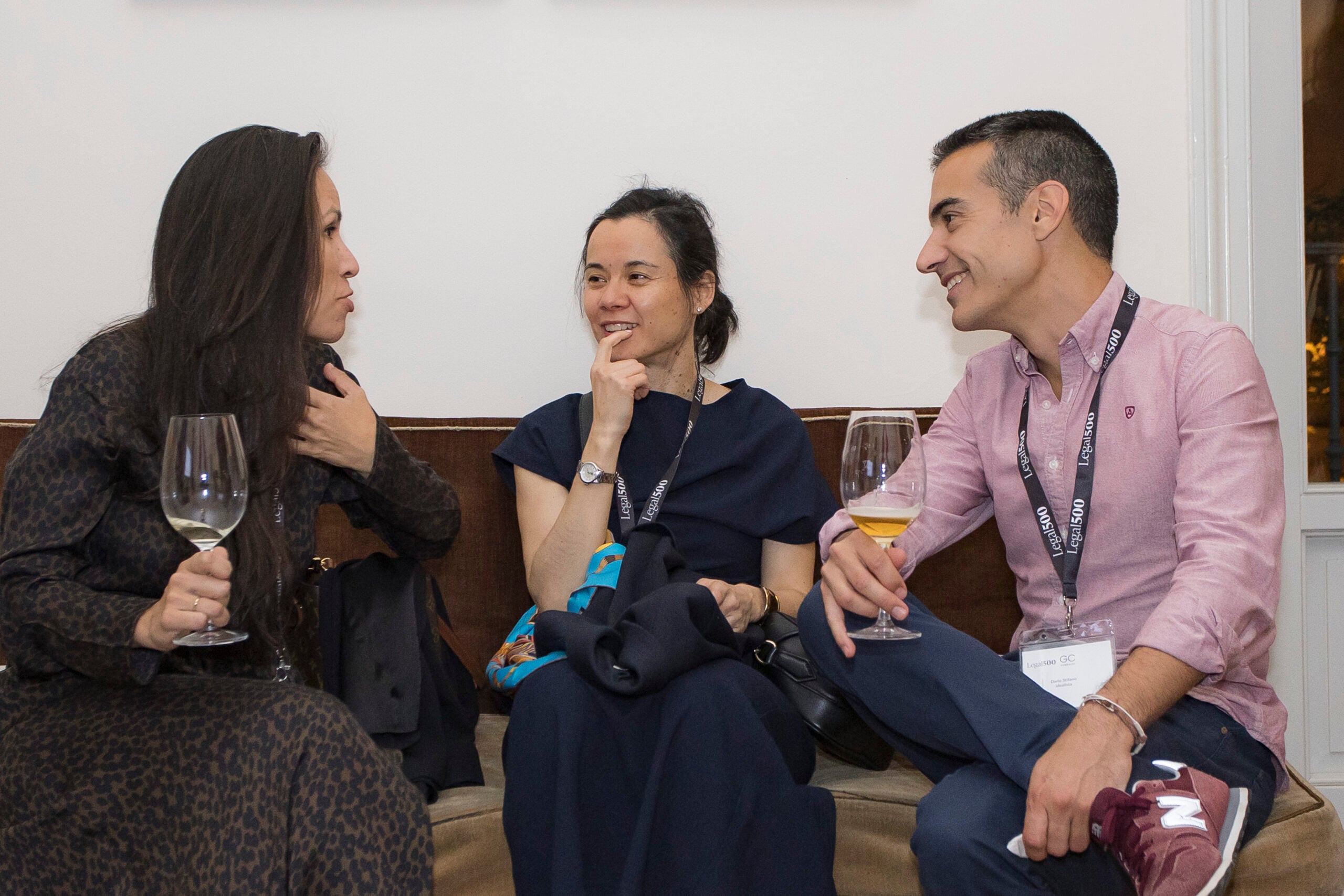
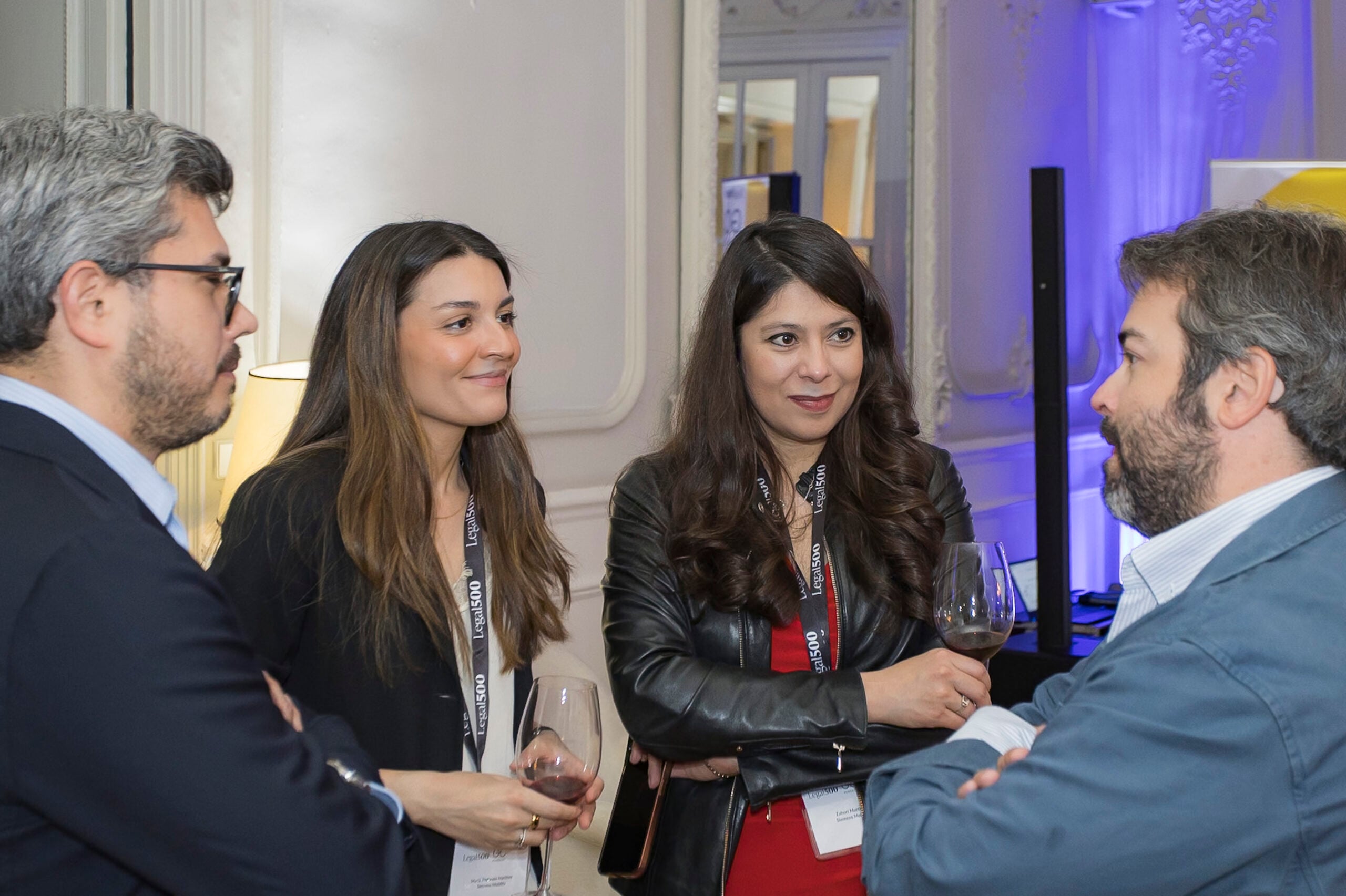
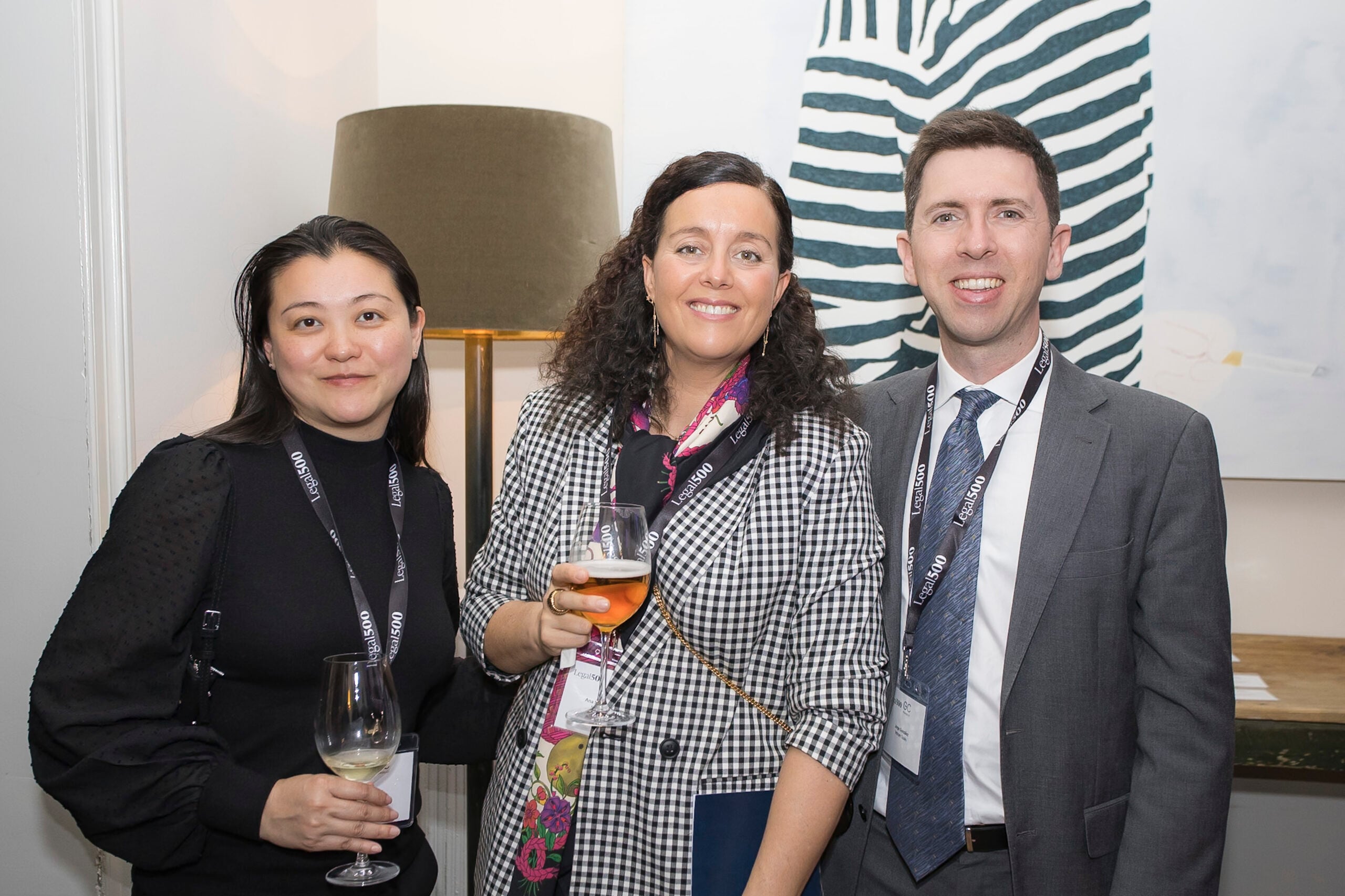
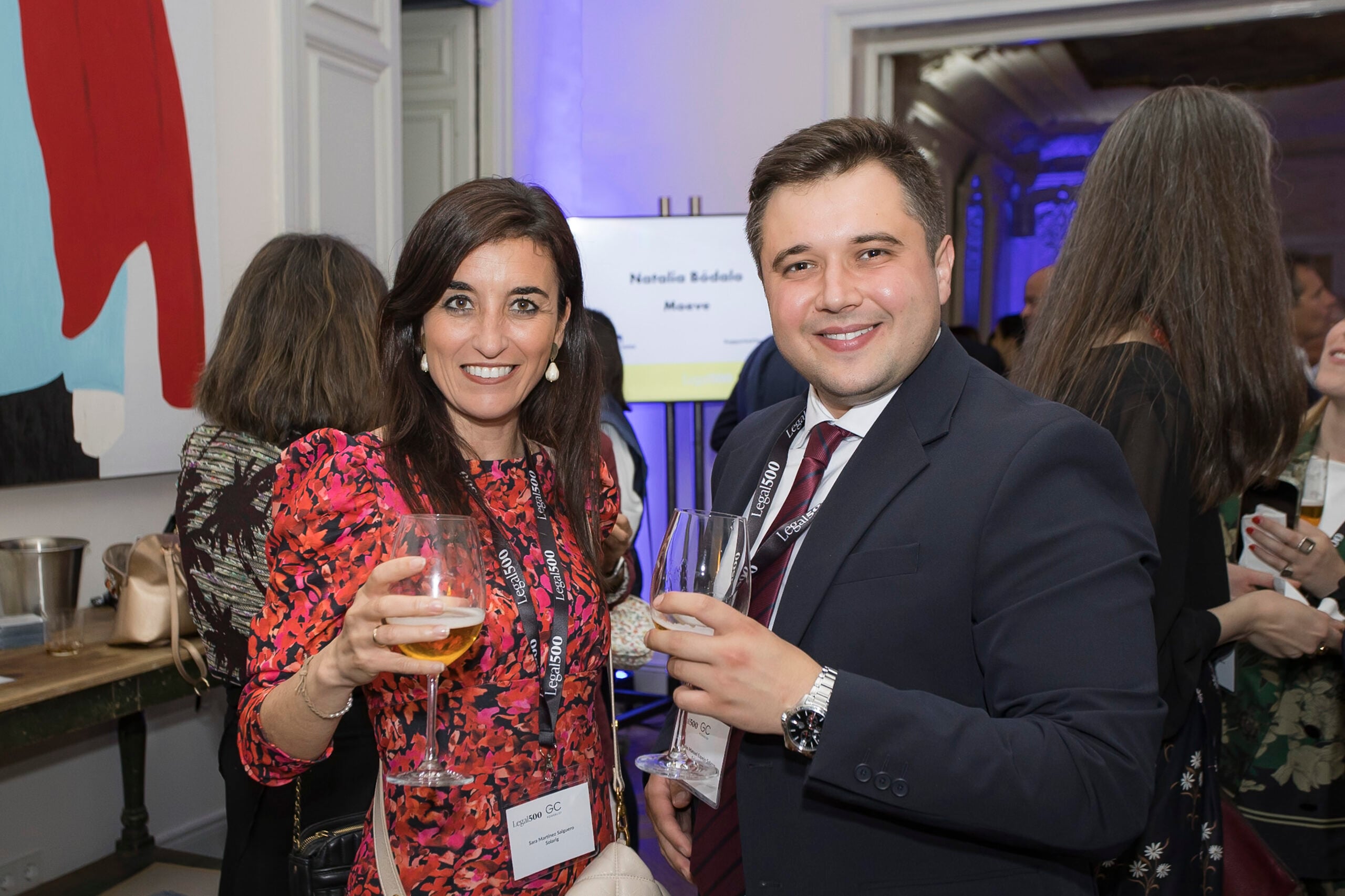
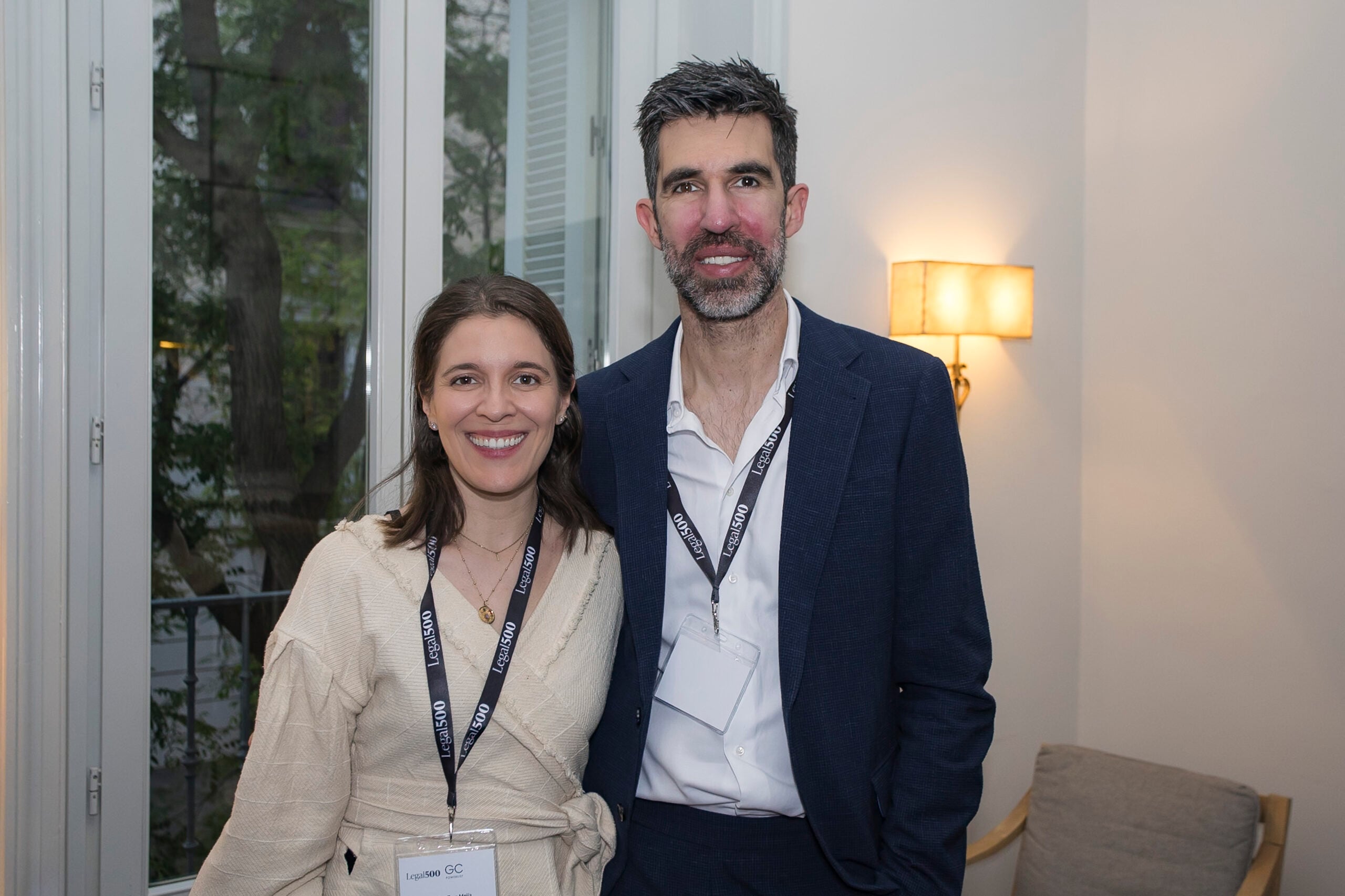
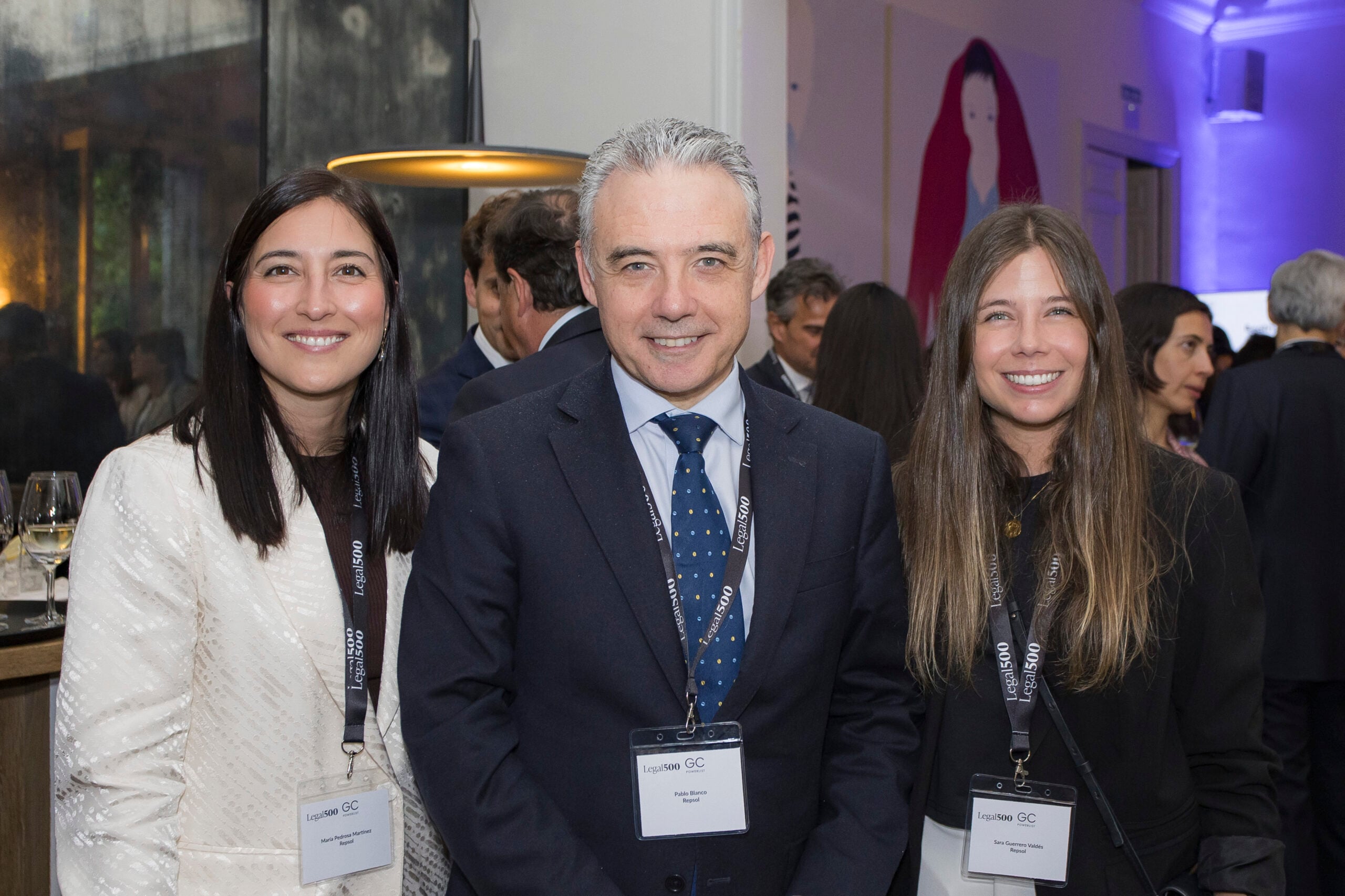
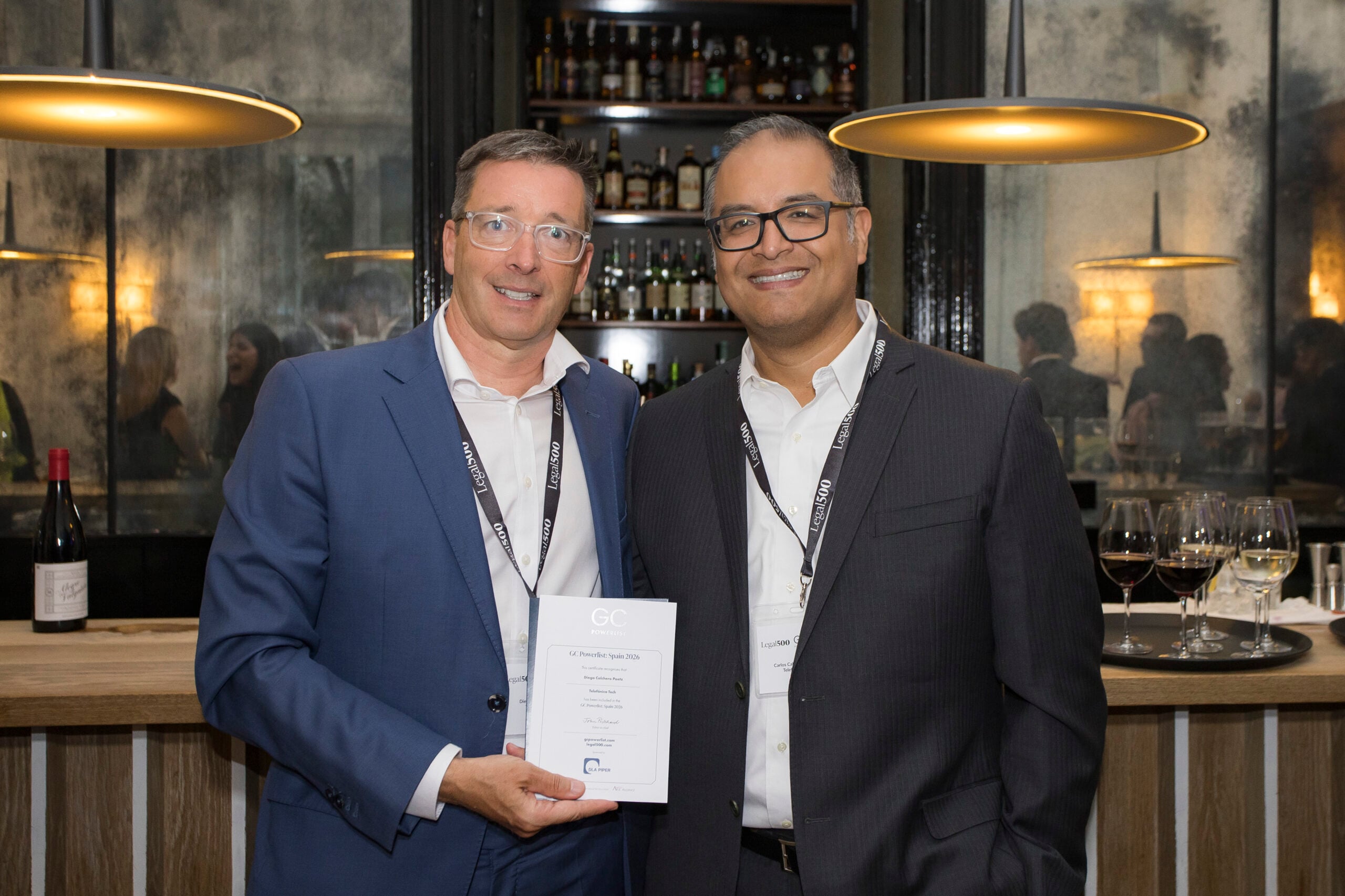
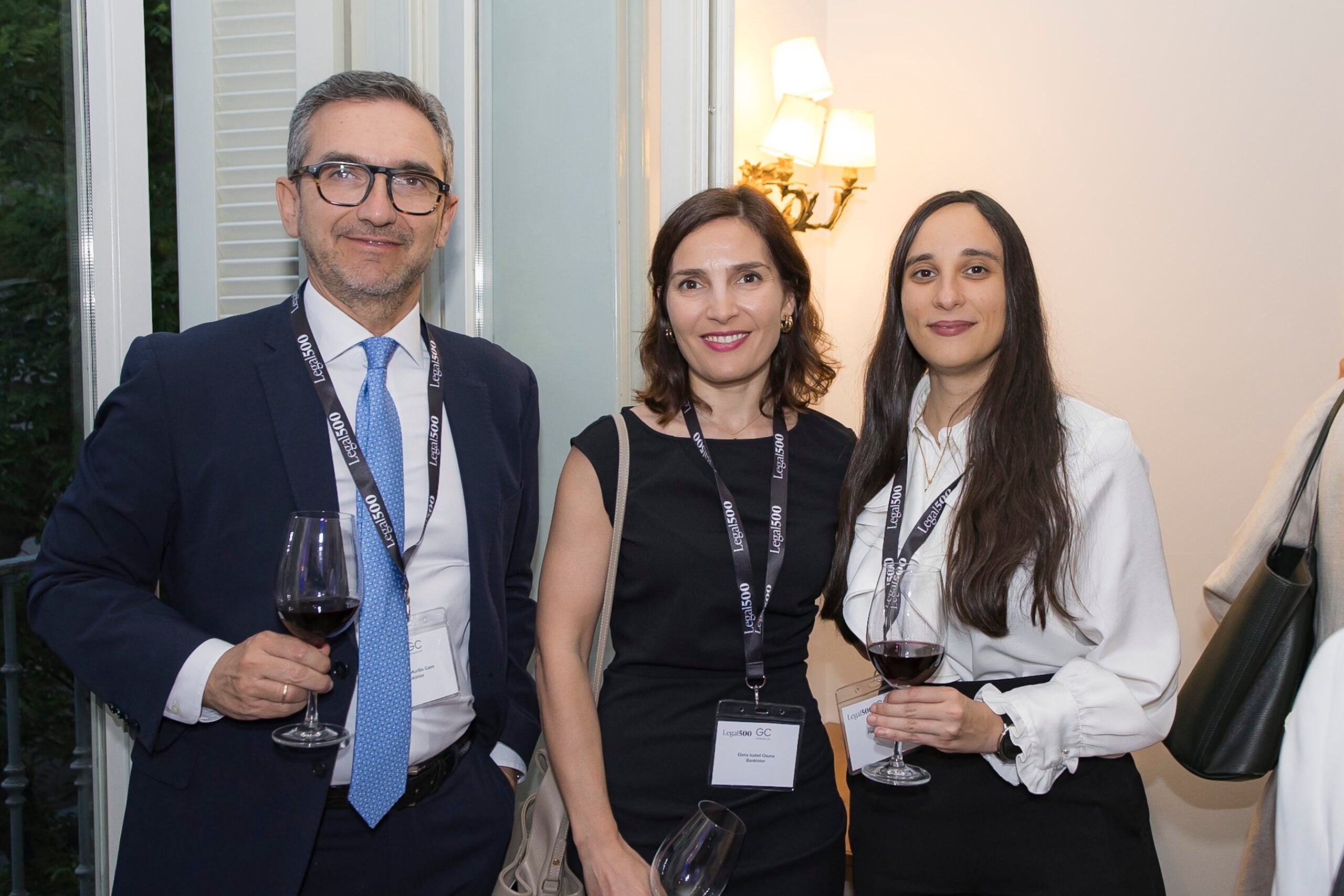
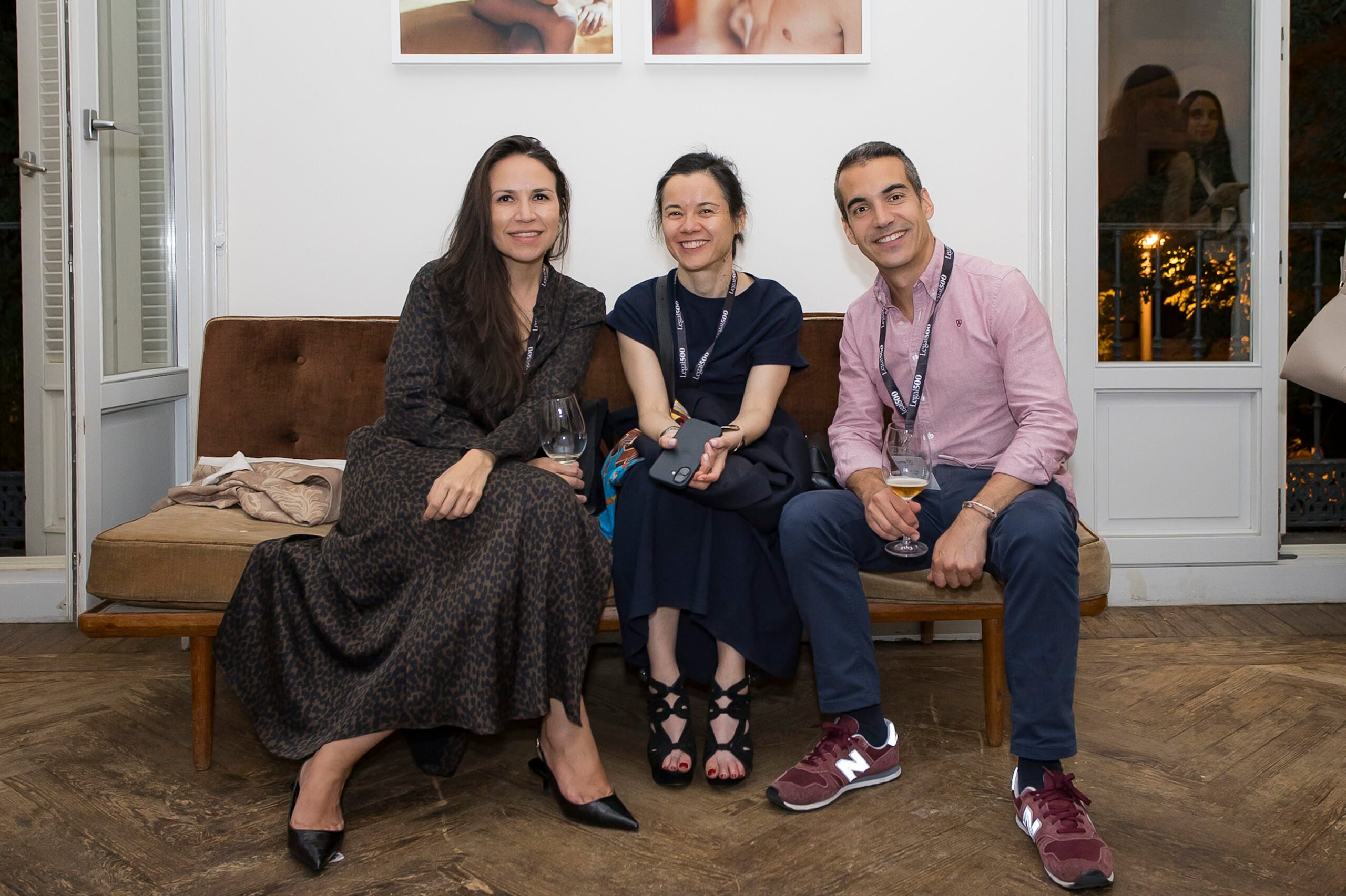
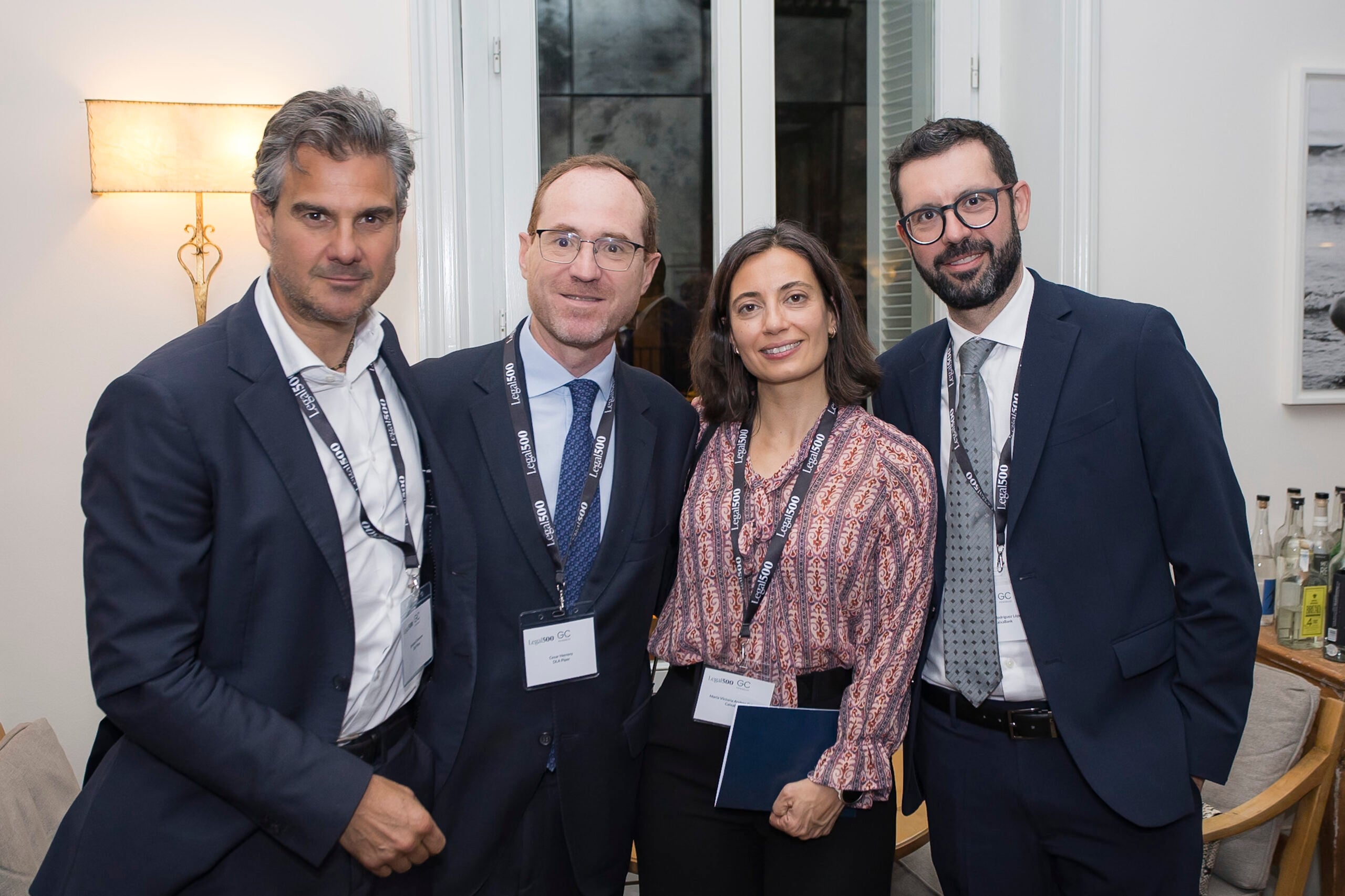
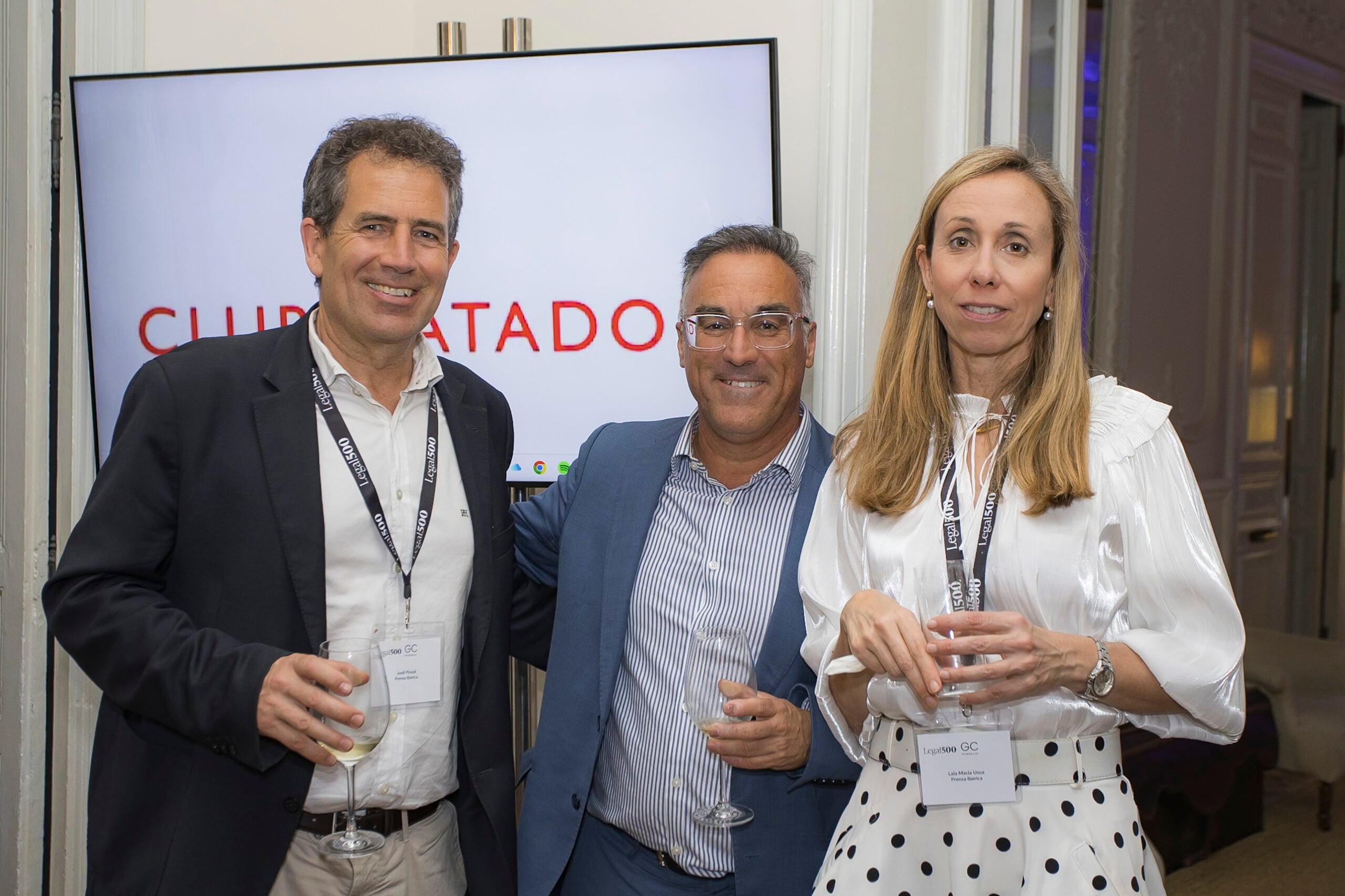
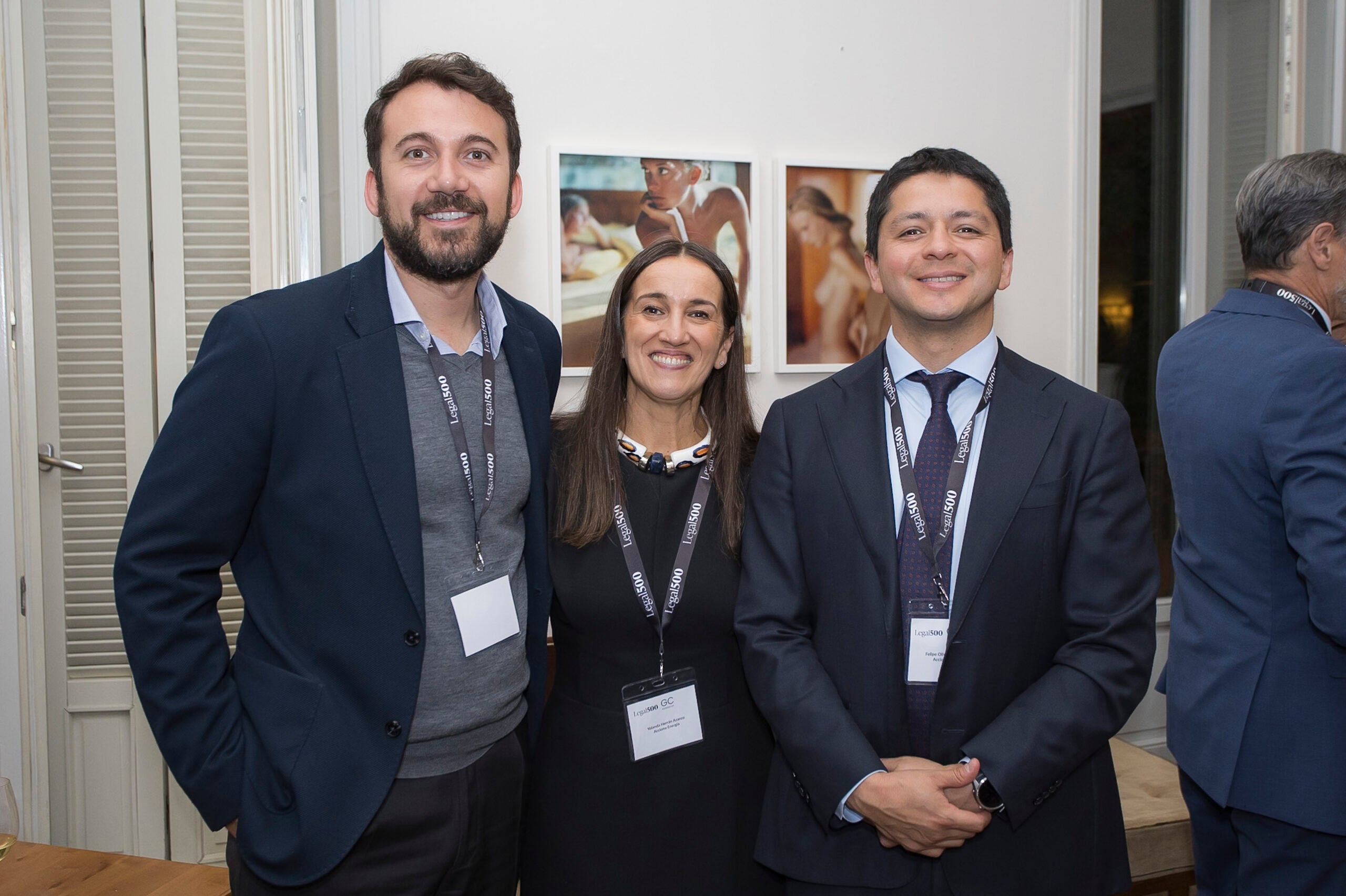
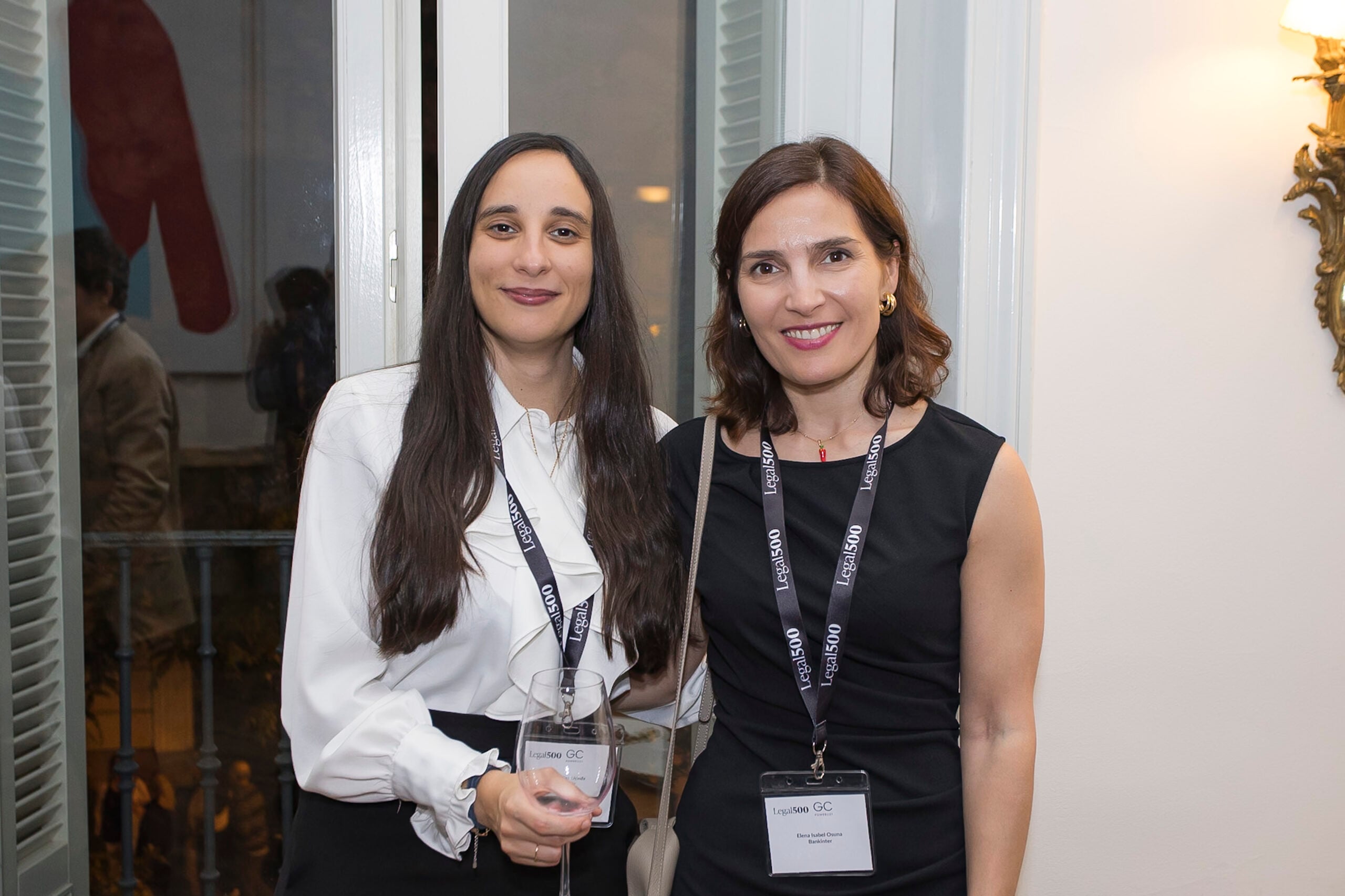
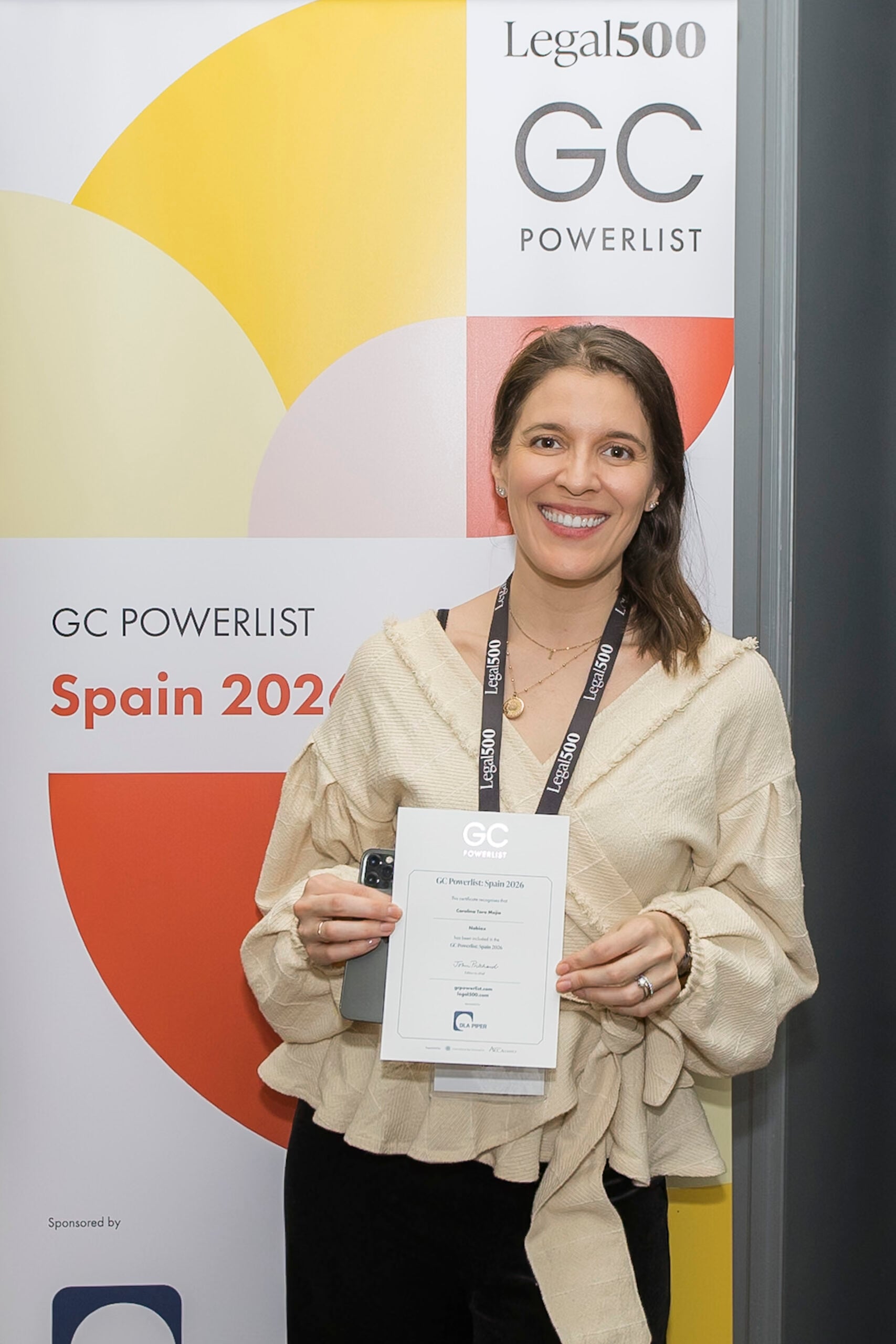
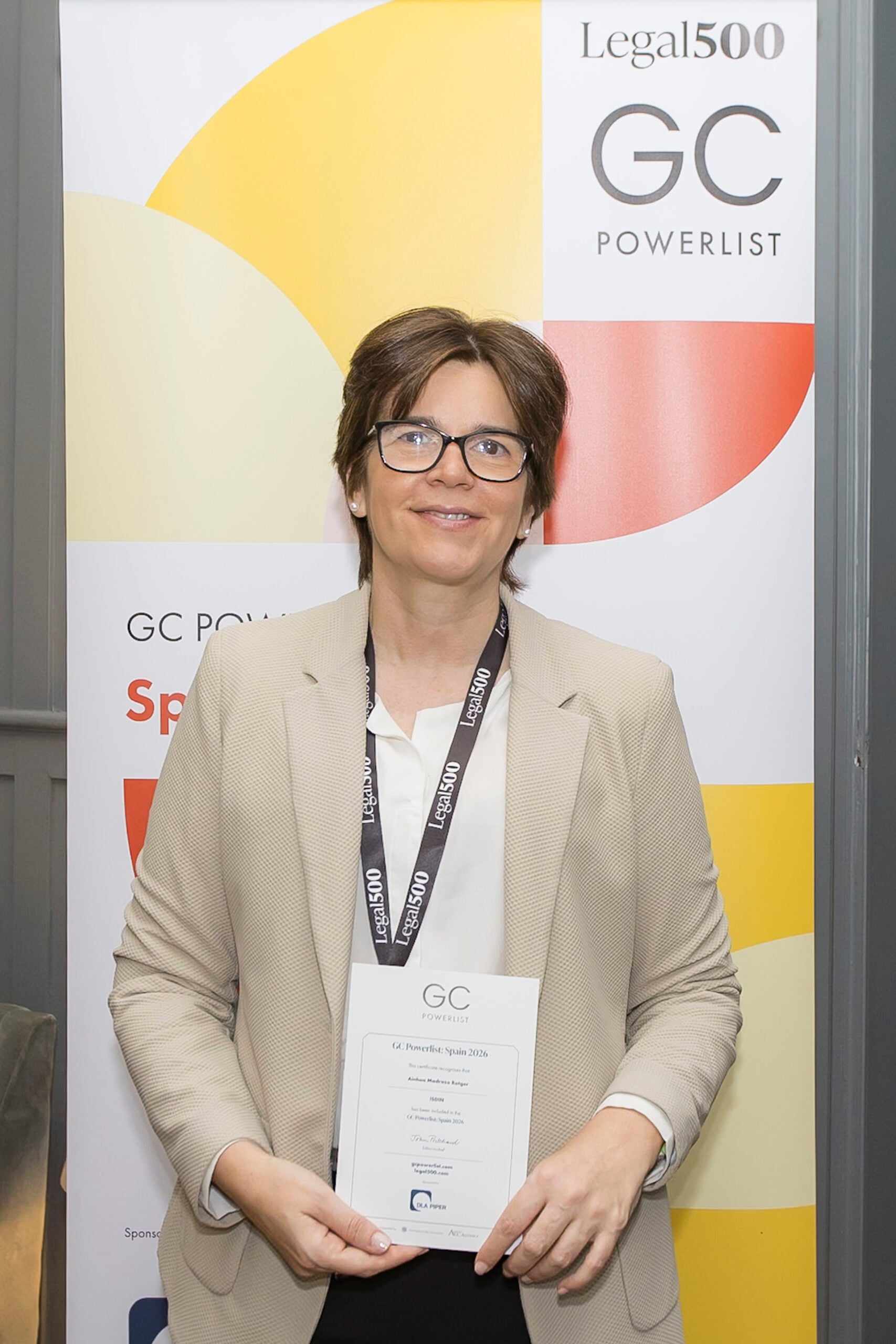
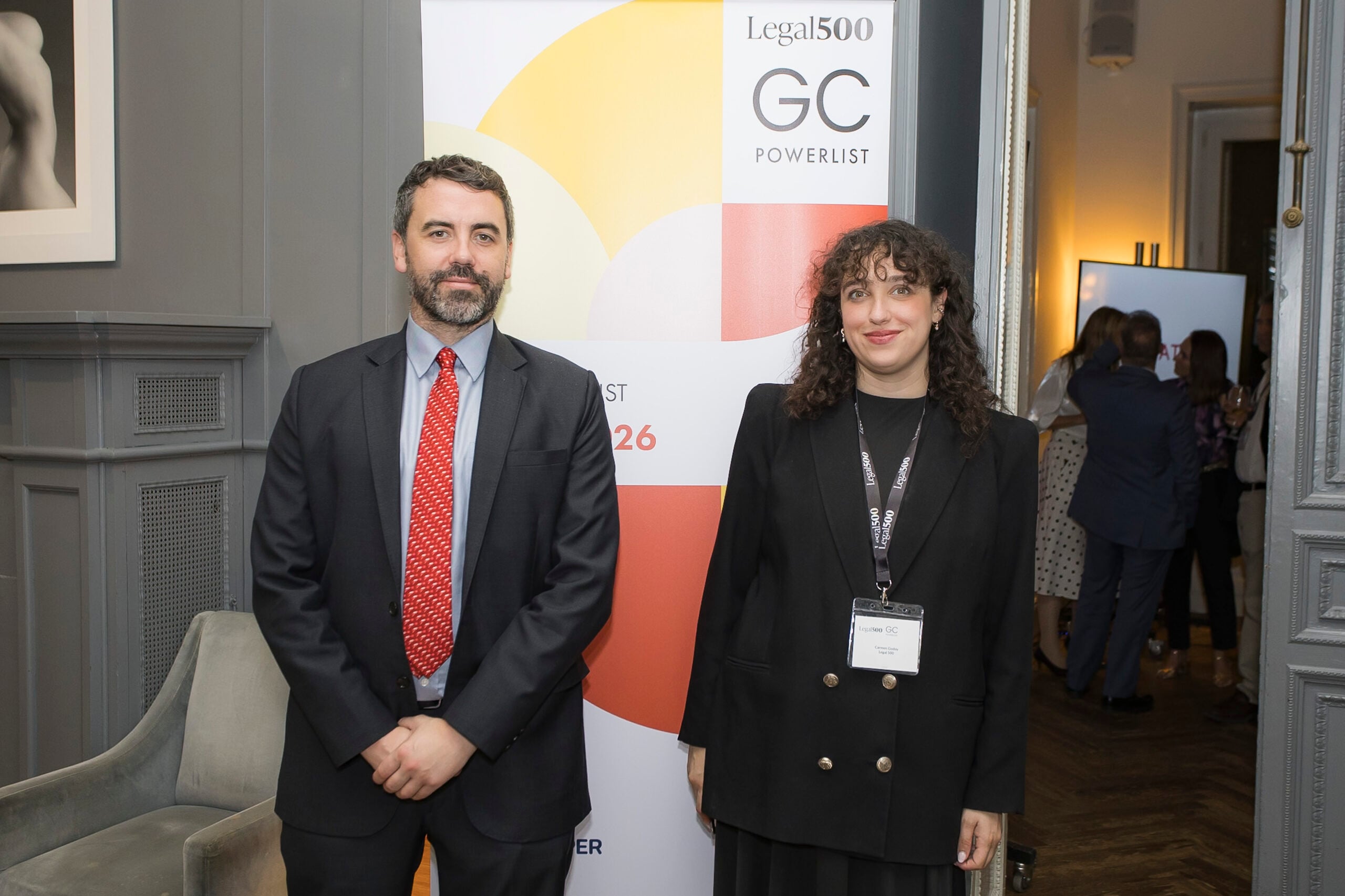
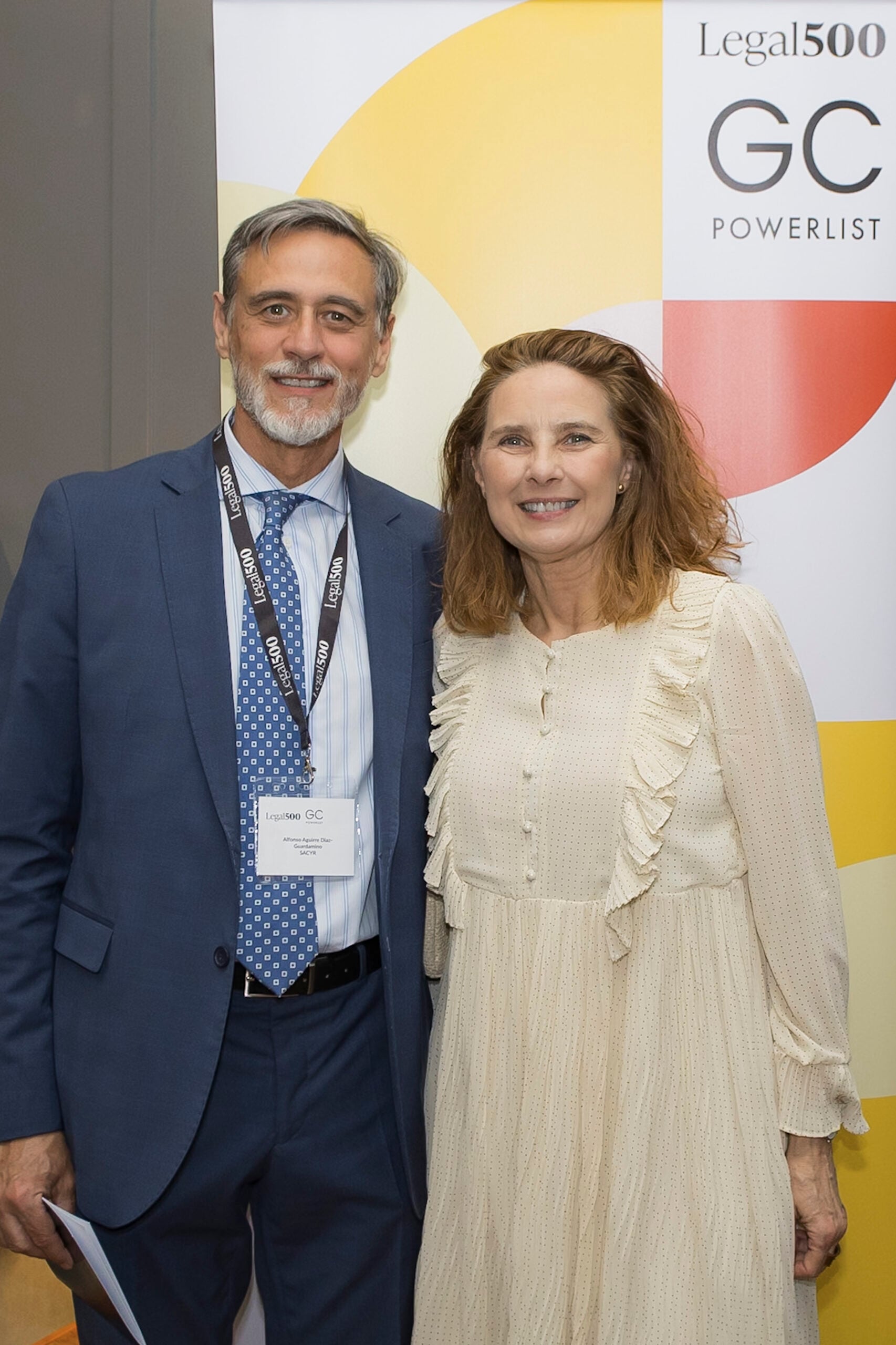
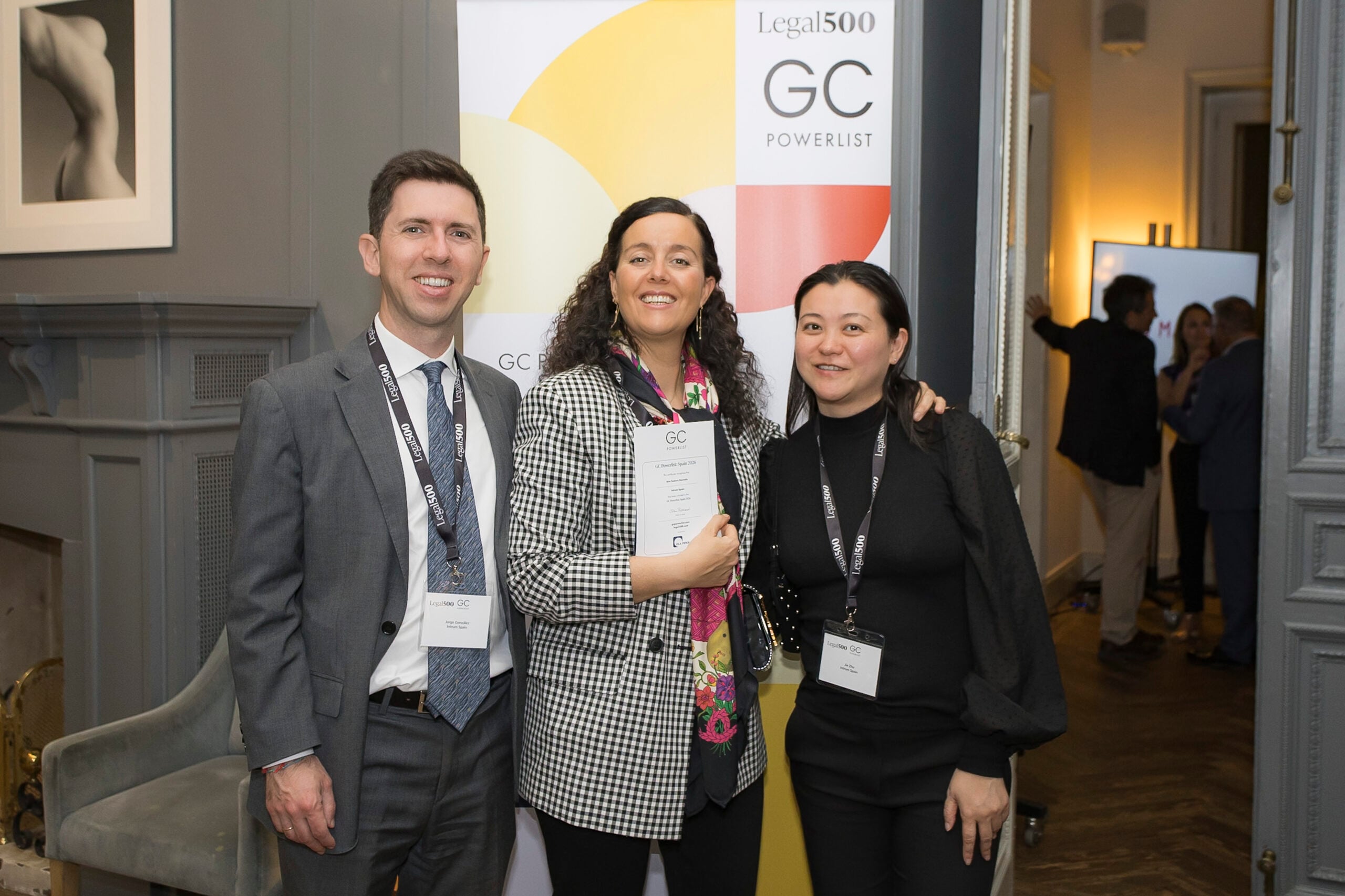
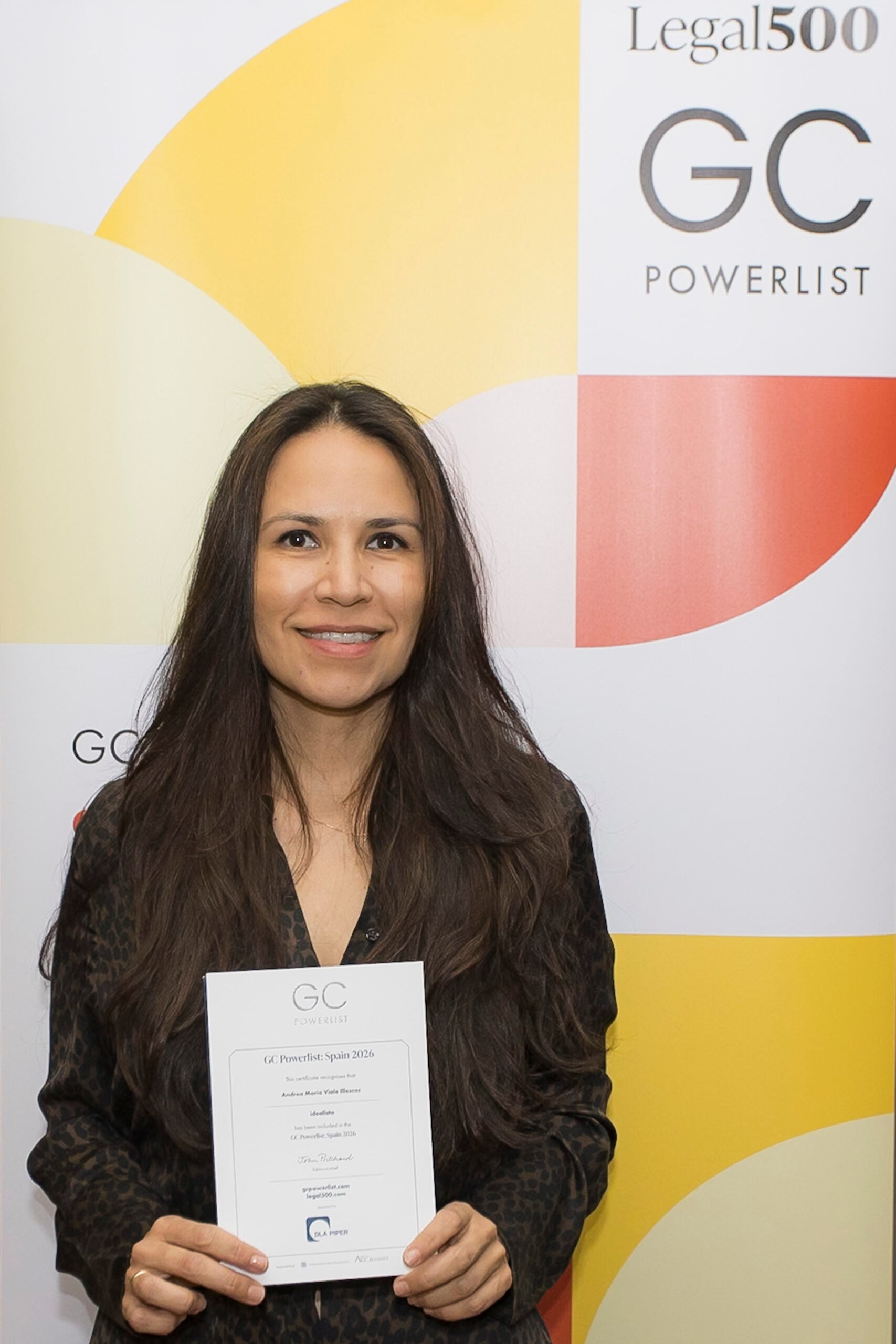
On Tuesday, Legal 500 had the pleasure of welcoming this year’s cohort to the GC Powerlist Spain 2026 launch event in Madrid: an evening celebrating the country’s in-house excellence shaping the legal landscape of today and tomorrow.
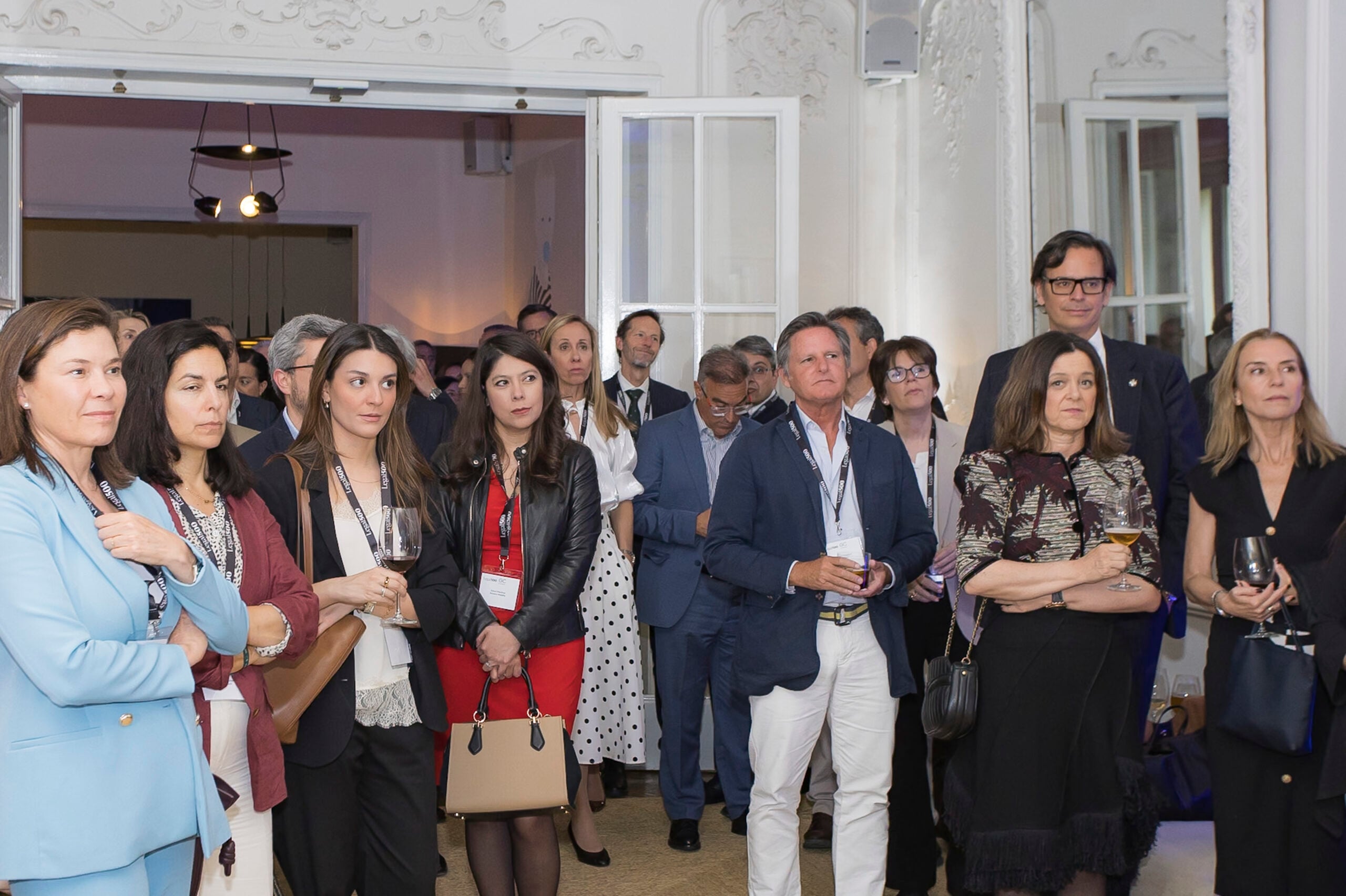
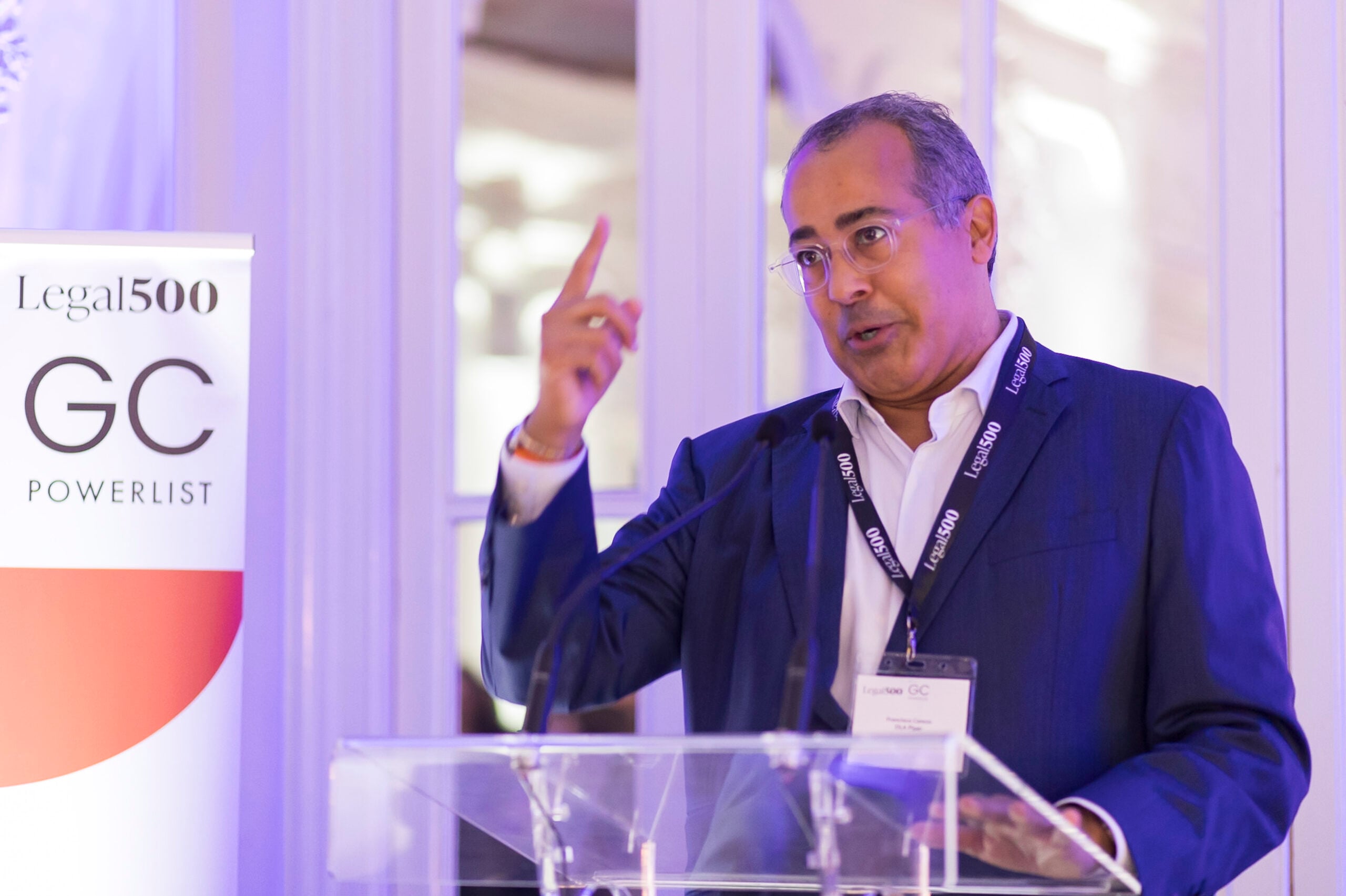
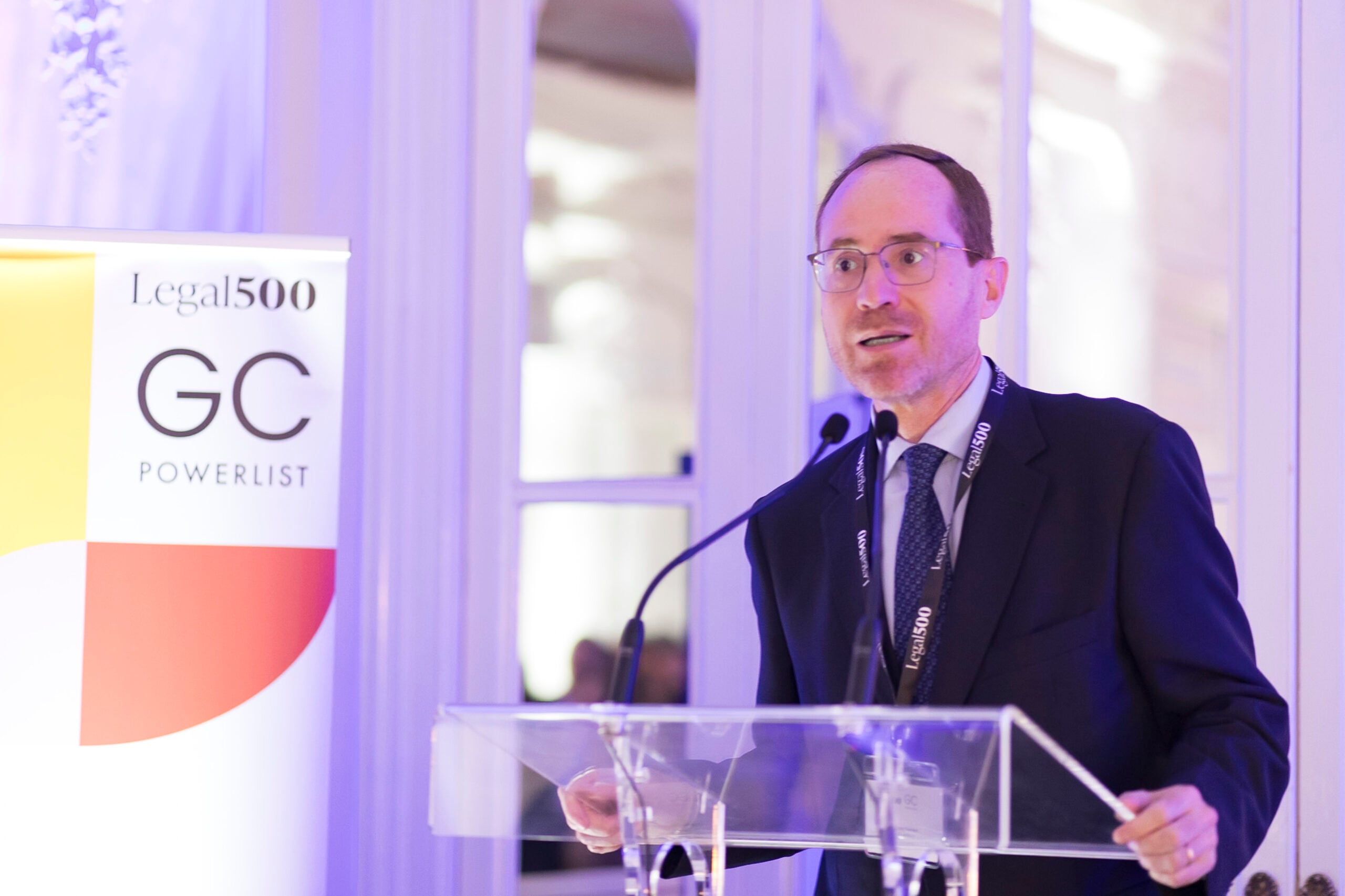
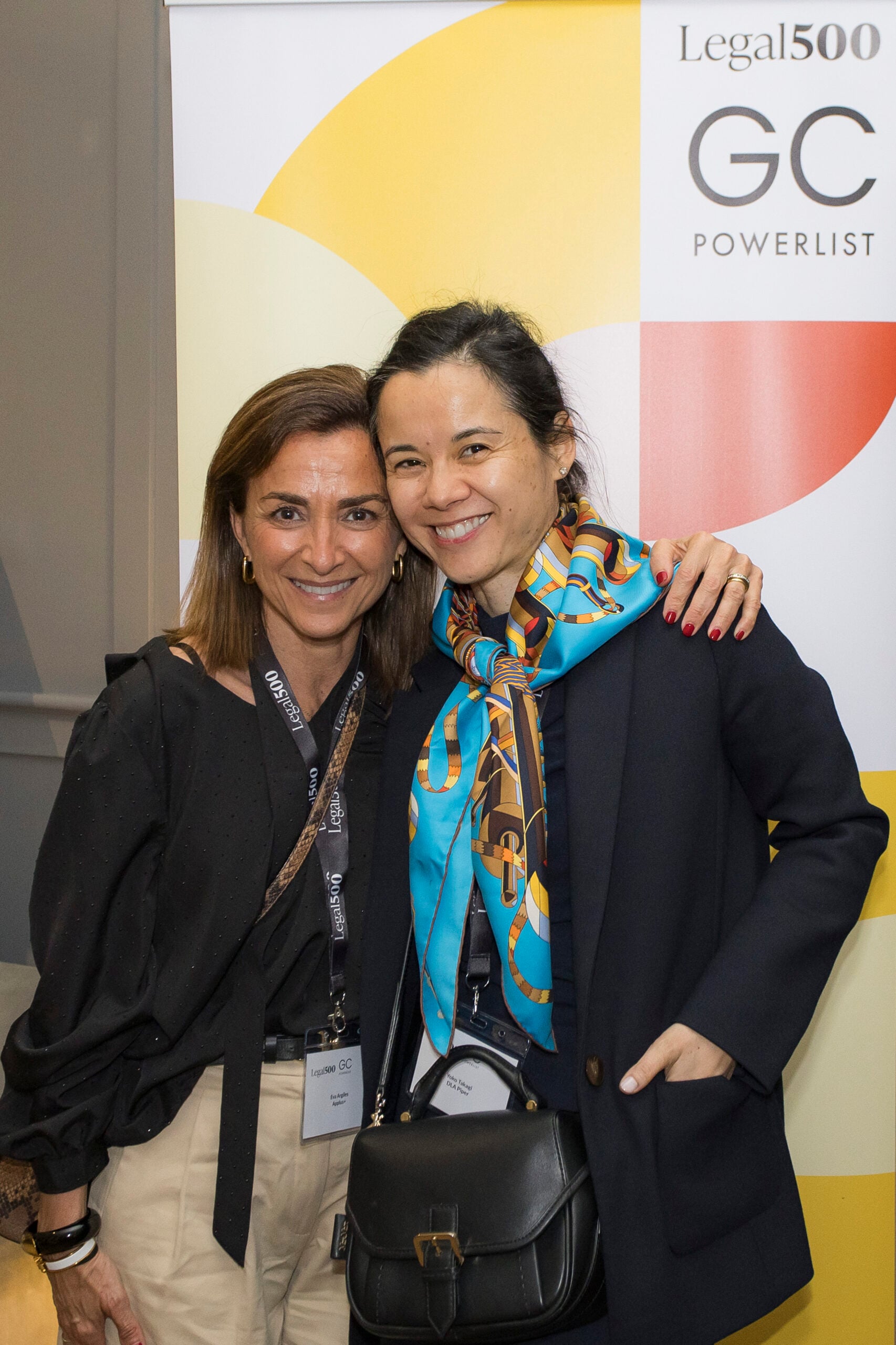
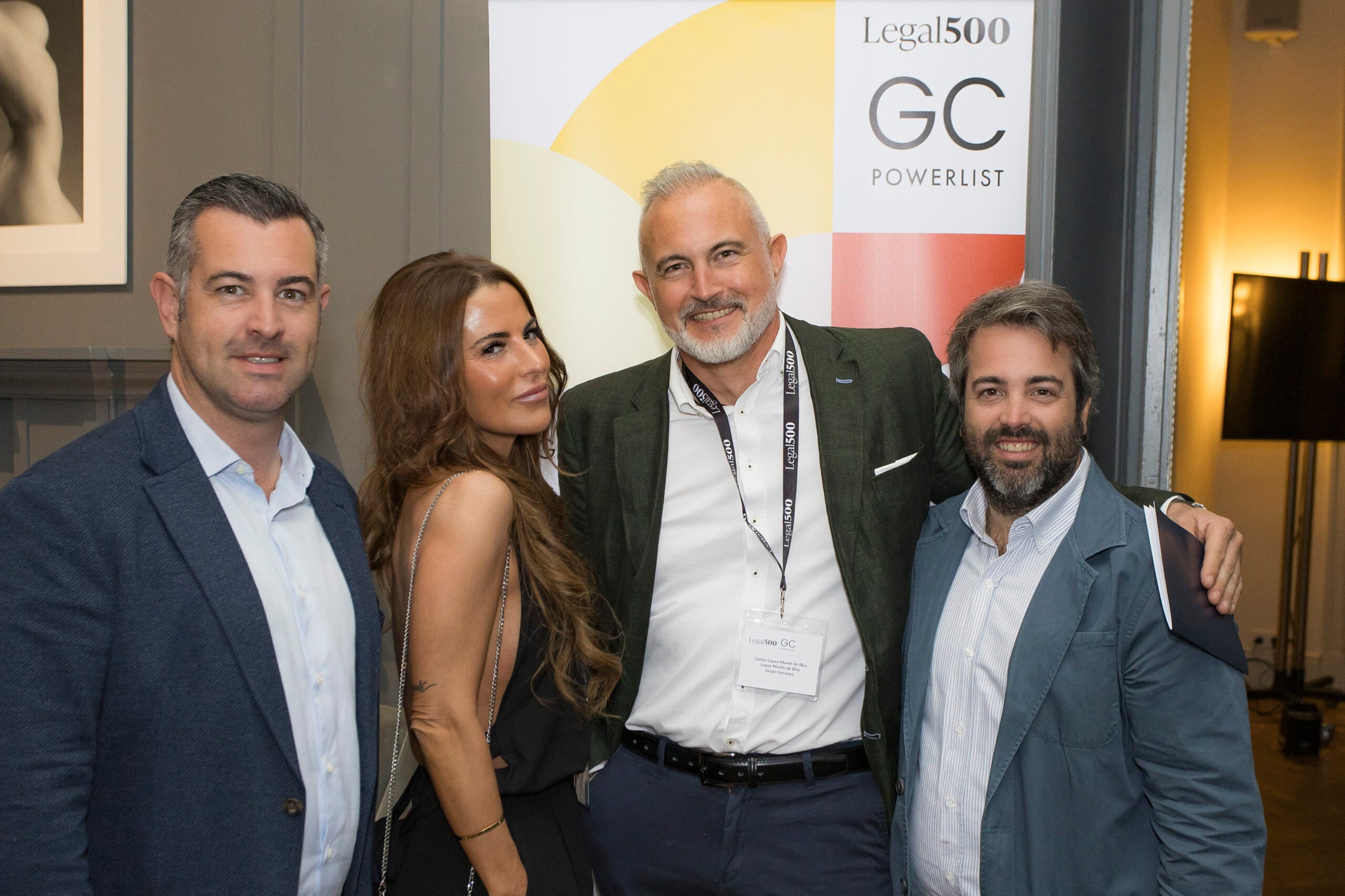
The evening, hosted in partnership with DLA Piper, brought together at Club Matador some of the most renowned names in the Spanish in-house legal market. This year’s reception welcomed senior in-house professionals from across industries, representing some of the most prominent companies in the country.
Carmen Godoy, lead editor of this edition of the GC Powerlist: Spain at The Legal 500, opened the evening by addressing more than 100 corporate legal professionals in attendance. In her remarks, Godoy highlighted how the research revealed Spain’s in-house legal community to be increasingly strategic and forward-looking. General counsel are evolving into key business partners, embracing innovation with pragmatism while providing resilience and stability in uncertain environments. With a strong focus on governance, compliance, sustainability, and leadership, these findings reflect a community that is strategic, innovative, and deeply human.
Following Godoy, Francisco Cerezo and César Herrero, managing partners of DLA Piper and hosts of the evening, addressed the audience, highlighting the importance of promoting spaces for exchange and recognition within the in-house legal community shaping modern business.
After their remarks, Carmen Godoy and David Freeman, on behalf of The Legal 500, proceeded with the certificate ceremony, during which each Powerlister was invited to the stage to collect their certificate.
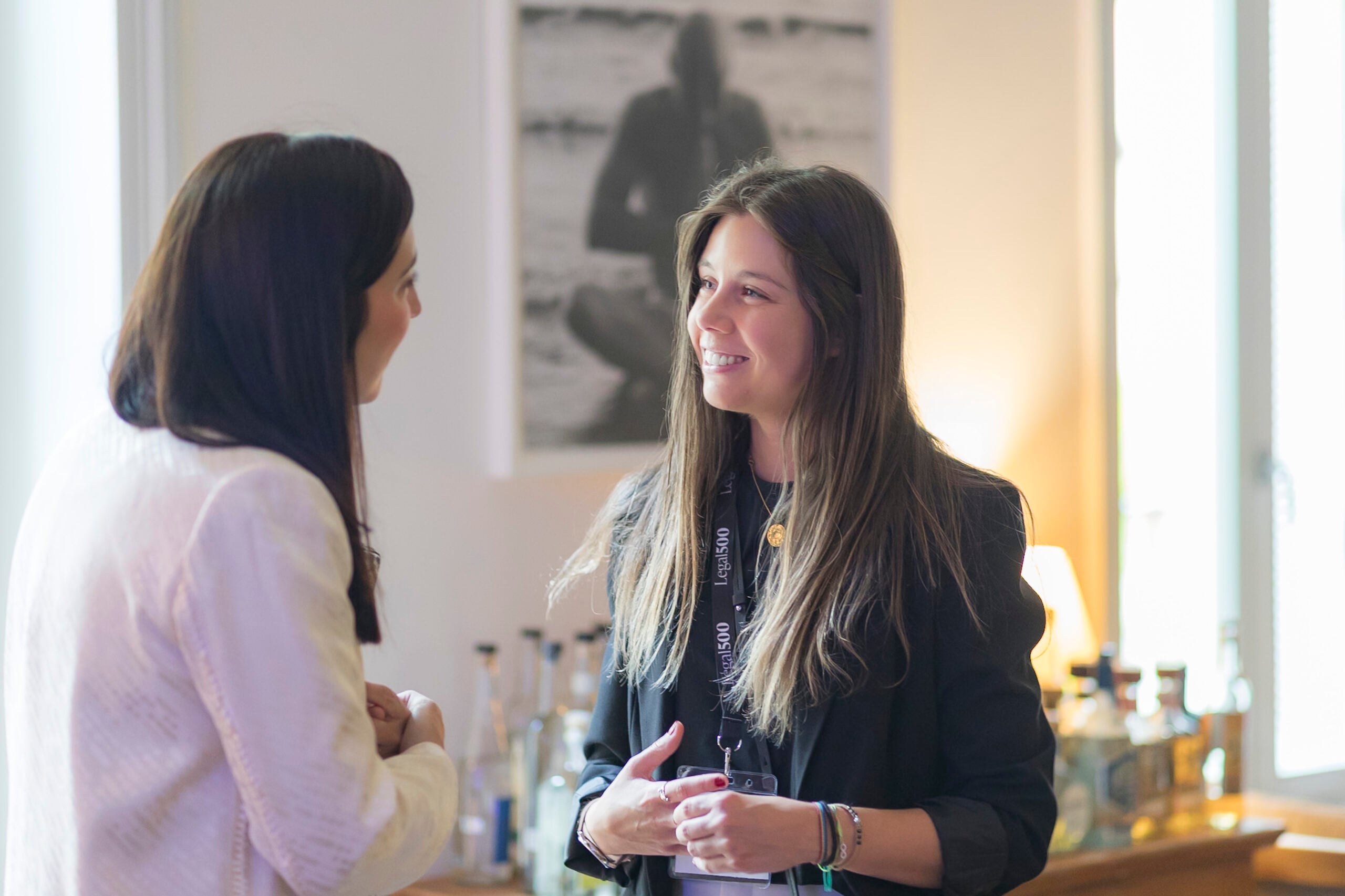
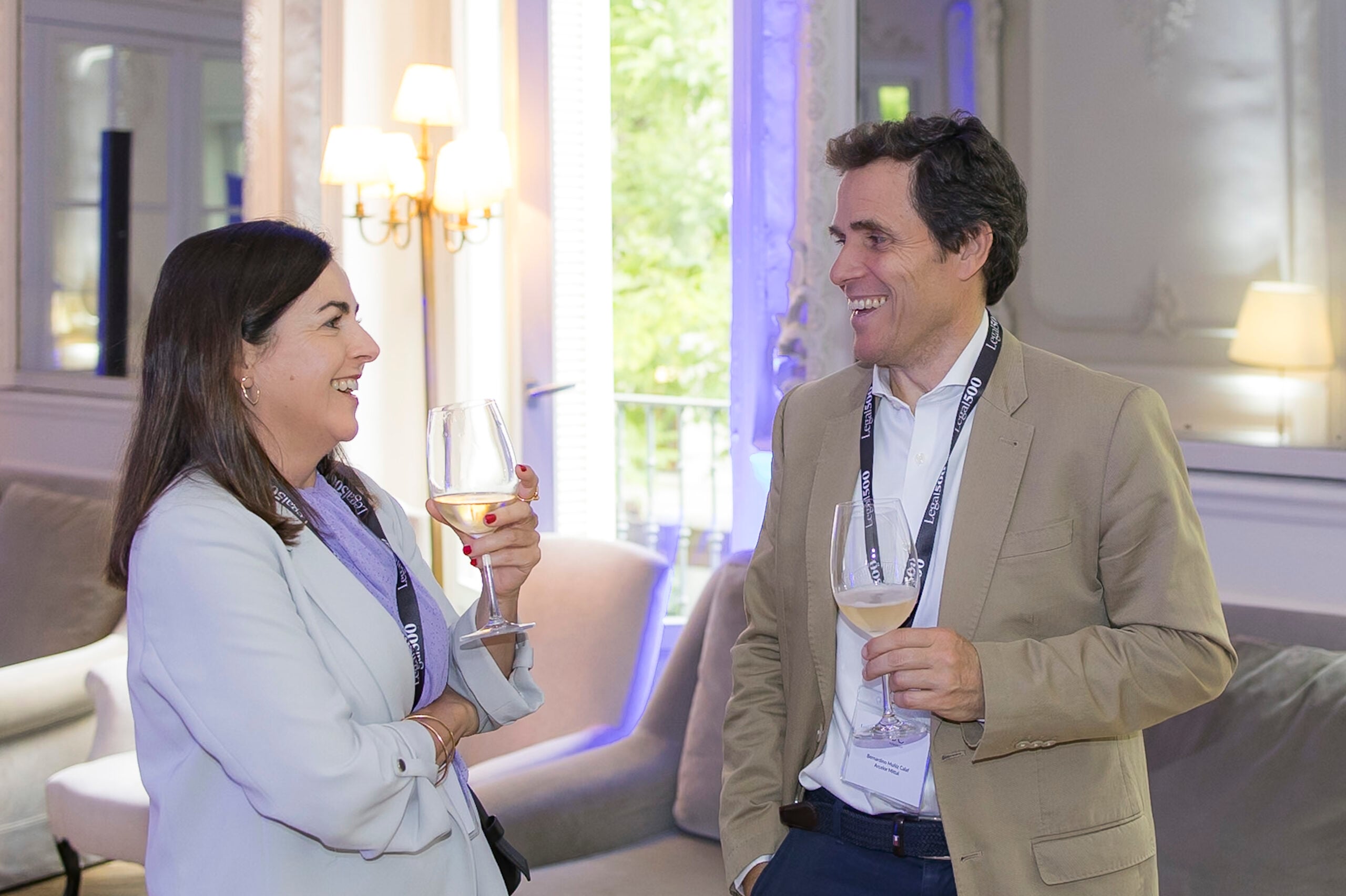
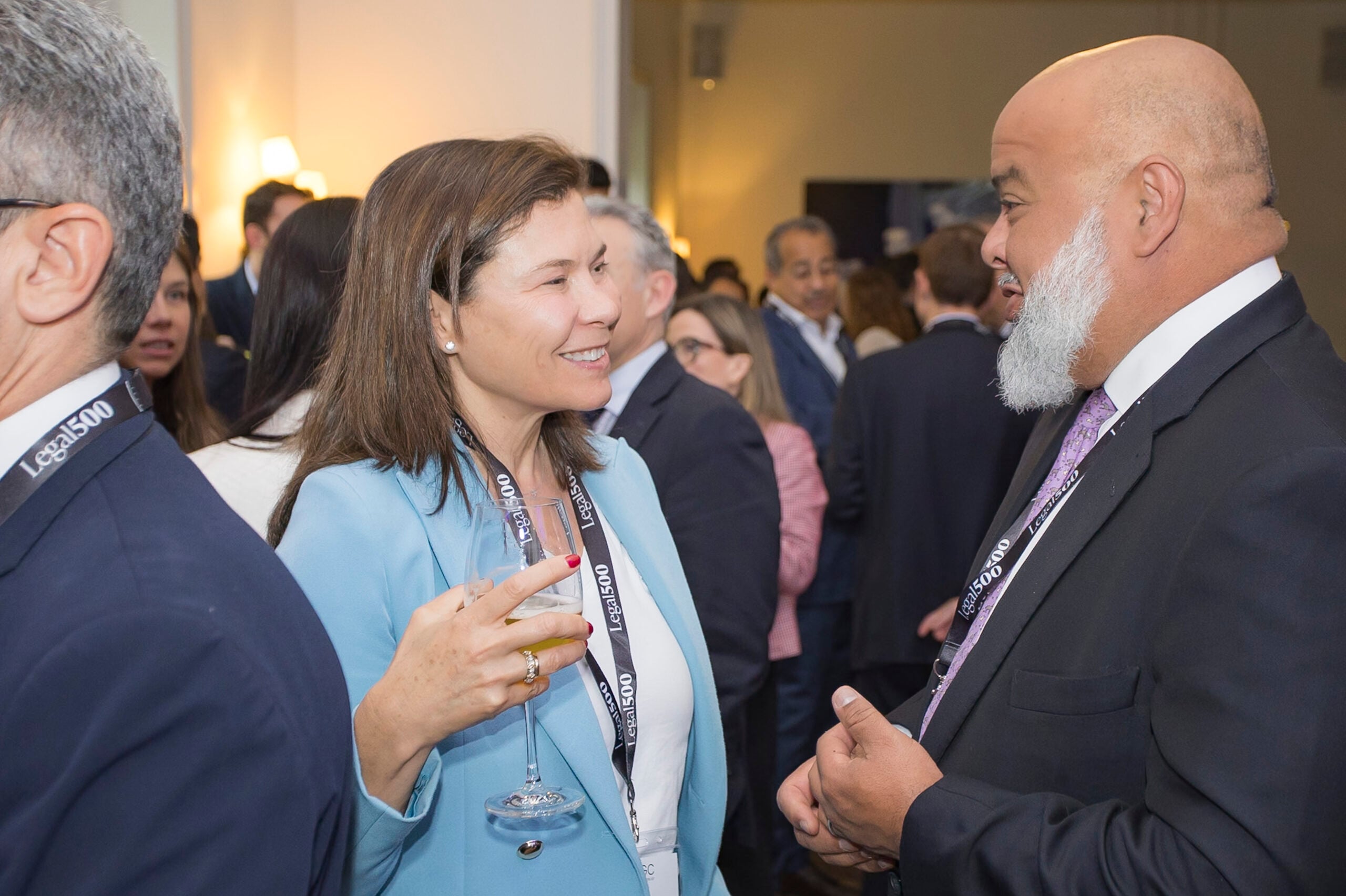
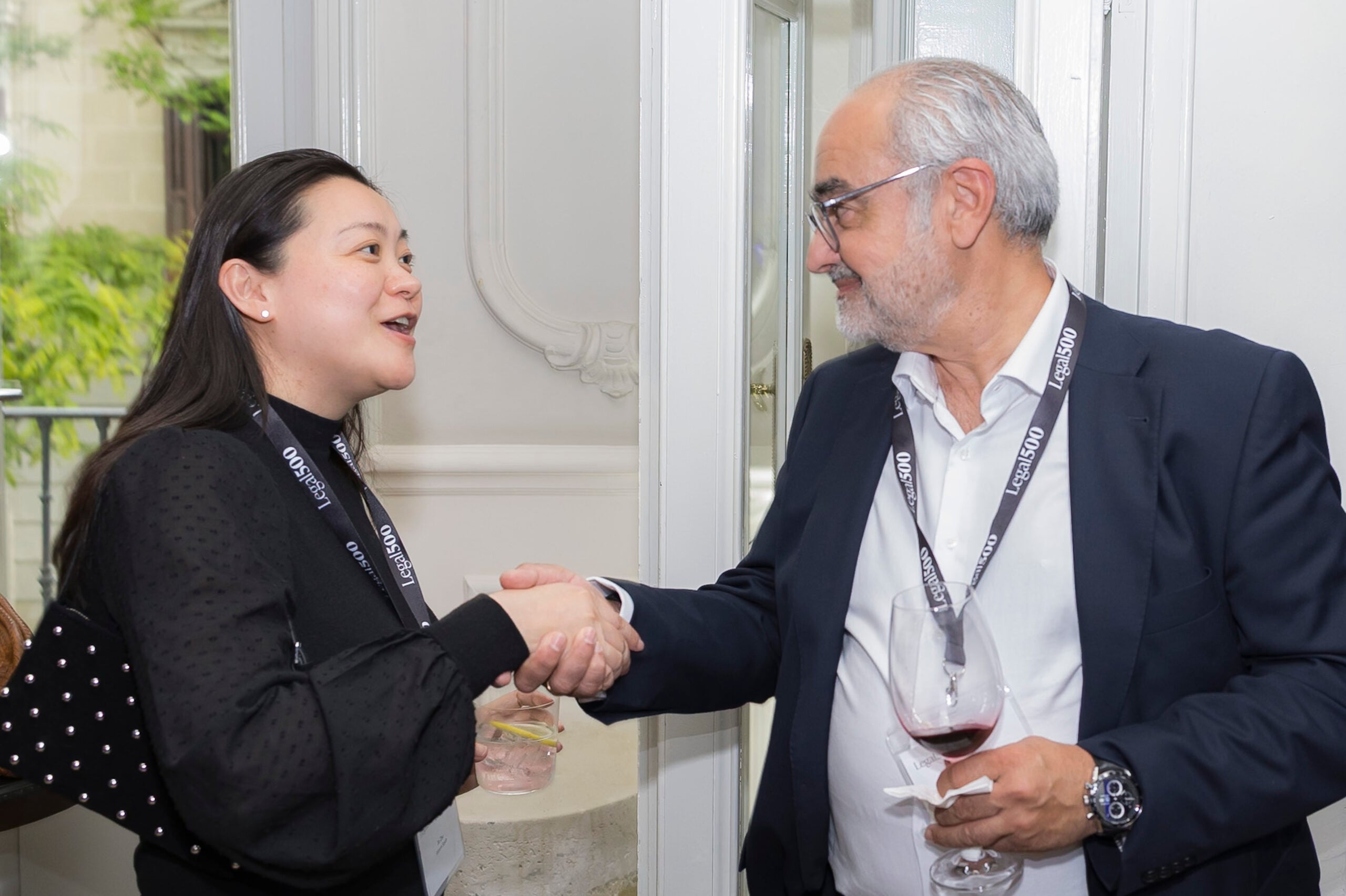
This year’s GC Powerlist event in Madrid served as an excellent opportunity for awardees to connect and exchange reflections with their professional peers and the Legal 500 team.
On behalf of the entire team at The Legal 500, we extend our warmest congratulations to all those included in this edition of the GC Powerlist: Spain. You stand as an example of the talent, leadership, and vision driving the evolution of the general counsel role in the country.
We would also like to take this opportunity to express our sincere gratitude to DLA Piper, our sponsor, for joining us in recognising the exceptional talent driving progress across Spain’s legal profession. And, of course, to each of the honourees who shared their time and insights with us. It has been a privilege to share your stories and celebrate the enduring impact you make every day.