Vietnam 2024
Supported by the Association of Corporate Counsel

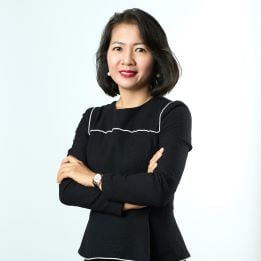


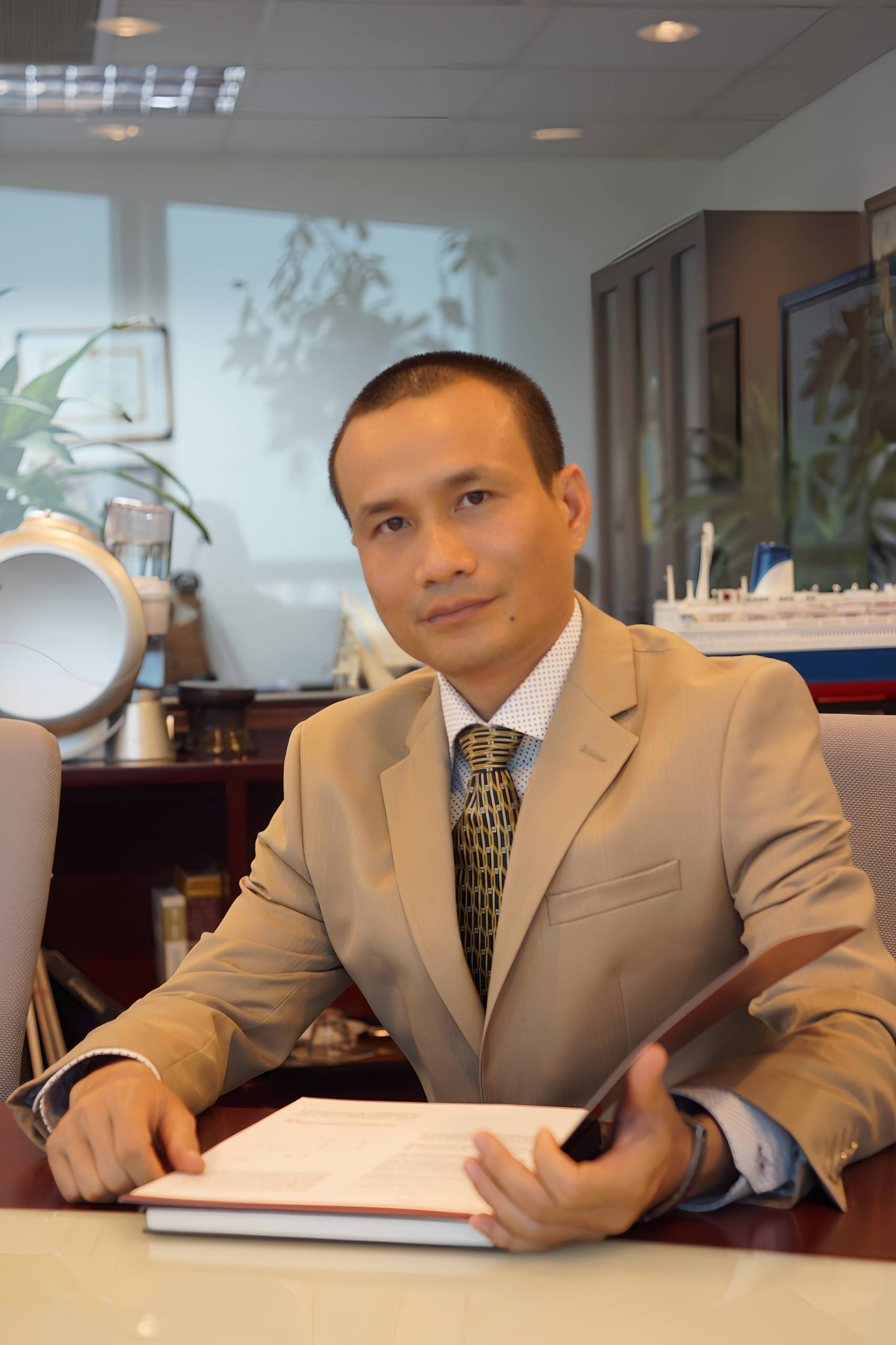

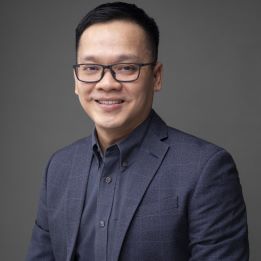
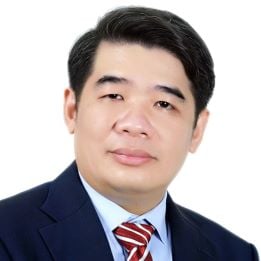
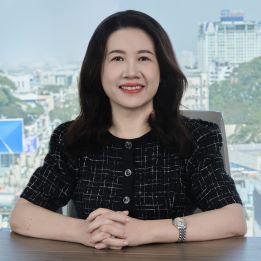
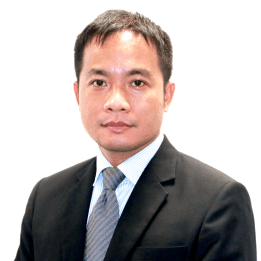


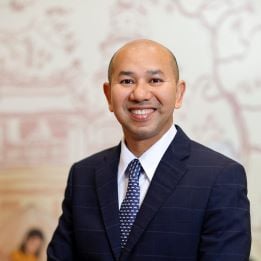
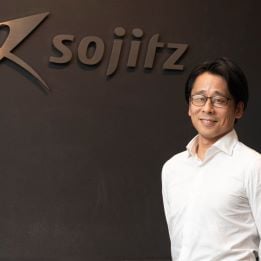
General counsel and head of legal, compliance, and corporate affairs | Pharmacity
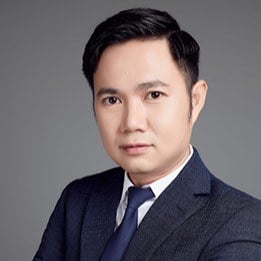
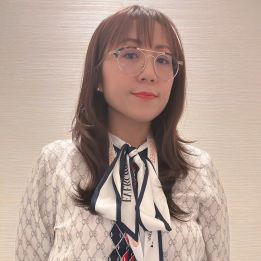


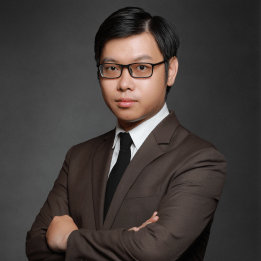
Head of legal, compliance and government affairs | Asia Clean Capital Vietnam
Director of legal and compliance division | MB Shinsei Finance (Mcredit)

Head of legal and contract manager | Ricons Construction Investment

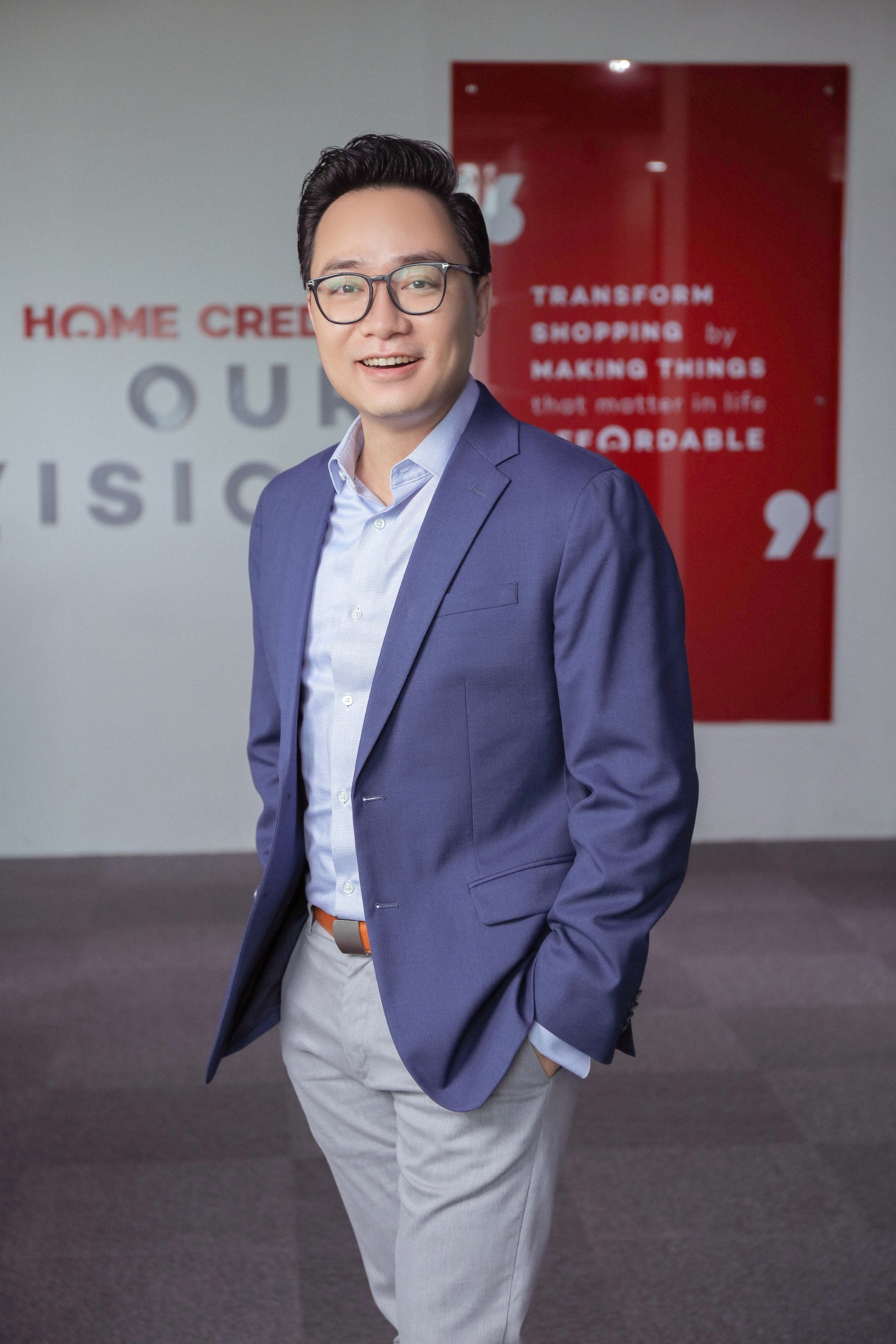
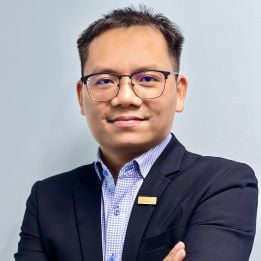
Senior vice president - head of legal | Emergent Property Services Vietnam




Head of legal - Vietnam and Asia Area frontier markets / director of legal affairs and organisational capacity development | AstraZeneca
Chief legal officer | Hoi An South Development
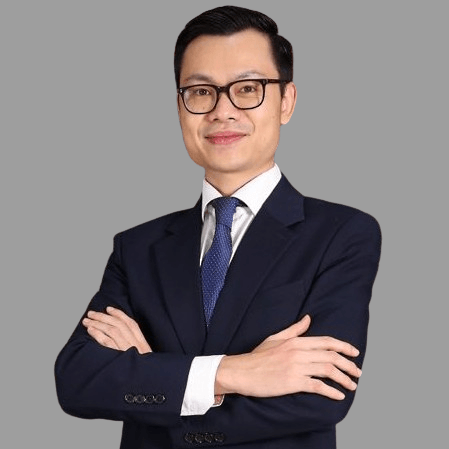

We are beyond thrilled to announce the second edition of the GC Powerlist: Vietnam, building on the success of last year’s inaugural publication. This edition highlights a whole new plethora of accomplished in-house lawyers in one of the world’s foremost high-growth and high-potential economies. As well as celebrating their exceptional achievements and innovative approaches as they navigate the complexities of the legal landscape, we delve into what creative strategies they have used to navigate the unique challenges they face in the Vietnamese business context.
The in-house legal community in Vietnam expands its knowledge base every day, with local lawyers increasingly taking on prominent roles internationally. The GC Powerlist Team is proud to foster connections within this vibrant and positive in-house legal community.
Inside this edition, you will find in-depth profiles and exclusive interviews with influential general counsel from a variety of industries. These professionals have consistently demonstrated their capacity to shape legal strategies, mitigate risks, and provide invaluable guidance to their organisations. Their accomplishments inspire the legal community, showcasing the significant impact that in-house lawyers can have on business strategies and overall success.
As in-house counsel play a more active role in decision-making, they are well-positioned to advise on building strong partnerships. Tong Thi Thu Thao, head of legal and contract manager at Ricons Construction Investment, shares insights on collaboration: “The key to successful partnerships is being proactive, maintaining effective communication, and engaging early to align legal and business objectives. This means considering commercial factors, rather than focusing solely on legal issues. In-house legal counsel should actively understand their company’s operations and strategic goals, regularly update on relevant regulations, and provide timely support, even without specific requests from management. By adopting a proactive approach and ensuring transparency in all communications, the legal team builds trust and fosters a shared goal of mutual growth. Legal leaders should position their function as facilitators, helping the business achieve its objectives within the legal framework.”
This publication addresses various topics and challenges unique to the in-house legal sector. We invite you to explore the GC Powerlist: Vietnam 2024 and discover the remarkable stories of these exceptional professionals. Through their experiences and insights, we aim to provide a comprehensive overview of Vietnam’s in-house legal landscape, highlighting the invaluable contributions of the nation’s top corporate lawyers.
On behalf of The Legal 500, I extend my deepest gratitude to all the featured in-house lawyers for their valuable contributions and for sharing their journeys with us. It is my pleasure to present this distinguished collection, showcasing Vietnam’s most exceptional and dedicated in-house legal talent.
Joe Boswell
Global editor – GC Powerlist
Legal 500
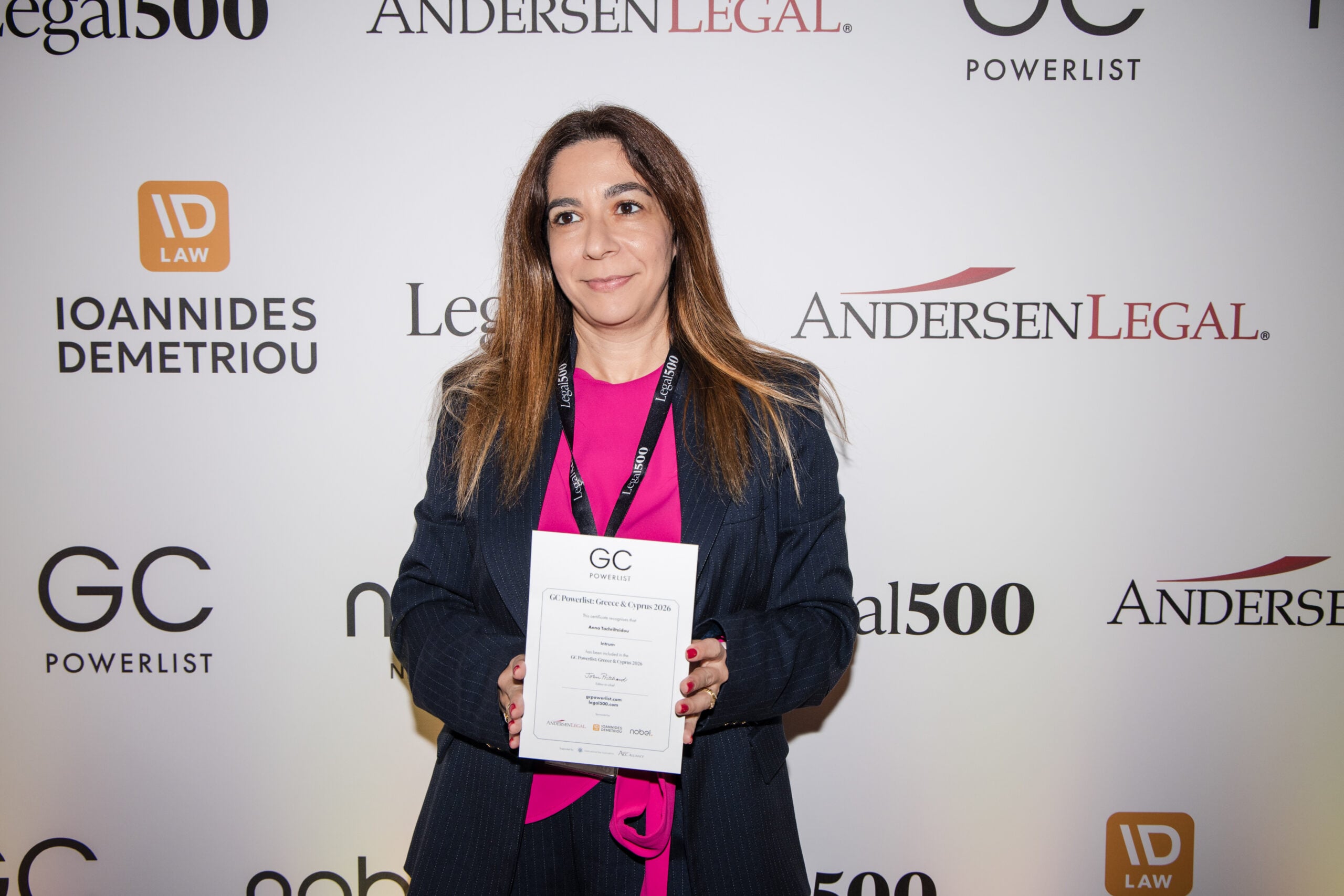
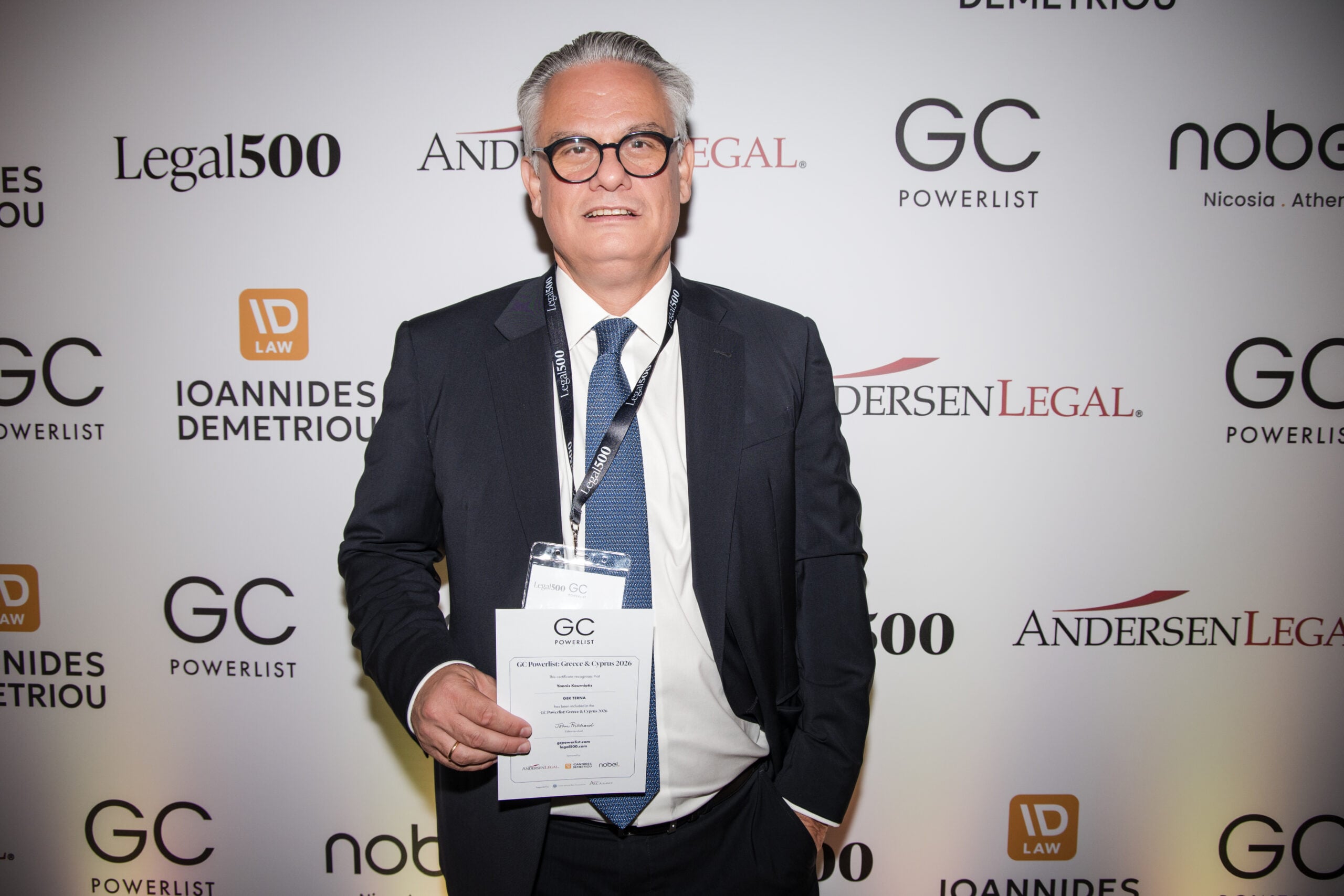
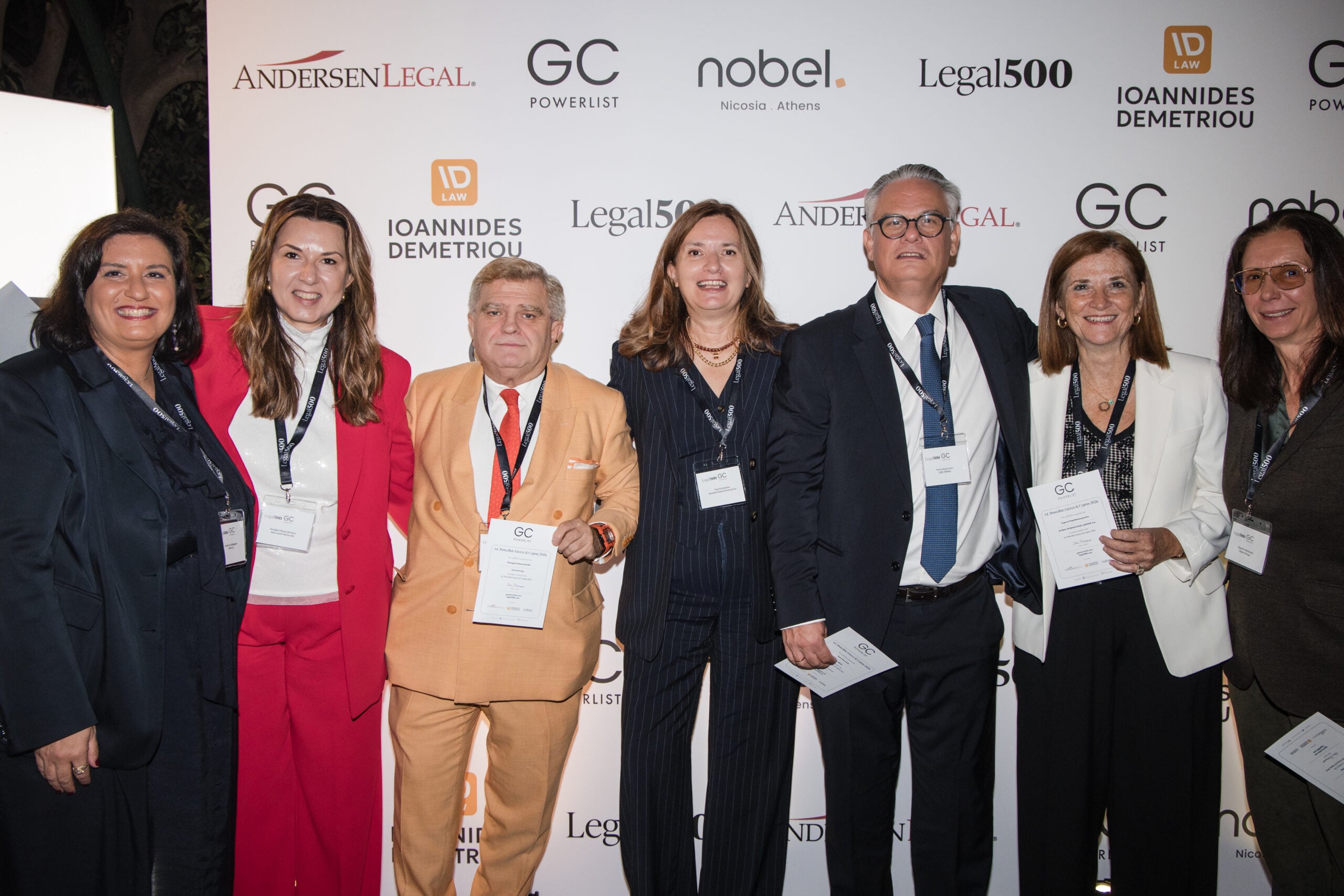
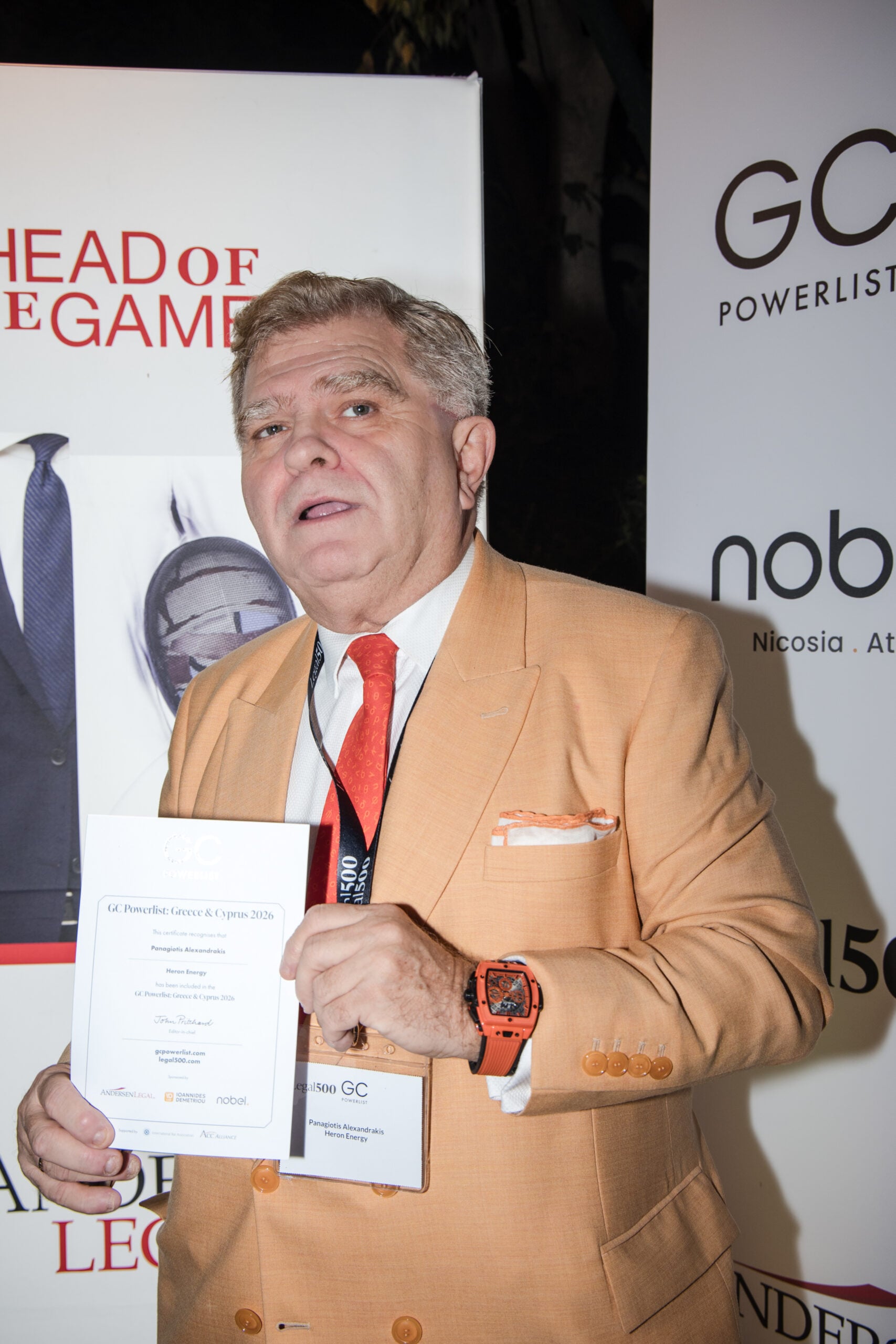
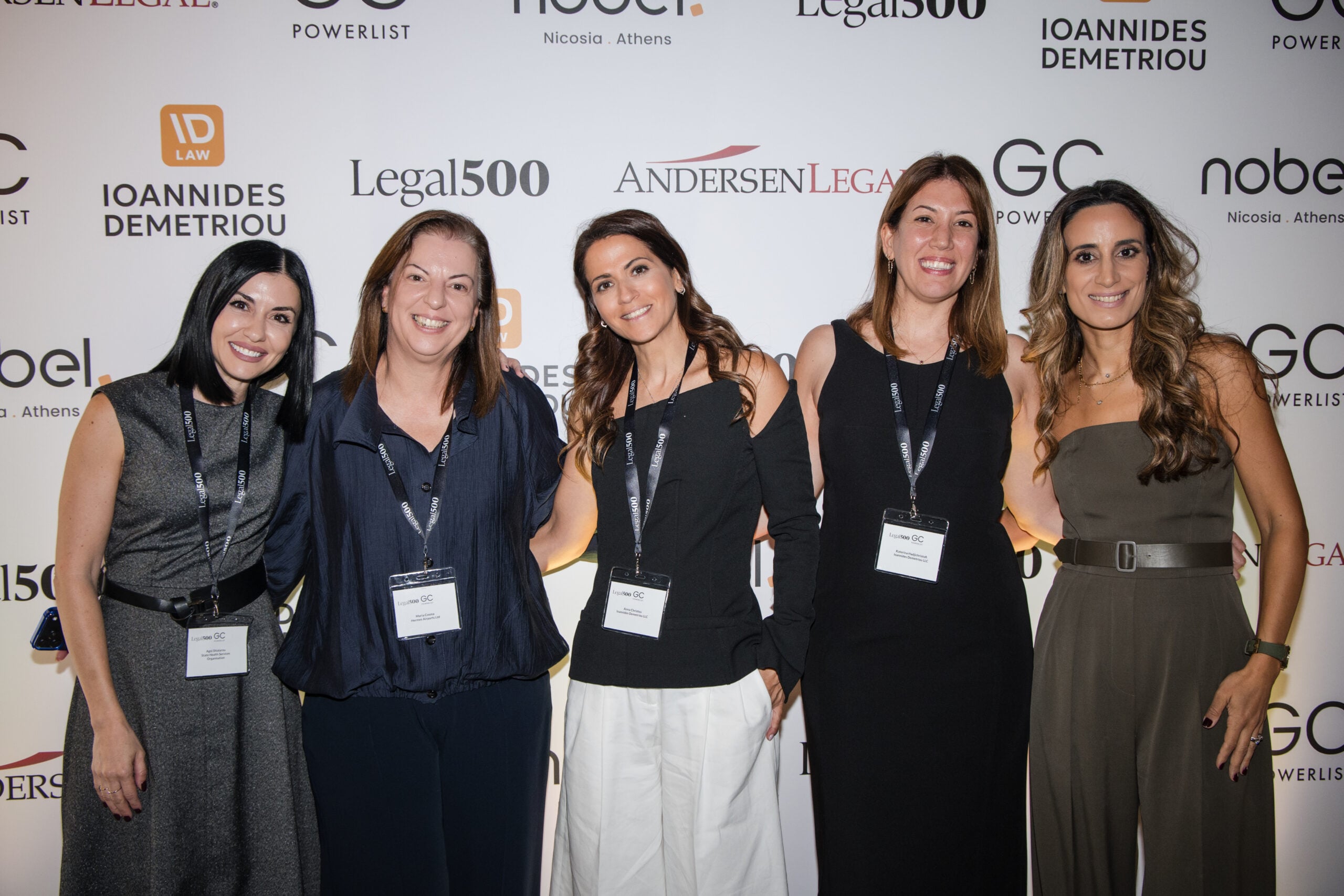
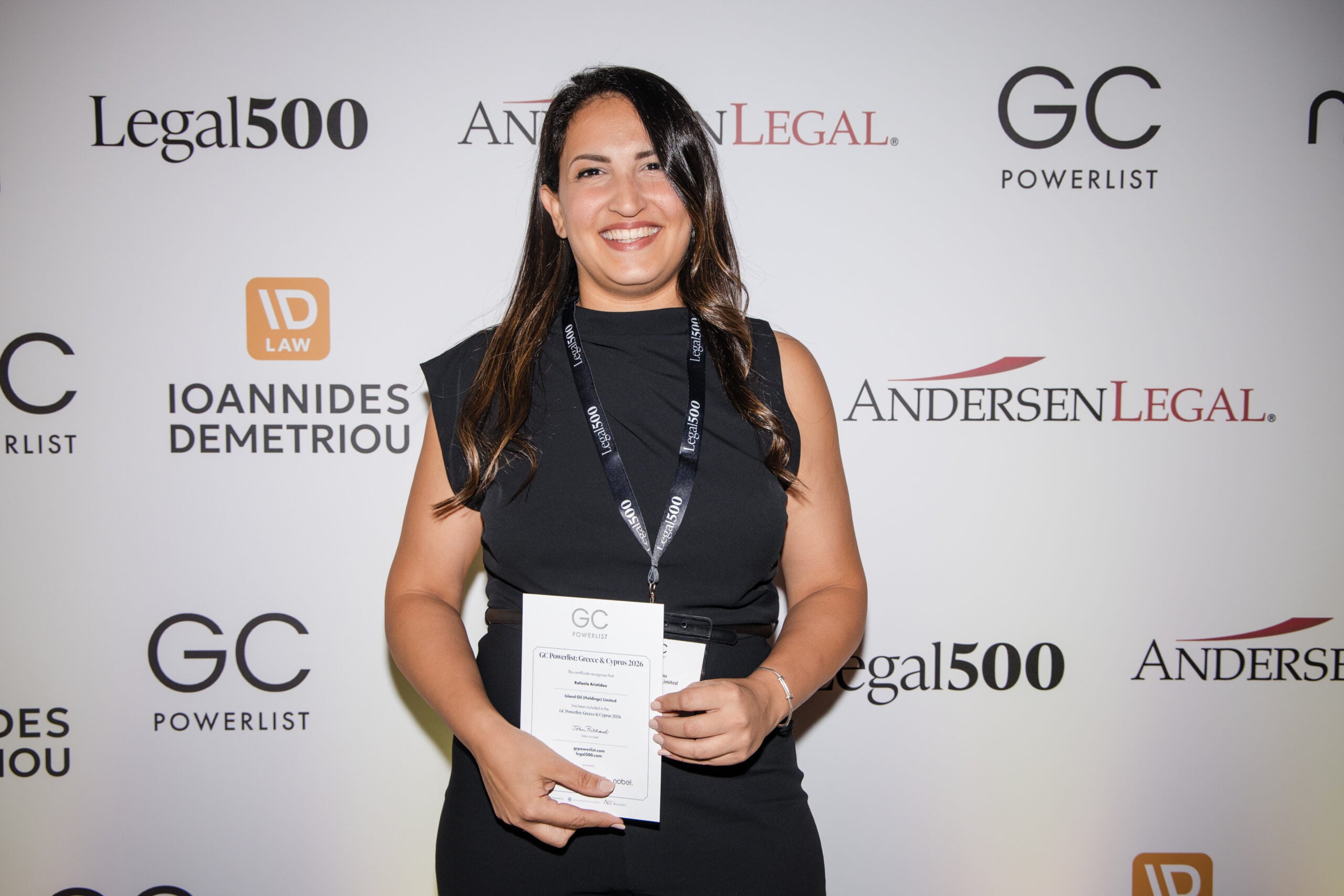
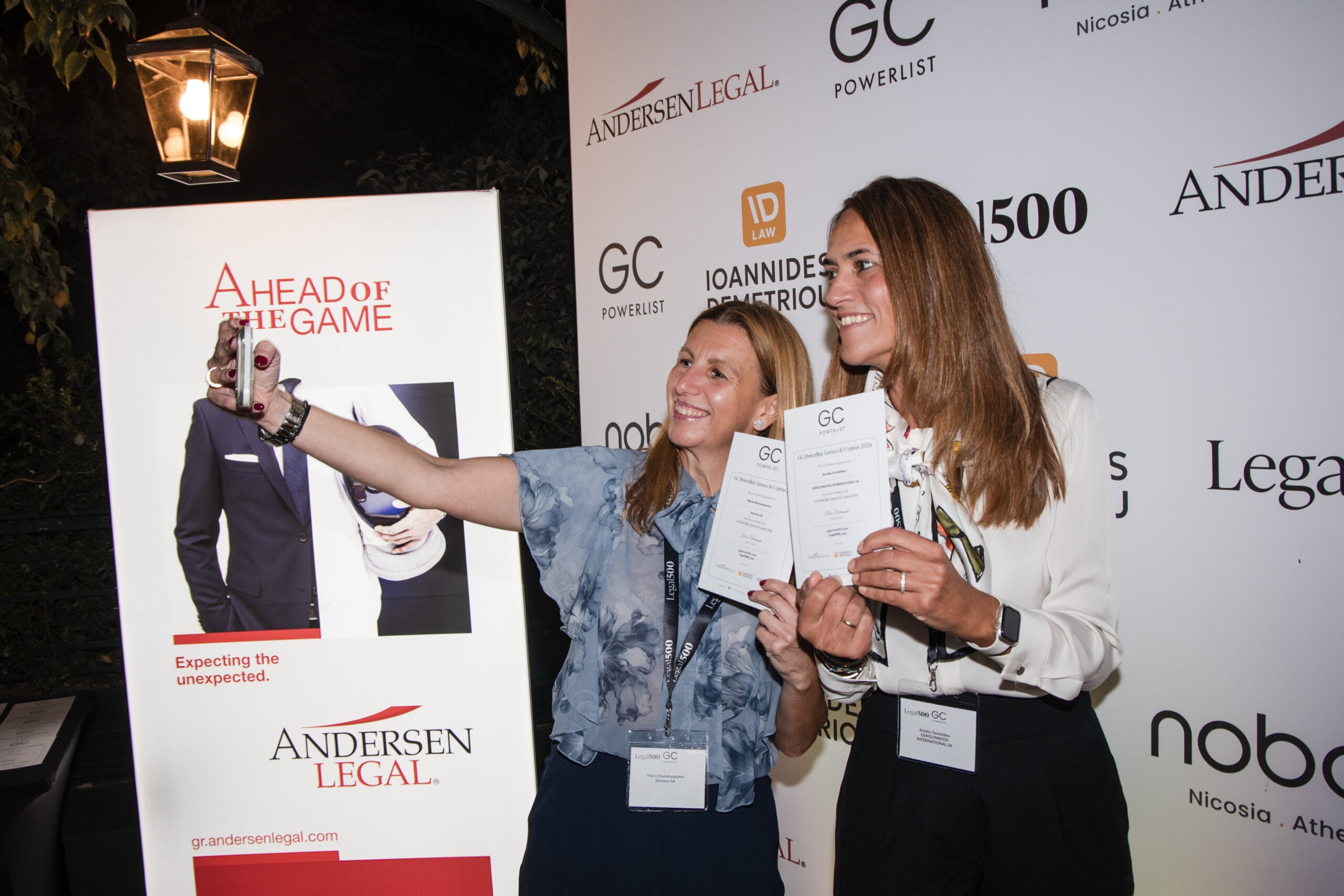
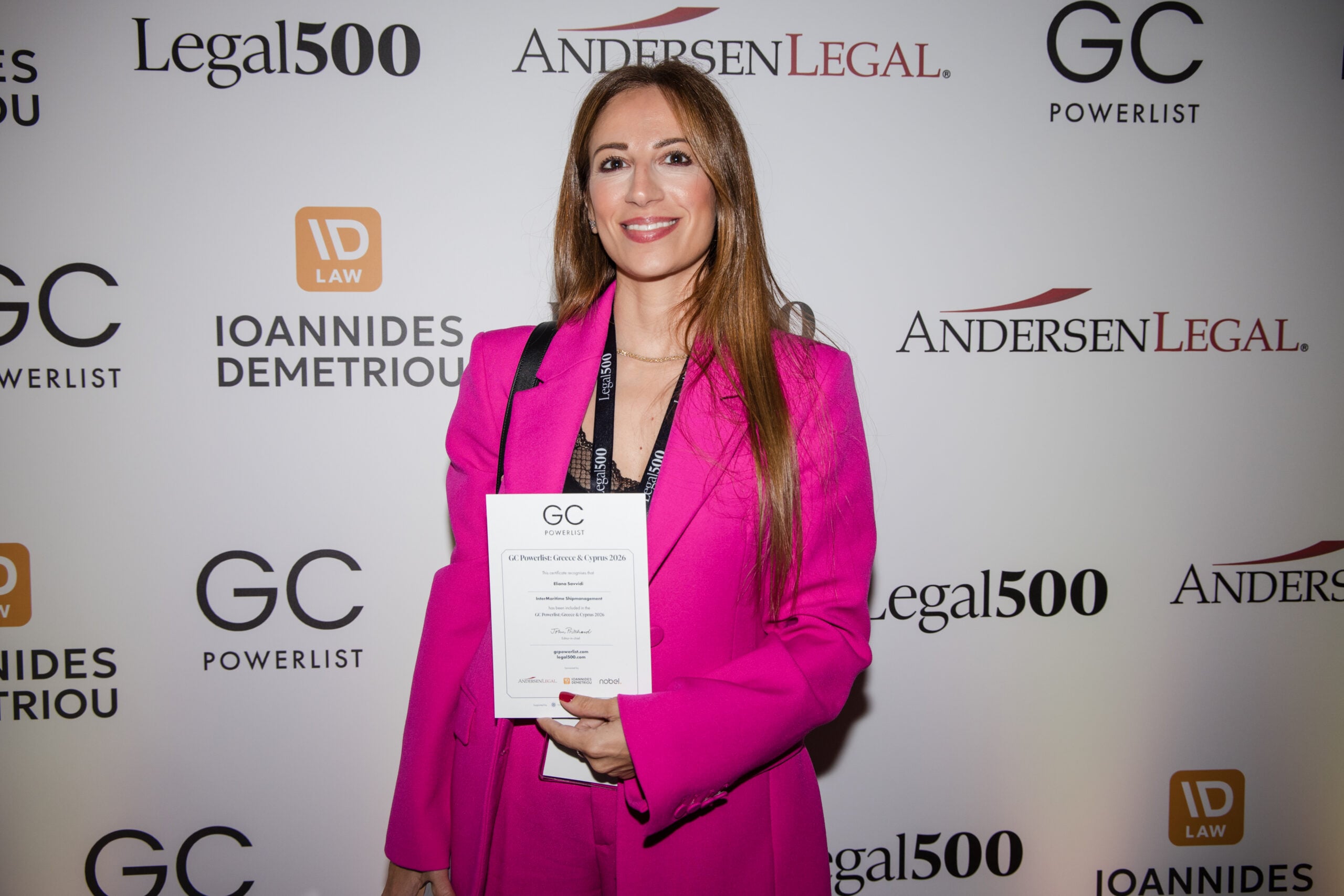
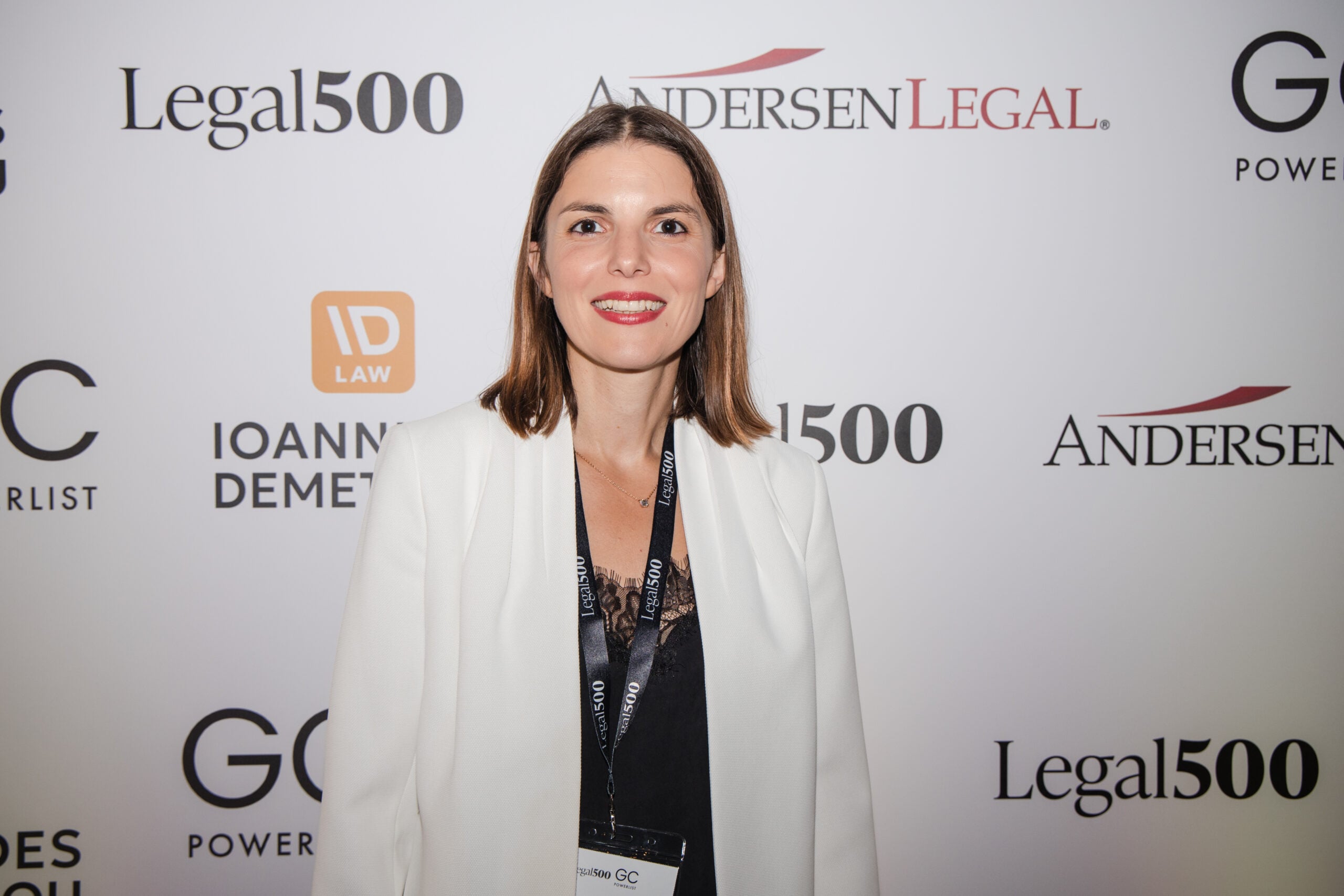
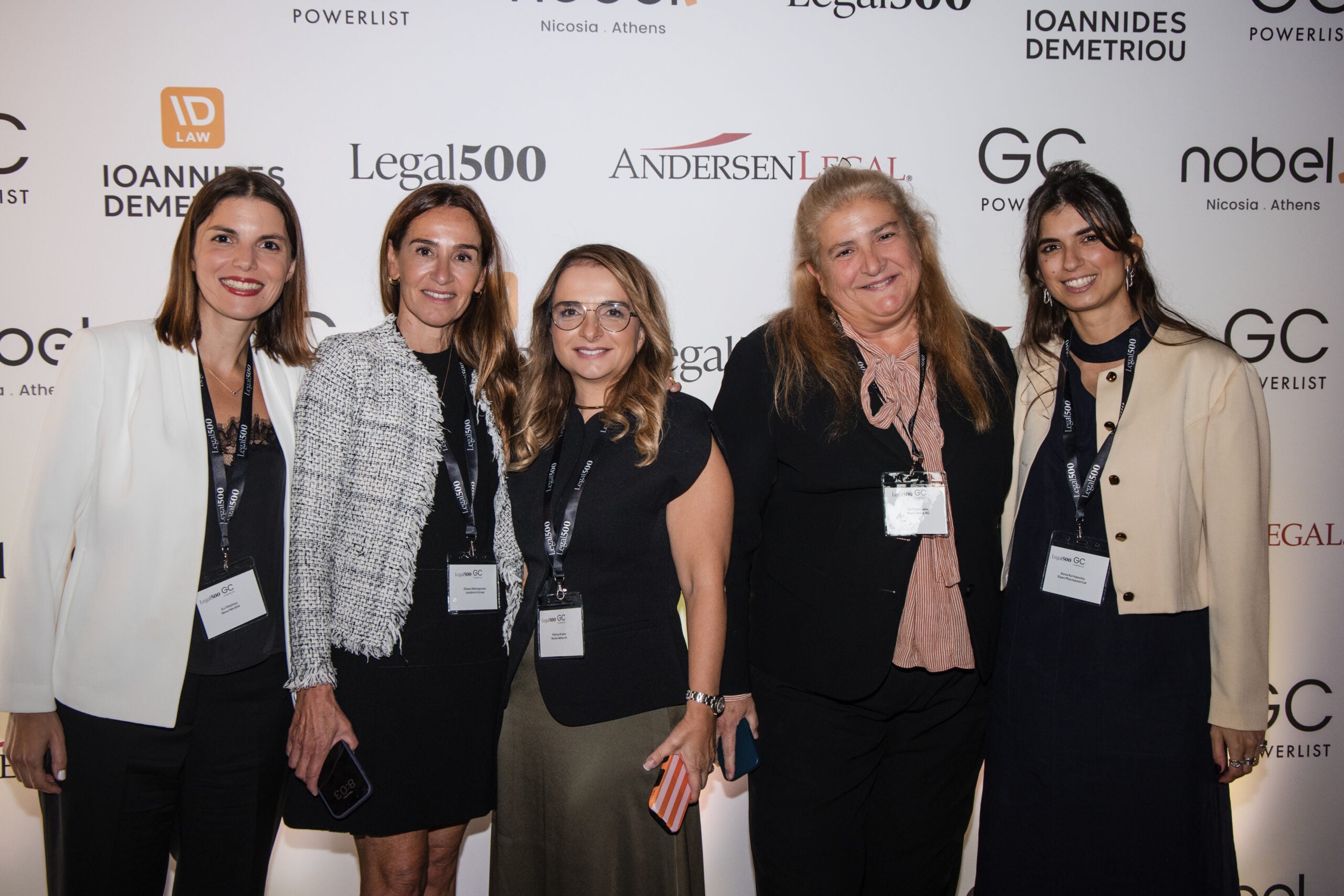
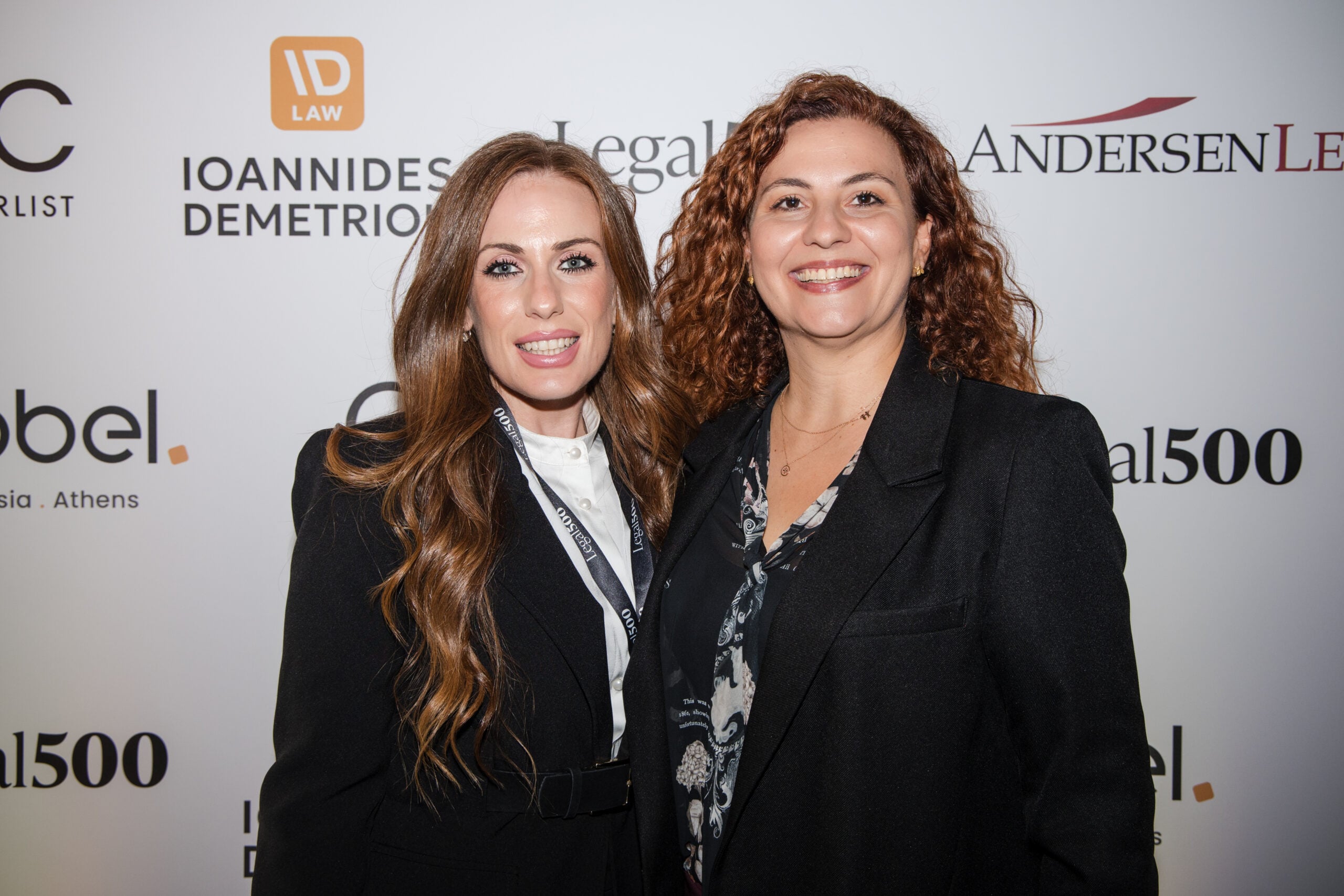
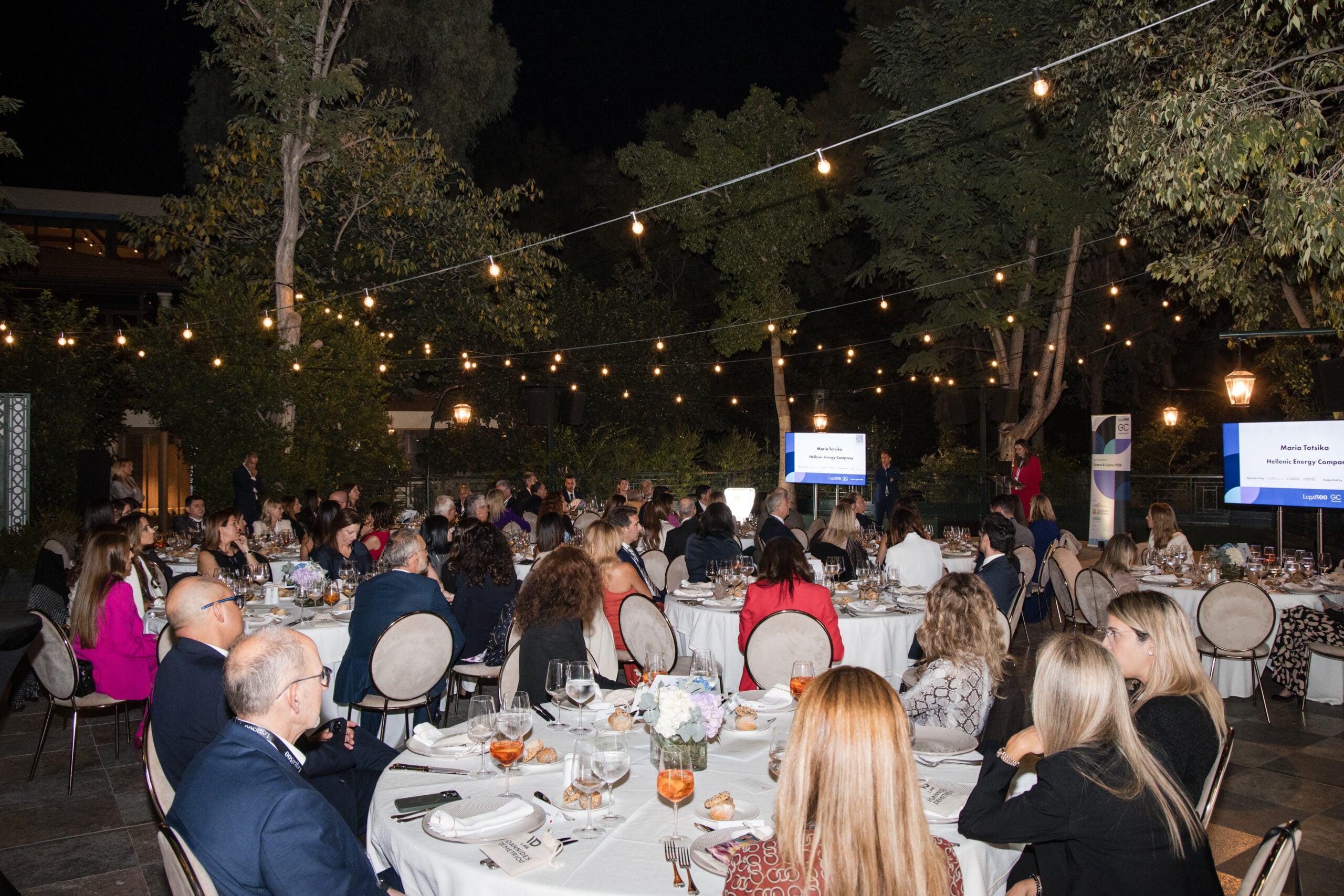
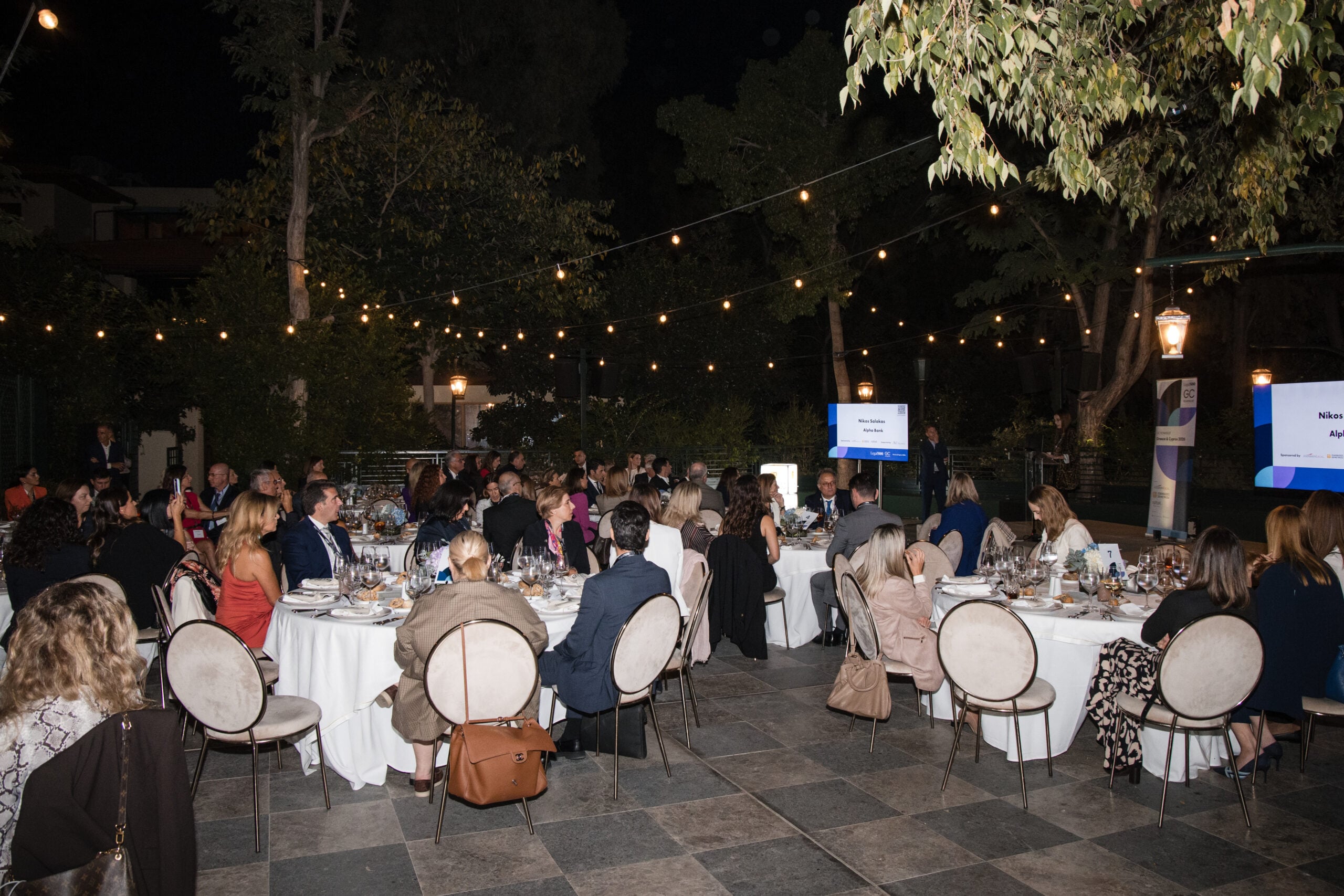
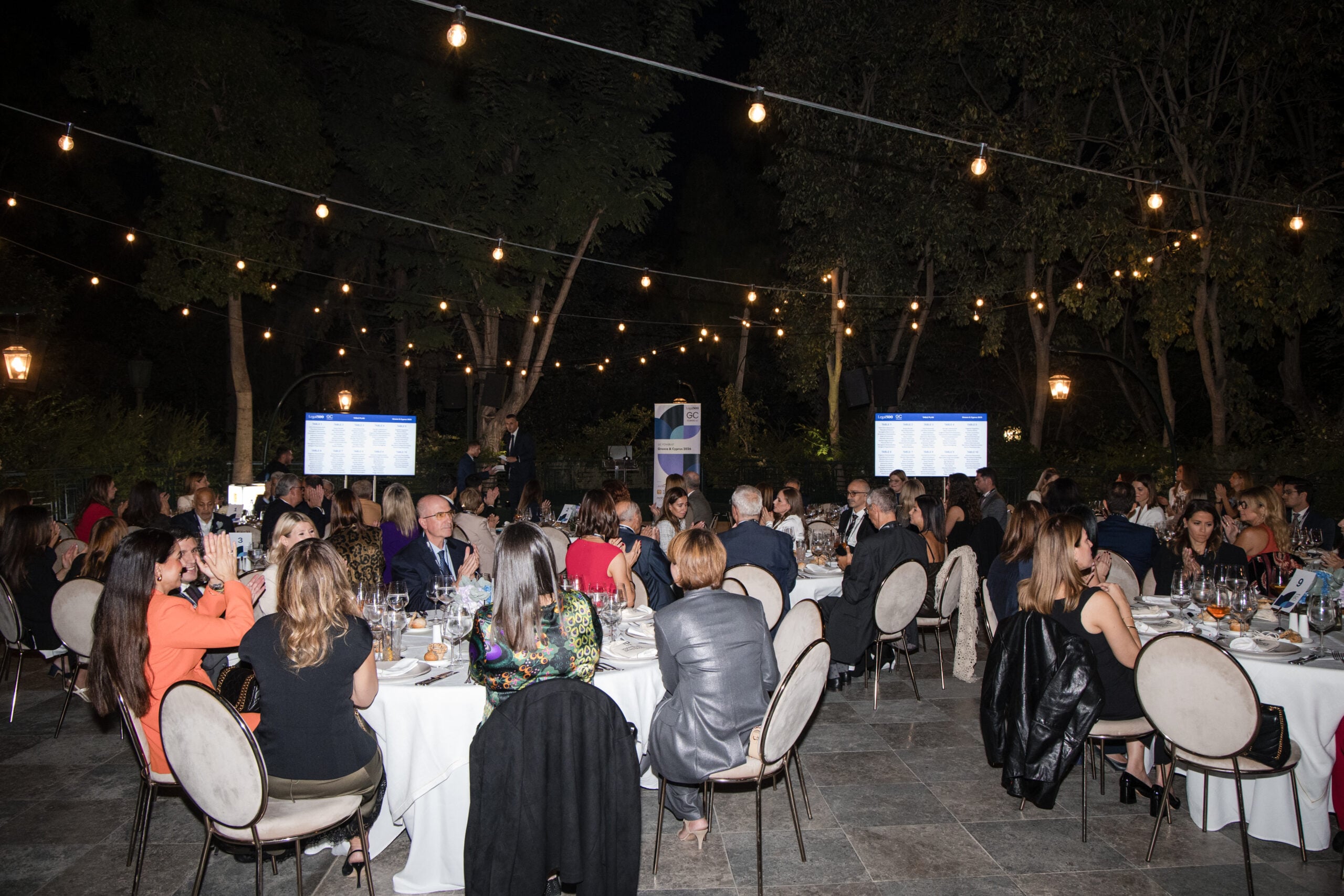
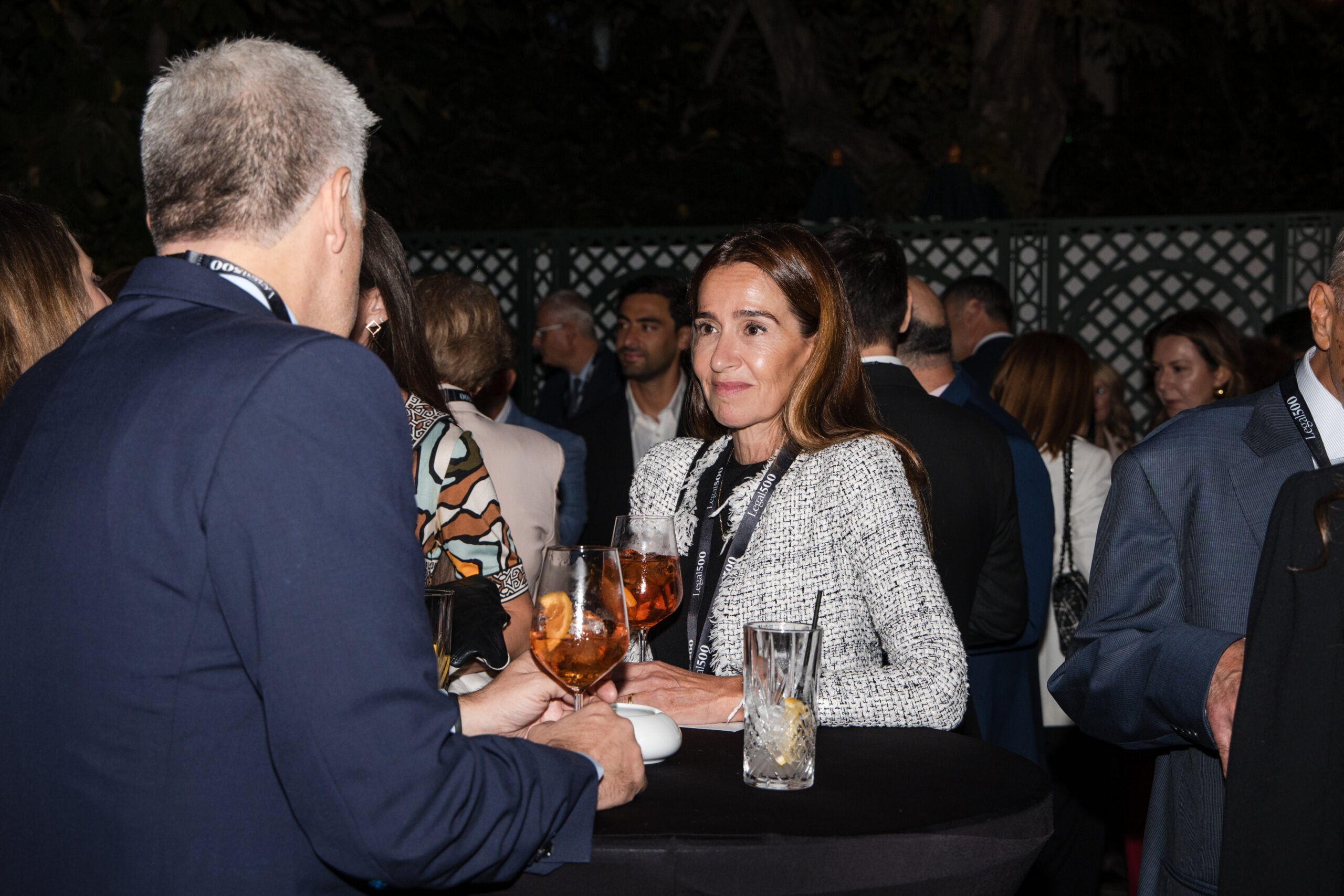
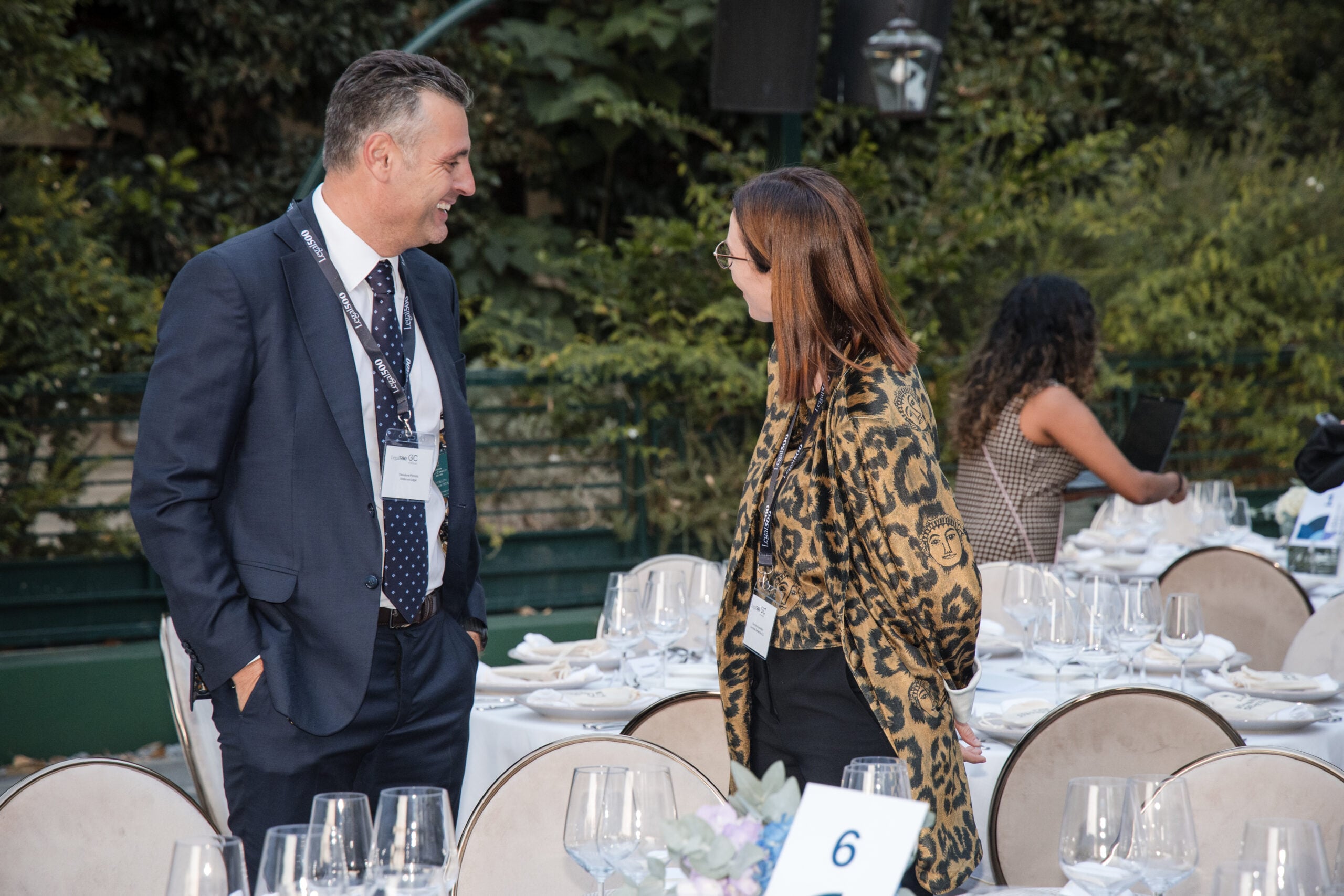
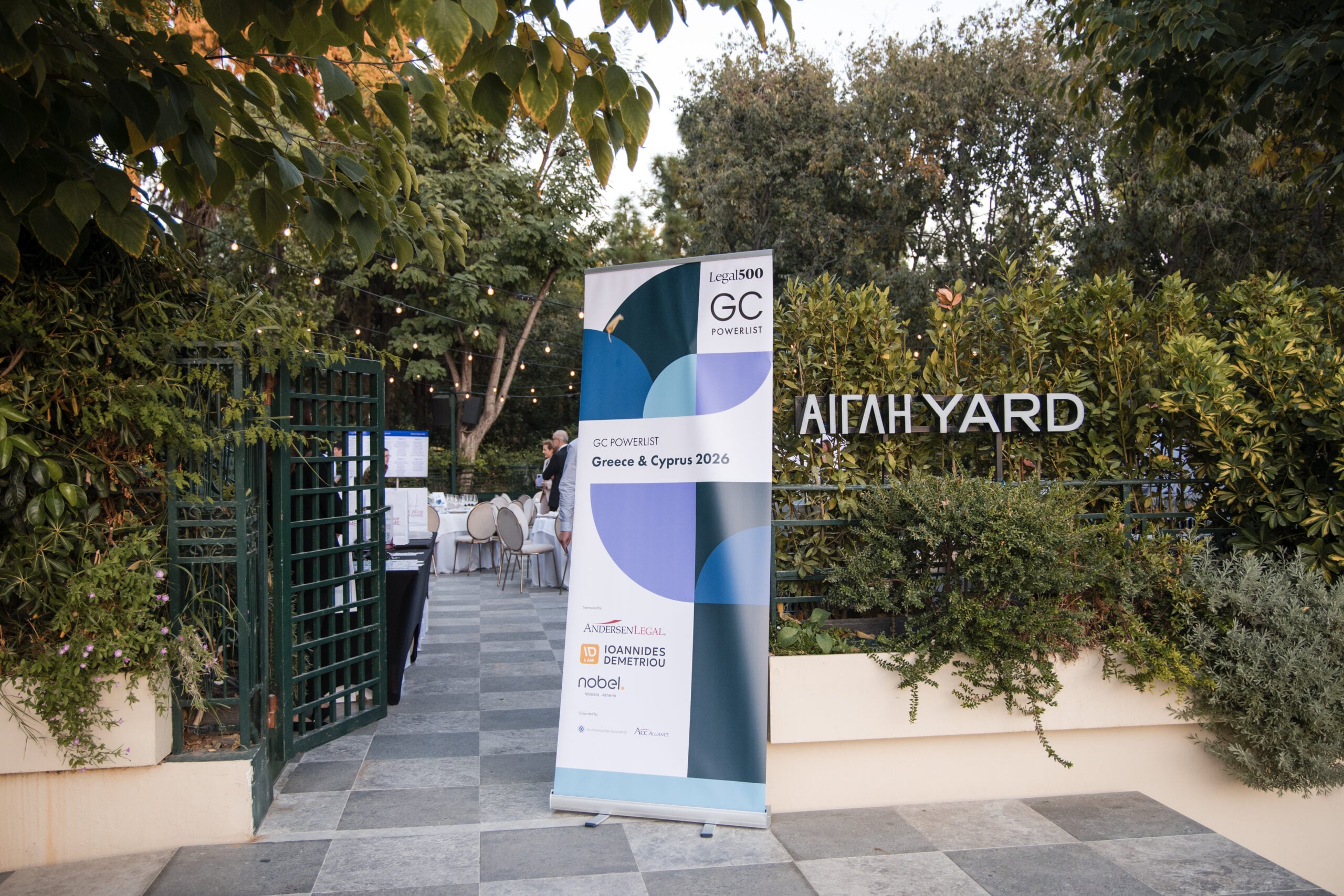
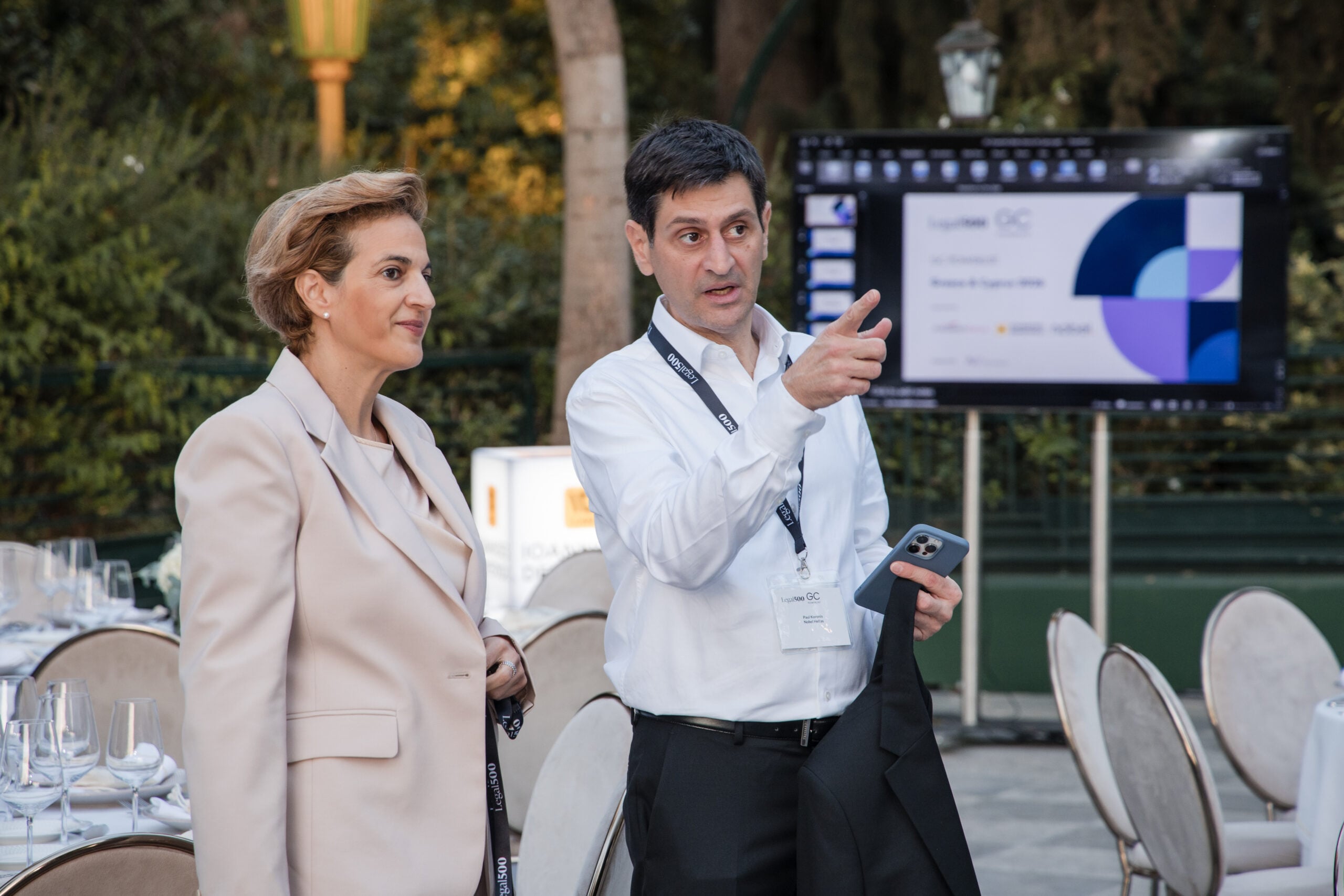
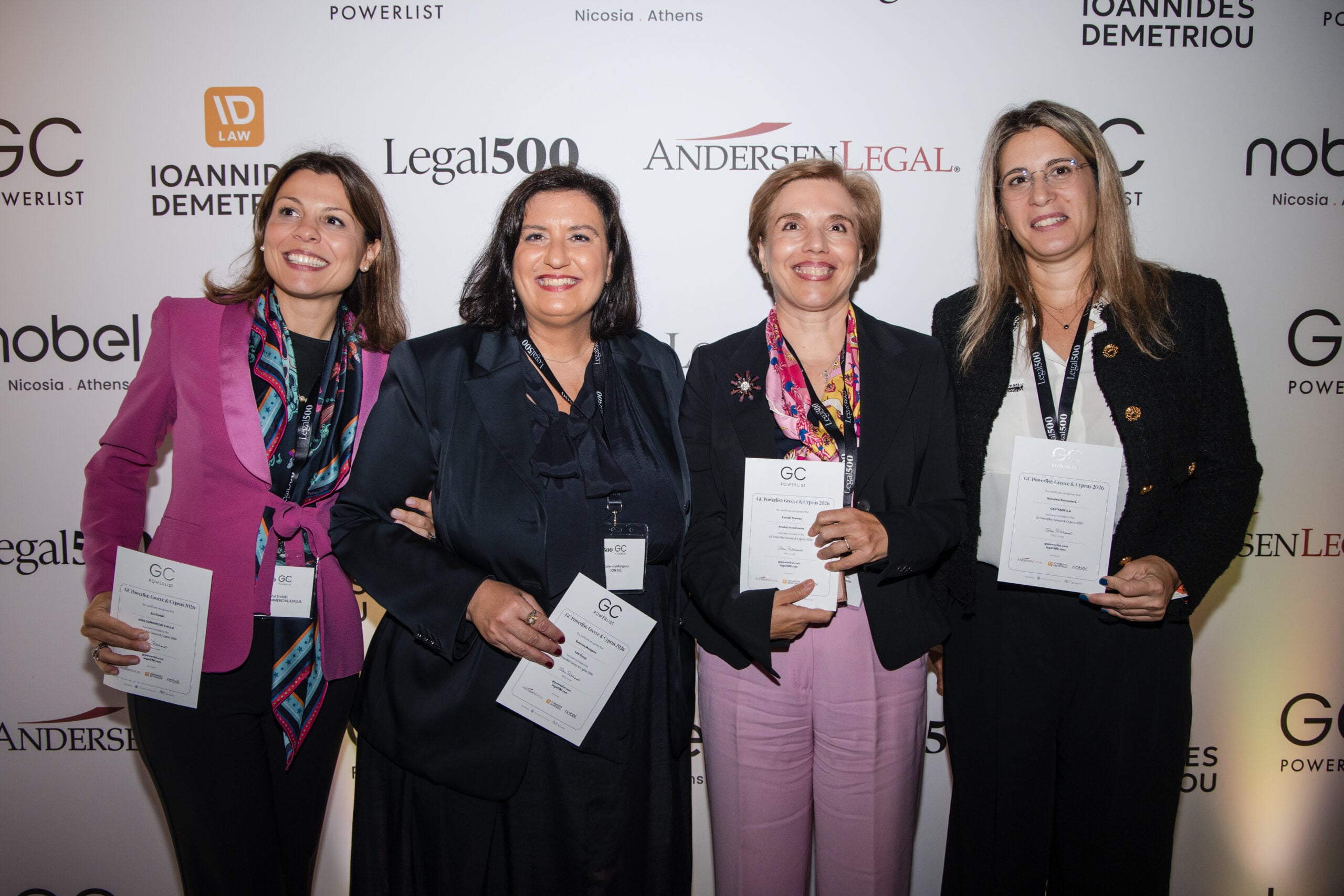
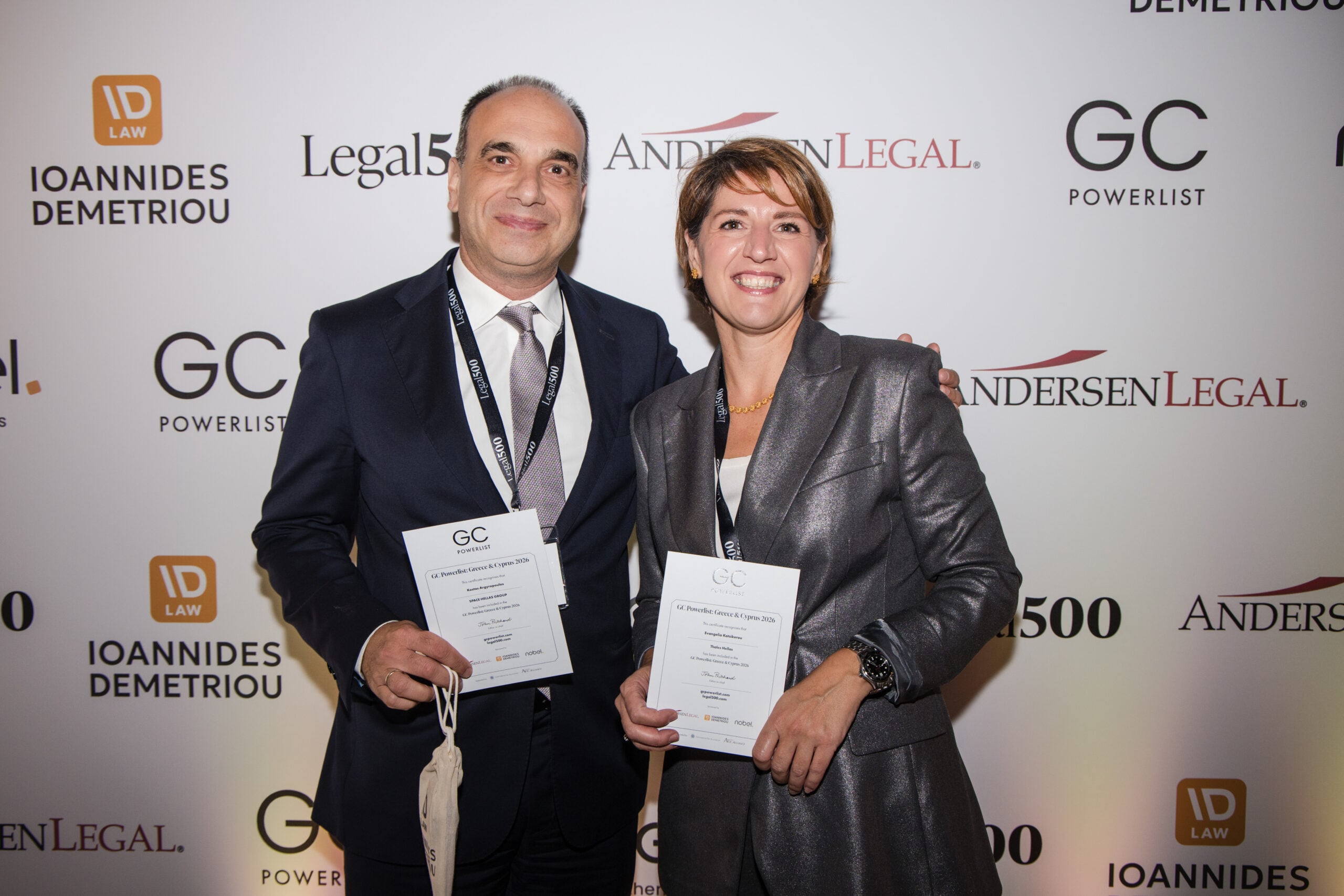
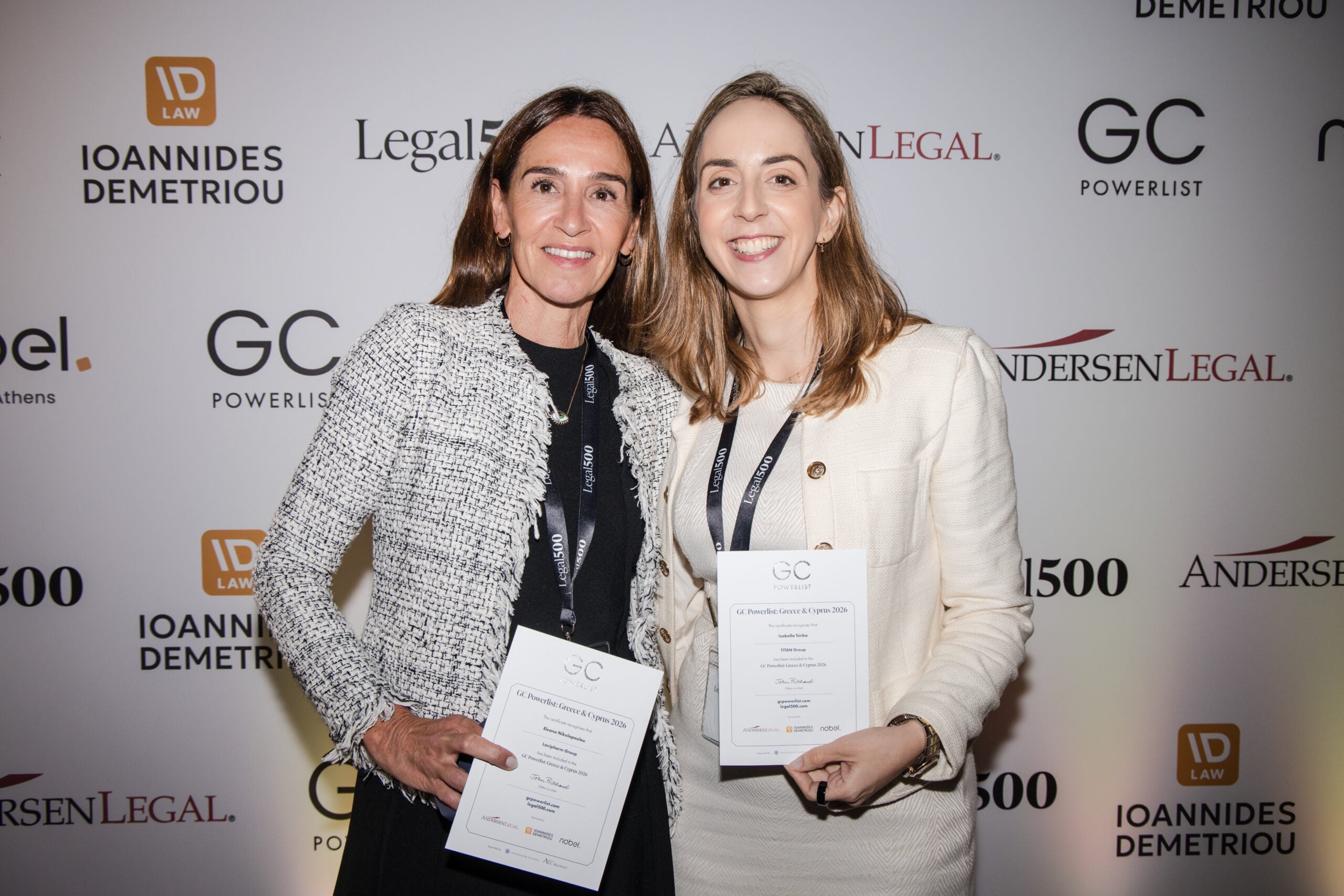
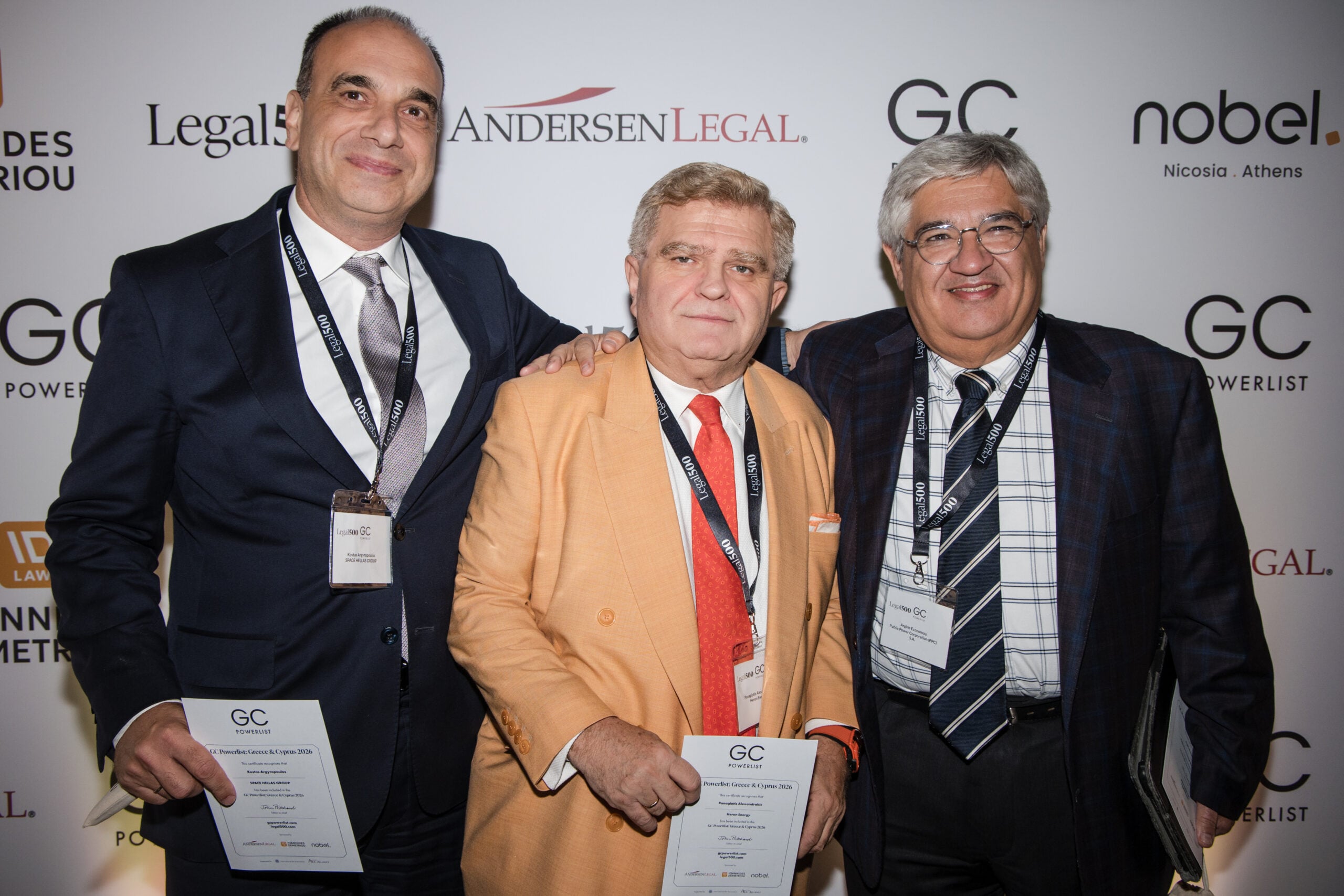
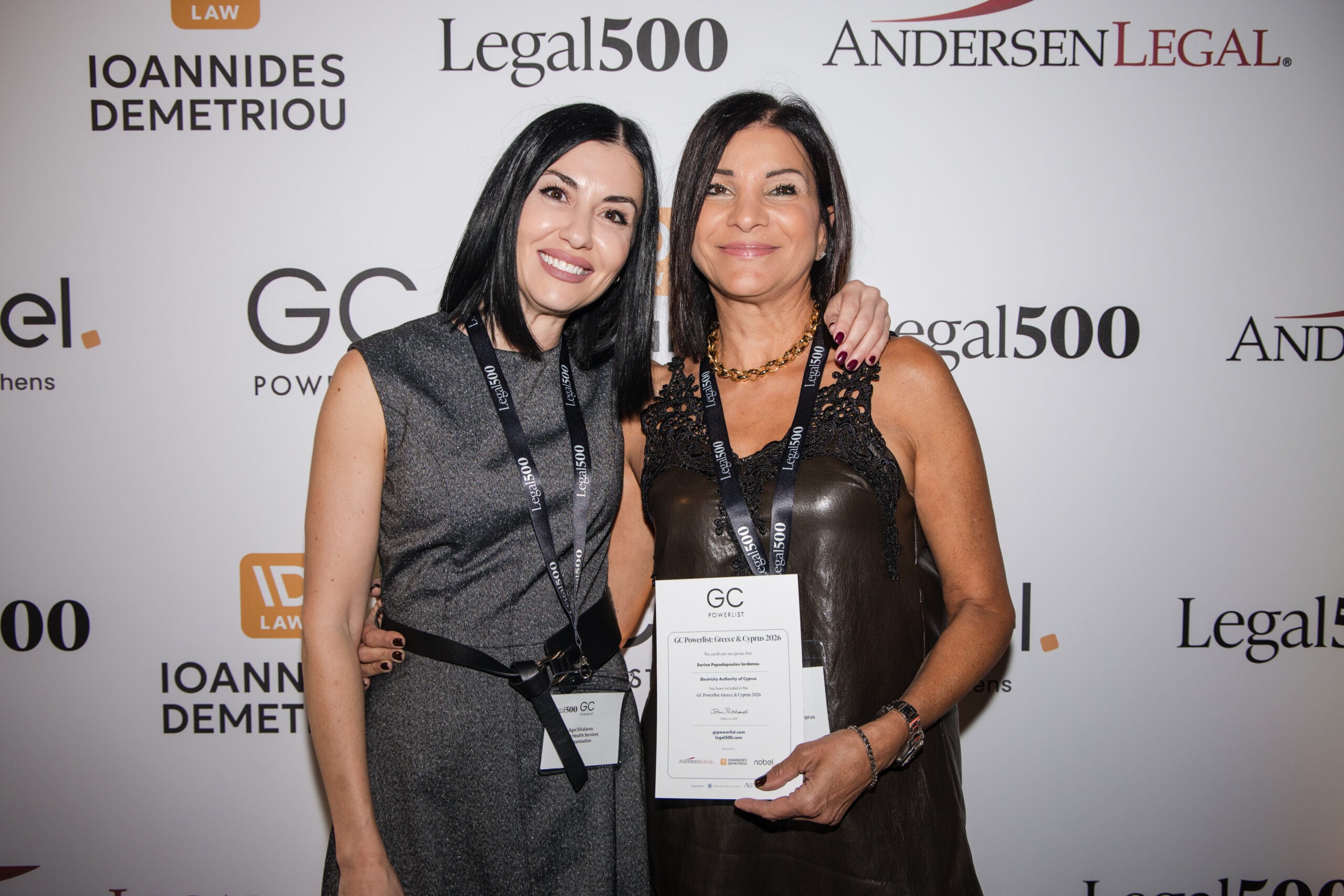
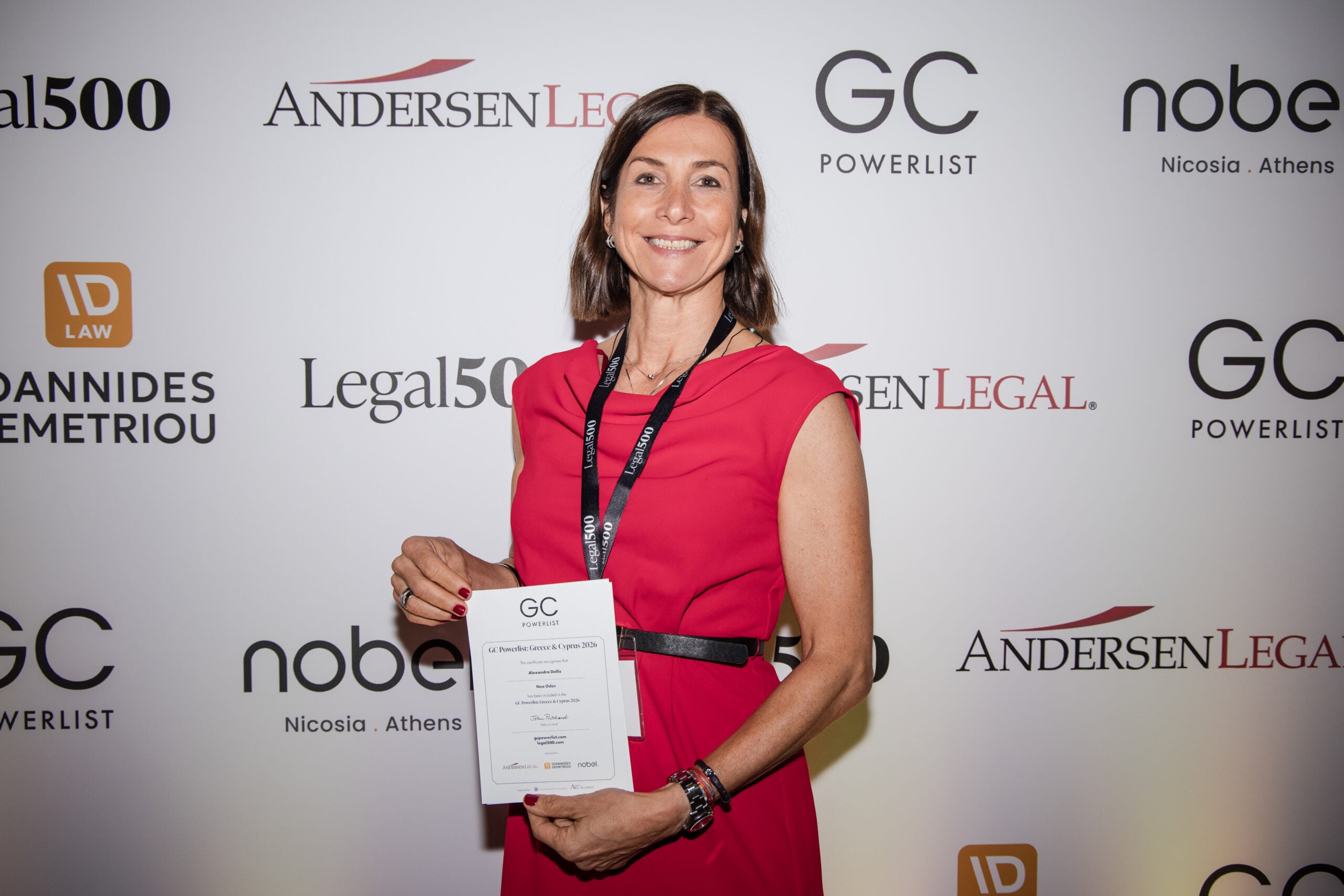
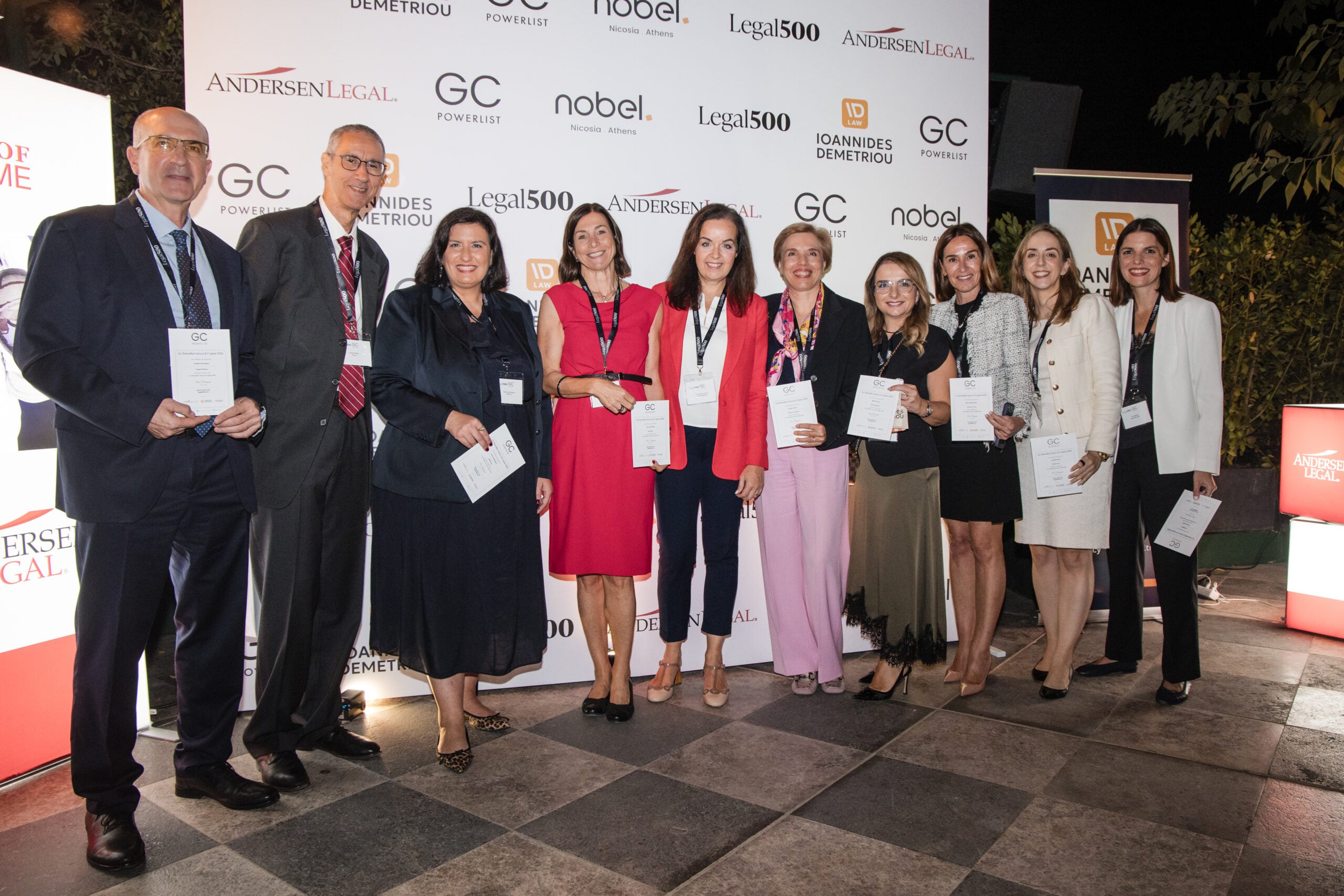
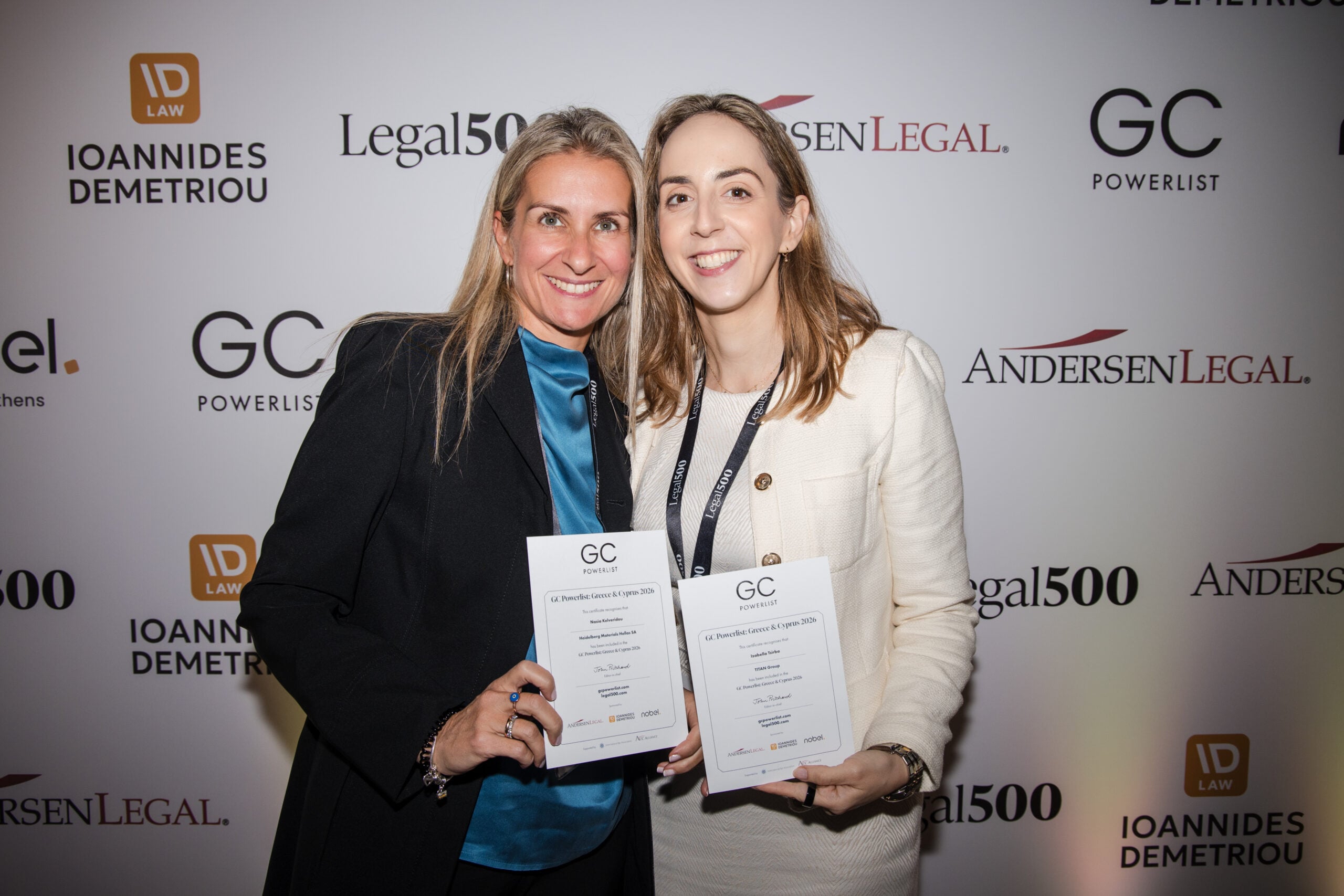
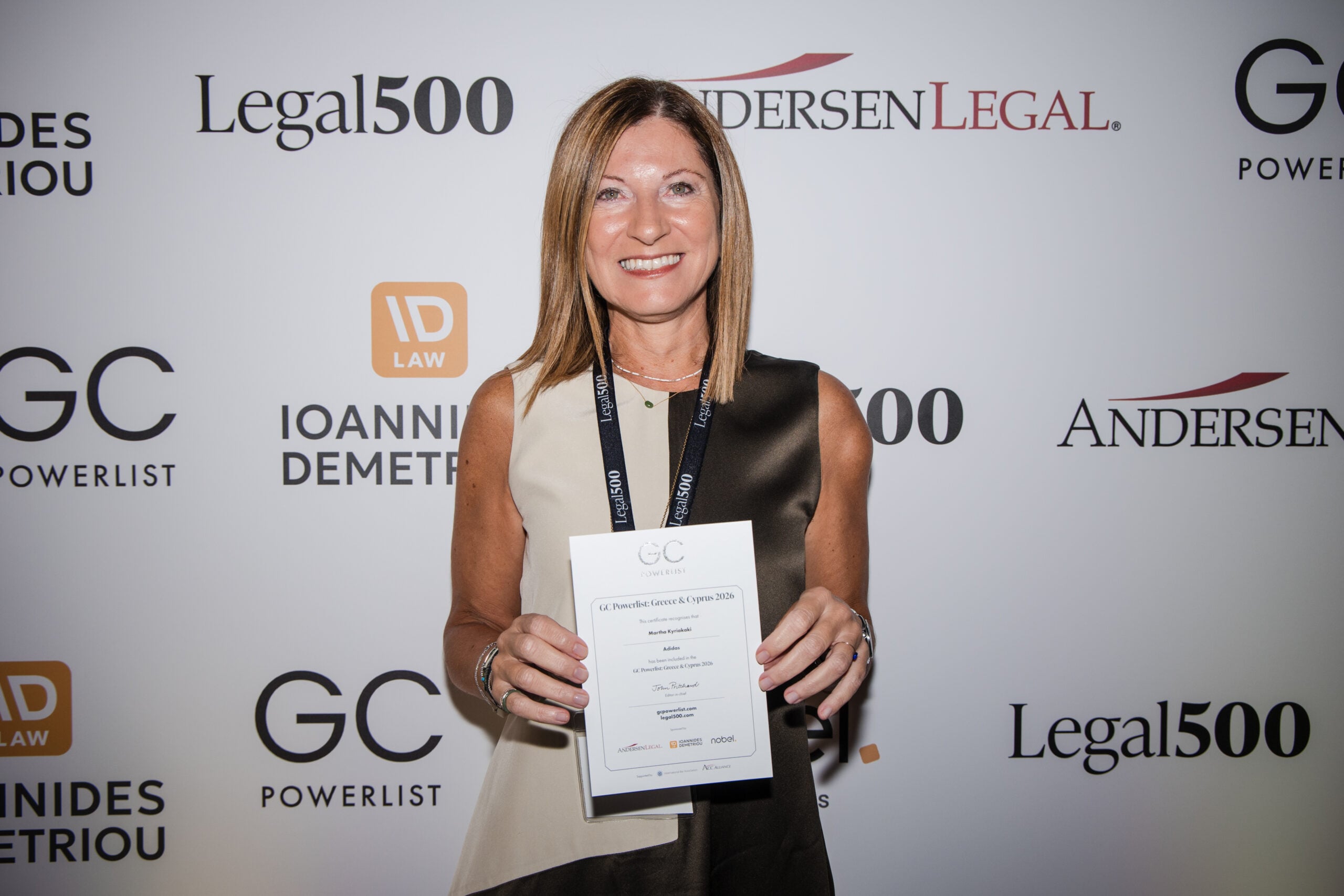
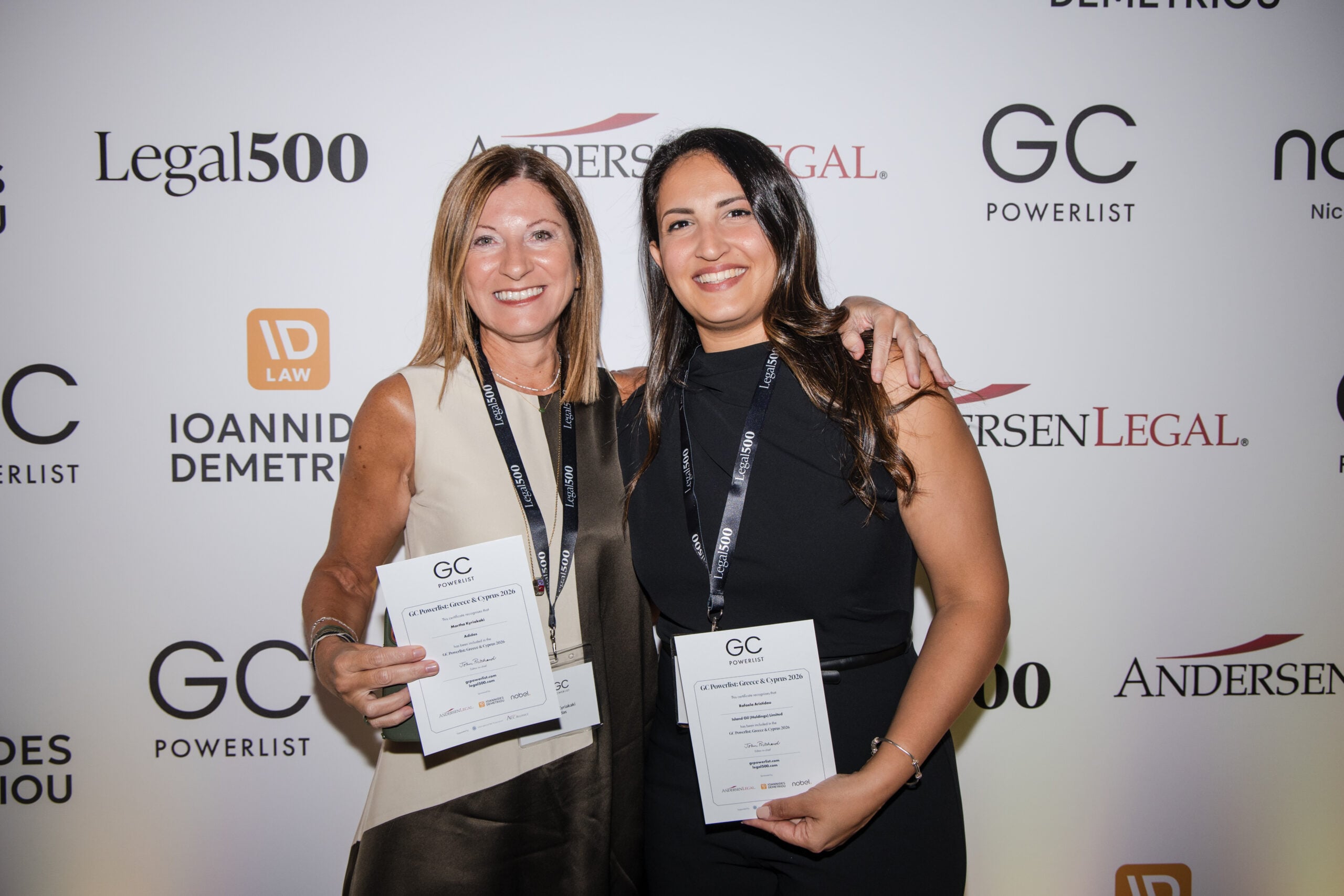
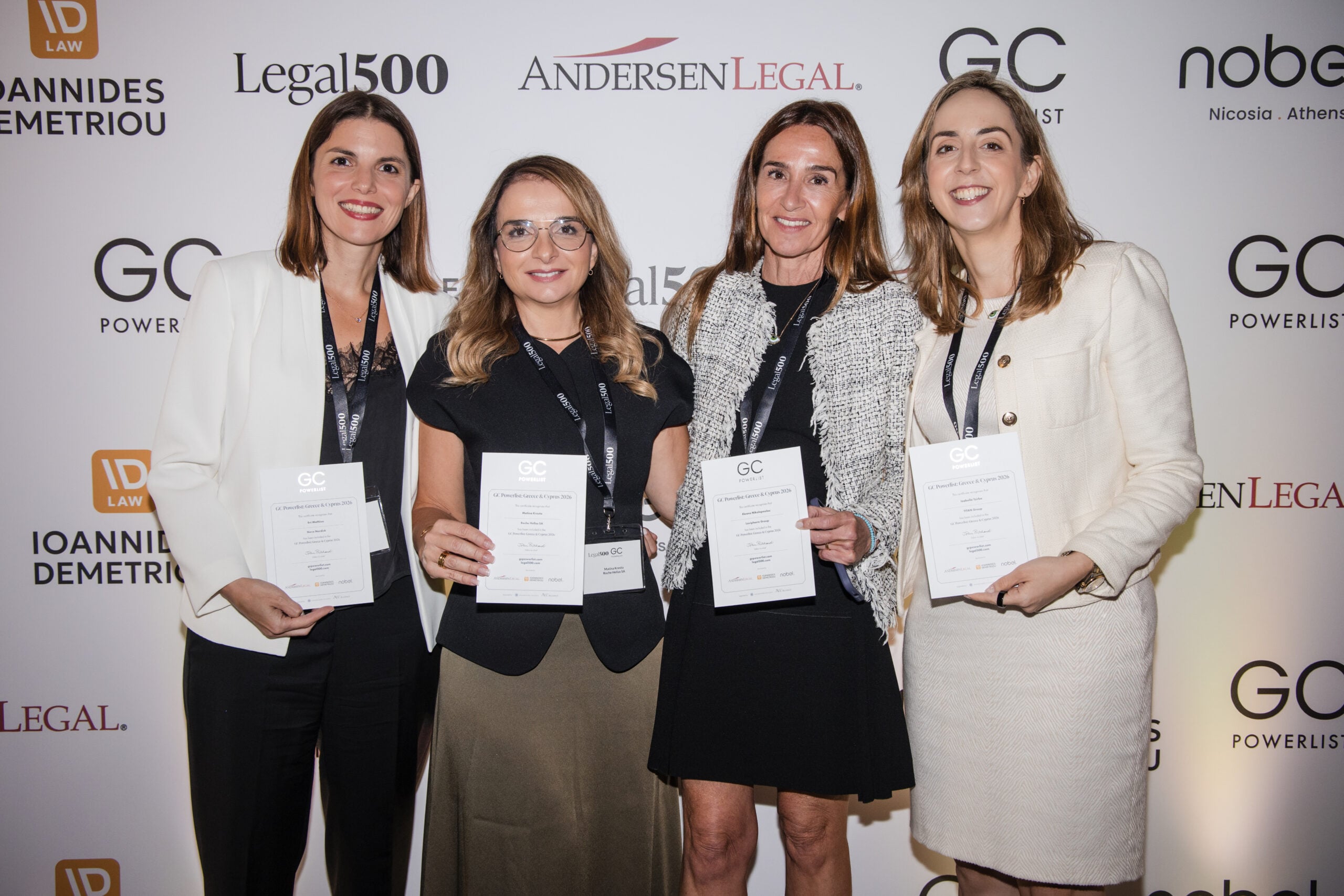
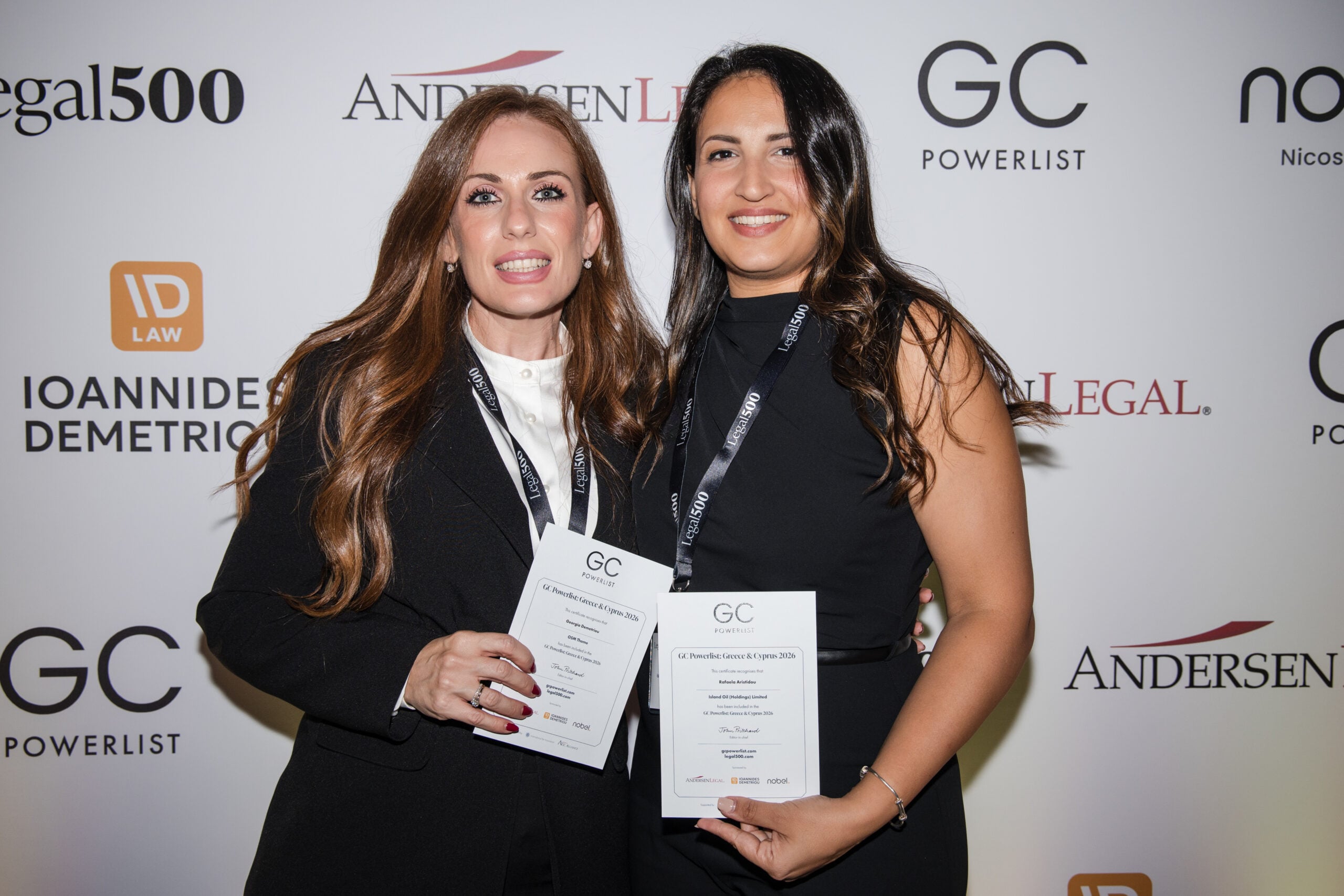
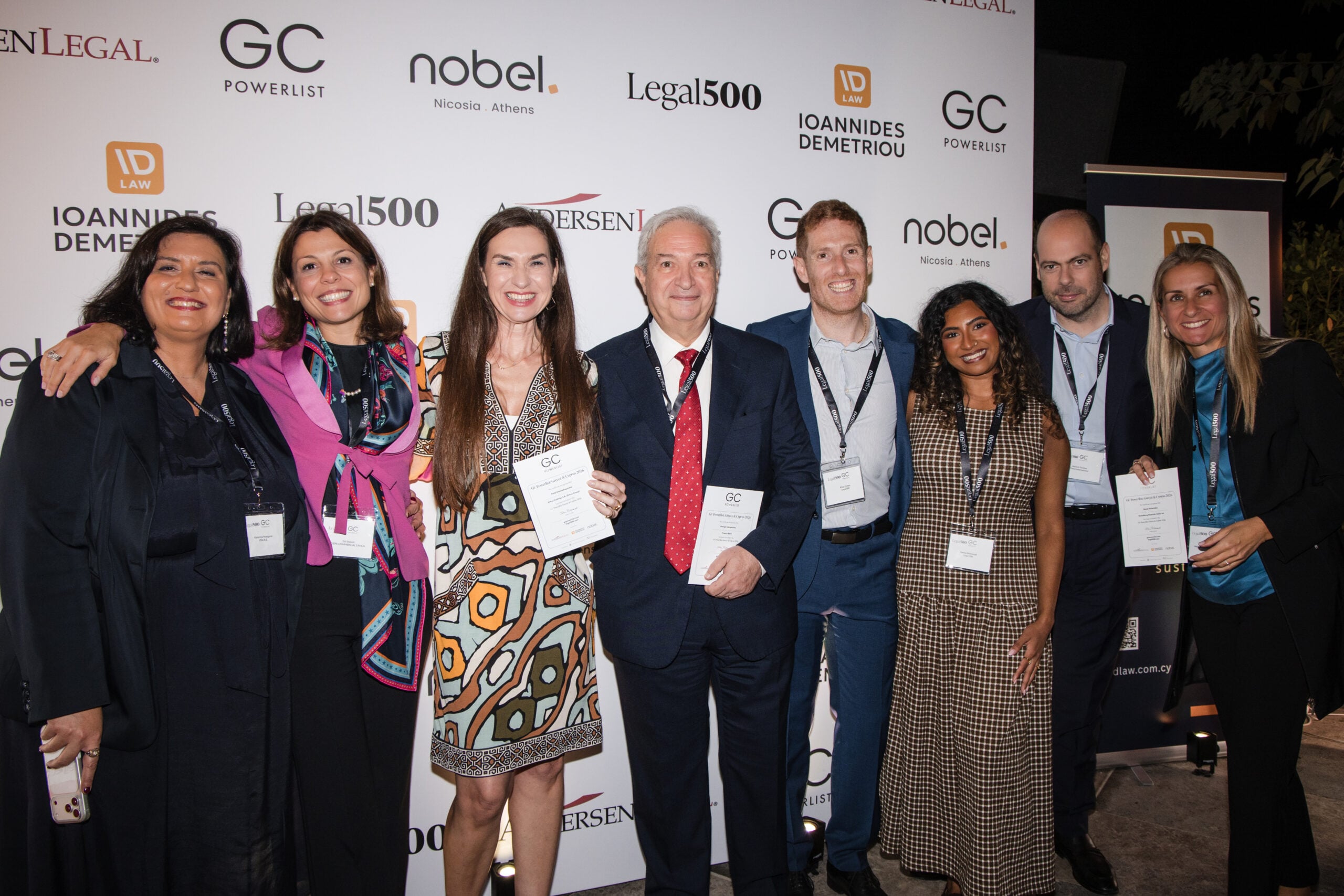
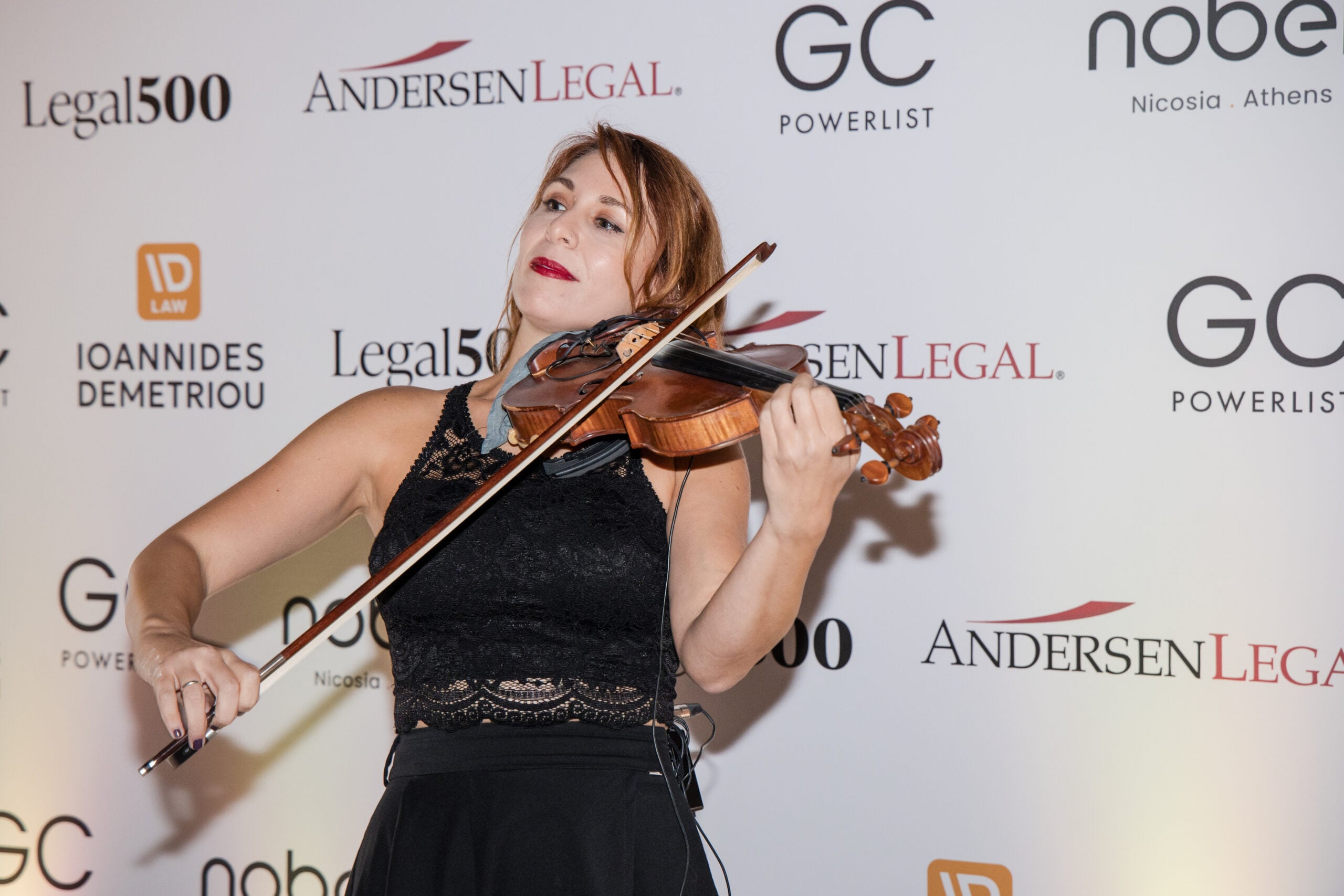
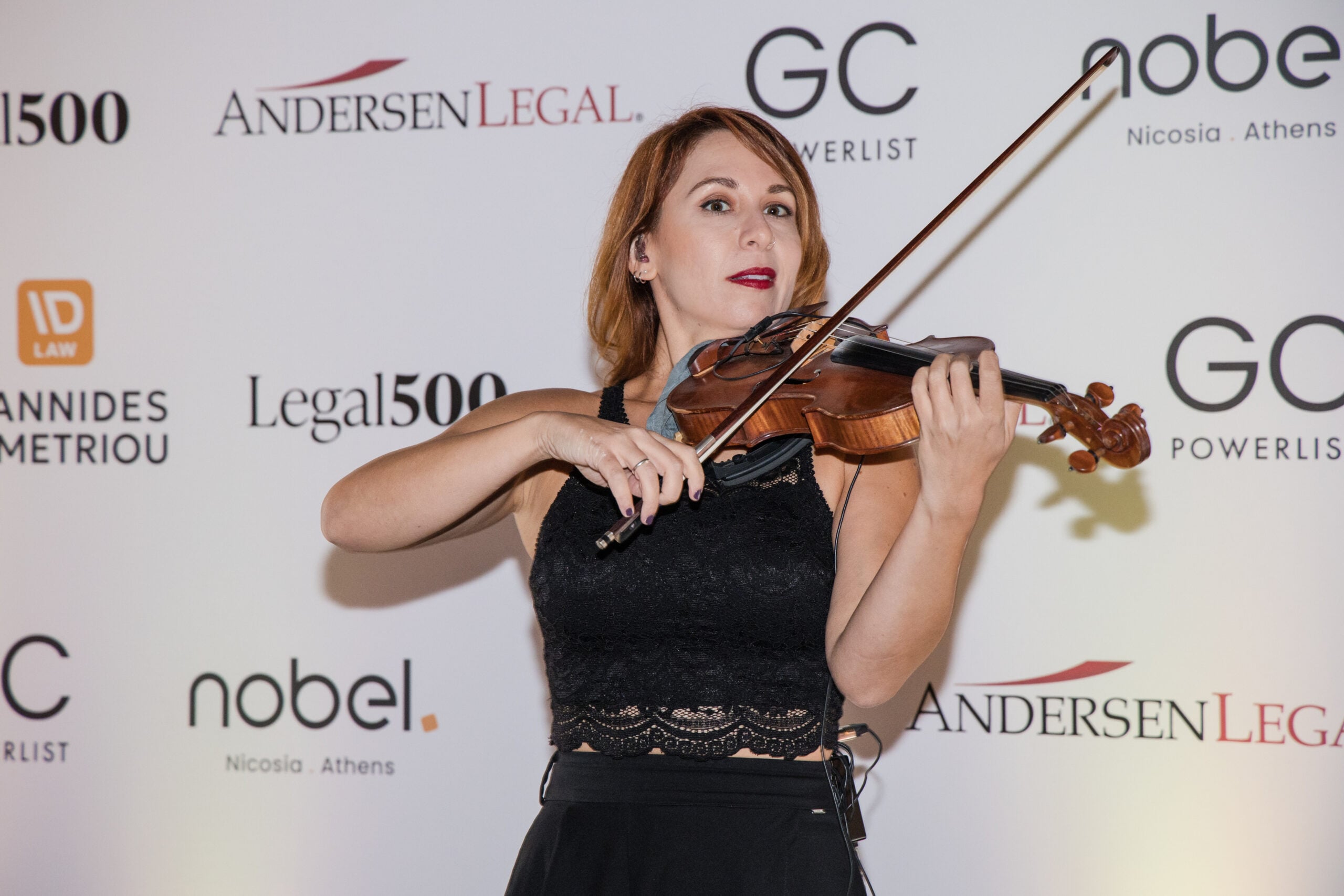
Legal 500 returned to Athens for the launch of the GC Powerlist: Greece and Cyprus 2026, held in partnership with Andersen Legal, Ioannides Demetriou and Nobel. The event brought together leading general counsel from across the city to recognise their achievements and contributions to their organisations.
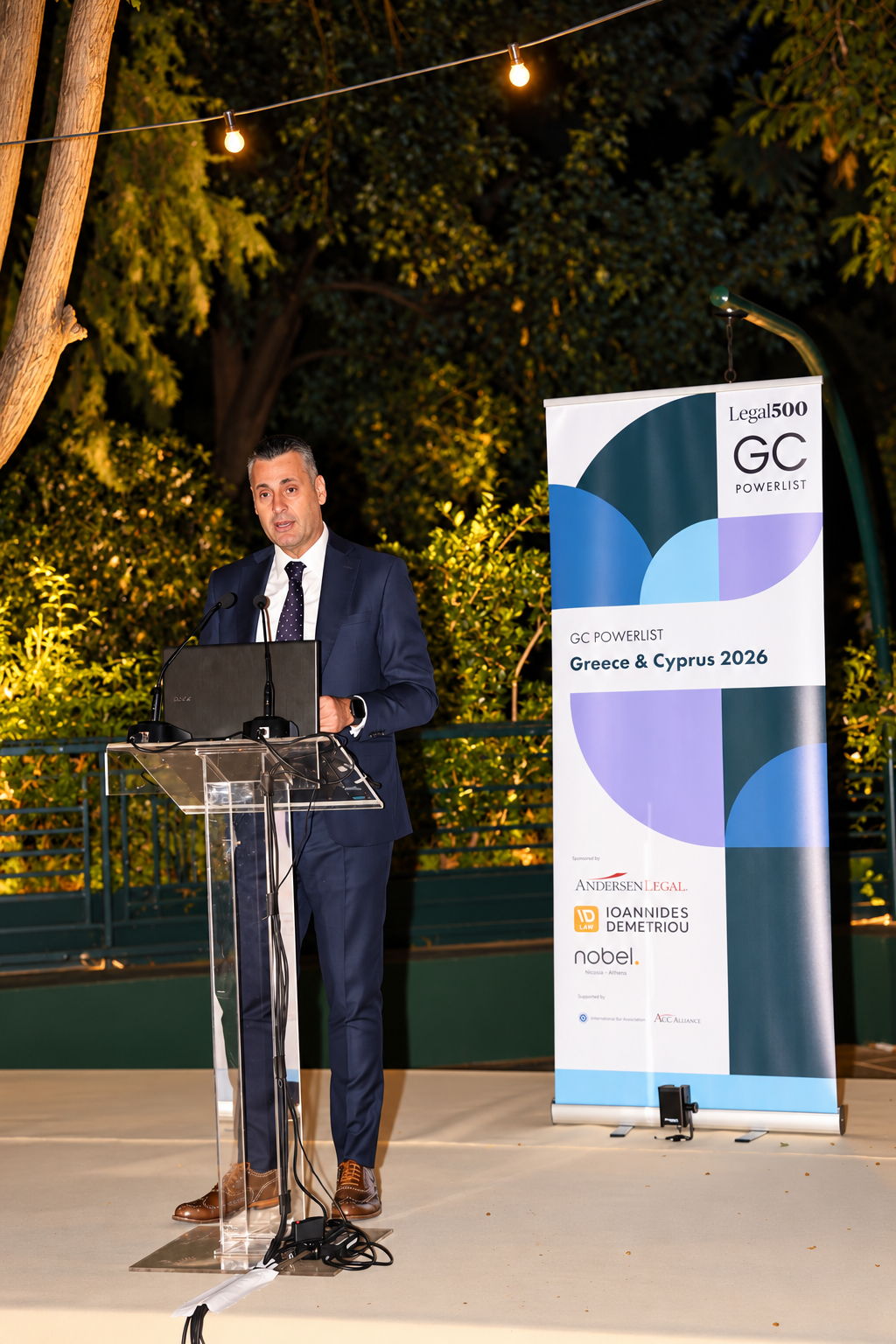
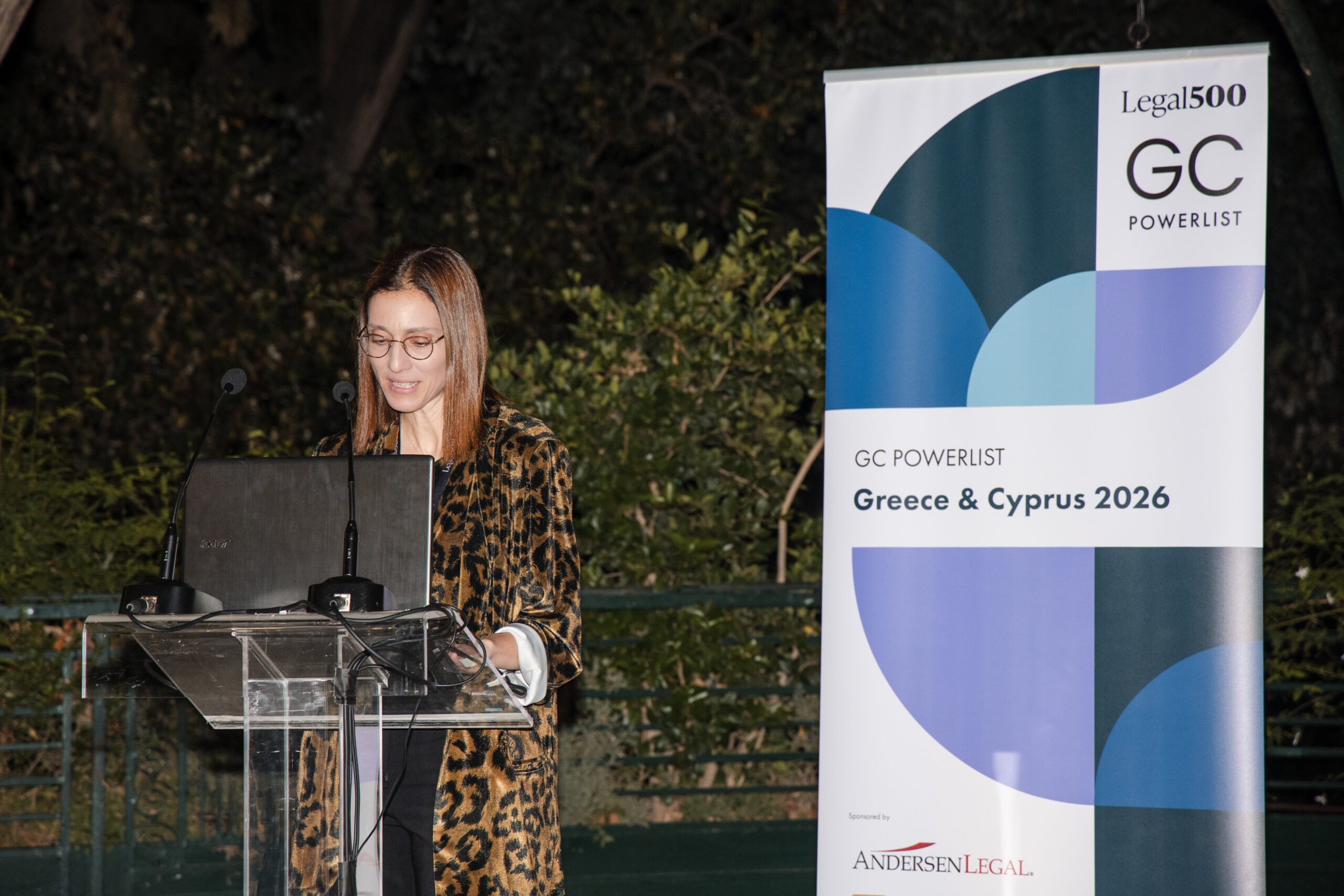
Theodore Pistiolis, Managing Partner at Andersen Legal Greece, and Christina Ioannidou, Director at Ioannides Demetriou, opened the event with welcome remarks.
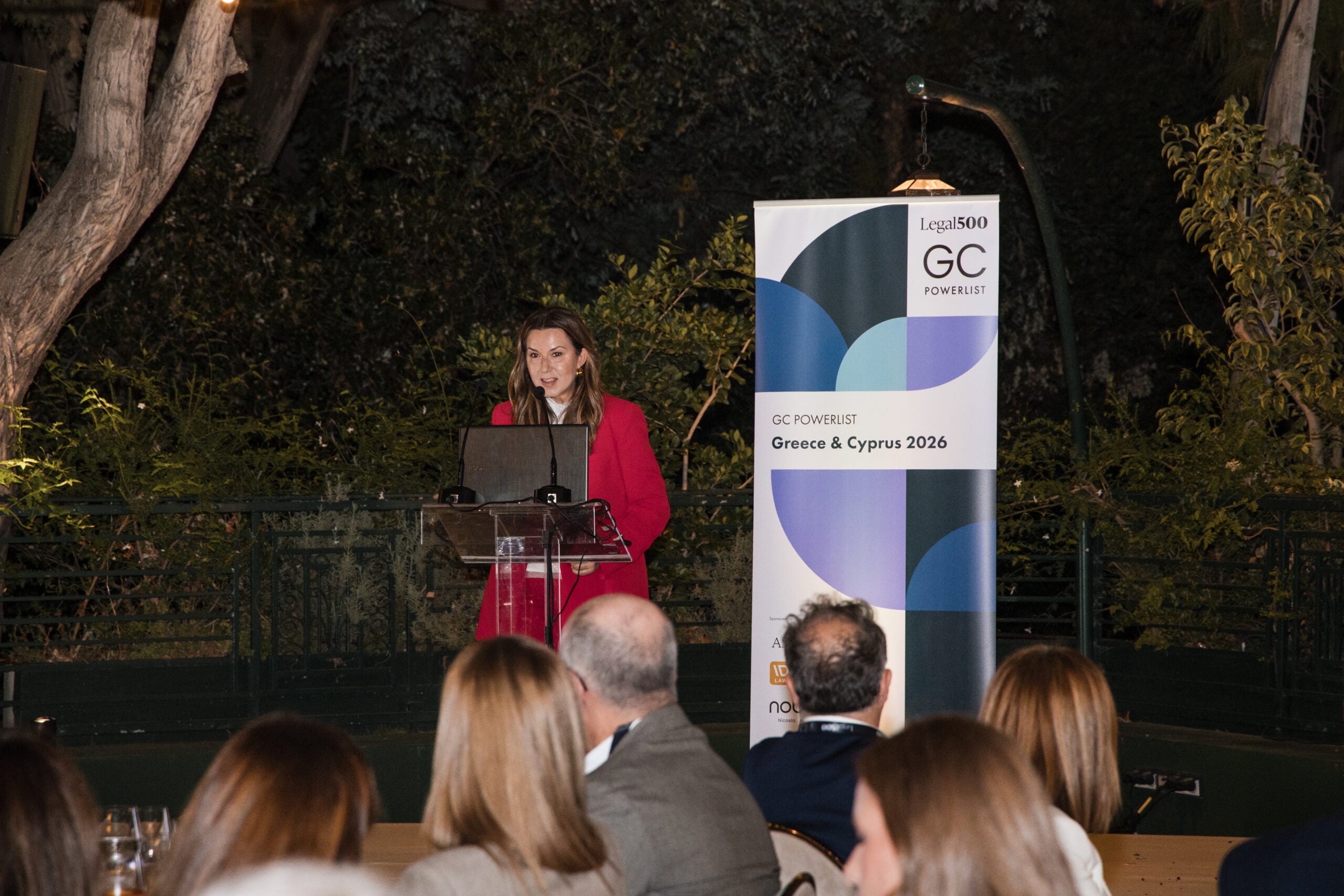
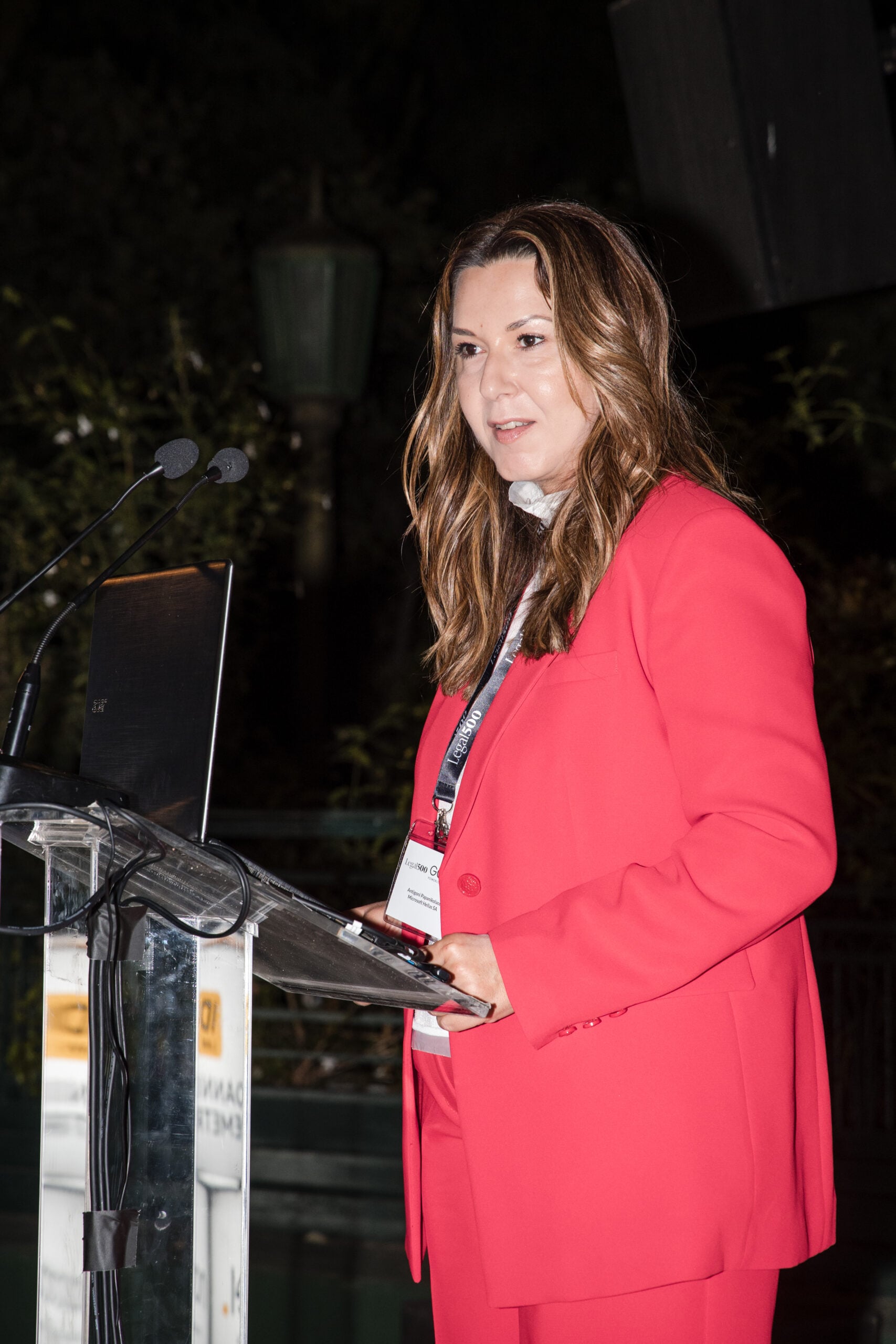
Antigoni Papanikolaou, Legal and Corporate Affairs Director at Microsoft Hellas, then delivered a keynote address on the future of legal teams and how they are evolving.
Legal 500 thanks Andersen Legal, Ioannides Demetriou and Nobel for their support and congratulates everyone included in the GC Powerlist.