Türkiye 2022
Supported by the Association of Corporate Counsel


Vice president, general counsel, board member | Anagold Madencilik



Assistant managing director legal, board member of the group of companies | GAMA Enerji








Director of legal affairs, compliance officer and data protection official, member of the company management board and board secretary | Media Markt Turkey

Legal director and head of Akkök ethical eommittee | Akkök Sanayi Yatırım ve Geliştirme

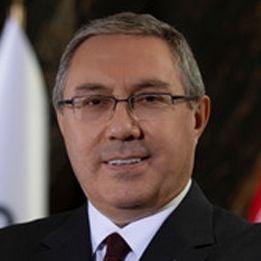

Legal director EMEA and Türkiye. | Celebi Aviation Holding


Chief legal and compliance officer | Koç Sistem Bilgi ve İletişim Hizmetleri A.Ş.

Head of legal affairs department | Metro Properties




Senior lawyer, M&A and transactional affairs | Yilport Holdings

General counsel, senior compliance officer and corporate secretary | Mercedes-Benz Türk
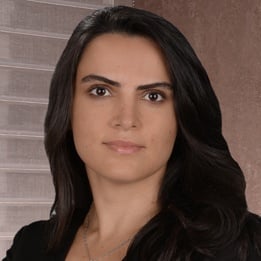
Chief legal counsel and compliance officer | KAZANCI HOLDİNG(AKSA)


Country leader and general counsel | 3M Sanayi ve Ticaret



Legal affairs and investor relations director | Yapitek Yapi Teknolojisi



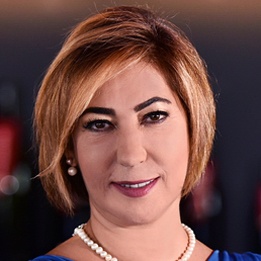


Head of legal department -ALJ TR Auto silo | ALJ Holding






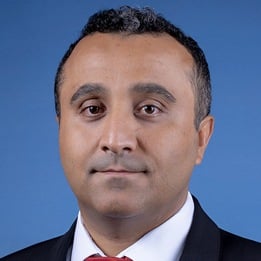

Chief legal counsel, assistant general manager, executive board member | Allianz Turkey


Head of legal and corporate compliance officer | Metro Cash & Carry Turkiye



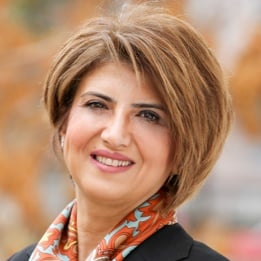





Head of legal and compliance | Zer Merkezi Hizmetler ve Tic. A.Ş.
Head of legal | Temsa Skoda Sabancı Ulaşım Araçları A.Ş.
General counsel and chief of staff | Marti Ileri Teknoloji A.Ş.
Chief legal counsel and compliance officer (foreign affairs) | Enka
Legal director Türkiye, Georgia and North Macedonia | TAB GIDA SANAYİ ve TİCARET A.Ş.
 Due to the favourable geopolitical location of Türkiye, it is a renowned hotspot for local and foreign investors. Its regulatory and political landscape has also seen recent, rapid evolution and change. Frequent developments are underway to laws regarding real estate, data privacy, citizenship, among others. Moreover, the Covid-19 pandemic presented a distinctive set of challenges for the country and for companies in Türkiye. General counsel, throughout this period, guided their respective companies with consistent and practical support.
The Legal 500 GC Powerlist: Türkiye 2022 demonstrates an astounding level of legal ability against an arduous, transforming economic background. Driven by resilience, general counsel in Türkiye have assumed a leading role in their companies and navigated unparalleled challenges. It does not come as a surprise that the in-house legal profession is burgeoning in Türkiye, attributable to the taxing undertakings they typically face in their organisations.
‘Inflation rates are on average 30 to 35% and it is increasingly difficult to make new investments in Türkiye’, details one in-house counsel. Considering the current context of the economy, the need for versatile general counsel within companies in Türkiye has never been more prominent. We often hear about the all-encompassing roles of general counsel in organisations; but in this jurisdiction they have exceeded expectations and met each obstacle their companies faced, with faultless pragmatic guidance. Nevertheless, they were able to perform extraordinarily well in such an uncertain time, intensified by the tough economic aftermath of Covid-19.
Though the market has been impacted by changing legislation and the fluctuation of the Turkish lira, general counsel throughout our research proved their technical and commercial capabilities to match these challenges. Looking forward, there seemed to be a consensus among general counsel to continue ‘managing risks, cooperating with business partners, and adapting to the ever-changing environment and priorities’, as concisely put by one in-house counsel.
The Central Bank of Türkiye also maintains that the economy is on its way to recovery, while the government strongly incentivises foreign investments through several schemes promoting digitalisation, networking opportunities and citizenship acquisition. This publication emphasises the most creative ways successful counsel have extended themselves to meet and anticipate the needs of their companies and teams.
It was certainly a pleasure to speak with the premier general counsel who participated in this edition of the Legal 500 GC Powerlist: Türkiye 2022. They continue to cement their place as an enduring, unassailable in-house community globally. Congratulations to the successful and outstanding counsel who have been integral to their companies’ stability and longevity!
Melissa Yebisi
Research analyst:
GC Powerlist Series
Start of A New Era
Start of the year 2020 has added many new words to our dictionaries. Everybody has learned about PCR tests, wore masks everywhere, learned the implications of a cough and followed the number of infections in their country day by day. While we are leaving the pandemic behind, we must pay a historical tribute to our health workers, who have borne the brunt of this crisis and continue to put themselves in harm’s way in the service of people.
From a business point of view, the last few years have taught us that the conventional is getting outdated. Businesses learned to work effectively online, physical workplaces and international flights left its place to virtual meeting rooms and online webinars. Increasing importance given to sustainability and the digitalization of businesses were driving the world towards such a change for many years but the pandemic was the turning point where theory became reality. The current virtual presence every business was led to establish has paved the way for a brand-new era where the office became where your laptop is.
The new era of virtual meetings, home-office and online collaborations are here and the legal world needs to catch-up. Now more than ever, national and international law firms who have historically stayed rather traditional, required to adapt to this new era through implementing various changes to their own firm culture. Undoubtedly, the first thing that was introduced to a legal professional’s life was online meetings, virtual briefings and even online hearings. These things that were brand new just a couple of years ago, is now the norm for being successful and effective in the legal profession.
Perhaps this swift adaptation to a new virtual era is the main factor that has ensured which business was to gloom and prosper through these tough times. Businesses’ resilience was tested throughout this challenging period, and now while we are leaving this pandemic behind, learning from the past mistakes will be the torch that leads any business to a bright future. But as we know, a business is only as good as its employees, and this year’s Powerlisters have shown that they are willing to carry this torch for their own respective companies. This year’s Powerlisters are not only recognized for their individual legal brilliance, but also their adaptation and their role in influencing their organisations.
These legal professionals in GC Powerlist Turkey that are recognized herein, are visionaries and guides to their respective businesses and they are paving the way to lead their business, their country and the entire world to a new era. They are innovators, willing to motivate greatness, contribute to the change and form a new era where you can conquer the world at the comfort of your own sofa.
This is the ideal that is embedded to the roots of Kılınç Law & Consulting. We have always taken pride in being young, diverse, innovative, dynamic and capable in various jurisdictions which led us to adapt to the new normal smoothly. After we have adapted to this new era, its time to lead the change and be a frontrunner in the legal world, through our quality in service, business-oriented approach and solutions and expert legal service providers who are experienced in providing services in various sectors both nationally and internationally. In this new era, legal expertise is and will always be at the core of what we do but our diverse team comprising of experts in various legal fields offer a wider range of services which essentially means that we will do what is needed by using a wide array of technologic means, everywhere in the world to adapt to the requirements of our clients in every project. This is the Kılınç Law & Consulting vision that will carry the torch for a newer and brighter future.
As Kılınç Law; we believe we have an obligation to carry the legal business, commerce and even the country forward by making clients more effective, the communities stronger and more diverse as a whole. We build strong relationships based on trust, continue to develop through experience and share ambitions of our clients to always aim perfection.
That is why, we are always proud to sponsor GC Powerlist Turkey, since it is the greatest of pleasures to be together with general counsels that share our ambitions and objectives to carry its business and its countries to a new and successful era.
Congratulations to everyone on this year’s Powerlist, who are each powerful decision makers and leaders in their own organizations; and together as the entire Turkish legal community we have the utmost confidence that we will be the ones enabling a better, greener and sustainable future where prosperity, peace and equality rules the world.
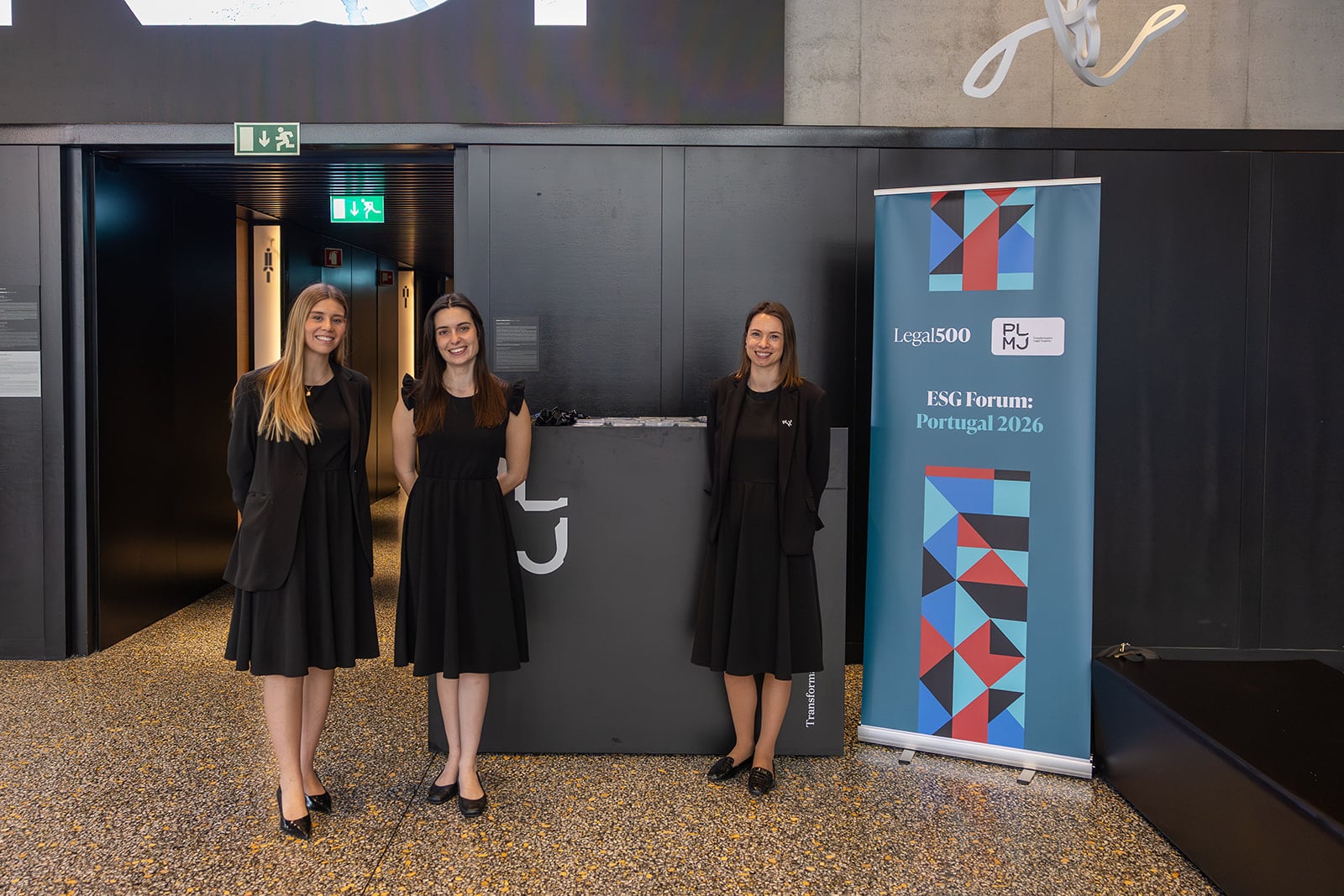
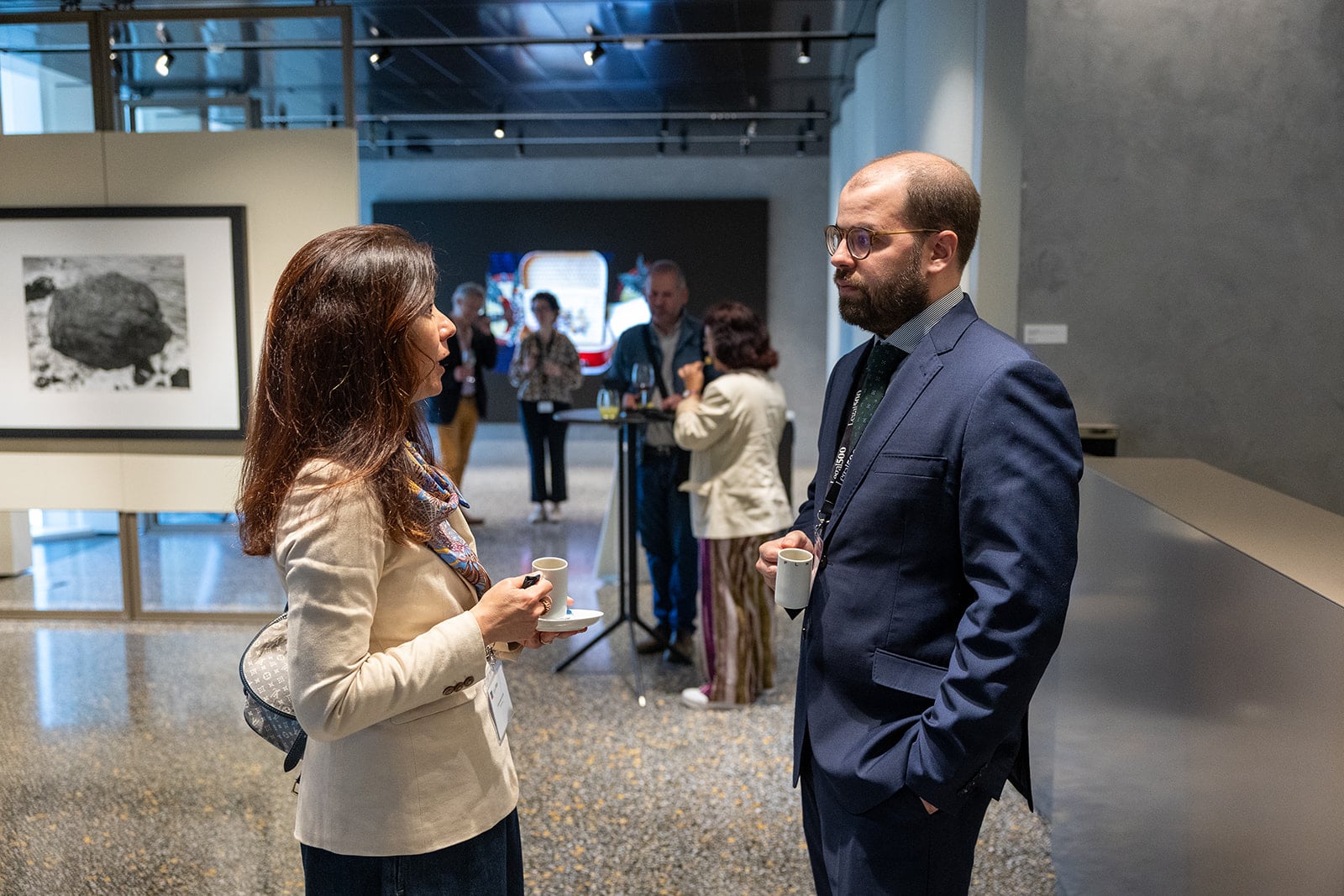
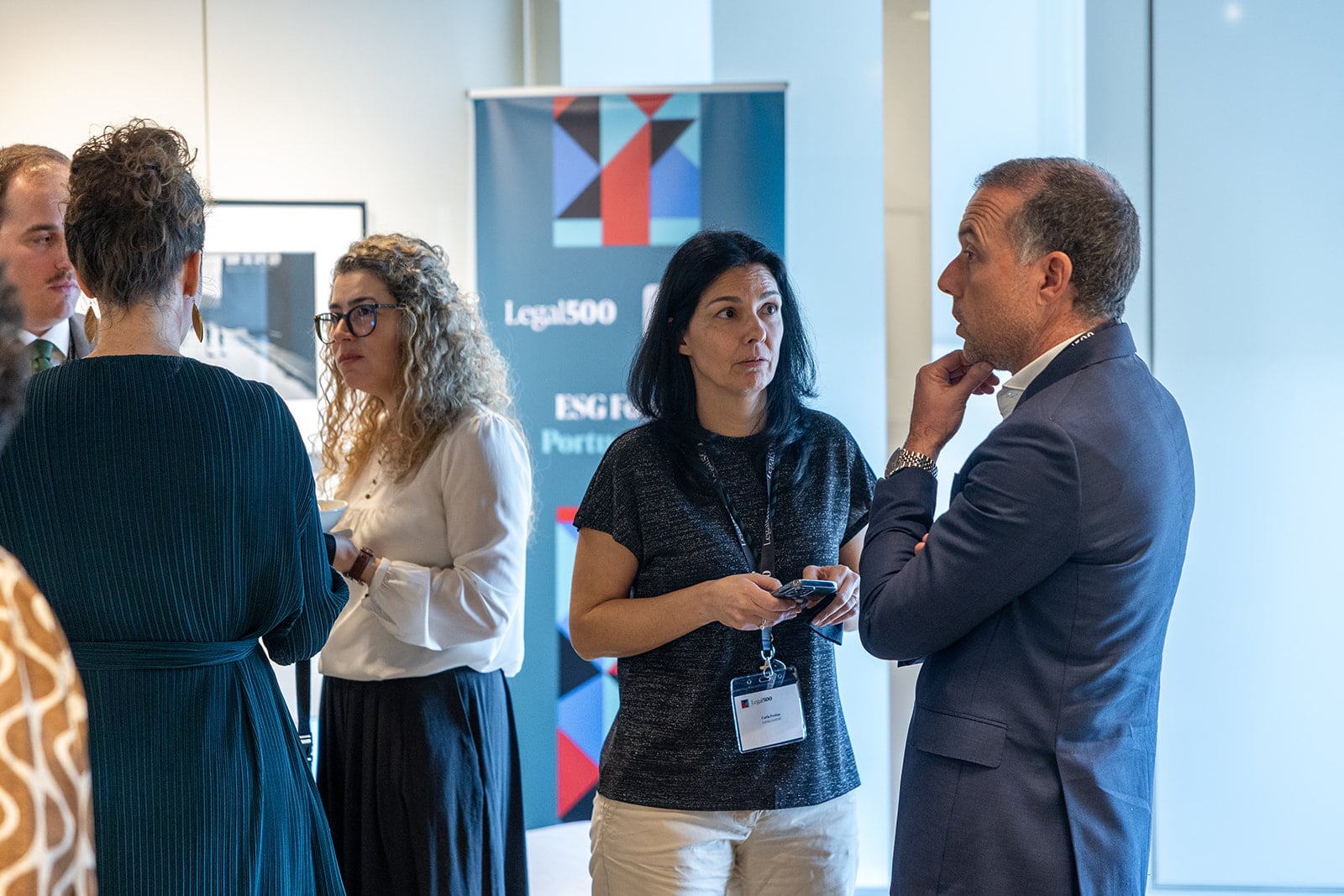
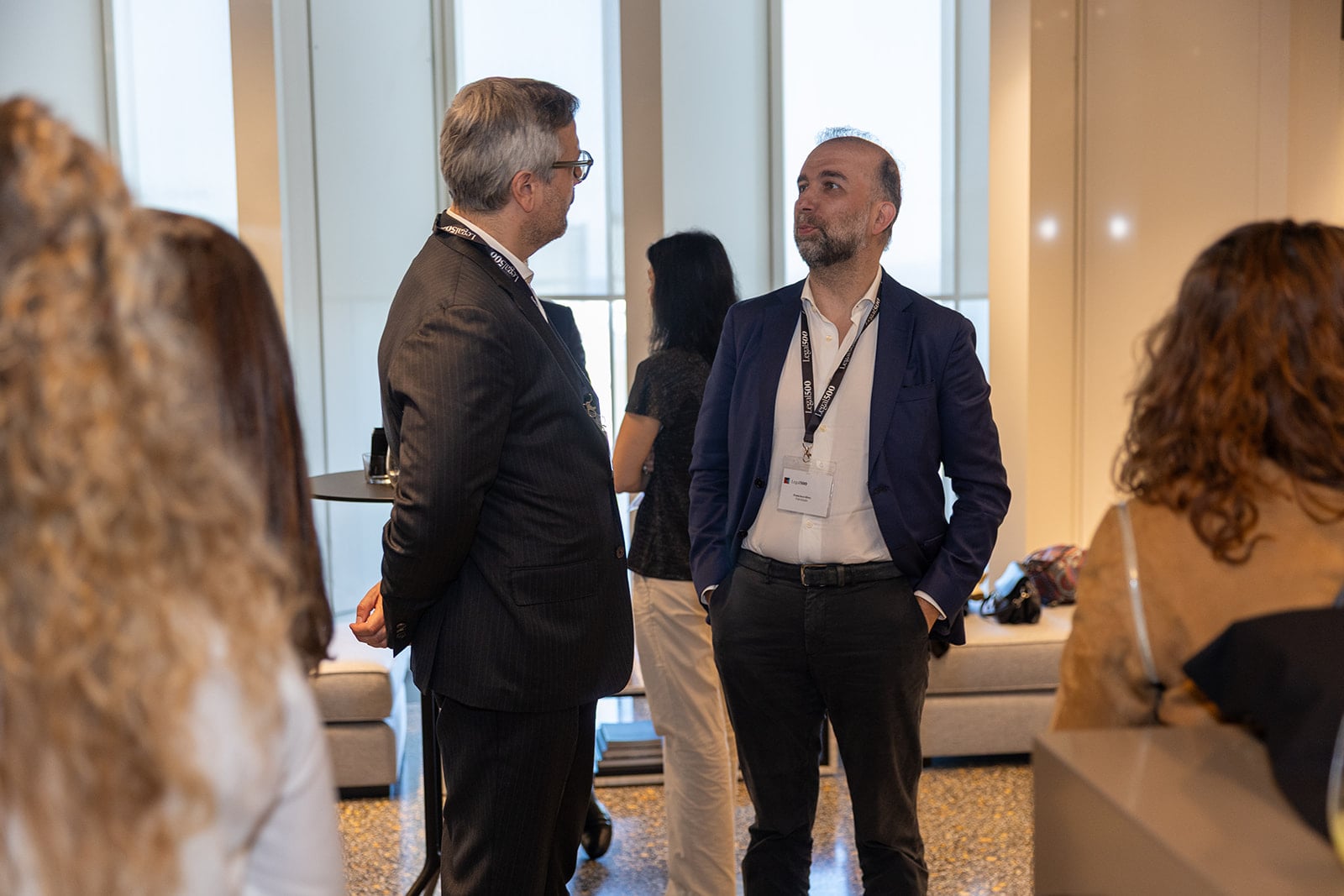
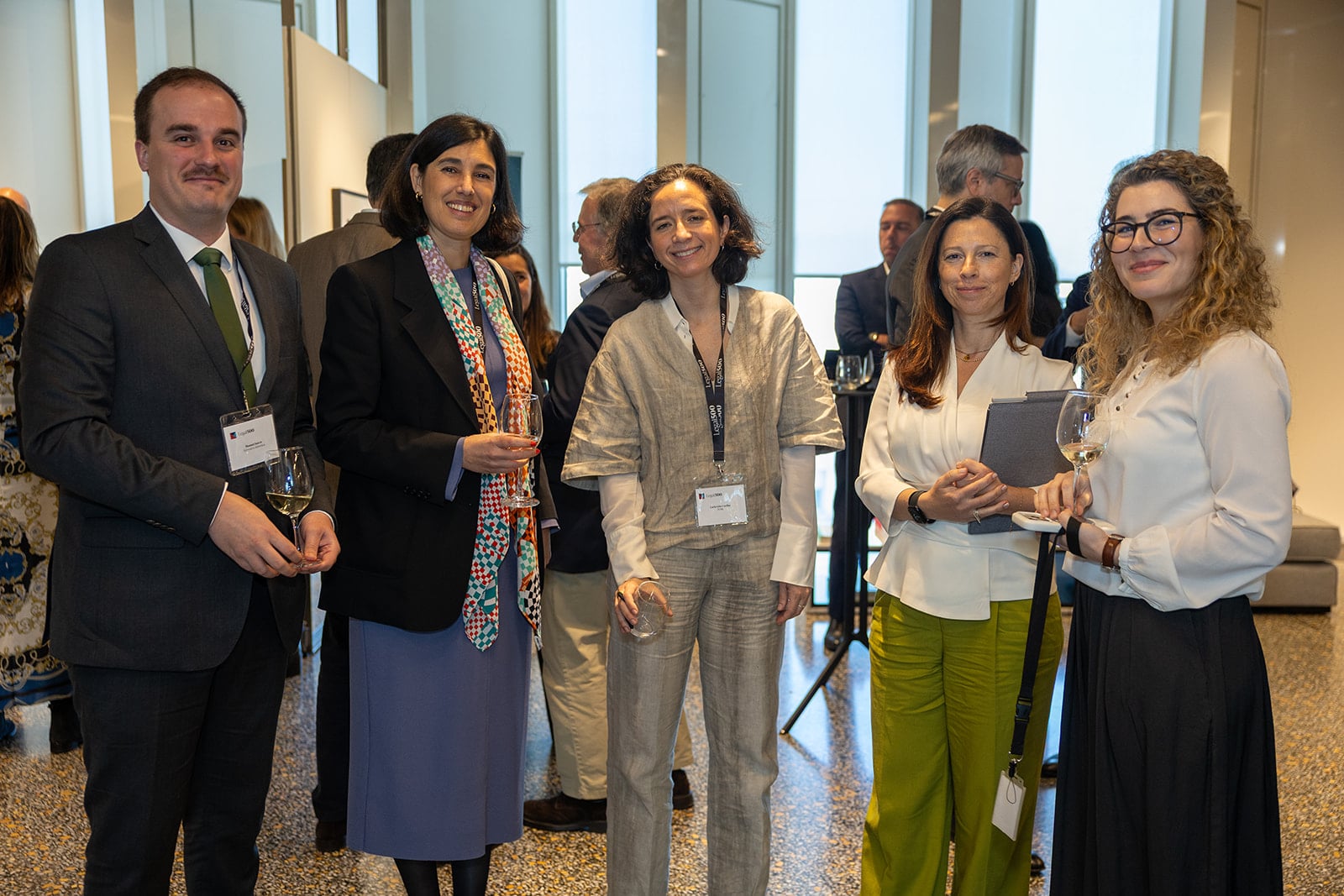
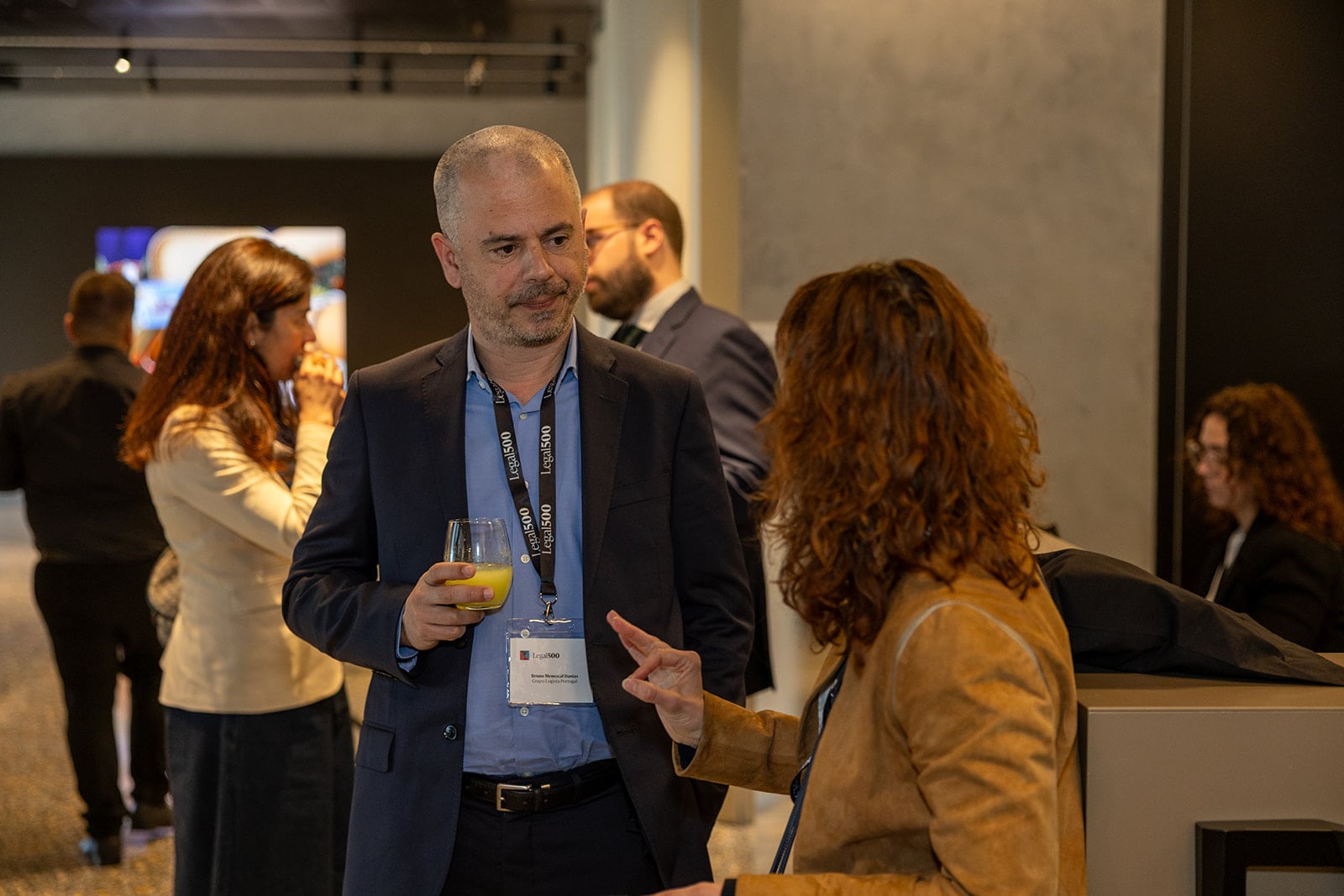
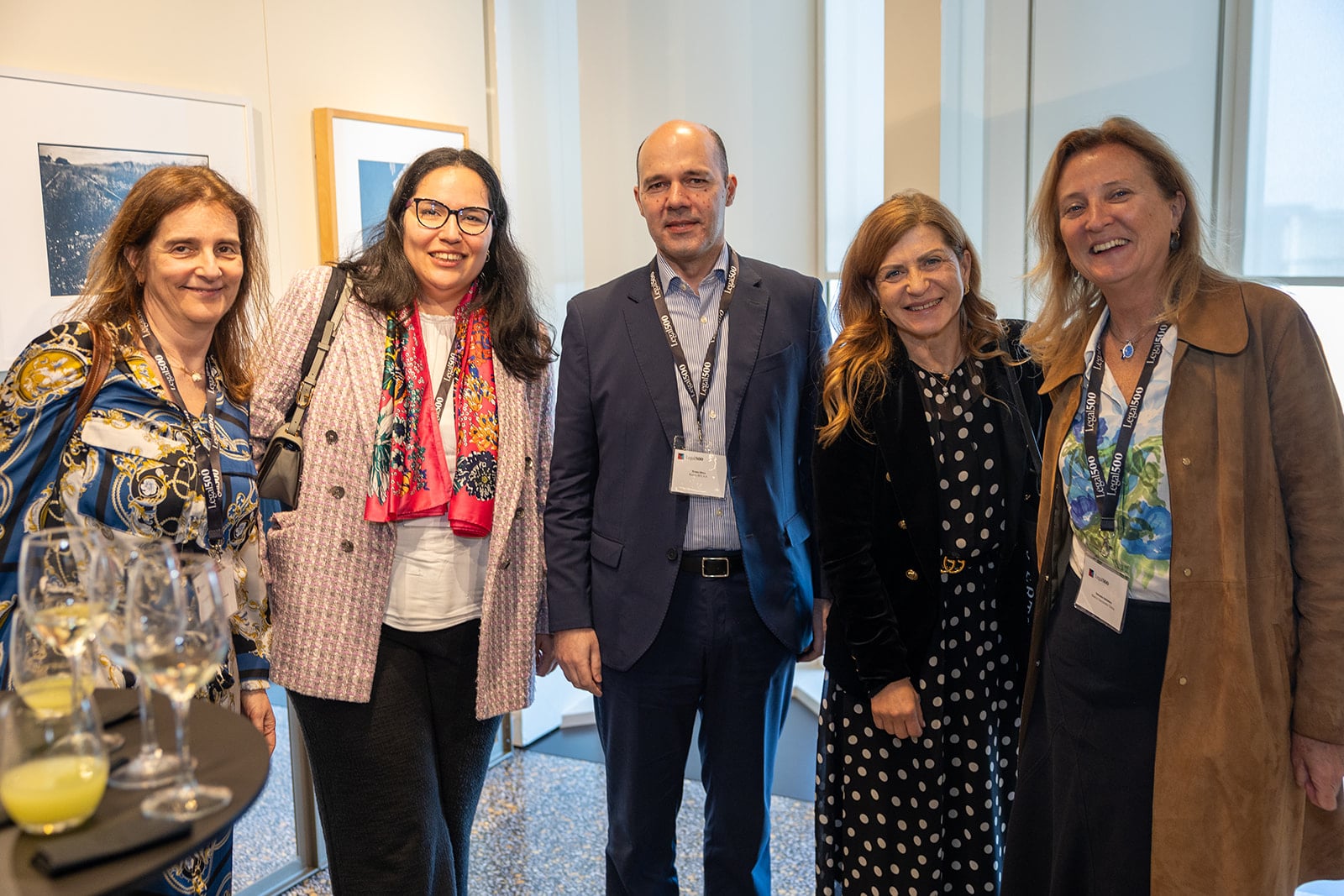
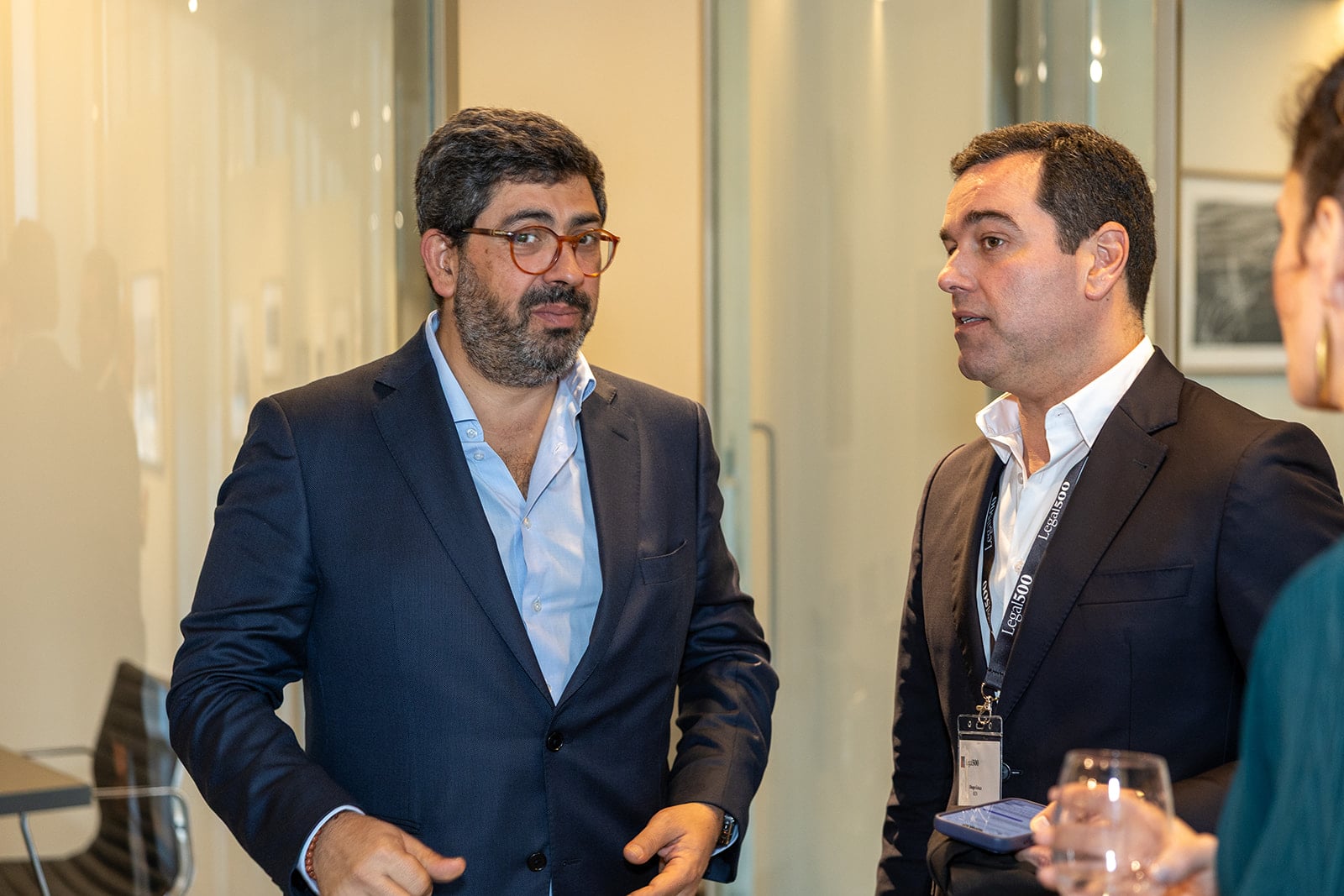
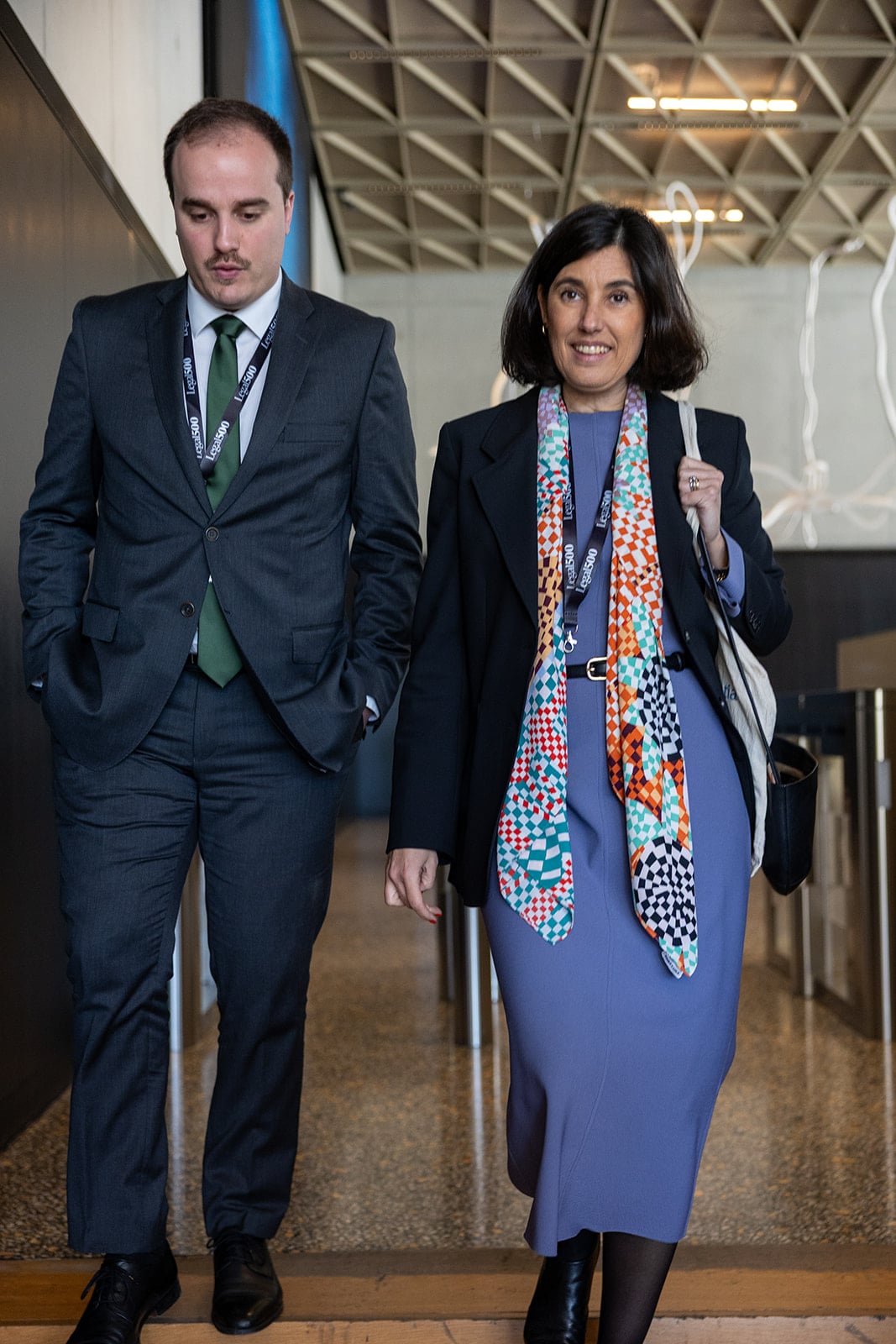
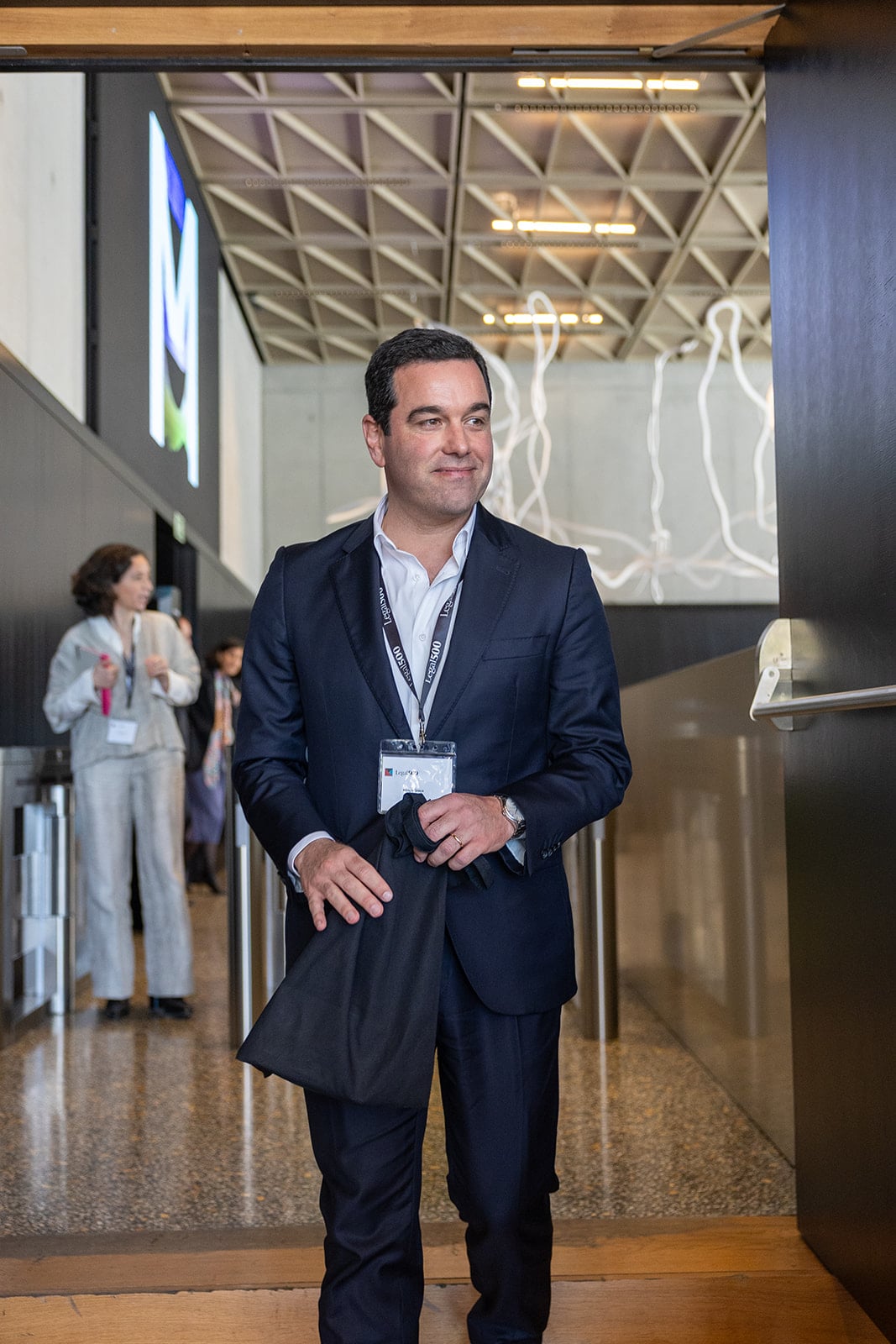
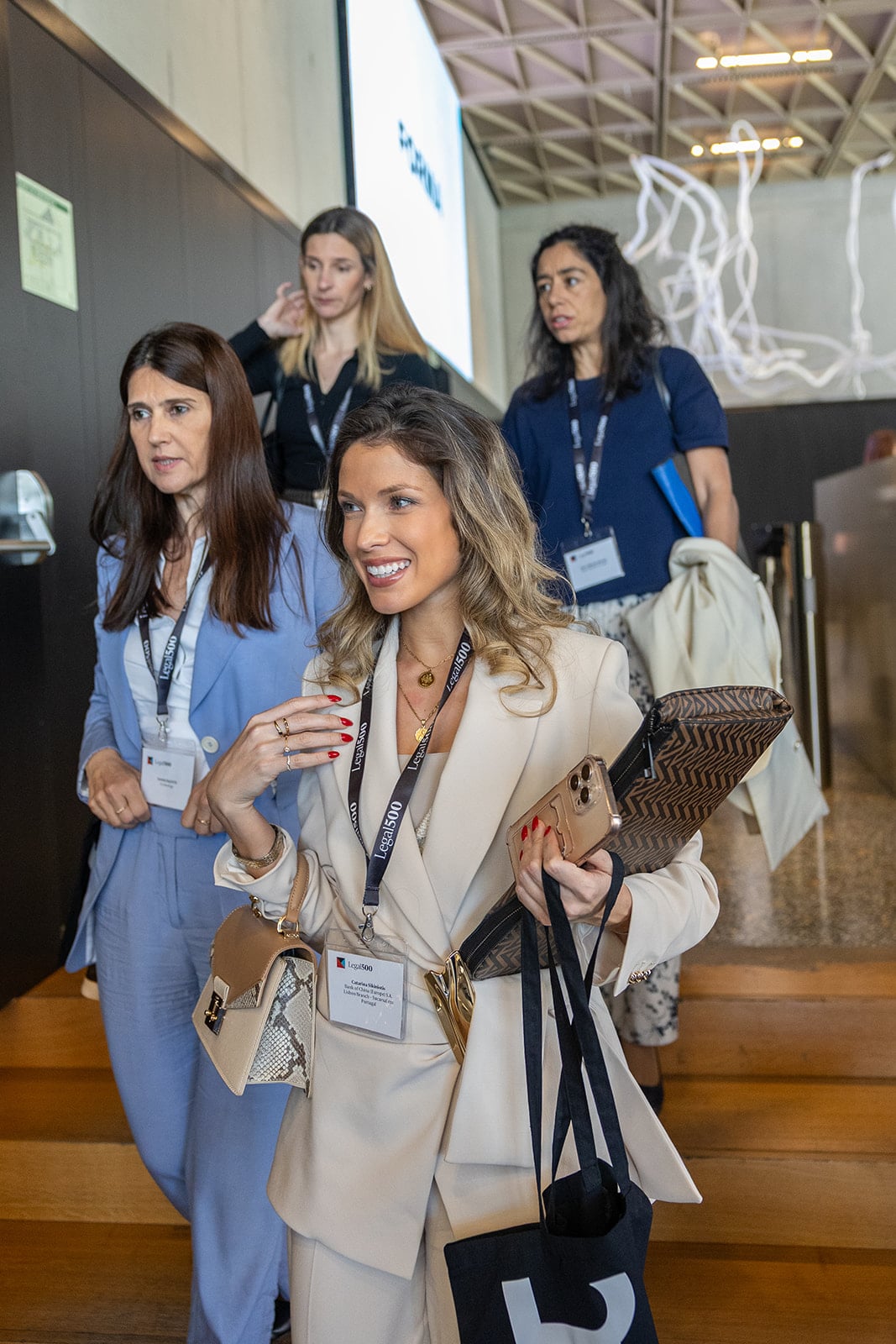
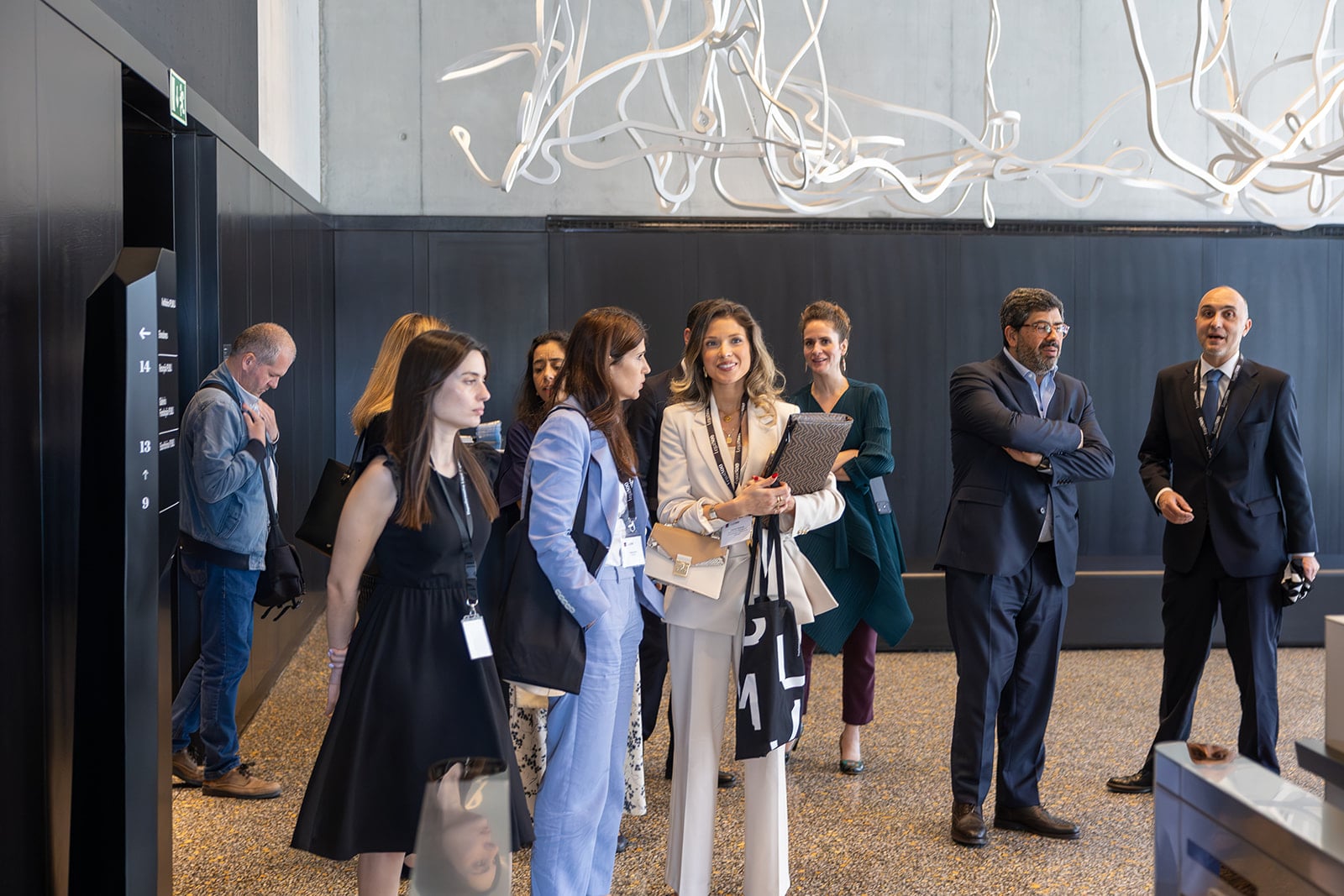
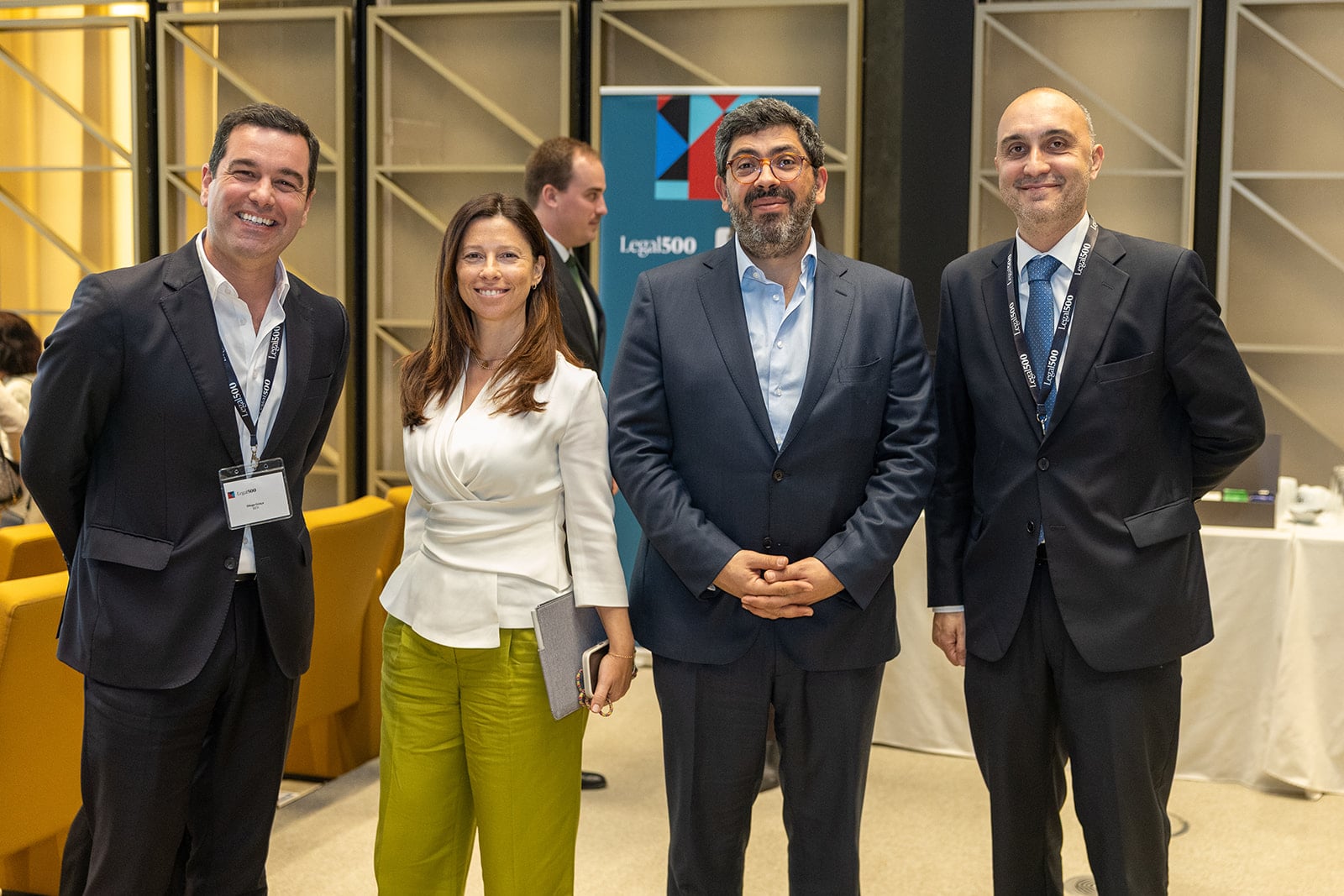
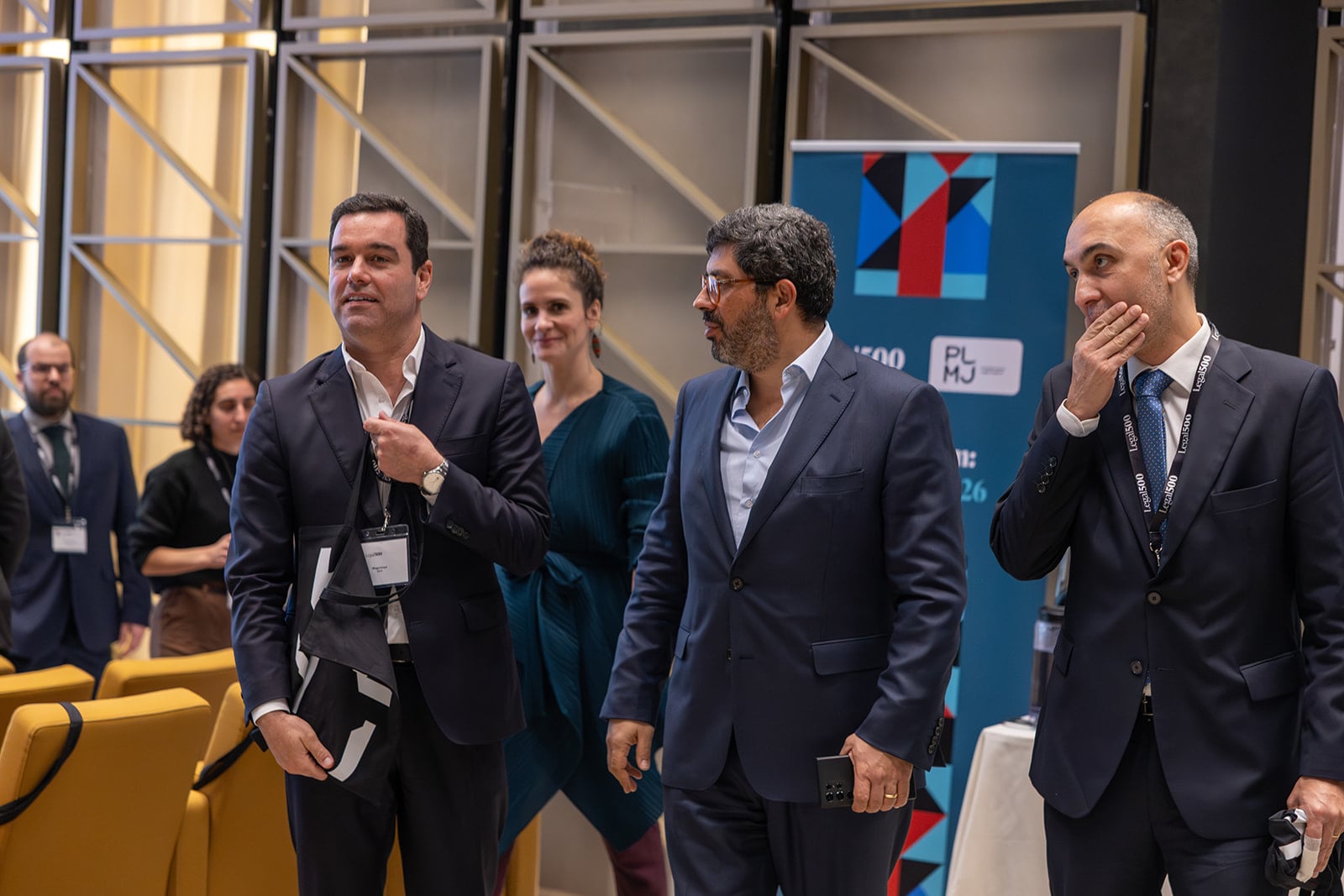
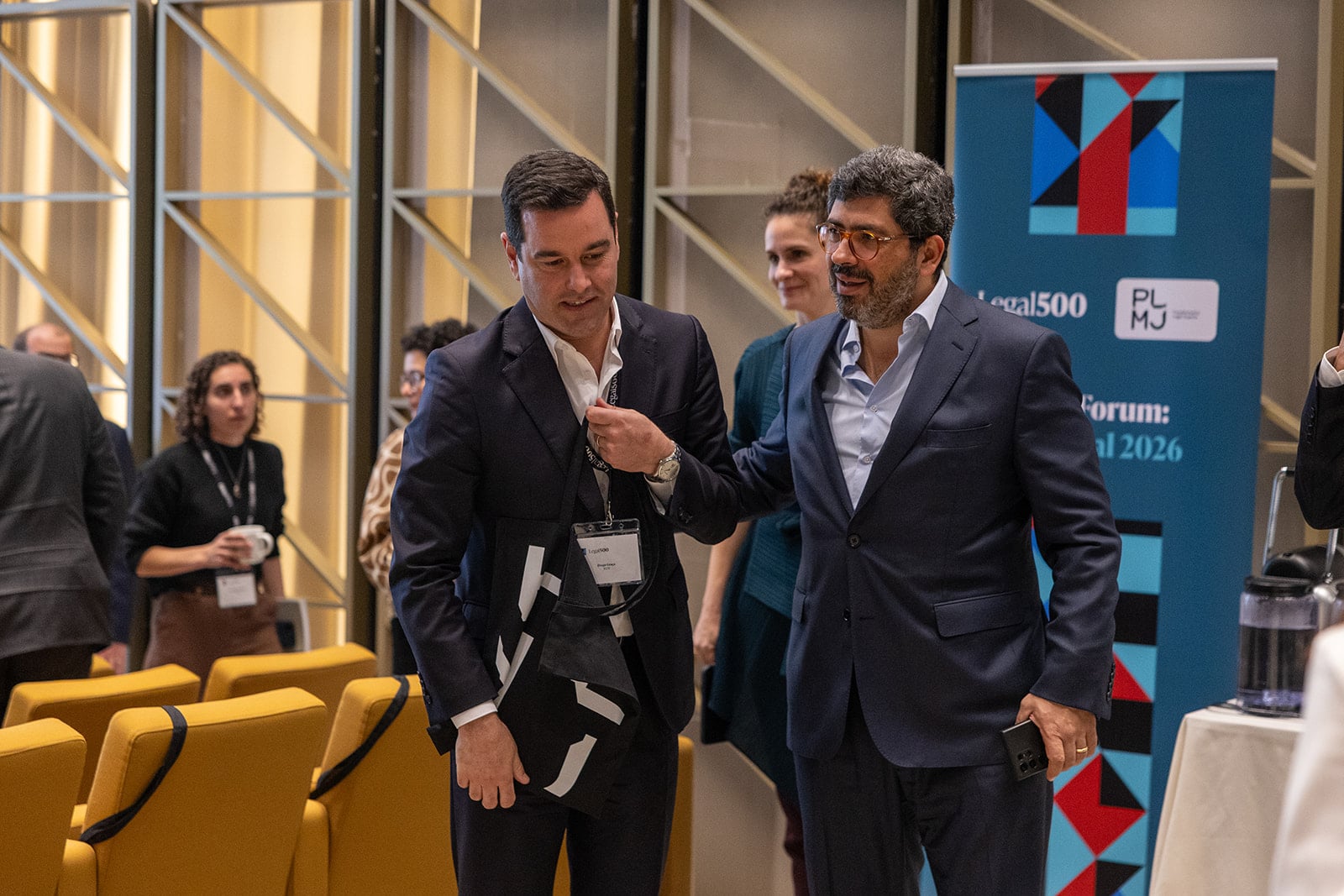
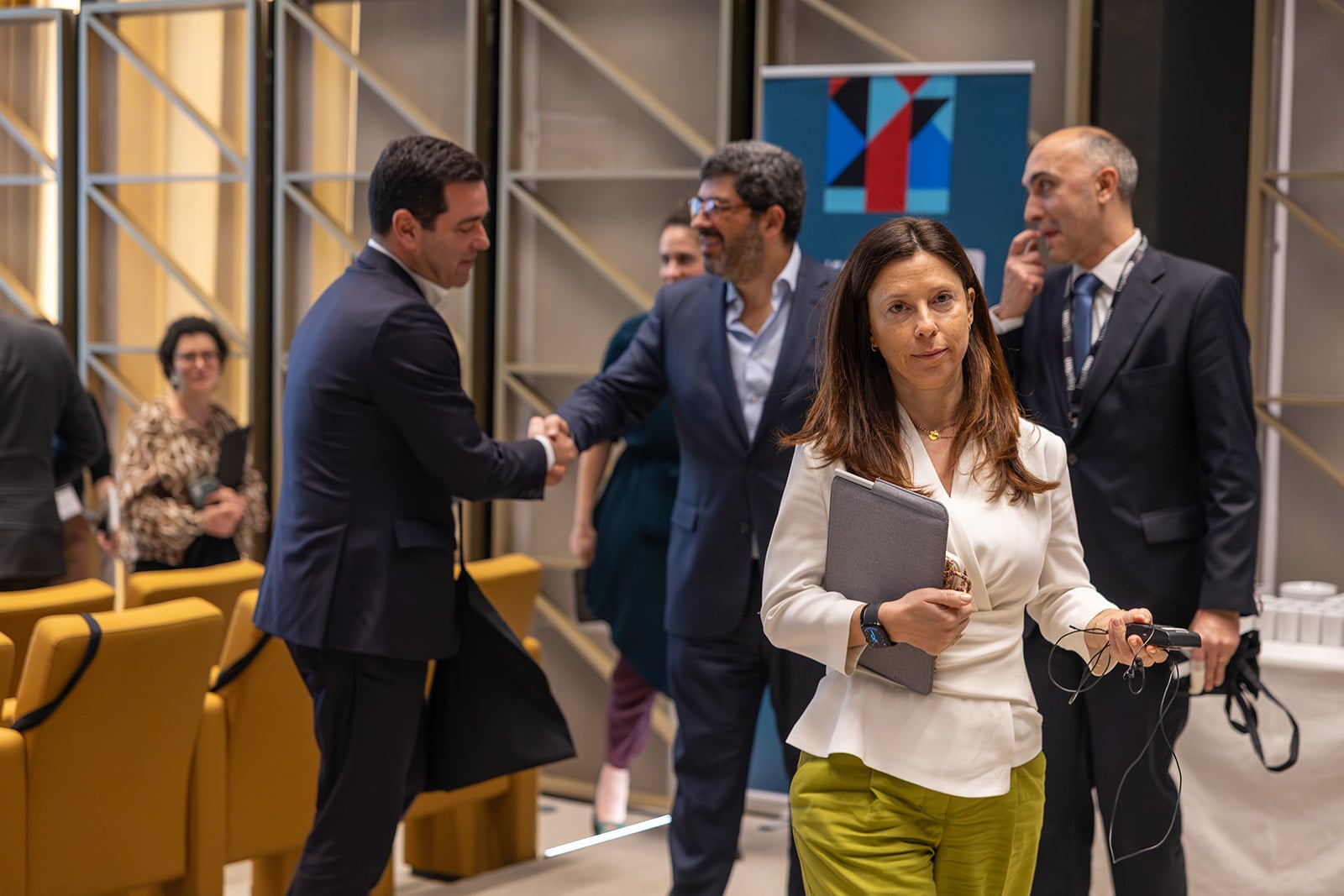
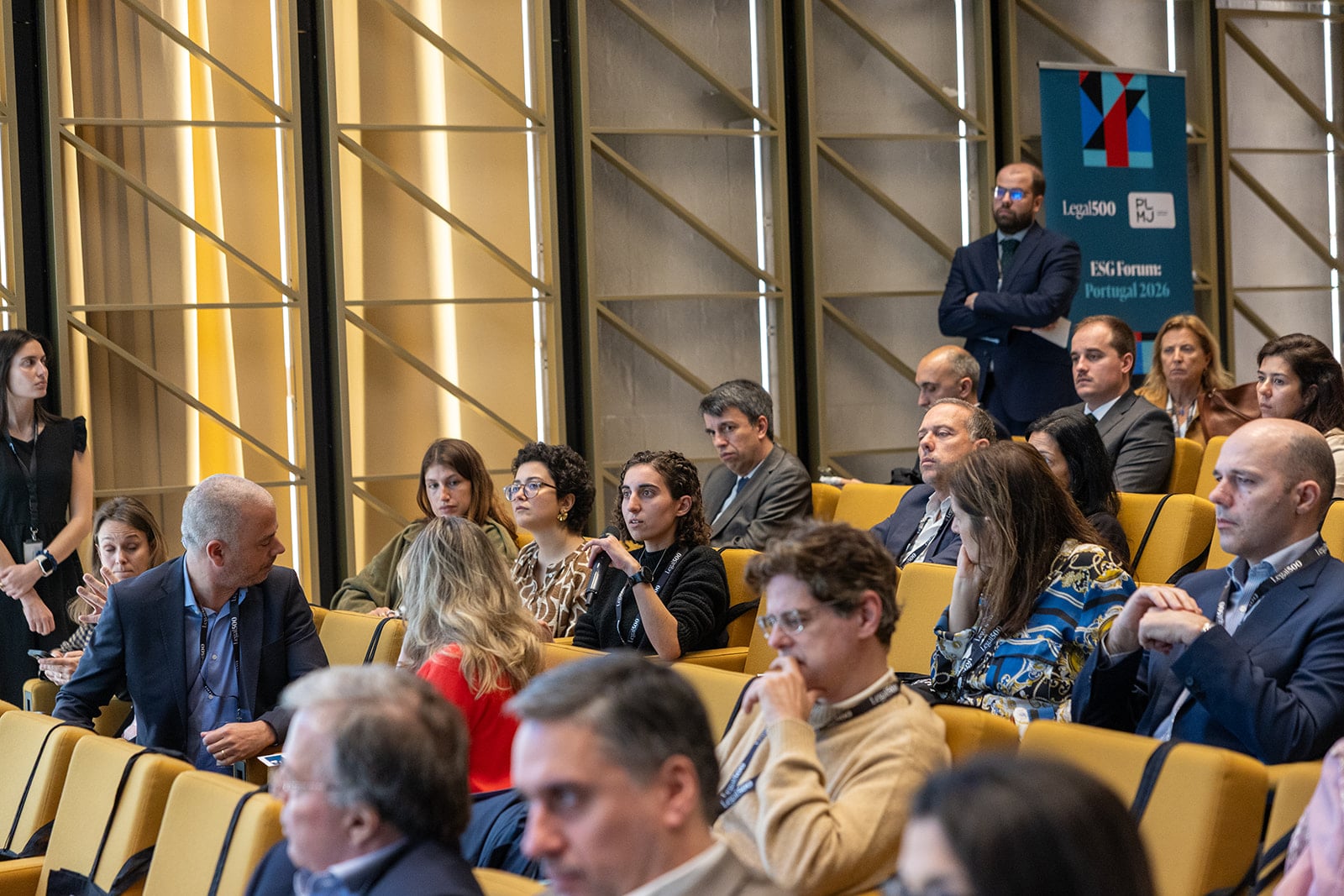
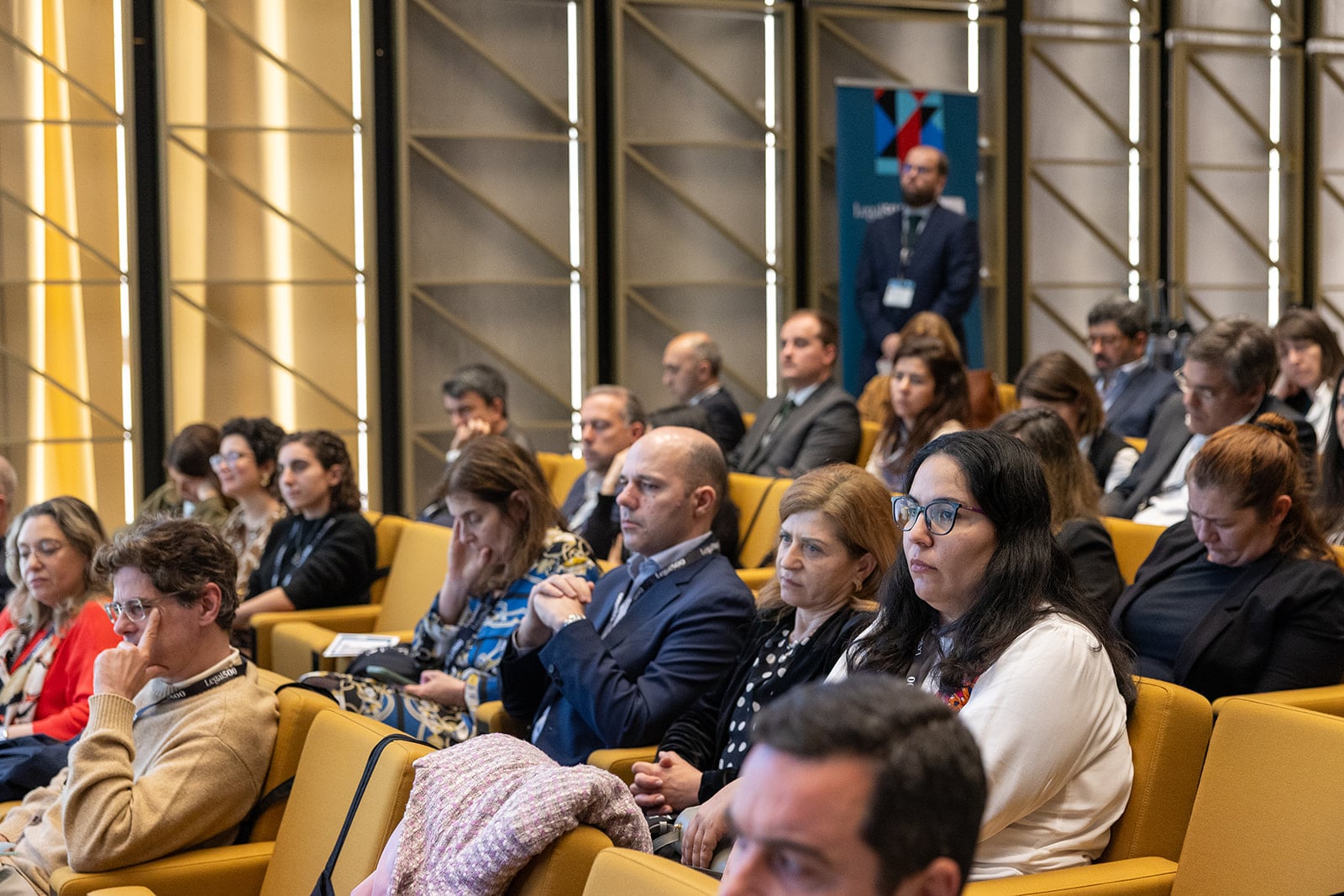
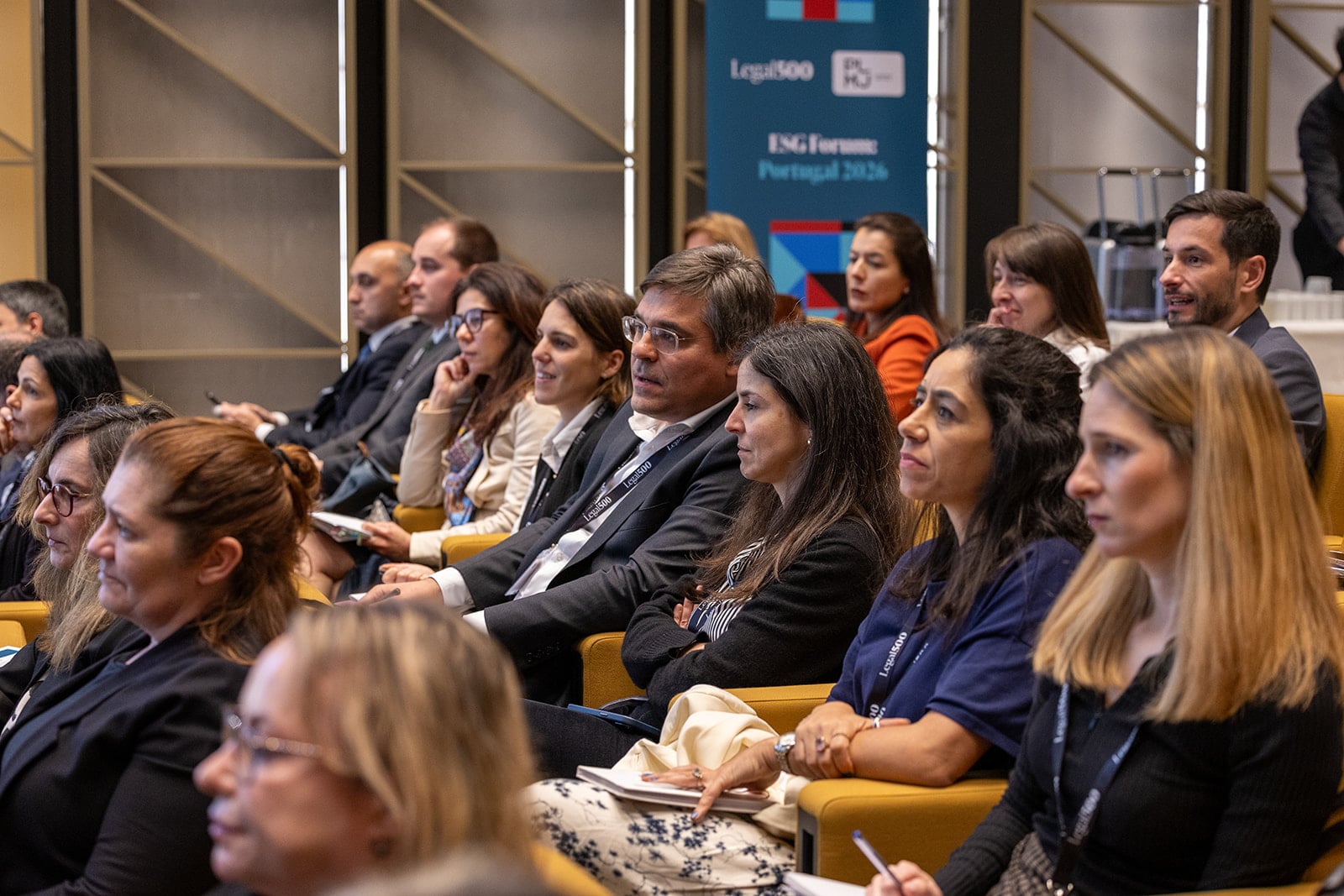
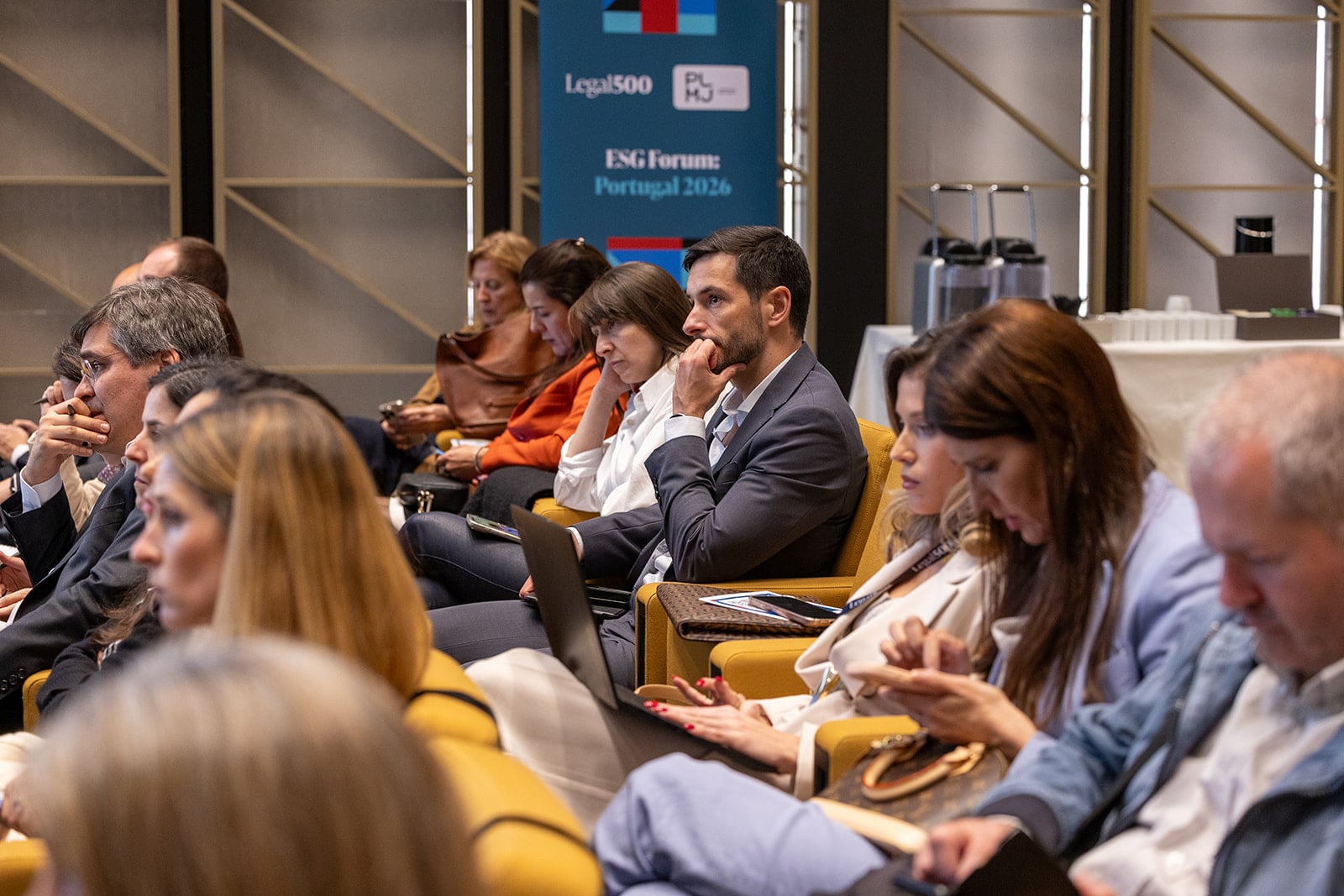
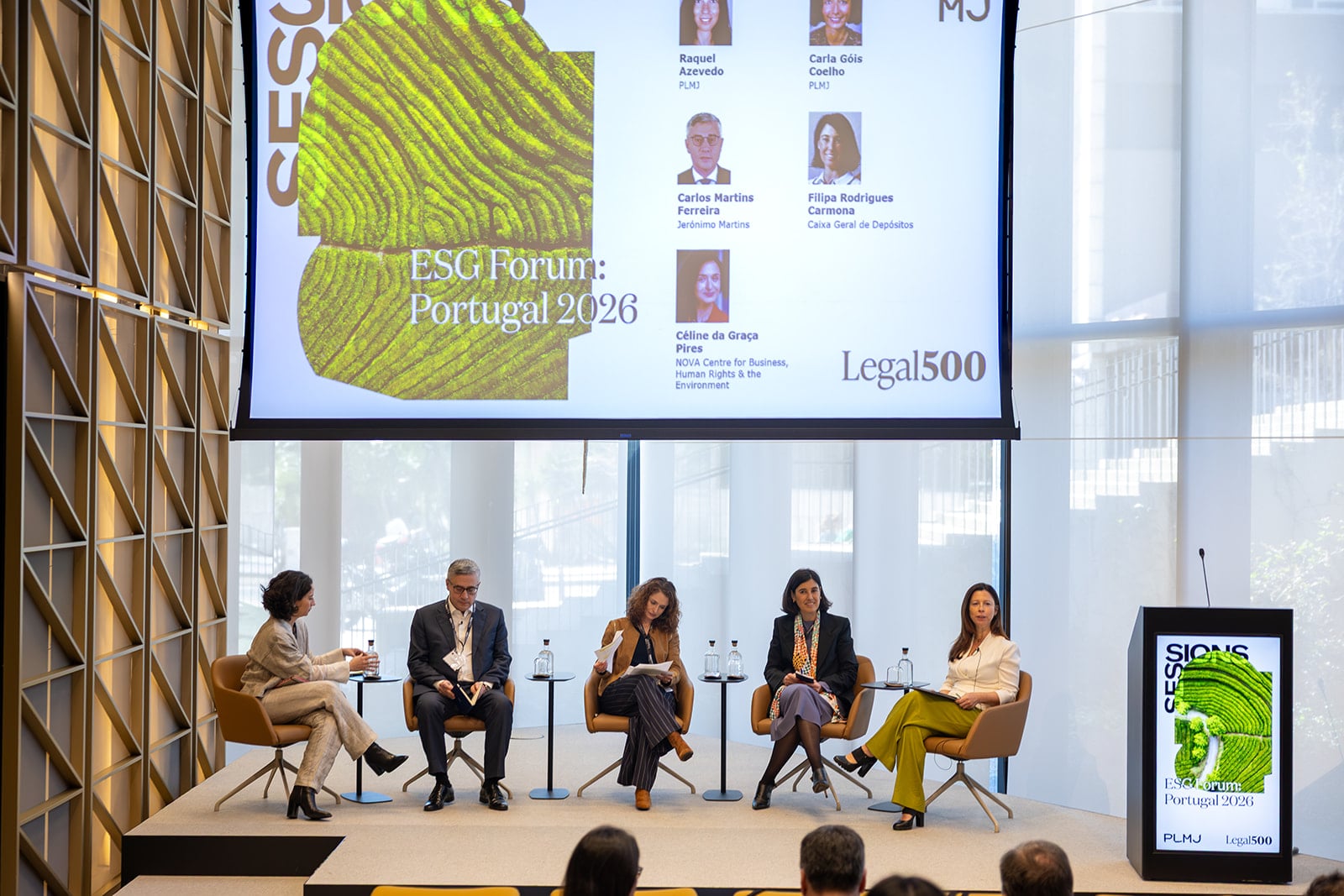
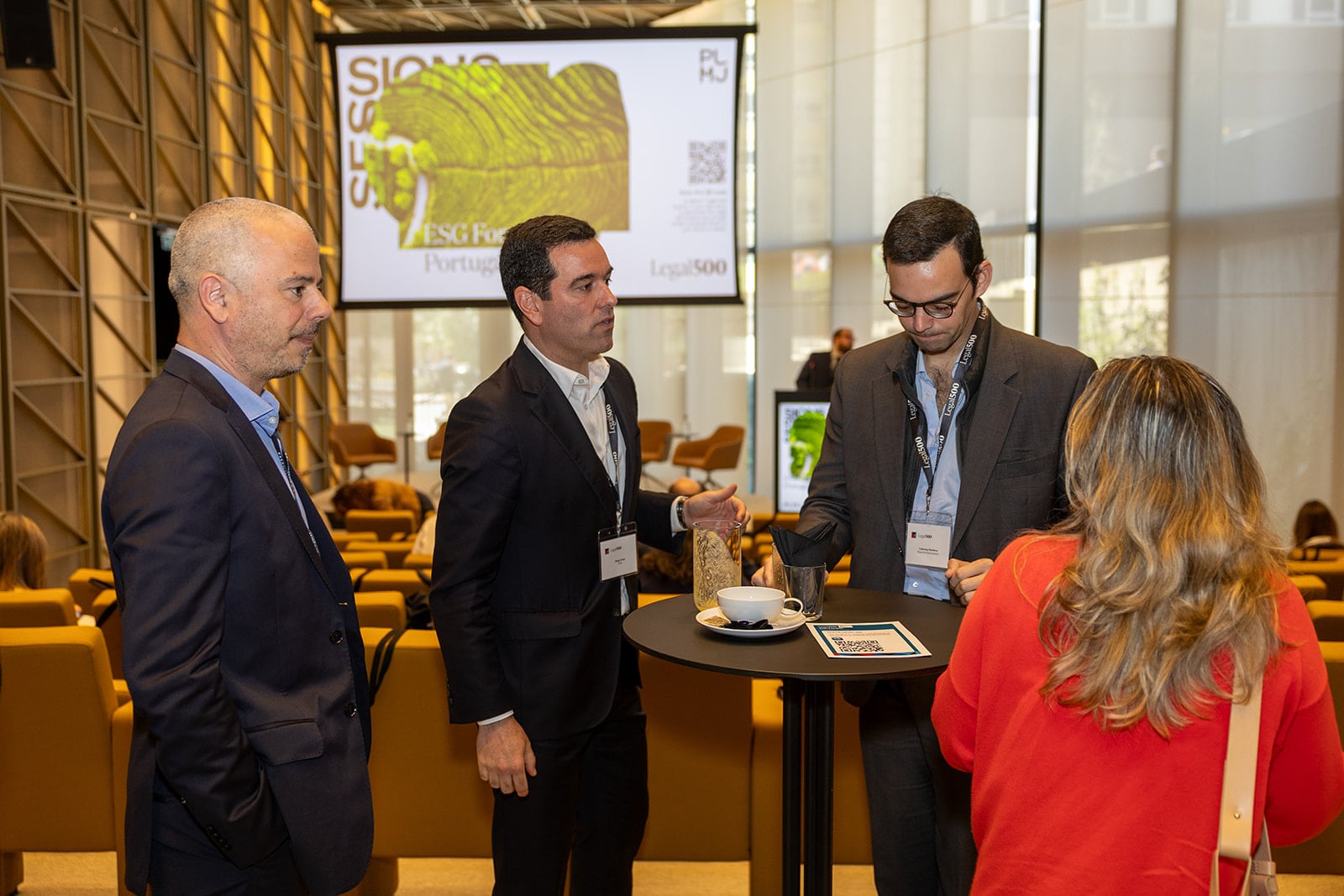
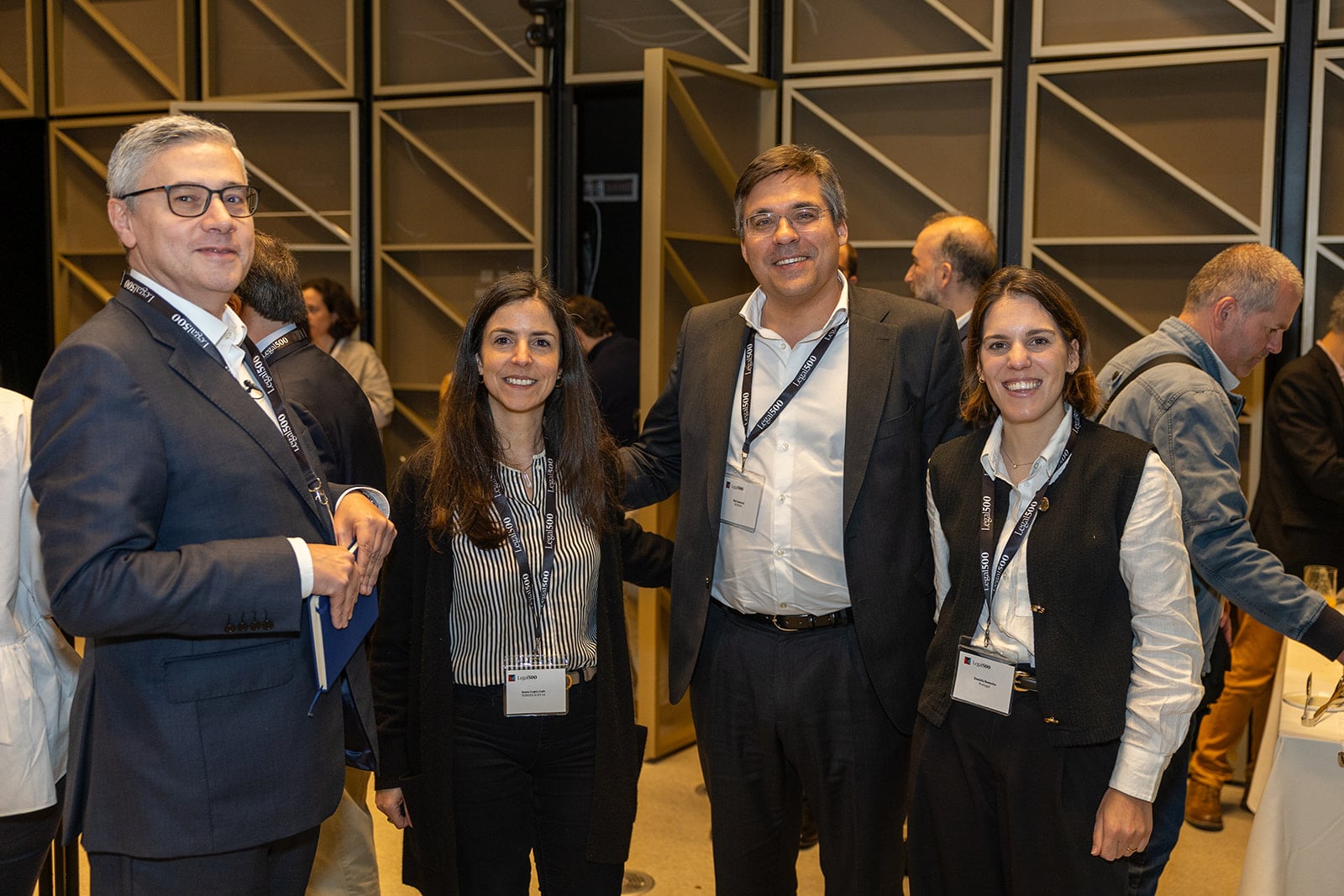
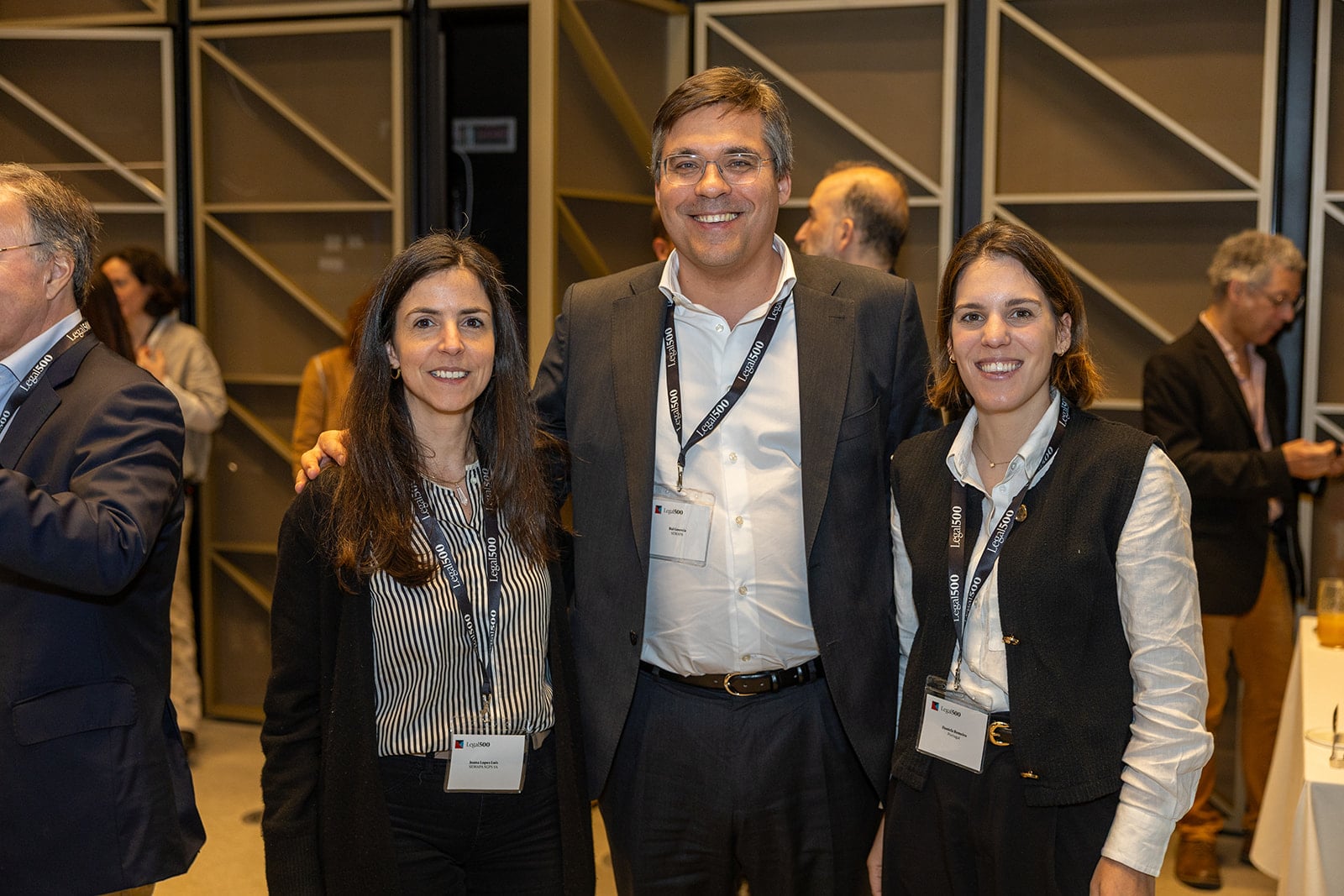
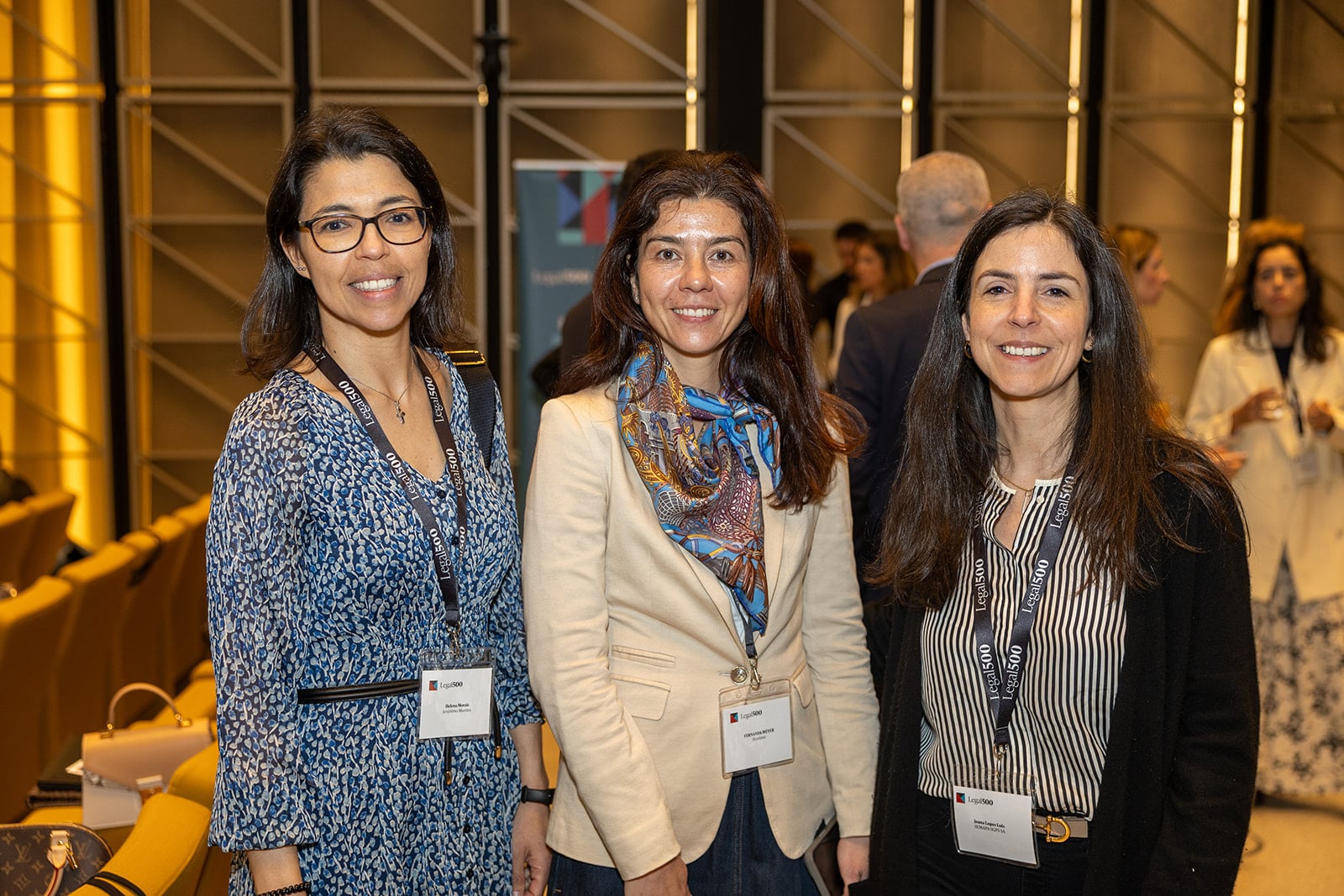
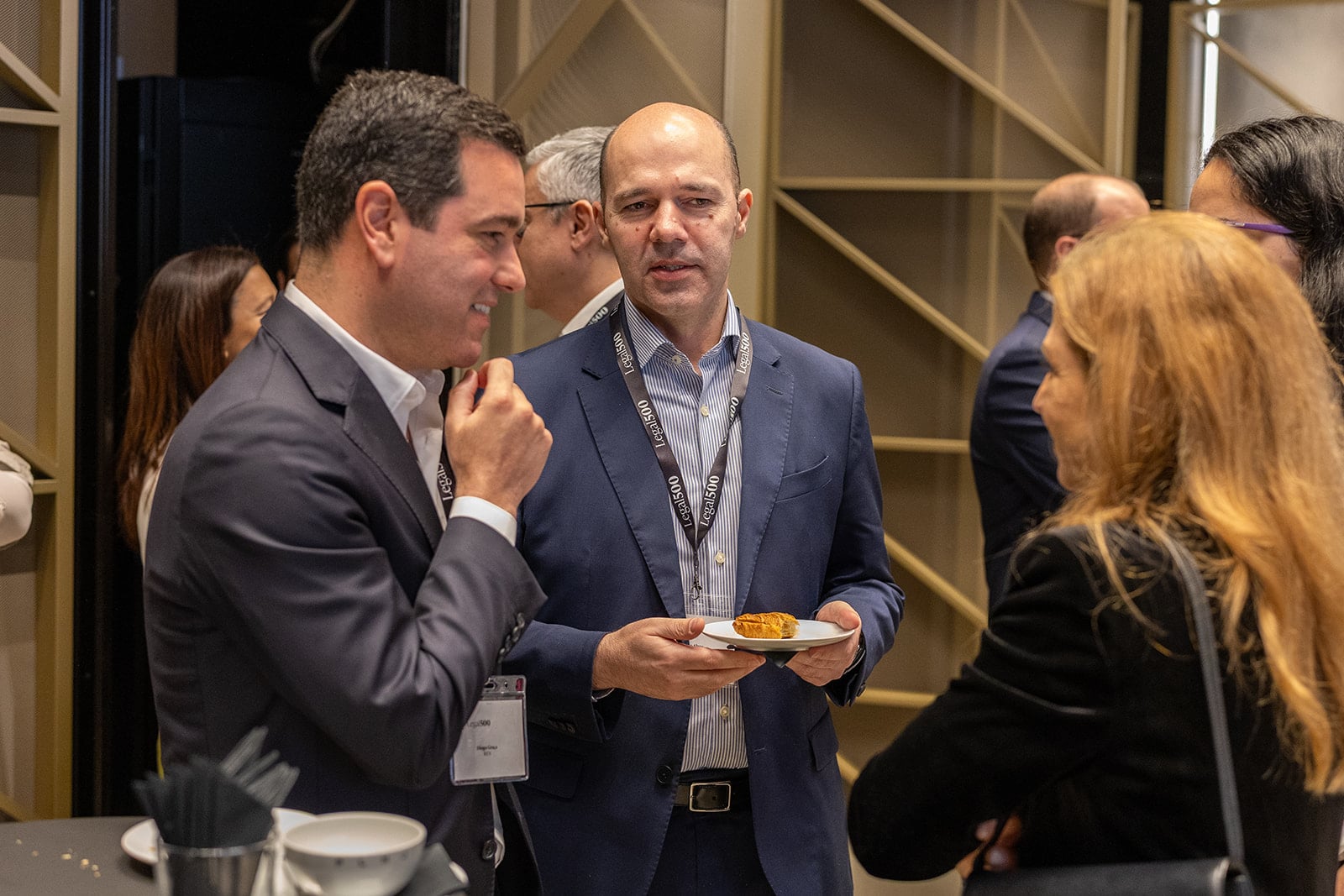
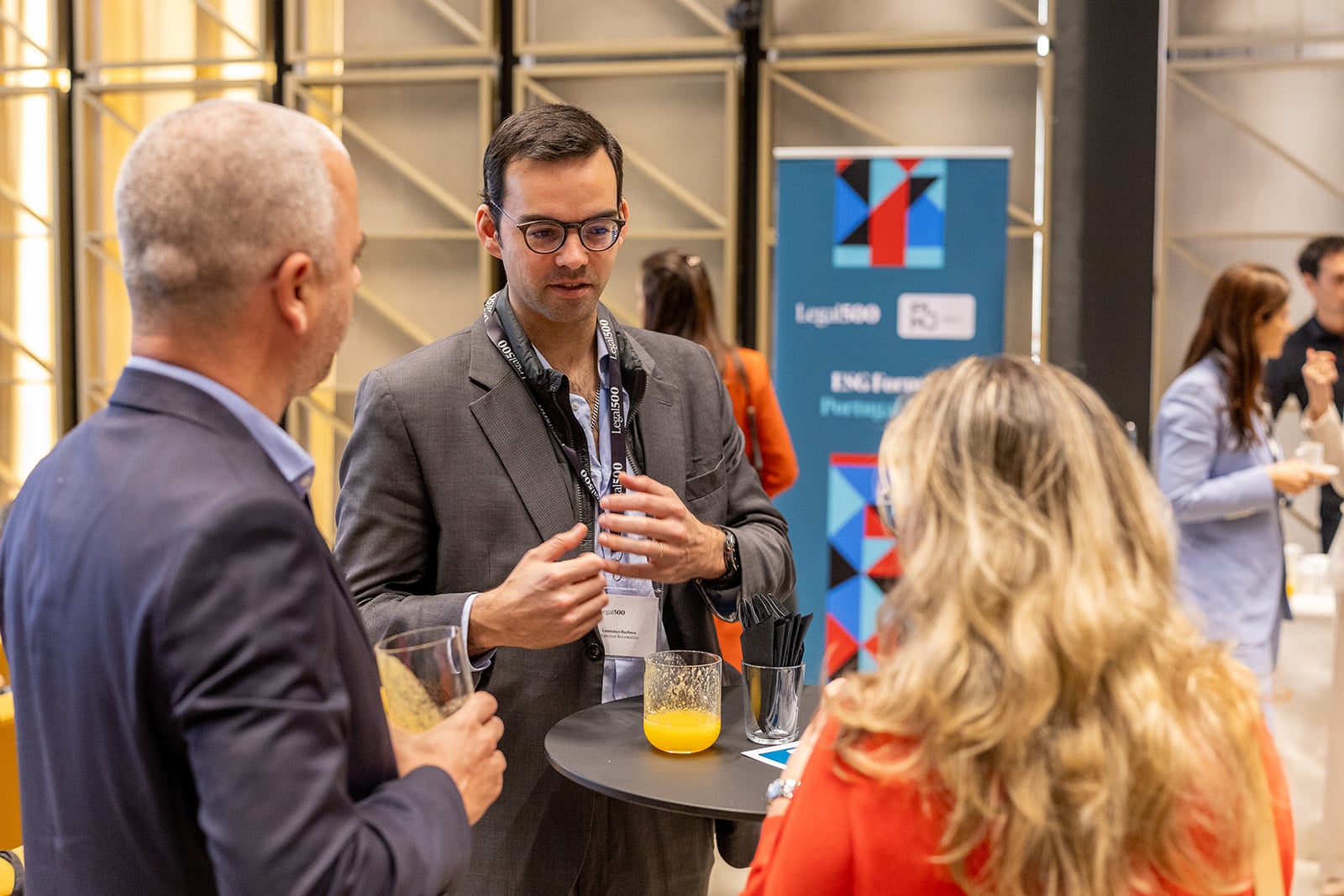
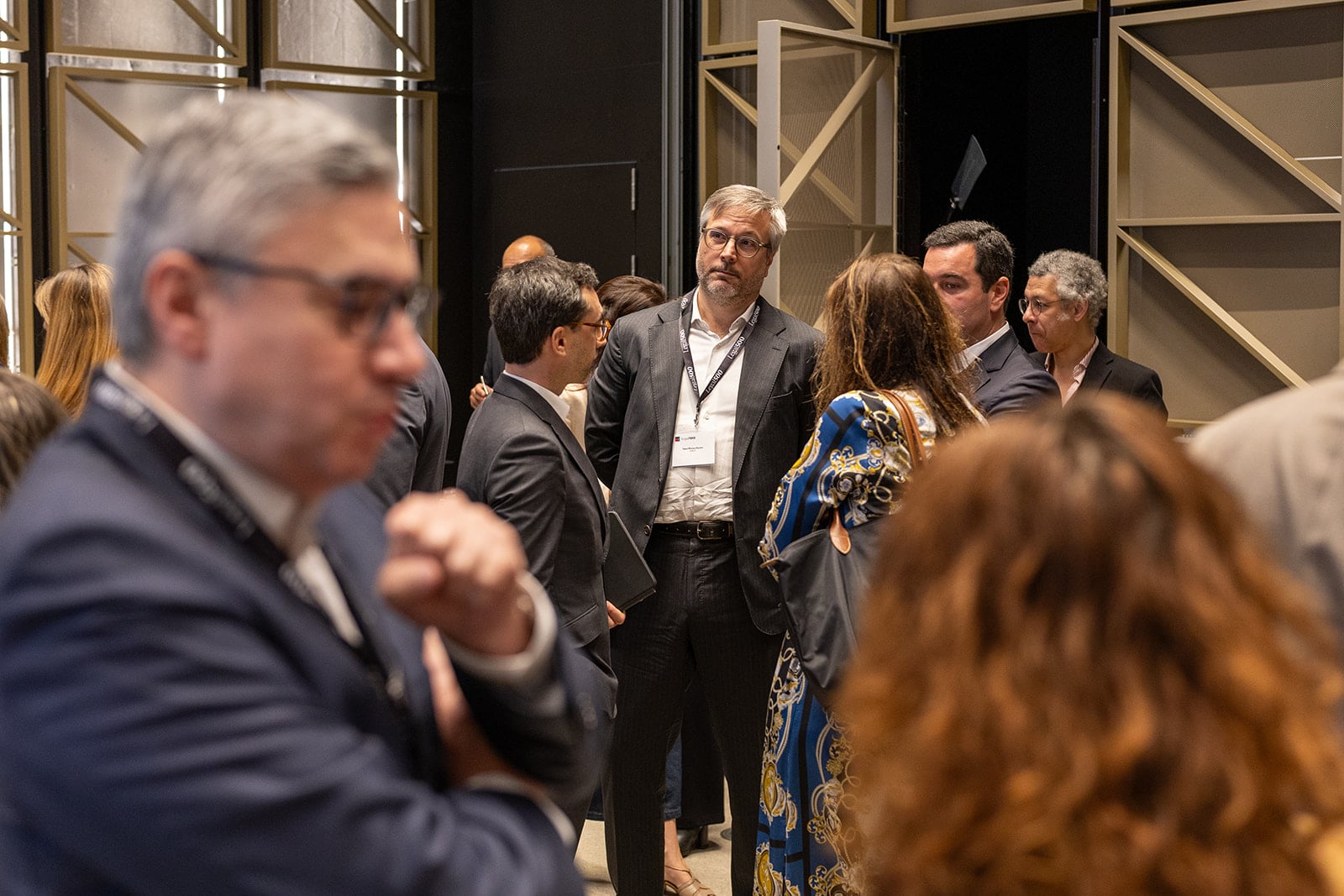
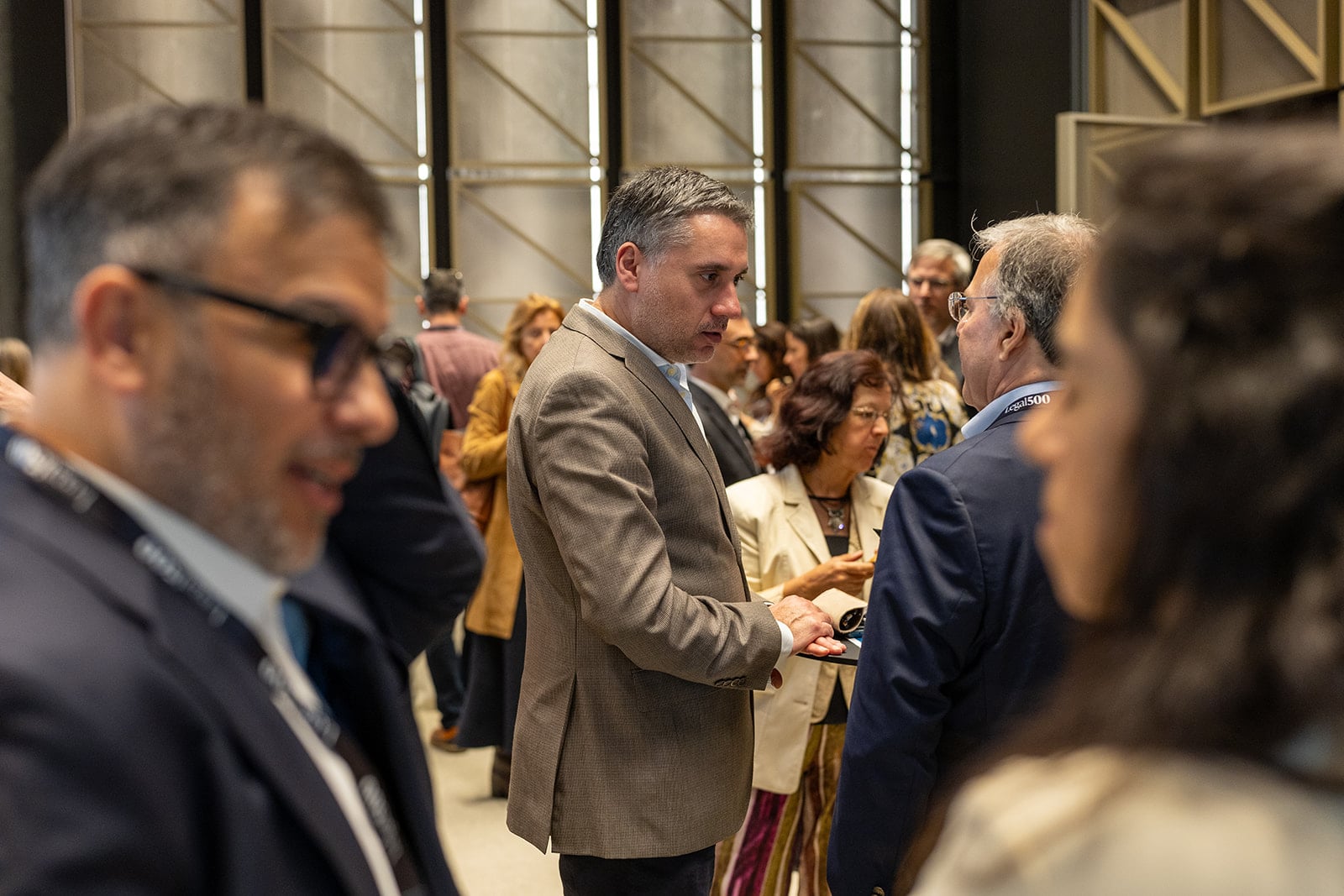
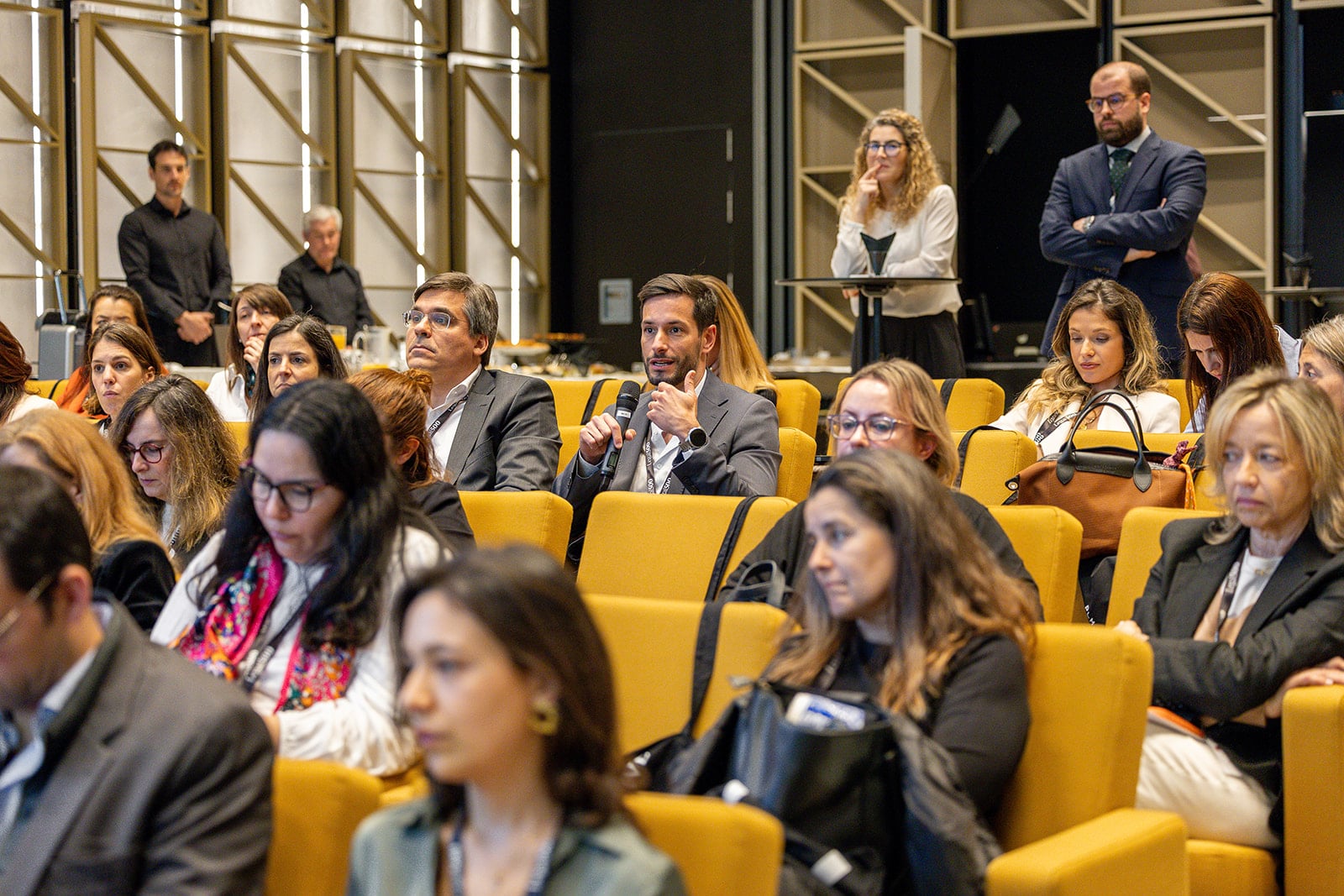
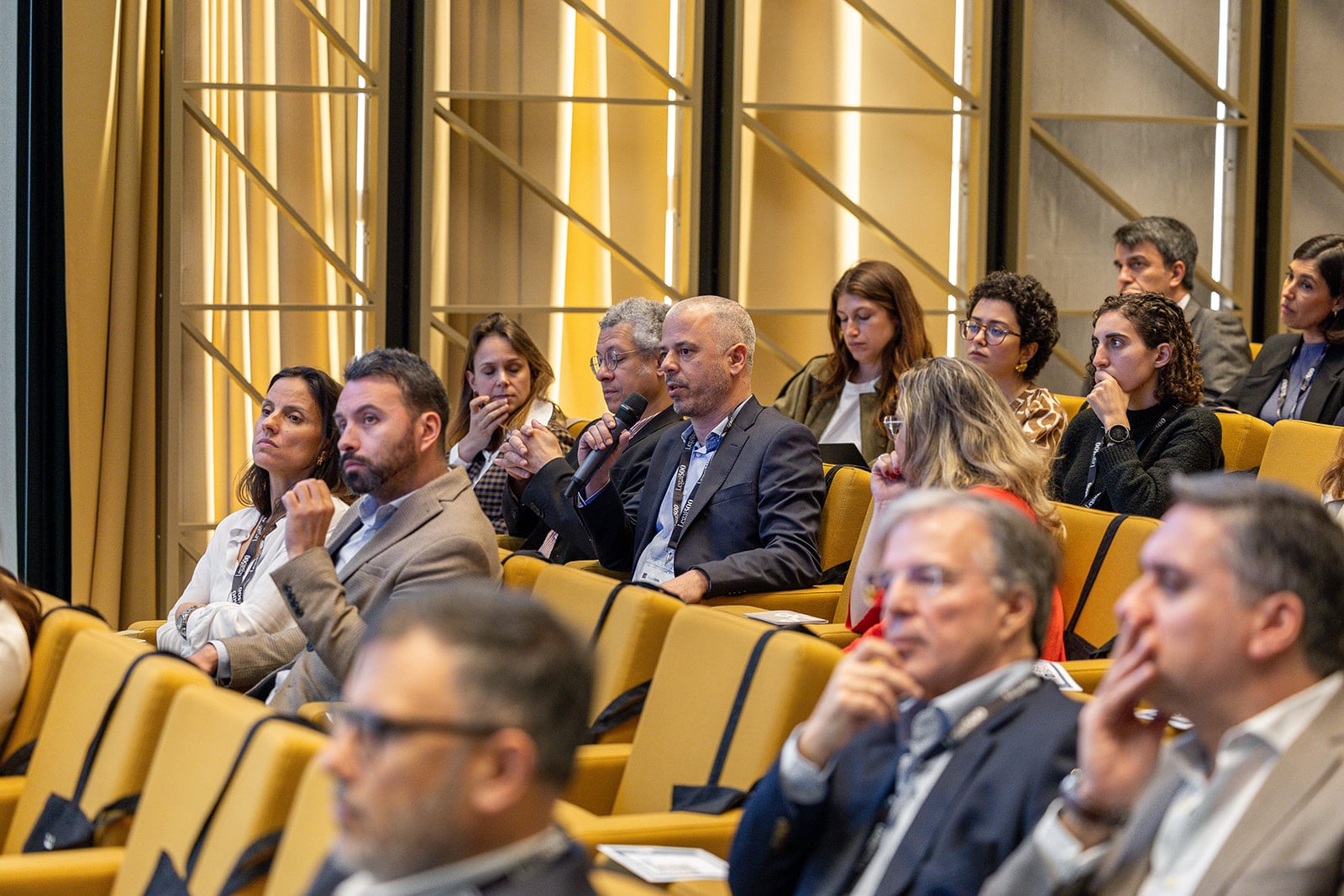
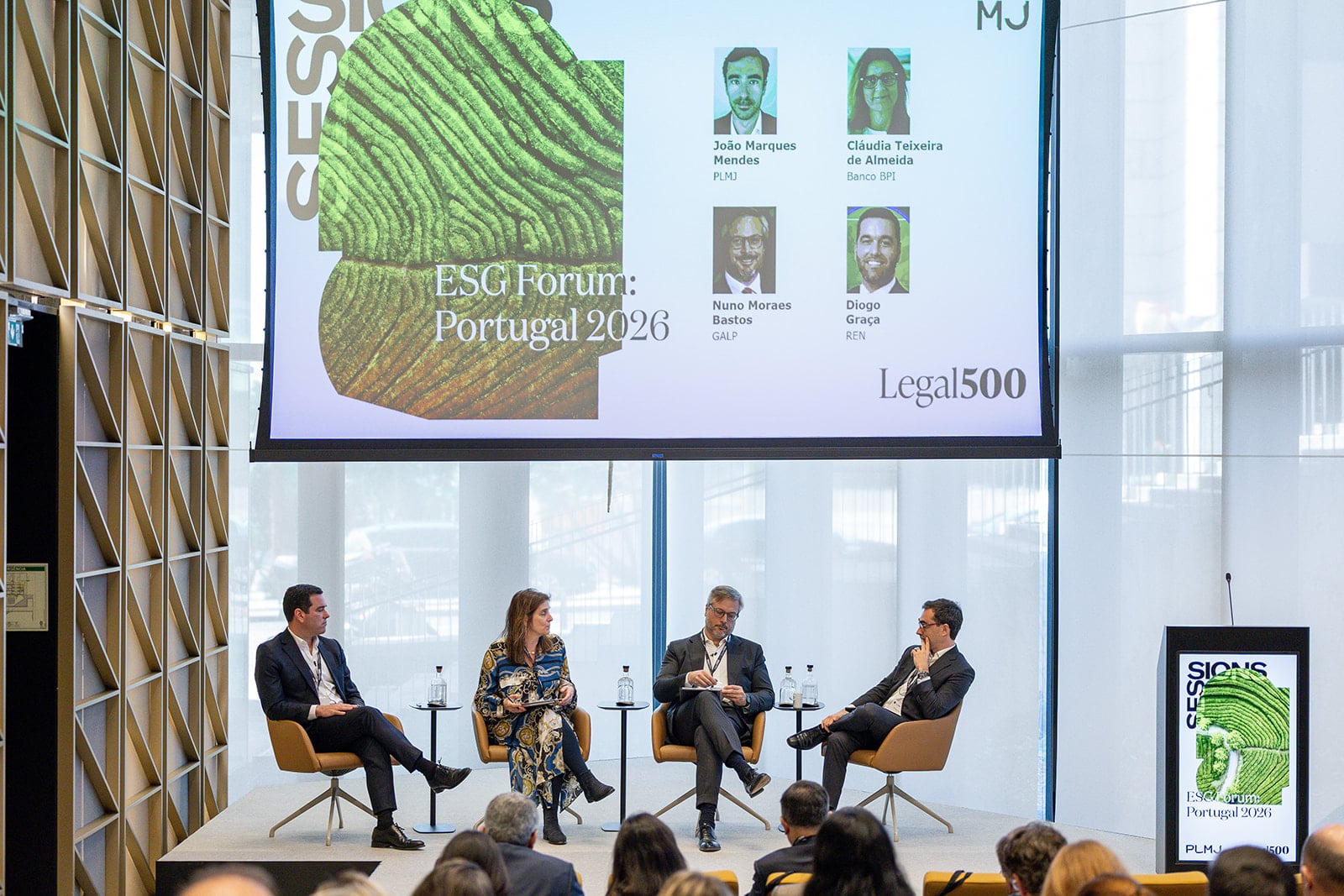
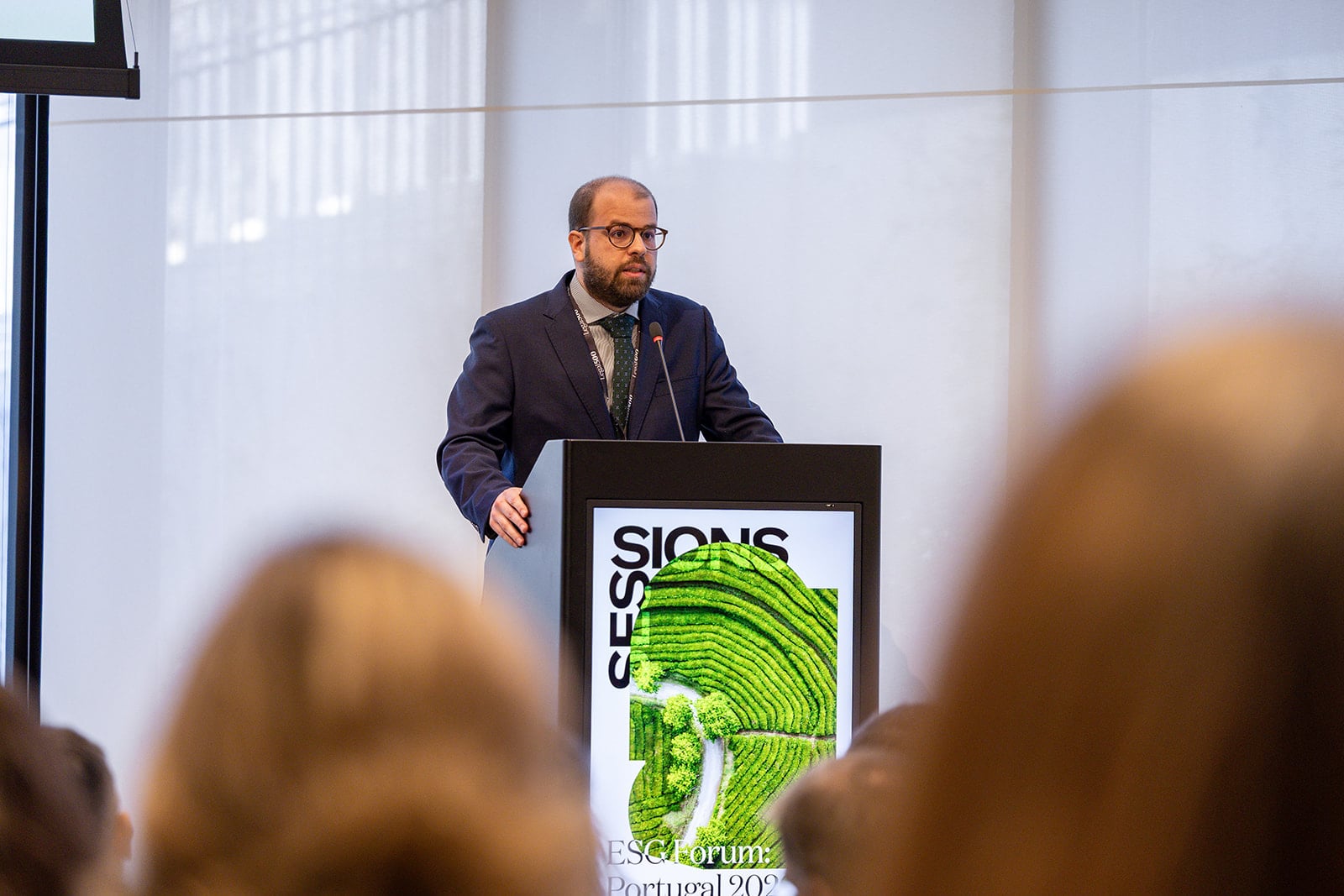
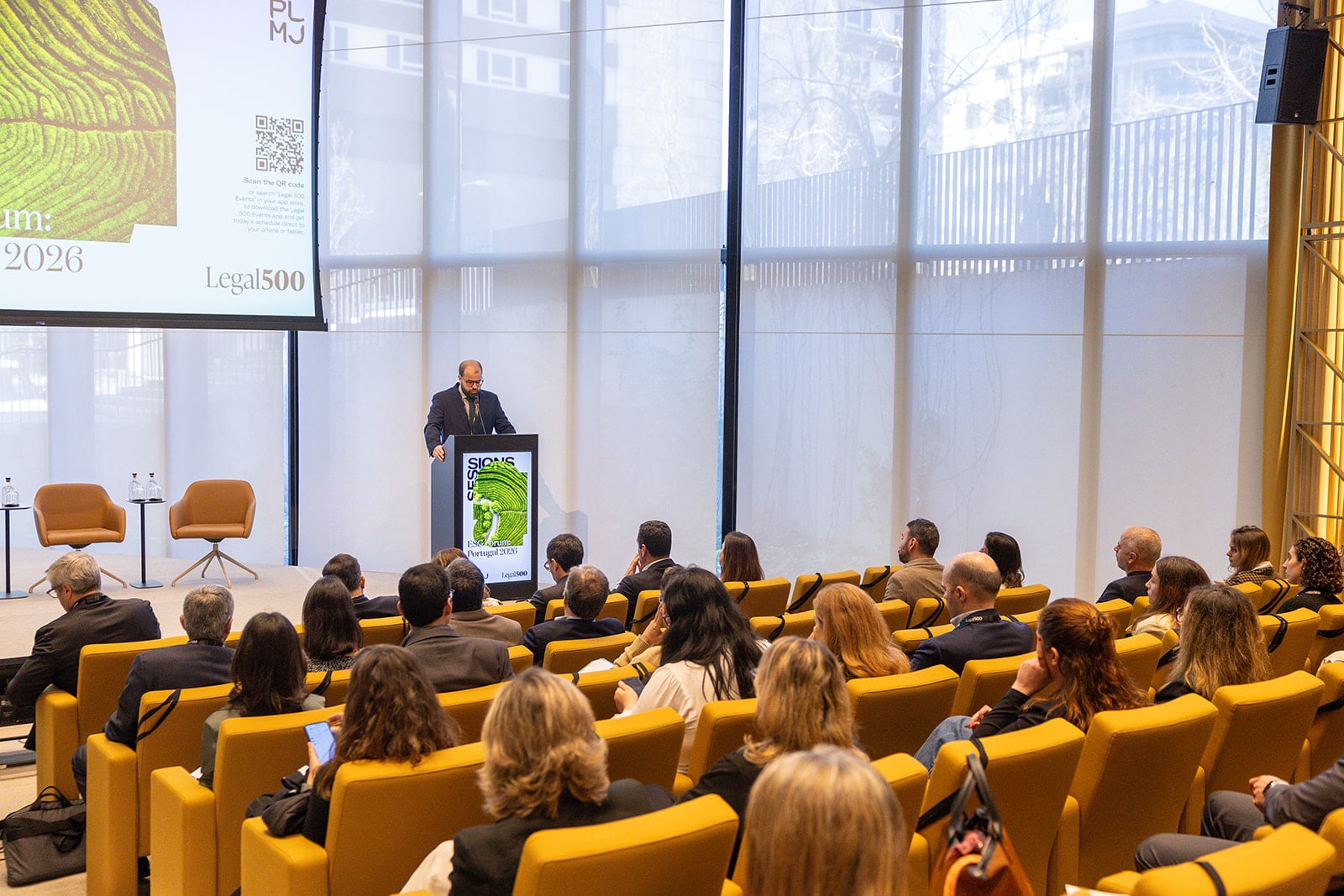
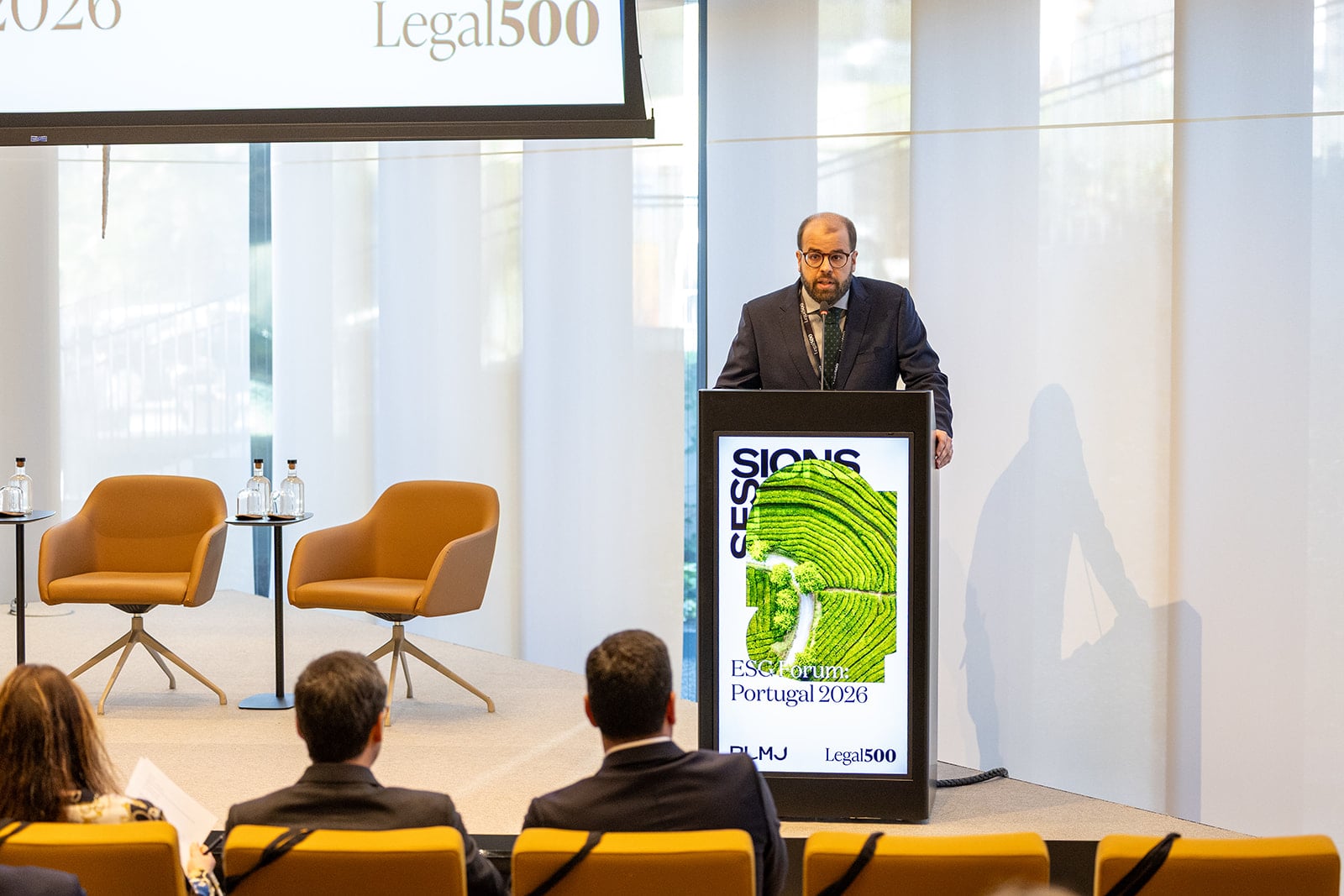
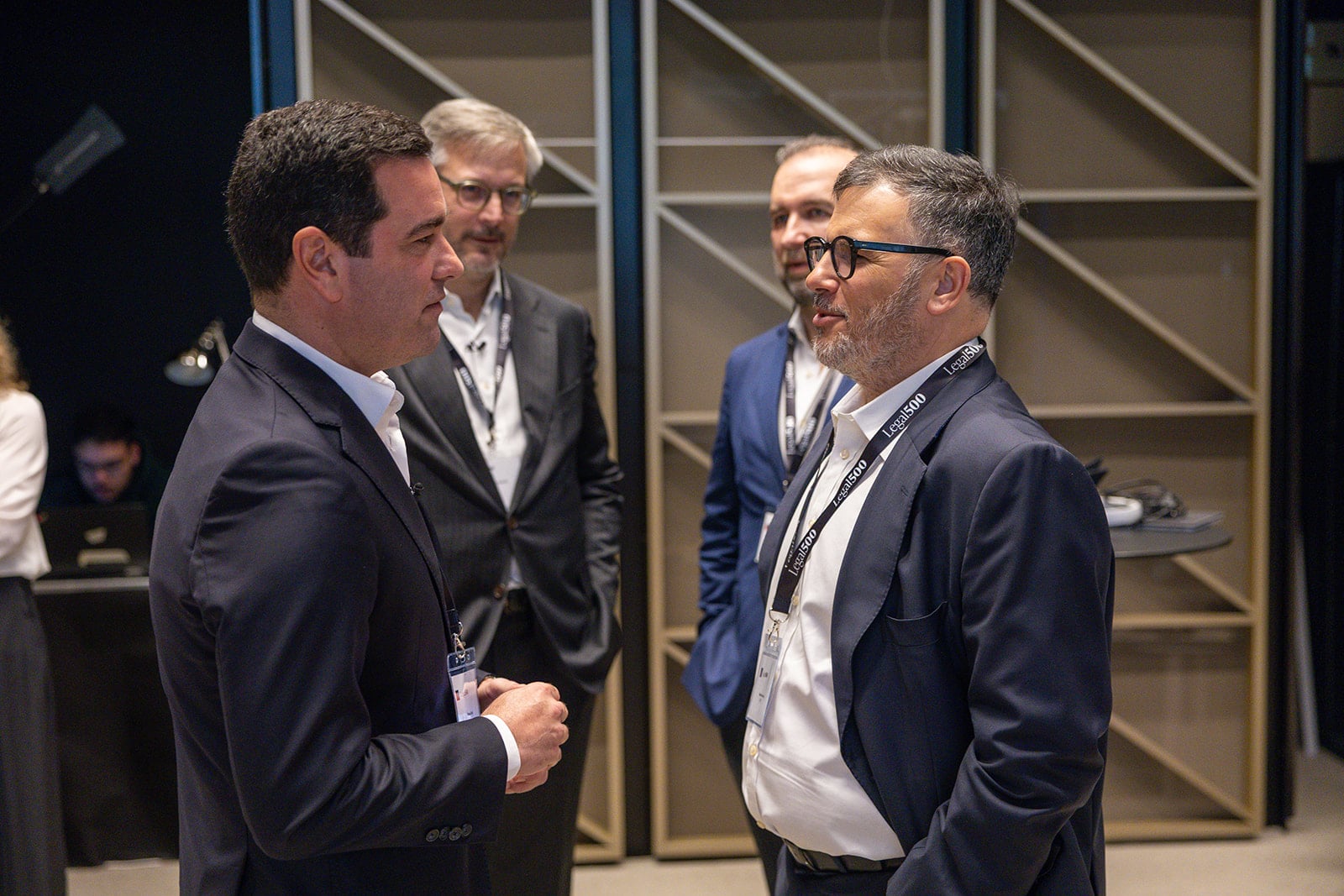
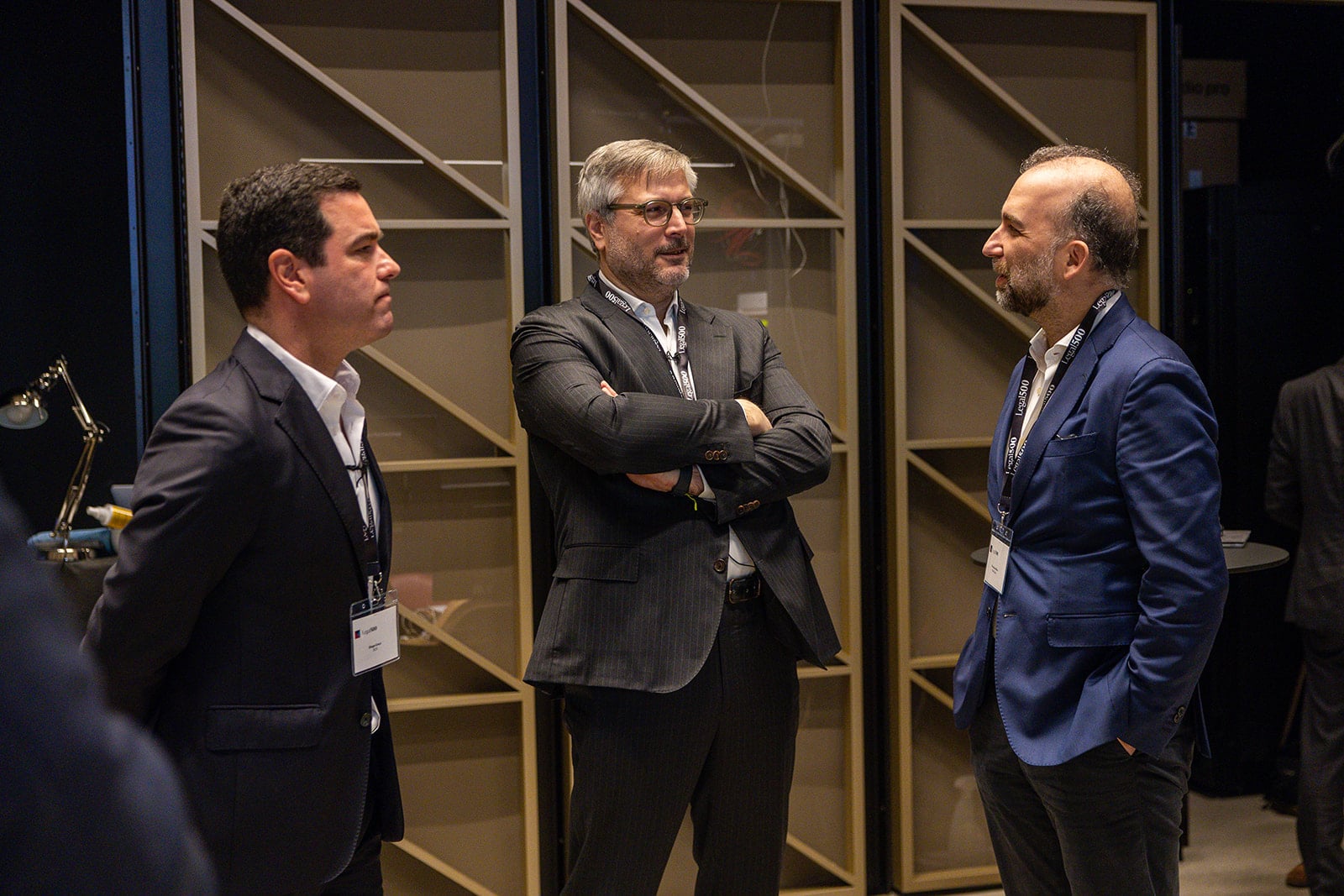
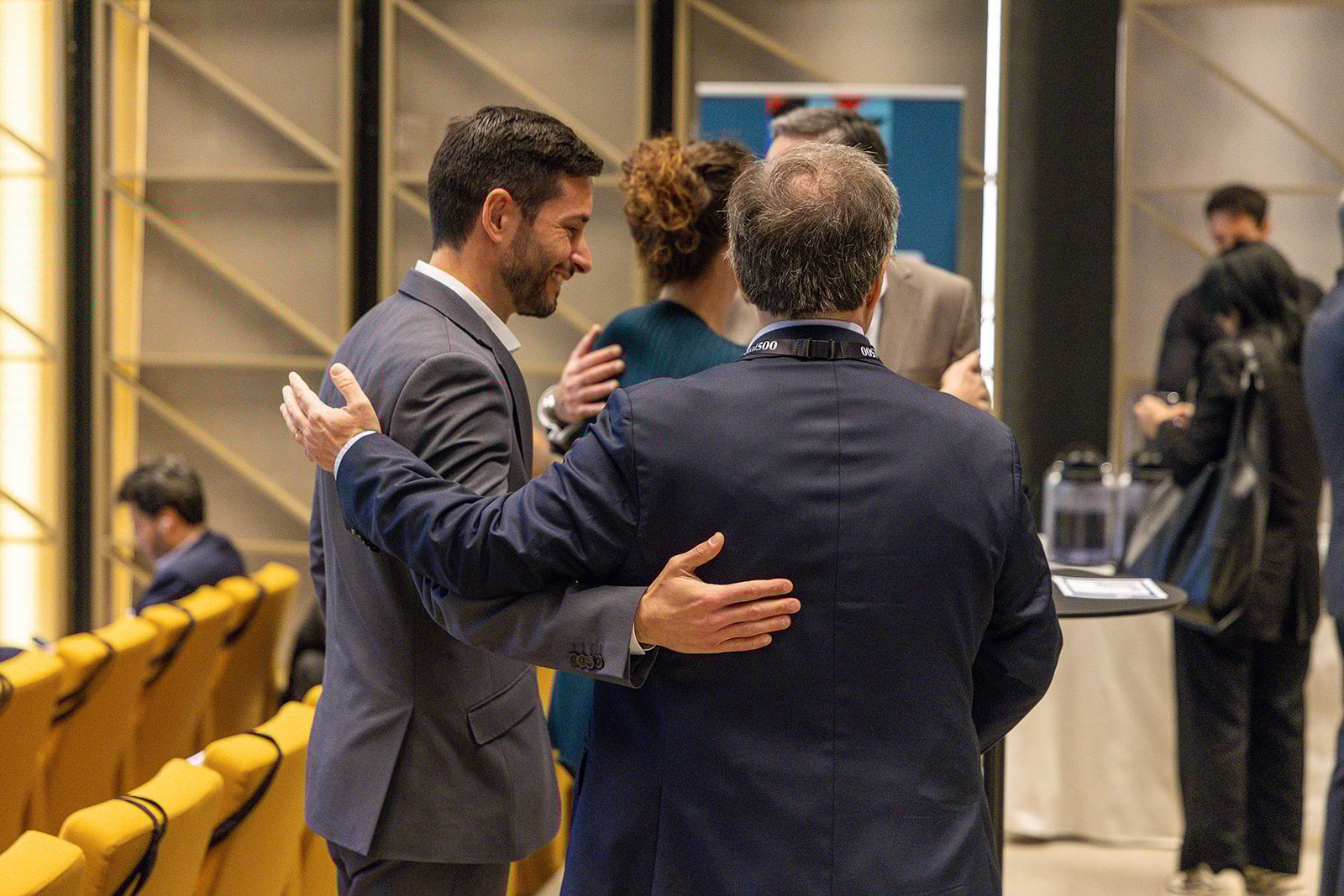
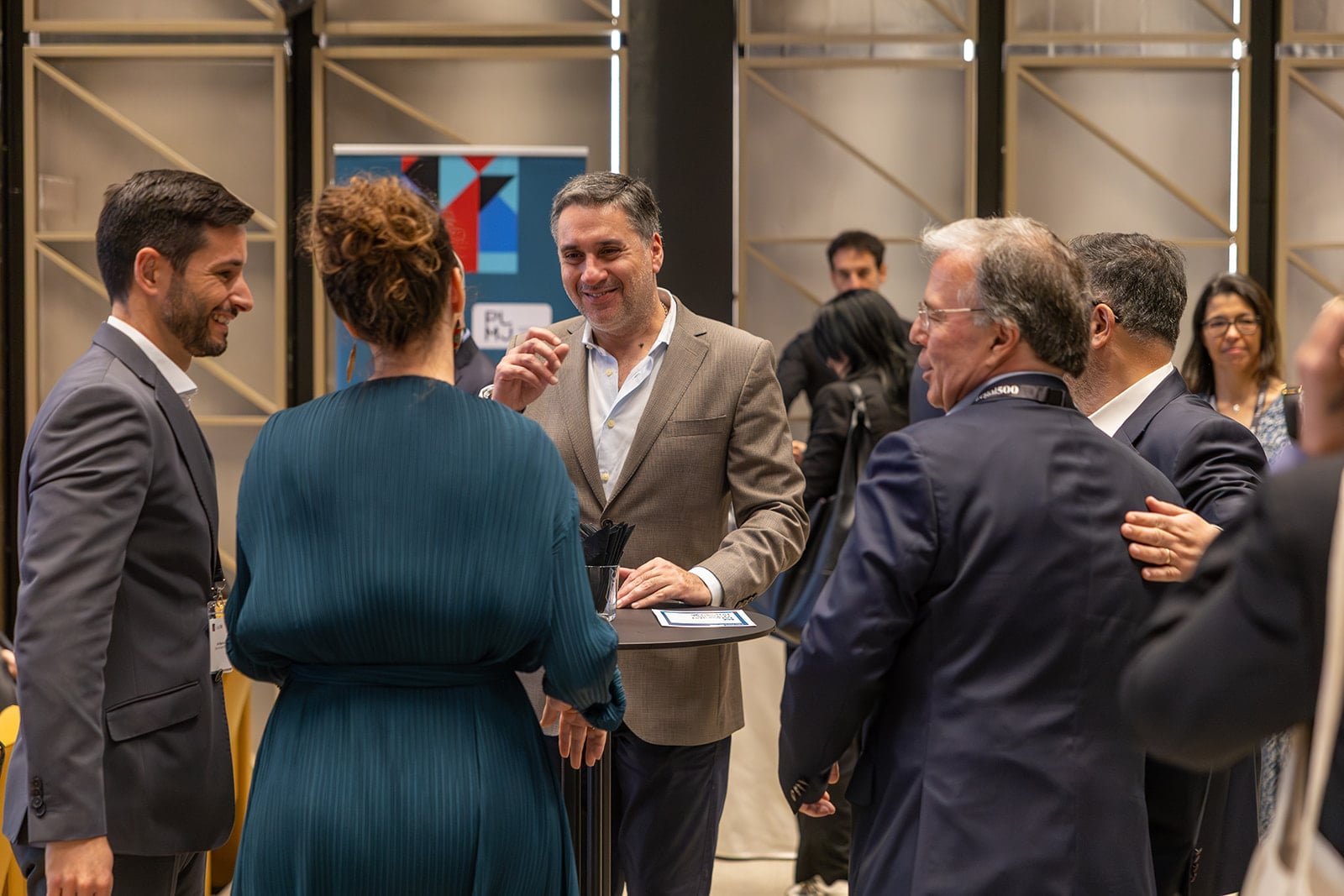
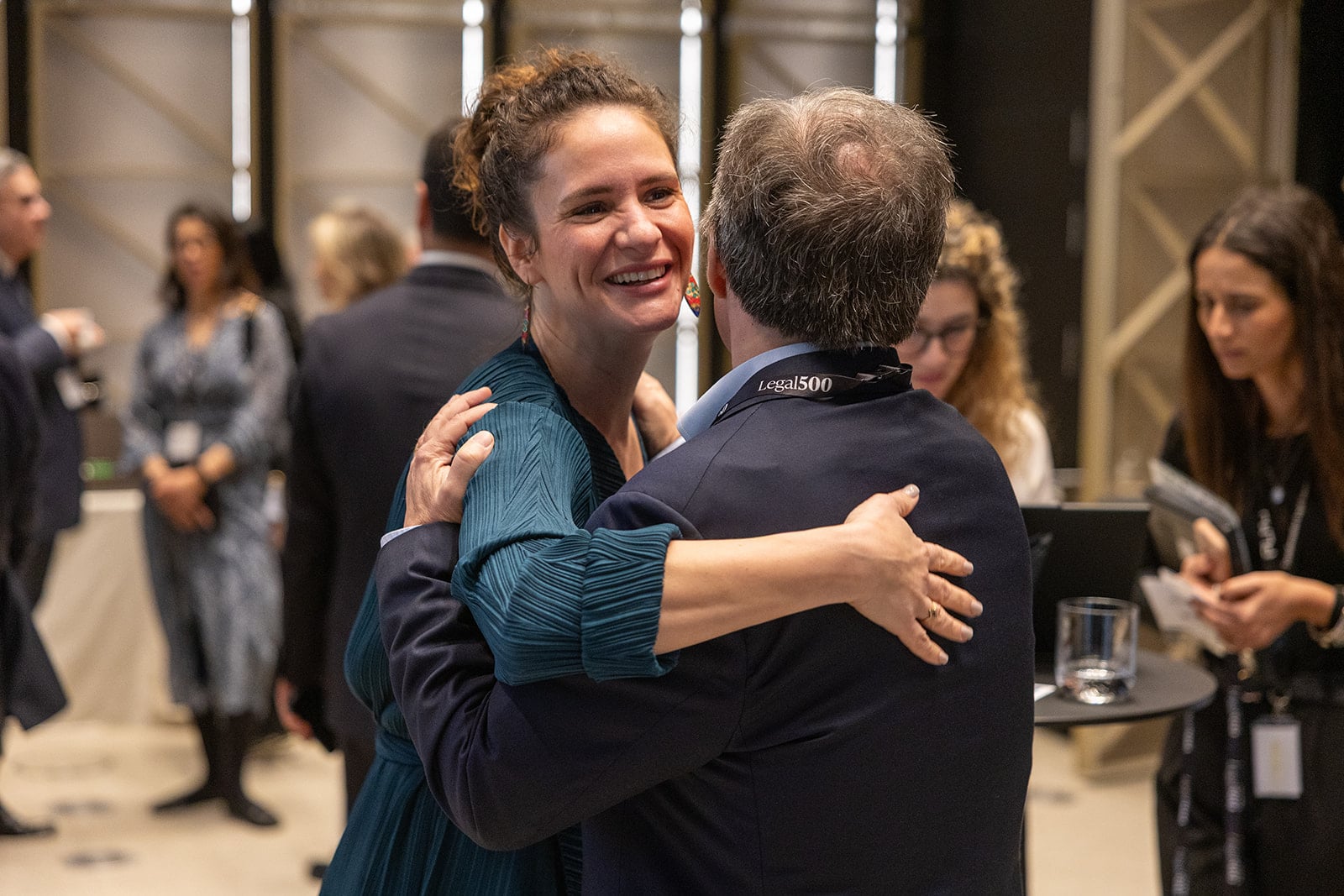
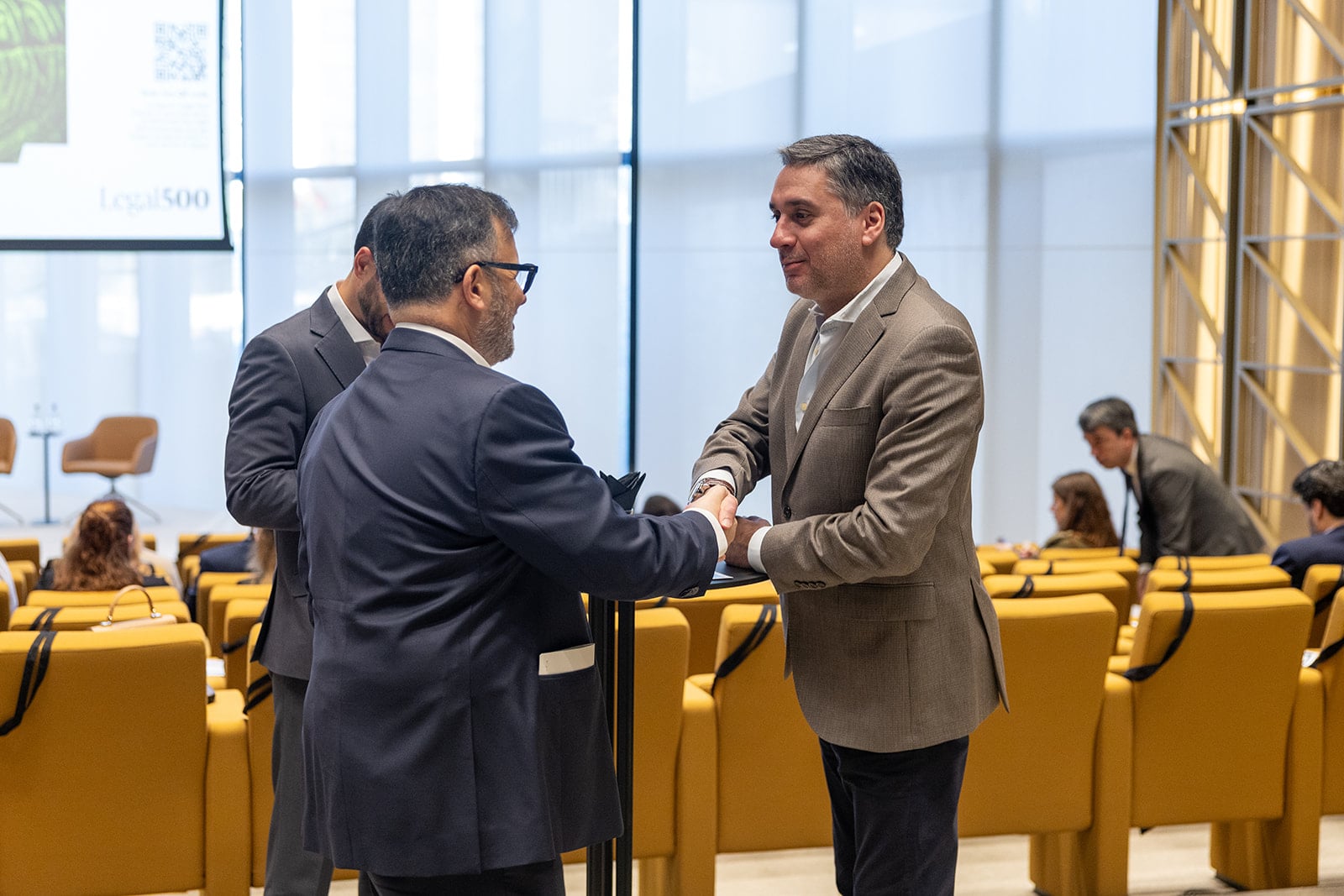
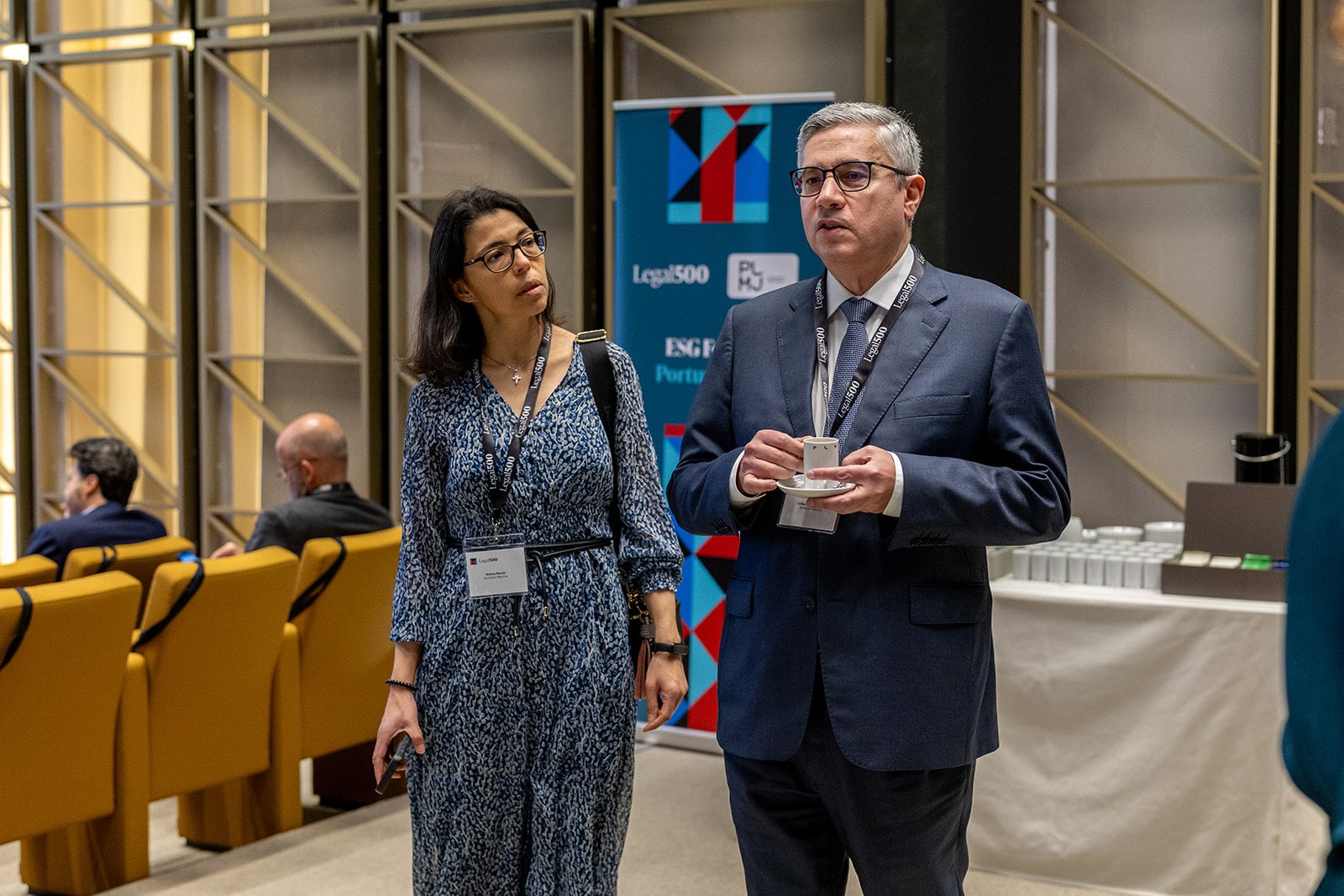
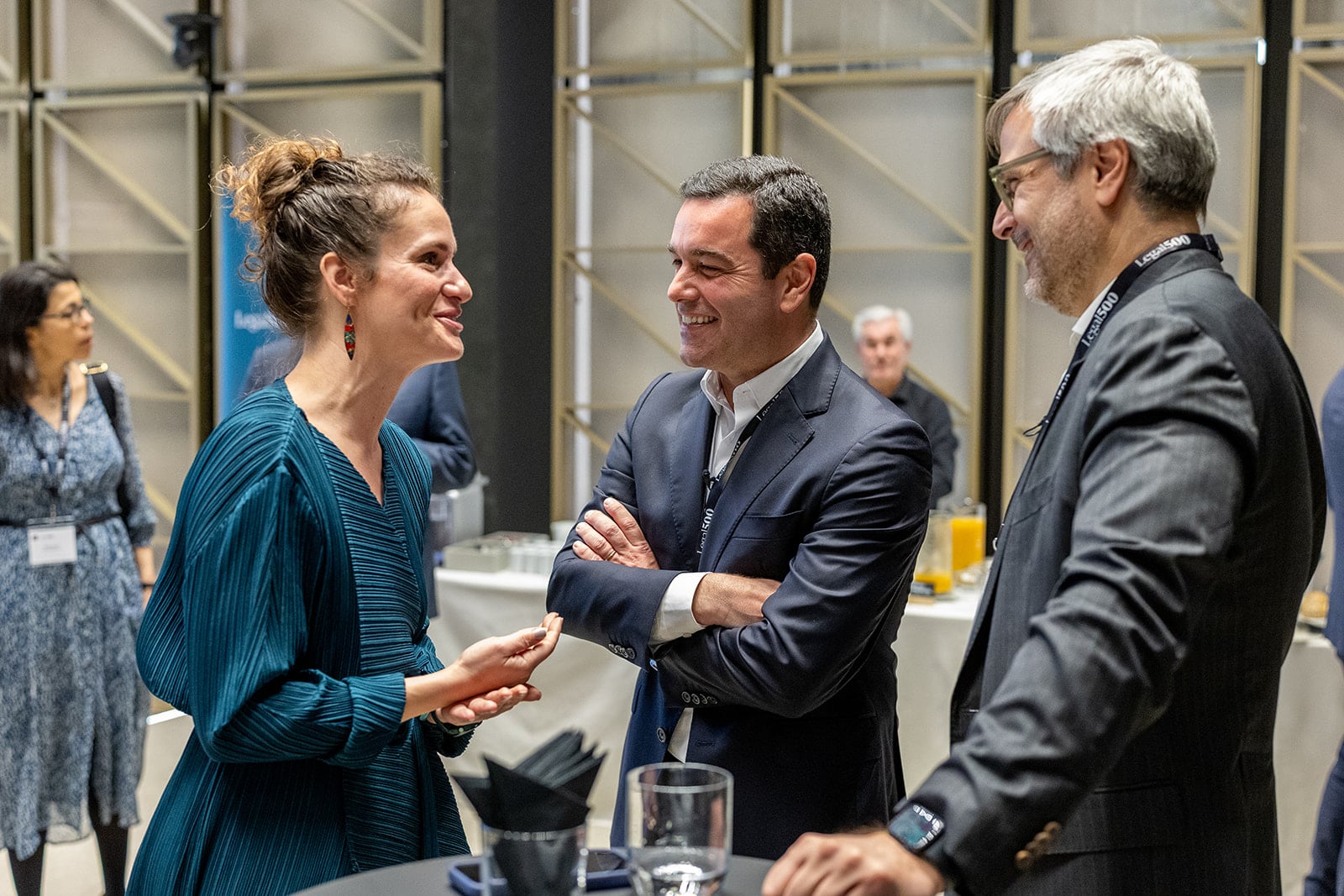
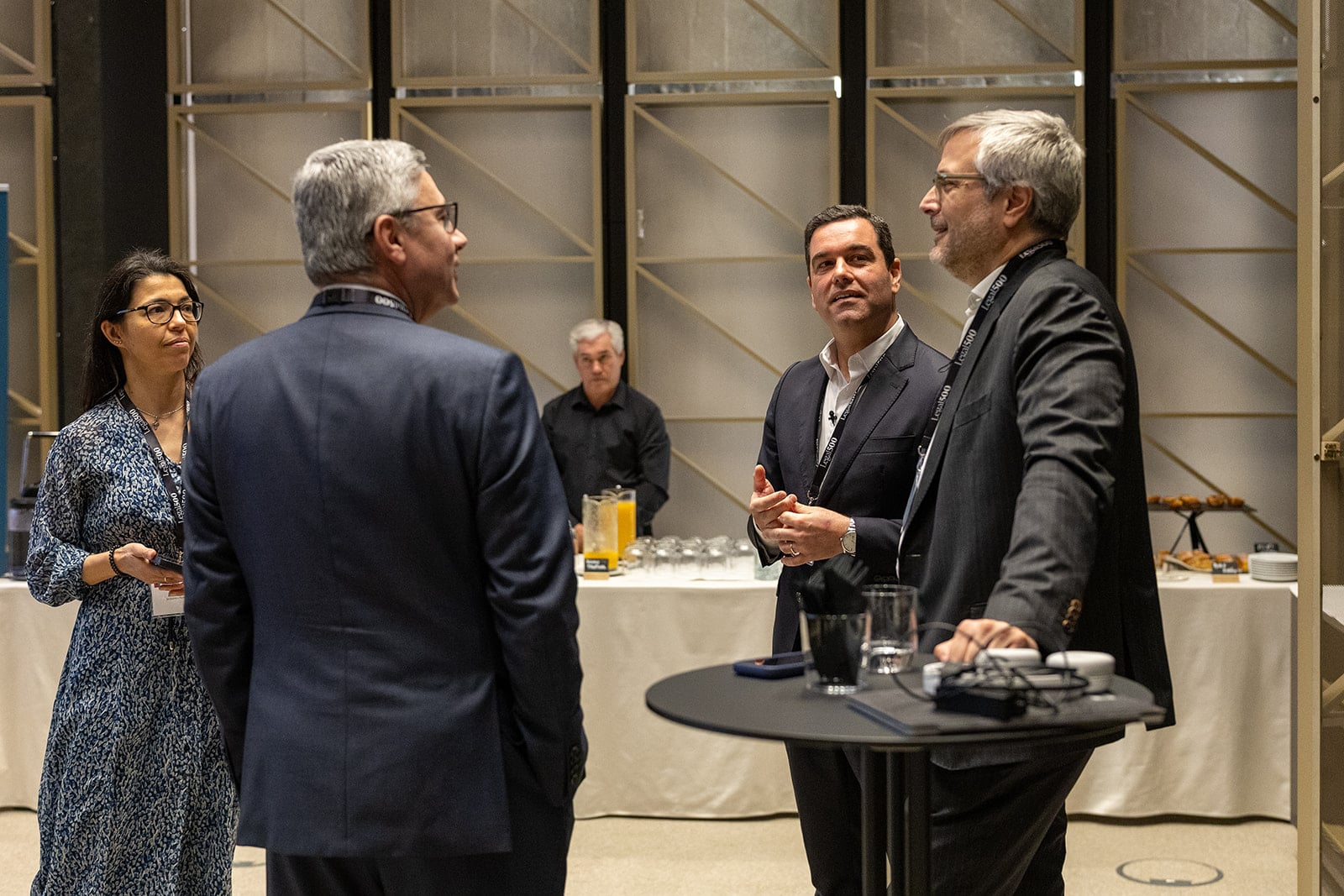
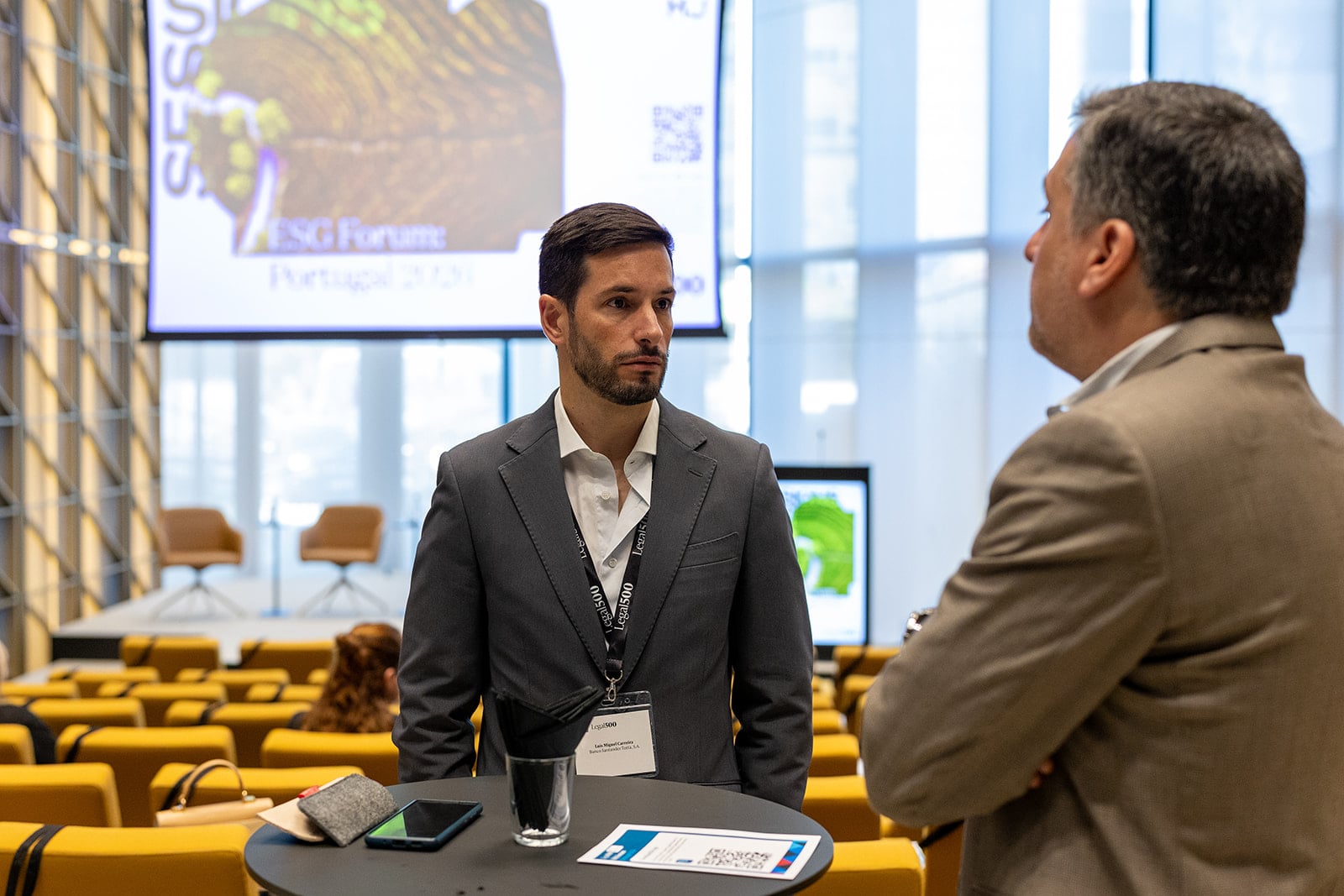
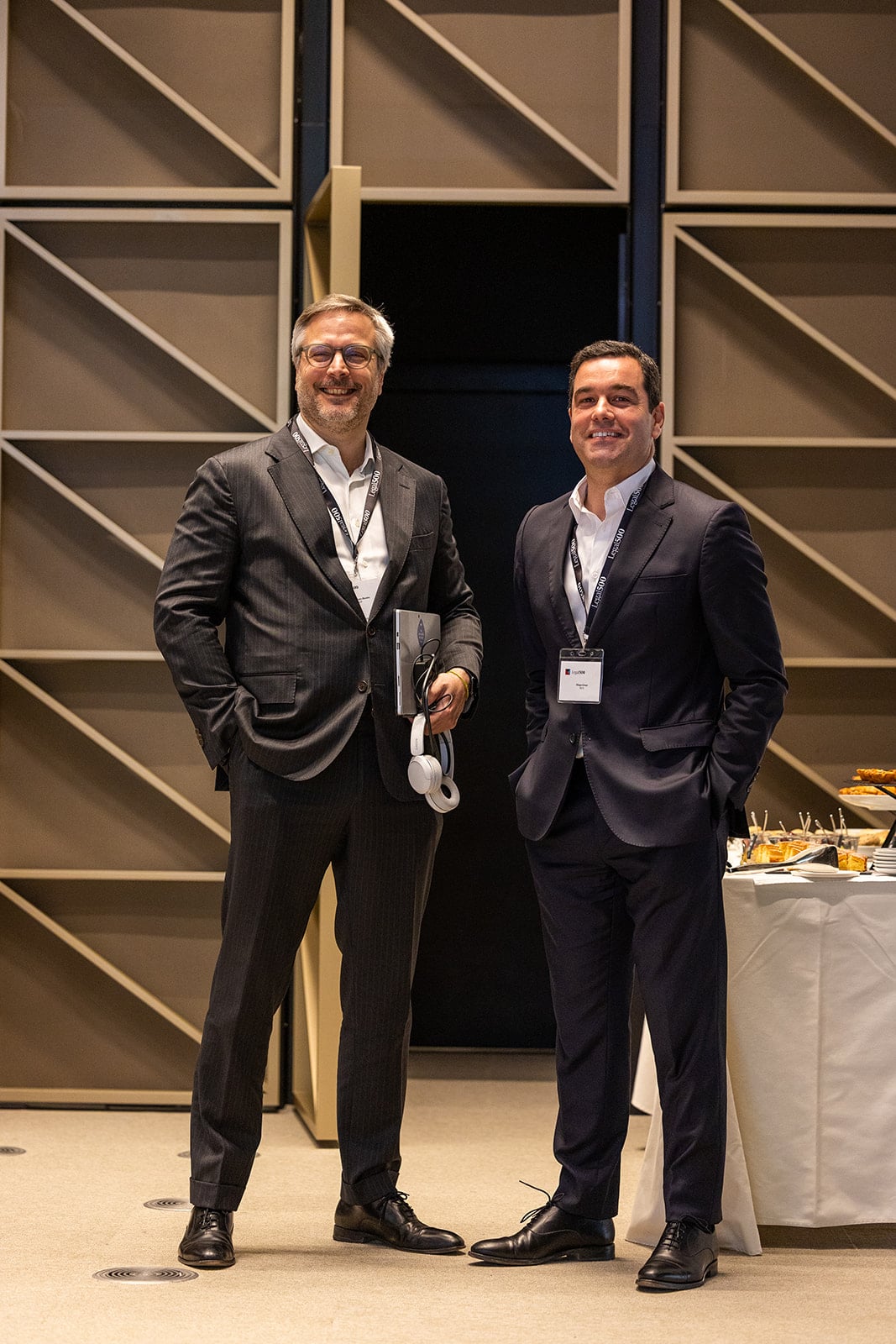
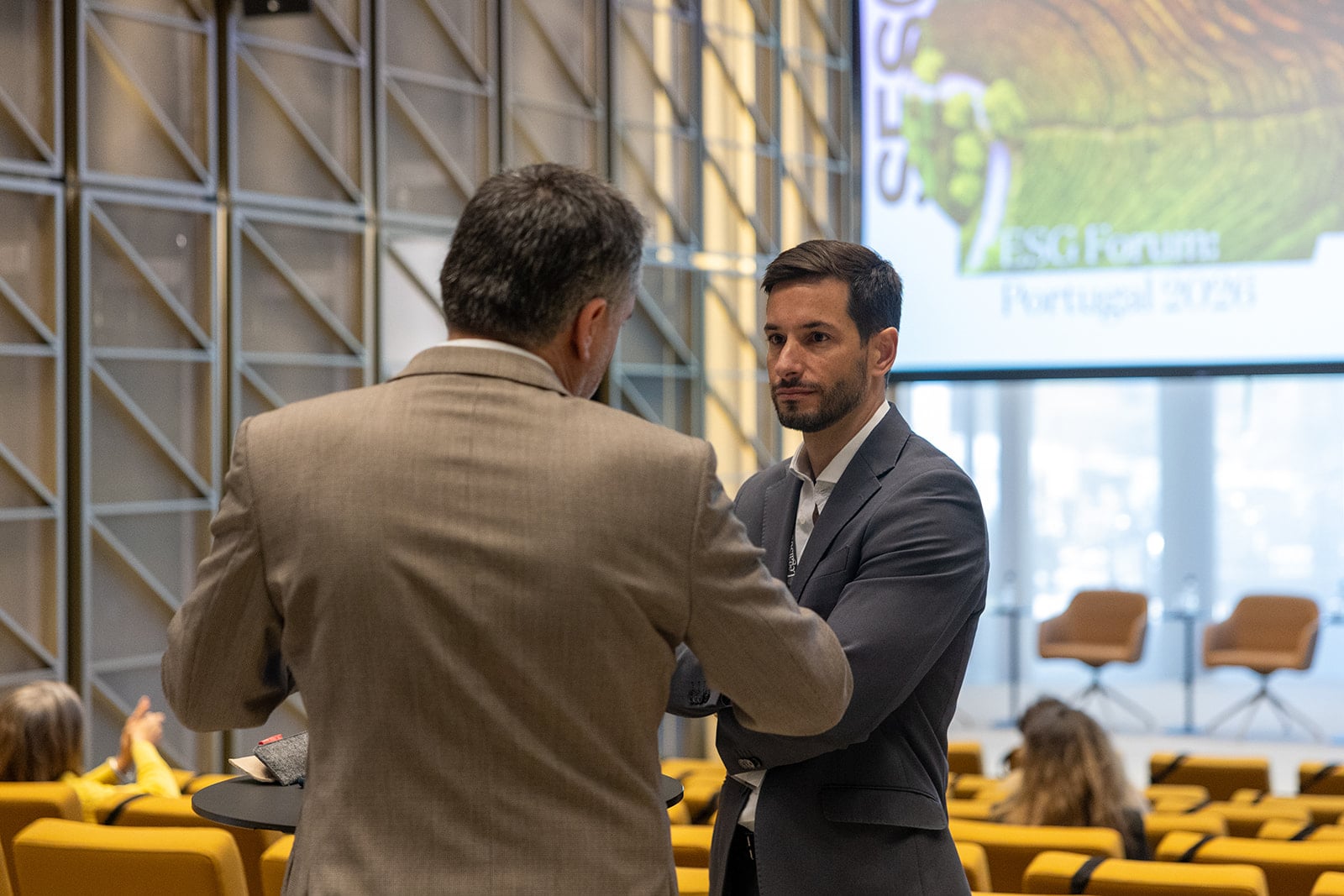
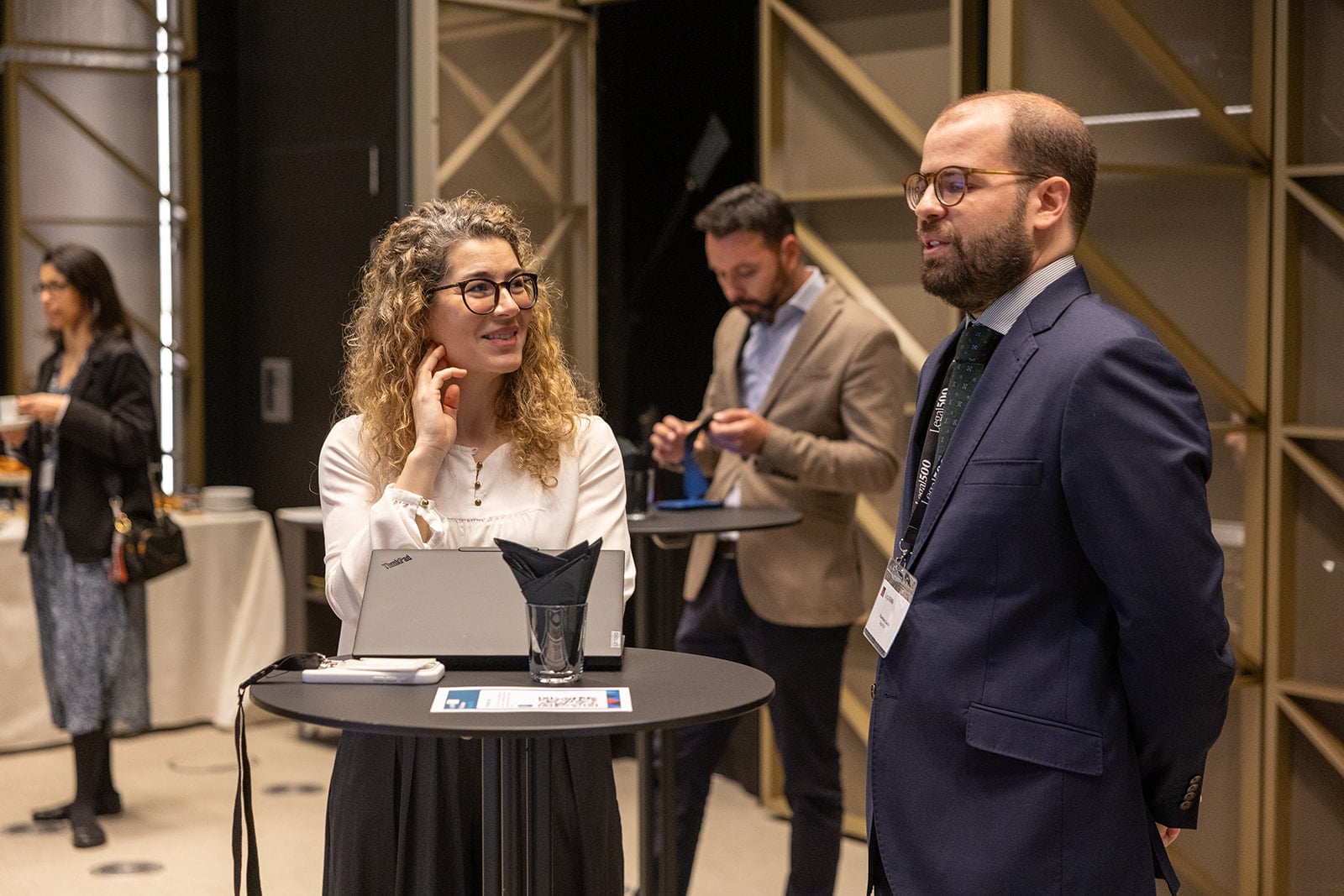
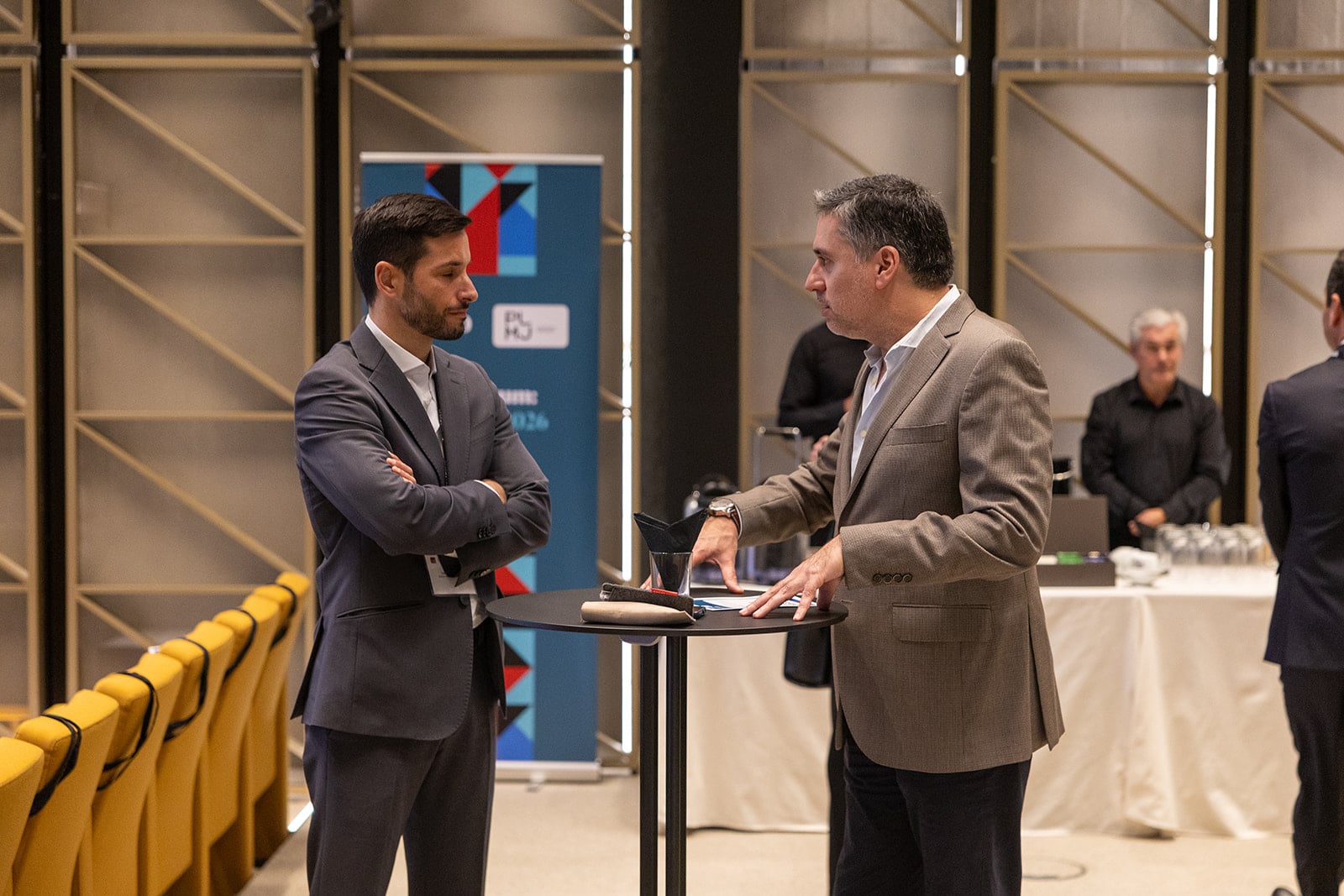
On 26 March, Legal 500 partnered with Portuguese law firm PLMJ to bring its renewed sustainability‑focused conference series to Lisbon with the ESG Forum: Portugal 2026. The half‑day event gathered senior leaders from the legal, financial, energy and sustainability spheres for a concentrated programme hosted at PLMJ’s offices. Throughout the sessions, speakers explored the regulatory, governance and enforcement forces reshaping ESG strategy in Portugal, offering a clear cross‑sector perspective on how organisations are adapting to an increasingly complex and fast‑moving landscape.
The event opened with some welcome remarks from Legal 500 editor Francisco Castro, who emphasised the value of events that bring the in‑house community together to learn, exchange experiences and build meaningful professional networks. In his welcome address, he highlighted the growing complexity of ESG obligations across Europe and the increasing pressure on organisations to adopt integrated, business‑wide approaches to compliance, risk management and strategic planning. By underscoring the need for practical, grounded discussion rather than abstract theory, he set the tone for a programme designed to deliver actionable insight and foster collaboration among practitioners navigating a rapidly evolving ESG landscape.
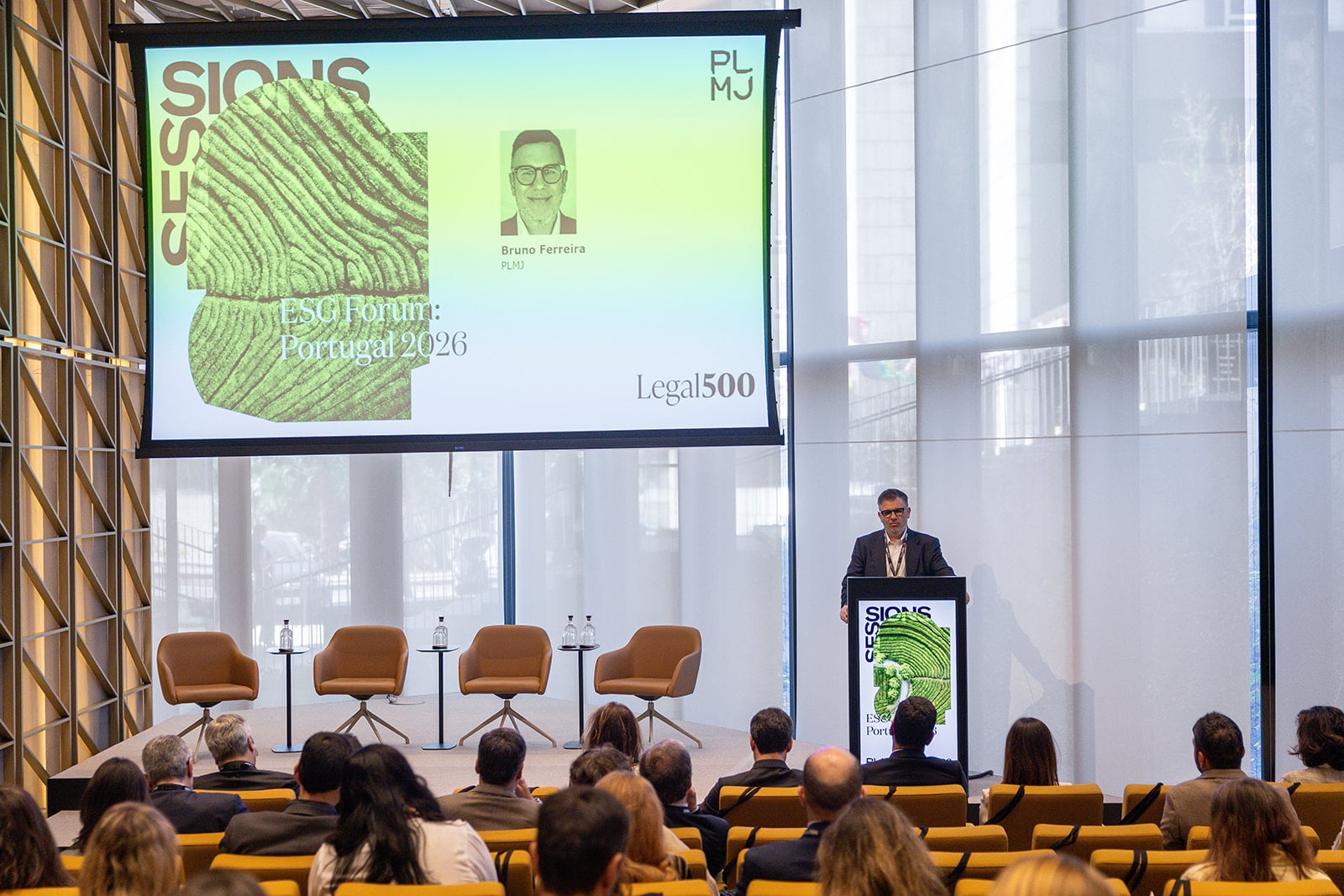
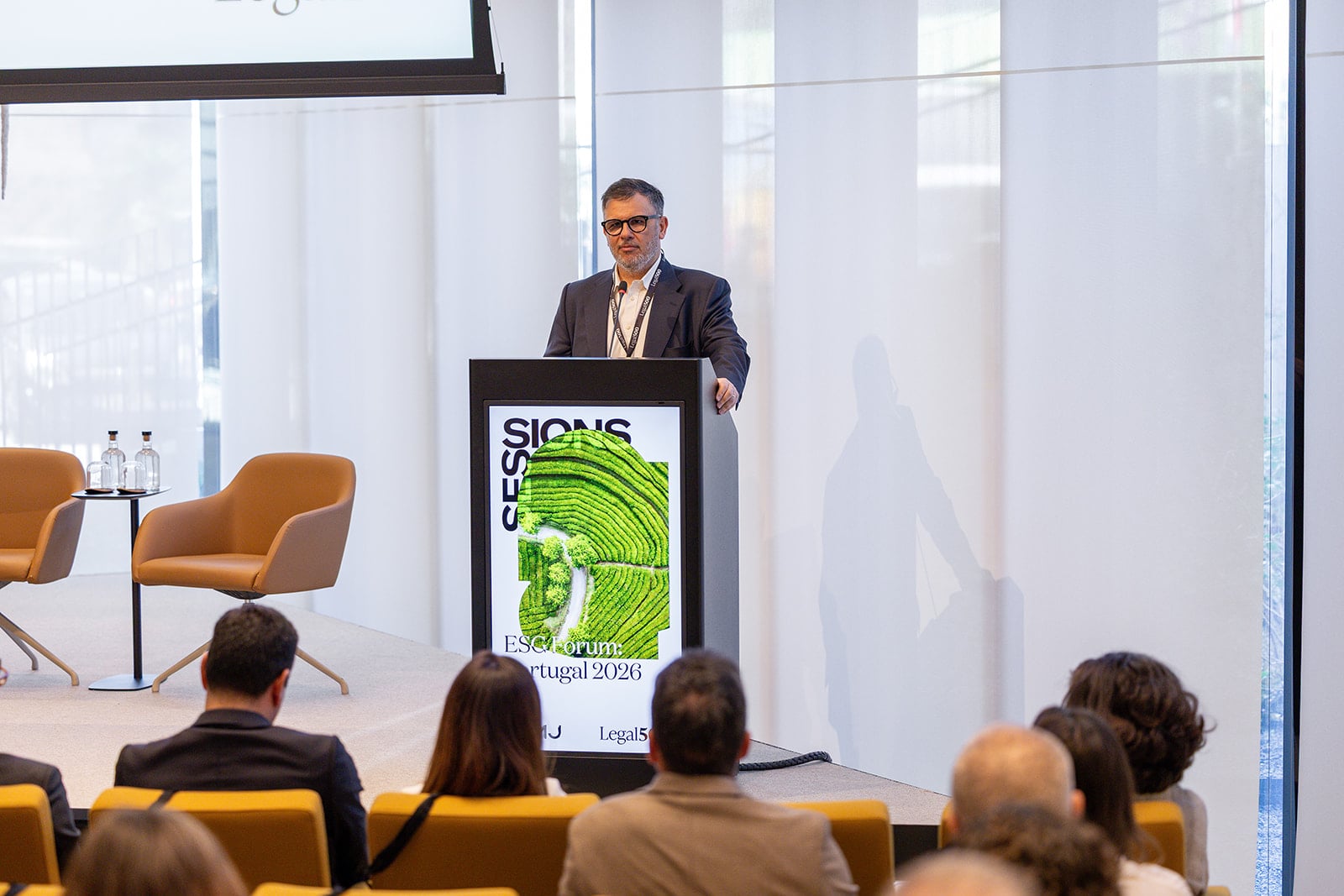
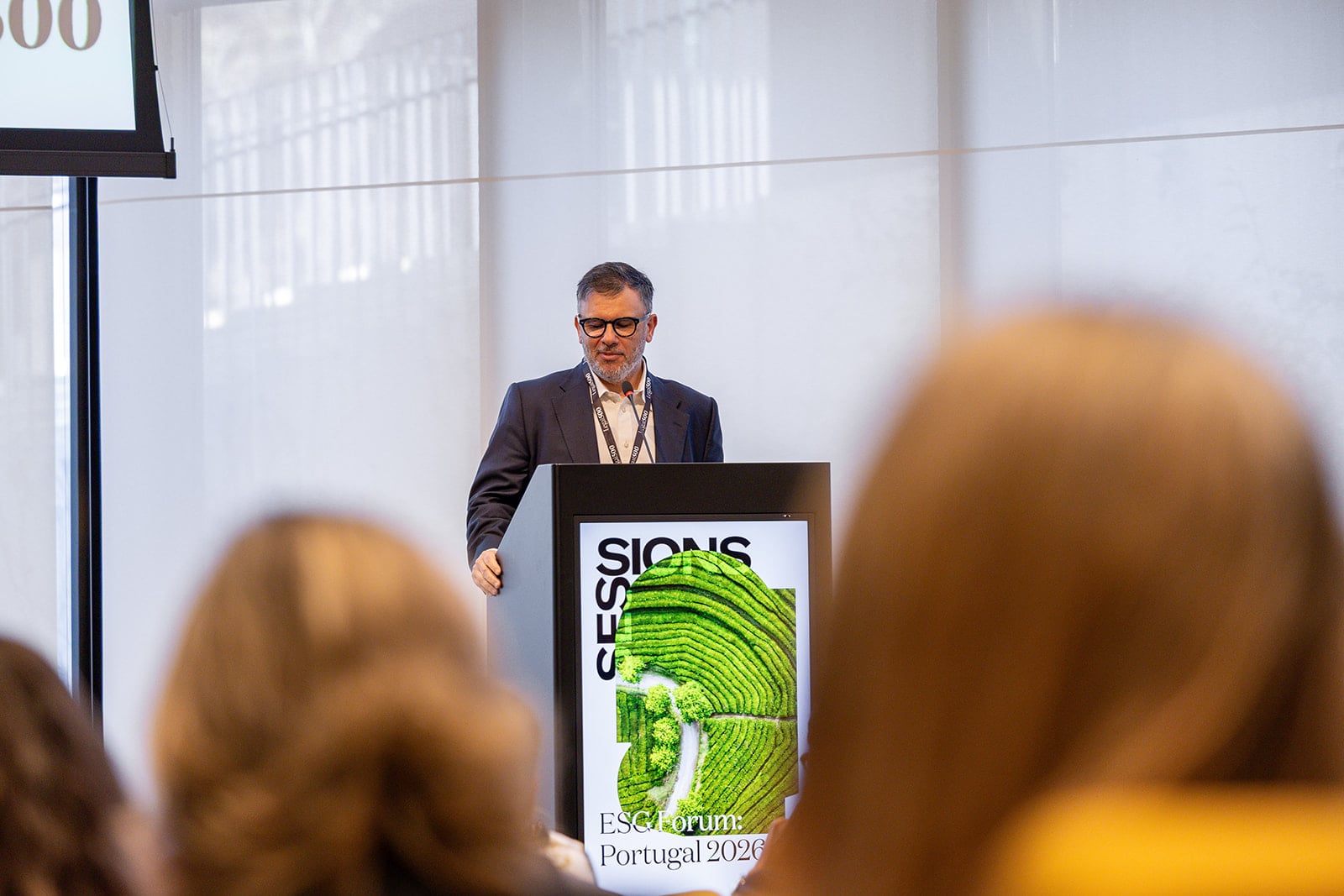
Followed an opening brief delivered by PLMJ’s Managing Partner, Bruno Ferreira, who provided a concise yet comprehensive overview of the ESG priorities defining Portugal in 2026. He outlined the expanding influence of EU regulatory frameworks on corporate reporting, due diligence and governance, noting how these requirements are reshaping expectations around data quality, transparency and accountability. His remarks positioned ESG not as a peripheral concern but as a central driver of corporate behaviour, capital flows and long‑term competitiveness in the Portuguese market.
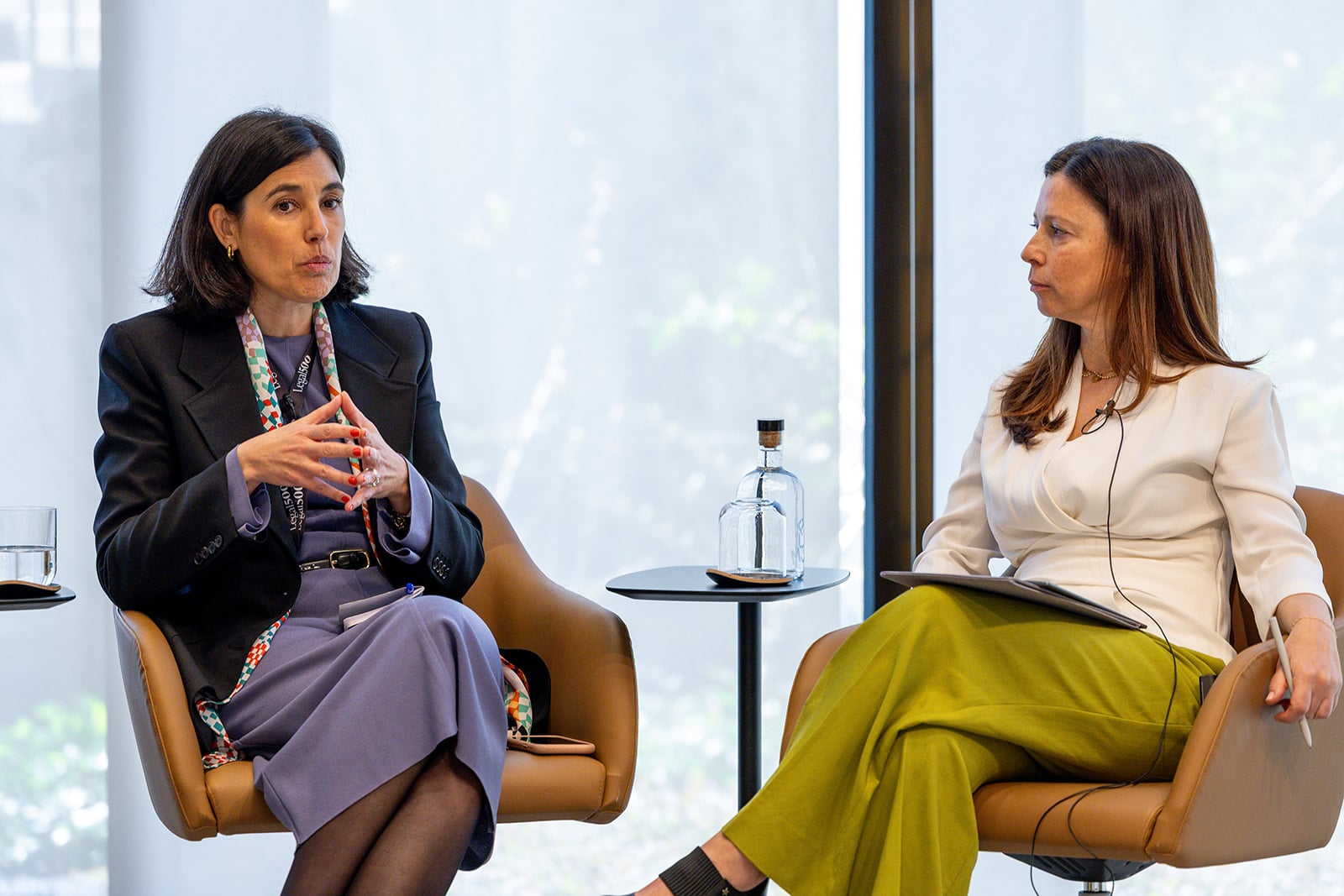
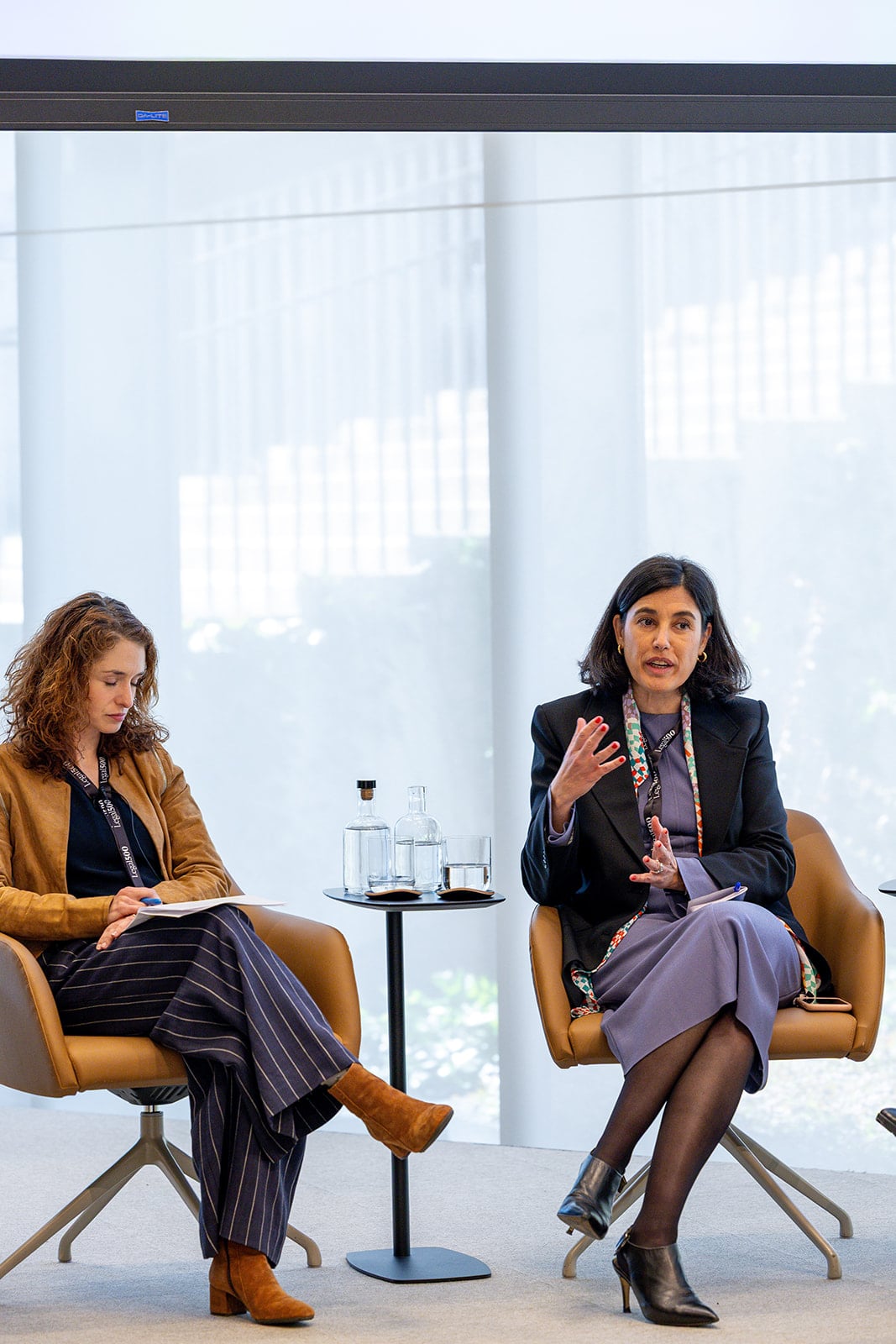
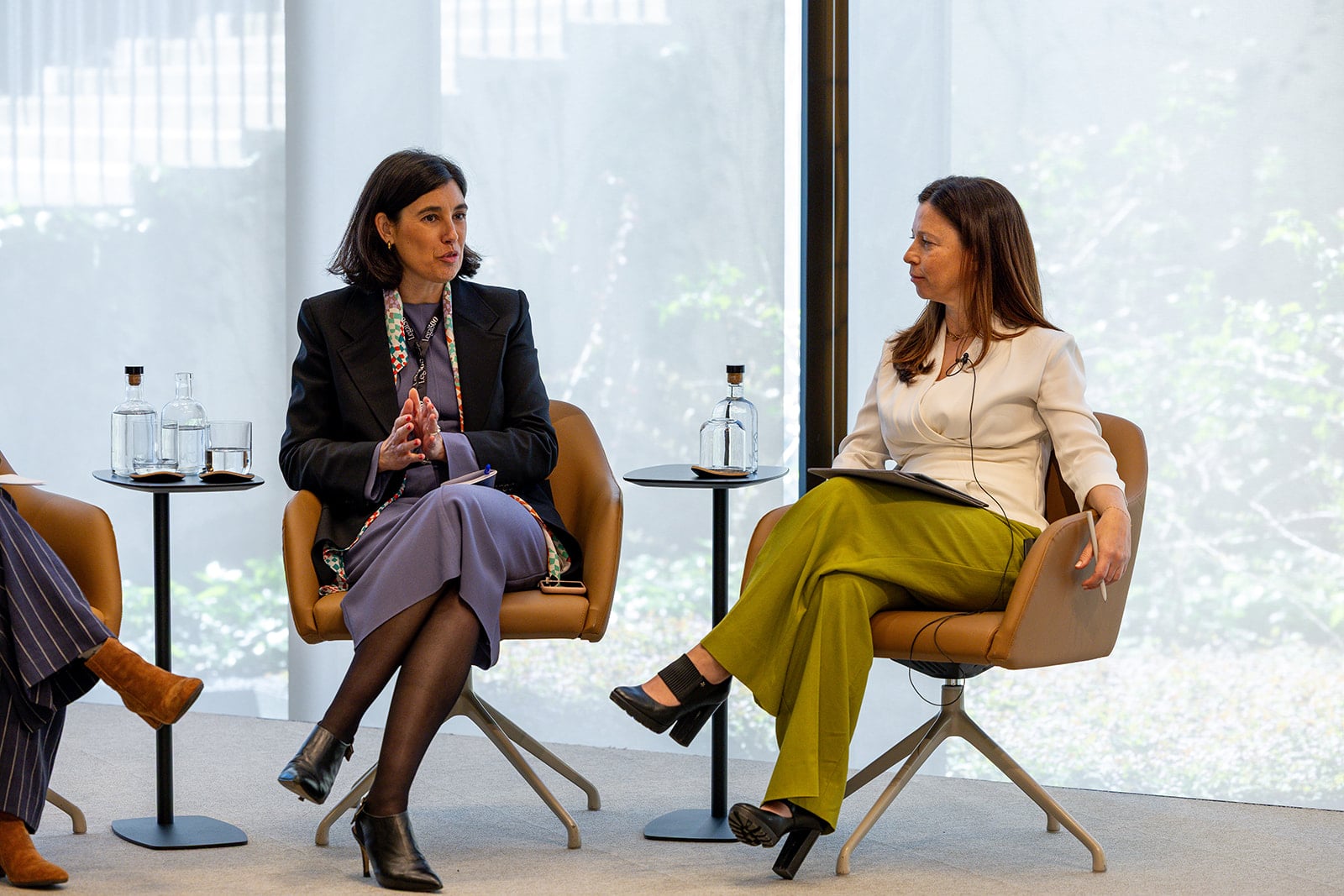
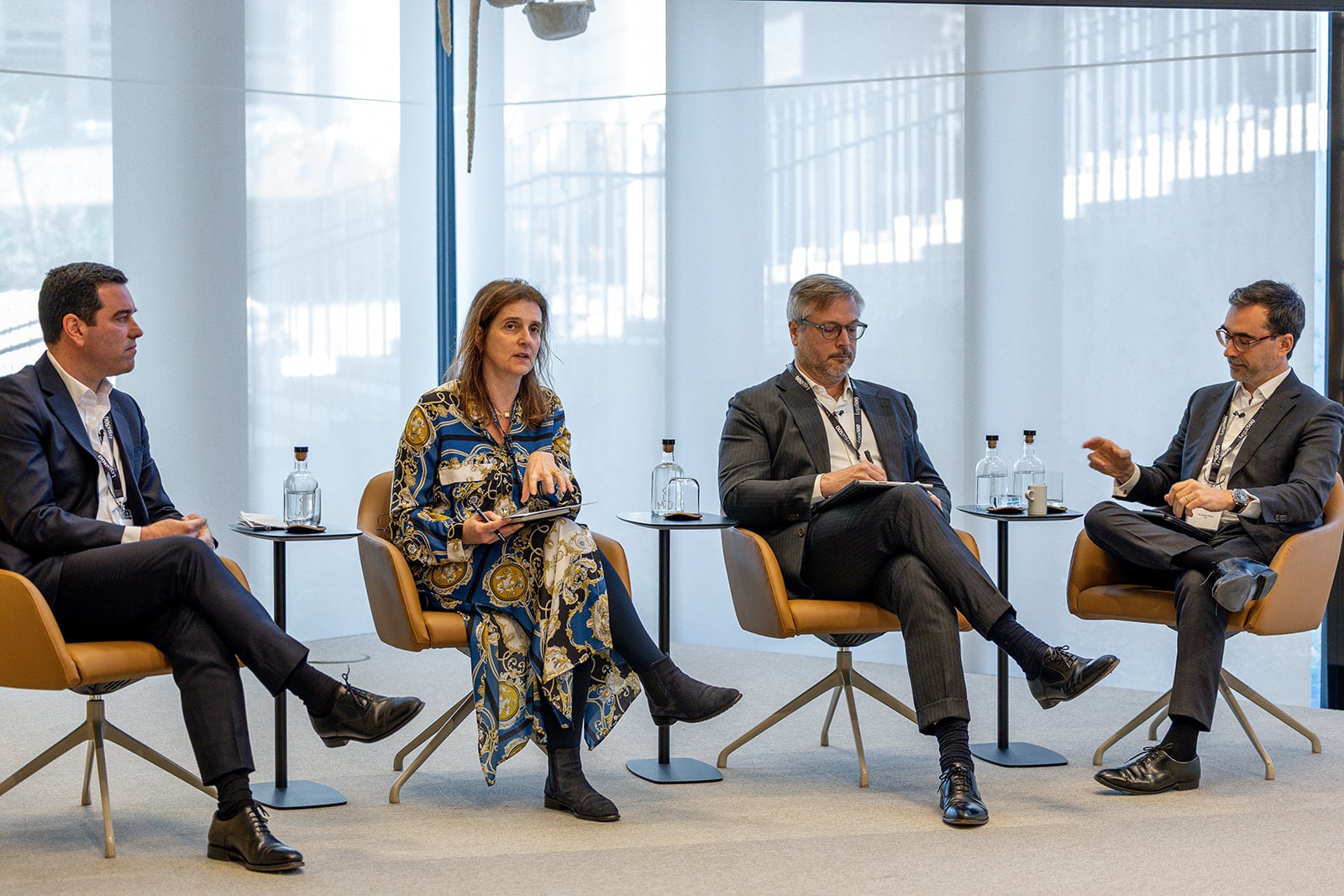
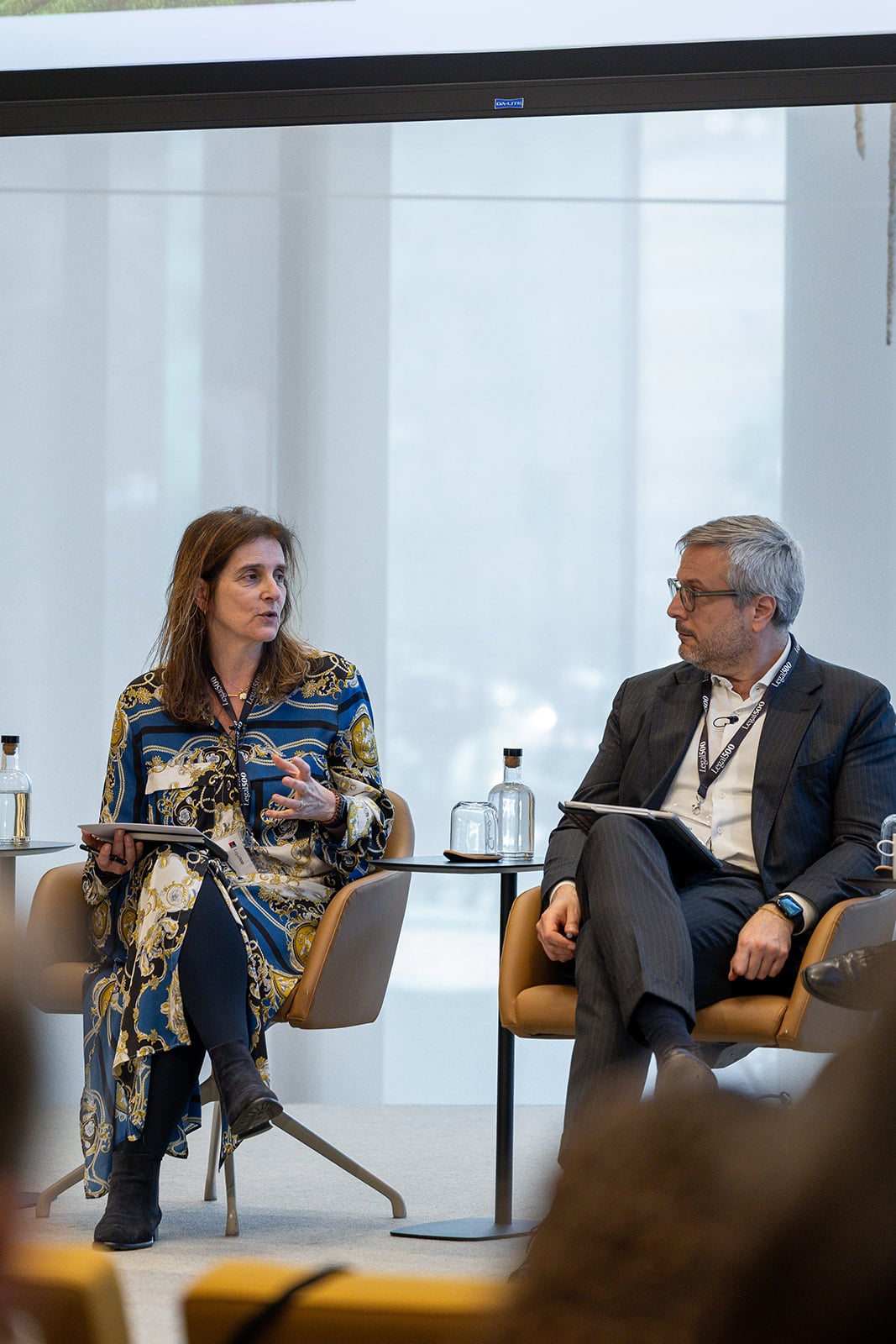
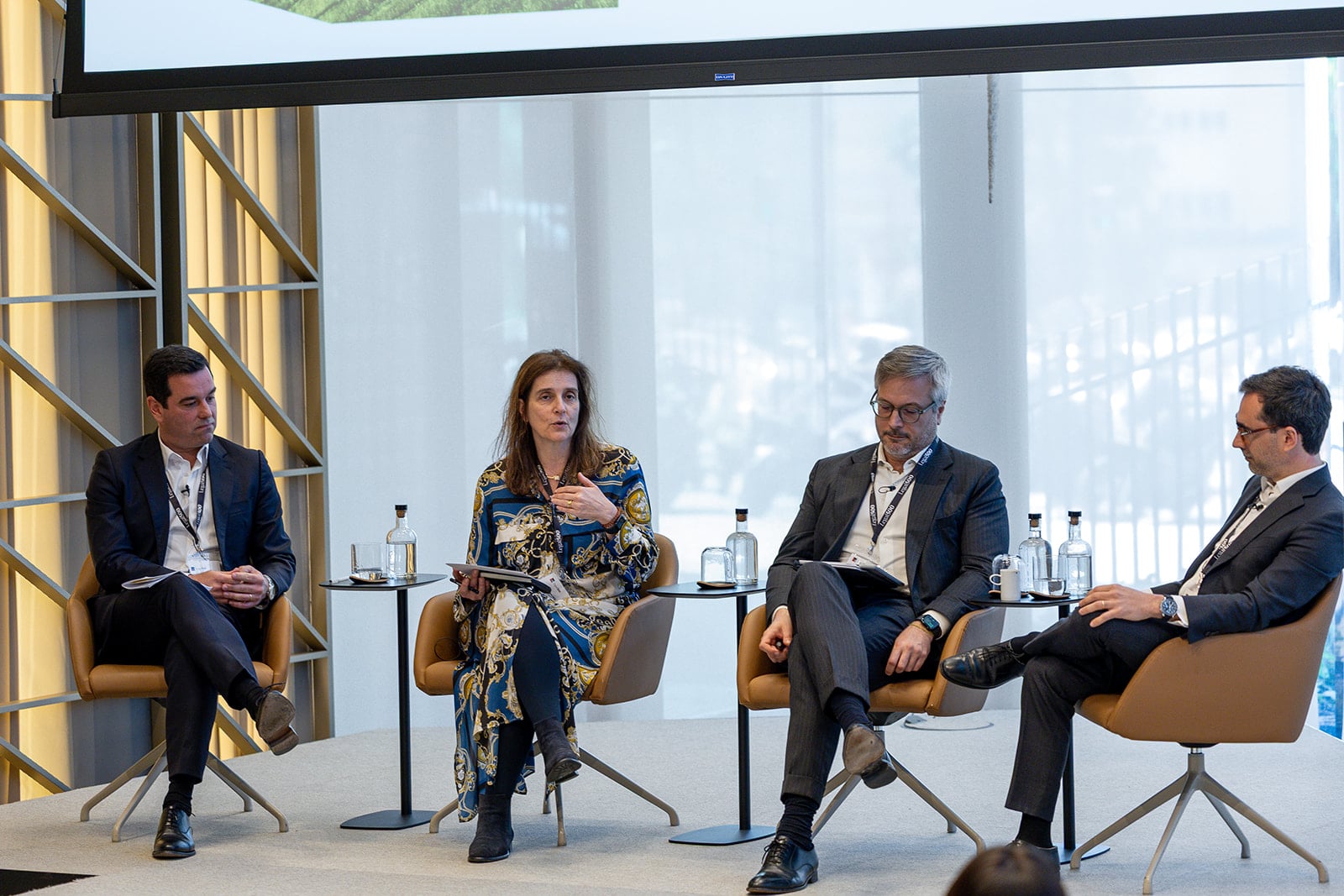
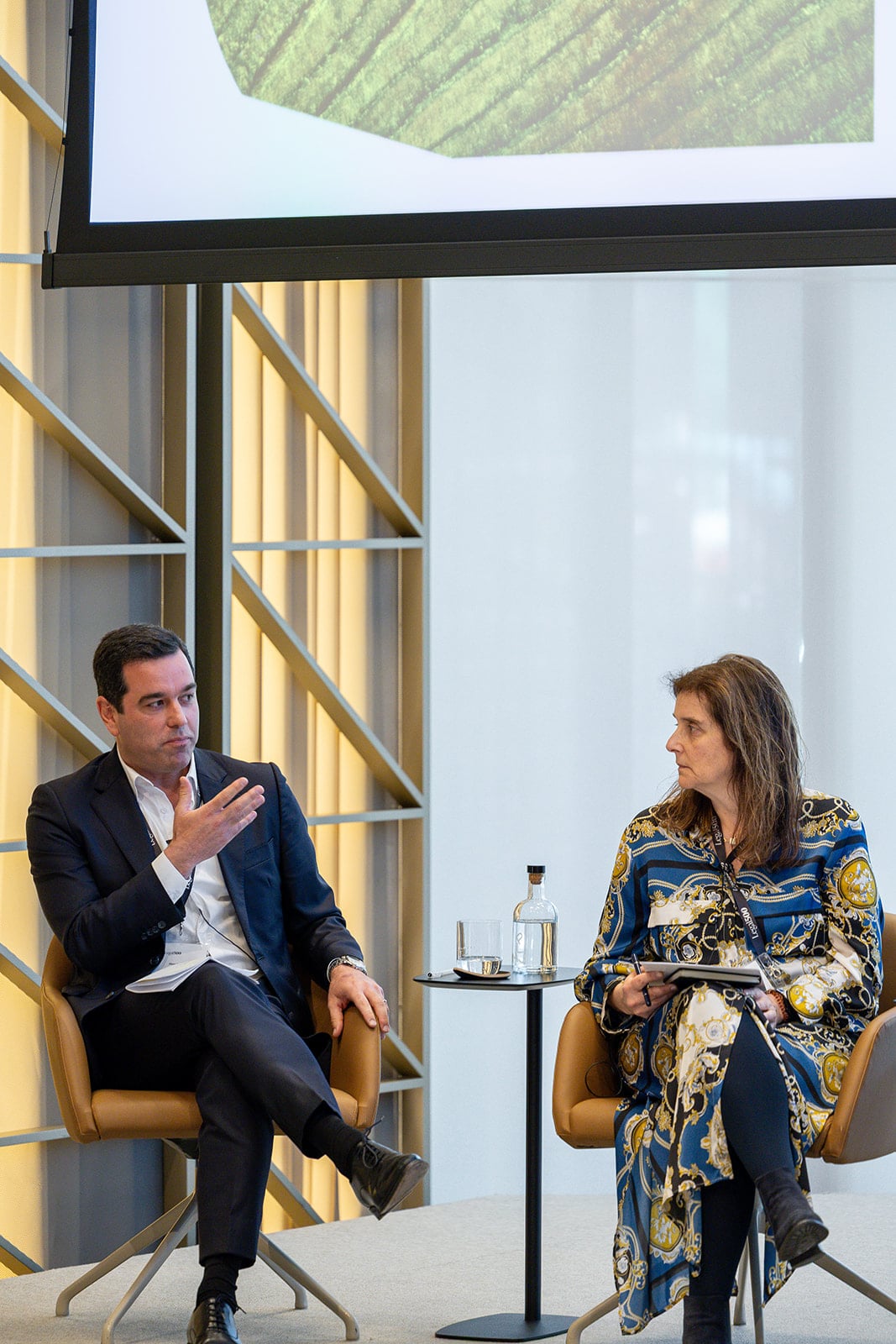
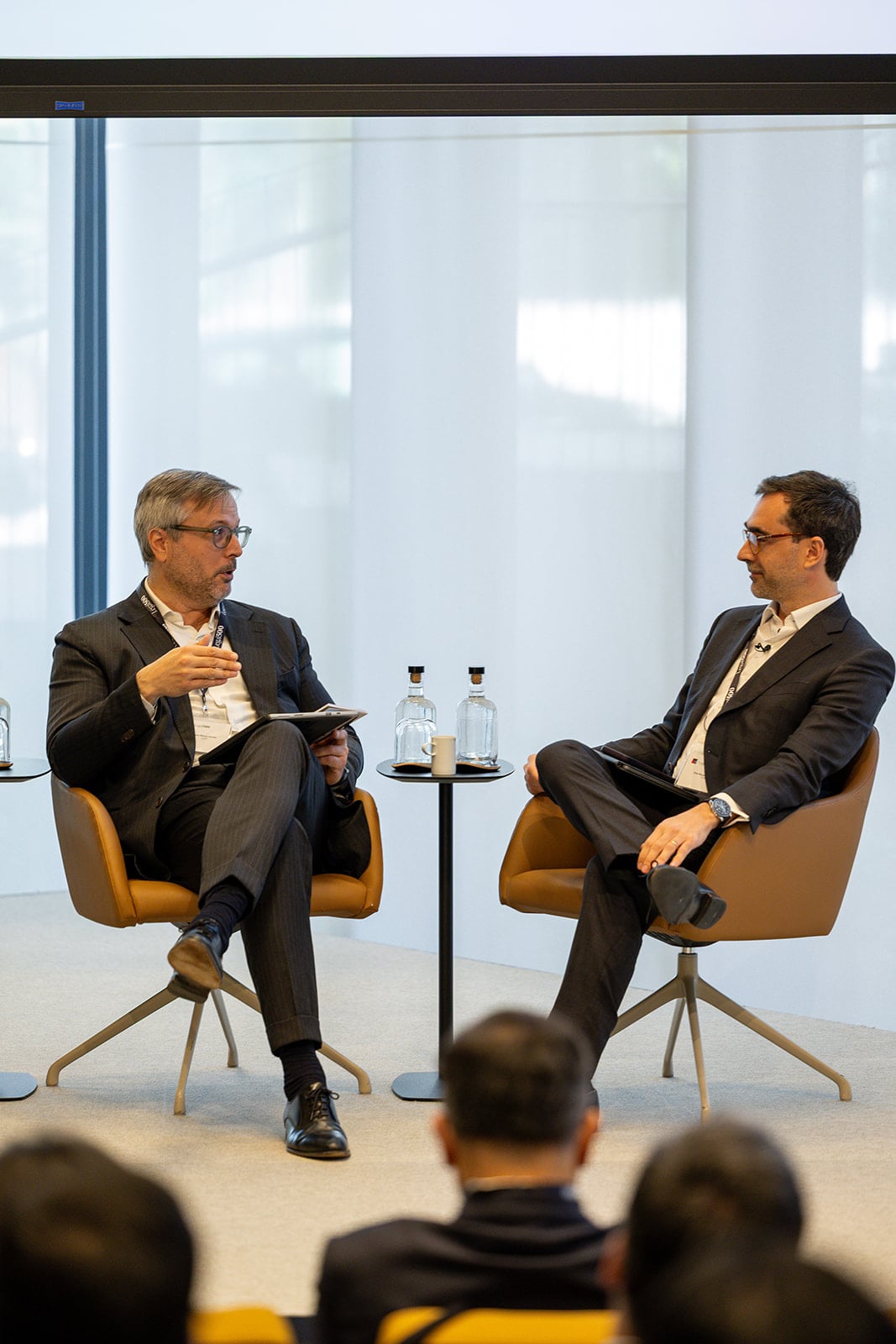
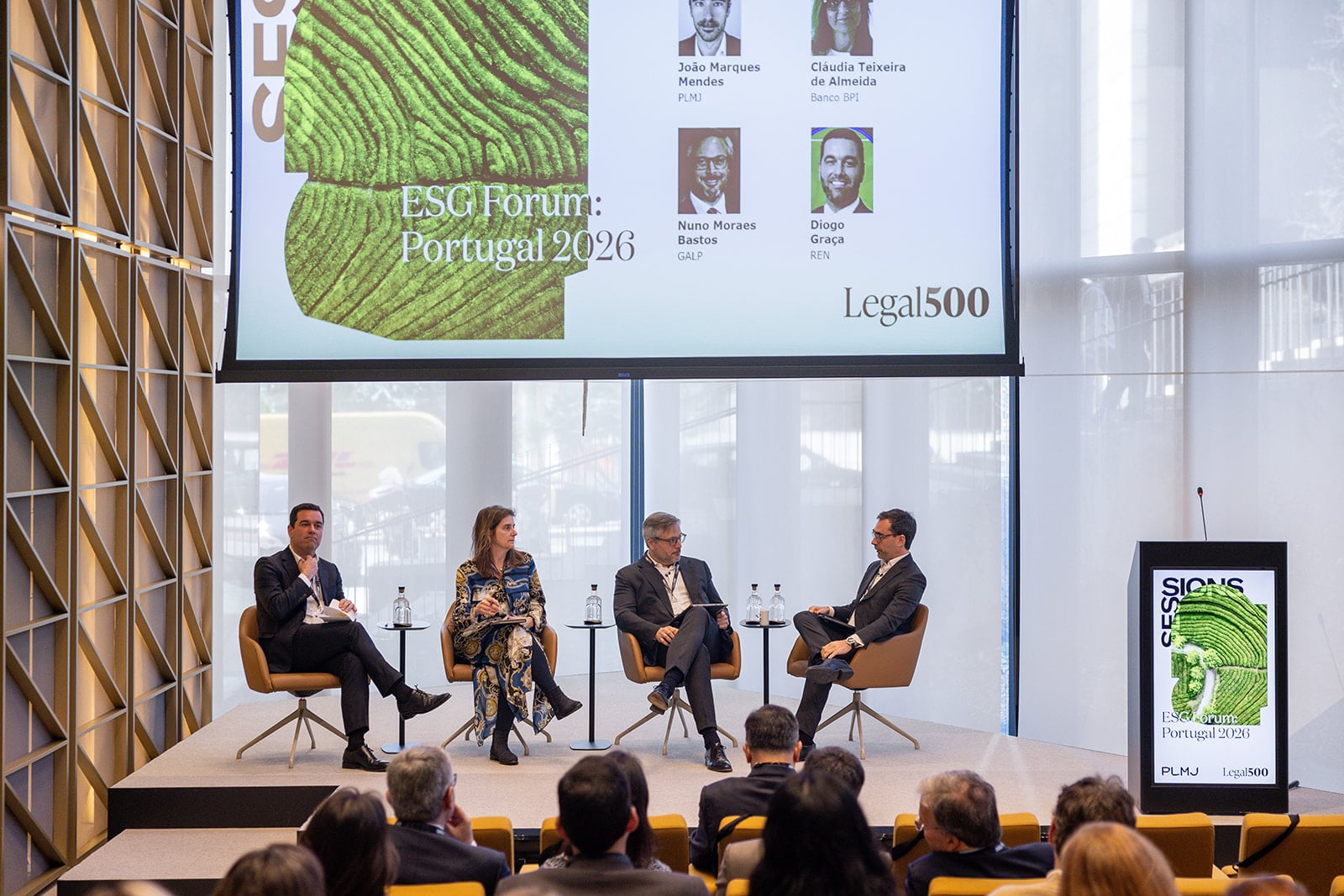
The first panel, moderated by João Marques Mendes, Partner at PLMJ and joined by Cláudia Teixeira de Almeida of Banco BPI, Nuno Moraes Bastos of GALP and Diogo Graça of REN, explored how corporate governance and sustainable finance are shaping Portugal’s energy transition. The discussion examined how boards and executive teams are adapting oversight structures to manage transition‑related risks and how legal, compliance, sustainability and procurement functions are increasingly intertwined in project governance. Panellists described the growing influence of financing structures on project execution, noting that lenders’ expectations around ESG metrics, contractor performance and transparency now shape governance decisions from the earliest stages. They also addressed the operational constraints that continue to challenge Portugal’s transition ambitions, including permitting timelines, grid capacity limitations and delivery risk. While acknowledging the complexity of EU‑level frameworks, speakers emphasised that these standards also present strategic opportunities to harmonise practices, unlock investment and strengthen Portugal’s competitive position in the energy transition.
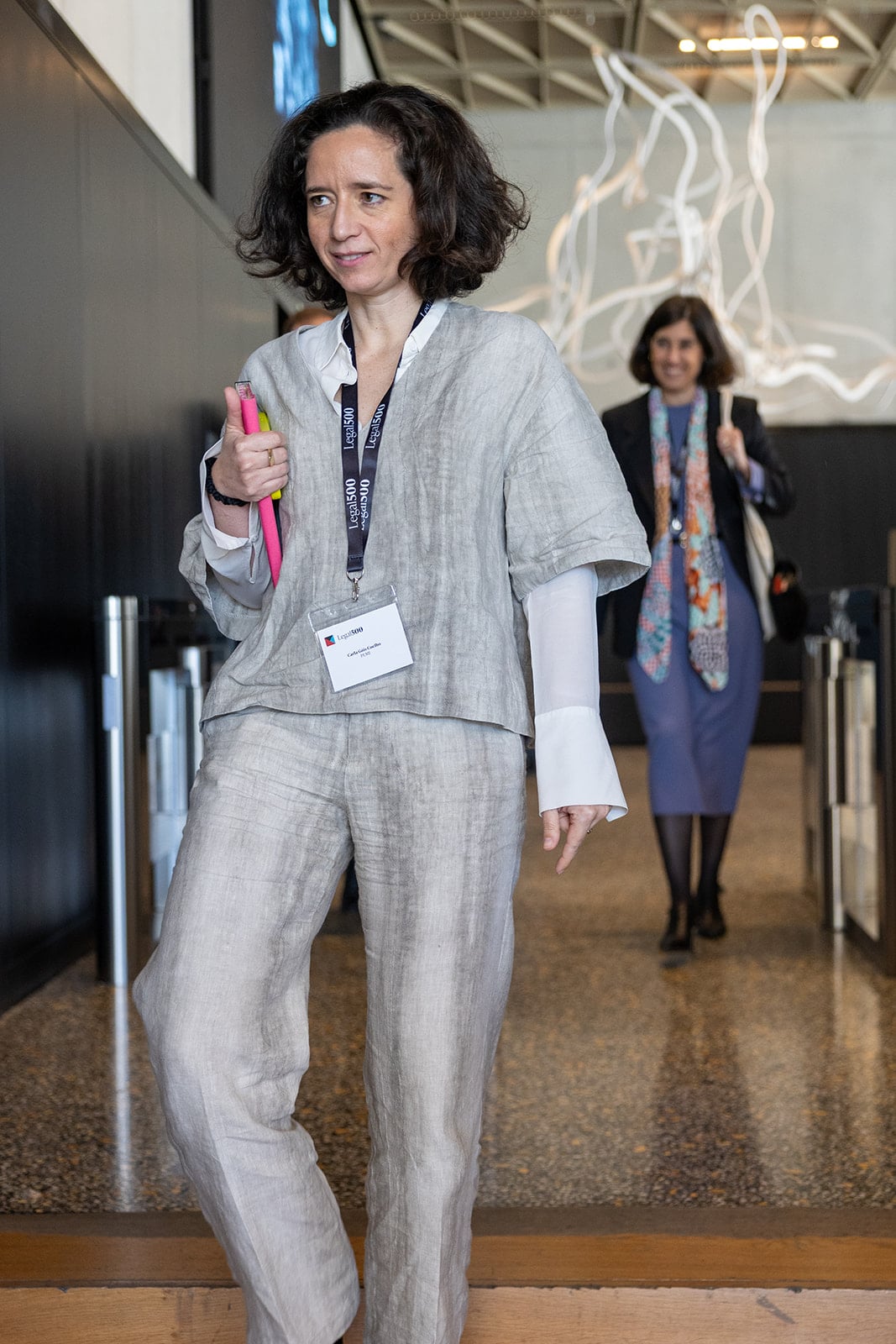
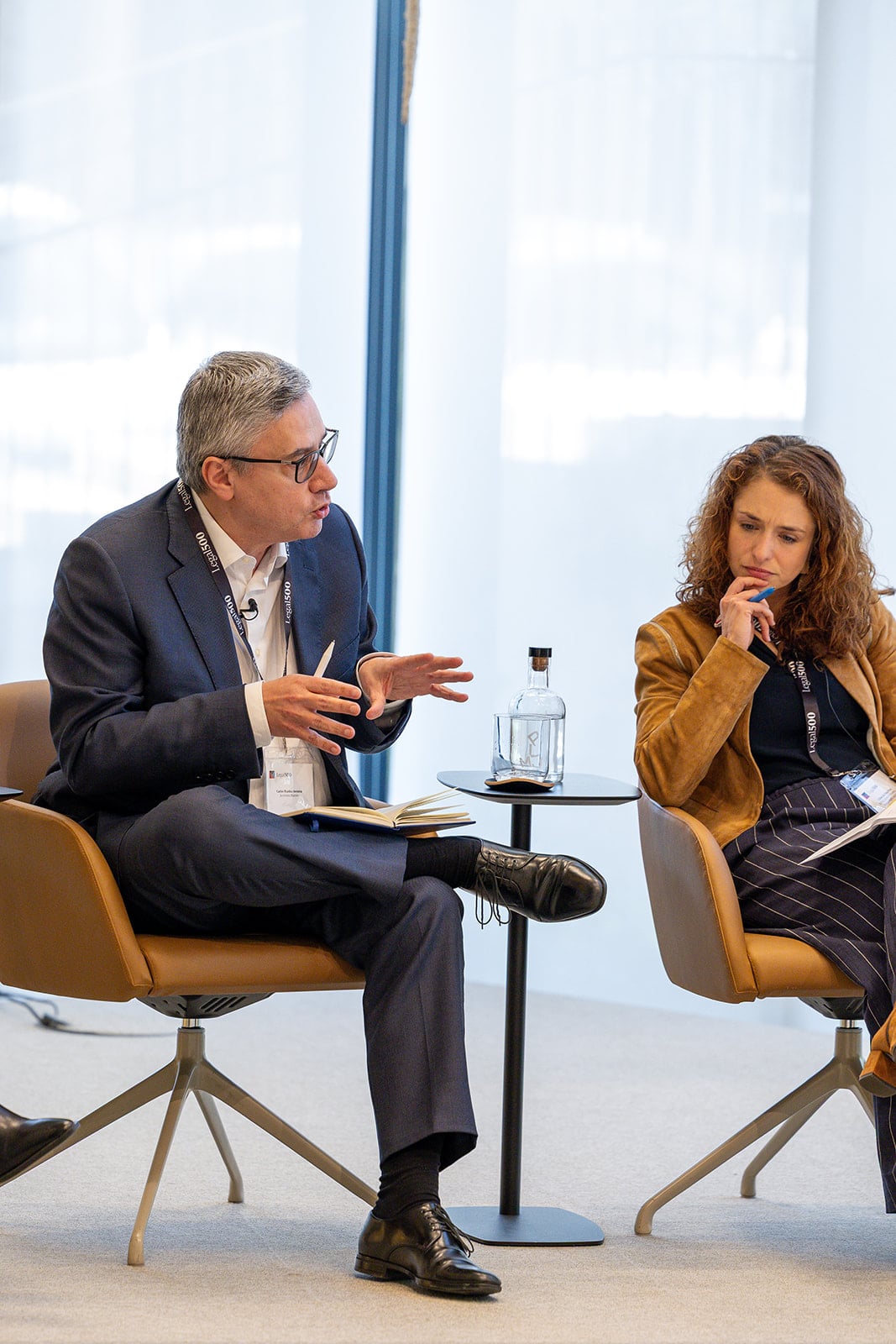
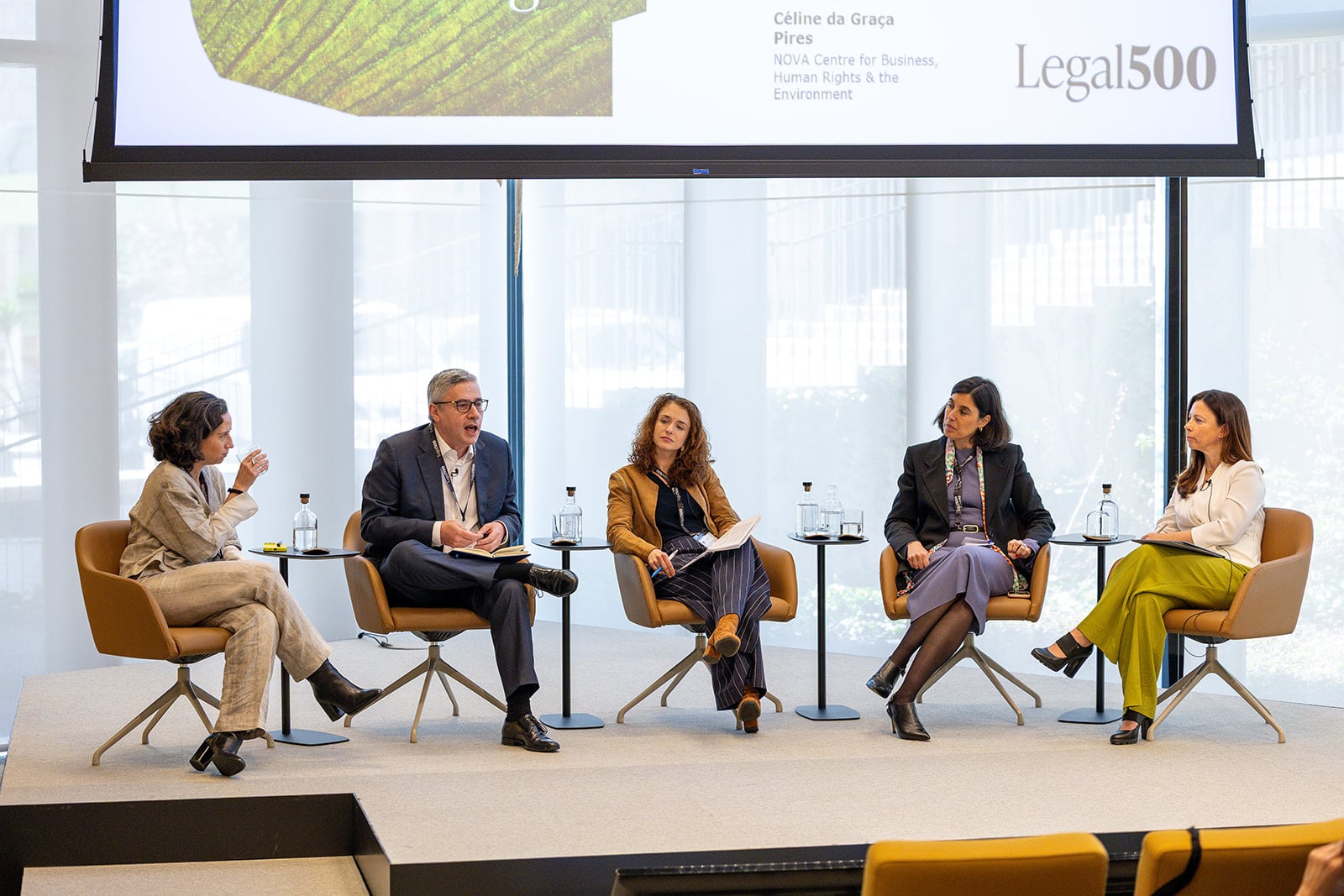
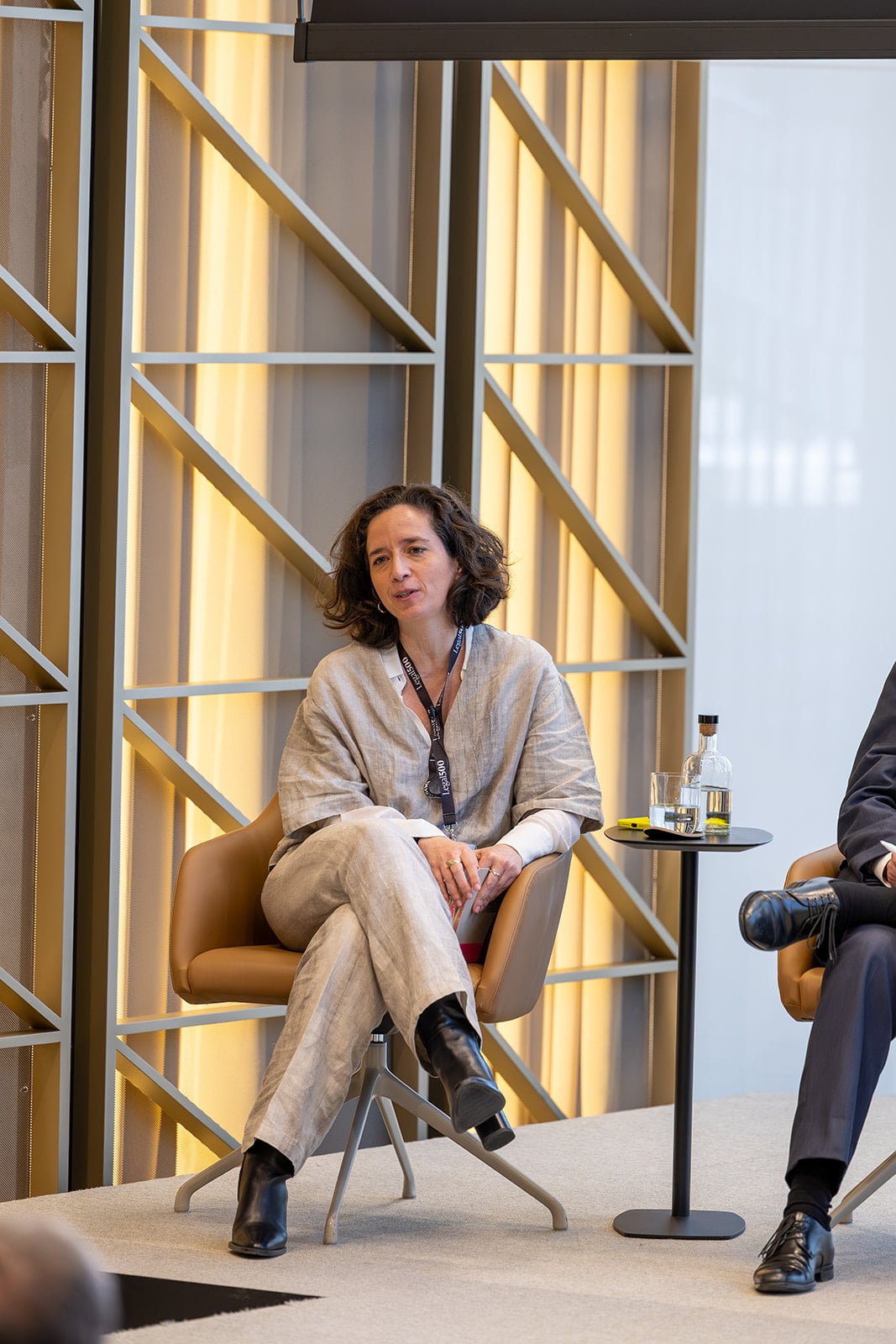
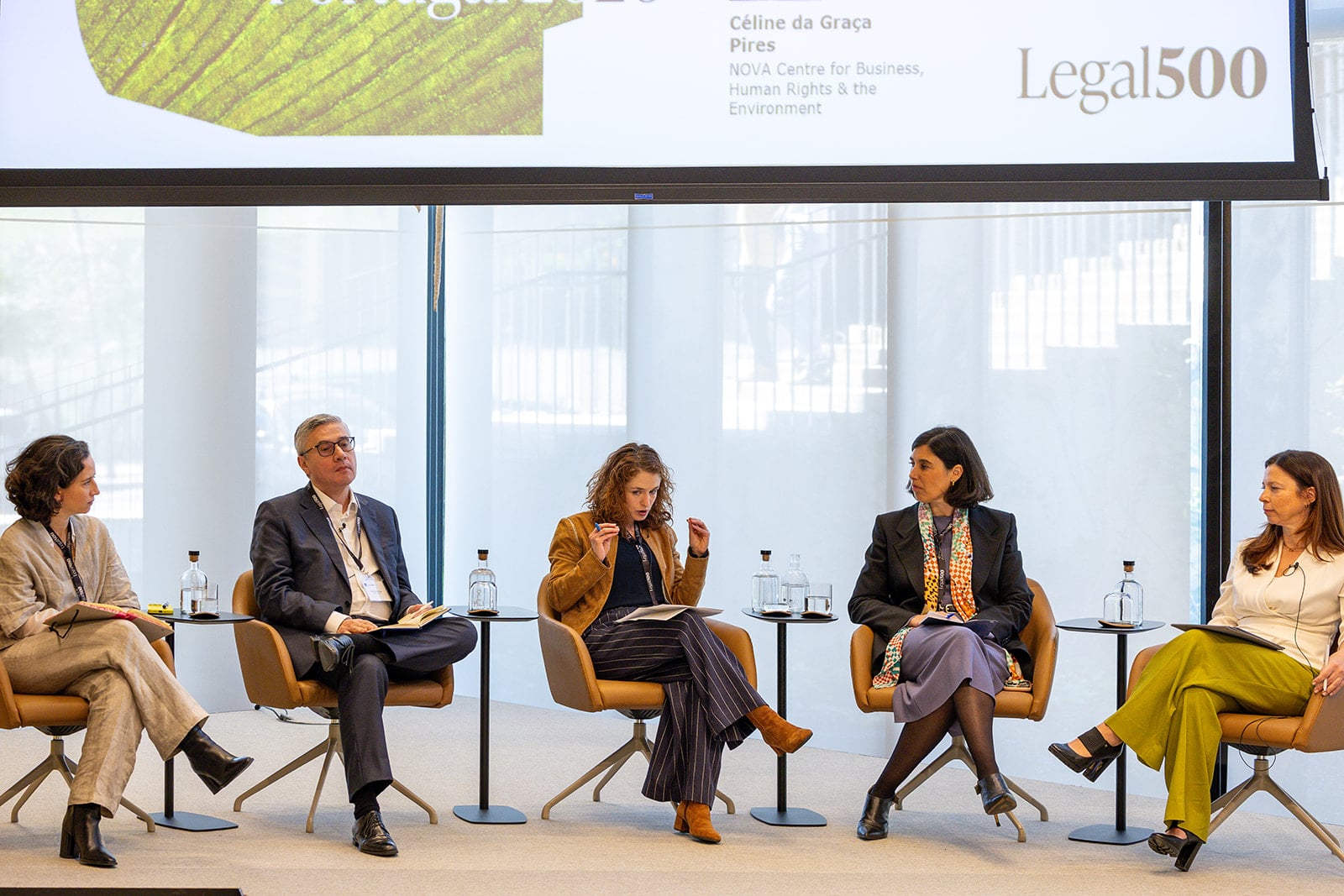
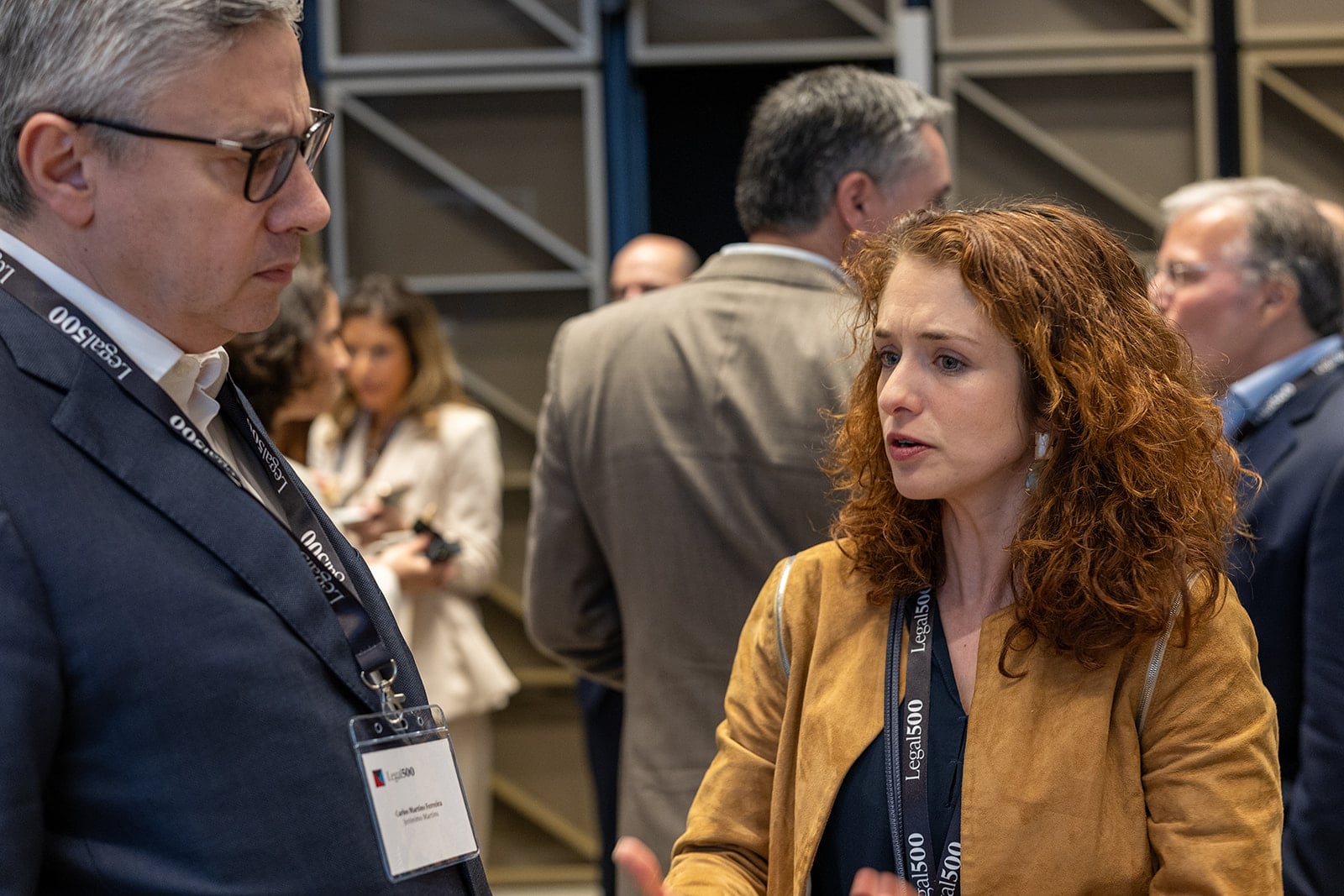
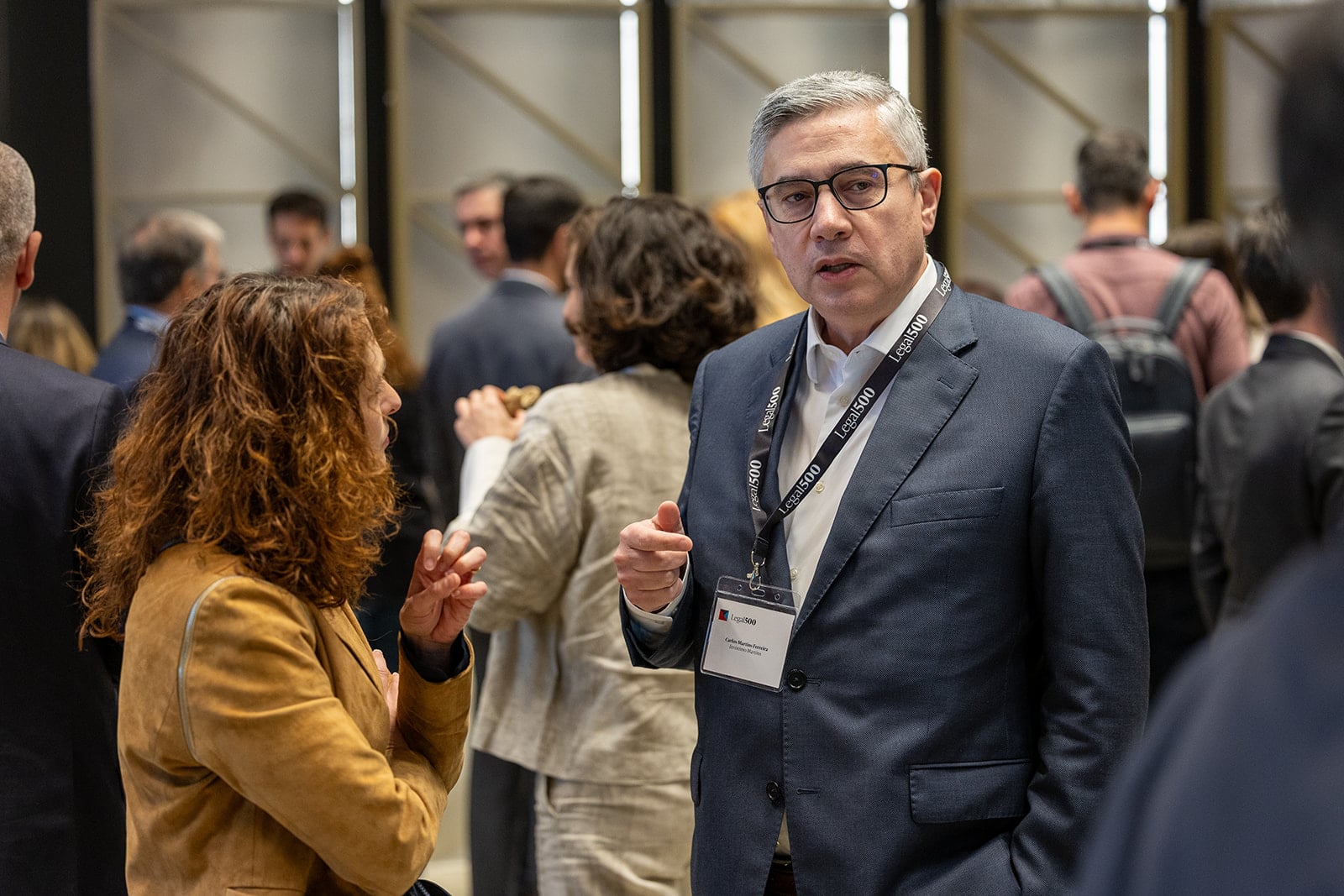
Following a short break, the second panel turned to litigation, liability and the emerging enforcement era surrounding sustainability claims. Moderated by Raquel Azevedo, Partner at PLMJ and featuring contributions from Carla Góis Coelho of PLMJ, Carlos Martins Ferreira of Jerónimo Martins, Filipa Rodrigues Carmona of Caixa Geral de Depósitos and Céline da Graça Pires of NOVA, the session examined the rapid rise of ESG‑driven disputes, investigations and regulatory actions. Panellists discussed the typical trigger points for scrutiny, ranging from sustainability reports and corporate websites to marketing materials and investor presentations, and highlighted how these touchpoints are increasingly tested by regulators, competitors, consumers and NGOs. They analysed recent case law developments and their implications for Portuguese organisations, noting the emergence of more stringent evidentiary standards around disclosures and due‑diligence obligations. The panel concluded that sustainability claims can no longer be treated as aspirational messaging; they now carry the weight of binding legal obligations, requiring more rigorous internal validation and cross‑functional coordination.
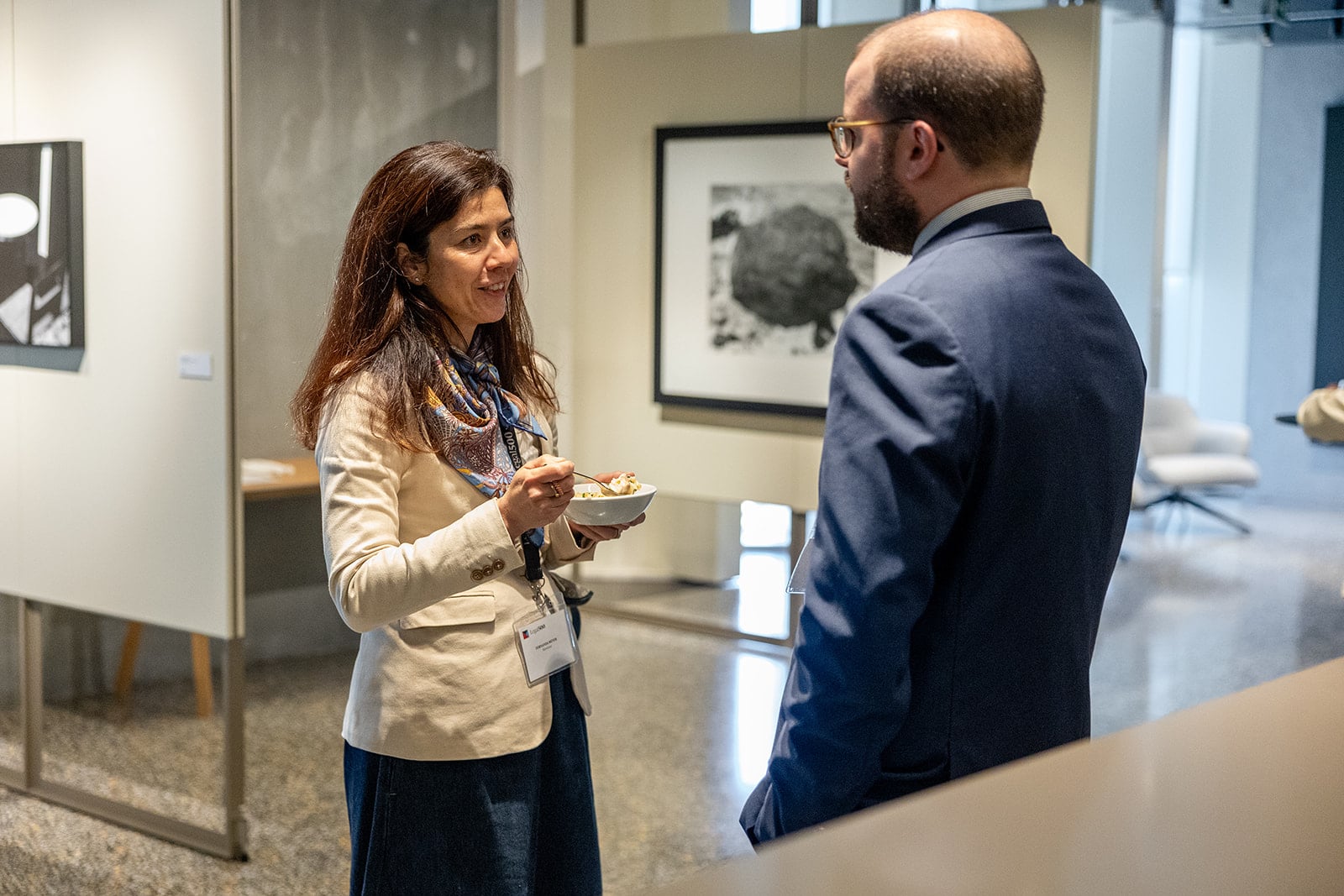
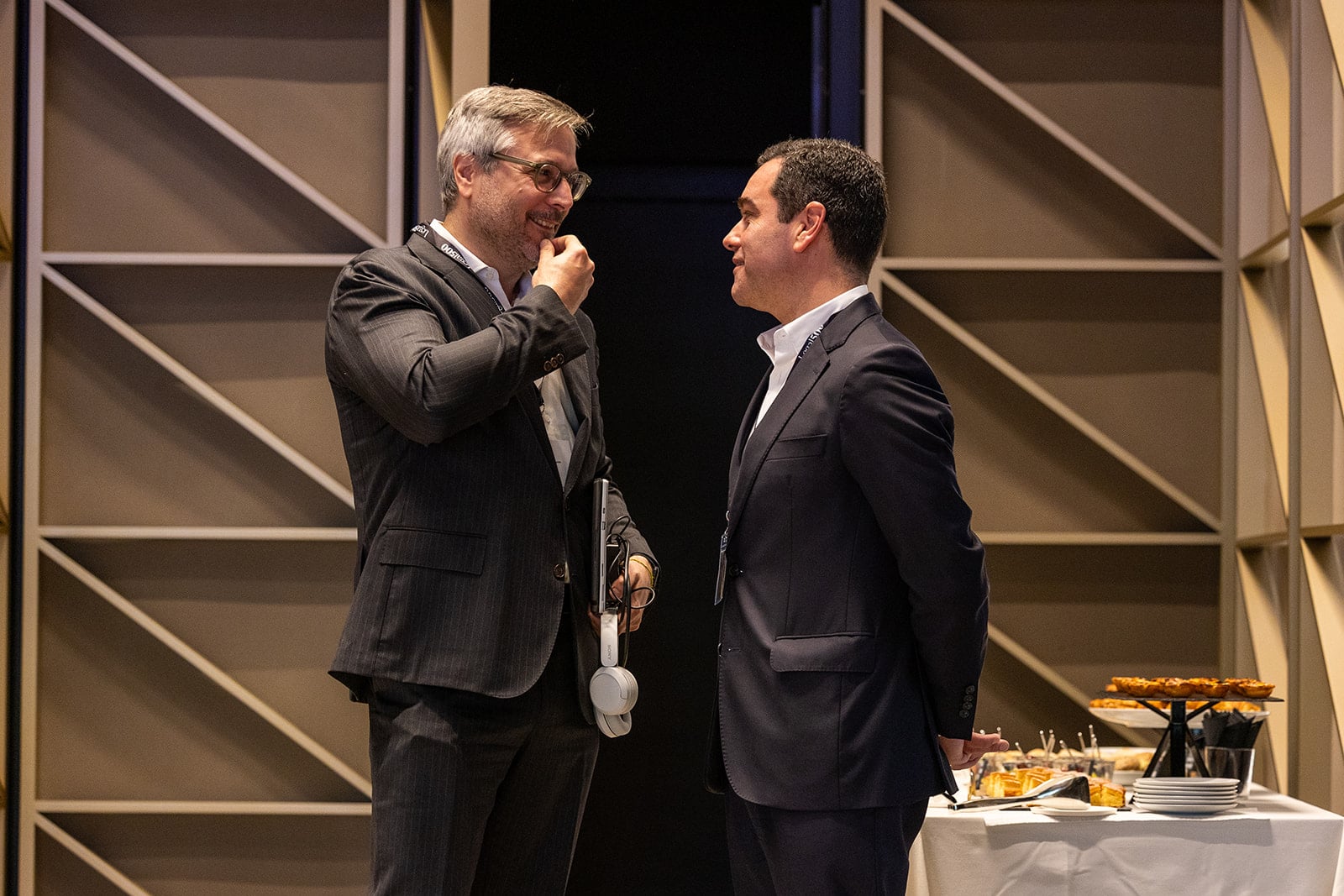
The forum concluded with closing remarks from Francisco Castro, after which attendees were invited to continue their conversations over a light lunch, providing a relaxed setting to deepen connections and reflect on the themes explored throughout the morning.
Legal 500 extends its thanks to PLMJ for its collaboration in bringing this conference format to Portugal’s in‑house legal community. The team looks forward to returning soon for the launch event of this year’s GC Powerlist: Portugal.