Switzerland
Supported by the Association of Corporate Counsel



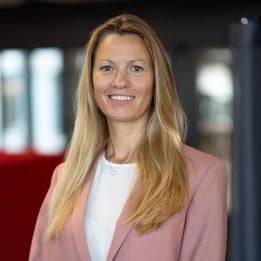


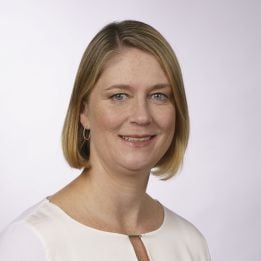
Chief regional counsel EMEA and EMEA-based businesses | BD Switzerland Sarl
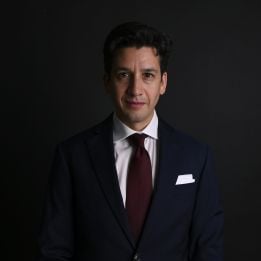
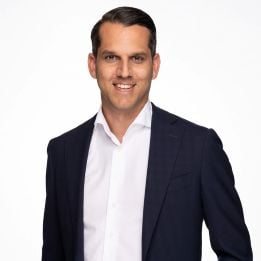



General Counsel & Corporate Secretary, Citi Switzerland / Legal Cluster Head, Citi Switzerland, Monaco & Liechtenstein | Citigroup

Chief legal officer and corporate secretary | Kuehne + Nagel International
General counsel and chief compliance officer | Burckhardt Compression
Senior vie president, group general counsel and chief compliance officer and member of the executive committee | SGS Société Générale de Surveillance


Group general counsel and company secretary | Chain IQ Group


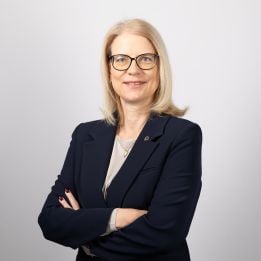

Director of legal and policy/General counsel | European Broadcasting Union

Chief legal, compliance and sustainability officer and executive board member | Swaroski International
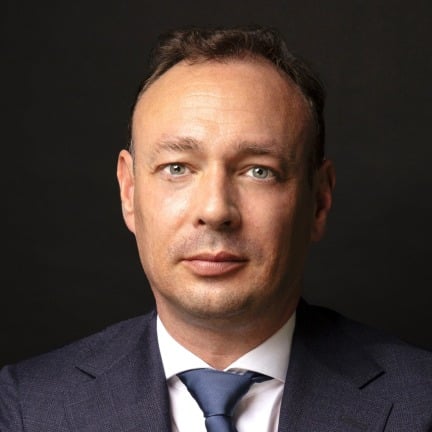

Chief legal officer, company secretary, head of corporate affairs and member of the executive committee | Medmix Group
Chief legal and corporate affairs officer, member of the executive committee | Lonza Group
Group general counsel, compliance officer and company secretary | Sonova International
General counsel EMEA | Honeywell Products and Solutions Sarl

Vice president and general counsel, group commercial. | gategroup
Group general counsel, chief compliance officer and secretary of the board of directors | Rieter
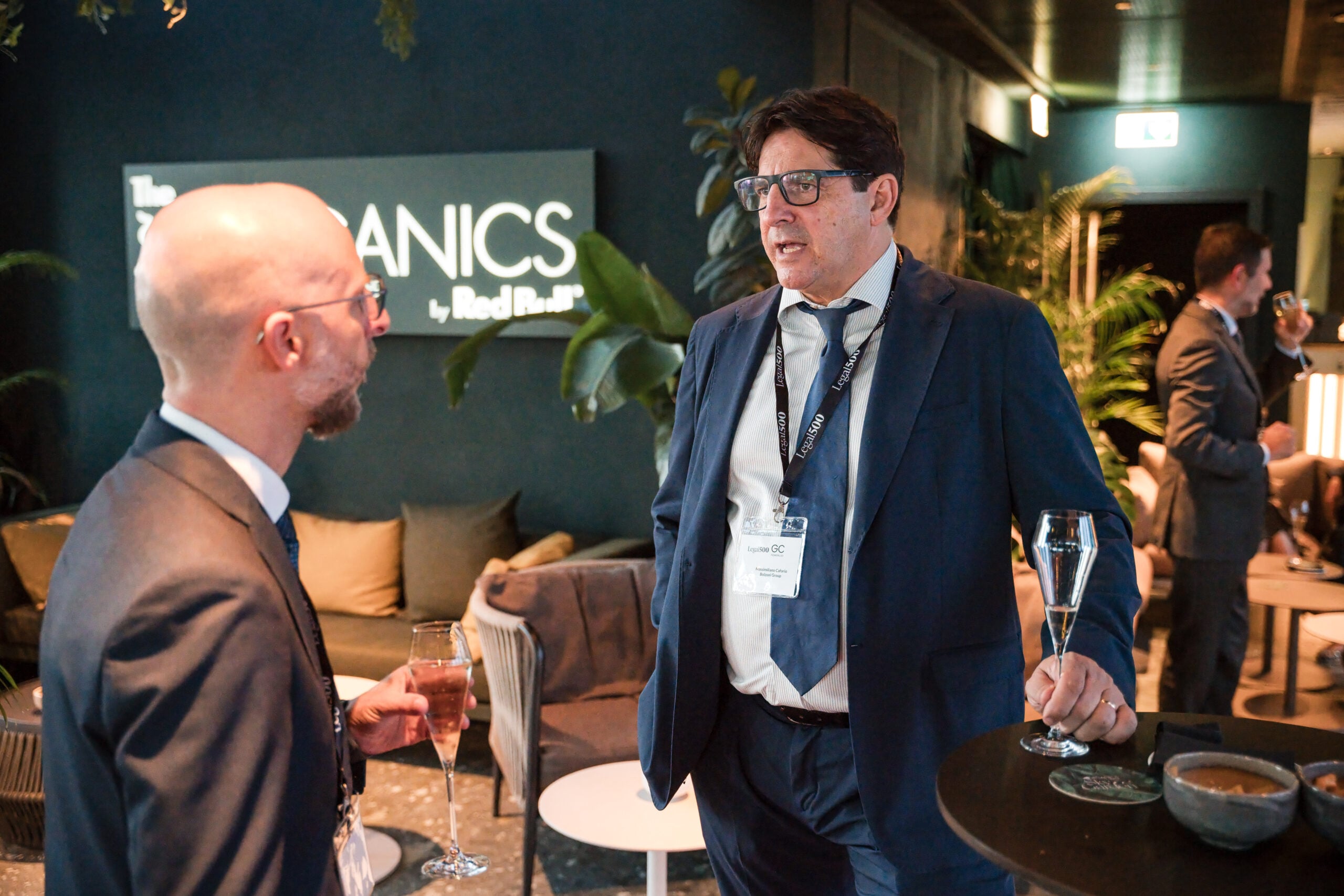
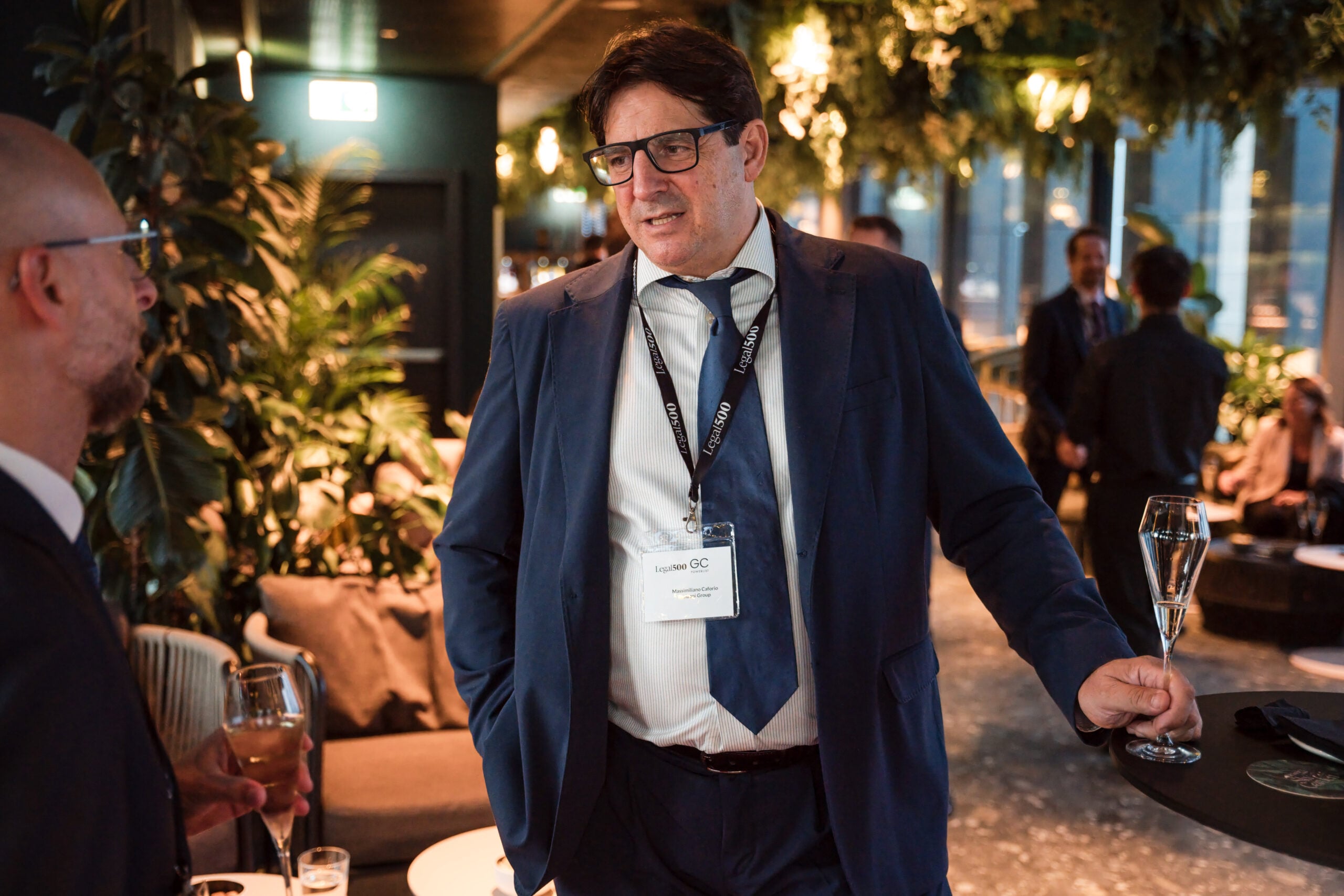
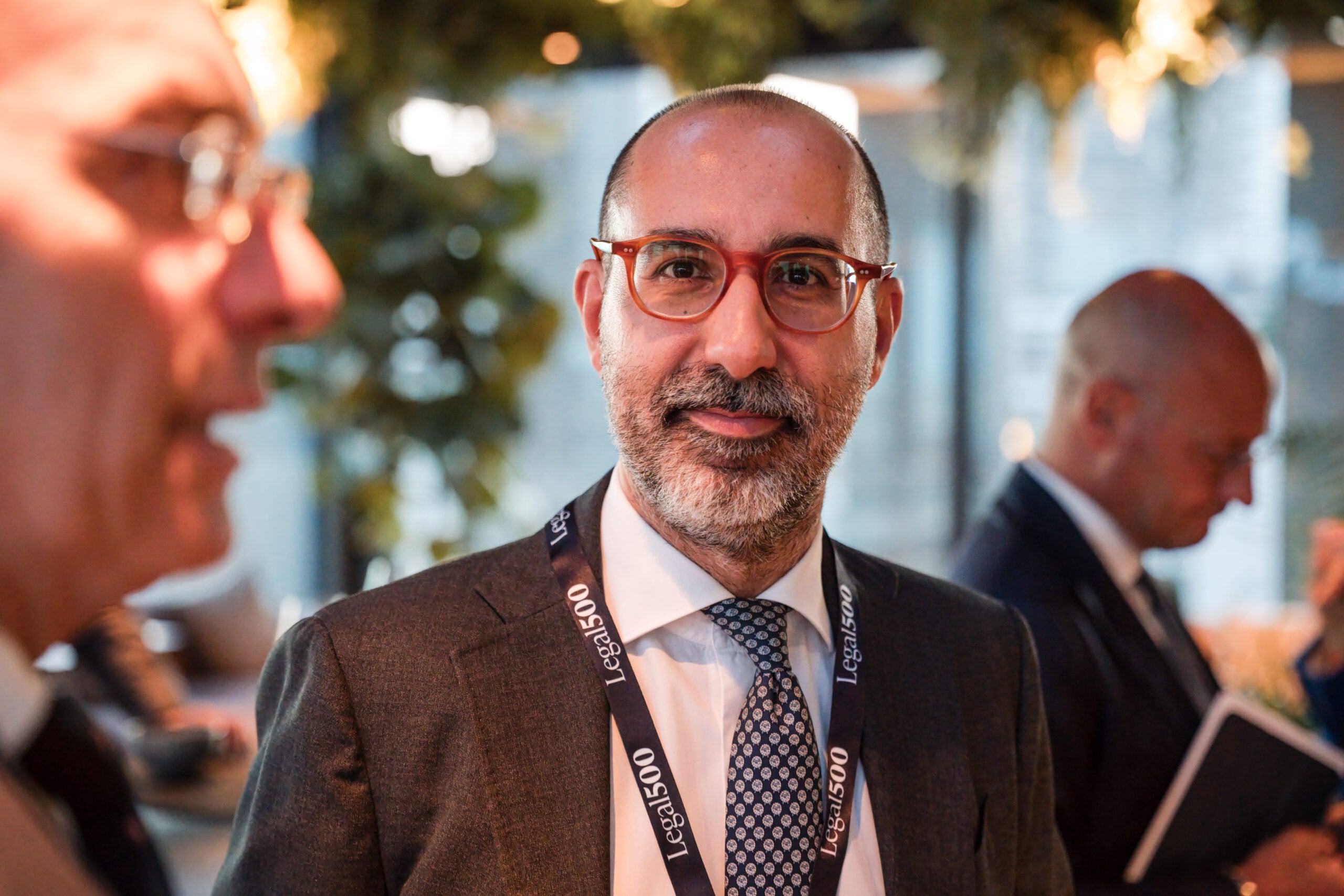
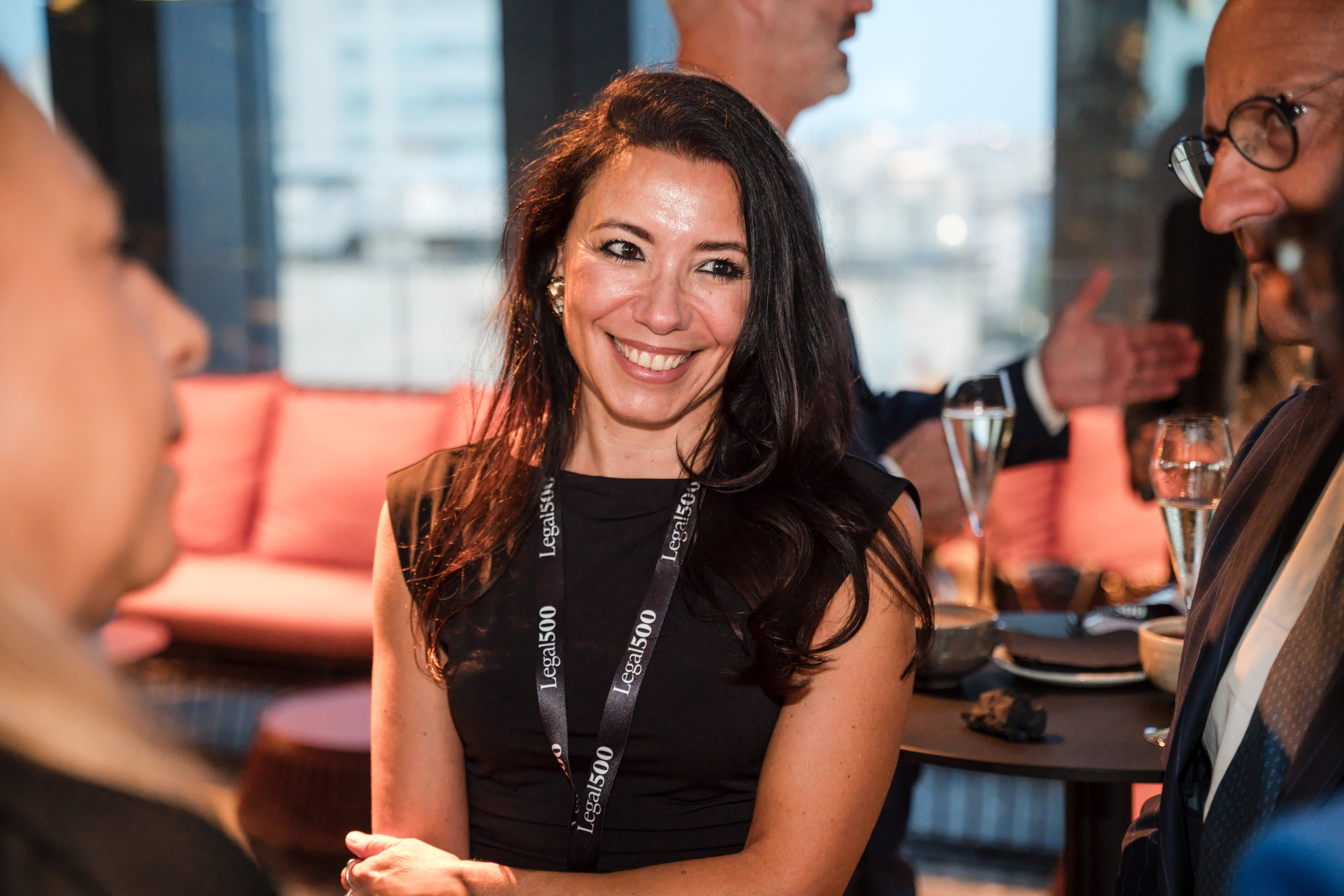
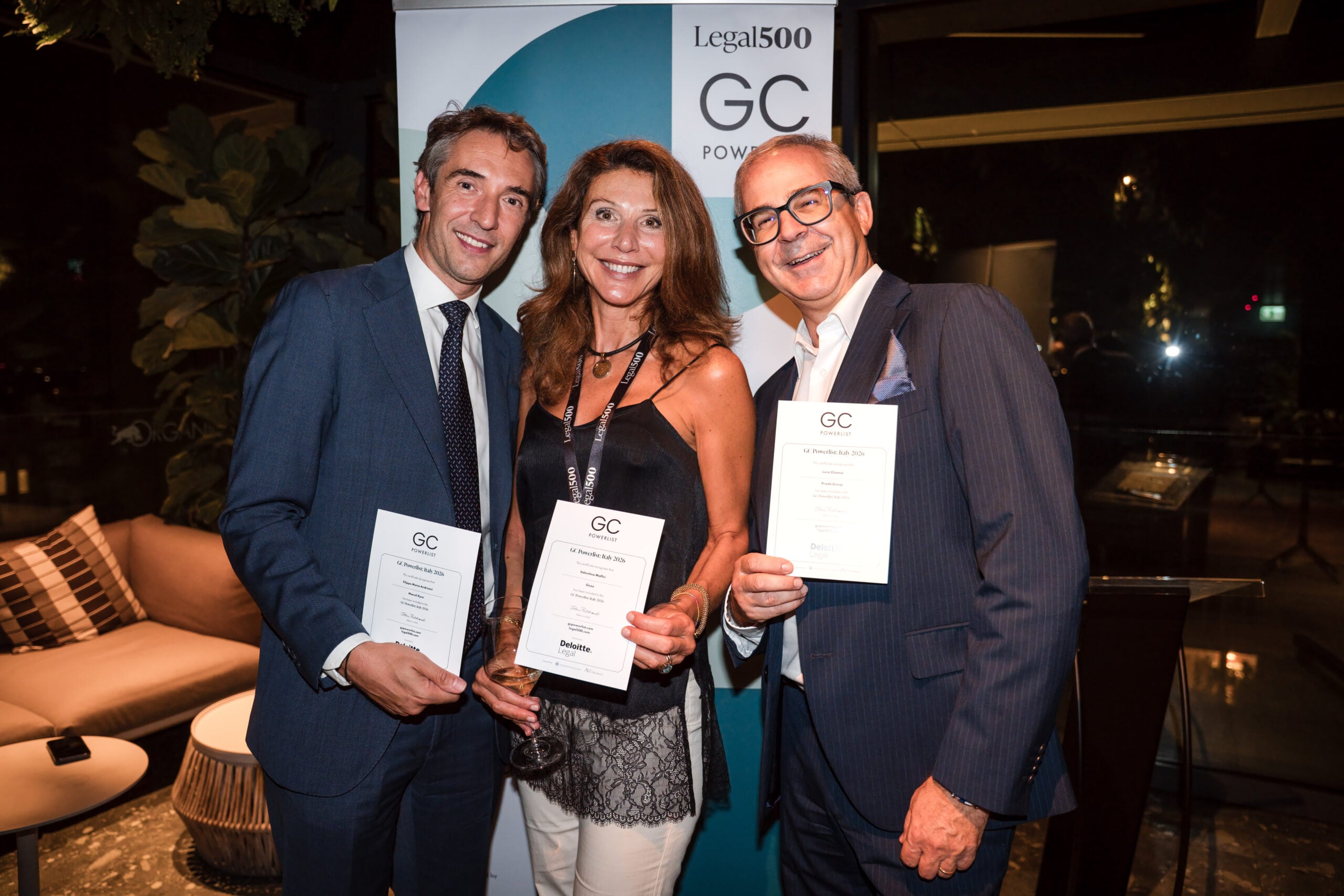
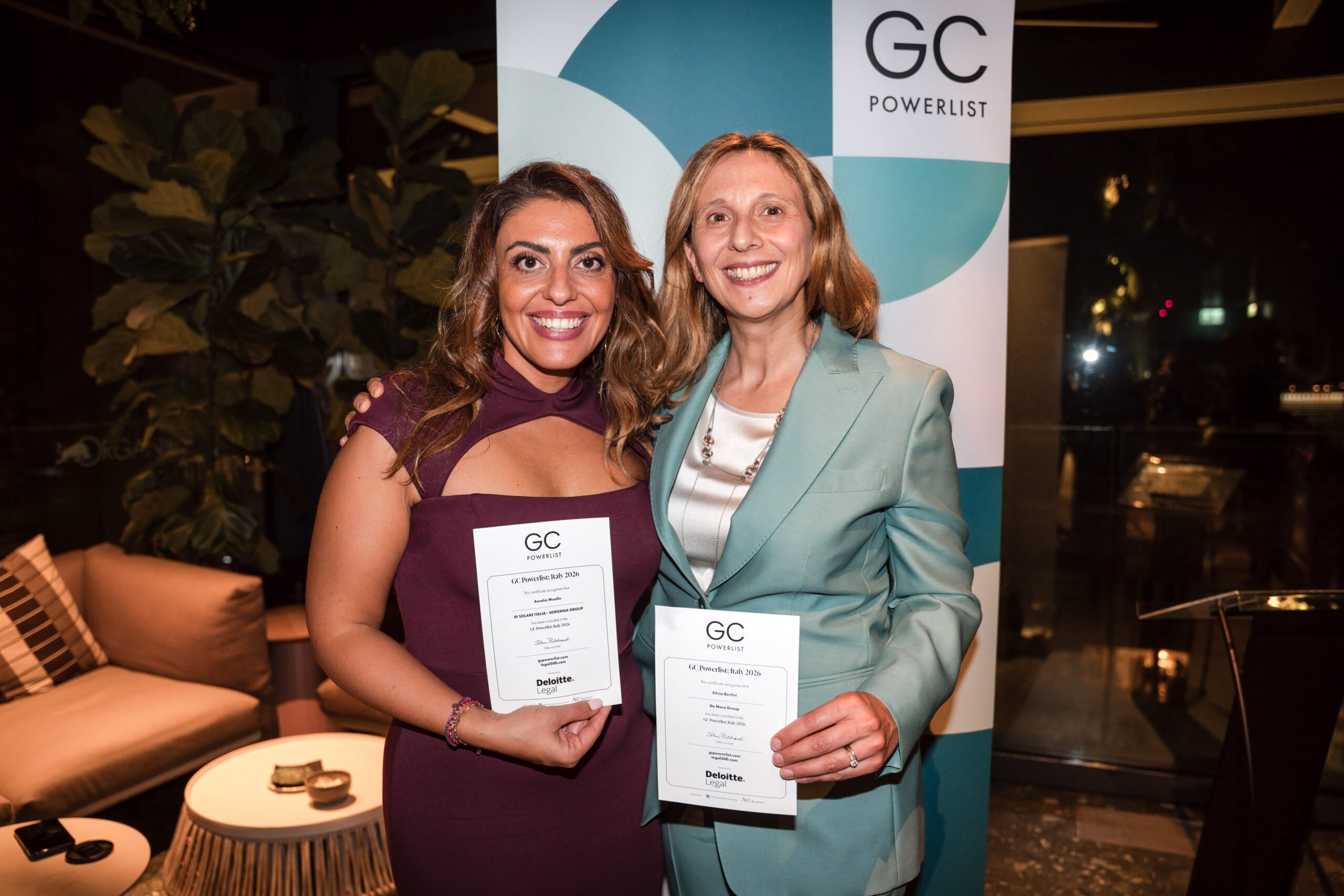
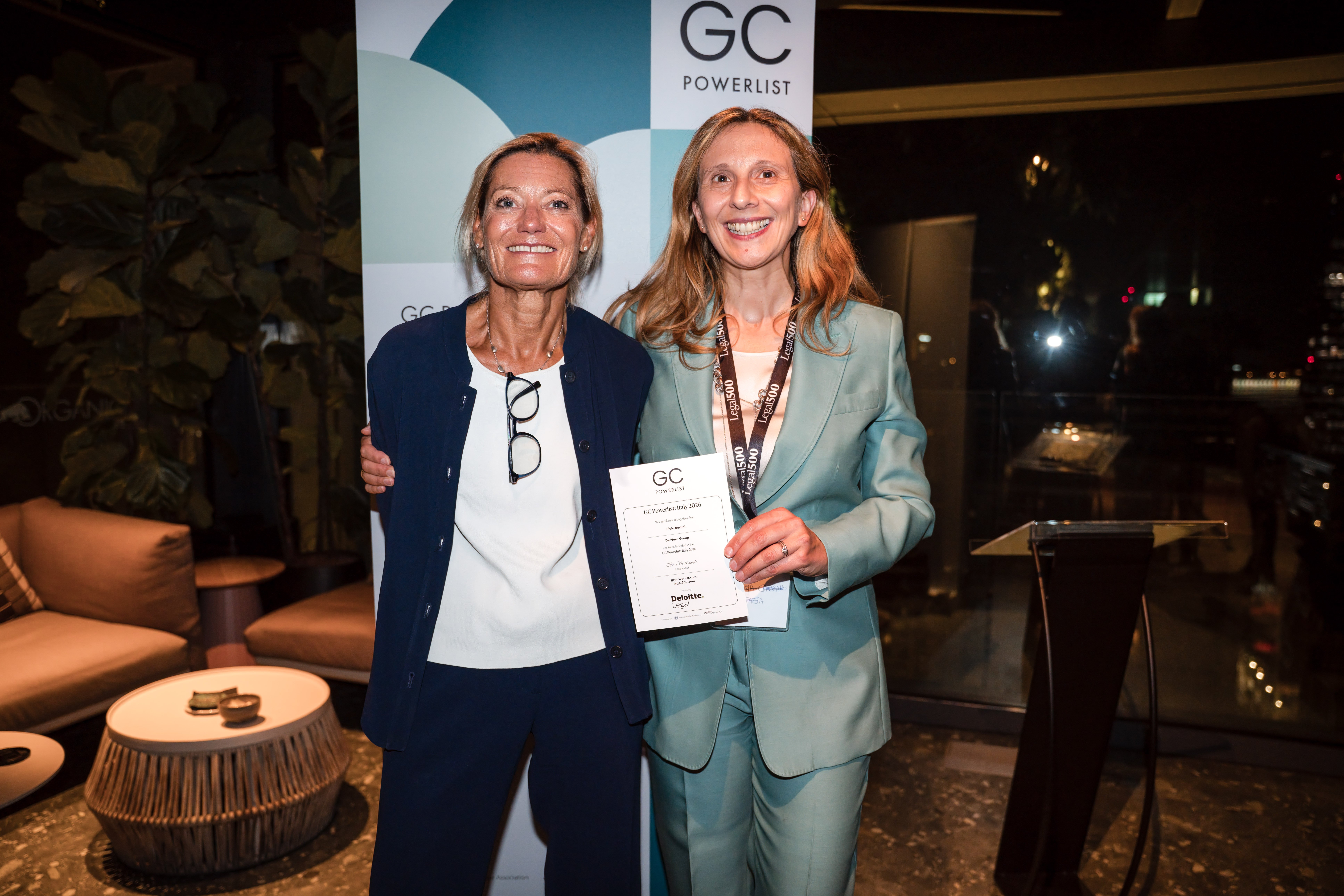
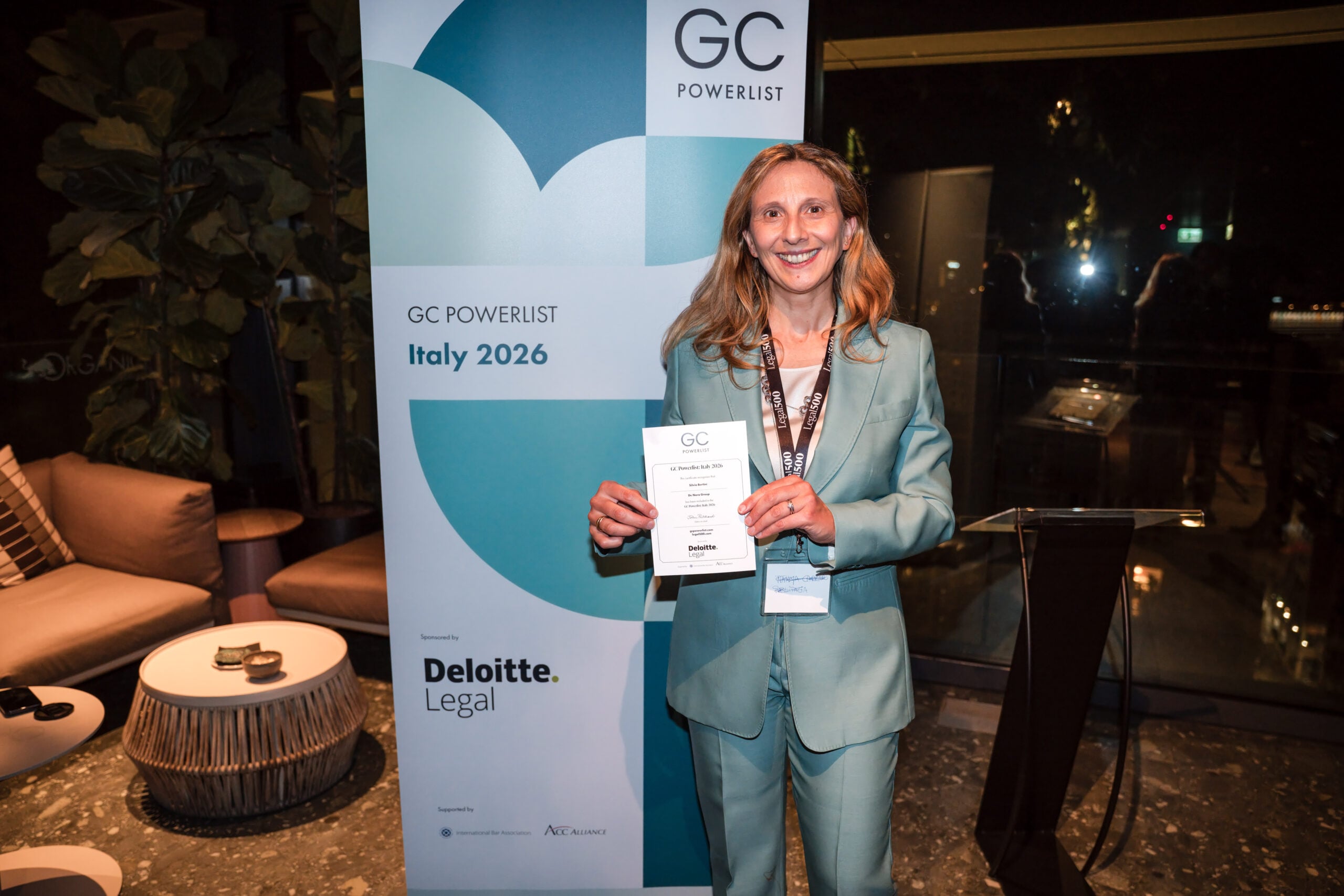
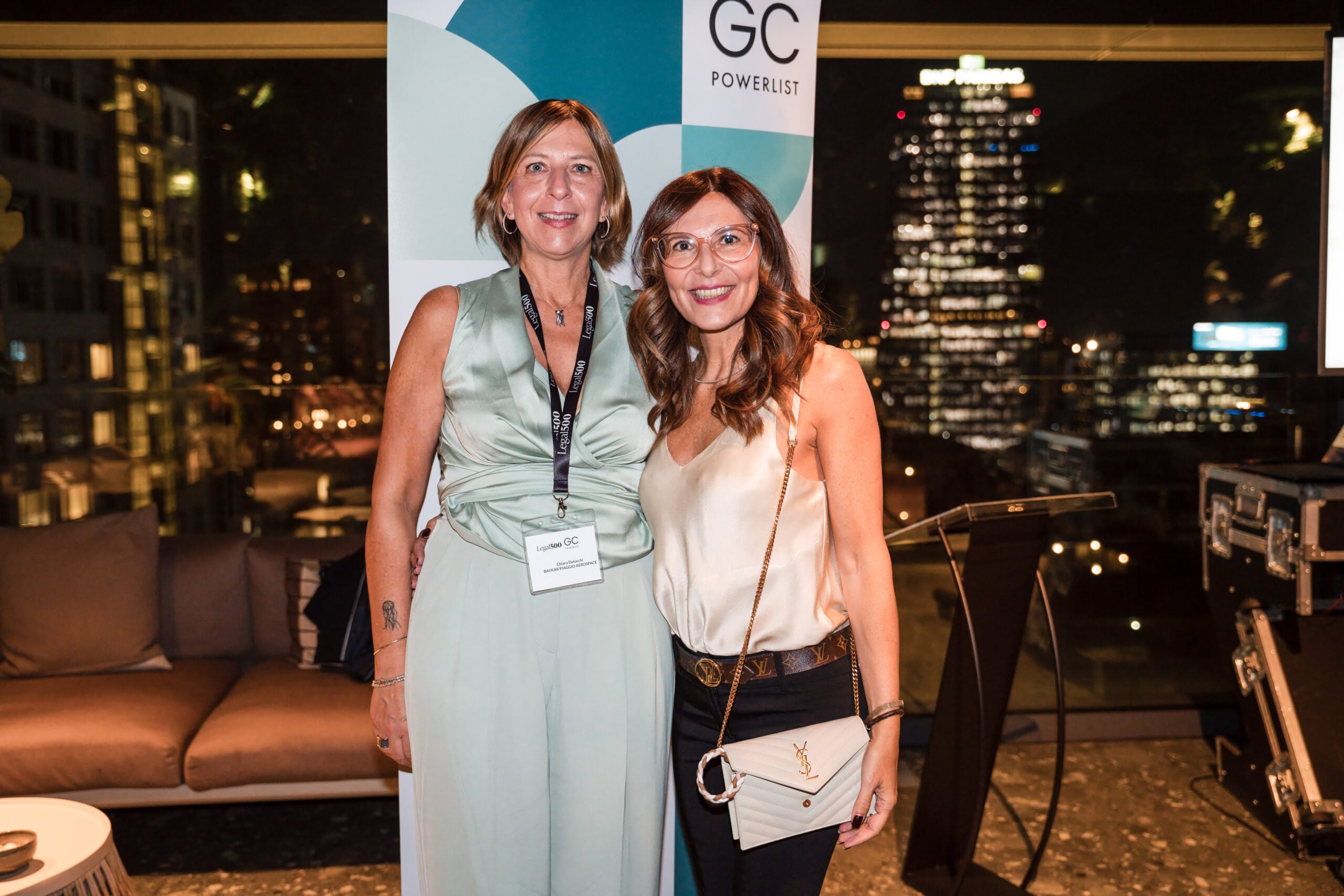
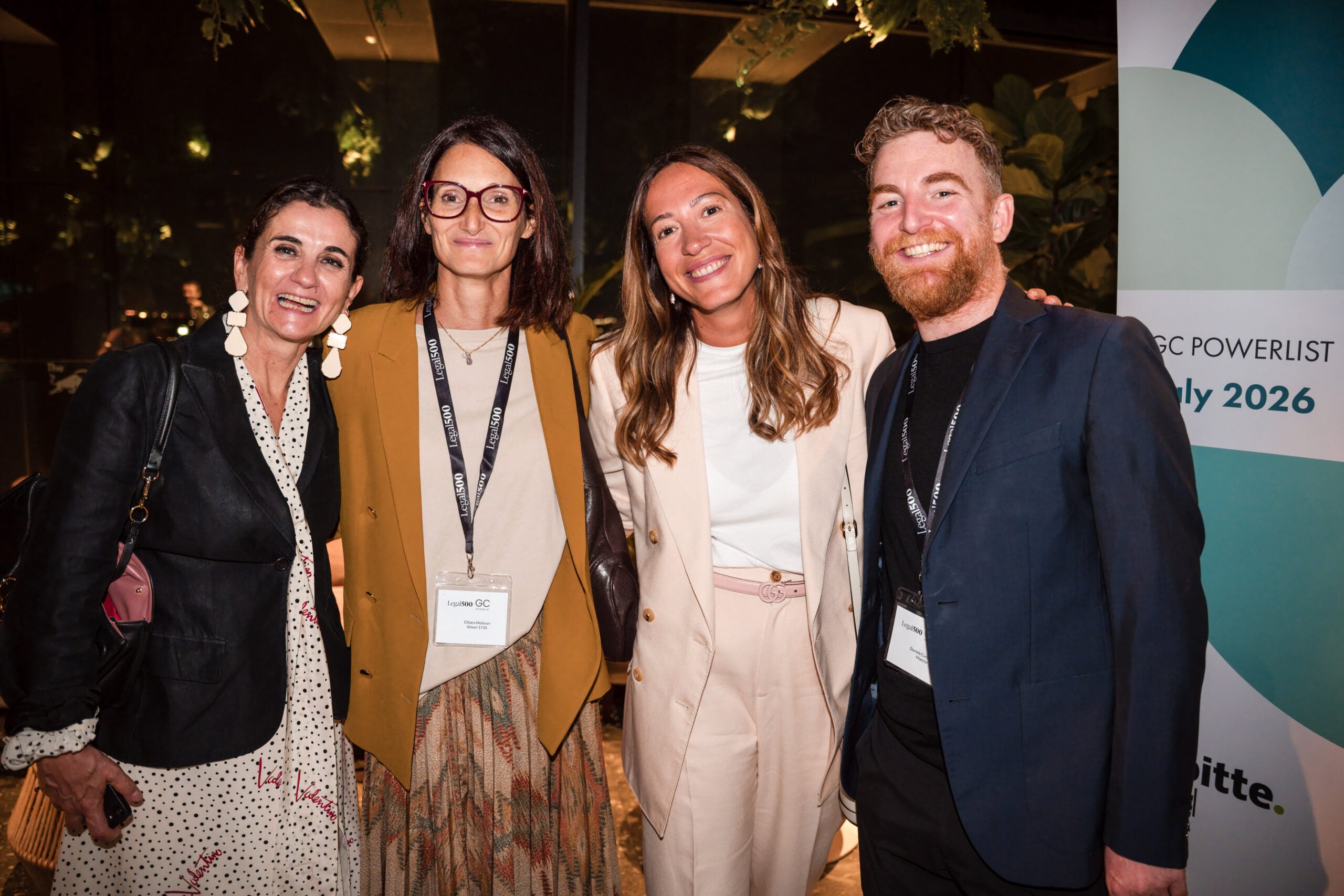
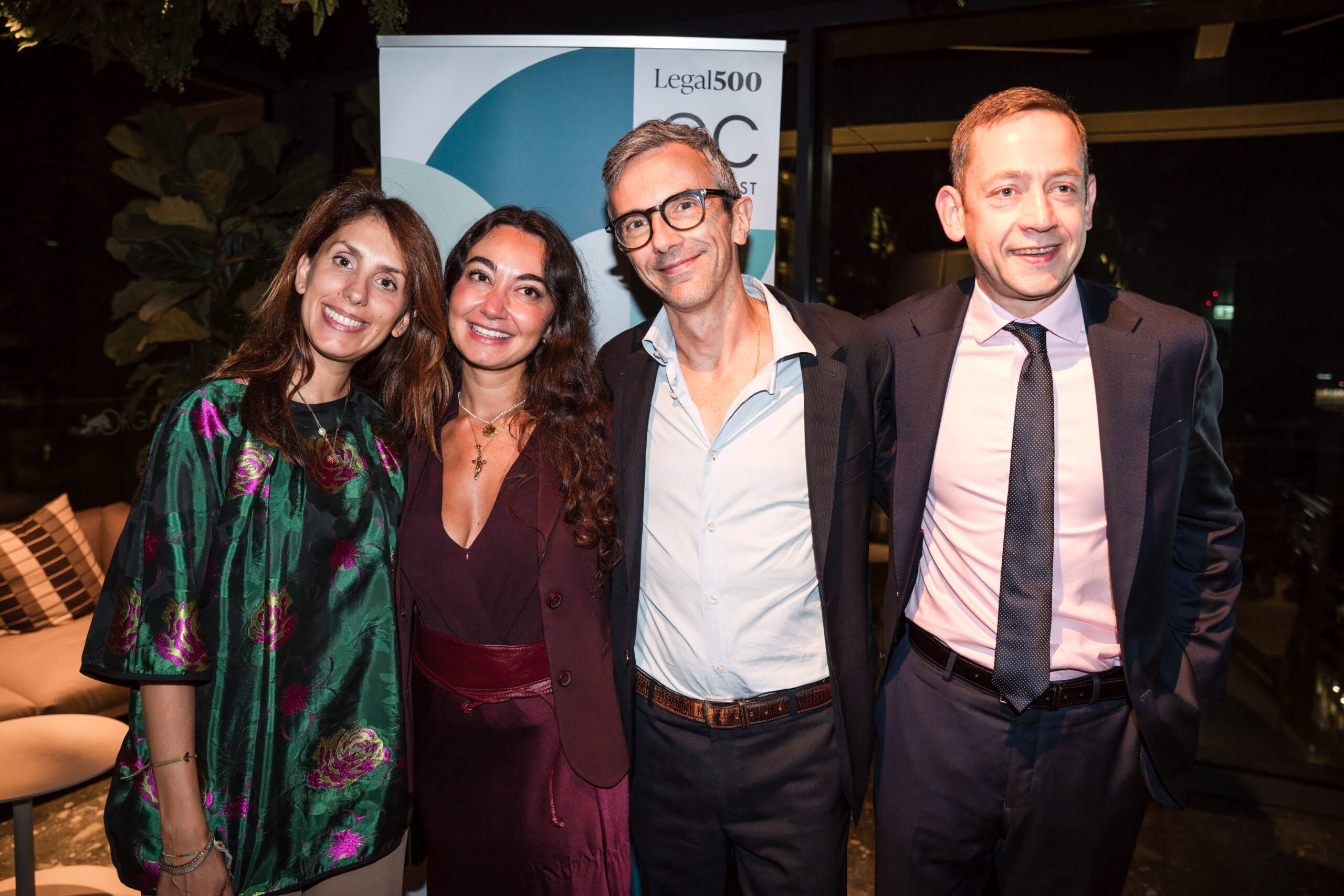
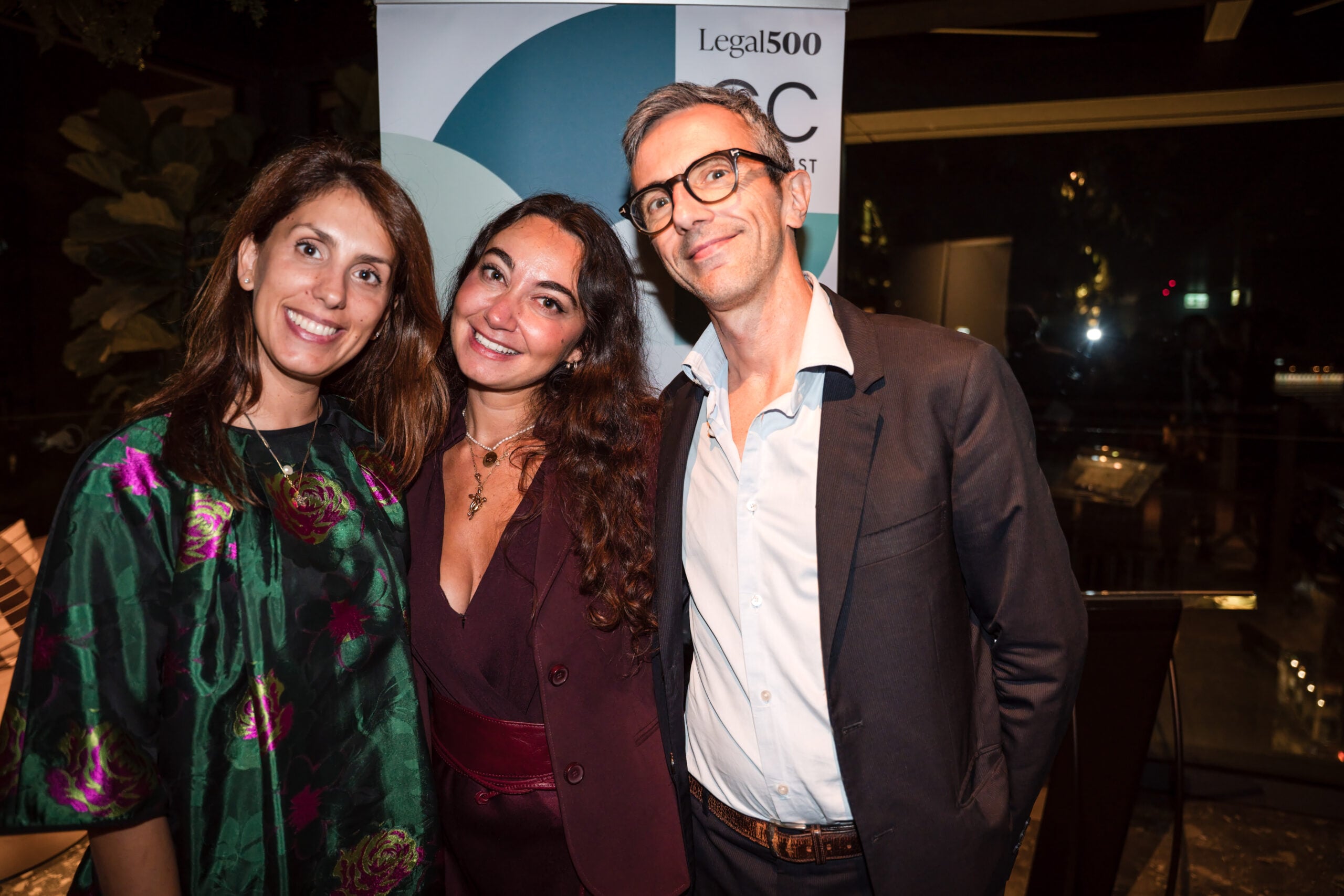
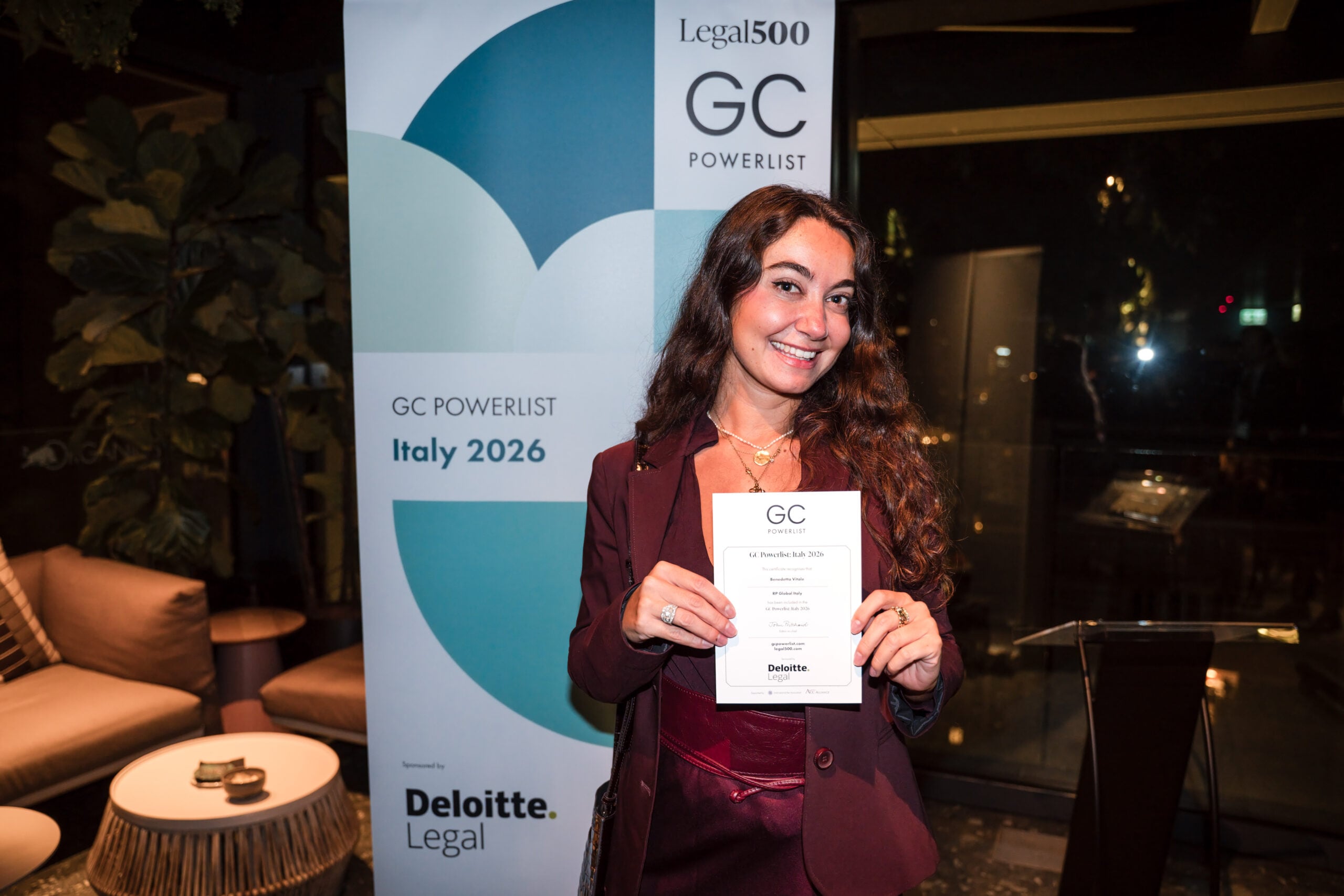
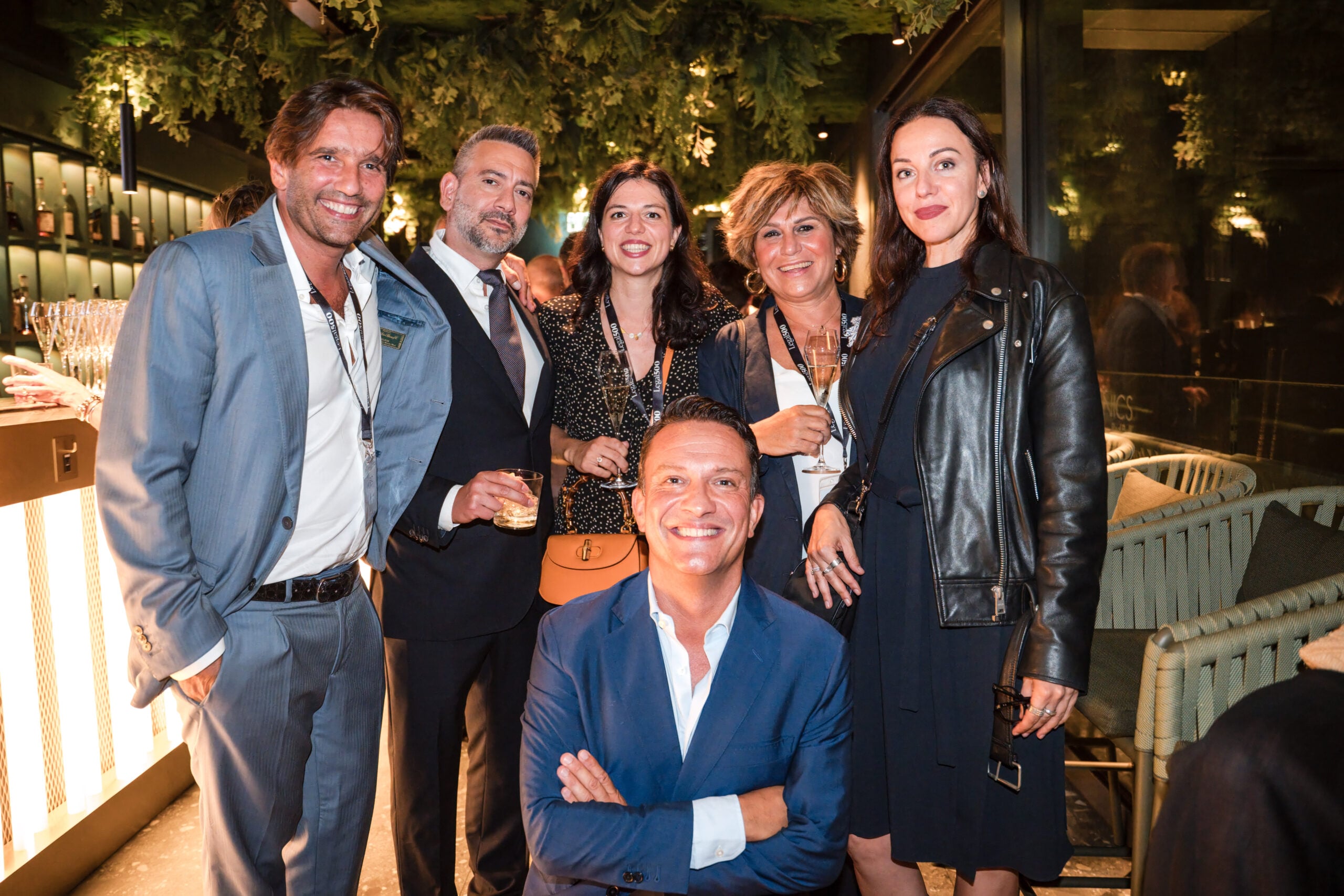
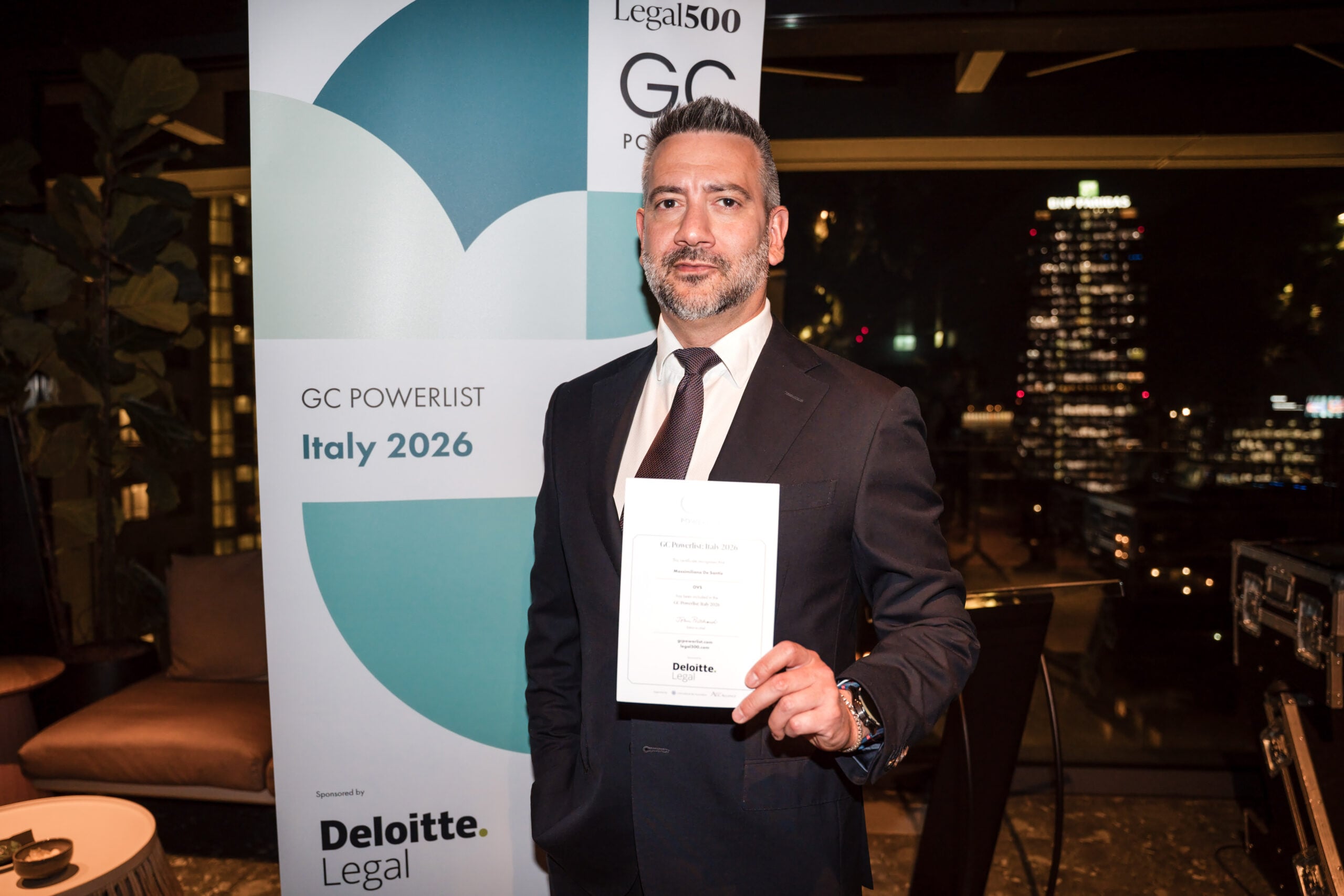
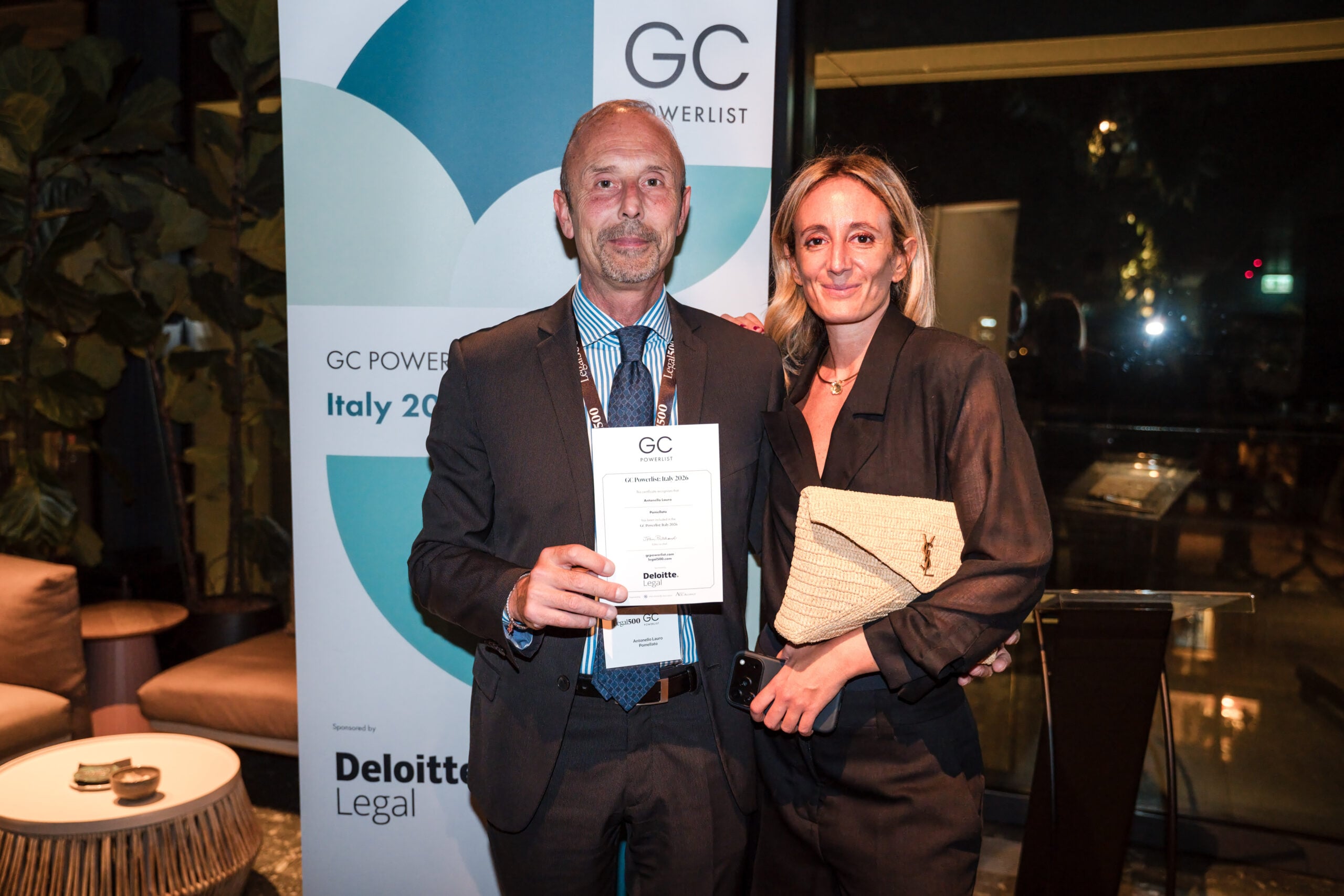
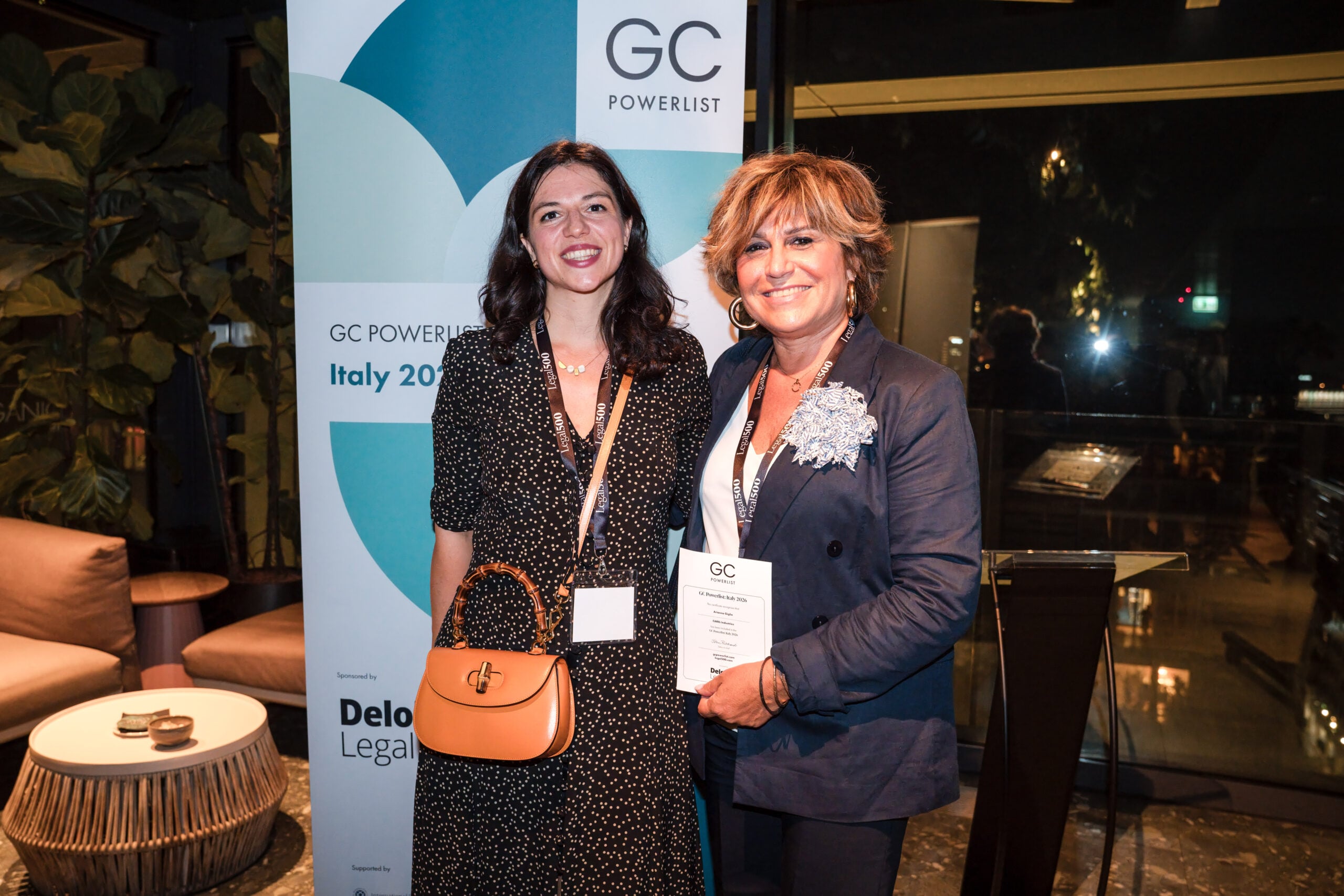
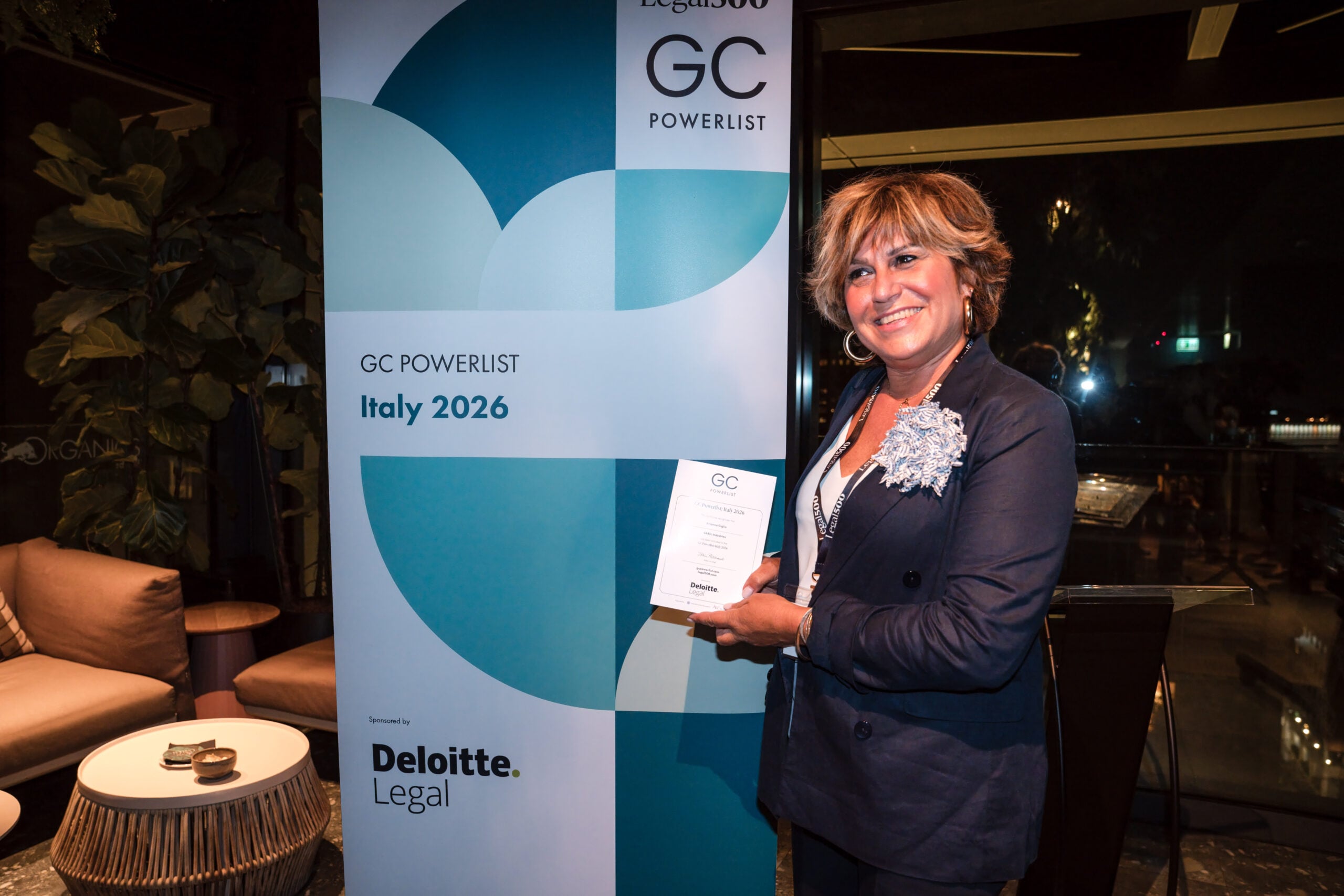
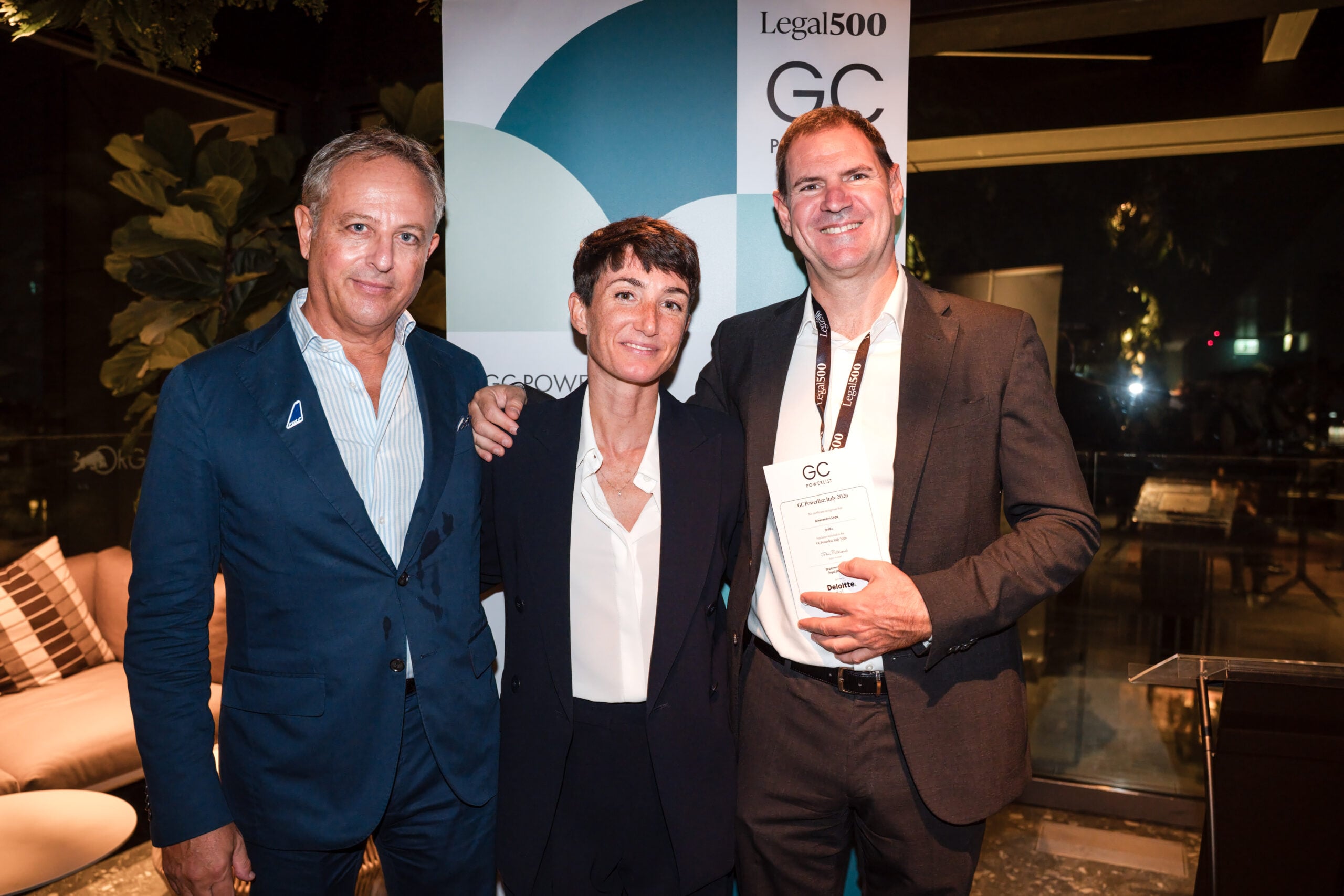
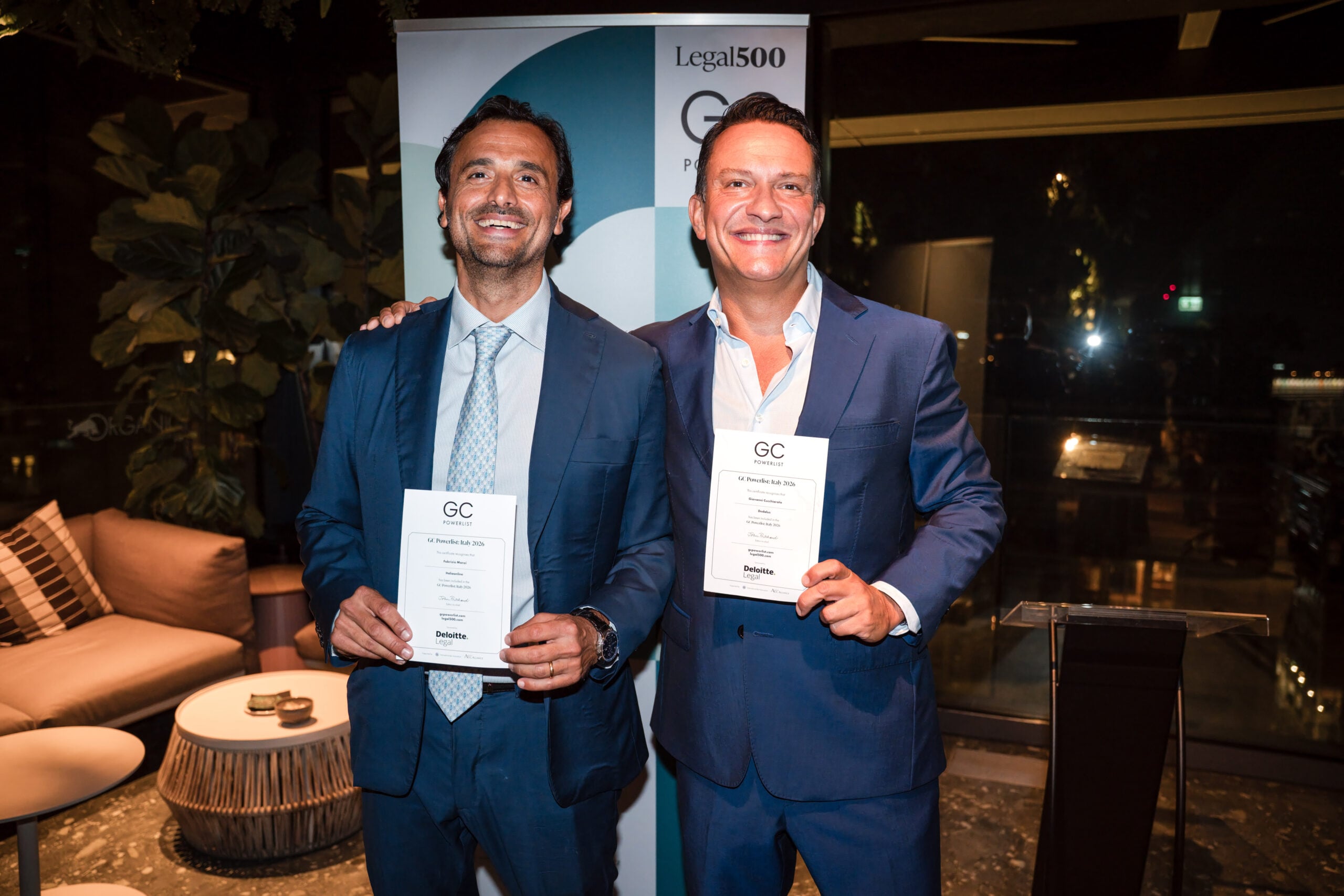
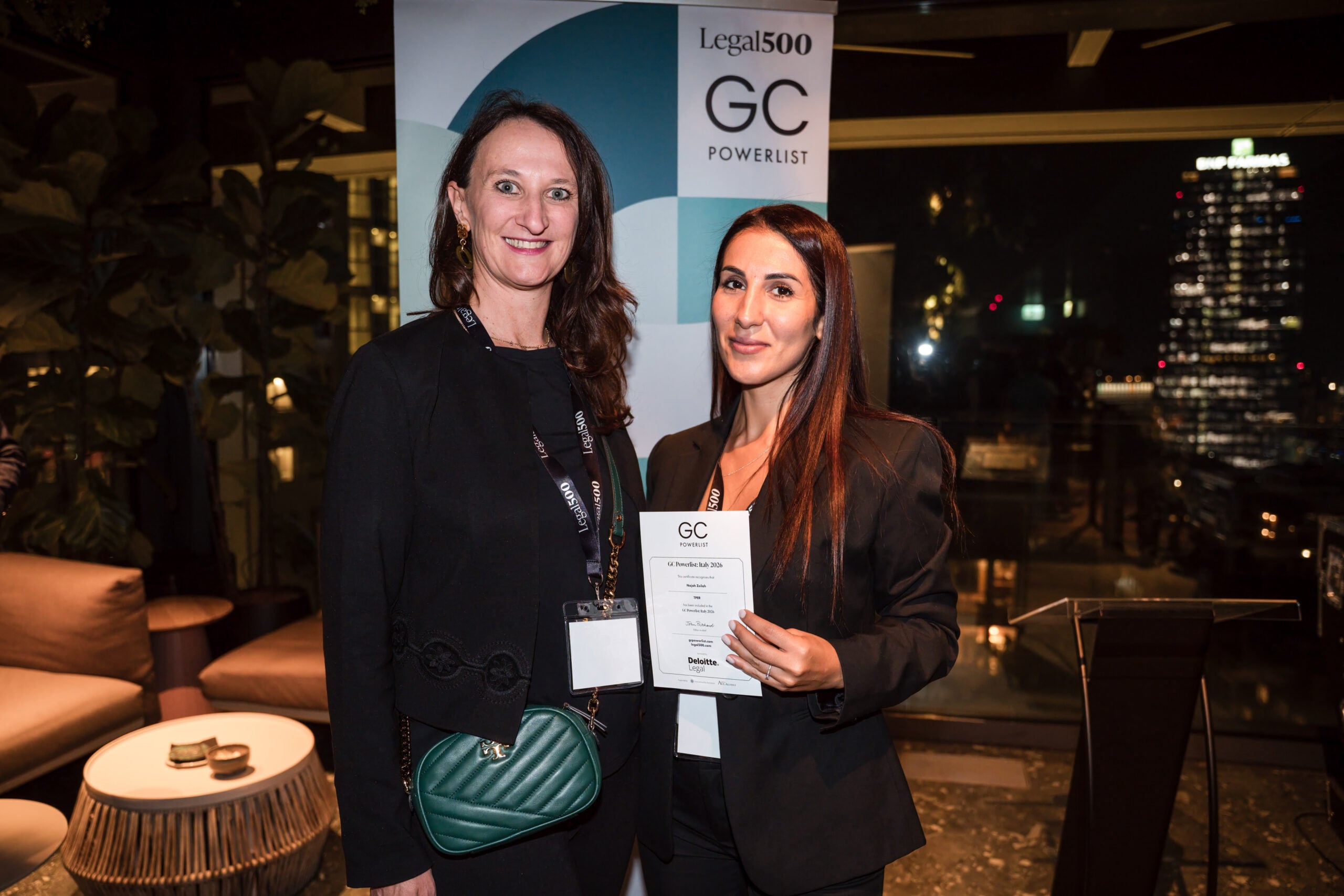
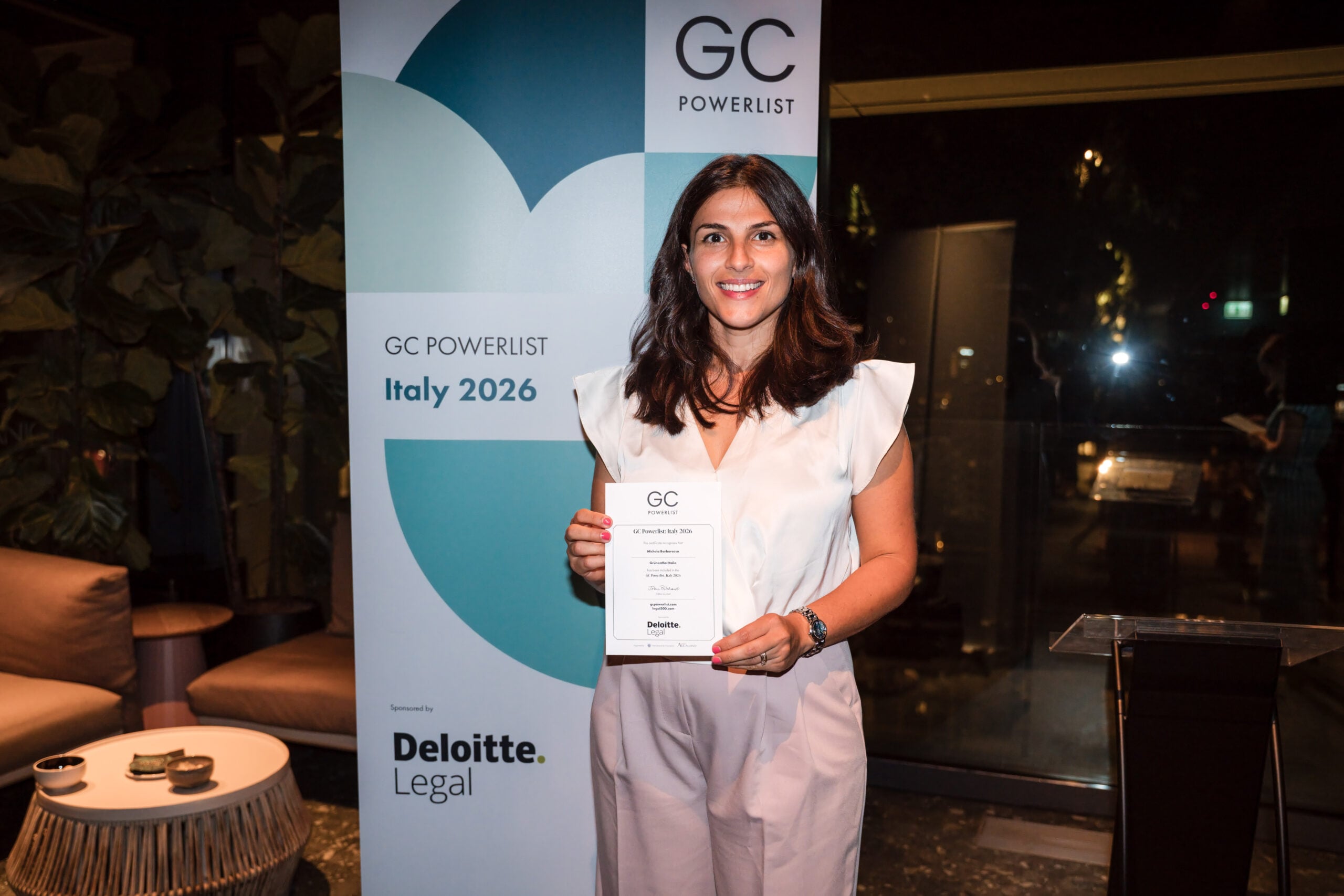
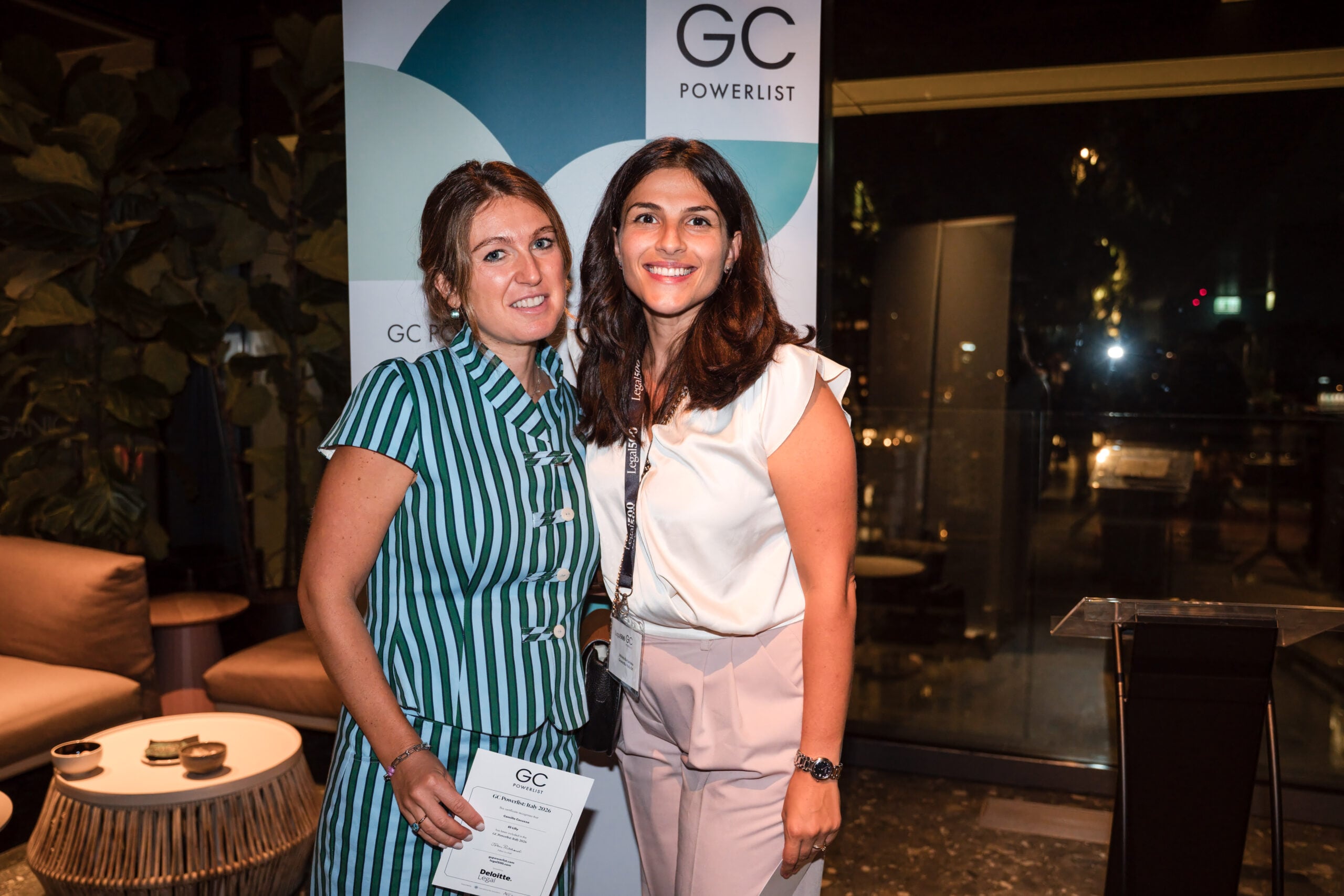
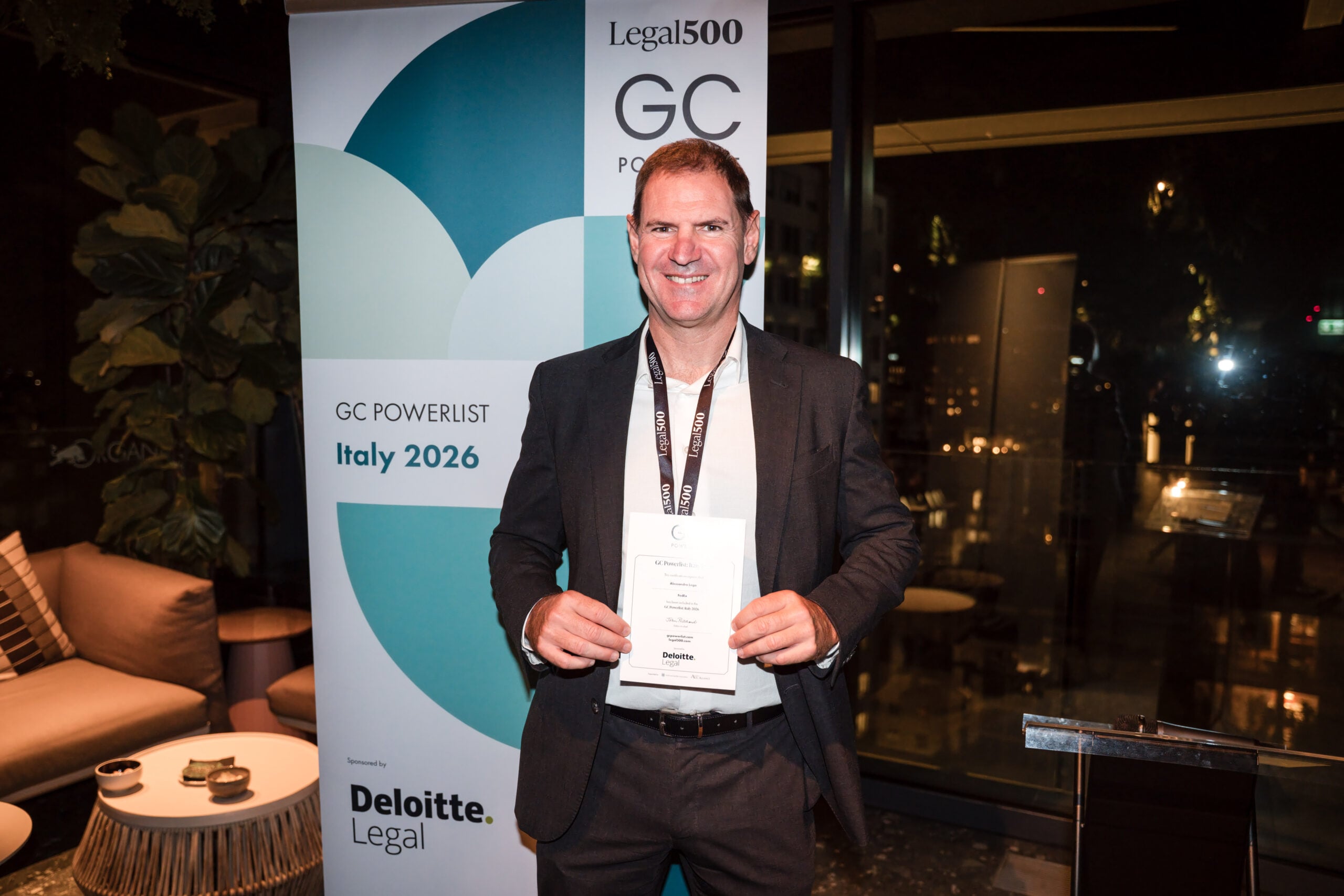
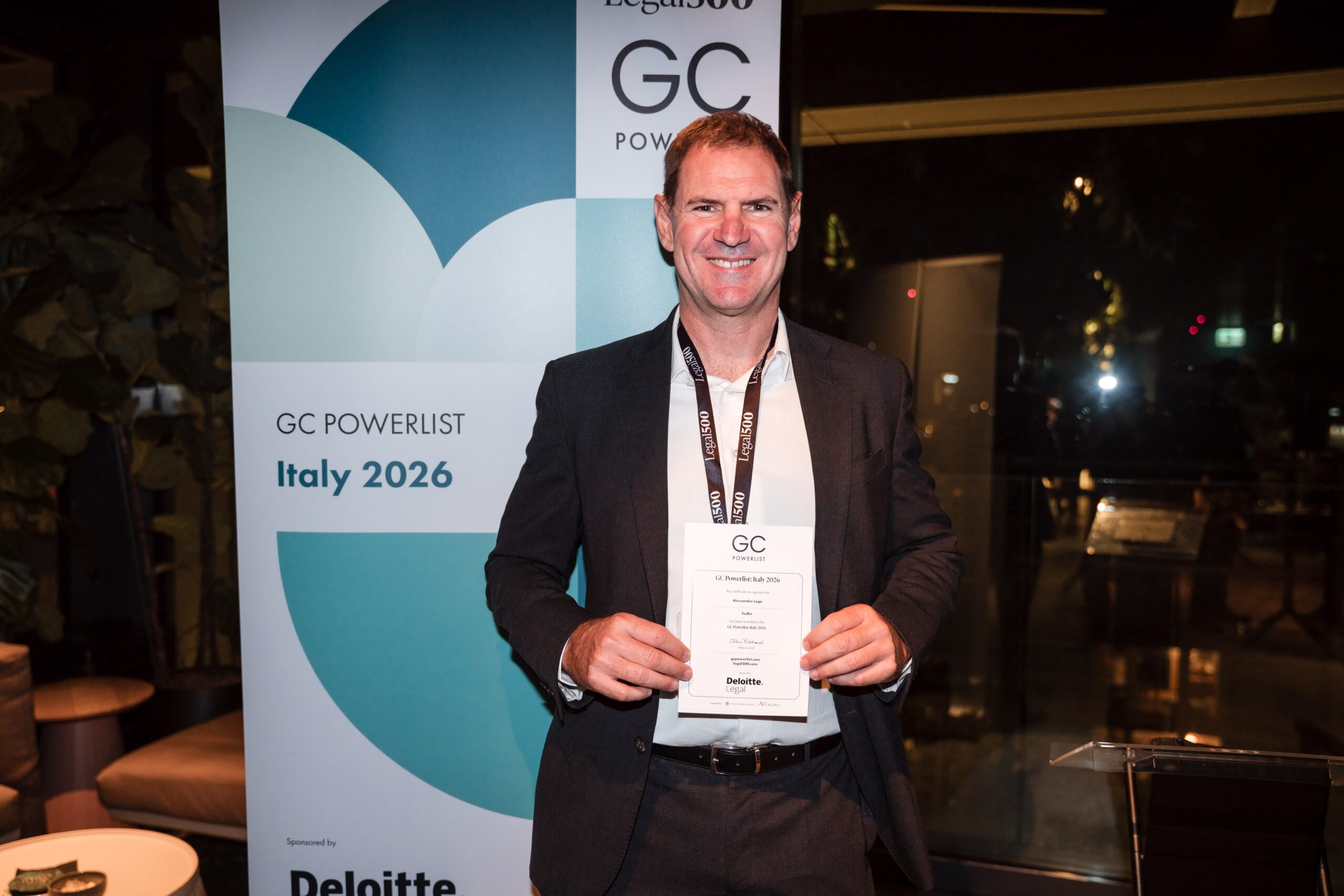
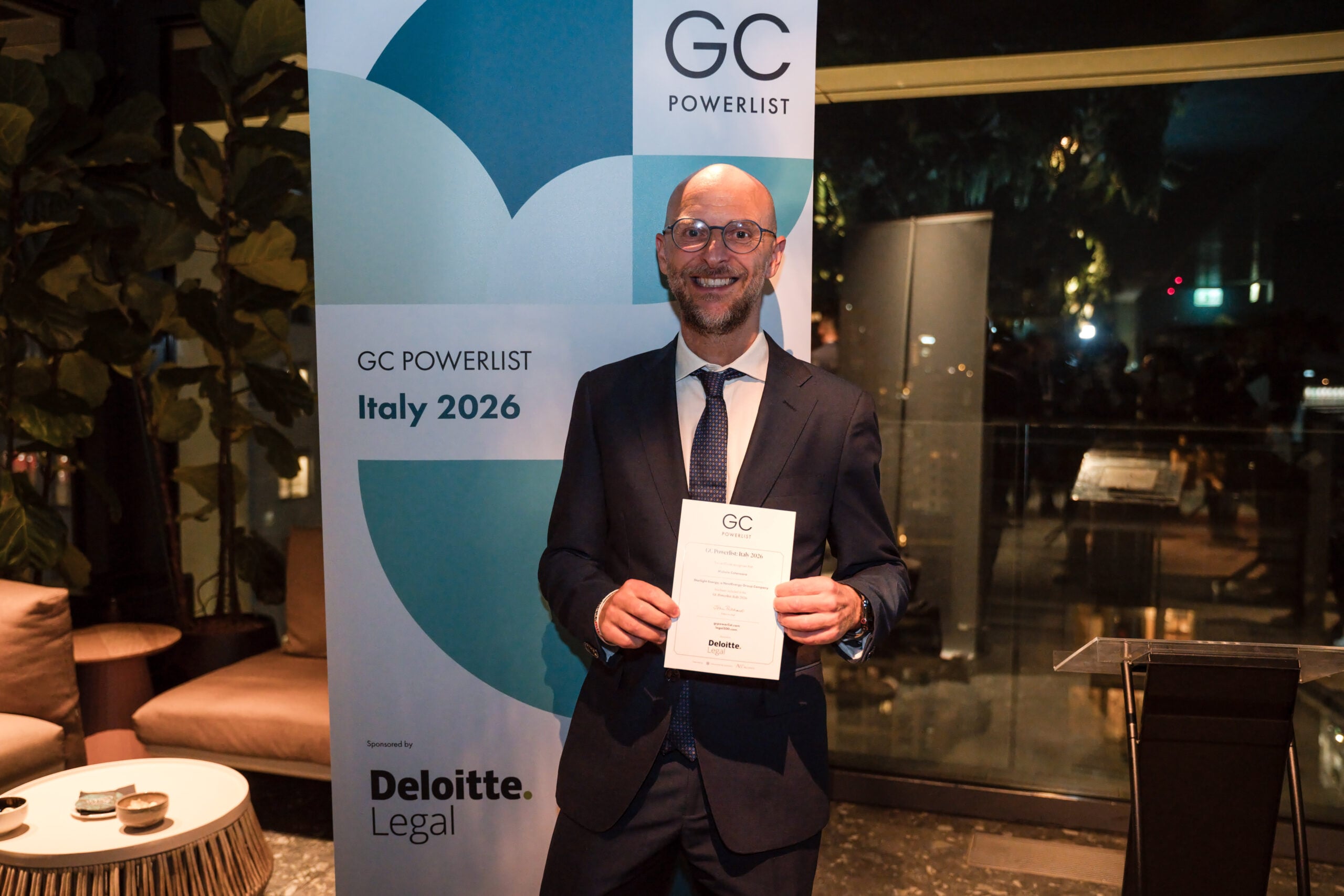
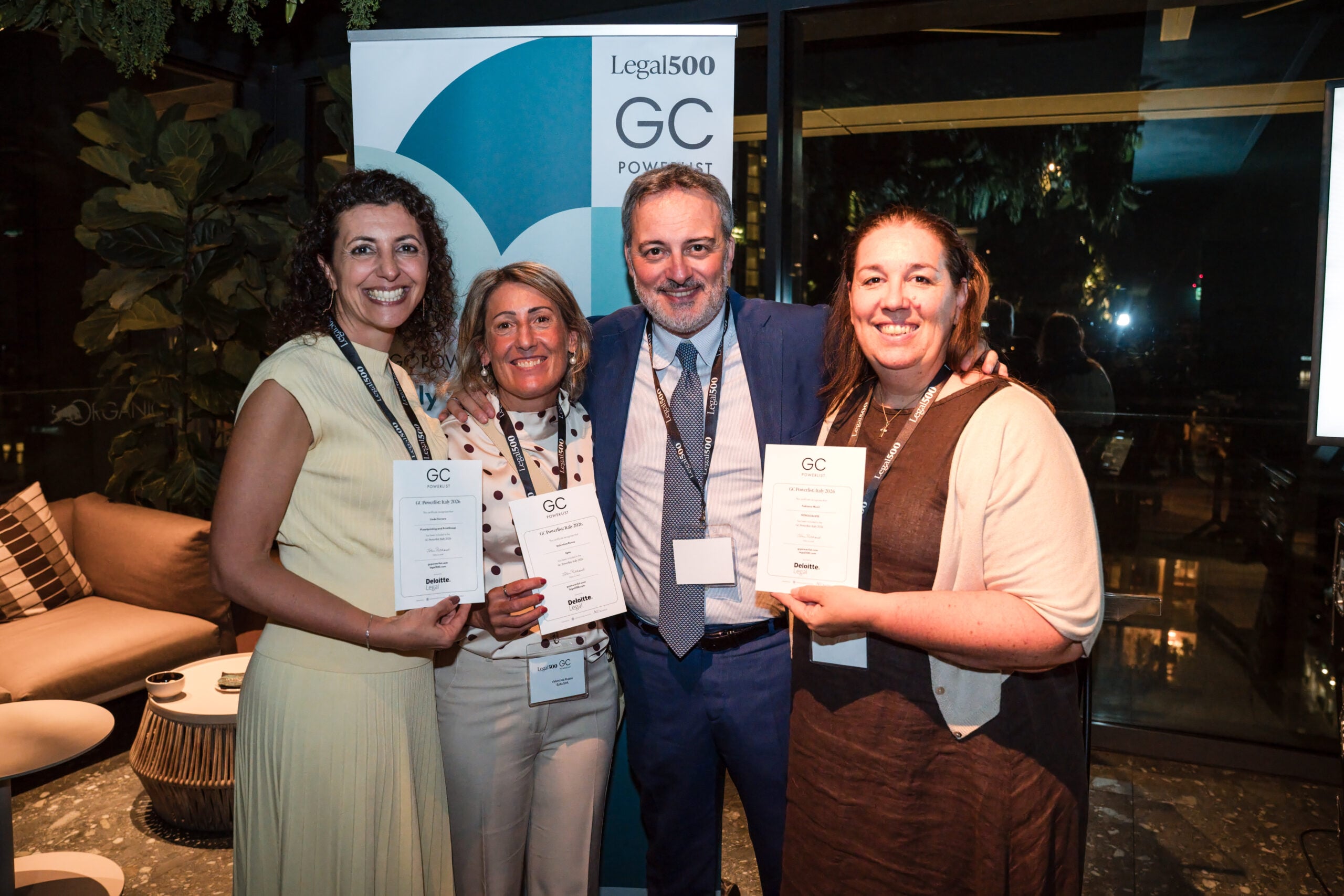
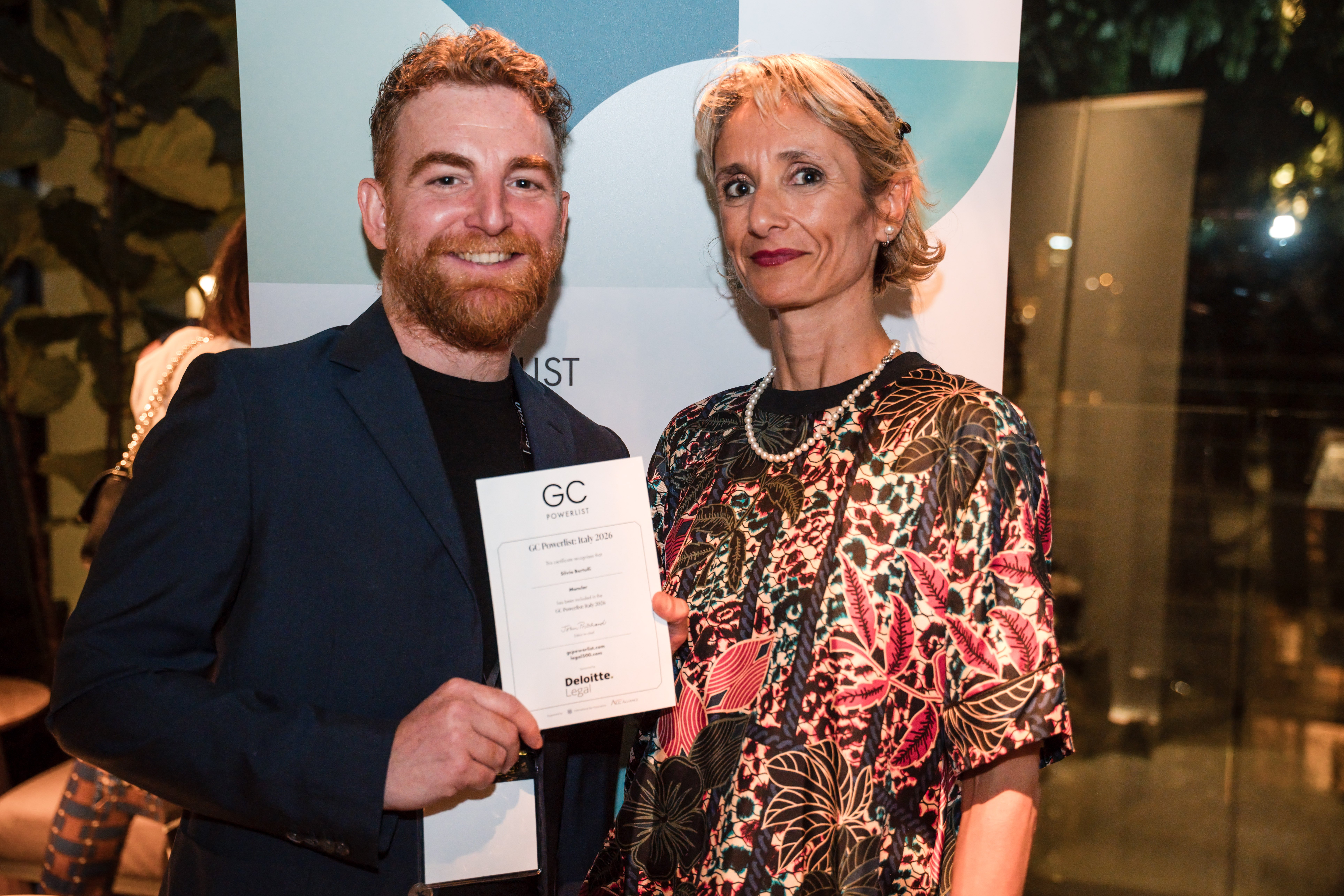
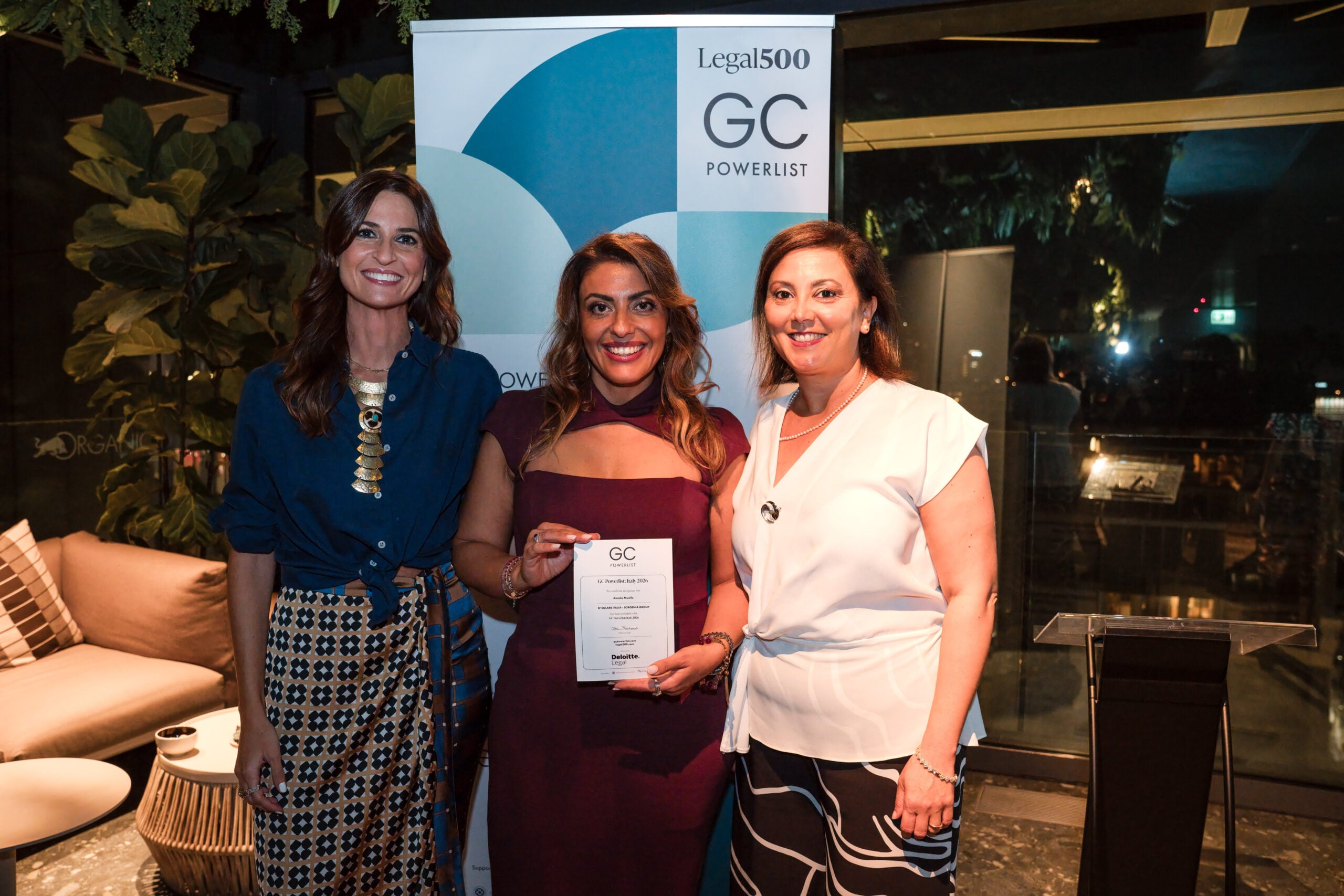
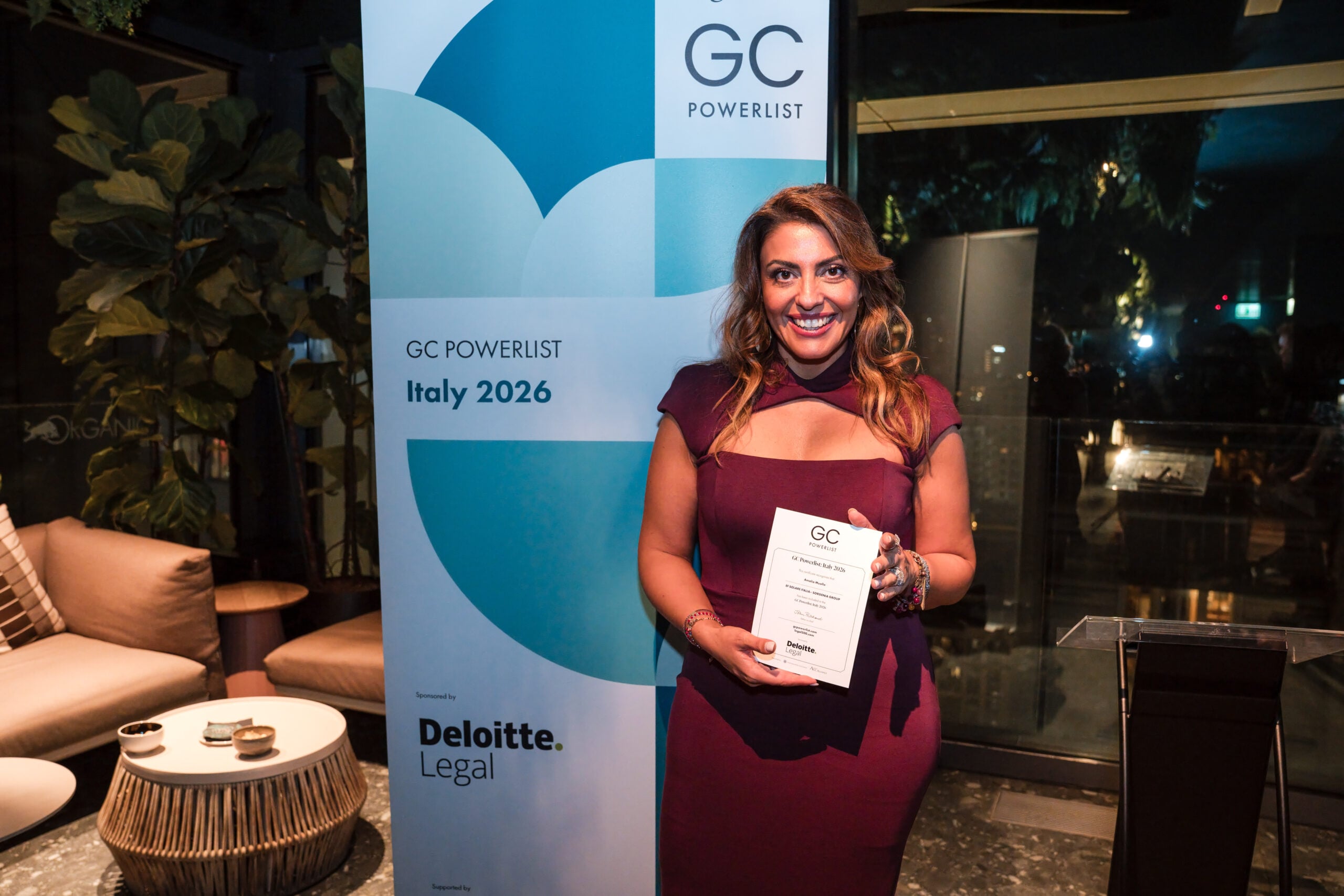
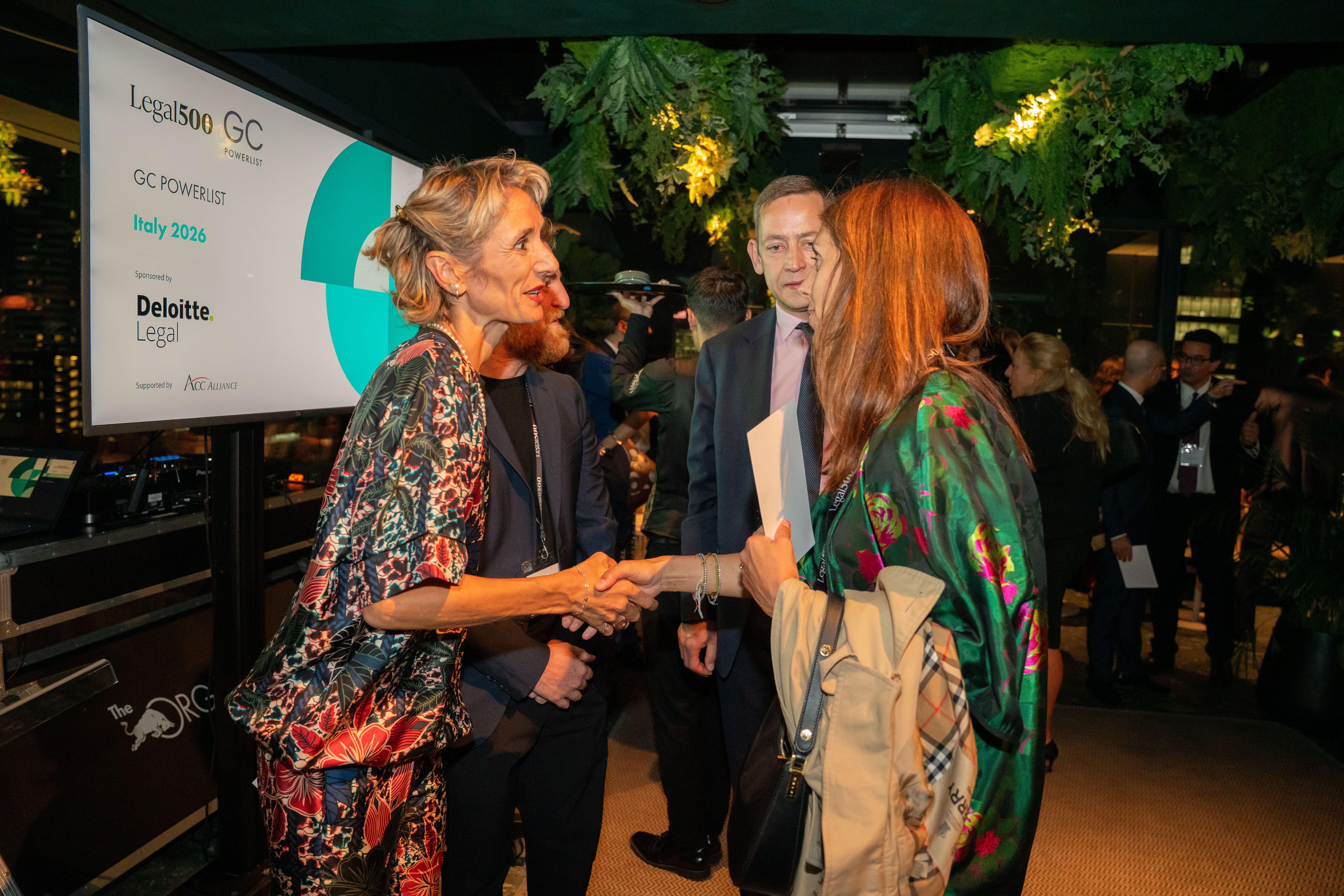
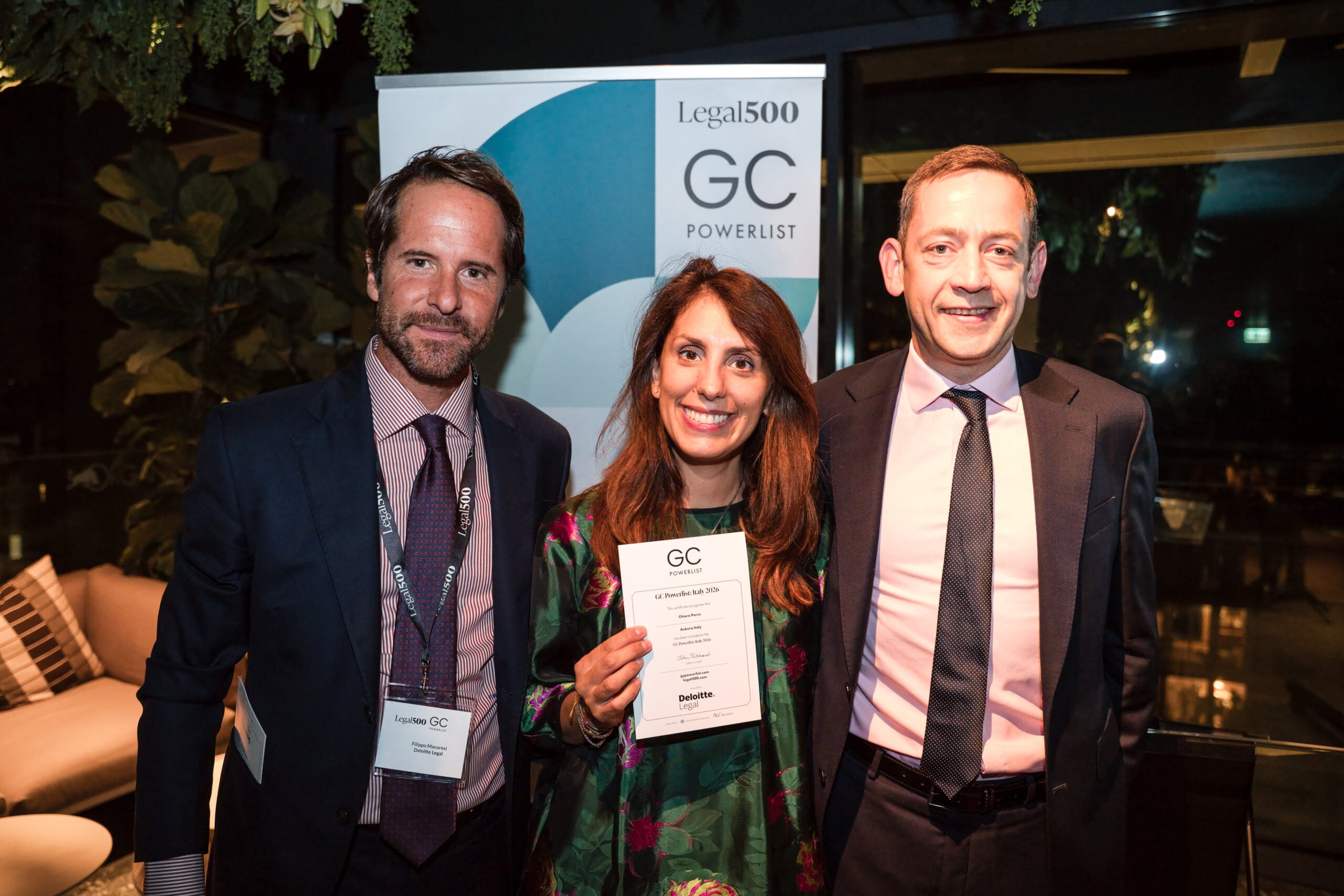
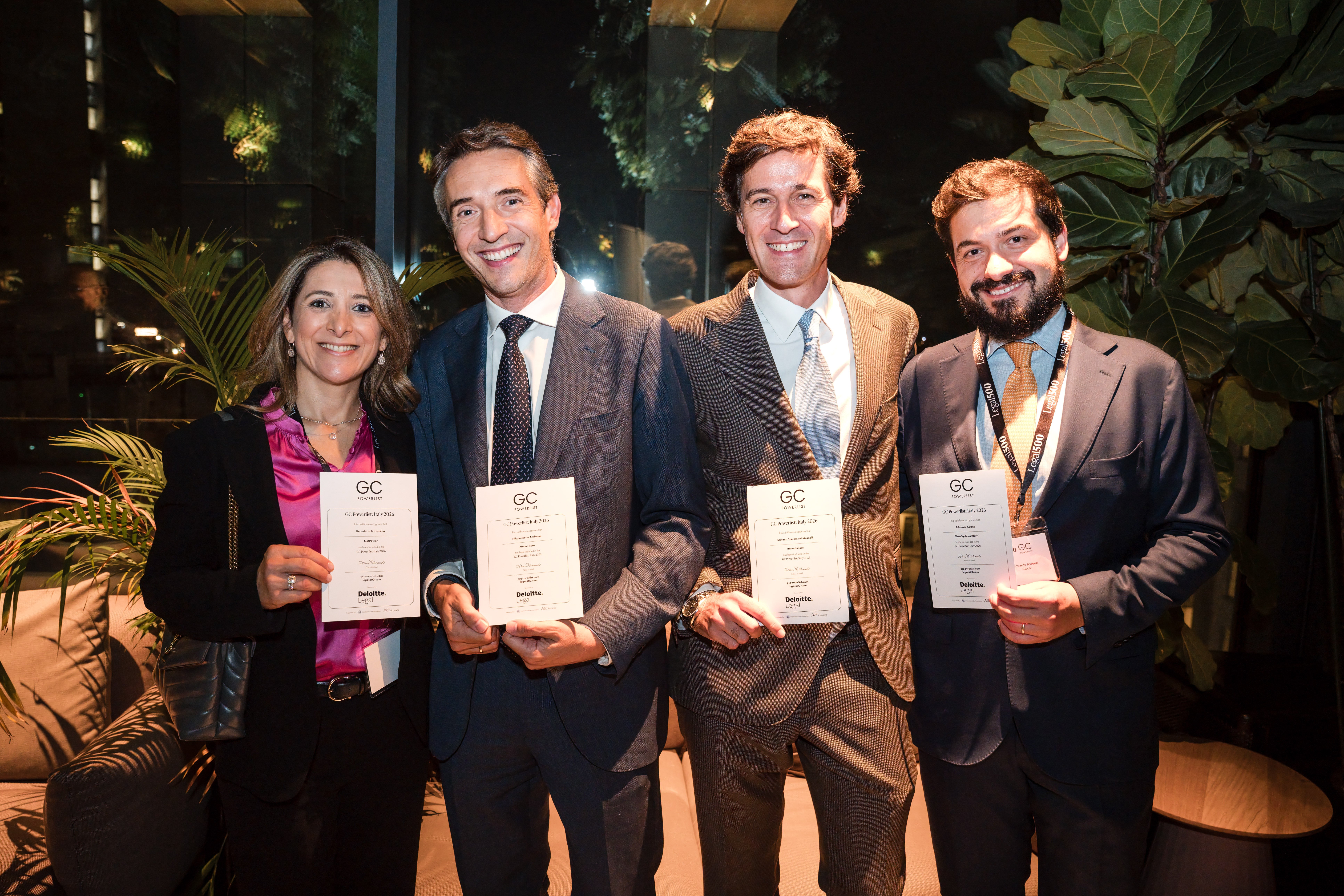
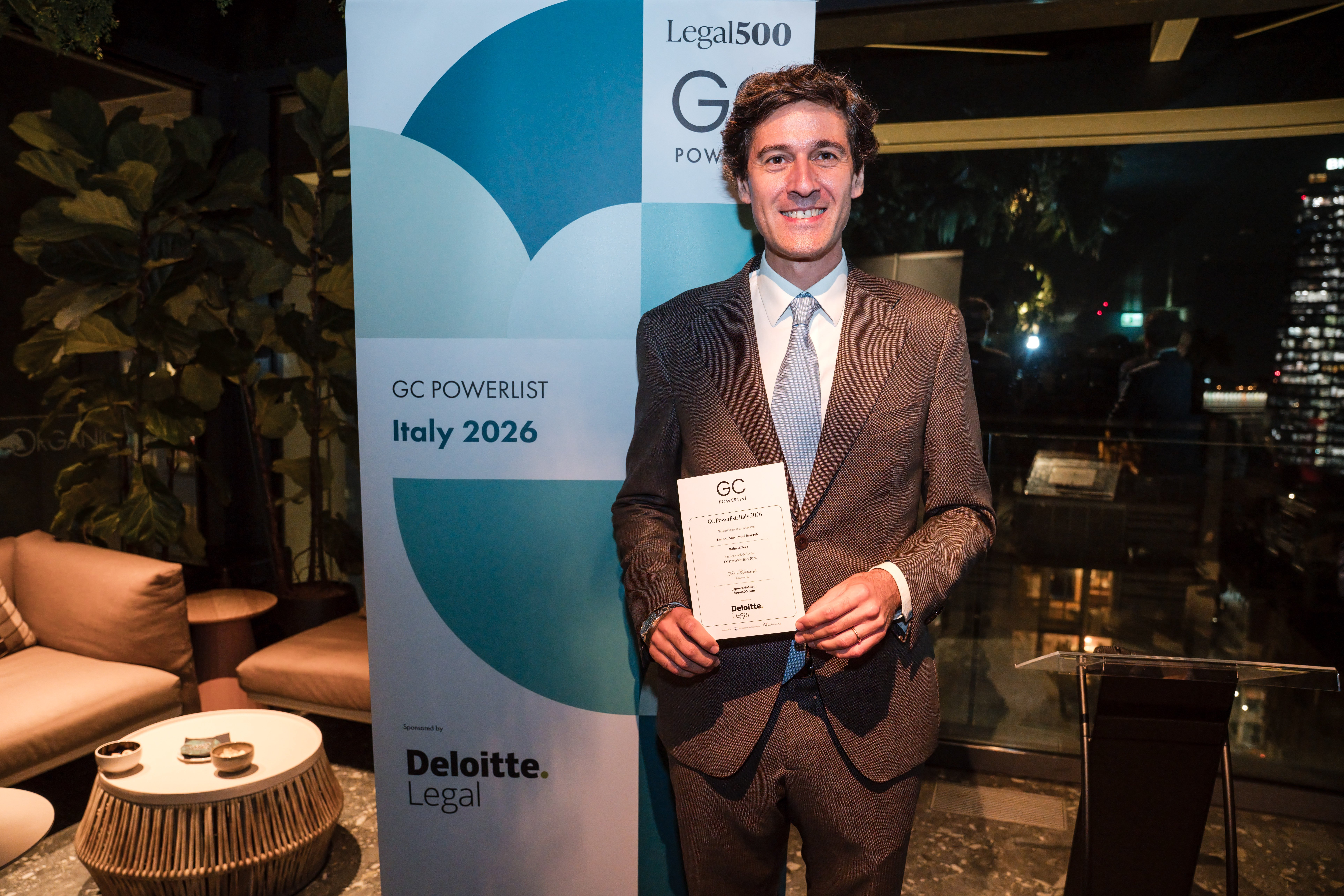
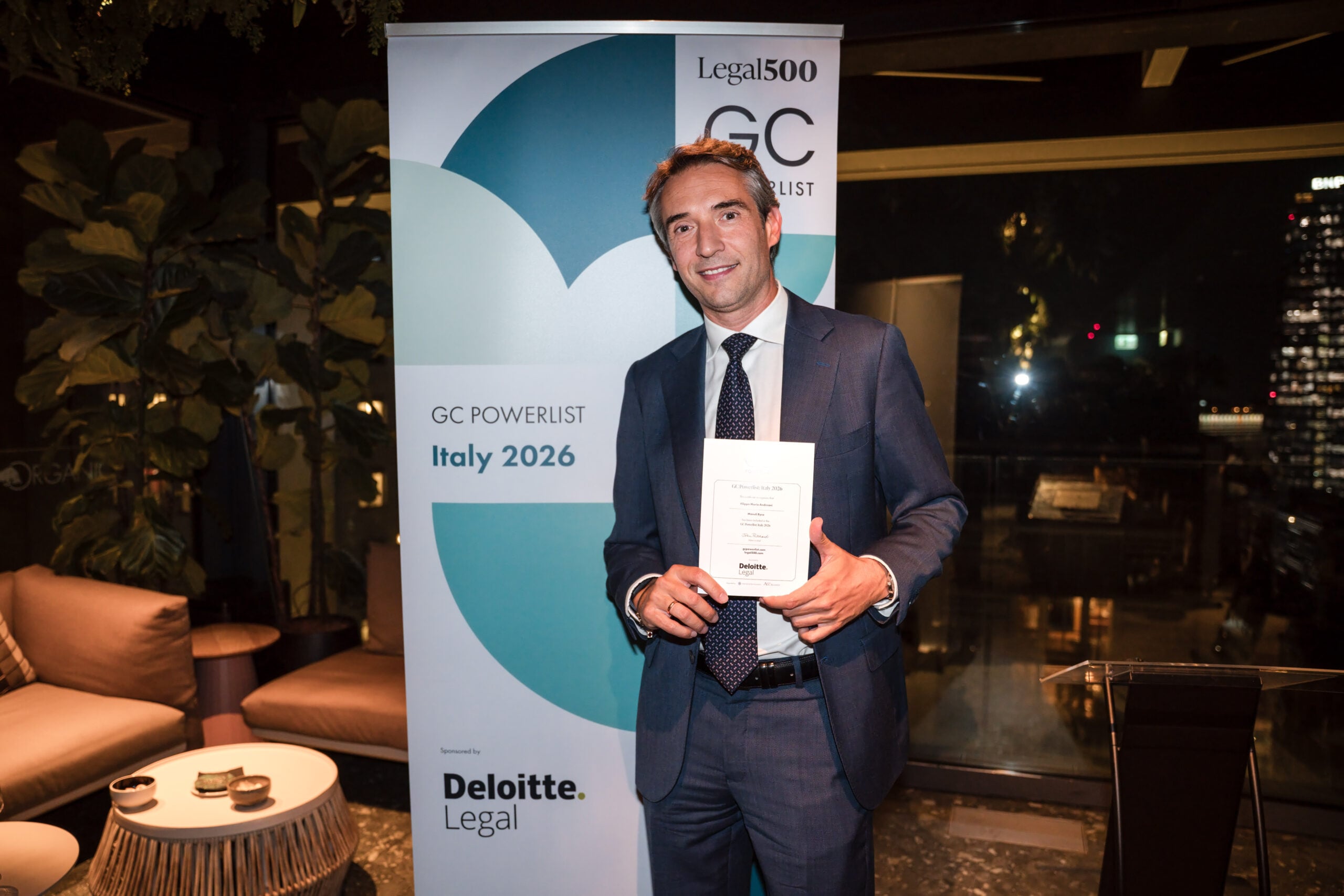
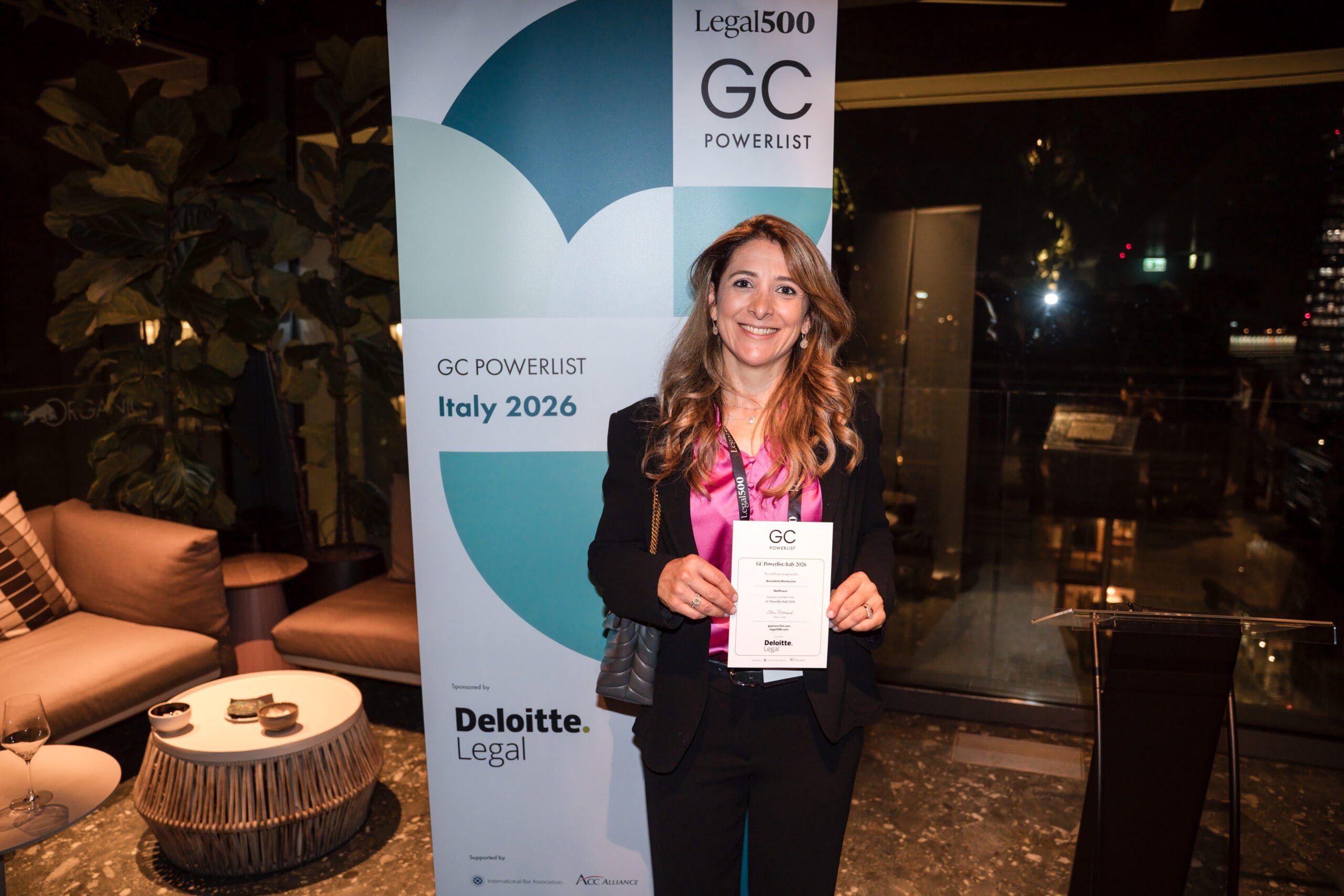
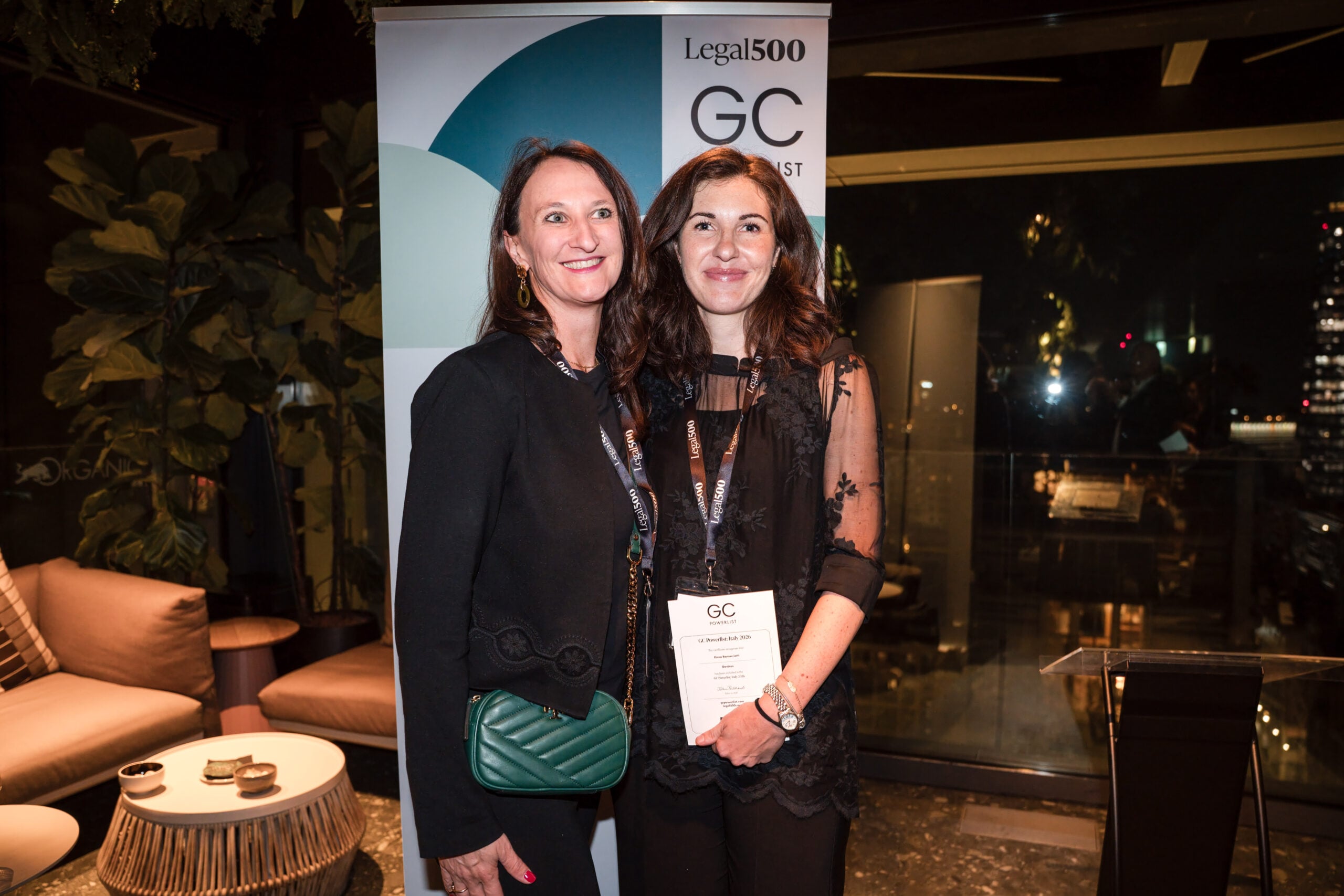
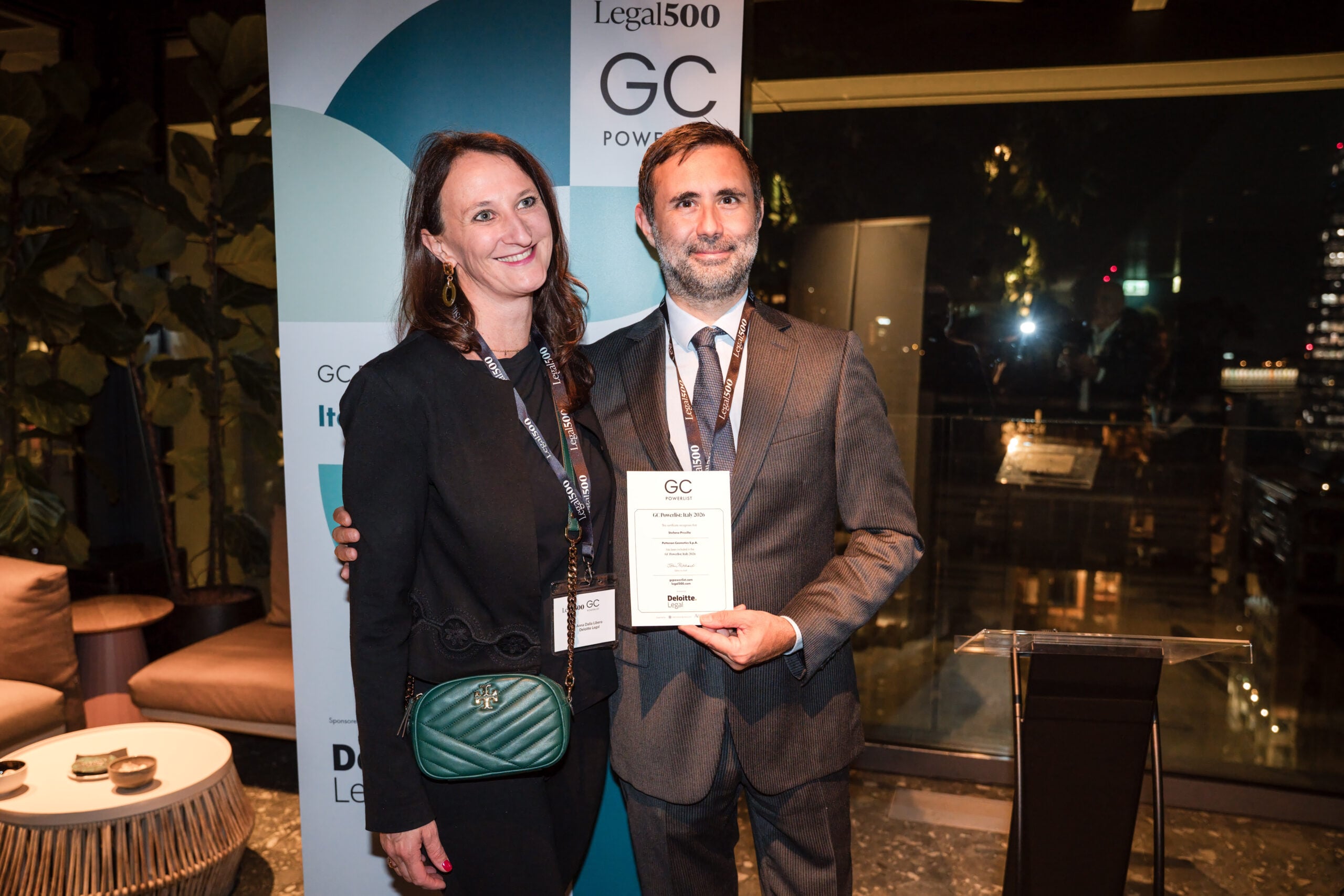
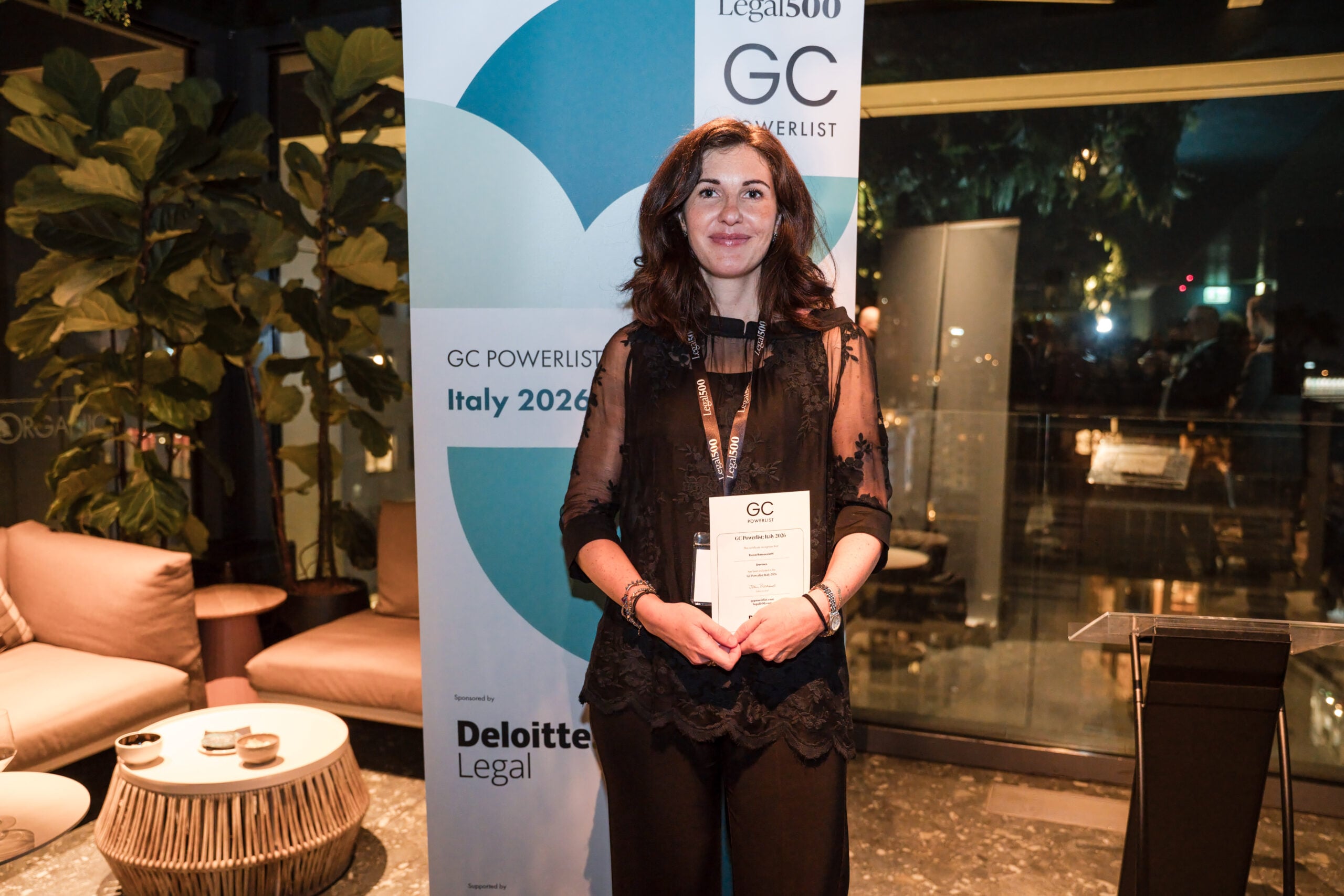
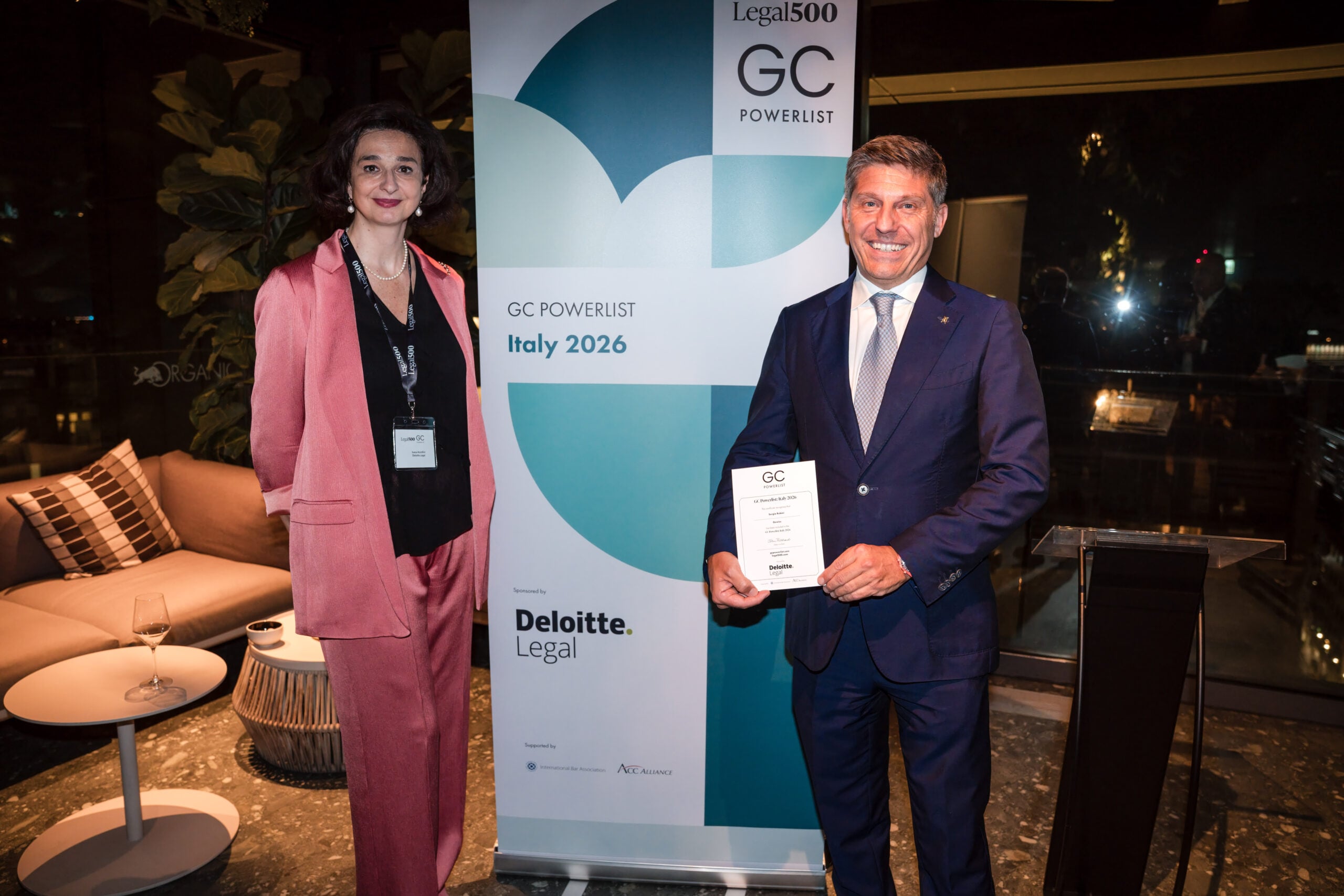
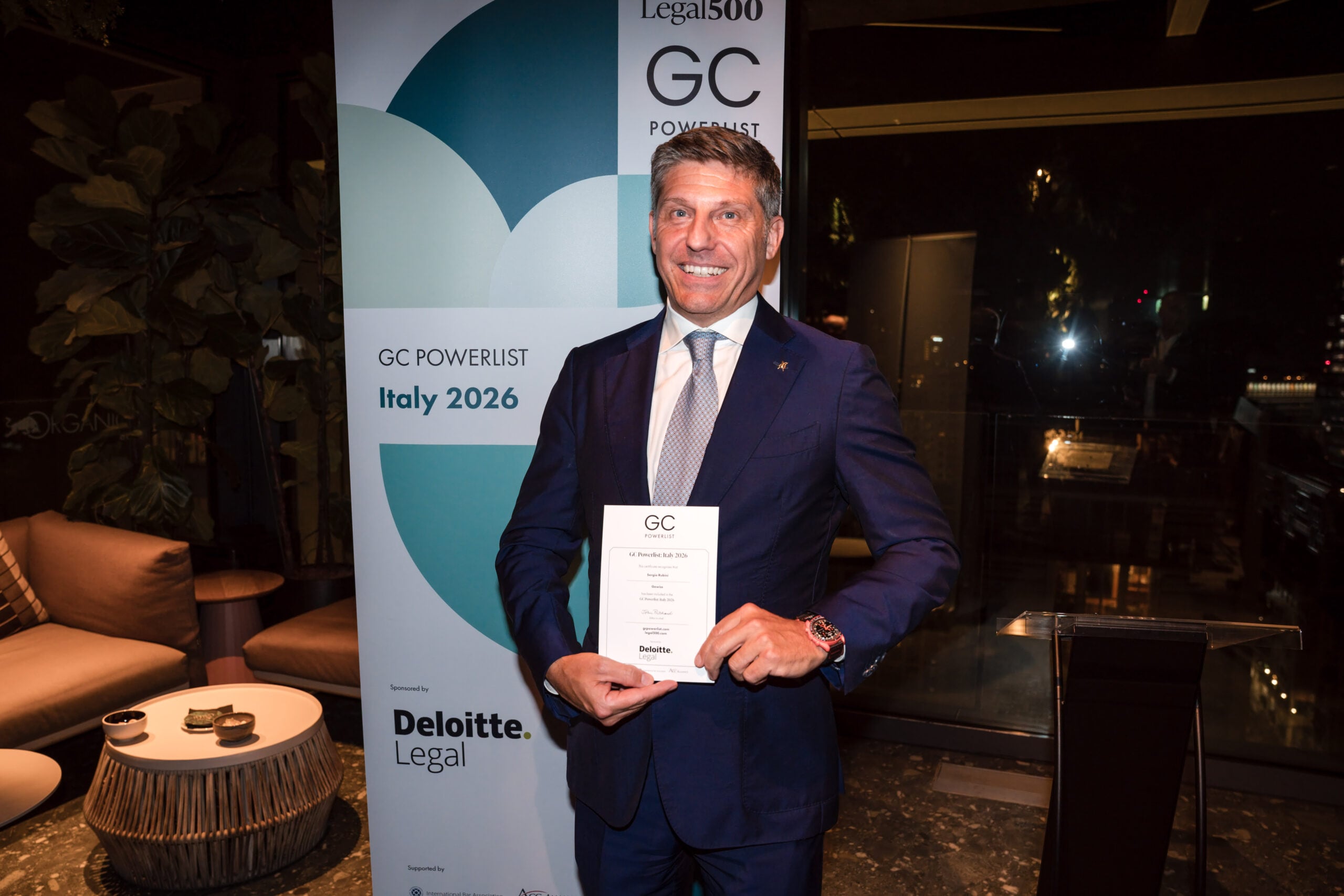
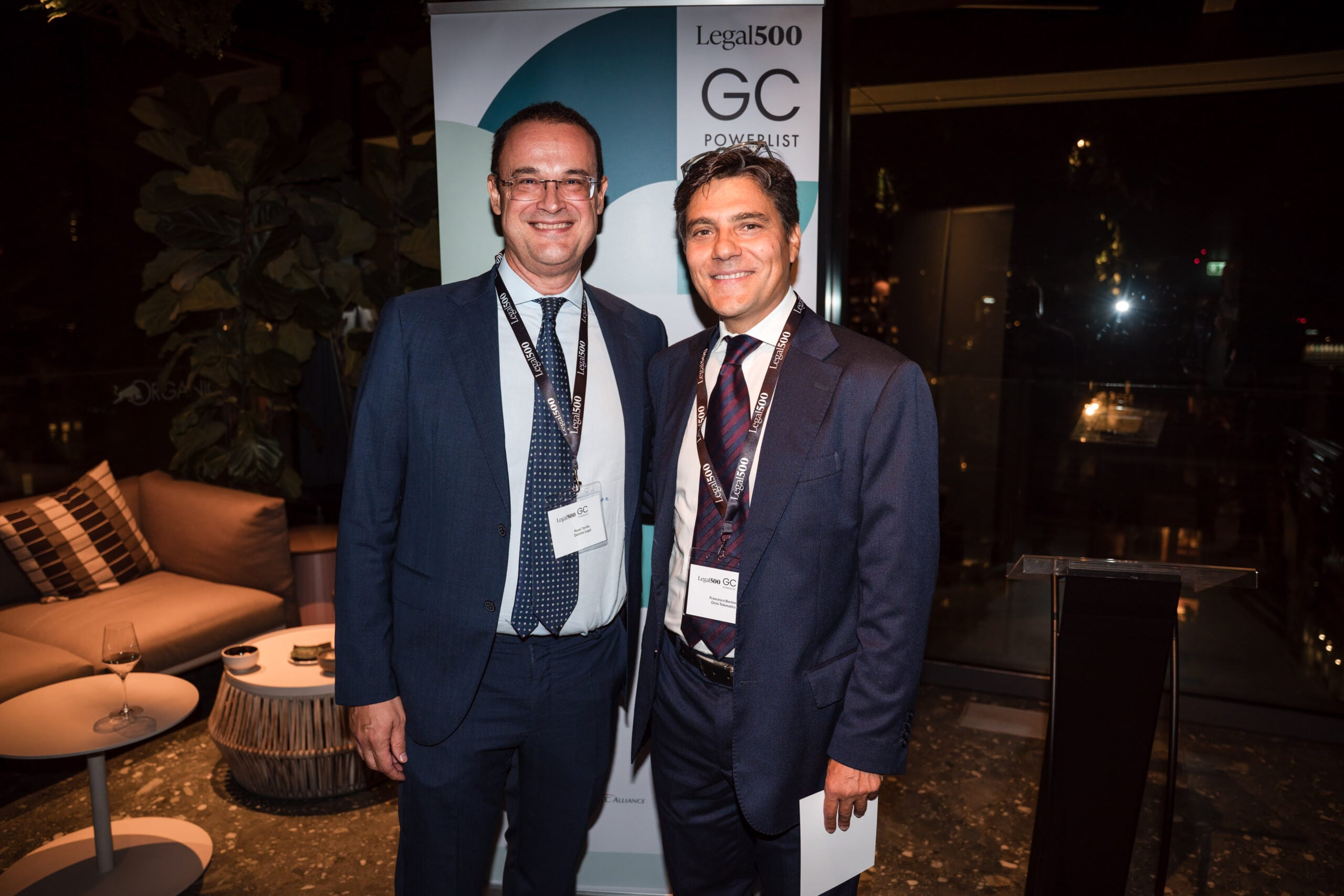
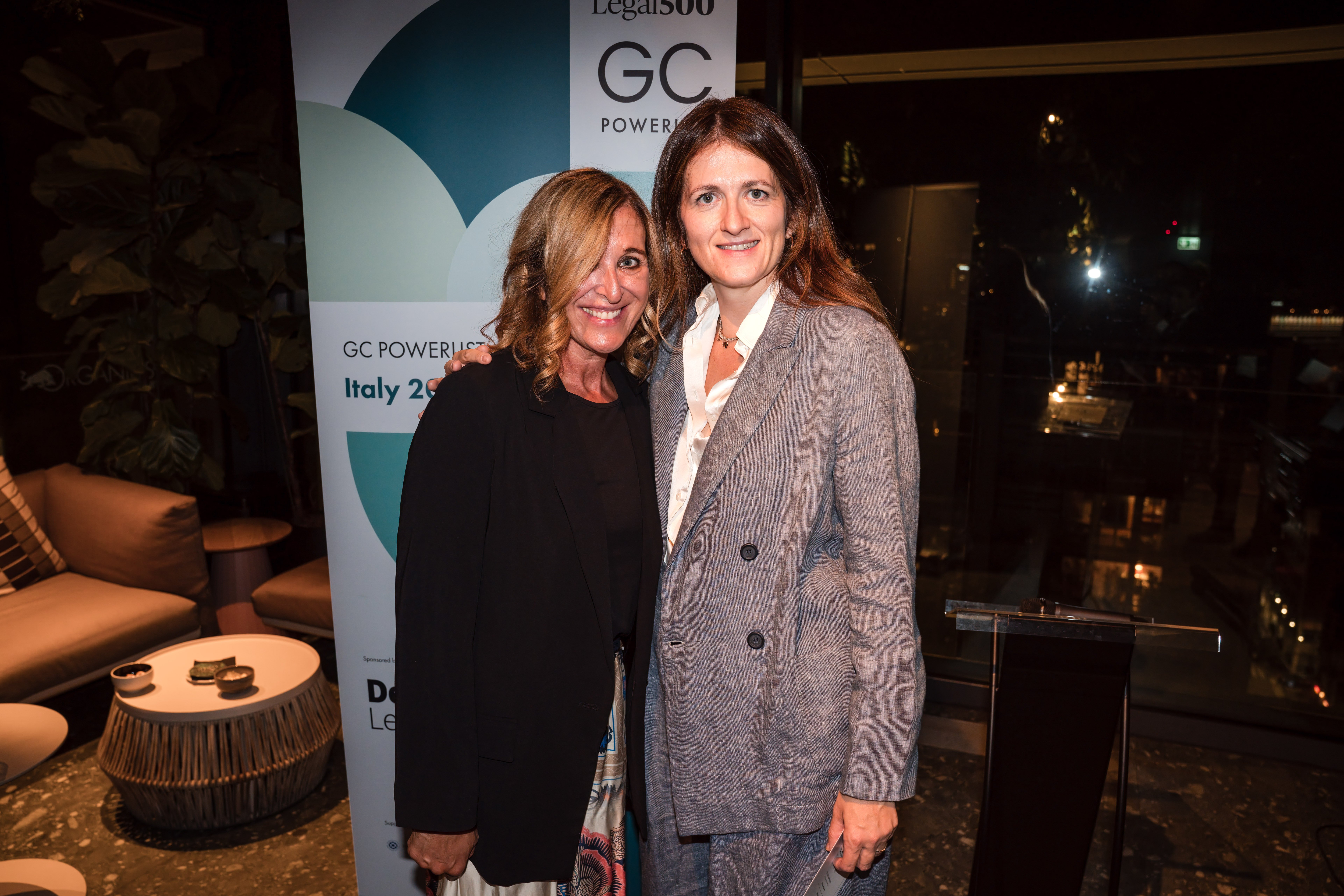
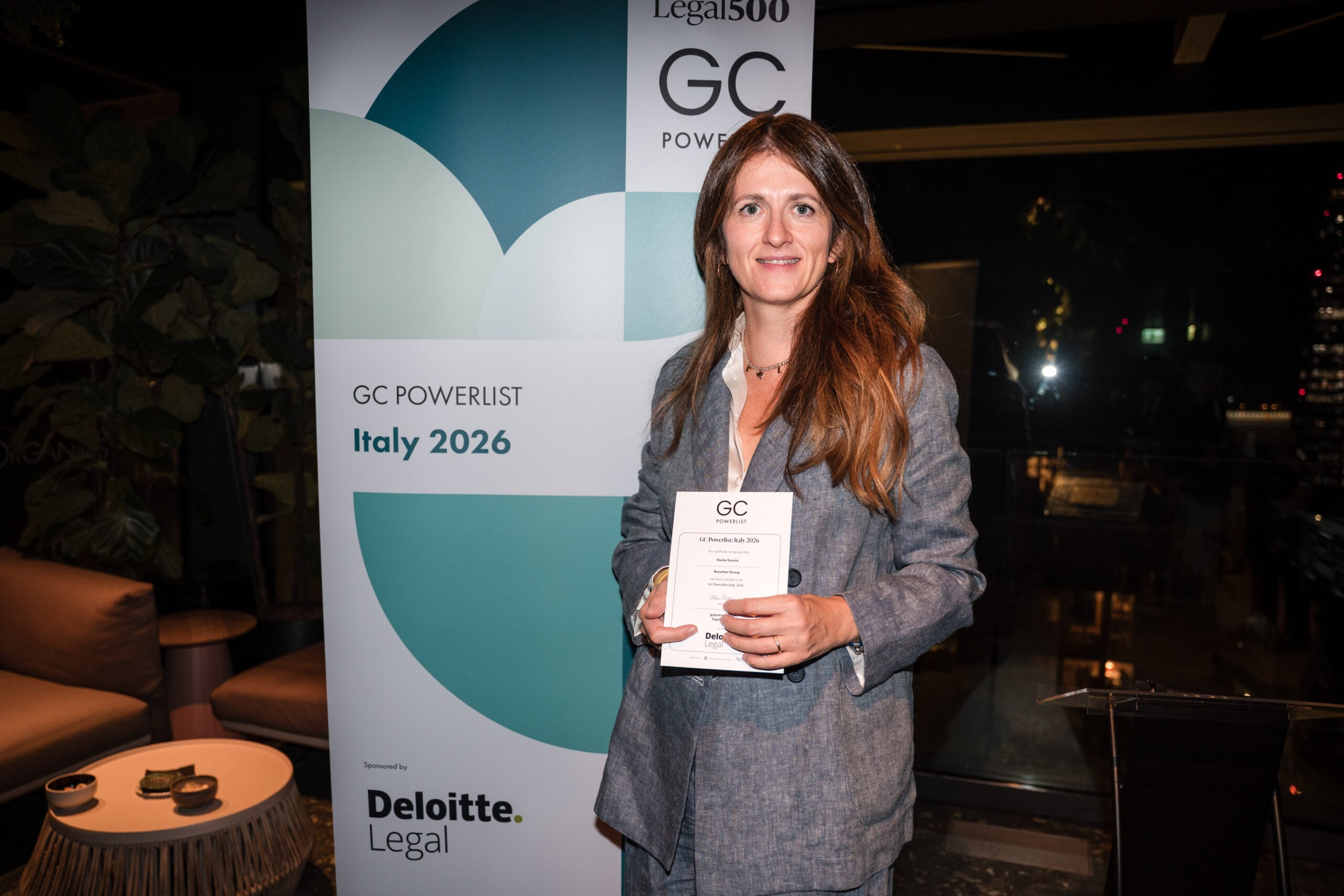
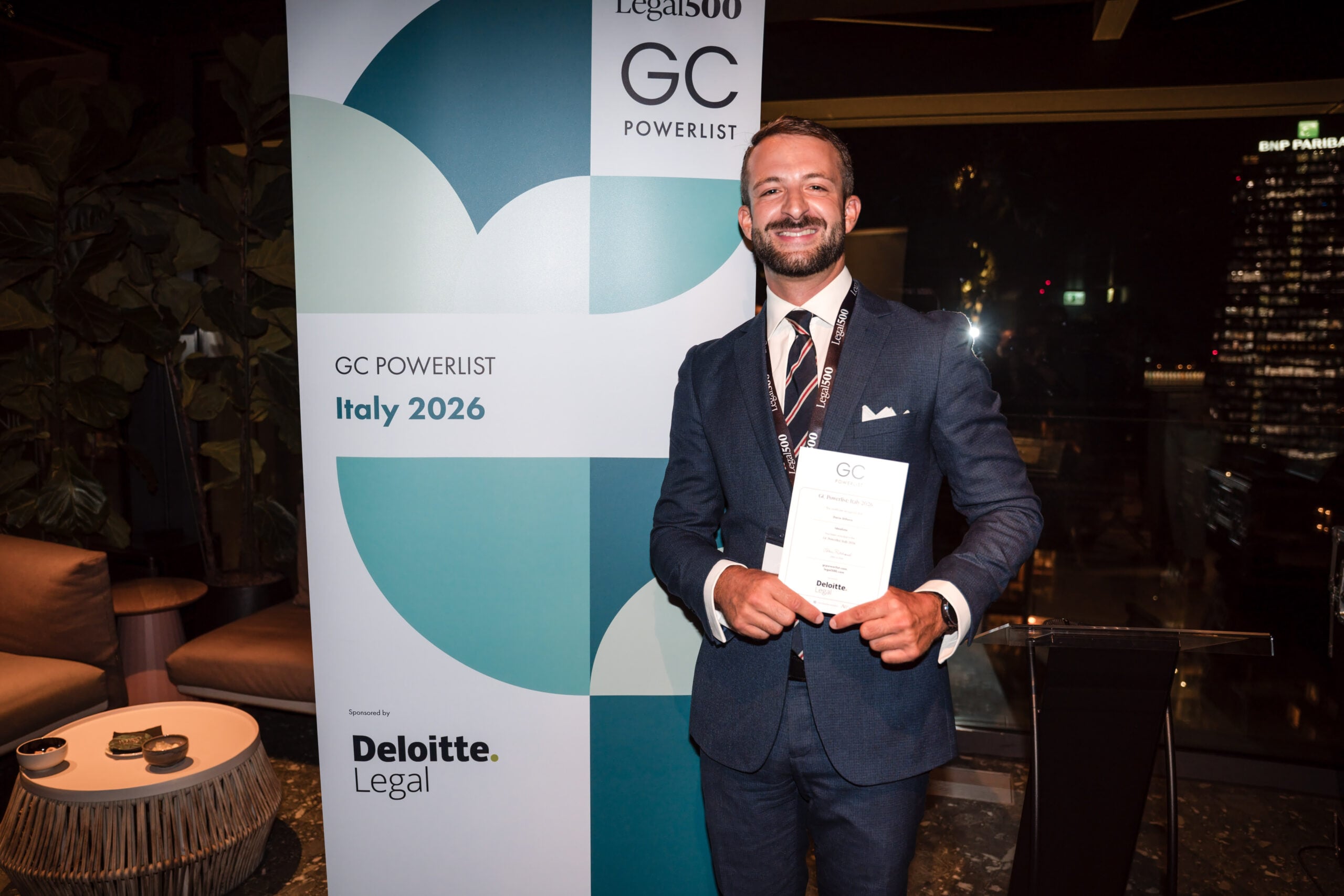
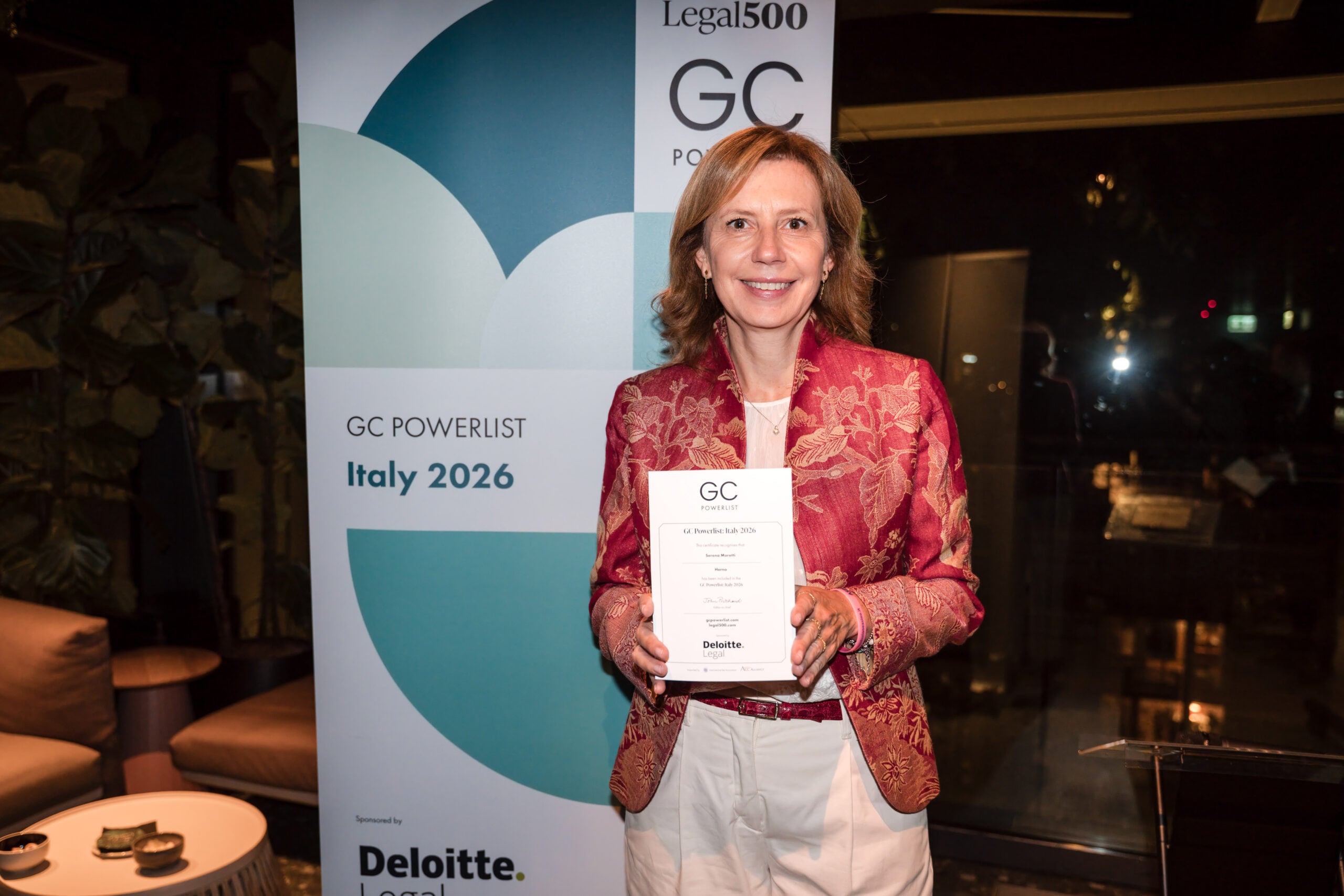
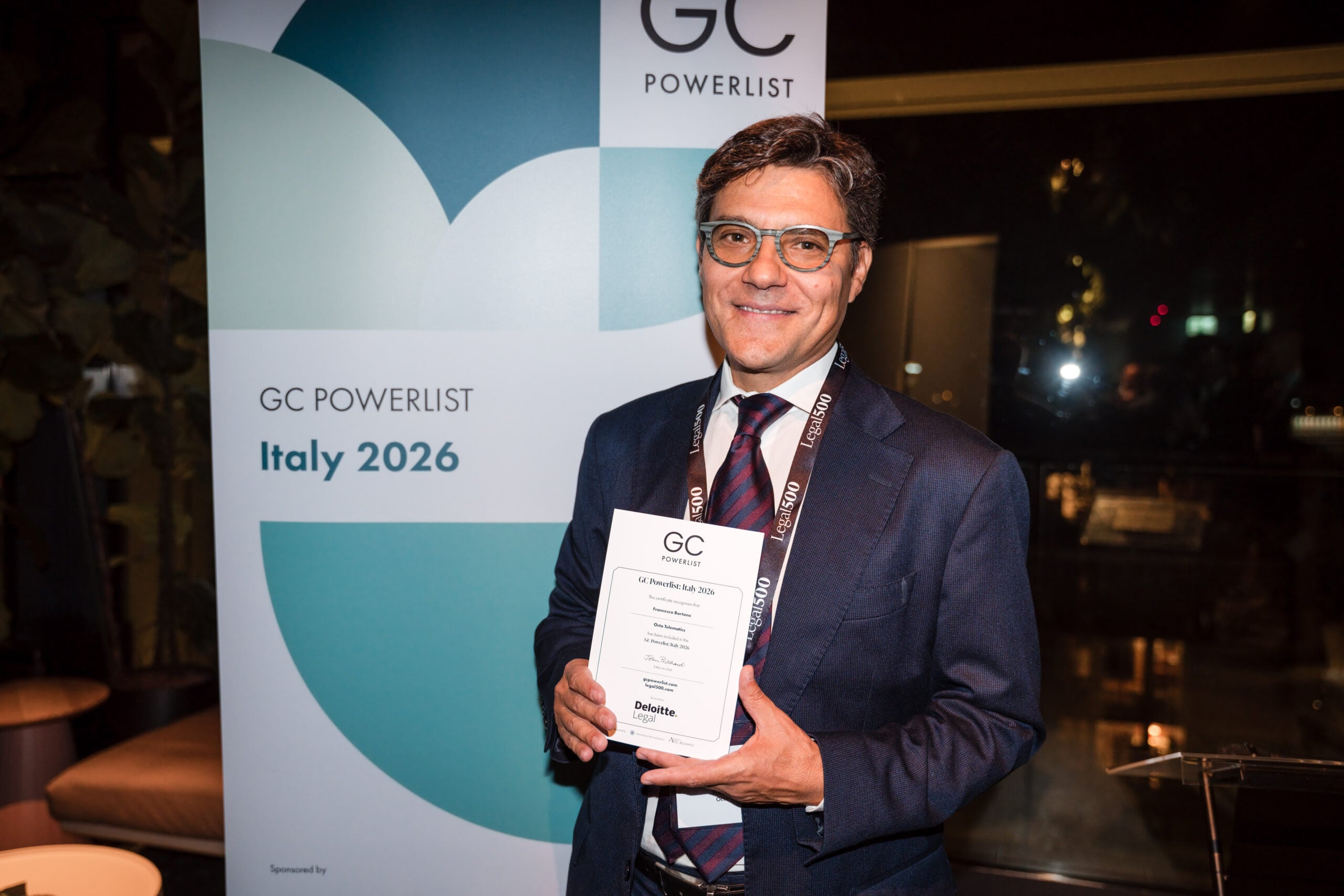
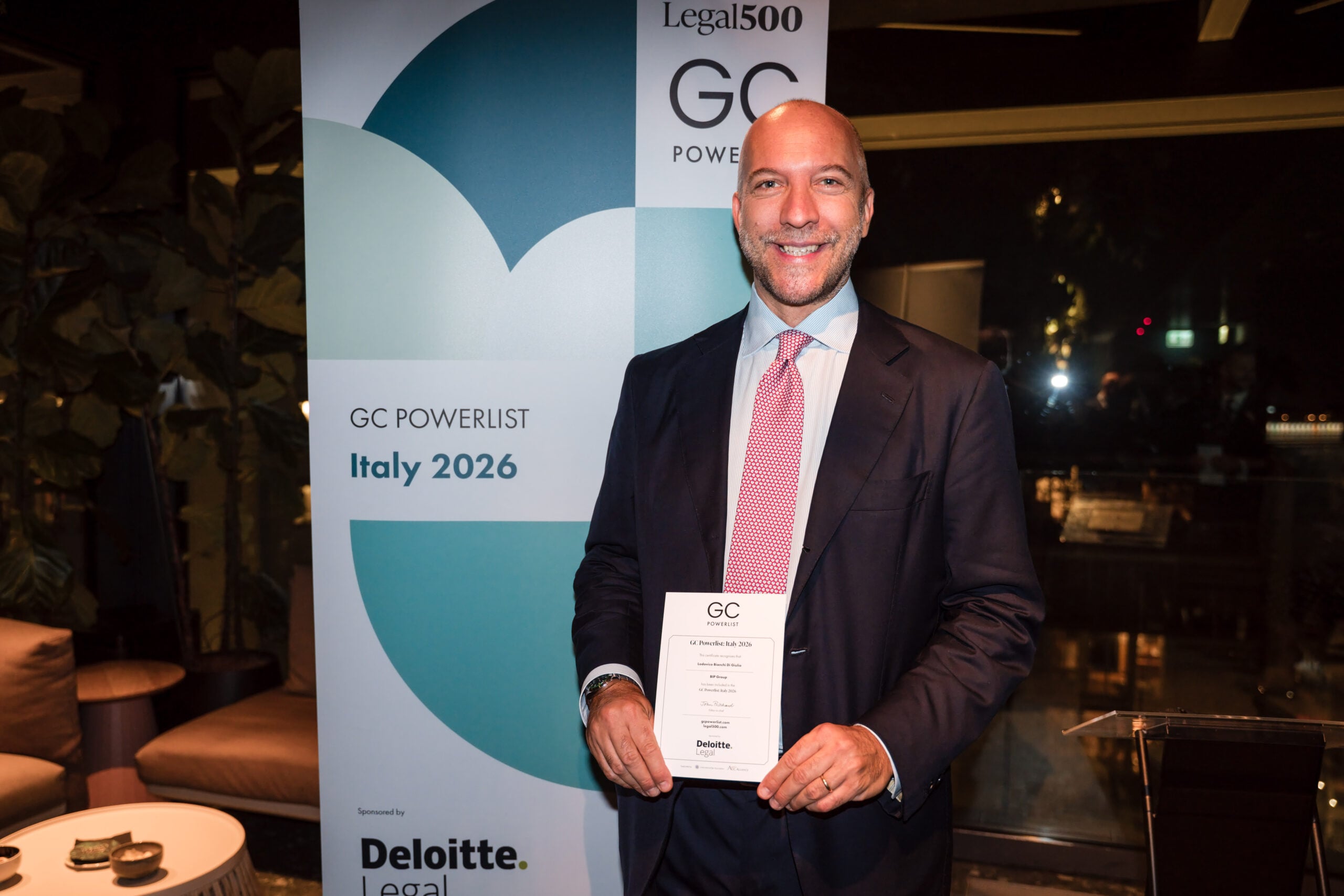
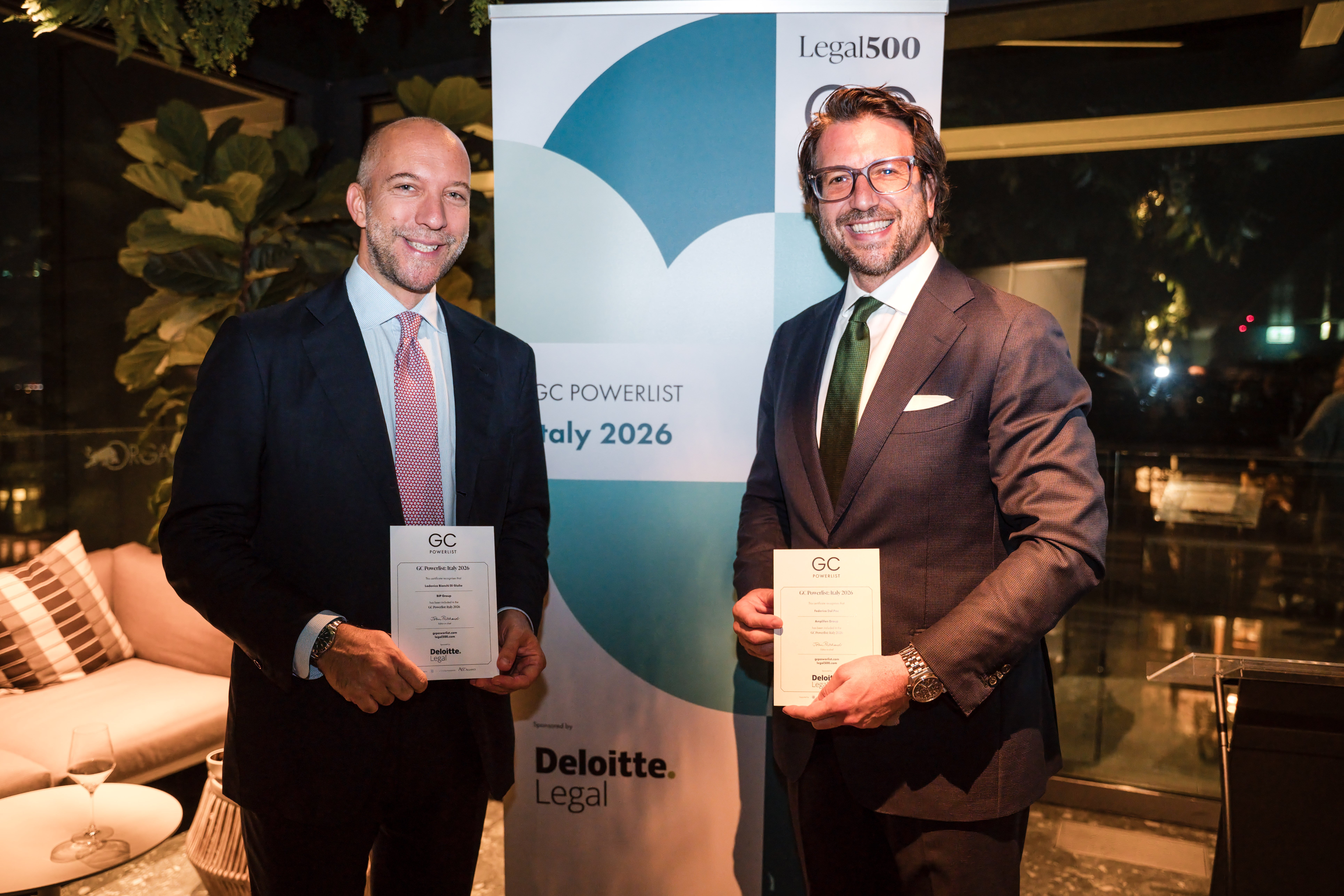
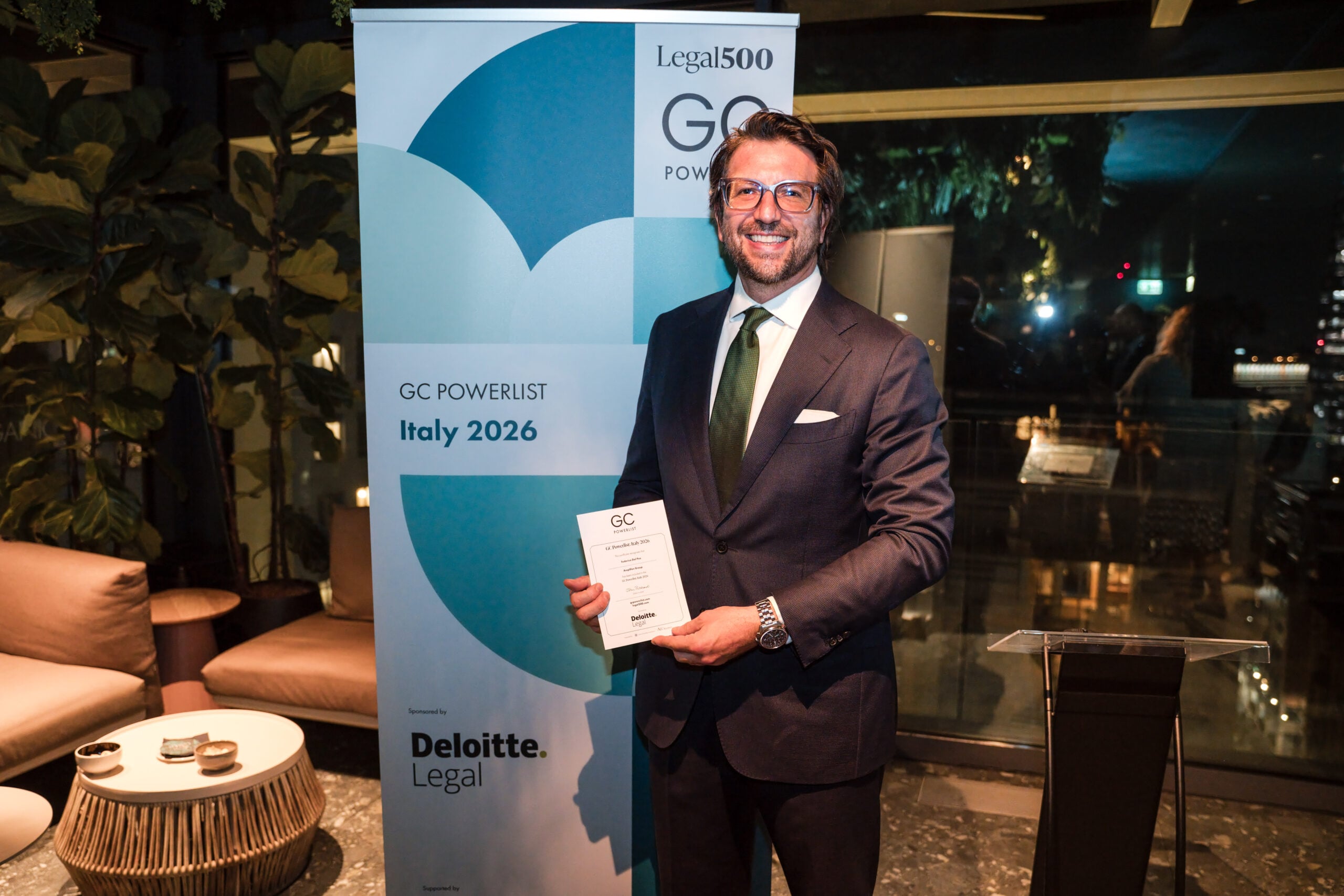
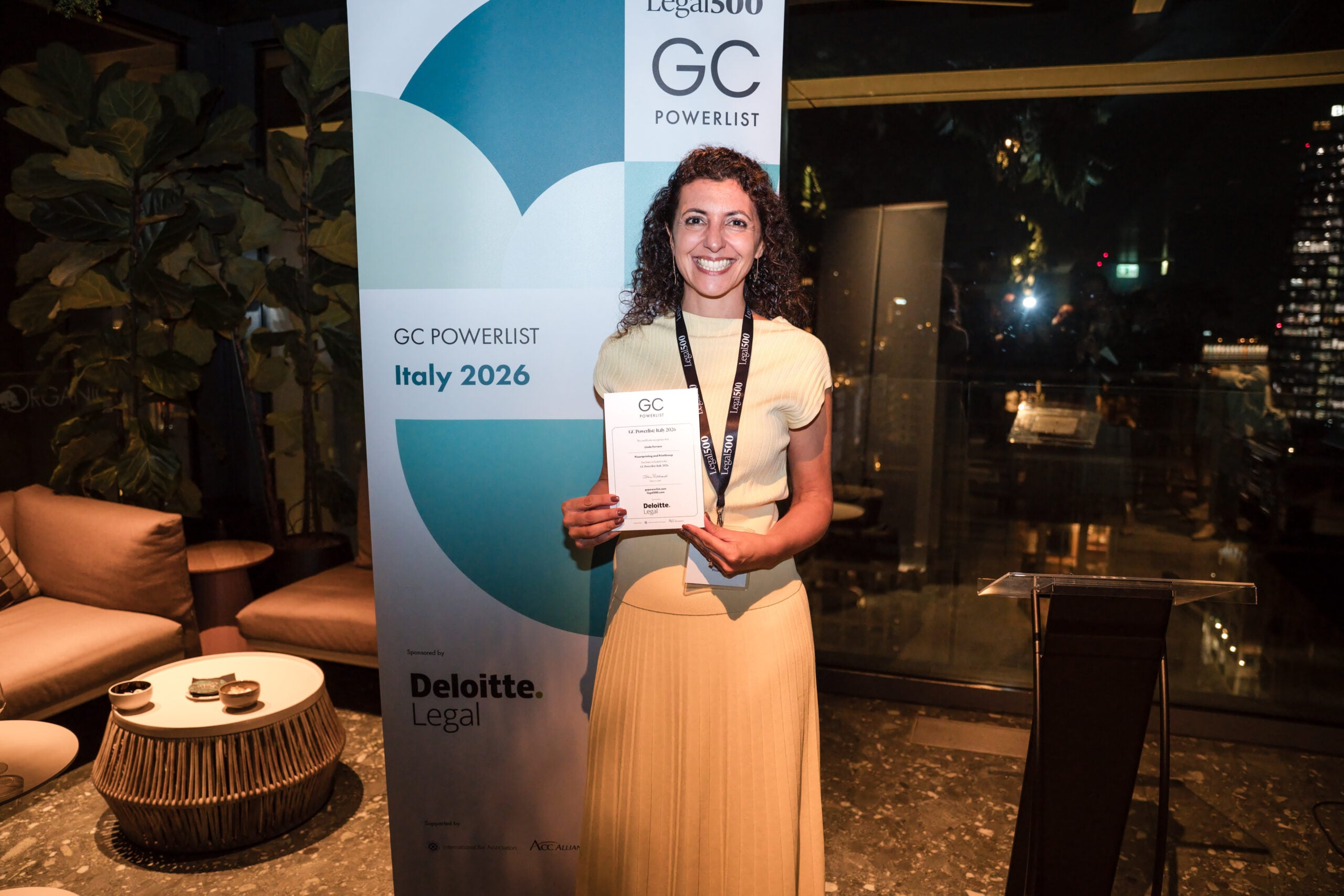
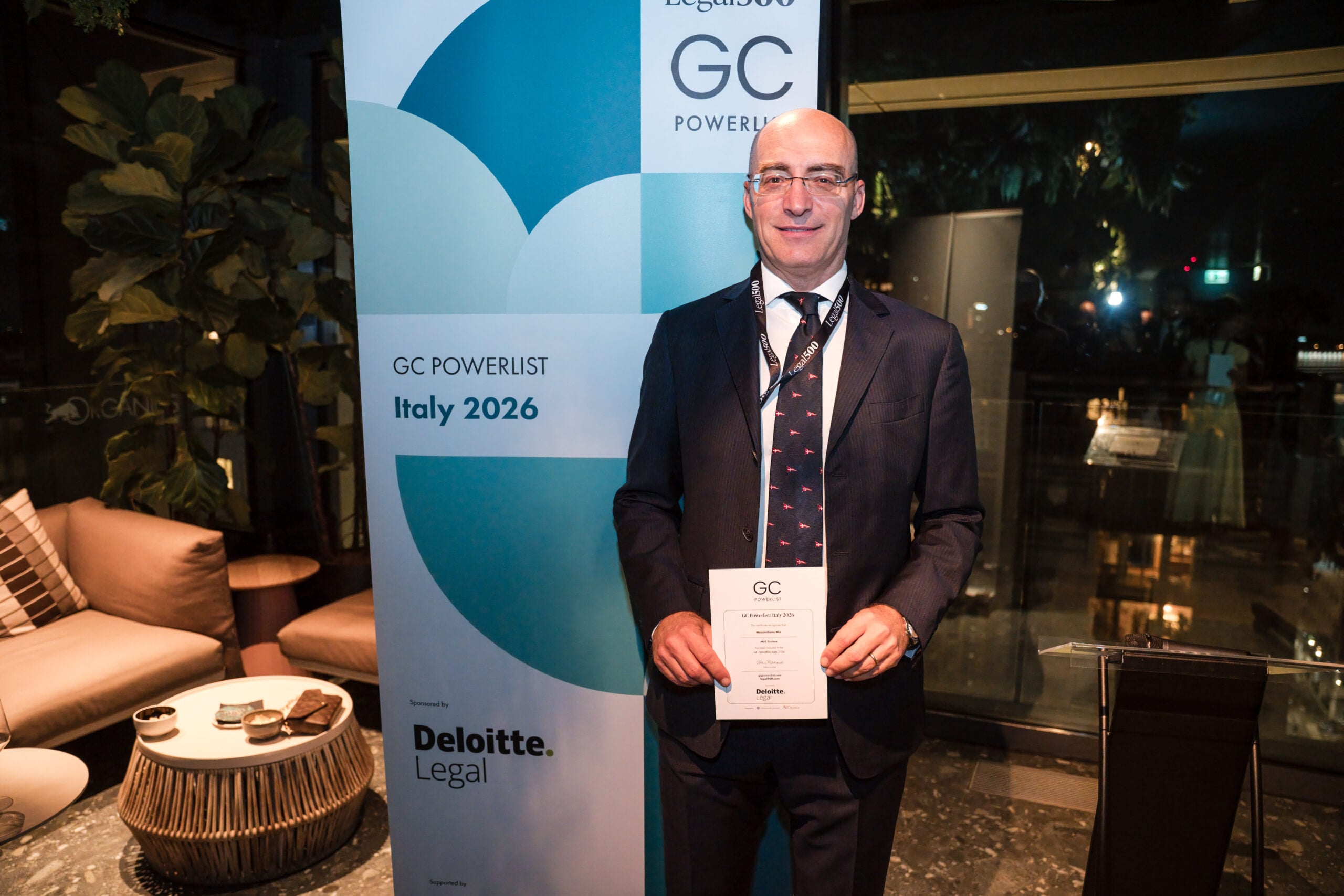
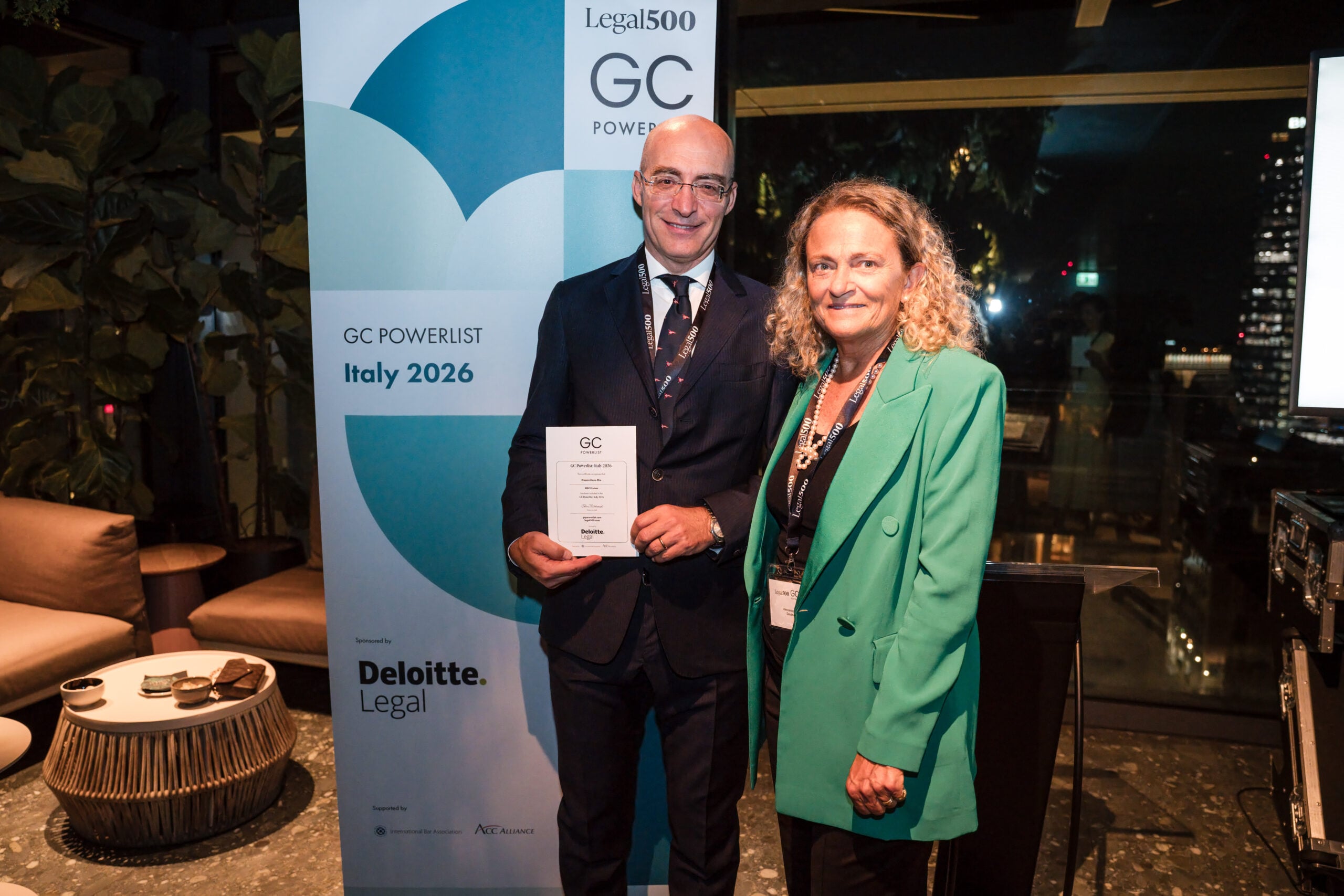
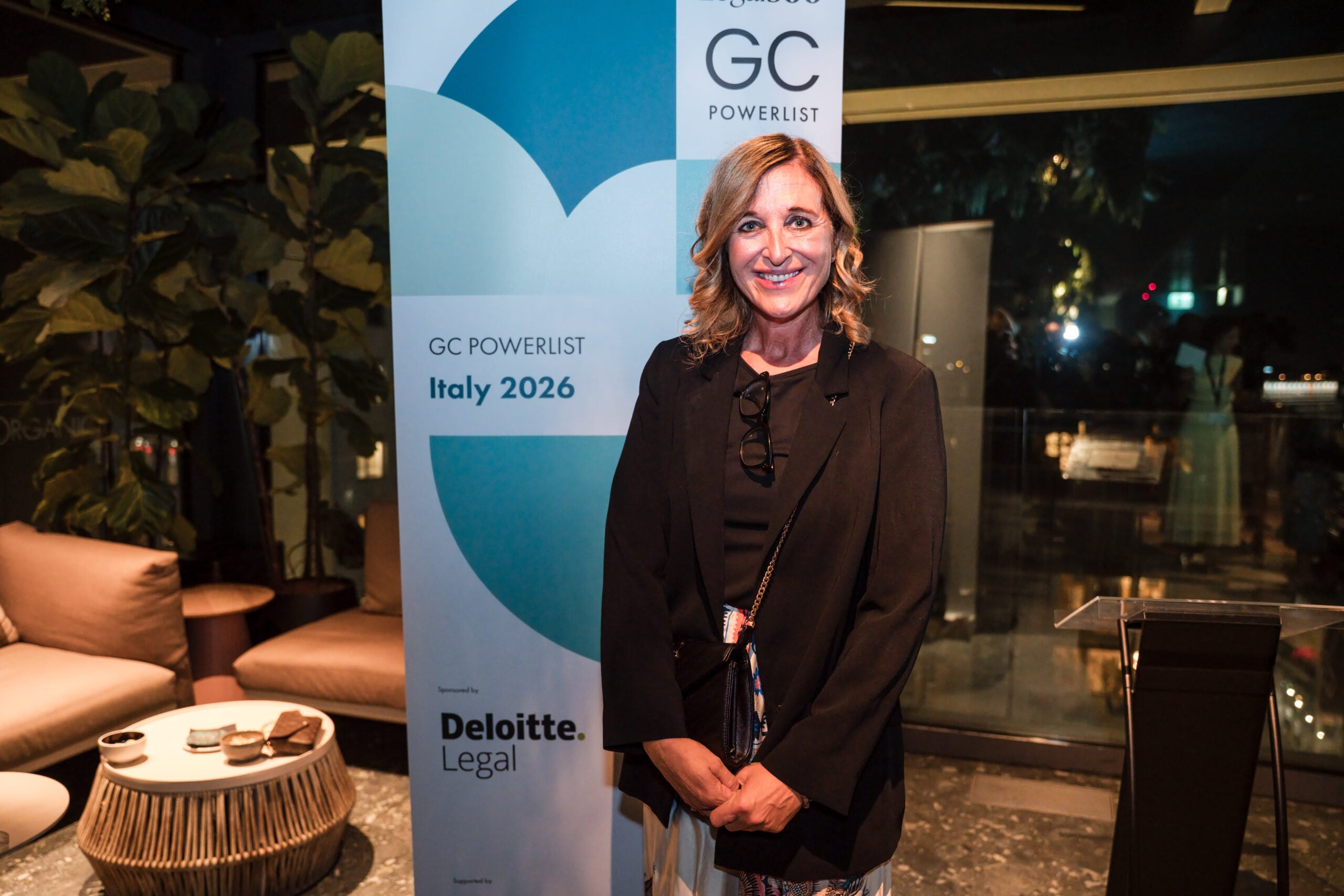
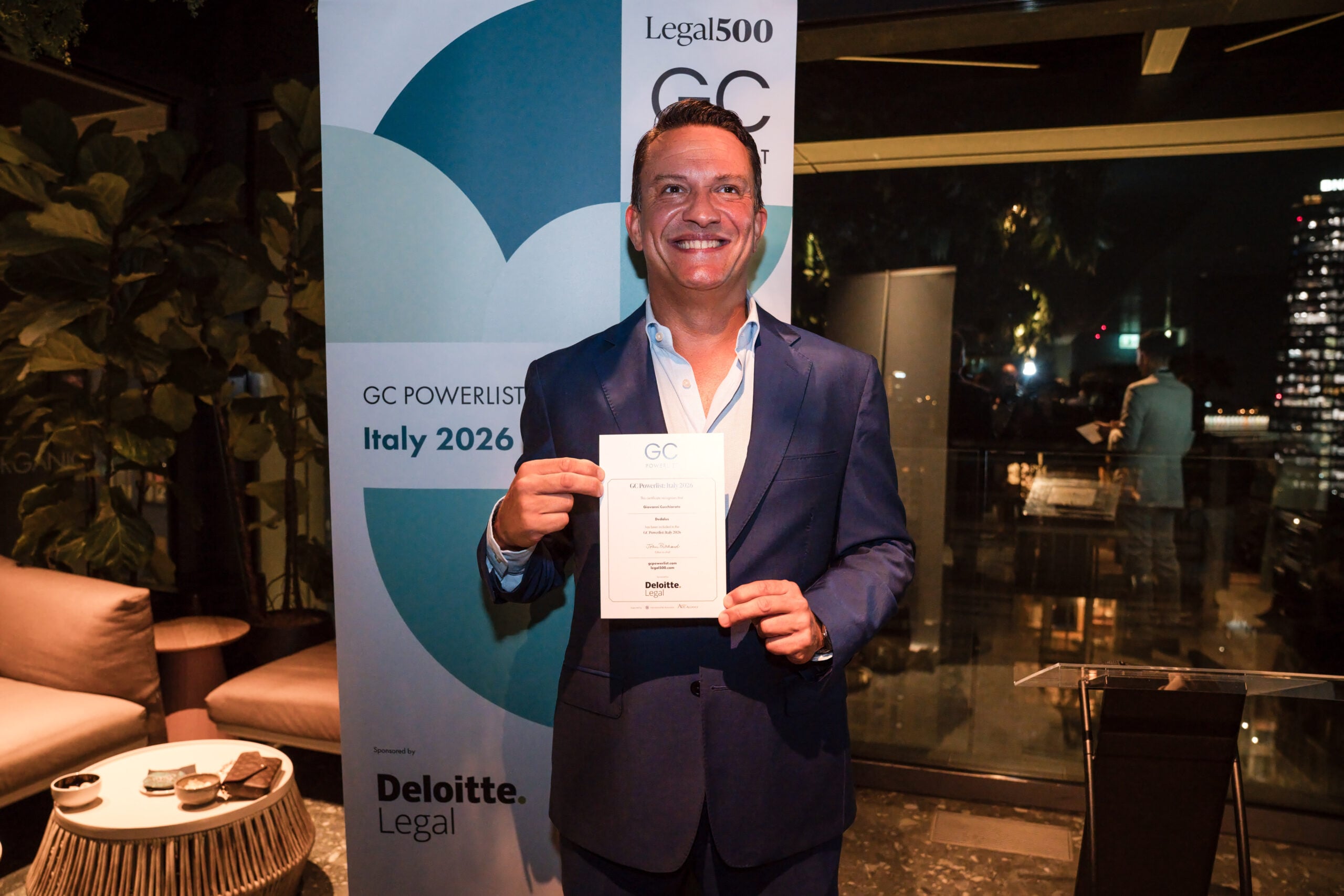
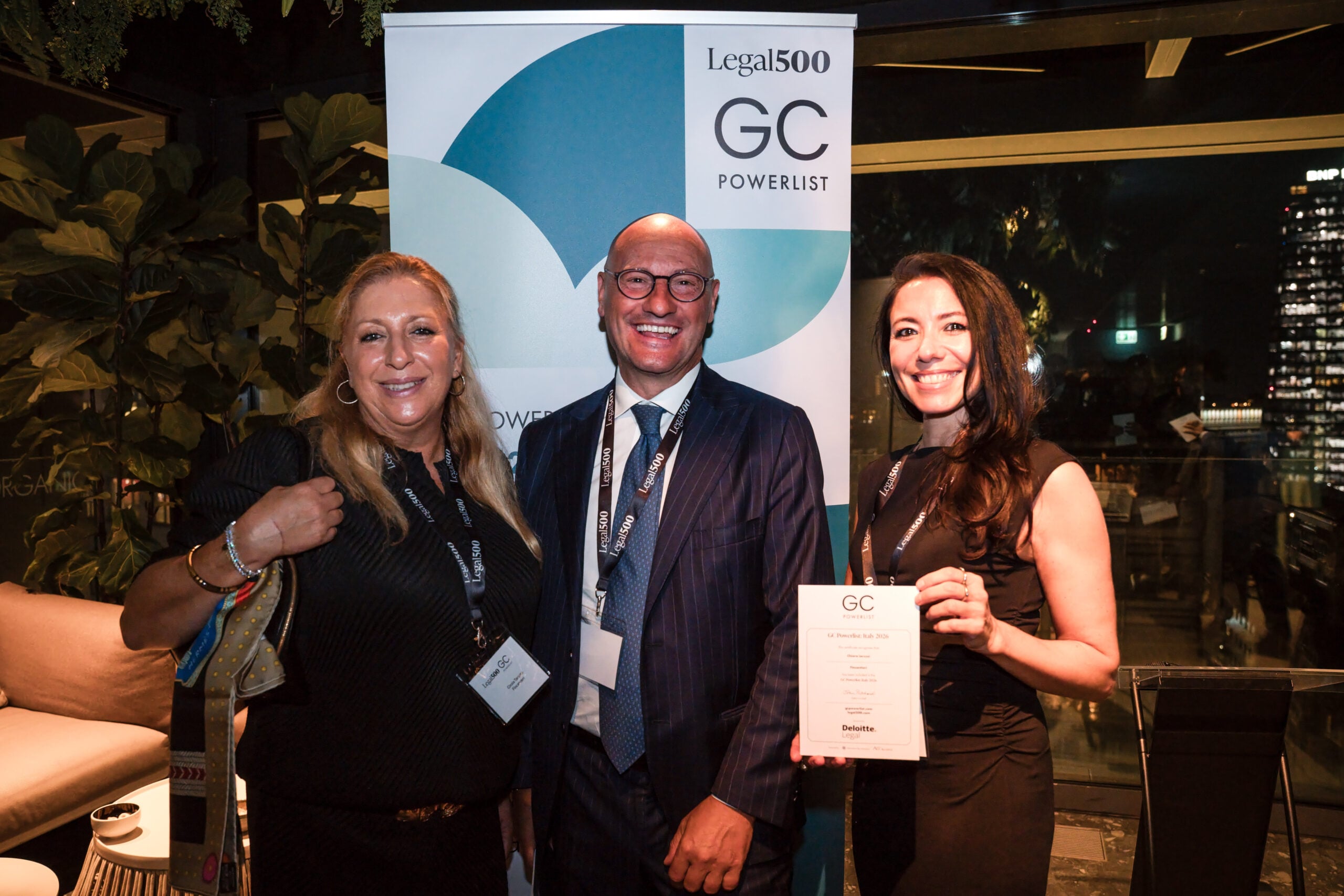
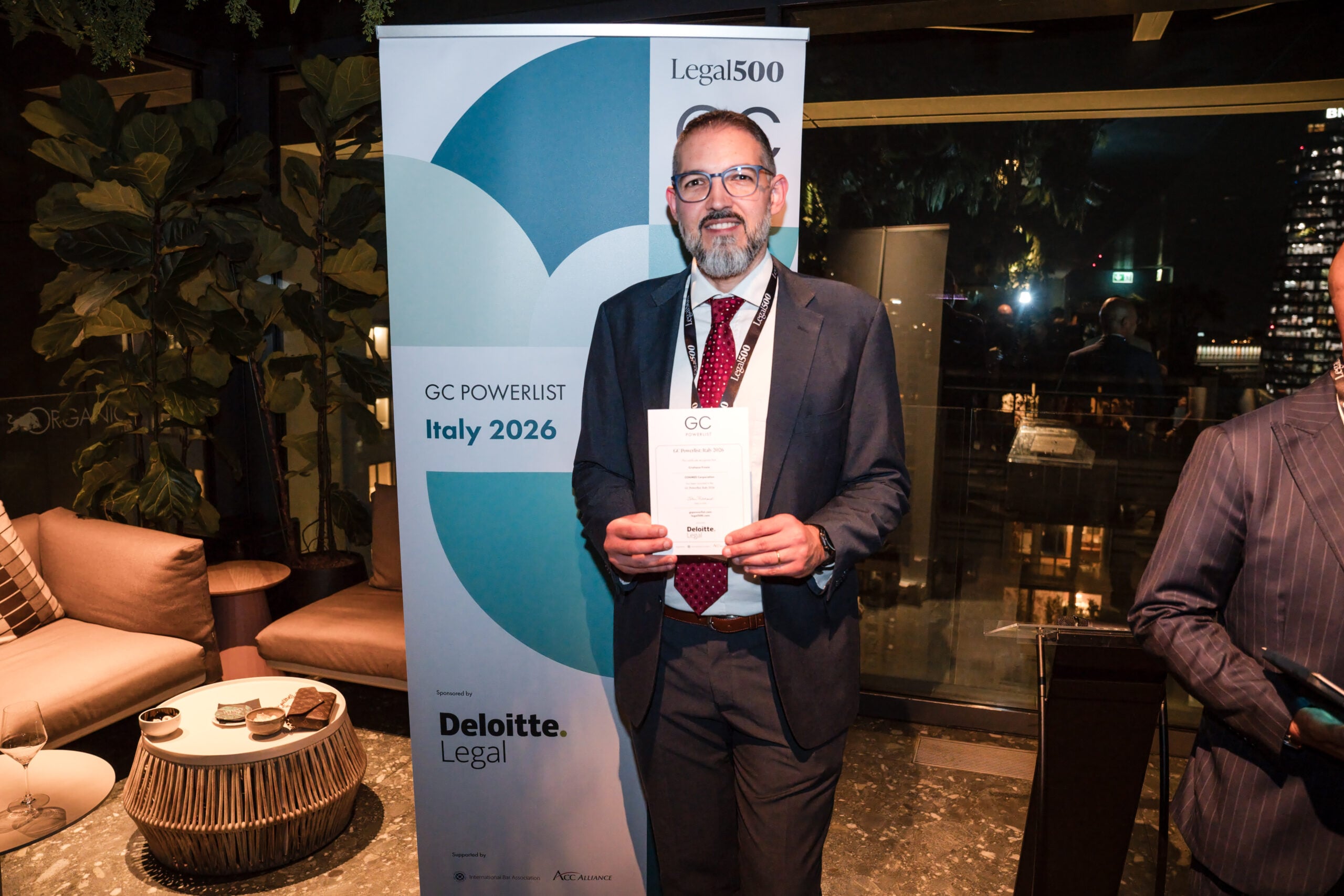
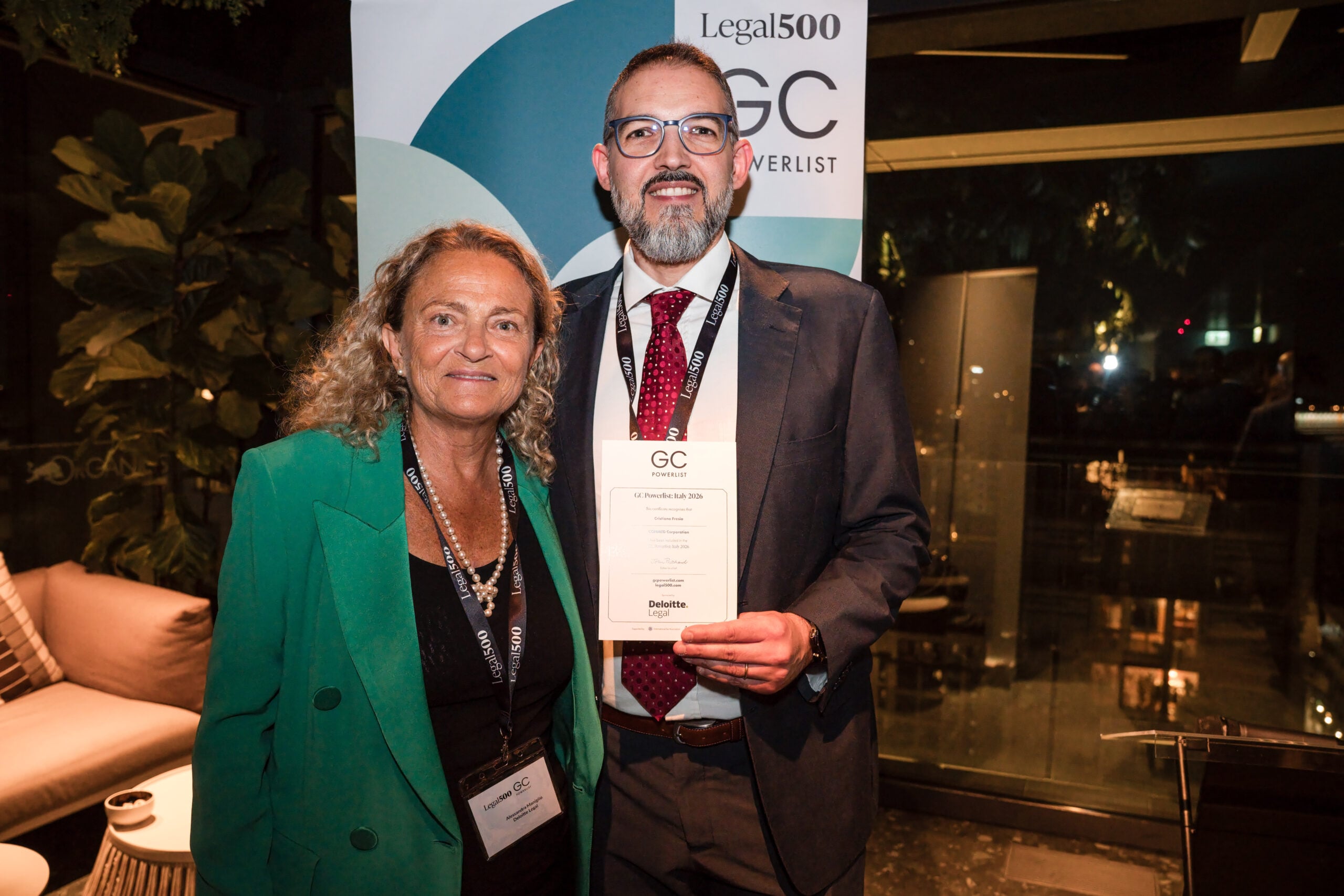
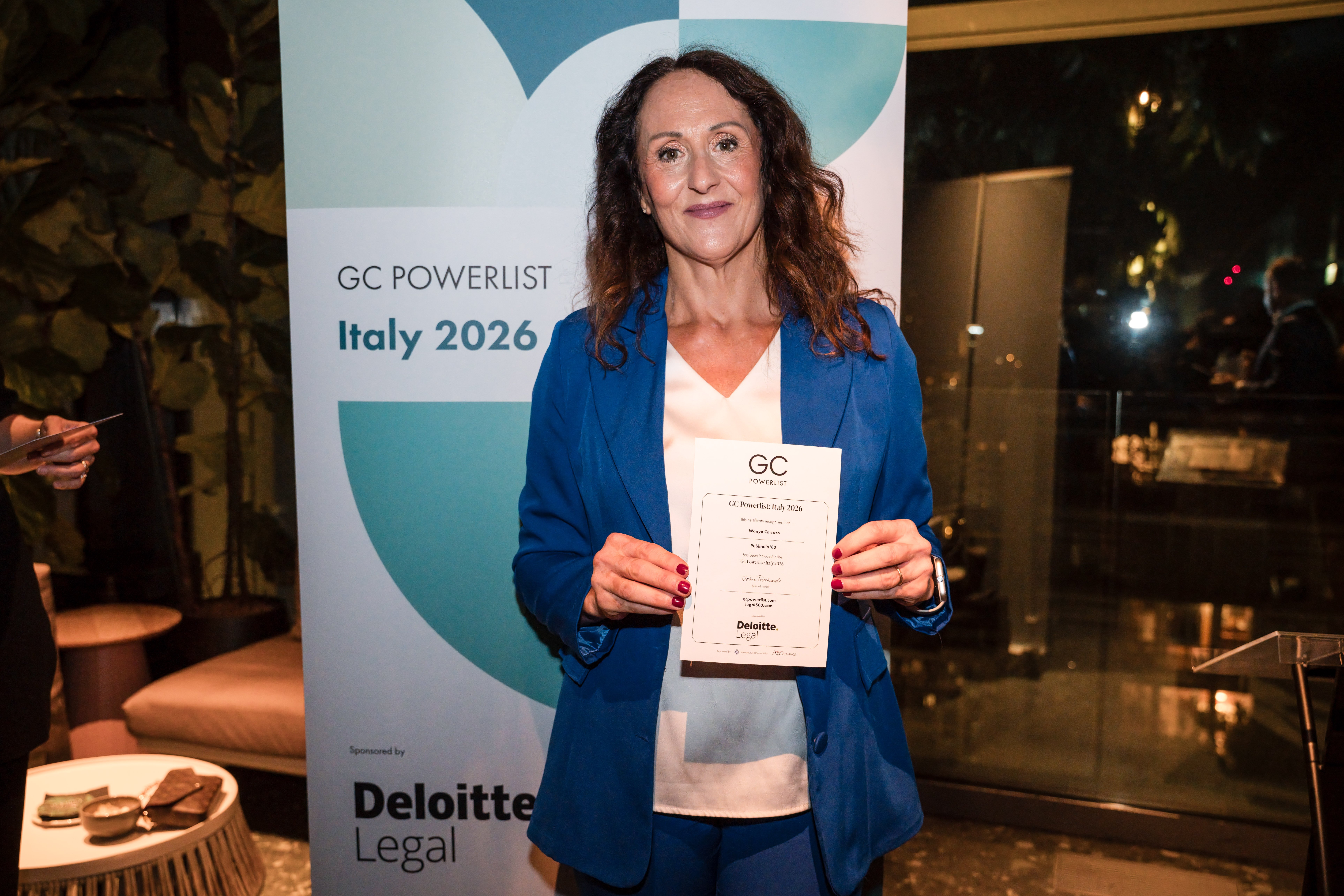
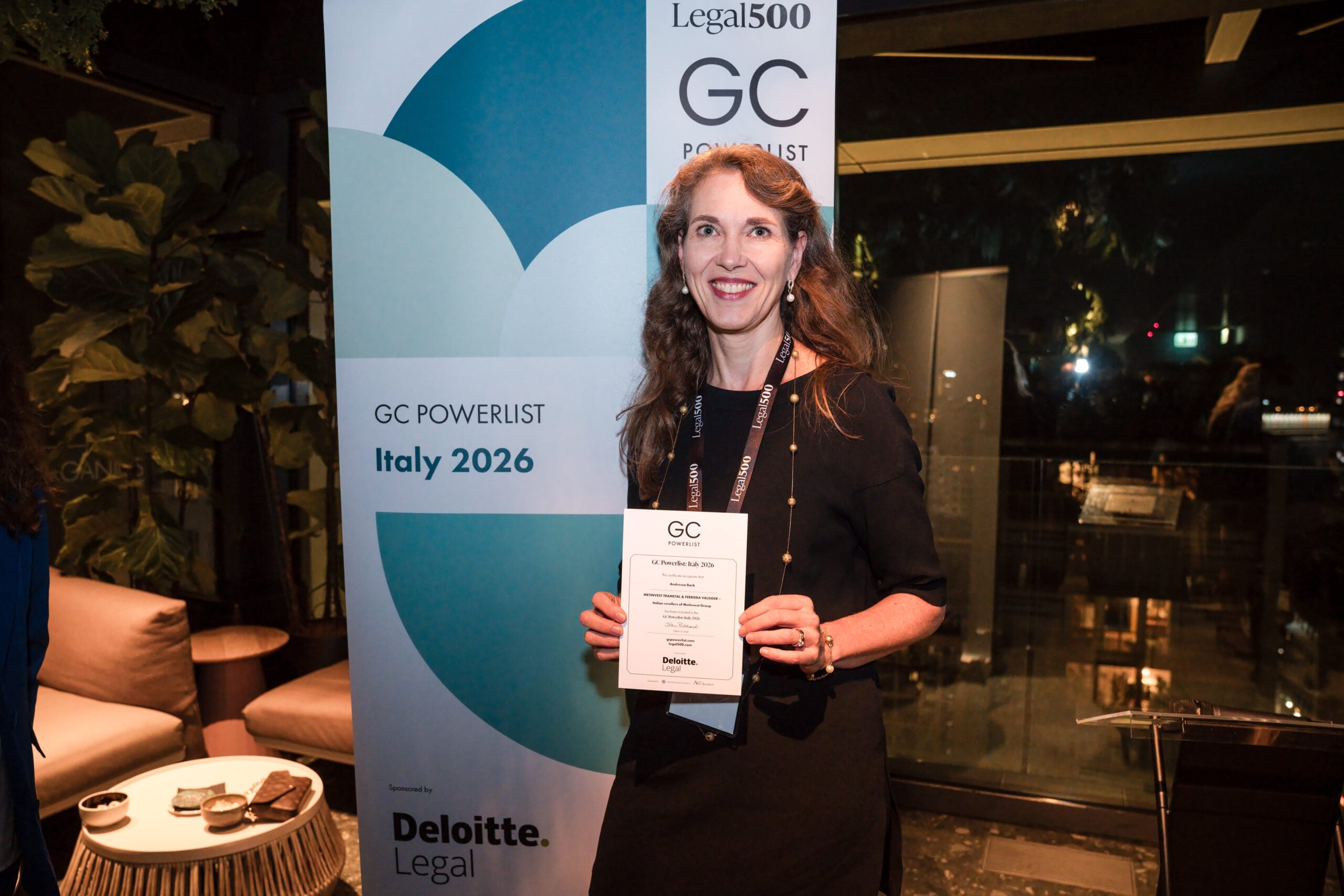
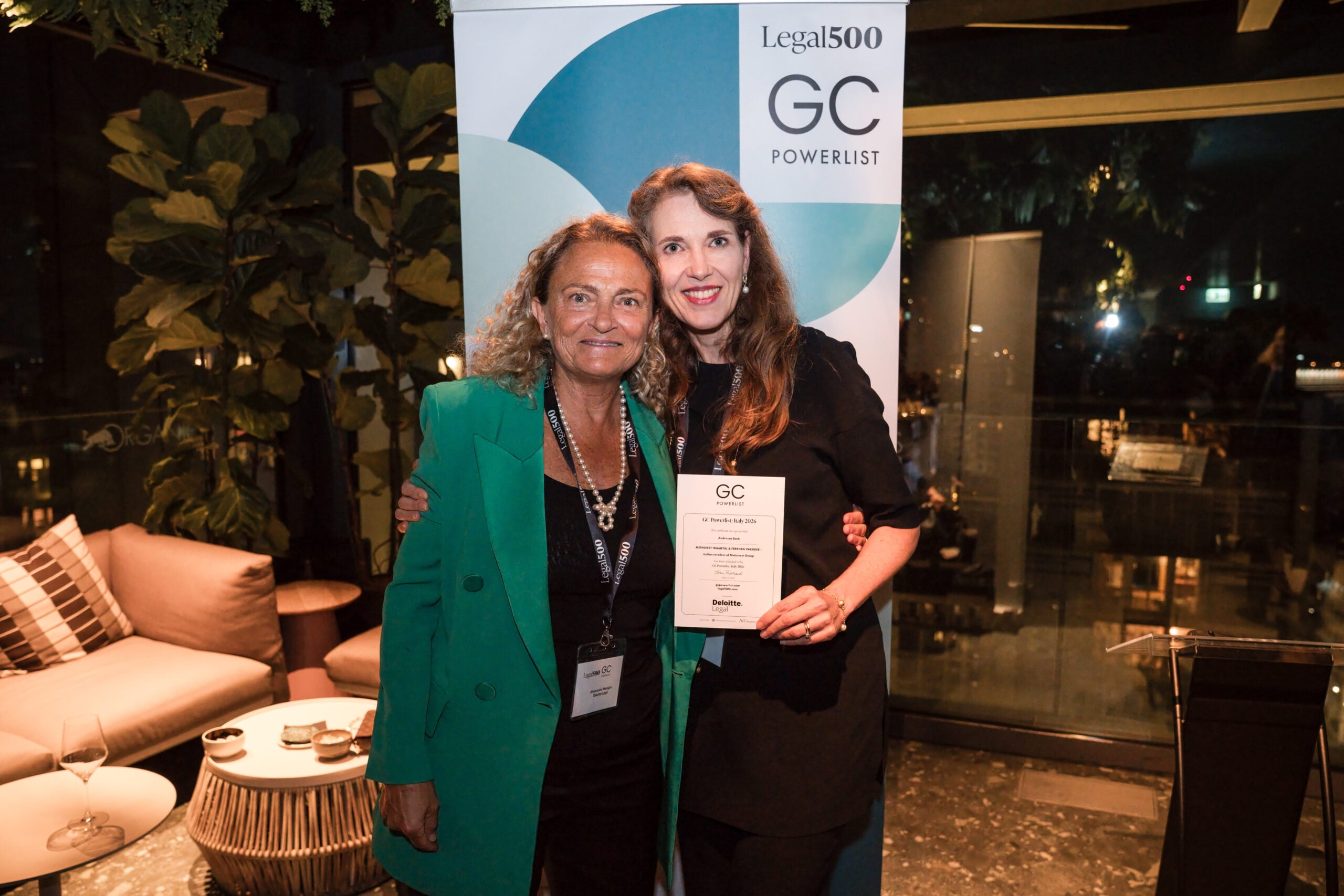
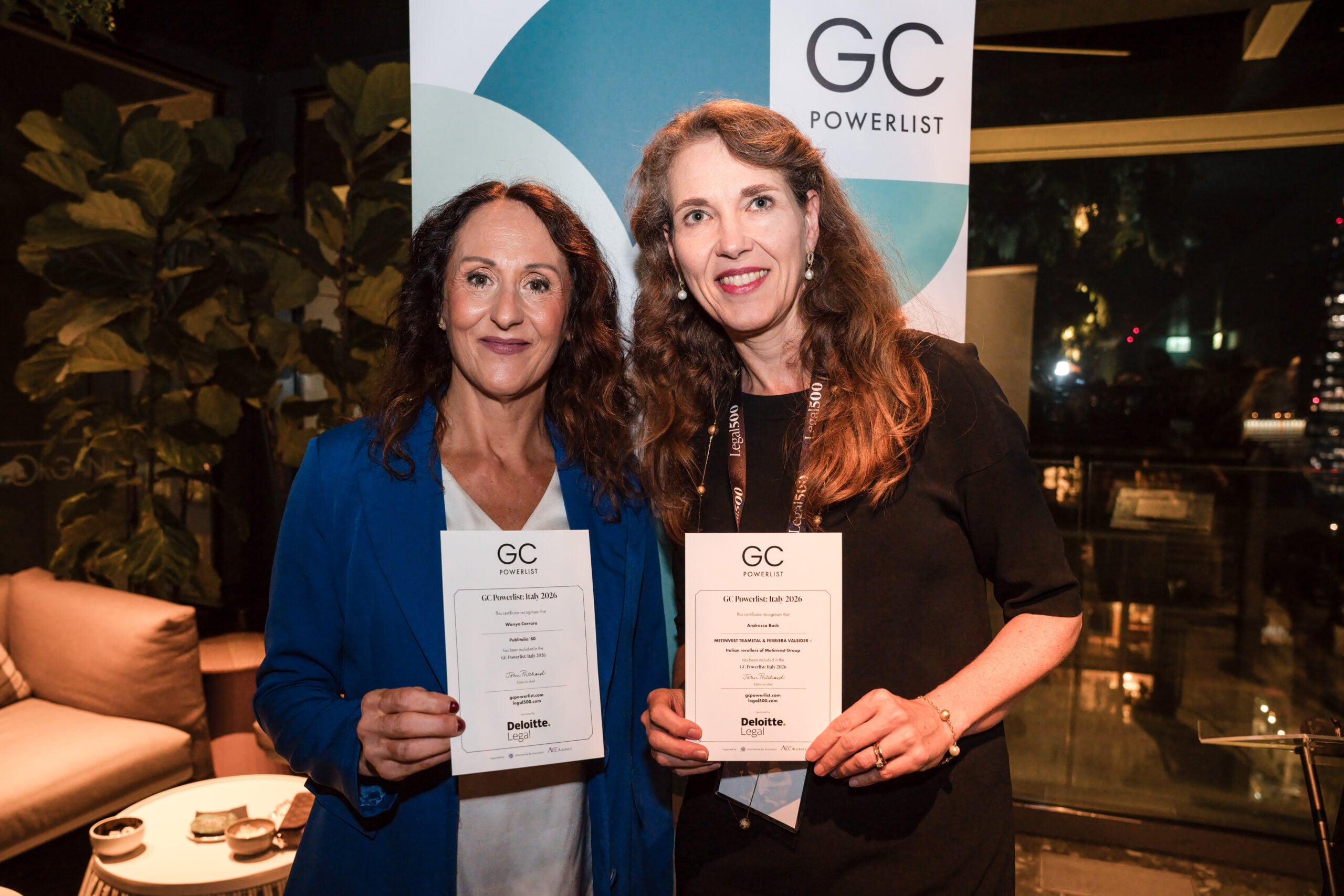
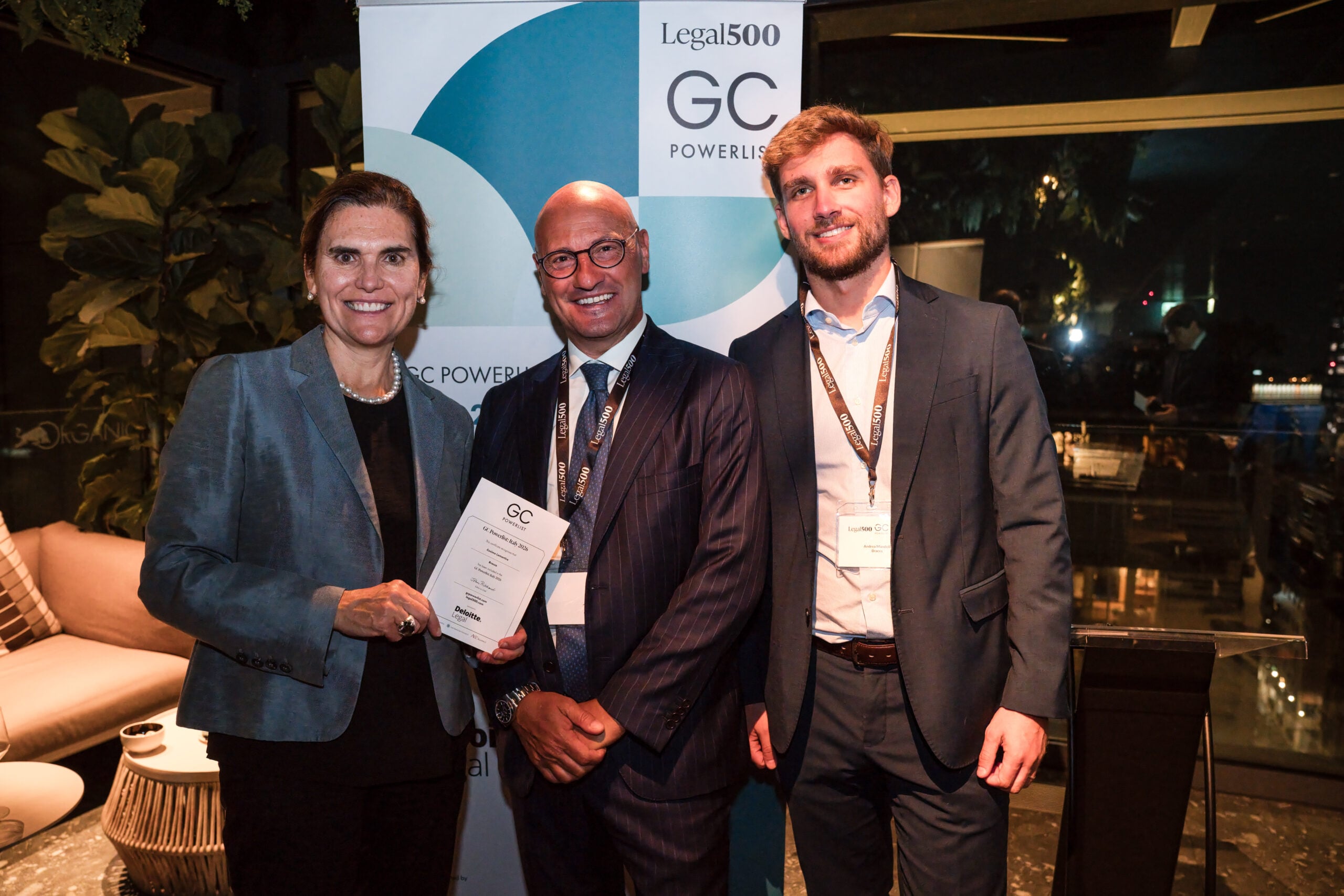
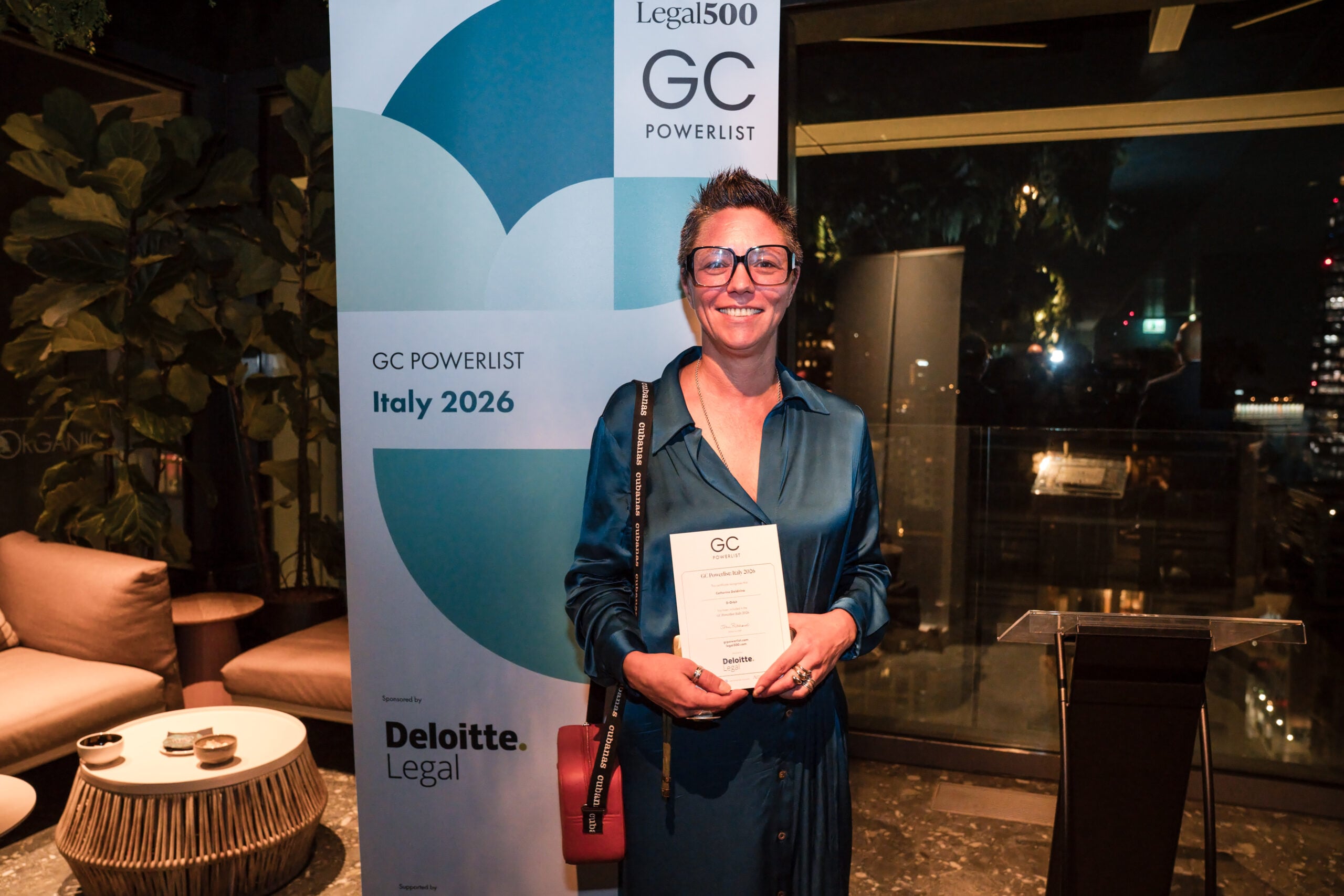
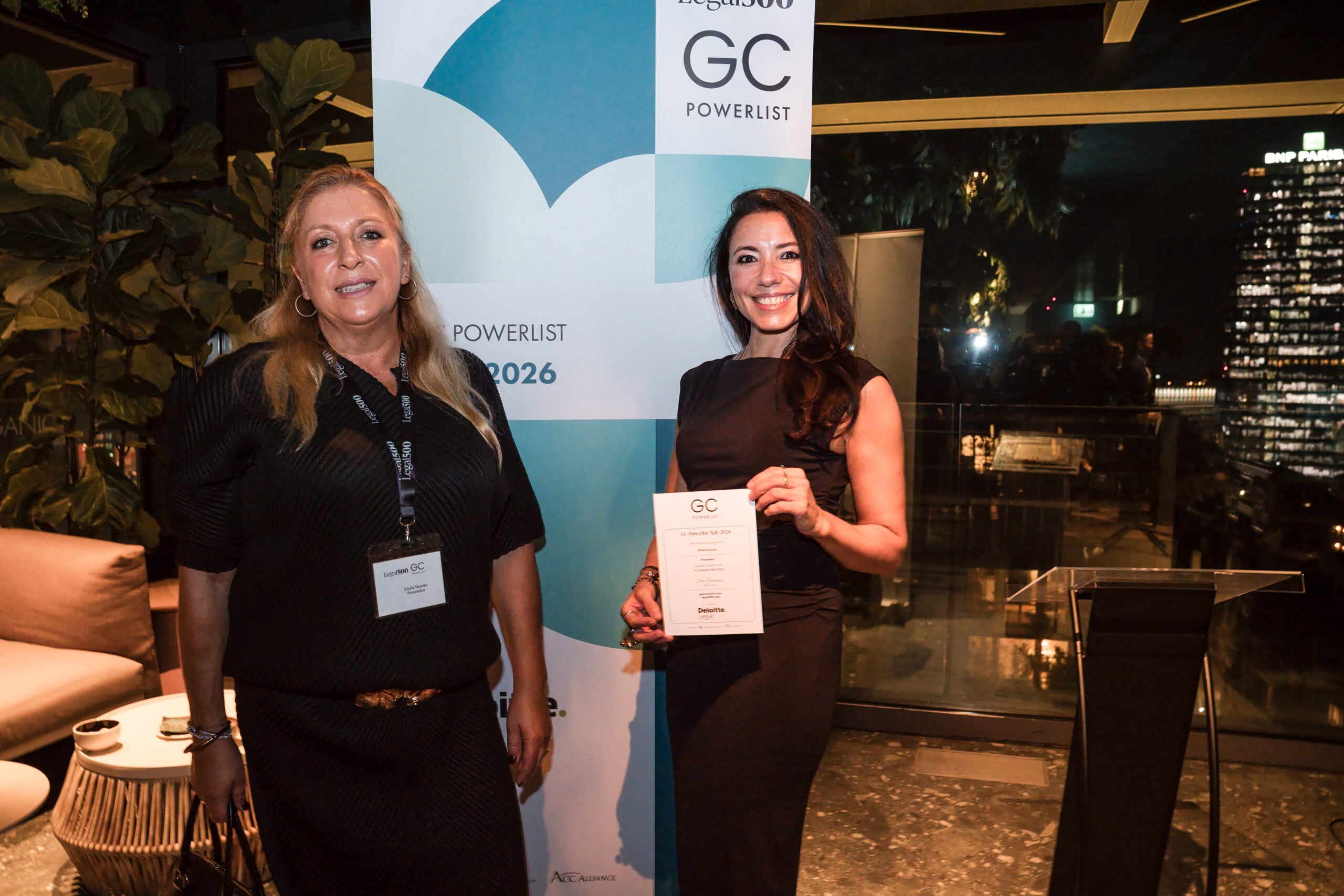
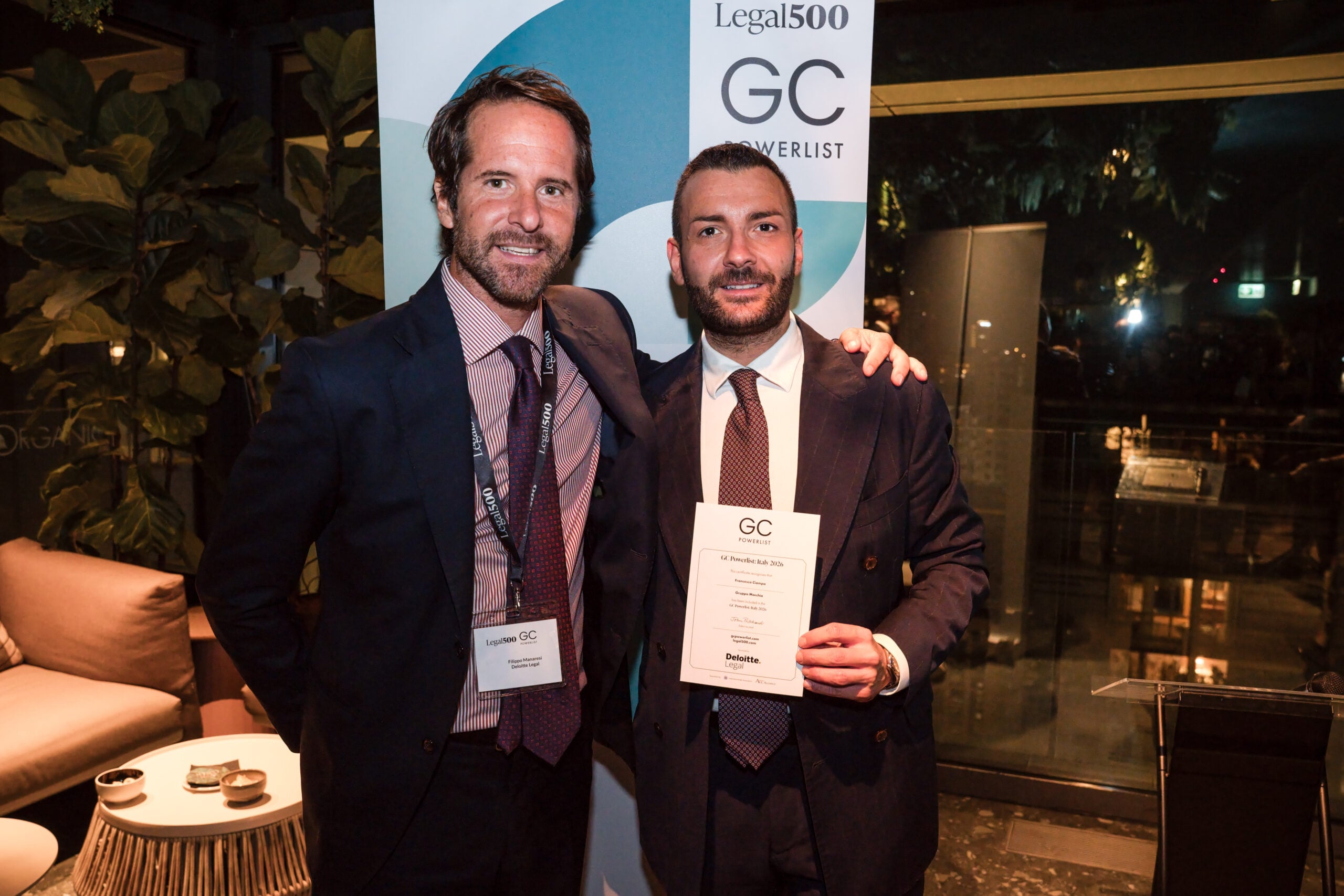
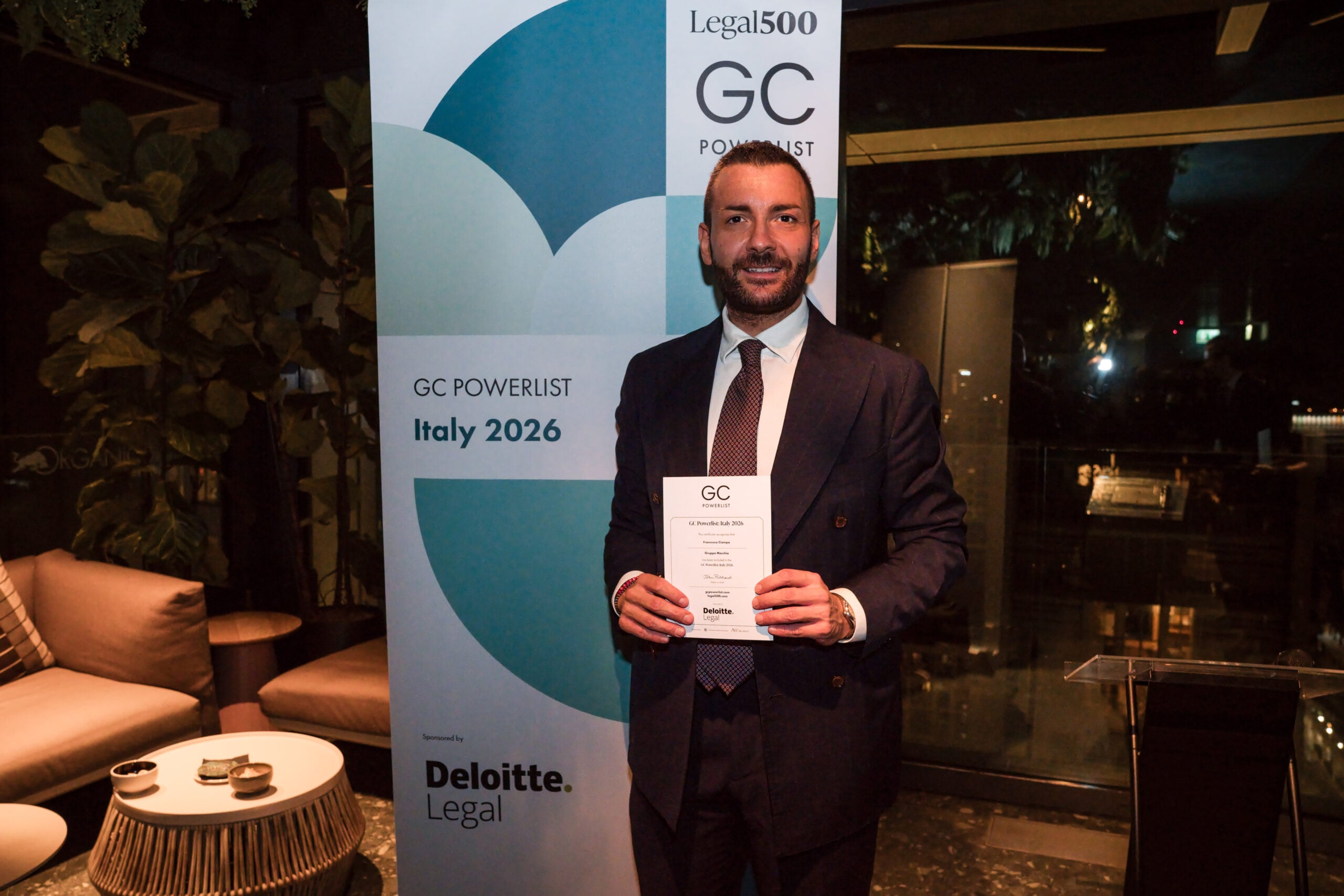
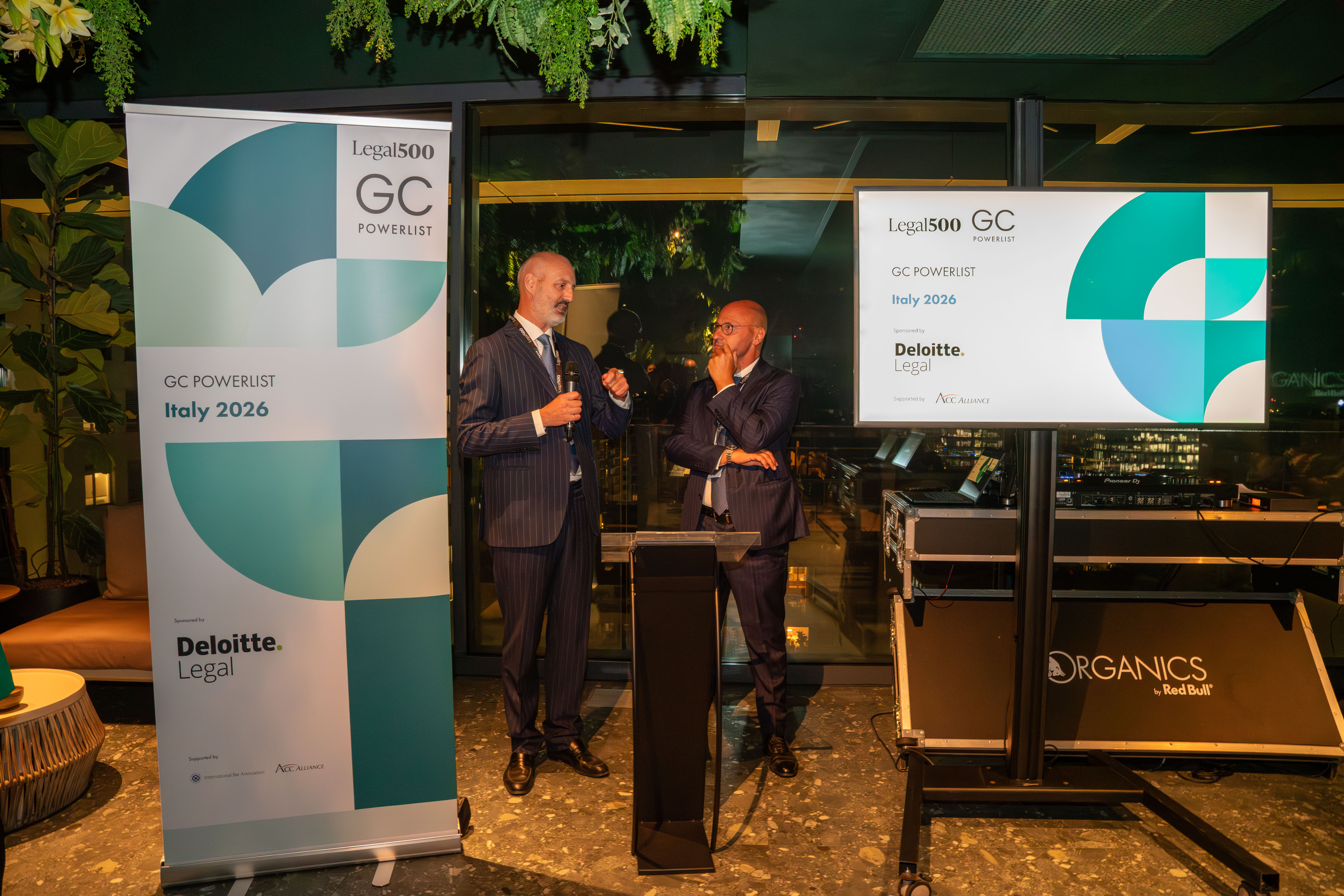
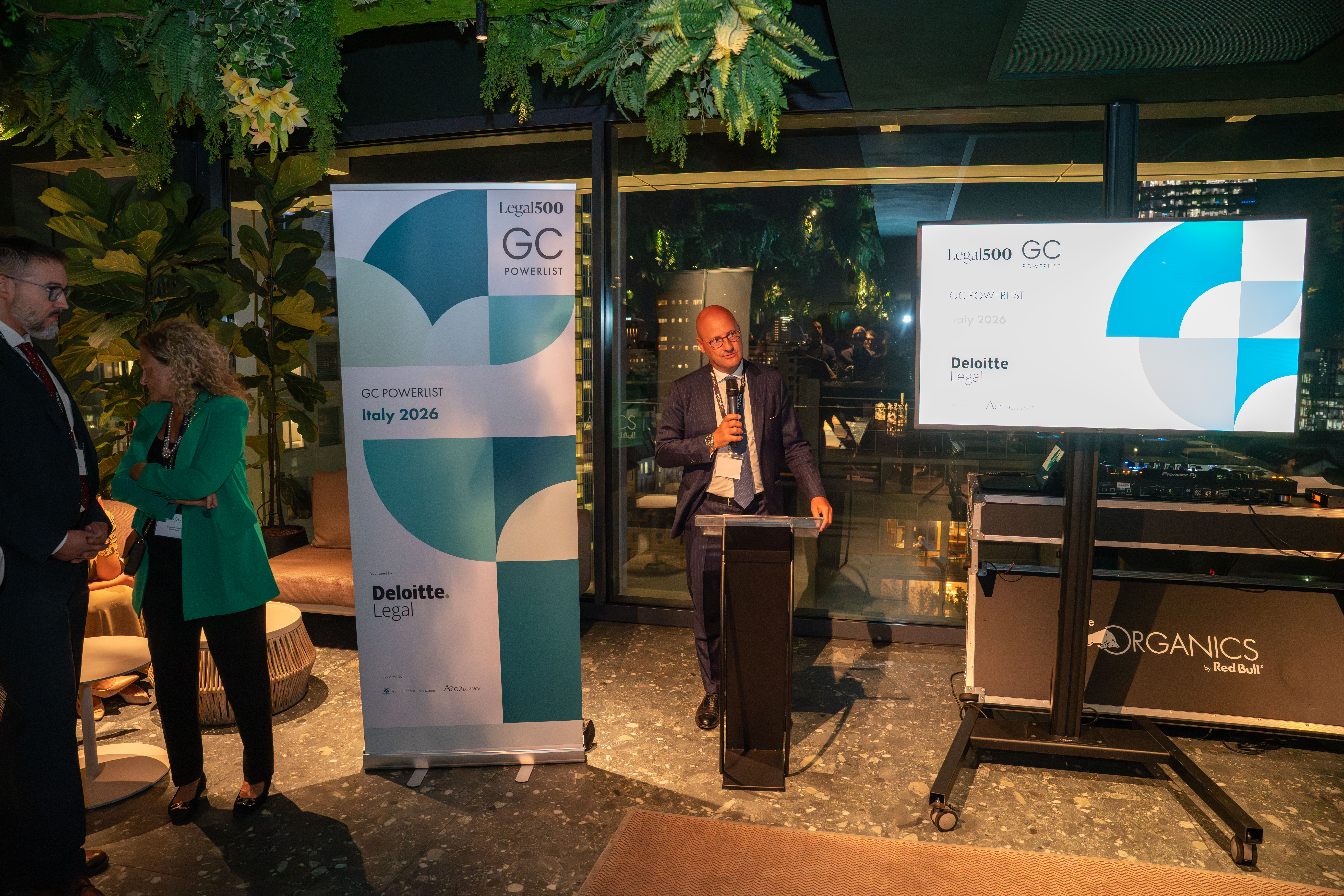
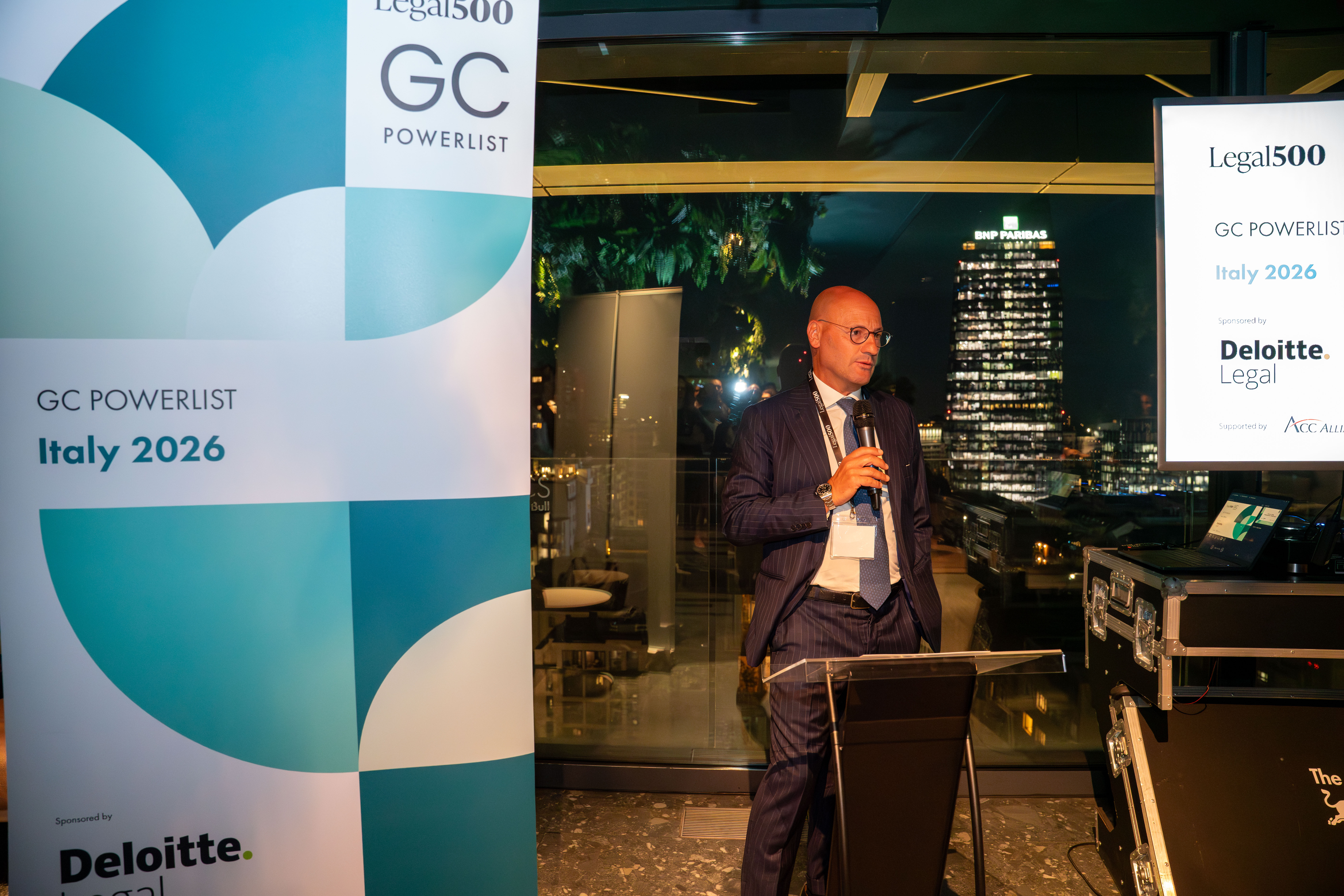
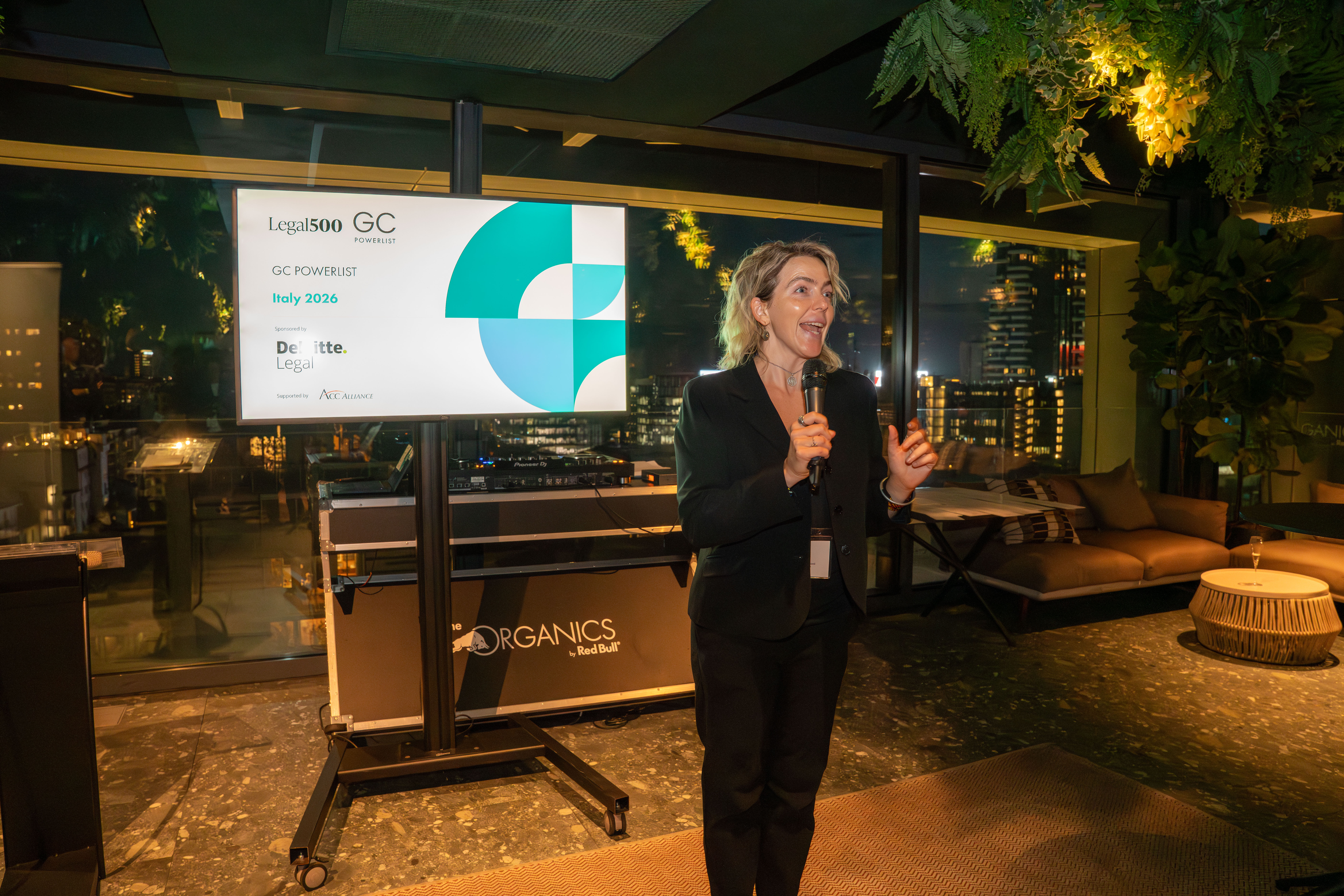
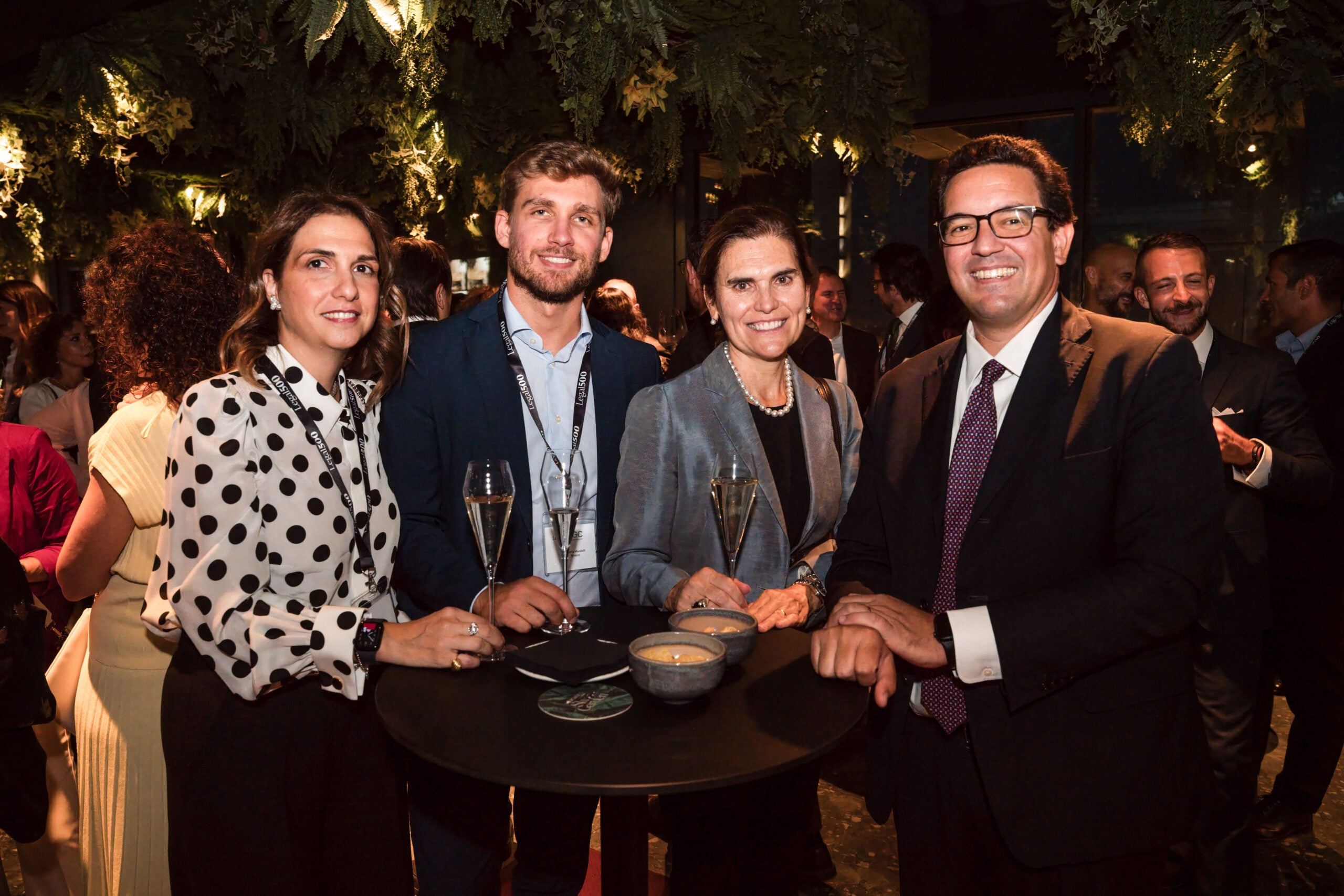
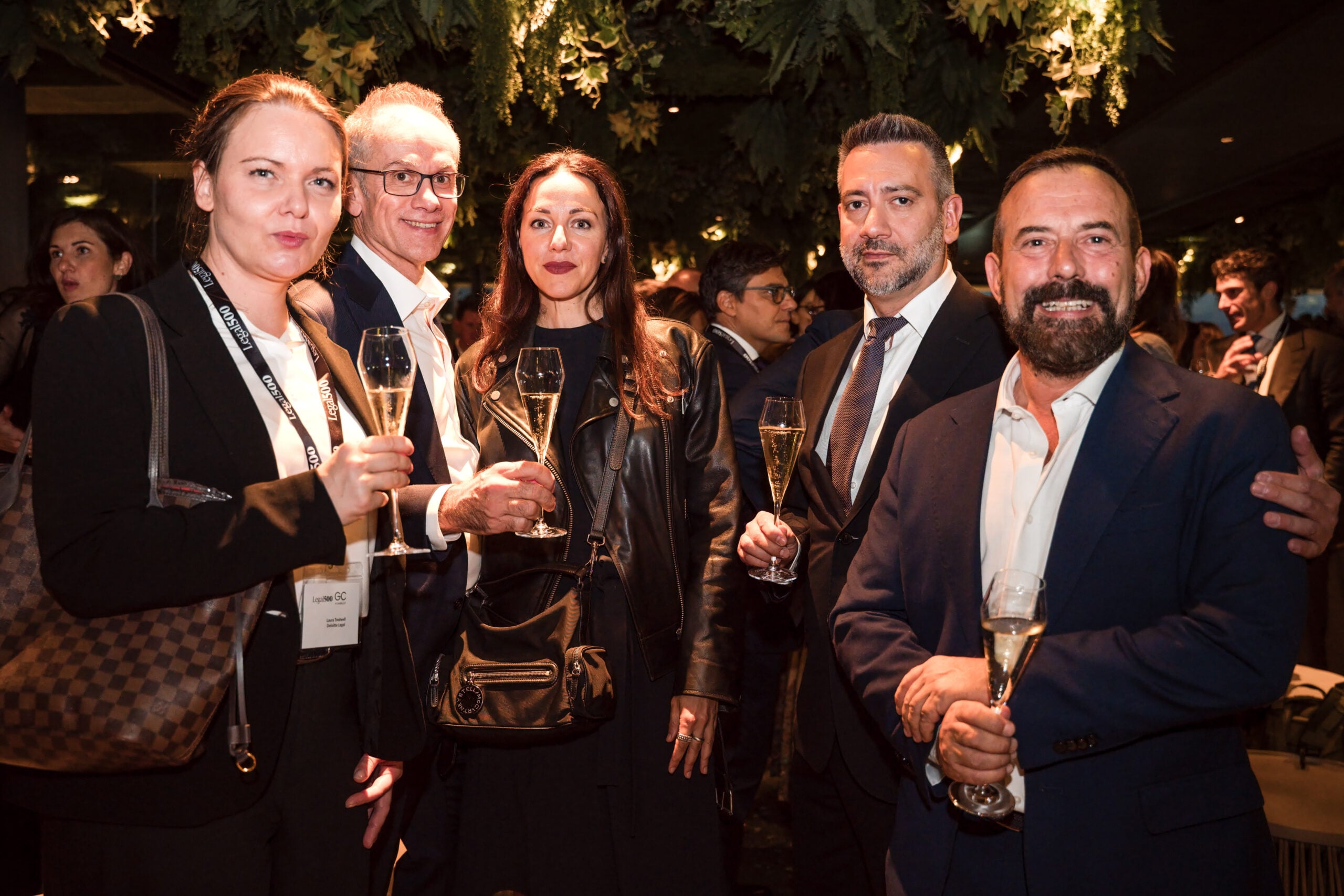
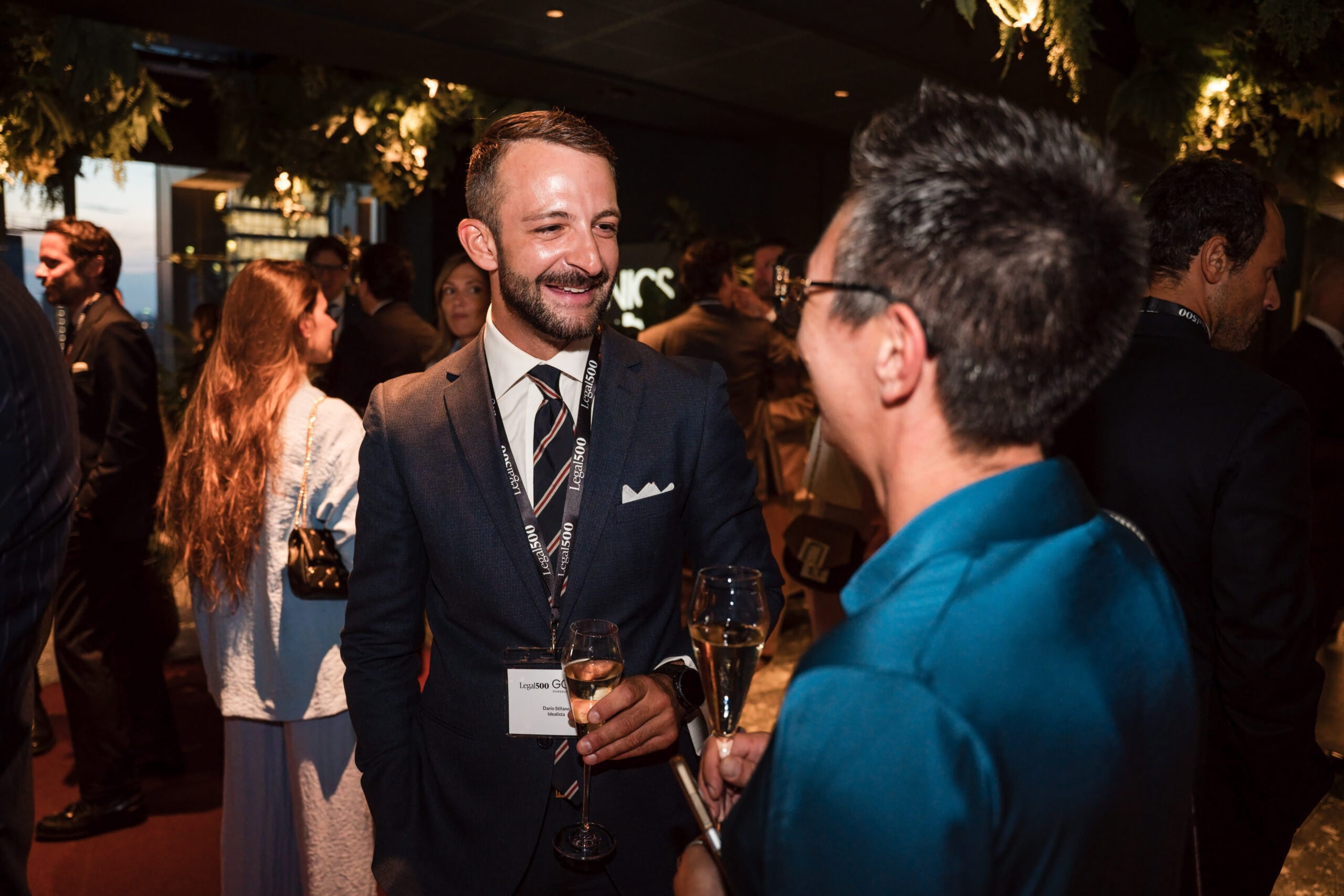
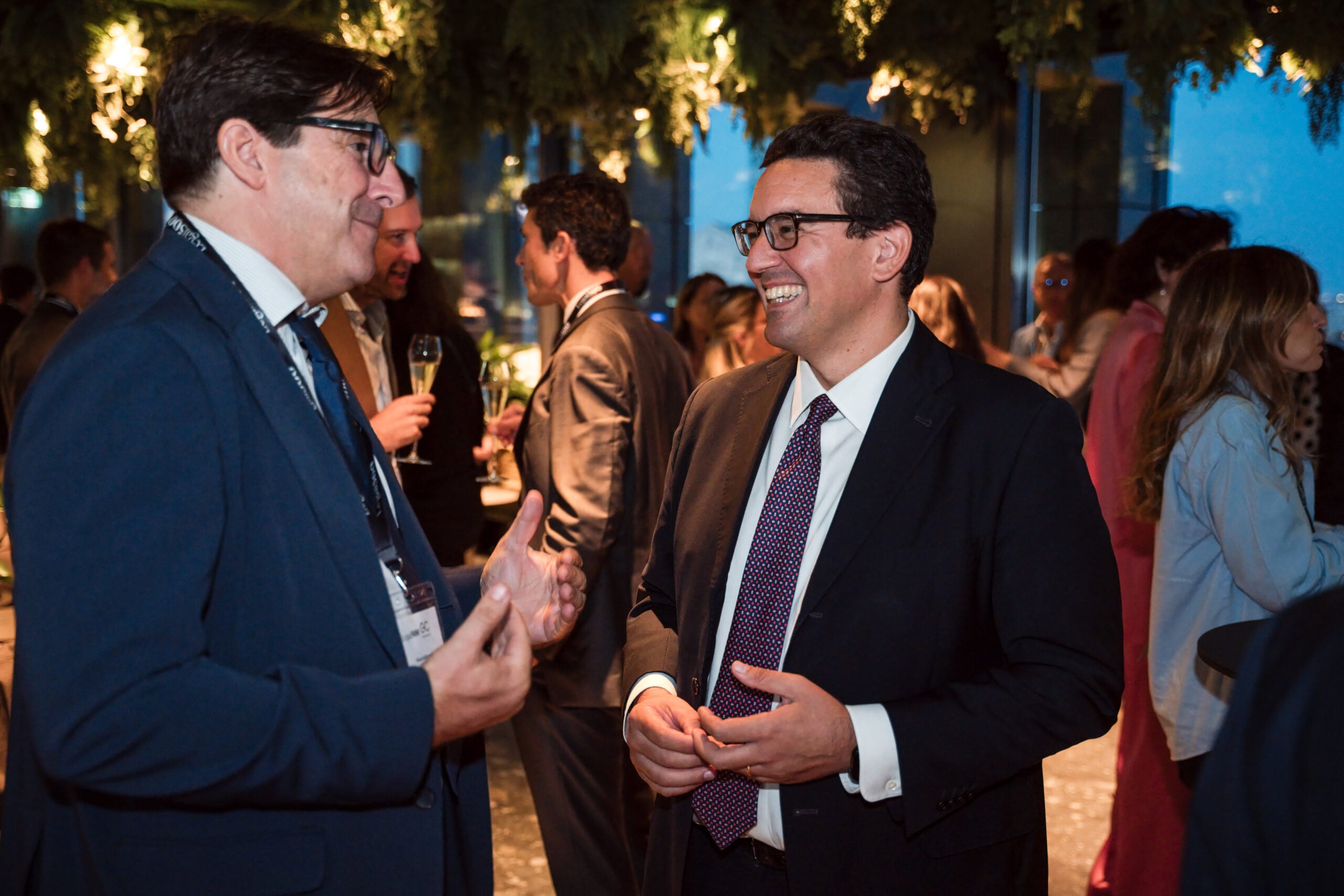
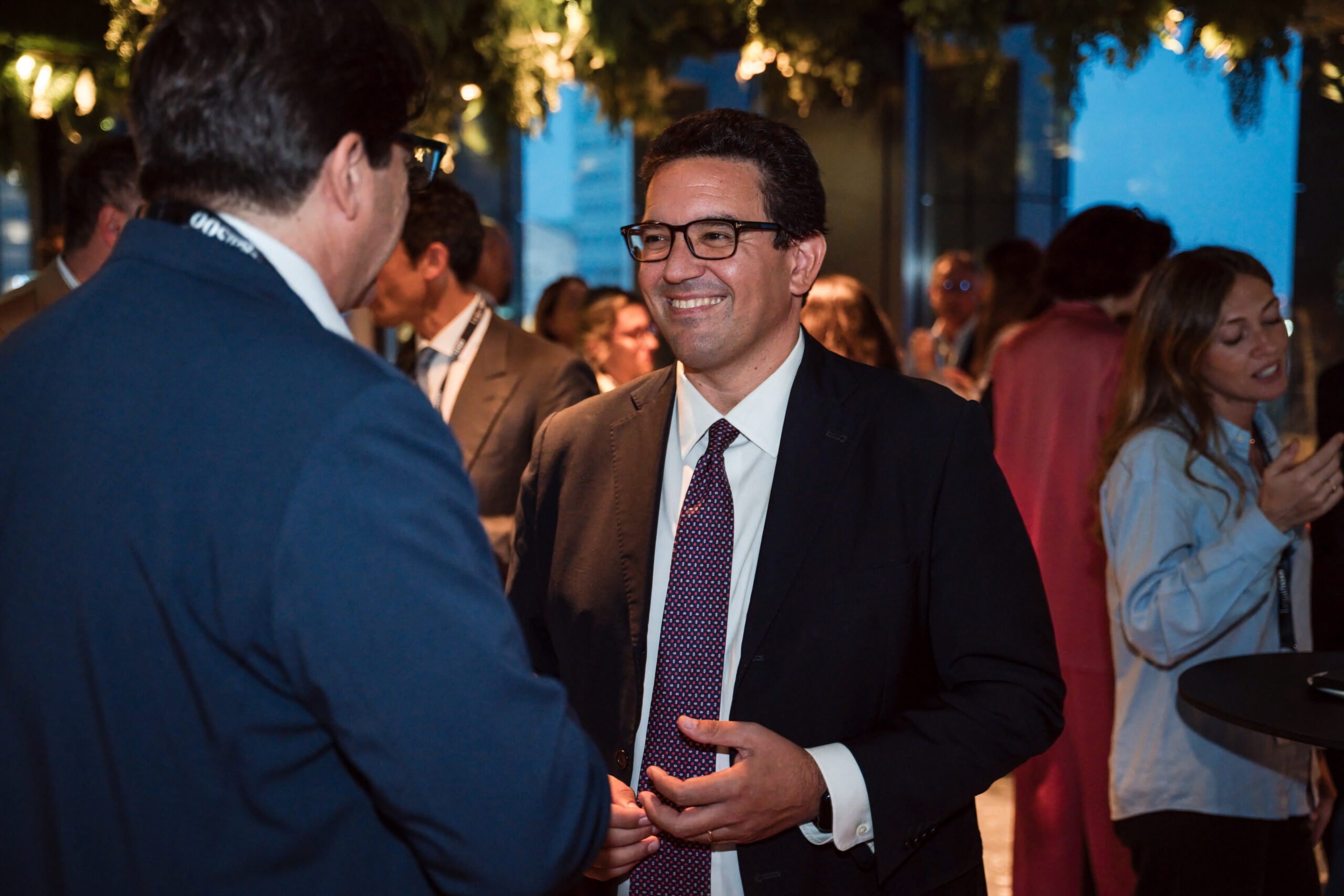
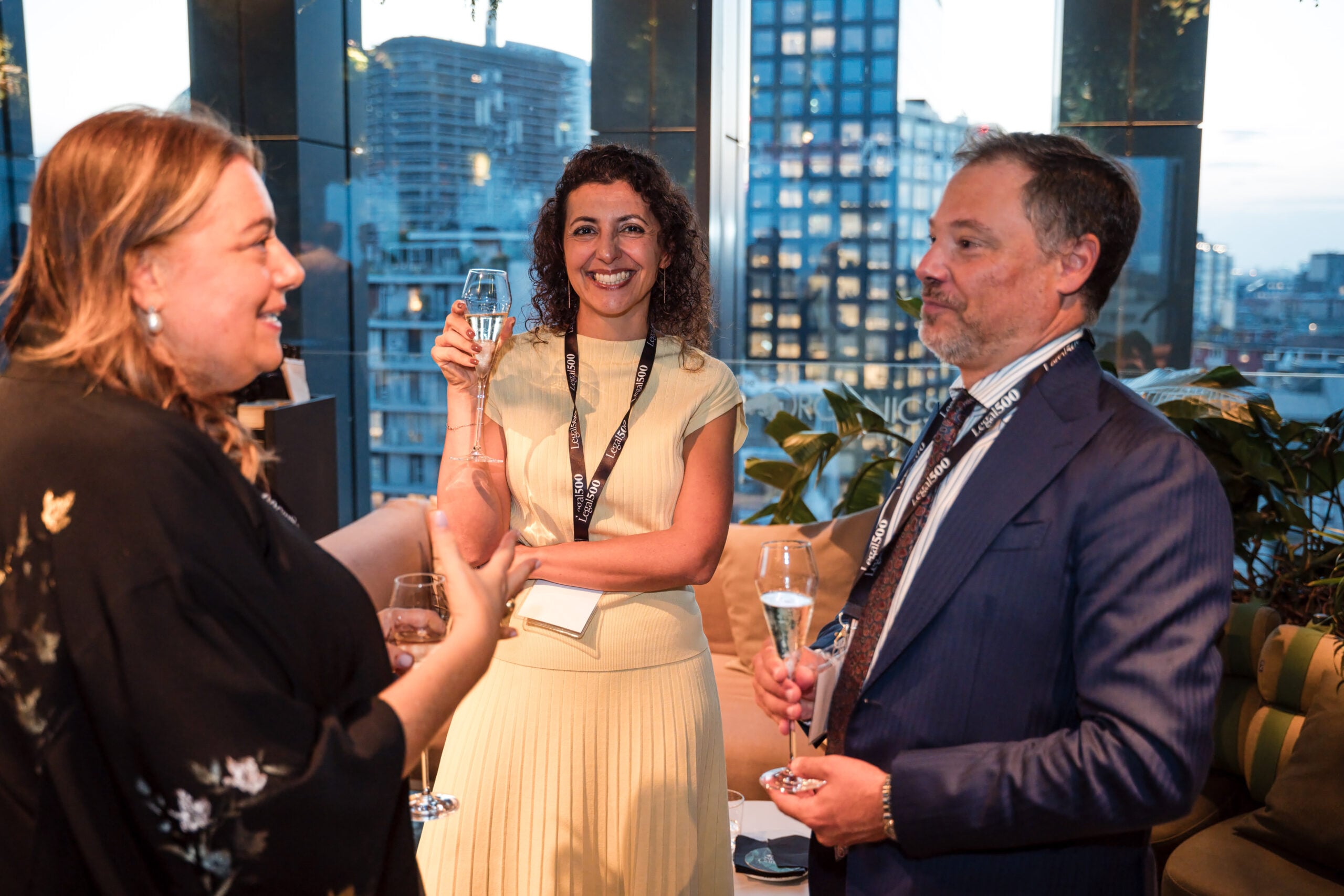
The Legal 500 GC Powerlist: Italy 2026 brought together some of the country’s most distinguished general counsel and senior in-house legal professionals for an evening of celebration, recognition and networking in Milan.
Held on 24 September 2026 at the Organics SkyGarden Rooftop at Hyatt Centric Milan Centrale, the event provided a fitting setting in which to recognise the outstanding achievements of the lawyers featured in this year’s GC Powerlist: Italy.
The evening celebrated an exceptional and diverse group of in-house leaders representing companies across a broad range of sectors, including financial services, energy and utilities, technology, healthcare, consumer products, luxury, manufacturing, transport and infrastructure, media and professional services. This breadth reflects both the diversity of Italy’s corporate landscape and the increasingly important role played by legal departments in organisations across the economy.
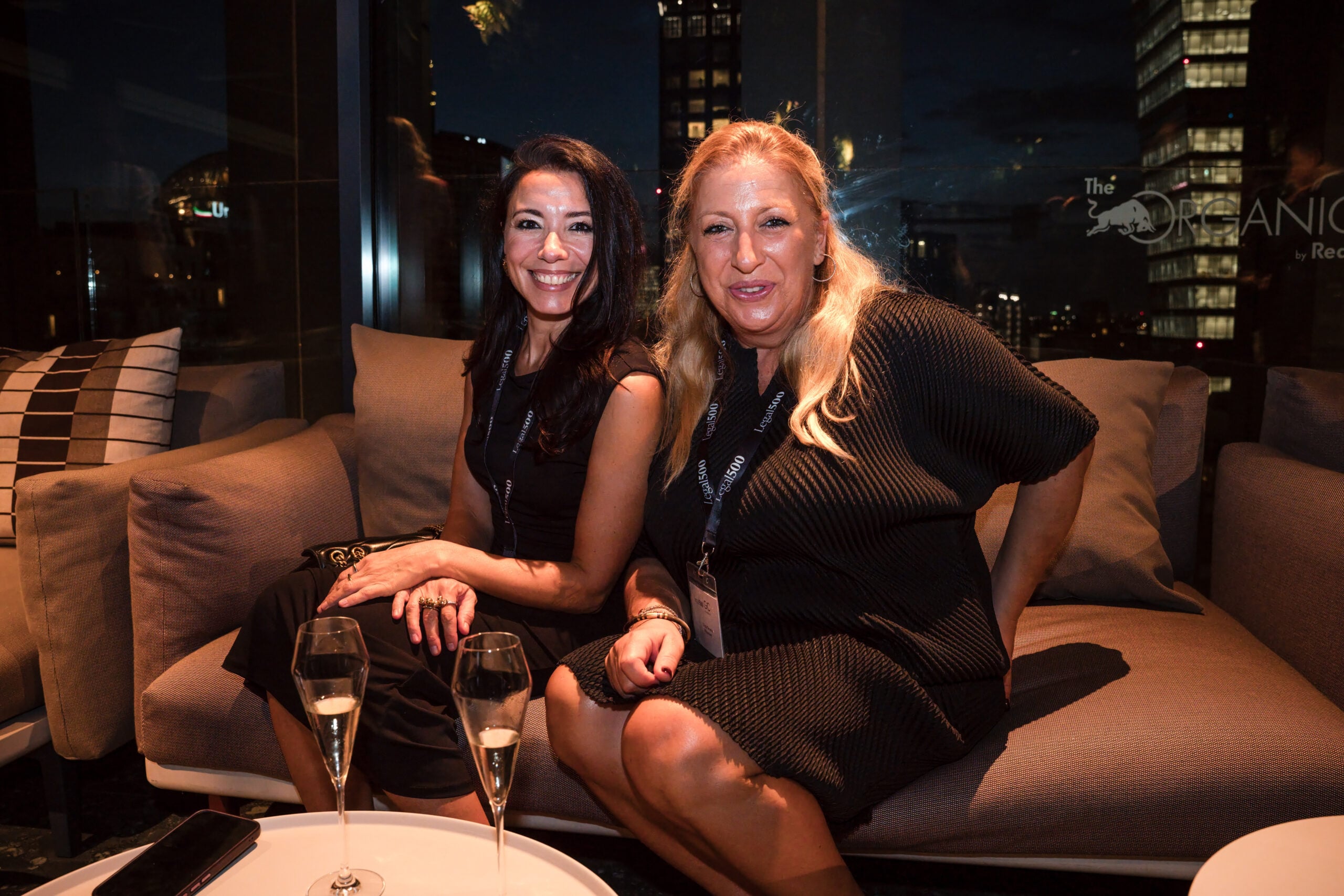
Guests had the opportunity to connect with fellow members of Italy’s in-house legal community, exchange perspectives and celebrate the achievements of this year’s Powerlisters. The strong representation of senior legal professionals from across sectors also reinforced the value of the GC Powerlist as a platform for building relationships and encouraging dialogue within the Italian in-house community.
This year’s research highlighted the continued evolution of the general counsel role. Against a backdrop of increasing regulatory complexity, geopolitical uncertainty, technological innovation and changing business priorities, in-house lawyers are being called upon to contribute well beyond traditional legal advisory work. Artificial intelligence and digital transformation are also reshaping legal departments, creating opportunities for greater efficiency while introducing new questions around governance, implementation and risk.
Throughout the evening, there was a clear sense of the strategic importance that legal teams now hold within their organisations. The professionals recognised in the 2026 Powerlist demonstrate how modern in-house counsel combine technical expertise with commercial awareness, leadership and an ability to anticipate and respond to rapidly evolving business challenges.
The reception also provided an important opportunity to recognise the teams behind these achievements. As highlighted throughout the research for this year’s publication, many of Italy’s leading general counsel place collaboration, talent development and knowledge-sharing at the centre of building effective legal functions.
The Legal 500 would like to congratulate everyone recognised in the GC Powerlist: Italy 2026 and thank all those who contributed to the research and joined us in Milan for a memorable evening.