Spain 2025
Supported by the Association of Corporate Counsel












Secretary general and global head of legal | Grupo Secuoya









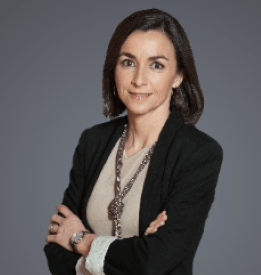

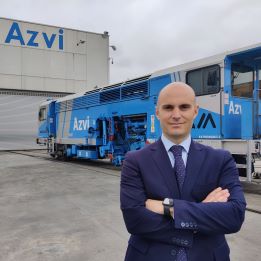
Legal advisory corporate director | Grupo Azvi



General counsel, Spain and Portugal | Samsung Electronics








General legal and compliance counsel para España y Latinoamérica | Inetum


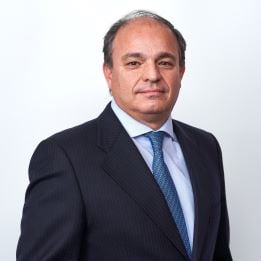

General counsel, compliance officer and company secretary | Holcim



General counsel, legal and compliance, Iberia and Africa | Otis Elevator


Legal director | LaLiga (Liga Nacional de Fútbol Profesional)


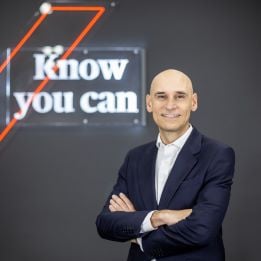

General counsel for Iberia, Italy and LATAM | Securitas Direct








Corporate and legal director | Lantania
Maria Elena Ruiz Paños is a distinguished legal expert with over two decades of experience in international legal affairs, and business negotiations, with a strong focus on the renewable and...

Global general counsel | ACCIONA and Nordex Green hydrogen

Head of legal, risk and insurance and secretary of the board | Transfesa Logistics
Julia is a highly experienced Legal & Risk Director with over 25 years of expertise in corporate and regulatory affairs, having worked across multinational companies in sectors including technology, real...
General secretary of the board of directors | Tubacex
General counsel, compliance director and deputy company secretary | Prosegur

General counsel and secretary of the board | Elecnor

General counsel | Diamond Foundry
Rebeca Brandys has more than two decades of global, broad-ranging transactional and corporate governance experience, including general counsel and legal director roles in public and private technology companies and in...
Global general counsel and vice-secretary of the board of director | Cellnex
After years in the making, we are thrilled to introduce the inaugural edition of the Legal 500’s GC Powerlist: Spain. Following the success of our Iberia and Spain: Latin America Specialists editions, this publication marks a natural and long-anticipated milestone for our team.
Over the past few months, we have had the privilege of engaging with Spain’s most exceptional in-house lawyers, exploring their remarkable achievements, gaining insights into their vast expertise, and celebrating their invaluable contributions to the business and legal landscape. This edition stands as a tribute to their leadership, strategic vision, and unwavering commitment to excellence.
Within these pages, you will find in-depth profiles and exclusive interviews with some of the most influential and highly regarded general counsel across diverse industries. These professionals have consistently demonstrated their ability to navigate complex legal challenges, mitigate risks, and drive business success through their strategic guidance. Their stories serve as an inspiration to the wider legal community, underscoring the pivotal role that in-house lawyers play in shaping their organisations’ growth and resilience.
This first-ever GC Powerlist: Spain also features exclusive discussions on key legal trends and challenges, offering a comprehensive perspective on the evolving role of in-house counsel. We invite you to explore this edition and discover the extraordinary individuals shaping the future of legal leadership in Spain.
On behalf of the Legal 500, I extend my sincere gratitude to all the in-house lawyers featured in this publication for sharing their insights and experiences. It is an honour to present this distinguished list of Spain’s most outstanding and influential legal professionals.
Francisco Faria e Castro | Research Editor | GC Powerlist Series