Romania 2025
Supported by the Association of Corporate Counsel


Assistant general counsel, legal compliance, EMEA | Genpact



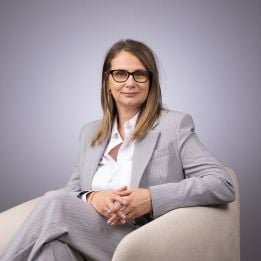



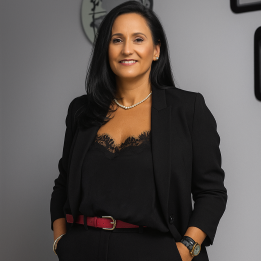


Legal and Compliance Manager, Romania and Bulgaria | HCLTech


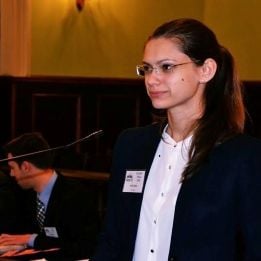

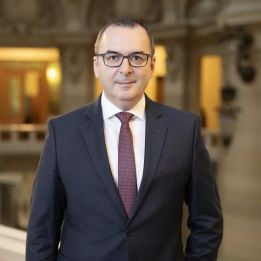

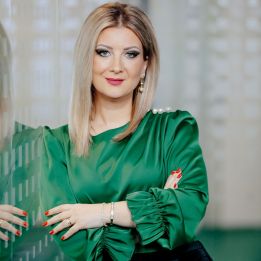
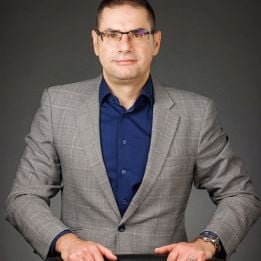
Head of Legal Department, IT, Digital & Innovation, Business Development, Renewables & Major Constructions | Engie Romania


Legal manager, Romania, Moldova, Bulgaria, Serbia, Croatia and Slovenia | Sandoz Pharmaceutical

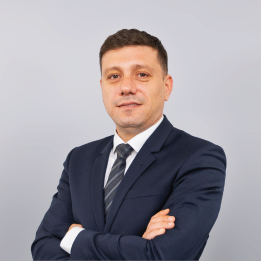






Head of Corporate, Competition & Legal Assistance on Strategic Projects | Engie Romania




Legal counsel lead Romania, Hungary and Croatia | Accenture






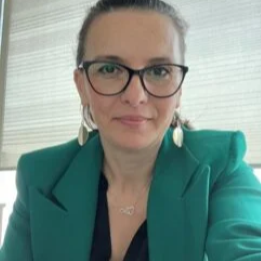

Legal and compliance lead, CEE | Haleon
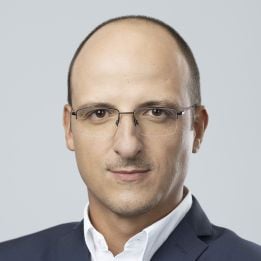

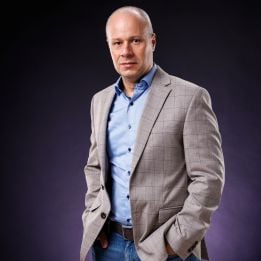
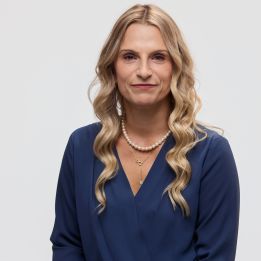

Director of legal and public affairs department and member of the executive committee | Up Romania
Legal manager, Romania, Moldova, Bulgaria, Serbia, Croatia and Slovenia | STRABAG
Head of legal and secretariat general department | Bucharest Stock Exchange
Corporate, external and legal affairs lead, Central Europe | Microsoft
Legal manager, Romania, Moldova, Bulgaria, Serbia, Croatia and Slovenia | Therme Group
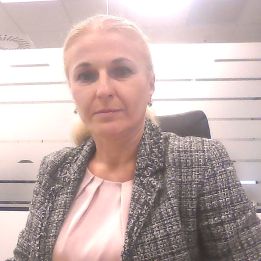

Head of Legal Capgemini Romania Ethics and Compliance Officer | Capgemini
Legal and insurance lead, Romania, Croatia, Turkey and Hungary | IPSO Agricultură
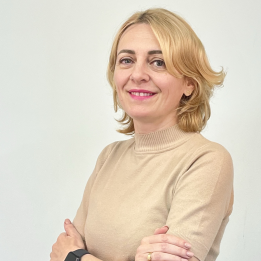

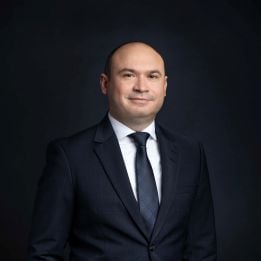
General counsel, compliance officer and board secretary | Holcim Romania
On behalf of The Legal 500, I am pleased to introduce the GC Powerlist: Romania 2025.
This edition recognises general counsel and in-house legal teams who play a key role in shaping Romania’s business landscape. Through our research, we met with professionals who not only provide legal advice but also influence corporate strategies, streamline processes, and contribute to their organisations’ success.
Across Romania, general counsel are going beyond traditional roles. They are helping companies navigate through regulations, adopt new technologies, manage risks, and support and drive change. The GC Powerlist: Romania 2025 highlights those who combine legal expertise with practical leadership.
As Raluca Gheorghiu, Head of Legal at UiPath, says: ‘One of the most impactful initiatives my team has led recently is the end-to-end digital integration of our commercial quoting process… transforming a previously manual, multi-step workflow into a seamless, automated experience’.
Partnership lies at the heart of quality legal work. Alice Iuliana Radu, General Counsel at Bosch, explains: ‘Ensuring organisational resilience during instability or crisis is fundamentally rooted in a proactive, collaborative, and adaptable strategy… Our legal team acts as a critical business partner, actively engaged in foresight and risk mitigation’.
Innovation and digital tools are now central to legal work. Ioana Regenbogen, Head of Legal and Corporate Affairs at ING Bank Romania, notes: ‘Together with my team, I have coordinated and contributed to initiatives that have made banking simpler, safer, and more inclusive… from AI-powered customer support to instant payments and accessibility reforms’.
Technology is also changing the nature of the profession itself. Robert Ioniță, Group General Counsel at NEPI Rockcastle, says: ‘The rise of generative AI and large language models is fundamentally reshaping the legal profession. Beyond process automation, these technologies are becoming integral to decision-making, knowledge management, and client advisory work’.
Romania’s legal leaders show that legal excellence is about more than just managing risks. It is about supporting the business, solving problems, and helping teams work better.
We are proud to present the GC Powerlist: Romania 2025, a recognition of legal professionals who are making a real impact, shaping their organisations, and preparing for the future of corporate law.