Norway 2025
Supported by the Association of Corporate Counsel

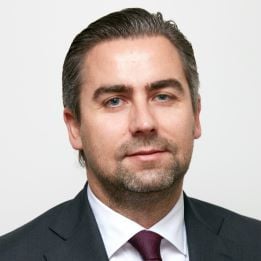
General counsel | Brødrene Dahl AS/Saint-Gobain Distribution Norway AS
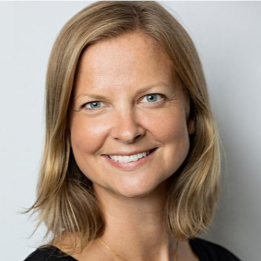

General counsel | TOMRA Collection Solutions


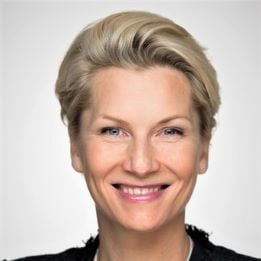

Head of legal section | Norwegian Defence Estates Agency NDEA (Forsvarsbygg)


Chief legal & sustainability officer, General counsel | Dibber
General counsel & Local head of financial crime prevention | Handelsbanken Norway
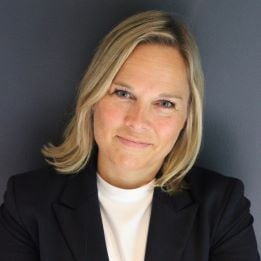
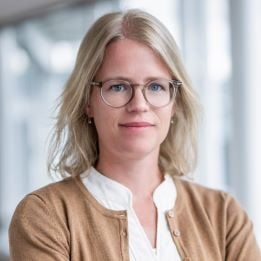
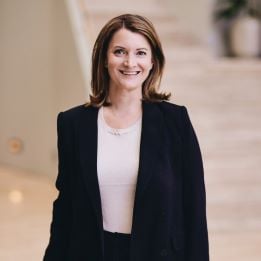
Group general counsel, Executive management team member | AutoStore Holdings Ltd.

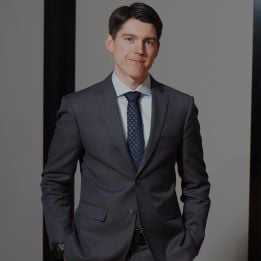

General counsel business banking Nordea, Head of legal Norway, branch manager | Nordea

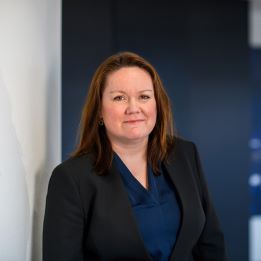

General counsel and Executive director for legal | CEPI (Coalition for Epidemic Preparedness Innovations)
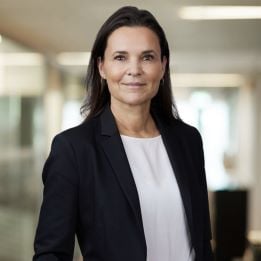
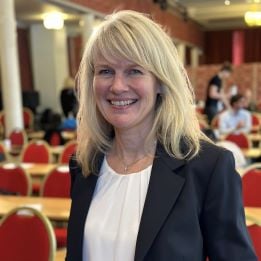
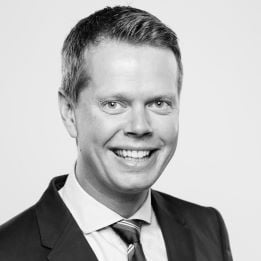

VP, Group legal director, General counsel | DNV AS
General counsel, European and international affairs | Statnett SF
Group EVP and General counsel & Chief of staff | Kongsberg Gruppen
VP Head of legal, privacy and security management | Intility
Acting group CEO and General counsel | Altera Infrastructure
Head of legal Telenor Norge AS & VP group legal Telenor ASA | Telenor
General Counsel - Chief Legal and Compliance Officer | Torvald Klaveness

SVP legal and General counsel | Wallenius Wilhelmsen ASA
EVP Legal & compliance | Kongsberg Defence & Aerospace
VP General counsel Nordics | The Adecco Group
I am delighted to announce the launch of Legal 500’s GC Powerlist Norway: 2025. Once again, Legal 500 is proud to recognise some of the leading in-house counsel across the country and celebrate their achievements.
I would like to extend my congratulations to all those who are featured in the 2025 edition of the Powerlist and thank everyone who contributed to this year’s research process.
As today’s legal landscape and business environment continue to rapidly evolve, in-house counsel must adapt just as quickly. ‘Modern in-house counsel must now, more than ever, be able to quickly adapt to change,’ says Ole Garborg, General Counsel at Elkem ASA, noting that ‘currently the world around us changes constantly’.
Camilla Nyhus-Møller, Chief Legal & Compliance Officer at Höegh Evi, agrees: ‘while the core qualities [that a modern in-house counsel should possess] remain largely unchanged, the pace at which these skills must be applied is increasing’. To ensure advice is relevant and current, in-house counsel must stay ahead of fast-moving economic, political, and regulatory developments. As Marianne Blindheim, General Counsel at Vard Group AS, succinctly puts it: ‘Speed is the new currency’.
But speed alone is not enough. In-house lawyers must also provide clear, coherent advice. “If your advice isn’t understood, it holds no real value,” says Helge Lundestad, General Counsel and Local Head of Financial Crime Prevention at Handelsbanken Norway.
Meanwhile, in-house teams are grappling with what Nina Melandsø, General Counsel at TINE SA, describes as a ‘tsunami of new regulations’ – in areas such as AI, cybersecurity, and ESG. These rapid regulatory shifts put legal teams in the spotlight, requiring ‘substantial resources and expertise to manage effectively’, she notes.
Among these challenges, ESG regulations remain at the forefront of many minds within the legal sector. ‘The general counsel role is becoming increasingly integrated in a company’s sustainability strategy,’ according to Renate Lystad General Counsel and Chief Sustainability Officer at Havfram. Melandsø agrees, emphasising that GCs can drive ESG culture through everything from trainings to monitoring and compliance systems to ensuring a culture of ESG awareness from the top down: ‘General counsel can contribute to a corporate culture that supports ESG principles in many ways’.
However, as Camilla Tellefsdal Robstad, EVP Legal & Compliance at Orkla ASA, reminds us, ‘Fostering a culture that supports ESG principles and compliance – a culture of integrity – is a joint effort.’ Legal, compliance, and ESG teams ‘need to work closely together and be aligned’.
But the rapid development, the balancing act and the challenges can ultimately be rewarding and form the basis of the in-house counsel role. As Christopher Andreas Terkelsen, General Counsel at BDO Norway, puts it: ‘No day is the same.’