Morocco 2025
Supported by the Association of Corporate Counsel

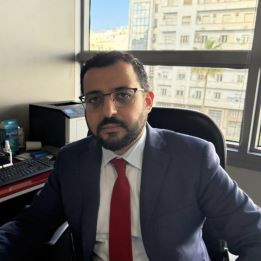
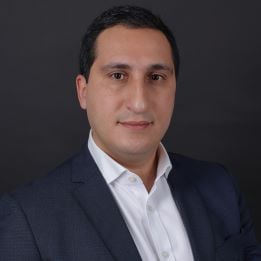
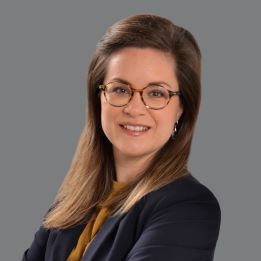
Head of legal & internal control -Board secretary | Air Liquide Maroc
Legal Director and Compliance Officer | Ciments du Maroc - HeidelbergCement Group
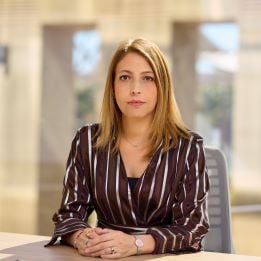

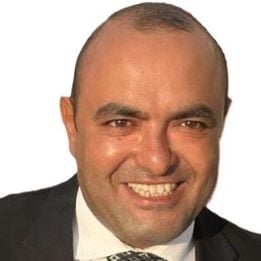


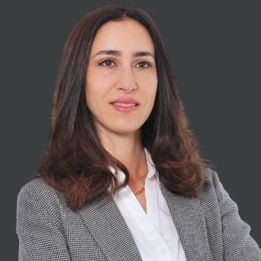
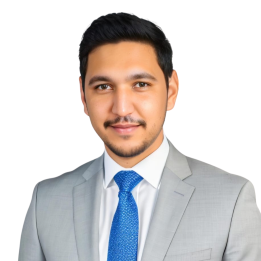
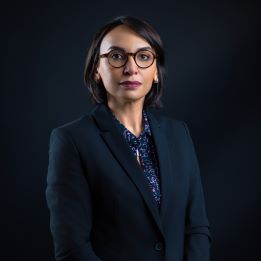
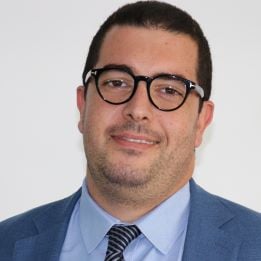
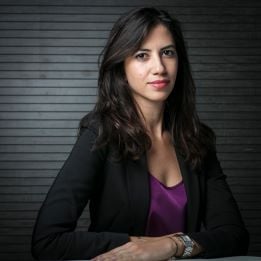
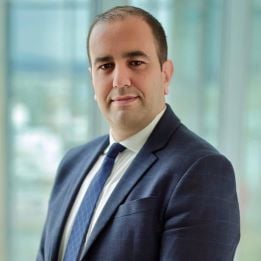
Legal Advisor Maghreb Manager | ONEE (National Office of Electricity and Drinking Water)
SVP Corporate Affairs, General Counsel and Chief Compliance Officer | Orange
VP & Regional General Counsel South & Central Europe, France & Morocco | Capgemini
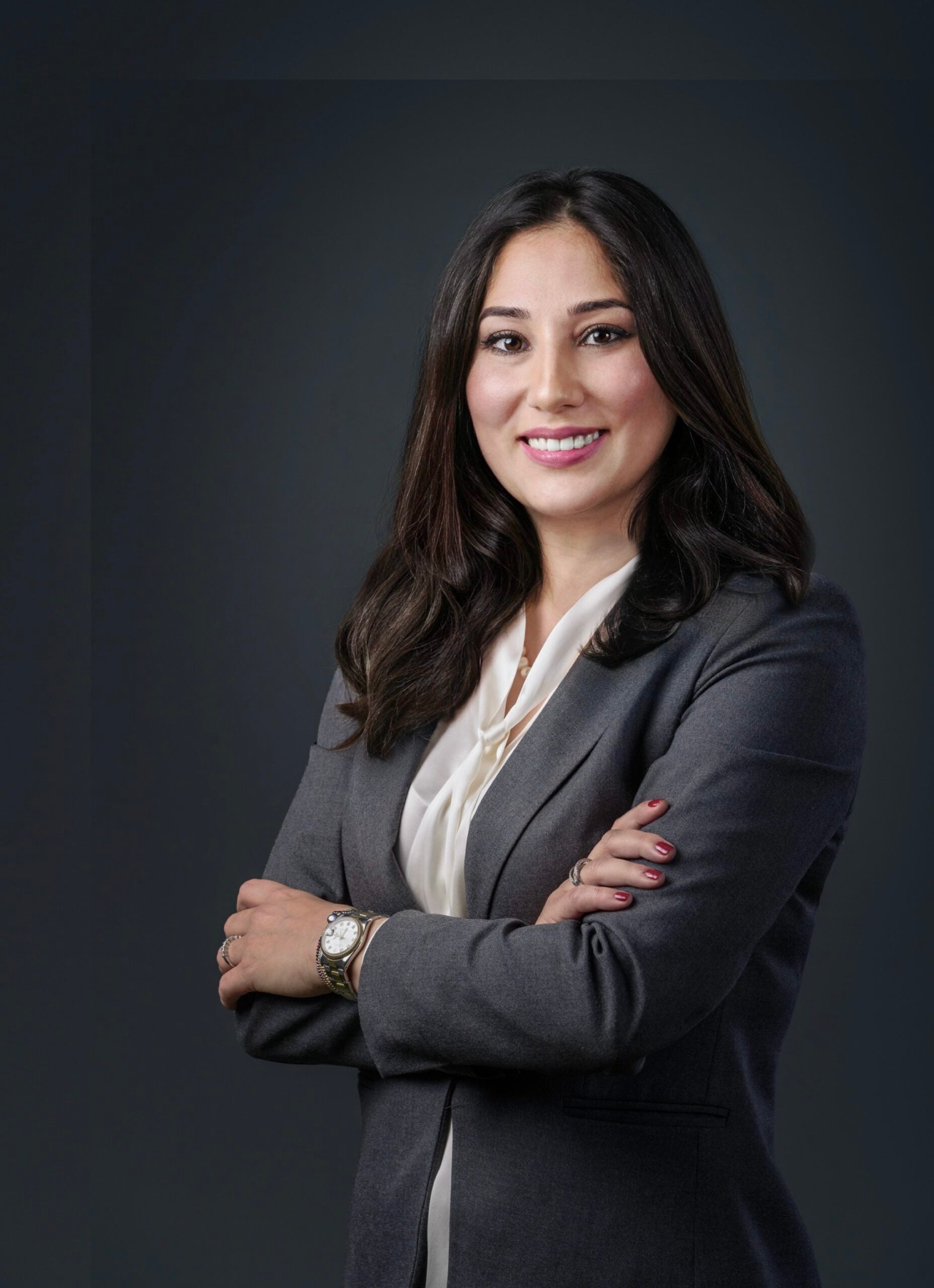
Legal and Governance Director | MADAËF
Dounia Charrat is a polyglot legal expert with over 25 years of experience in both private and public sectors, specializing in insurance, real estate and tourism. Renowned for her expertise...
Partner, and Co-Head of Investment Management | Yamed Group
General Secretary | Casablanca International Mediation and Arbitration Centre (CIMAC)
Head of Legal Department | Agence National de Régulation des Télecom (ANRT)
On behalf of The Legal 500, I am very pleased to present the inaugural GC Powerlist: Morocco 2025.
This edition celebrates general counsel and in-house lawyers who have demonstrated exceptional leadership in Morocco’s legal community. Through our research, we’ve had the privilege of engaging with leading legal professionals and uncovering their innovative strategies, leadership, and commitment to excellence.
As the legal landscape evolves, Morocco’s general counsel are redefining their roles. No longer confined to traditional legal tasks, they are integral to shaping corporate strategies, fostering resilience, and navigating challenges such as economic volatility, technological advancements, and regulatory changes.
The GC Powerlist: Morocco 2025 honours those who drive business success while upholding high standards of ethics and integrity. These leaders are setting new benchmarks in governance, diversity, digital transformation, and risk management.
Soukaïna Chefchaouni Moussaoui, Legal Director at Green of Africa, reflects on the fulfilment she finds in working within a sector that aligns with her values:
‘I am fortunate to work in a sector aligned with my values and on projects that make real sense. Working in a company that produces electricity and drinking water is very nourishing. The people I work with are driven by the same desire to see these projects come to life.’
This shared purpose within her team mirrors the broader approach of legal leaders in Morocco, where strategic collaboration and proactive risk management are key to success. As Othman Azzouzi, Head of Legal Francophone and Southern Africa at Network International, states:
‘The key to a successful collaboration with business partners lies in strategic alignment, proactive risk mitigation, and commercial pragmatism.’
The GC Powerlist: Morocco 2025 is proud to showcase these trailblazers, whose leadership is shaping the future of legal practice in Morocco.

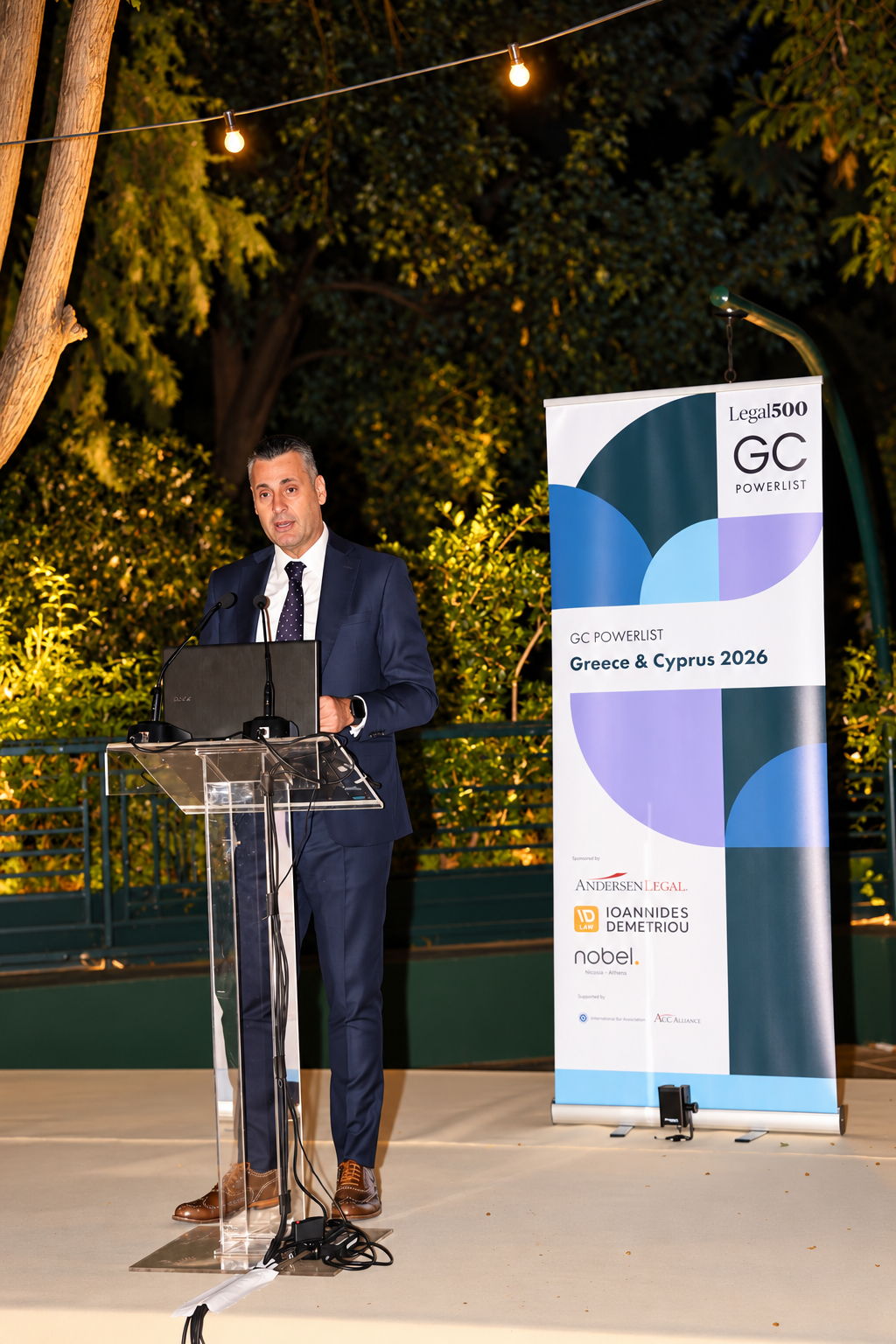
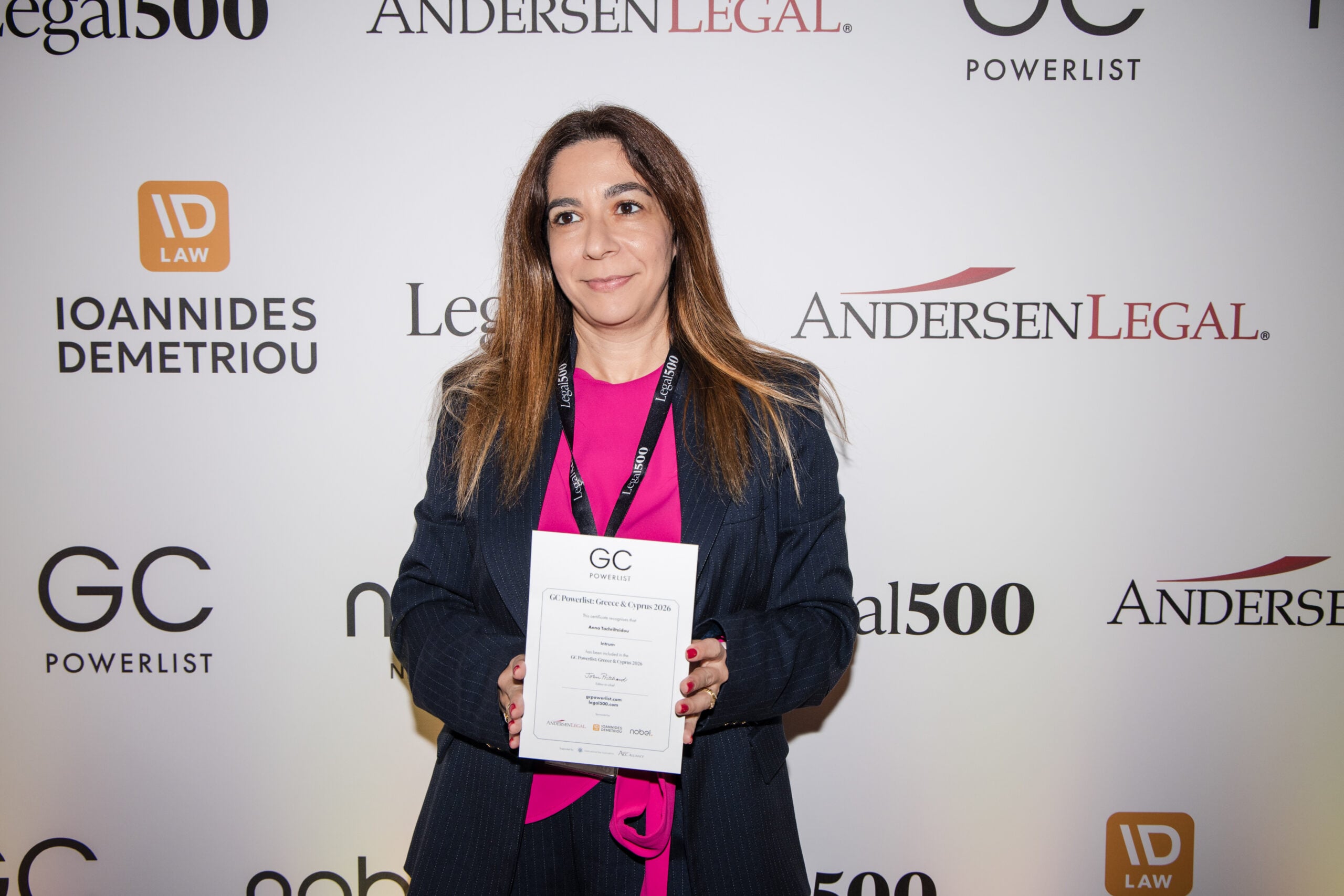
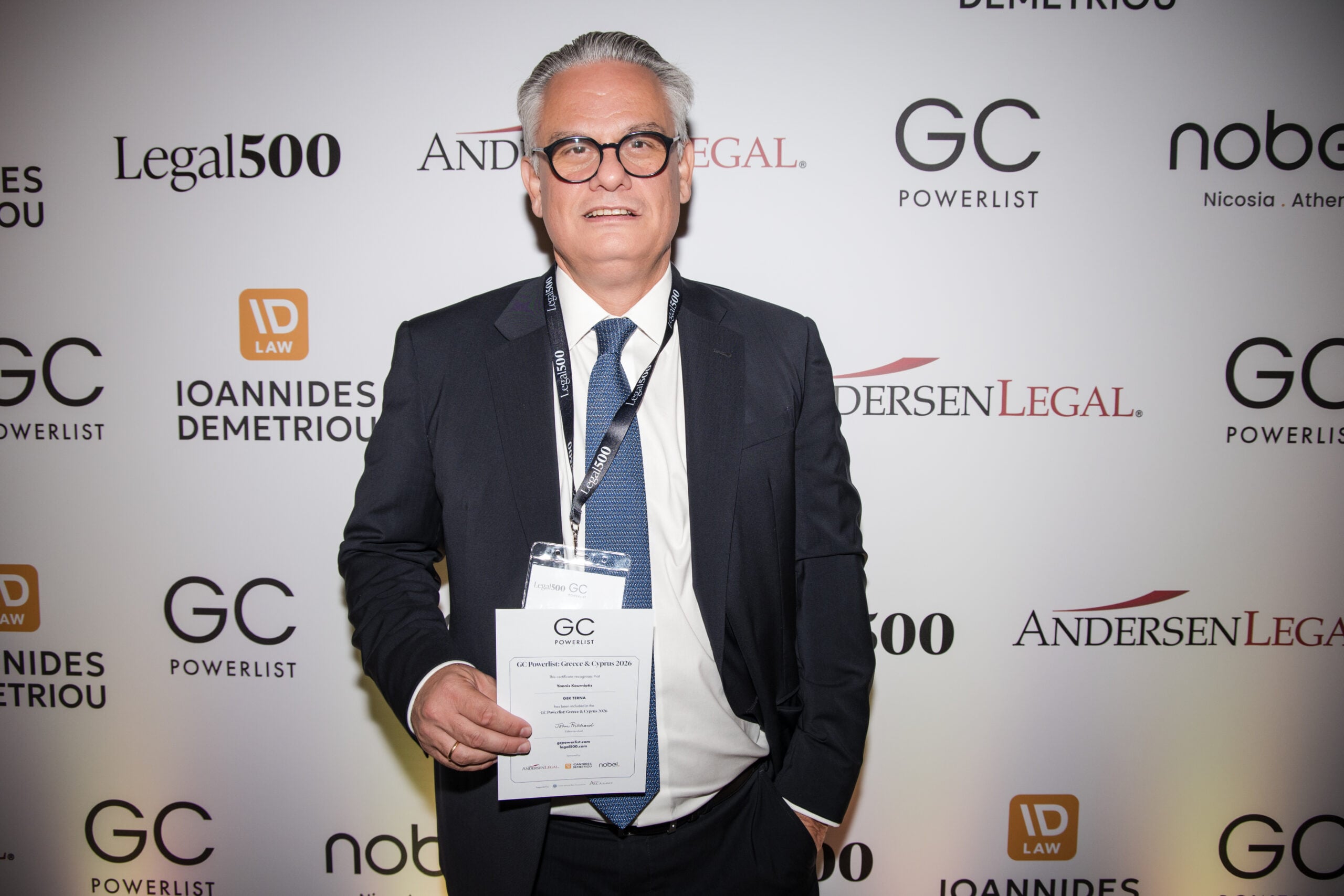
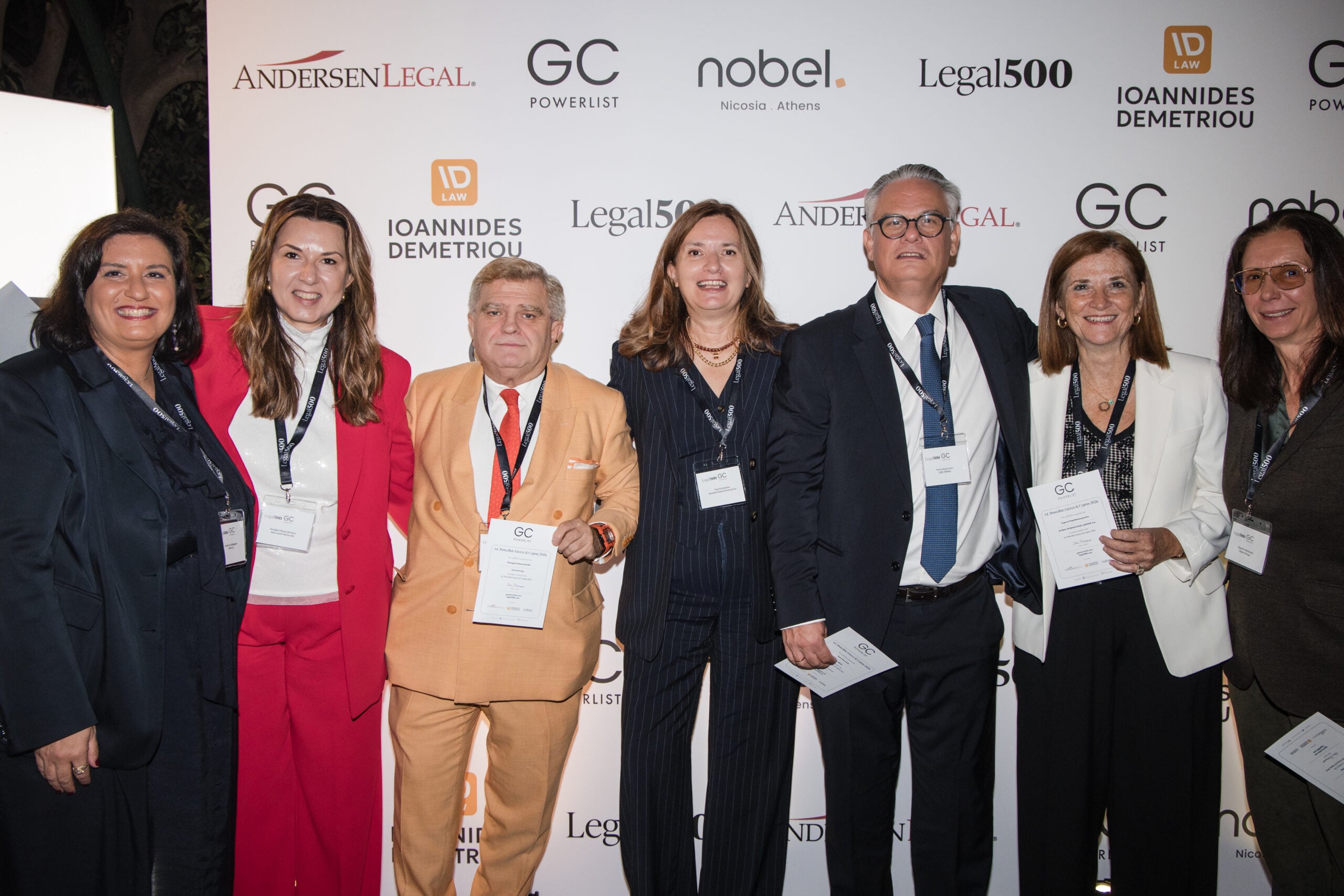
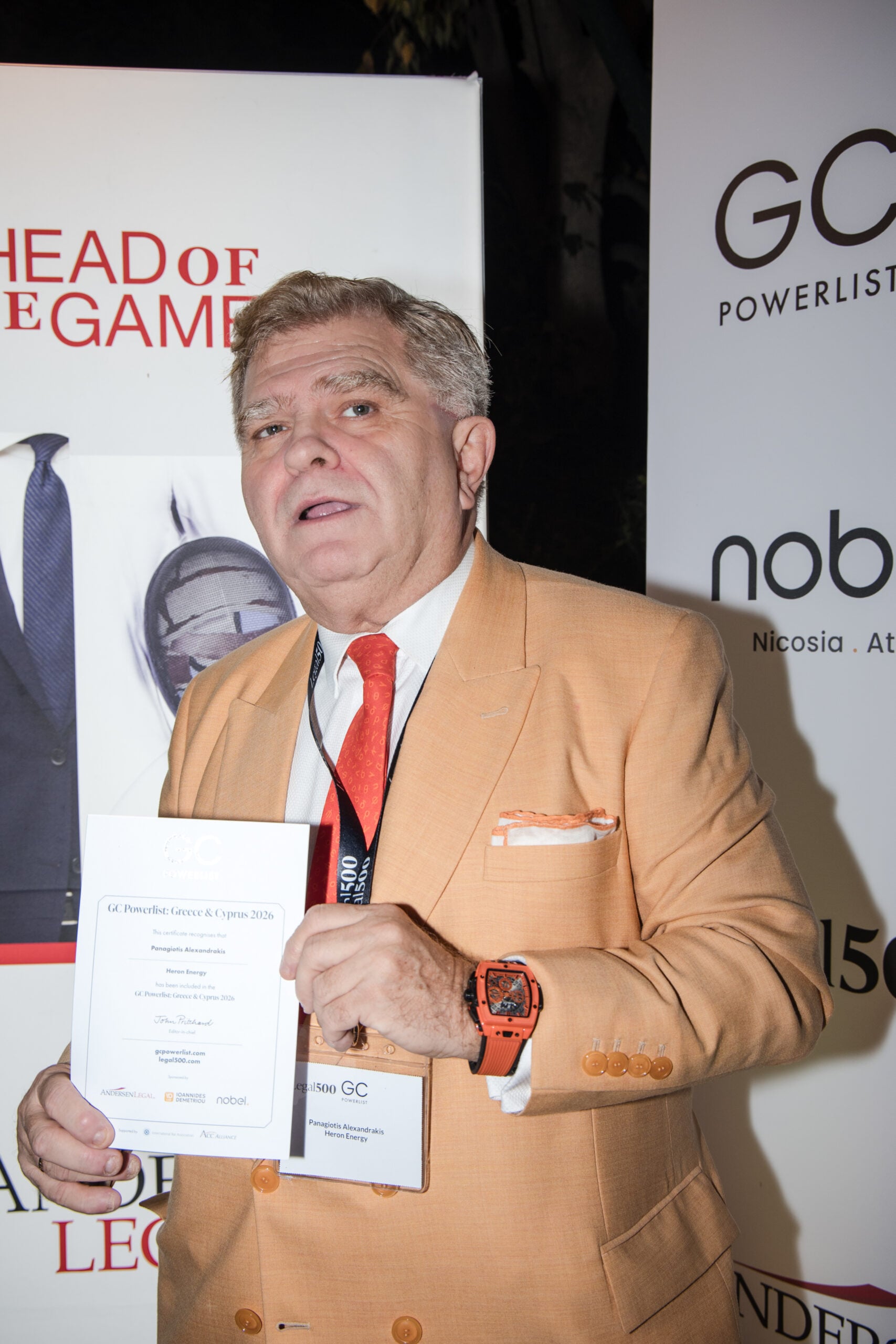
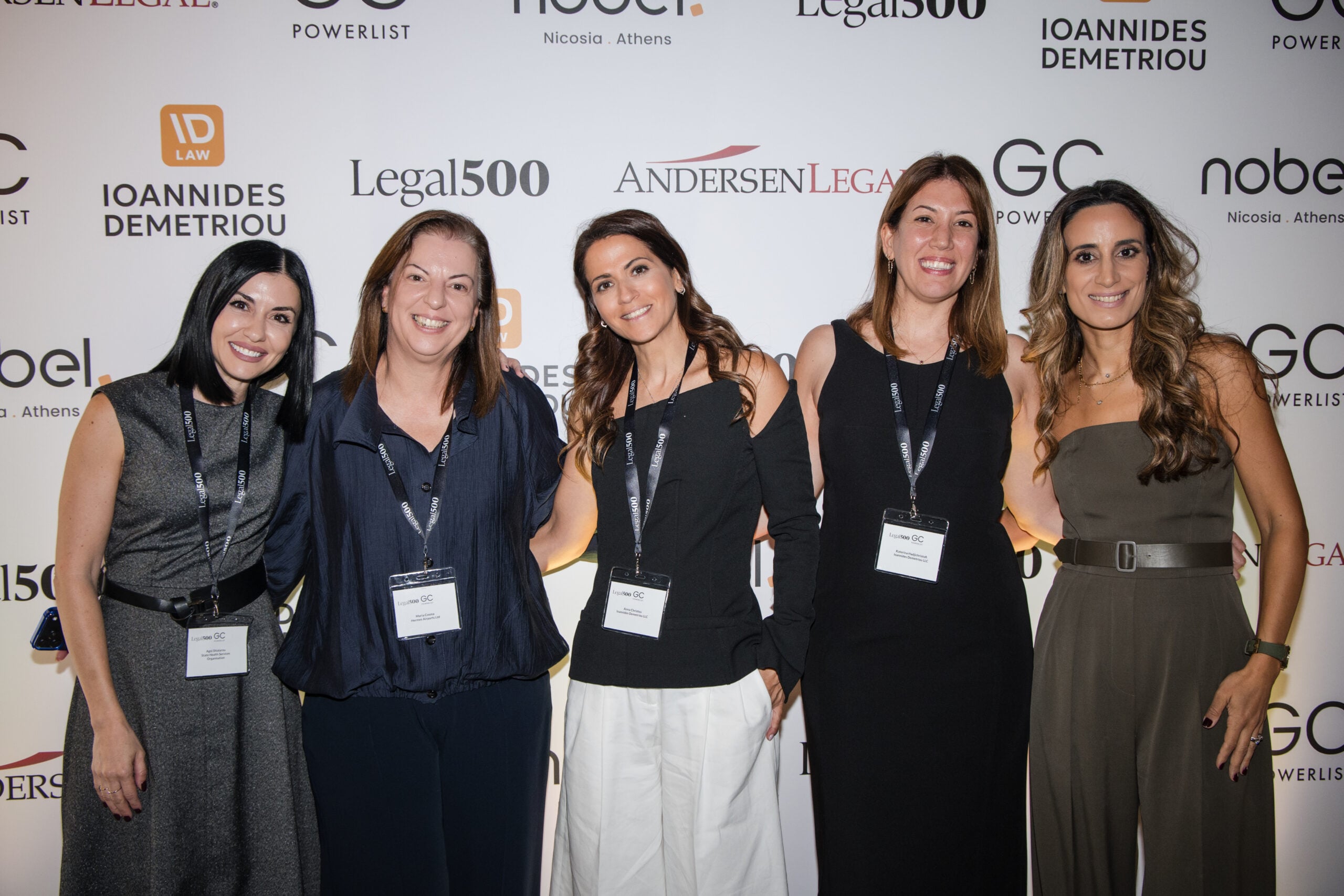
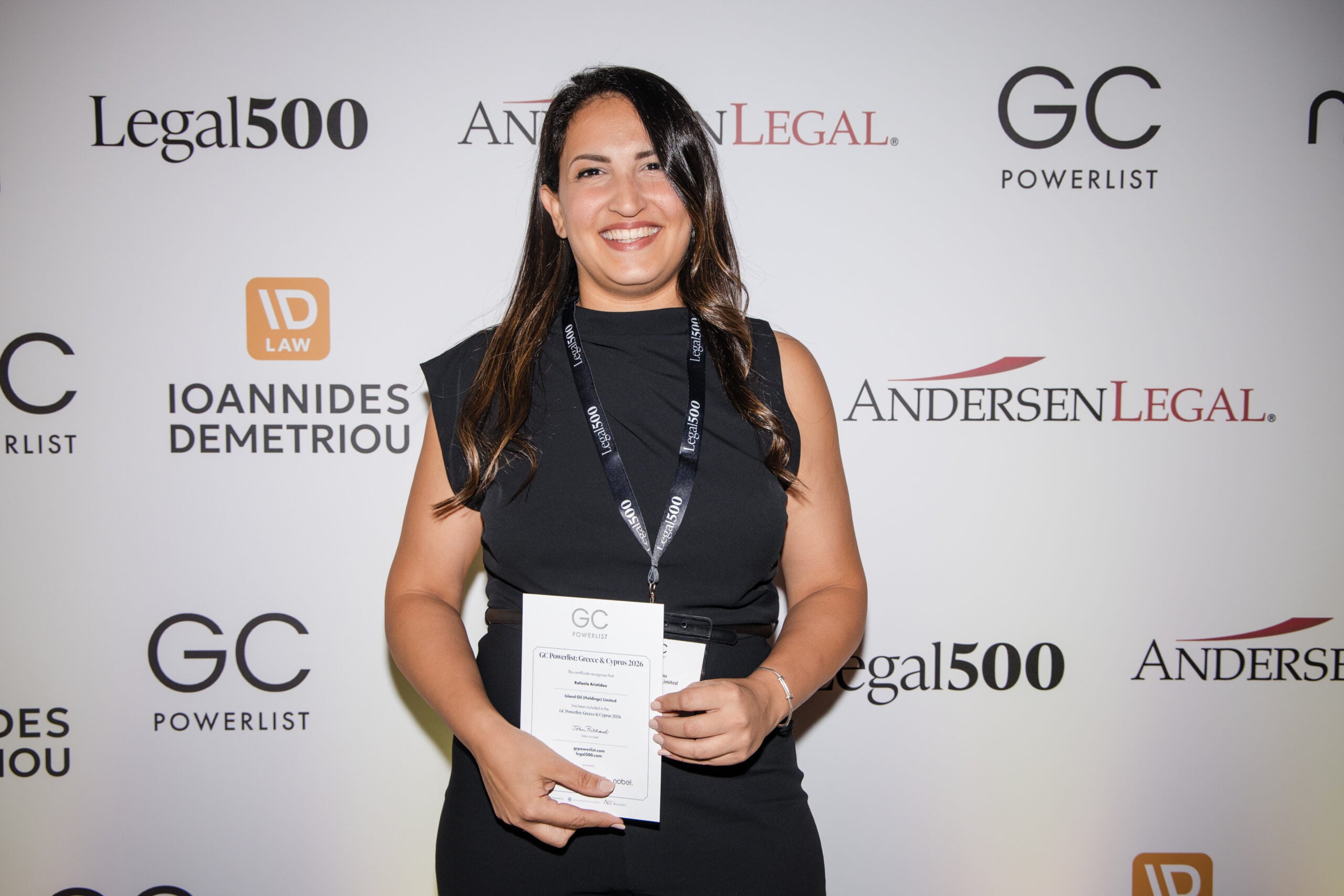
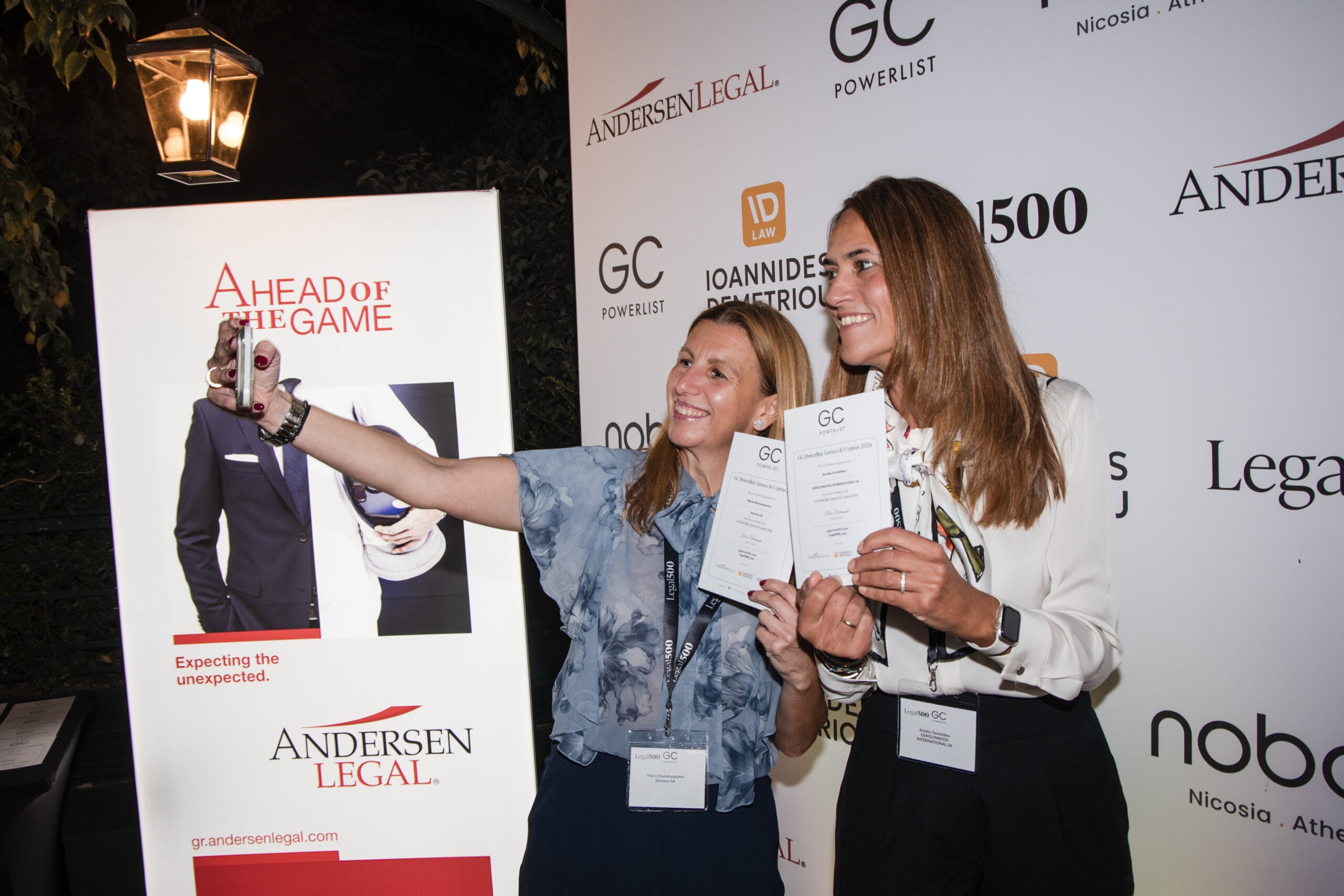
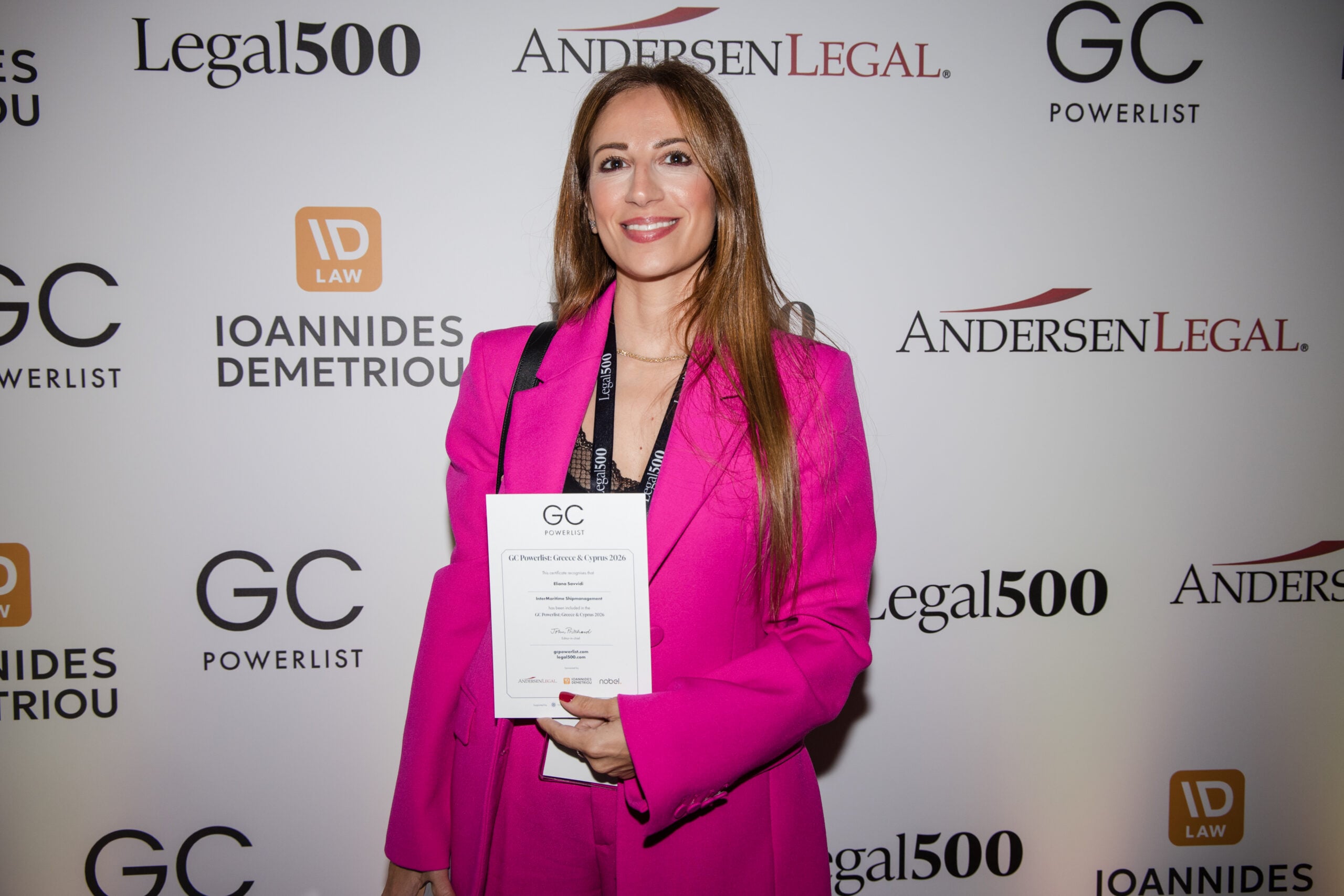
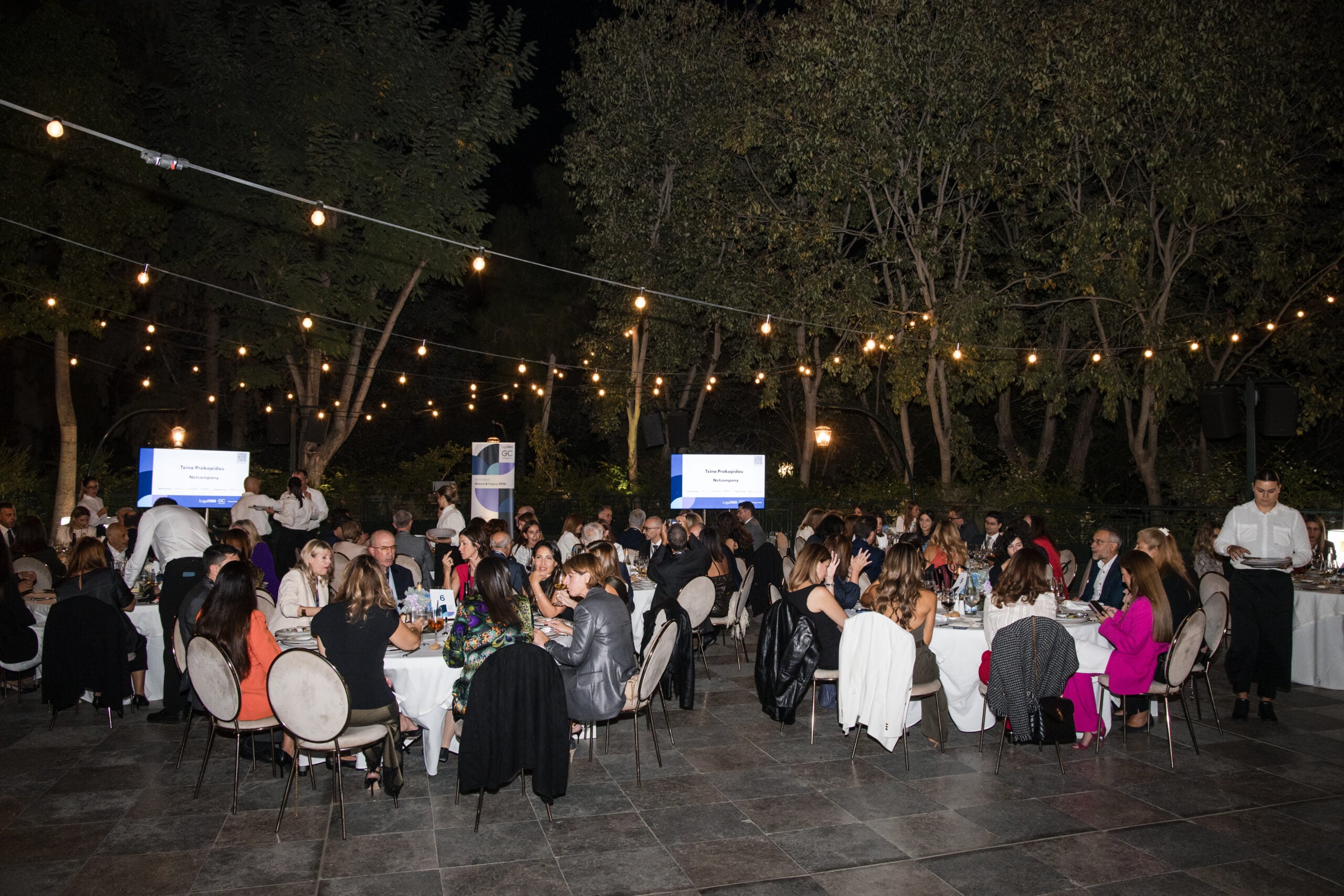
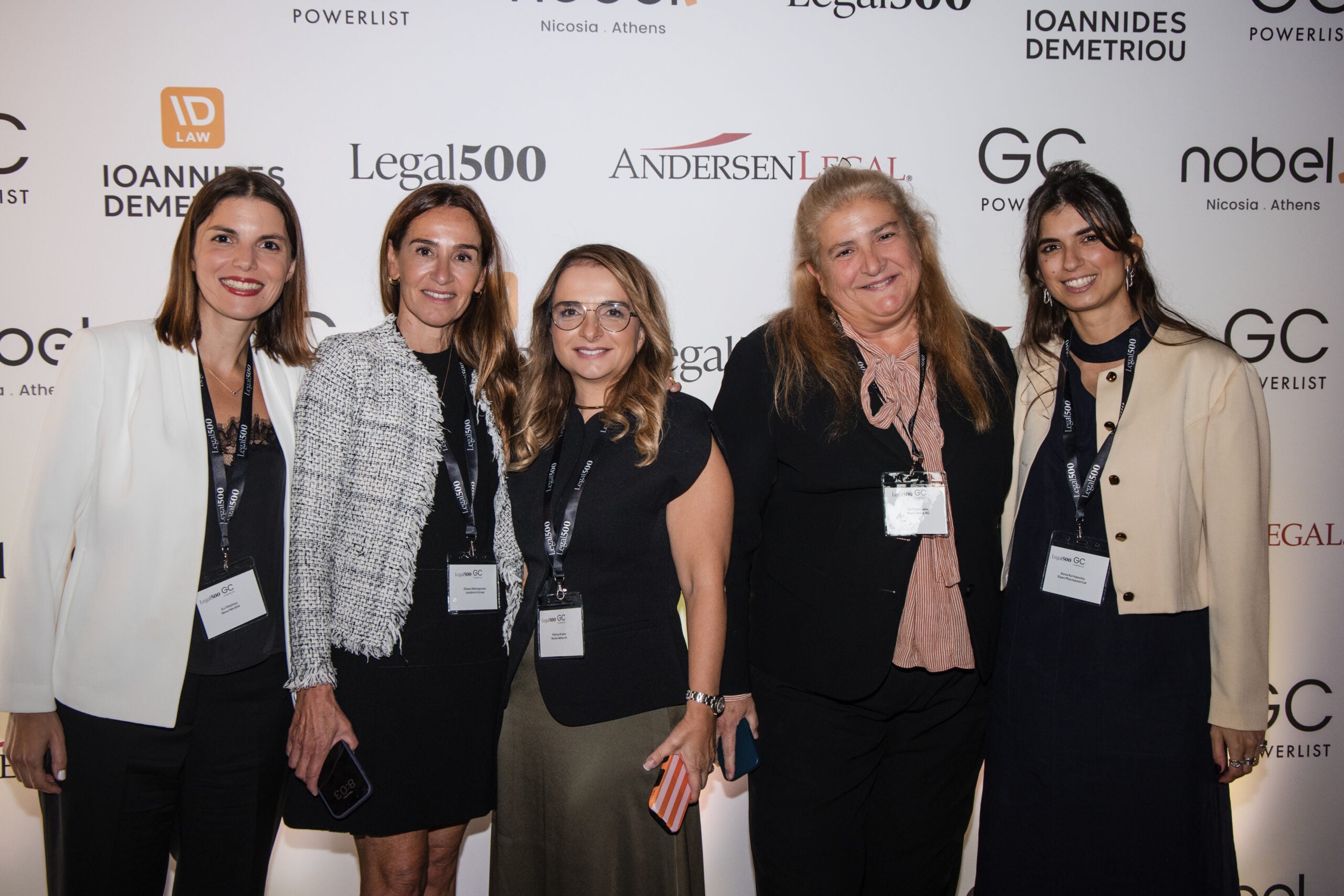
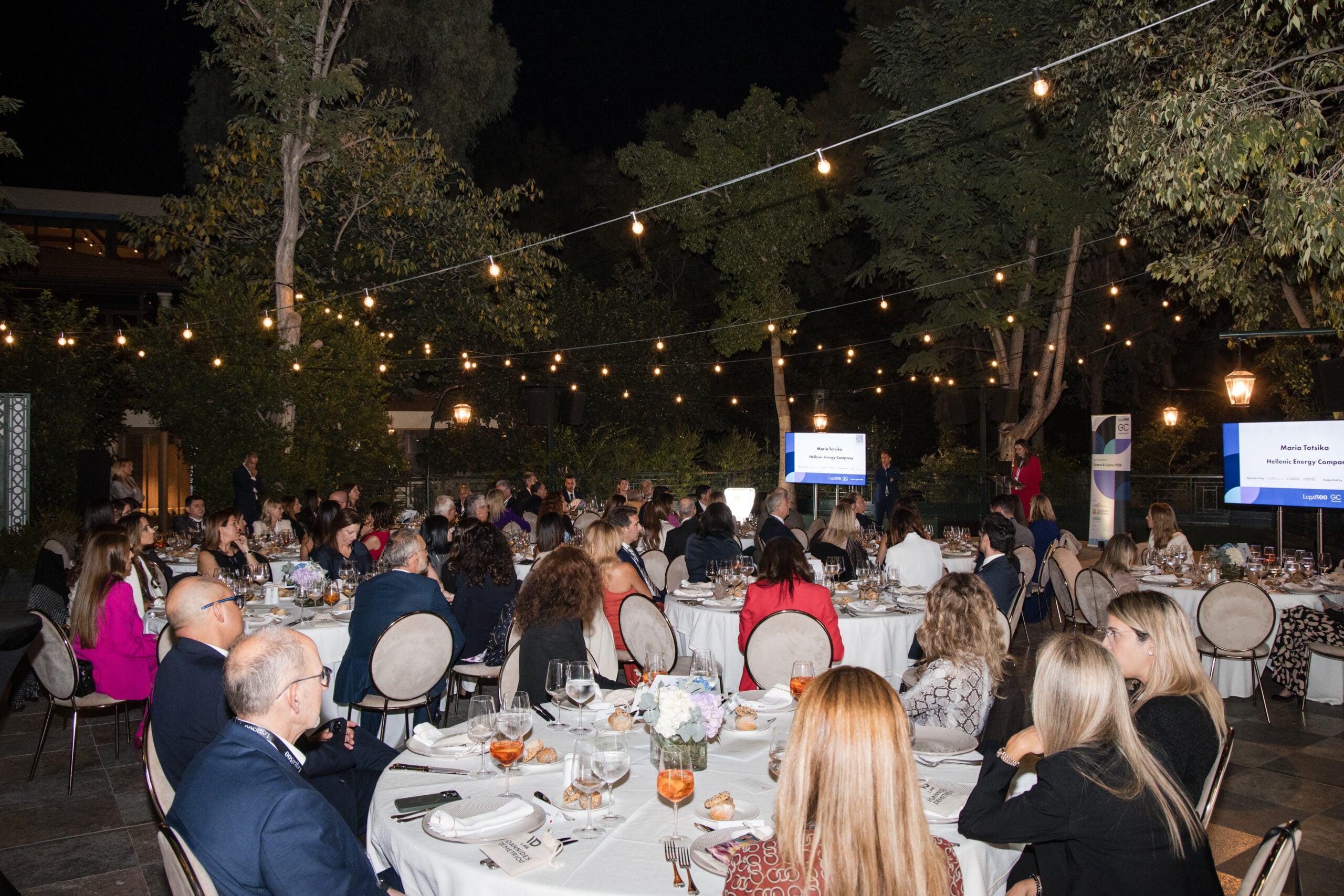
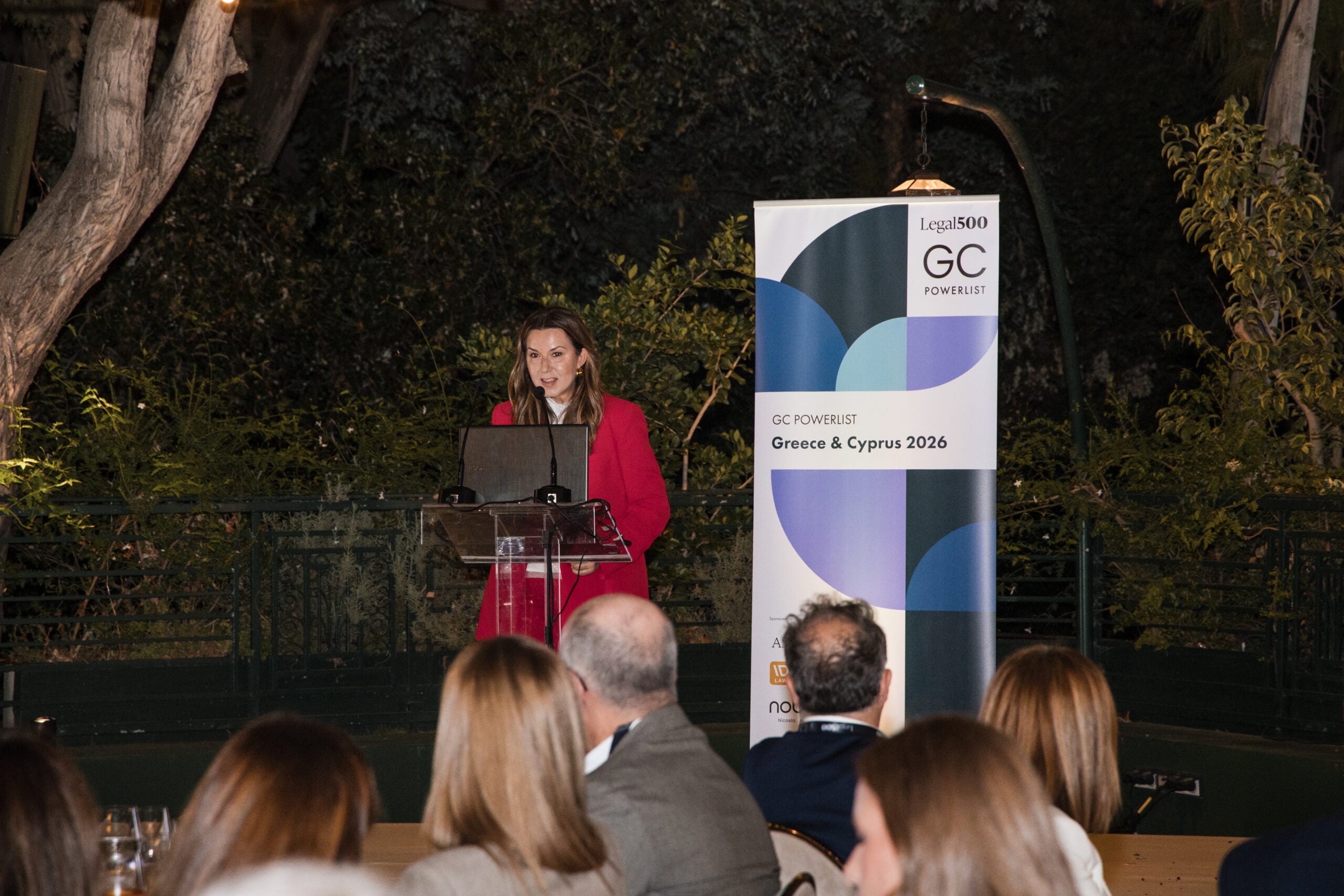
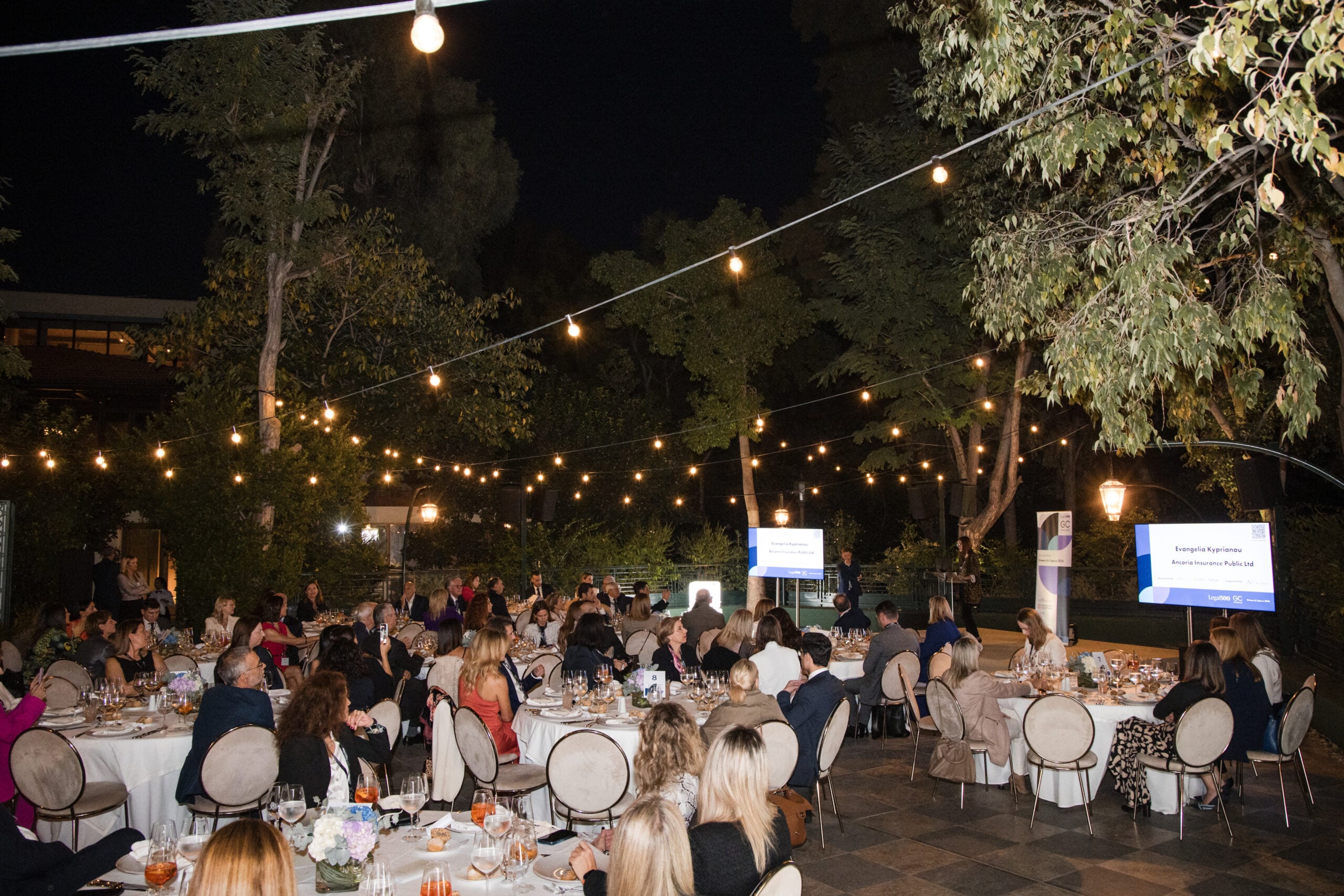
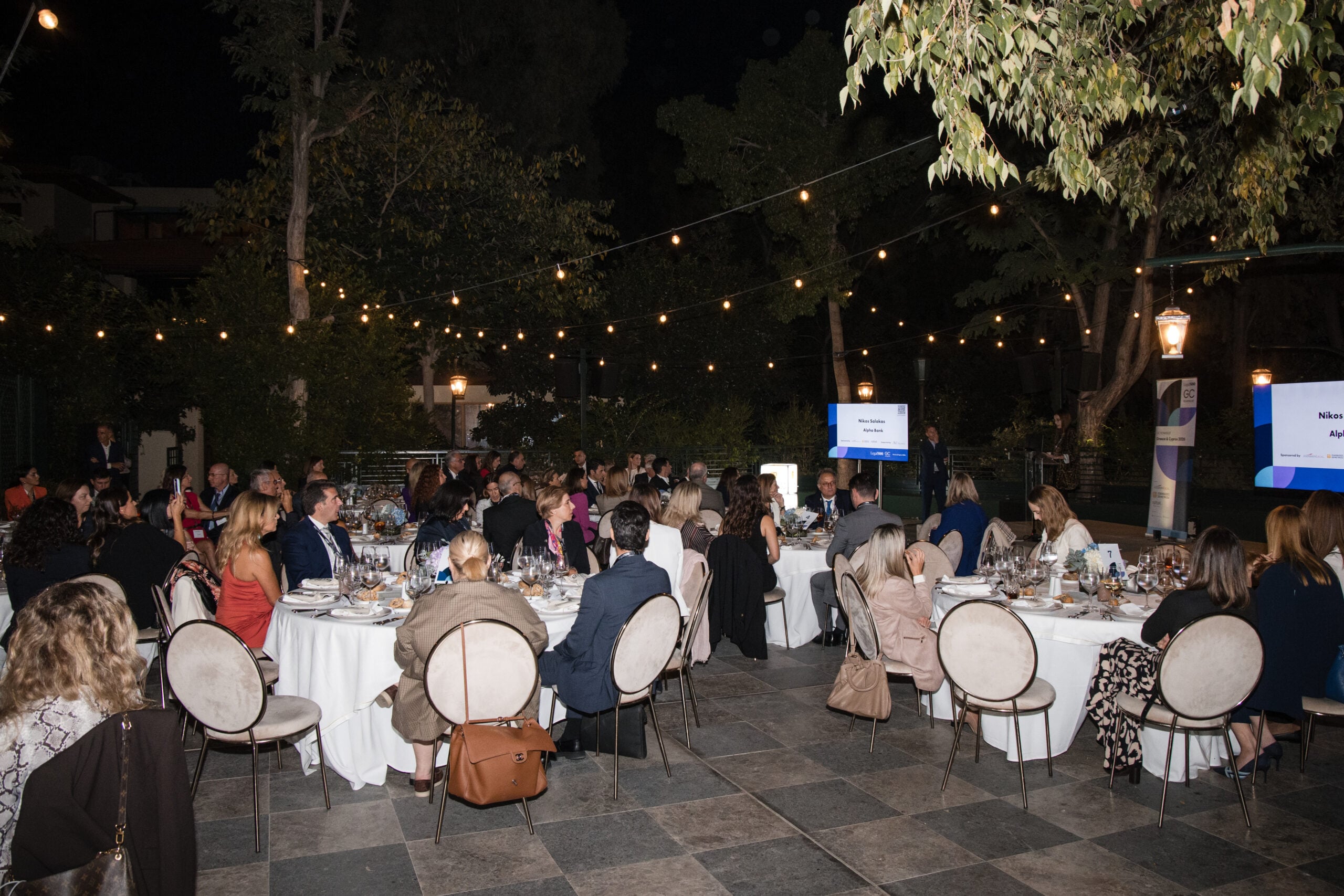
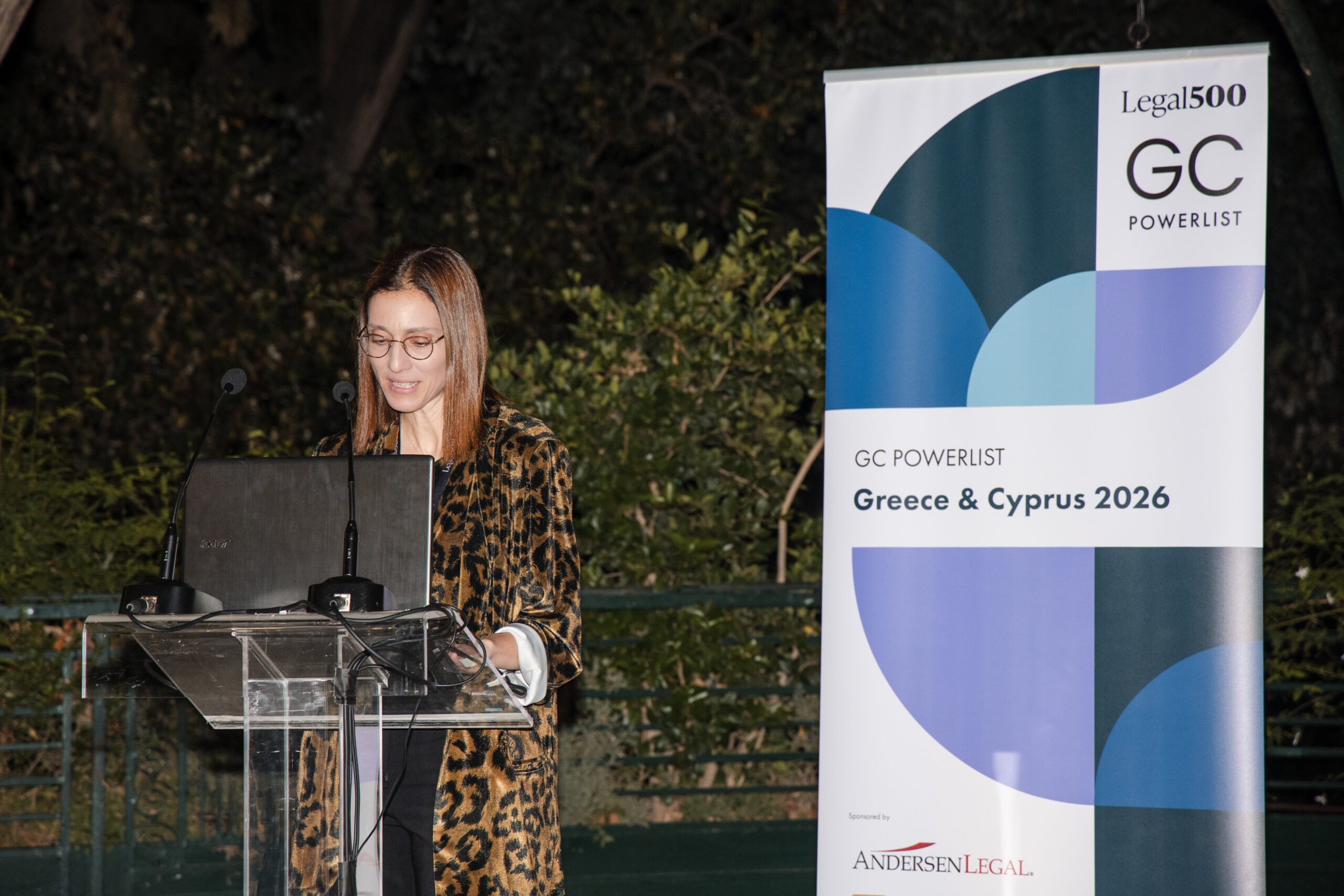
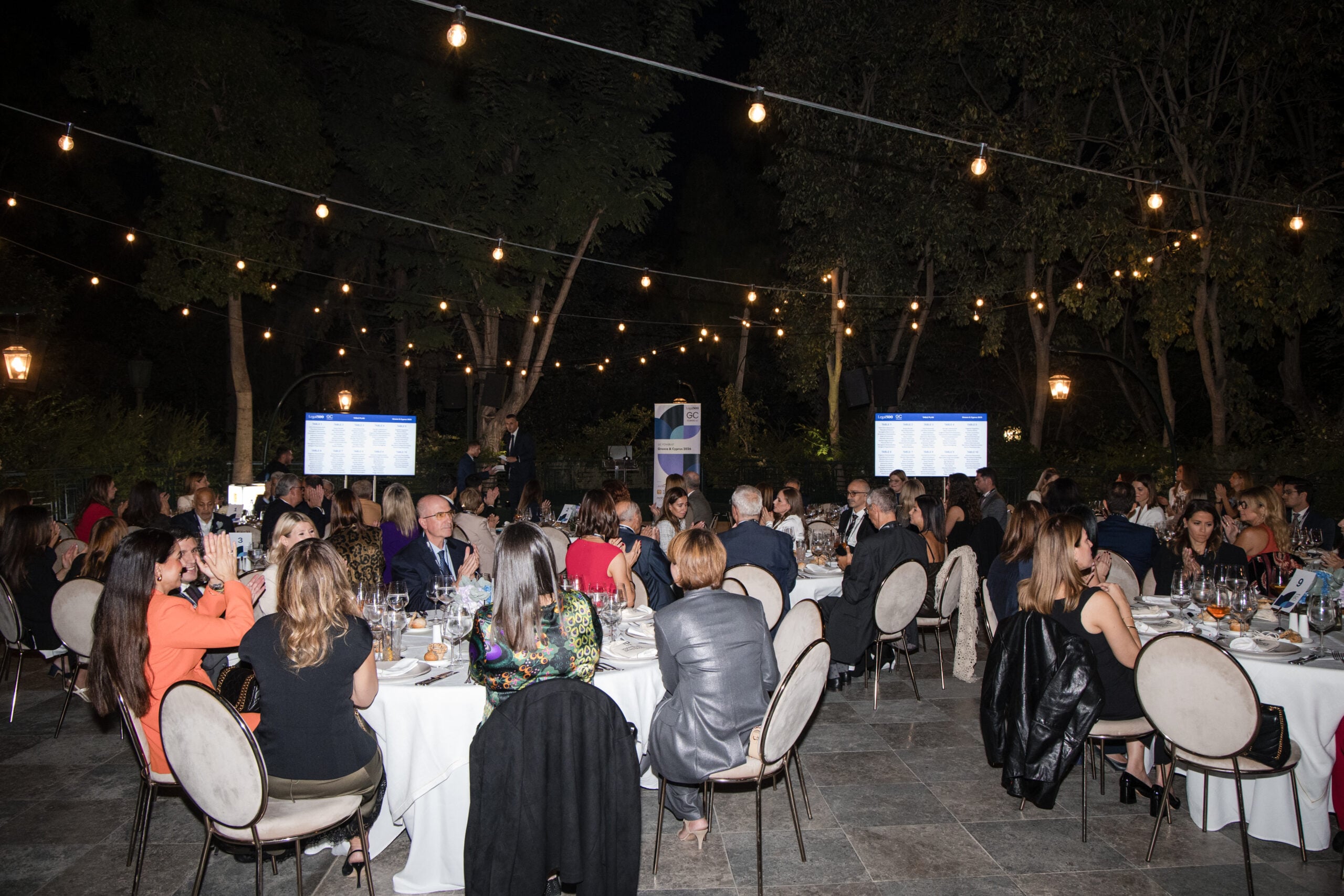
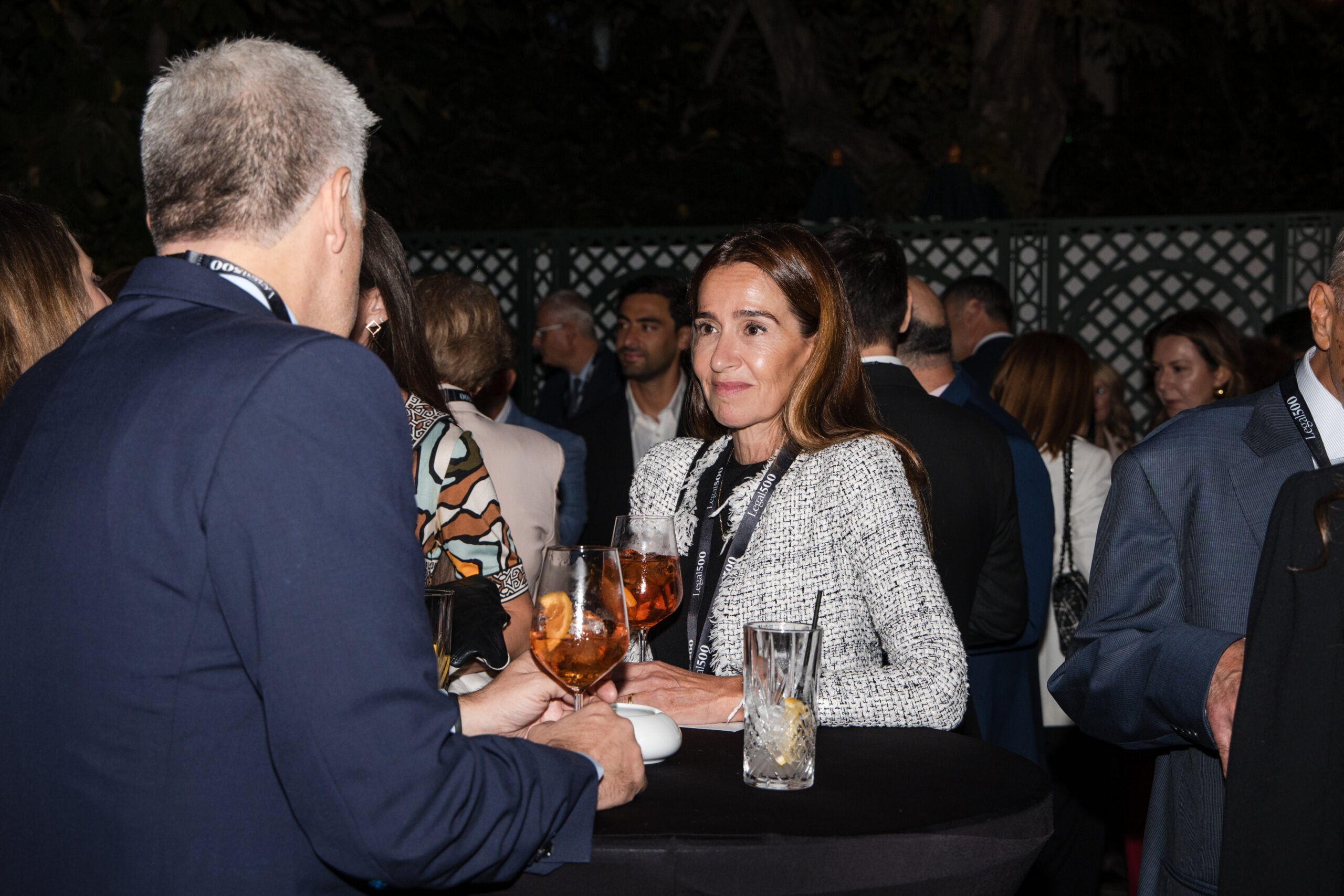
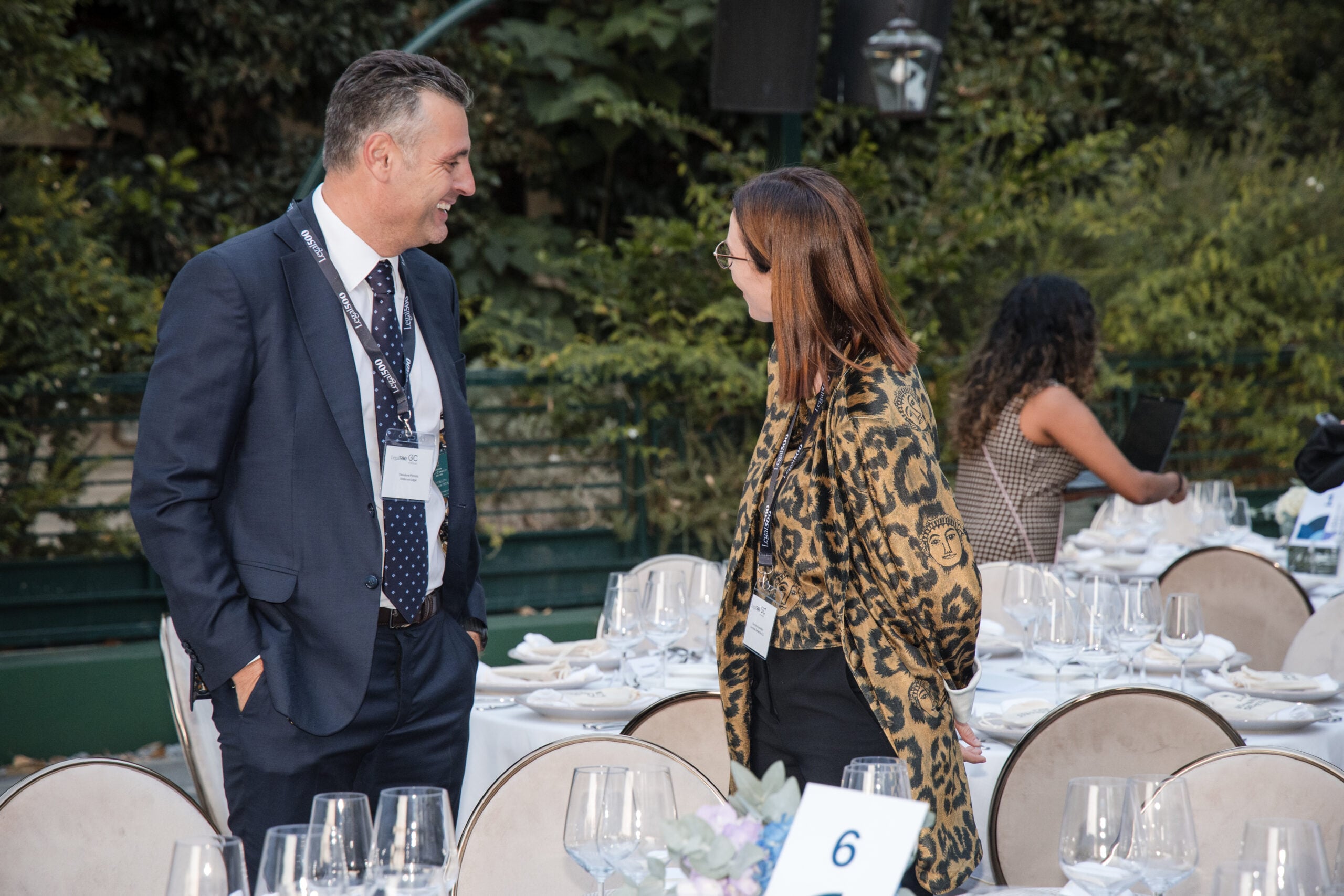
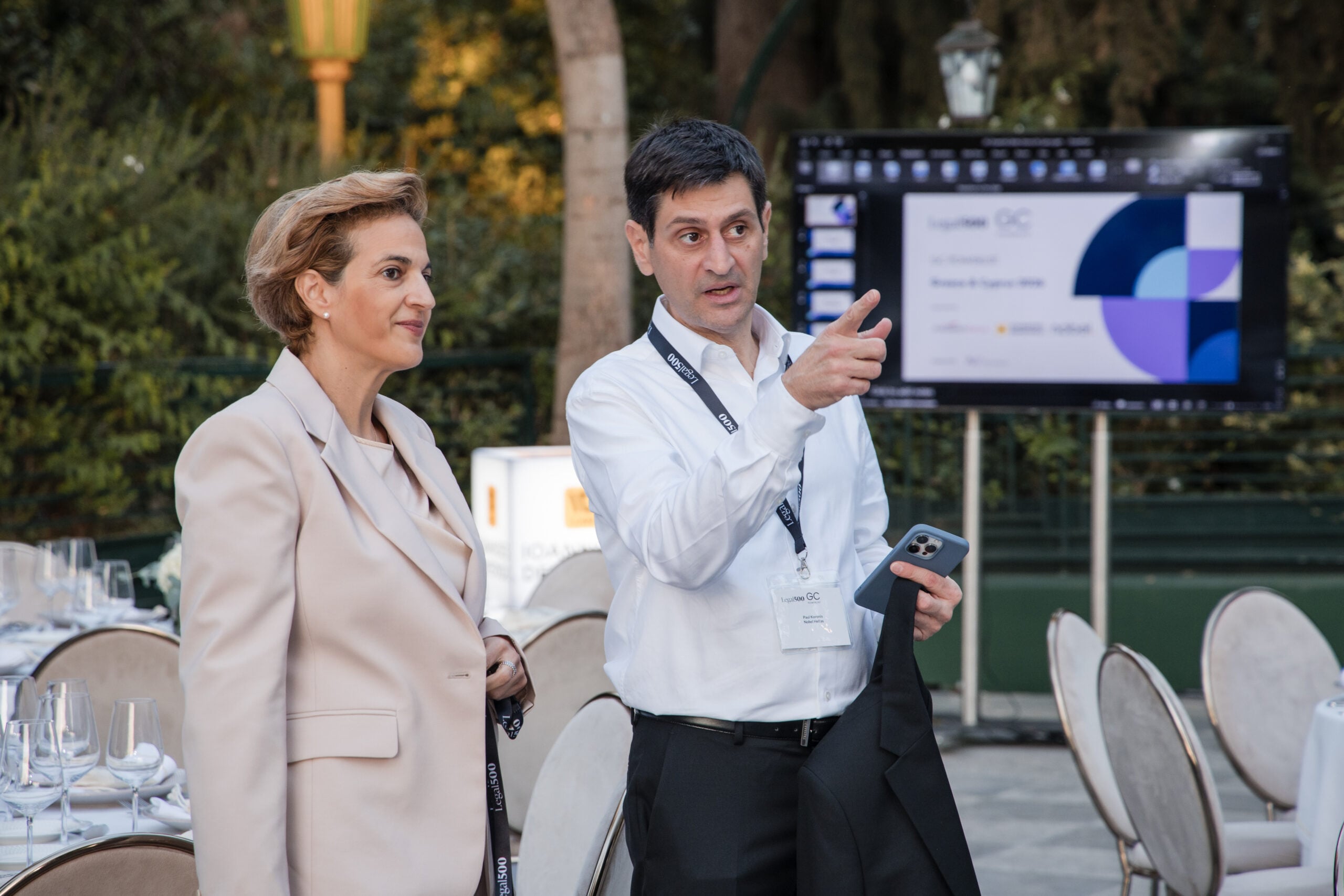
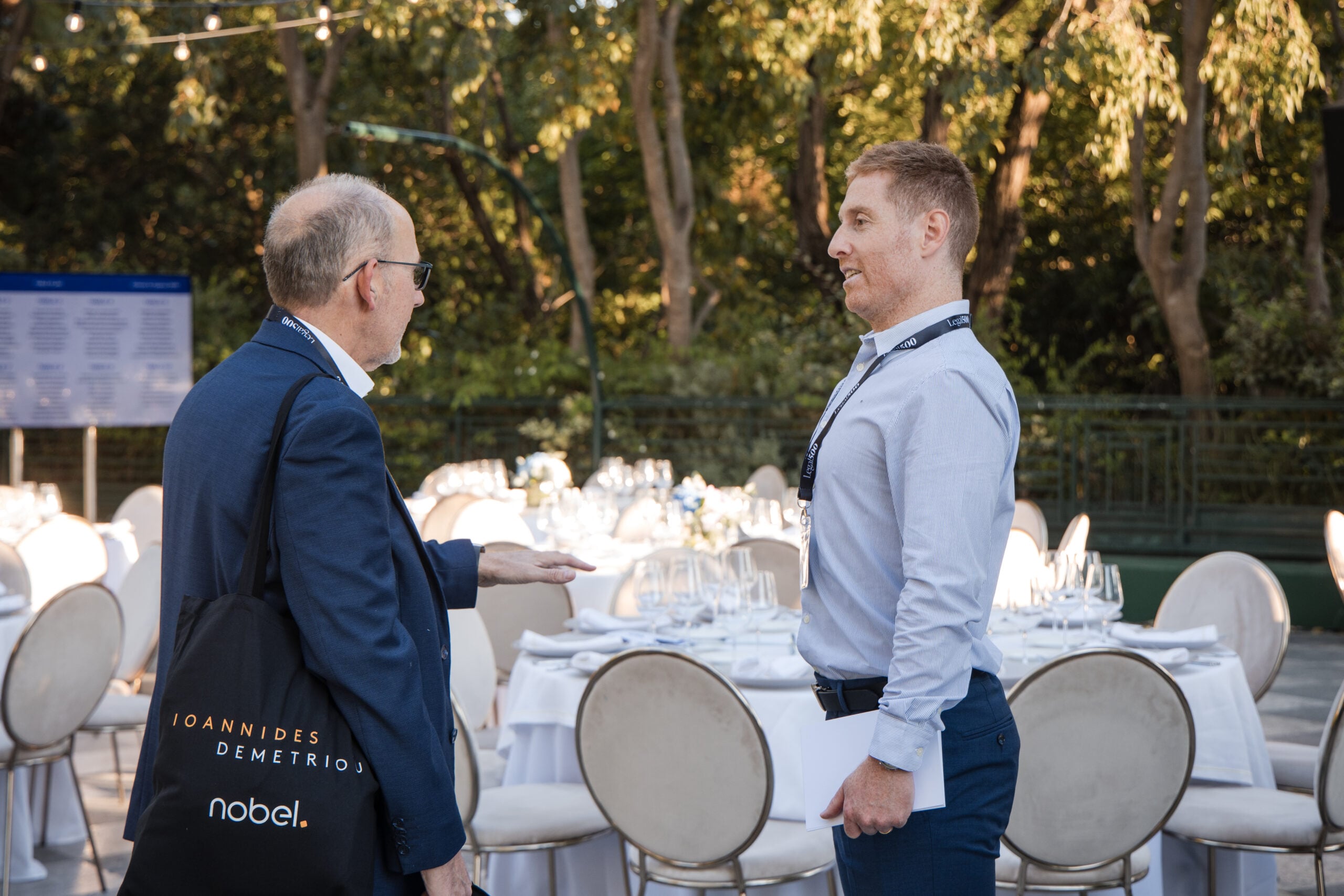
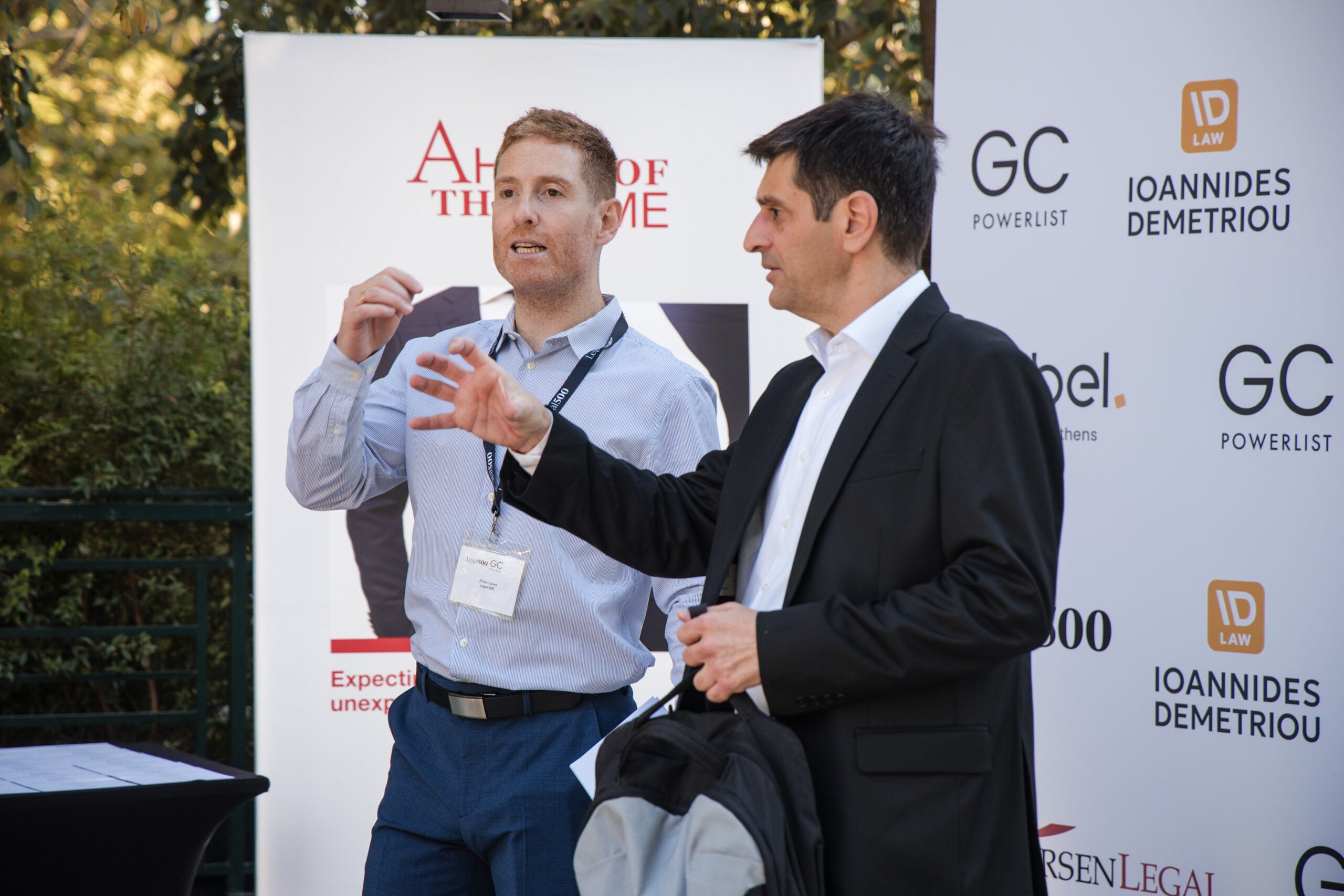
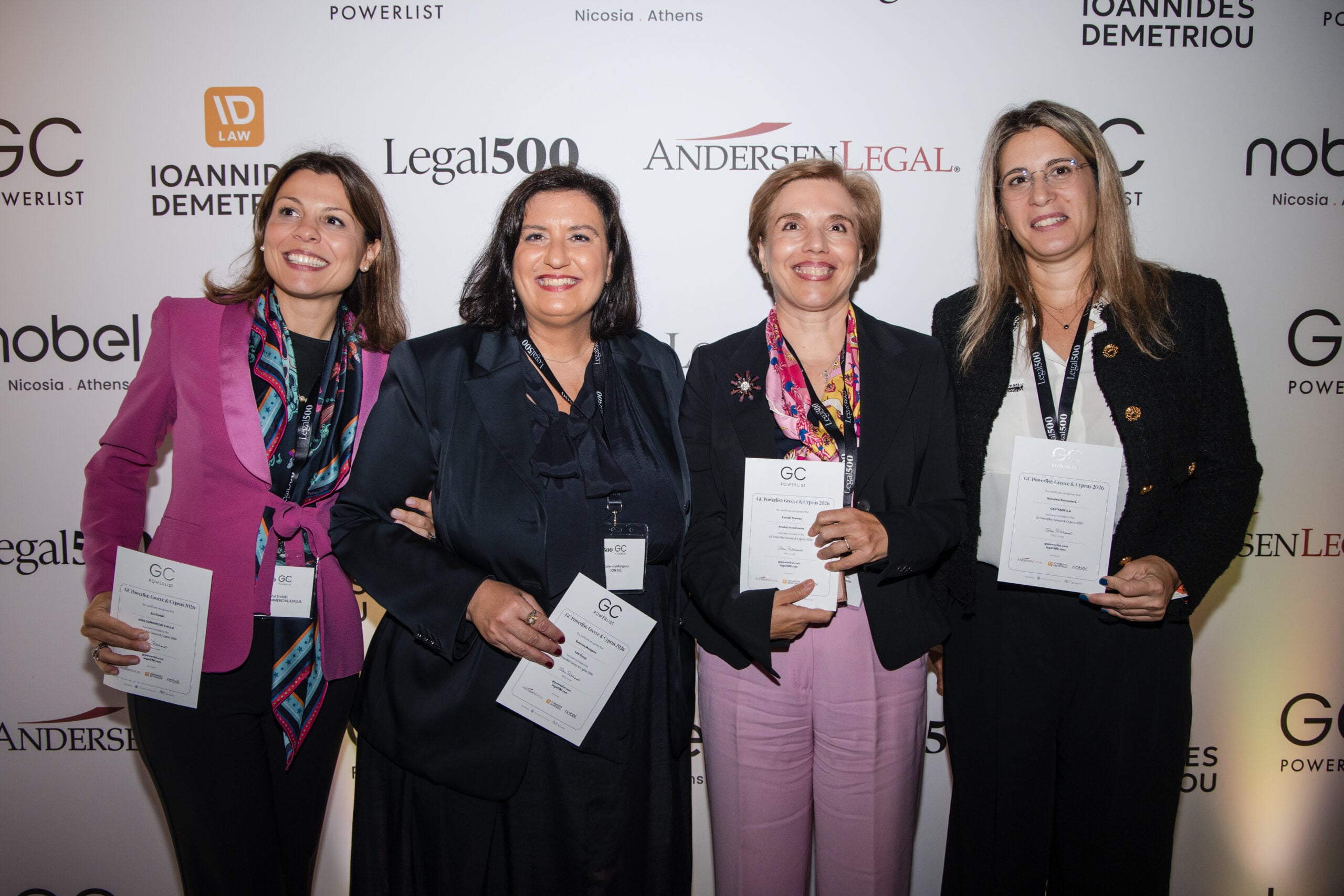
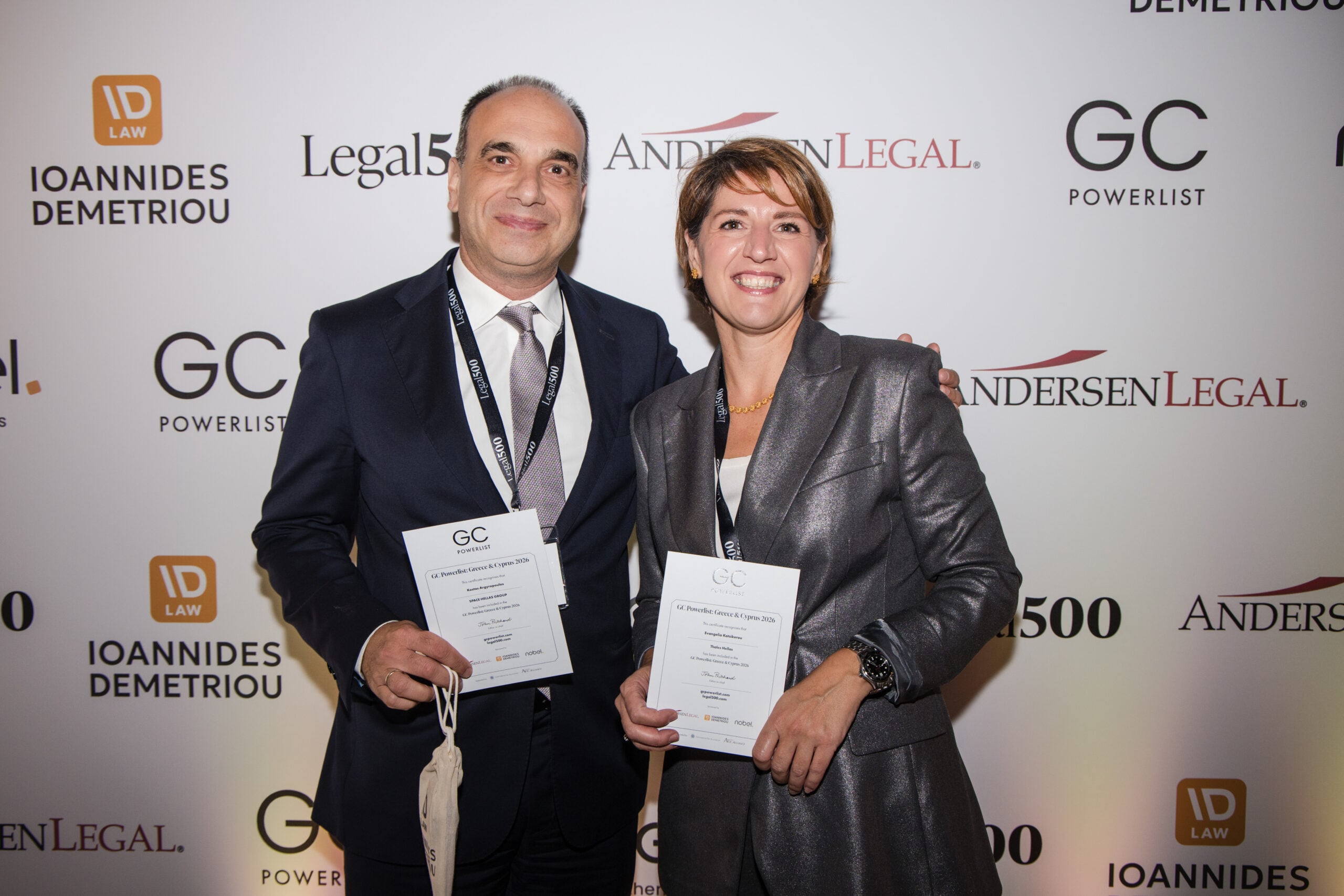
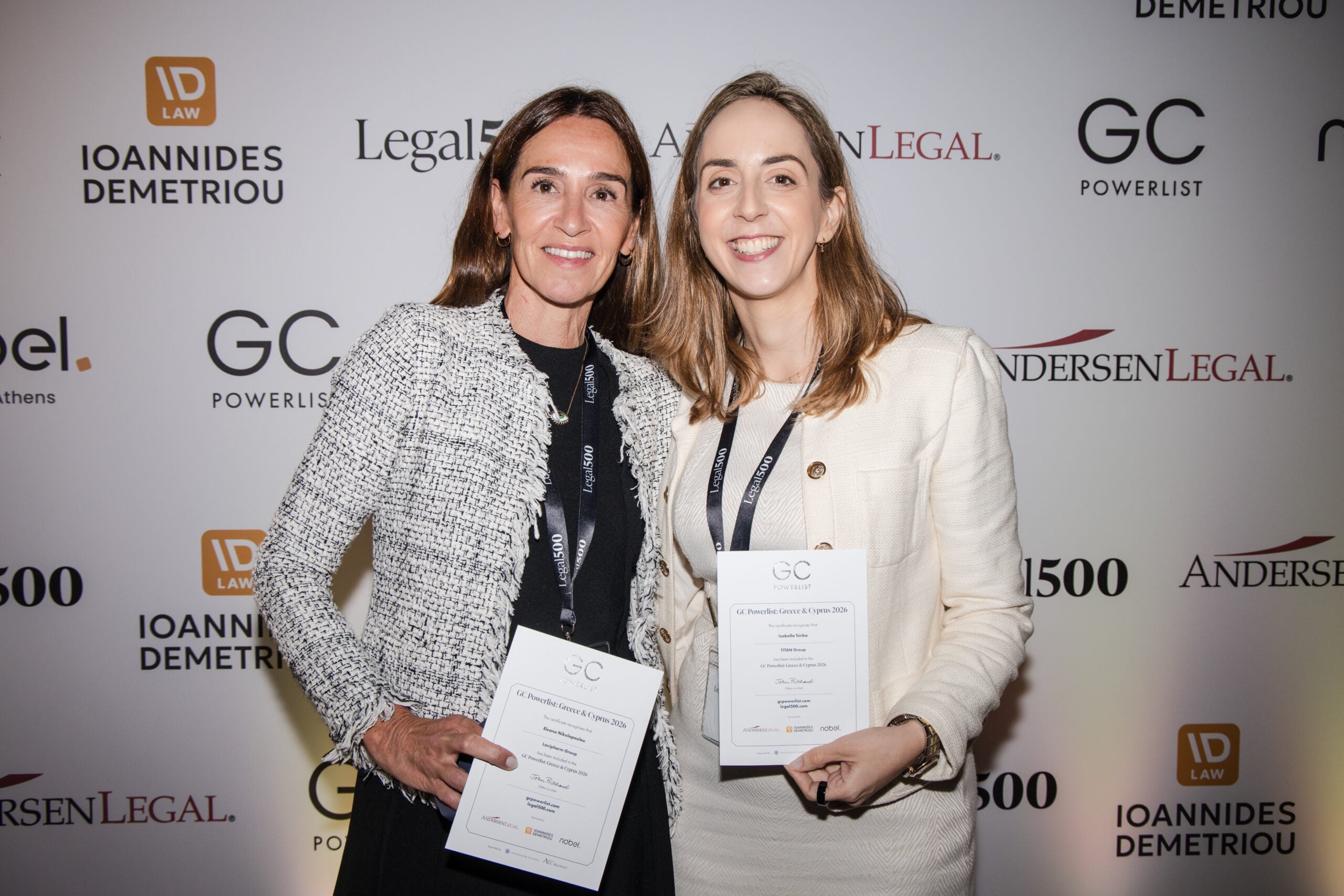
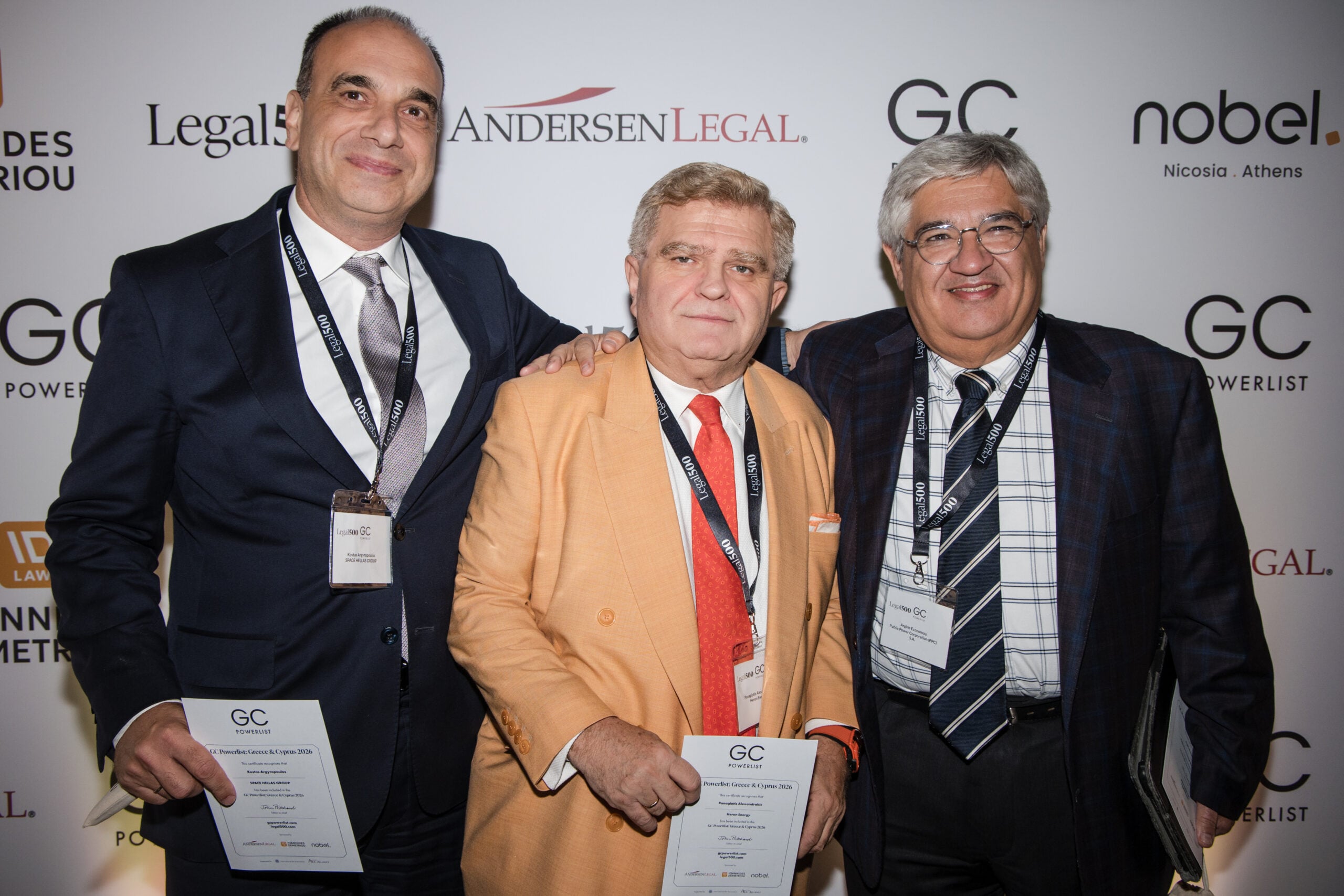
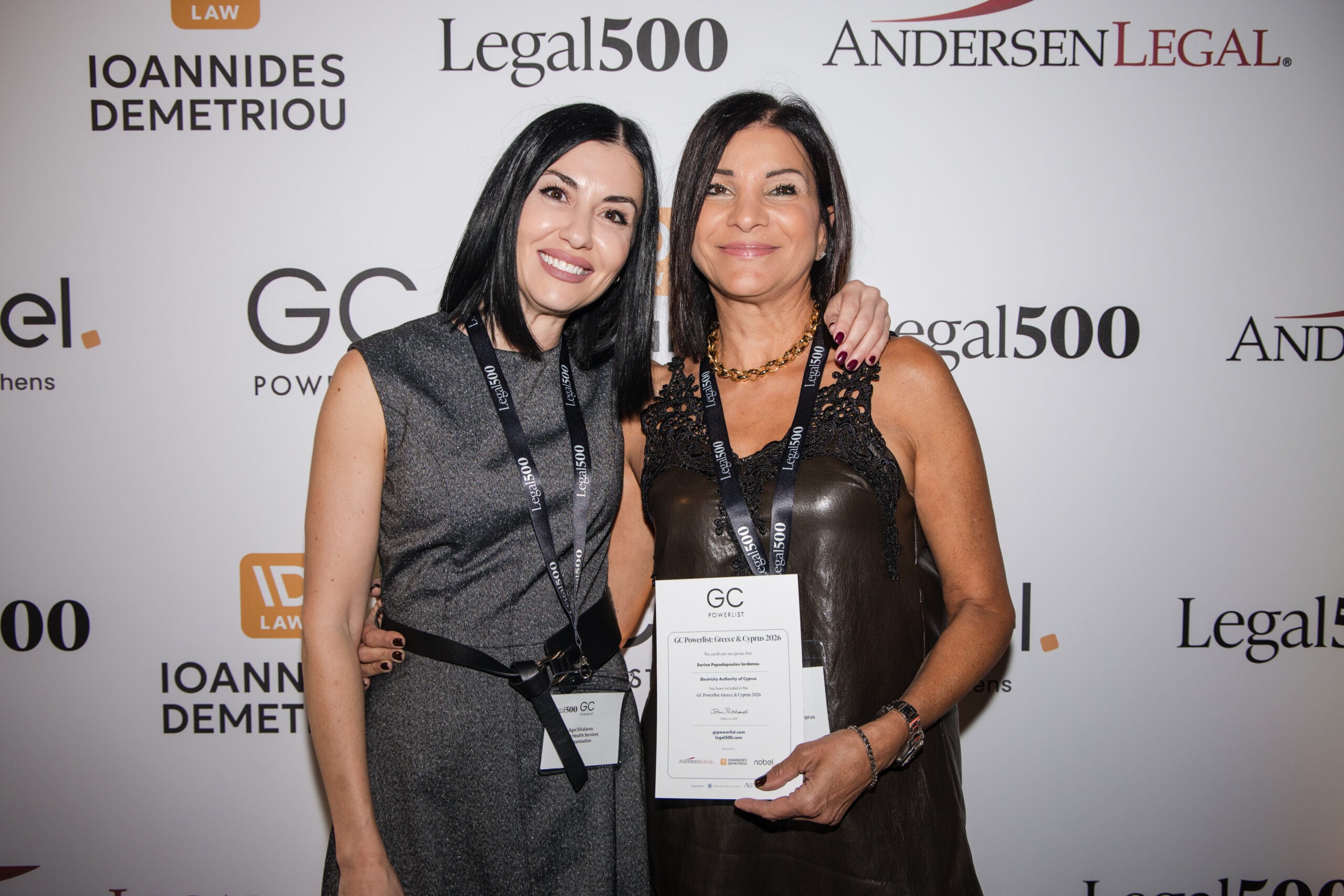
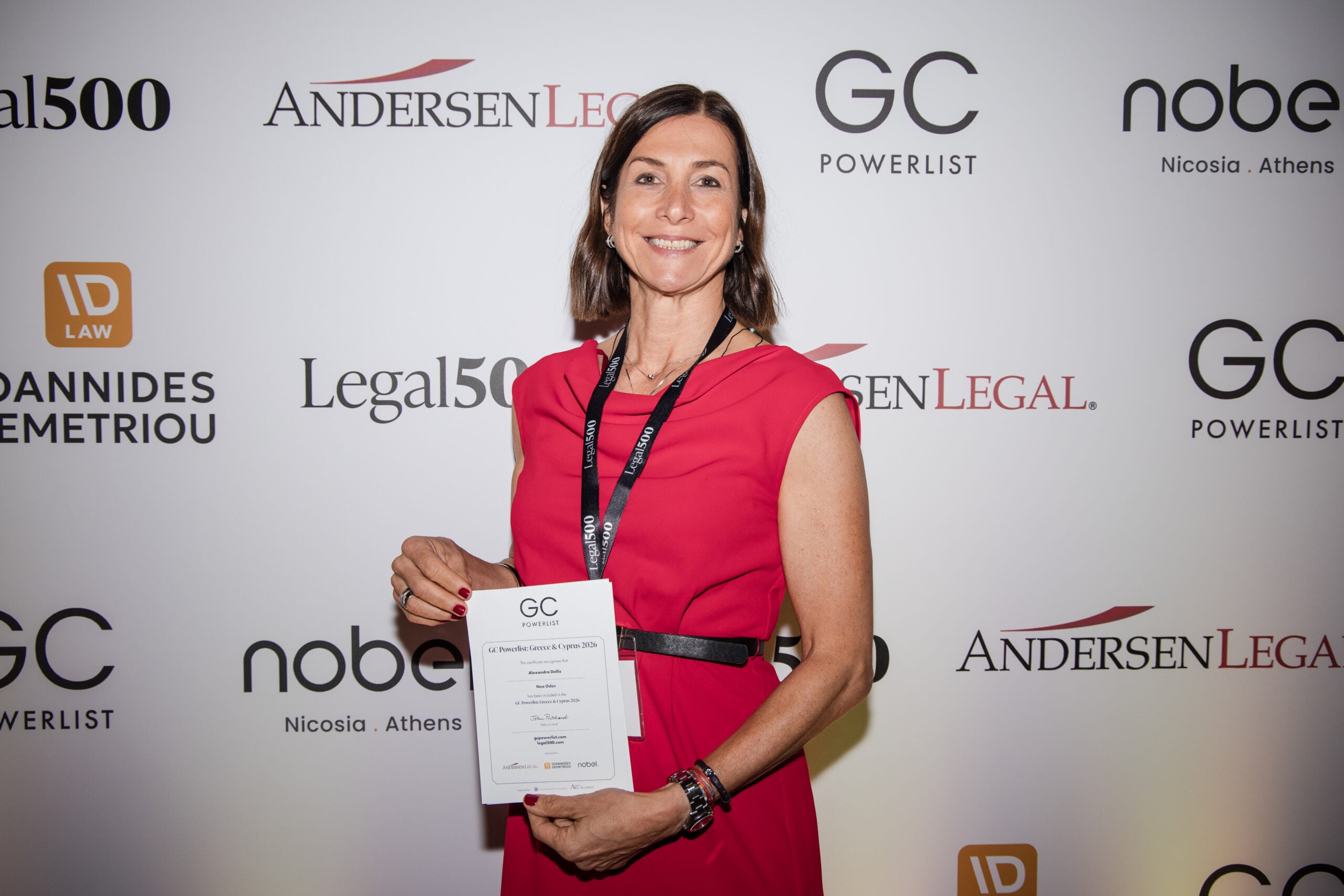
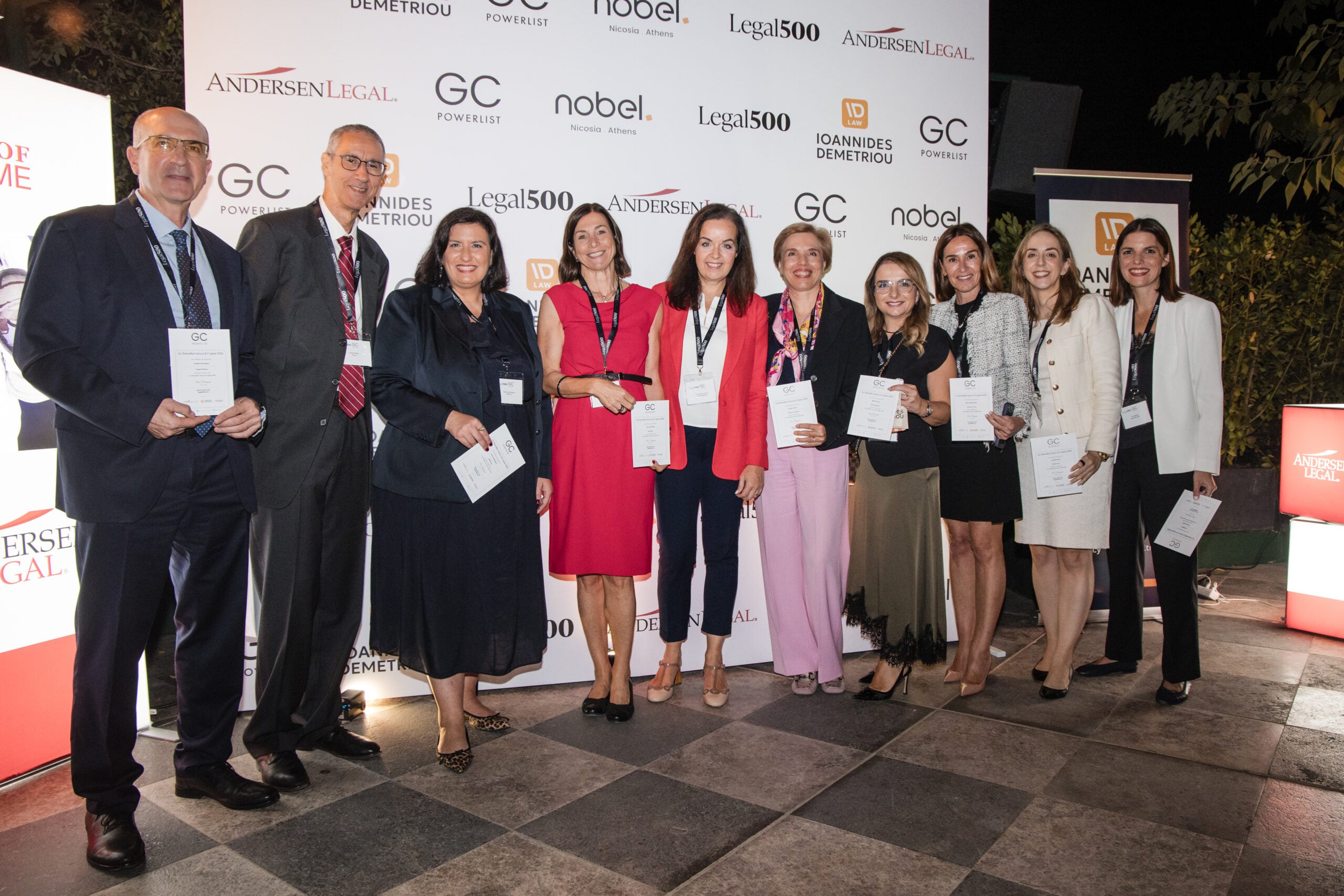
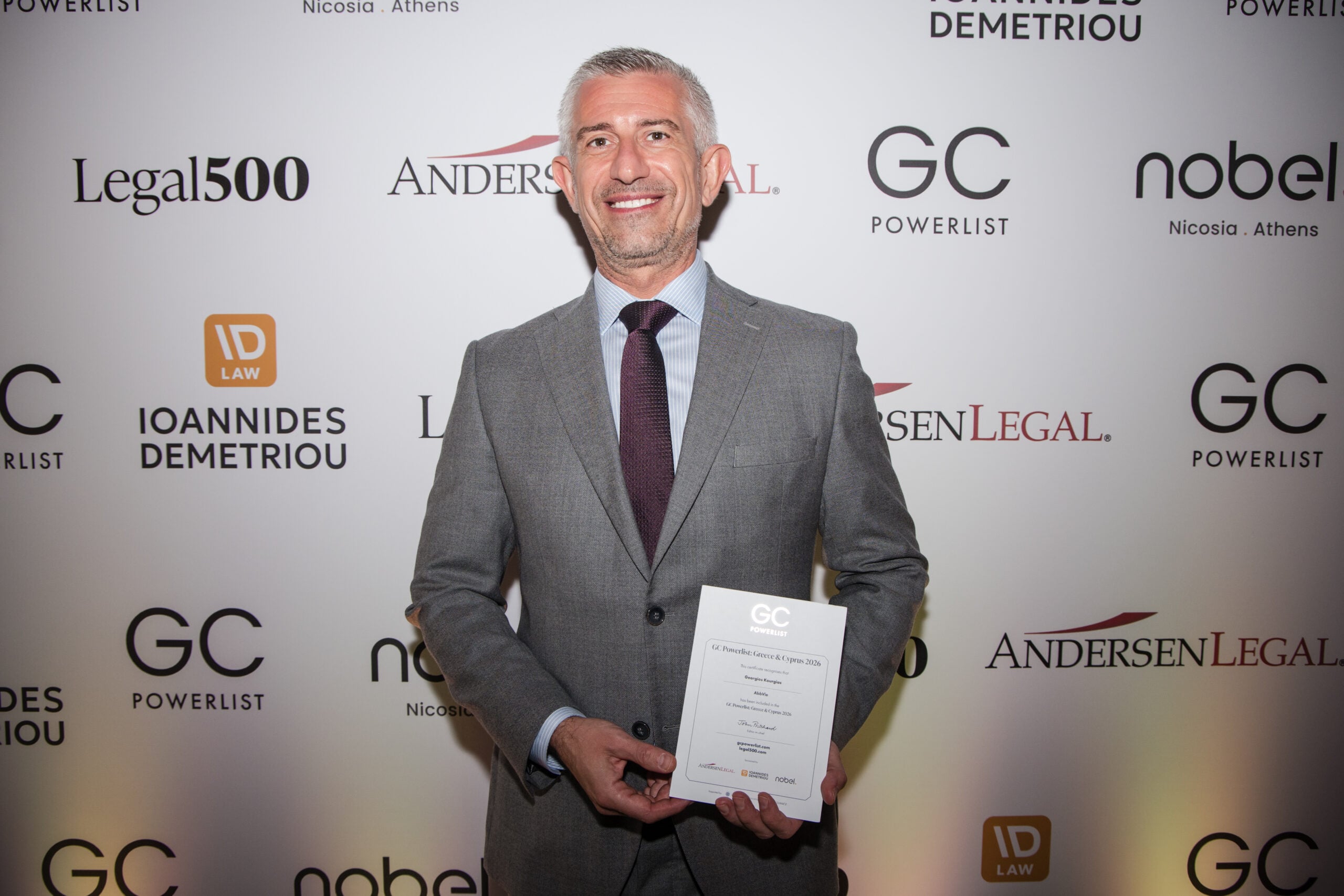
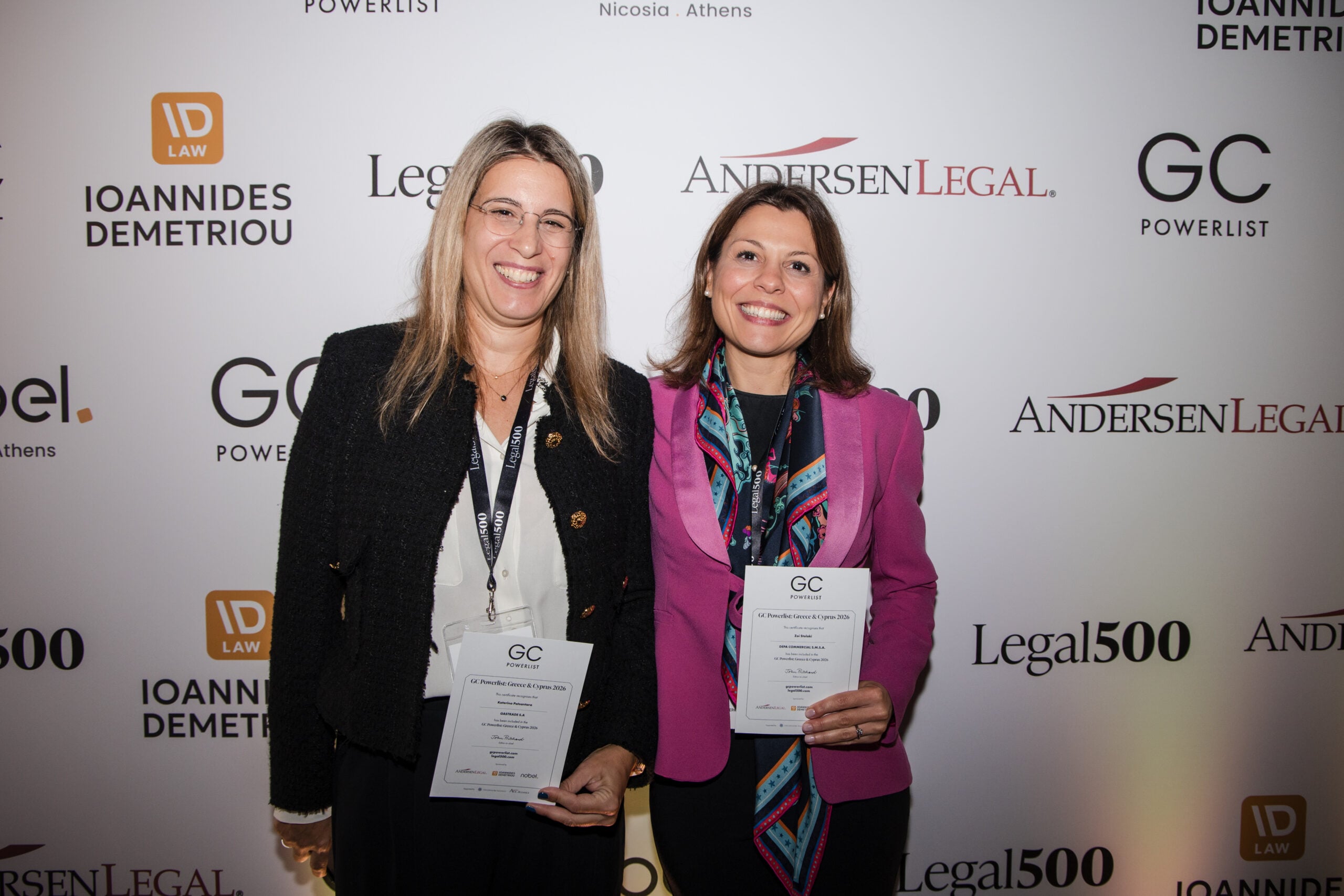
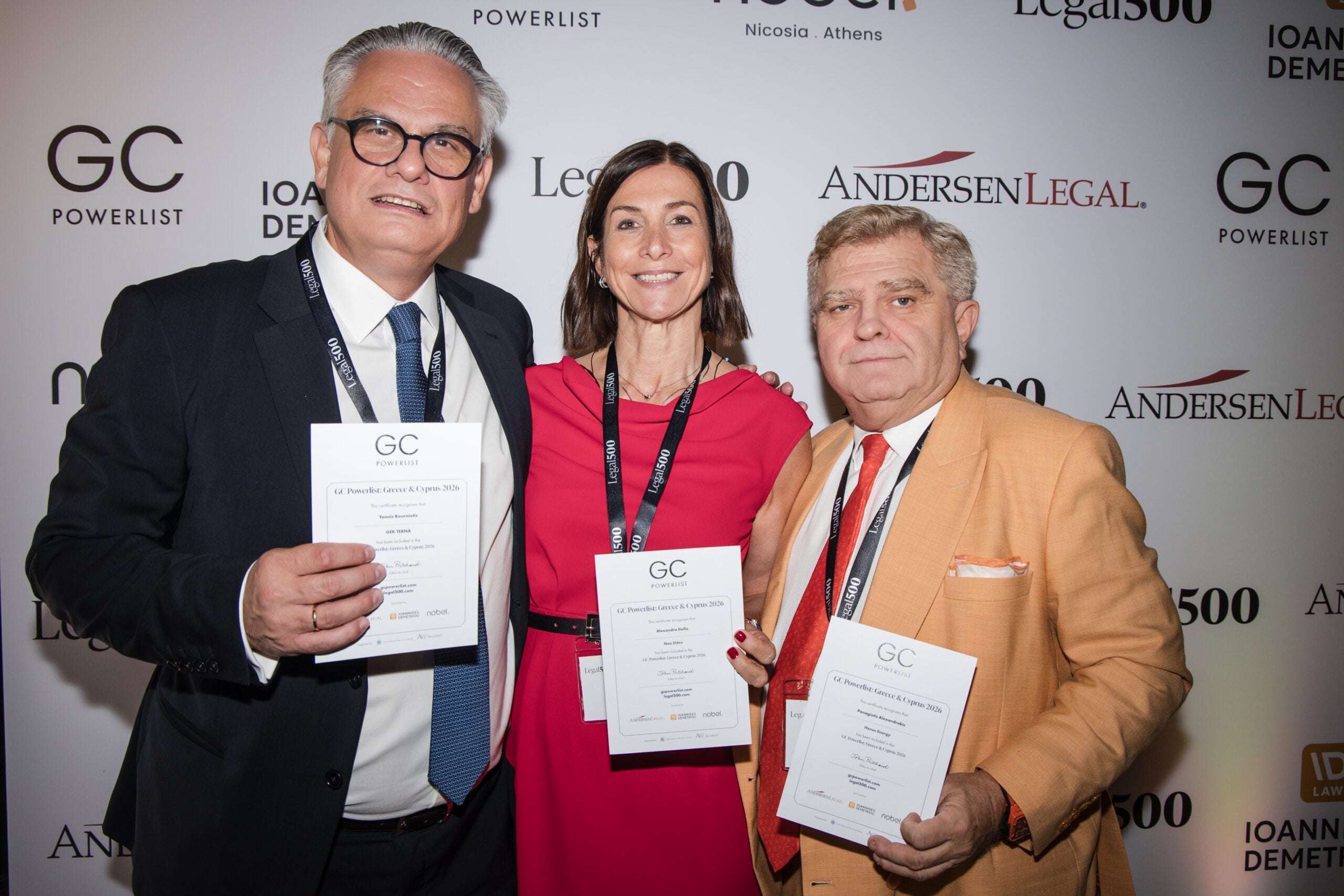
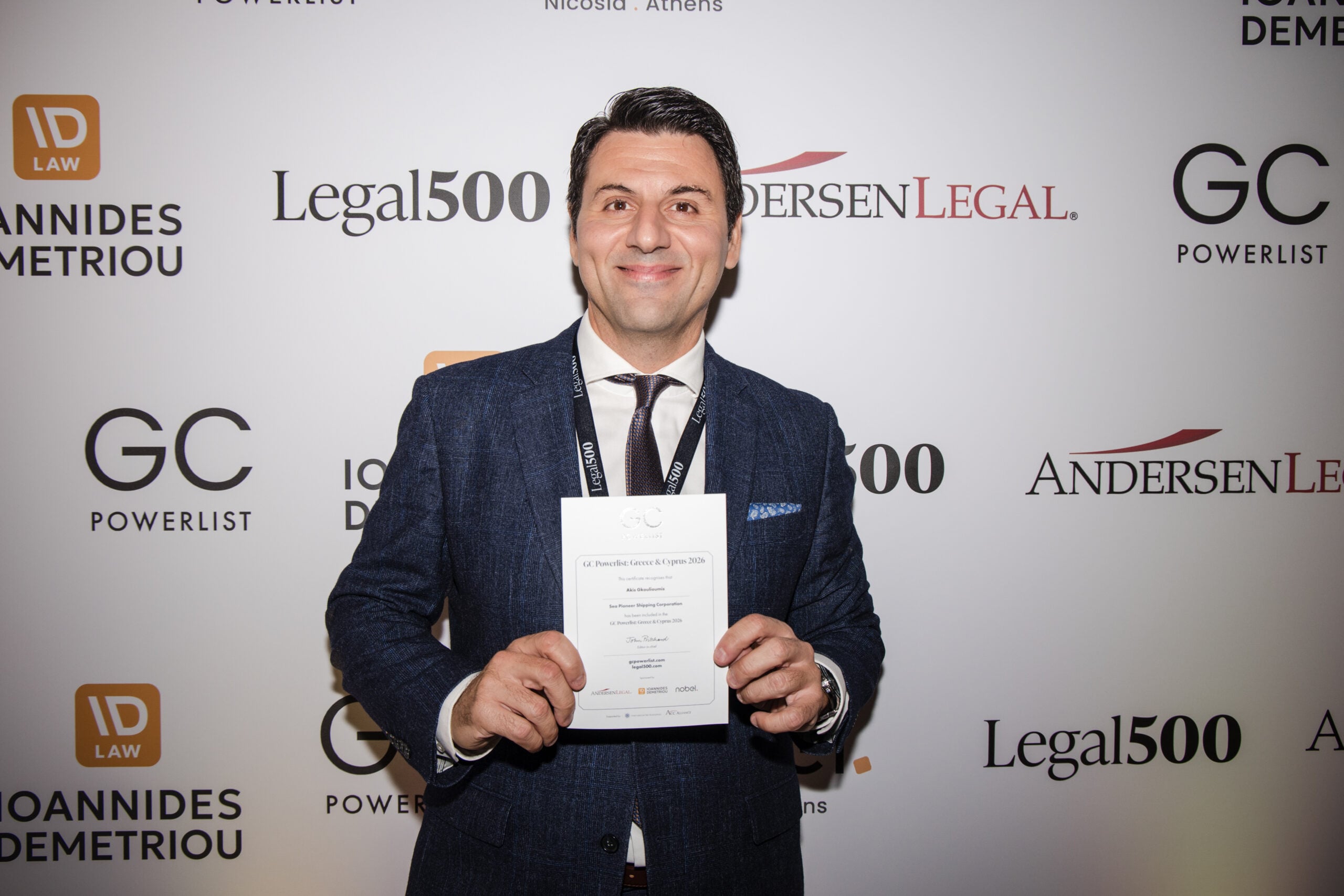
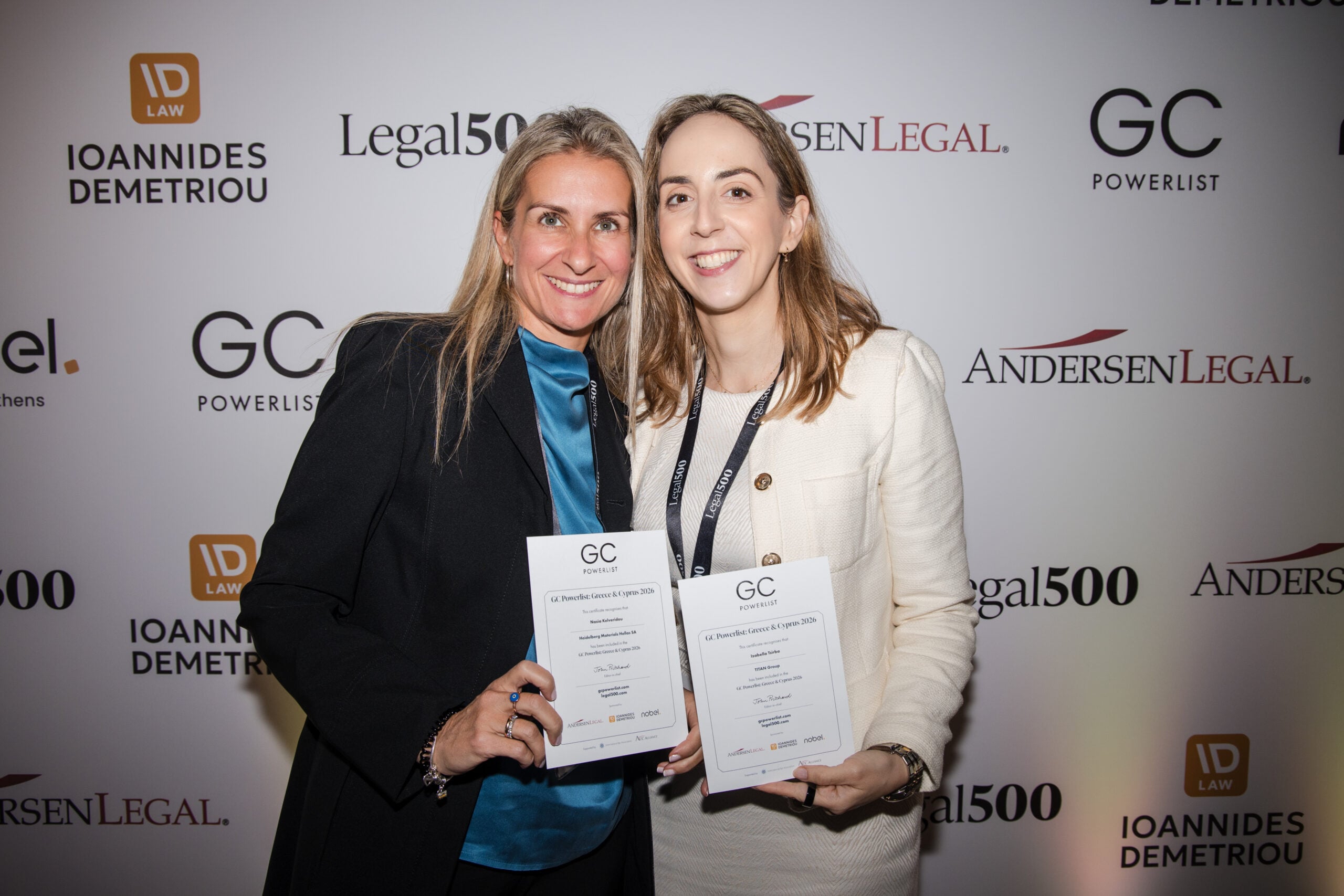
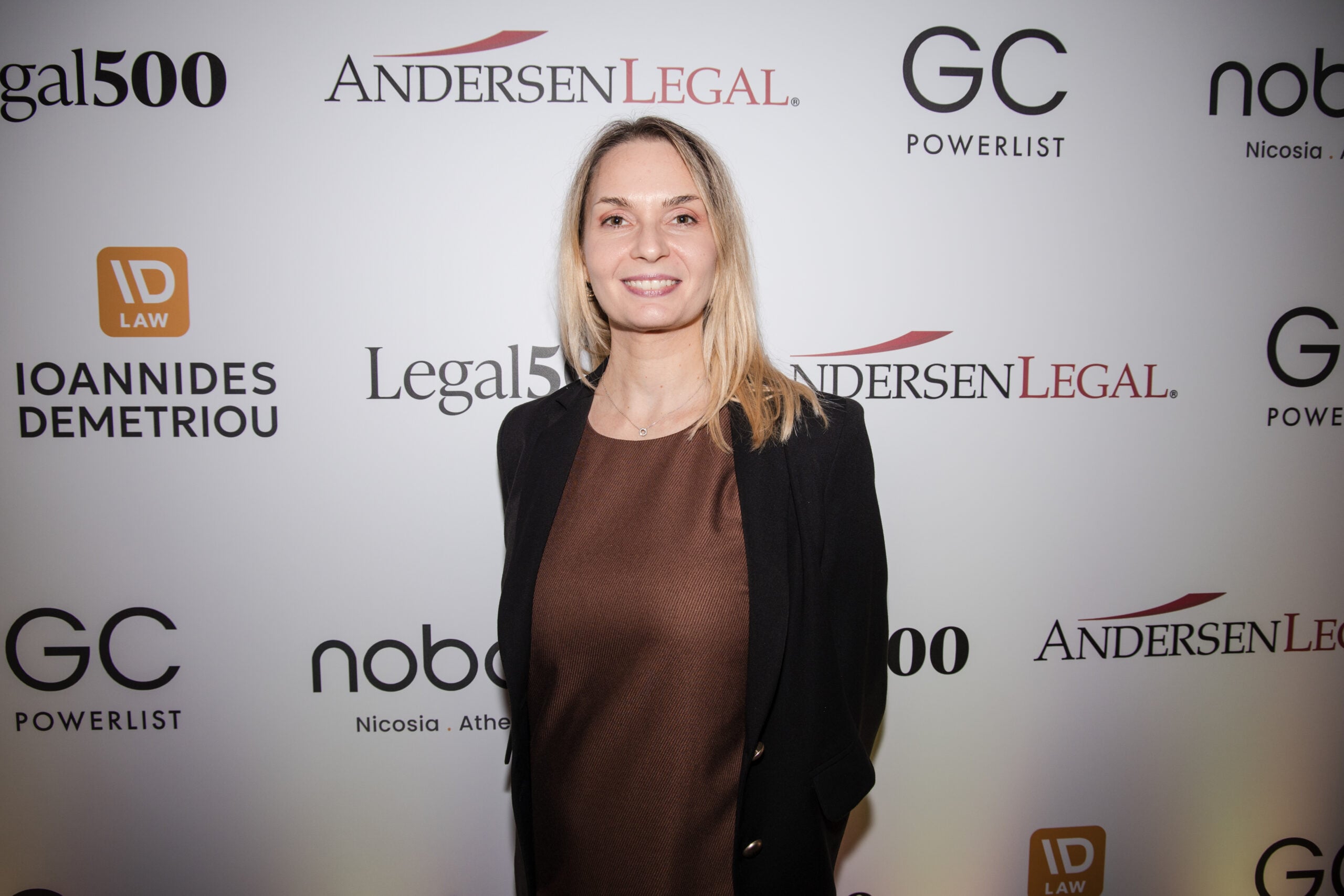
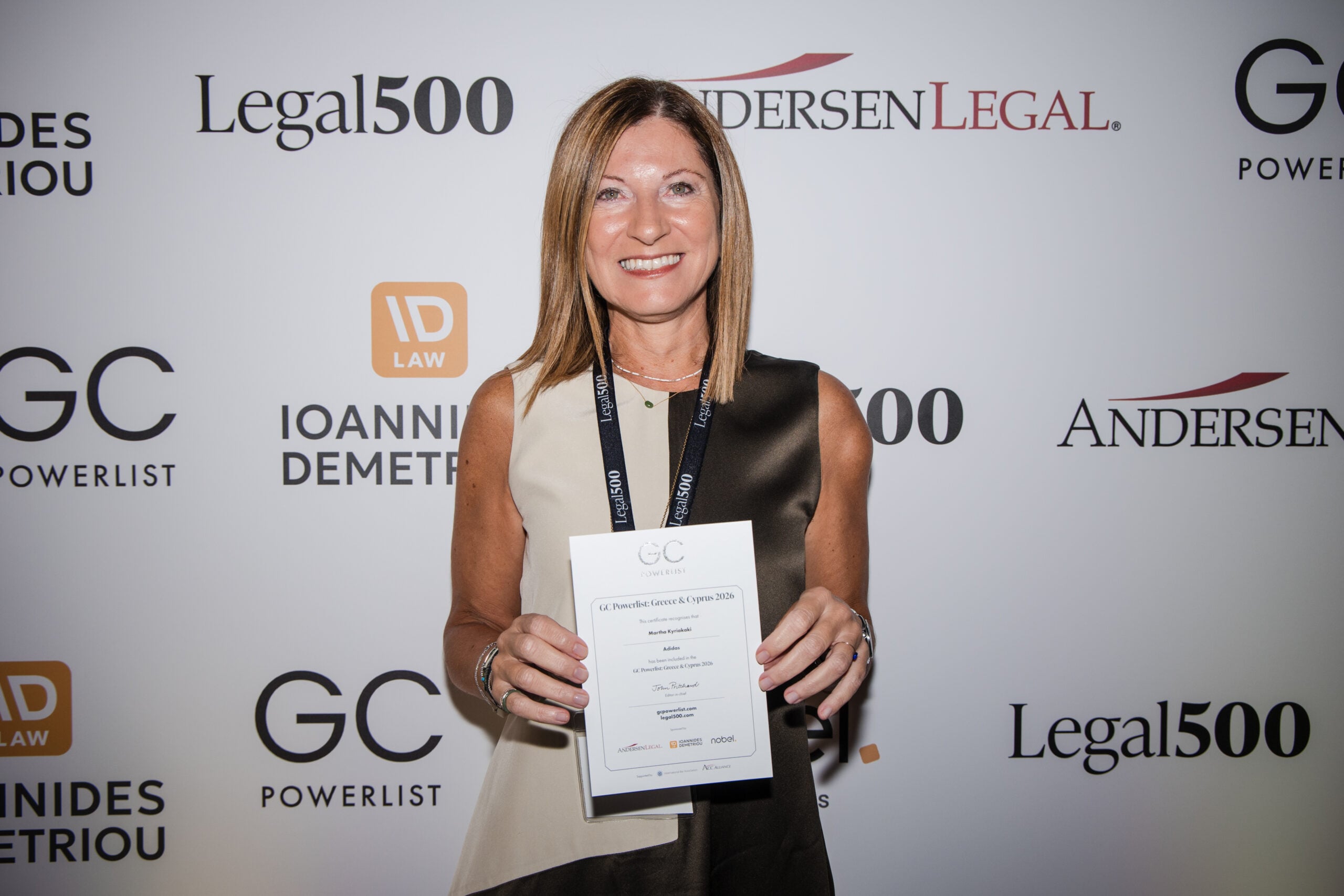
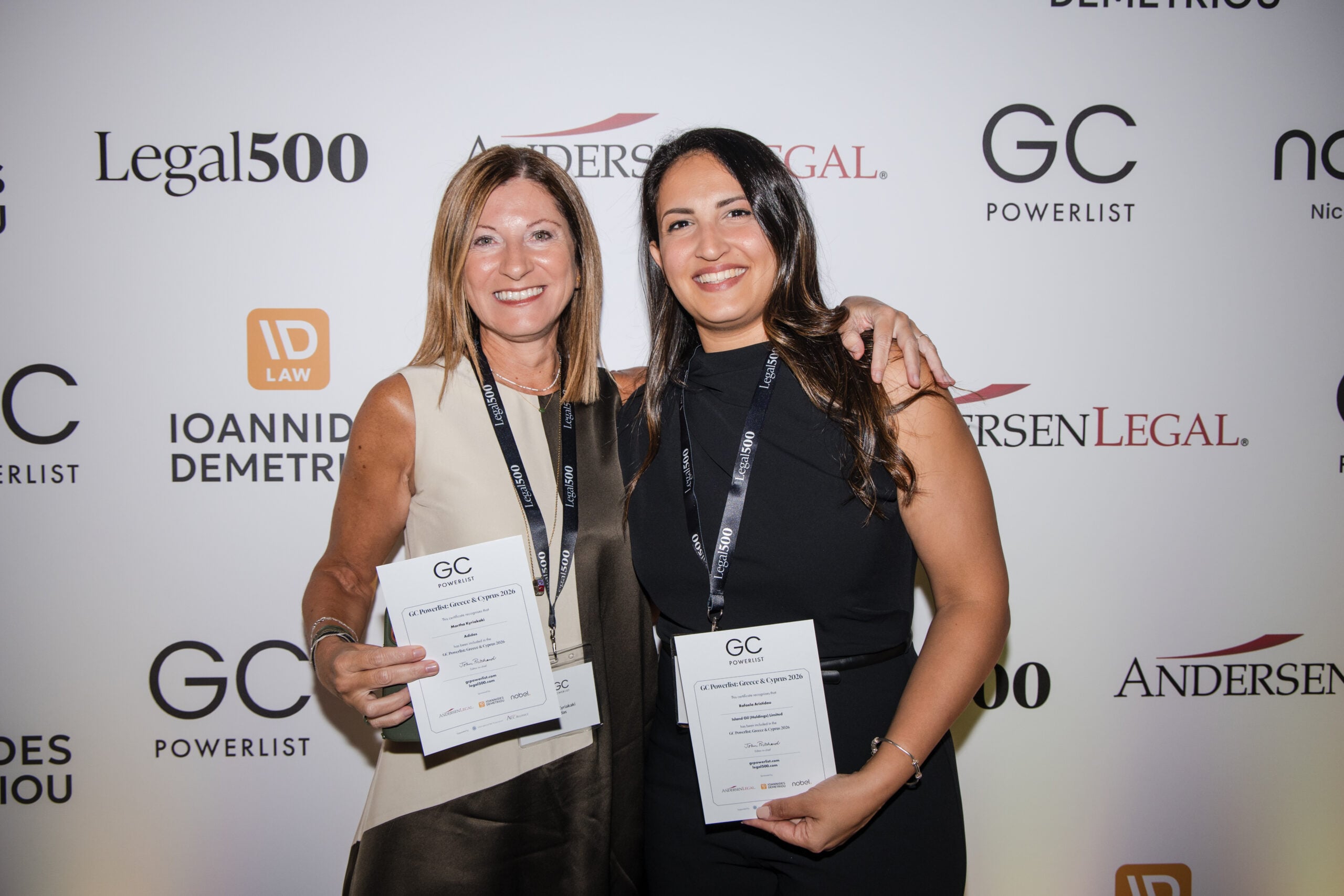
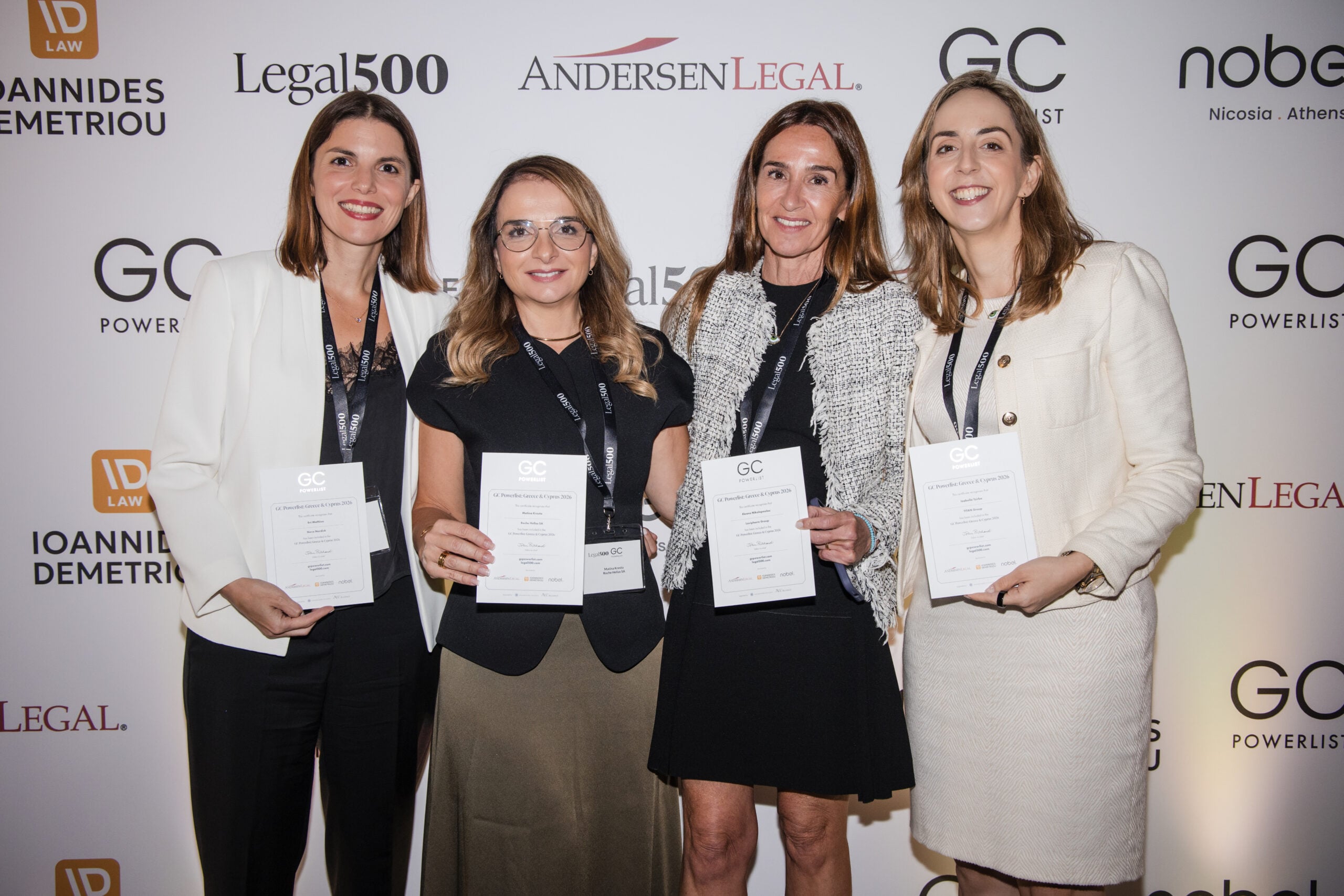
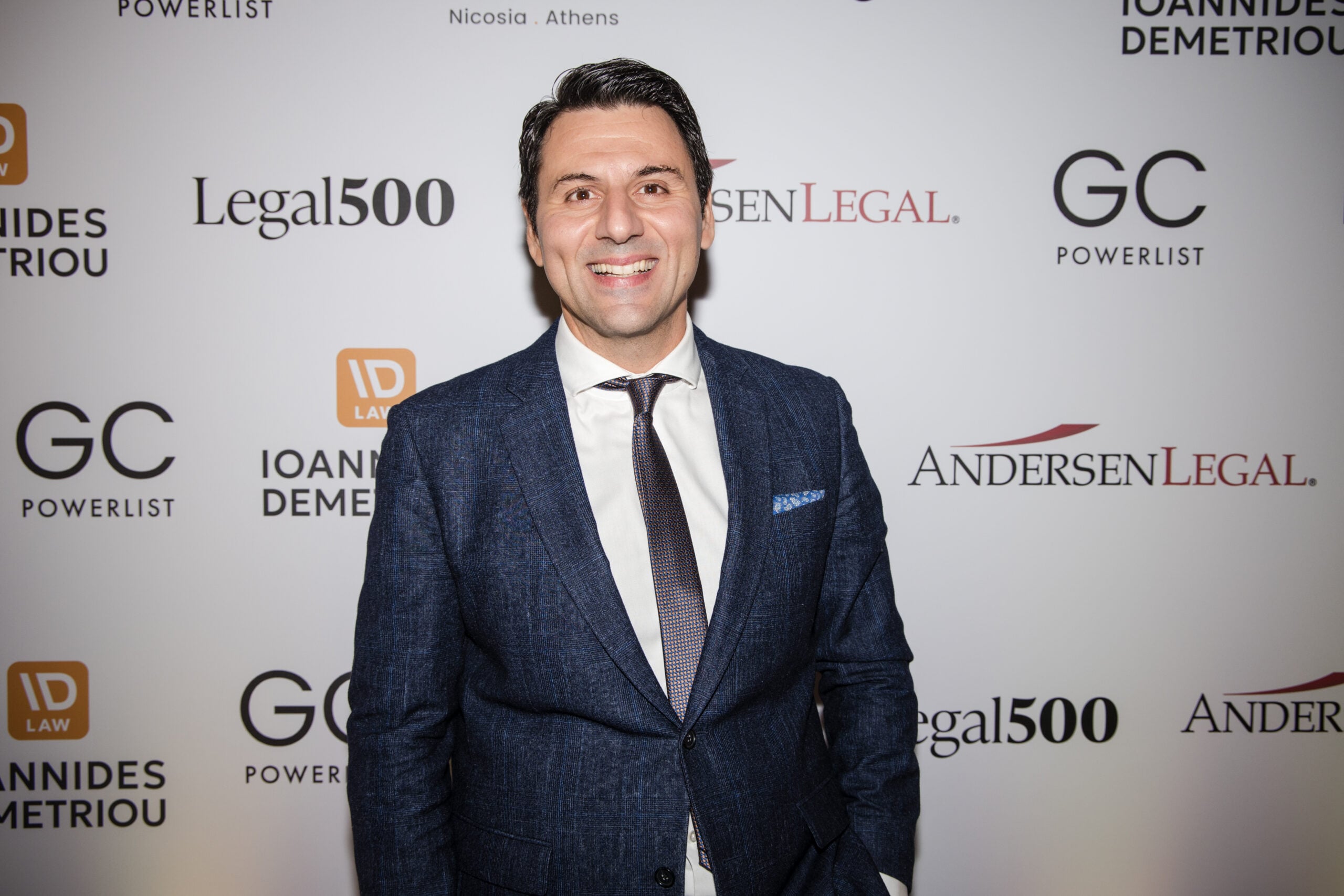
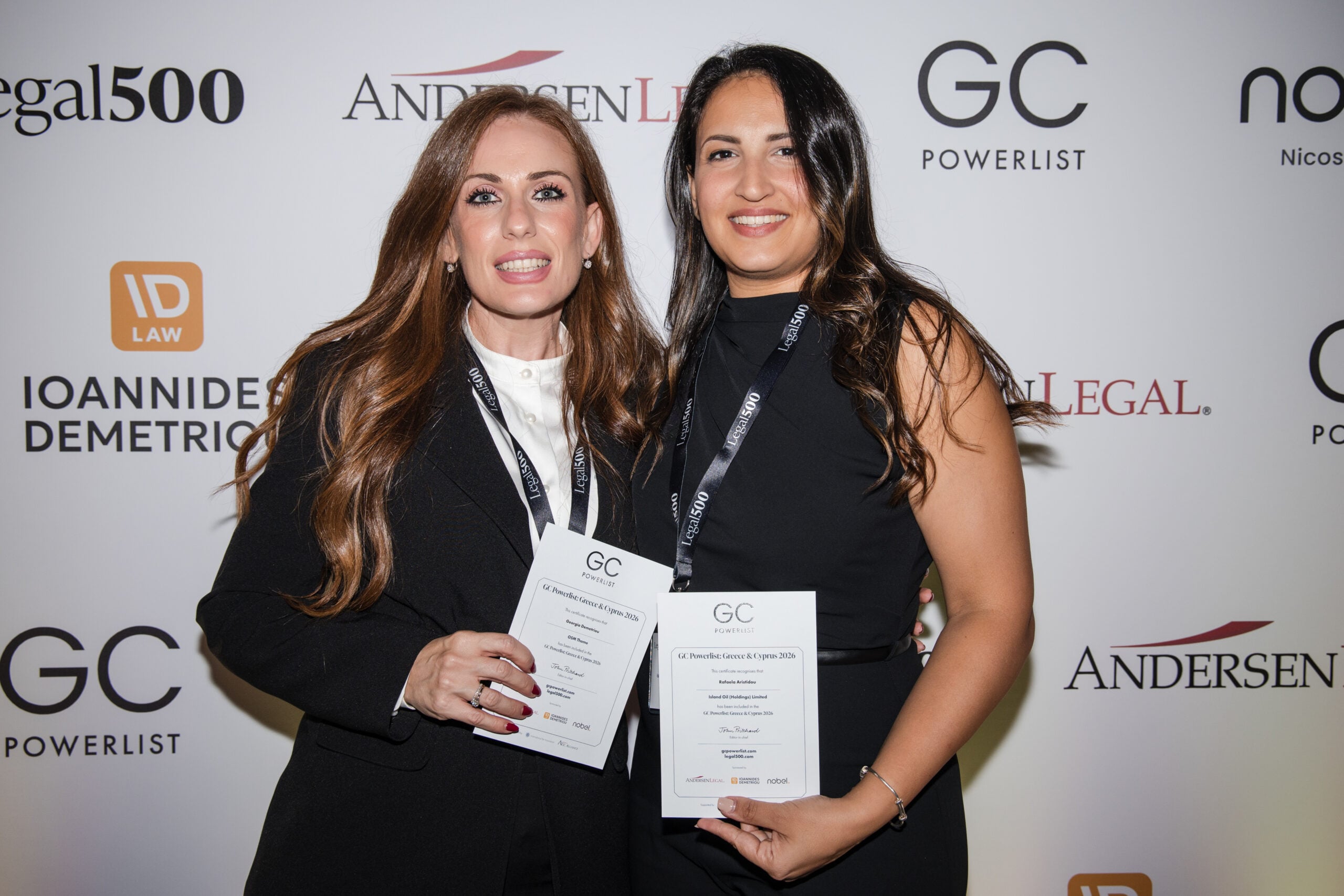
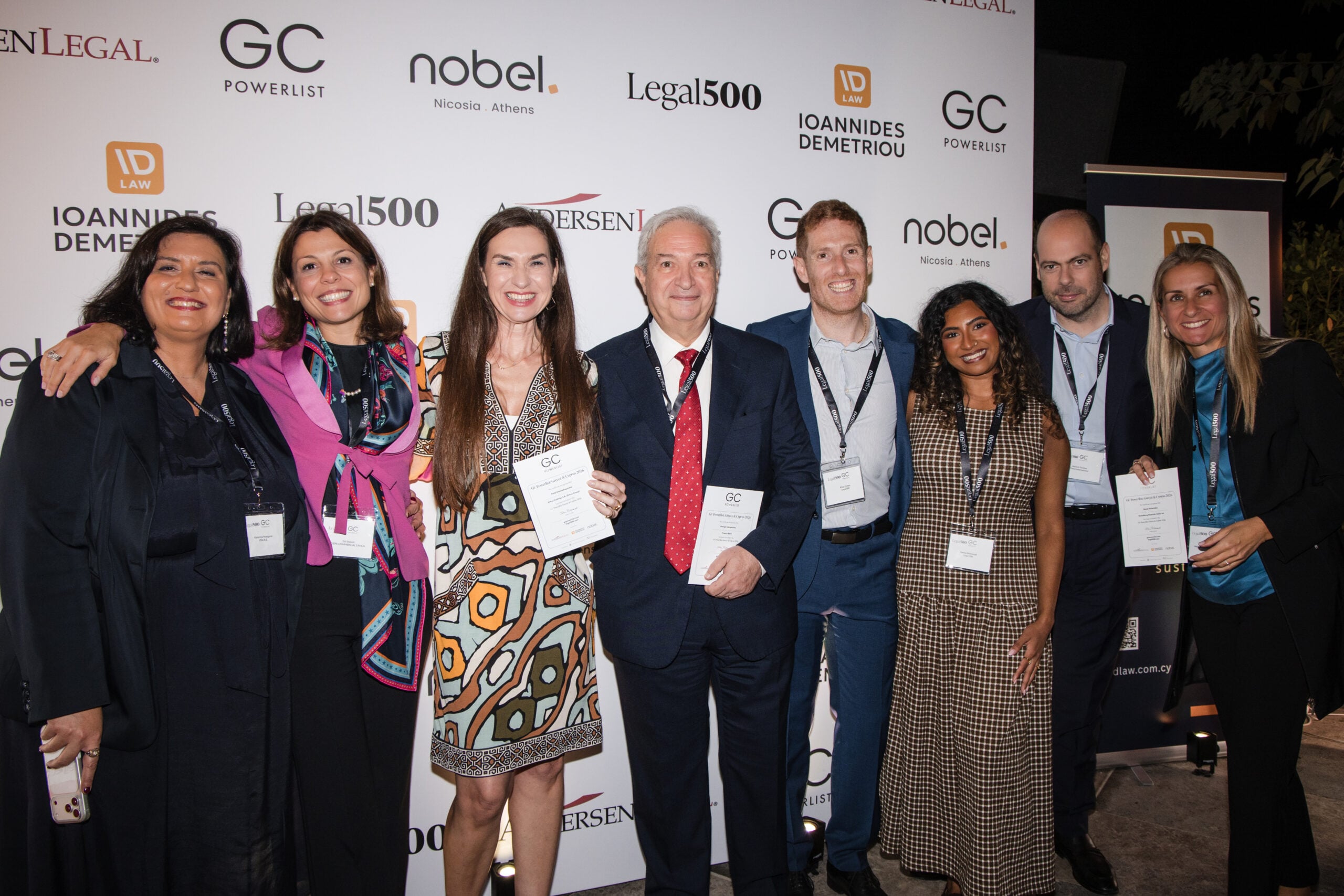
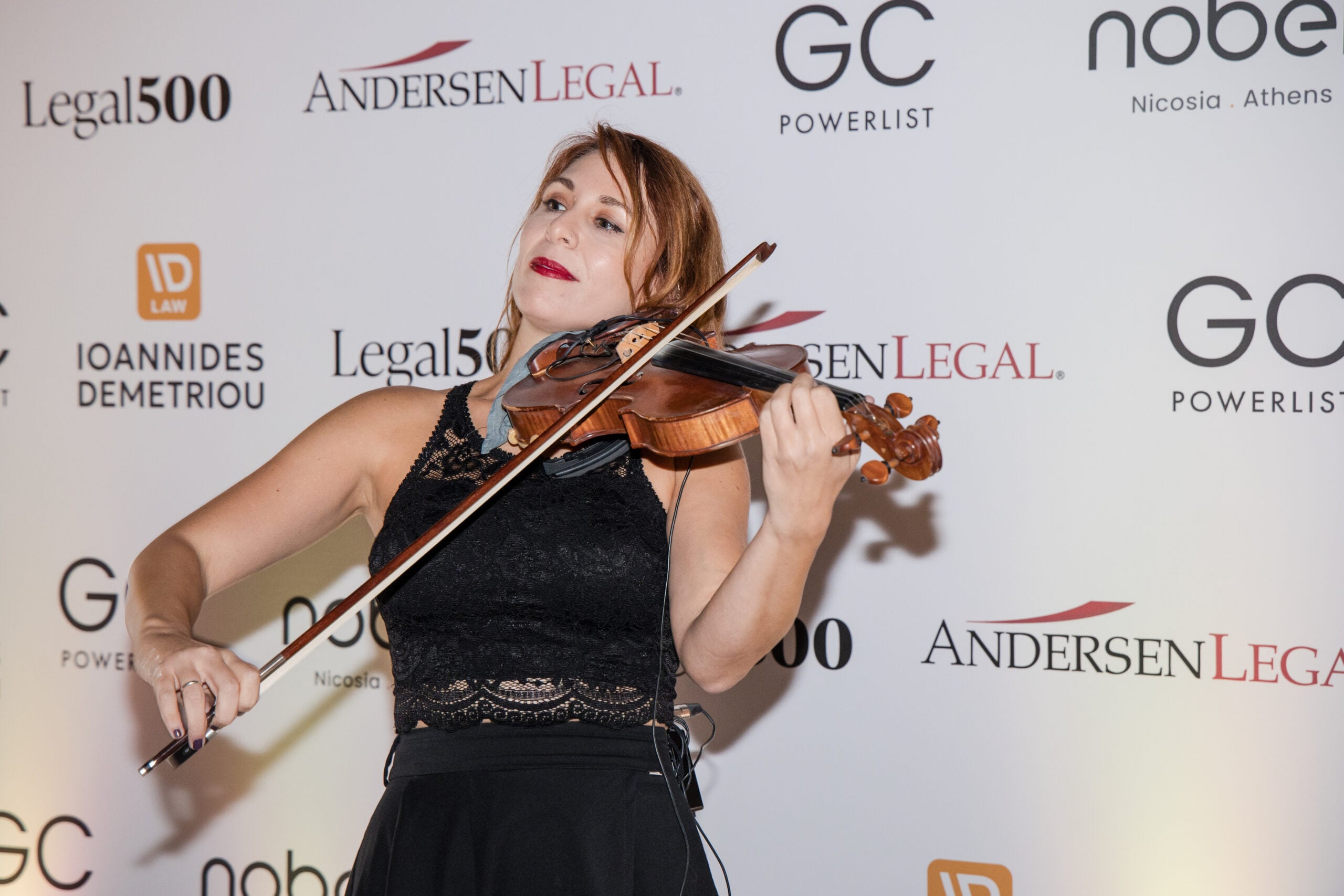
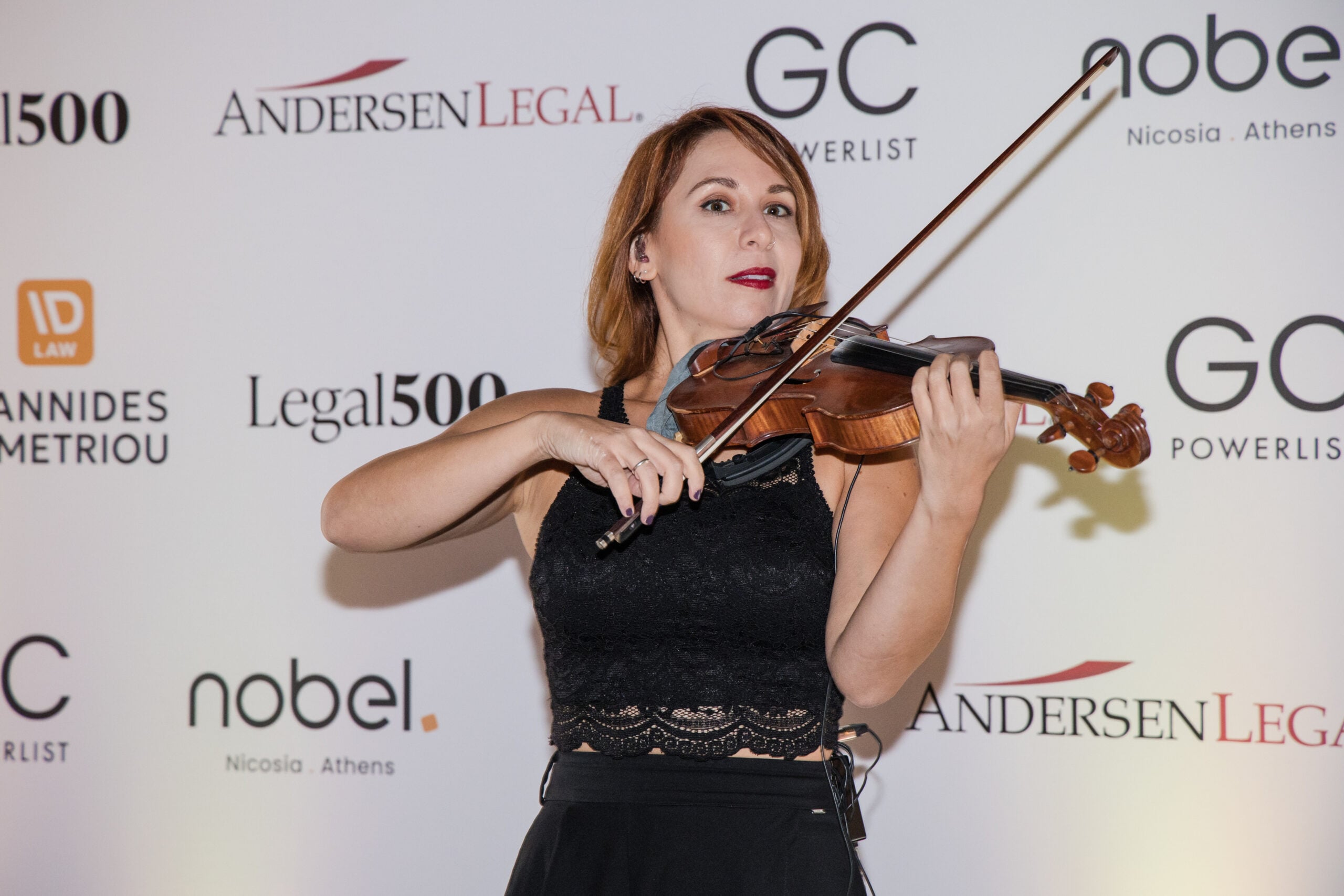
Legal 500 returned to Athens for the launch of the GC Powerlist: Greece and Cyprus 2026, held in partnership with Andersen Legal, Ioannides Demetriou and Nobel. The event brought together leading general counsel from across the city to recognise their achievements and contributions to their organisations.
Theodore Pistiolis, Managing Partner at Andersen Legal Greece, and Christina Ioannidou, Director at Ioannides Demetriou, opened the event with welcome remarks.
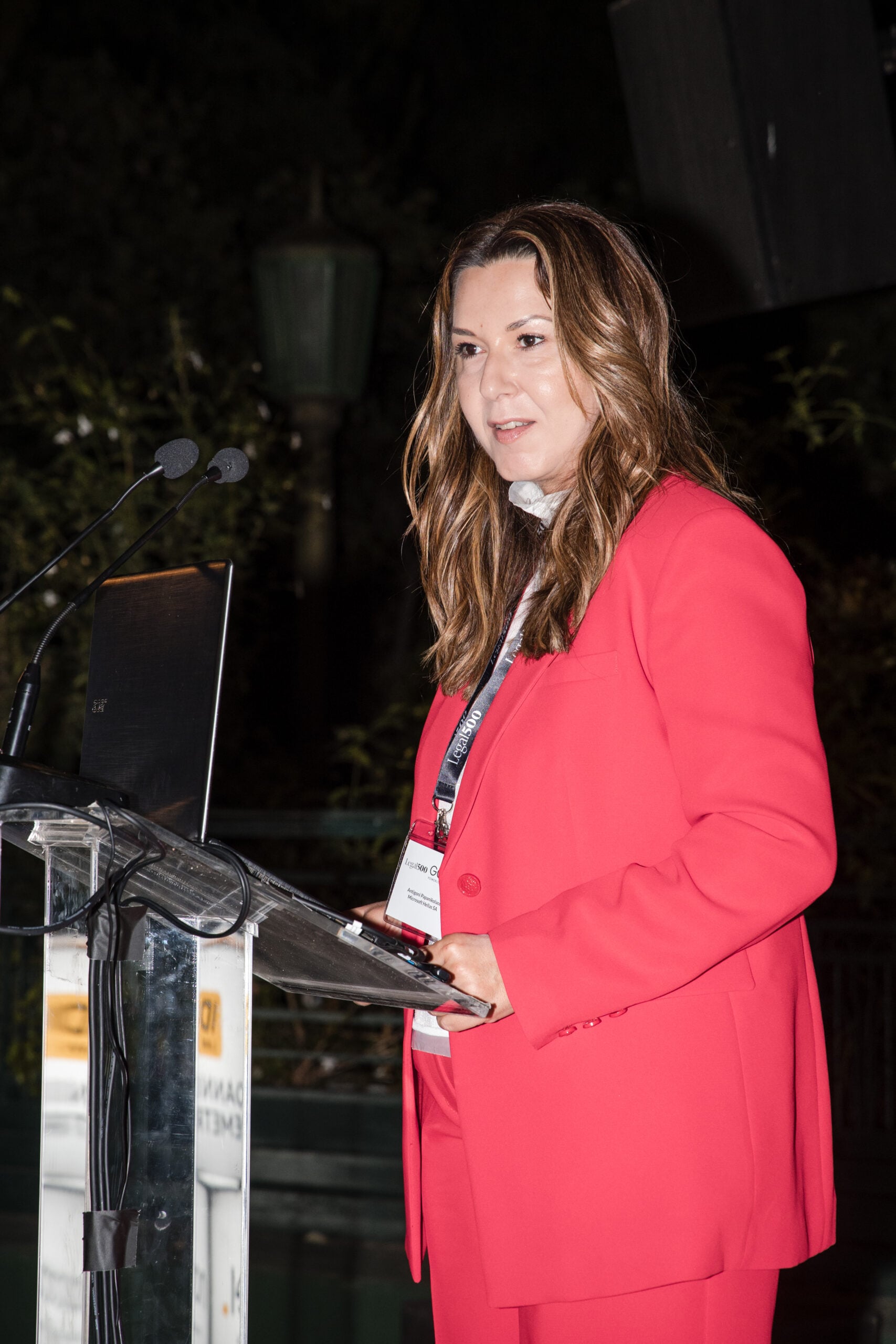
Antigoni Papanikolaou, Legal and Corporate Affairs Director at Microsoft Hellas, then delivered a keynote address on the future of legal teams and how they are evolving.
Legal 500 thanks Andersen Legal, Ioannides Demetriou and Nobel for their support and congratulates everyone included in the GC Powerlist.