

Global Category Counsel – Tequila & Vodka | Diageo

Tamara Nava
Global Category Counsel – Tequila & Vodka | Diageo
What skills or experiences have been most important in your development as an in-house lawyer so far?
More than fifteen years in intellectual property — protecting, defending and monetising intangible assets in Mexico and Latin America — is the foundation. The technical work has not changed in kind: industrial property, brand protection, advertising, packaging and contracts. What has changed is the setting. Since joining Diageo in 2023, and taking on the role of Global Category Counsel for Tequila and Vodka in 2026, the work has become global portfolio strategy, not just regional clearance.
The skills that have mattered most in-house are commercial judgement and operational discipline. Leading the legal strategy for the tequila and vodka brands means IP protection has to align with cost control, launch timelines and how the brands appear in the market. Advice has to be usable by marketing, innovation and procurement, not just legally correct.
The move from private practice and consultancy into the company accelerated that development. In private practice, the work already combined brand protection, regional expansion and valuation of intangible assets with client delivery. In-house, that same mix is applied within a single portfolio: protecting the assets, reducing legal costs where doing so does not increase risk, and keeping advertising and packaging compliant across markets.
Continuing education has been part of the same development. The master’s in industrial property, copyright and new technologies at Universidad Panamericana and Fordham’s Pathways to Excellence: Leadership for In-House Counsel programme were chosen because the role now requires both deeper technical expertise and the ability to lead legal work as part of the business, not alongside it.
Who or what has most influenced your professional development, and how do you continue to build your skills and knowledge?
The strongest influence has been becoming an in-house lawyer in practice, not just in title. In private practice, the role was to advise. At Diageo, the role is to own the legal outcome for the brands: the protection of the intellectual property, advertising and packaging that go to market, the contracts, and the cost of achieving all of this. That change — from providing an opinion to taking accountability within the business — has shaped the role more than any single matter.
What matters in-house is proximity to the people who launch and sell. Marketing, innovation, procurement and communications do not need a memorandum. They need a position they can use on a live campaign or a packaging change across markets, without discovering a legal problem after the spend has been committed. Learning to provide that position, and to stand by it when the risk is real, has been central to my development, particularly in the global tequila and vodka counsel role.
Another influence is the in-house standard itself. Legal work is judged by whether the portfolio is protected and whether the business can move forward. Cost discipline is part of that standard, not a separate finance exercise. Fordham’s Pathways to Excellence programme for in-house counsel was useful for that reason: it treats leadership of the legal function as part of how the company operates, which is integral to the role.
I continue to build my skills where the work happens. Day-to-day clearance, brand protection and contract work across the tequila and vodka portfolio provide the main training. Writing and speaking on IP and compliance are useful insofar as they demand the same clarity the business expects: if advice cannot be explained outside the legal team, it is not yet finished.
Counsel, Latin America and the Caribbean, IP and innovation | Diageo
Counsel, LAC IP and innovation | Diageo
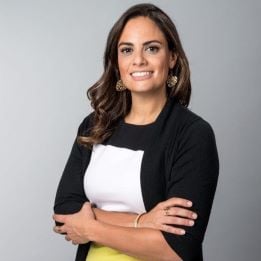
Vice president & Associate general counsel, global M&A, Americas
Diageo
View Powerlist

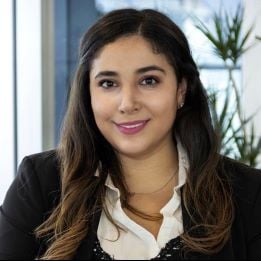
Counsel, Latin America and the Caribbean, IP and innovation
Diageo
View Powerlist
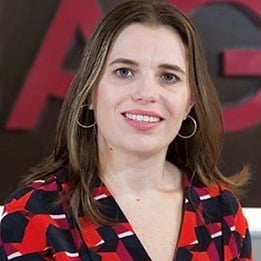
Regional director of legal, brand protection, privacy and corporate security
Diageo
View Powerlist