Kuwait 2025
Supported by the Association of Corporate Counsel





Chief legal officer | Kuwait Direct Investment Promotion Authority (KDIPA)
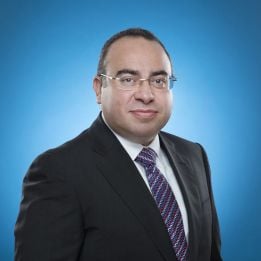
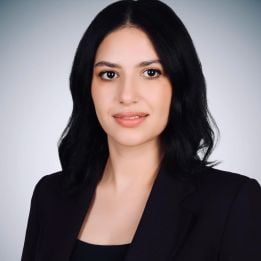
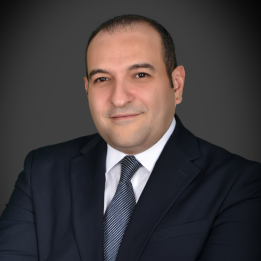


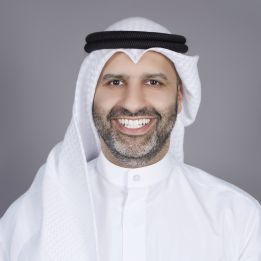
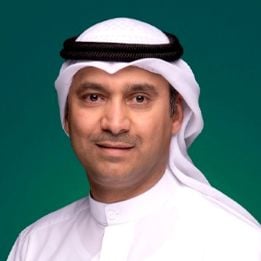

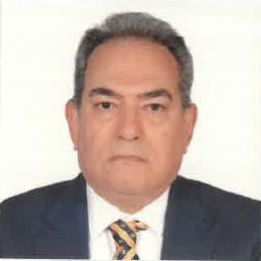
General manager and general counsel, head of legal affairs | National Bank of Kuwait


Assistant general manager, legal affairs division | Al Ahli Bank of Kuwait




Corporate counsel | Fouad Alghanim & Sons Group of Companies
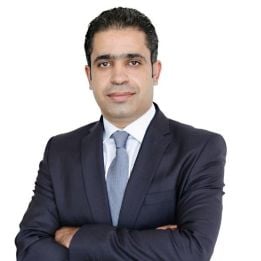
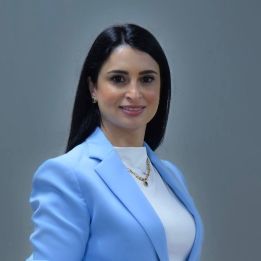
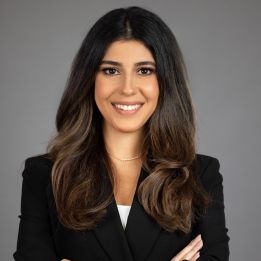
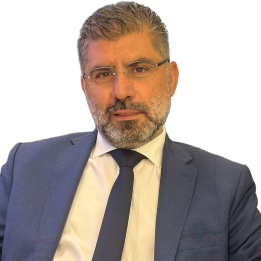

General counsel and company secretary | Kuwait Food Company (Americana)


Lead of corporate legal affairs | Kuwait Foreign Petroleum Exploration Company (KUFPEC)

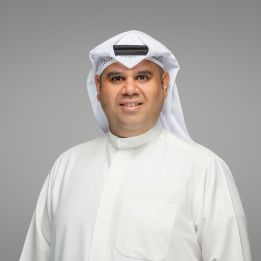

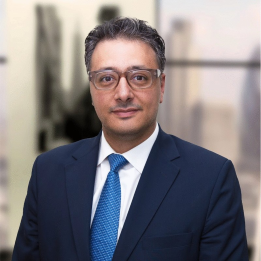


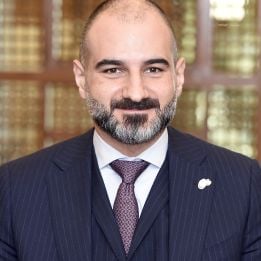
Director of legal affairs and compliance | The Arab Investment & Export Credit Guarantee Corporation
Senior vice president, legal and board secretary | United Real Estate (URC)
Senior group manager, legal services | Al-Sayer Group Holding

General counsel | Energy Solutions Co. Ltd Meroven Group Ltd & AMG Kuwait
Legal manager | United Projects for Aviation Services Company (UPAC)
Senior manager, board affairs, legal and compliance | Kuwait Credit Information Network Company (CINET)
Group chief general counsel and international advisor | Action Group Holding
Chief of legal and governance | Digital Cooperation Organization (DCO)

Senior legal counsel, head of international and subsidiaries legal affairs | Kuwait Finance House
It is with immense pride that we present the inaugural edition of the GC Powerlist: Kuwait 2025, a landmark moment in our ongoing mission to spotlight legal excellence across the region. After years of featuring Kuwait within our broader Middle East coverage, the country now takes centre stage with its own dedicated publication. This reflects not only Kuwait’s evolving legal landscape but also the strategic significance of its corporate counsel.
This edition honours the trailblazing general counsel who are redefining the role of legal leadership. Far beyond safeguarding legal interests, these professionals are driving innovation, shaping public policy, and influencing business strategy in an increasingly complex and competitive environment. Their work spans vital sectors including energy, finance, healthcare, and technology – demonstrating that their impact reaches well beyond the legal department.
The decision to launch a standalone Kuwait Powerlist was inspired by the exceptional calibre of legal talent in the country and the distinctive challenges they navigate. From steering regulatory reforms to orchestrating cross-border transactions, the individuals featured here embody the agility, foresight, and leadership that define the modern general counsel.
Inside, you’ll discover exclusive interviews and in-depth profiles of Kuwait’s most influential corporate lawyers, representing a rich array of industries. Their ability to craft legal strategies, mitigate risk, and align with business priorities underscores the increasingly pivotal role of in-house counsel in shaping organisational success.
We extend our heartfelt thanks to everyone who contributed to this edition – through nominations, interviews, and insights – and offer our warmest congratulations to the distinguished counsel featured within these pages. Their achievements reflect not only personal excellence but also the growing influence of legal leadership in Kuwait’s economic and institutional development.
On behalf of The Legal 500, thank you for joining us in celebrating this milestone. We look forward to continuing our mission to elevate the voices and stories of in-house legal leaders around the world.
Francisco Faria e Castro | Research Editor | GC Powerlist Series