Denmark 2024
Supported by the Association of Corporate Counsel


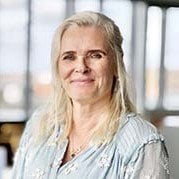

Senior vice president and group general counsel | GN Store Nord

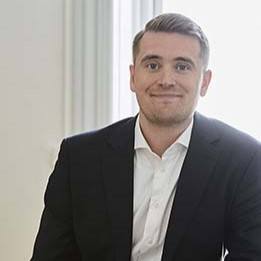
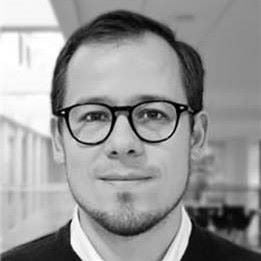
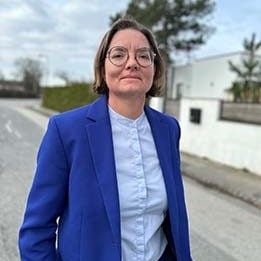

General counsel and head of corporate affairs | A.P. Møller – Mærsk
Deputy general counsel, head of legal, VP | A.P. Møller – Mærsk
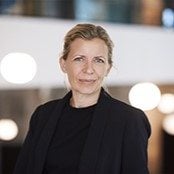

General counsel and head of legal, private markets | PensionDanmark

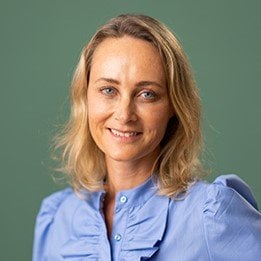
Group general counsel, global legal, risk and compliance | LEO Pharma

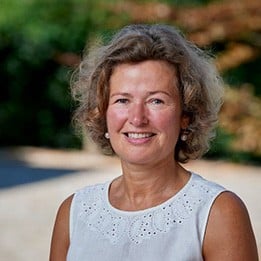
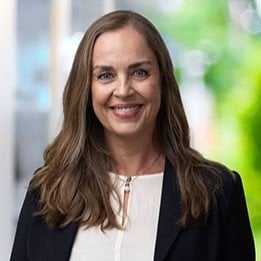
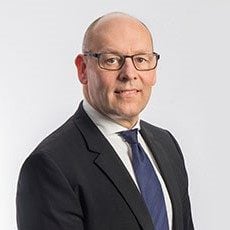
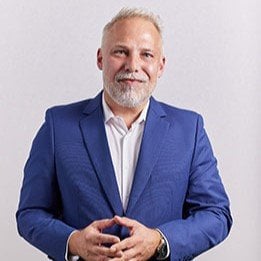
Chief legal counsel, Denmark and counsel for Europe region projects | G4S Security Services


Group general counsel, senior vice president, group legal, IP and business ethics | Coloplast
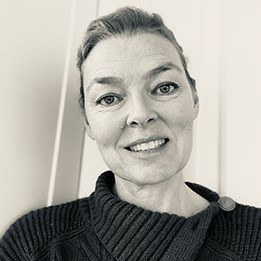

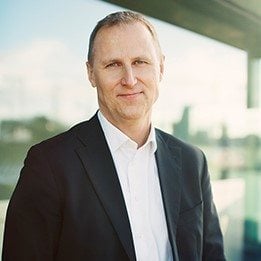
Legal lead, Northern Europe Region | Wipro Technologies & Designit


Head of legal, international and data privacy | Arla Foods



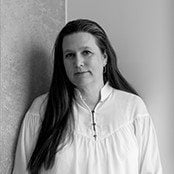
Vice president, legal and regulatory | Hi3G Denmark (3)
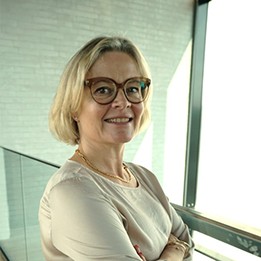
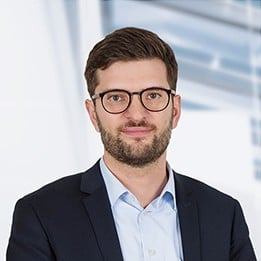
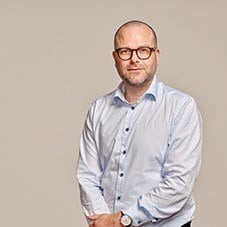
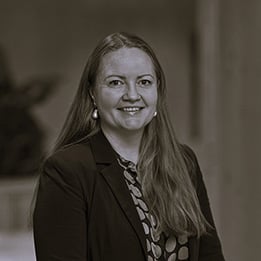
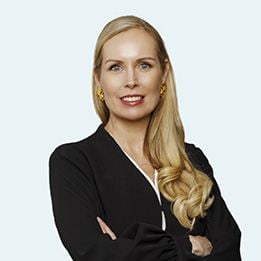
Chief legal officer and head of CEO office | ATP Ejendomme
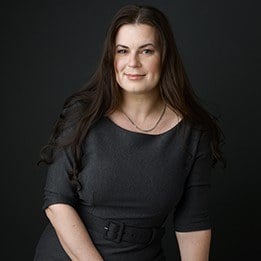
General counsel and chief human resources officer | Copenhagen Business School
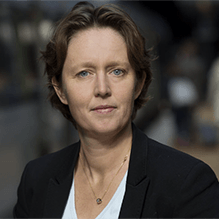
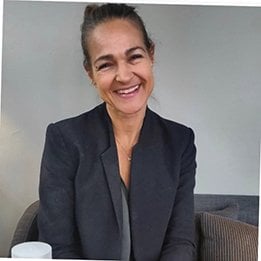
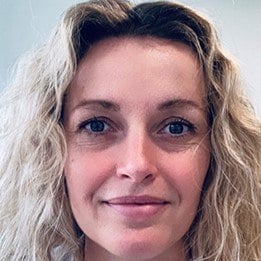
Group chief legal and compliance officer | Unifeeder
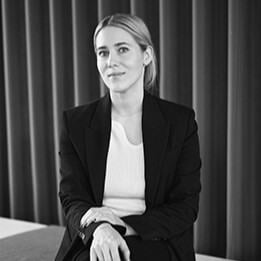




Senior vice president, general counsel and company secretary | Zealand Pharma
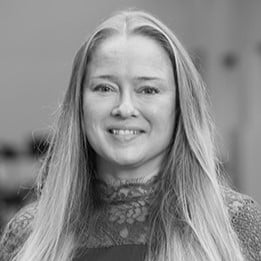



Group senior vice president, legal, risk and compliance | Vestas Wind Systems






Executive vice president, group legal, strategy and M&A | FLSmidth
Group general counsel, vice president, legal, compliance and risk management | Milestone Systems


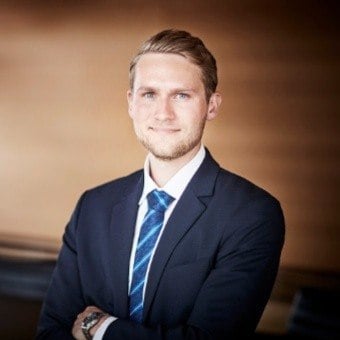
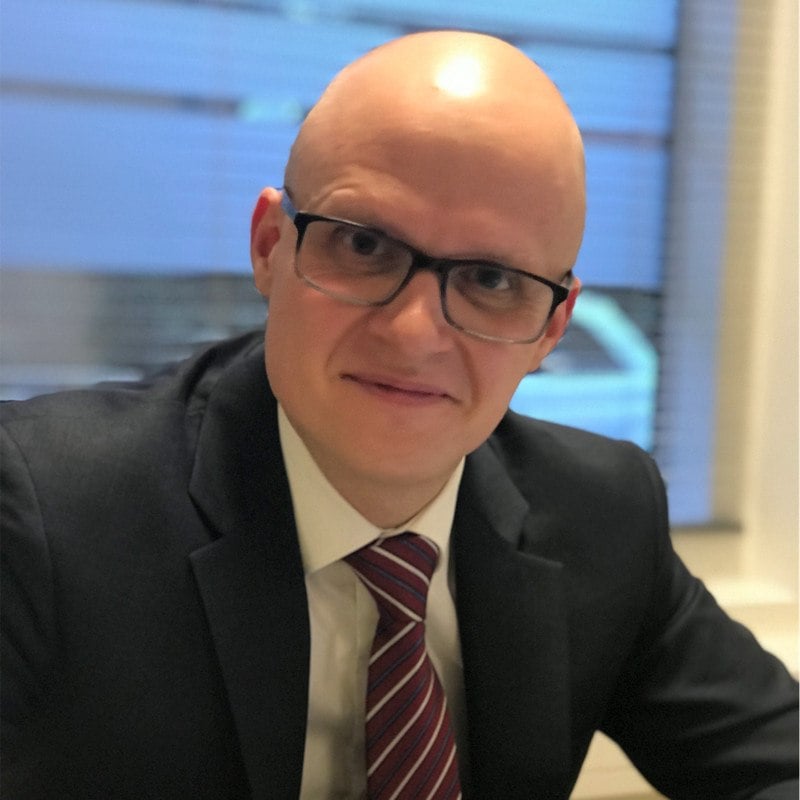


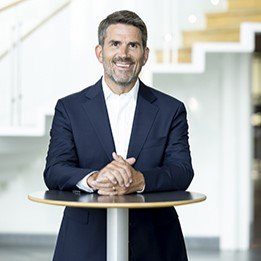
Chief legal officer and senior vice president | Novo Nordisk Foundation
Chief legal adviser | DMI - Danmarks Meteorologiske Institut
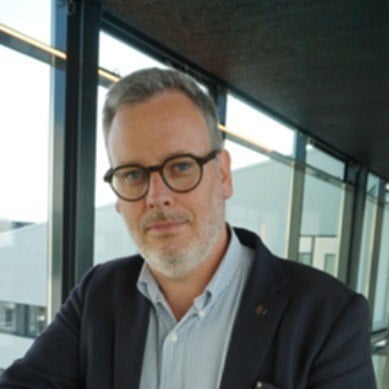
Group vice president, chief legal officer, head of M&A and compliance | DLG
On behalf of The Legal 500, we are delighted to extend a warm and enthusiastic welcome to the GC Powerlist: Denmark 2024. Following the success of last year’s Teams edition, this year, we shift our focus to celebrate the exceptional individuals who have elevated the in-house legal role to new heights. We proudly showcase the most dedicated corporate lawyers in the country, spotlighting their remarkable achievements over the past year.
This publication unveils the remarkable contributions made by an exclusive group of general counsel, legal heads, and other pivotal in-house legal figures, underscoring their expertise, leadership, and steadfast dedication to excellence. This latest edition exemplifies outstanding achievements by these select individuals as they adeptly navigate Denmark’s legal terrain, tackling challenges such as integrating legal tech innovations, navigating shifting political and economic dynamics, fostering diversity and inclusion, and as they play a pivotal role in advising closer to C-level management and influencing executive decisions within their respective companies and organisations.
You’ll discover in-depth profiles and exclusive interviews with the most influential and esteemed in-house lawyers spanning various industries in Denmark. Their demonstrated ability to navigate legal strategies, mitigate risks, and provide strategic guidance to their companies is prominently showcased. Their achievements not only inspire the legal community but also underscore the profound impact that in-house lawyers can have on their organisations’ business strategies and overall success.
The research and interviews done during the development of this publication bring to light several key findings, including the resilience and adaptability of legal departments during times of political and economical uncertainty in Europe, but also other more positive notes observations, such as the inevitable and crucial integration of technology – particularly artificial intelligence – into the daily responsibilities of every in-house lawyer. Yvonne Larson, Head of Legal at Signify, emphasises this shift, stating, “[a]s technology rapidly advances, especially in the area of artificial intelligence, the role of the in-house lawyer is again evolving.” Recognising the importance of this evolution, Mads Juul Eegholm, Chief Legal Officer and Vice President at Velliv, Pension & Livsforsikring, underscores the necessity for proficiency in emerging technologies, such as artificial intelligence, to leverage innovative solutions for legal operations, risk assessment, compliance monitoring, and strategic decision-making.”
Another notable reflection from this publication’s discoveries is the increasing significance of the role of in-house counsel within companies and organisations, as they assume greater proximity to C-level management and play pivotal roles in executive and business decision-making processes. As stated by Andreas Holmstroem Soerensen, Head of Legal at PFA Pension, “[w]e have for several years focused on stakeholder management and our strategic advice to directors and C-level […] and we are involved in strategic project initiated by our business counterparts, both product developments and customer initiatives, as well as digital infrastructure programs and supplier due diligence.” Another clear testimony of this is provided by Eva Møland Tørsleff, Chief Legal Officer at Heimstaden who further emphasises this trend, noting how her team has “fostered closer collaboration by being physically present and accessible, conducting education across all levels, and specifically equipping our C-level executives with the necessary legal insights.”
Within this edition, we comprehensively address numerous pertinent subjects and unique challenges, inviting you to explore The GC Powerlist: Denmark 2024 and uncover the remarkable narratives of these exceptional individuals. Through their experiences and perspectives, our aim is to provide a comprehensive depiction of the legal landscape in the country and highlight the invaluable contributions of in-house legal departments.
We extend our sincere gratitude and congratulations to all the featured in-house lawyers for their valuable contributions and for graciously sharing their journeys with us. It is with great pleasure that we present to you this distinguished list of Denmark’s most exceptional, diligent, and celebrated in-house lawyers.
Francisco Faria e Castro | Editorial lead | GC Powerlist Series