Brazil 2025
Supported by the Association of Corporate Counsel



Legal and corporate compliance director for Latin America | Volvo Brazil




Legal director and company secretary | Vivo (Telefônica Brasil)








Global legal and compliance senior managing counsel executive, M&A and financial services | Accenture


Executive legal director and organizational culture PMO | Minerva Foods


Vice president, legal and institutional affairs | CPFL Energia


Legal director, compliance officer and data protection officer | Equatorial Energia


Executive general counsel, Latin America | GE Aerospace


Legal vice president, Brazil and Andean region | Visa


Senior legal and licensing manager | American Tower Company


Legal, compliance and government affairs director, Latin America | Air Liquide





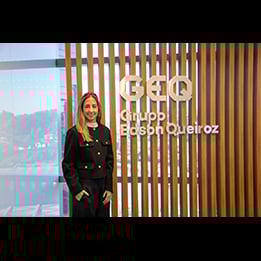

General counsel | LOG Commercial Properties


Managing partner, legal and regulatoru | Brookfield


Legal corporate senior director, Latin America | Mercado Livre



Chief legal and institutional relations officer | Localiza Rent a Car

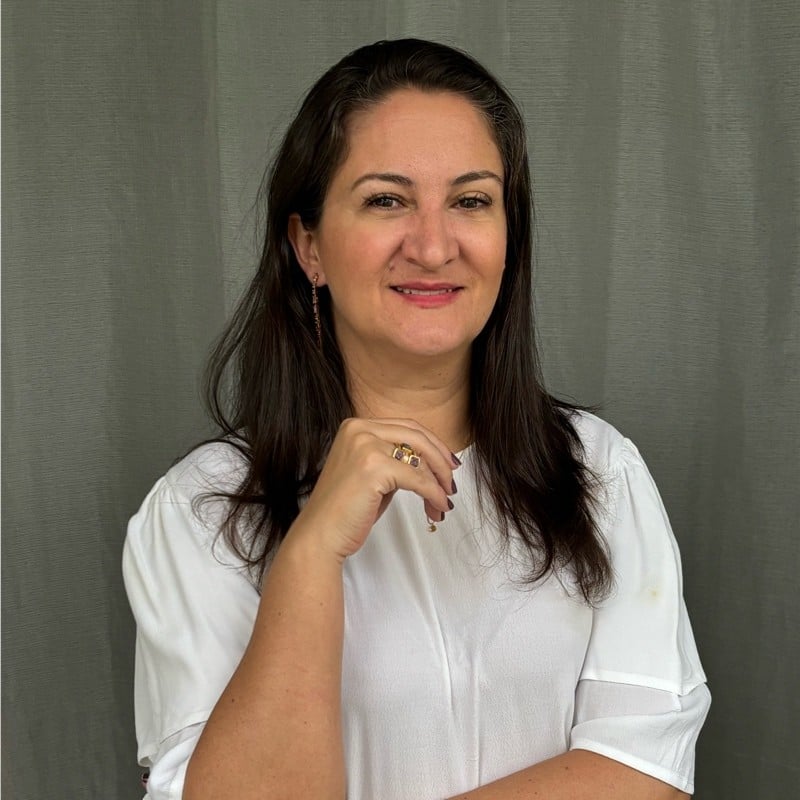

Senior director, government and legal affairs, Latin America | Hasbro


Regional general counsel for Latin America | Zurich Latin America Serviços Brasil


Executive director, head of legal and commercial | Trident Energy


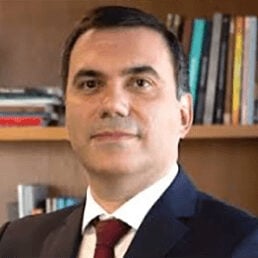

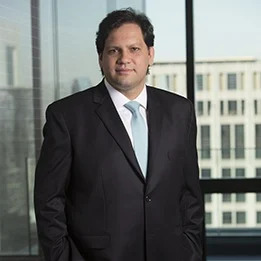


General counsel and chief compliance officer, Brazil | New Fortress Energy
Vice-president, legal, government affairs and sustainability | Siemens
Vice president, legal, Brazil | Kinross Brasil Mineração
Deputy general counsel for South America | Valeo
General counsel and head of fleet | Azul Linhas Aéreas Brasileiras

It is with great pleasure that we present the GC Powerlist: Brazil 2025, continuing Legal 500’s longstanding commitment to celebrating the outstanding achievements of in-house counsel around the world. Once again, we are delighted to return the GC Powerlist series to the vibrant and forward-thinking Brazilian legal community. Building on the enthusiastic response to our recent editions in the country, this year’s list shines a spotlight, once again, on the most exceptional legal professionals driving innovation and shaping the future of corporate law in Brazil.
In a complex and fast-evolving business landscape, Brazil’s general counsel and senior legal leaders are playing an increasingly strategic role. Whether guiding digital transformation, enhancing corporate governance, embedding ESG values, or promoting diversity and inclusion, these professionals are redefining what it means to be not just legal advisors, but essential partners in executive decision-making. This publication seeks to honour not only their legal expertise, but also their vision, leadership, and growing influence across industries.
Within these pages, readers will find exclusive interviews, first-hand insights, and practical reflections from some of Brazil’s most respected in-house lawyers. These contributions provide a candid look into their priorities, challenges, and approaches, offering valuable perspectives on how legal departments are navigating uncertainty, influencing corporate direction, and preparing for the future.
At its heart, the GC Powerlist is a celebration of those whose work may take place behind the scenes, but whose impact is fundamental to business success. We are proud to recognise these individuals, whose stories highlight the transformation of the in-house legal function from a supporting role to a cornerstone of strategic leadership.
On behalf of the entire Legal 500 team, I extend our sincere thanks to all the in-house lawyers who contributed to this edition. Your insights continue to inform, inspire, and reinforce the critical role of the in-house legal community within the broader legal and business ecosystem.
We invite you to explore this year’s list and discover the remarkable individuals who are shaping the future of corporate law in Brazil.
Francisco Faria e Castro, Research Editor, GC Portfolio series