Belgium
Supported by the Association of Corporate Counsel




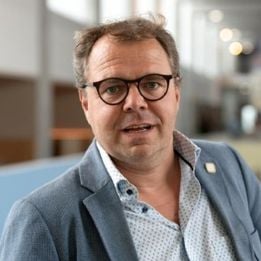
Managing counsel, Benelux, Central Europe and France | McKinsey & Company
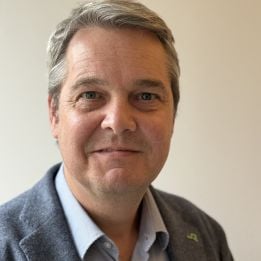
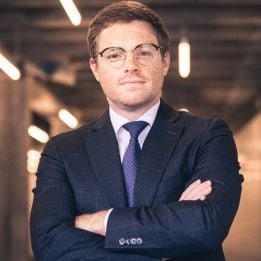

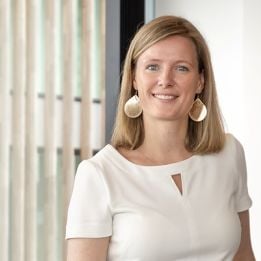

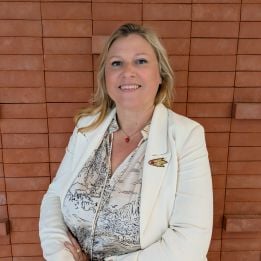
International legal director, company secretary, compliance officer | Atenor SA
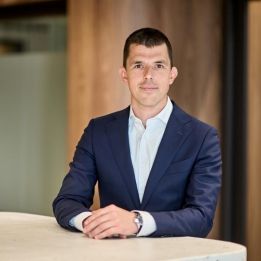
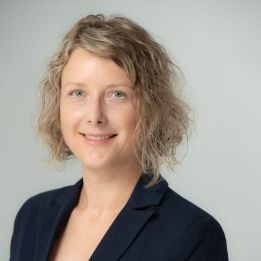
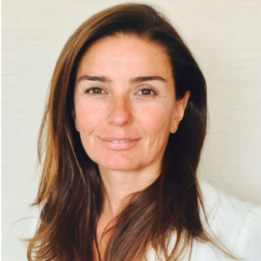
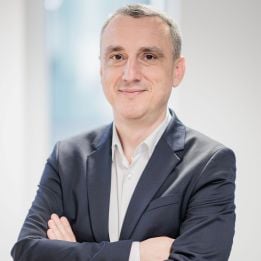
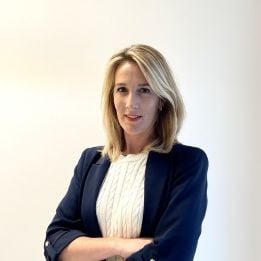
Head of legal services | European Network of Transmission System Operators for Electricity (ENTSO-E)
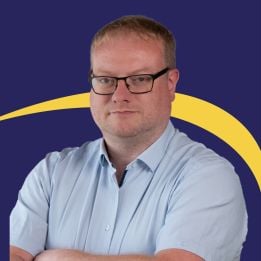
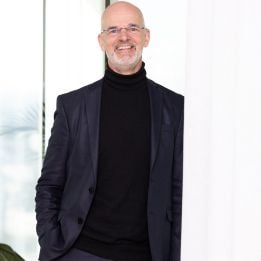


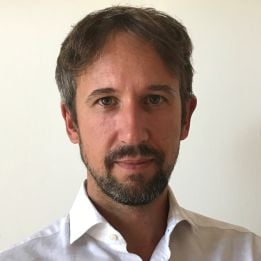
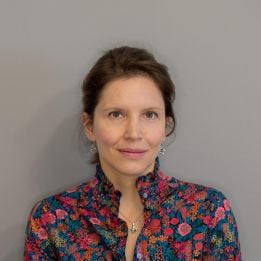
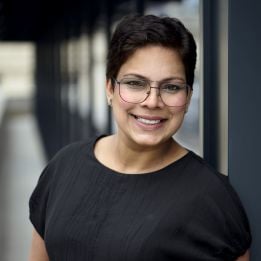
General counsel global cross-border, General counsel international 3PL | bpostgroup
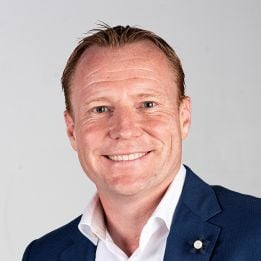
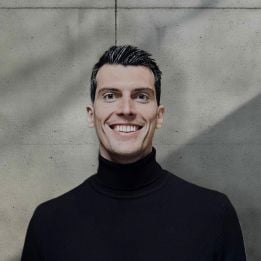
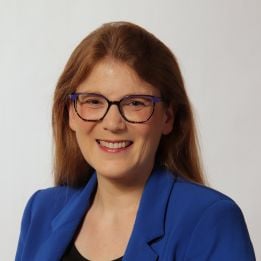
Head of legal and consumers’ affairs and Ombudsman | Commission Wallonne Pour l’Energie (CWaPE)

VP, General counsel international, Chief compliance officer | Allegion PLC
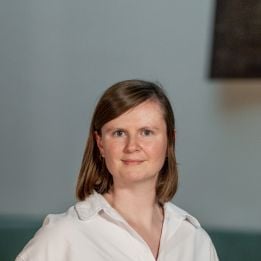
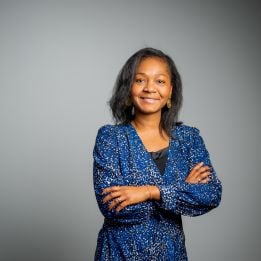

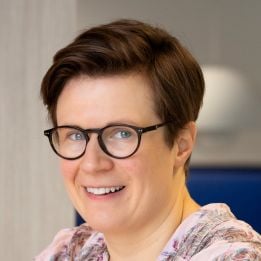

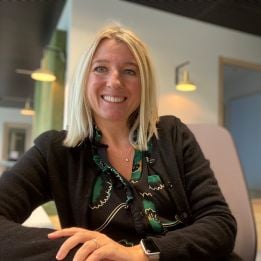

Chief legal officer and Company secretary | Nostrum Oil & Gas plc

Assistant general counsel, VP regulatory law EMEA/APAC | Johnson & Johnson
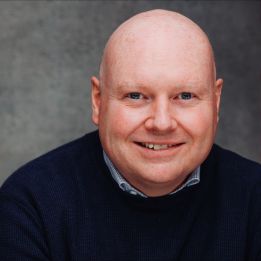
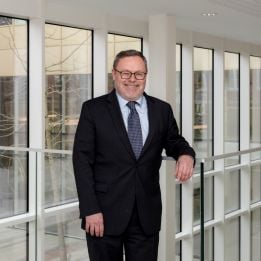
Chief legal officer, Head of contract management, GDPR and ethics | Equans Belux
General counsel, Belgium-Luxembourg | Besix Group NV/SA
Senior legal counsel - Head of regional legal team, Europe and Africa | Umicore
Head of legal and corporate affairs, BeLux | Huawei Technologies
Deputy general counsel, corporate governance and Deputy corporate secretary | Solvay
Group chief legal officer | Société Nationale de Construction Aérospatiale SA
Head of legal enterprise, technology, purchase and wholesale | Proximus
General counsel and corporate secretary | GBL (Groupe Bruxelles Lambert)
Secretary general, General counsel and Head of customer services | ASCENCIO SCA
General counsel, strategic initiatives, M&A, marketing and communications, legal operations | Mastercard
Group general counsel, Company secretary and Compliance officer | Aedifica NV
It has been an absolute honour for Legal 500 to present the fifth edition of the GC Powerlist Bolivia 2026. The years pass, yet the talent in the room never ceases to amaze us.
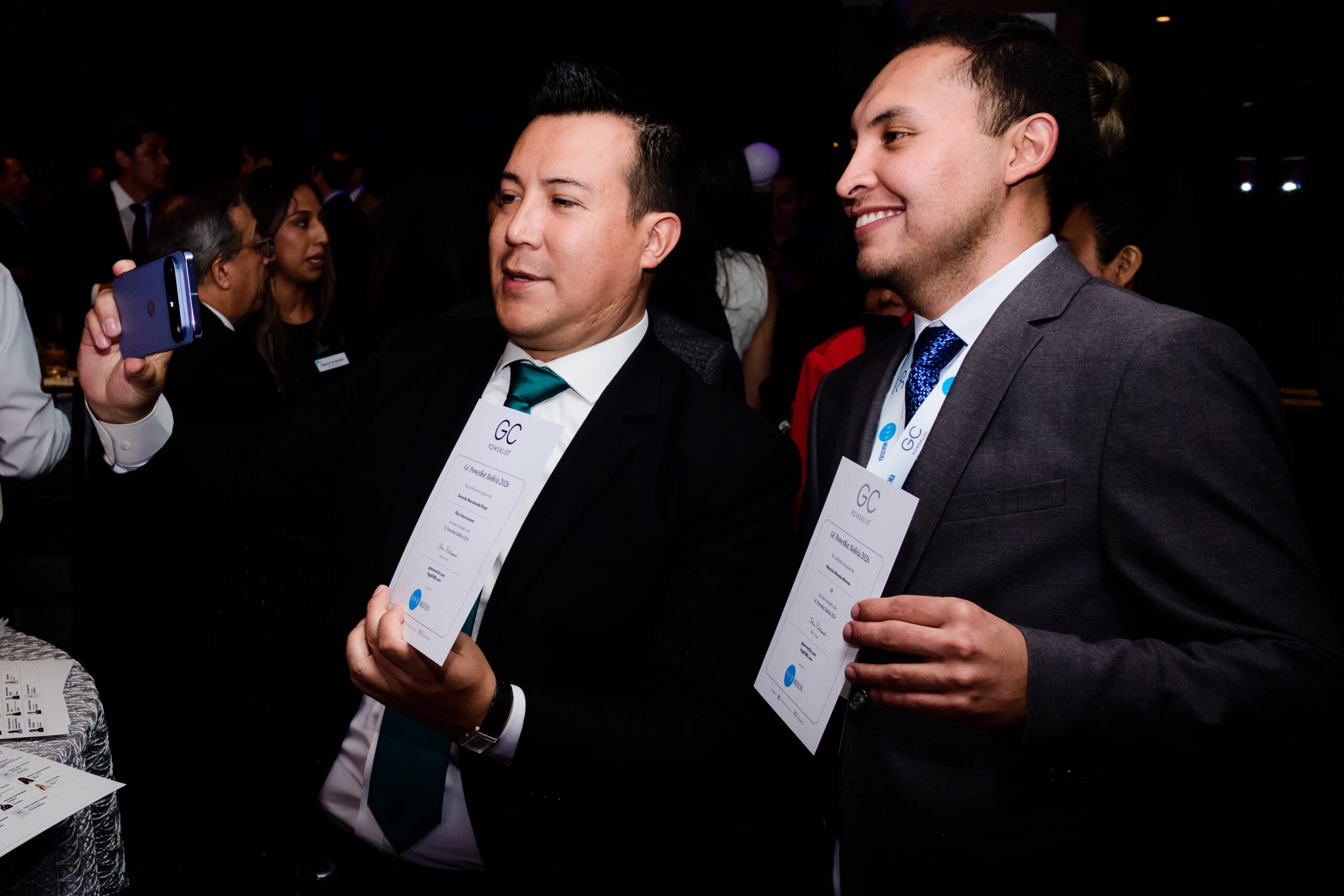
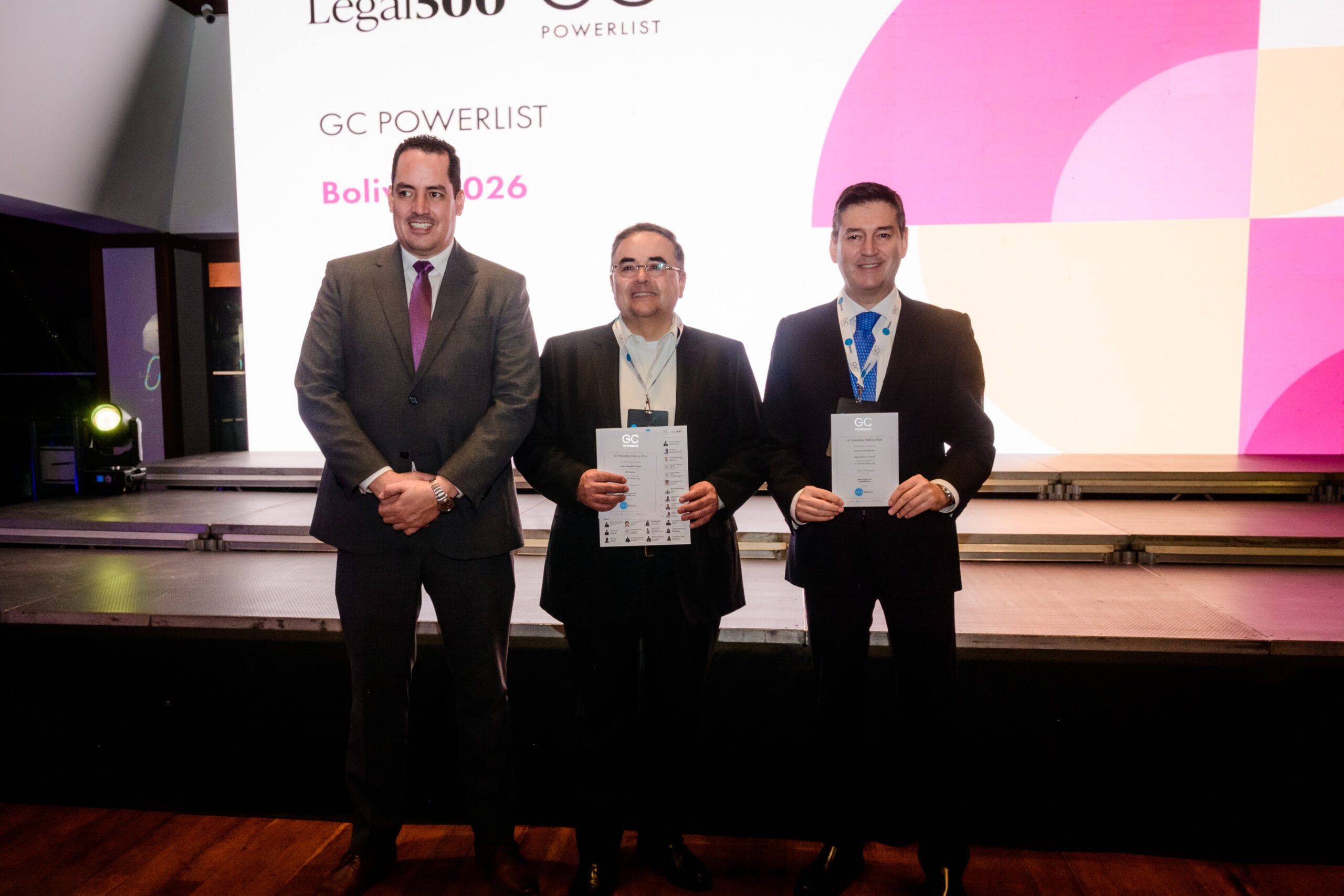
On 1 October, we met at Club Las Palmas in Santa Cruz de la Sierra to celebrate our 2026 cohort. Alongside our partners, PPO Abogados, we hosted some of the most prestigious in-house lawyers from across Bolivia in celebration of their outstanding leadership and achievements over the past year. It was a pleasure to reconnect with previous powerlisters and to welcome new members to the Legal 500 community in Bolivia.
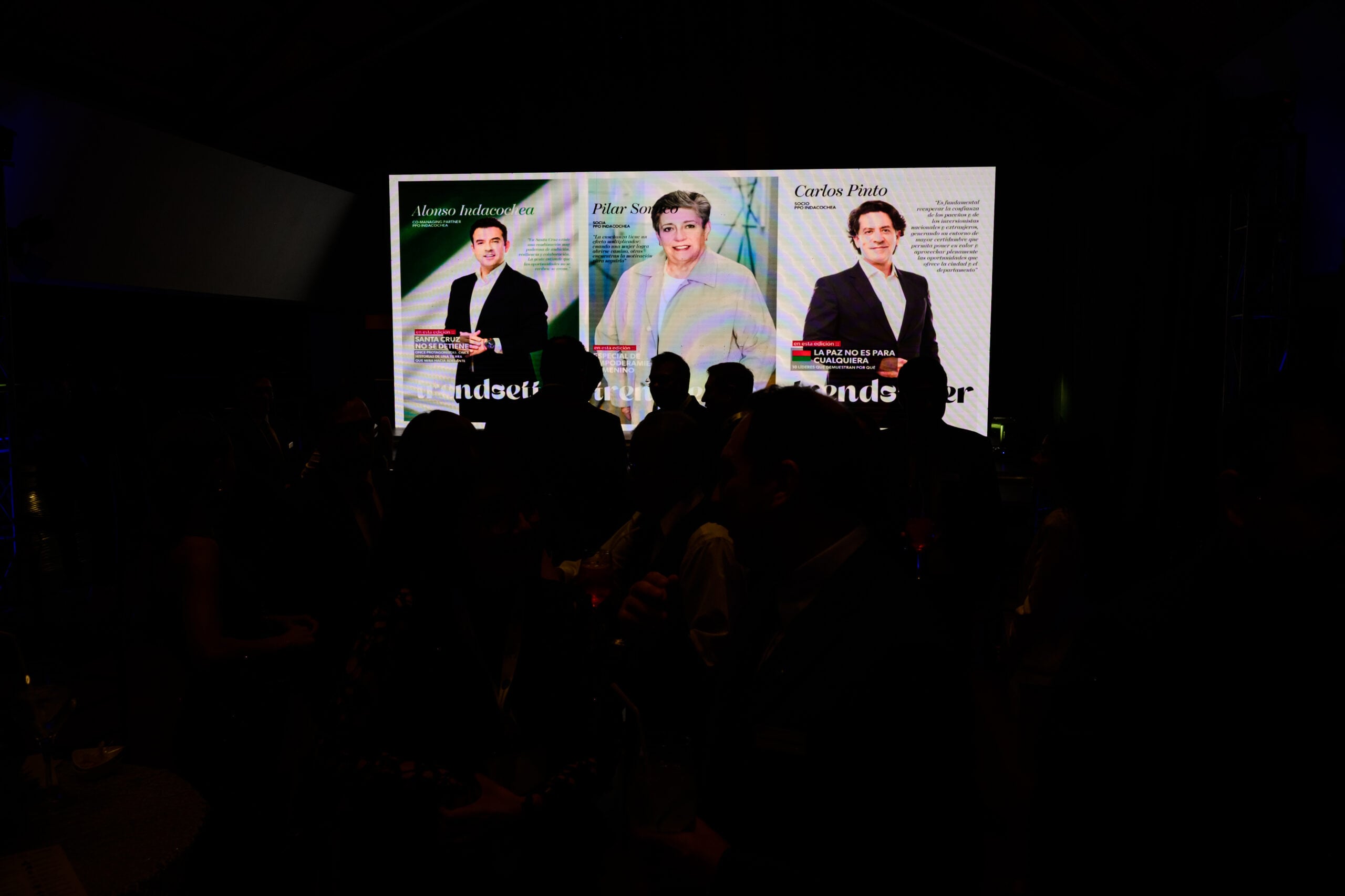
Andere Indacochea, Partner at PPO Indacochea, inaugurated the evening by addressing the powerlisters with a truly inspiring speech that left no one indifferent and highlighted the value of the legal profession within Bolivia’s current economic, political and regulatory landscape. Following her remarks, Carmen Godoy, Legal 500 Research Editor, welcomed this year’s cohort and presented the findings of our research, which position Bolivian in-house lawyers as key strategic partners to the businesses they represent, resilient in the face of regulatory change and increasingly focused on navigating technological transformation.
She then welcomed to the stage Rodrigo Valda Yanguas, Legal Manager at Tigo Bolivia, who addressed his peers as a representative of this year’s GC Powerlist Bolivia cohort. The speeches concluded with remarks from Pablo Ordóñez, Tax Partner at PPO Indacochea, who encouraged the general counsel in attendance to continue acting as ambassadors for the in-house legal profession under all circumstances and invited them to enjoy the rest of the evening.
Photos, music and great conversations filled the room throughout the remainder of the evening. We are grateful to PPO Indacochea for their longstanding partnership and continued support in making this event possible.
All that remains for us to say is that we are very pleased to see the very essence of what the Legal 500 GC Powerlist stands for reflected in this year’s cohort: a community that, in times of change, supports, learns from and inspires one another.