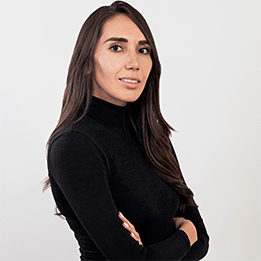

Vice President Legal | Kuehne + Nagel


Mariana Aguilar
Vice President Legal | Kuehne + Nagel
What piece of work or project over the past year are you most proud of, and why was it particularly significant for the business?
I am particularly proud of managing matters in which legal, operational and regulatory risks intersected, including a complex customs proceeding involving a multinational customer, Mexican labour authority audits, IMMEX compliance, and litigation responses and defence strategies.
These matters required more than referring problems to external counsel. They demanded an understanding of the business, the facts and the regulatory framework, supported by coordination with operations, management, specialists and colleagues in other jurisdictions.
In the customs proceeding, a cross-border operational issue created potentially significant legal and financial exposure. I reconstructed the facts with the relevant teams, assessed the company’s exposure, coordinated with overseas colleagues and specialist counsel, and contributed to the company’s response to the authorities.
This reinforced the value of in-house counsel: understanding how operational events become legal risks, identifying the evidence supporting the company’s position, and translating complex issues into practical business decisions.
What skills or experiences have been most important in your development as an in-house lawyer so far?
My most important lesson has been that in-house counsel cannot simply identify issues and delegate them to external lawyers.
Mexico’s demanding regulatory environment requires technical depth in areas traditionally managed by specialists. My role has increasingly involved employment and labour, tax, customs and foreign trade, administrative proceedings, and civil and commercial litigation.
Labour audits have taught me how legislation translates into documentation, training and workplace practices. Customs and IMMEX matters similarly require an understanding of the underlying transactions, operations and records, rather than relying solely on specialist opinions.
Litigation has reinforced the importance of reviewing allegations, reconstructing facts, assessing evidence, and challenging or complementing proposed defence strategies. External lawyers contribute specialist and litigation expertise; in-house counsel brings knowledge of the company, its operations and its commercial context.
Greater in-house specialisation makes trusted external relationships more important, not less. Effective collaboration combines specialist expertise with business knowledge, institutional context and internal ownership of legal and risk strategy.
What excites you most about the future of the in-house legal profession, and where do you hope to continue developing your career?
In Mexico, growing regulatory requirements and changes in global trade, supply chains and the macroeconomic environment can quickly turn logistics issues into customs, employment, contractual or litigation matters.
Future in-house lawyers will need both breadth and technical specialisation, understanding contracts, corporate matters and governance while confidently addressing inspections, customs proceedings, IMMEX operations and litigation strategy.
Specialisation must not mean isolation. Knowing when to lead internally and when to engage external expertise remains essential, supported by strong relationships with trusted counsel.
We cannot simply outsource analysis and wait for an answer. We must understand, question and contextualise advice, then translate it into a workable business response.
I want to deepen my technical expertise while retaining a broad business perspective. My goal is not to know every answer, but to ask the right questions, identify risks early and take ownership of legal strategy.
Legal director international markets | Pearson
Manager general attorney Latam | Pearson Education