
Regulatory compliance officer-in-charge | Advanced Asset Management (AAM)


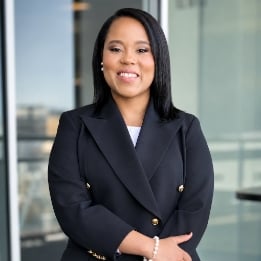
Nicole Elizabeth De La Cruz Alcántara
Regulatory compliance officer-in-charge | Advanced Asset Management (AAM)
What are the most significant cases, projects or transactions that you and your legal team have recently been involved in?
Over the past year, my main focus has been steering AAM through an extensive, months-long supervisory review process, conducted in parallel with our ordinary day-to-day operations. The Regulatory Compliance Division led all regulatory responses, ensuring timely, well-substantiated replies to each requirement raised throughout the process.
In parallel, we led the full adaptation to new cybersecurity and information security regulations applicable to the securities market. This went well beyond updating policy documents: it involved organisational changes, new governance structures, and the drafting of comprehensive policy and procedure manuals, implemented by our Technology Division with close support from the Regulatory Compliance Division.
How do you approach managing legal aspects during periods of instability or crisis to ensure the organisation’s resilience?
My approach centres on maintaining business as usual while an extraordinary process unfolds alongside it. During the review, this meant strict discipline in documentation and internal escalation, a single, consistent point of contact for all official communications, and close coordination across departments so that day-to-day fund operations were never disrupted.
I also believe resilience means ensuring every position taken is well researched and clearly substantiated, so that it can withstand scrutiny and sustain constructive, technical dialogue with all stakeholders involved.
General Counsel often speak of the need to be strategic to reach the pinnacle of the profession. What does being strategic mean to you?
In my experience, I have learnt that being strategic means looking beyond the immediate request to its broader regulatory and business consequences before responding, anticipating how today’s answer may shape the institution’s position tomorrow. It also means preparing every position with sufficient technical rigour to sustain it confidently in dialogue with any counterpart, rather than settling for the first available interpretation of a rule.
What do you think are the most important attributes for a modern in-house counsel to possess?
Technical rigour paired with the ability to protect the business from regulatory risk, keeping the organisation compliant without restricting economic activity, together with adaptability to rapidly evolving rules and the discipline to document decisions defensibly.
Modern in-house counsel also need the ability to think outside the box, finding solutions the rulebook did not anticipate, combined with a holistic view of the organisation that never loses sight of the details. Legal must work hand in hand with the business team: while they are out there scoring goals, our job is to make sure the other side does not score against us. In a closely regulated sector such as fund management, sound legal analysis must be delivered quickly enough to keep operations moving.
Corporate Governance Officer-in-Charge
Advanced Asset Management (AAM)
View Powerlist
Corporate Governance Officer-in-Charge
Advanced Asset Management (AAM)
View Powerlist