Uruguay 2025
Supported by the Association of Corporate Counsel






Principal legal counsel and coordinator of third party resources and financial partnerships | CAF – Banco de Desarrollo de América Latina y el Caribe

Deputy head of legal | Corporación América Airports

Legal and compliance manager | CBC INTL (Grupo Mariposa)





Legal and contract management manager | Consorcio Constructor Ferrocarril Central

Corporate vice-president legal, compliance, operational risk, and technology | SURA Asset Management


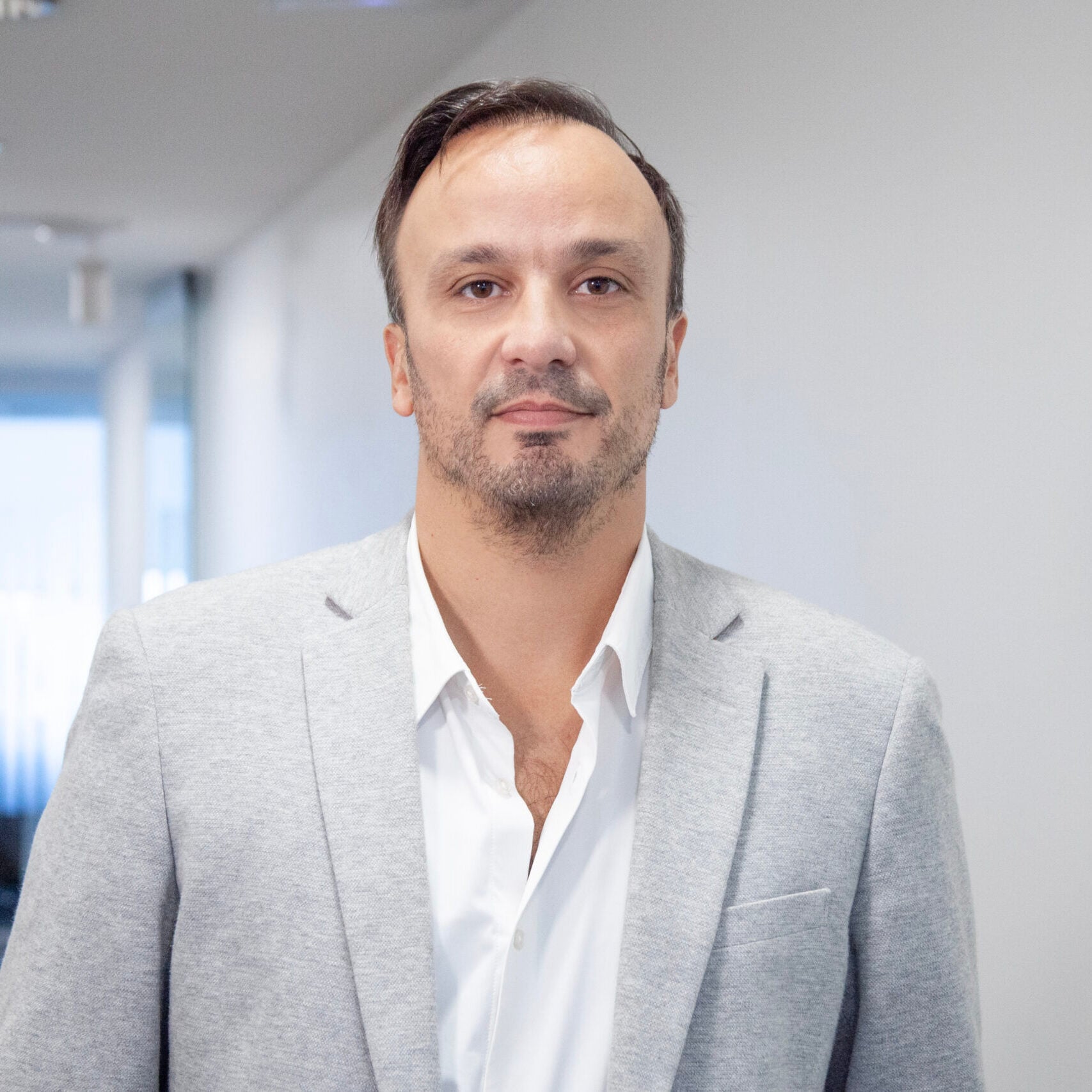


Head of legal, corporate affairs, and sustainability | Softys Uruguay



Chief legal offiecer and business affairs | CIMARRON CINE (EL PERRO S.A.S) A COMPANY OF THE MEDIAPRO STUDIO


Legal, risk and compliance director | Securitas Uruguay







Director of compliance and operational risk control | Laboratorios Roemmers
Legal counsel, compliance coordinator and privacy manager | Cubico Sustainable Investments
Legal director and insitutional relations | Corporación América Airports

Director of legal affairs and compliance | Conrad Punta del Este Resort & Casino
Senior legal counsel/ security services Iberoamerica | Securitas Uruguay
Director of institutional relations and regulation | Telefonica Uruguay
Director of legal affairs | Perficient Latin America
Legal and corporate affairs director and compliance officer | Coca-Cola FEMSA Uruguay
Principal attorney and coordinator of the legal affairs directorate for treasury and liabilities | CAF – Banco de Desarrollo de América Latina y el Caribe


Human resources and legal director | Los Nietitos (Grupo Andros)
It is a true delight for me to present The Legal 500 GC Powerlist: Uruguay, 2025: the outcome of an in-depth research project that celebrates the vision, expertise, and leadership of the country’s in-house counsel. This edition brings together an outstanding cohort of Uruguayan legal professionals who are shaping the corporate culture, governance, and strategic direction of the legal teams across the country.
From banking and infrastructure to retail, pharmaceuticals, and technology, this year’s list reflects the extraordinary breadth of sectors where legal leaders are making their mark in the evolving business landscape of Uruguay. The general counsel and senior in-house lawyers featured in this publication are not only solving complex legal challenges but also driving innovation, resilience, and sustainable growth from and within their organisations. They have become indispensable partners to the businesses they serve and strategic leaders in times of rapid change.
A defining theme that emerged throughout our research in Uruguay was legal foresight amid regulatory change. General counsel across industries pointed to upcoming challenges in data protection, AI governance, sustainability, and financial regulation, noting that adaptability and anticipation are the keys to resilience. In parallel, legal teams in sectors such as real estate and investment are already preparing for potential reforms in tax and housing legislation in the country, ensuring that their companies remain attractive to investors despite shifting frameworks.
Equally outstanding this year was how Uruguayan in-house leaders are embedding compliance and governance as differentiators. They consistently framed compliance not as a burden but as a competitive advantage that opens the doors to strengthening reputation, building trust, and ensuring sustainable growth in markets where investor confidence is paramount. As Ginamaría Miglino, legal manager at Pilay Uruguay, explained: “Our goal is to ensure that every area of the organisation understands that compliance is not about restriction, but about operating in a manner that is transparent, traceable, and fully aligned with the commitments we make to our investors. In doing so, we not only meet regulatory requirements, but actively build a reputation for integrity and long-term sustainability”.
Another striking aspect of this year’s research was the integration of legal with business strategy. Many of the professionals underscored the importance of legal departments acting not as support, but as enablers of growth. On this regard, Vanessa Malcolm, head of legal at Megalabs, noted: “As in-house counsel, my role extends beyond providing legal services — I adopt a holistic approach that integrates legal strategy with business objectives”. This alignment, she explained, reinforces both organisational resilience and long-term sustainability.
Throughout our research, the human dimension of leadership also stood out. In a global and national business environment increasingly shaped by uncertainty, the in-house counsel interviewed emphasised the need for resilient, diverse, and inclusive teams. Florencia Mesa Dupuy, director of legal, compliance, and regulatory affairs at GDN UY, reflected: “Diversity and inclusion are not just principles – they are embedded in our DNA as one of the company’s nine core values… At GDN UY, we are committed to fostering a diverse and inclusive culture, free from discrimination – one where everyone feels respected, valued, and empowered to reach their full potential within the company.
Finally, sustainability has become an undeniable pillar of the legal agenda. In-house counsel across industries, from forestry to consumer goods, are embedding ESG considerations into contracts, governance frameworks, and long-term corporate strategy. As Mercedes Otegui, legal manager and compliance officer at Urufor put it: “Beyond mere compliance, my role involves contributing to the company’s broader strategic direction, particularly regarding sustainability. I strive to apply systemic awareness. This includes interest in the community: paying attention to the long-term impact of strategic decisions on society, balancing community well-being with short-term profitability, and emphasising the organisation’s role as a socially responsible company”.
In sum, Uruguayan in-house counsel is proving that corporate lawyers are not only interpreters of the law but also resilient and innovative leaders whose impact extends beyond their organisations to the wider society. They embody a blend of legal expertise, business acumen, and human leadership that sets a remarkable standard for the in-house community in Latin America and beyond.
On behalf of The Legal 500, we extend our warmest congratulations to all the outstanding in-house legal professionals featured in this 2025 edition of the GC Powerlist: Uruguay. Their adaptability, integrity, and vision will continue to shape both their organisations and the wider business landscape in the years ahead.
Carmen Godoy Martin, Lead Researcher: GC Powerlist Uruguay 2025


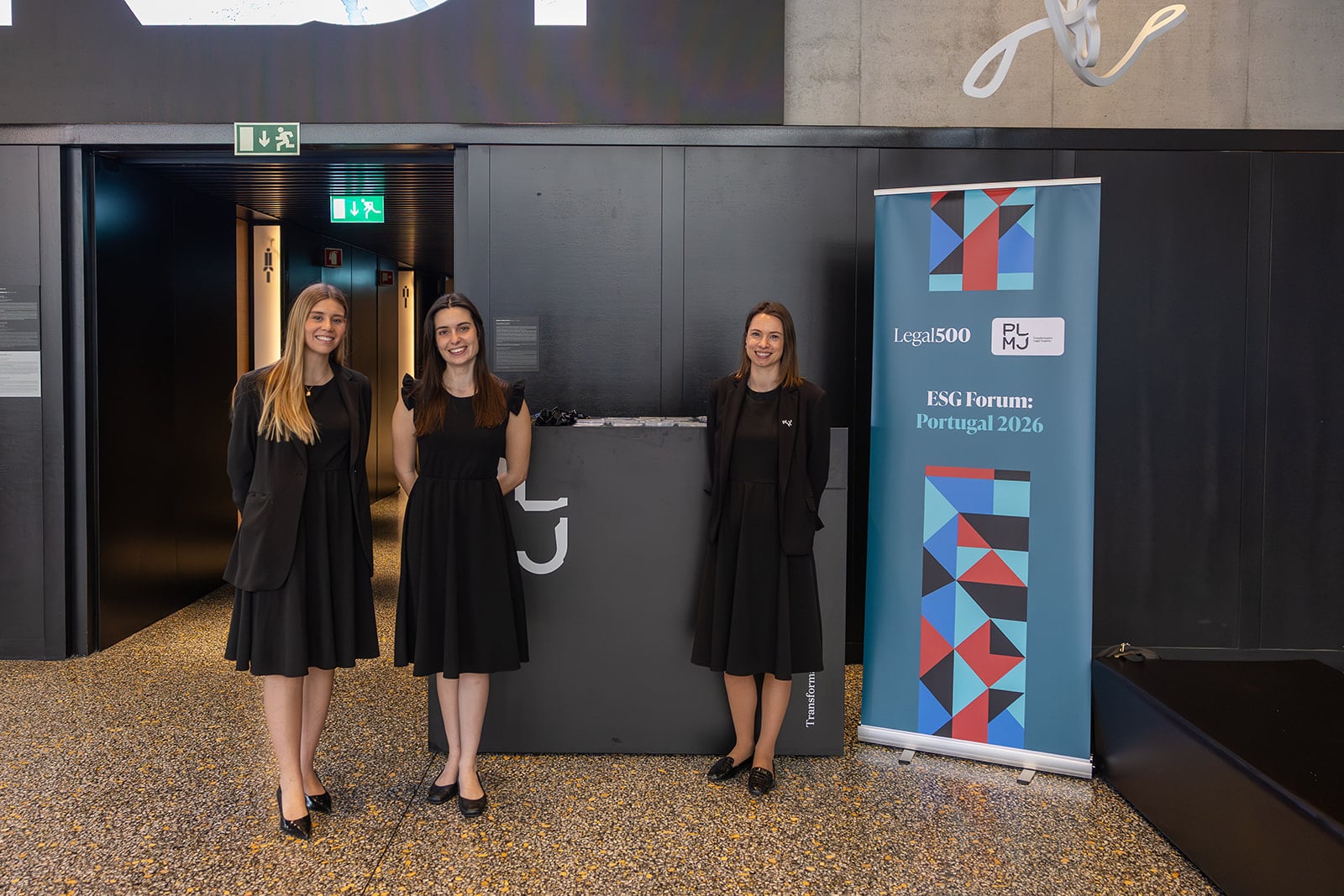
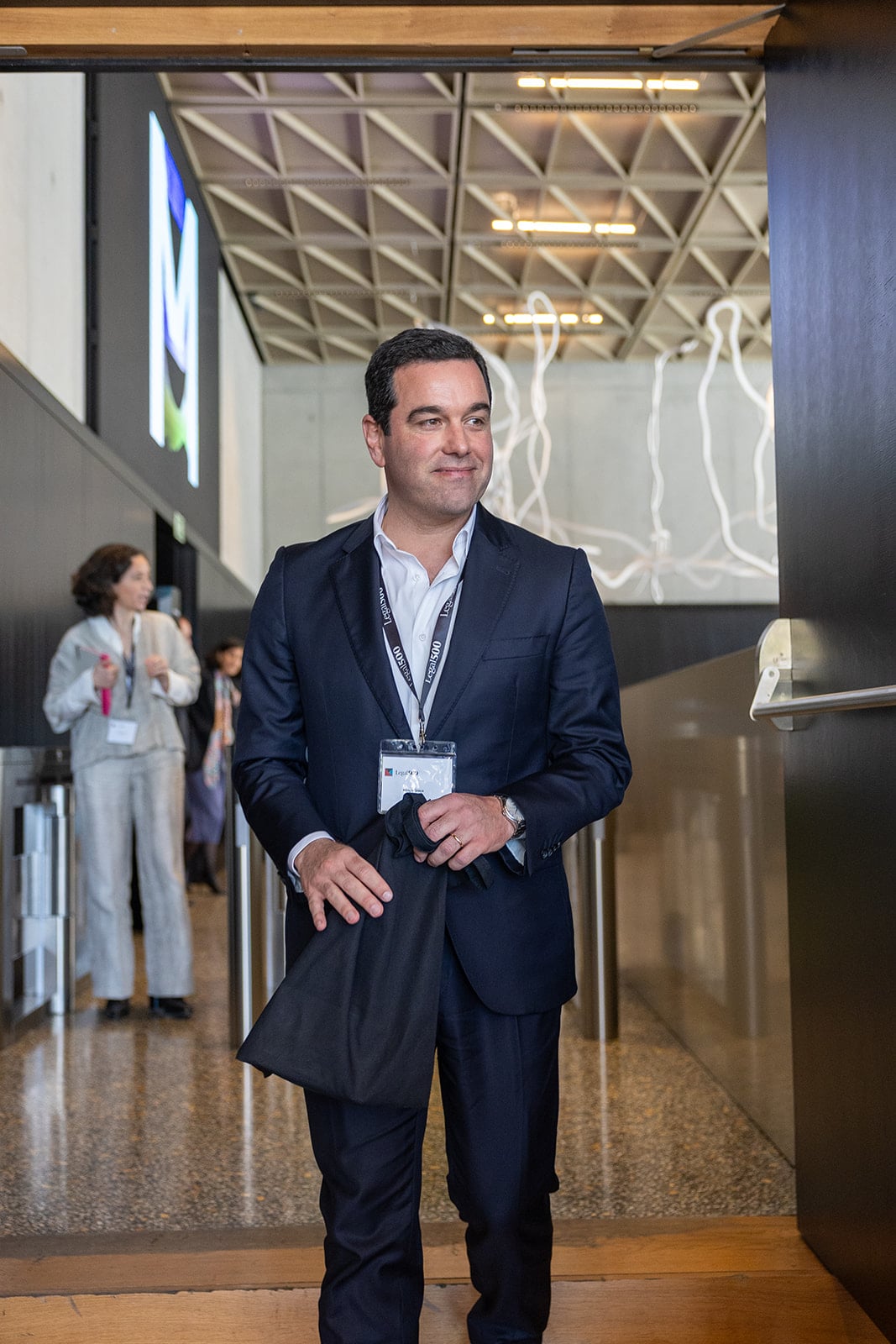
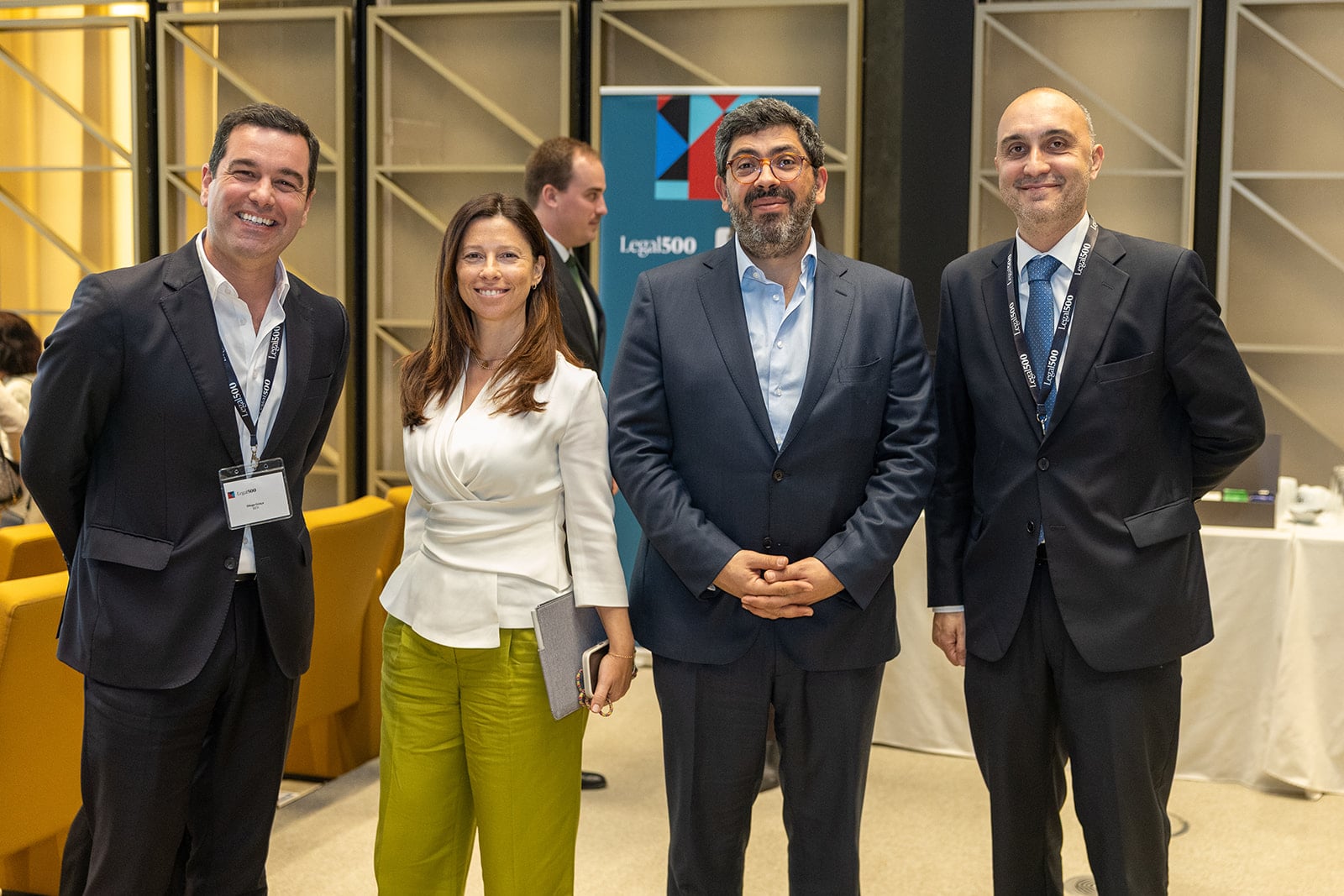
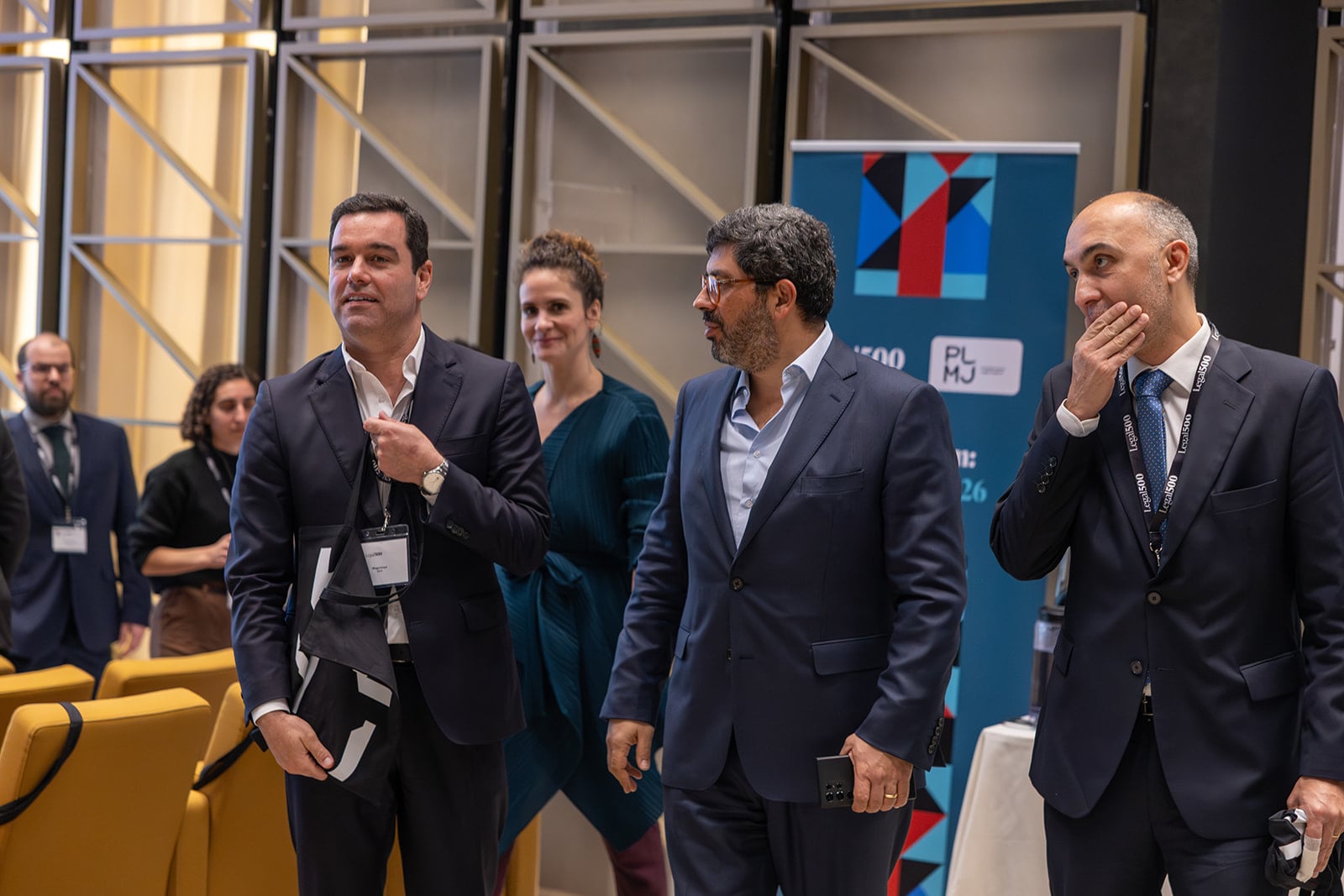
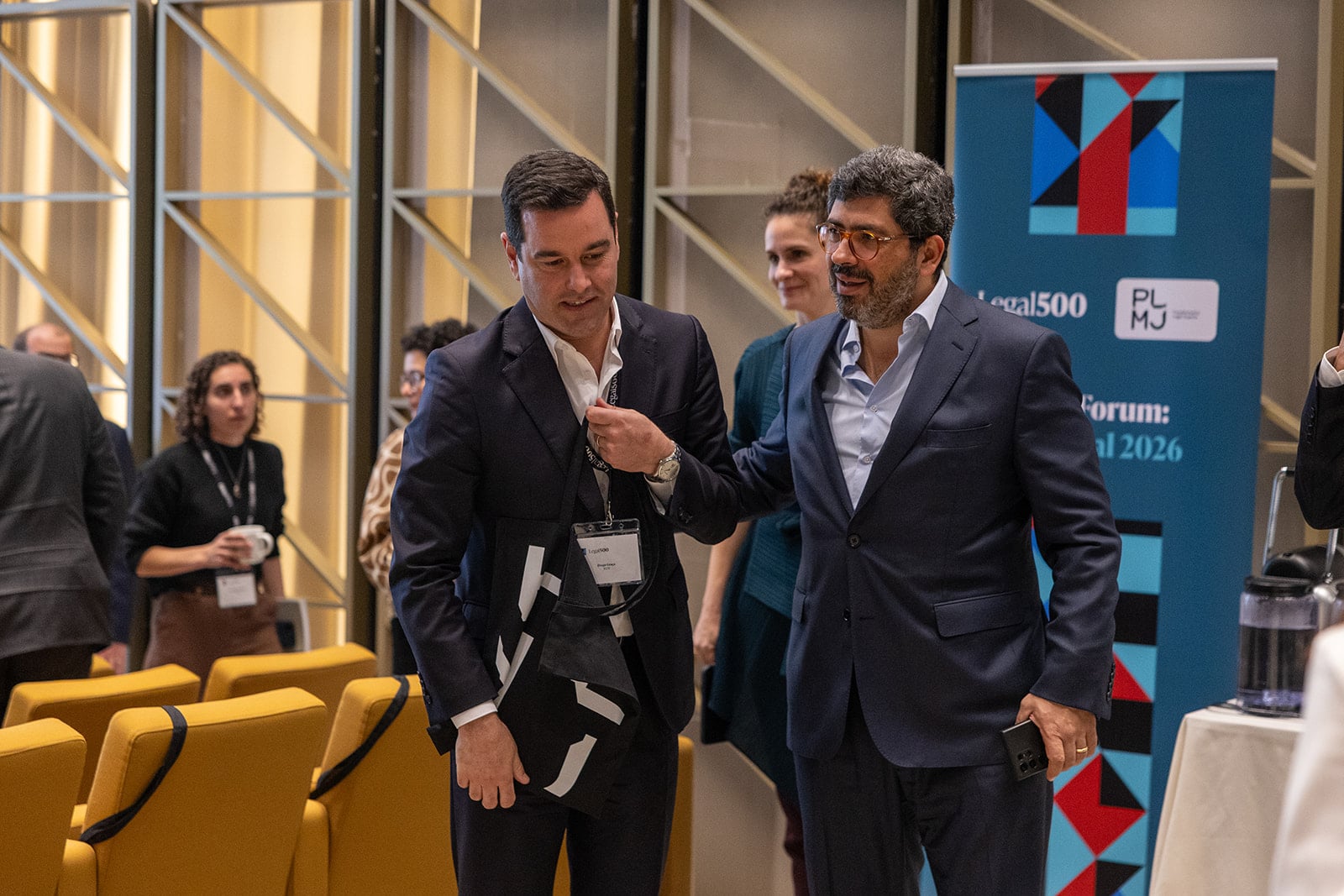
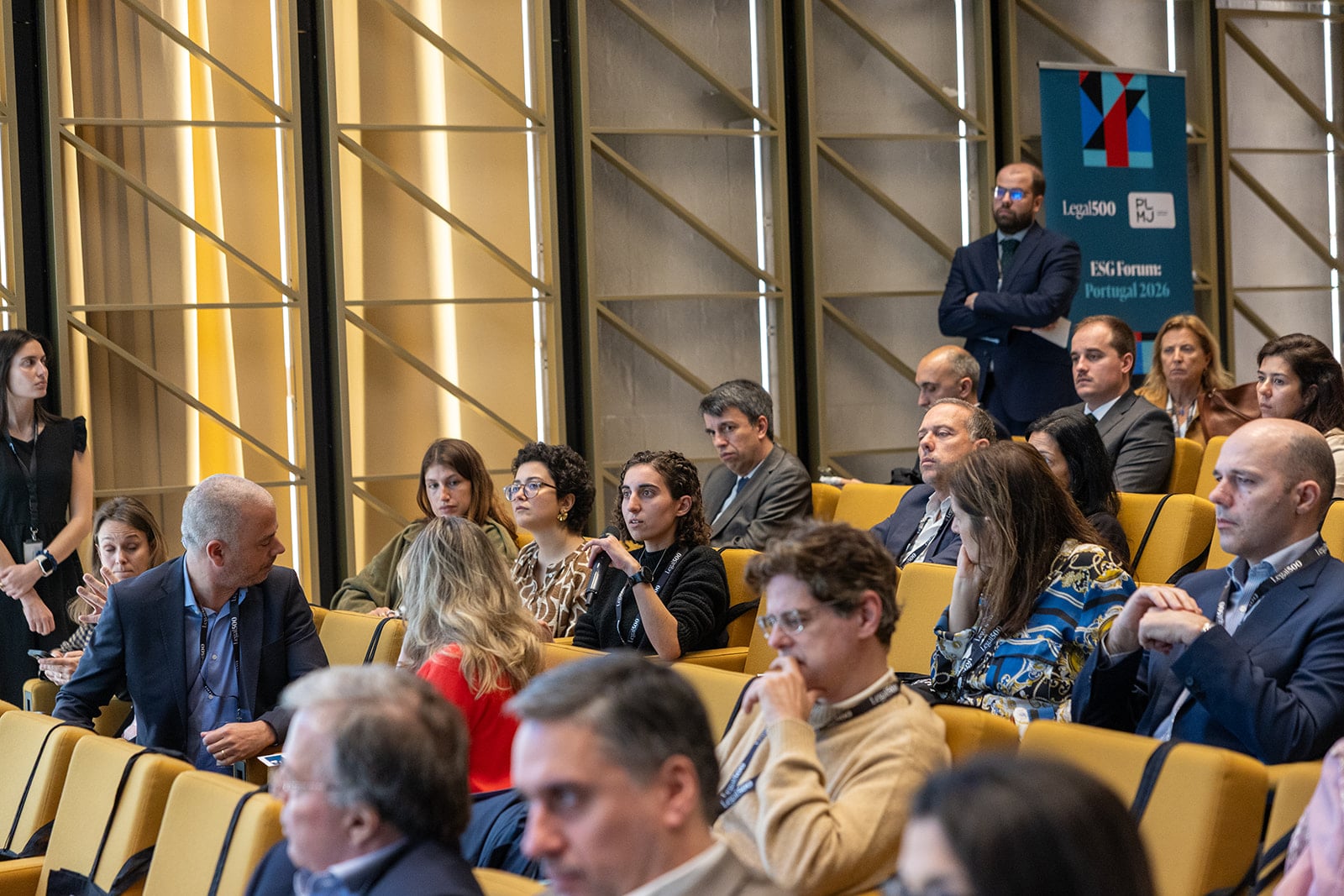
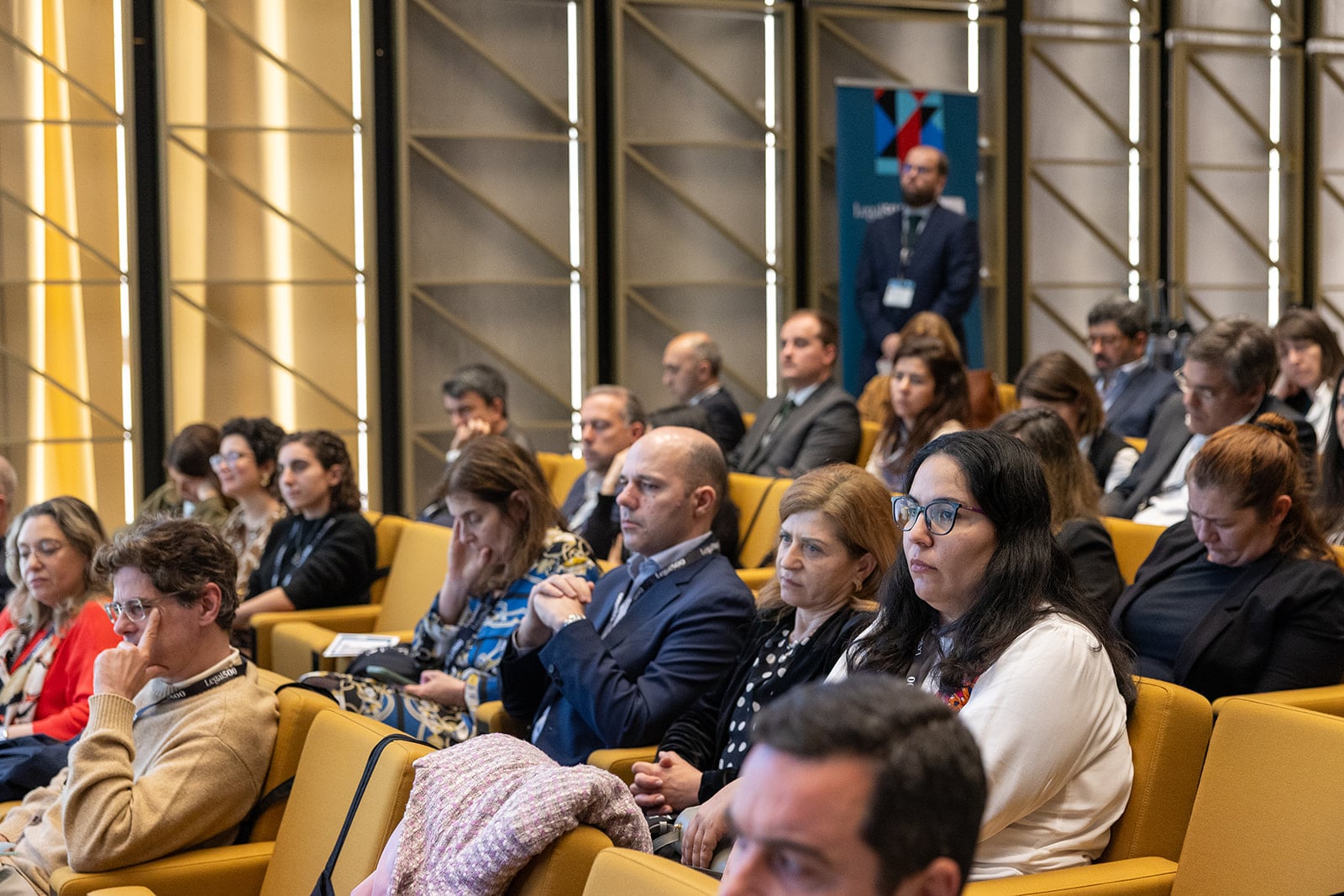
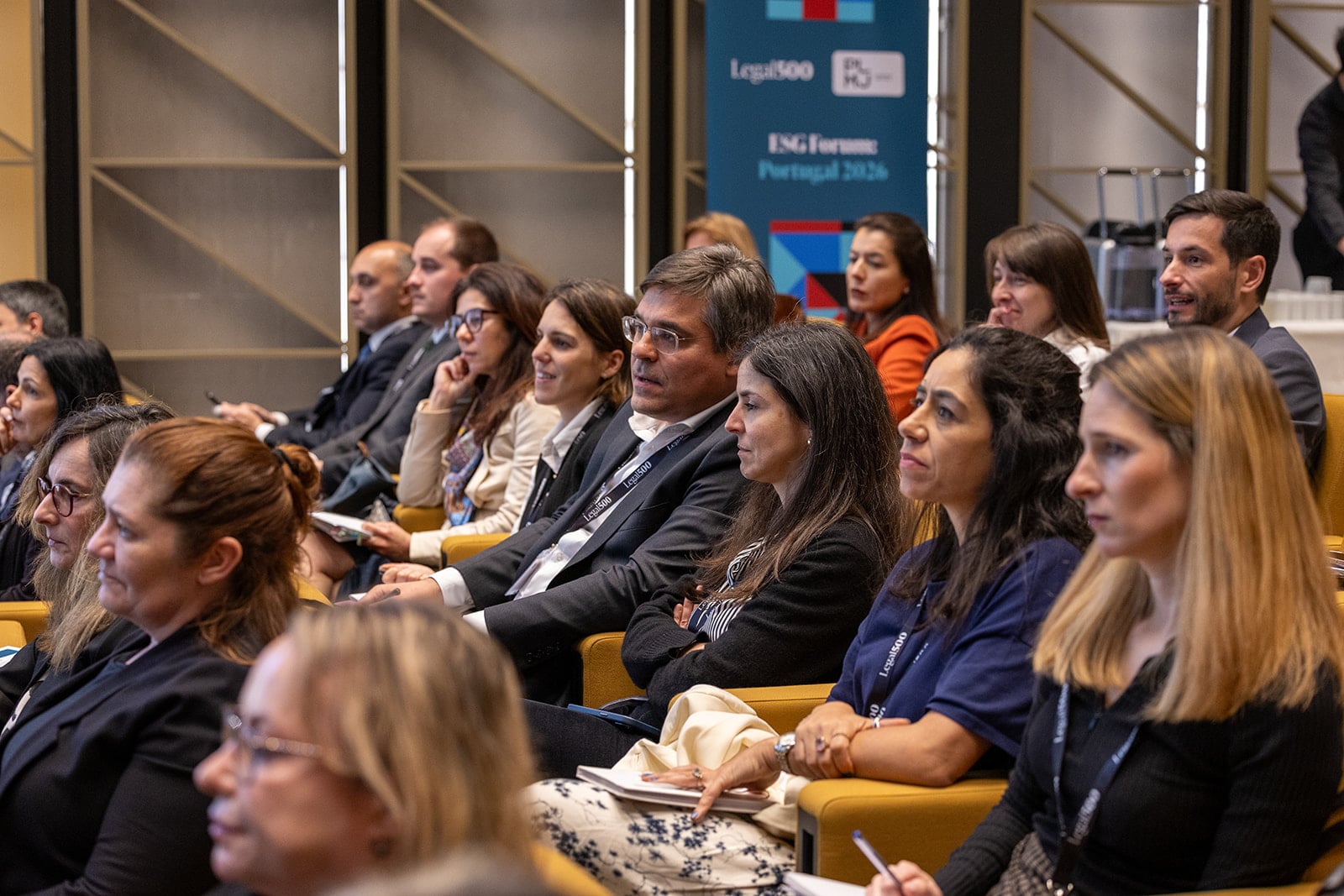
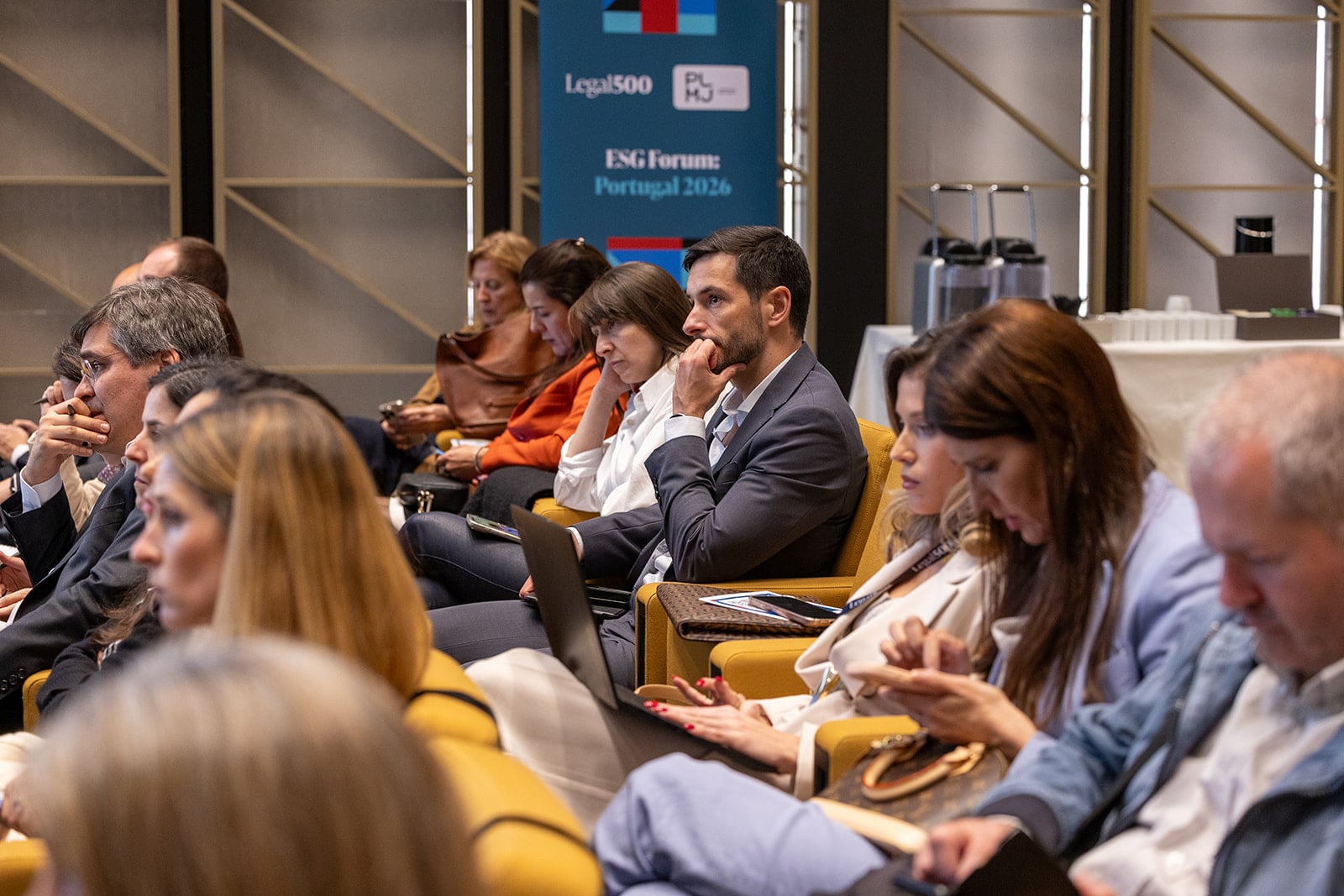
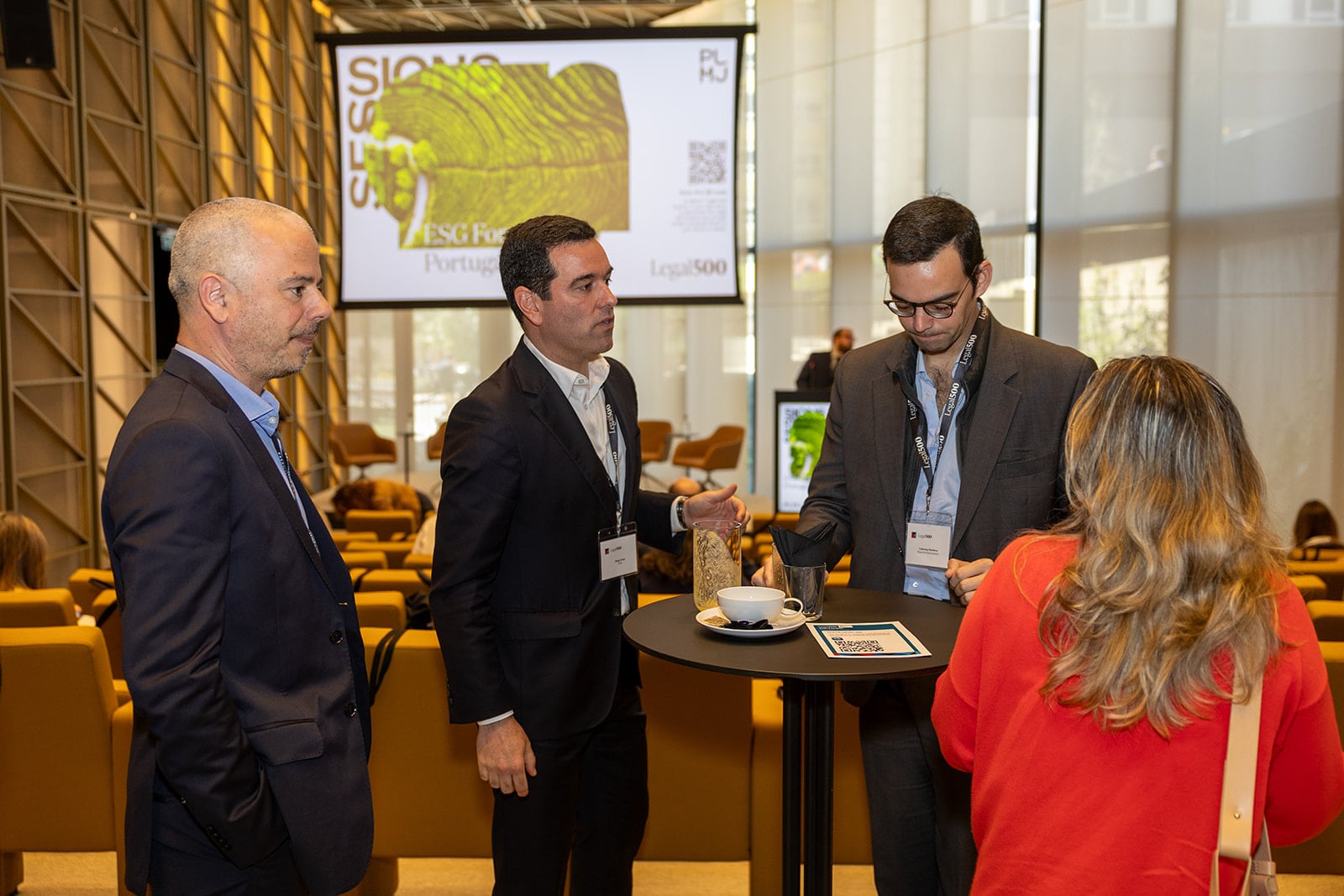
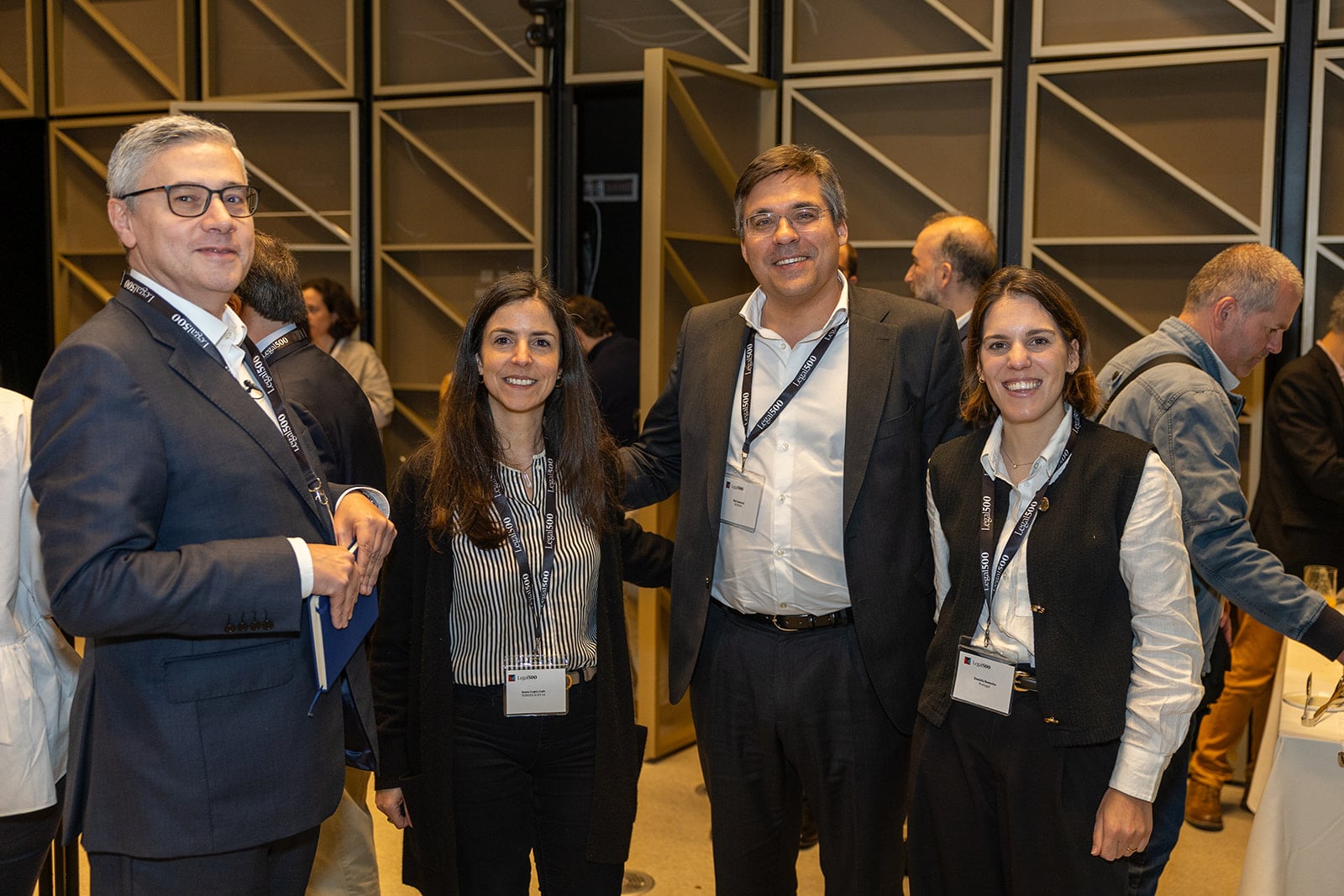
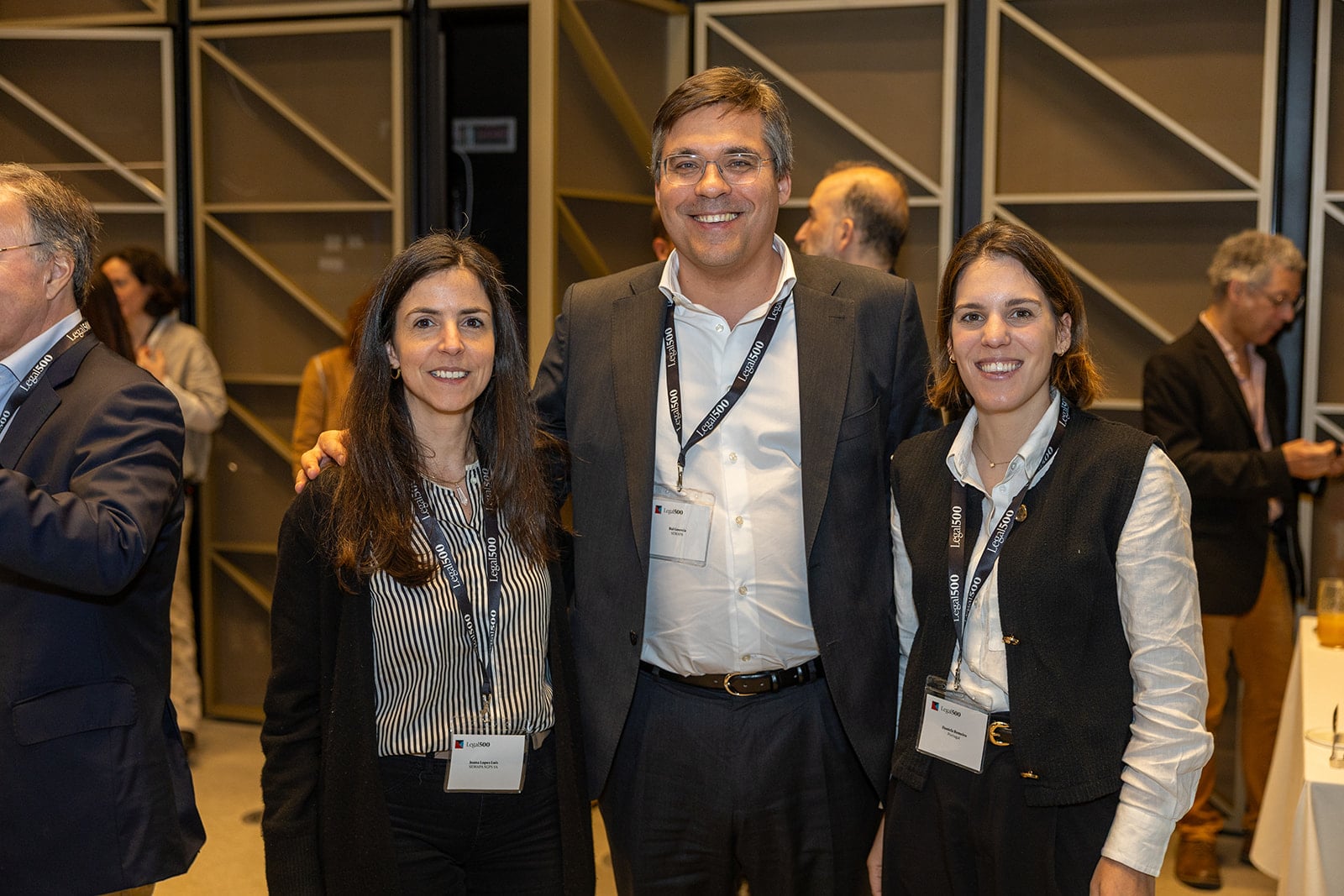
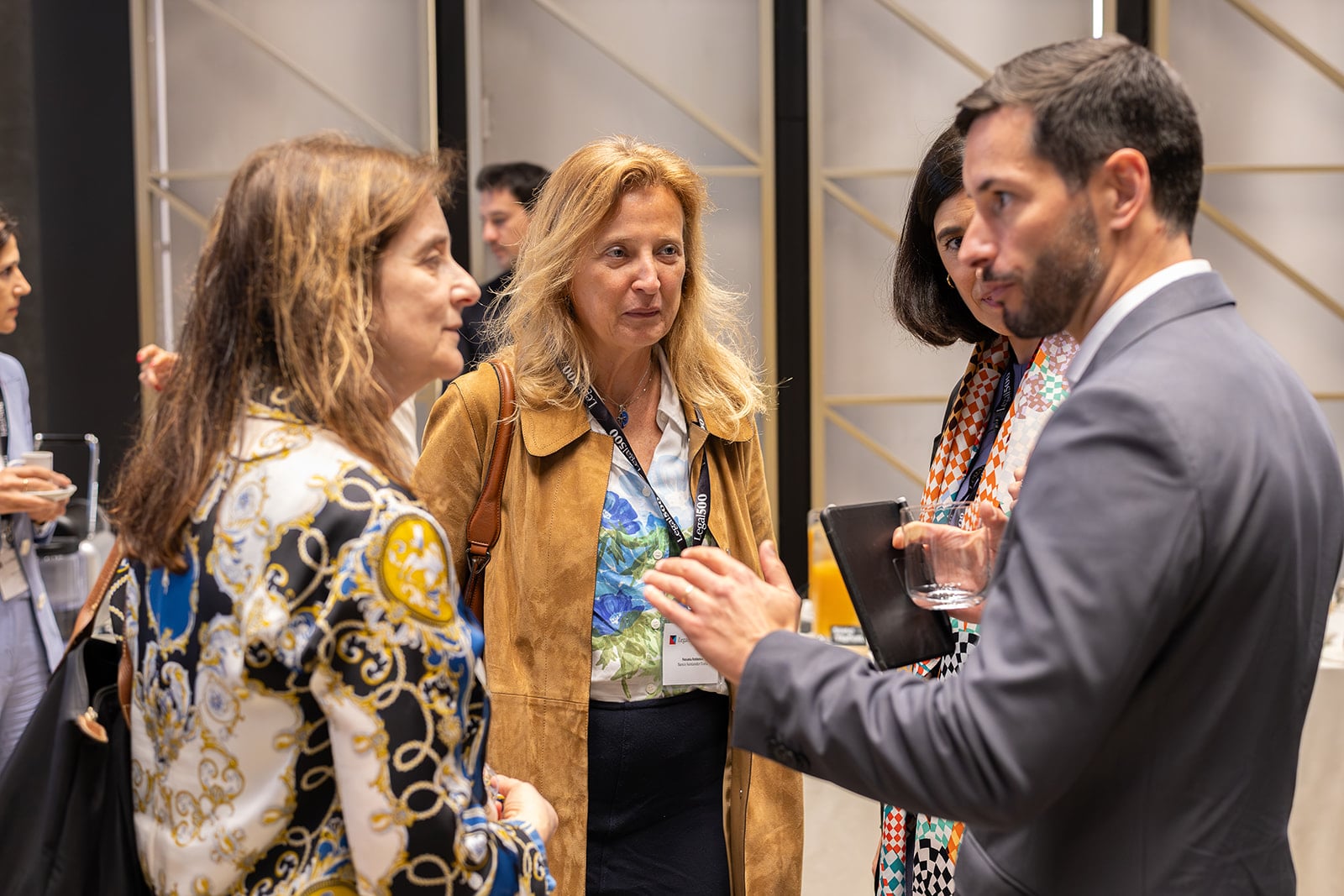
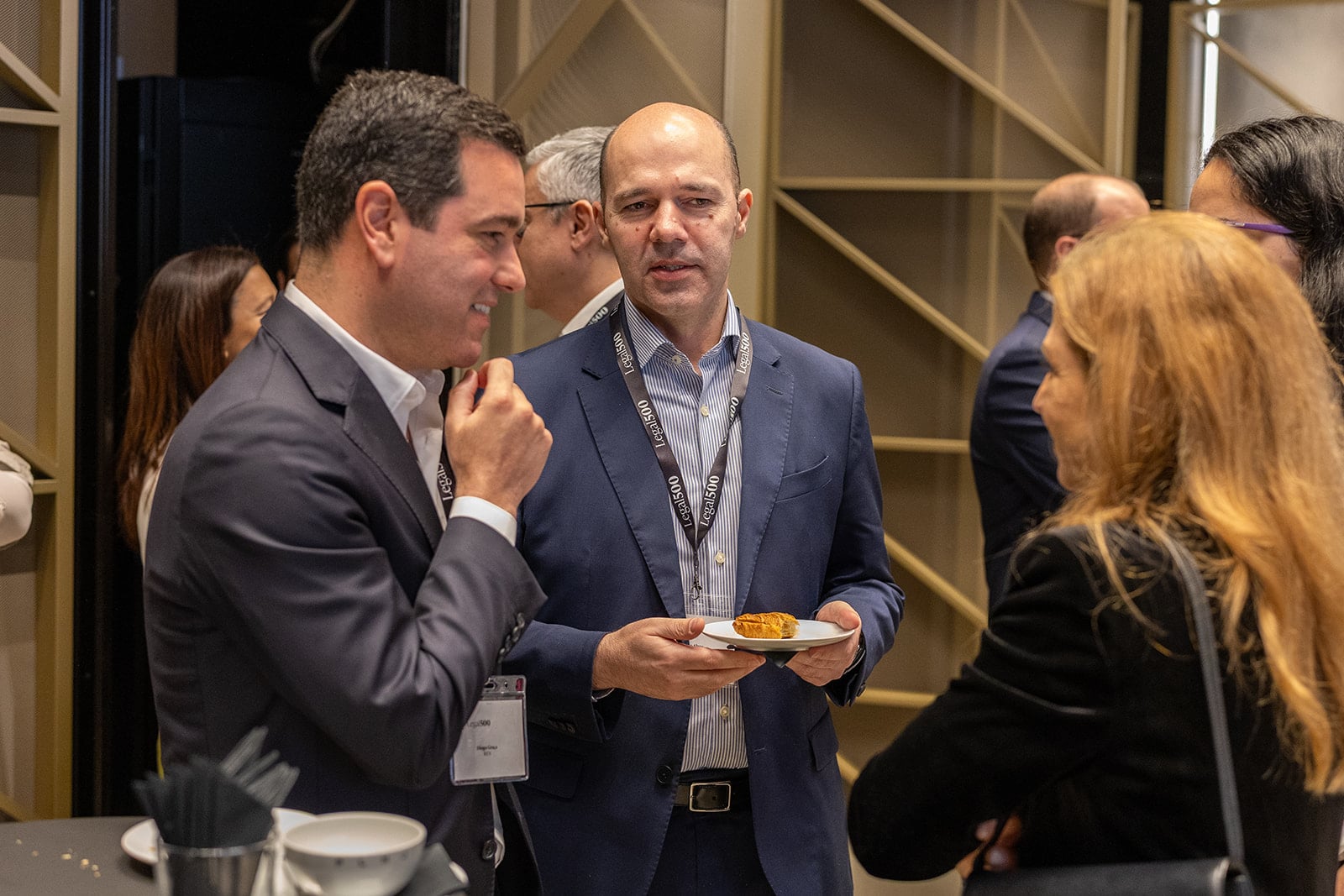
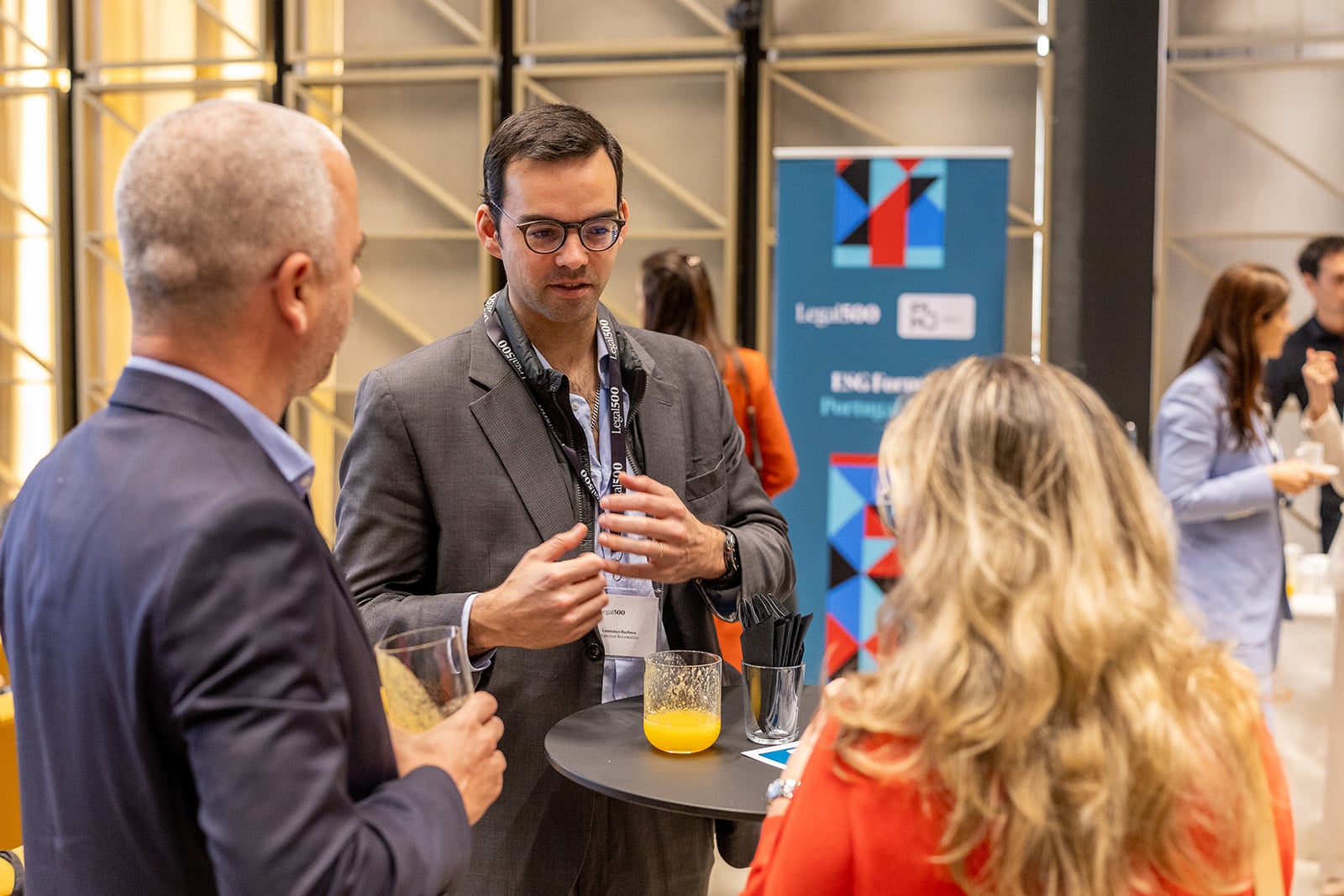
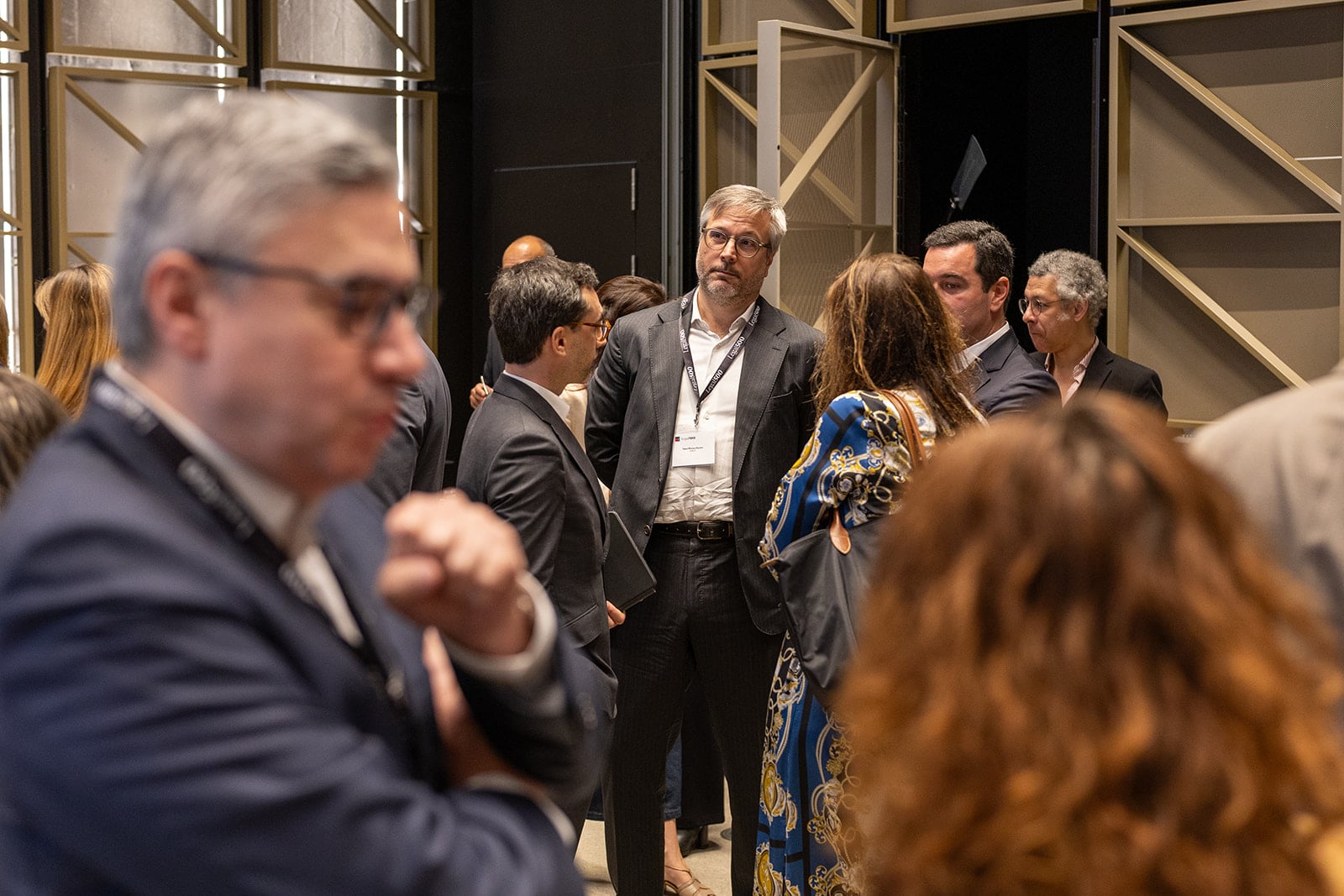
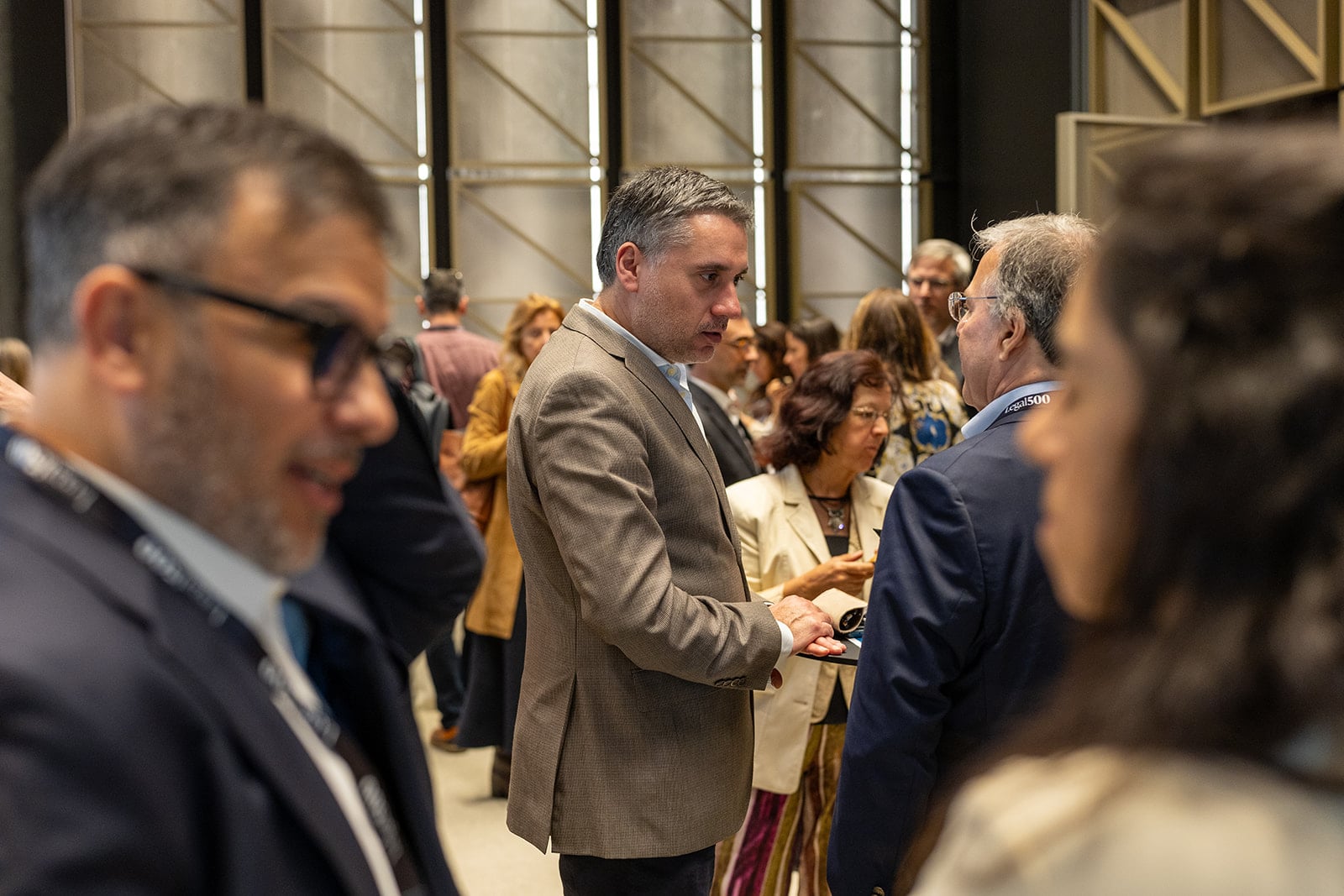
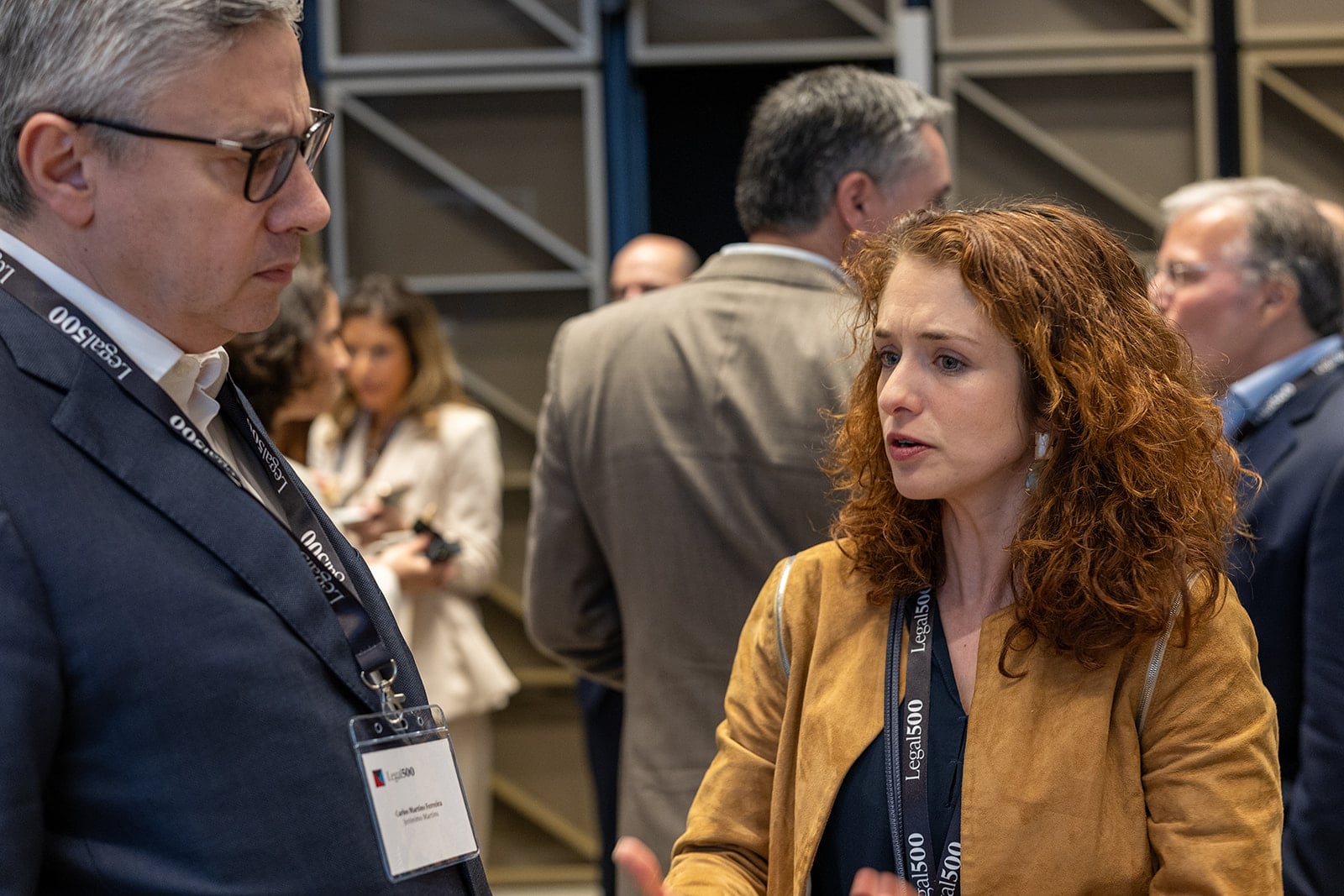
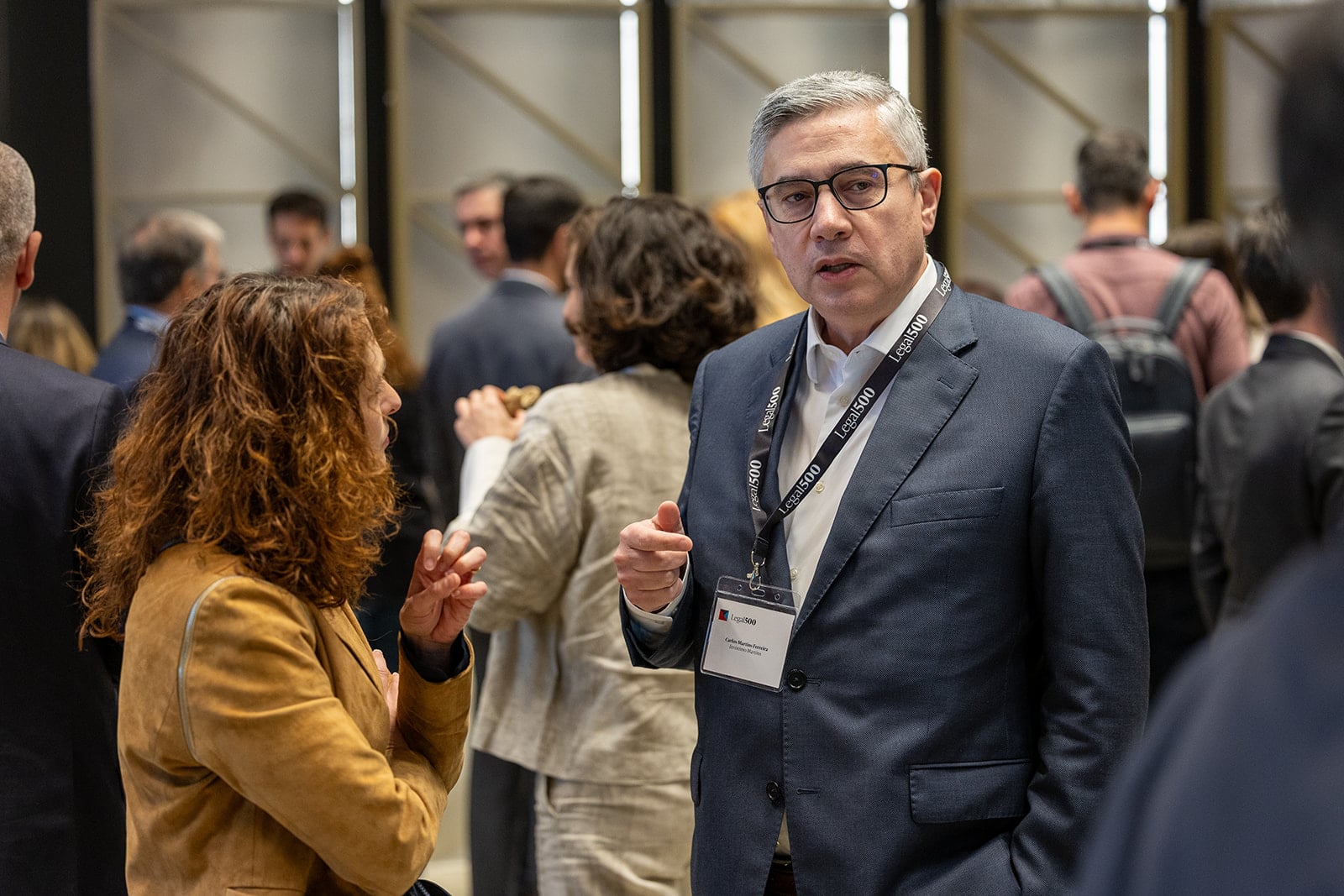
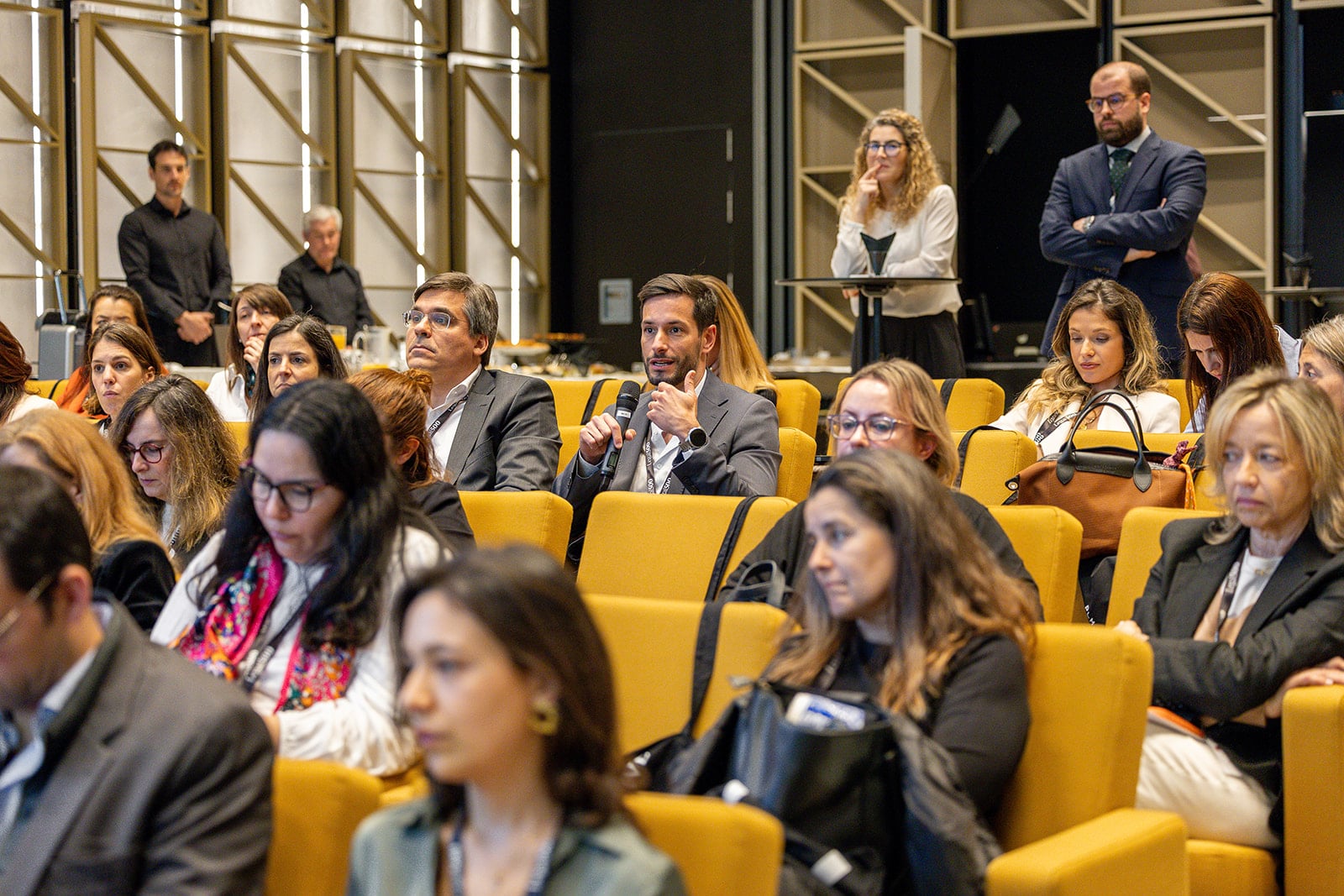
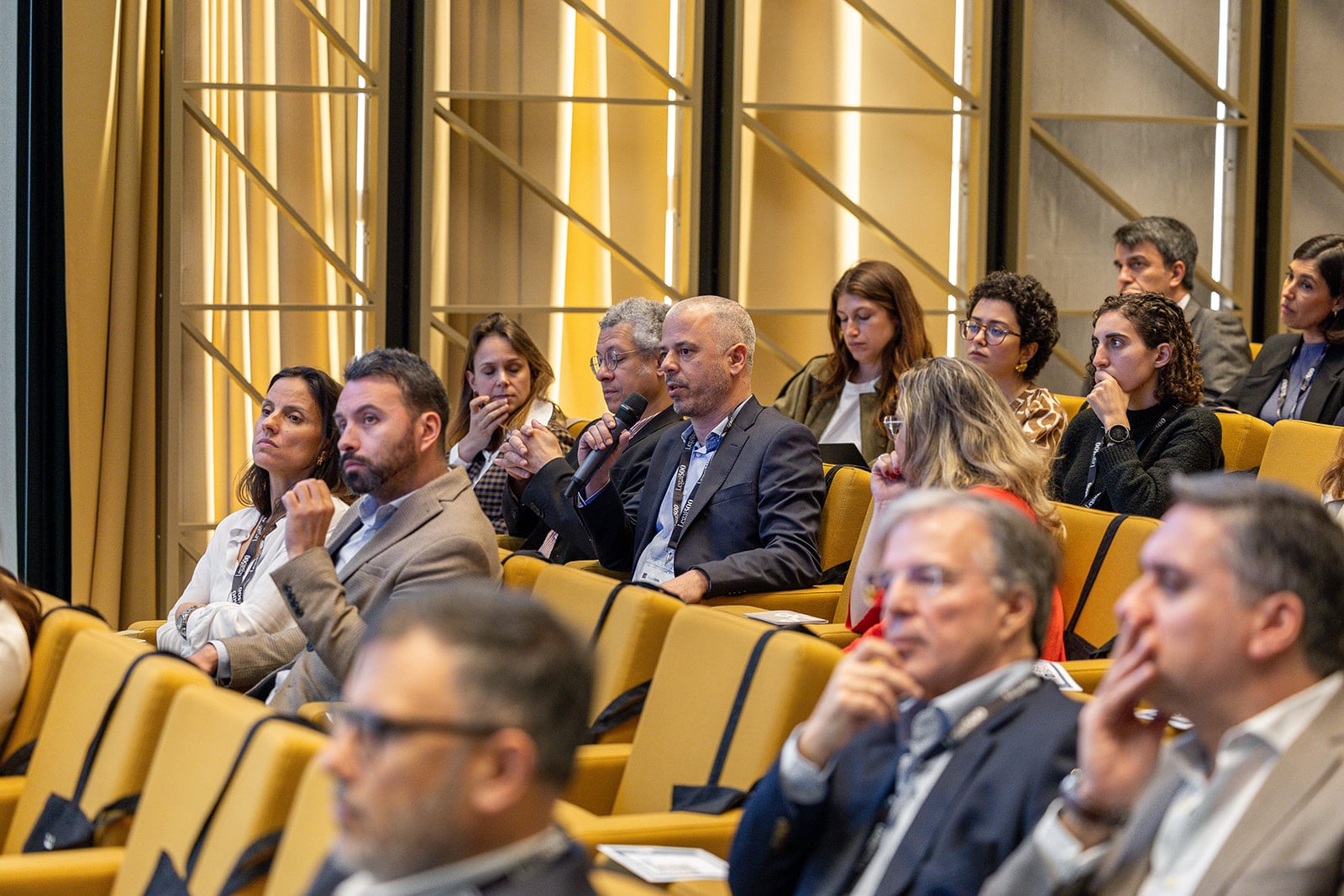
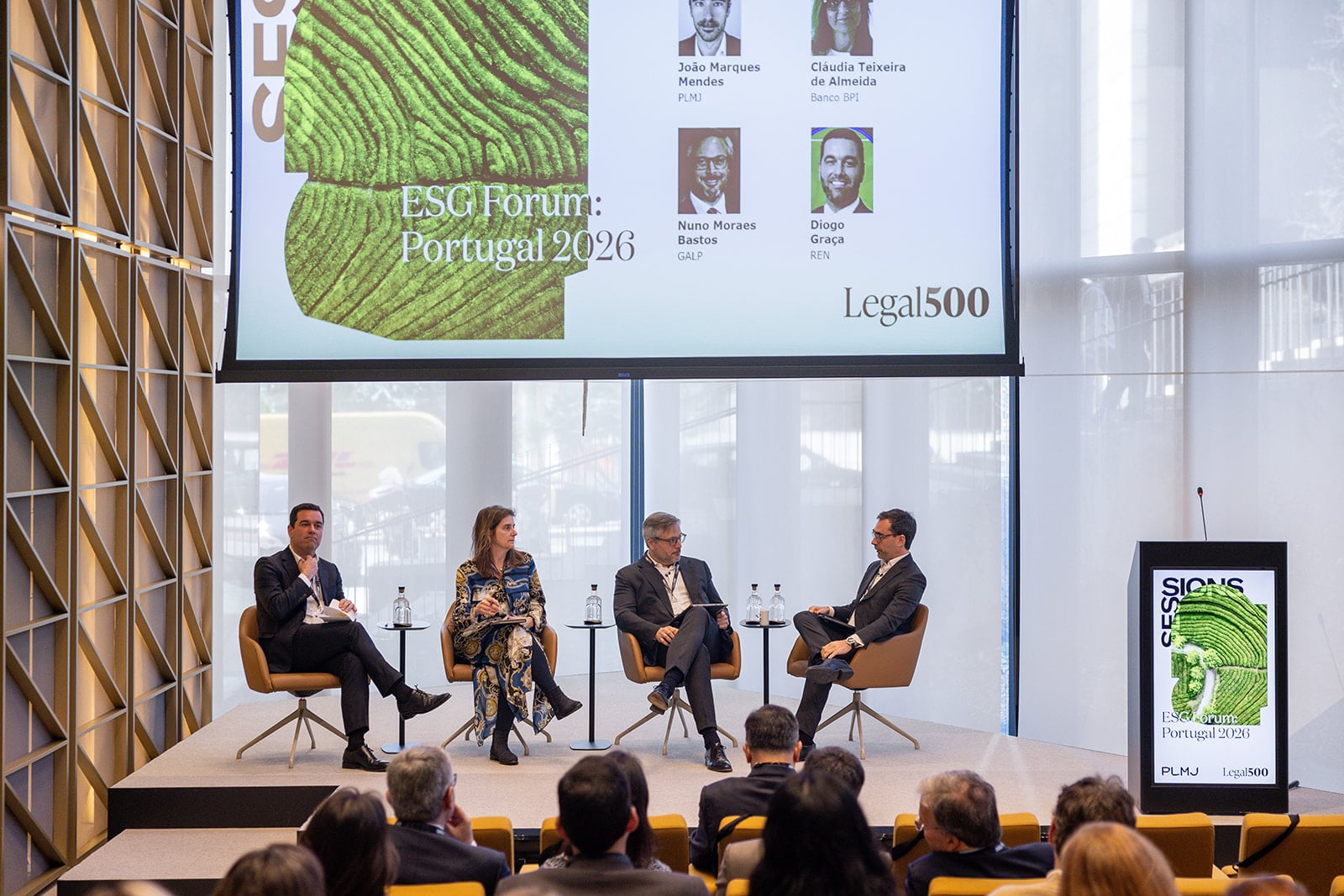
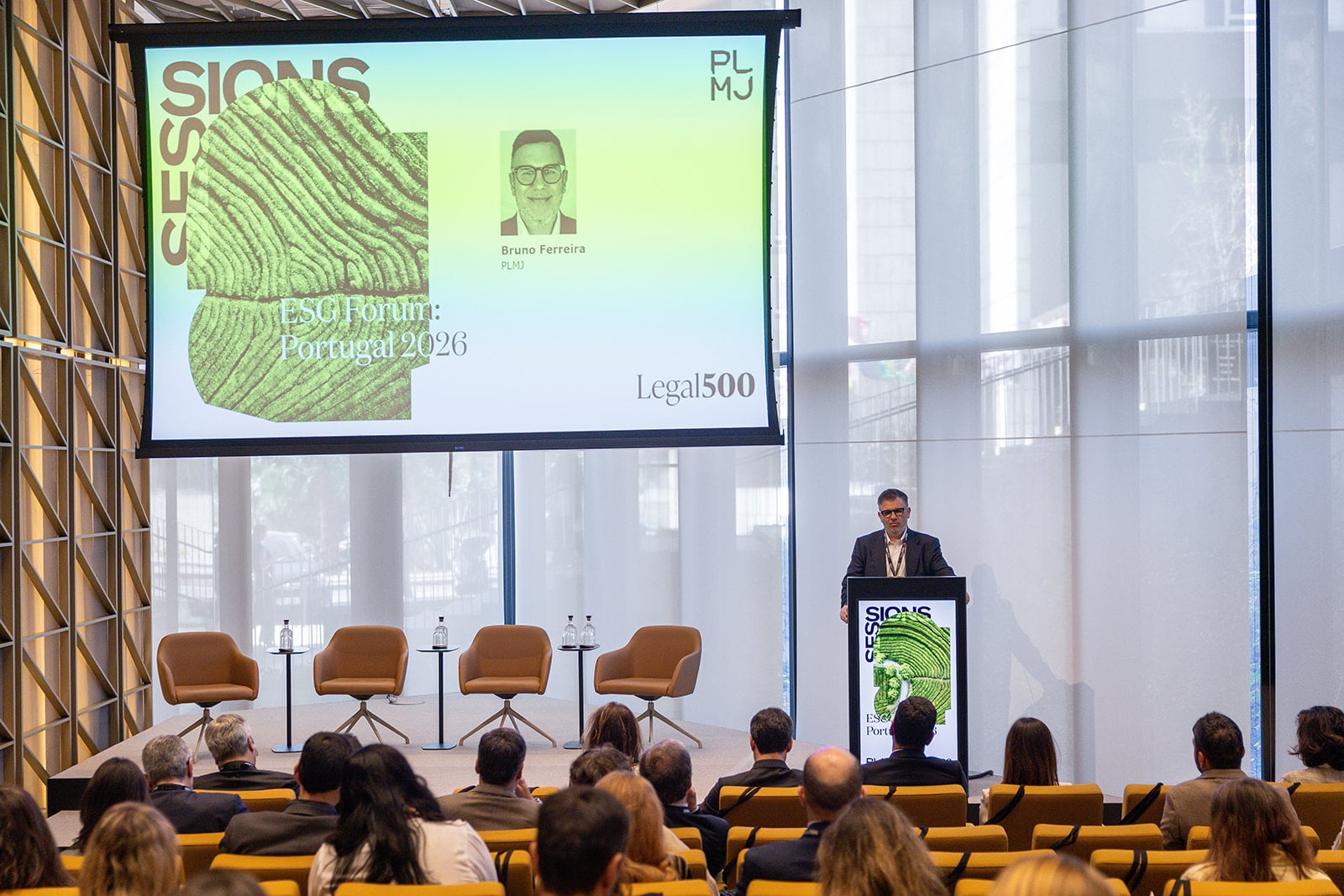
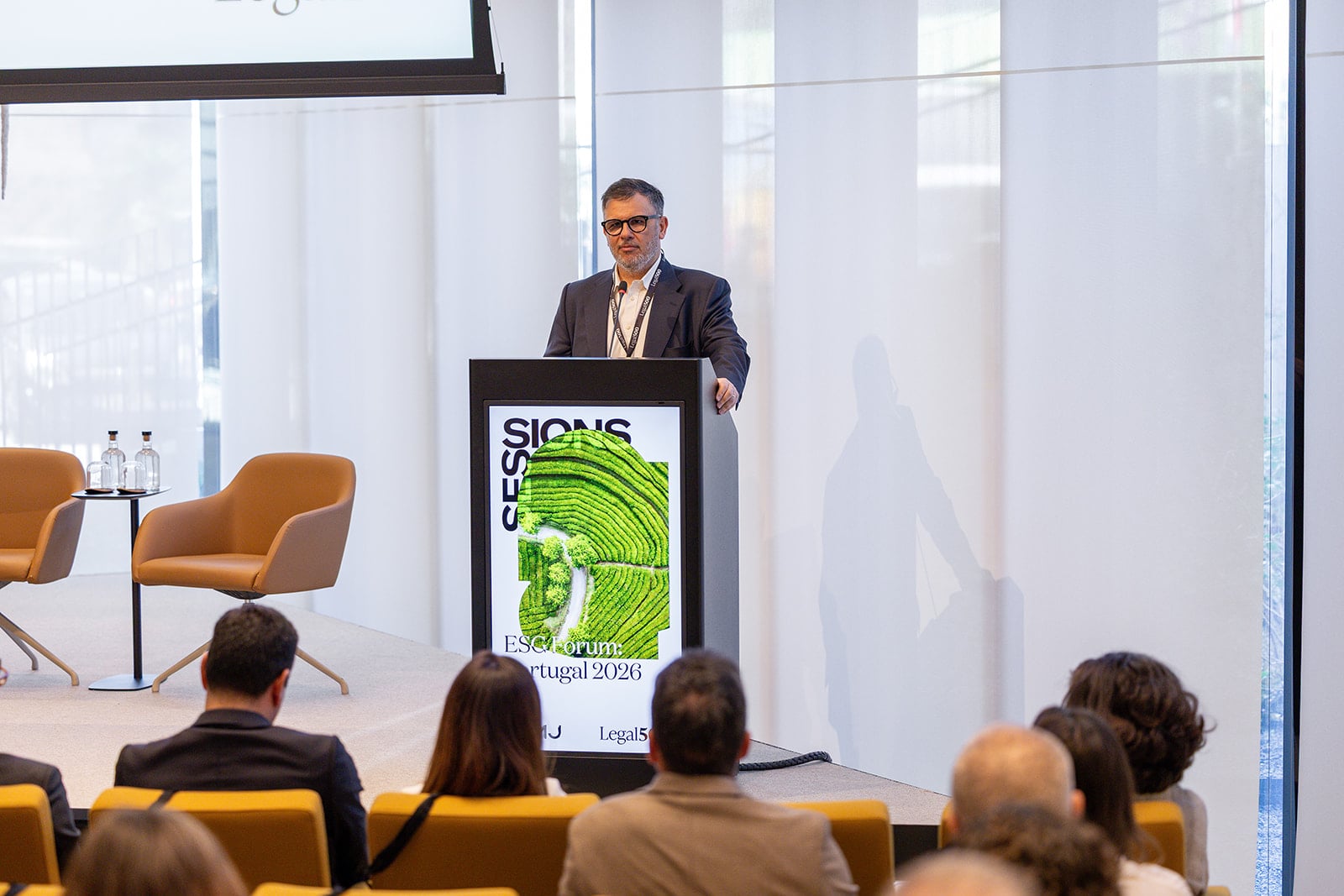
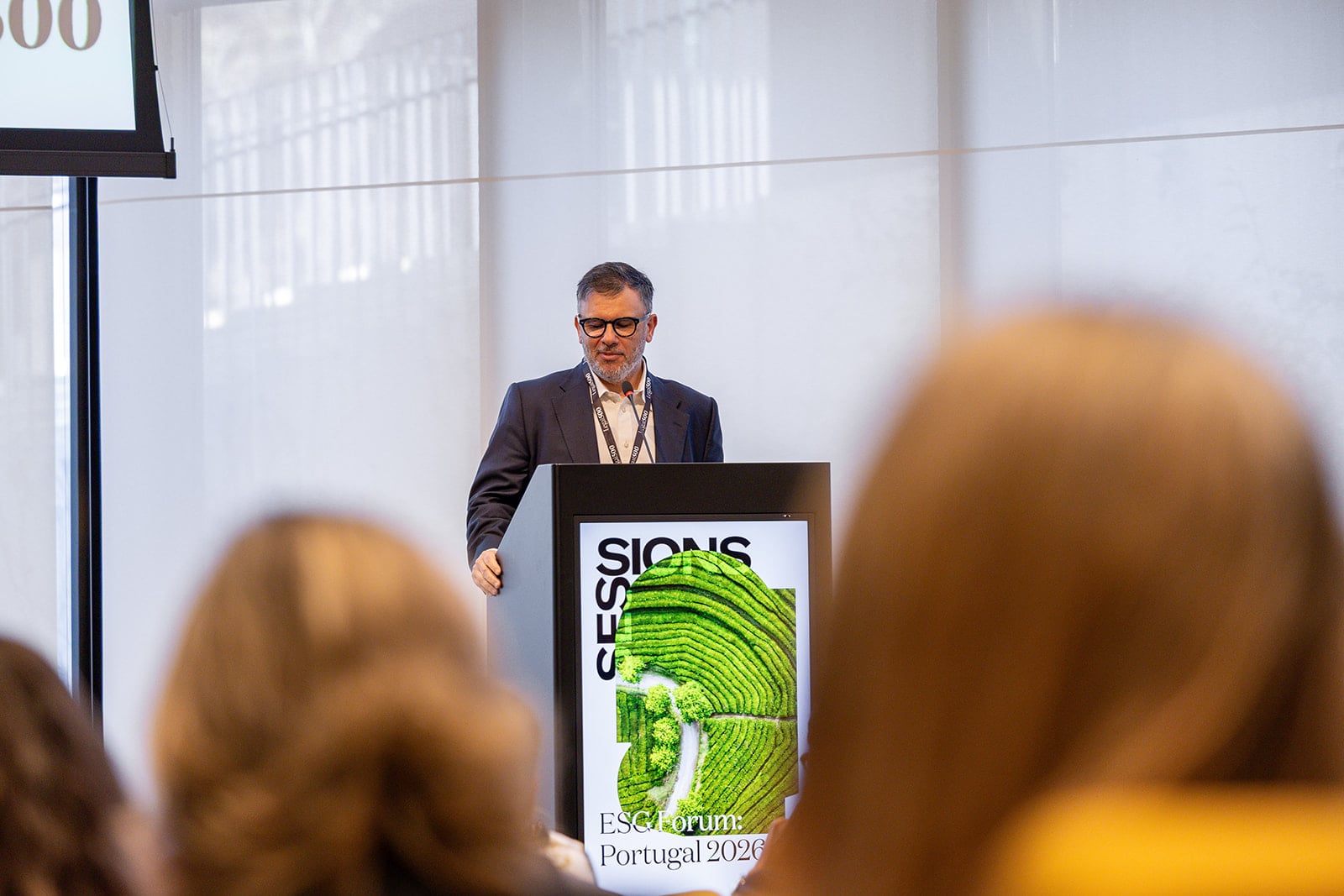
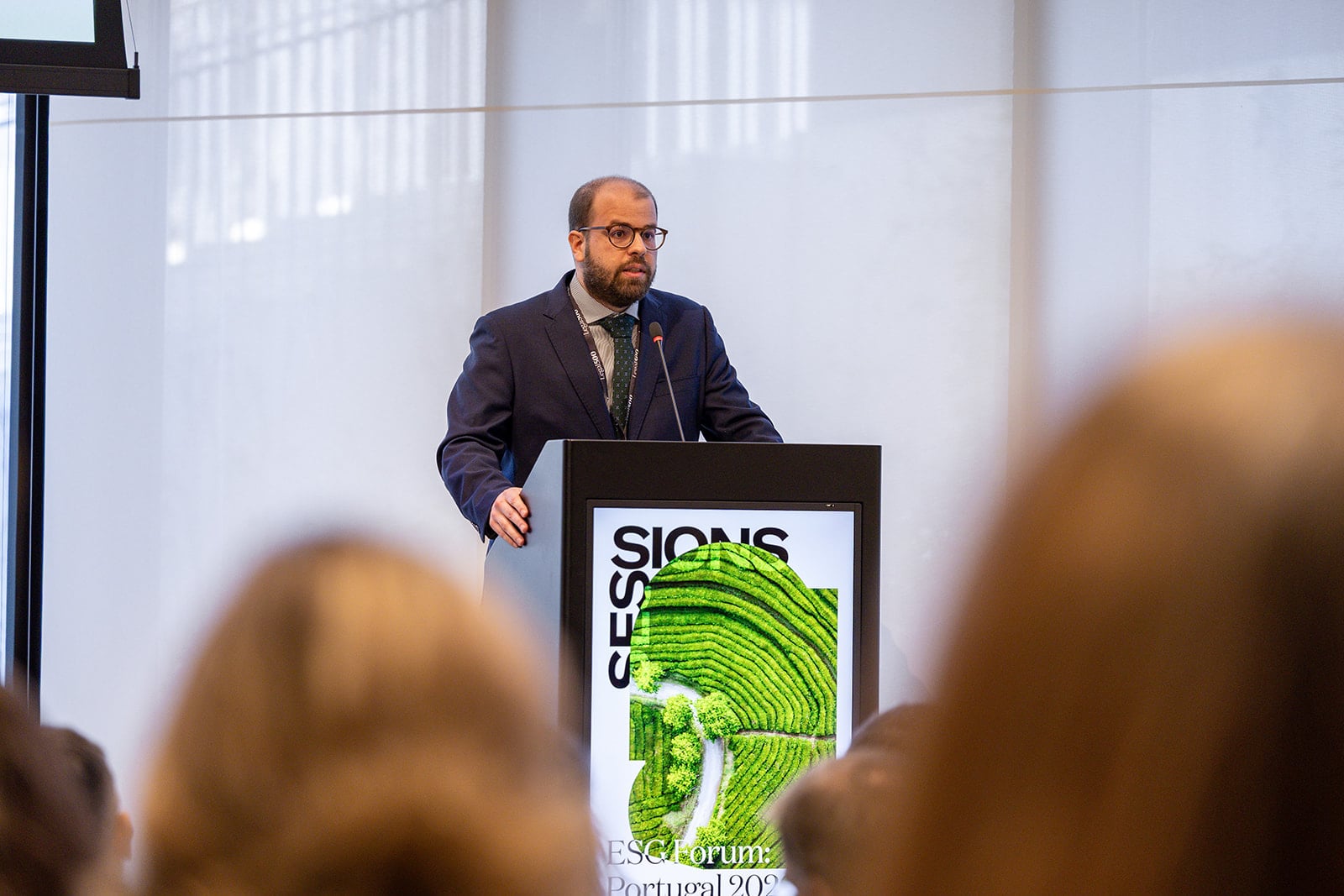
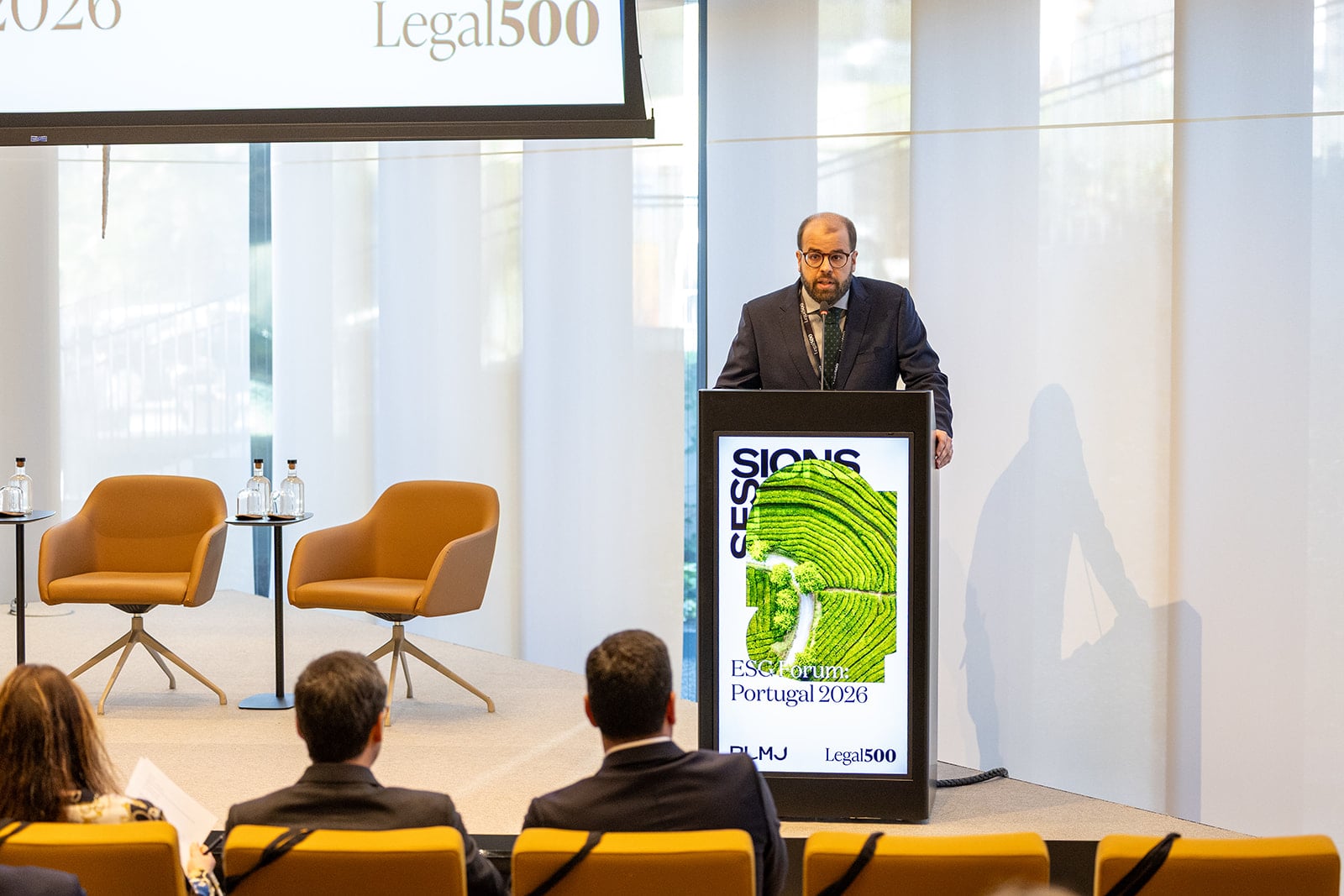
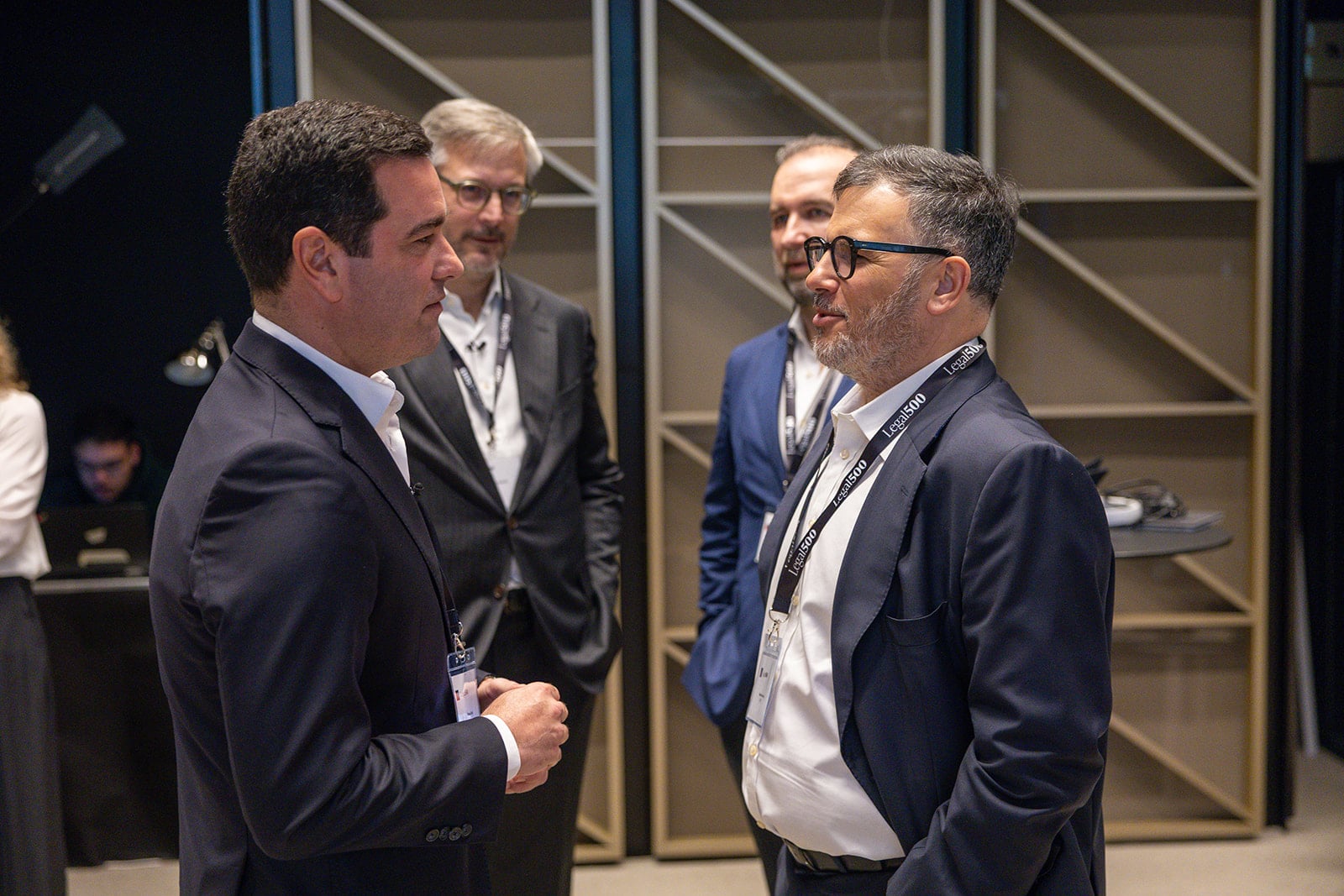
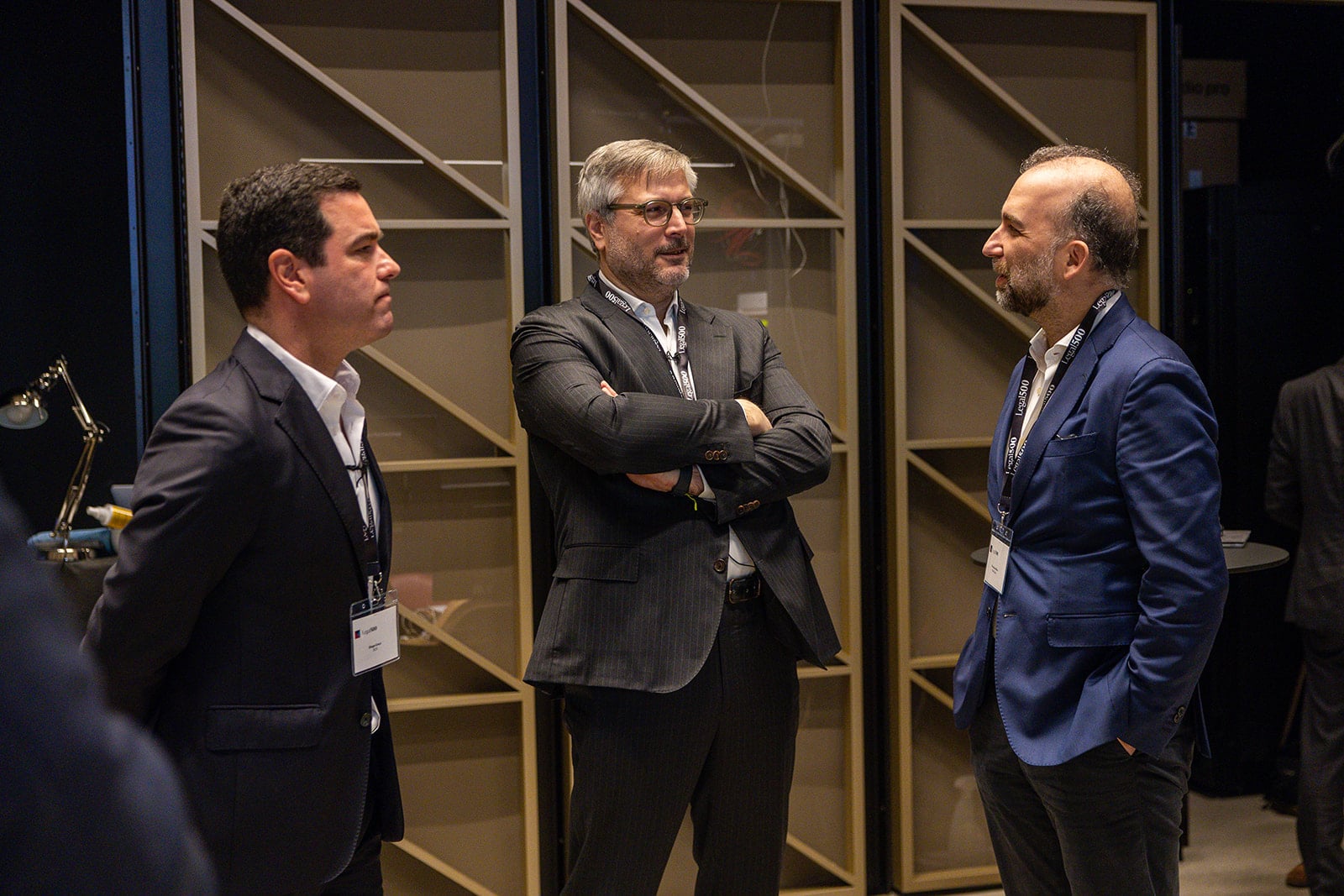
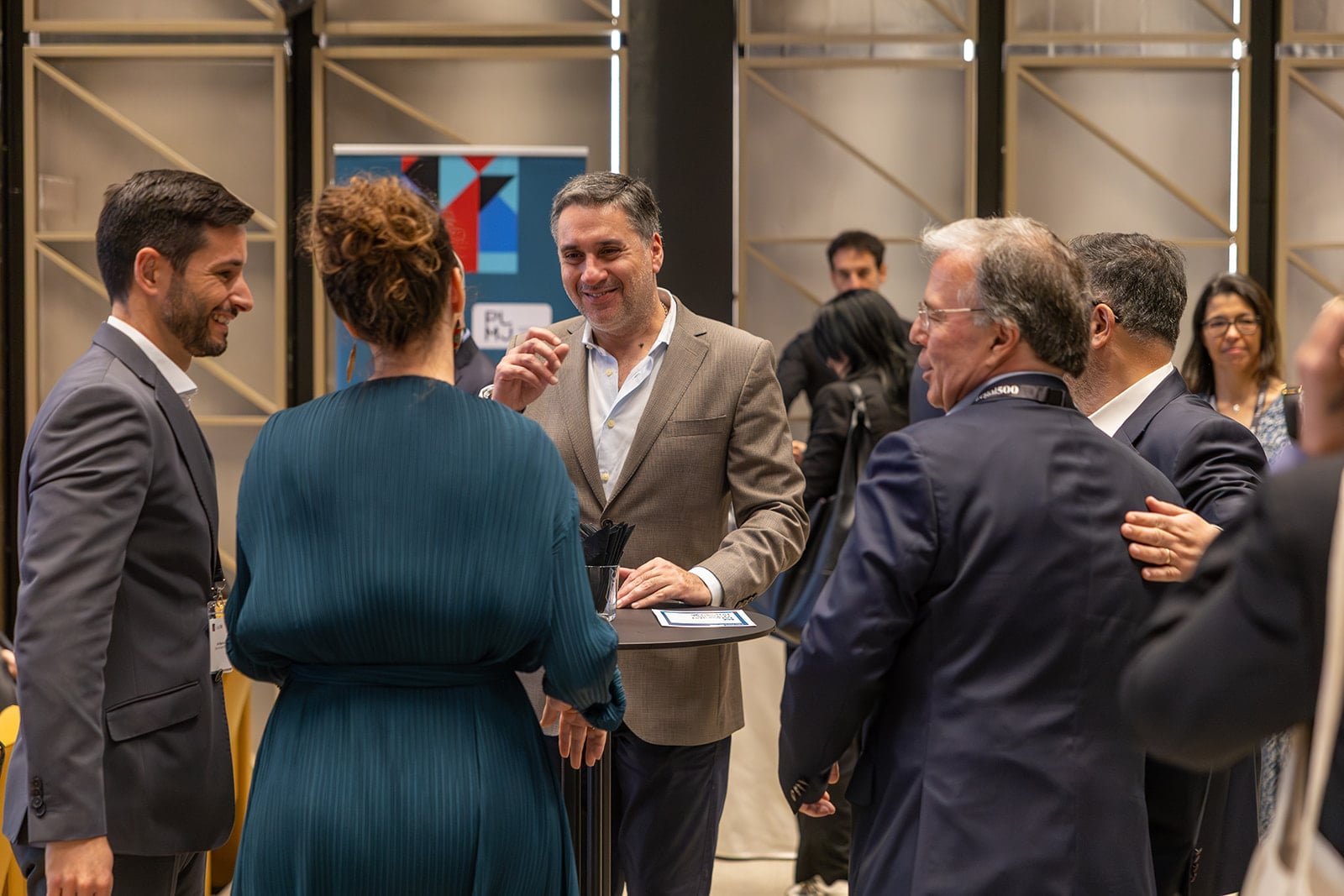
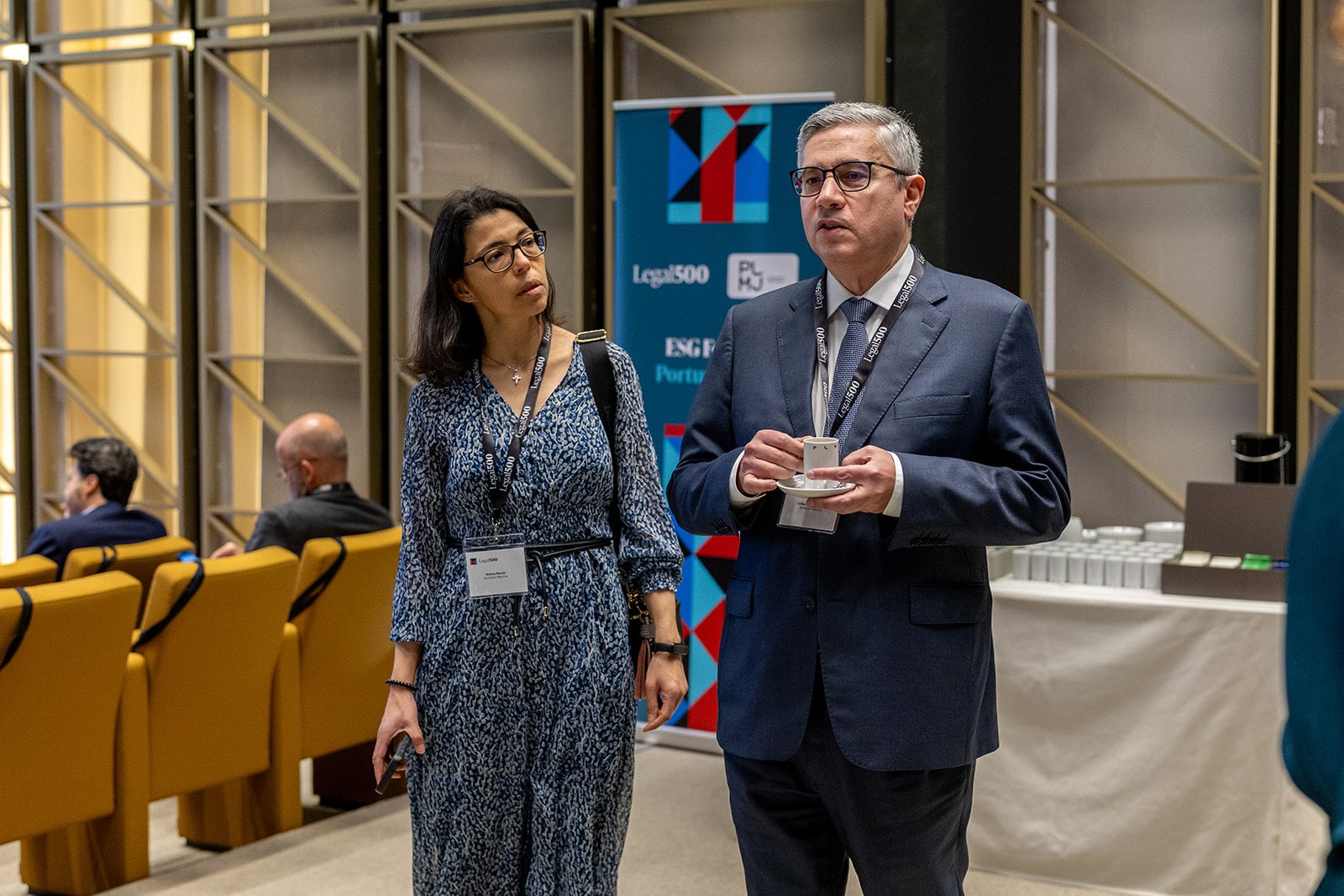
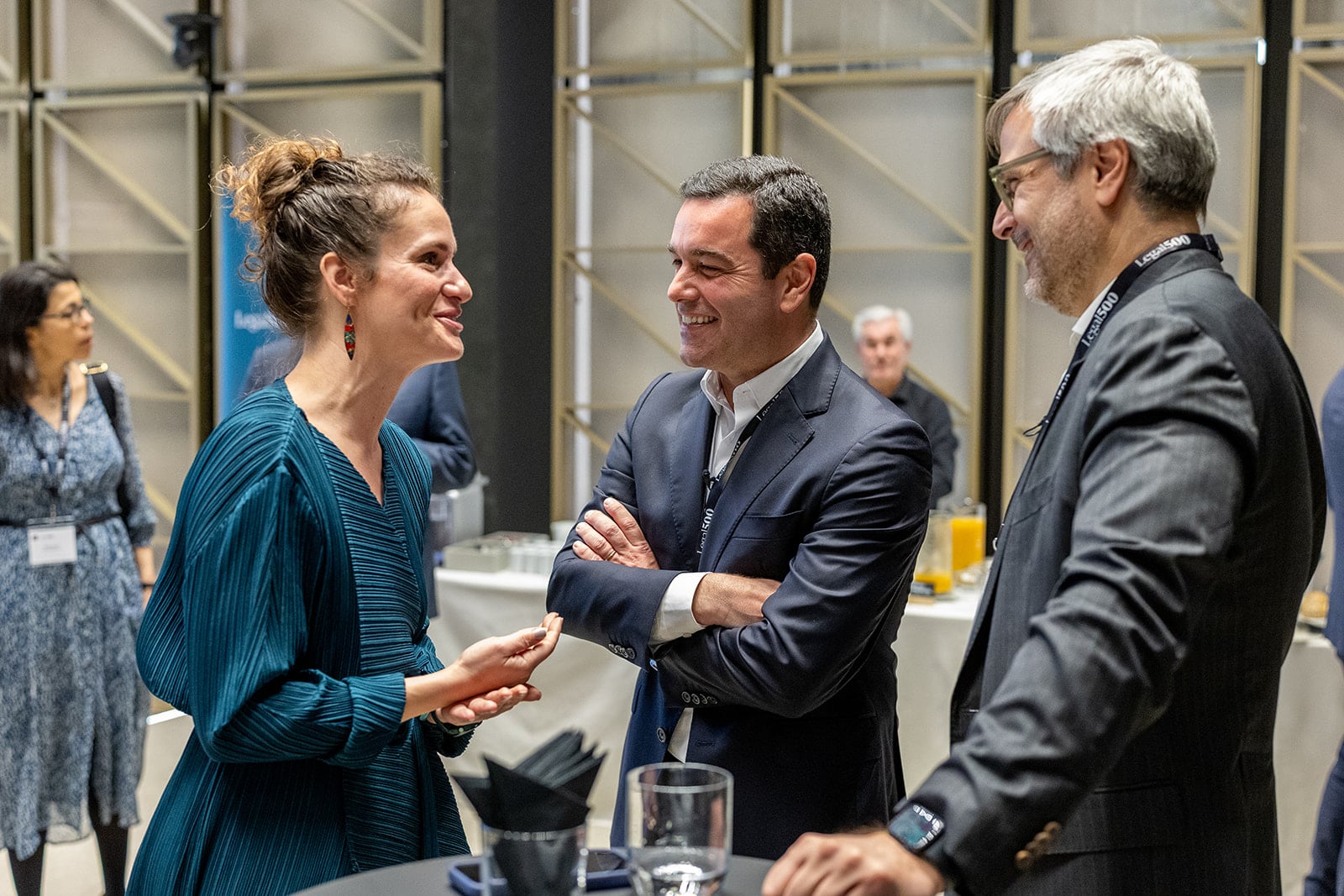
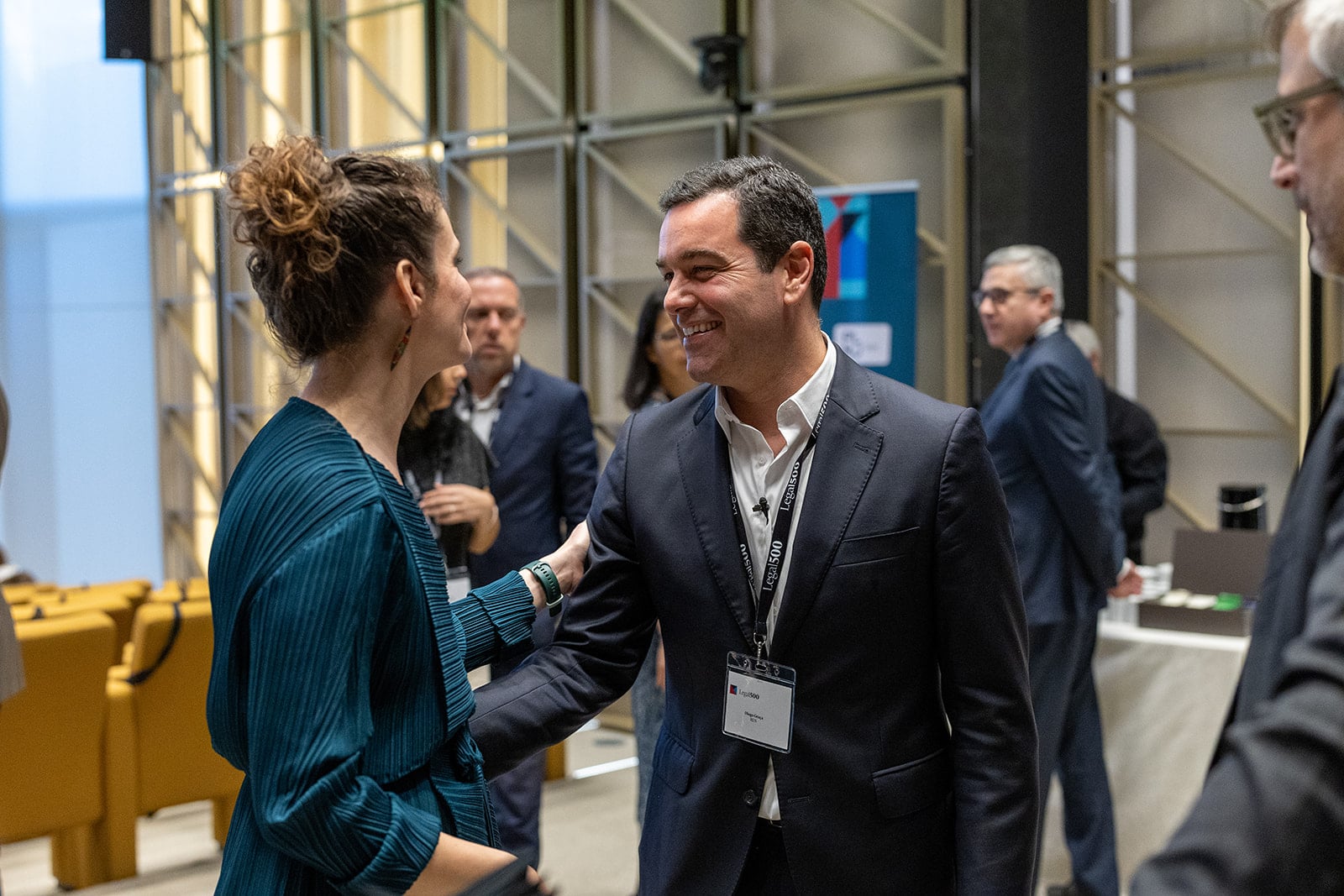
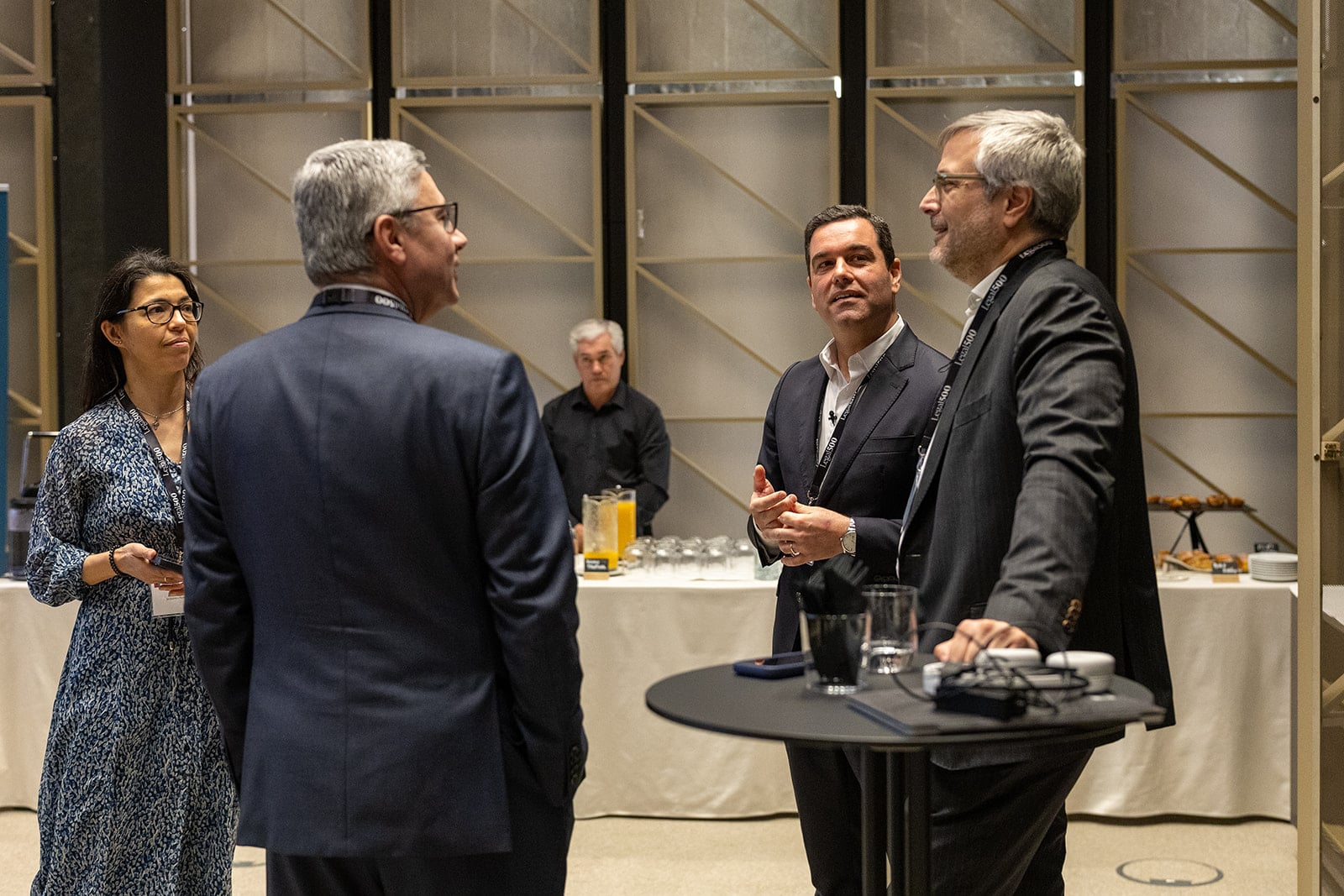
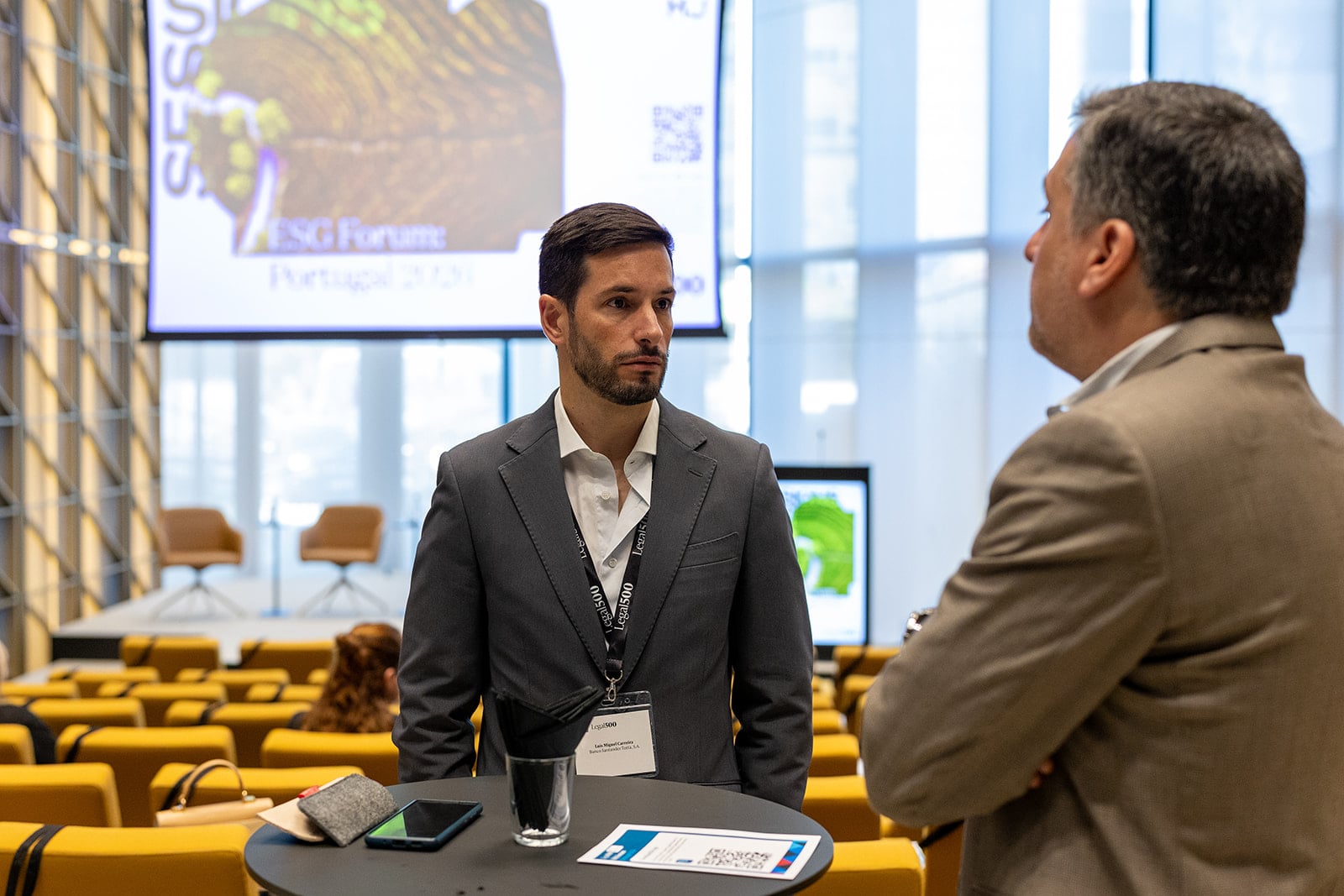
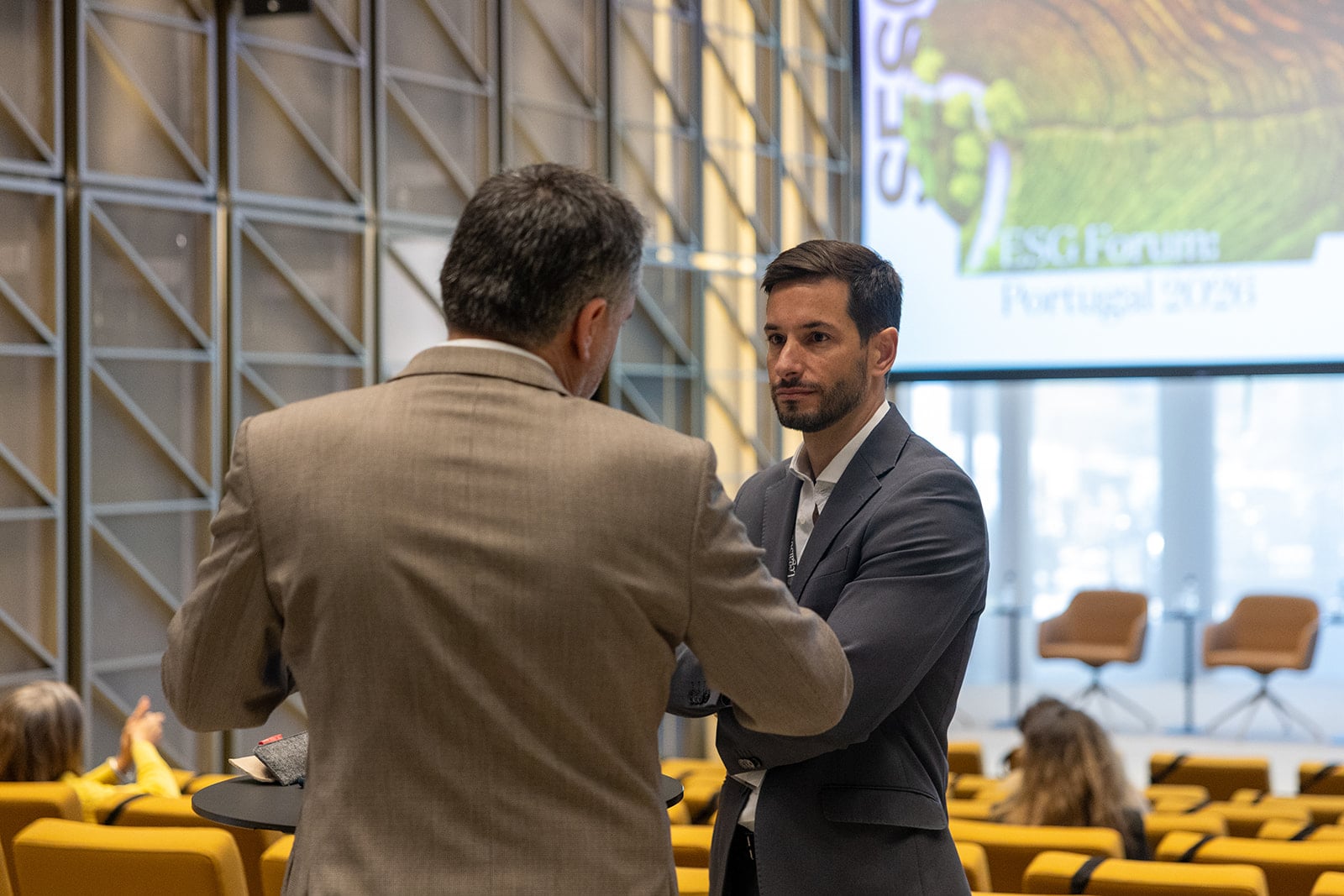
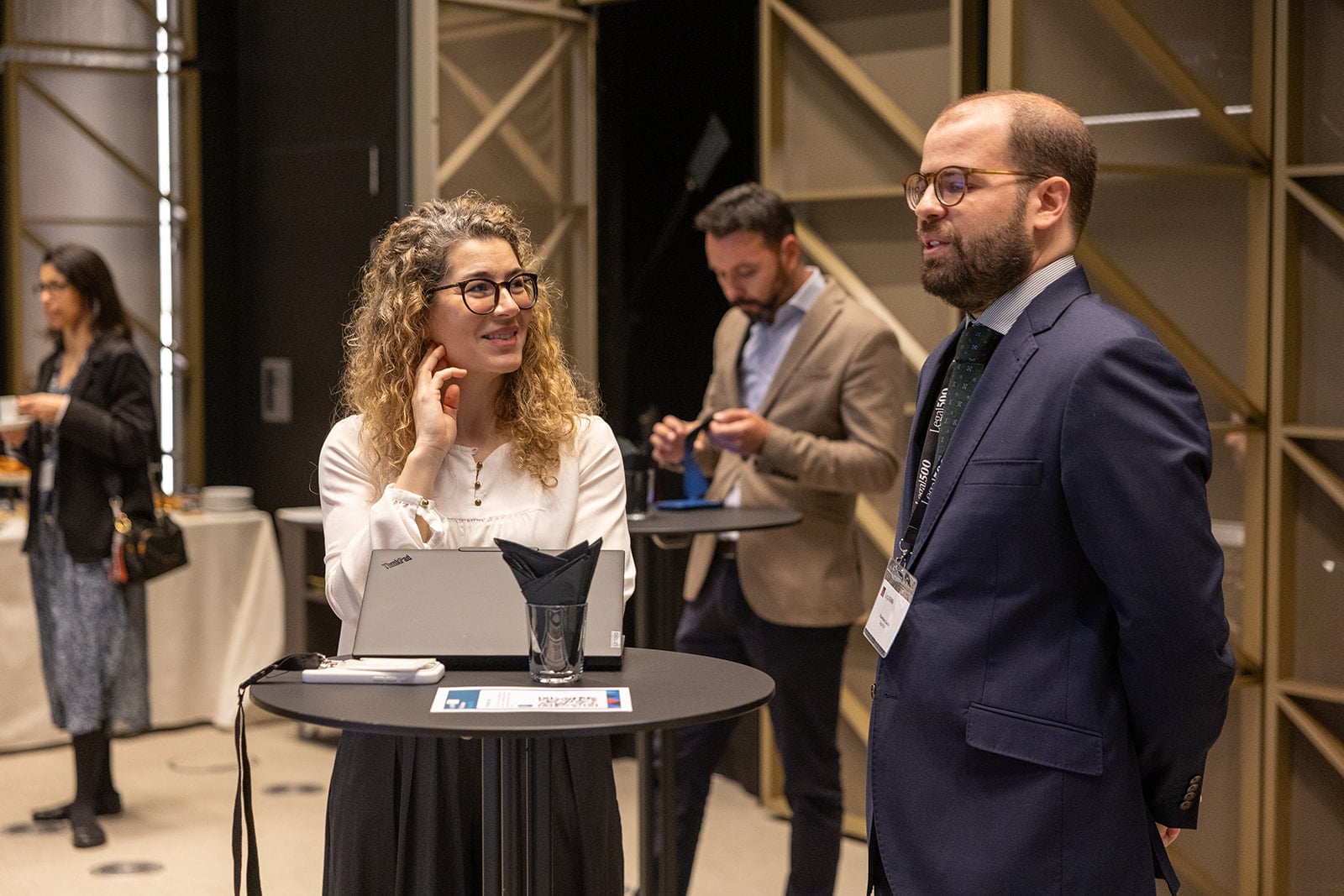
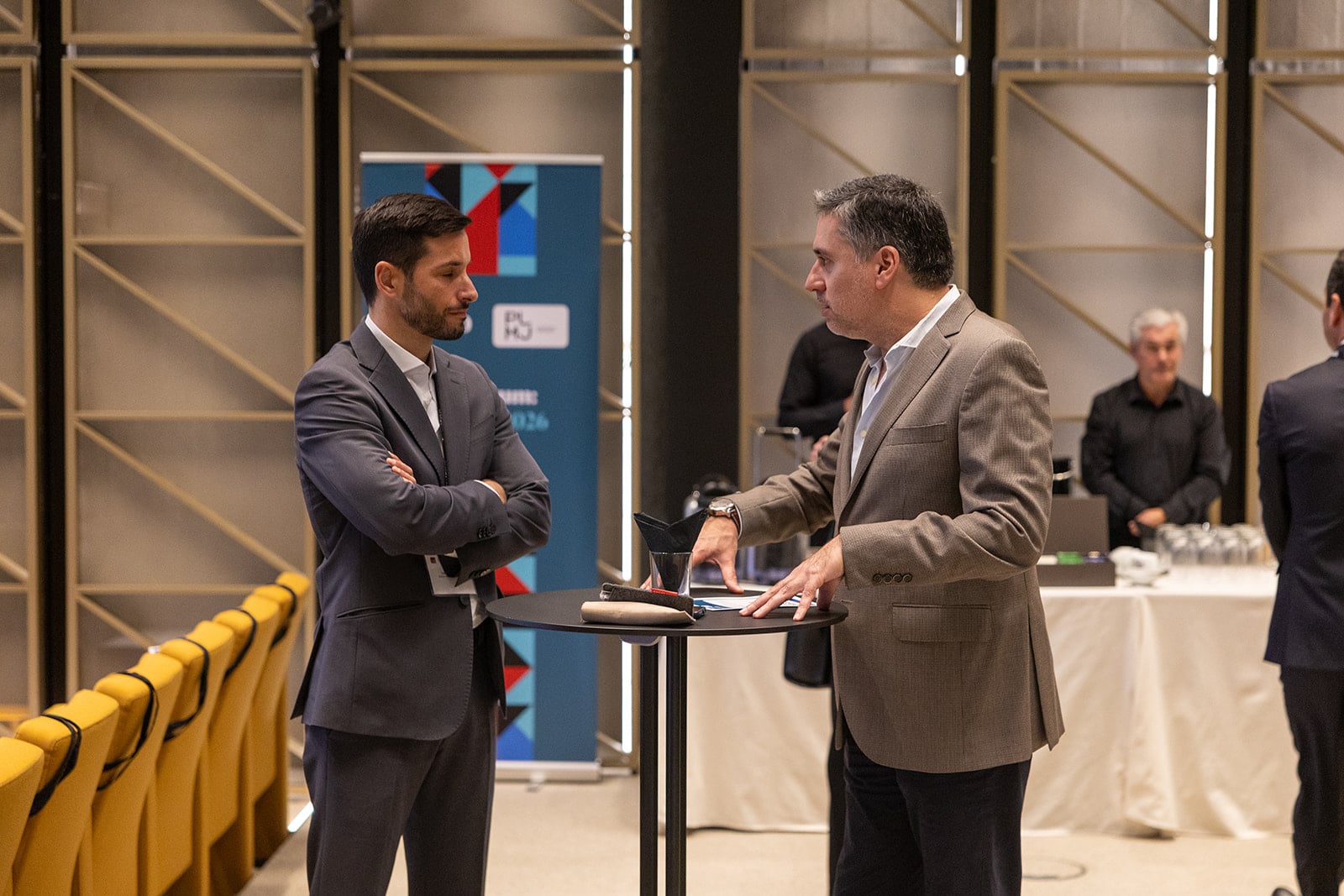
On 26 March, Legal 500 partnered with Portuguese law firm PLMJ to bring its renewed sustainability‑focused conference series to Lisbon with the ESG Forum: Portugal 2026. The half‑day event gathered senior leaders from the legal, financial, energy and sustainability spheres for a concentrated programme hosted at PLMJ’s offices. Throughout the sessions, speakers explored the regulatory, governance and enforcement forces reshaping ESG strategy in Portugal, offering a clear cross‑sector perspective on how organisations are adapting to an increasingly complex and fast‑moving landscape.
The event opened with some welcome remarks from Legal 500 editor Francisco Castro, who emphasised the value of events that bring the in‑house community together to learn, exchange experiences and build meaningful professional networks. In his welcome address, he highlighted the growing complexity of ESG obligations across Europe and the increasing pressure on organisations to adopt integrated, business‑wide approaches to compliance, risk management and strategic planning. By underscoring the need for practical, grounded discussion rather than abstract theory, he set the tone for a programme designed to deliver actionable insight and foster collaboration among practitioners navigating a rapidly evolving ESG landscape.
Followed an opening brief delivered by PLMJ’s Managing Partner, Bruno Ferreira, who provided a concise yet comprehensive overview of the ESG priorities defining Portugal in 2026. He outlined the expanding influence of EU regulatory frameworks on corporate reporting, due diligence and governance, noting how these requirements are reshaping expectations around data quality, transparency and accountability. His remarks positioned ESG not as a peripheral concern but as a central driver of corporate behaviour, capital flows and long‑term competitiveness in the Portuguese market.
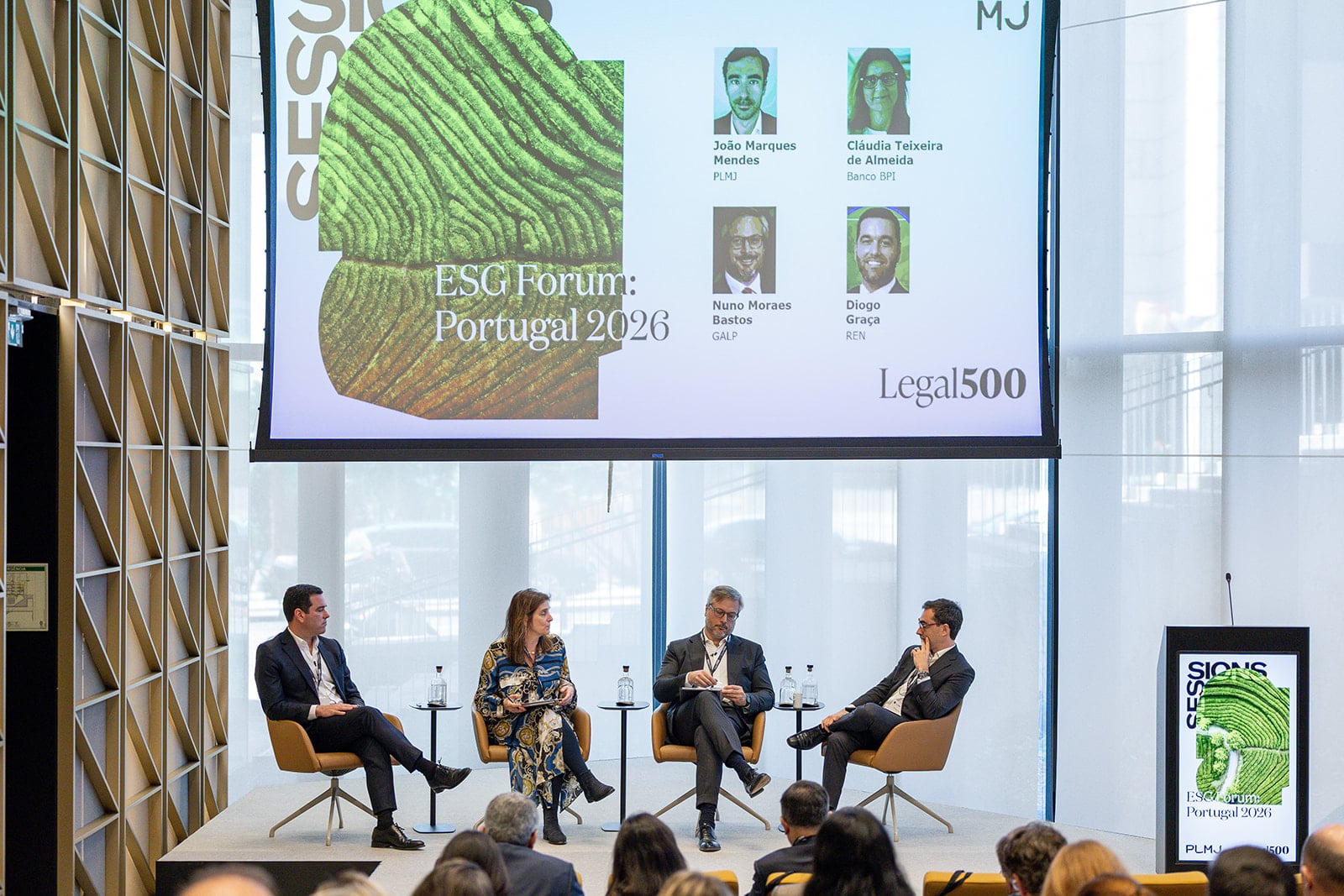
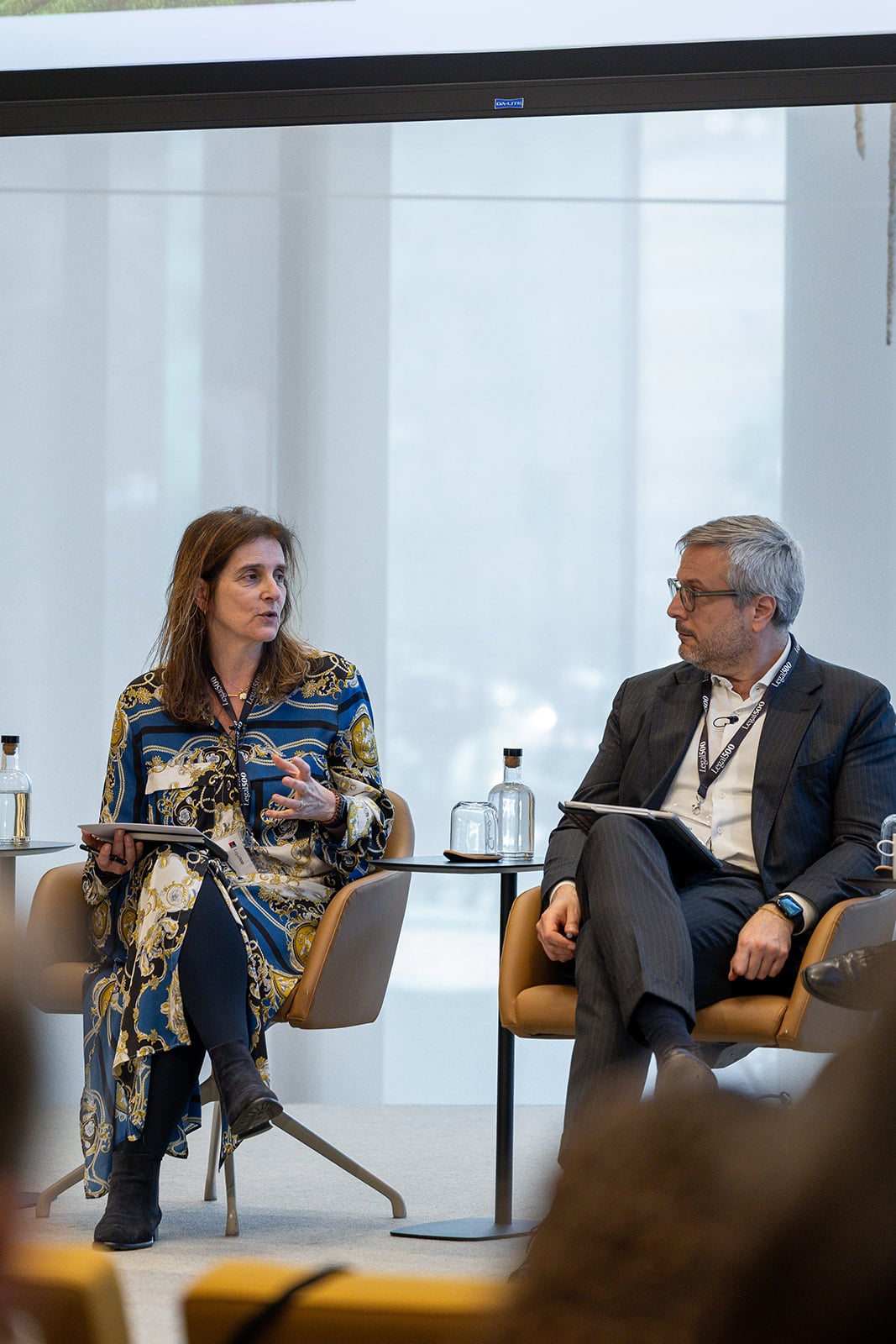
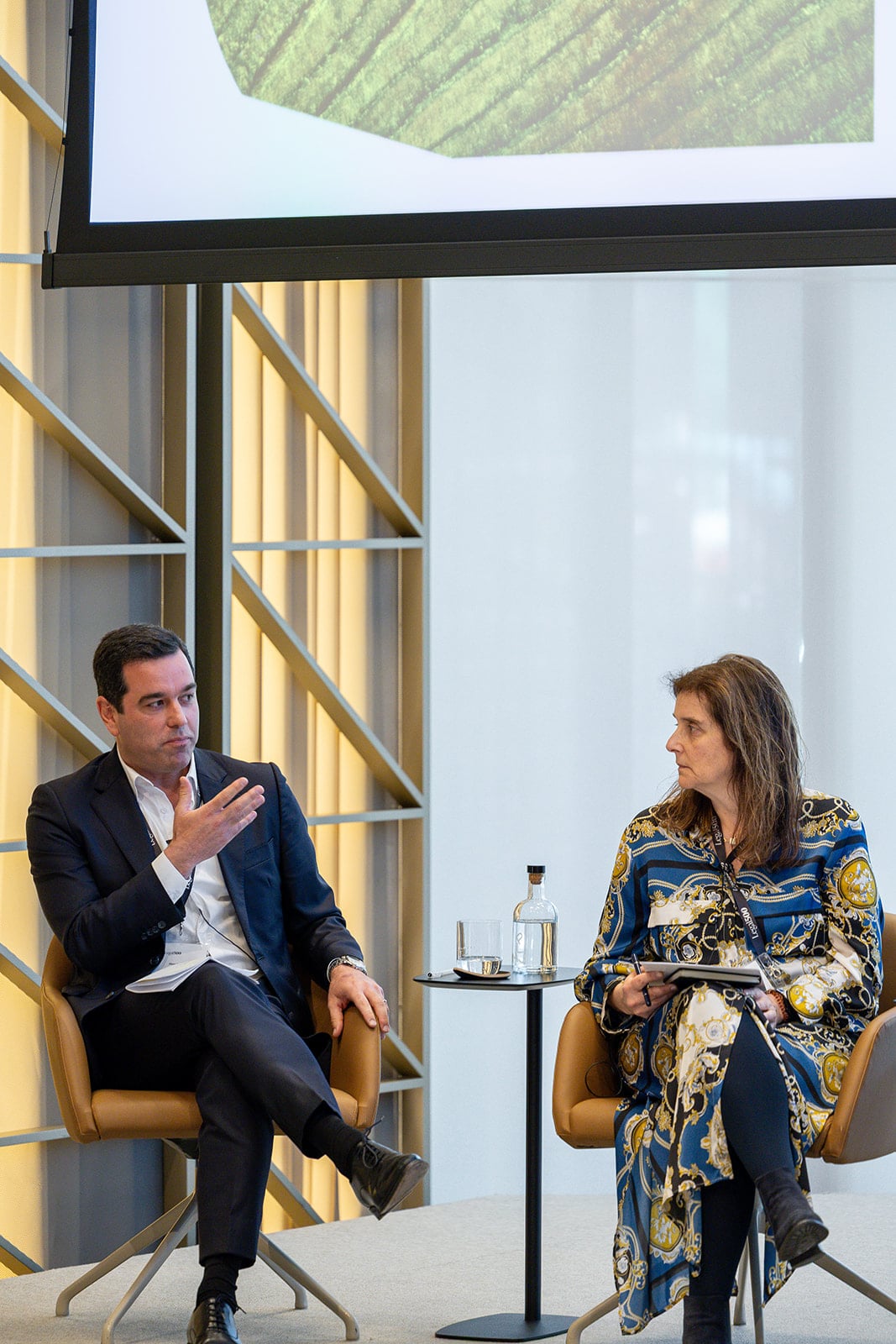
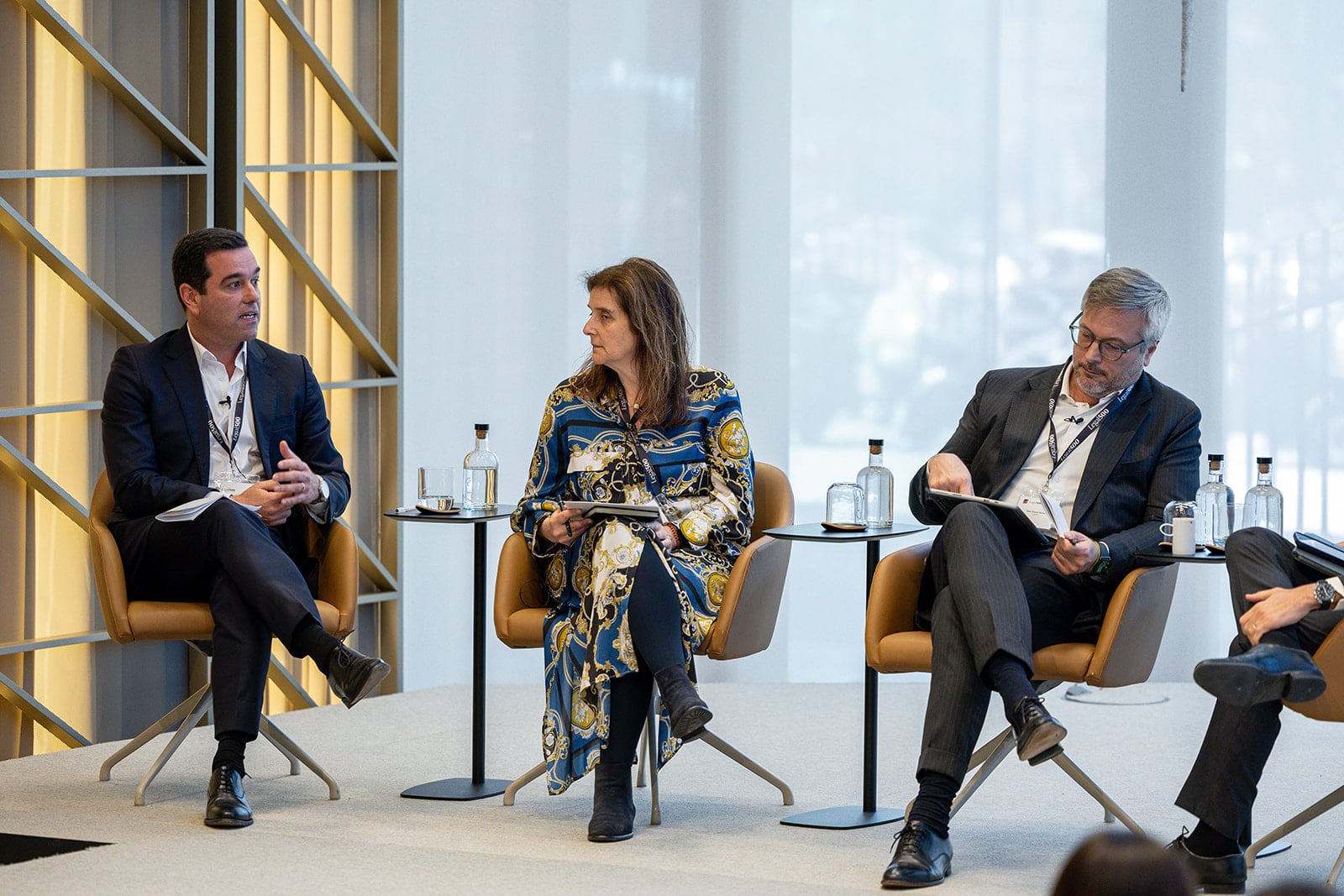
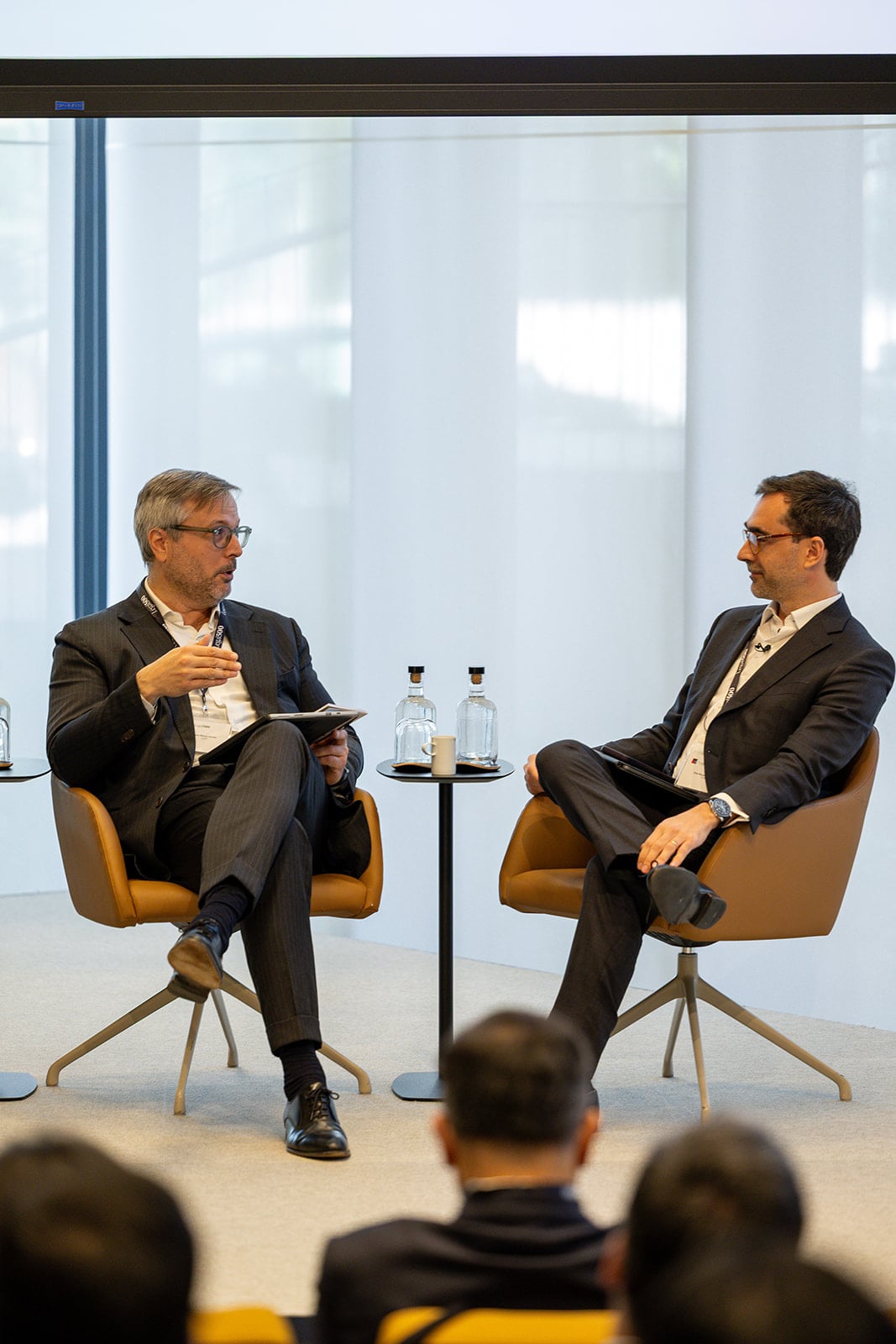
The first panel, moderated by João Marques Mendes, Partner at PLMJ and joined by Cláudia Teixeira de Almeida of Banco BPI, Nuno Moraes Bastos of GALP and Diogo Graça of REN, explored how corporate governance and sustainable finance are shaping Portugal’s energy transition. The discussion examined how boards and executive teams are adapting oversight structures to manage transition‑related risks and how legal, compliance, sustainability and procurement functions are increasingly intertwined in project governance. Panellists described the growing influence of financing structures on project execution, noting that lenders’ expectations around ESG metrics, contractor performance and transparency now shape governance decisions from the earliest stages. They also addressed the operational constraints that continue to challenge Portugal’s transition ambitions, including permitting timelines, grid capacity limitations and delivery risk. While acknowledging the complexity of EU‑level frameworks, speakers emphasised that these standards also present strategic opportunities to harmonise practices, unlock investment and strengthen Portugal’s competitive position in the energy transition.
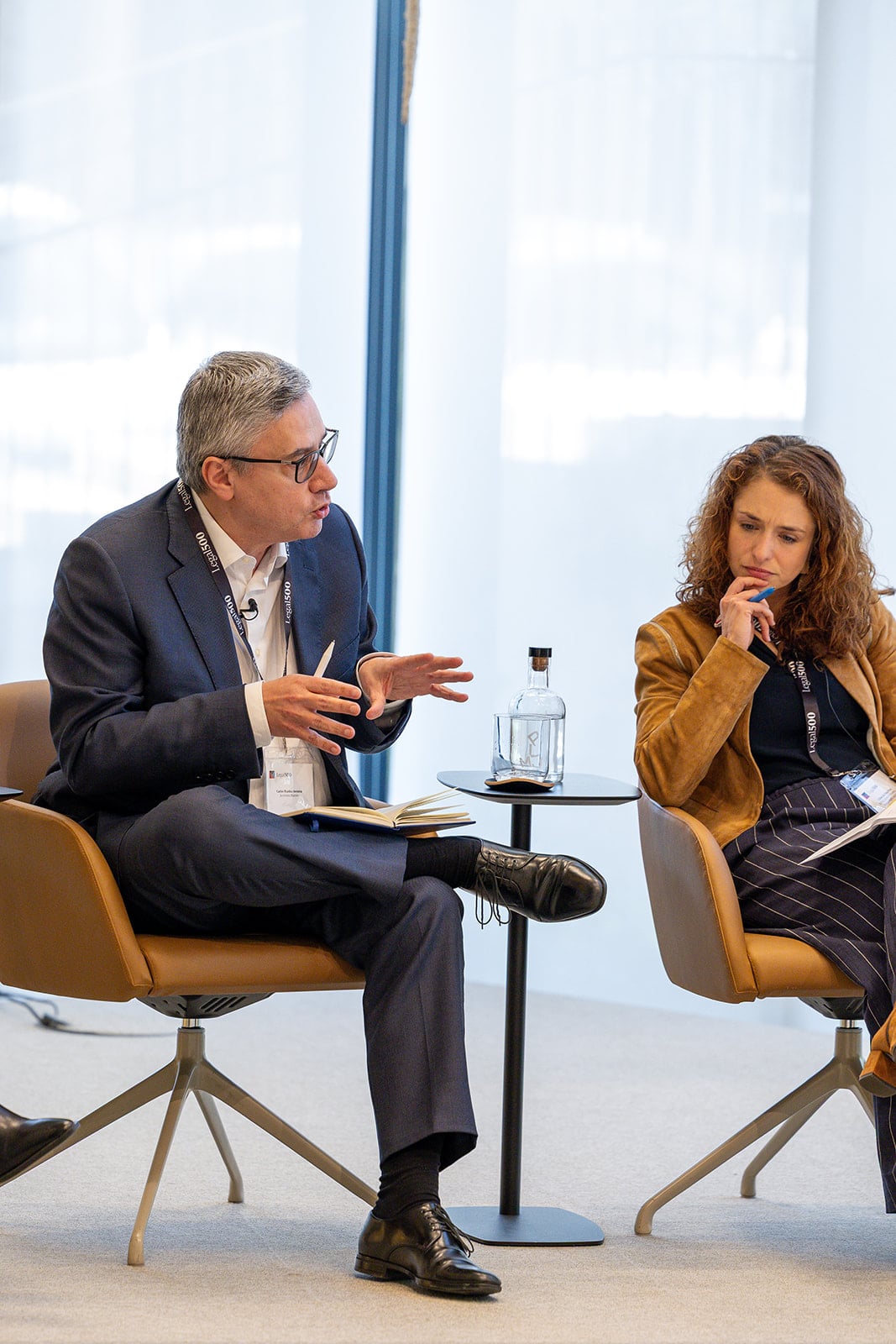
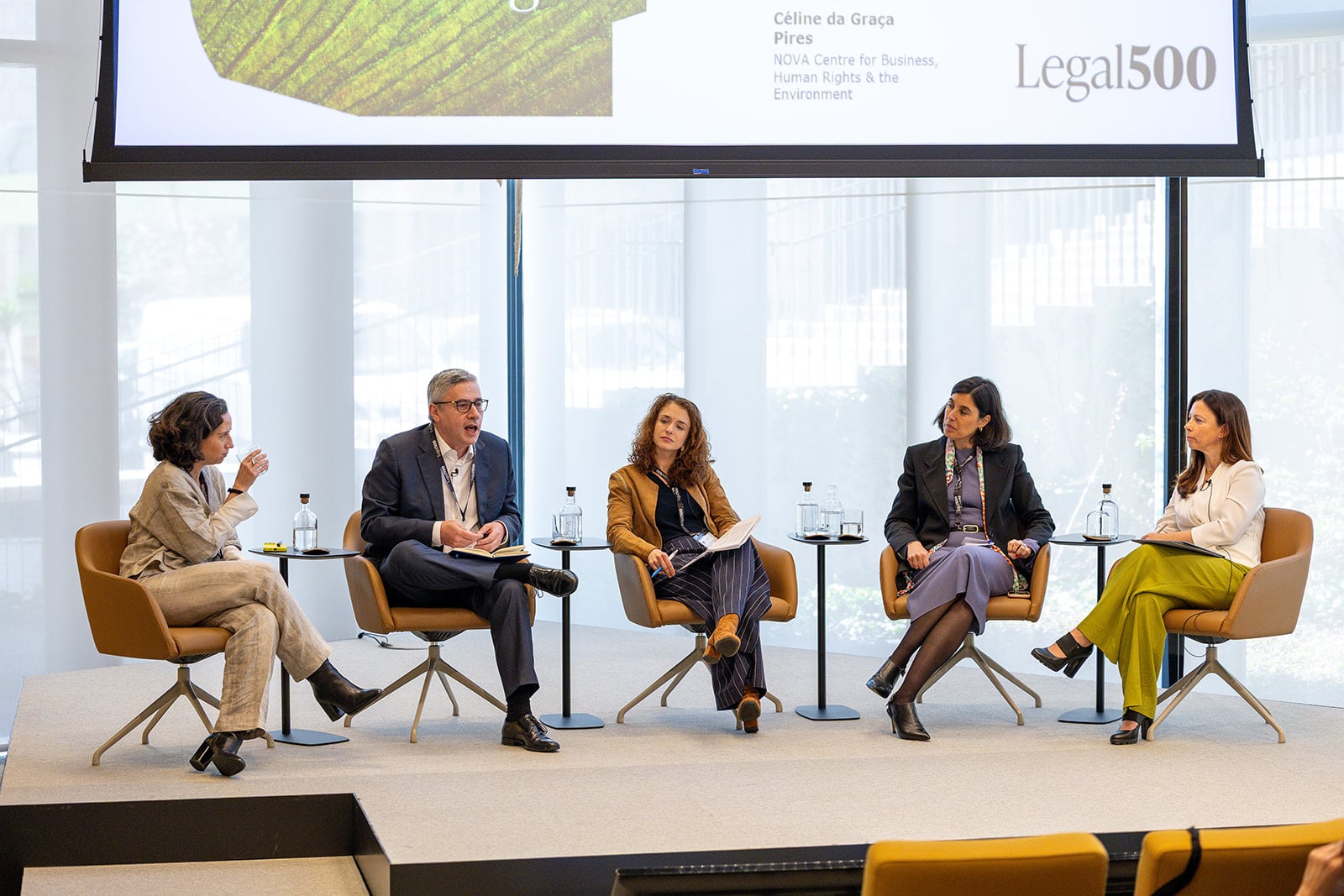
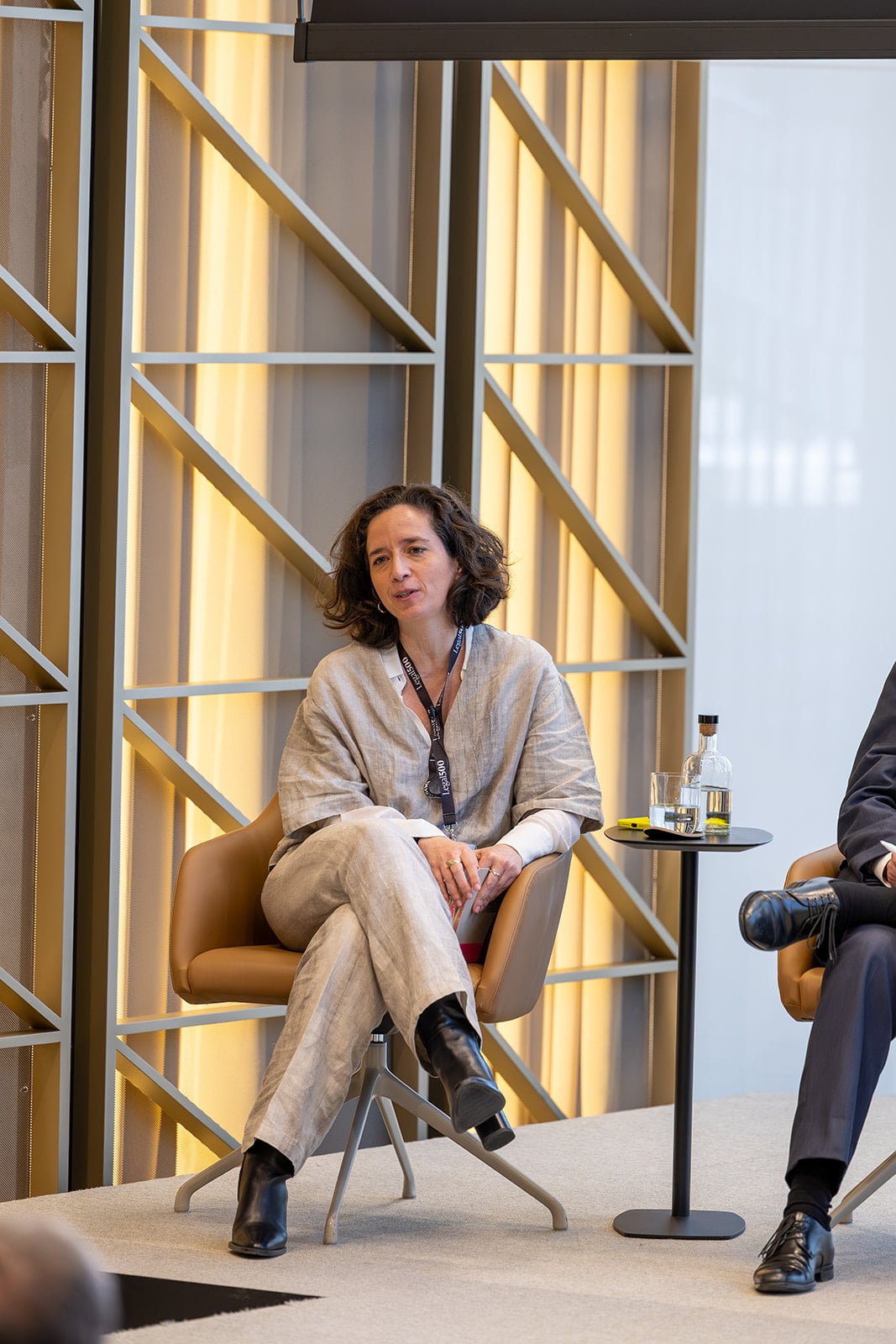
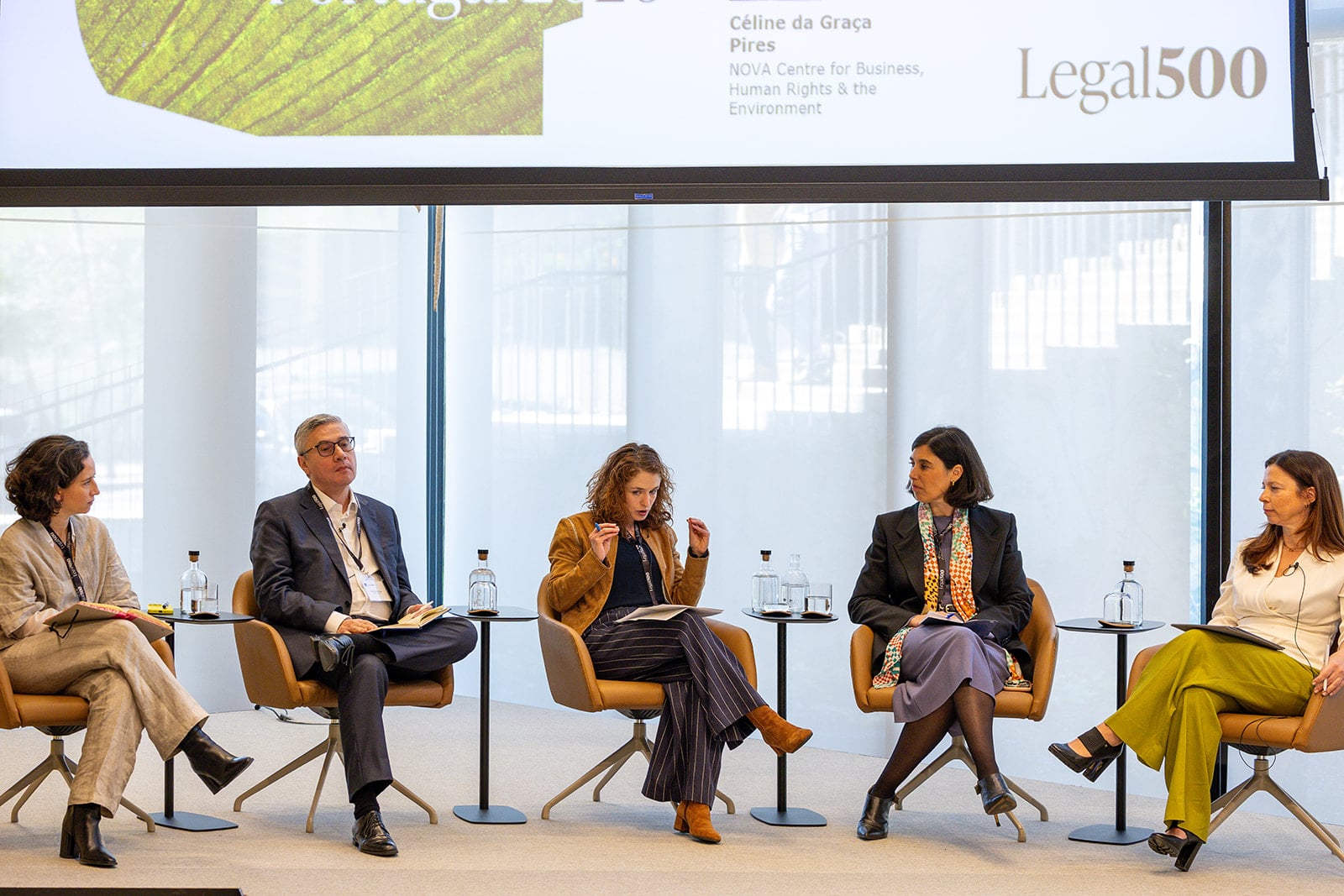
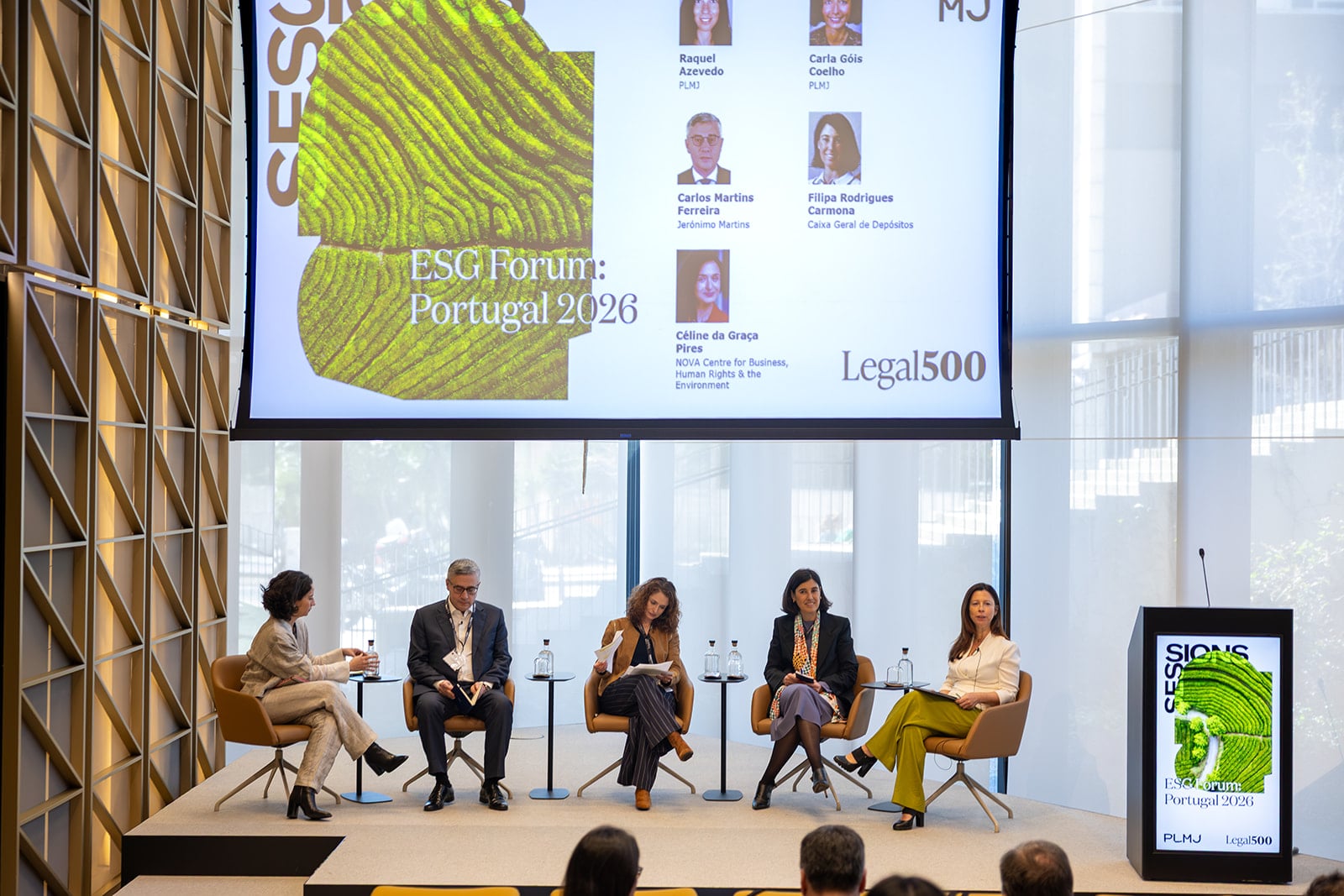
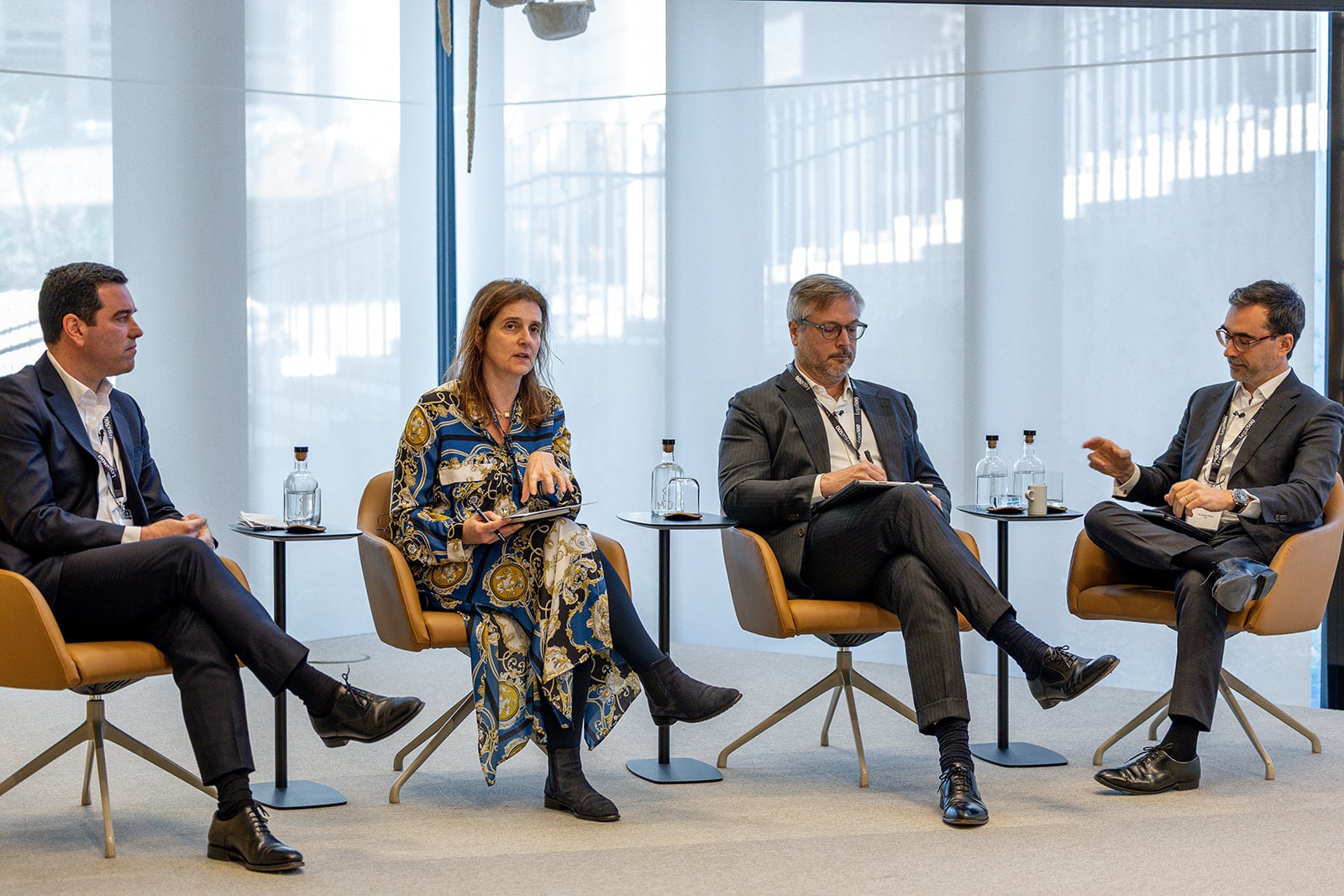
Following a short break, the second panel turned to litigation, liability and the emerging enforcement era surrounding sustainability claims. Moderated by Raquel Azevedo, Partner at PLMJ and featuring contributions from Carla Góis Coelho of PLMJ, Carlos Martins Ferreira of Jerónimo Martins, Filipa Rodrigues Carmona of Caixa Geral de Depósitos and Céline da Graça Pires of NOVA, the session examined the rapid rise of ESG‑driven disputes, investigations and regulatory actions. Panellists discussed the typical trigger points for scrutiny, ranging from sustainability reports and corporate websites to marketing materials and investor presentations, and highlighted how these touchpoints are increasingly tested by regulators, competitors, consumers and NGOs. They analysed recent case law developments and their implications for Portuguese organisations, noting the emergence of more stringent evidentiary standards around disclosures and due‑diligence obligations. The panel concluded that sustainability claims can no longer be treated as aspirational messaging; they now carry the weight of binding legal obligations, requiring more rigorous internal validation and cross‑functional coordination.
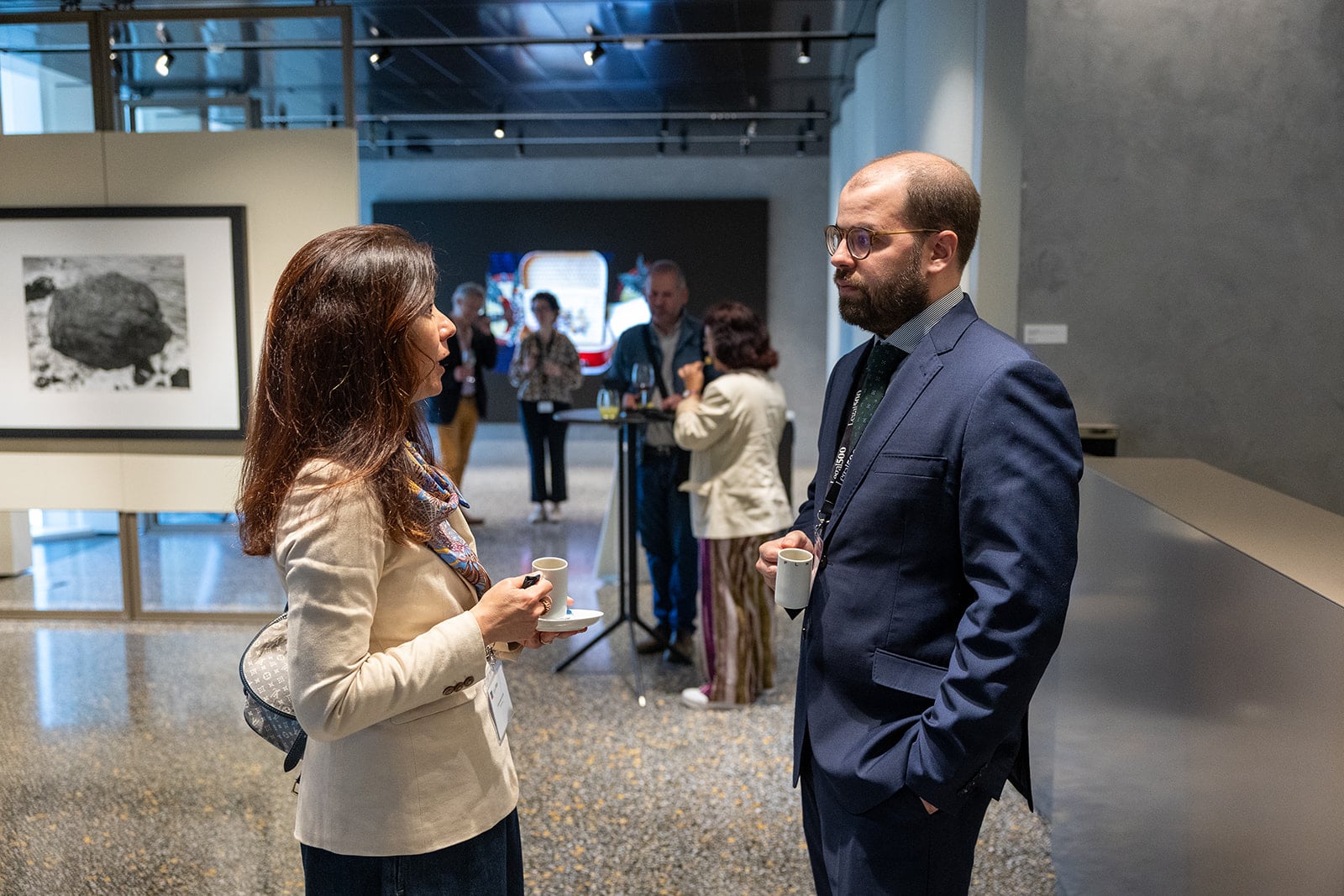
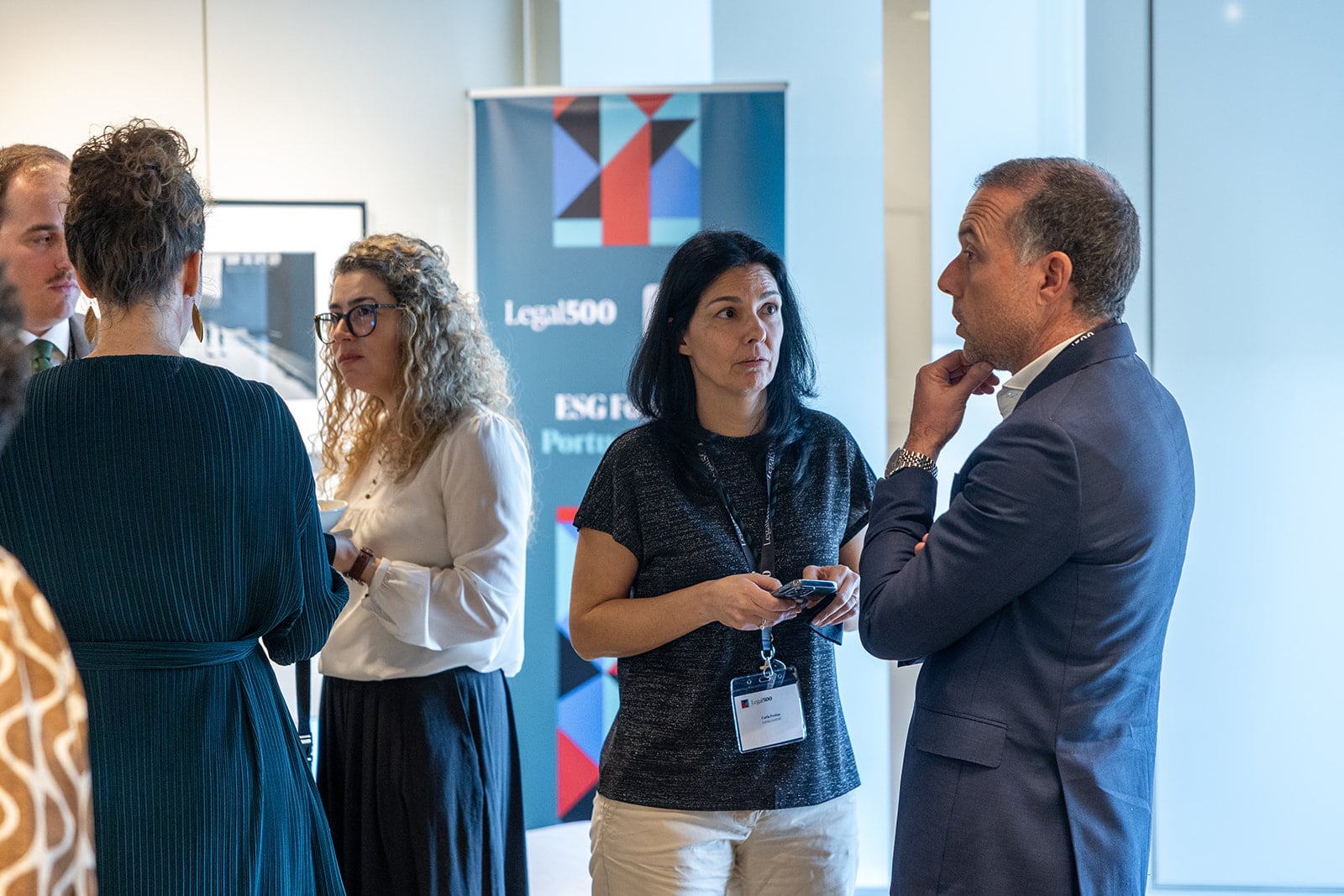
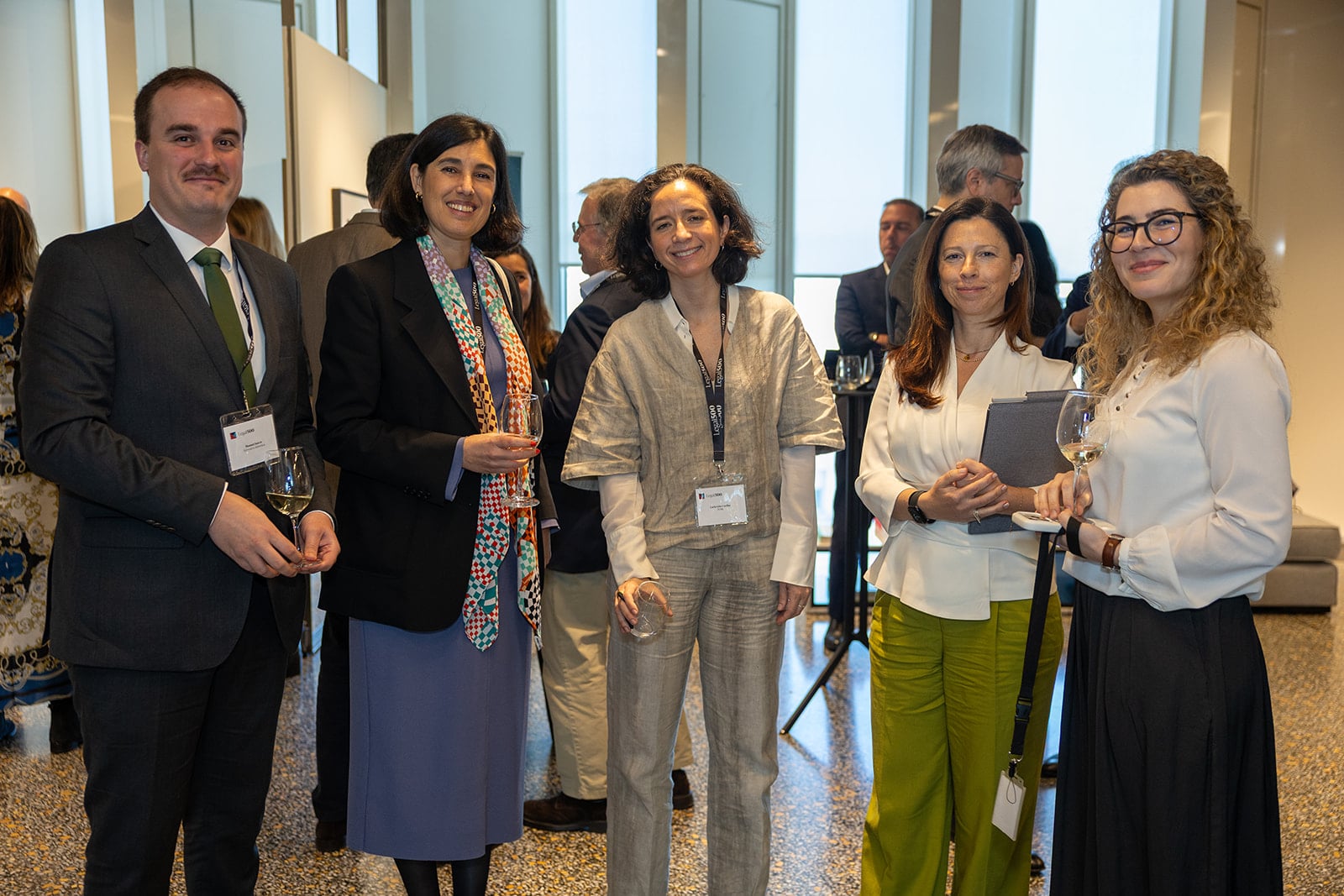
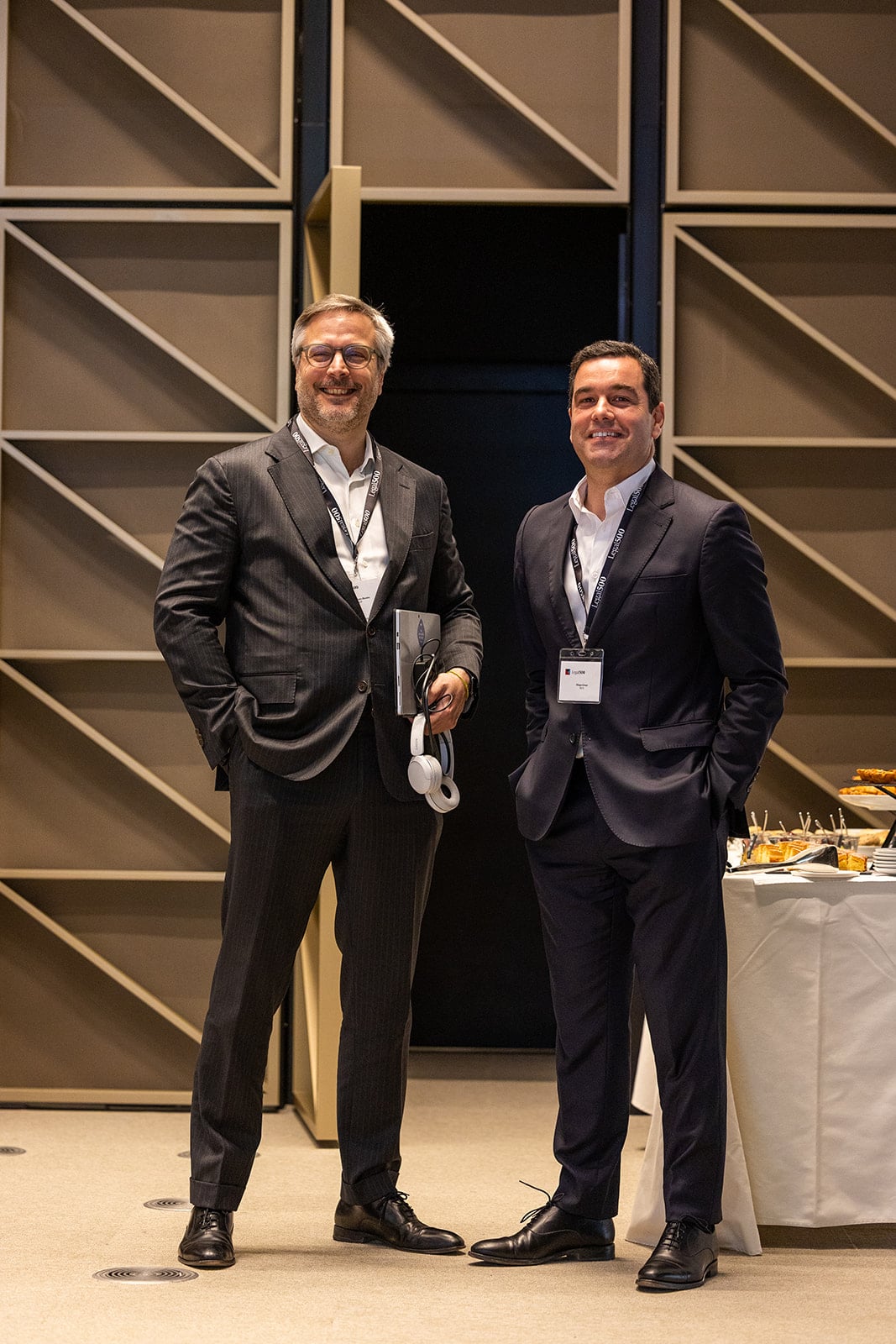
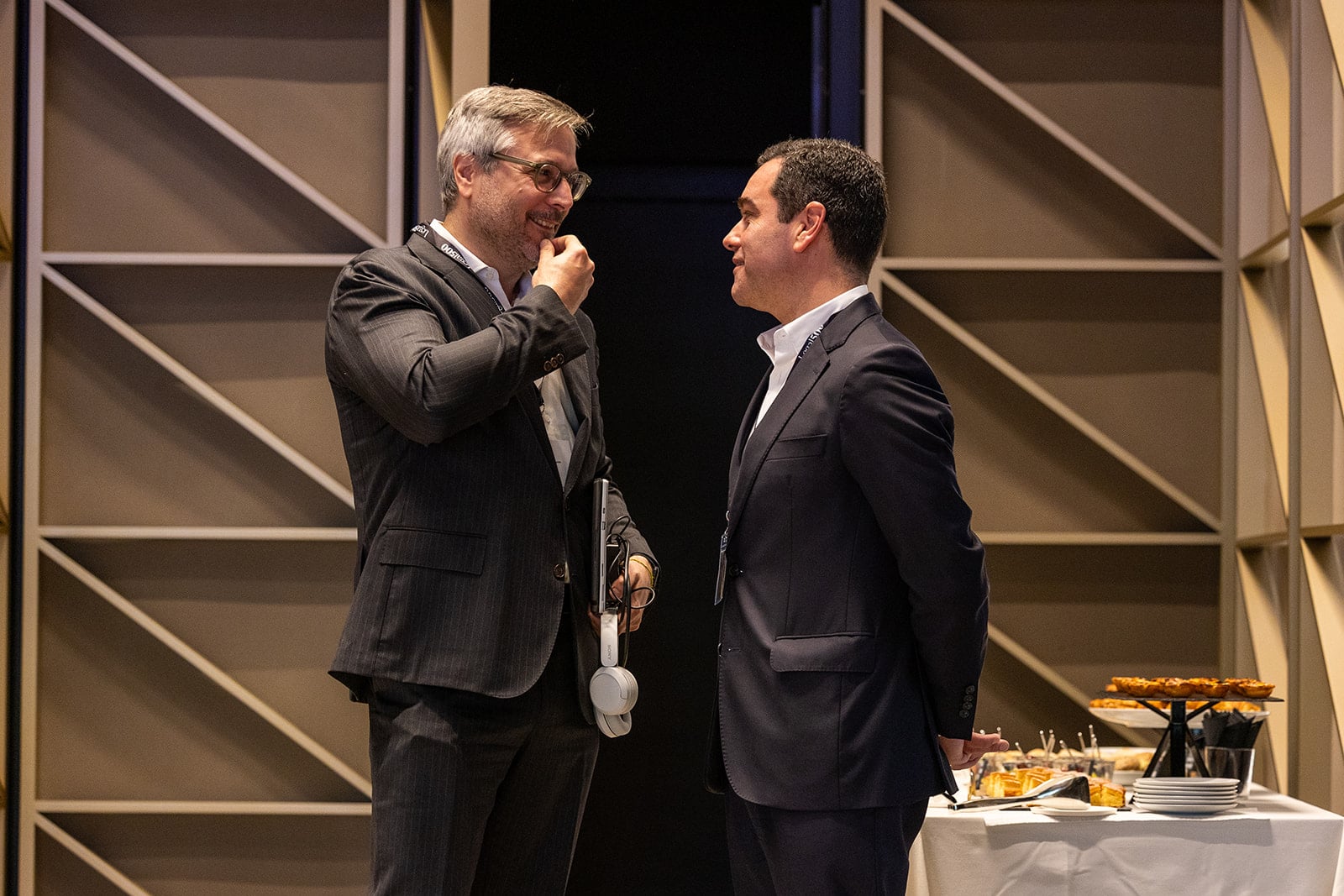
The forum concluded with closing remarks from Francisco Castro, after which attendees were invited to continue their conversations over a light lunch, providing a relaxed setting to deepen connections and reflect on the themes explored throughout the morning.
Legal 500 extends its thanks to PLMJ for its collaboration in bringing this conference format to Portugal’s in‑house legal community. The team looks forward to returning soon for the launch event of this year’s GC Powerlist: Portugal.