United Kingdom: Hall of Fame 2026
Supported by the Association of Corporate Counsel




General counsel and company secretary | British Airways



Chief operating officer - legal, governance and corporate affairs | Rio Tinto
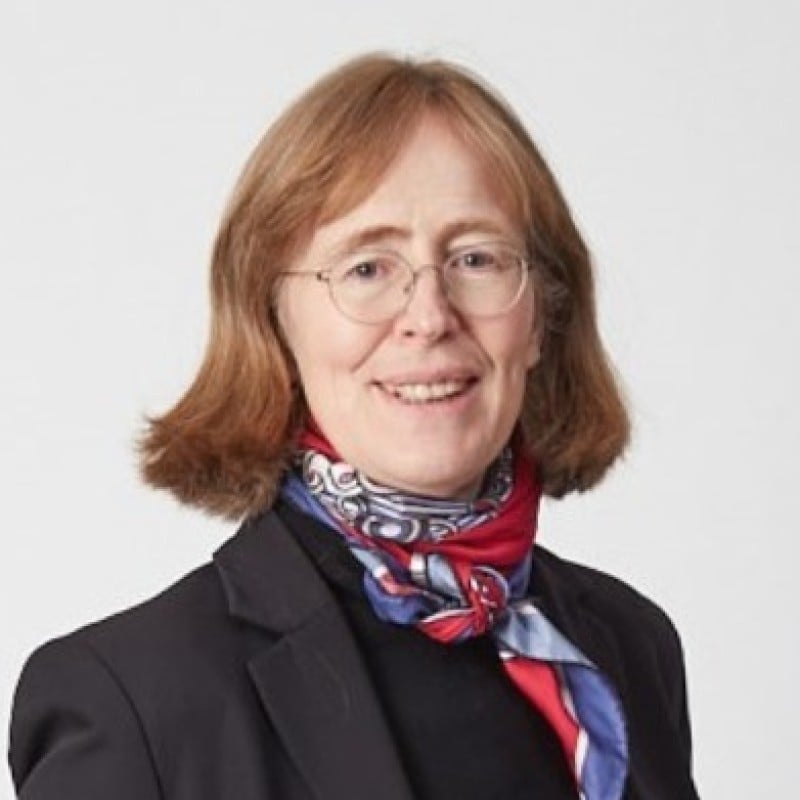
General counsel and company secretary | Coca-Cola Europacific Partners plc



Chief risk officer, global general counsel for investments, and head, EMEA | The Carlyle Group
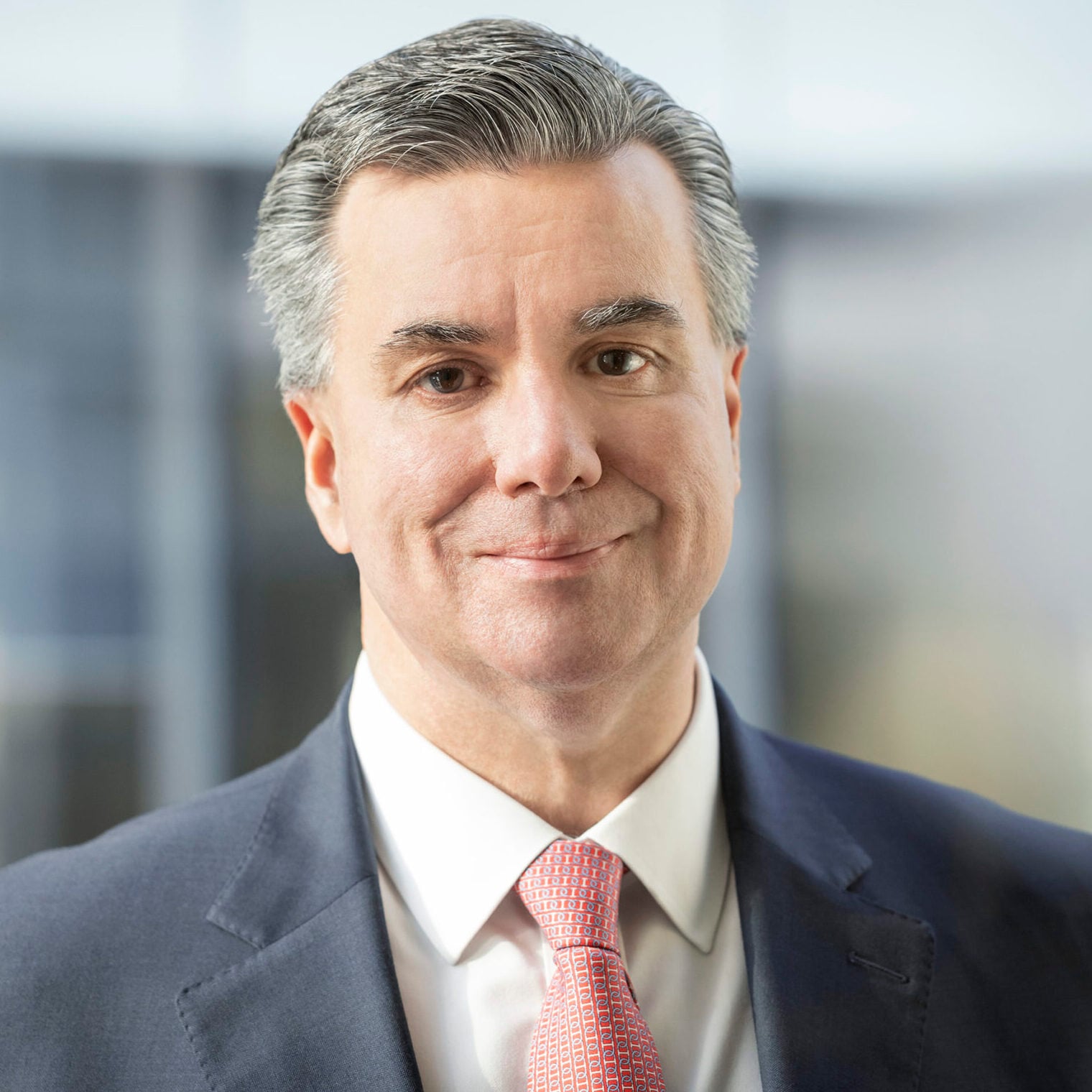



General counsel, compliance officer and data protection officer | E.ON UK Legal, Compliance and Data Protection Team
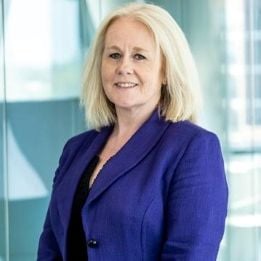
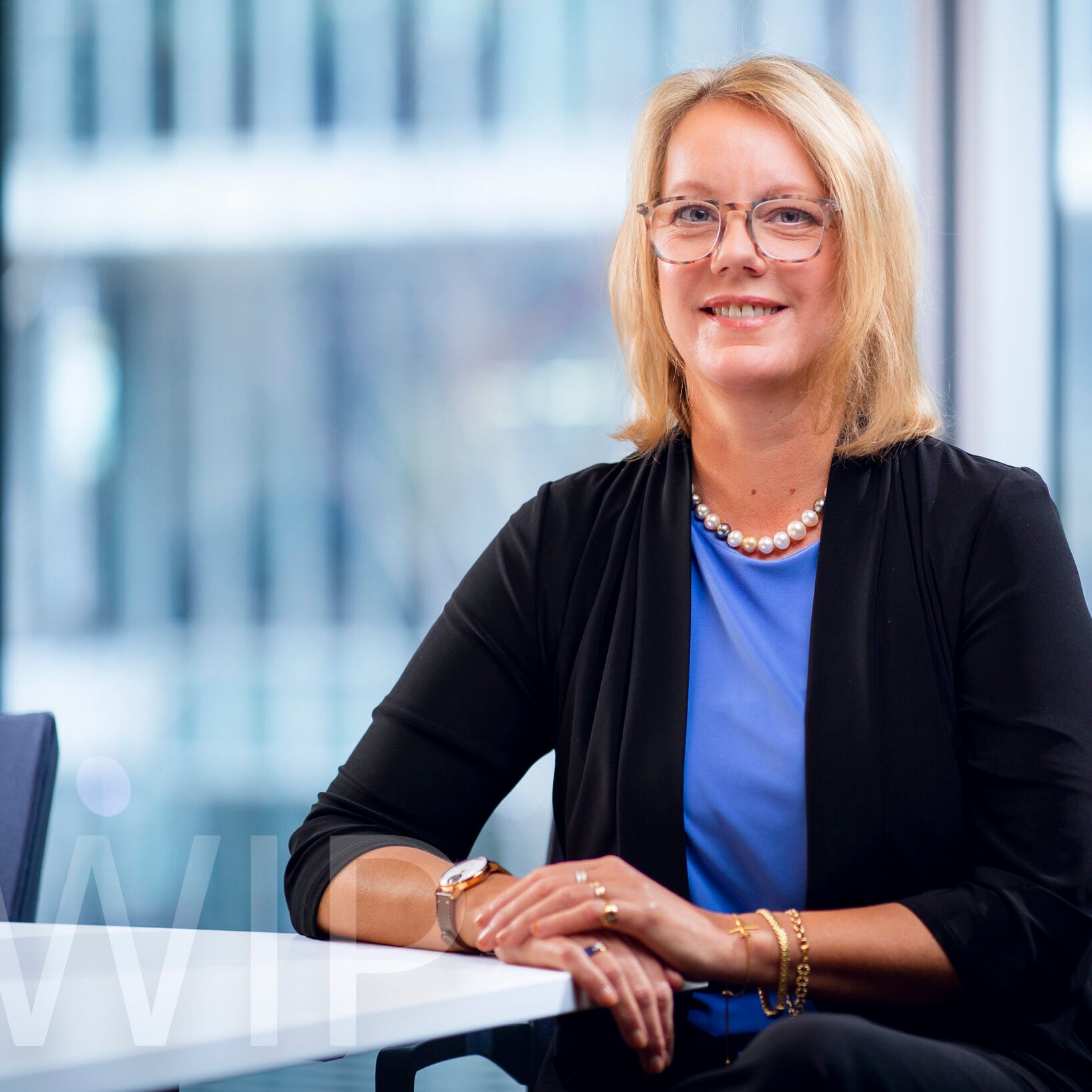


General counsel and compliance officer | Nestlé UK and Ireland




Director of legal services and company secretary | Associated British Foods
Group general counsel, director of regulatory affairs | BT

Managing director and general counsel, global head of services, legal | Citi
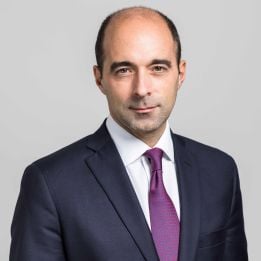



Director of legal - corporate & deputy secretary to the Board | Virgin Media O2

Legal and corporate affairs director | Anglo American (soon to be Anglo Teck)
It is my honour to announce the launch of Legal 500’s inaugural GC Powerlist UK: Hall of Fame, in partnership with Lexis Nexis. This exclusive group is made up of senior in-house counsel who have consistently stood out throughout our UK research over several consecutive years.
Our Hall of Fame honourees boast extensive experience, with careers spanning the world’s largest financial institutions, government bodies, tech giants, and media conglomerates. This impressive cohort represents more than just legal advisors; they are integrated business partners. As Simon Croxford, General Counsel, investment bank and EMEA at UBS Group Legal UK, reminds us, ‘a good lawyer will go beyond an advisory role’. For Croxford, this means being ‘a strategic partner who… is at the table for key discussions with stakeholders’.
GCs are increasingly relied upon to provide advice that is both legally and commercially viable, remaining compliant while also driving growth. ‘Ultimately, they act as a trusted advisor to the Board and the business, enabling the business to grow while remaining legally and ethically sound’, says Alison Yapp, group general counsel and company secretary at Compass Group.
But the influence of in-house counsel extends beyond legal or commercial objectives. Mark Maurice-Jones, General Counsel and Compliance Officer at Nestlé UK and Ireland, sees ‘an increasing role for in-house counsel in driving forward the company’s purpose and values’. Alongside our other Hall of Famers, Maurice-Jones points to the impact that GCs have on company culture and employee wellbeing. He highlights the work that in-house leaders can do in supporting their organisations’ core values, from ESG and human rights initiatives to fostering an ethical working environment.
Legal 500 is proud to celebrate such an innovative and influential group of in-house counsel, who play an integral role in driving progress both within the legal world and beyond.
Isabel Caine
Editor – Corporate Counsel
Legal 500
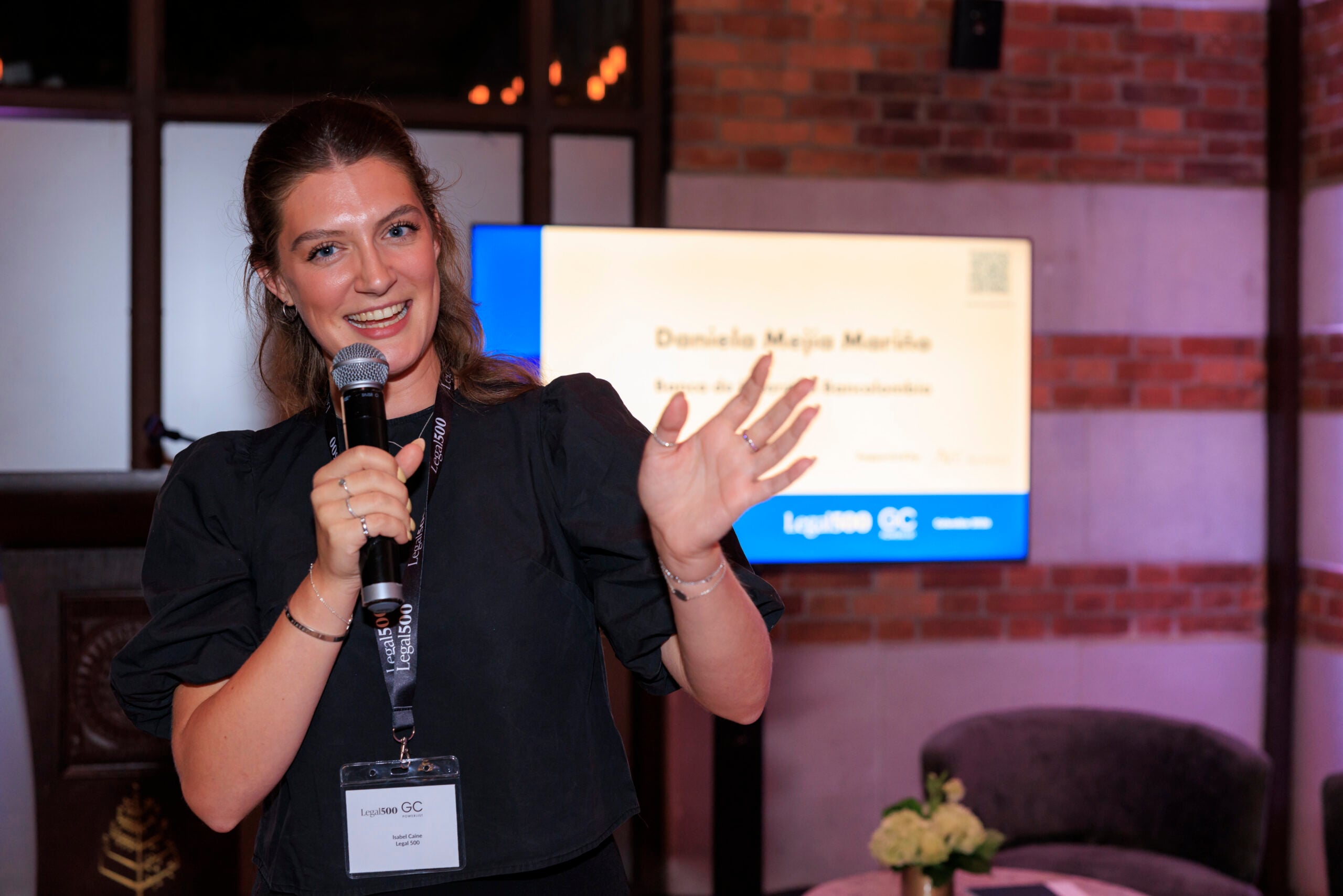
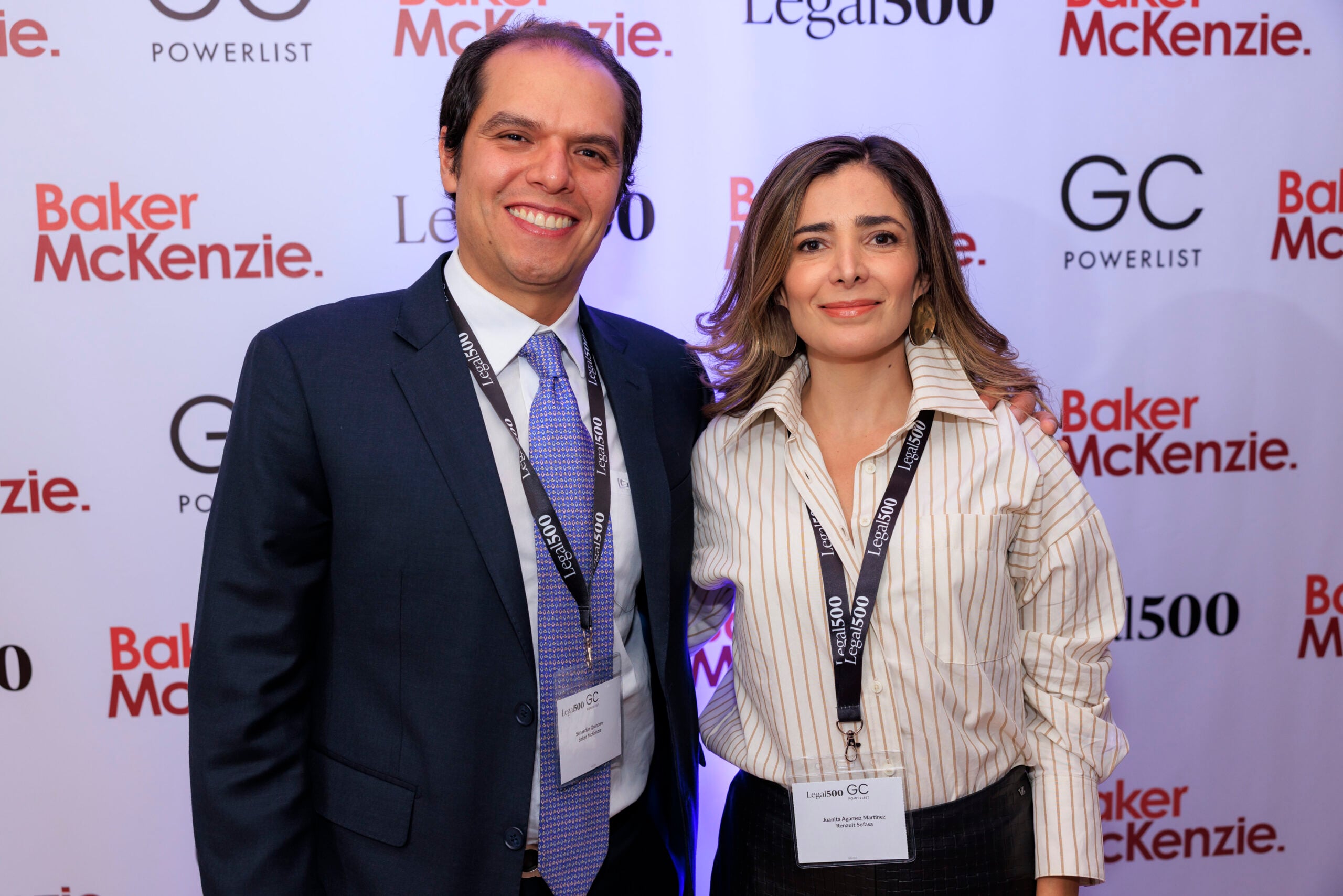
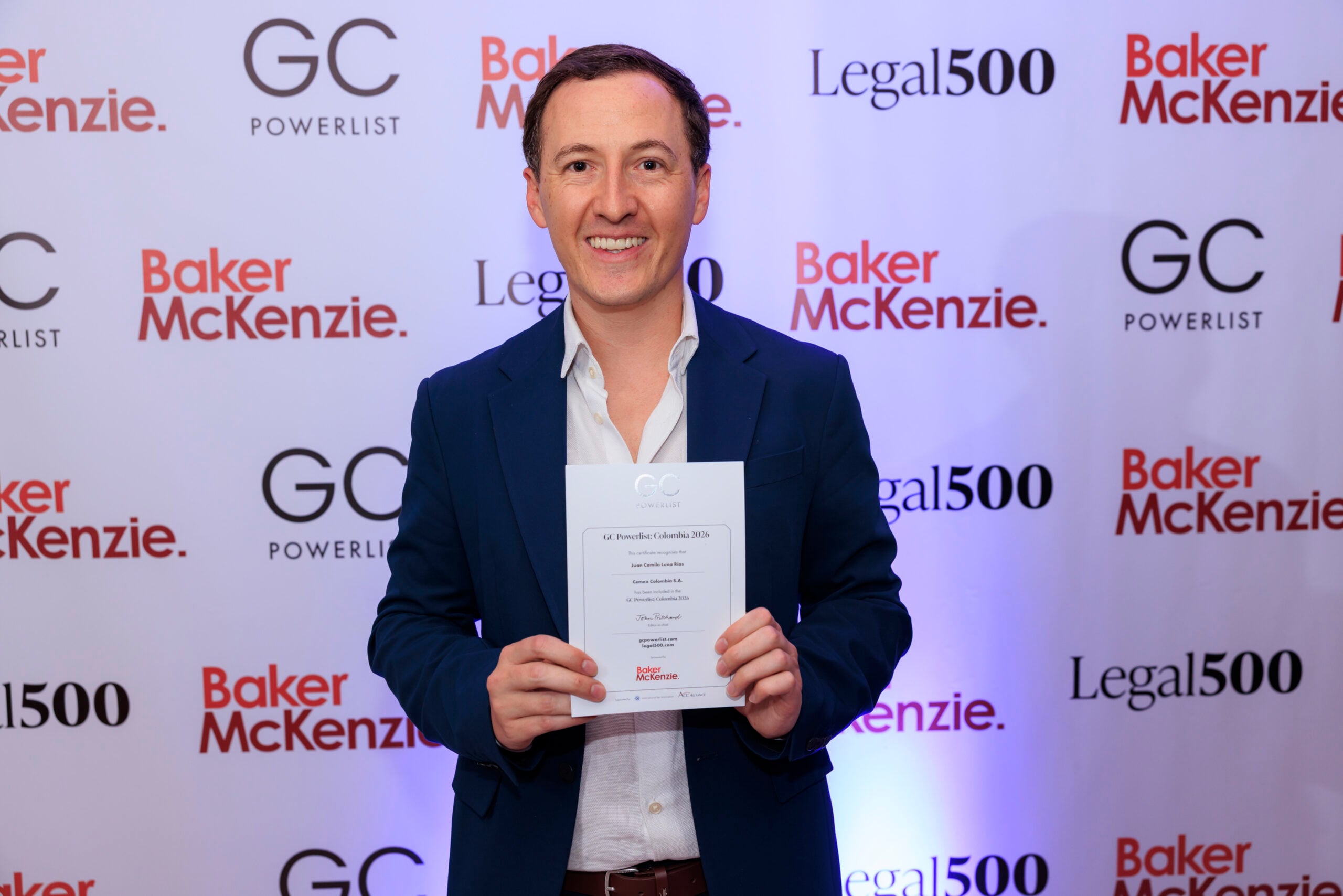
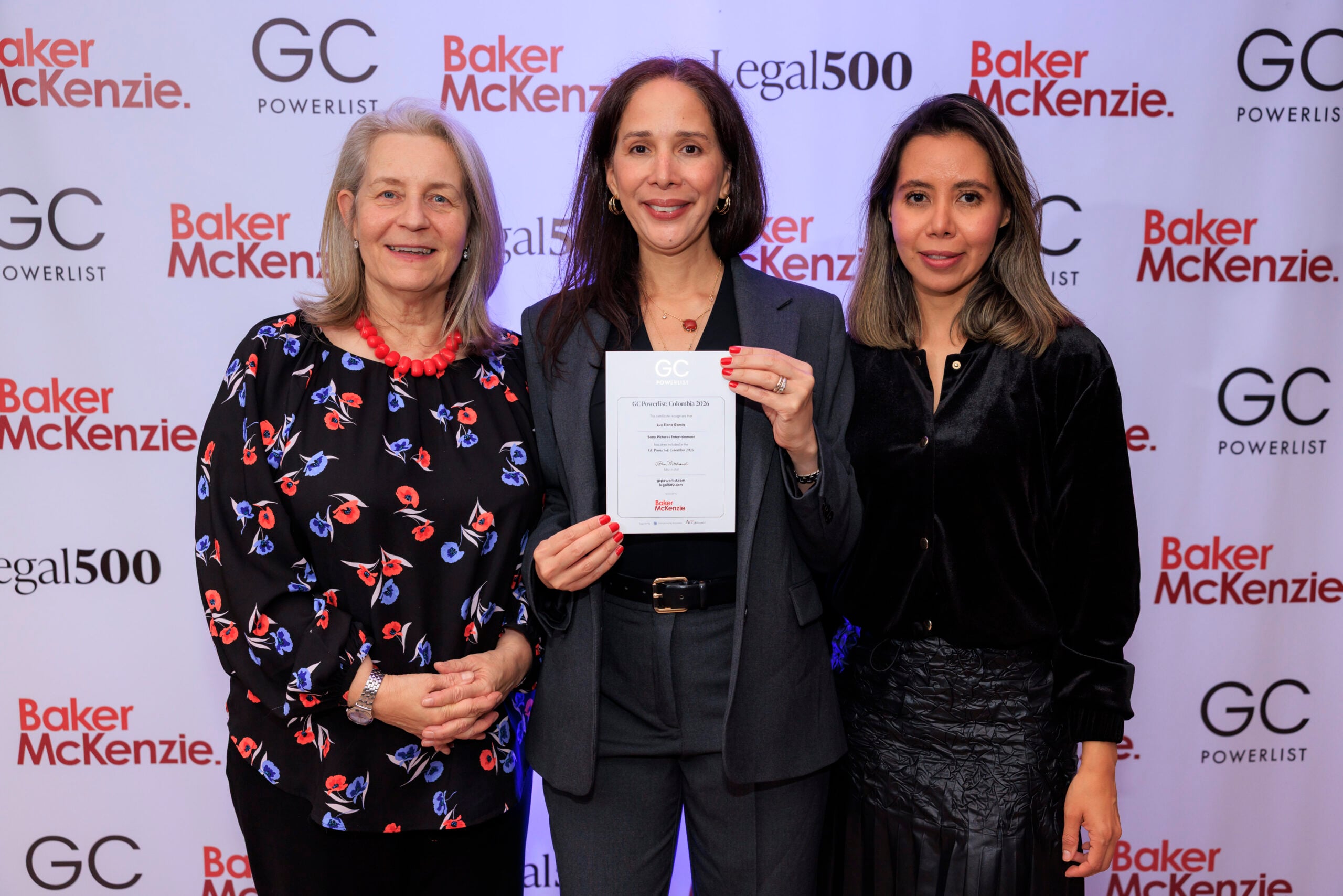
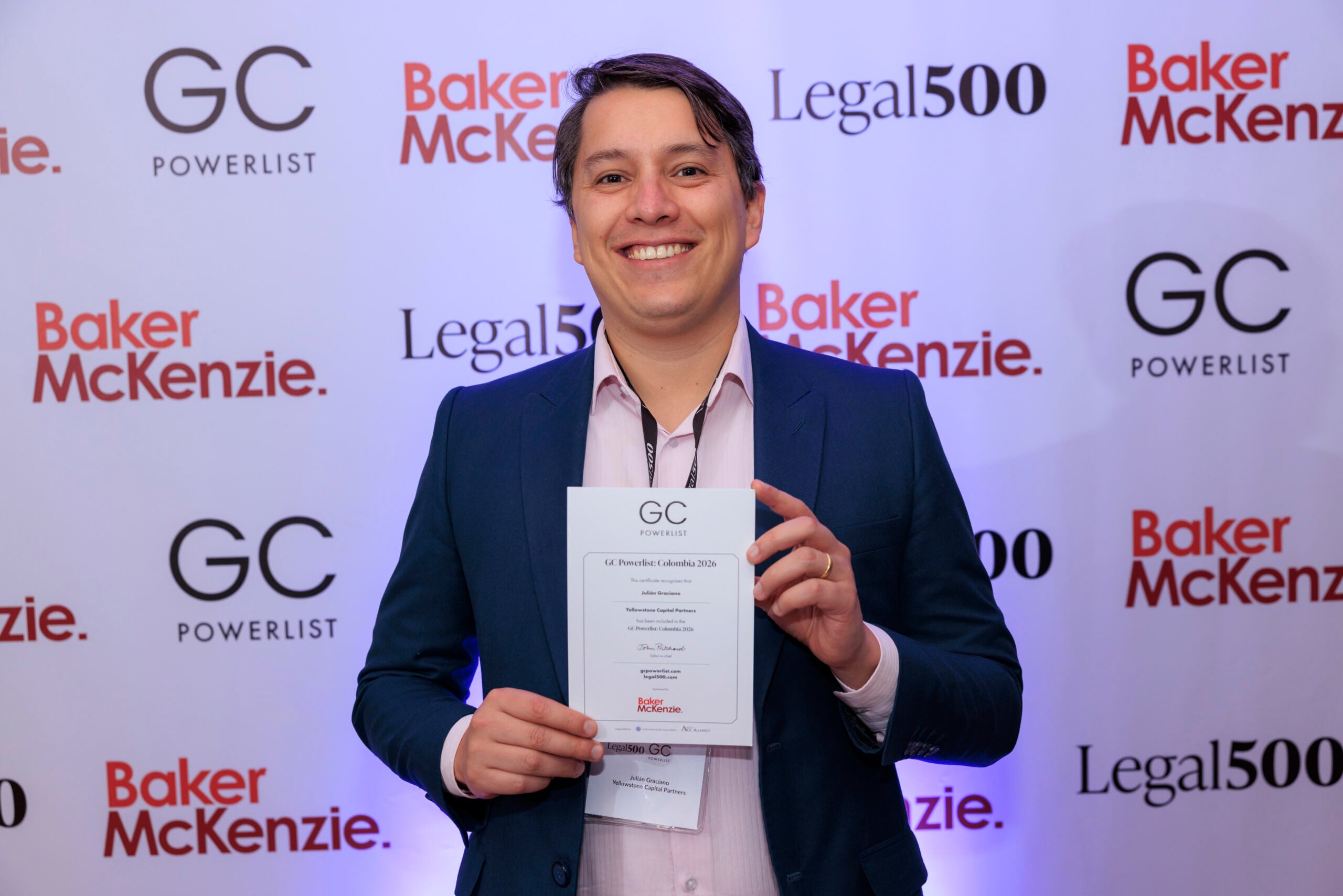
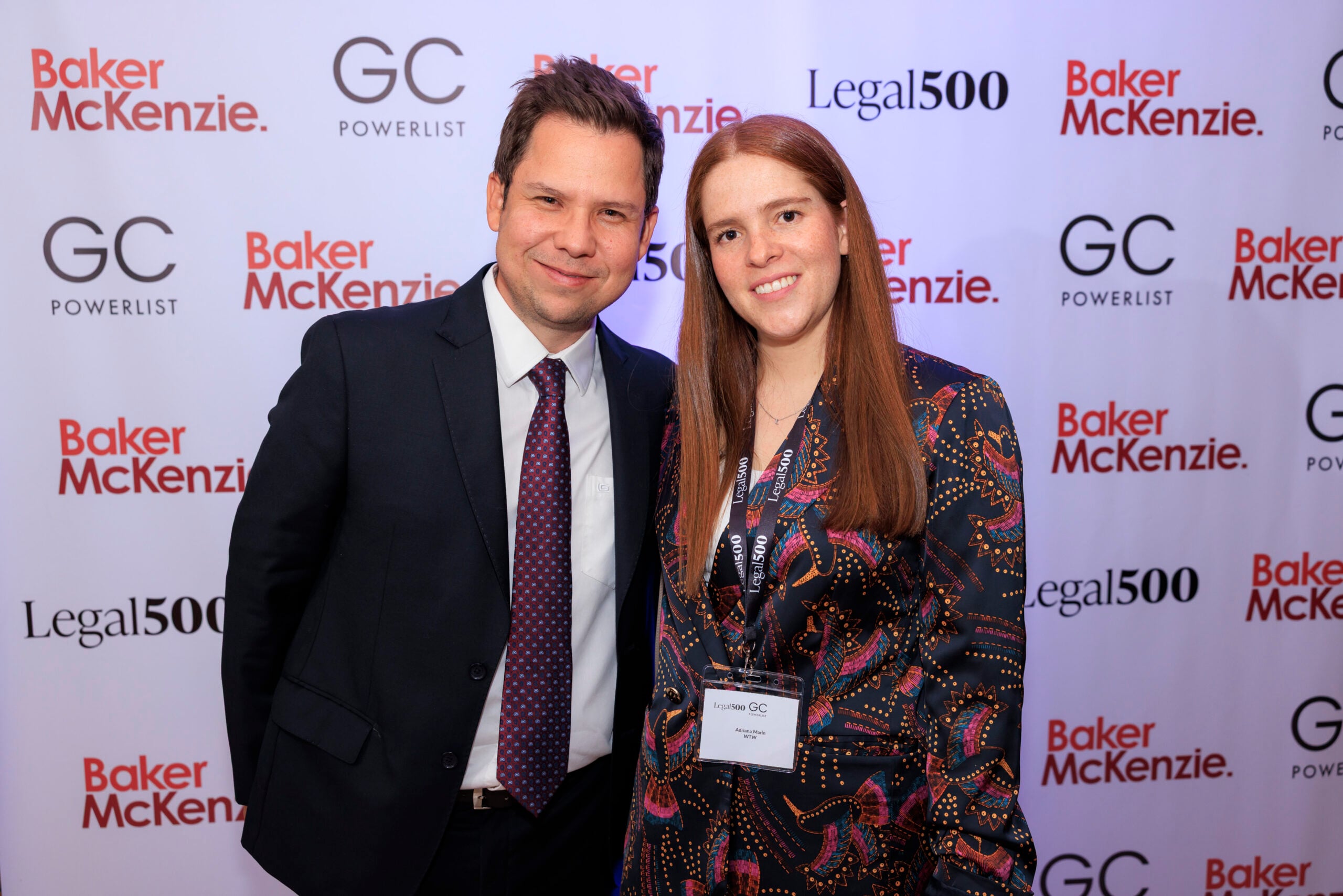
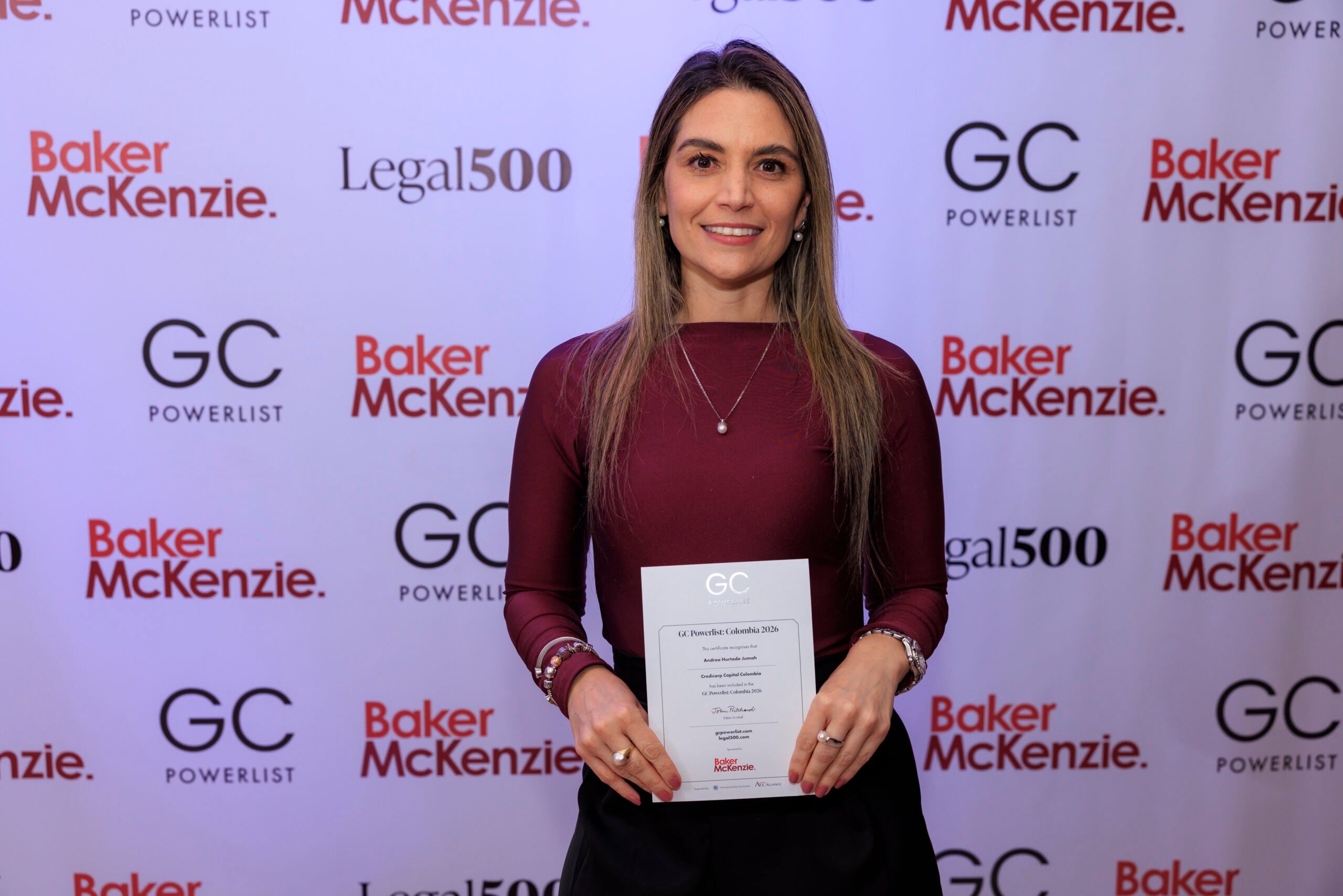
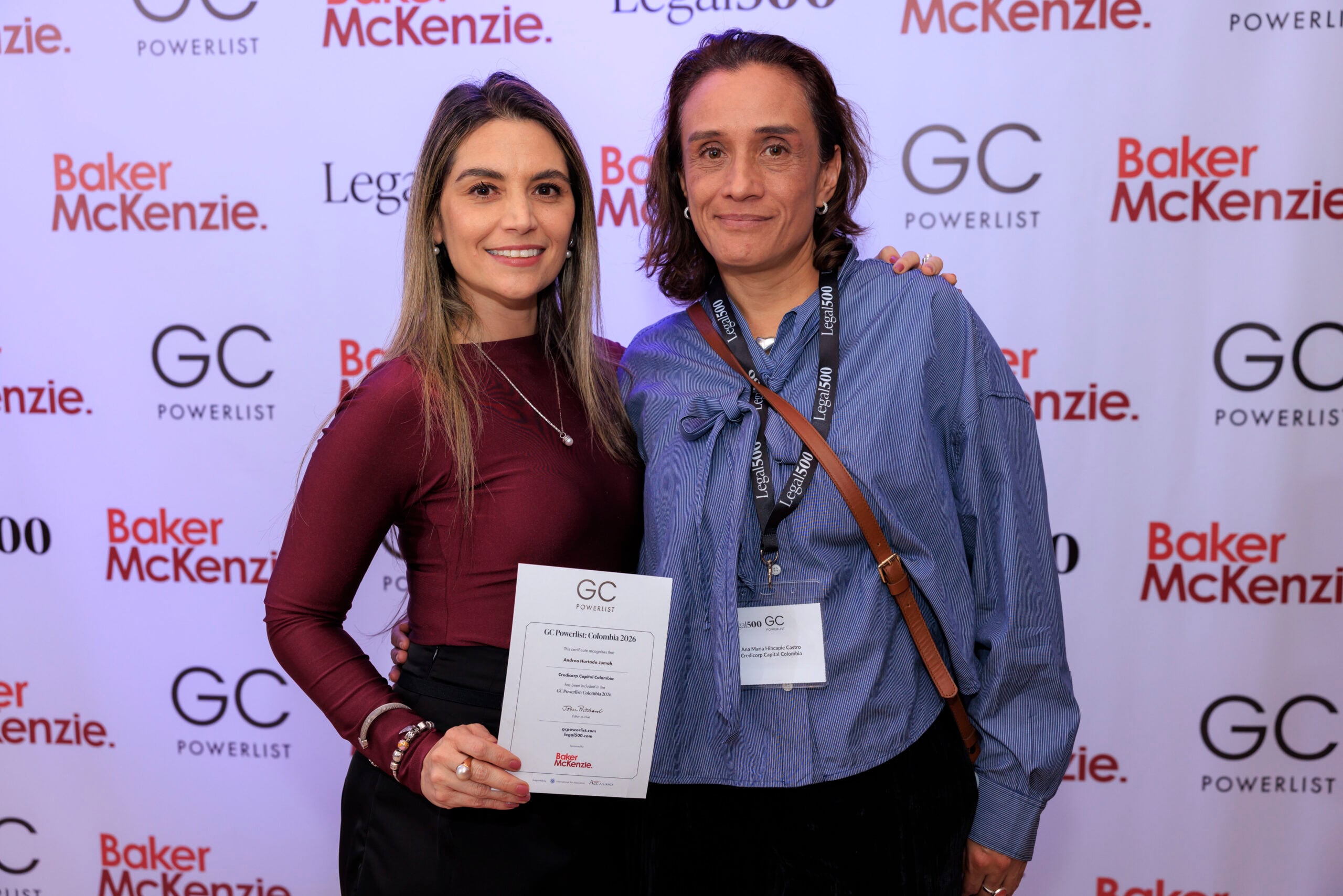
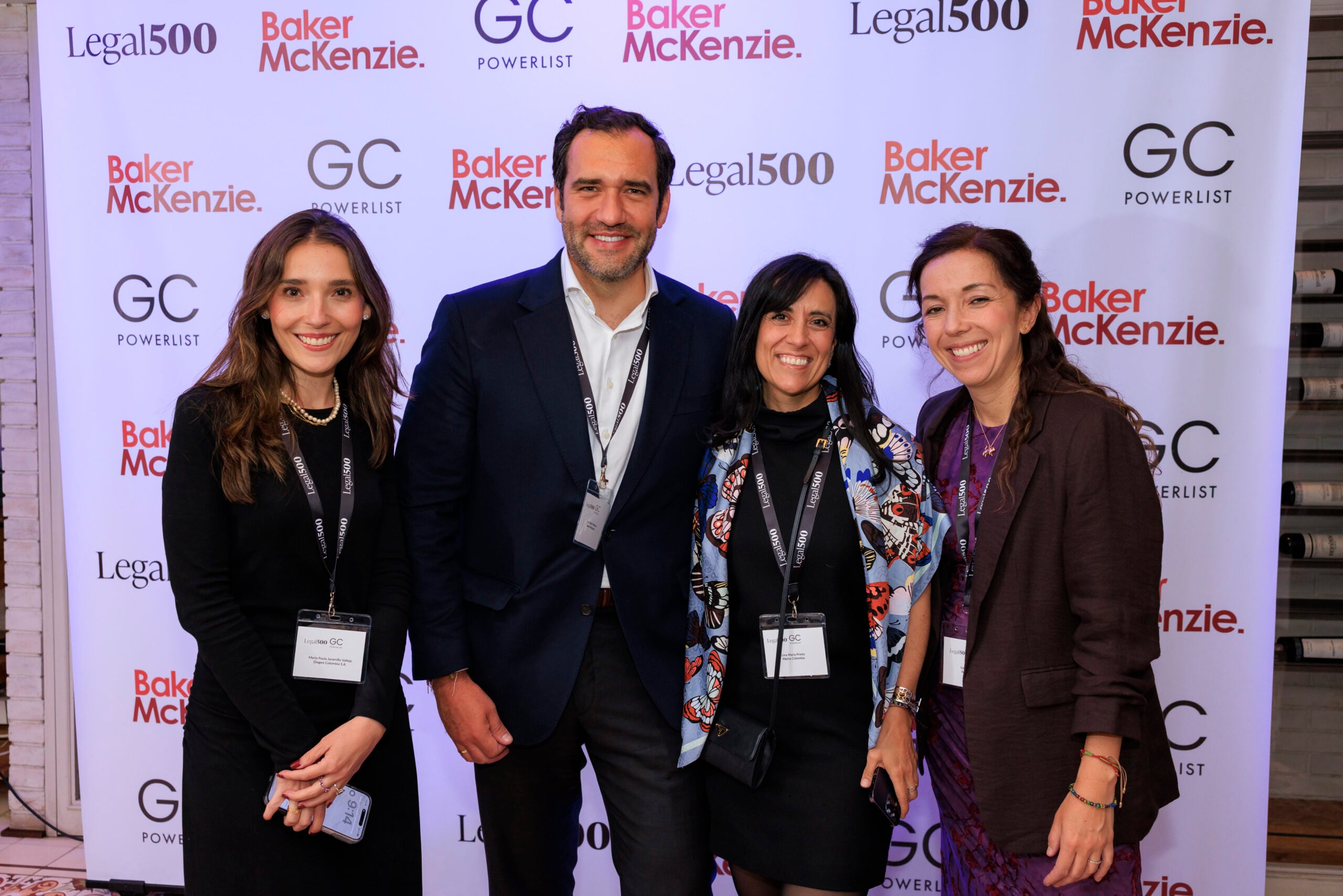
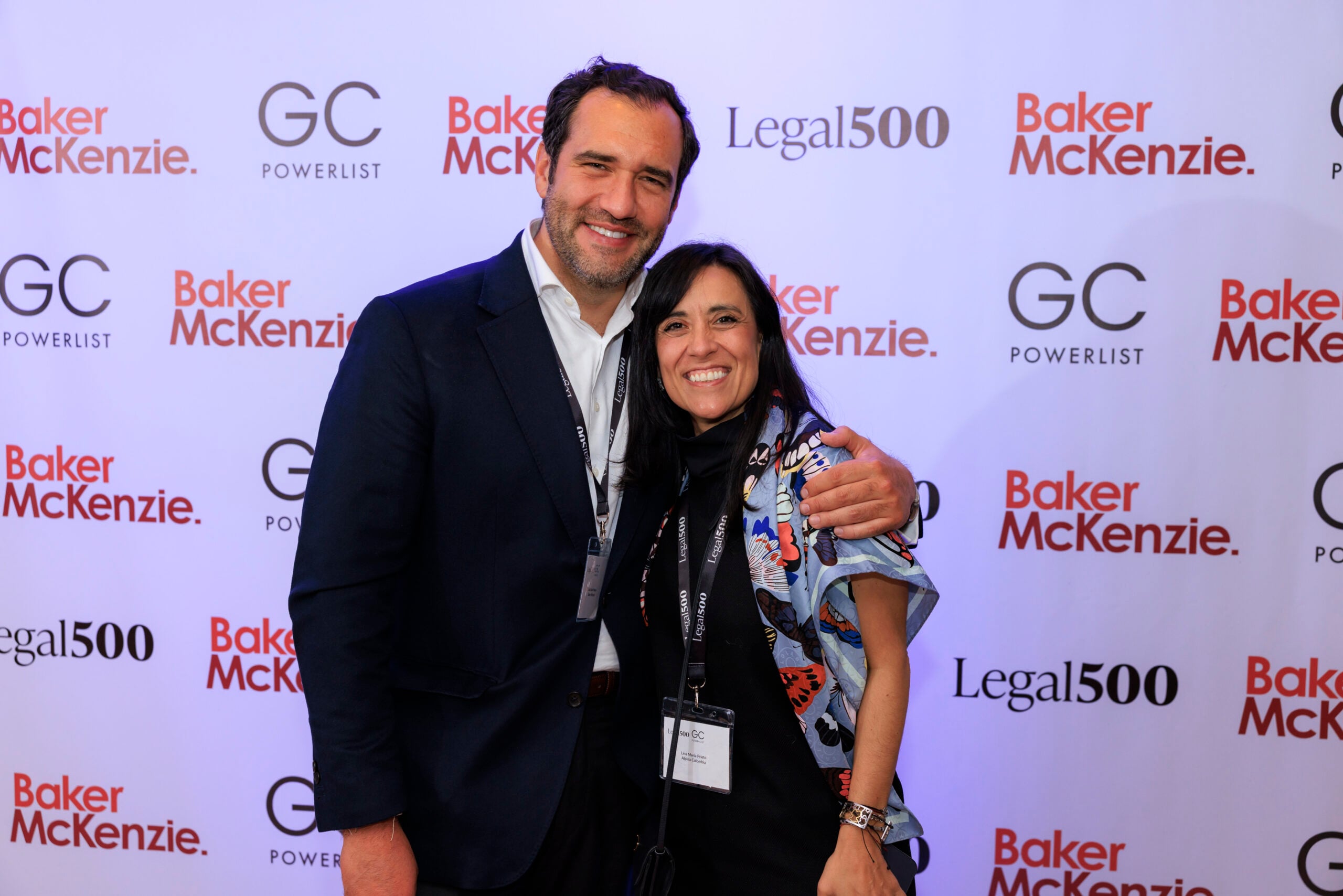
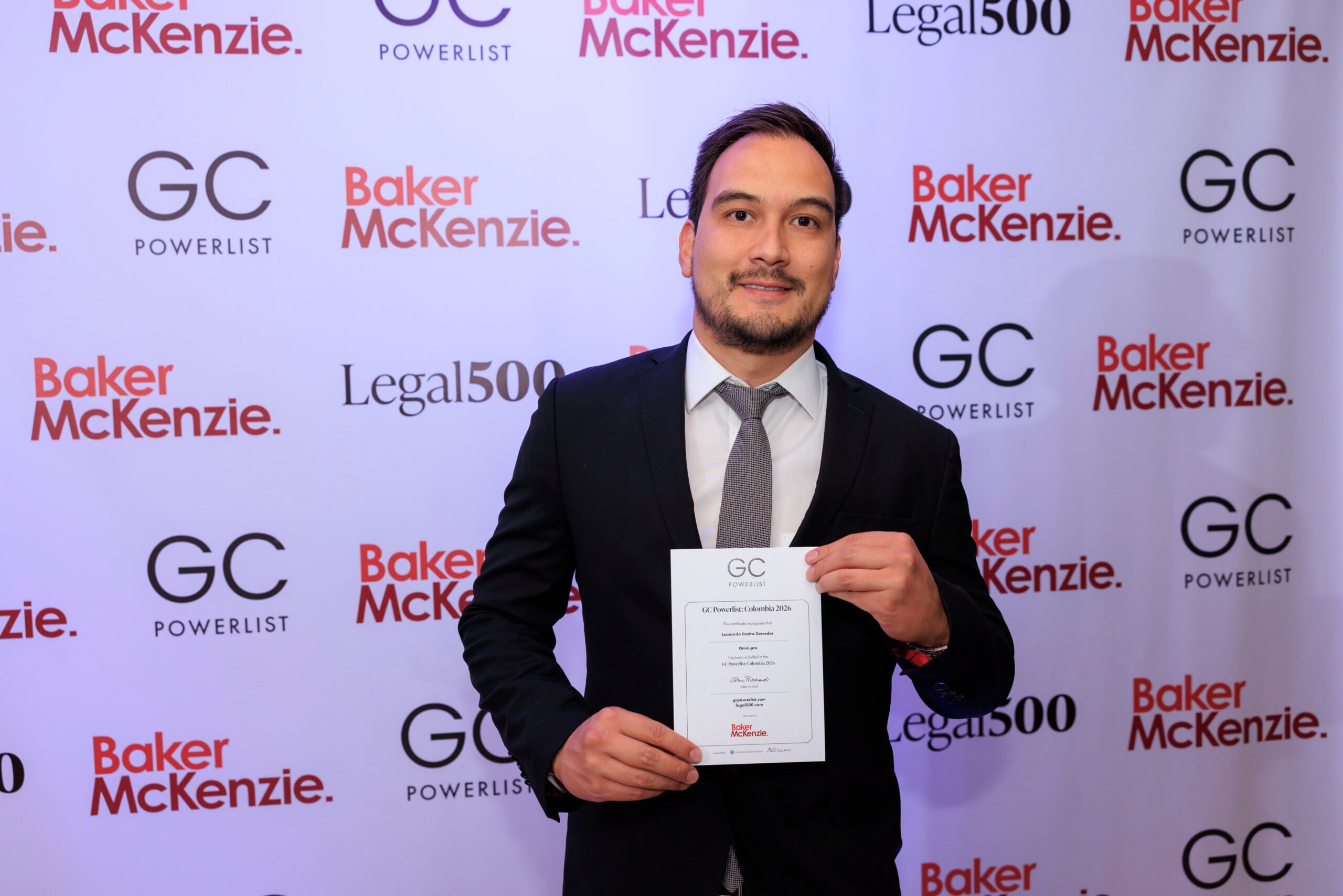
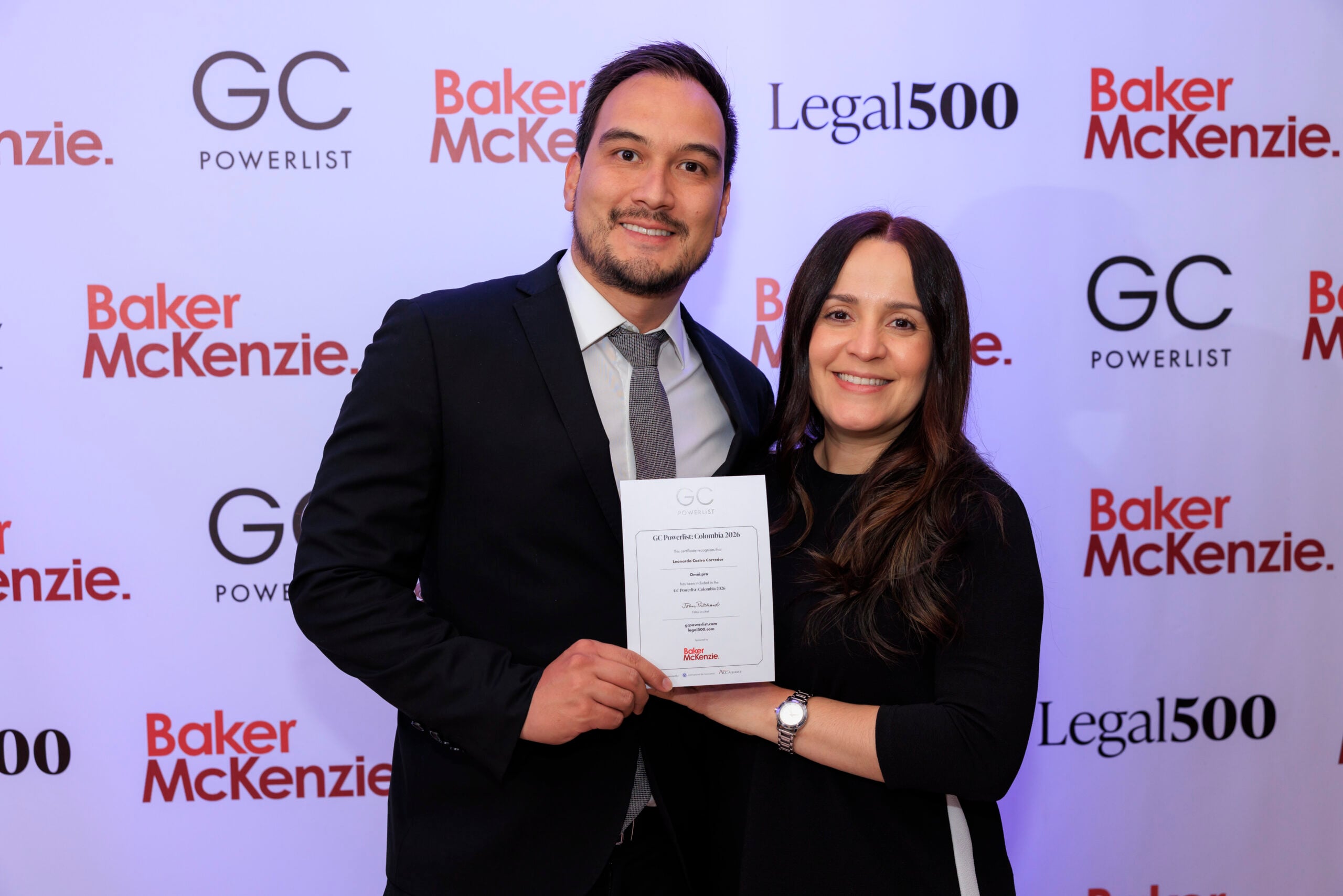
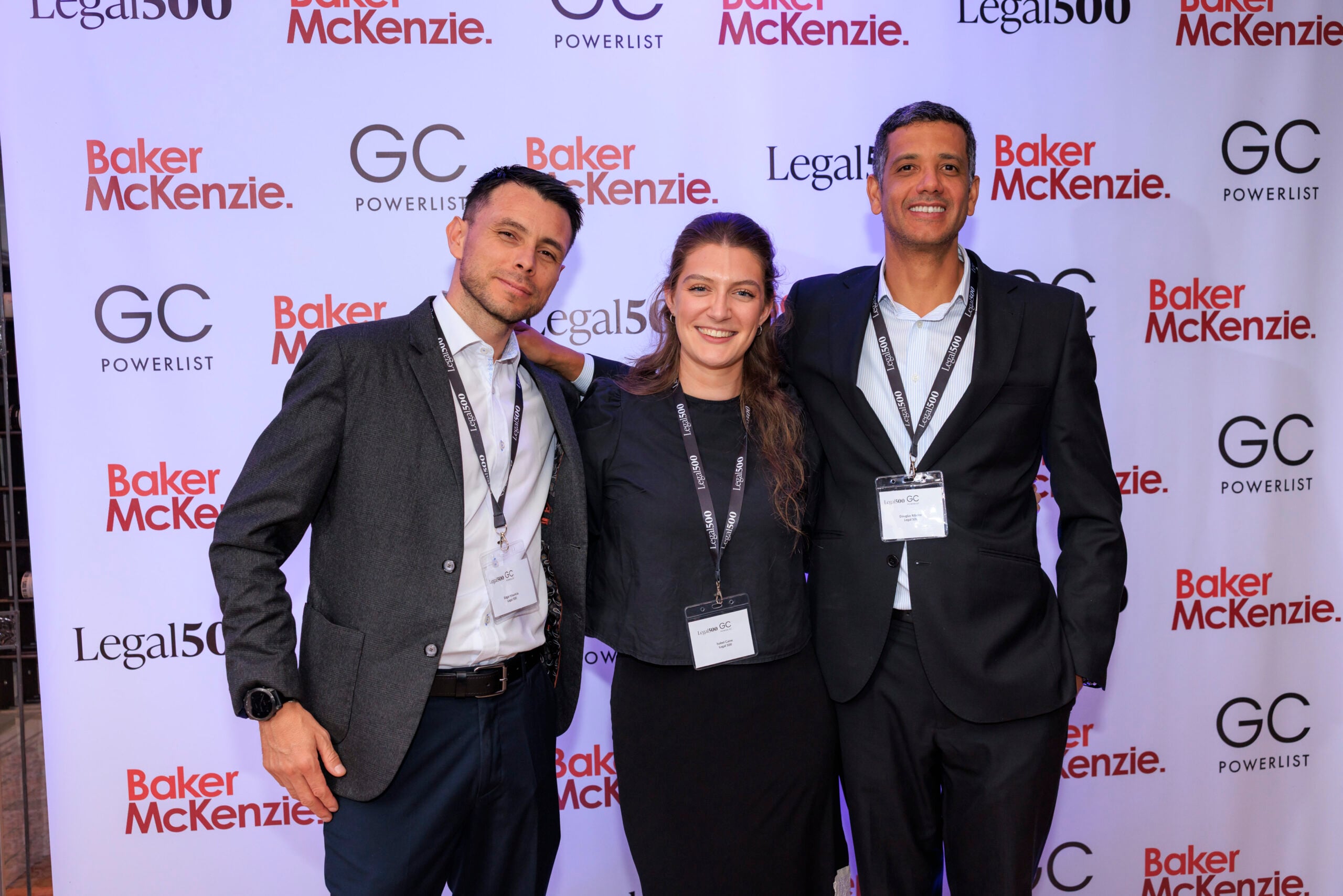
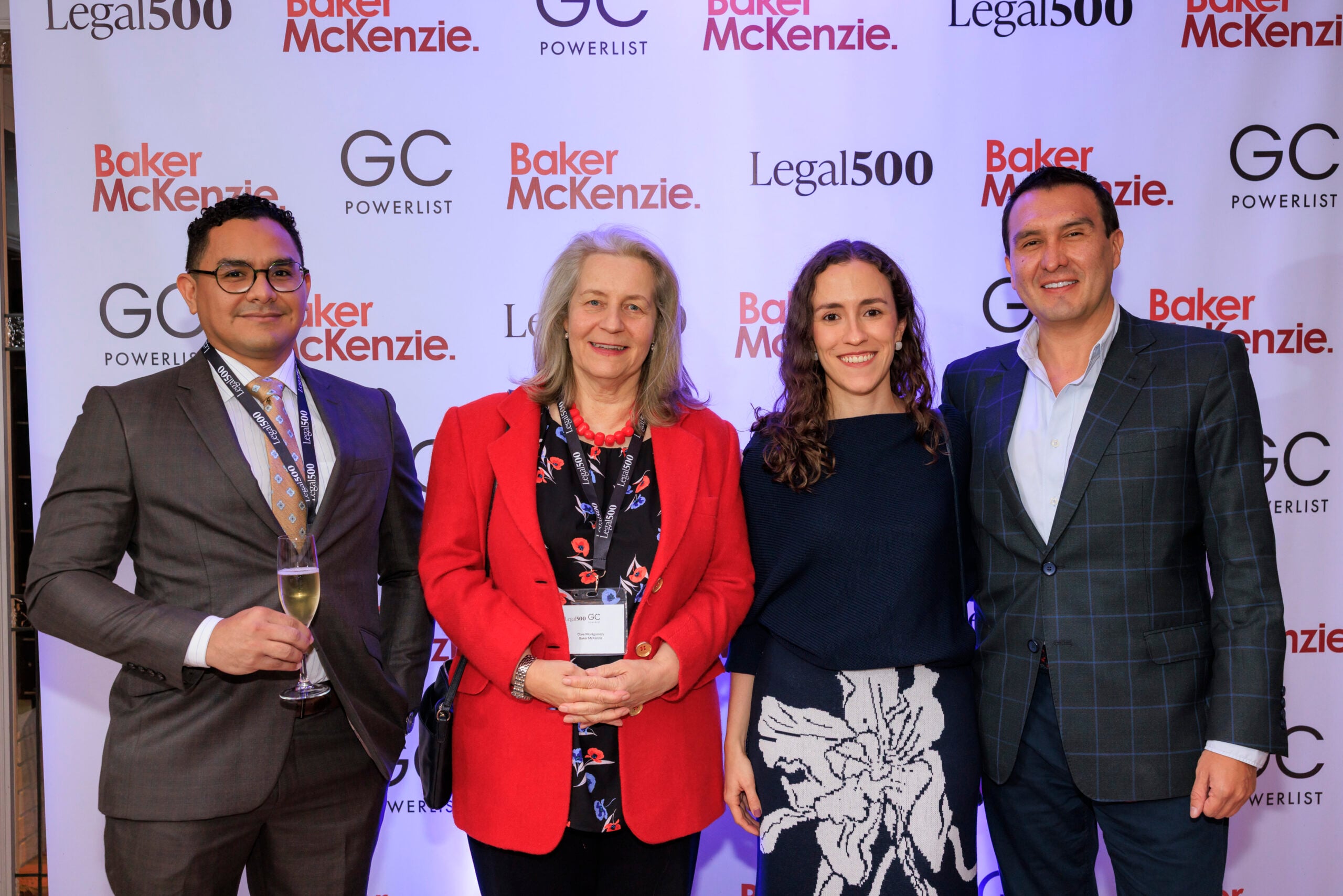
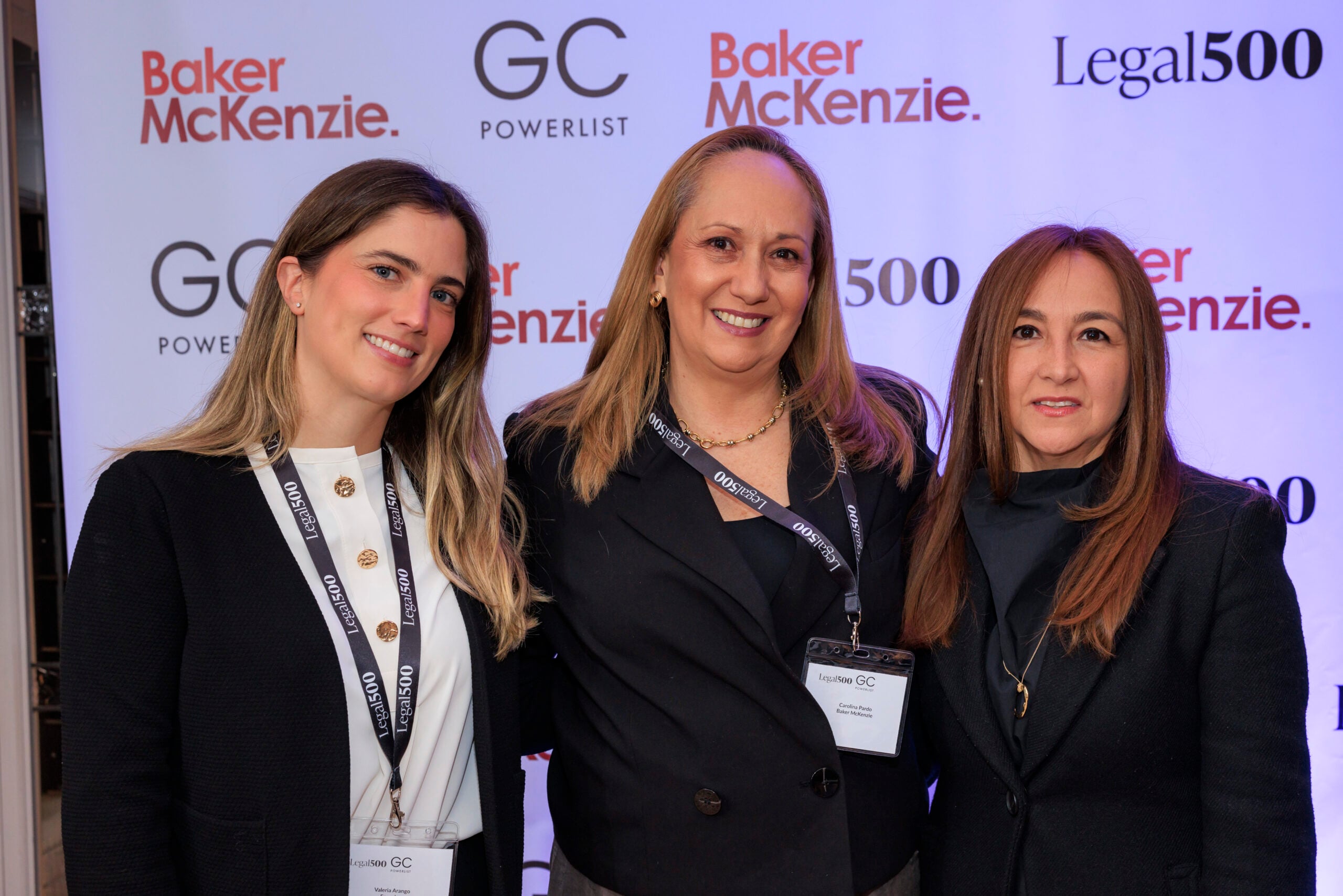
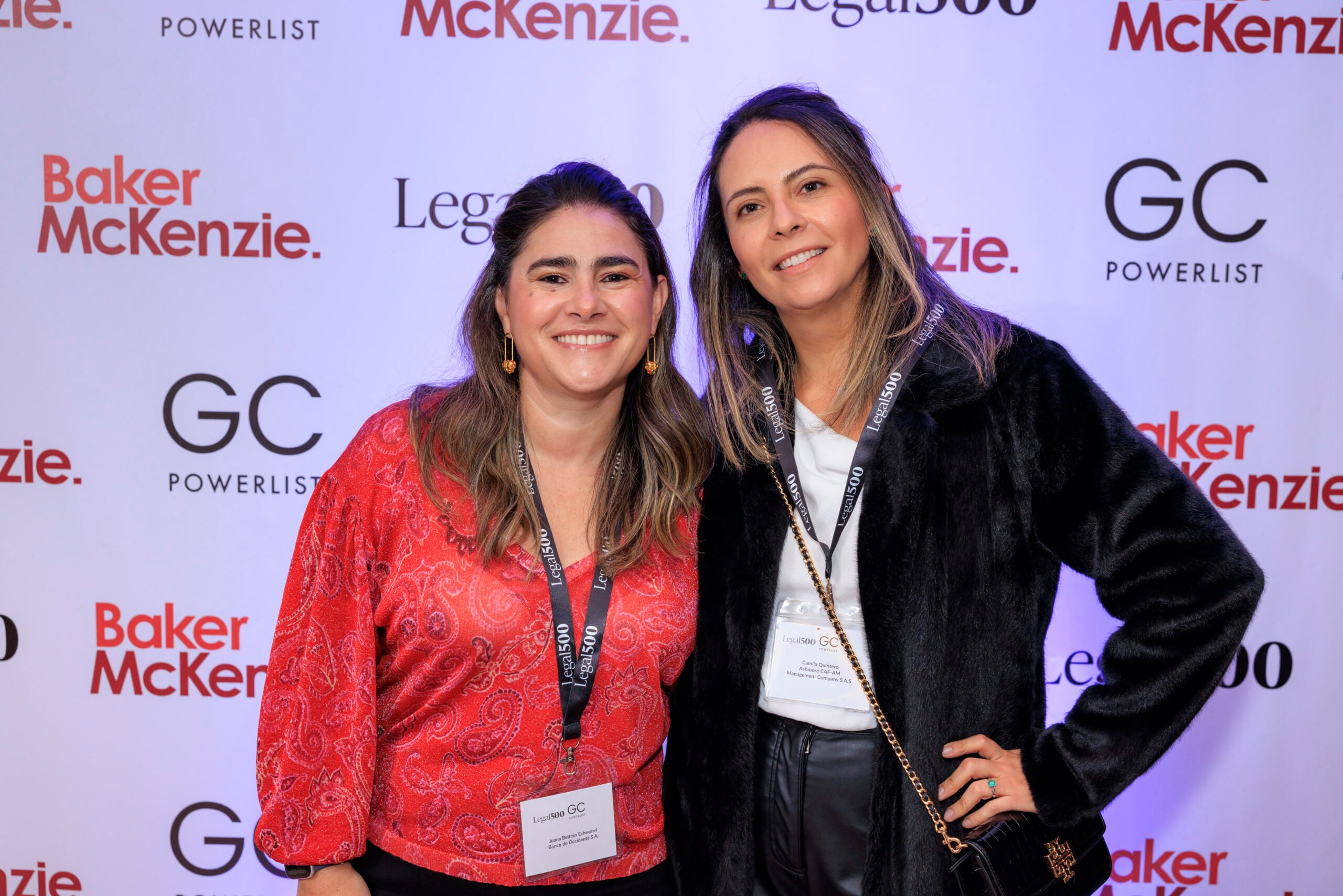
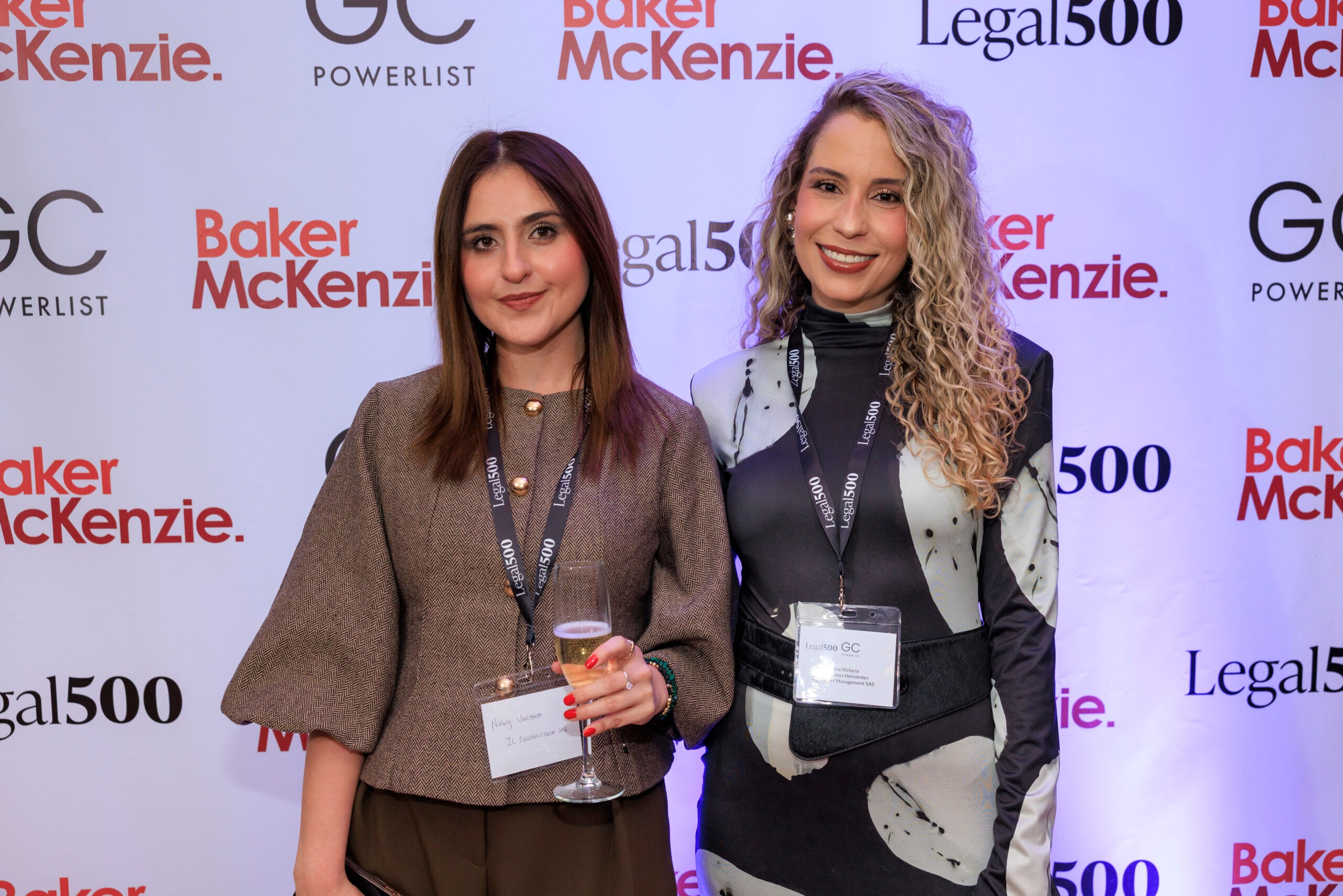
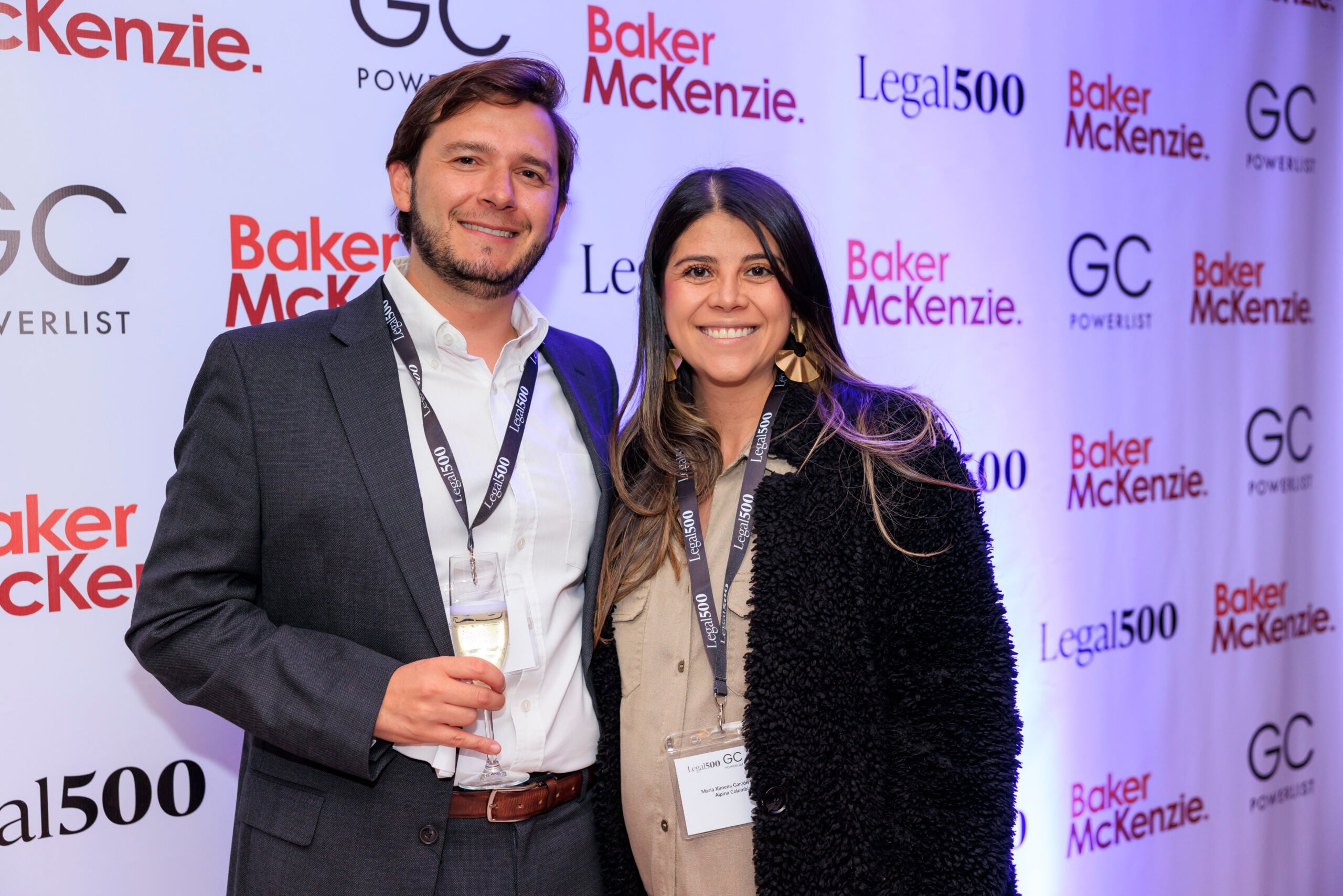
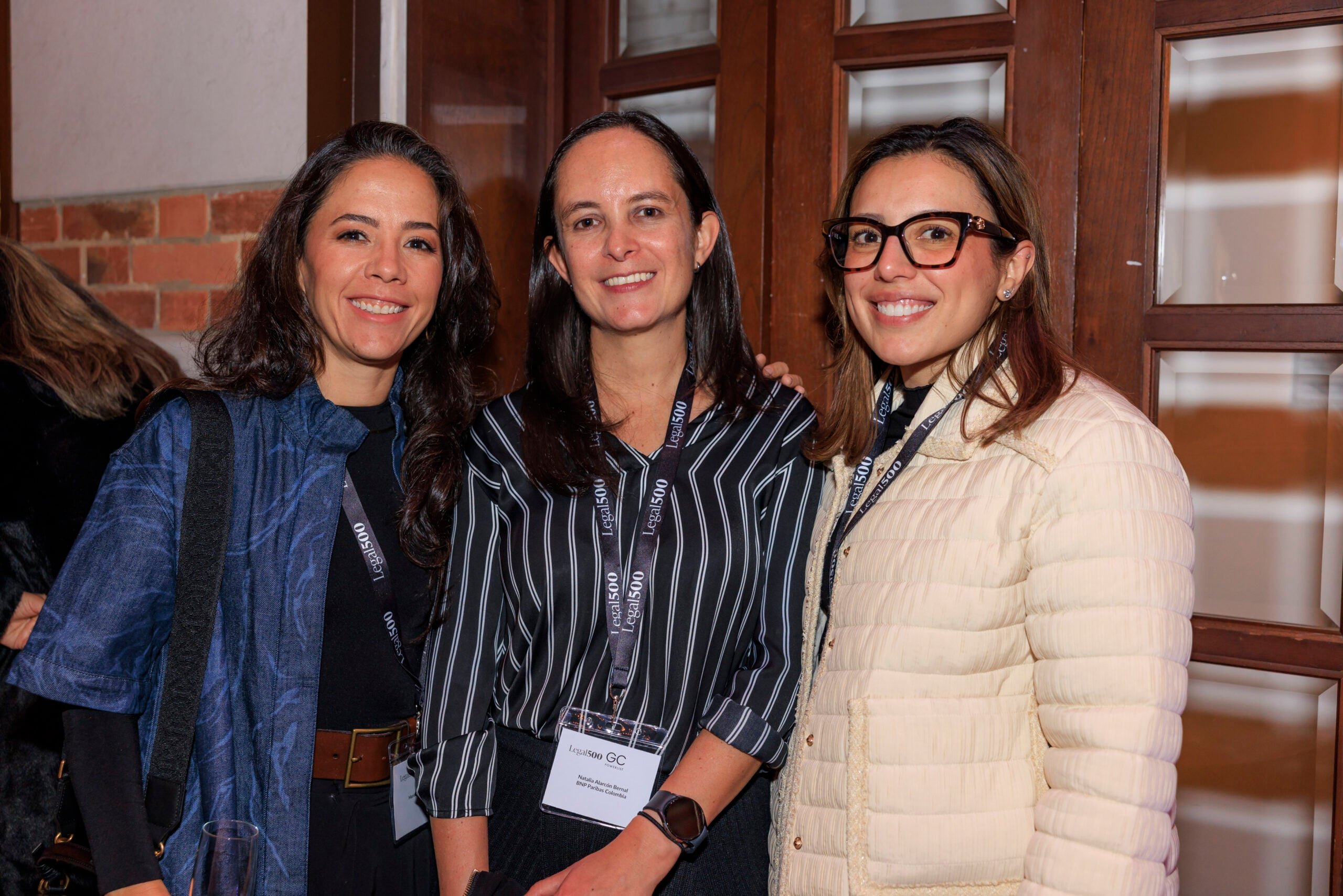
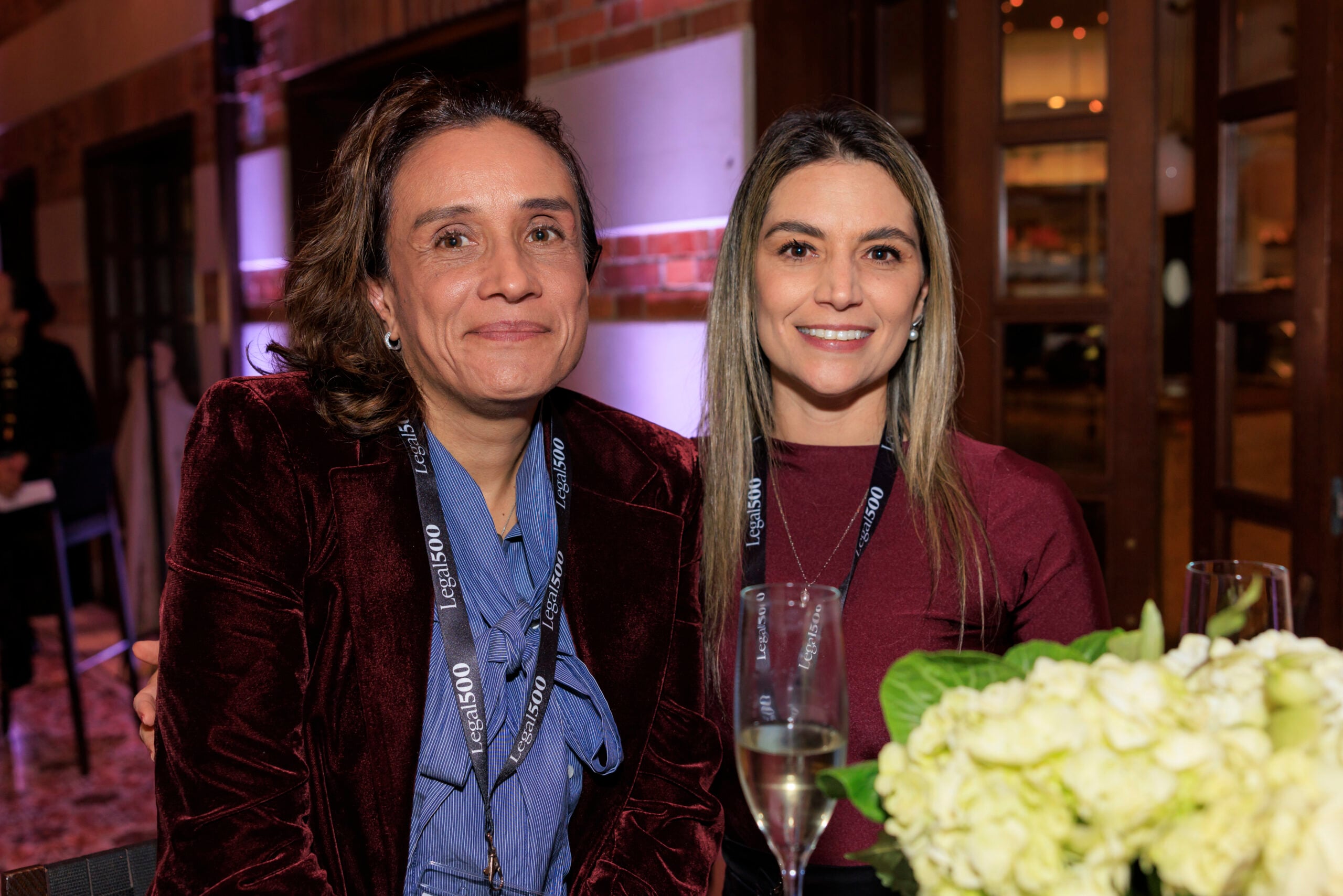
On 4th August, Legal 500 returned to Bogotá for the launch of the GC Powerlist: Colombia 2026, in partnership with Baker McKenzie.
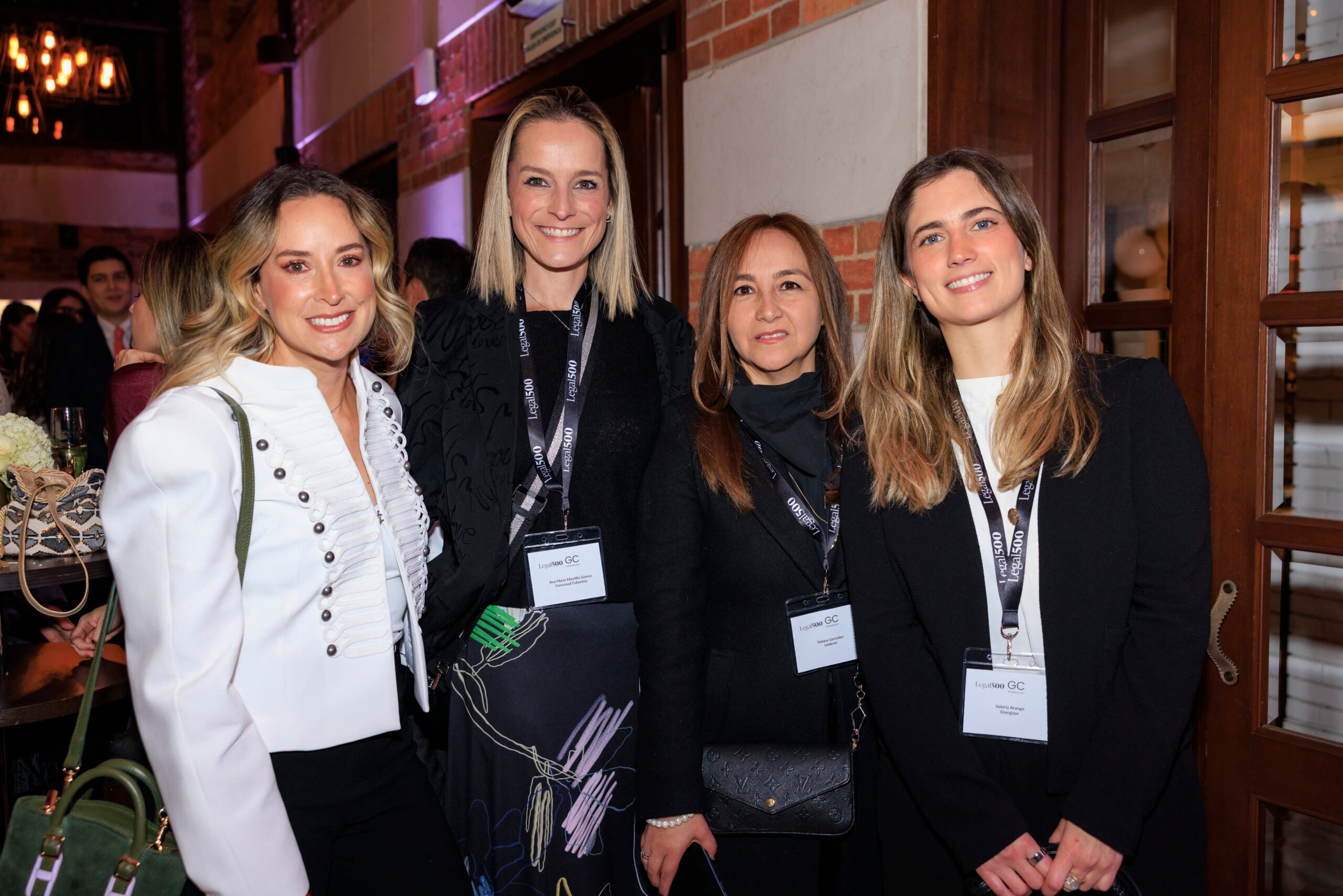
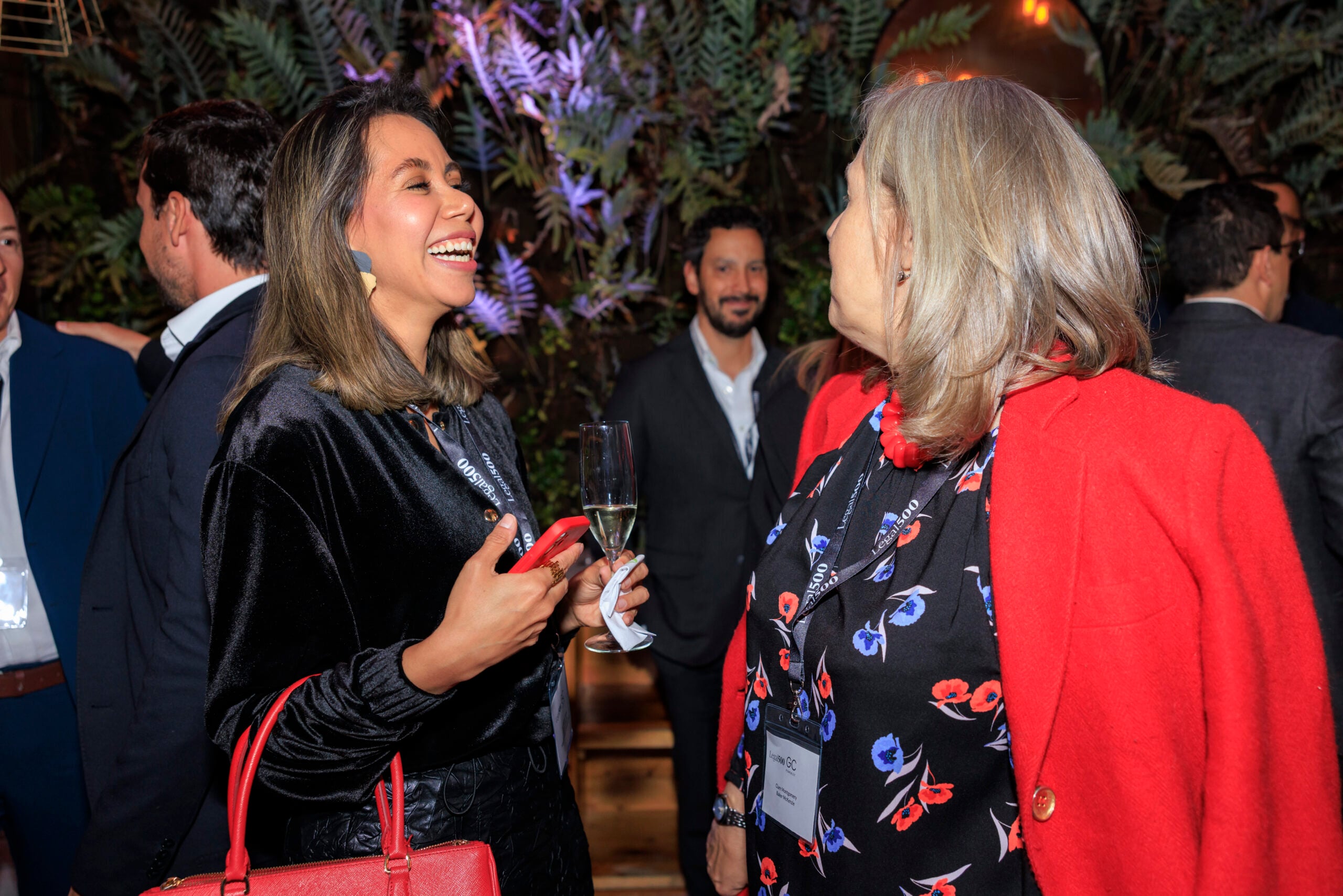
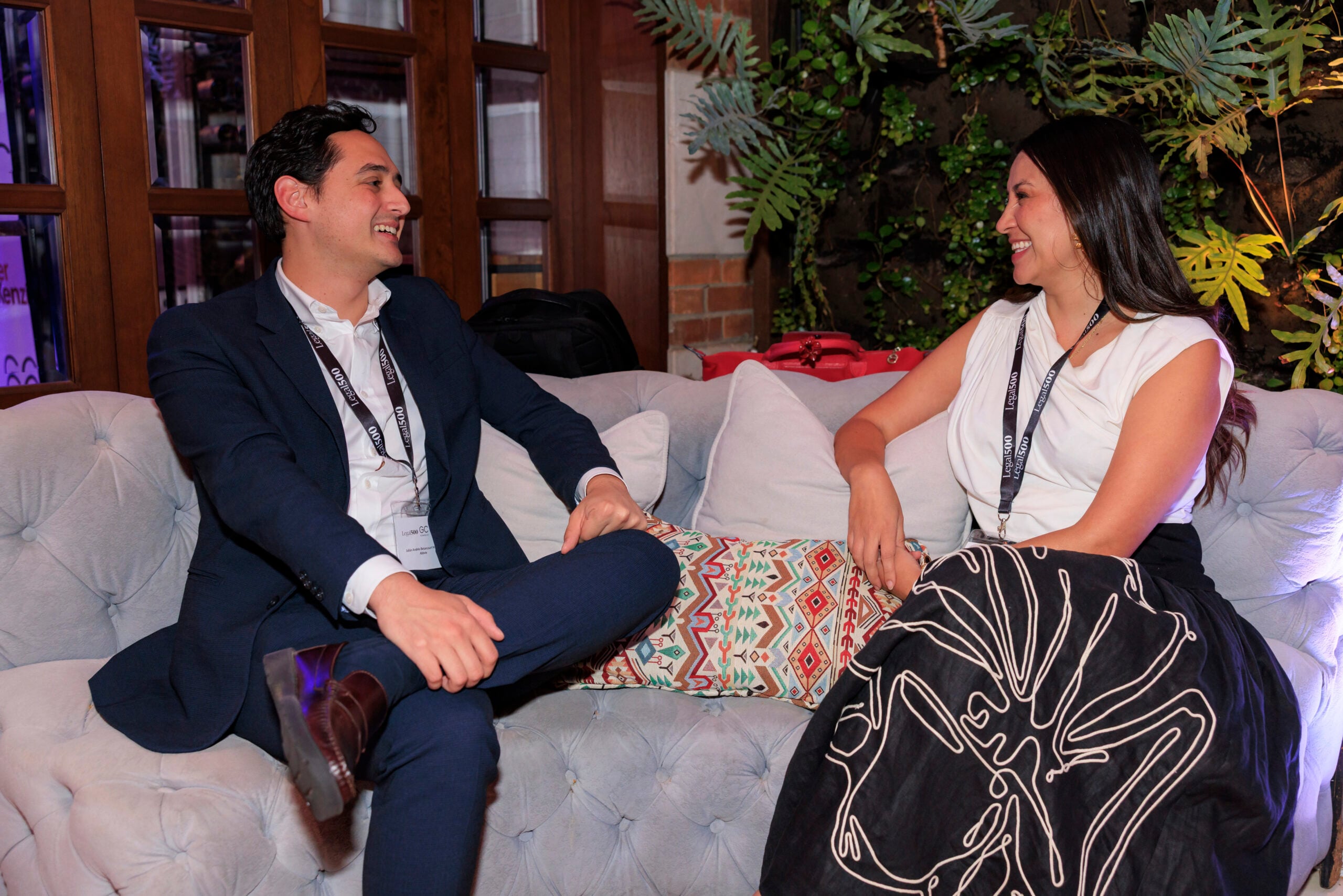
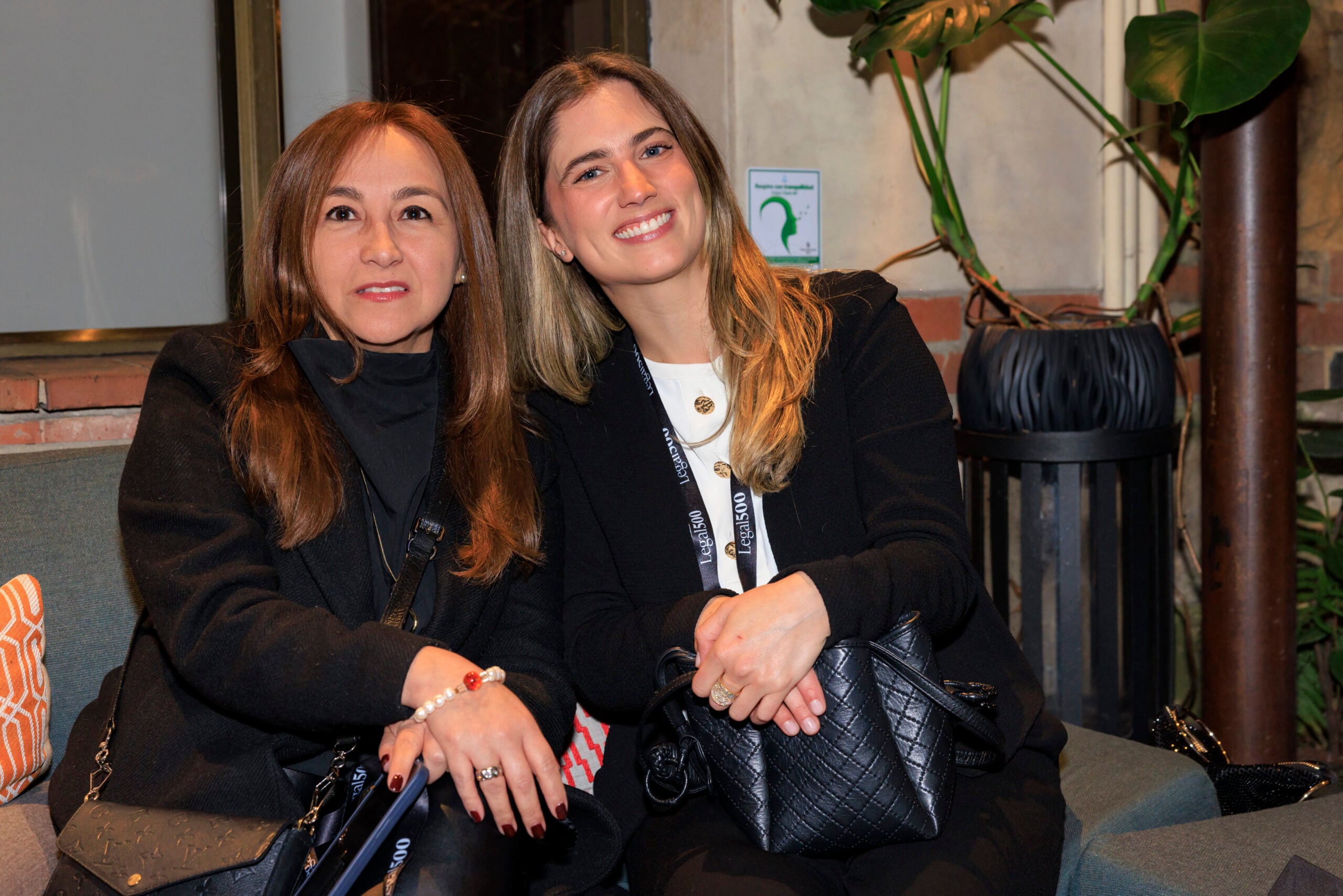
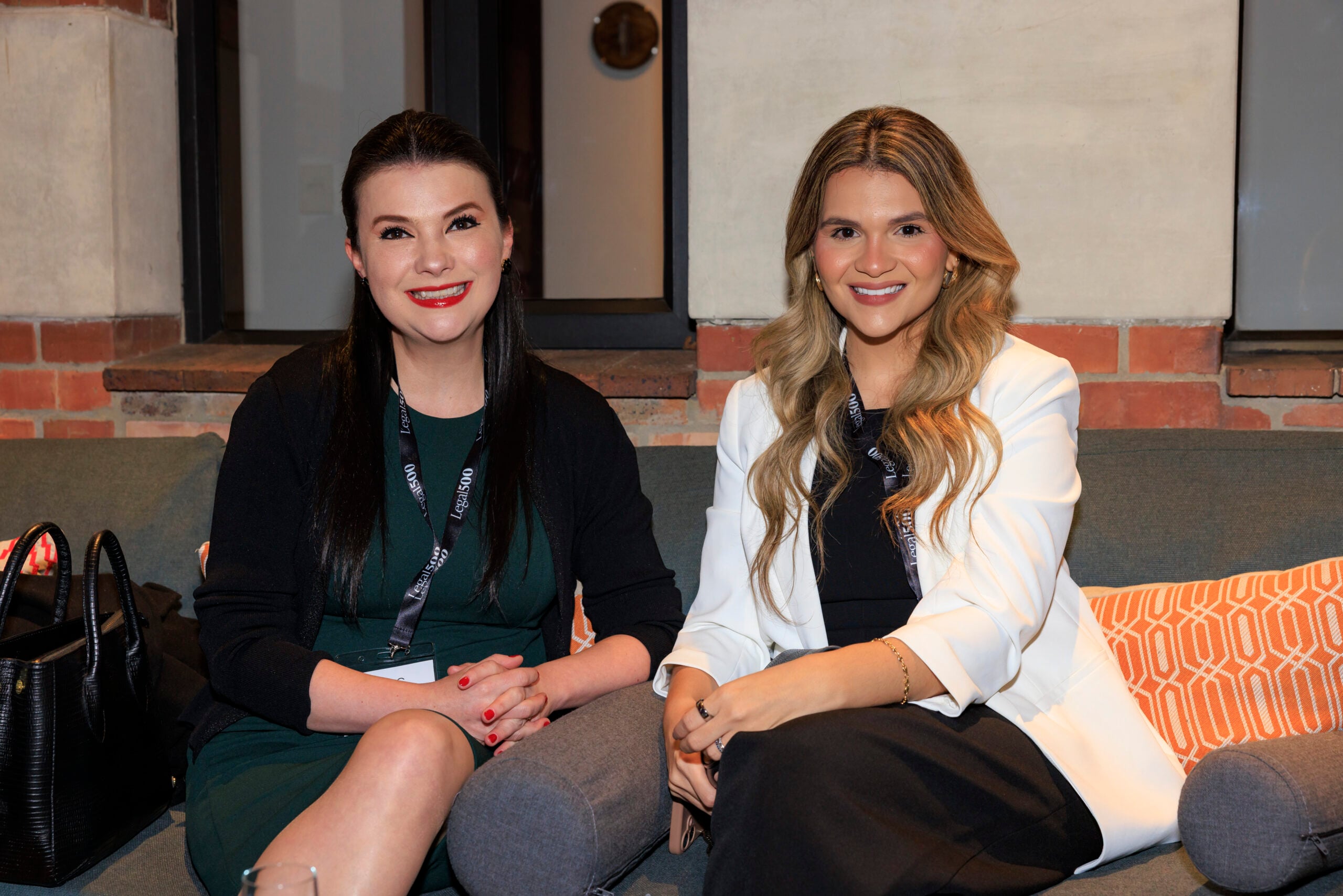
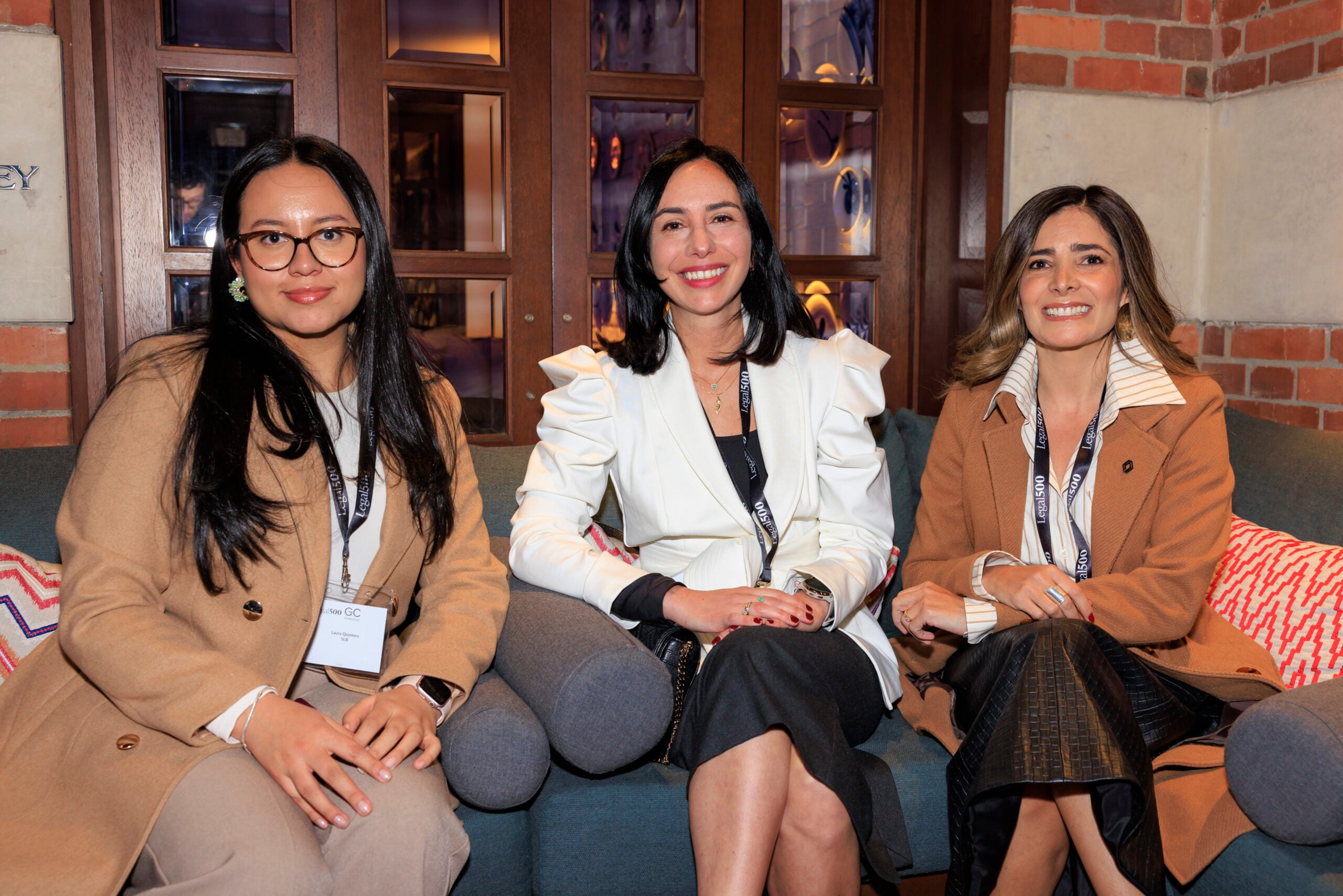
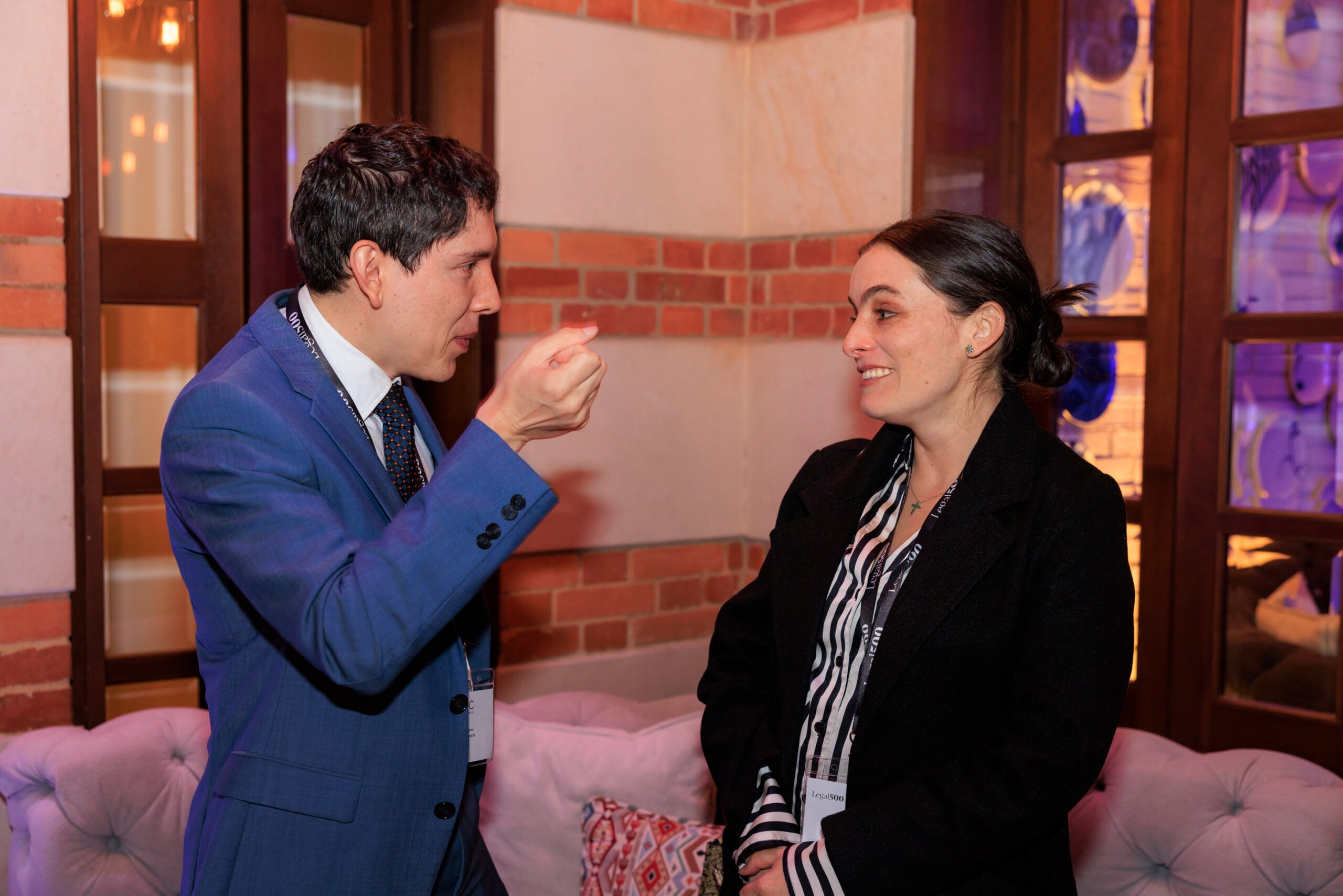
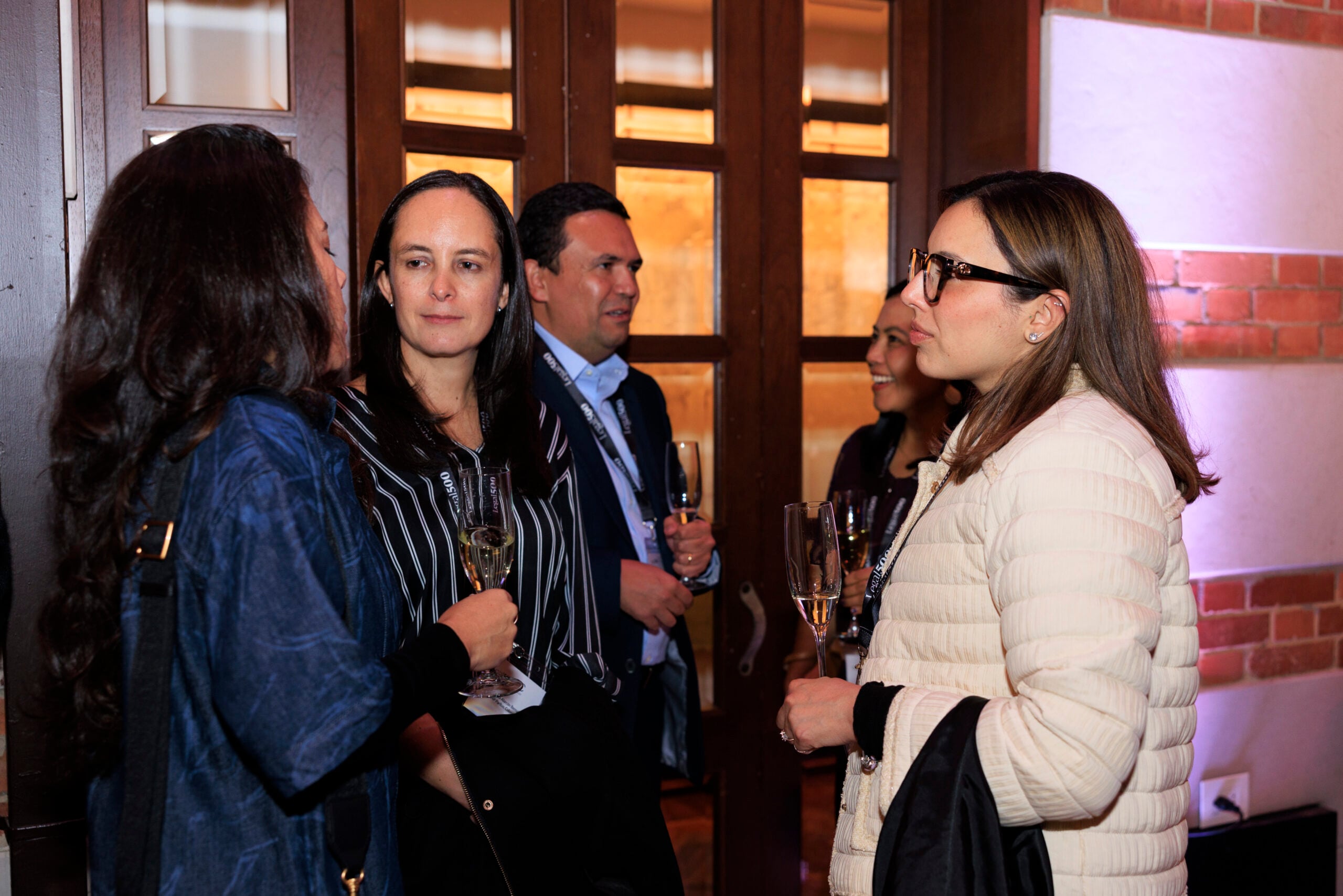
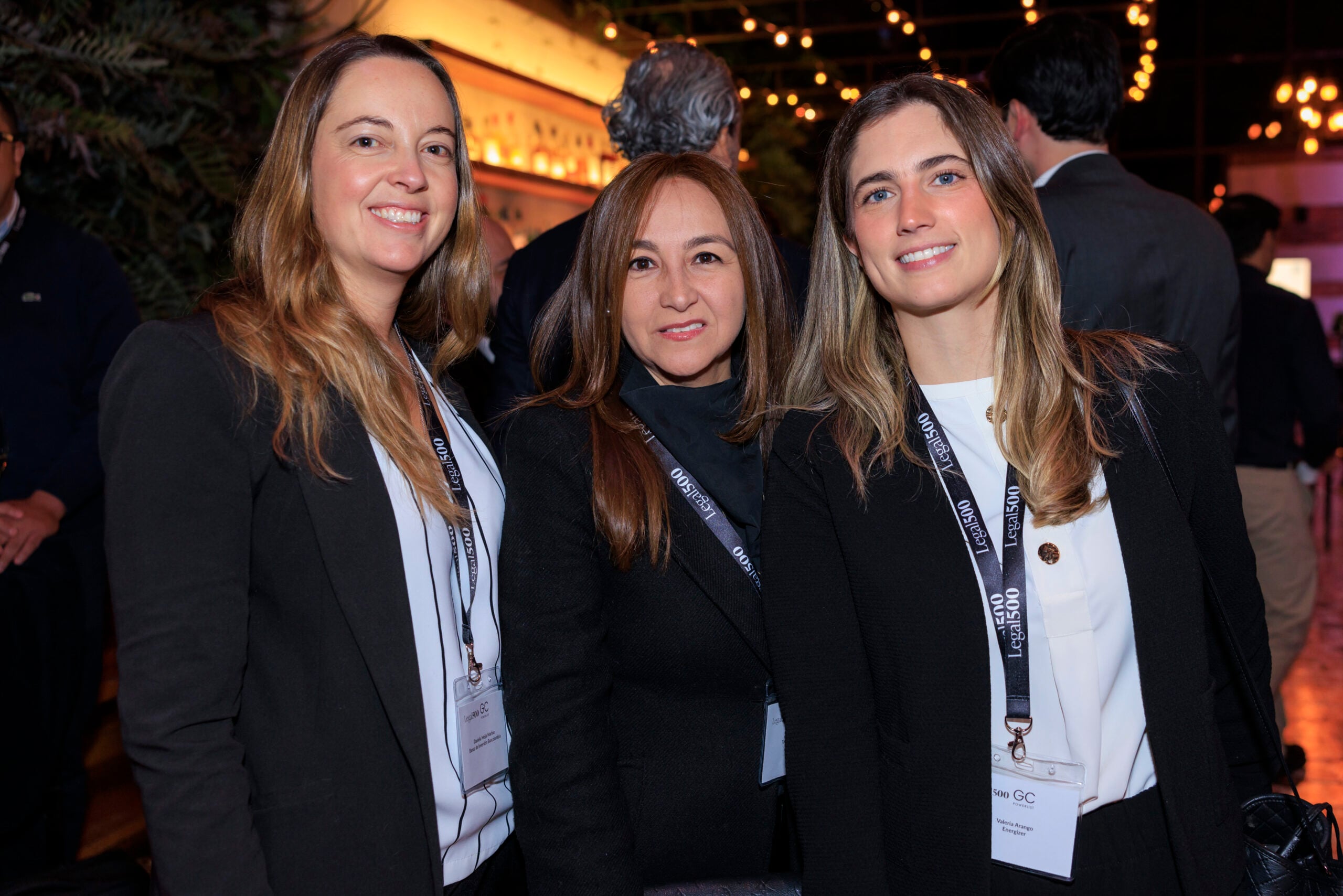
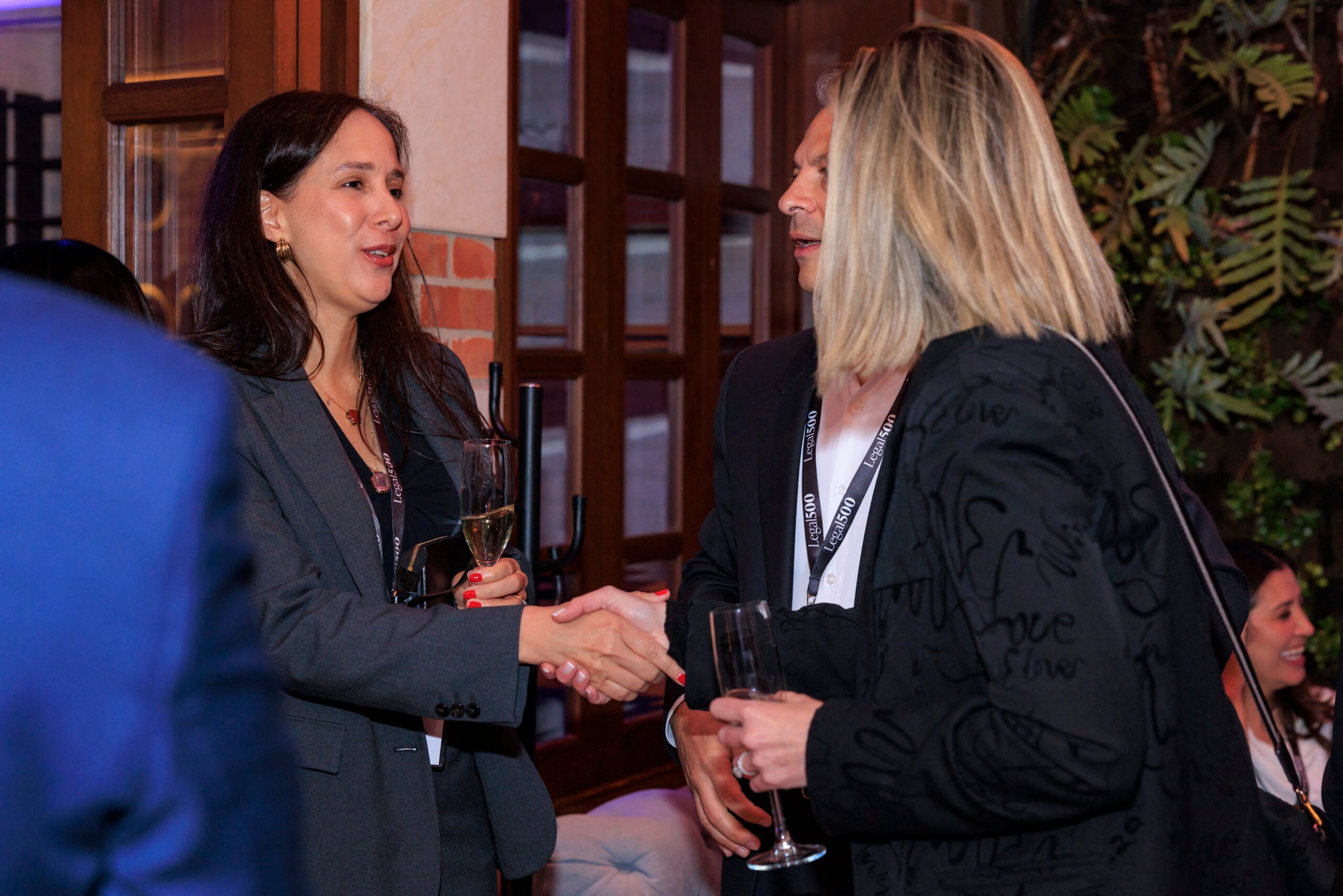
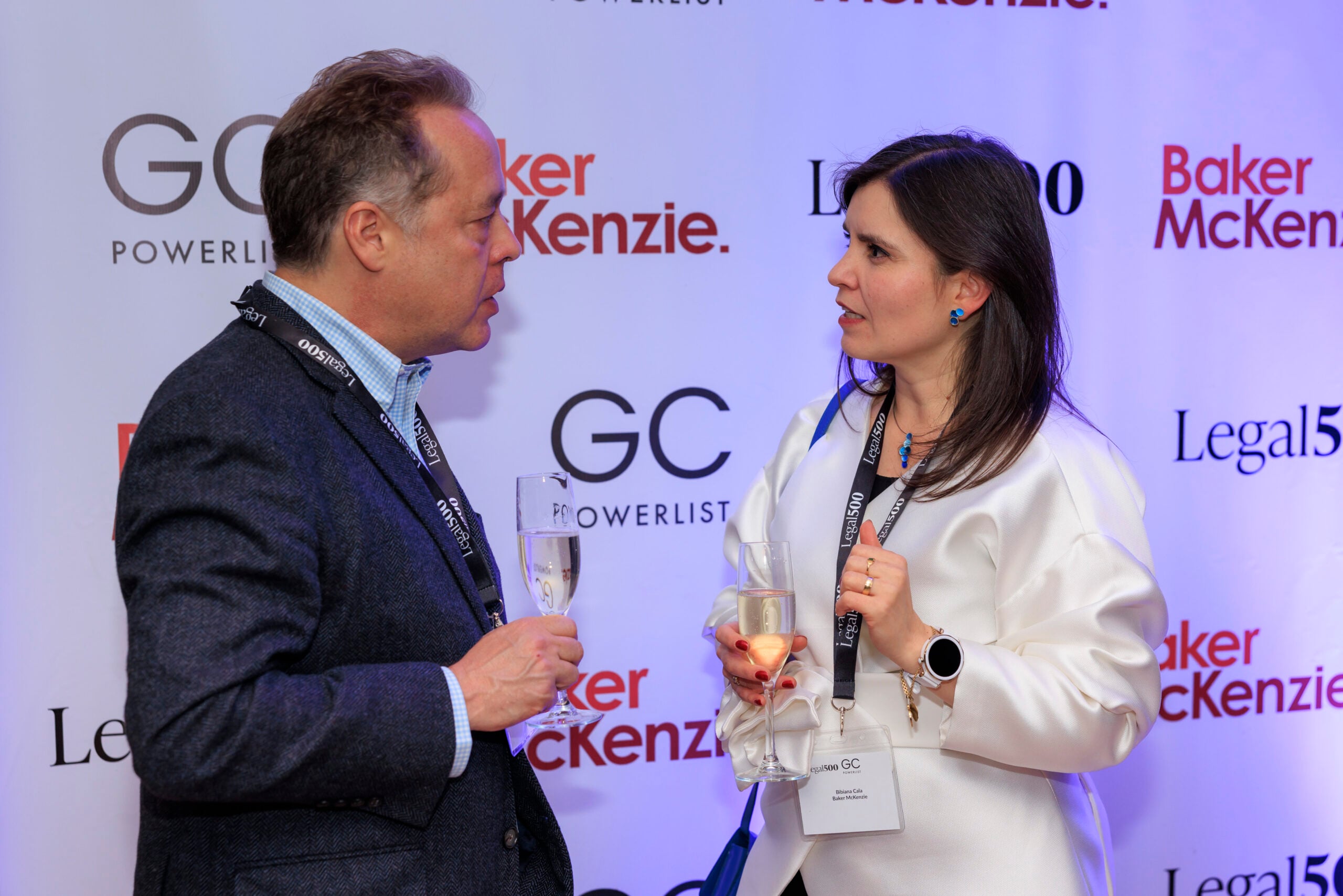
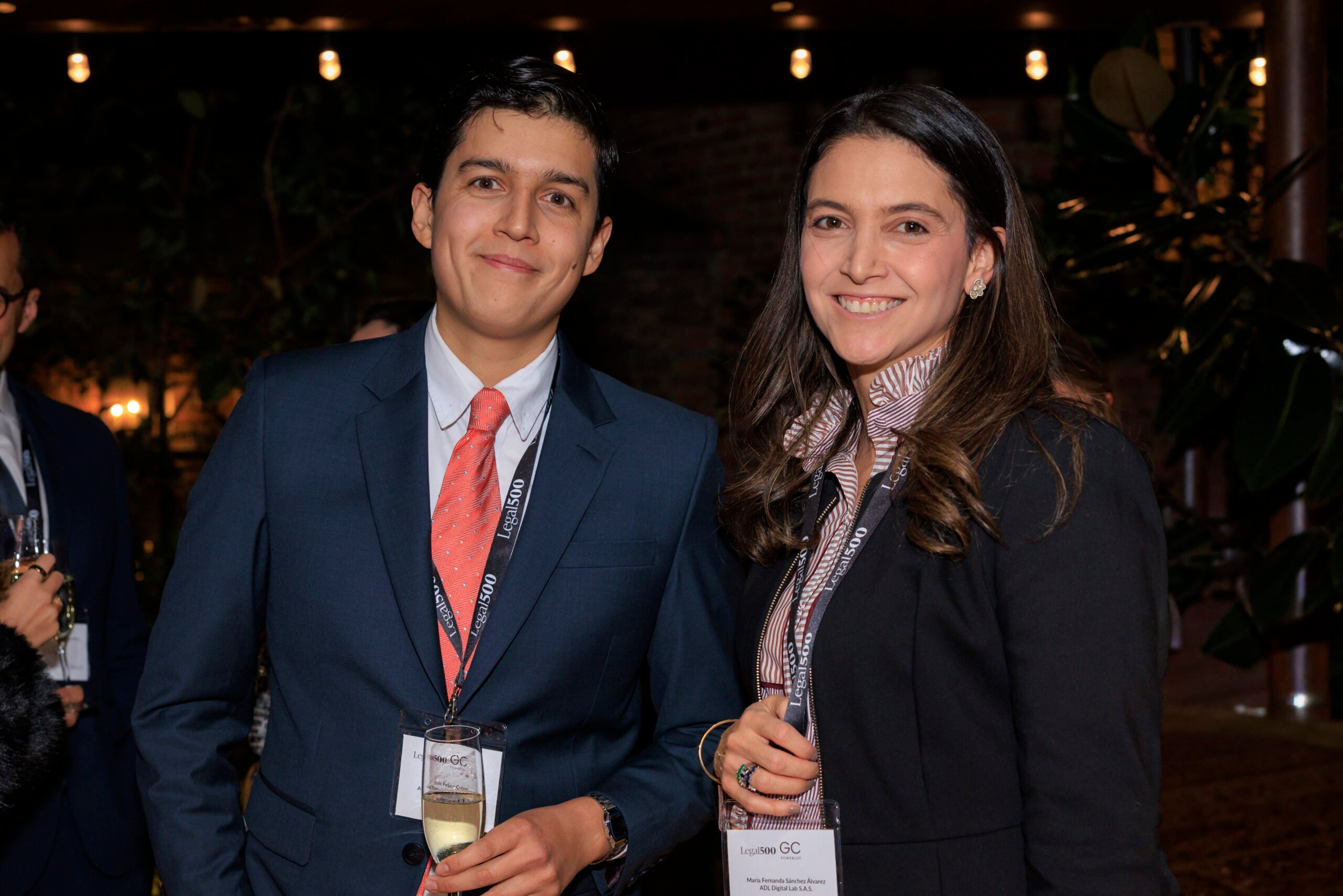
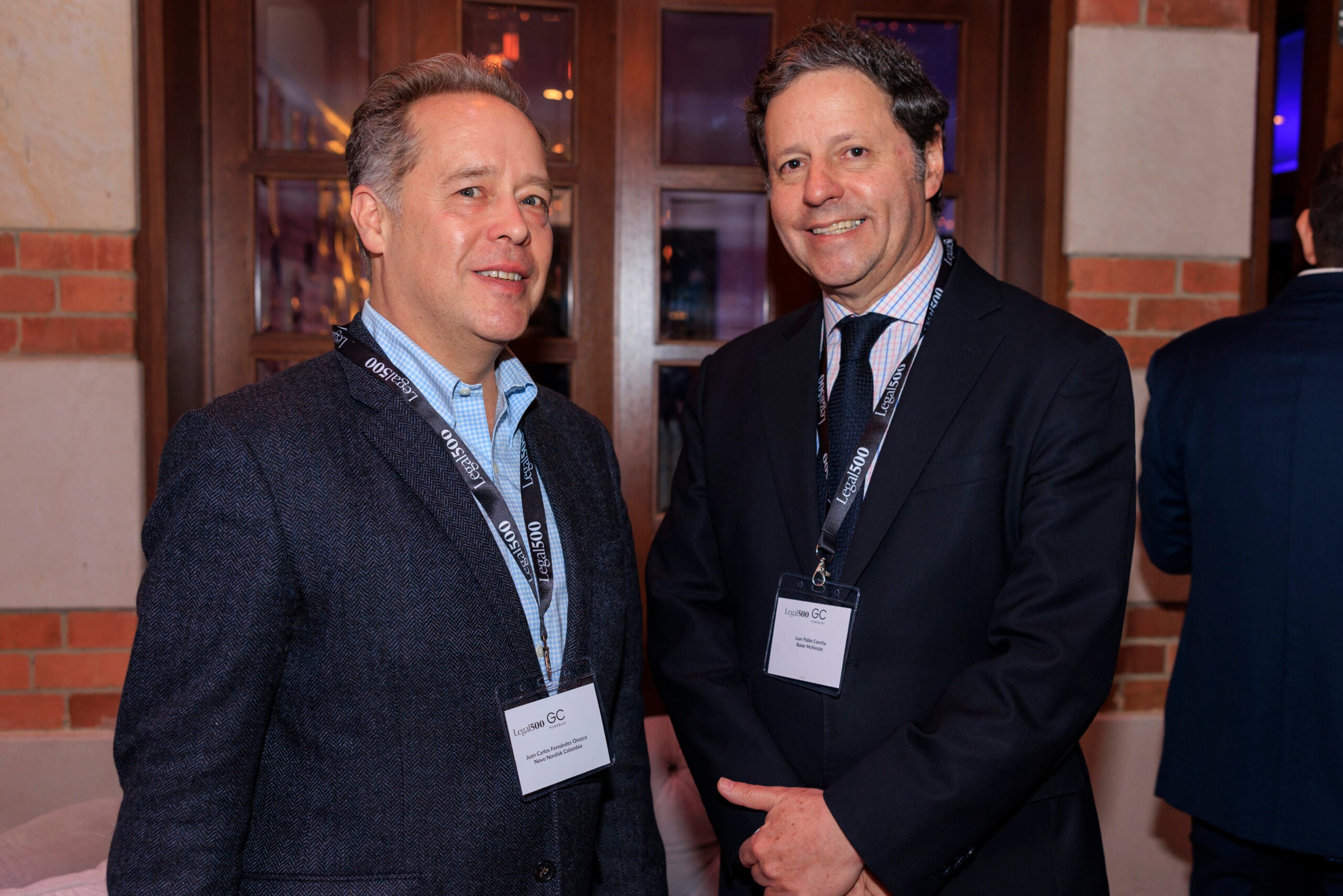
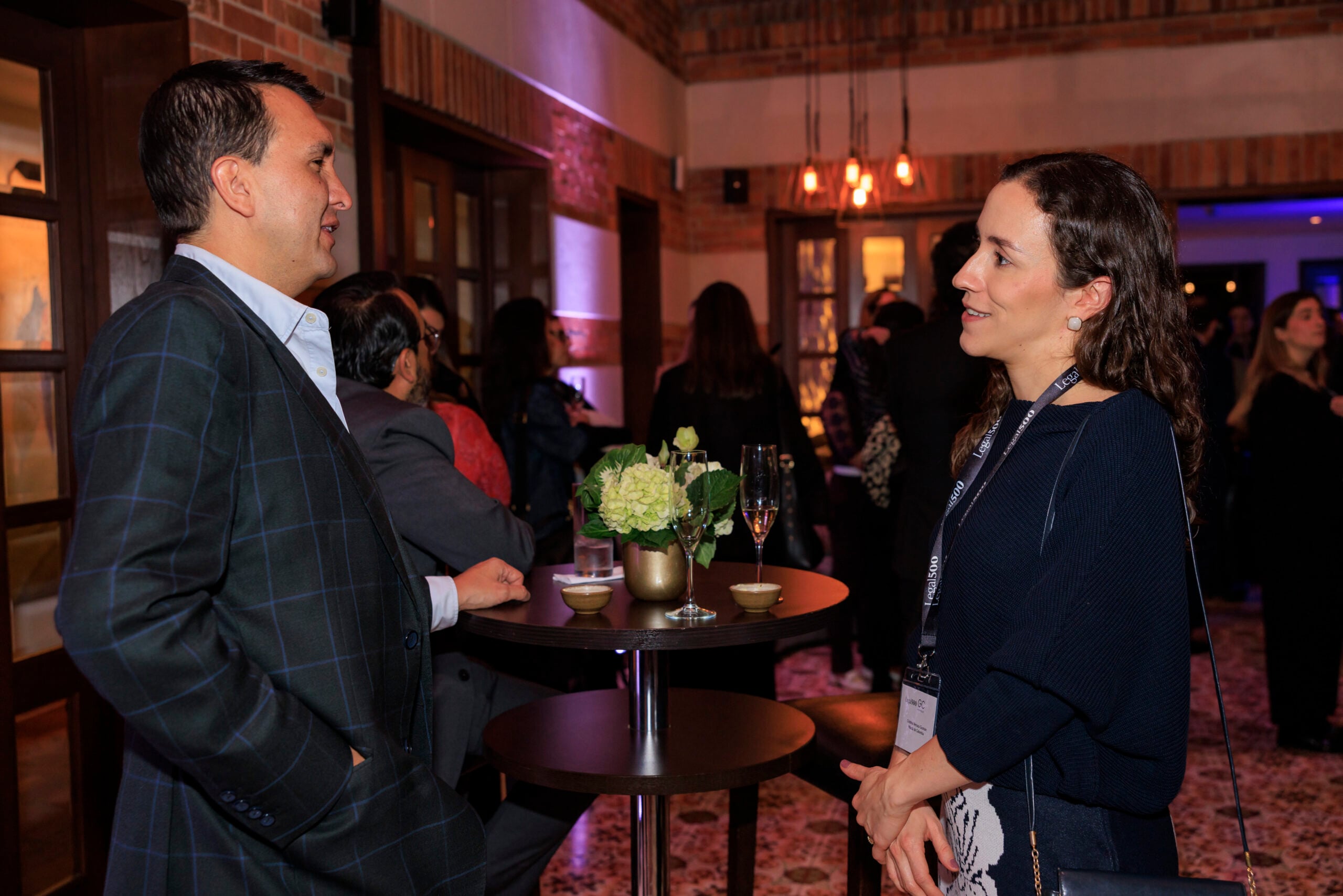
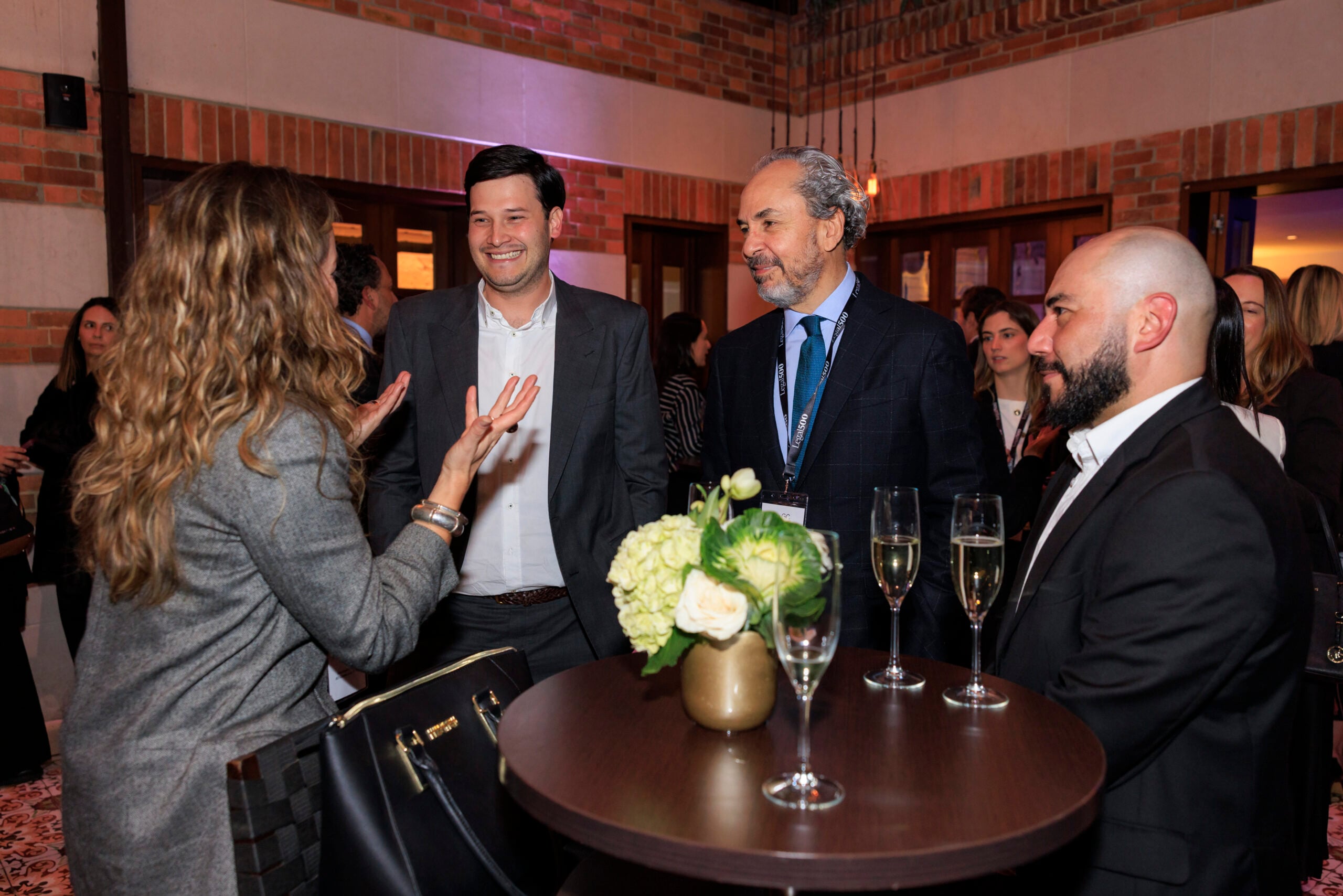
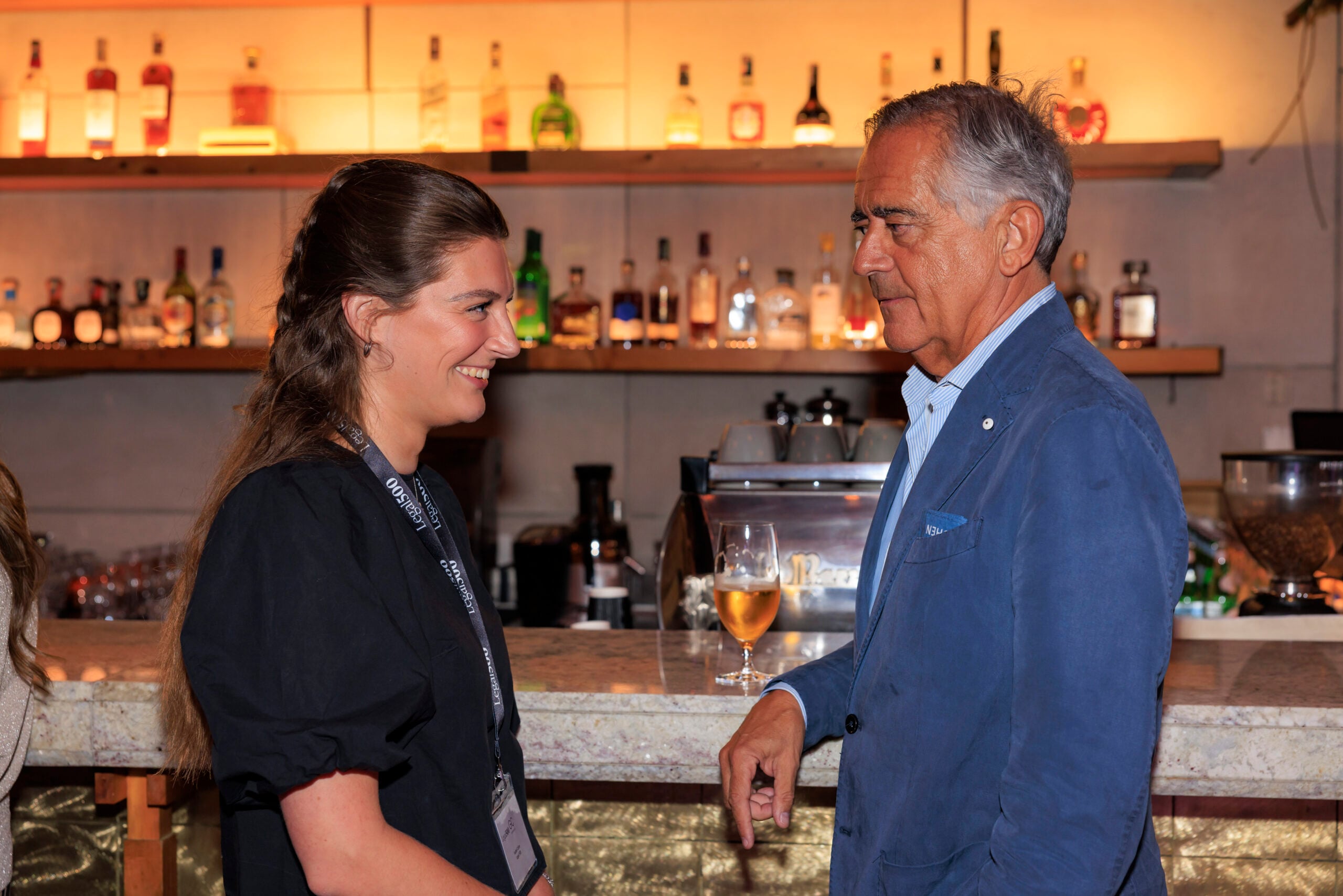
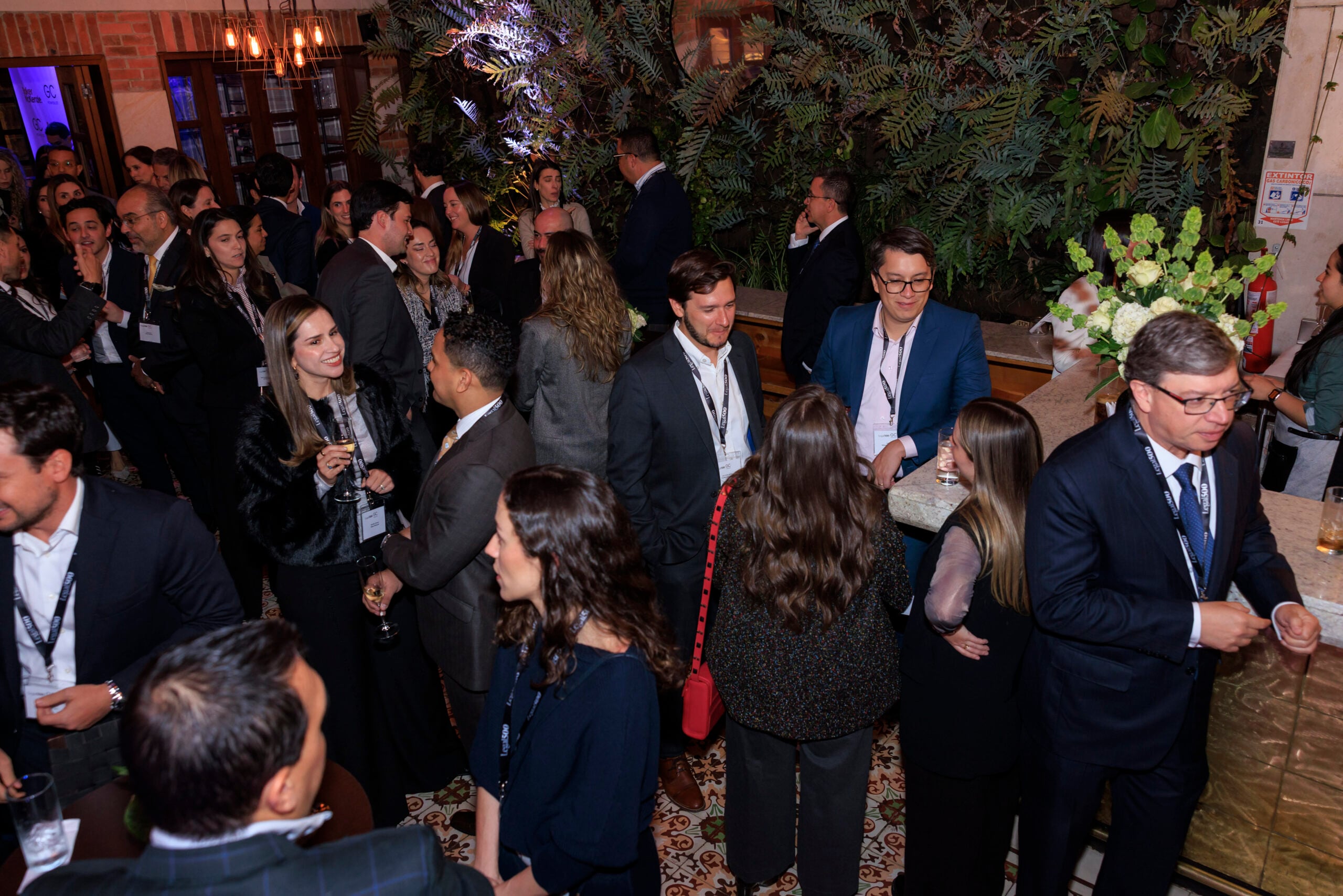
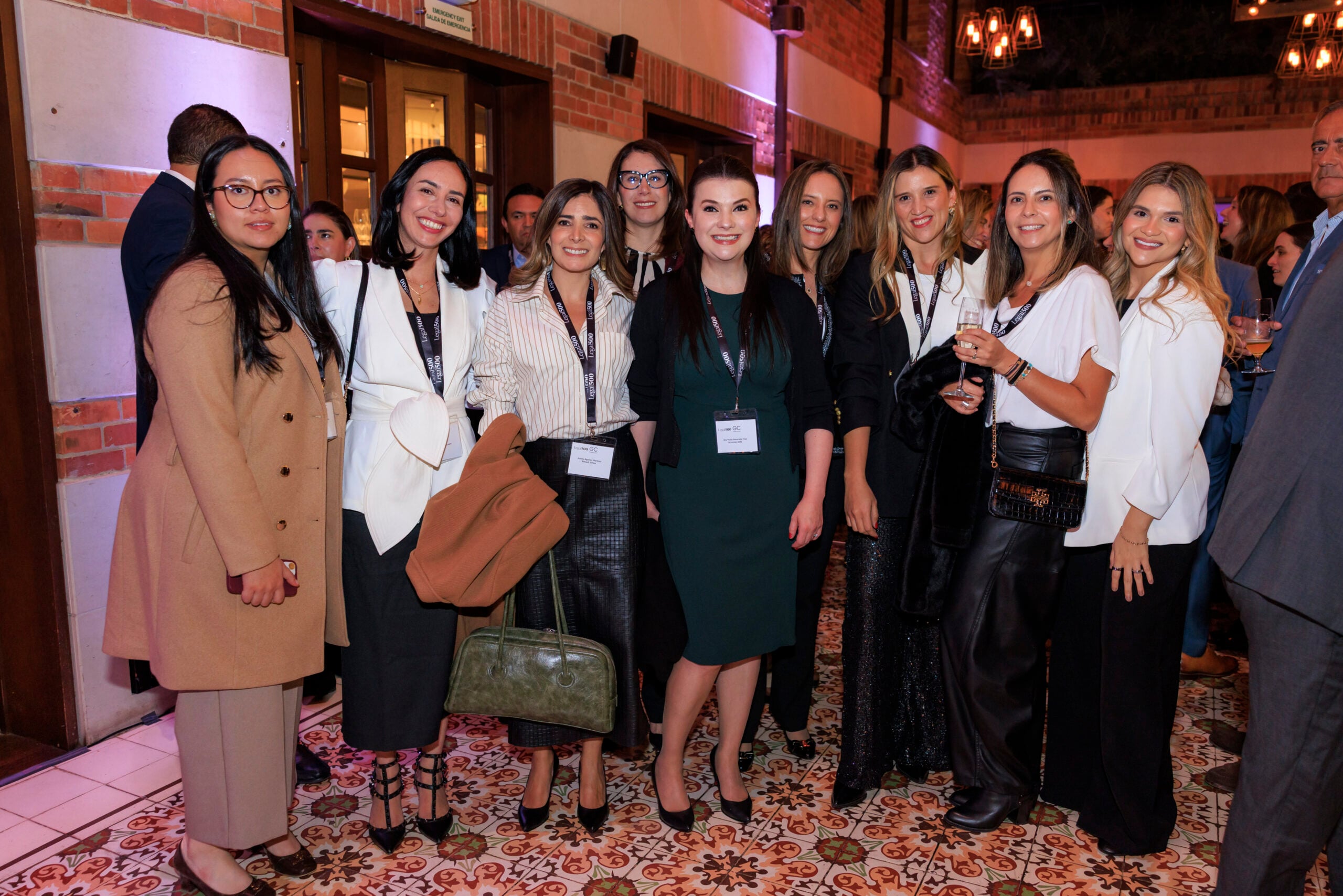
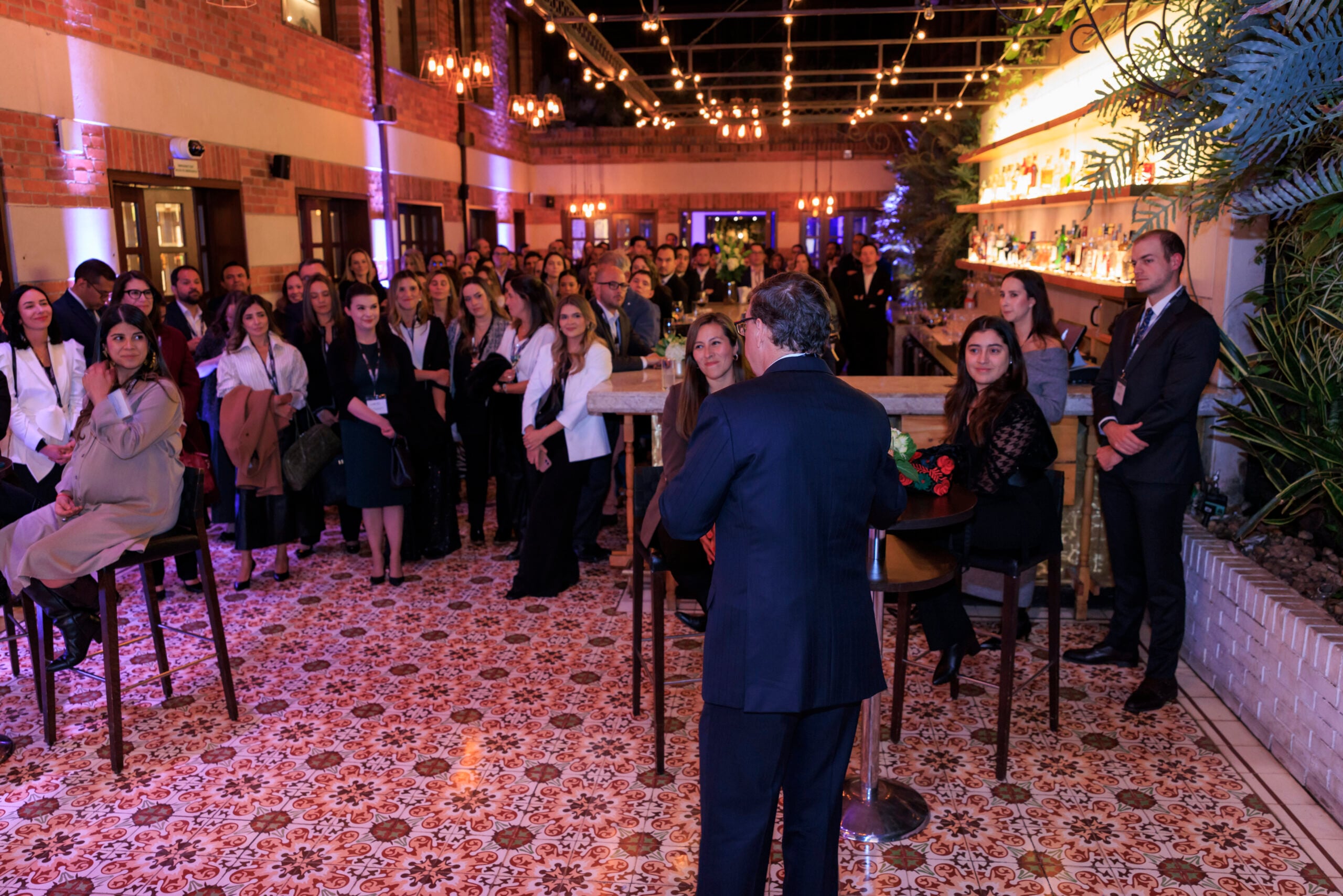
Guests arrived at Castanyoles Restaurant at the Four Seasons Hotel Casa Medina for an evening of celebration and networking with peers and colleagues.
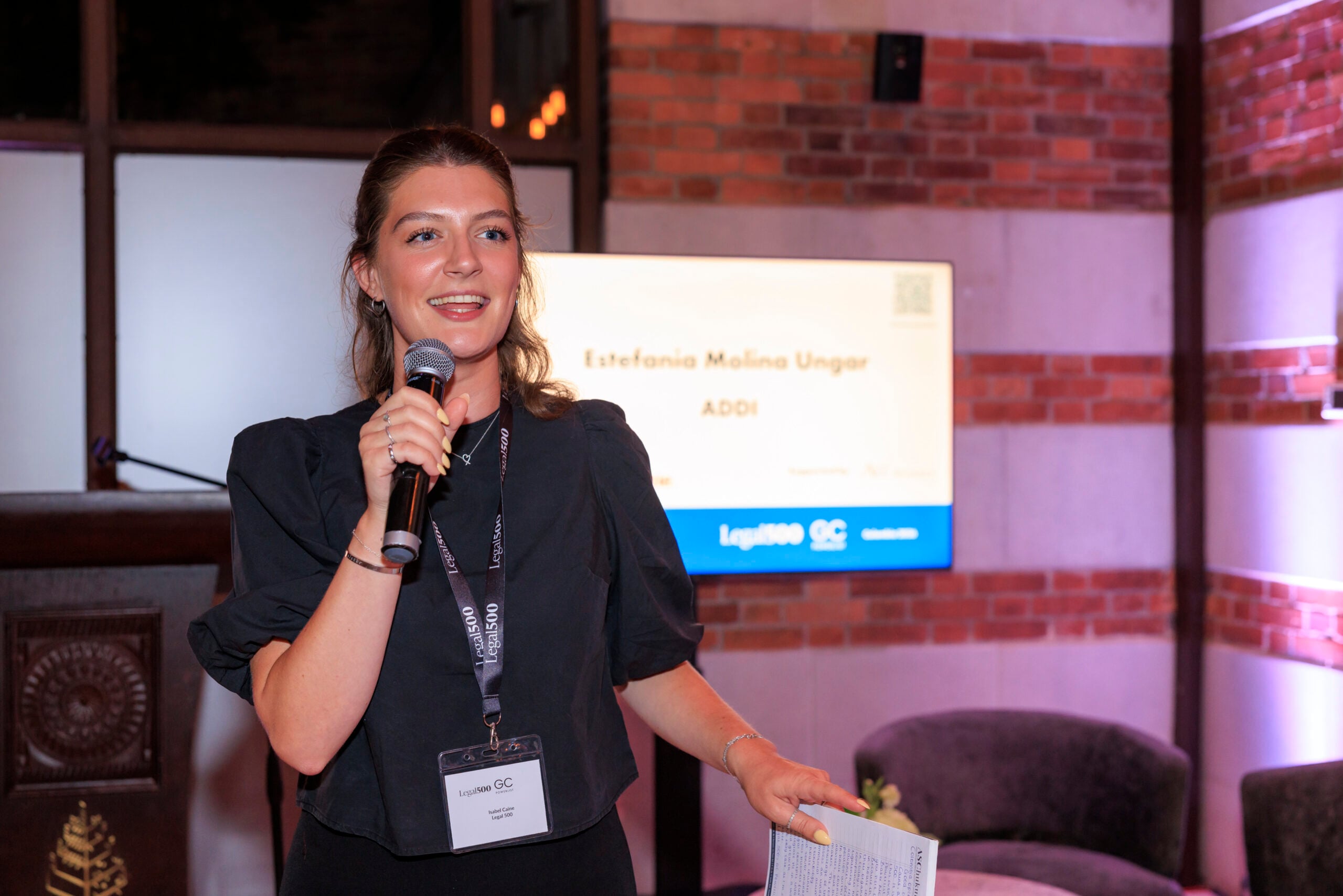
Isabel Caine, editor – corporate counsel at Legal 500, kicked off the evening, touching on the increasingly integral role of the GC as a trusted partner and strategic decision maker within the business. Paying tribute to the nominees’ achievements, dedication and commitment over the past year, she reflected on the vital contributions in-house counsel make within their organisations and beyond.
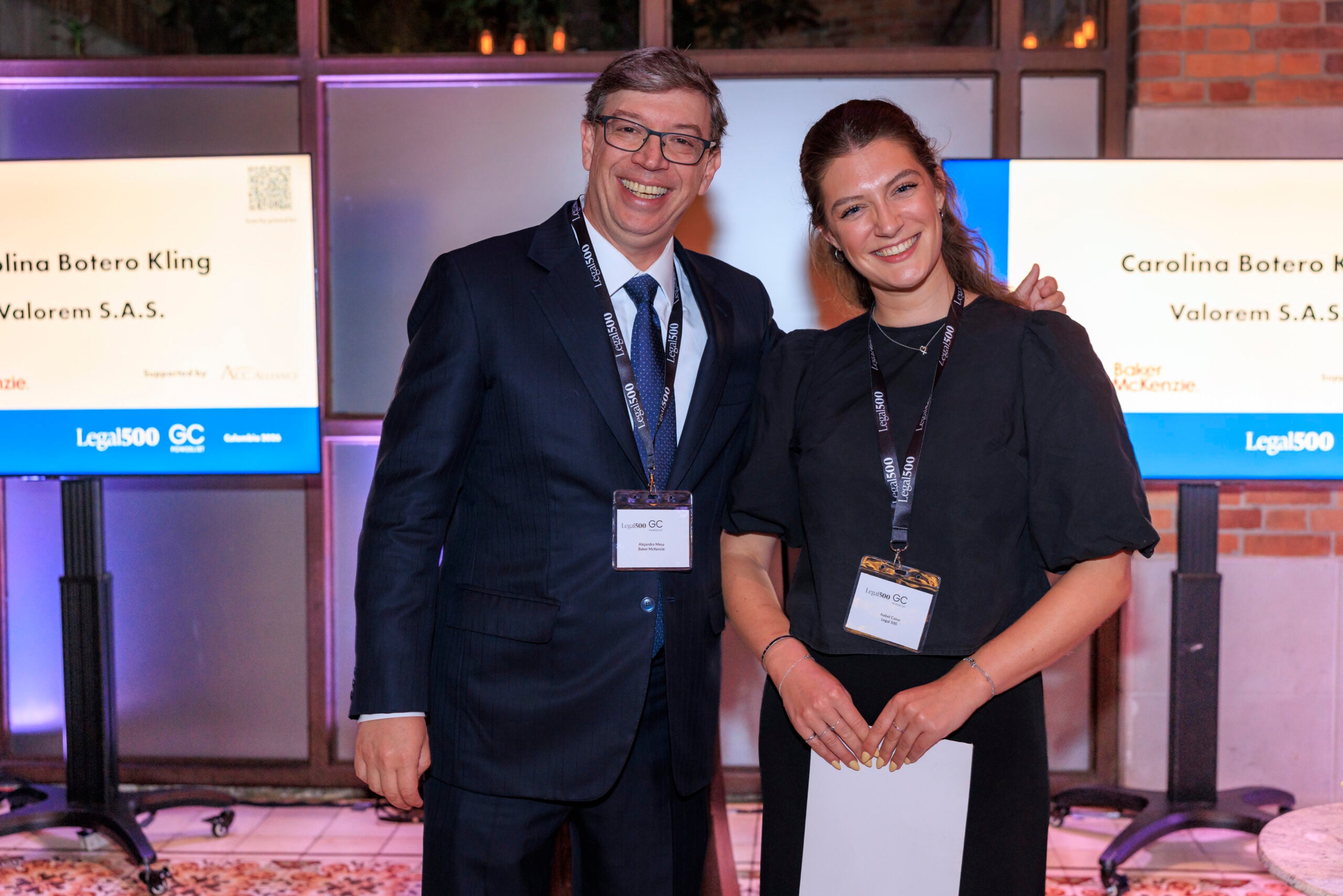
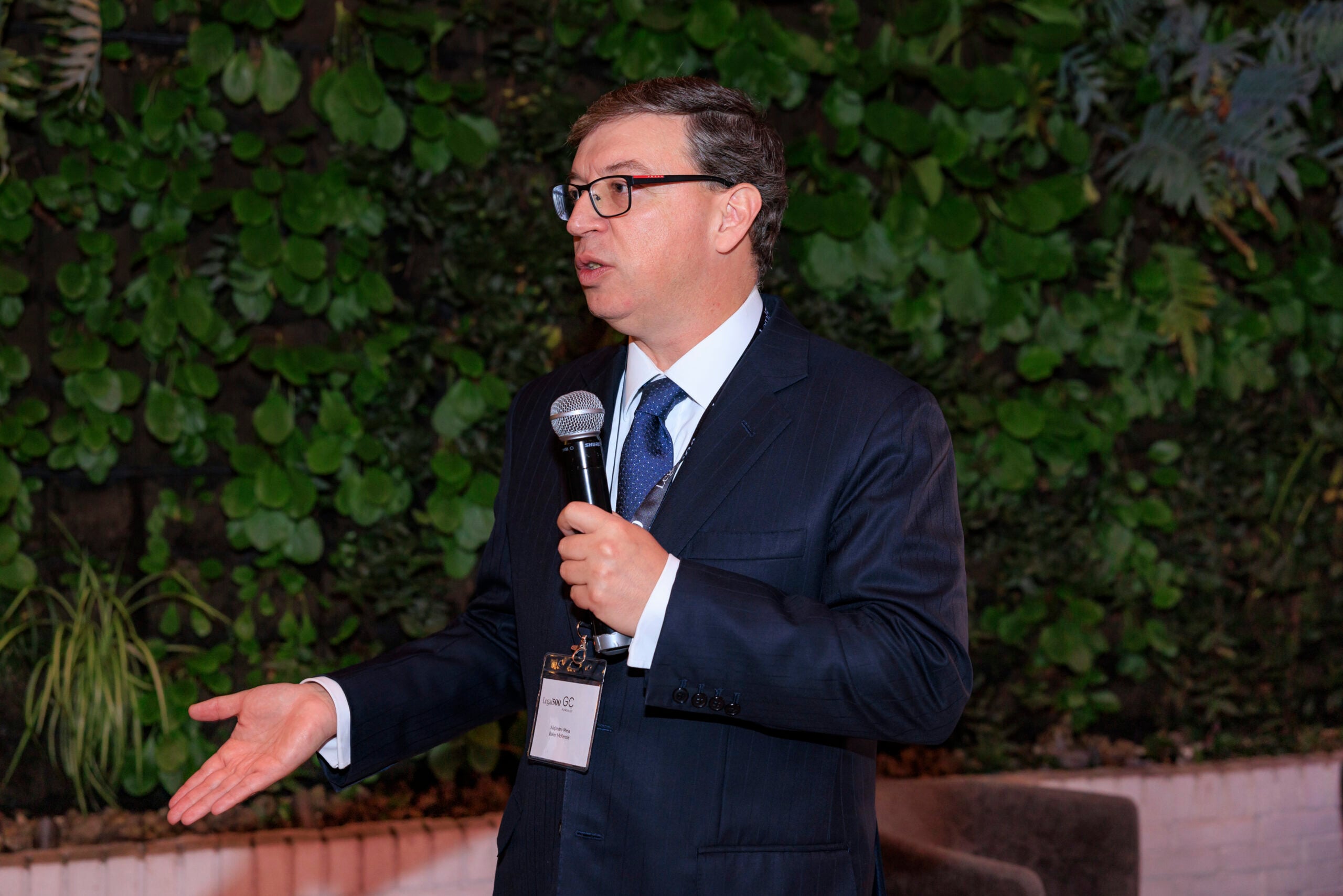
Alejandro Mesa, managing partner at Baker McKenzie Colombia, then delivered a welcome address on behalf of the firm, congratulating those included in the Powerlist and recognising the invaluable partnership between in-house and external counsel.
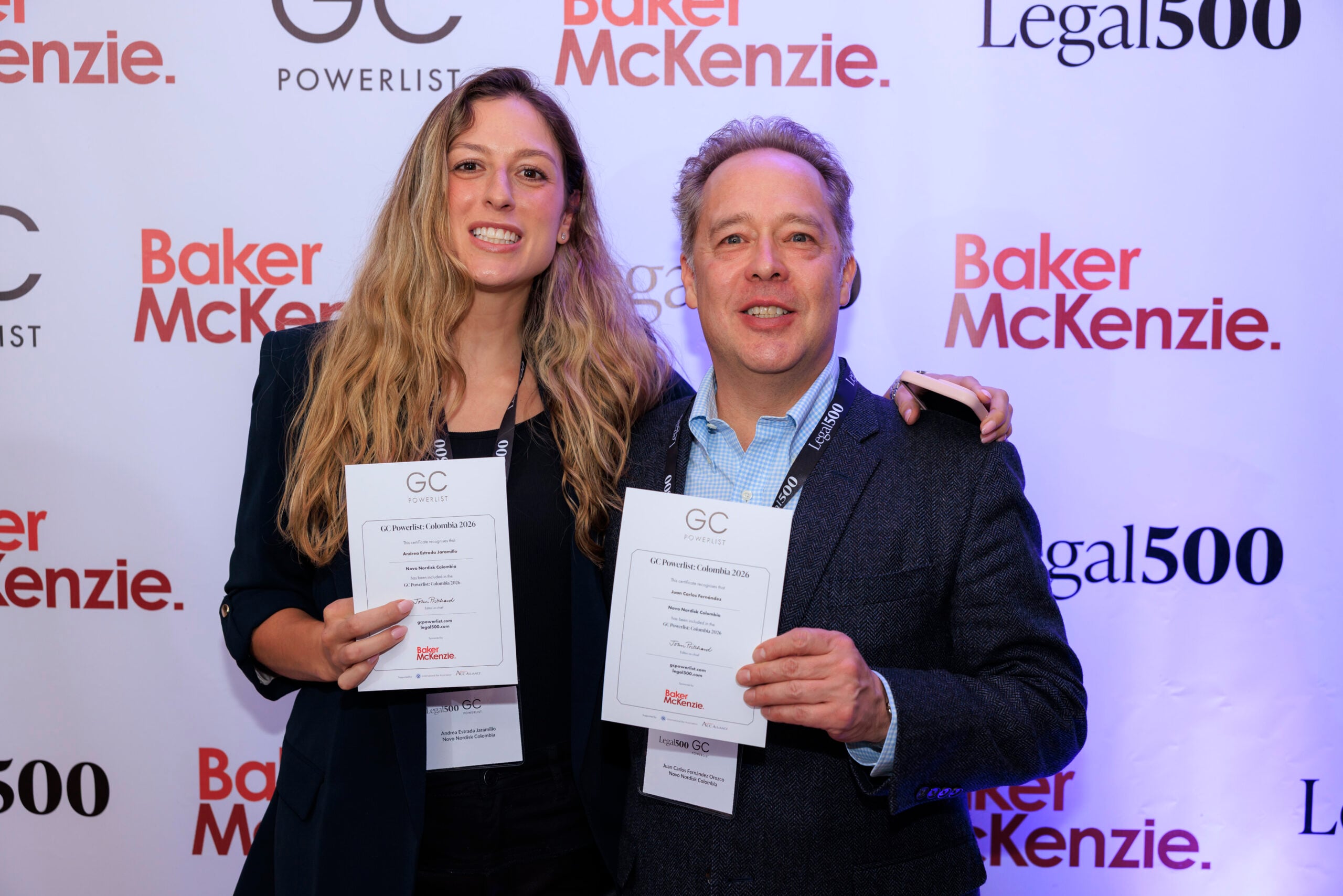
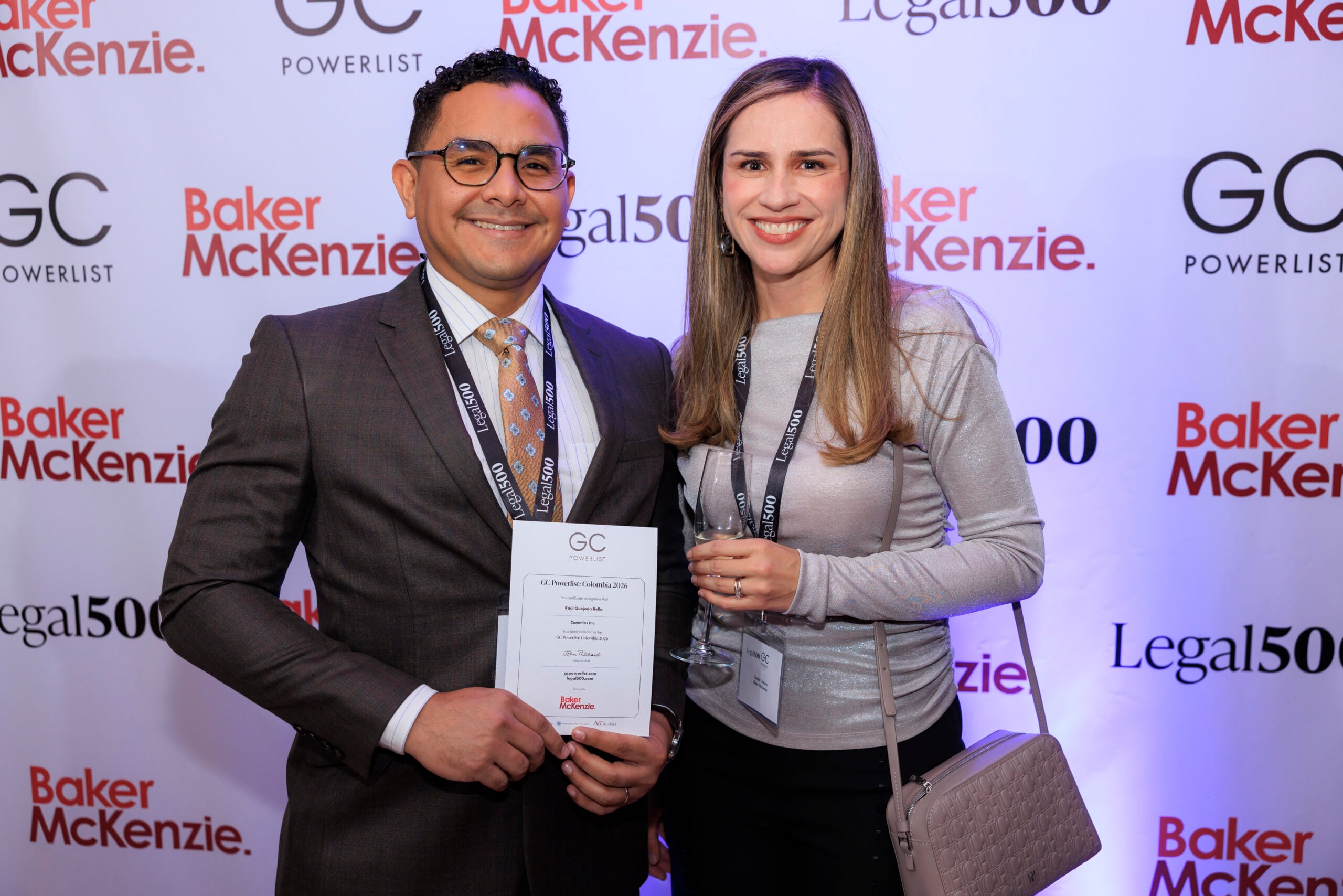
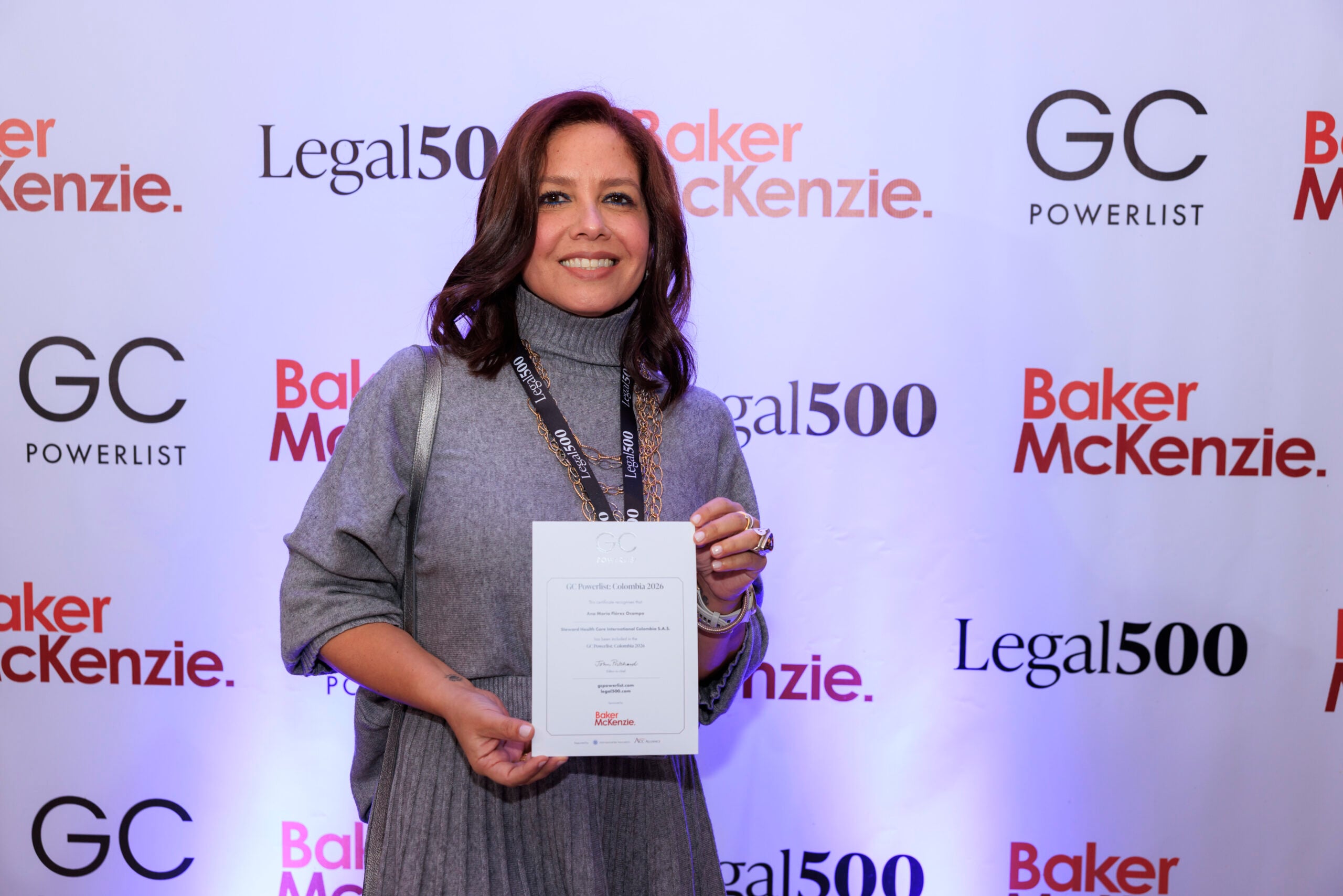
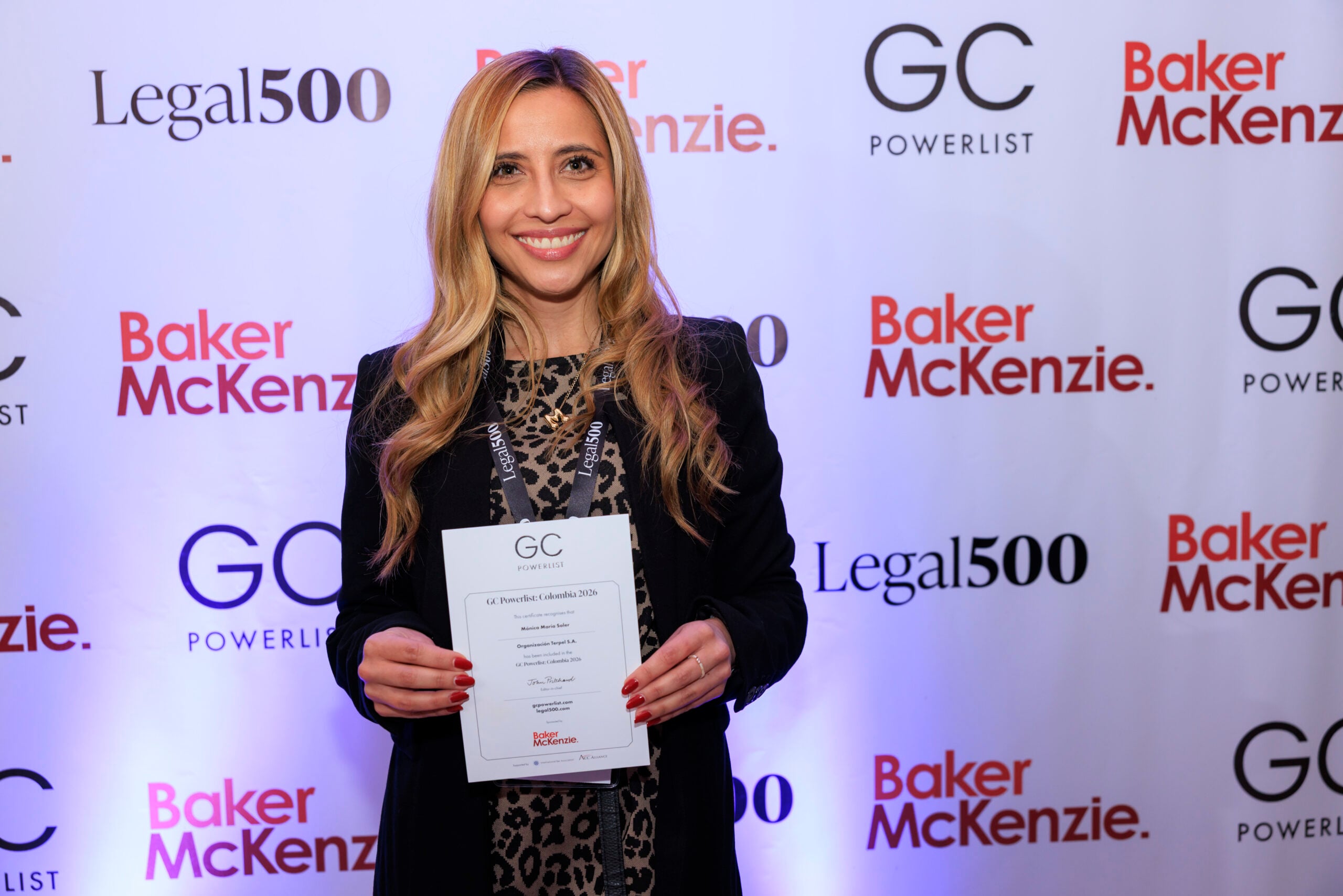
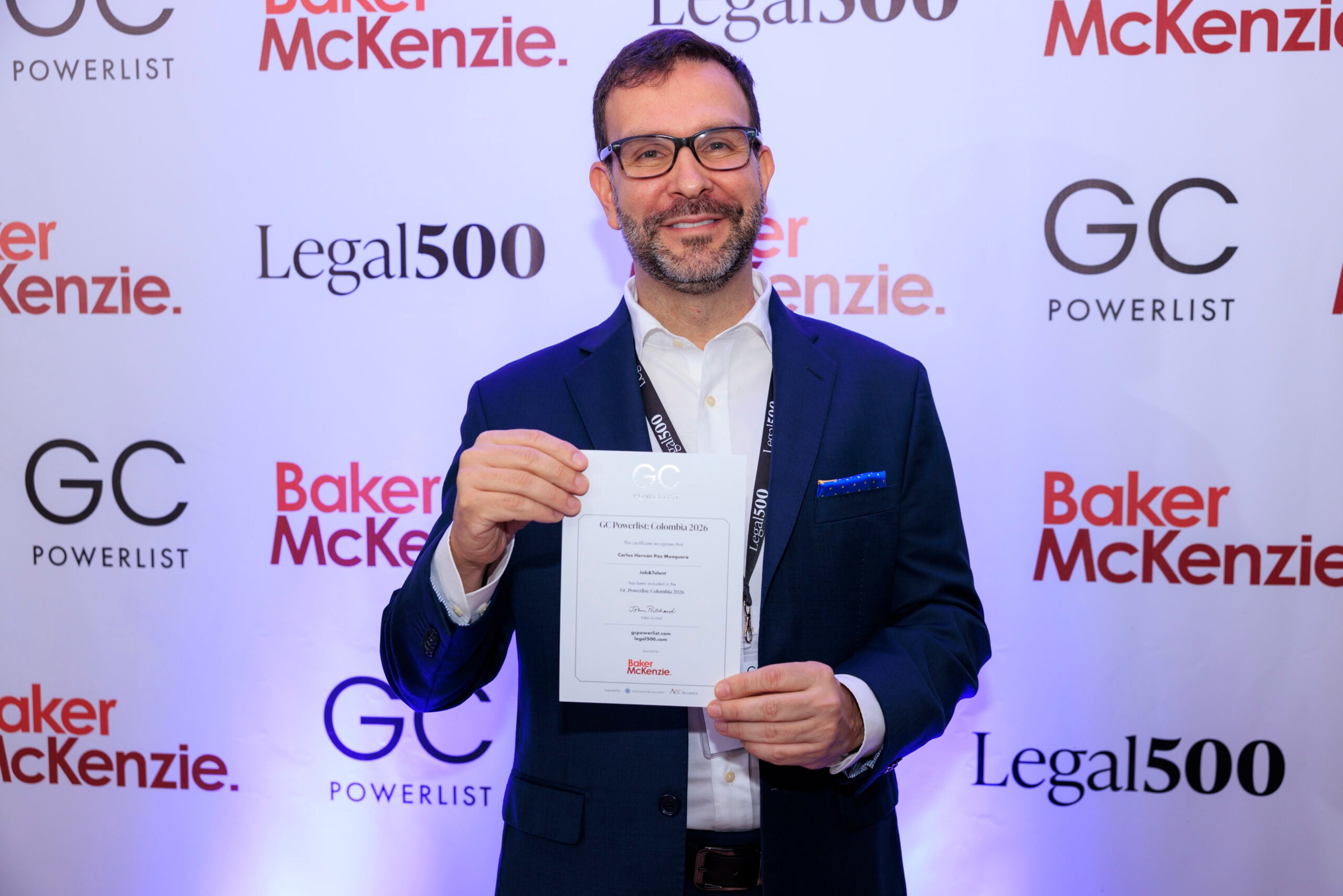
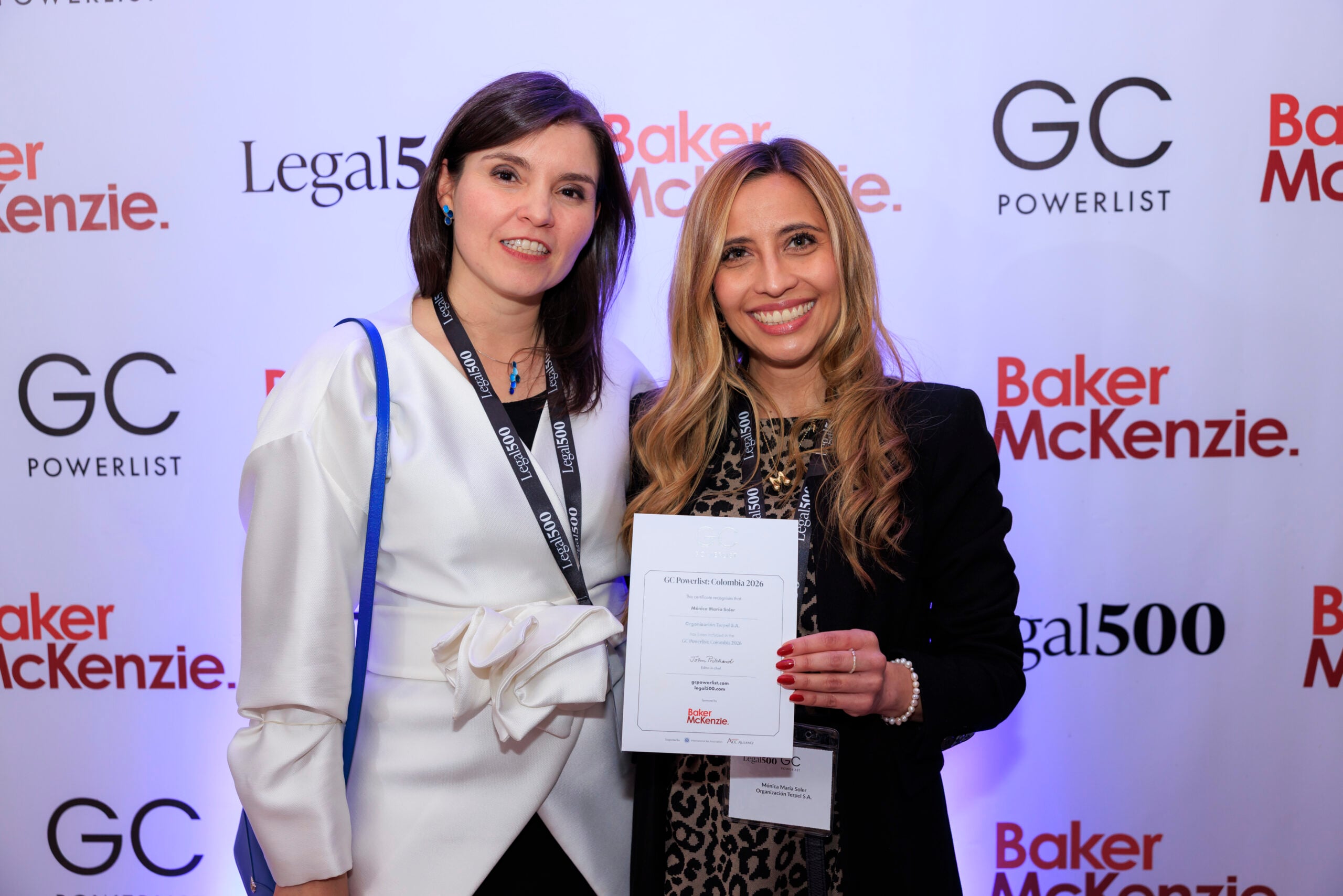
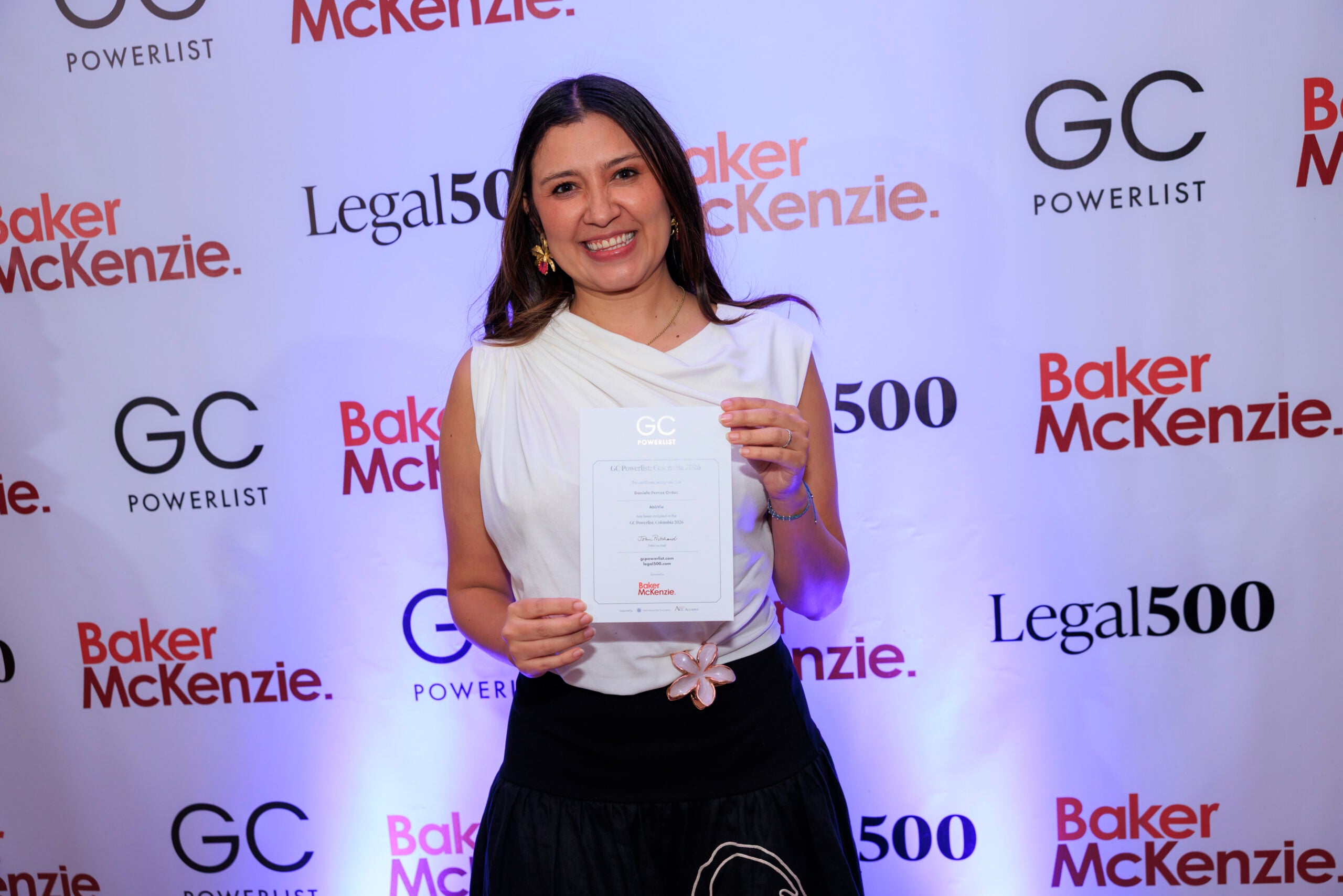
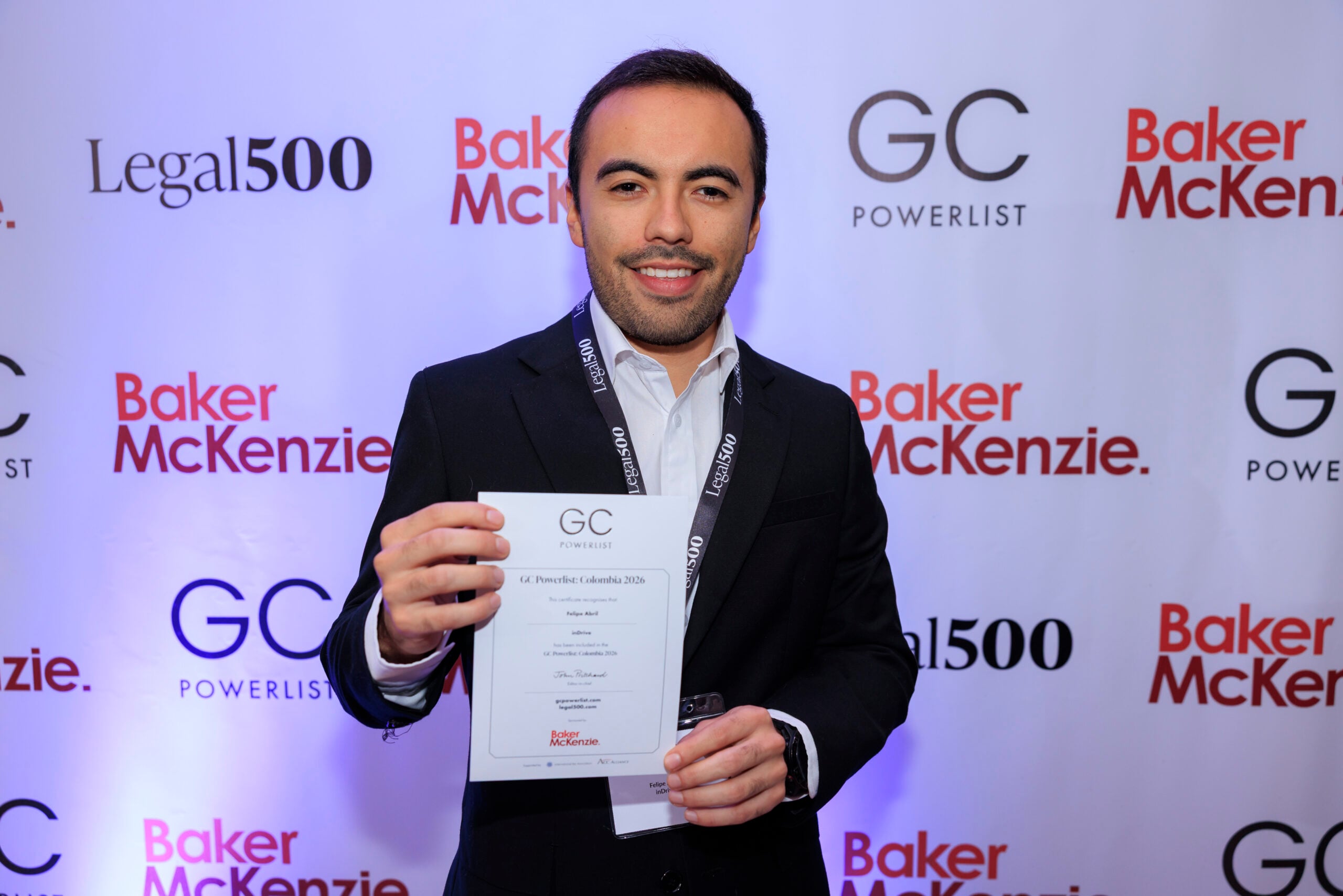
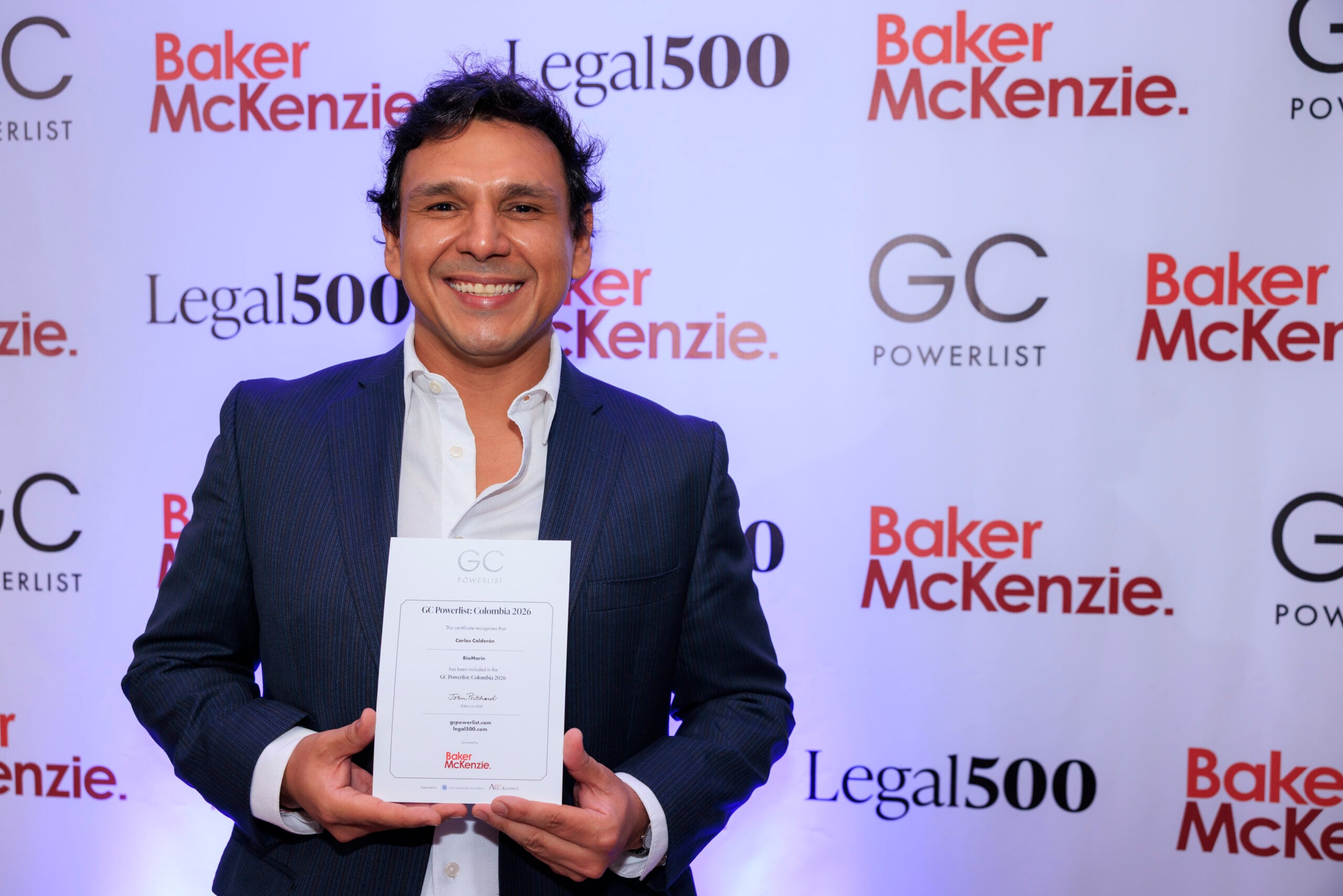
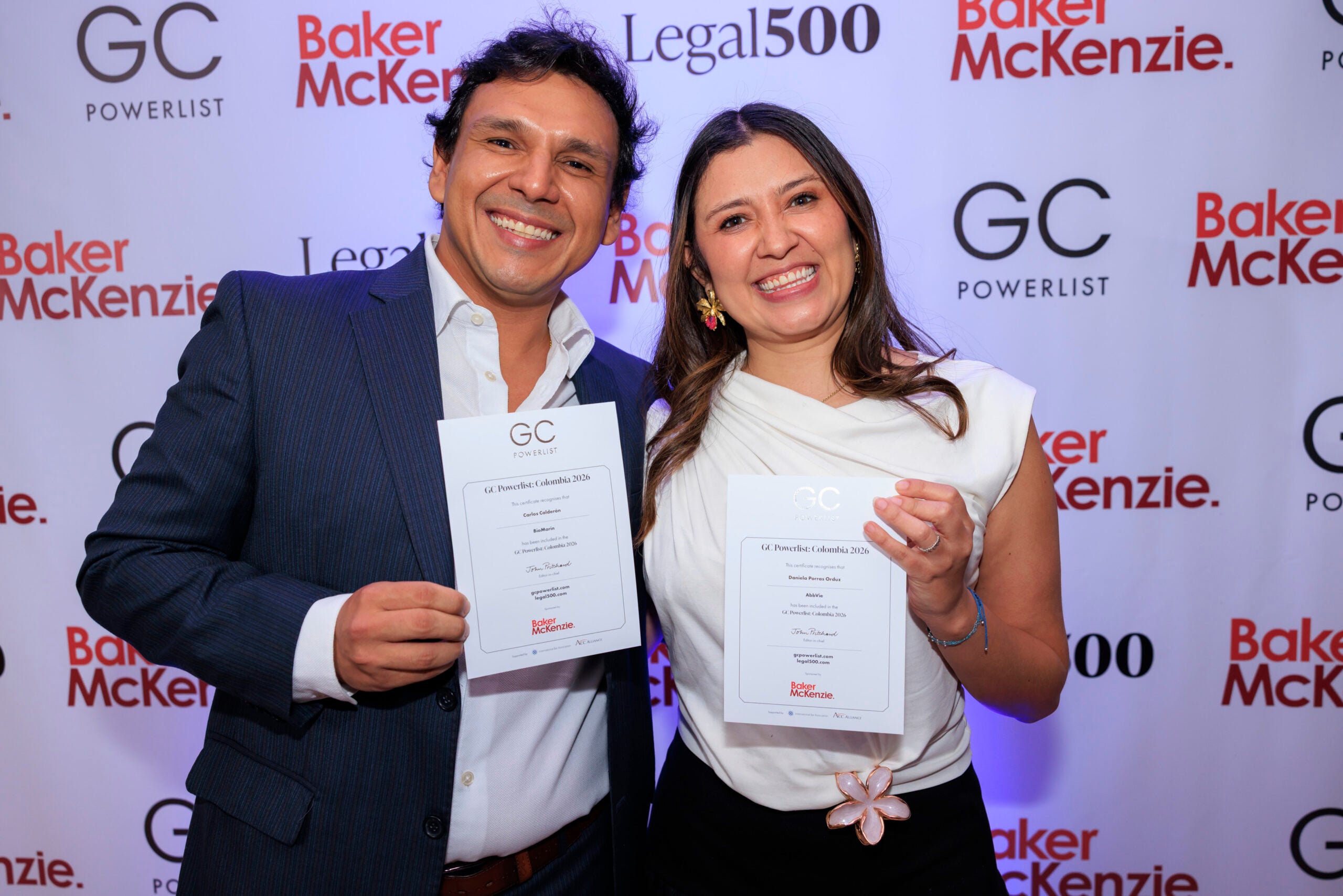
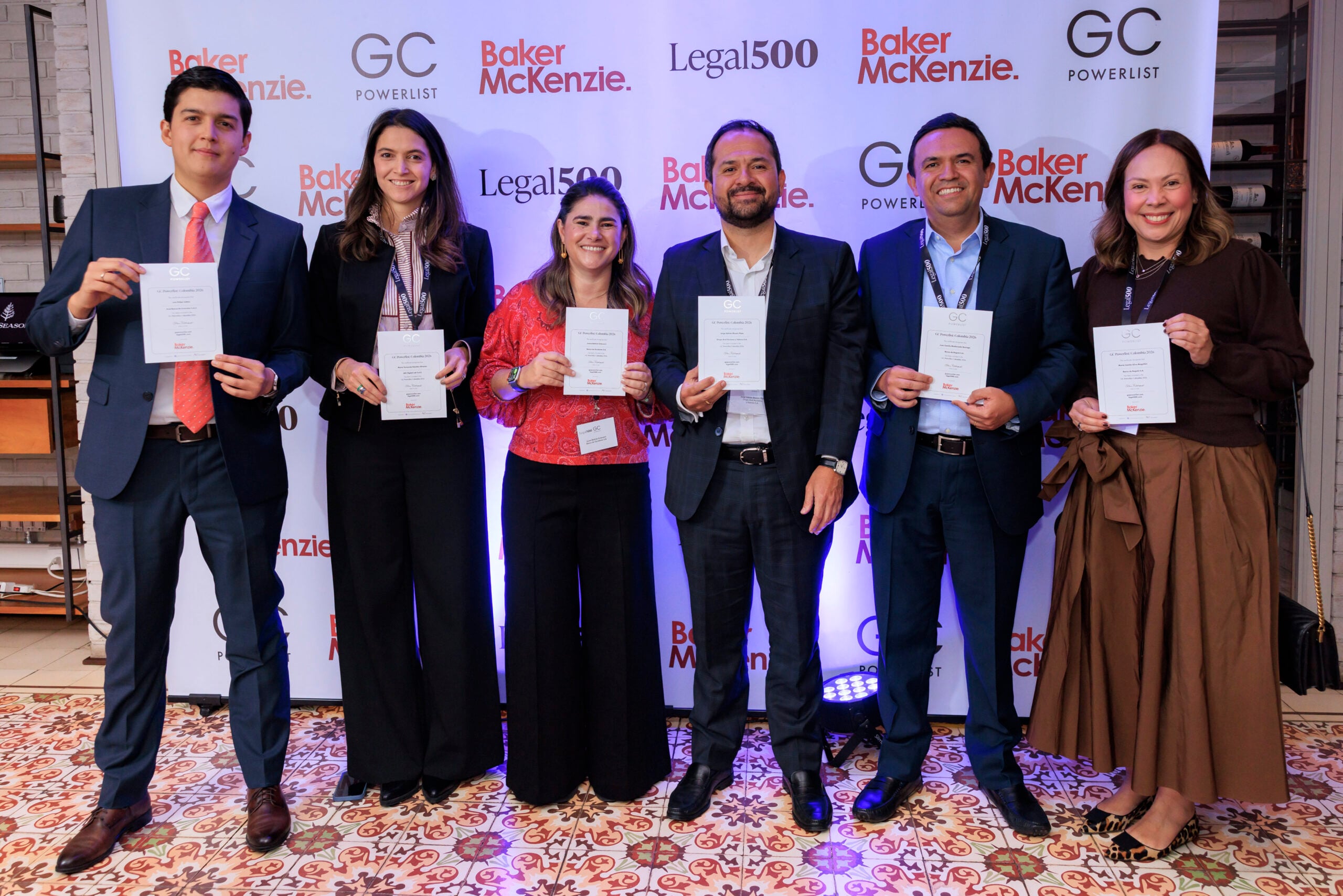
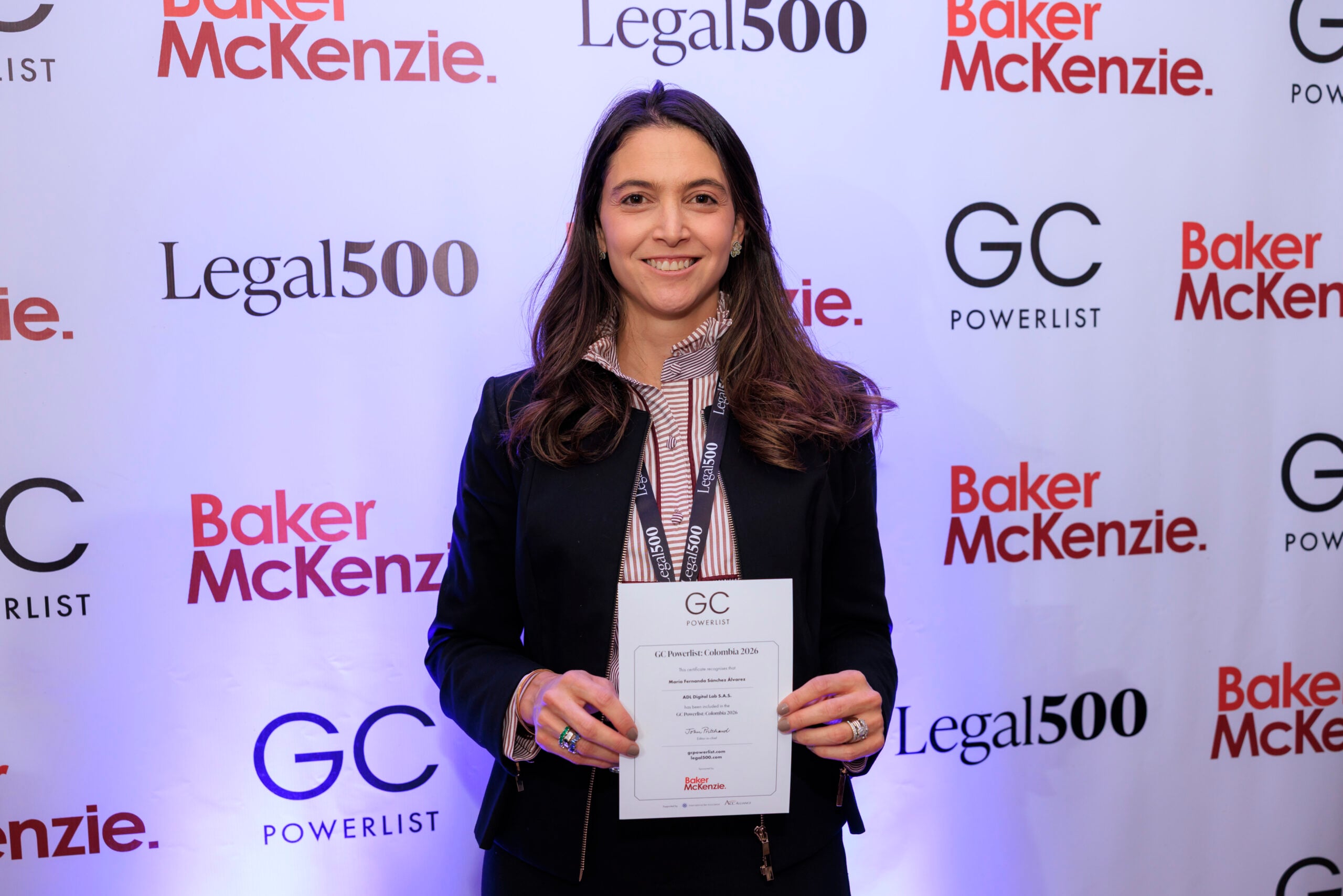
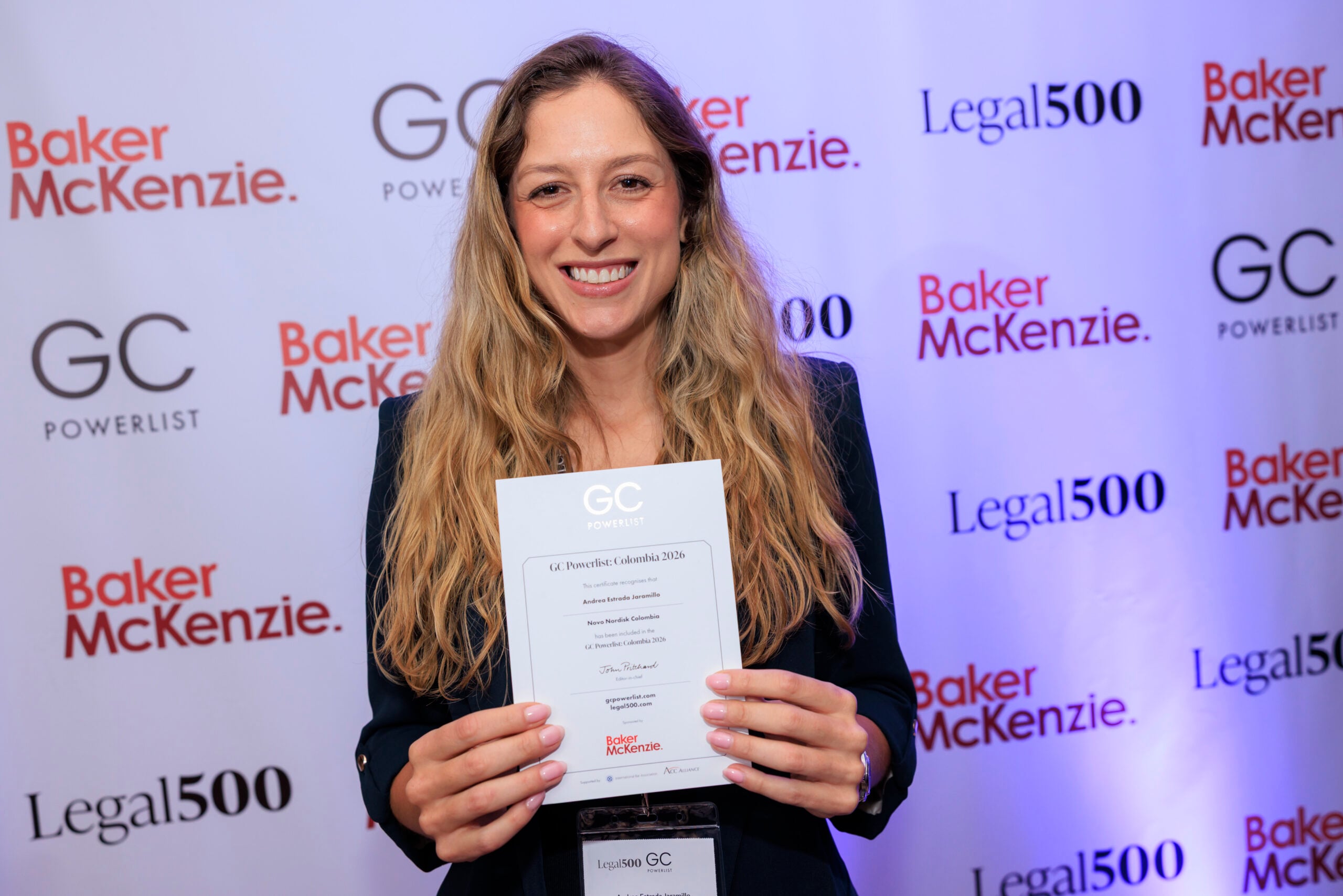
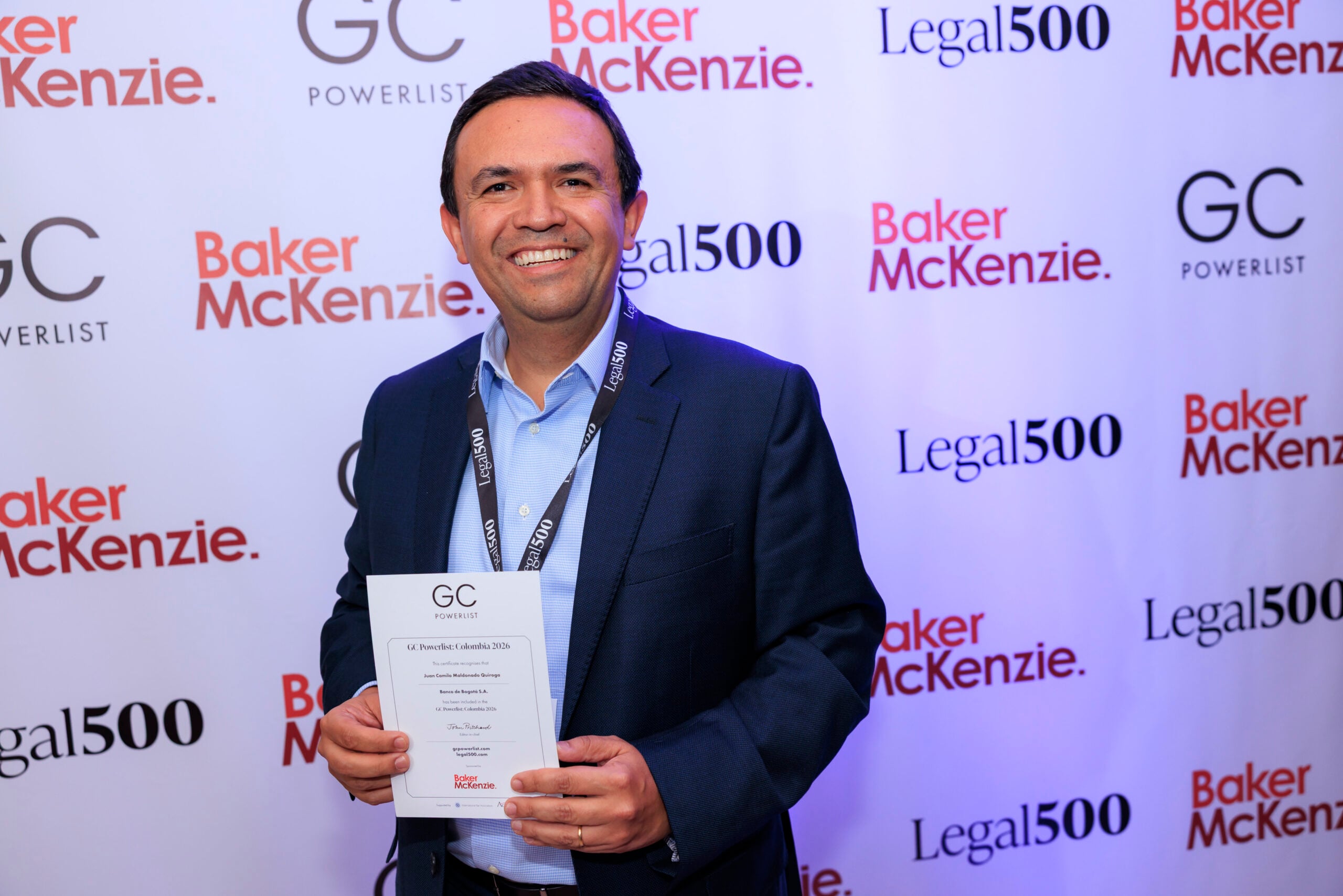
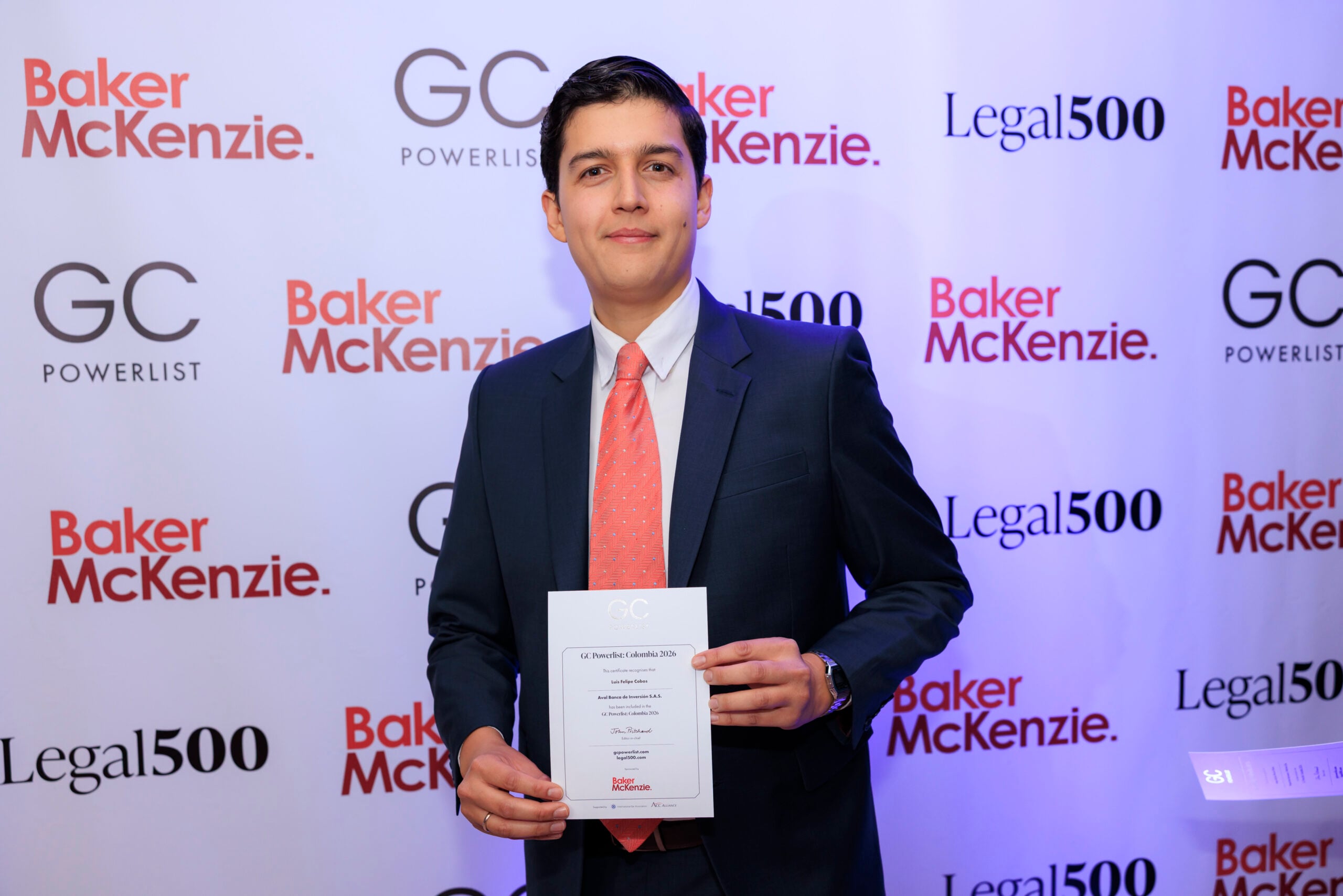
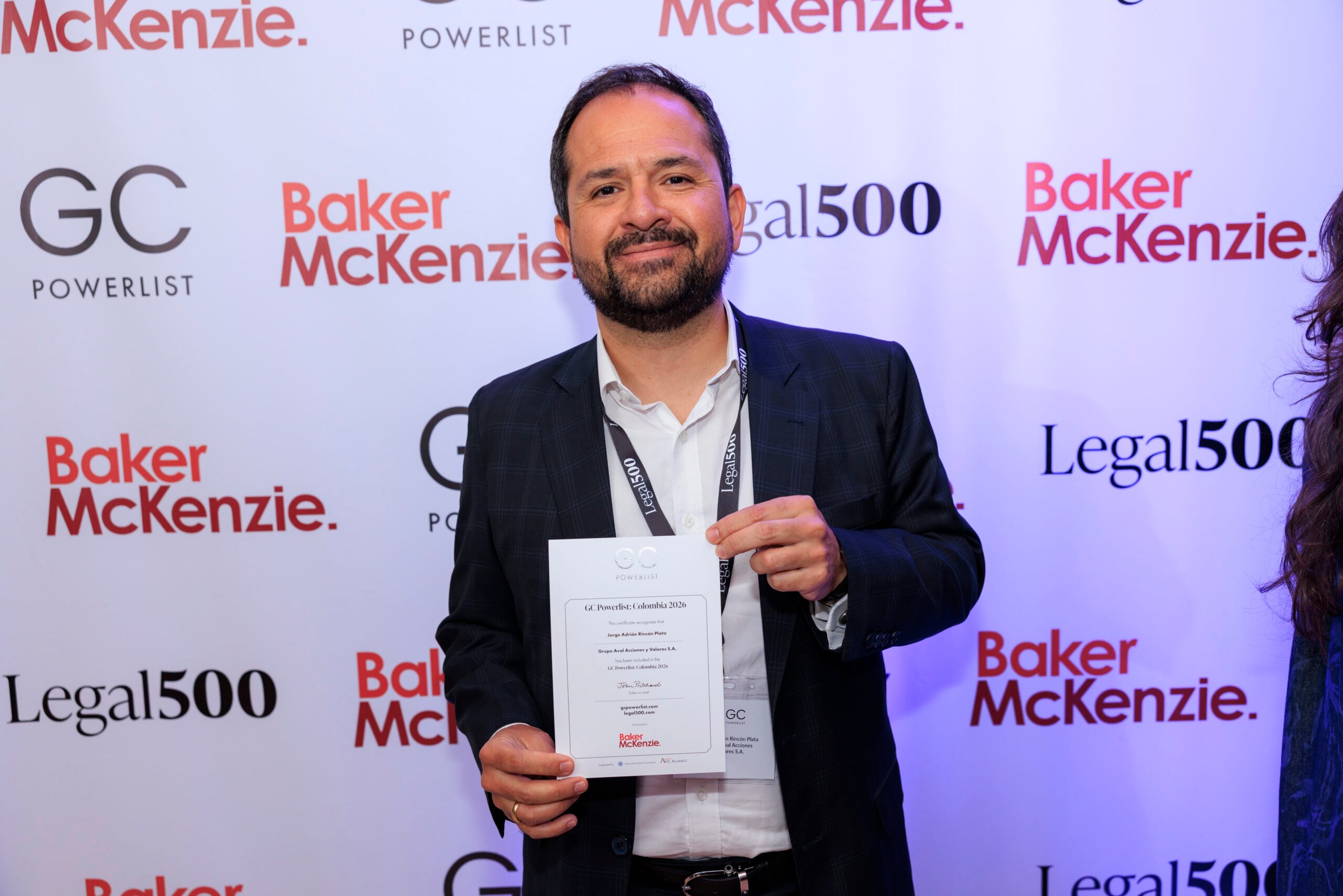
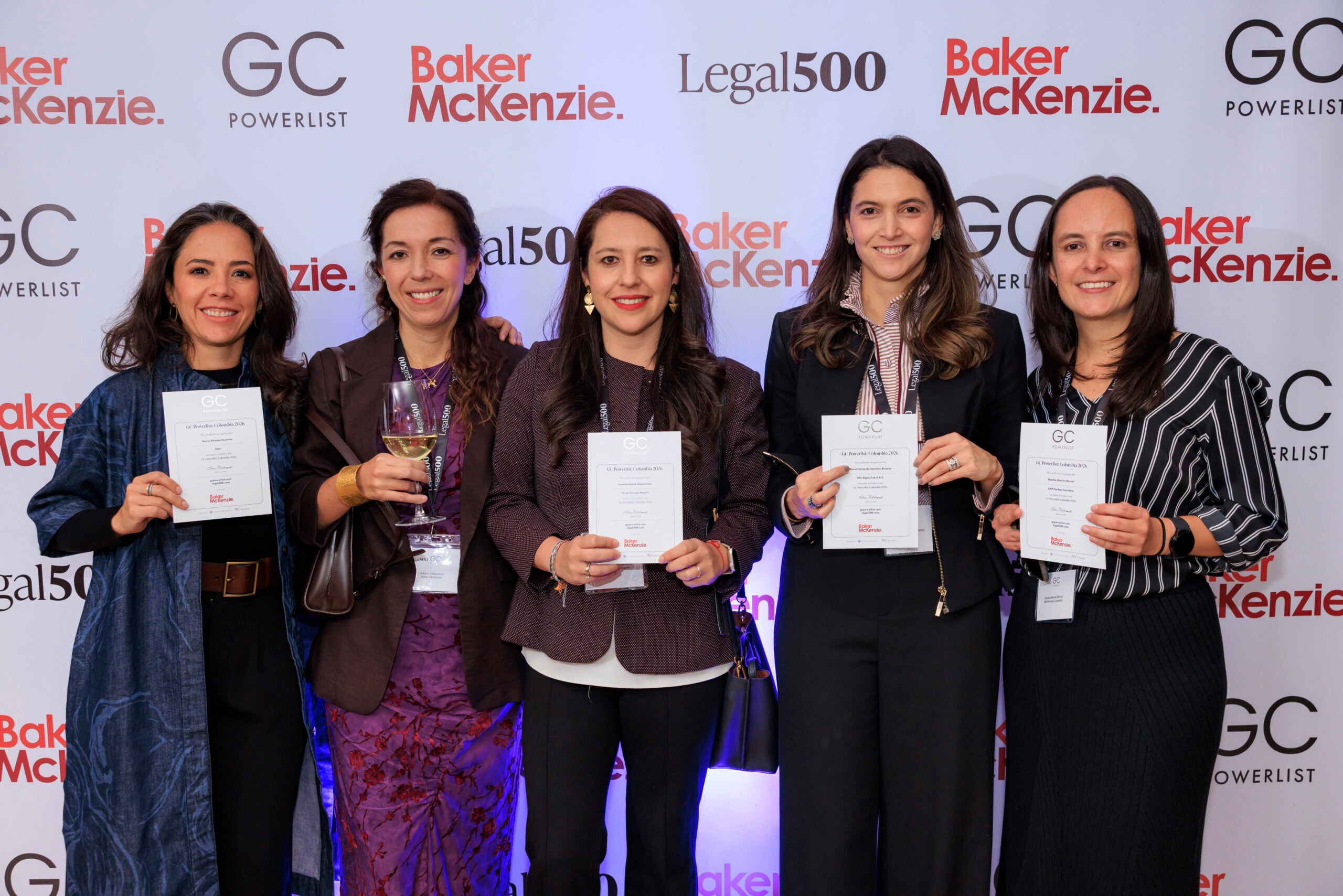
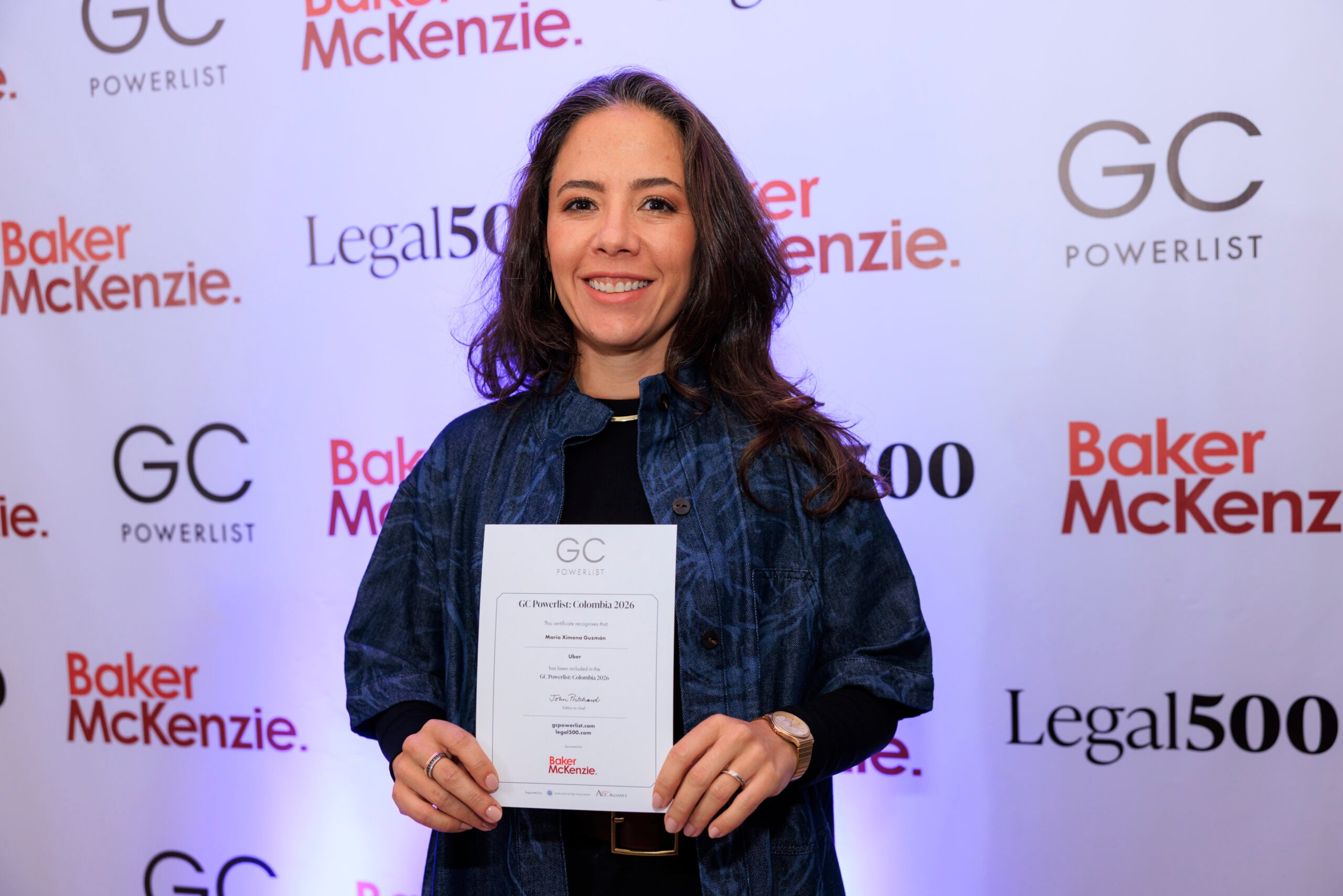
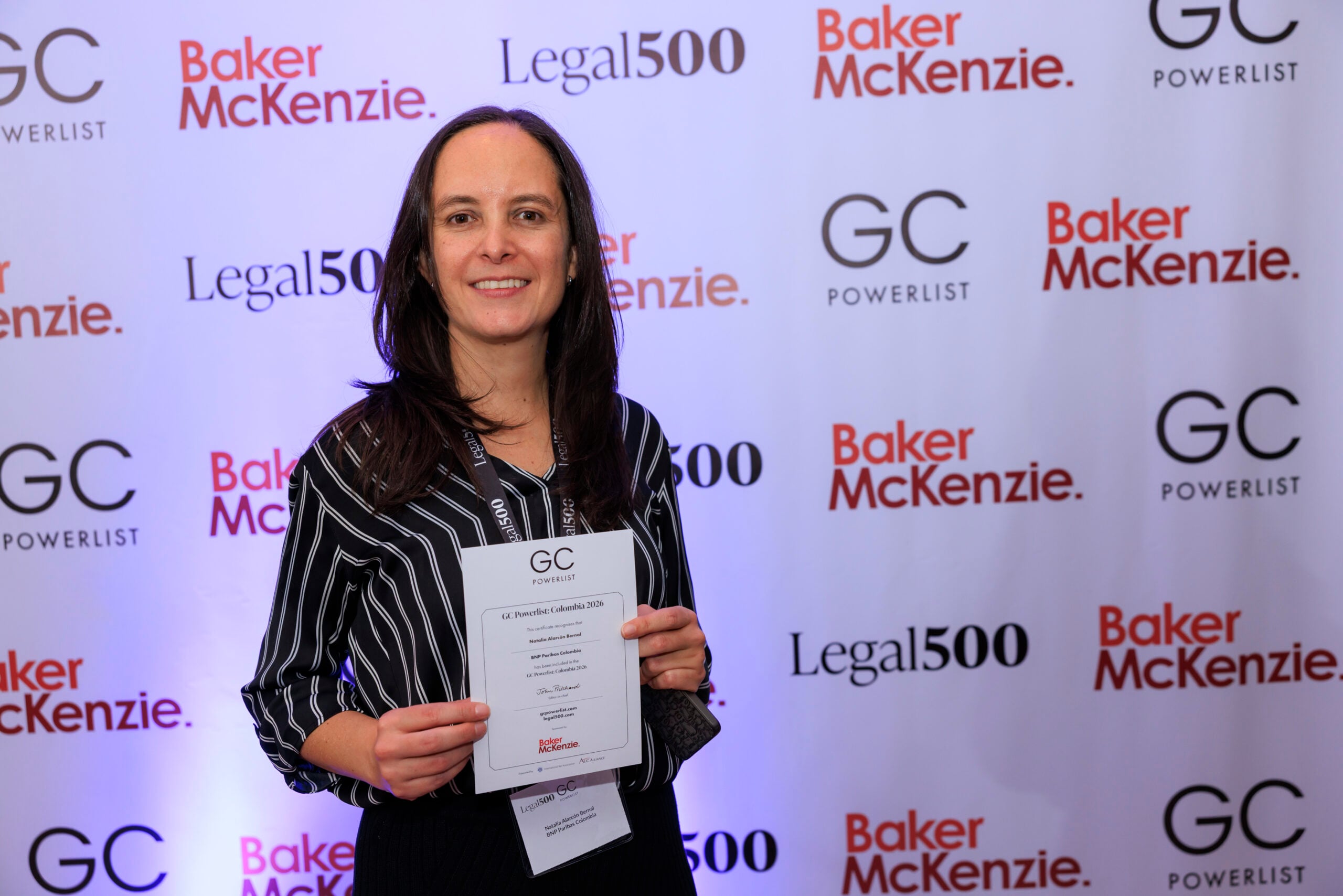
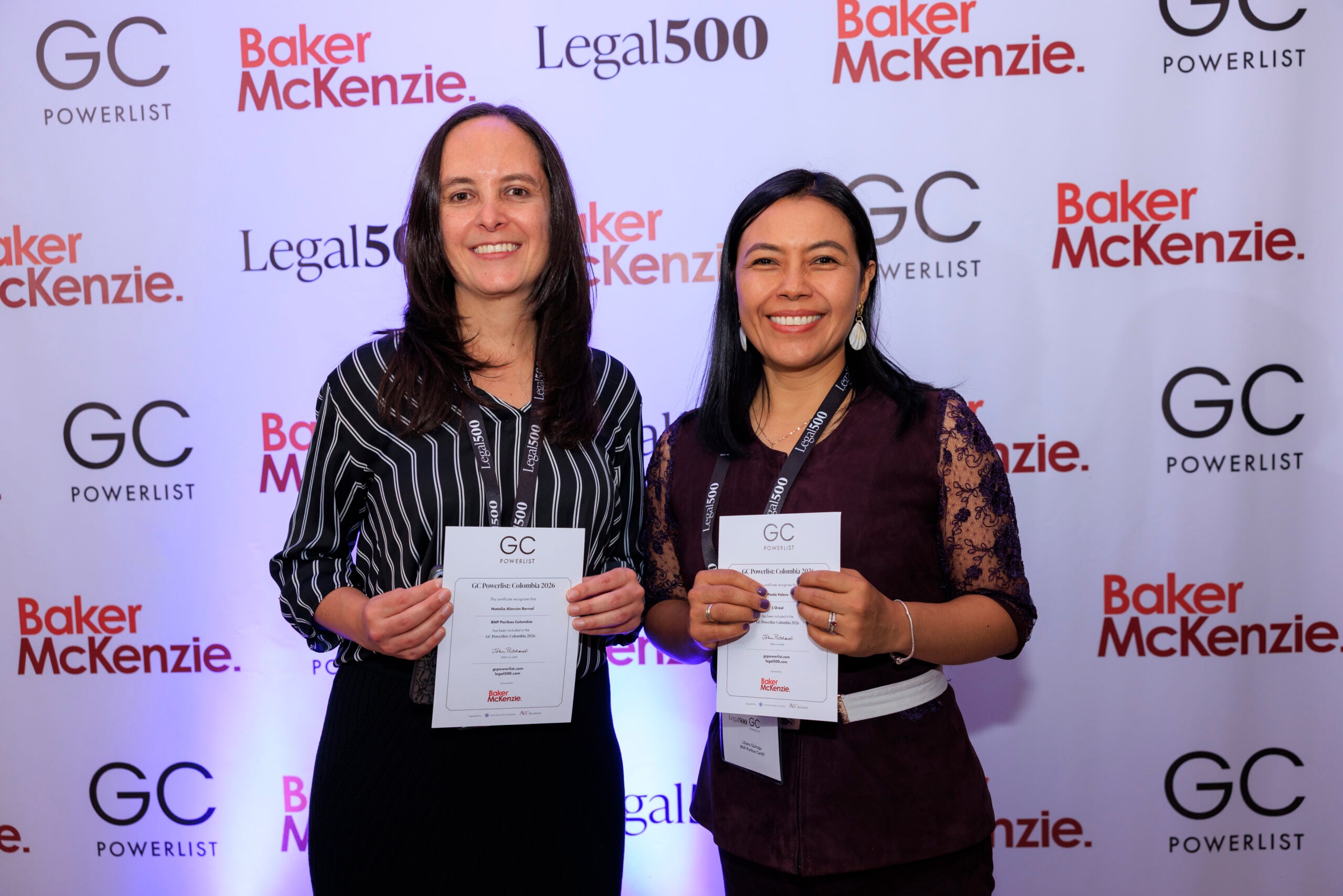
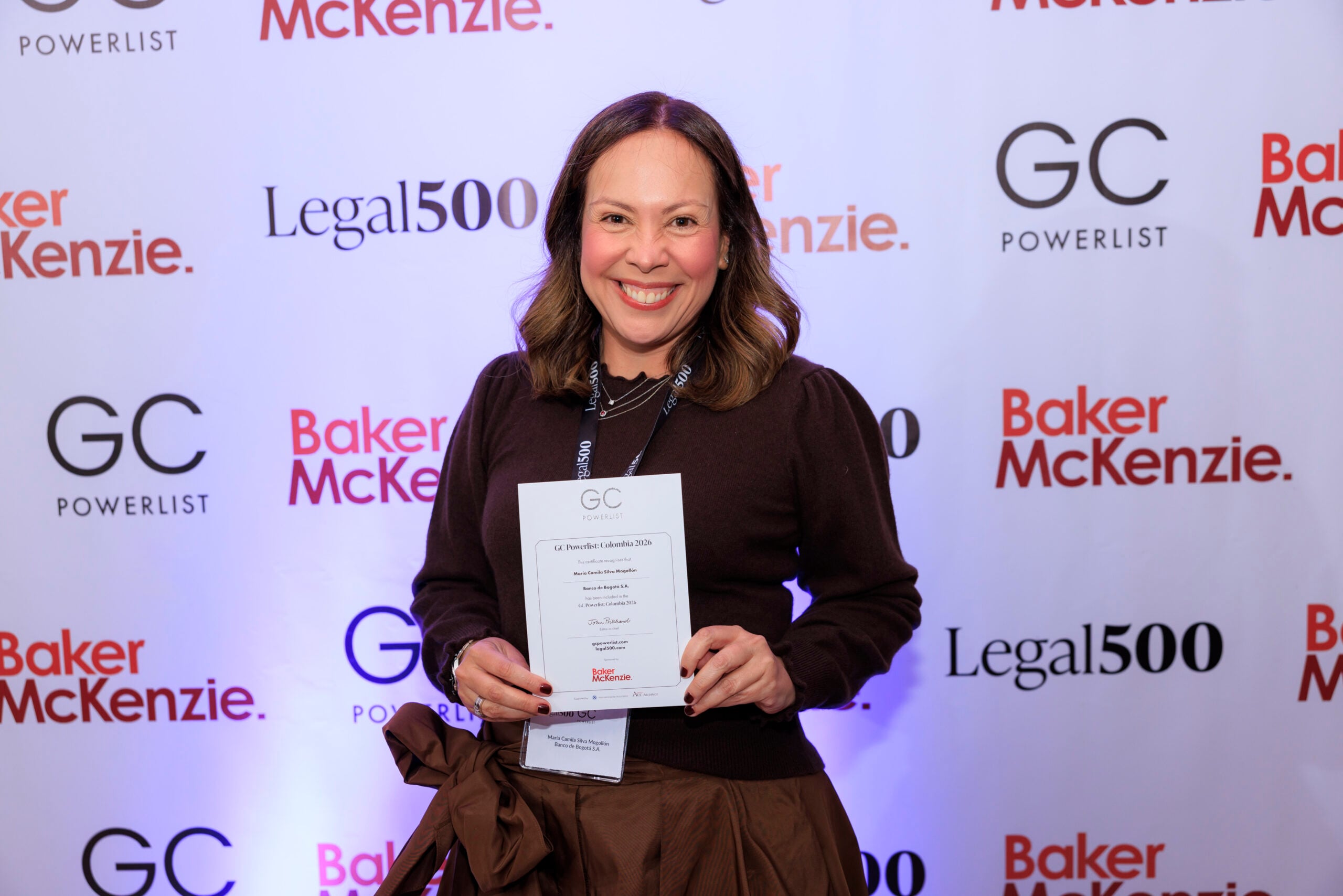
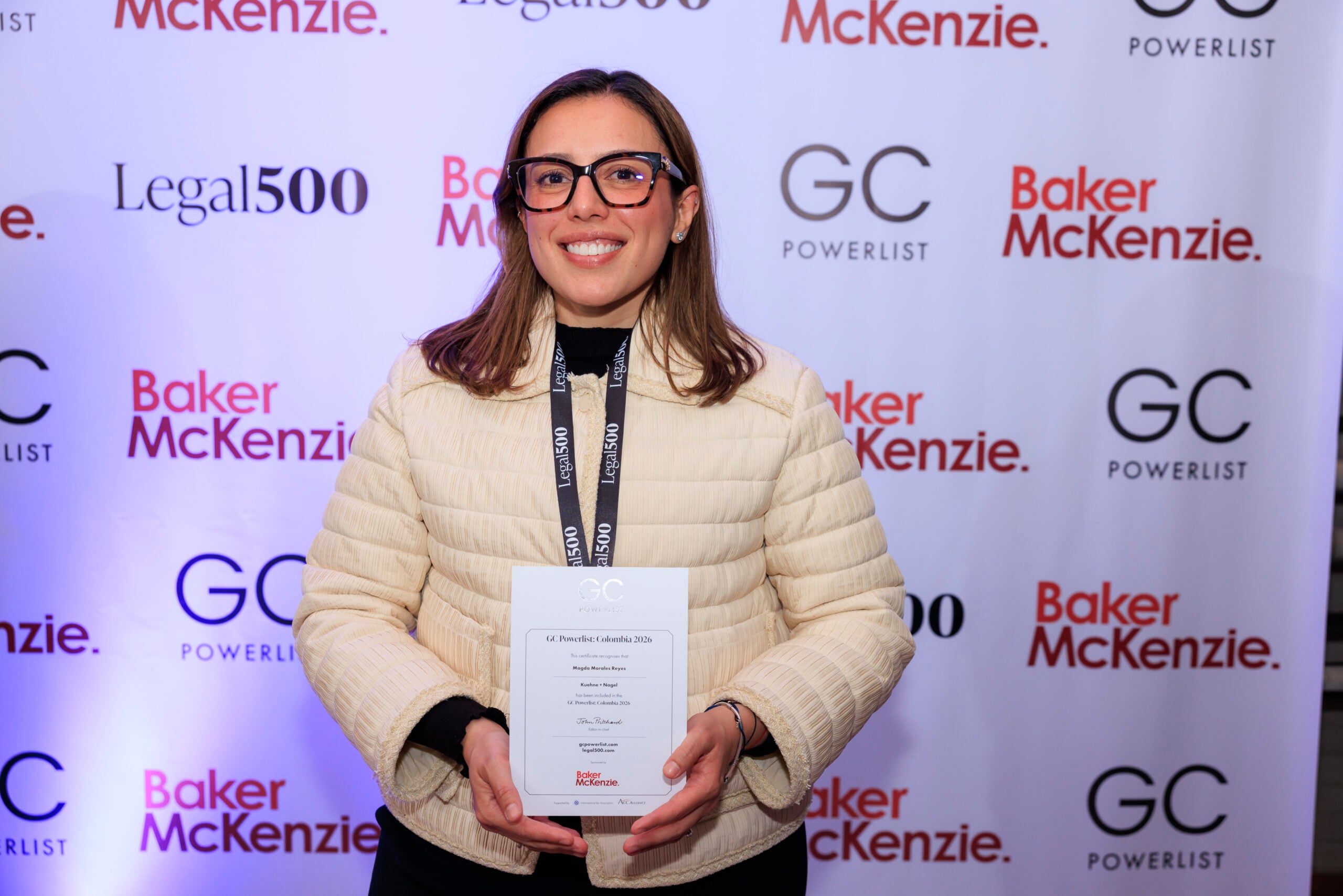
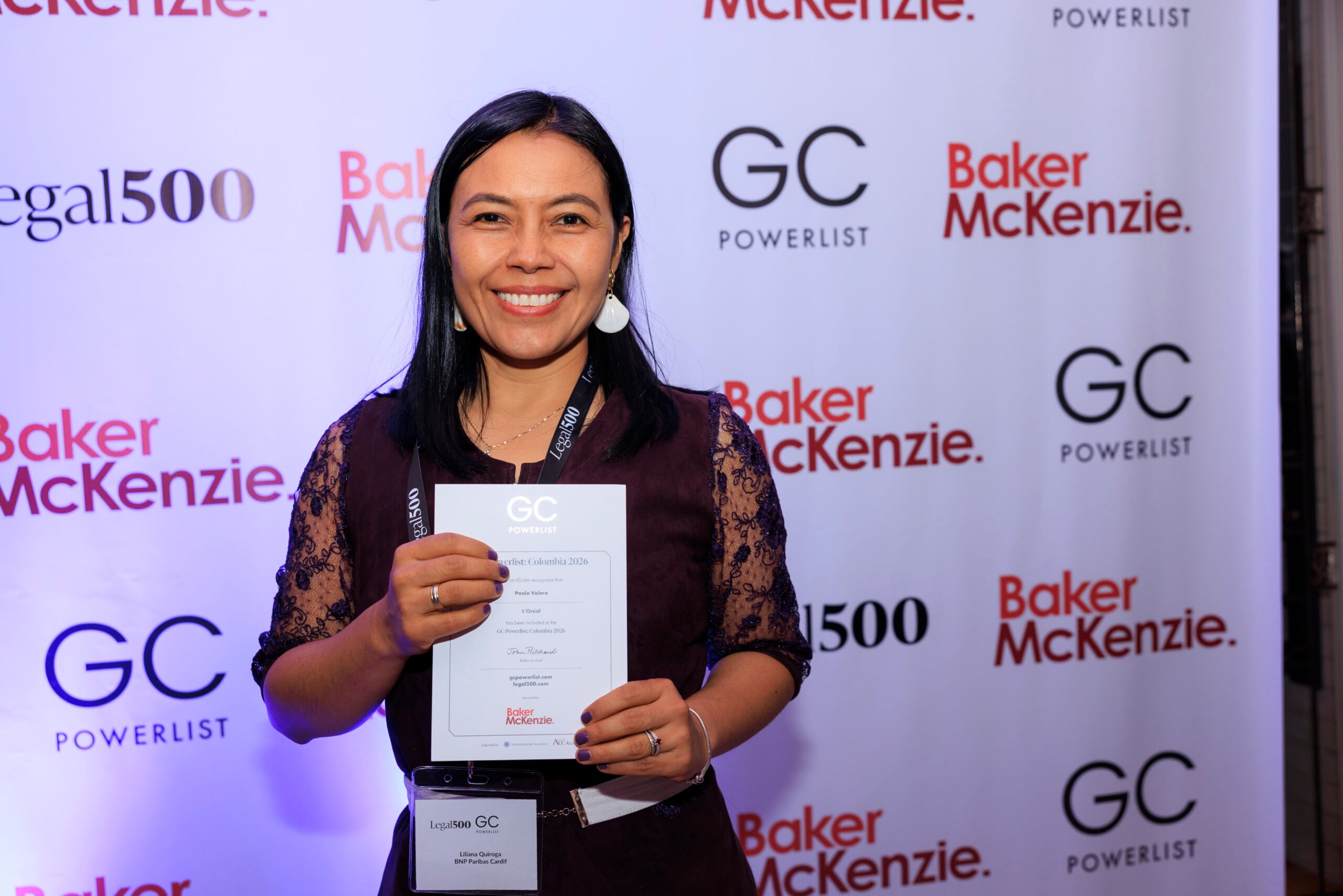
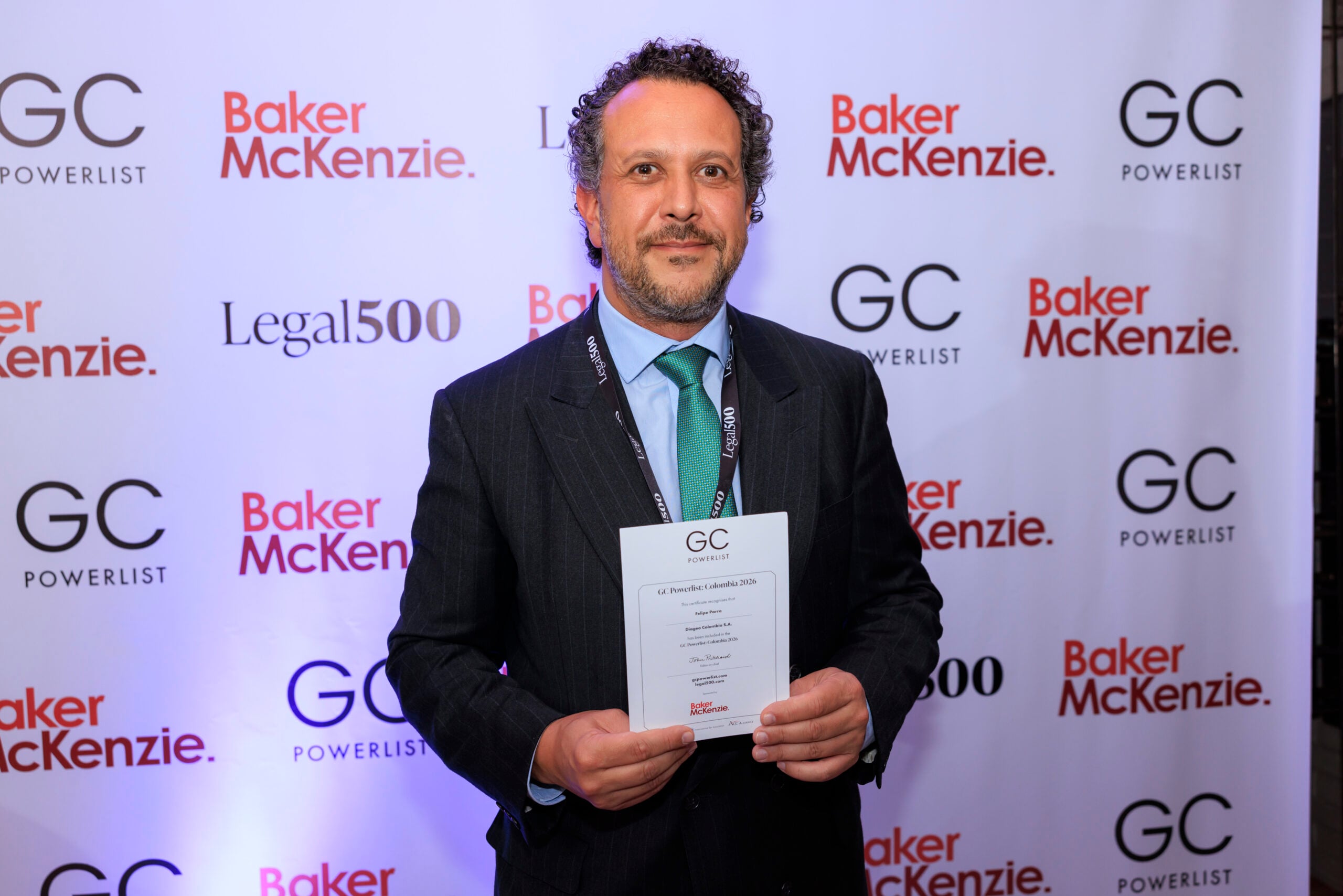
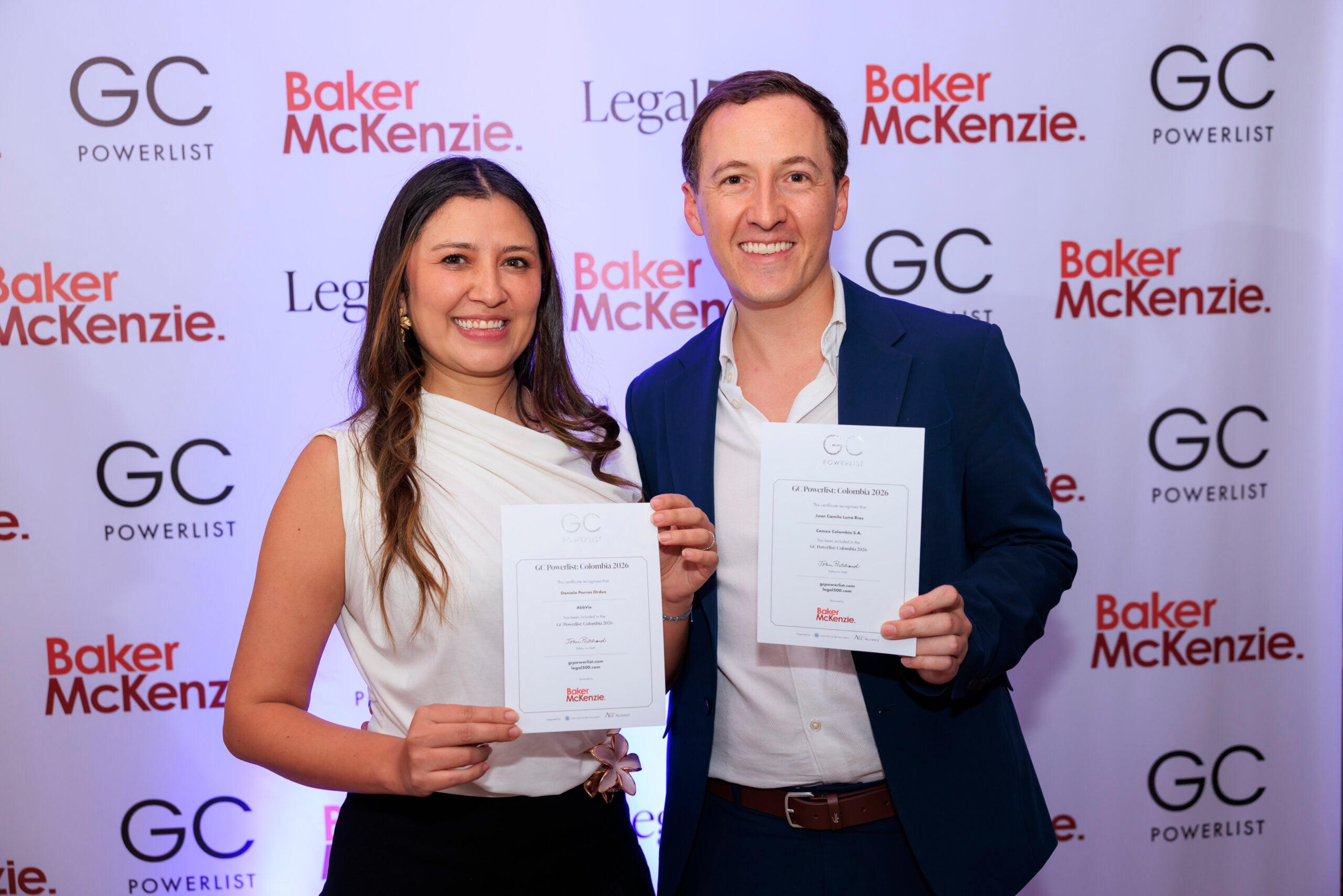
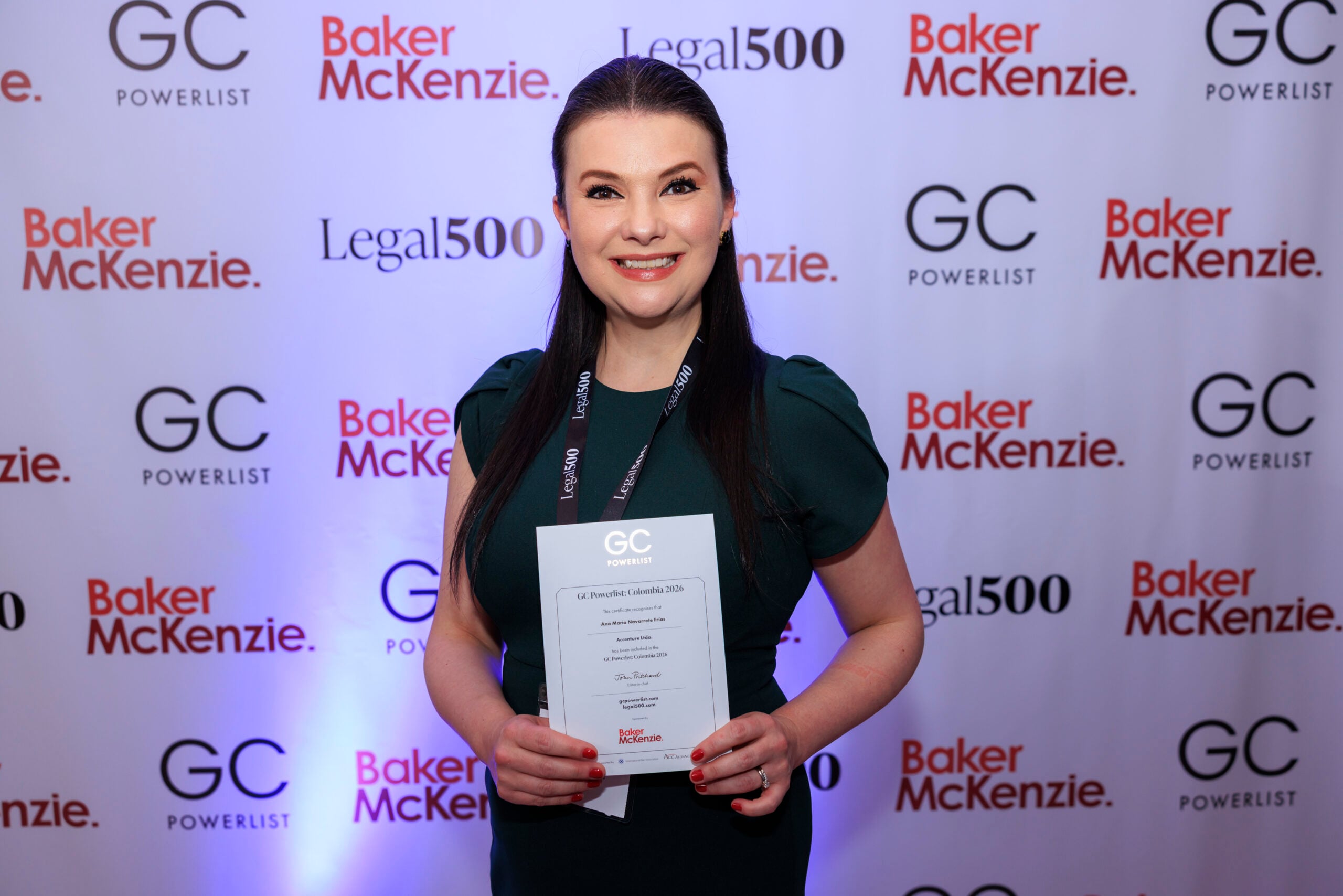
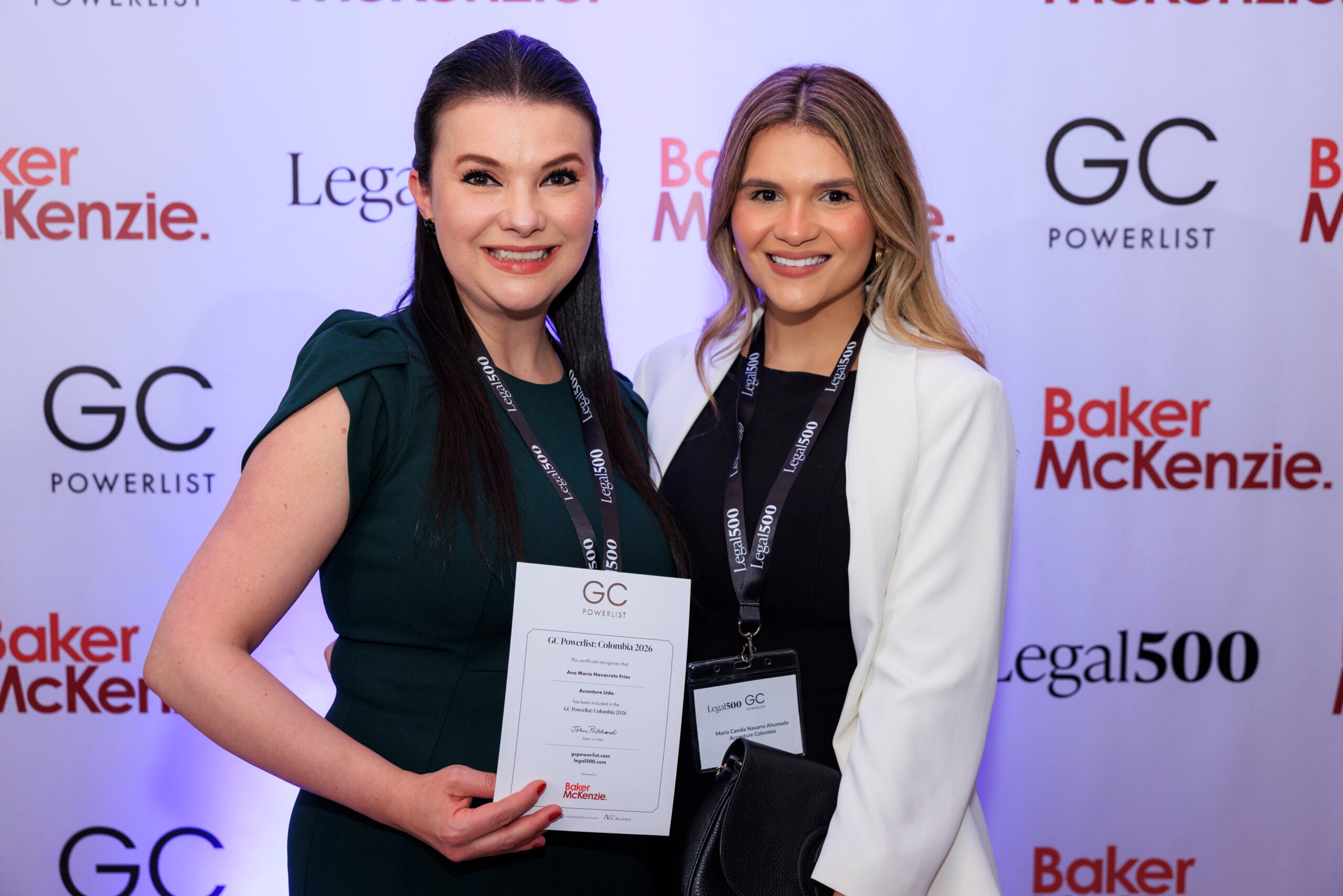
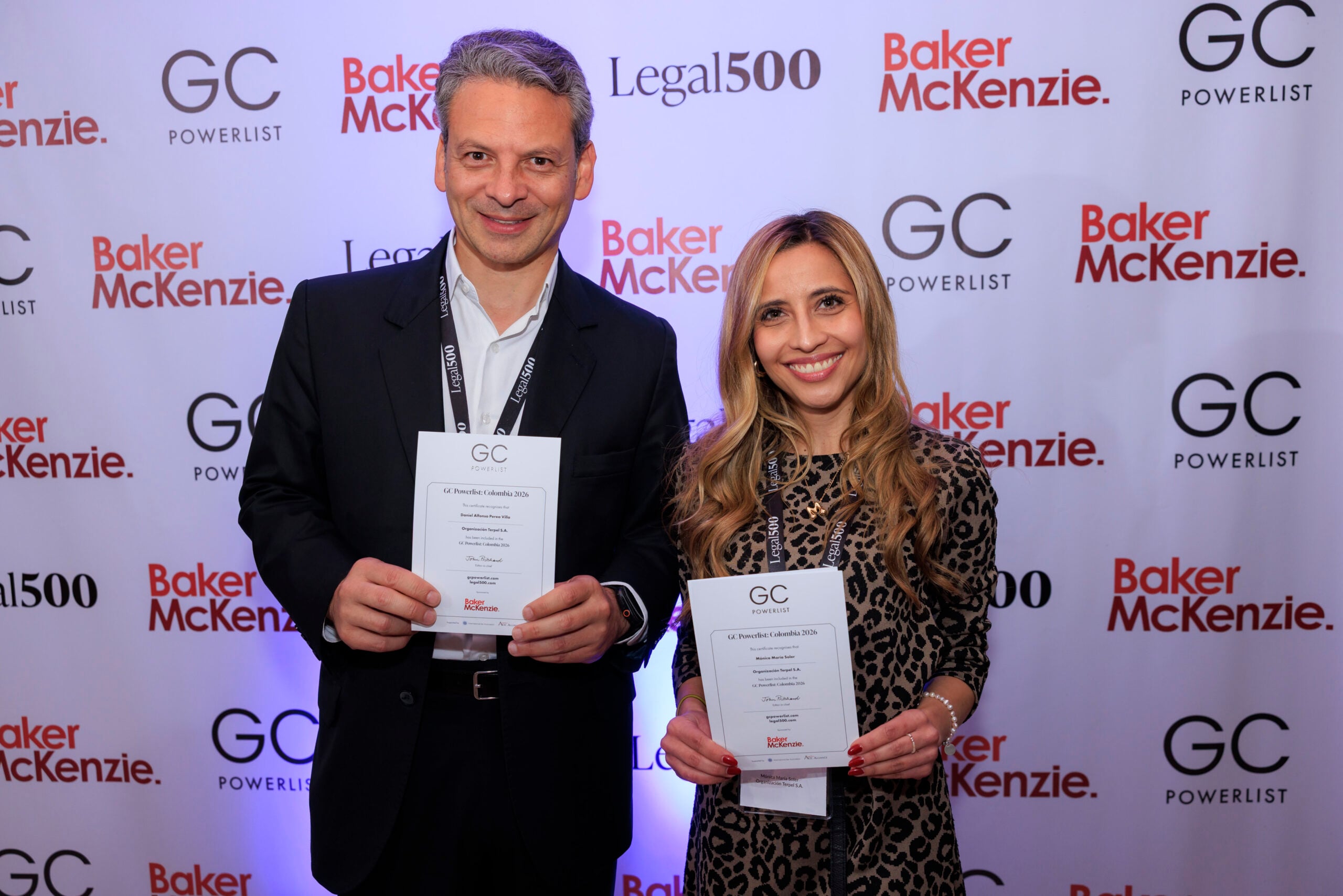
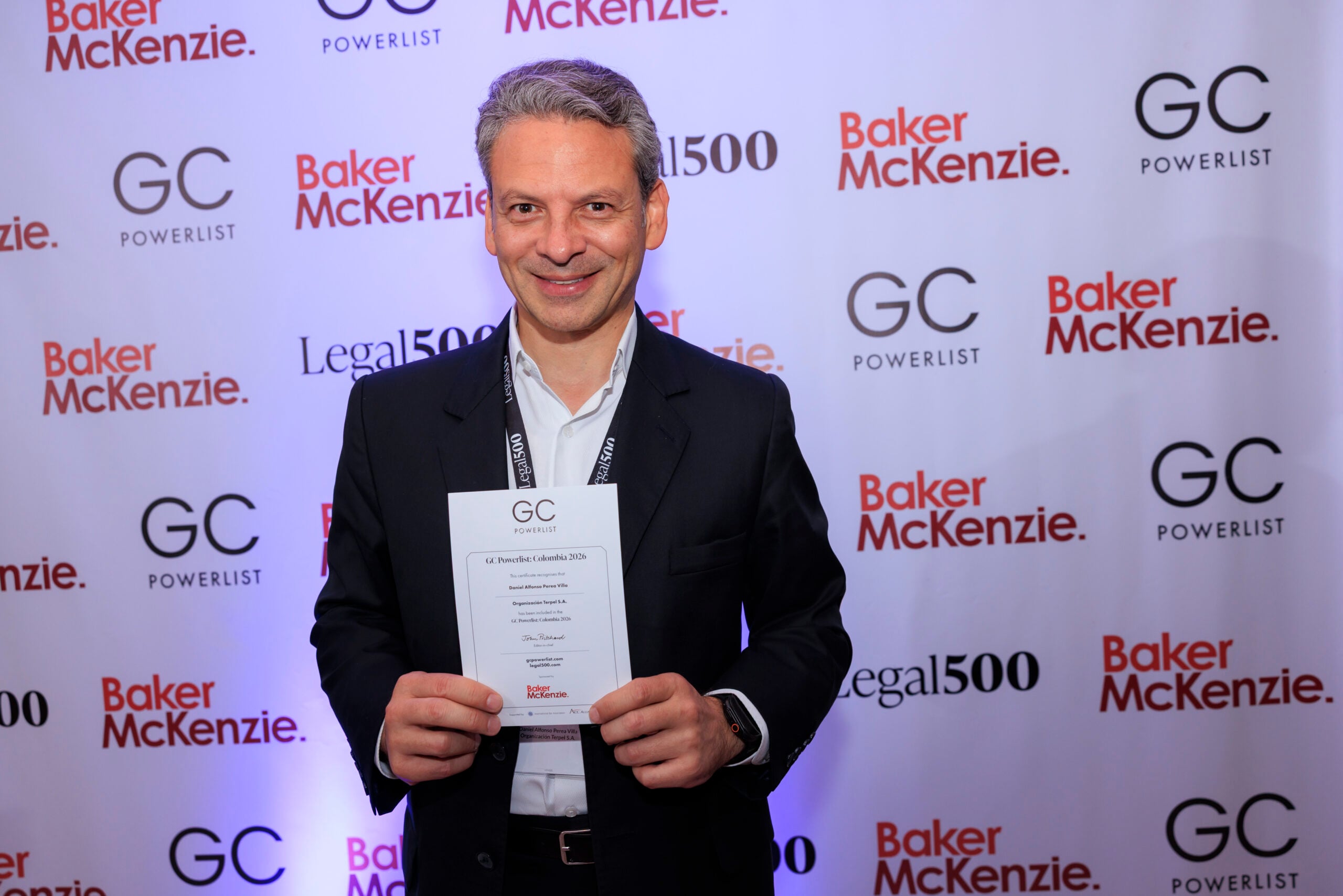
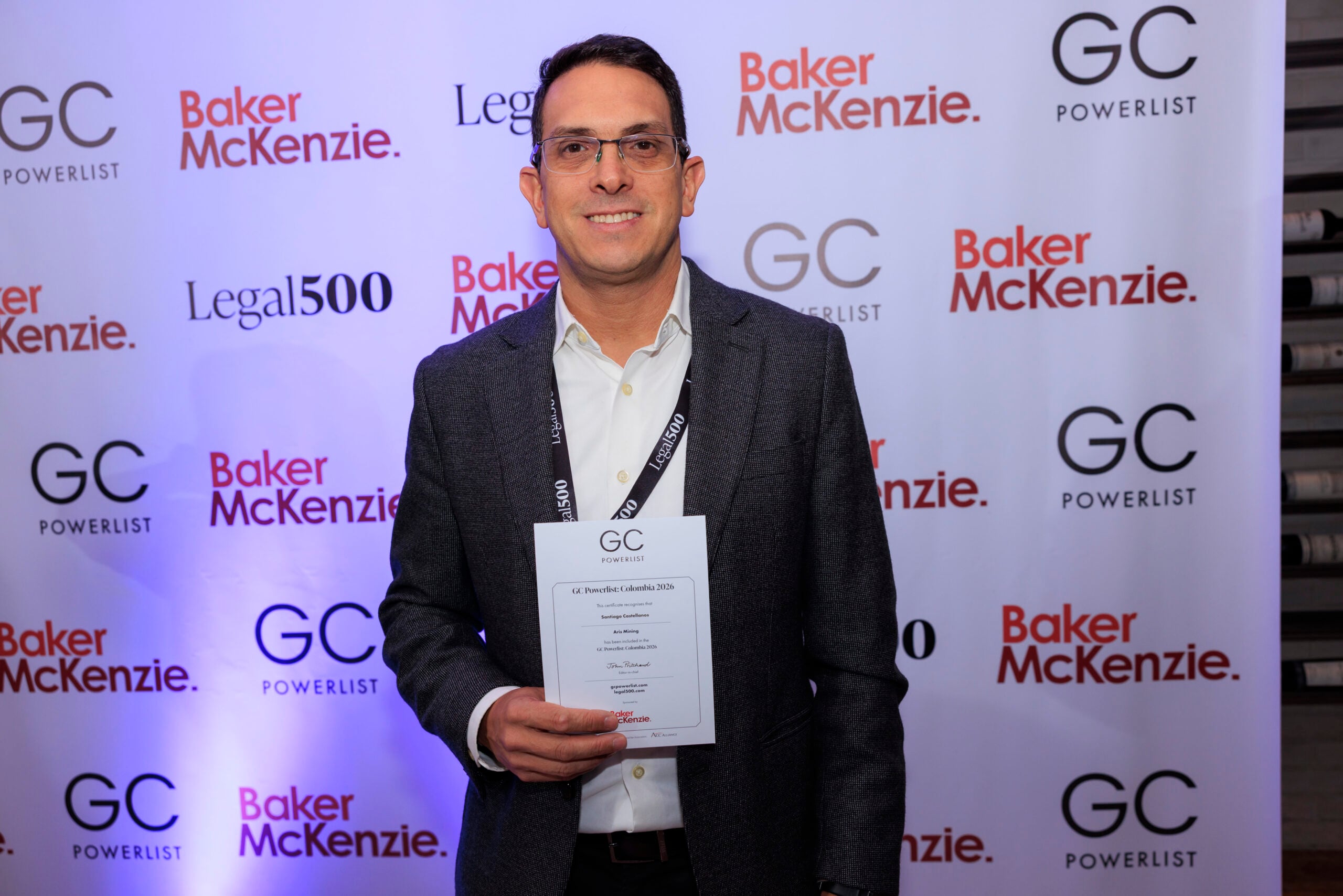
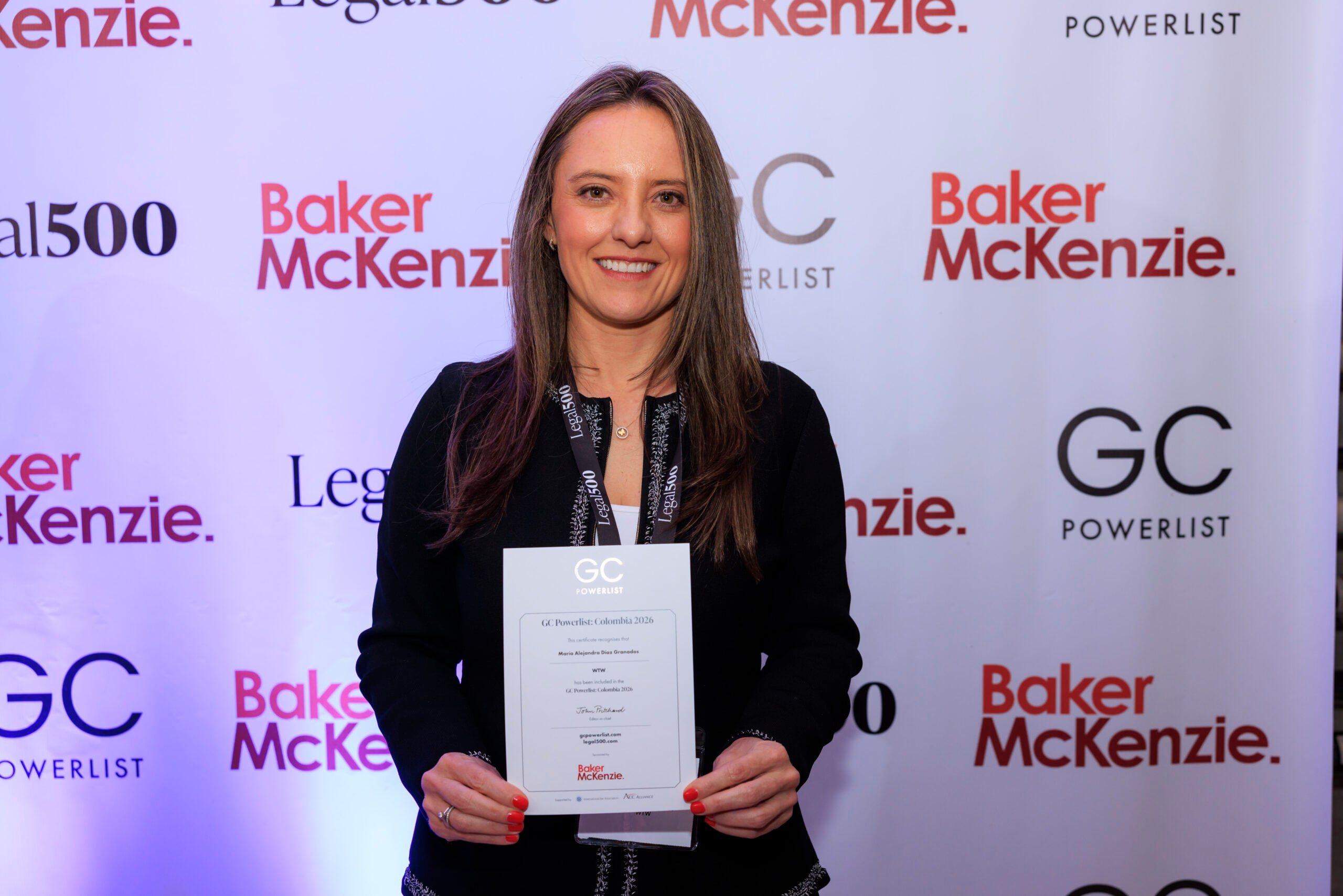
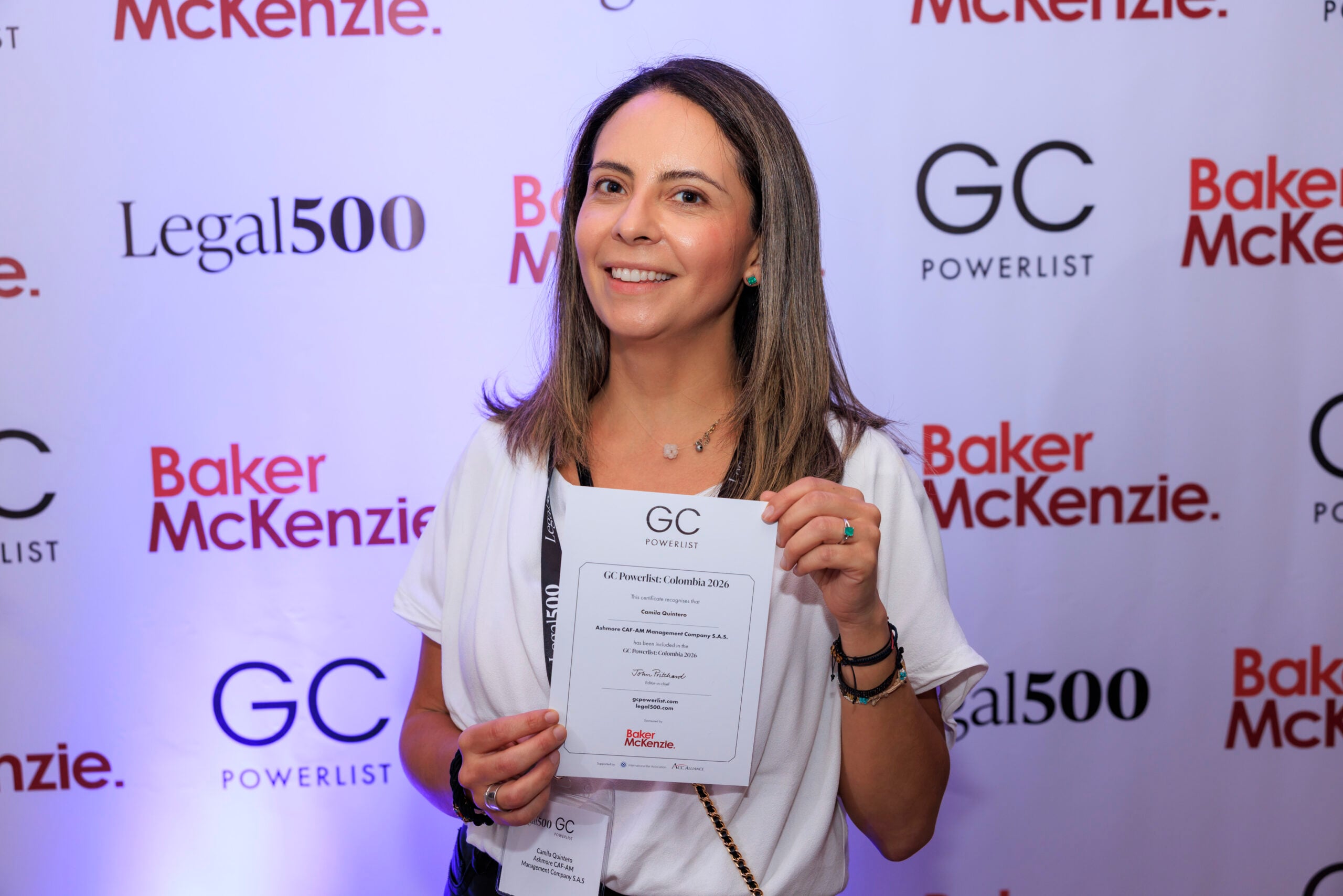
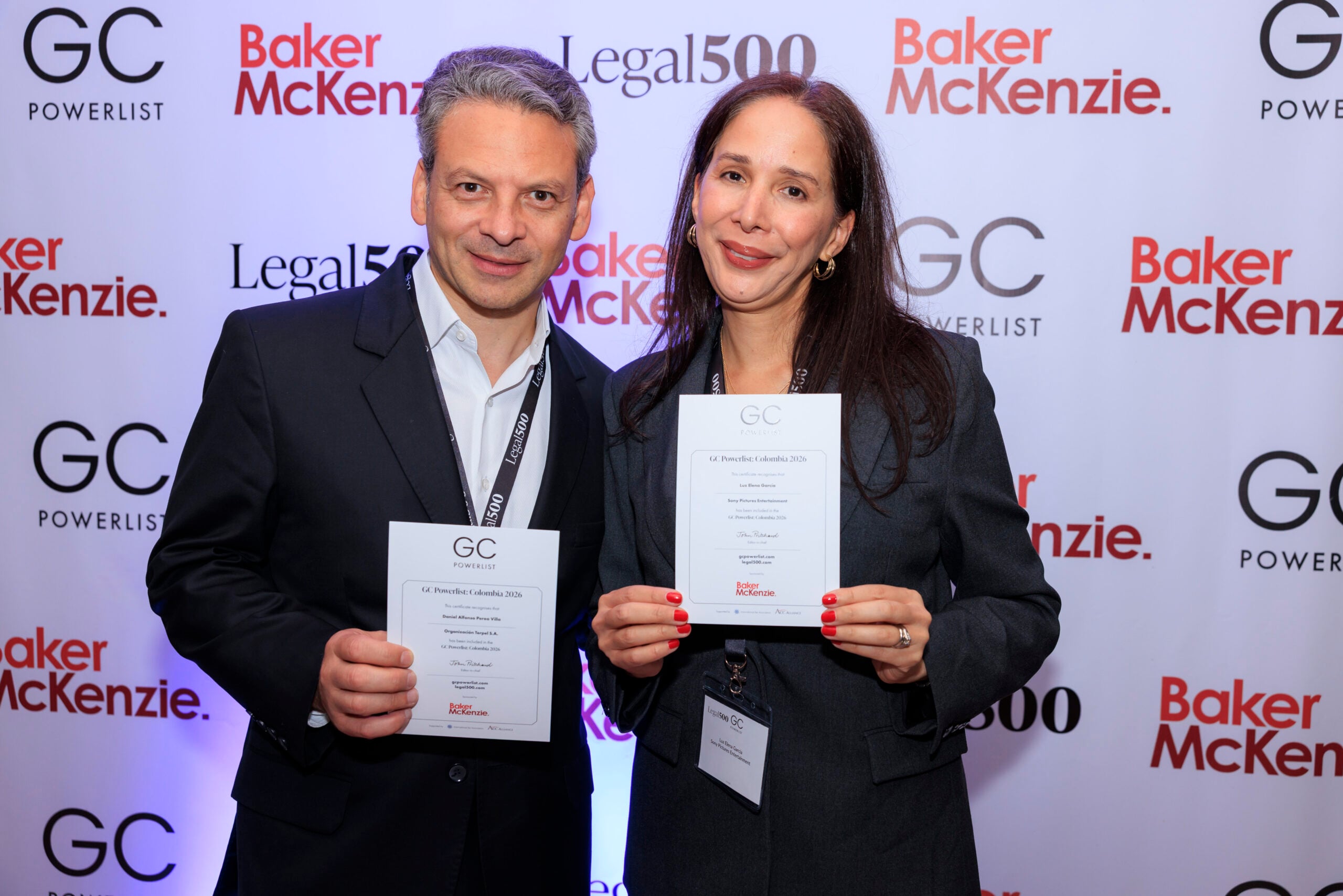
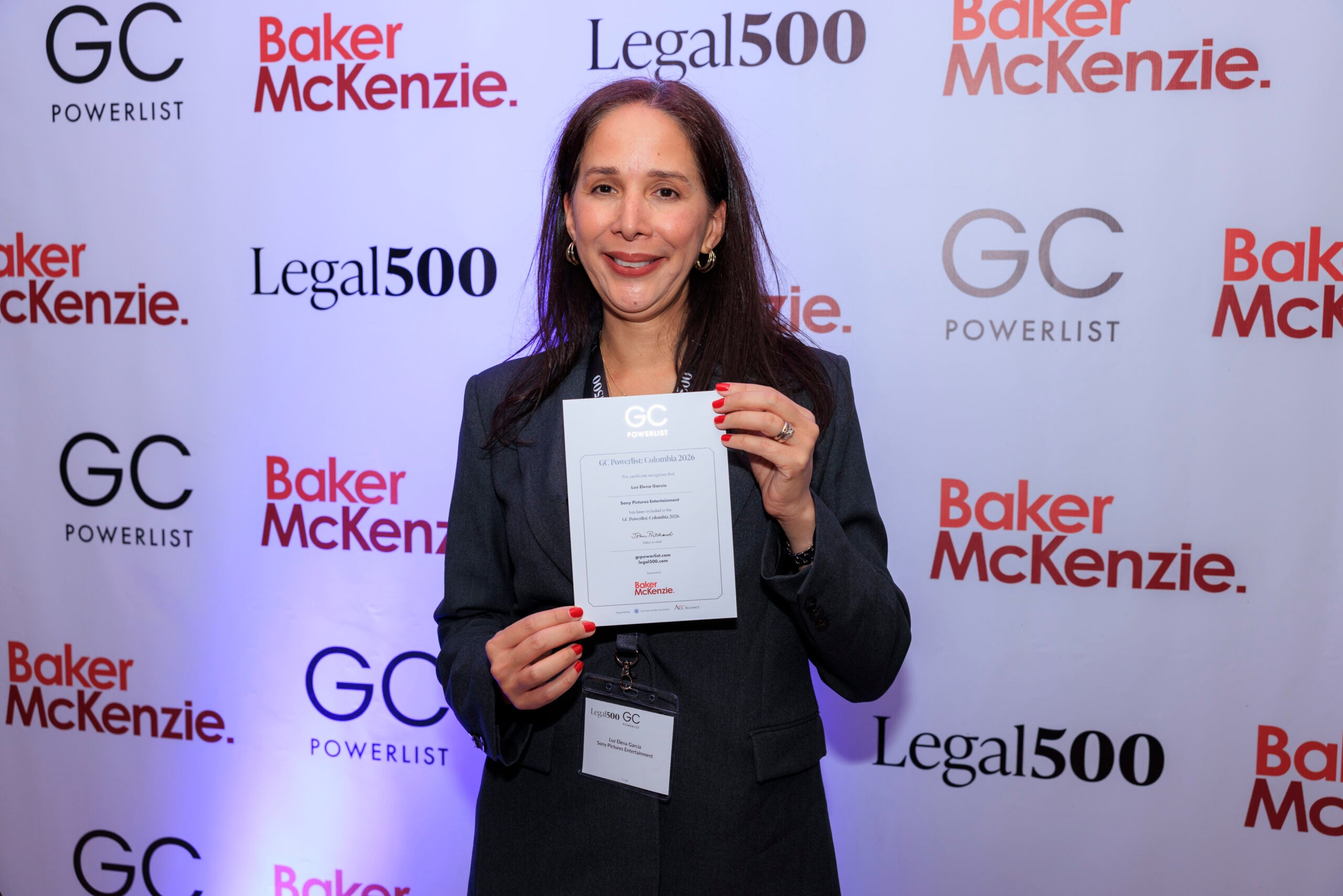
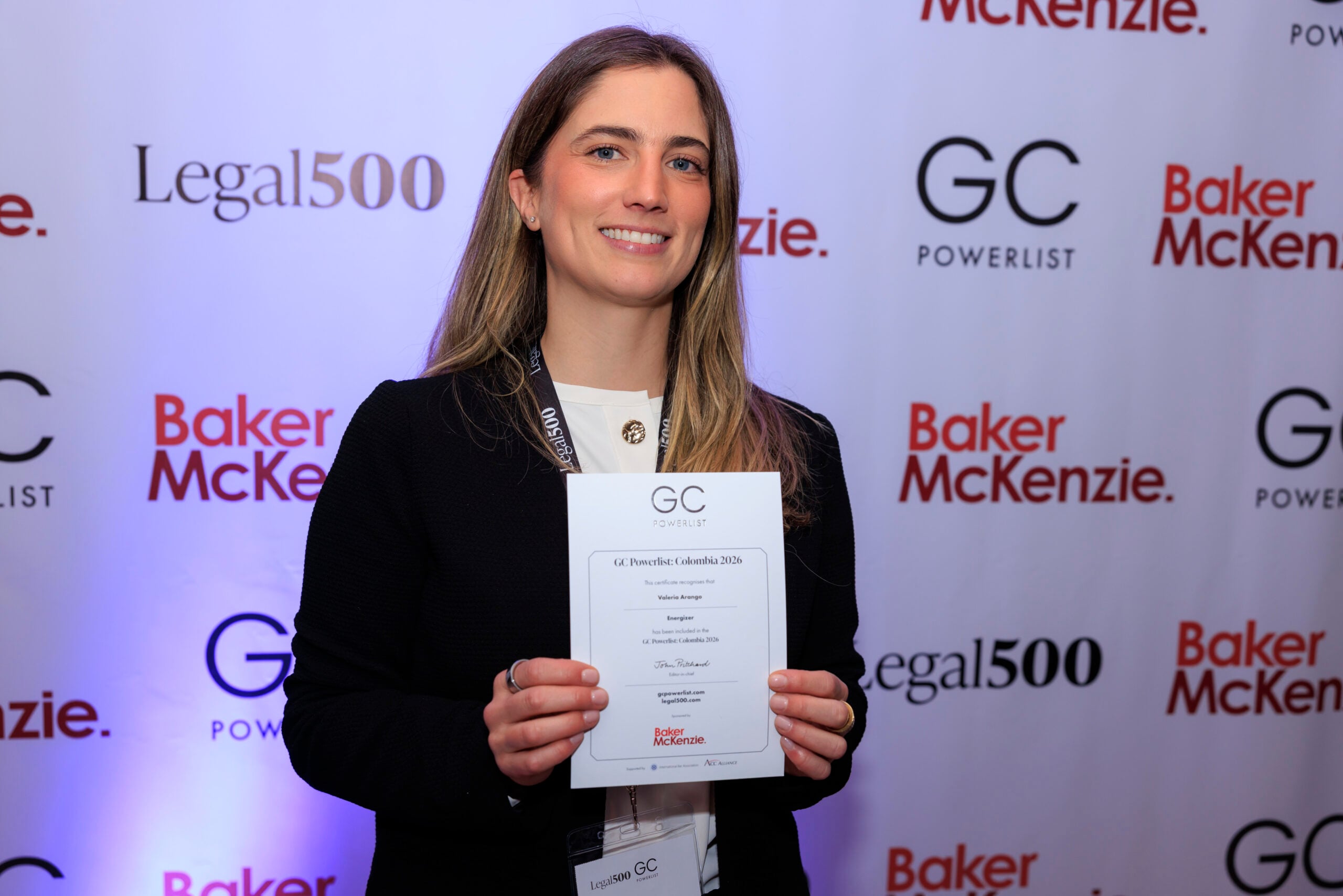
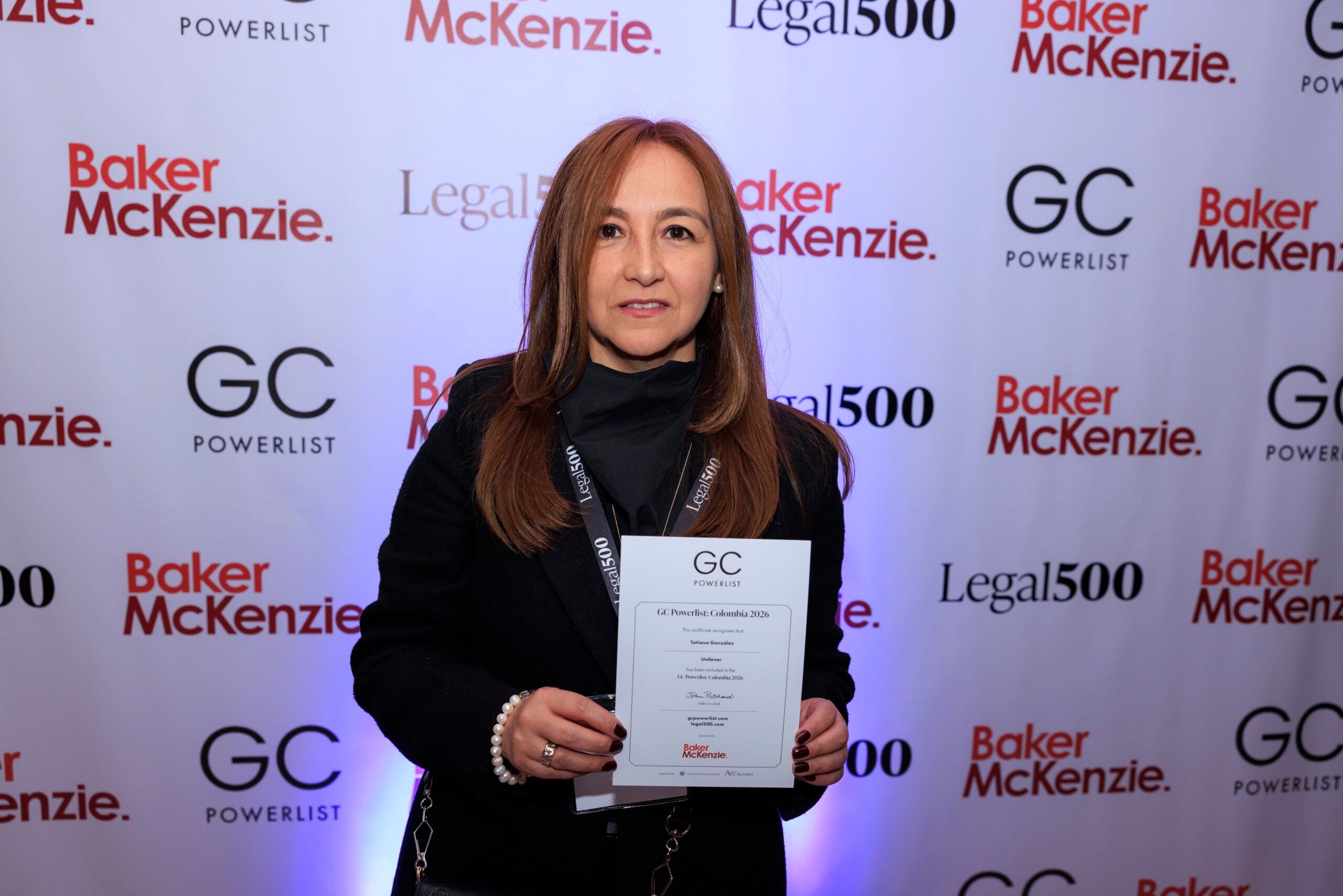
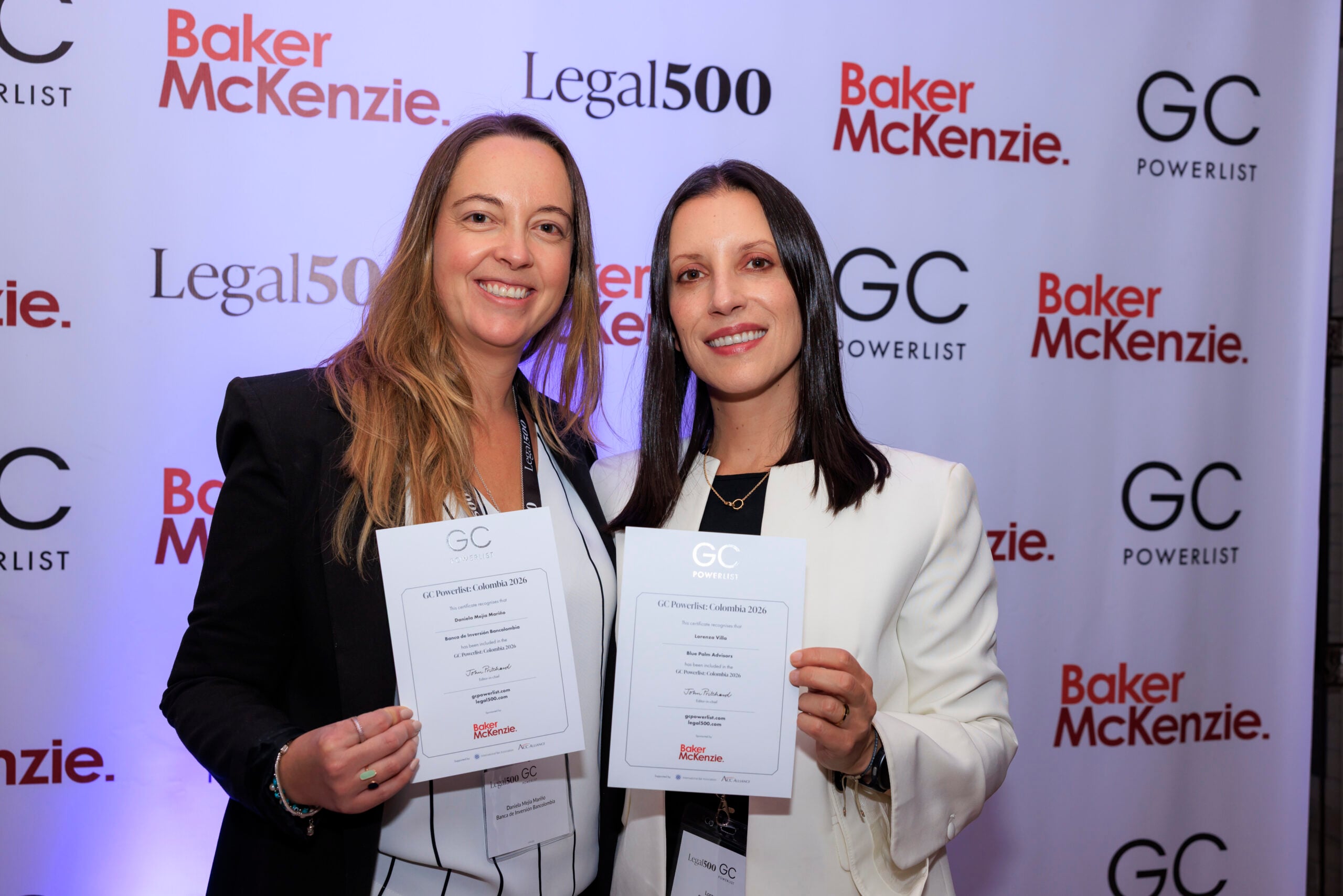
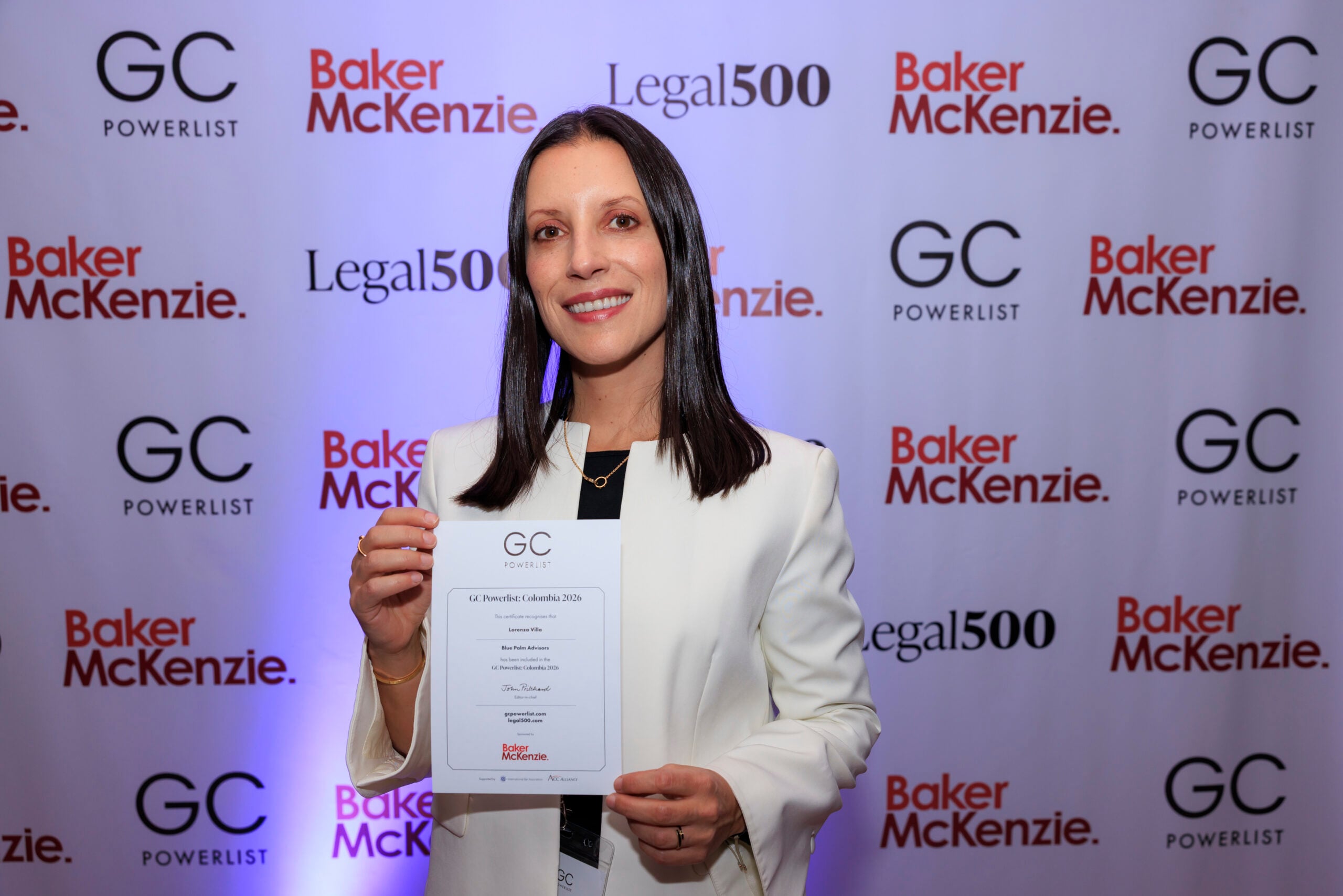
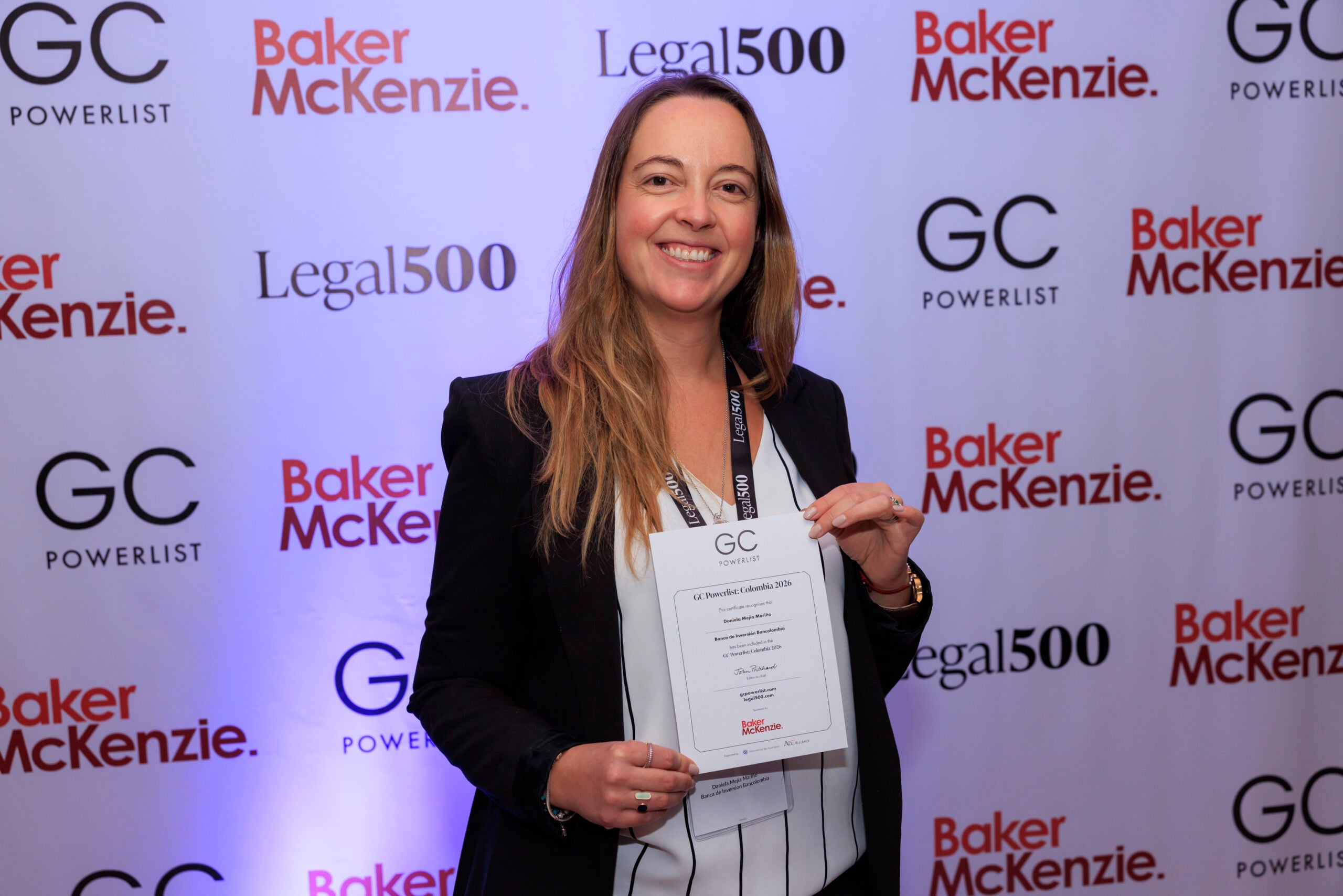
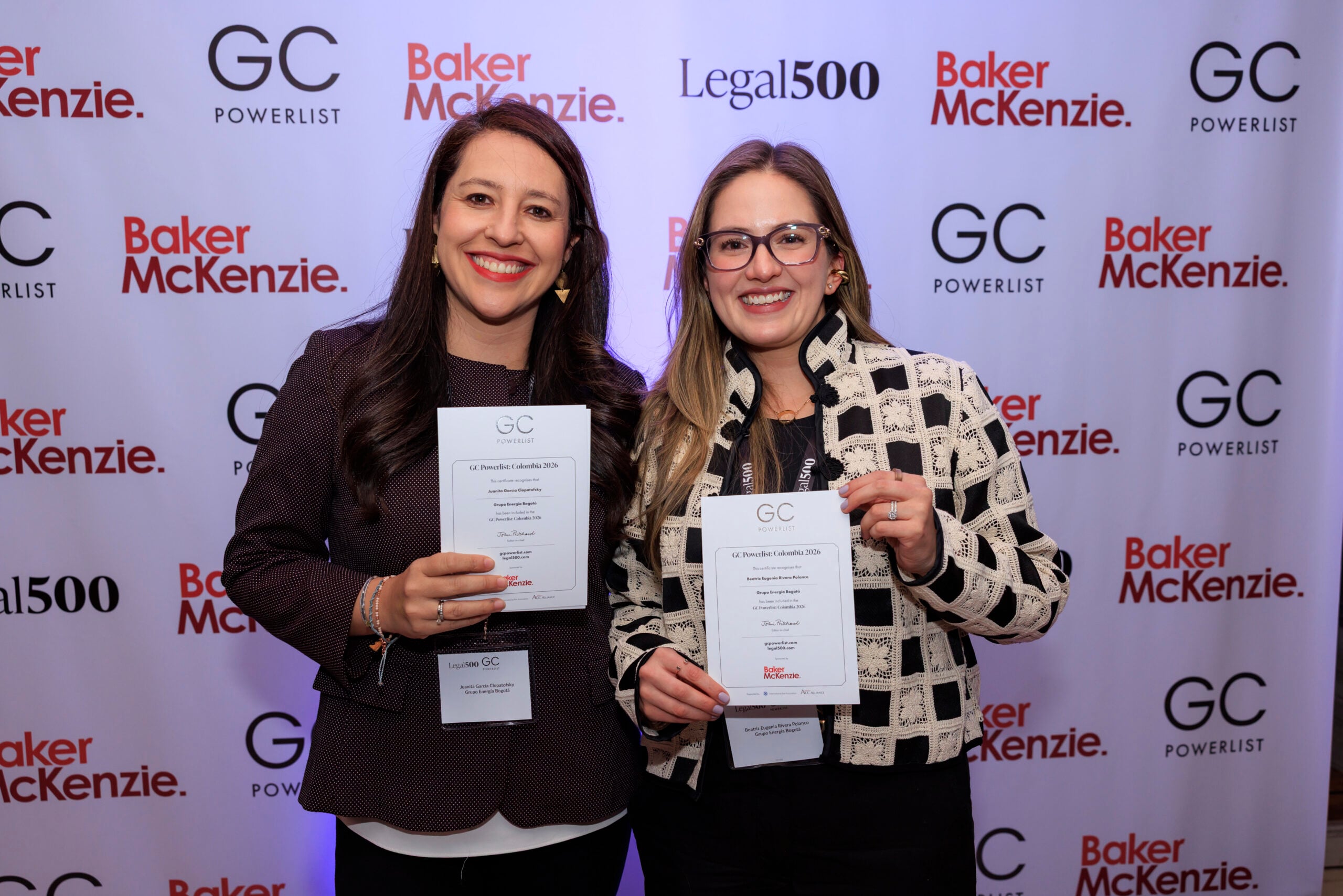
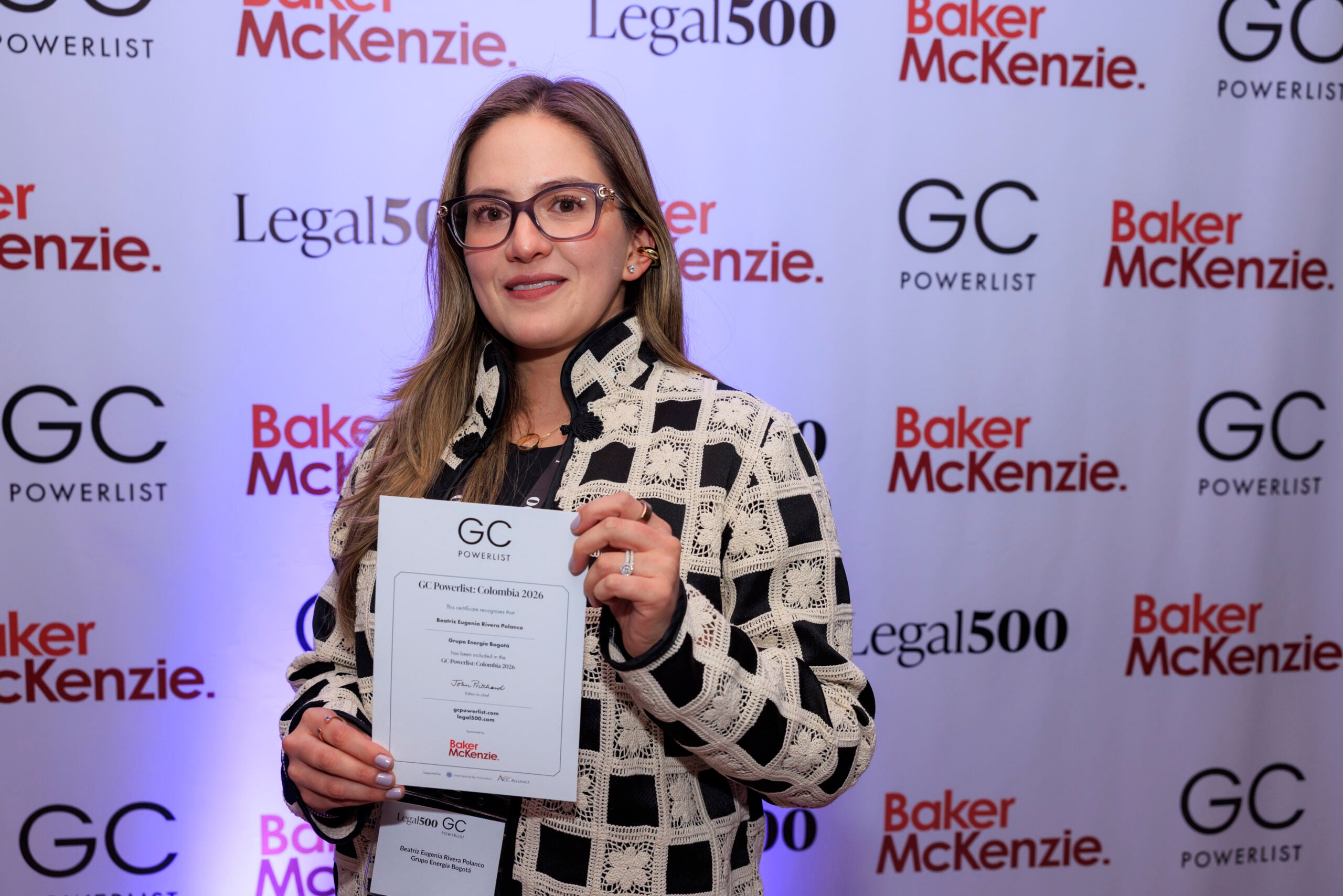
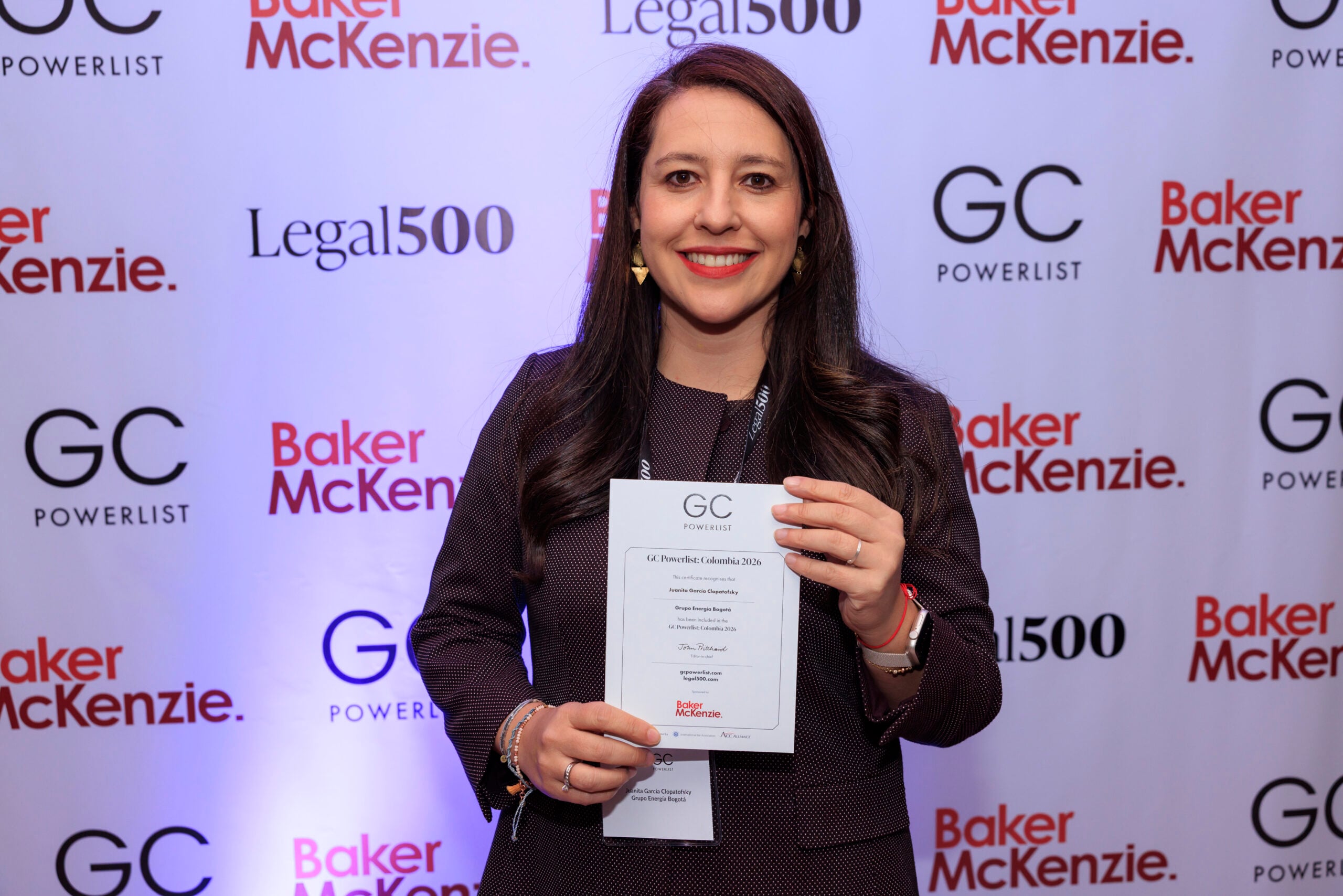
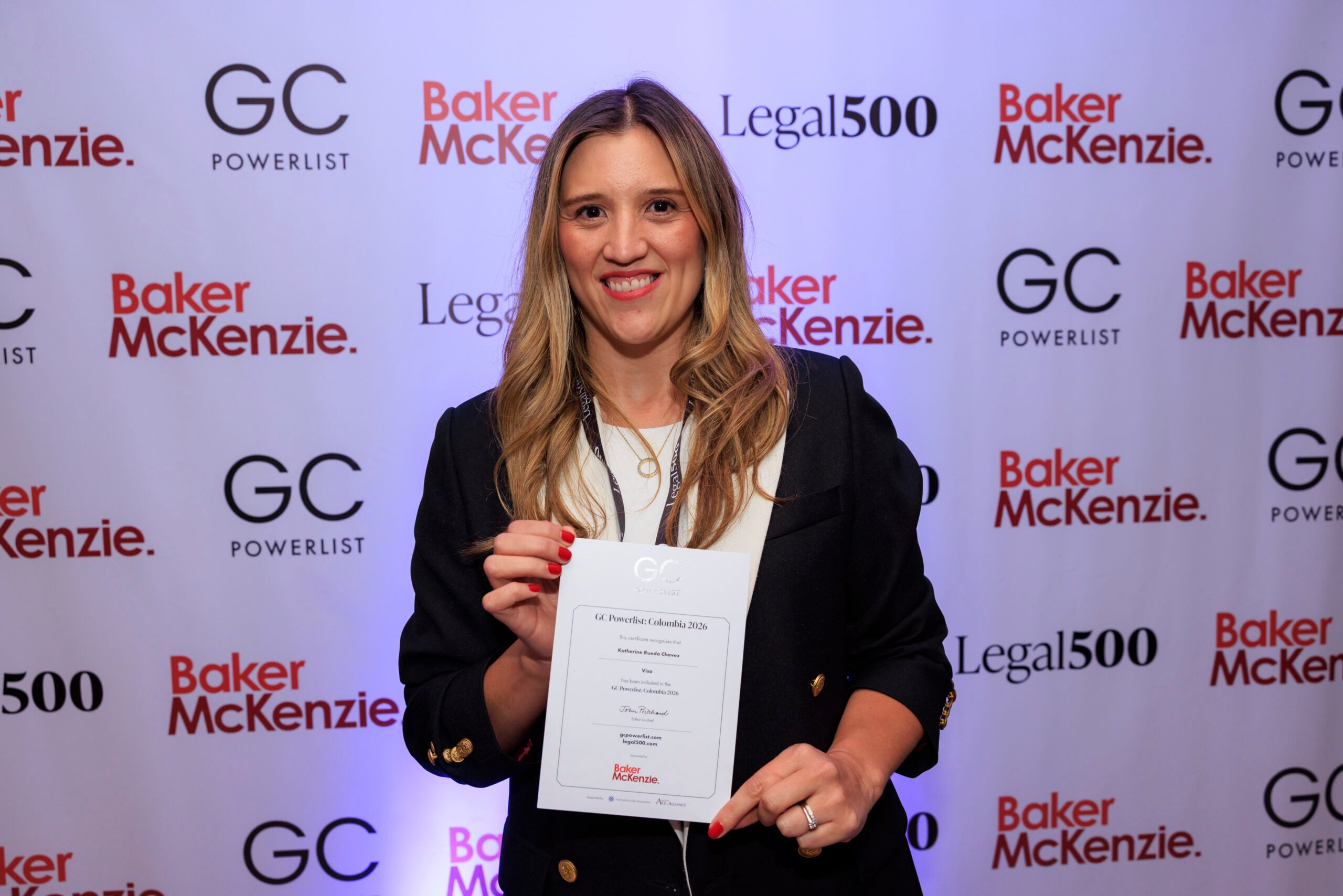
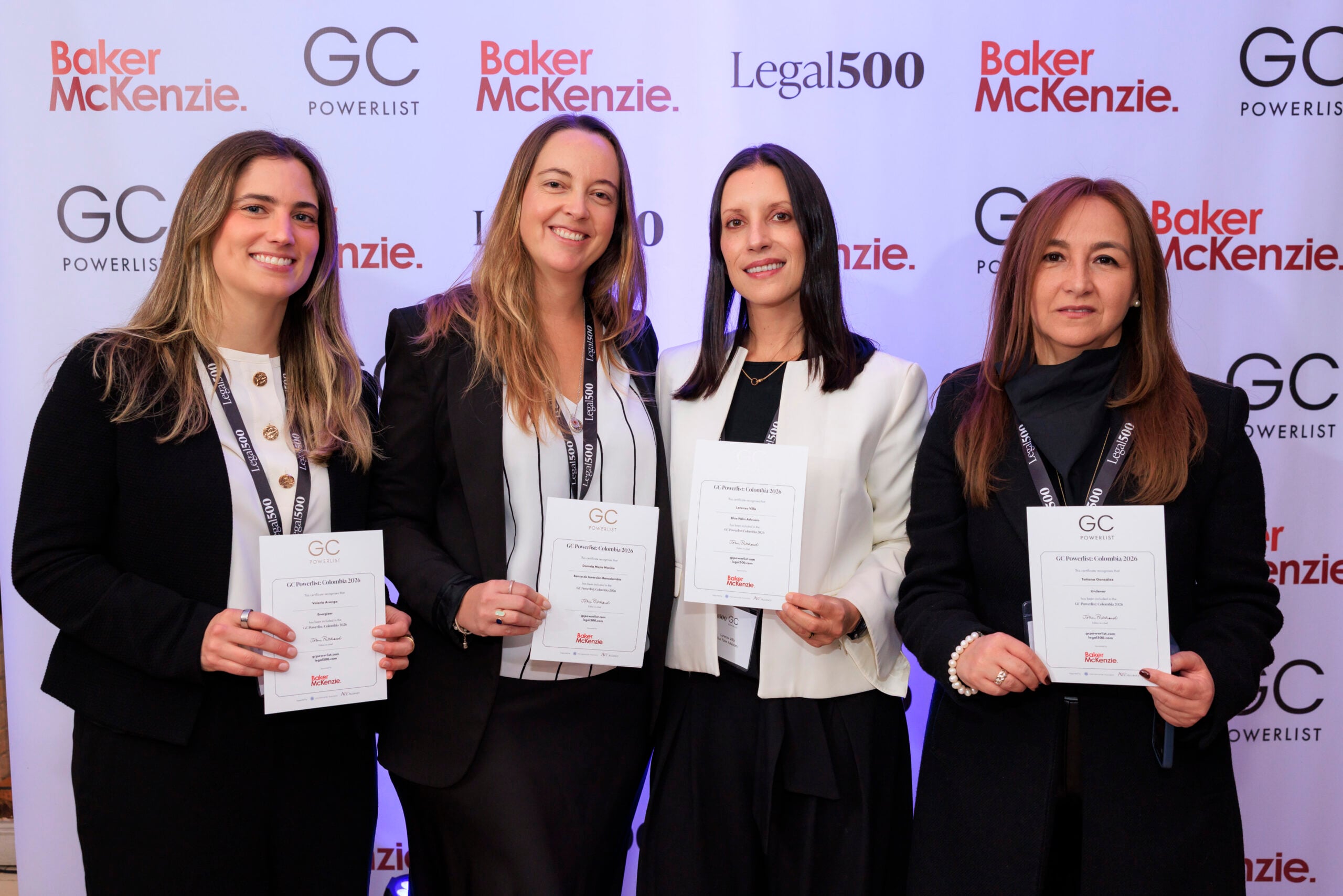
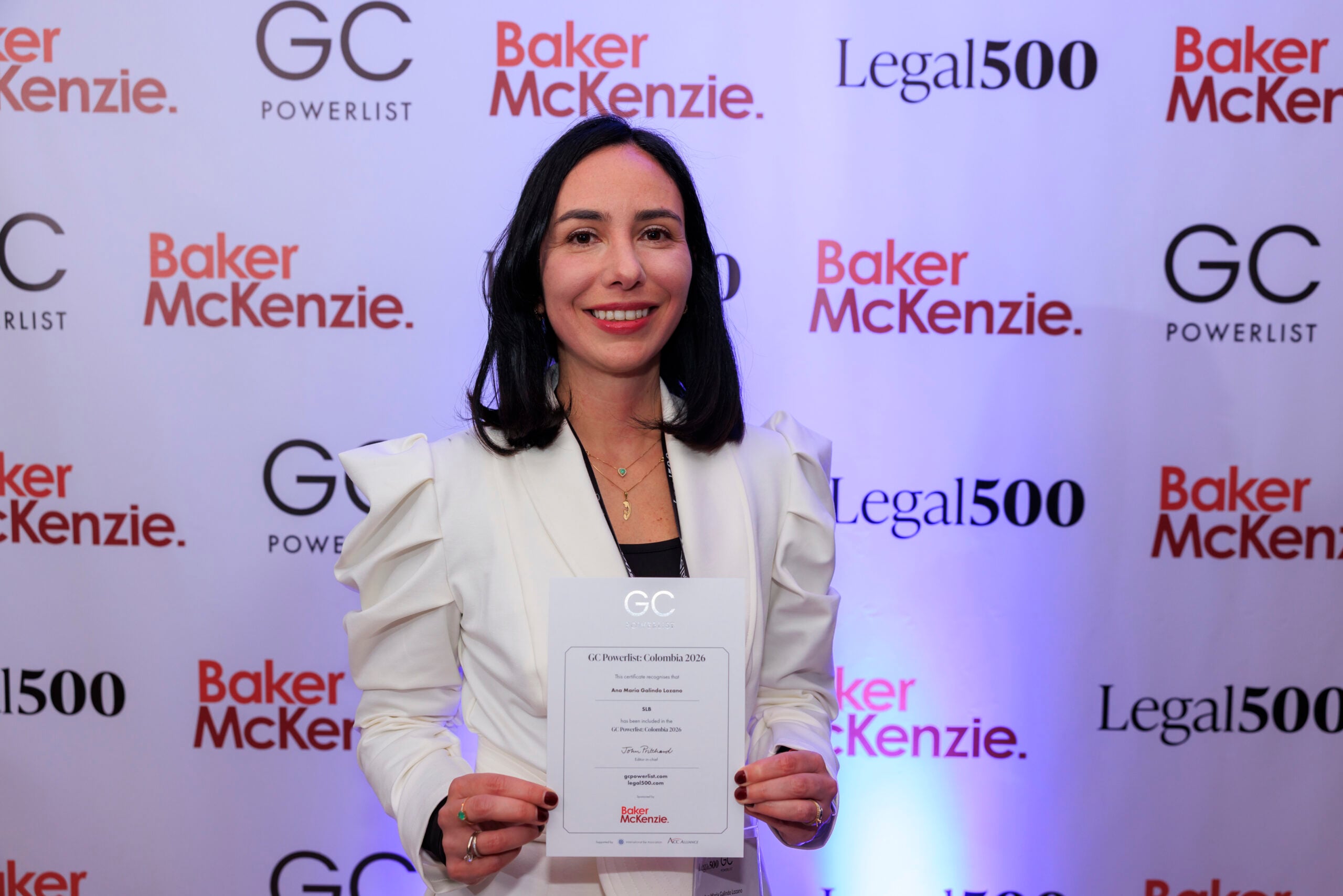
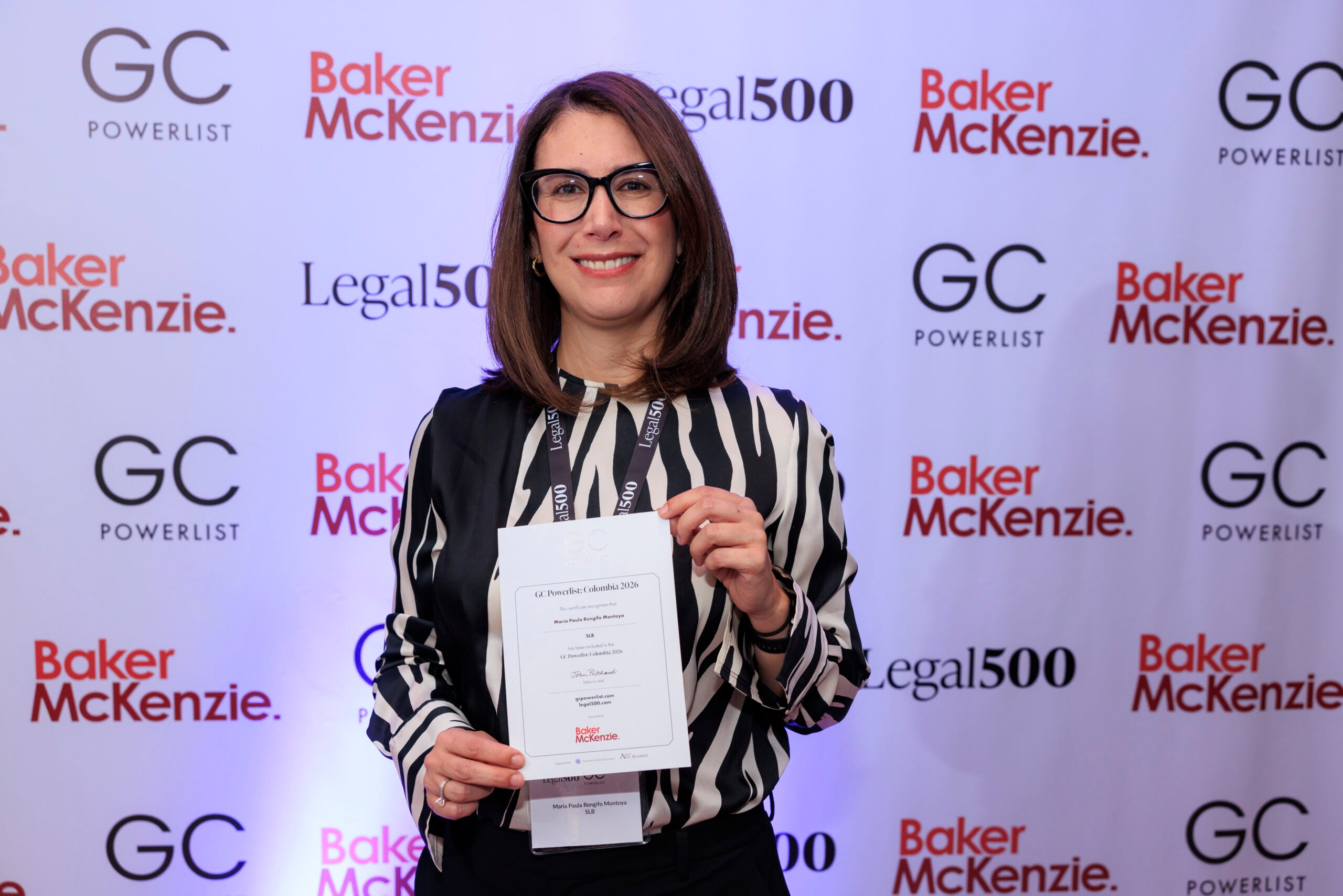
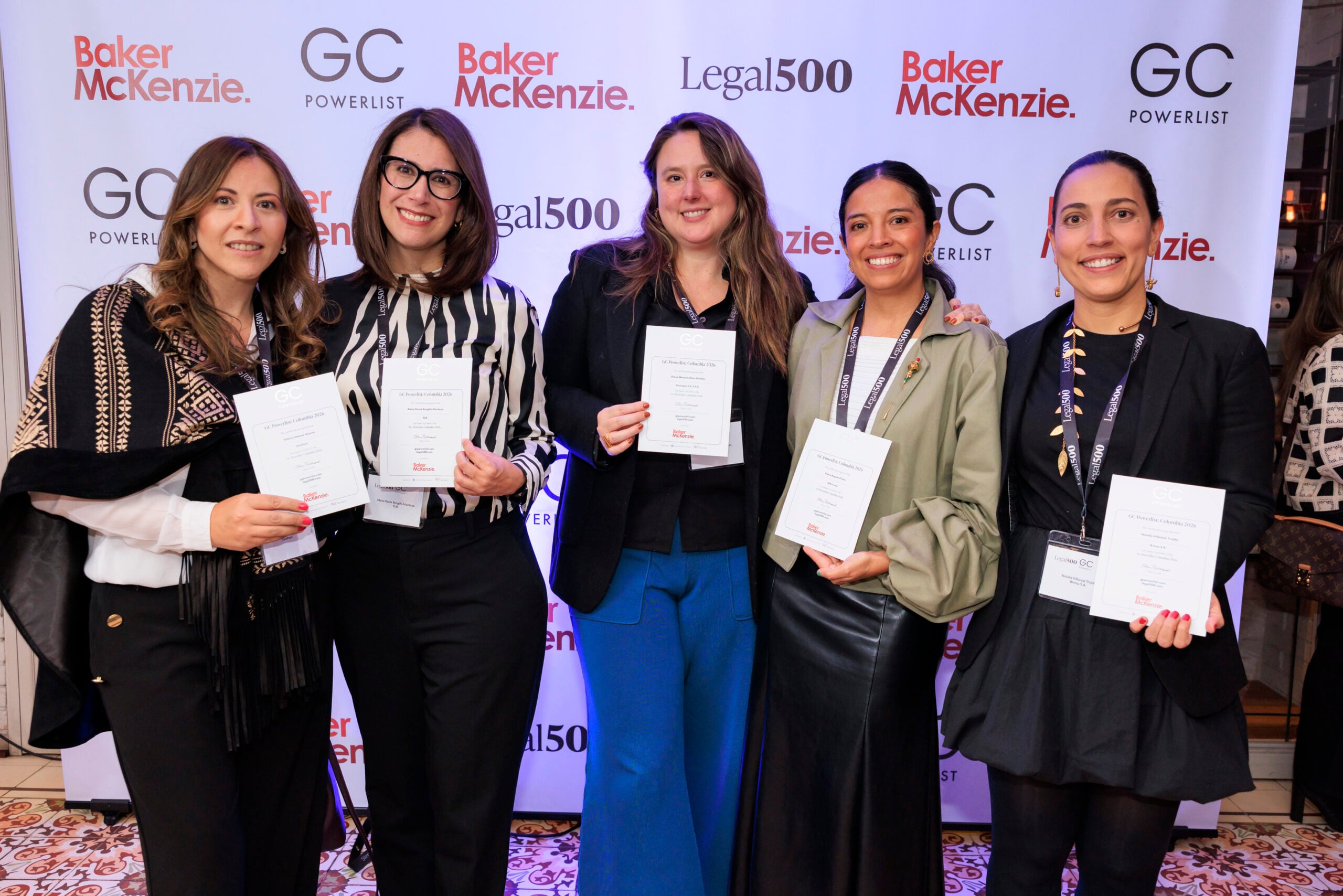
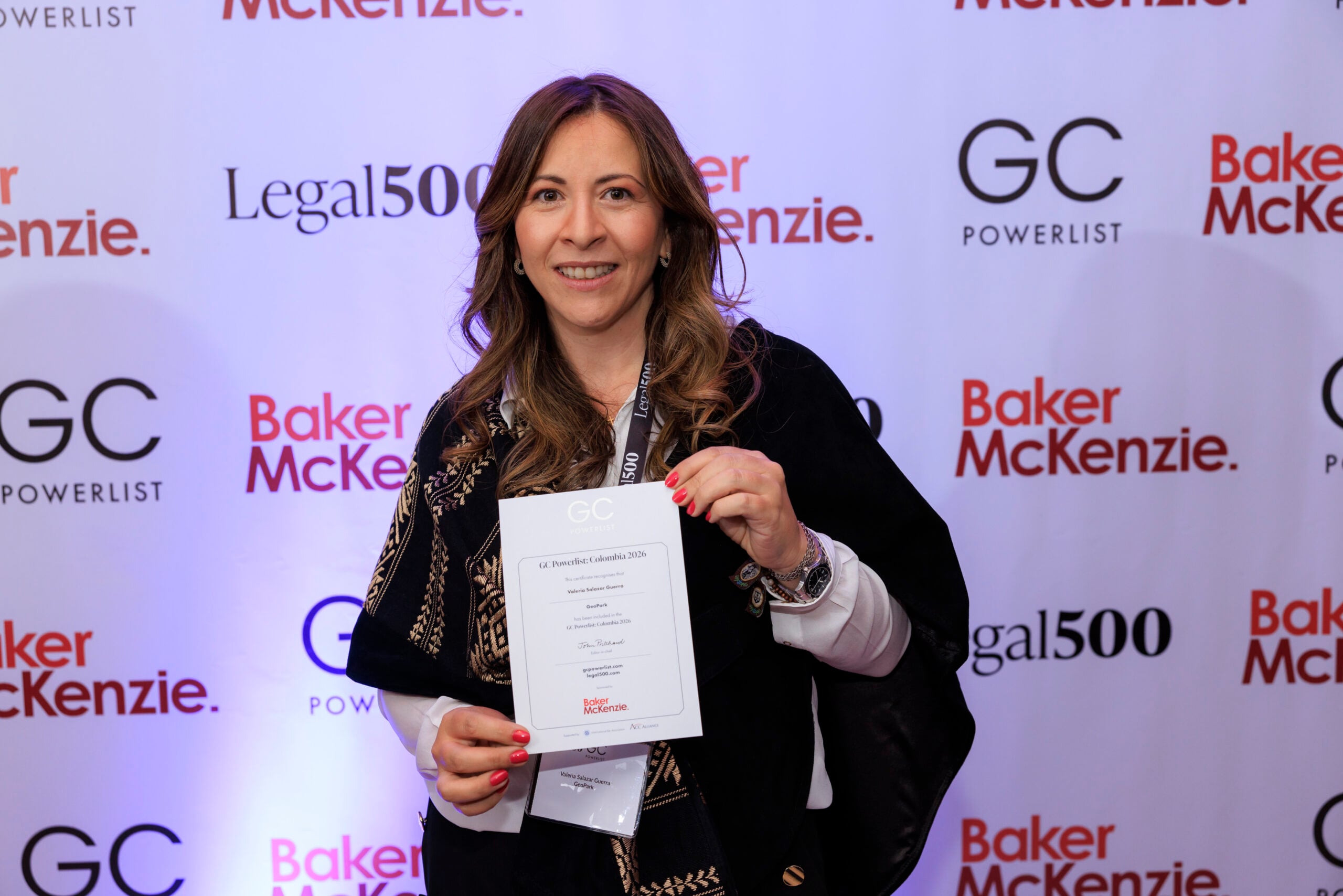
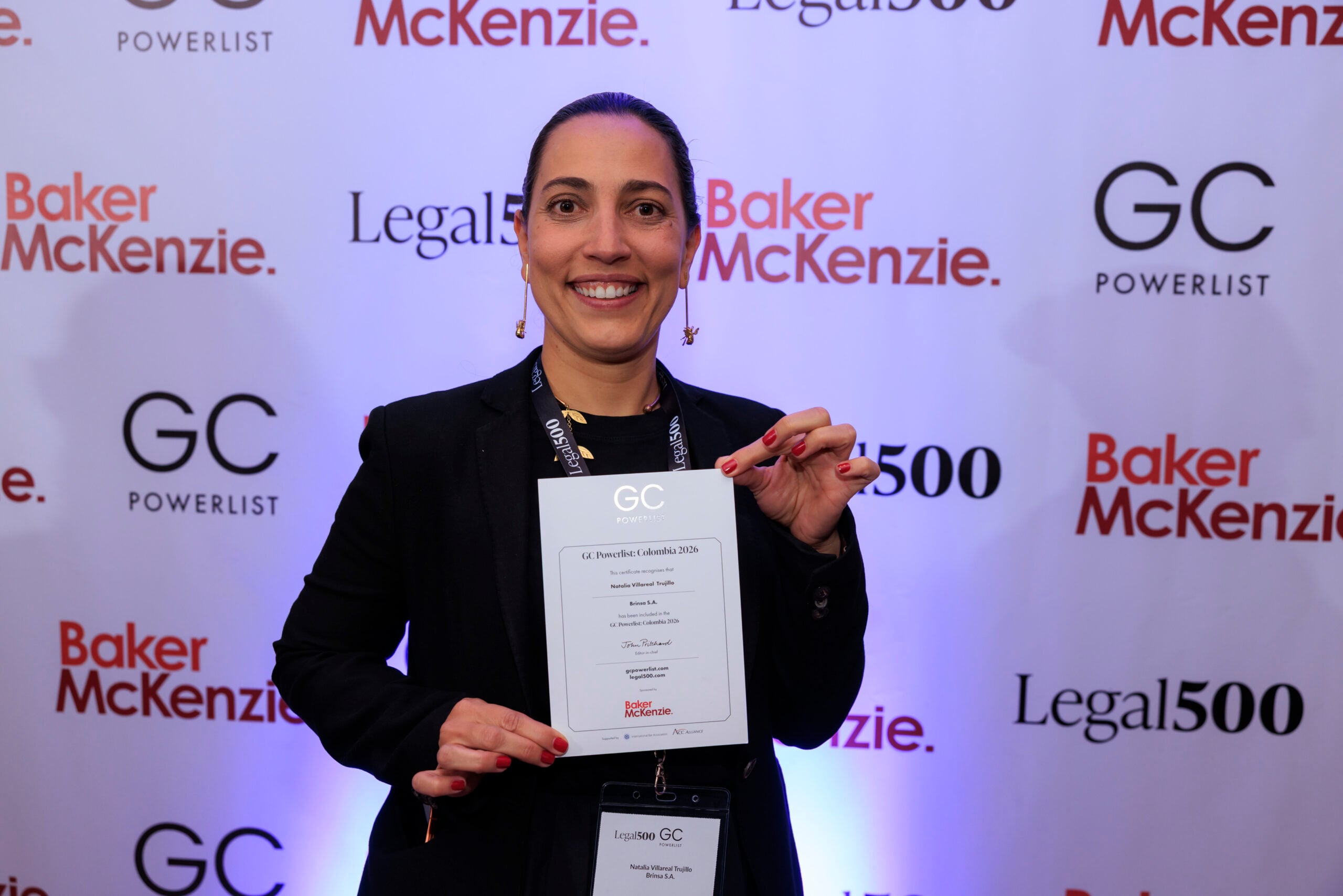
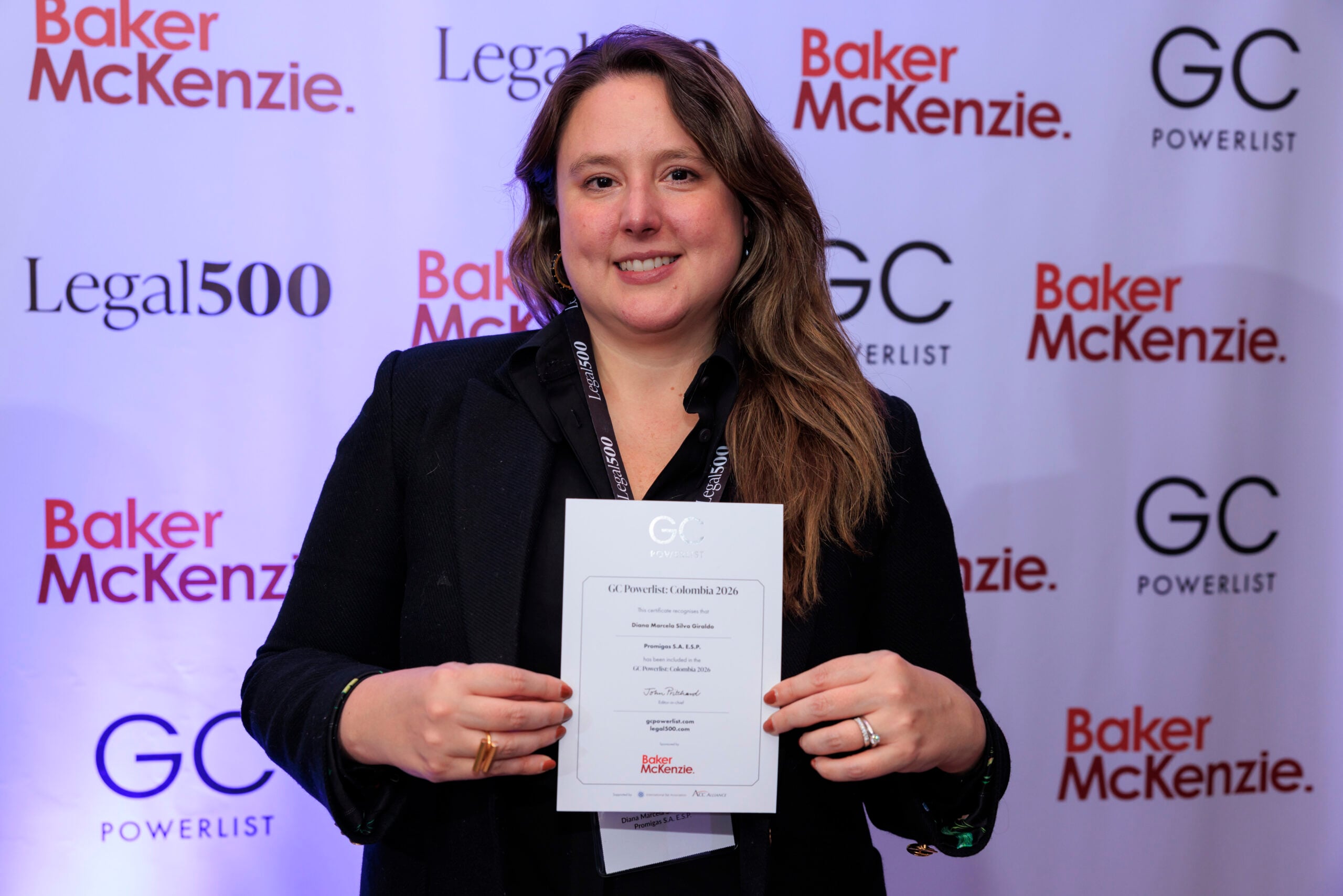
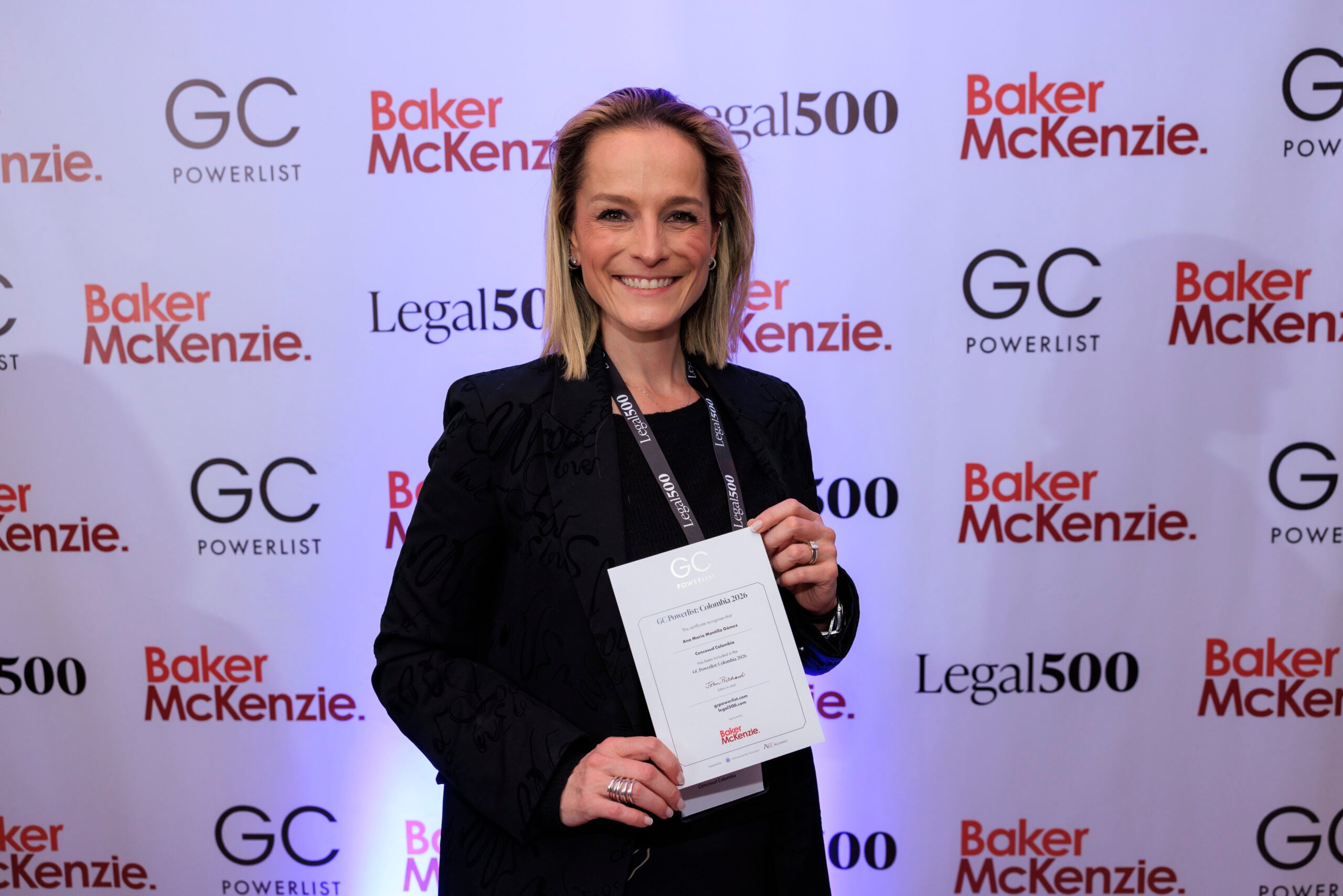
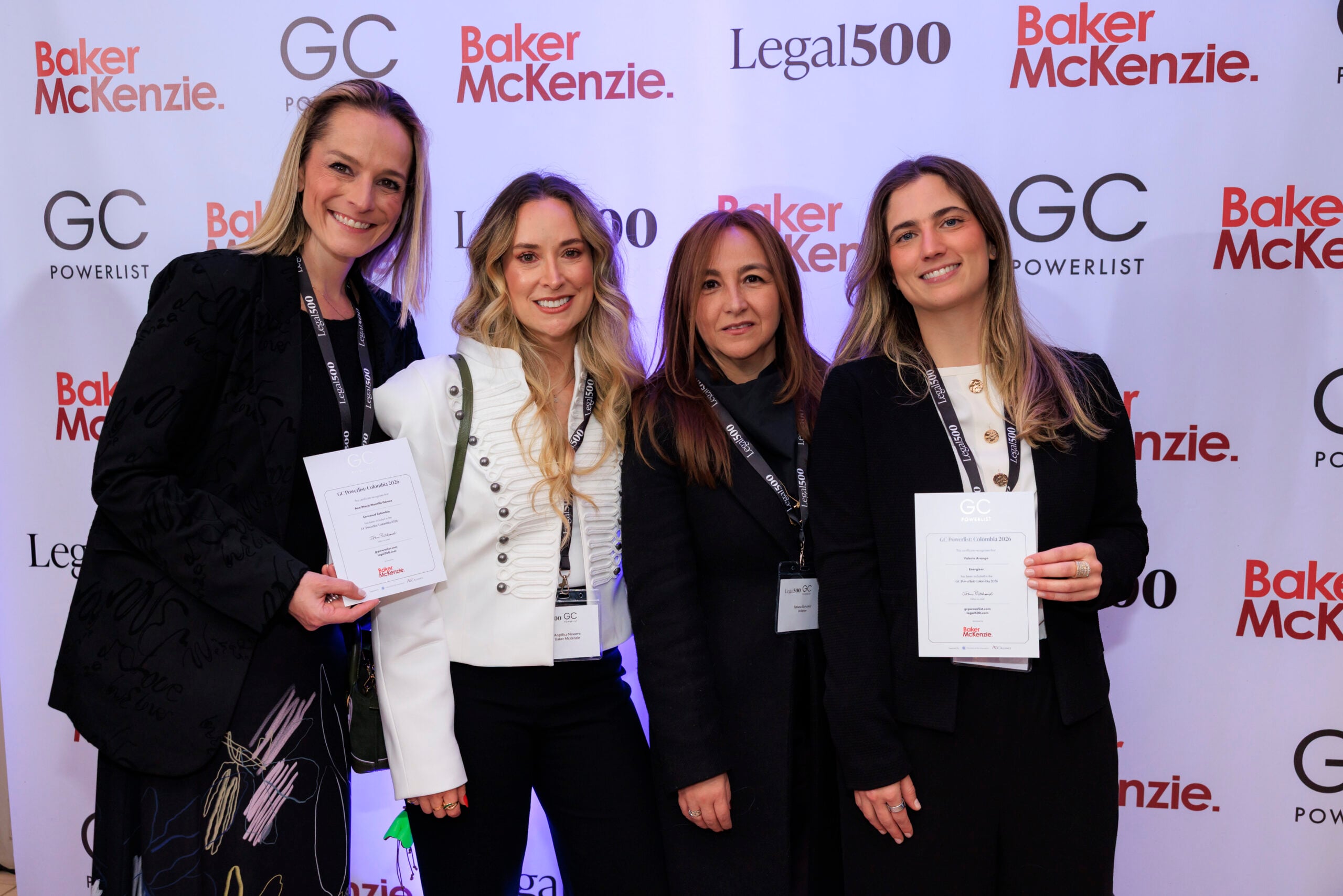
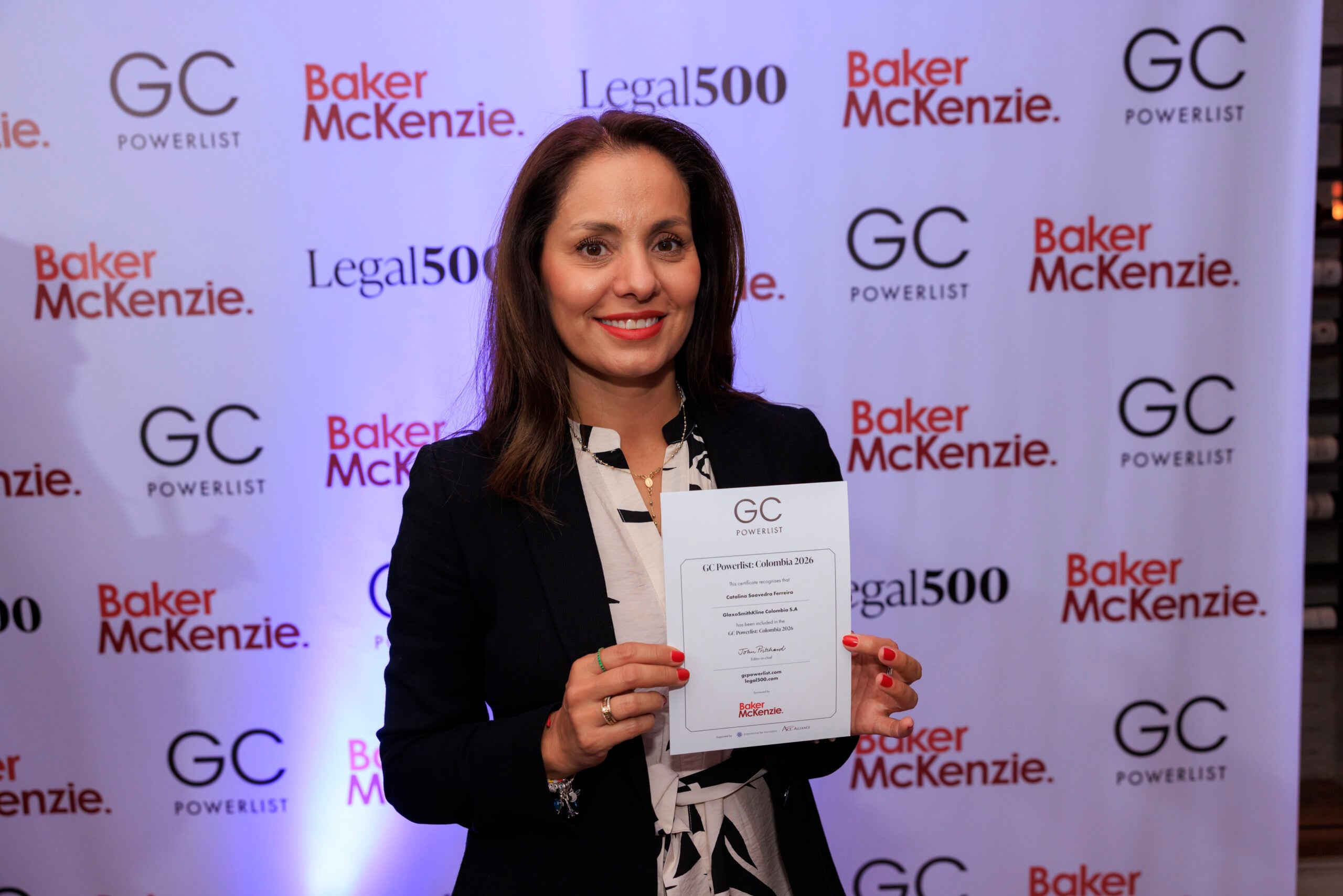
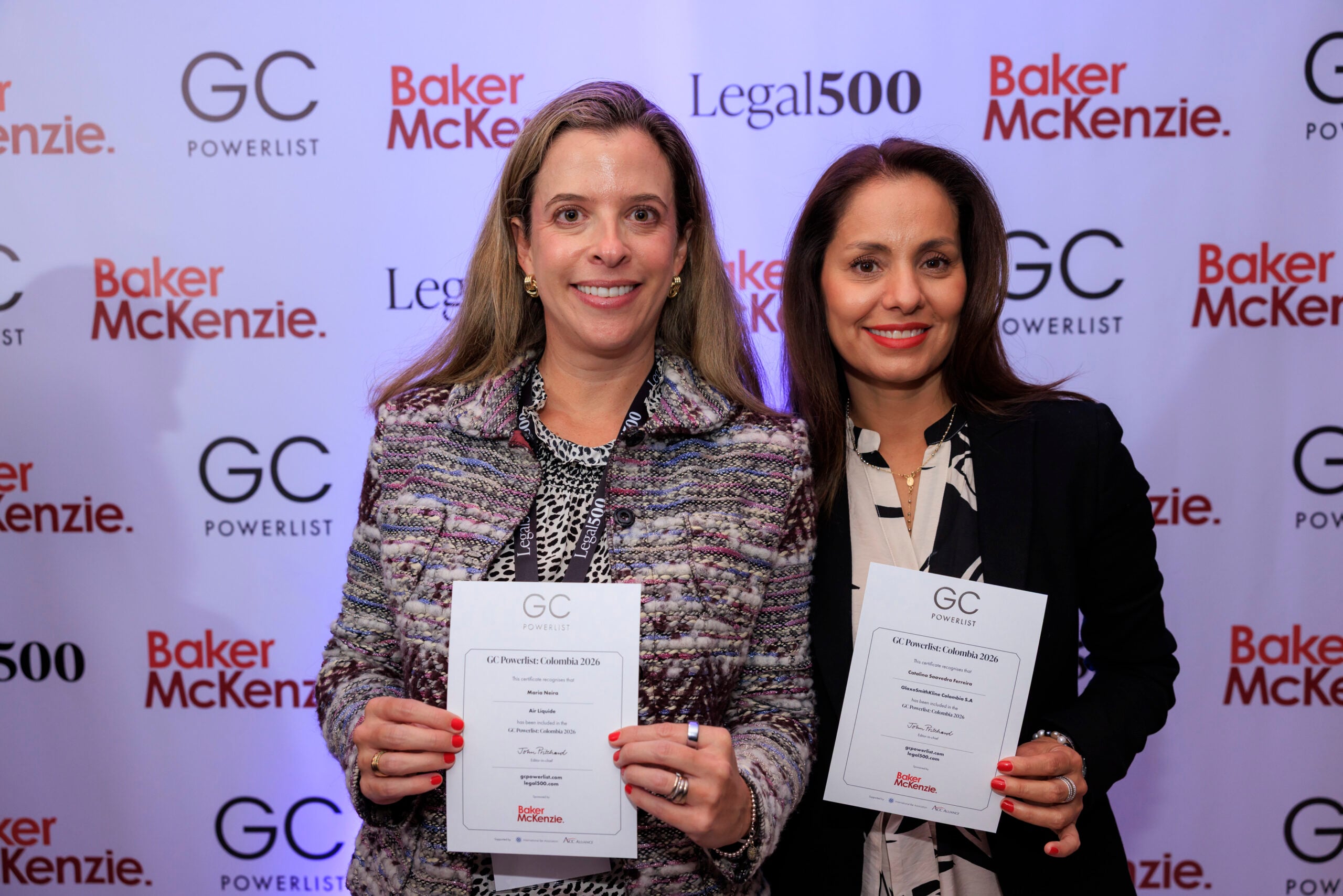
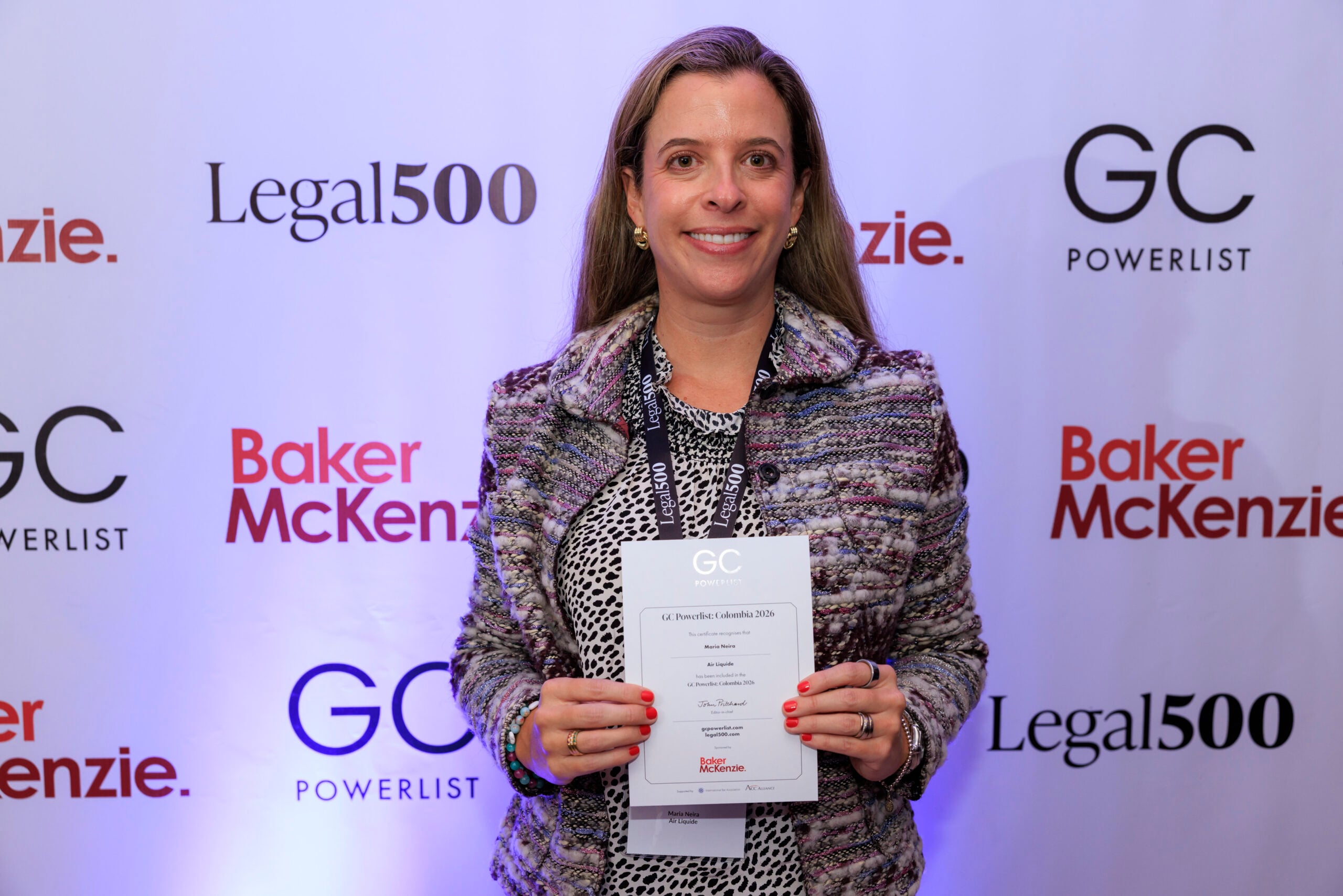
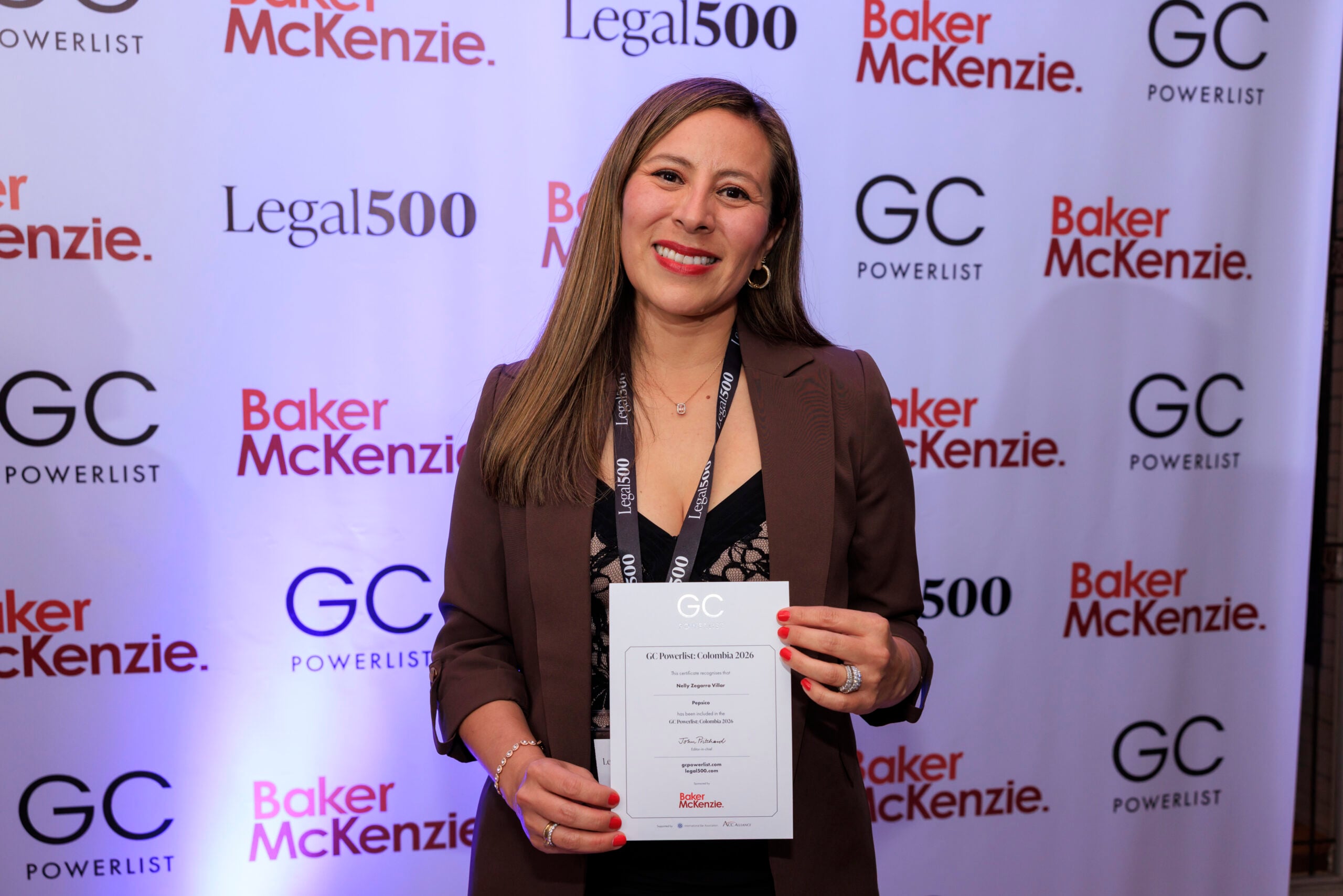
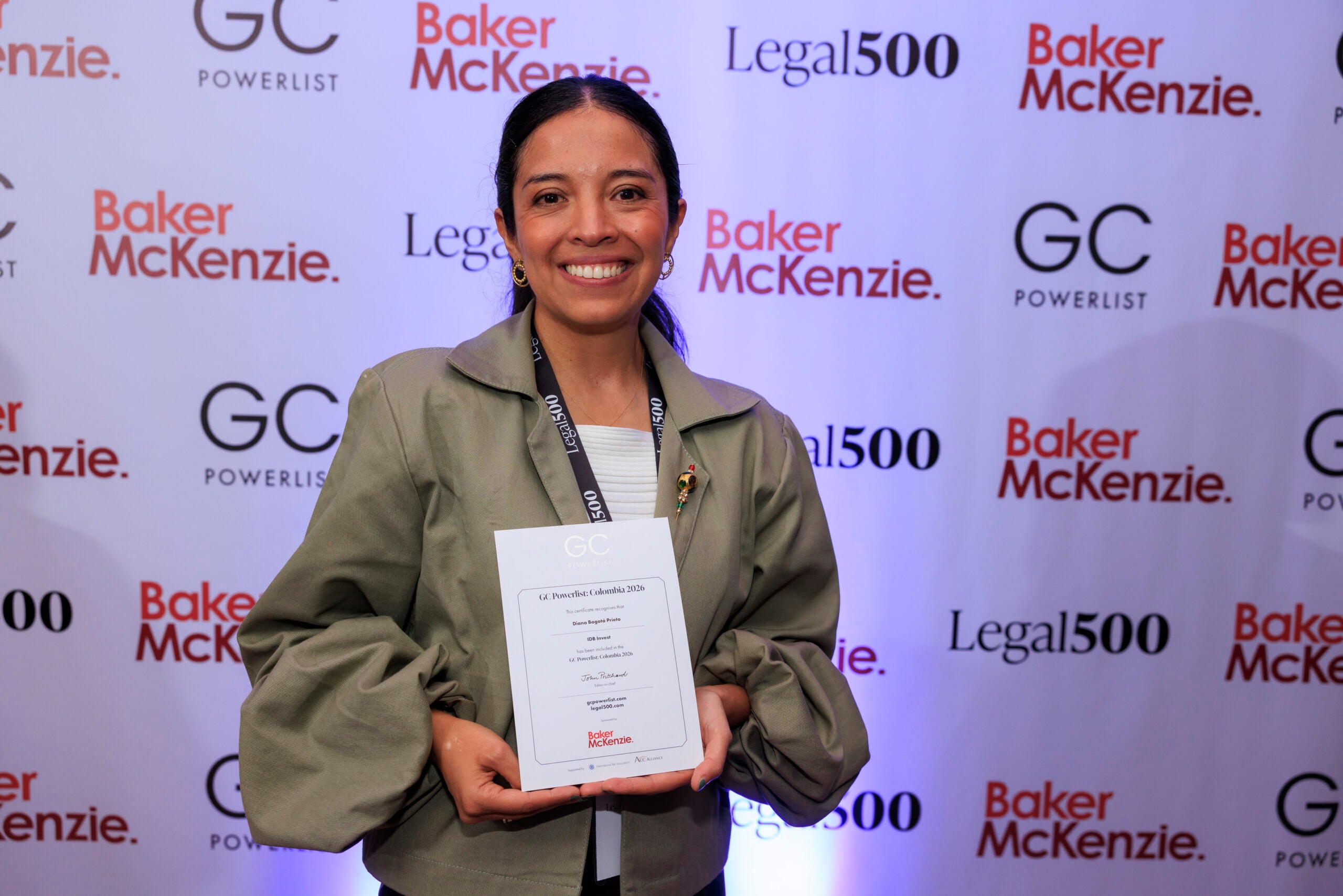
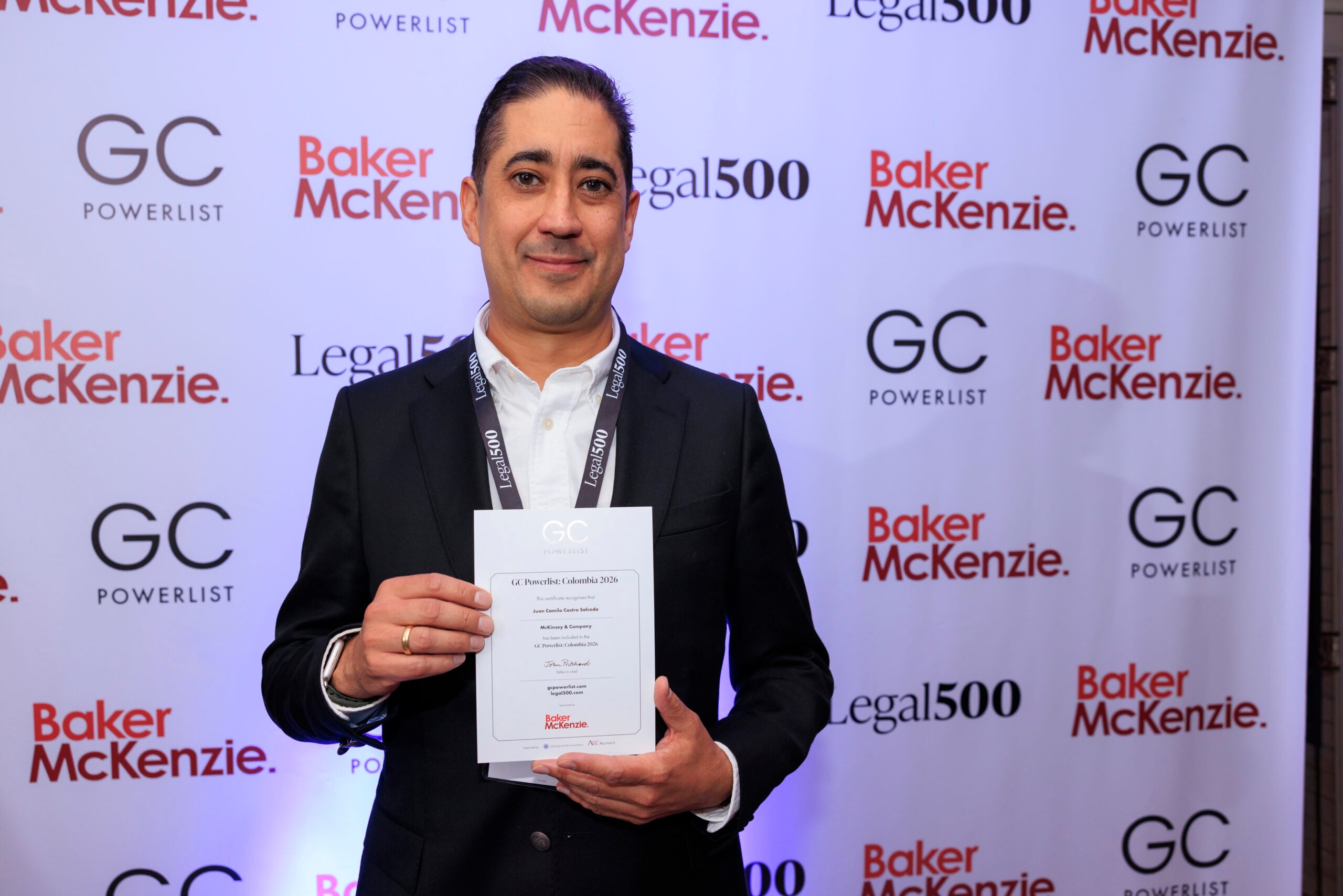
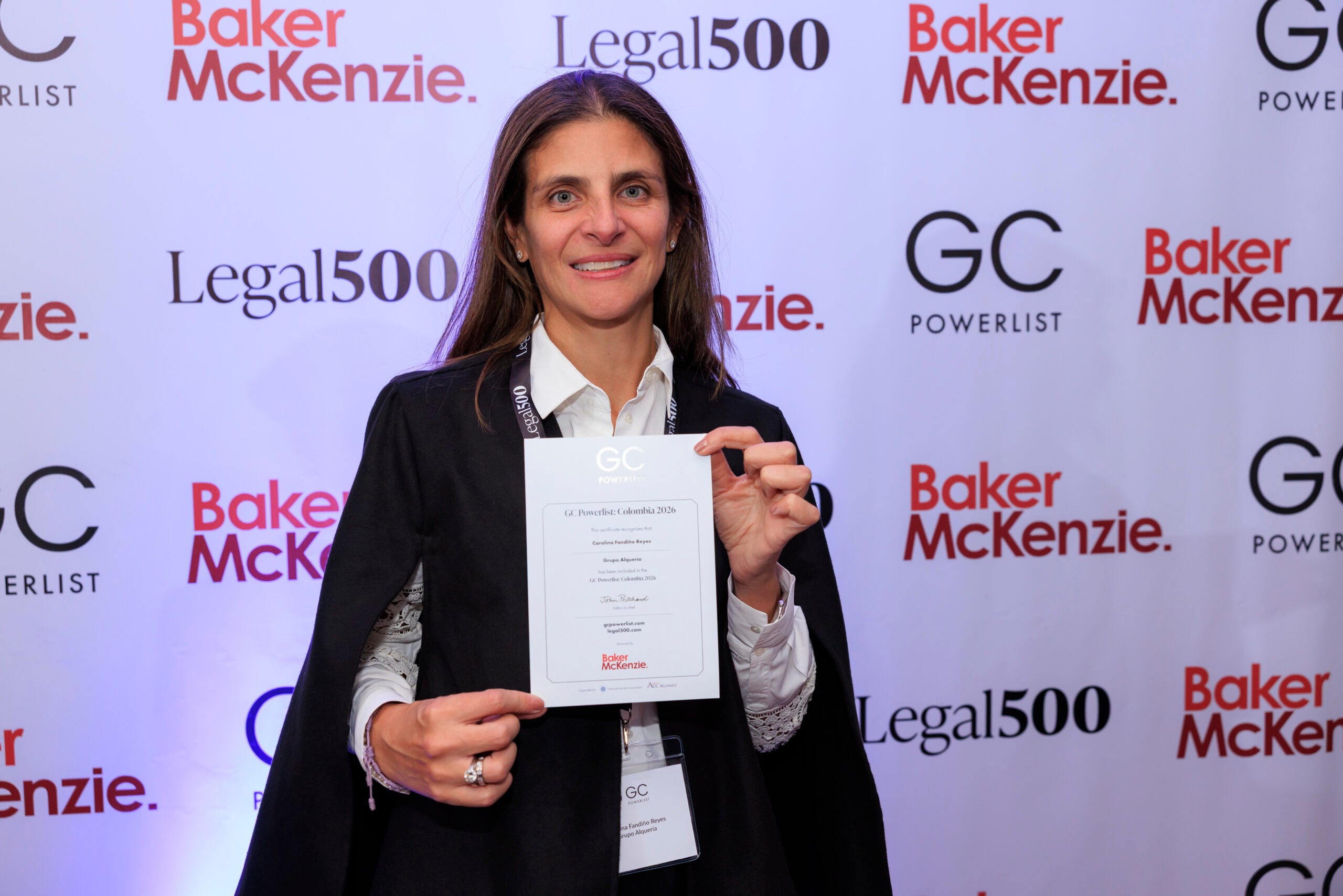
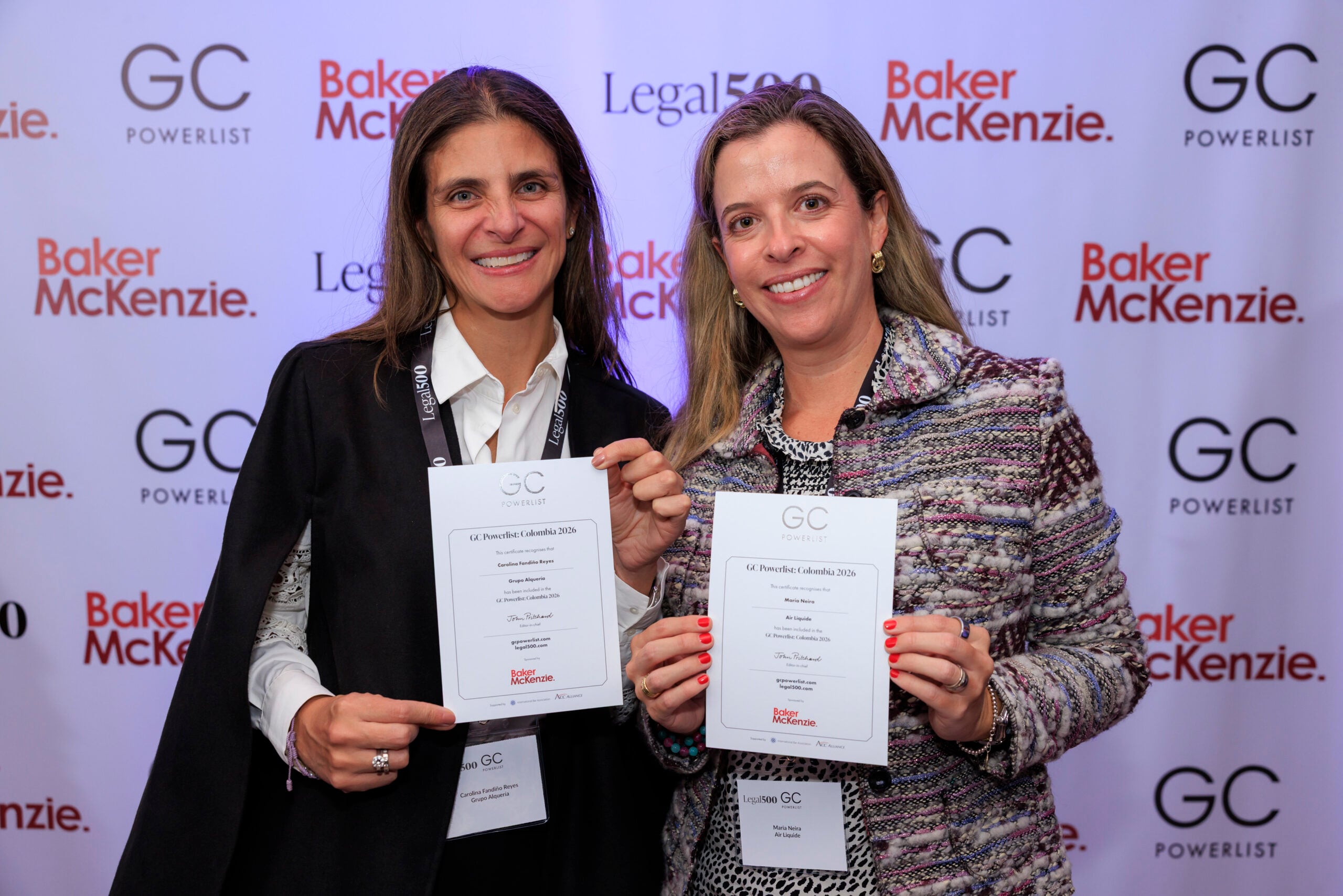
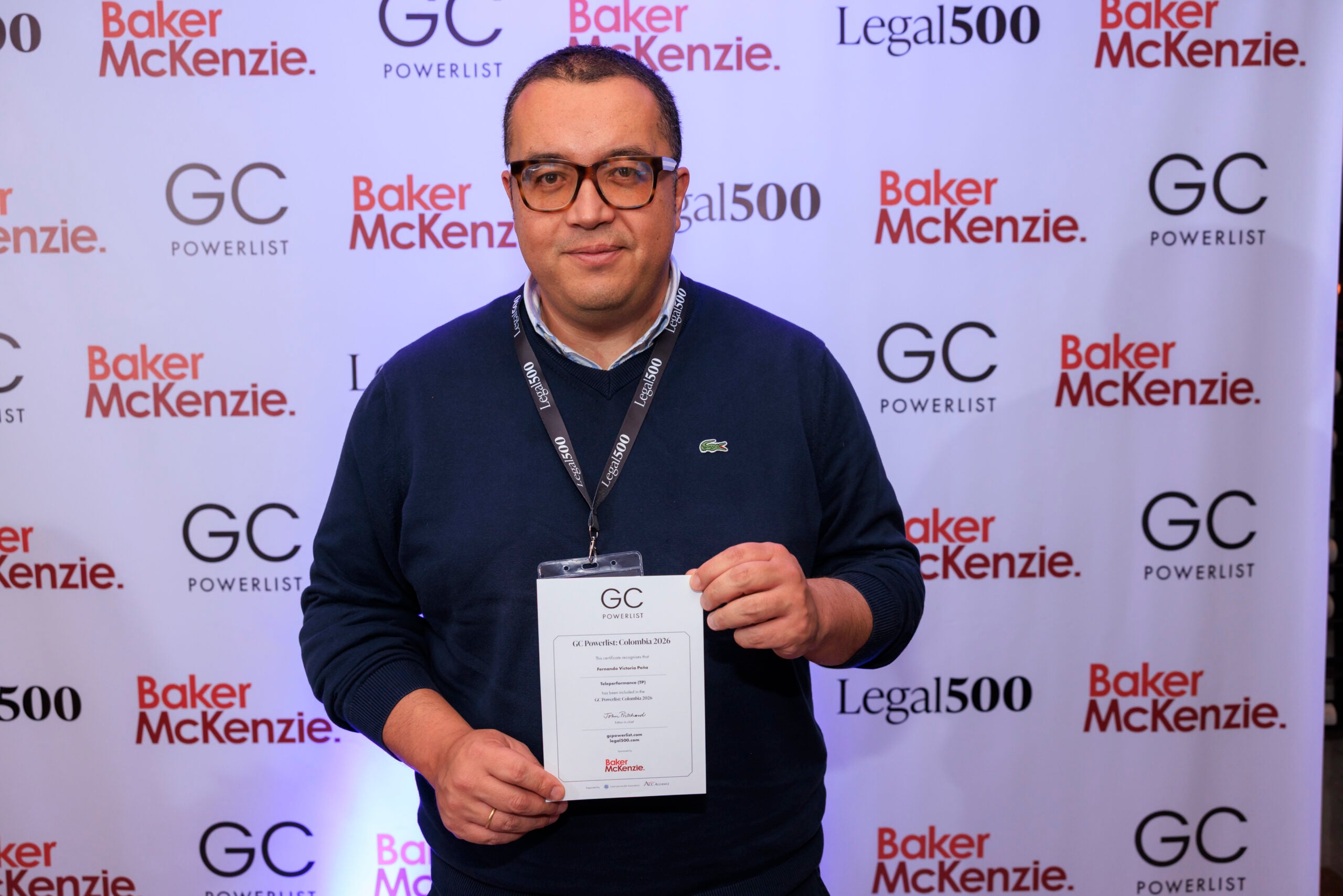
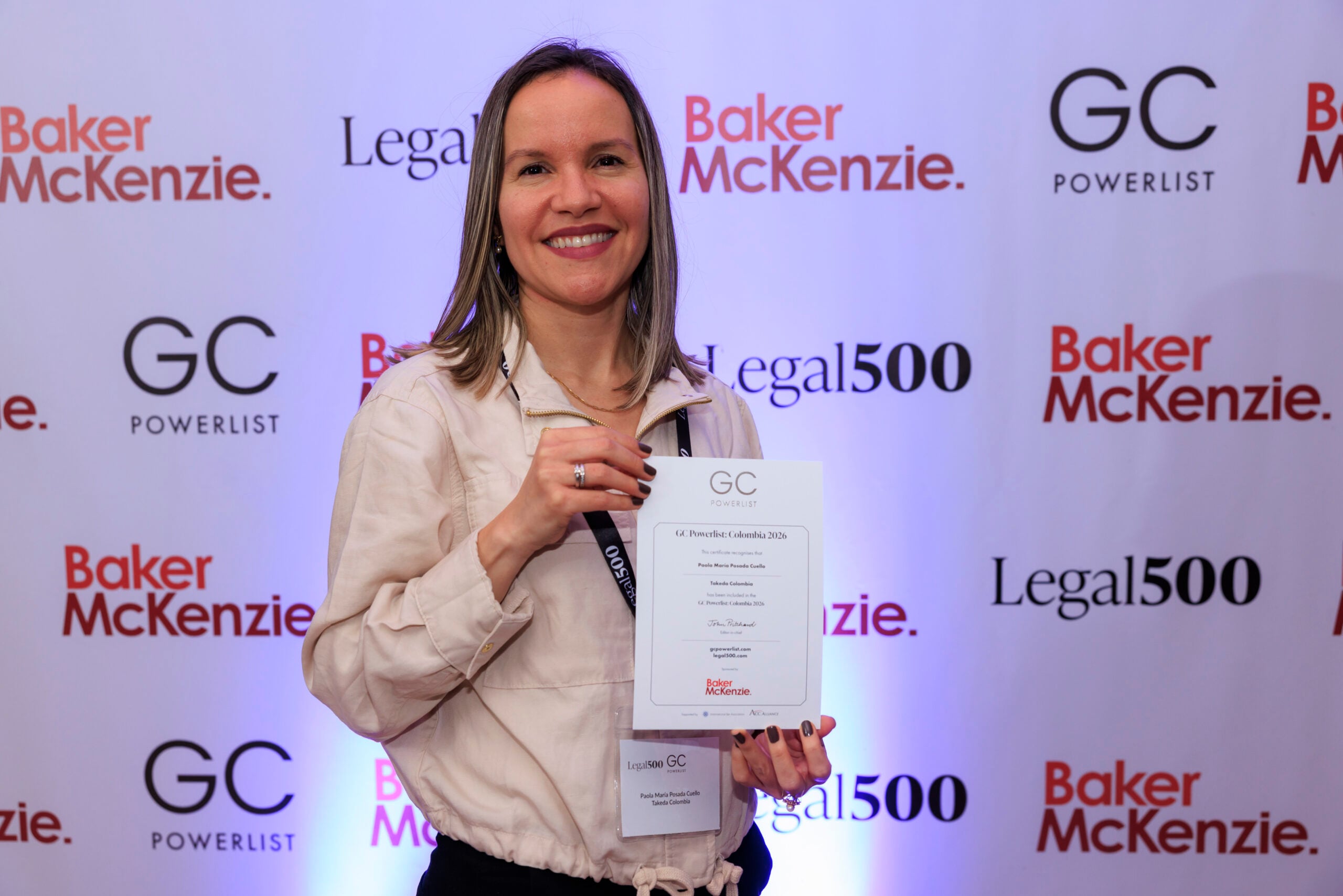
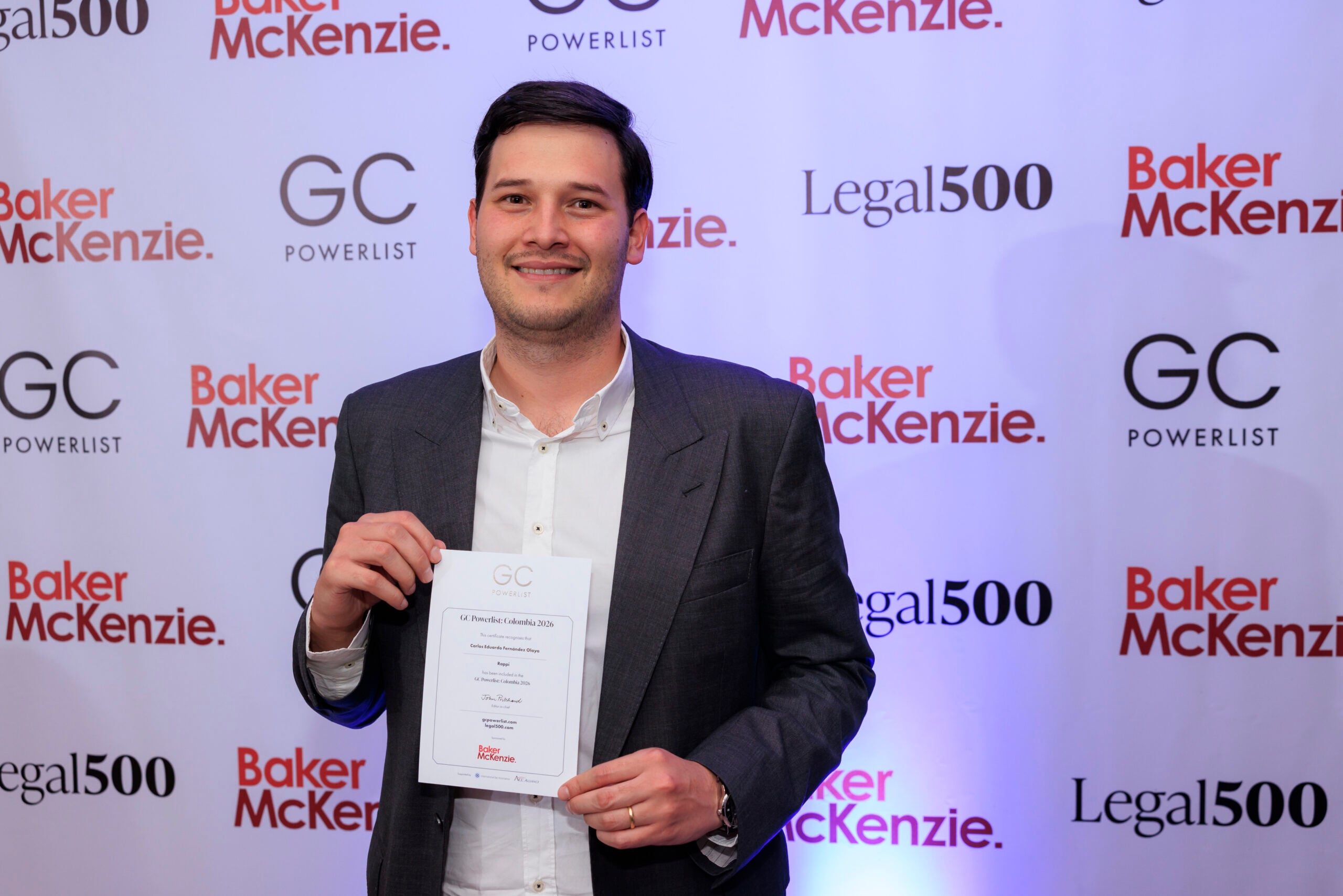
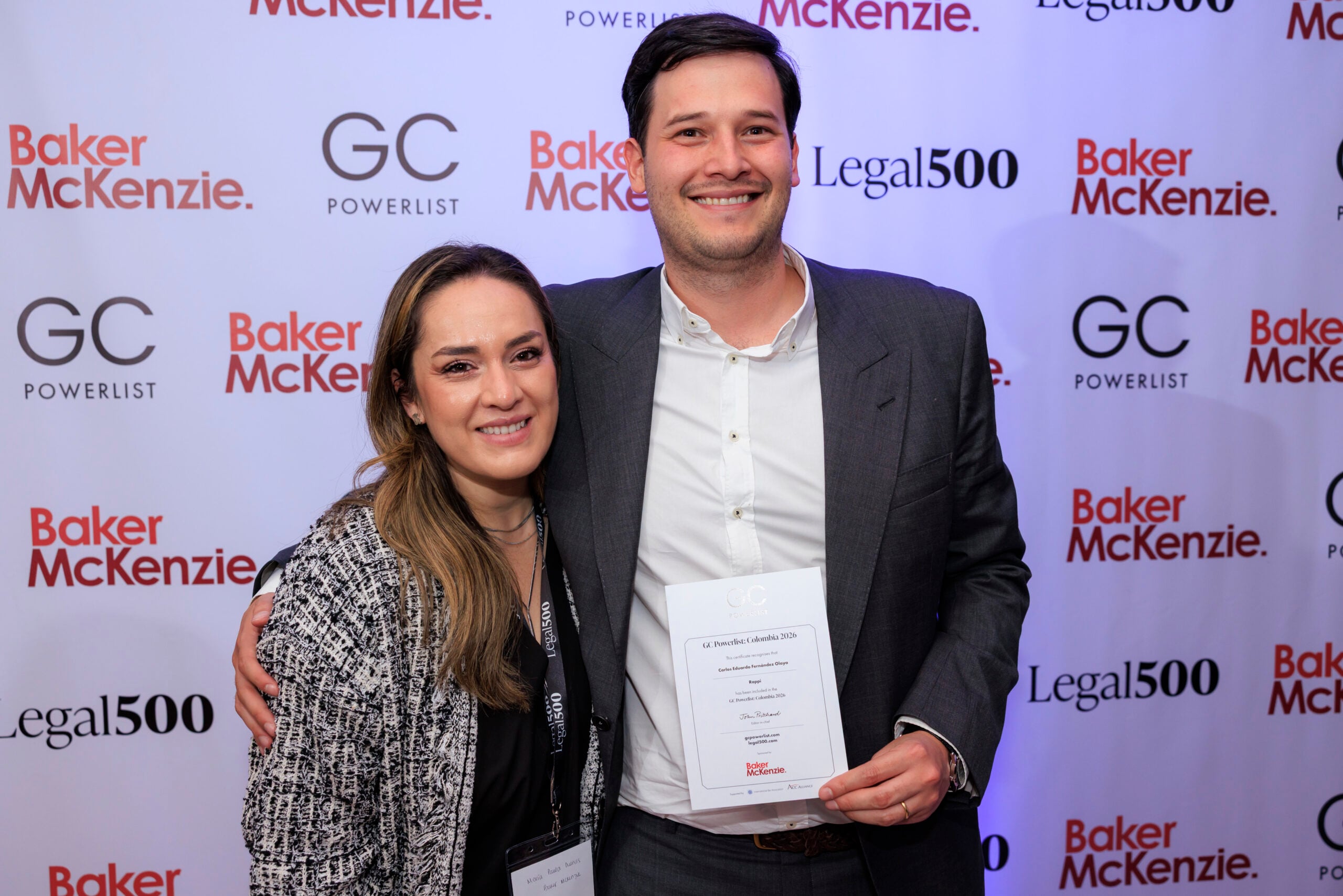
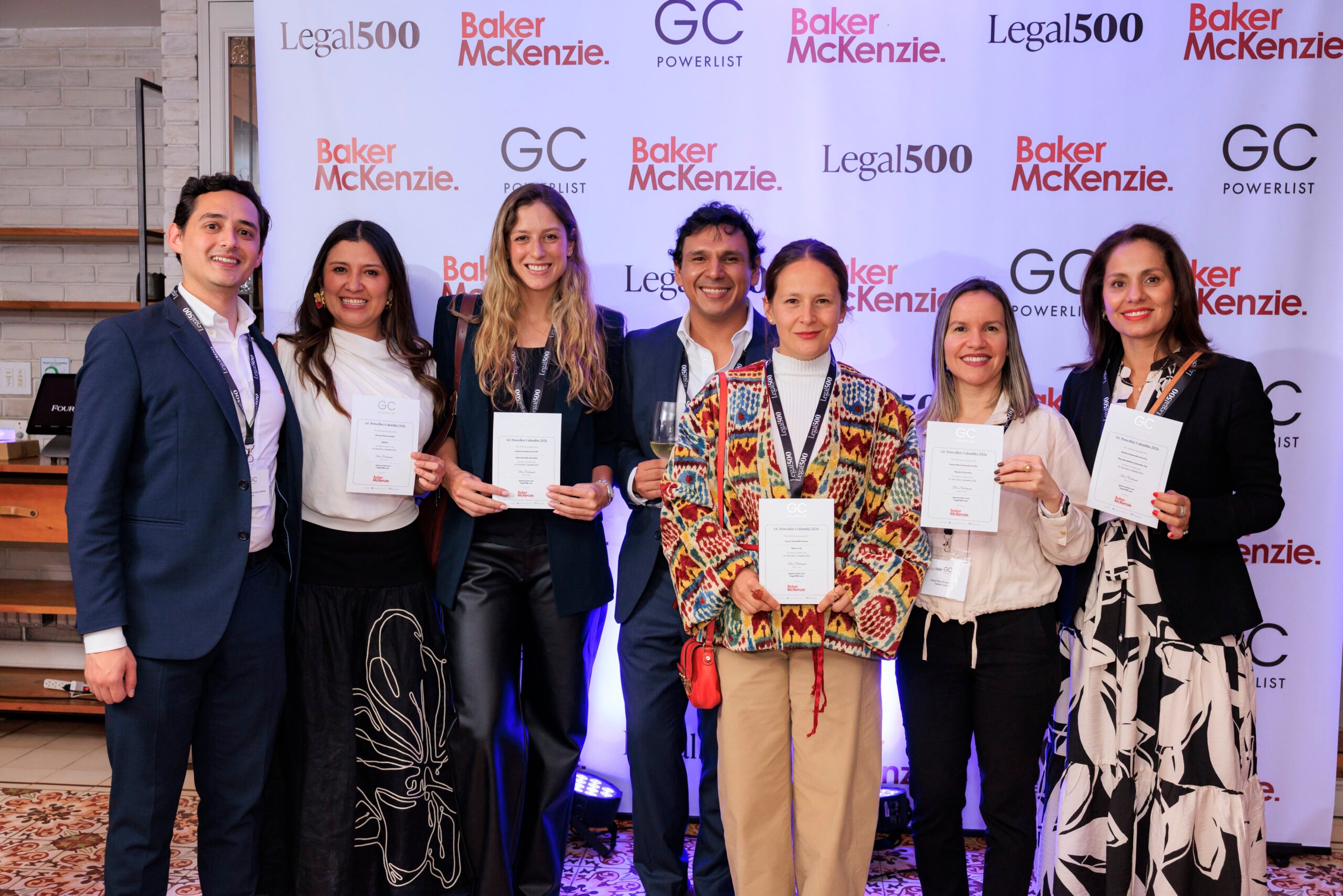
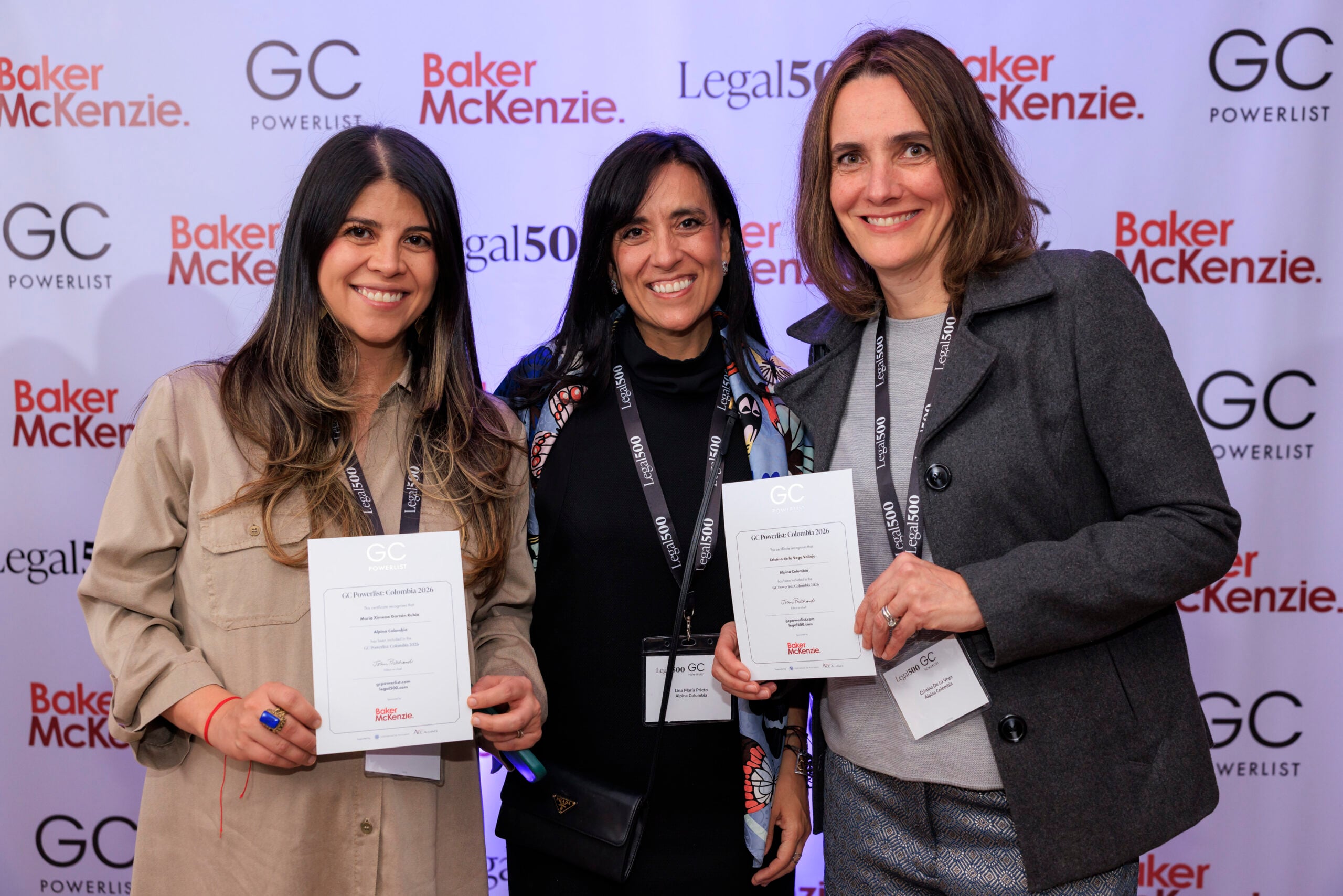
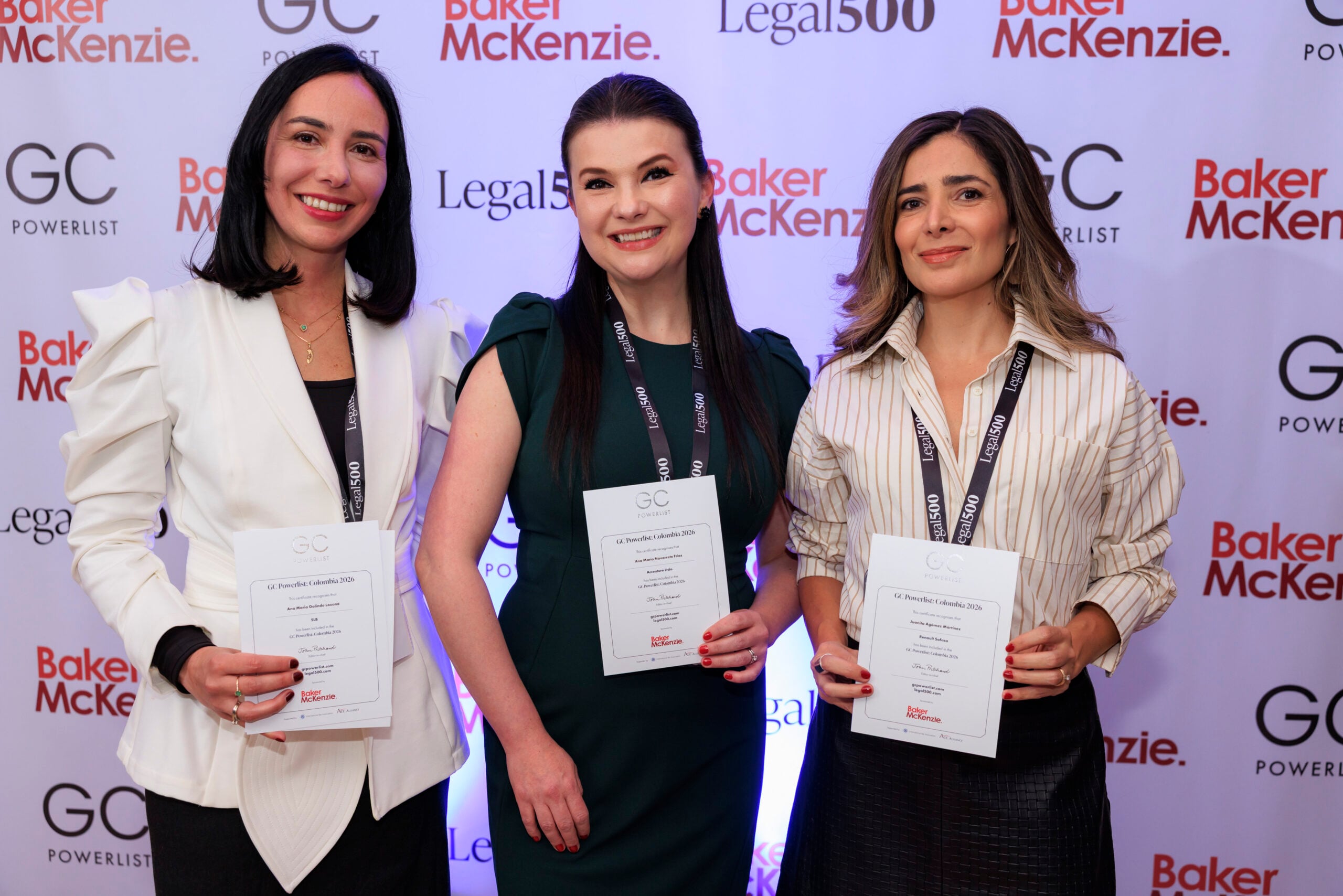
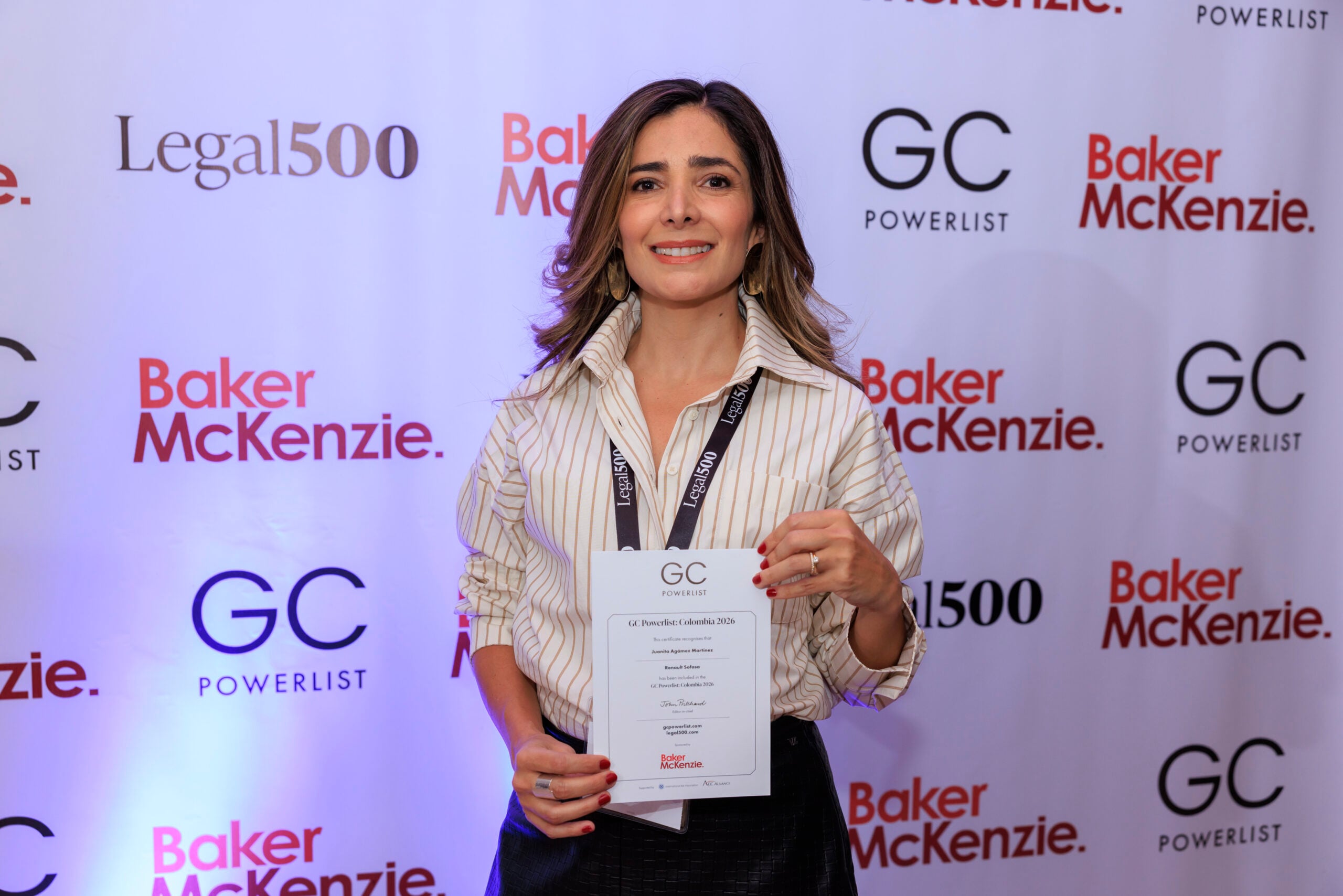
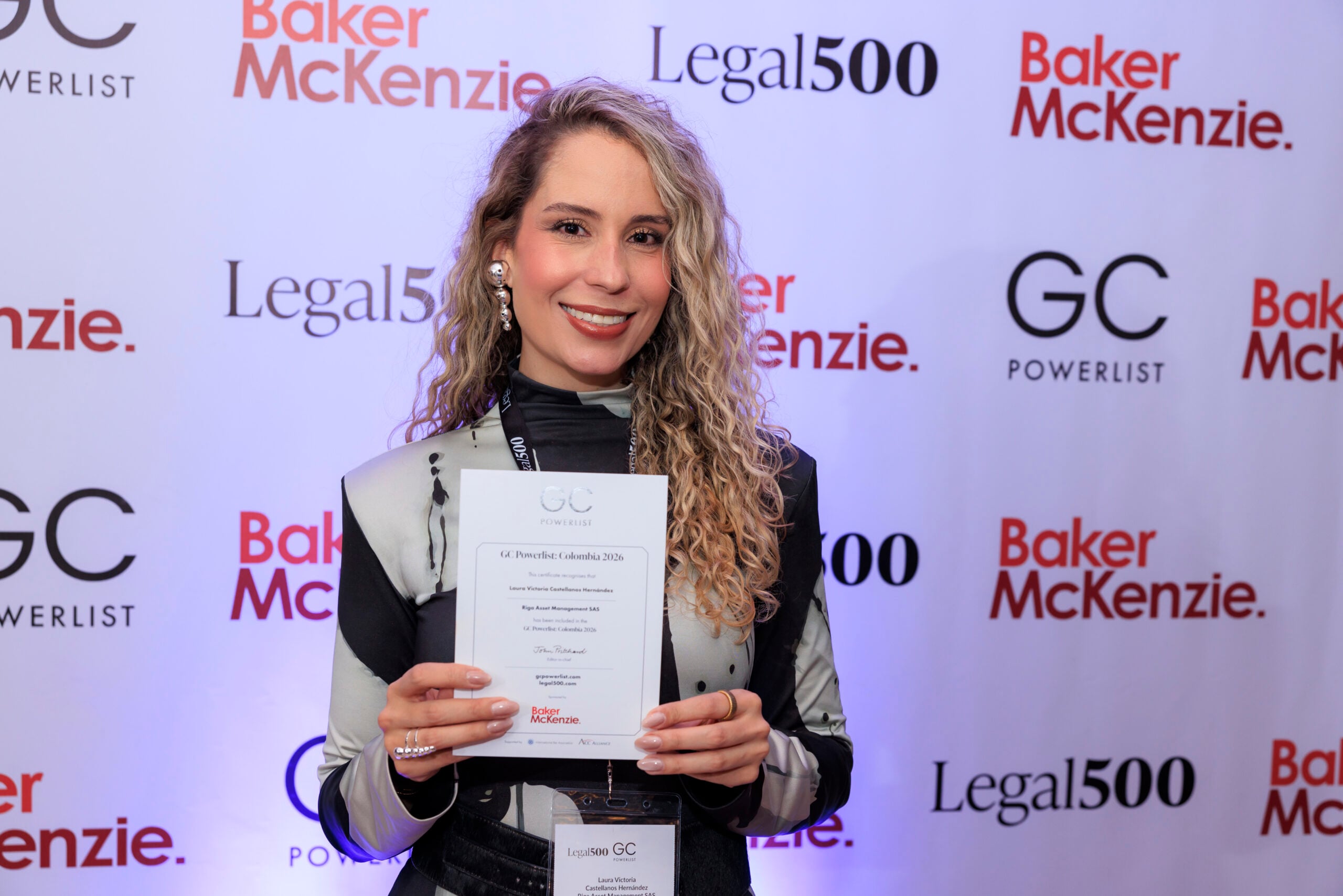
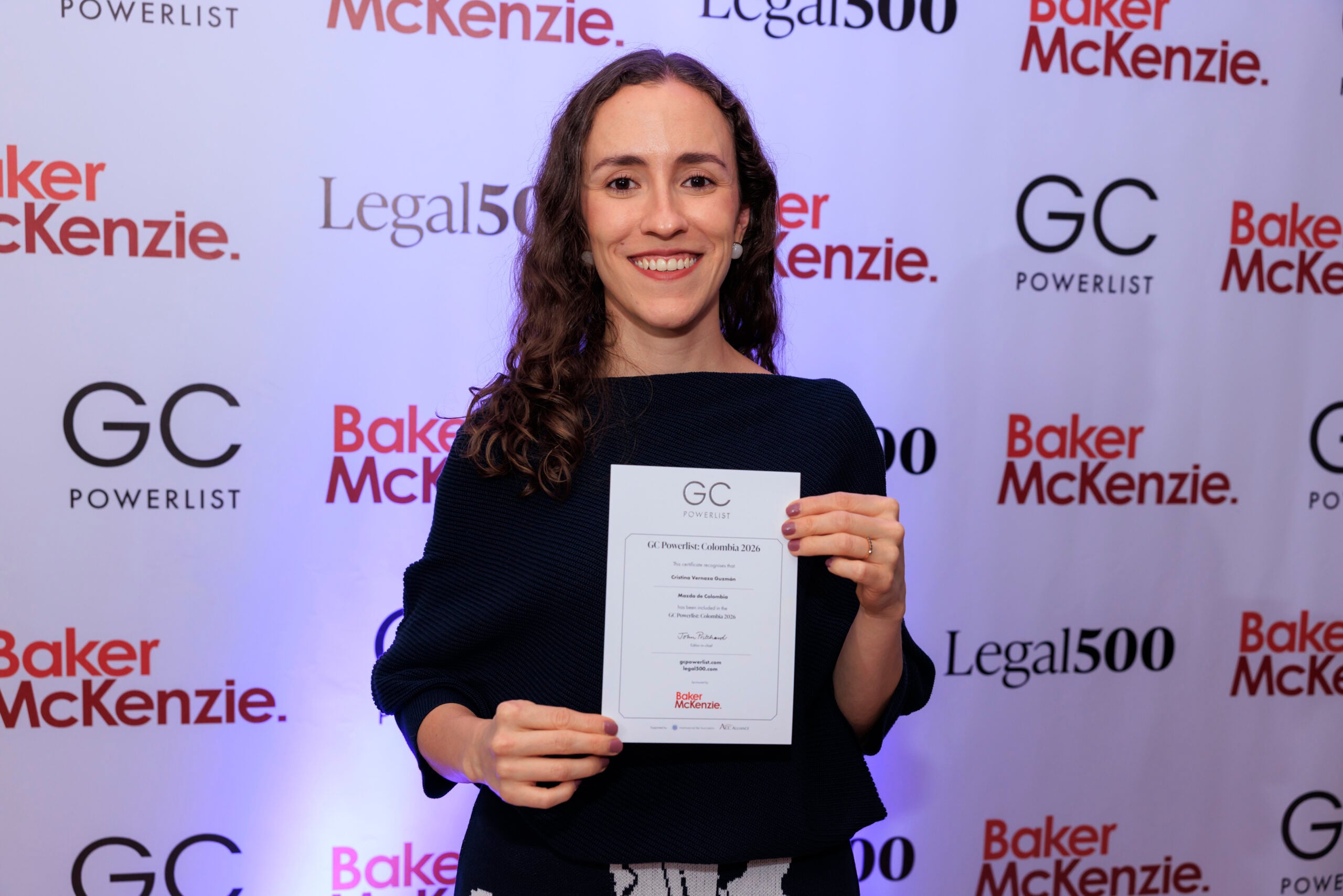
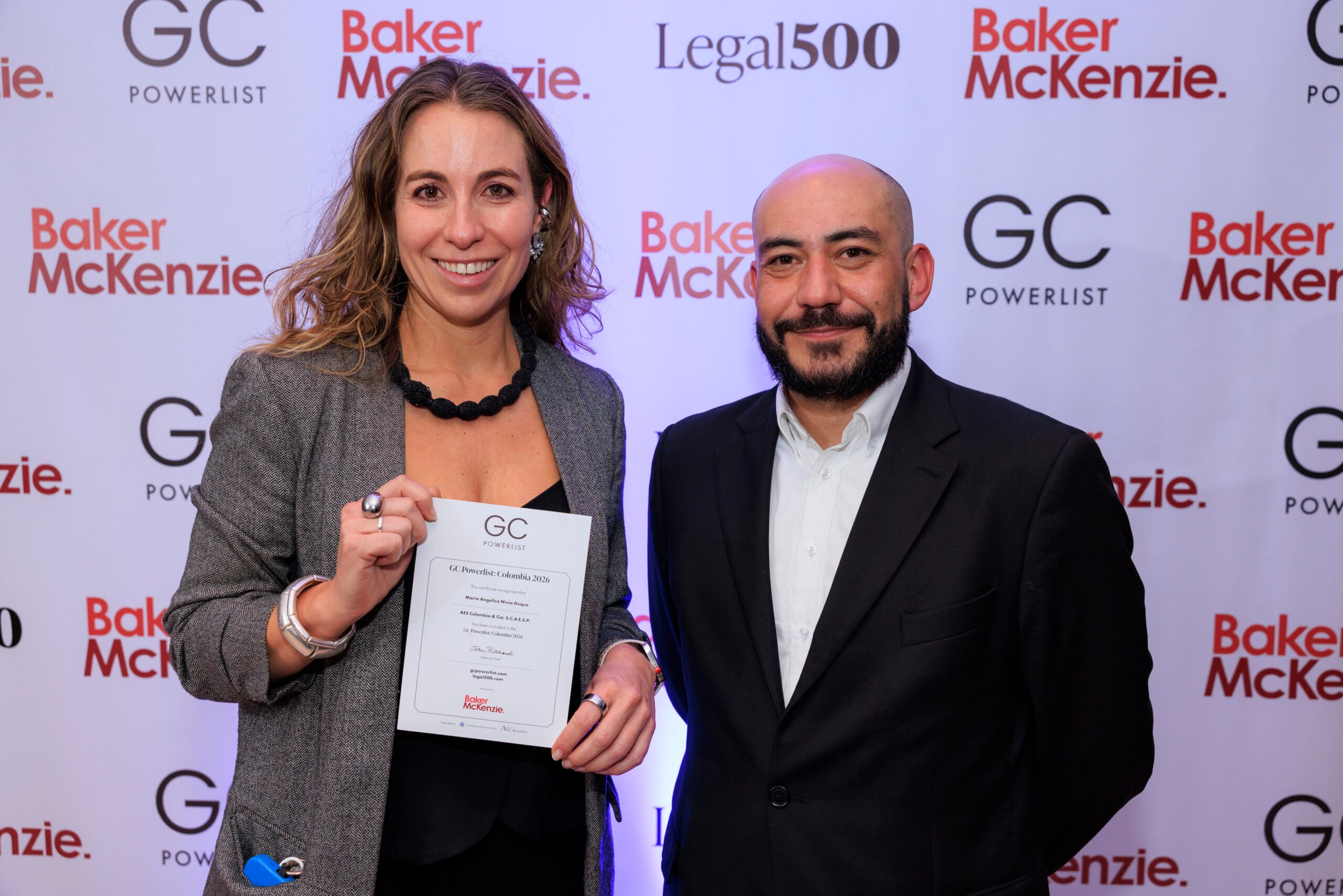
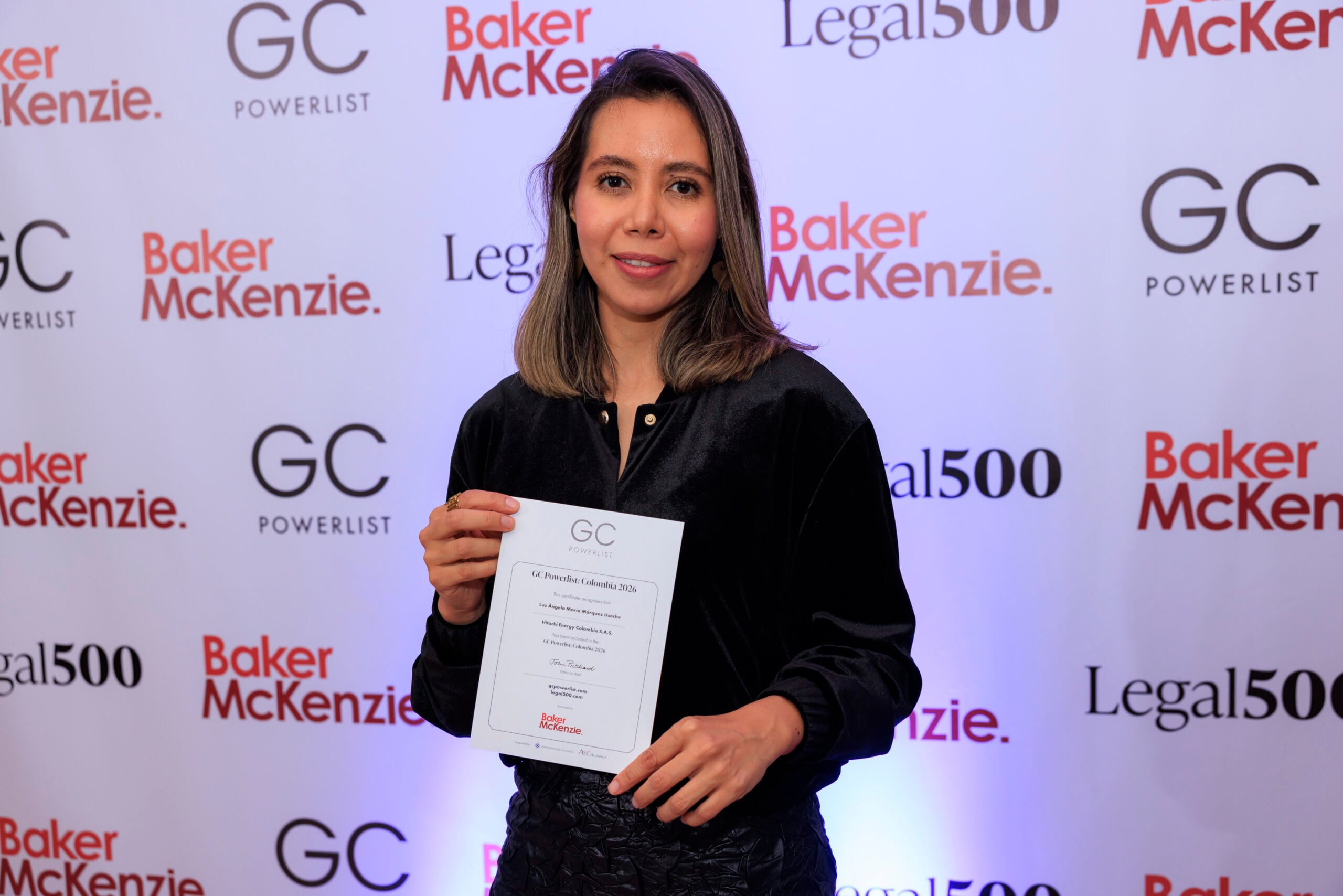
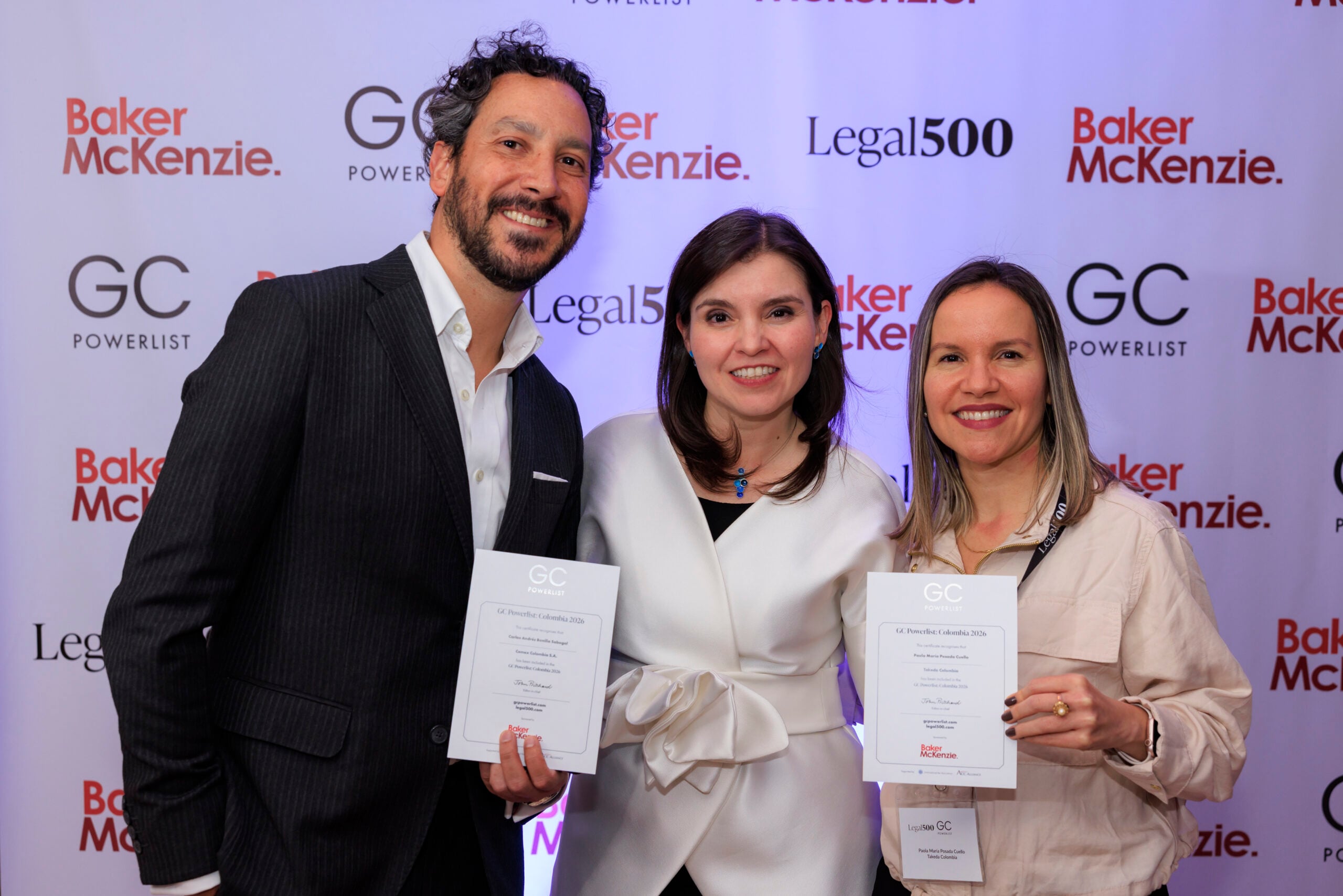
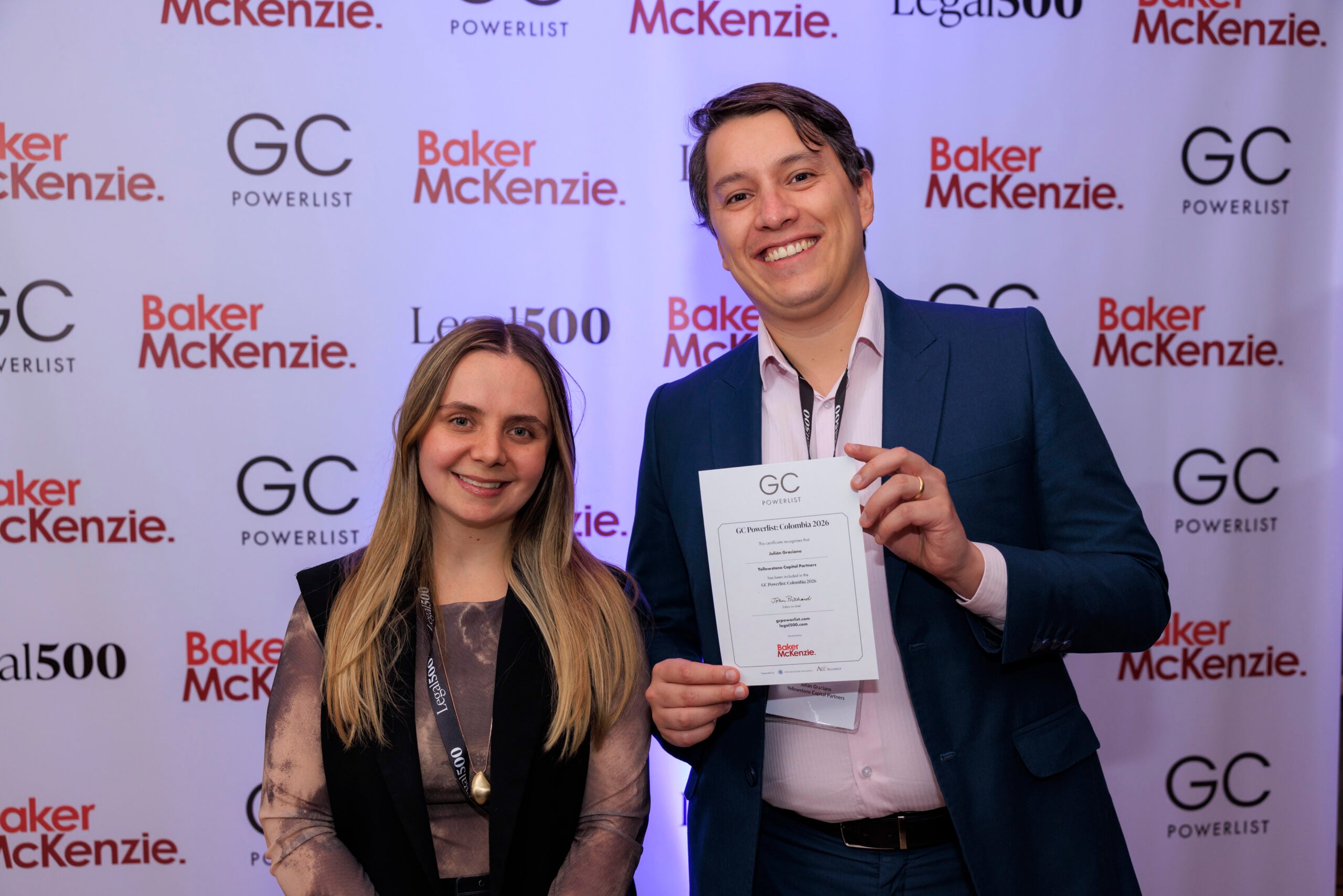
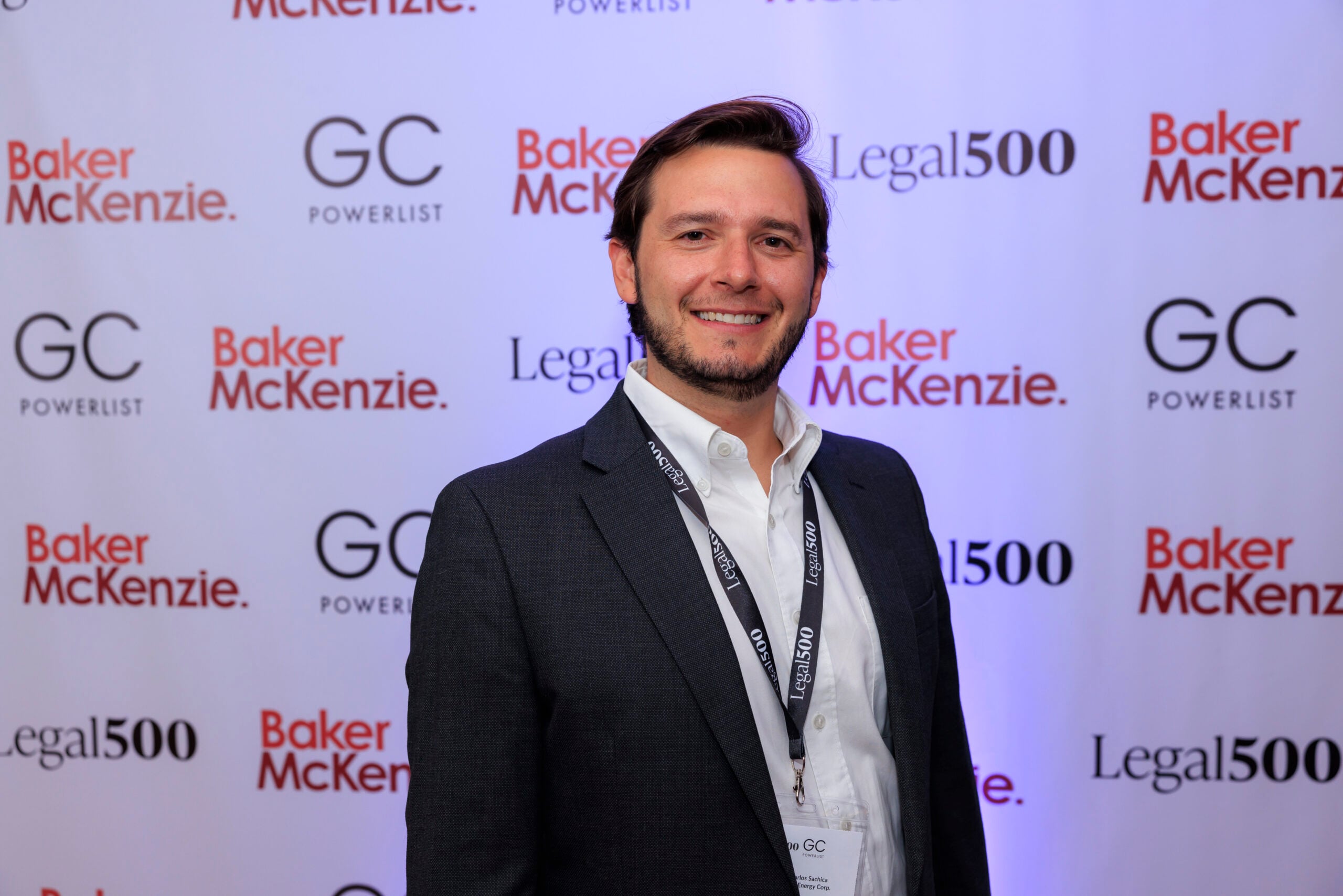
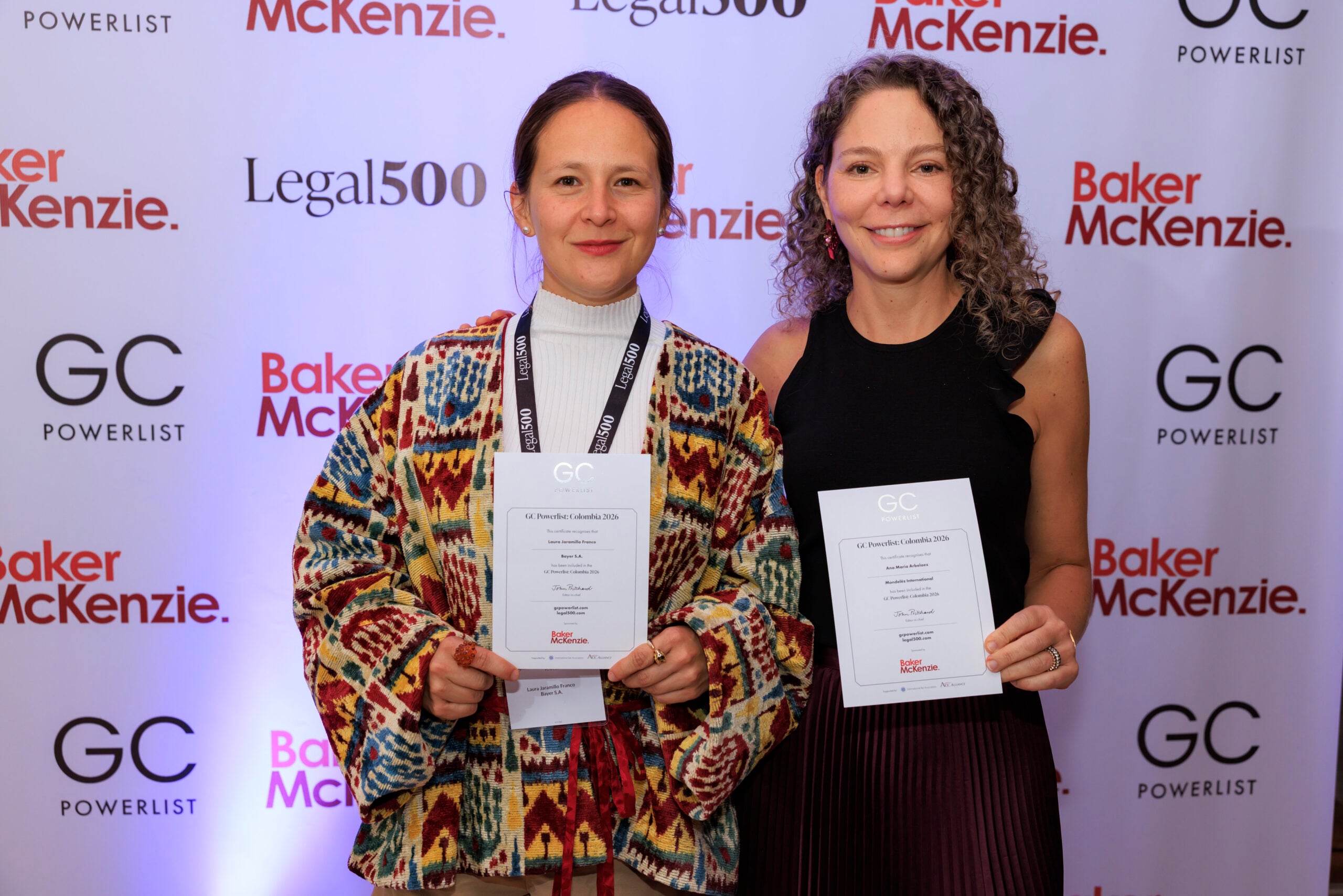
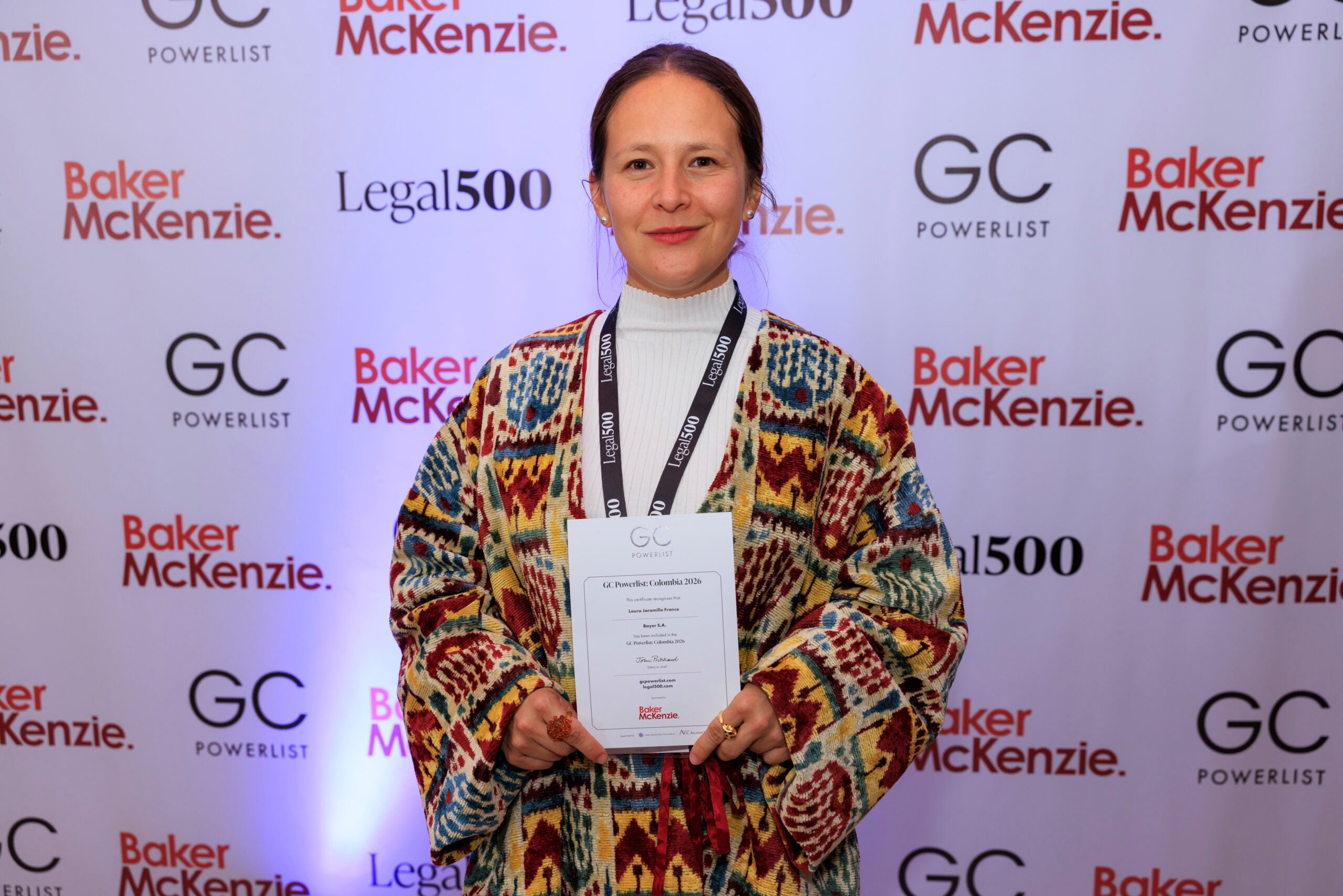
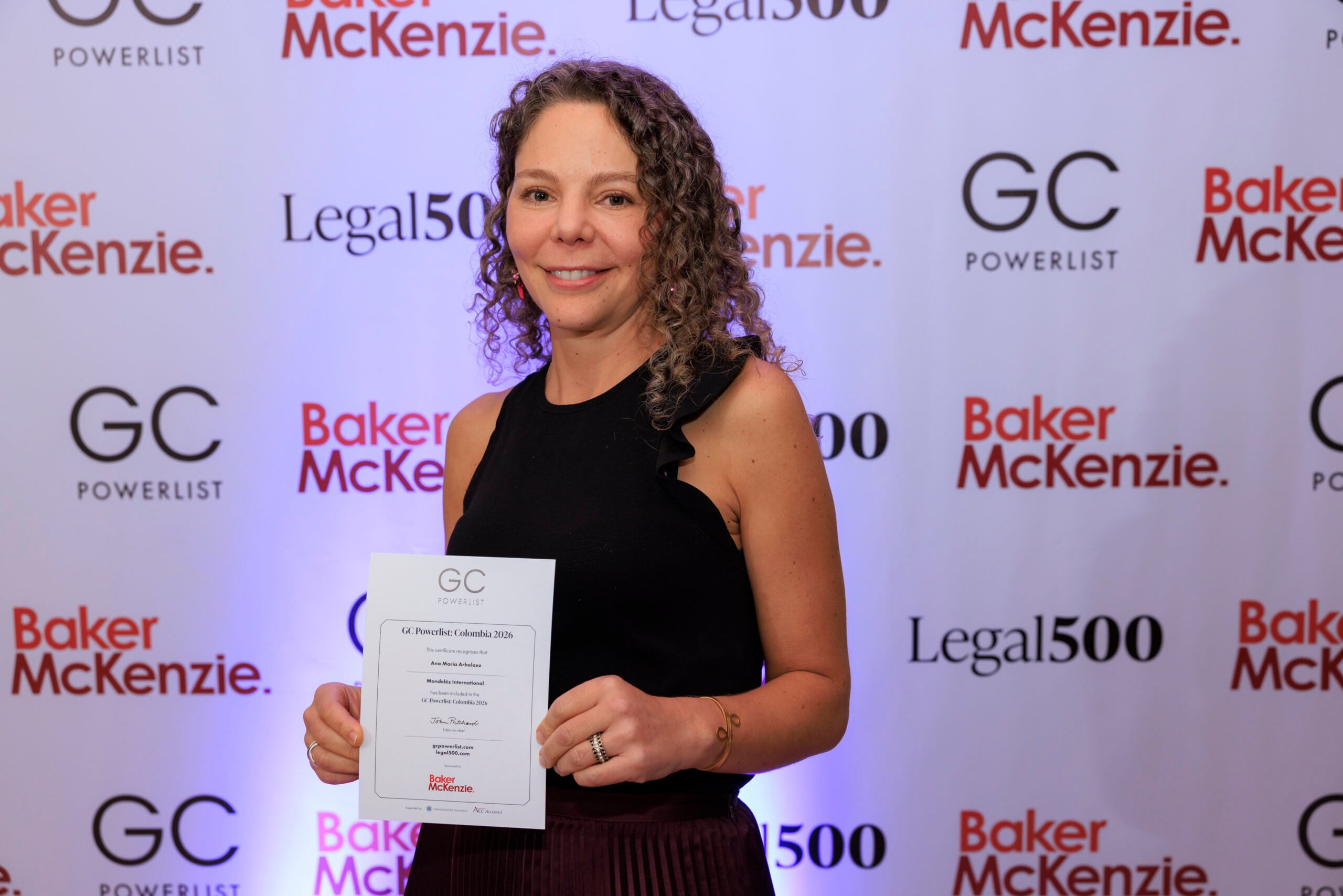
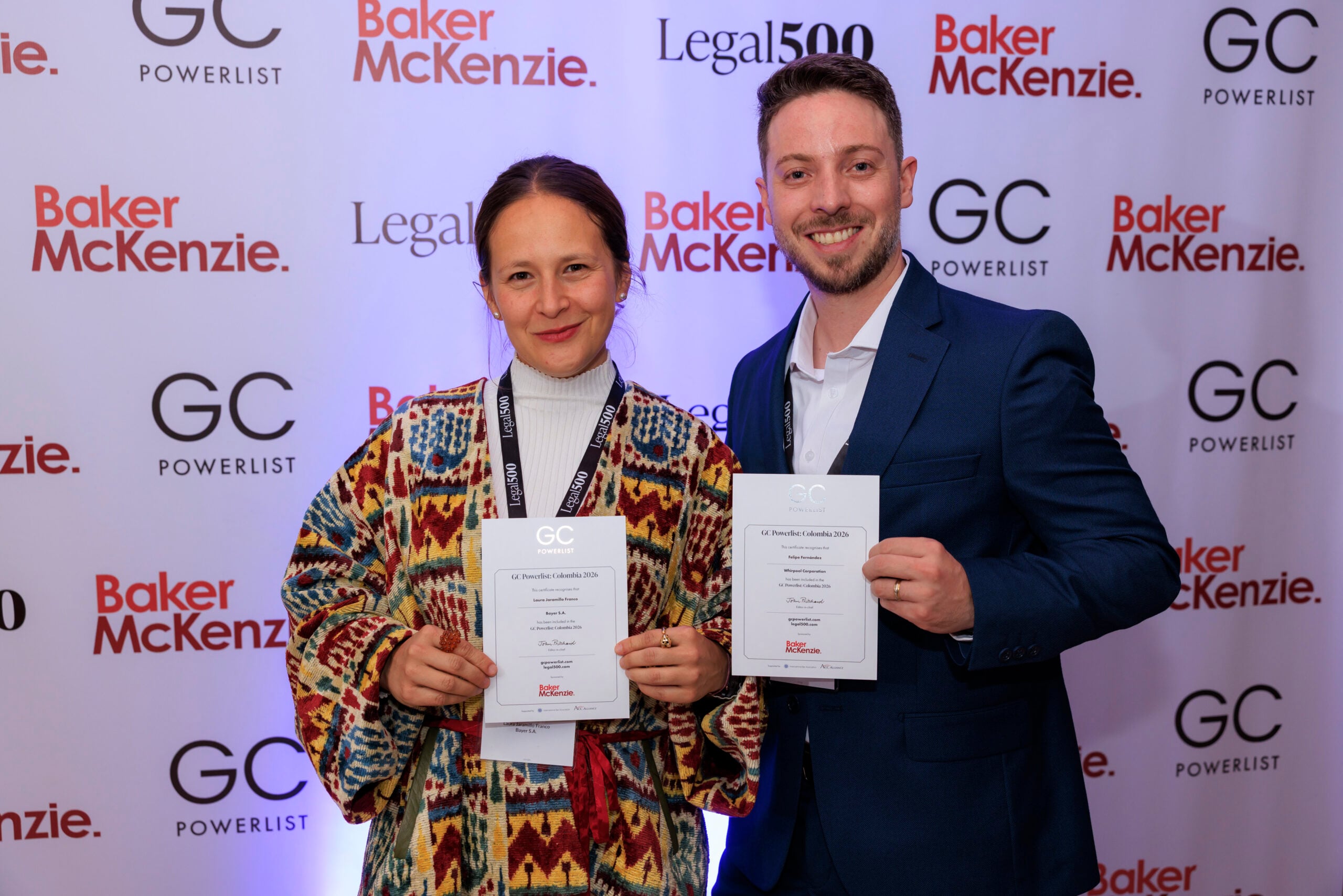
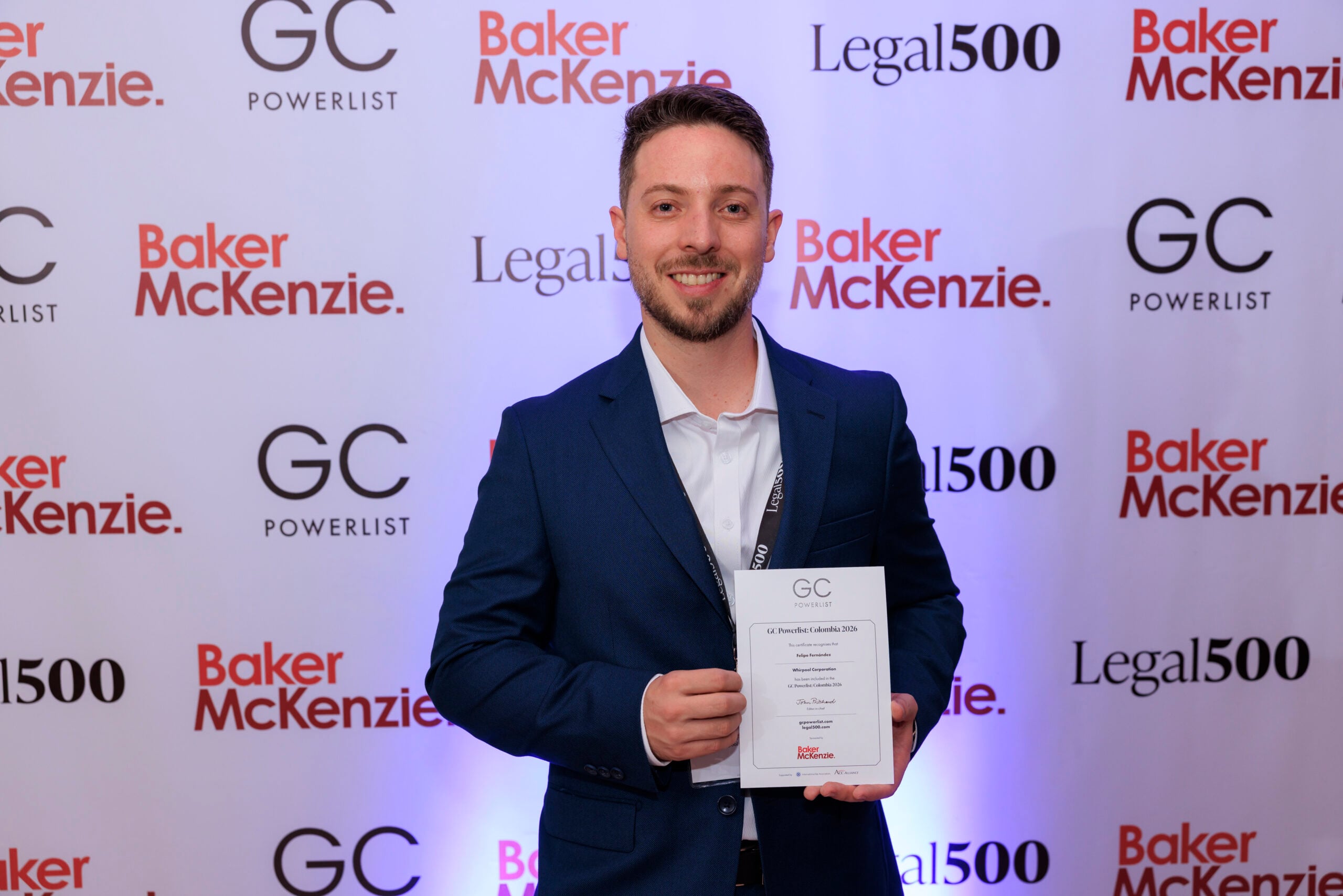
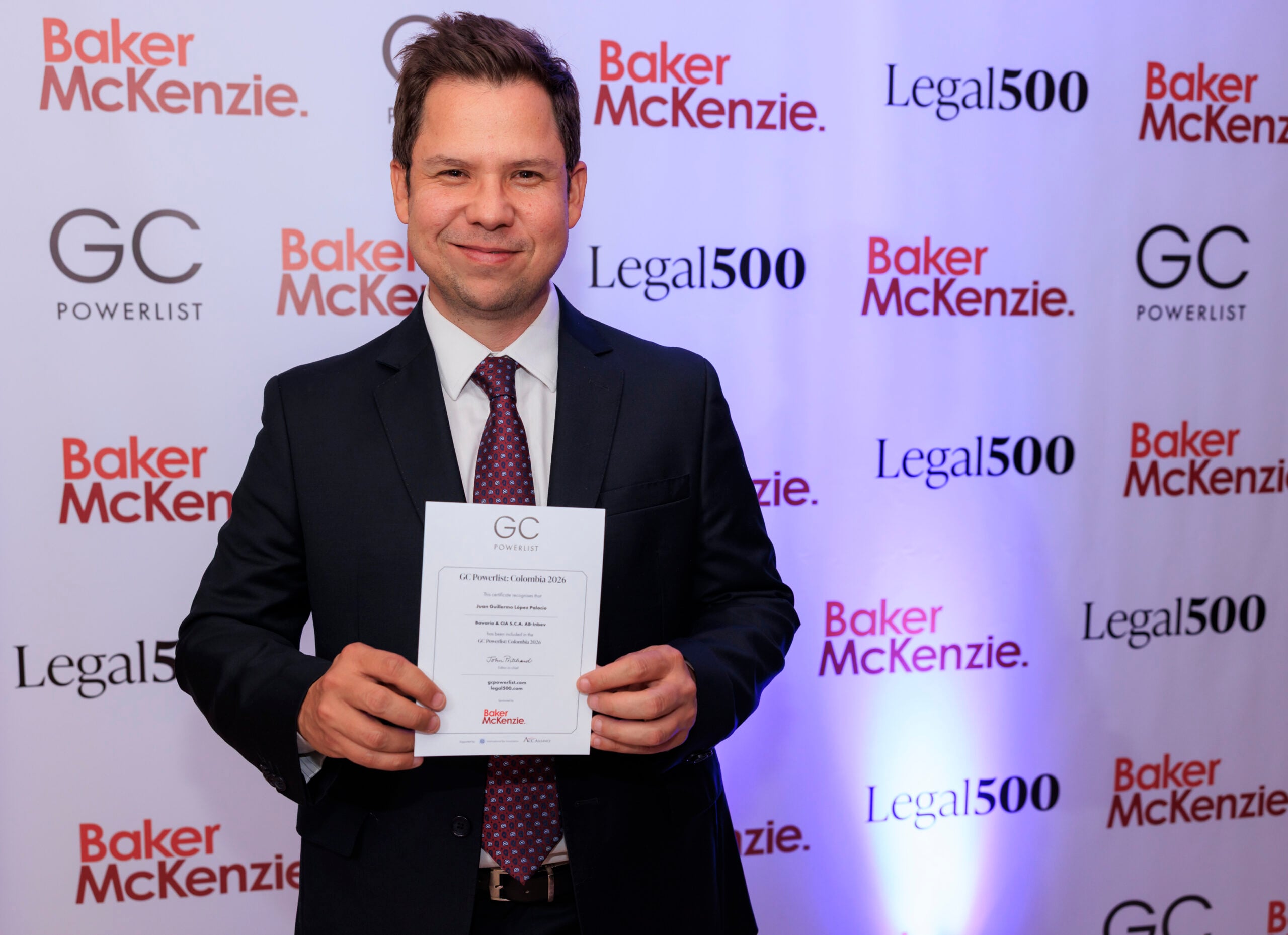
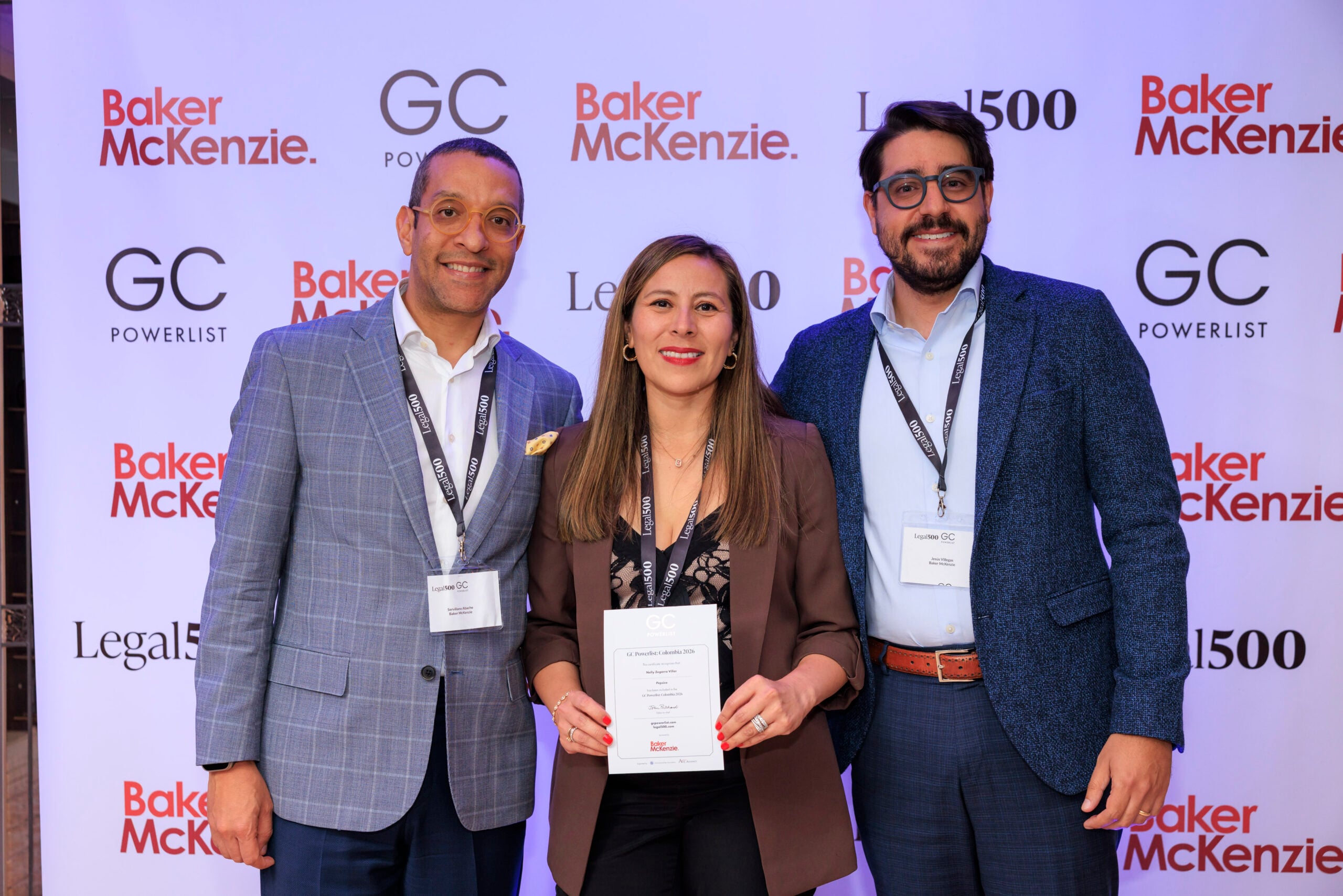
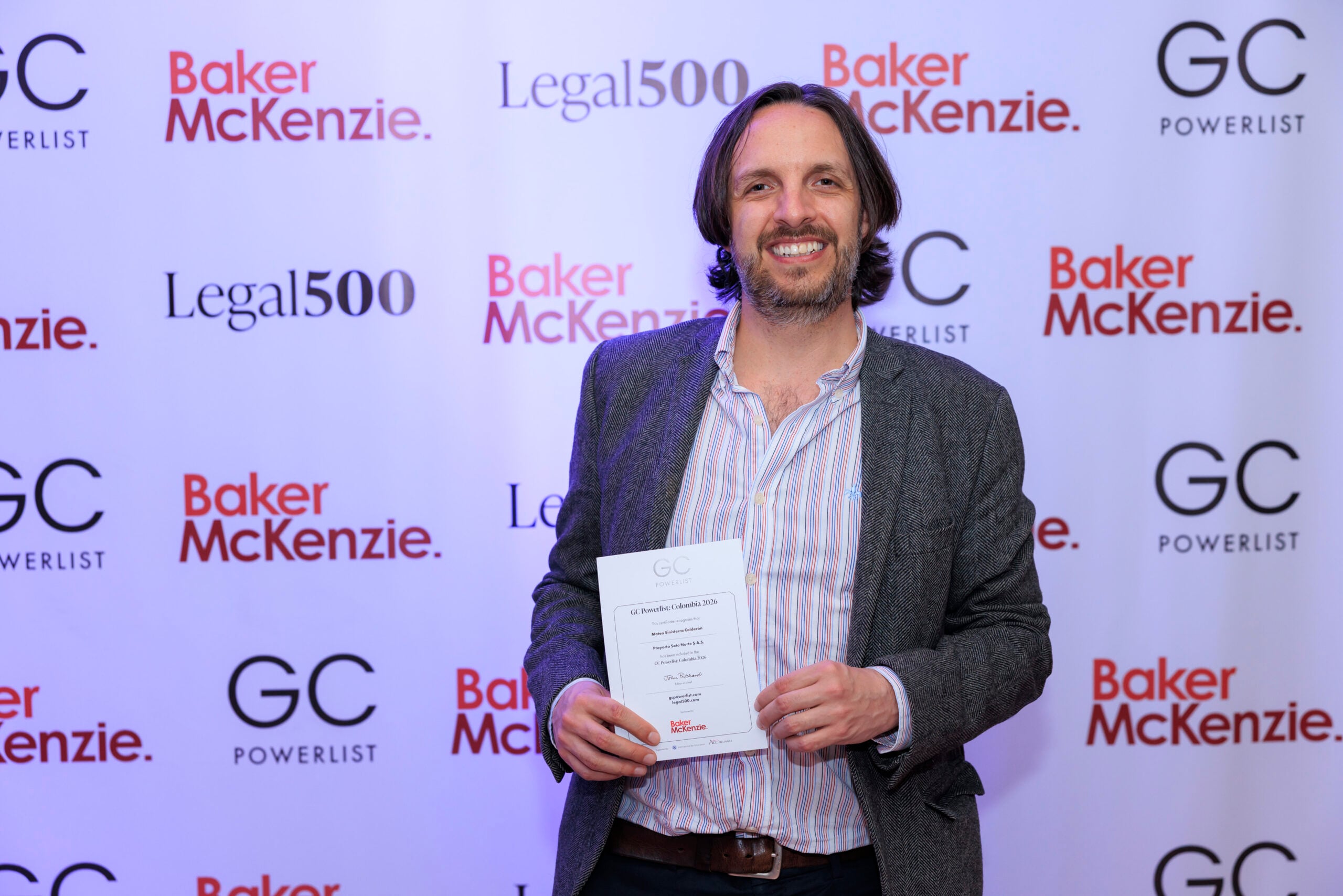
This year’s Powerlisters were then invited to collect their certificates and have their official photographs taken. The evening continued with lively discussions and networking as attendees shared insights, ideas and experiences over drinks and canapés.
Legal 500 would like to congratulate everyone included in the 2026 edition of the GC Powerlist: Colombia and thank Baker McKenzie for their partnership in bringing this event to life.