Poland 2026
Supported by the Association of Corporate Counsel



Manager of the legal department, Poland, the Baltics & Ukraine | IBM


Senior assistant general counsel – CEERTMEA, Head of sanctions compliance – EMEA & APAC | Elanco Animal Health

General counsel and Compliance manager | Polska Akcja Humanitarna (Polish Humanitarian Action)




Assistant general counsel, North & South East Europe | Philip Morris Products S.A., Switzerland
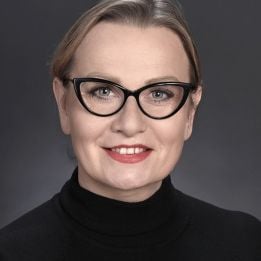


Assistant general counsel | McKinsey & Company Poland




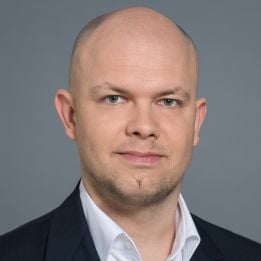

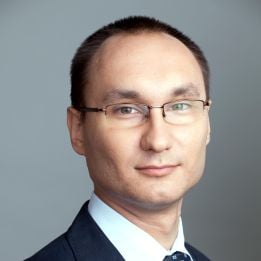
Head of legal | Towarowa Giełda Energii (Polish Power Exchange)

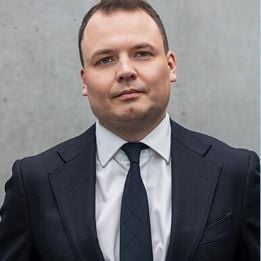


General counsel and Head of legal and compliance | KPMG Poland




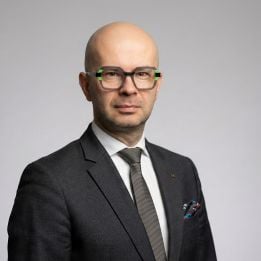

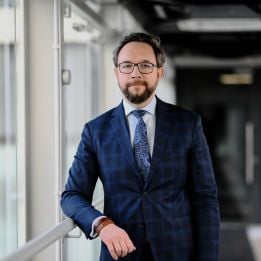

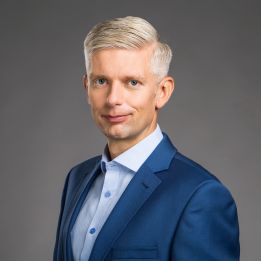
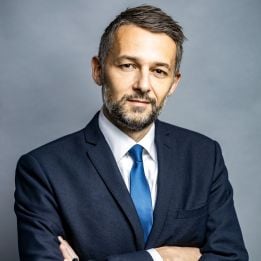



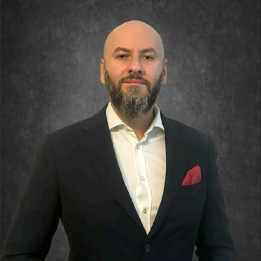

VP, Global privacy & EMEA associate general counsel | GlobalLogic





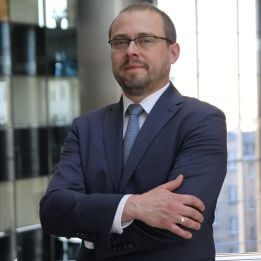
Director - legal services department for corporate, investment and international banking | PKO Bank Polski

Group head of legal and compliance | Match-Trade Technologies Group

Head of legal, advanced refractories EMEA, fused silica and global procurement | Vesuvius
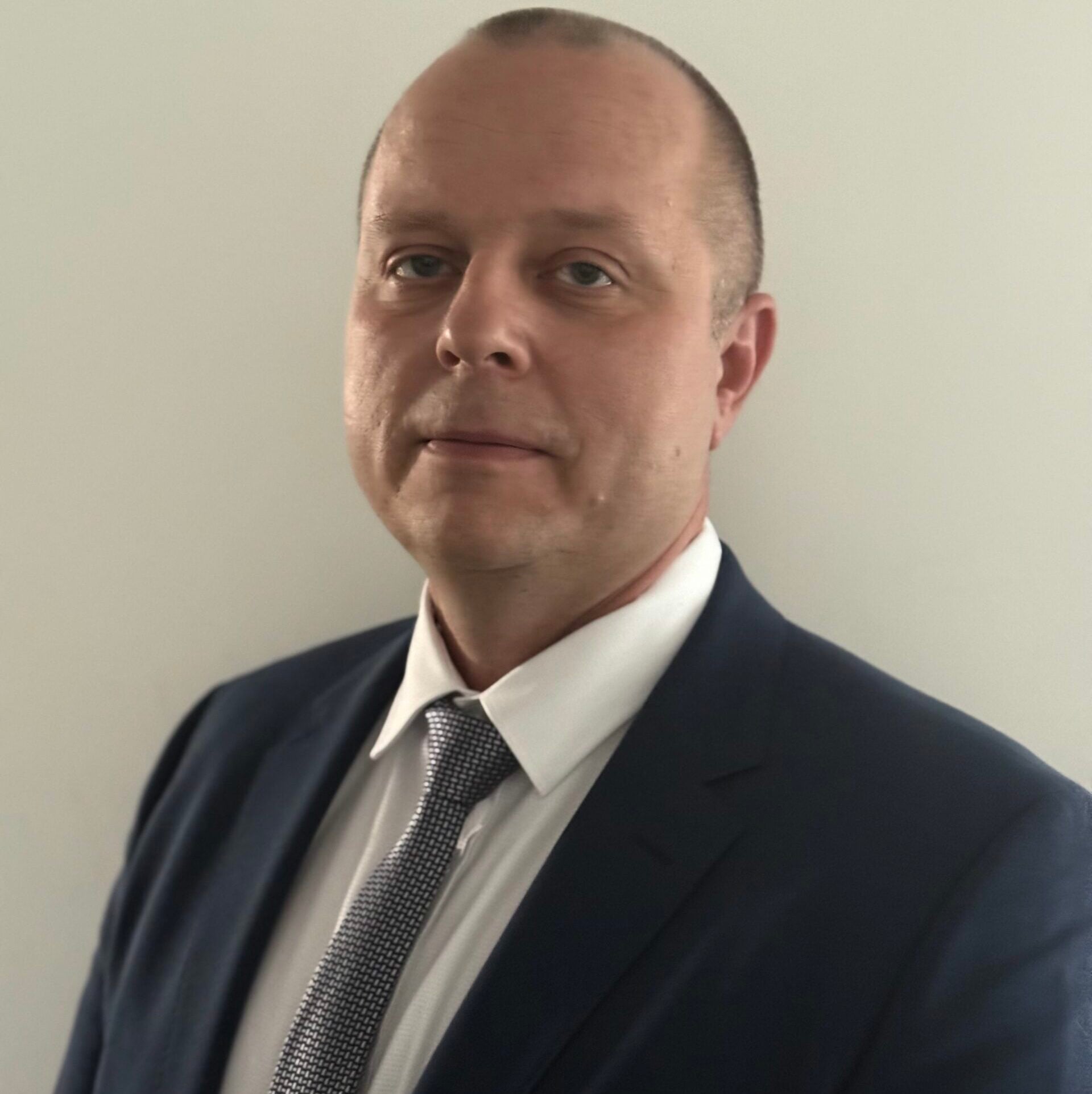





Legal and compliance director | Colas Polska/Colas Kruszywa

Head of the Polish branch, Head of legal - Poland and Southeastern Europe | WOOD & Company Financial Services



Director - heating and cooling and Poland, legal counsel | Fortum



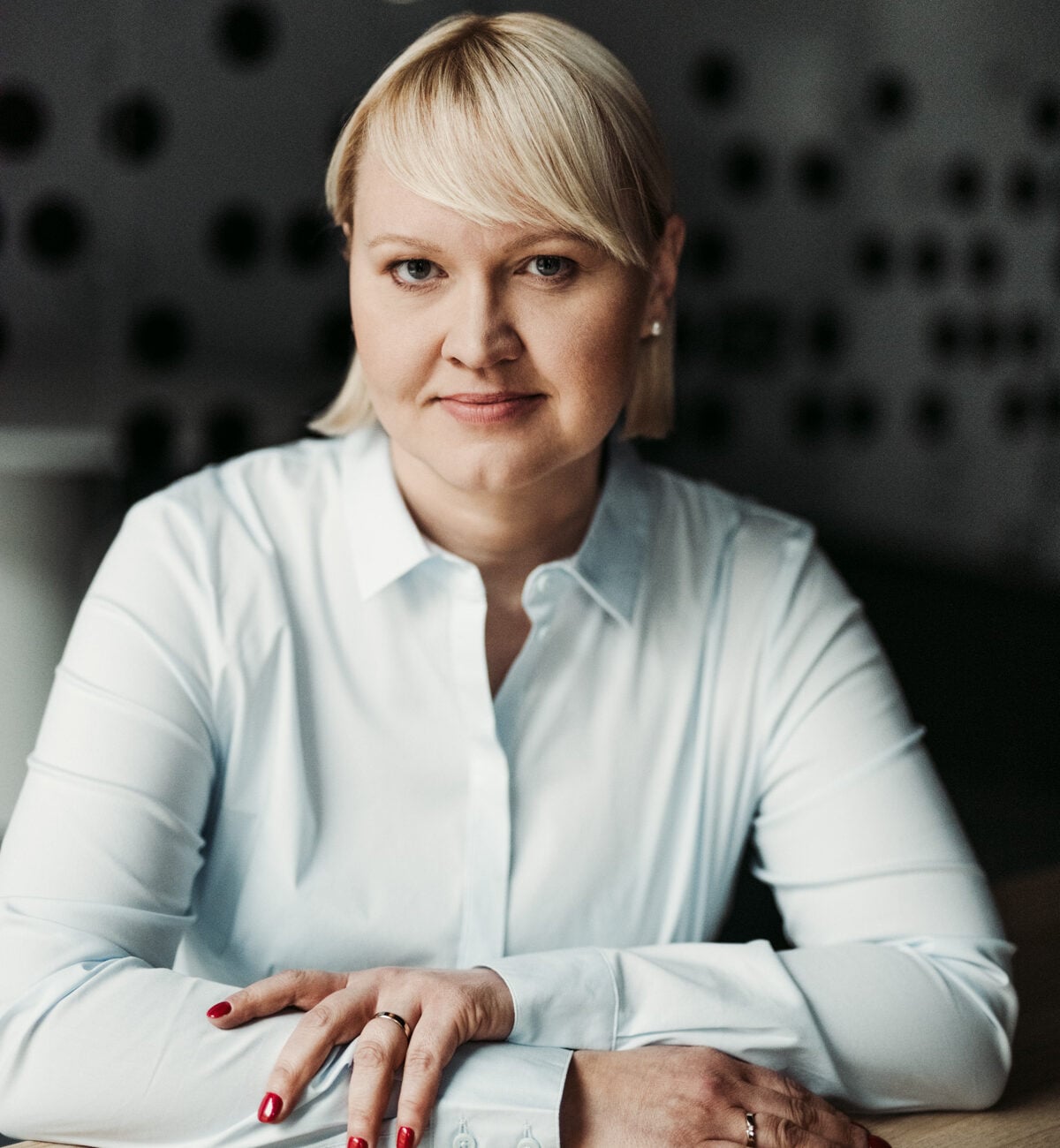

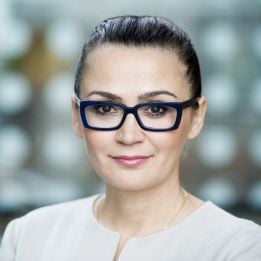
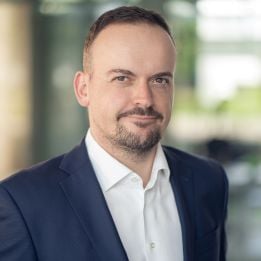
Head of the legal, regulatory and public affairs division | Agora Group

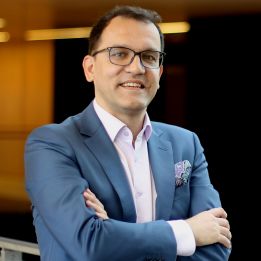
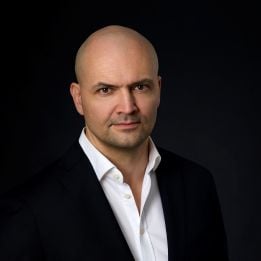






Director - head of legal operations | Union Energy Group/Loyd’s Aviation Group


Director of legal, compliance and HR/Head of legal and compliance | Wonga/Novum Finance

Head of legal, Poland and Eastern Europe | Kraft Heinz
Head of legal department, member of management board | Ghelamco Poland
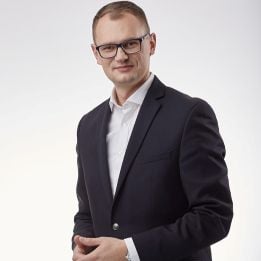
VP, Legal director | PZL Mielec (Polskie Zaklady Lotnicze), a Lockheed Martin company
I am honoured to launch the inaugural edition of Legal 500’s GC Powerlist: Poland, showcasing the country’s steady growth and development. In-house counsel remain at the forefront of this continued success, as integral players in both the business and legal landscape.
The GC Powerlist initiative aims to highlight the way in which in-house counsel continue to lead their organisations through these constant economic, technological and geopolitical shifts. As Hubert Kendziorek, Chief Legal Officer at Emitel S.A. points out, ‘the era of the siloed, reactive in-house lawyer is decisively over’. The GC role has had to adapt with the times, and in-house counsel are required to provide more than just legal advice.
A ‘modern in-house counsel must first and foremost be a strong business partner’, Łukasz Krysiak, Head of Legal Advanced Refractories EMEA, Fused Silica and Global Procurement at Vesuvius agrees. ‘That means being integrated into the team (being part of the team not the “advisor”), understanding commercial objectives, and contributing to decisions rather than simply identifying legal risks’, he goes on to explain.
Of course, legal advice remains at the core of what GCs do. In today’s fast-changing environment, rapid regulatory changes pose a particular challenge – ‘a tsunami of new EU regulations’, as Kendziorek puts it. Bogdan Piotrowski, Head of Legal at Towarowa Giełda Energii (Polish Power Exchange), agrees that there is ‘an increasing amount of regulation that needs to be assessed and followed’. One of the key challenges of the in-house role, he explains, is ‘to spot all new applicable regulations and find business-oriented way to follow them’.
A key area that has seen a plethora of new regulations is AI, an almost unavoidable topic in today’s market. Agnieszka Kozar, Assistant General Counsel, North & South East Europe at Philip Morris Products S.A., Switzerland, points to the ‘widespread adoption of AI across businesses, which is impacting legal teams and requiring them to keep pace with changing regulations and new forms of risk’.
AI does not come without risks, however, and should be applied to boost human efficiency – not replace it, as Magdalena Cholewa-Klimek, Legal & Compliance Director, at Colas Polska/Colas Kruszywa, warns. ‘Human oversight remains essential for nuanced judgment and ethical decision-making’, she emphasises. AI should be used ‘to reduce time spent on repetitive tasks and increase capacity for higher-value work’, Paweł Meus, Legal Director and Data Protection Officer at OpenX, agrees, to maintain the ‘human element’.
And the human element is increasingly important to preserve in the current unpredictable and volatile environment. Senior in-house counsel across the country continue to emphasise the importance of a diverse and nurtured team. Kozar highlights that ‘diversity and inclusion not only strengthen our organisation by bringing a wider range of perspectives and ideas, but also help develop our people’. Anna Wojdyga-Napora, Head of Legal Poland and Eastern Europe at KraftHeinz, is quick to corroborate this dual benefit: ‘It’s not about just being inclusive; it’s about making better, more innovative decisions for the business.’
Marcin Szlaszyński, Head of Legal at Nest Bank S.A., reminds in-house leaders that the culture starts at the top: ‘General counsel can foster an ESG-supportive culture by making ESG is not just another side project to be managed, but a real part of how the organisation operates and how its corporate governance structures function’.
Legal 500 would like to congratulate all those who are featured in the inaugural edition of the GC Powerlist: Poland.
Isabel Caine
Editor – Corporate Counsel
Legal 500

Greenberg Traurig, LLP is a global, multi-practice law firm with more than 3000 attorneys serving clients from 51 offices in the United States, Latin America, Europe, Asia, and the Middle East.
Greenberg Traurig Poland was named the 2025 Private Equity Firm of the Year at the PSIK (Polish Private Equity & Venture Capital Association) Awards 2025 and the 2025 Tax Law Firm of the Year in Poland by ITR (International Tax Review) EMEA Tax Awards. The Warsaw office of Greenberg Traurig, LLP serves clients throughout Central Europe and beyond with a team of 125 lawyers, many of whom are regularly recognised as leaders in their fields. Renowned for its expertise, the office consistently ranks among the top tiers in Chambers Global, Chambers Europe, IFLR1000, and EMEA Legal 500 across a broad range of practice areas including Corporate/M&A, Capital Markets, Real Estate, Private Equity, Tax, Banking and Finance, Project Finance, Energy, Dispute Resolution, TMT, and Competition/Antitrust.
As the exclusive sponsor of the inaugural Legal 500 General Counsel Powerlist Poland, Greenberg Traurig congratulates all the General Counsels recognised in this edition. In an era defined by the AI revolution and an ever-expanding regulatory landscape, the role of the General Counsel has never been more demanding. The leaders celebrated in this Powerlist are shaping strategy, driving transformation, and navigating complexity that extends well beyond the legal function.
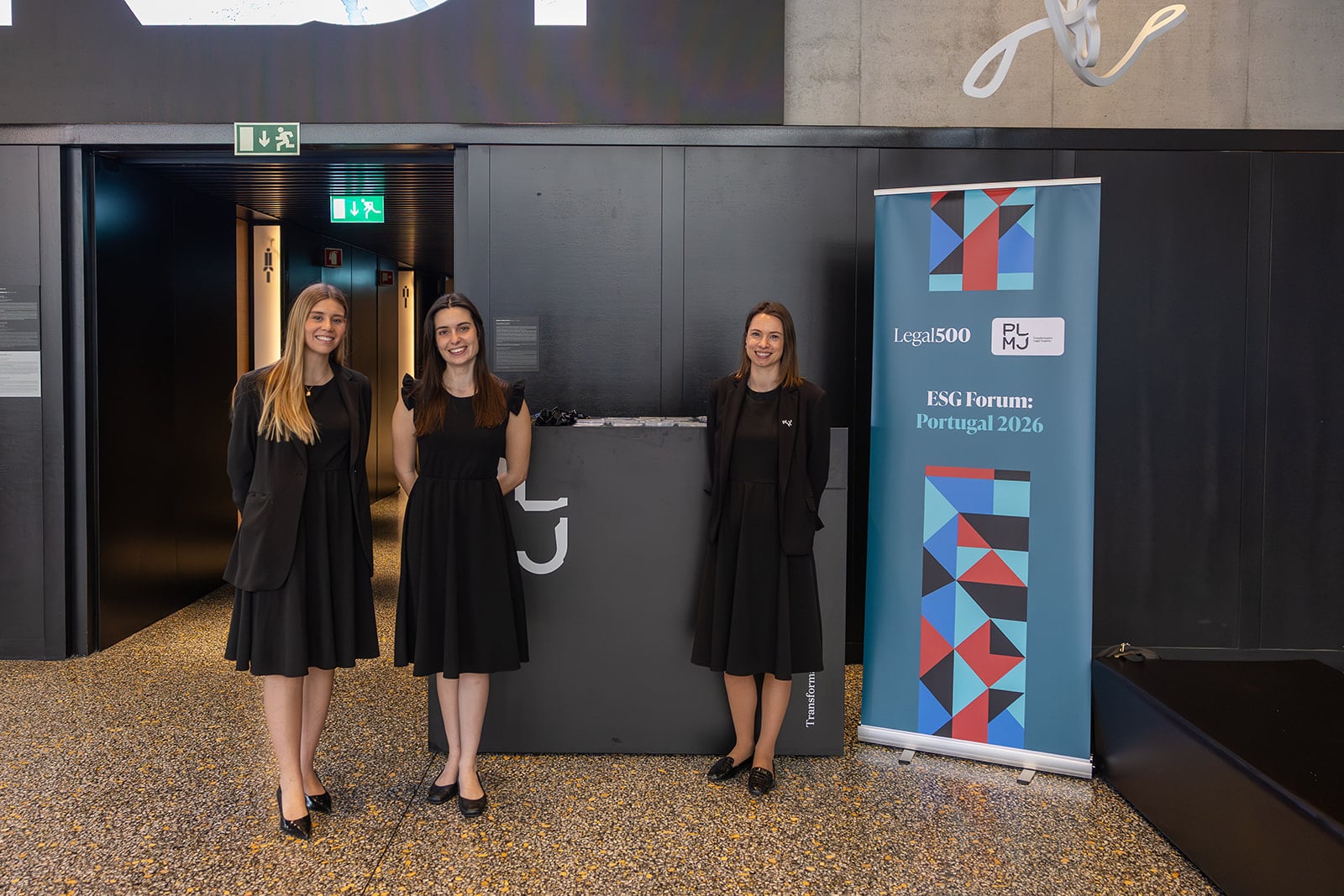
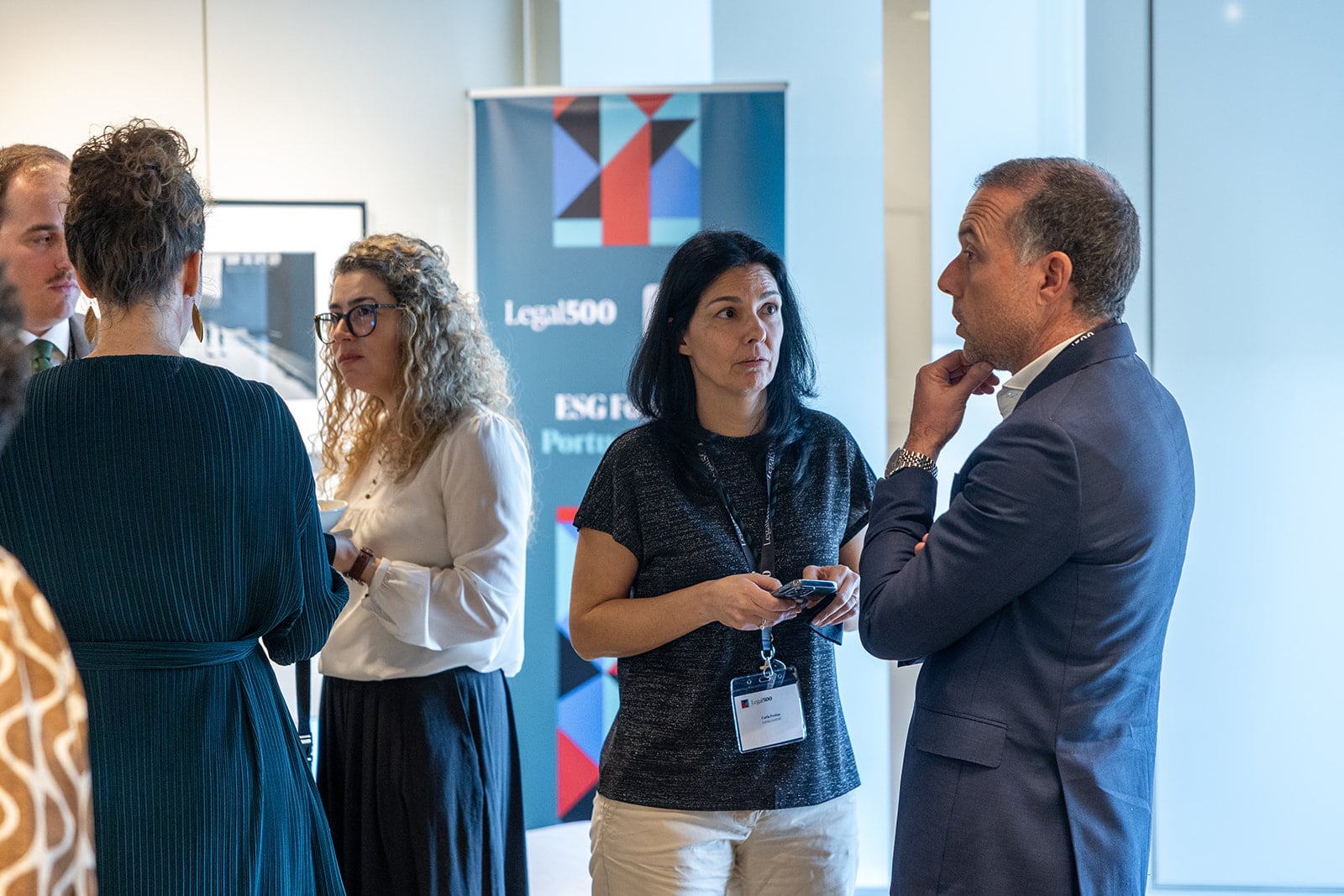
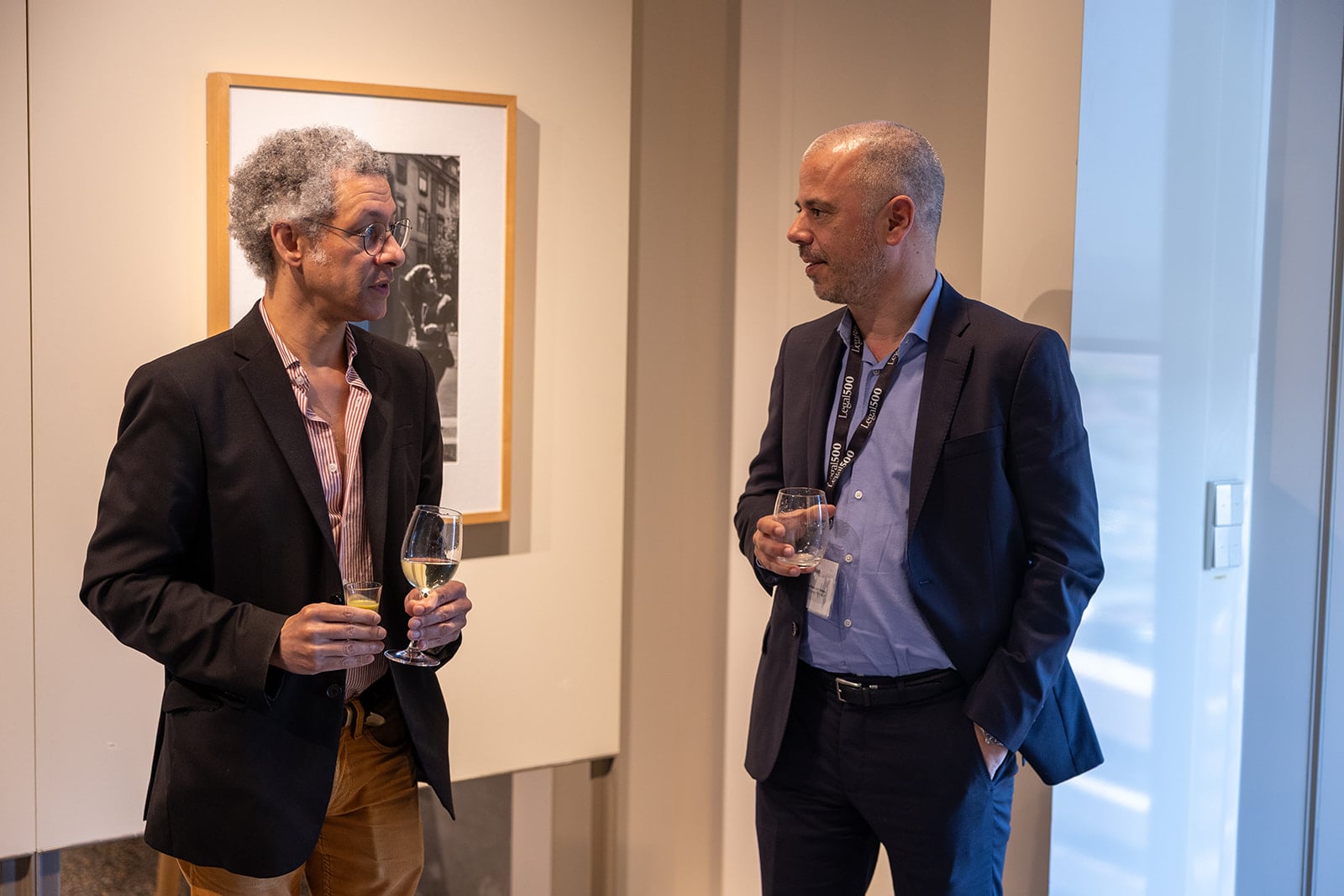
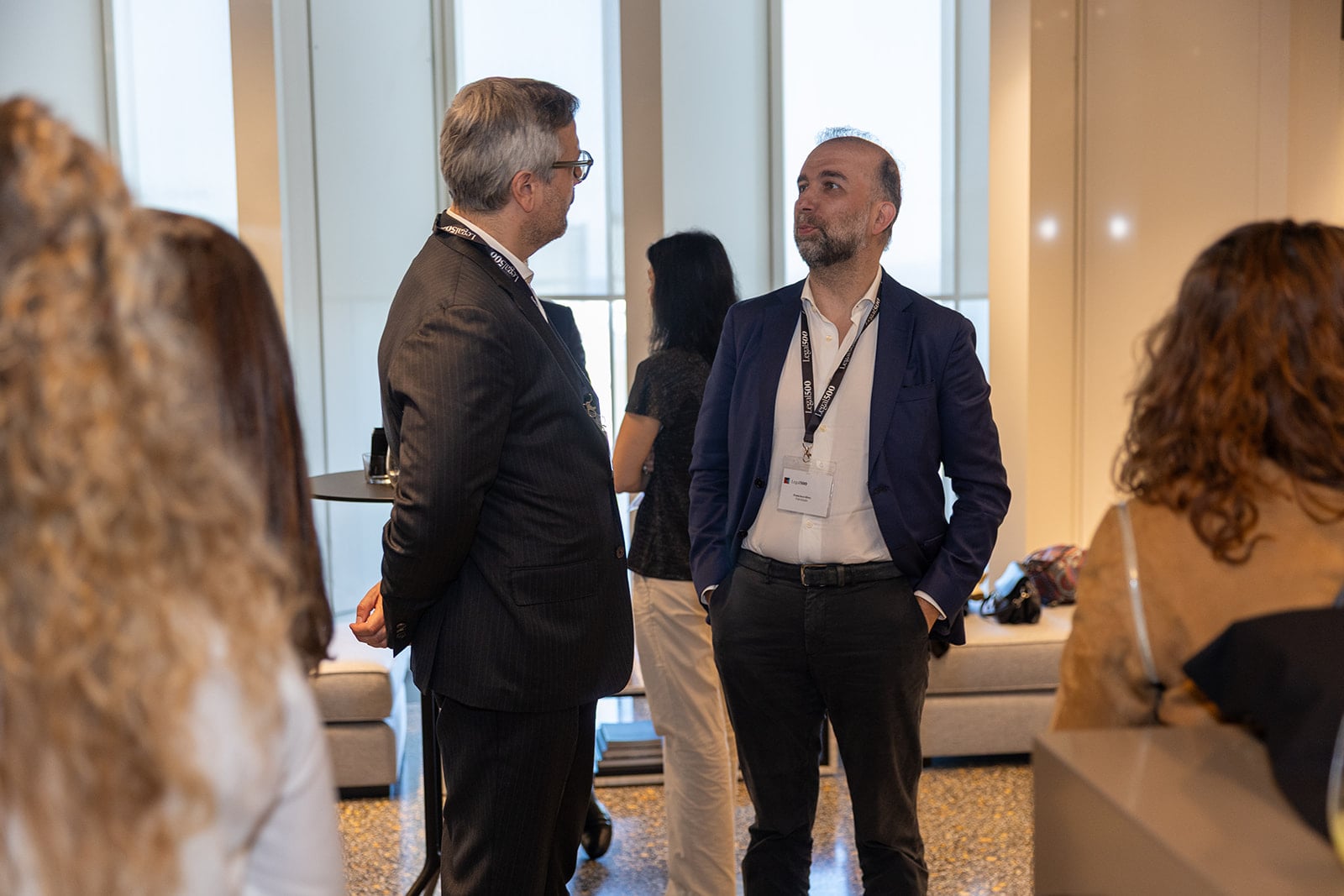
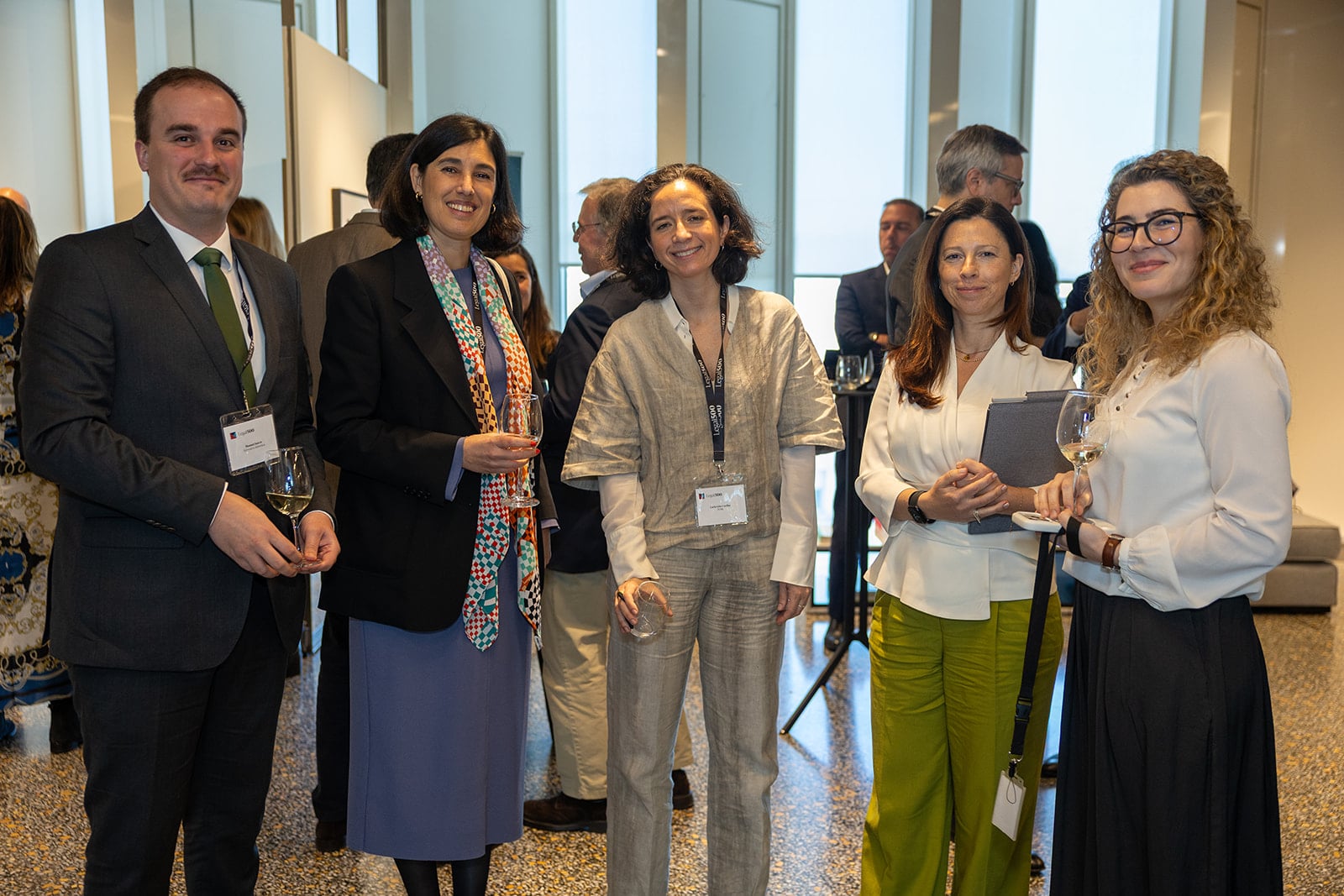
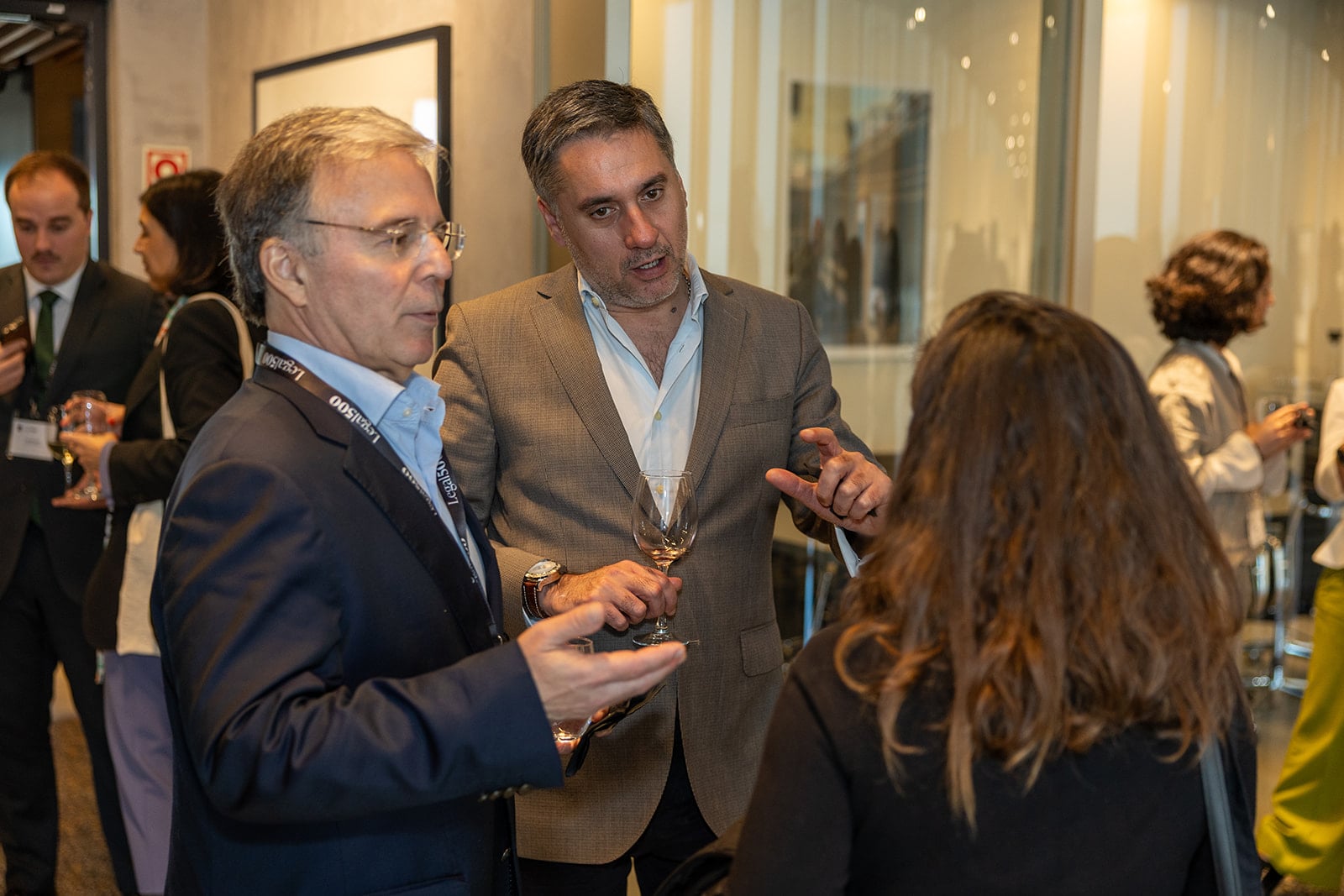
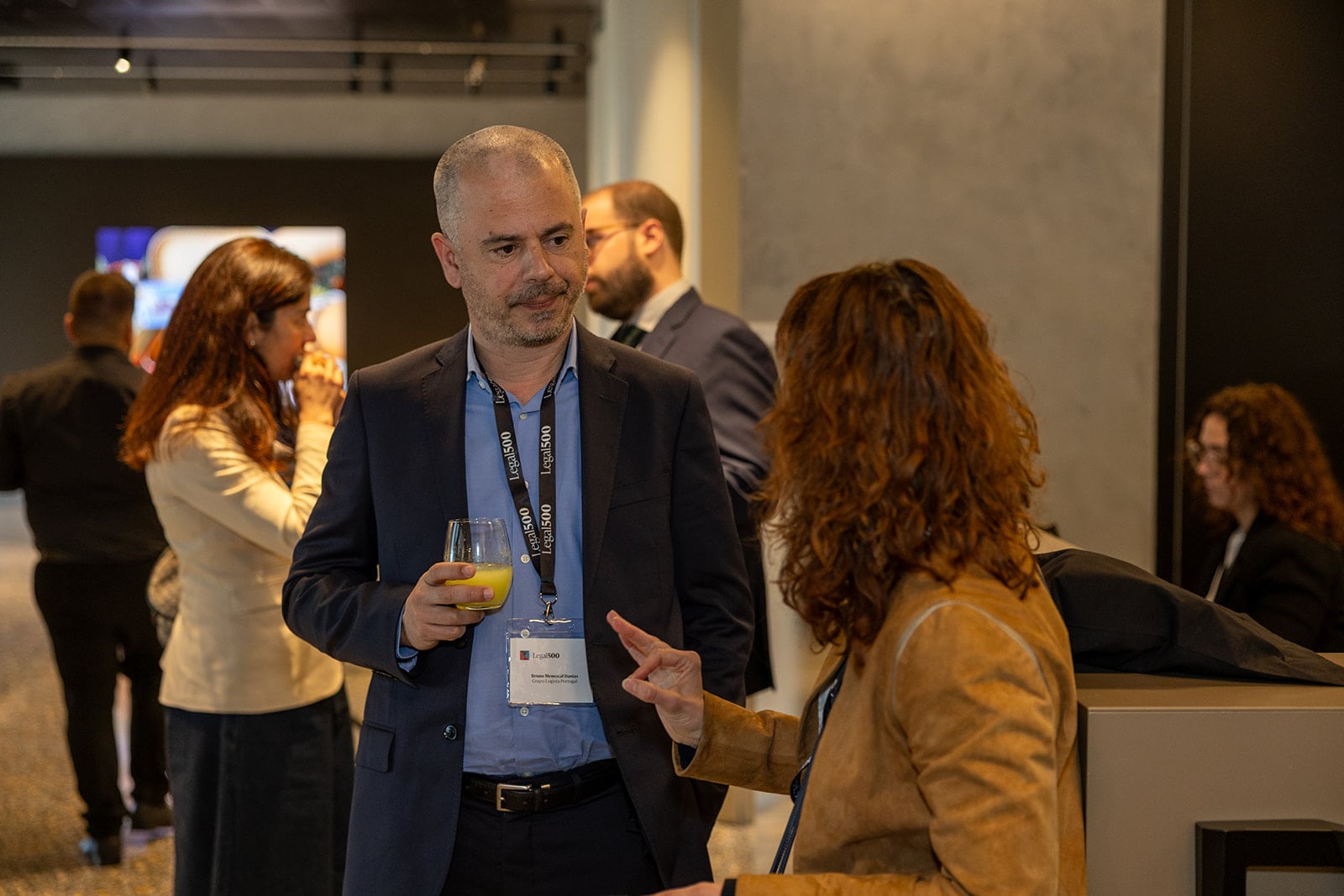
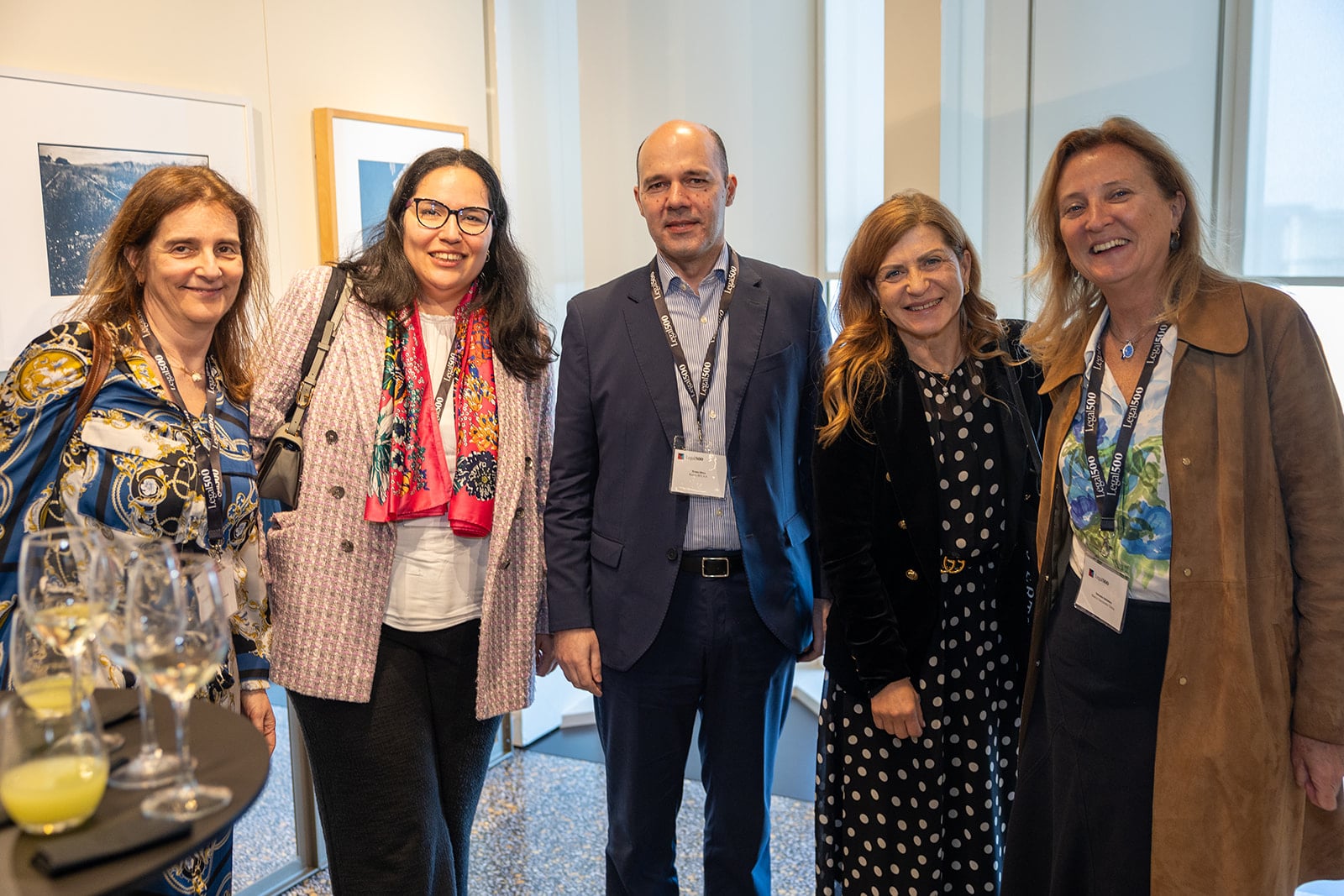
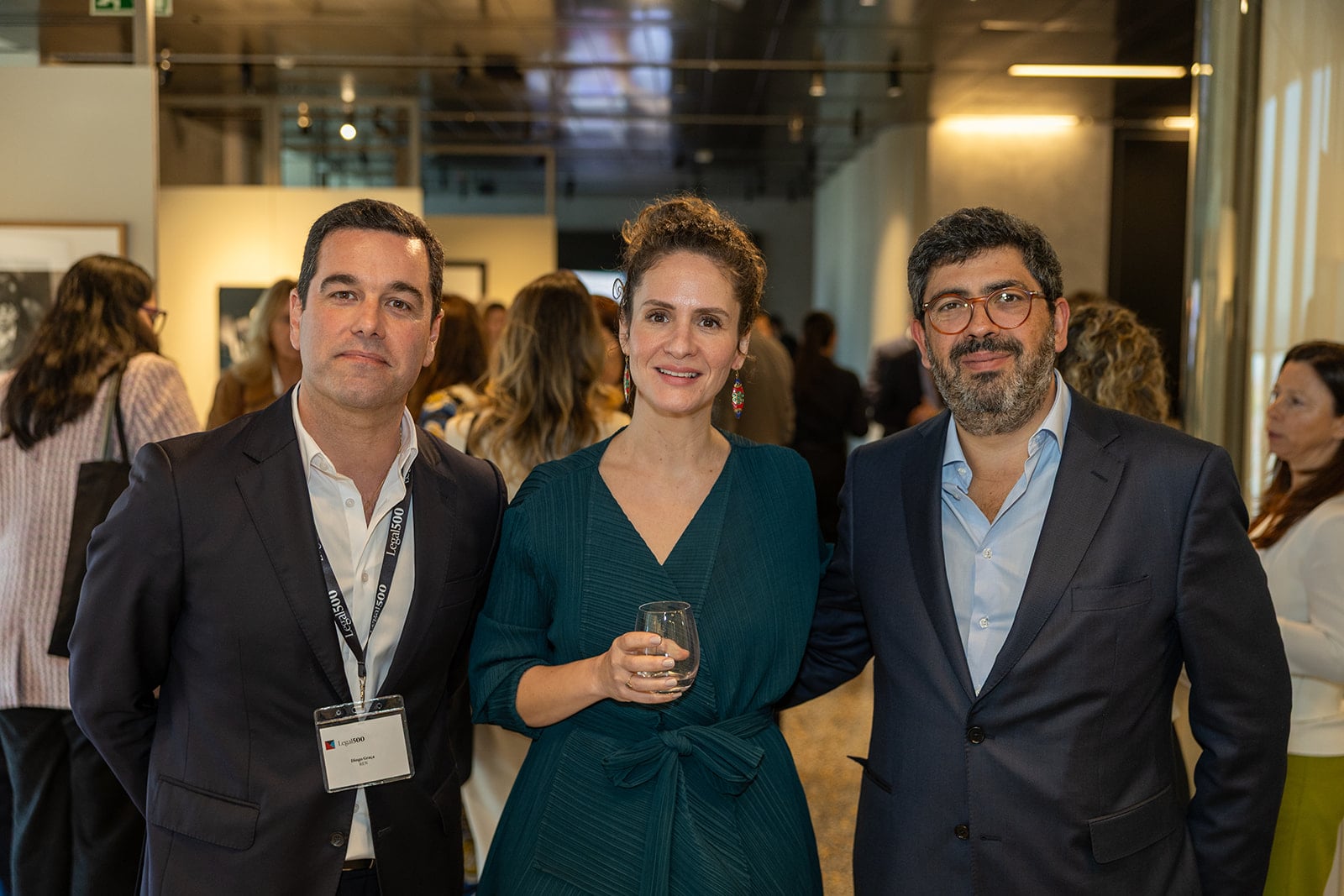
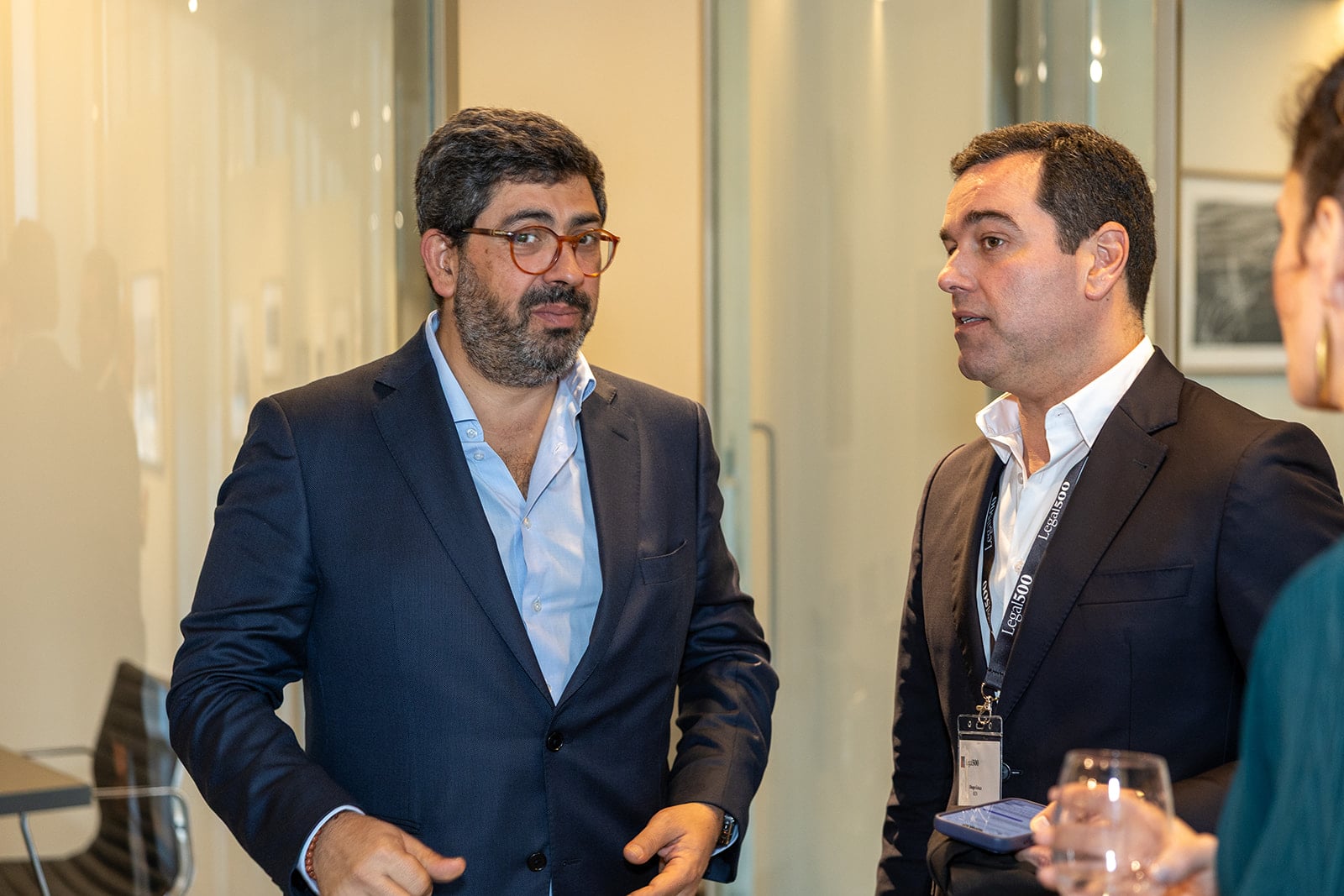
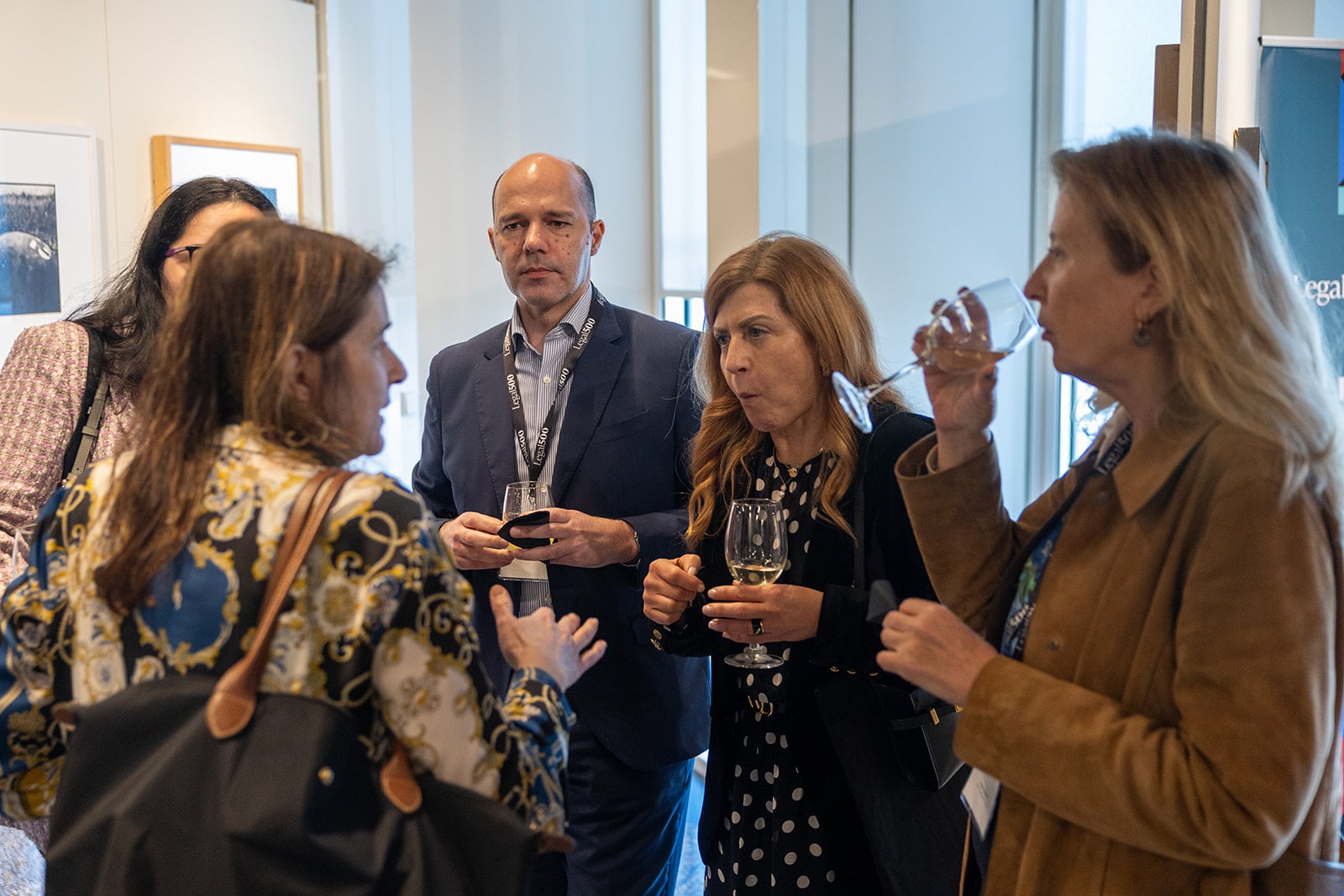
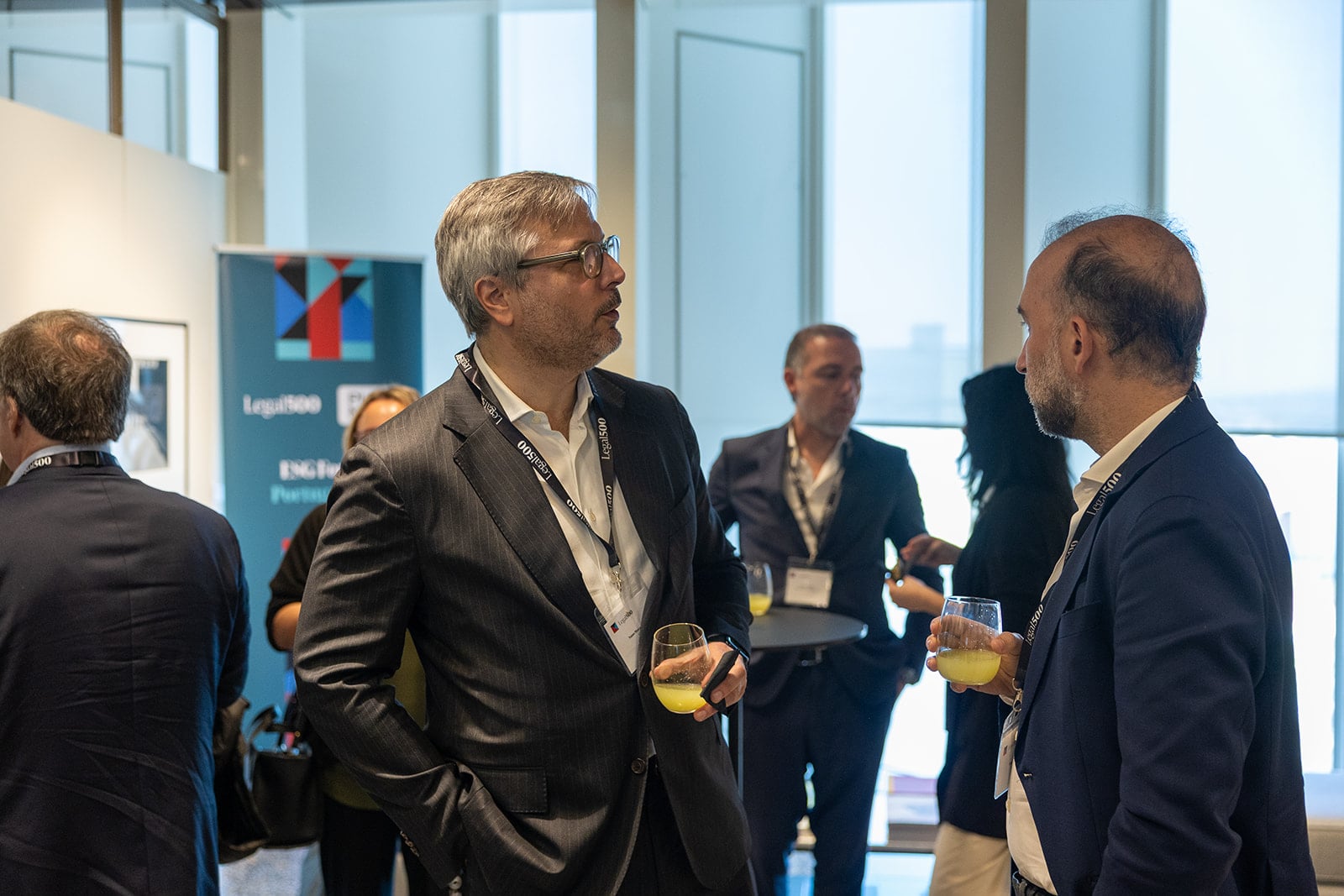
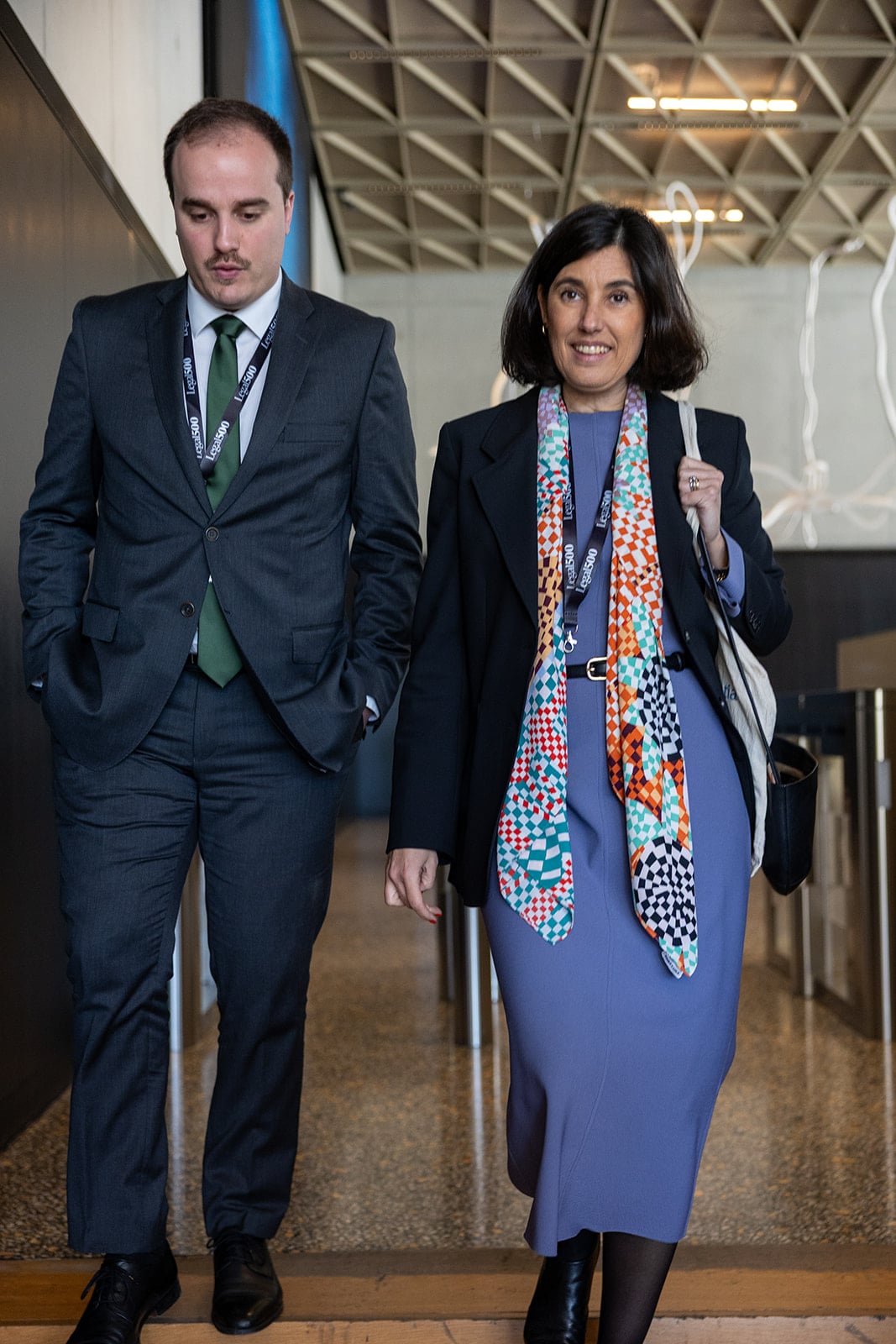
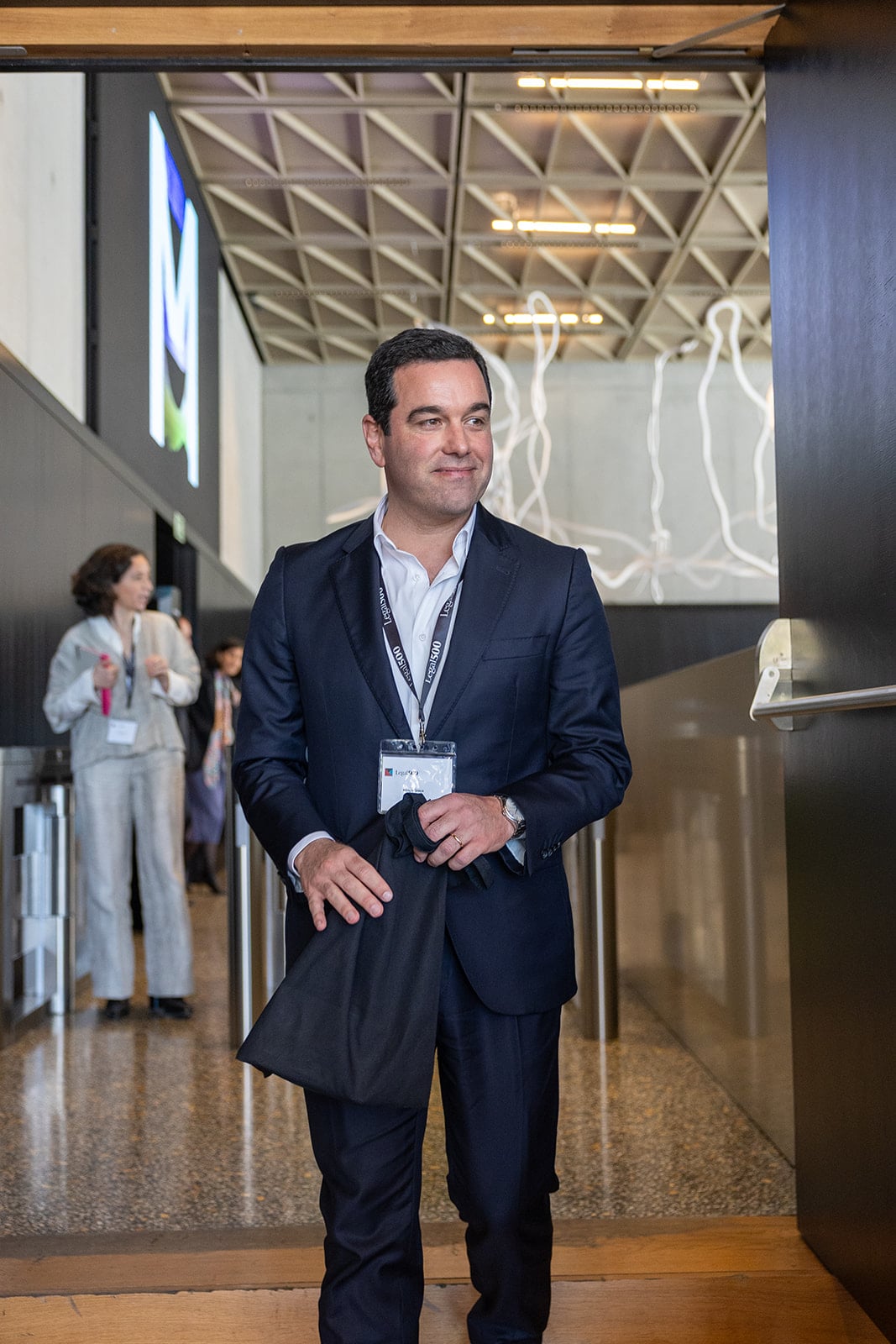
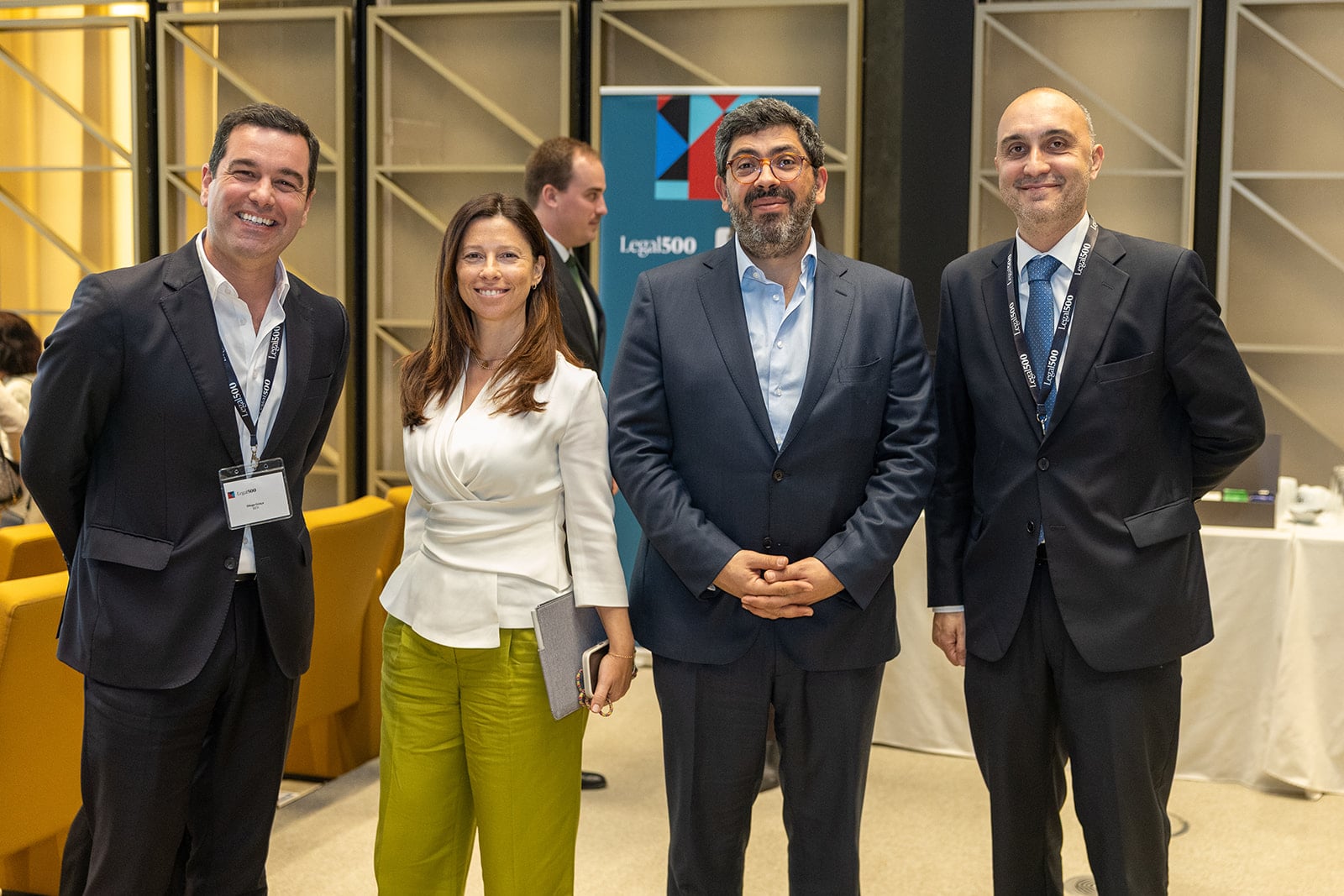
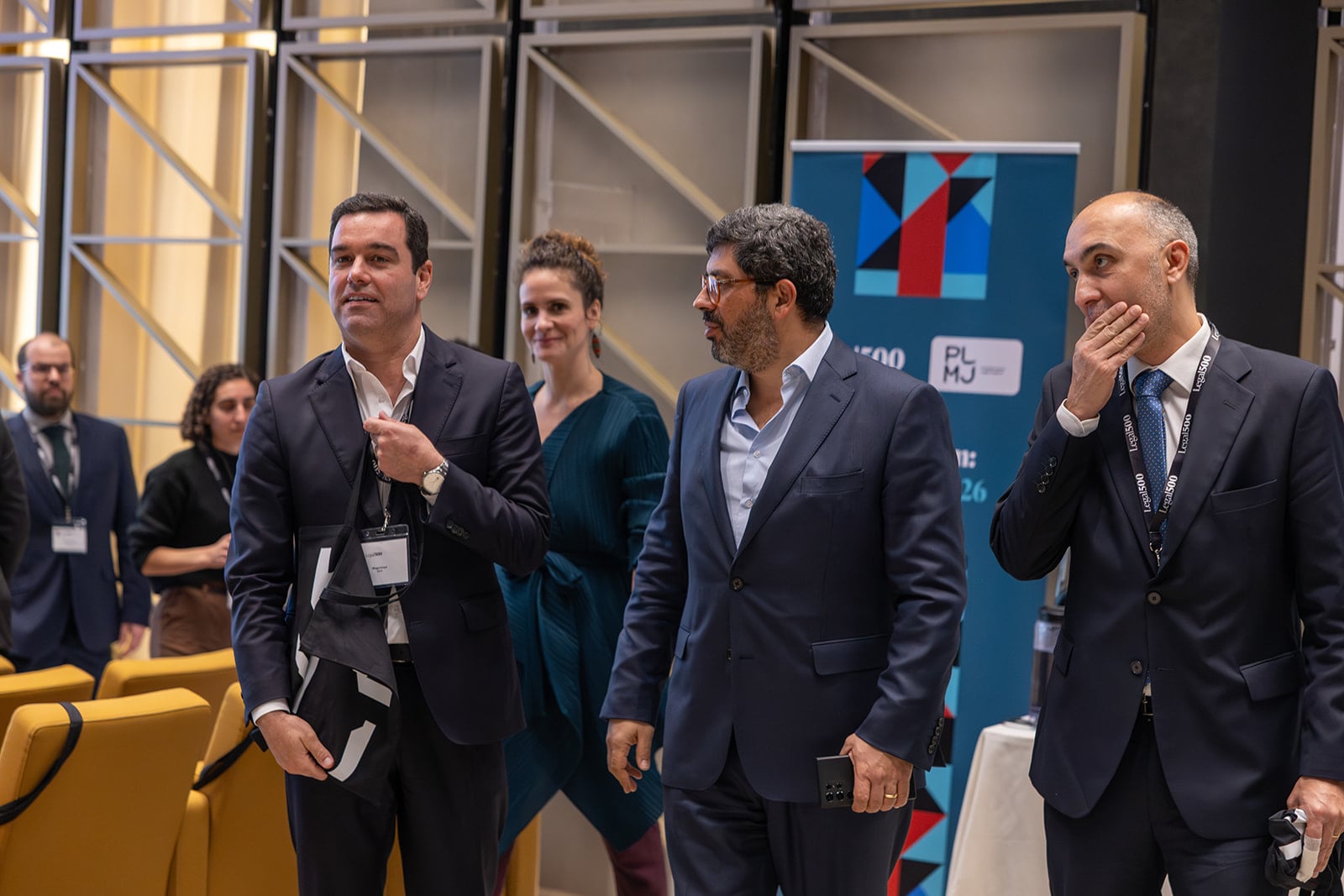
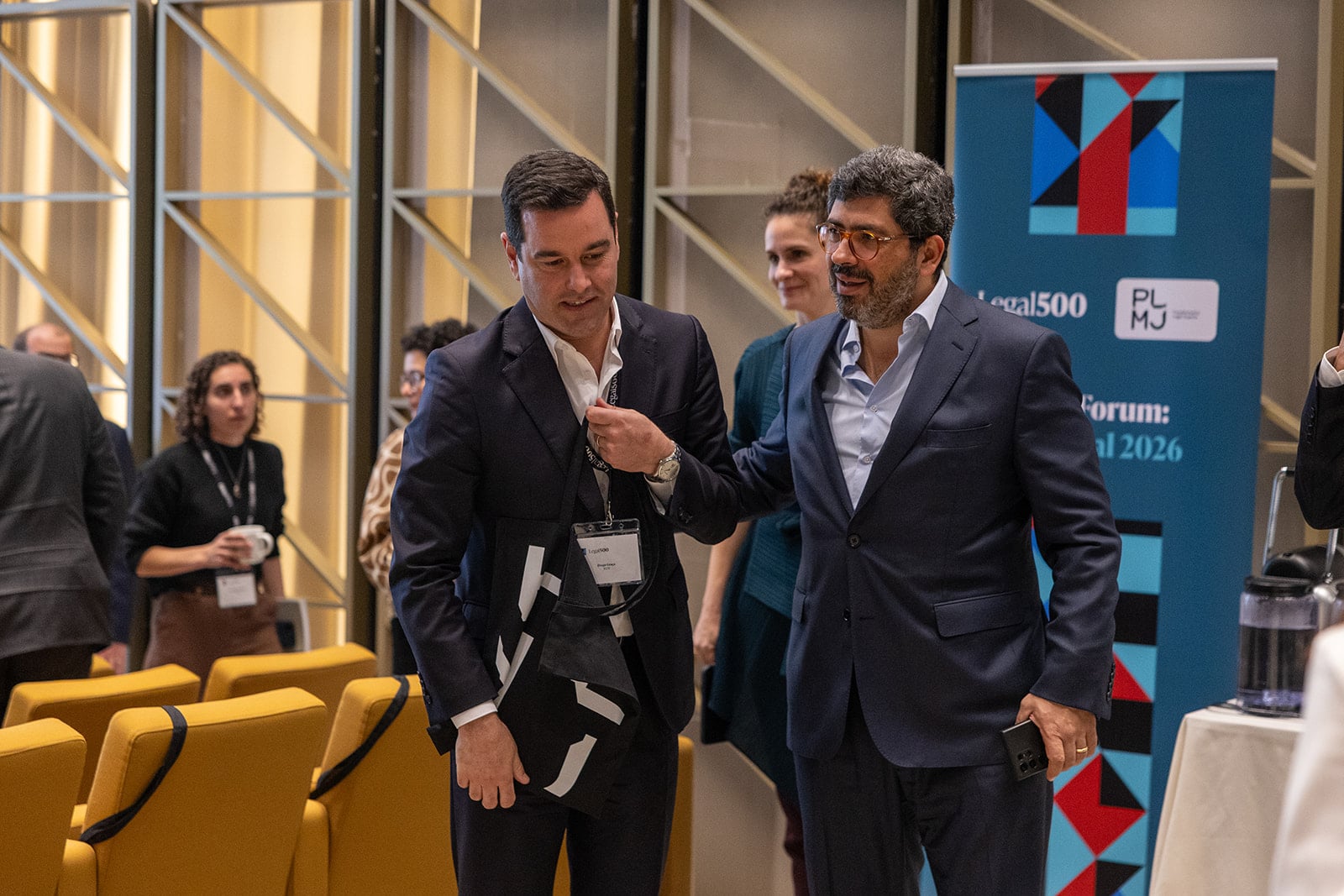
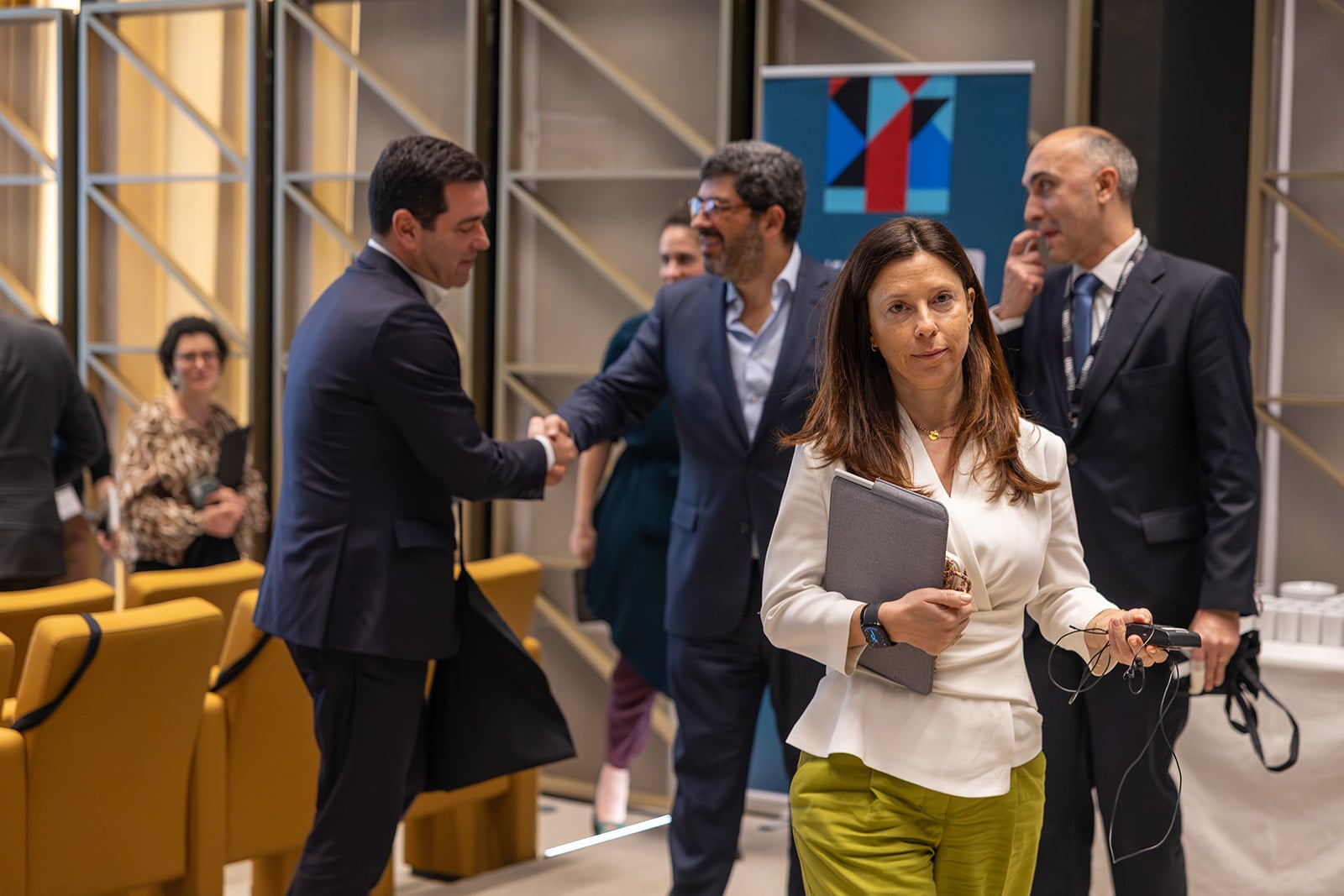
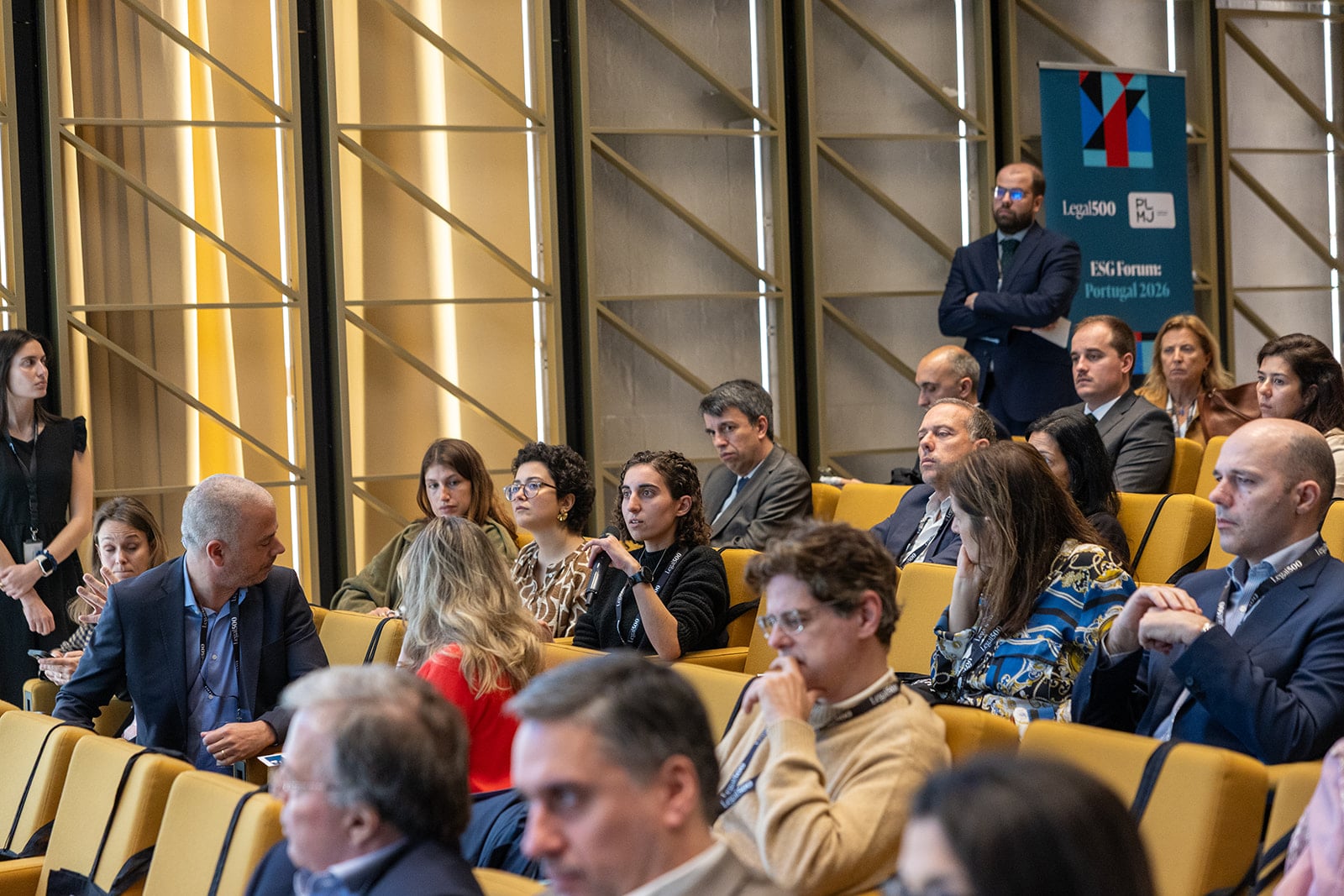
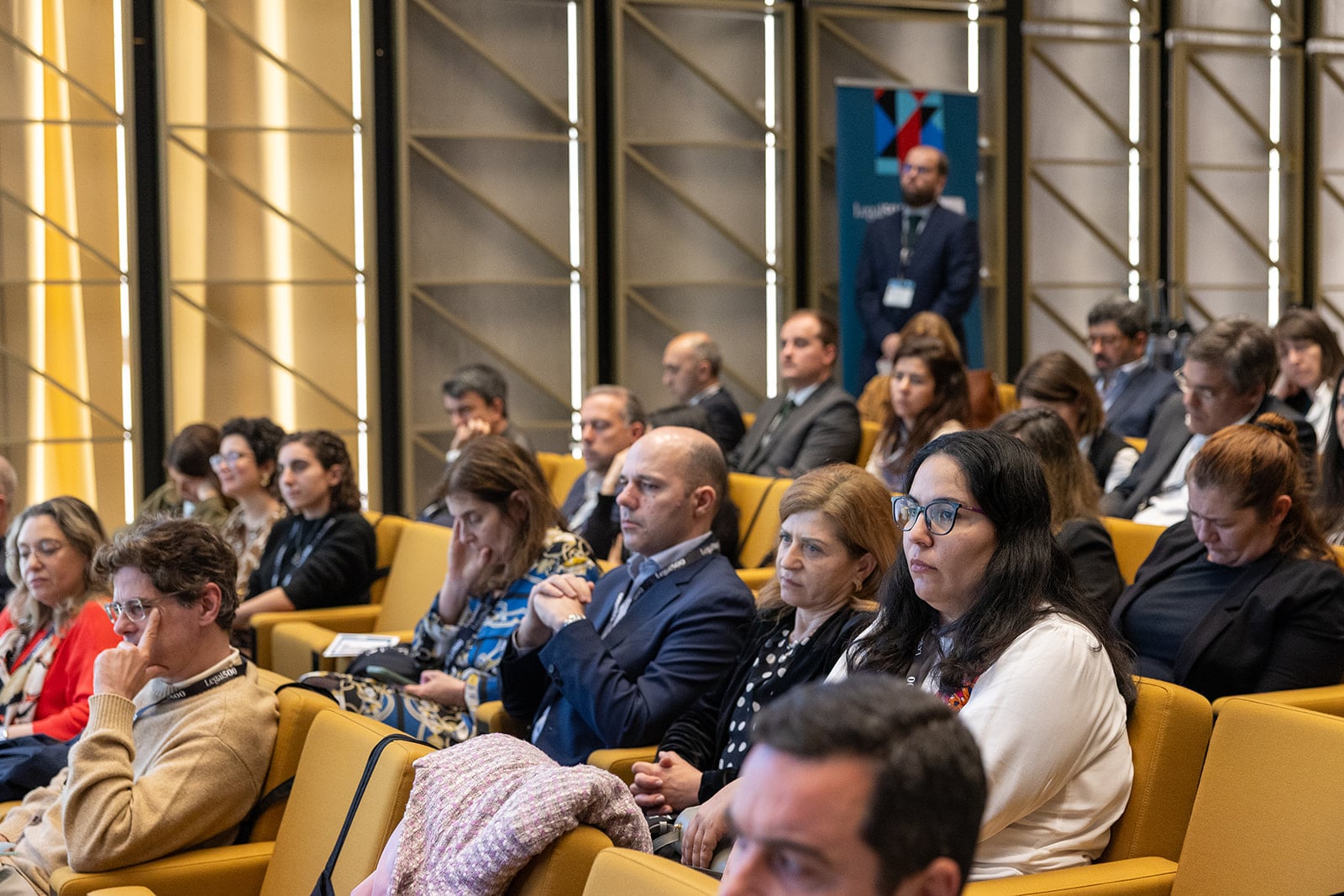
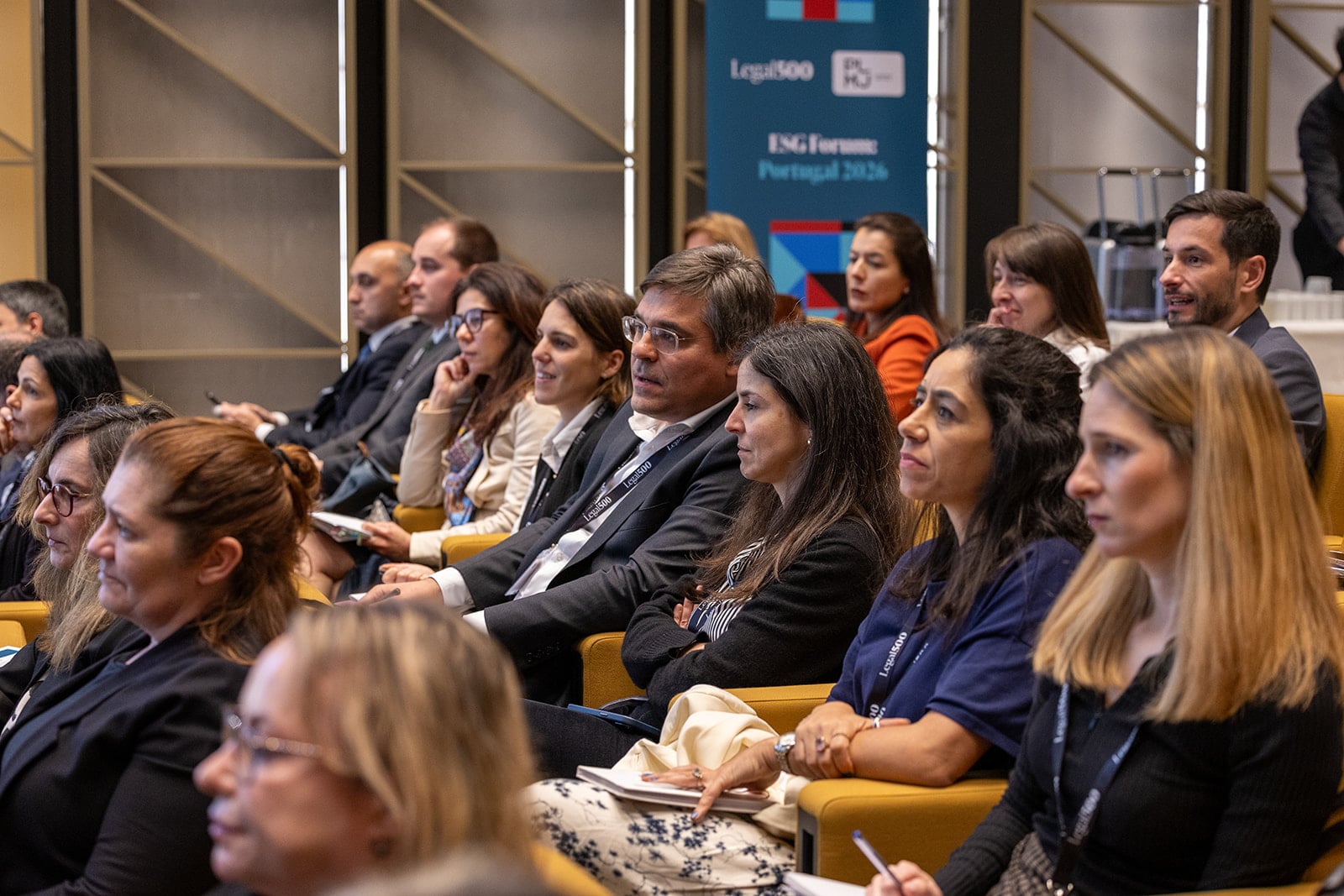
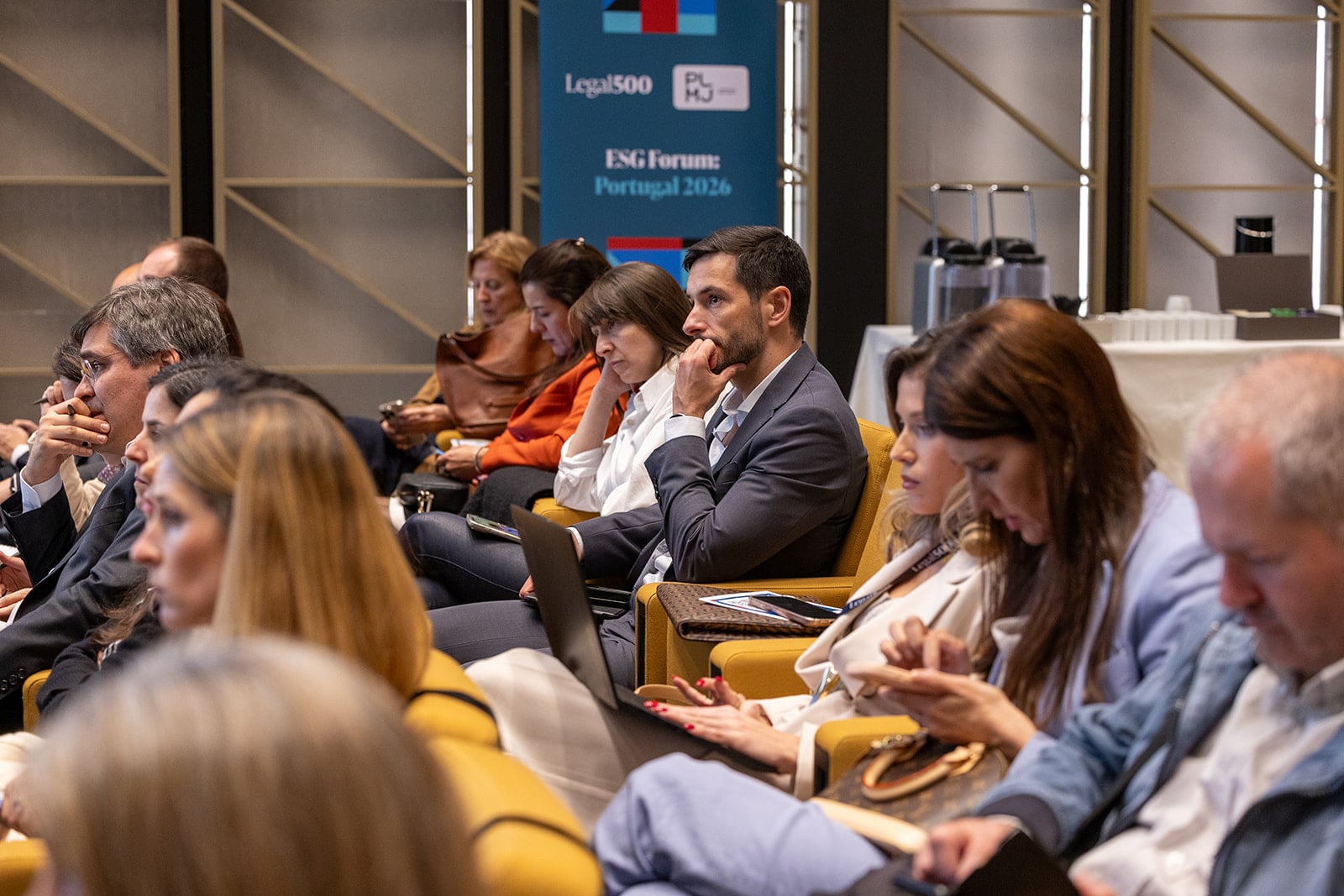
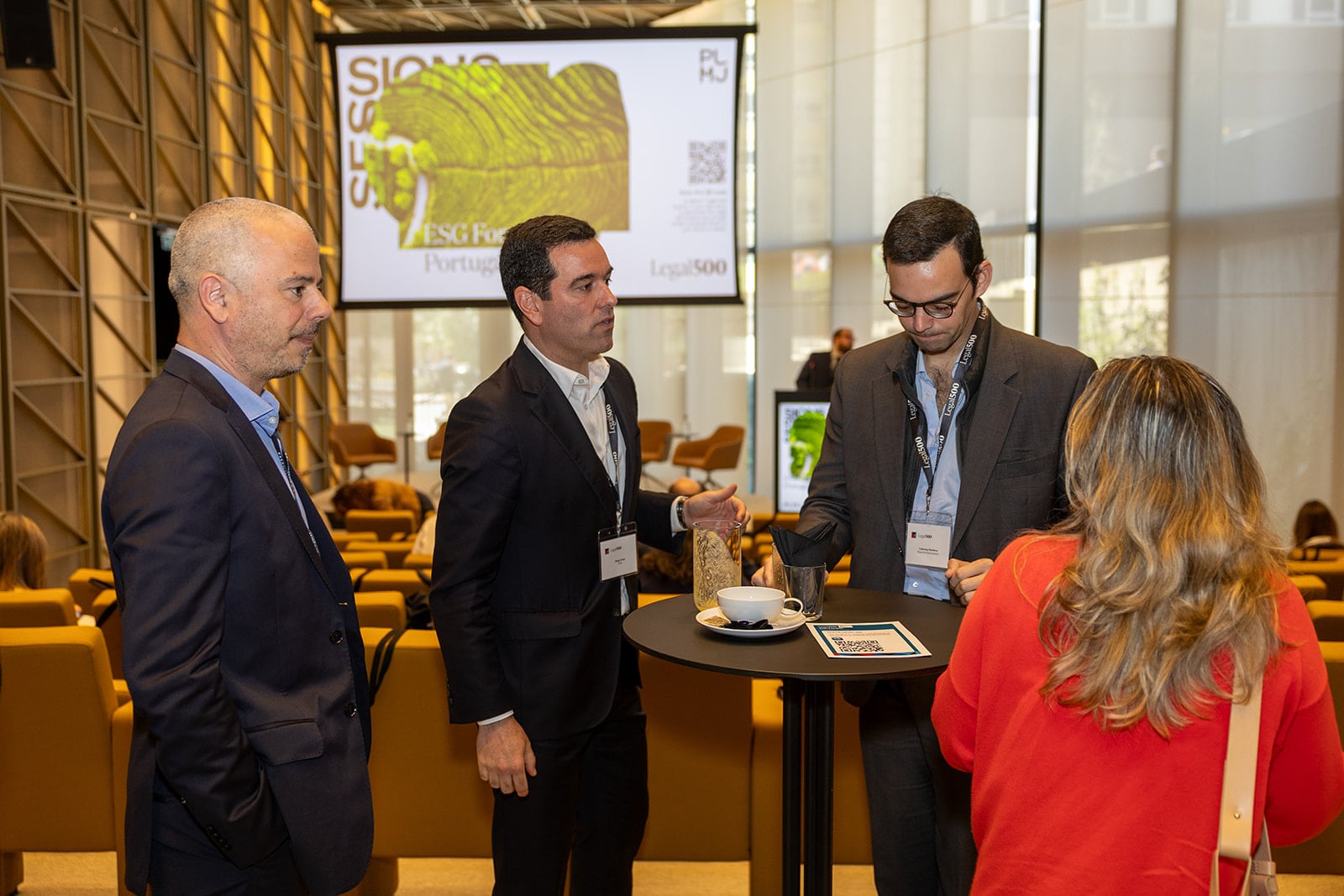
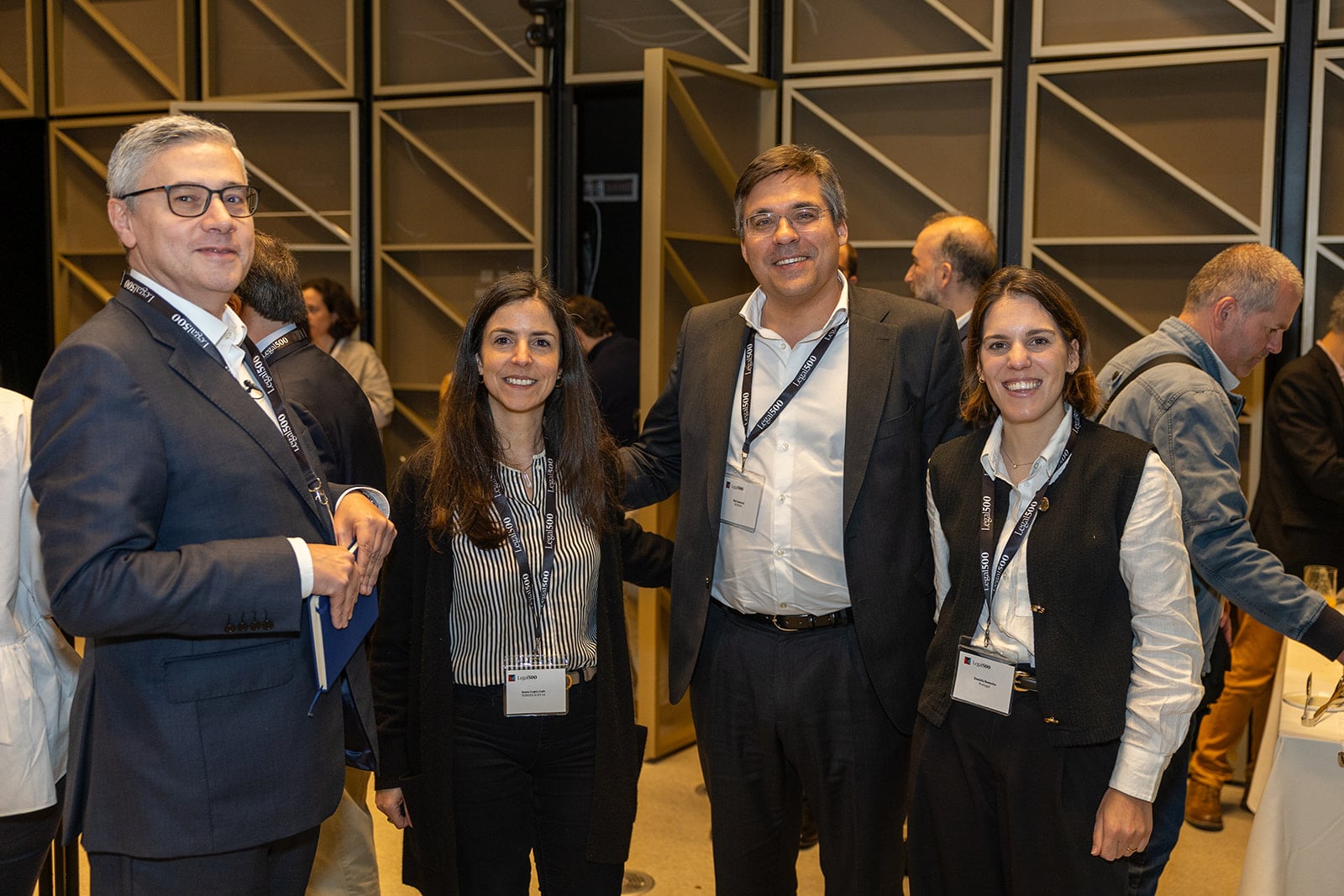
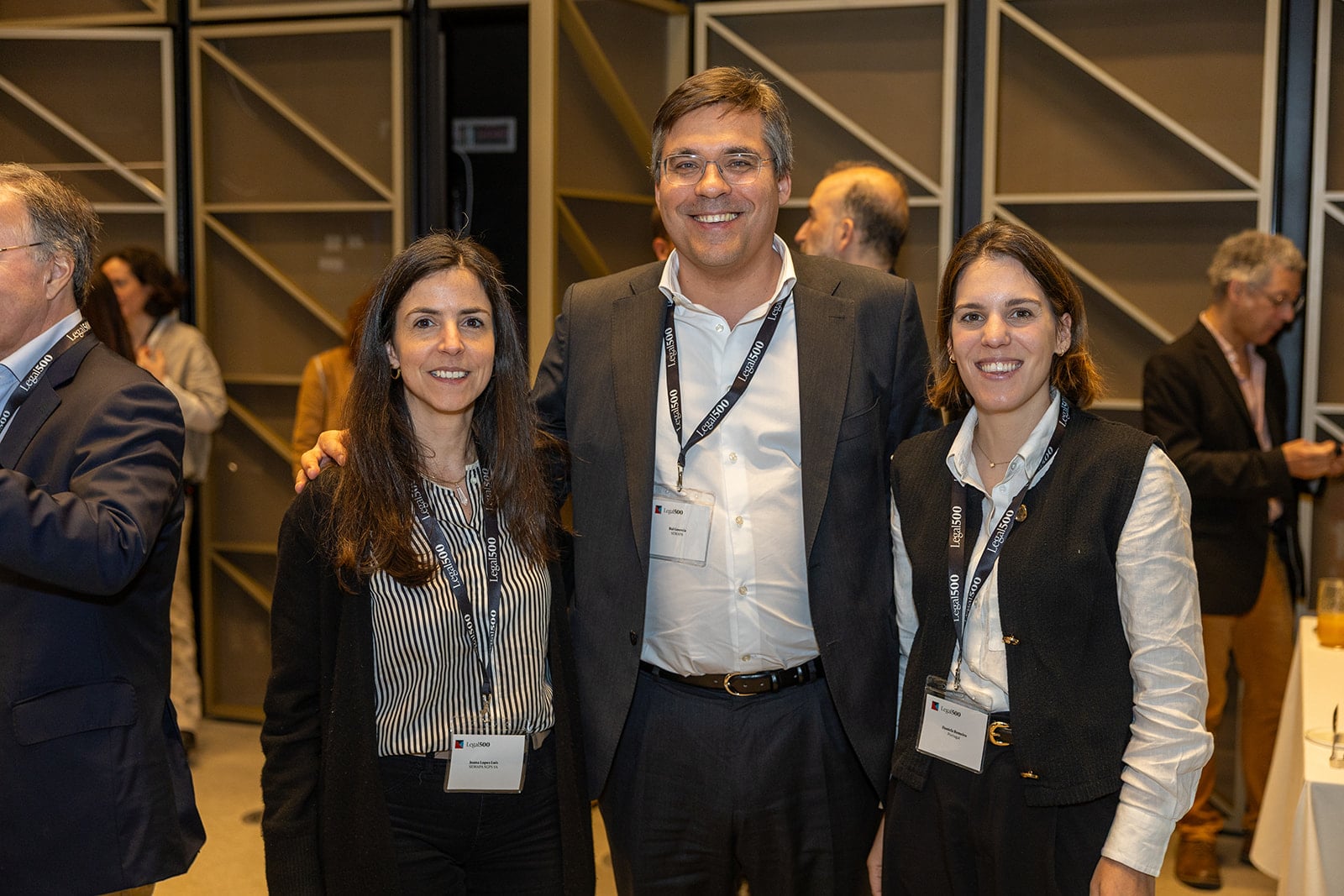
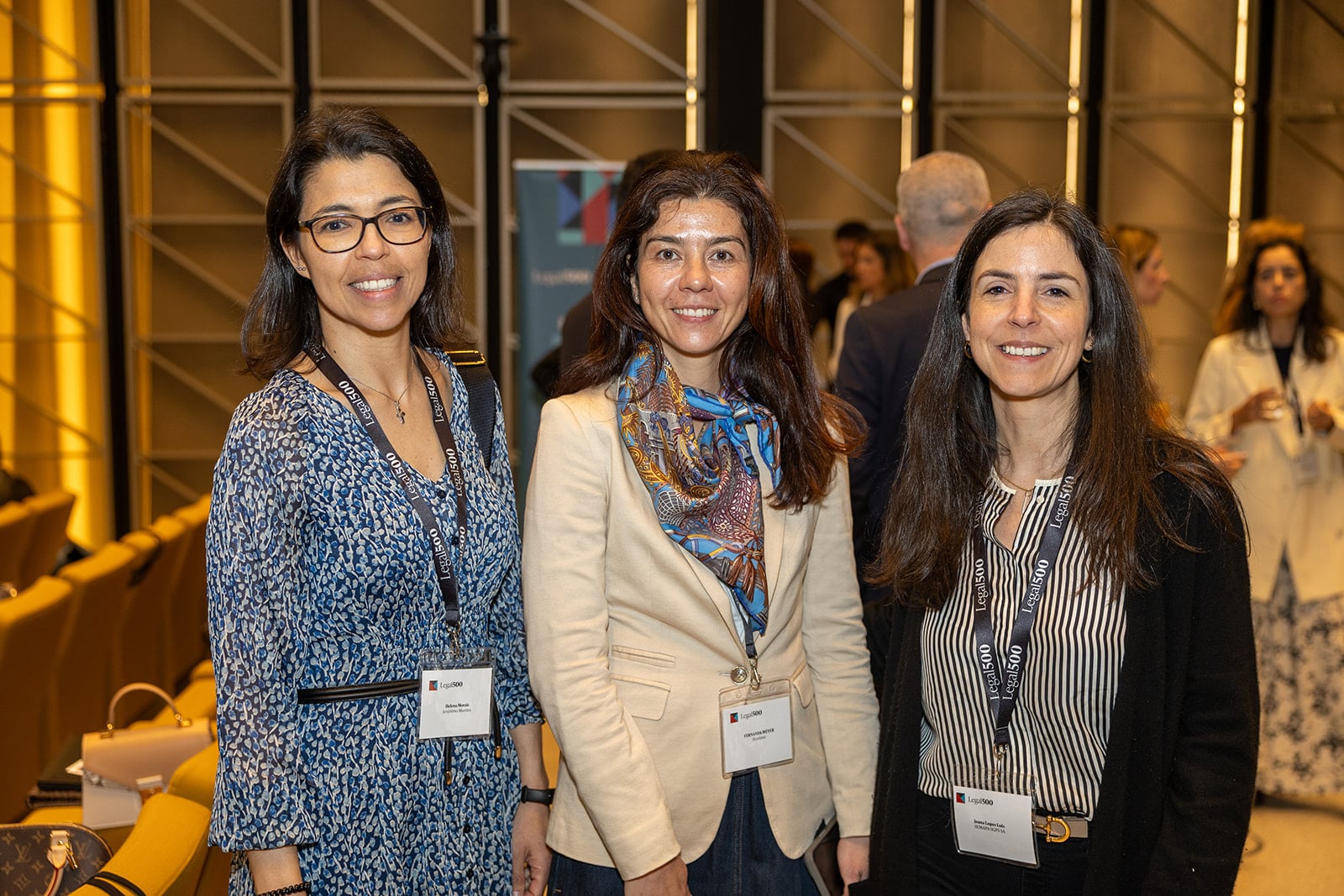
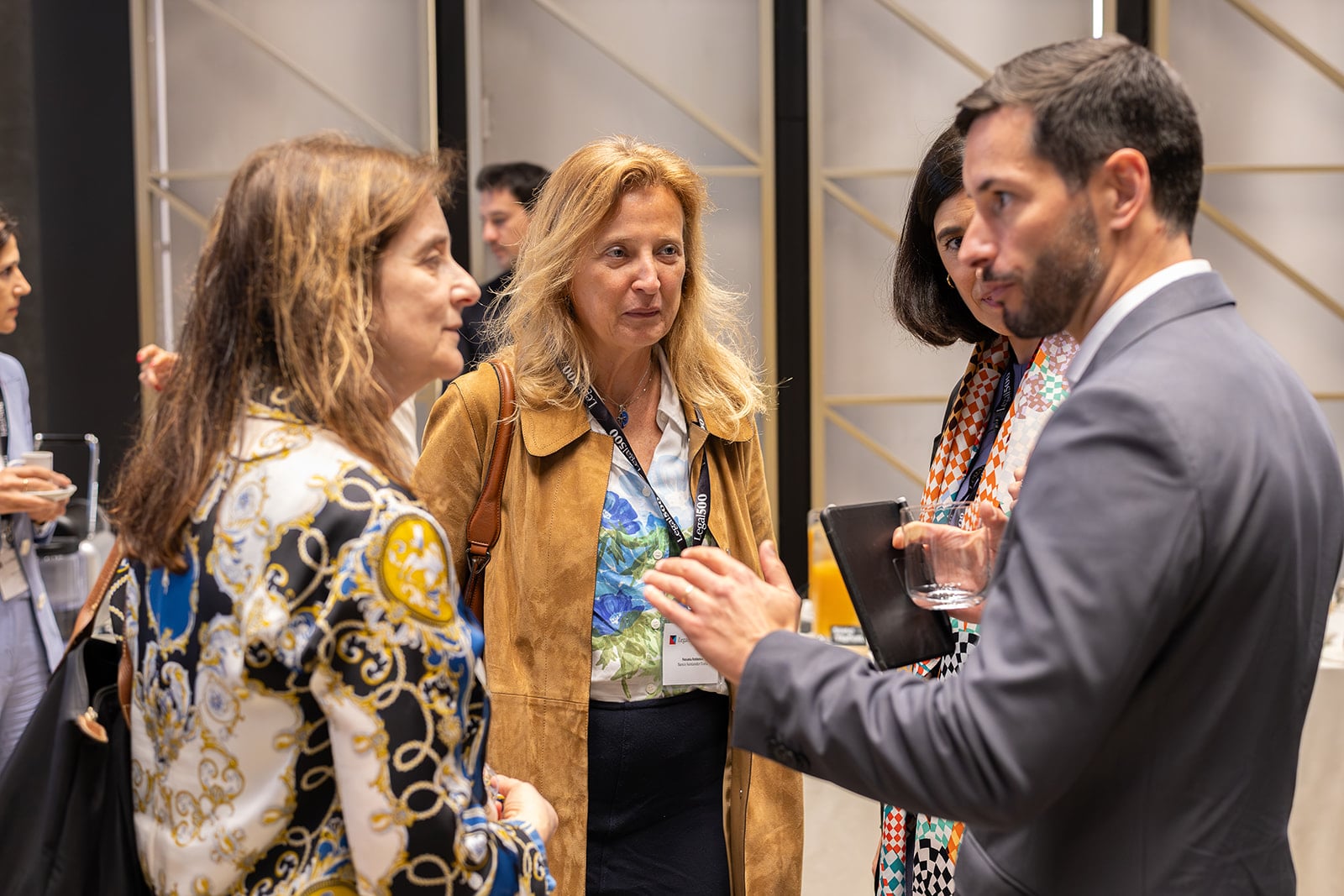
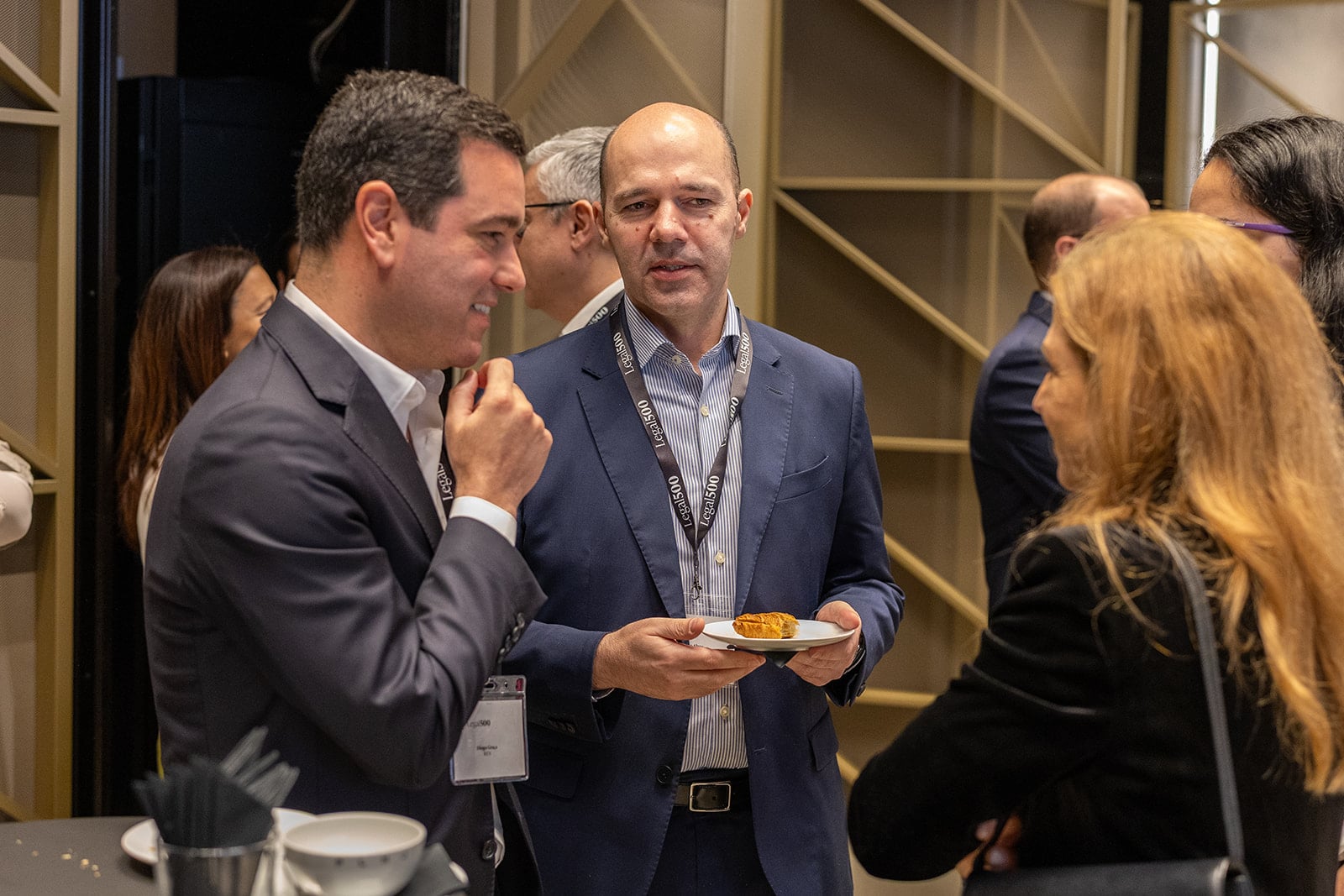
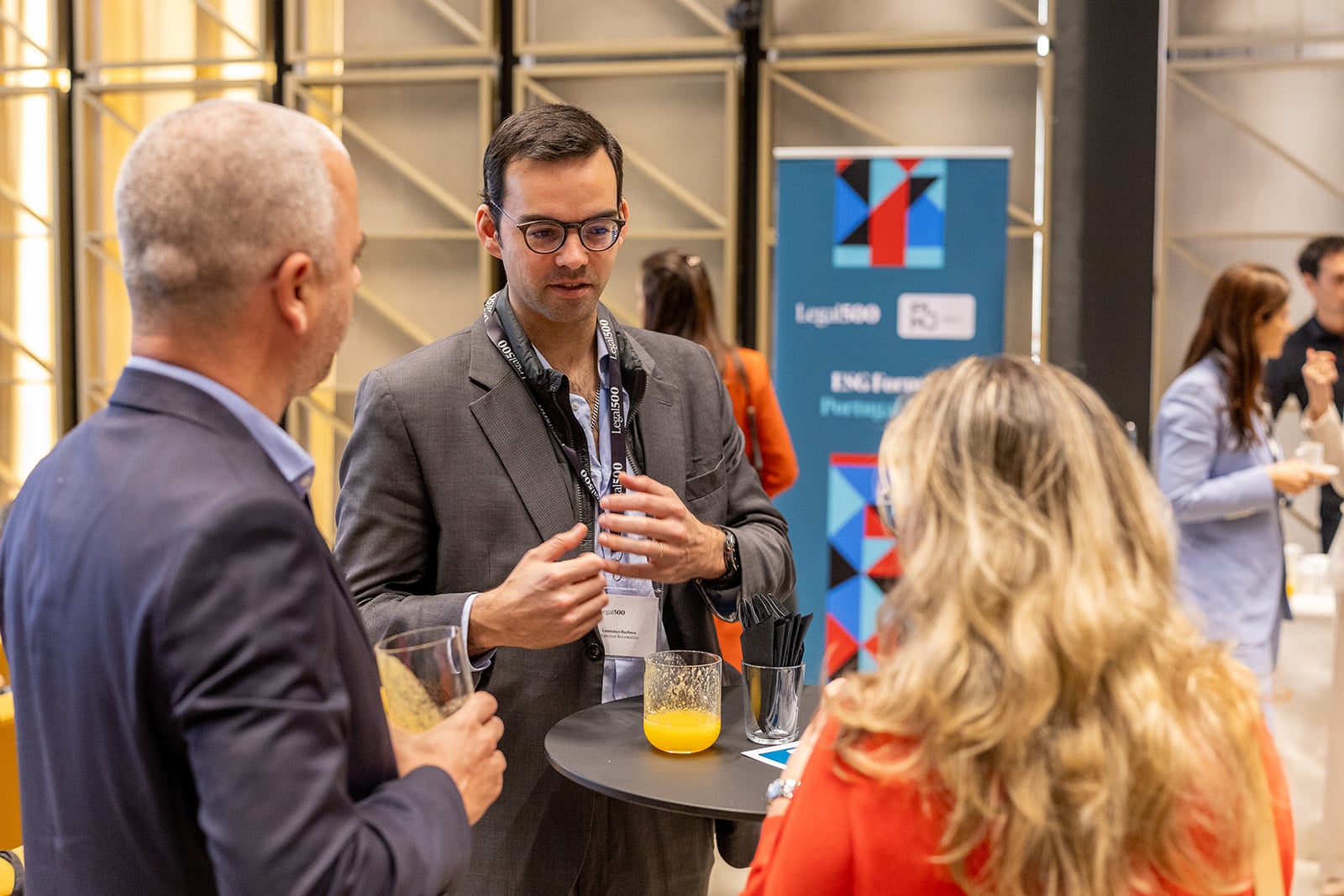
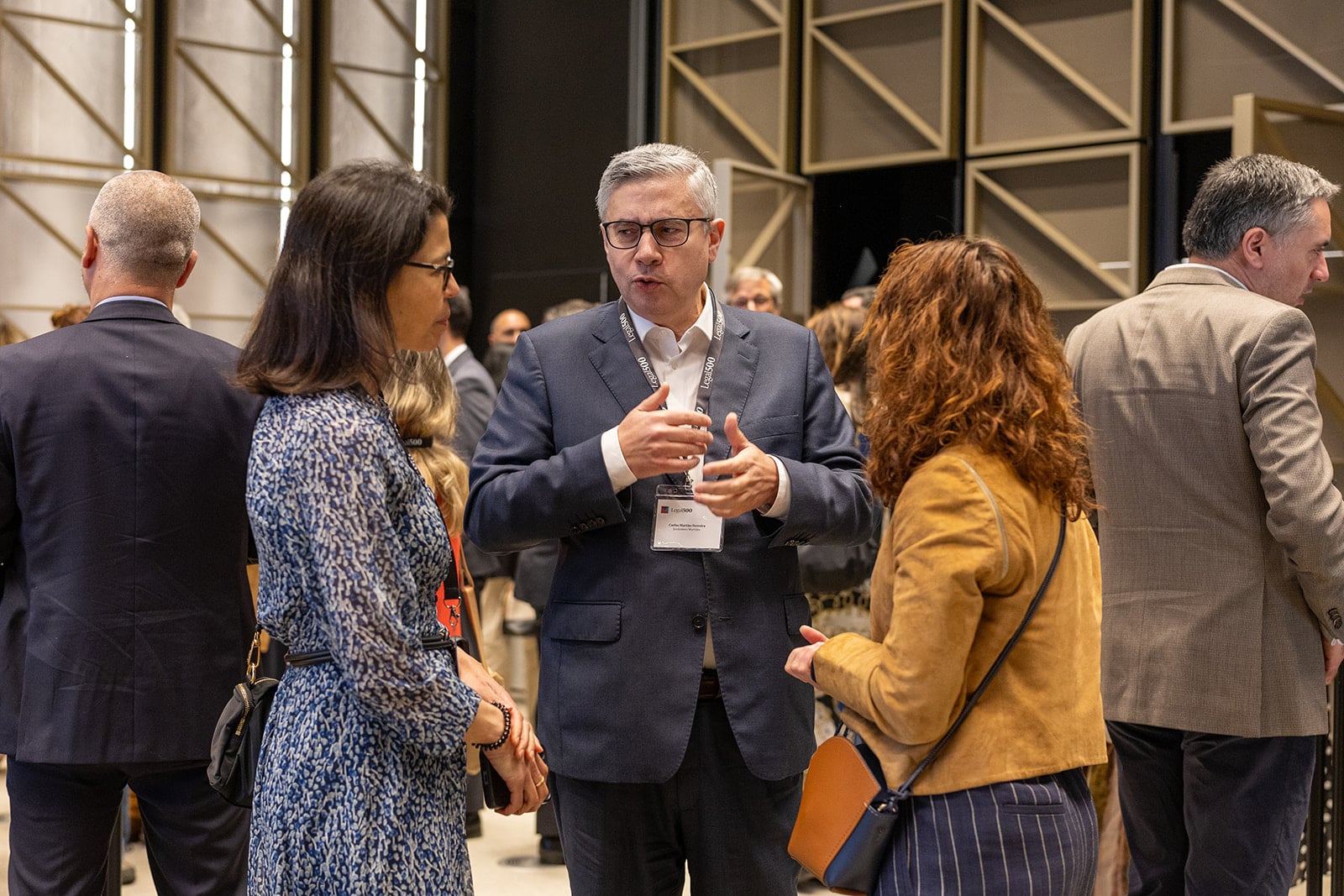
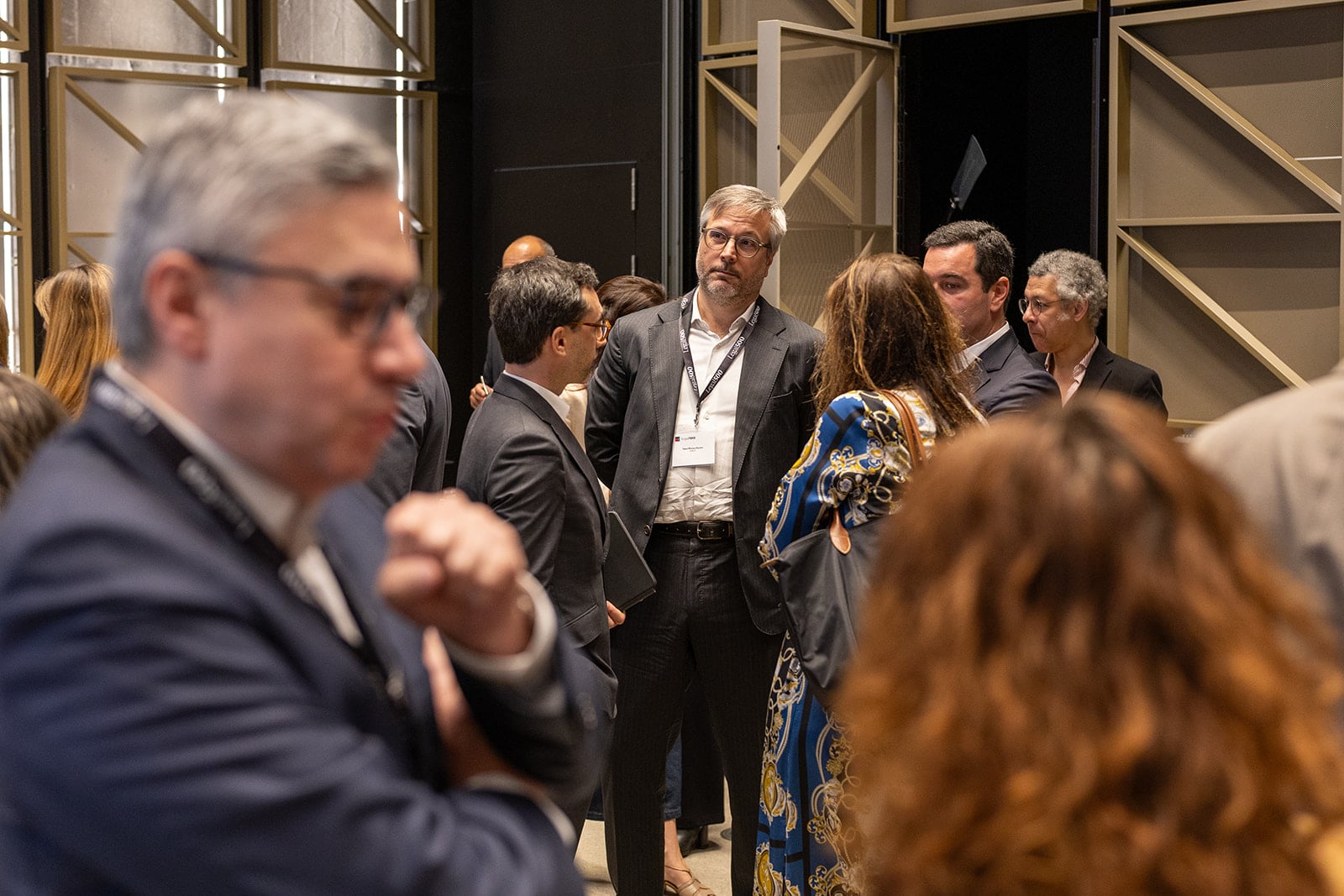
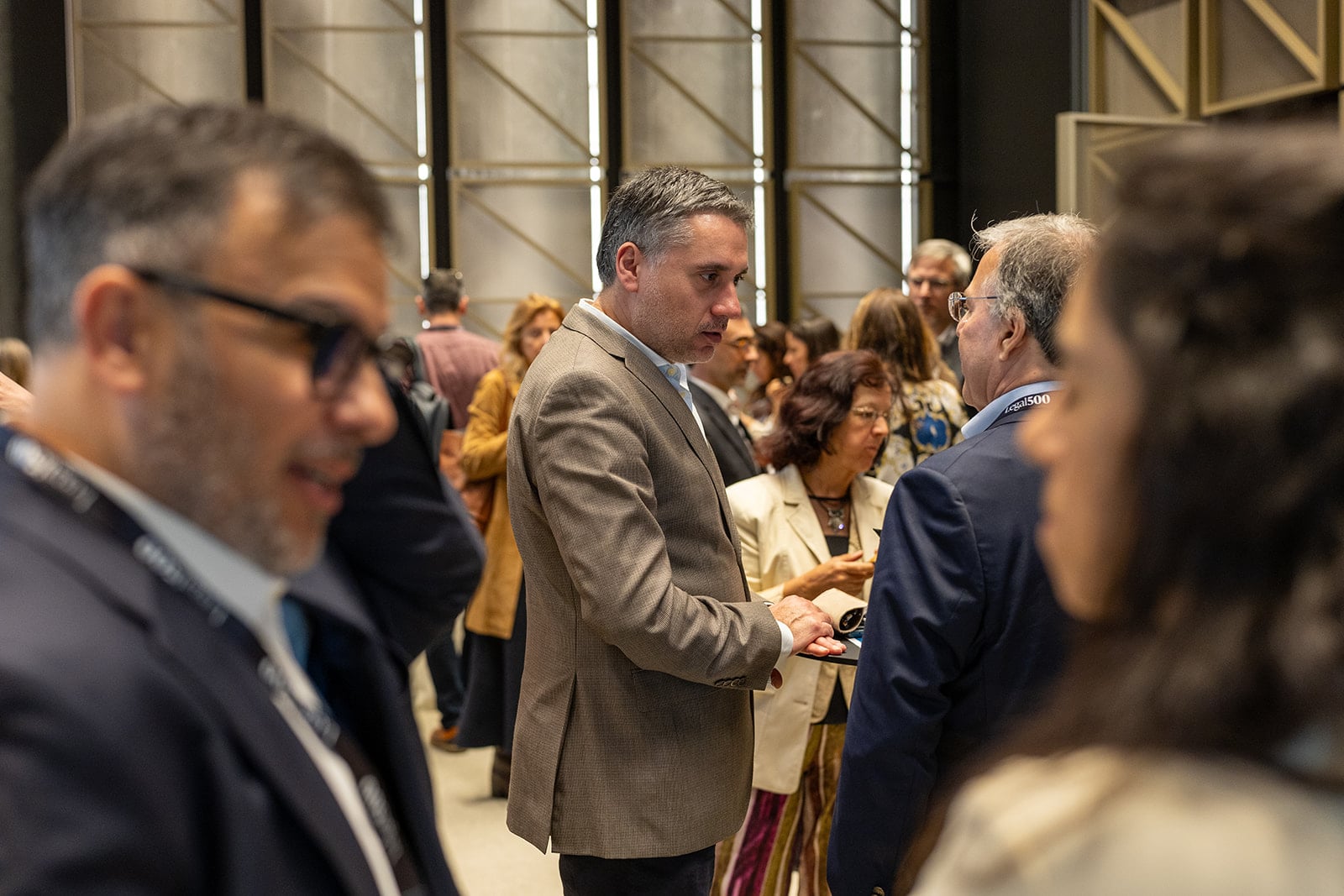
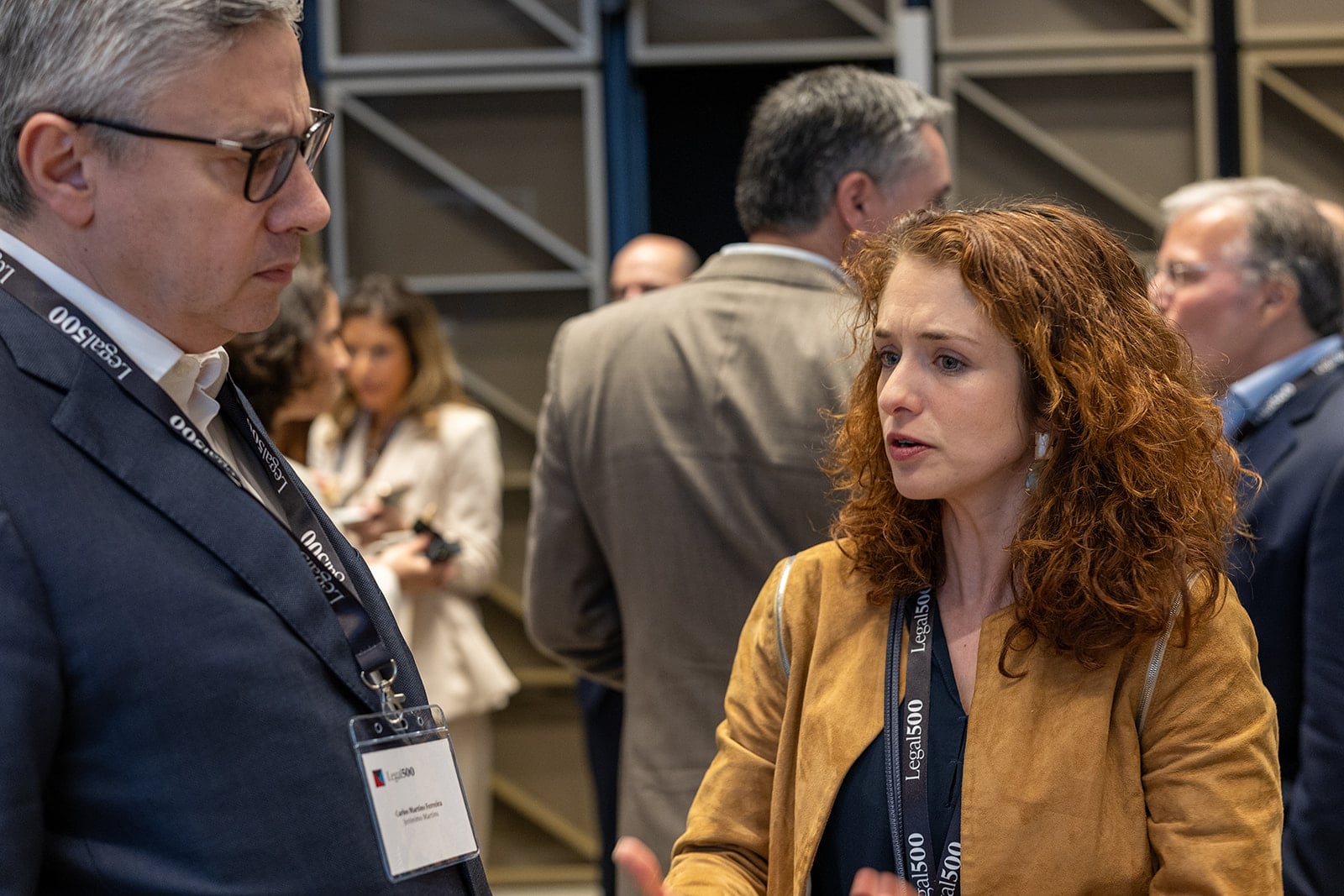
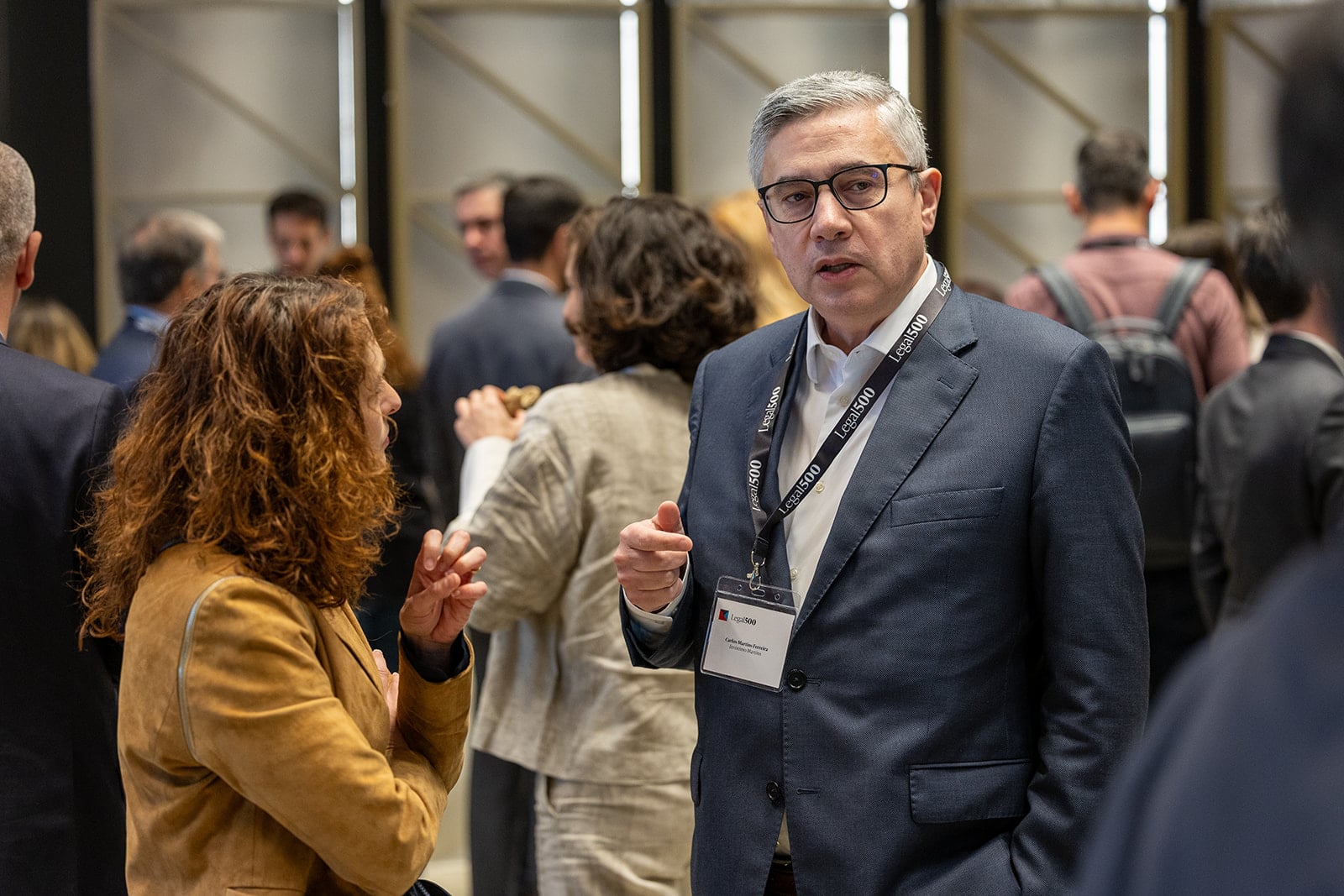
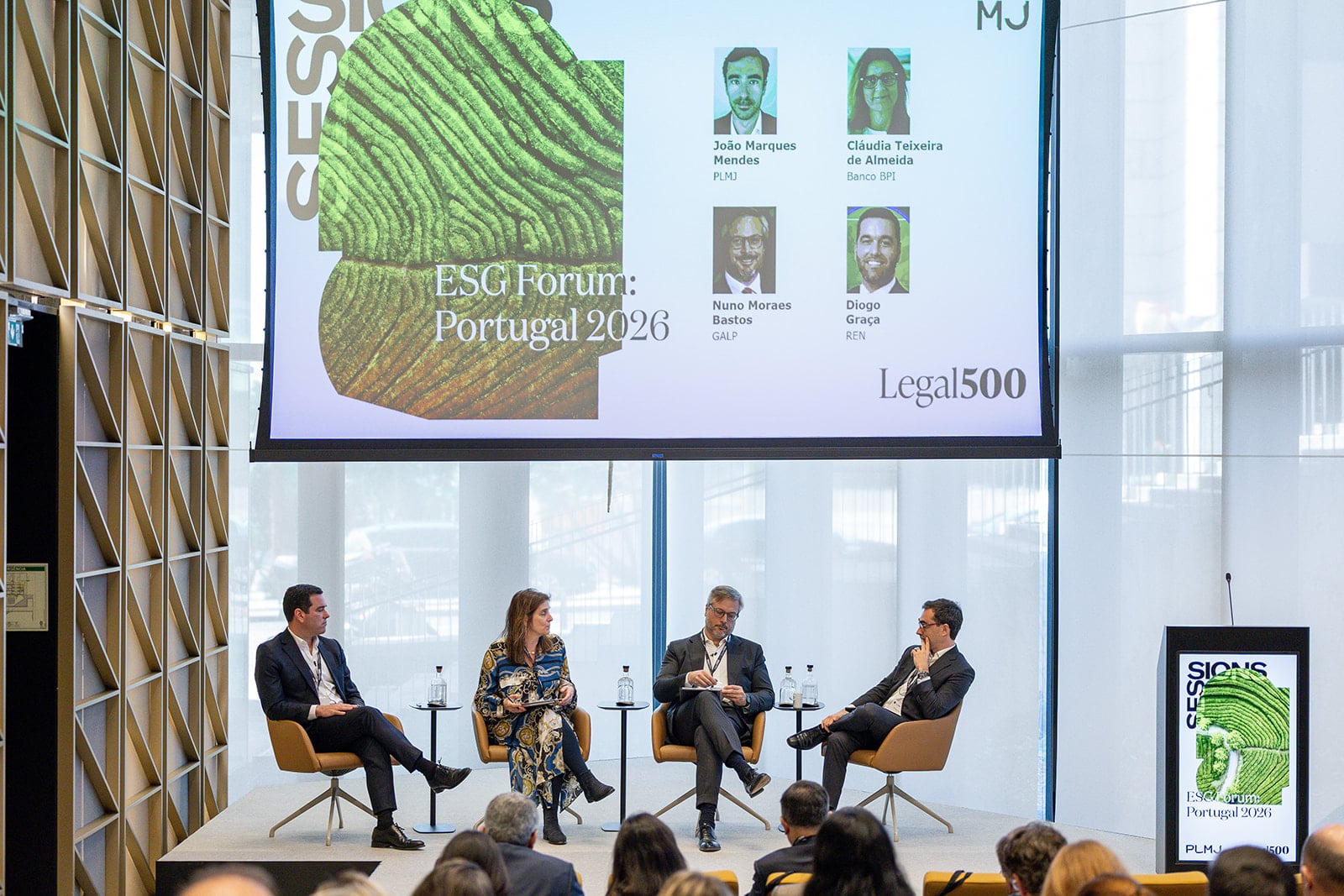
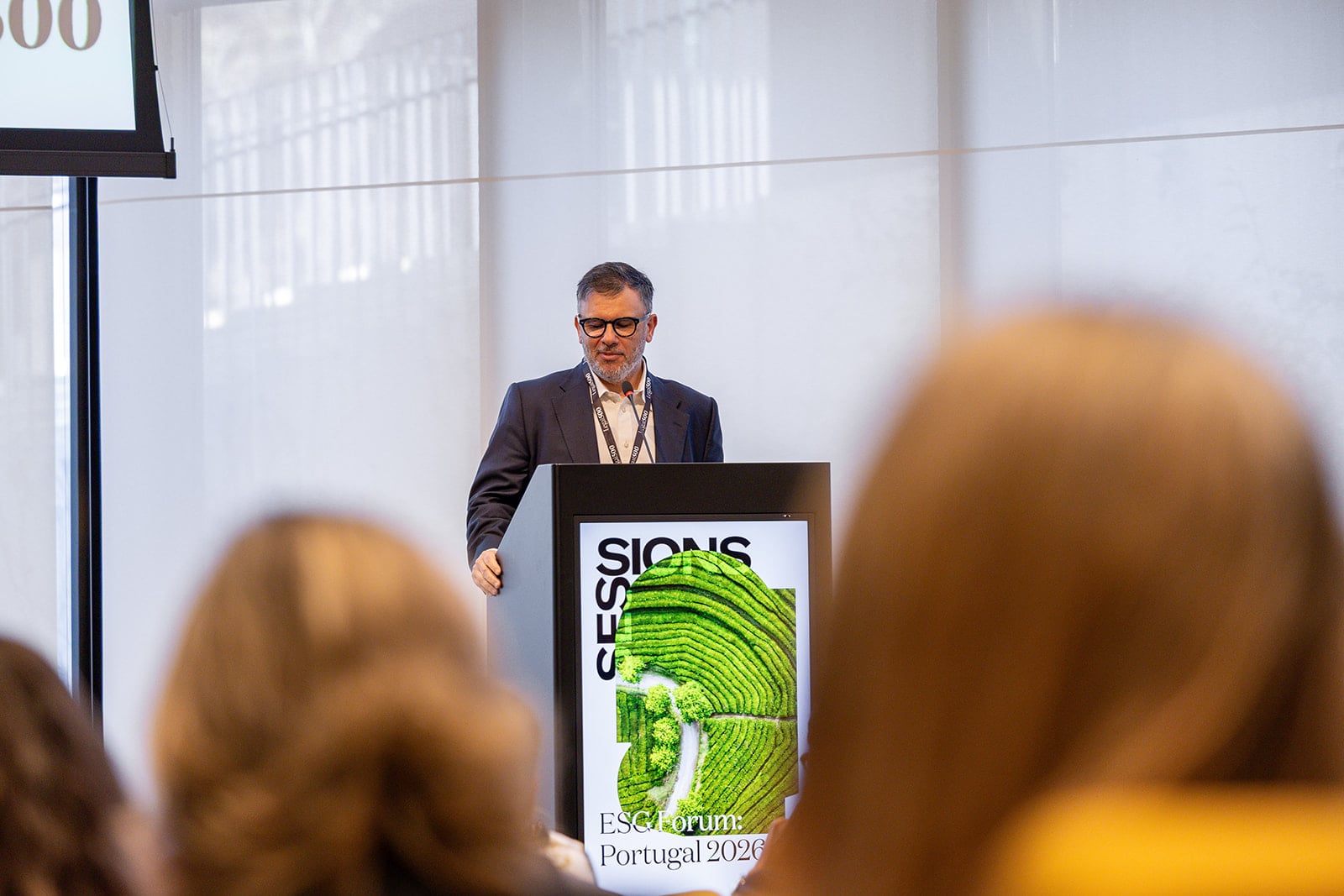
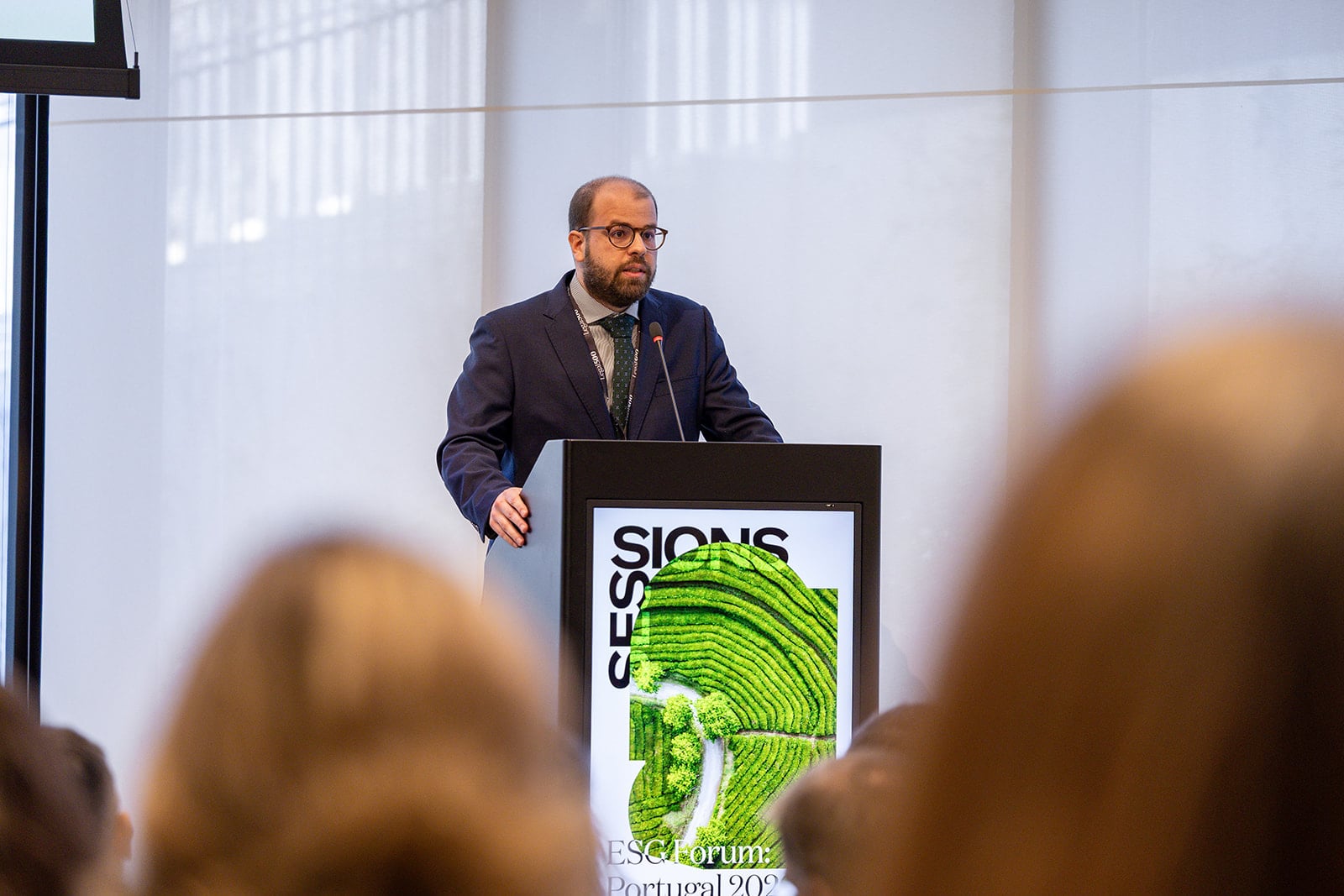
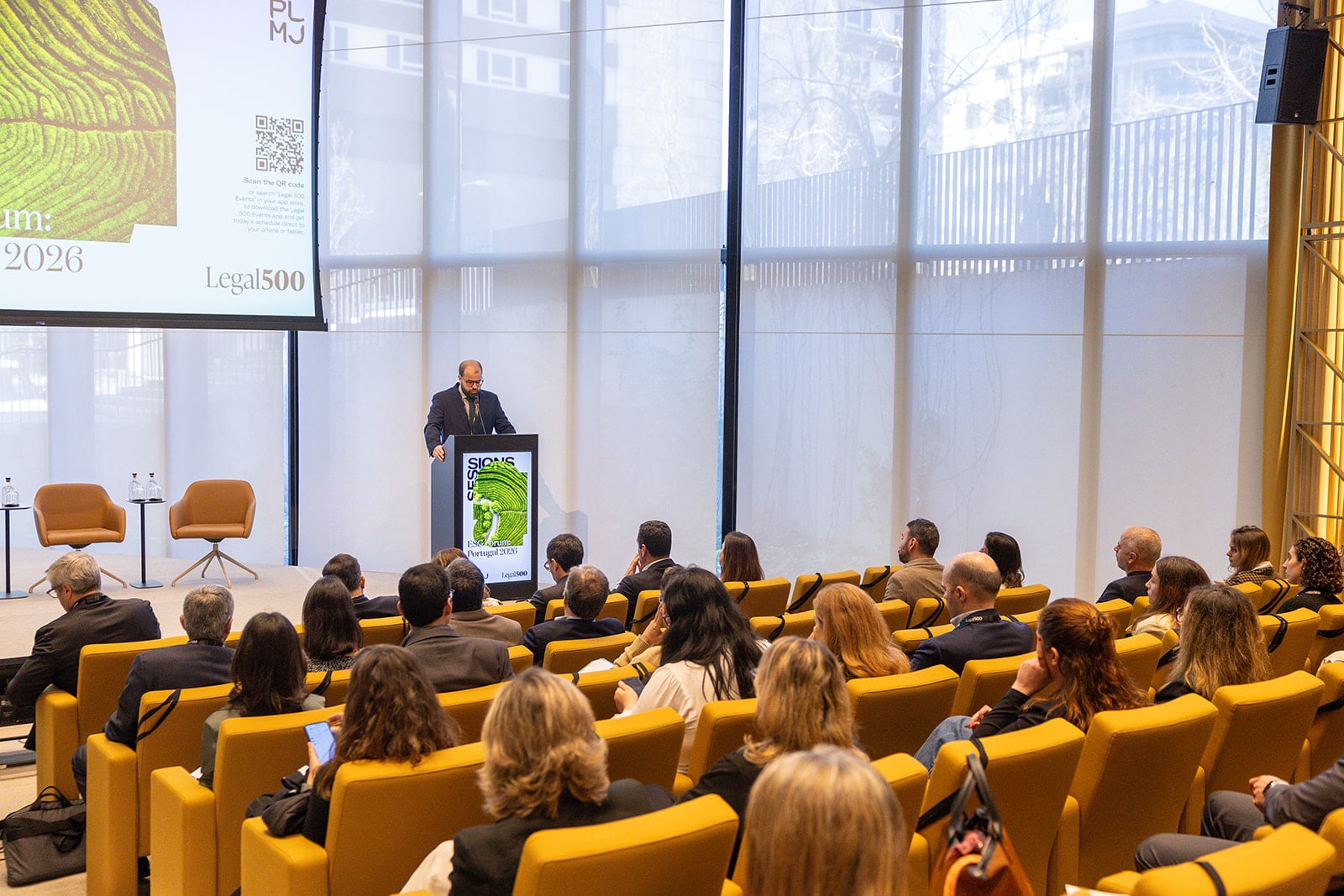
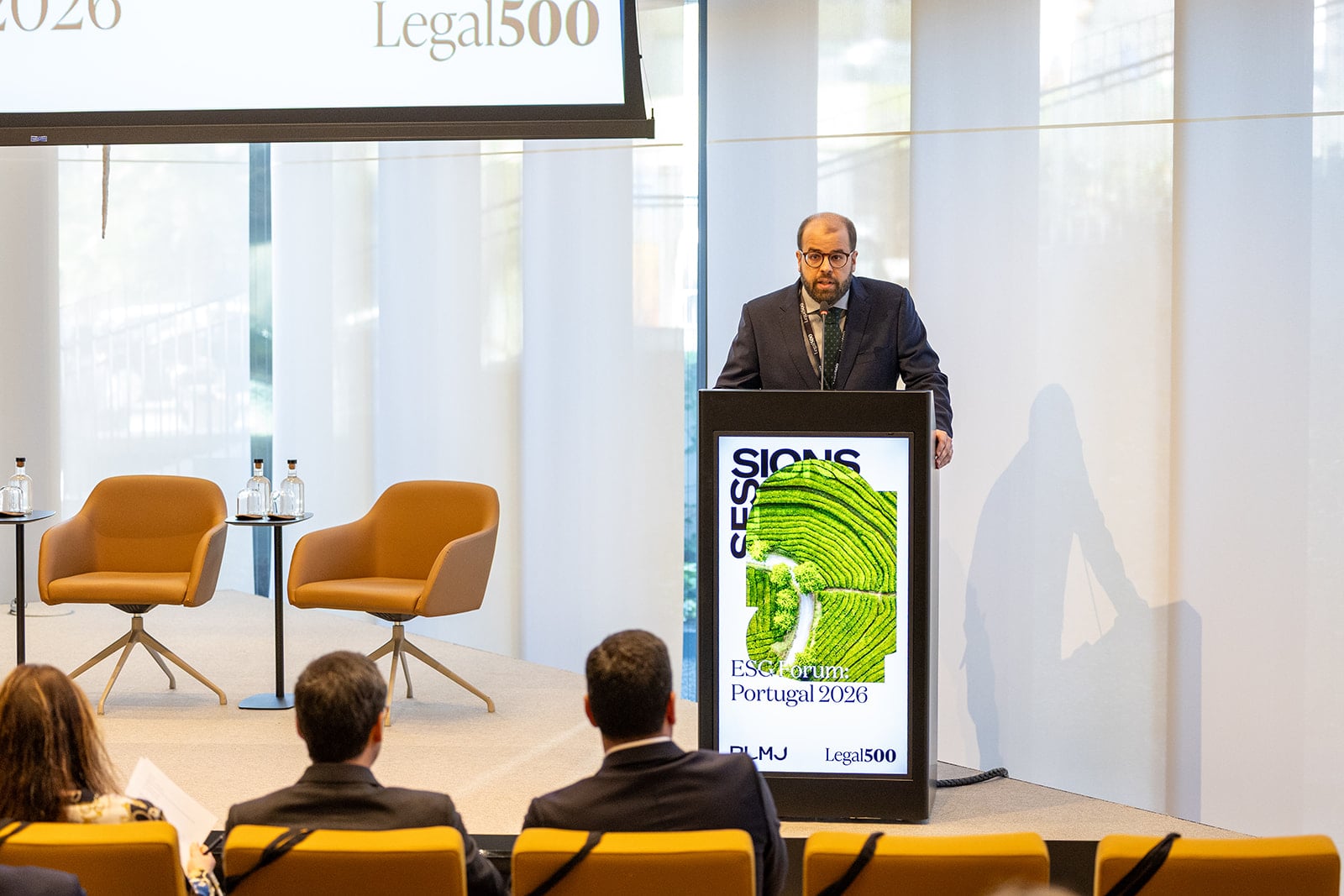
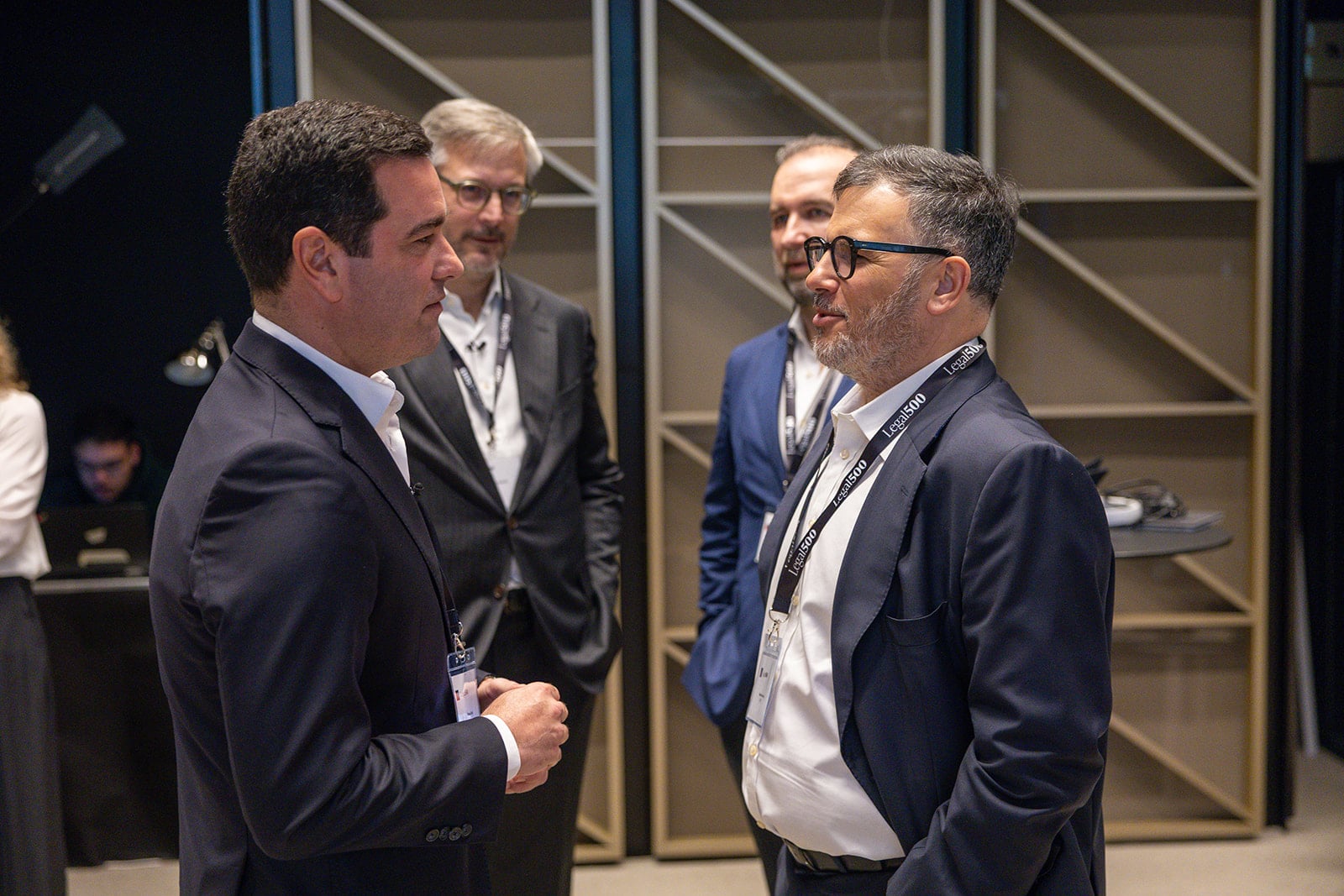
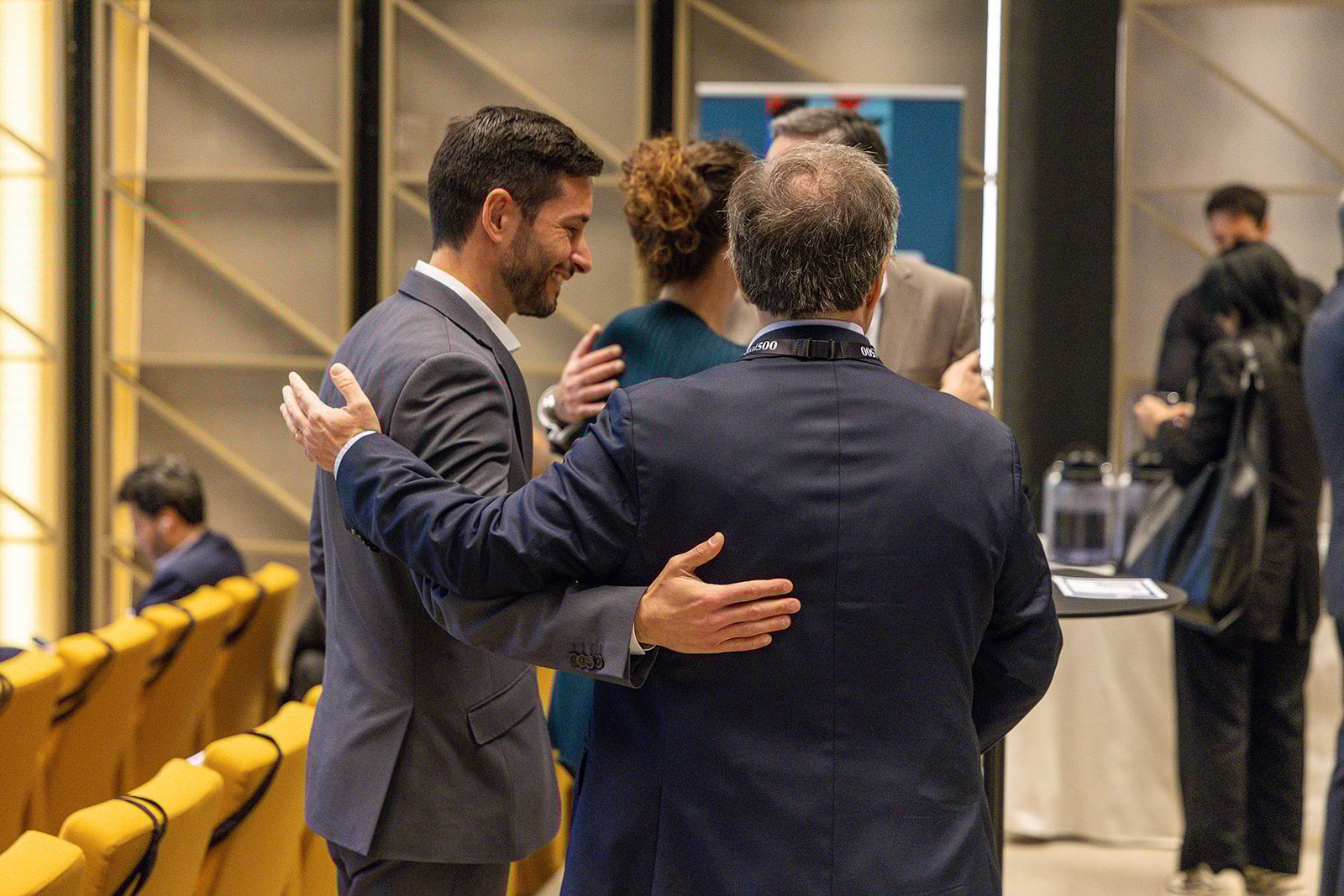
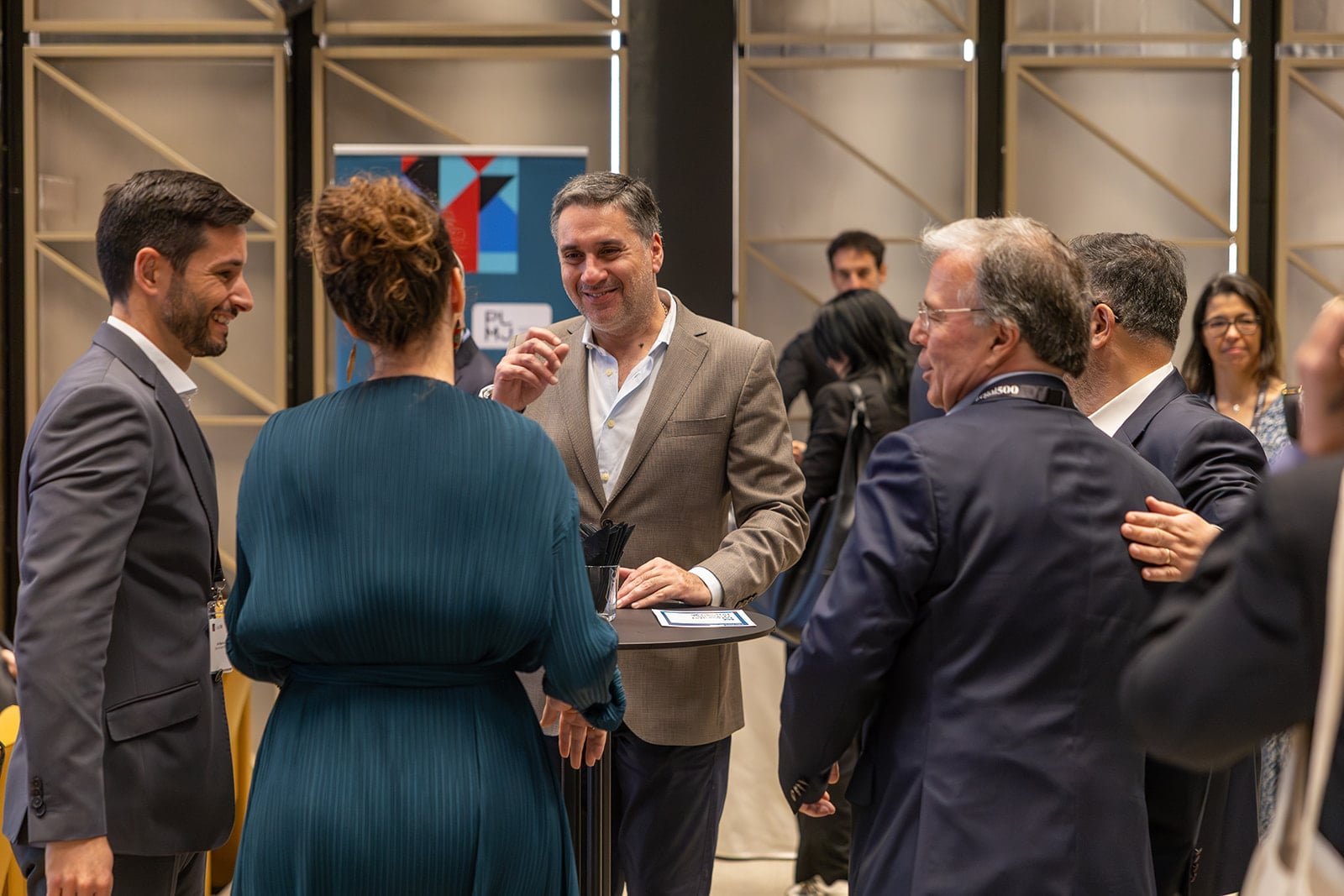
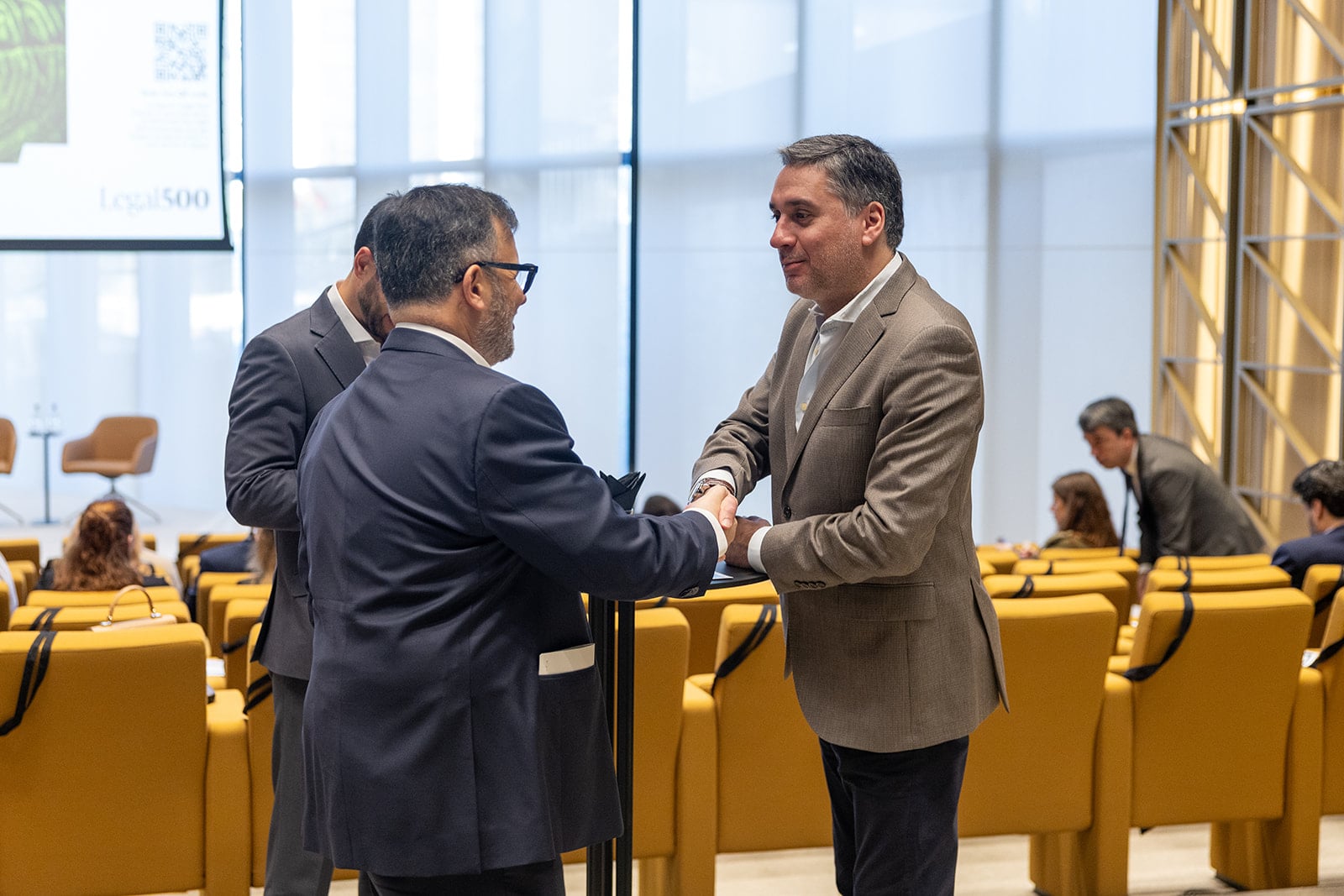
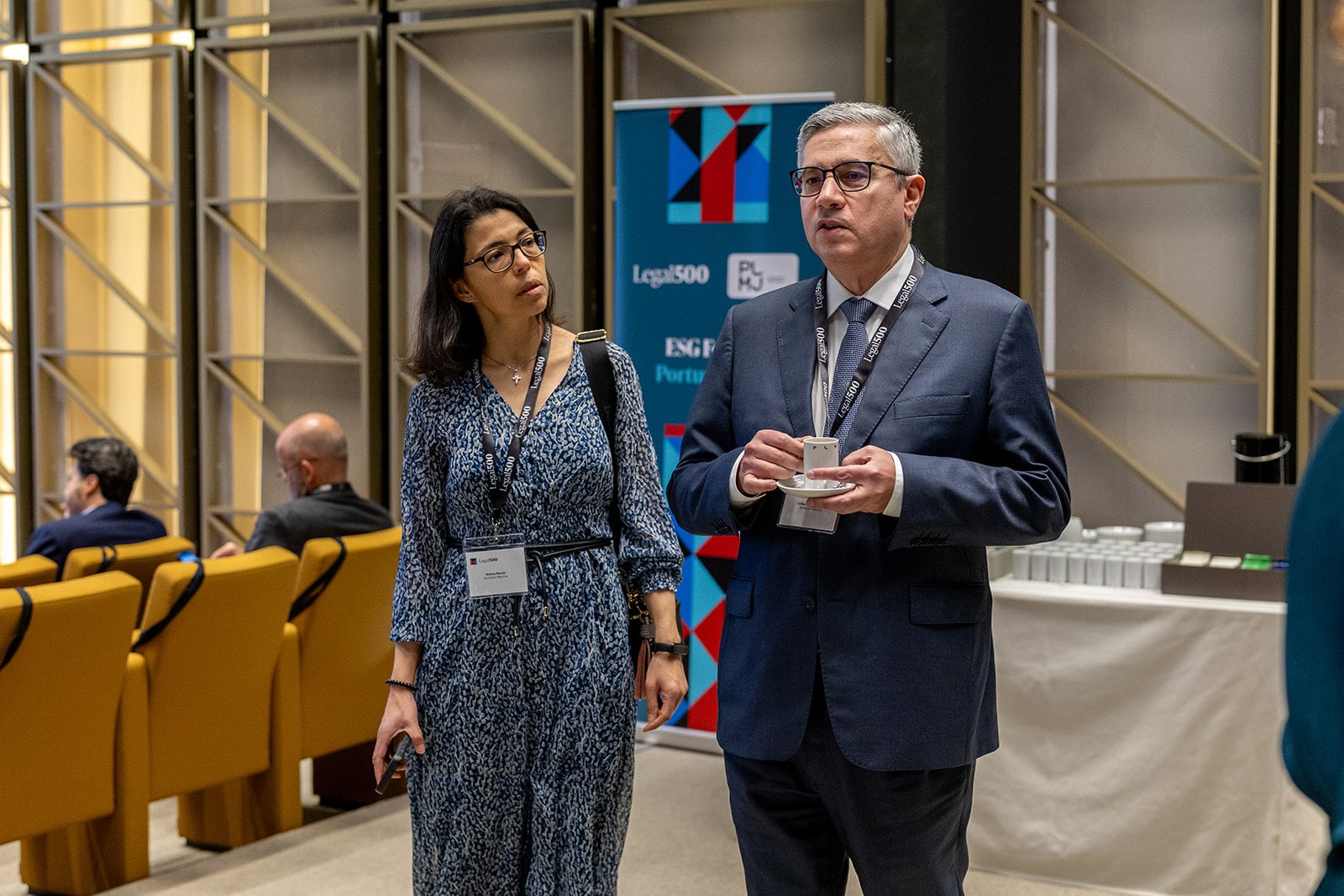
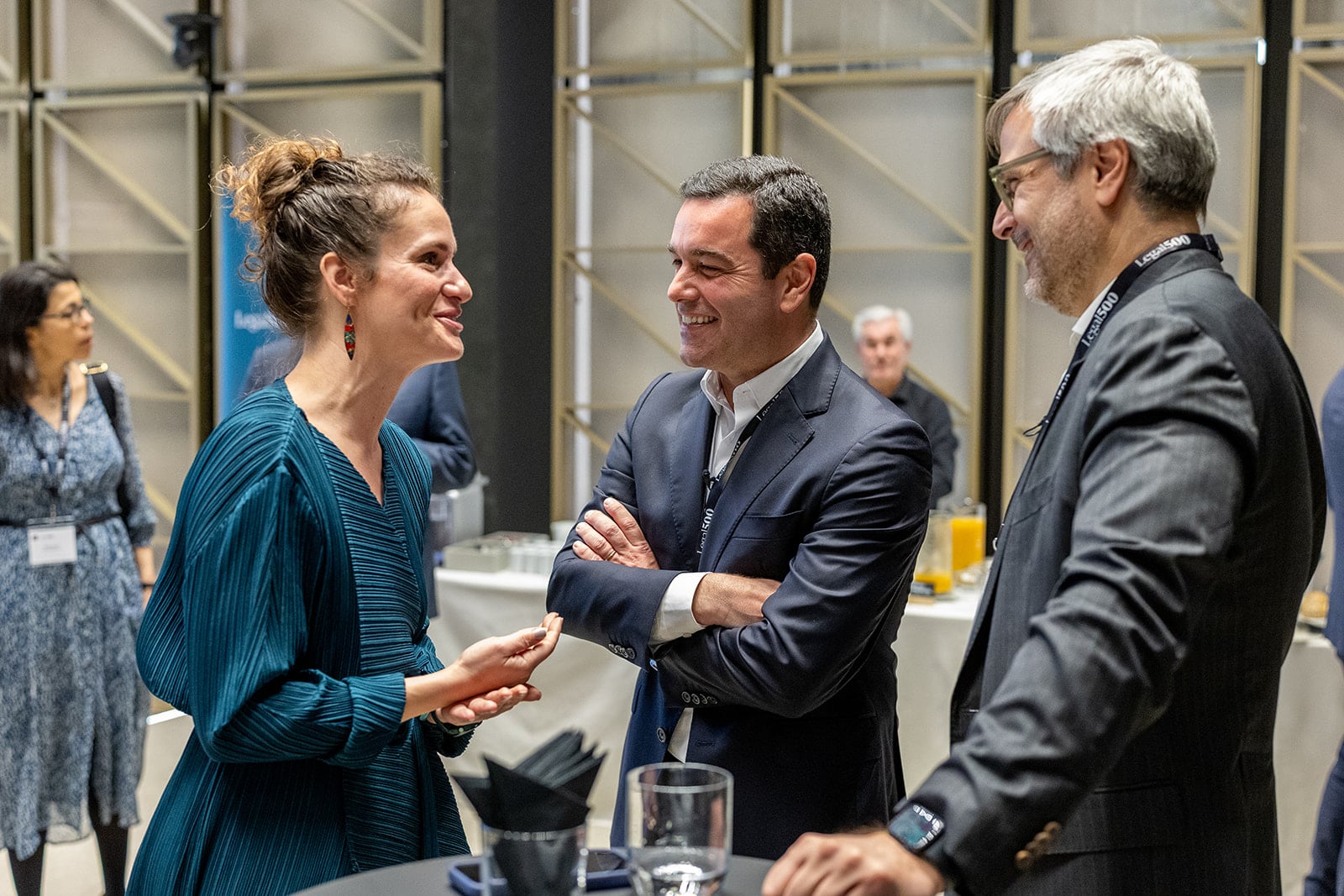
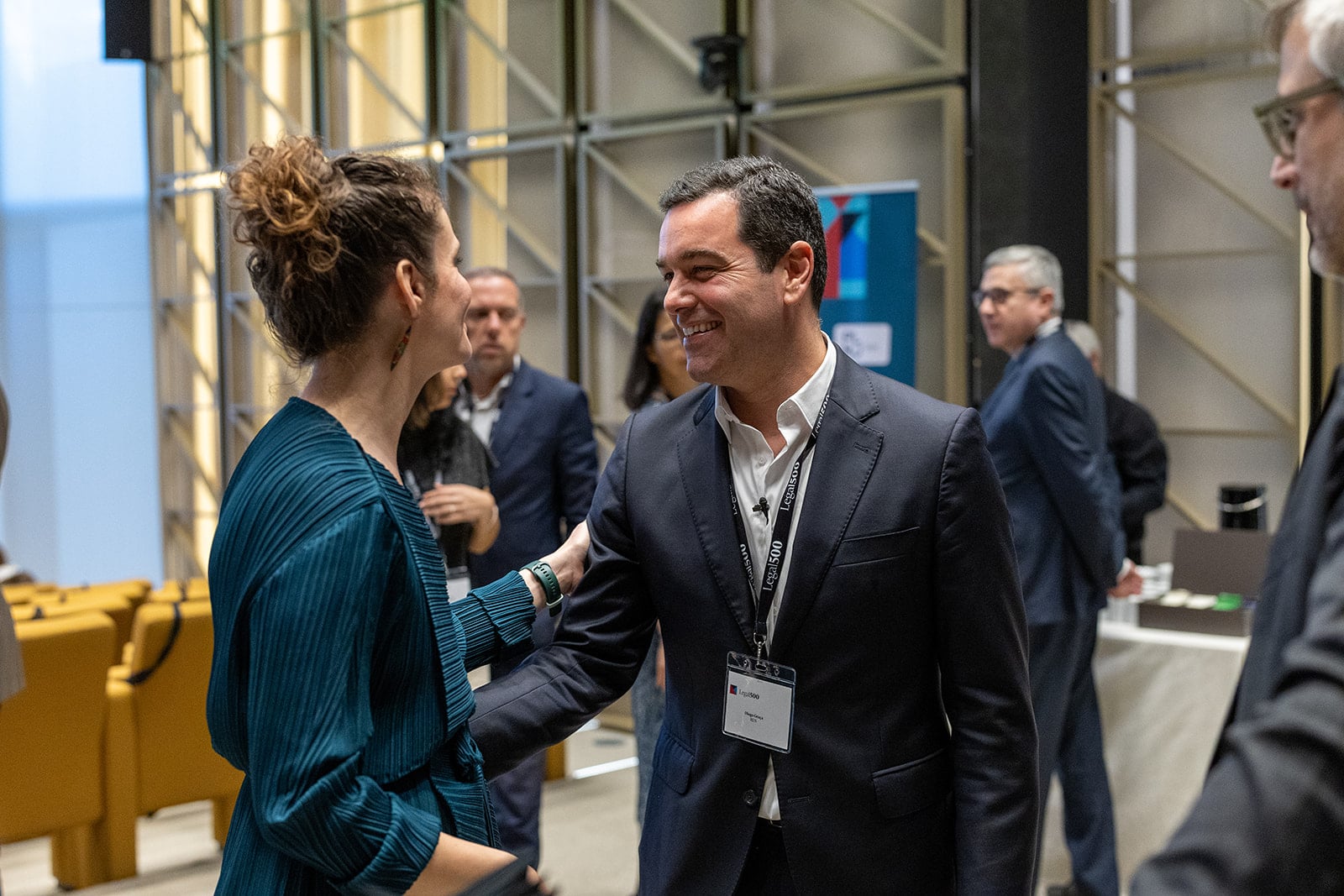
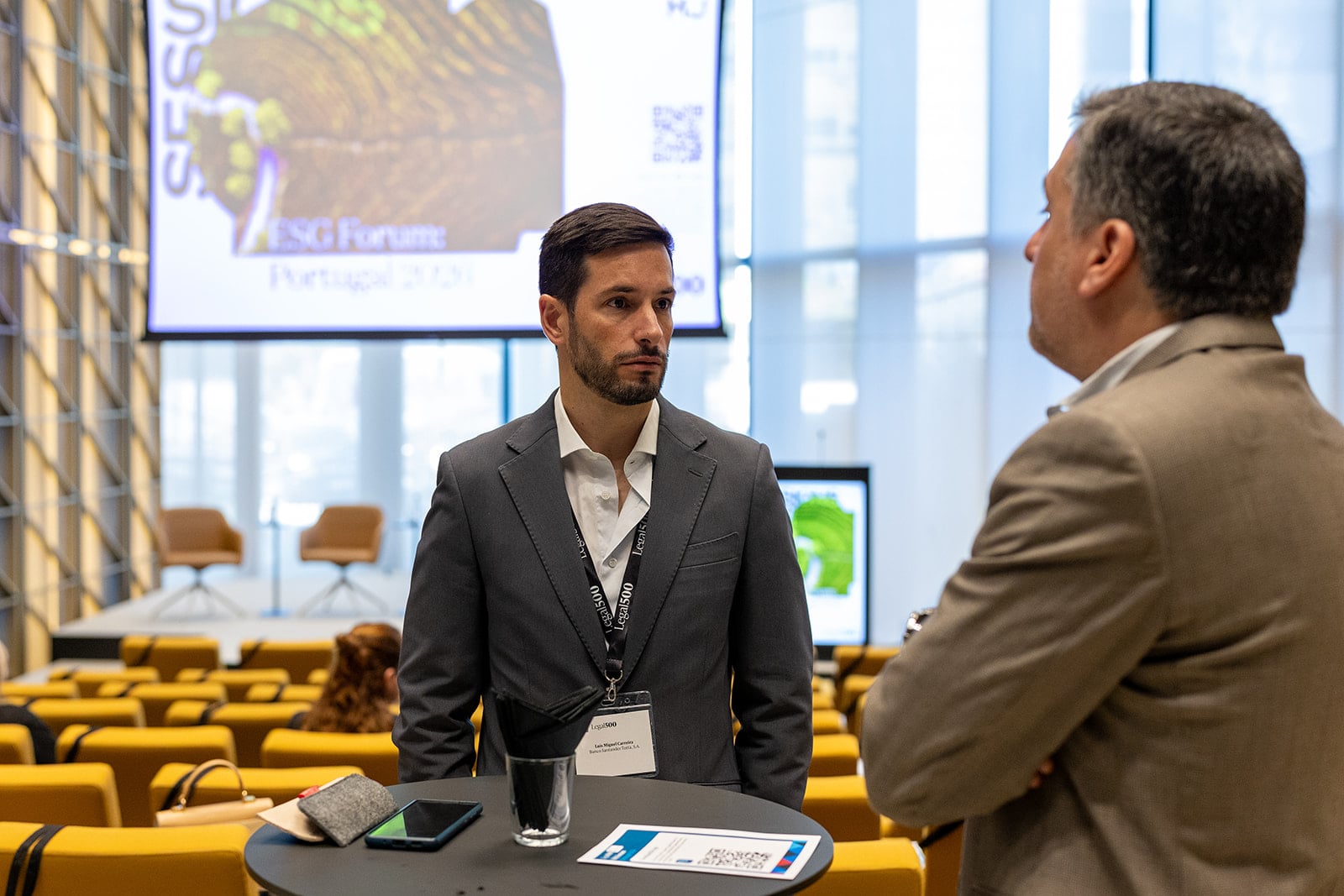
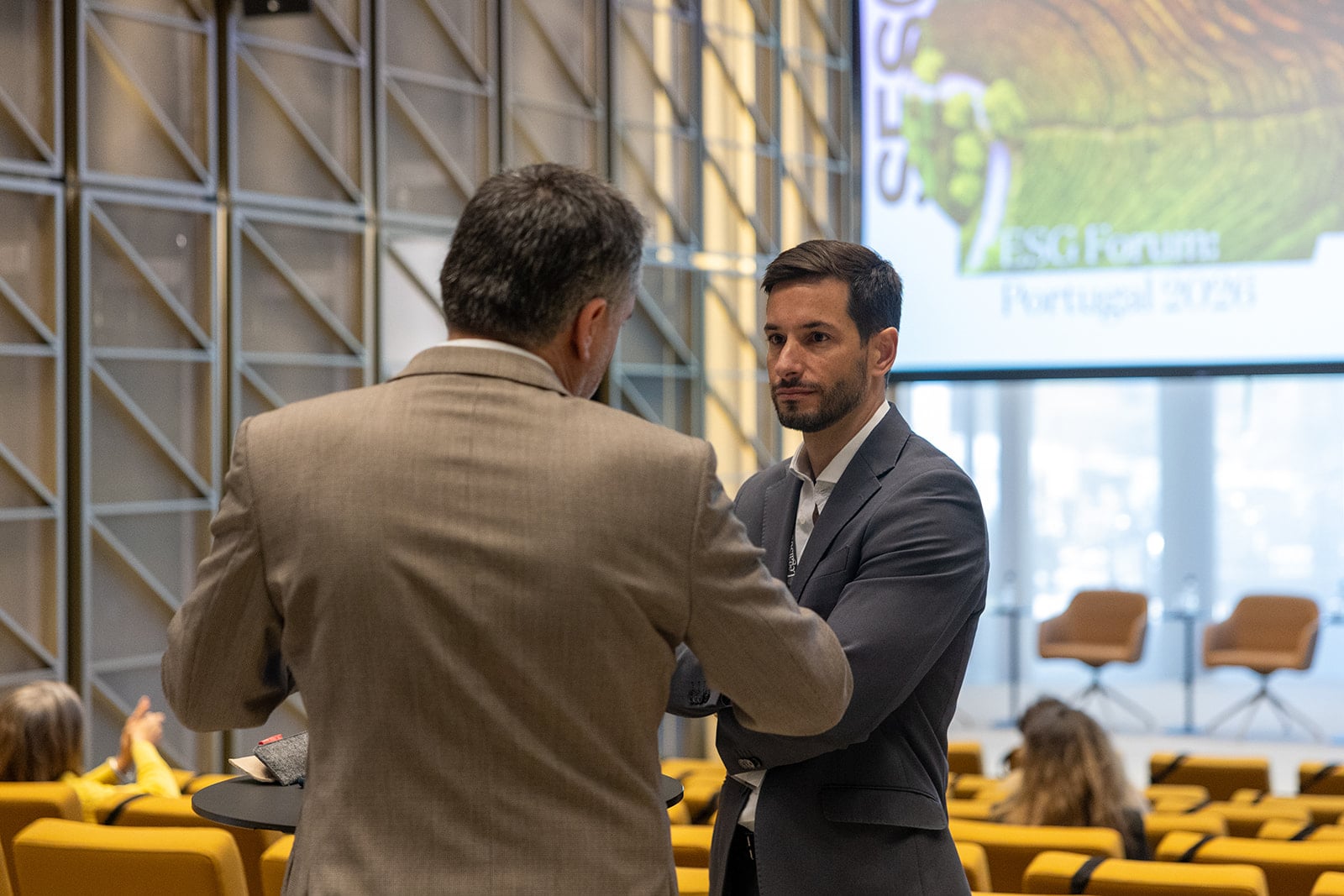
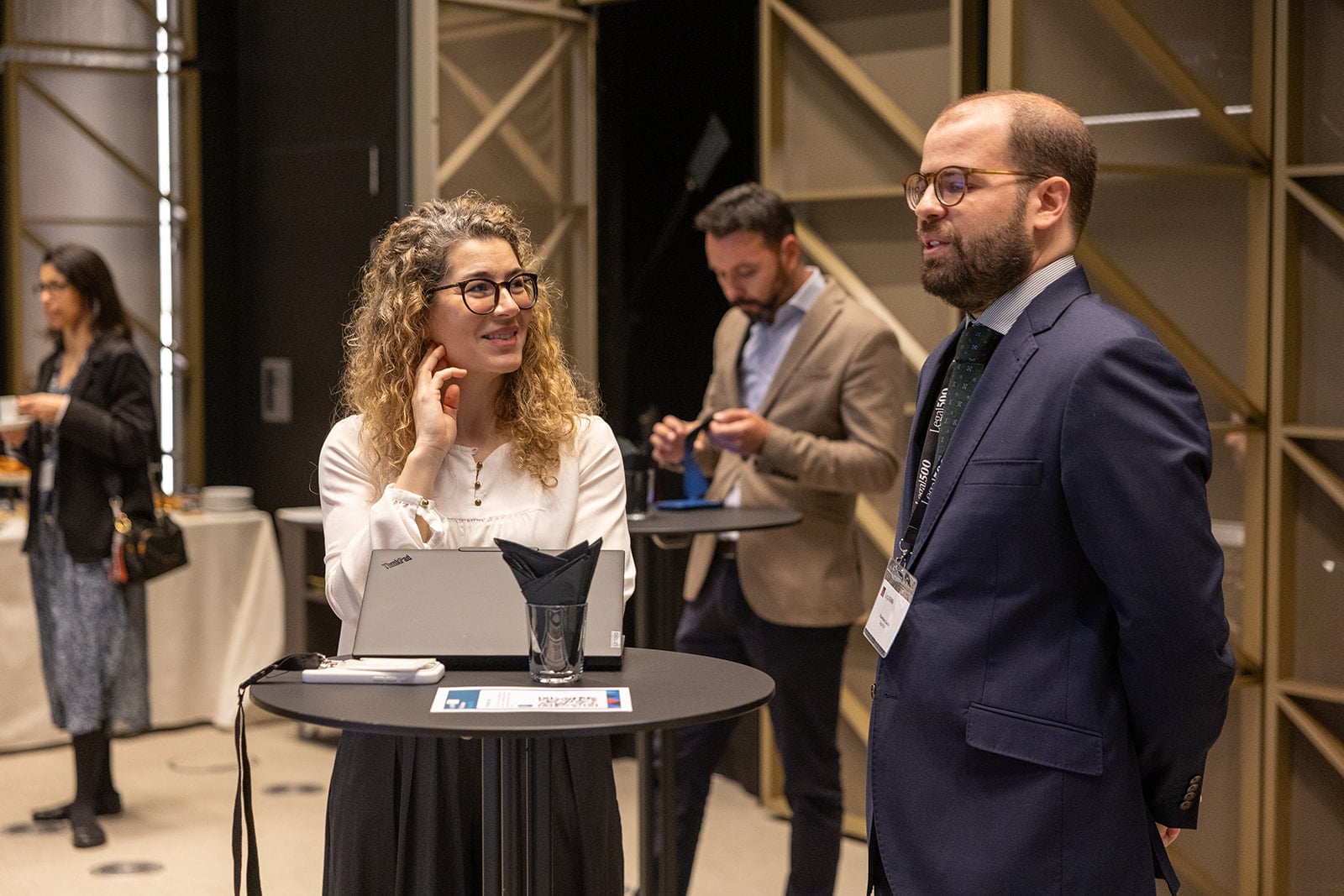
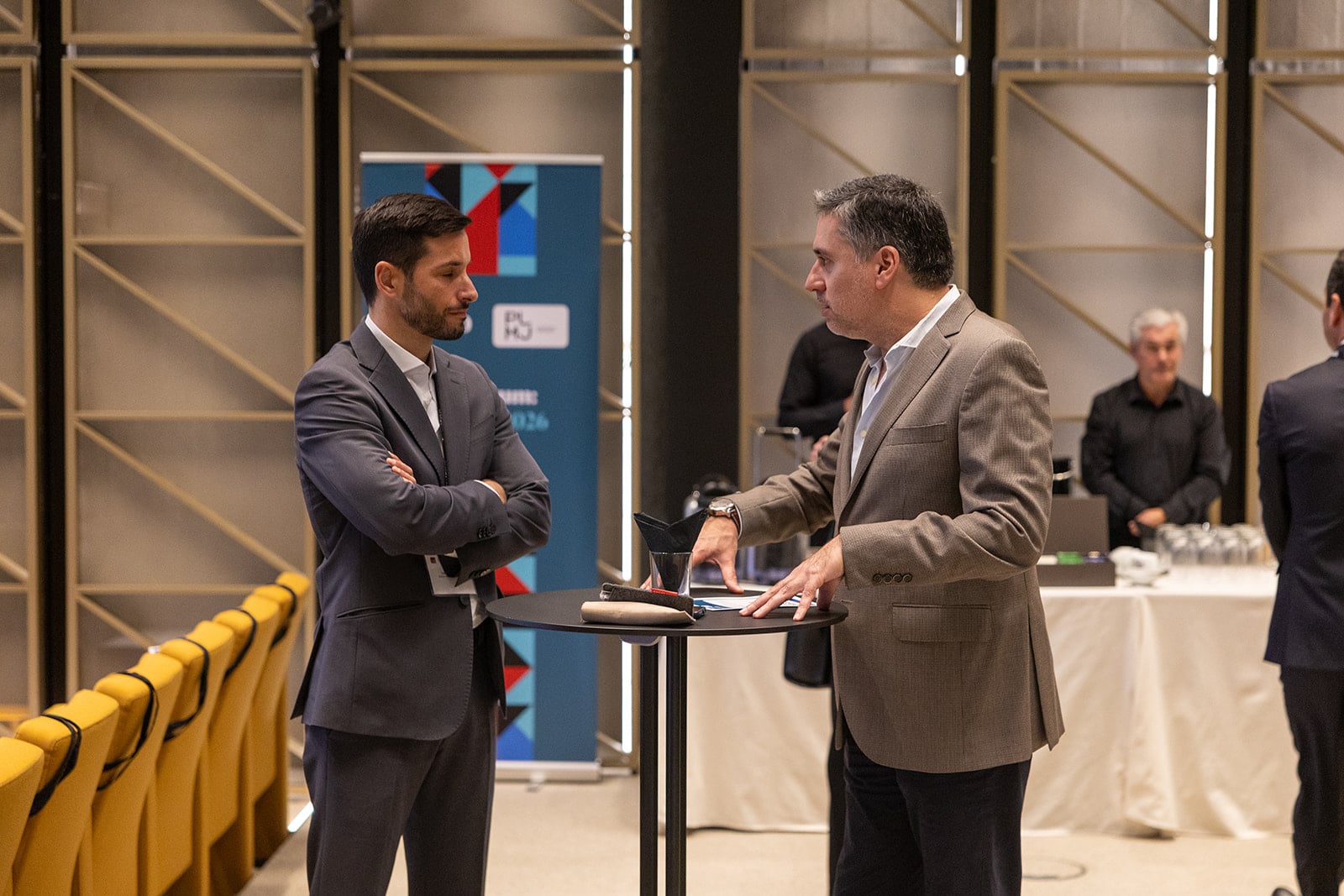
On 26 March, Legal 500 partnered with Portuguese law firm PLMJ to bring its renewed sustainability‑focused conference series to Lisbon with the ESG Forum: Portugal 2026. The half‑day event gathered senior leaders from the legal, financial, energy and sustainability spheres for a concentrated programme hosted at PLMJ’s offices. Throughout the sessions, speakers explored the regulatory, governance and enforcement forces reshaping ESG strategy in Portugal, offering a clear cross‑sector perspective on how organisations are adapting to an increasingly complex and fast‑moving landscape.
The event opened with some welcome remarks from Legal 500 editor Francisco Castro, who emphasised the value of events that bring the in‑house community together to learn, exchange experiences and build meaningful professional networks. In his welcome address, he highlighted the growing complexity of ESG obligations across Europe and the increasing pressure on organisations to adopt integrated, business‑wide approaches to compliance, risk management and strategic planning. By underscoring the need for practical, grounded discussion rather than abstract theory, he set the tone for a programme designed to deliver actionable insight and foster collaboration among practitioners navigating a rapidly evolving ESG landscape.
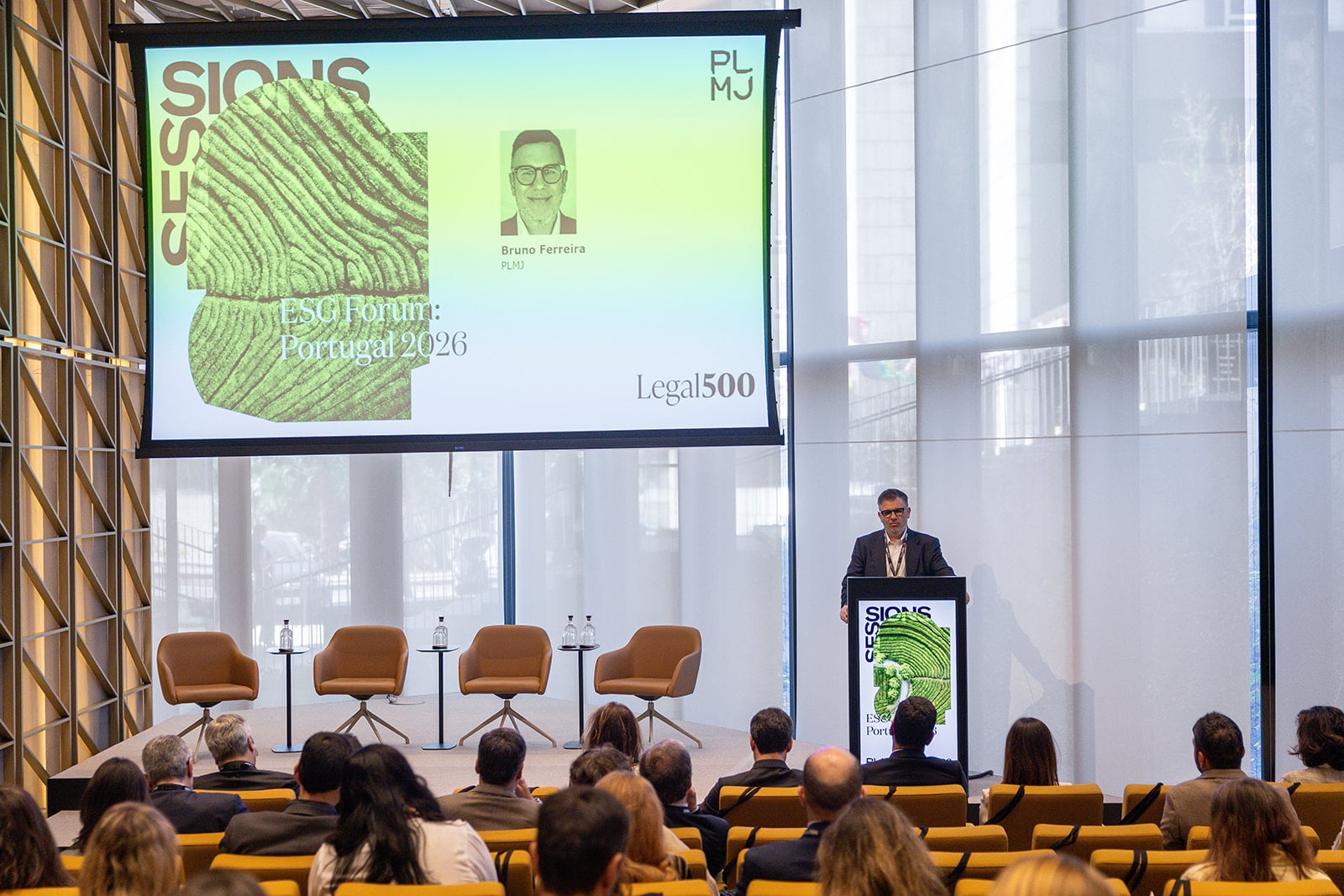
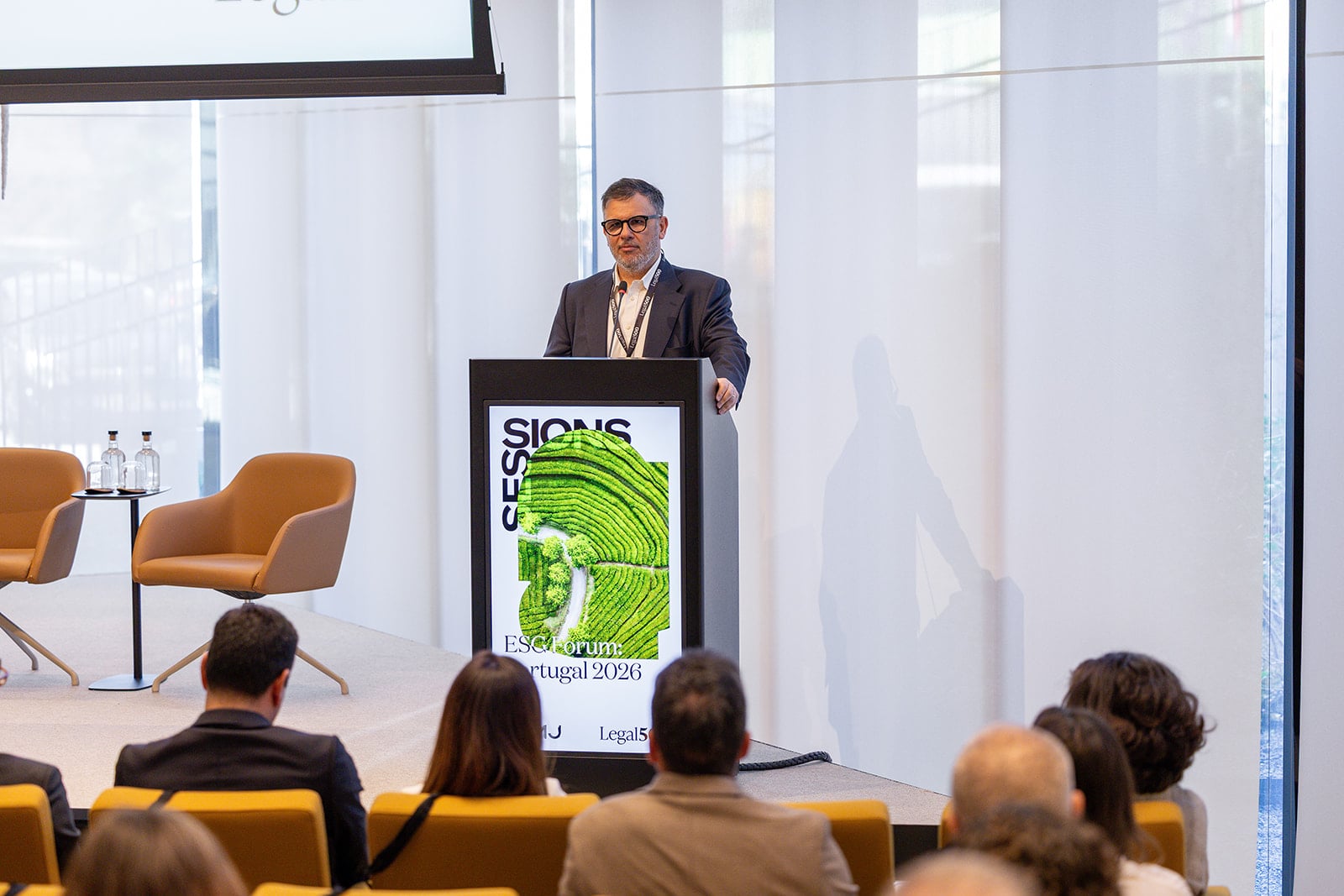
Followed an opening brief delivered by PLMJ’s Managing Partner, Bruno Ferreira, who provided a concise yet comprehensive overview of the ESG priorities defining Portugal in 2026. He outlined the expanding influence of EU regulatory frameworks on corporate reporting, due diligence and governance, noting how these requirements are reshaping expectations around data quality, transparency and accountability. His remarks positioned ESG not as a peripheral concern but as a central driver of corporate behaviour, capital flows and long‑term competitiveness in the Portuguese market.
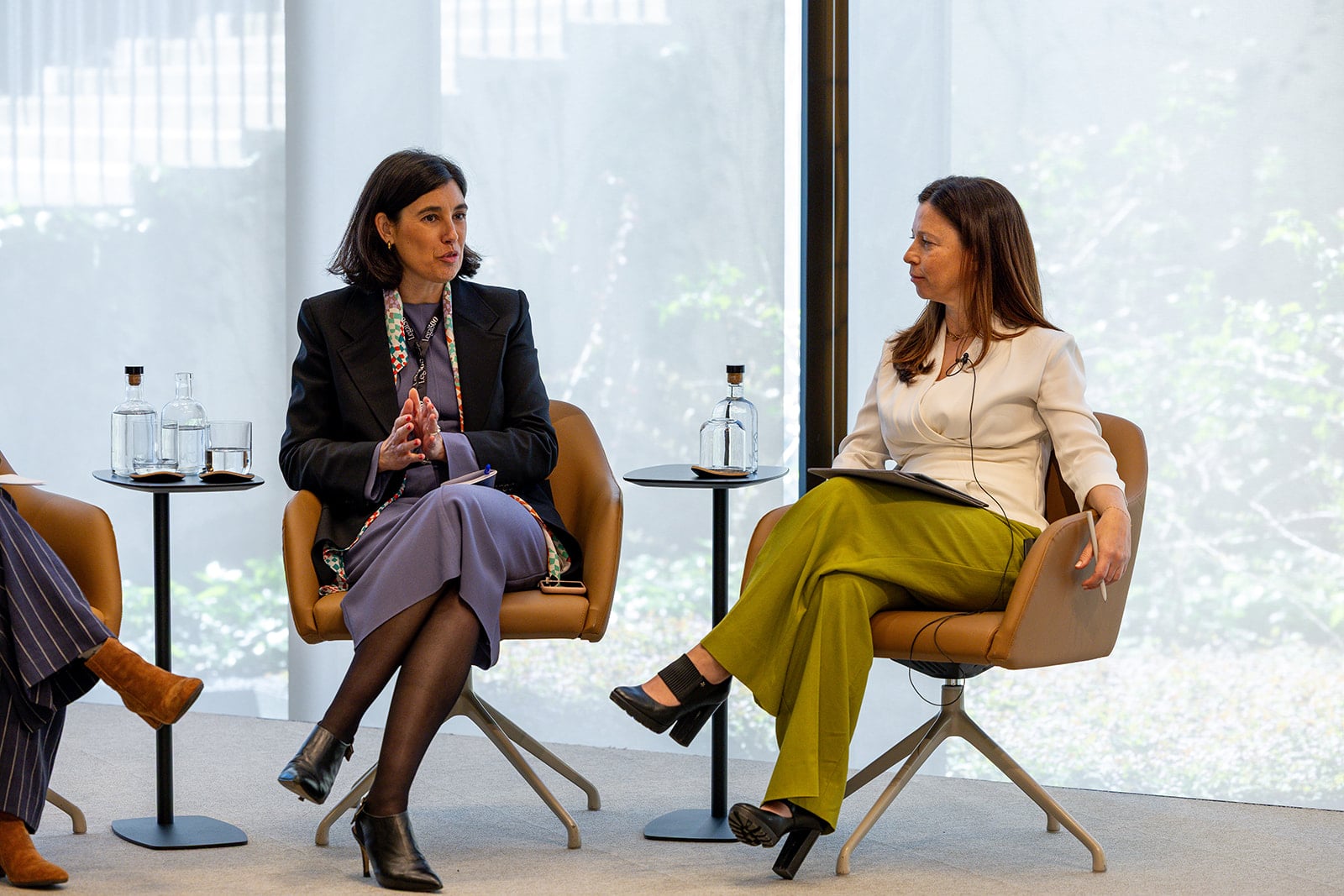
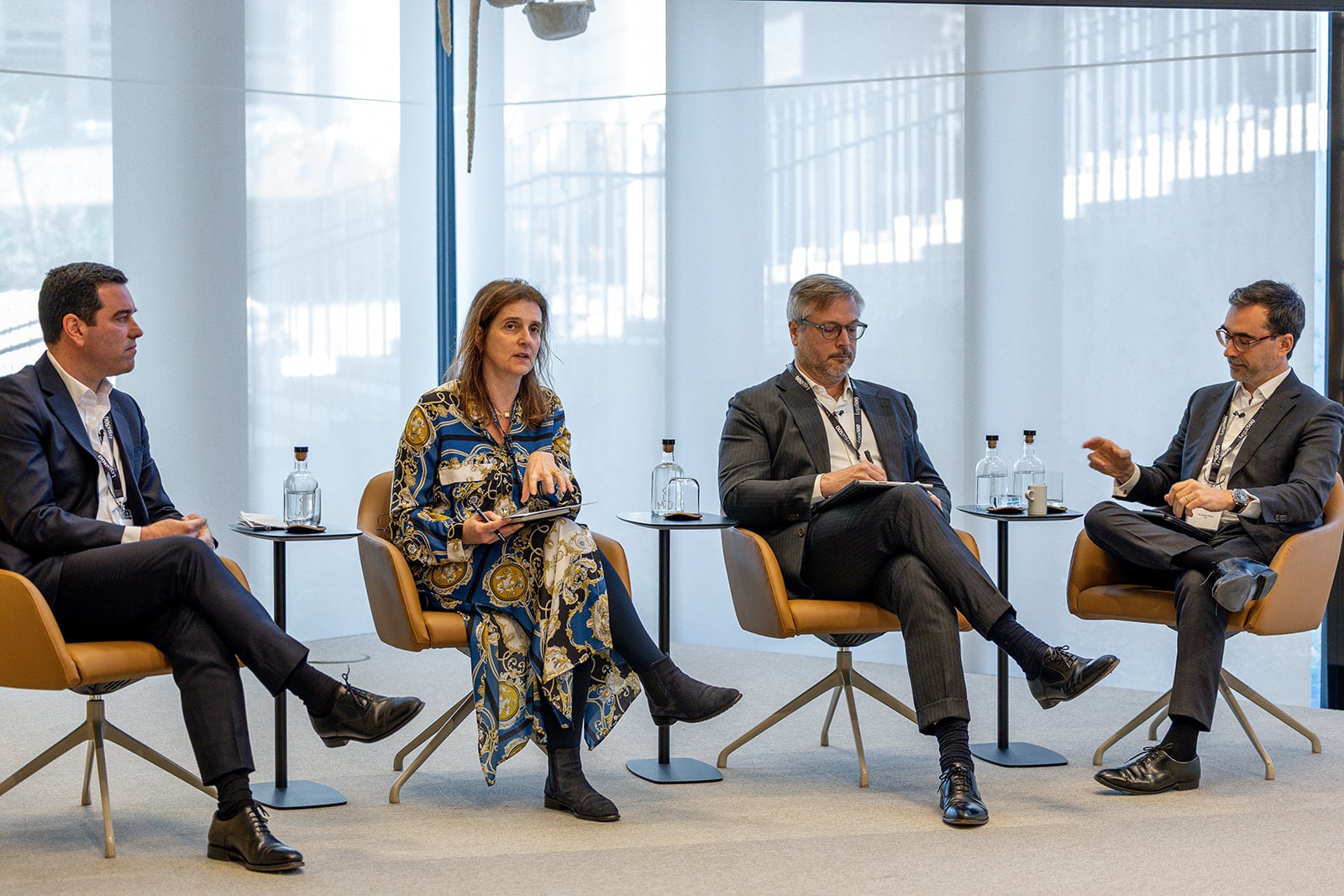
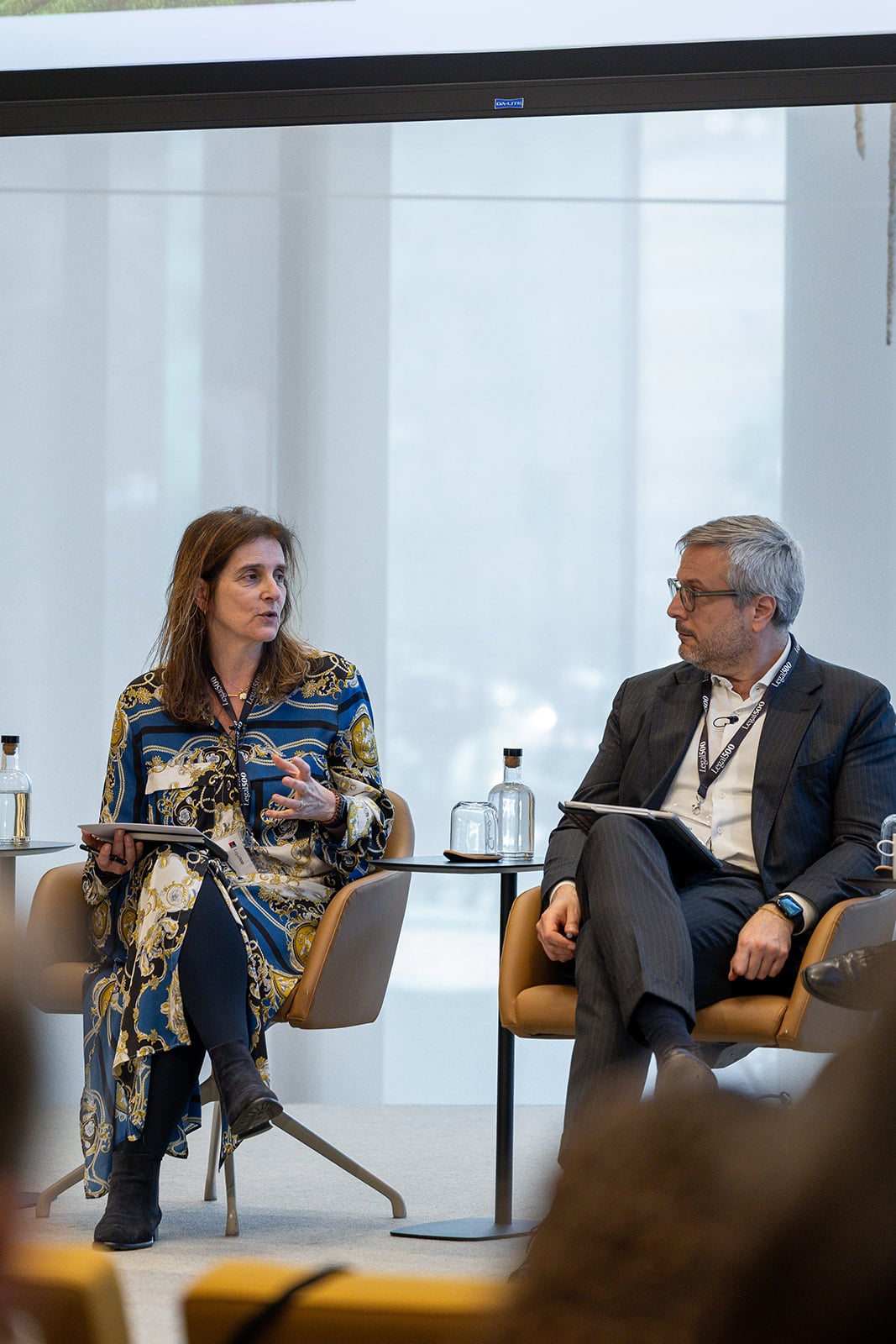
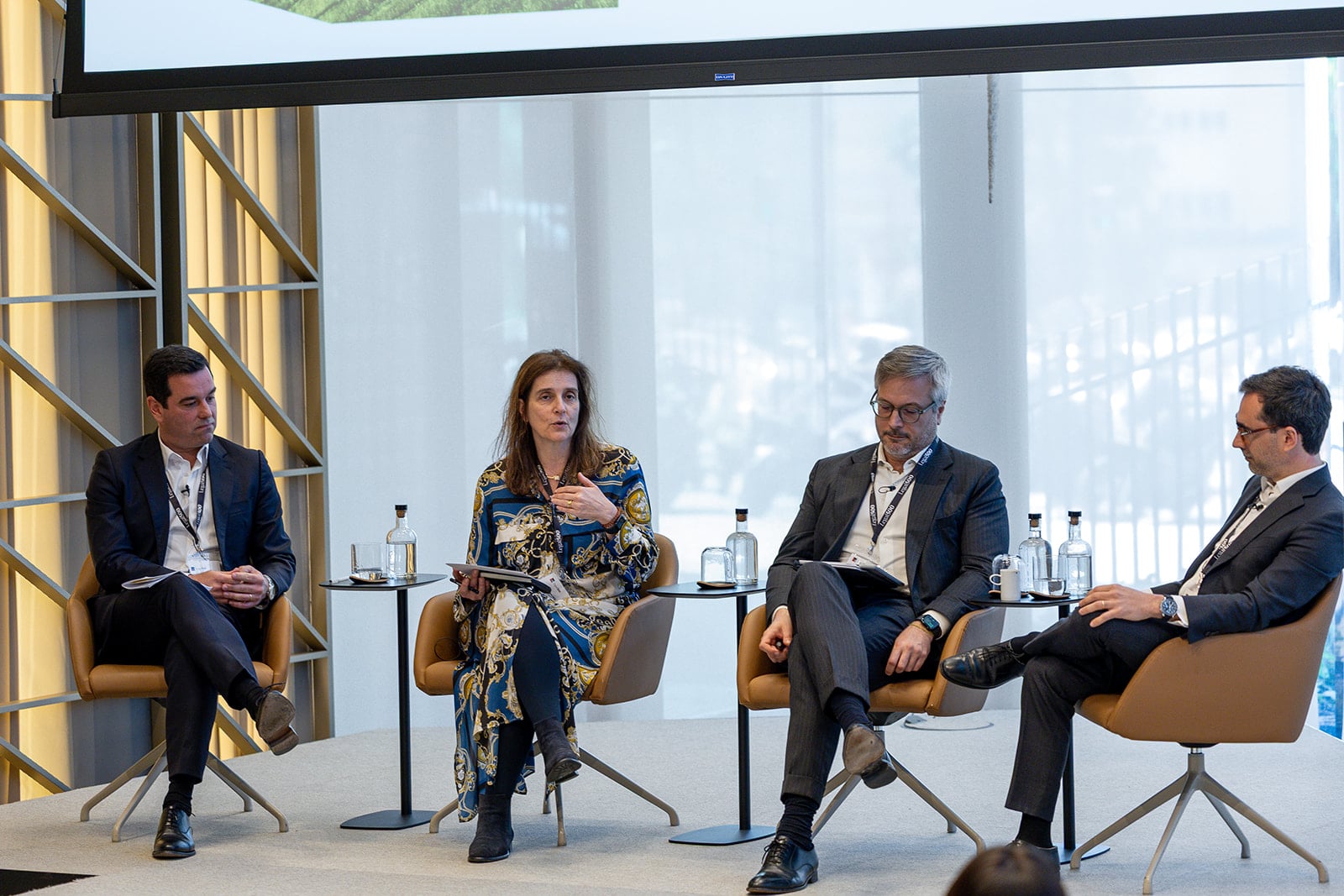
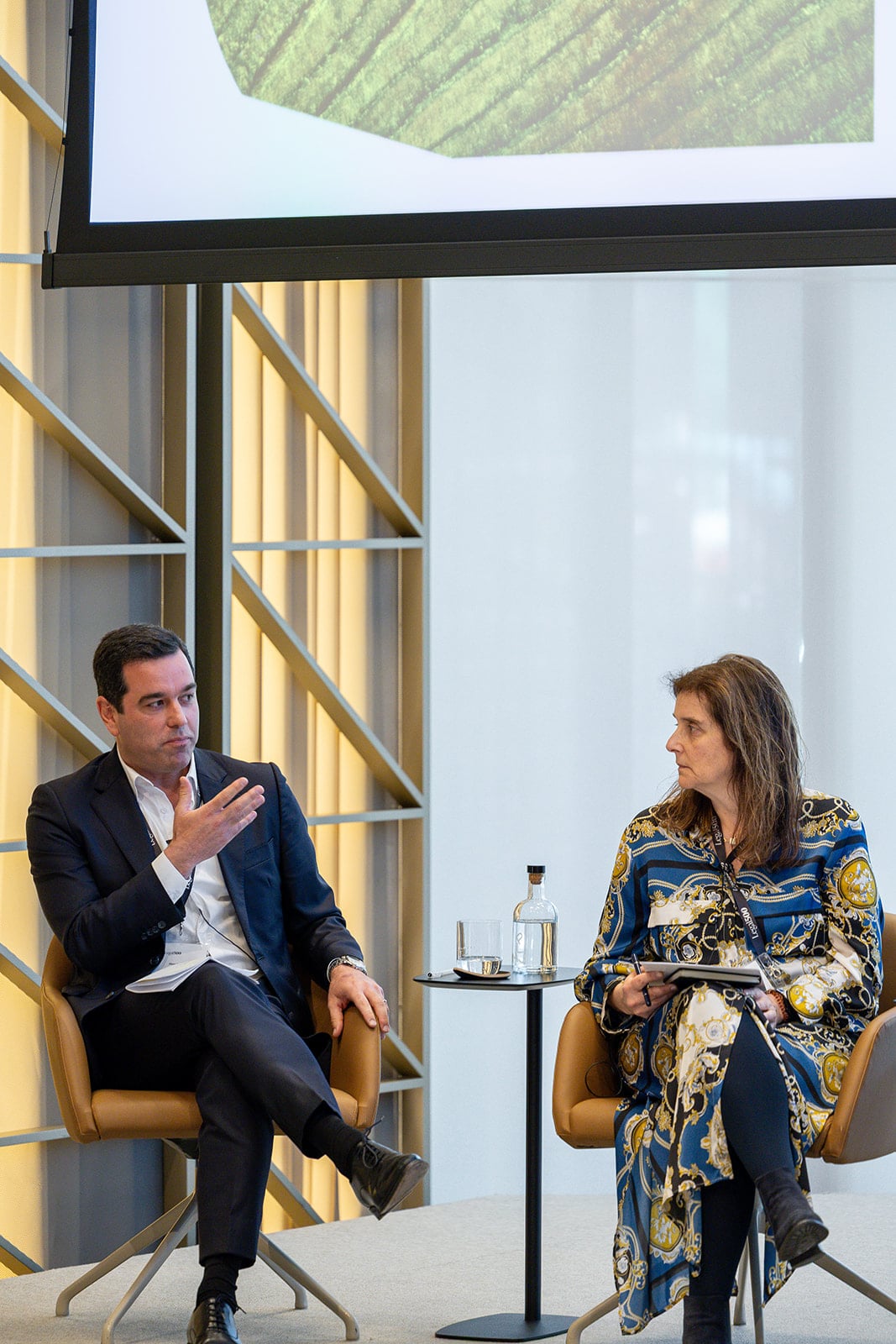
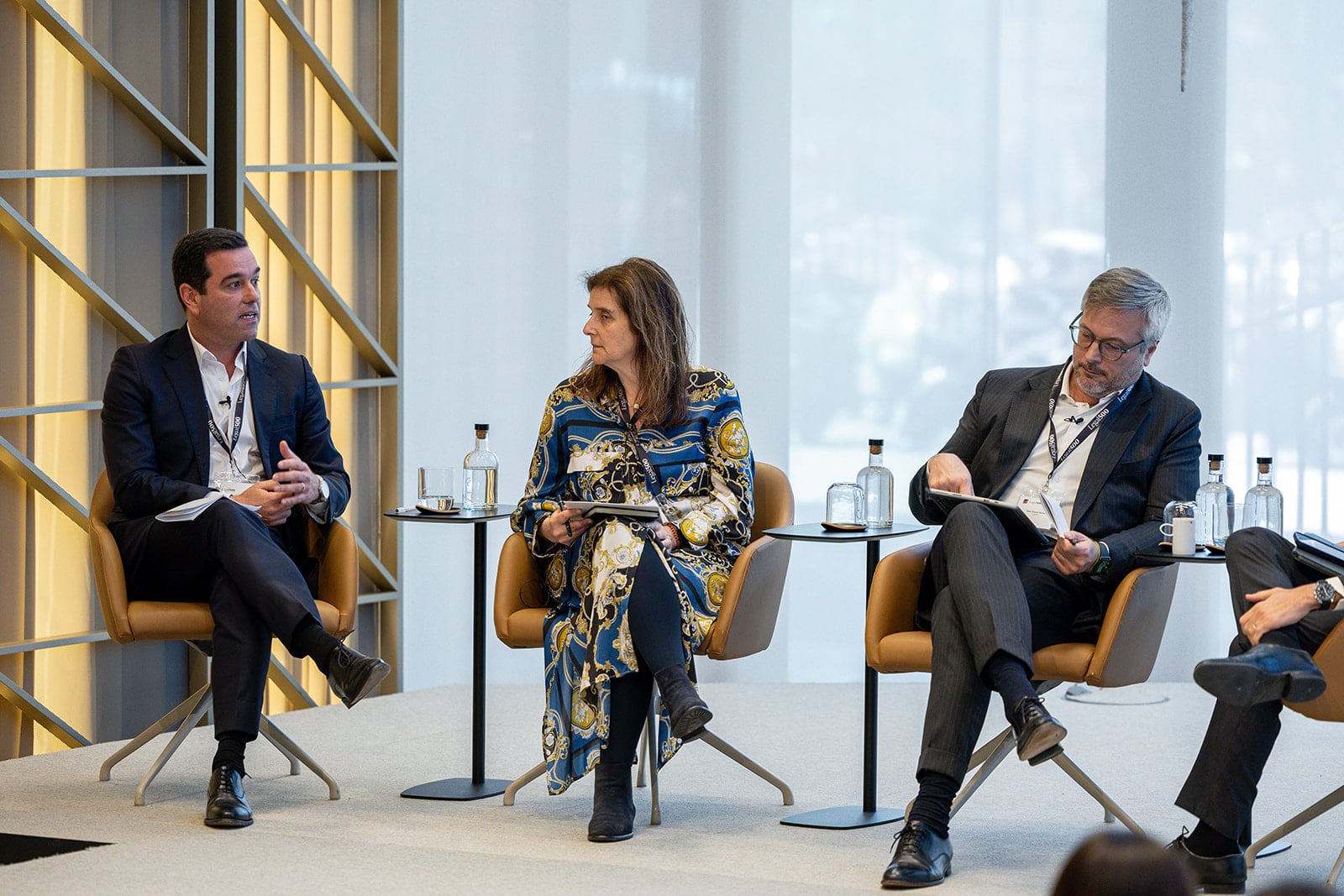
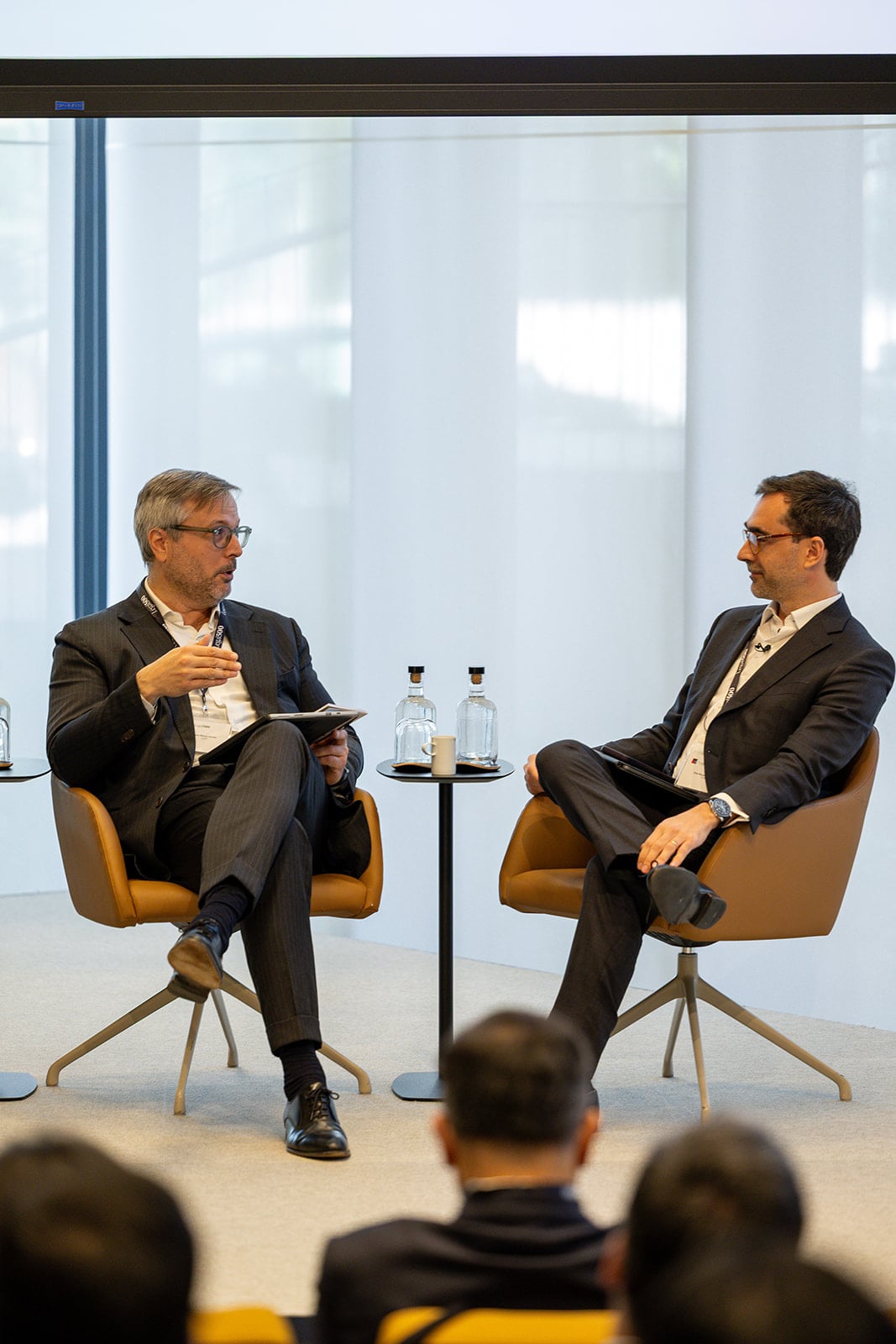
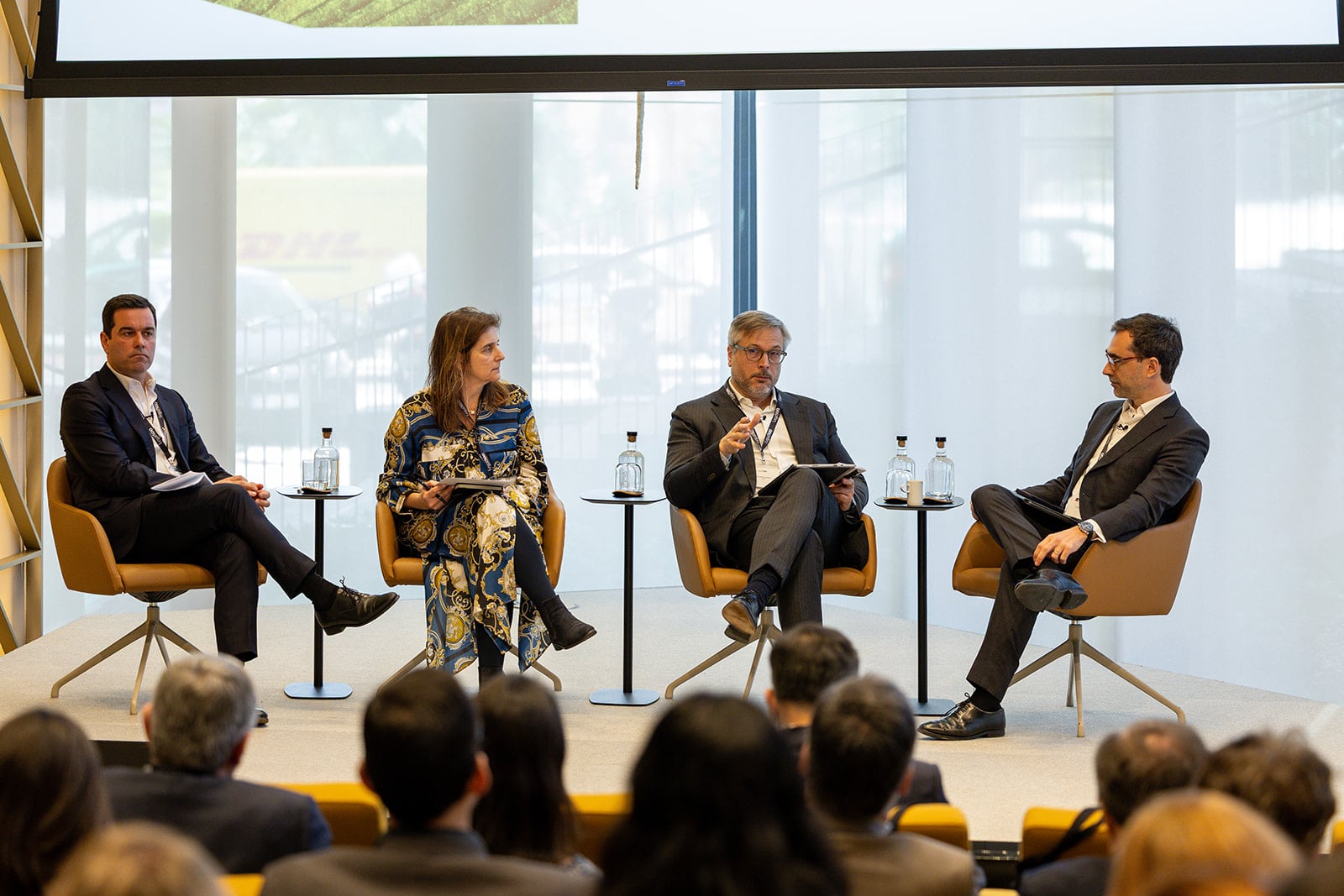
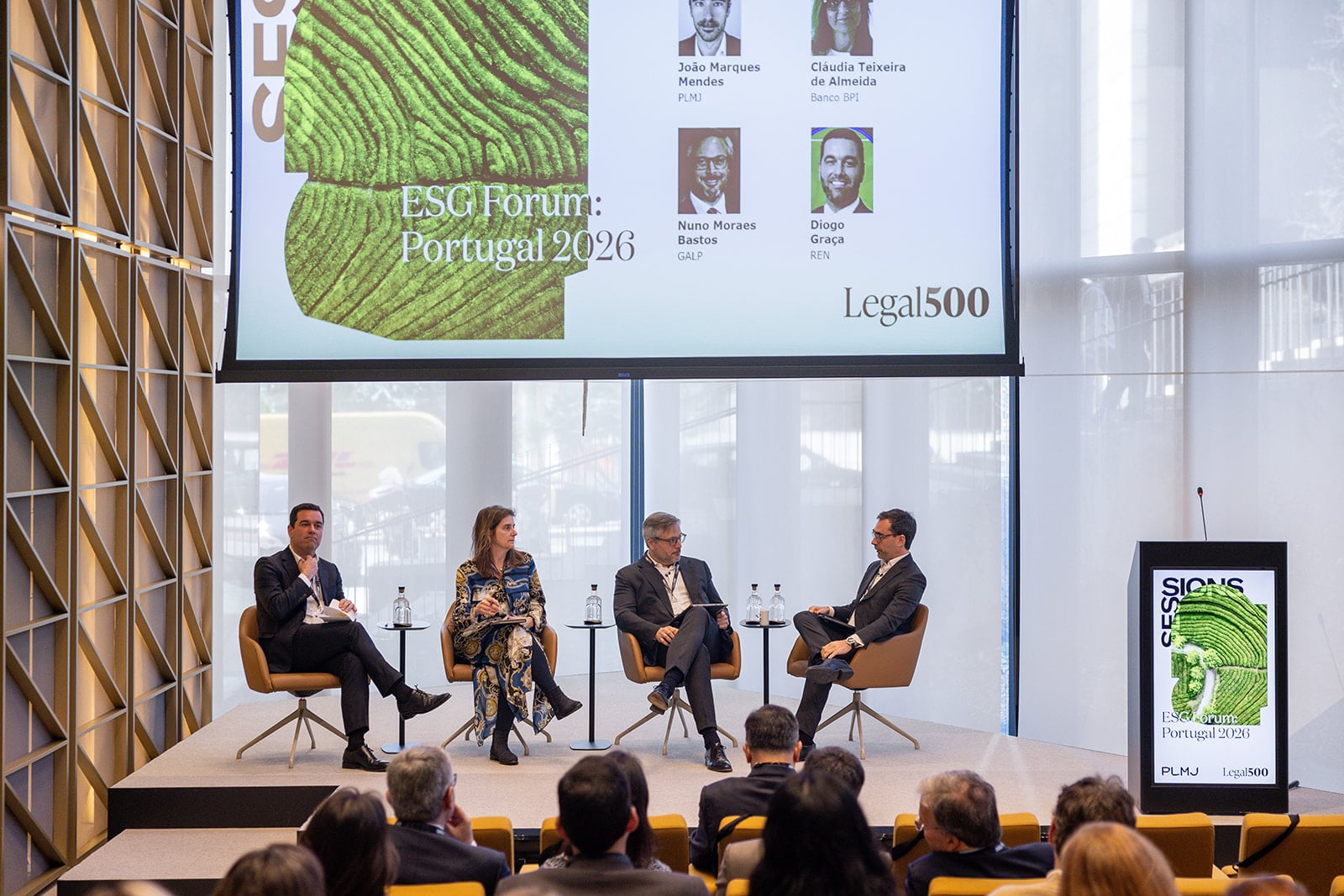
The first panel, moderated by João Marques Mendes, Partner at PLMJ and joined by Cláudia Teixeira de Almeida of Banco BPI, Nuno Moraes Bastos of GALP and Diogo Graça of REN, explored how corporate governance and sustainable finance are shaping Portugal’s energy transition. The discussion examined how boards and executive teams are adapting oversight structures to manage transition‑related risks and how legal, compliance, sustainability and procurement functions are increasingly intertwined in project governance. Panellists described the growing influence of financing structures on project execution, noting that lenders’ expectations around ESG metrics, contractor performance and transparency now shape governance decisions from the earliest stages. They also addressed the operational constraints that continue to challenge Portugal’s transition ambitions, including permitting timelines, grid capacity limitations and delivery risk. While acknowledging the complexity of EU‑level frameworks, speakers emphasised that these standards also present strategic opportunities to harmonise practices, unlock investment and strengthen Portugal’s competitive position in the energy transition.
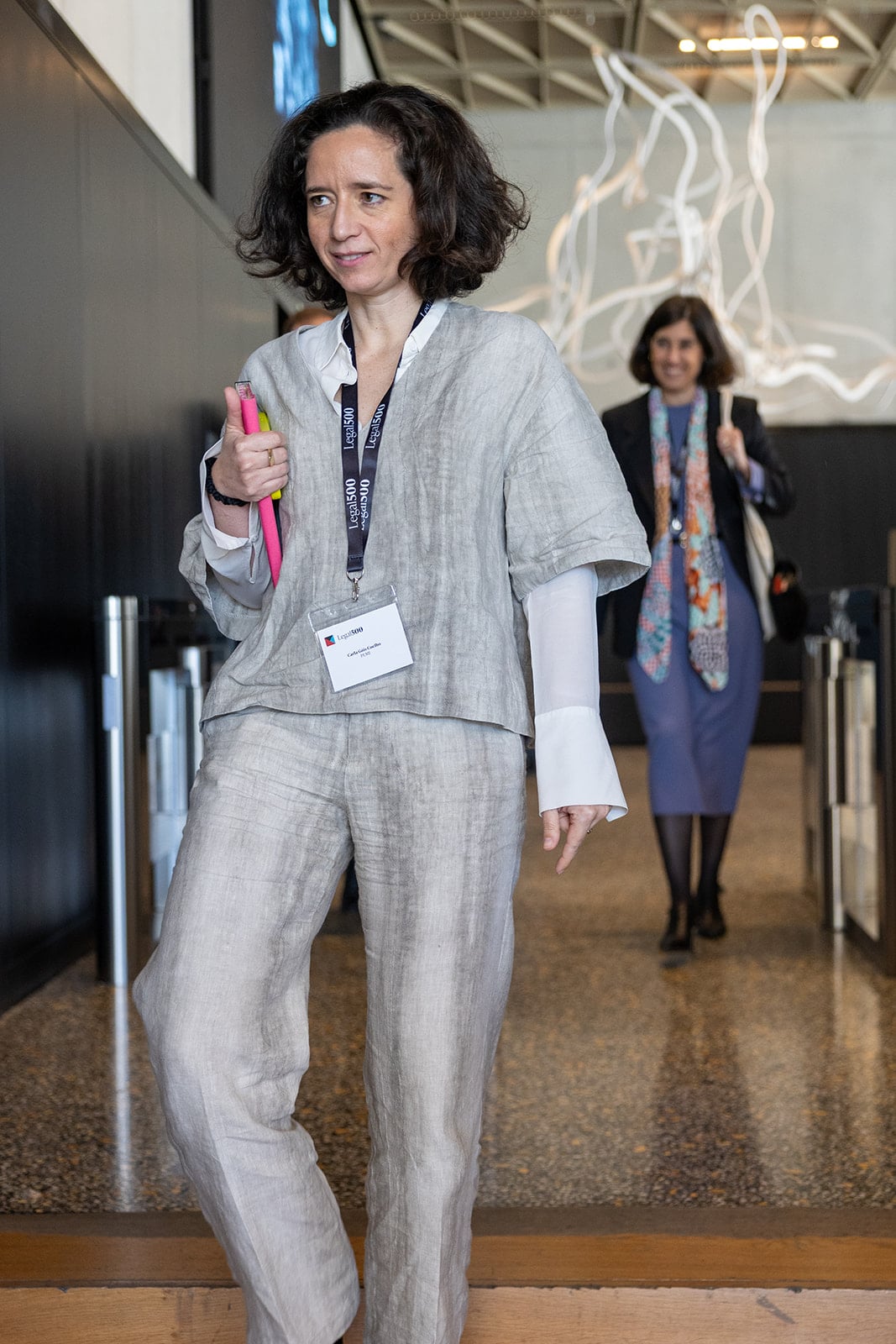
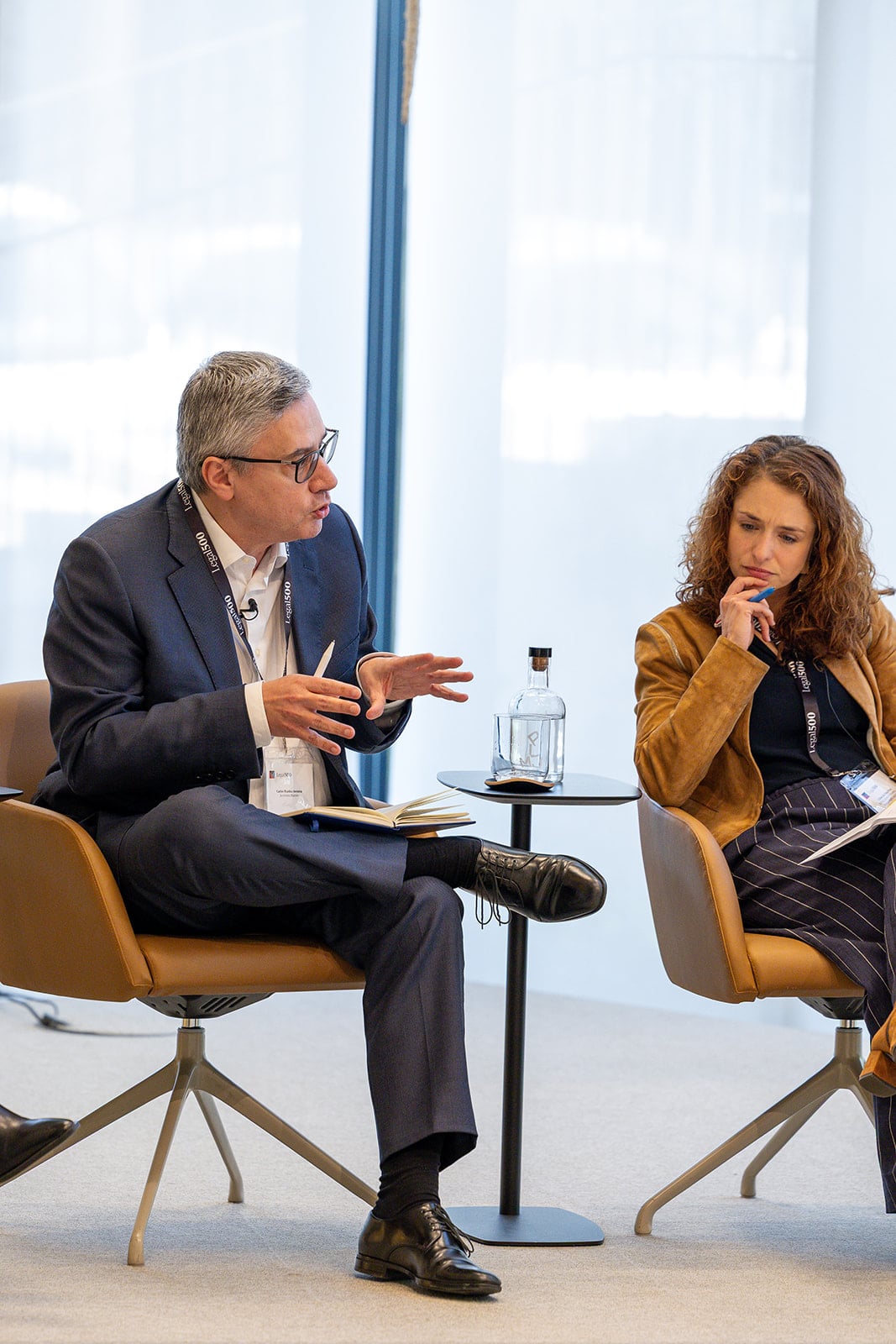
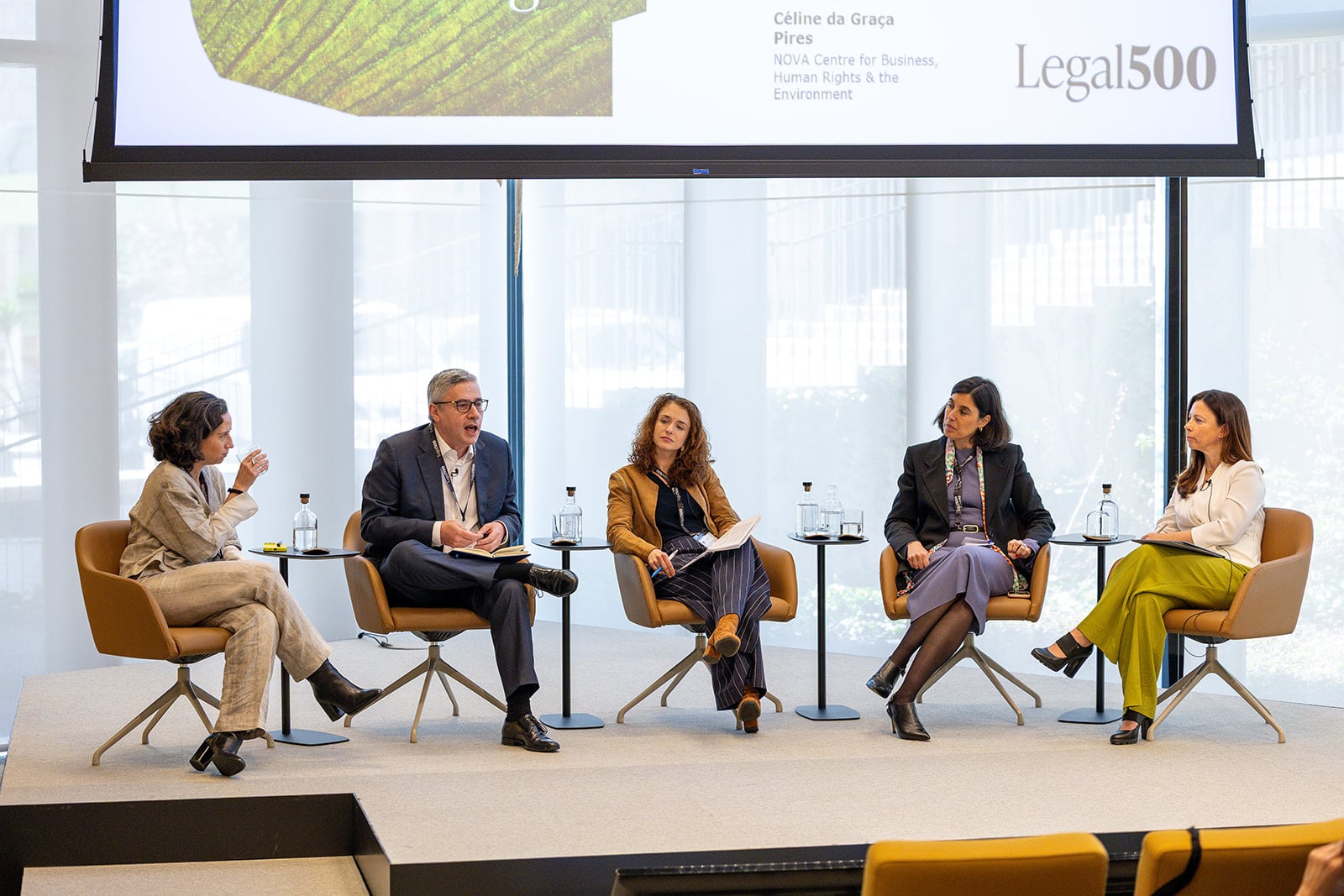
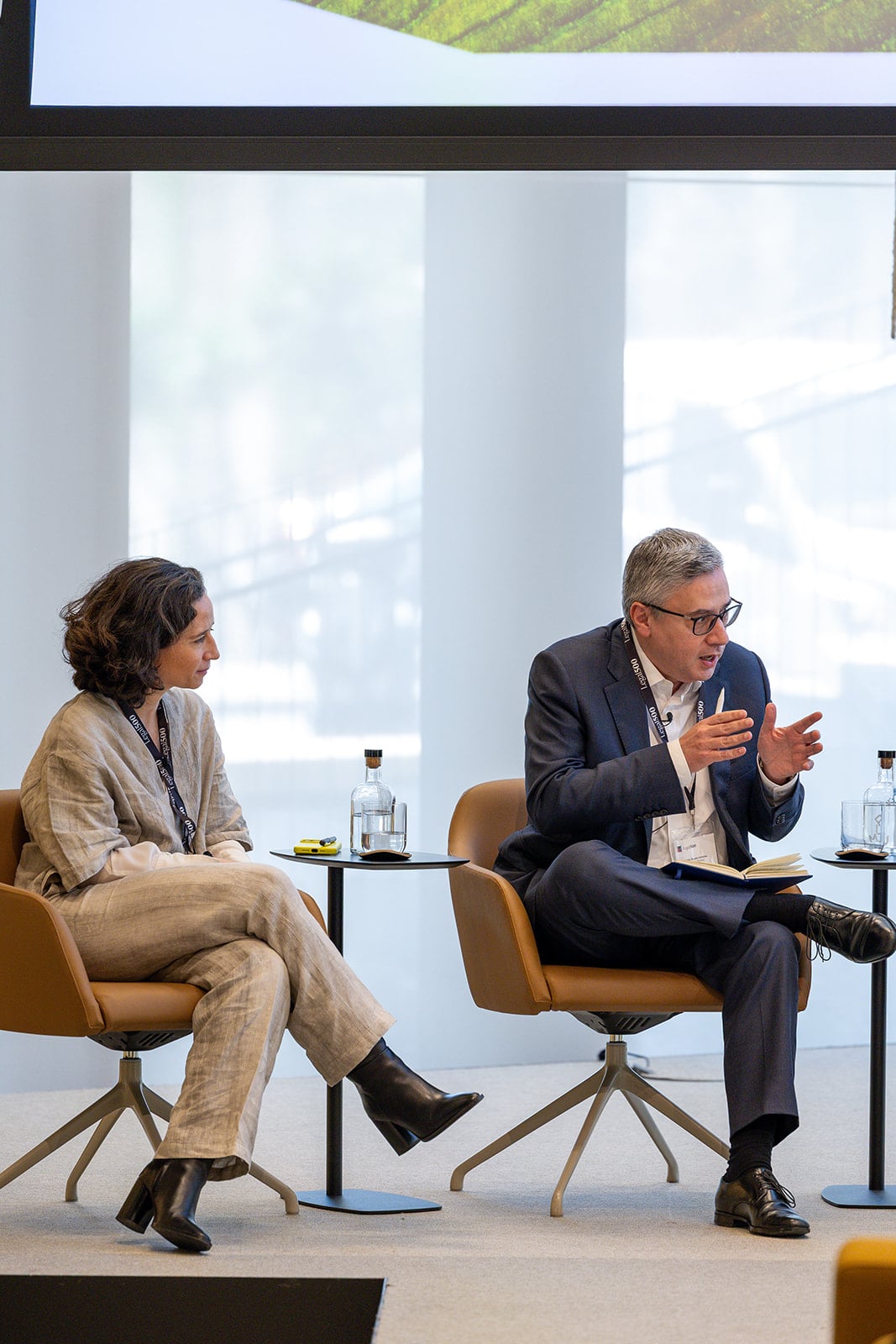
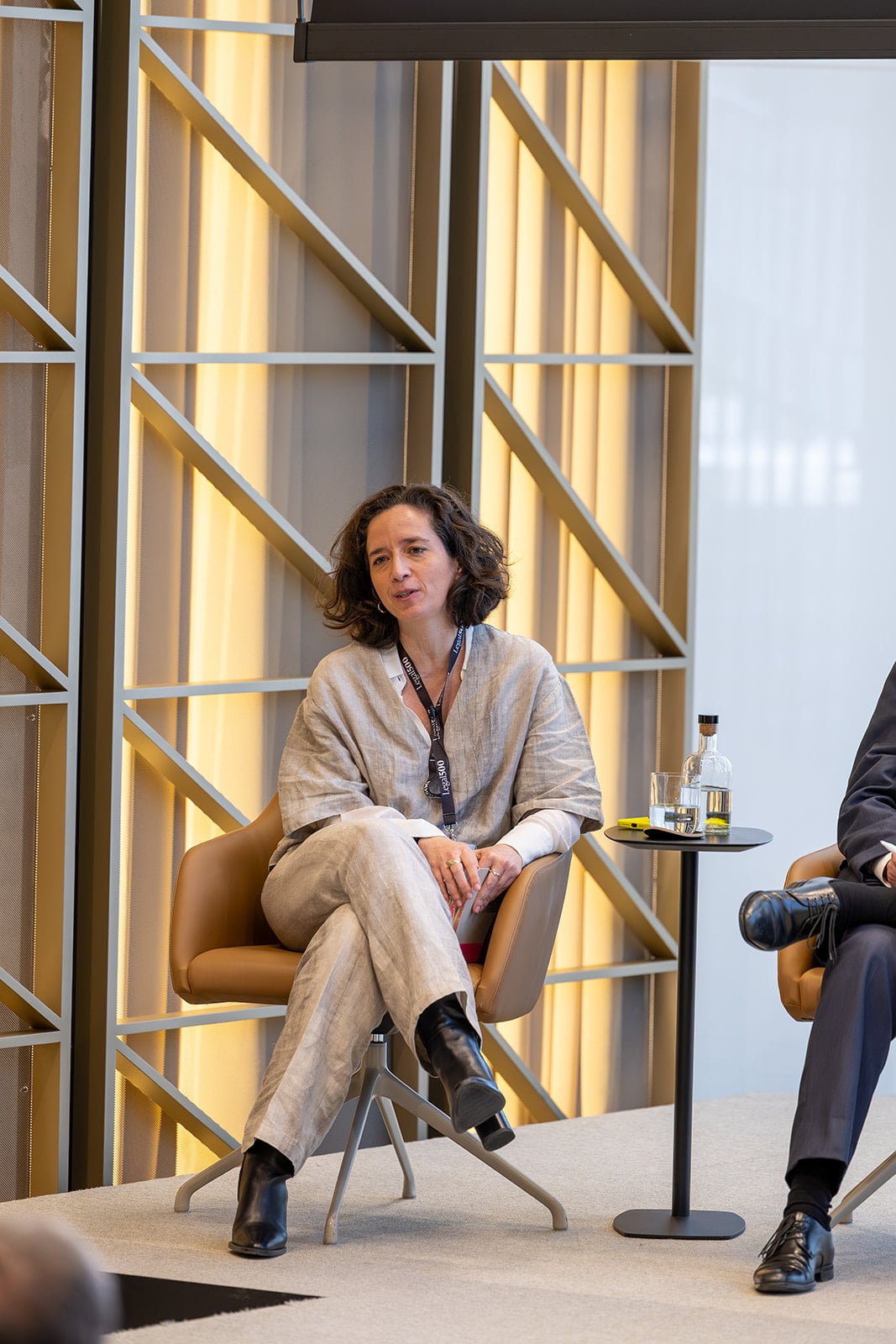
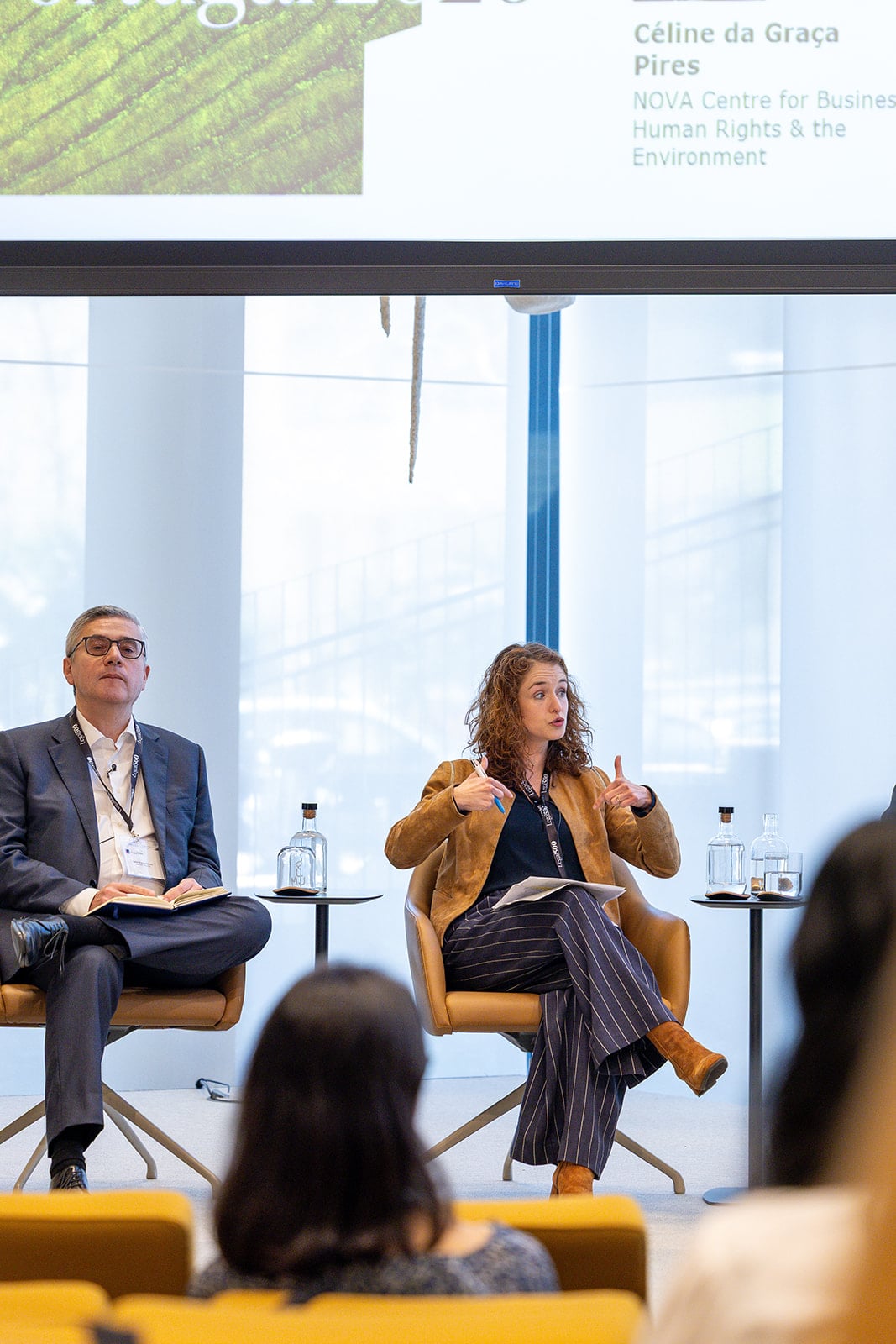
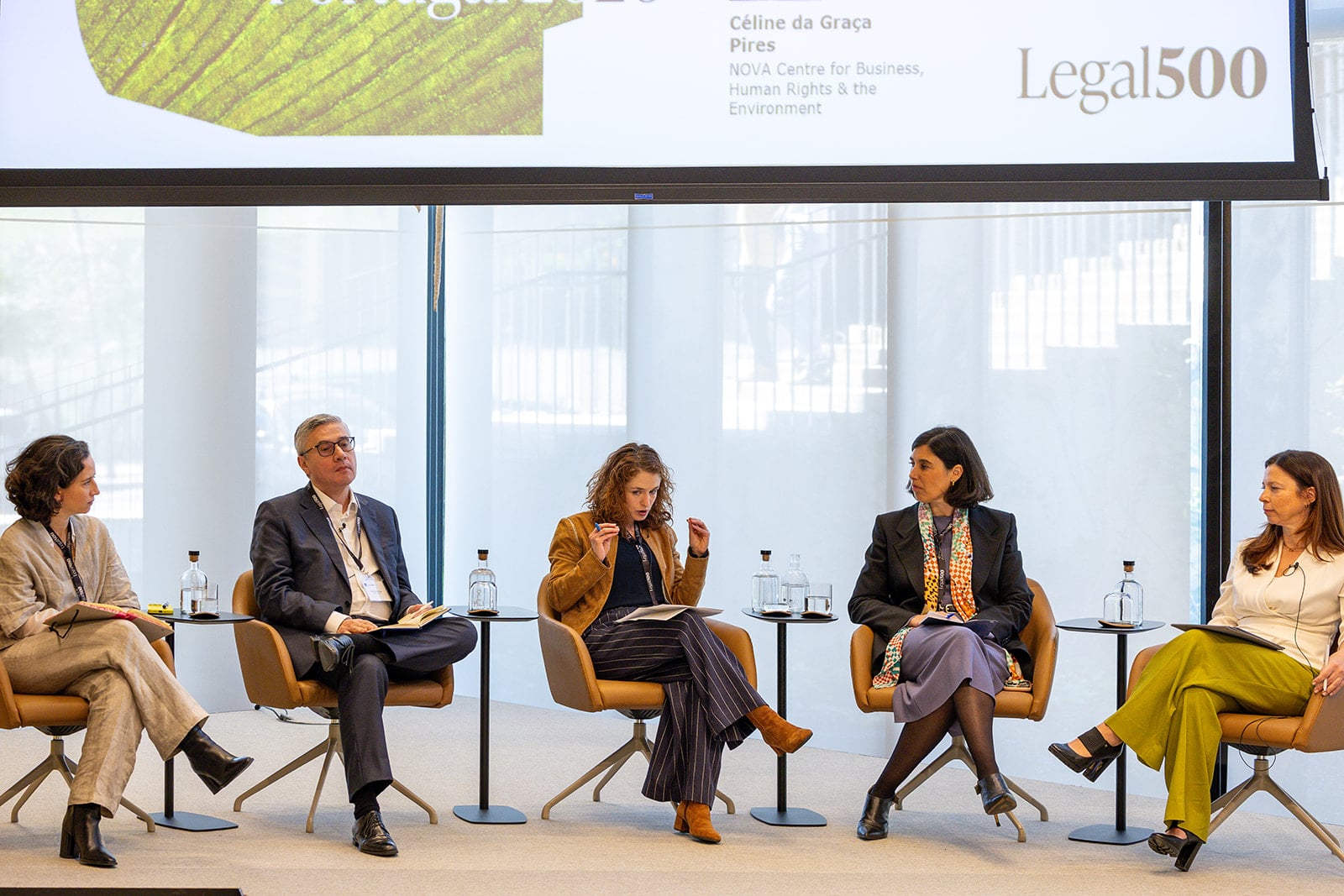
Following a short break, the second panel turned to litigation, liability and the emerging enforcement era surrounding sustainability claims. Moderated by Raquel Azevedo, Partner at PLMJ and featuring contributions from Carla Góis Coelho of PLMJ, Carlos Martins Ferreira of Jerónimo Martins, Filipa Rodrigues Carmona of Caixa Geral de Depósitos and Céline da Graça Pires of NOVA, the session examined the rapid rise of ESG‑driven disputes, investigations and regulatory actions. Panellists discussed the typical trigger points for scrutiny, ranging from sustainability reports and corporate websites to marketing materials and investor presentations, and highlighted how these touchpoints are increasingly tested by regulators, competitors, consumers and NGOs. They analysed recent case law developments and their implications for Portuguese organisations, noting the emergence of more stringent evidentiary standards around disclosures and due‑diligence obligations. The panel concluded that sustainability claims can no longer be treated as aspirational messaging; they now carry the weight of binding legal obligations, requiring more rigorous internal validation and cross‑functional coordination.
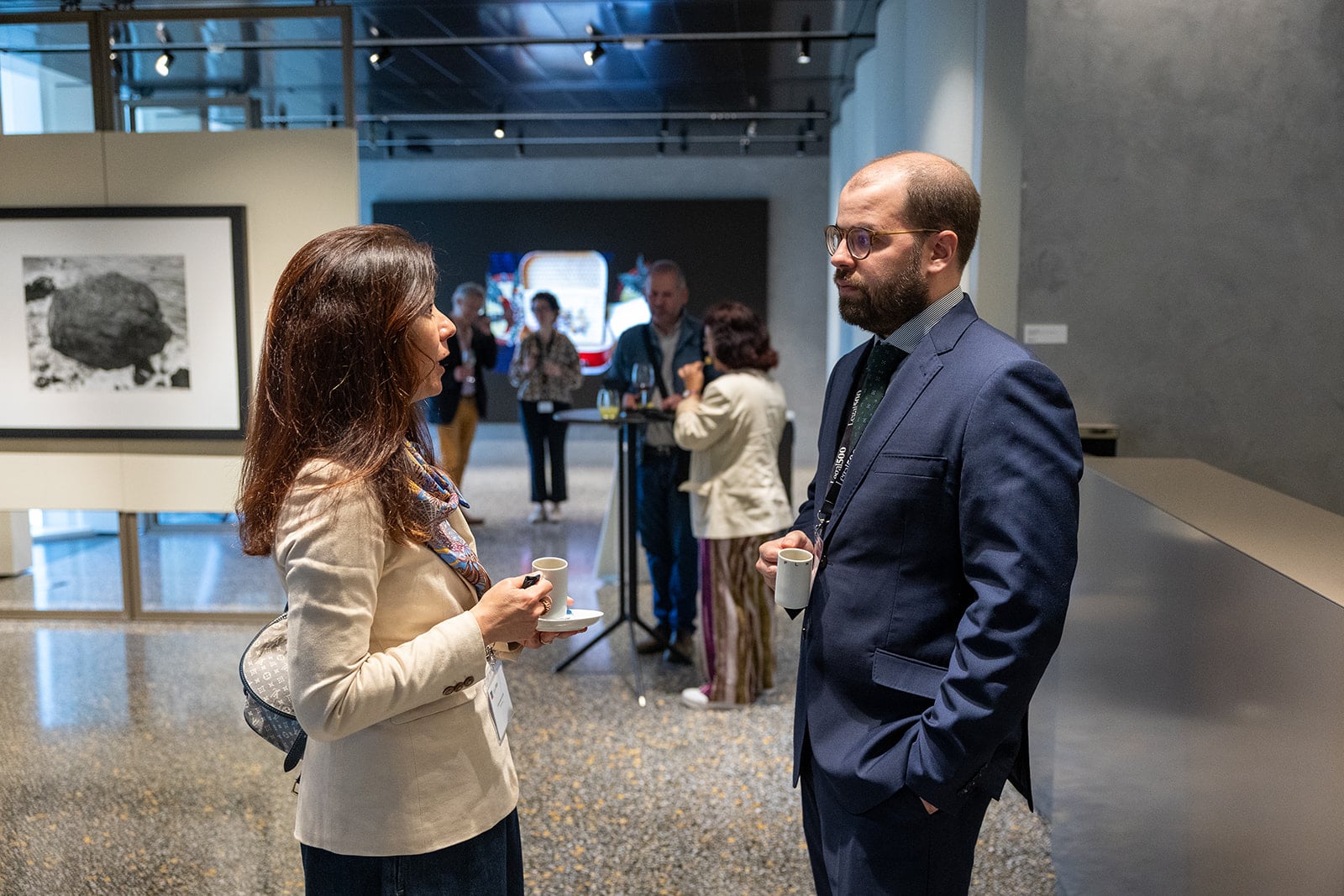
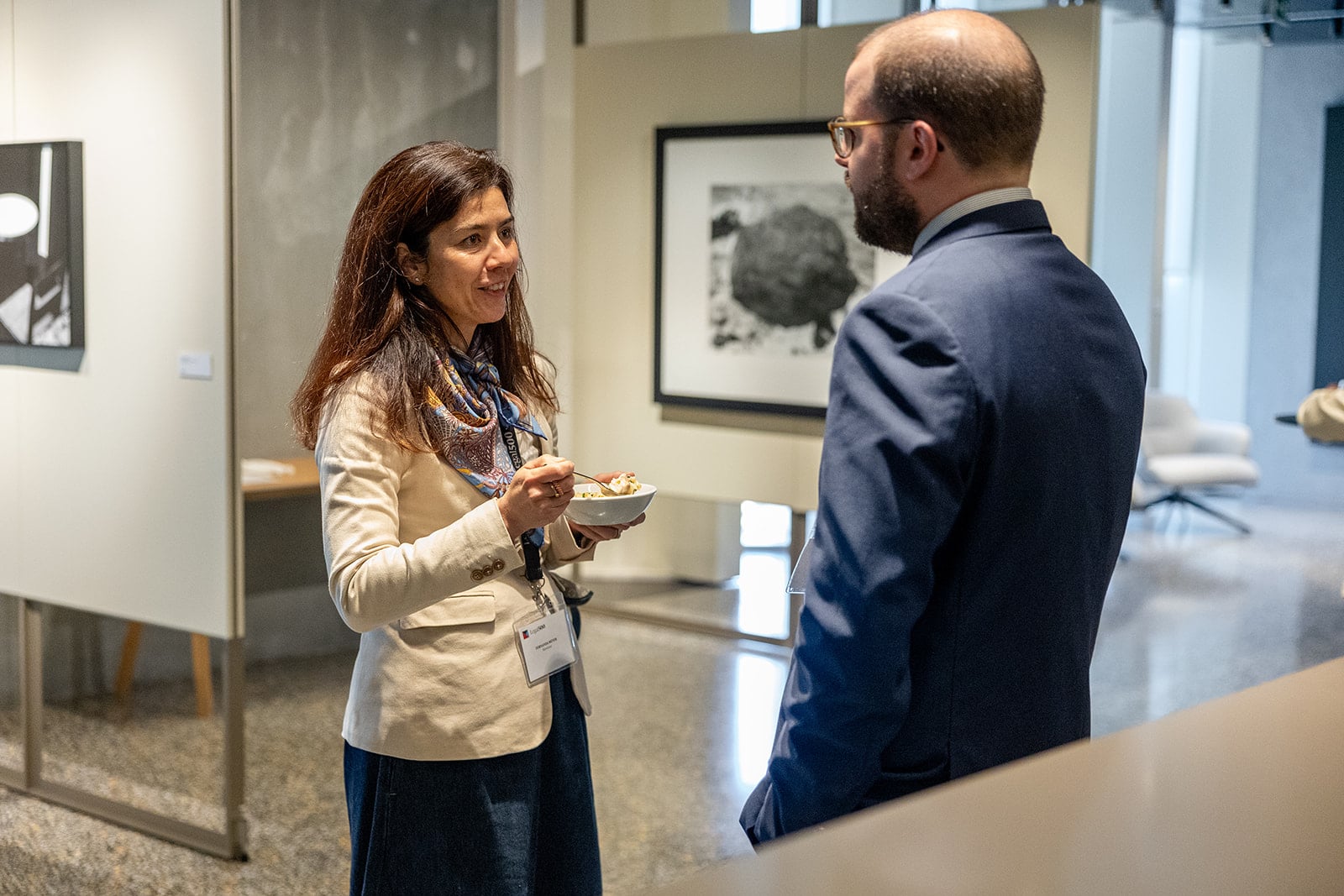
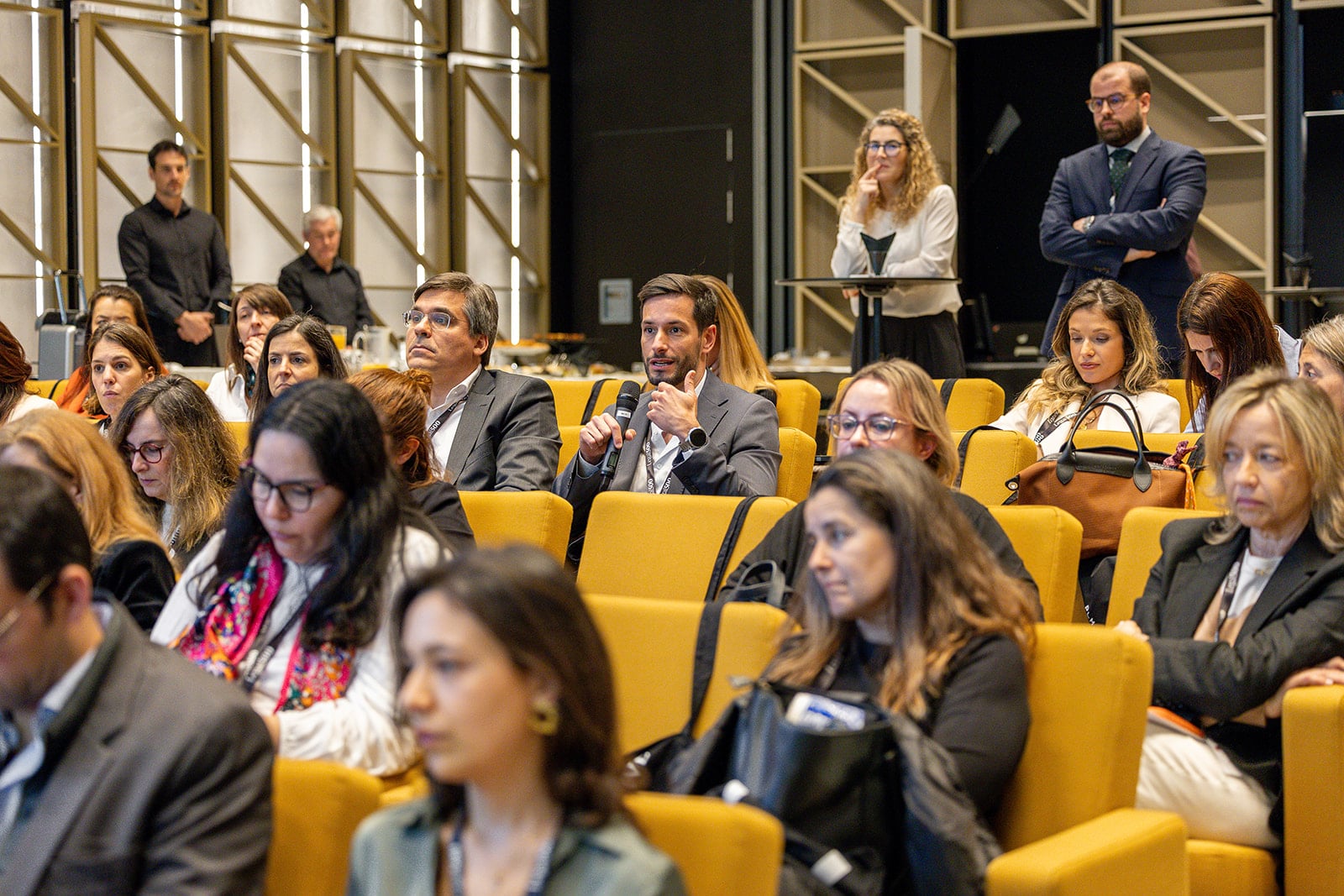
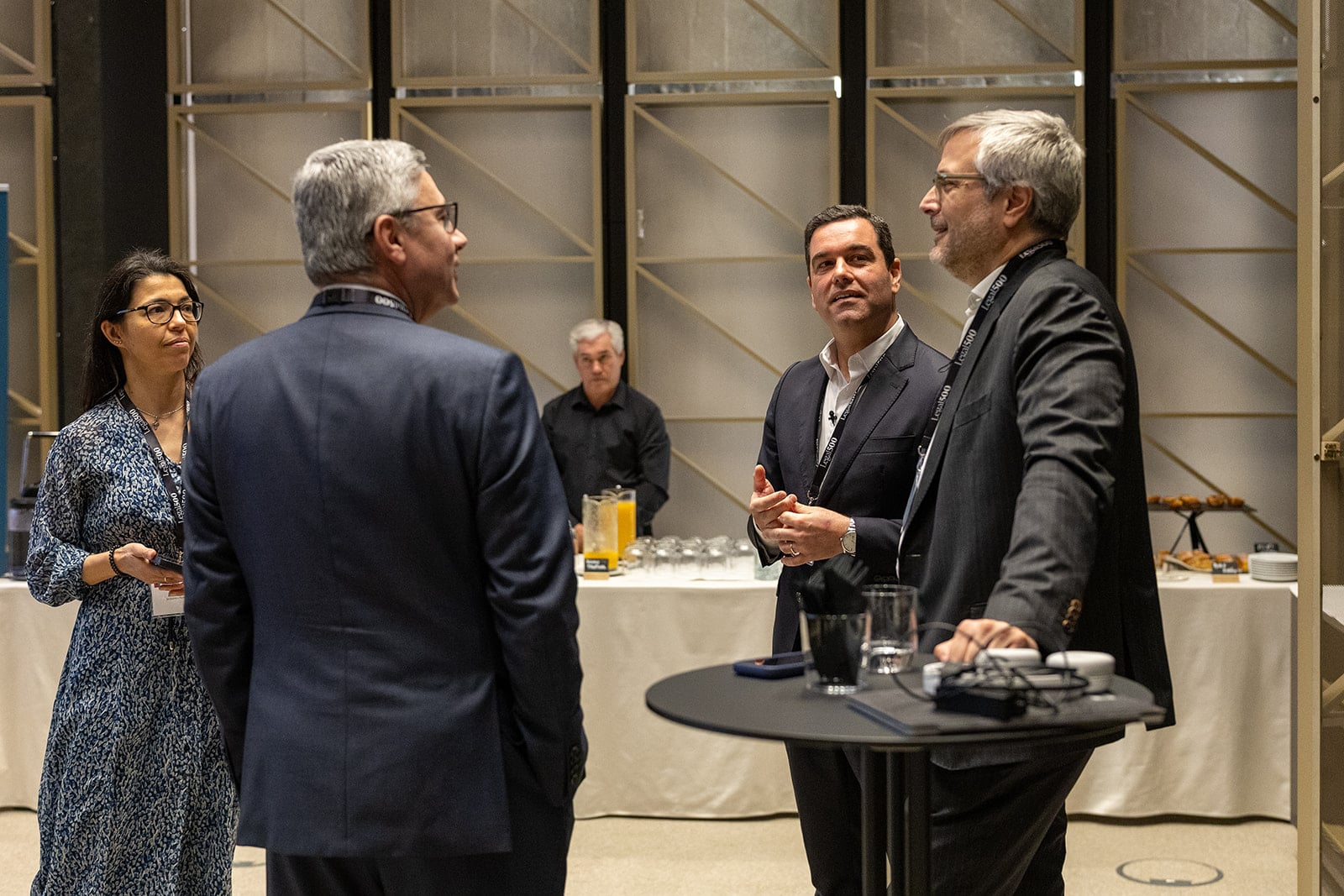
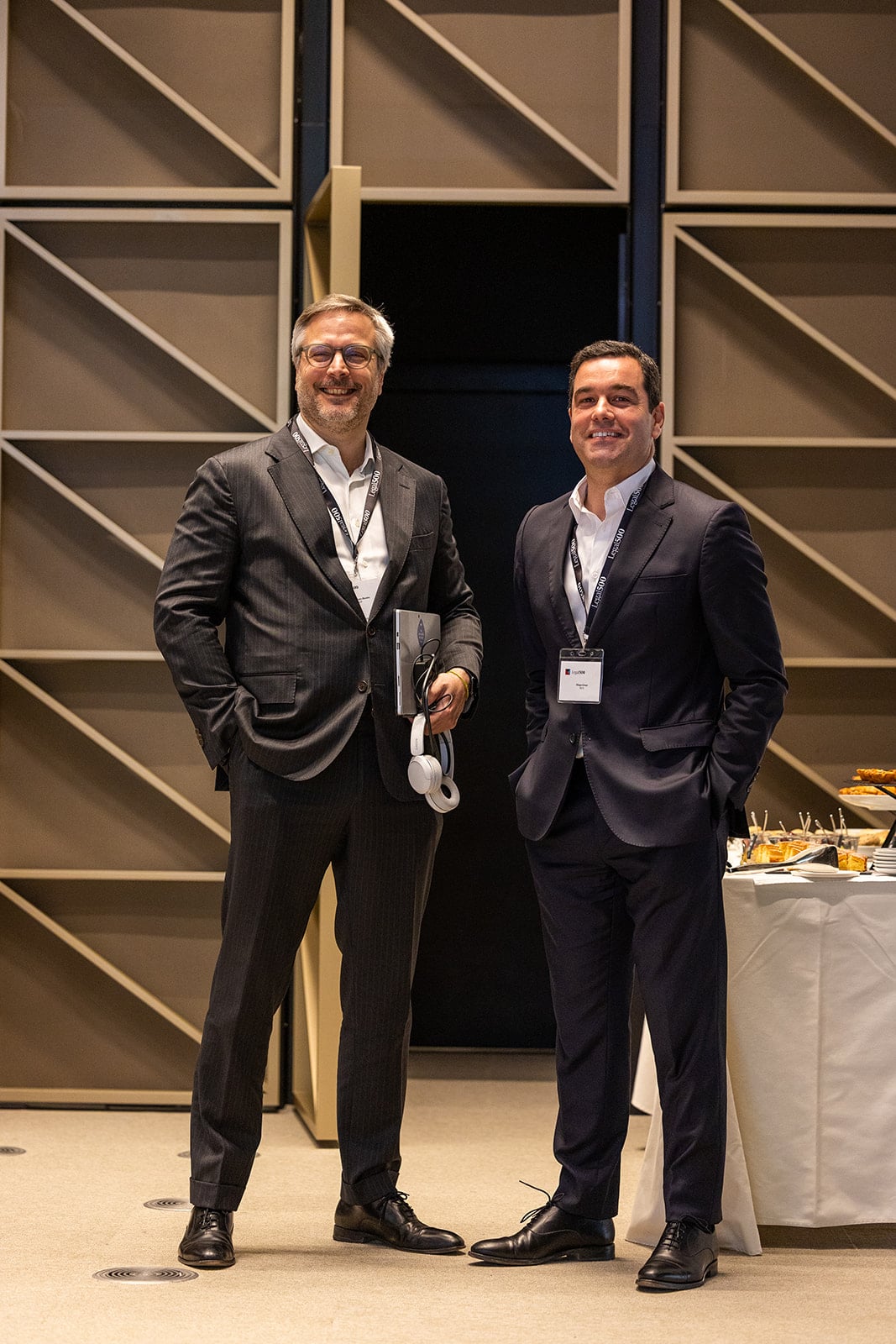
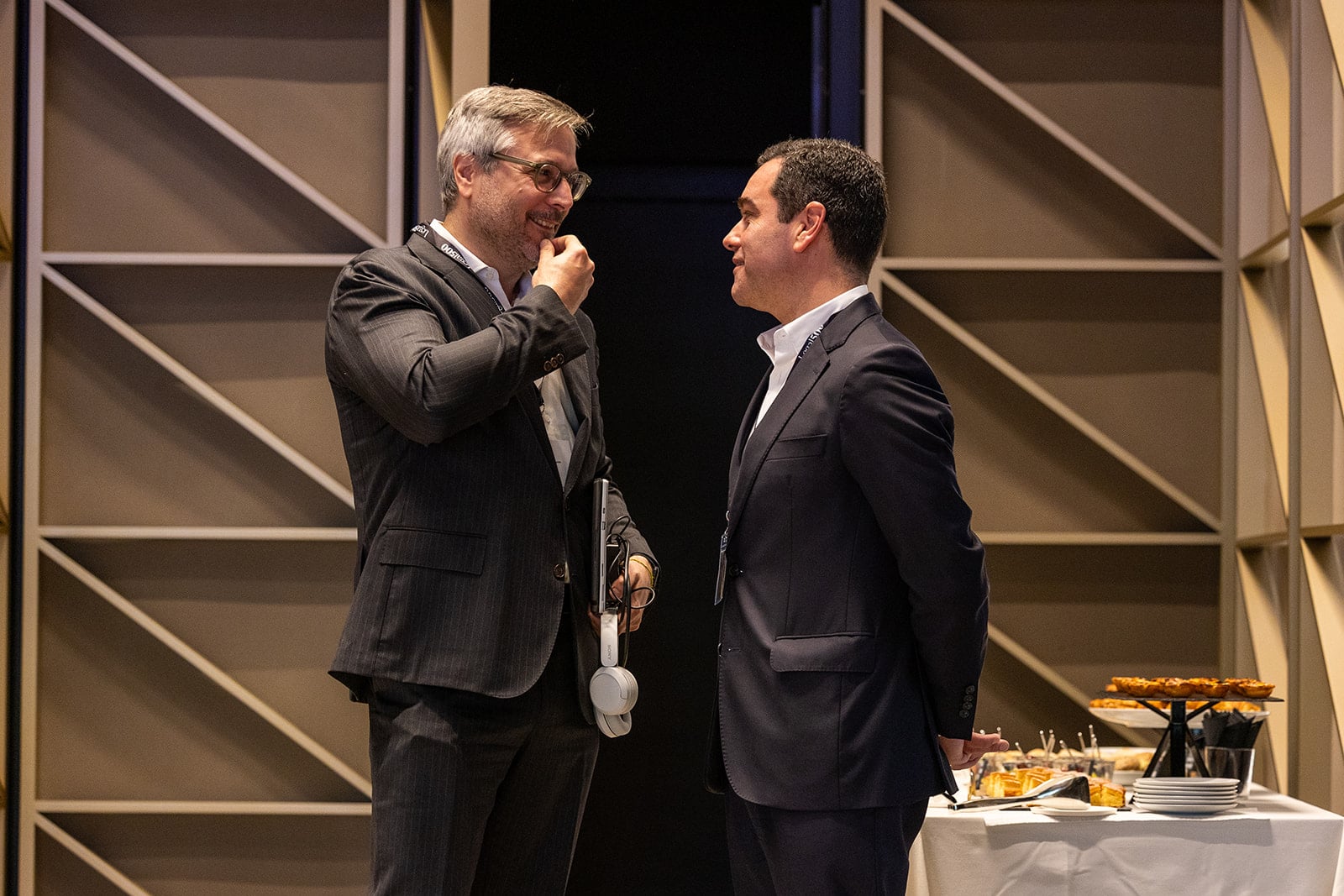
The forum concluded with closing remarks from Francisco Castro, after which attendees were invited to continue their conversations over a light lunch, providing a relaxed setting to deepen connections and reflect on the themes explored throughout the morning.
Legal 500 extends its thanks to PLMJ for its collaboration in bringing this conference format to Portugal’s in‑house legal community. The team looks forward to returning soon for the launch event of this year’s GC Powerlist: Portugal.