
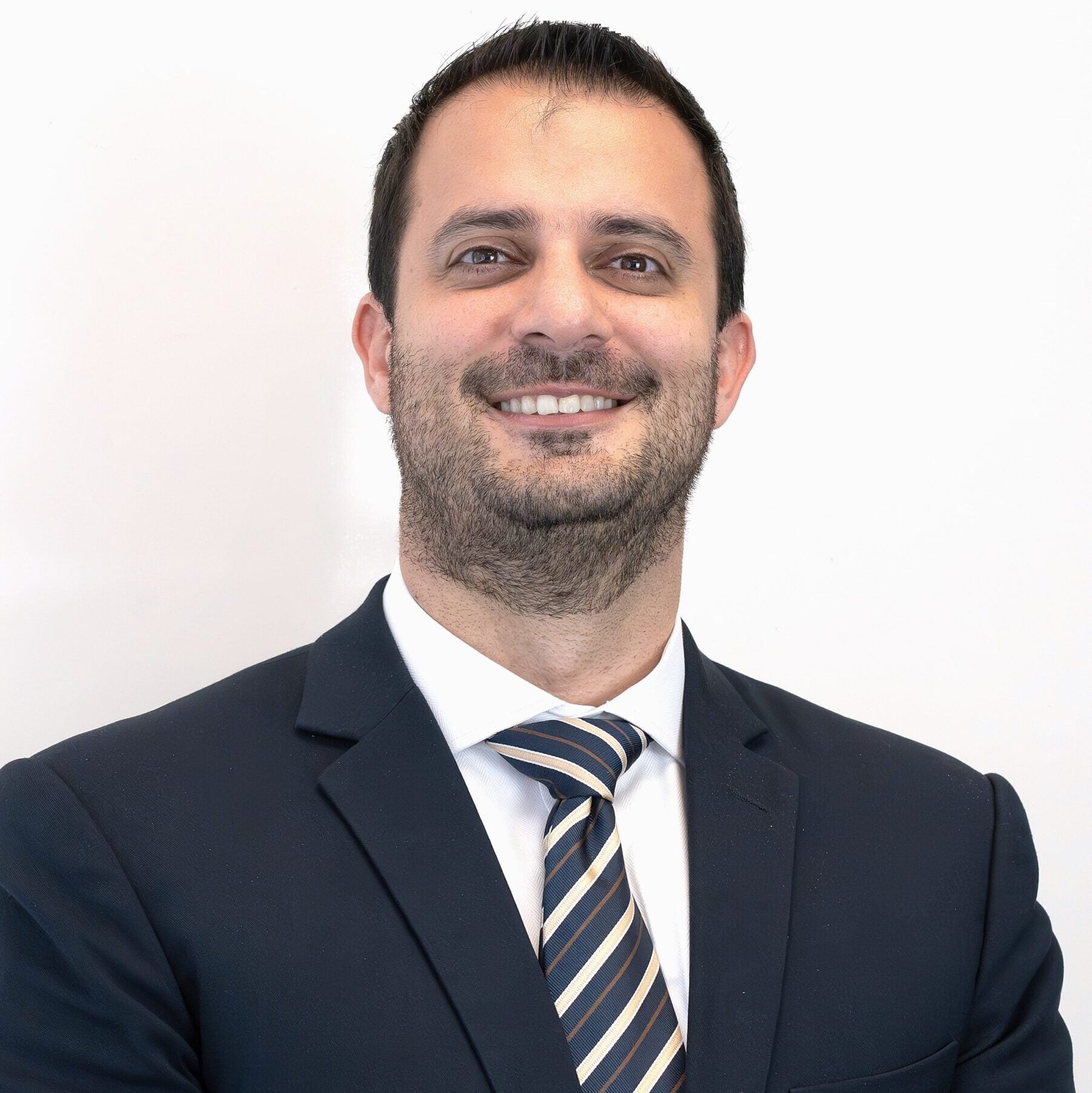
Senior legal counsel | Orica


Martín Kósa Muñoz
Senior legal counsel | Orica
Are there any particular challenges for which in-house counsel should be preparing in 2026?
2026 will be defined by political and geopolitical uncertainty, and in-house counsel must prepare for its direct impact on business expansion and continuity. In Peru, an election year typically brings regulatory shifts, heightened public scrutiny, and increased social sensitivity around strategic sectors such as mining and natural resources. Legal teams will need to monitor policy proposals and political signals early, anticipating how they might affect permitting, community dynamics, supply chains, and operational stability.
At the global level, geopolitical realignment—particularly competition among economic superpowers, new trade restrictions, and the reprioritisation of critical minerals—will pressure companies to reassess contractual risk allocation, regional exposure, and their ability to pivot under rapidly changing conditions.
Added to this are ongoing developments in technology (AI), ESG expectations, cybersecurity and data governance. The central challenge for 2026 will be ensuring that the legal function becomes a strategic guide for navigating political volatility. Not just reacting to it but shaping resilience across the business.
What do you think are the most important attributes for a modern in-house counsel to possess?
First and foremost, a modern in-house counsel must embody an unwavering commitment to ethics and integrity. This responsibility goes beyond ensuring regulatory compliance—it requires setting the tone for responsible decision-making across the organisation, promoting a culture where doing the right thing is both a legal and strategic imperative. In industries such as mining and natural resources, where stakeholder expectations and public scrutiny are particularly high, ethical leadership becomes an essential element of operational credibility and long-term licence to operate.
Alongside ethical leadership, in-house counsel must demonstrate strong strategic judgment. This means understanding the business deeply (its operational realities, risk appetite, commercial drivers, and long-term positioning) and translating legal complexity into actionable, practical guidance. Modern counsel are expected not only to analyse risk but to contextualise it, anticipate how regulatory, political, community and geopolitical shifts may affect the business, and propose solutions that are both legally robust and commercially viable.
Finally, I believe the modern in-house lawyer must be an effective communicator capable of influencing diverse stakeholders. This includes the ability to convey complex issues with clarity to senior leadership, operational teams, regulators, and external partners, as well as the capacity to navigate cross-cultural dynamics in global organisations (such as Orica). Influence today is built on trust, clarity, and credibility. By combining ethical leadership, strategic insight, and strong communication, in-house counsel can help organisations make resilient decisions in increasingly complex and uncertain environments.
Senior legal counsel | Orica