New York 2026
Supported by the Association of Corporate Counsel


Associate General Counsel | McKinsey & Company
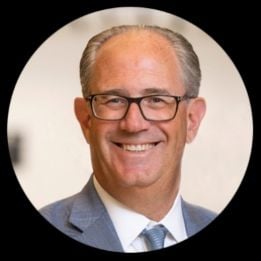

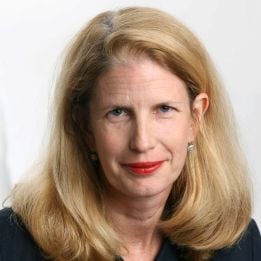
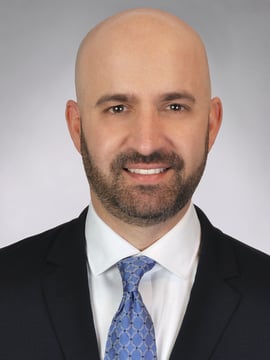
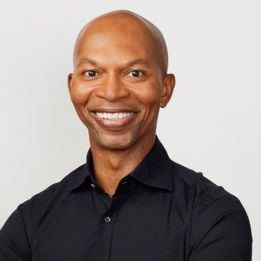

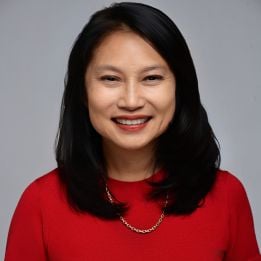

Executive Vice President, General Counsel and Corporate Secretary | PepsiCo
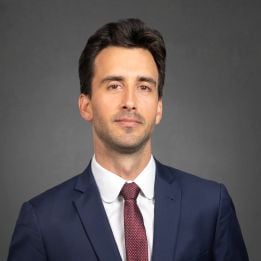
Vice President and Counsel | Crédit Agricole Corporate and Investment Bank
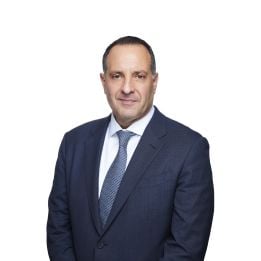
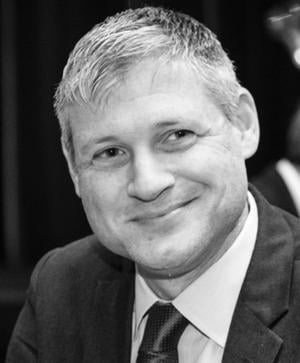
Director of Regulatory (Mobility & Delivery) and Antitrust Litigation | Uber Technologies
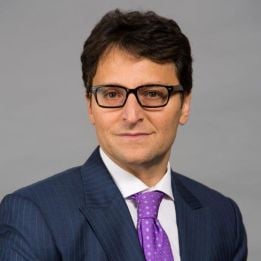
EVP, businnes affairs and chief legal officer | BROOKLYN SPORTS & ENTERTAINMENT

VP legal affairs and general counsel North America | Hugo Boss

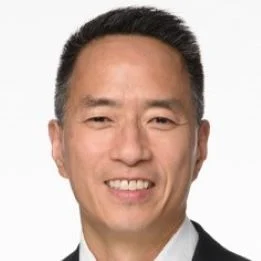
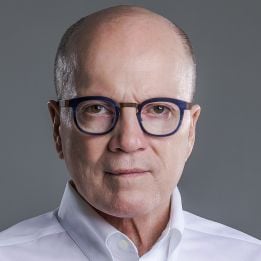
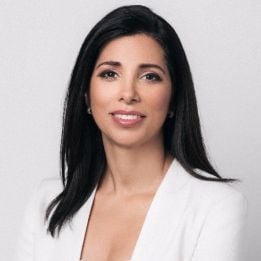



SVP, General counsel, Chief administration officer andamp; Corporate secretary | Unisys
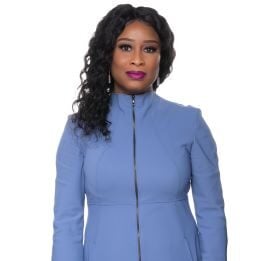
Chief People Officer, Chief Legal Officer & Corporate Secretary | Edgewell Personal Care

Chief Legal Officer, General Counsel and Corporate Secretary | Spencer Stuart
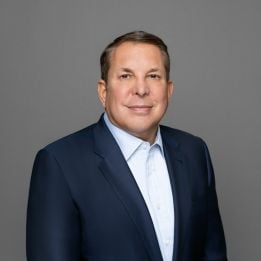


Associate general counsel business and legal affairs, international | Roku

General counsel, corporate secretary and head of regulatory affairs | Supergoop!
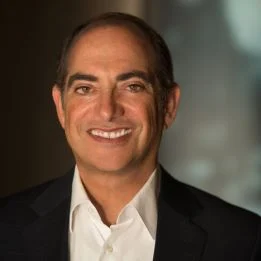
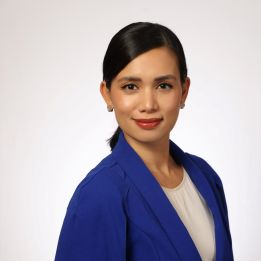


Chief legal officer, chief ethics officer and secretary | Paychex


Executive vice president, chief legal officer and corporate secretary | Gartner
Executive vice president, general counsel and corporate secretary | Toshiba
Senior vice president, general counsel and secretary | PBF Energy

Executive vice president, co-general counsel and corporate secretary | TelevisaUnivision
Executive vice president, chief legal officer, corporate secretary | Progress Software
Executive Vice President, Chief Legal Officer and Chief Administrative Officer | Fiserv
Senior Director - Head of Legal Corporate | Patria Investments
Senior vice president, general counsel and chief labour relations officer | NYC Health + Hospitals
General counsel and secretary | The New York Public Library, Astor, Lenox and Tilden Foundations
Managing director, chief legal officer and general counsel | General Atlantic
Executive vice president, chief legal officer and compliance officer. | Avantor
Deputy commissioner, baseball administration and chief legal officer | Major League Baseball
Executive vice president and general counsel and chief compliance officer | Embraer
Chief administrative officer and assistant corporate secretary | Primo Brands
Executive Vice President, General Counsel & Corporate Secretary | Charter Communications
Executive Vice President, General Counsel and Corporate Secretary | International Flavors and Fragrances
Director, counsel | Natixis Corporate and Investment Banking – Americas
Senior vice president, deputy general counsel and business and legal affairs | Icahn Enterprises
Chief Legal Officer & SVP of Talent | ICSC
Senior director, LATAM counsel, ethics and compliance correspondent | Christian Dior
Chief legal officer, chief ethics officer and secretary | Anheuser-Busch
Vice president, assistant general counsel and corporate secretary | The New York Times
Senior vice president, deputy general counsel, business and legal affairs | Warner Music Group
Partner and chief administrative, legal and compliance officer | Palladium Equity Partners
Senior executive vice president, chief legal and financial officer | Atlas Strategic Assets
General counsel and chief adminstrative officer | PwC US
New York City has always been a place where ambition meets opportunity. Defined by its energy, diversity and relentless momentum, it is a city shaped not only by its skyline, but by the individuals who lead within it.
The Legal 500 New York Powerlist 2026 celebrates those individuals within the legal community — the general counsel and senior in-house lawyers whose work continues to influence one of the world’s most dynamic commercial centres.
New York occupies a unique position within the global legal landscape. As a hub for finance, innovation and international commerce, the city presents organisations with both remarkable opportunities and increasing complexity. In this environment, the role of in-house counsel has never been more vital. Today’s legal leaders are not only responsible for safeguarding compliance and managing risk, but are also strategic advisers helping to guide their organisations through transformation, growth and uncertainty.
The lawyers recognised in this edition exemplify the evolving nature of the modern legal function. Their influence extends far beyond the traditional boundaries of legal practice. Through technical excellence, commercial awareness and thoughtful leadership, they play a central role in shaping corporate strategy, fostering responsible governance and supporting innovation within their businesses.
Across industries and sectors, these professionals demonstrate that the power of in-house counsel lies not merely in legal expertise, but in the ability to build trust, provide clarity in moments of complexity and help organisations move forward with confidence. The Powerlist series aims to recognise those individuals whose contributions are driving businesses forward and strengthening the wider legal community.
Compiling this edition once again highlights the extraordinary depth of talent within New York’s in-house legal market. From established leaders to rising voices within the profession, those featured here reflect the determination, expertise and forward-thinking mindset that continues to define the city’s legal community.
To everyone included in the NYC Powerlist 2026, congratulations on this well-deserved recognition. Your leadership is a reminder that the true power of the legal profession lies not only in navigating complexity, but in helping shape the future of business itself.
Margherita Birri
Research Editor
The Legal 500
It has been an absolute honour for Legal 500 to present the fifth edition of the GC Powerlist Bolivia 2026. The years pass, yet the talent in the room never ceases to amaze us.
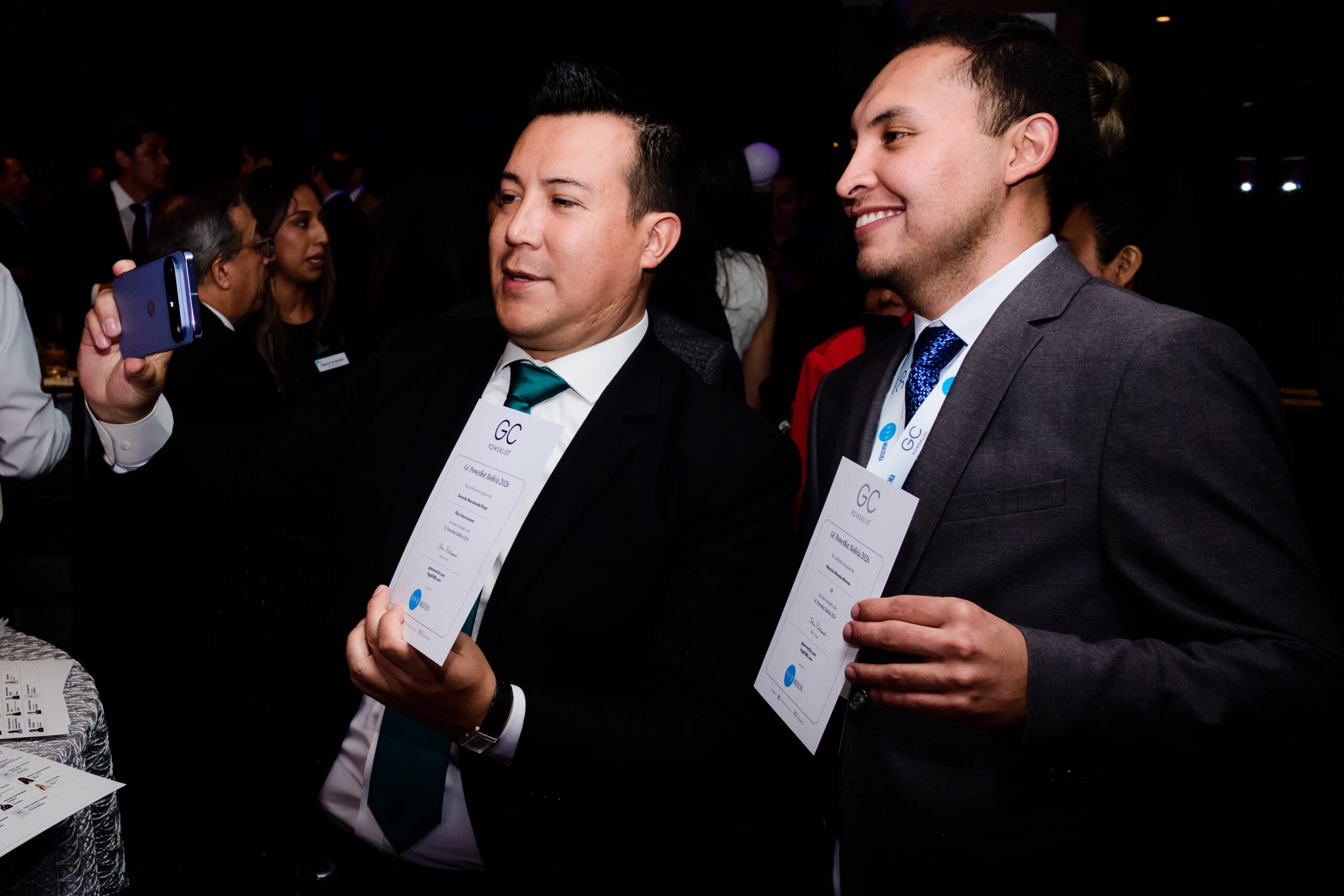
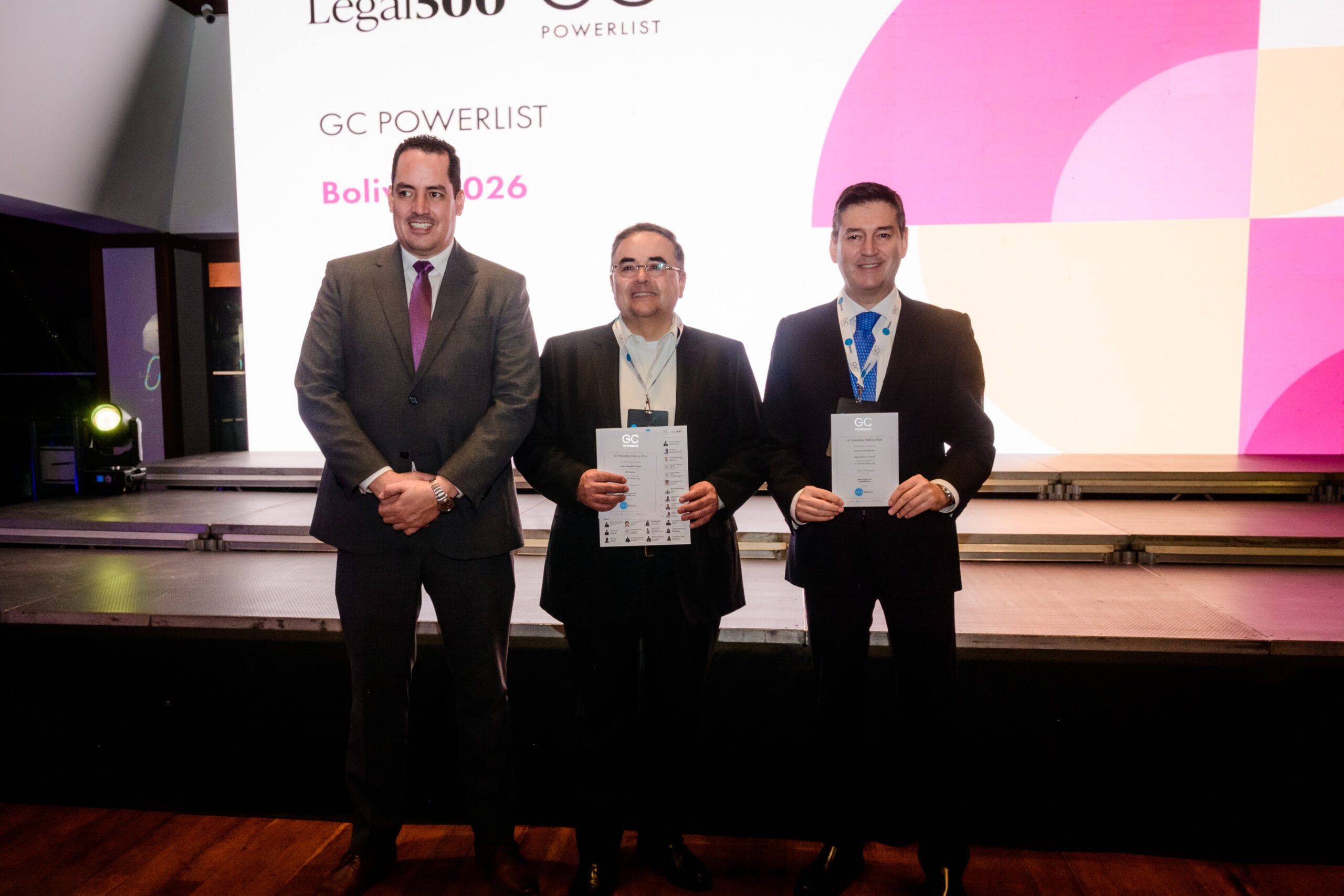
On 1 October, we met at Club Las Palmas in Santa Cruz de la Sierra to celebrate our 2026 cohort. Alongside our partners, PPO Abogados, we hosted some of the most prestigious in-house lawyers from across Bolivia in celebration of their outstanding leadership and achievements over the past year. It was a pleasure to reconnect with previous powerlisters and to welcome new members to the Legal 500 community in Bolivia.
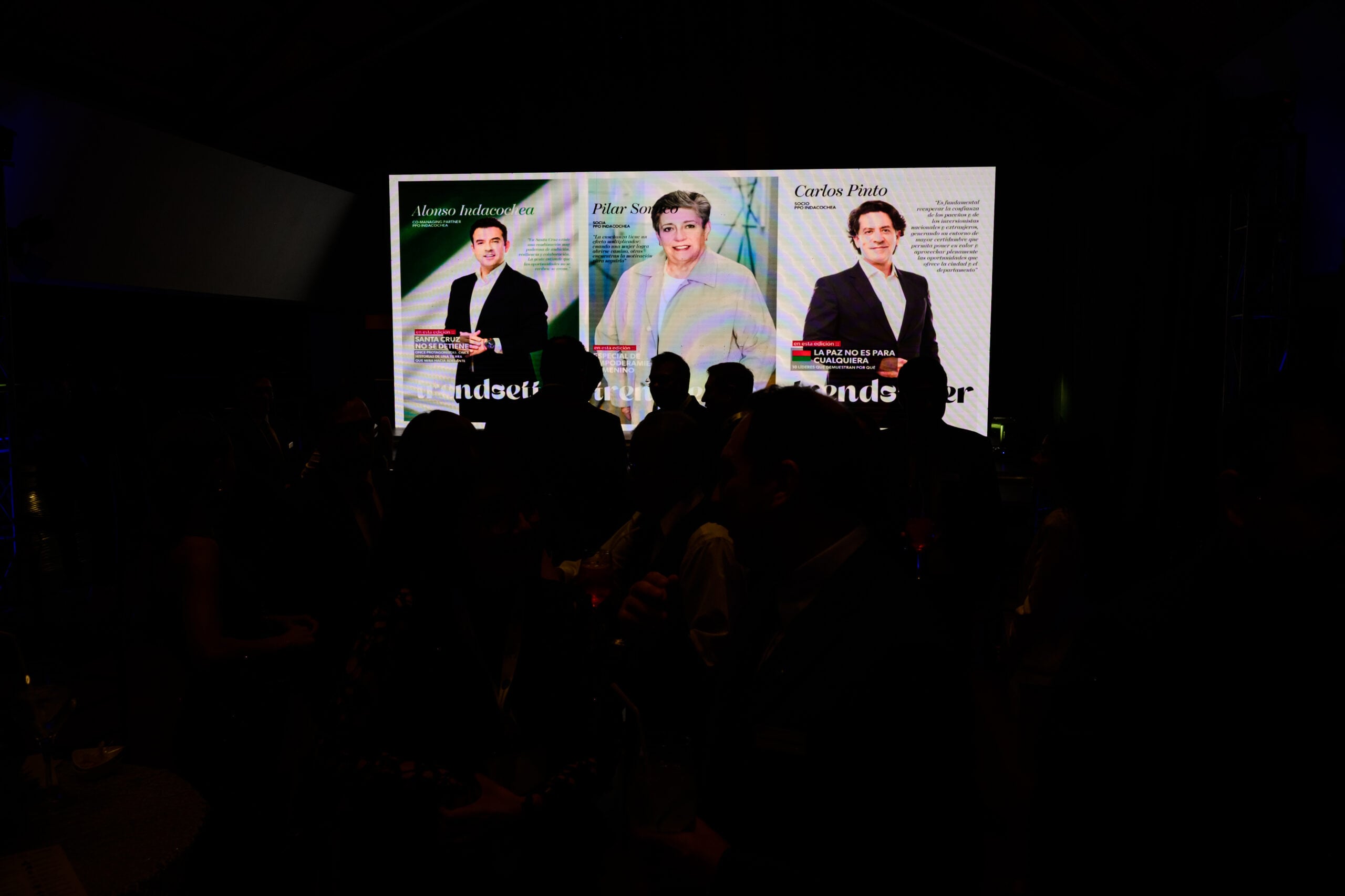
Andere Indacochea, Partner at PPO Indacochea, inaugurated the evening by addressing the powerlisters with a truly inspiring speech that left no one indifferent and highlighted the value of the legal profession within Bolivia’s current economic, political and regulatory landscape. Following her remarks, Carmen Godoy, Legal 500 Research Editor, welcomed this year’s cohort and presented the findings of our research, which position Bolivian in-house lawyers as key strategic partners to the businesses they represent, resilient in the face of regulatory change and increasingly focused on navigating technological transformation.
She then welcomed to the stage Rodrigo Valda Yanguas, Legal Manager at Tigo Bolivia, who addressed his peers as a representative of this year’s GC Powerlist Bolivia cohort. The speeches concluded with remarks from Pablo Ordóñez, Tax Partner at PPO Indacochea, who encouraged the general counsel in attendance to continue acting as ambassadors for the in-house legal profession under all circumstances and invited them to enjoy the rest of the evening.
Photos, music and great conversations filled the room throughout the remainder of the evening. We are grateful to PPO Indacochea for their longstanding partnership and continued support in making this event possible.
All that remains for us to say is that we are very pleased to see the very essence of what the Legal 500 GC Powerlist stands for reflected in this year’s cohort: a community that, in times of change, supports, learns from and inspires one another.