India 2025
Supported by the Association of Corporate Counsel


President (legal) and general counsel | Hinduja Group



General counsel, chief of legal, corporate governance, compliance, risk and internal audit | Biocon Biologics

General Counsel - Sr. Vice President Legal and Chief Compliance Officer | NEC


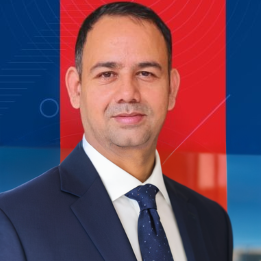





General Counsel,Chief-Regulatory Affairs and Company Secretary | Generali Central Insurance





Board member, group general counsel and company secretary | Boeing India
Executive director, legal and corporate affairs and company secretary | Hindustan Unilever
Senior Vice President, Contract Closure Group | HCL Technologies




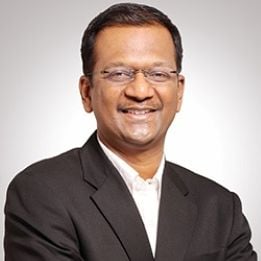


Director, General Counsel India | Hewlett Packard Enterprise
Head of Legal and Compliane, South Asia and International (covering LATAM, AME, APAC, Europe (other than home countries) | Airbus



Managing director, legal for India and government and regulatory relations lead | Barclays Bank

Sr Director, Legal (Asia Pacific & Japan, Service Provider) & General Counsel (India/ S Asia) | Cisco Systems


General counsel (head legal and regulatory) | AMPYR Energy



Deputy General Counsel | Tata Consultancy Services (TCS)


Senior vice president - legal | Reliance Industries





Senior Vice President and General Counsel | Brookfield Properties


Group Vice President- Legal & Legal Head- India | Cummins India
President, Head Legal – Wealth Management and Capital Markets | 360 One WAM


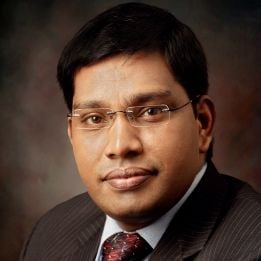










Executive General Counsel, Regional General Counsel and Ethics and Complaince Officer - India and APAC | Capgemini
Group General Counsel/Chief Legal Officer | Aditya Birla Group
Company secretary and senior vice president legal | Adani Group
Senior executive director and general counsel | Maruti Suzuki India

Company Secretary and Chief Legal Officer | Tata Steel

General counsel, and compliance officer - India and South Asia | Schindler India
General Counsel, Company Secretary and Chief Compliance Officer | Kotak Mahindra Investments Limited


On behalf of Legal 500, I am delighted to introduce the GC Powerlist: India 2025.
This edition highlights the general counsel and in-house legal teams who play a crucial role in shaping India’s corporate and legal landscape. Through our research, we spoke with professionals who not only provide expert legal guidance but also influence strategy, drive transformation, and support business growth.
We were thrilled to receive a large number of nominations from India-based law firms and in-house teams, reflecting the country’s vibrant and engaged legal community. Across India, general counsel are increasingly moving beyond traditional advisory roles. They are central to navigating complex regulations, enabling innovation, supporting governance and compliance priorities, and guiding their organisations through periods of rapid change. The GC Powerlist: India 2025 celebrates those who combine deep legal expertise with leadership, vision, and tangible impact.
Managing uncertainty and building resilience is a common theme. As Vinay Bhagawan, Head of Legal and Compliance, Daimler India Commercial Vehicles, explains:
‘The real test of a Legal function’s value often comes during periods of instability or crisis (…). My approach has always been rooted in three principles: calm, clarity, and coordination.’
A complementary perspective comes from Kunal Rajpal, Assistant General Counsel, Wells Fargo International Solutions, who emphasises a structured approach to disruption:
‘Managing legal matters during periods of instability requires a structured and proactive approach that balances compliance, continuity, and strategic risk mitigation.’
Technology and transformation also feature prominently. Harshdeep Arora, Senior Vice President, Contract Closure Group, HCLTech, highlights how digital capability is reshaping legal teams:
‘AI has evolved from a promising concept into a strategic enabler at the heart of our legal operations.’
ESG, ethics, and organisational culture remain central to the in-house mandate. As Vinay Bhagawan notes:
‘It is no longer just about ensuring legal compliance or managing risks; it is about shaping the organisation’s moral compass.’
And for Rashna Mistry, General Counsel, Tata Projects, integrity is the anchor in all circumstances:
‘Winning is never pursued at the cost of integrity; our commitment is to conduct every matter legally and transparently.’
Taken together, these perspectives highlight the strengths of India’s in-house legal community: resilient, strategically minded, and forward-looking. Legal teams are increasingly doing more than managing risk; they are helping shape business strategy, informing key decisions, and delivering measurable impact.
The GC Powerlist: India 2025 reflects this shift across the country’s legal community: from risk management to strategic influence, from technical advice to business impact, and from individual contribution to collaborative excellence.
We are pleased to present this year’s GC Powerlist: India, recognising the legal professionals who are shaping the future of corporate law while connecting local insight with global influence.


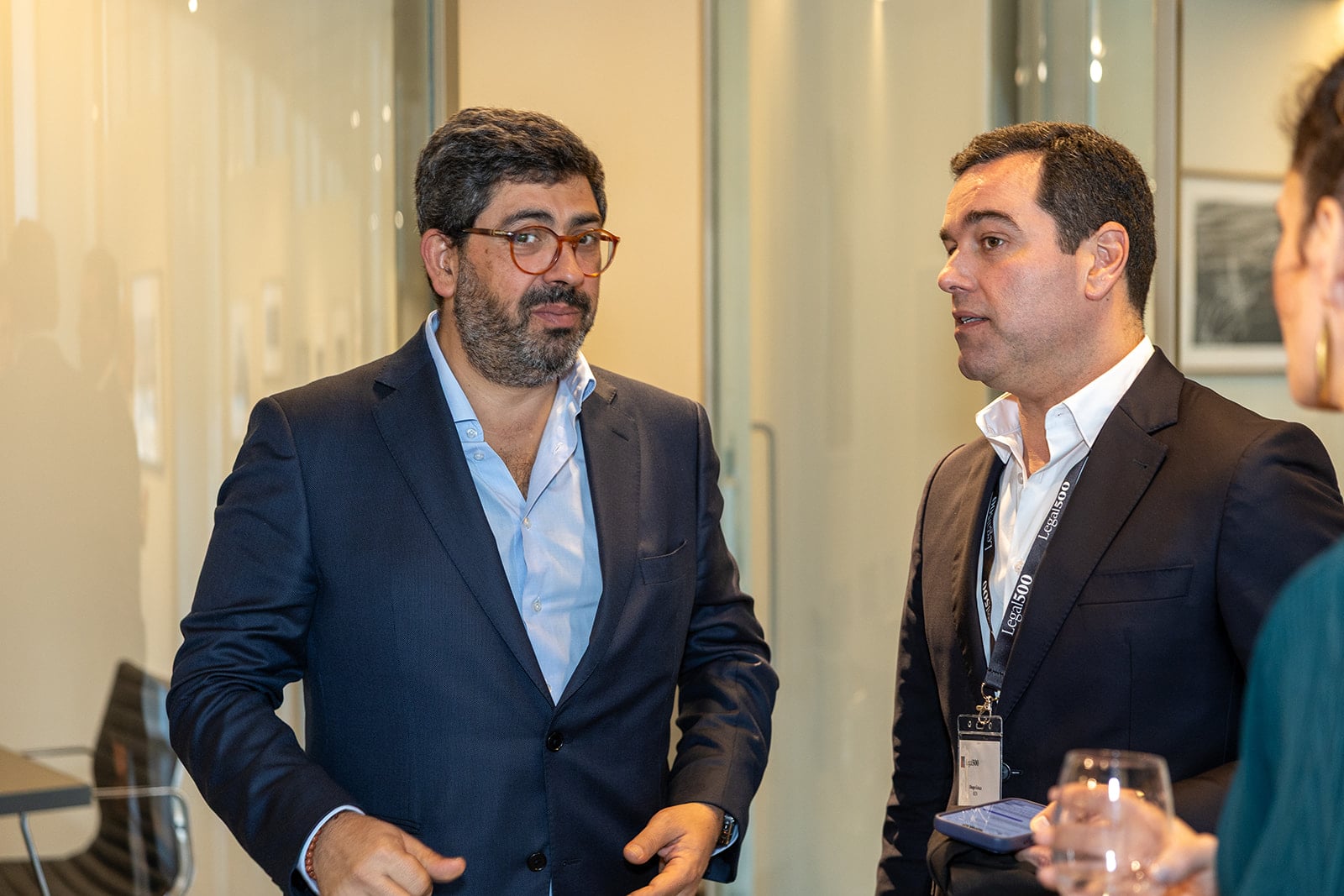
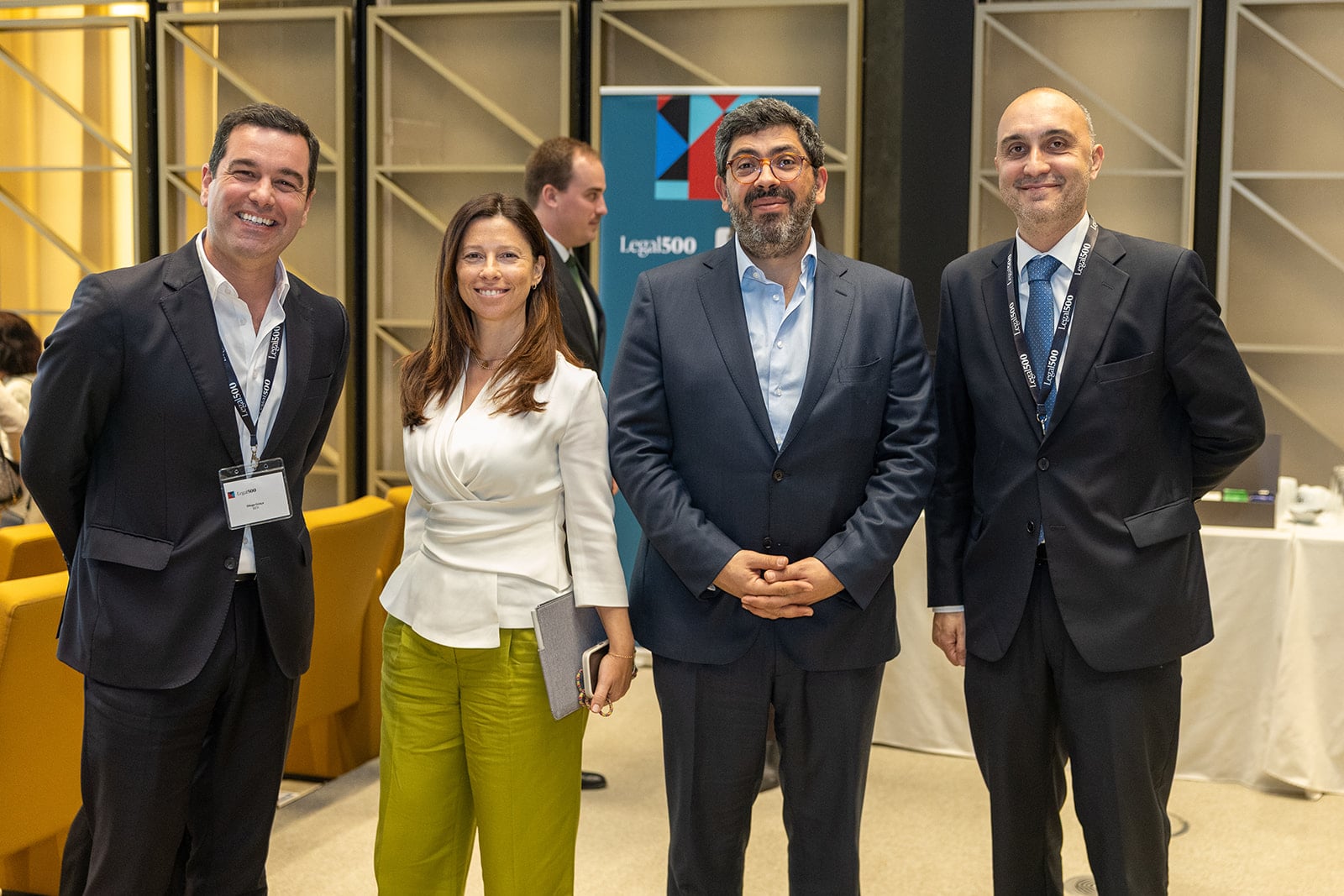
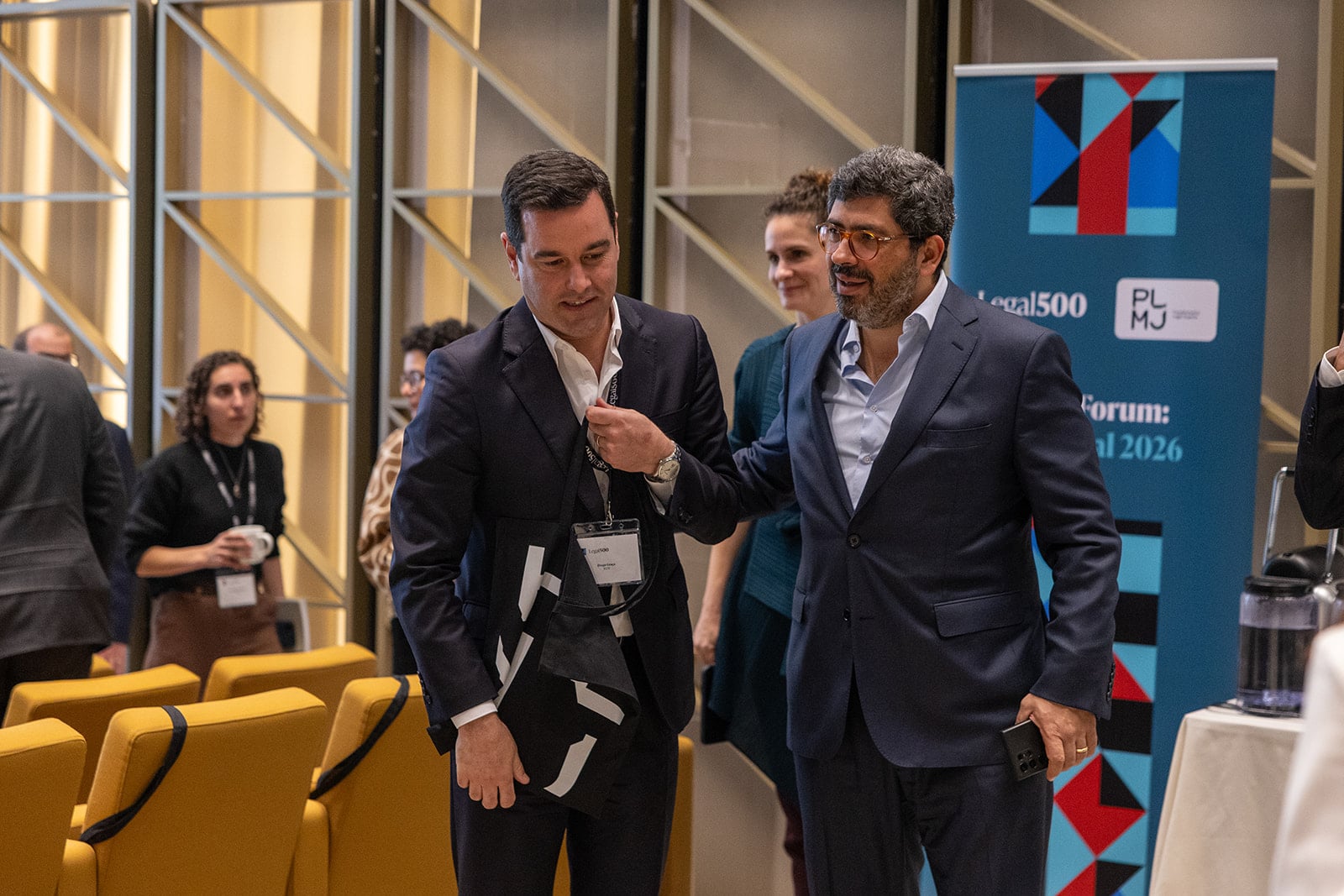
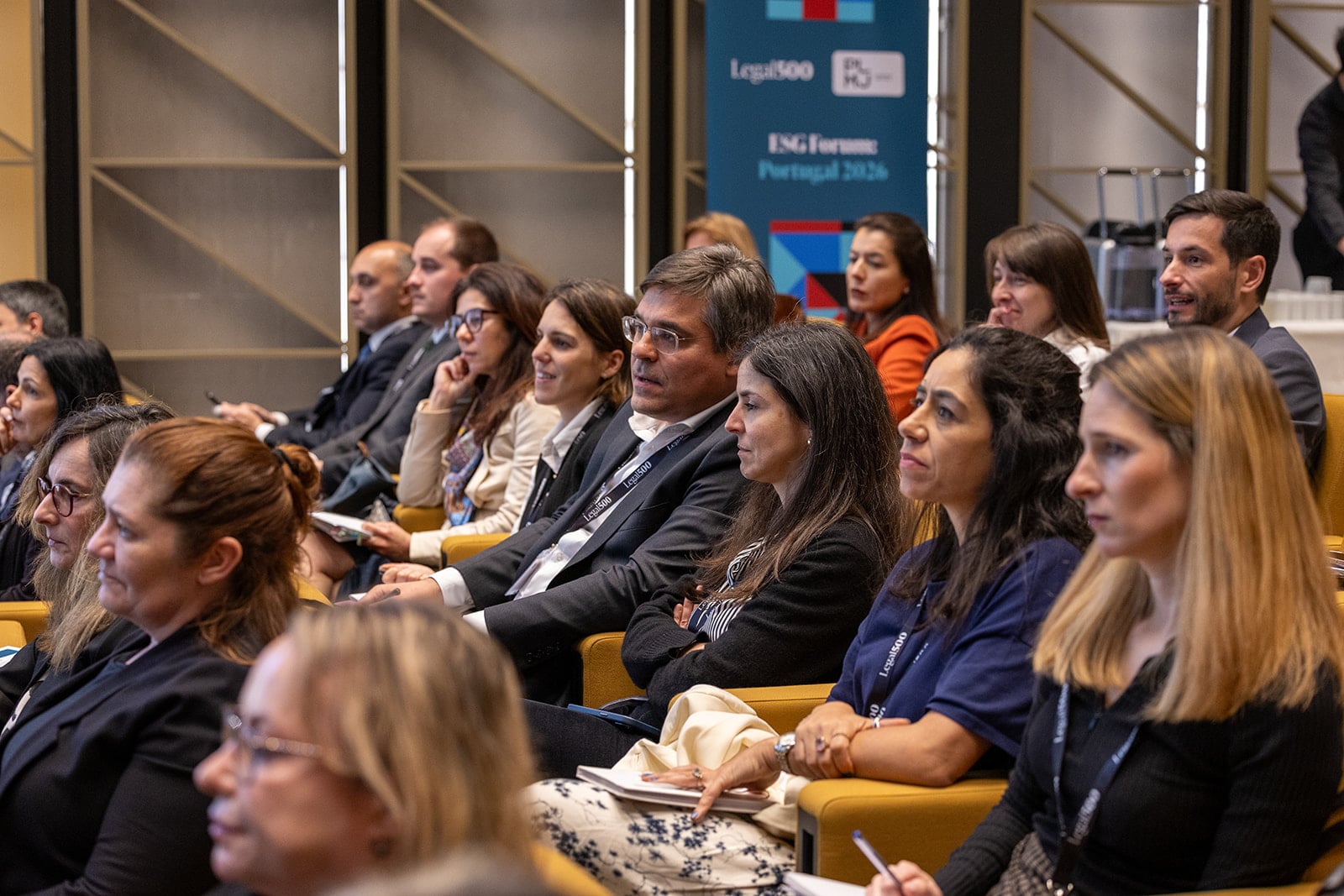
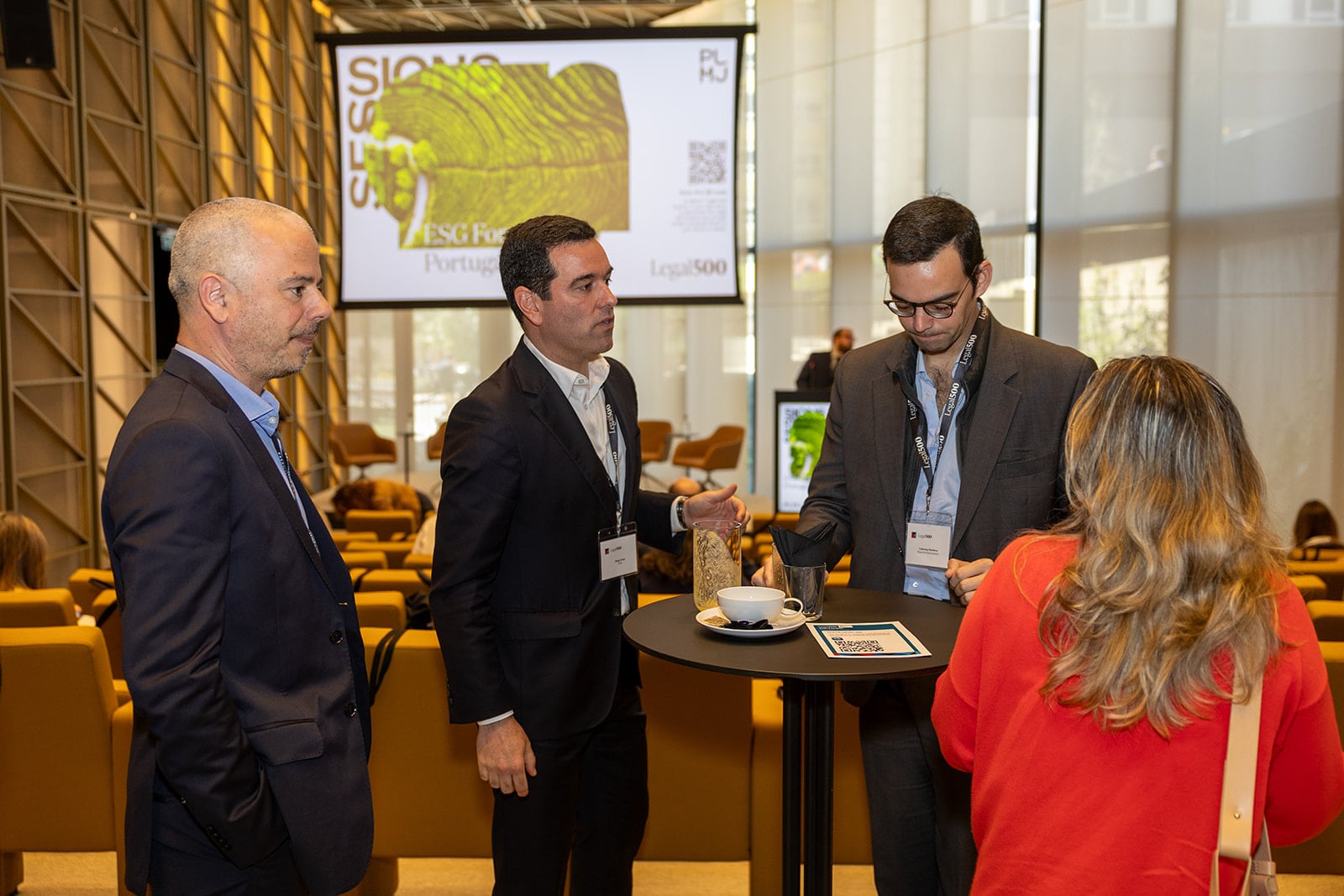
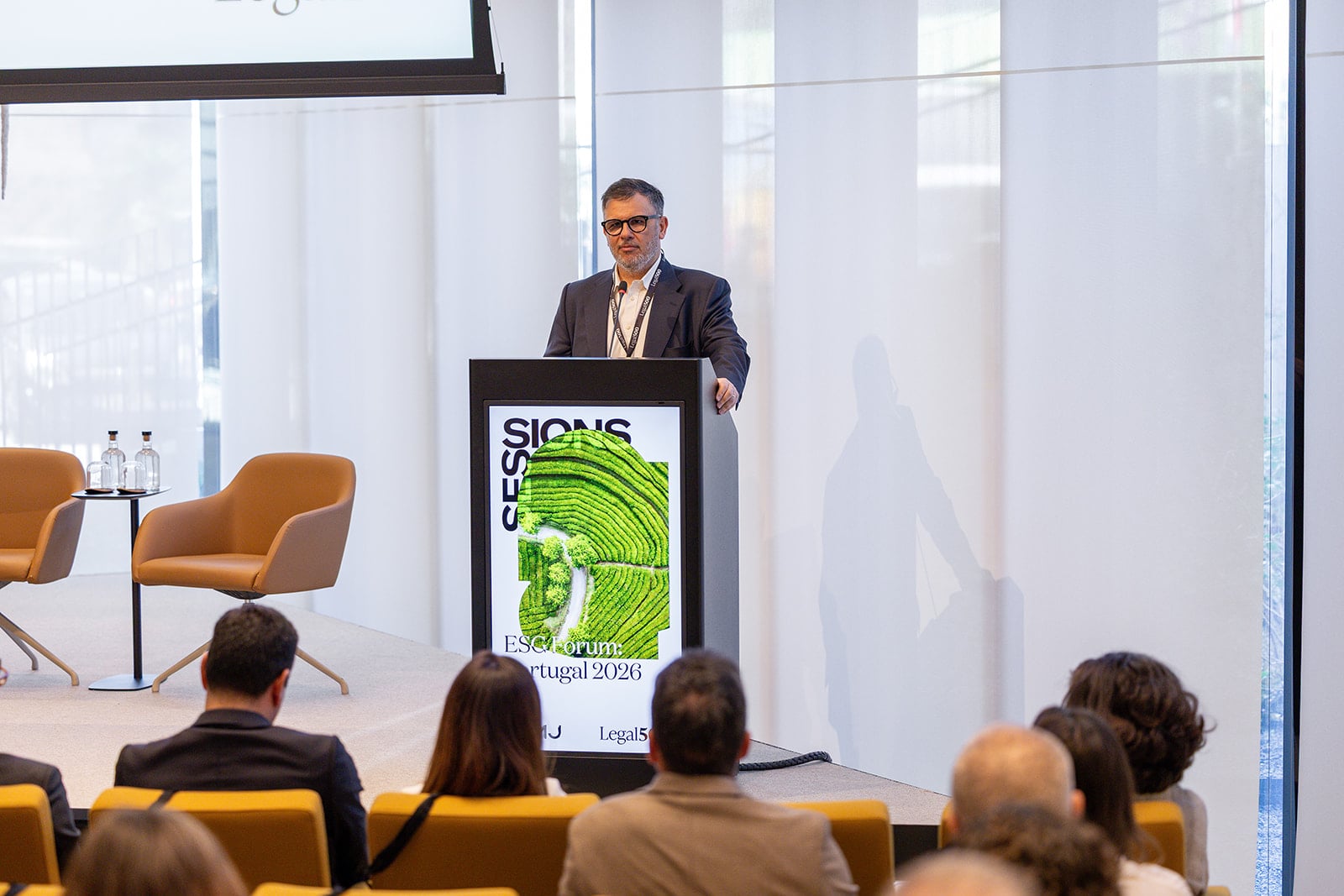
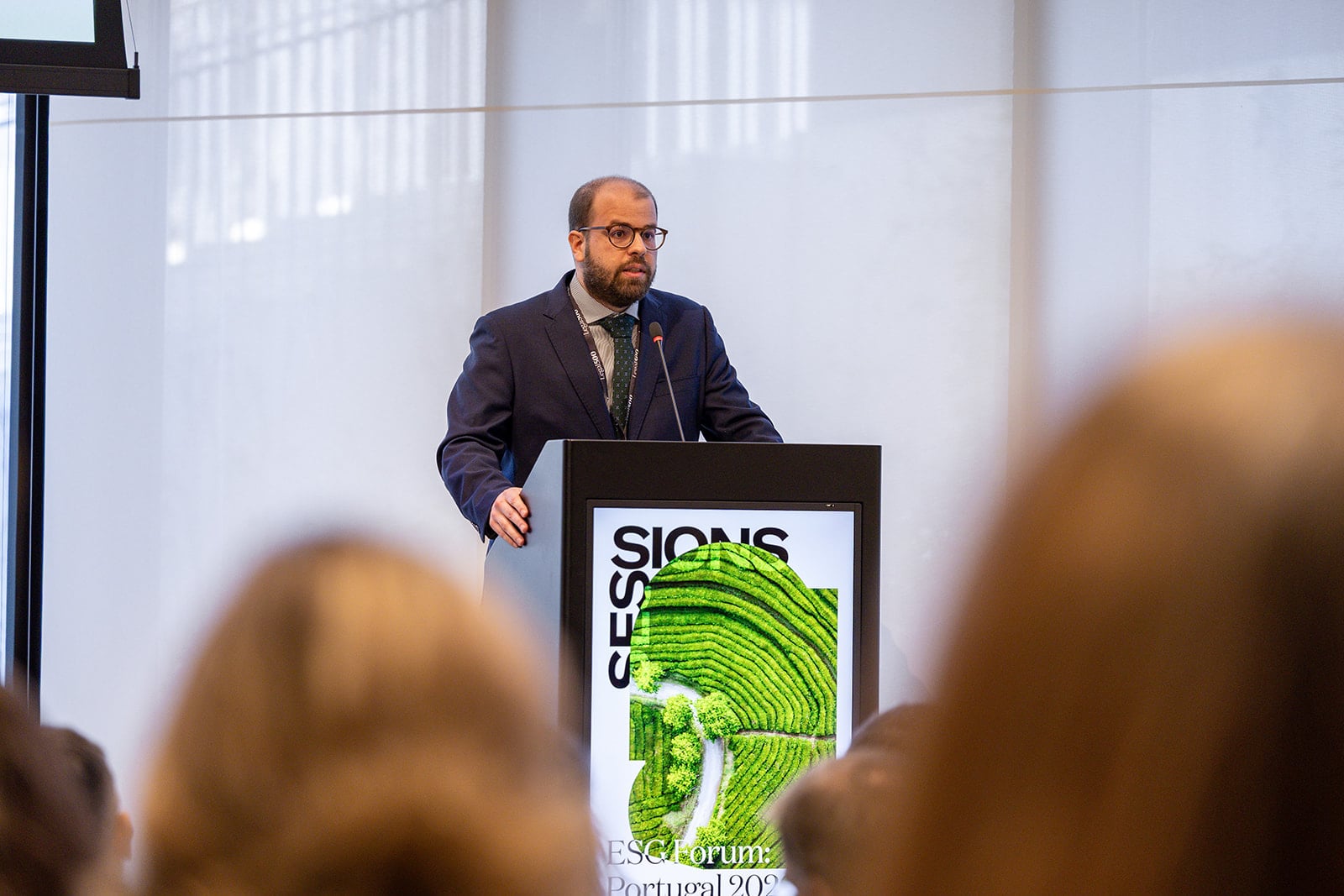
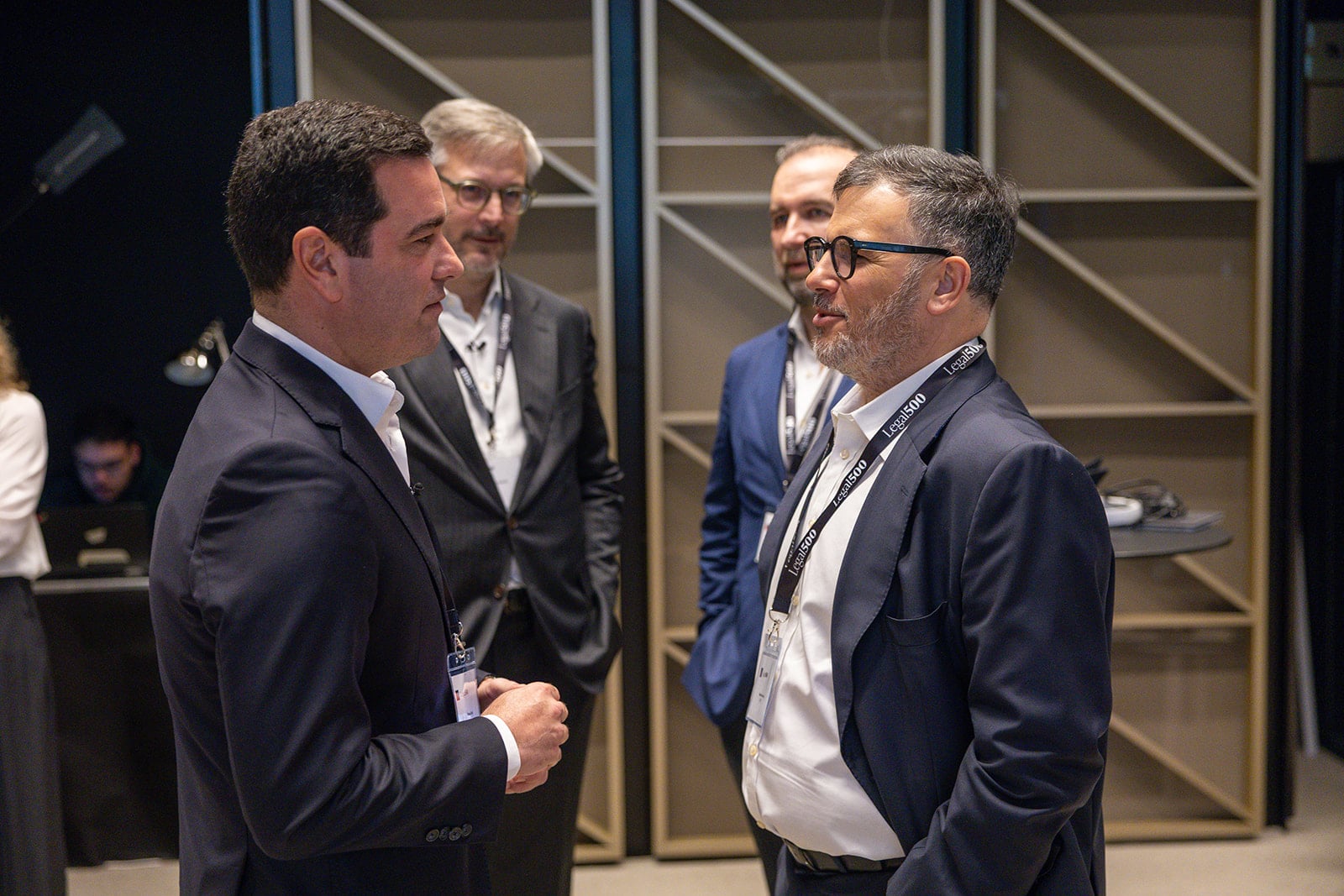
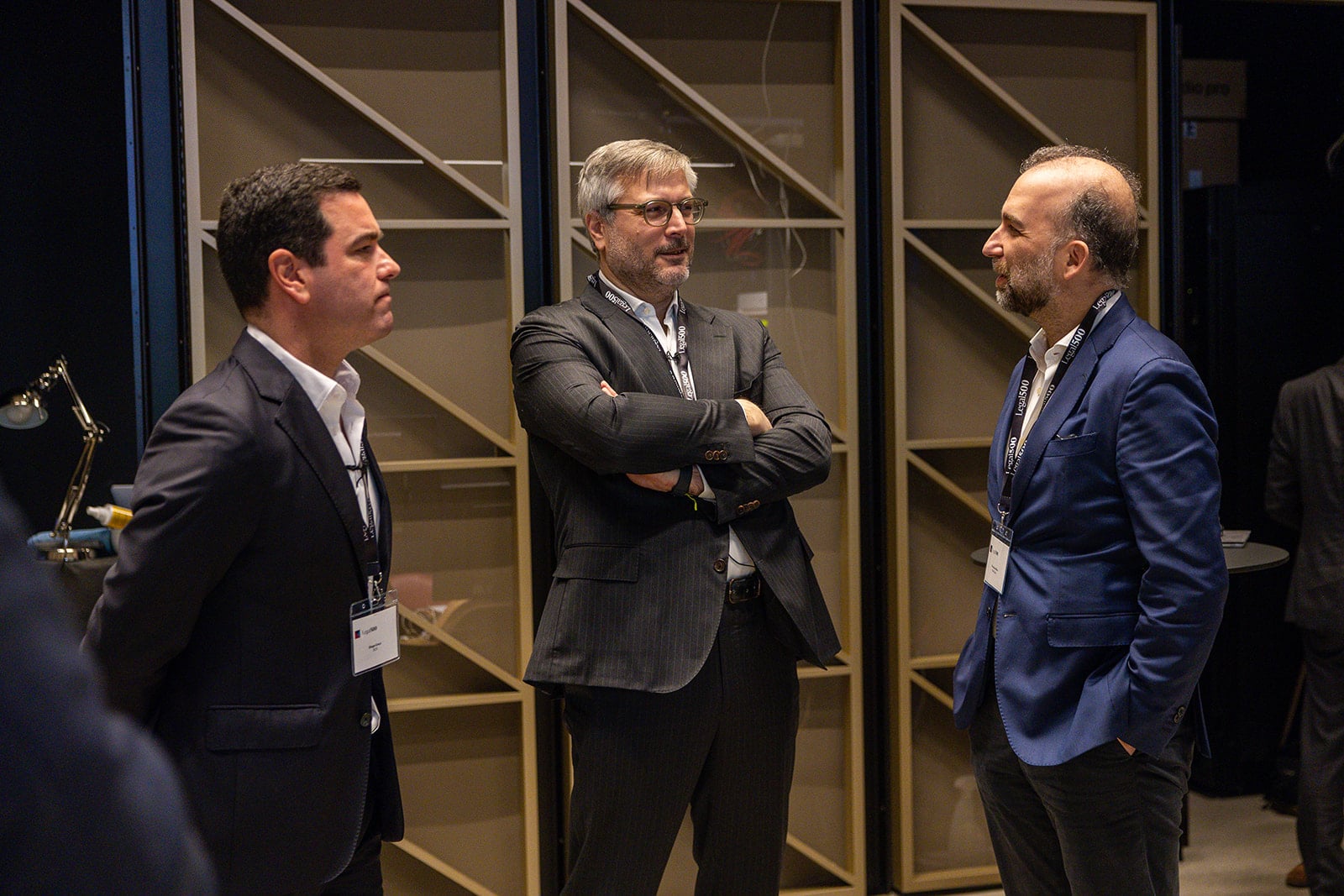
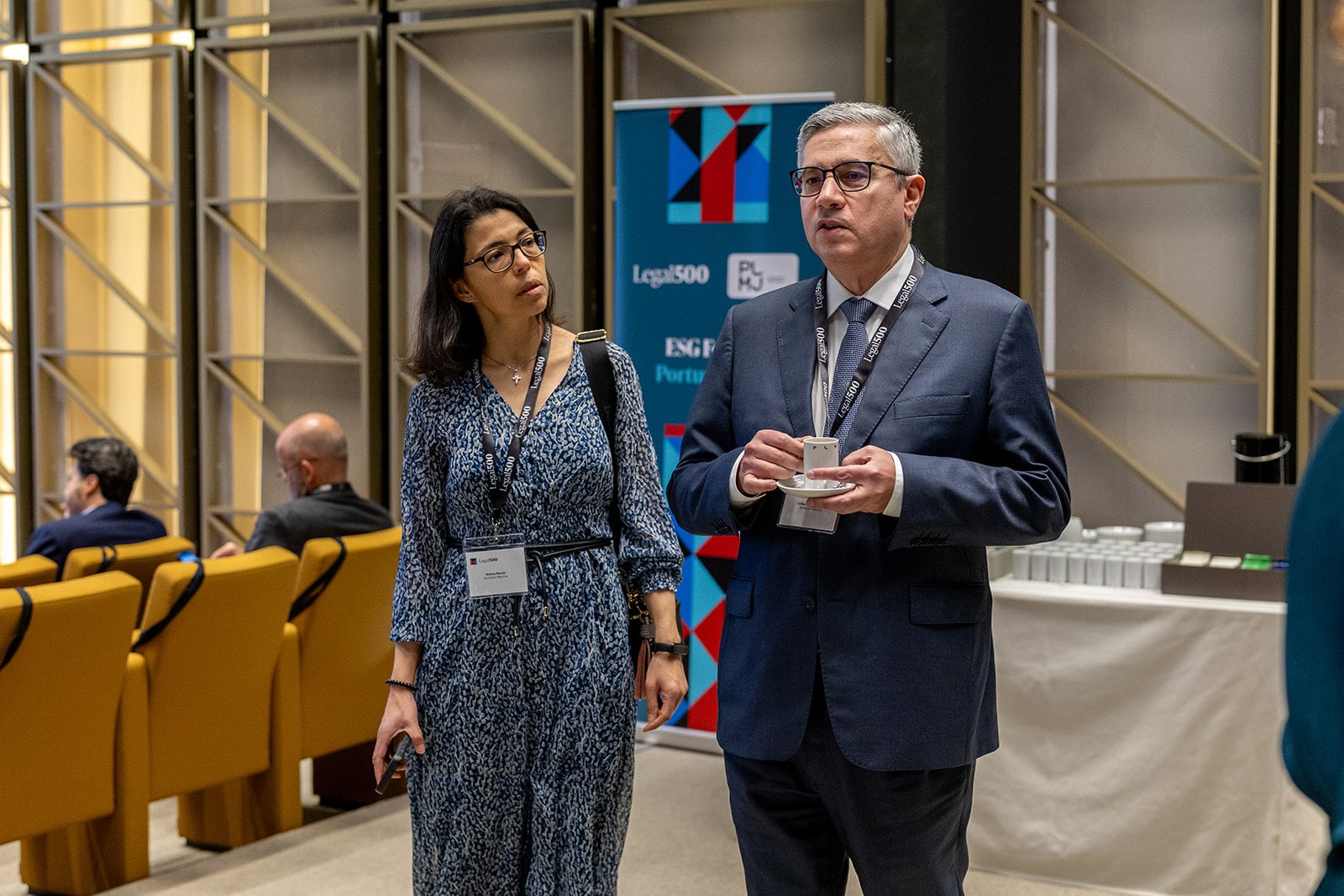
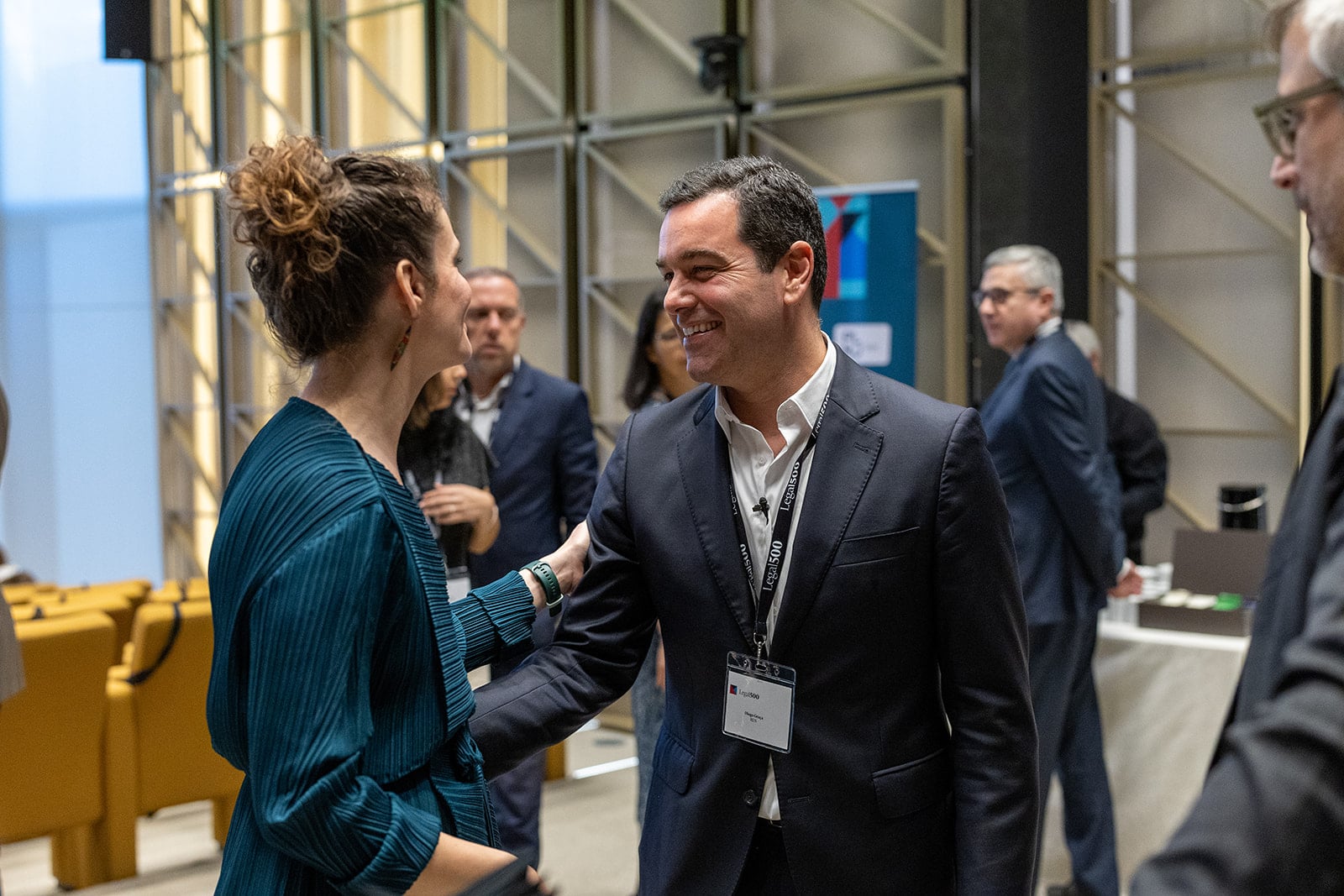
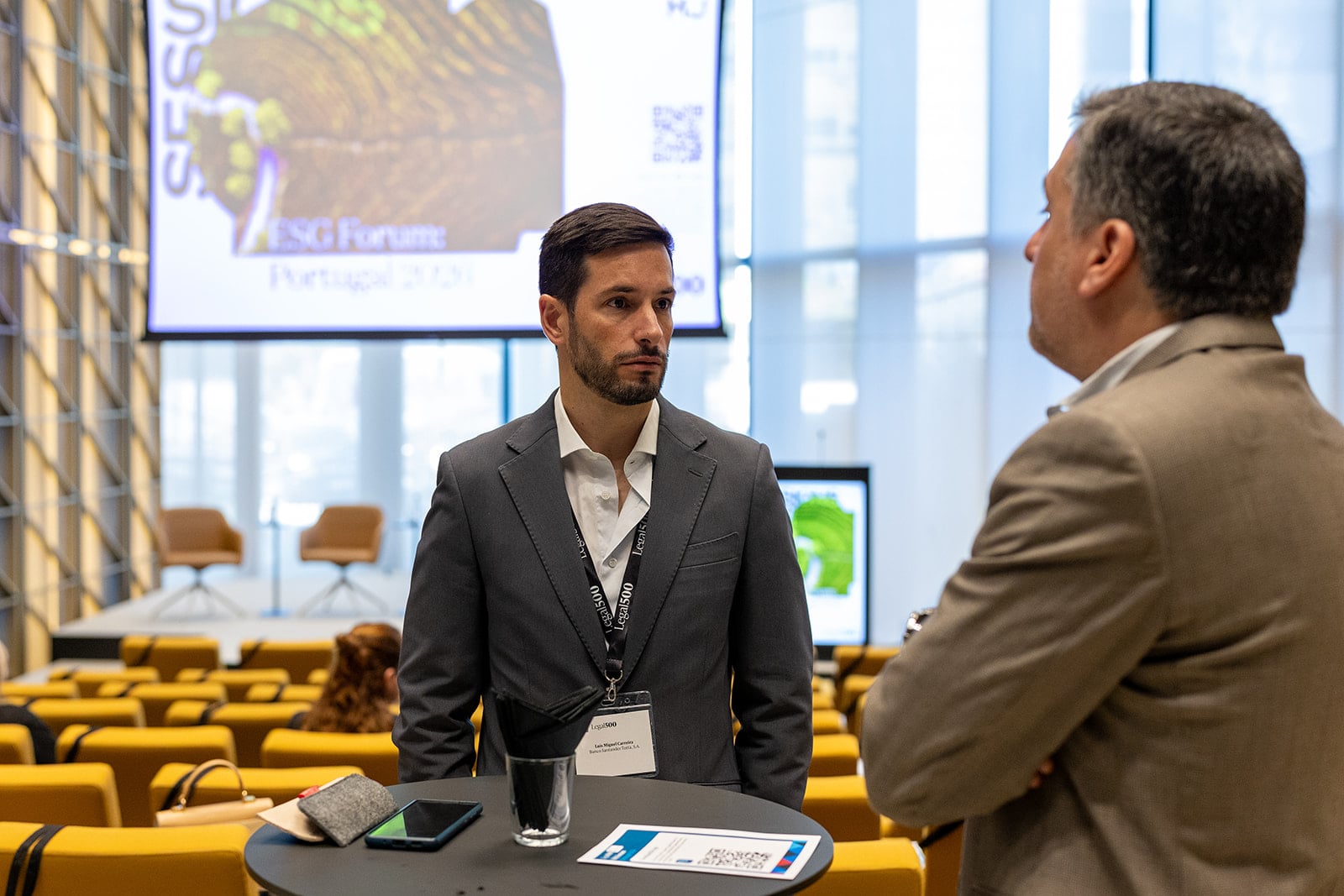
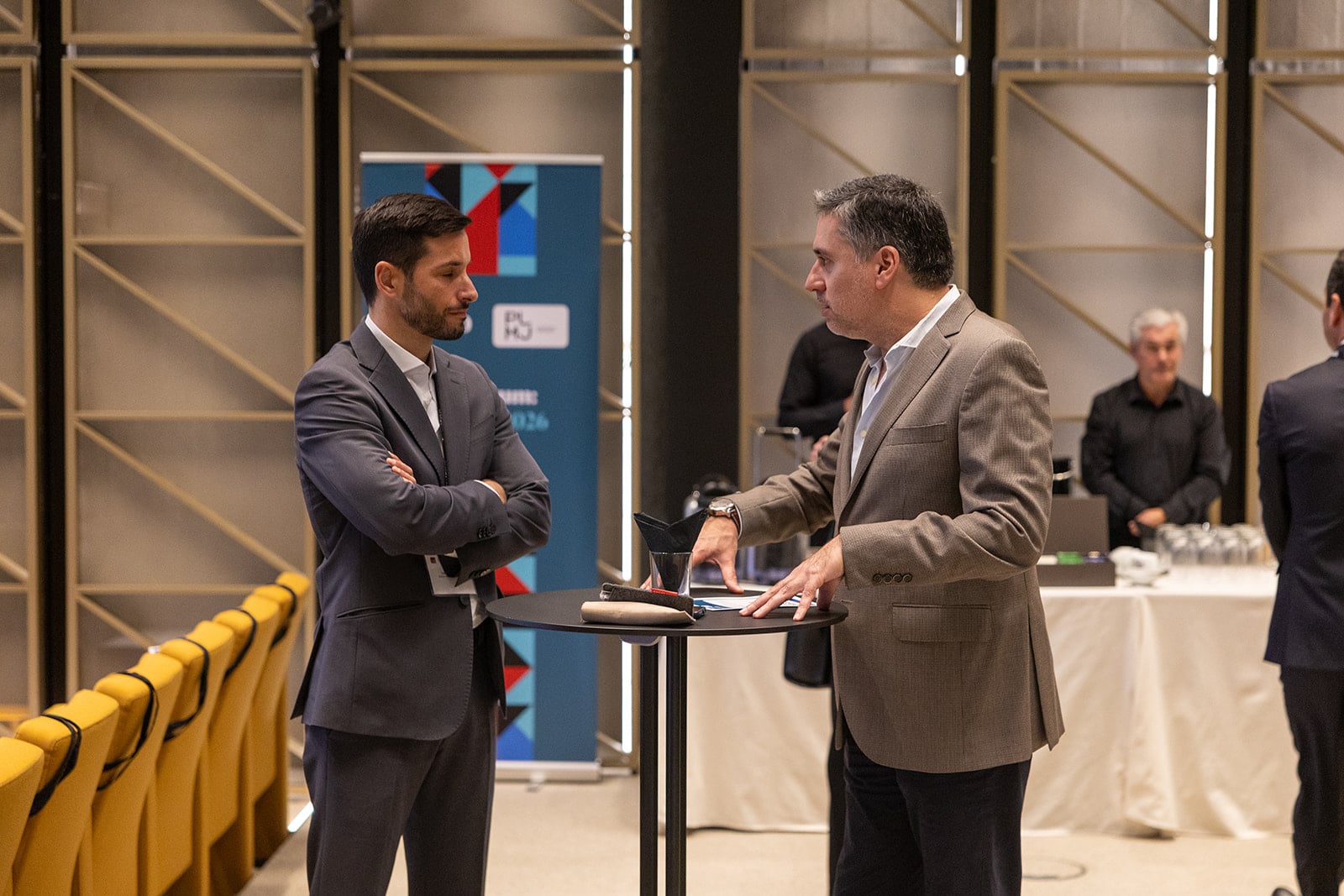
On 26 March, Legal 500 partnered with Portuguese law firm PLMJ to bring its renewed sustainability‑focused conference series to Lisbon with the ESG Forum: Portugal 2026. The half‑day event gathered senior leaders from the legal, financial, energy and sustainability spheres for a concentrated programme hosted at PLMJ’s offices. Throughout the sessions, speakers explored the regulatory, governance and enforcement forces reshaping ESG strategy in Portugal, offering a clear cross‑sector perspective on how organisations are adapting to an increasingly complex and fast‑moving landscape.
The event opened with some welcome remarks from Legal 500 editor Francisco Castro, who emphasised the value of events that bring the in‑house community together to learn, exchange experiences and build meaningful professional networks. In his welcome address, he highlighted the growing complexity of ESG obligations across Europe and the increasing pressure on organisations to adopt integrated, business‑wide approaches to compliance, risk management and strategic planning. By underscoring the need for practical, grounded discussion rather than abstract theory, he set the tone for a programme designed to deliver actionable insight and foster collaboration among practitioners navigating a rapidly evolving ESG landscape.
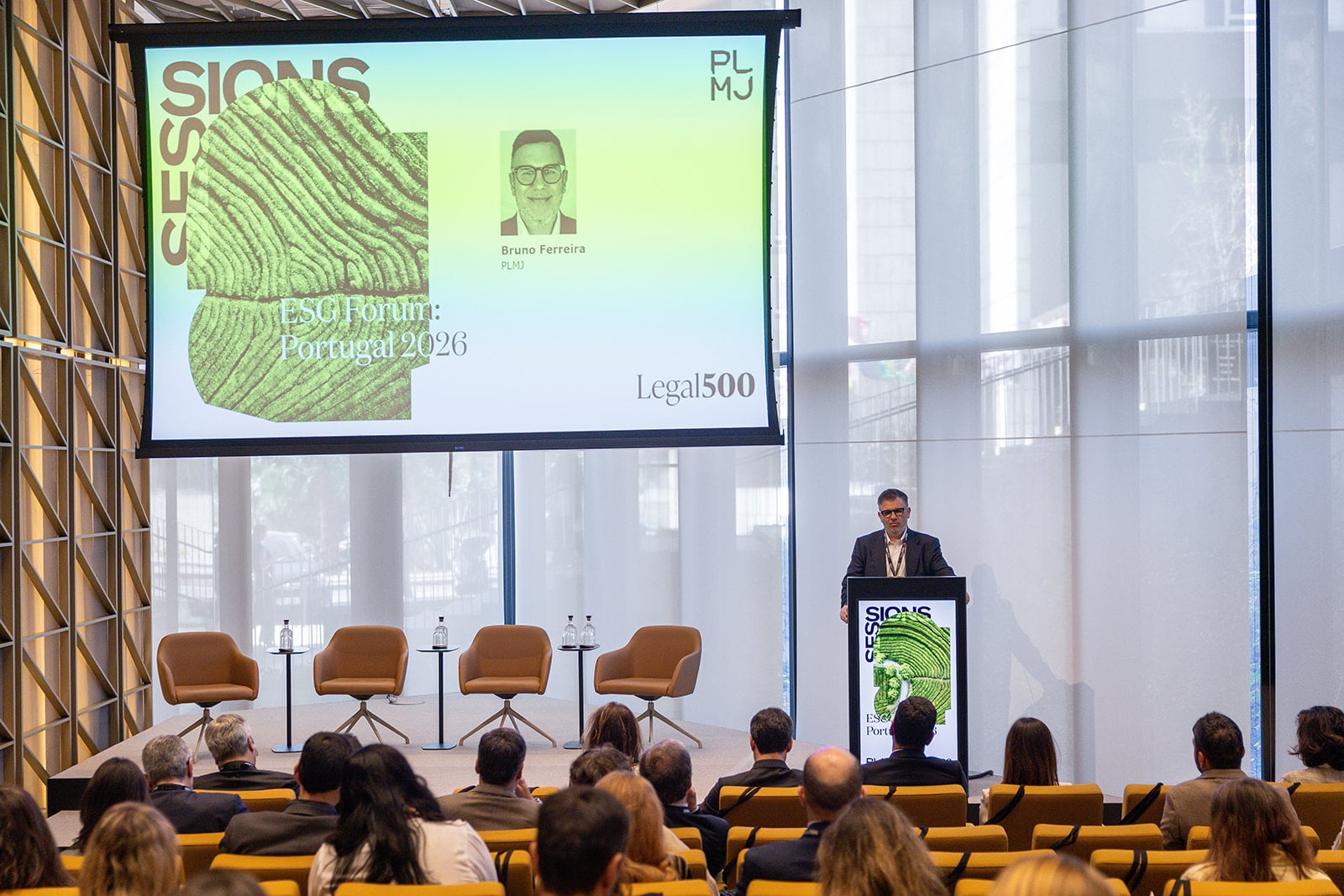
Followed an opening brief delivered by PLMJ’s Managing Partner, Bruno Ferreira, who provided a concise yet comprehensive overview of the ESG priorities defining Portugal in 2026. He outlined the expanding influence of EU regulatory frameworks on corporate reporting, due diligence and governance, noting how these requirements are reshaping expectations around data quality, transparency and accountability. His remarks positioned ESG not as a peripheral concern but as a central driver of corporate behaviour, capital flows and long‑term competitiveness in the Portuguese market.
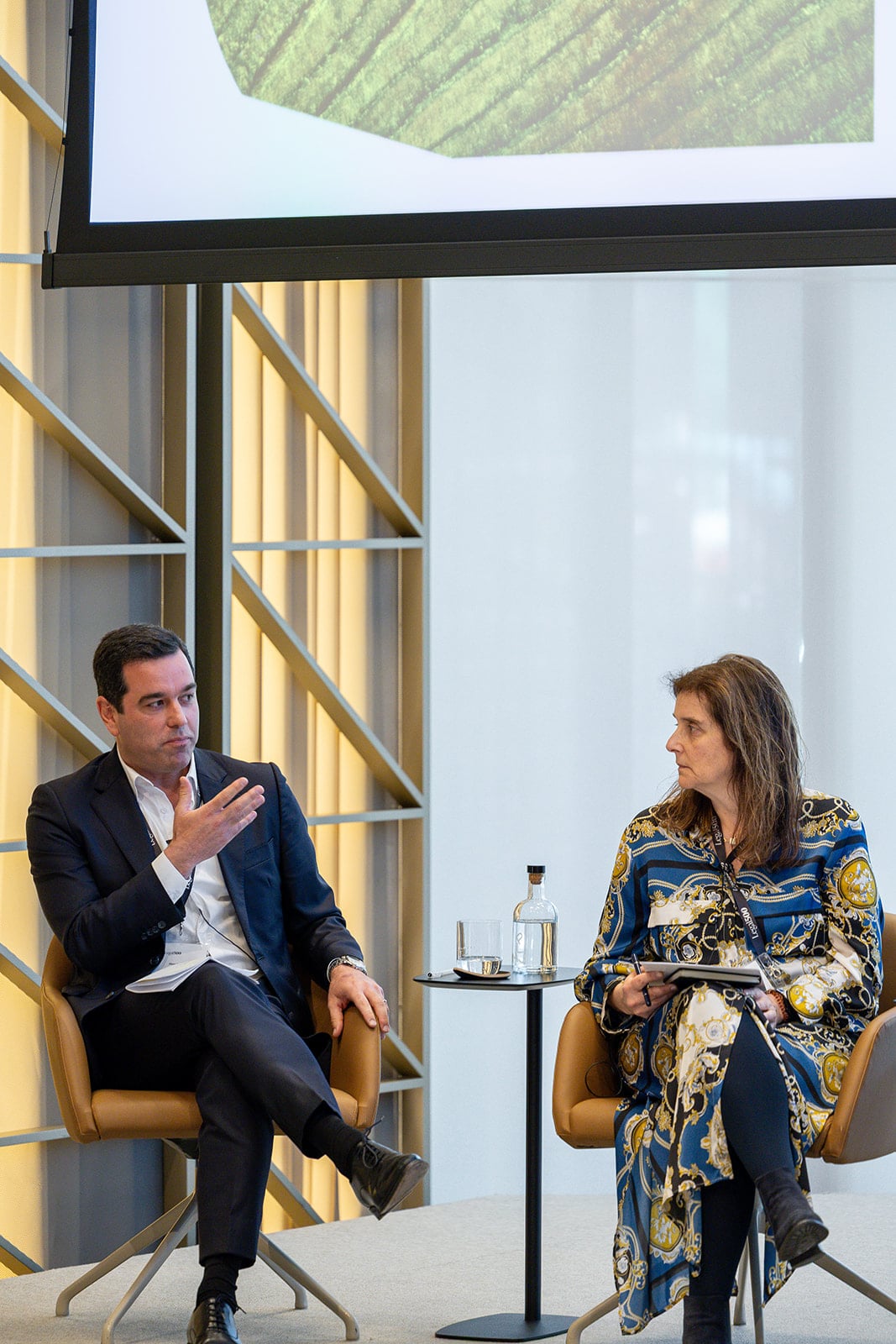
The first panel, moderated by João Marques Mendes, Partner at PLMJ and joined by Cláudia Teixeira de Almeida of Banco BPI, Nuno Moraes Bastos of GALP and Diogo Graça of REN, explored how corporate governance and sustainable finance are shaping Portugal’s energy transition. The discussion examined how boards and executive teams are adapting oversight structures to manage transition‑related risks and how legal, compliance, sustainability and procurement functions are increasingly intertwined in project governance. Panellists described the growing influence of financing structures on project execution, noting that lenders’ expectations around ESG metrics, contractor performance and transparency now shape governance decisions from the earliest stages. They also addressed the operational constraints that continue to challenge Portugal’s transition ambitions, including permitting timelines, grid capacity limitations and delivery risk. While acknowledging the complexity of EU‑level frameworks, speakers emphasised that these standards also present strategic opportunities to harmonise practices, unlock investment and strengthen Portugal’s competitive position in the energy transition.
Following a short break, the second panel turned to litigation, liability and the emerging enforcement era surrounding sustainability claims. Moderated by Raquel Azevedo, Partner at PLMJ and featuring contributions from Carla Góis Coelho of PLMJ, Carlos Martins Ferreira of Jerónimo Martins, Filipa Rodrigues Carmona of Caixa Geral de Depósitos and Céline da Graça Pires of NOVA, the session examined the rapid rise of ESG‑driven disputes, investigations and regulatory actions. Panellists discussed the typical trigger points for scrutiny, ranging from sustainability reports and corporate websites to marketing materials and investor presentations, and highlighted how these touchpoints are increasingly tested by regulators, competitors, consumers and NGOs. They analysed recent case law developments and their implications for Portuguese organisations, noting the emergence of more stringent evidentiary standards around disclosures and due‑diligence obligations. The panel concluded that sustainability claims can no longer be treated as aspirational messaging; they now carry the weight of binding legal obligations, requiring more rigorous internal validation and cross‑functional coordination.
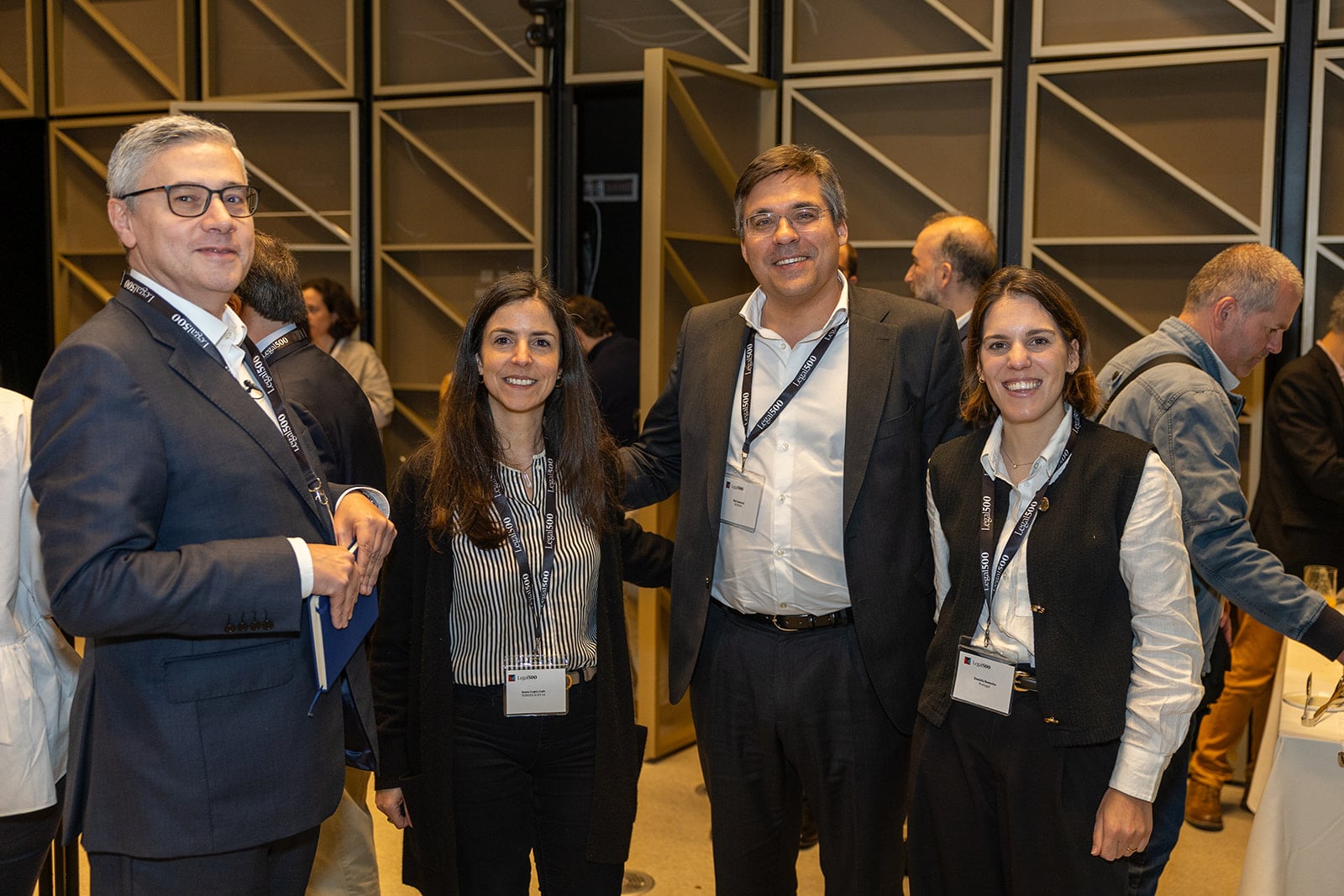
The forum concluded with closing remarks from Francisco Castro, after which attendees were invited to continue their conversations over a light lunch, providing a relaxed setting to deepen connections and reflect on the themes explored throughout the morning.
Legal 500 extends its thanks to PLMJ for its collaboration in bringing this conference format to Portugal’s in‑house legal community. The team looks forward to returning soon for the launch event of this year’s GC Powerlist: Portugal.