Legal manager/ legal counsel | Isla Dominicana de Petróleos

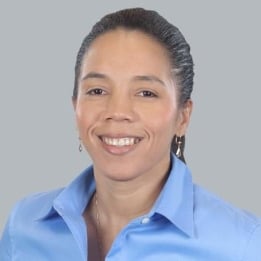
Sally Arturina Vargas Peña
Legal manager/ legal counsel | Isla Dominicana de Petróleos
Team size: Five lawyers
What are the most significant cases, projects, or transactions that you and your legal team have recently been involved in?
Over the past year, my legal team and I have supported a diverse portfolio of high-impact matters across Isla’s downstream fuel operations. These have included regulatory strategy and licensing for the country’s largest service-station network; permitting for fuel storage, distribution and aviation-fuel infrastructure; participation in regulatory consultations affecting the retail fuels market; public procurement and complex commercial contracting matters; corporate governance and financing initiatives; and the management of significant disputes, insurance claims and business-interruption events.
These projects frequently require coordinating regulators, insurers, engineers, external counsel and commercial teams. Our central objective has been to protect operational continuity while enabling responsible investment and growth in a sector where regulatory compliance, safety and commercial execution are inseparable.
How do you approach managing legal aspects during periods of instability or crisis to ensure the organisation’s resilience?
My first priority is to establish a single, verified factual record and distinguish immediate safety and regulatory obligations from longer-term contractual, financial and reputational exposure. I then organise a multidisciplinary response with clearly assigned responsibilities, deadlines and escalation criteria.
Evidence preservation, timely regulatory notifications, insurance coverage, contractual rights and internal communications must be addressed from the outset. Legal should not become an obstacle during a crisis; it must help the business make defensible decisions quickly without sacrificing compliance or an adequate audit trail. Once the situation stabilises, we convert the lessons learned into stronger contracts, procedures and insurance protections.
General counsel often speaks of the need to be strategic to reach the pinnacle of the profession. What does being strategic mean to you?
Being strategic means understanding the commercial objective before giving the legal answer. I quantify the relevant risks, distinguish non-negotiable legal prohibitions from manageable exposure, and present decision-makers with practical options, including their cost, timing, and consequences.
An in-house lawyer should not merely explain why a proposal is difficult. Our role is to design a lawful path forward or, when the risk cannot responsibly be mitigated, clearly recommend that the organisation should not proceed.
We are currently living through a time of geopolitical change. Does this affect your company’s risk profile and, if so, what are you doing to mitigate this?
Yes. The Dominican Republic’s reliance on imported refined fuels means that geopolitical disruption can rapidly affect shipping, supply continuity, pricing and regulatory policy.
From the legal function, we mitigate these risks by strengthening force majeure, change-in-law, credit and supply-continuity provisions; monitoring regulatory and contractual exposure; preserving flexibility in commercial arrangements; and maintaining transparent engagement with the authorities responsible for national energy security and fuel-market stability.
What do you think are the most important attributes for a modern in-house counsel to possess?
Modern in-house counsel needs sound judgement, commercial literacy, intellectual curiosity, courage, clear communication and emotional intelligence. We must understand how the business operates, remain calm under pressure, challenge unsupported assumptions, and translate legal complexity into actionable advice.
Credibility ultimately comes from offering practical solutions while preserving the independence to say no when a proposed course of action cannot be legally or ethically justified.