Dominican Republic 2025
Supported by the Association of Corporate Counsel





General counsel | KPMG Dominicana

Legal and compliance officer | E.T. Heinsen

Head of standards verification and legal compliance | Ministry of Finance of Dominican Republic





Legal and compliance director | Primma Valores, Puesto de Bolsa

Vice president of legal and governmental affairs | AES Dominicana

Legal, compliance and regulatory affairs director | Nestlé Dominicana
Vice president of business and legal affairs | Lantica Studios

Director of strategic planning | Dominican Institute of Telecommunications (INDOTEL)

General counsel, legal and governance | Banesco Banco Múltiple

Assistant general counsel, legal operations | Phoenix Tower International


Compliance and corporate governance director | Seguros Crecer y AFP Crecer

General counsel and vice president of legal affairs | Playa Grande Holdings

Director of coordination and monitoring of reform processes | Ministry of Public Administration (MAP) of Dominican Republic


Senior manager of regulation | Asociacion de Bancos Multiples de la Republica Dominicana



Legal manager | Banco Promerica de la República Dominicana

Legal and compliance manager | Industrias Banilejas (INDUBAN)

Legal and compliance director | Banco Atlántico de Ahorro y Crédito


Director of legal and regulatory affairs | Grupo Vimenca

Legal director | Tesoreria de la Seguridad Social (TSS)


Legal manager | Consorcio Energético Punta Cana-Macao (CEPM)



Head of legal and regulatory compliance division | Fiduciaria Popular

Second vice president and director of legal advisory and AML/CFT compliance | MAPFRE Dominicana


Legal counsel Dominican Republic | Globalia Servicios Corporativos RD
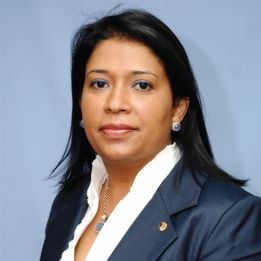

Legal senior manager | Consorcio de Tarjetas Dominicanas (CardNET)


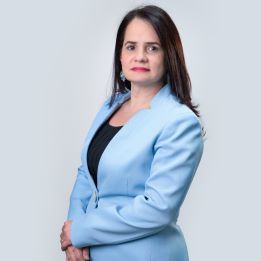

Legal and regulatory director | Grupo Punta Cana

Legal, security and corporate affairs director | Cerveceria Nacional Dominicana
Head of legal documentation | Ministry of Finance of Dominican Republic
Legal director | Compañia Dominicana de Teléfonos (Claro)
Legal and regulatory affairs coordinator | Wind Telecom
Legal manager | Consejo Unificado de las Empresas Distribuidoras de Electricidad
Legal, regulatory and AML compliance director | PARVAL Puesto de Bolsa
Vice president, general counsel - Latin America | Phoenix Tower International

Legal manager | Banco Múltiple Promerica de la Republica Dominicana
Legal director | Corporación Dominicana de Empresas Electricas Estatales (CDEEE)
Vice president of legal affairs and regulatory compliance | Banco Múltiple Santa Cruz
Legal and compliance manager | United Capital Puesto de Bolsa

Head of legal | Empresa de Generación Eléctrica Punta Catalina (EGEPC)
It is a true honour for me to present The Legal 500 GC Powerlist: Dominican Republic, 2025: the culmination of a research project that celebrates the exceptional legal talent and caliber of the in-house counsel shaping this forward-looking jurisdiction.
From technical experts to strategic leaders, each conversation highlighted the inspiring evolution of the in-house counsel role in the country. Today’s counsel embody the strategic foresight and human leadership that define this generation of in-house legal professionals who are strengthening governance, driving innovation, and shaping corporate culture.
This year’s research reveals a particularly diverse and compelling set of themes. Across industries, in-house counsel leaders are reinforcing compliance and governance frameworks, positioning their teams and themselves as trusted advisors and guardians of corporate integrity in an evolving regulatory landscape. In parallel, general counsel keep embracing and driving digital transformation within the legal profession. From launching innovative products to fostering the implementation of AI tools and LegalTech platforms, Dominican in-house leaders have linked digital transformation to efficiency, risk management and staying ahead of regulatory demands, all while ensuring that growth remains aligned with legal and ethical standards.
Yet what truly stood out this year and showcased the heartfelt and humanising spirit of the in-house counsel leaders in the country was their emphasis on good leadership and team development. Many of the general counsel listed emphasised how resilience, in today’s uncertain environment, depends as much on people and company’s culture as it does on risk management.
It is, in fact, the human side of legal leadership that emerged as one of the strongest themes throughout my research. They have shared how they are building resilient legal teams, shaping organisational culture, and guiding their companies through complex generational and structural transitions. In this line, Ralvin Gross, legal director at Casa Brugal, observed how ‘in-house legal teams do not operate in isolation; they are deeply integrated into the fabric of the business. As such, fostering a strong organisational culture – one that prioritises employee well-being and actively cultivates talent – is essential. In times of instability, the most effective way to navigate legal challenges is through a motivated, skilled legal team with a deep understanding of the business.’
Another defining trend this year has been the rise of passion projects and inclusion initiatives, showing how across industries Dominican in-house lawyers are leveraging their influence to create lasting social impact through their legal work. Among the many powerful examples, Lluvia García, senior legal manager at EGE Haina, reflected on her work in the energy sector by ensuring her deep commitment ‘to promoting female leadership in the energy and oil and gas industry, a sector that is vital to global development yet one where women remain underrepresented. Recently, I had the honour of leading the launch of the Dominican Republic chapter of the Women’s Energy Network. As founding president, I am committed to building a strong and supportive community that connects, empowers, and elevates women in our sector.’
In sum, Dominican in-house counsel are proving that they are not only advisers but also architects of change, balancing legal acumen with vision, adaptability and, above all, humanity.
From the Legal 500 team, we would like to extend our warmest congratulations to all the outstanding professionals featured in this 2025 edition of the GC Powerlist: Dominican Republic. Their resilience, leadership, and humanity set a remarkable standard and example for the in-house community, and it has been a privilege to share their stories. We look forward to witnessing their continued impact in the years ahead.
Carmen Godoy Martin, Lead researcher: GC Powerlist Dominican Republic 2025

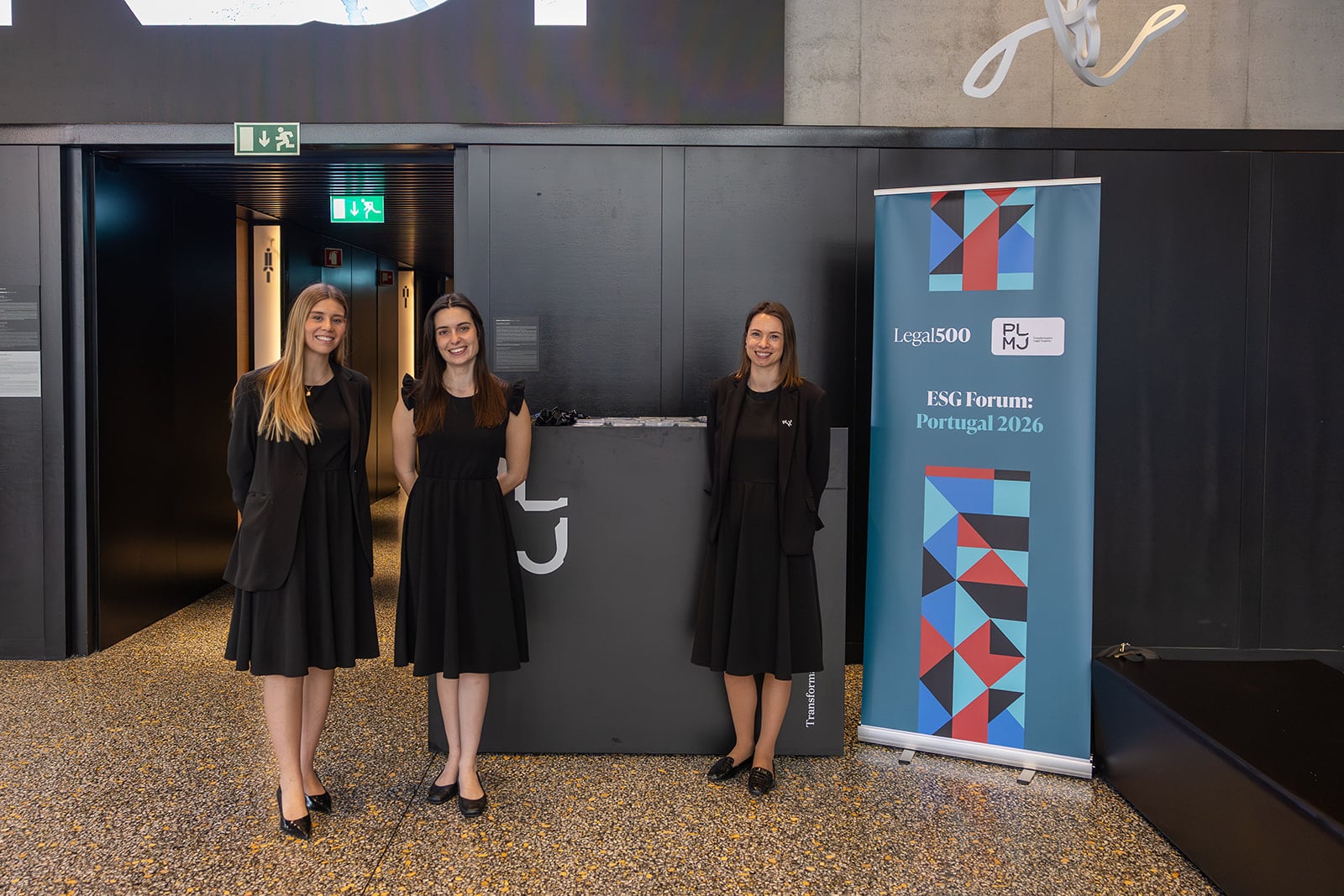
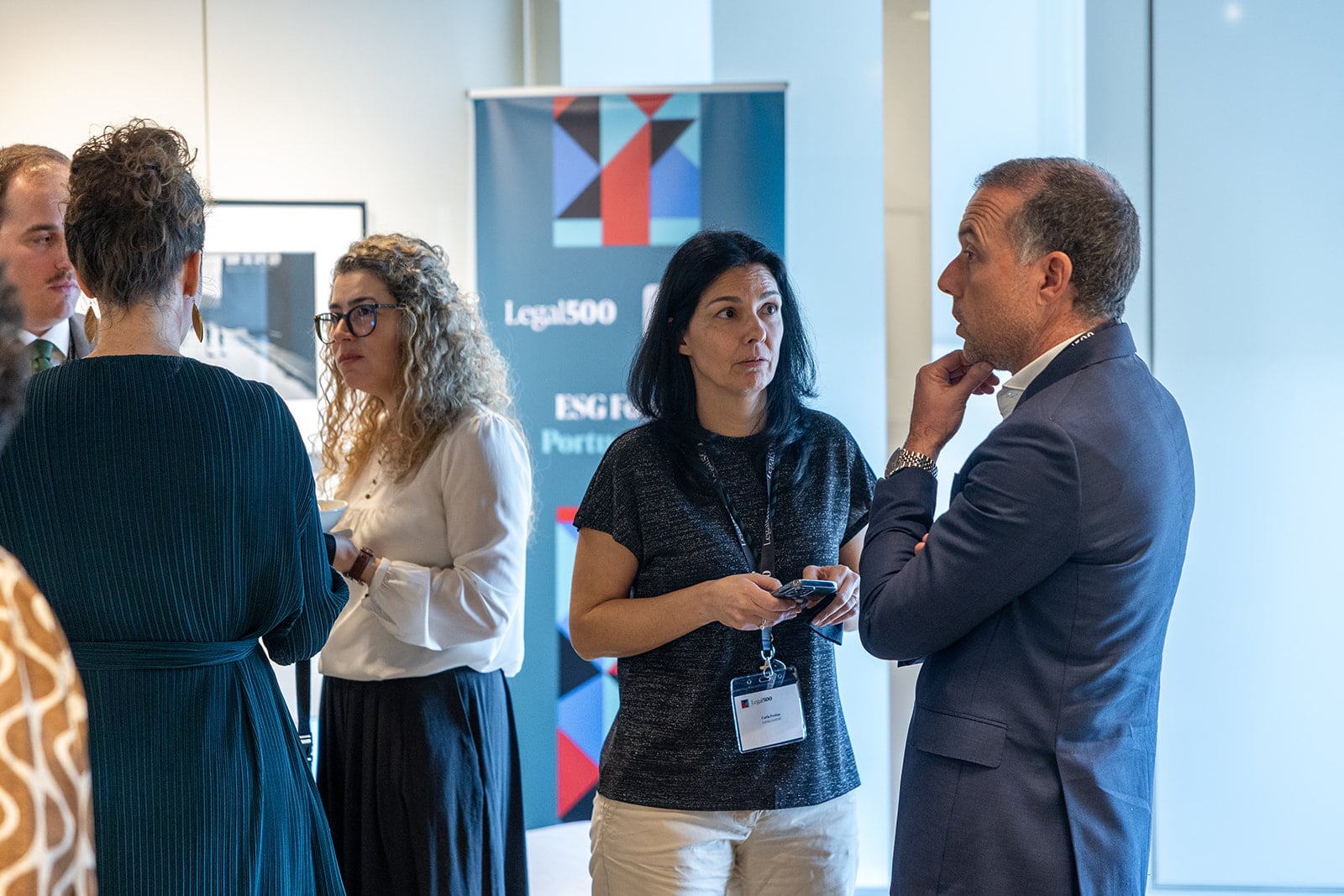
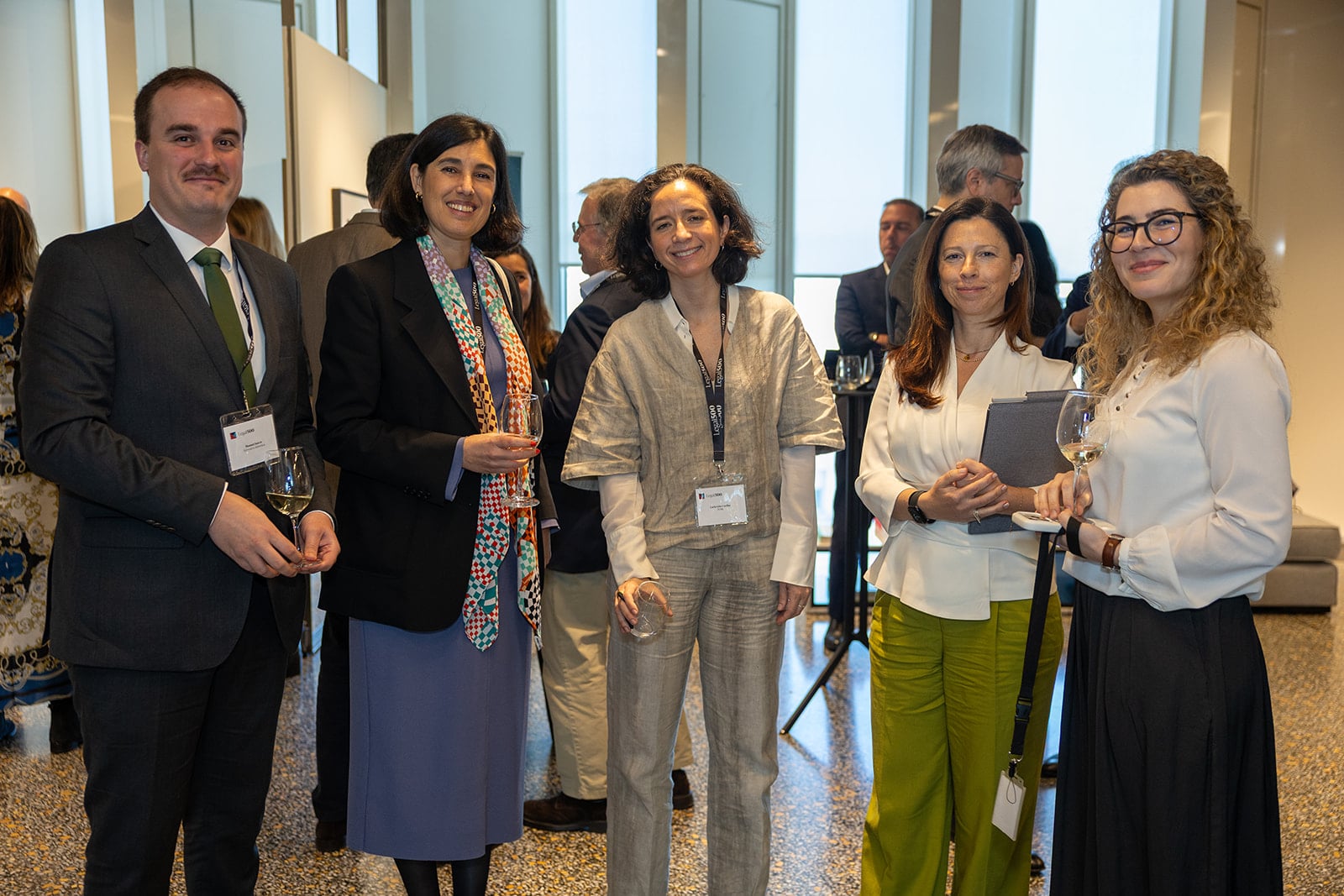
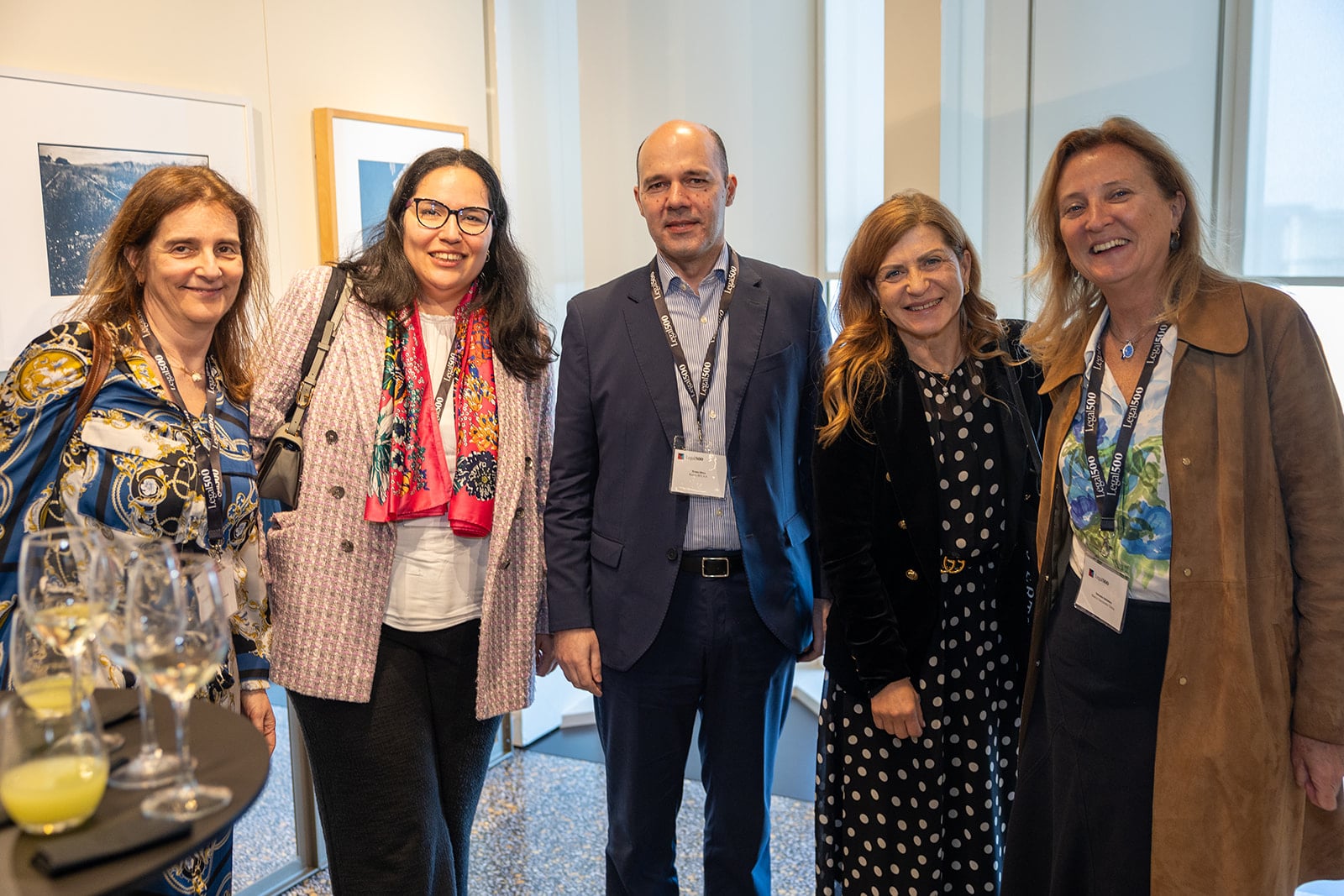
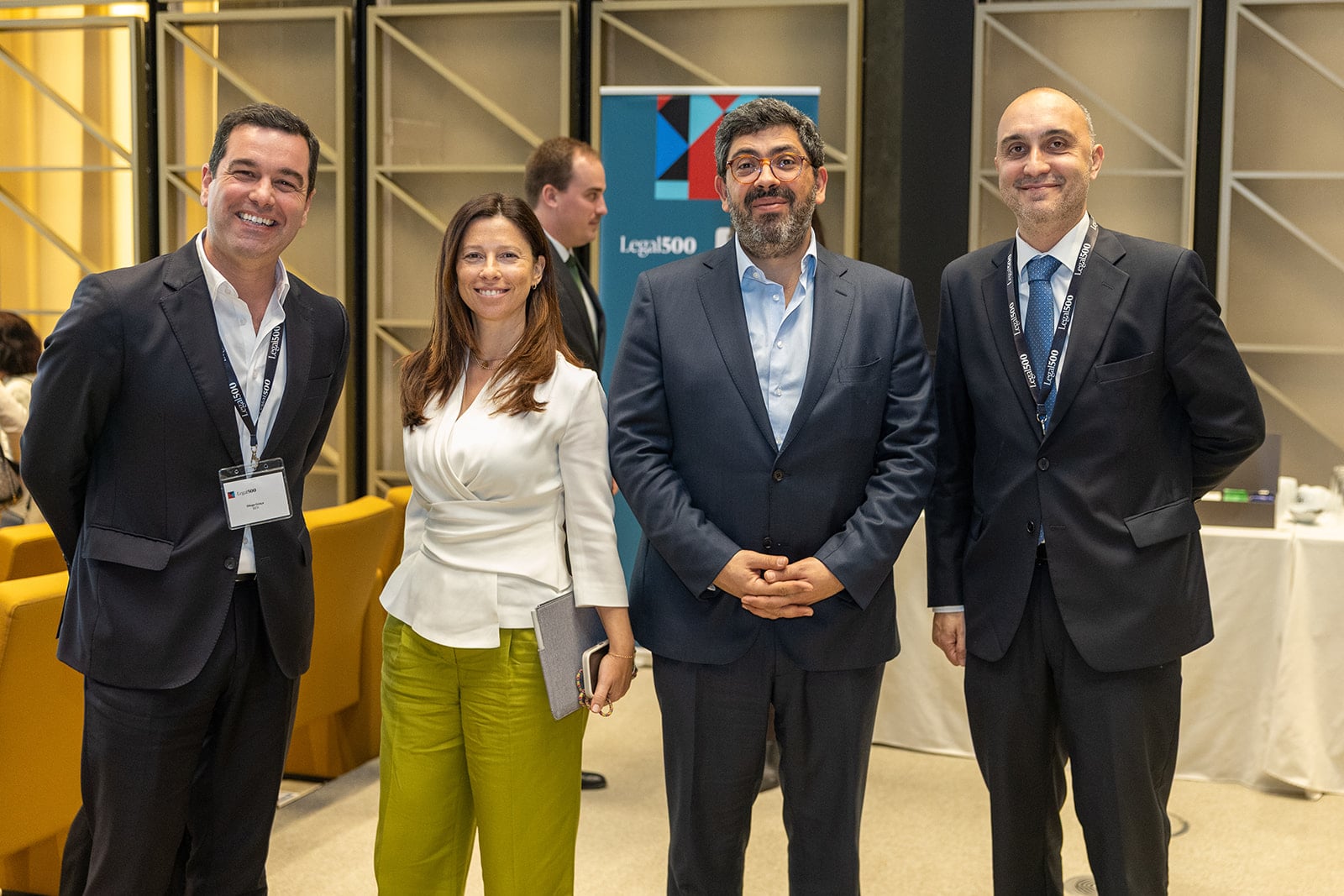
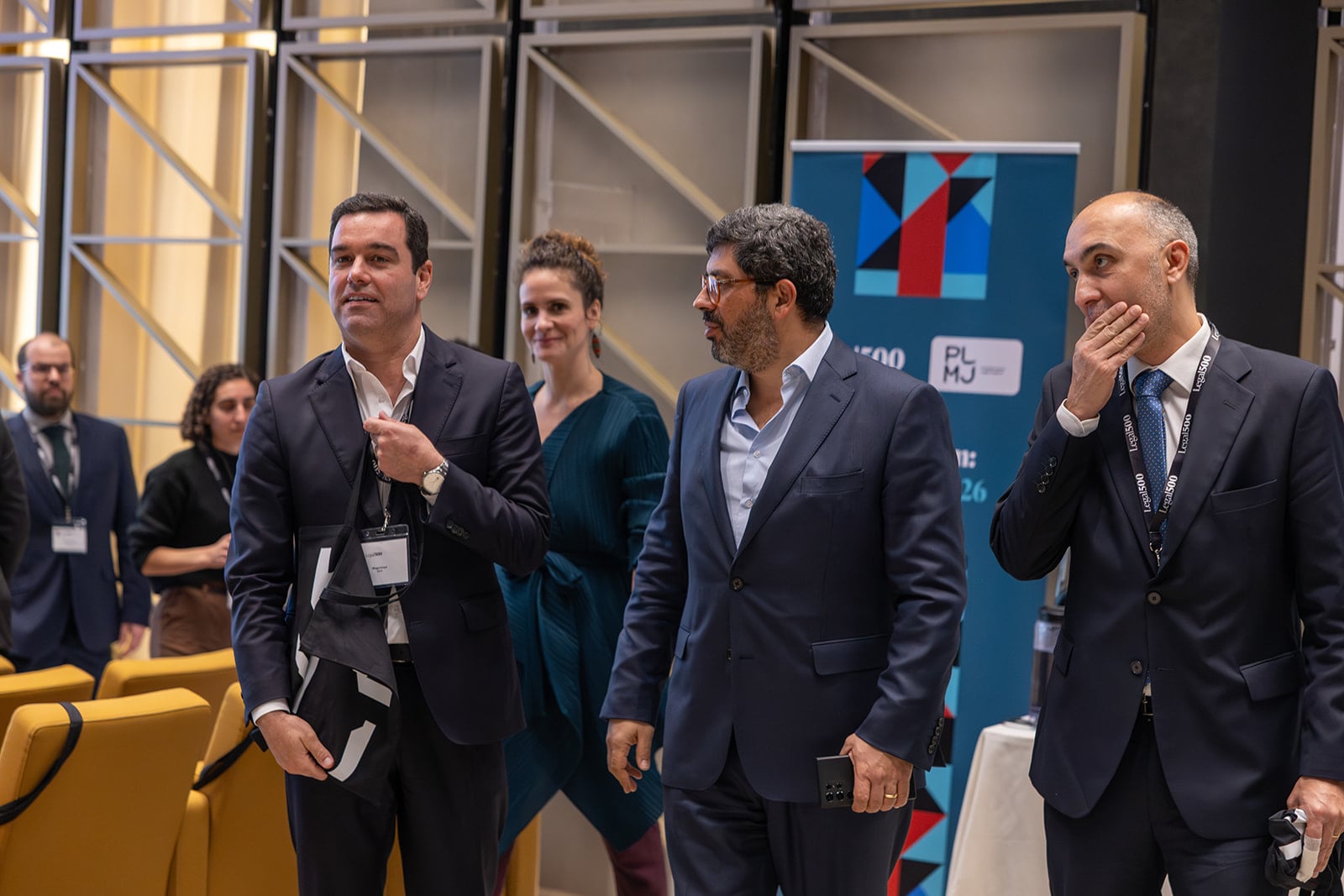
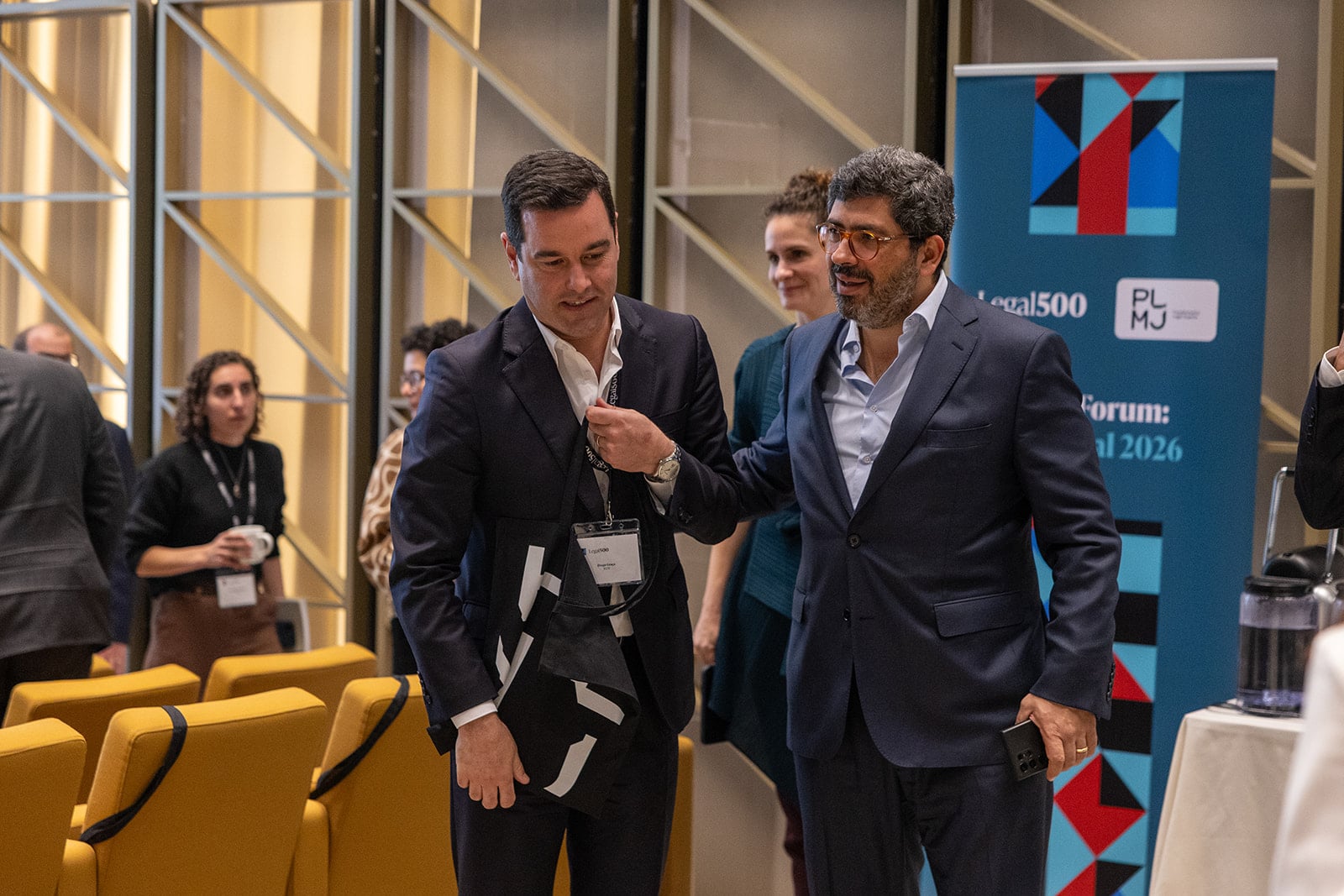
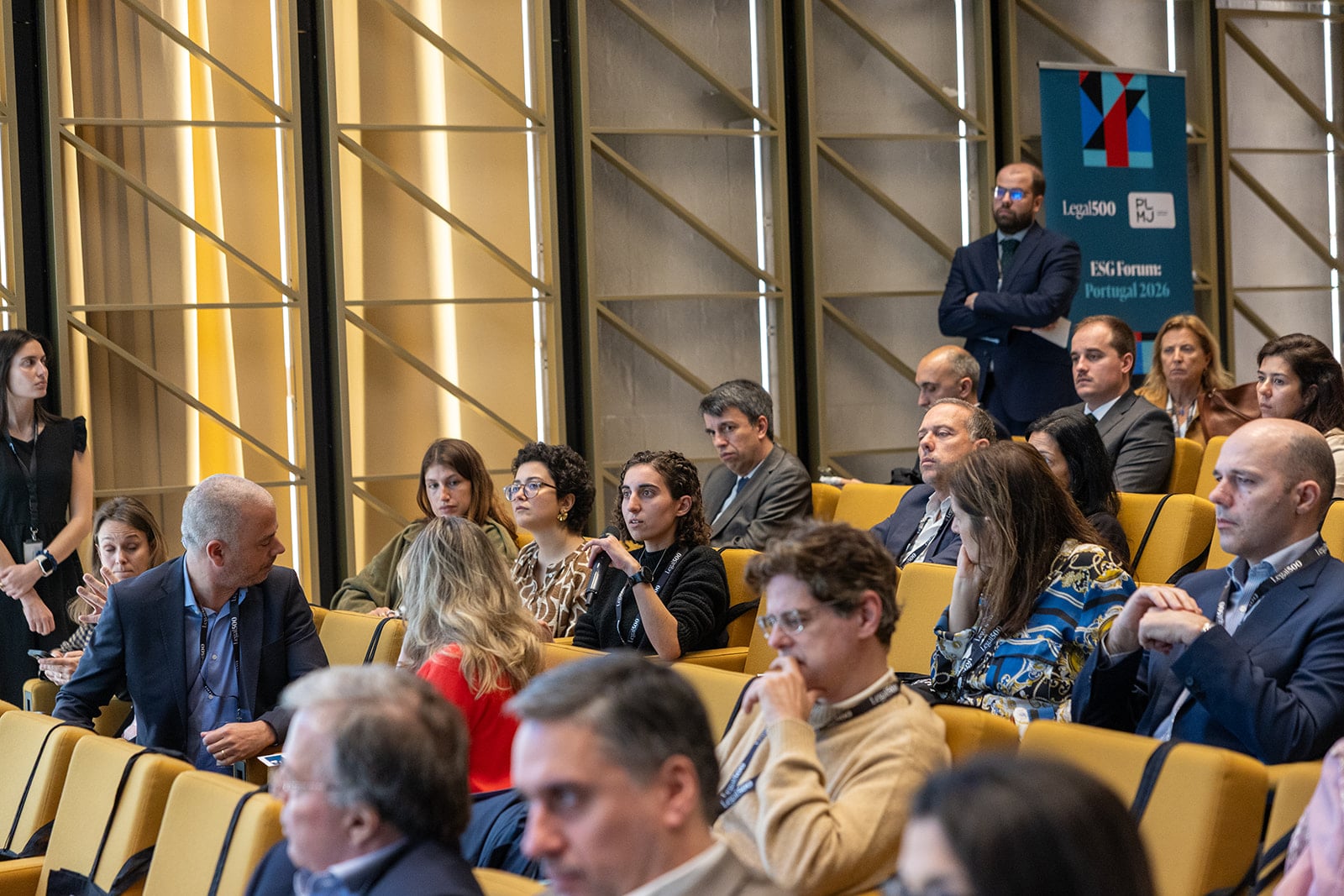
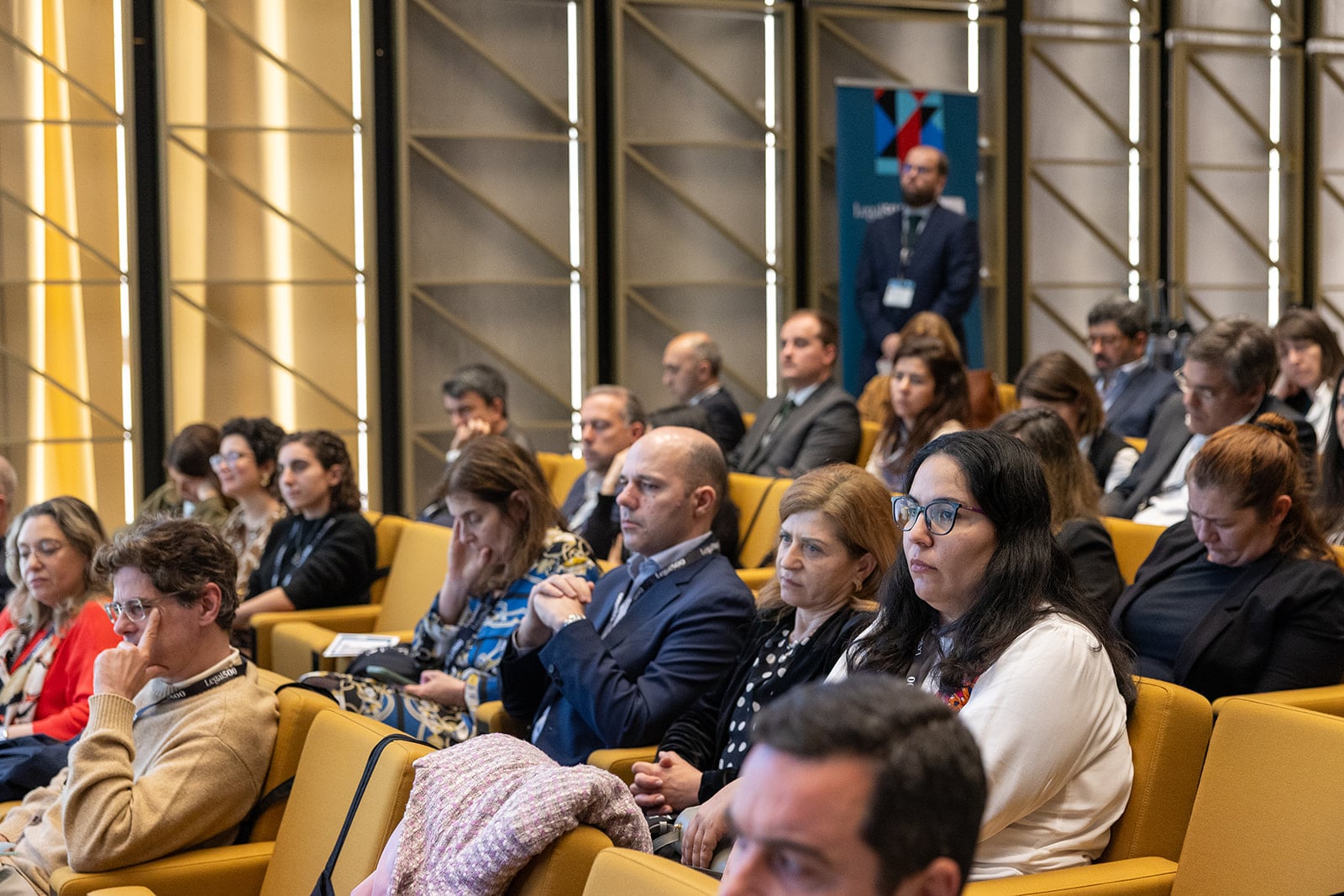
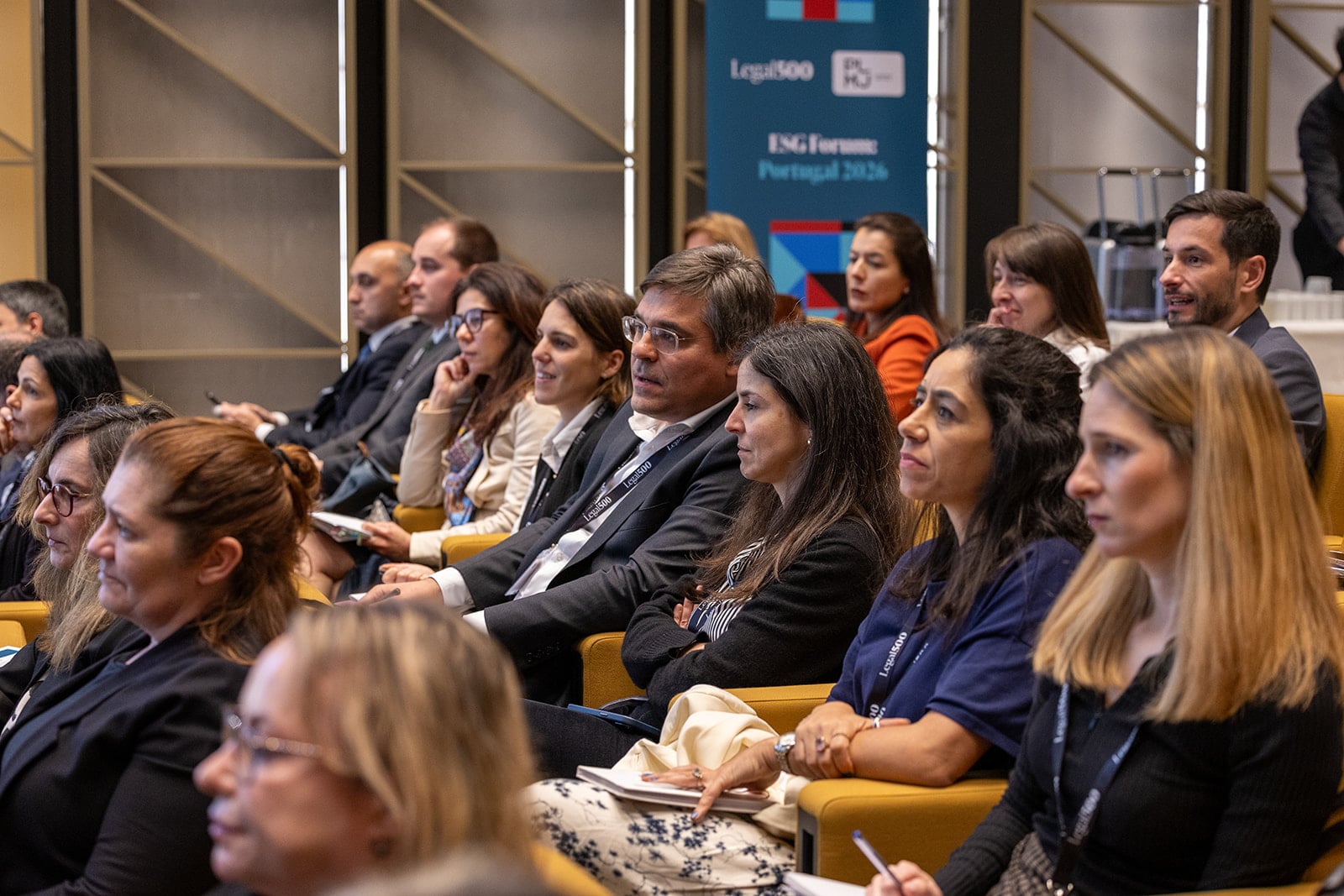
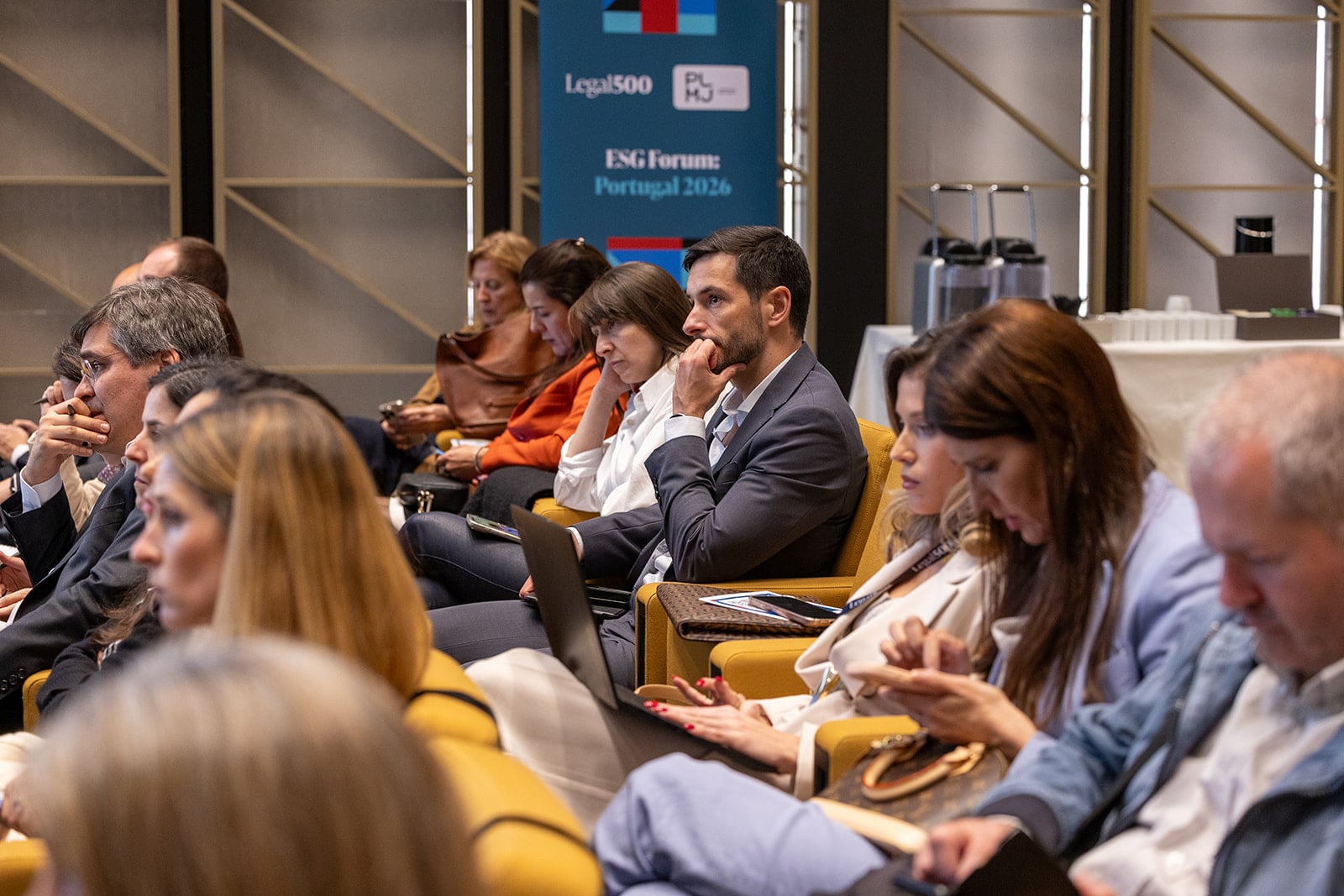
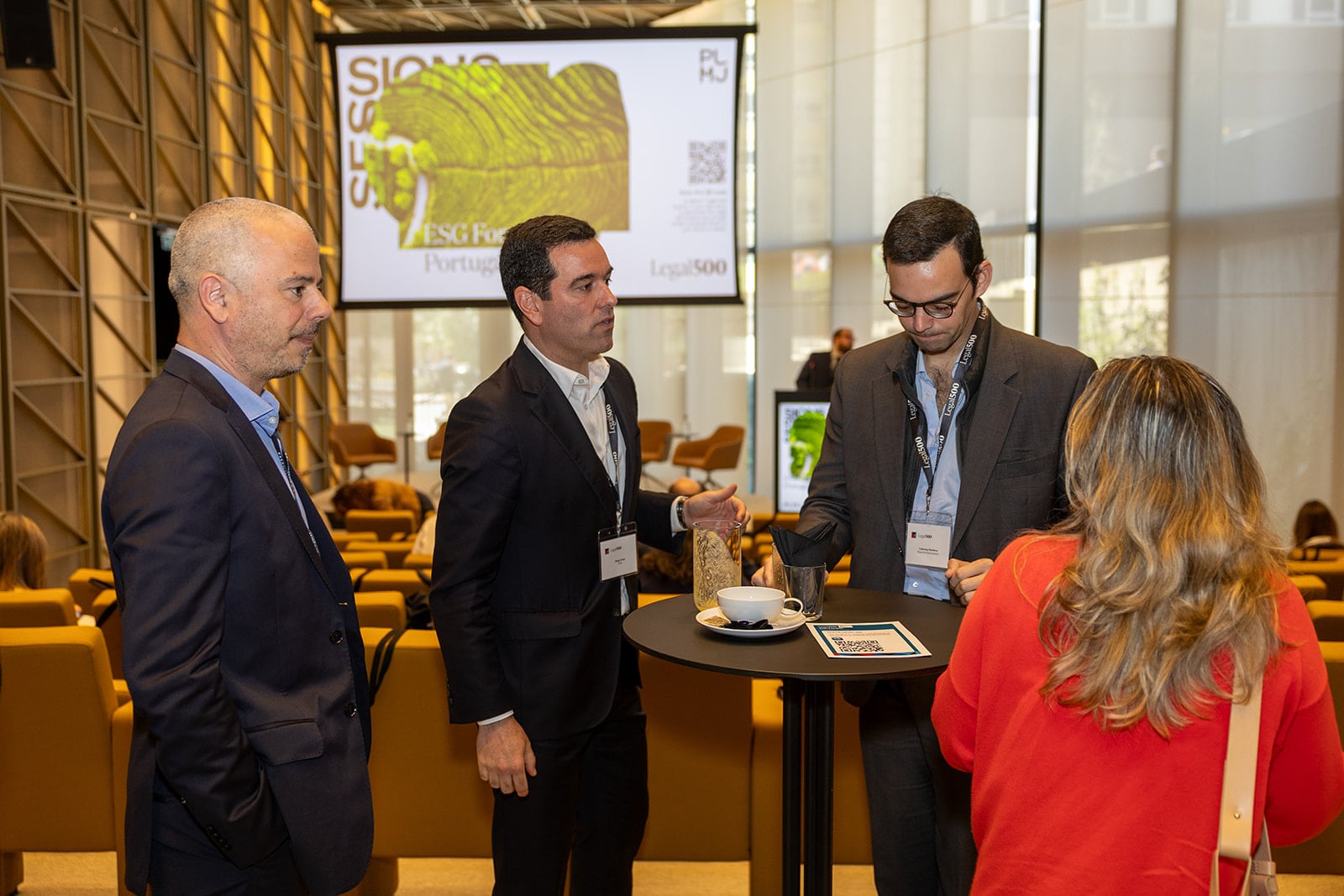
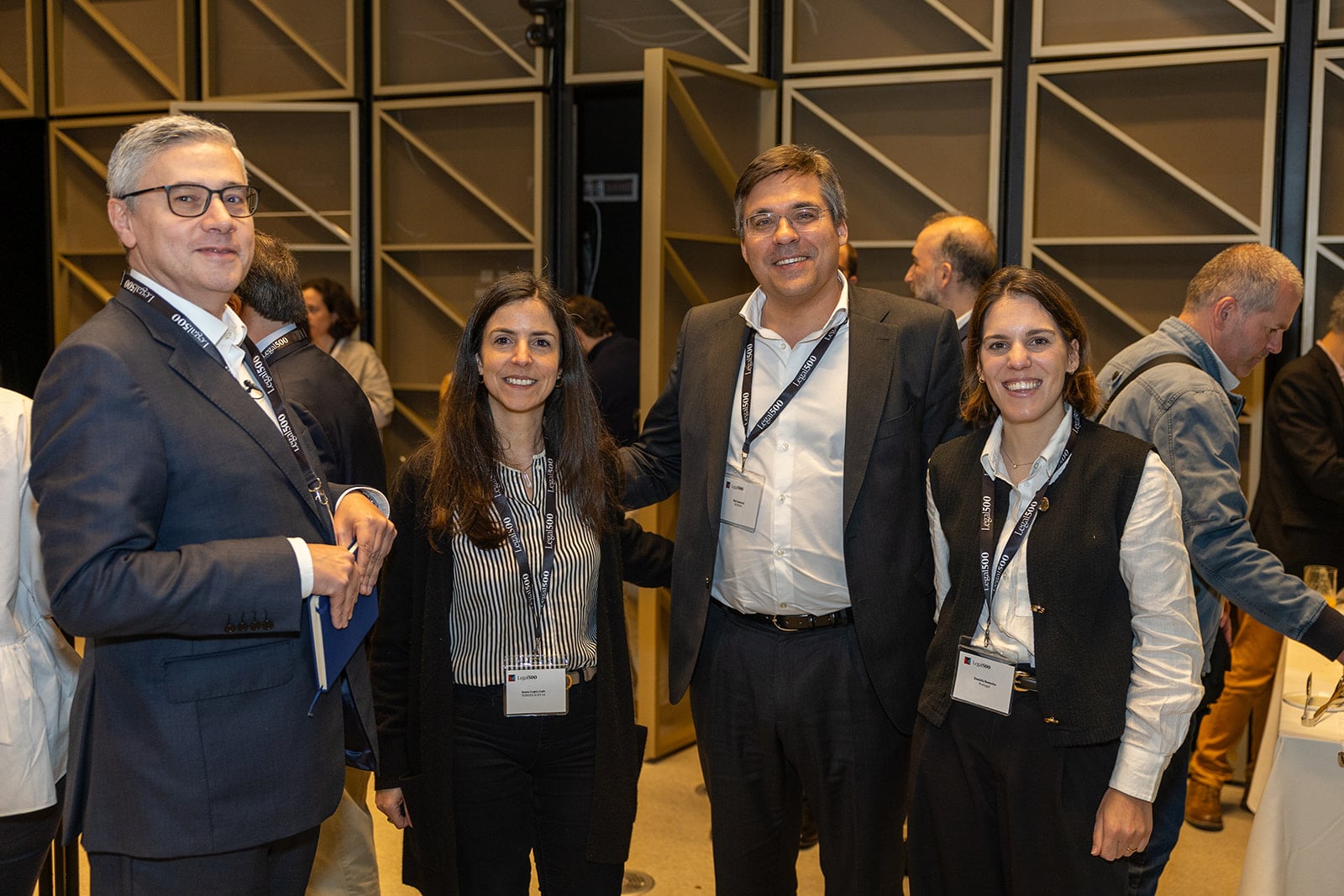
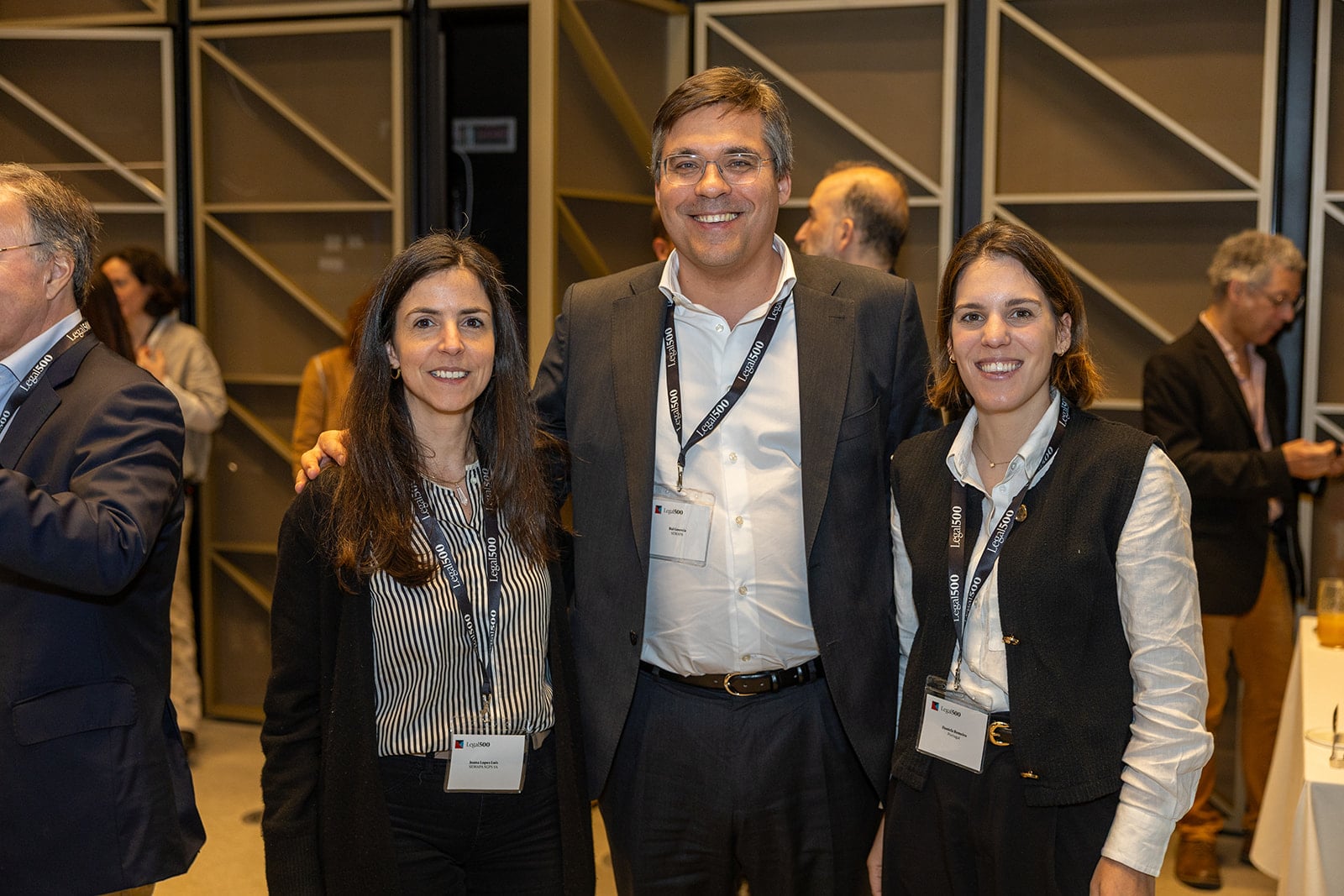
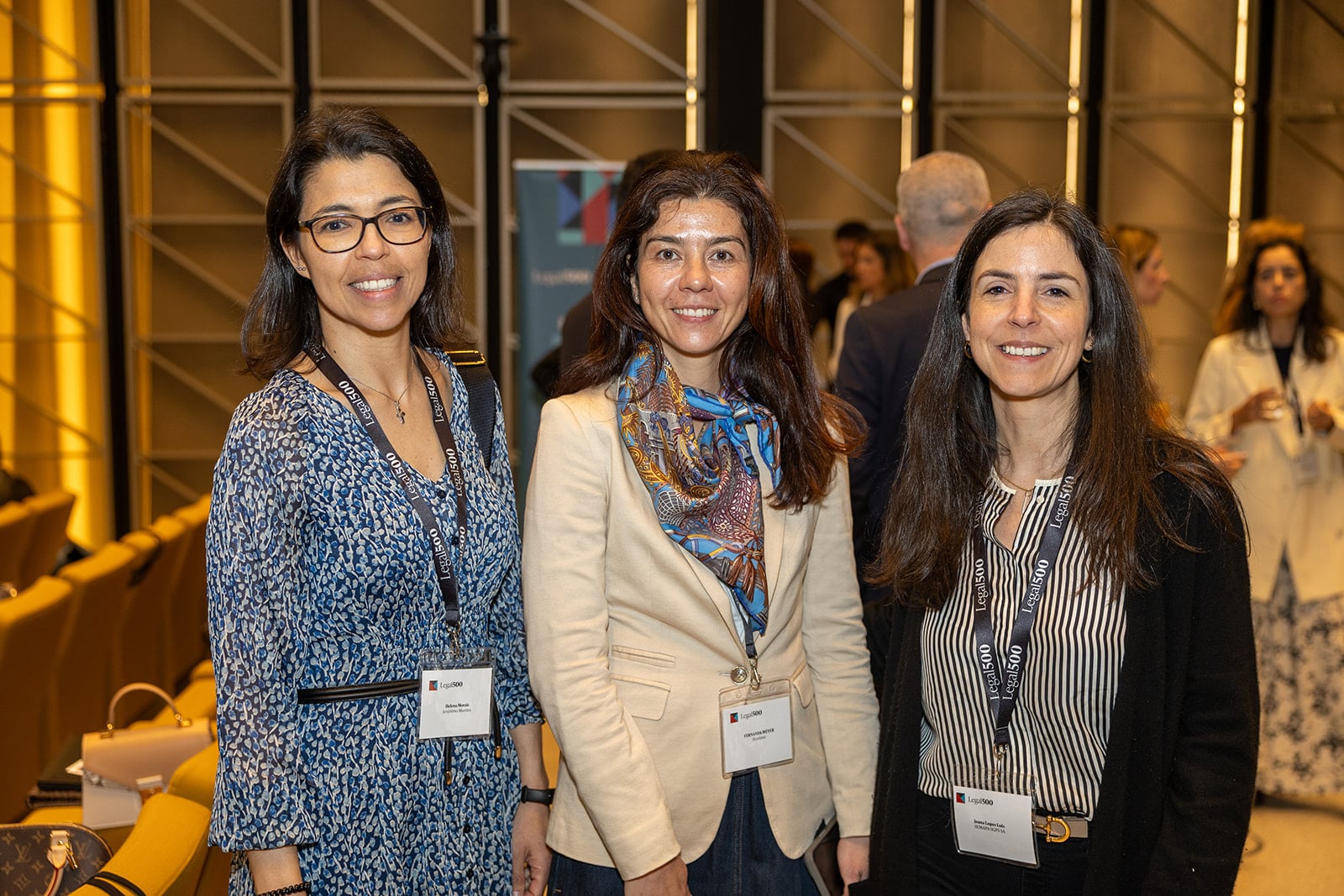
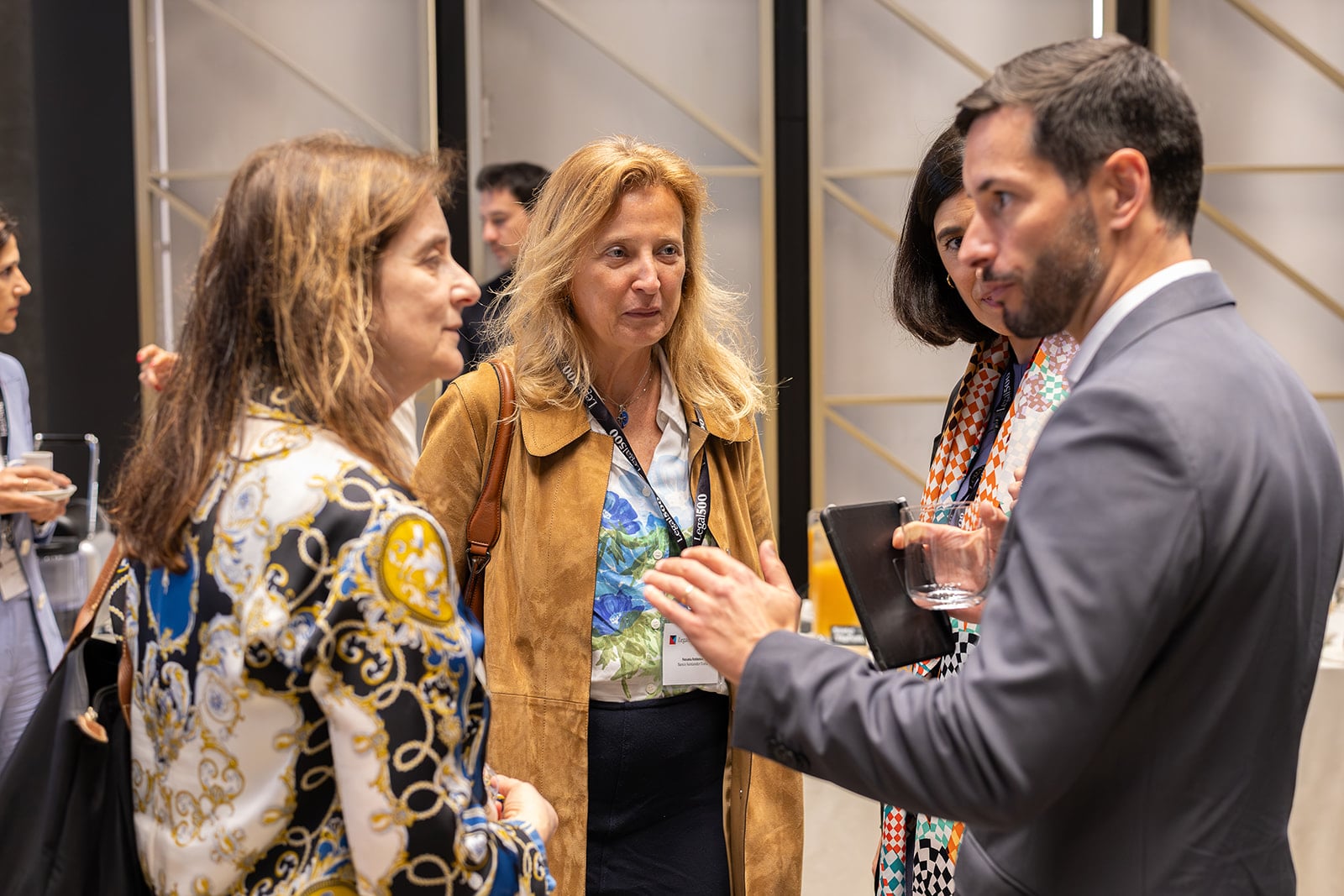
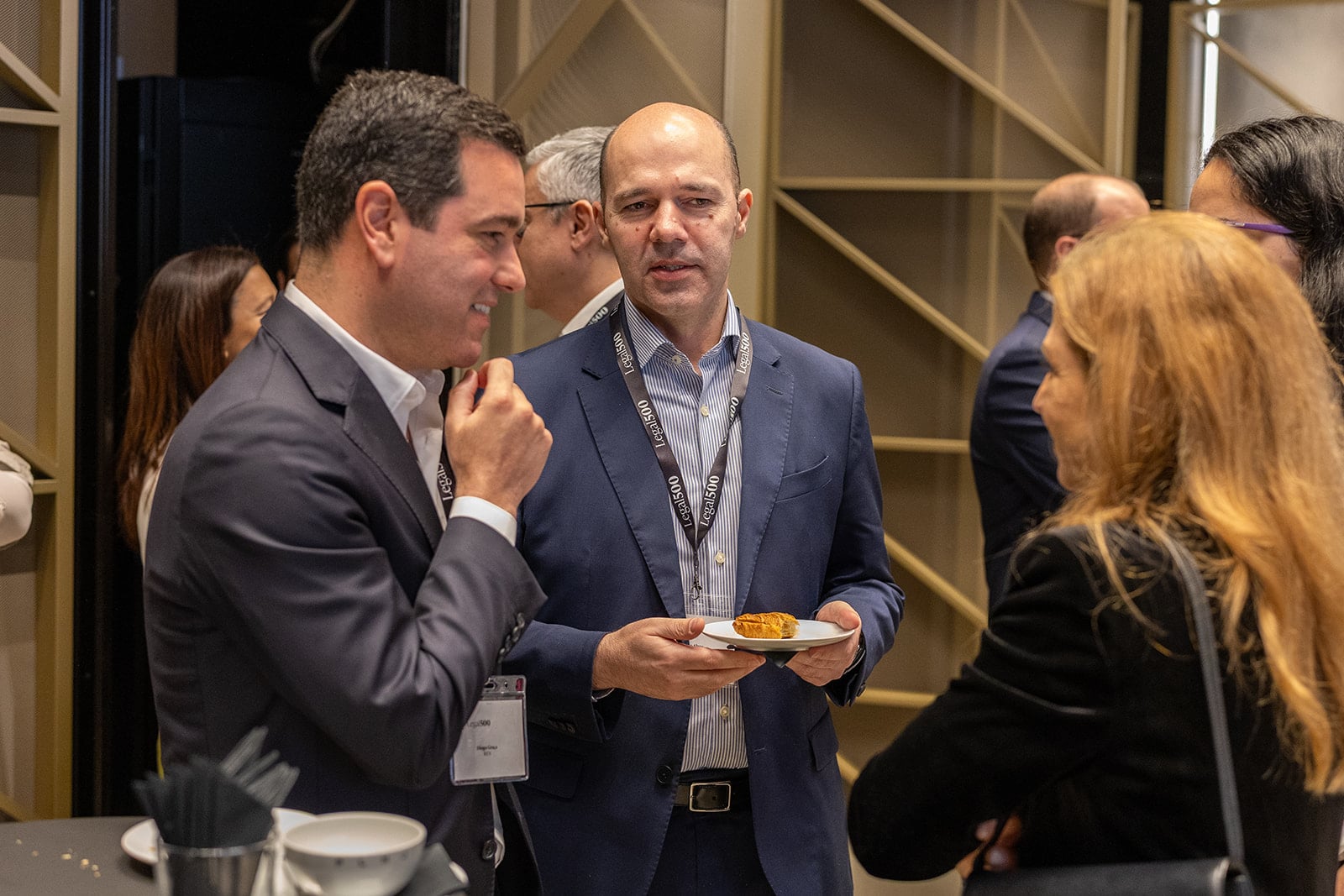
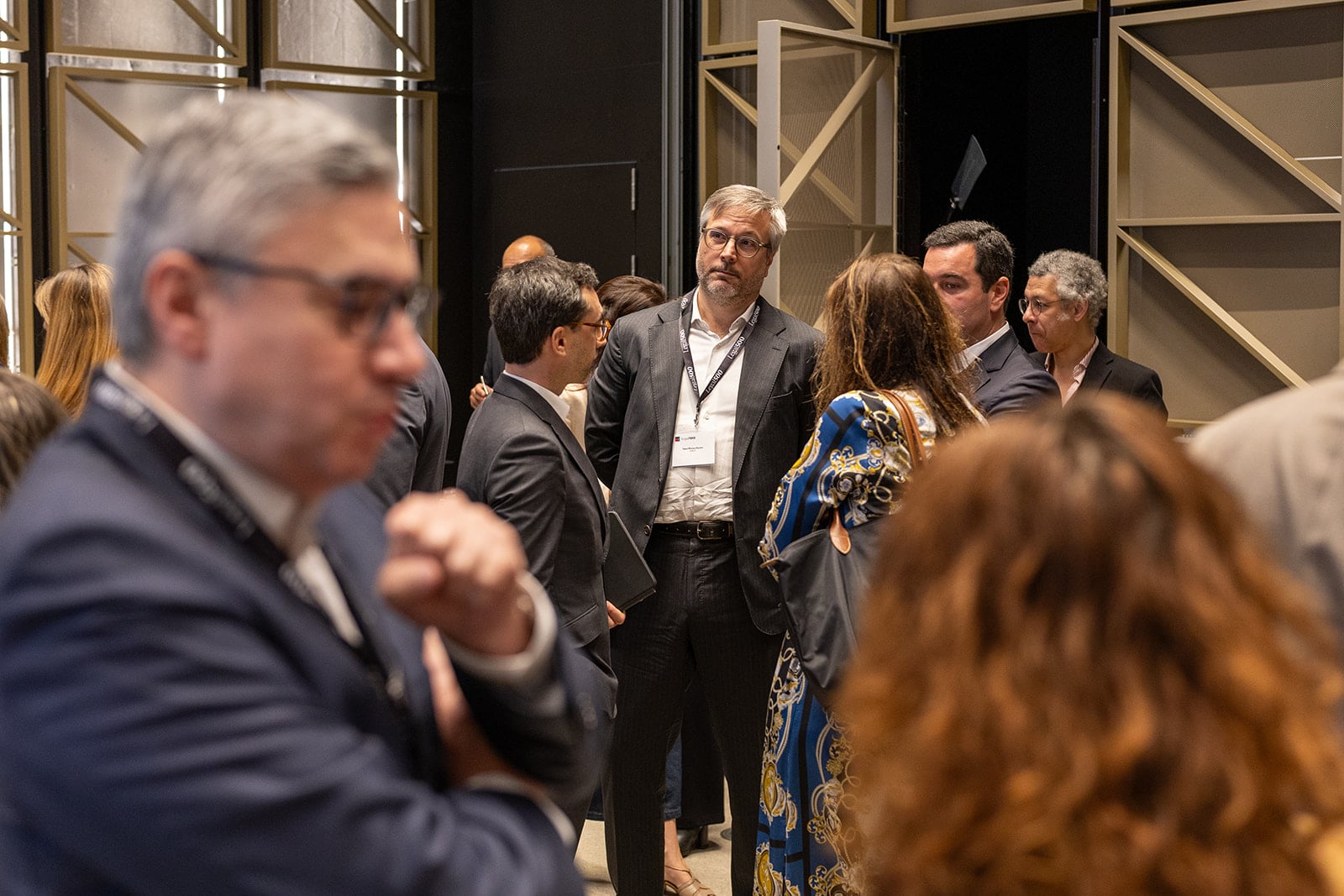
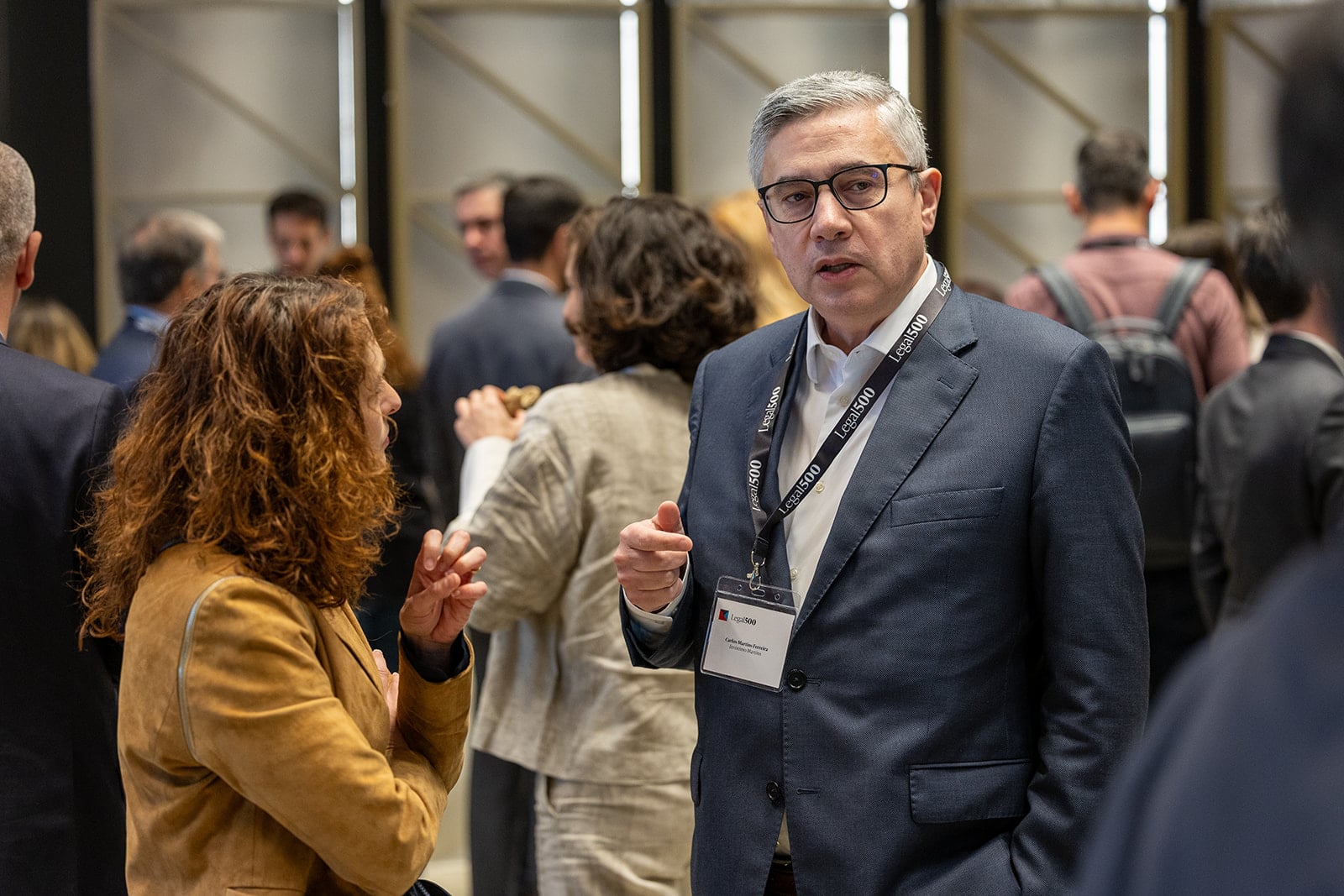
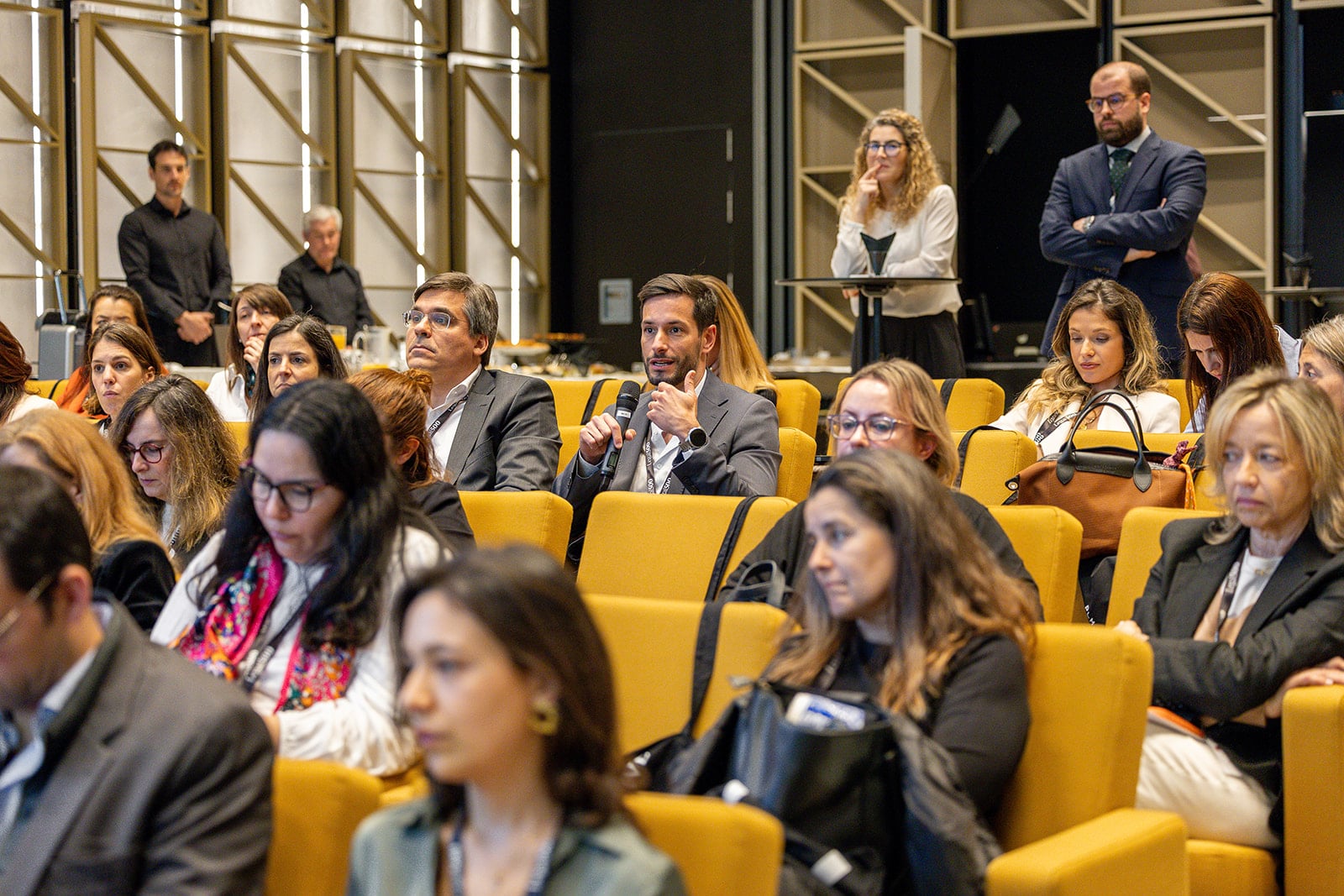
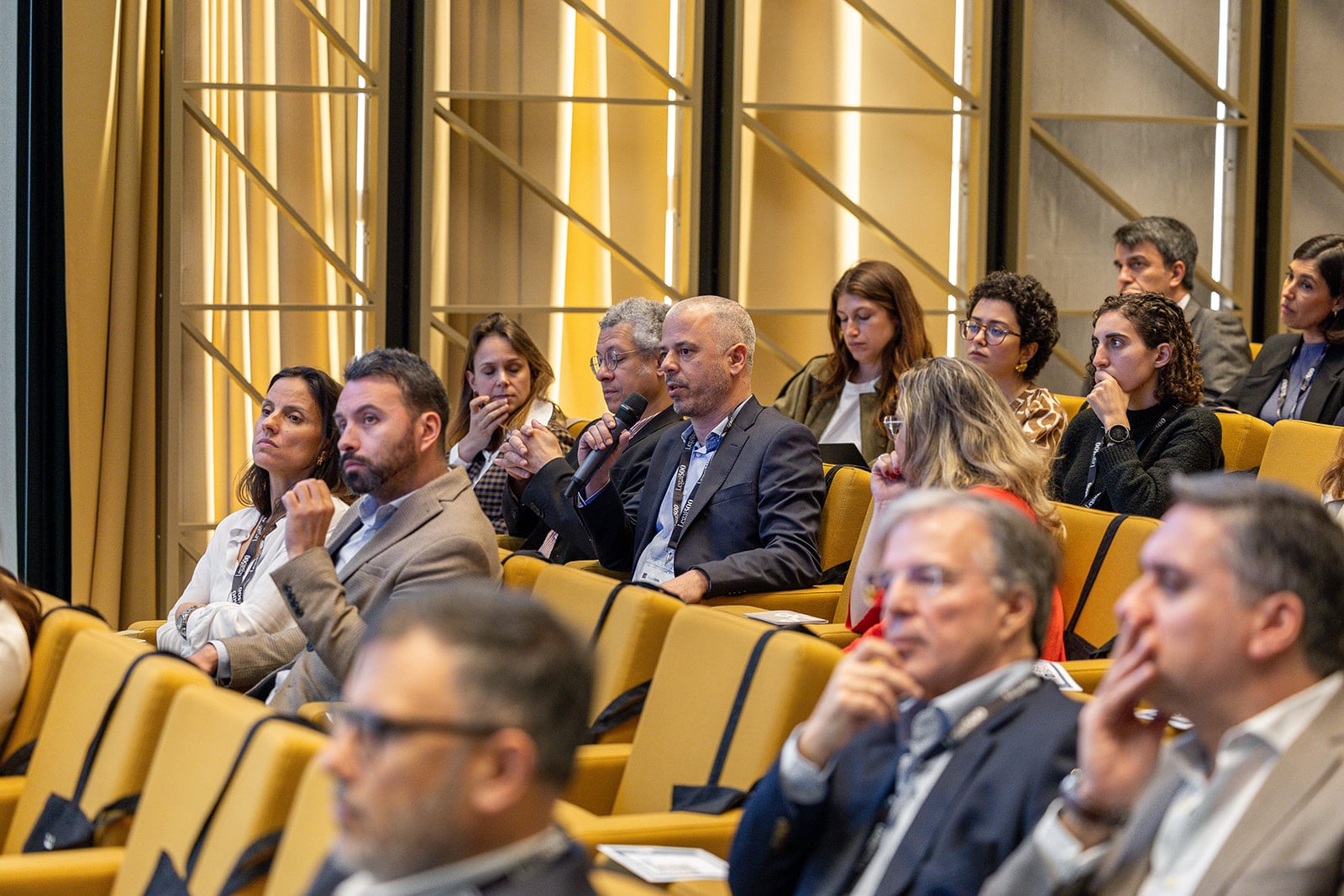
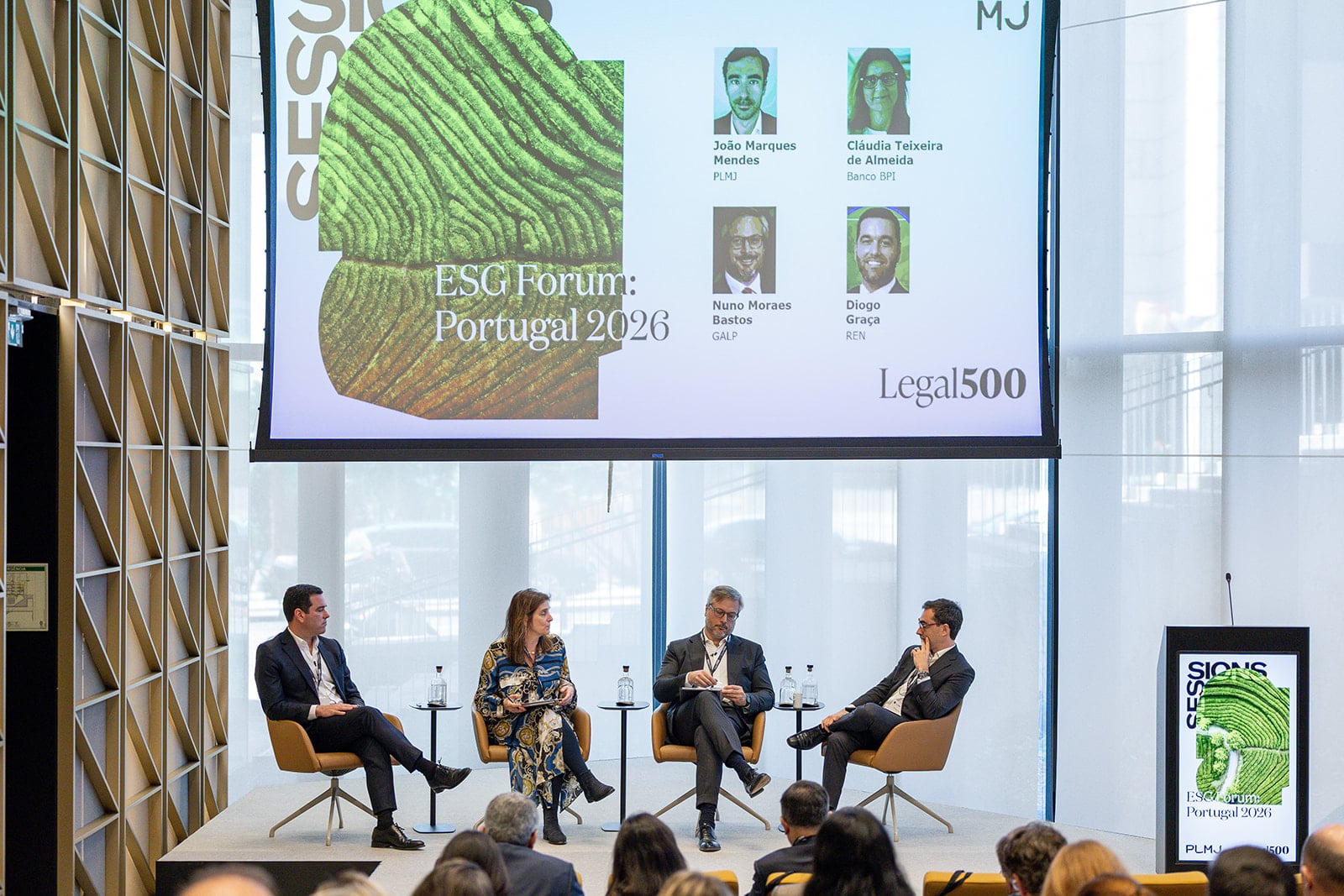
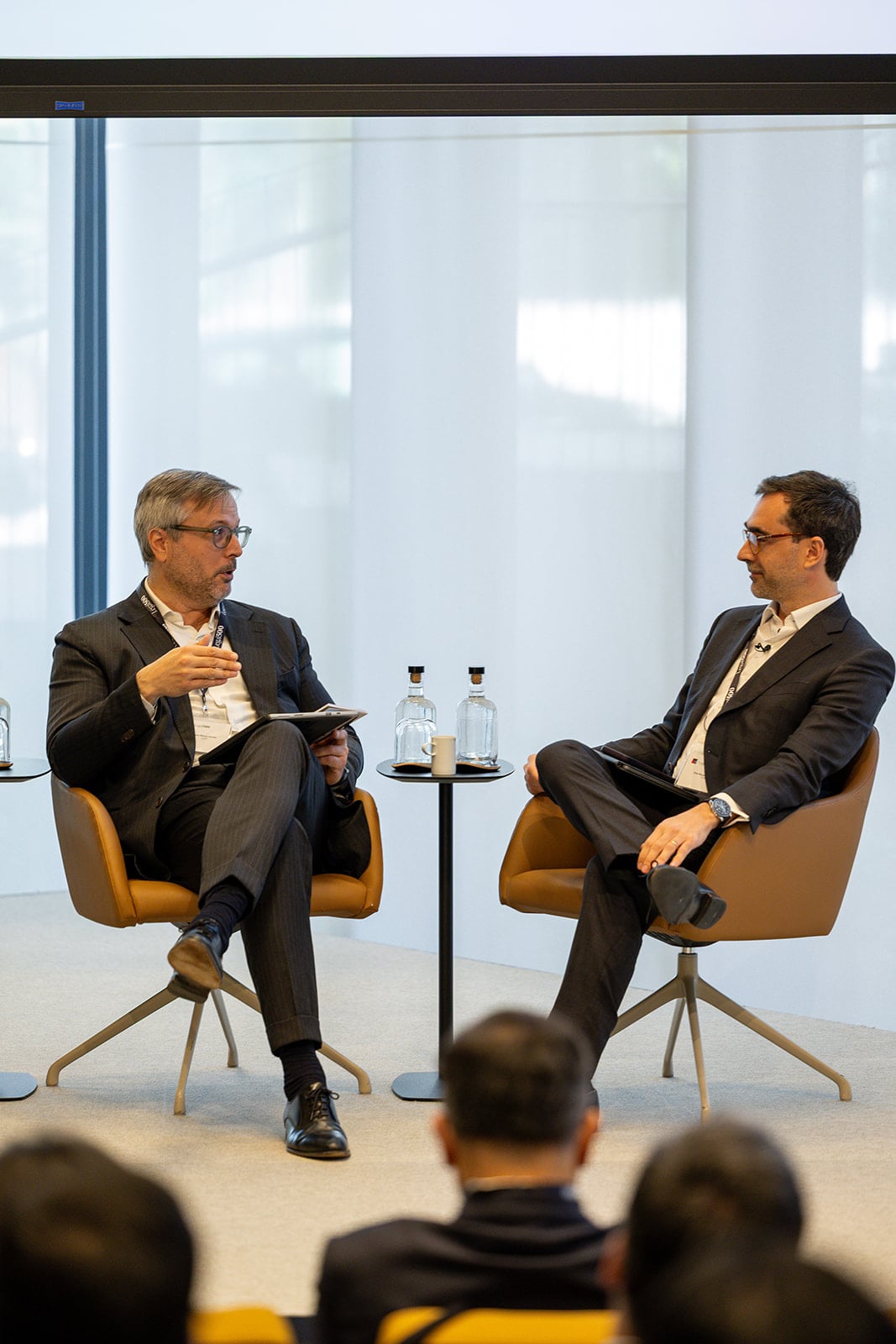
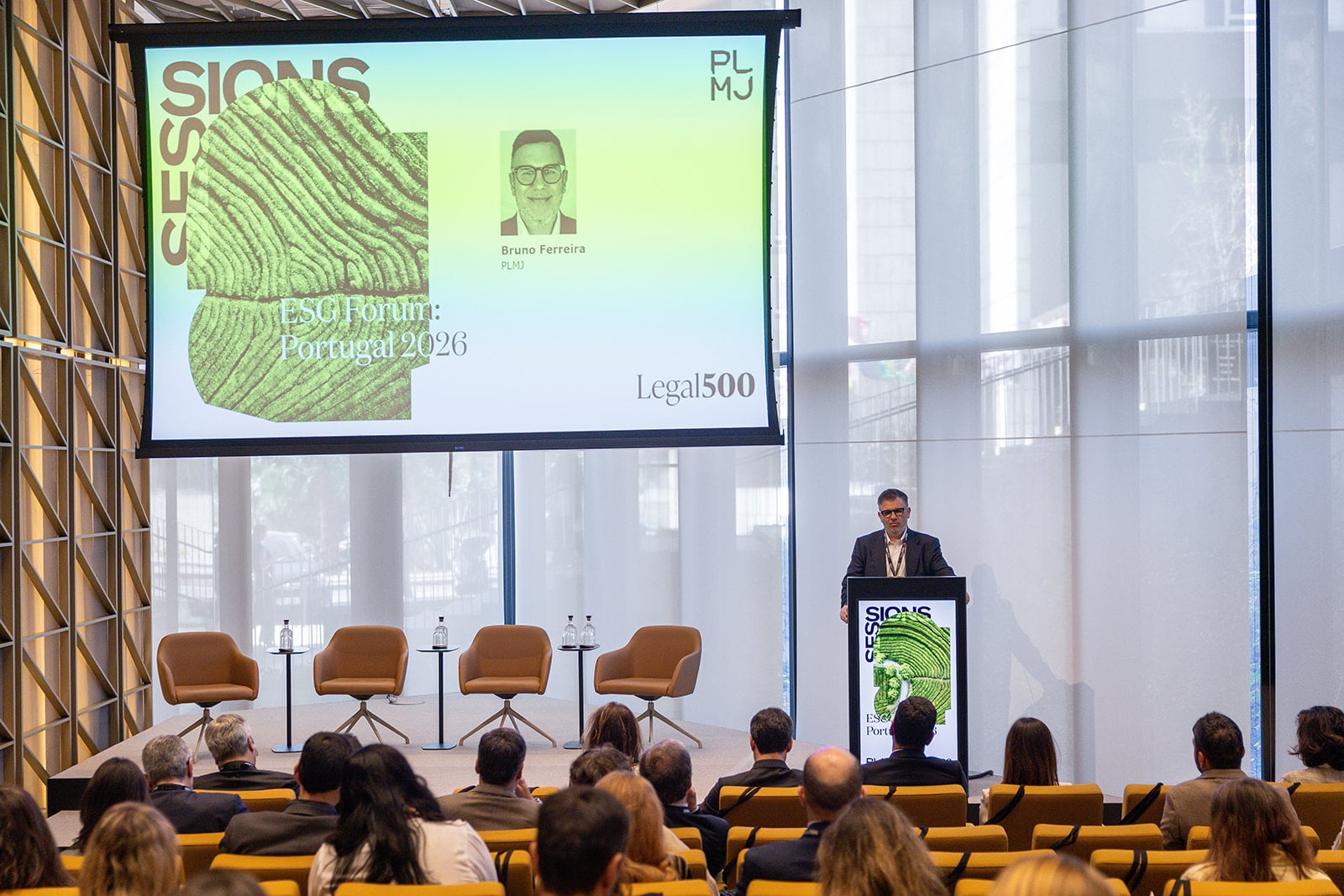
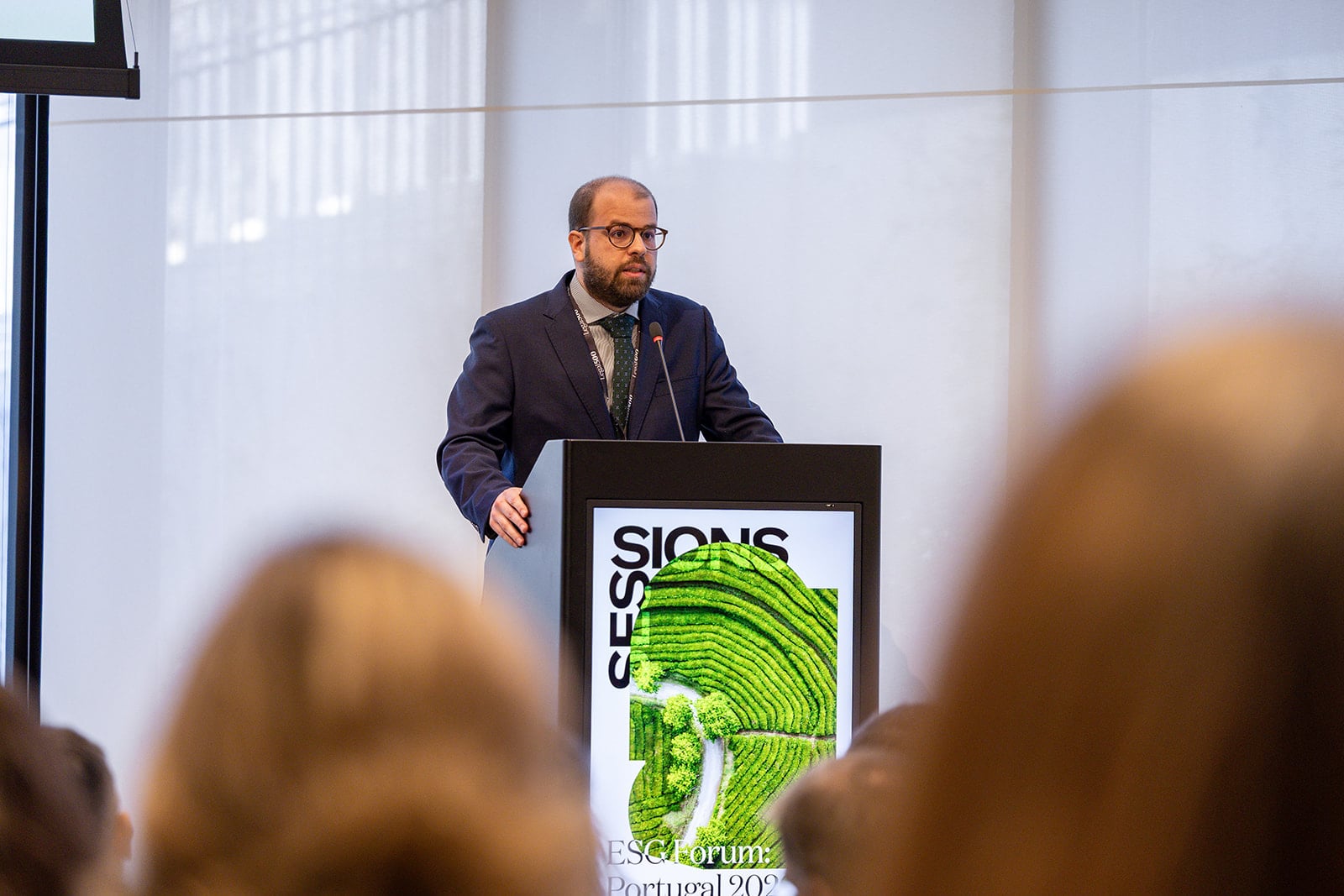
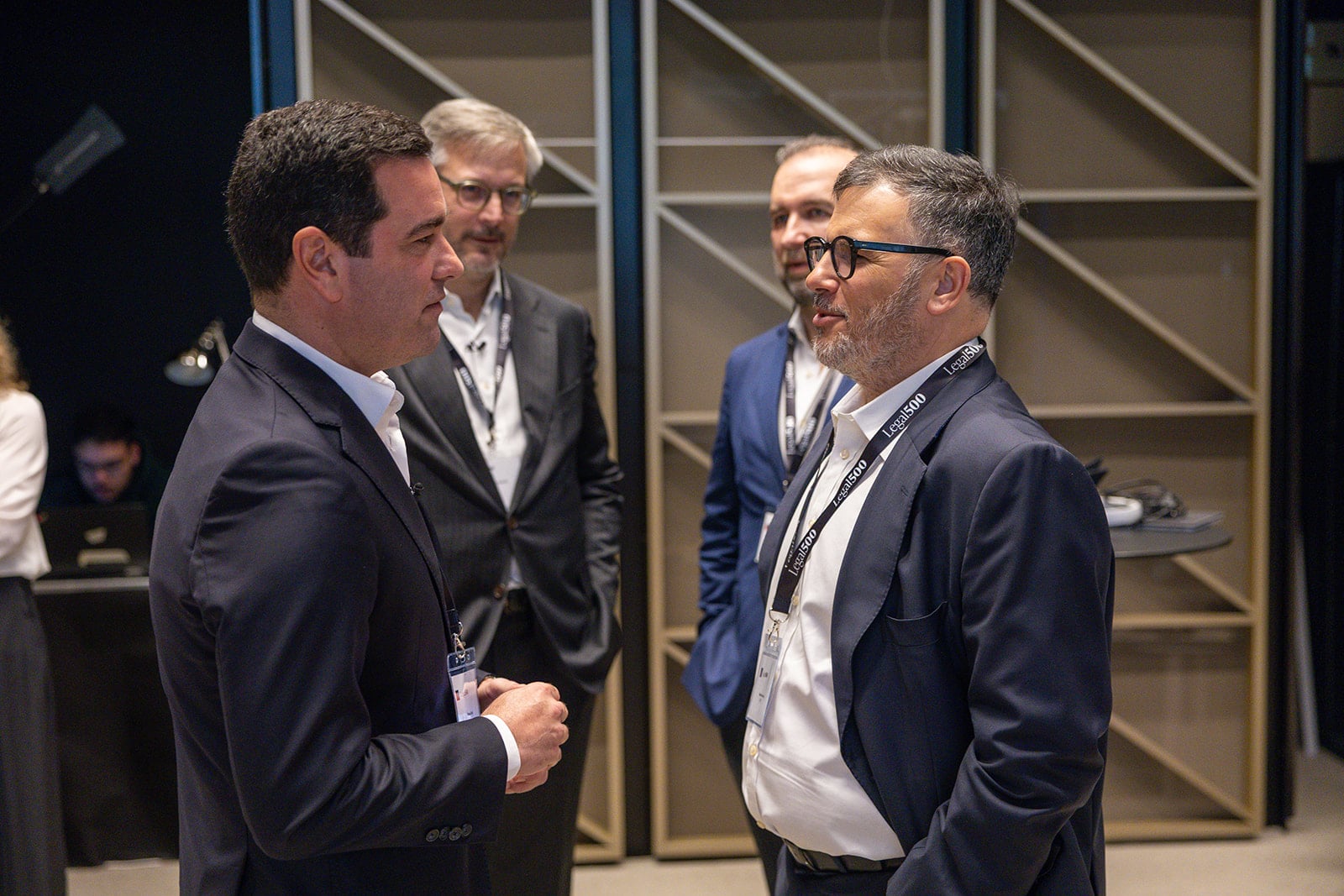
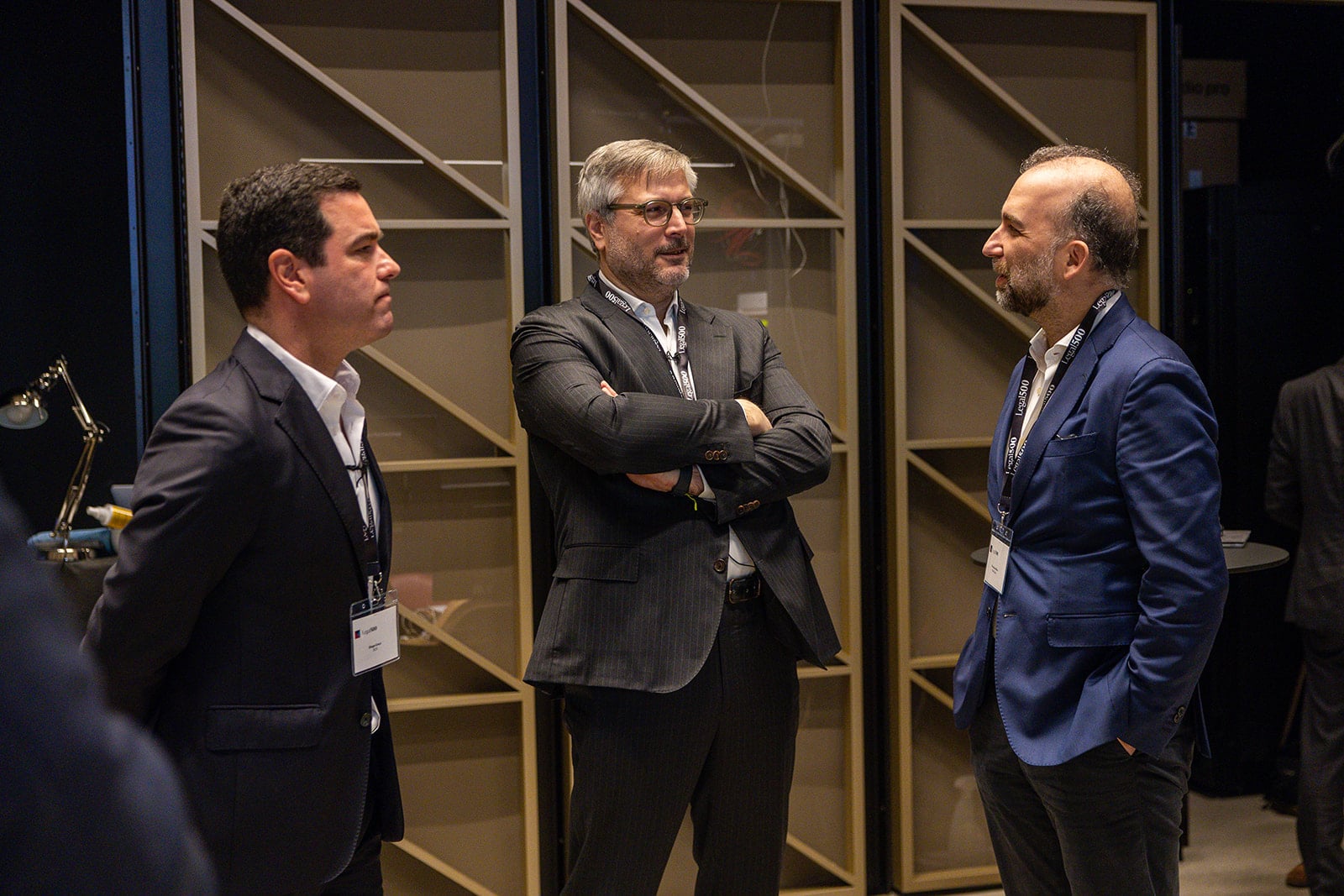
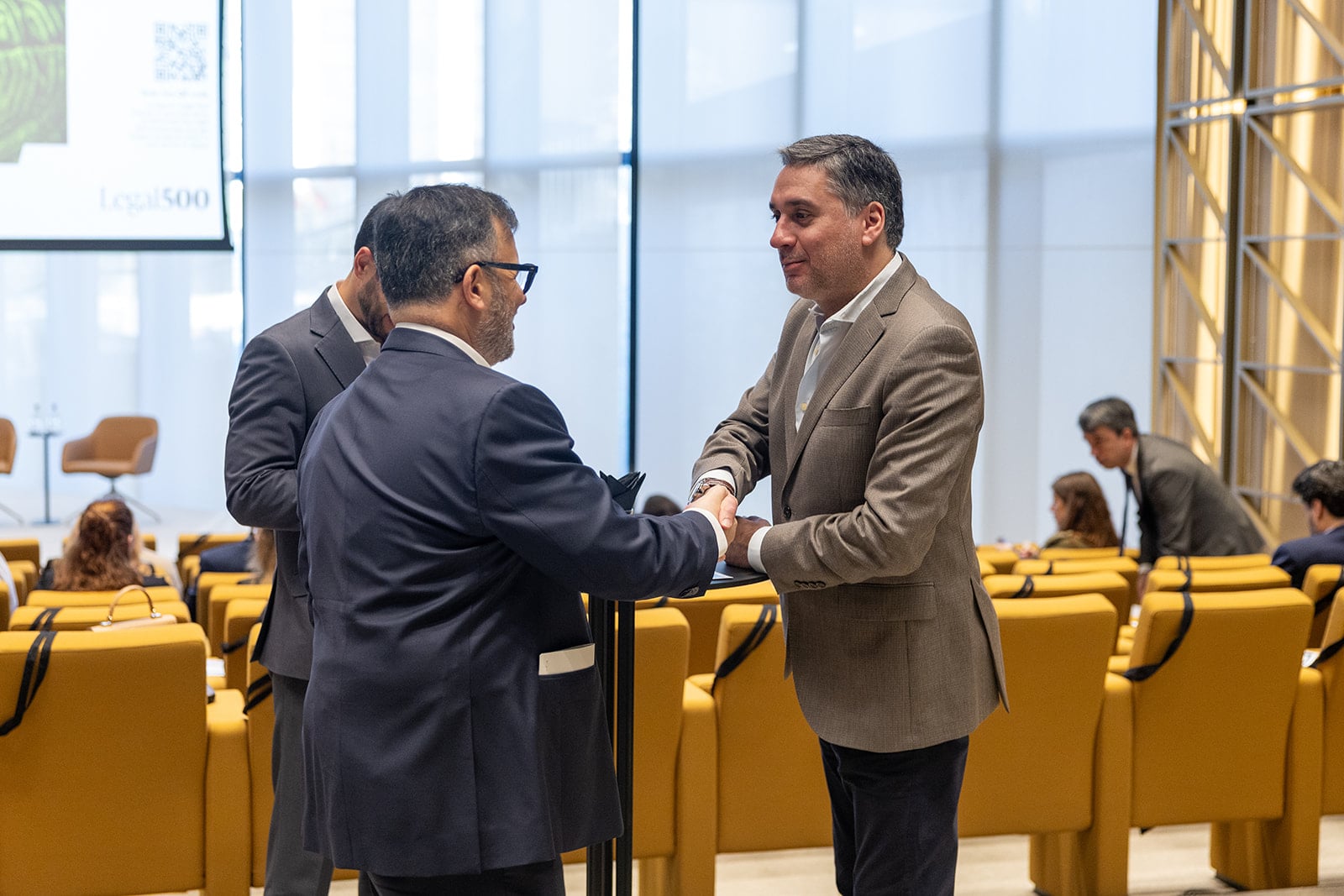
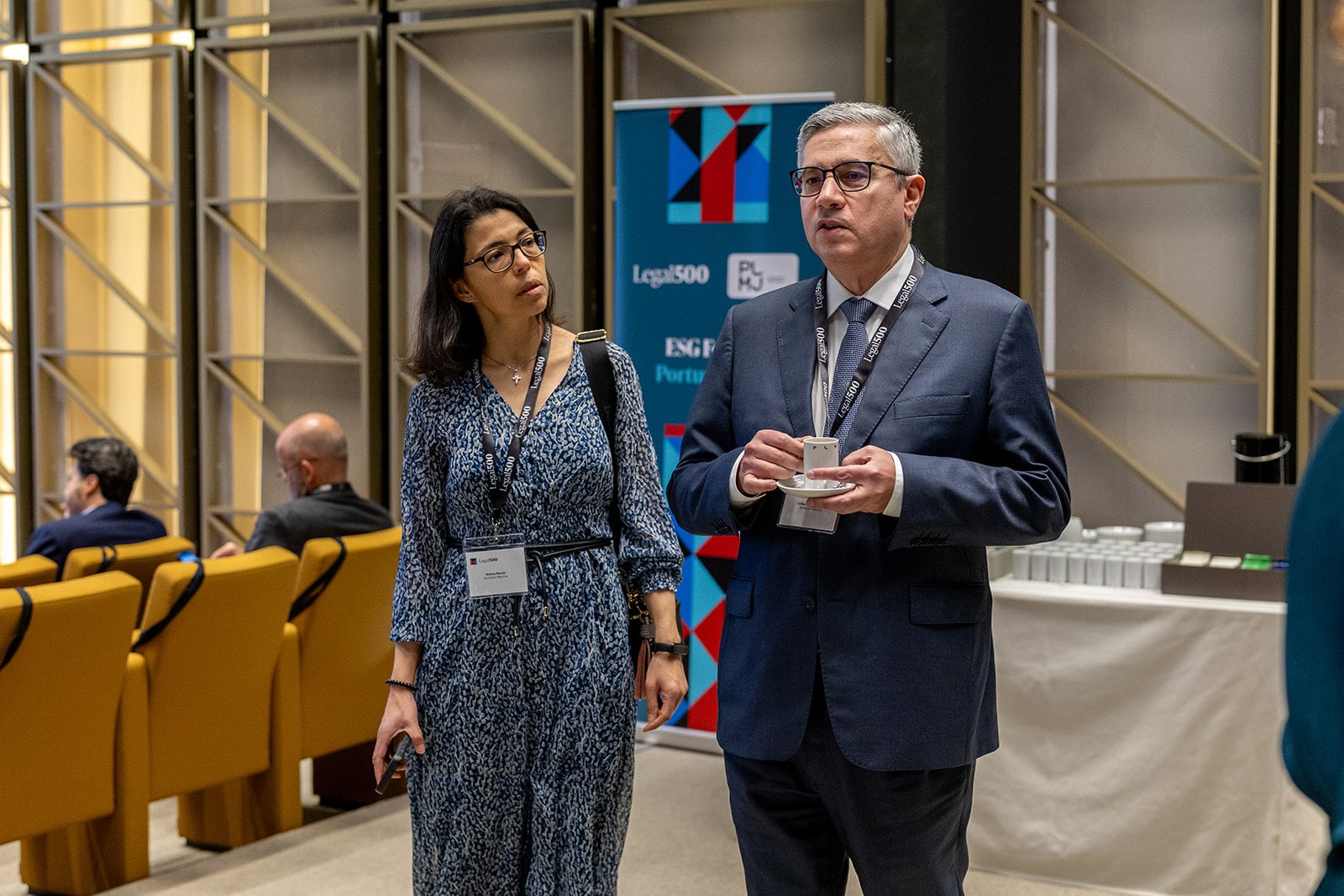
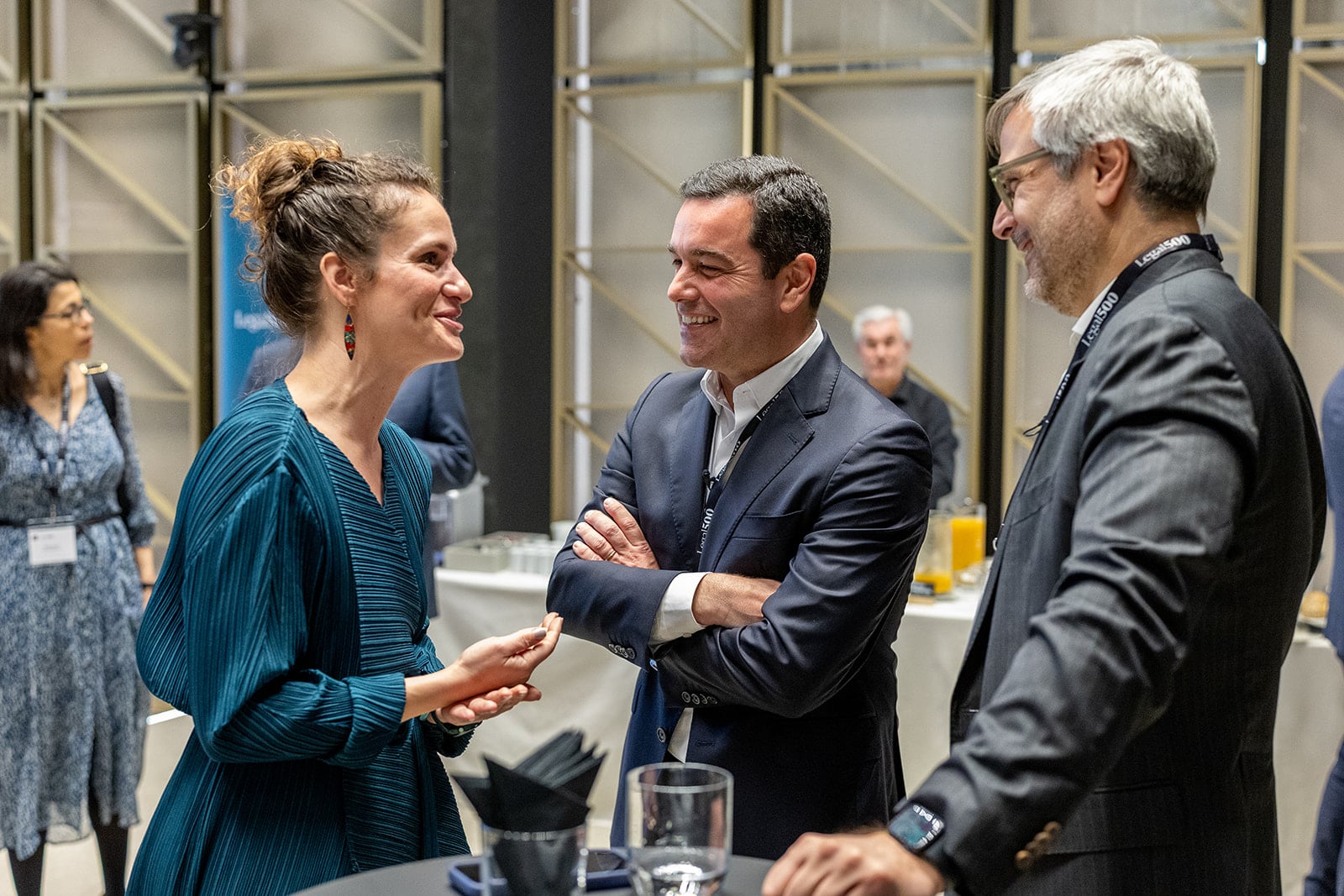
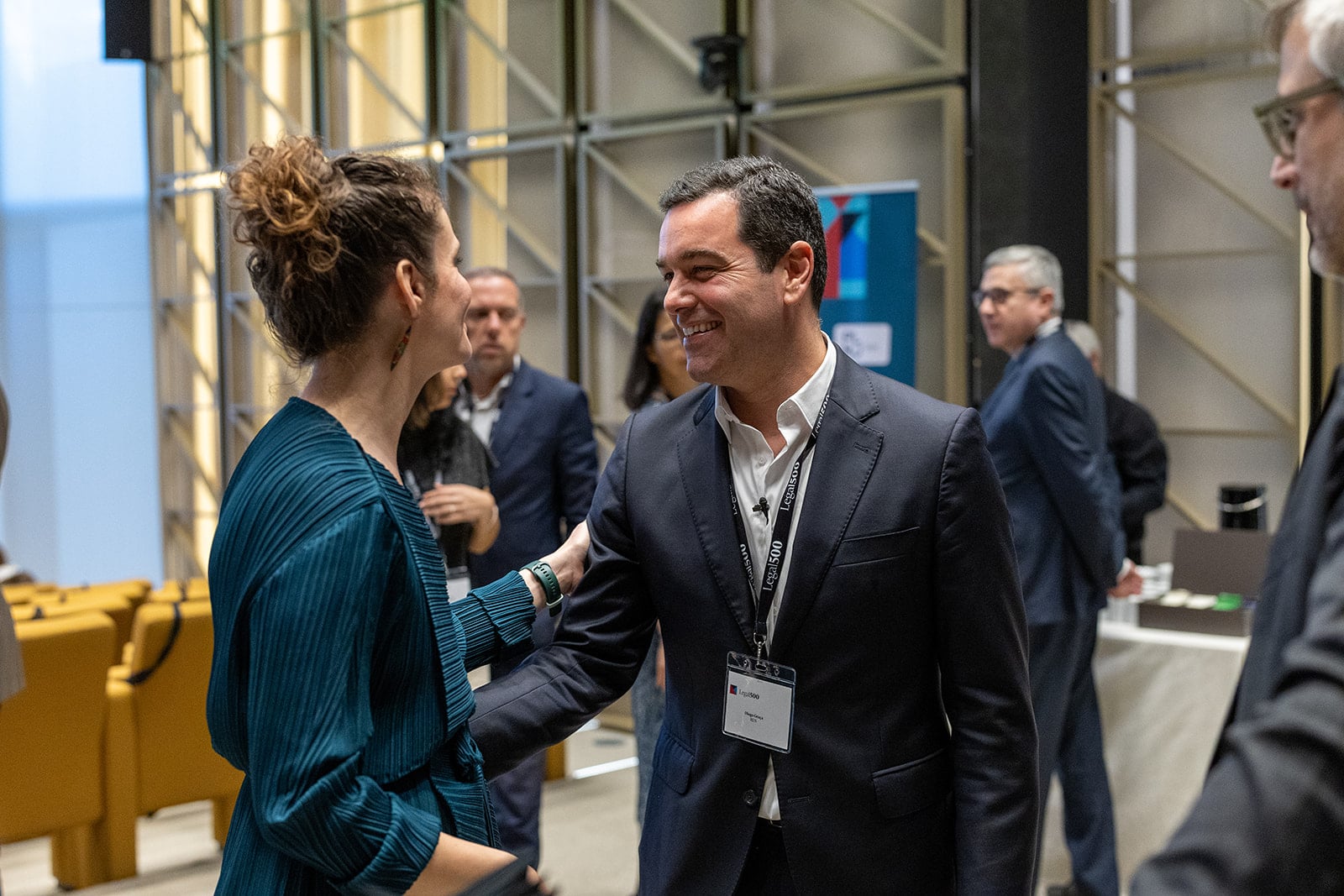
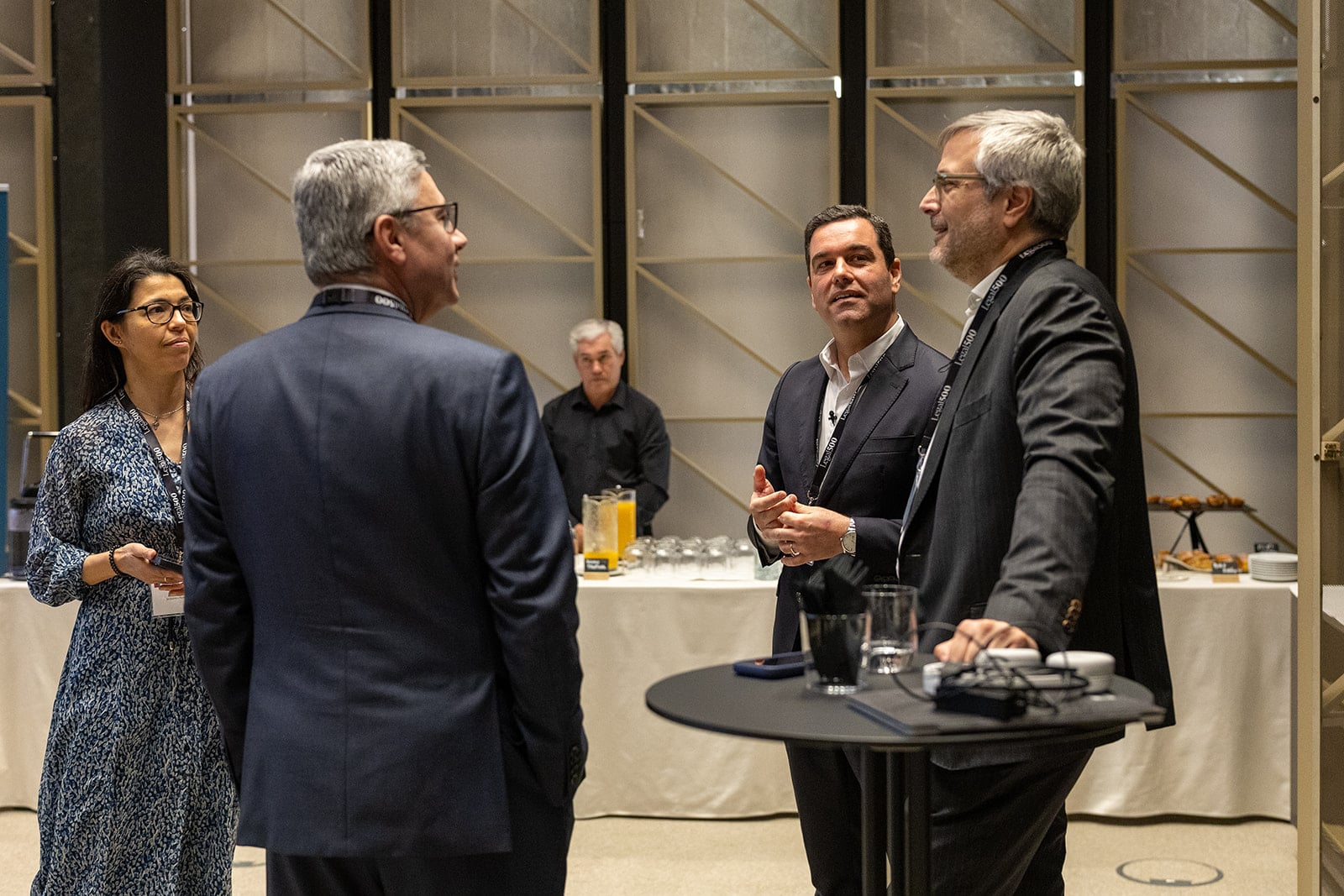
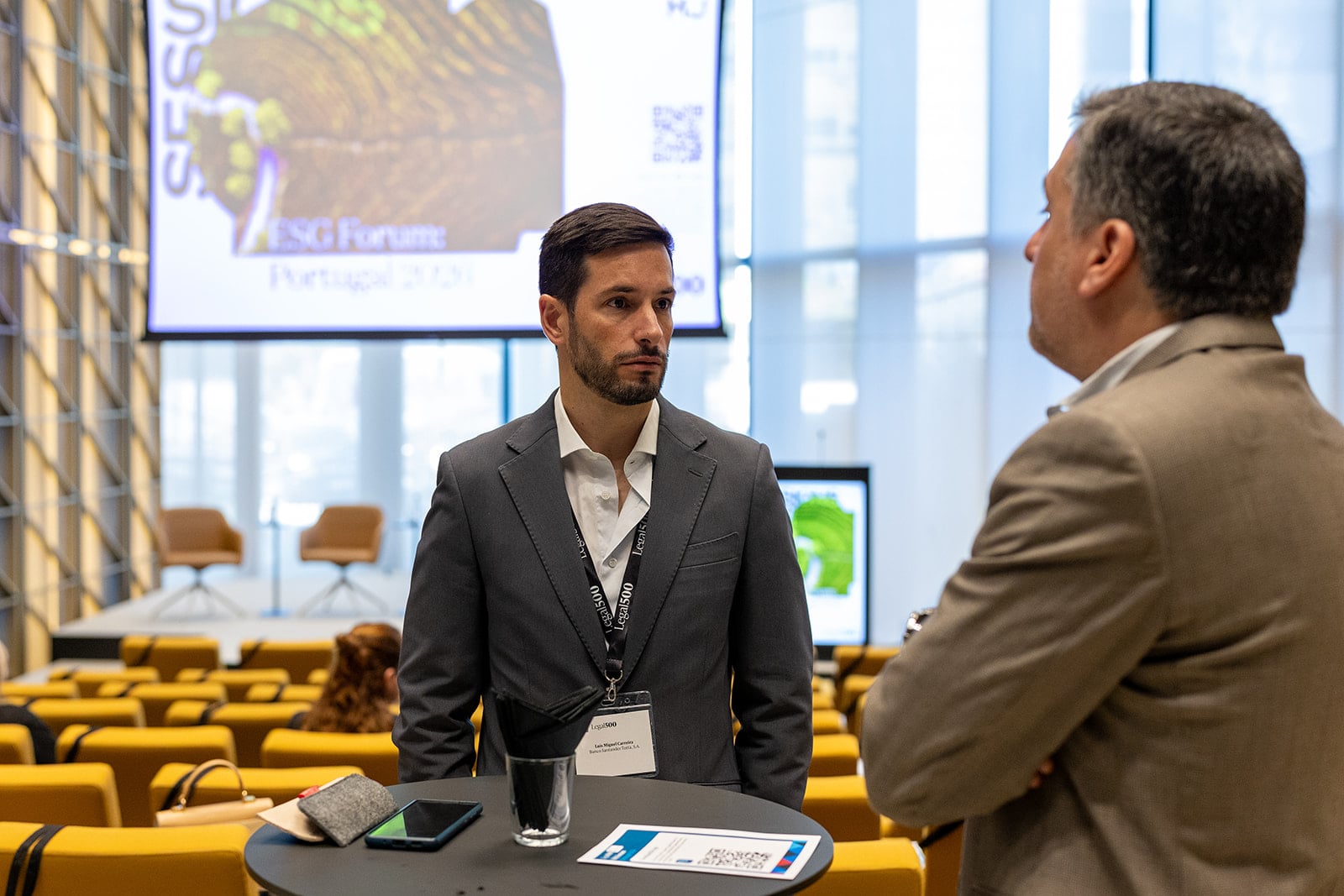
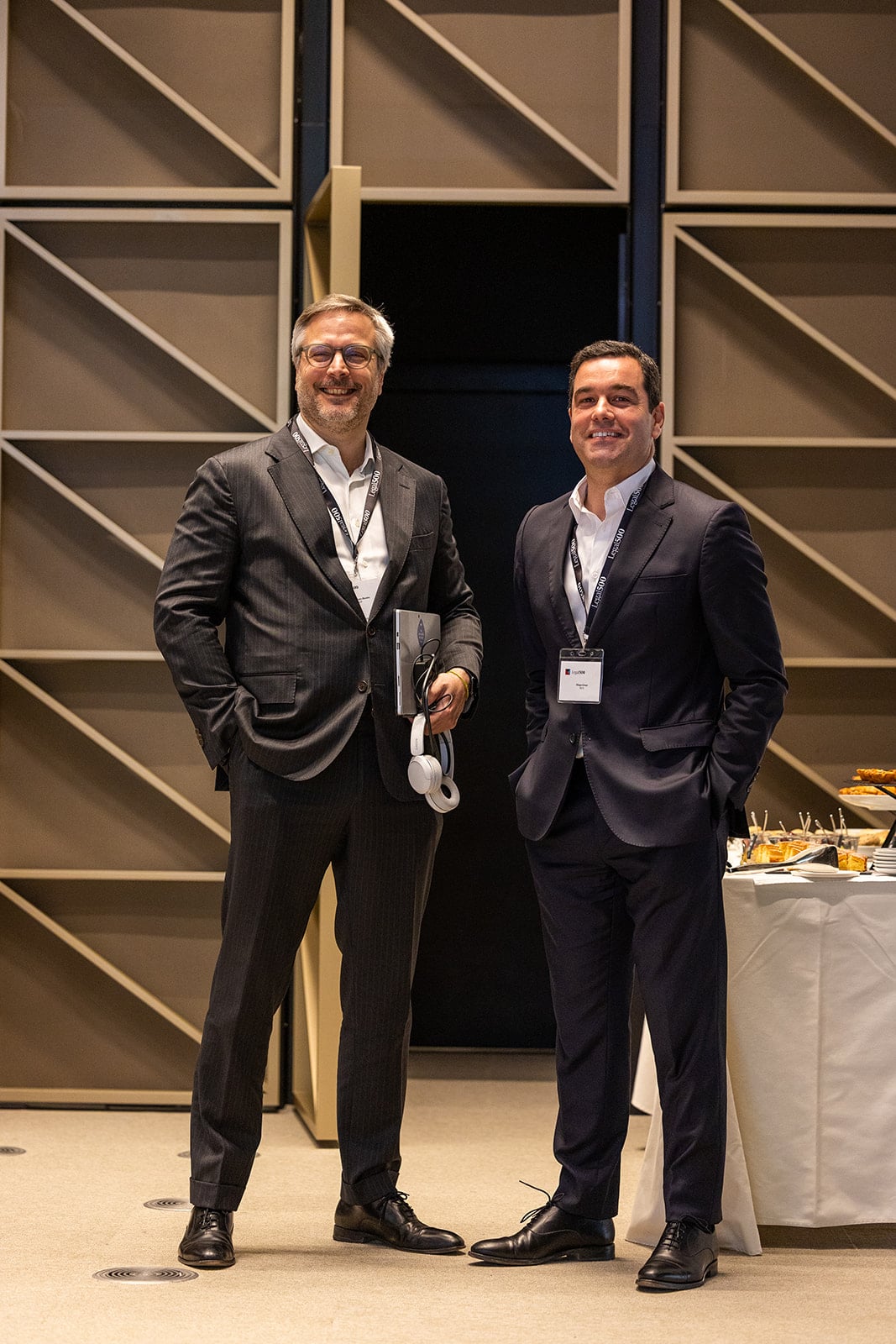
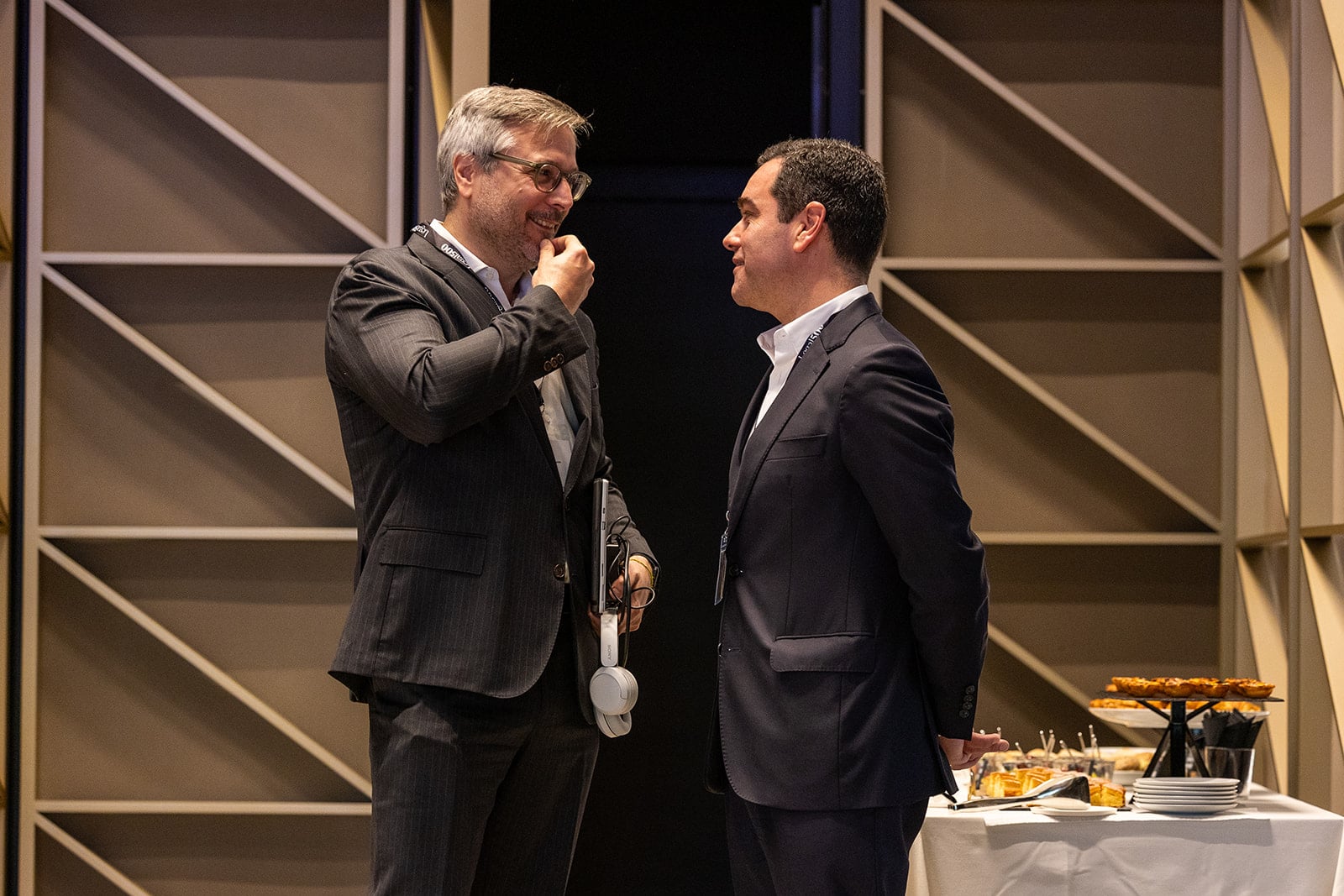
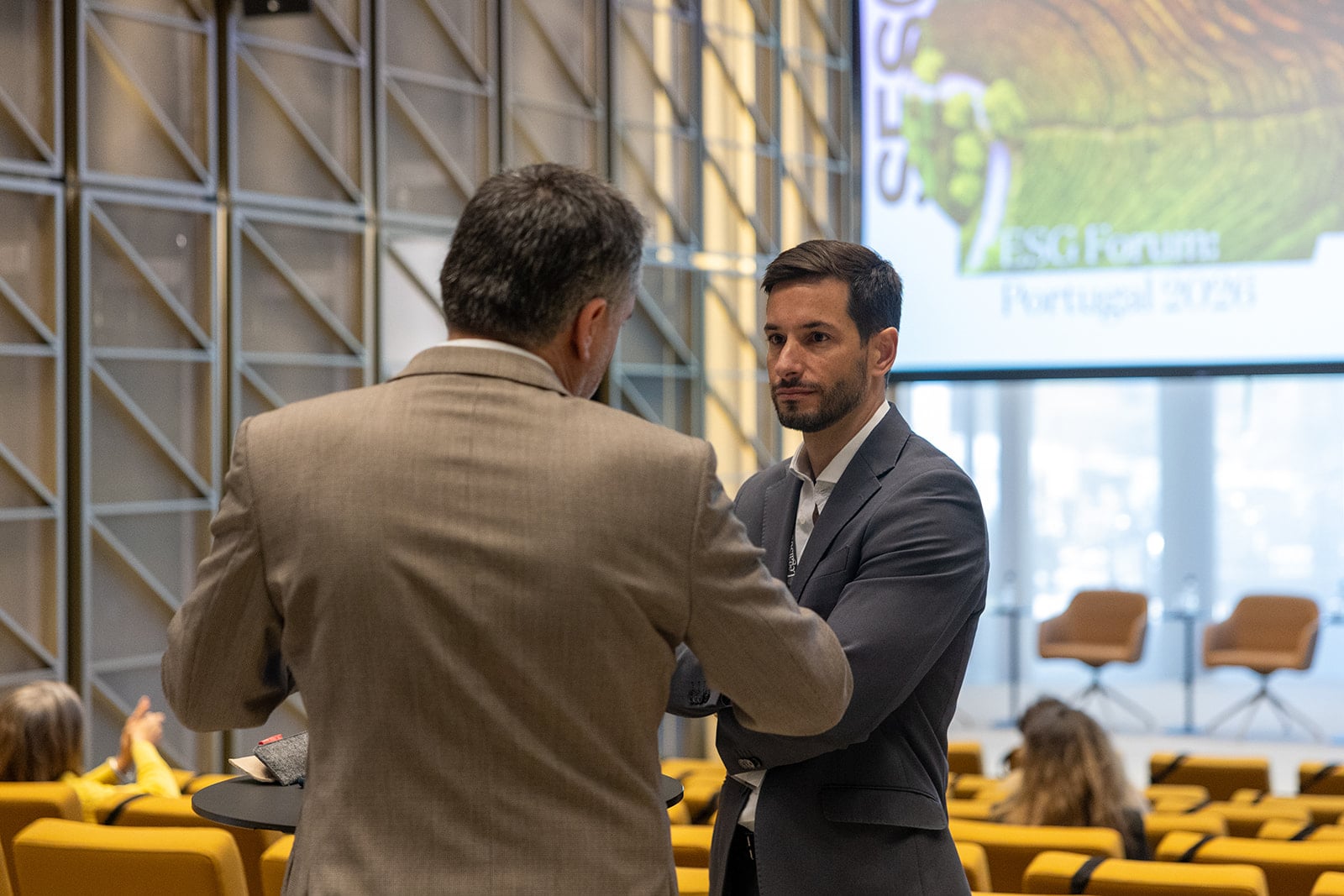
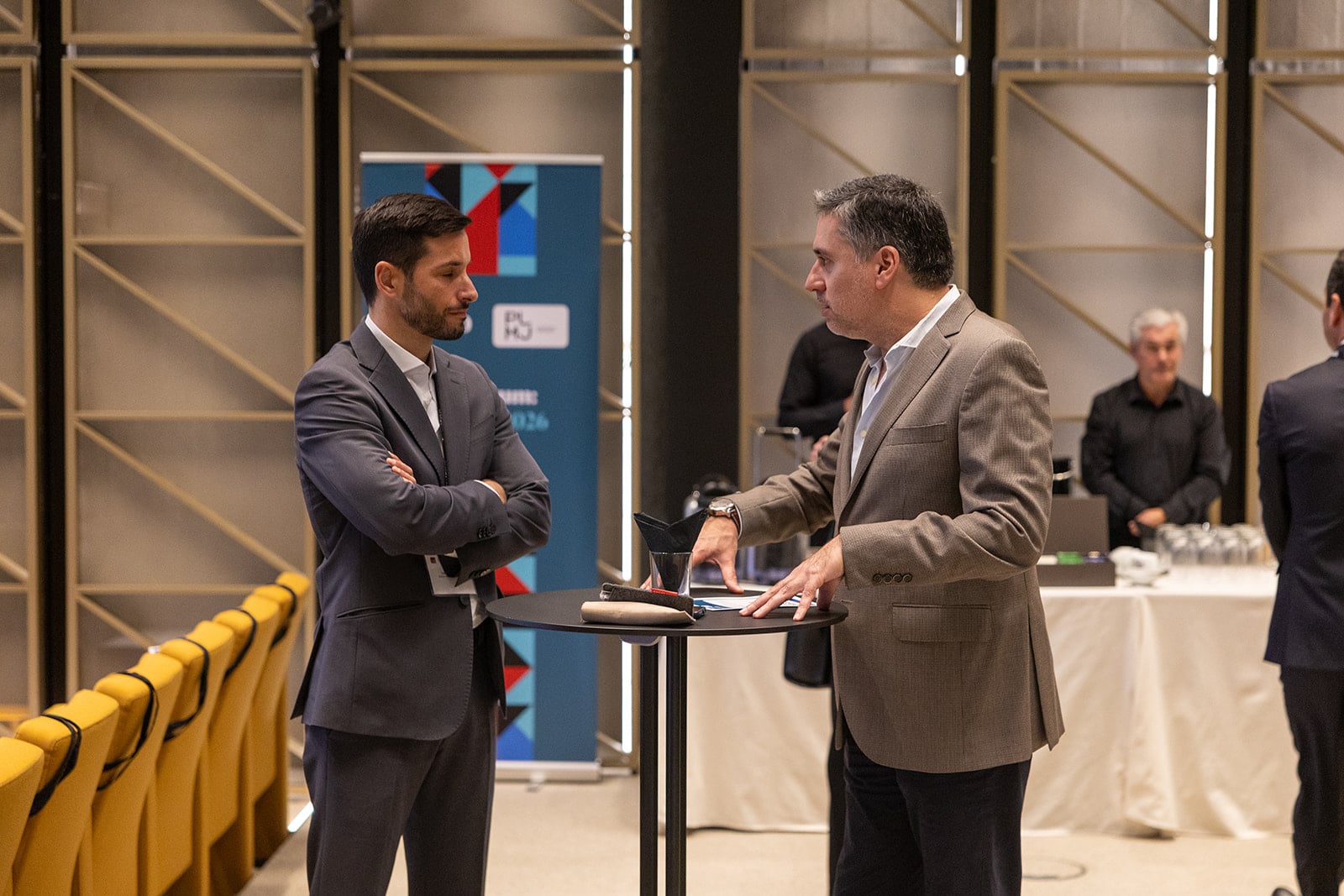
On 26 March, Legal 500 partnered with Portuguese law firm PLMJ to bring its renewed sustainability‑focused conference series to Lisbon with the ESG Forum: Portugal 2026. The half‑day event gathered senior leaders from the legal, financial, energy and sustainability spheres for a concentrated programme hosted at PLMJ’s offices. Throughout the sessions, speakers explored the regulatory, governance and enforcement forces reshaping ESG strategy in Portugal, offering a clear cross‑sector perspective on how organisations are adapting to an increasingly complex and fast‑moving landscape.
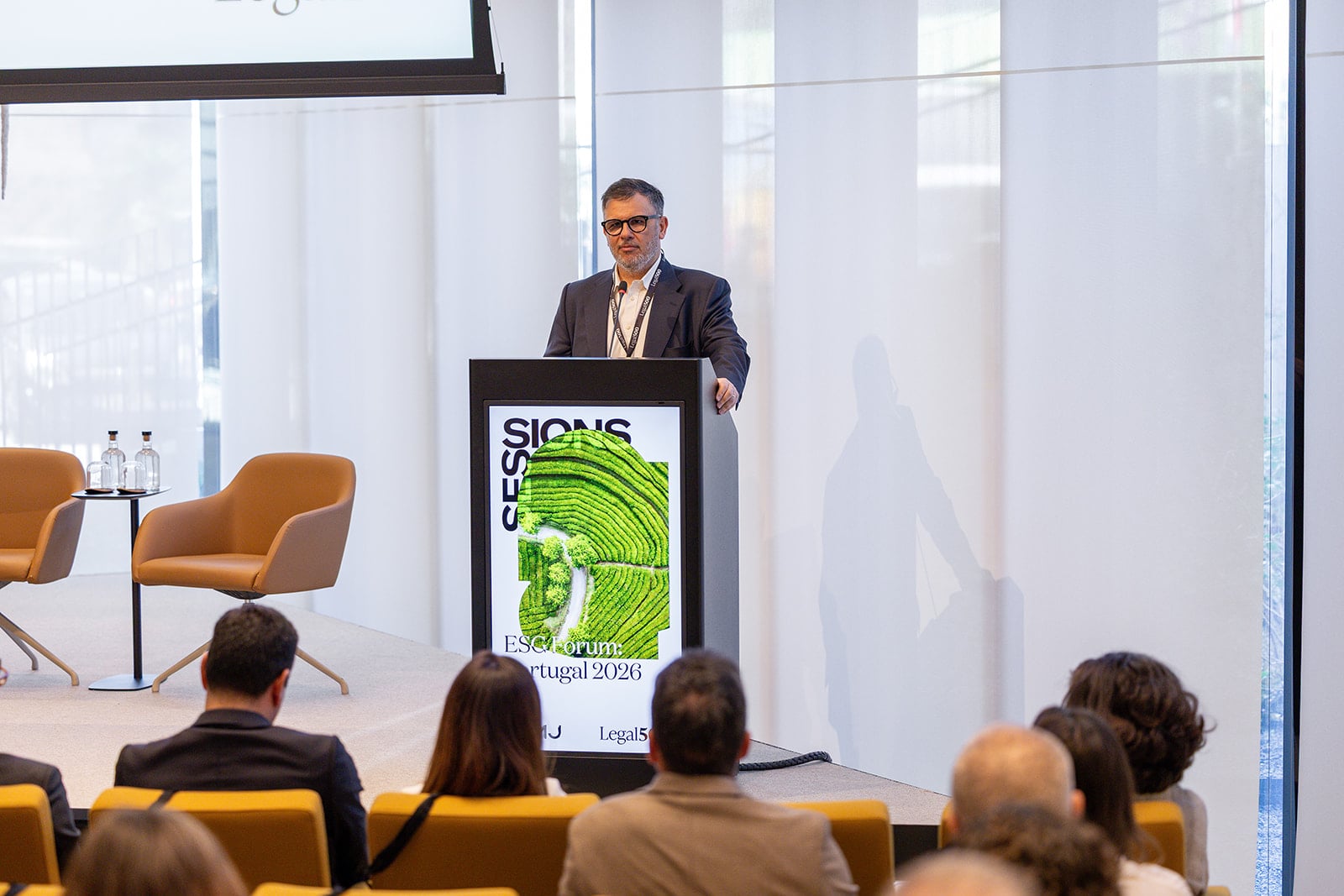
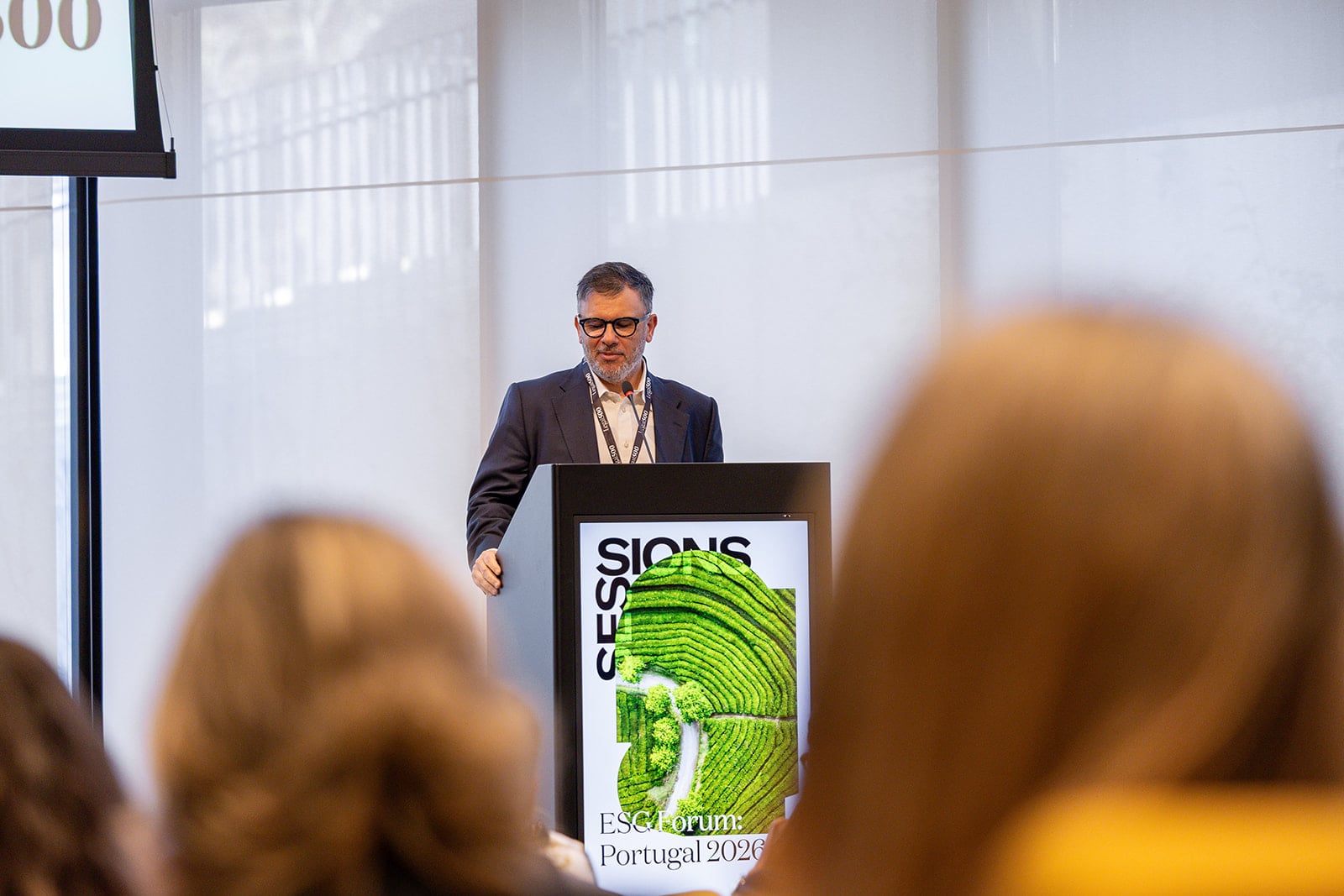
The event opened with some welcome remarks from Legal 500 editor Francisco Castro, who emphasised the value of events that bring the in‑house community together to learn, exchange experiences and build meaningful professional networks. In his welcome address, he highlighted the growing complexity of ESG obligations across Europe and the increasing pressure on organisations to adopt integrated, business‑wide approaches to compliance, risk management and strategic planning. By underscoring the need for practical, grounded discussion rather than abstract theory, he set the tone for a programme designed to deliver actionable insight and foster collaboration among practitioners navigating a rapidly evolving ESG landscape.
Followed an opening brief delivered by PLMJ’s Managing Partner, Bruno Ferreira, who provided a concise yet comprehensive overview of the ESG priorities defining Portugal in 2026. He outlined the expanding influence of EU regulatory frameworks on corporate reporting, due diligence and governance, noting how these requirements are reshaping expectations around data quality, transparency and accountability. His remarks positioned ESG not as a peripheral concern but as a central driver of corporate behaviour, capital flows and long‑term competitiveness in the Portuguese market.
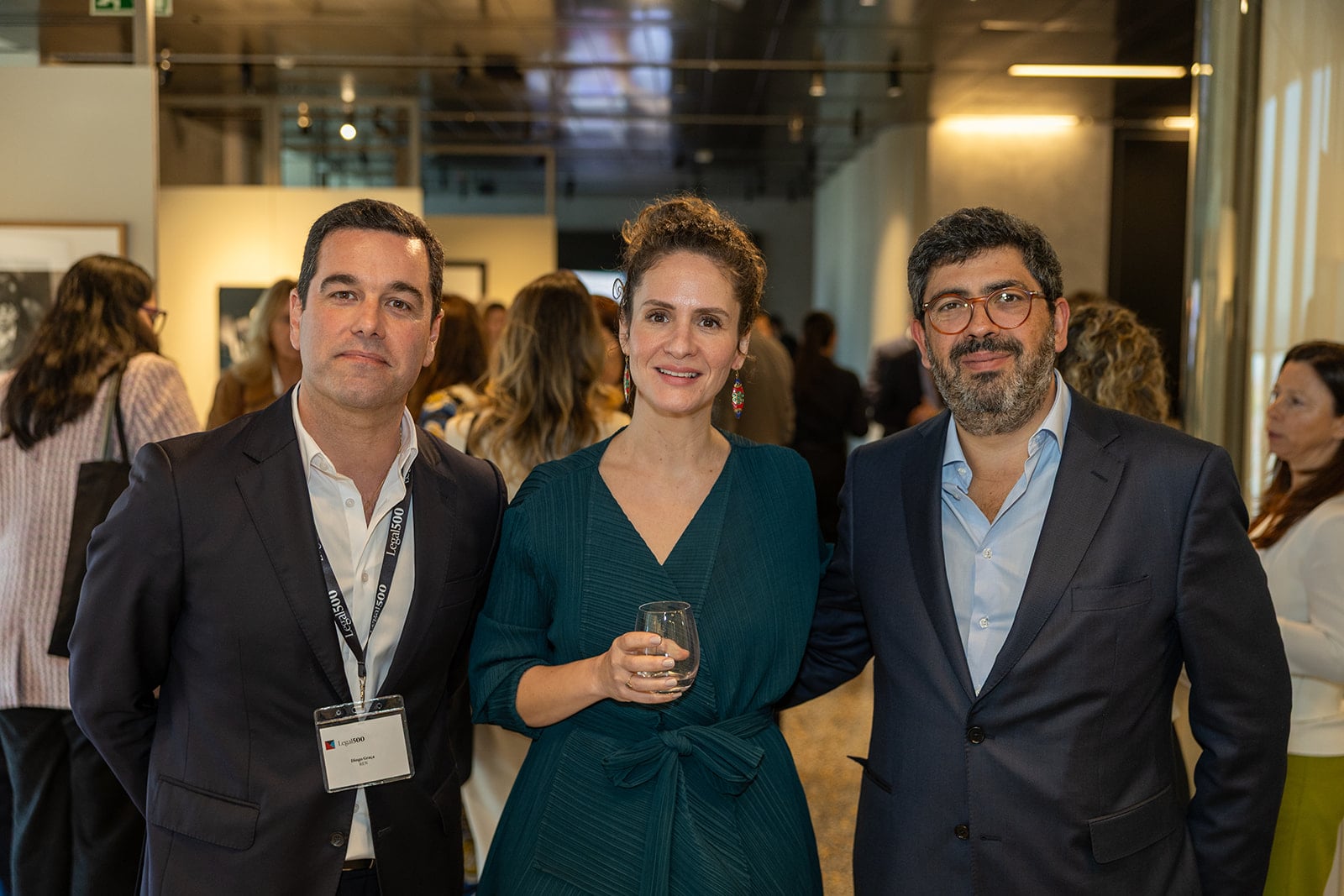
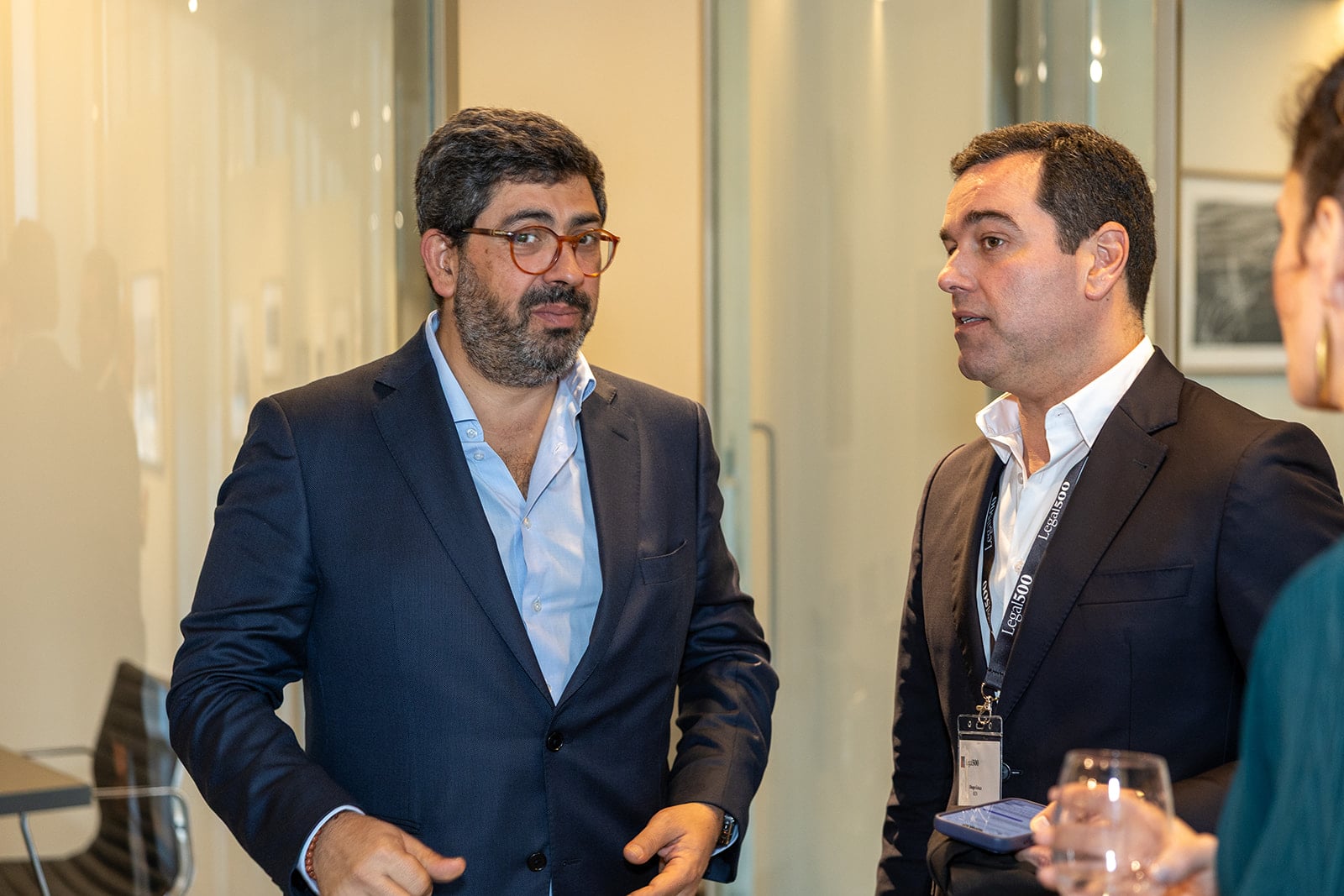
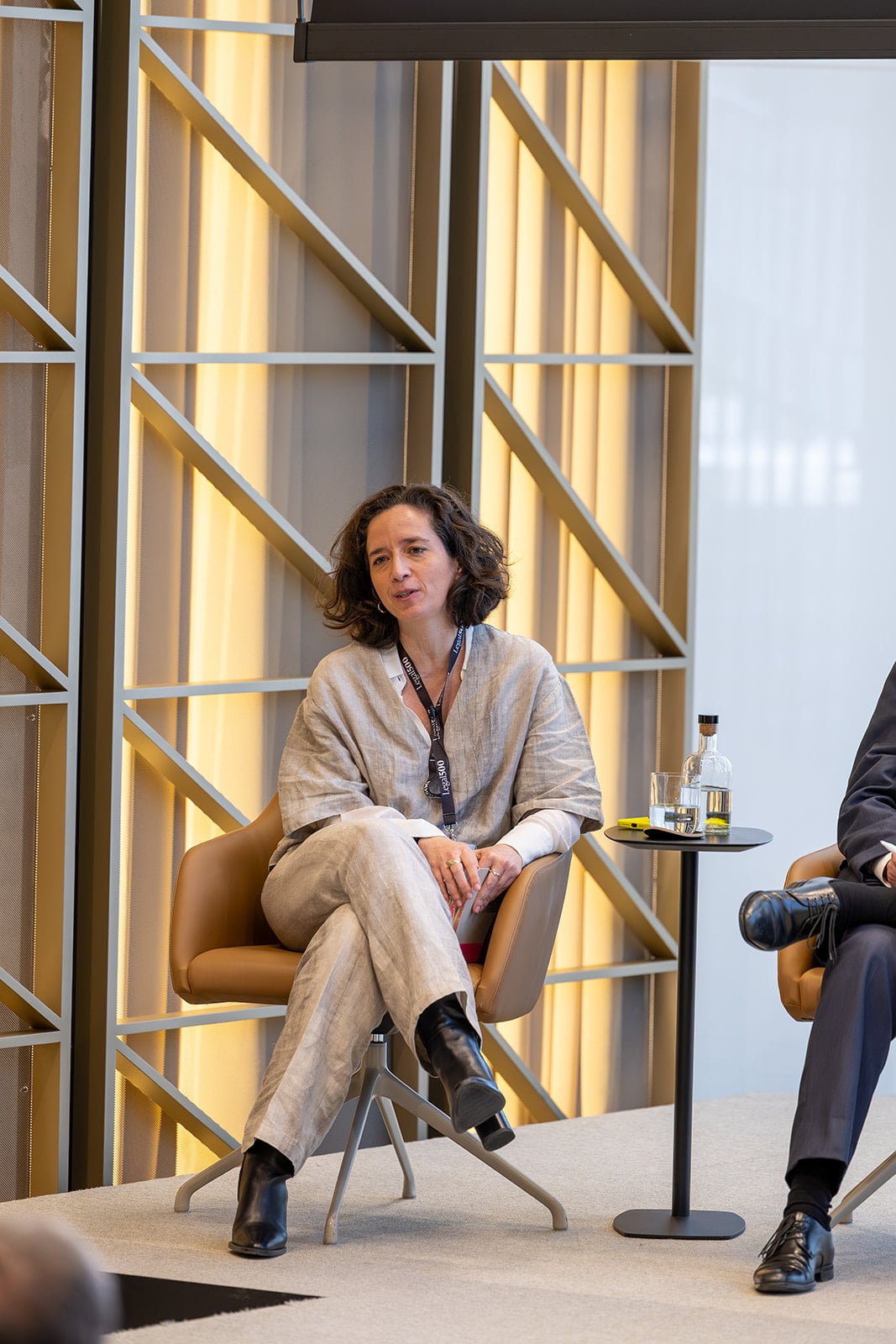
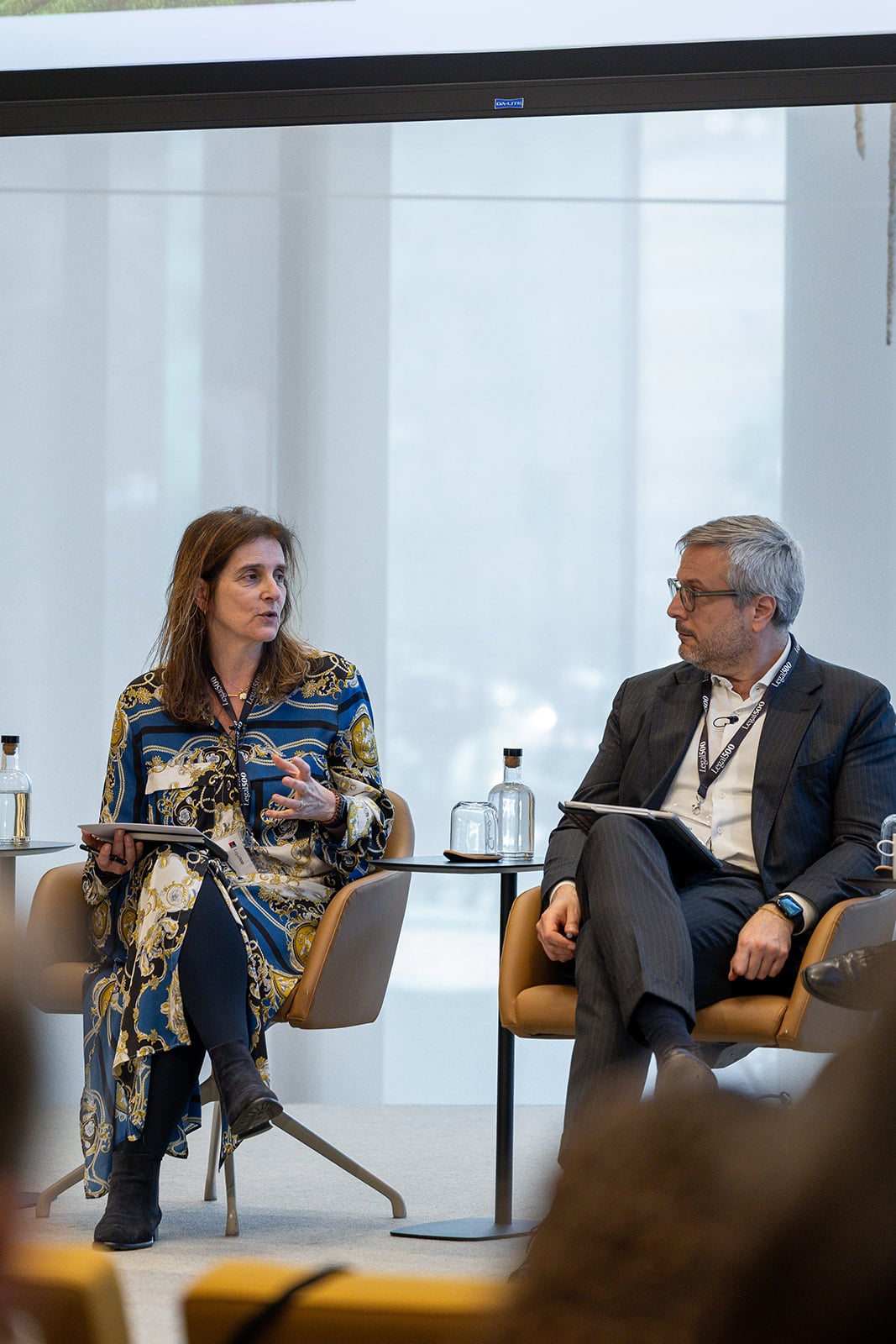
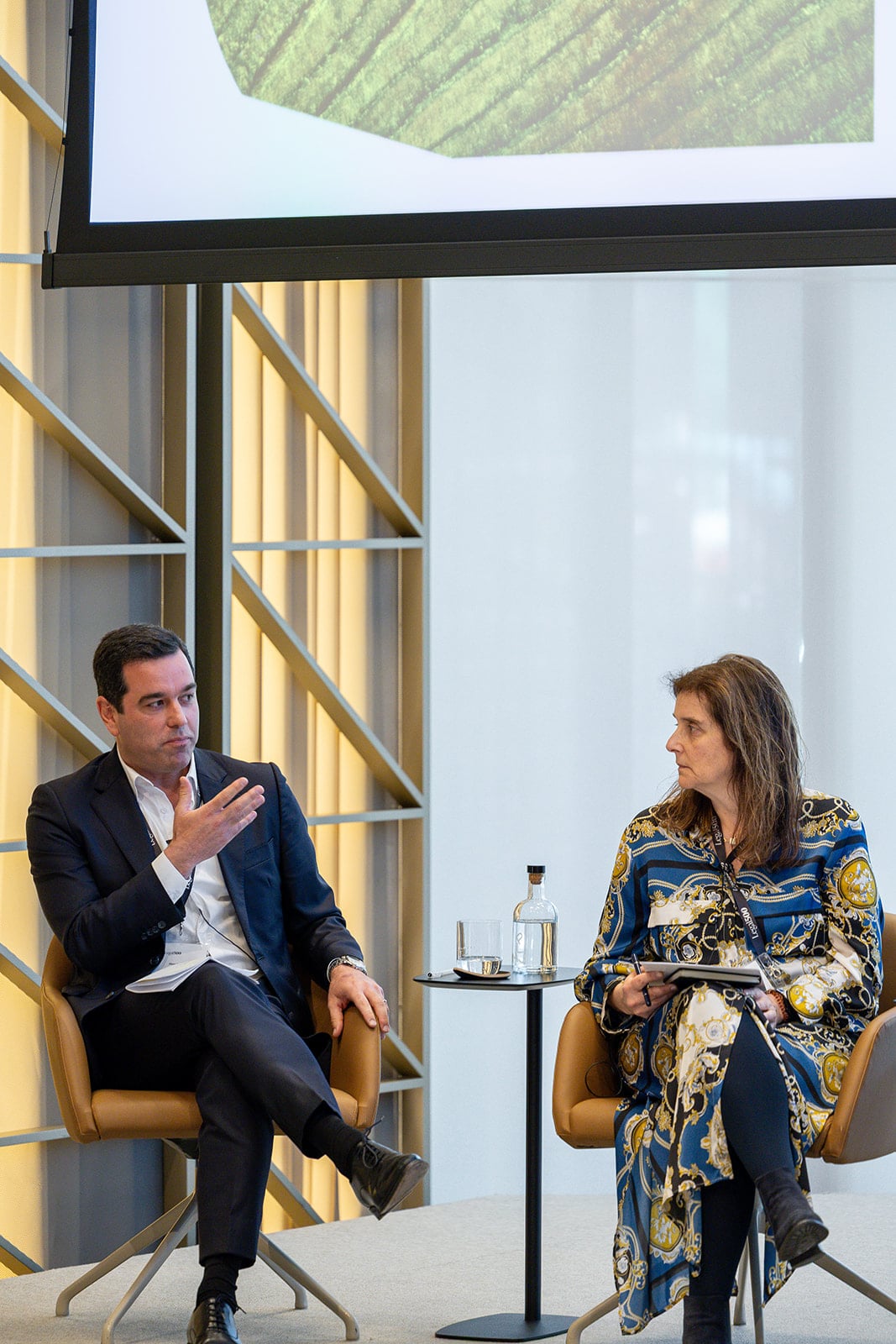
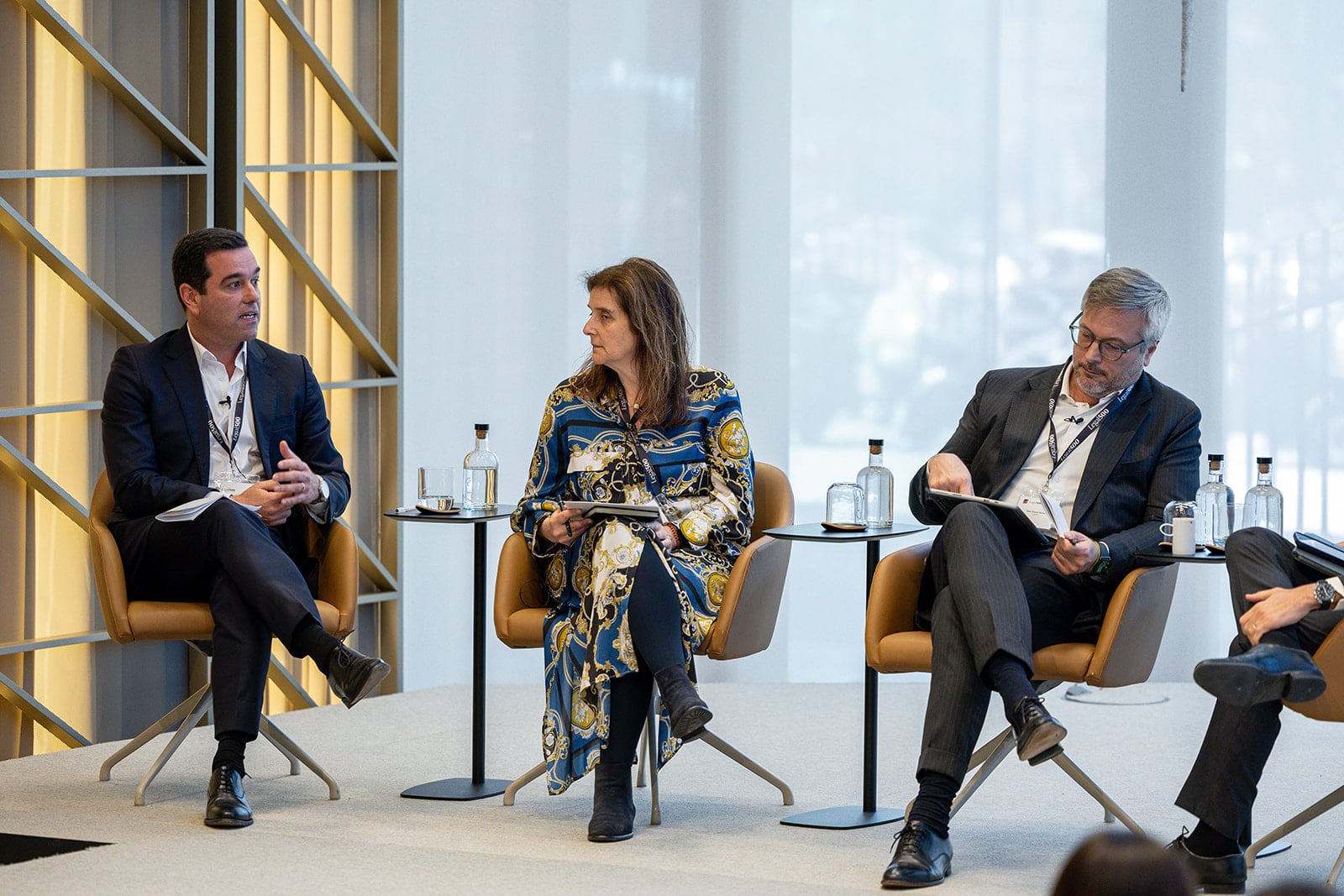
The first panel, moderated by João Marques Mendes, Partner at PLMJ and joined by Cláudia Teixeira de Almeida of Banco BPI, Nuno Moraes Bastos of GALP and Diogo Graça of REN, explored how corporate governance and sustainable finance are shaping Portugal’s energy transition. The discussion examined how boards and executive teams are adapting oversight structures to manage transition‑related risks and how legal, compliance, sustainability and procurement functions are increasingly intertwined in project governance. Panellists described the growing influence of financing structures on project execution, noting that lenders’ expectations around ESG metrics, contractor performance and transparency now shape governance decisions from the earliest stages. They also addressed the operational constraints that continue to challenge Portugal’s transition ambitions, including permitting timelines, grid capacity limitations and delivery risk. While acknowledging the complexity of EU‑level frameworks, speakers emphasised that these standards also present strategic opportunities to harmonise practices, unlock investment and strengthen Portugal’s competitive position in the energy transition.
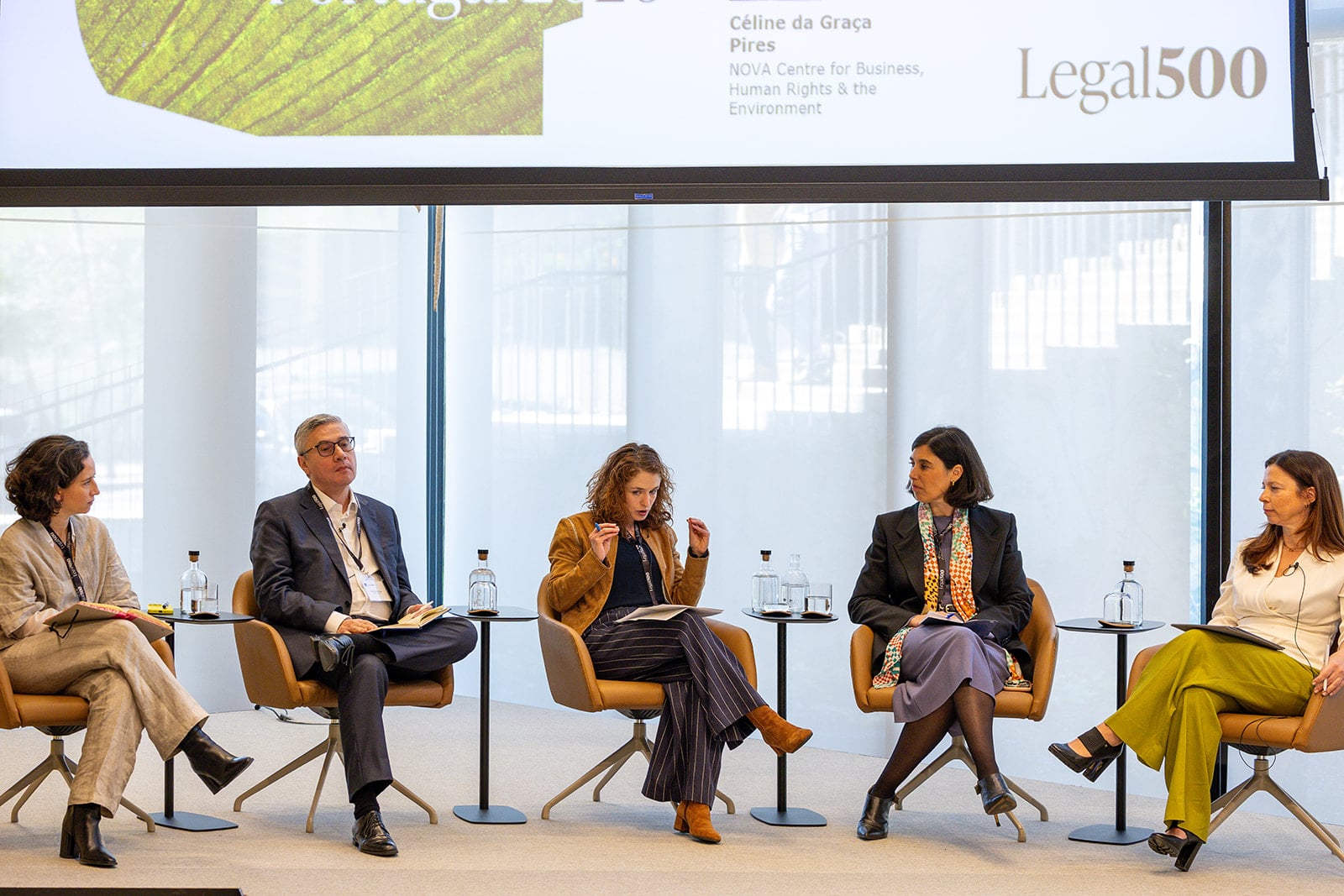
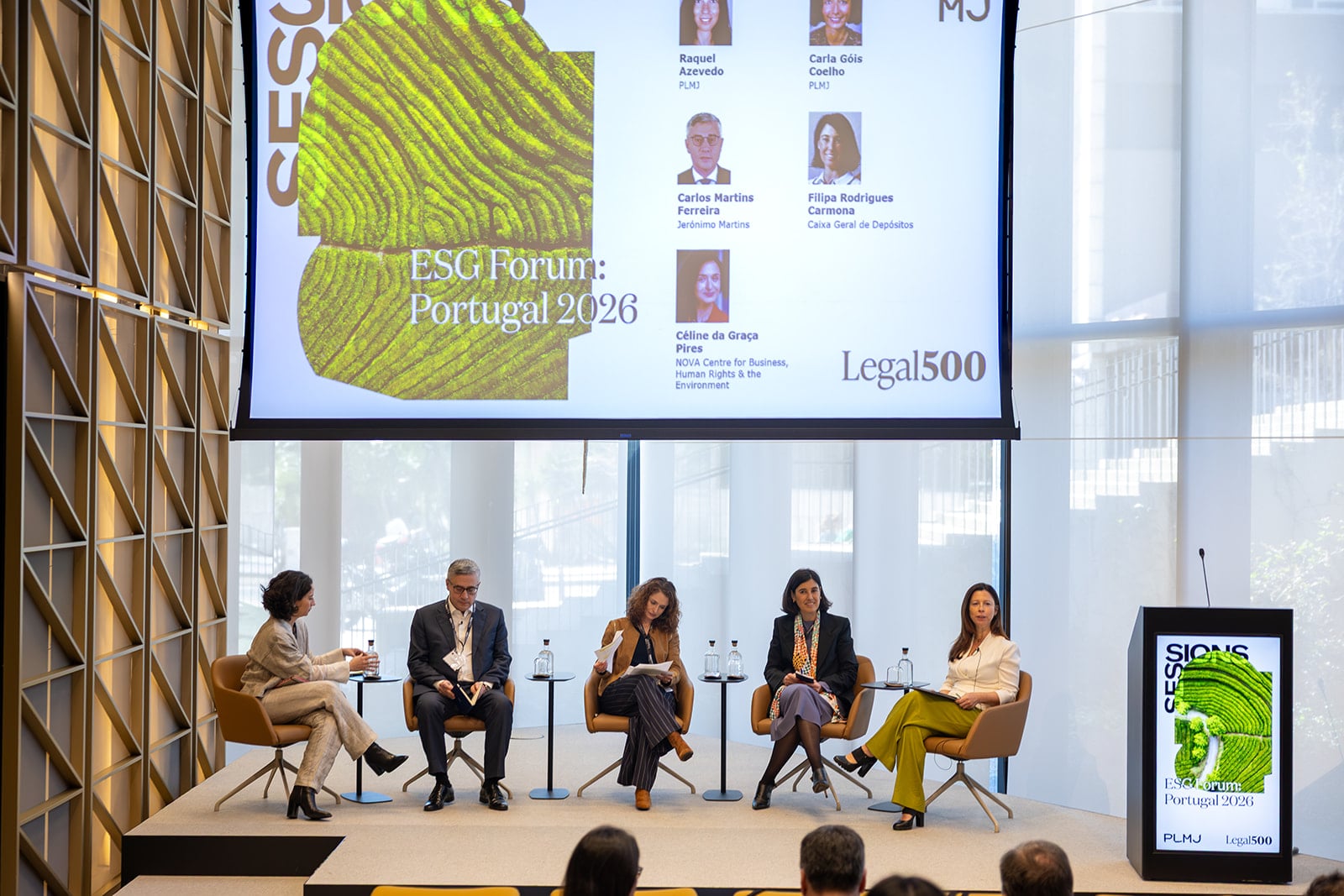
Following a short break, the second panel turned to litigation, liability and the emerging enforcement era surrounding sustainability claims. Moderated by Raquel Azevedo, Partner at PLMJ and featuring contributions from Carla Góis Coelho of PLMJ, Carlos Martins Ferreira of Jerónimo Martins, Filipa Rodrigues Carmona of Caixa Geral de Depósitos and Céline da Graça Pires of NOVA, the session examined the rapid rise of ESG‑driven disputes, investigations and regulatory actions. Panellists discussed the typical trigger points for scrutiny, ranging from sustainability reports and corporate websites to marketing materials and investor presentations, and highlighted how these touchpoints are increasingly tested by regulators, competitors, consumers and NGOs. They analysed recent case law developments and their implications for Portuguese organisations, noting the emergence of more stringent evidentiary standards around disclosures and due‑diligence obligations. The panel concluded that sustainability claims can no longer be treated as aspirational messaging; they now carry the weight of binding legal obligations, requiring more rigorous internal validation and cross‑functional coordination.
The forum concluded with closing remarks from Francisco Castro, after which attendees were invited to continue their conversations over a light lunch, providing a relaxed setting to deepen connections and reflect on the themes explored throughout the morning.
Legal 500 extends its thanks to PLMJ for its collaboration in bringing this conference format to Portugal’s in‑house legal community. The team looks forward to returning soon for the launch event of this year’s GC Powerlist: Portugal.