Brazil 2024
Supported by the Association of Corporate Counsel


Legal director, head of legal commerce Brasil (marketplace and shipping) | Mercado Livre


Assistant general counsel, Latin America | Microsoft
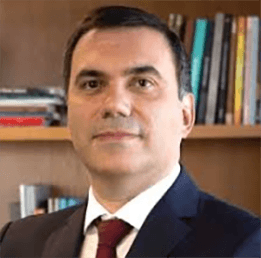

Legal and corporate compliance director for Latin America | Volvo Brazil






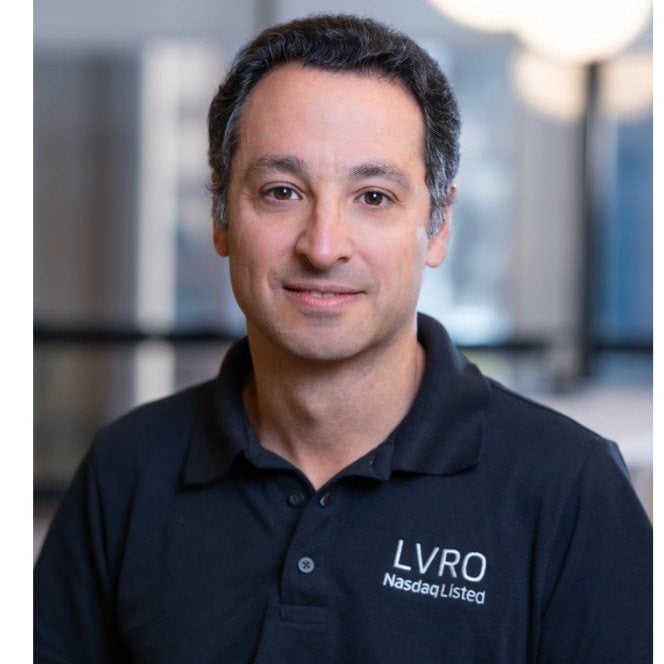



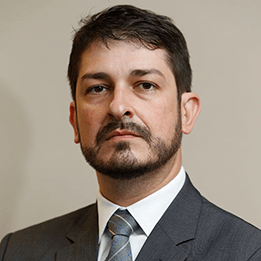






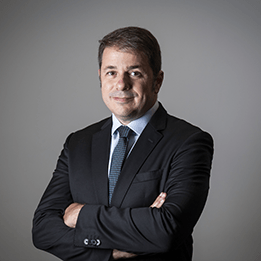


Legal director for Brazil, Venezuela, Central America and the Caribbean | Johnson & Johnson




Executive legal director and organizational culture PMO | Minerva Foods

Vice president and general counsel | The Coca-Cola Company
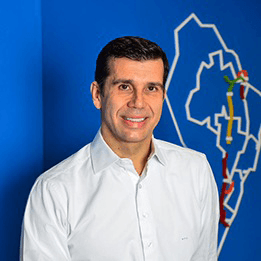


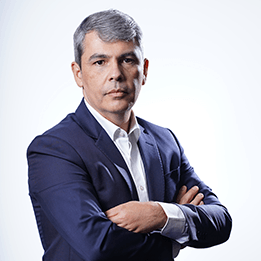
Head of legal for East Coast of South America | Maersk Group




Head of legal deparment | Centrais Eletricas Brasileiras – Eletrobras

Legal director, compliance officer and data protection officer | Equatorial Energia


Director of legal, governance, risk and compliance | VLI Logística




Vice president, legal, general counsel | PepsiCo Brasil

Executive general counsel, Latin America | General Electric Aerospace
Legal manager | Cia Latino Americana de Medicamentos


Chief legal, ethics and compliance officer | Ambev


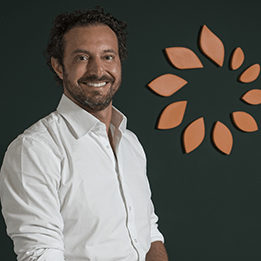






Vice president, legal, Brazil | Kinross Brasil Mineração





Director and associate general counsel for APAC and LATAM | Meta



General Counsel and head of compliance and audit for Latin America | Panasonic Latin America

Head of legal and compliance, Latin America and country manager, Brazil | Phillips

Latin America legal director | Archer Daniels Midland - ADM

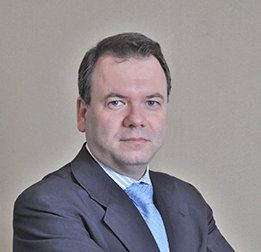






Legal, governance and compliance director | Companhia Brasileira de Aluminio

Legal, government relations and compliance senior director | Mercado Livre



Chief legal and institutional relations officer | Localiza Rent a Car

Senior director, government and legal affairs, Latin America | Hasbro


General counsel and compliance officer | Generali Brasil Seguros



Regional general counsel for Latin America | Zurich Latin America Serviços Brasil


Legal, compliance, public policy and purchases director | Loggi Tecnologia



Executive legal director and chief compliance officer - Latin America | Bridgestone Brazil

Executive vice president, corporate and external affairs | Vale

Chief of legal operations | Centrais Eletricas Brasileiras – Eletrobras



Legal director and company secretary | Vivo (Telefônica Brasil)

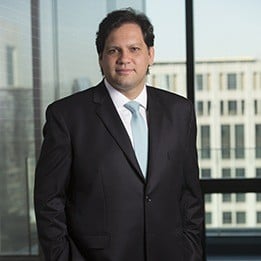
Vice president, M&A, legal, compliance and governance | BRF
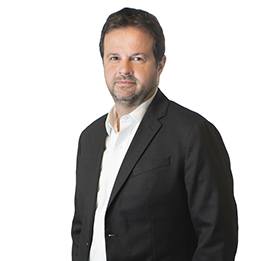
Vice president corporate affairs and regulation | AES Brasil

Head of legal and tax department | Camil Alimentos


Executive vice president, general counsel and chief compliance officer | Embraer


Group chief legal and compliance officer and general counsel | Natura & Co


Vice president of legal and business affairs | Warner Bros Discovery

Executive legal director | Fiesp - Federação das Indústrias do Estado de São Paulo

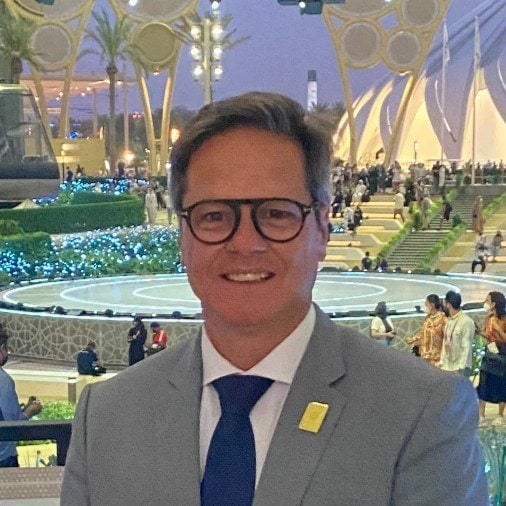
Vice-President, Legal, Government Affairs & Sustainability | Siemens

Legal affairs director for South America | Volkswagen Brazil

Deputy general counsel for South America | Valeo
Vice president, legal and governance, and general counsel | Nexa Resources



General counsel, governance, risk and compliance officer | Eneva
After the resounding success of the series return to Brazil last year, The Legal 500 is thrilled to introduce the GC Powerlist: Brazil 2024, our flagship publication dedicated to recognising and celebrating the exceptional accomplishments of the country’s top in-house lawyers.
The GC Powerlist showcases the remarkable contributions of corporate lawyers to businesses in Brazil. It stands as a testament to their expertise, leadership, and unwavering dedication to excellence. This year’s edition highlights outstanding achievements and innovative approaches as these professionals navigate the complexities of the Brazilian legal landscape, addressing issues such as technological advancements, business partnerships, the indispensable role of the GC in C-level management, diversity and inclusion initiatives, and more.
Within these pages, you will discover comprehensive profiles and exclusive interviews with the most influential and esteemed in-house lawyers from a variety of industries within Brazil. These leaders consistently showcase their talent for shaping legal procedures, managing risks, and offering strategic guidance to their organisations. Their achievements inspire the legal community, highlighting the significant impact that in-house lawyers have on their businesses’ strategies and success.
This research brings to light several key findings on the role of the in-house lawyer. Among them, is the growing indispensable role of the GC to their company’s C-level management and executives. As echoed by Valeria Camacho Martins Schmitke Ducatti, regional general counsel for Latin America at Zurich, “legal department has a mission of protection of the company and its executives, but is also [in] supporting and enabling […] legal department has to build bridges and relationships. We need to be constantly adding value to the business, presenting them creative solutions for implementing their projects in compliance with the law. […] That is what makes me choose to be an [in-house] lawyer.” Reinforcing this idea, Jose Virgilio Vita Neto, chief legal officer at Itaú Unibanco states that “at Itaú Unibanco lawyers and business executives work very close. The lawyers participate in all the relevant meetings and discussion regarding new transactions and the implementation of new products and features. We do not have (and feel that this would be counterproductive) a separate legal governance.”
Another particularly important takeaway from the development of this publication is the strong commitment many in-house lawyers have to diversity, equity, and inclusion initiatives, considering them one of their primary business passions. As an example of the voice of many, Isabella Maciel de Sá, regional director at Abbott Laboratories shared that diversity and inclusion “has been one of my passions for a long time. I believe in creativity, in the best solutions for problems, and the innovative capabilities that only a diverse team can create. Becoming a leader capable of creating an inclusive environment that promotes a feeling of belonging, of purpose, and of well-being for all members of a team that is diverse in terms of gender, race, culture, sexual orientation, religion, age, technical and human competences is no easy task but it´s my personal objective as a team leader.” Another great testimony on this is provided by Ana Luiza V. Franco Forattini, chief legal at Inter, who declares a passion for contributing to “gender diversity; helping women be included and thrive in their challenges as their evolve in their careers [as well as] being involved in small programs that help underprivileged in Brazil.”
This publication delves into numerous other pertinent topics and challenges, offering exclusive discussions that we encourage you to explore. Here, you will uncover the extraordinary stories of these remarkable individuals as, through their experiences and insights, we provide a comprehensive overview of Brazil’s corporate legal landscape and the invaluable role played by in-house legal individuals.
We extend our heartfelt gratitude and congratulations to everyone featured in this publication for their invaluable contributions and for sharing their journeys with us. It is our pleasure to present this distinguished list of Brazil’s most exceptional, diligent, and celebrated in-house lawyers.
Francisco Faria e Castro | Senior research analyst | GC Powerlist Series

In today’s legal landscape, we cannot ignore the constant and significant changes we experience on a daily basis. These changes are particularly driven by technology and innovation, as well as the regulatory environment.
In such a challenging context, legal counsels are the ones who manage risks, understand the companies’ strategies and policies, and make the best decisions for them. It is a demanding and complex job.
As business partners, we must be prepared to quickly adapt to these transformations and continuously improve our processes and practices, always grounded in legal intelligence. This is essential to offering the best support to our clients, and managing resources efficiently and according to their needs.
We thank you for trusting us and for your partnership in another GC Powerlist Brazil. We also congratulate the GCs recognized this year and look forward to shaping the industry’s next steps together.
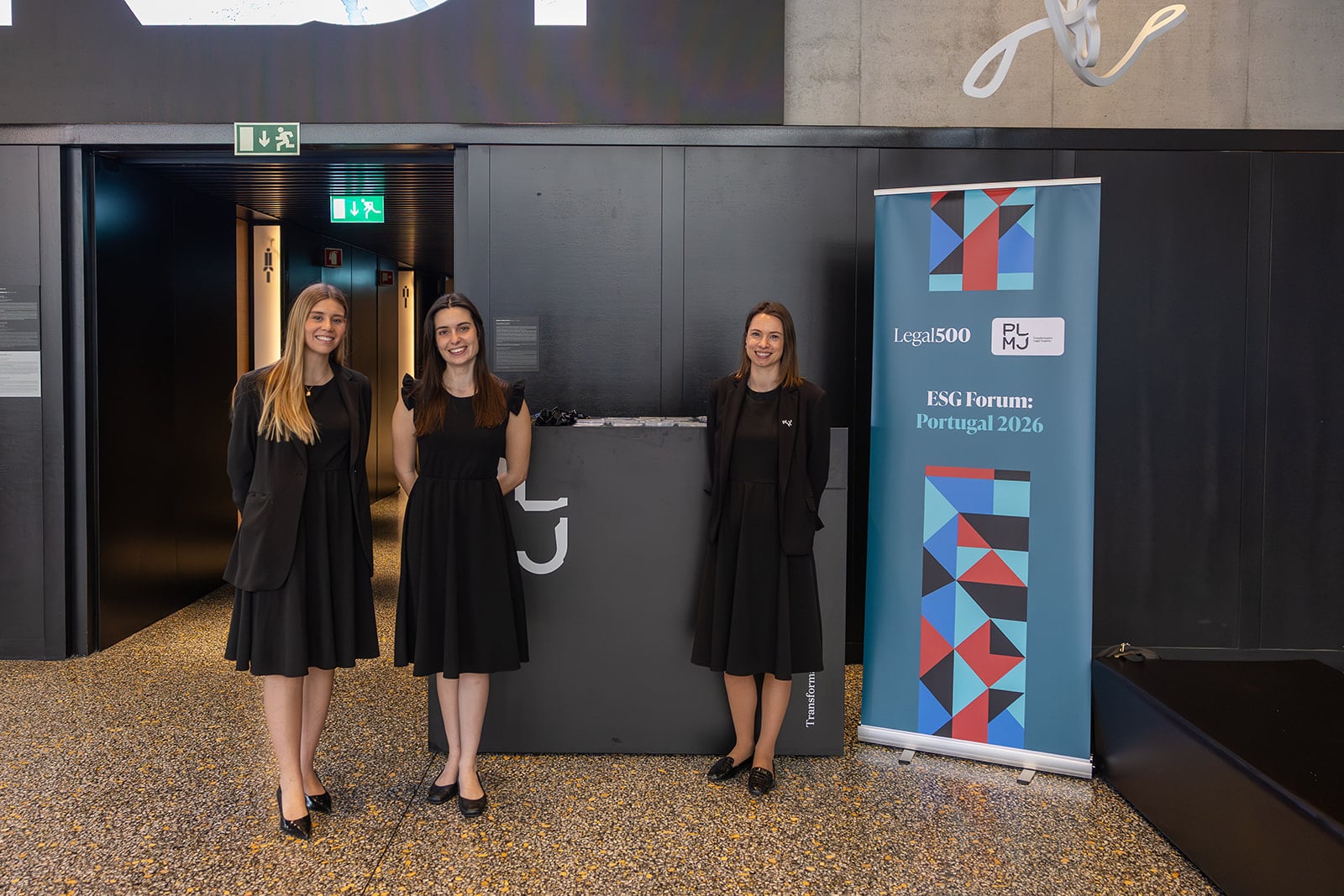
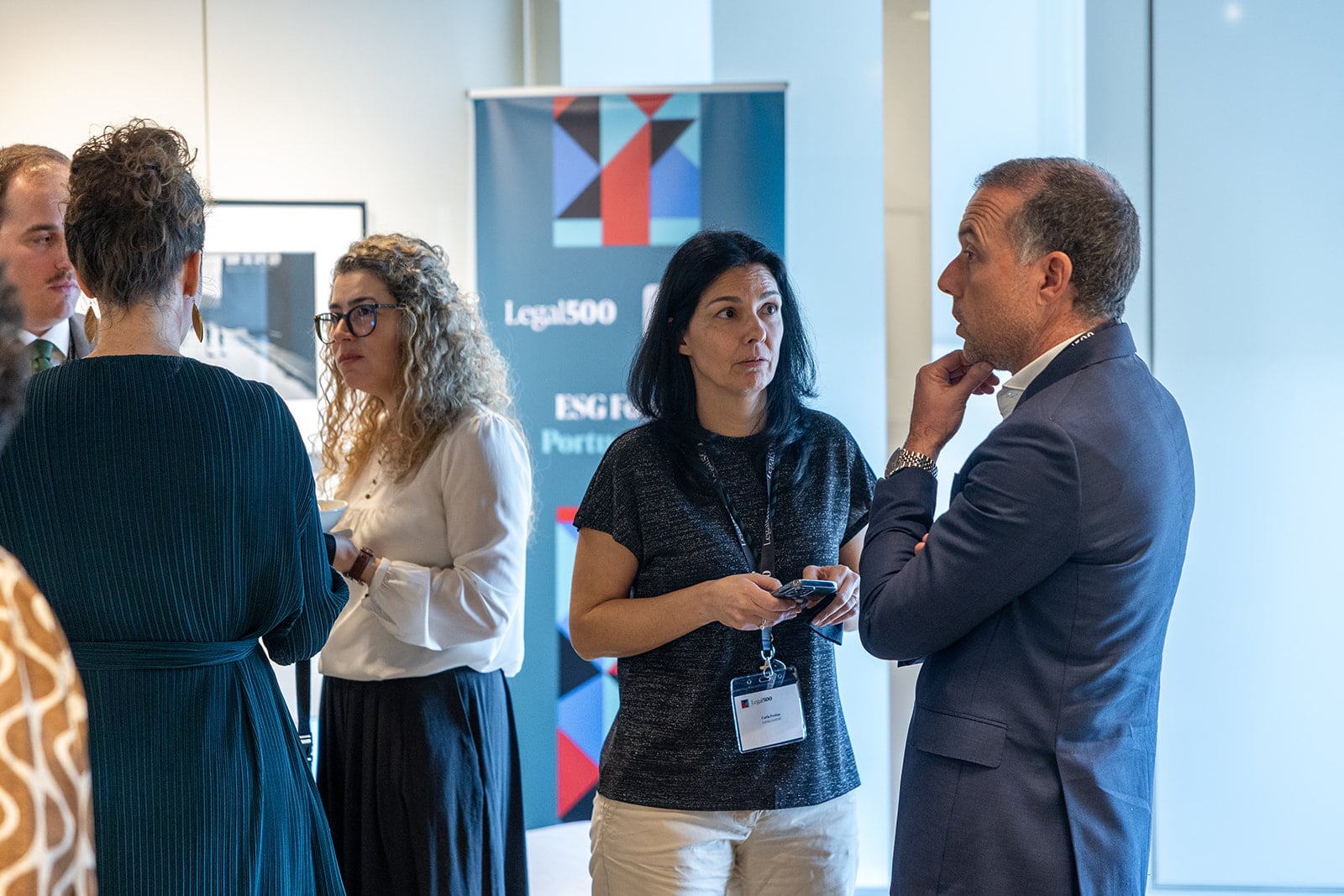
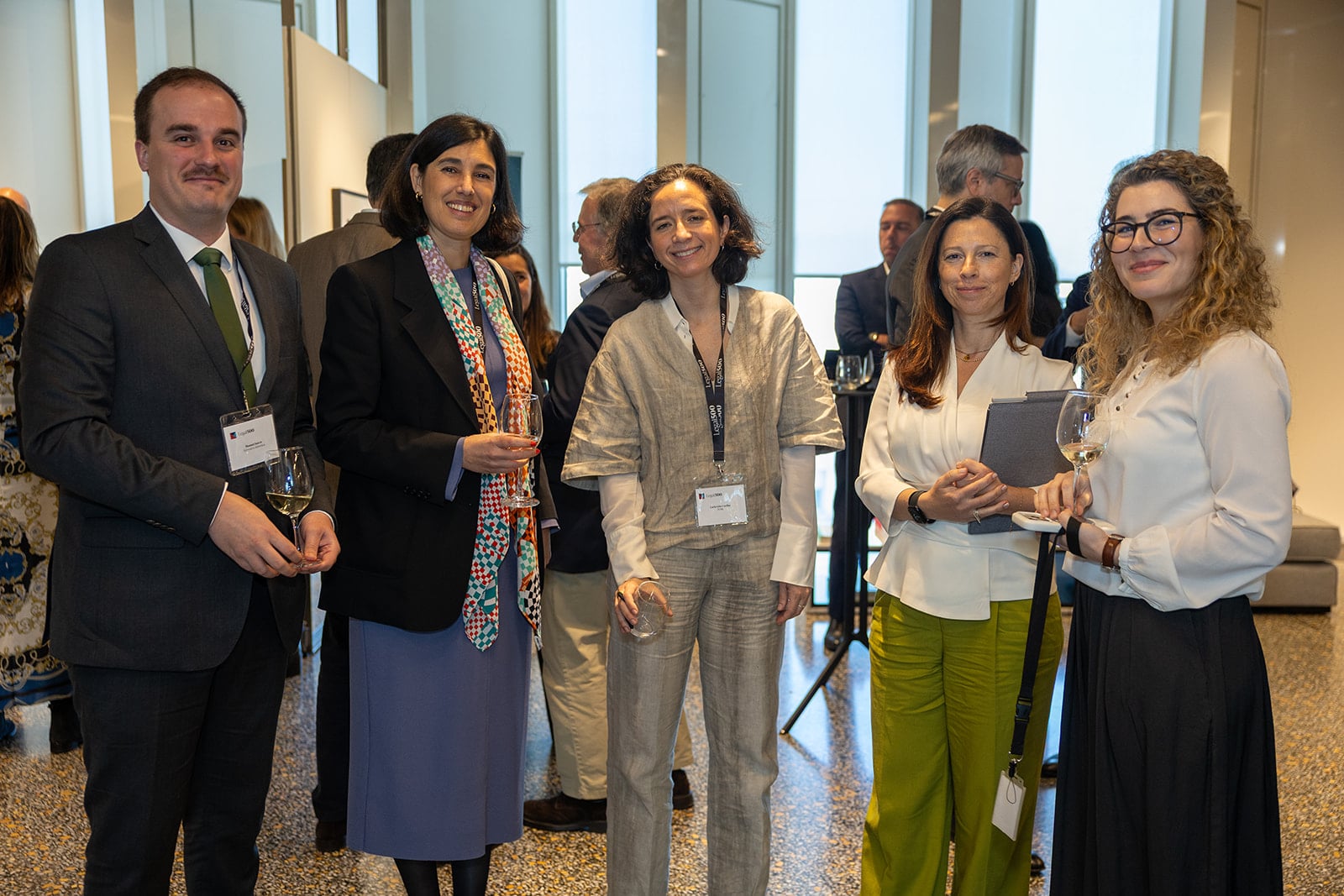
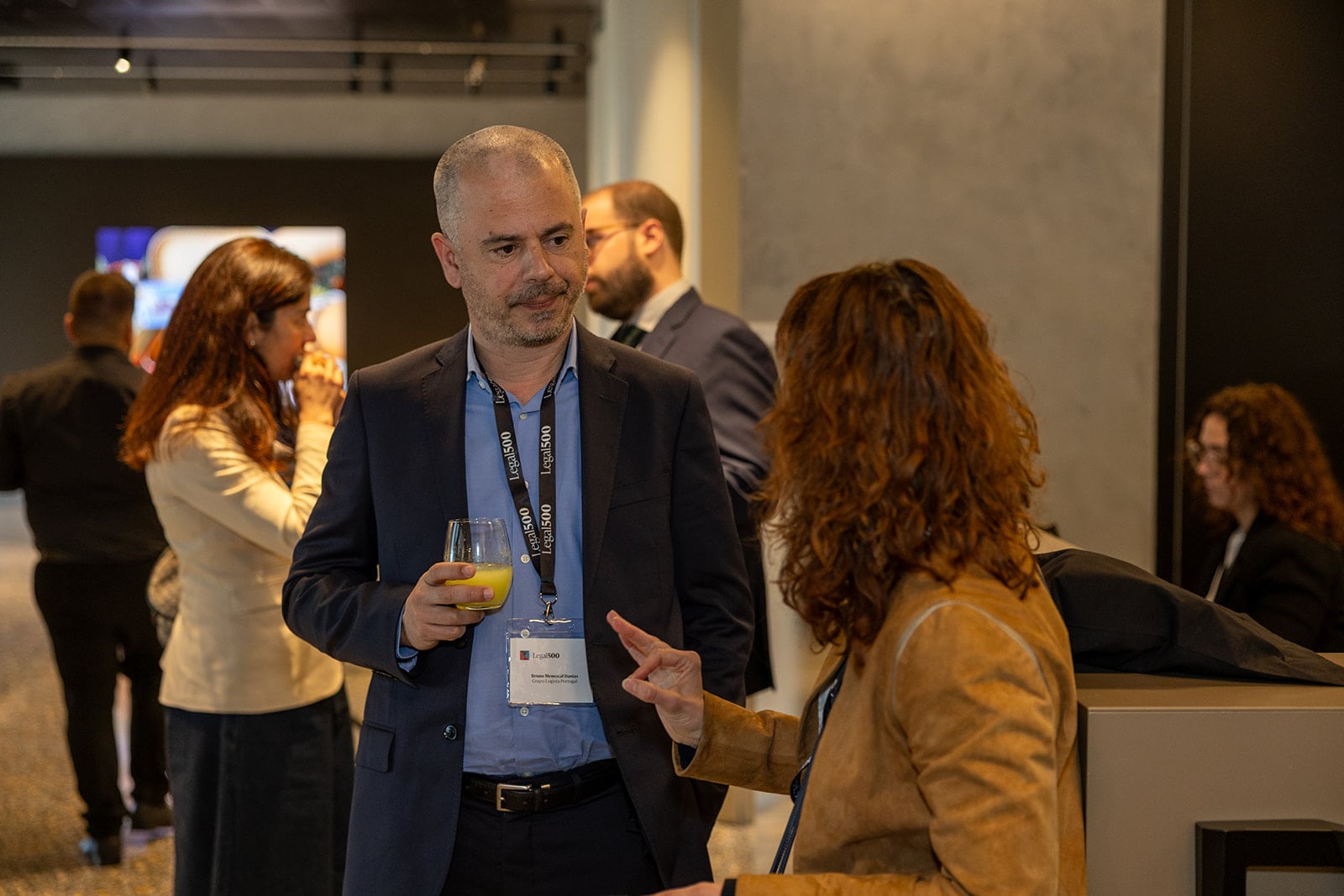
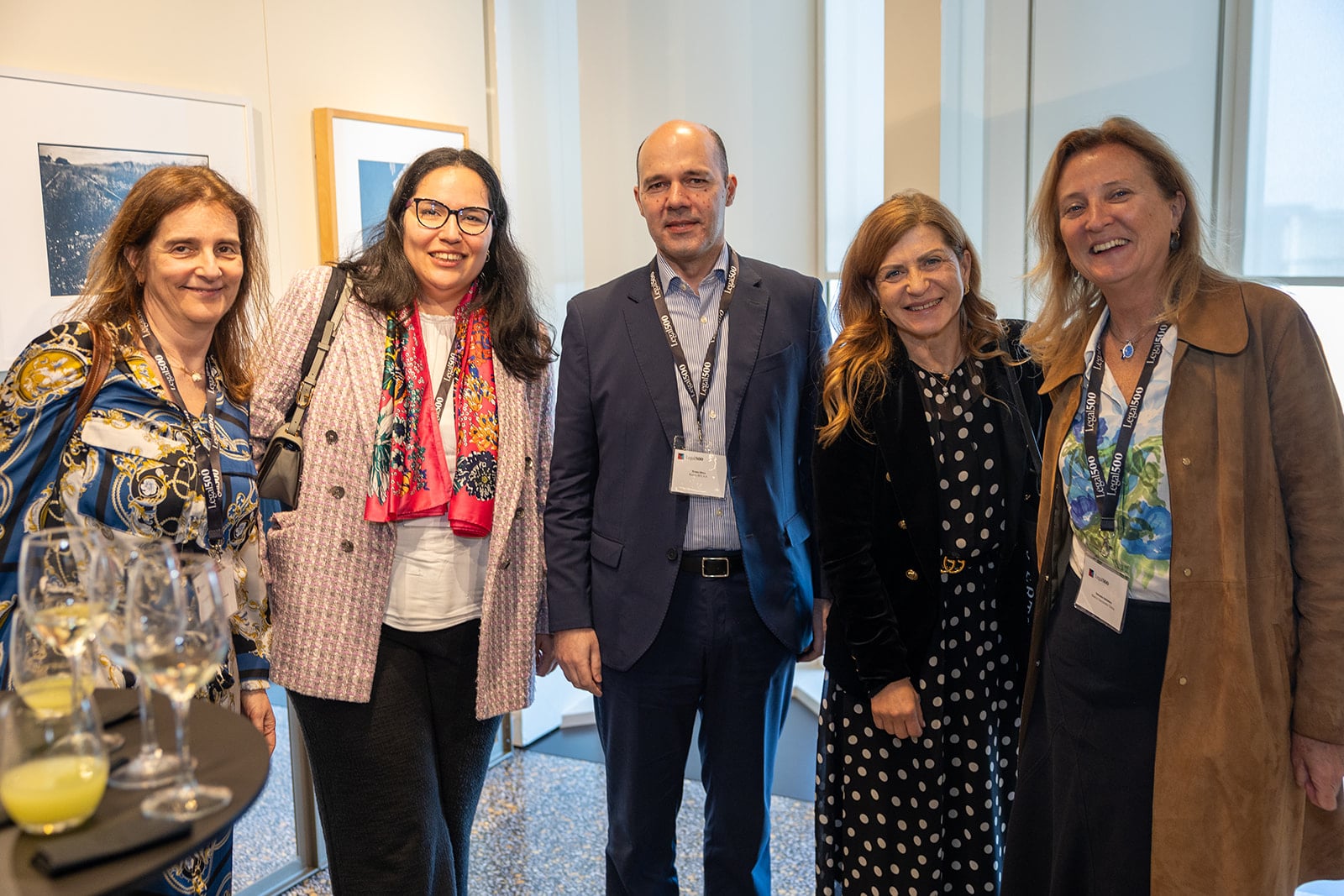
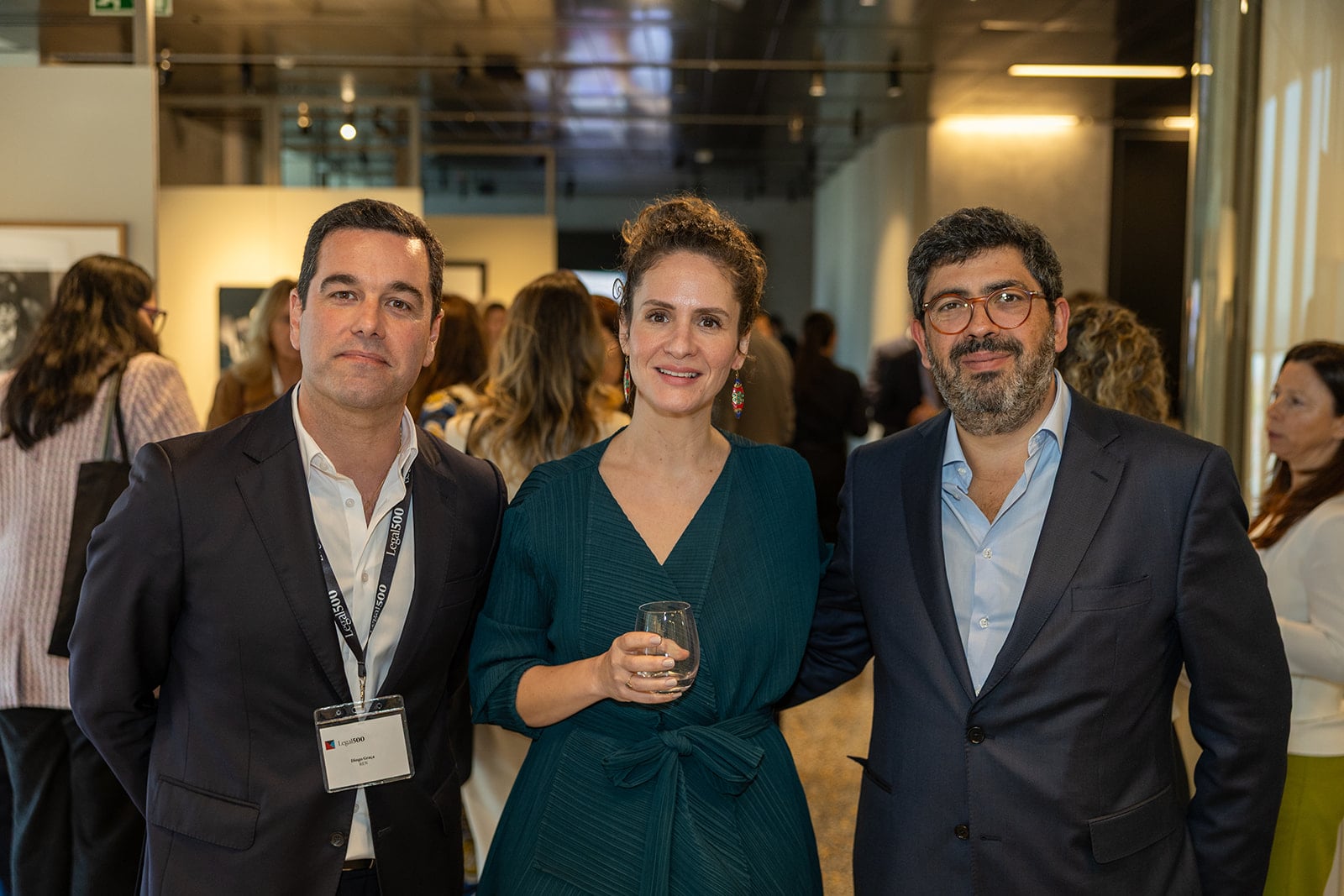
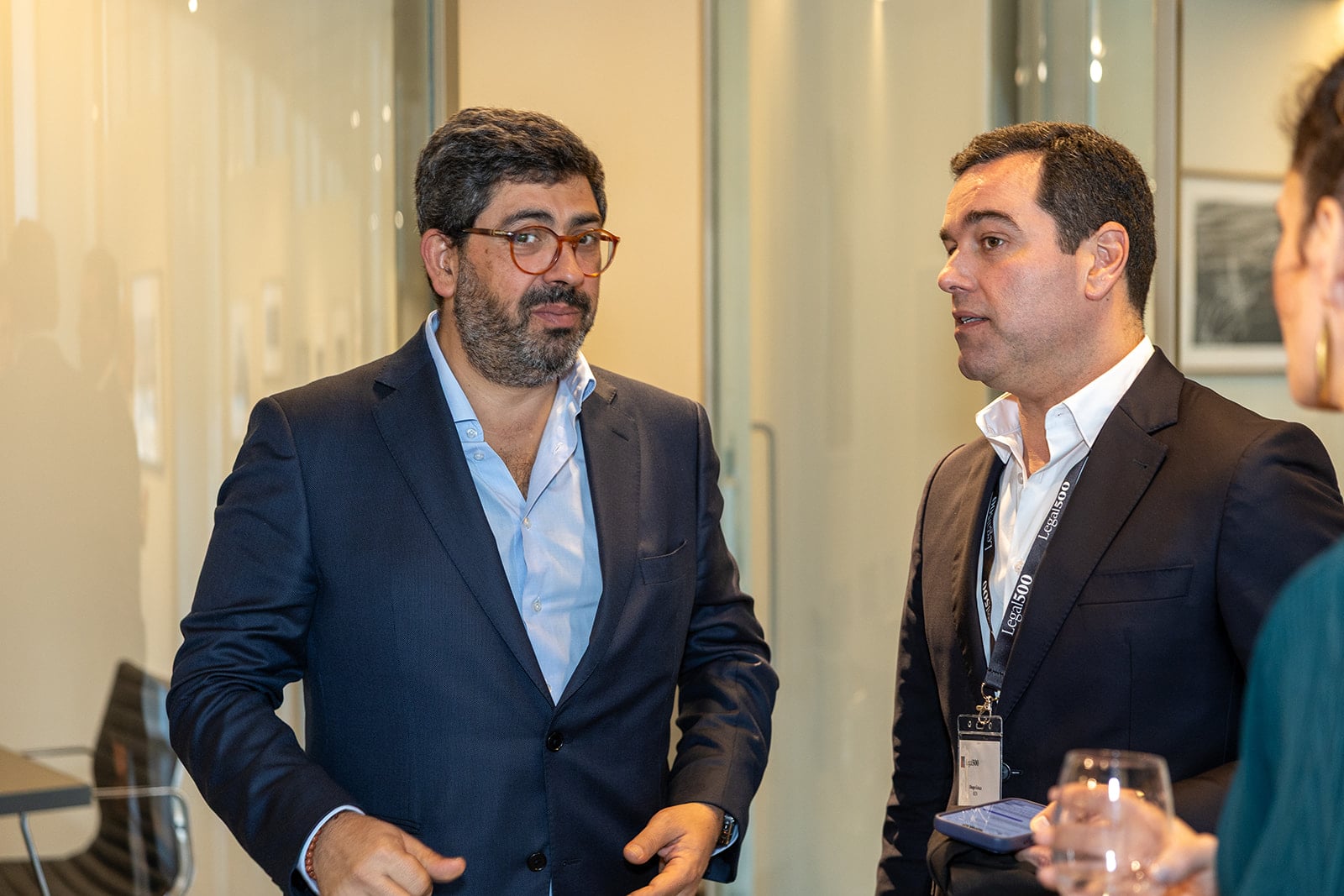
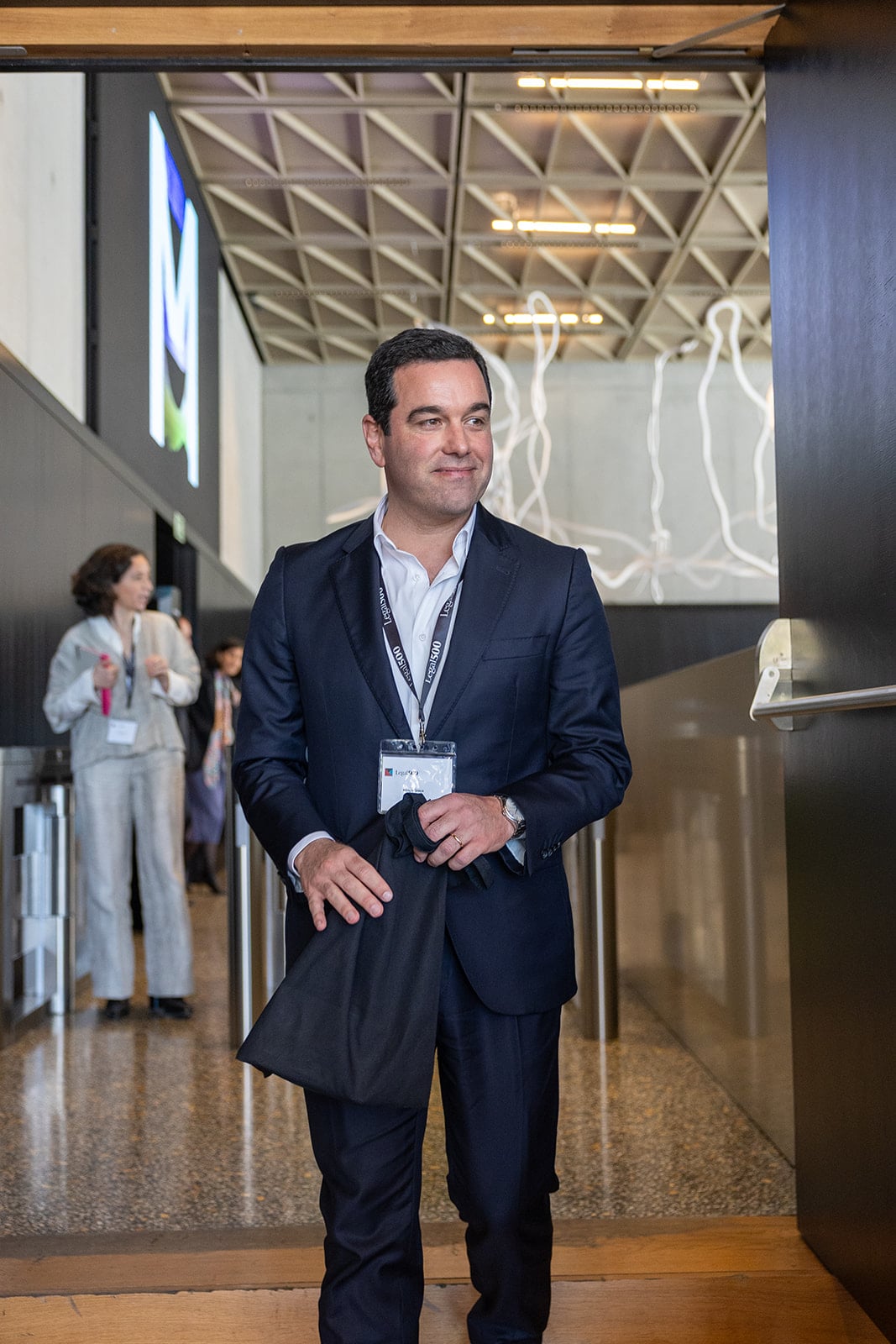
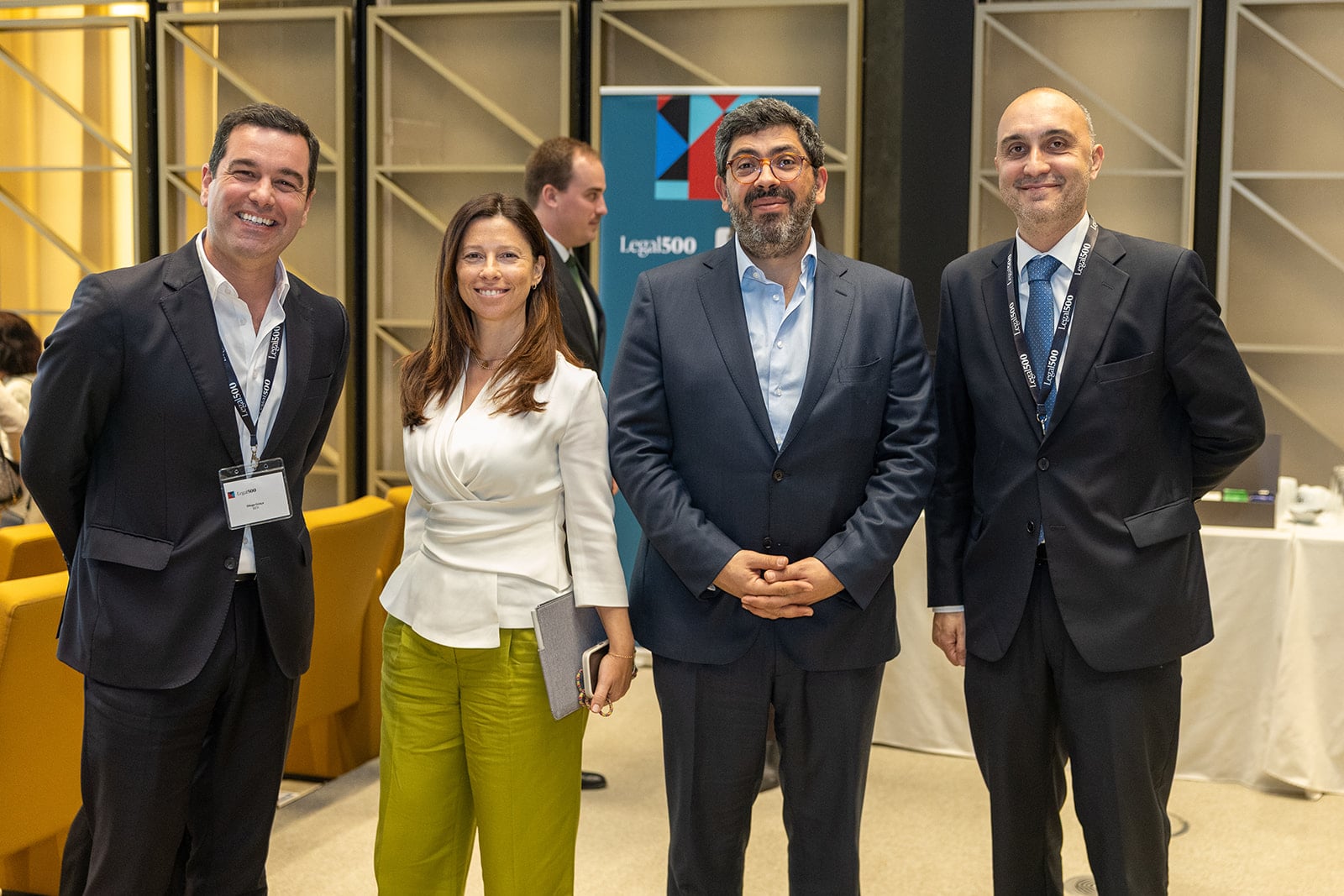
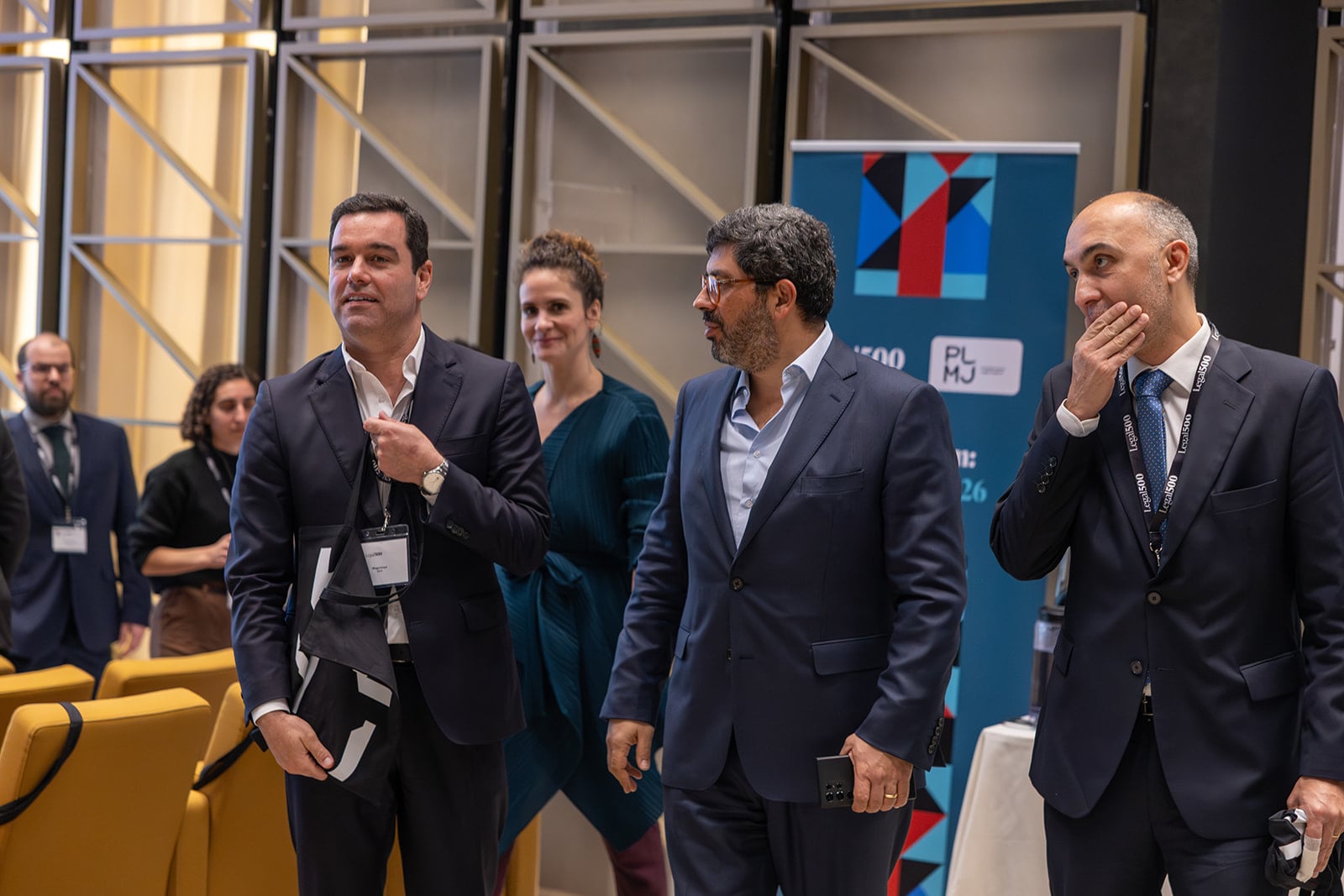
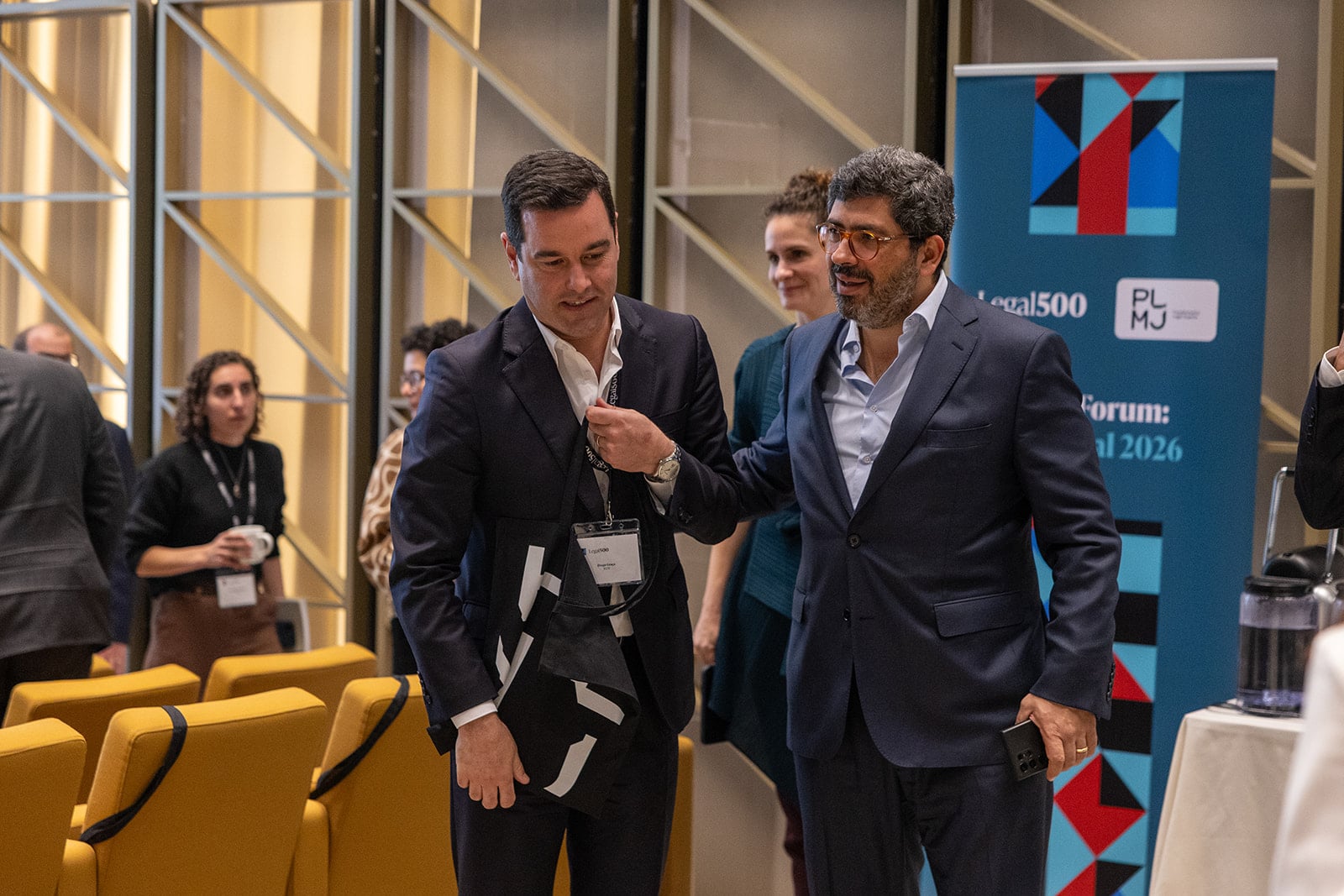
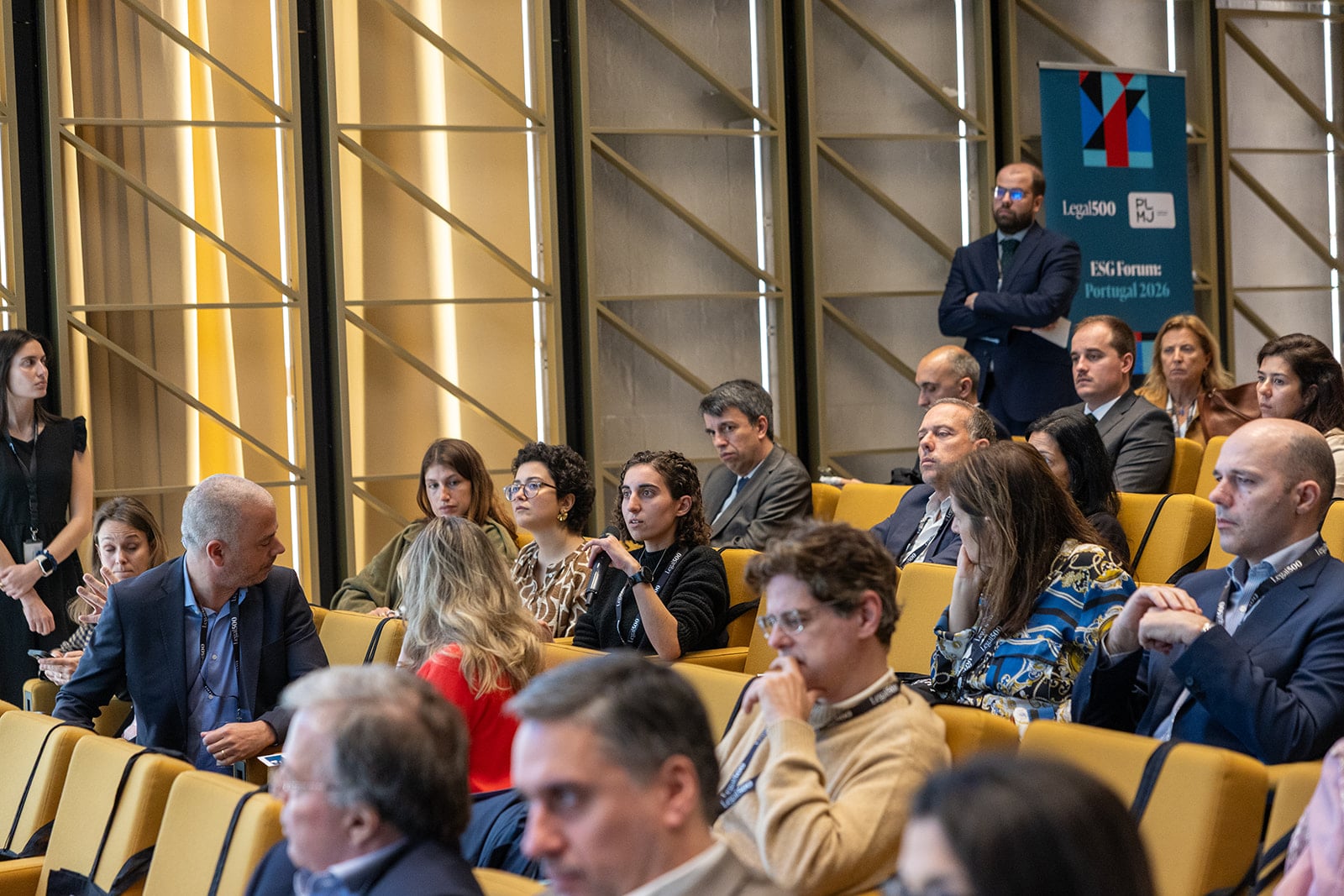
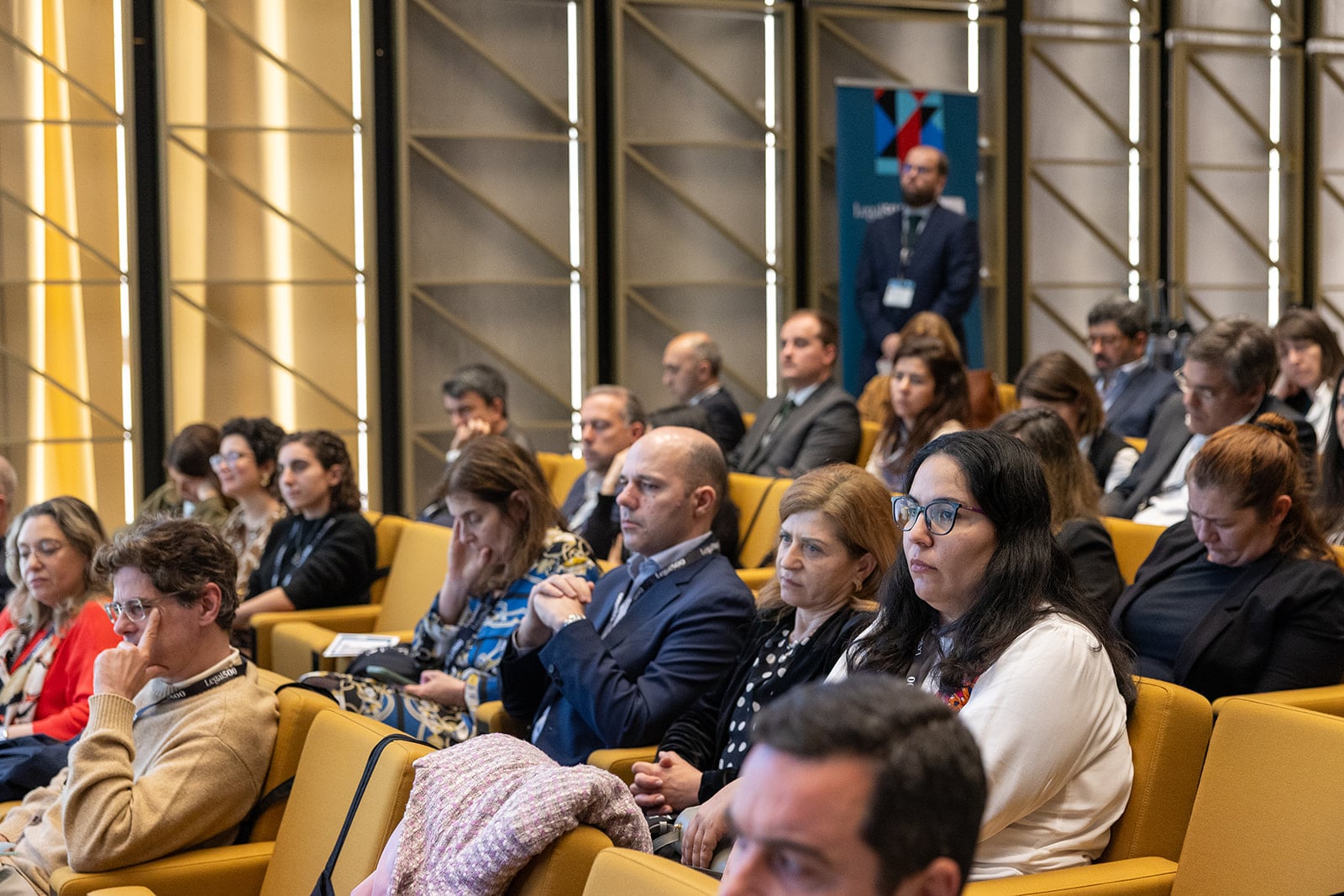
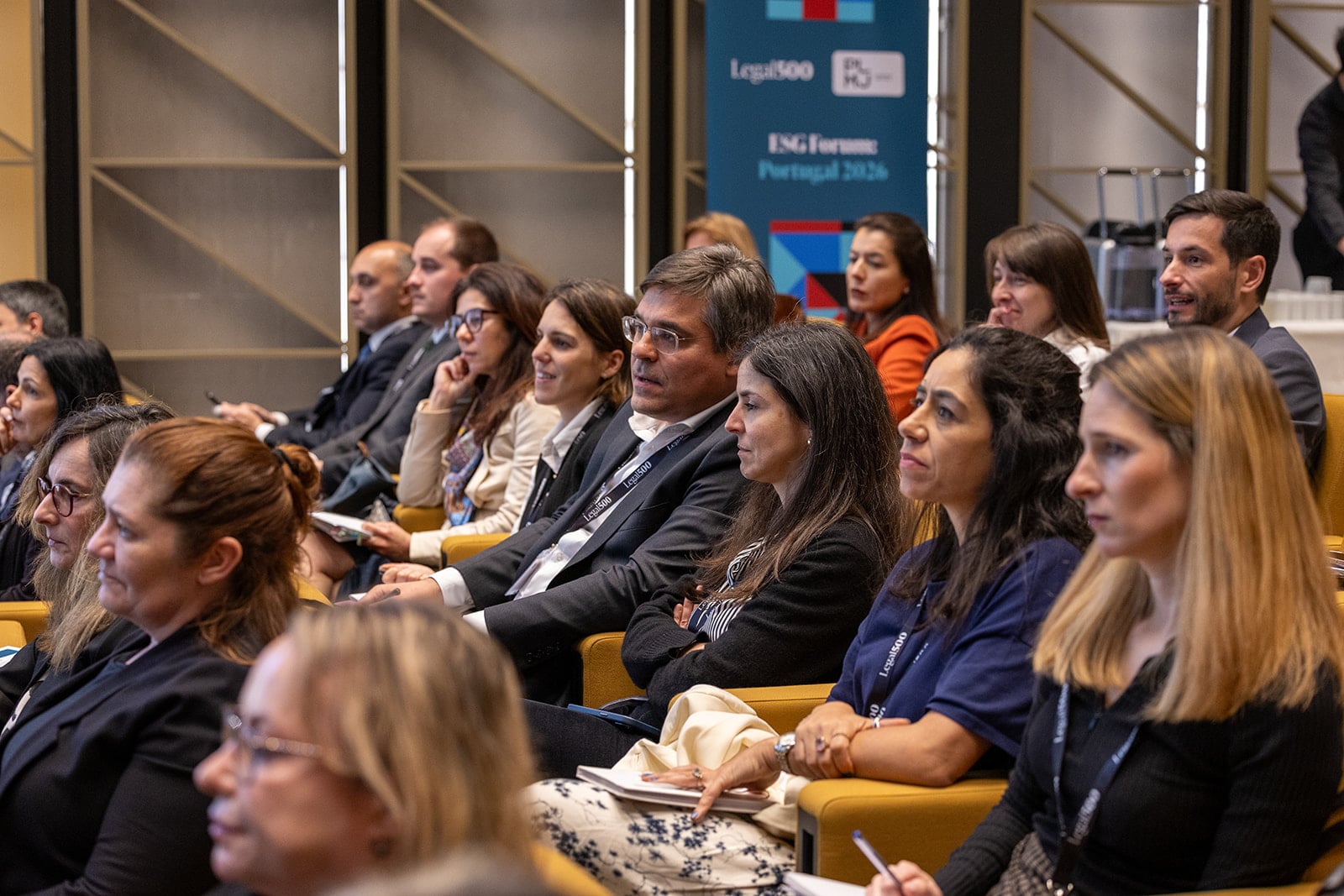
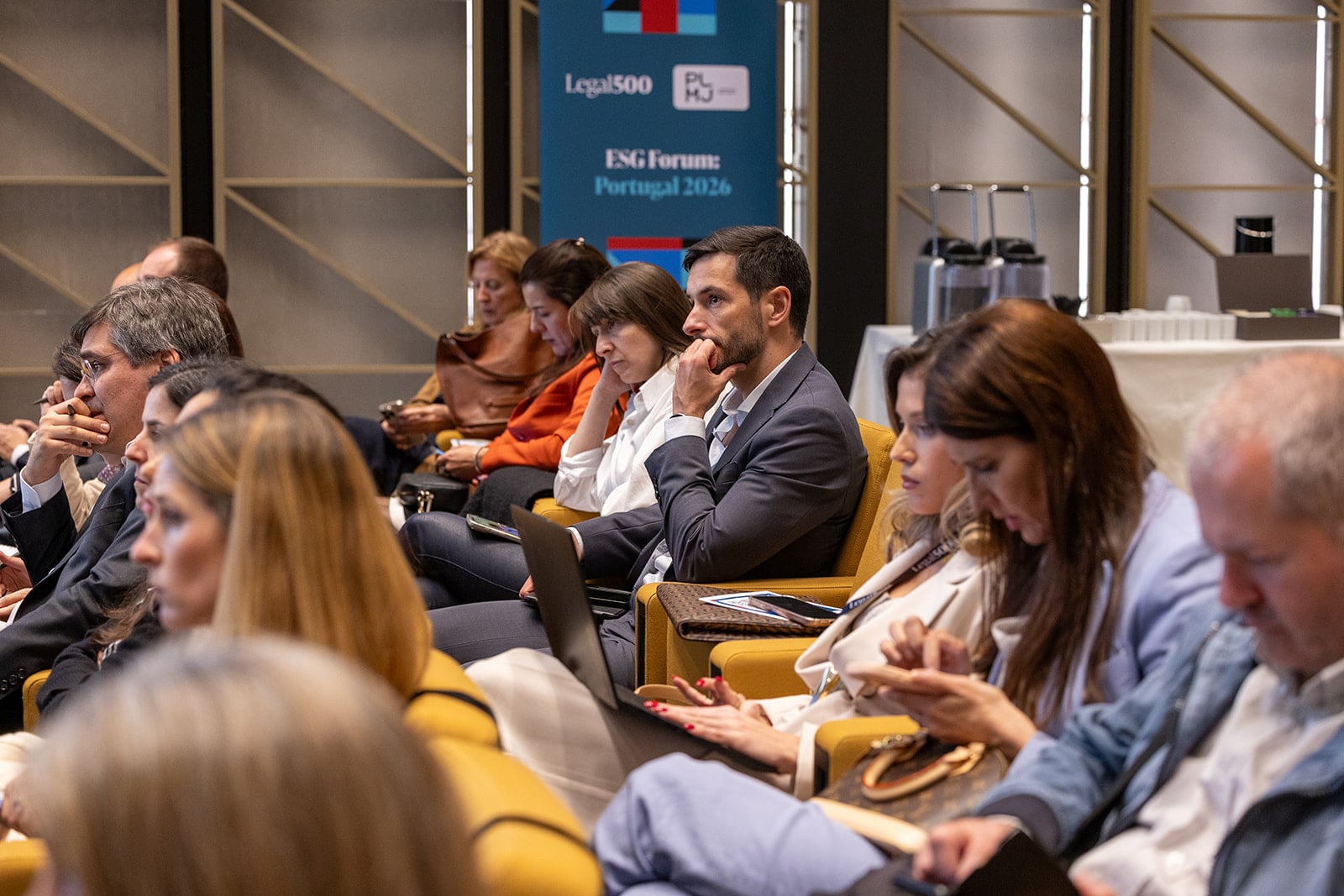
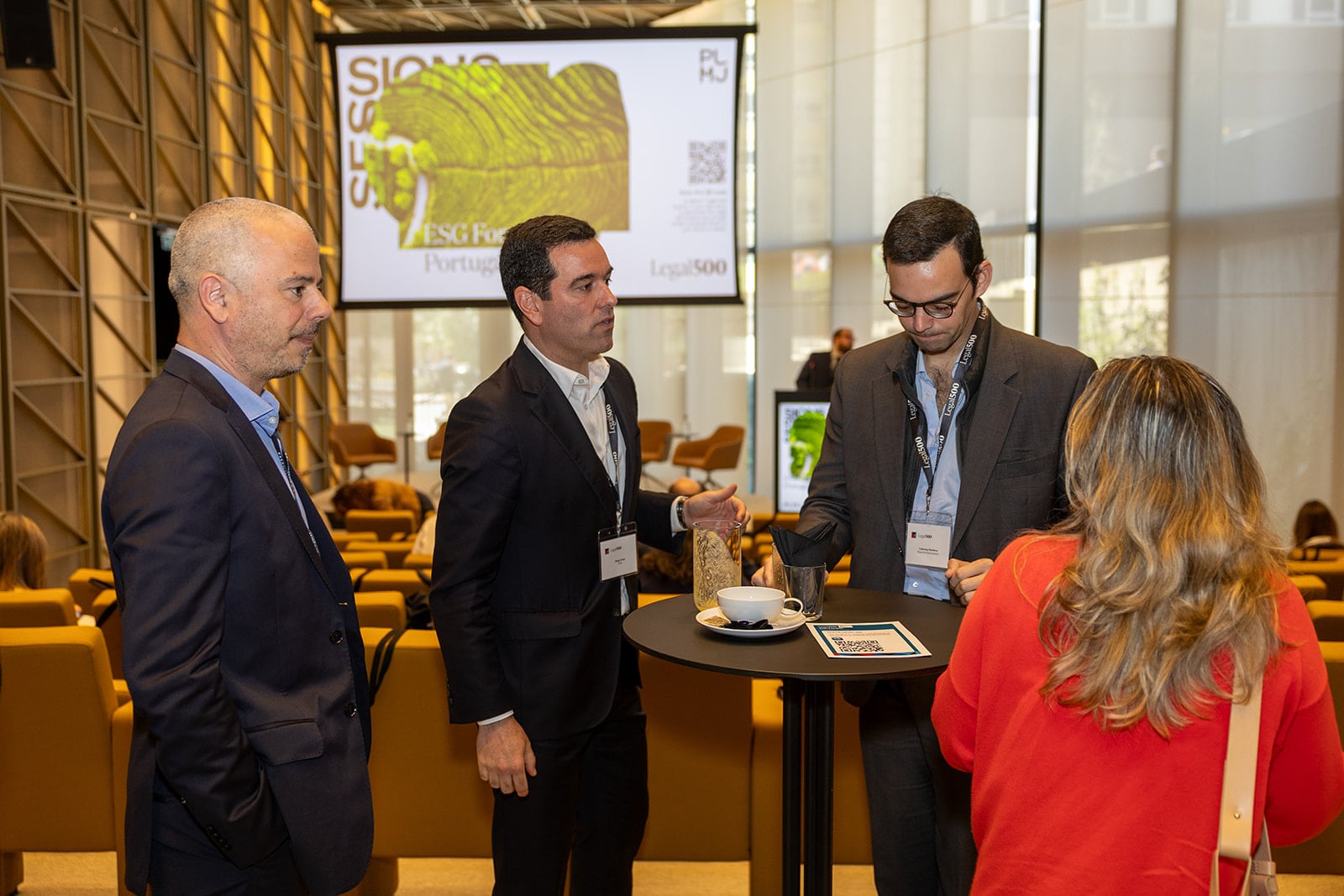
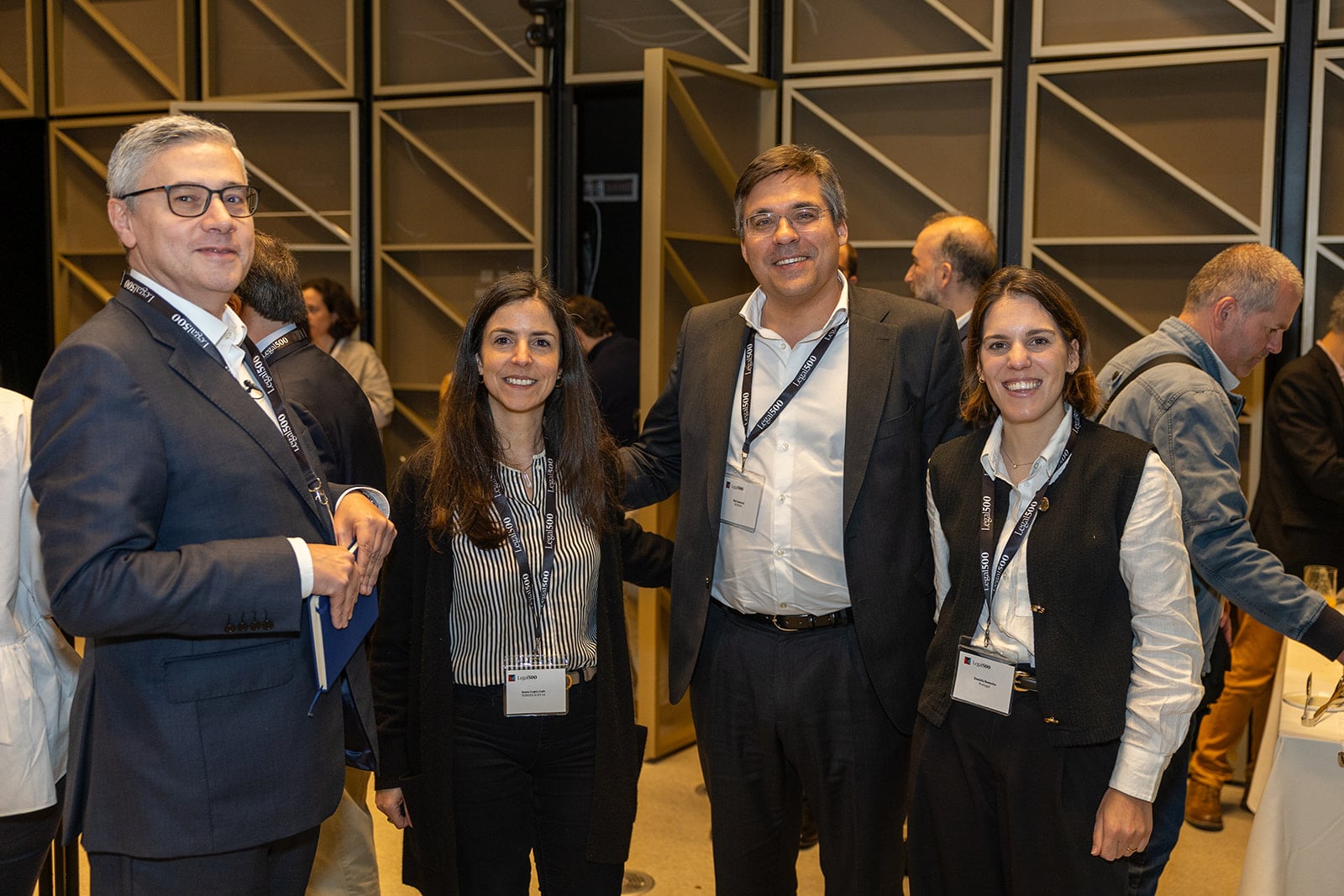
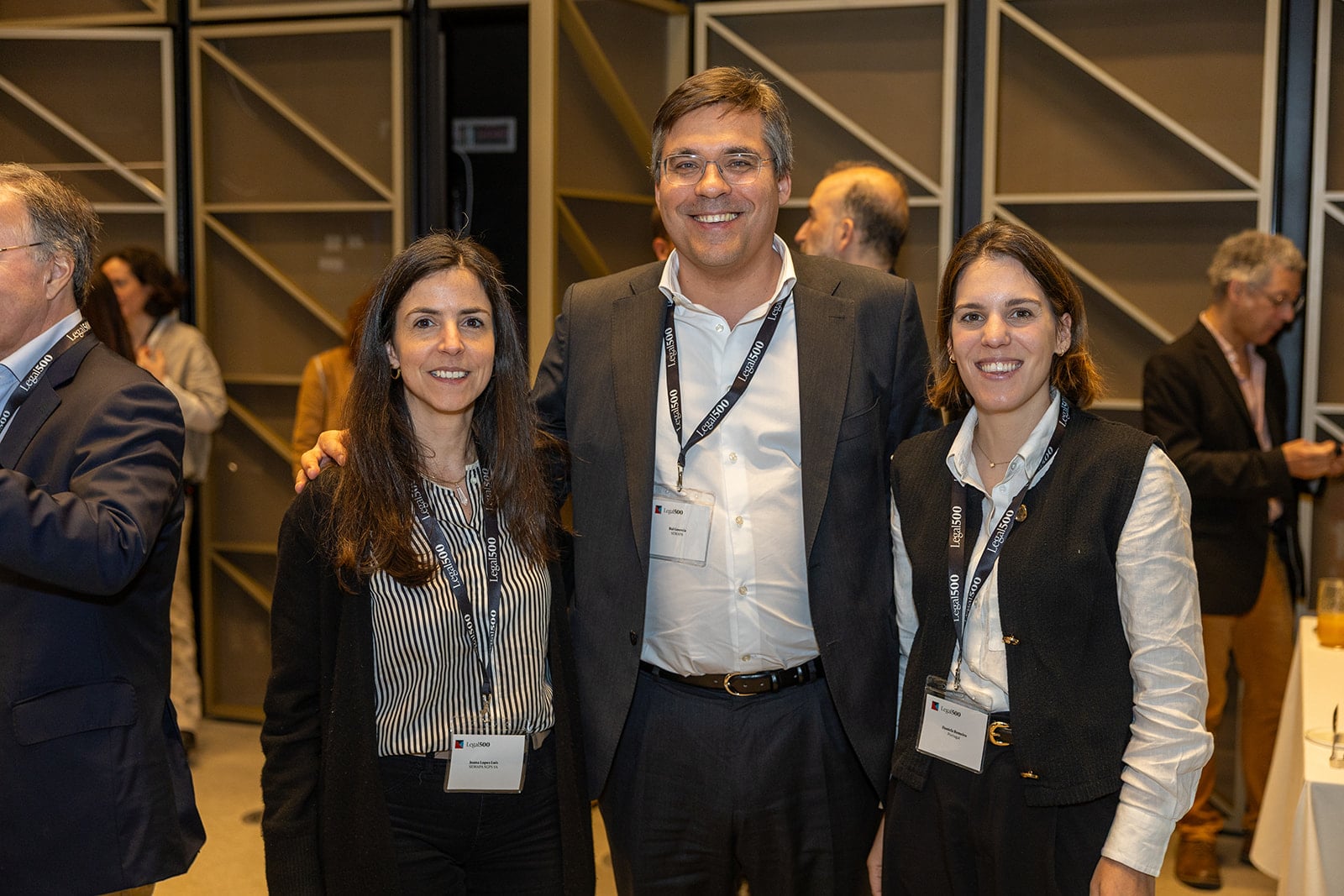
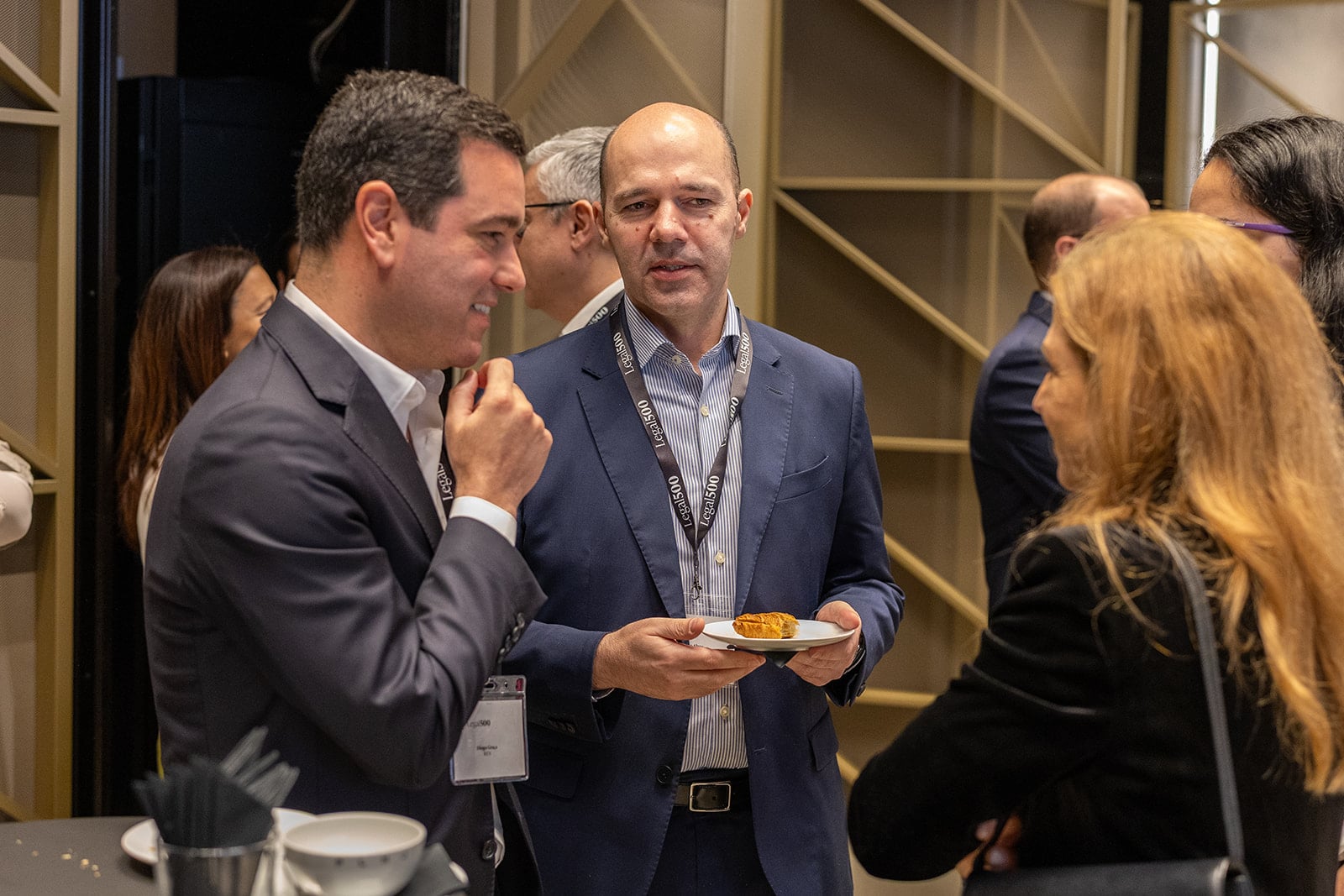
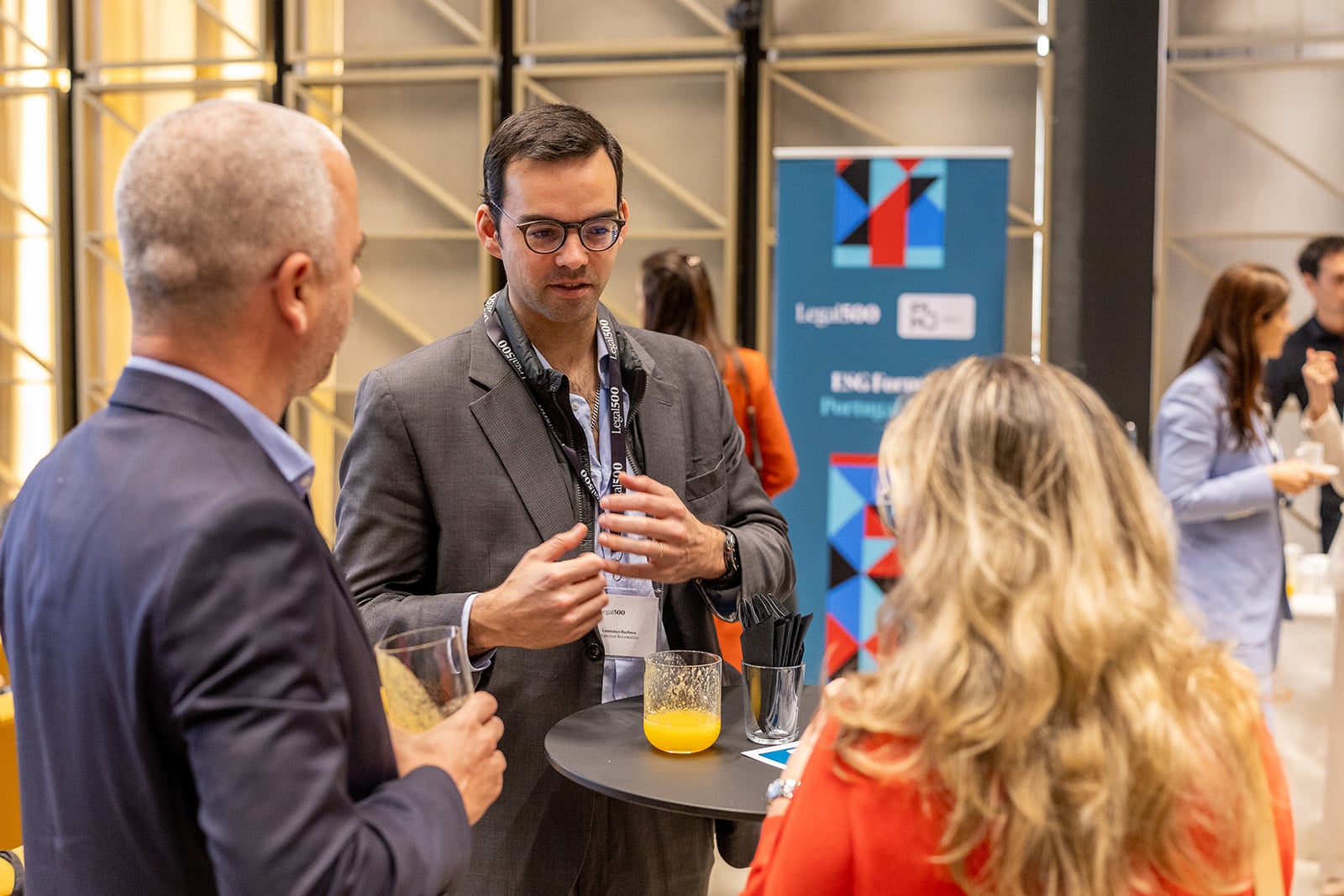
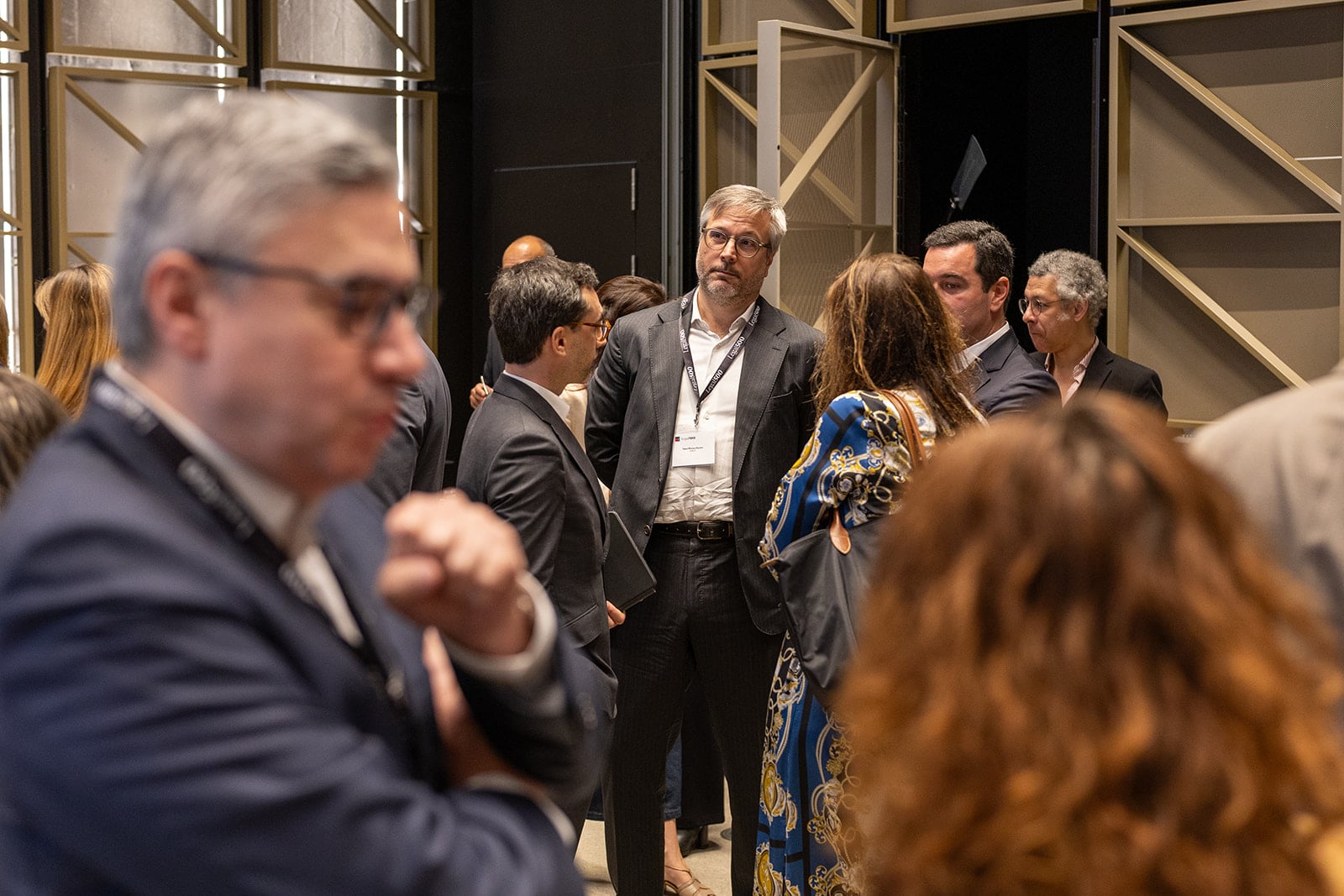
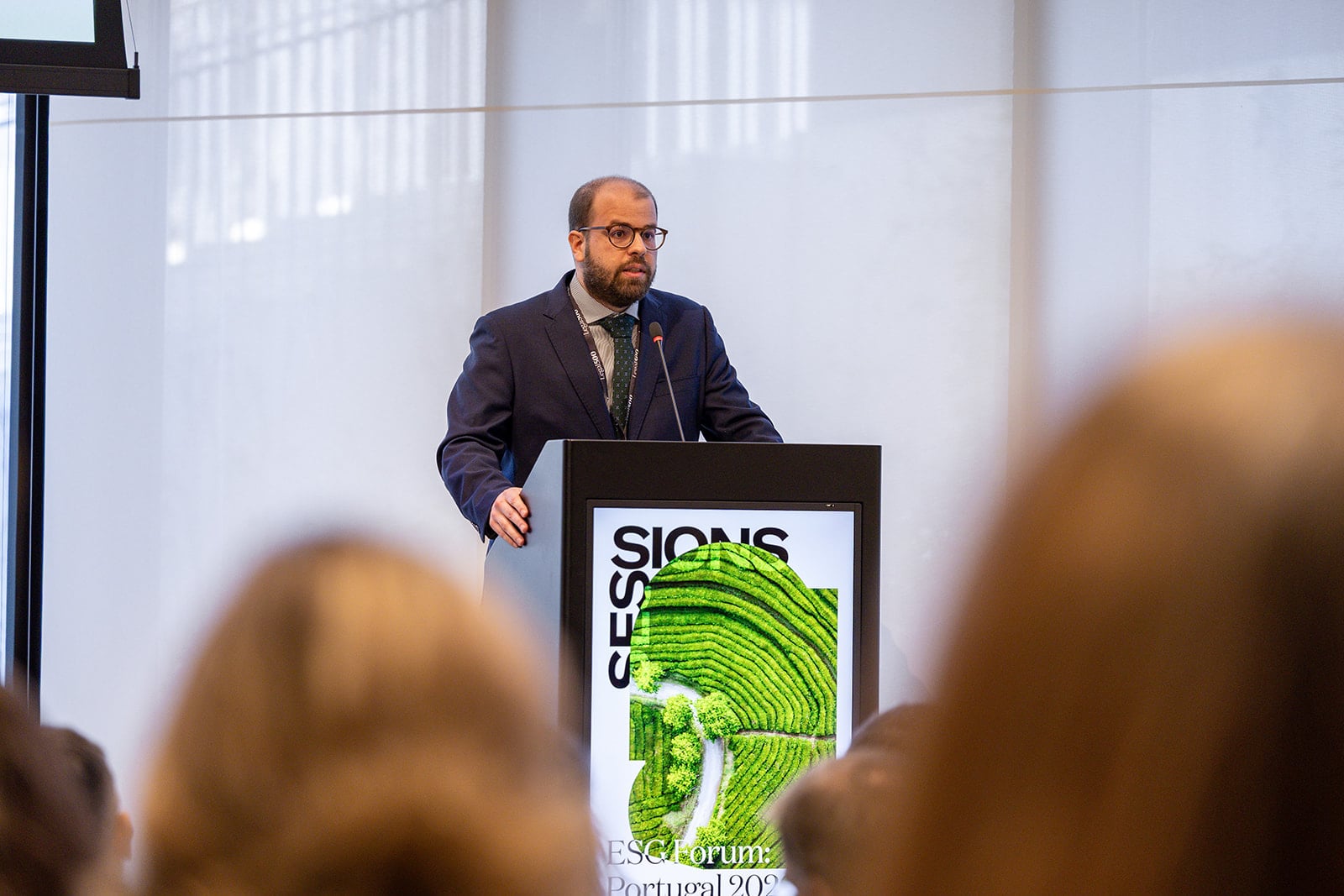
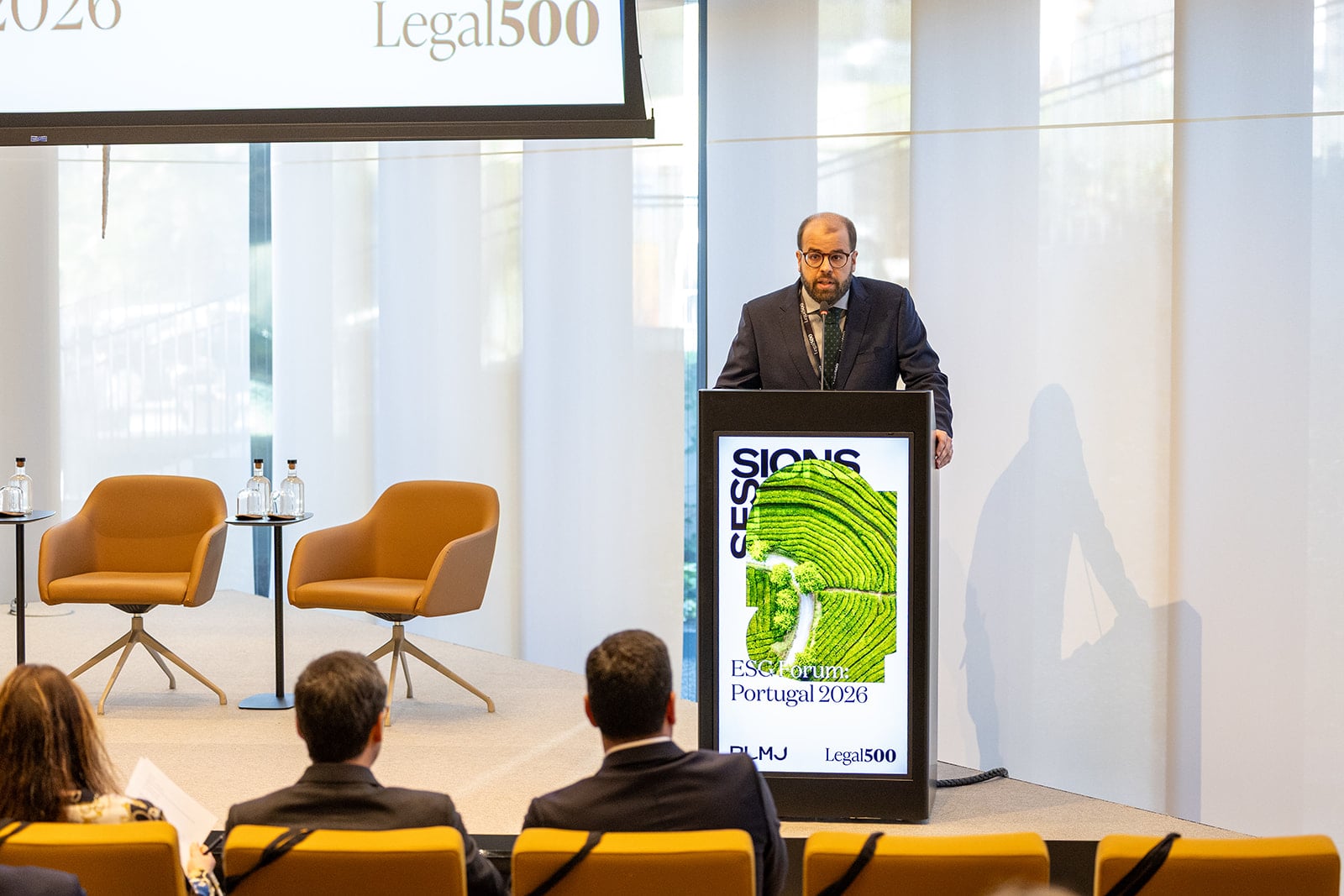
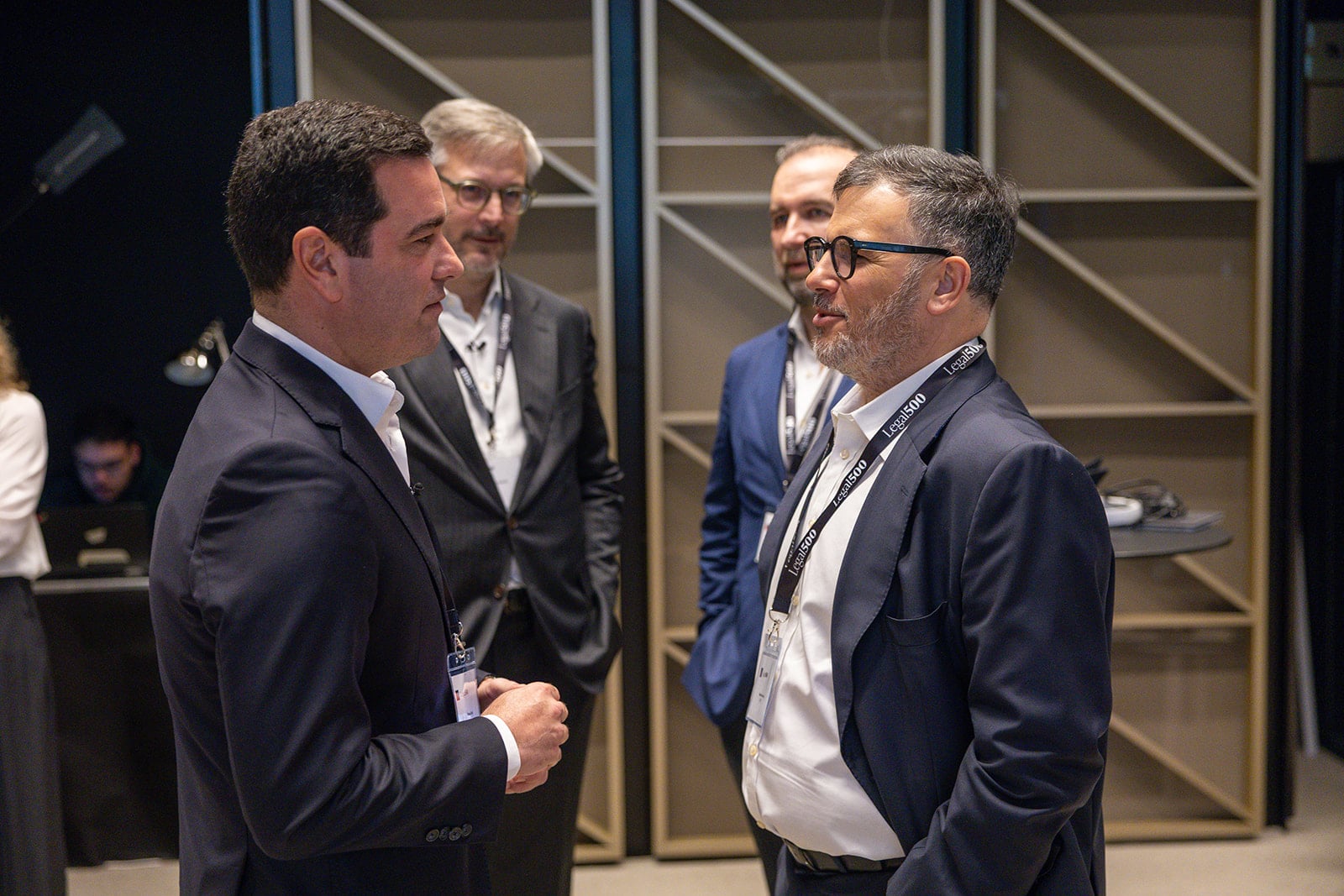
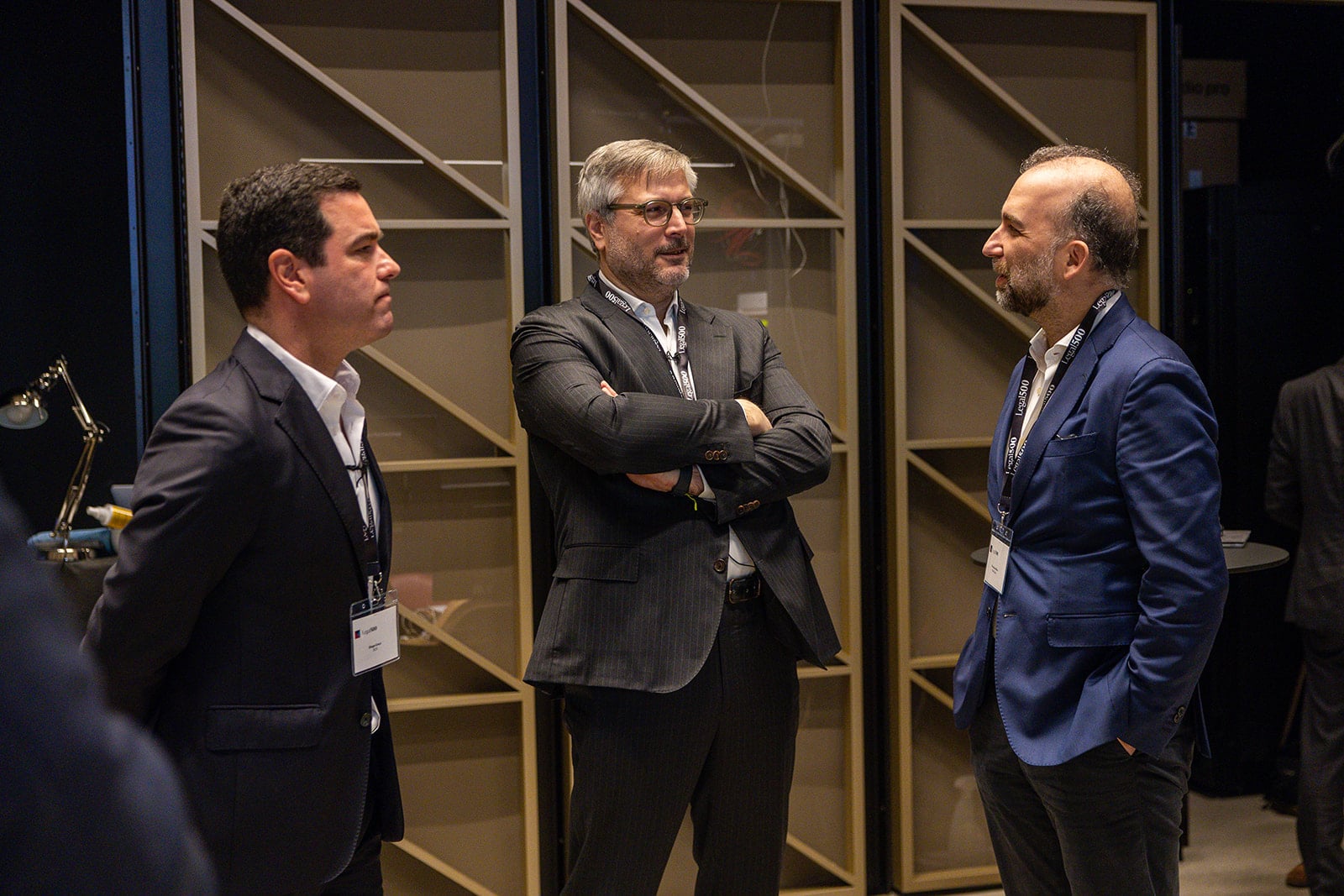
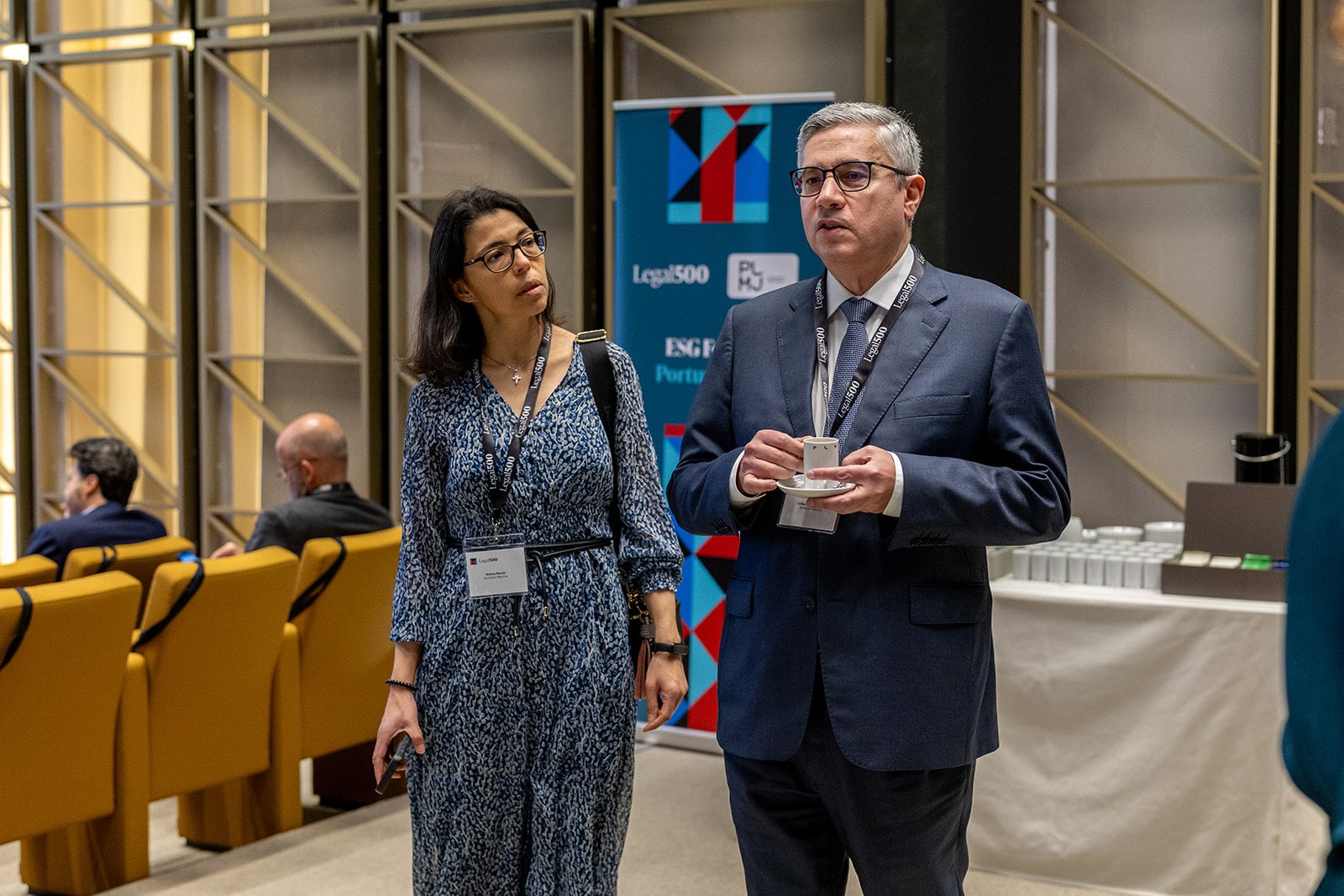
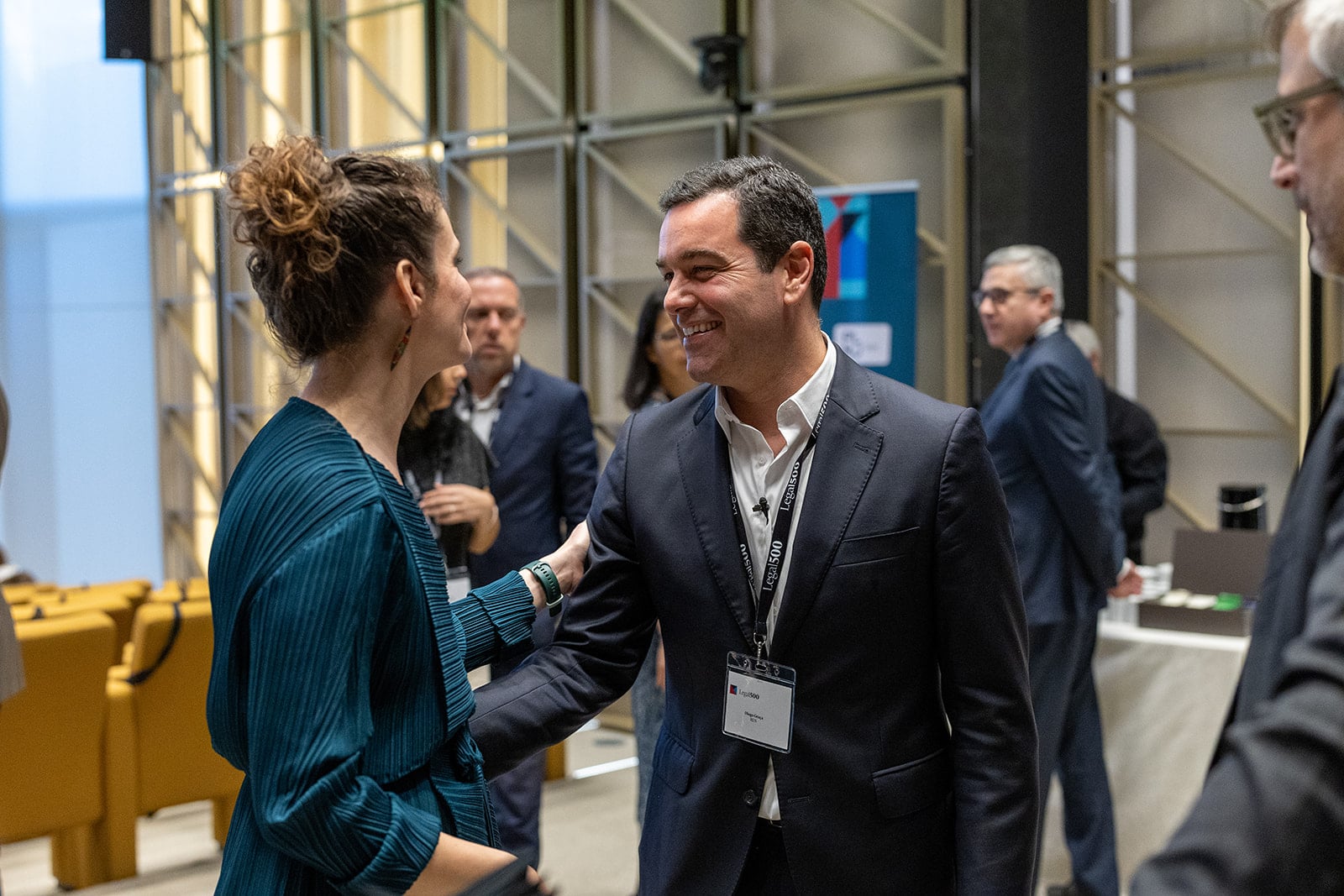
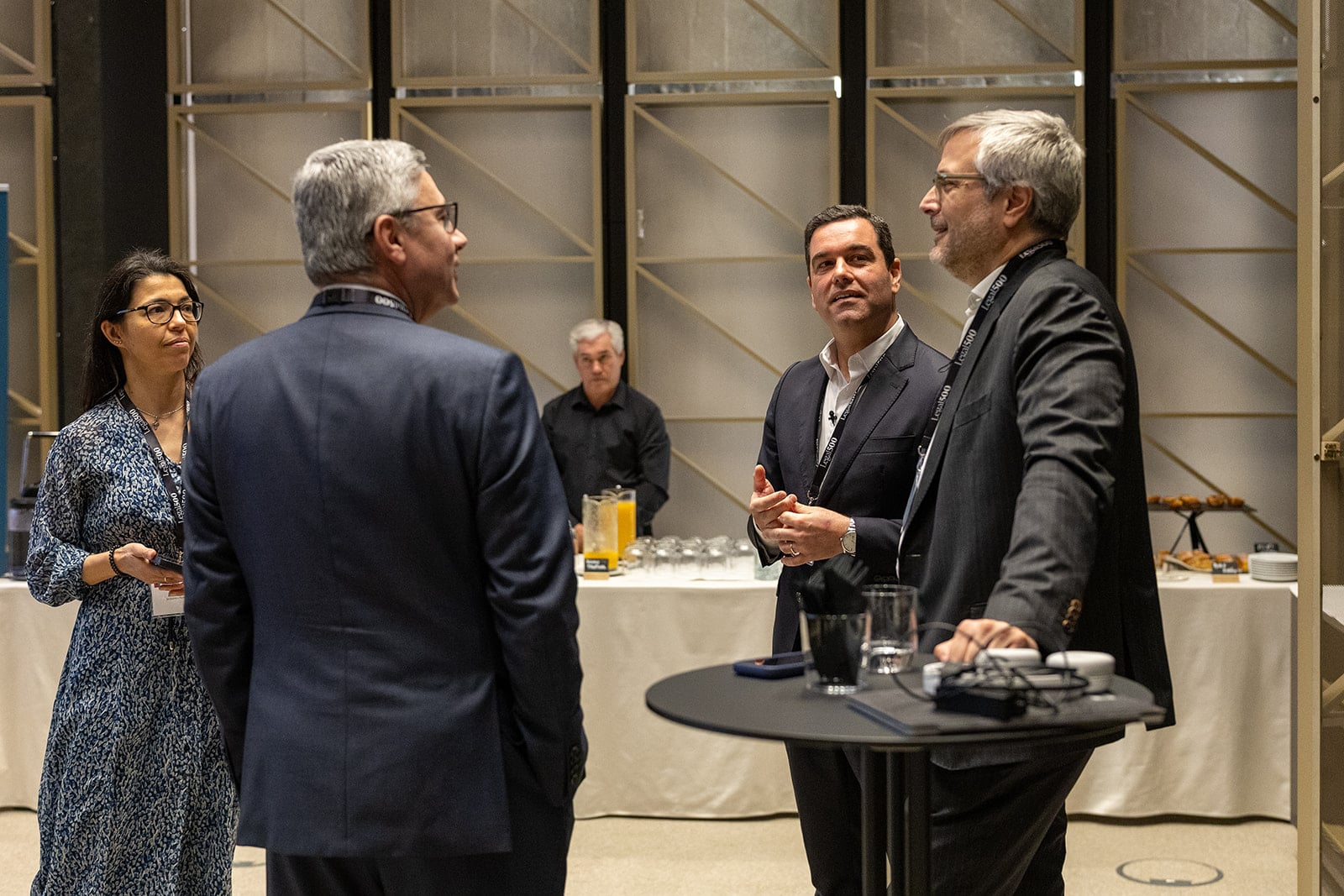
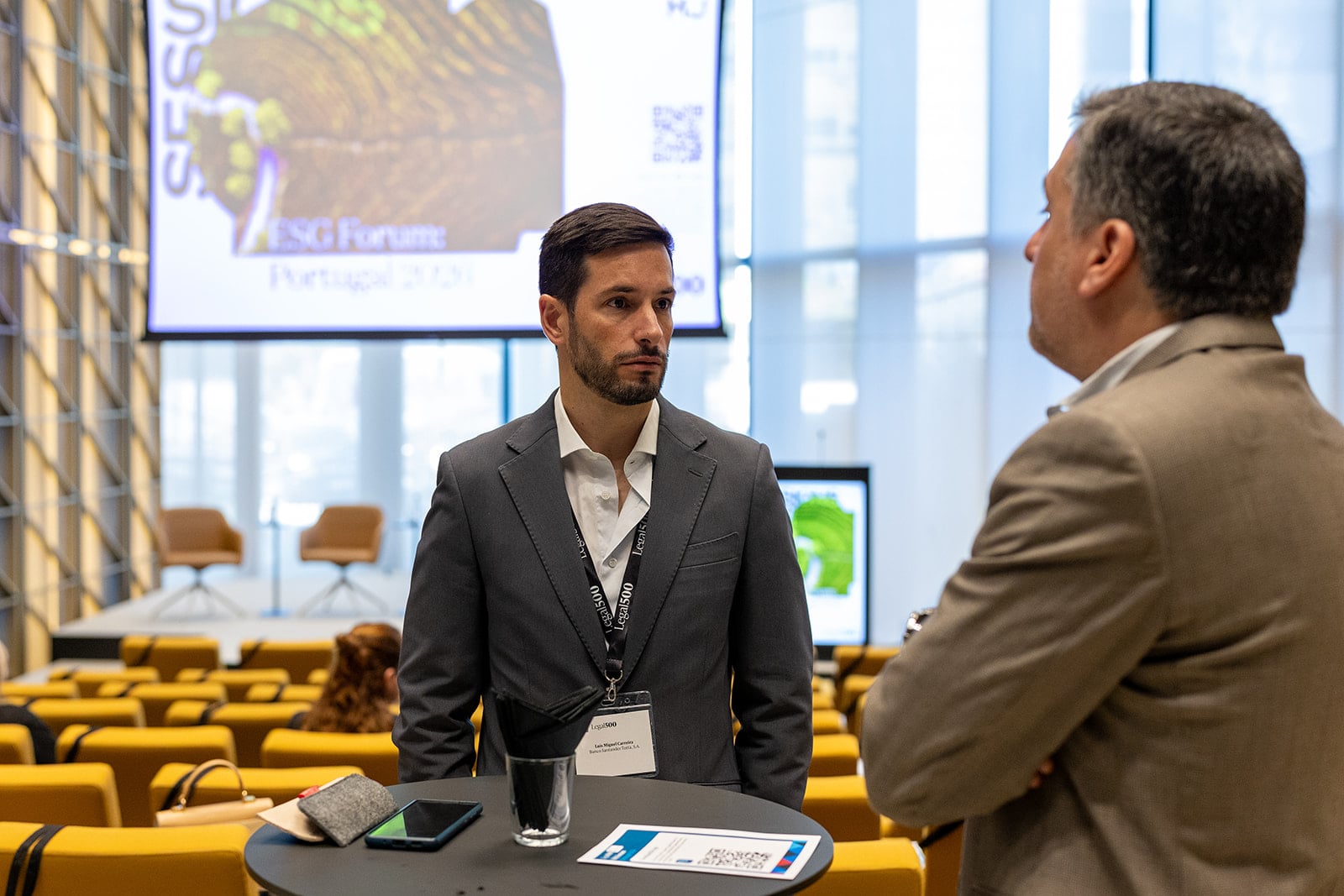
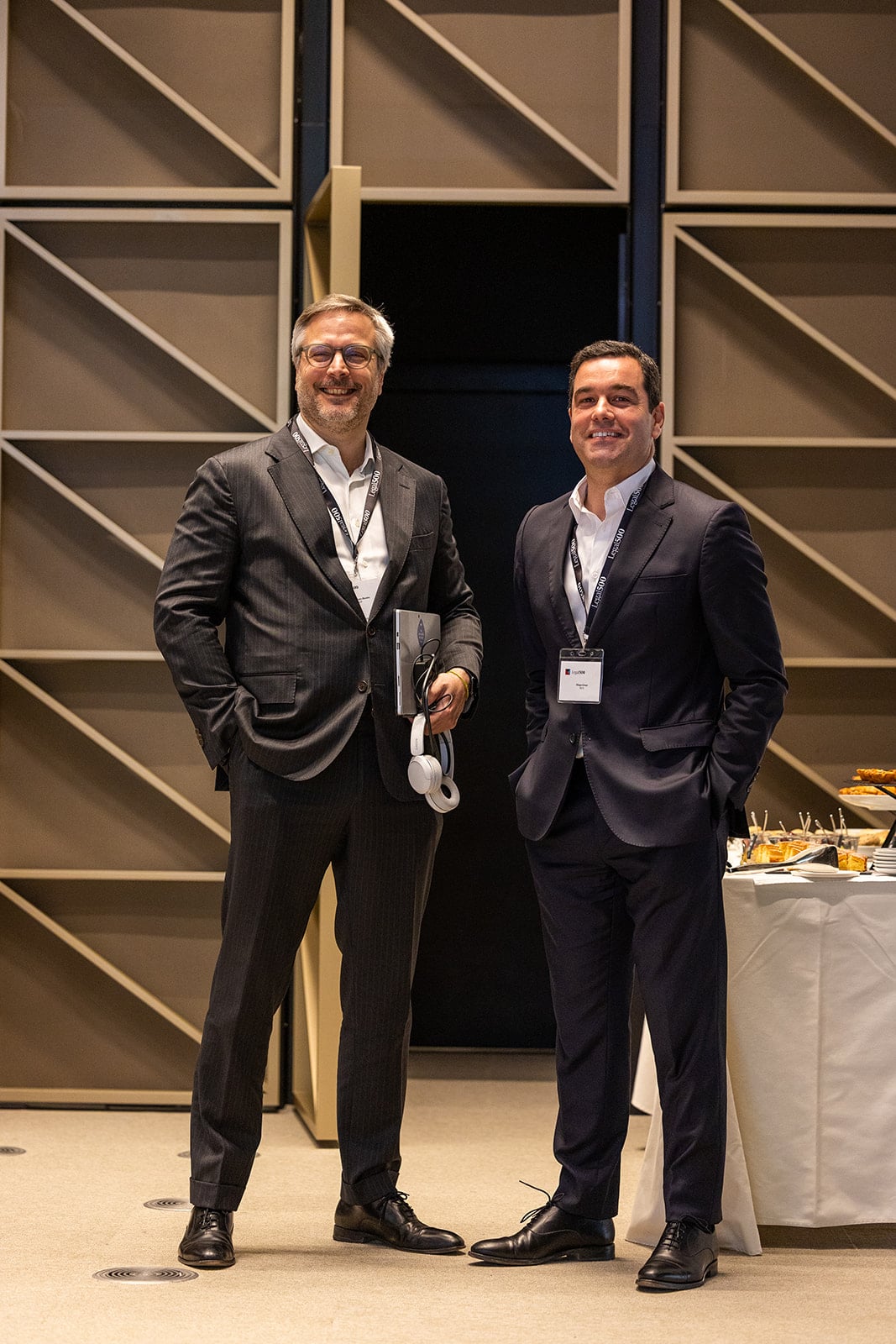
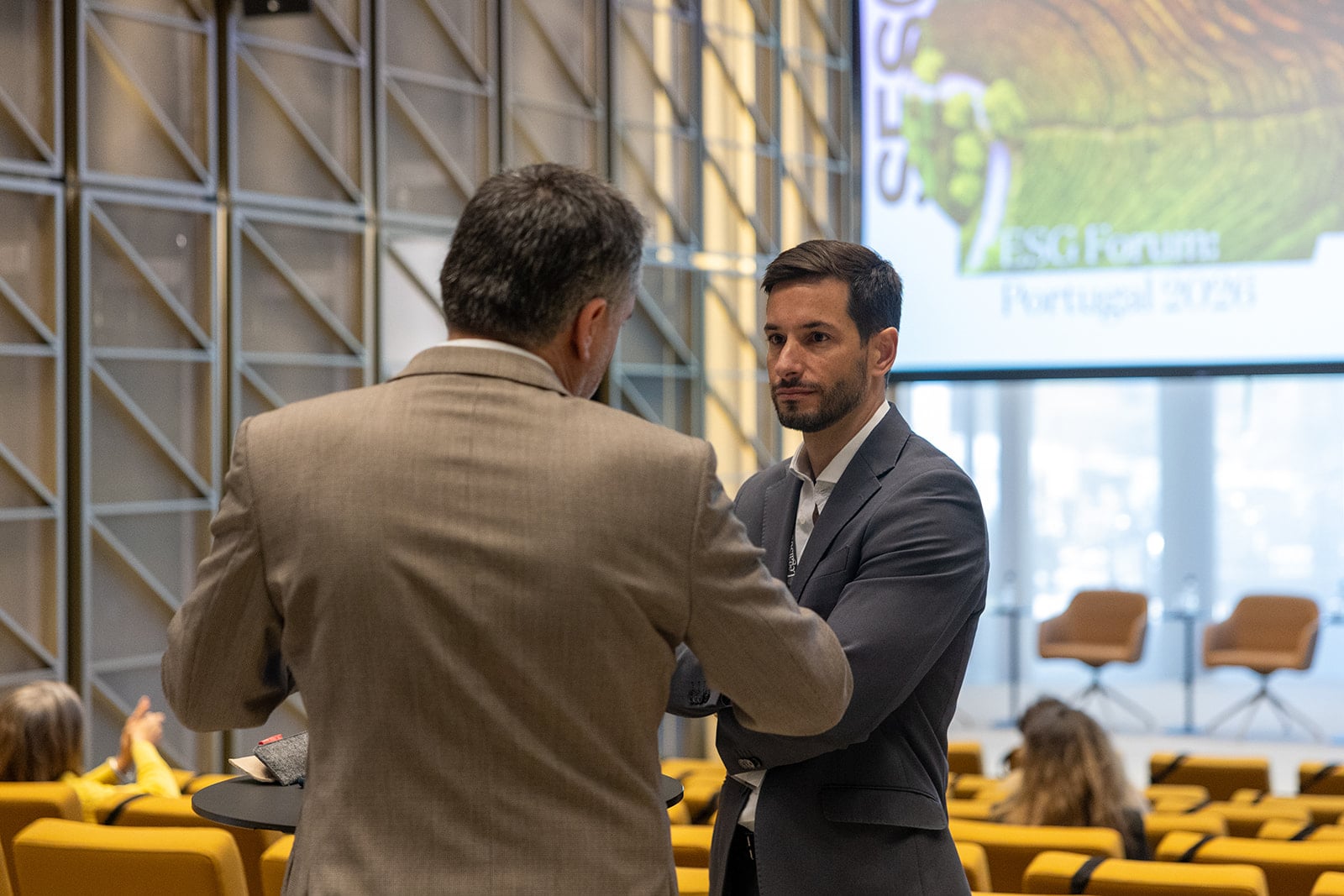
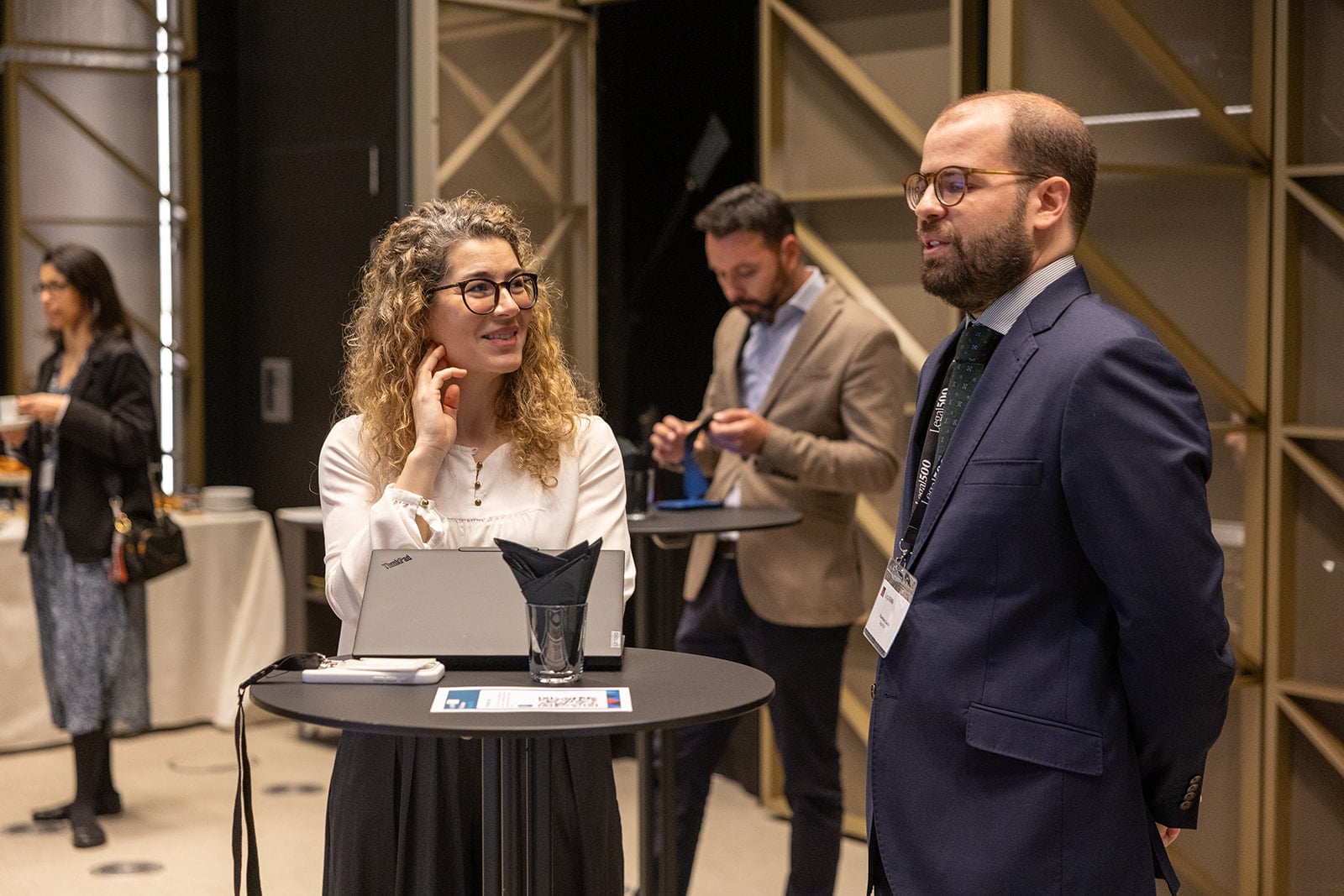
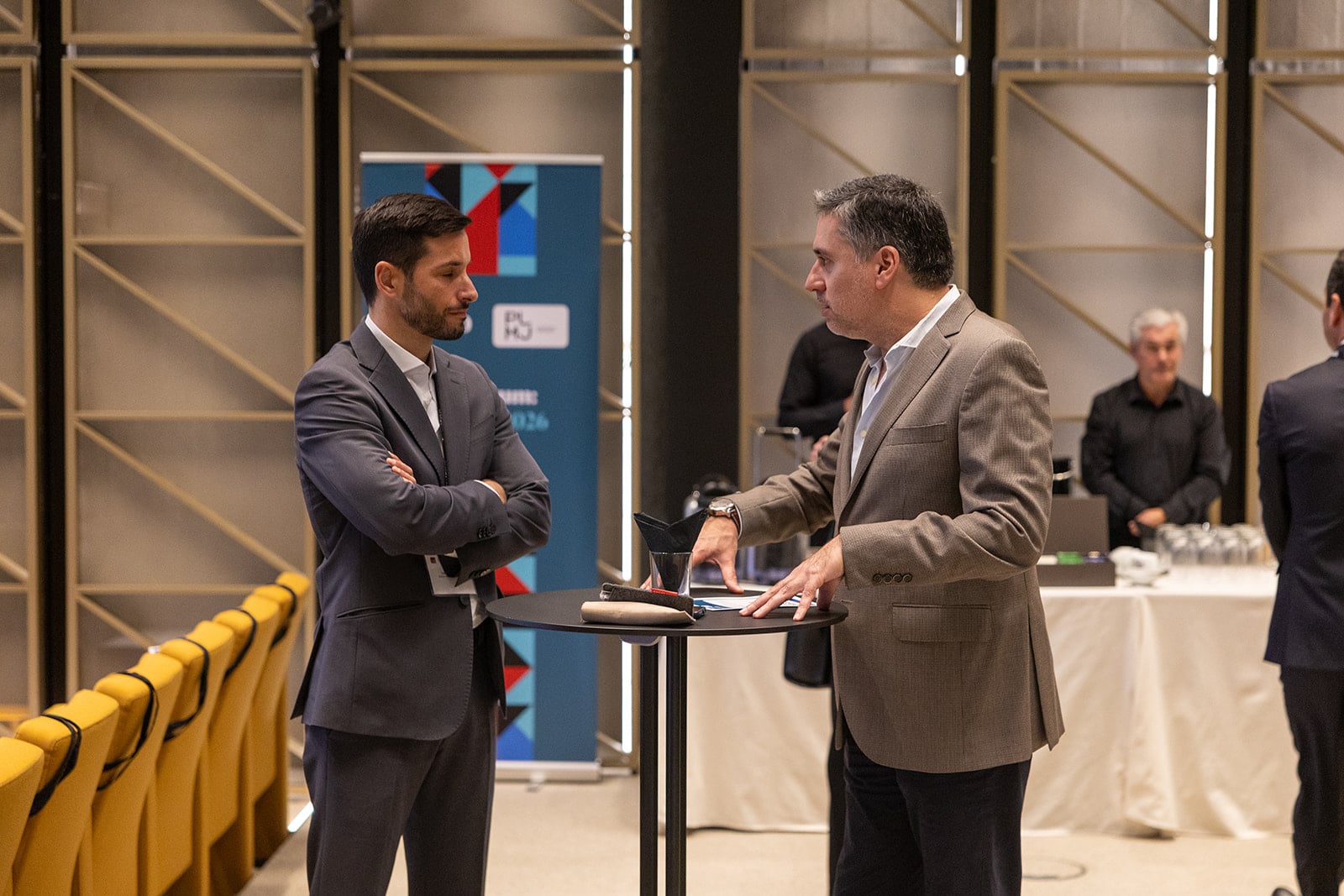
On 26 March, Legal 500 partnered with Portuguese law firm PLMJ to bring its renewed sustainability‑focused conference series to Lisbon with the ESG Forum: Portugal 2026. The half‑day event gathered senior leaders from the legal, financial, energy and sustainability spheres for a concentrated programme hosted at PLMJ’s offices. Throughout the sessions, speakers explored the regulatory, governance and enforcement forces reshaping ESG strategy in Portugal, offering a clear cross‑sector perspective on how organisations are adapting to an increasingly complex and fast‑moving landscape.
The event opened with some welcome remarks from Legal 500 editor Francisco Castro, who emphasised the value of events that bring the in‑house community together to learn, exchange experiences and build meaningful professional networks. In his welcome address, he highlighted the growing complexity of ESG obligations across Europe and the increasing pressure on organisations to adopt integrated, business‑wide approaches to compliance, risk management and strategic planning. By underscoring the need for practical, grounded discussion rather than abstract theory, he set the tone for a programme designed to deliver actionable insight and foster collaboration among practitioners navigating a rapidly evolving ESG landscape.
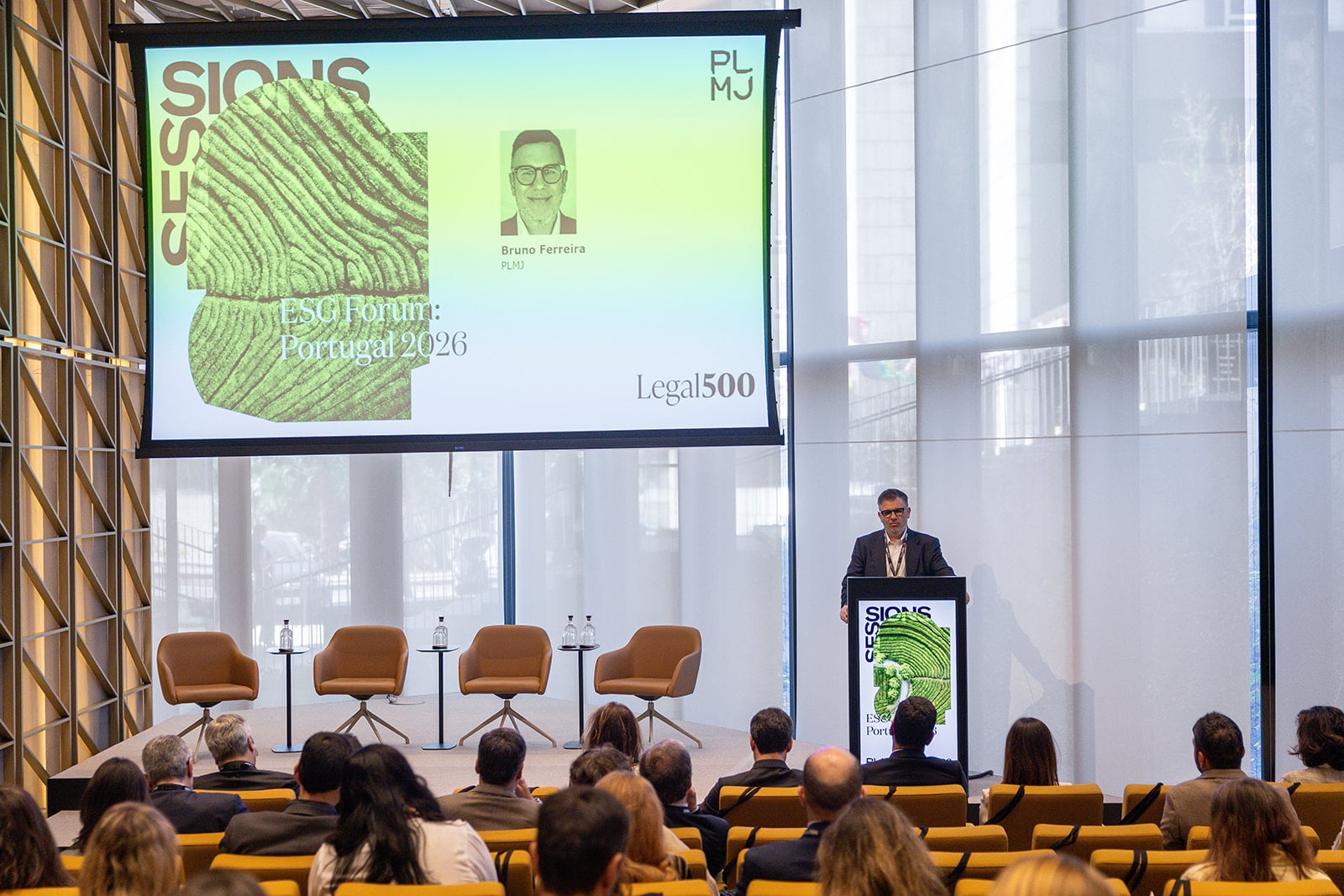
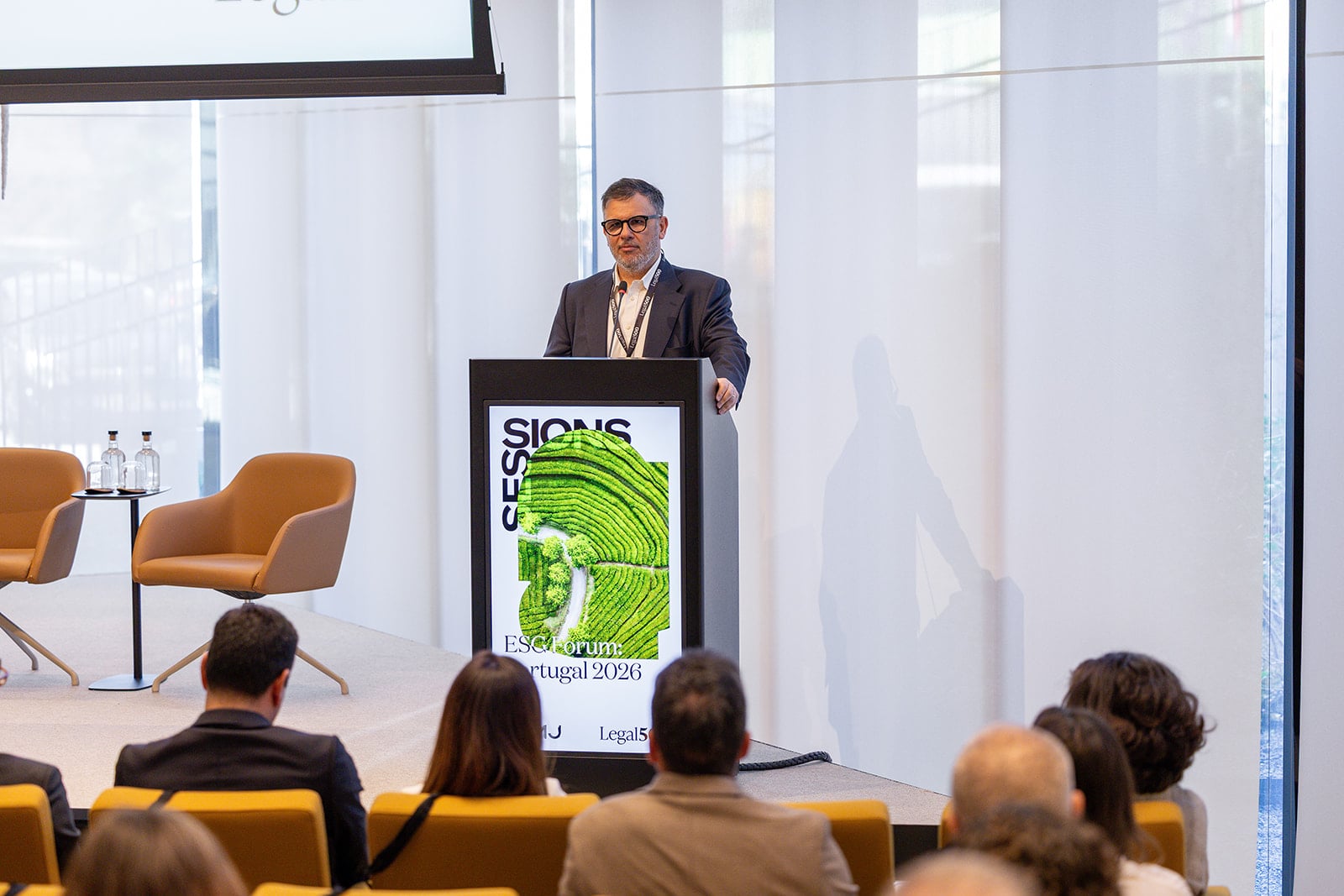
Followed an opening brief delivered by PLMJ’s Managing Partner, Bruno Ferreira, who provided a concise yet comprehensive overview of the ESG priorities defining Portugal in 2026. He outlined the expanding influence of EU regulatory frameworks on corporate reporting, due diligence and governance, noting how these requirements are reshaping expectations around data quality, transparency and accountability. His remarks positioned ESG not as a peripheral concern but as a central driver of corporate behaviour, capital flows and long‑term competitiveness in the Portuguese market.
The first panel, moderated by João Marques Mendes, Partner at PLMJ and joined by Cláudia Teixeira de Almeida of Banco BPI, Nuno Moraes Bastos of GALP and Diogo Graça of REN, explored how corporate governance and sustainable finance are shaping Portugal’s energy transition. The discussion examined how boards and executive teams are adapting oversight structures to manage transition‑related risks and how legal, compliance, sustainability and procurement functions are increasingly intertwined in project governance. Panellists described the growing influence of financing structures on project execution, noting that lenders’ expectations around ESG metrics, contractor performance and transparency now shape governance decisions from the earliest stages. They also addressed the operational constraints that continue to challenge Portugal’s transition ambitions, including permitting timelines, grid capacity limitations and delivery risk. While acknowledging the complexity of EU‑level frameworks, speakers emphasised that these standards also present strategic opportunities to harmonise practices, unlock investment and strengthen Portugal’s competitive position in the energy transition.
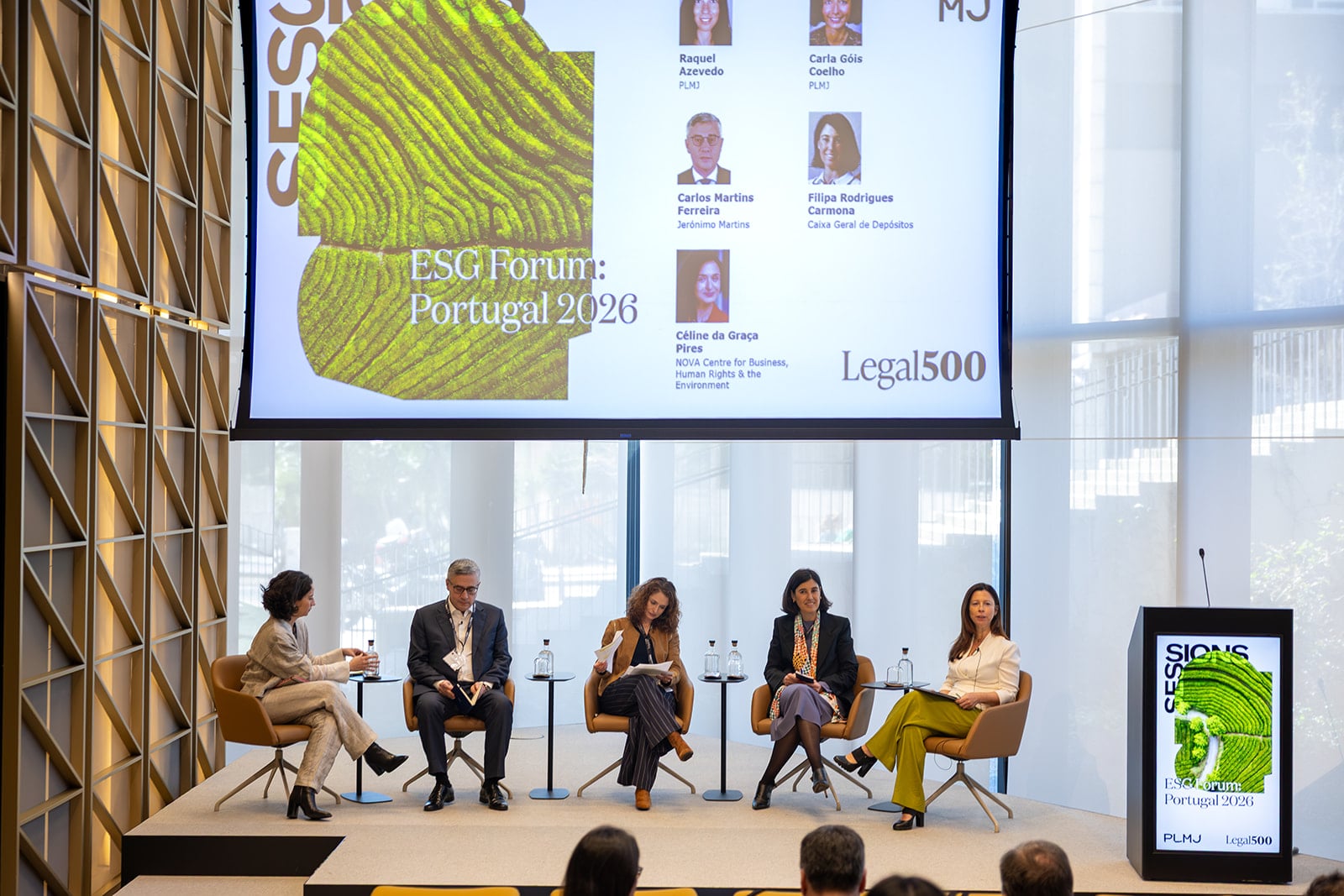
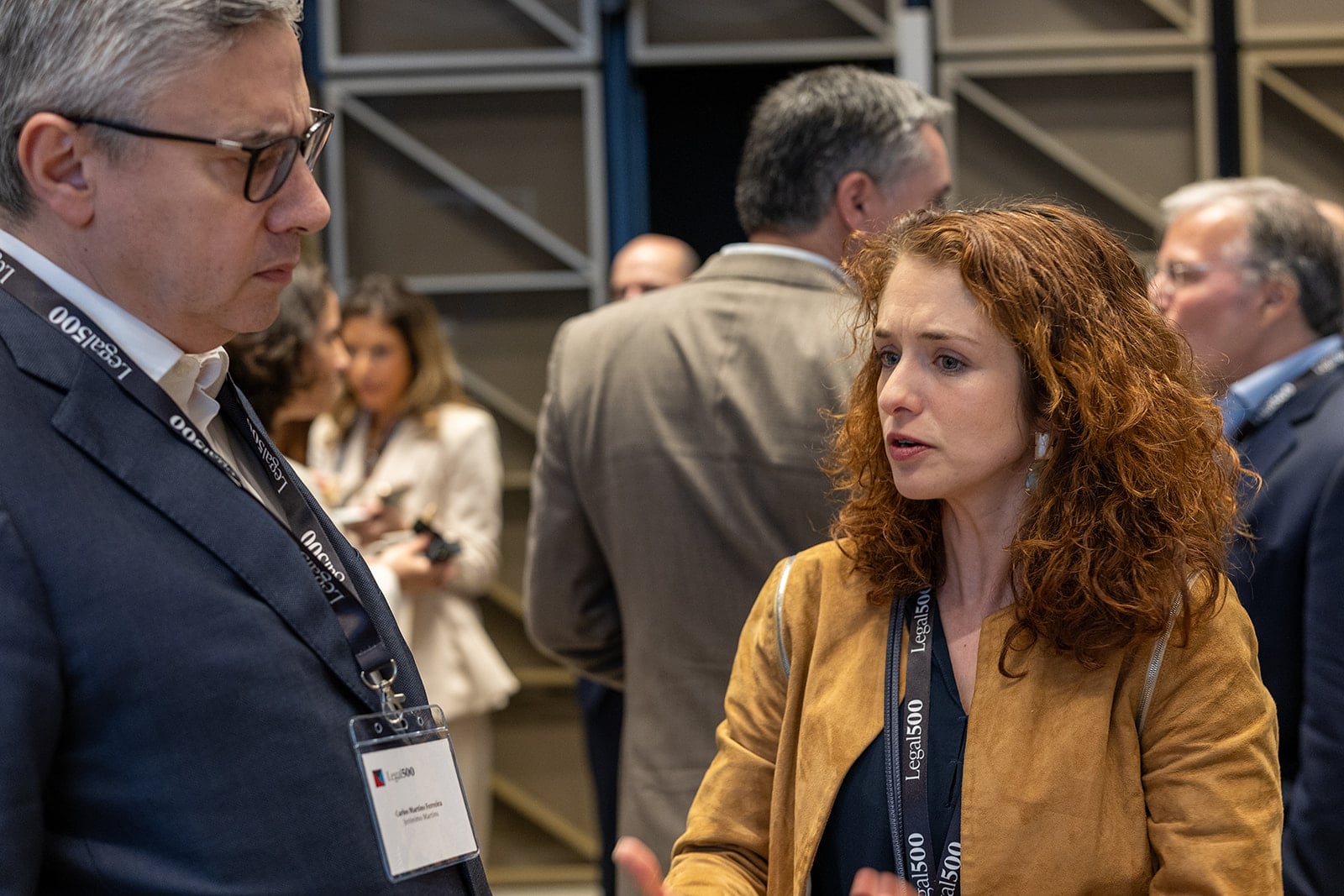
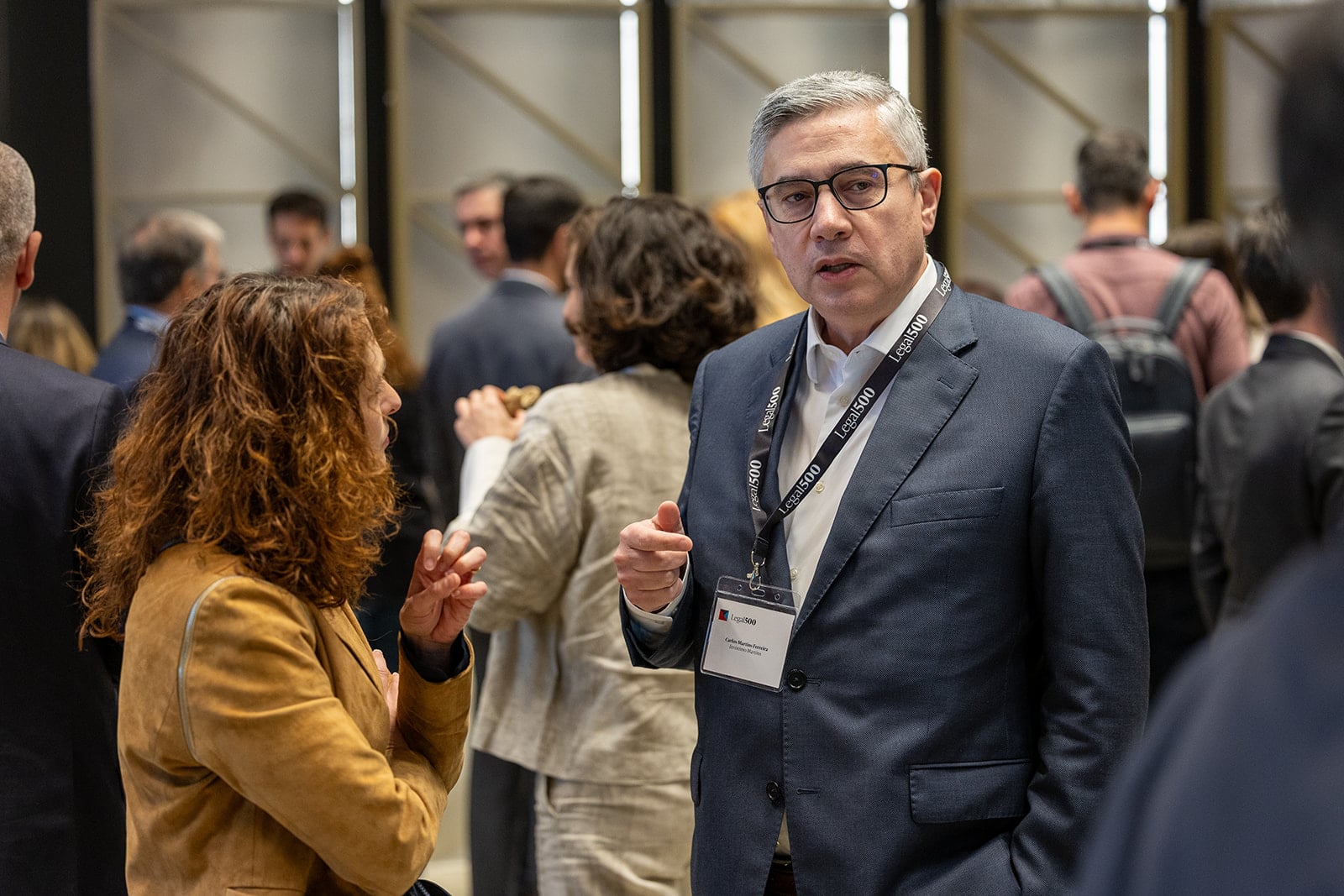
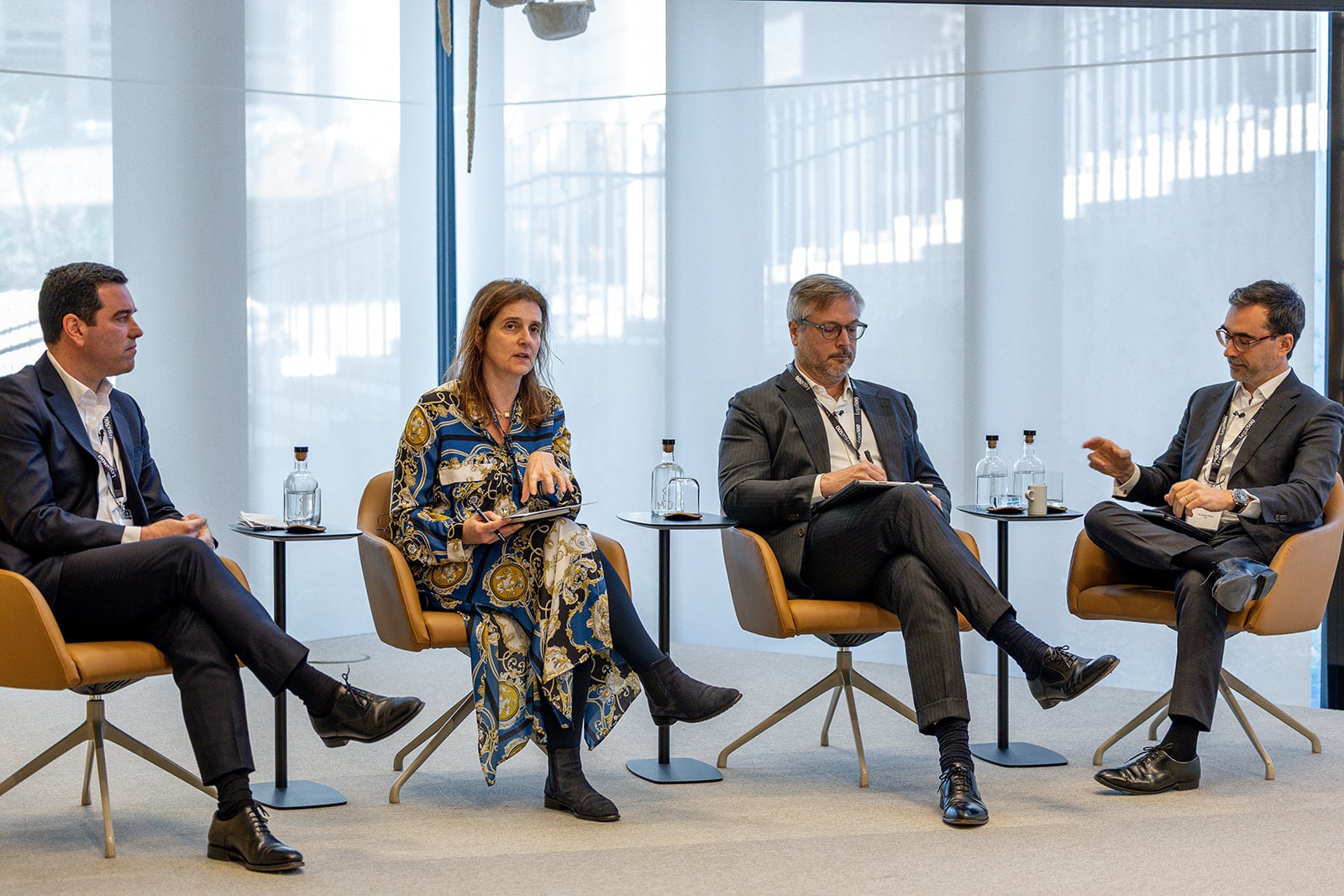
Following a short break, the second panel turned to litigation, liability and the emerging enforcement era surrounding sustainability claims. Moderated by Raquel Azevedo, Partner at PLMJ and featuring contributions from Carla Góis Coelho of PLMJ, Carlos Martins Ferreira of Jerónimo Martins, Filipa Rodrigues Carmona of Caixa Geral de Depósitos and Céline da Graça Pires of NOVA, the session examined the rapid rise of ESG‑driven disputes, investigations and regulatory actions. Panellists discussed the typical trigger points for scrutiny, ranging from sustainability reports and corporate websites to marketing materials and investor presentations, and highlighted how these touchpoints are increasingly tested by regulators, competitors, consumers and NGOs. They analysed recent case law developments and their implications for Portuguese organisations, noting the emergence of more stringent evidentiary standards around disclosures and due‑diligence obligations. The panel concluded that sustainability claims can no longer be treated as aspirational messaging; they now carry the weight of binding legal obligations, requiring more rigorous internal validation and cross‑functional coordination.
The forum concluded with closing remarks from Francisco Castro, after which attendees were invited to continue their conversations over a light lunch, providing a relaxed setting to deepen connections and reflect on the themes explored throughout the morning.
Legal 500 extends its thanks to PLMJ for its collaboration in bringing this conference format to Portugal’s in‑house legal community. The team looks forward to returning soon for the launch event of this year’s GC Powerlist: Portugal.