Uruguay 2024
Supported by the Association of Corporate Counsel


Adscripta a la gerencia in Banca Mayorista | Banco Itaú Uruguay

Chief compliance officer | Puente Corredor de Bolsa

Legal coordinator of financial alliances and resource mobilisation | CAF – Banco de Desarrollo de América Latina y el Caribe

Deputy general counsel | Corporación América Airports

Legal and compliance manager of Uruguayan operation | CBC INTL (Grupo Mariposa)
Senior Counsel (lead counsel/legal manager for Paraguay) - Chief Compliance Officer | Peninsula Investments Group

Gerente de Legales, Compliance y Asuntos Regulatorios | GDN UY
Corporate Vice-President Legal, Compliance, Operational Risk, and Information Technology | SURA Asset Management

Senior Legal Counsel/ Security Services Iberoamerica | Securitas Uruguay

Corporate lawyer | Winterbotham Fiduciaria Administradora de Fondos de Inversion


Head of legal, sustainability and corporate affairs | Softys Uruguay
Legal, risk and compliance director | Securitas Uruguay




General counsel and contract manager - compliance officer | CIEMSA

Head of legal, compliance and public policy lead - Uruguay, Bolivia & Paraguay | Roche International
Bruno Bertolotti is head of legal and compliance, and leads the policy team at Roche for Uruguay, Bolivia and Paraguay. He has over 13 years of experience working in the...
Legal director and insitutional relations | Corporación América

Abogada principal y coordinadora dirección de asuntos legales de tesorería y pasivos | CAF – Banco de Desarrollo de América Latina y el Caribe
Cecilia’s professional practice has focused on corporate, contractual, banking, and financial markets areas. She has advised various national, international, and multilateral companies on matters related to the capital markets, including...
General counsel | Peninsula Investments Group
Gaston is the general counsel of Peninsula Investments Group. He has over 14 years of experience, earned his L.L.M. from Columbia University (New York) and his J.D. from the Universidad...

Legal and contract management manager | Consorcio Constructor Ferrocarril Central
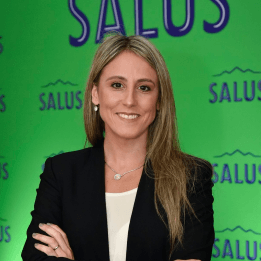
Director of institutional relations and regulation | Telefonica Uruguay
Director of legal affairs | Perficient Latin America
Legal manager | Compañía Forestal Uruguaya (COFUSA and Urufor)
I am thrilled to present, on behalf of The Legal 500, the latest edition of the GC Powerlist: Uruguay. This eagerly awaited publication celebrates the exceptional achievements of the nation’s leading in-house lawyers.
This edition showcases the significant impact of in-house counsel on businesses in Uruguay, emphasising their expertise, leadership, and unwavering dedication to excellence. This year’s edition celebrates their remarkable achievements and inventive strategies as they navigate an ever more intricate and demanding landscape.
Readers will find detailed profiles and exclusive interviews with the most esteemed and influential in-house lawyers from diverse industries in Uruguay. These professionals exhibit remarkable expertise in shaping legal strategy, managing risks, and delivering strategic guidance to their organisations. Their accomplishments not only serve as an inspiration to the legal community but also highlight the crucial role in-house lawyers play in driving their companies’ business strategies and overall success.
Our research focused on highlighting the pivotal role of legal departments in safeguarding their organisations against instability and crises. As José Juan Gari Schauricht, Director of Legal, Risk, and Compliance at Aiva, notes, “I view crises as opportunities for organisational growth. For legal, compliance, and risk management teams, they represent moments to shine in environments where other departments, such as sales, often take the spotlight. To excel, it is crucial to align with the company’s overarching strategy and senior management. Understanding business objectives allows us to identify potential risks before they arise and to regularly develop and update crisis scenarios. Furthermore, outlining possible issues and integrating action plans within the organisation’s overall crisis management strategy is imperative. During a crisis, teamwork and communication—both internal and external—are essential, alongside ensuring compliance and collaboration across teams. Strong leadership skills, in conjunction with legal expertise, are crucial for maintaining stability.”
Our findings also emphasise the ongoing need for enhanced risk assessment and management, as well as improved communication with other departments to build organisational resilience. Carolina Rodríguez Zunino, Deputy General Counsel at Corporación América Airports, aptly describes the situation: “The legal landscape can shift rapidly during crises, often due to significant changes in legislation or the introduction of urgent regulations. I prioritise flexibility in our legal strategies and continuously map the situation in the countries where we operate, evaluating how our peers are responding […] It is also crucial to share as much information as possible with our team and colleagues in other areas, as well as to clarify the rationale behind significant decisions or those affecting the team or the company. Ultimately, collaborating closely with management ensures our legal approaches align with the company’s objectives, contributing to resilience and long-term success.”
Within this publication, readers will find exclusive content addressing various pertinent topics and challenges faced by Uruguay-based in-house lawyers and their teams. Through their experiences and insights, we aim to provide a comprehensive overview of the legal landscape in Uruguay, highlighting the indispensable role played by in-house legal teams.
We extend our heartfelt gratitude to all the featured in-house lawyers for their invaluable contributions and for generously sharing their professional journeys with us. We are proud to present this distinguished list, showcasing Uruguay’s most outstanding, dedicated, and celebrated in-house lawyers.
Sara Maggi| Deputy Editor – The Legal 500 GC Powerlist Series
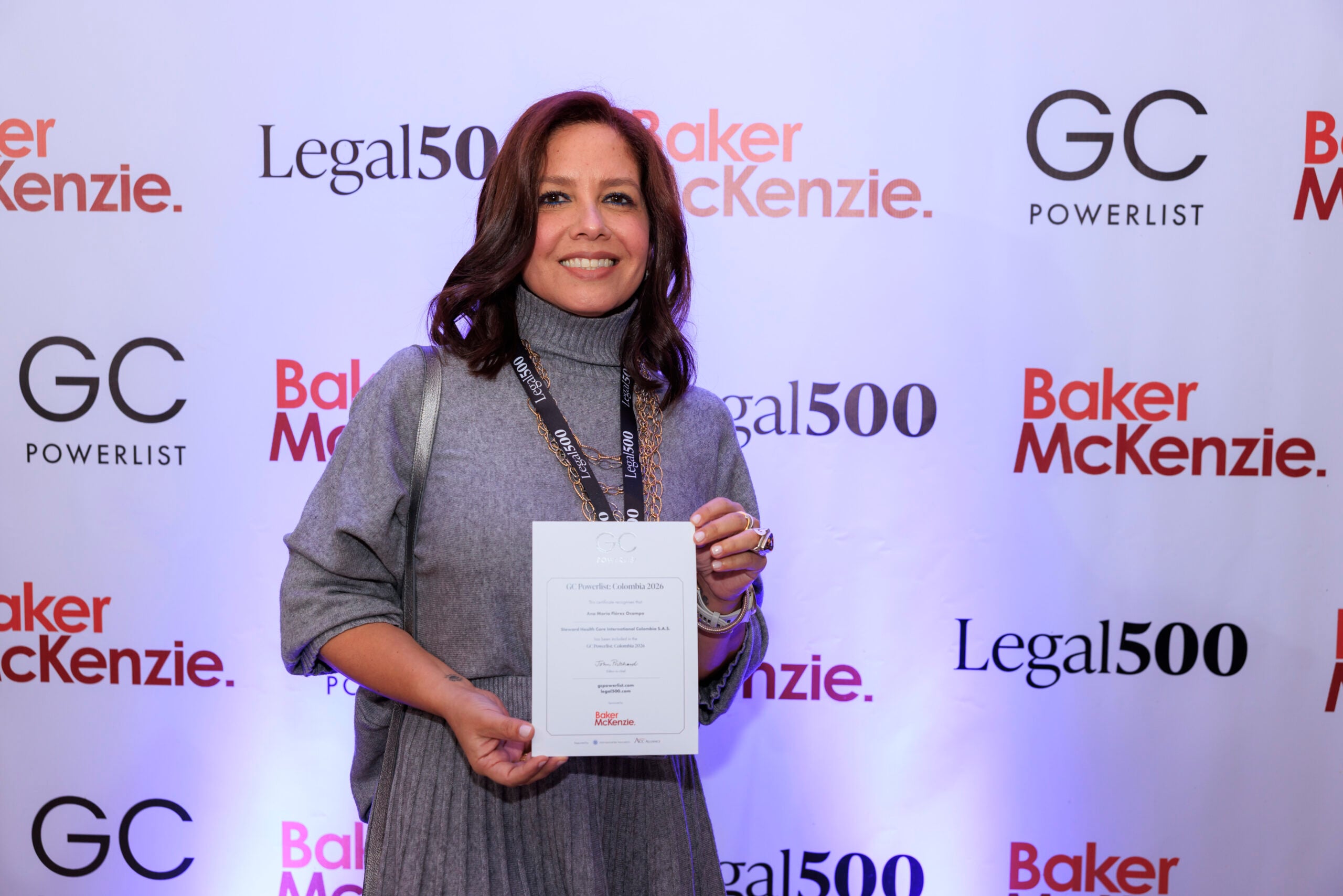
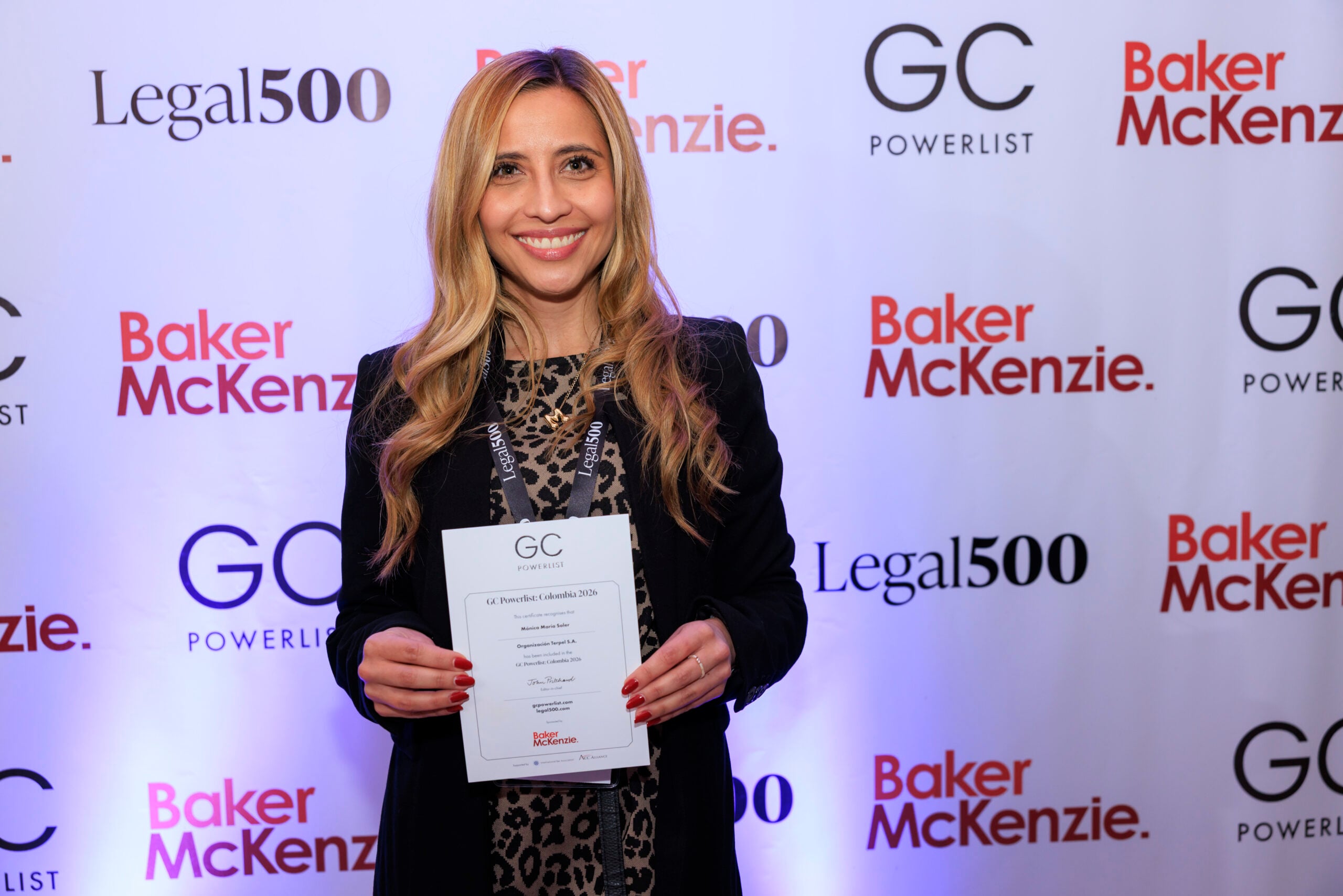
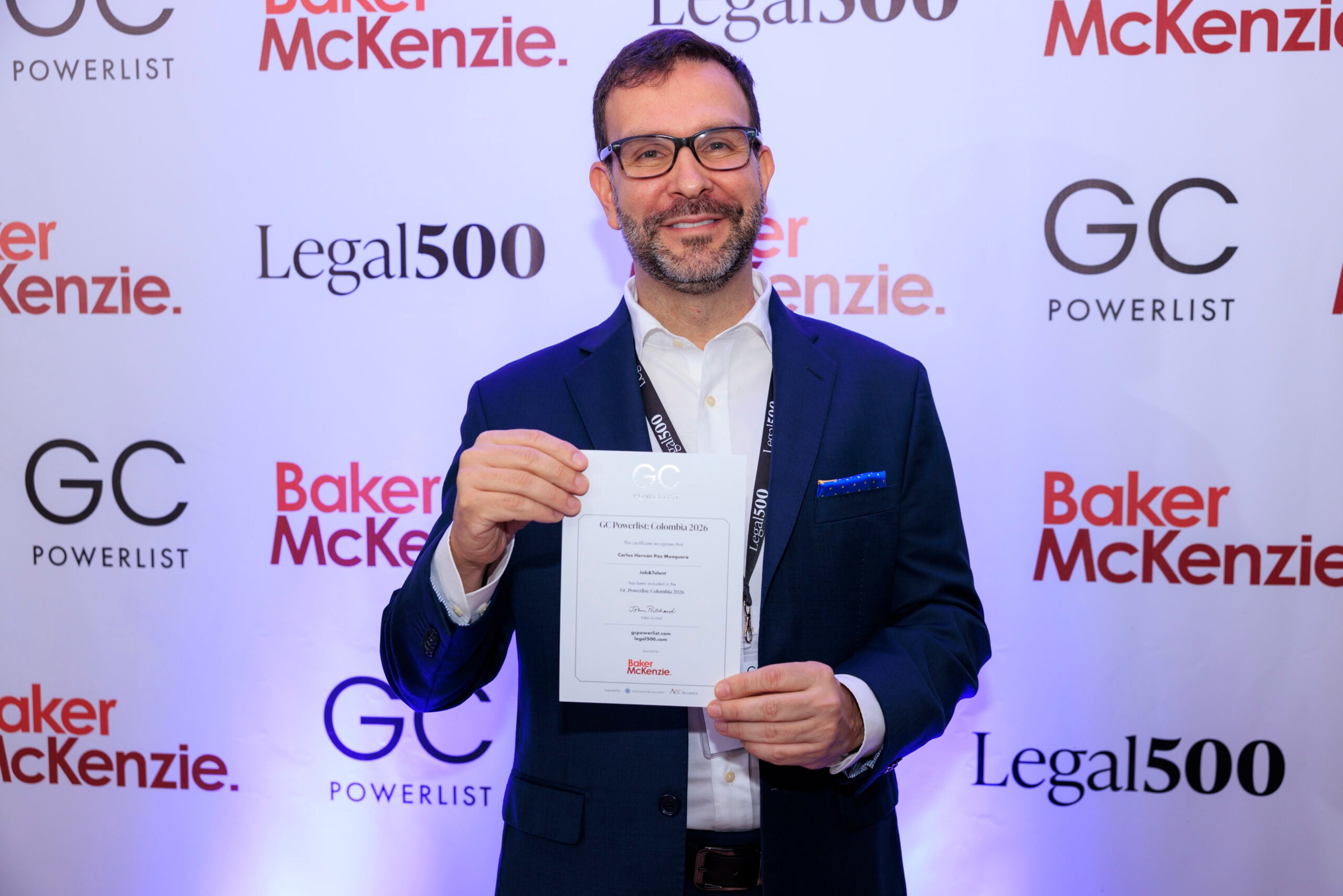
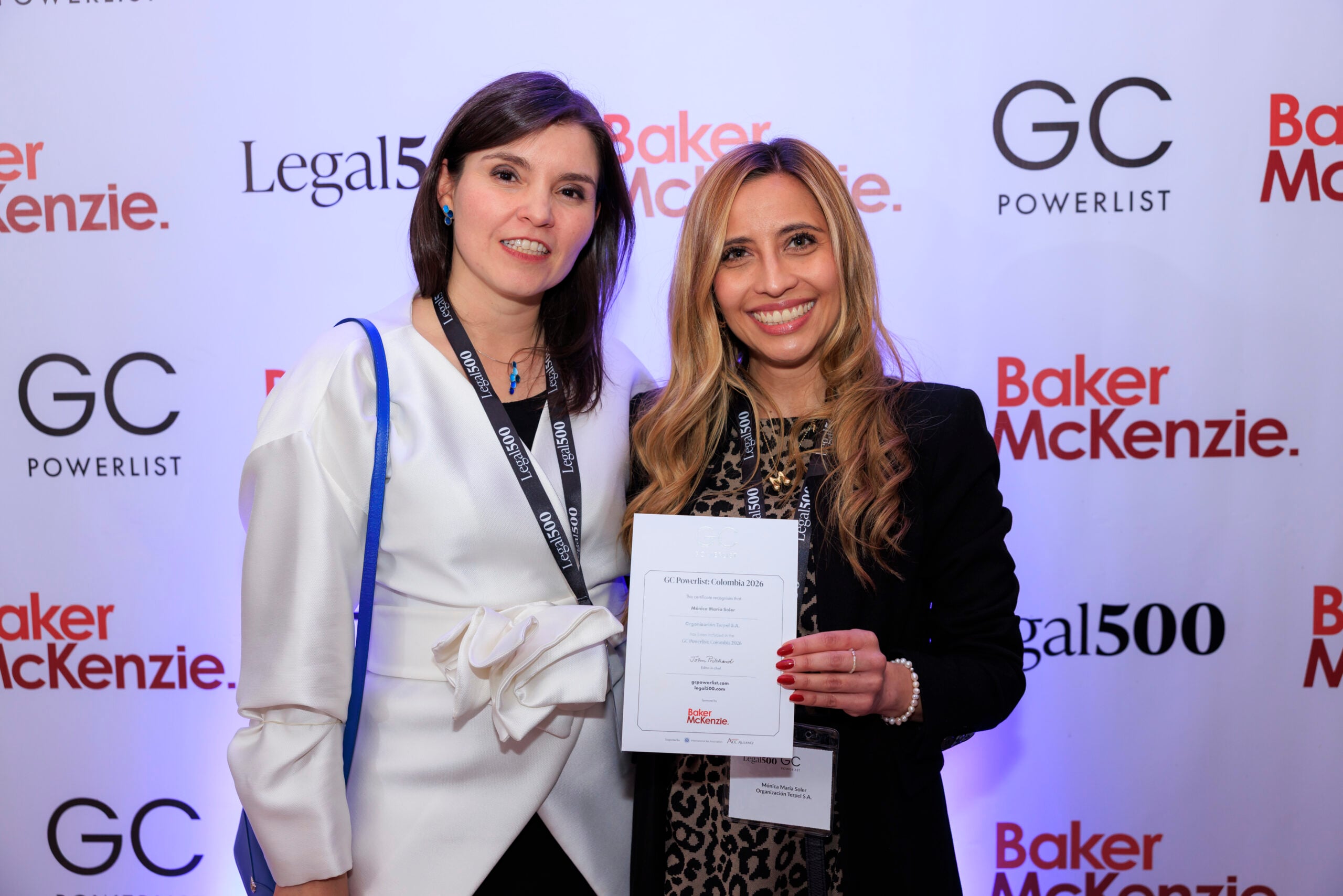
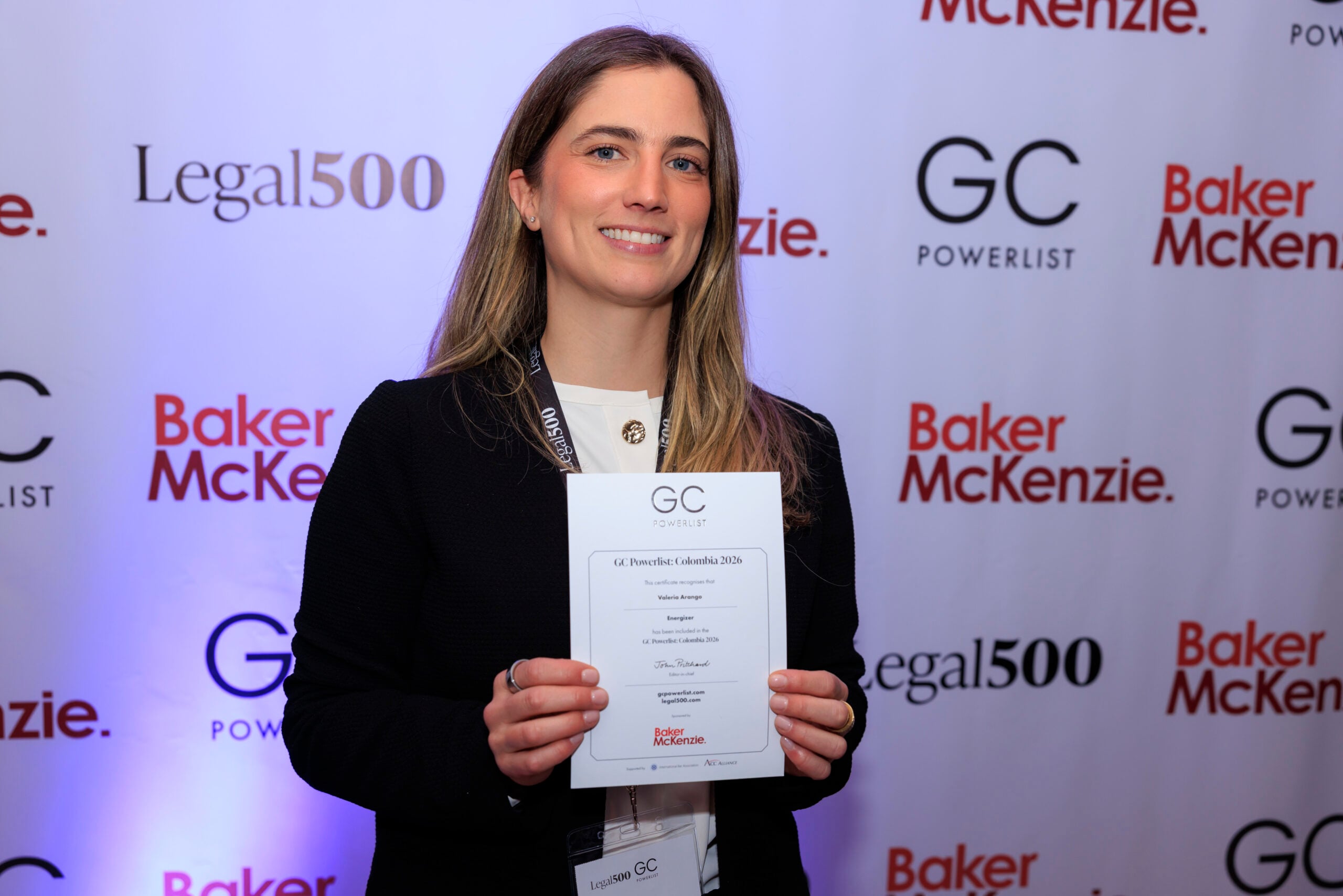
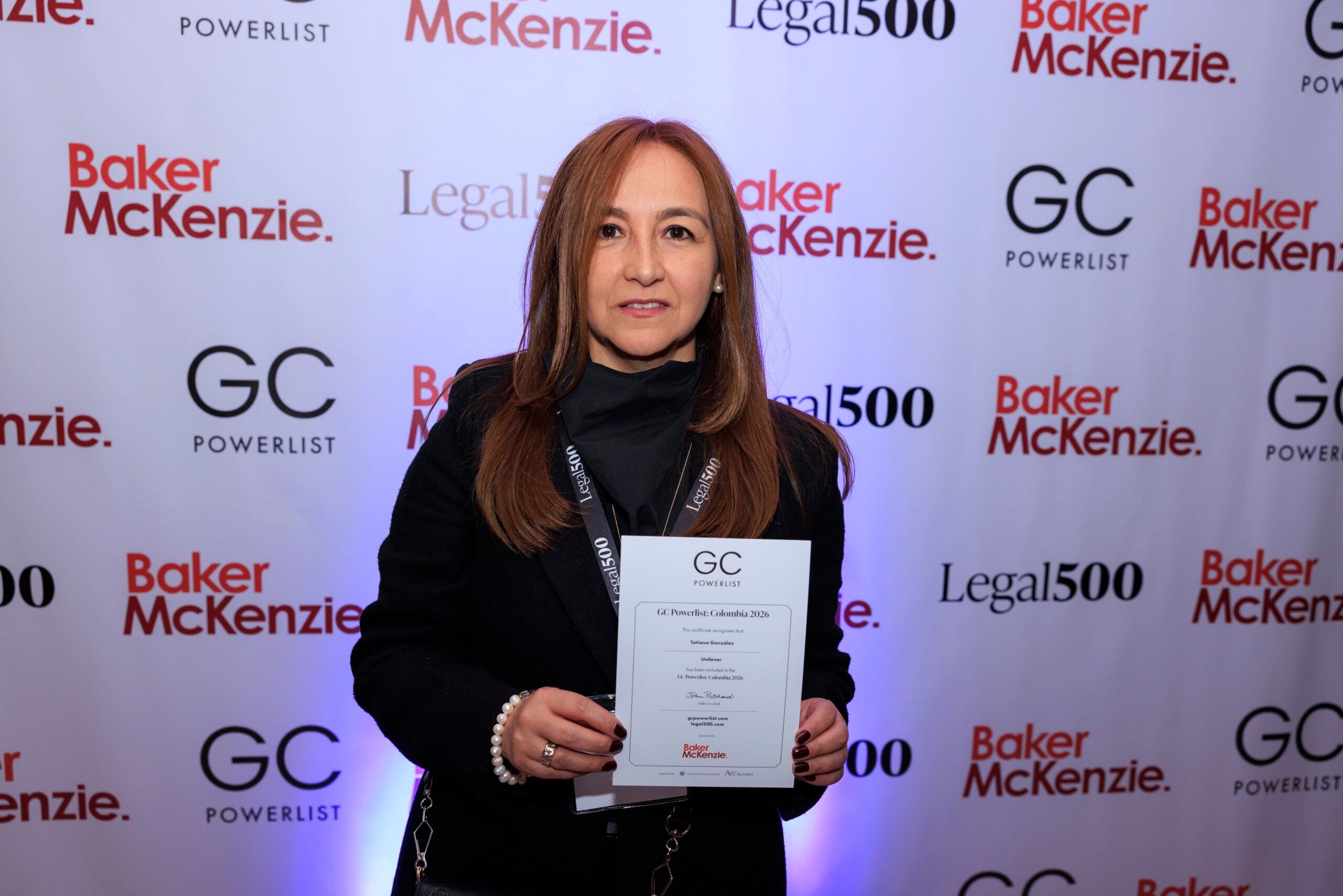
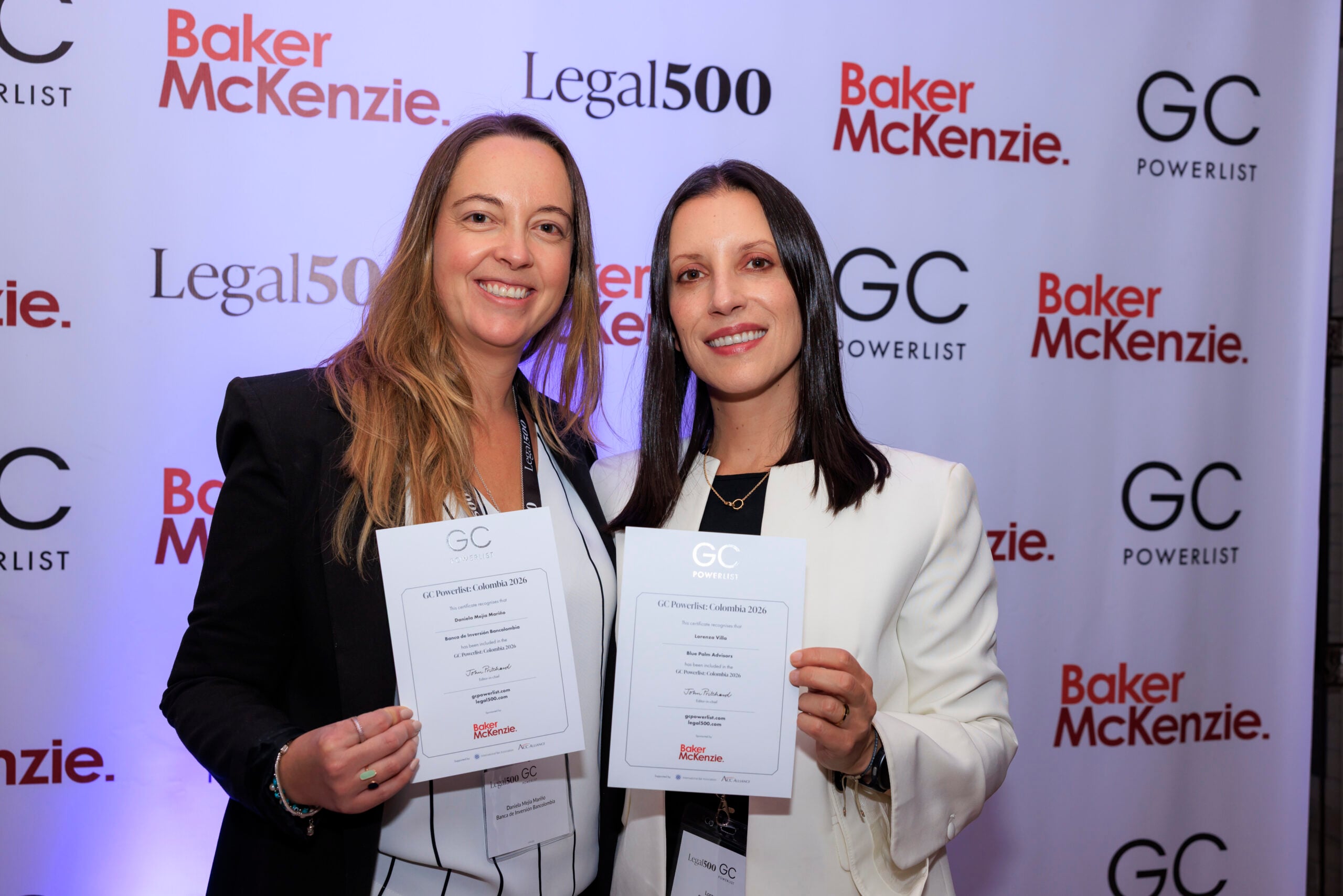
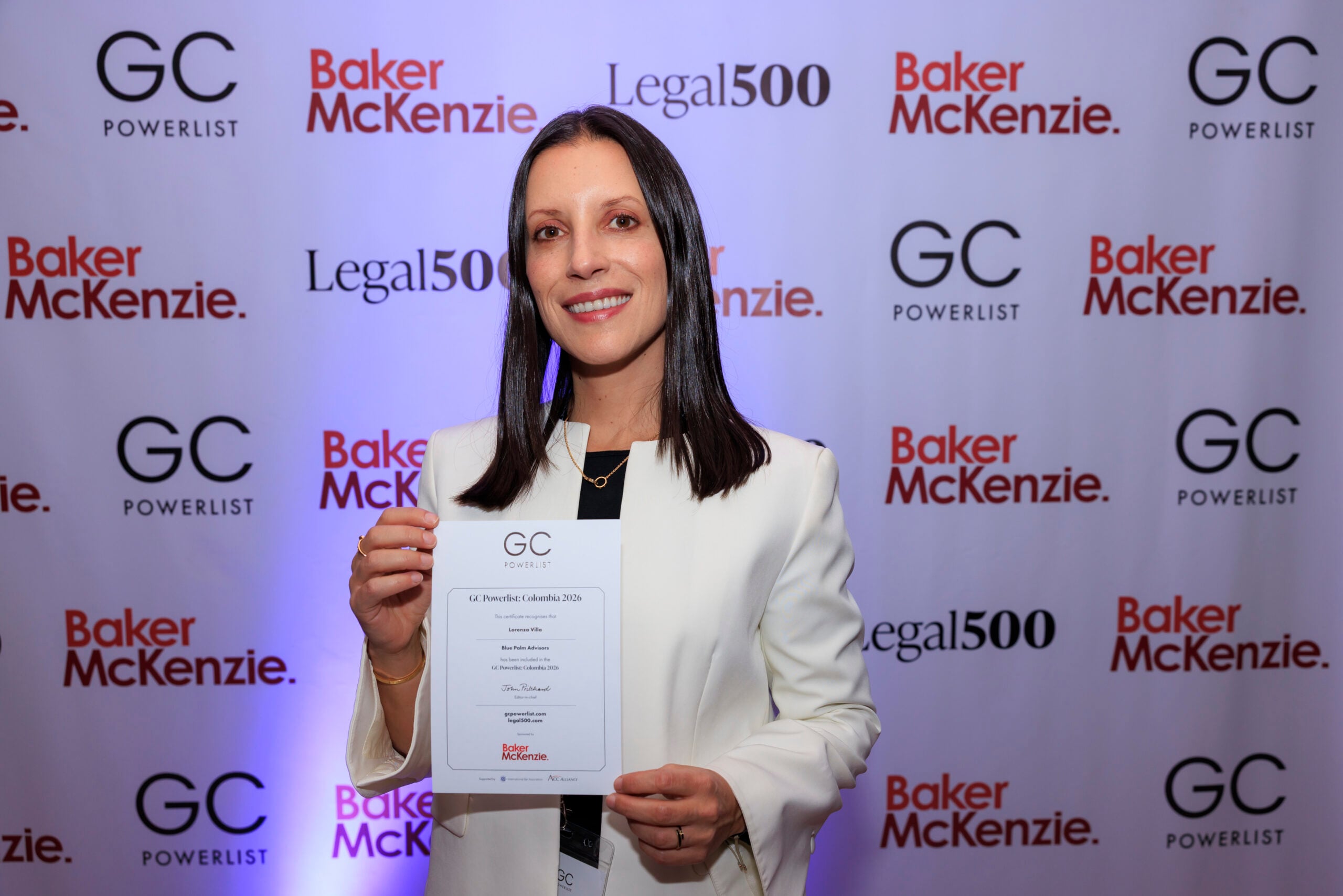
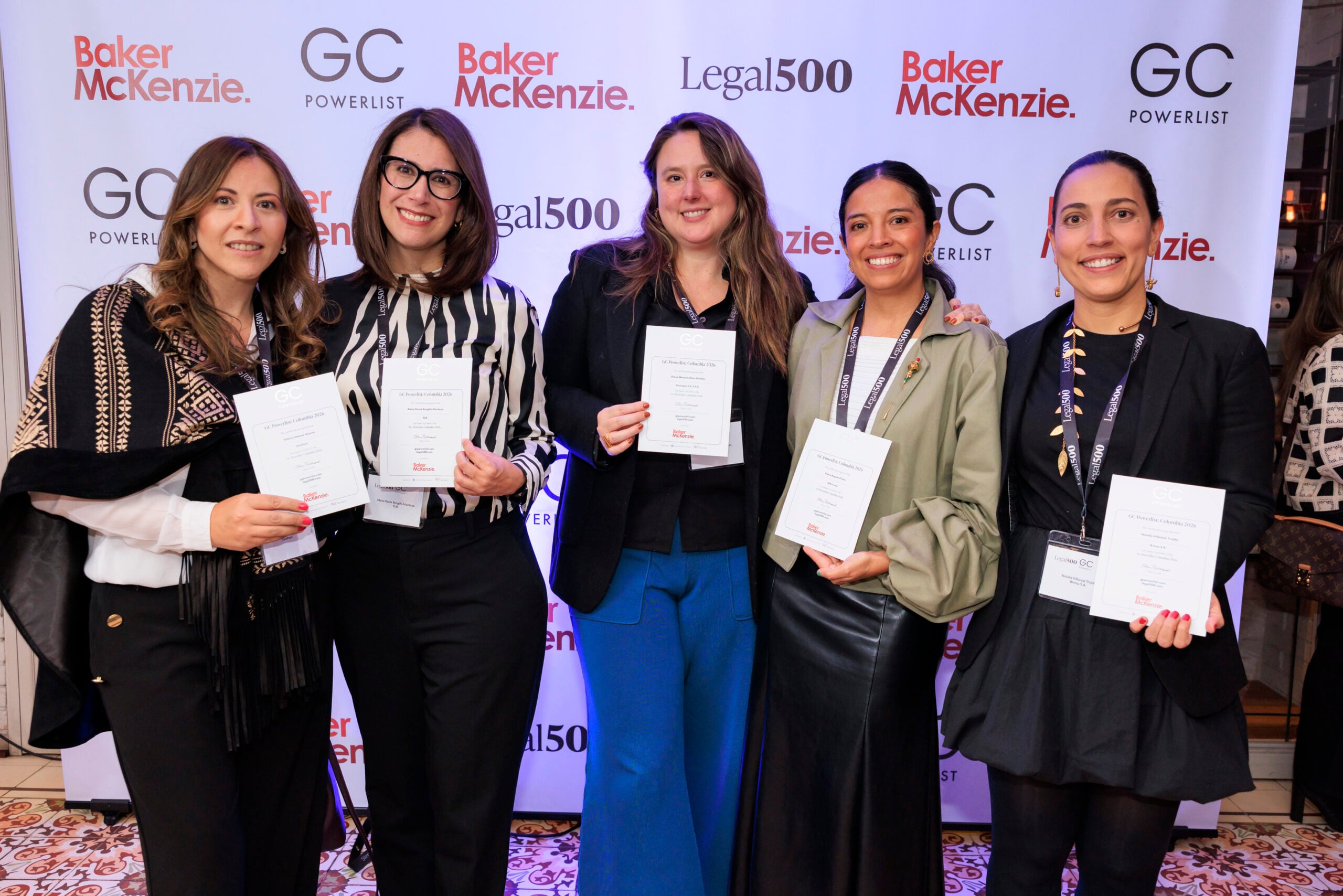
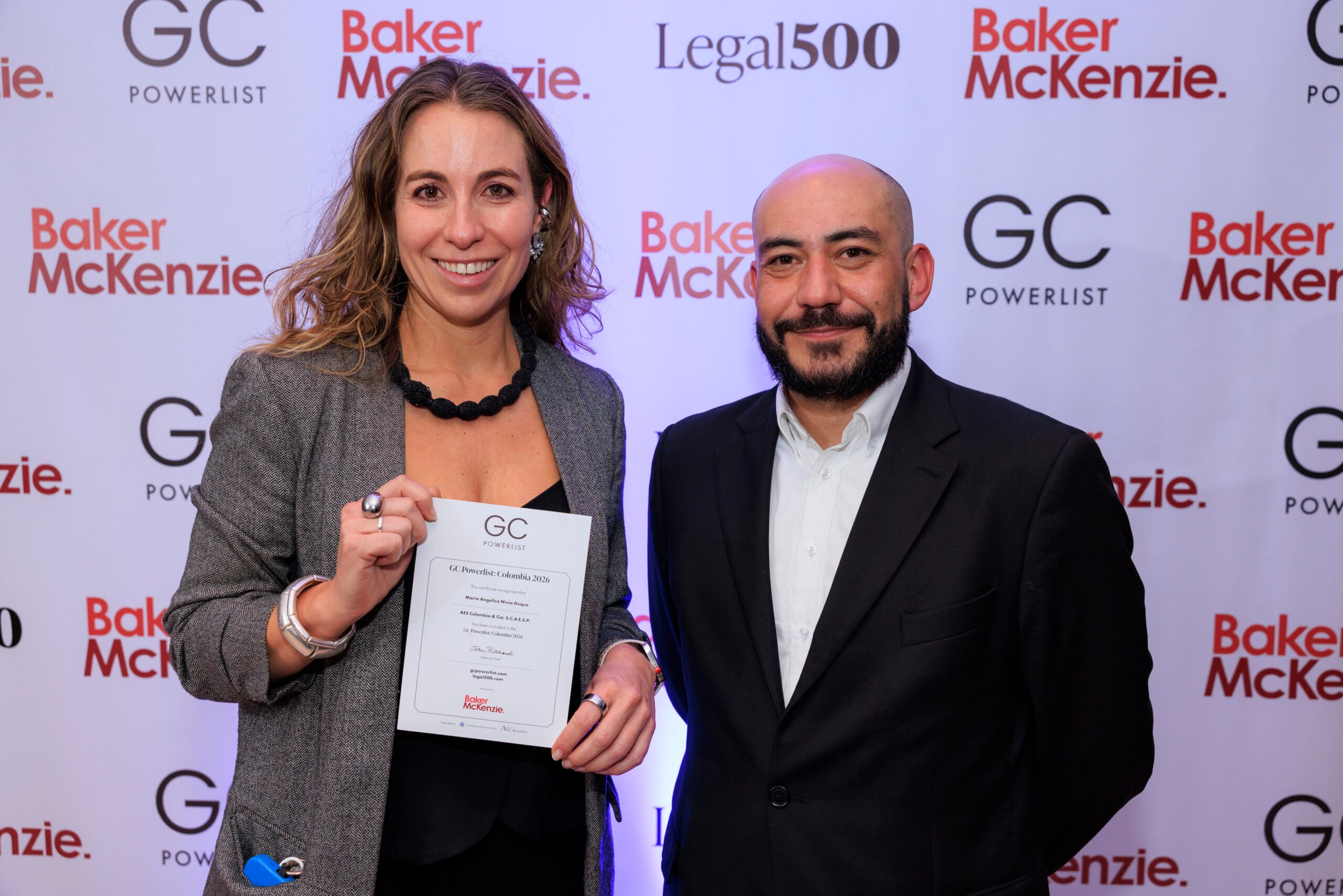
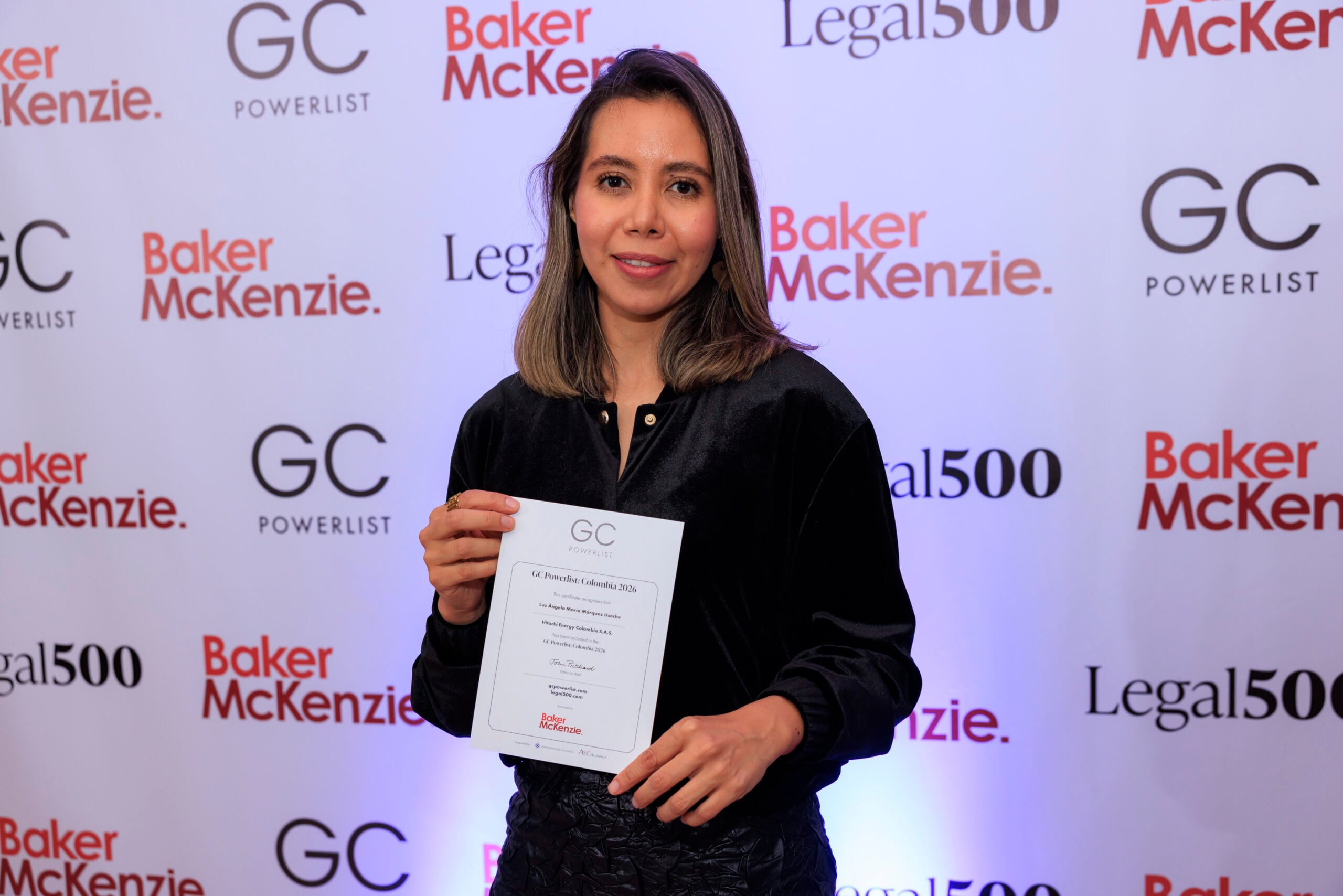
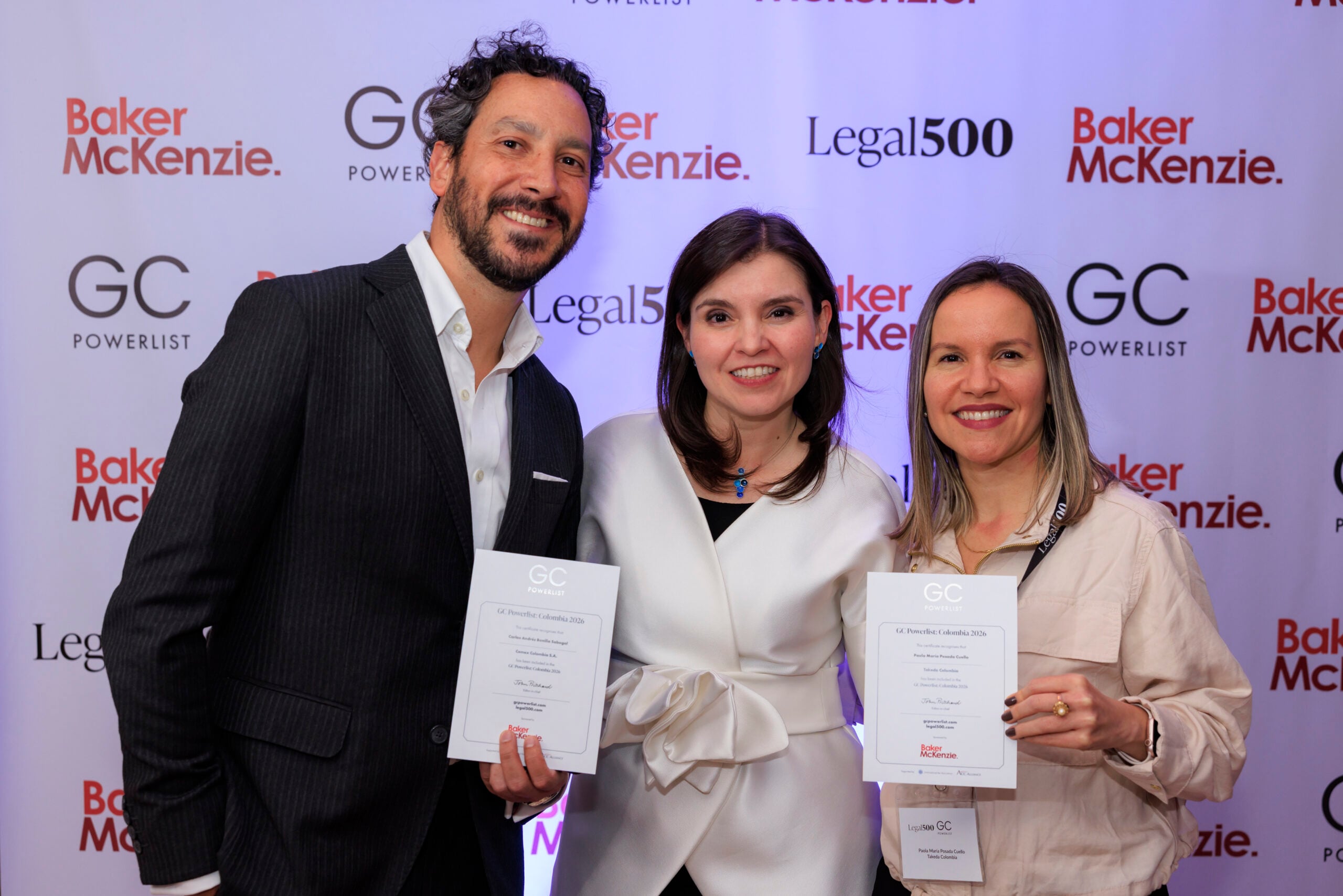
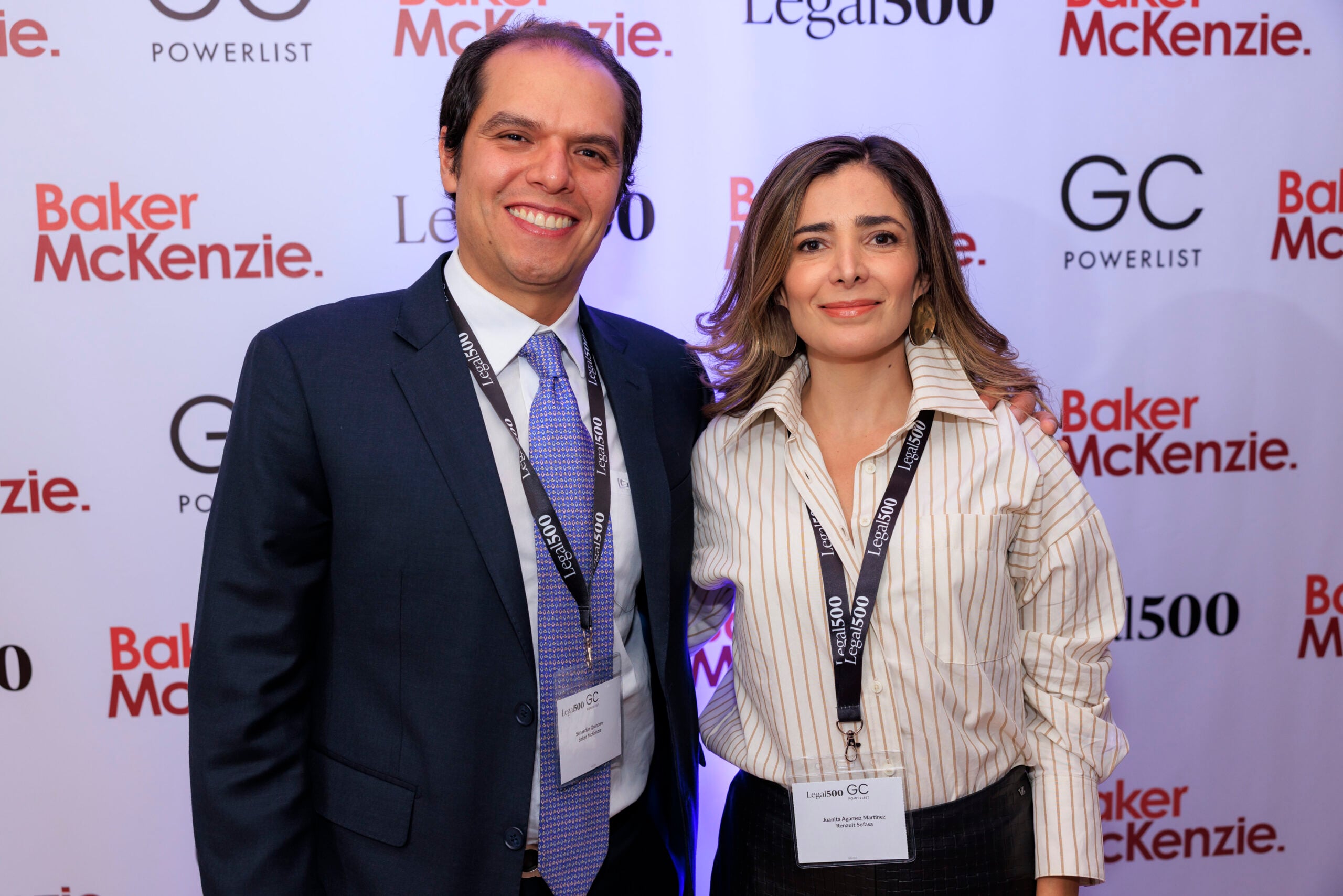
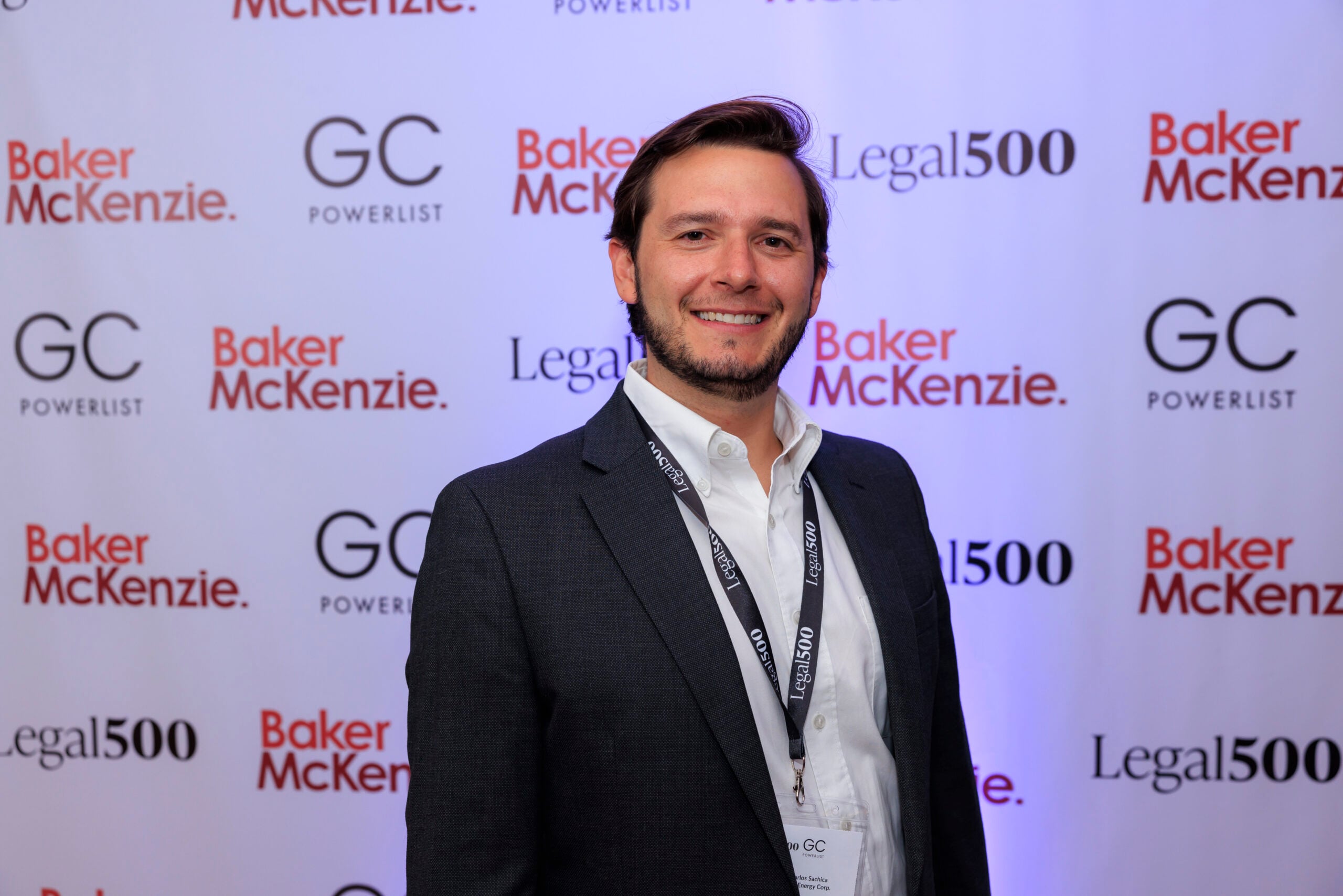
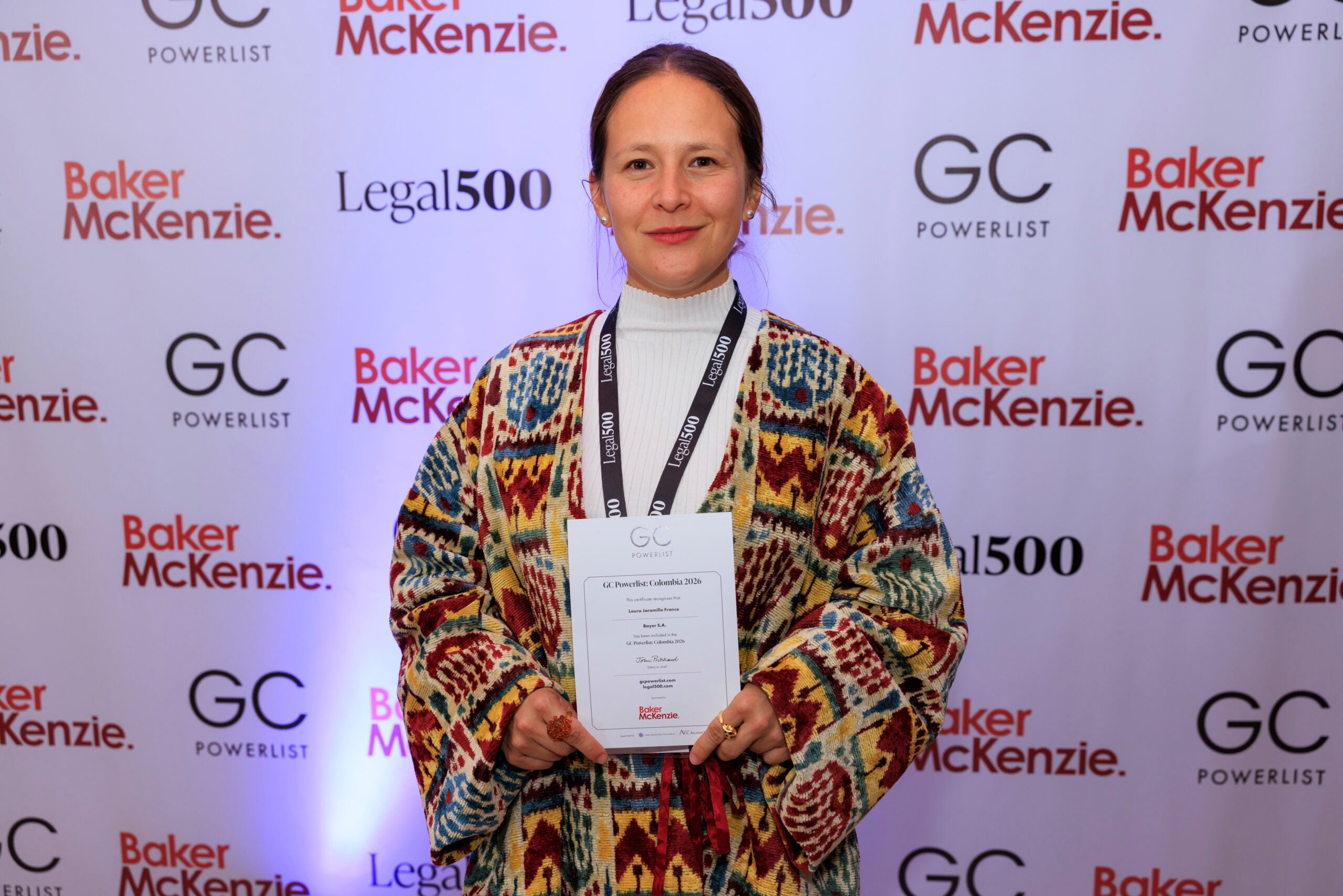
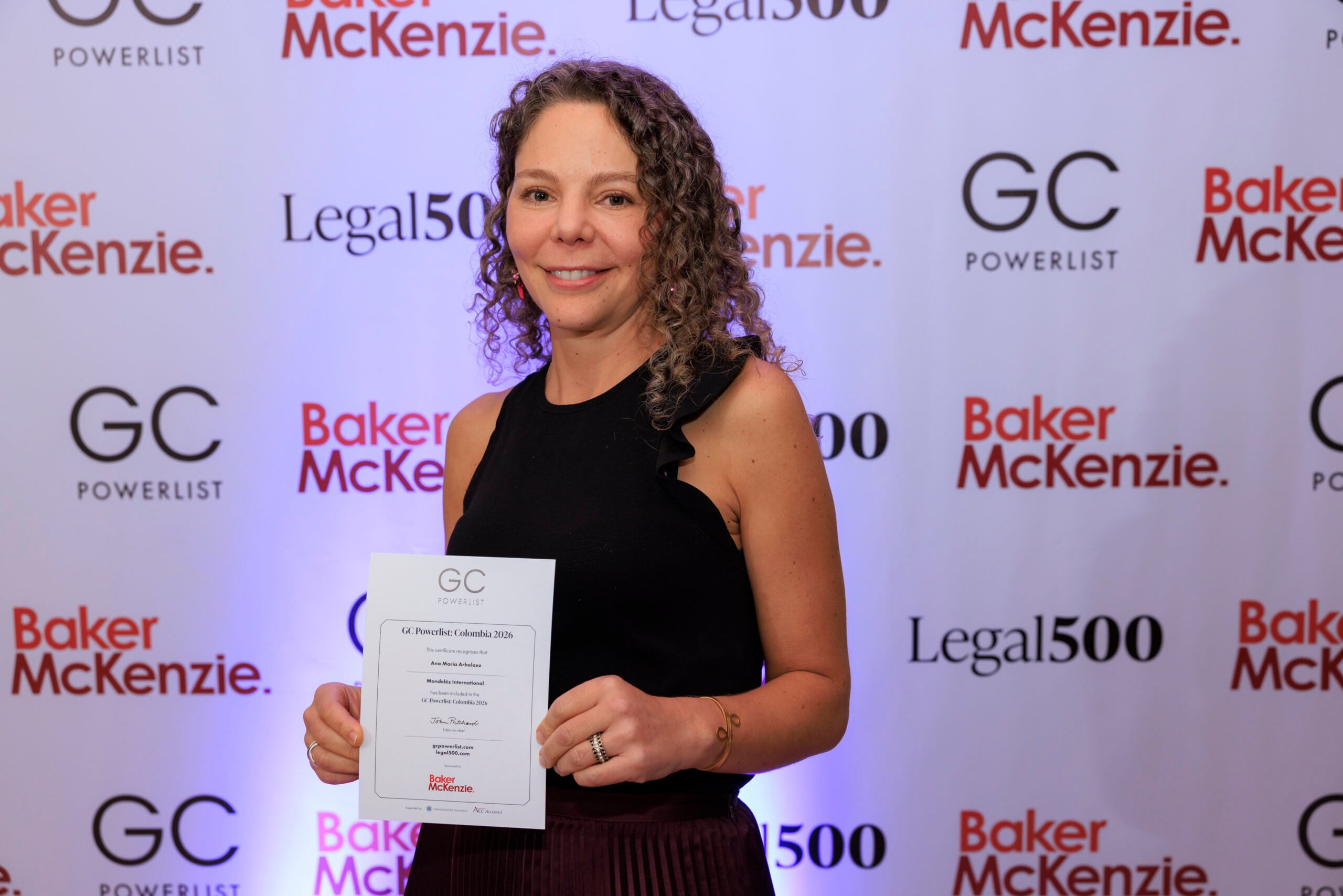
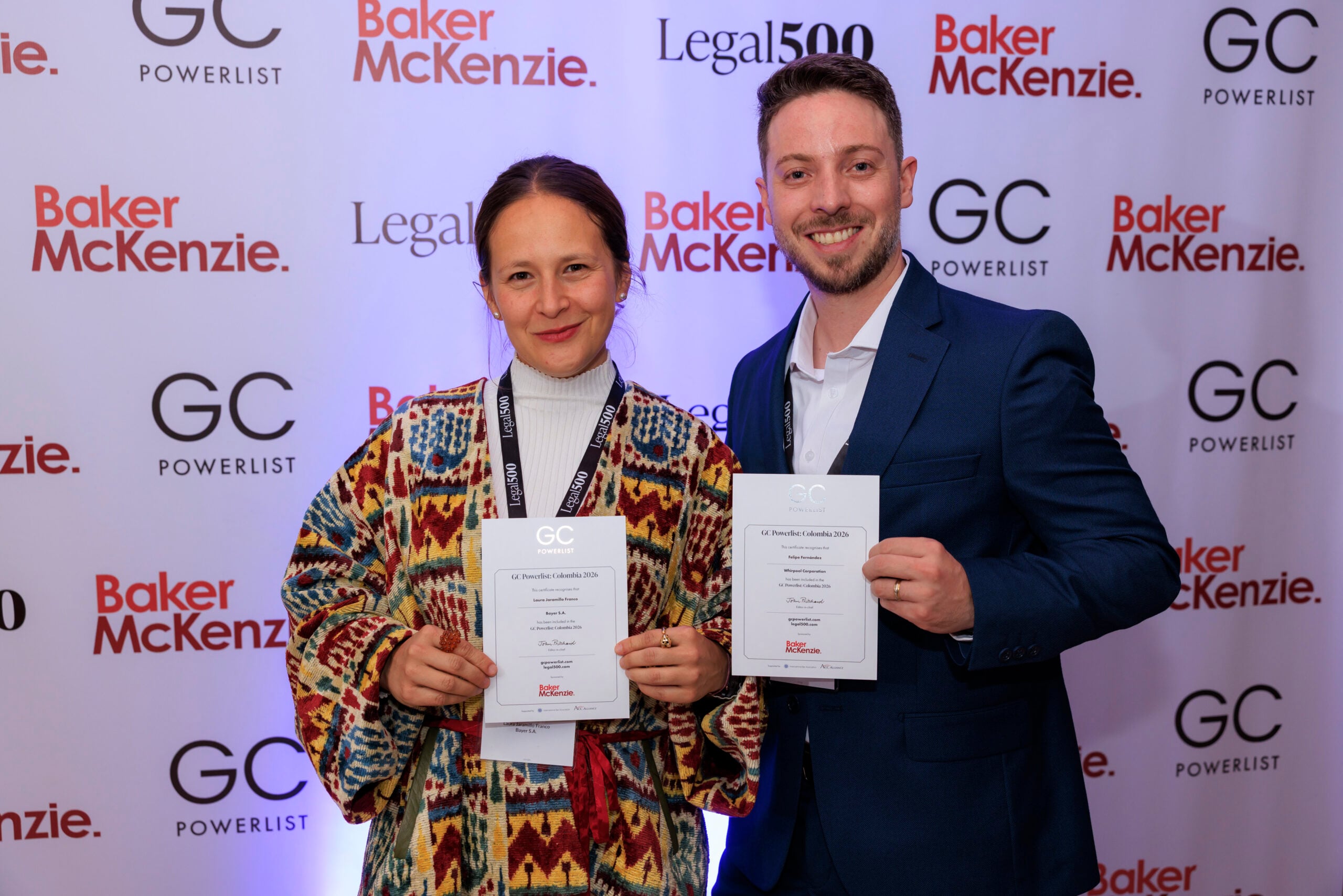
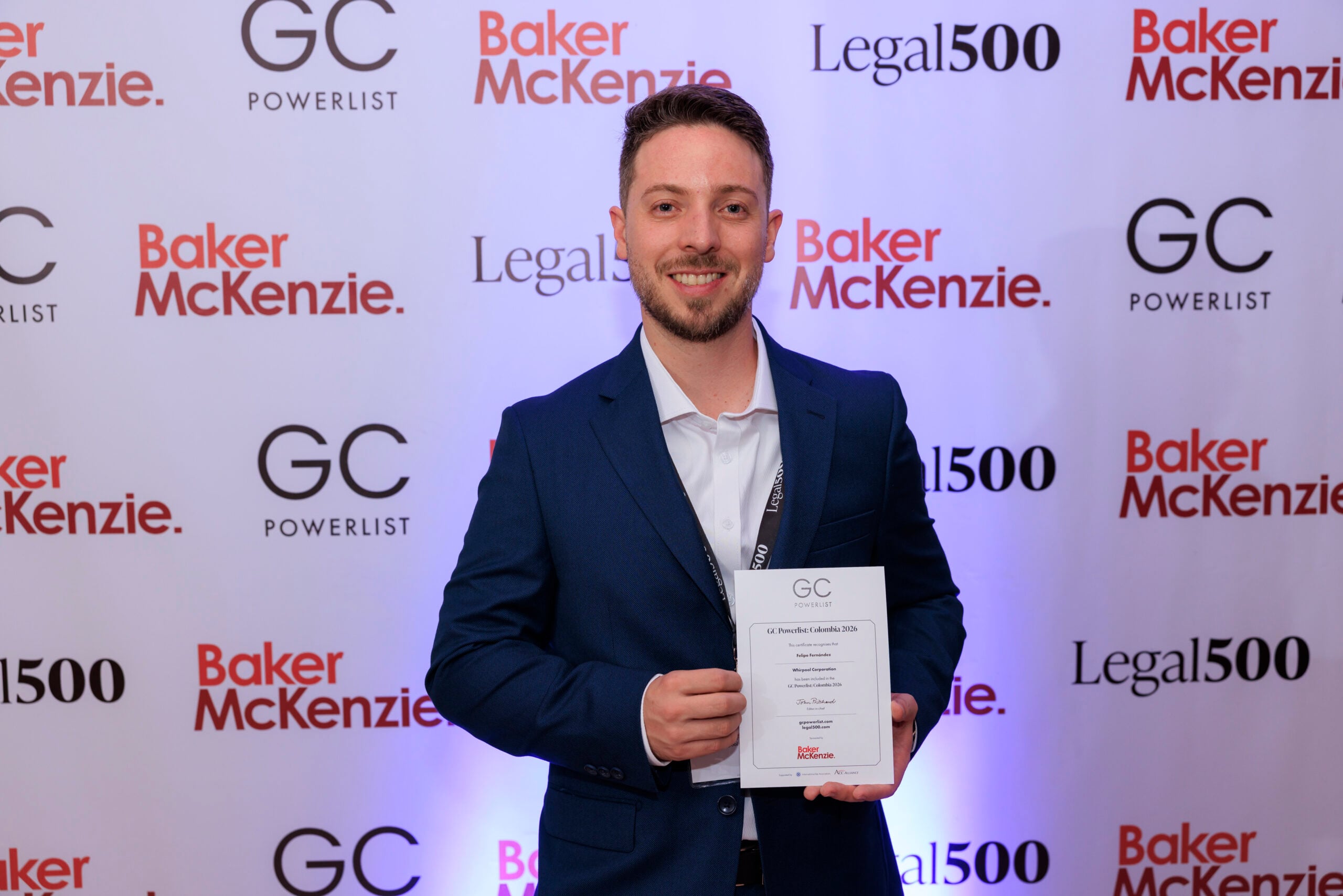
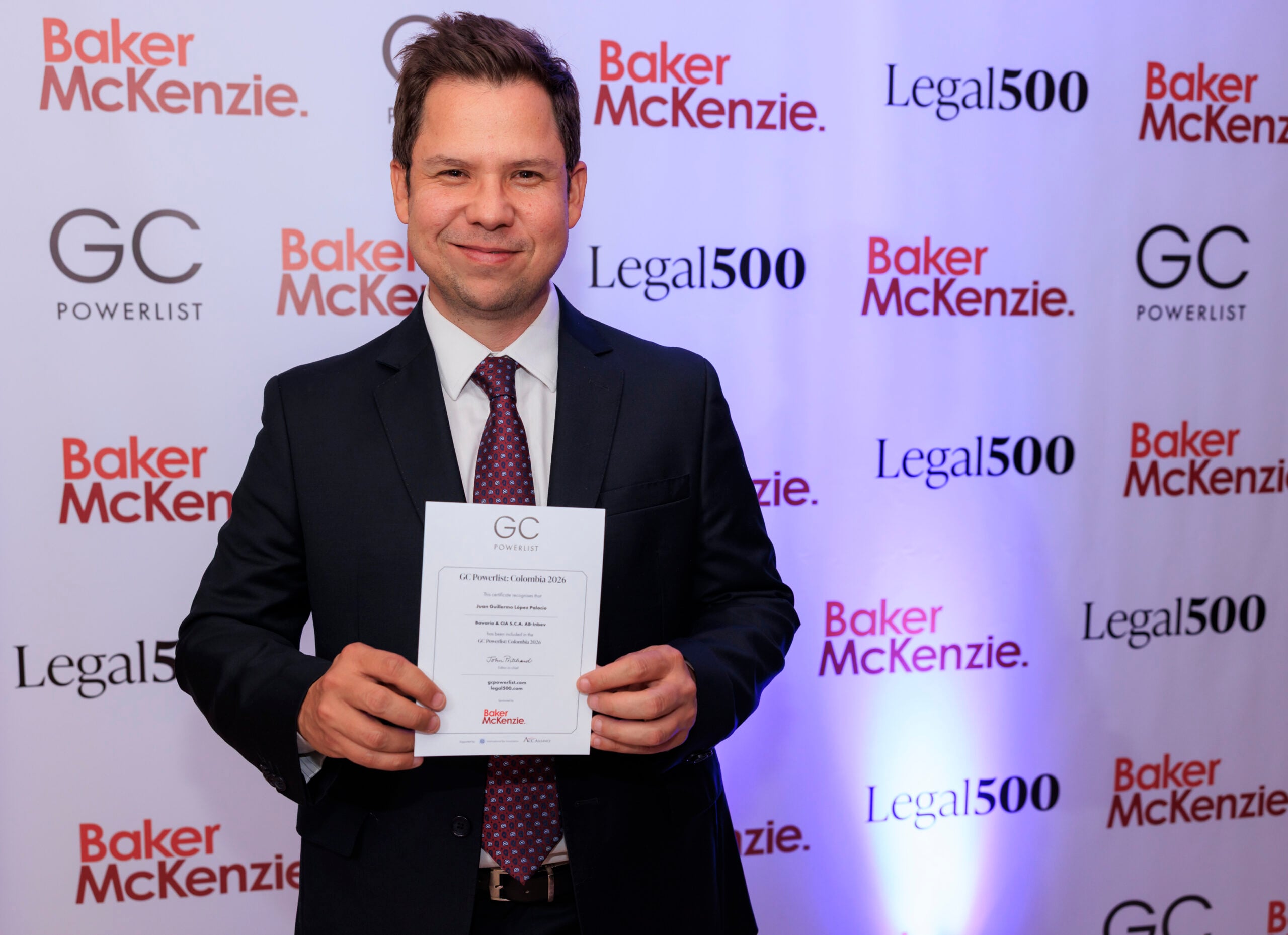
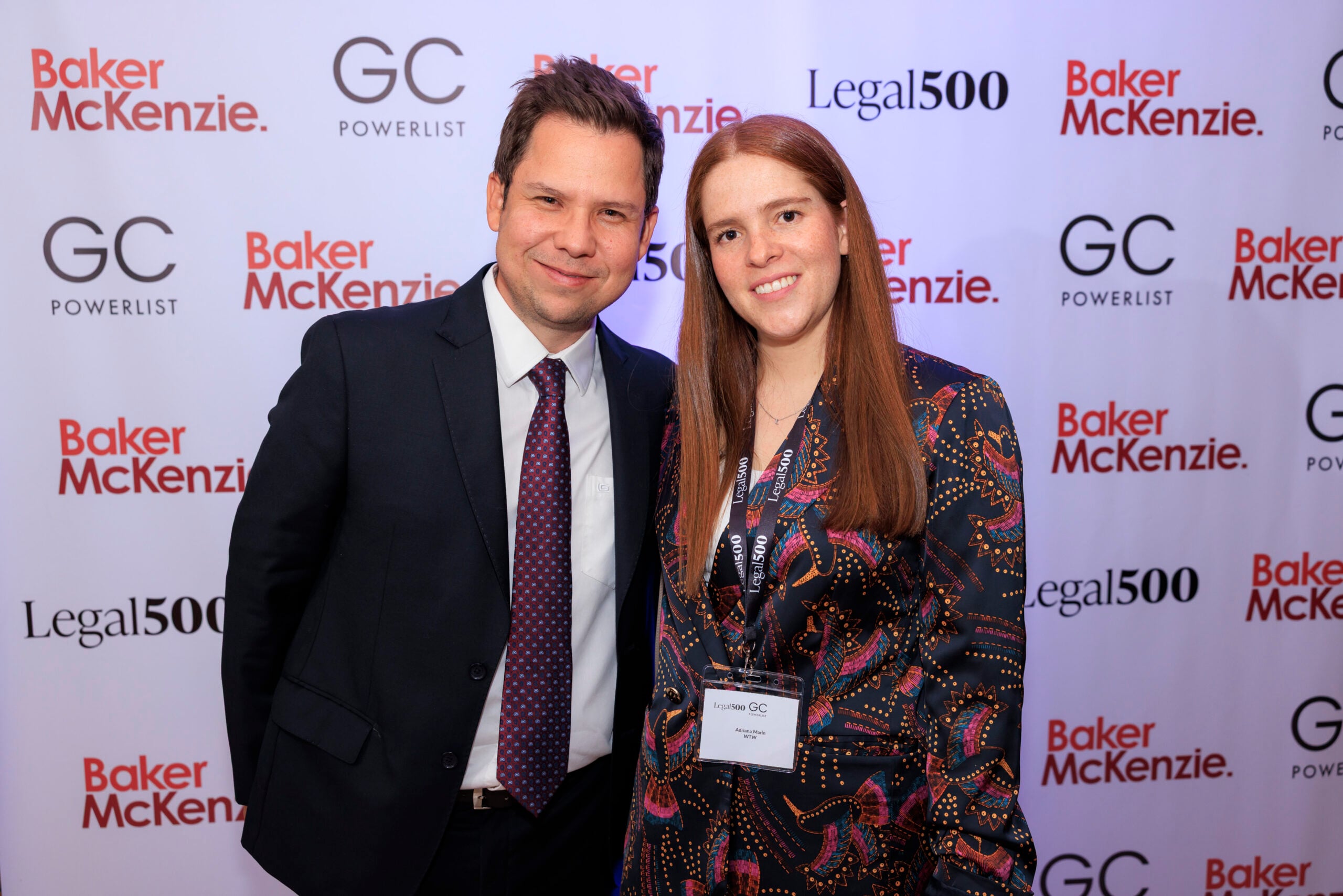
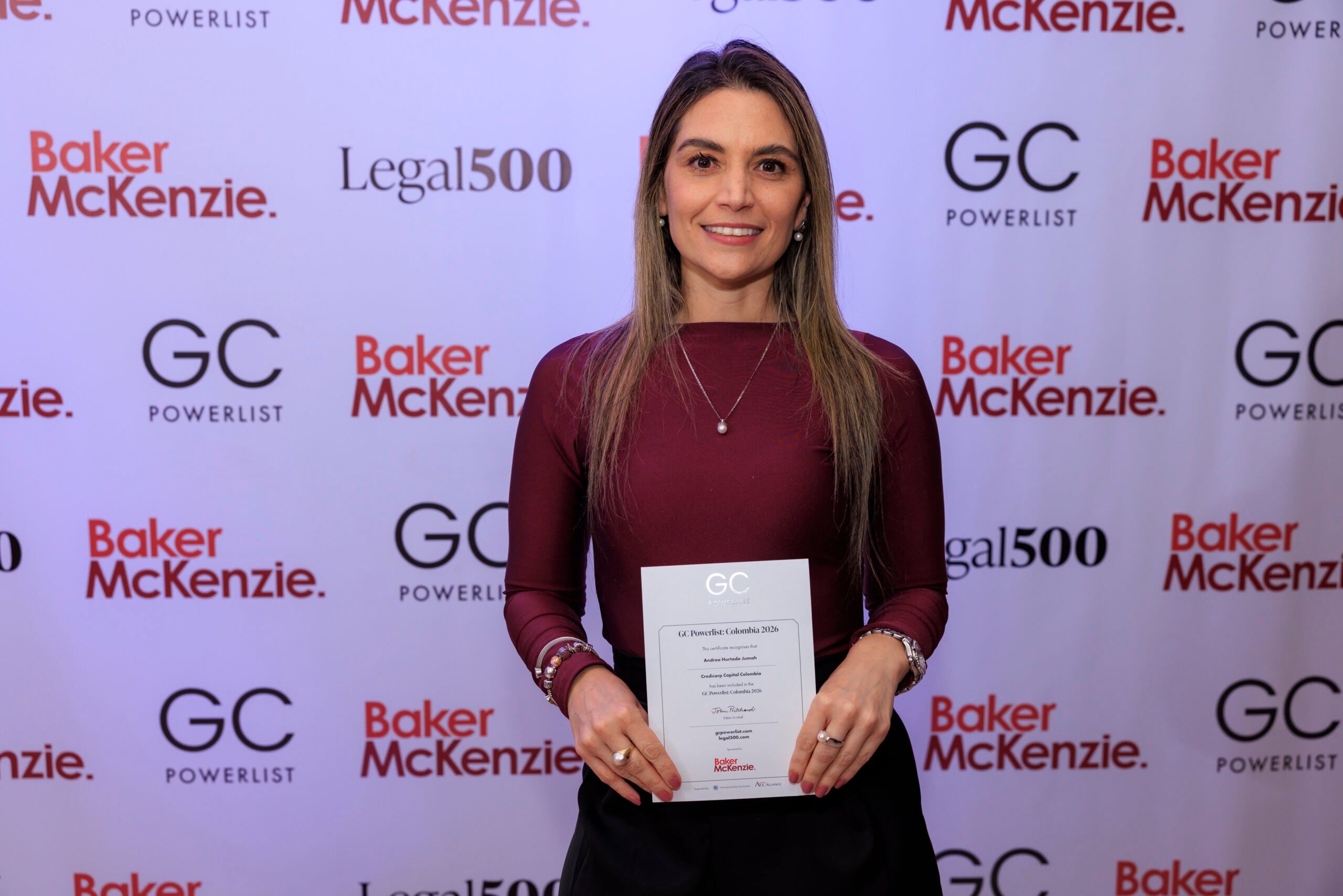
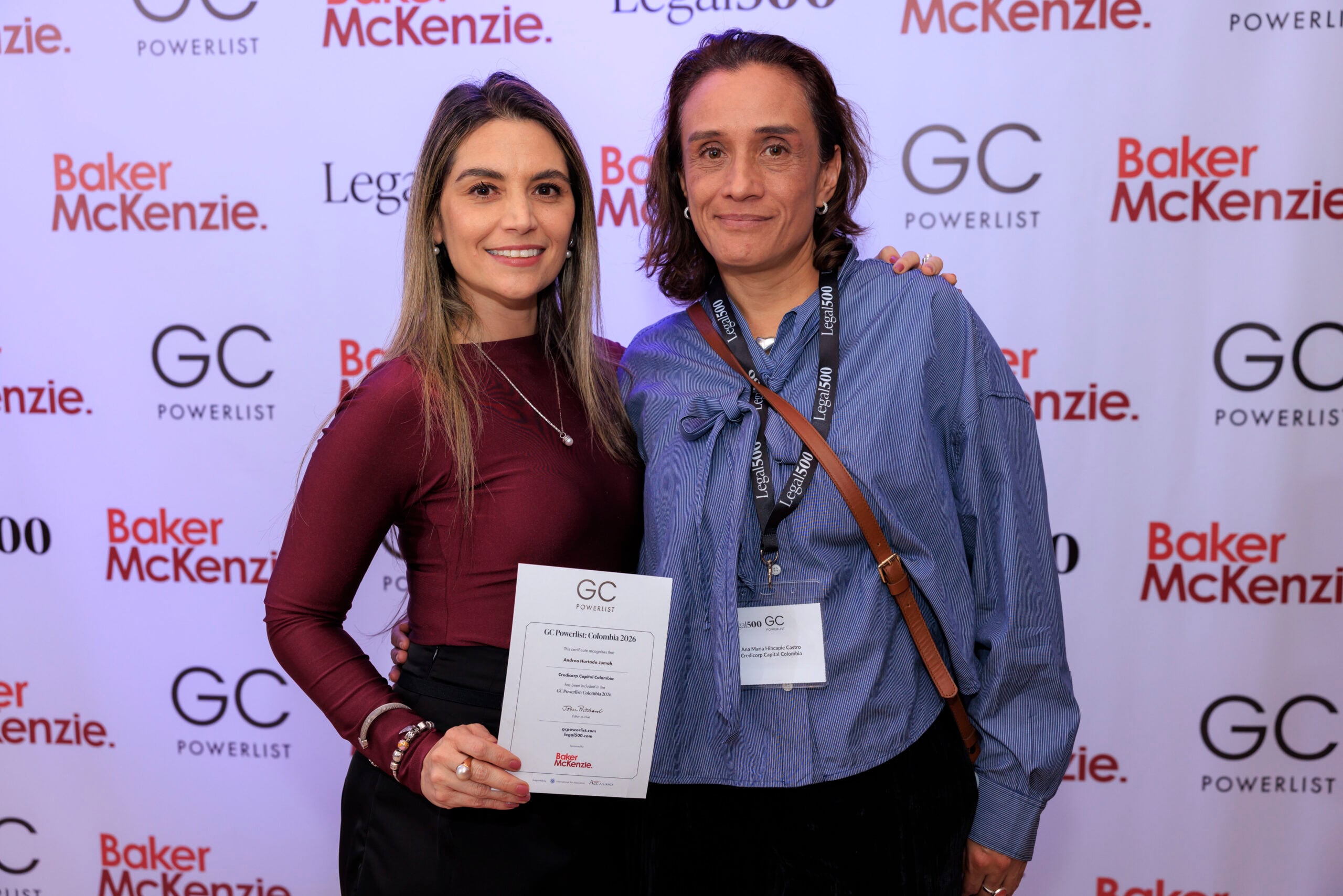
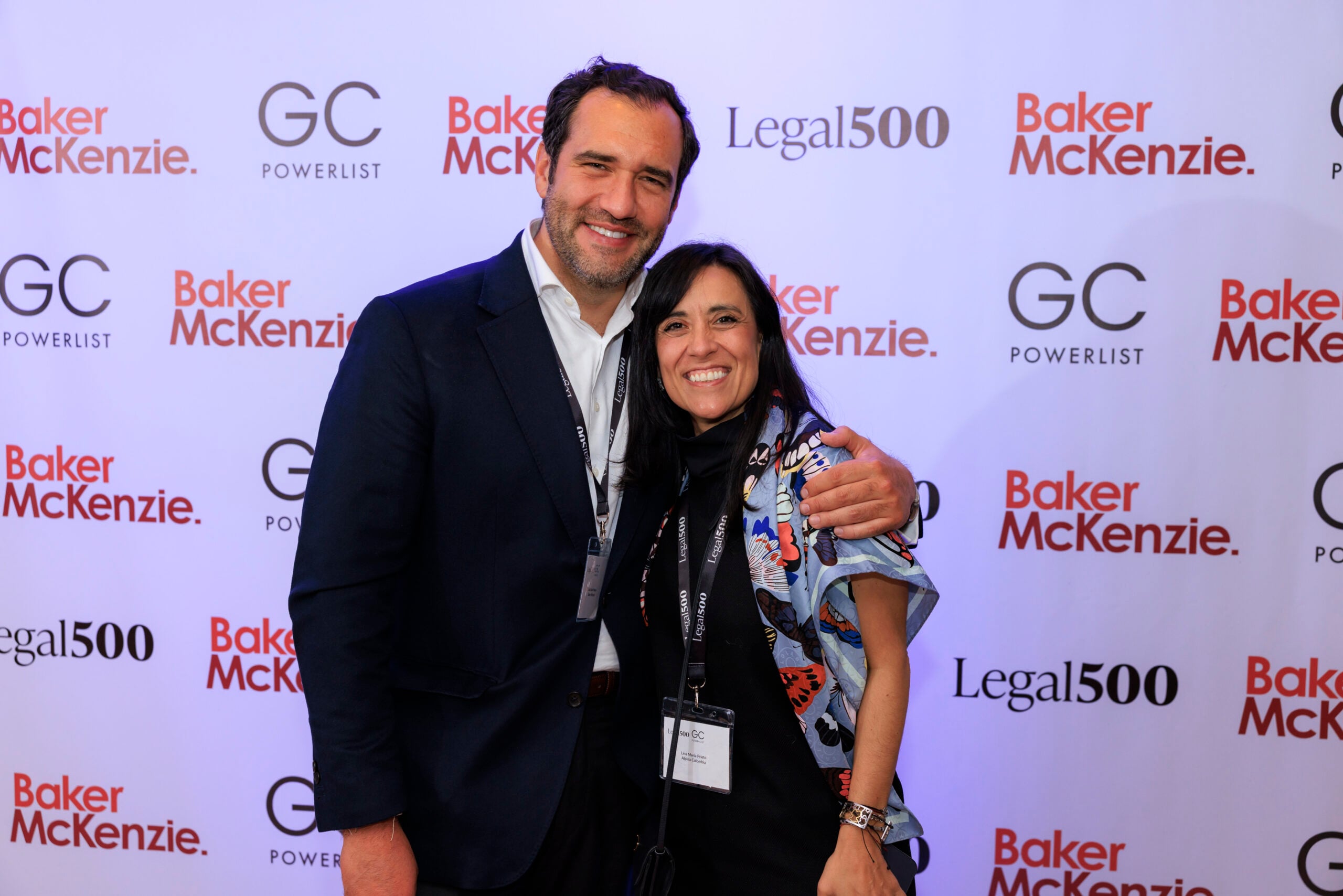
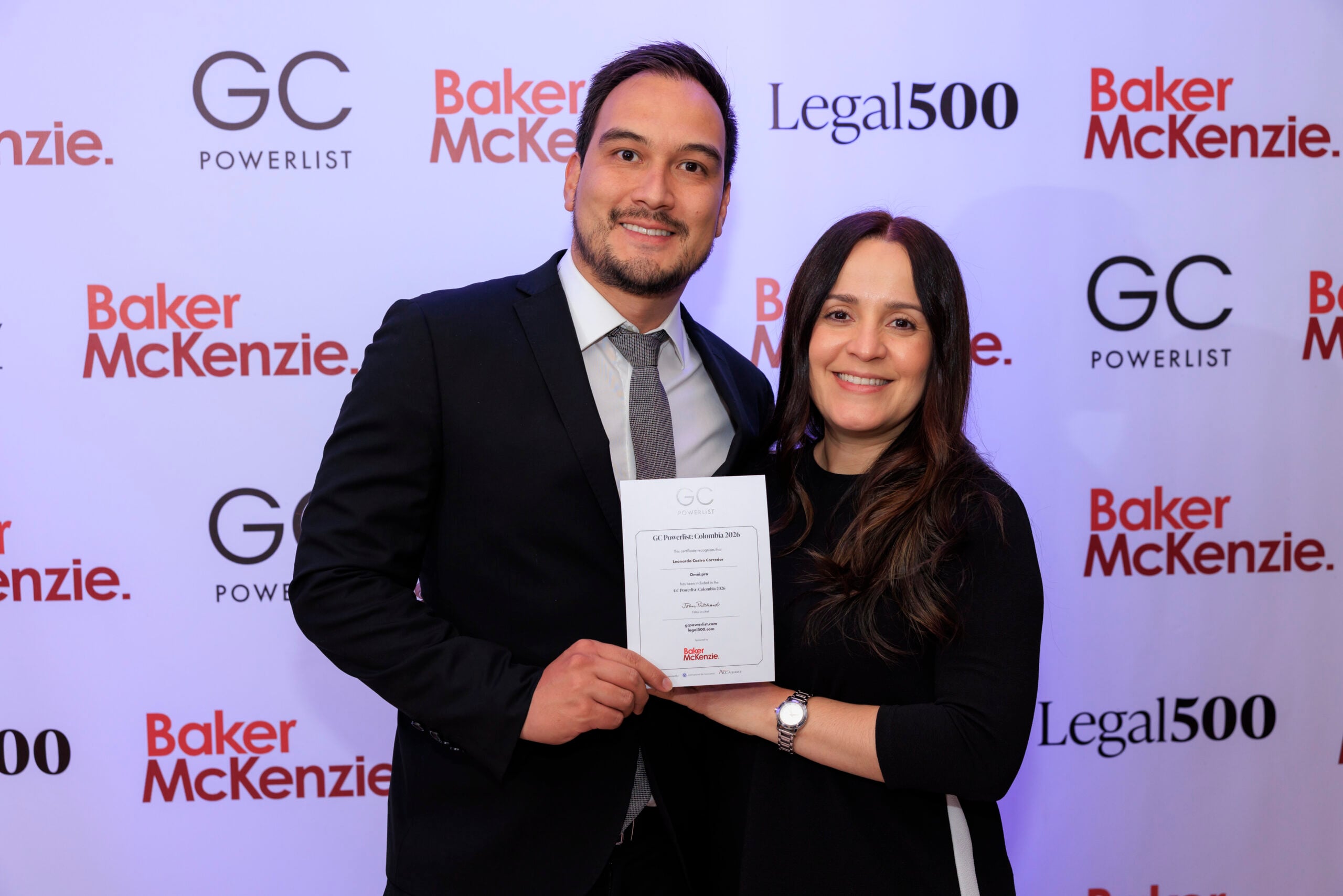
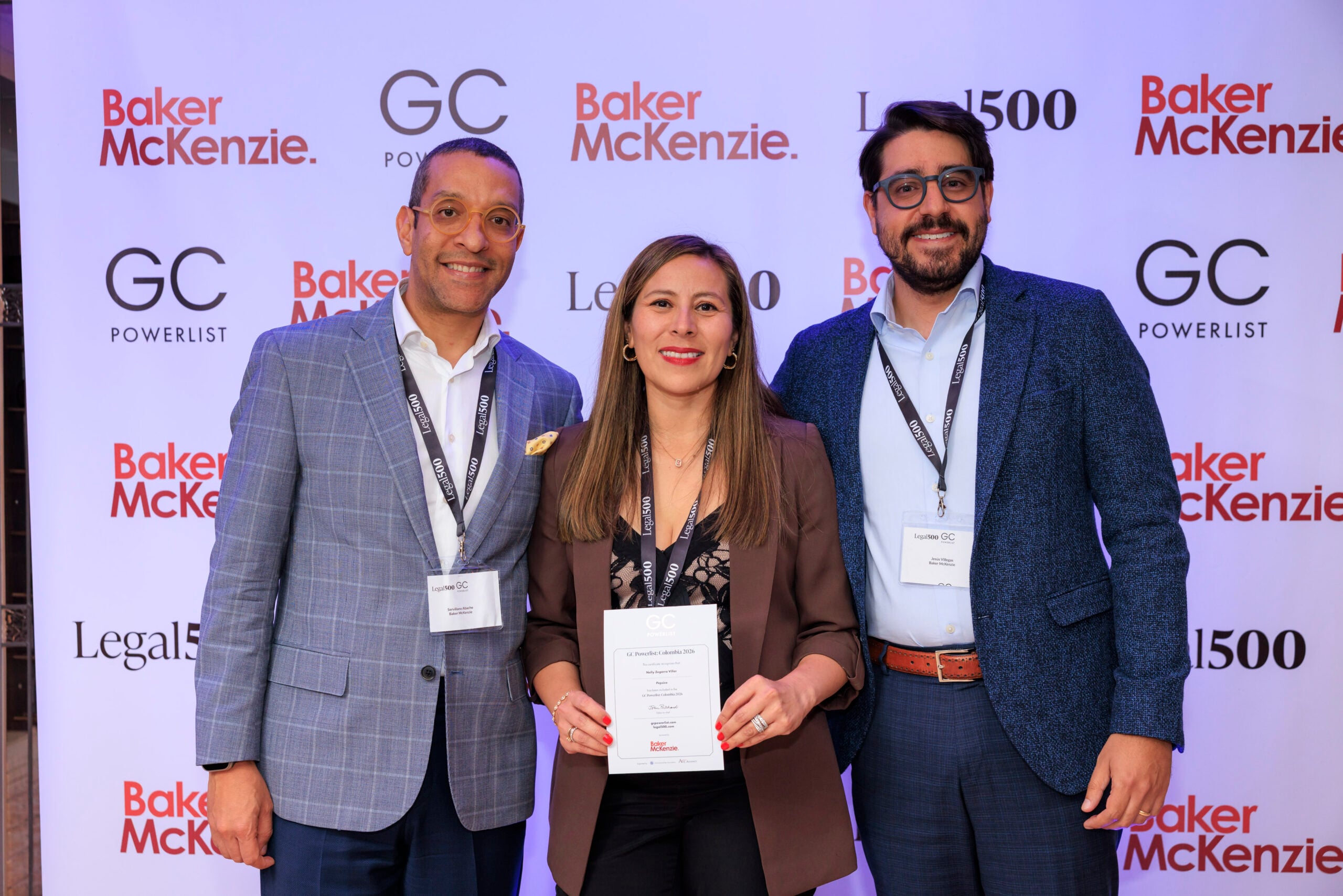
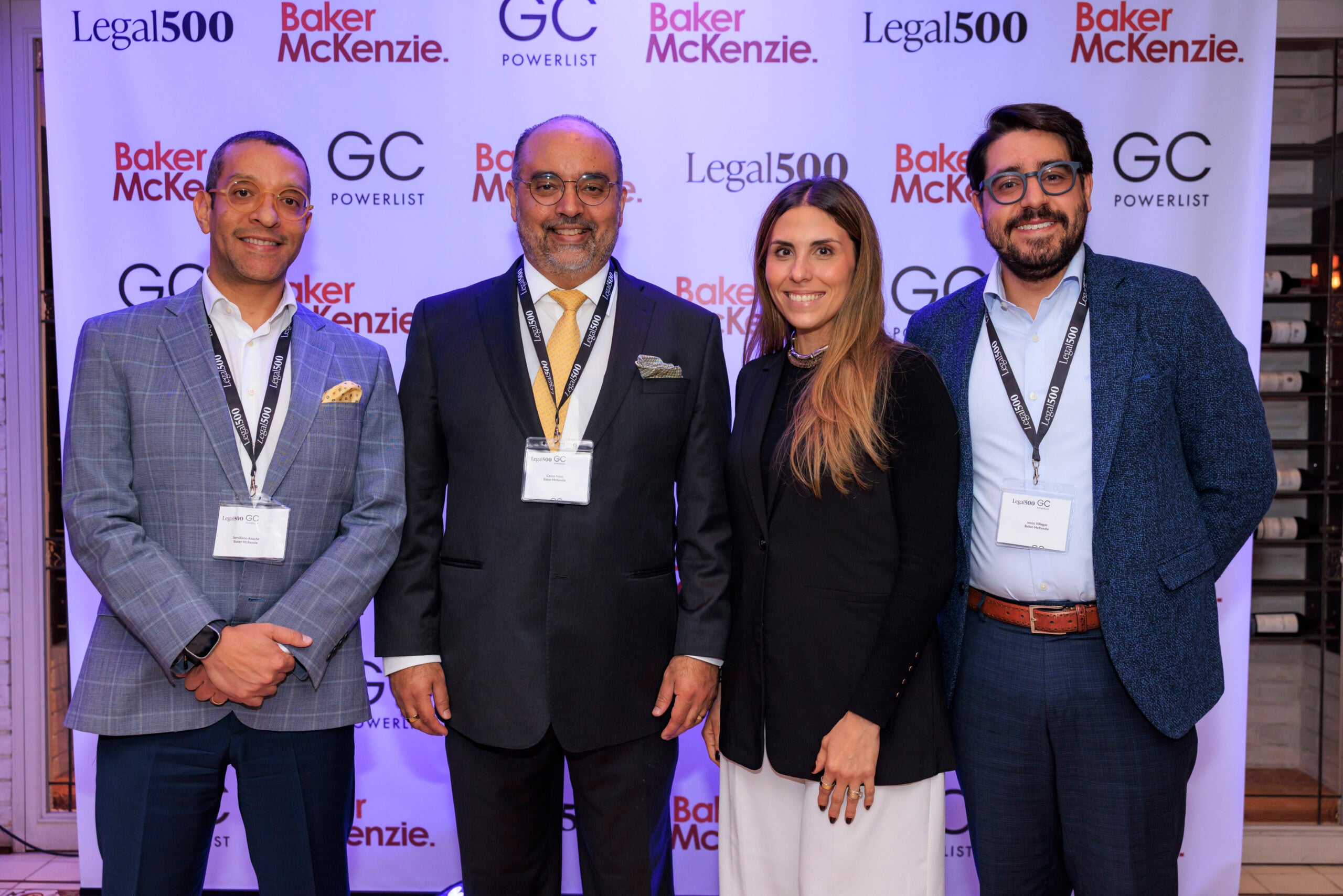
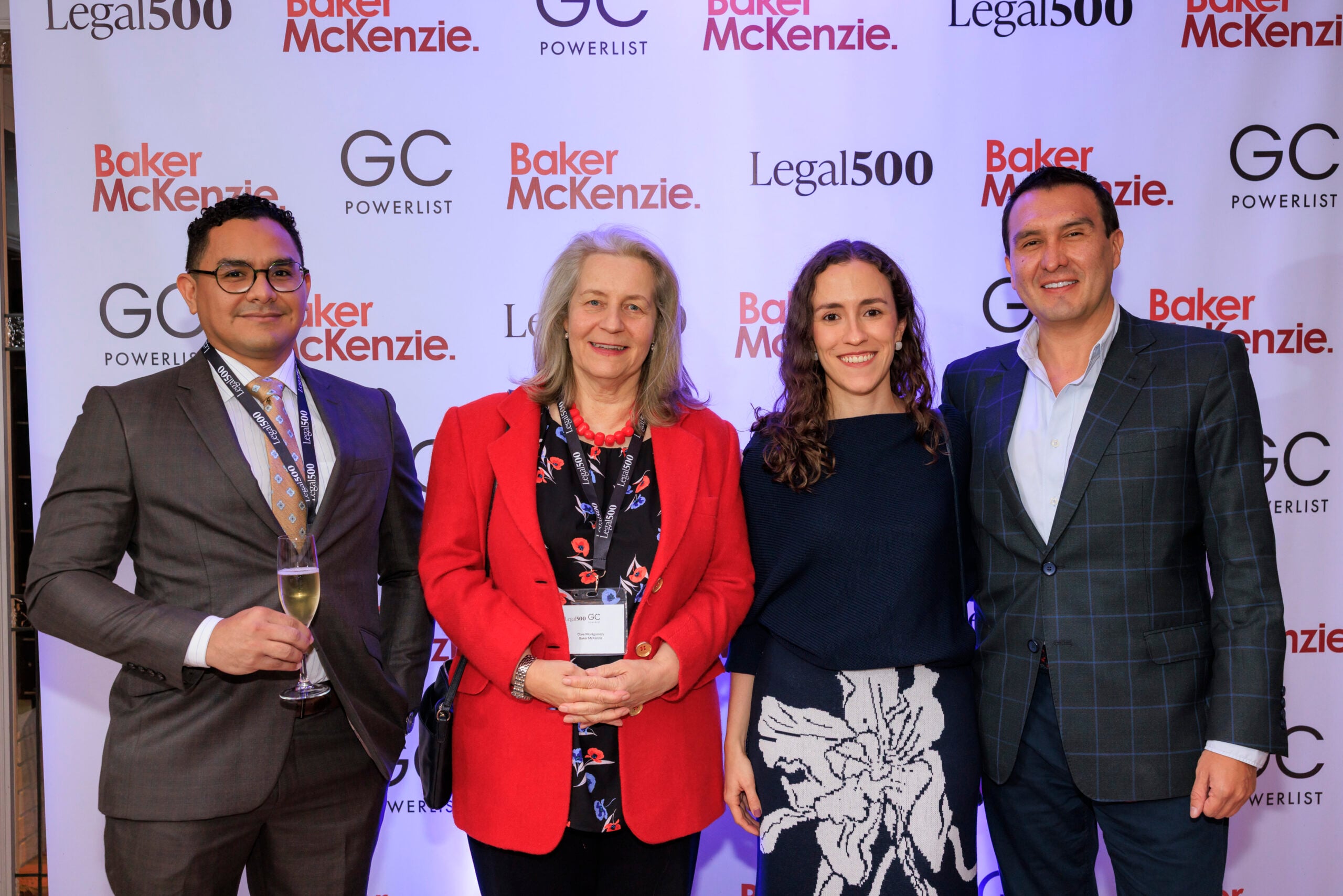
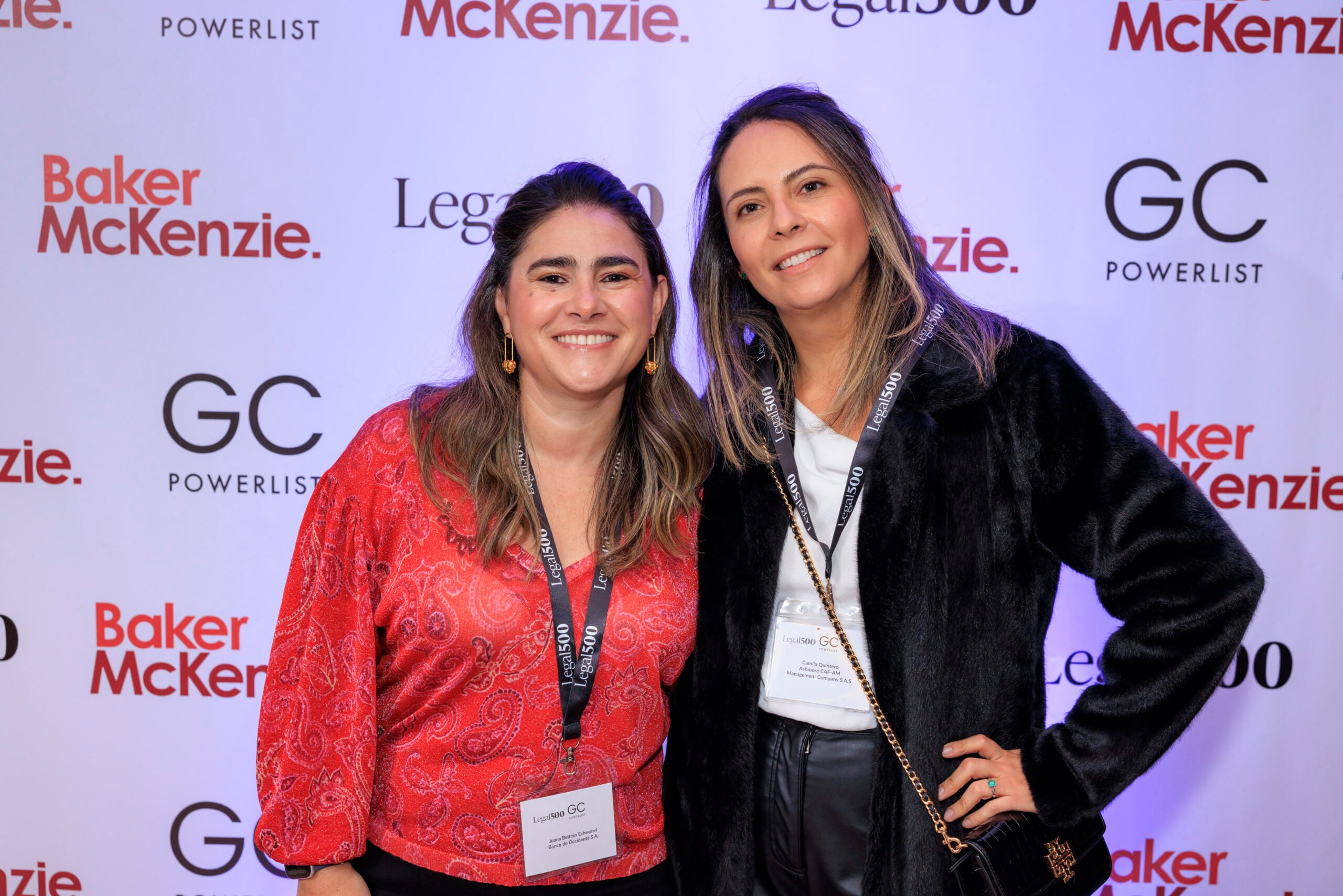
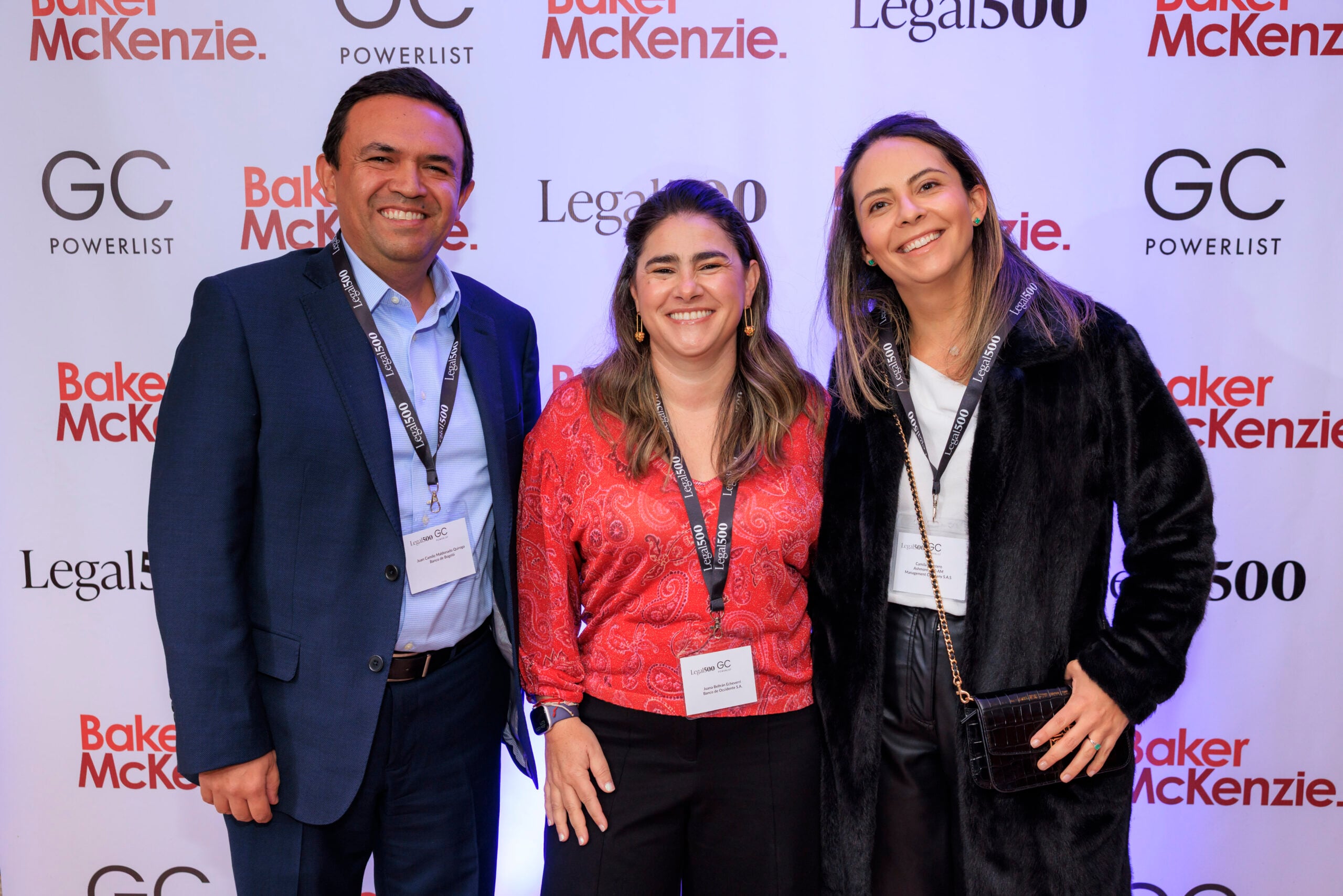
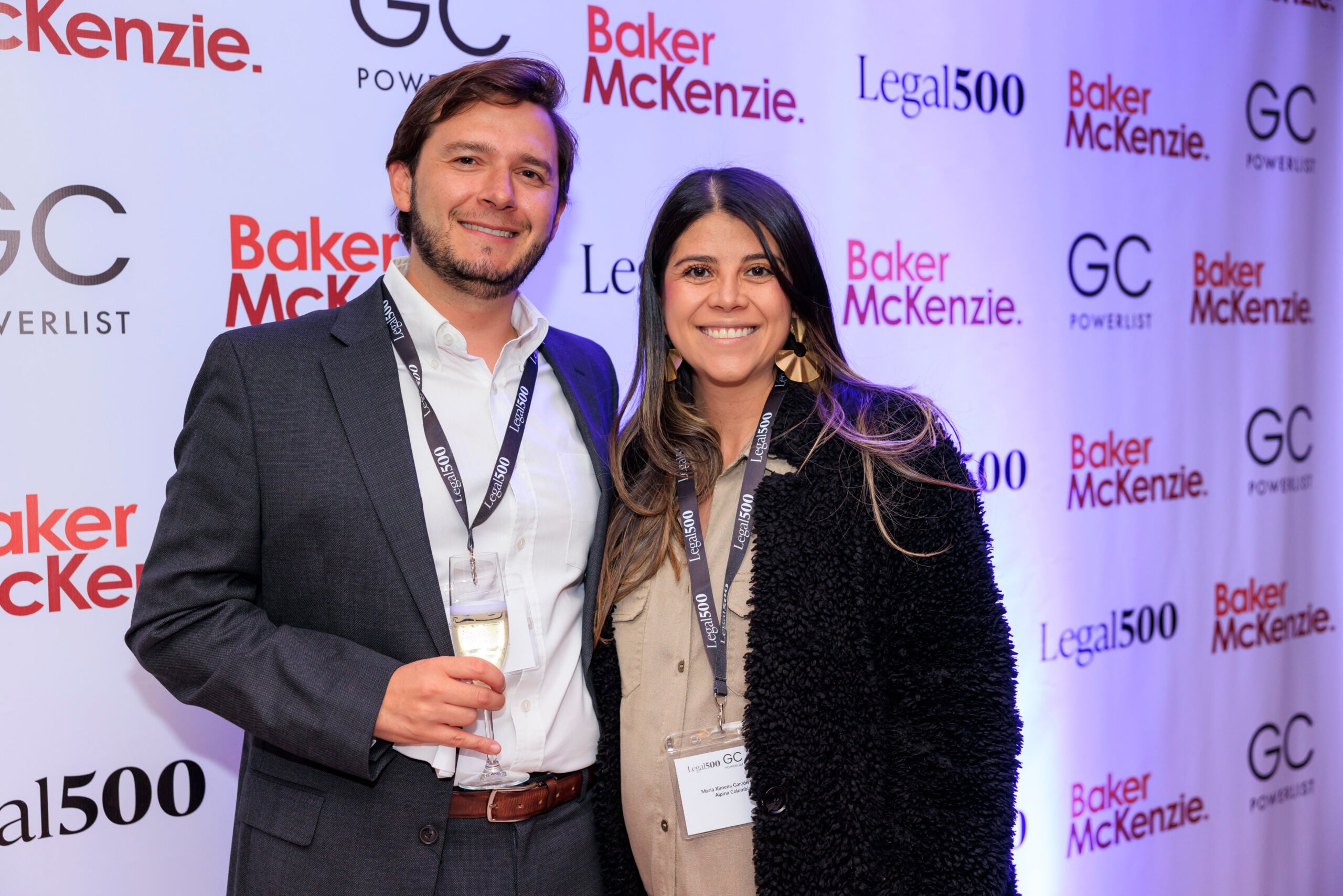
On 4th August, Legal 500 returned to Bogotá for the launch of the GC Powerlist: Colombia 2026, in partnership with Baker McKenzie.
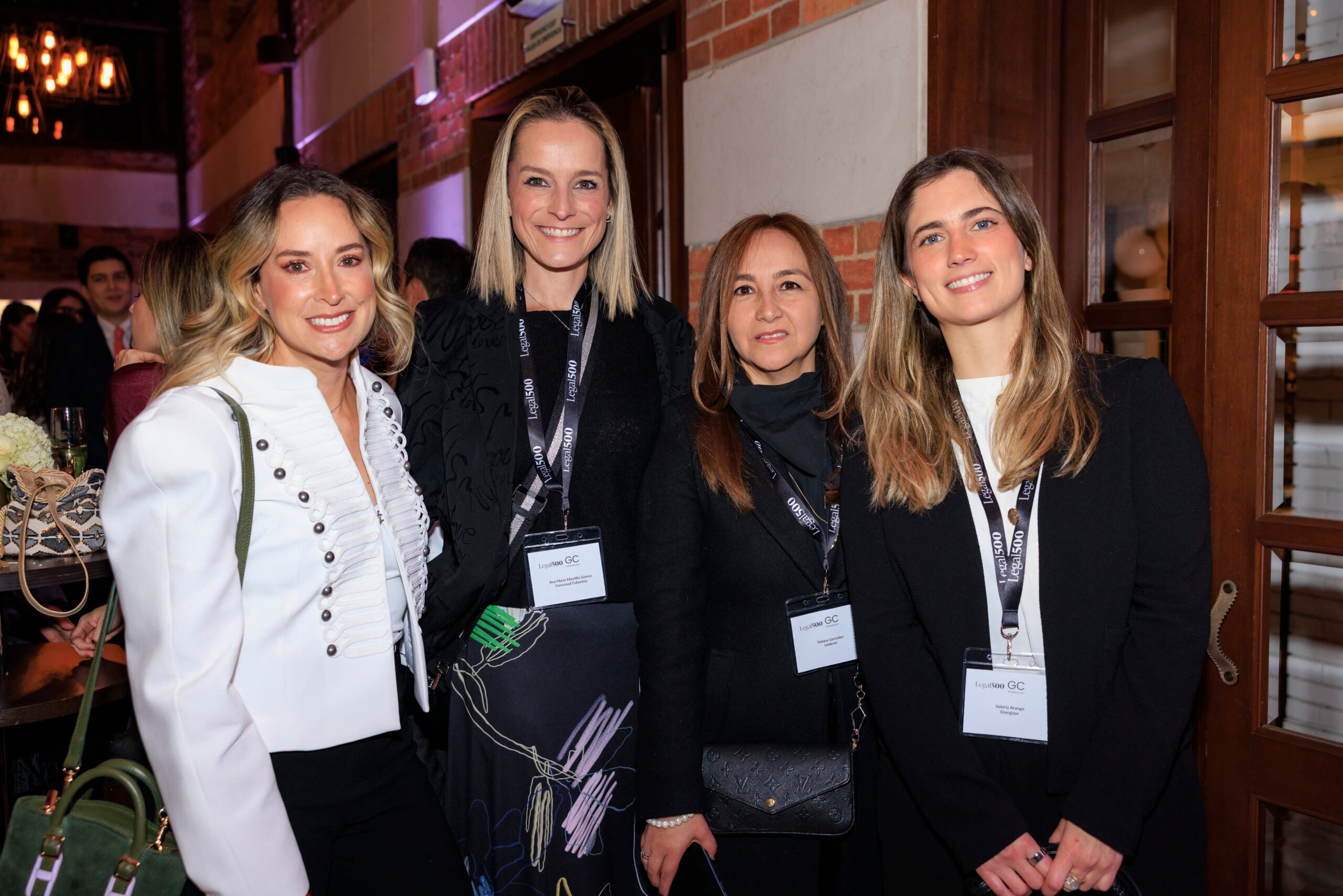
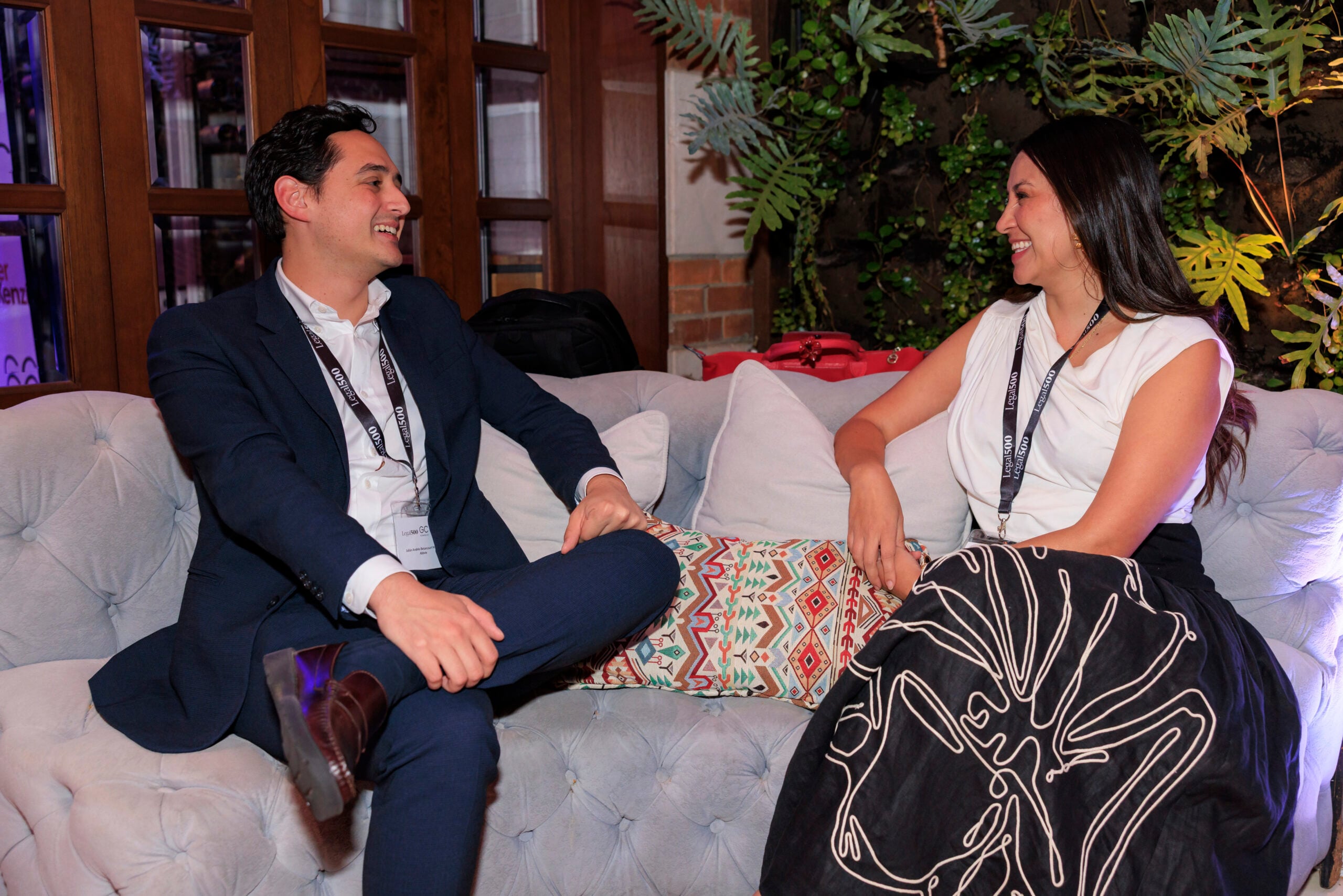
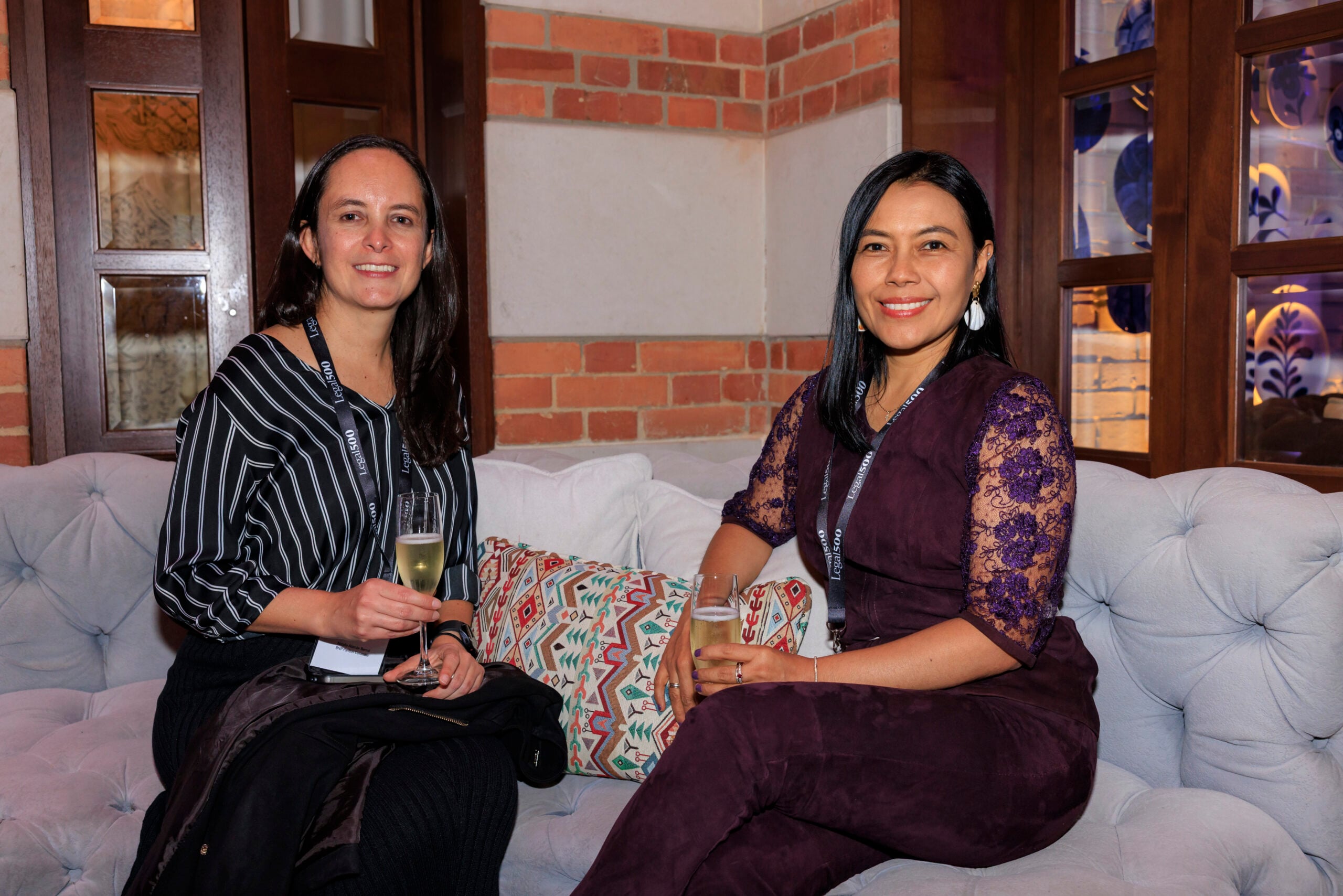
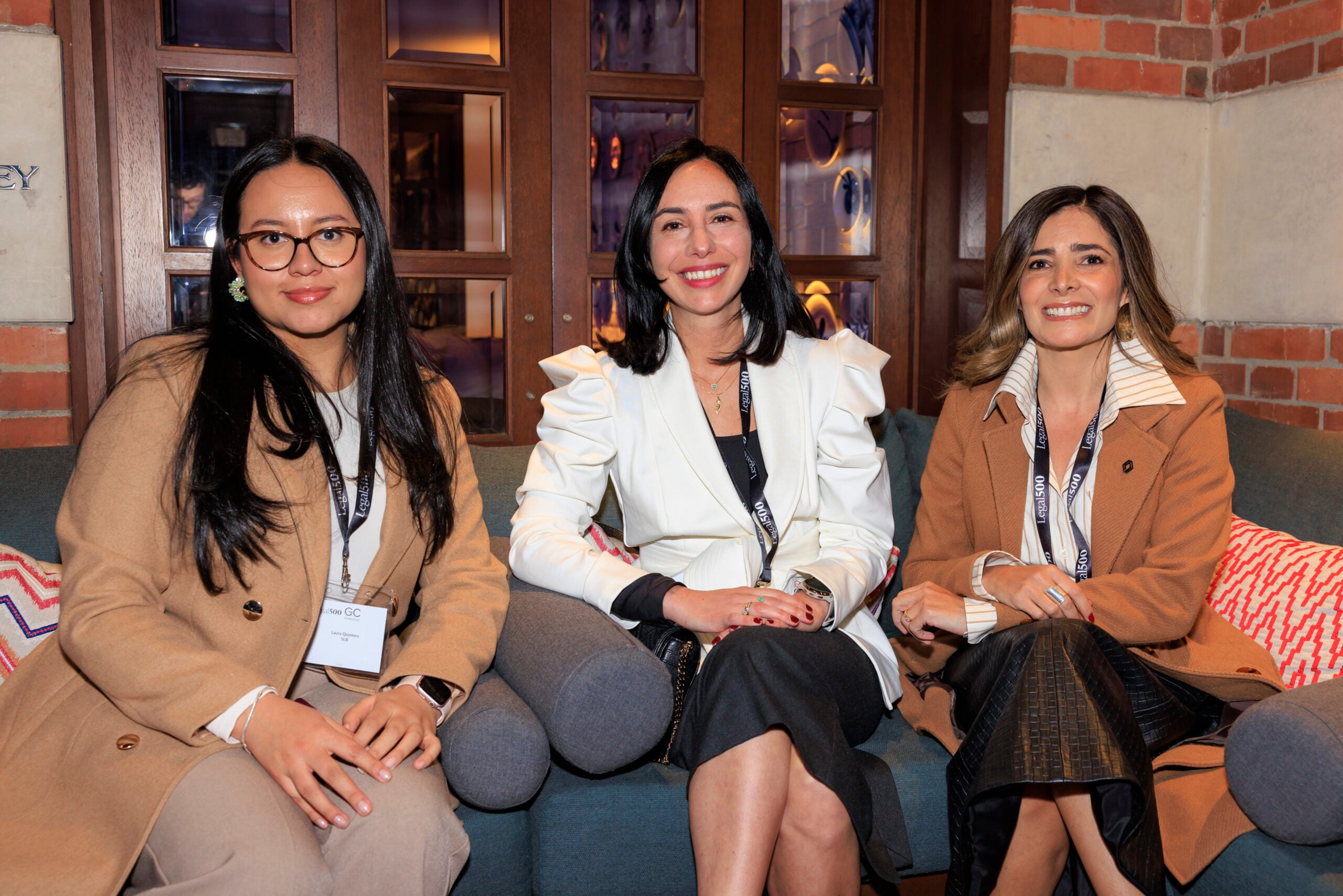
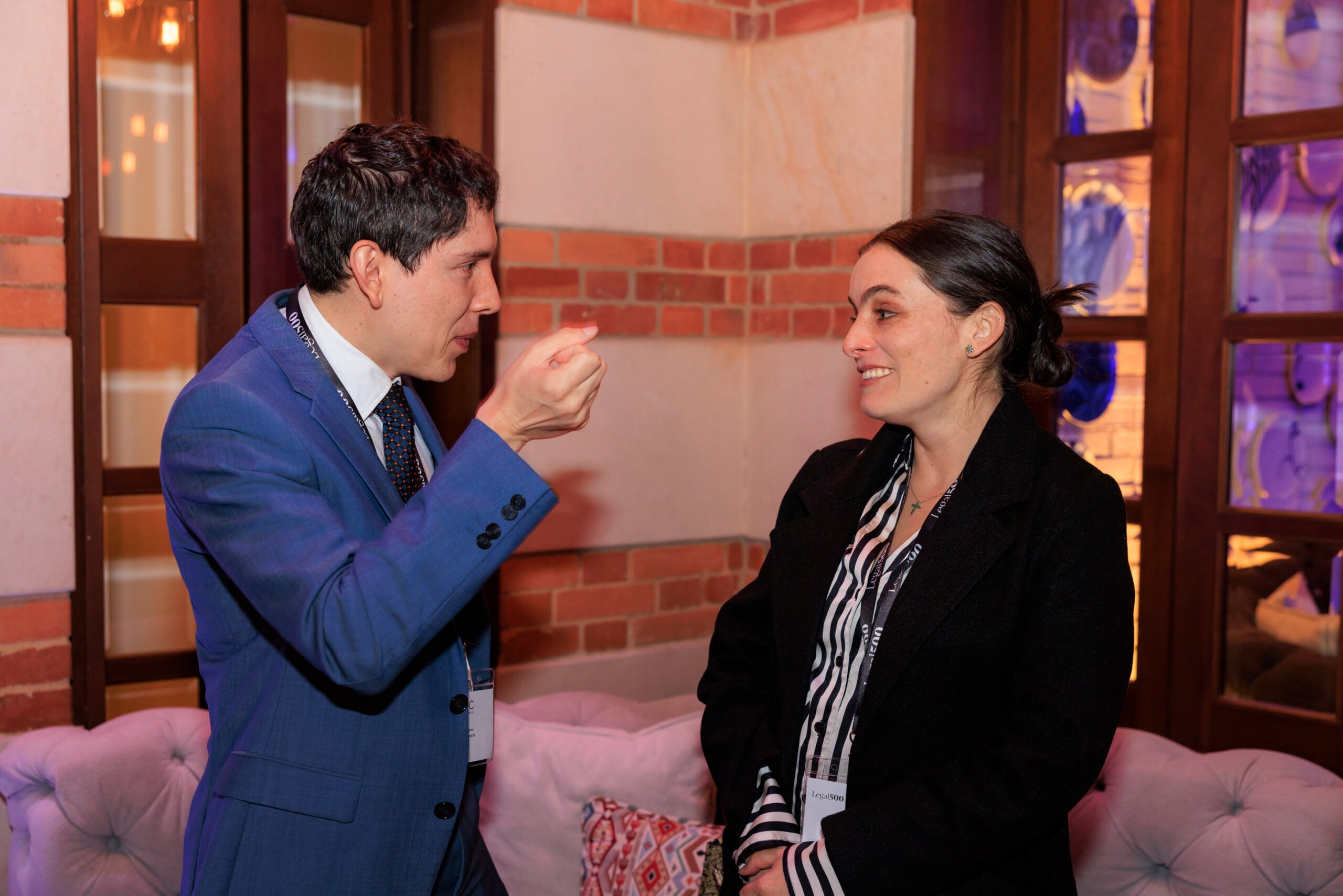
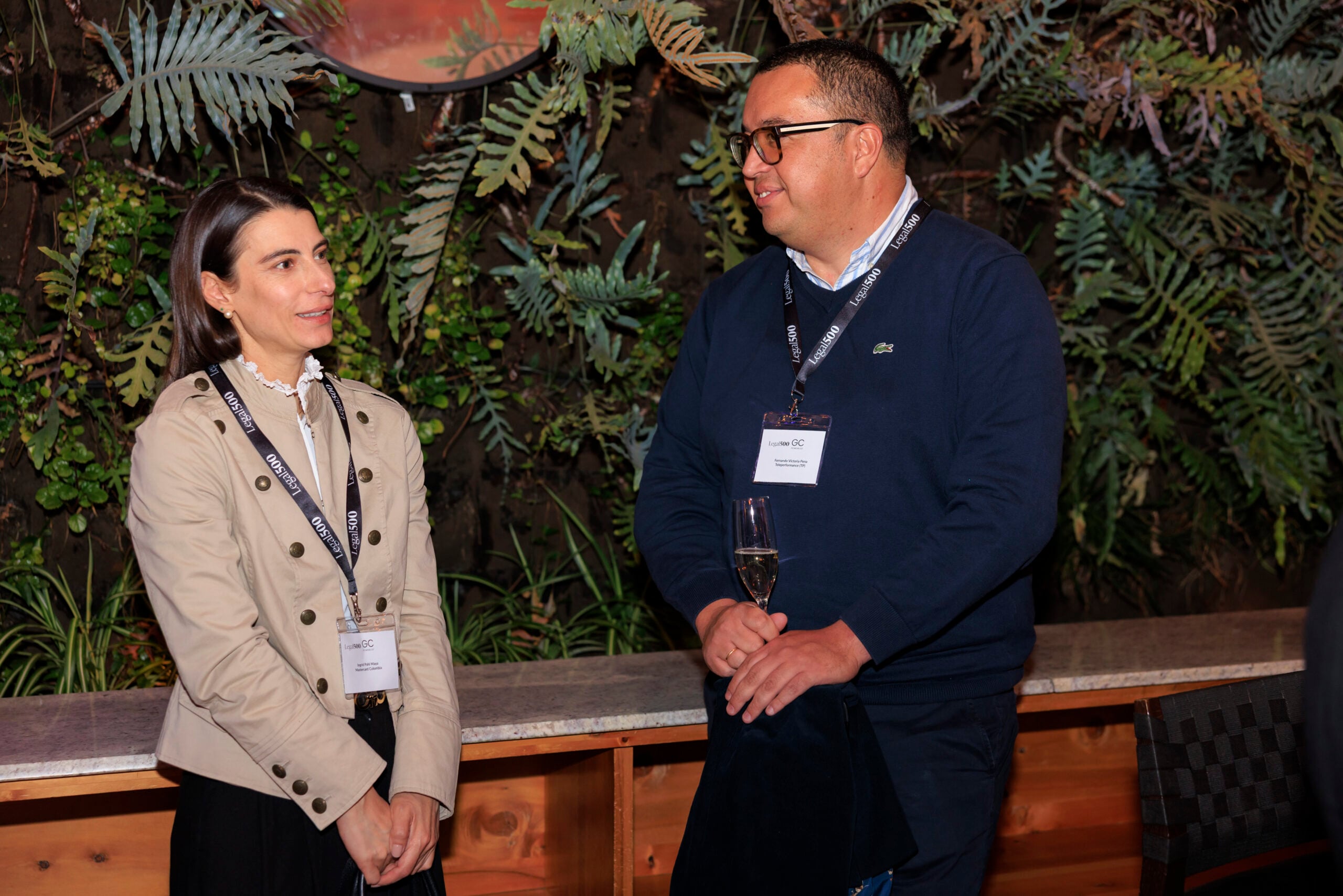
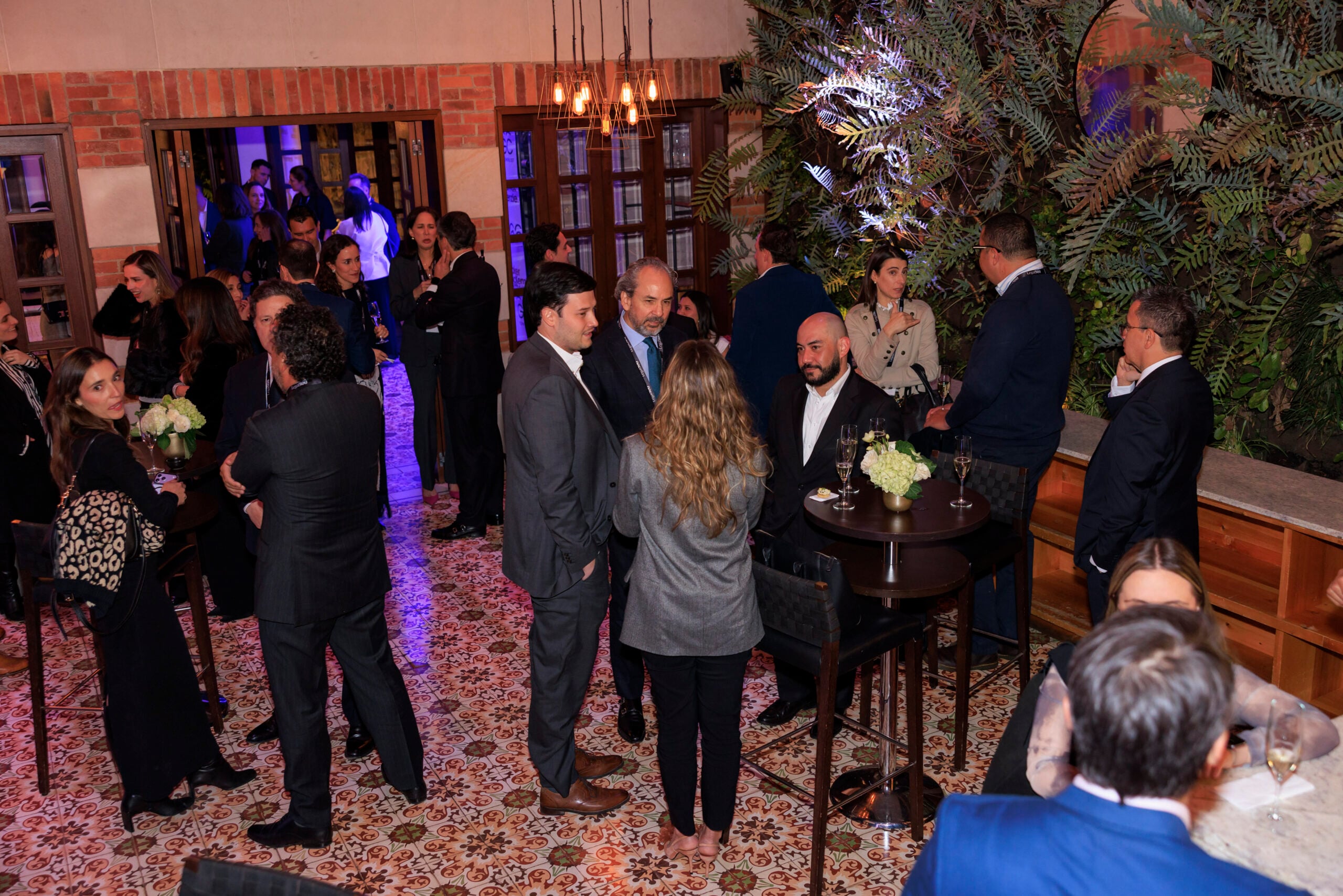
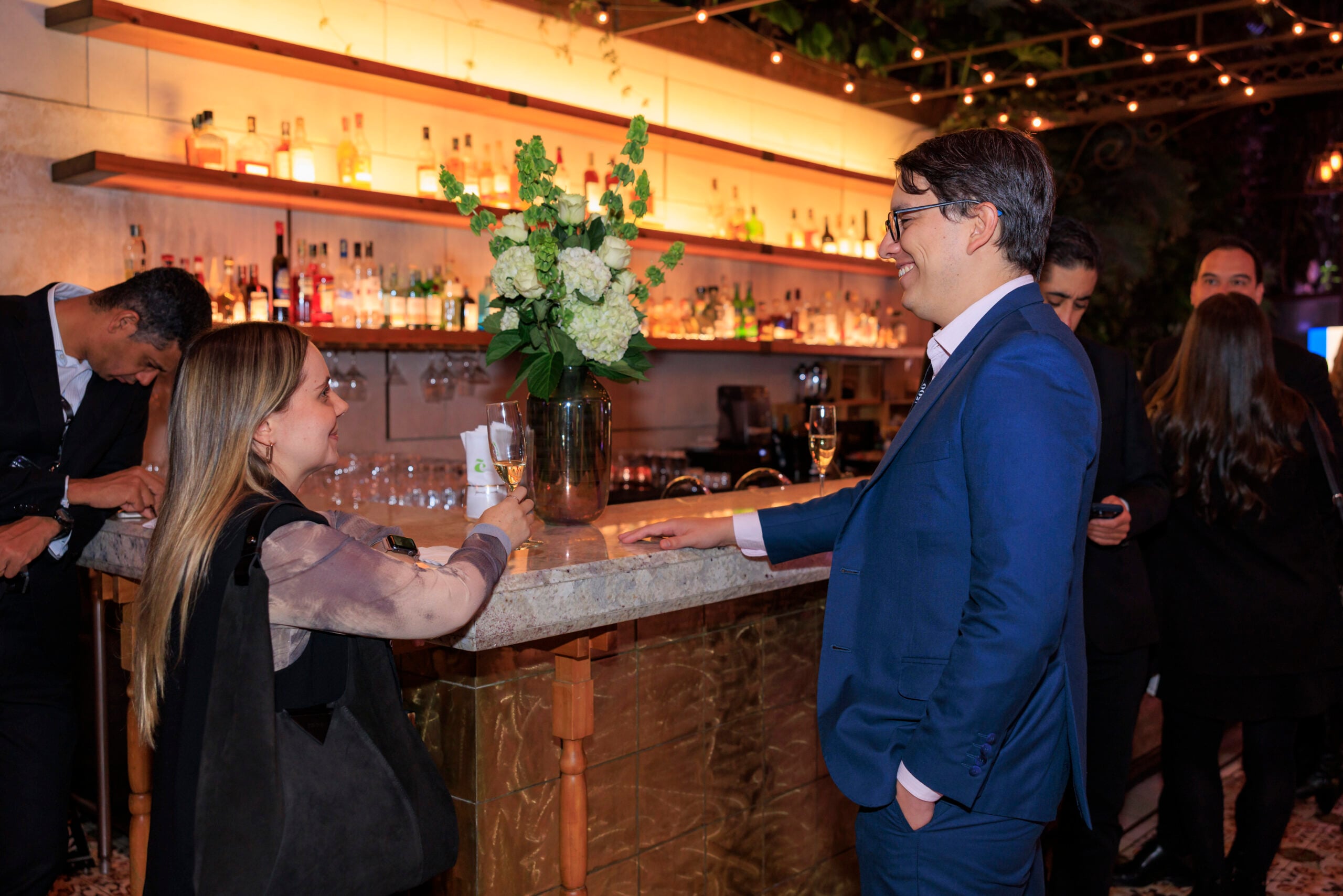
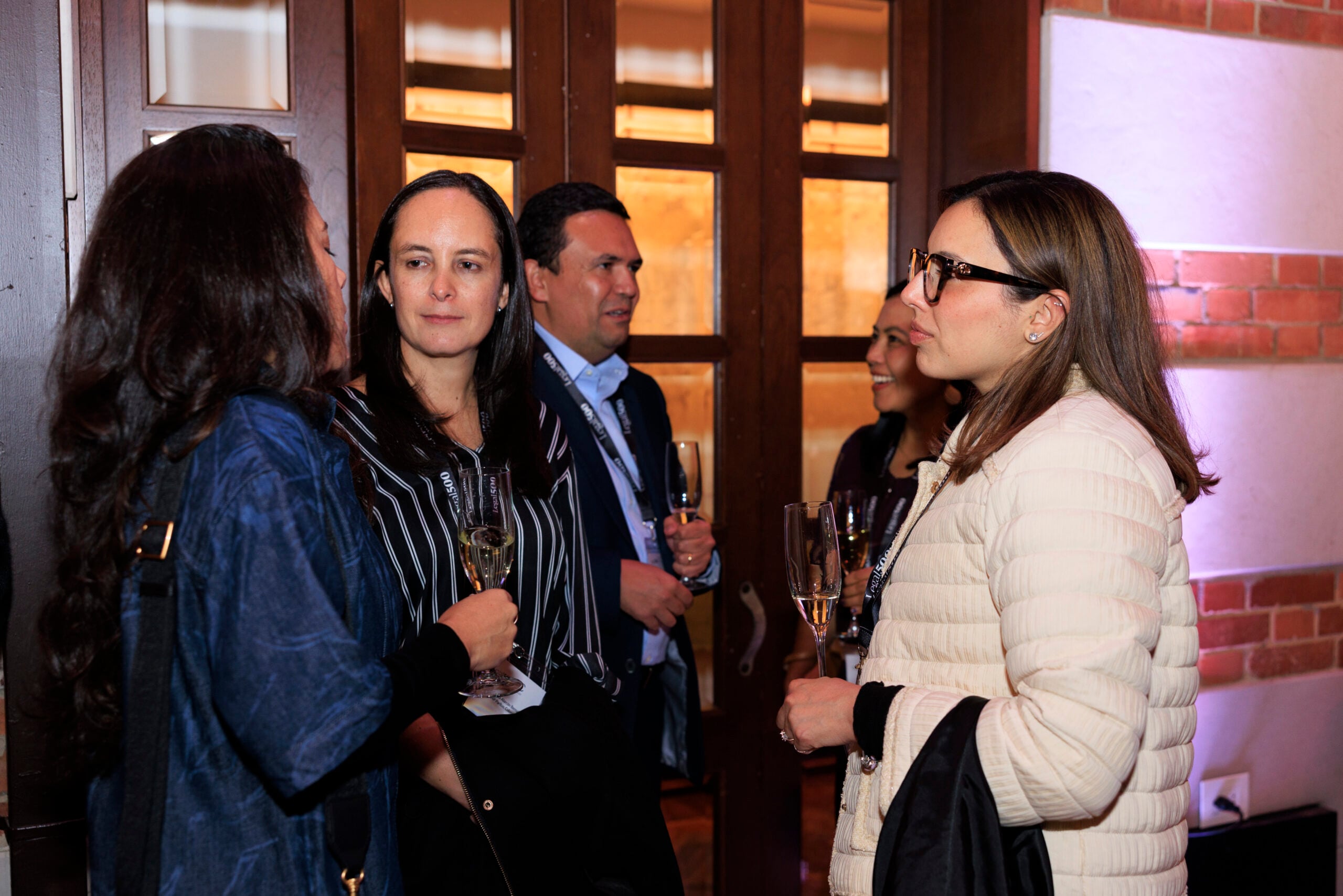
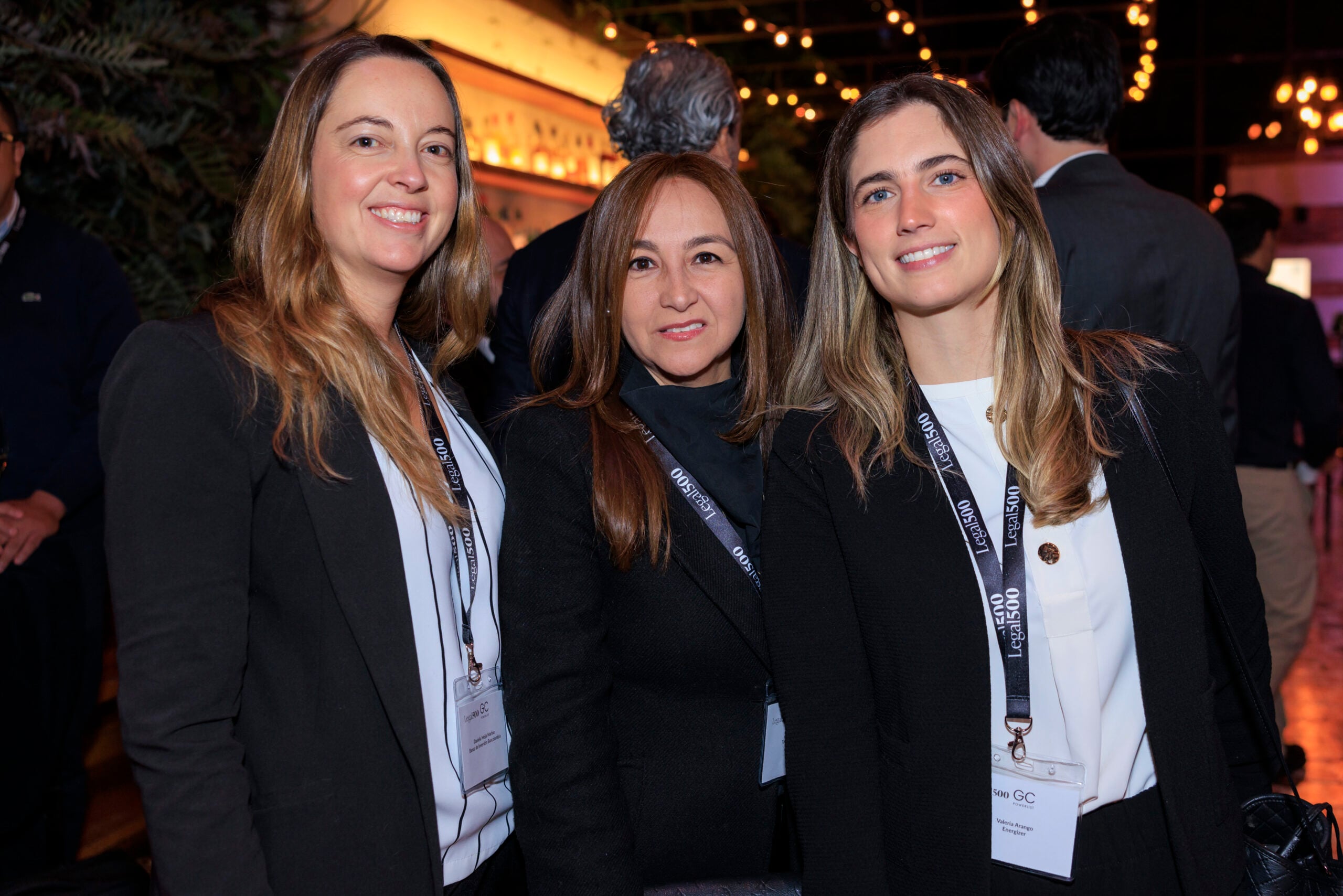
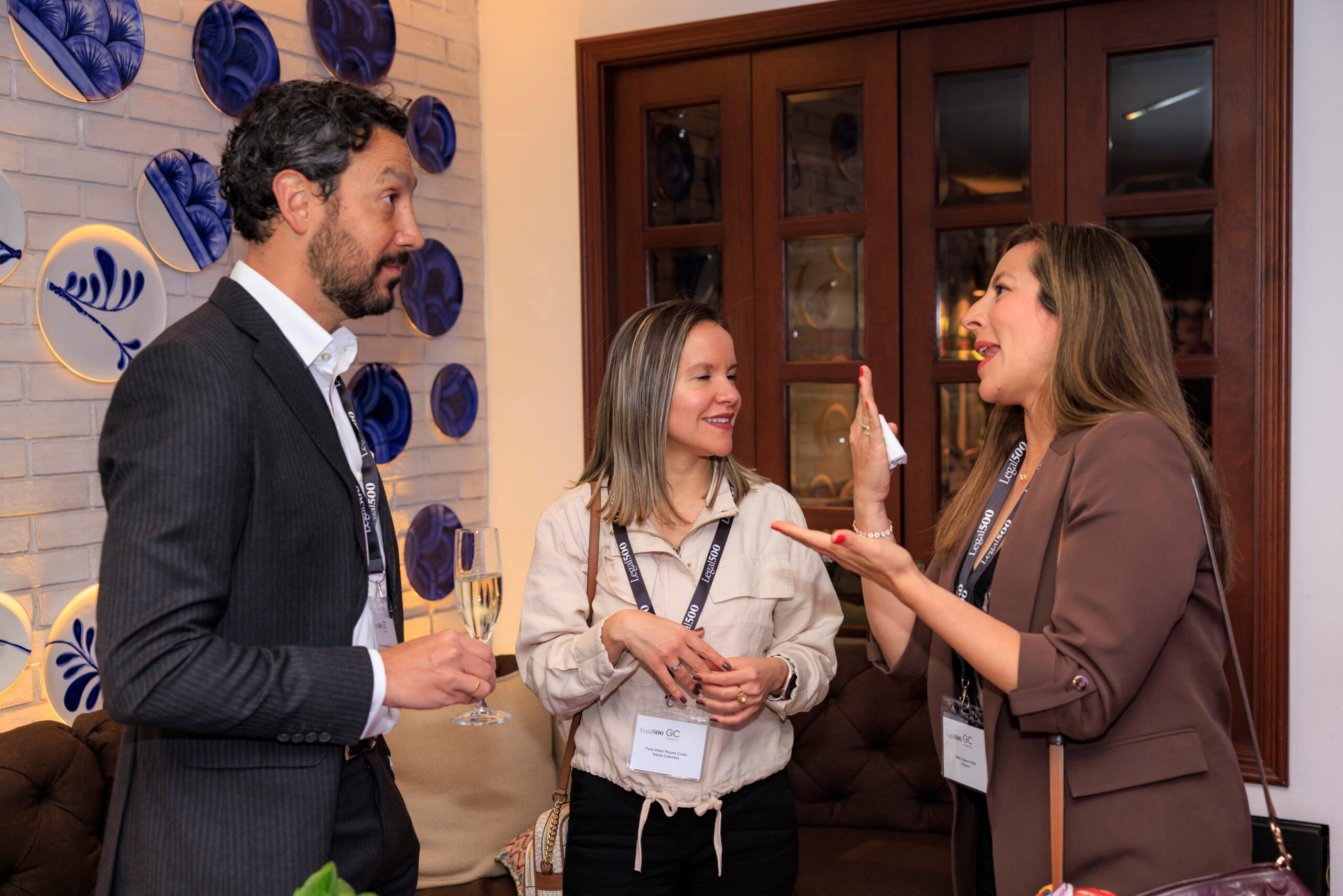
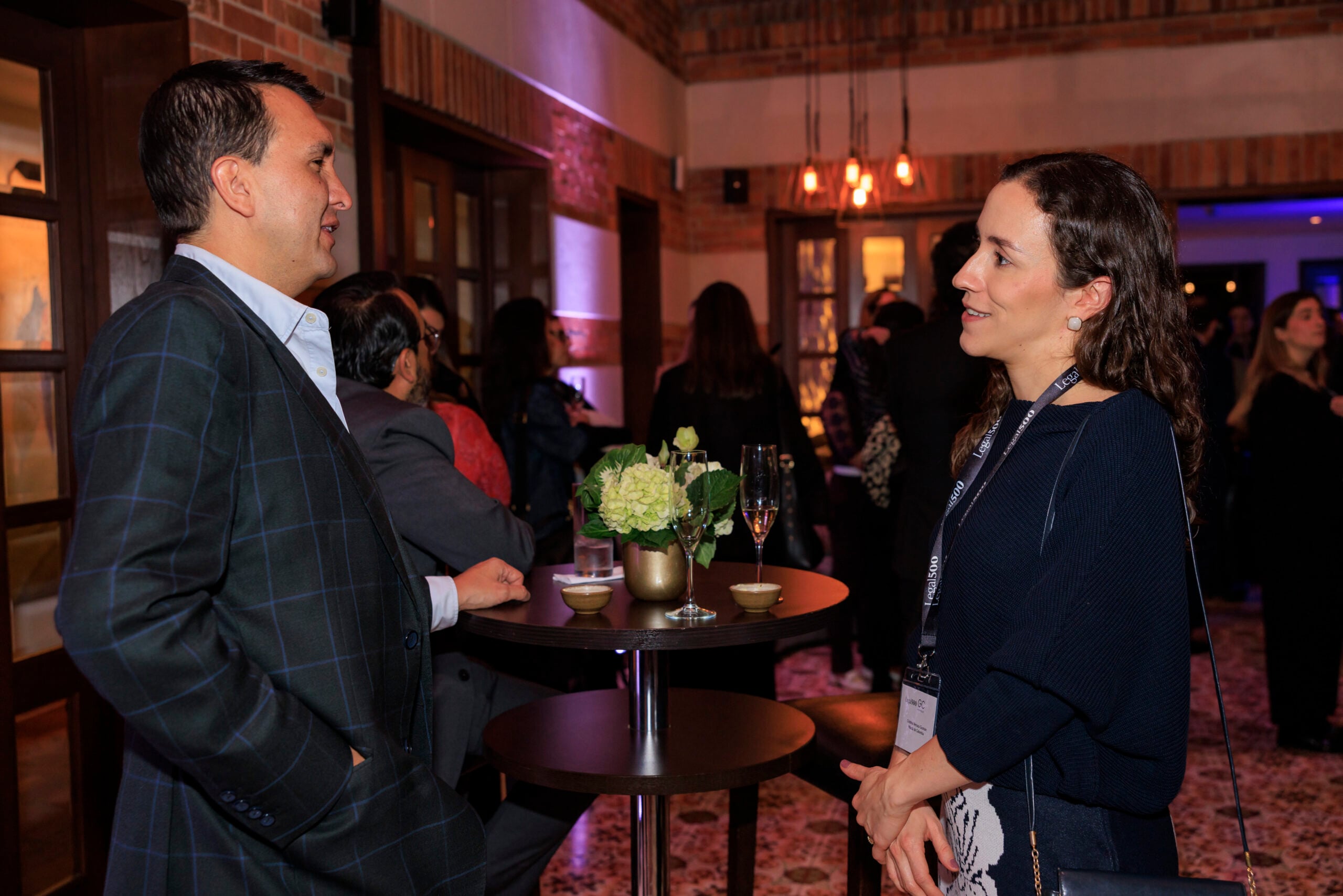
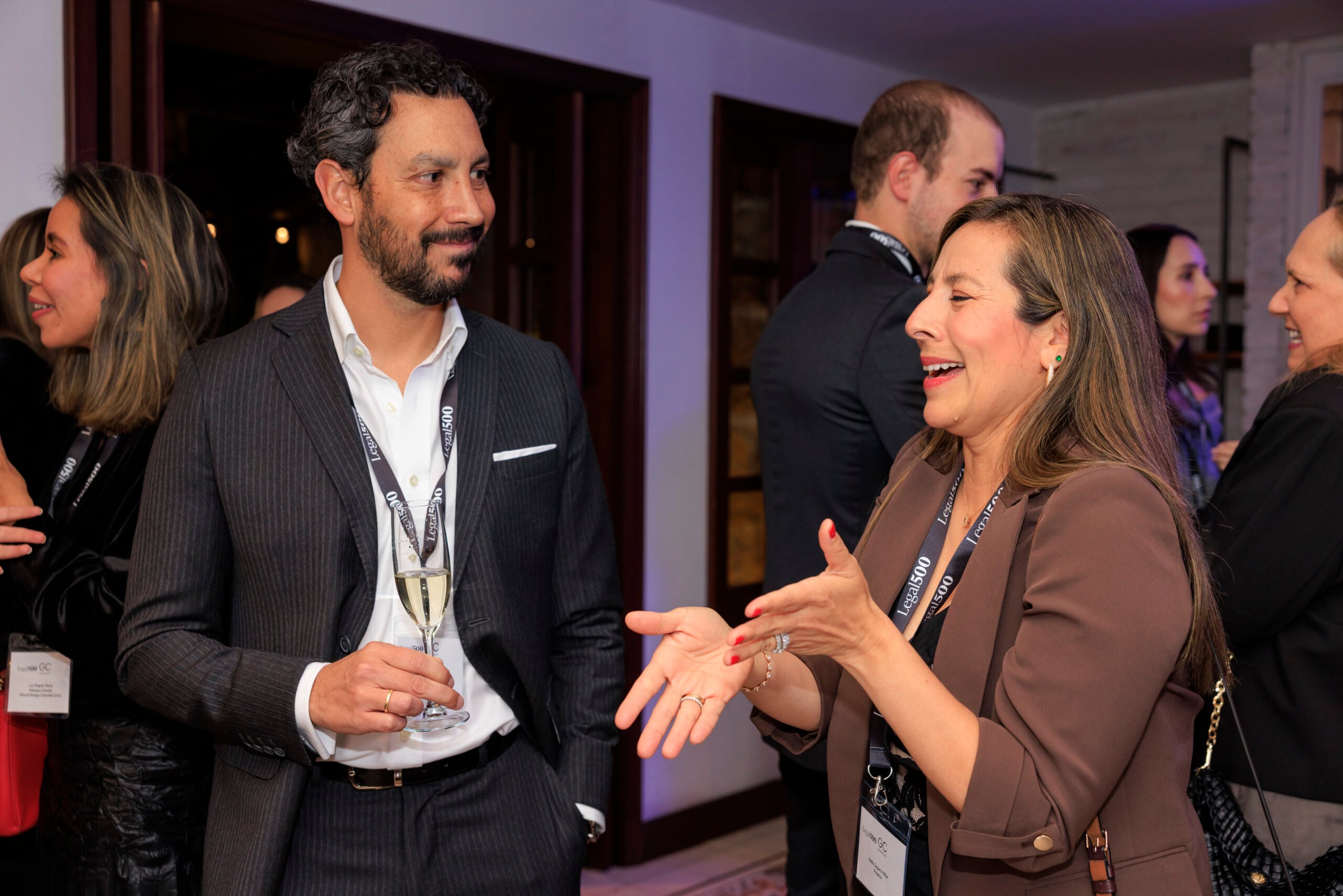
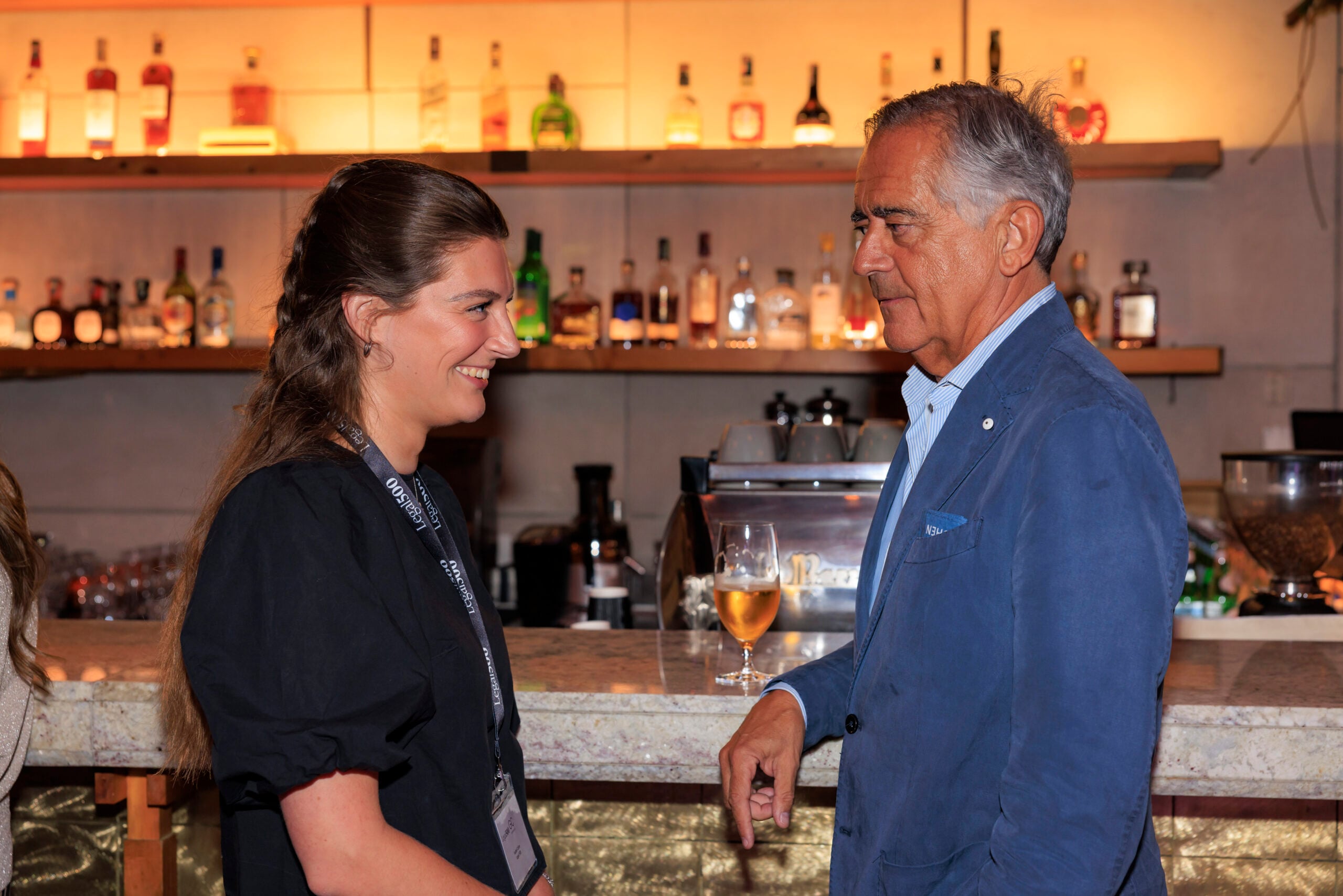
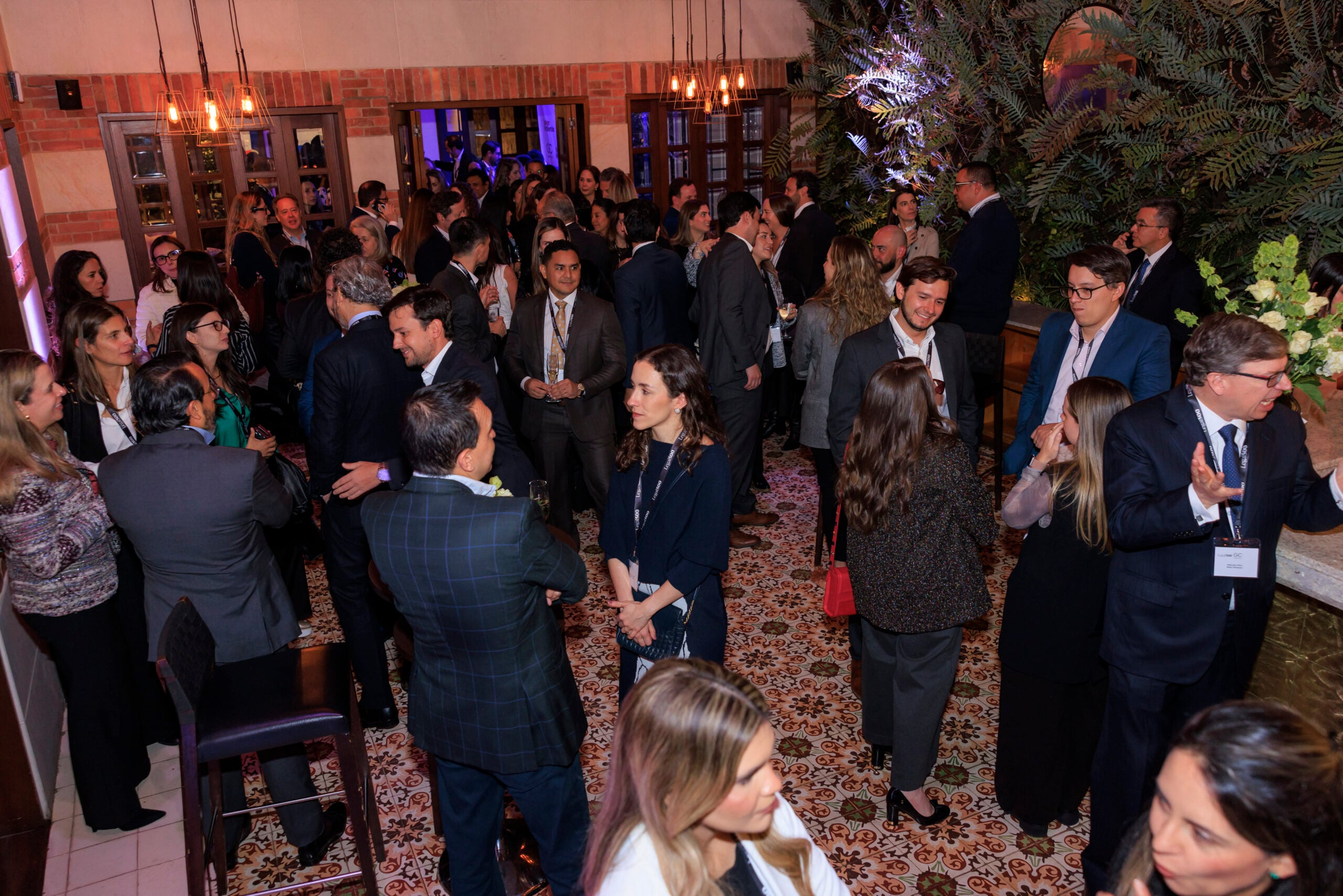
Guests arrived at Castanyoles Restaurant at the Four Seasons Hotel Casa Medina for an evening of celebration and networking with peers and colleagues.
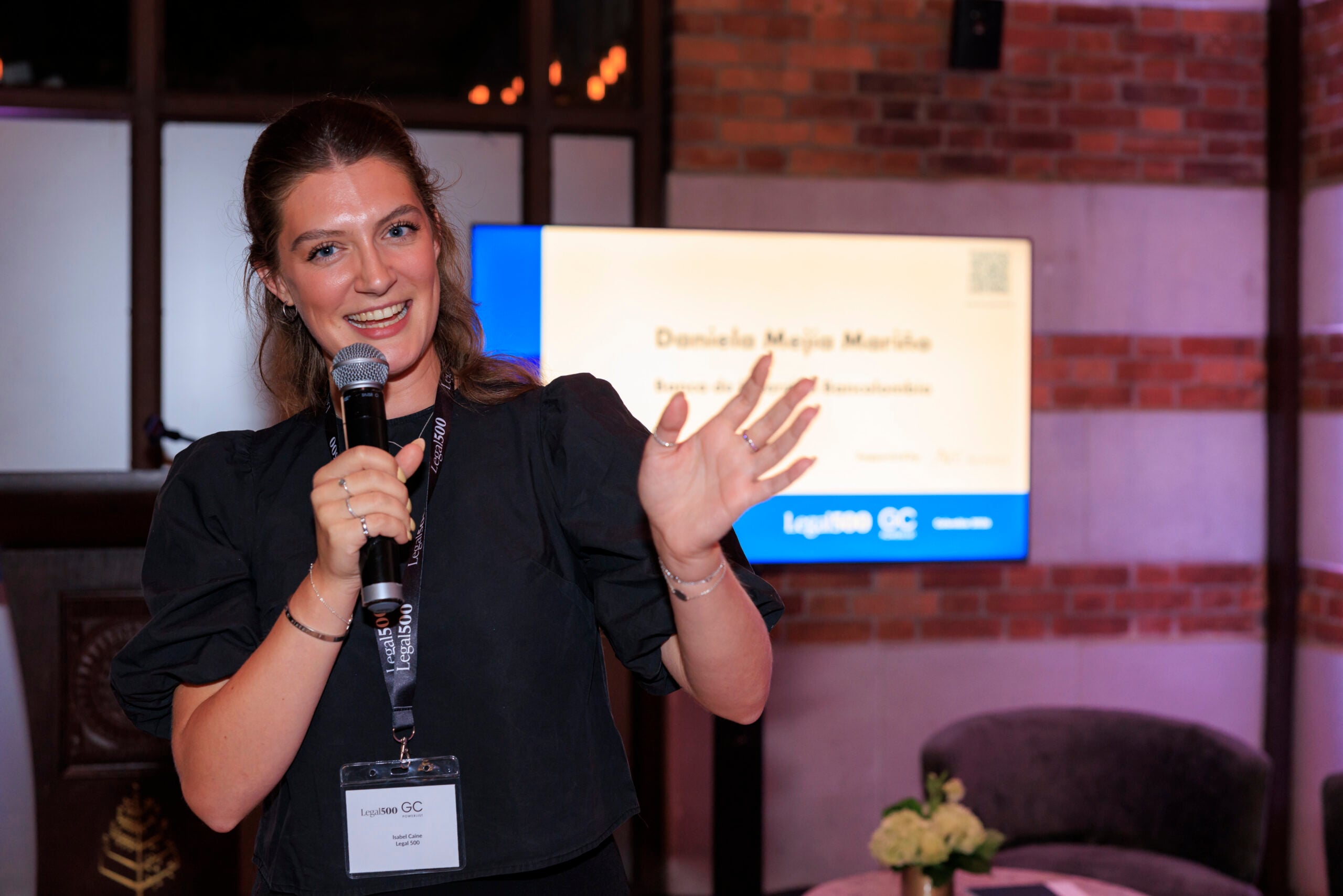
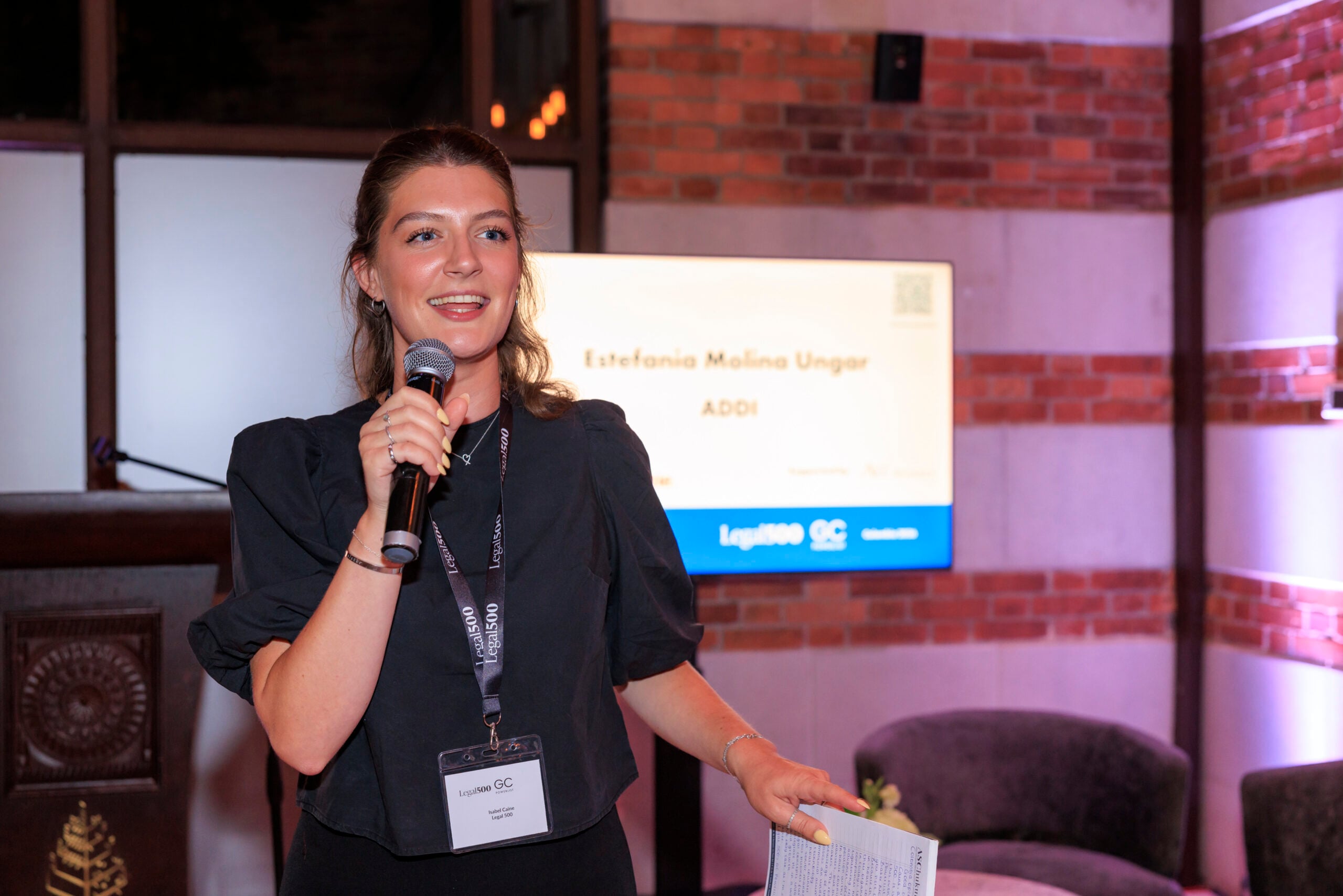
Isabel Caine, editor – corporate counsel at Legal 500, kicked off the evening, touching on the increasingly integral role of the GC as a trusted partner and strategic decision maker within the business. Paying tribute to the nominees’ achievements, dedication and commitment over the past year, she reflected on the vital contributions in-house counsel make within their organisations and beyond.
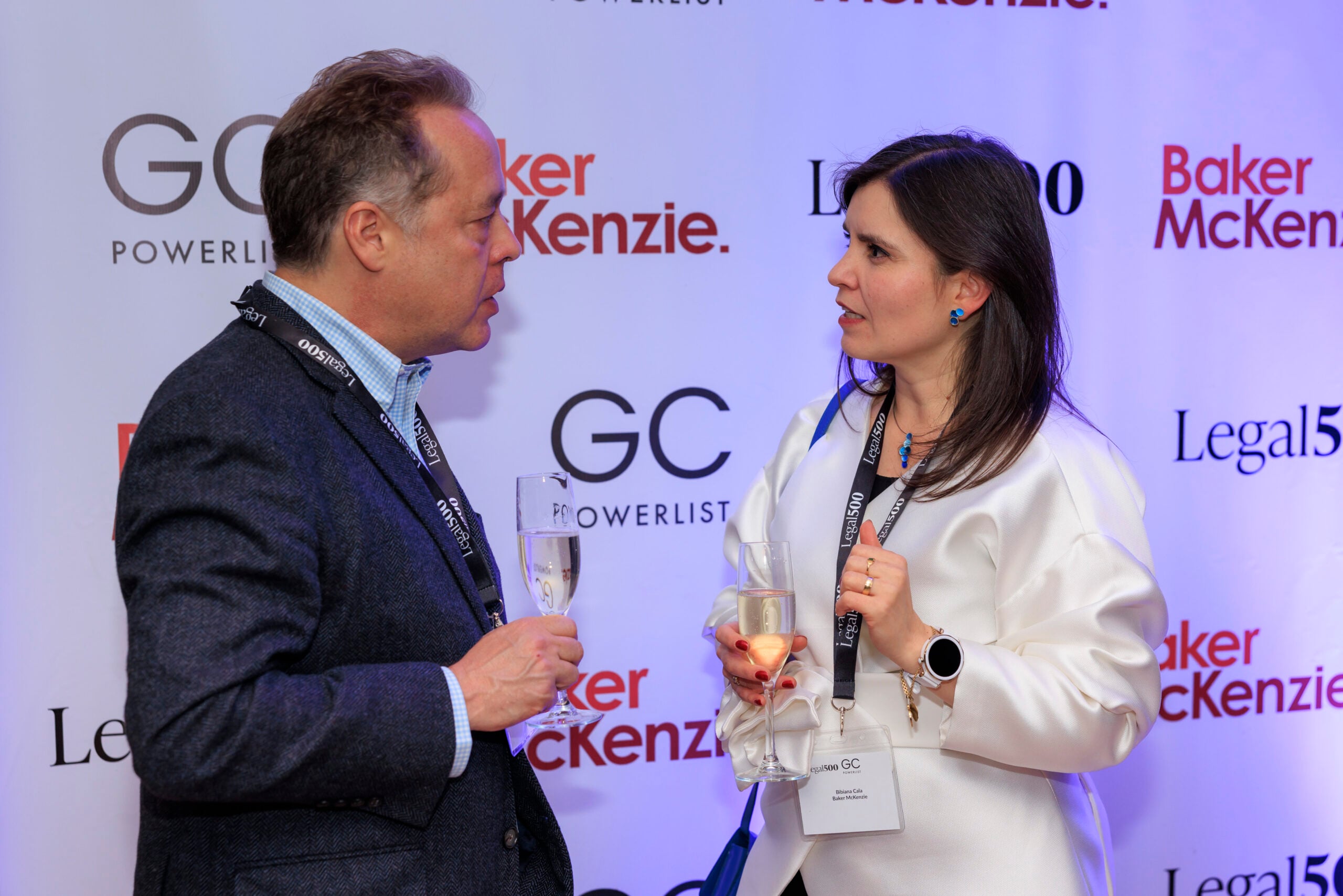
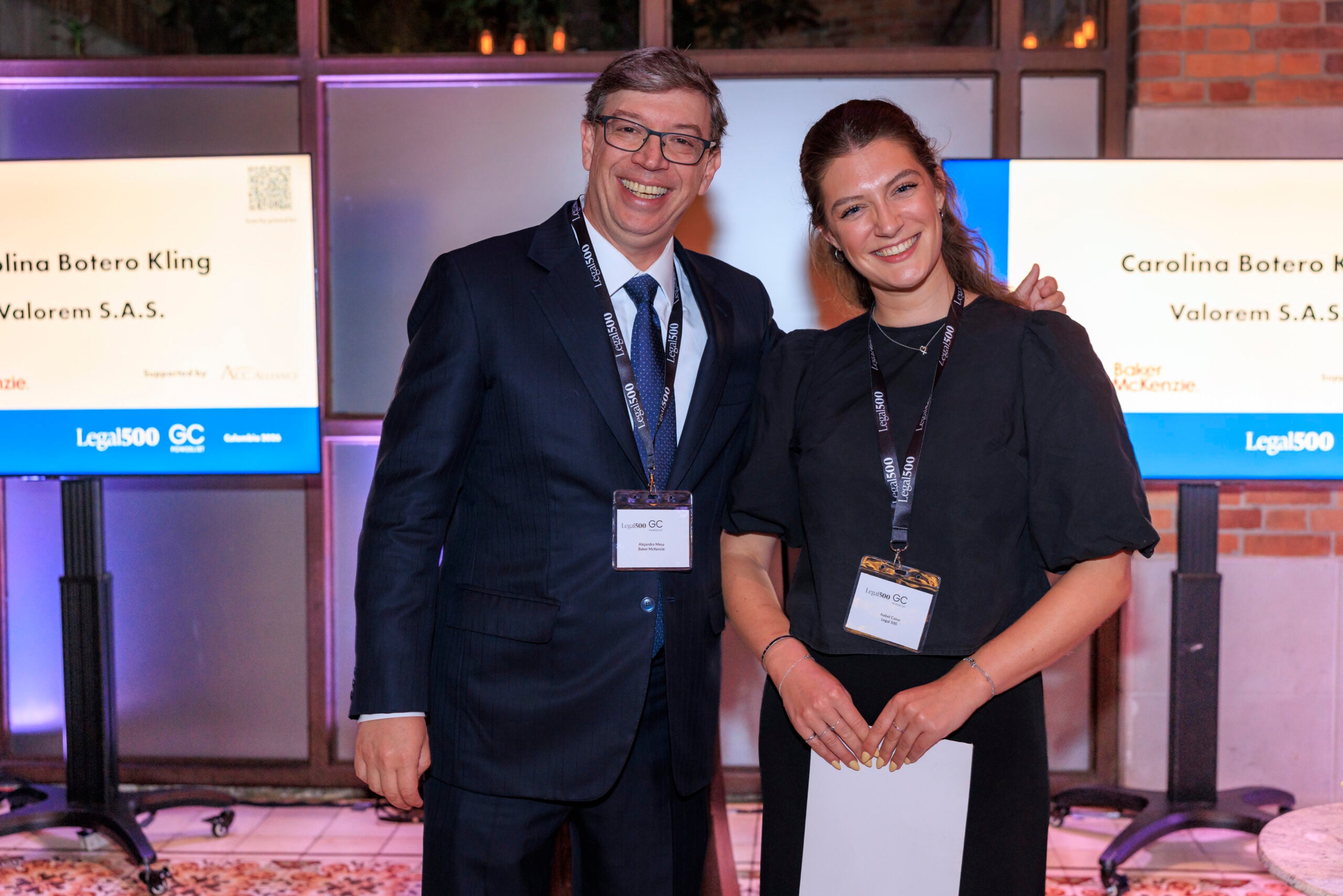
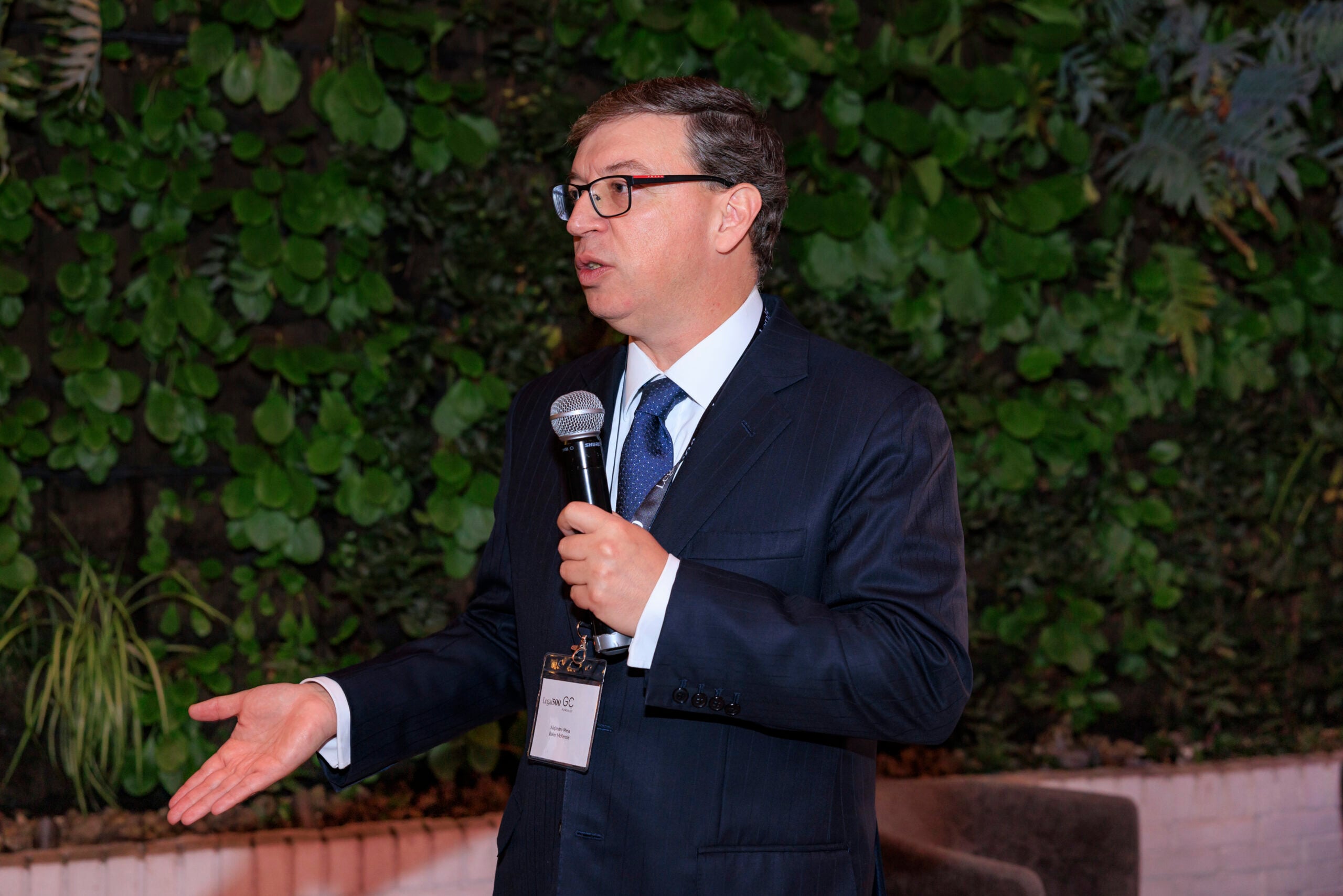
Alejandro Mesa, managing partner at Baker McKenzie Colombia, then delivered a welcome address on behalf of the firm, congratulating those included in the Powerlist and recognising the invaluable partnership between in-house and external counsel.
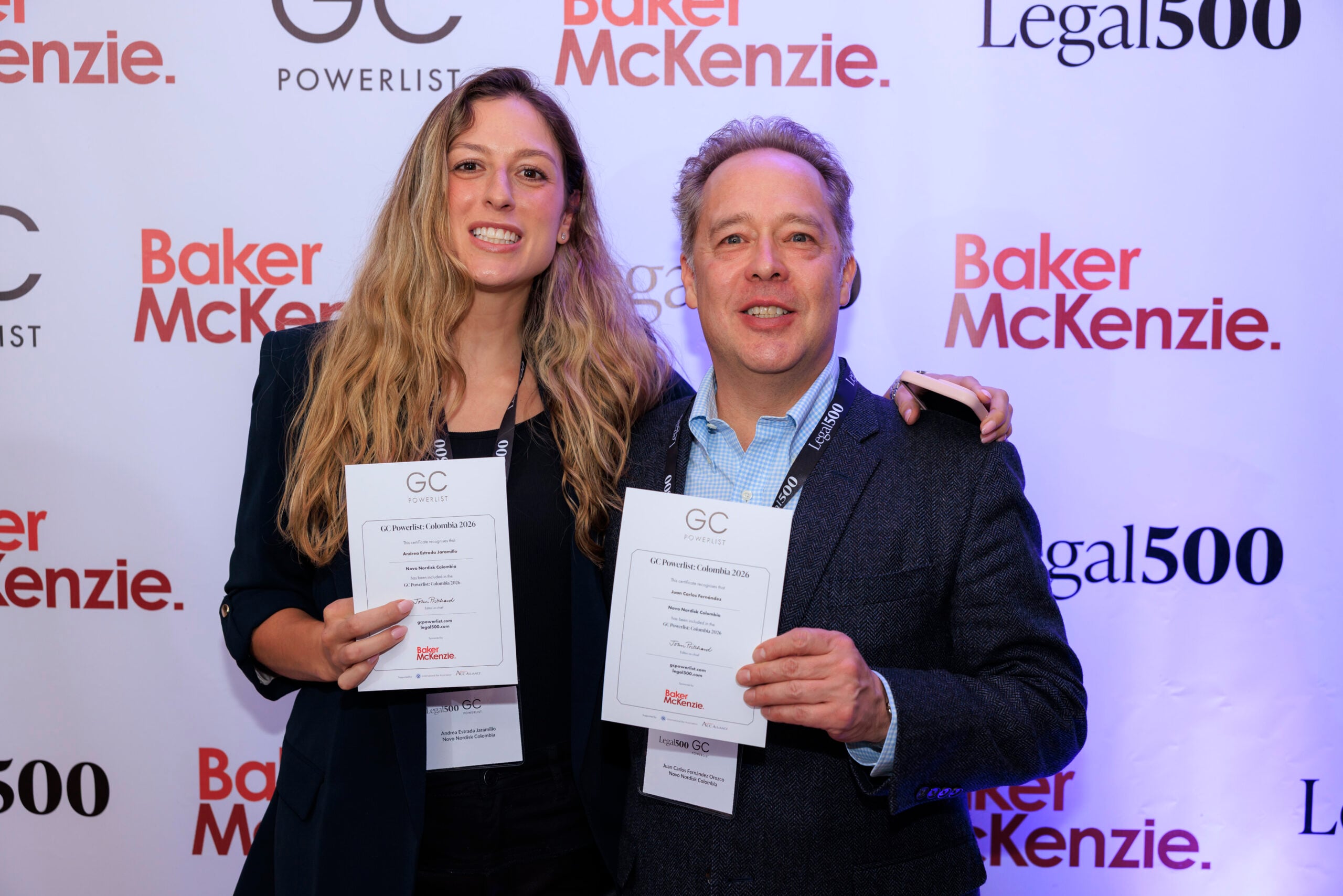
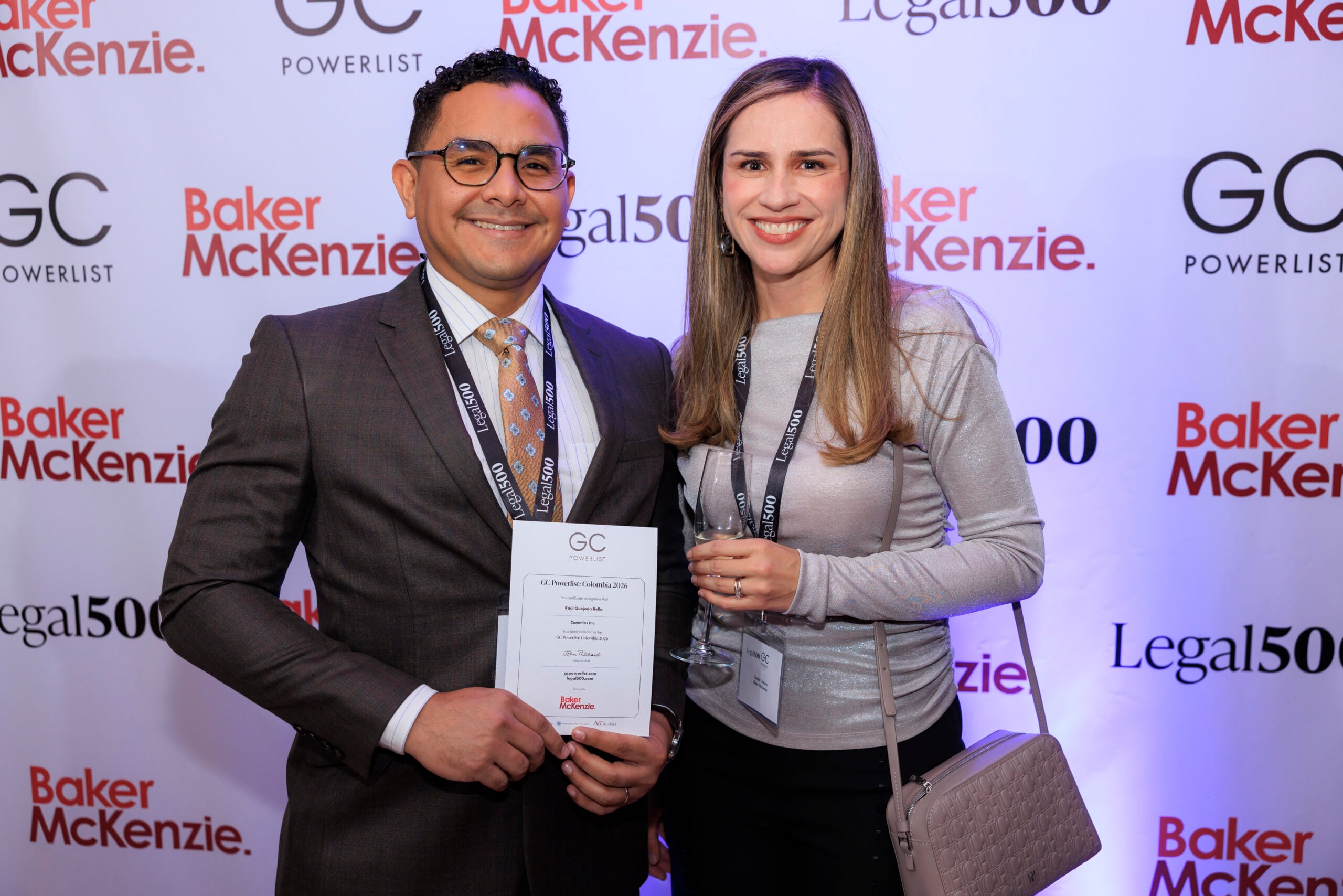
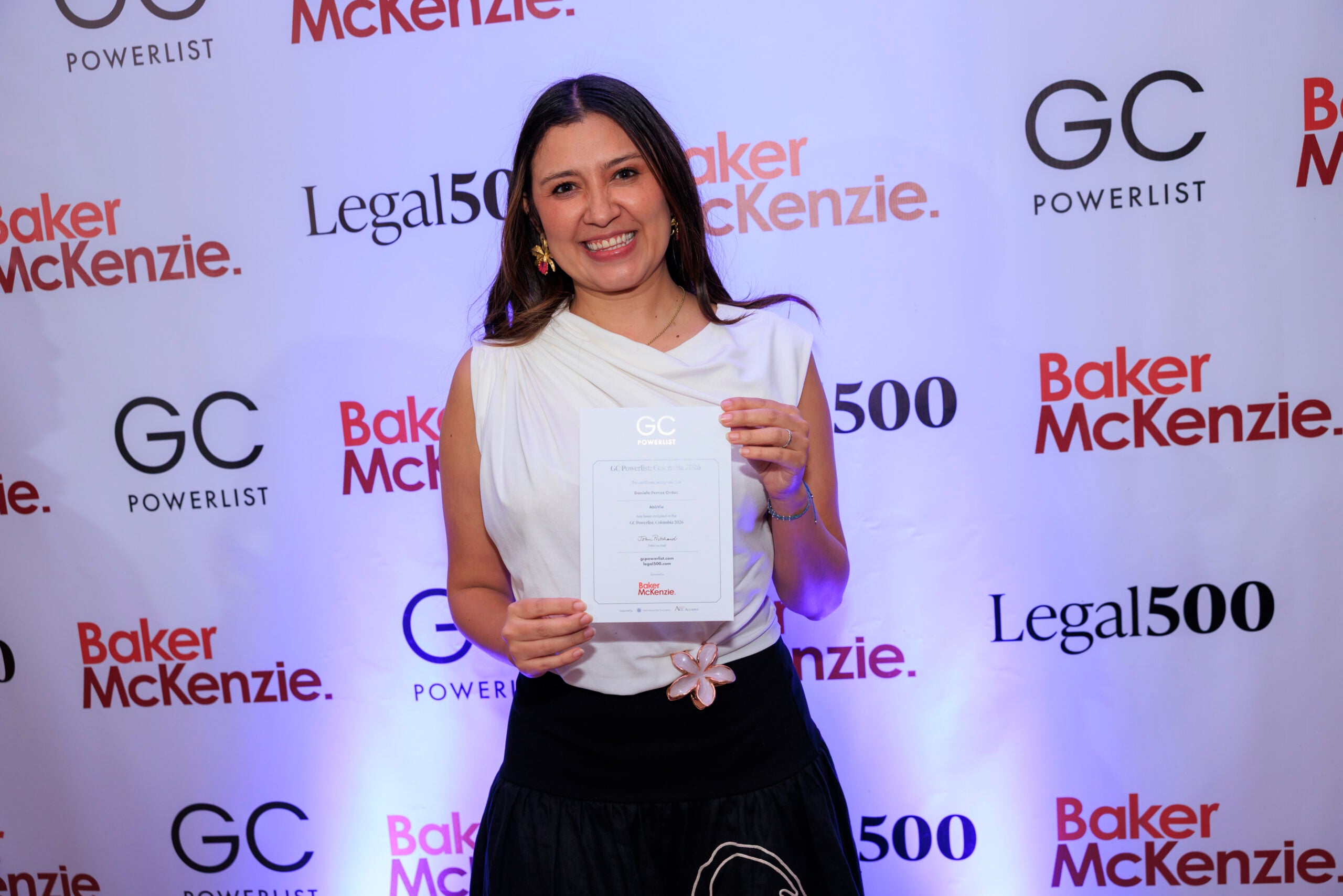
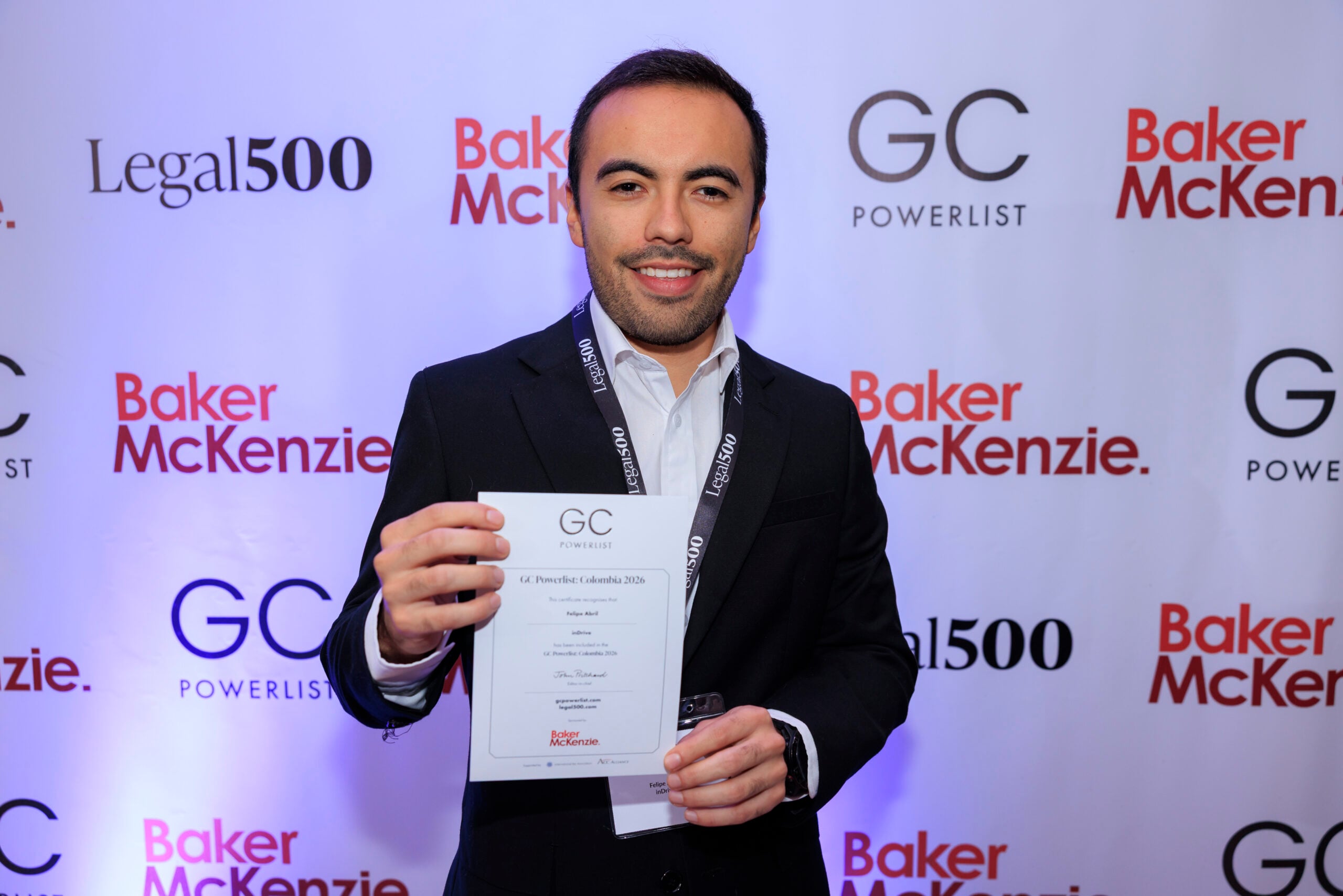
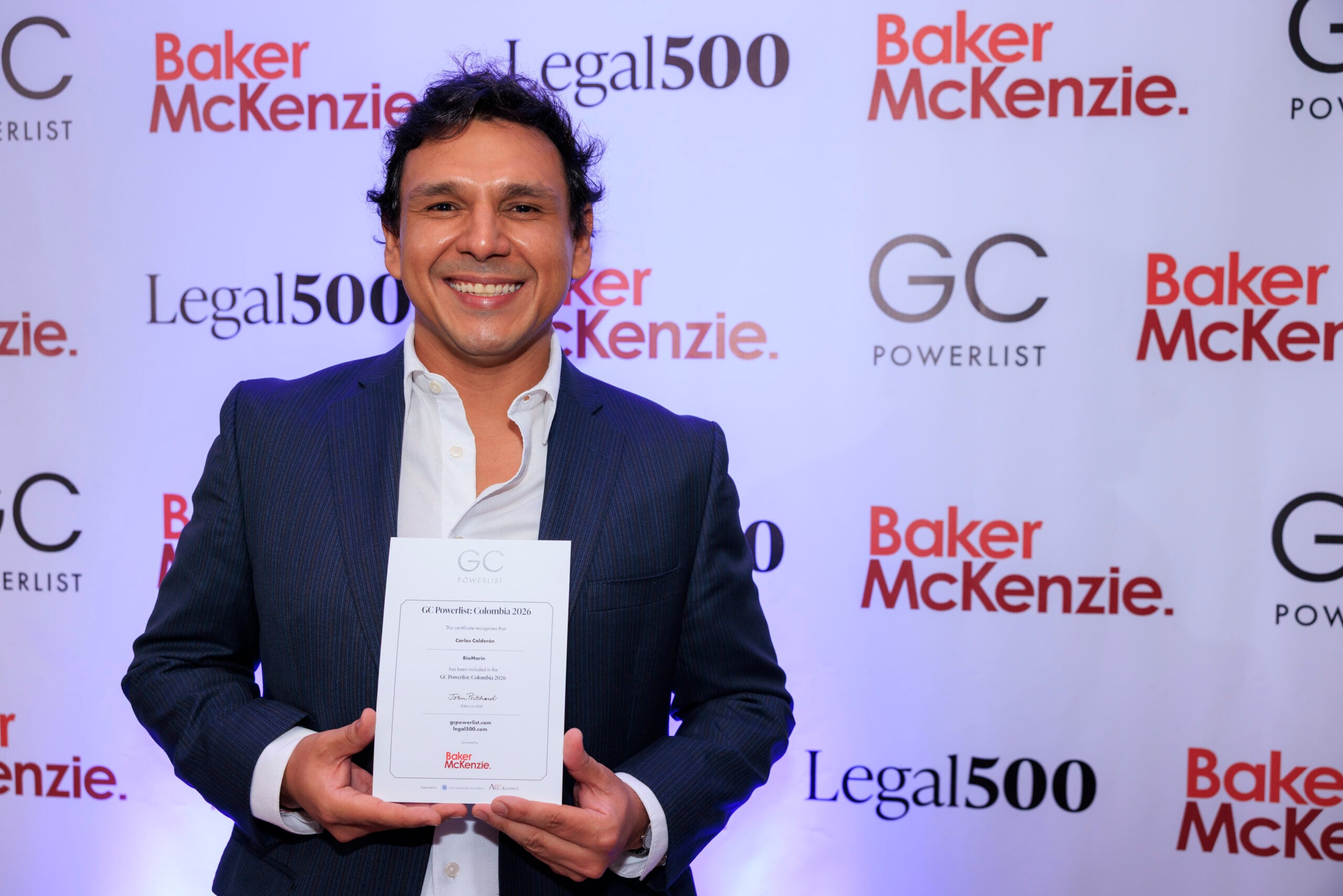
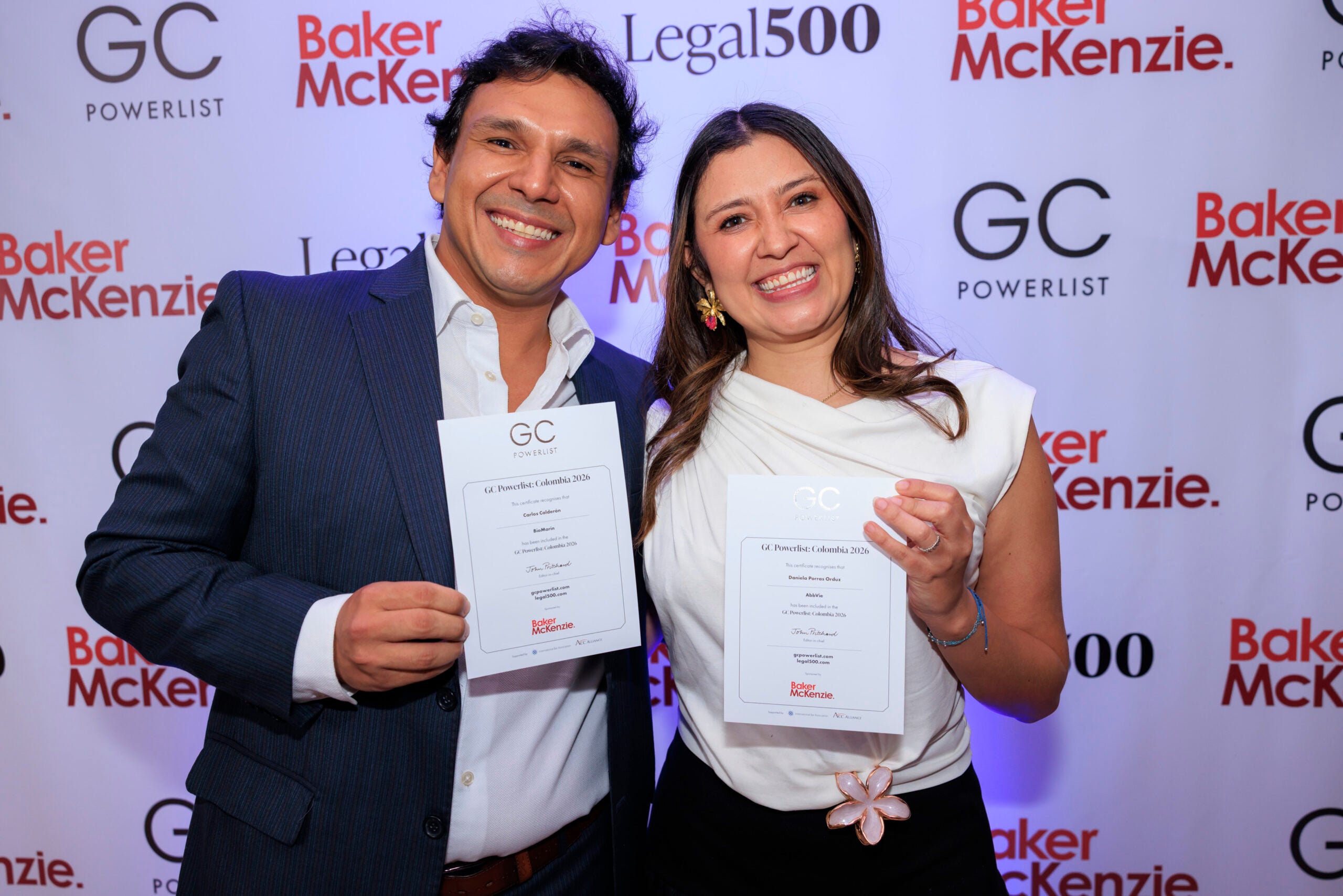
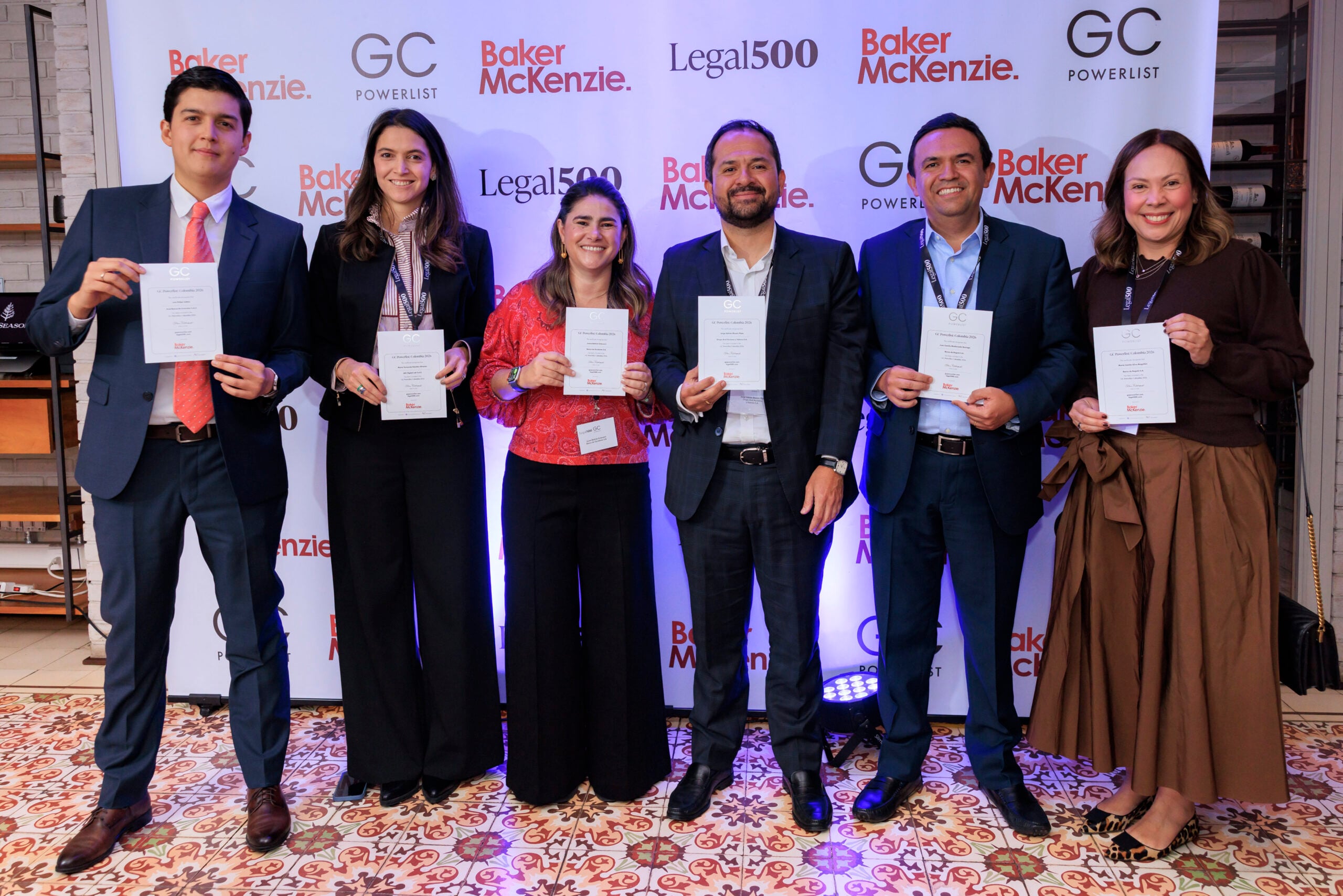
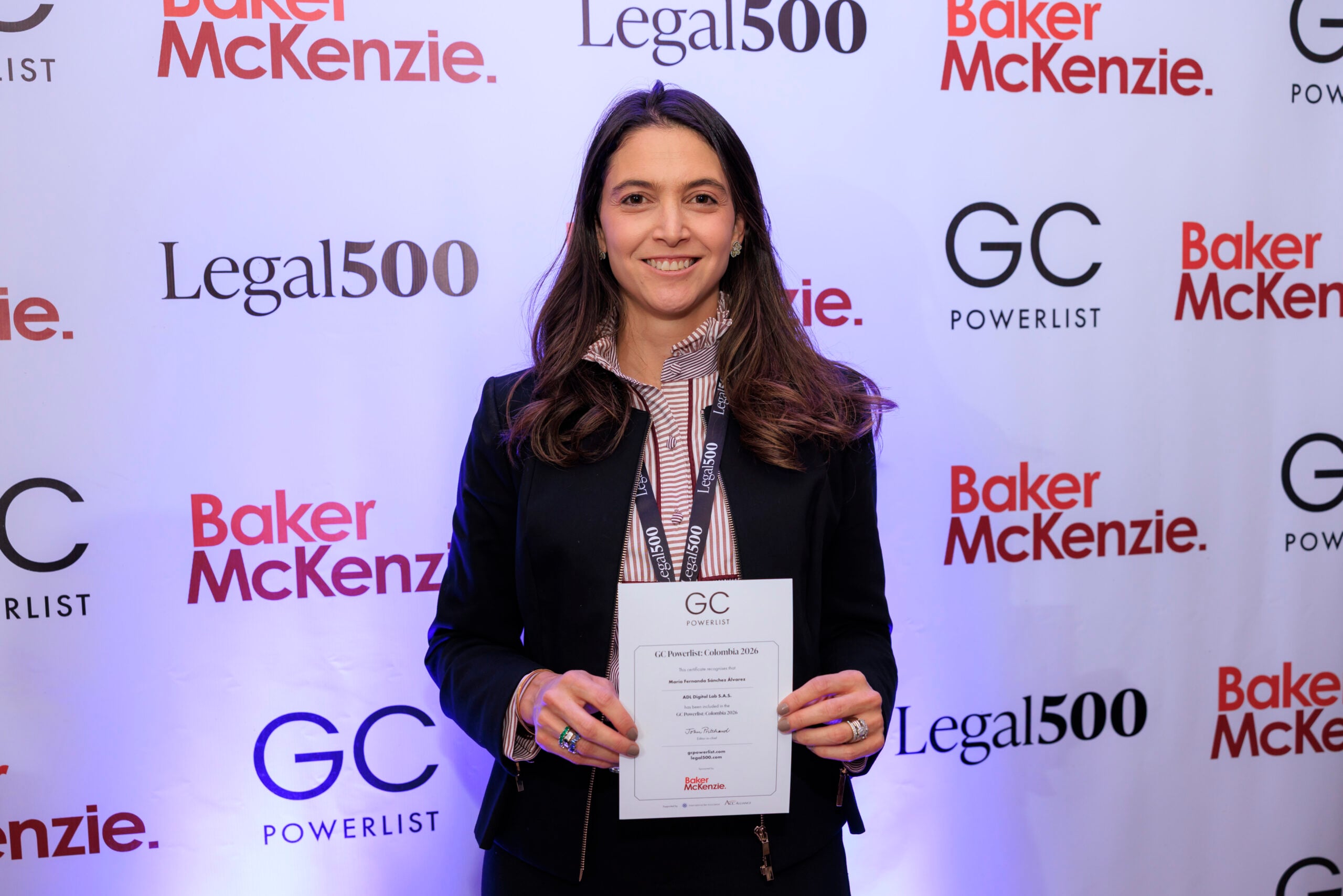
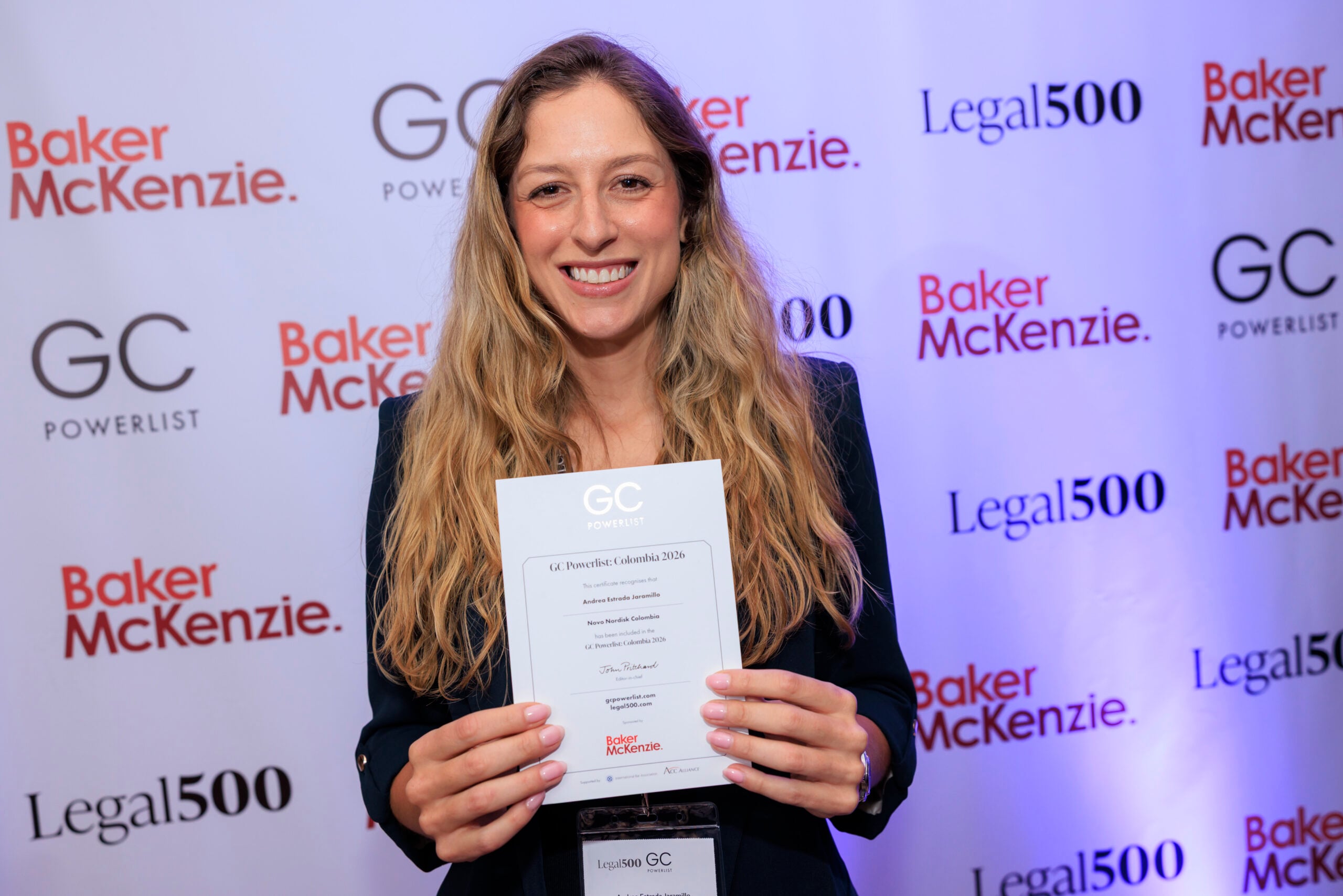
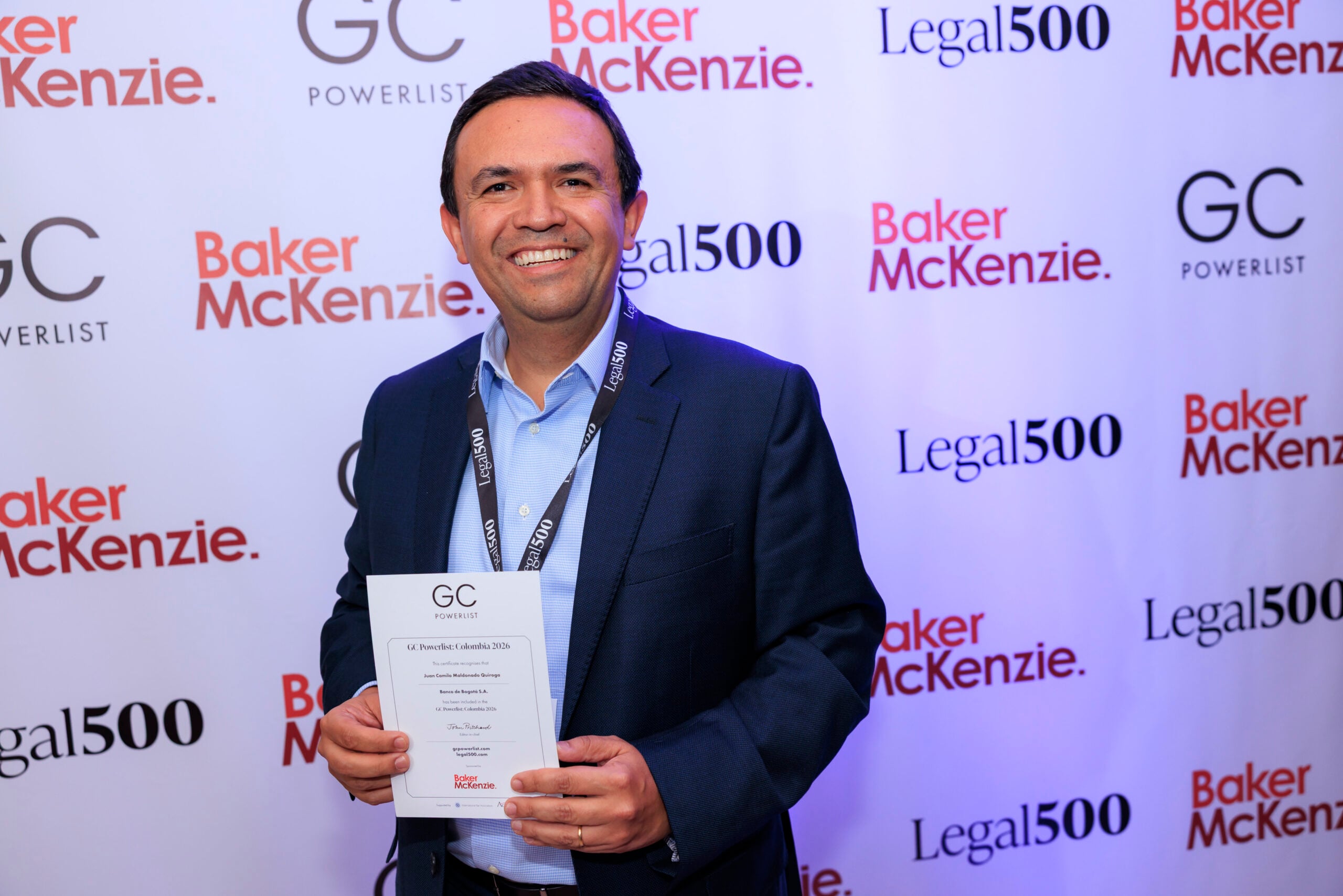
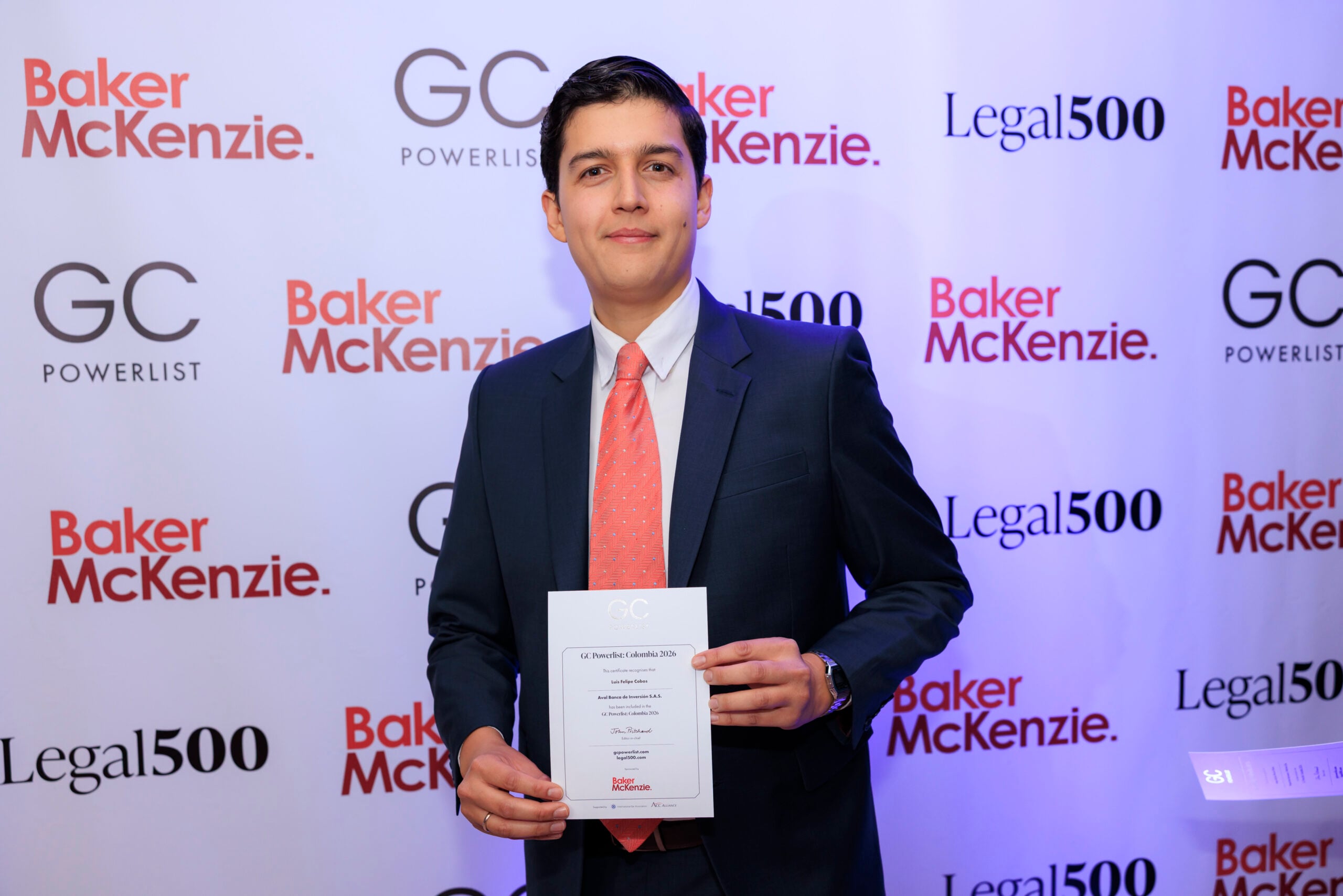
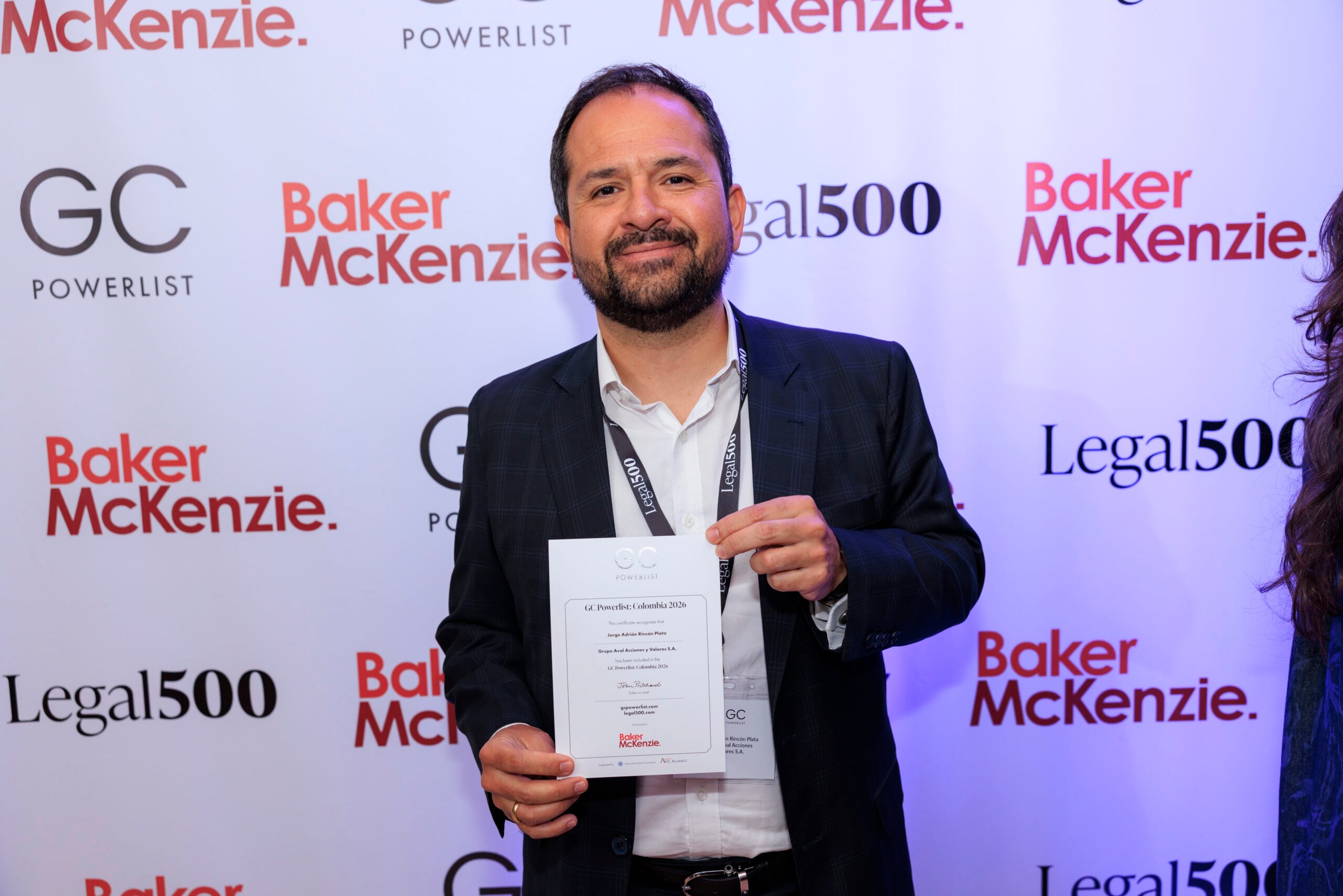
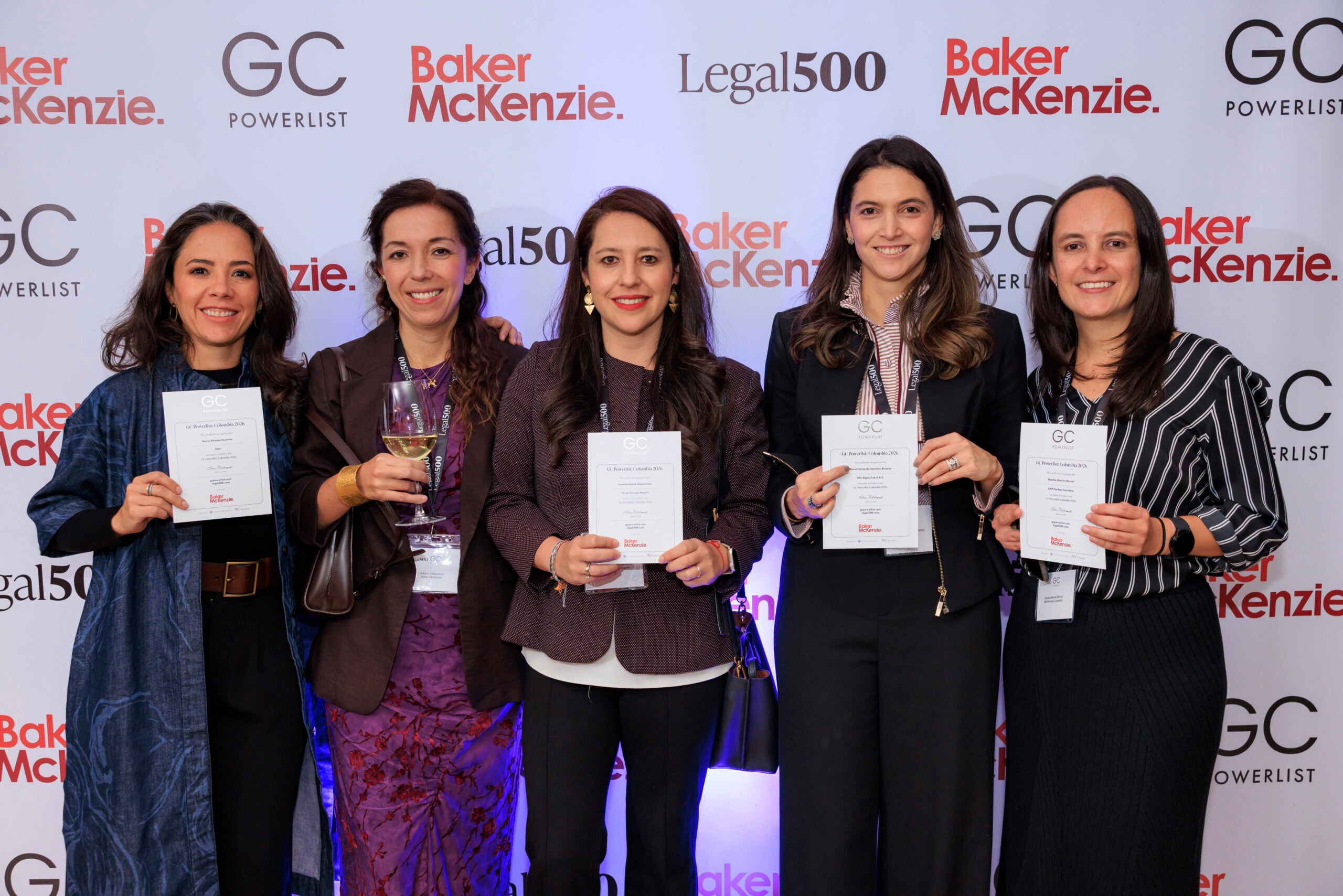
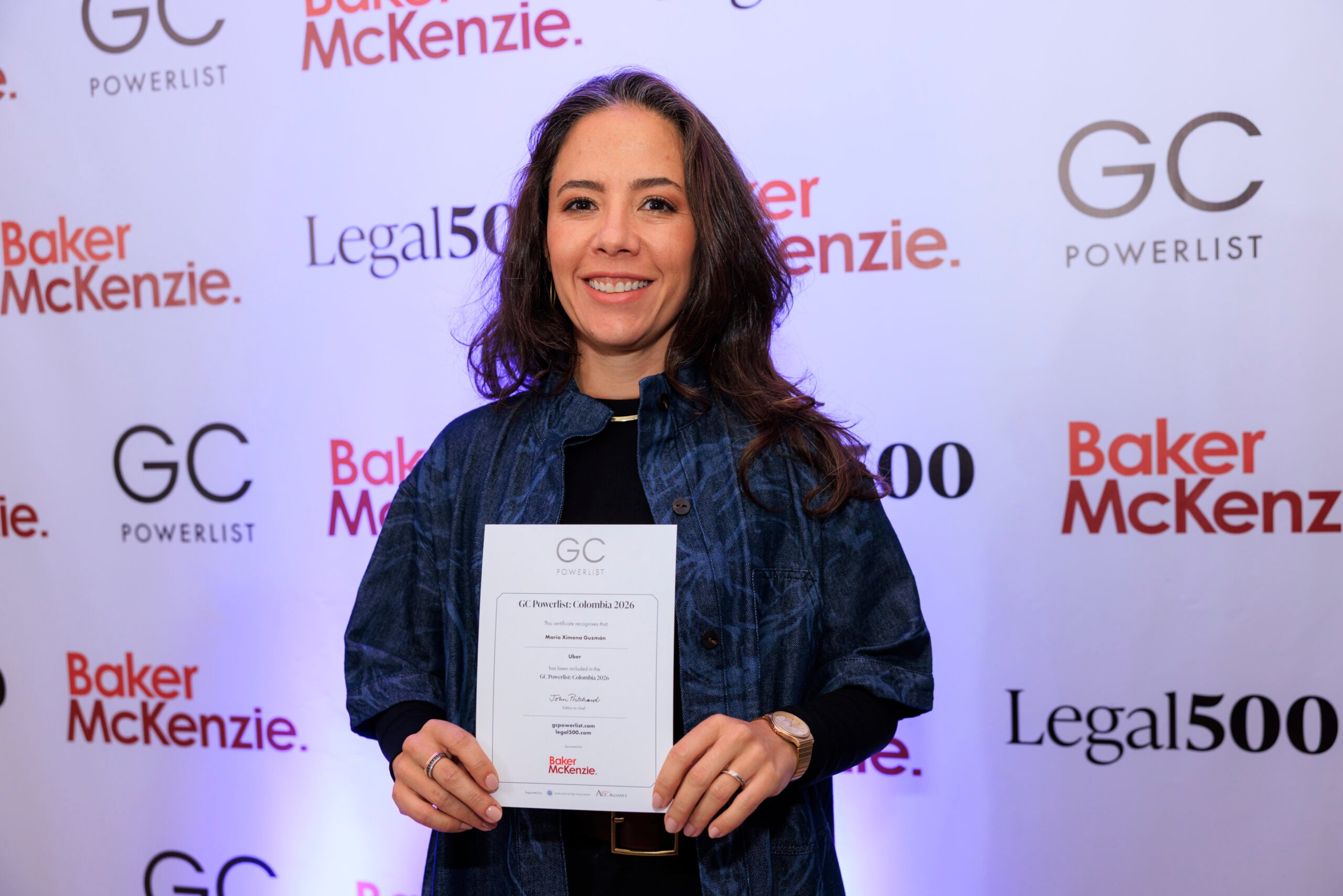
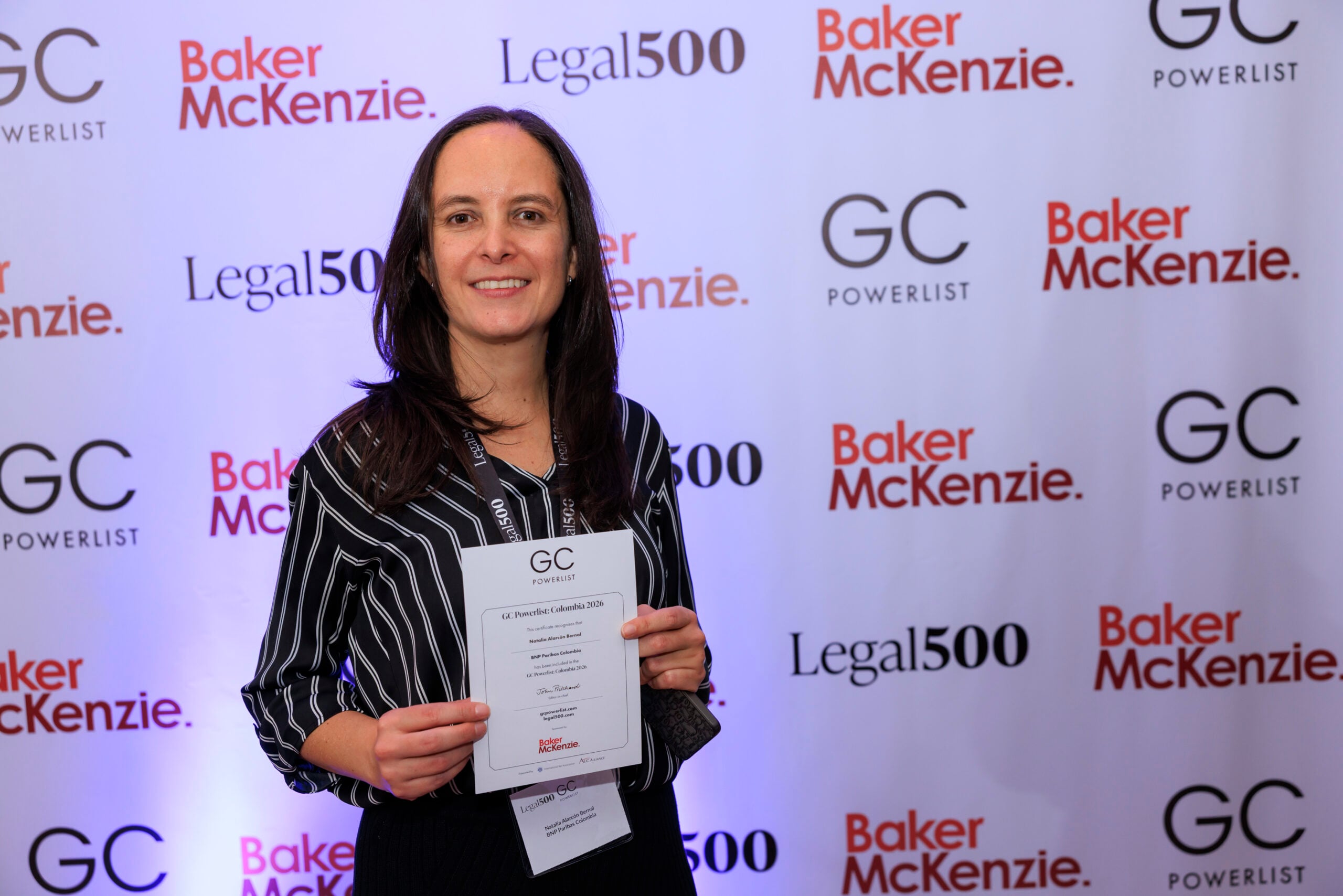
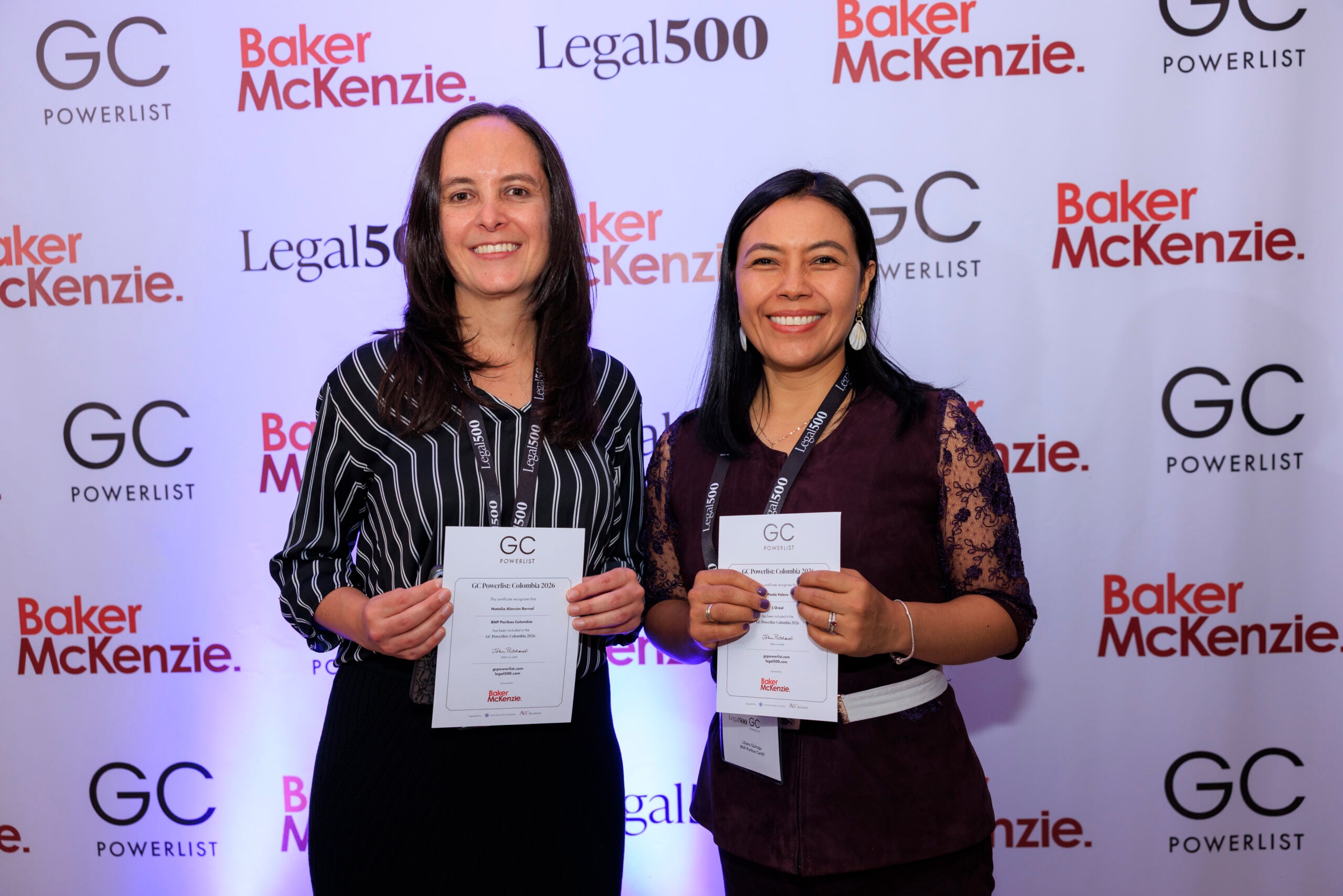
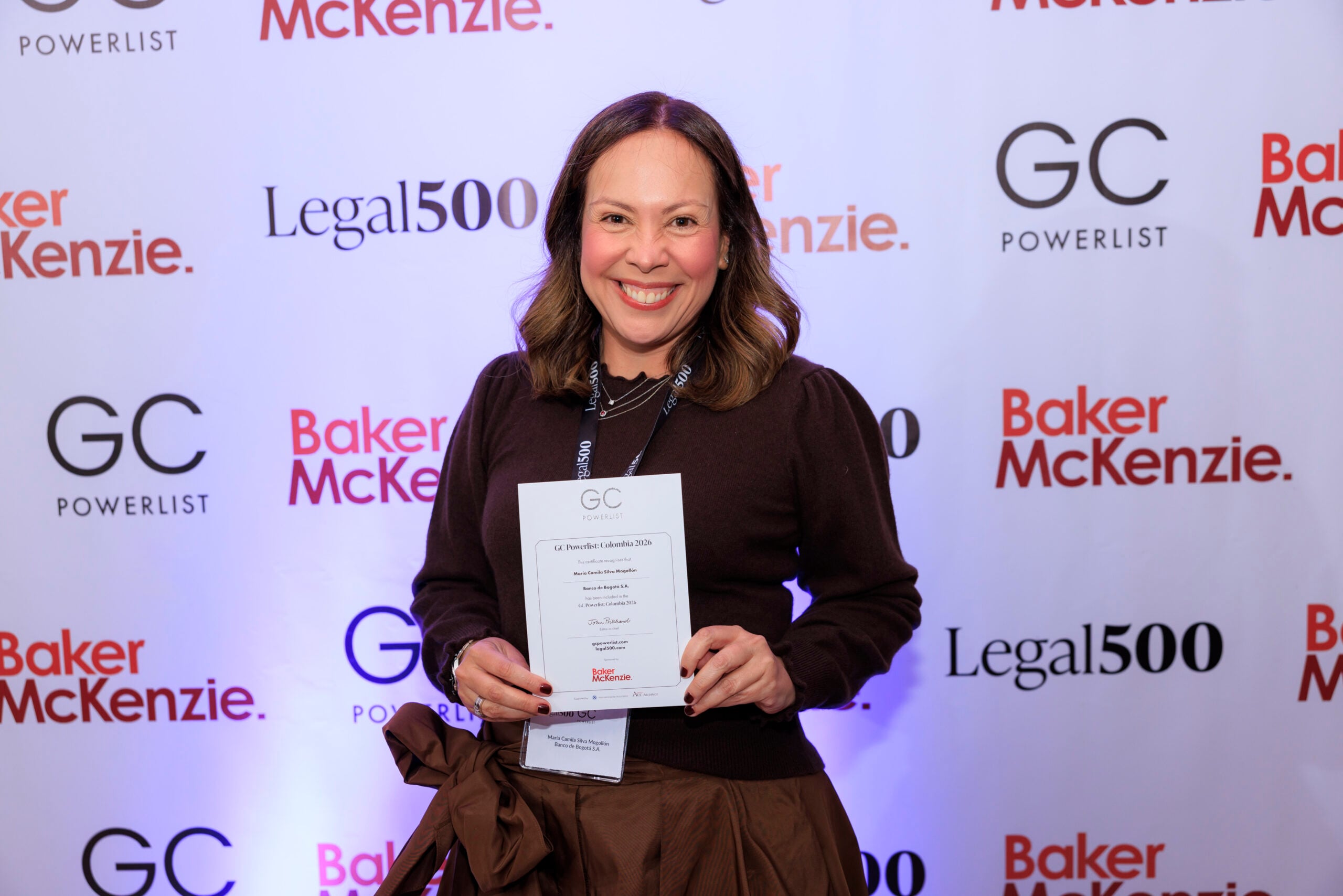
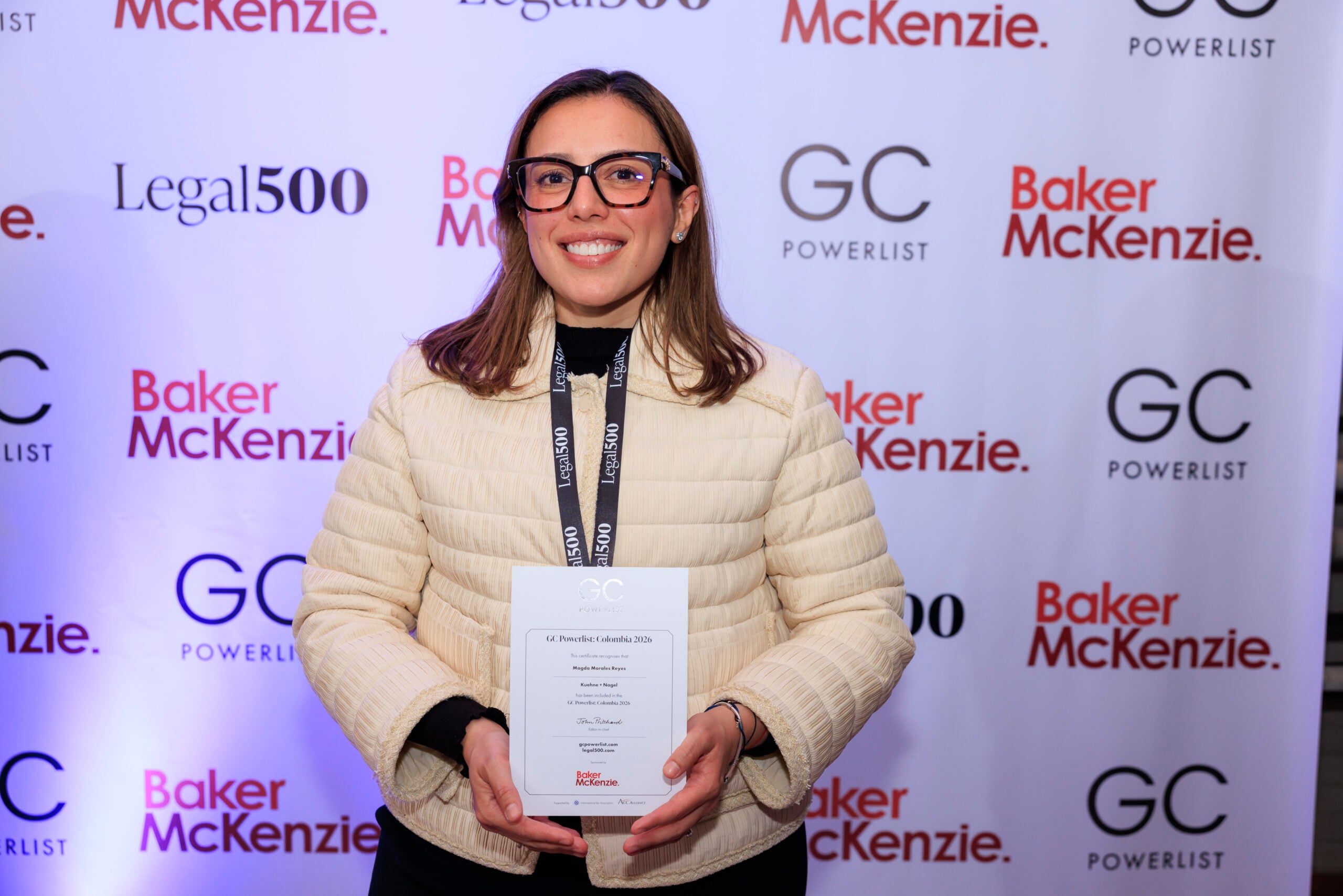
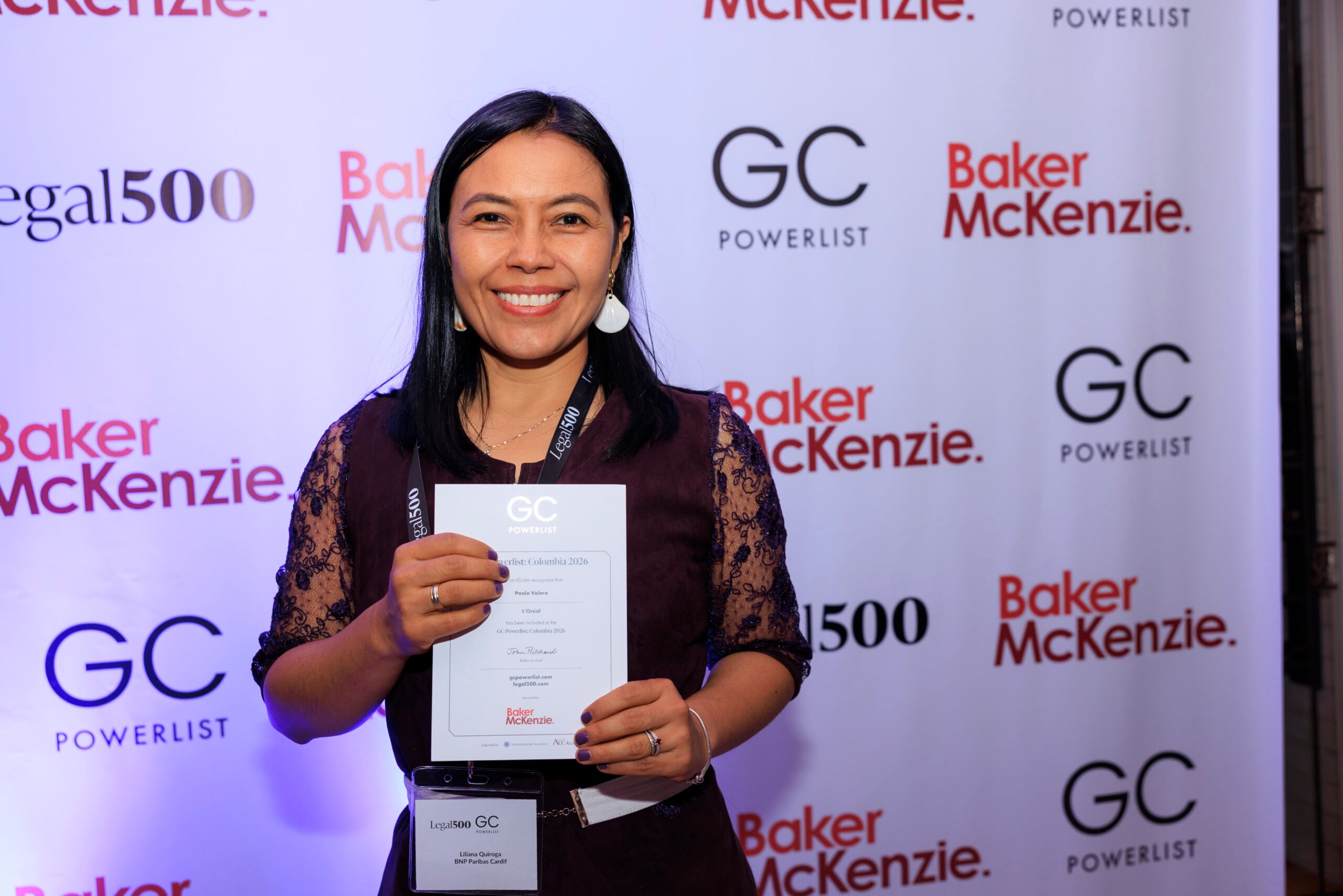
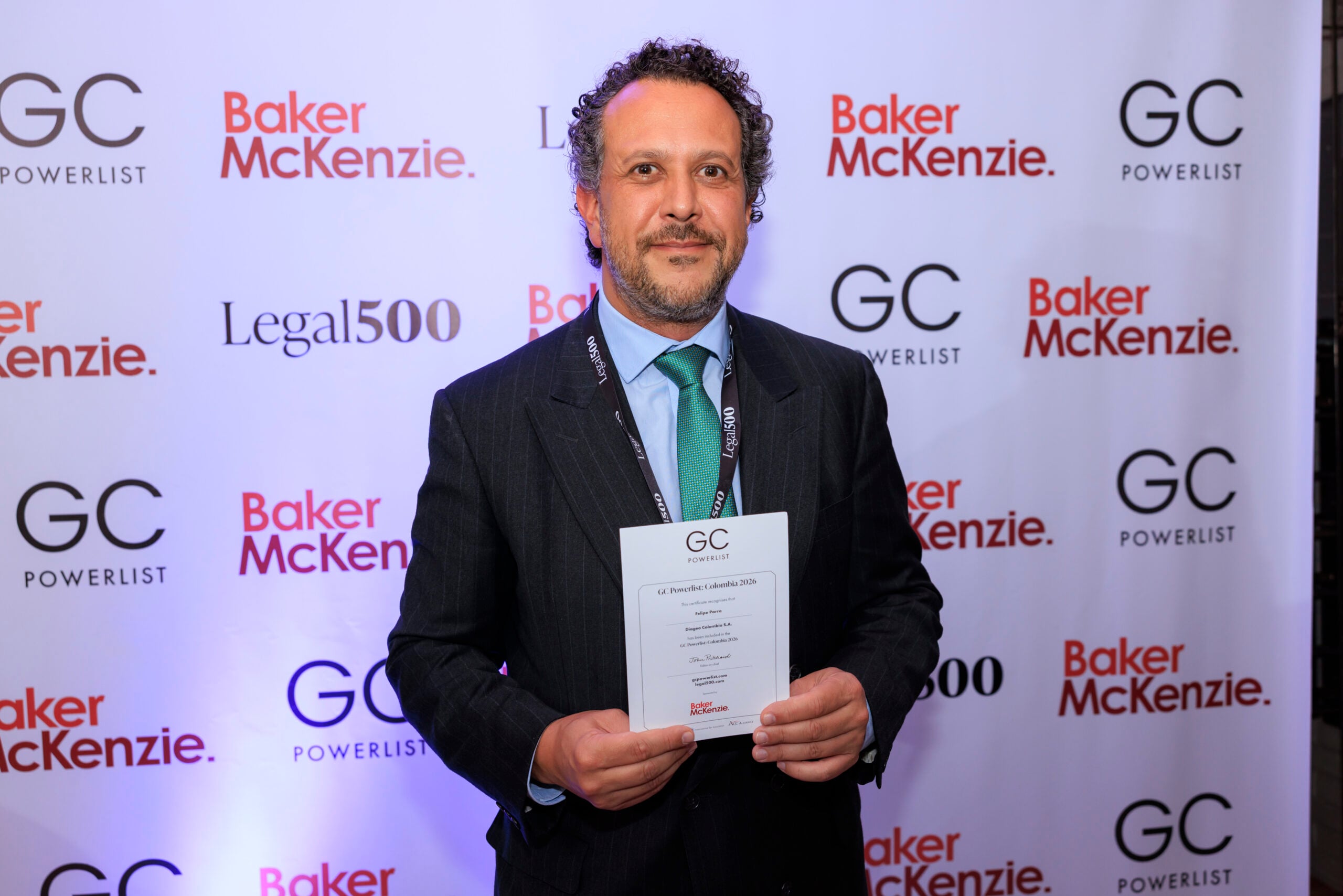
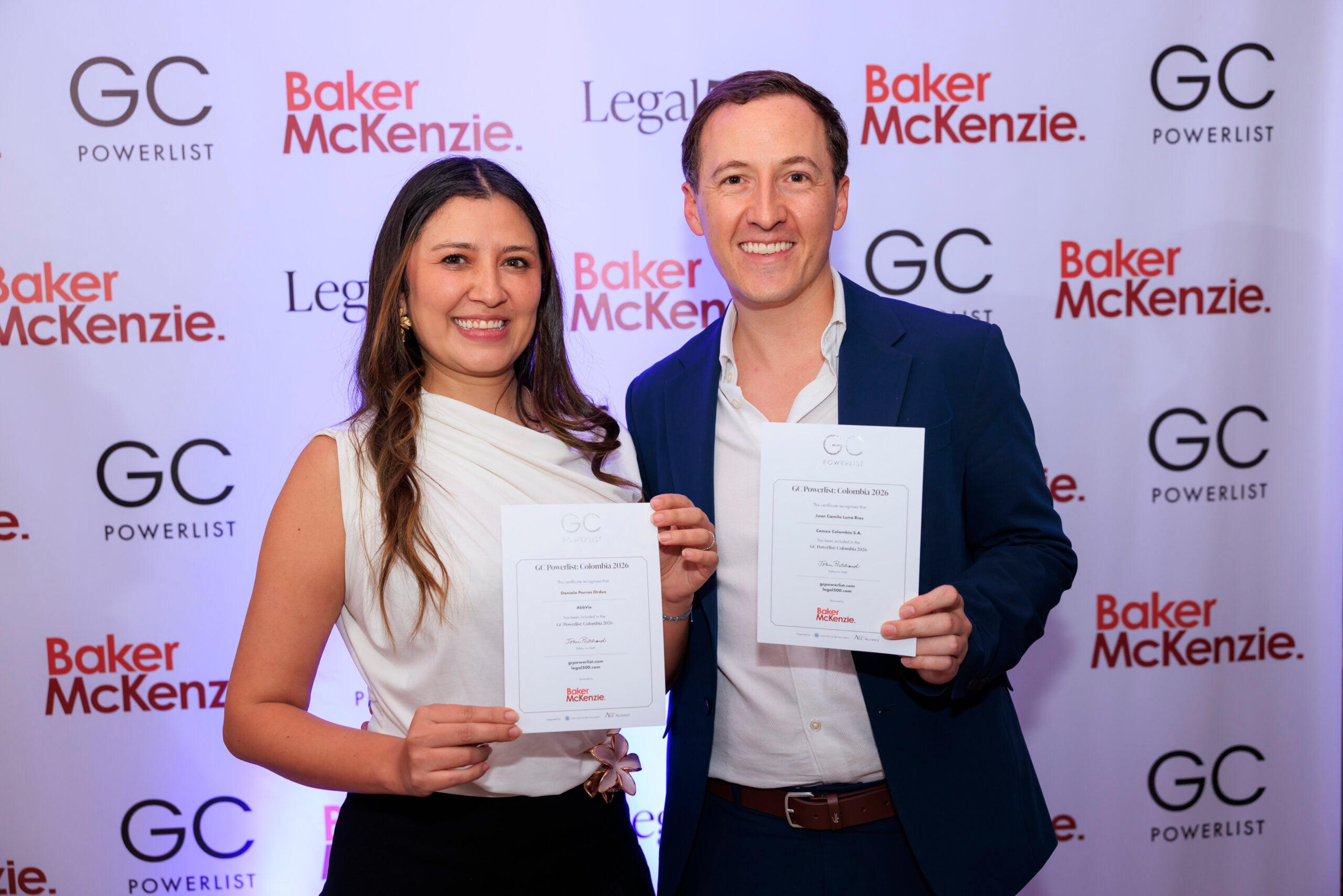
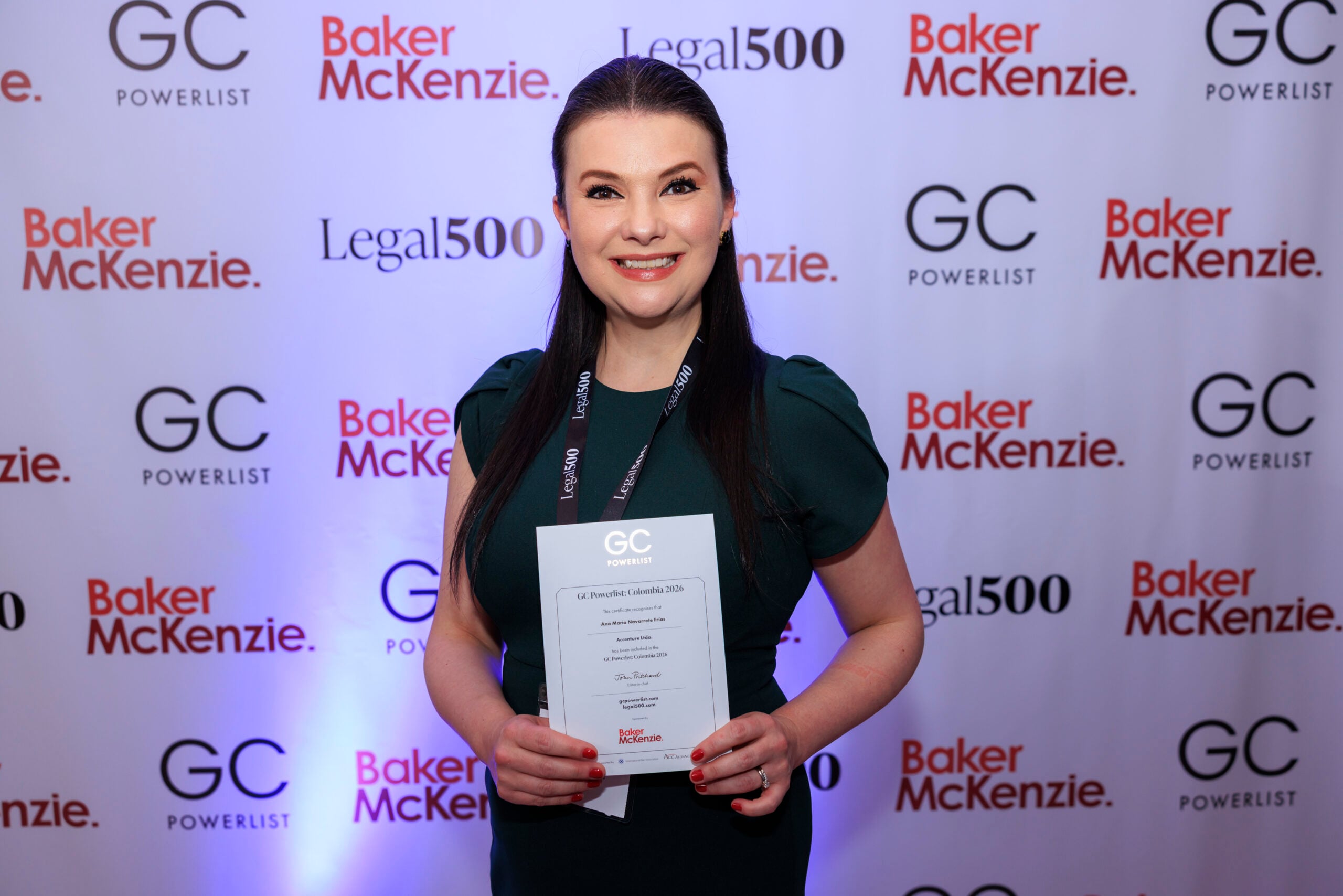
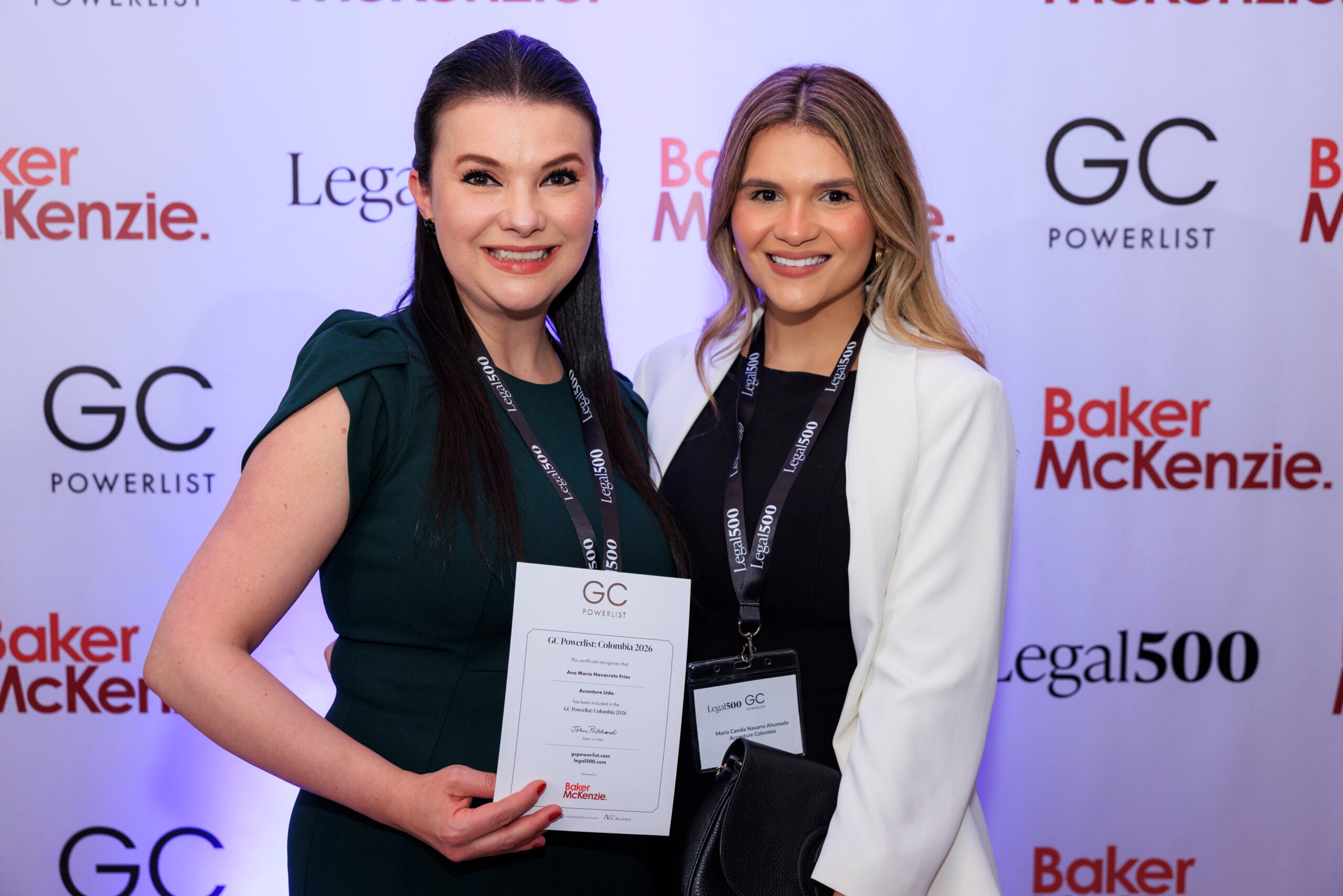
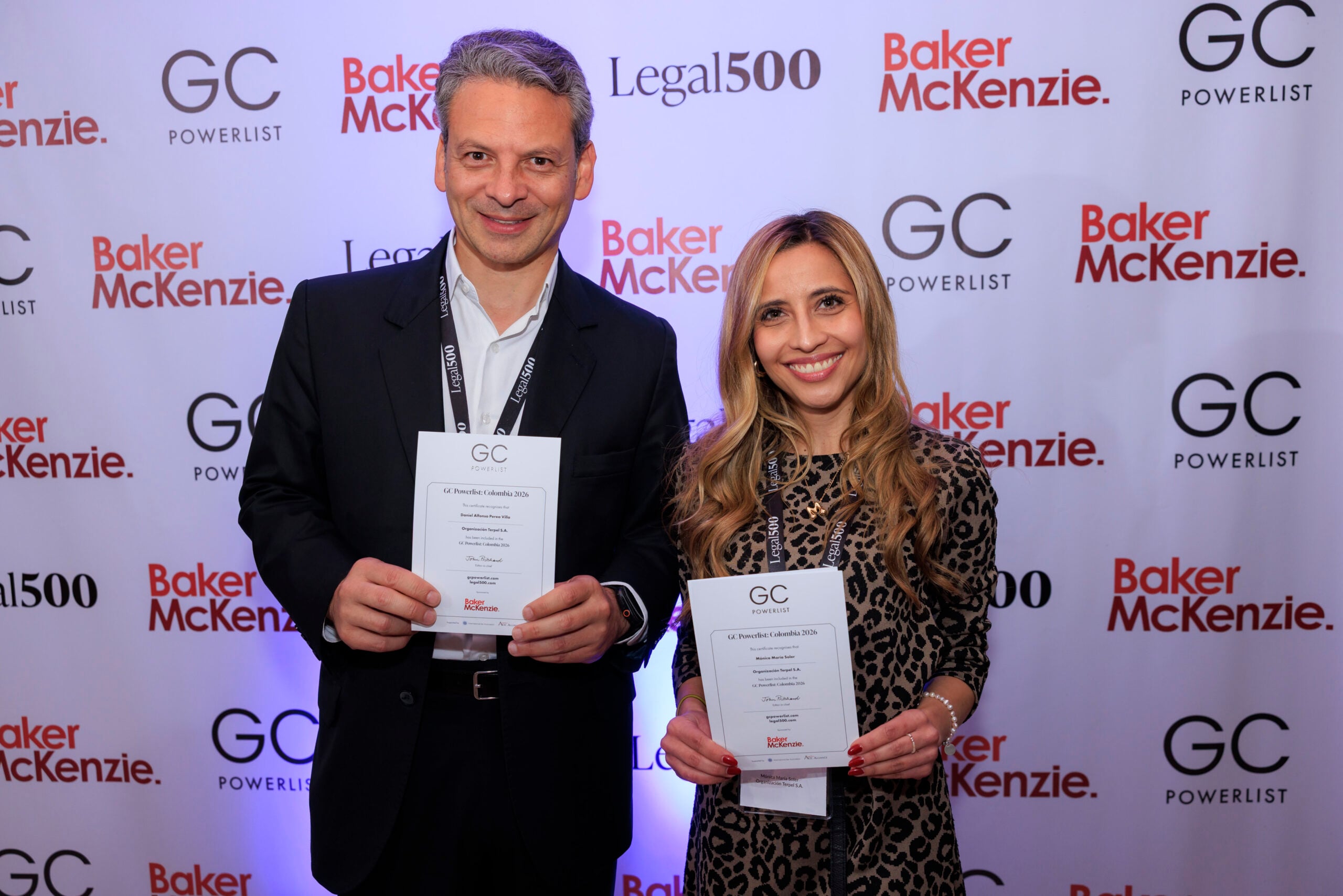
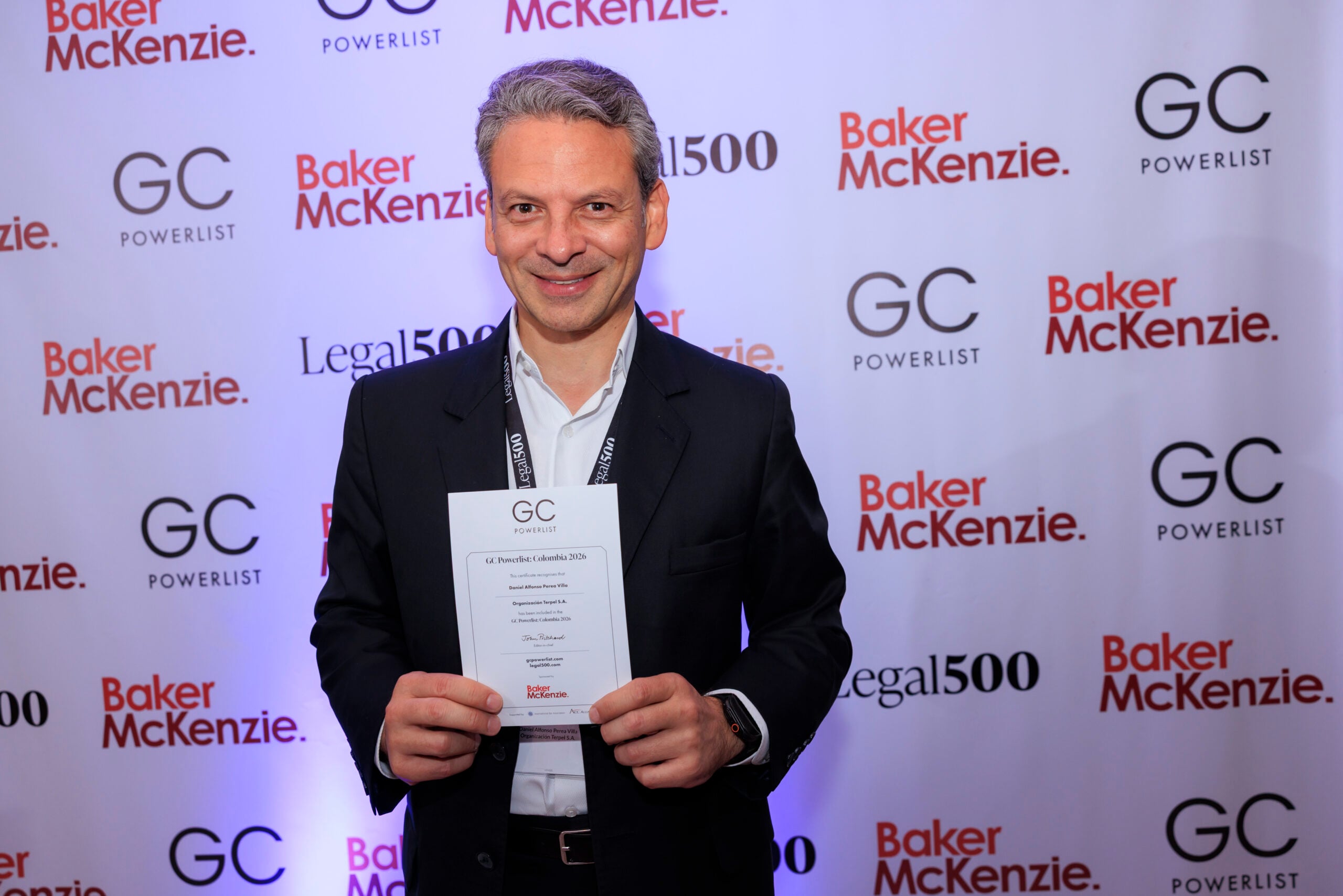
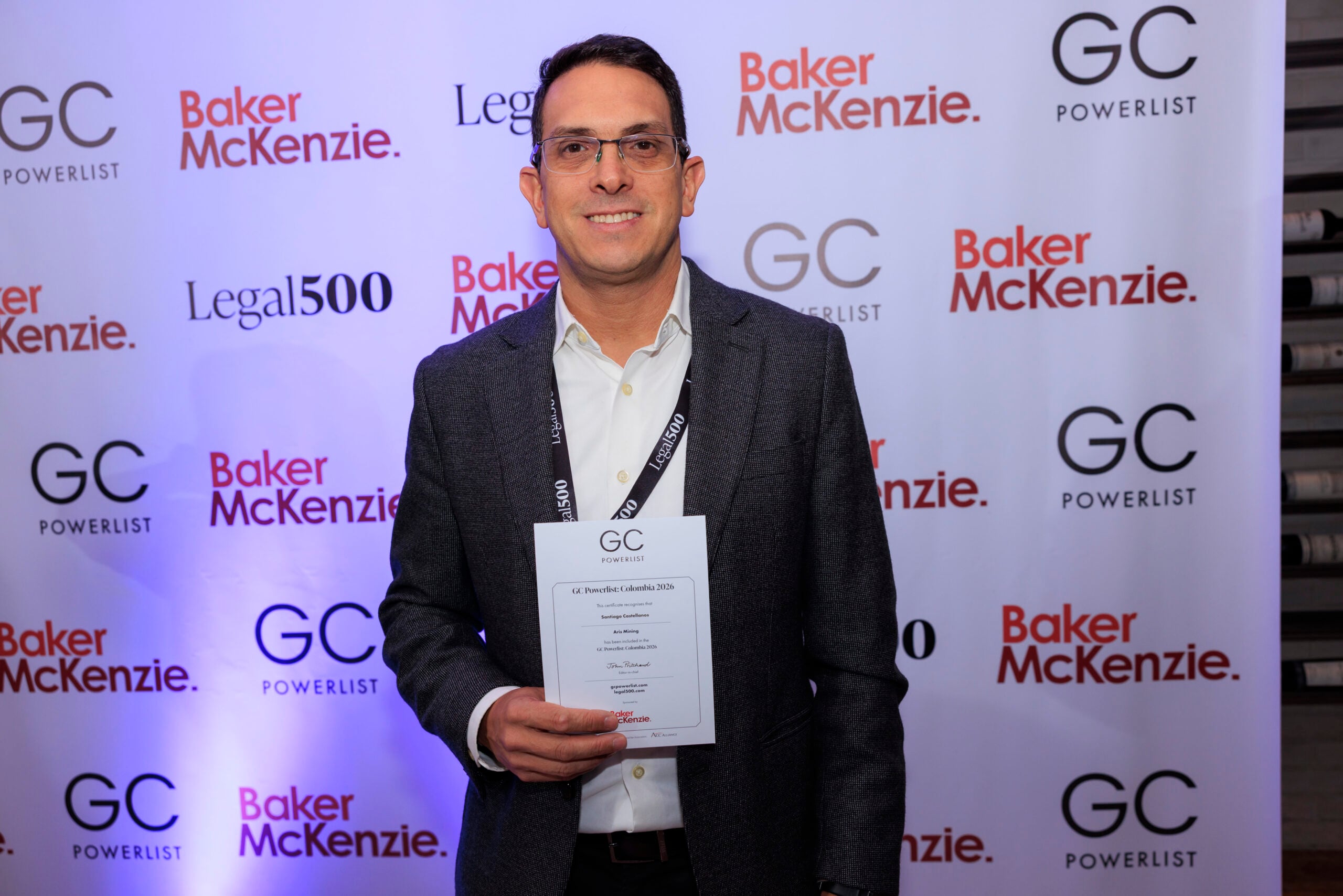
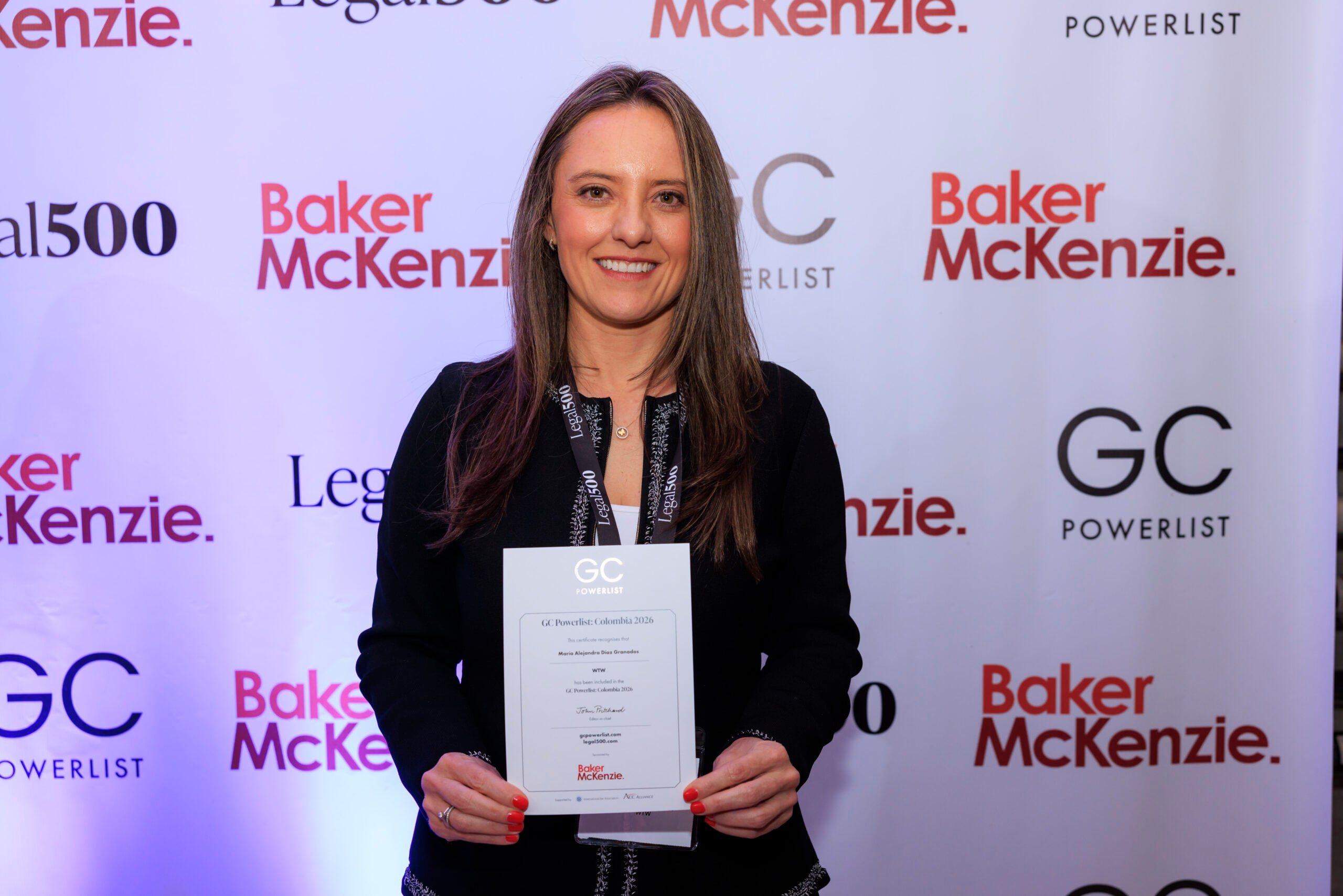
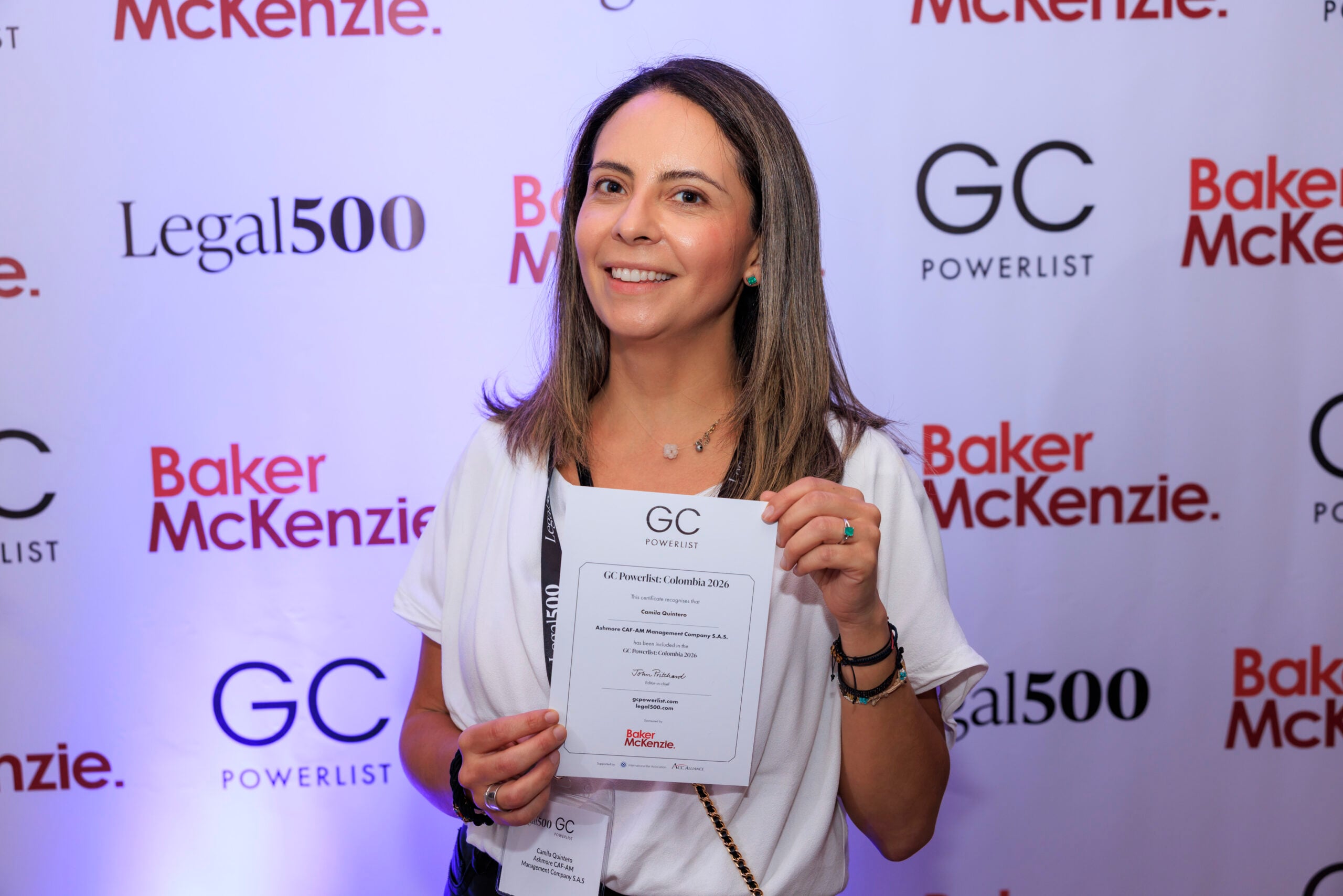
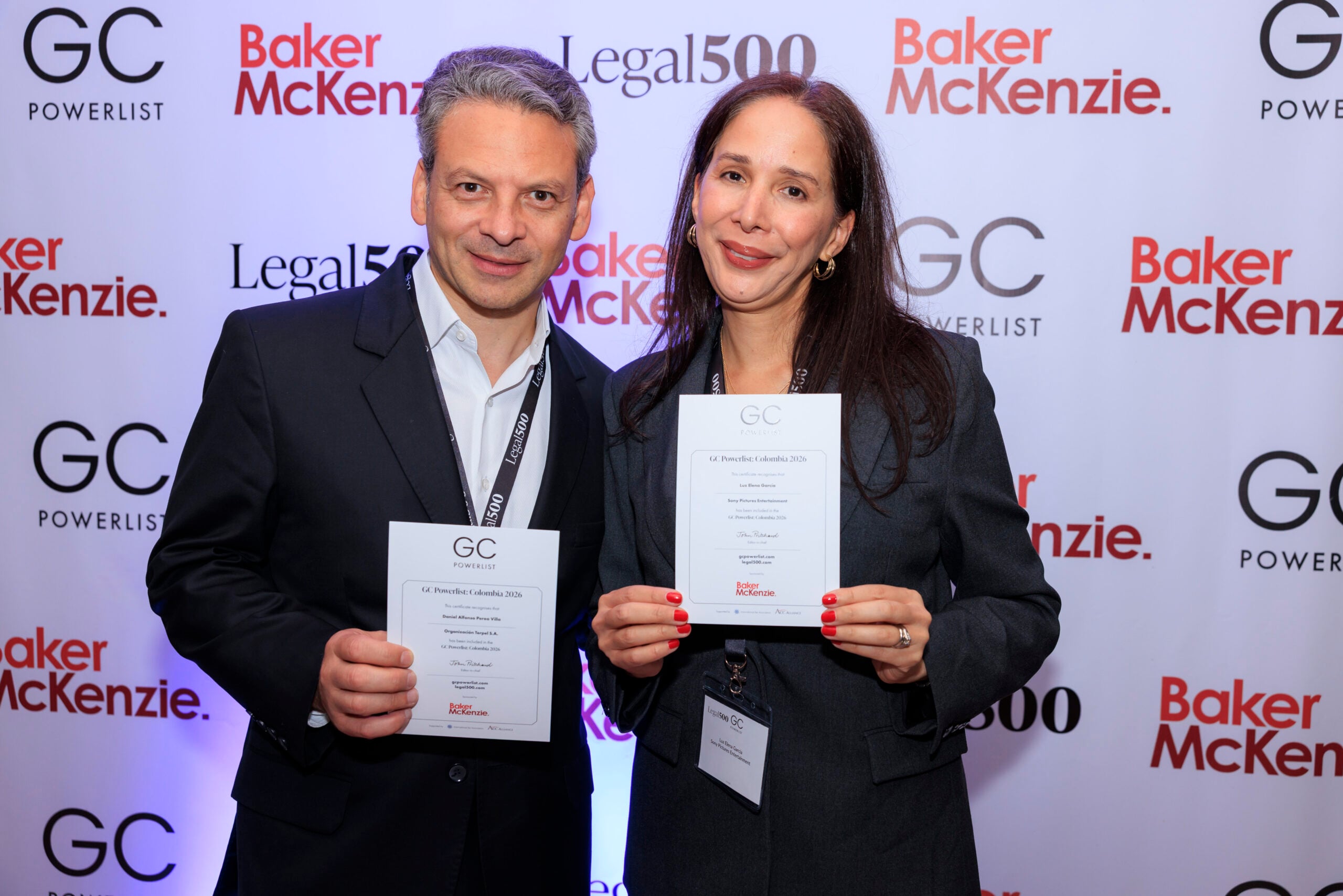
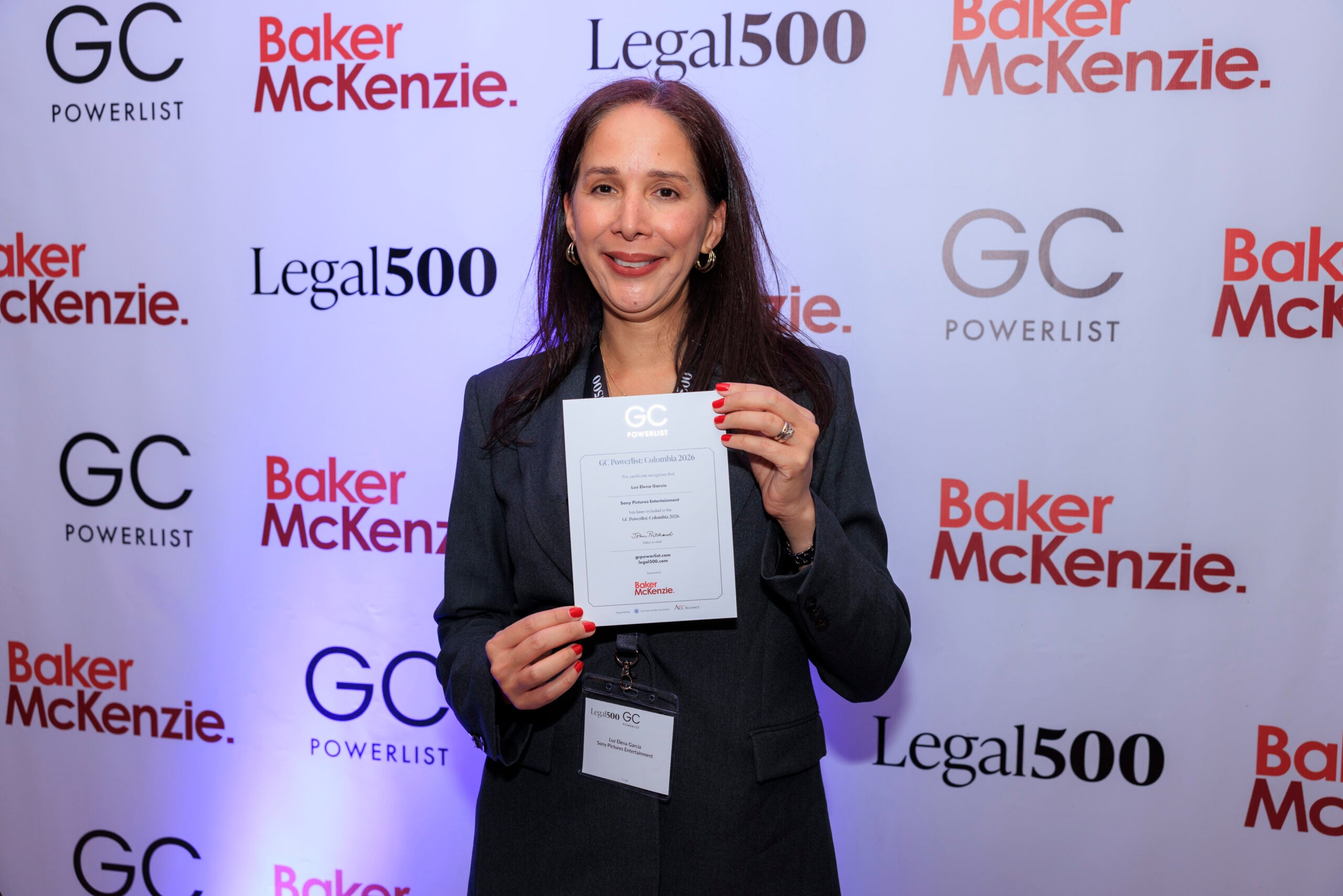
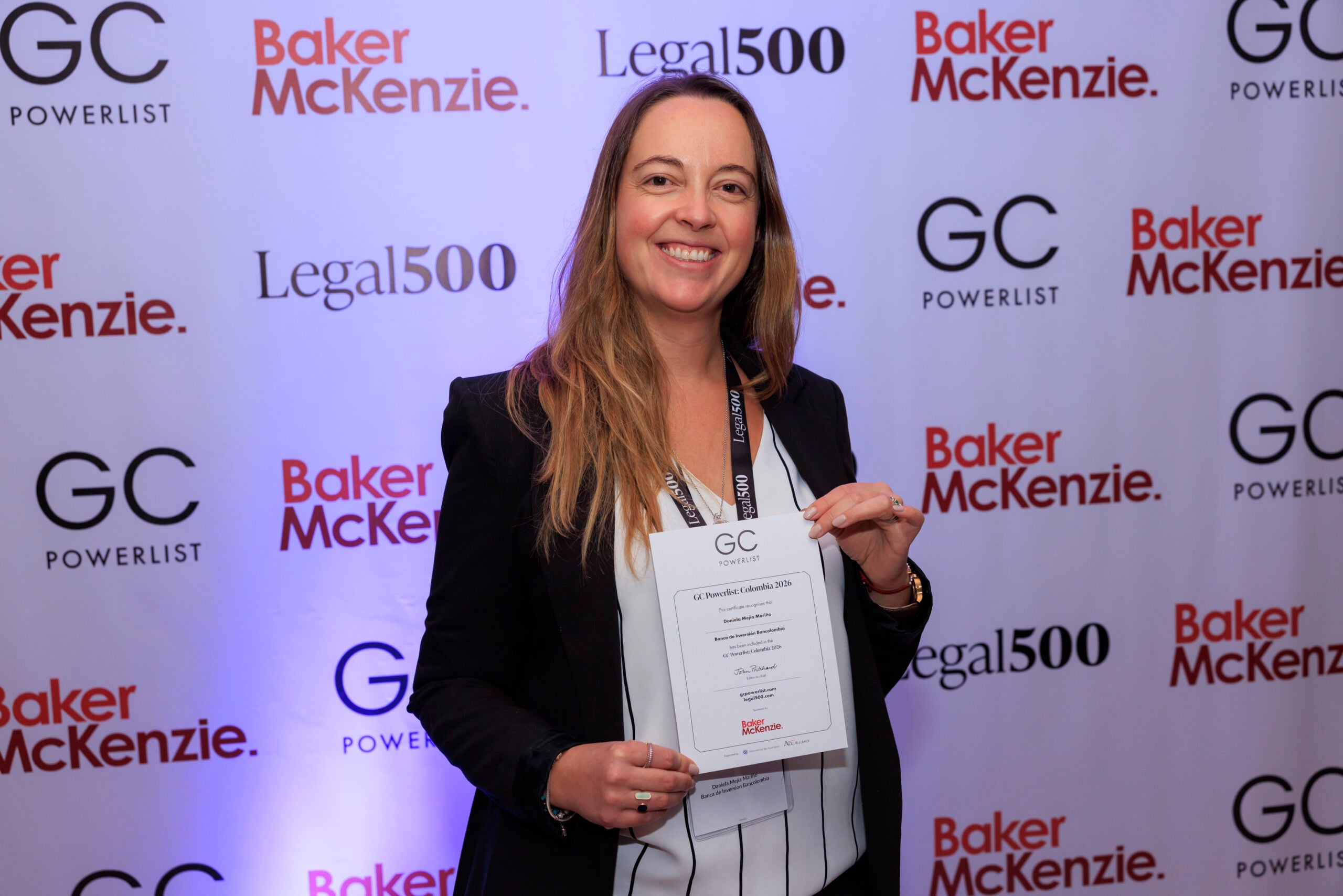
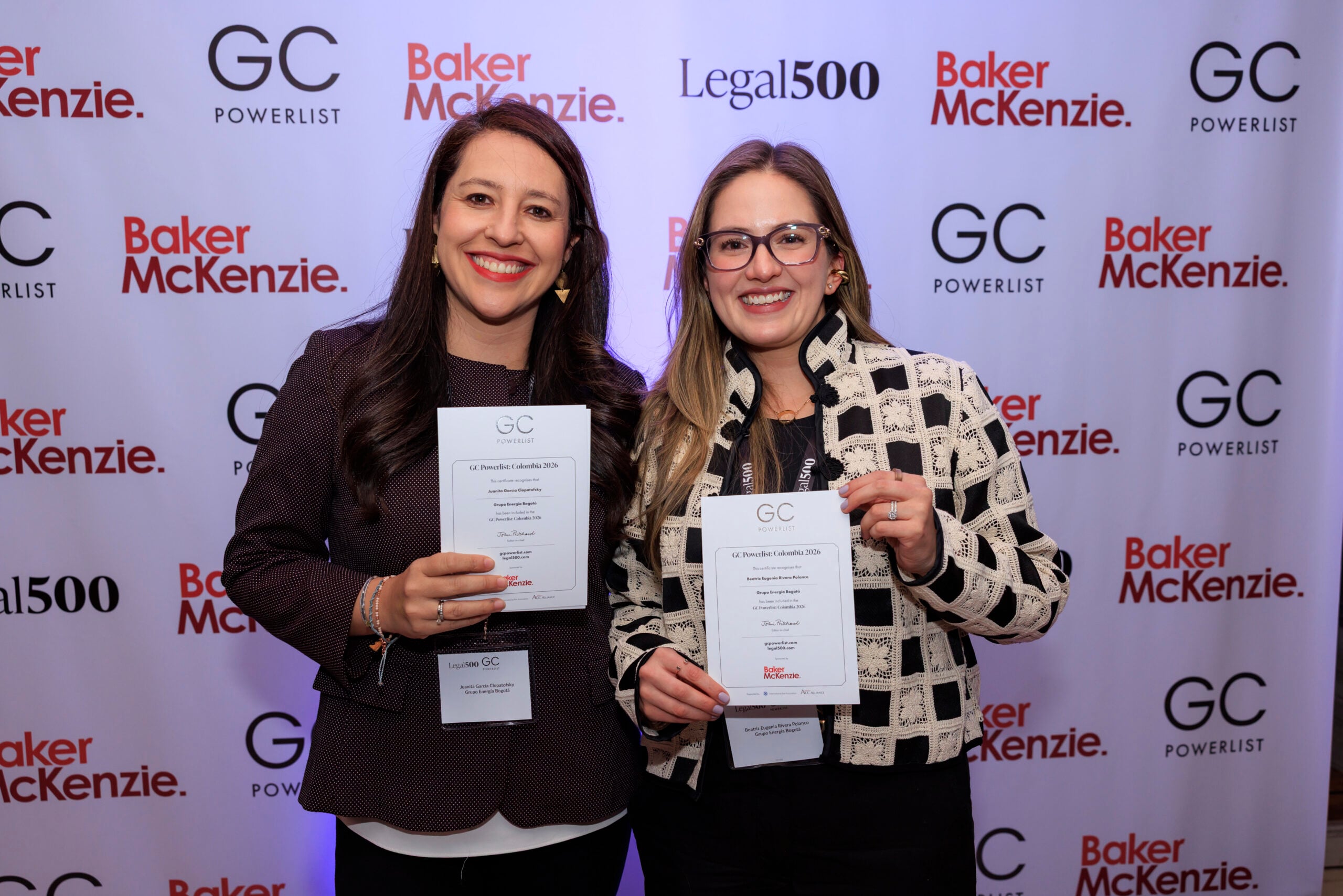
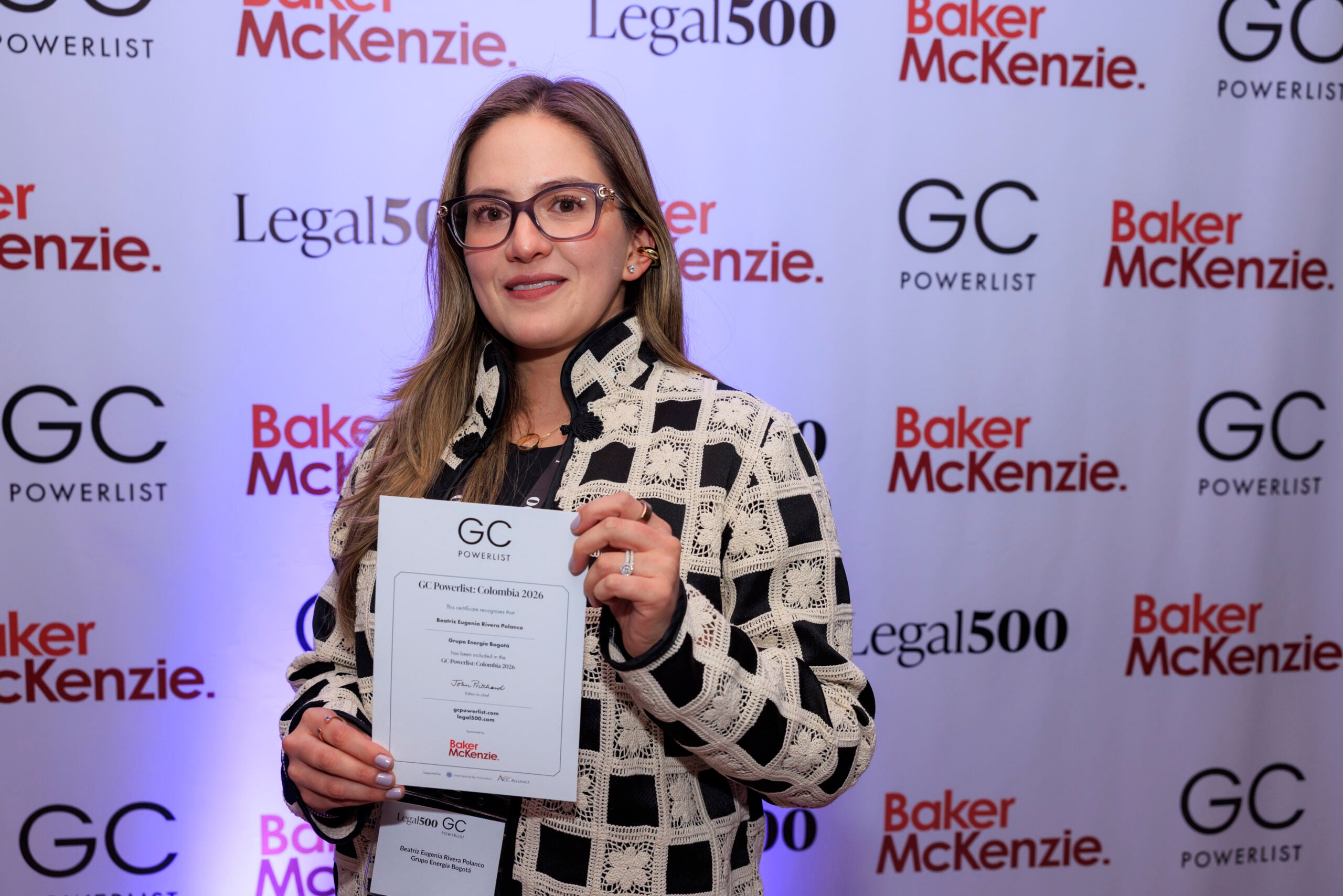
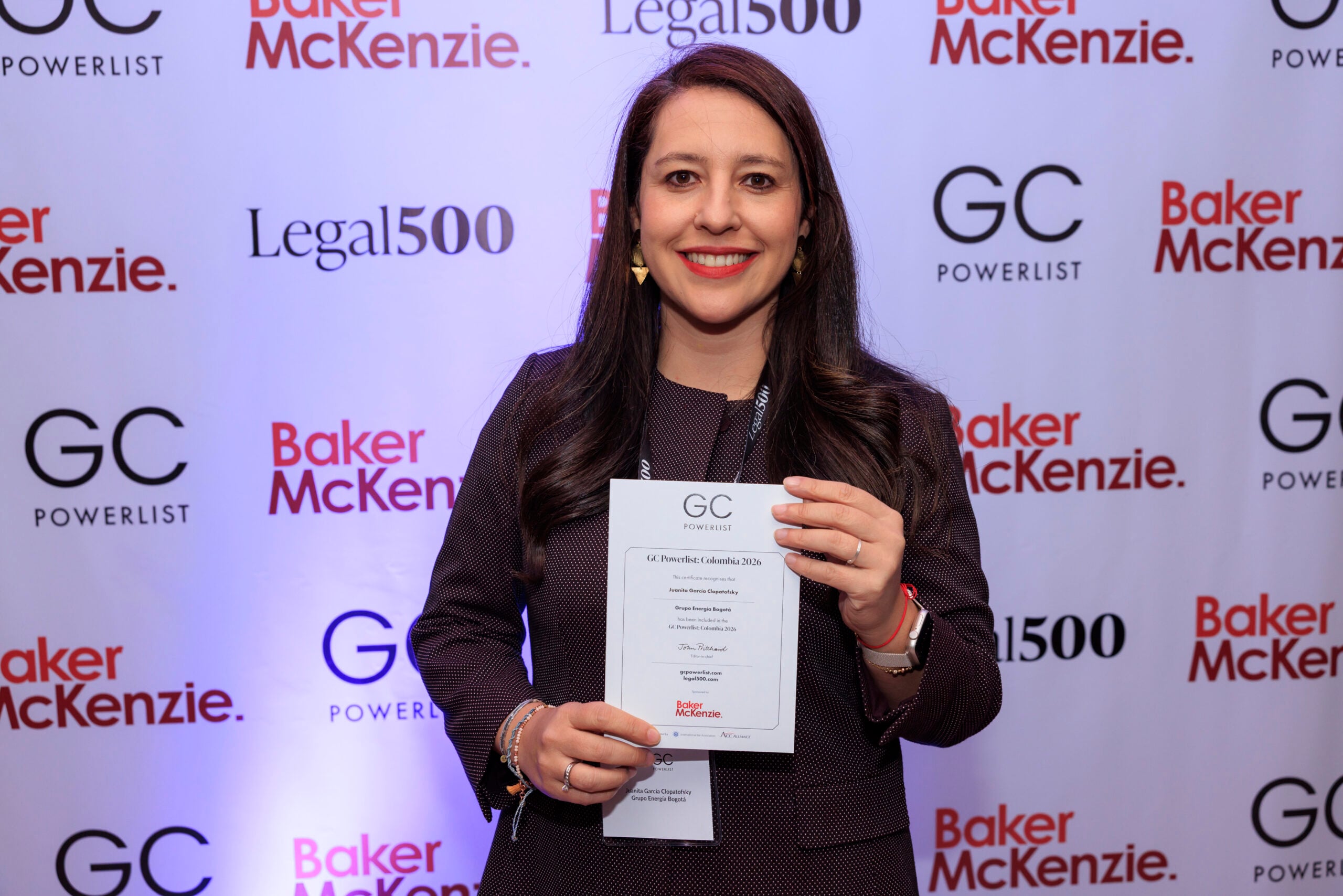
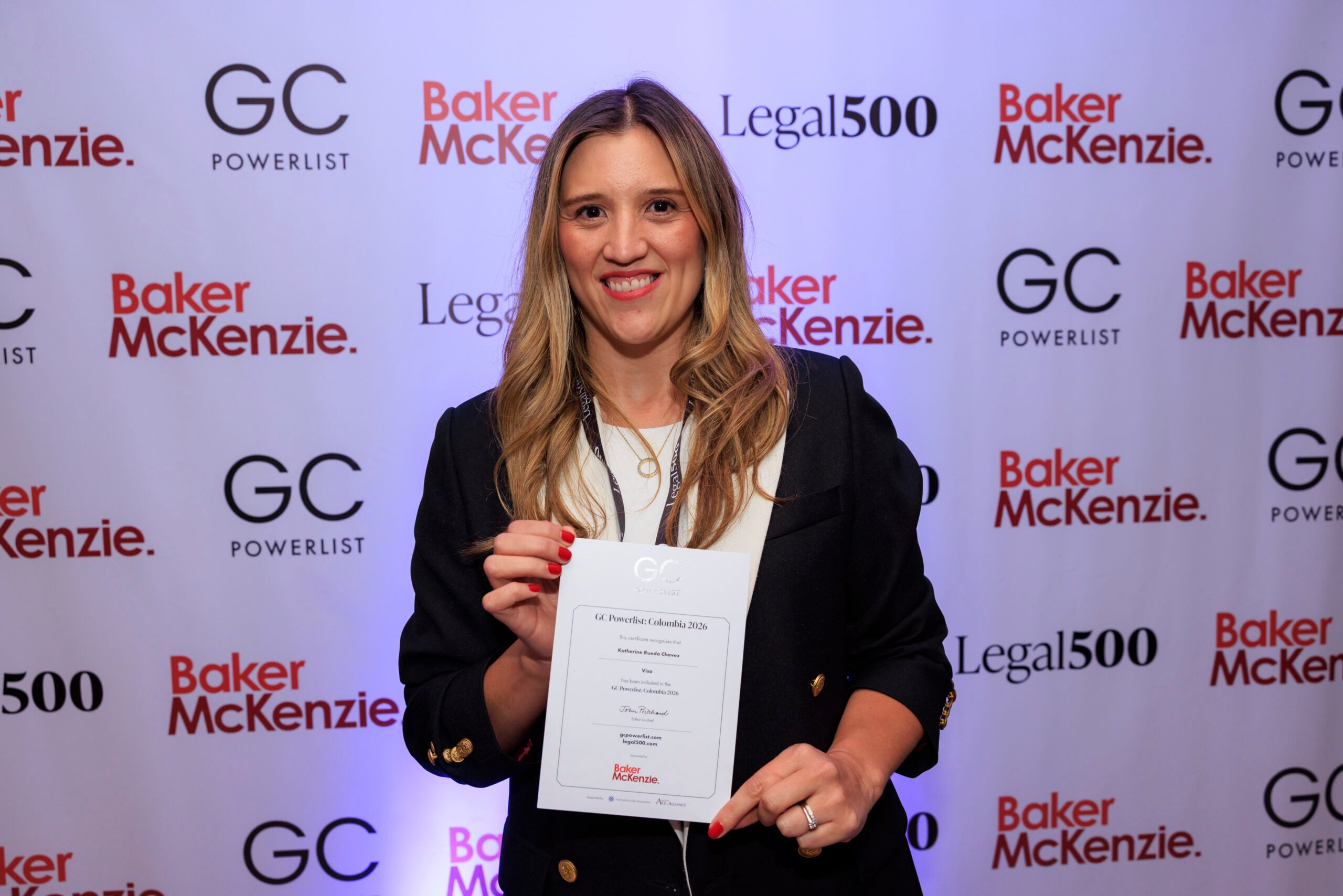
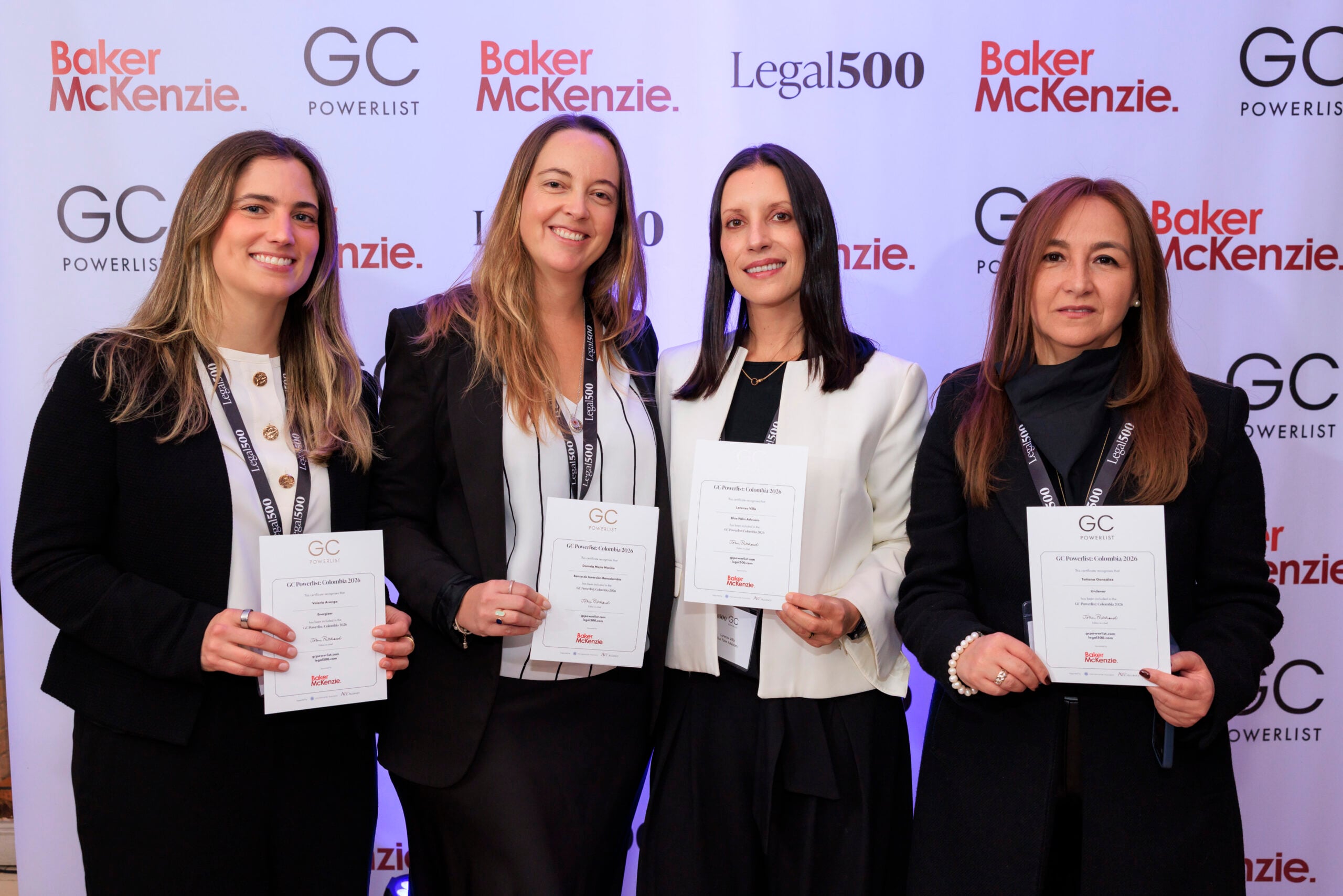
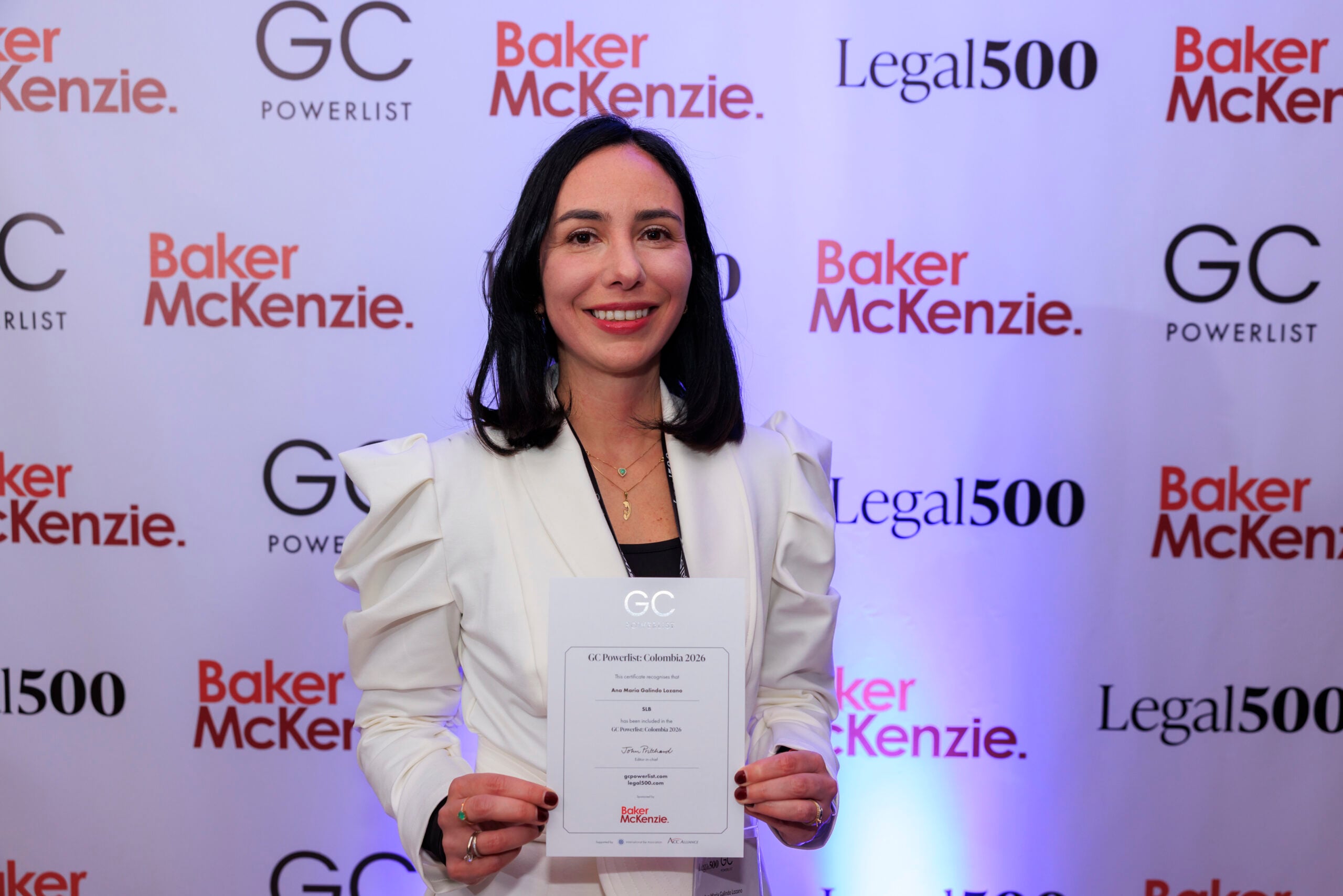
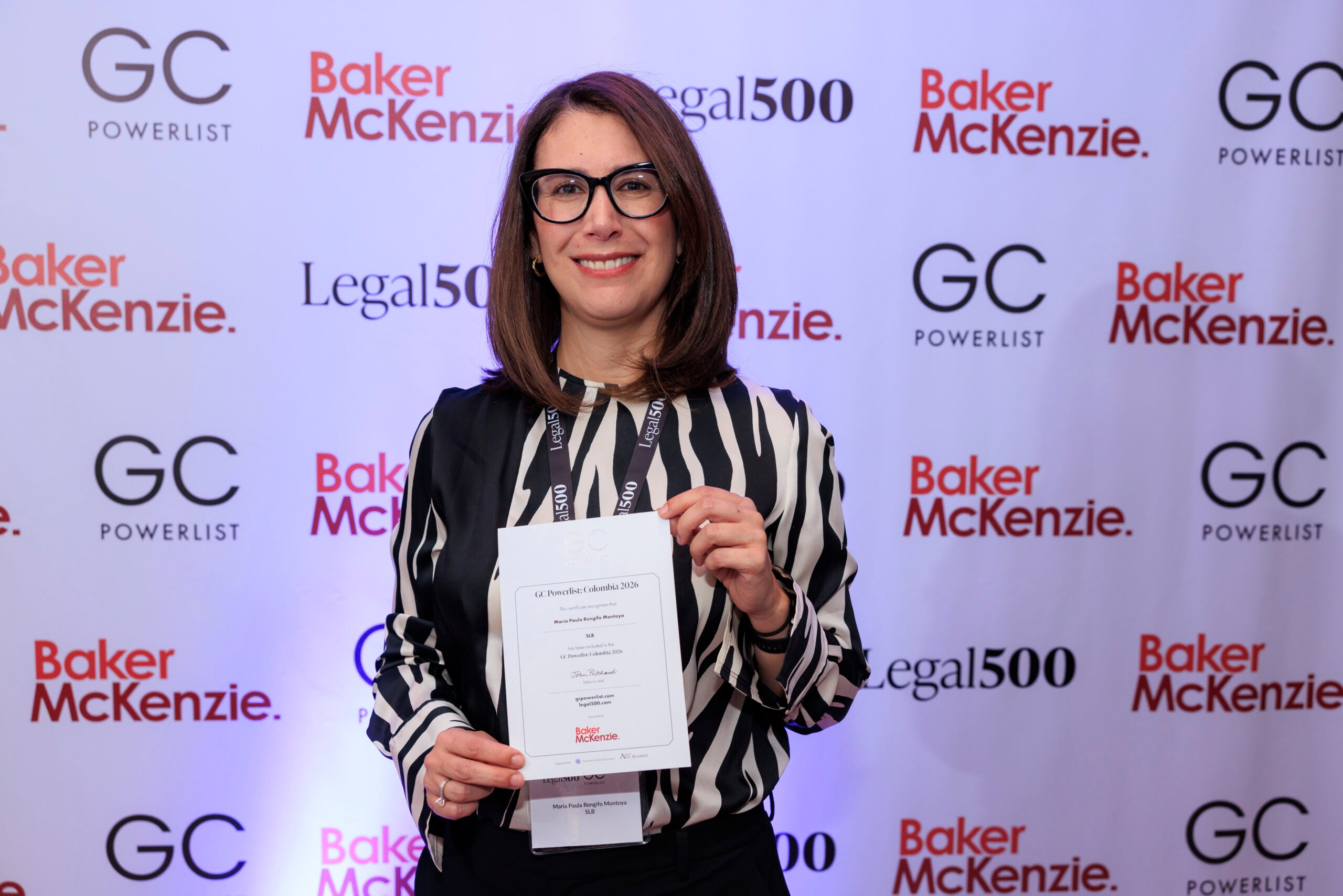
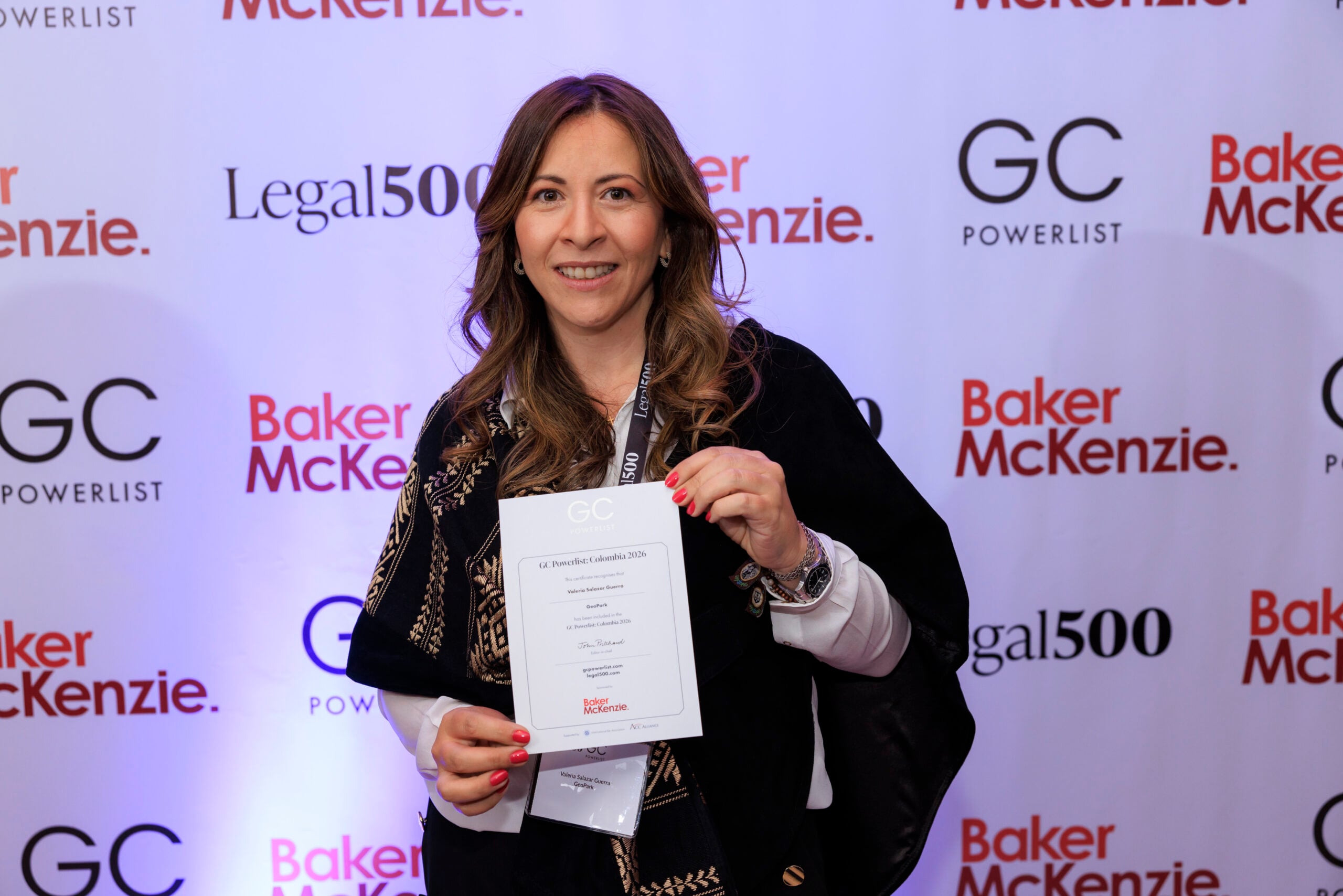
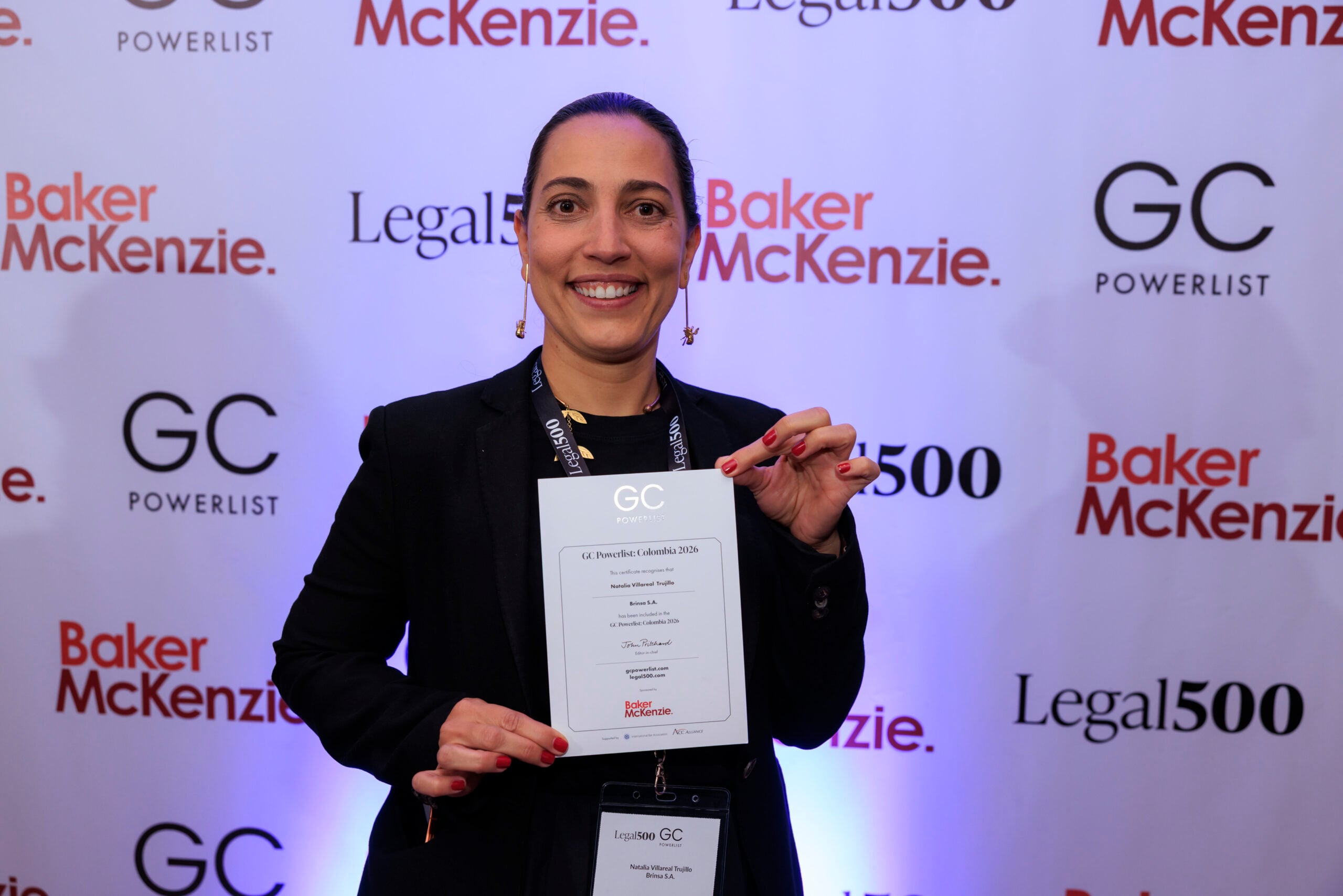
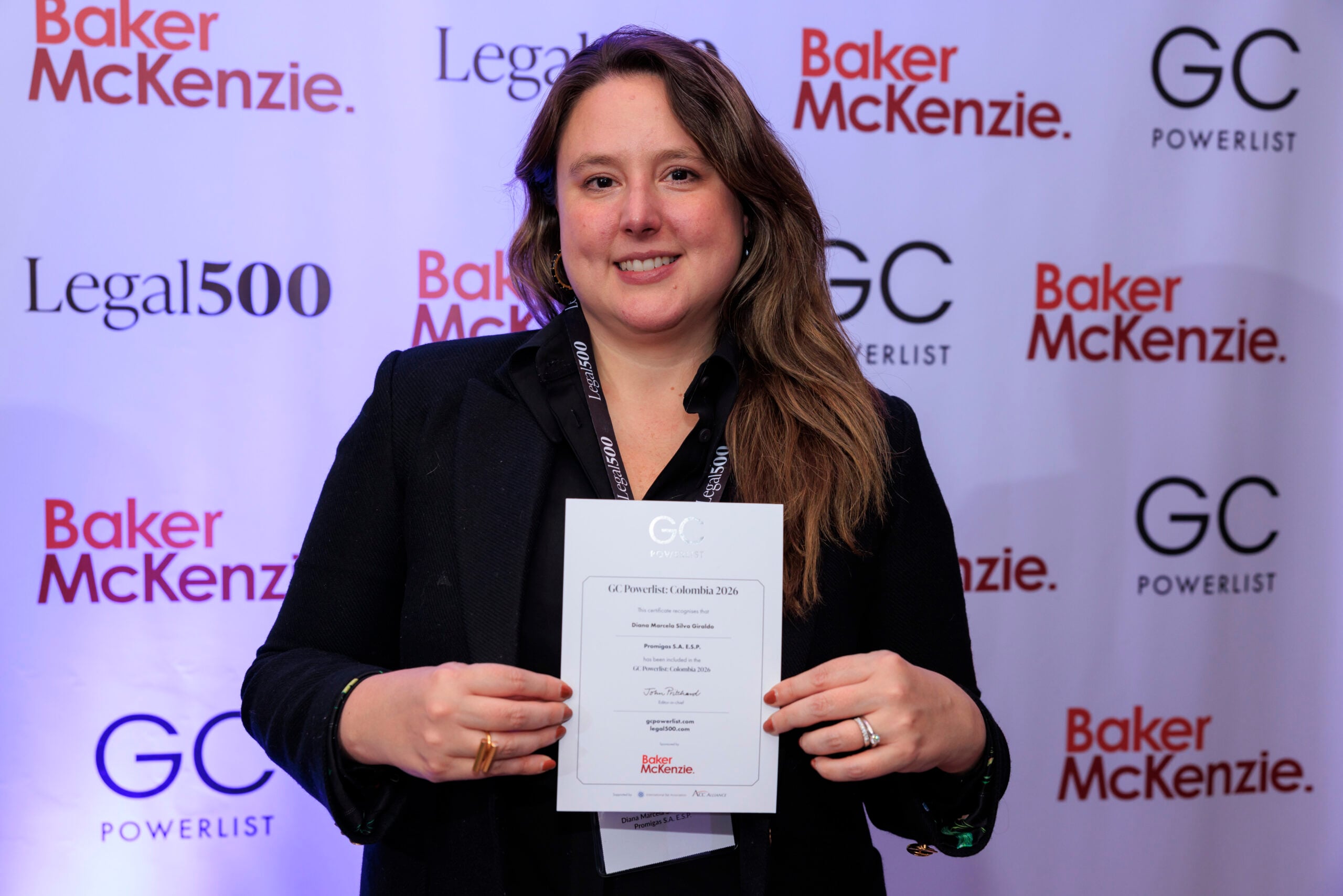
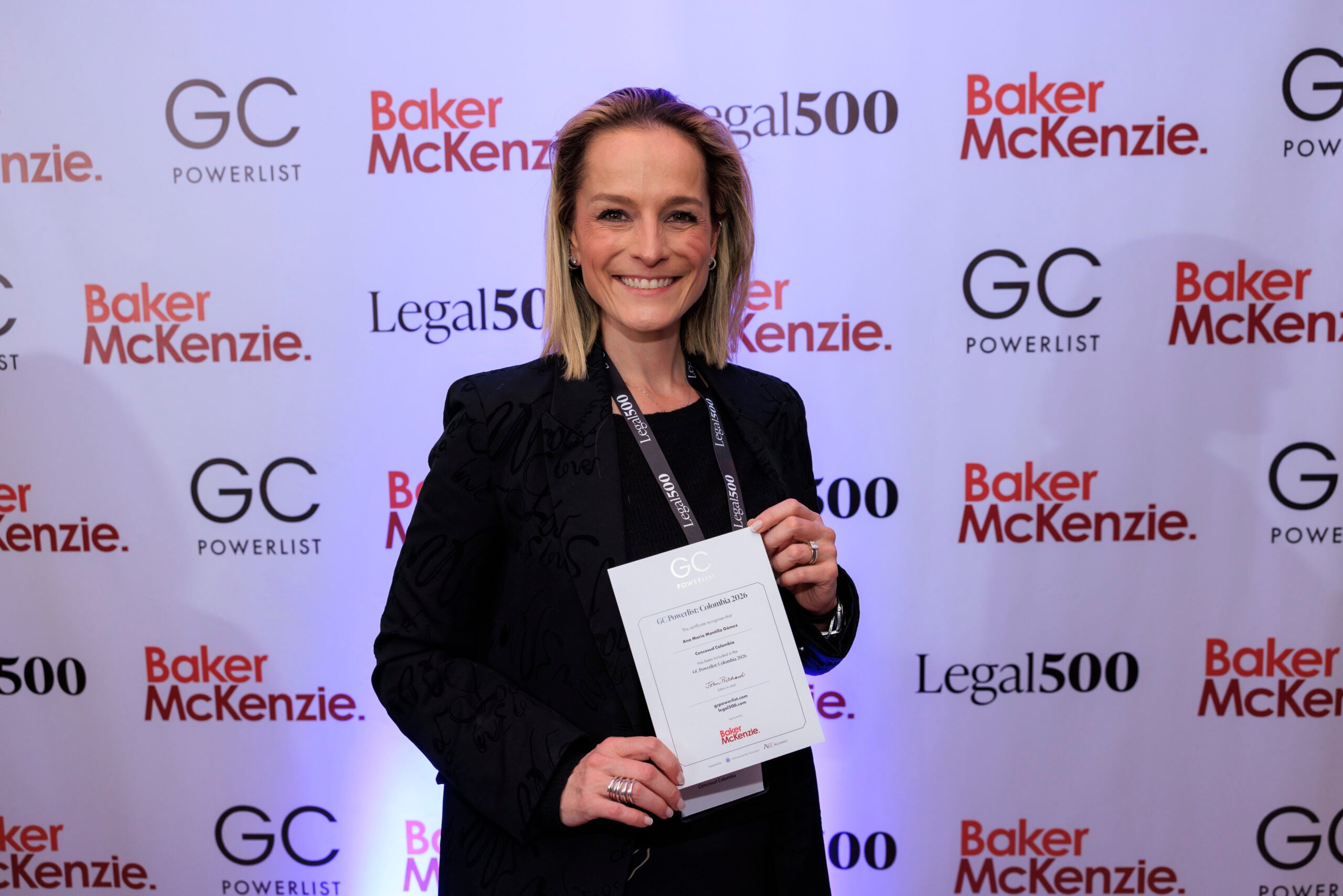
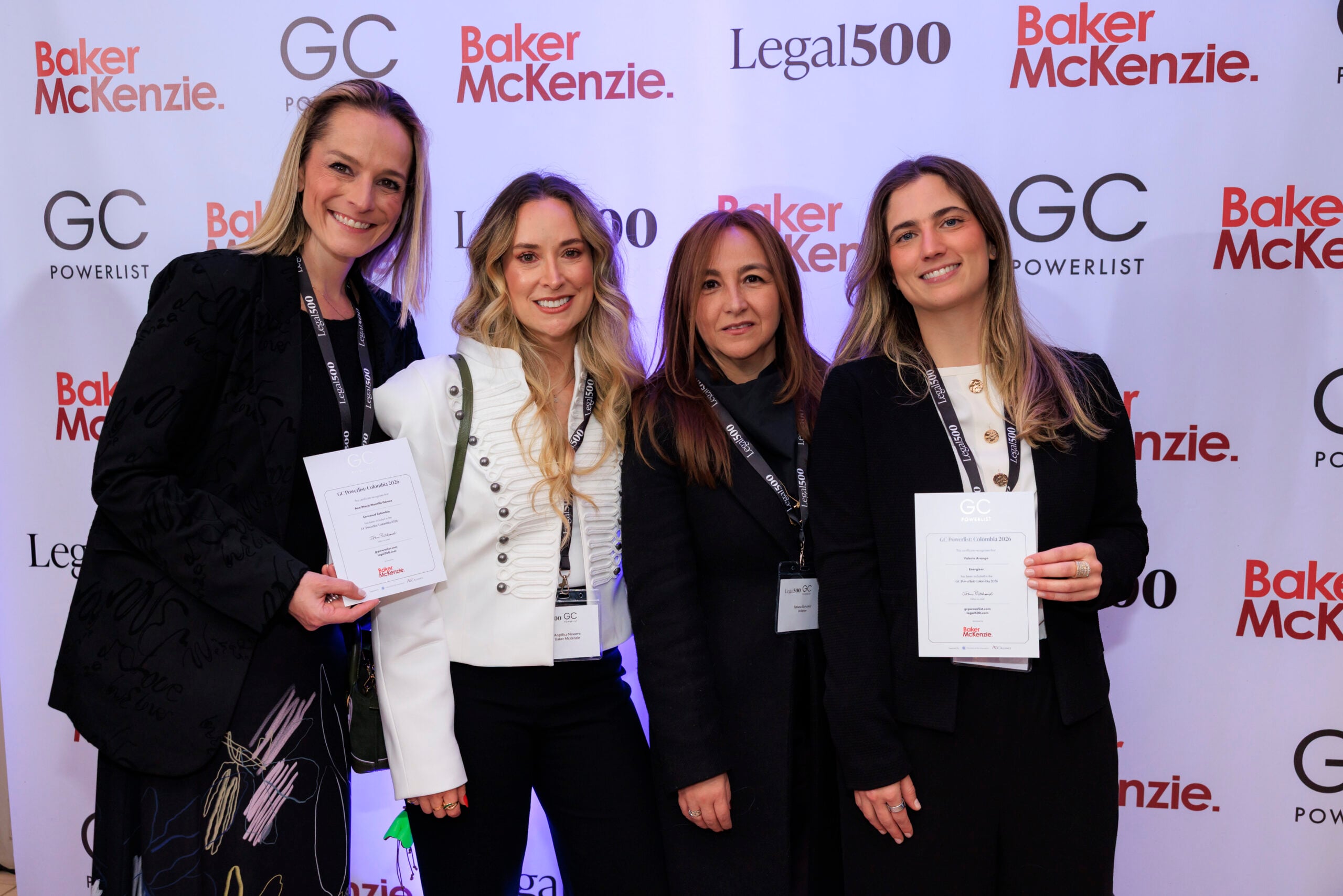
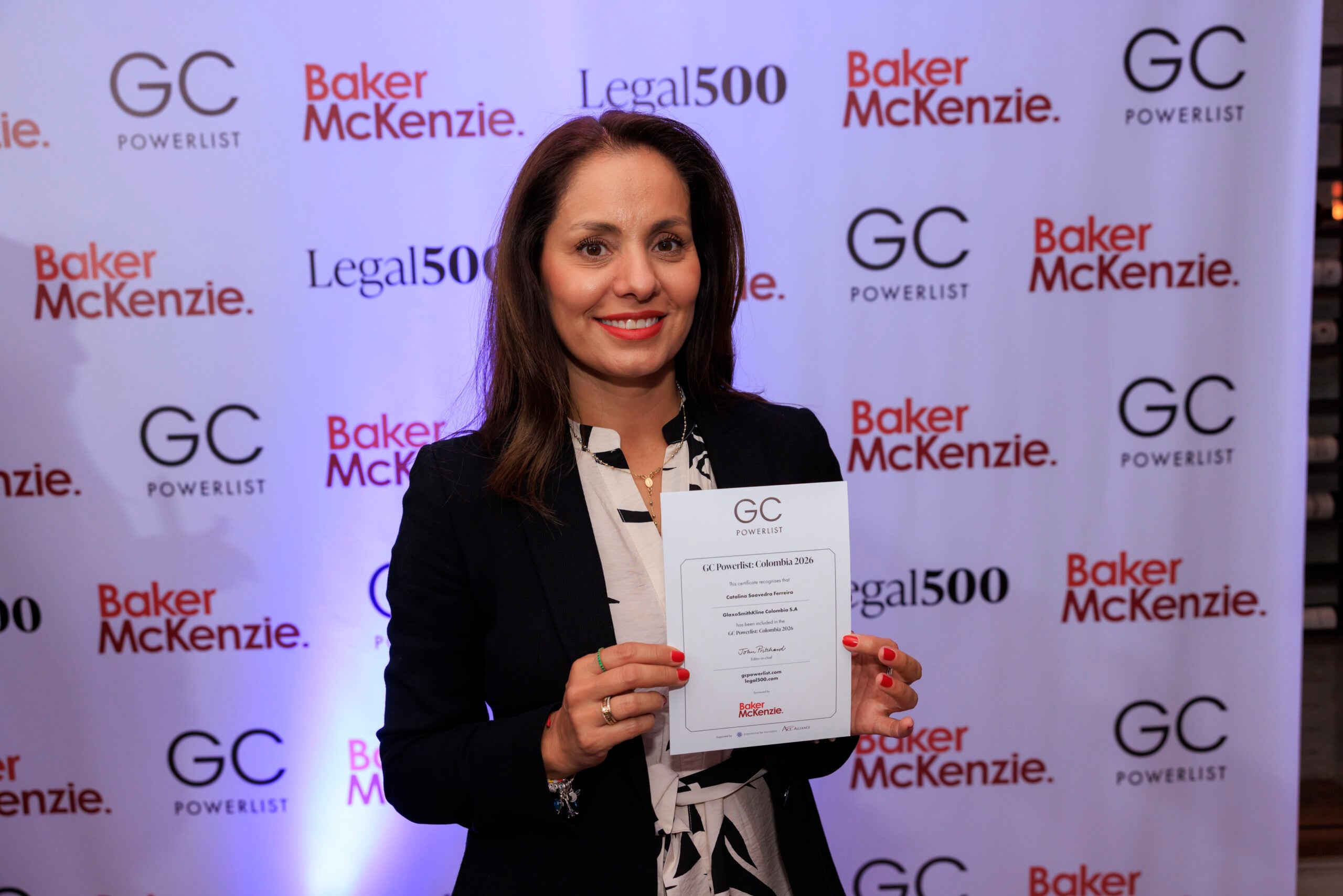
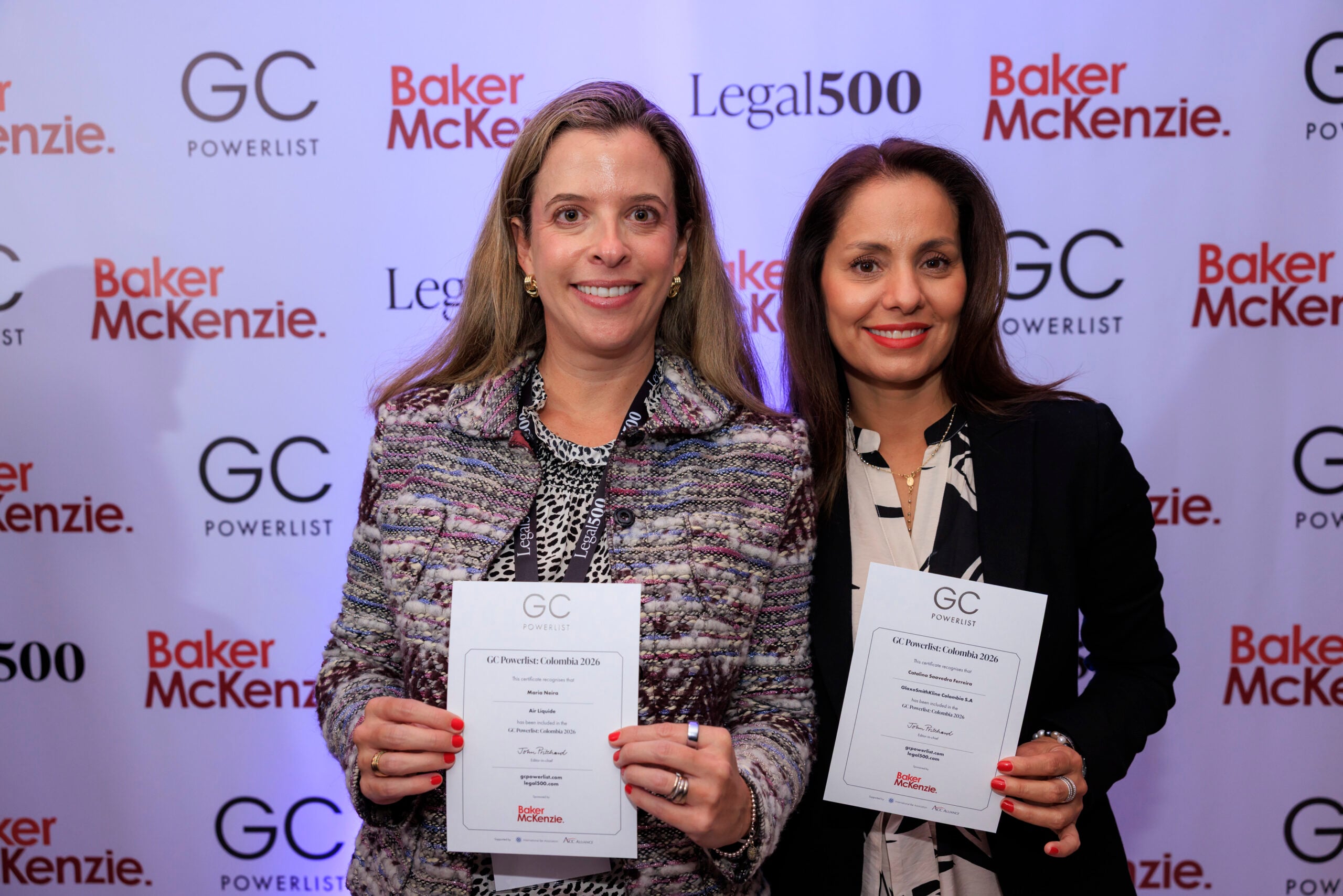
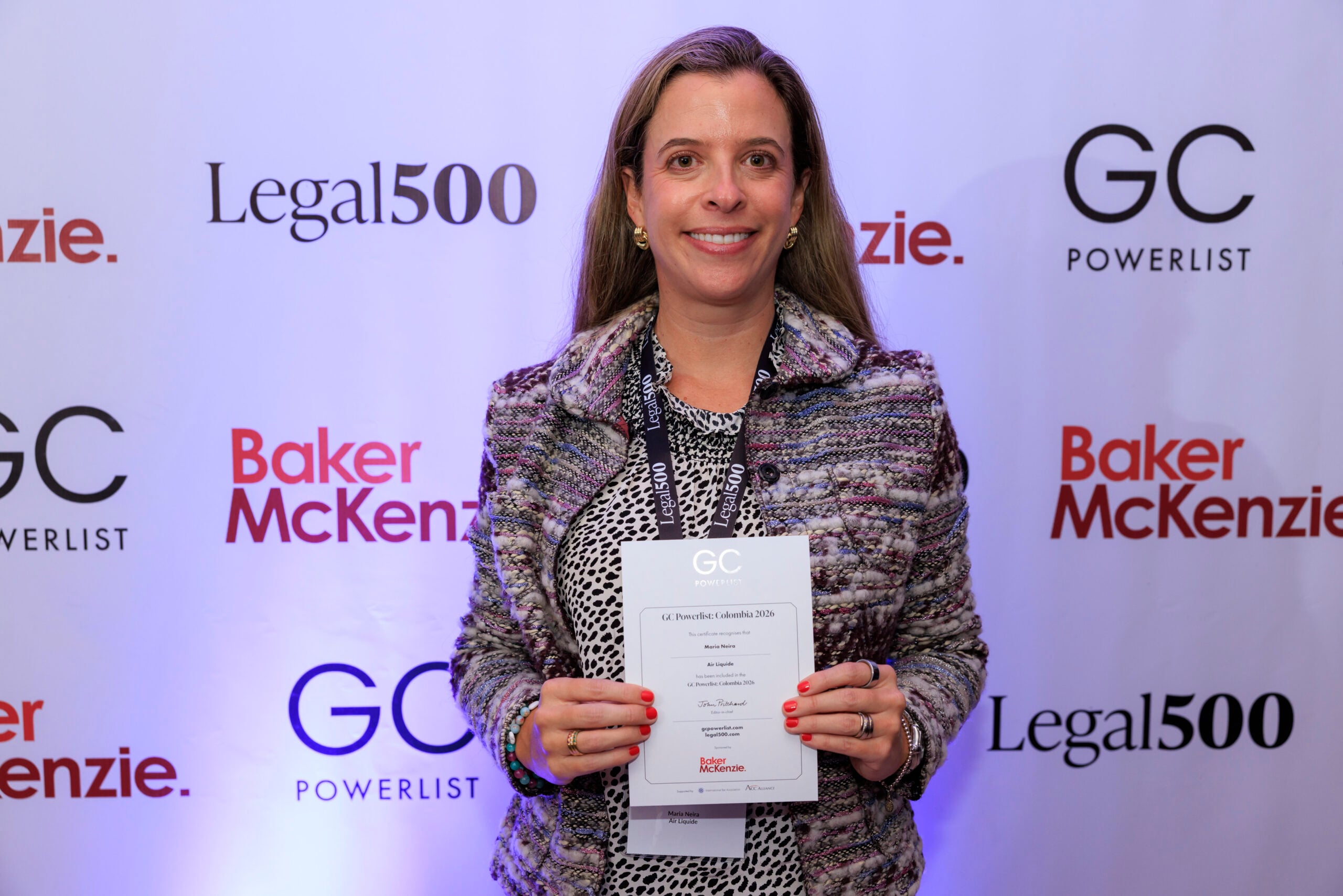
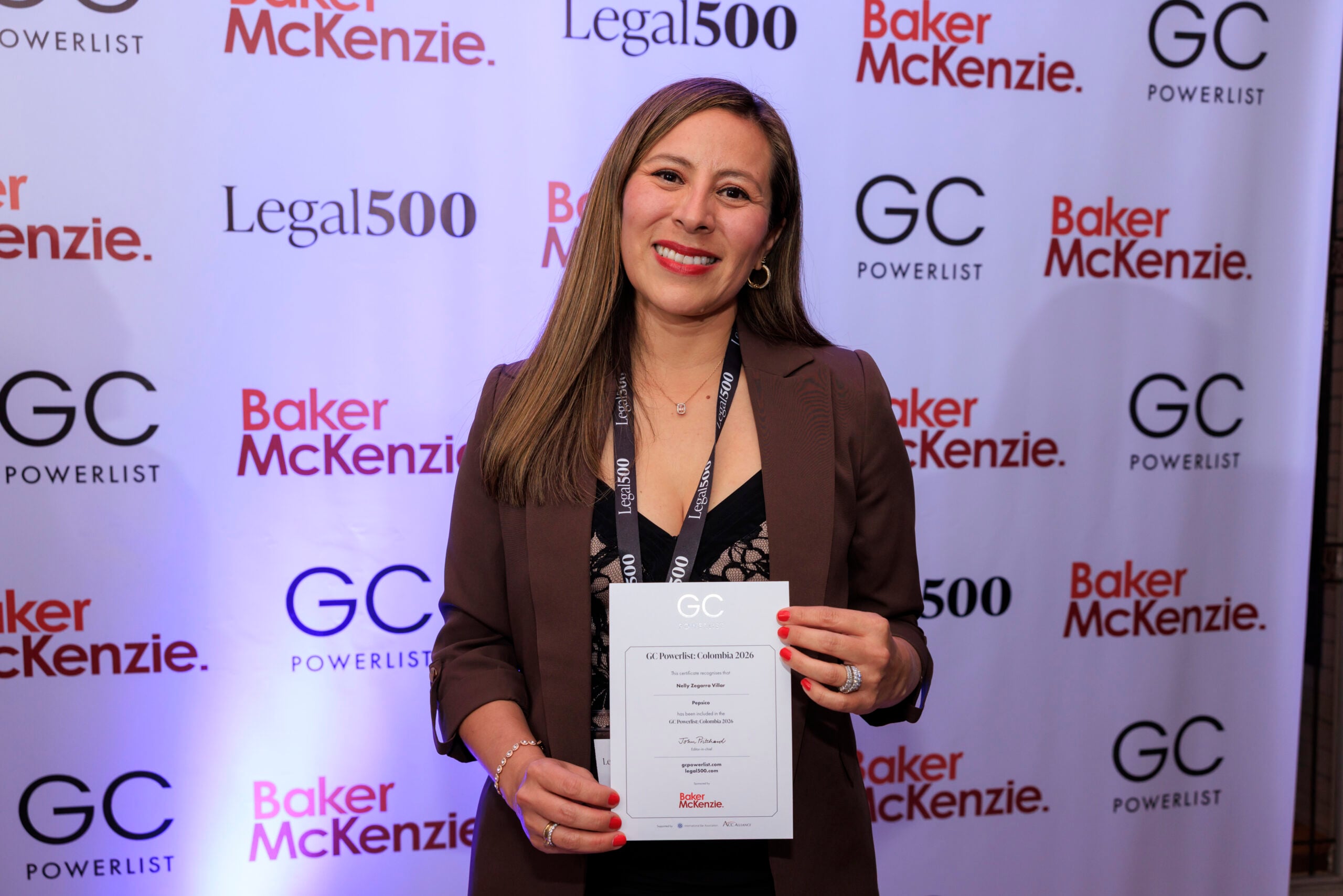
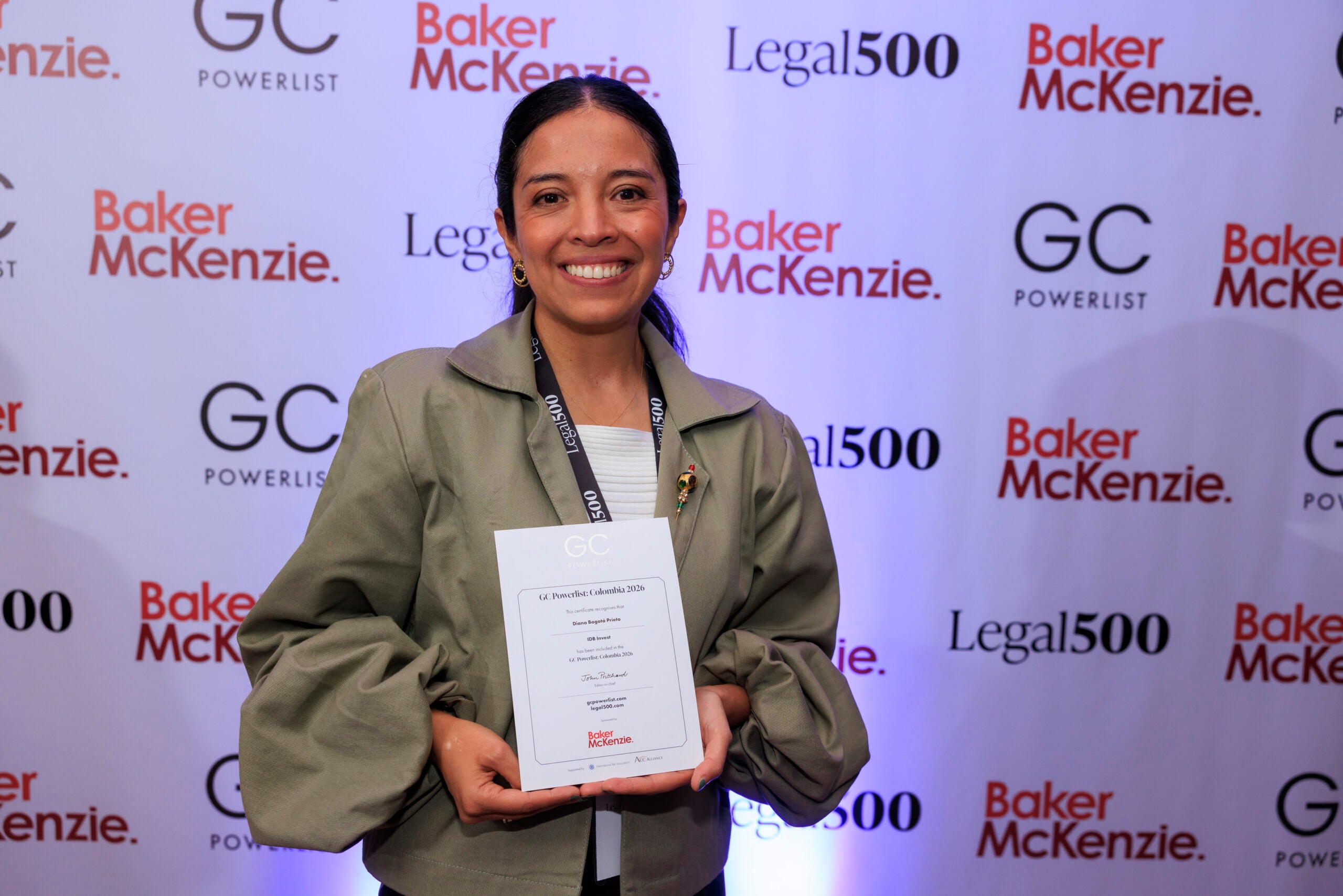
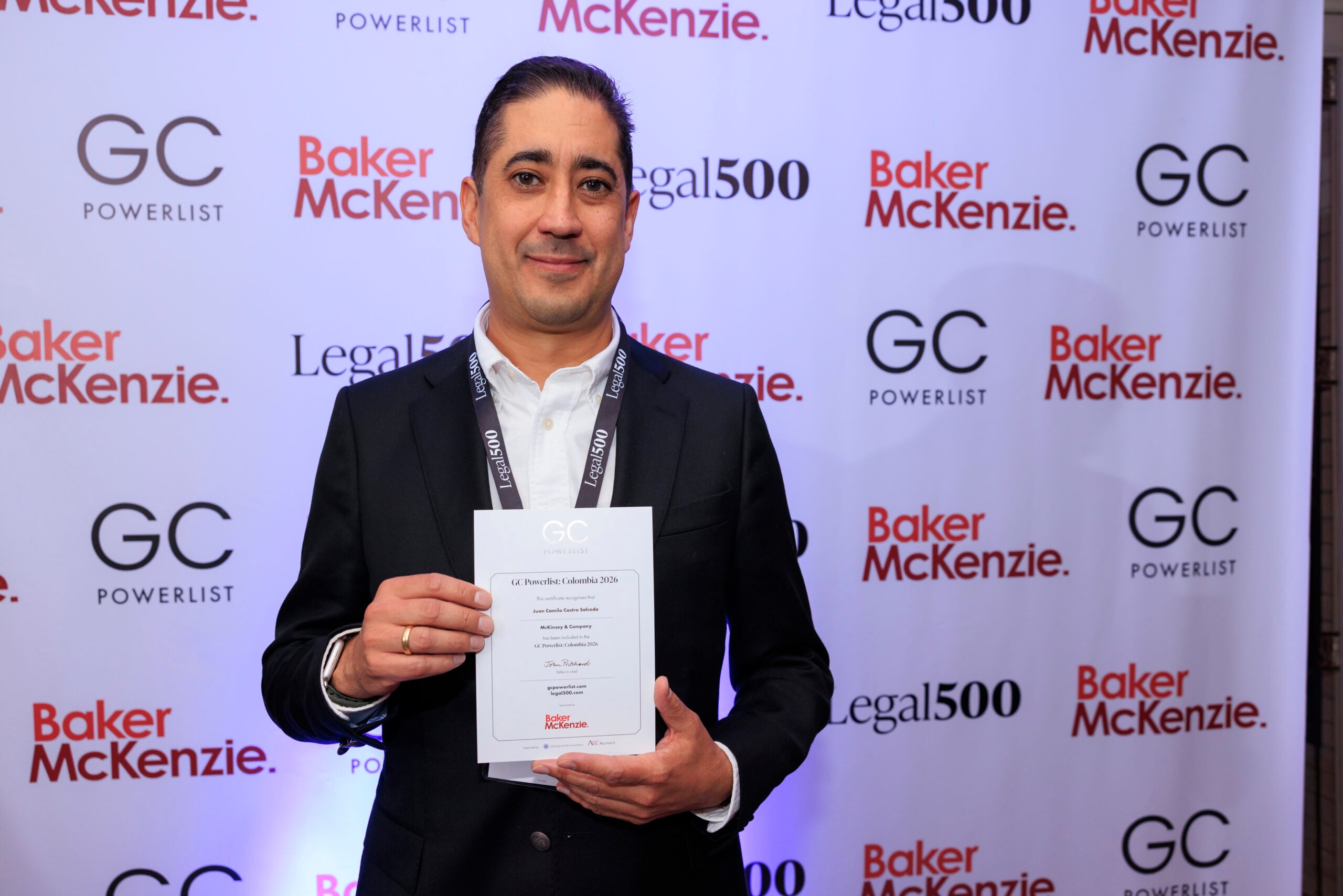
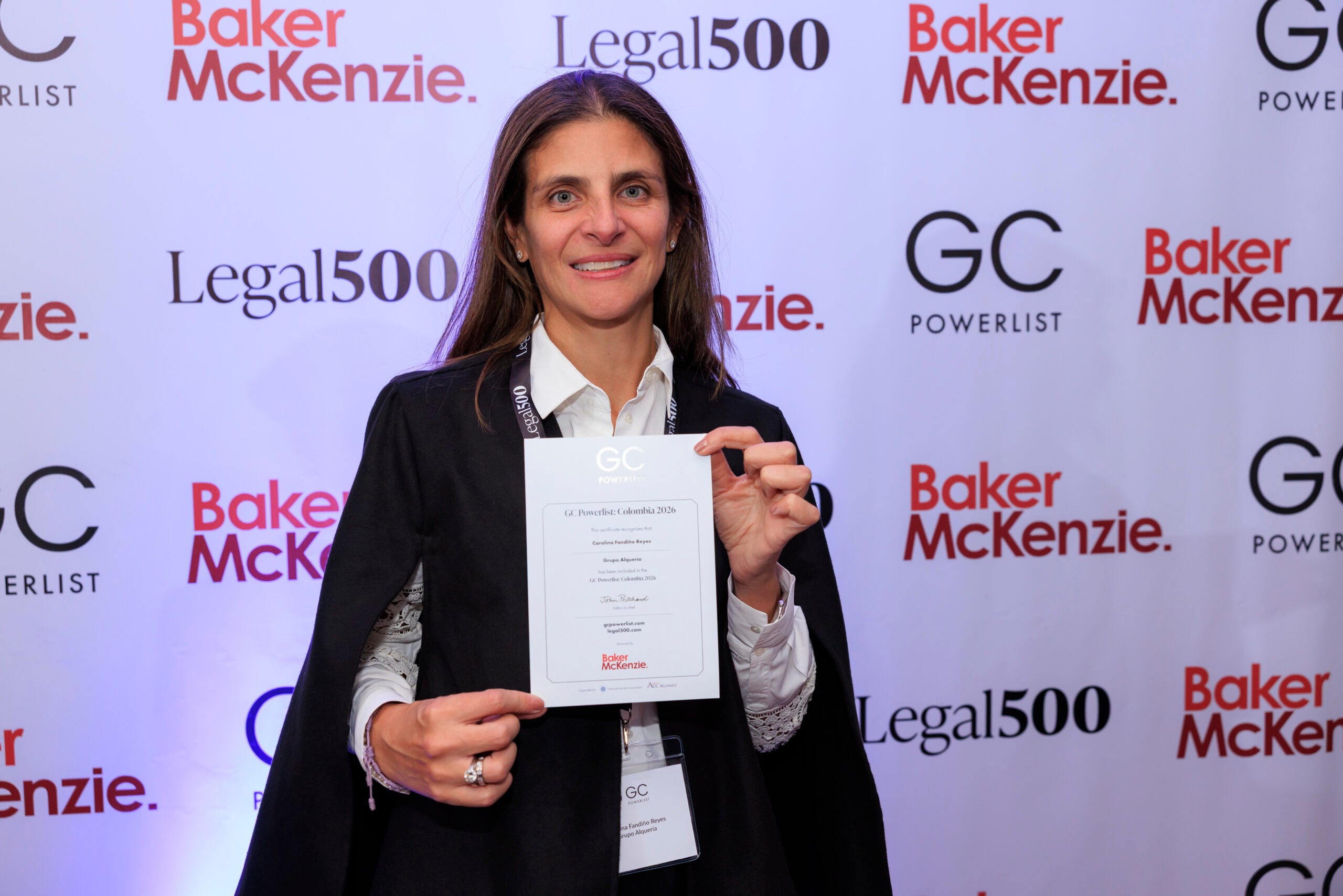
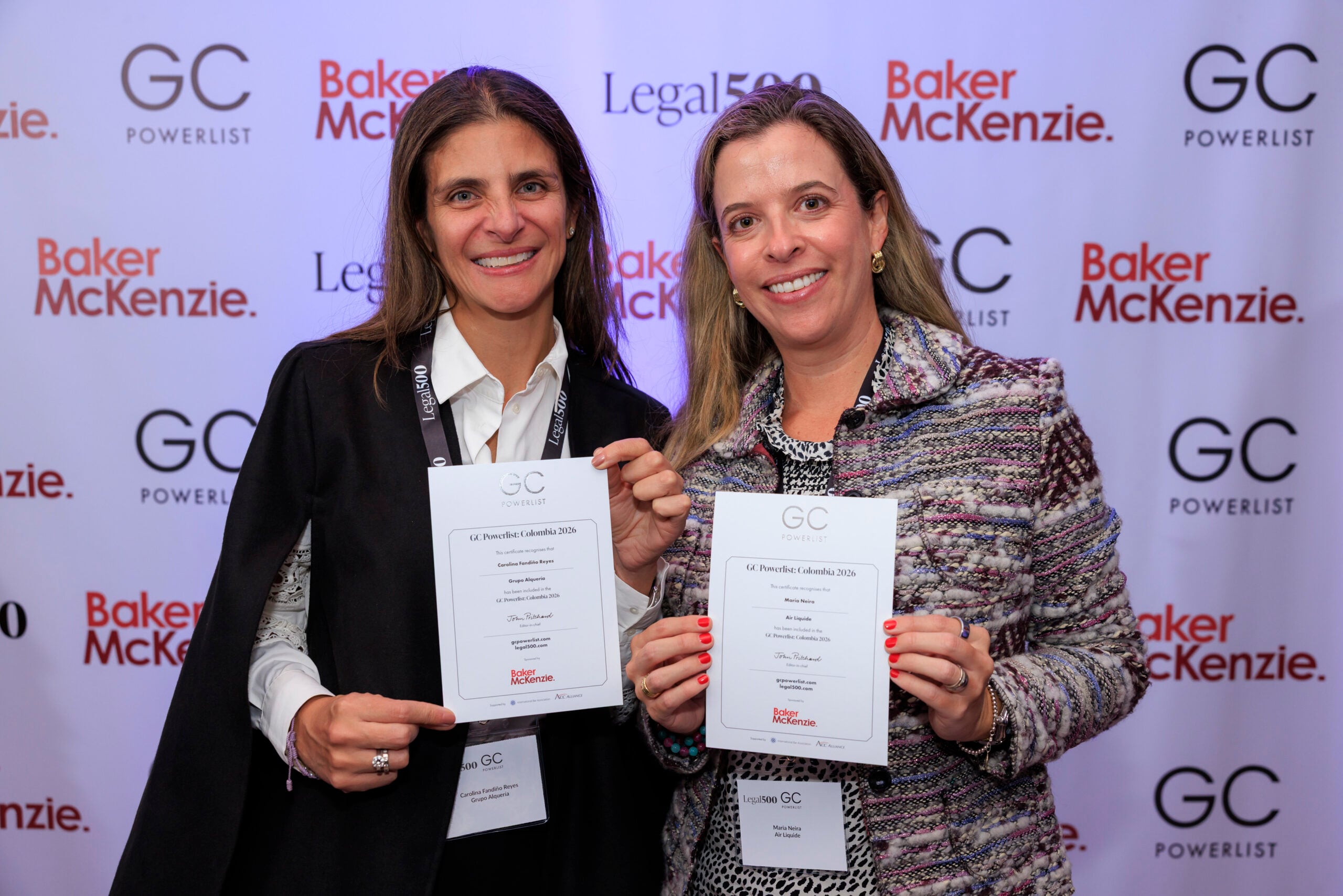
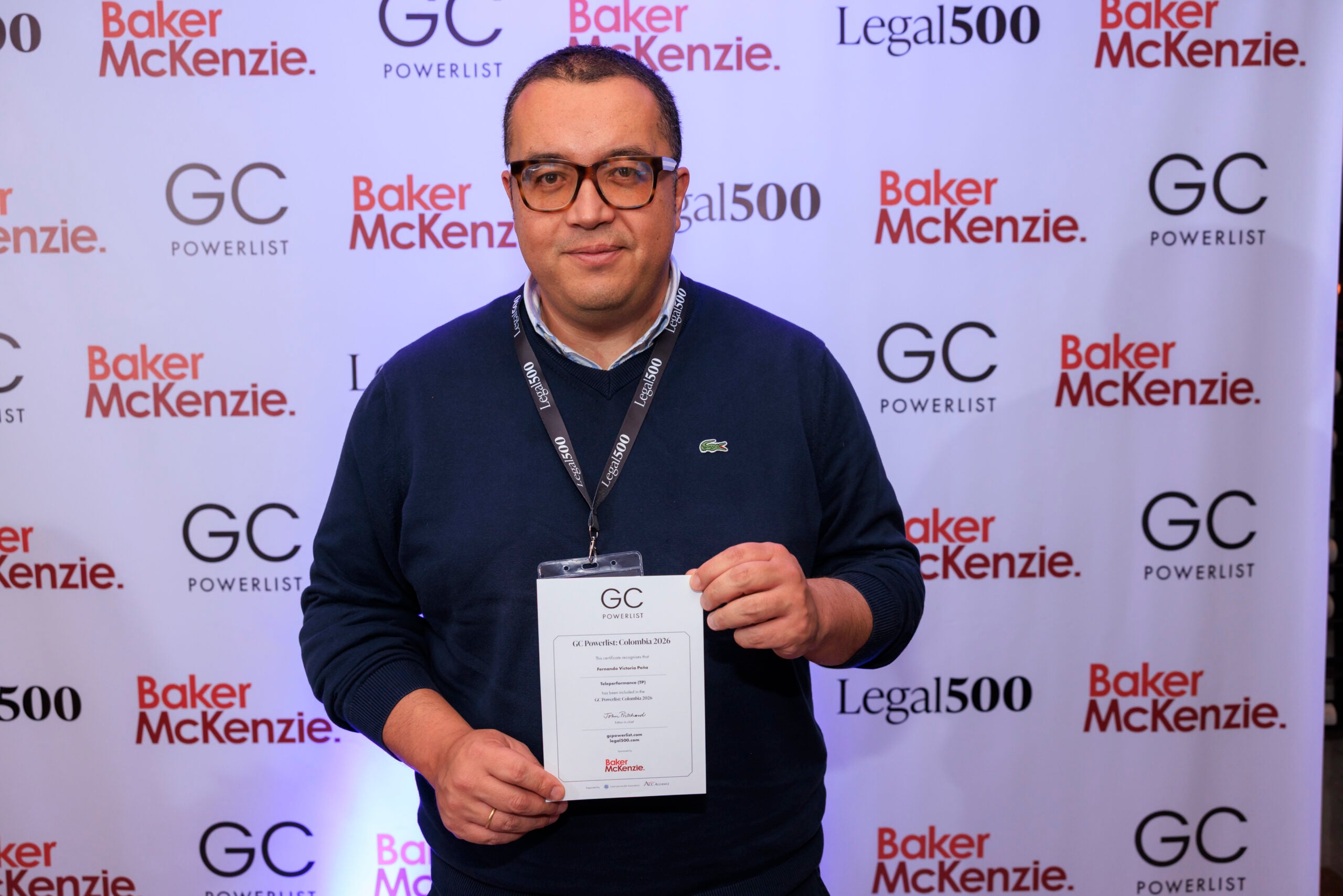
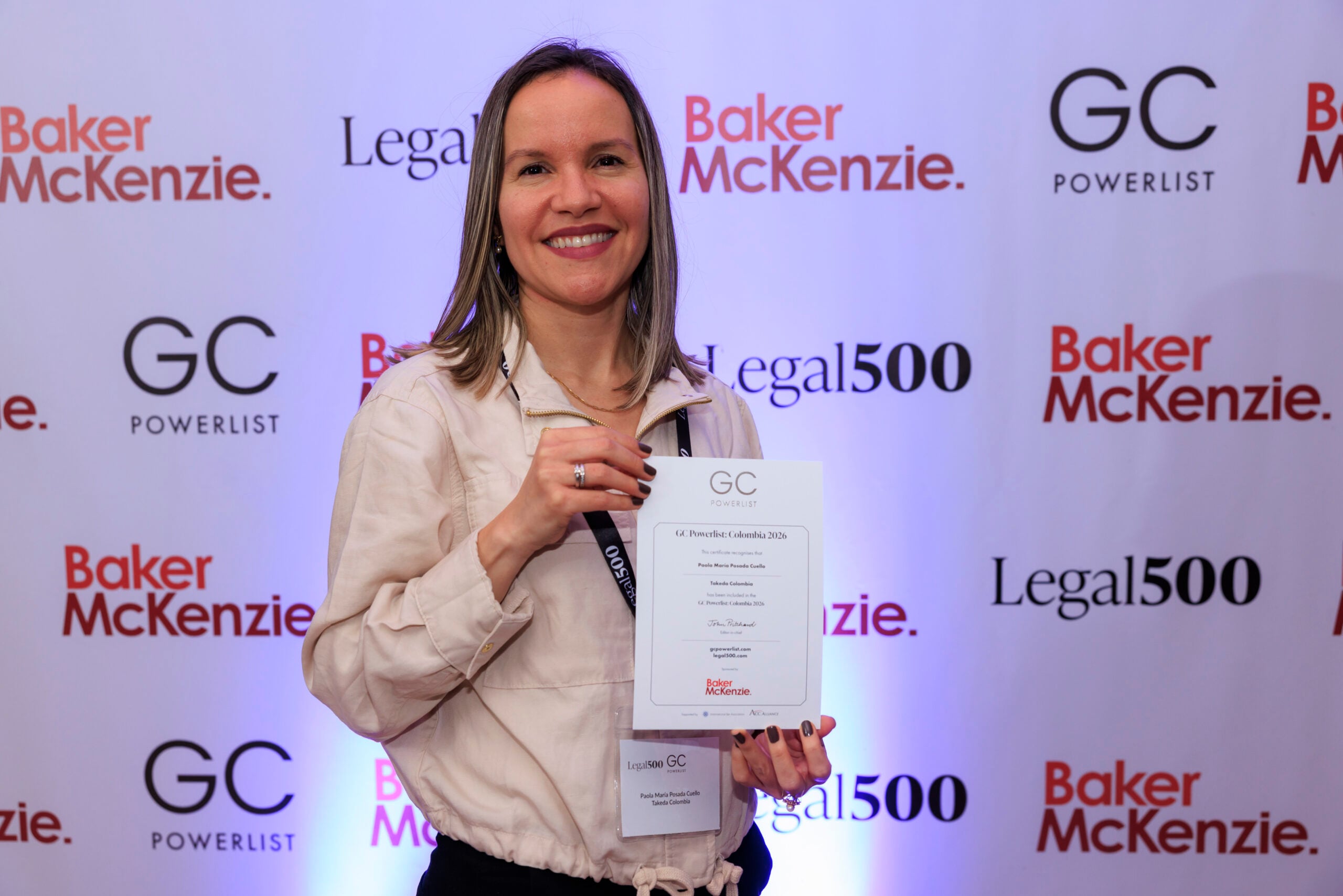
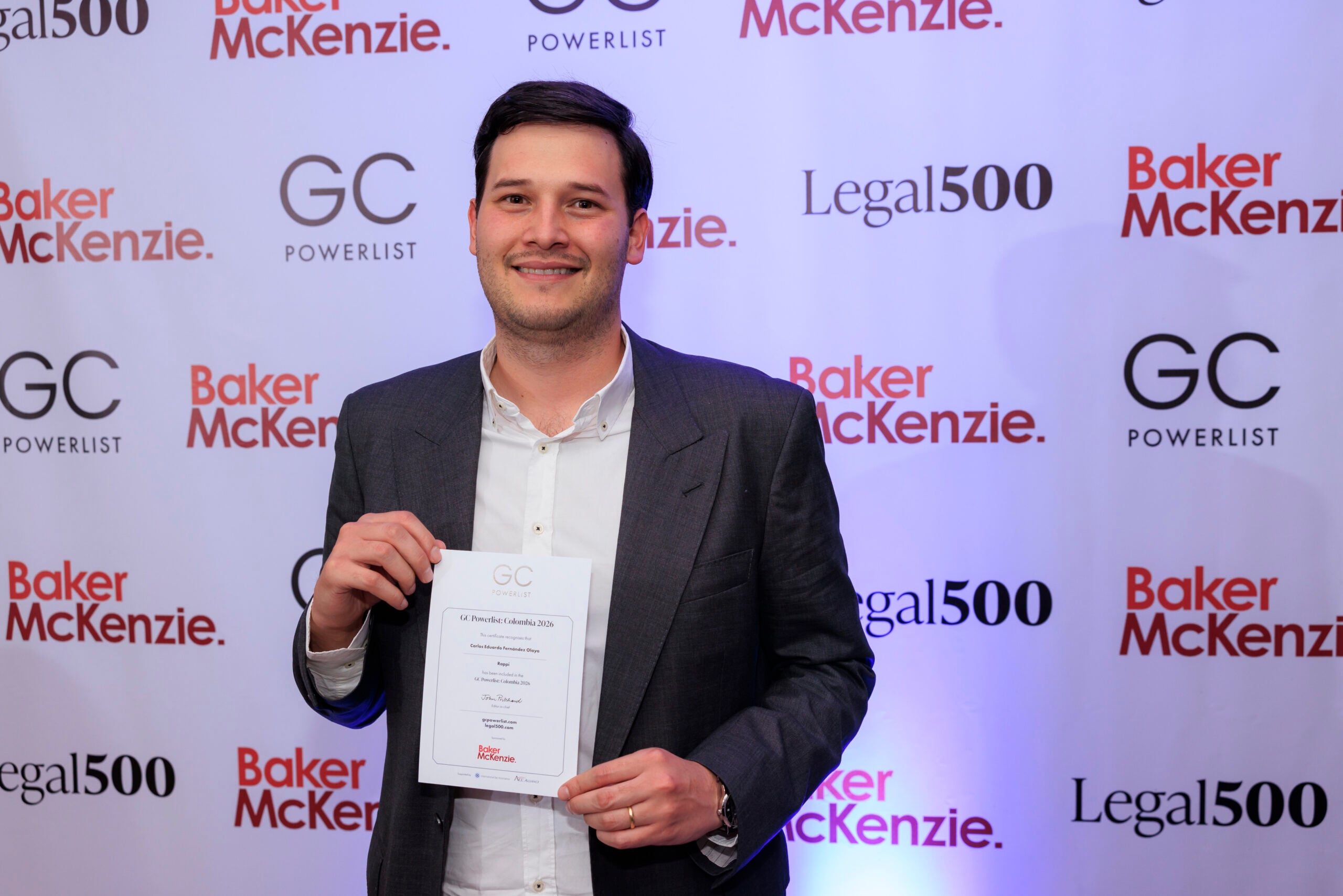
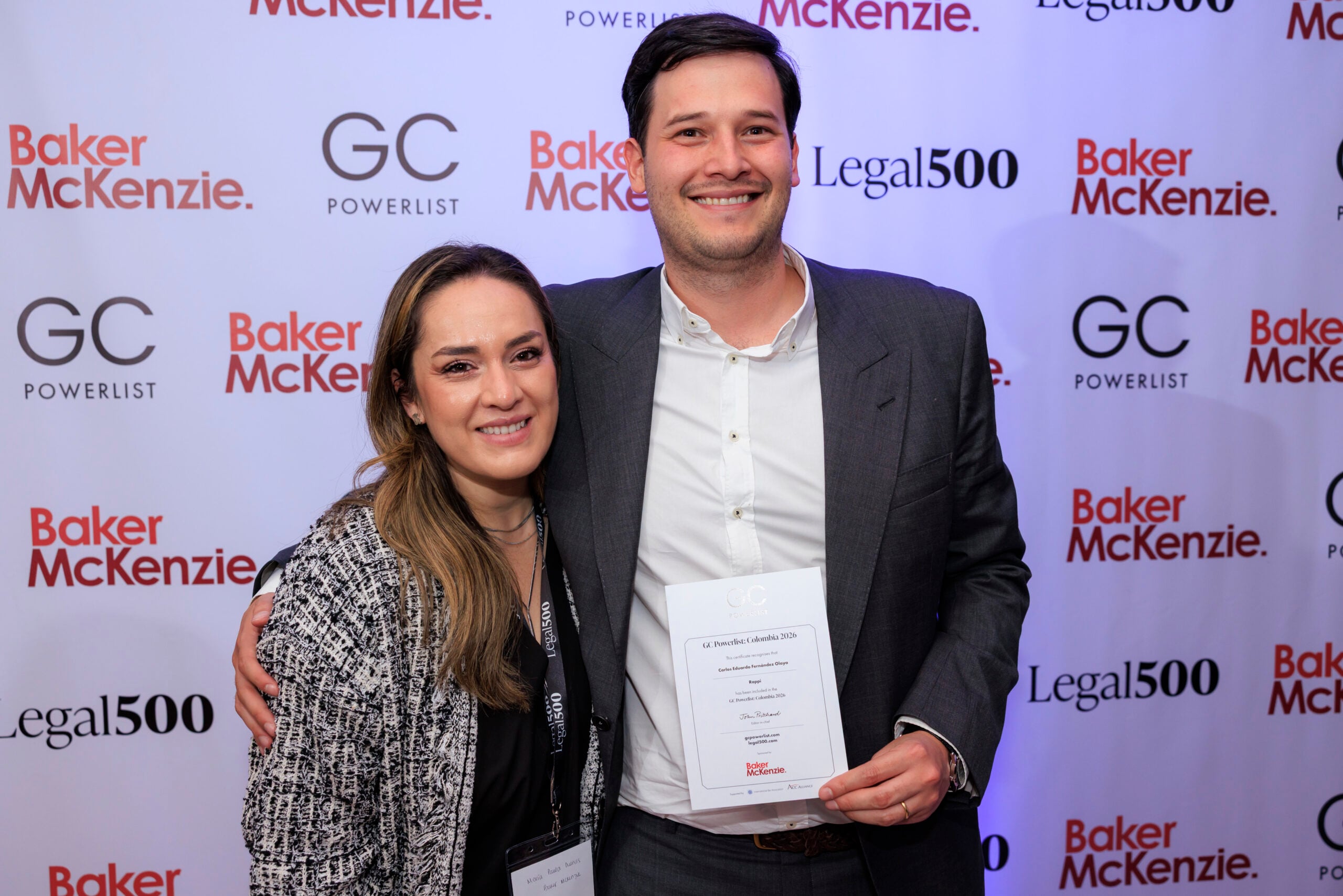
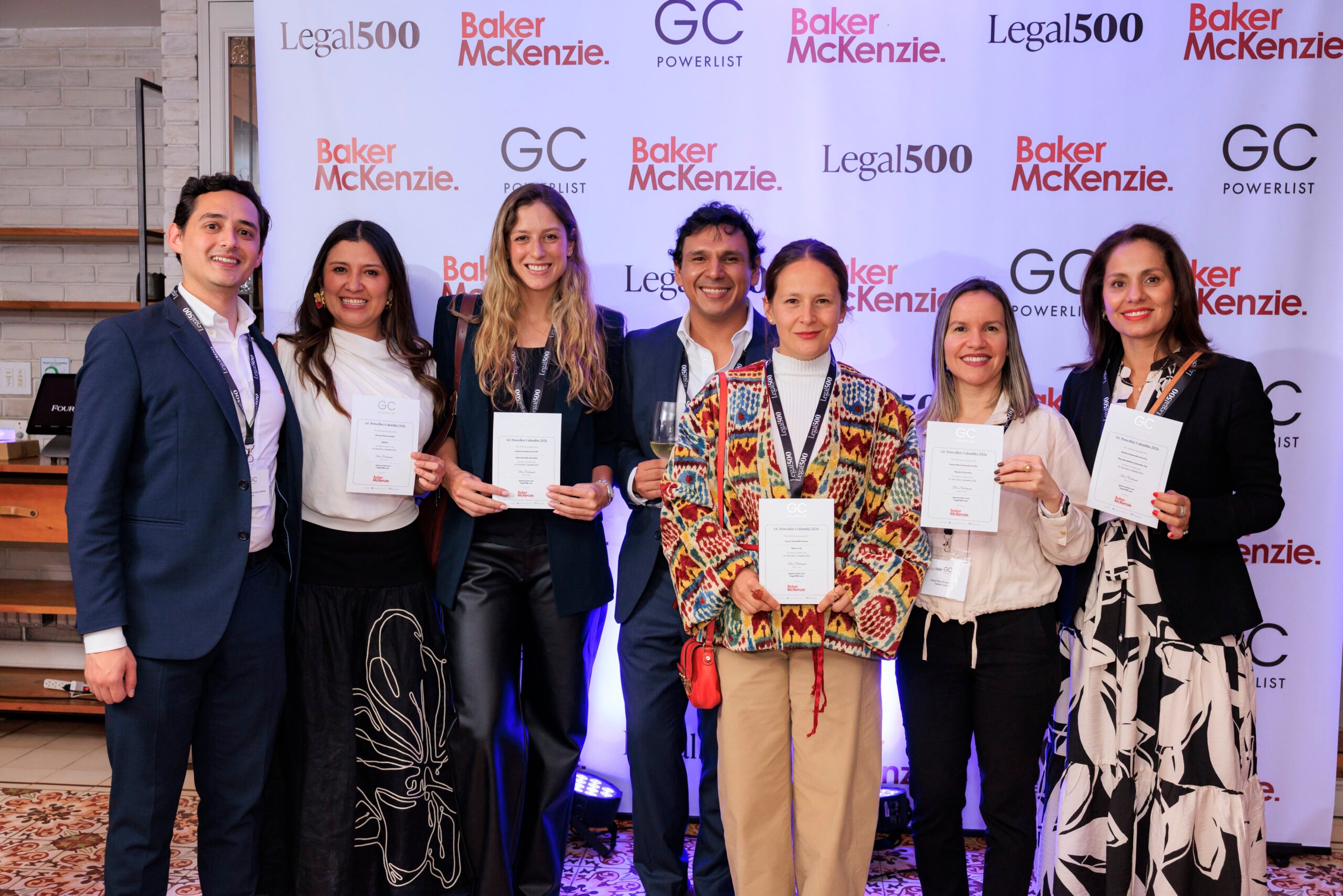
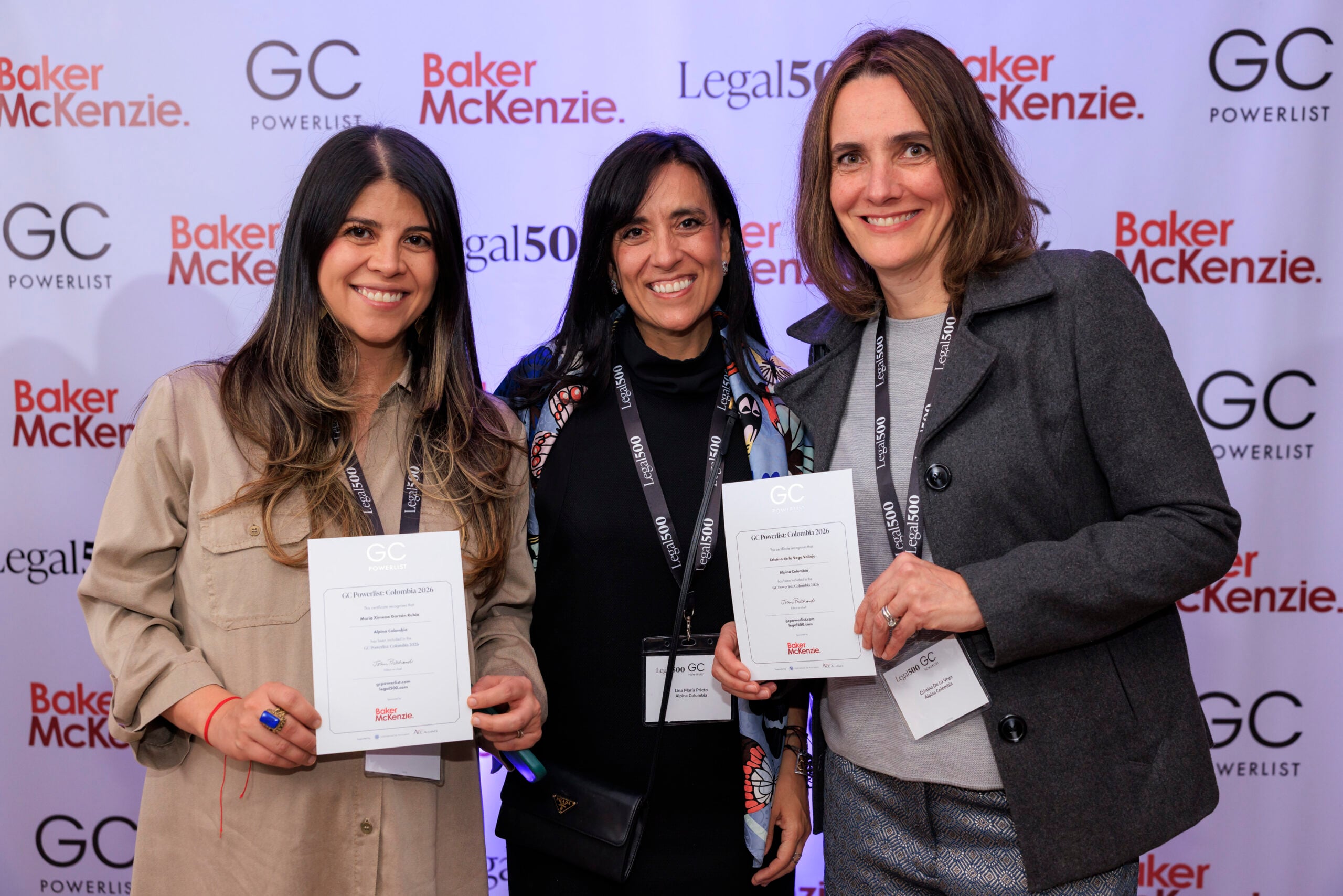
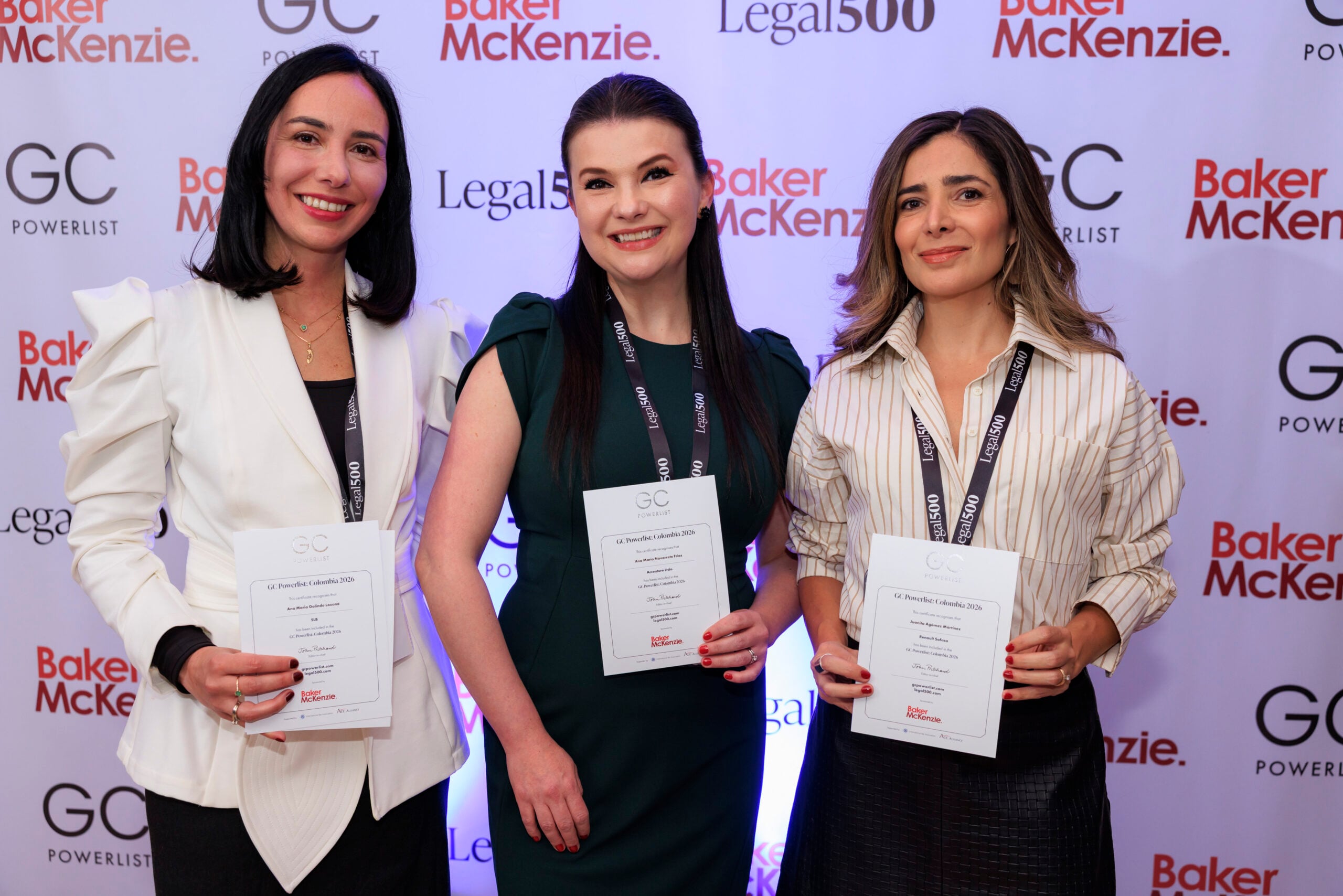
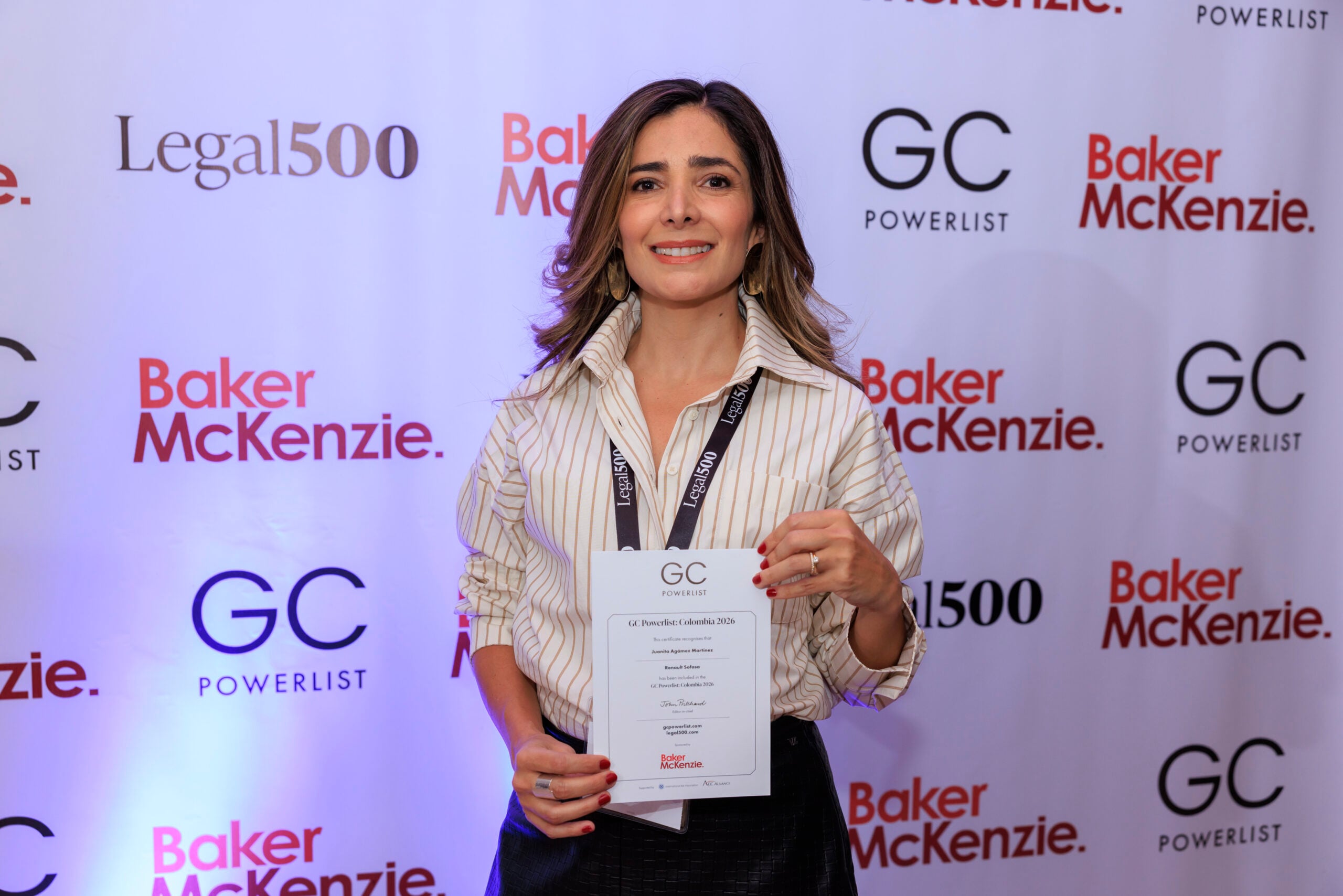
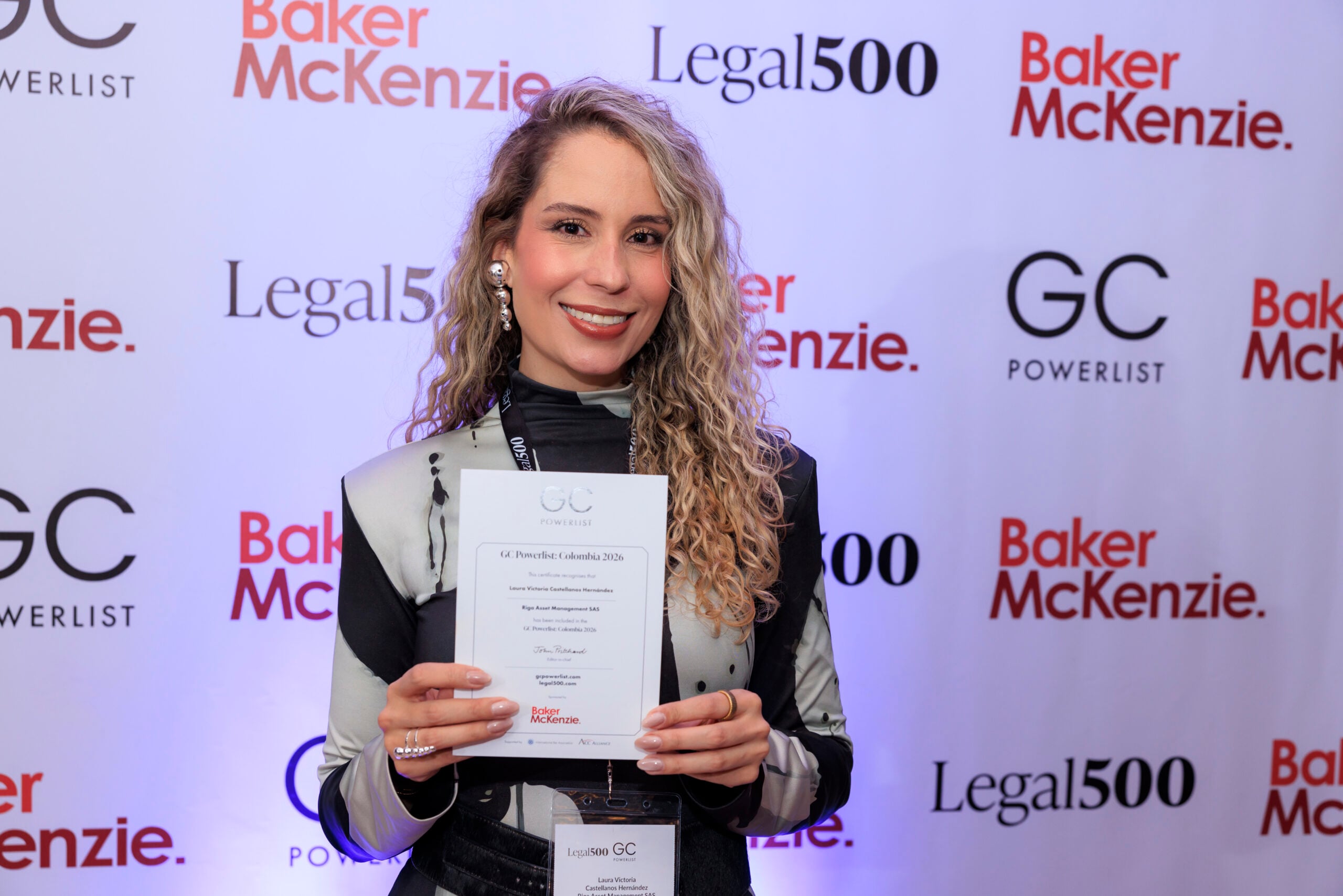
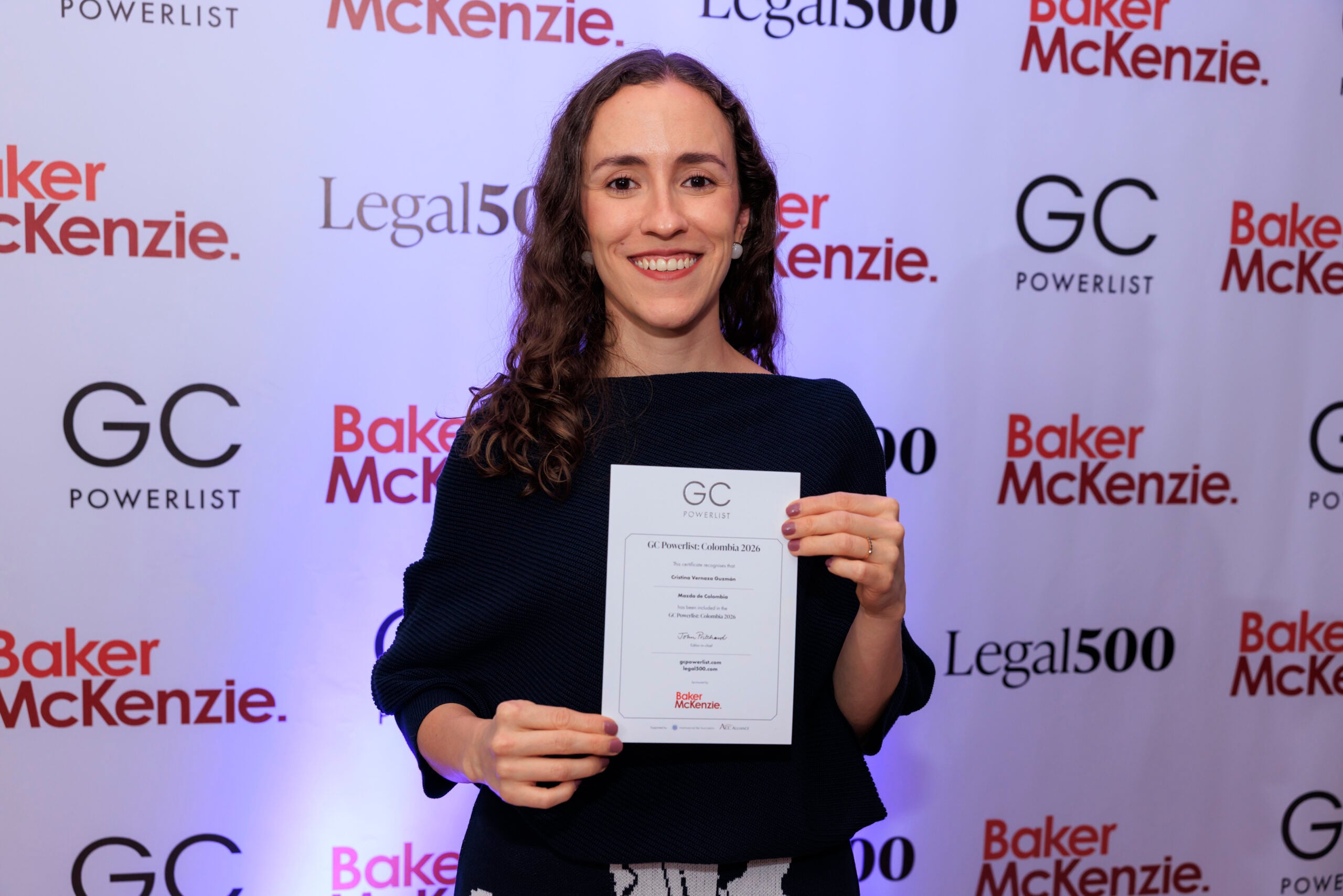
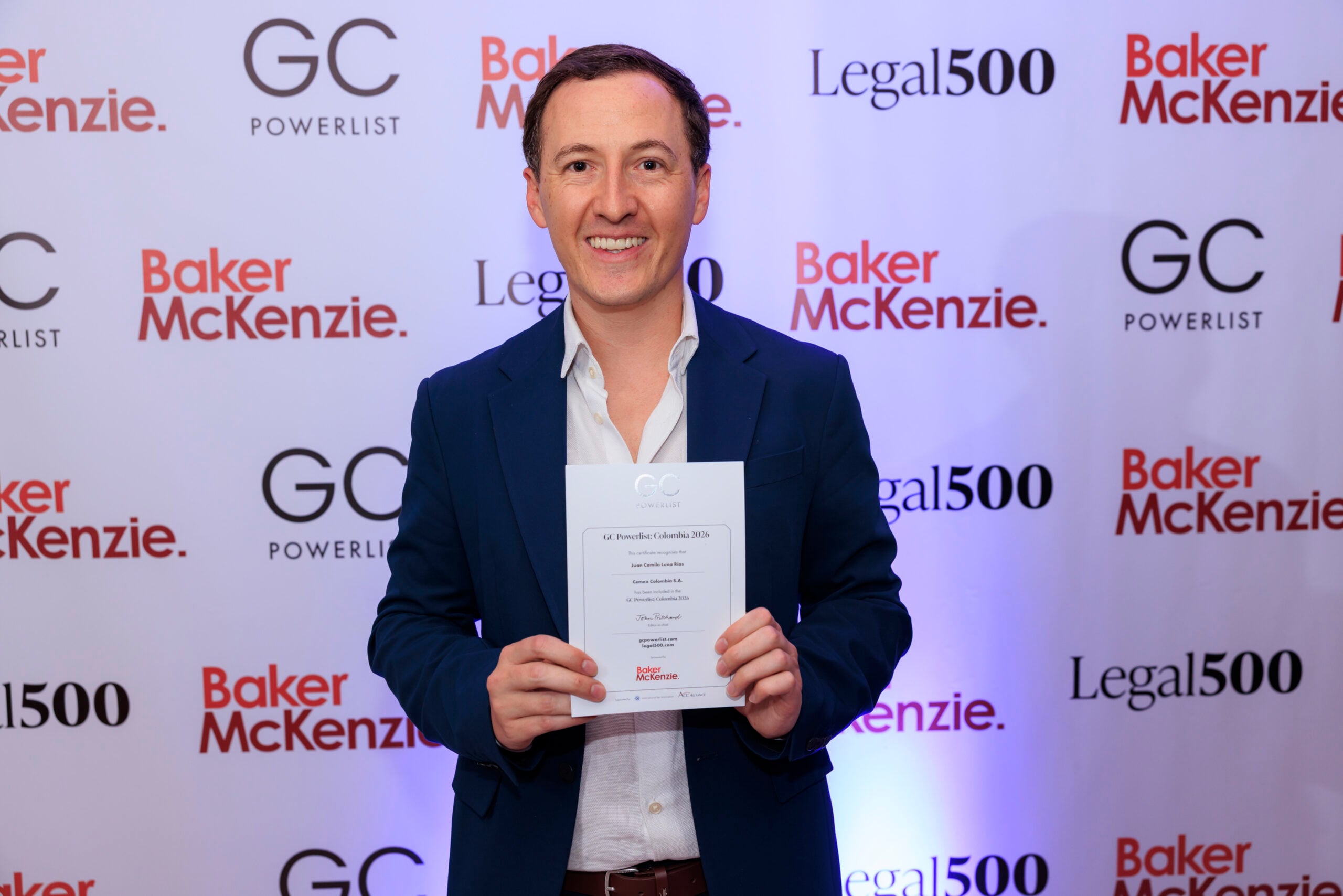
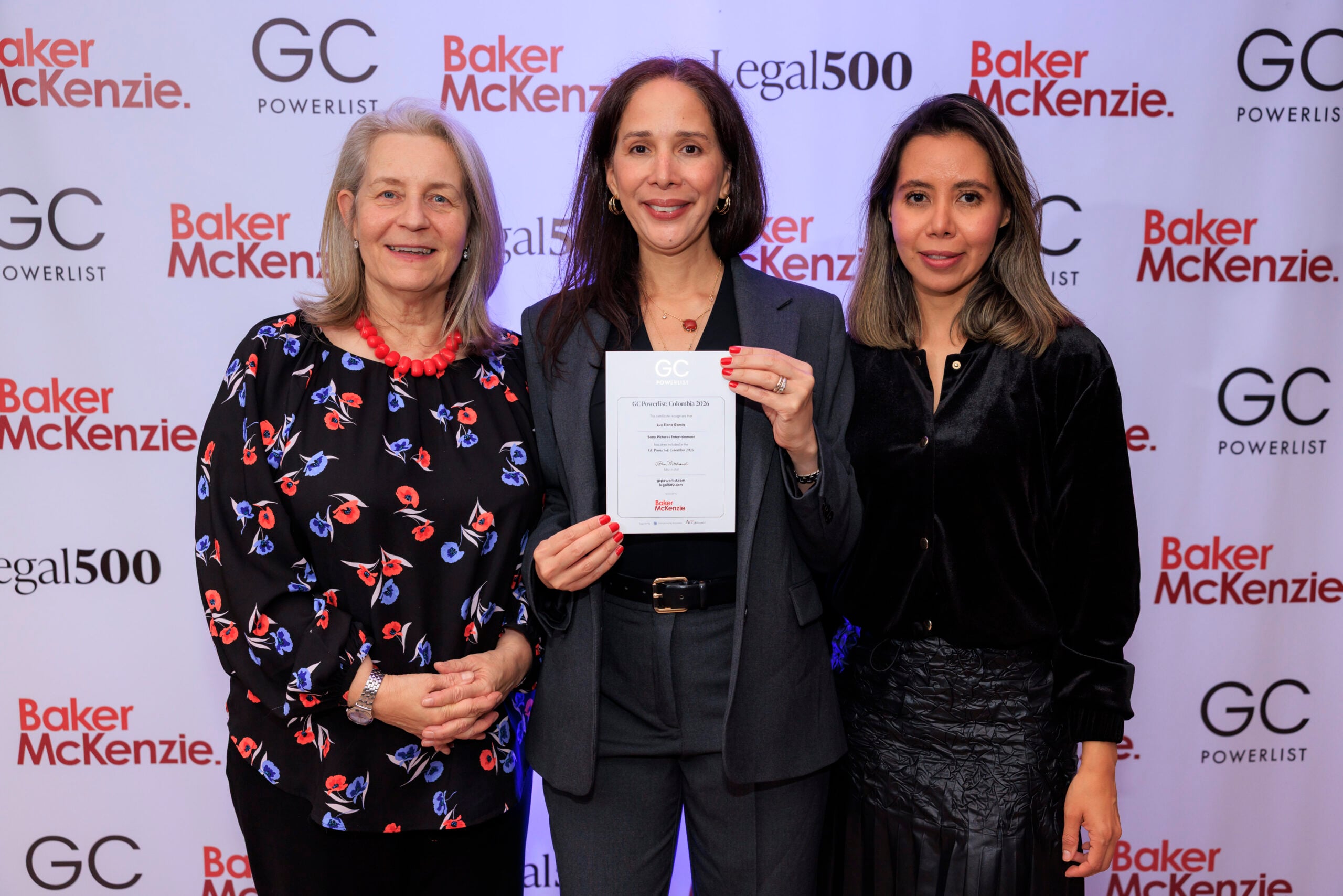
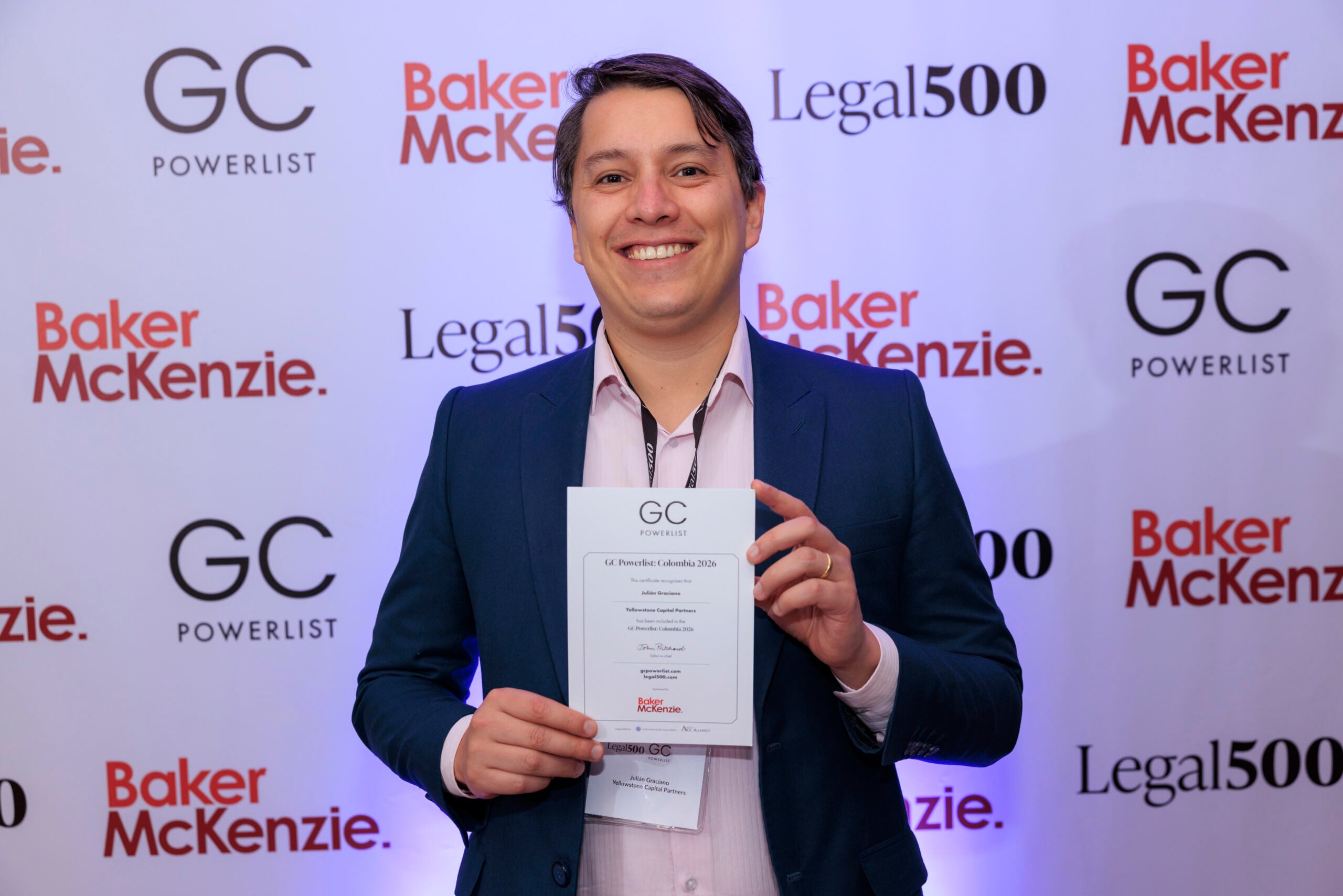
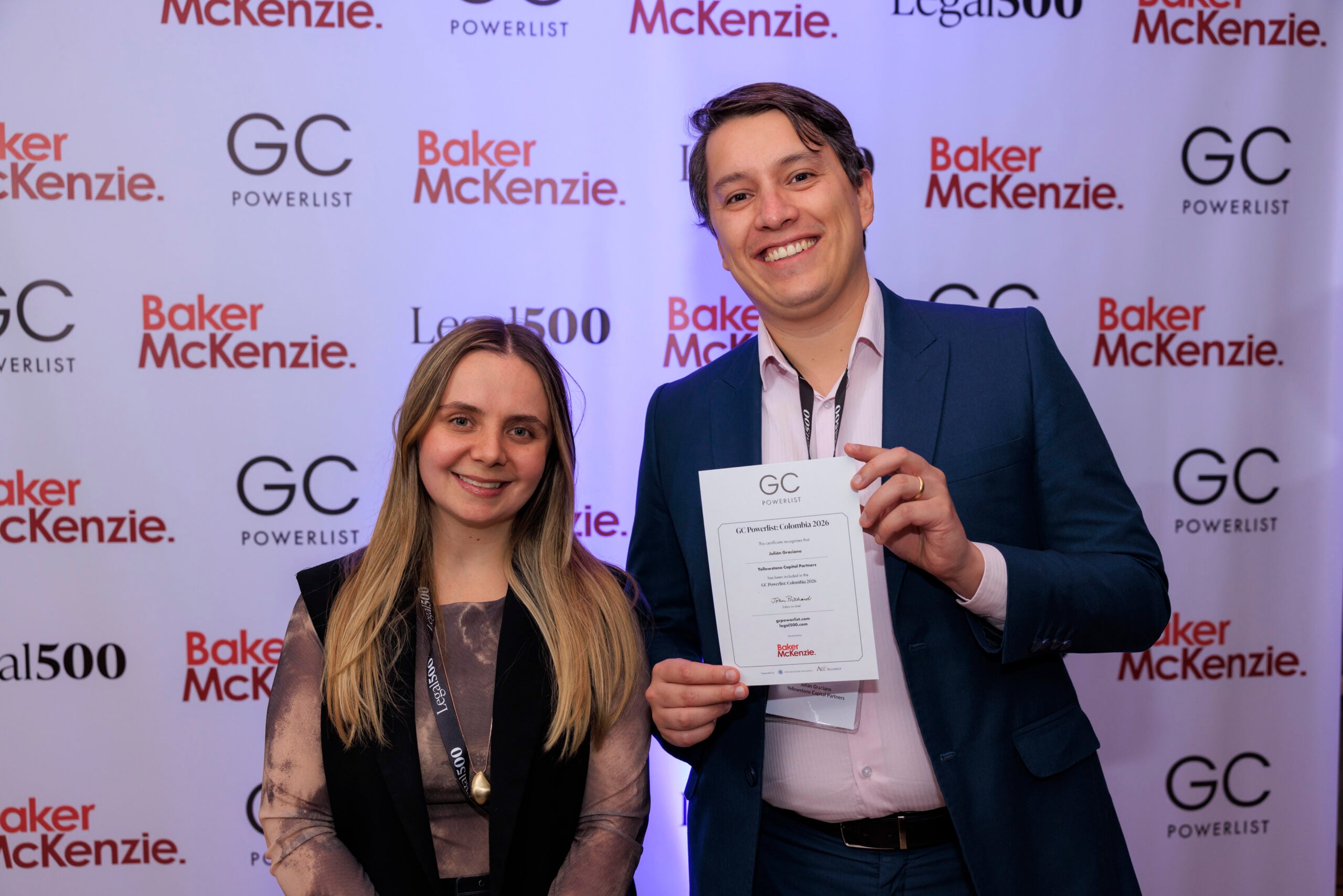
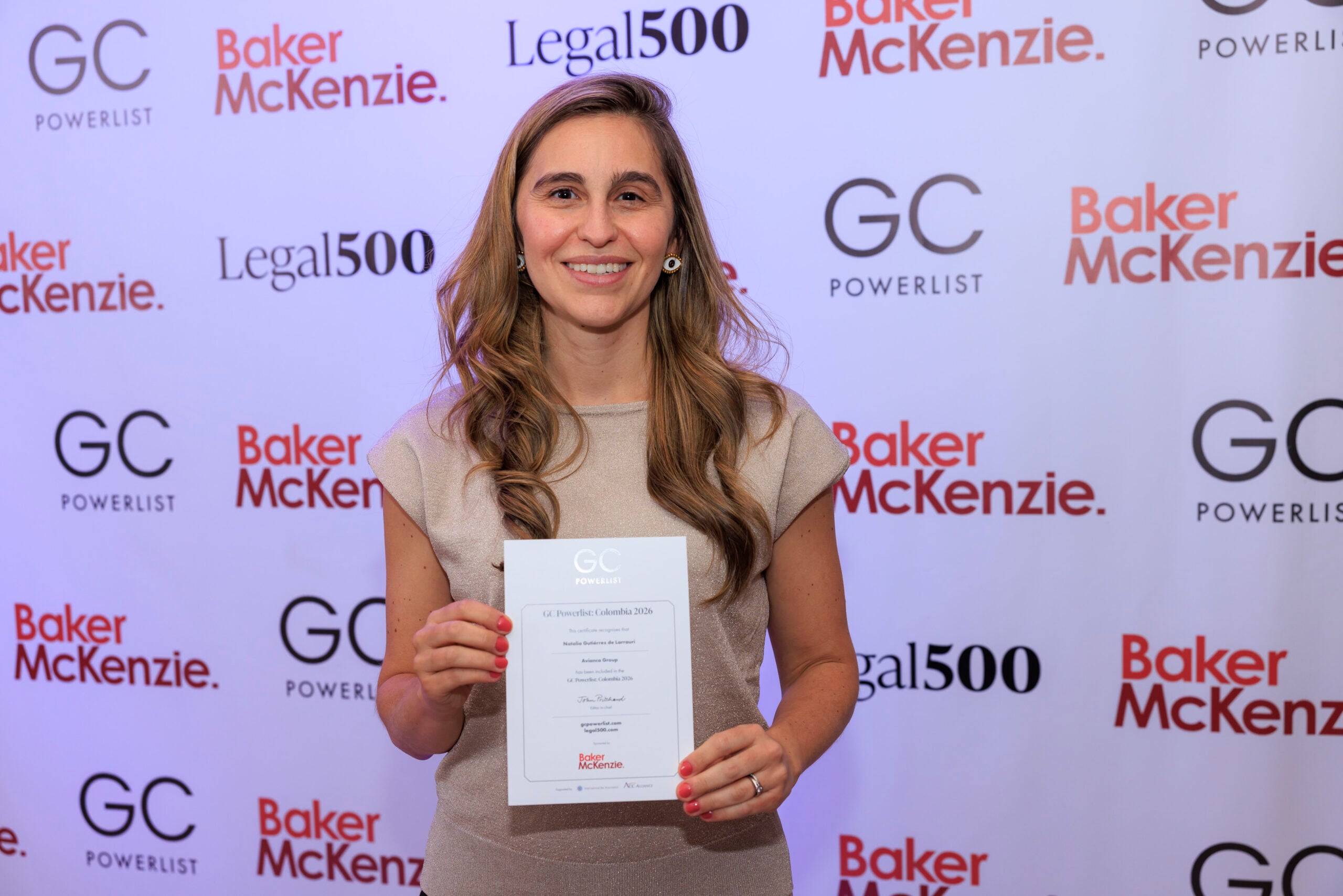
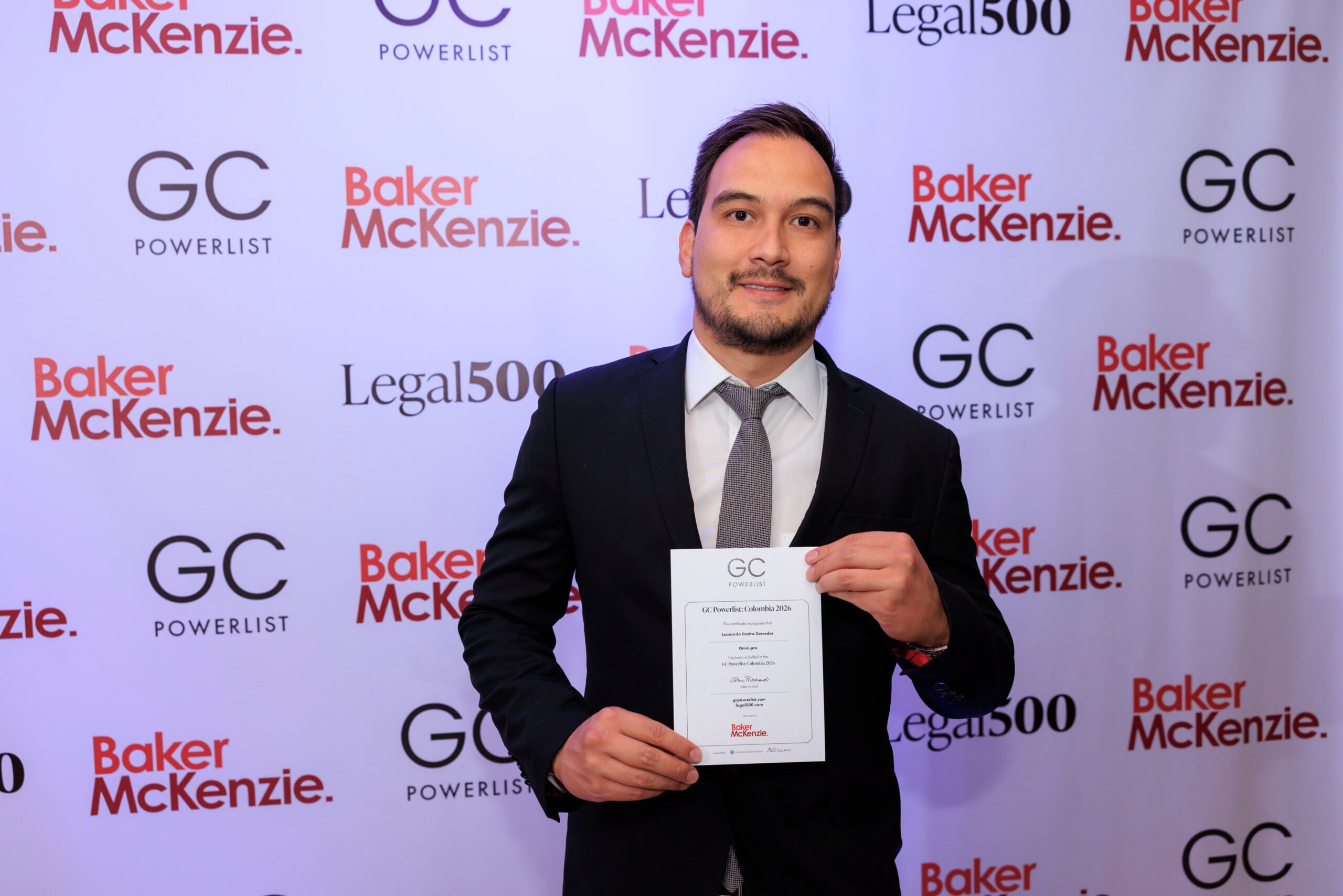
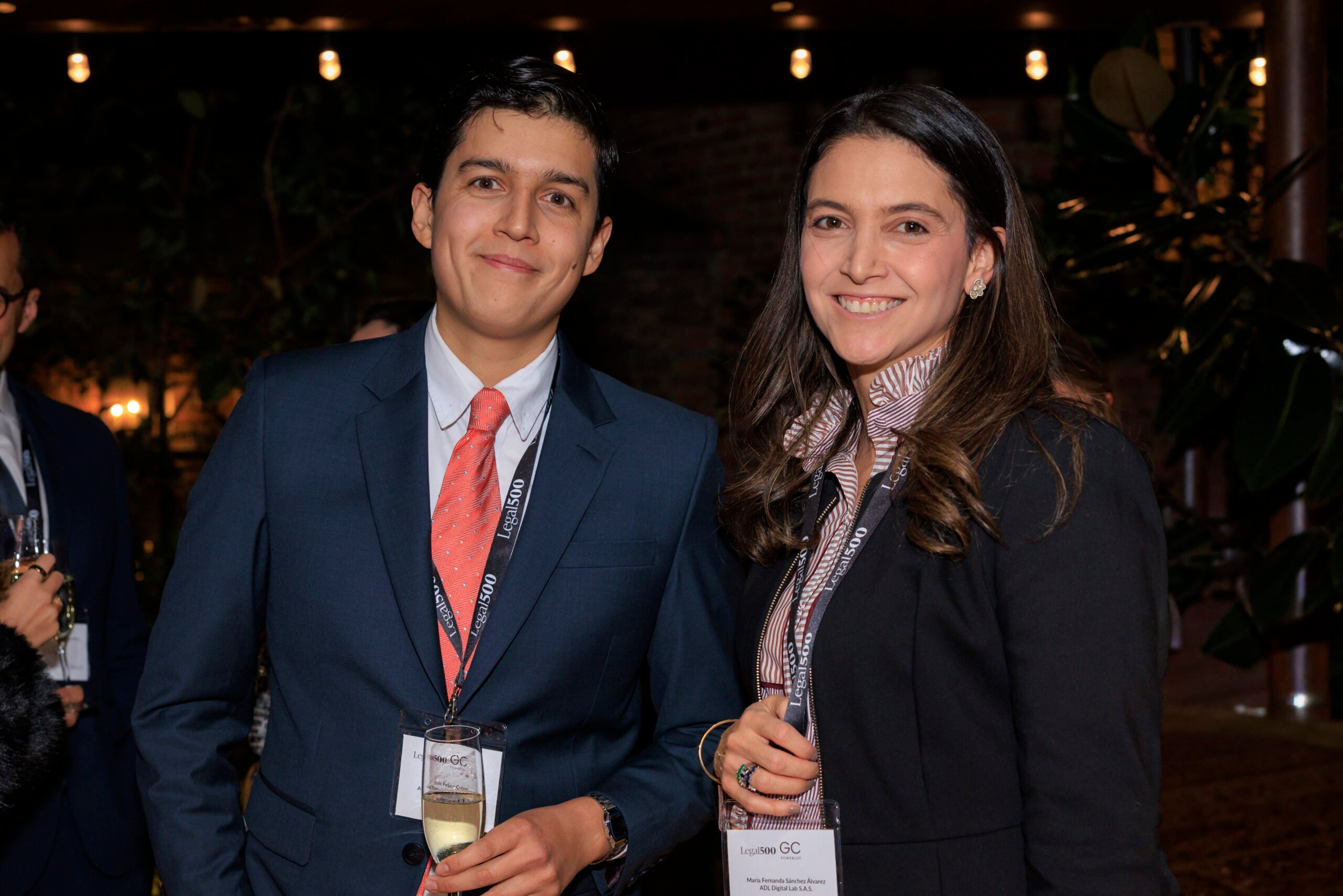
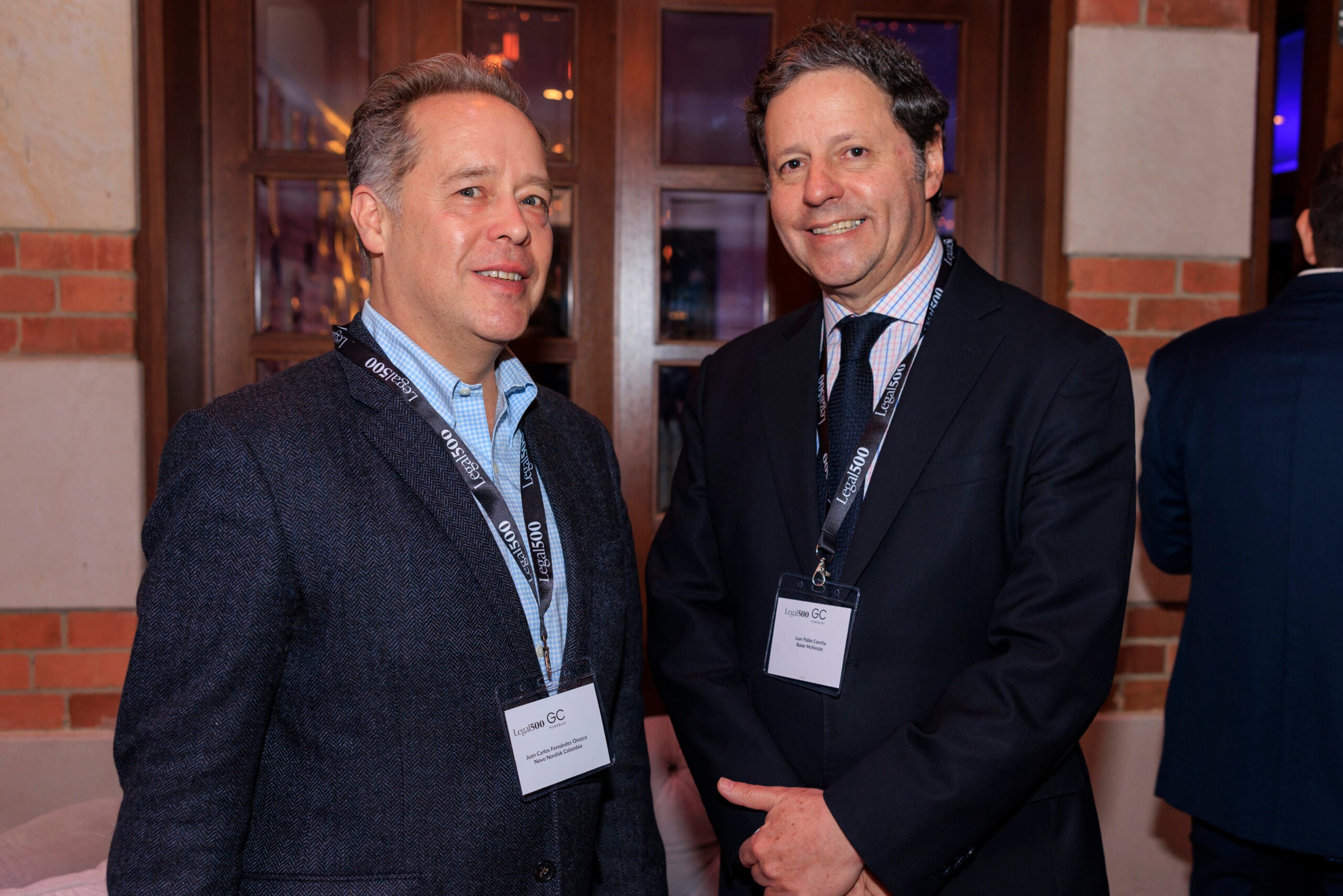
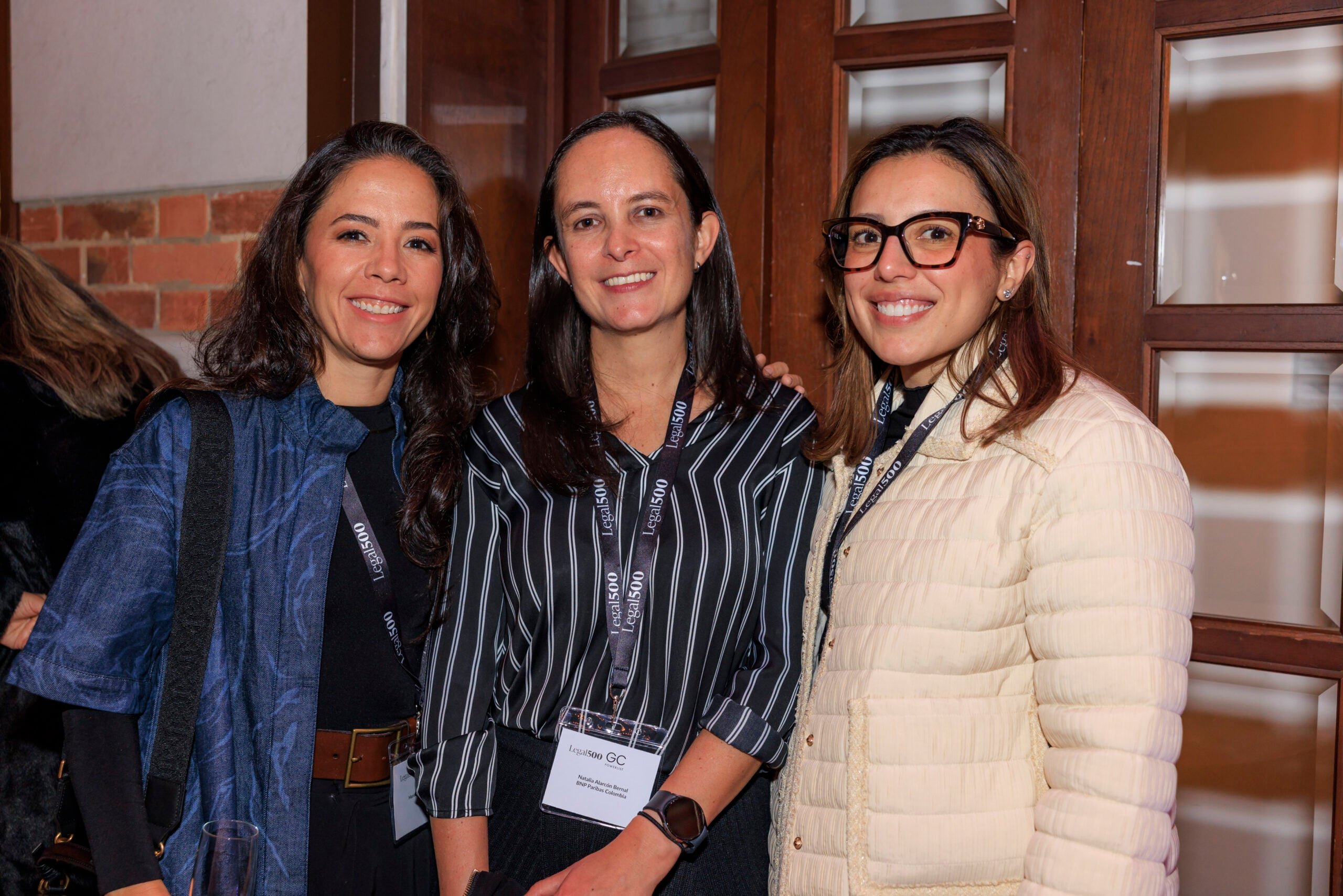
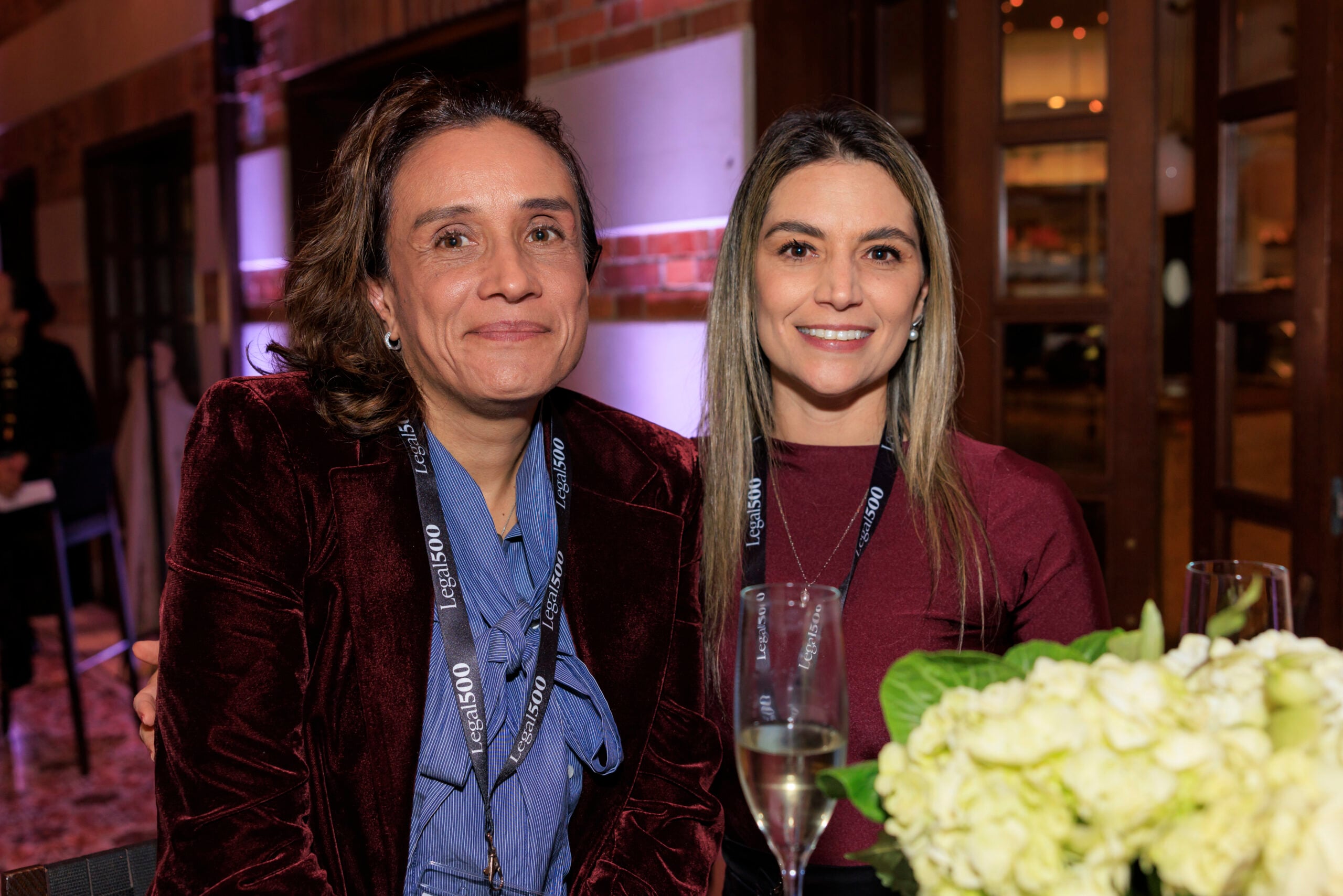
This year’s Powerlisters were then invited to collect their certificates and have their official photographs taken. The evening continued with lively discussions and networking as attendees shared insights, ideas and experiences over drinks and canapés.
Legal 500 would like to congratulate everyone included in the 2026 edition of the GC Powerlist: Colombia and thank Baker McKenzie for their partnership in bringing this event to life.