South Africa 2025
Supported by the Association of Corporate Counsel




Chief legal and compliance officer and company secretary | Liquid Telecom South Africa
Director: Legal services BMW Group South Africa (BMW South Africa and BMW Financial Services) ; company secretariat BMW SA | BMW South Africa

General counsel: EMEA and Central Asia (interim group general counsel: global) | The Weir Group



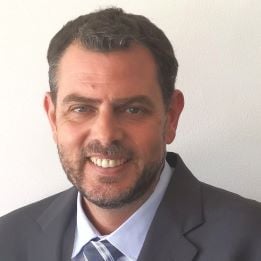
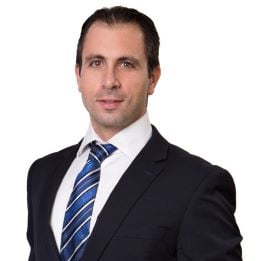






South African legal counsel (SA head of legal) and contract manager | GVW Group


Director legal and compliance Africa and Middle East | Bridgestone South Africa



Legal manager employment law | Anglo Corporate Services South Africa

Head of legal South African device business | Huawei Technologies Africa




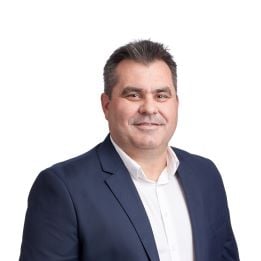

SKA-MID legal manager (South Africa) | Square Kilometre Array Observatory (SKAO)


Legal director: South Africa and Sub-Sahara Africa and company secretary | Haleon





Group company secretary and governance officer | African Rainbow Minerals
Group company secretary and head: governance ethics and legal | First Rand Group

Senior counsel: group legal (RSA, UK and Mozambique) | Premier FMCG
Delia Roopnarain is a South African qualified corporate, commercial, and intellectual property attorney (Solicitor), as well as a Notary Public of the High Court of South Africa. With over 15...


General manager: corporate legal, company secretary and security | Engen Petroleum
General counsel and company secretary Africa and Middle East | John Deere
Senior manager legal, general legal counsel | Sasol

Director of legal services | Tsebo Solutions Group
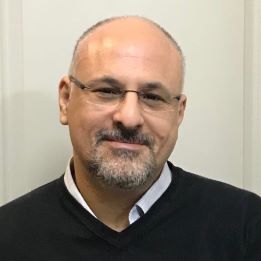
Executive vice president, group legal | NTT
Larry Levin has a BA LLB (University of the Witwatersrand) and was admitted as an attorney in 2000. Recently Larry completed a short course offered by the University of Cape...
Group chief executive - legal and regulatory officer | MTN Group

Group company secretary and head of global company secretariat | Prosus Group
Lynelle Bagwandeen is the Group Company Secretary & Head of Global Company Secretariat (Prosus and Naspers Limited). She joined the global technology group in August 2020. Prior to this appointment...
Company secretary and corporate legal counsel | Business Partners

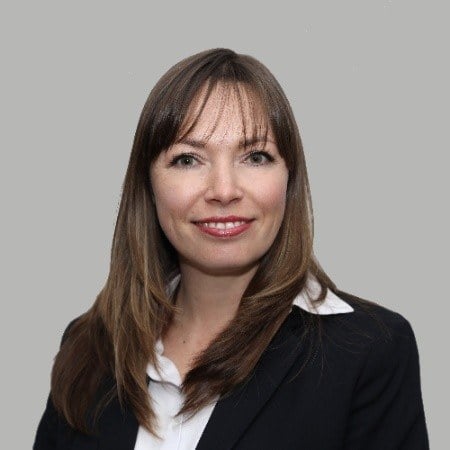
Legal director and executive director:South Africa | Colgate-Palmolive
Senior vice and group general counsel, and company secretary, head of legal | Massmart
Executive director - corporate, external and legal affairs | Microsoft South Africa
Director and general counsel | 3M South Africa and Sub-Saharan Africa
South Africa continues to be the continent’s economic powerhouse, and world-class companies from a range of industry sectors call the rainbow nation home. Supporting these efforts are a huge number of highly talented and experienced general counsel, chief legal officers other corporate counsel that mitigate risks, spearhead new transactions and business lines, and contribute to overall company strategy. We at Legal 500 our delighted to share this list of 110 of the country’s foremost GCs, although selecting these from the long list of nominations we received was not an easy task.
Through exclusive interviews, we explore the challenges and opportunities shaping their industries—from ESG compliance and data protection to dispute resolution and AI-driven legal operations. These in-house counsel are not just advisors but architects of change, navigating businesses through uncertainty with resilience and foresight.
Their voices offer a unique perspective on the evolving legal and business climate in South Africa, and in total add up to over 32,000 words. There were a number of notable takeaways from this year’s research that the excerpts below are emblematic of.
Given the turbulent state of the global geopolitical order currently, we focused on how legal teams react to crisis. Kim Edwards, Head of Legal at SPAR Group, spoke eloquently about the importance of being the company’s rock in tough times:
“Two important attributes that I think are key for an in-house lawyer are adaptability and the ability to keep a cool head. The worst thing that an in-house advisor can do is create or encourage an environment of panic. In times of crisis or pressure, our team’s approach is to engage with colleagues on the issue at hand and assist in developing an immediate action plan. This provides the business with reassurance and a level of certainty during the uncertainty. This encourages them to not respond to situations hastily – most knee jerk reactions do not result in good business decisions.”
Many GCs chose to talk about the importance of diversity within an organisation. Howard Snoyman, head of legal and ethics at Discovery Health Medical Scheme, championed the benefits of diversity to organisations:
“Diversity of competent thought is a valuable asset to any team, and such diversity can only be achieved by including team members from various backgrounds and skill sets. It is important to be slow in dismissing perspectives that differ from your own and to empower those employed to help solve legal and regulatory dilemmas to actually do so. Having a suitably skilled team and not listening to them creates an expensive echo chamber, which cannot deliver the optimal benefits to the enterprise.”
As experienced leaders of legal teams, GCs are key mentors to those in the team more junior than them and must develop and motivate them effectively to make a truly high-performance team. Zinhle Mariani, General Counsel Africa of Experian South Africa, spoke of how important it is to treat everyone in the team as individuals and take their unique circumstances into account:
“This requires thoughtfulness, understanding, and knowledge of my team. It’s not a one-size-fits-all approach, as each individual is driven by different needs. For instance, I have a young team, some are married with children, others are not, some are mobile, and others are not. Some are highly educated and need different incentives, while others are eager to learn and develop in their fields. So, it requires considerable understanding, and I engage fully with each one to meet their needs, expectations, and, to some extent, what they believe they are entitled to. It’s important to tailor rewards and responses to each individual’s needs, ensuring I respond appropriately to each situation while maintaining a cohesive, collegial, collaborative, transparent, supportive, and high-performing environment.”
Finally, we looked to ask the GCs what they rank as the top trends facing them currently. Matthew Burchell, Head of LegalAfrica for Ninety One, gave an answer that summed up many of the key concerns for GCs in South Africa now nicely:
“Increased legislation and regulatory scrutiny: the presence of new and evolving legislation has been particularly prevalent in Southern Africa in recent years, including as a result of countries being grey-listed and various socio-political initiatives. In terms of AI and technology, the advancements in this space are seismic and they present a multitude of opportunities to make legal services more effective and efficient. As a result of the large volumes of information and data digested by lawyers, LLMs and GPTs are proving particularly useful.”
We are proud to celebrate their achievements and share their perspectives with the global legal community, and pleased we can have South African in-house legal minds take centre stage in the GC Powerlist South Africa 2025. Congratulations to all included, as many fine in-house lawyers were unfortunately unable to make the cut on this occasion.

It is indeed an honour and a privilege for Cliffe Dekker Hofmeyr (CDH) to partner with Legal 500 in bringing the Legal 500 GC Powerlist to South Africa for the second time in 2025. This initiative underscores our deep appreciation and respect for the country’s esteemed General Counsels (GCs) and their pivotal role in driving business success across the country.
The role of General Counsels (GCs) in South Africa has been undergoing a significant shift as businesses face increasing complexity in their operations and regulatory environments. Traditionally, GCs were seen primarily as legal advisors, responsible for managing legal risks and ensuring compliance. However, today’s GCs are expected to play a much more dynamic role, extending their influence beyond legal matters. They are now key strategic partners in guiding corporate decision-making, addressing environmental, social, and governance (ESG) concerns, and driving broader risk management initiatives. This evolving role reflects the growing demand for GCs to contribute to a company’s overall strategy, mitigate emerging risks, and help navigate an increasingly complex business landscape.
CDH continues to recognise the value that GCs add as integral and indispensable members of corporate executive teams, respecting their ability to wield well-informed influence in key strategic decisions and contribute to the overall success of the business. As a firm that accompanies clients from vision to fruition in relation to their business and strategic objectives, we believe that the relationships we hold with GCs are vital to the success of businesses across South Africa and ultimately contribute to the economic growth of our country.
We are therefore delighted to once again be partnering with Legal 500 to shine a spotlight, “not only on the most distinguished in-house lawyers in South Africa, but also on the rising stars and next-generation lawyers being groomed to lead the best in-house legal departments in the country.”
We congratulate the GCs and in-house lawyers who are included in this year’s GC Powerlist. This recognition honours these ‘unsung heroes’ of business and corporate development, who have long been at the forefront of excellence when measured against their global peers. We hold each of you in high regard and believe that your role as GC across South African businesses remains critical for navigating legal complexities, managing risks, and upholding ethical standards and corporate integrity in an ever-changing and challenging business environment. By addressing emerging challenges proactively and leveraging legal expertise and business acumen, GCs help their businesses thrive in the face of uncertainty, adversity, and change.
Cliffe Dekker Hofmeyr is honoured to acknowledge the impact of those GCs on their businesses and on South Africa’s corporate landscape that have been included on the Powerlist South Africa, for the second time this year.
CDH is a full-service law firm consisting of more than 260 lawyers across Africa, with a track record spanning over 170 years. We provide experienced corporate and commercial legal support and authentic, knowledge-based, and cost-effective legal services for clients looking to do business in key markets across Africa. Our Africa practice brings together the resources and expertise of leading business law firms across the continent that have direct experience acting for governments, state agencies, and multinational corporations. This combined experience across the continent produces an extensive African corporate legal services capability. We also partner with other professional disciplines such as audit, business consulting, and corporate finance to provide a seamless and integrated solution for projects that have a multi-disciplinary and cross-border dimension.
For more information, please contact Karushka Naicker, Business Development Manager, via [email protected]

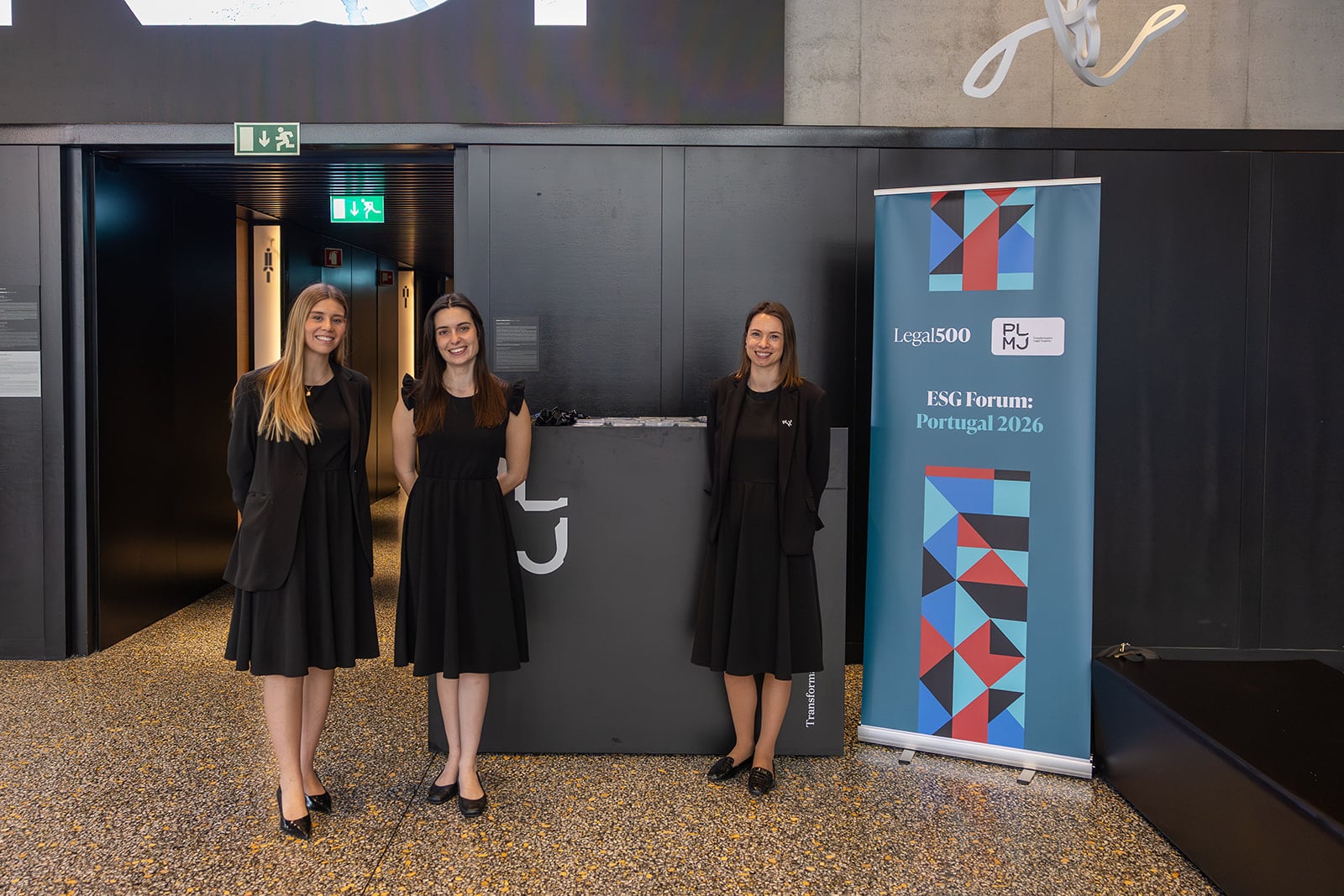
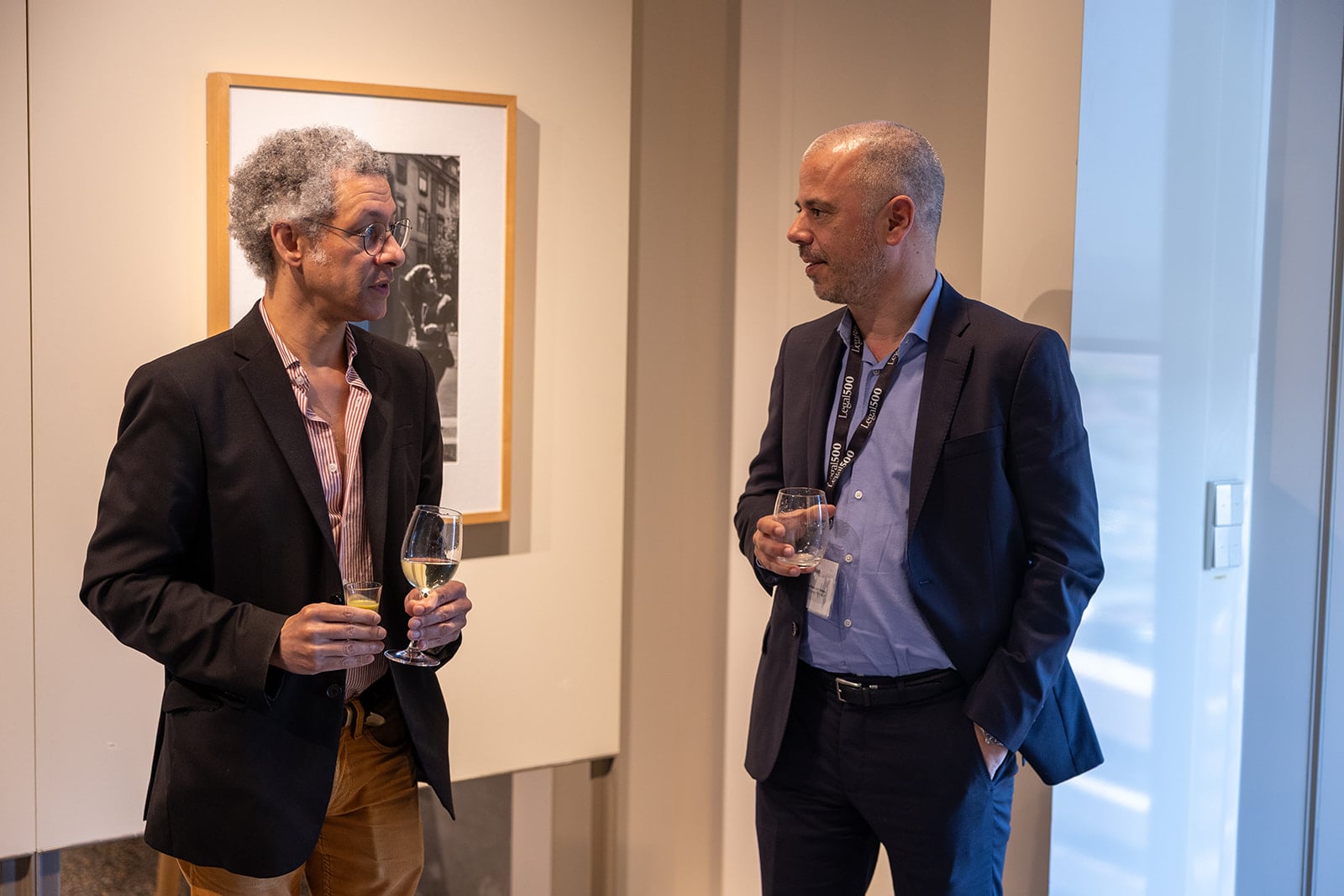
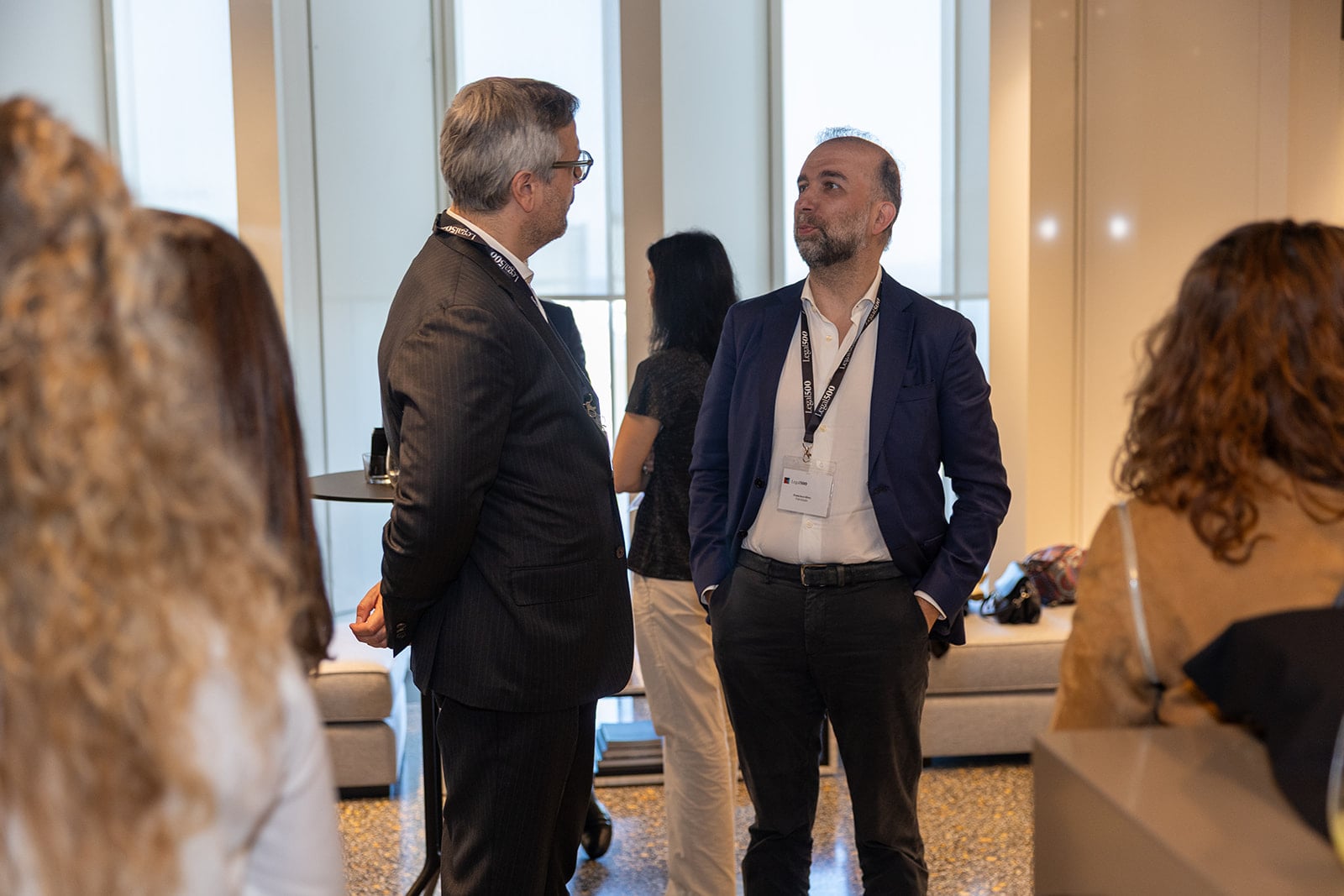
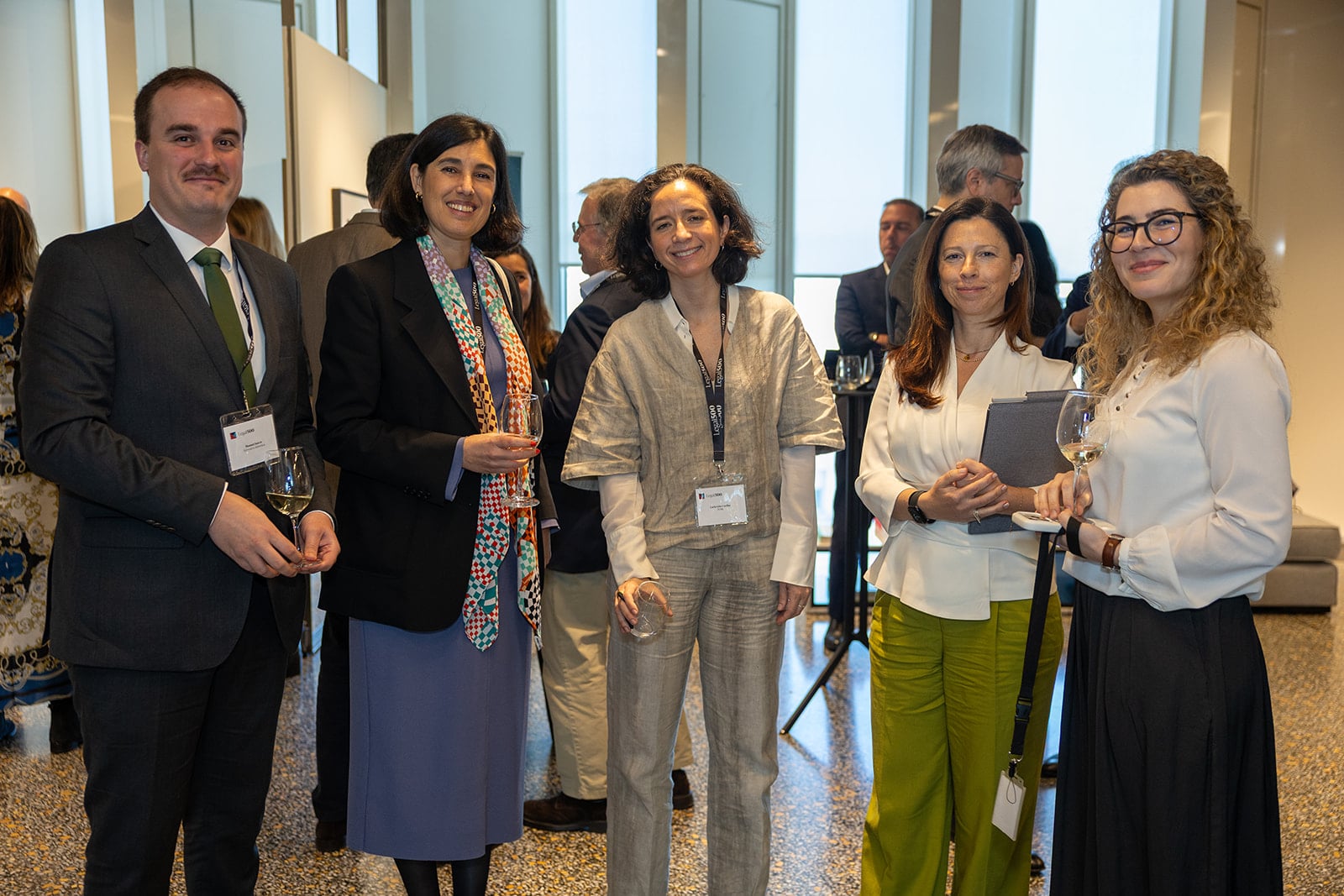
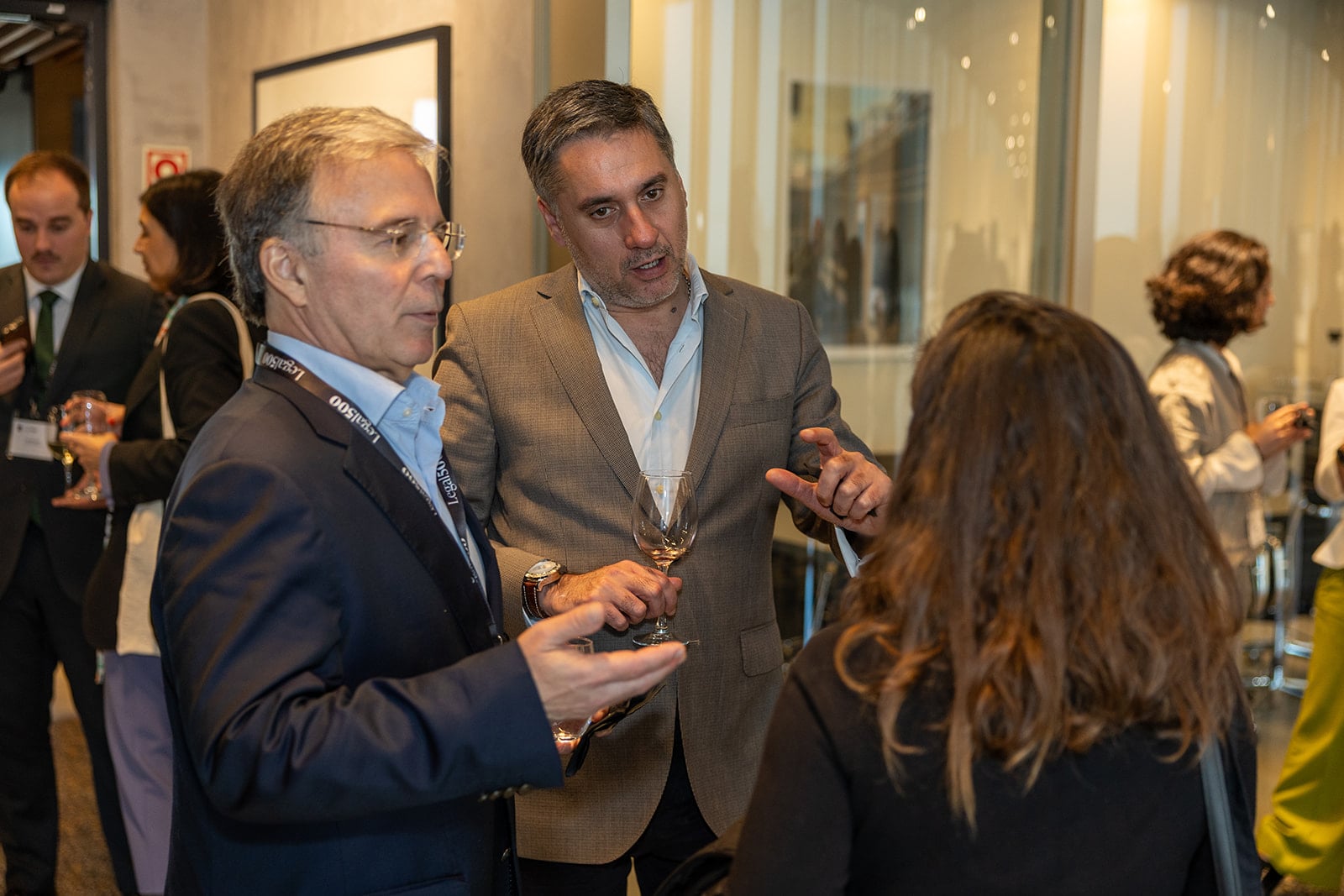
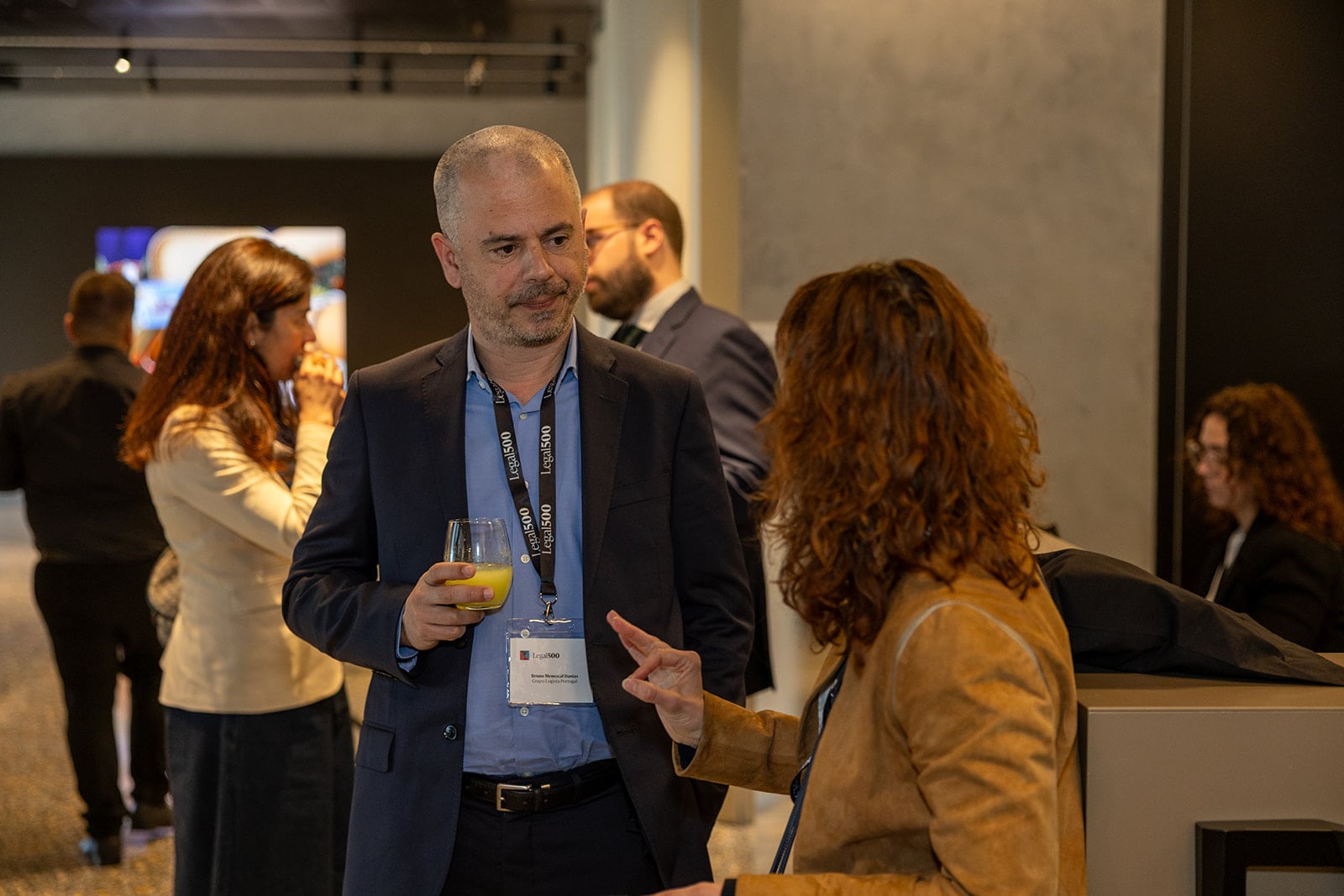
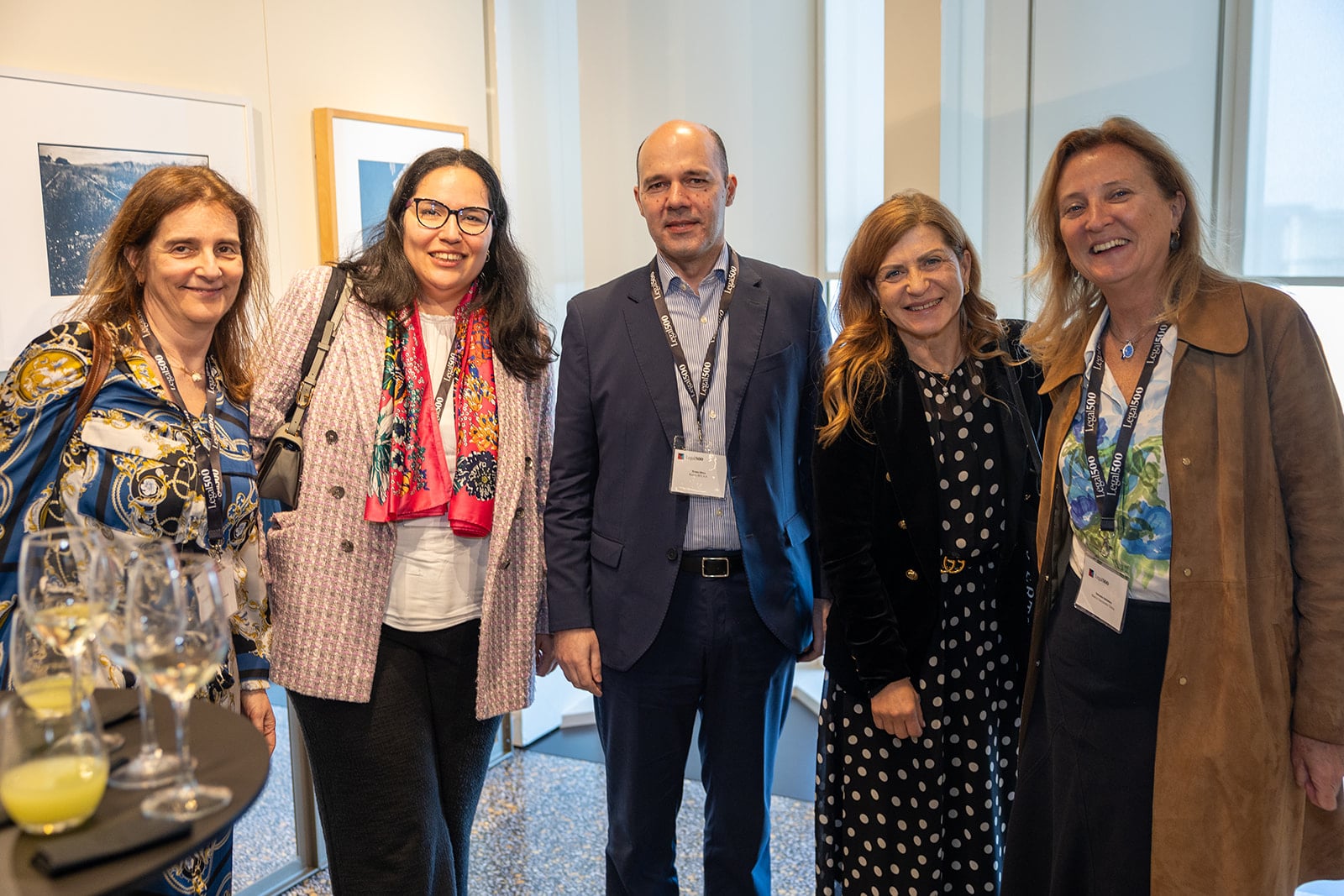
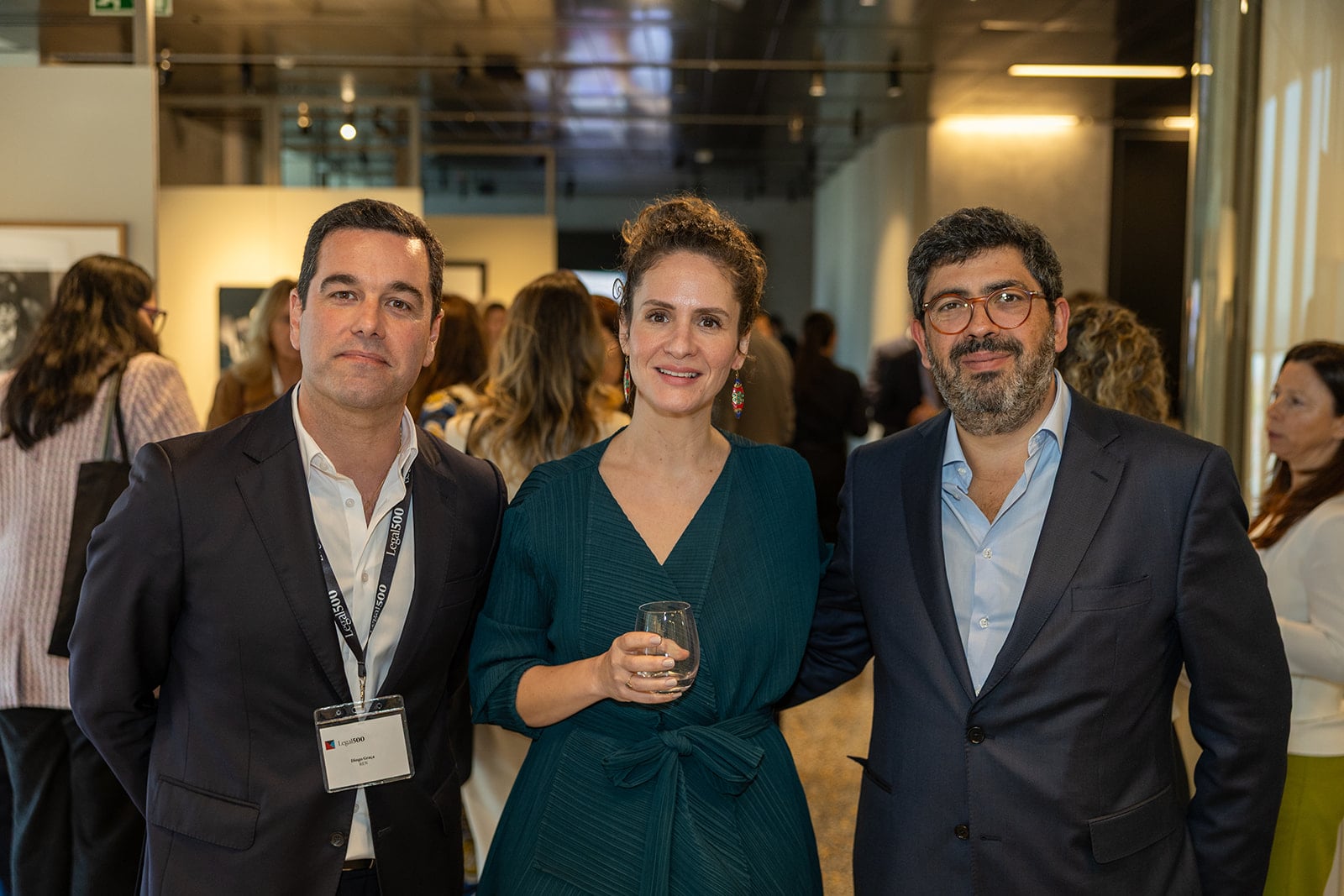
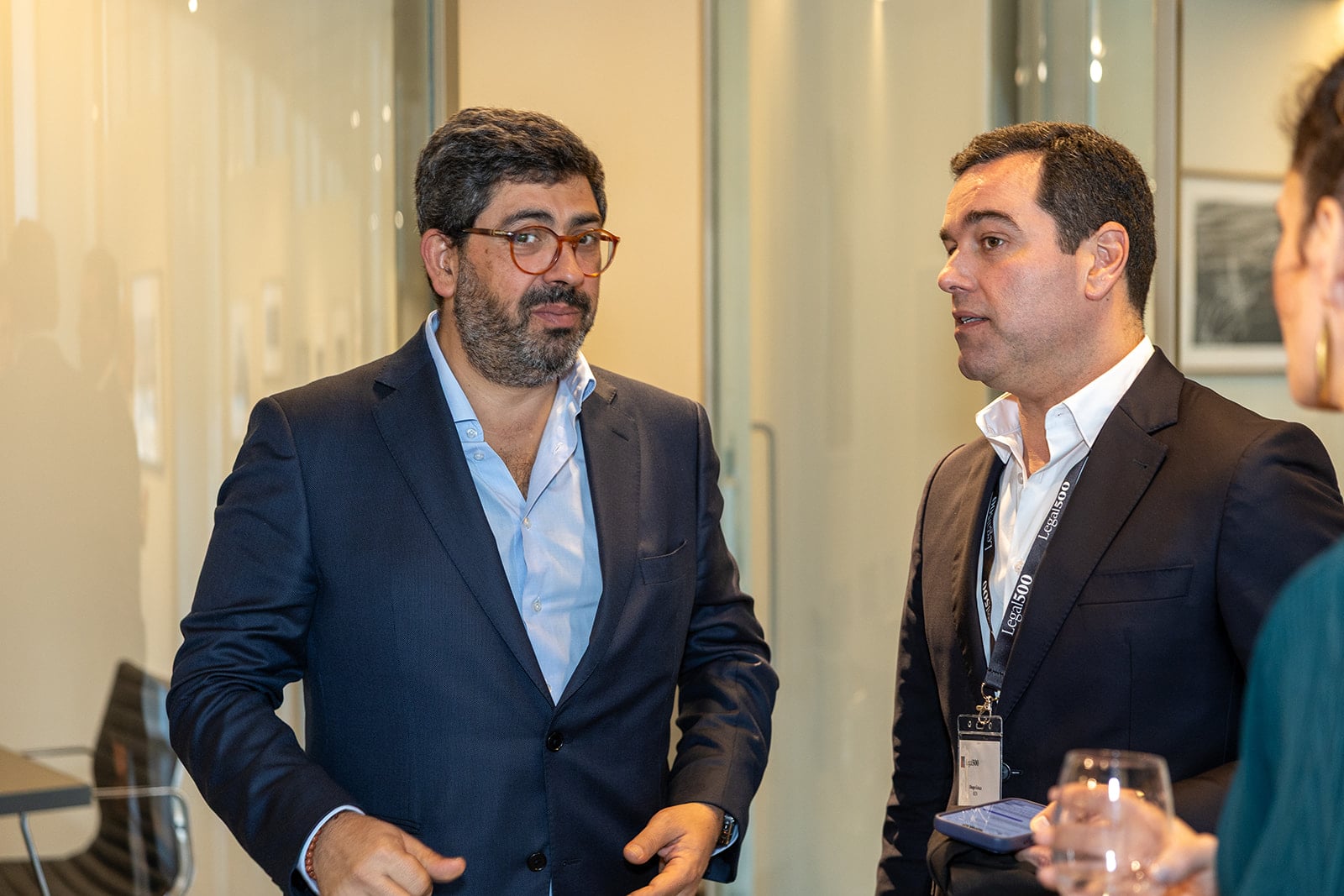
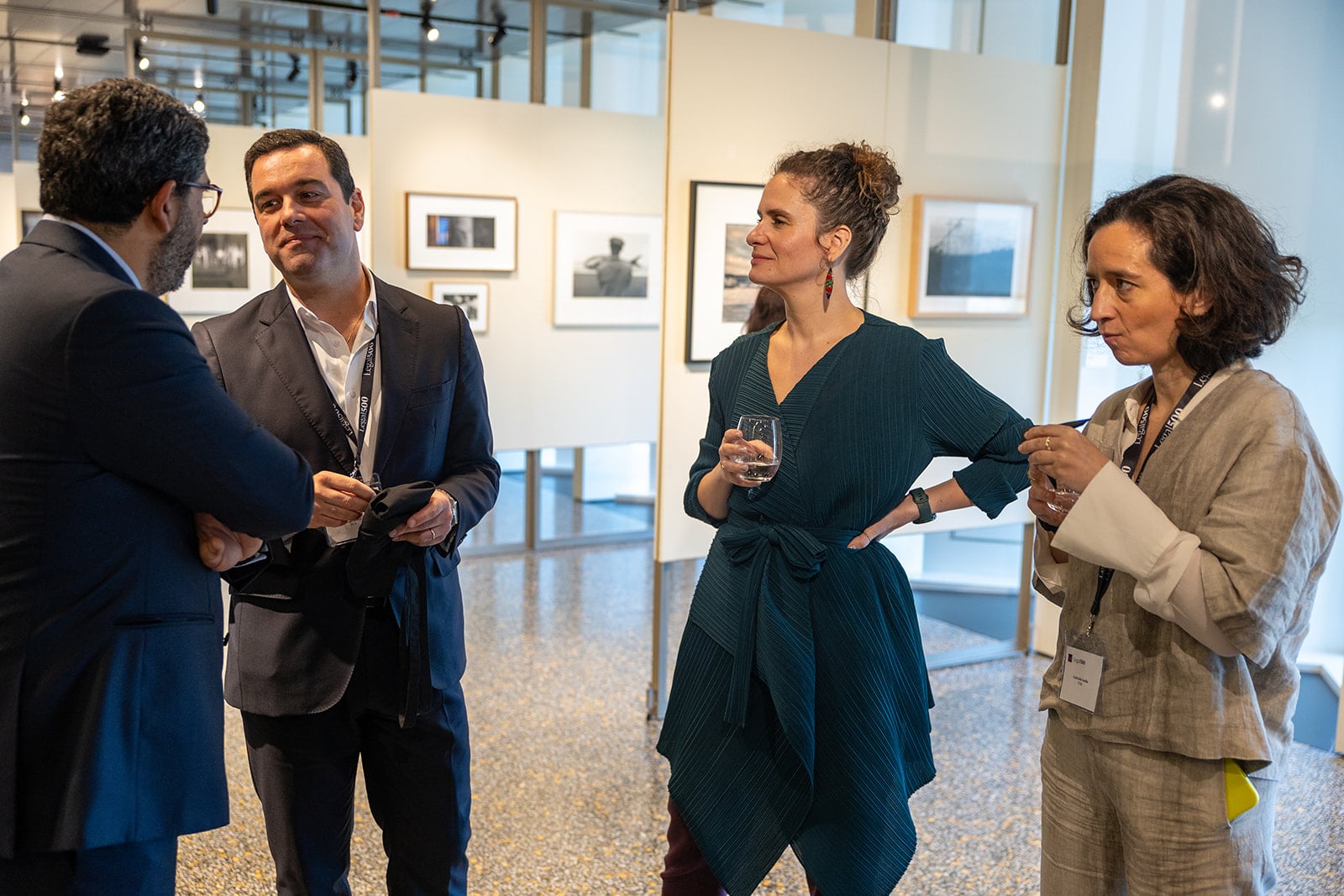
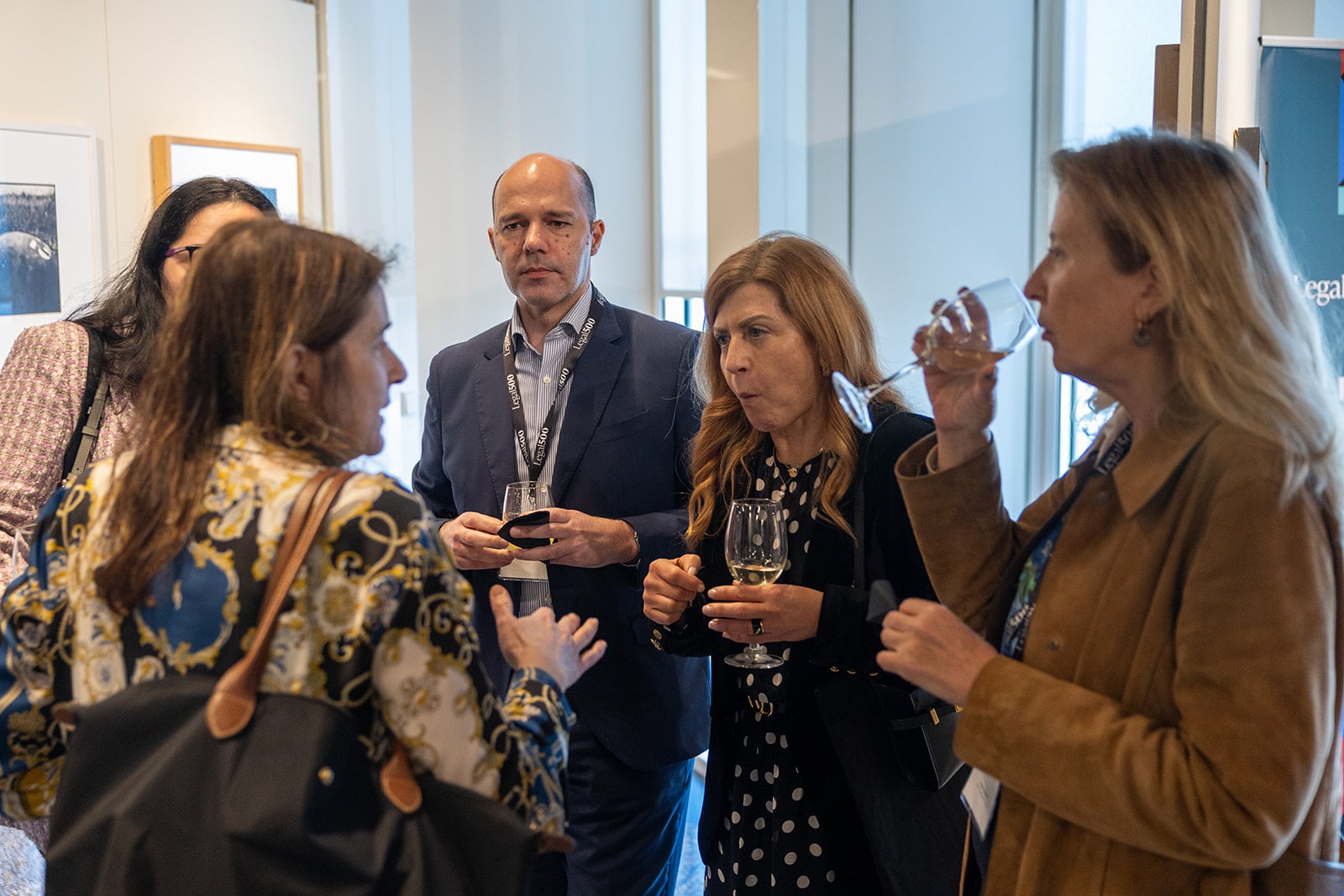
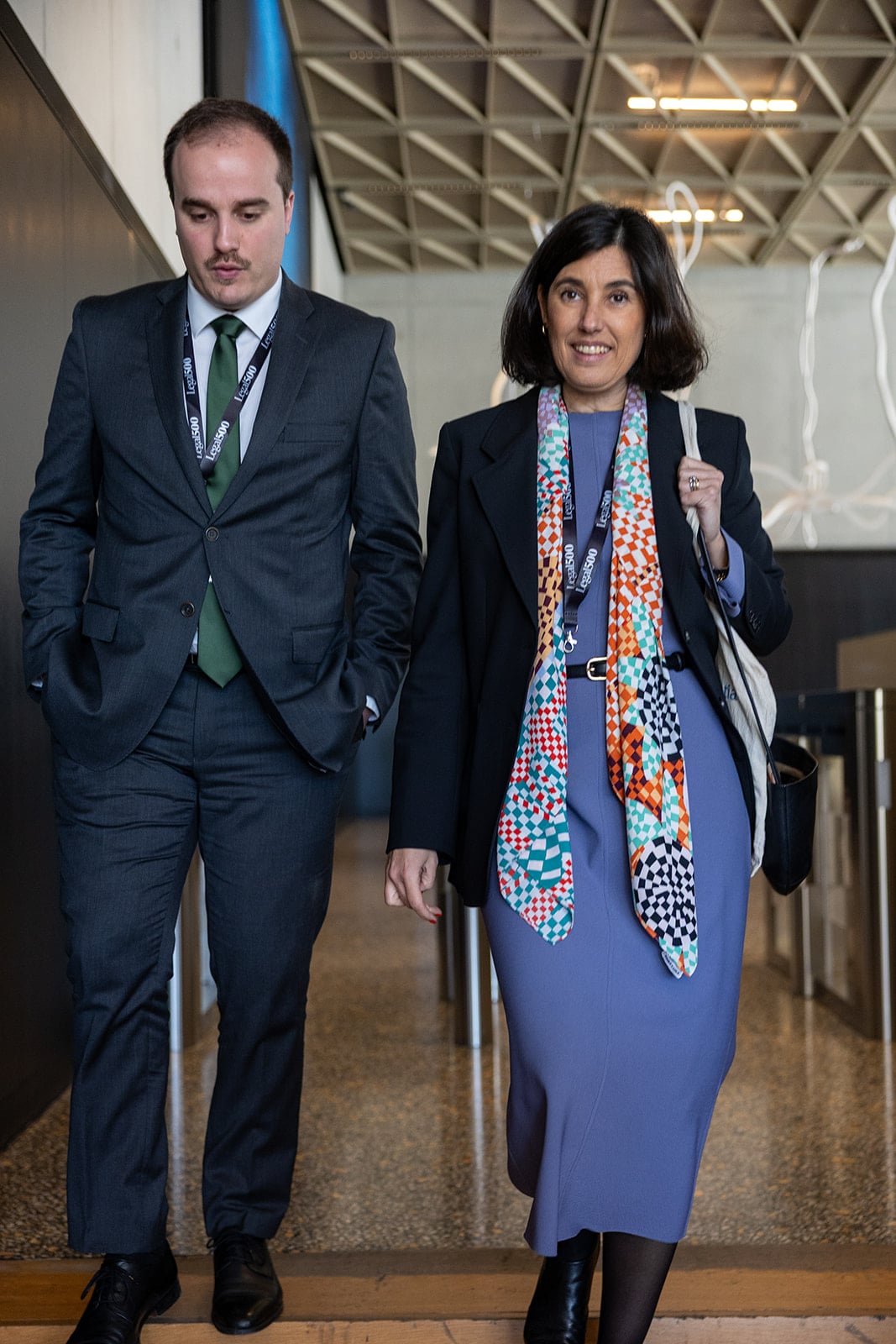
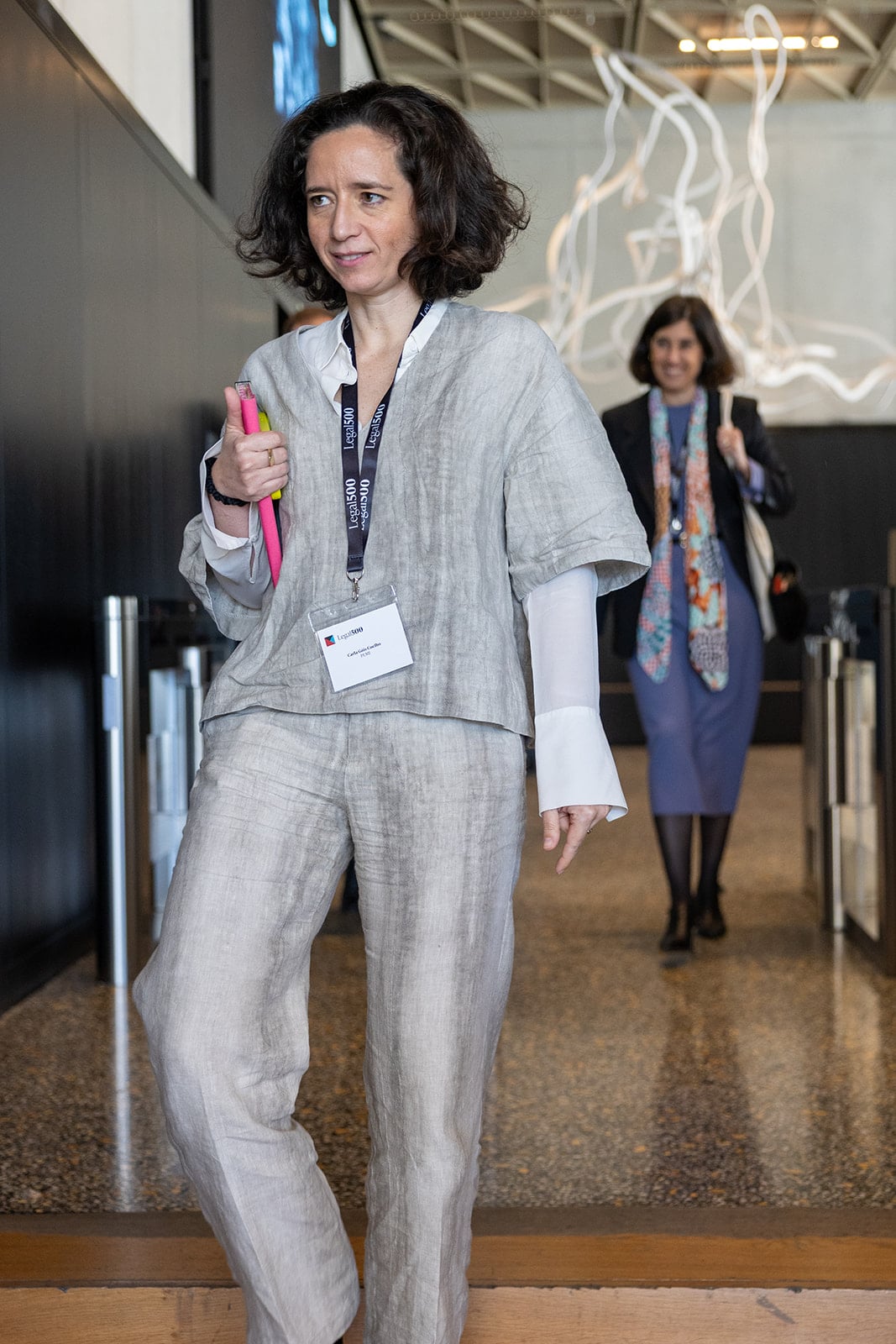
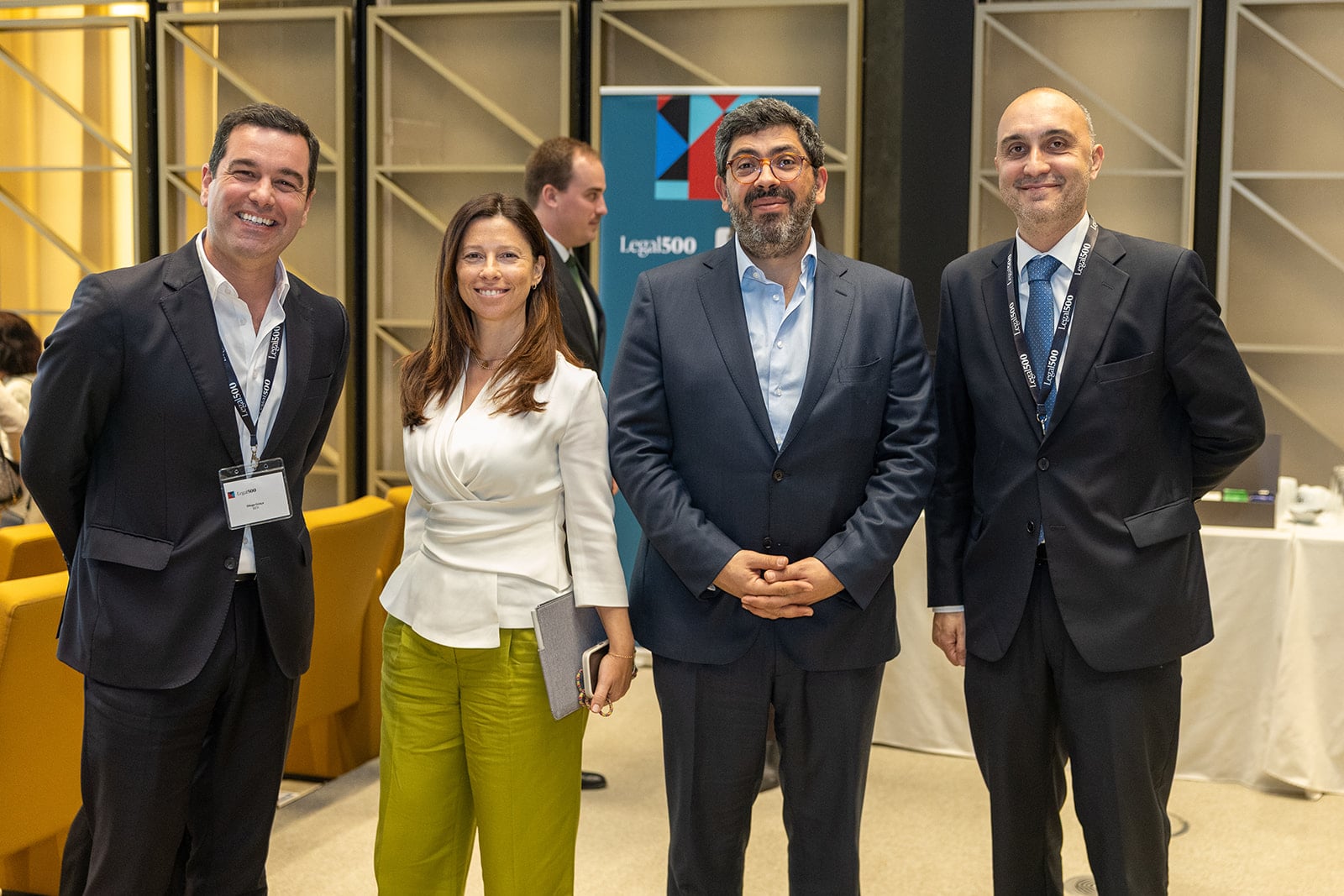
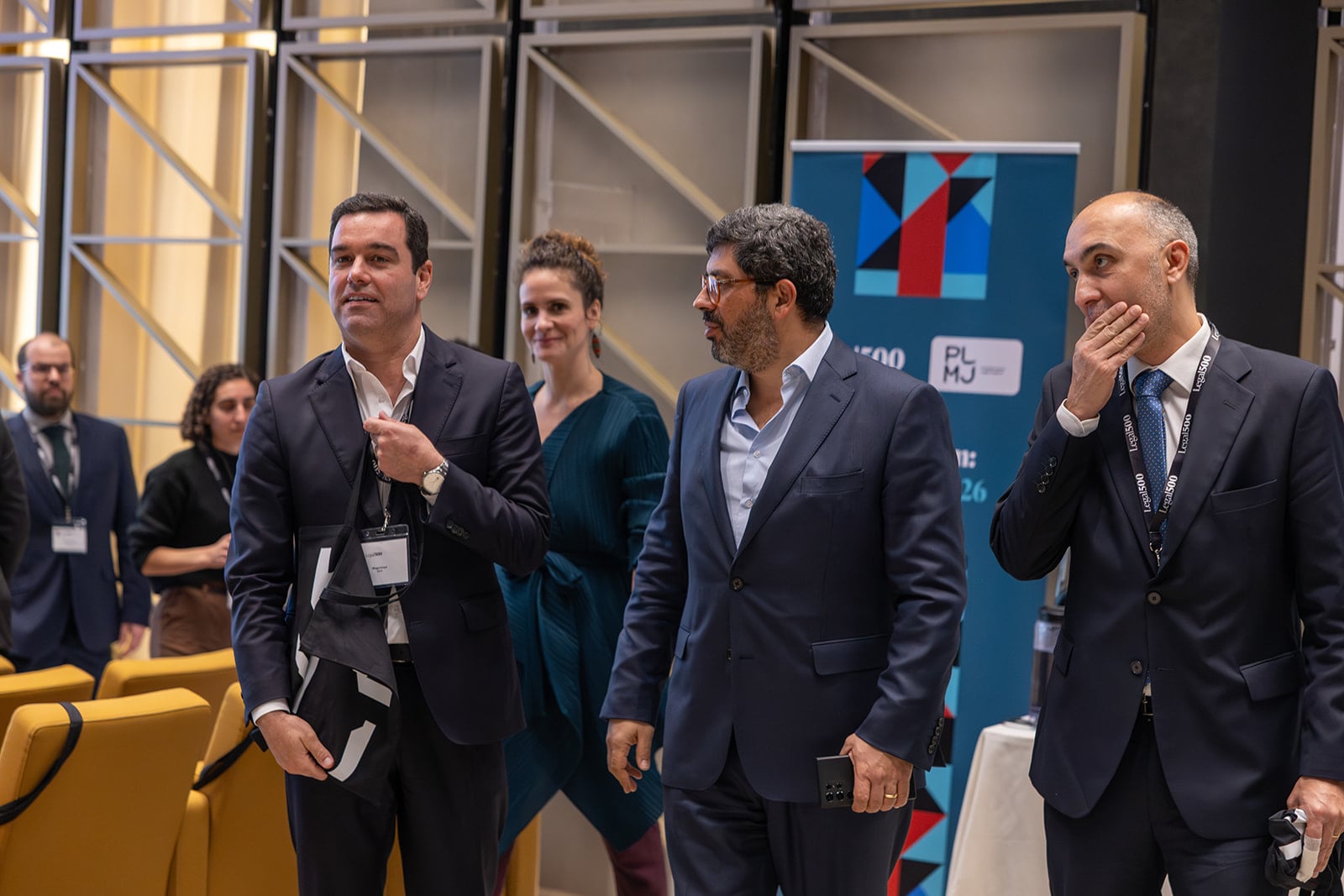
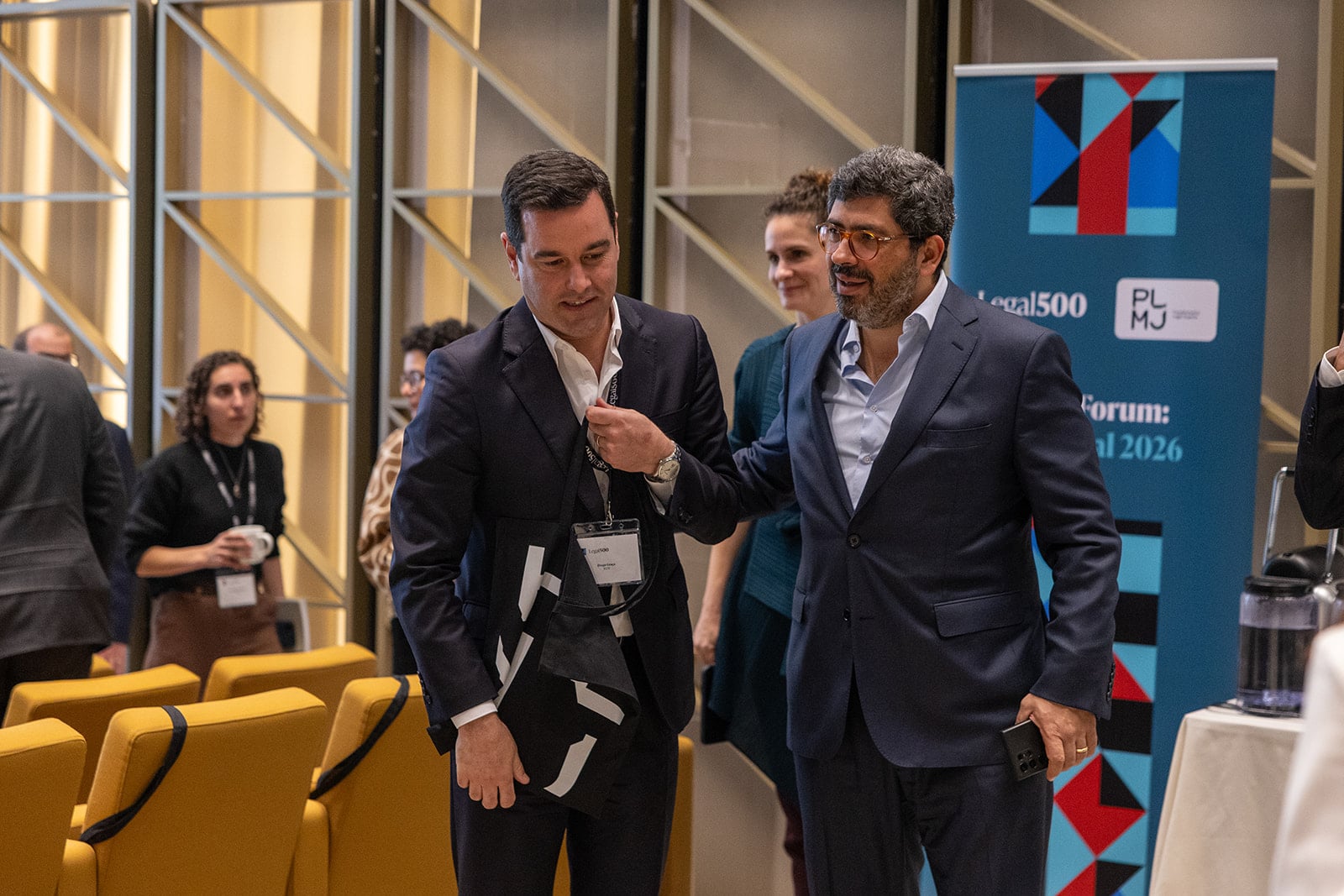
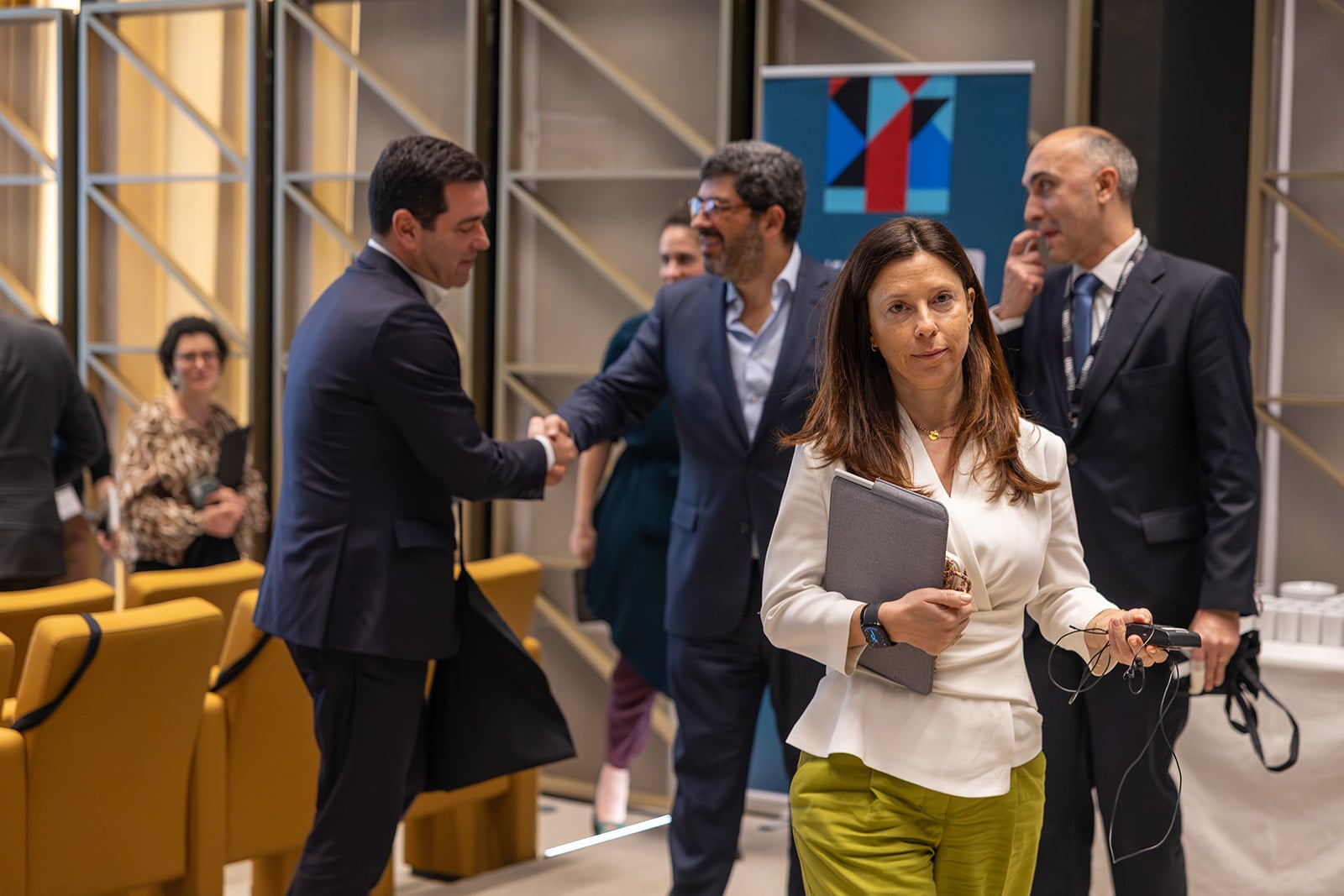
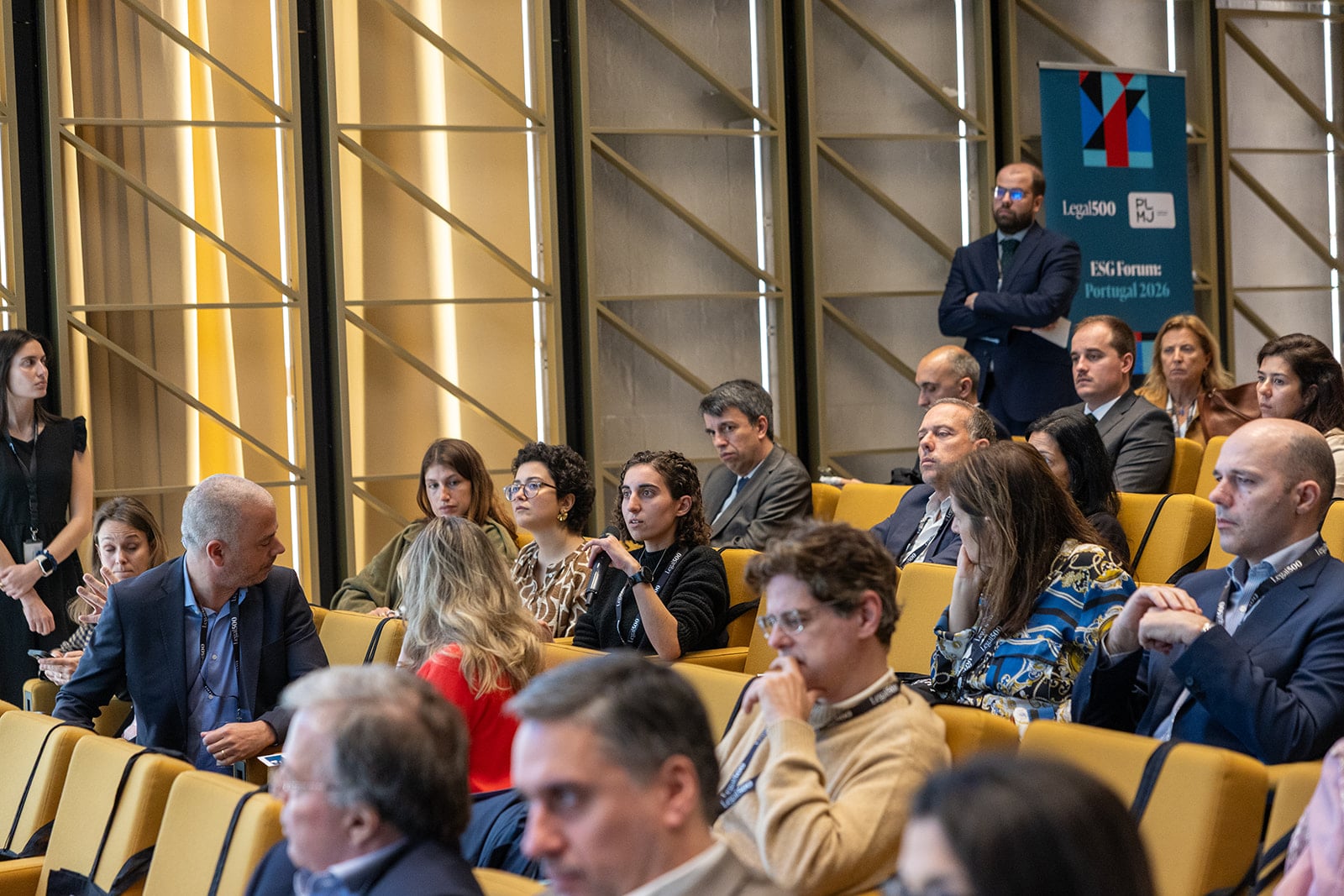
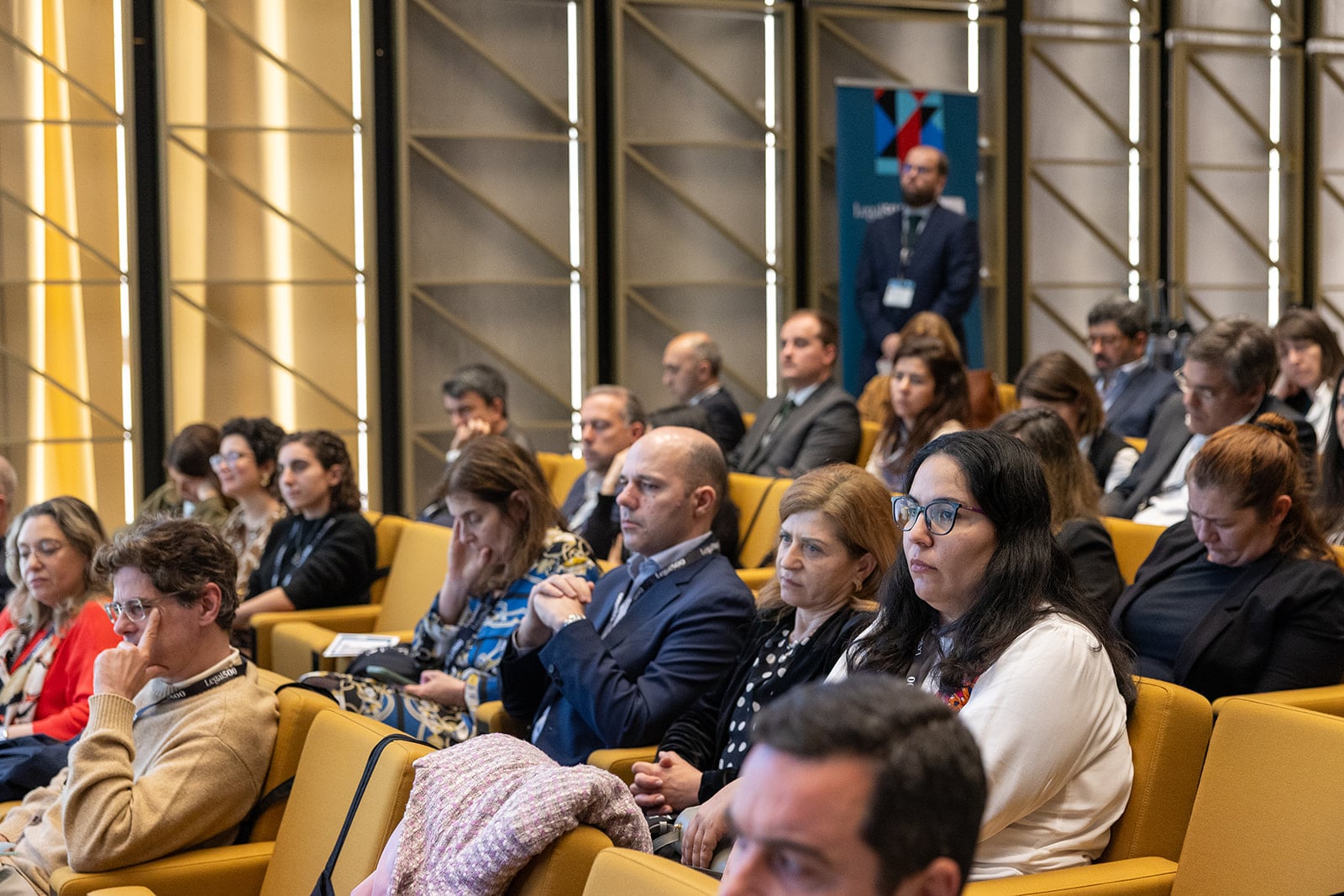
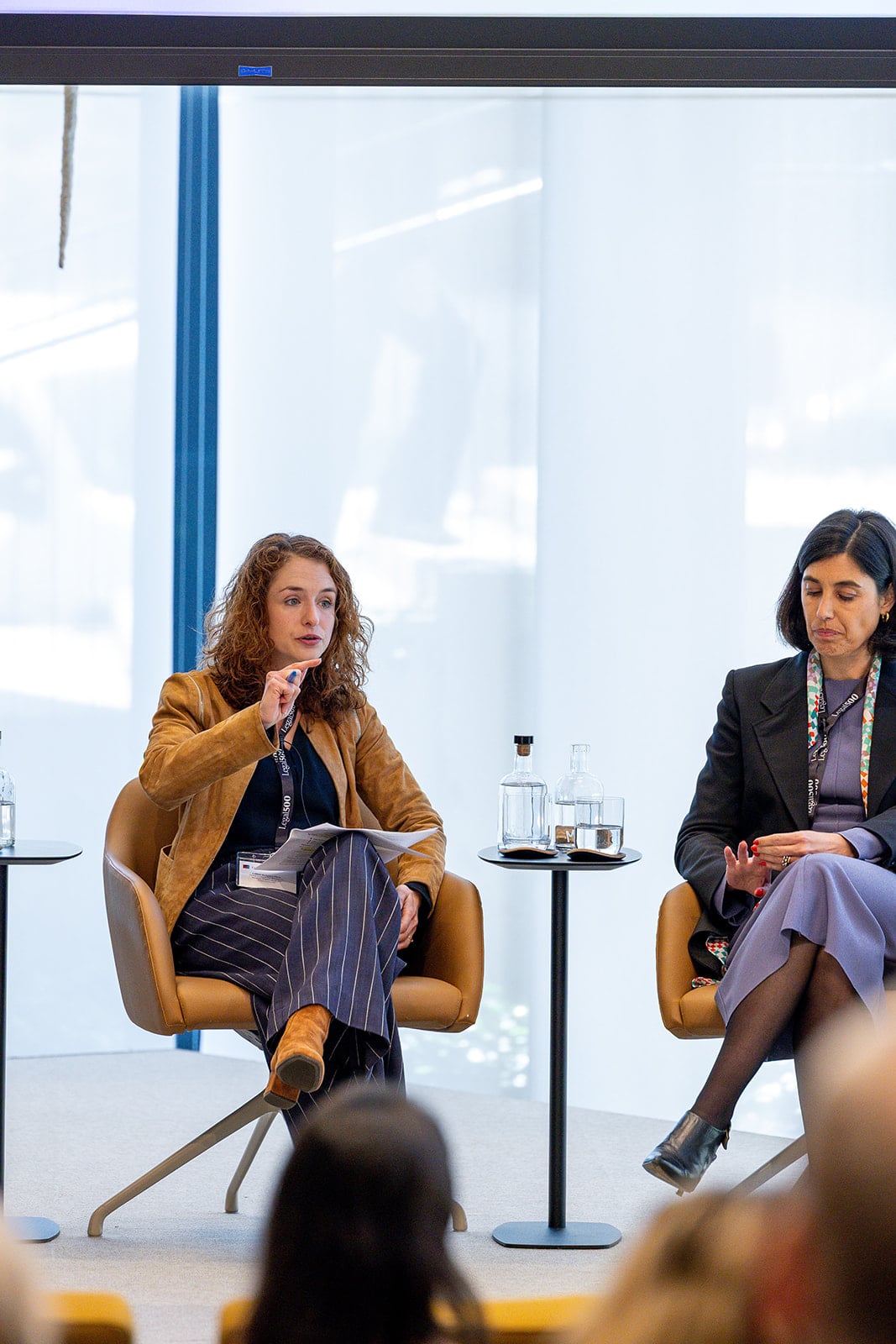
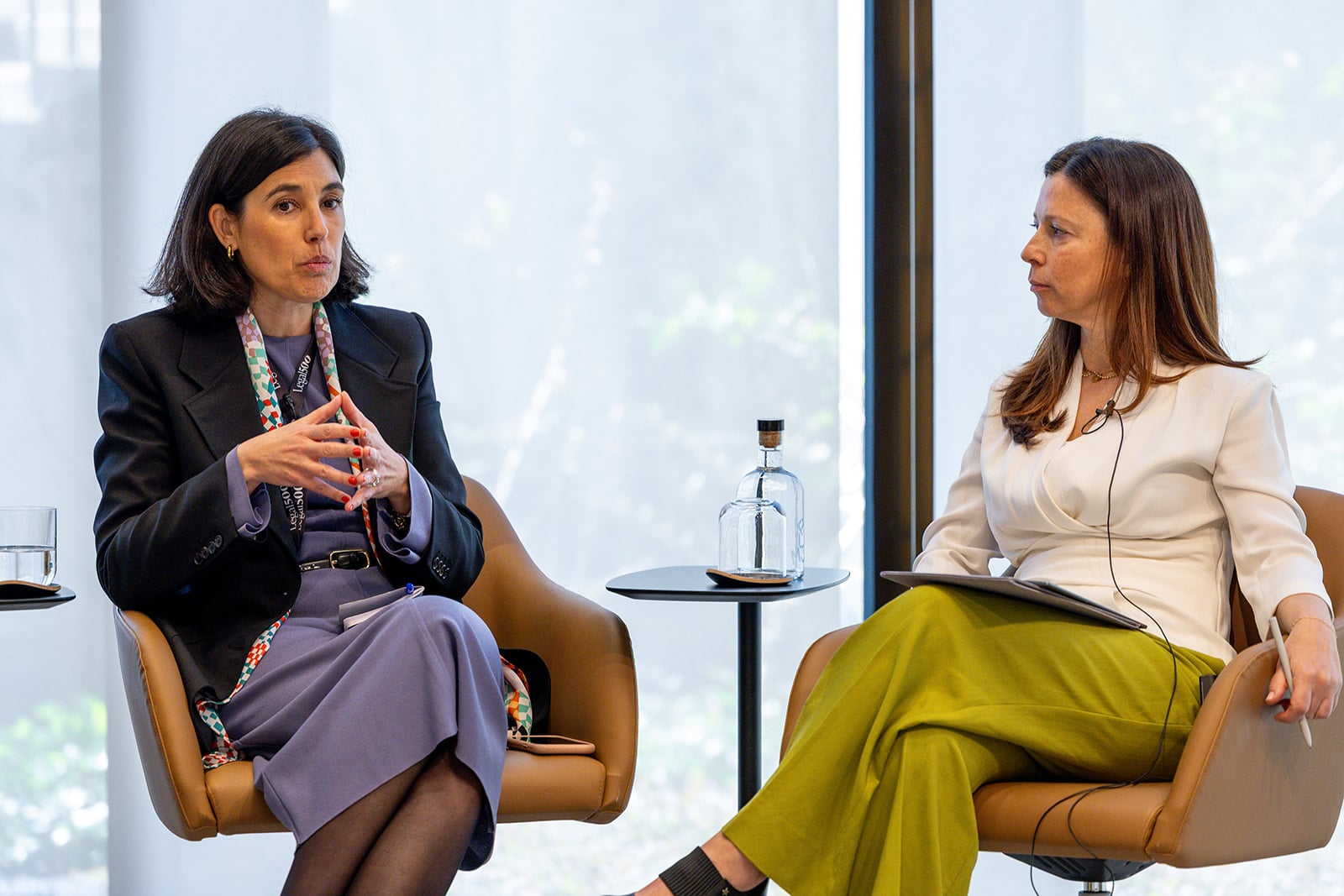
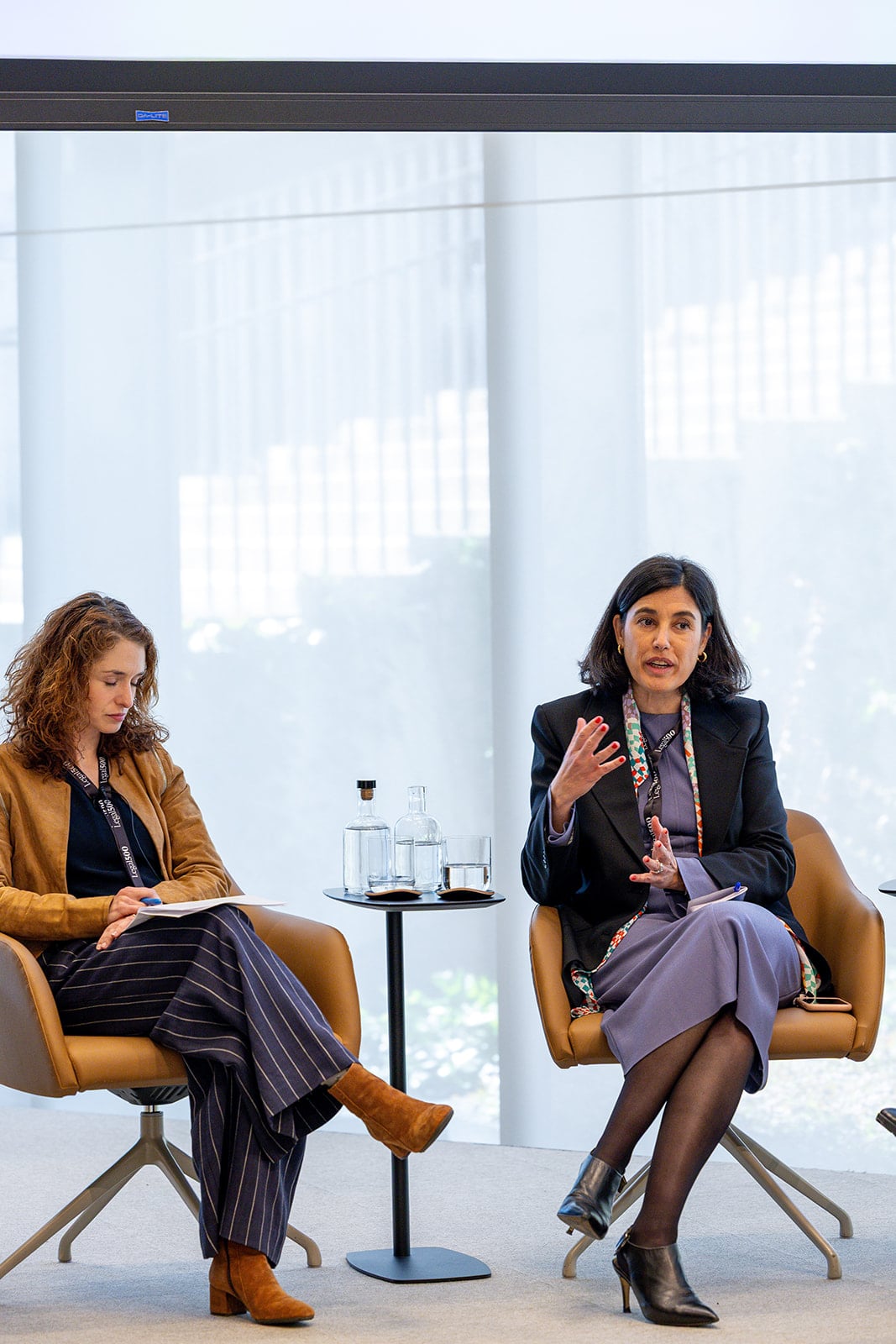
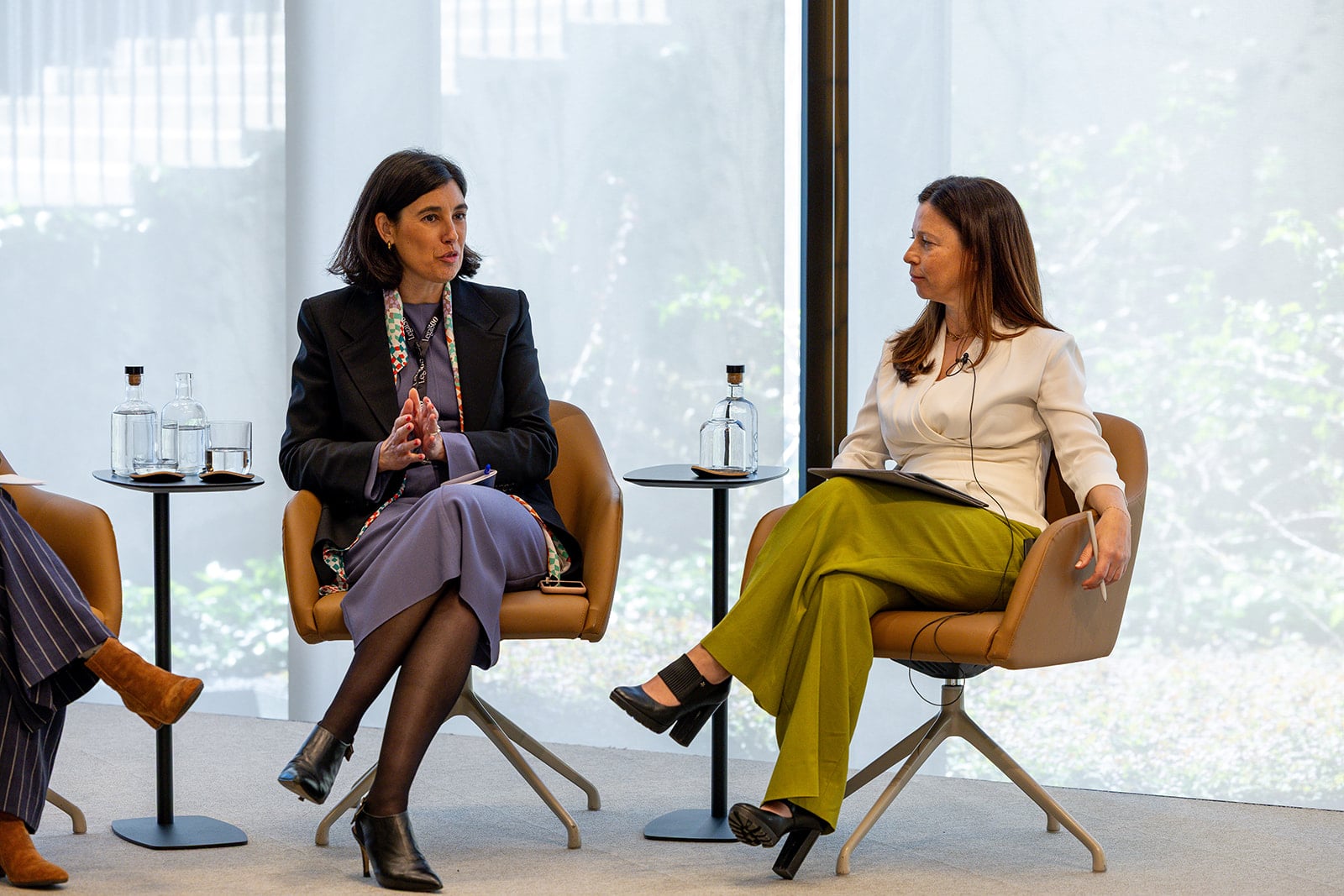
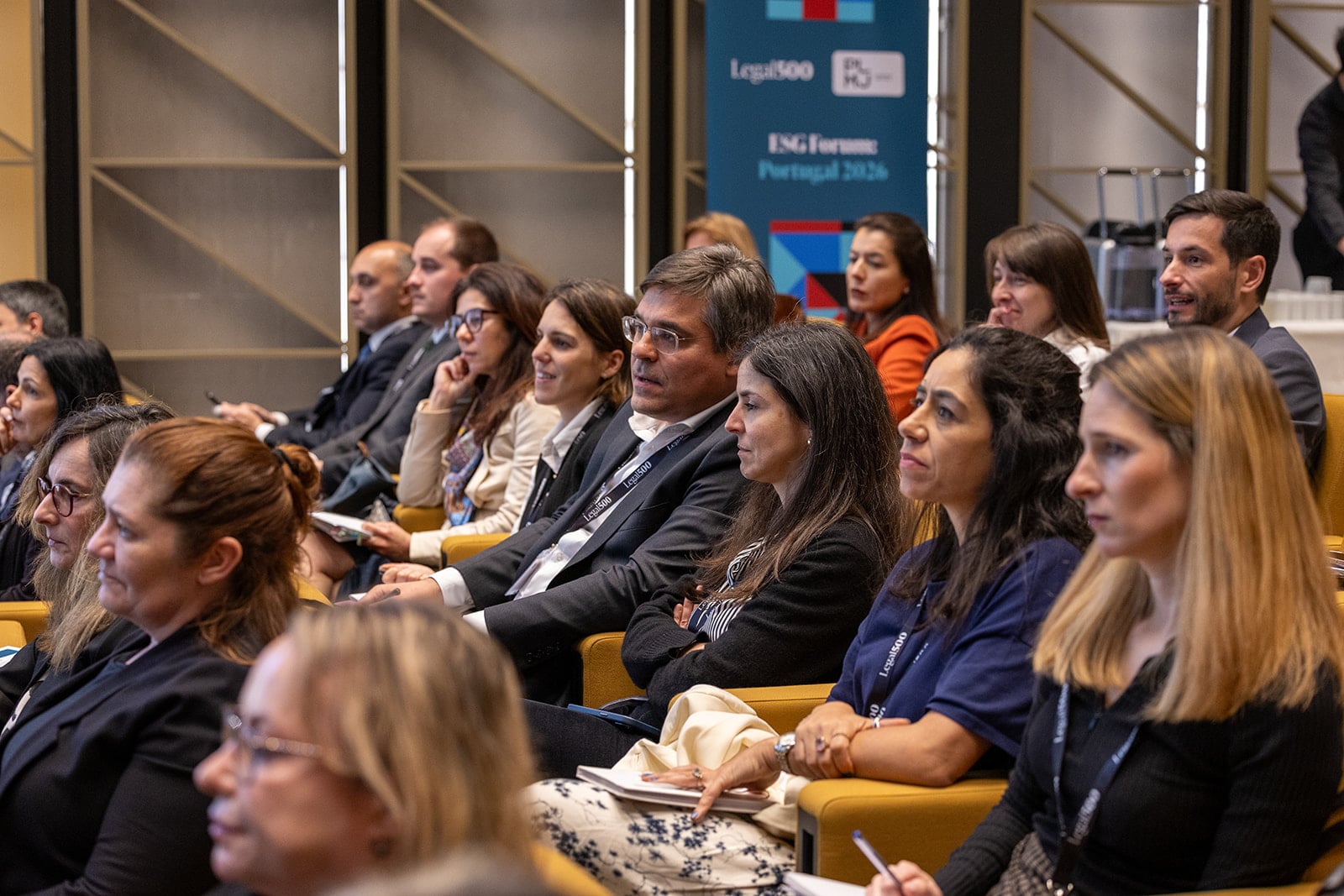
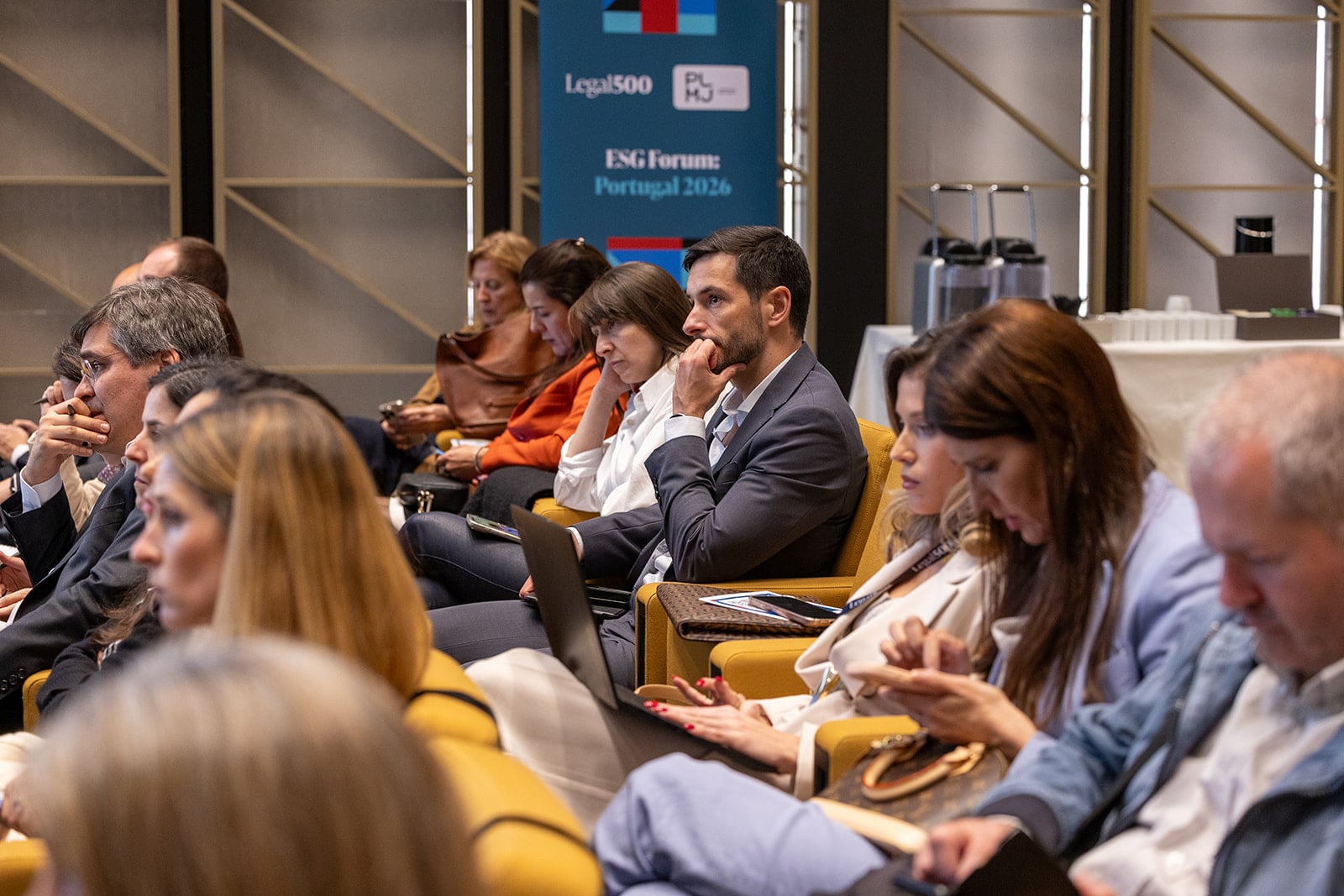
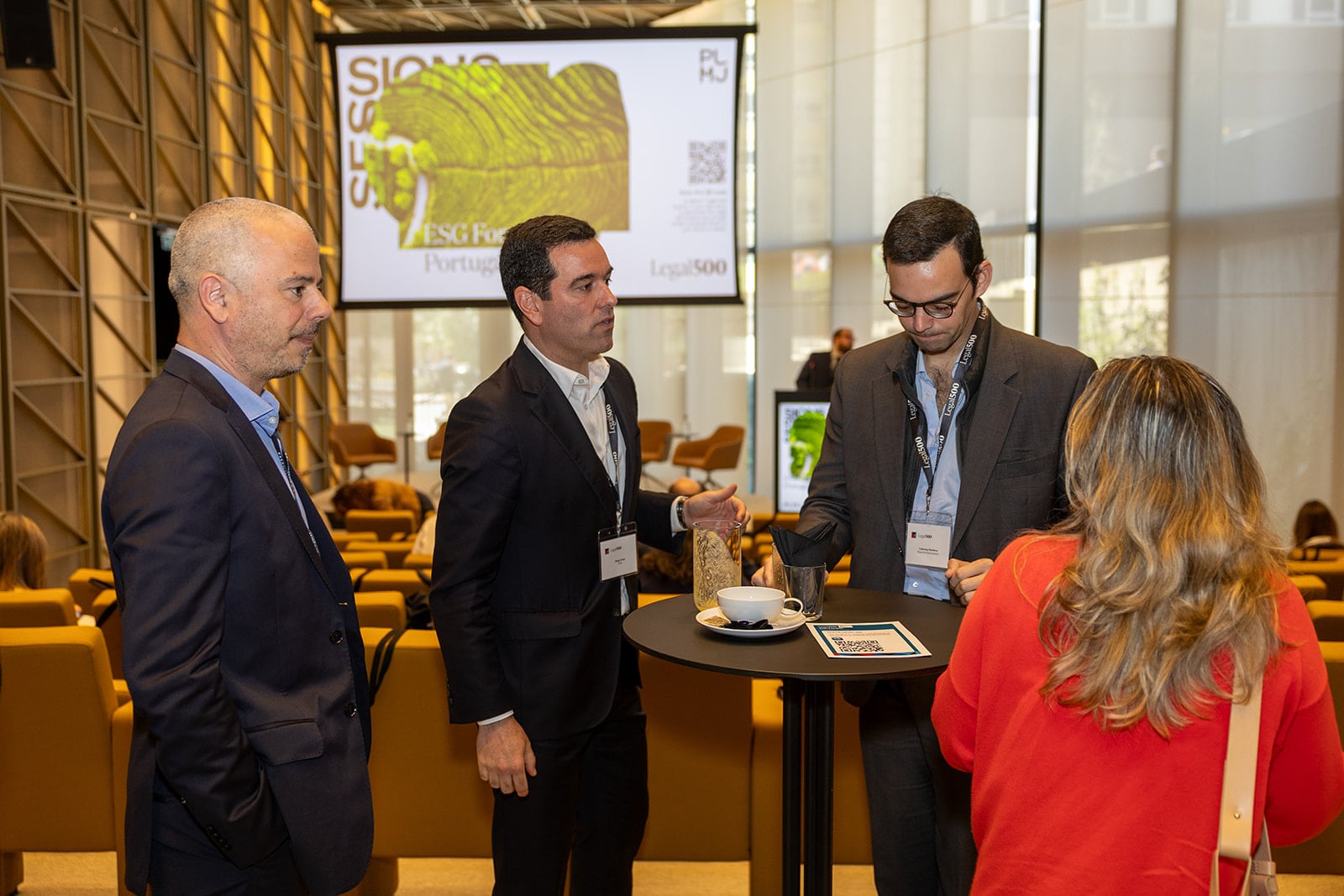
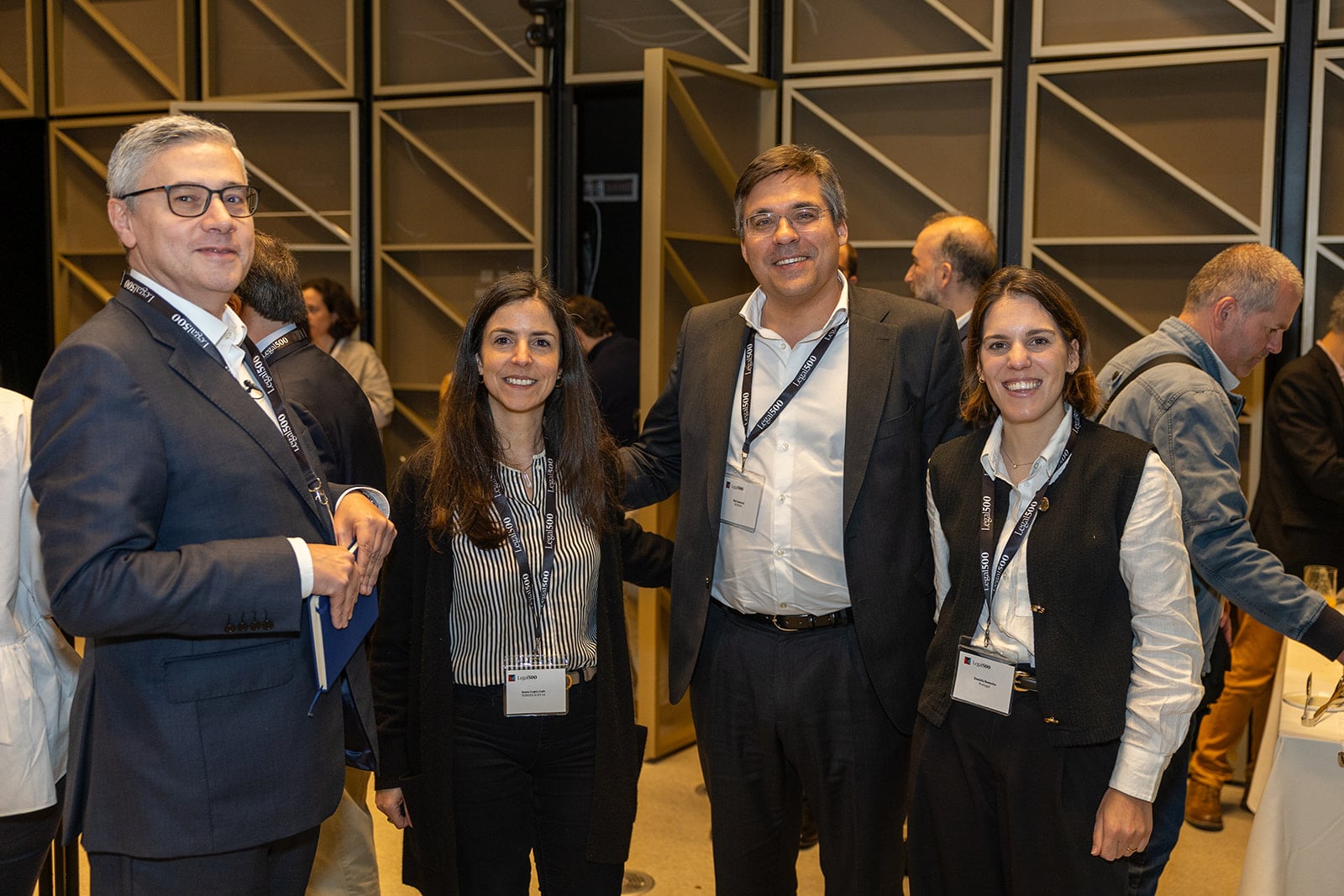
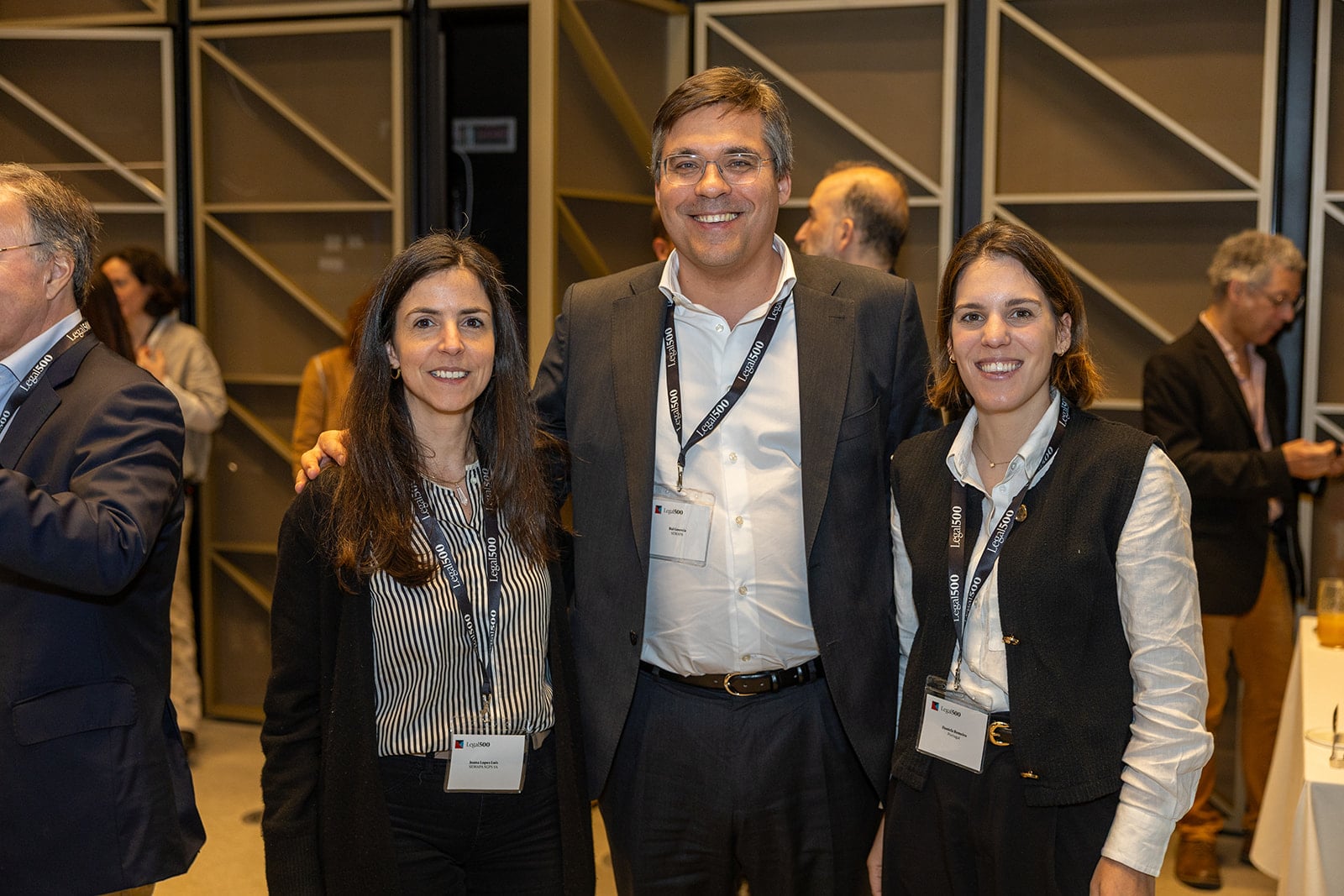
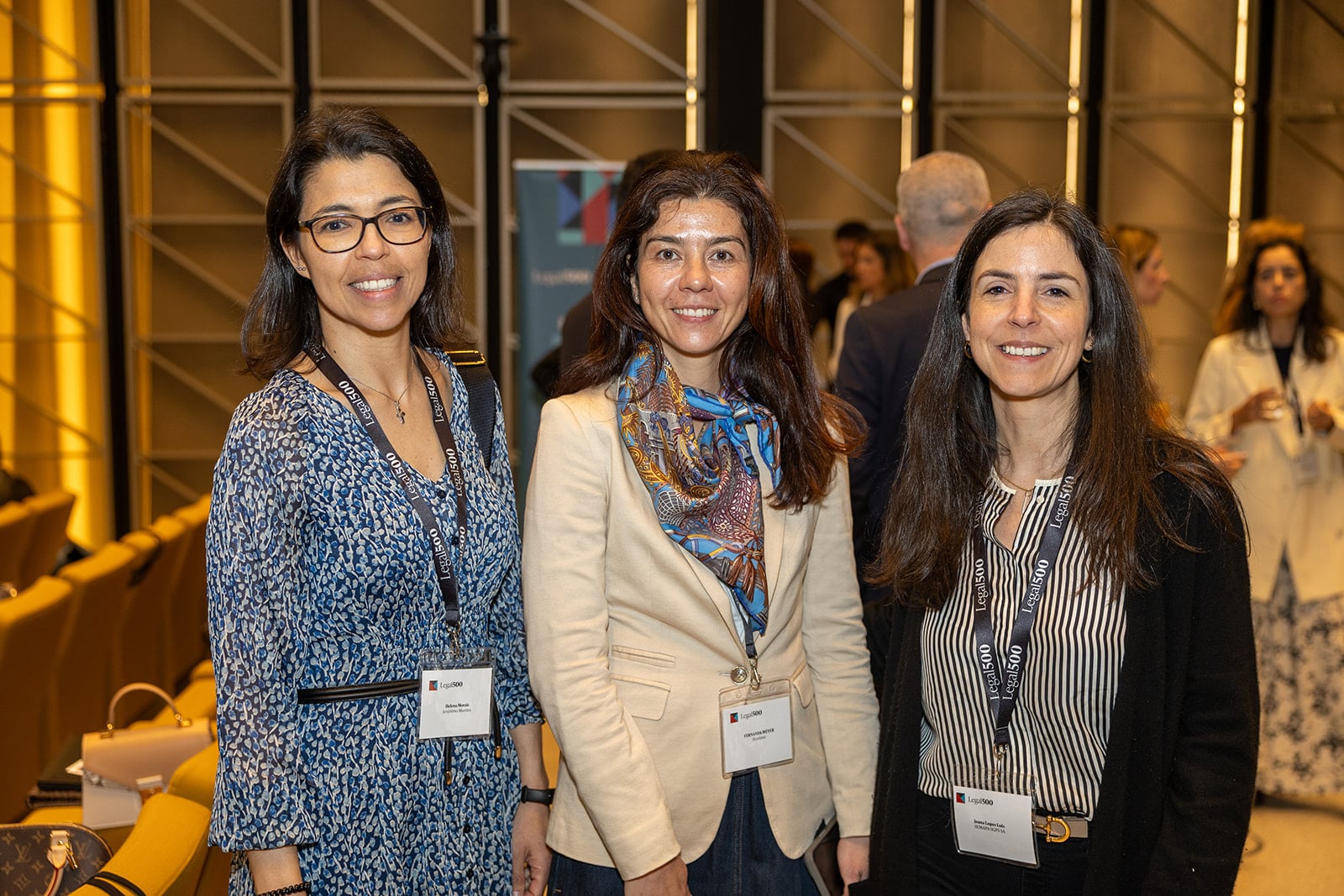
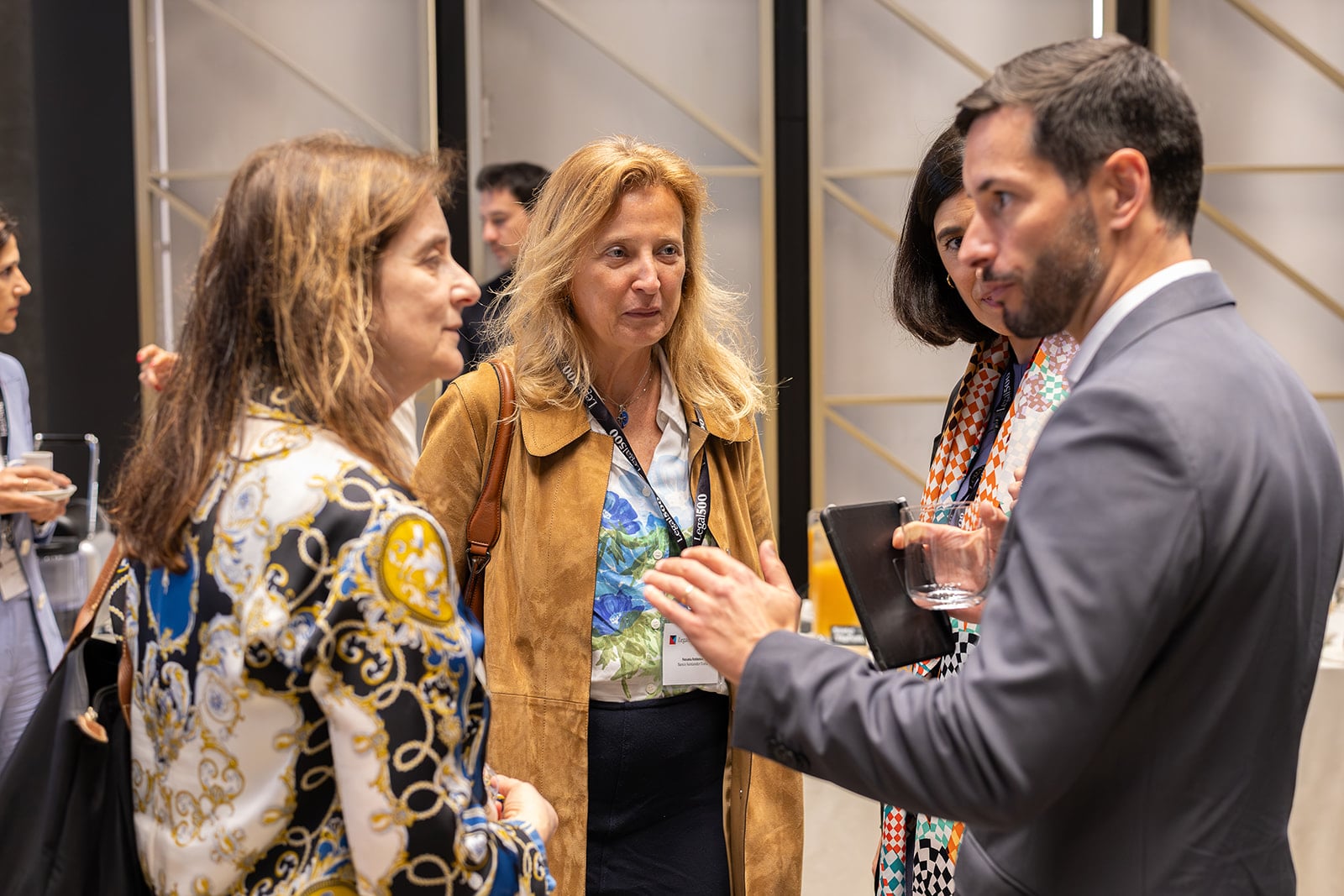
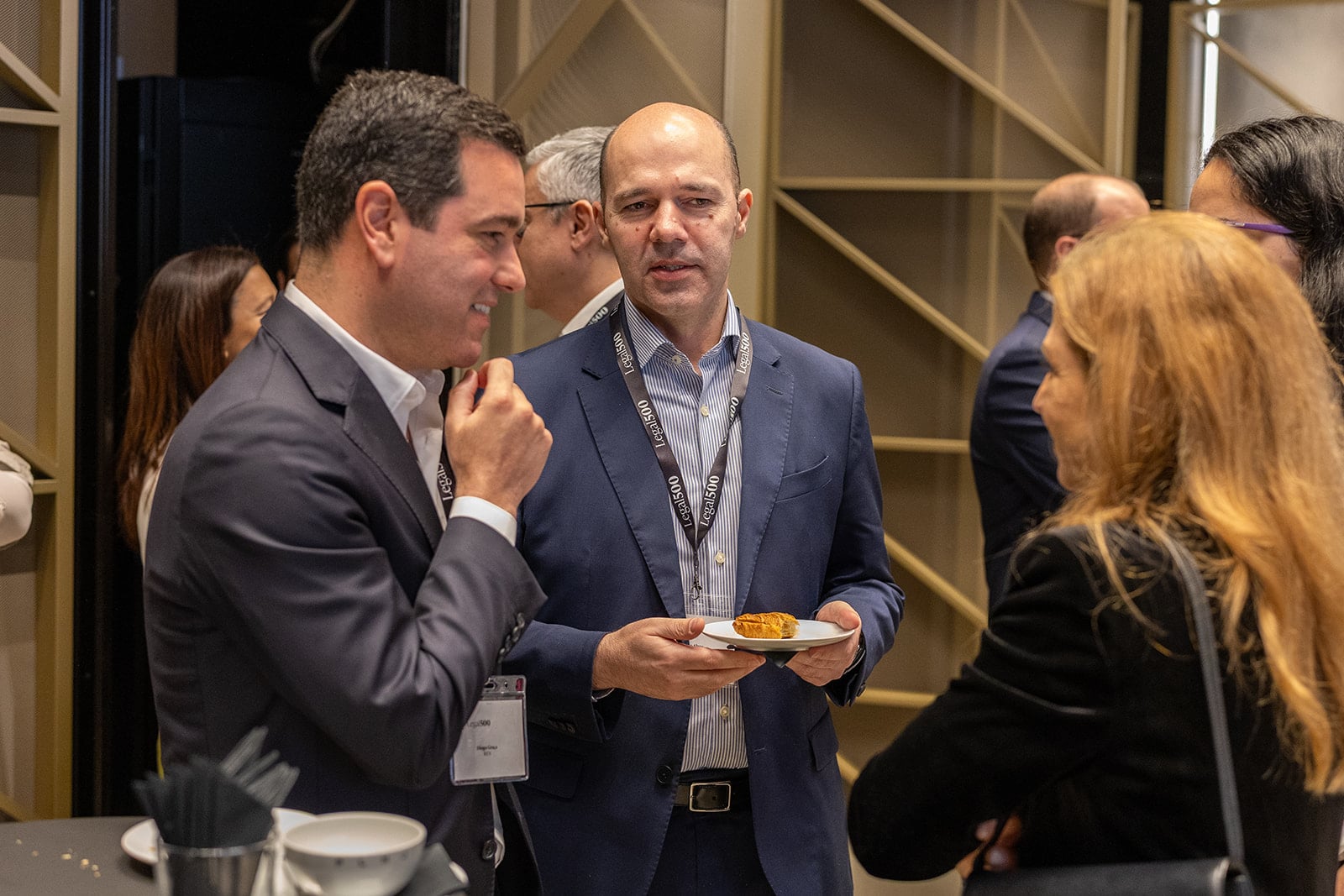
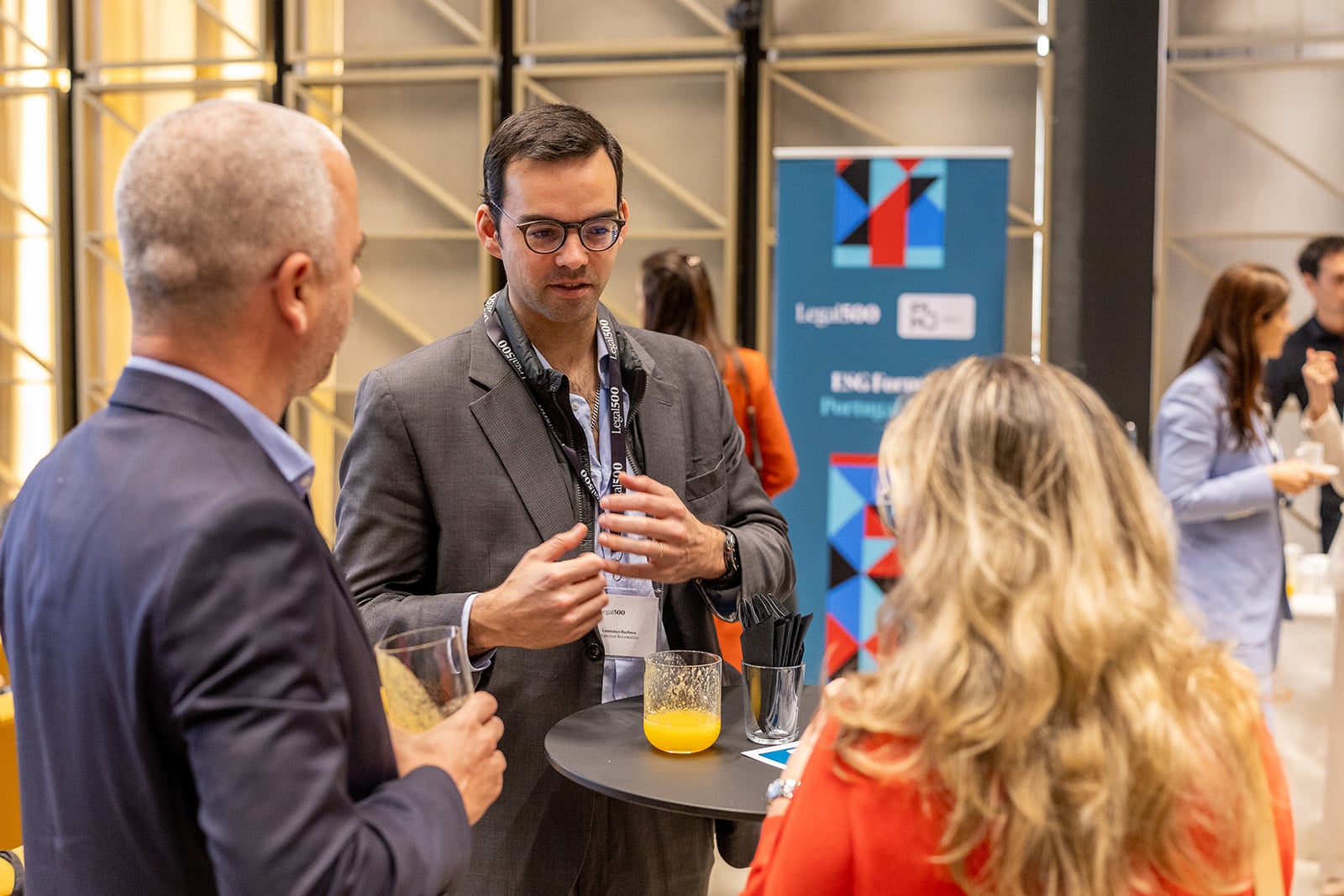
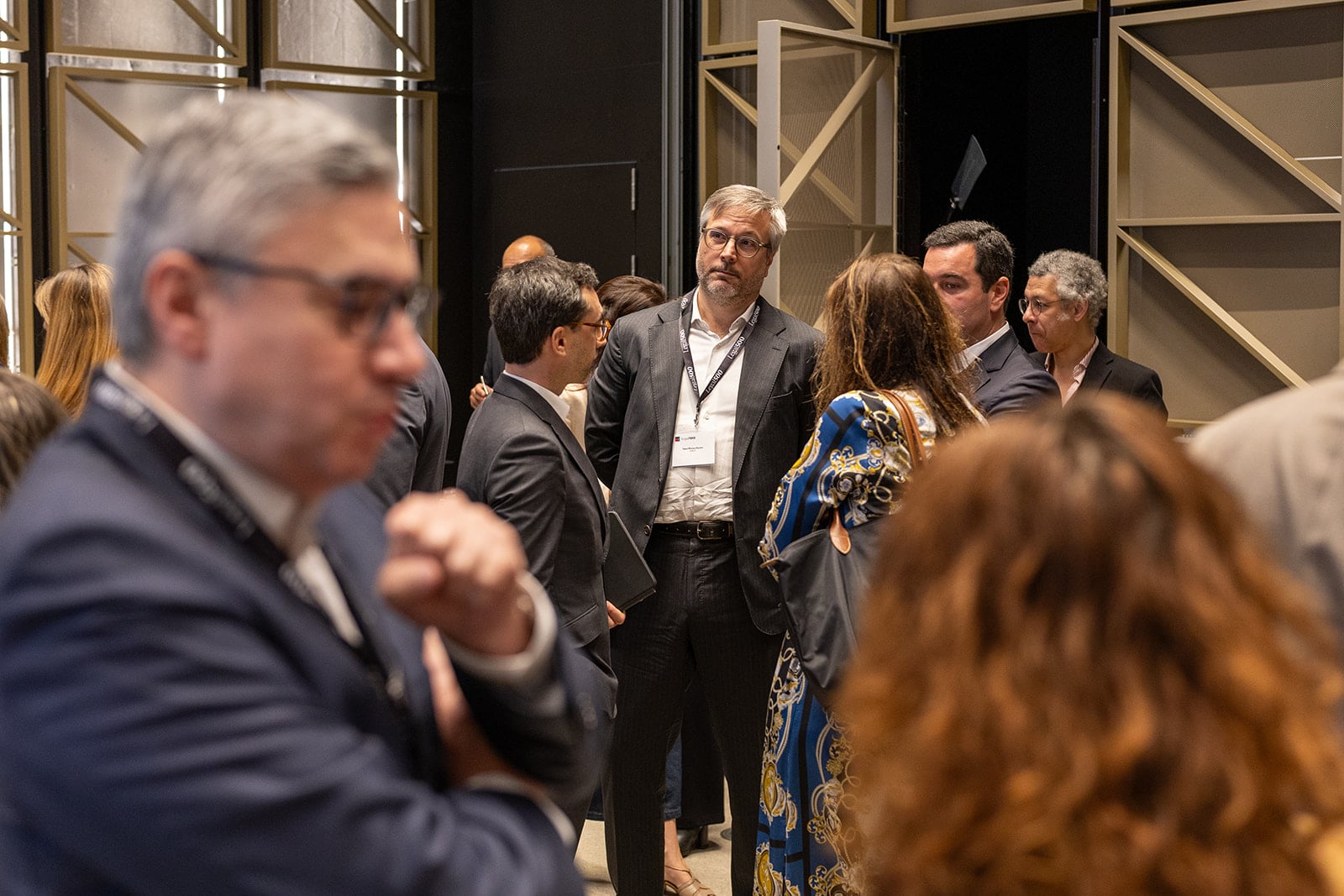
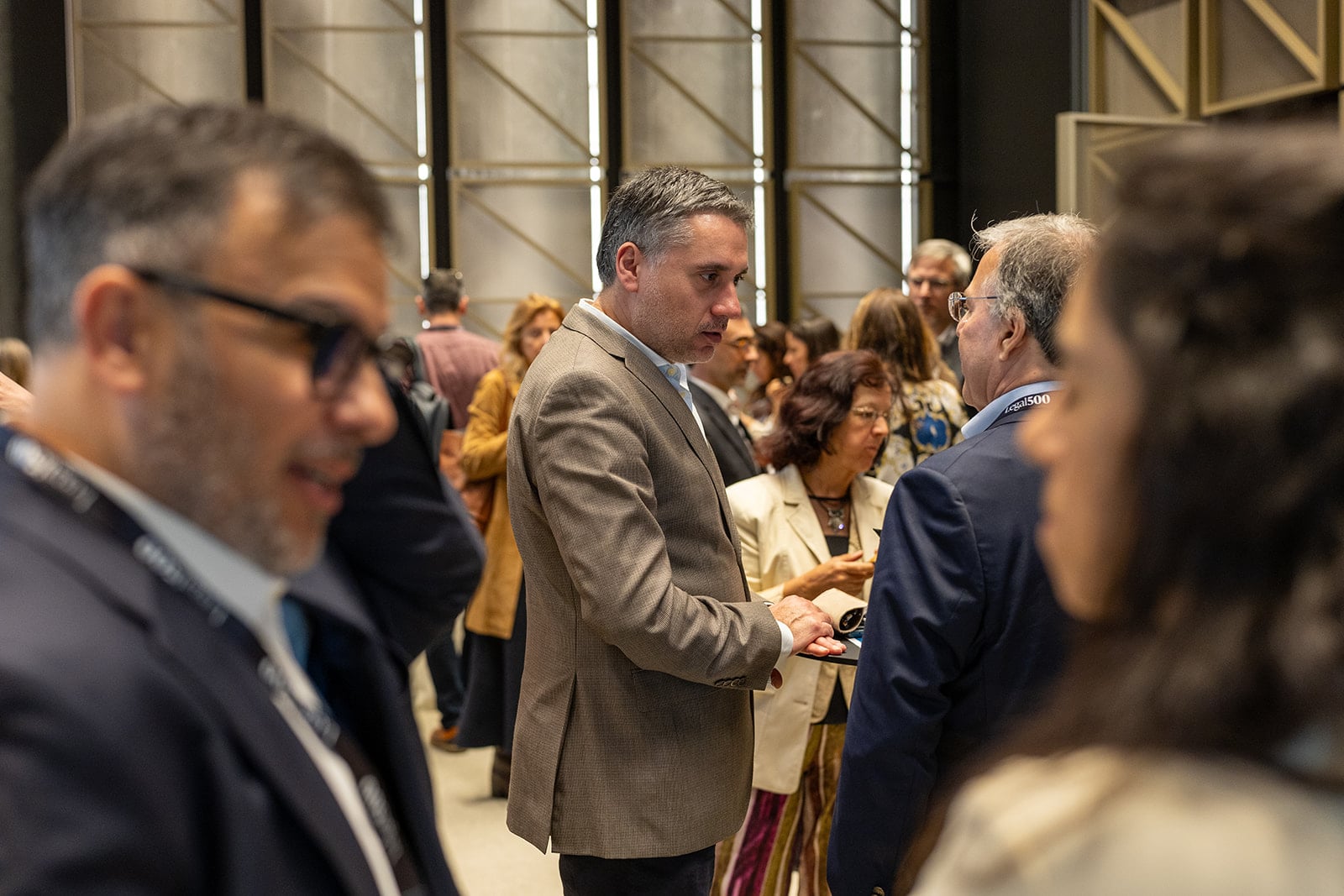
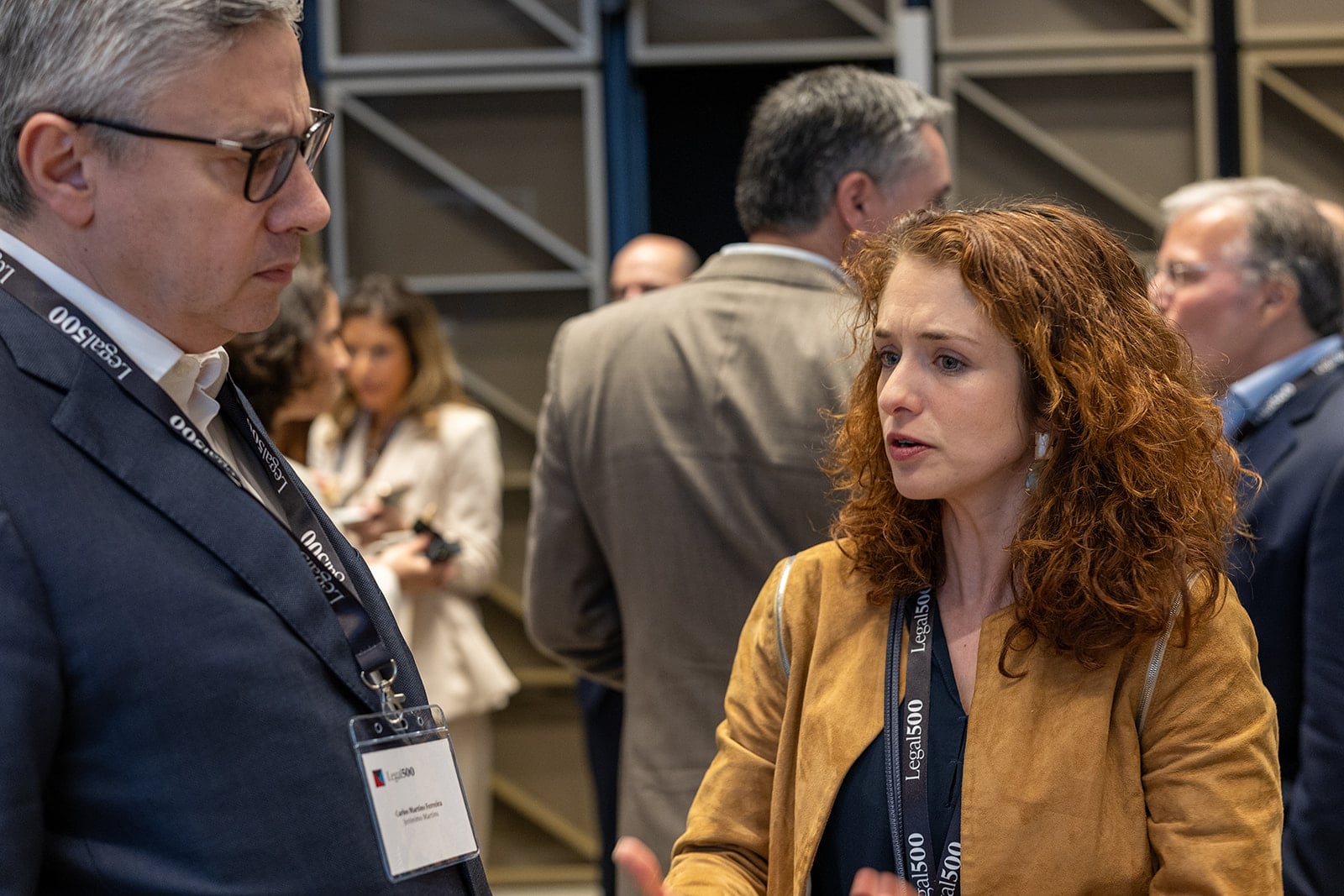
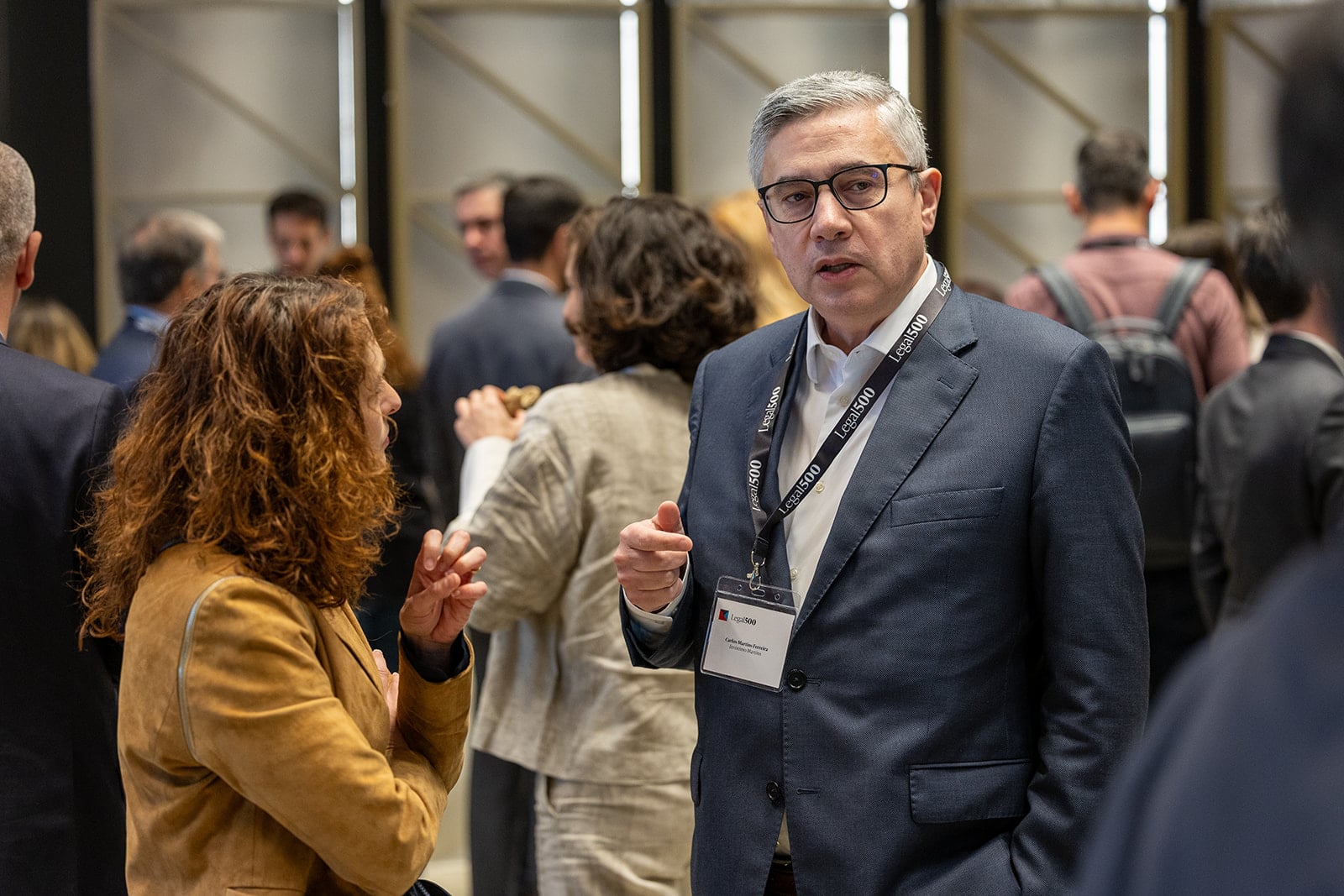
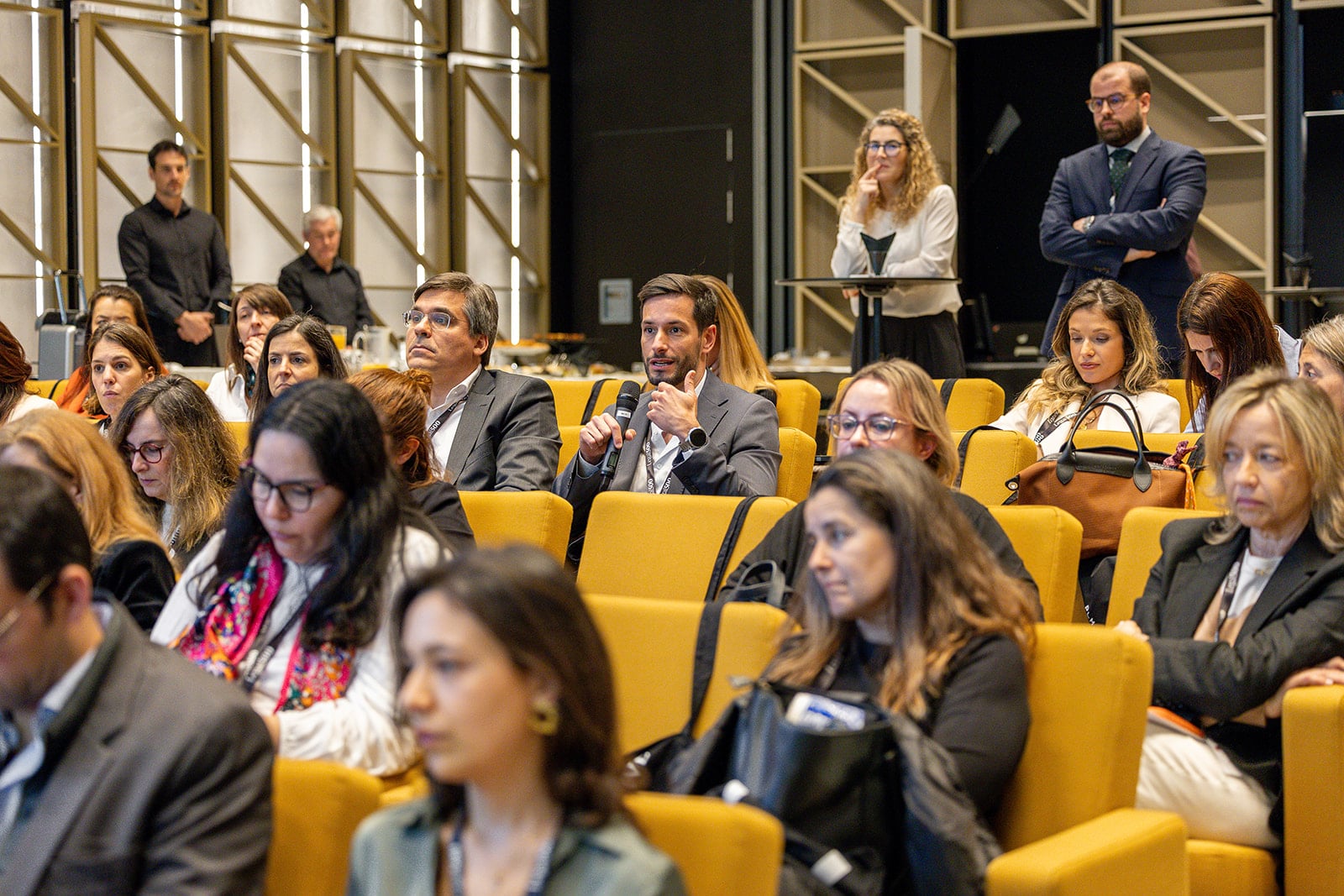
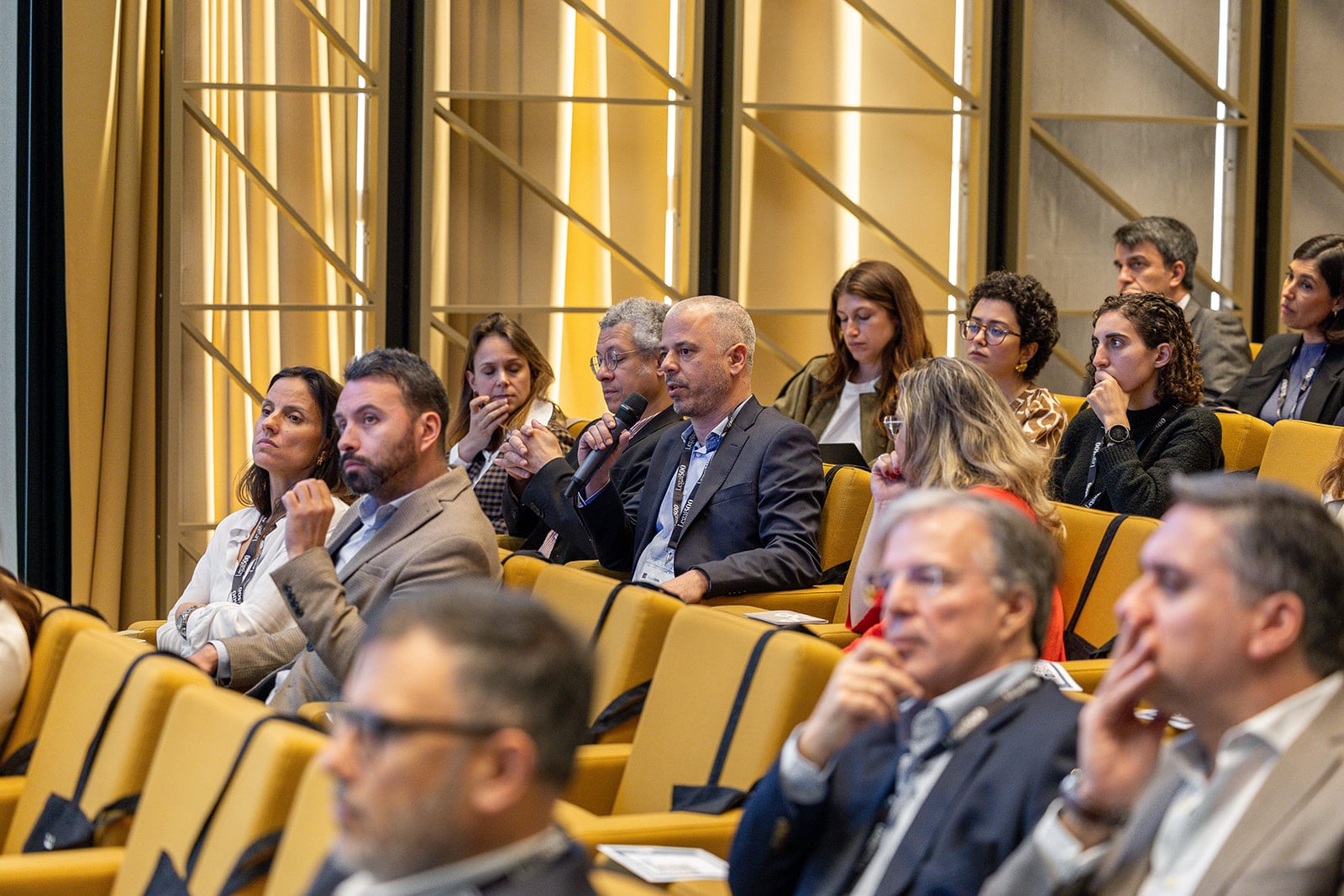
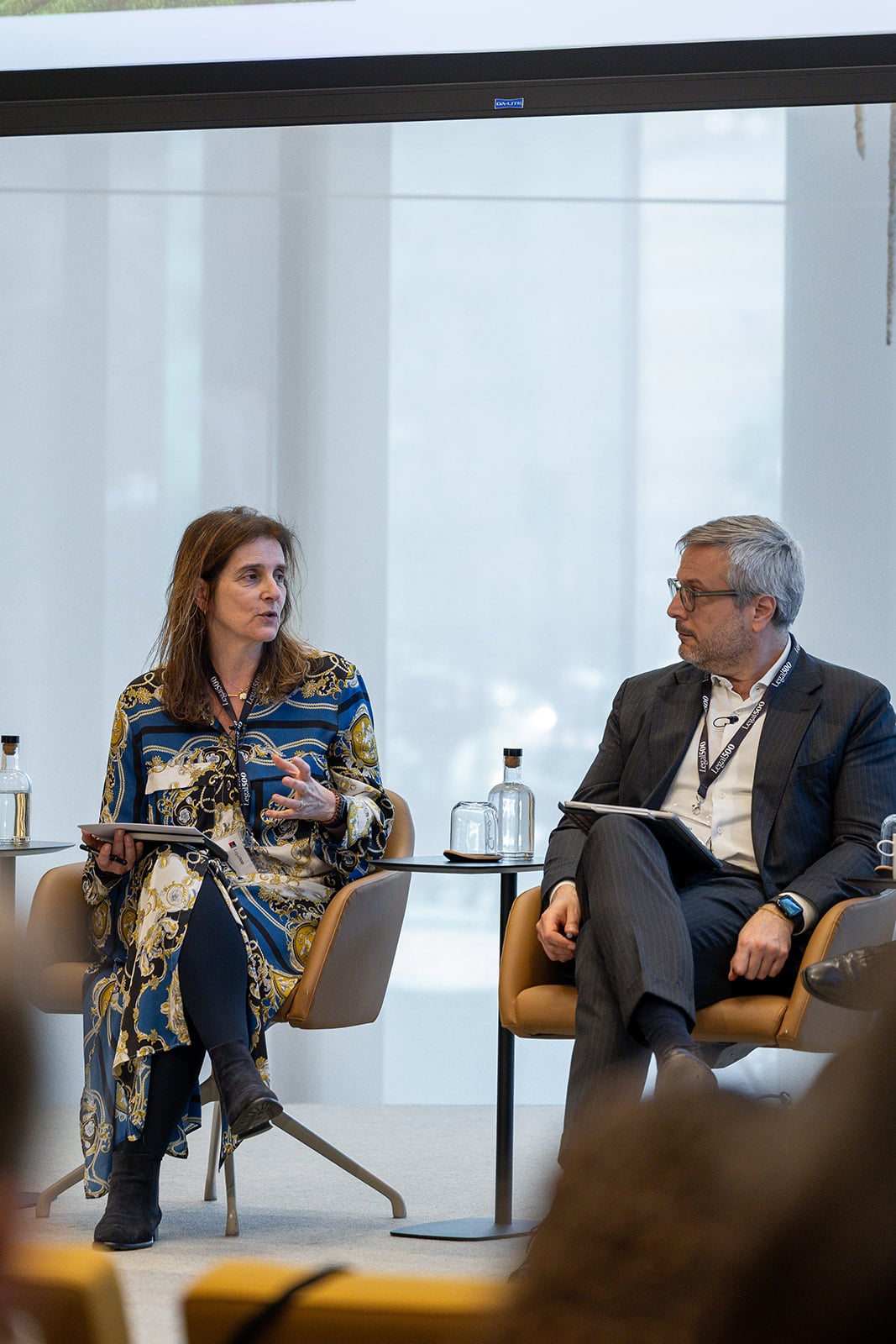
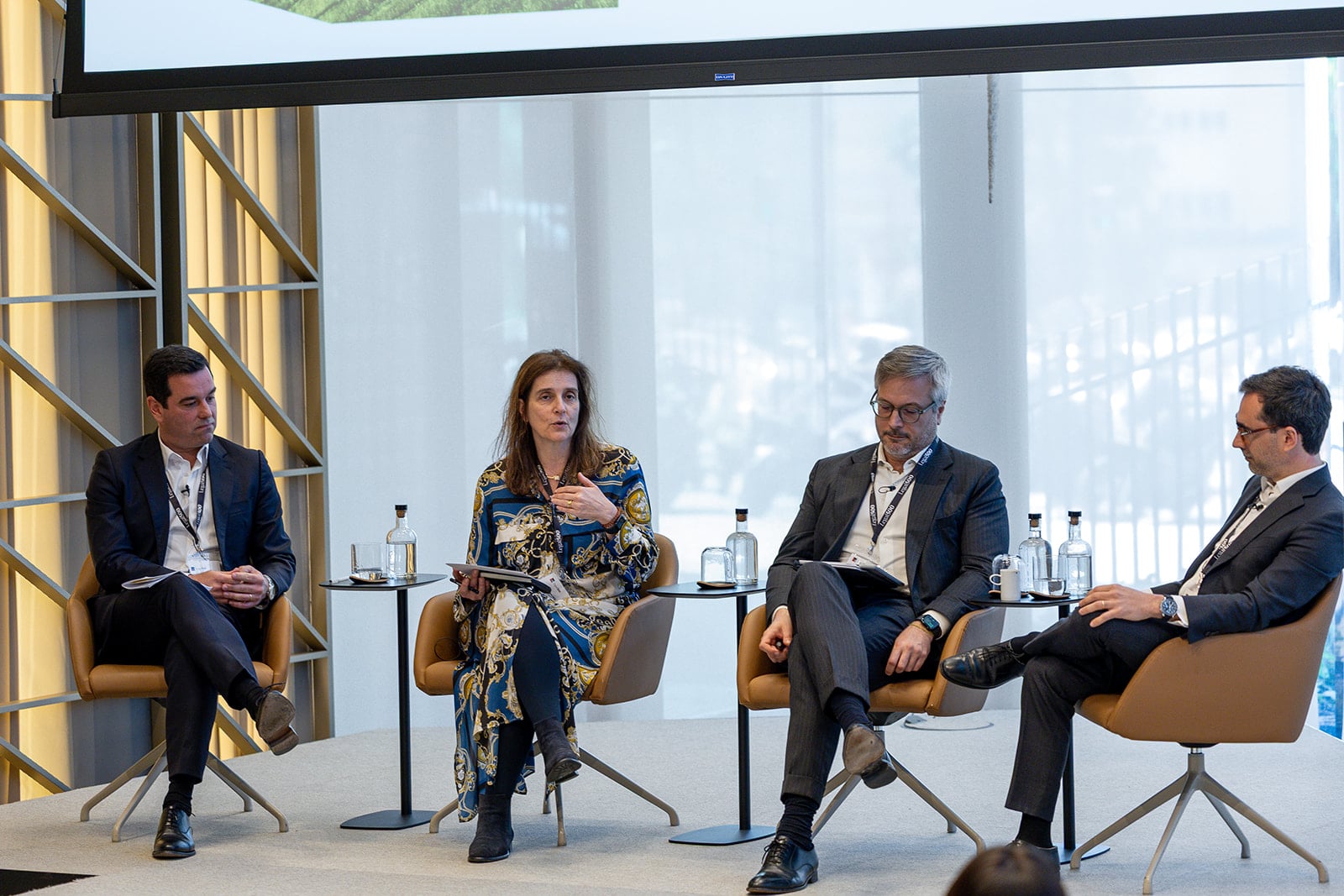
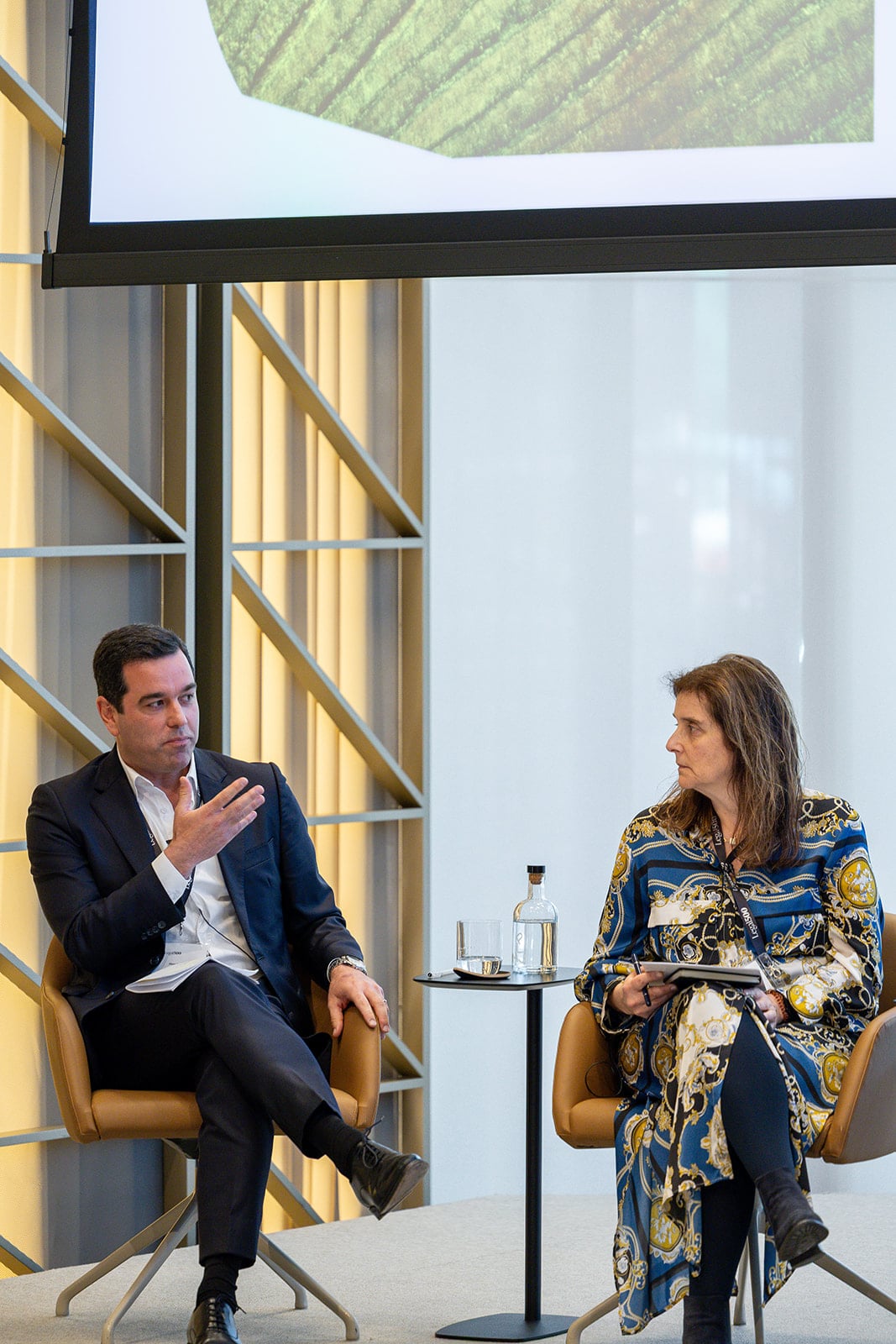
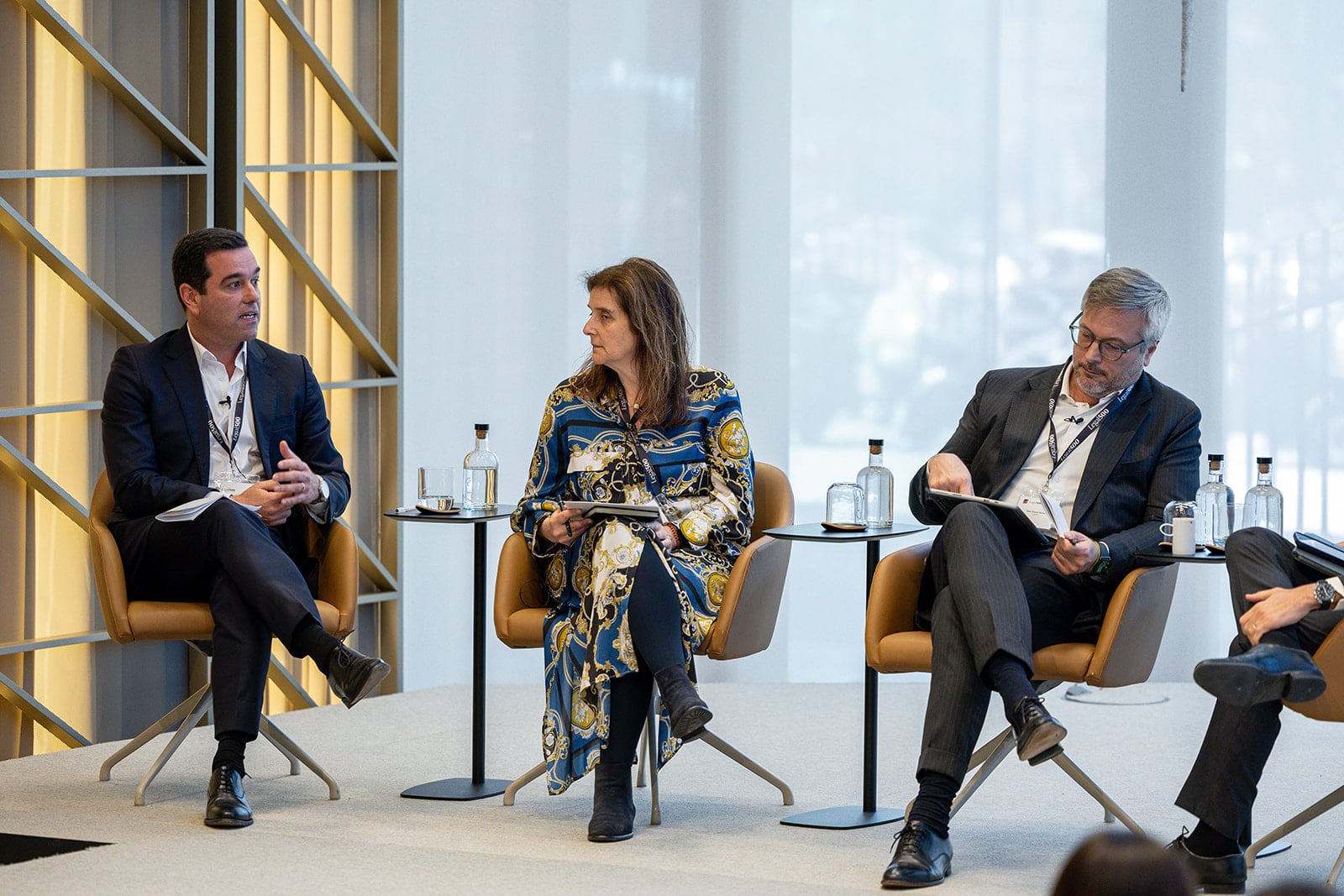
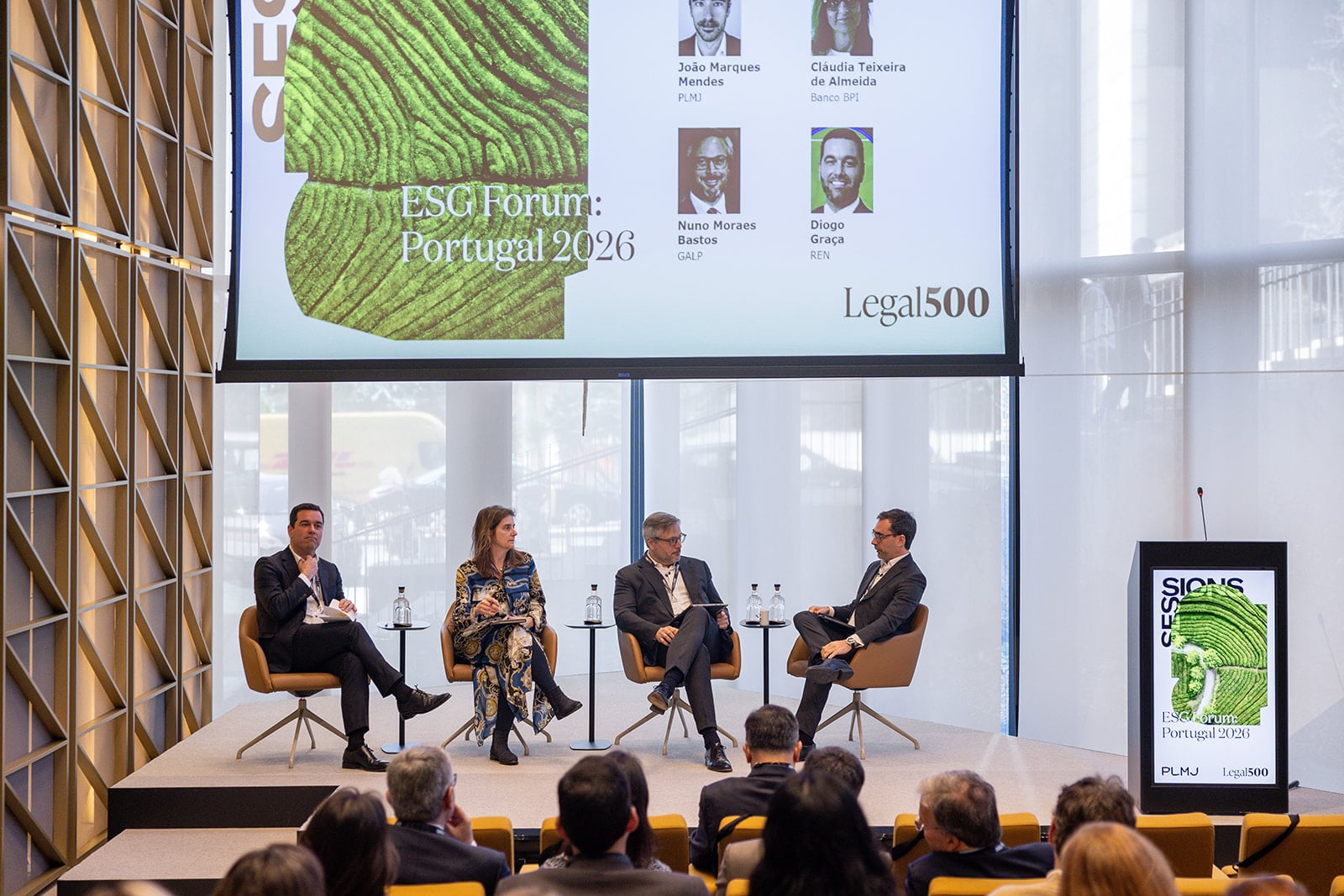
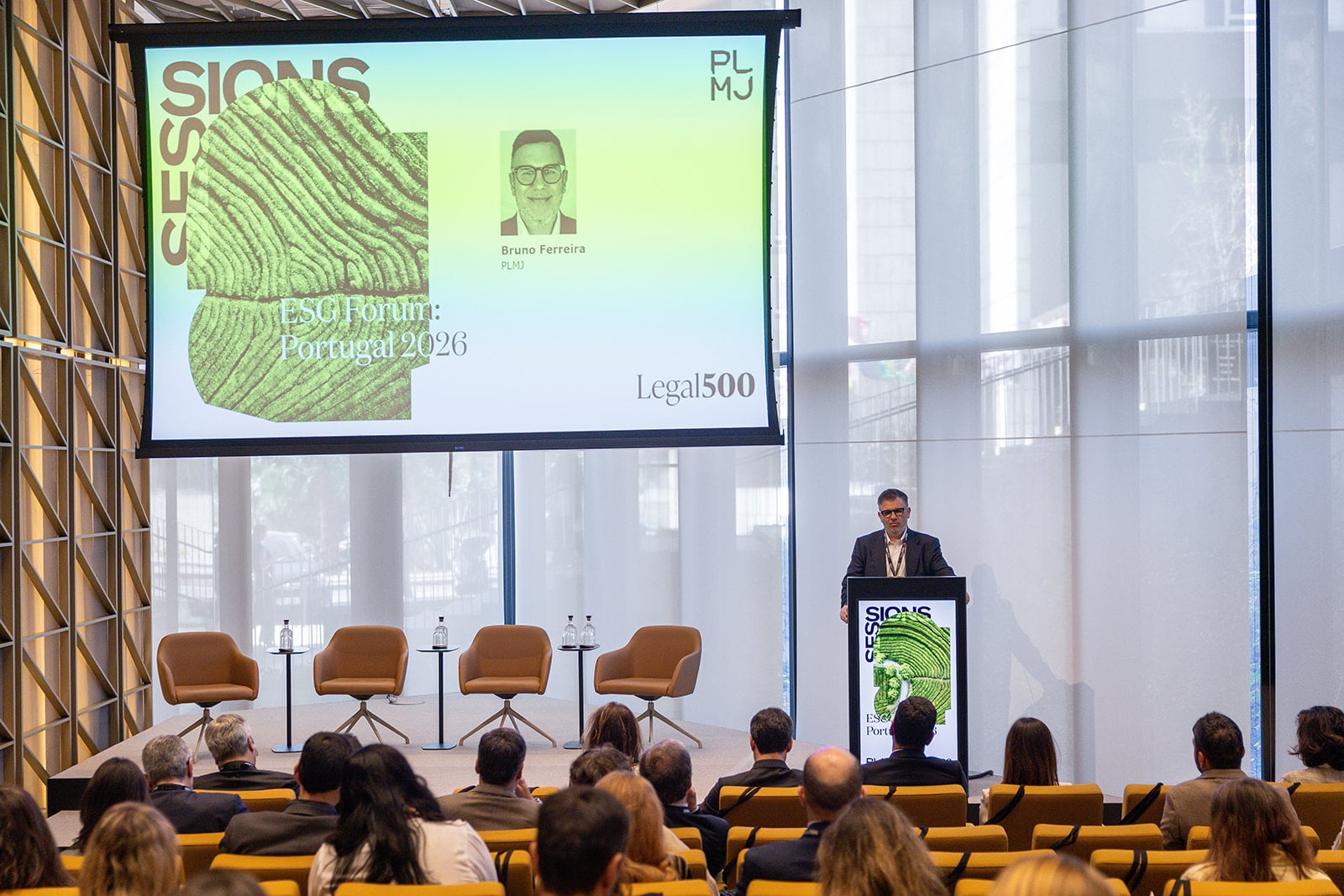
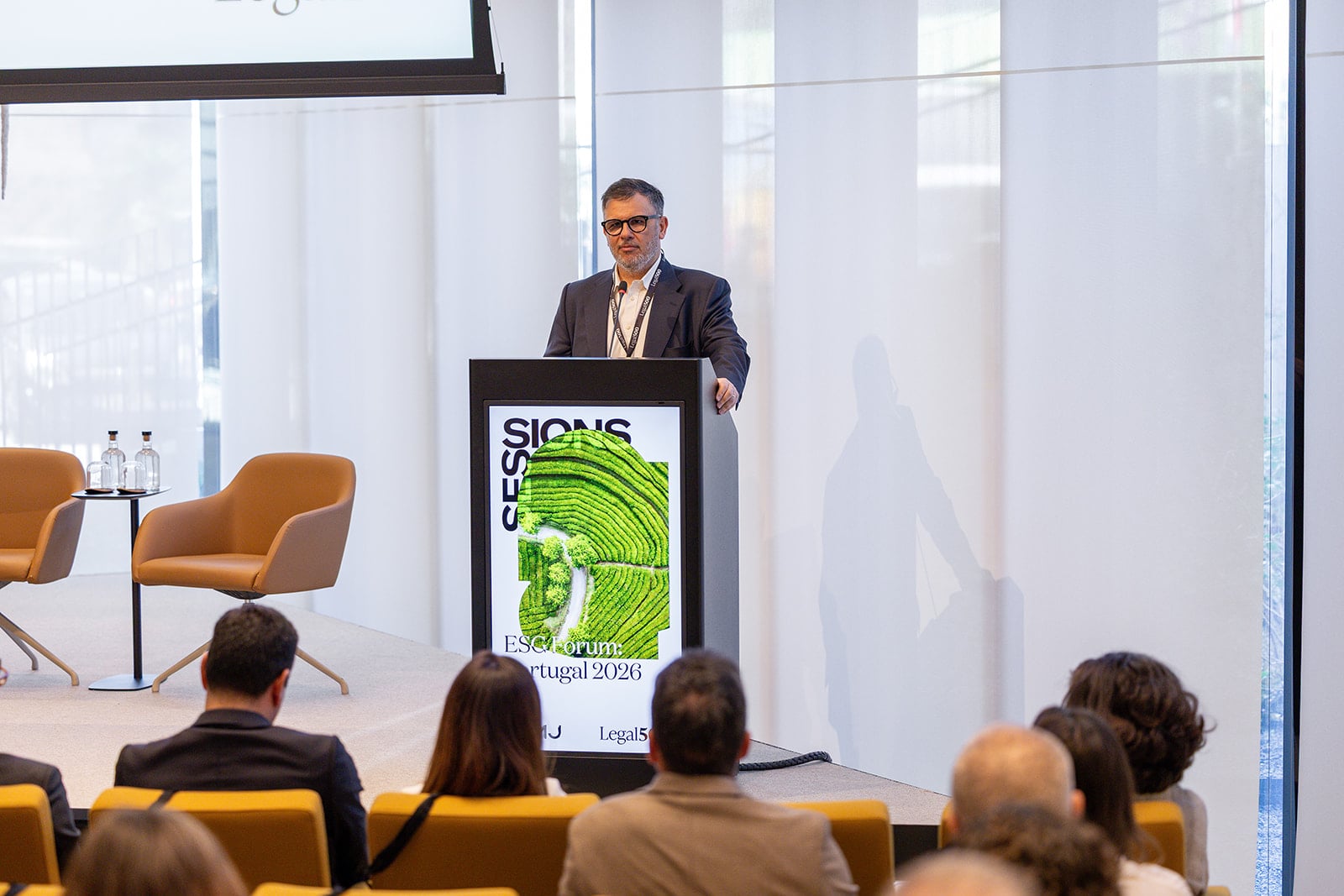
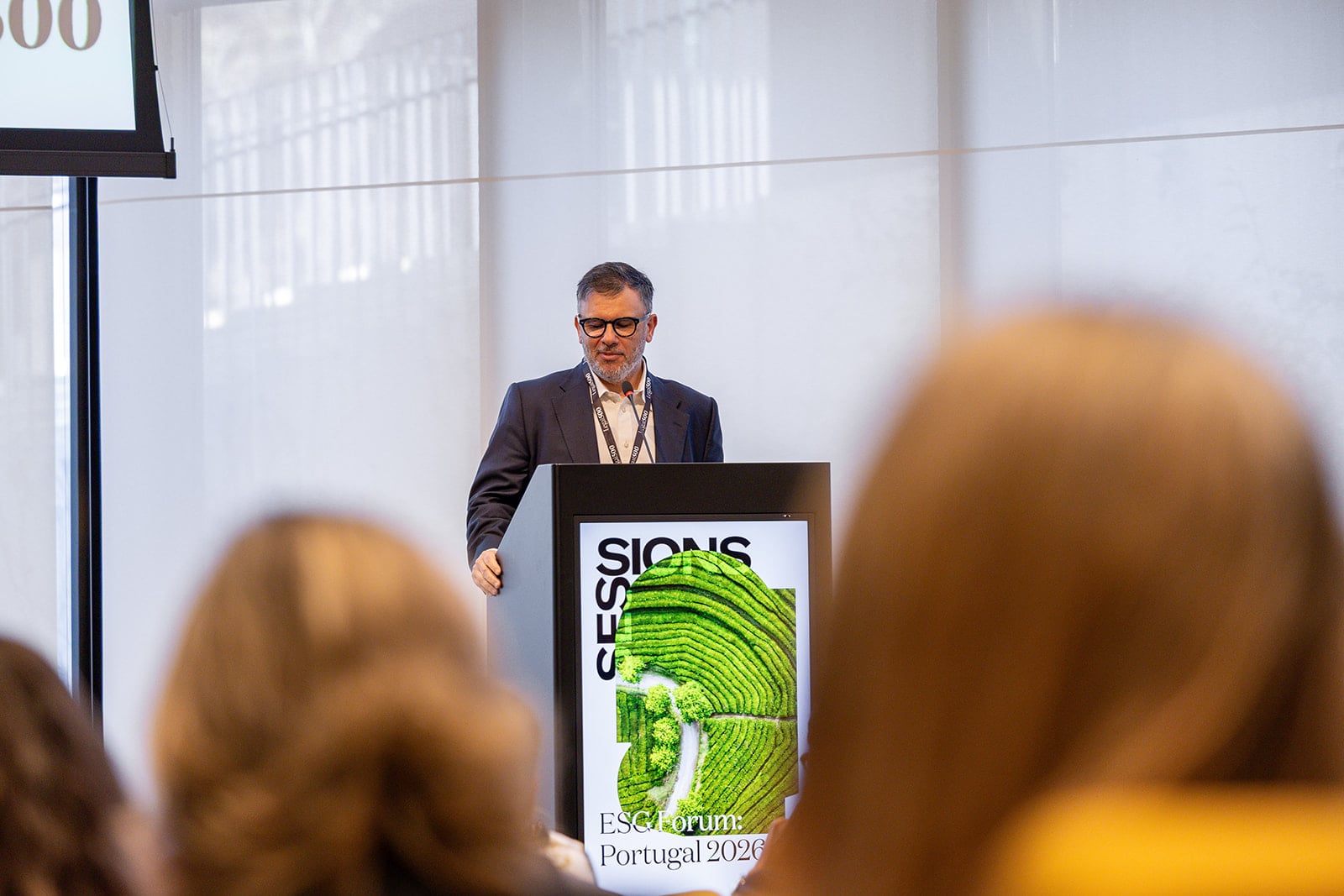
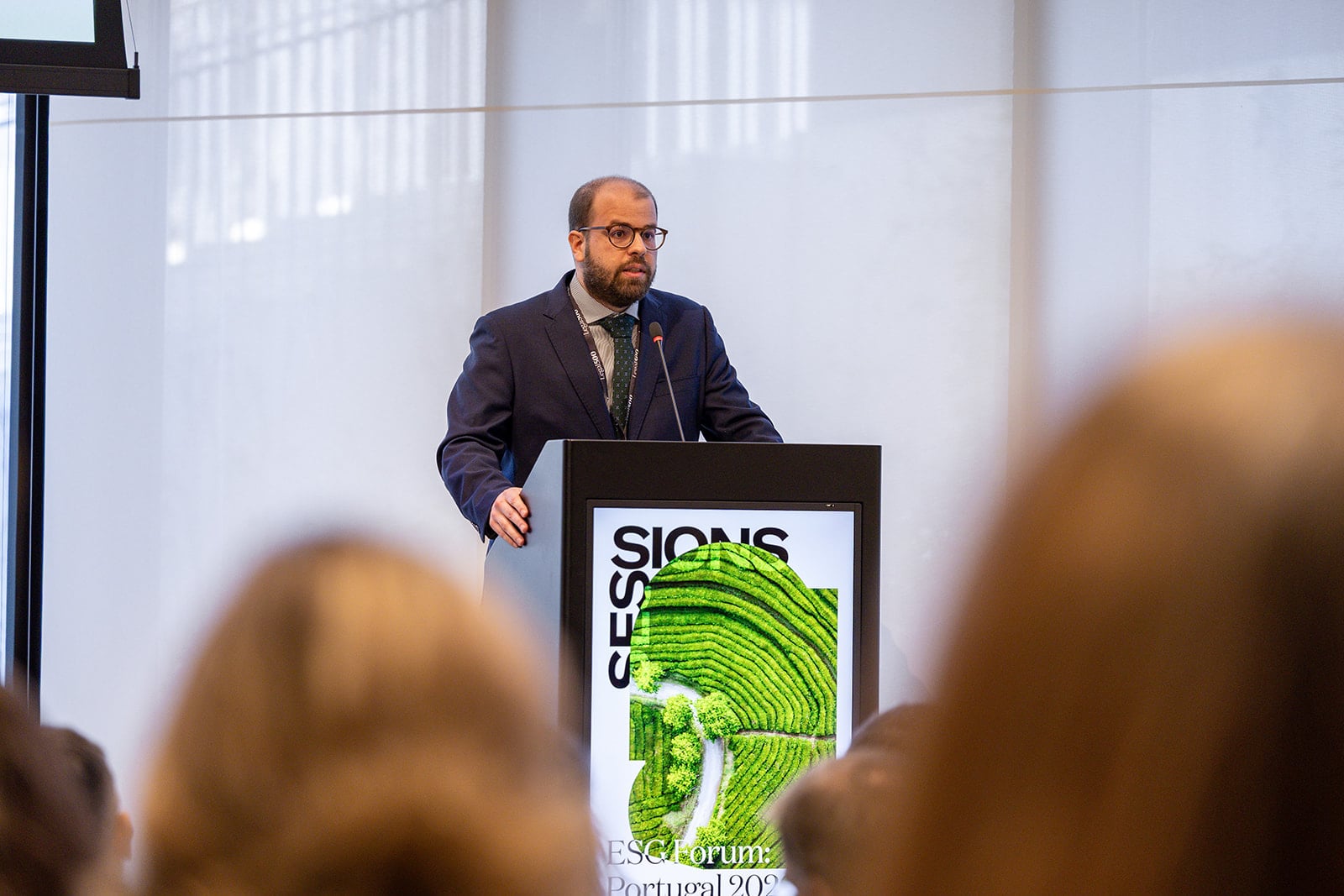
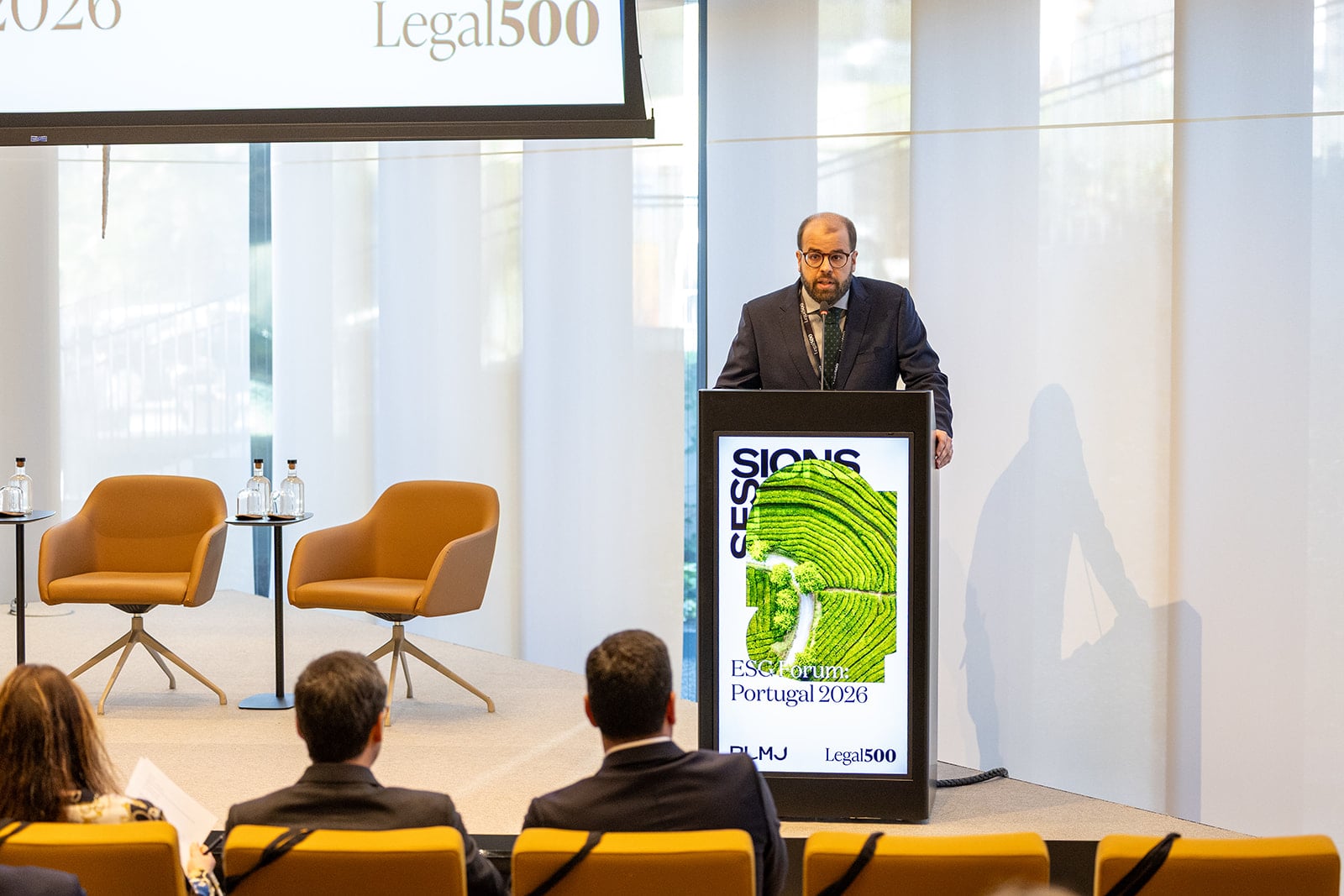
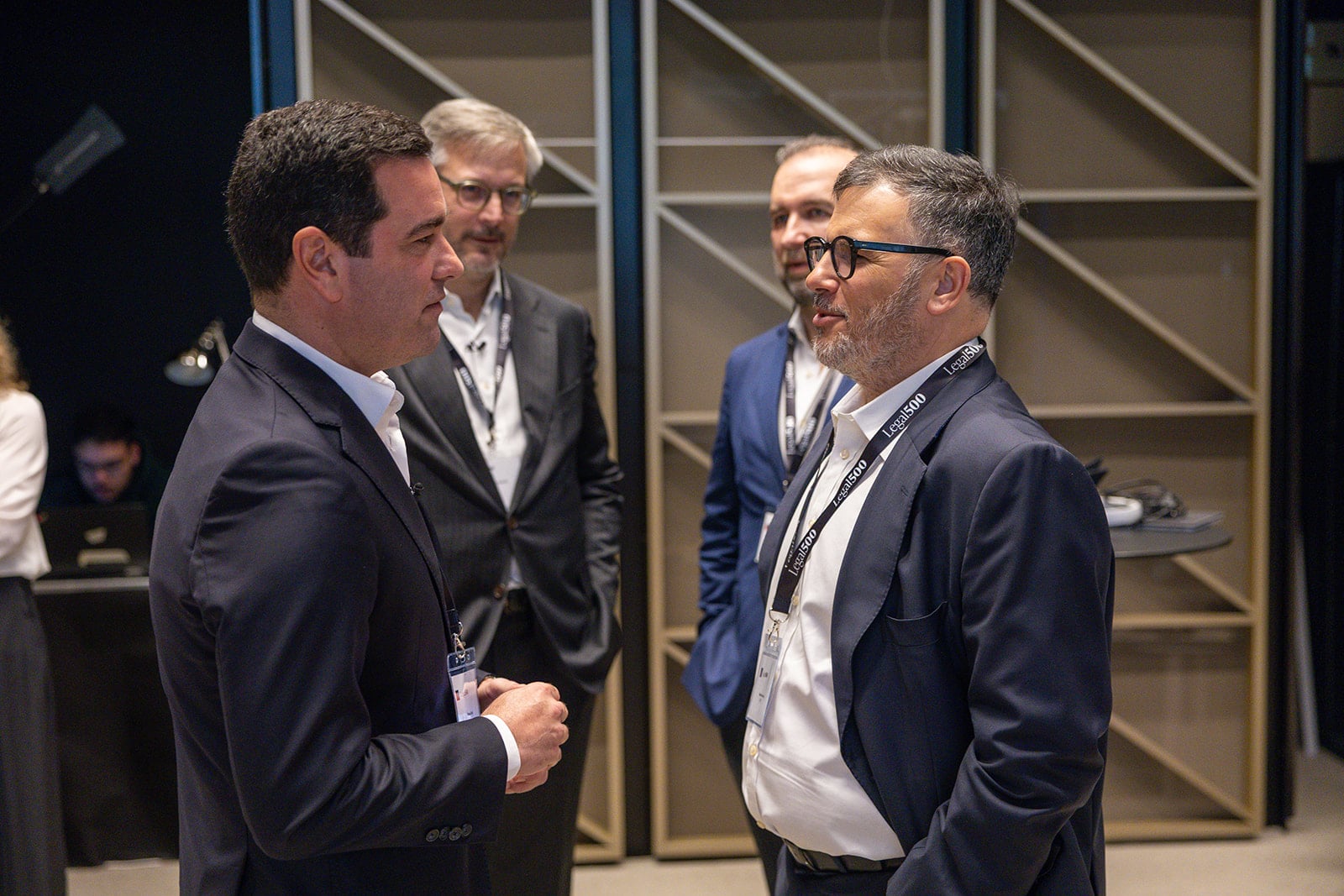
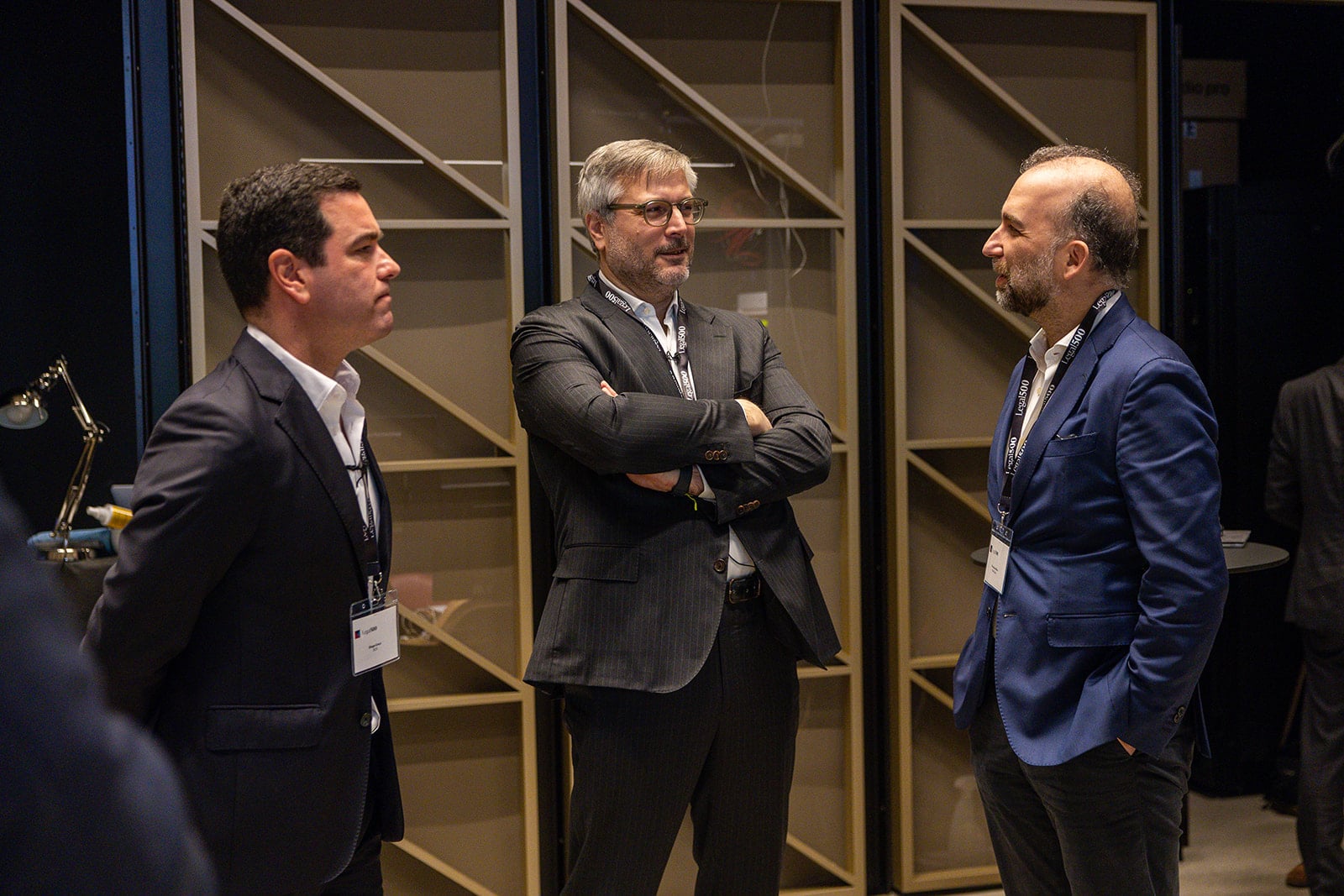
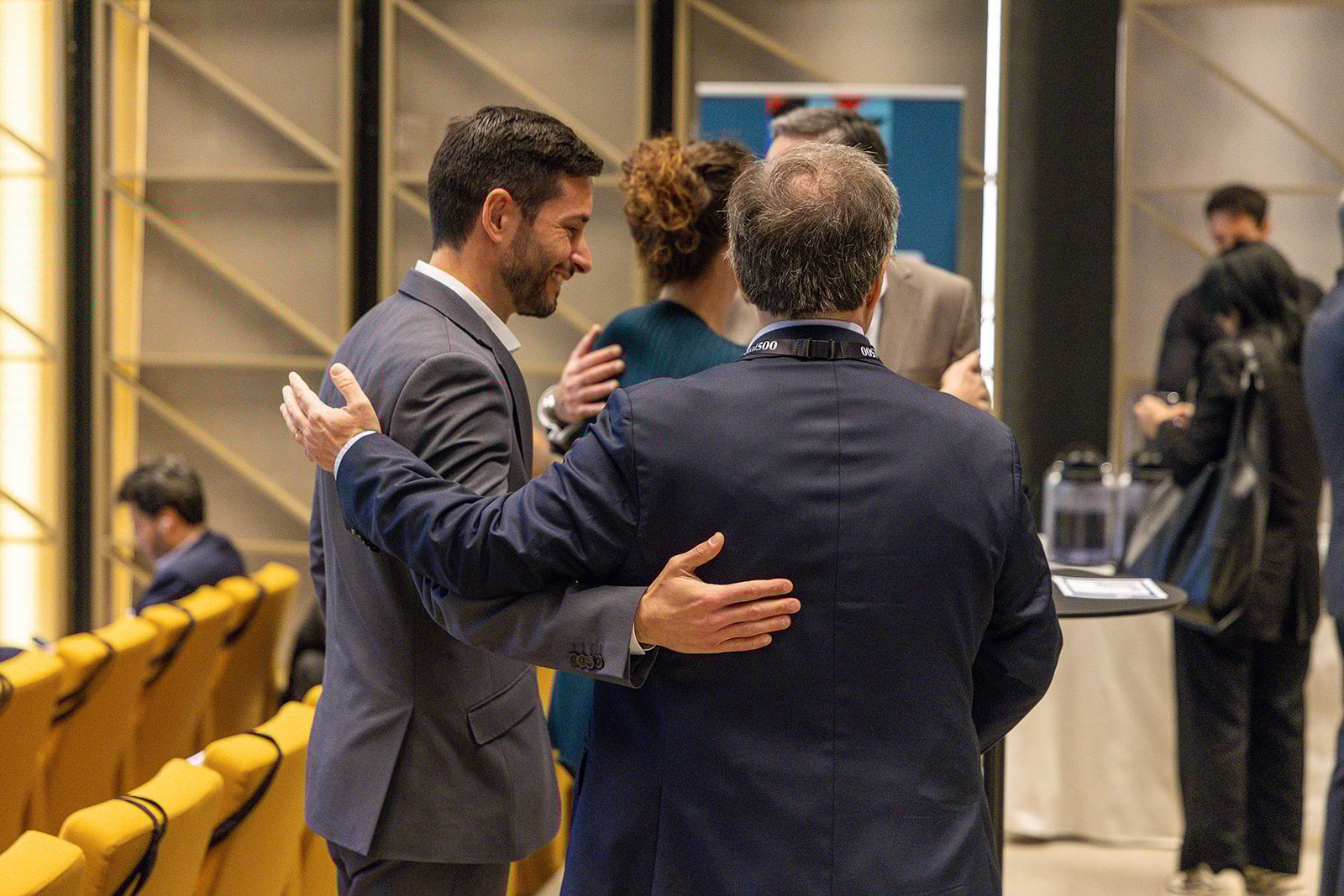
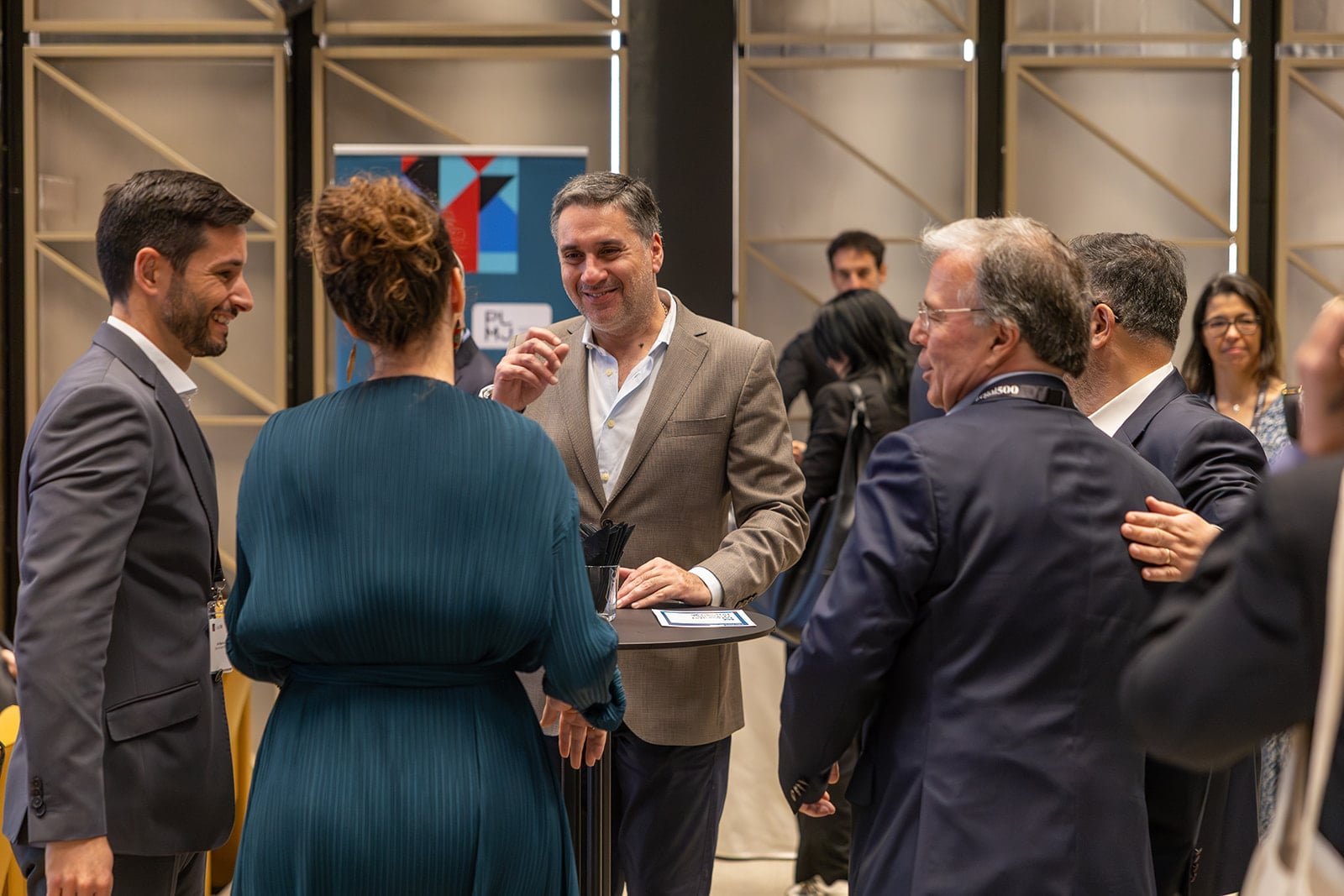
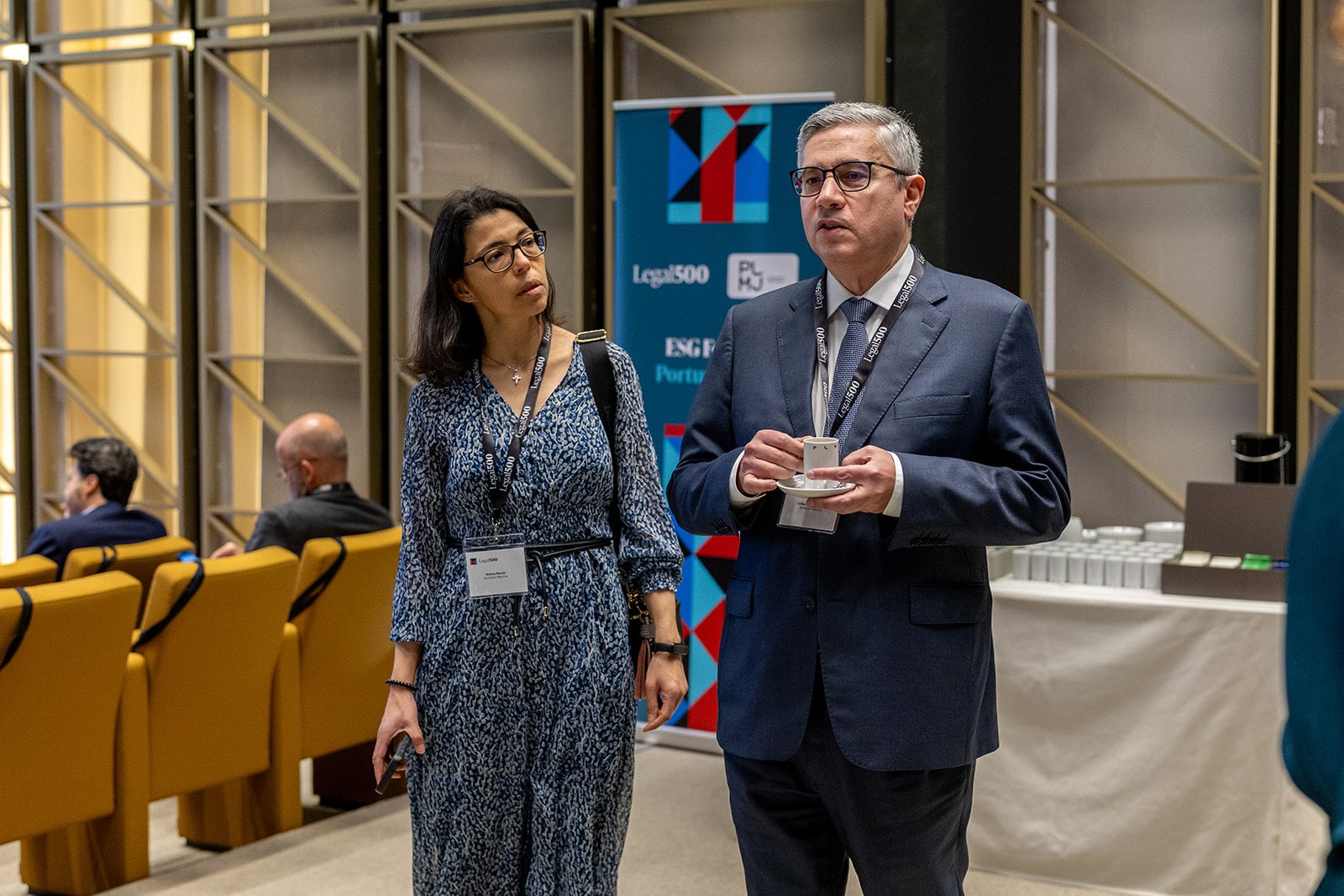
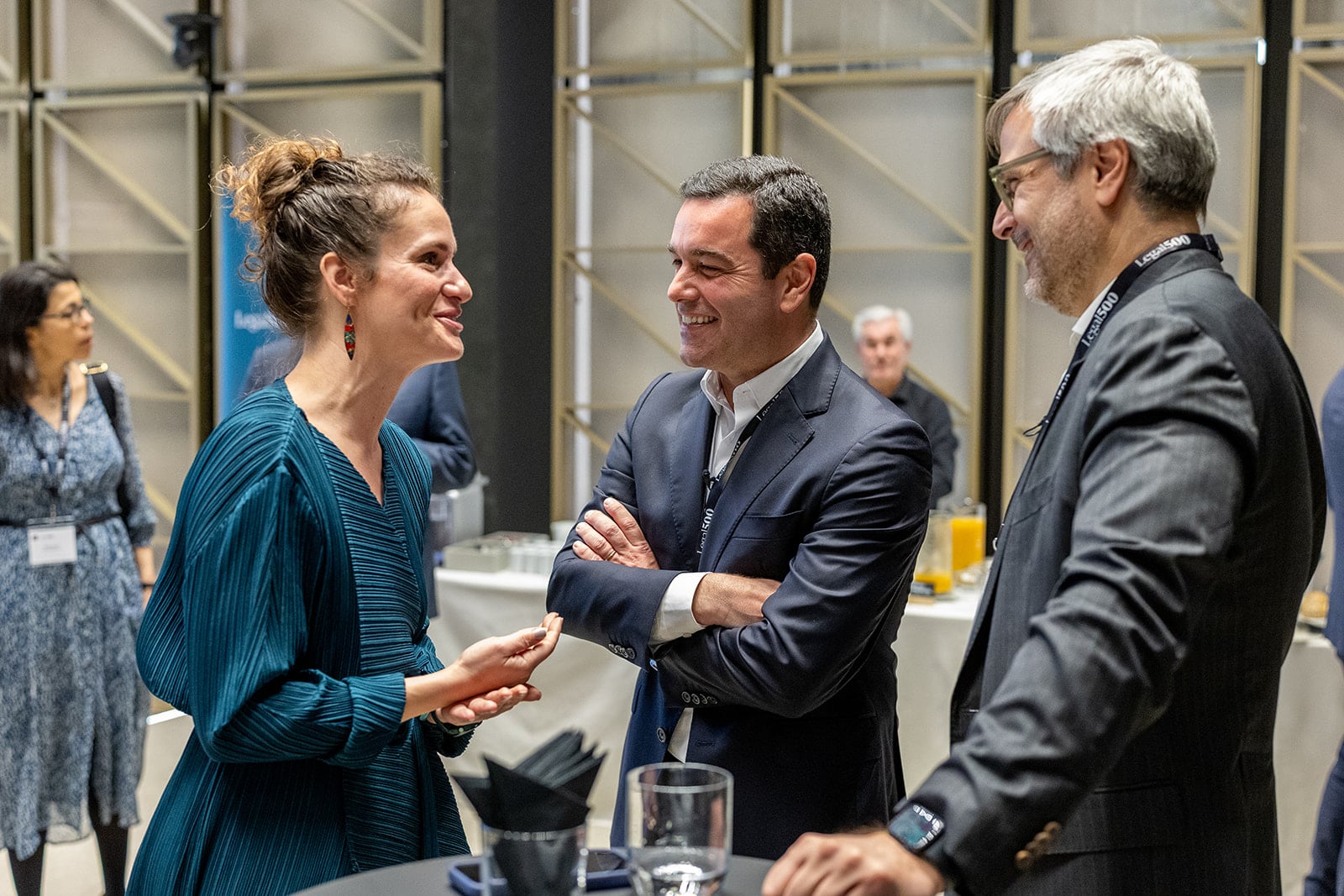
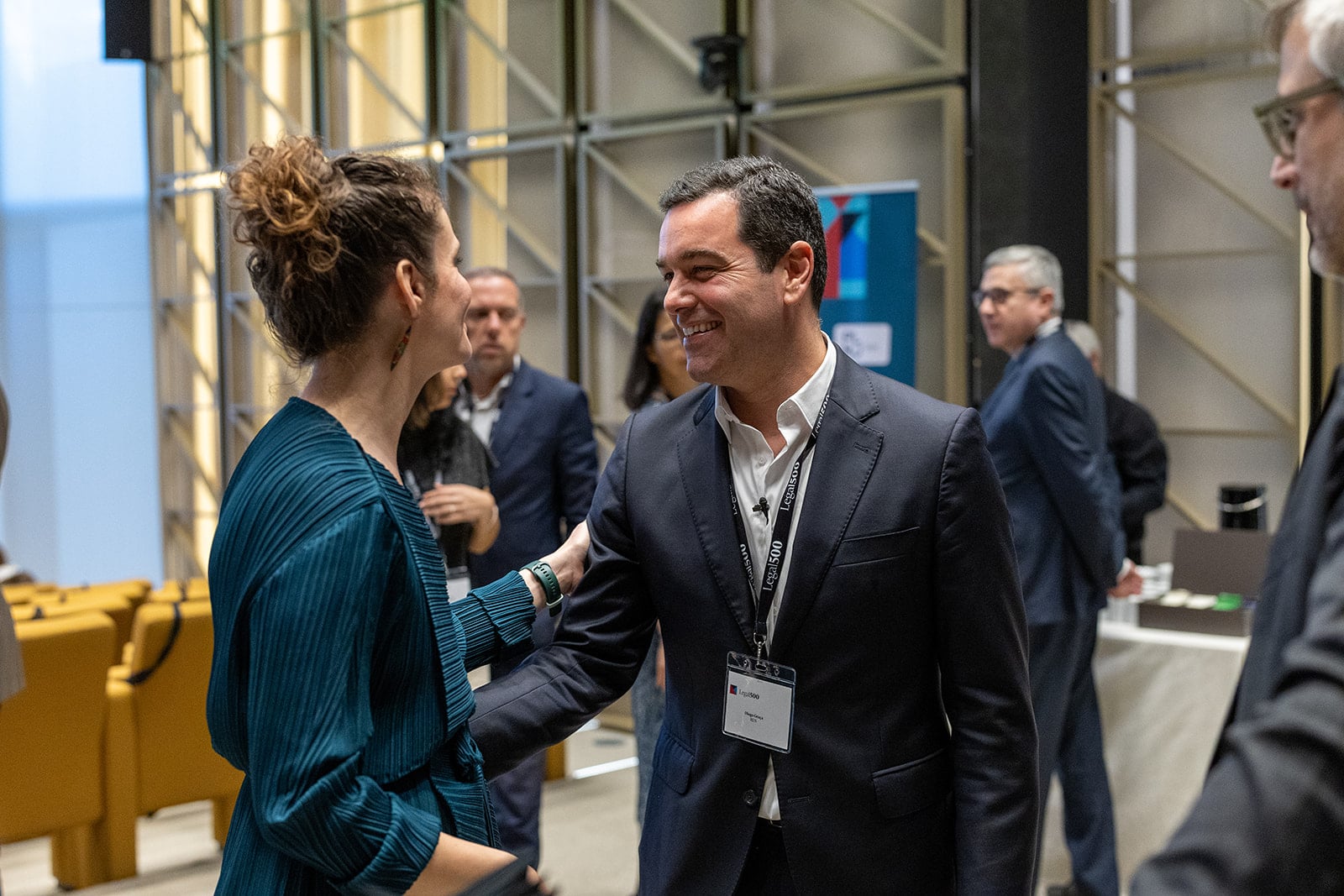
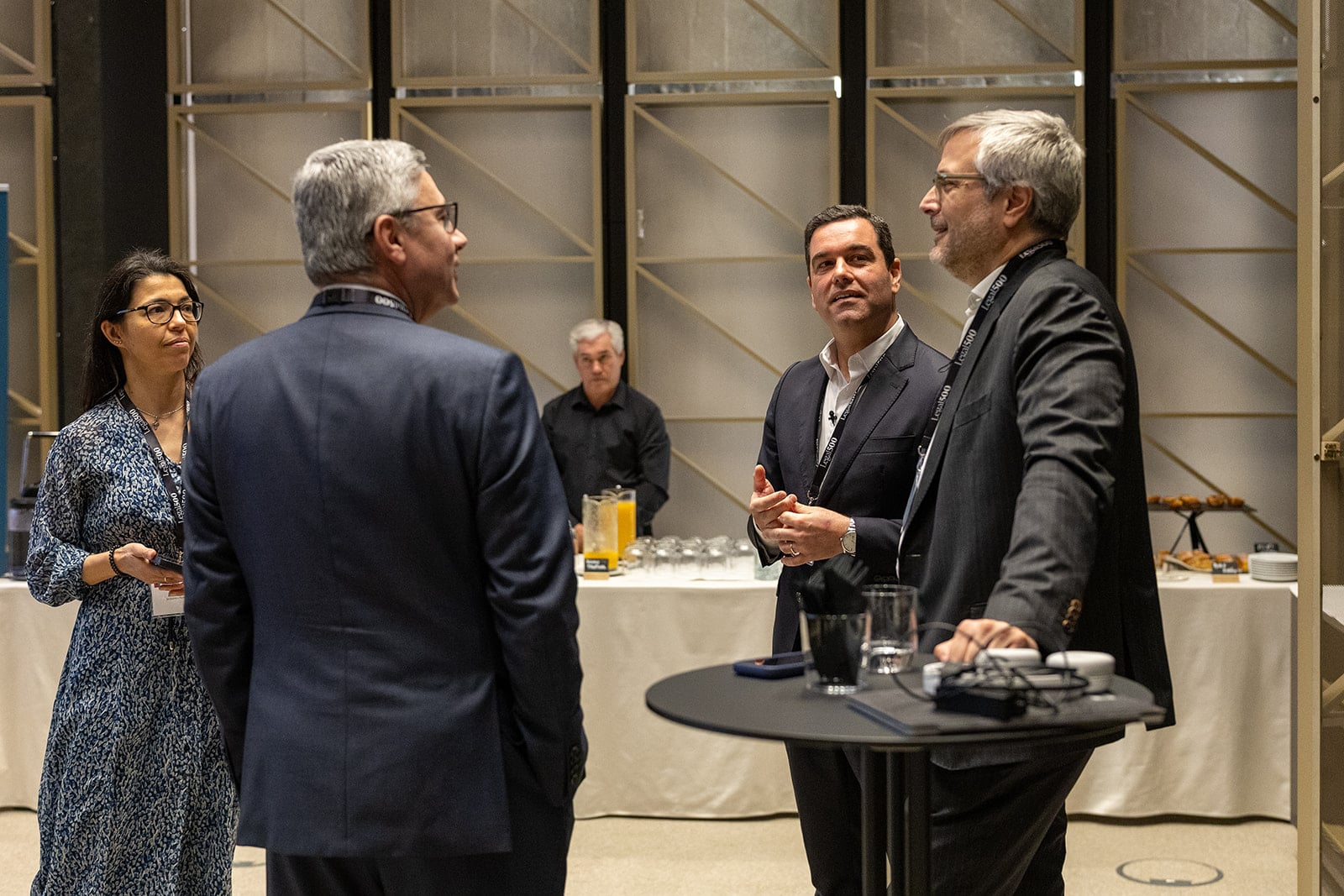
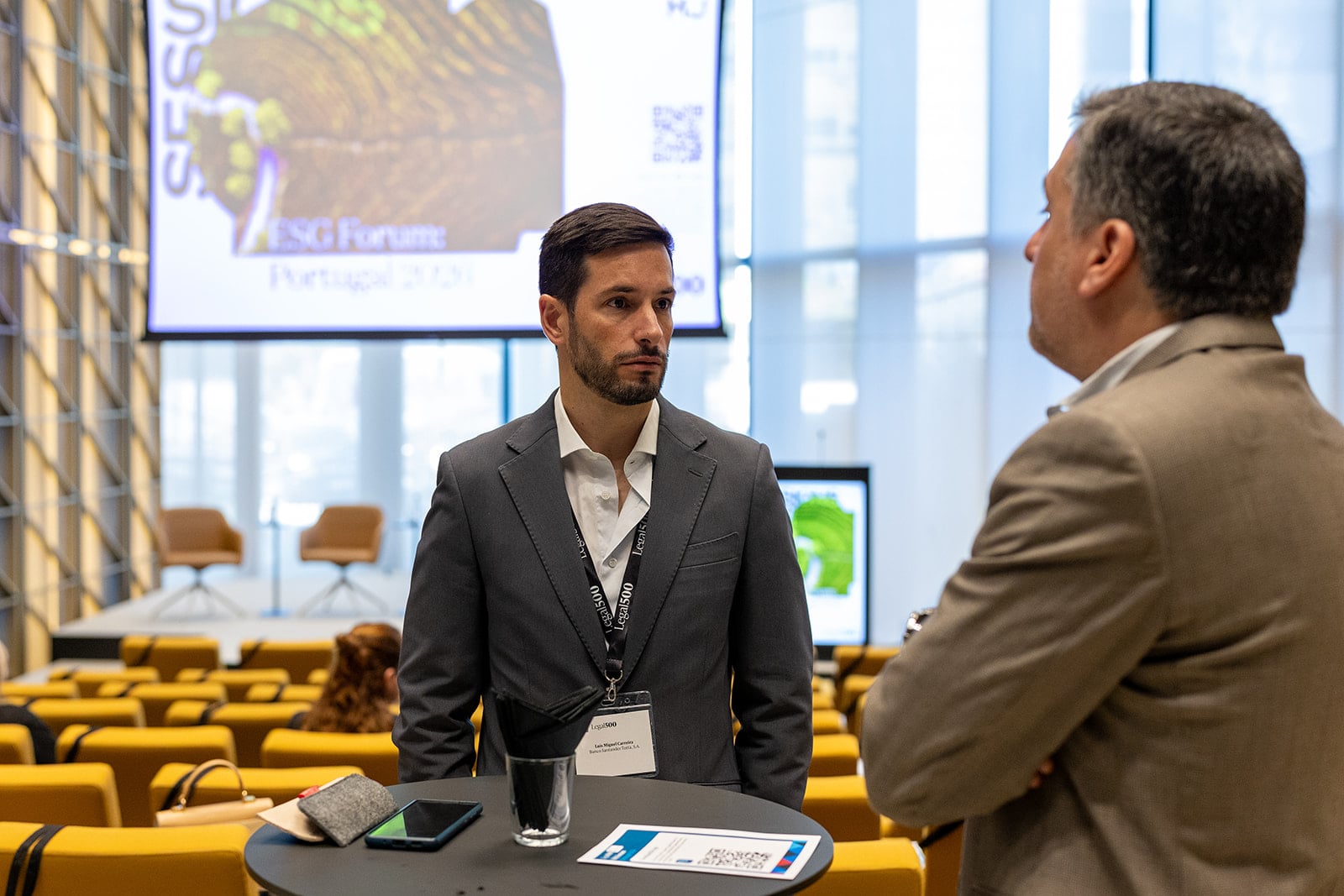
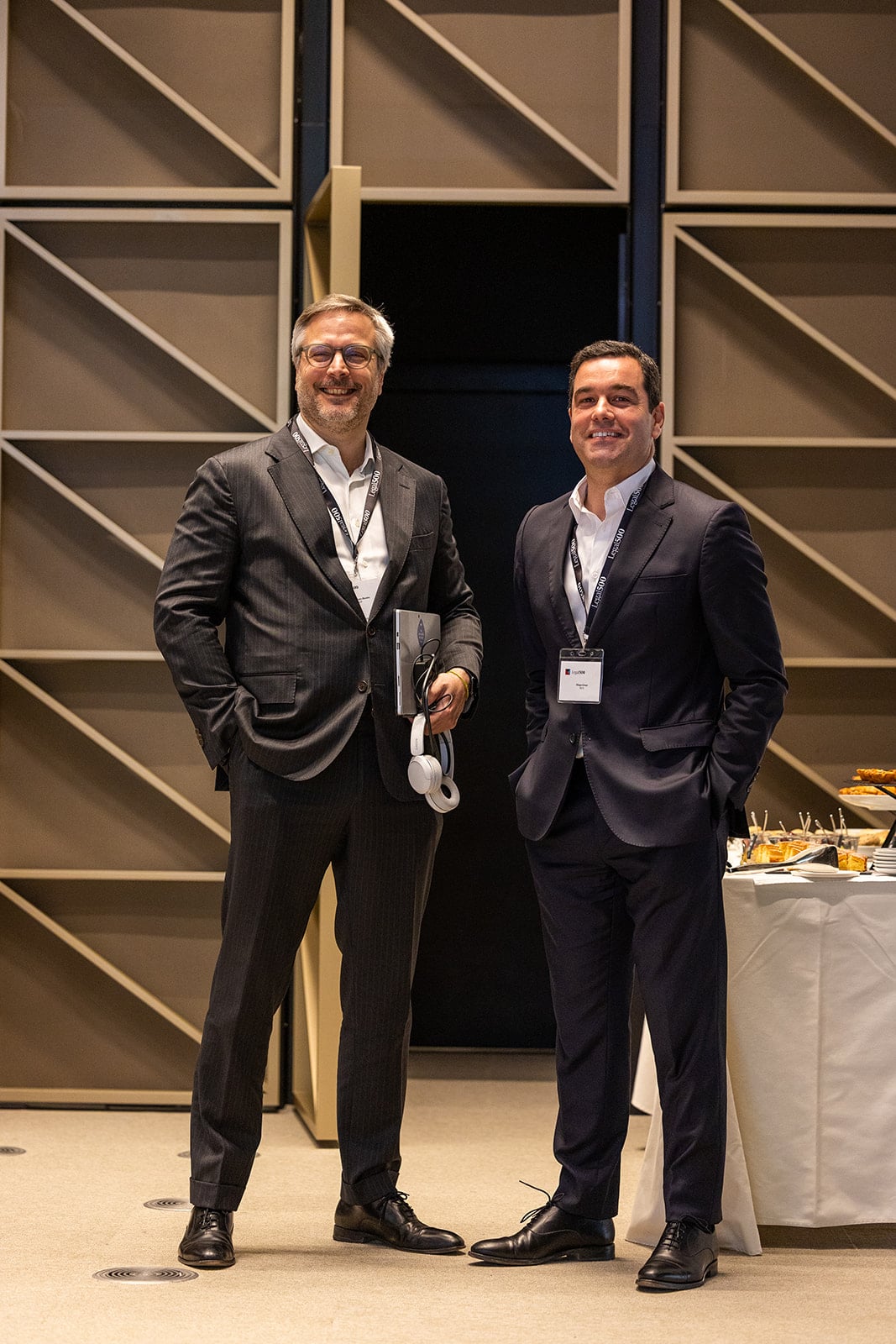
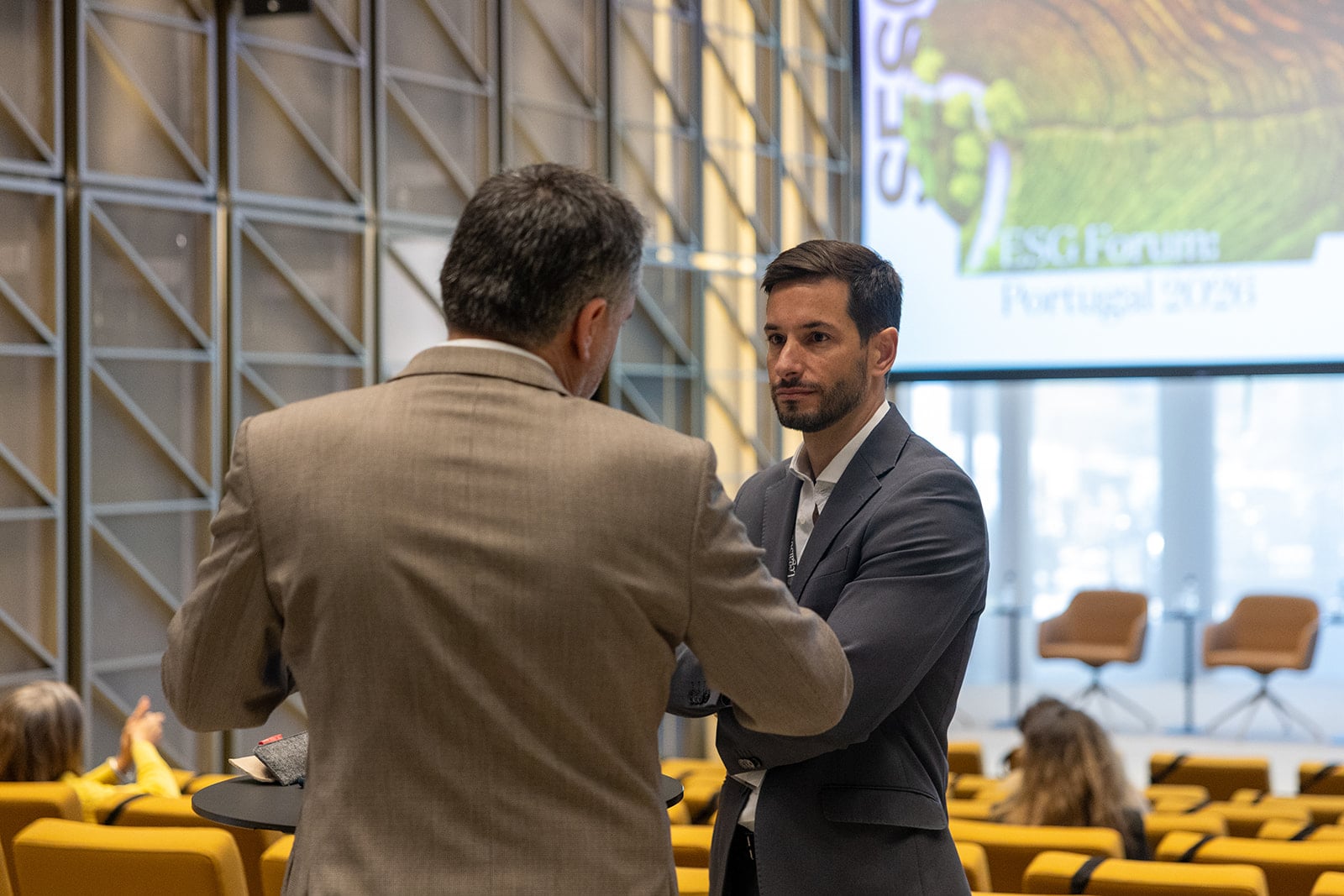
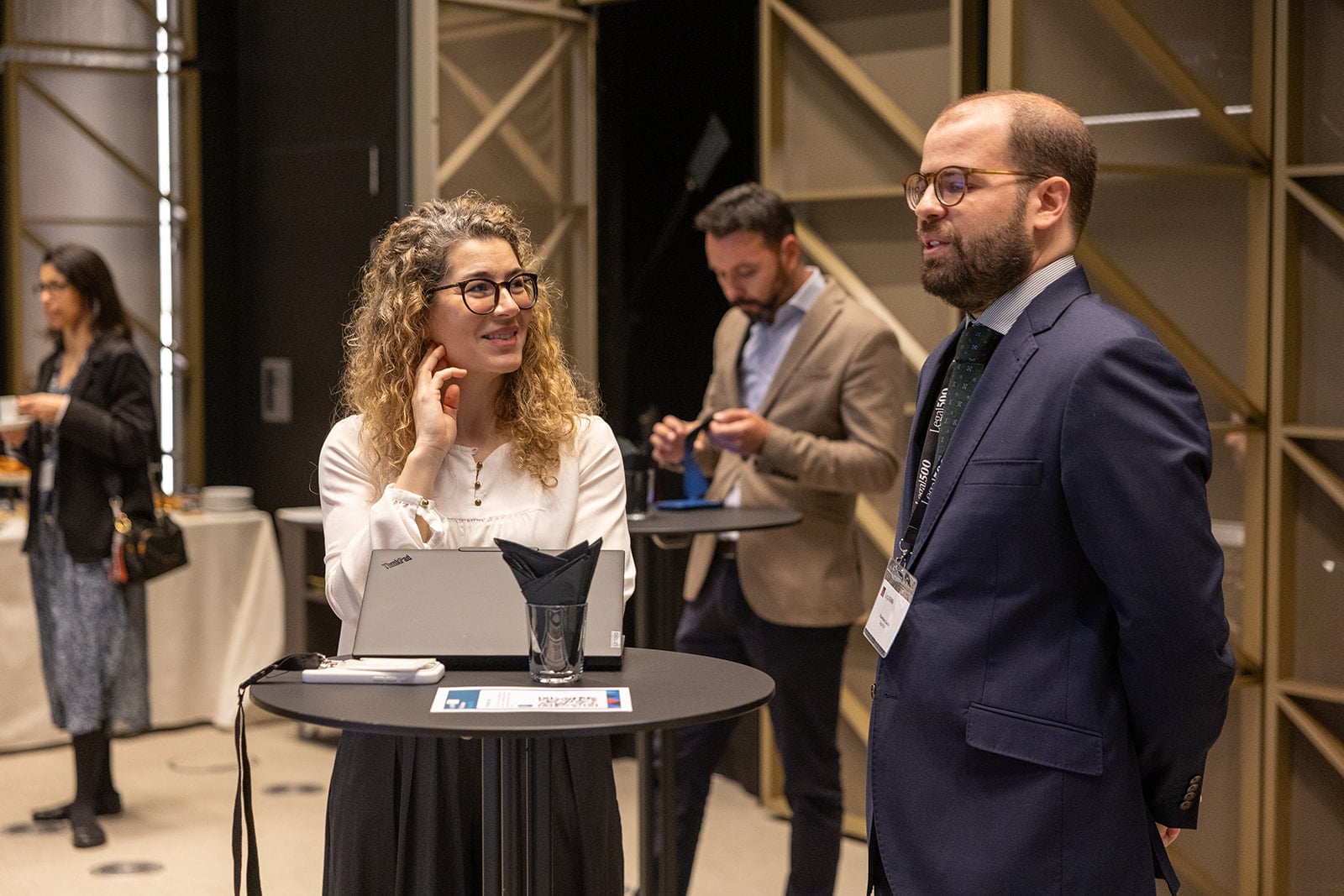
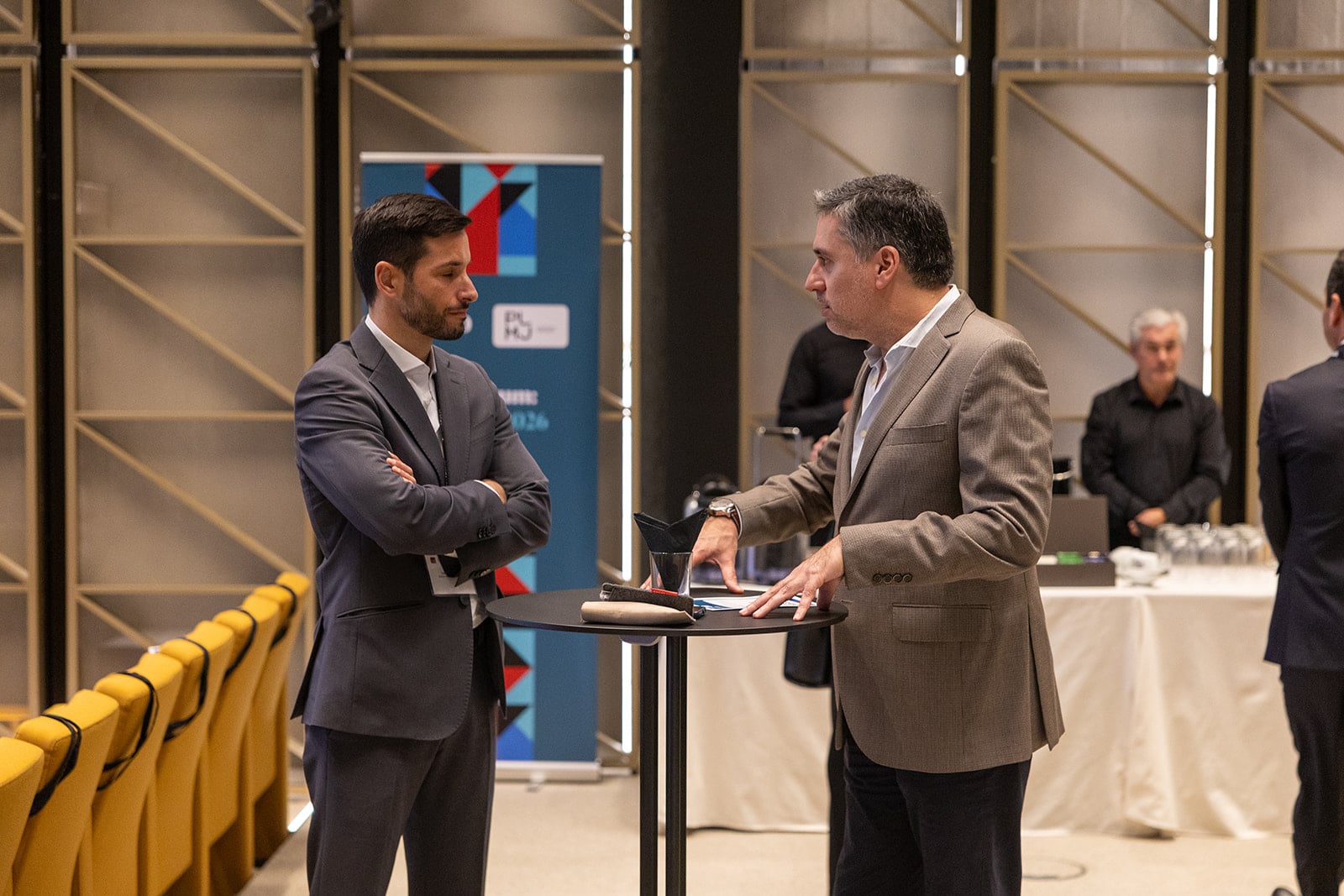
On 26 March, Legal 500 partnered with Portuguese law firm PLMJ to bring its renewed sustainability‑focused conference series to Lisbon with the ESG Forum: Portugal 2026. The half‑day event gathered senior leaders from the legal, financial, energy and sustainability spheres for a concentrated programme hosted at PLMJ’s offices. Throughout the sessions, speakers explored the regulatory, governance and enforcement forces reshaping ESG strategy in Portugal, offering a clear cross‑sector perspective on how organisations are adapting to an increasingly complex and fast‑moving landscape.
The event opened with some welcome remarks from Legal 500 editor Francisco Castro, who emphasised the value of events that bring the in‑house community together to learn, exchange experiences and build meaningful professional networks. In his welcome address, he highlighted the growing complexity of ESG obligations across Europe and the increasing pressure on organisations to adopt integrated, business‑wide approaches to compliance, risk management and strategic planning. By underscoring the need for practical, grounded discussion rather than abstract theory, he set the tone for a programme designed to deliver actionable insight and foster collaboration among practitioners navigating a rapidly evolving ESG landscape.
Followed an opening brief delivered by PLMJ’s Managing Partner, Bruno Ferreira, who provided a concise yet comprehensive overview of the ESG priorities defining Portugal in 2026. He outlined the expanding influence of EU regulatory frameworks on corporate reporting, due diligence and governance, noting how these requirements are reshaping expectations around data quality, transparency and accountability. His remarks positioned ESG not as a peripheral concern but as a central driver of corporate behaviour, capital flows and long‑term competitiveness in the Portuguese market.
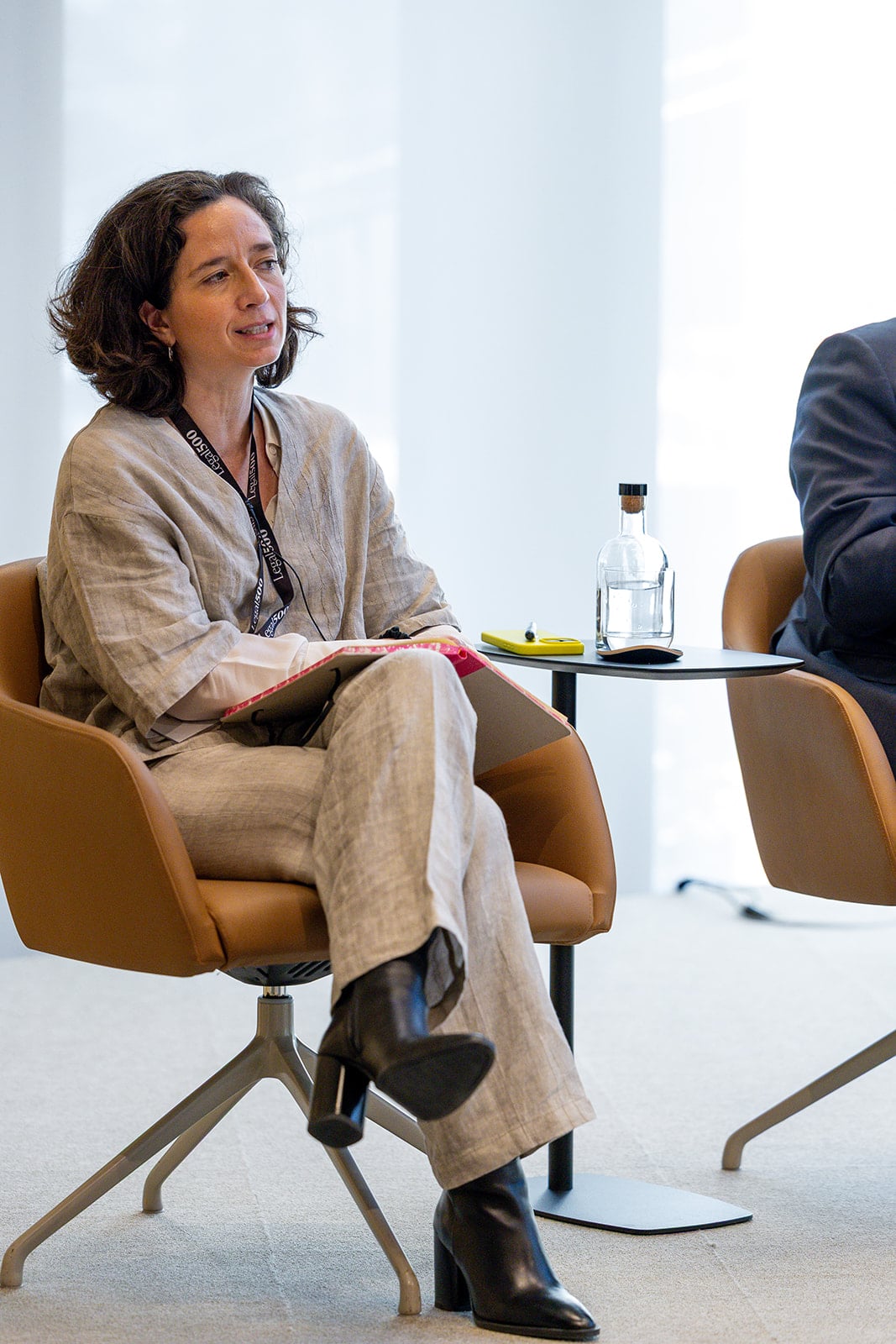
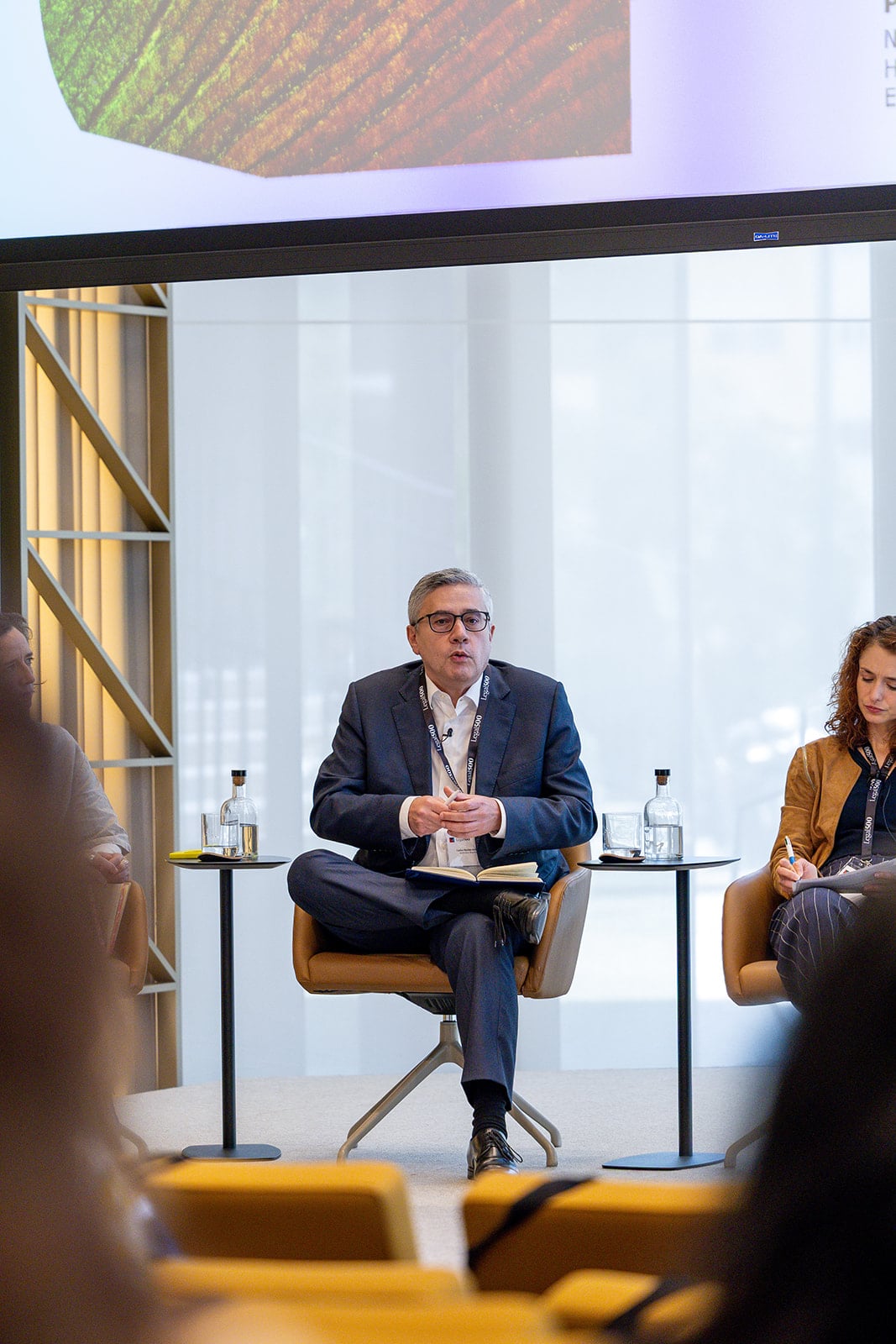
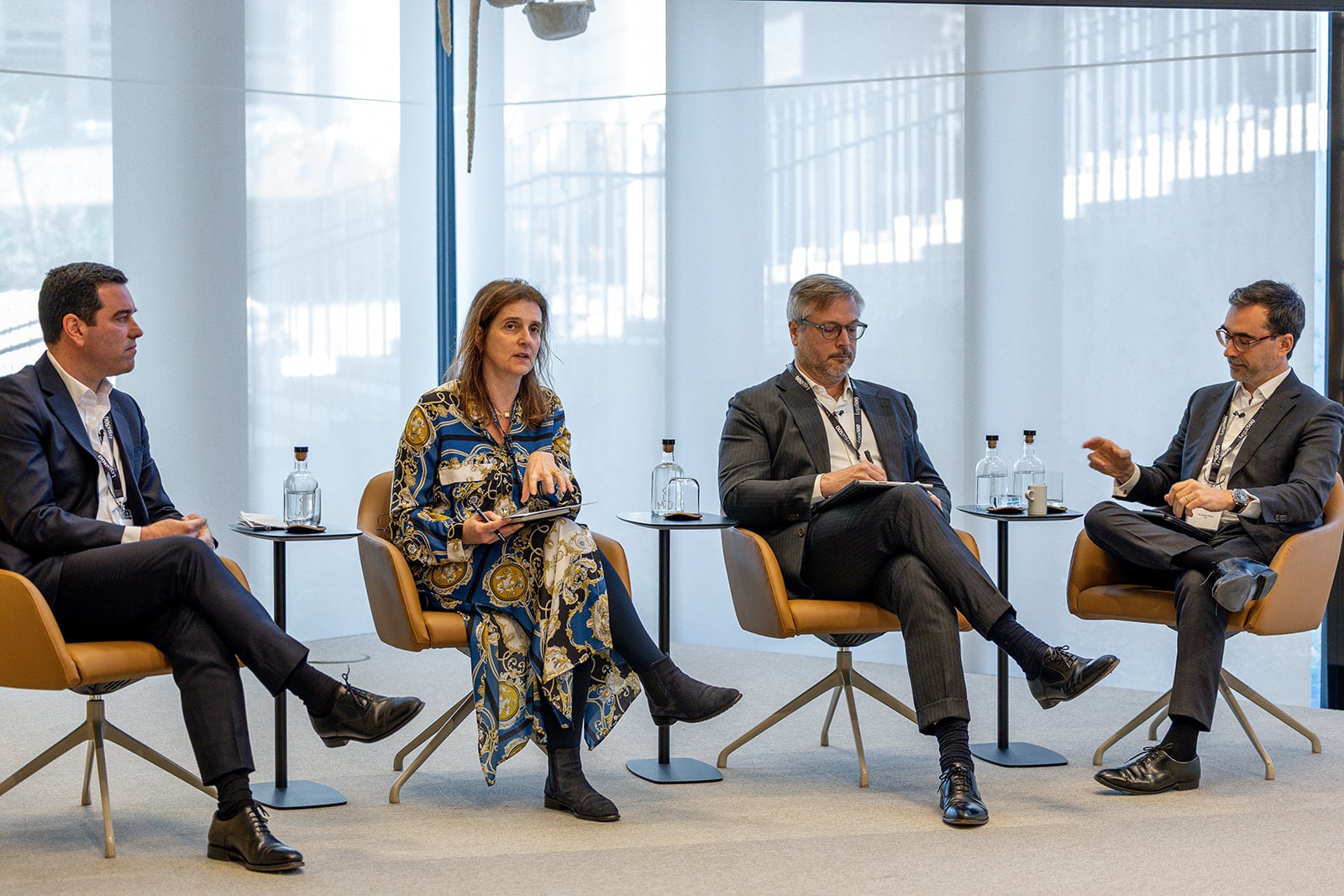
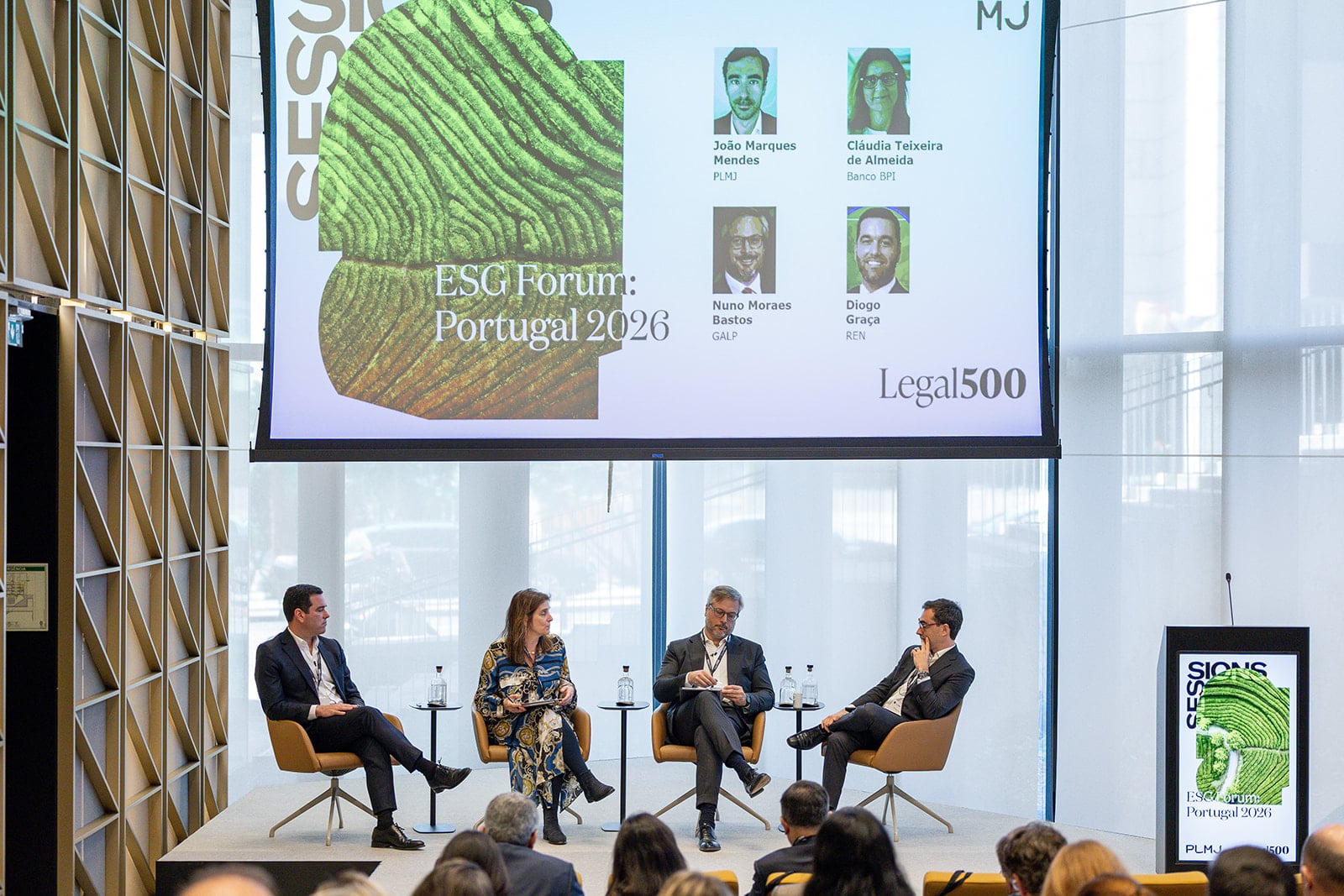
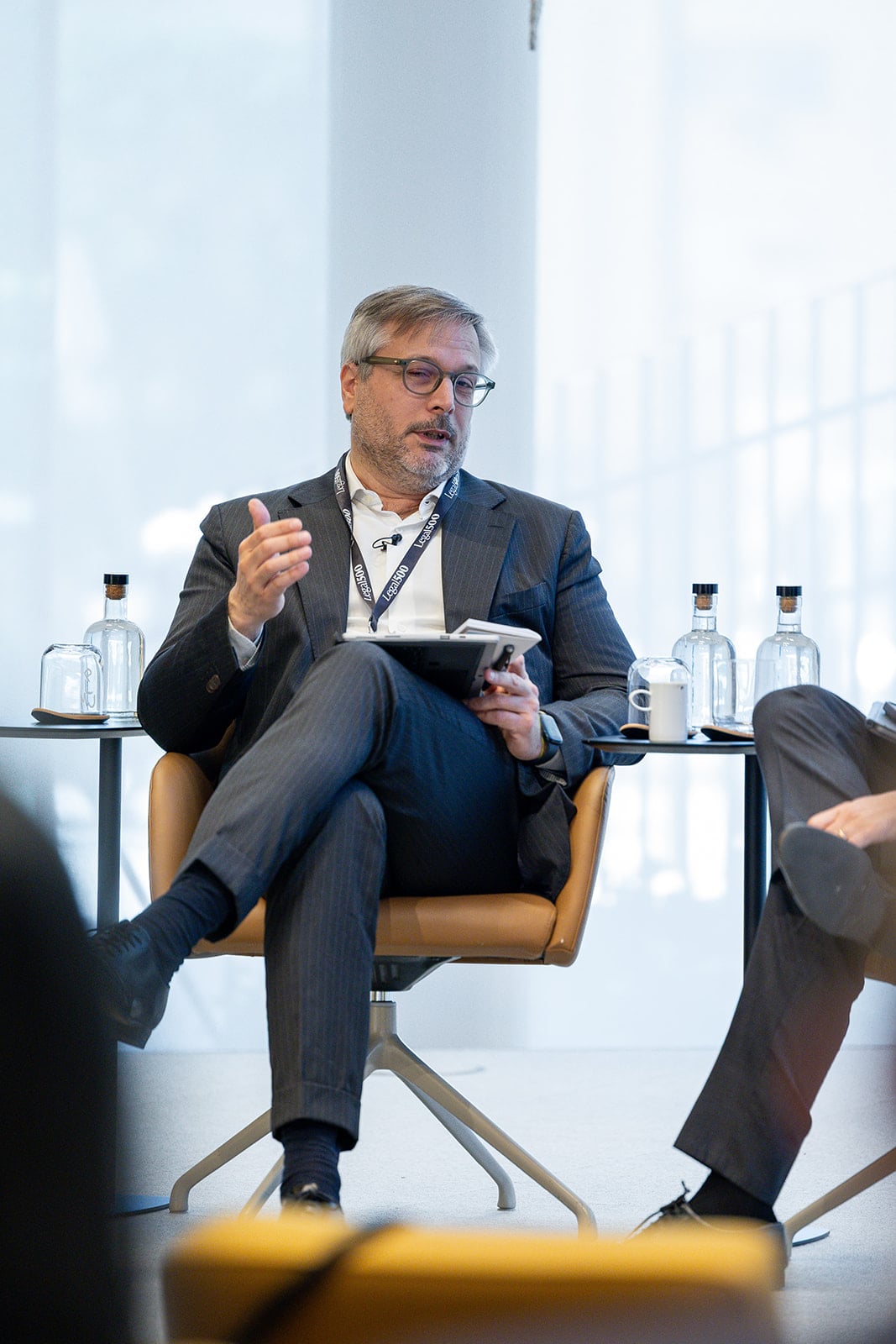
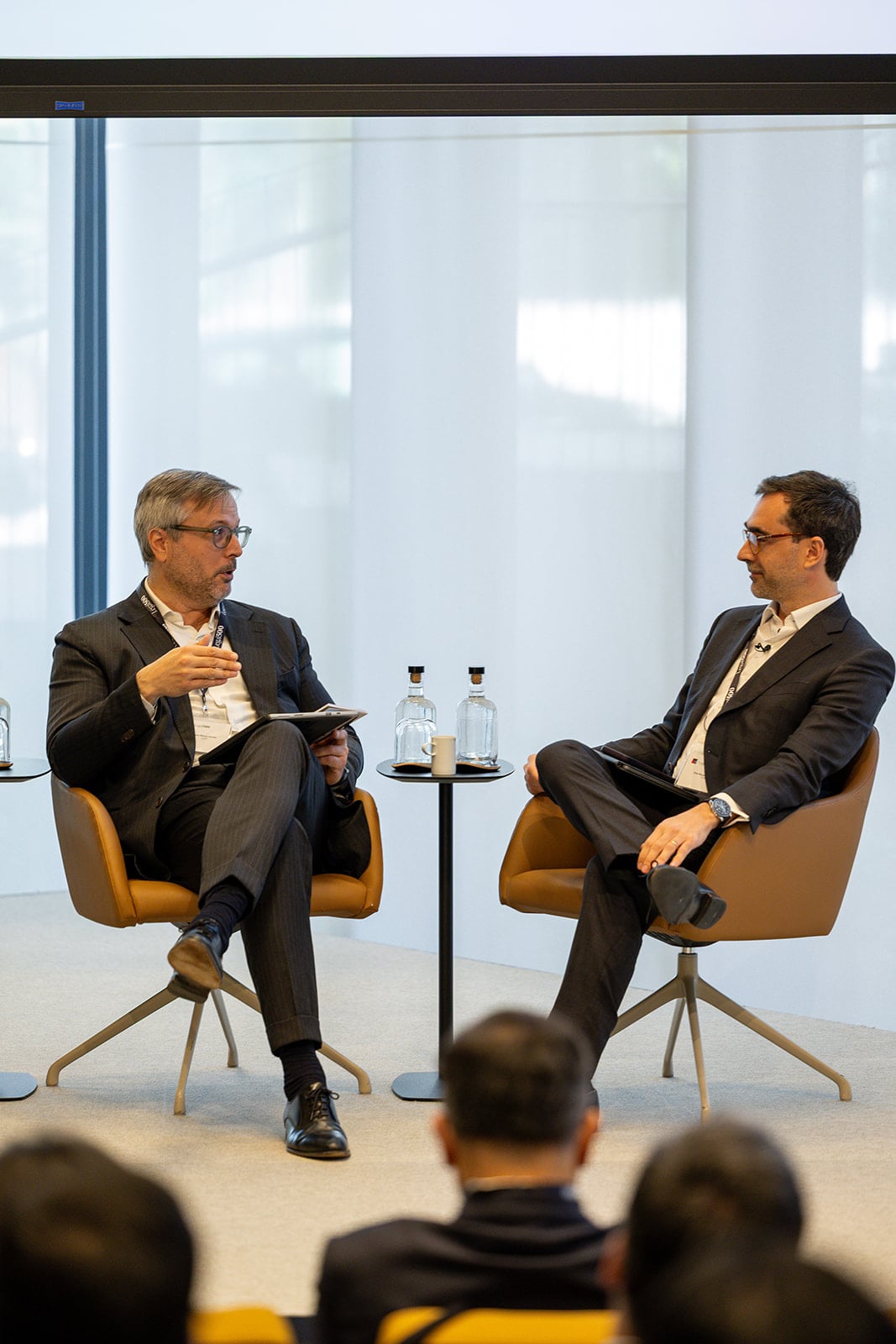
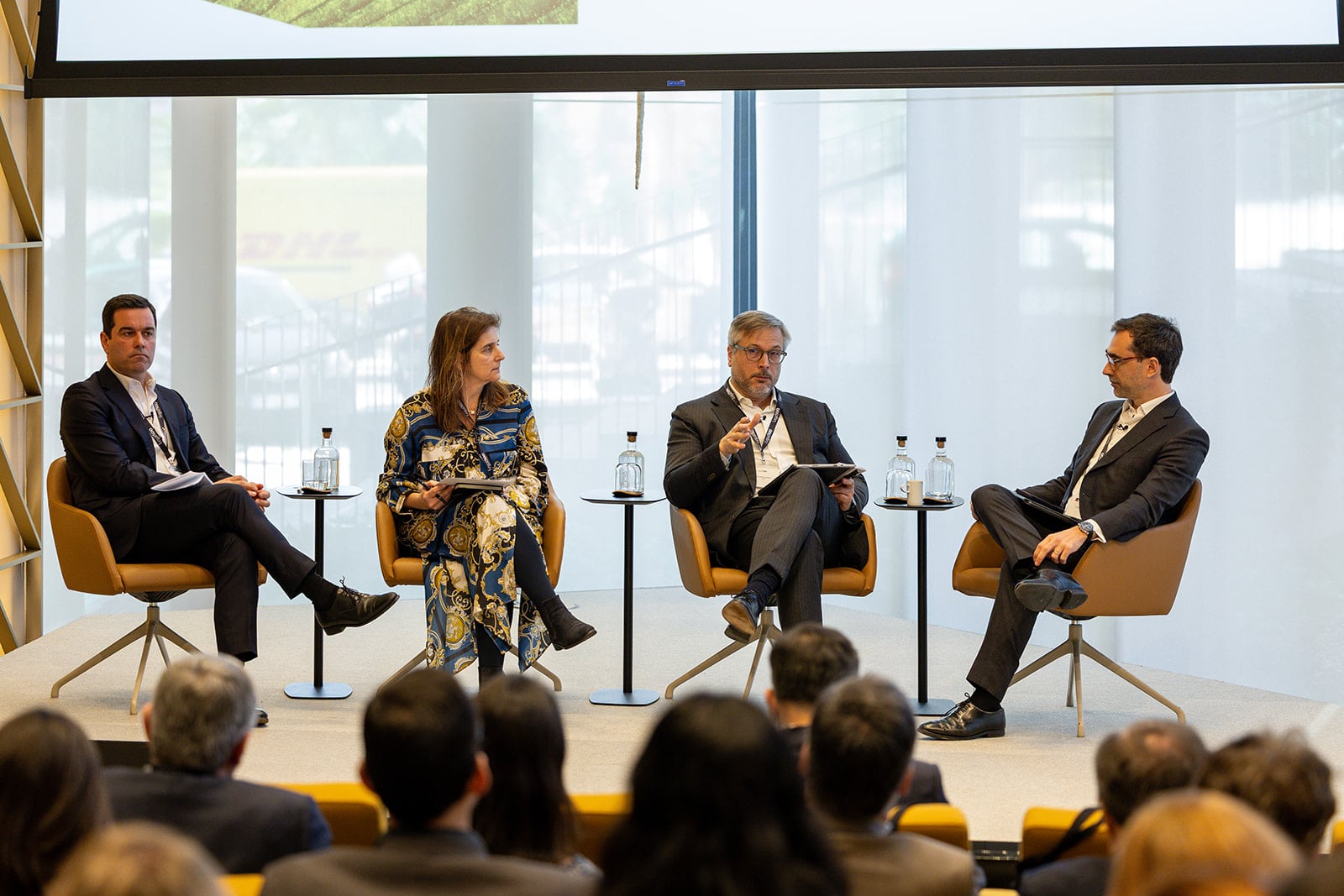
The first panel, moderated by João Marques Mendes, Partner at PLMJ and joined by Cláudia Teixeira de Almeida of Banco BPI, Nuno Moraes Bastos of GALP and Diogo Graça of REN, explored how corporate governance and sustainable finance are shaping Portugal’s energy transition. The discussion examined how boards and executive teams are adapting oversight structures to manage transition‑related risks and how legal, compliance, sustainability and procurement functions are increasingly intertwined in project governance. Panellists described the growing influence of financing structures on project execution, noting that lenders’ expectations around ESG metrics, contractor performance and transparency now shape governance decisions from the earliest stages. They also addressed the operational constraints that continue to challenge Portugal’s transition ambitions, including permitting timelines, grid capacity limitations and delivery risk. While acknowledging the complexity of EU‑level frameworks, speakers emphasised that these standards also present strategic opportunities to harmonise practices, unlock investment and strengthen Portugal’s competitive position in the energy transition.
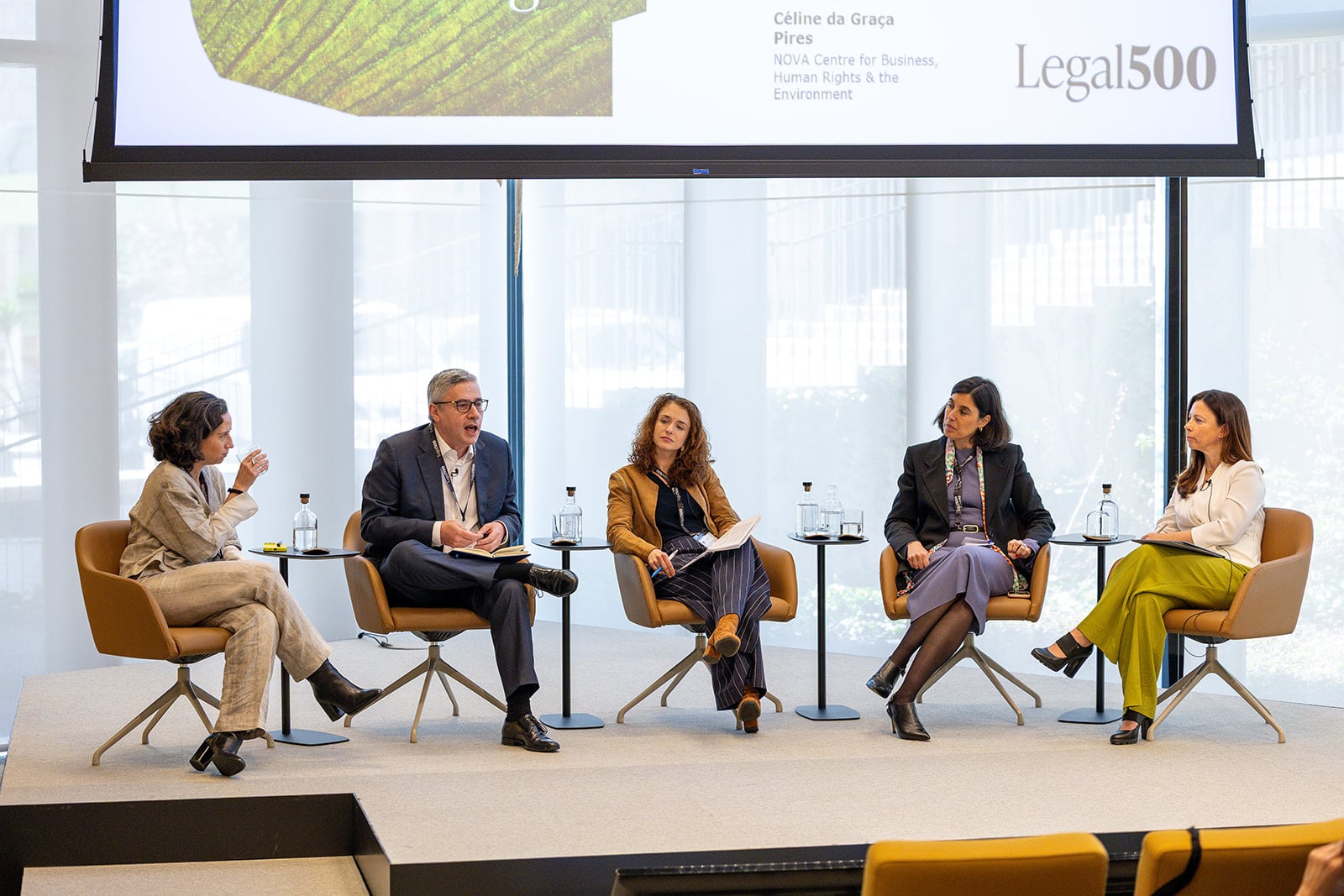
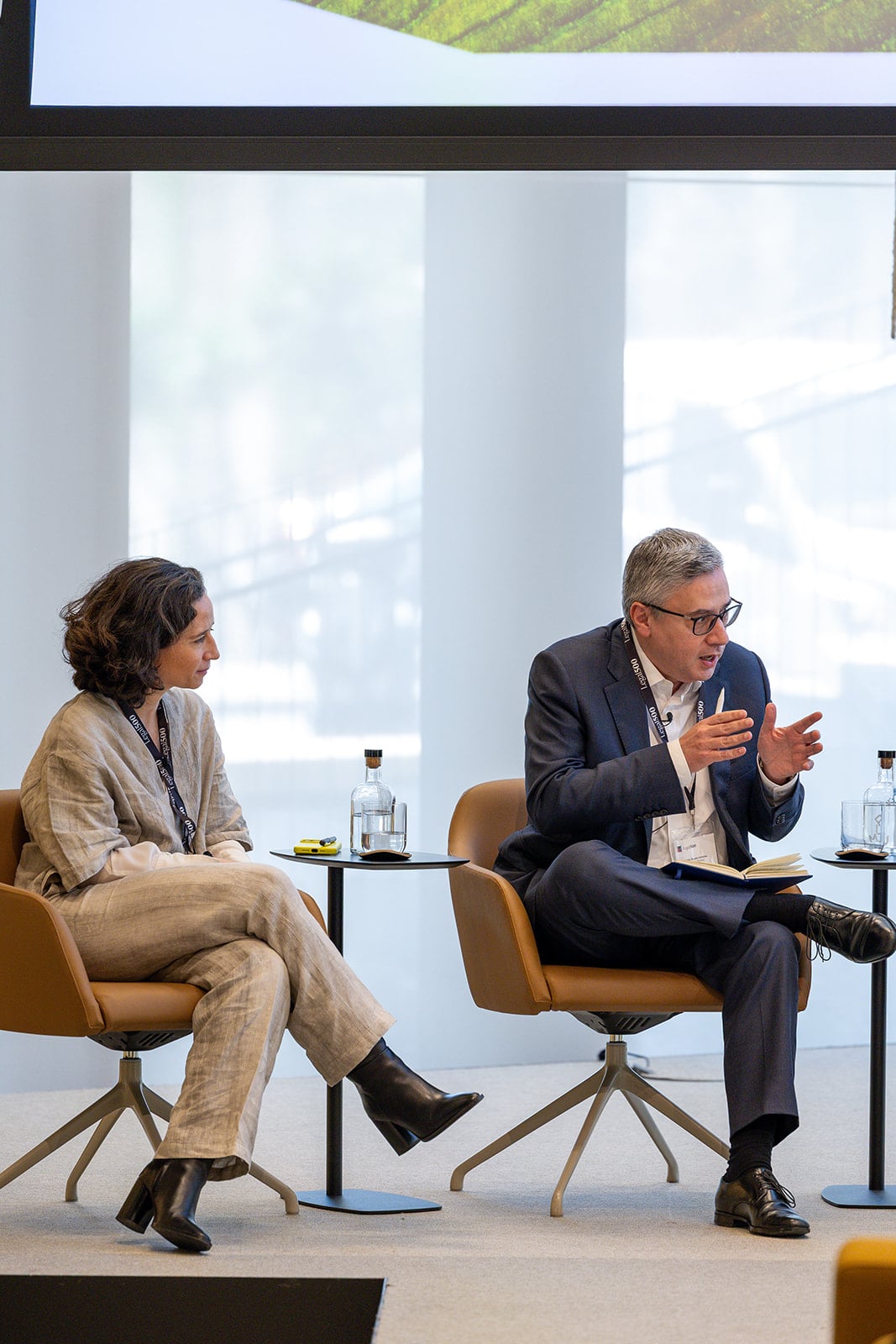
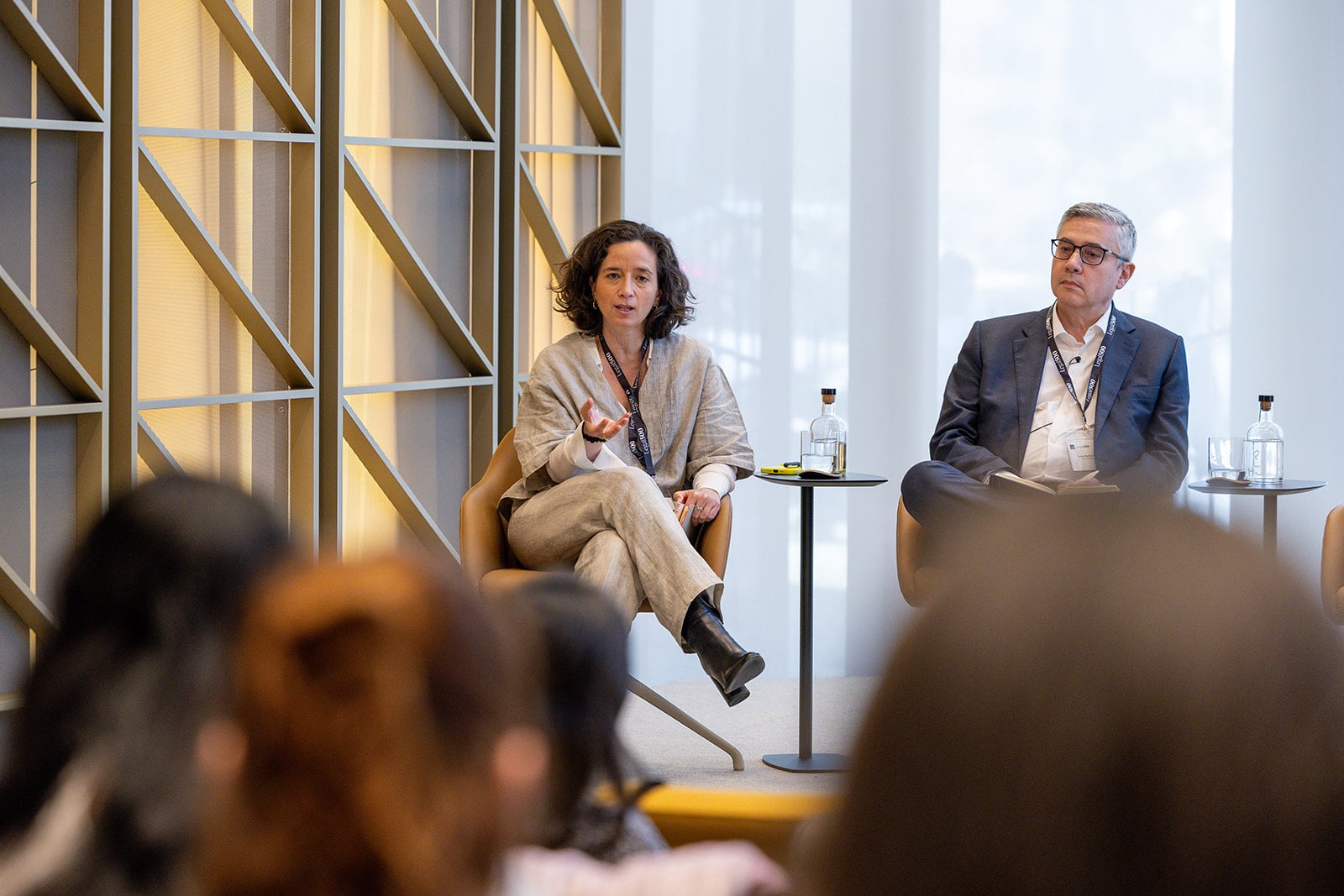
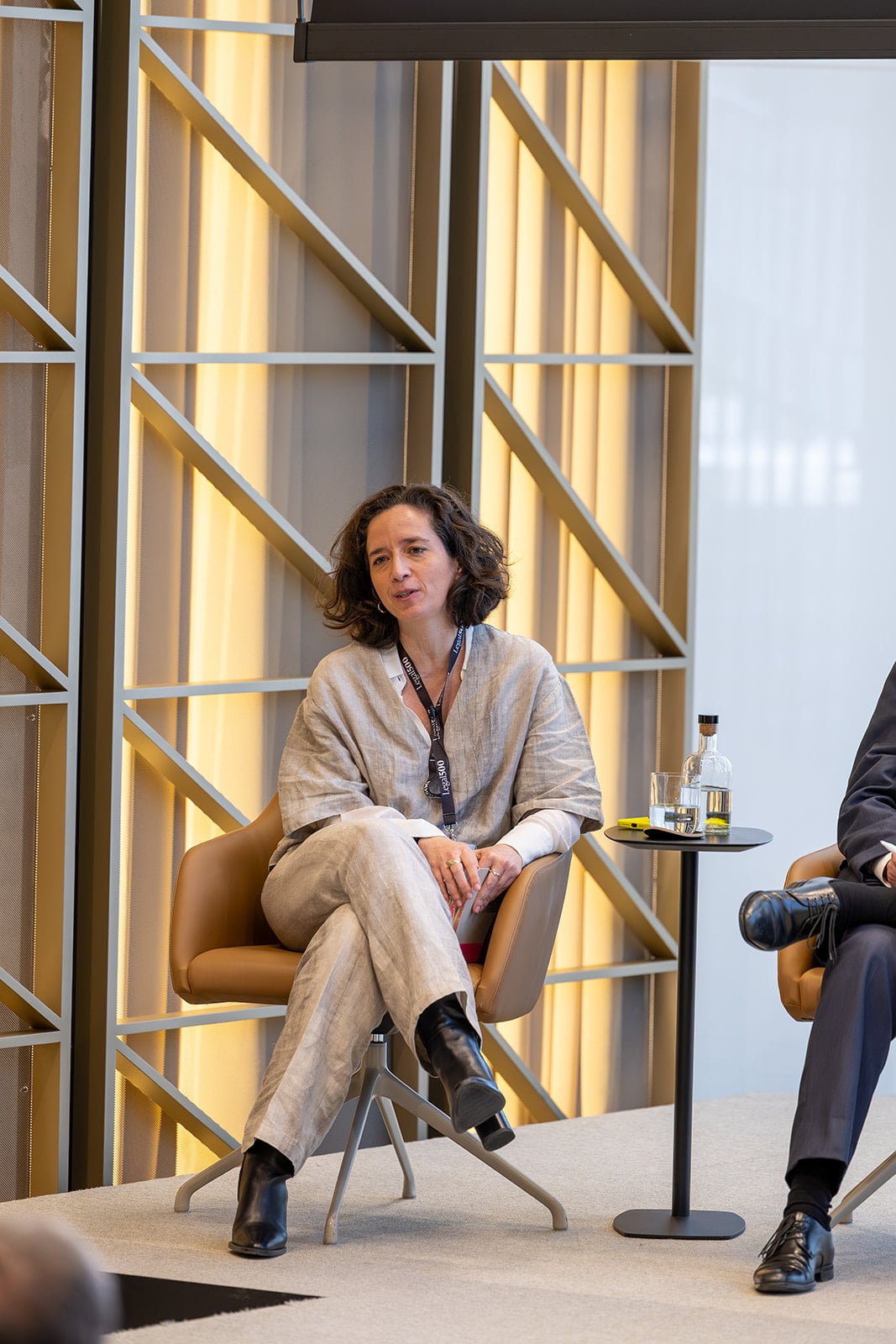
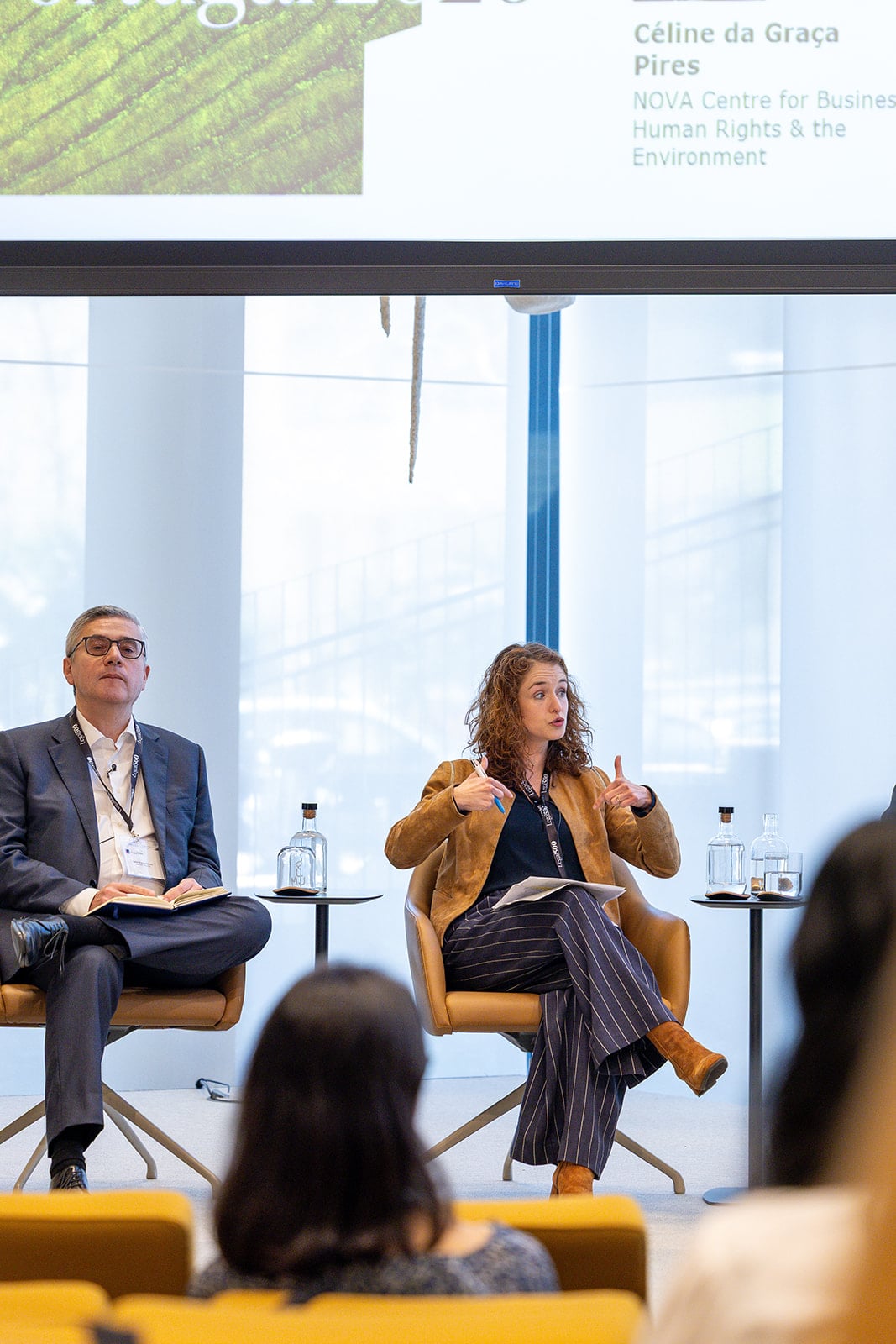
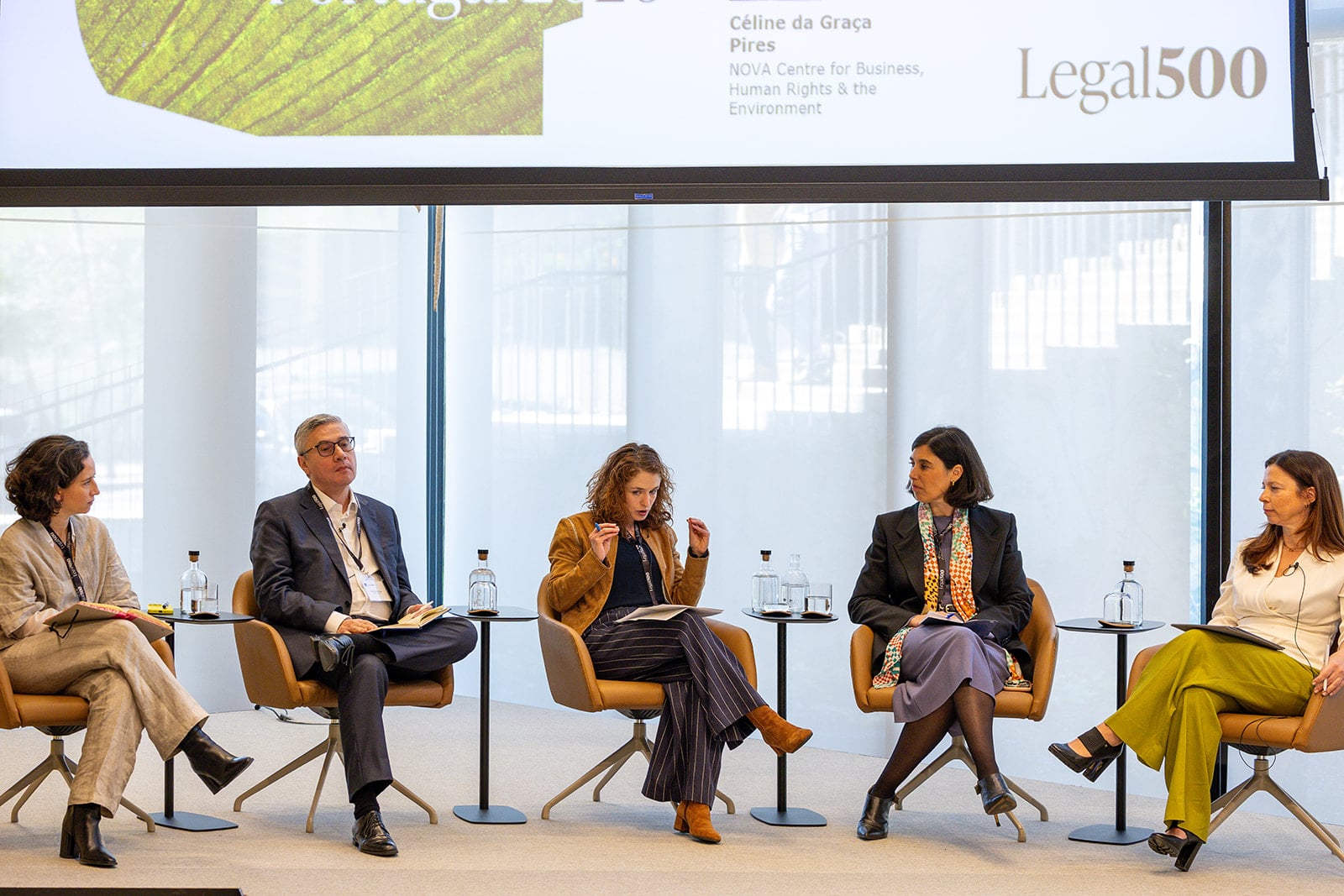
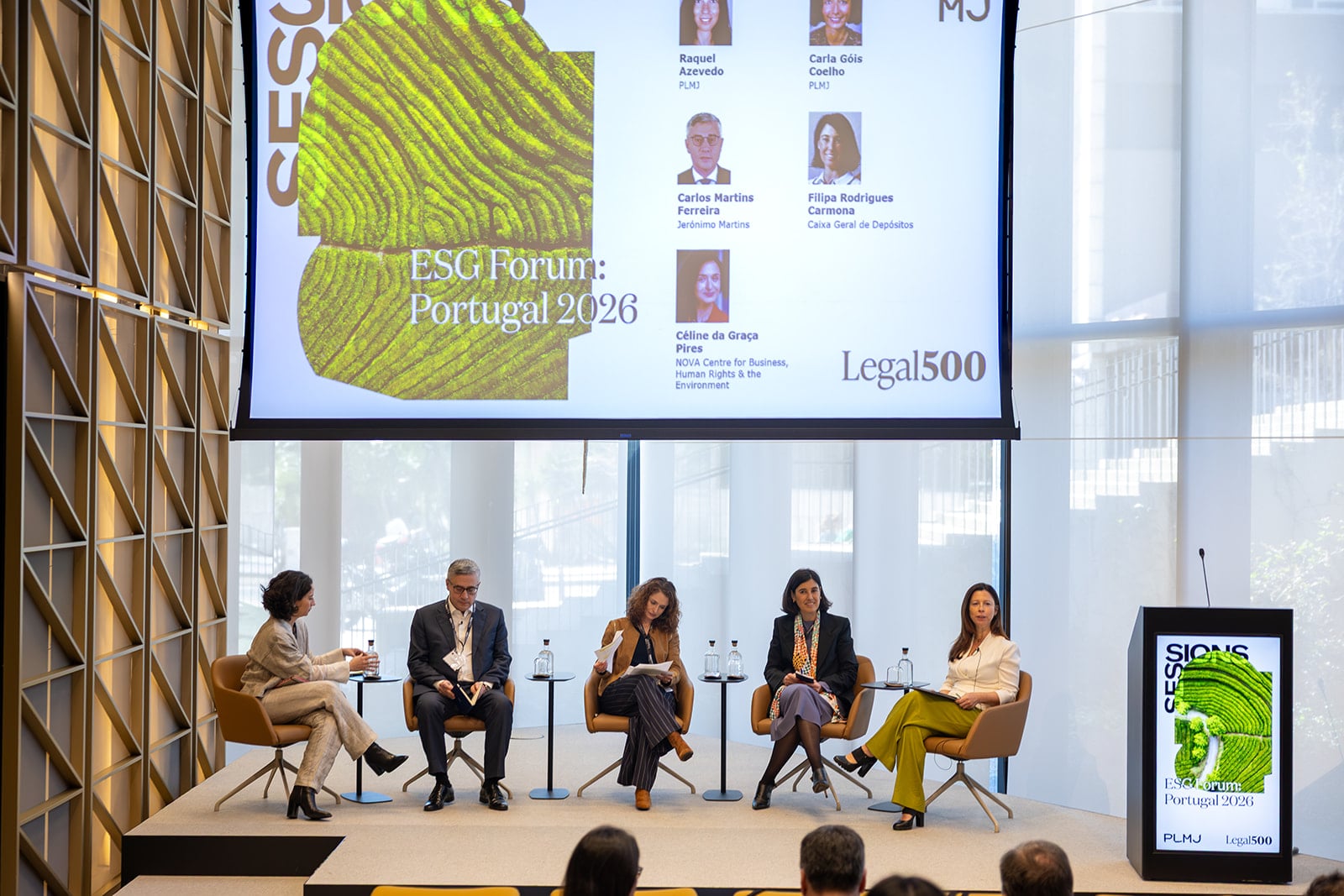
Following a short break, the second panel turned to litigation, liability and the emerging enforcement era surrounding sustainability claims. Moderated by Raquel Azevedo, Partner at PLMJ and featuring contributions from Carla Góis Coelho of PLMJ, Carlos Martins Ferreira of Jerónimo Martins, Filipa Rodrigues Carmona of Caixa Geral de Depósitos and Céline da Graça Pires of NOVA, the session examined the rapid rise of ESG‑driven disputes, investigations and regulatory actions. Panellists discussed the typical trigger points for scrutiny, ranging from sustainability reports and corporate websites to marketing materials and investor presentations, and highlighted how these touchpoints are increasingly tested by regulators, competitors, consumers and NGOs. They analysed recent case law developments and their implications for Portuguese organisations, noting the emergence of more stringent evidentiary standards around disclosures and due‑diligence obligations. The panel concluded that sustainability claims can no longer be treated as aspirational messaging; they now carry the weight of binding legal obligations, requiring more rigorous internal validation and cross‑functional coordination.
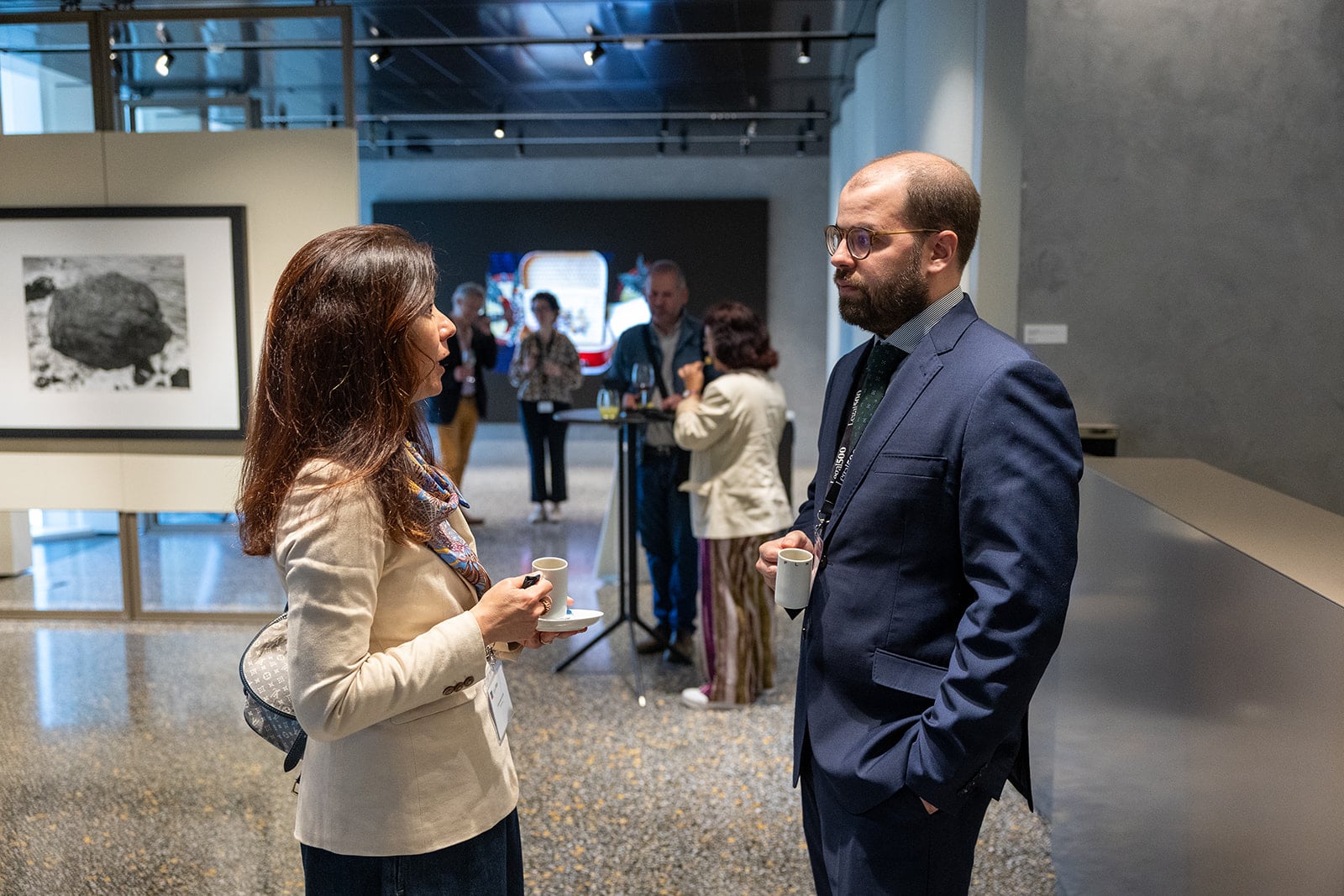
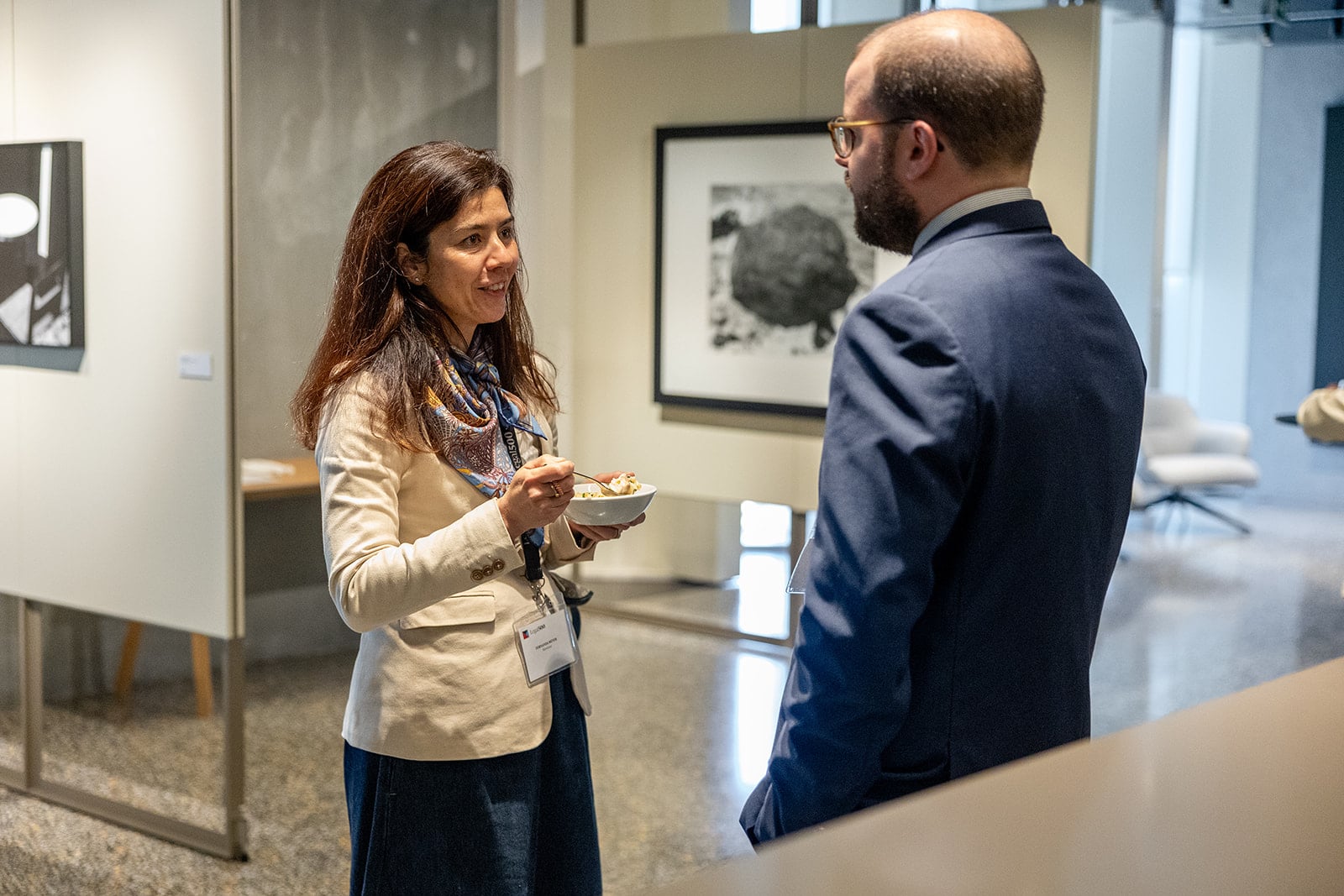
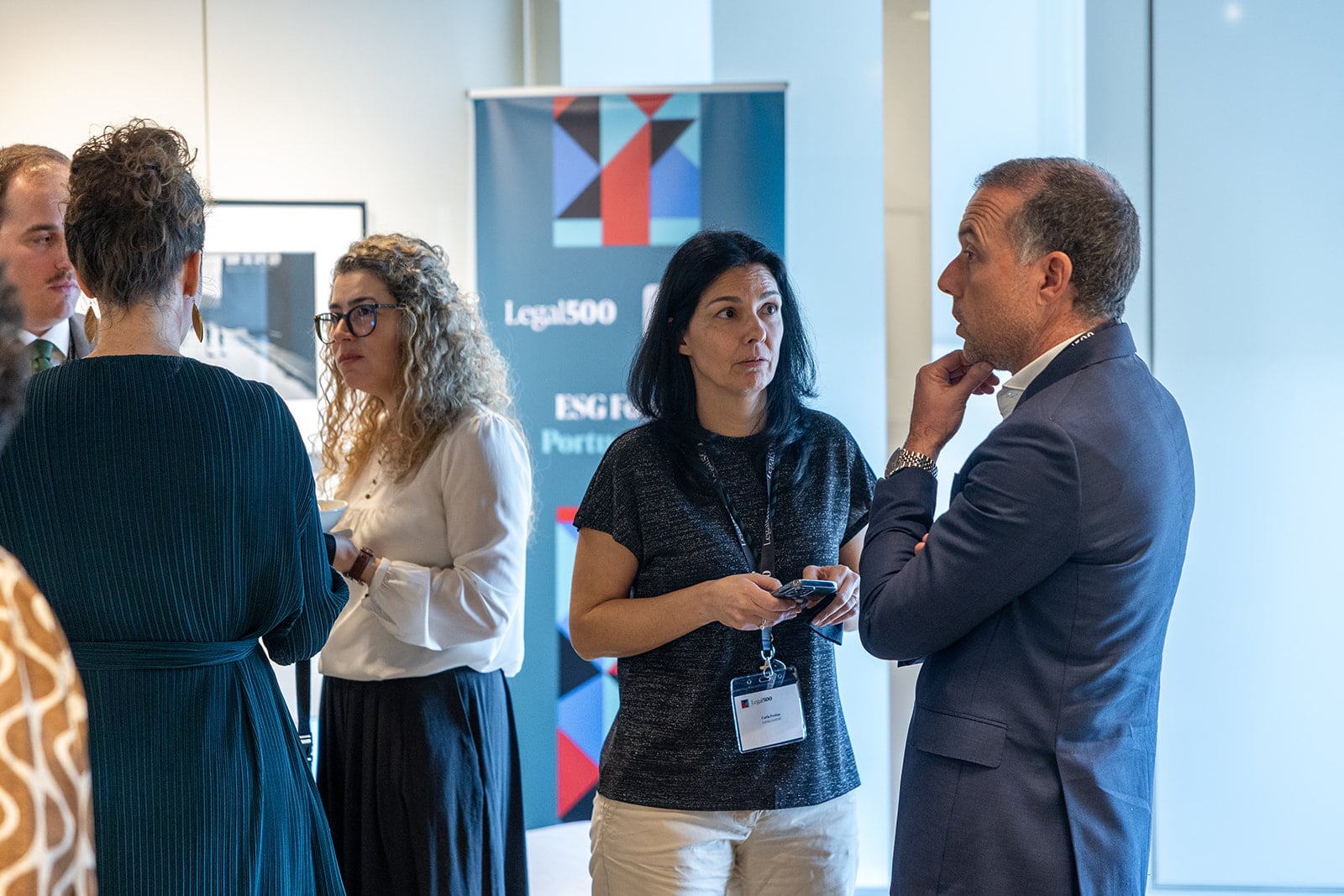
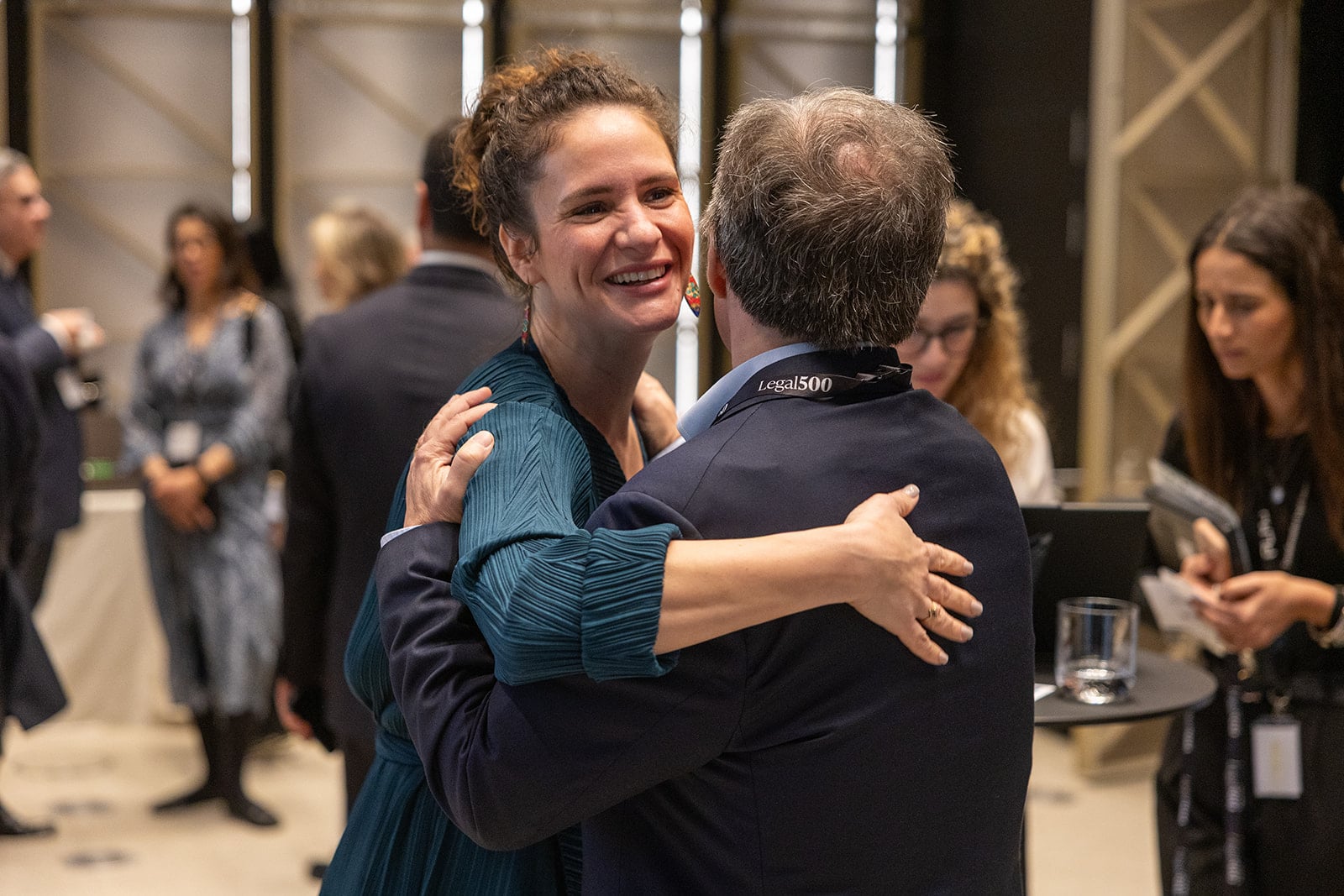
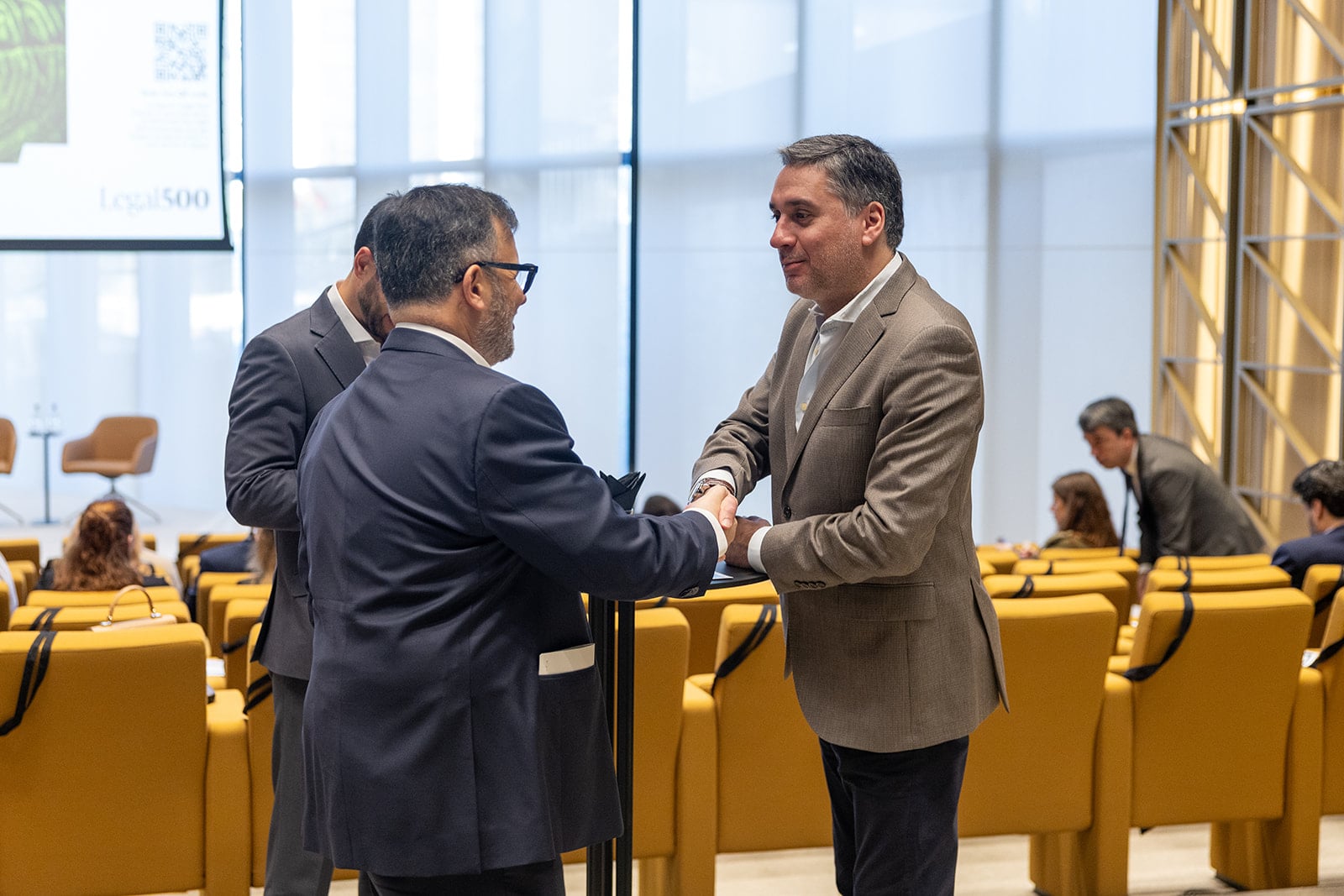
The forum concluded with closing remarks from Francisco Castro, after which attendees were invited to continue their conversations over a light lunch, providing a relaxed setting to deepen connections and reflect on the themes explored throughout the morning.
Legal 500 extends its thanks to PLMJ for its collaboration in bringing this conference format to Portugal’s in‑house legal community. The team looks forward to returning soon for the launch event of this year’s GC Powerlist: Portugal.