Paraguay 2025
Supported by the Association of Corporate Counsel


Legal Business Partner Soybean ConoSur and CropScience Business Paraguay | Bayer


Coordinadora de Asuntos Legales y Compliance | Yguazú Cementos







Corporate Lawyer-head of legal | Terminal Occidental


Advisor to the Presidency at PETROPAR | Petróleos Paraguayos (PETROPAR)

Legal Advisor | Sudameris Securities Casa de Bolsa y Sudameris Asset Management

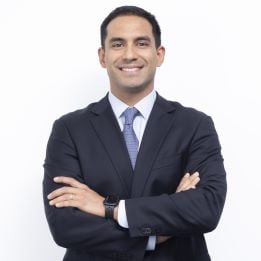
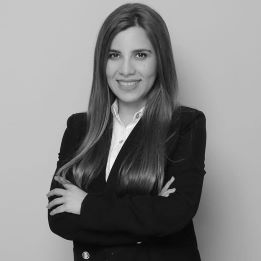
Senior legal counsel | PedidosYa (Delivery Hero Paraguay)
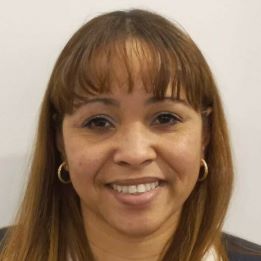


Gerente de Asuntos Legales | Tigo (Millicom Paraguay)

Legal and Documentation Manager | ZUBA
Director of legal operations | Torrecom Partners

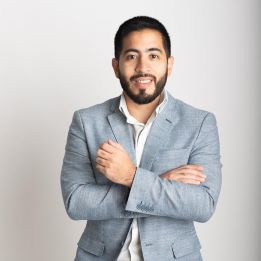


Abogado sénior | Civis Soluciones Inmobiliarias
Gerente de Servicios Juridicos y Secretaria General | Banco GNB Paraguay

Head de Jurídico & Compliance | Itaú Paraguay
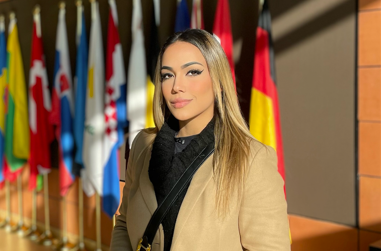
Esmilce Romina Estigarribia Larrea, Head of Legal & Compliance – Itaú Seguros Paraguay, is currently responsible for the legal department, regulatory compliance, and corporate policies. With a strong academic and...
In-house counsel | Unilever
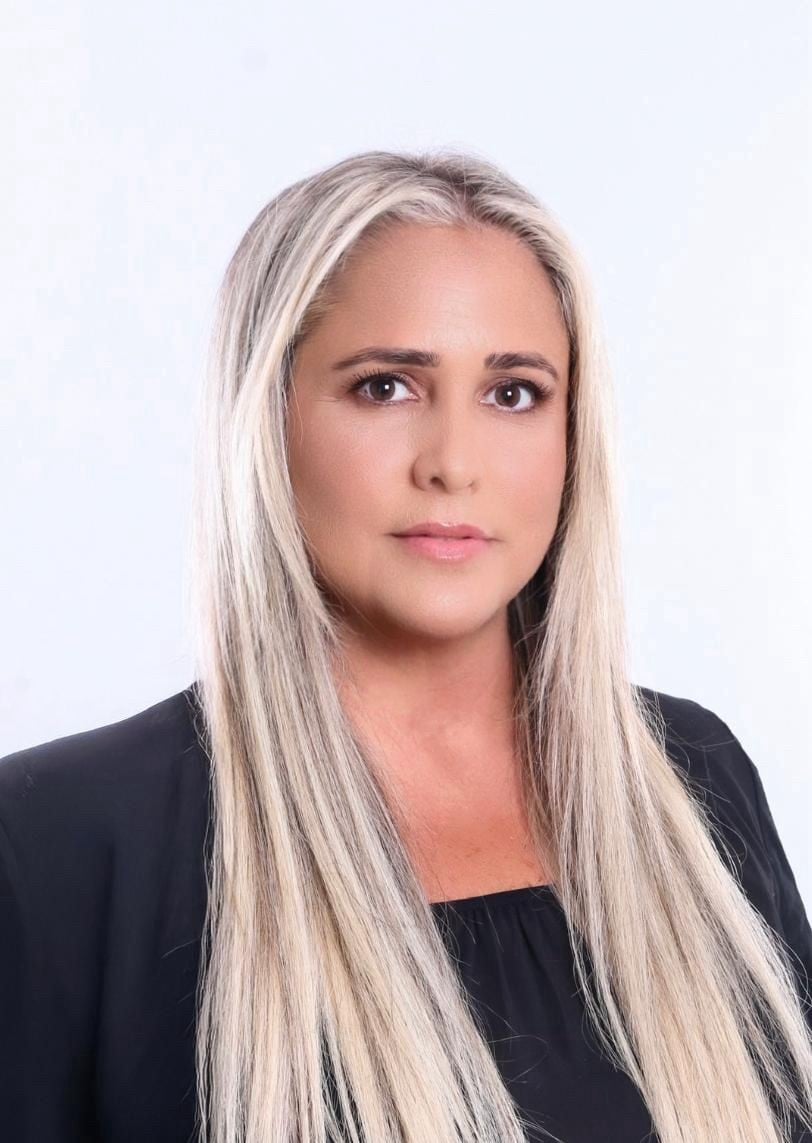
With twenty years of experience, Karina Piñeiro began her career within the Law Firm BKM, BERKEMEYER in the world of Intellectual Property, providing support to both local and international clients...

Jefa de Asuntos Legales | TOCSA
Macarena Duarte is a lawyer and notary with over ten years of experience in the public and private sectors. She specializes in administrative law, public procurement, and infrastructure—an area where...
Regional legal, compliance, governance and business partner | Noventiq
Senior Legal Manager CAS (Central, Andean and South American) Region | American Tower
Director de Asuntos Legales y Marco Regulatorio | Telecom Personal
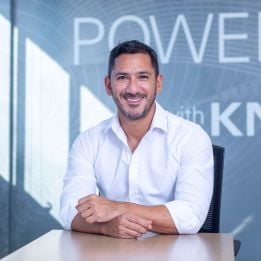
Vice President & Deputy General Counsel, LATAM | Equifax
Mario is a highly accomplished legal professional specialising in international regulatory issues, with a strong focus on data transfer, technology, financial inclusion, and innovation. He currently leads the Legal and...
The GC Powerlist Paraguay 2025 marks a significant milestone as the inaugural edition dedicated exclusively to Paraguay. This edition celebrates the achievements of the country’s most influential and forward-thinking in-house counsel. Although this may be one of the more smaller editions in the GC Powerlist series, it carries the same weight and intent: to spotlight and recognise outstanding legal talent, wherever it may be found.
For this edition, The Legal 500 engaged in extensive interviews with senior legal professionals working across an array of sectors. From multinational giants such as American Tower, BAT, MAPFRE, and Baxter, to distinguished national enterprises like PETROPAR, SENABICO, and Yguazú Cementos, the legal leaders we spoke to are not only safeguarding the interests of their organisations but also actively shaping the evolving legal and regulatory landscapes in Paraguay.
One prevailing theme among contributors was the measured yet impactful transformation underway across industries, particularly within the telecommunications sector, where legal departments are increasingly involved in strategic, cross-border initiatives. Equally noteworthy was the influence of artificial intelligence (AI), with many general counsel citing its role in redefining workflows, risk management, and operational efficiency within their teams.
Throughout our research, a clear consensus emerged: being an effective legal adviser in Paraguay today requires much more than technical legal expertise. General counsel are expected to function as strategic business partners, individuals who are relatable, trustworthy, and capable of bridging the gap between legal complexities and commercial realities. Their ability to communicate across diverse teams and functions has become a defining trait of their value to the business.
We extend our warmest congratulations to all the individuals featured in this year’s list. We look forward to returning to Paraguay for future editions and continuing to document the remarkable growth of this legal community.