Germany 2026
Supported by the Association of Corporate Counsel




Head of legal and deputy director of legal and compliance | Condor Flugdienst
Rising Star

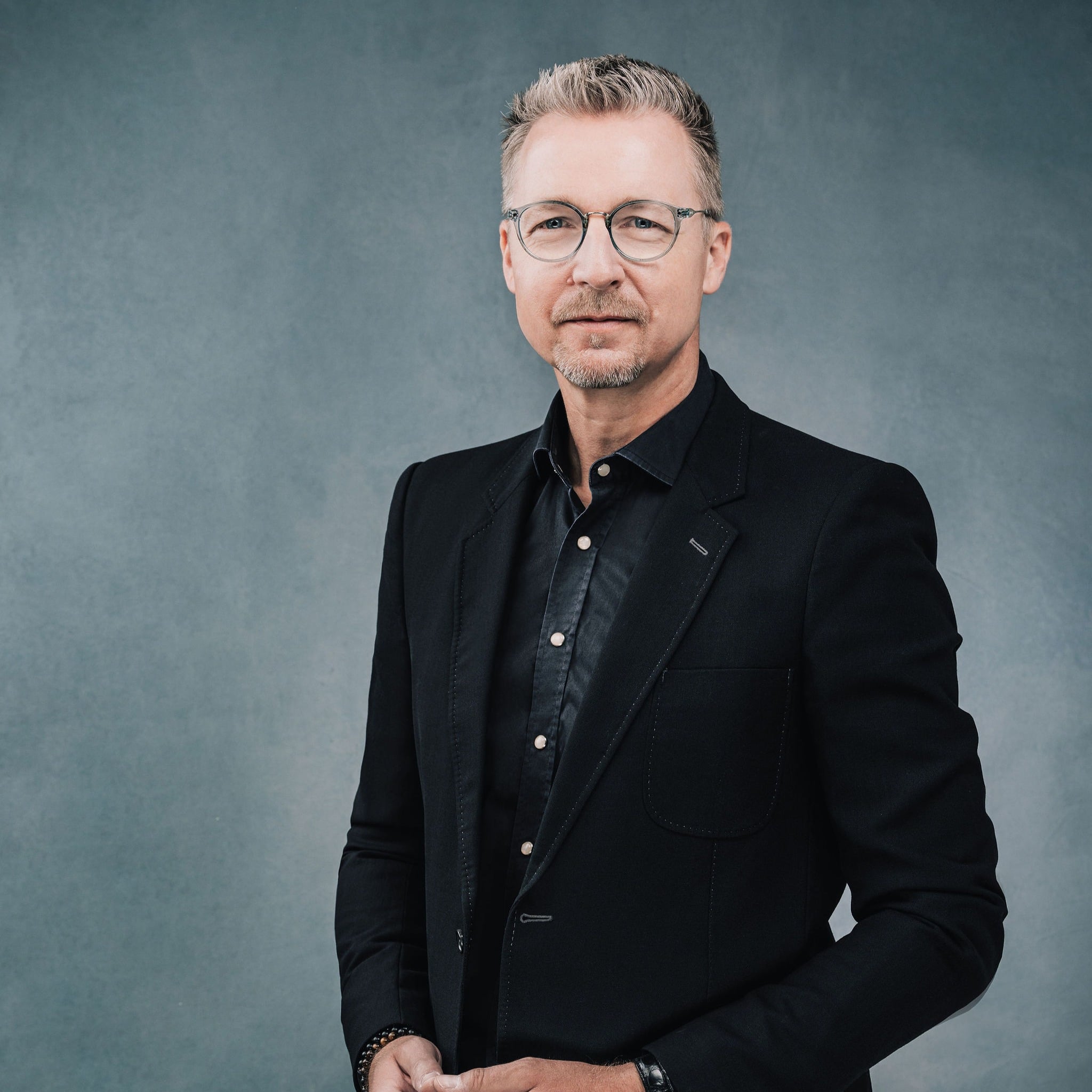
Vice president legal innovation and head of legal services global purchasing and logistics | Robert Bosch

Head of legal and compliance officer | Danone Deutschland

Senior associate vice president and principal legal counsel | Deutsche Börse
Rising Star

Group general counsel and chief compliance officer | SEFE Securing Energy for Europe


Group general counsel and senior vice president legal and audit | HARIBO Holding
Vice president legal, ethics, compliance and quality | Novo Nordisk

Head of legal - corporate, DigITal and sustainability | Merck Group
Rising Star

Group general counsel and member of the group management committee | Deutsche Bank

Team lead of technics and product law | Jungheinrich
Rising Star





Group investment counsel and interim head of legal Germany | P3 Logistic Parks

Regional general counsel Middle and Eastern Europe | SAP Deutschland


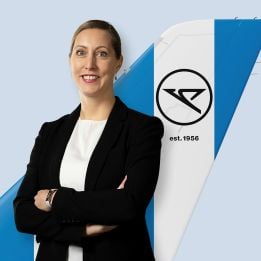
Director of legal and compliance | Condor Flugdienst


Assistant general counsel and director | Aramark Deutschland
Rising Star


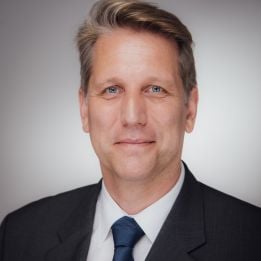
In-house counsel and director of corporate services | CGI
Rising Star


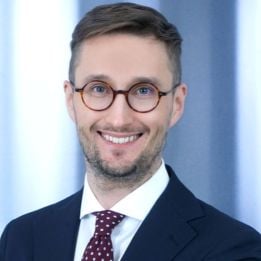

General counsel and vice president legal and compliance | GKN Automotive

Head of legal corporate and investment banking Germany, Austria, Switzerland and Nordic countries | Banco Santander
Group head of contract and data protection law | Amadeus Fire Gruppe

Group vice president legal, audit and data protection | Amadeus Fire Gruppe
General counsel and head of global HR and legal | Maxon Computer

Director of legal, human resources and corporate development | VfL BOCHUM 1848
General counsel and vice president legal and corporate compliance | Vetter Pharma-Fertigung
Head of the legal department | Stadtwerke Verkehrsgesellschaft Frankfurt am Main
Rising Star
Head of legal, compliance and risk management | Lufthansa Industry Solutions
Rising Star
The German in-house legal market continues to move towards lean, tech-enabled and strategically embedded legal functions. The 2026 edition of the Legal 500 GC Powerlist: Germany puts the spotlight on the in-house leaders driving a legal counsel sector in which AI and human-centred leadership coexist under growing regulatory and geopolitical pressure.
Over the past year, Germany’s in-house legal market has been shaped by a technology-led transformation and rising regulatory complexity. These forces have pushed legal teams to evolve into the most strategic, efficient, and digitally enabled versions of themselves. Balancing compliance, business partnering, and operational excellence, as budgets tighten and the talent landscape grows increasingly competitive, has become the defining challenge for in-house legal leaders across the country.
Legal is no longer a support function within organisations, but a key strategic business partner. Legal teams across Germany are increasingly perceived as trusted advisors, navigators, and enablers of growth. Their early involvement in strategy, transformation, and crisis management positions GCs in the region not merely as lawyers sitting next to the business but, as Dr Ivo Frohmüller, Senior Associate VP and Principal Legal Counsel at Deutsche Börse, puts it, as “business leaders with a law degree.”
In conversations with in-house counsel worldwide, AI sits firmly at the top of the agenda, and Germany is no exception. With the integration of Copilot, Harvey, and other internal GenAI tools, the narrative has shifted from experimentation to pragmatic, tool-driven implementation. Several German GCs note that while AI is currently surrounded by hype, its real competitive impact will emerge only once it is fully embedded into legal workflows. As Dr Christian Folter, head of legal business at BASF SE, observes, “the trick is to recognize the turning point, and act accordingly.”
At the same time, rising regulatory density, alongside new trade restrictions, export controls, sanctions regimes, and the fragmentation of global legal frameworks, is transforming the legal function in the country. In-house teams are moving beyond the interpretation of law towards navigating contradiction, uncertainty, and speed in an increasingly complex operating environment.
Finally, German in-house counsel have matured their ESG thinking, understanding it as an element of operational culture rather than a standalone compliance exercise. As Dr Christine Fischer, director of legal counsel at Hapag-Lloyd AG, explains, “ESG requirements need to be translated into workable processes for the business, otherwise they risk becoming purely theoretical.”
Against this backdrop of rising expectations, regulatory intensity, and geopolitical pressure, the T-shaped leader, combining deep legal expertise with technological fluency, strategic thinking, and human-centred leadership, is becoming the norm across German legal teams.
We would like to thank and congratulate the 2026 cohort for their thoughtful insights and the candid conversations shared with our team throughout the research process. It has been a pleasure to learn from your perspectives and experiences.
Carmen Godoy Martin, Lead researcher: GC Powerlist Germany 2026
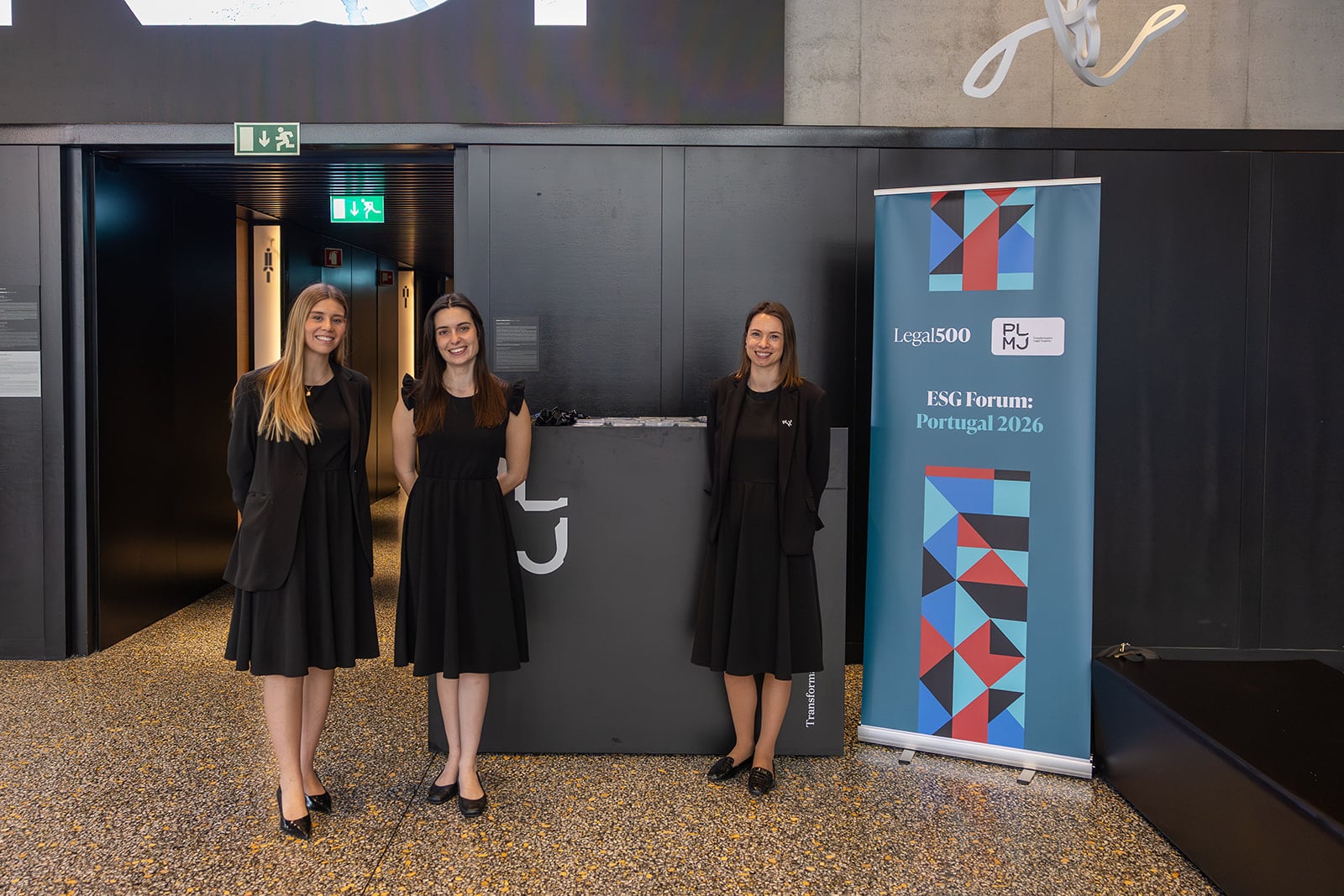
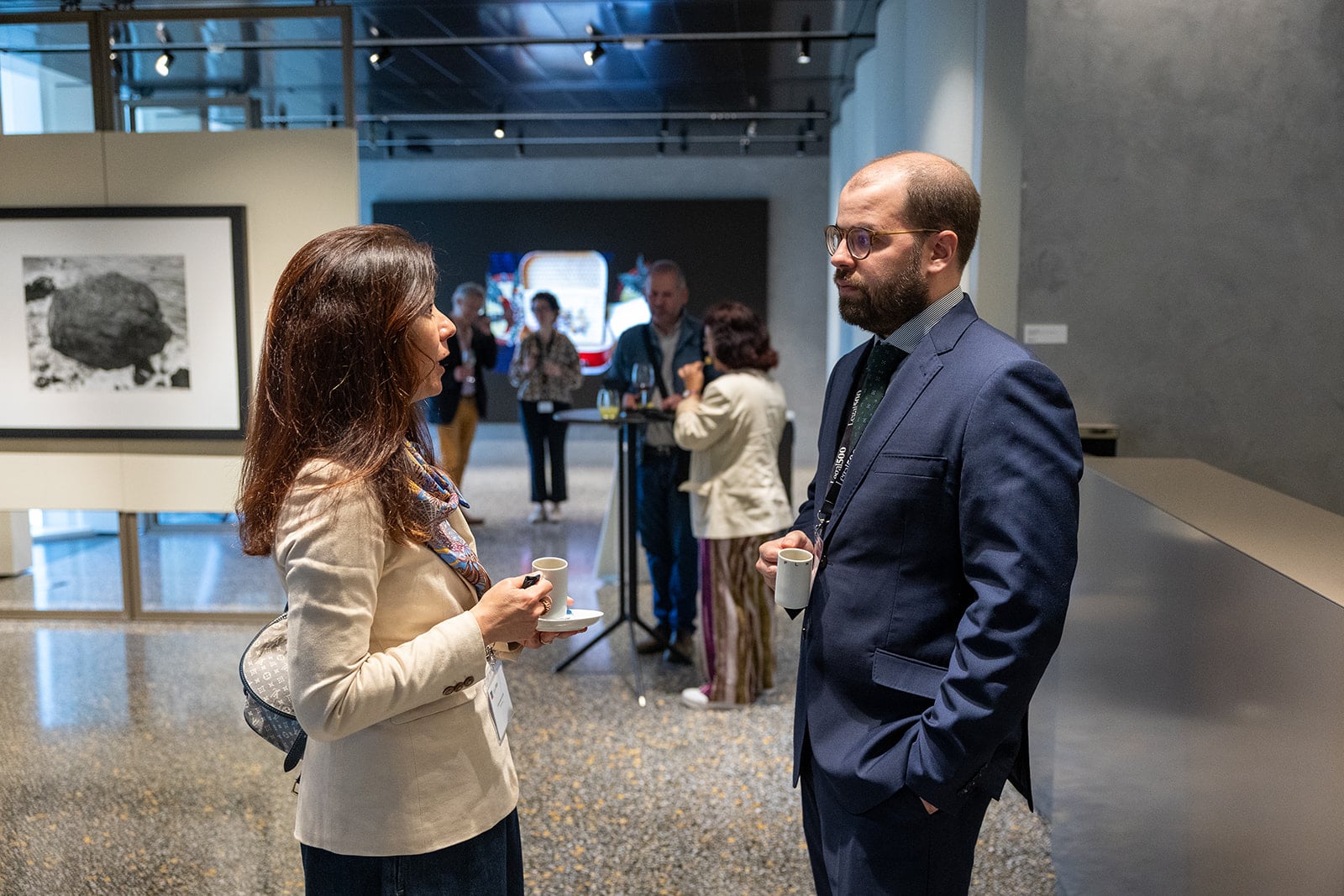
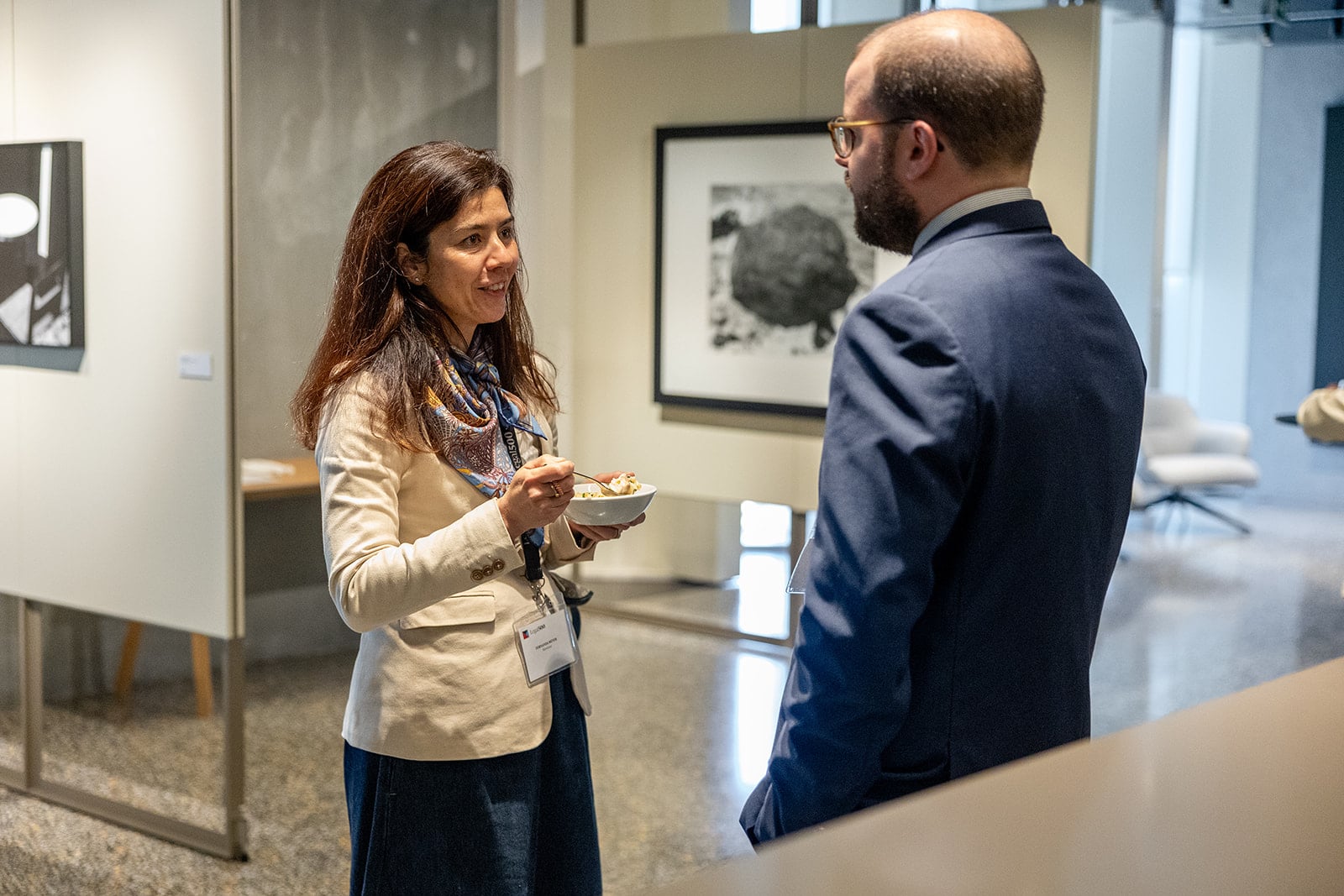
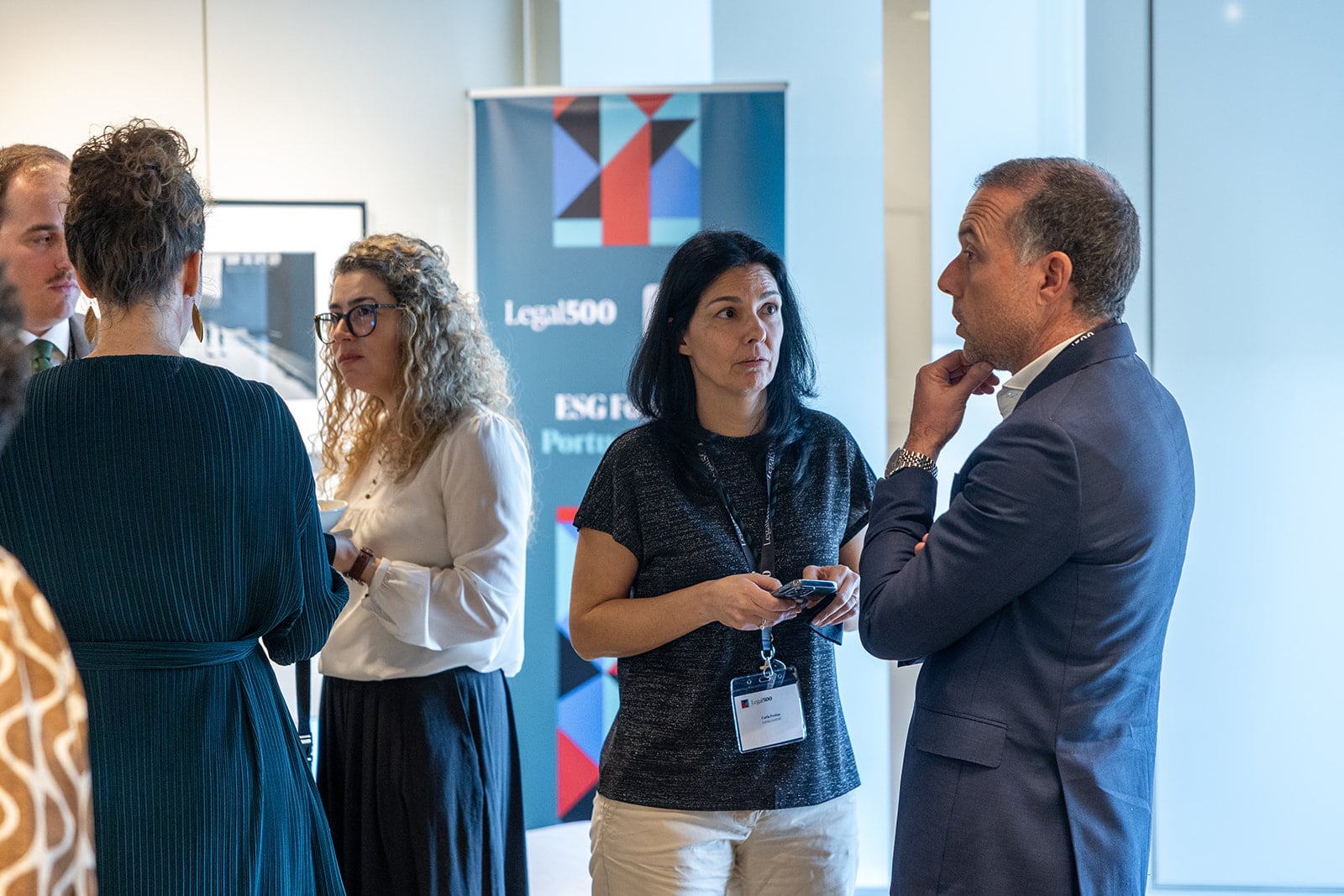
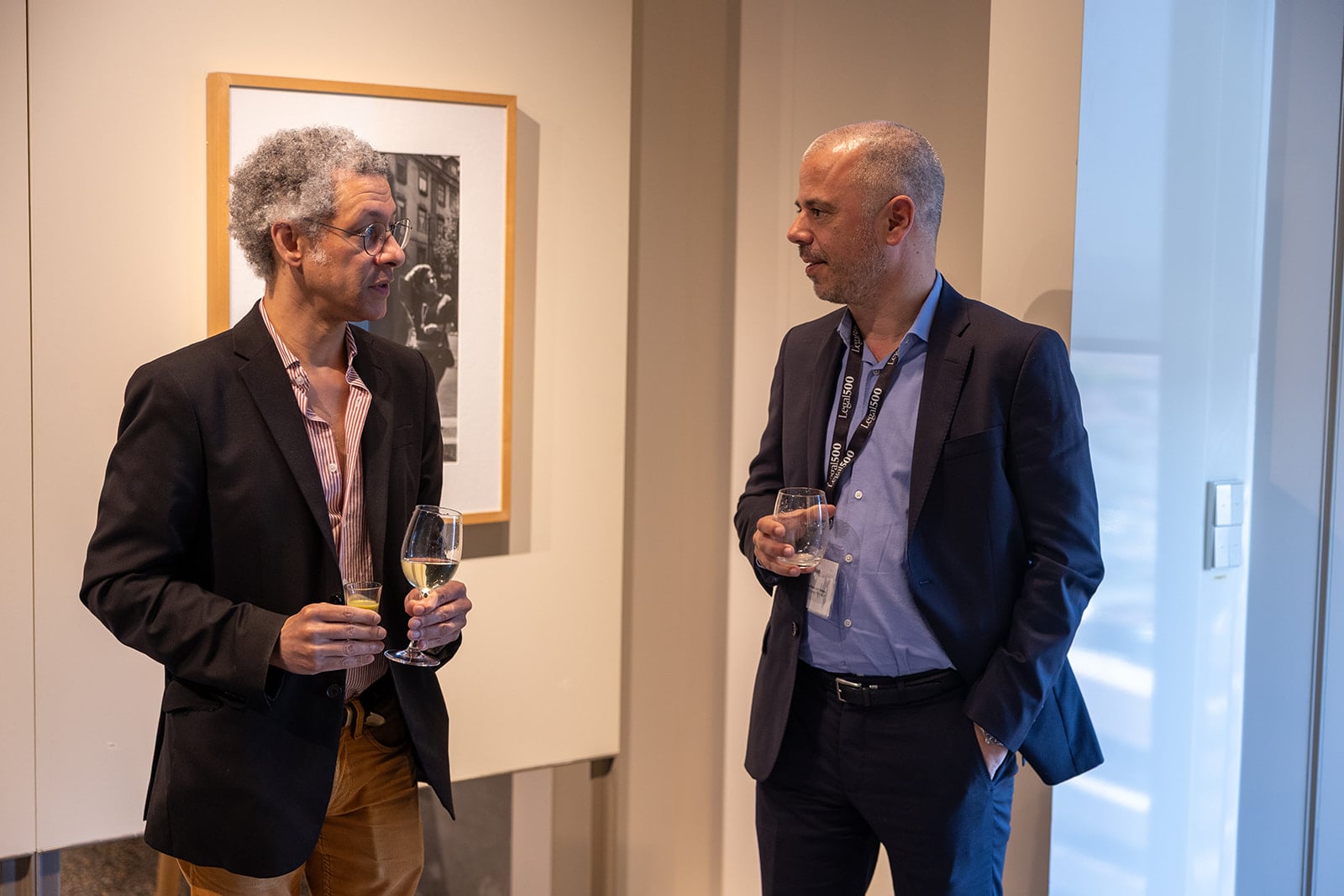
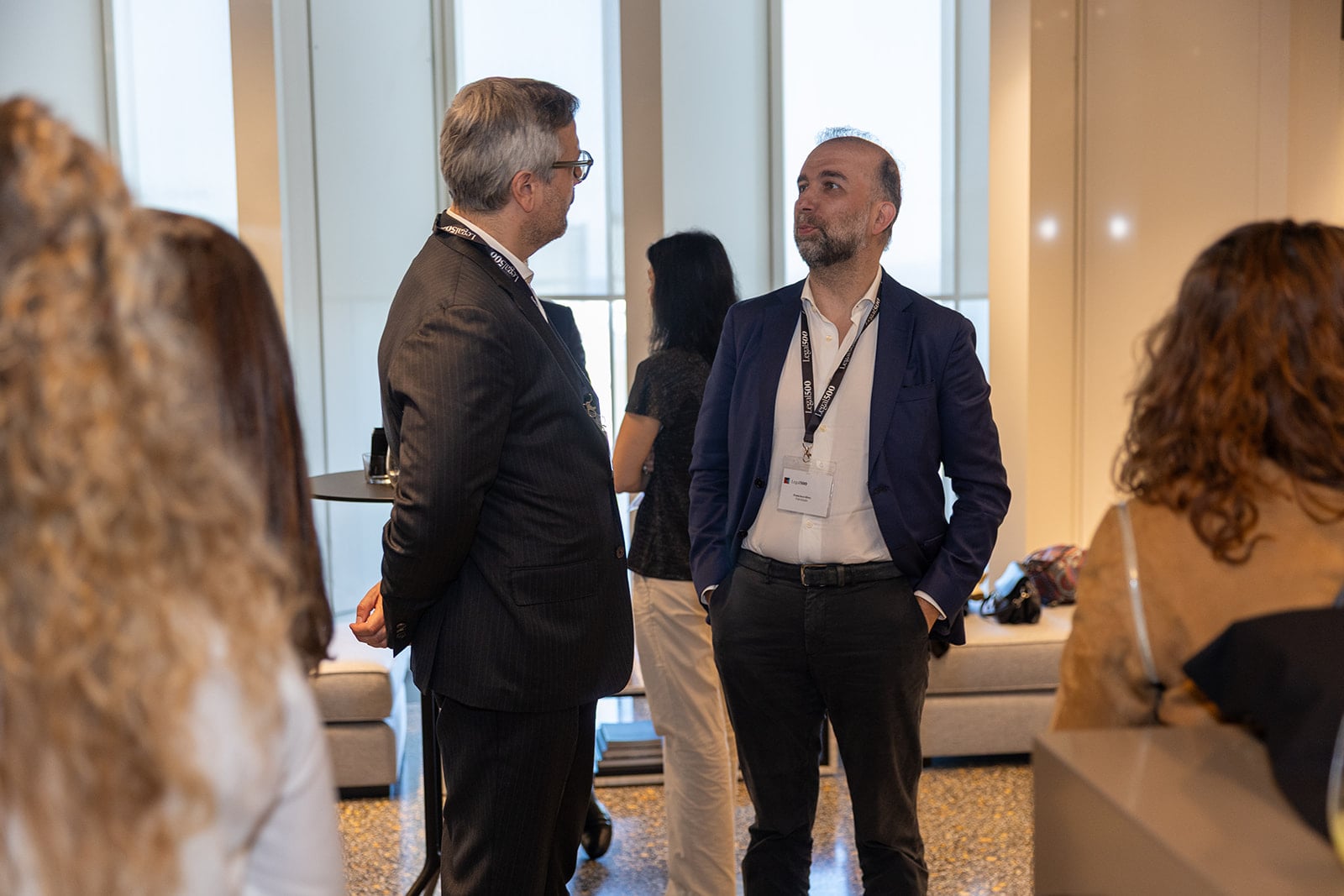
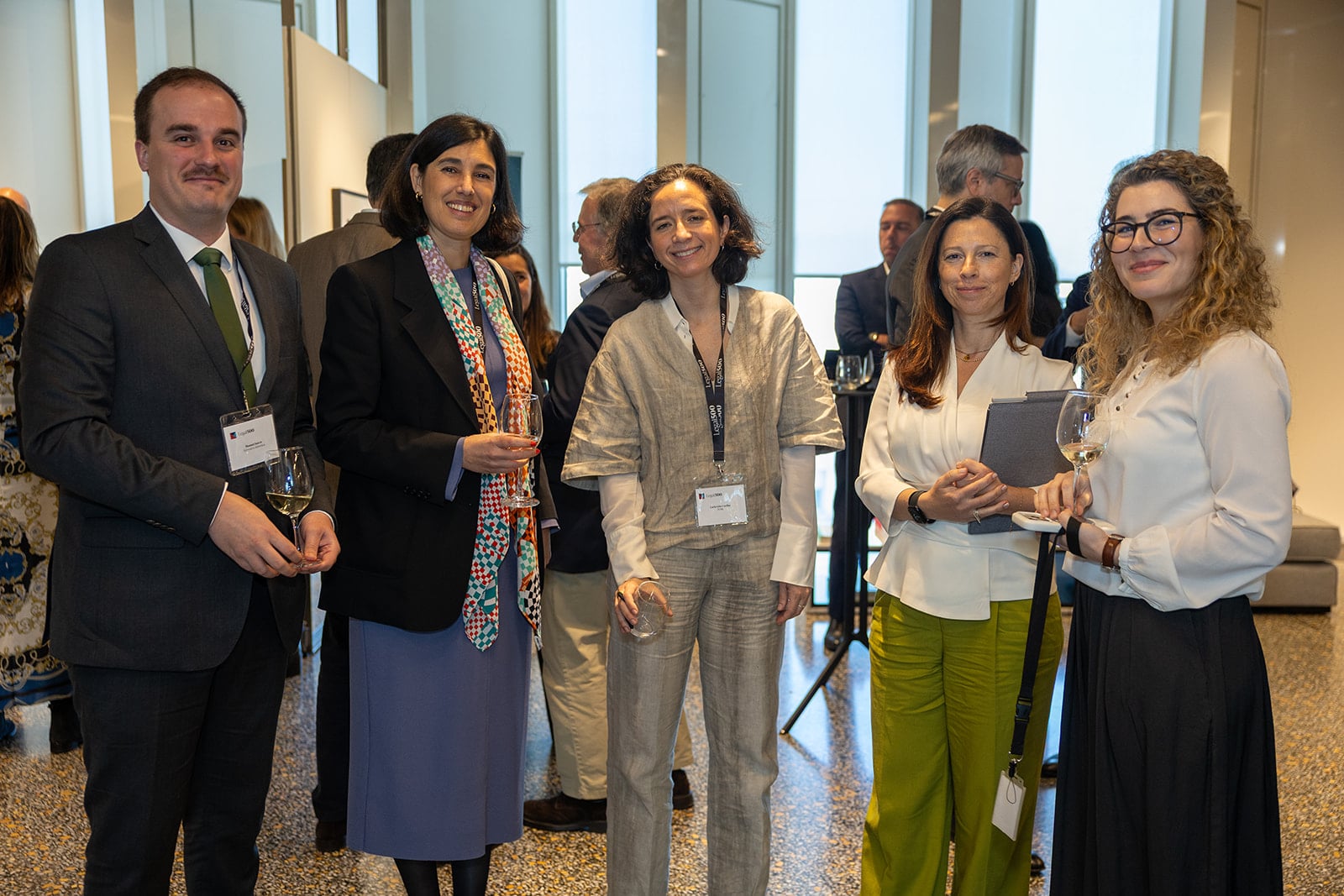
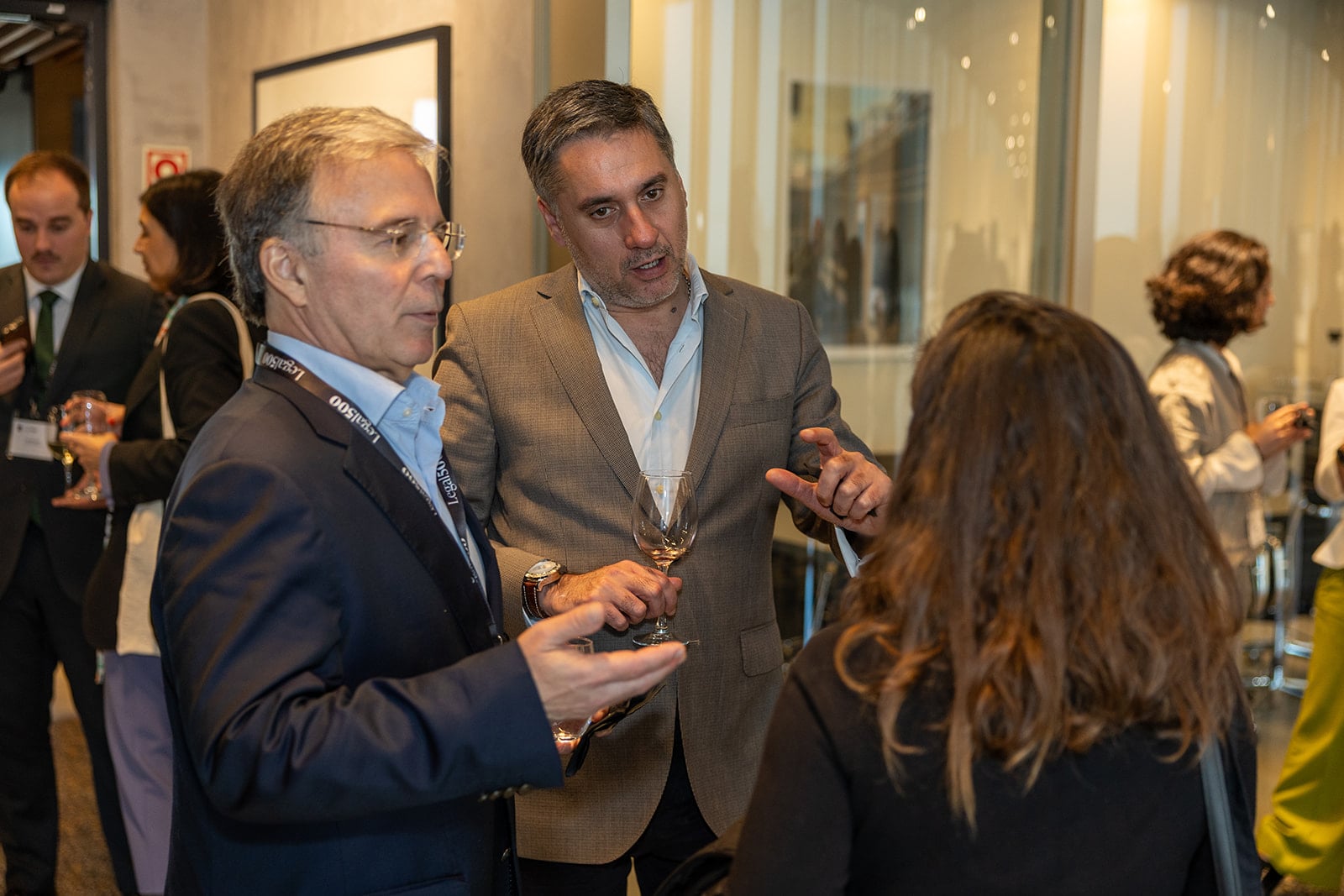
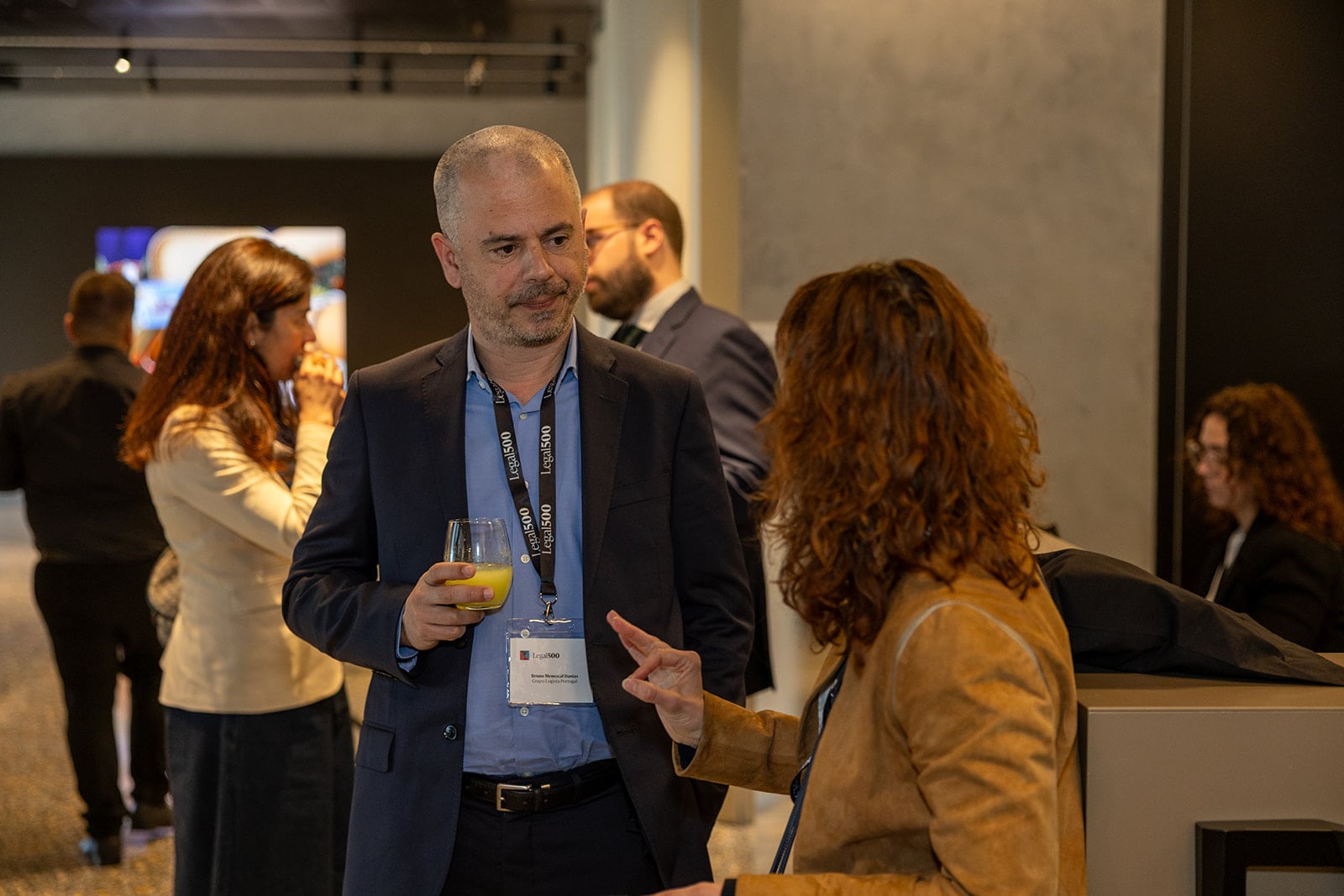
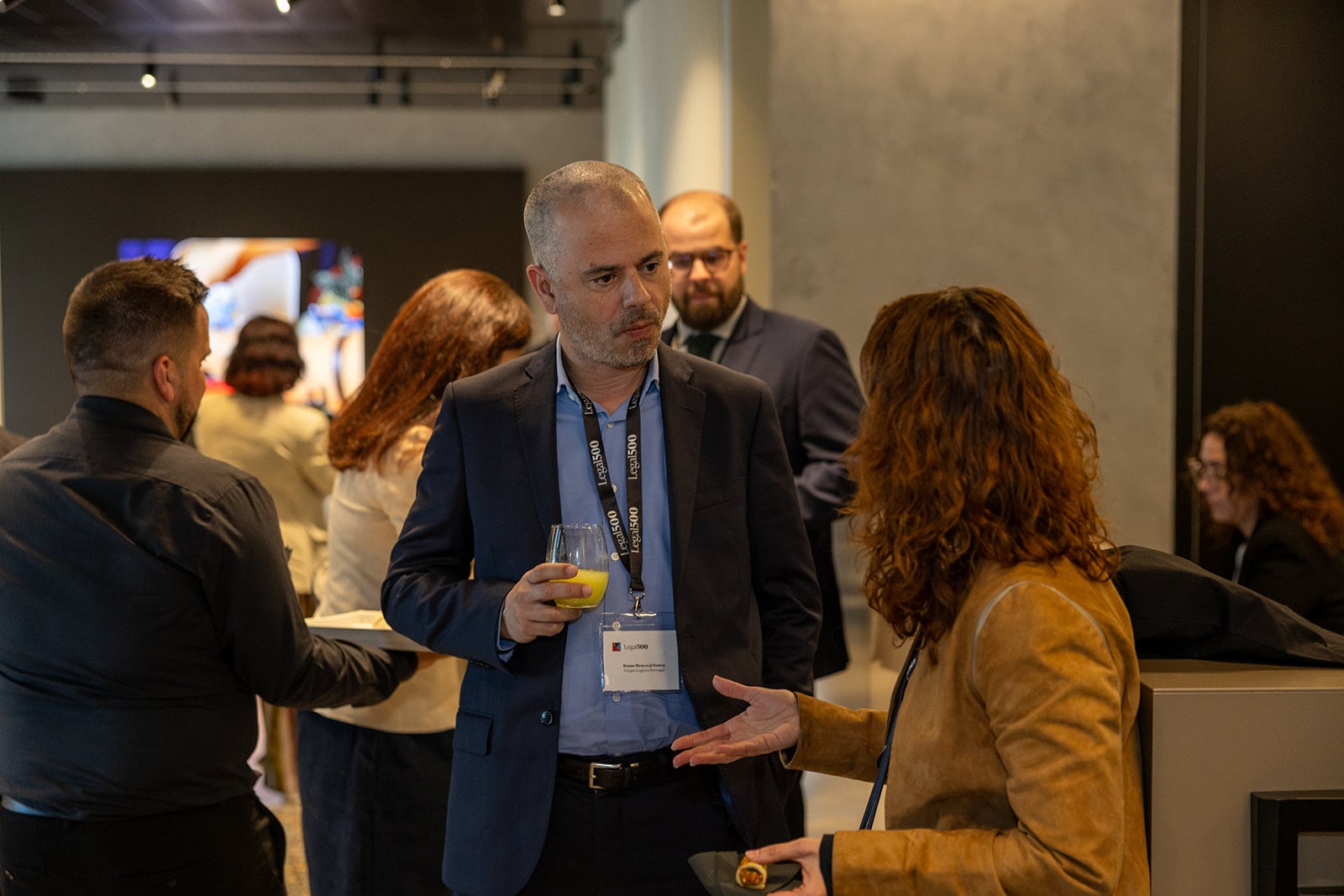
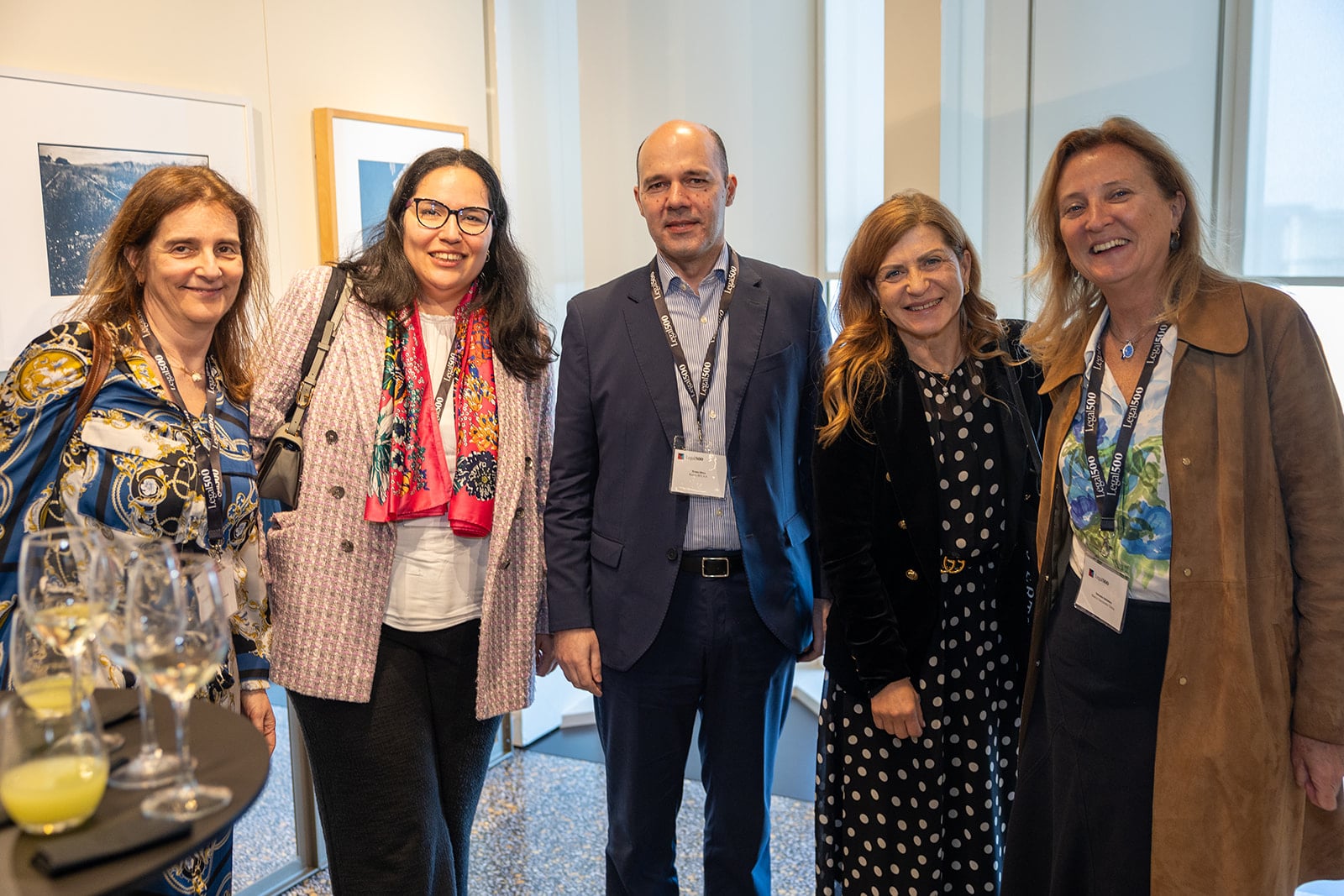
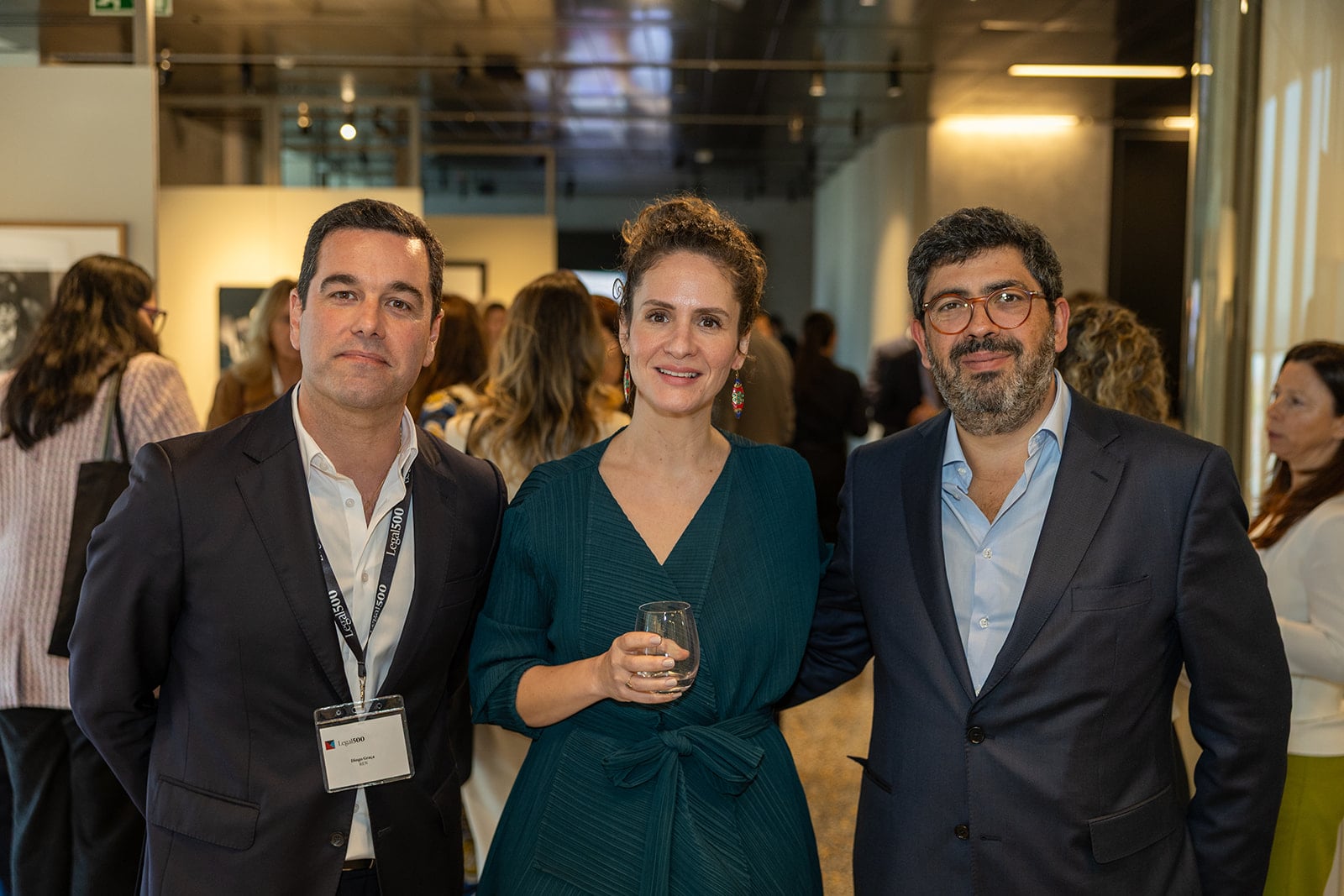
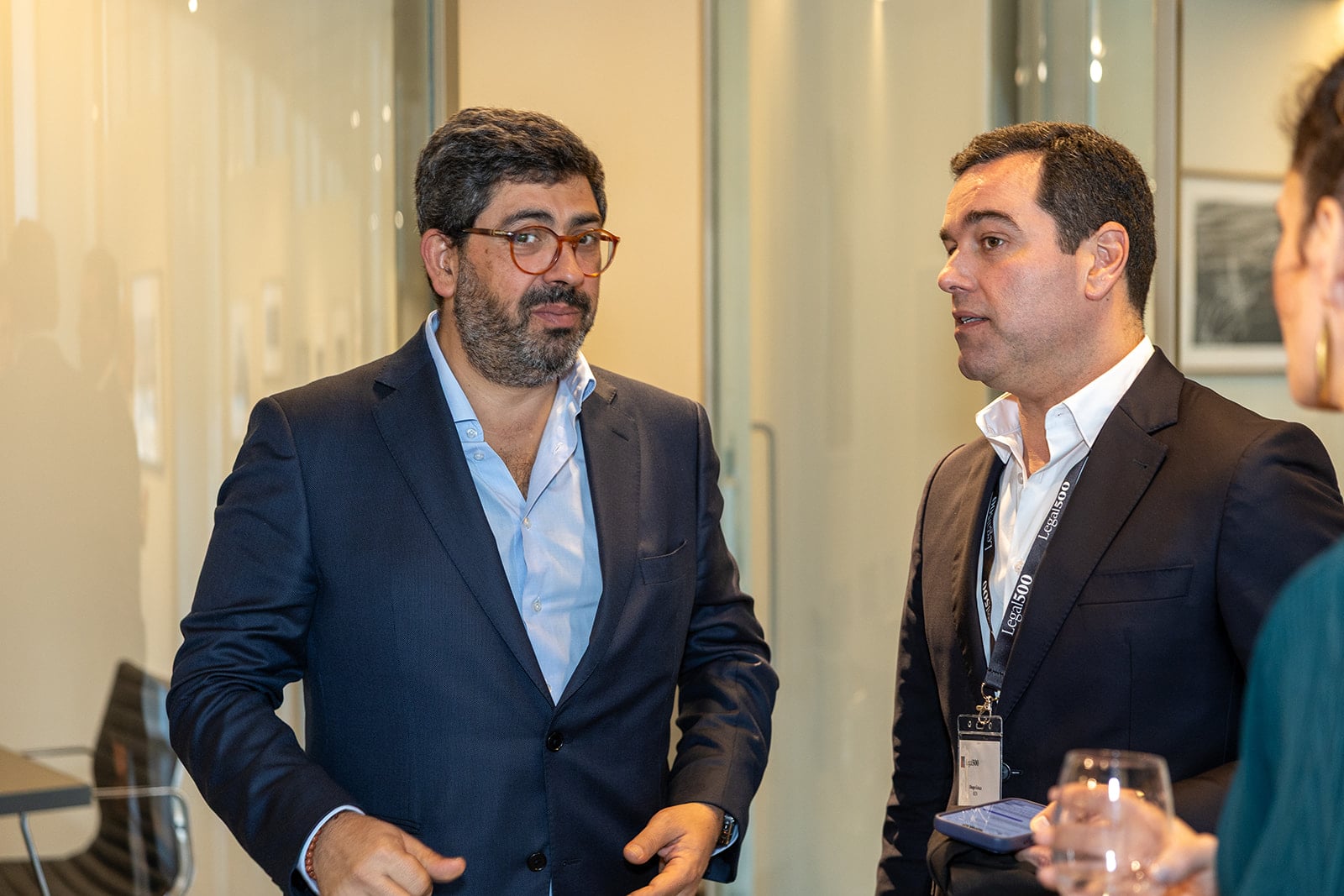
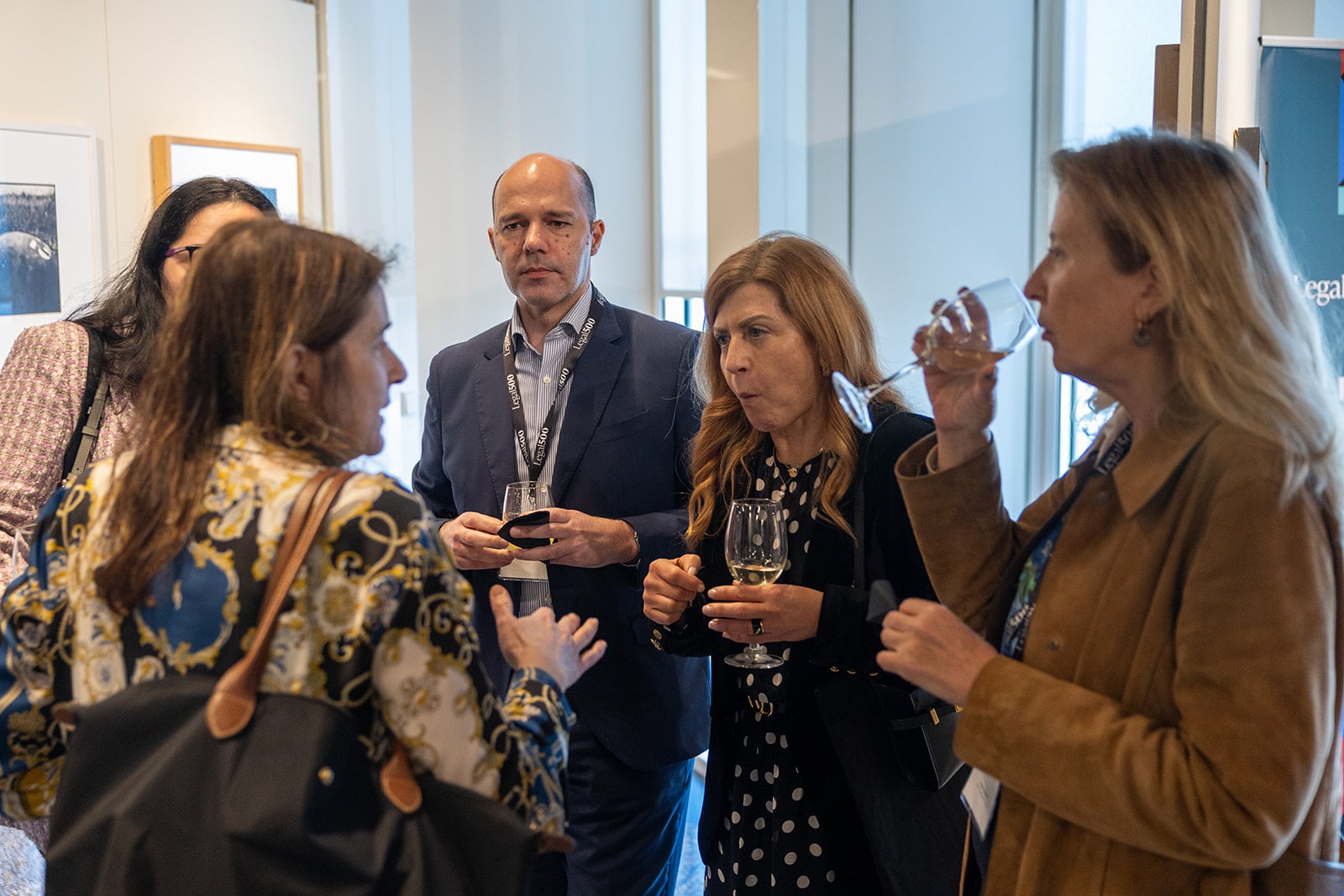
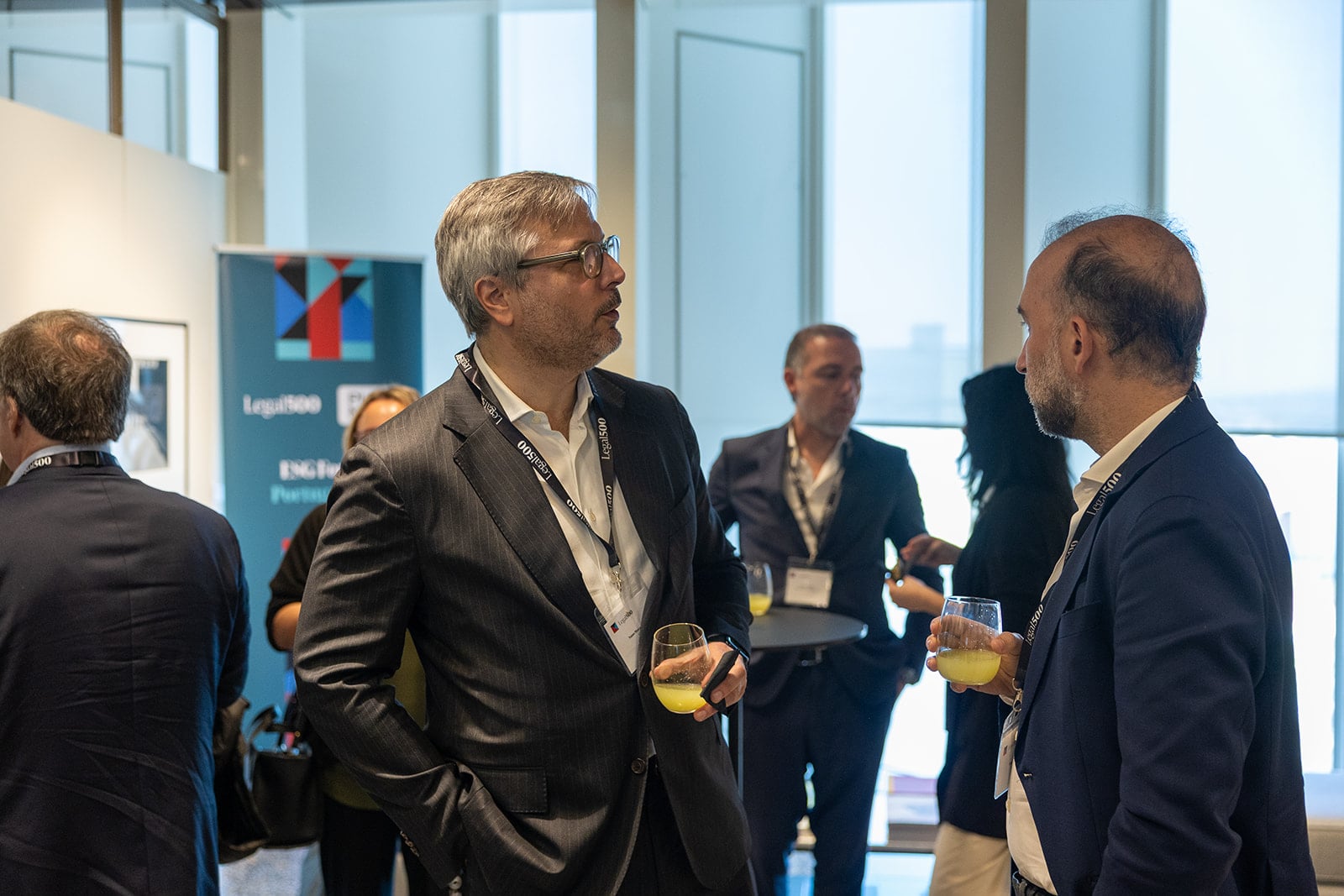
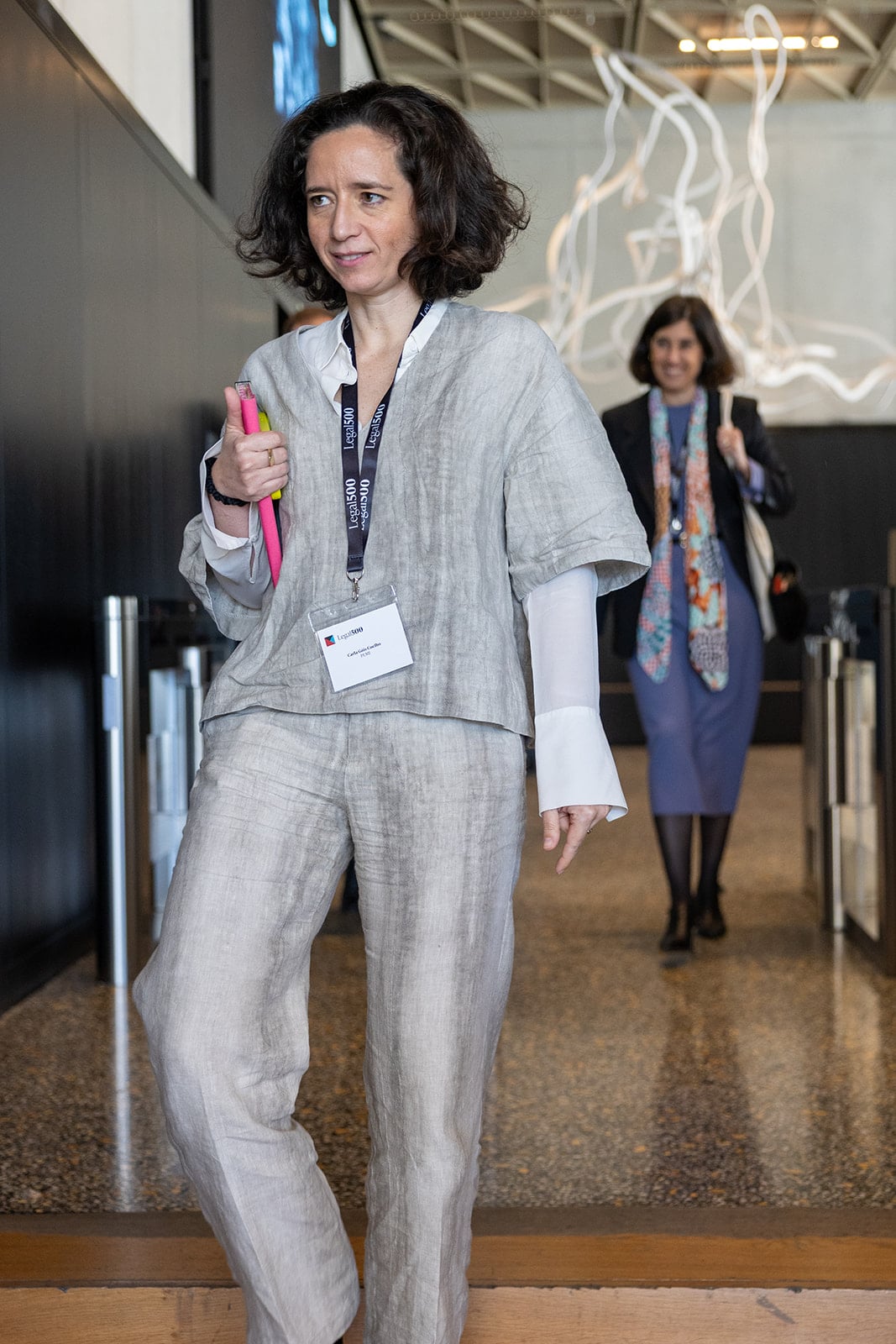
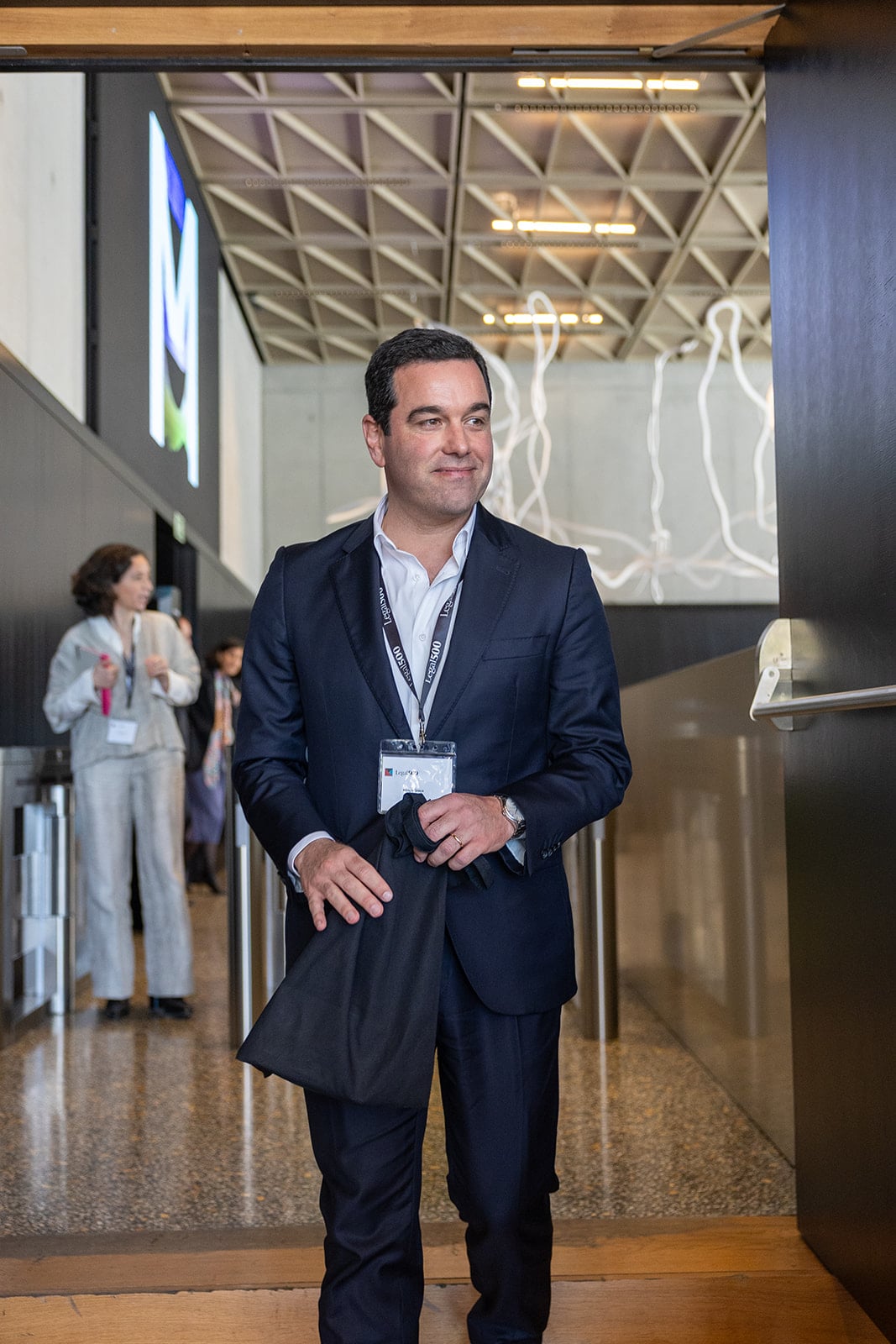
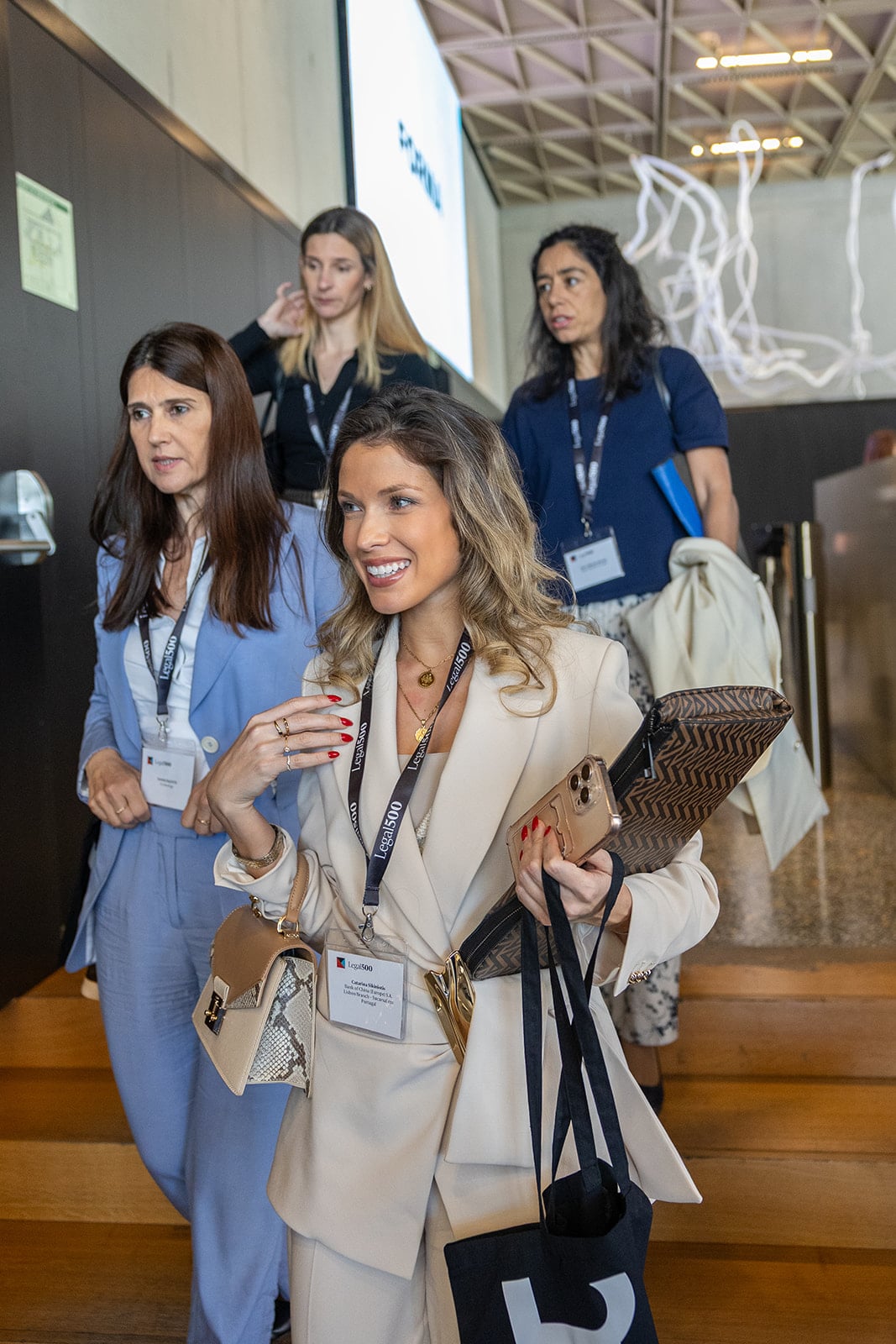
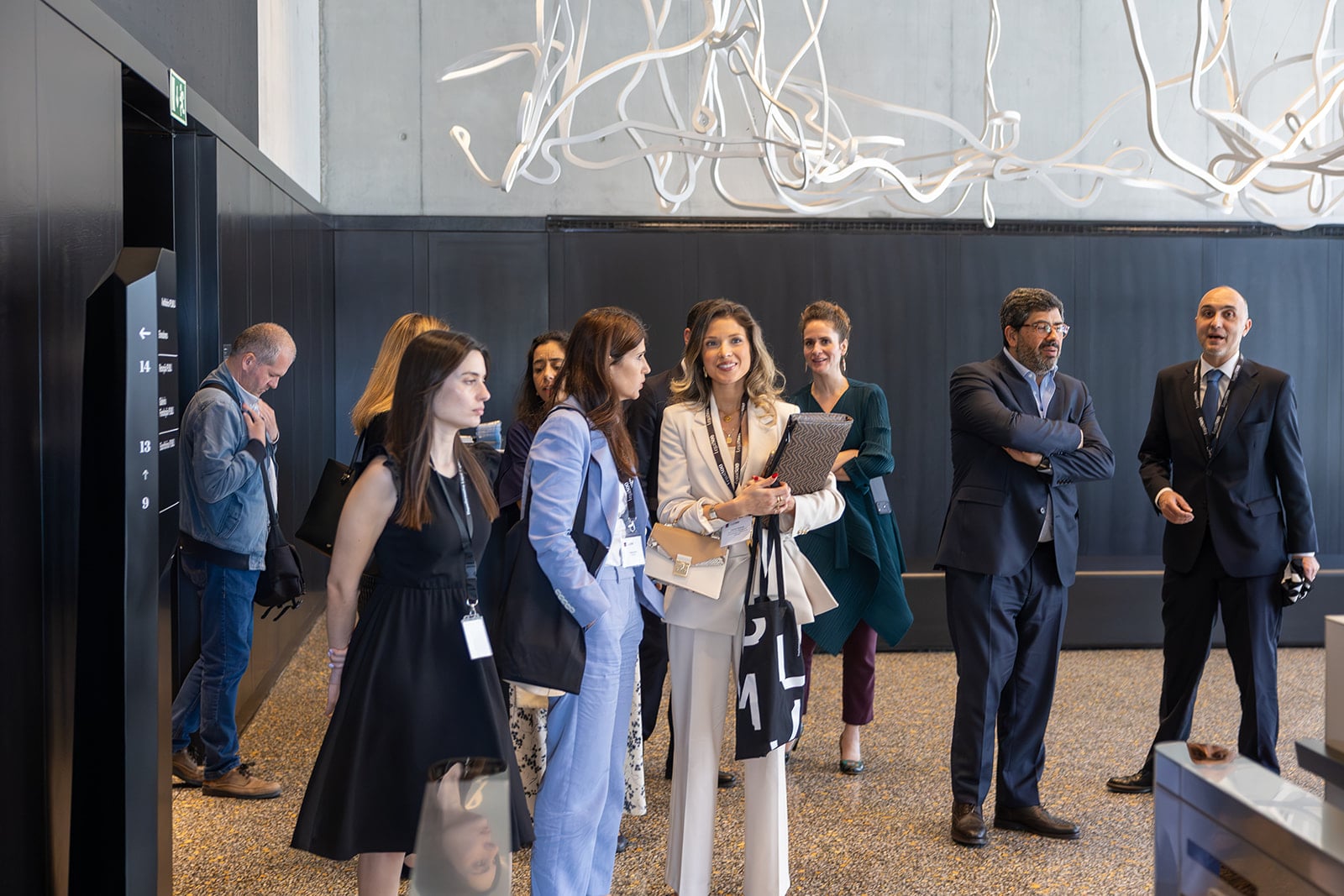
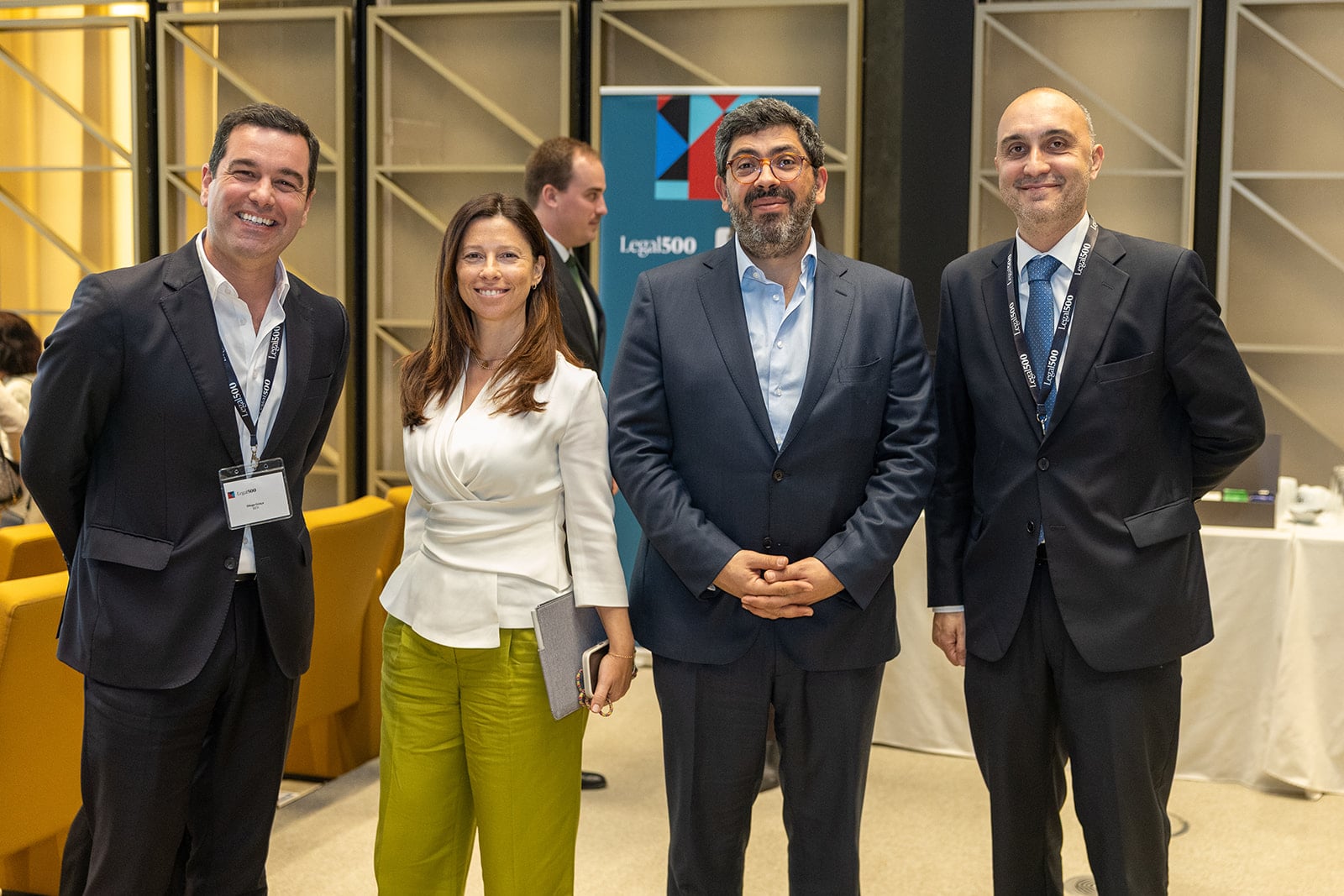
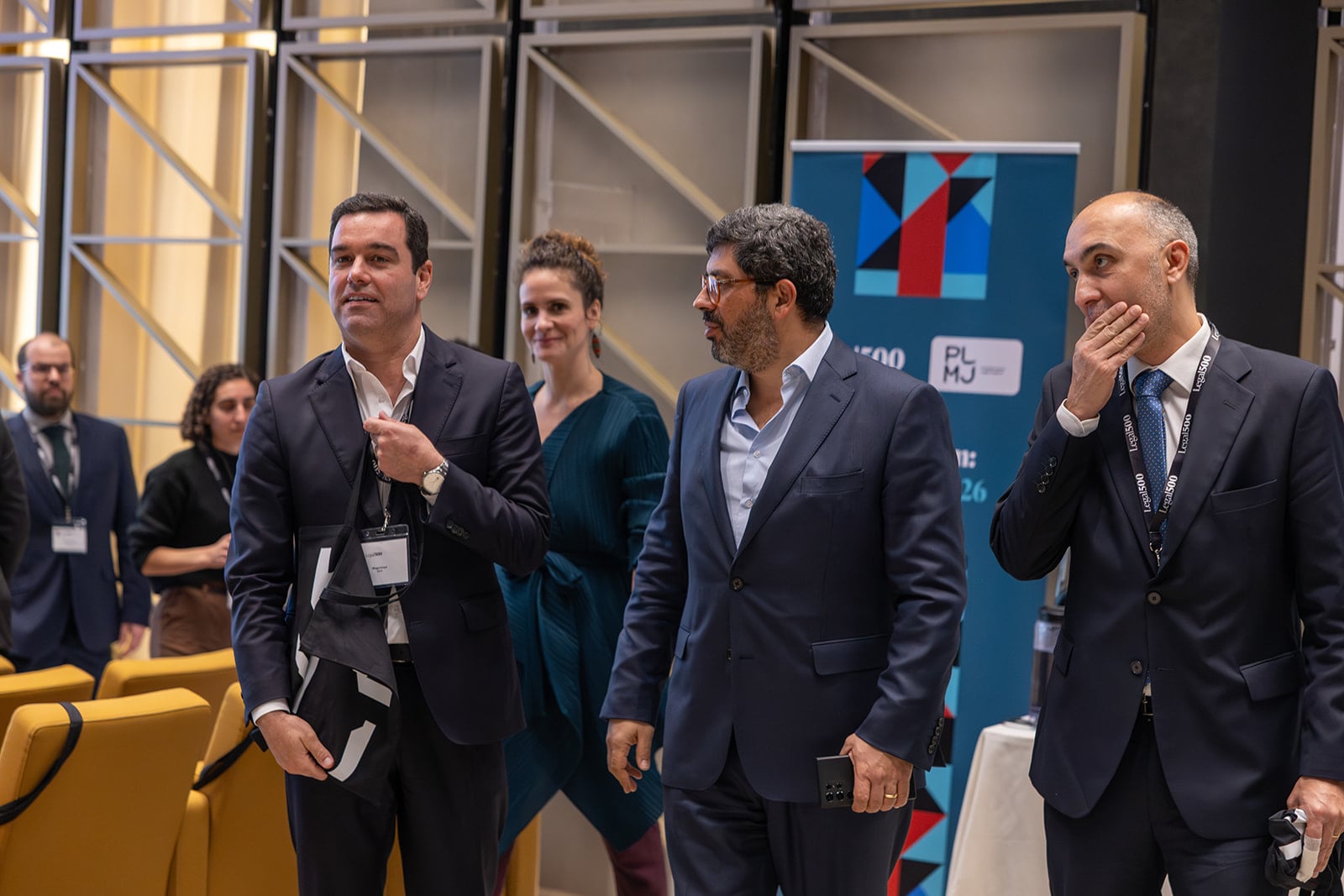
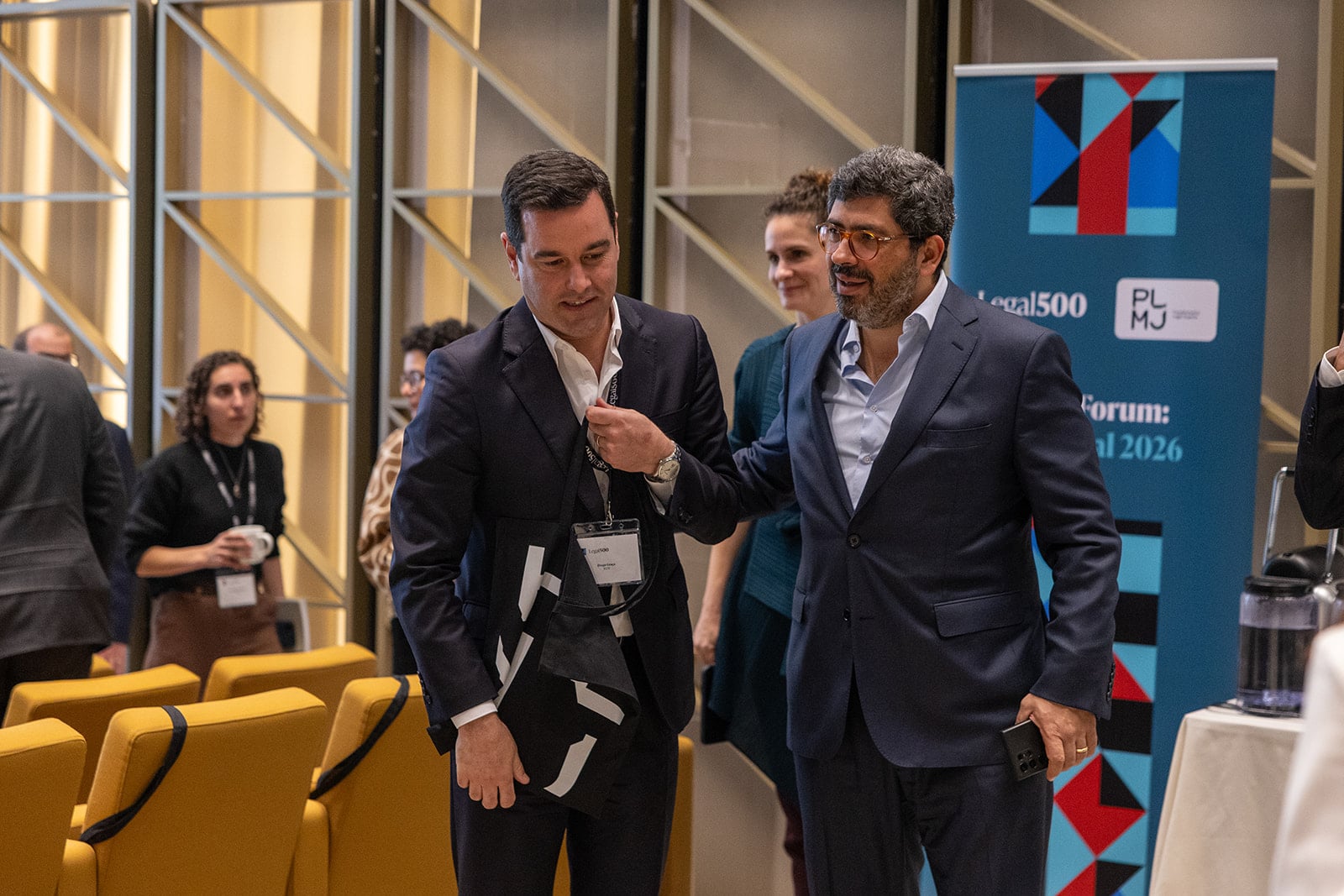
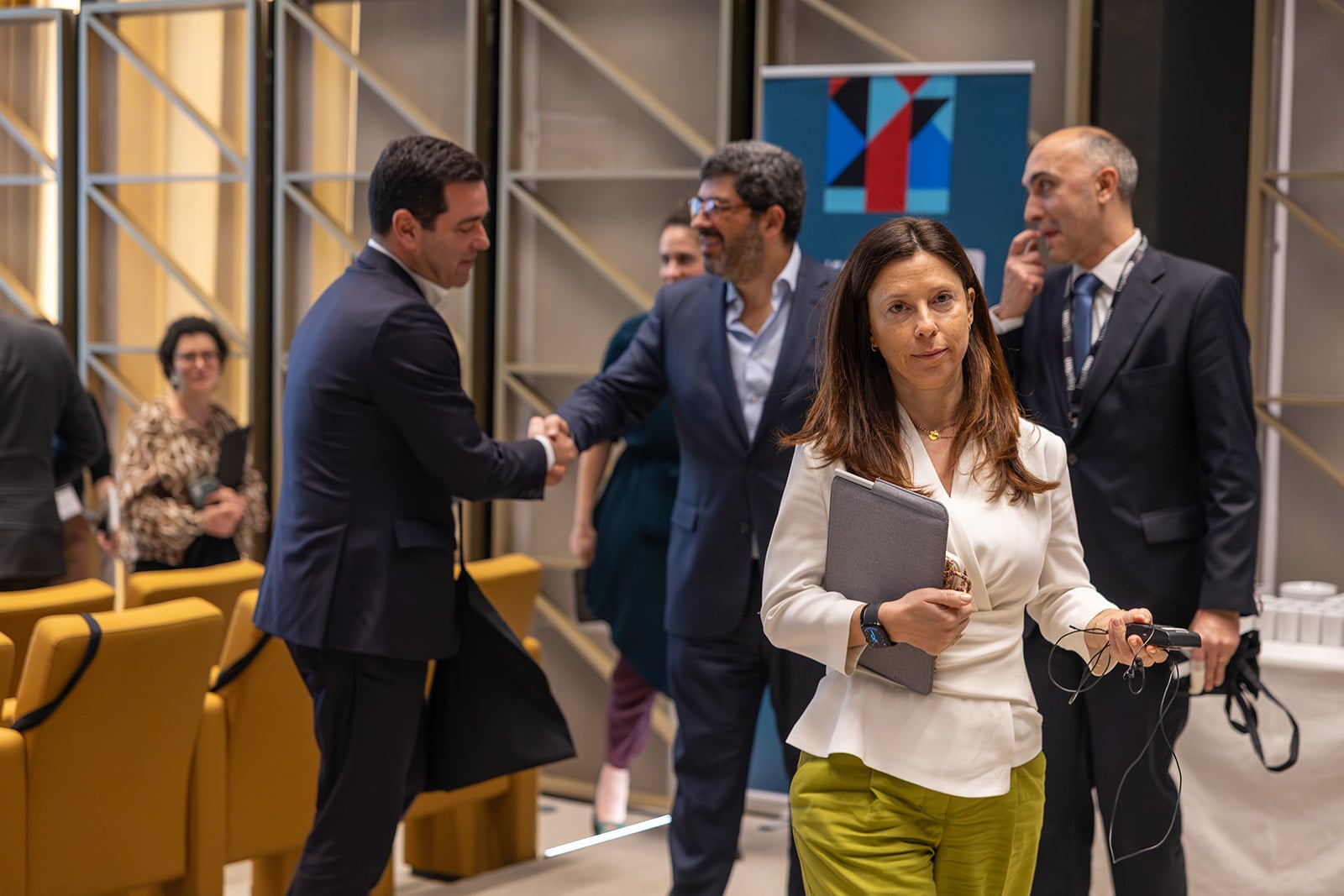
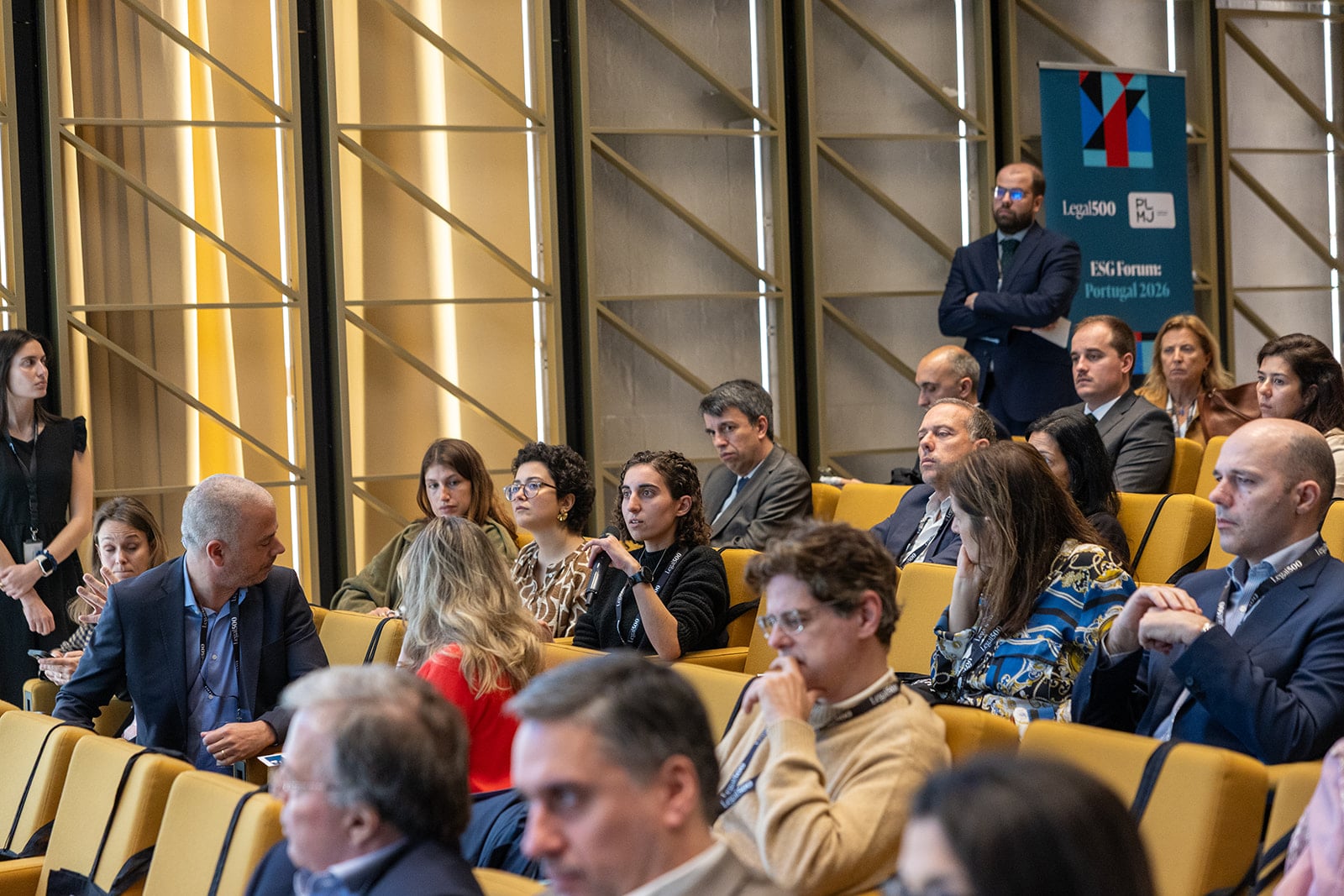
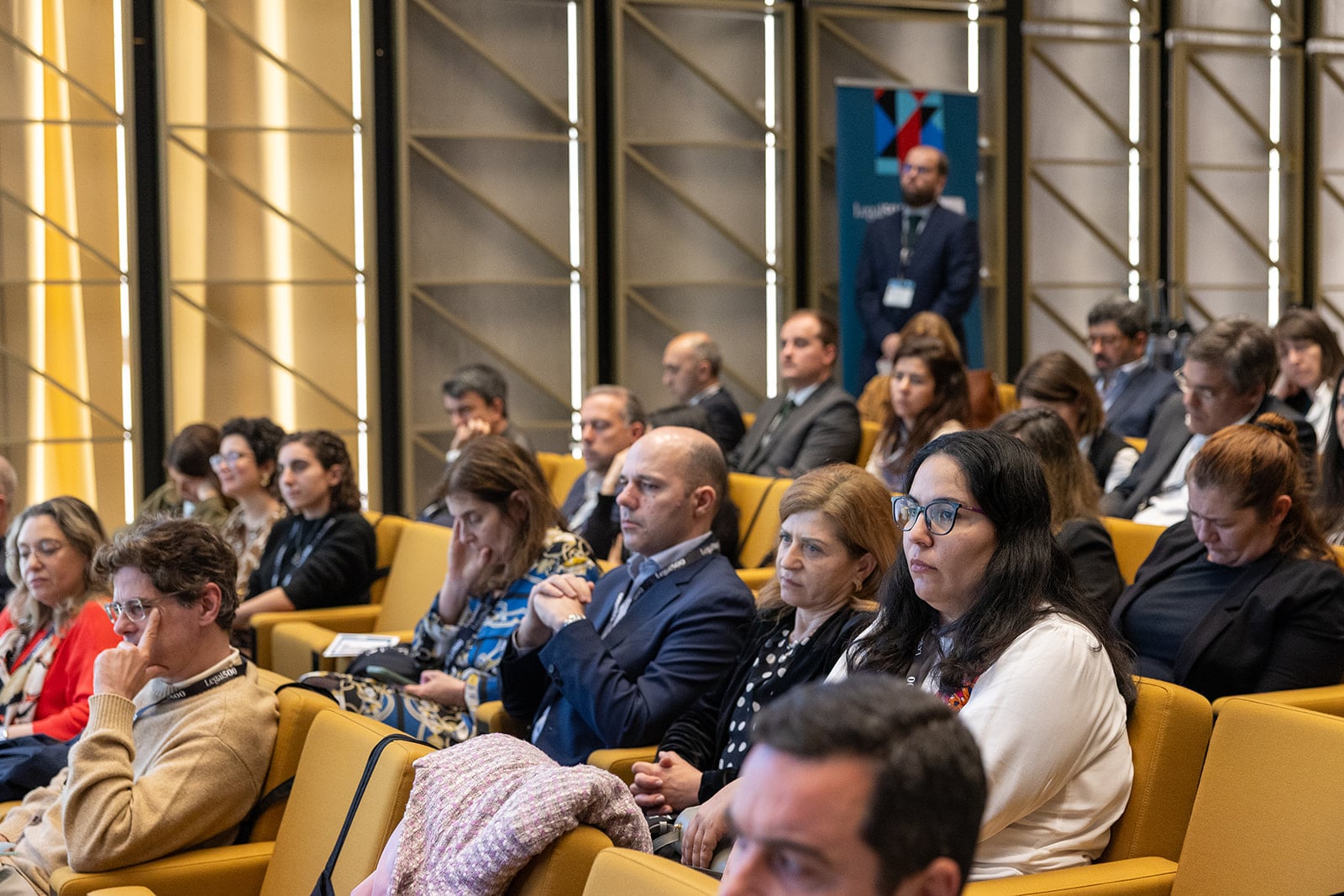
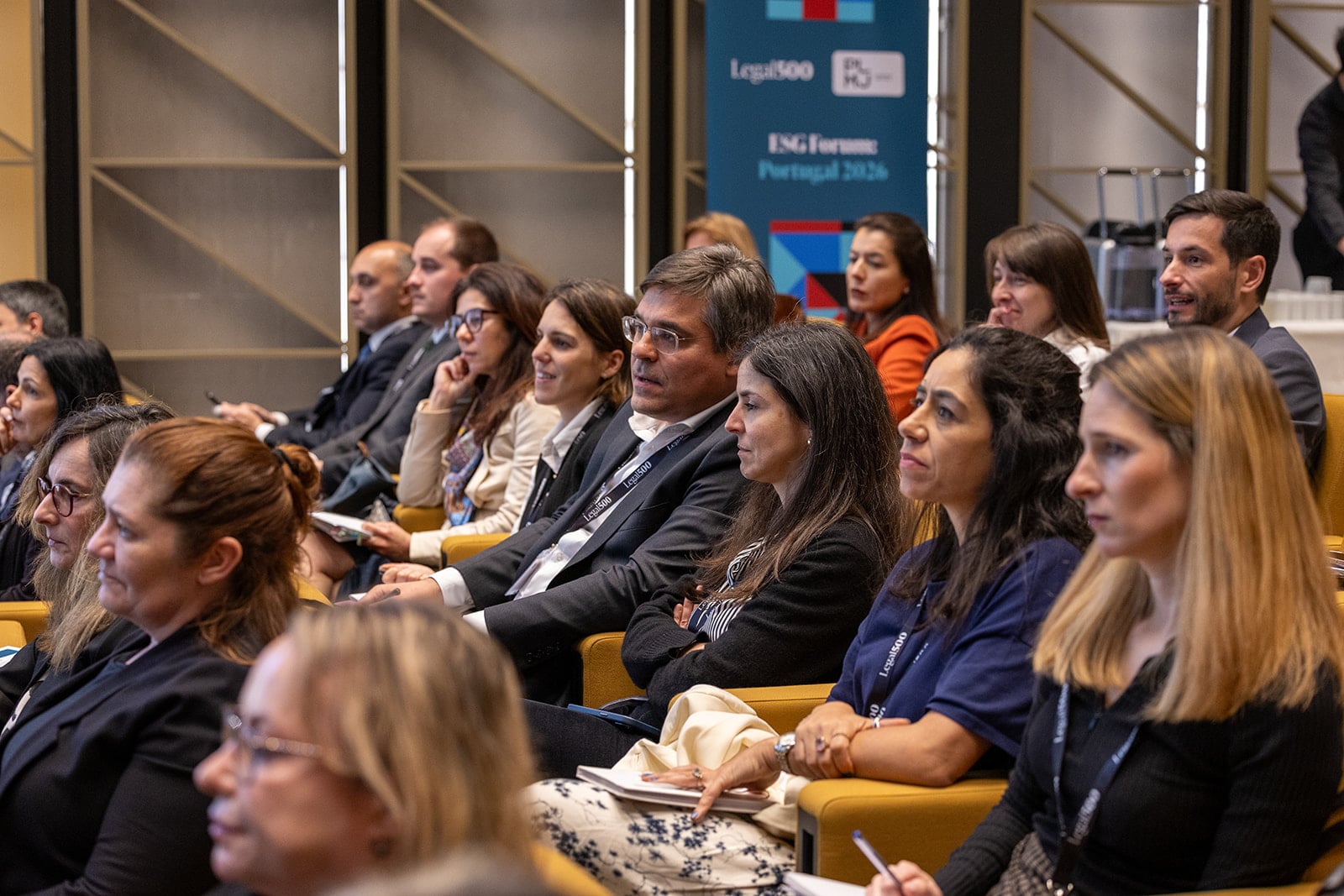
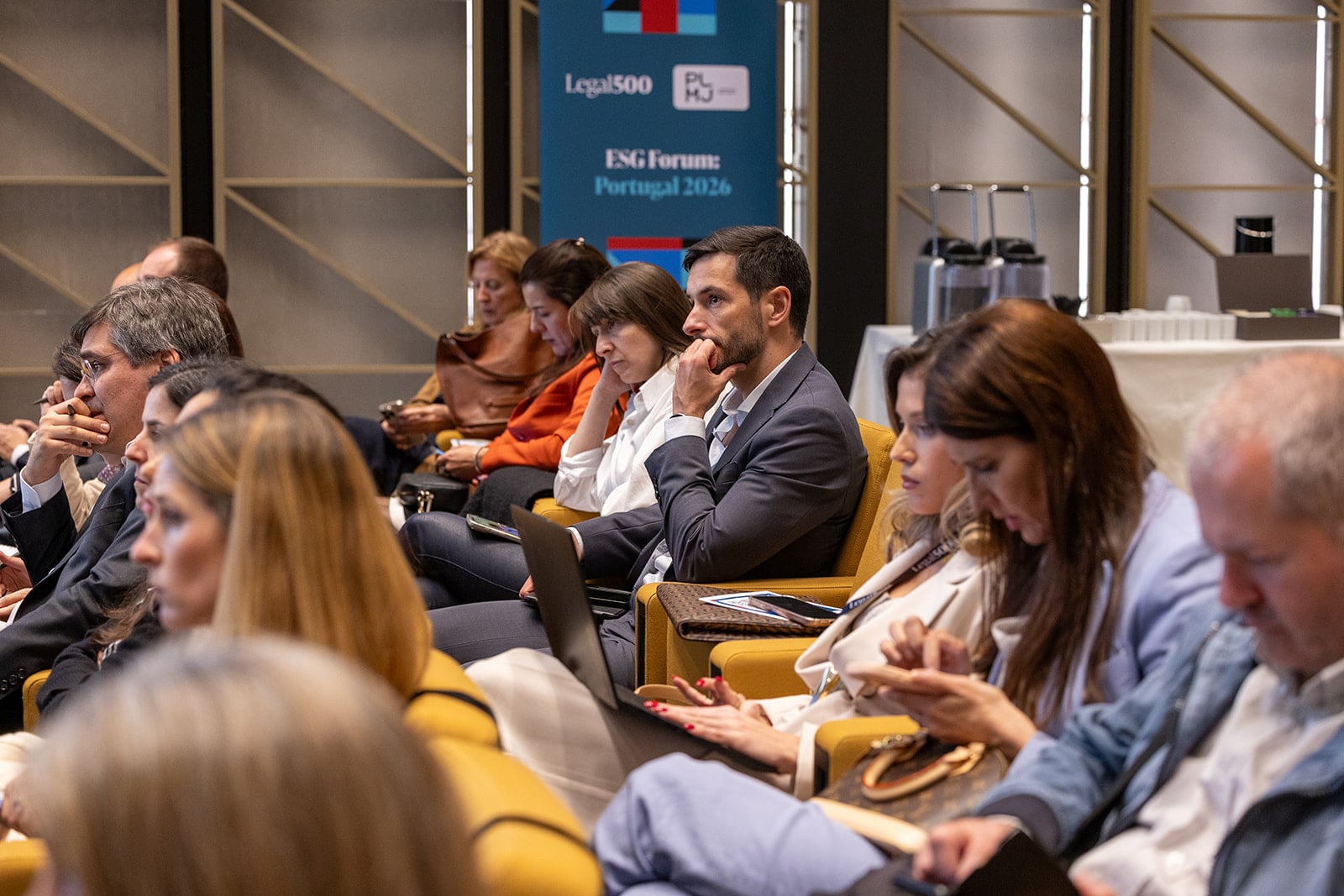
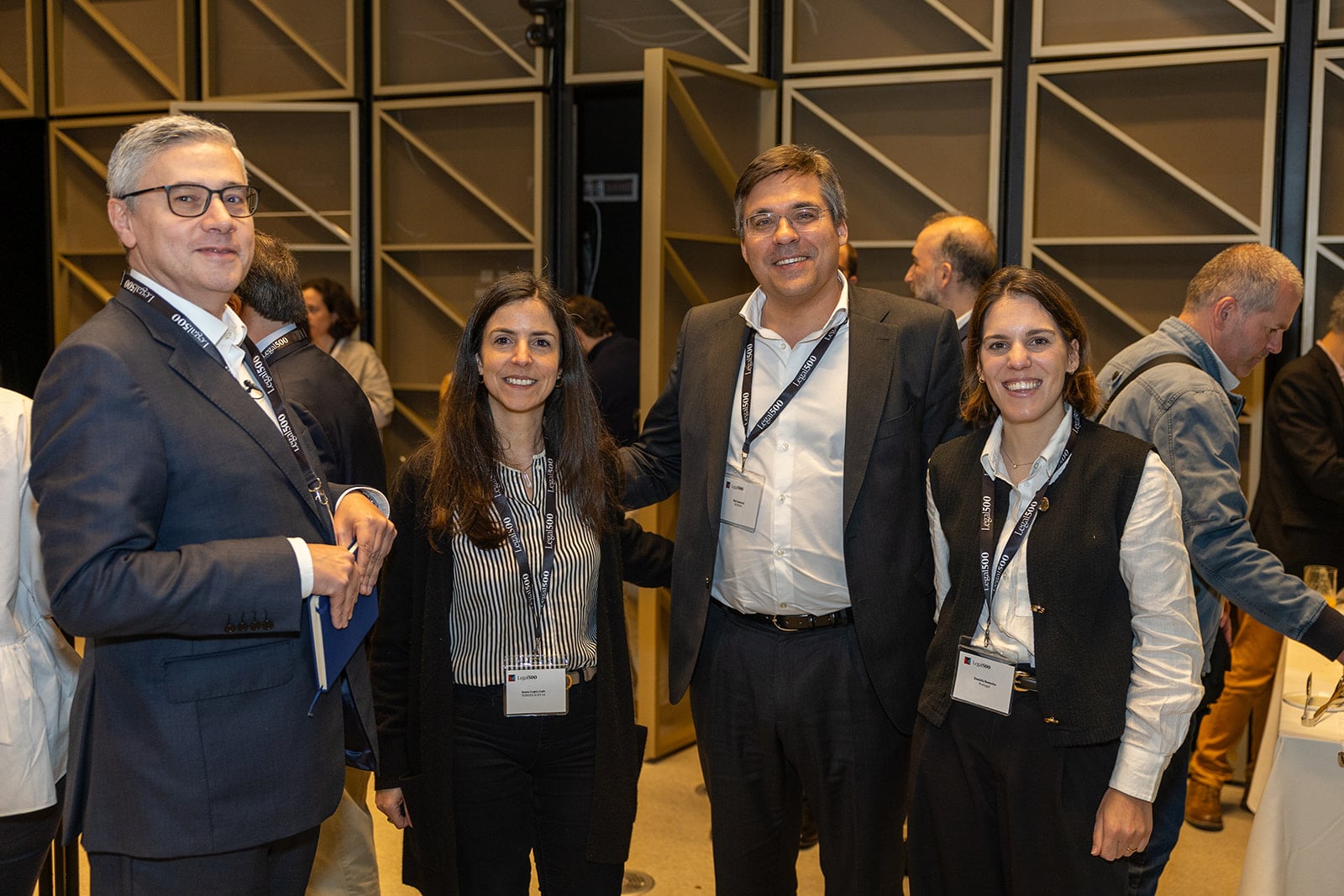
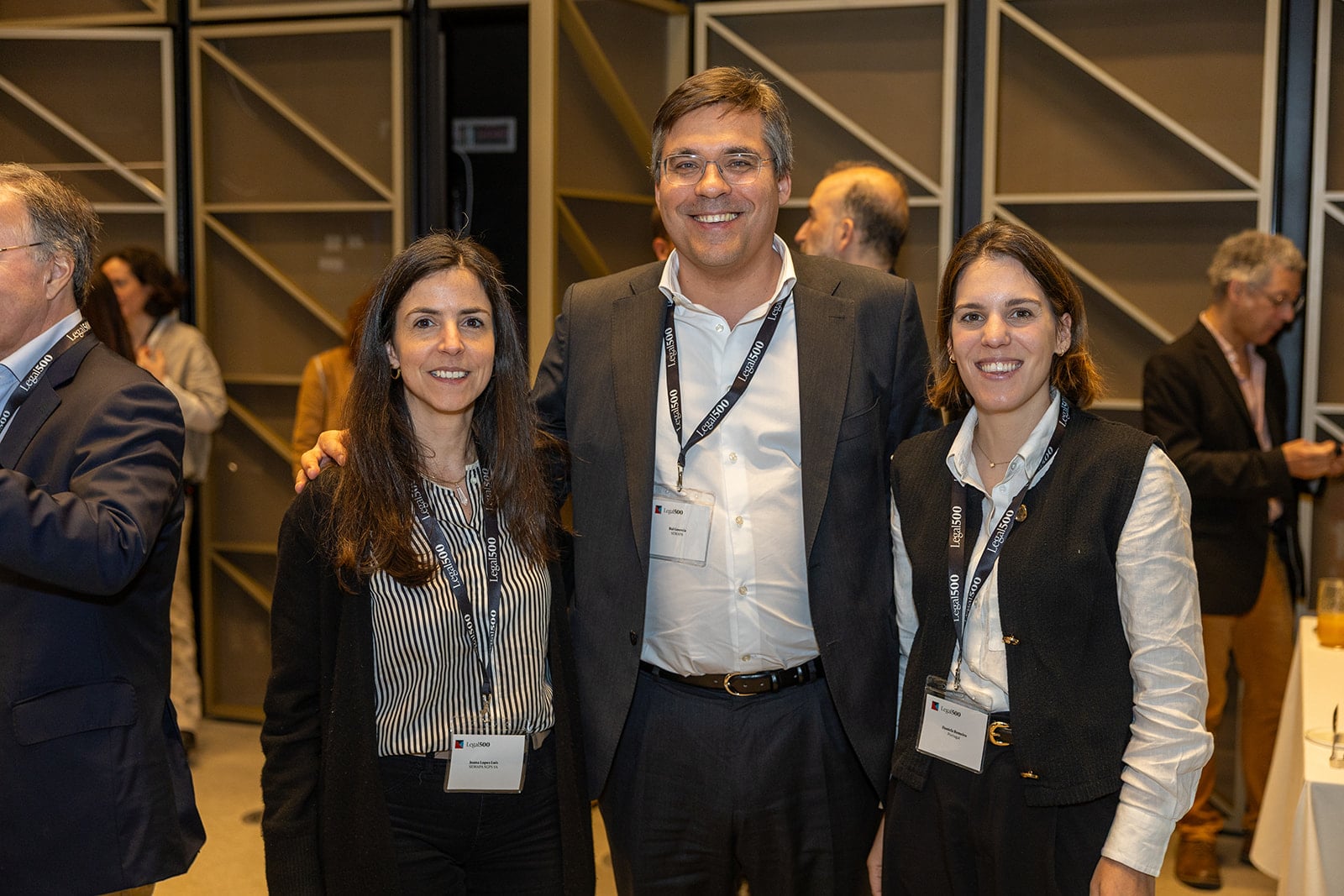
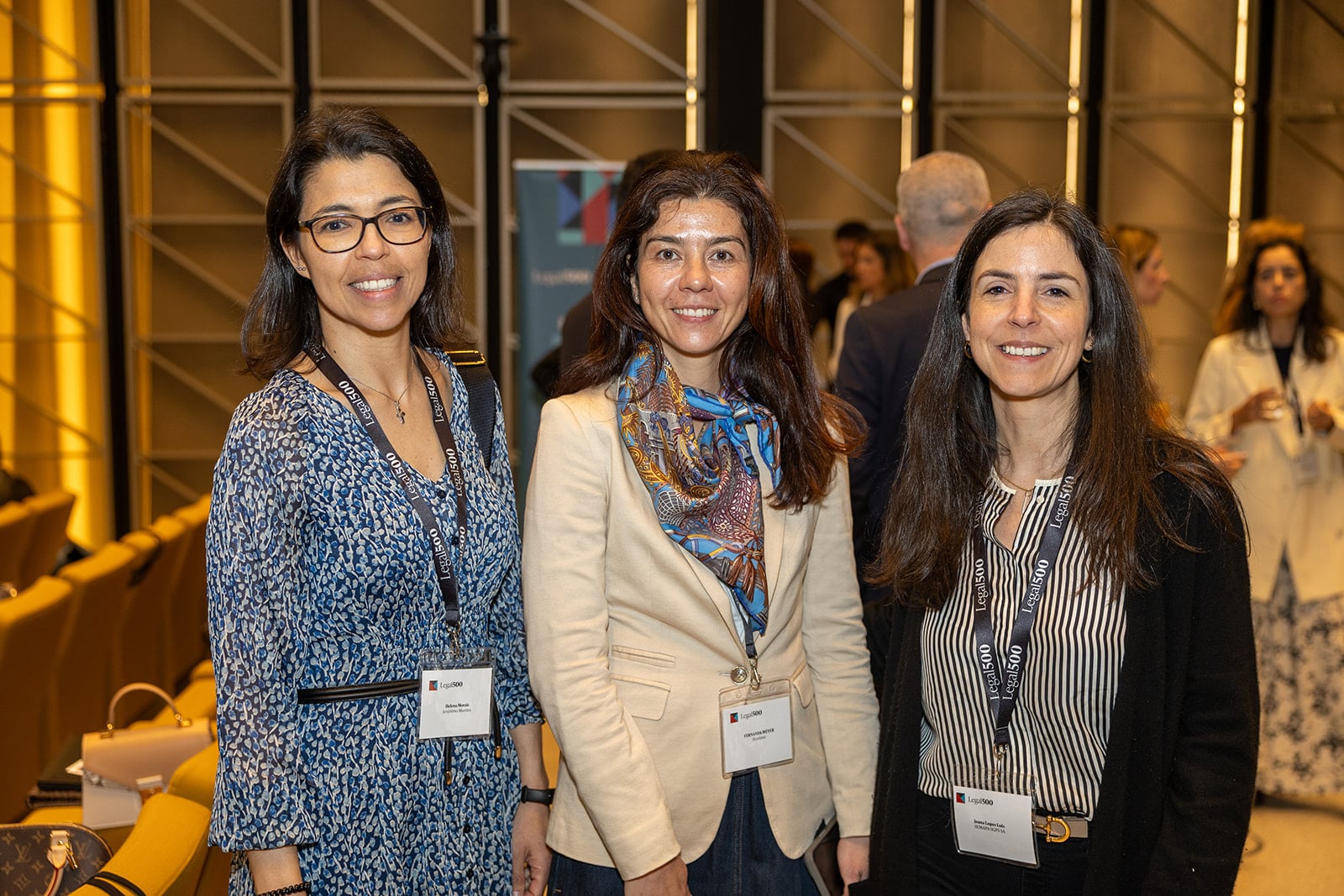
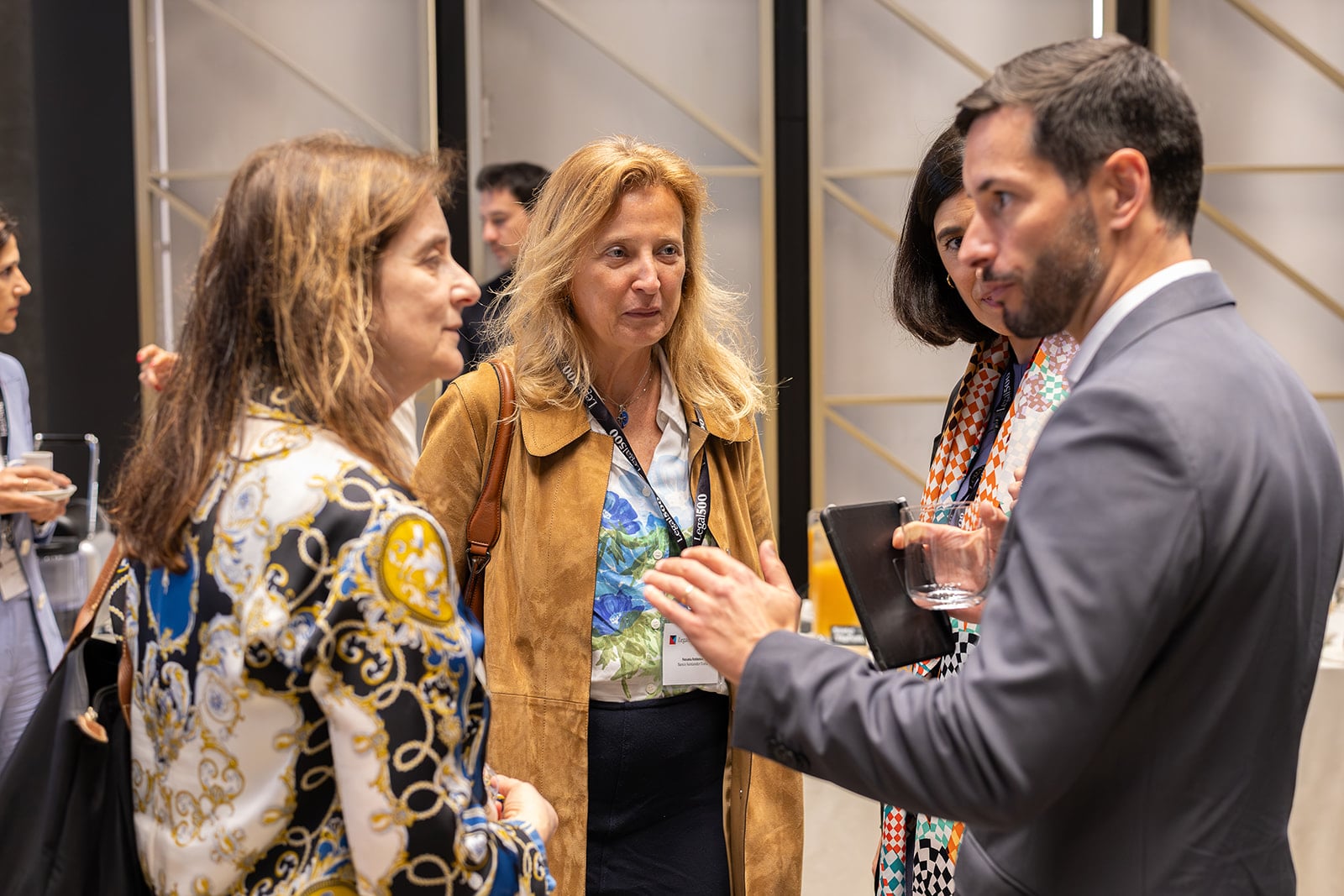
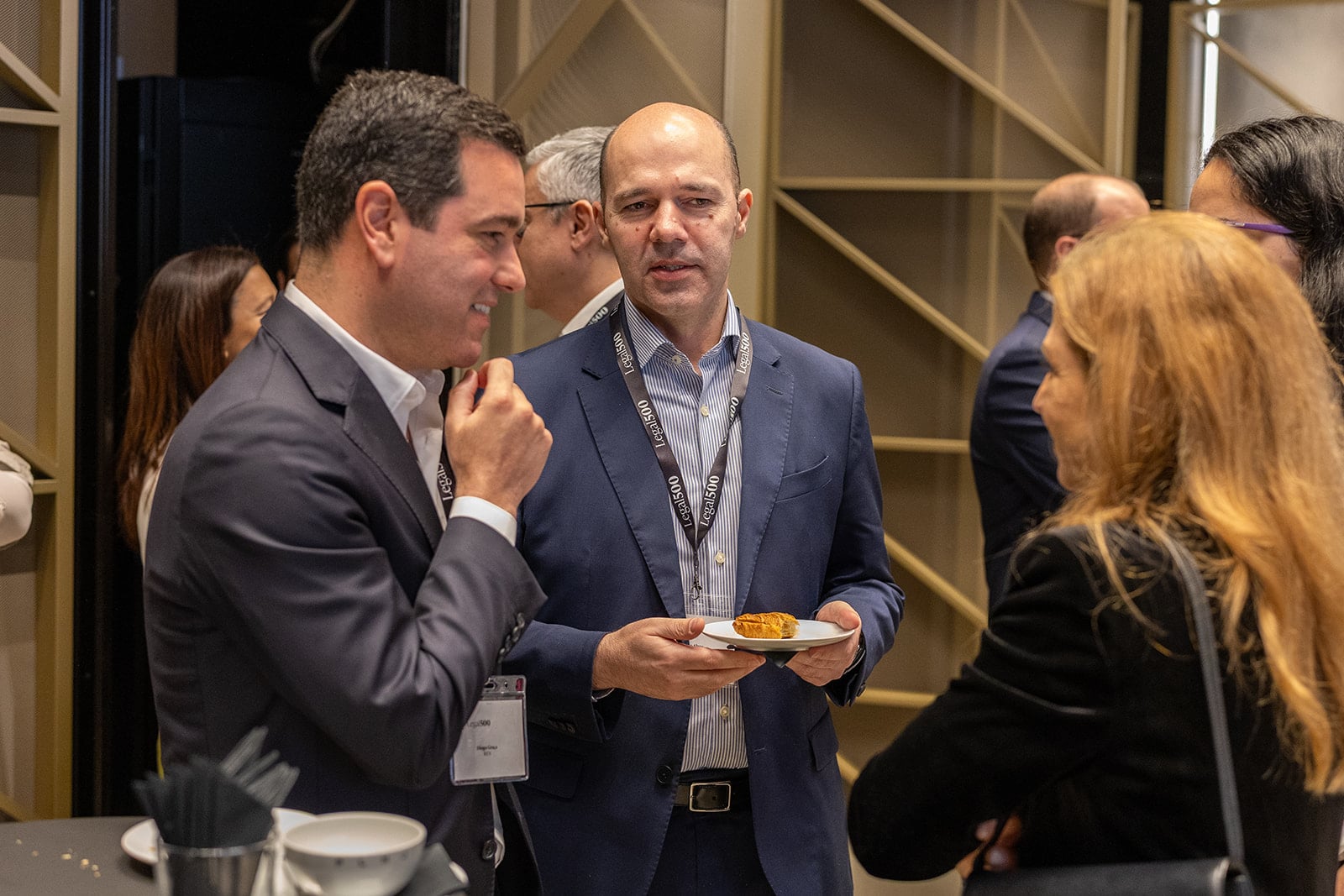
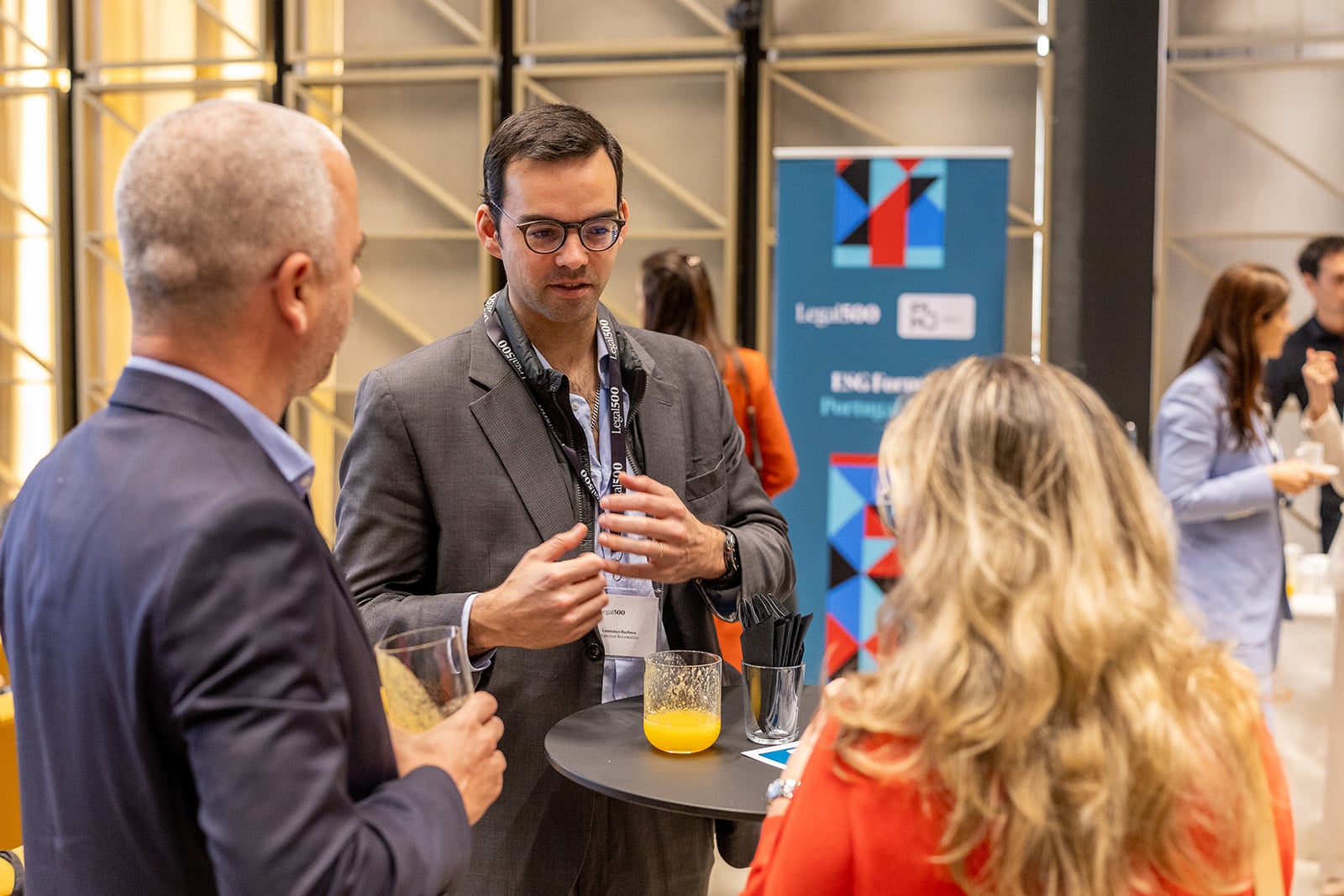
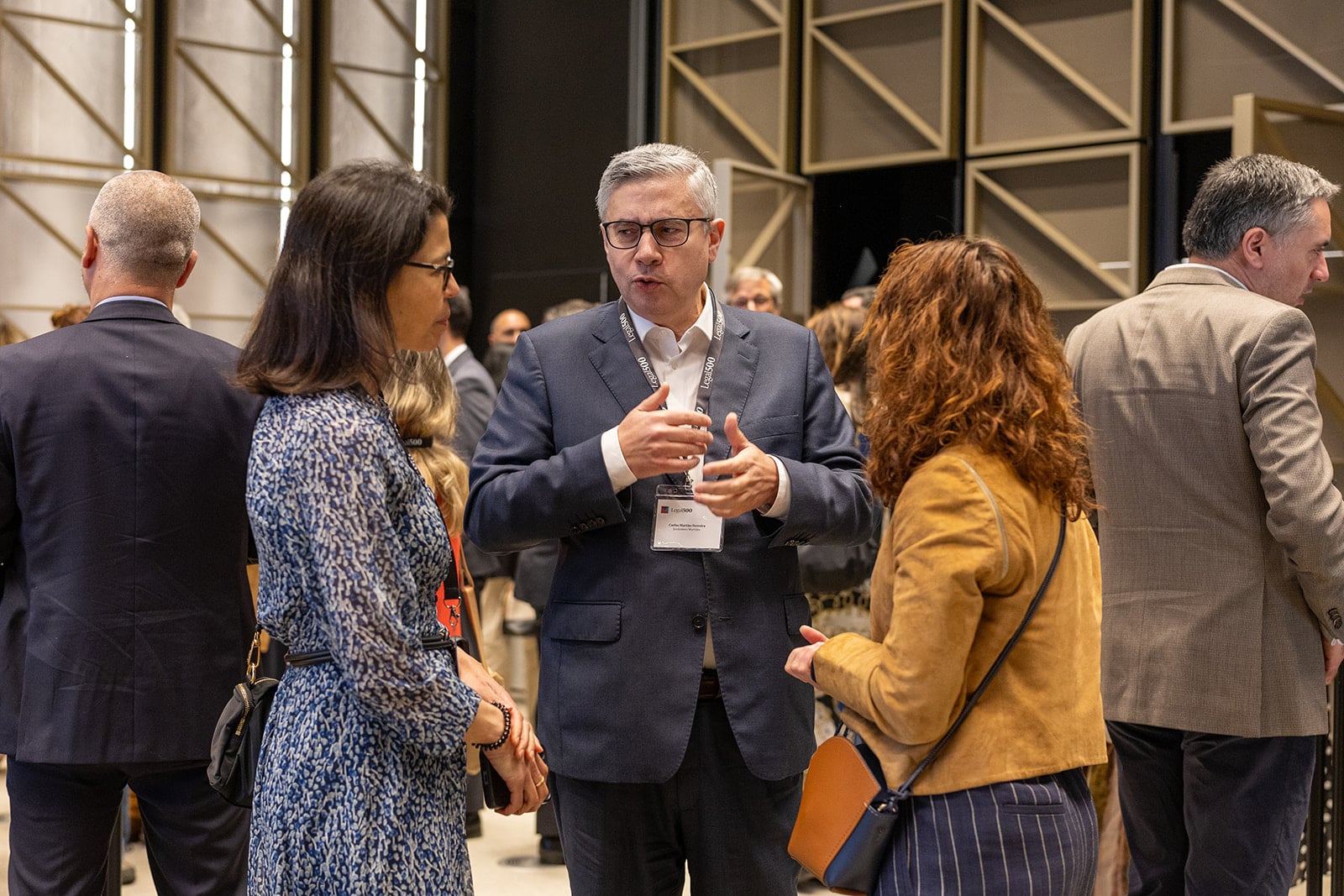
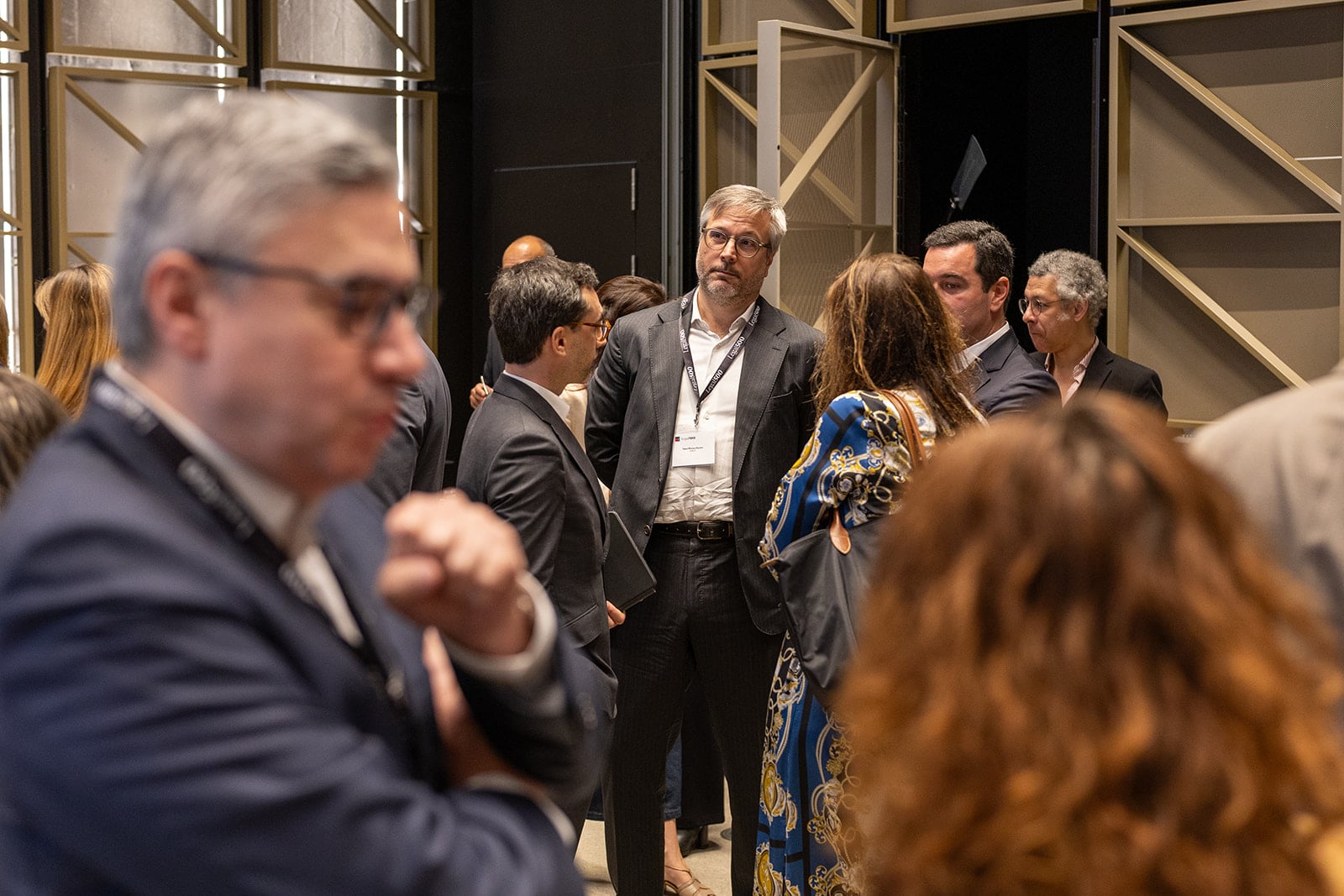
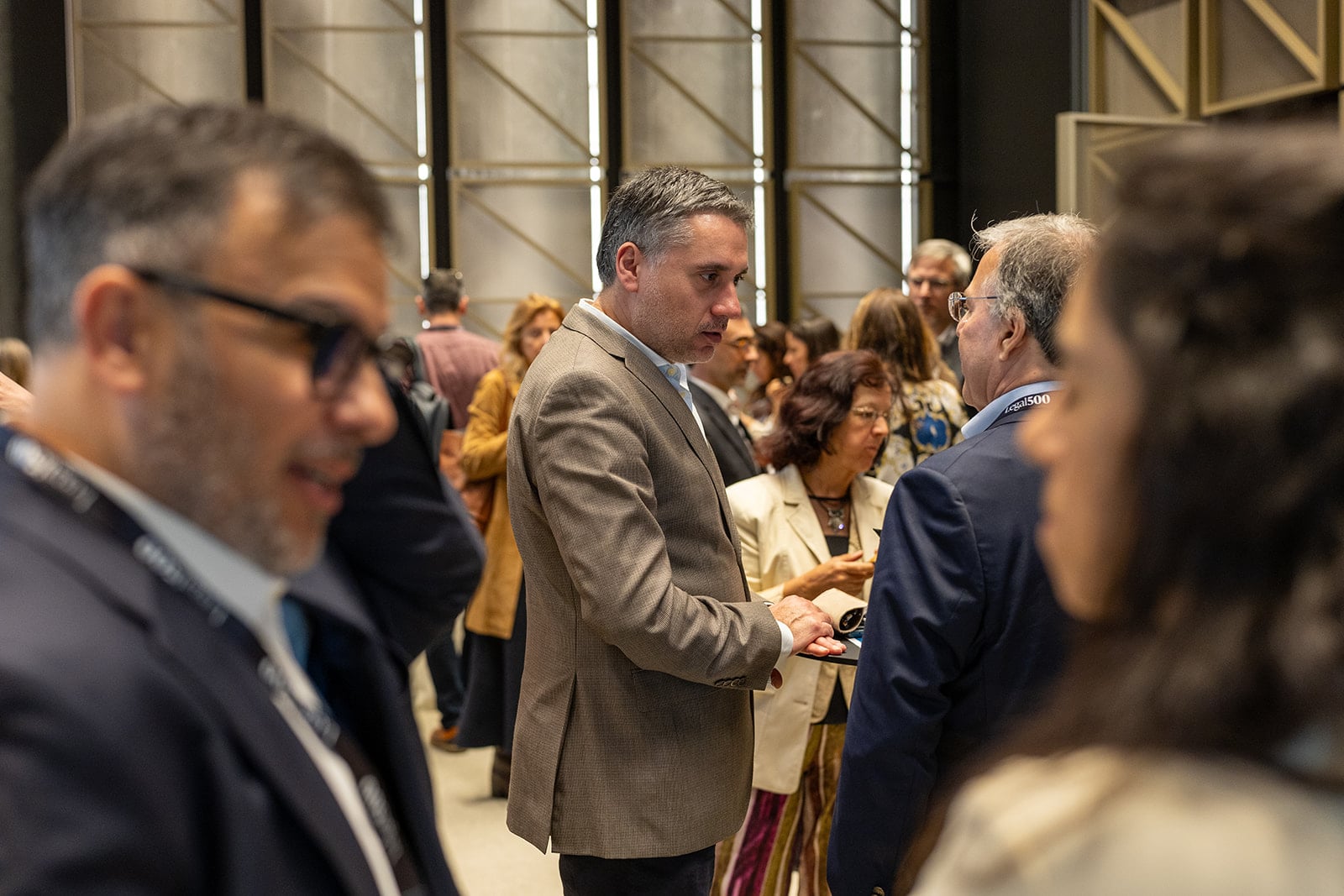
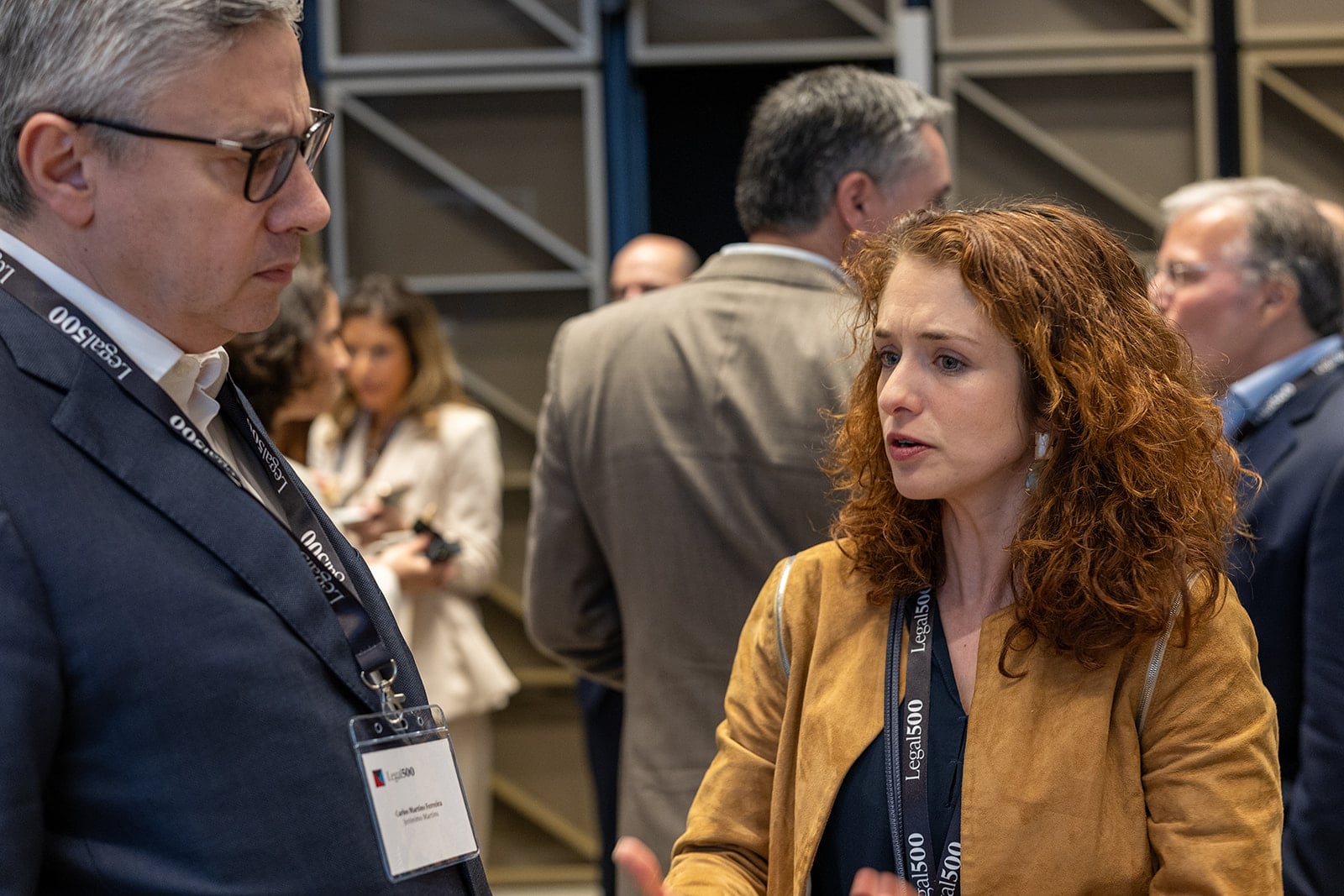
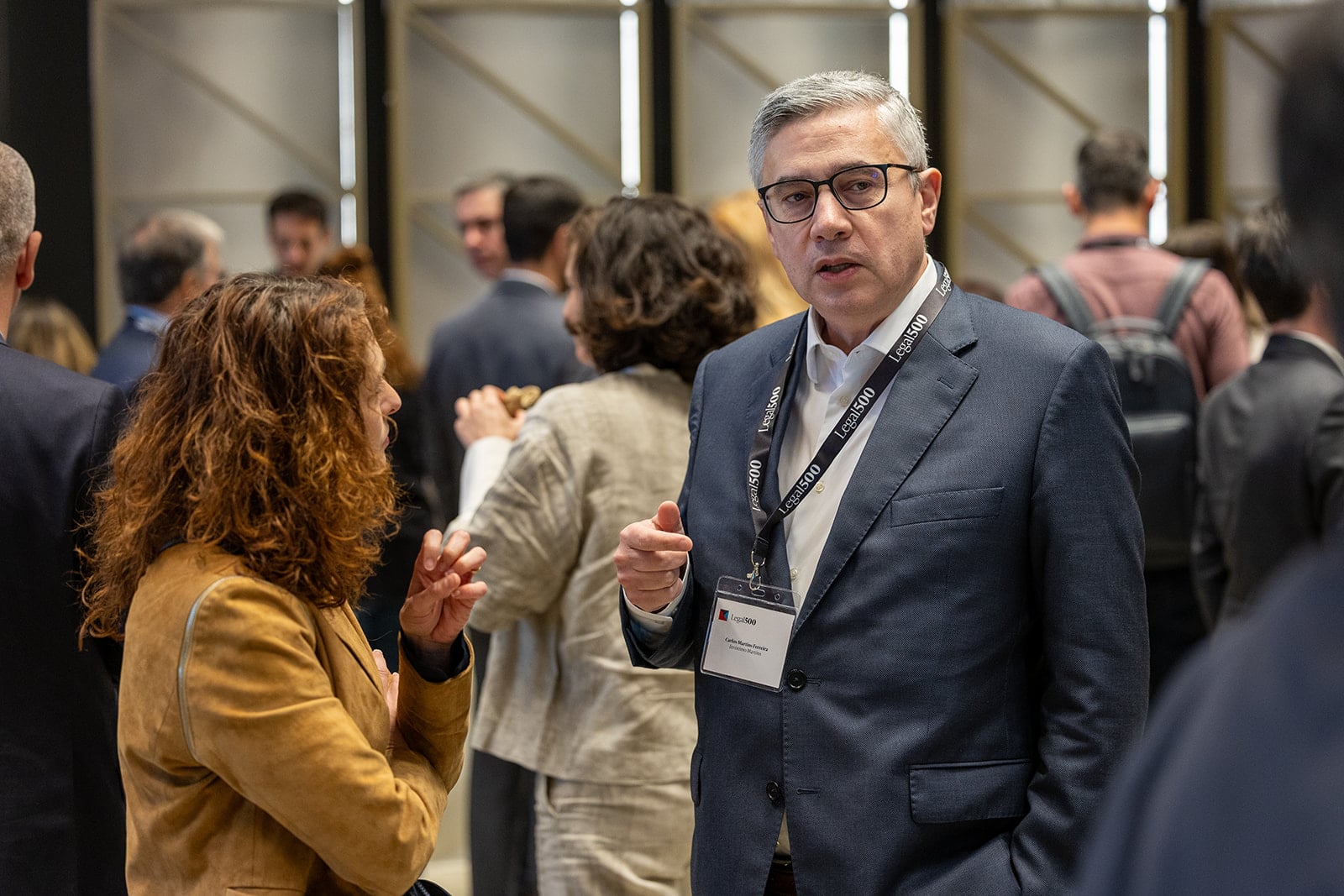
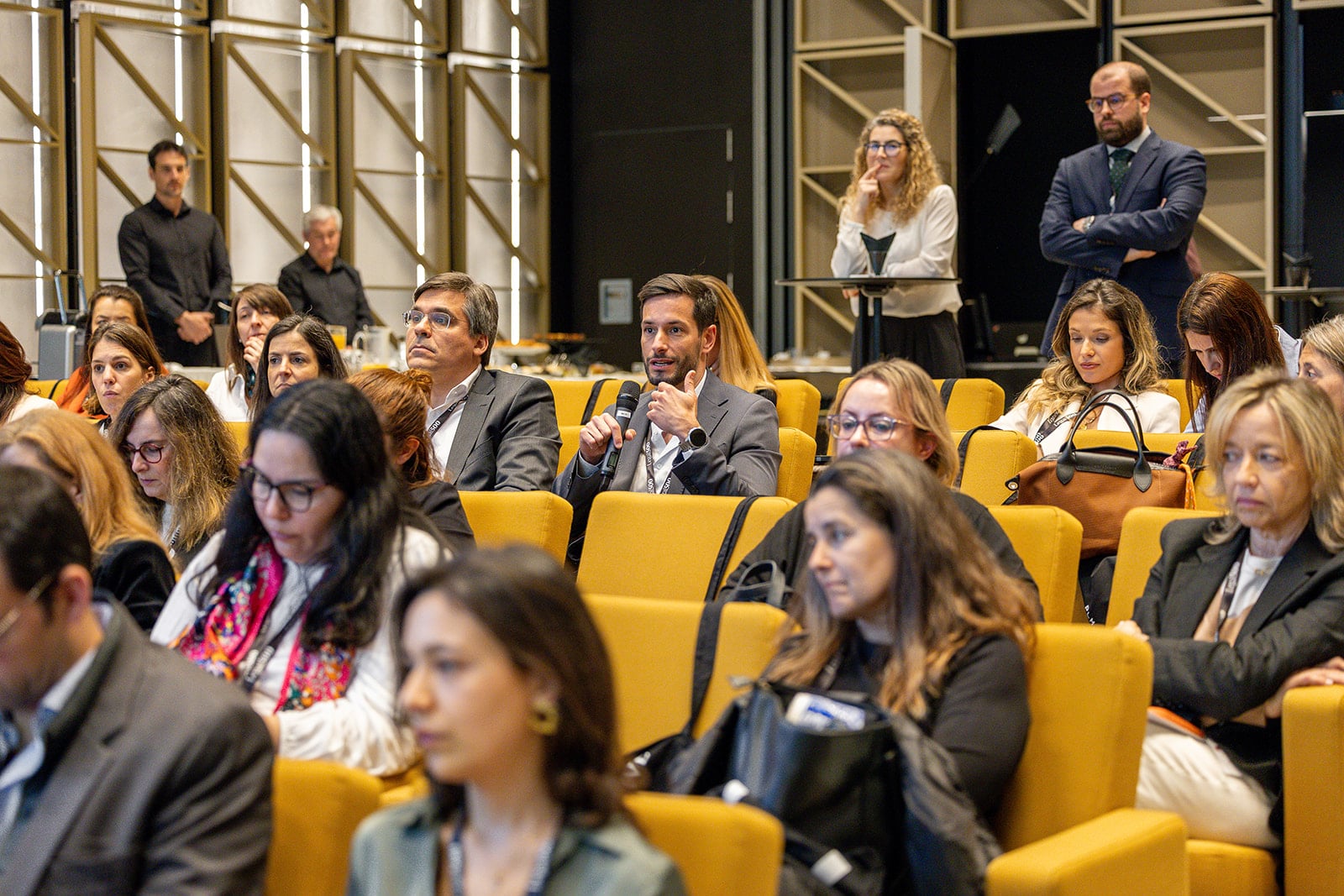
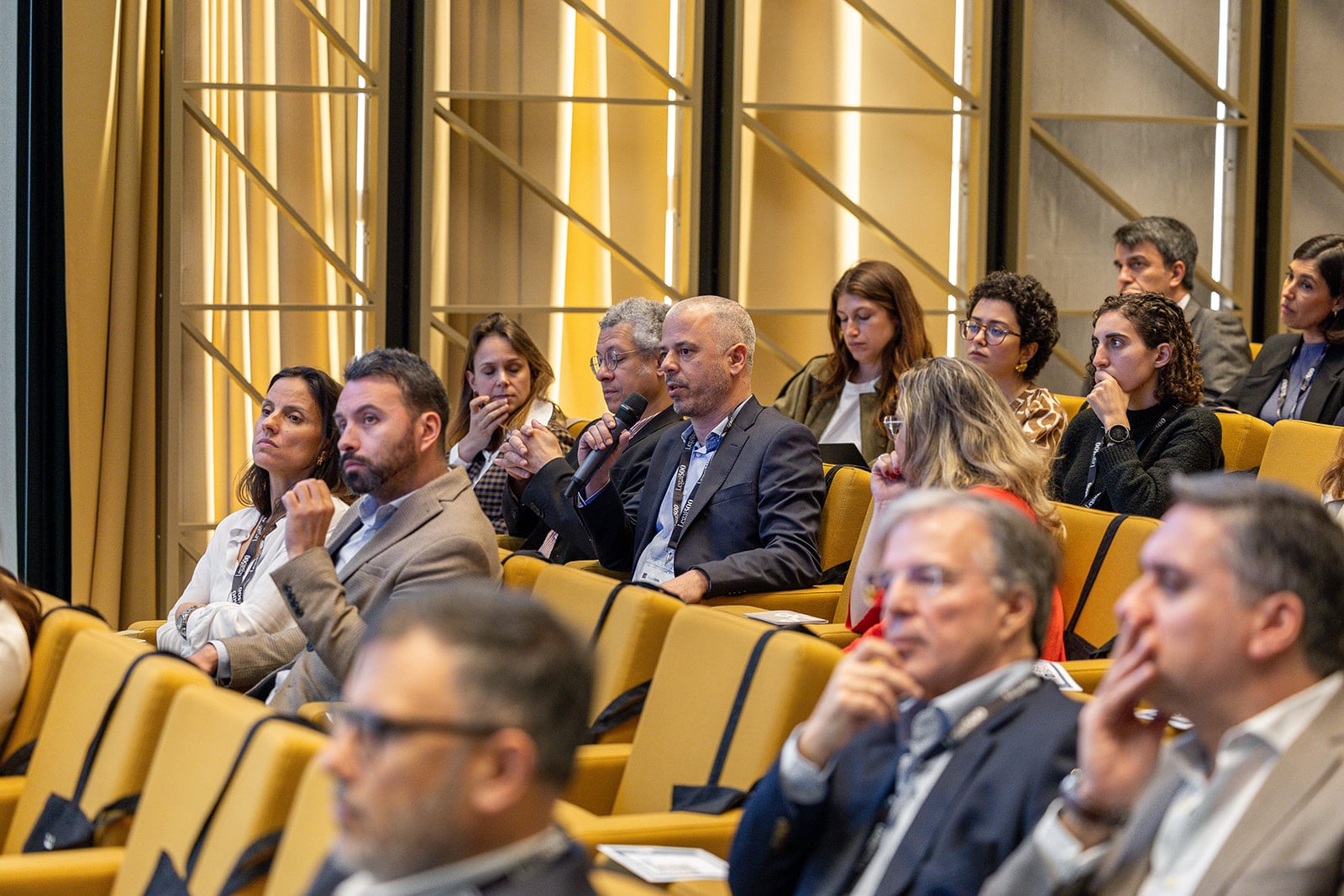
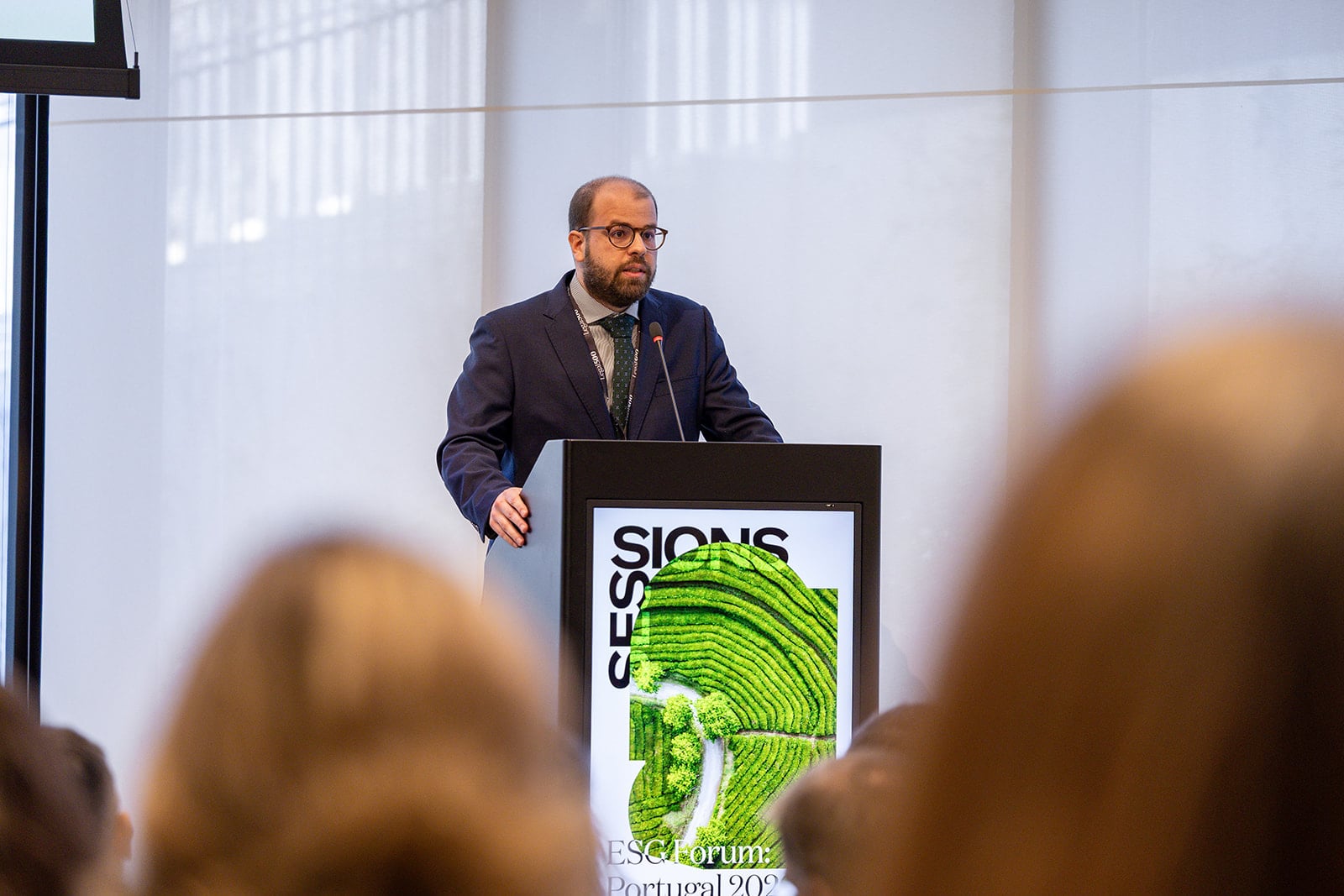
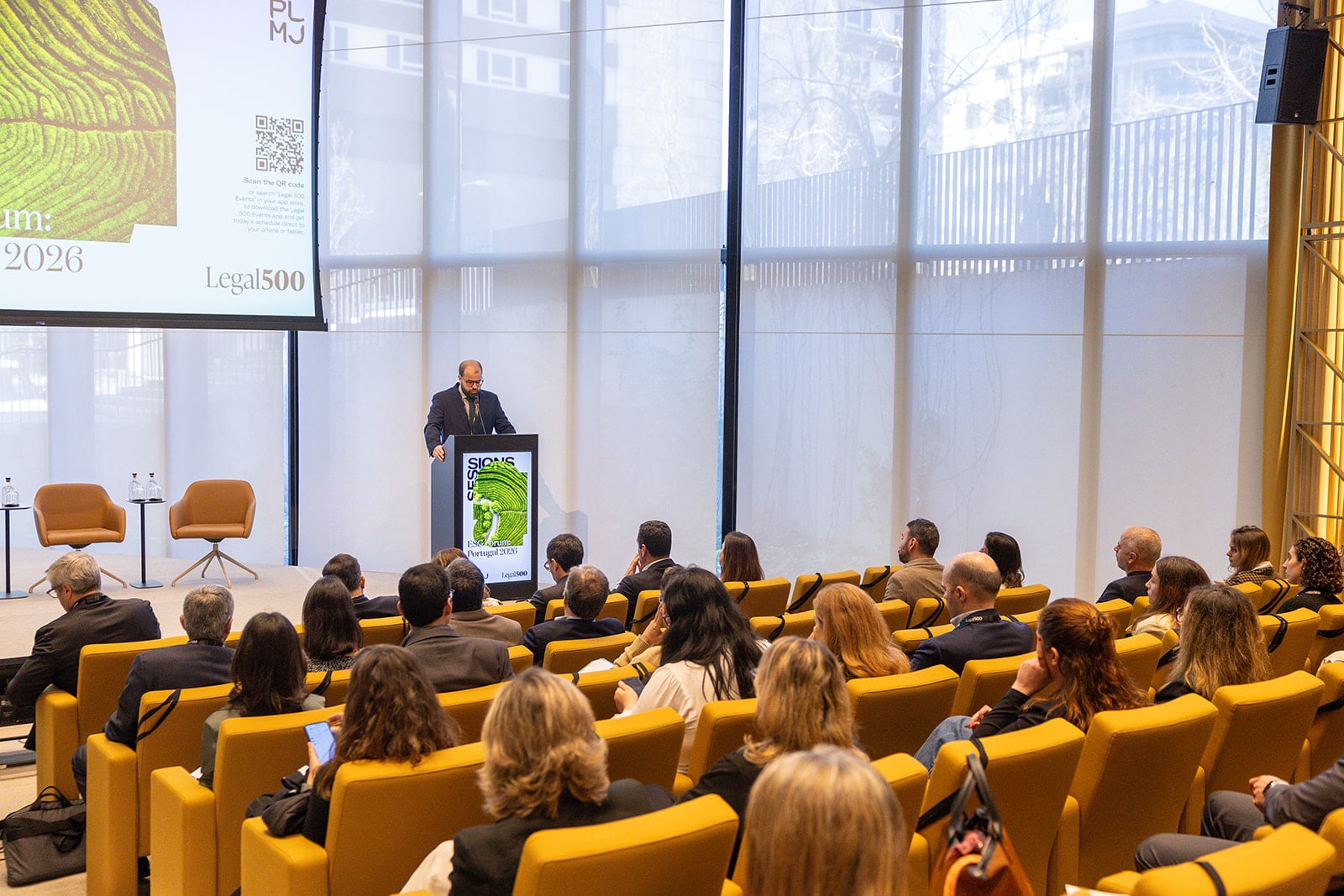
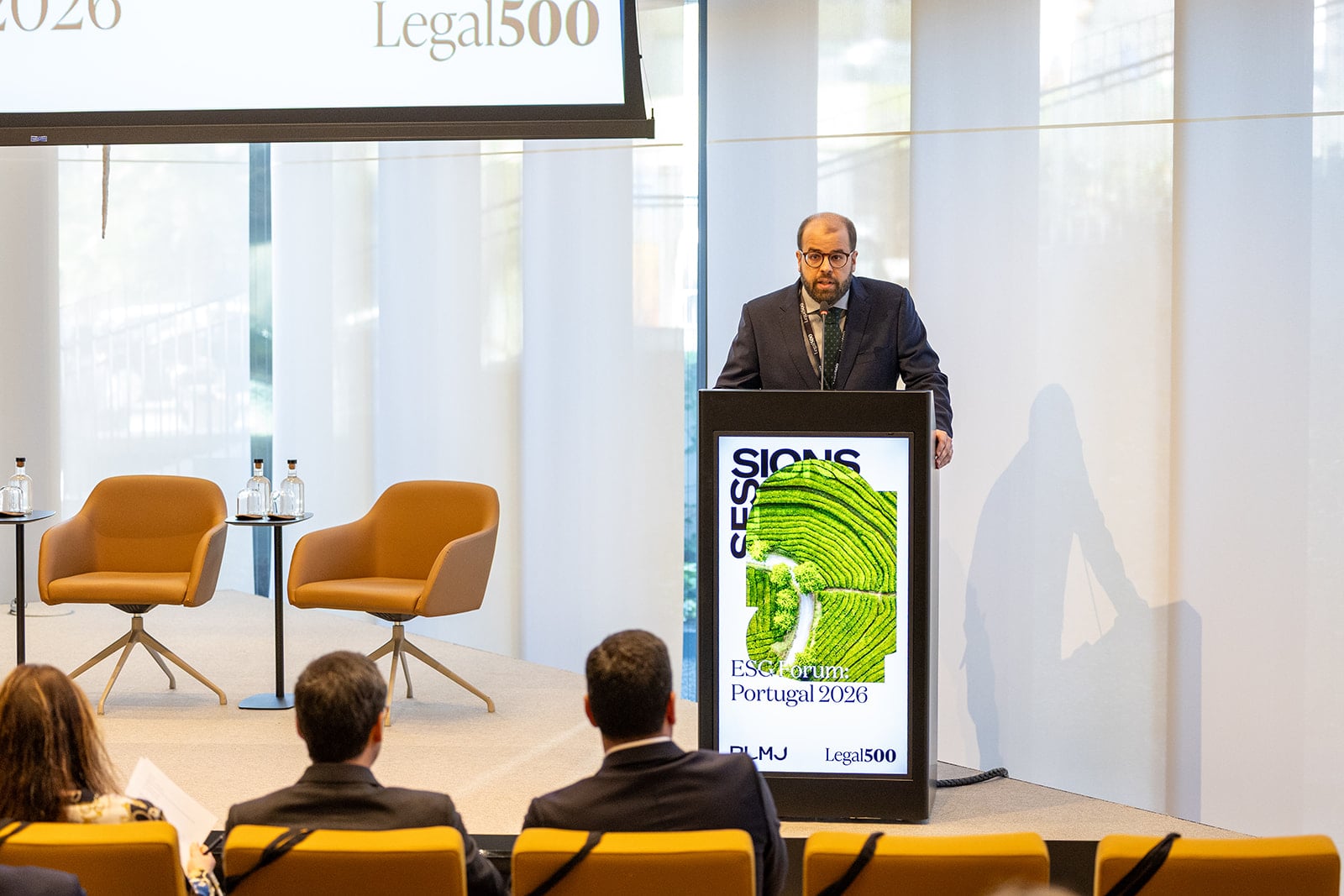
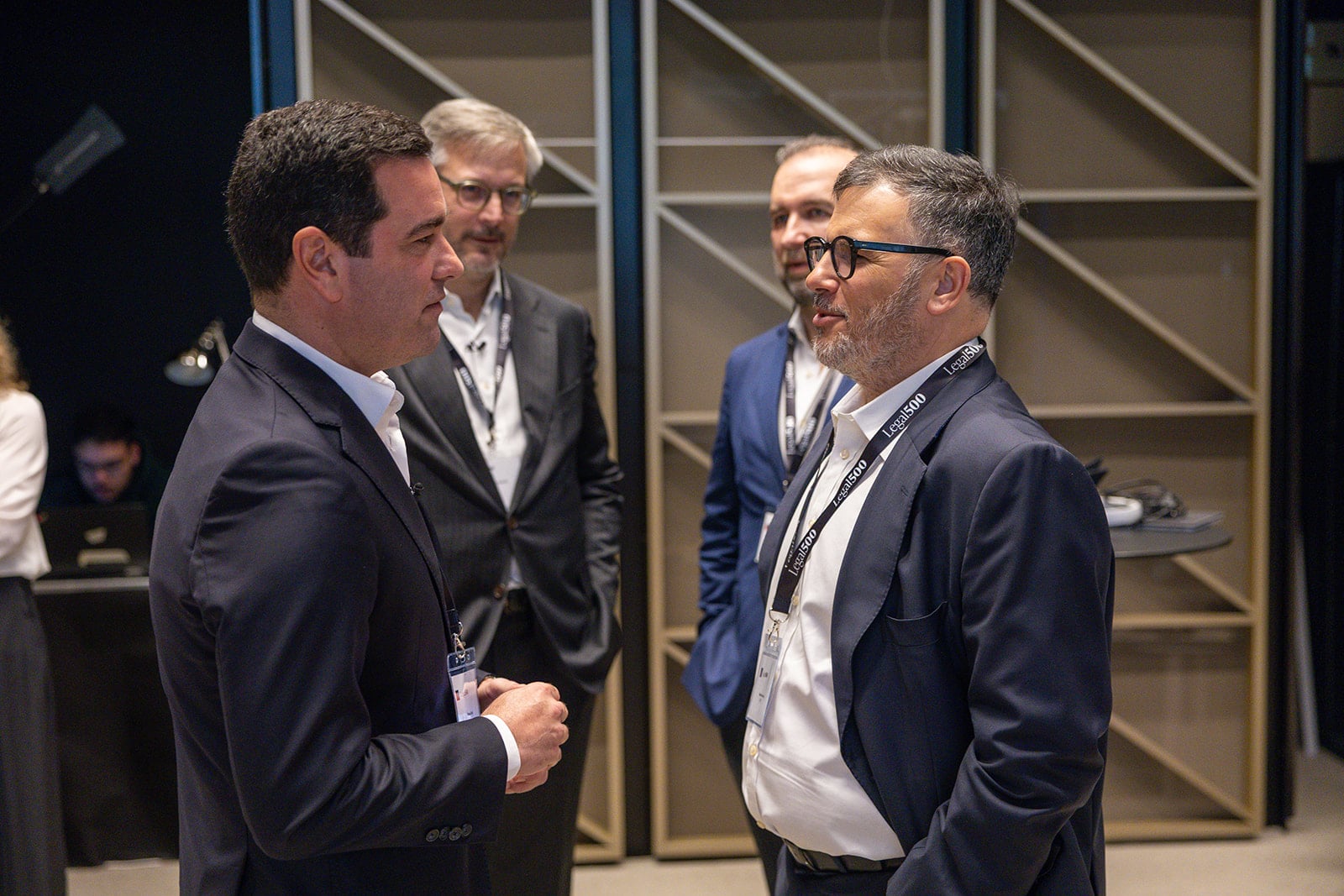
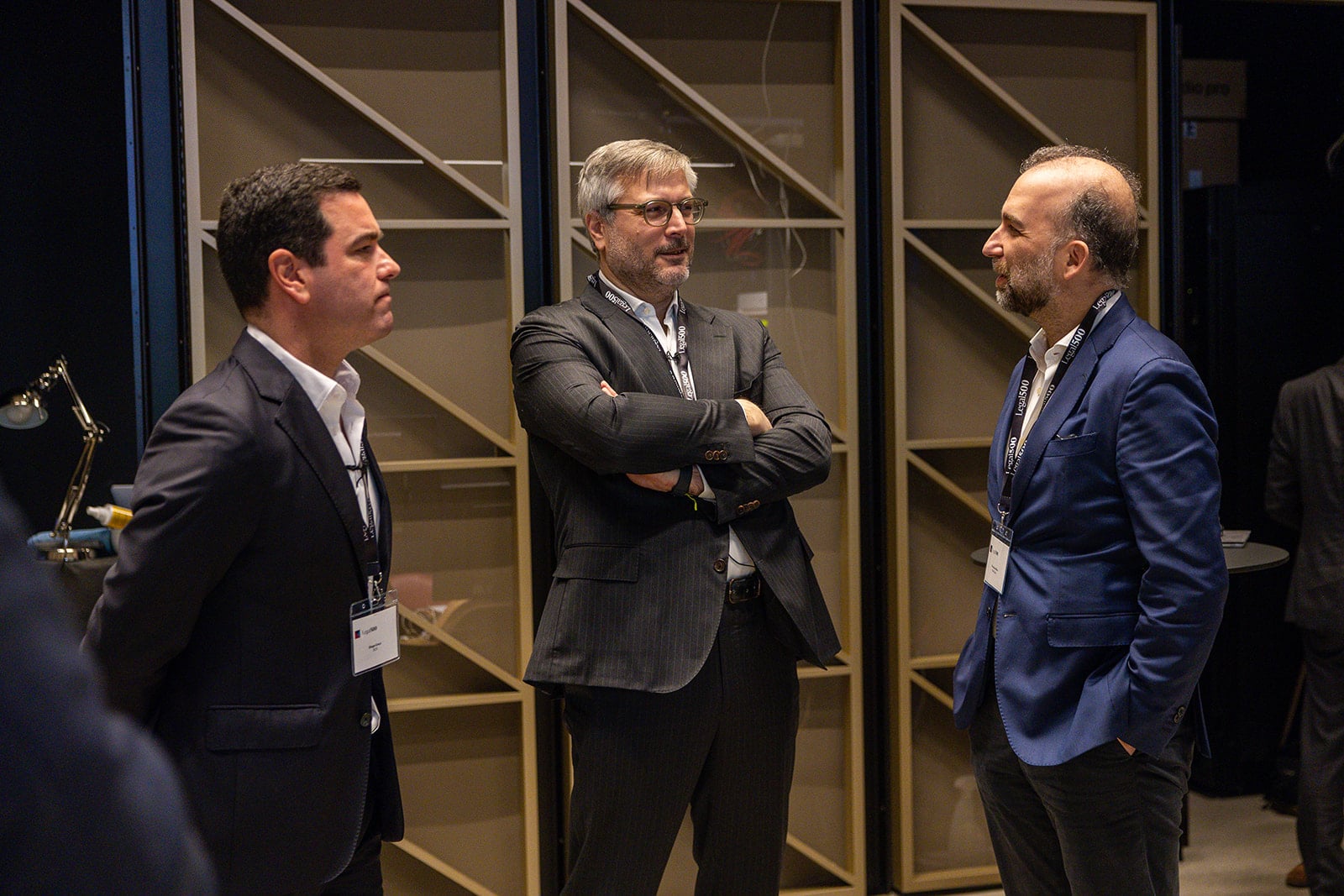
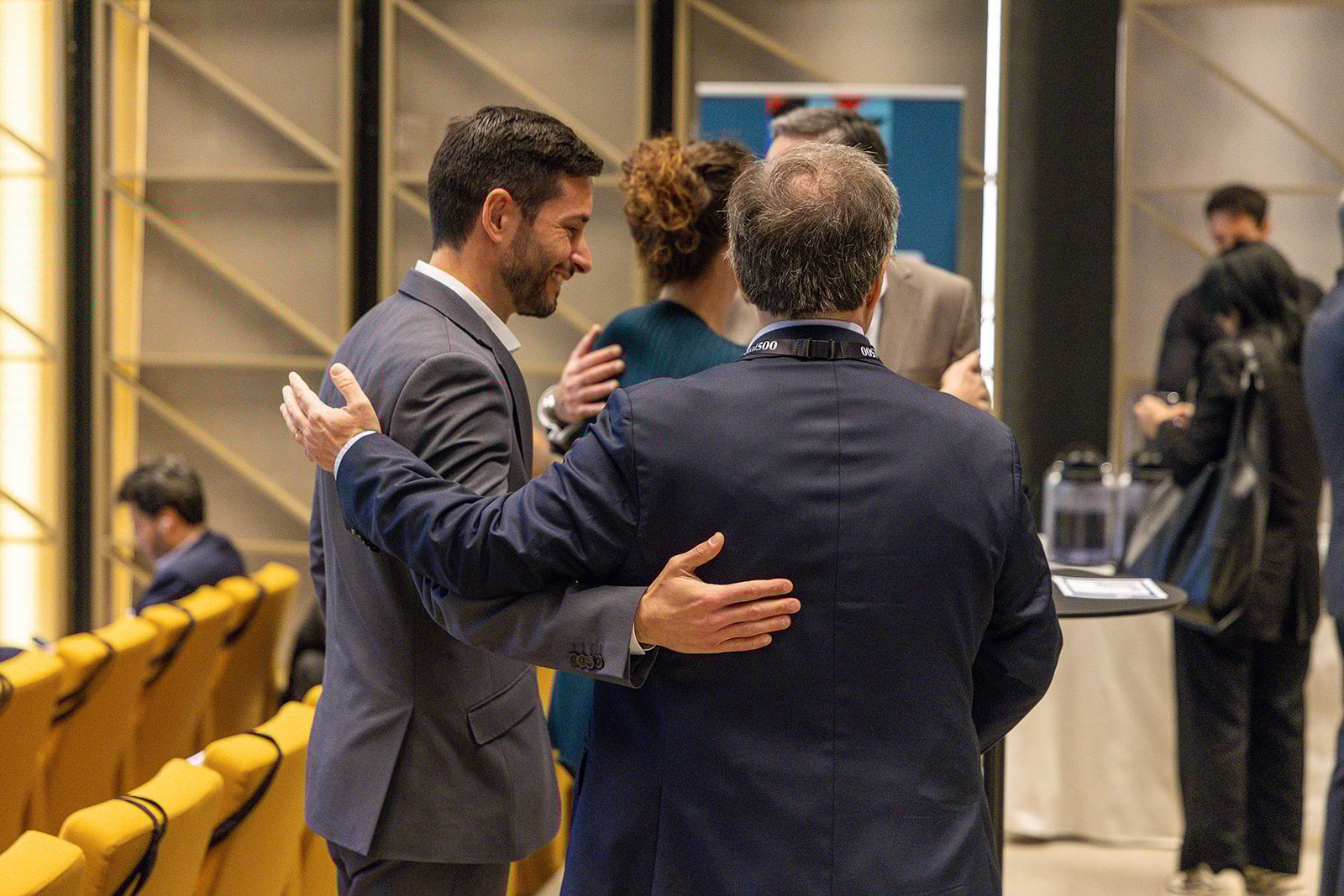
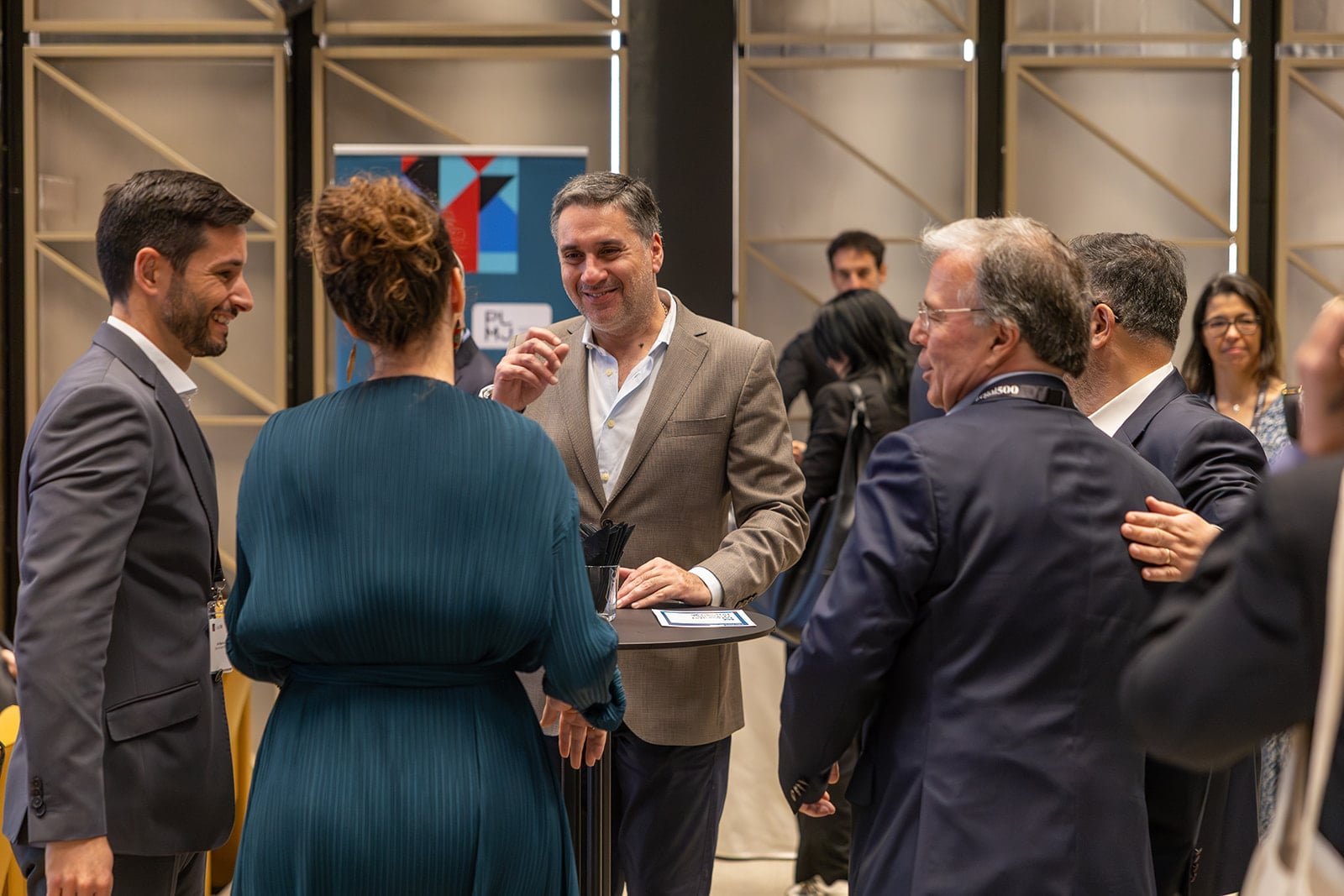
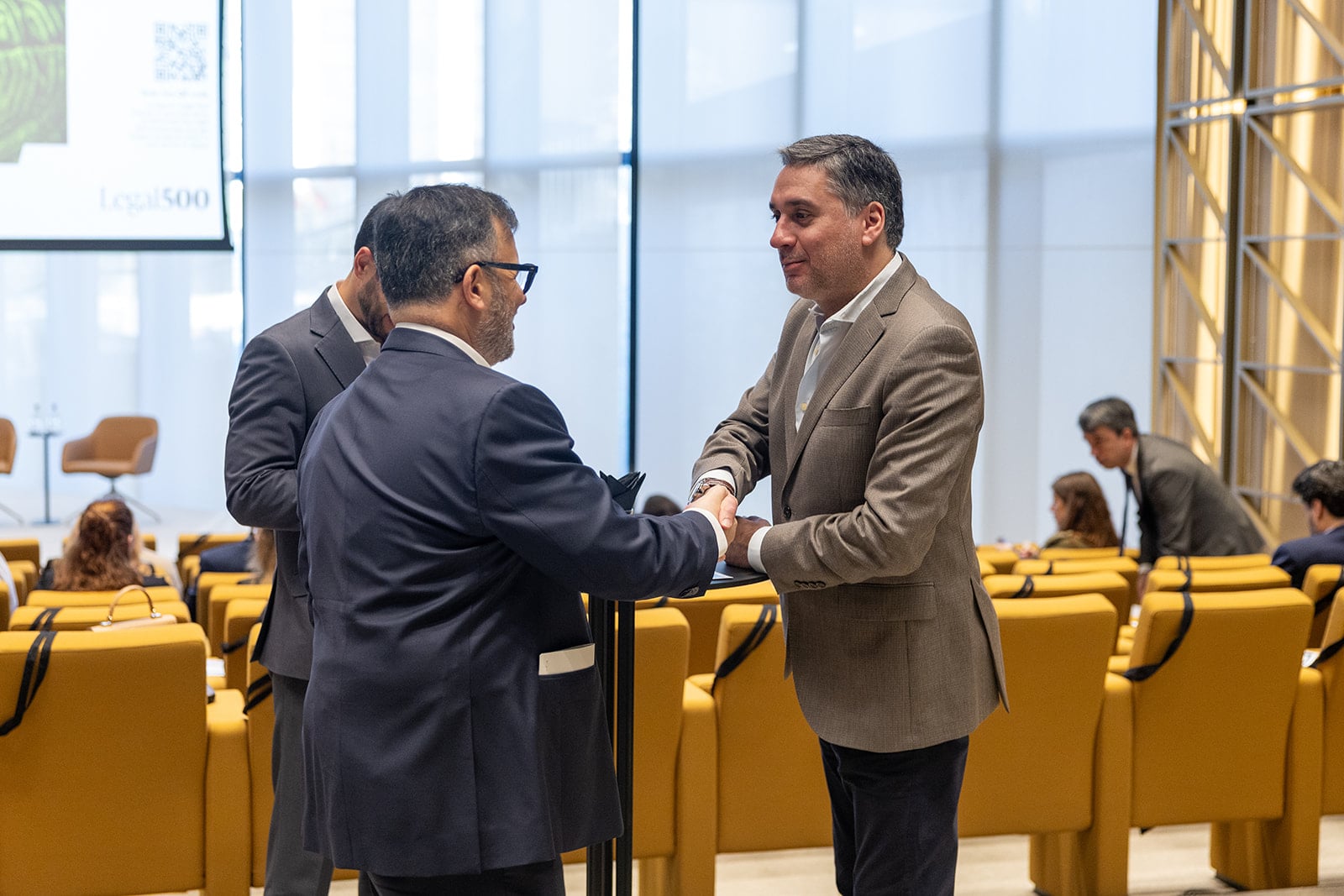
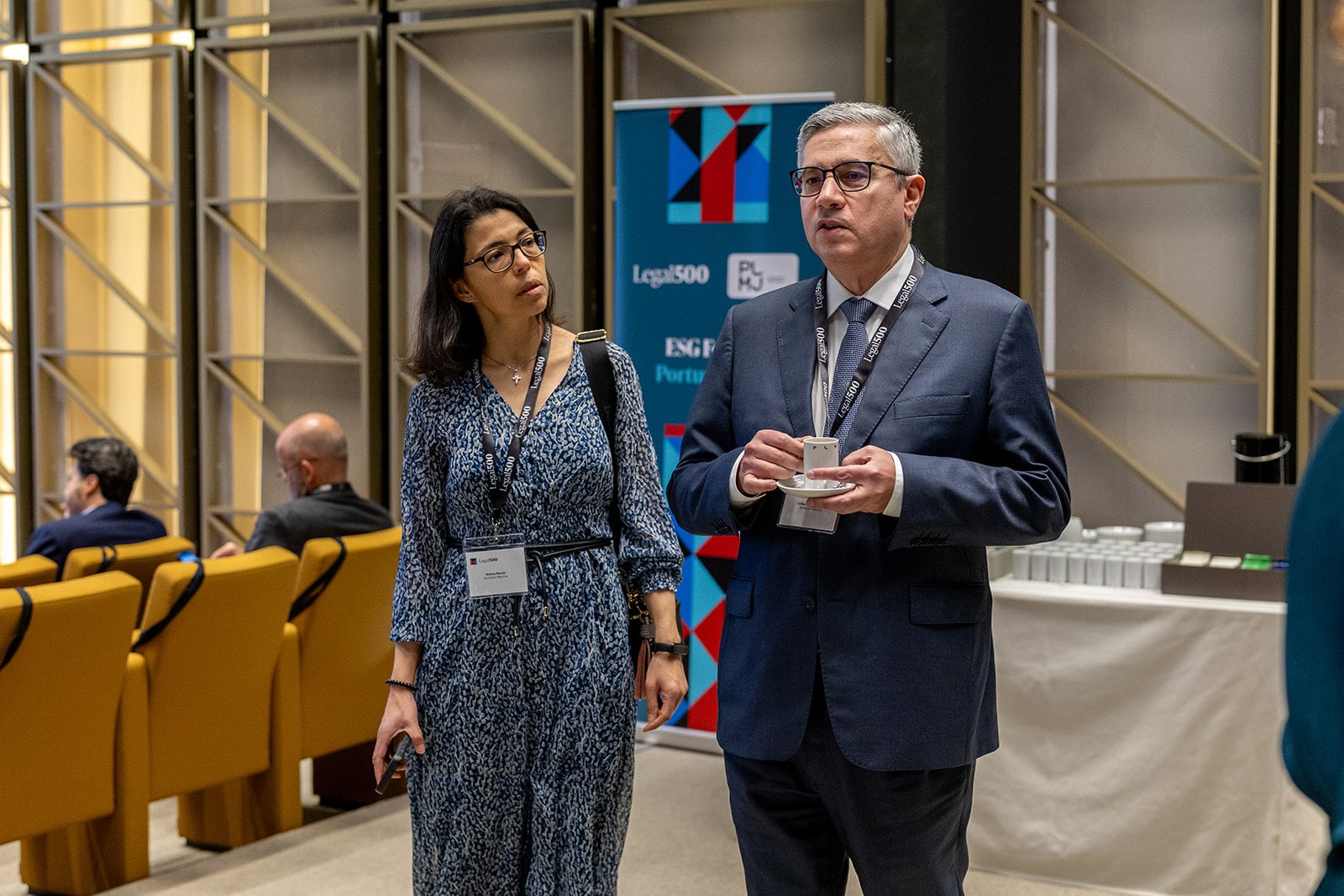
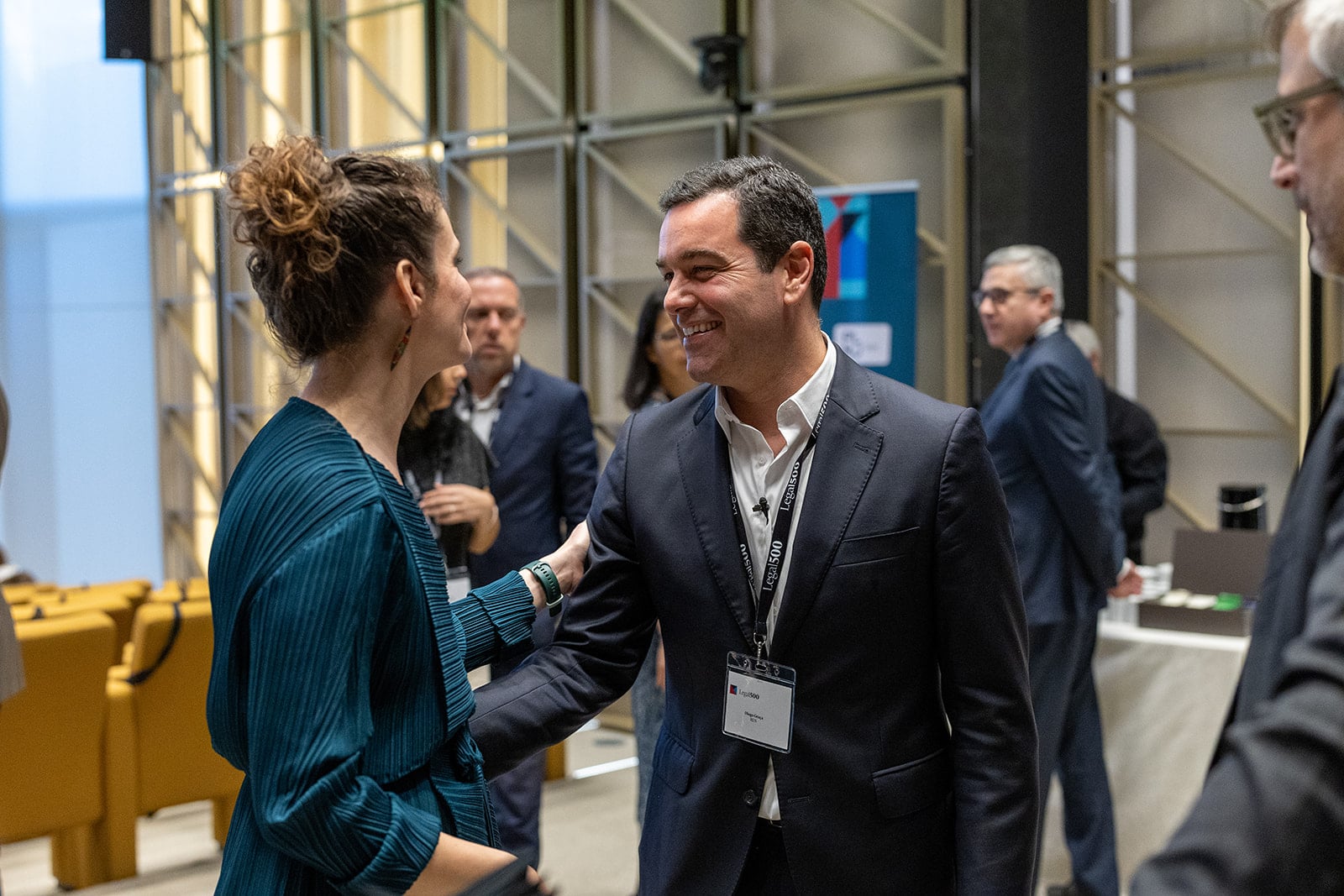
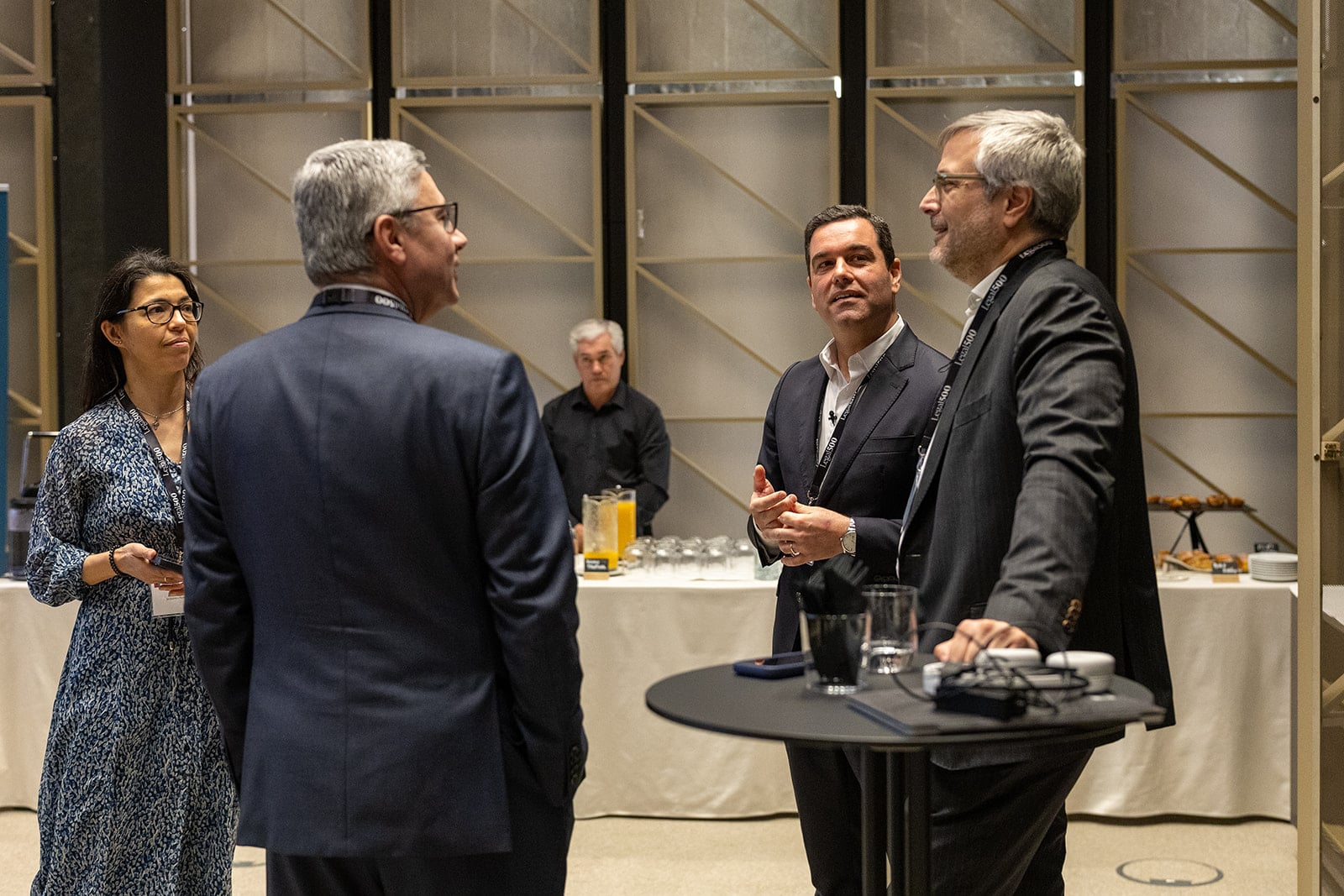
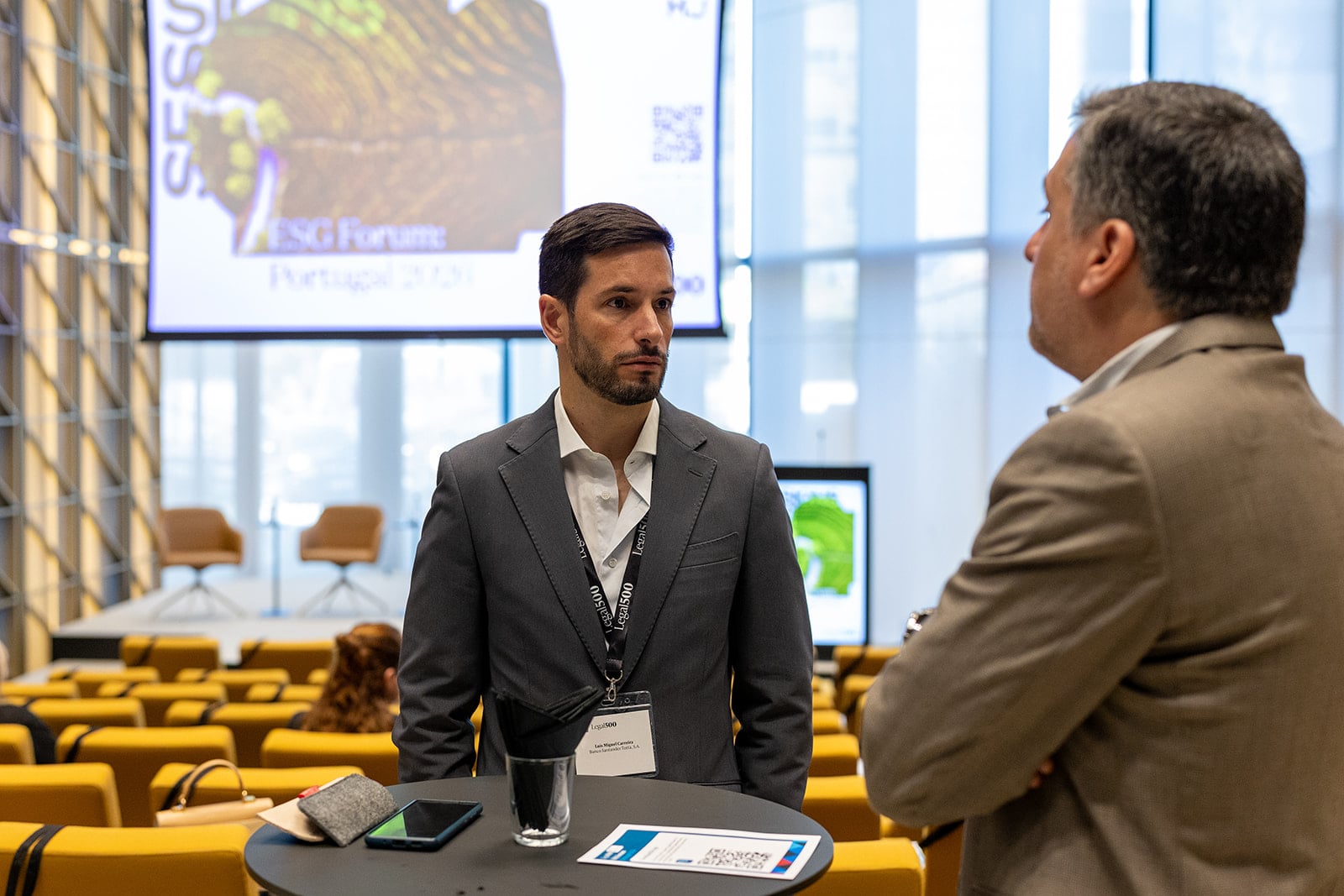
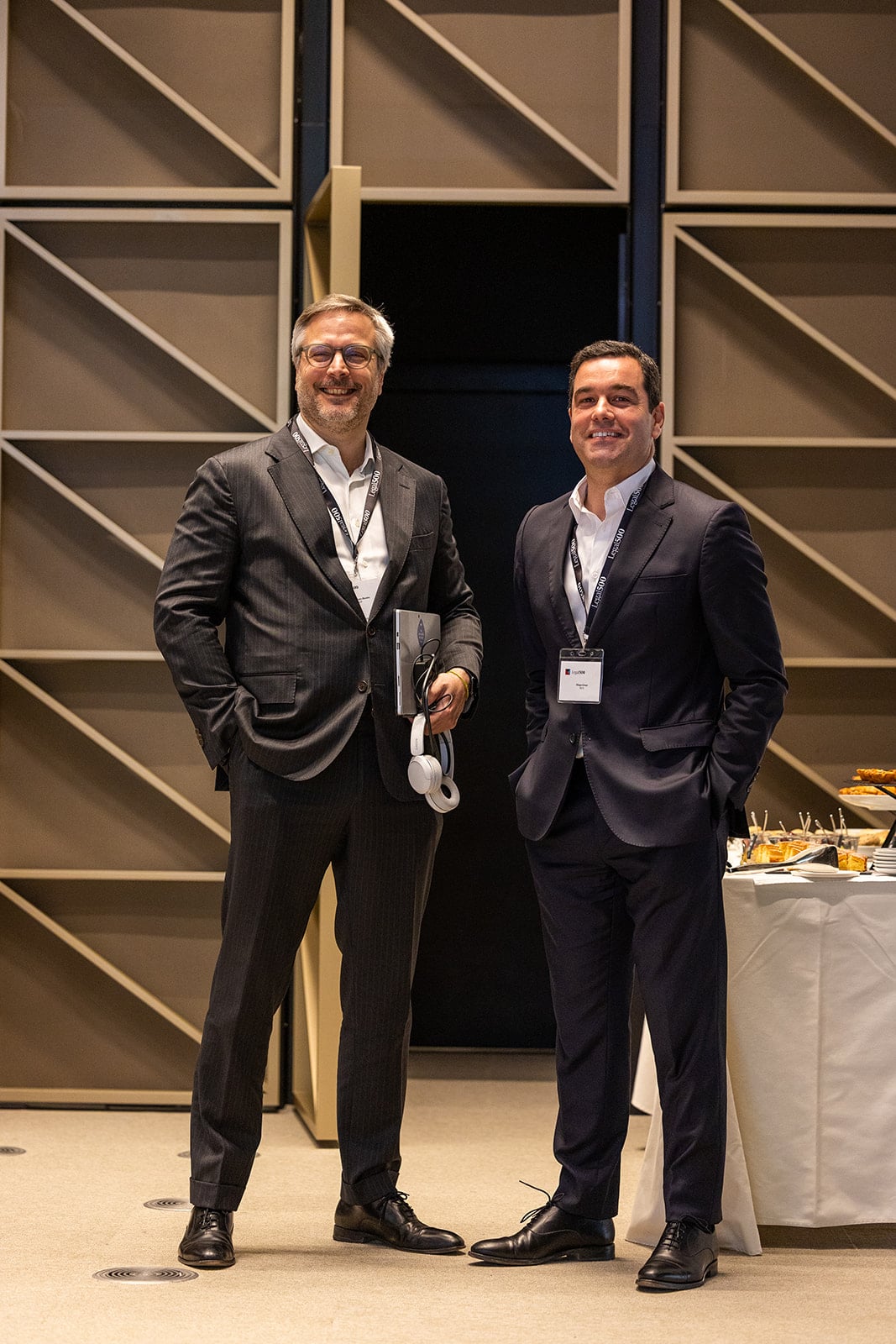
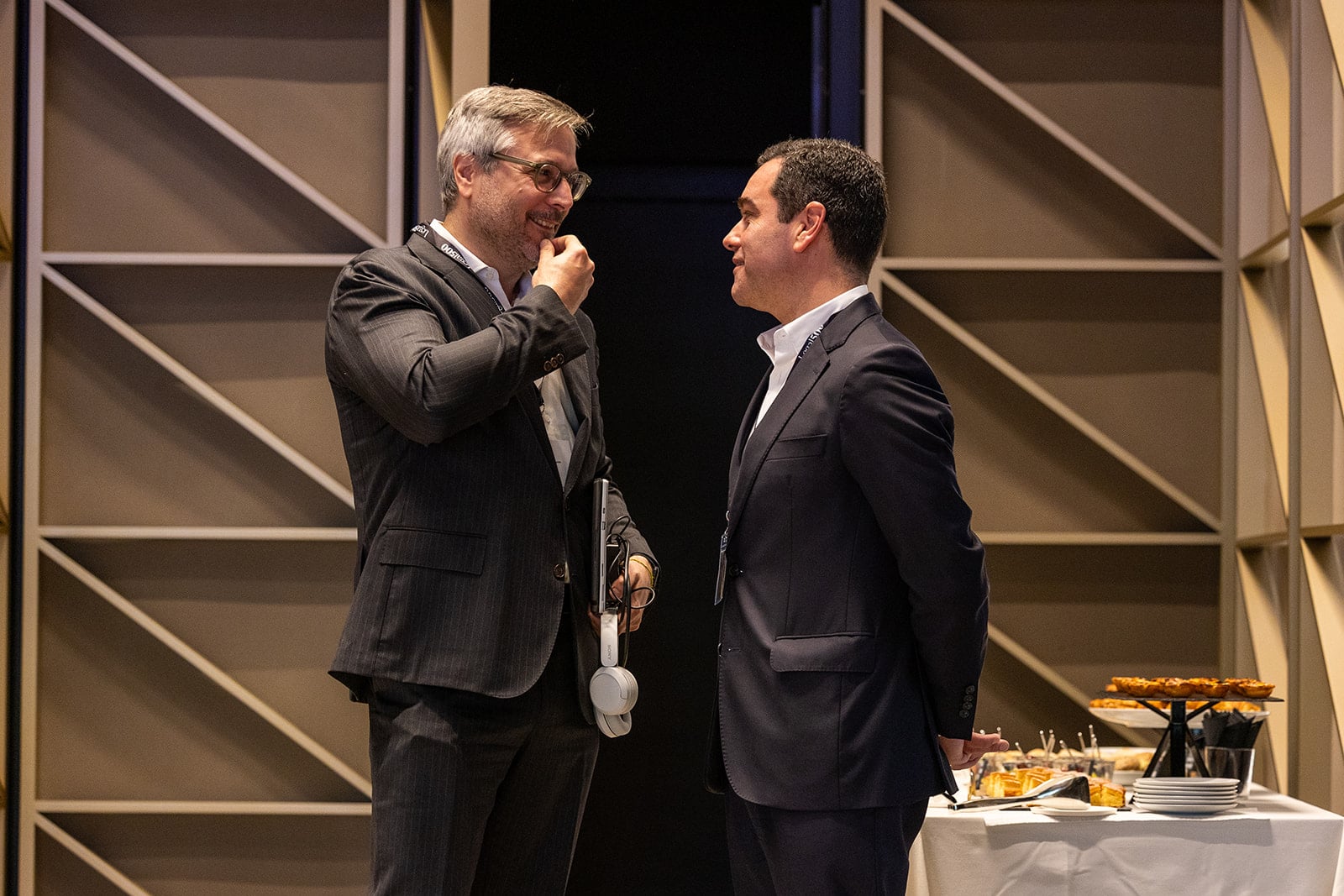
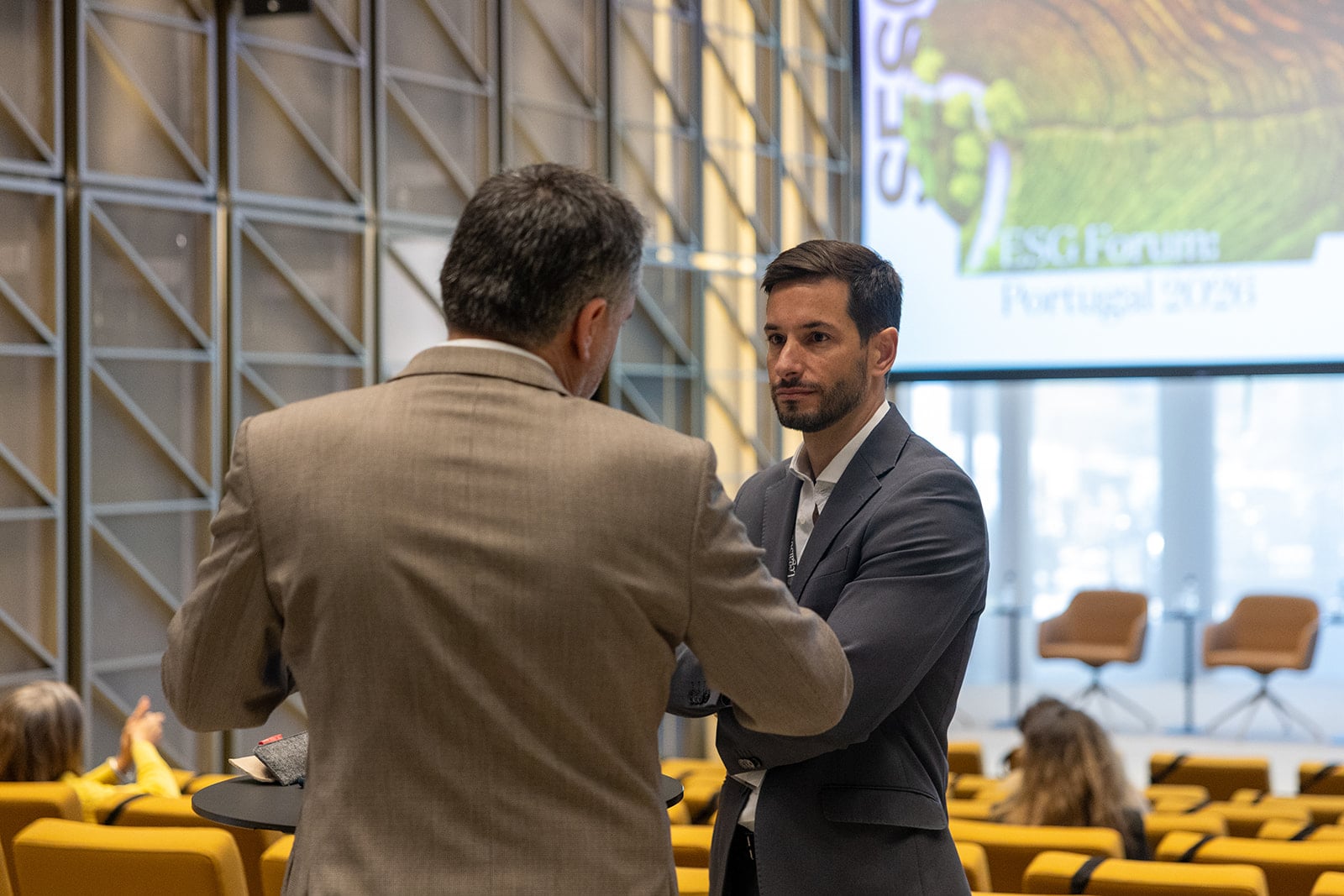
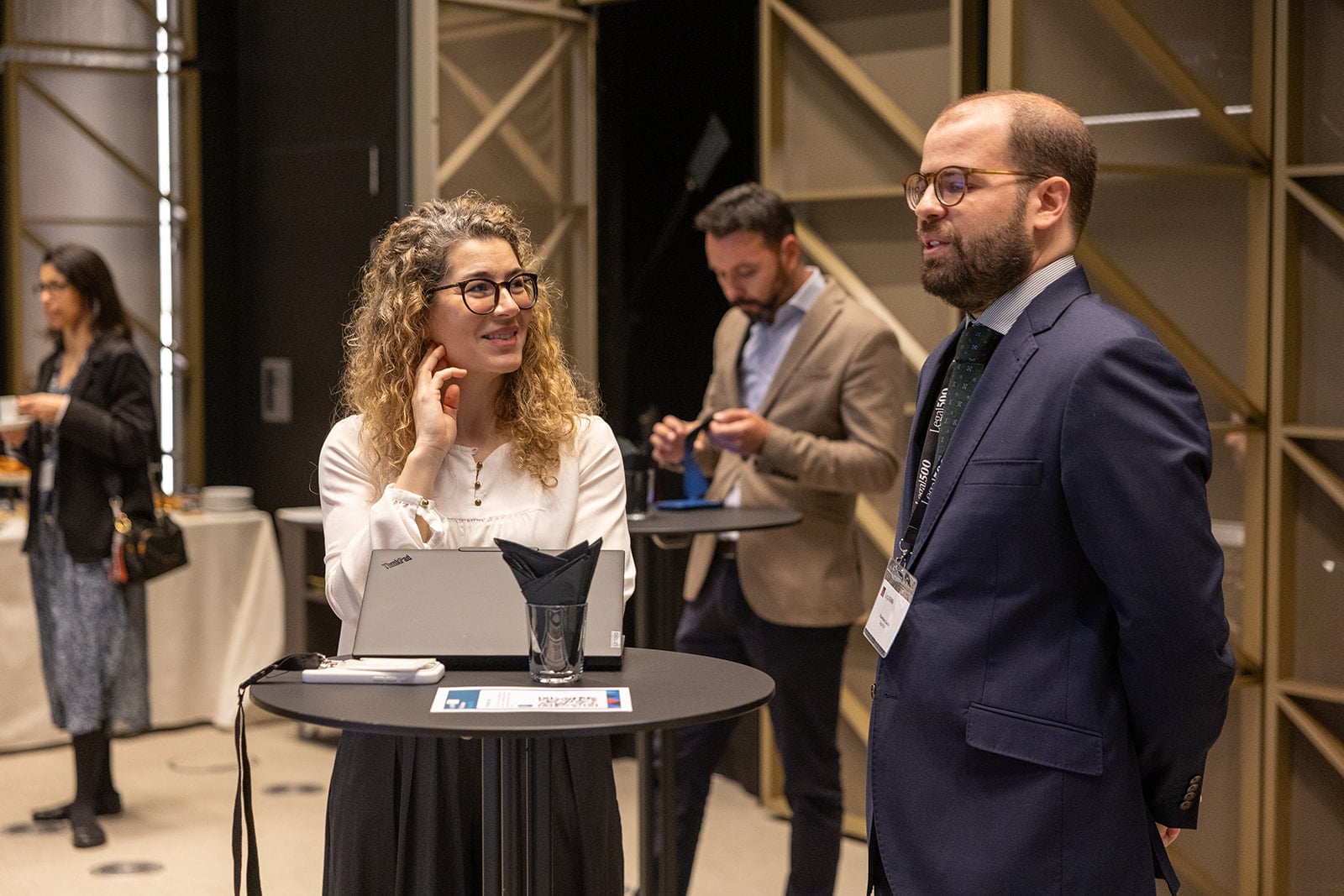
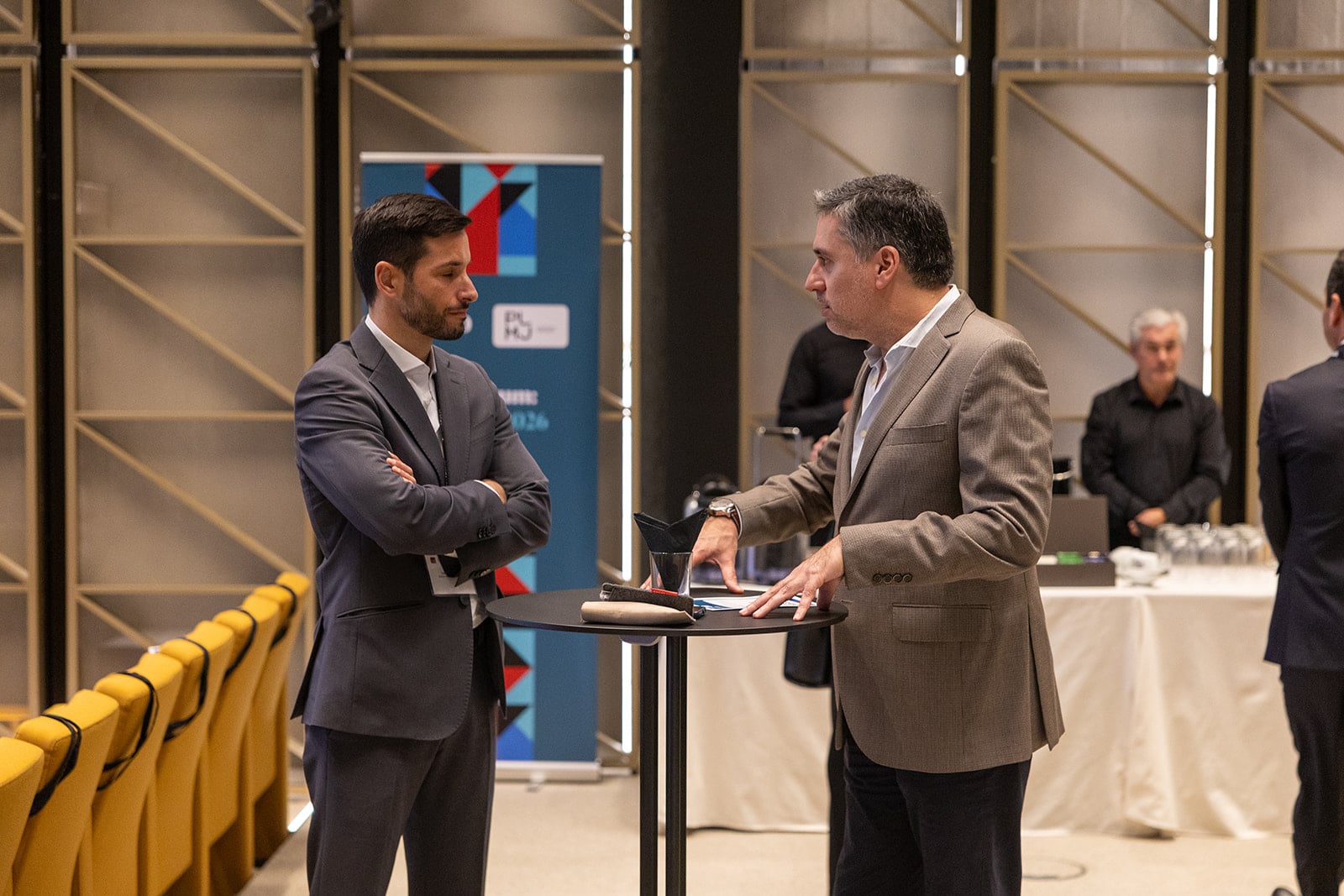
On 26 March, Legal 500 partnered with Portuguese law firm PLMJ to bring its renewed sustainability‑focused conference series to Lisbon with the ESG Forum: Portugal 2026. The half‑day event gathered senior leaders from the legal, financial, energy and sustainability spheres for a concentrated programme hosted at PLMJ’s offices. Throughout the sessions, speakers explored the regulatory, governance and enforcement forces reshaping ESG strategy in Portugal, offering a clear cross‑sector perspective on how organisations are adapting to an increasingly complex and fast‑moving landscape.
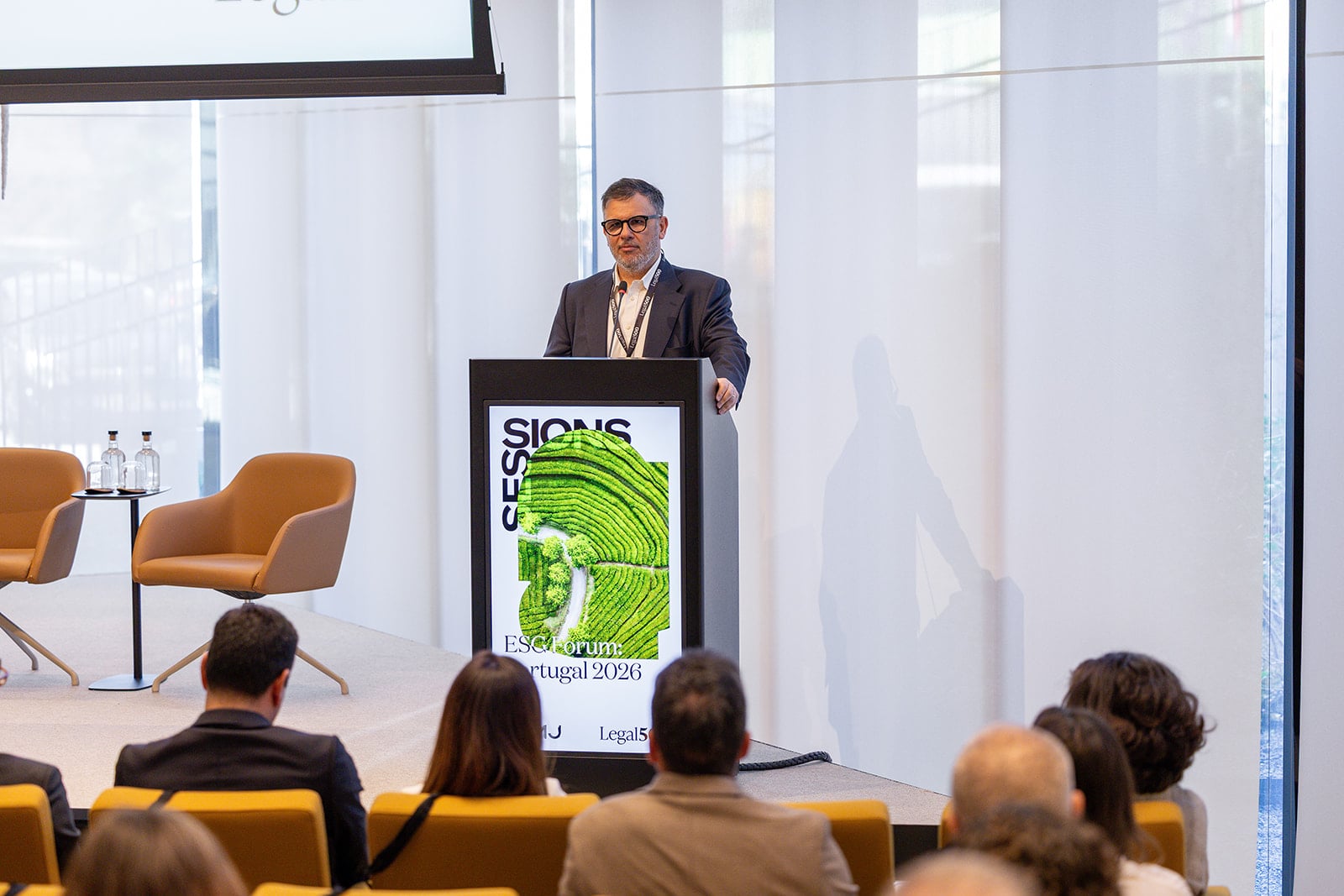
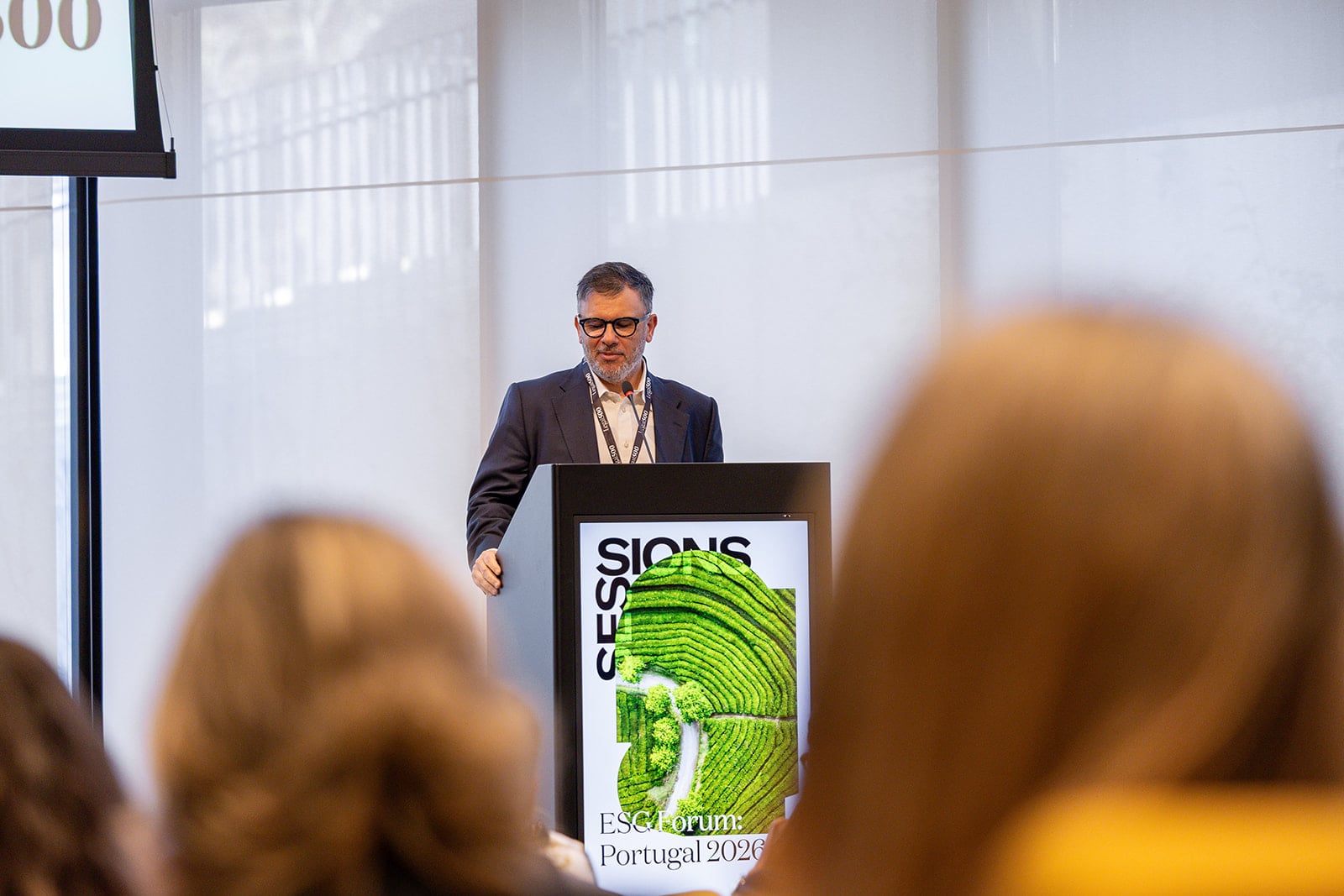
The event opened with some welcome remarks from Legal 500 editor Francisco Castro, who emphasised the value of events that bring the in‑house community together to learn, exchange experiences and build meaningful professional networks. In his welcome address, he highlighted the growing complexity of ESG obligations across Europe and the increasing pressure on organisations to adopt integrated, business‑wide approaches to compliance, risk management and strategic planning. By underscoring the need for practical, grounded discussion rather than abstract theory, he set the tone for a programme designed to deliver actionable insight and foster collaboration among practitioners navigating a rapidly evolving ESG landscape.
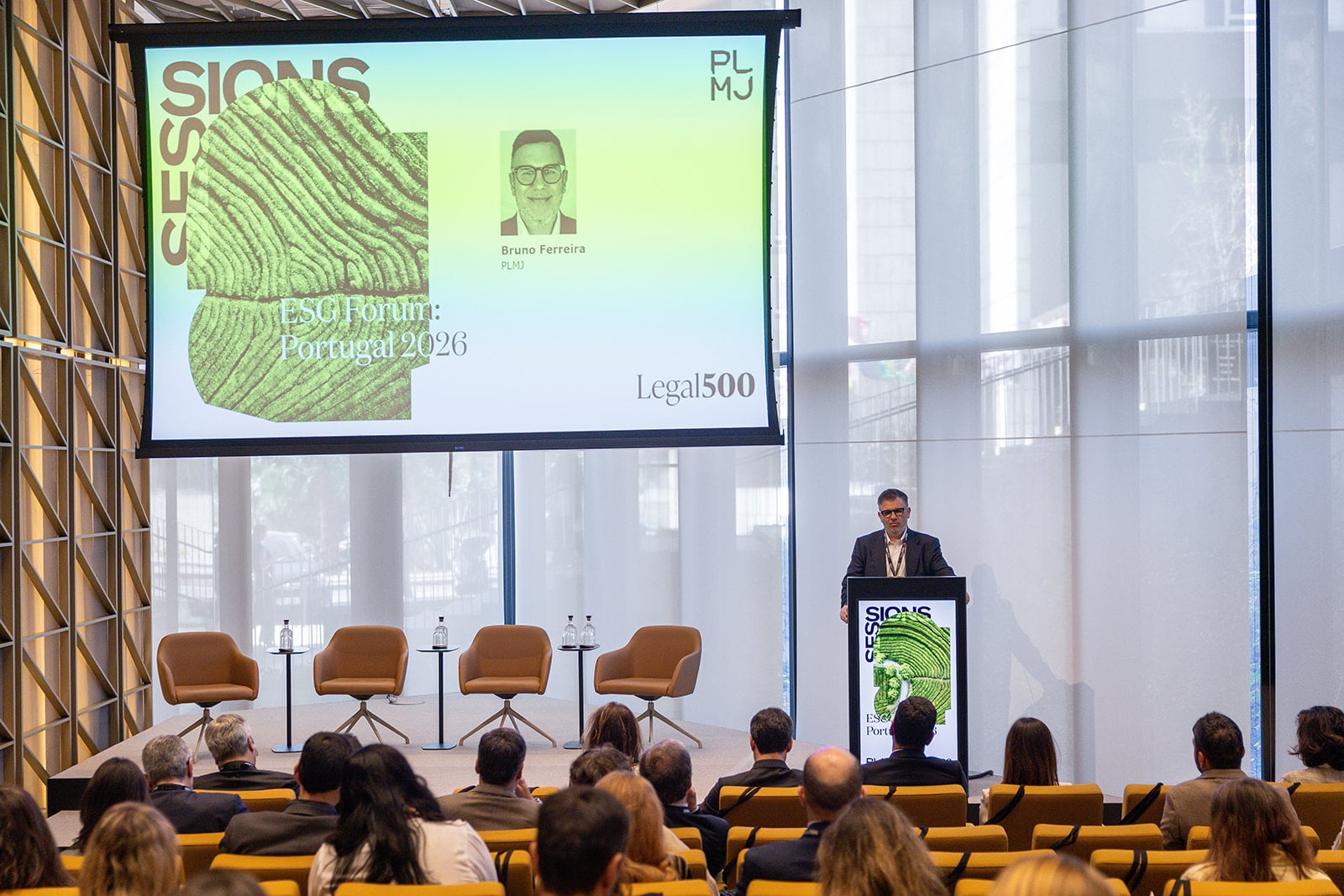
Followed an opening brief delivered by PLMJ’s Managing Partner, Bruno Ferreira, who provided a concise yet comprehensive overview of the ESG priorities defining Portugal in 2026. He outlined the expanding influence of EU regulatory frameworks on corporate reporting, due diligence and governance, noting how these requirements are reshaping expectations around data quality, transparency and accountability. His remarks positioned ESG not as a peripheral concern but as a central driver of corporate behaviour, capital flows and long‑term competitiveness in the Portuguese market.
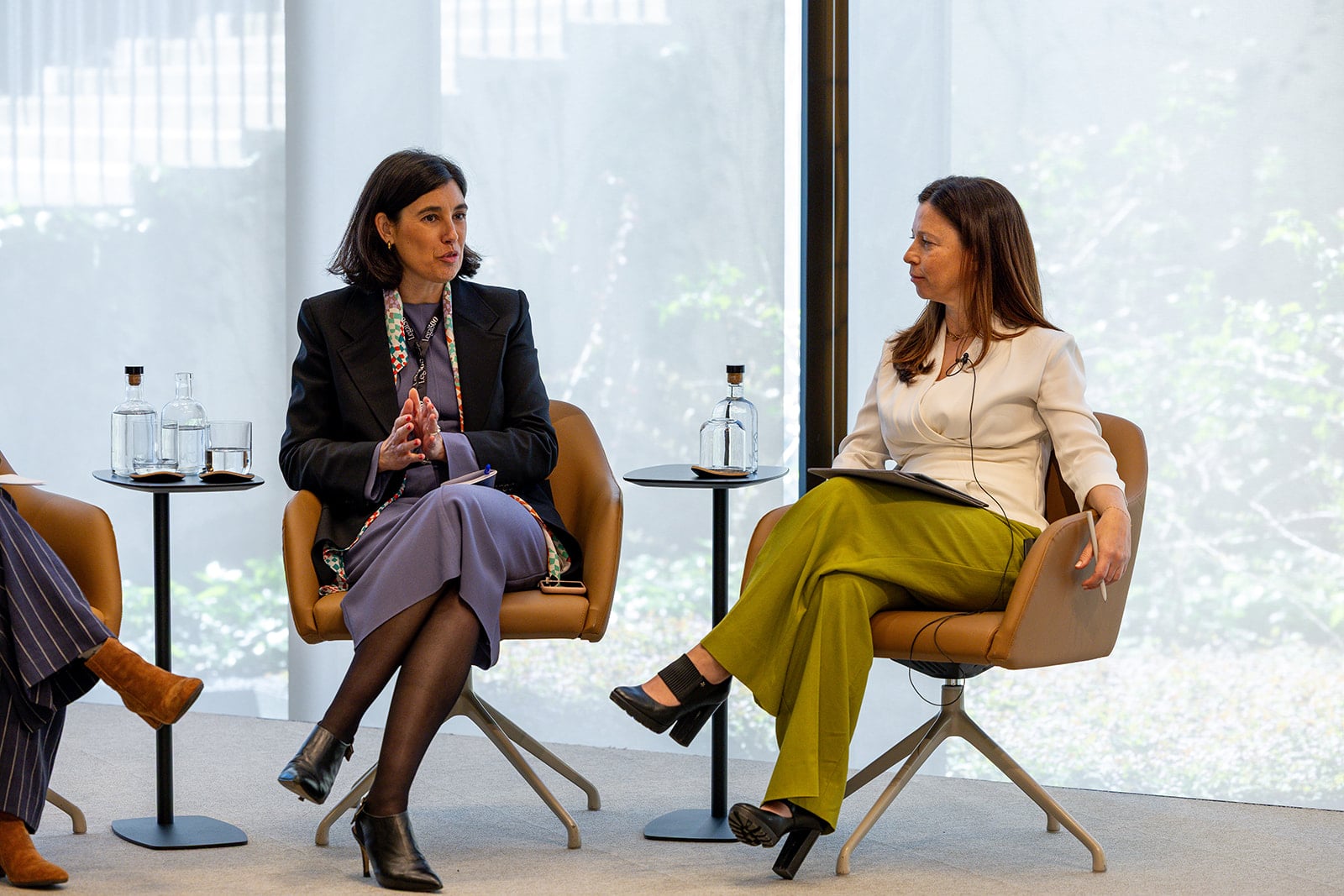
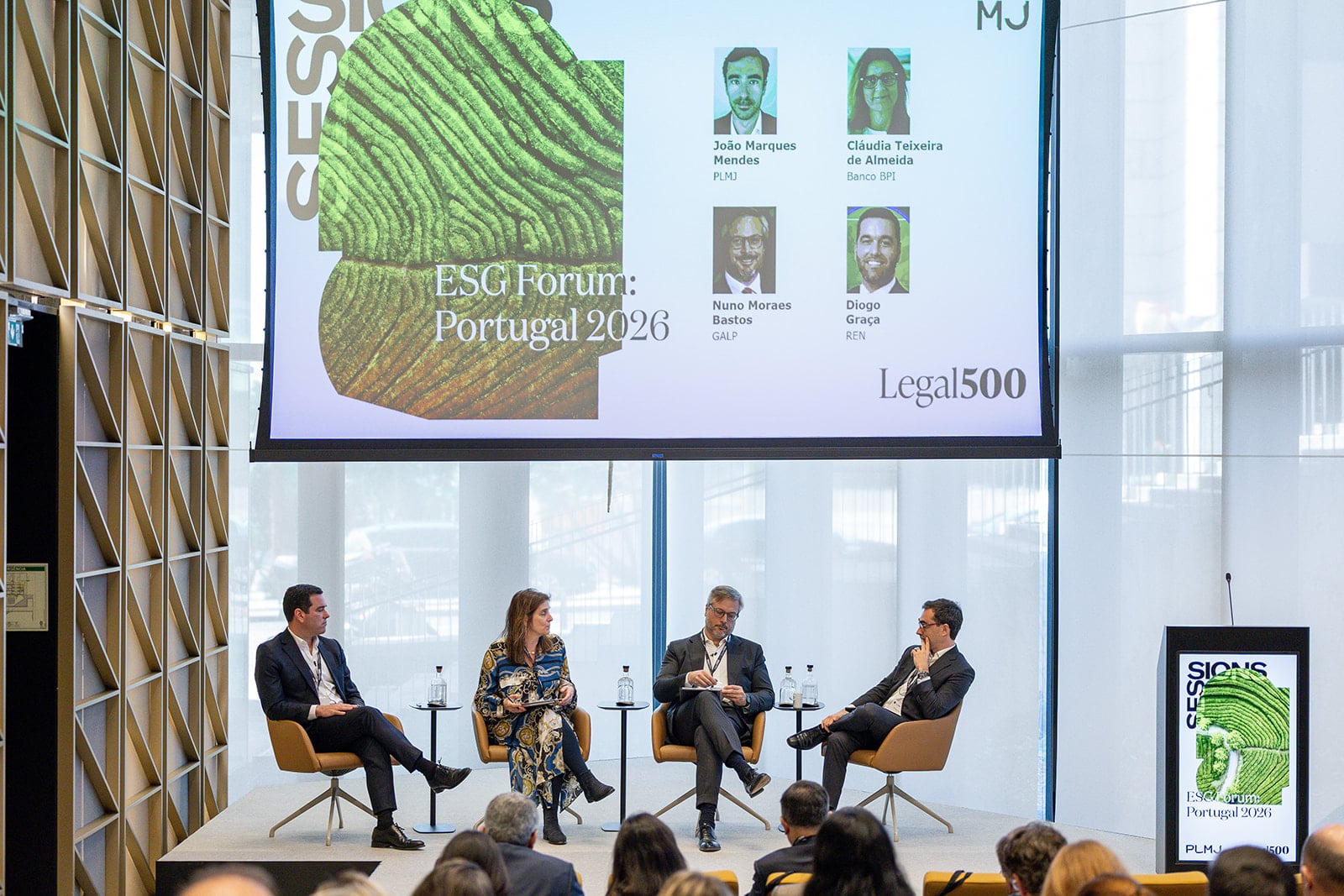
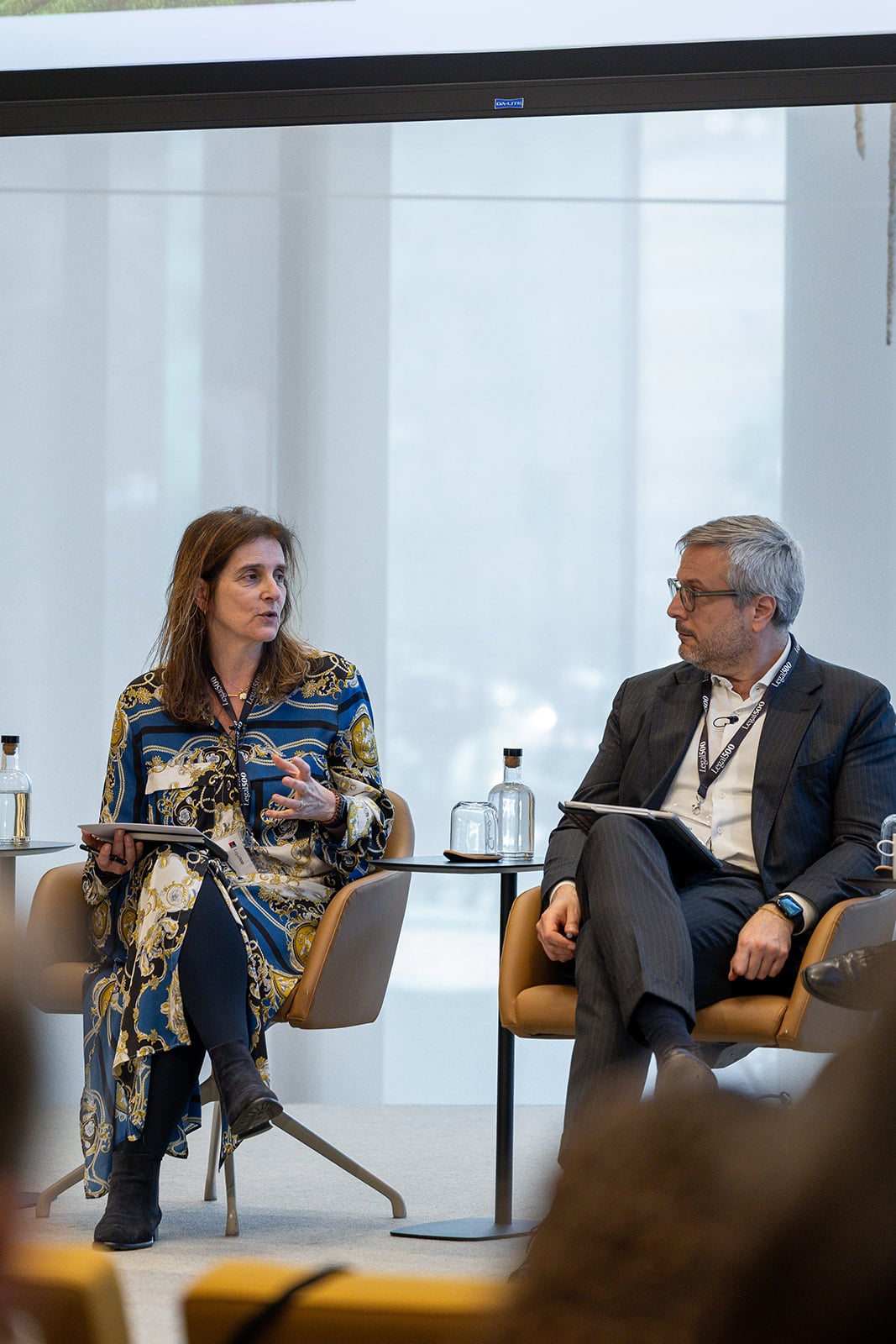
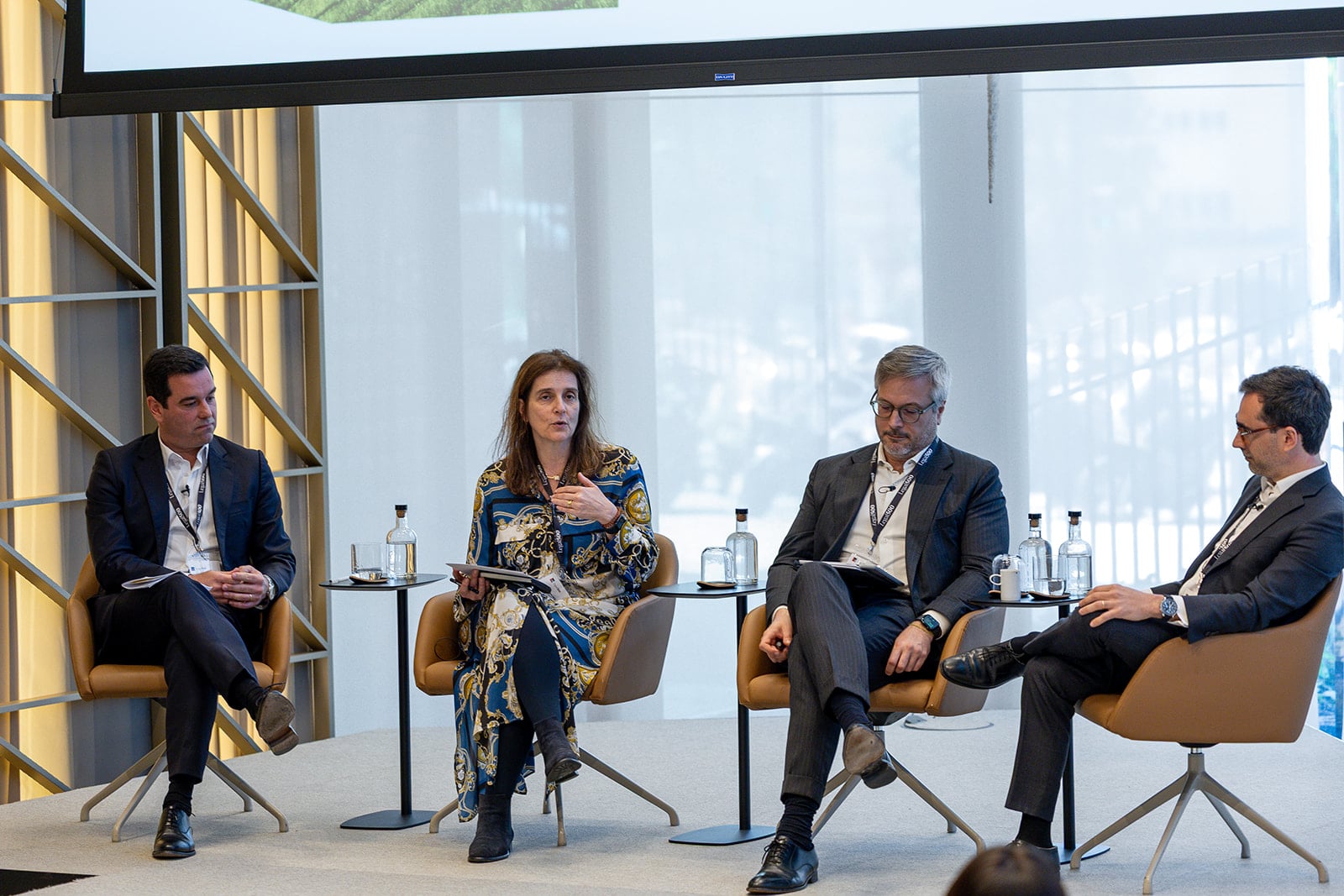
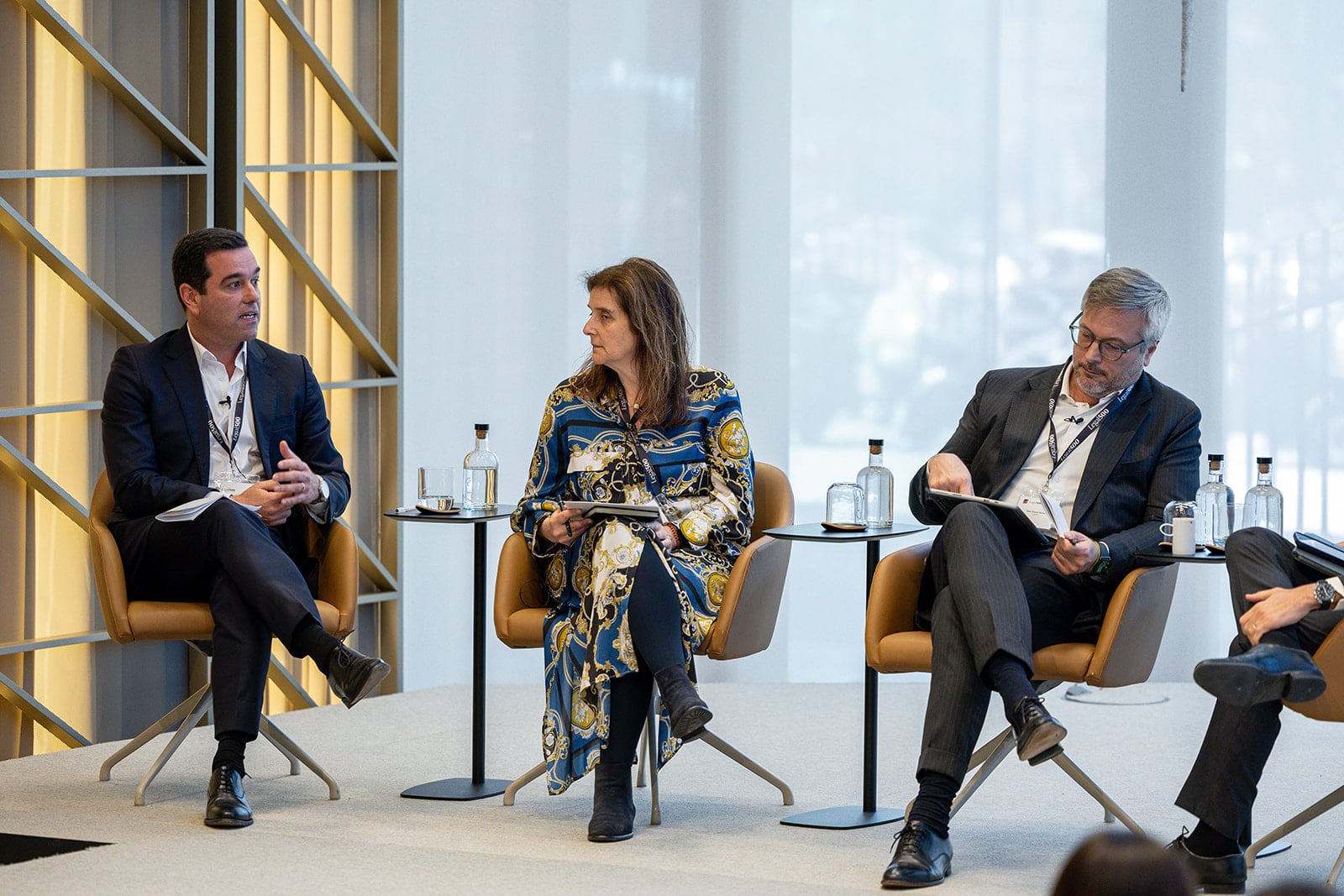
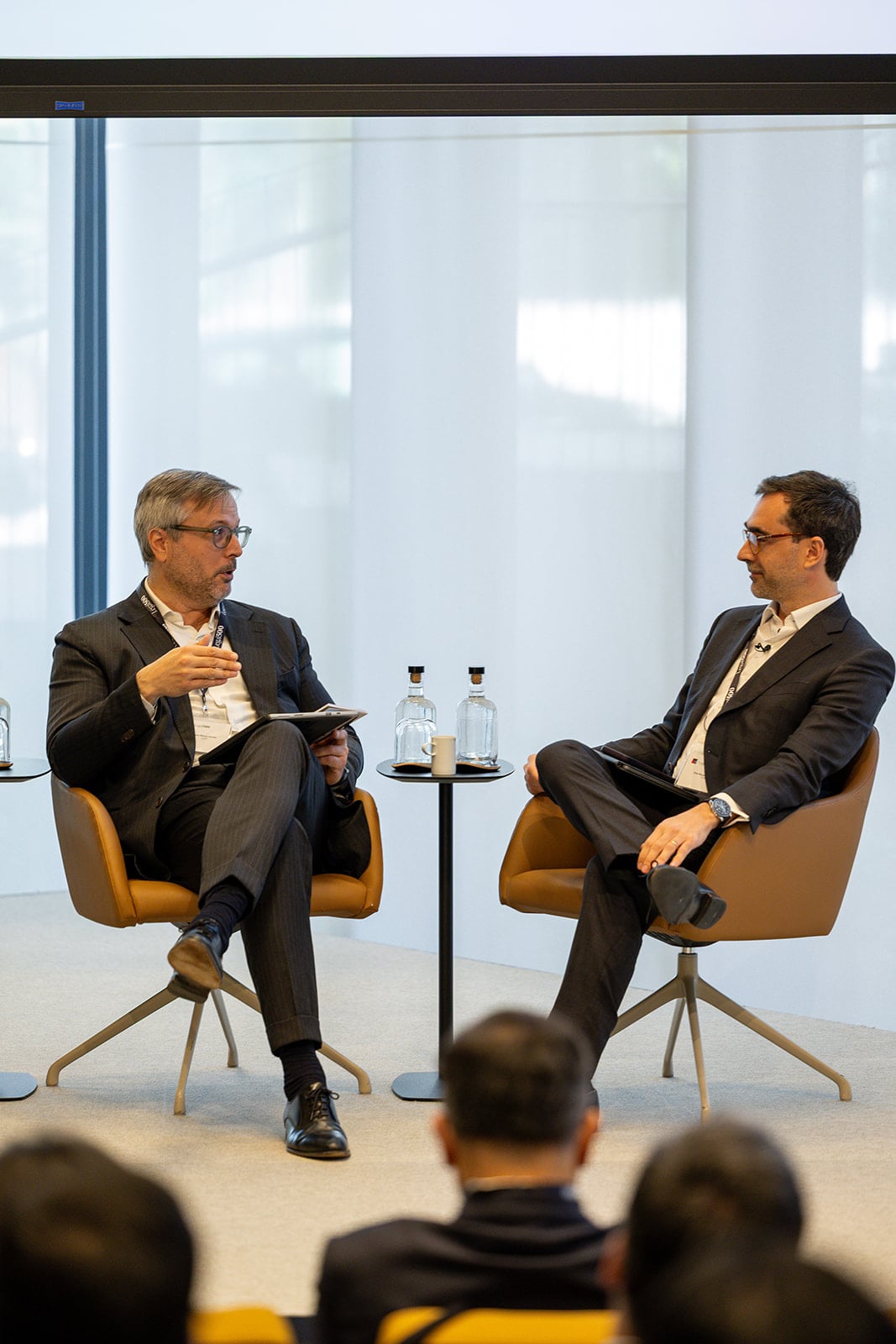
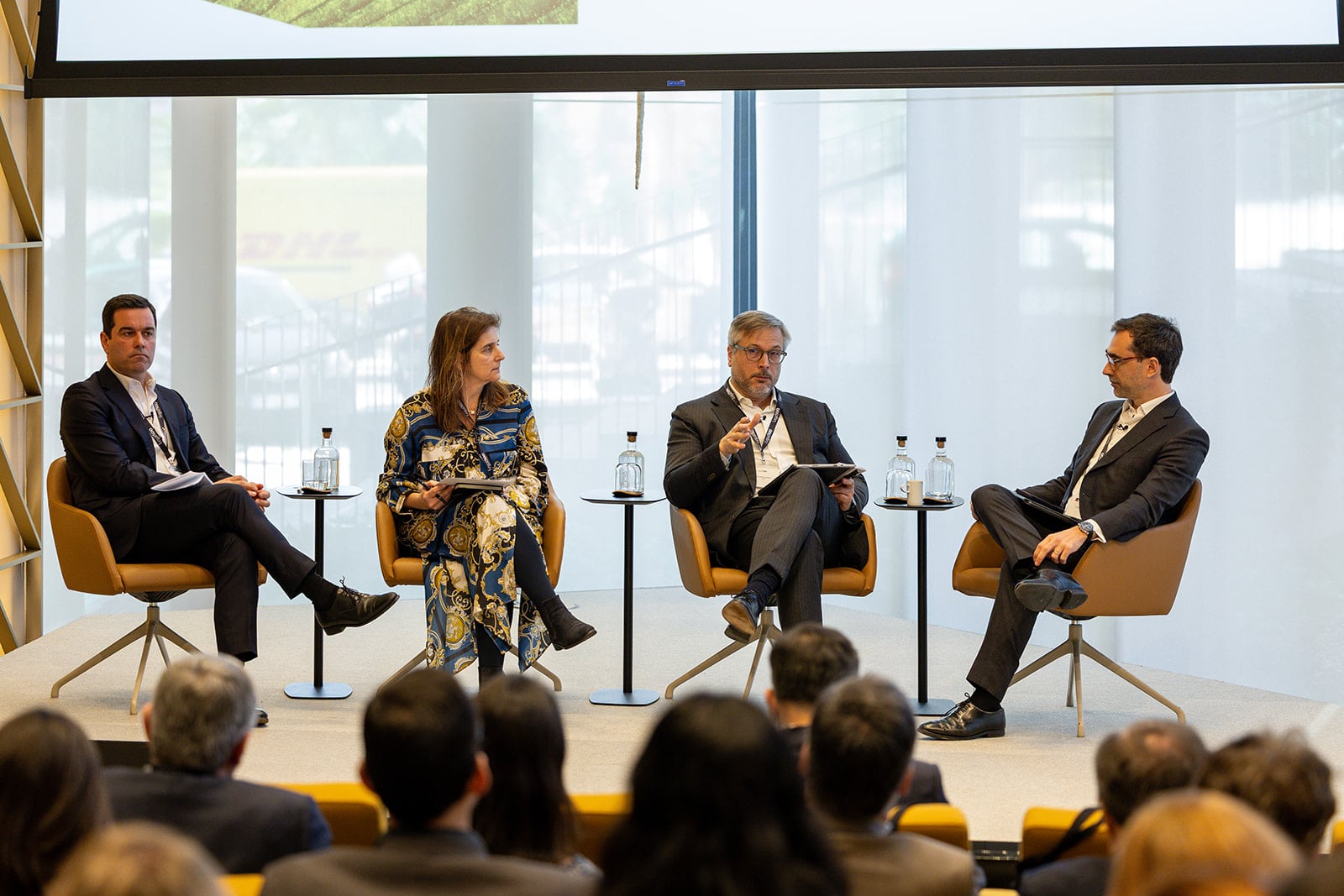
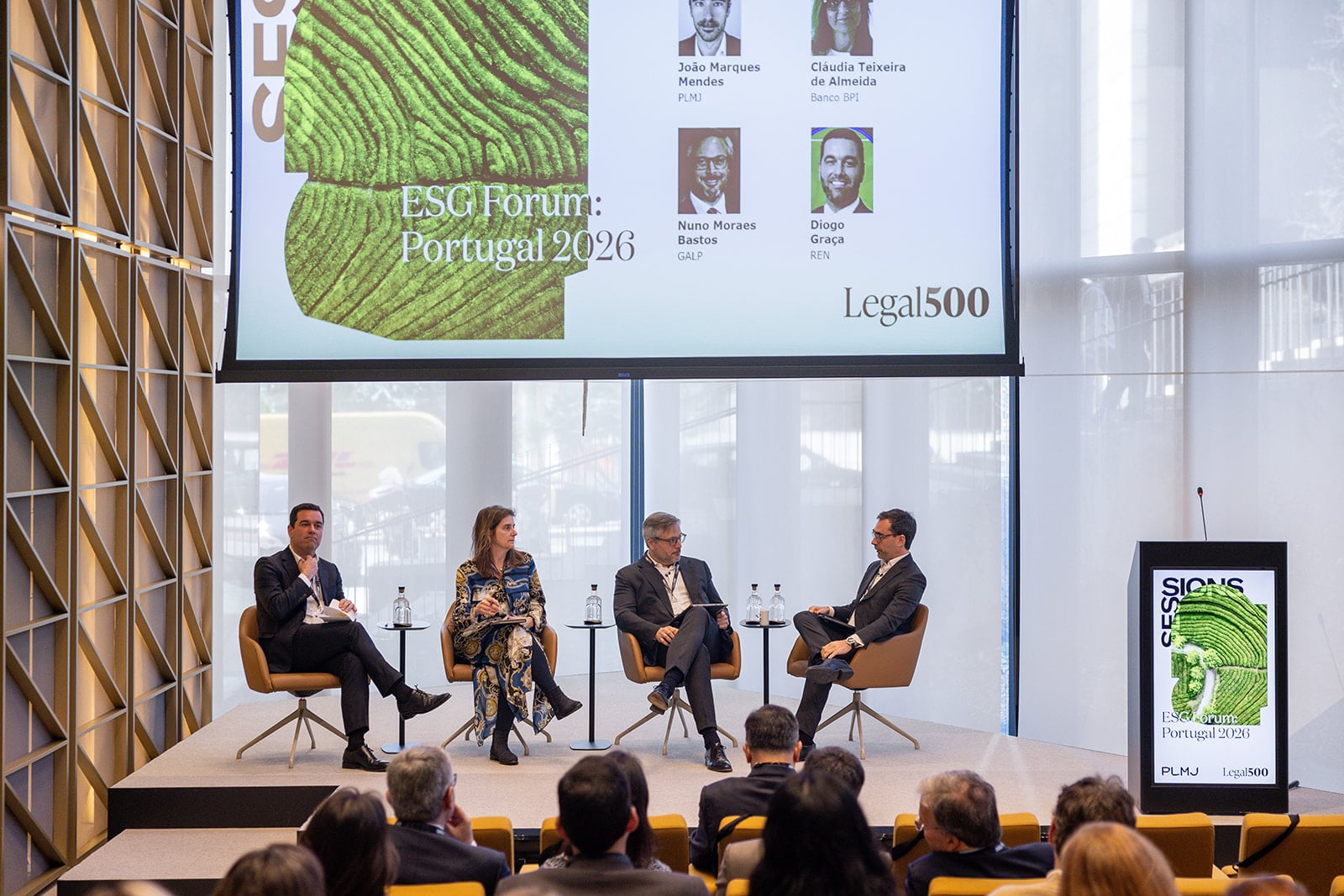
The first panel, moderated by João Marques Mendes, Partner at PLMJ and joined by Cláudia Teixeira de Almeida of Banco BPI, Nuno Moraes Bastos of GALP and Diogo Graça of REN, explored how corporate governance and sustainable finance are shaping Portugal’s energy transition. The discussion examined how boards and executive teams are adapting oversight structures to manage transition‑related risks and how legal, compliance, sustainability and procurement functions are increasingly intertwined in project governance. Panellists described the growing influence of financing structures on project execution, noting that lenders’ expectations around ESG metrics, contractor performance and transparency now shape governance decisions from the earliest stages. They also addressed the operational constraints that continue to challenge Portugal’s transition ambitions, including permitting timelines, grid capacity limitations and delivery risk. While acknowledging the complexity of EU‑level frameworks, speakers emphasised that these standards also present strategic opportunities to harmonise practices, unlock investment and strengthen Portugal’s competitive position in the energy transition.
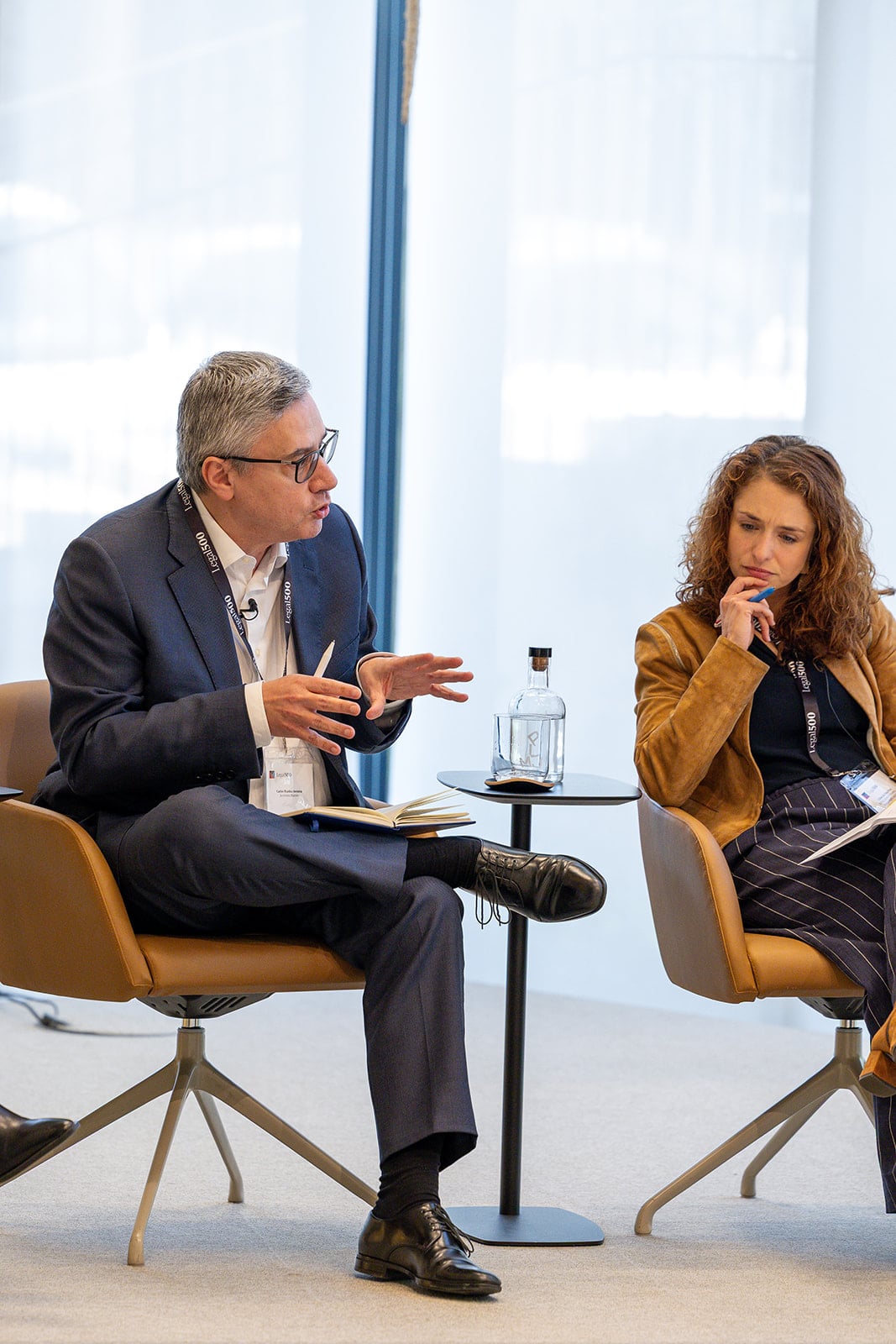
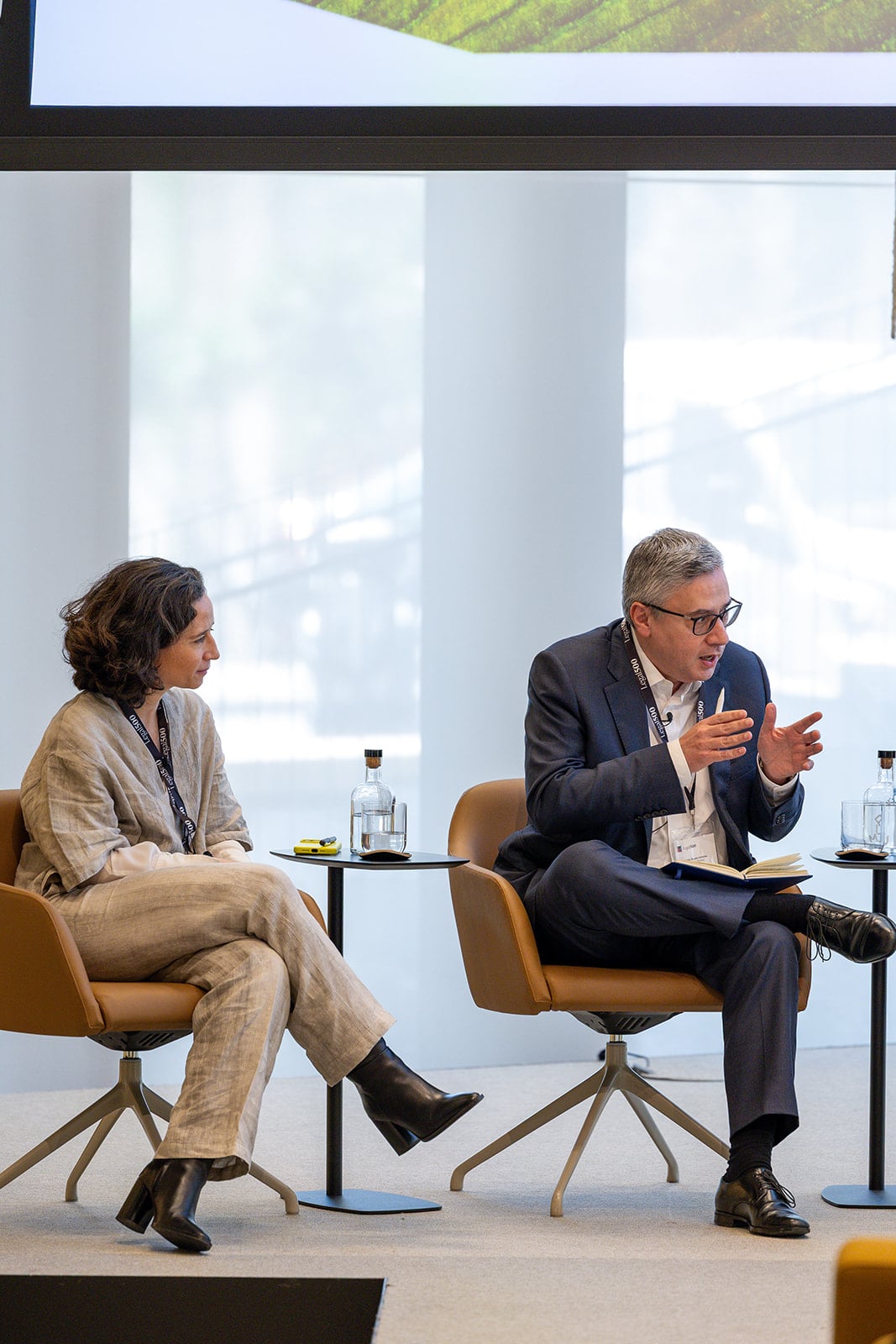
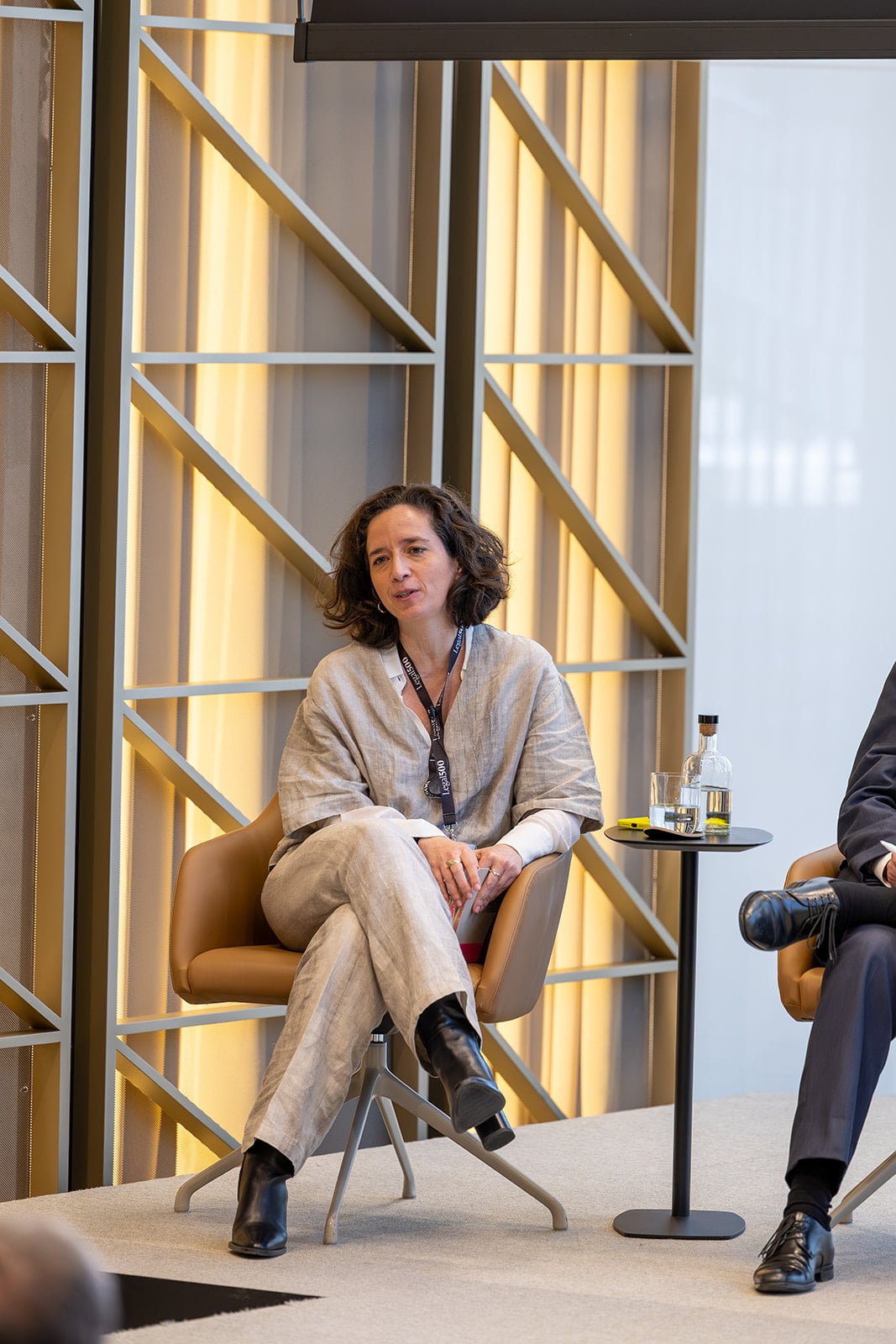
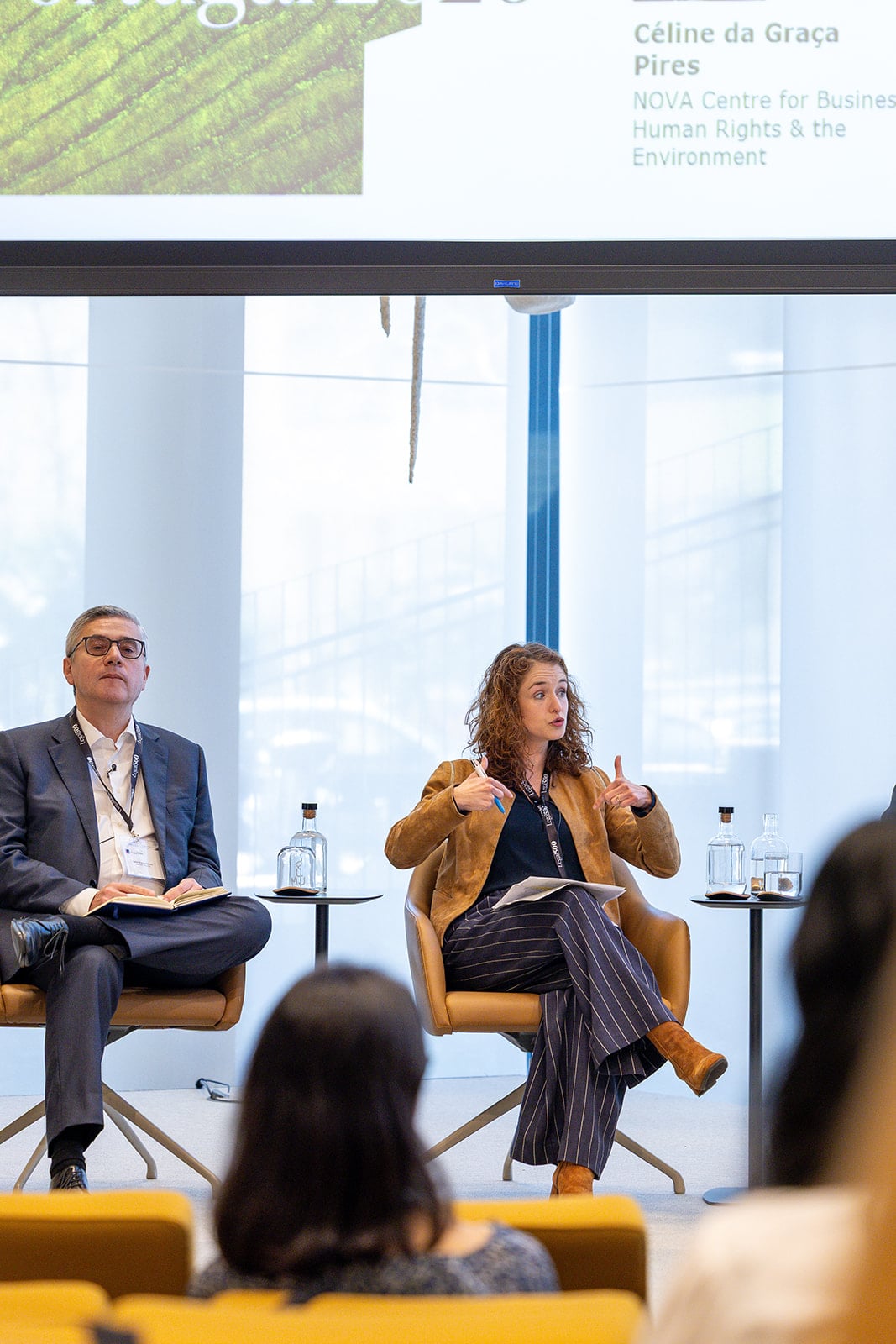
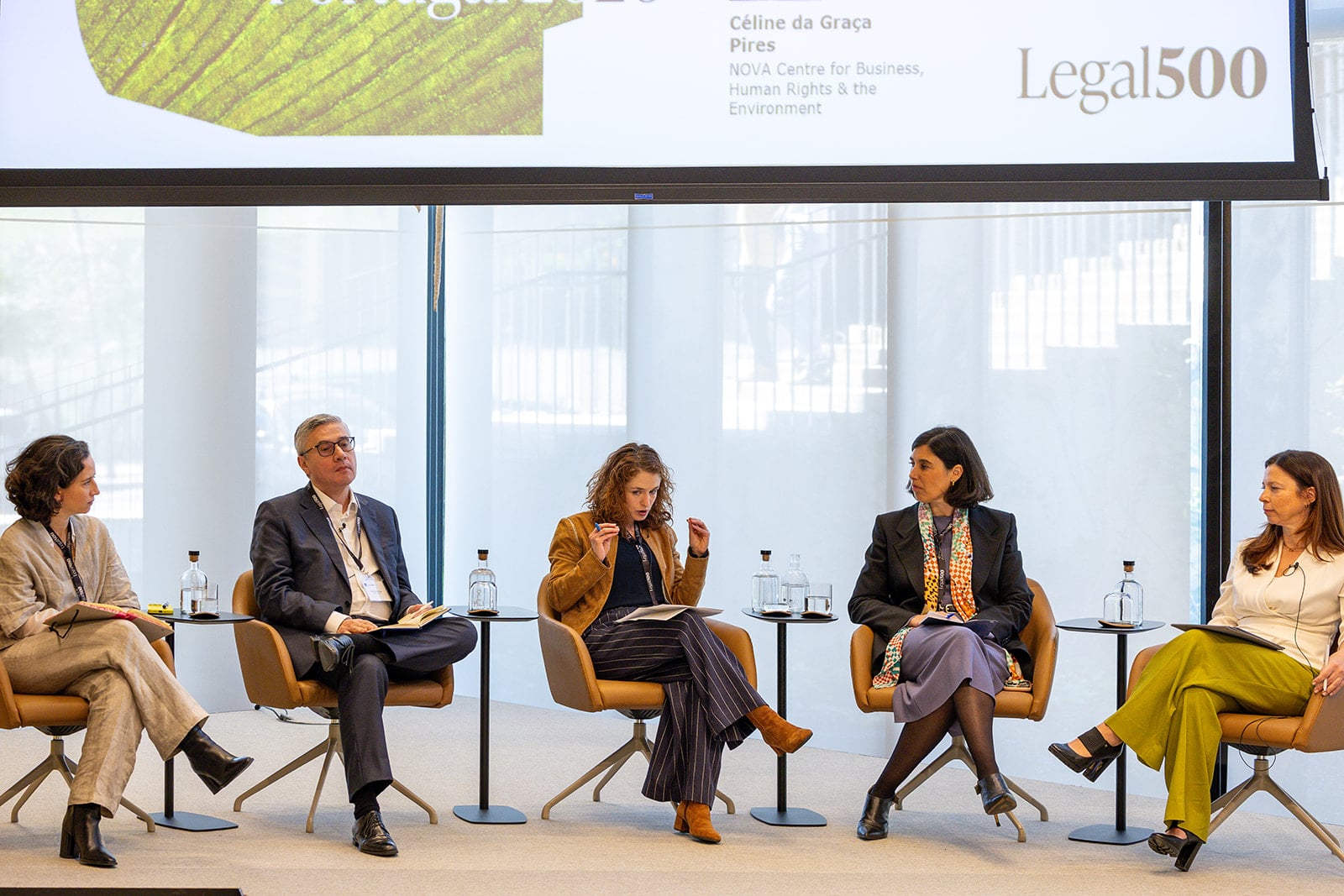
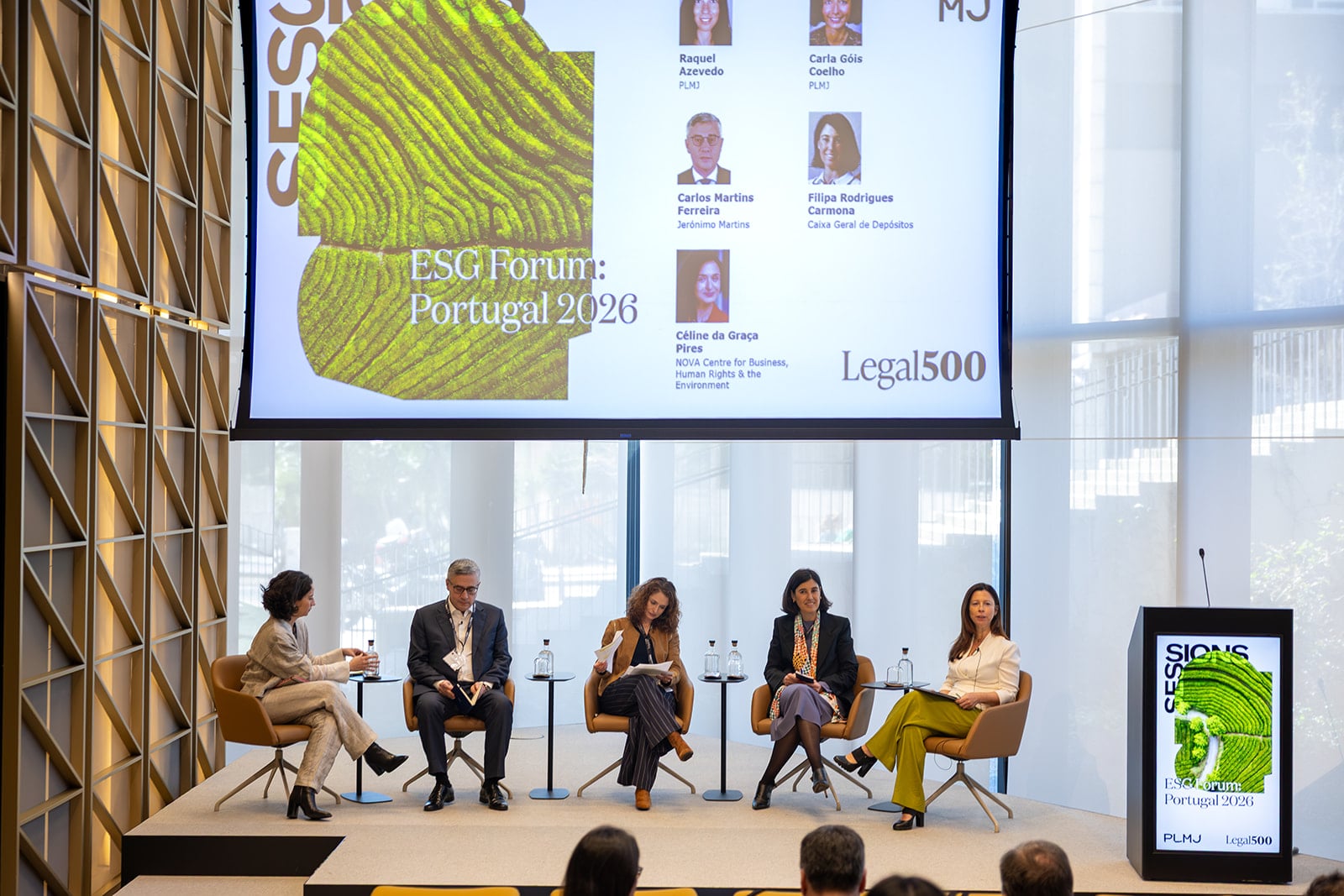
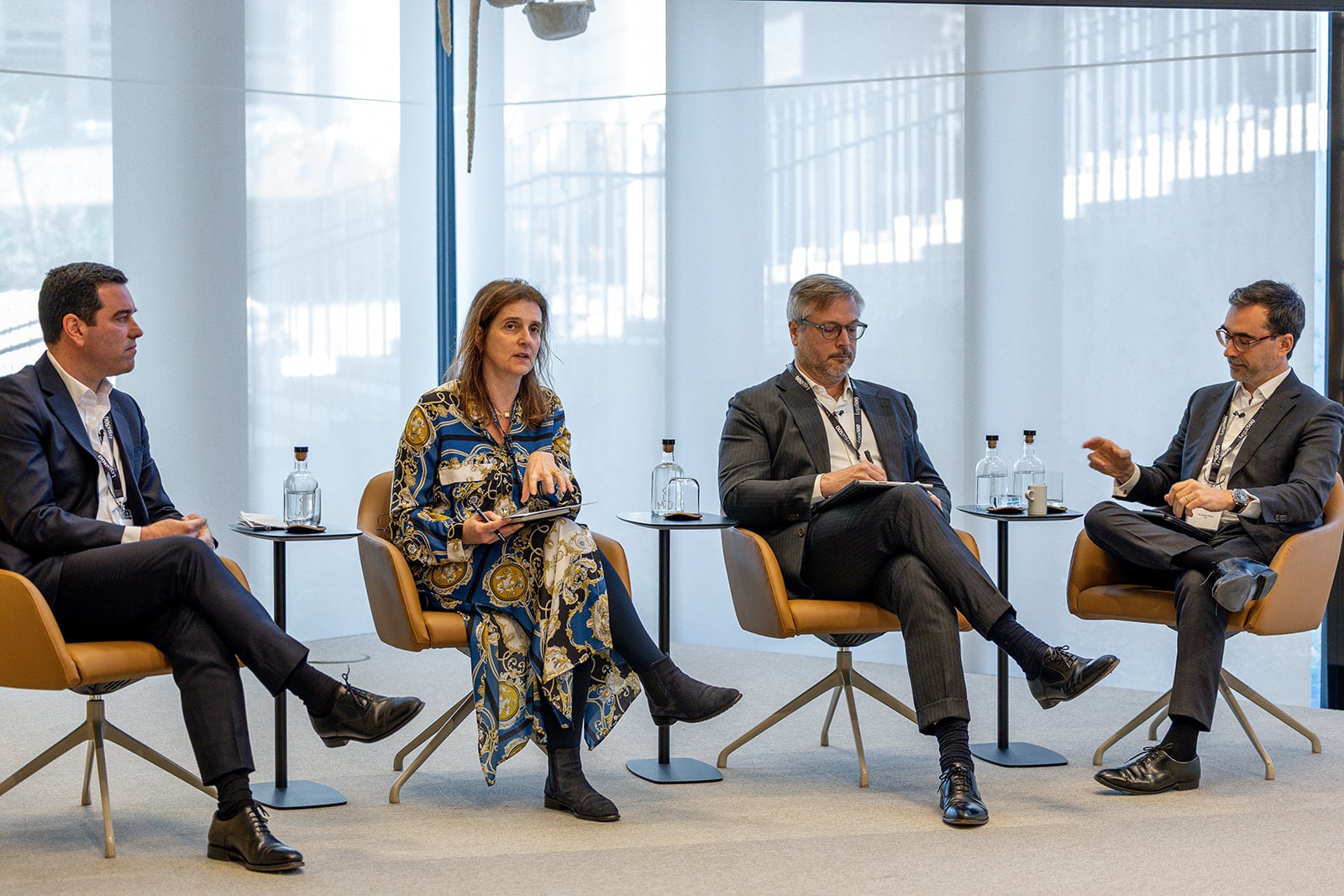
Following a short break, the second panel turned to litigation, liability and the emerging enforcement era surrounding sustainability claims. Moderated by Raquel Azevedo, Partner at PLMJ and featuring contributions from Carla Góis Coelho of PLMJ, Carlos Martins Ferreira of Jerónimo Martins, Filipa Rodrigues Carmona of Caixa Geral de Depósitos and Céline da Graça Pires of NOVA, the session examined the rapid rise of ESG‑driven disputes, investigations and regulatory actions. Panellists discussed the typical trigger points for scrutiny, ranging from sustainability reports and corporate websites to marketing materials and investor presentations, and highlighted how these touchpoints are increasingly tested by regulators, competitors, consumers and NGOs. They analysed recent case law developments and their implications for Portuguese organisations, noting the emergence of more stringent evidentiary standards around disclosures and due‑diligence obligations. The panel concluded that sustainability claims can no longer be treated as aspirational messaging; they now carry the weight of binding legal obligations, requiring more rigorous internal validation and cross‑functional coordination.
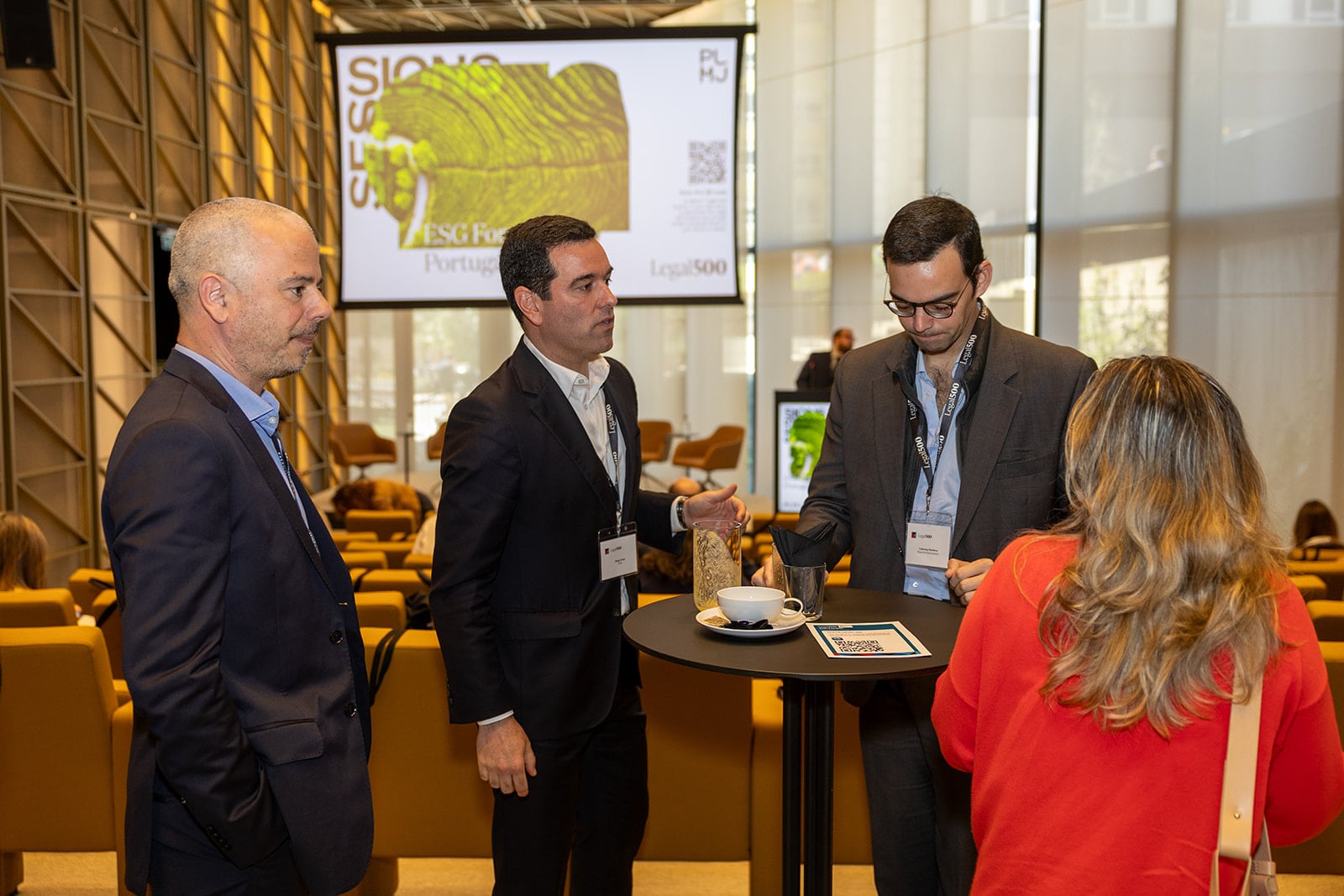
The forum concluded with closing remarks from Francisco Castro, after which attendees were invited to continue their conversations over a light lunch, providing a relaxed setting to deepen connections and reflect on the themes explored throughout the morning.
Legal 500 extends its thanks to PLMJ for its collaboration in bringing this conference format to Portugal’s in‑house legal community. The team looks forward to returning soon for the launch event of this year’s GC Powerlist: Portugal.