Ecuador 2025
Supported by the Association of Corporate Counsel


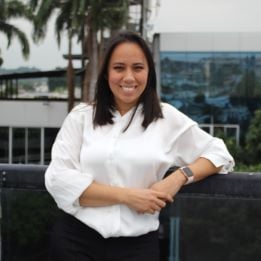
Legal manager Colombia and Ecuador | Patterson-UTI International
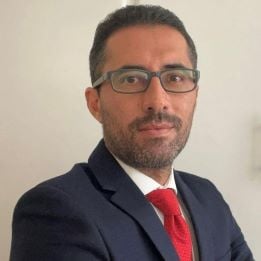
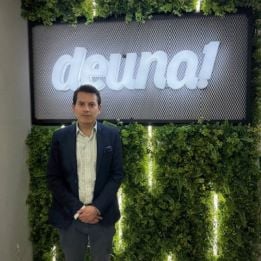

Compliance and data protection officer | Telefónica Ecuador
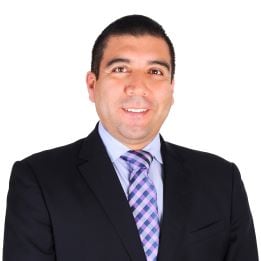
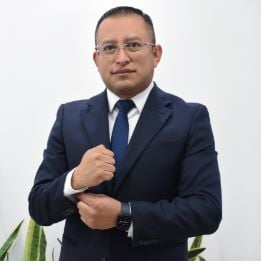


General counsel Ecuador | Huawei Technologies Ecuador

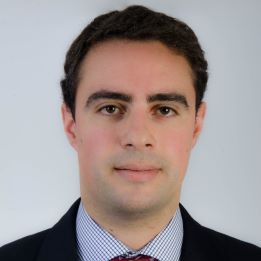

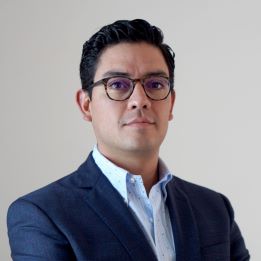
Legal manager - Ecuador | SBA Communications Corporation Ecuador

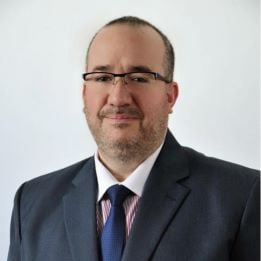
Senior counsel | Phoenix Tower International Ecuador (PTIE)
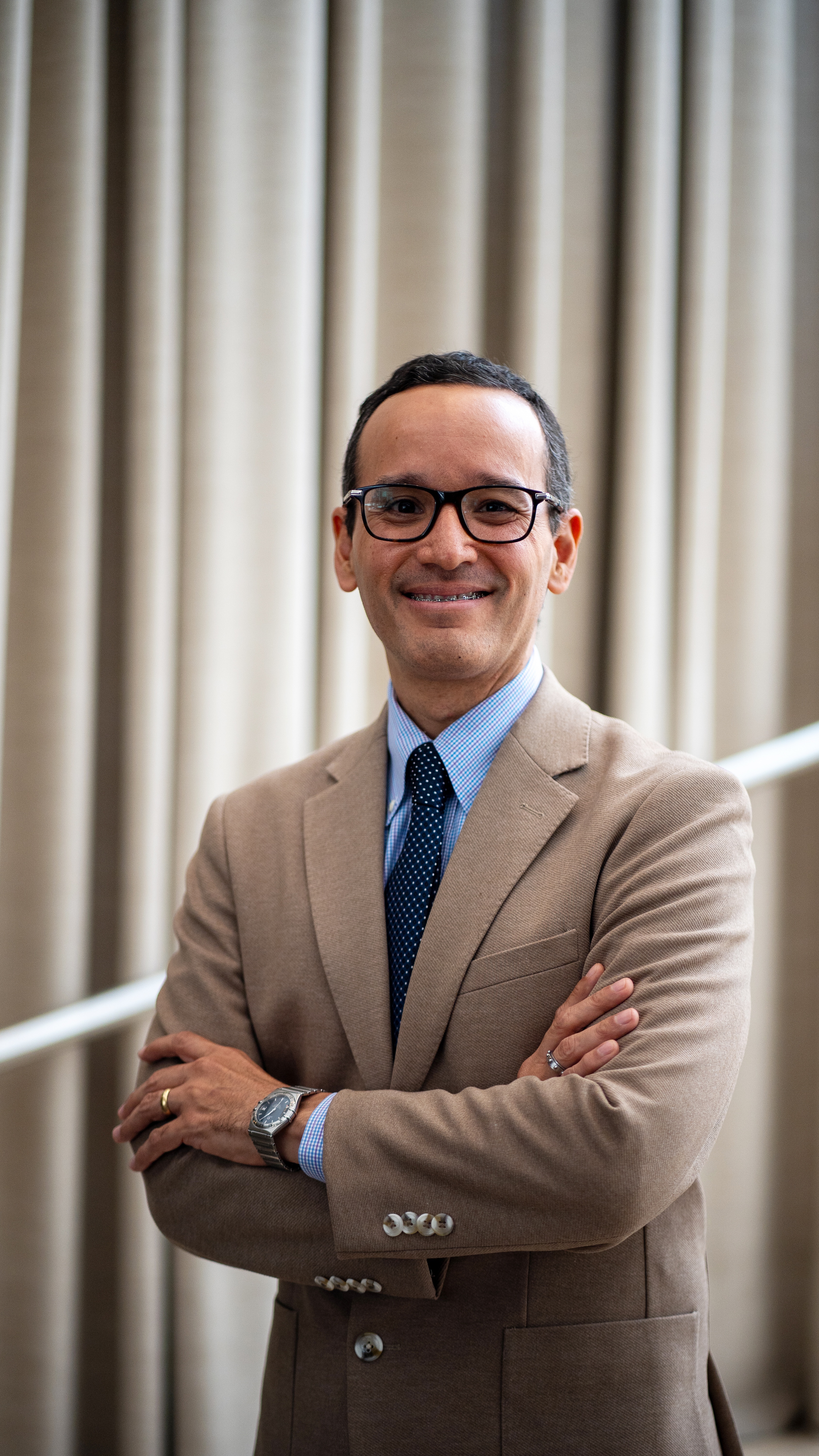
Vice president of legal and corporate affairs | Reybanpac
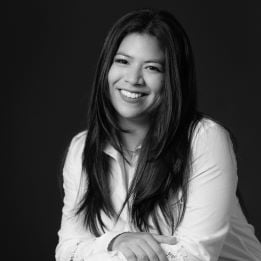
Legal counsel and regulatory affairs | Corporación El Rosado

Legal and compliance and corporate affairs director | Holcim

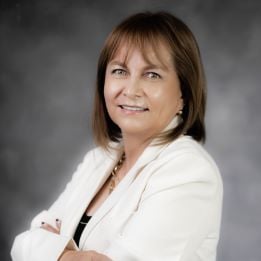

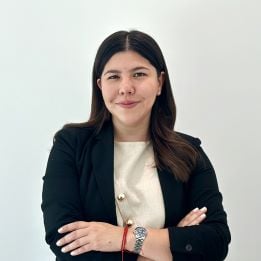
General counsel and president of the compliance unit | Grupo Santillana
Vice-president of legal, corporate affairs and sustainability | Nestlé Ecuador
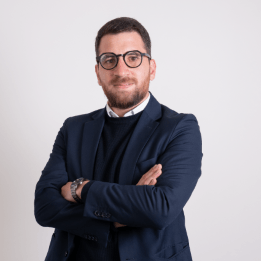


Submanager of compliance, AML/AFC and data protection | Generali Ecuador Compañía de Seguros
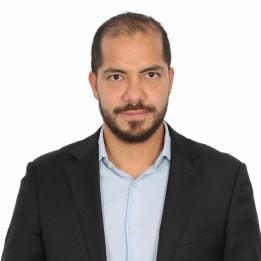
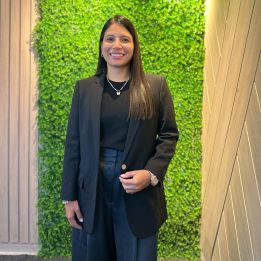


Chief legal and corporate relations officer | Quala
Chief legal officer | Trust Fiduciaria Administradora de Fondos y Fideicomisos
Director | Cámara de Industrias de Guayaquil

General counsel, Venezuela and Ecuador | Unilever Andina Ecuador
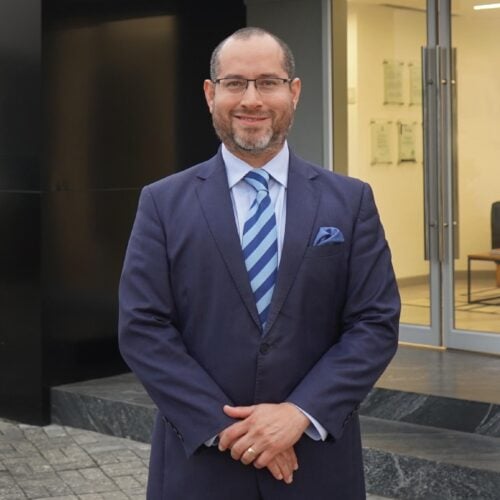
Legal and compliance manager | Duragas Abastible
Executive director | Fundación de Apoyo al Desarrollo Sustentable del Ecuador (FADSE)

Senior legal manager and compliance officer | Corporación Quiport
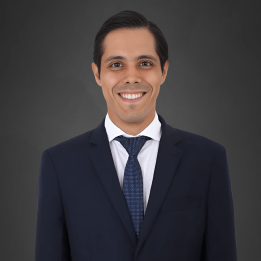
Legal, corporate affairs and compliance manager | UNACEM Ecuador
Legal, compliance and public relations manager | UNACEM Ecuador
Legal and compliance manager, Ecuador, Puerto Rico, Dominican Republic, Aruba and Curazon | Linde
Legal and compliance director | Empresa Pública Metropolitana de Seguridad y Logística
Congratulations to everyone featured in our first standalone GC Powerlist Ecuador since 2023 – a return that is long overdue. Alongside Dentons Paz Horowitz, we are excited to once again shine a spotlight on the exceptional in-house legal talent in Ecuador, one of the most dynamic markets in the whole of Latin America, through this dedicated publication.
A sincere thank you to everyone who took the time to speak with us for this project. These conversations are what bring the Powerlist to life, allowing us to share insights from leading general counsel with a global audience and contribute to the broader development of the in-house legal community.
Through the GC Powerlist initiative, we aim to foster connections between general counsel, enabling them to exchange knowledge, learn from one another, and support each other’s professional growth – something we know is vital in today’s evolving legal landscape.

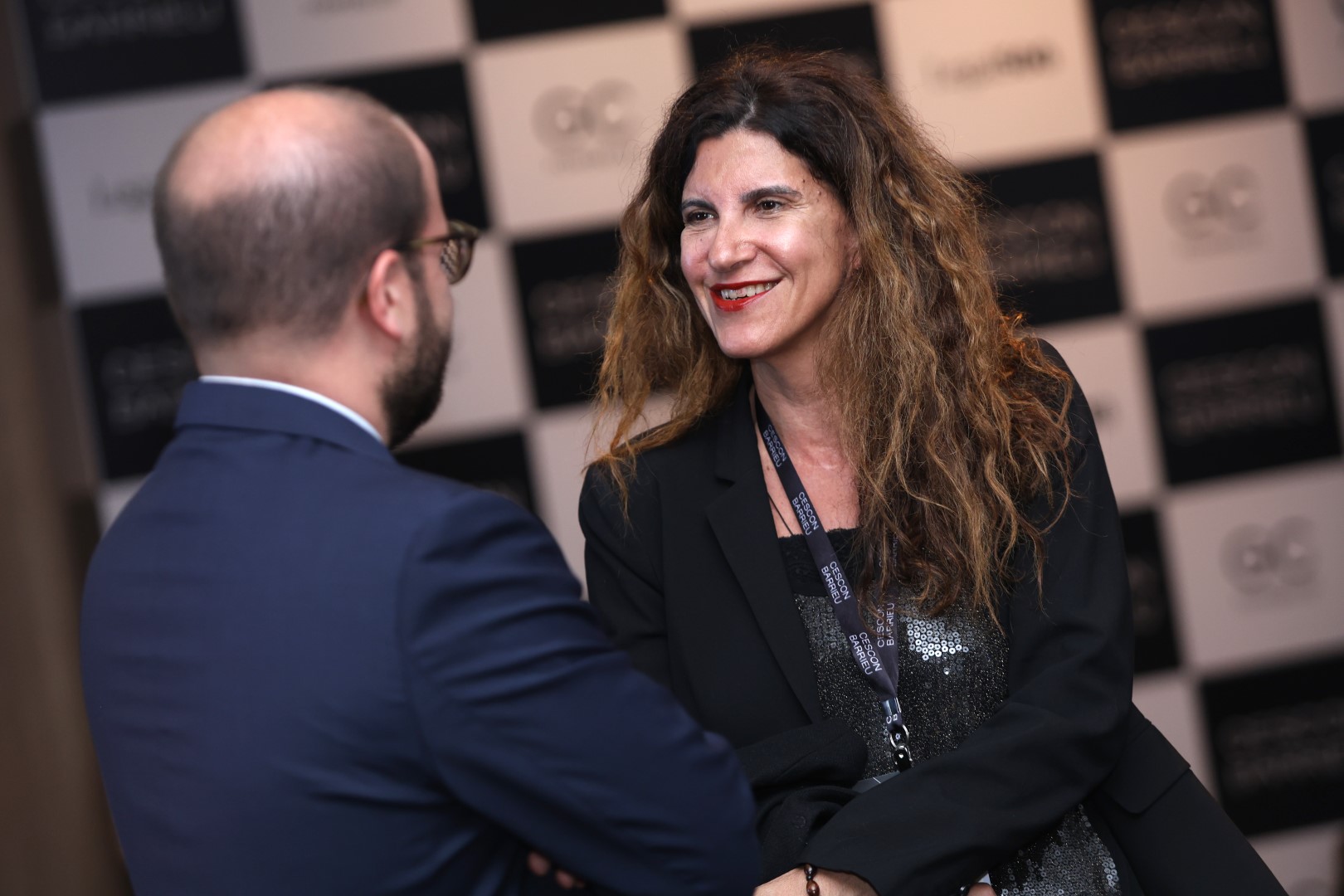
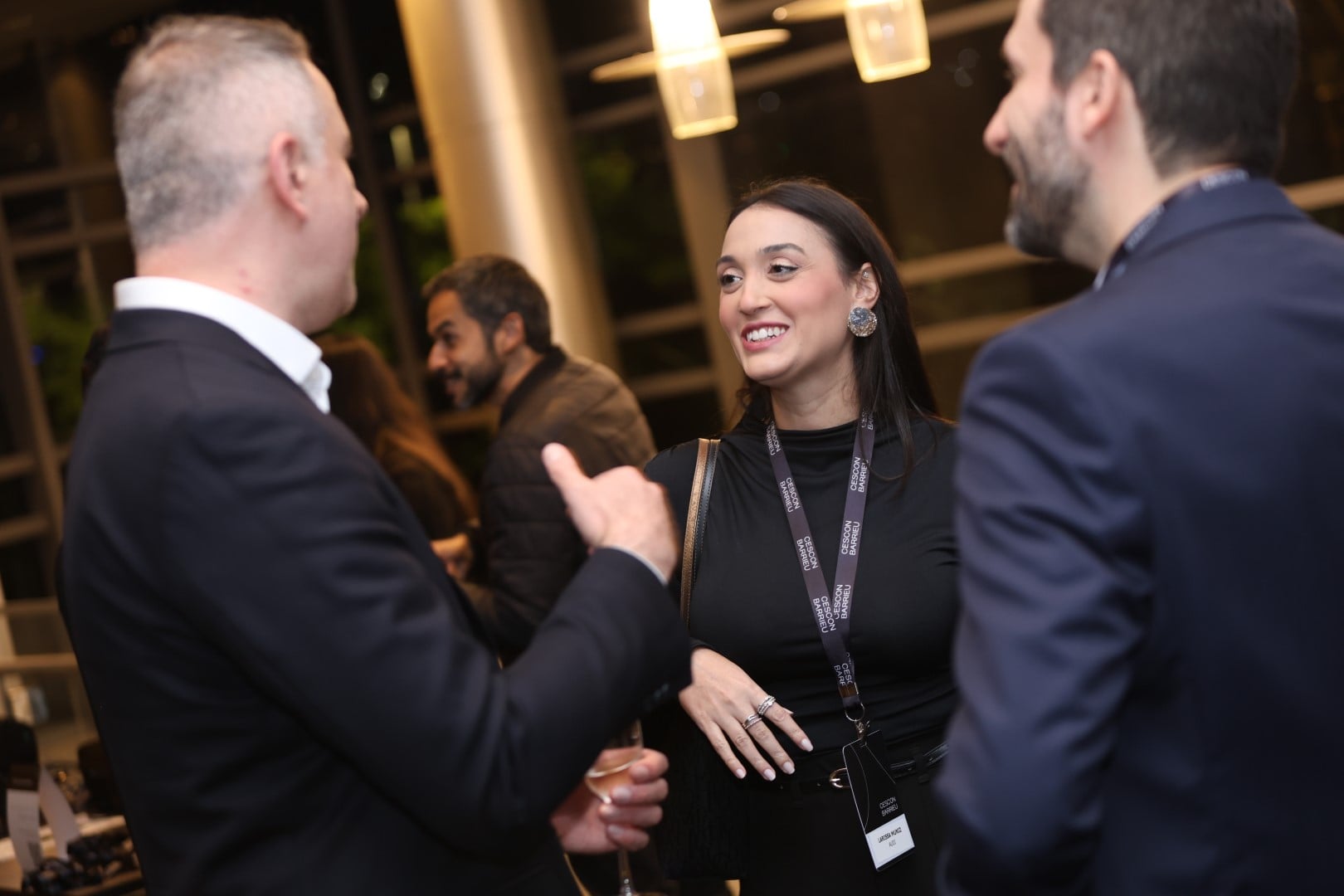
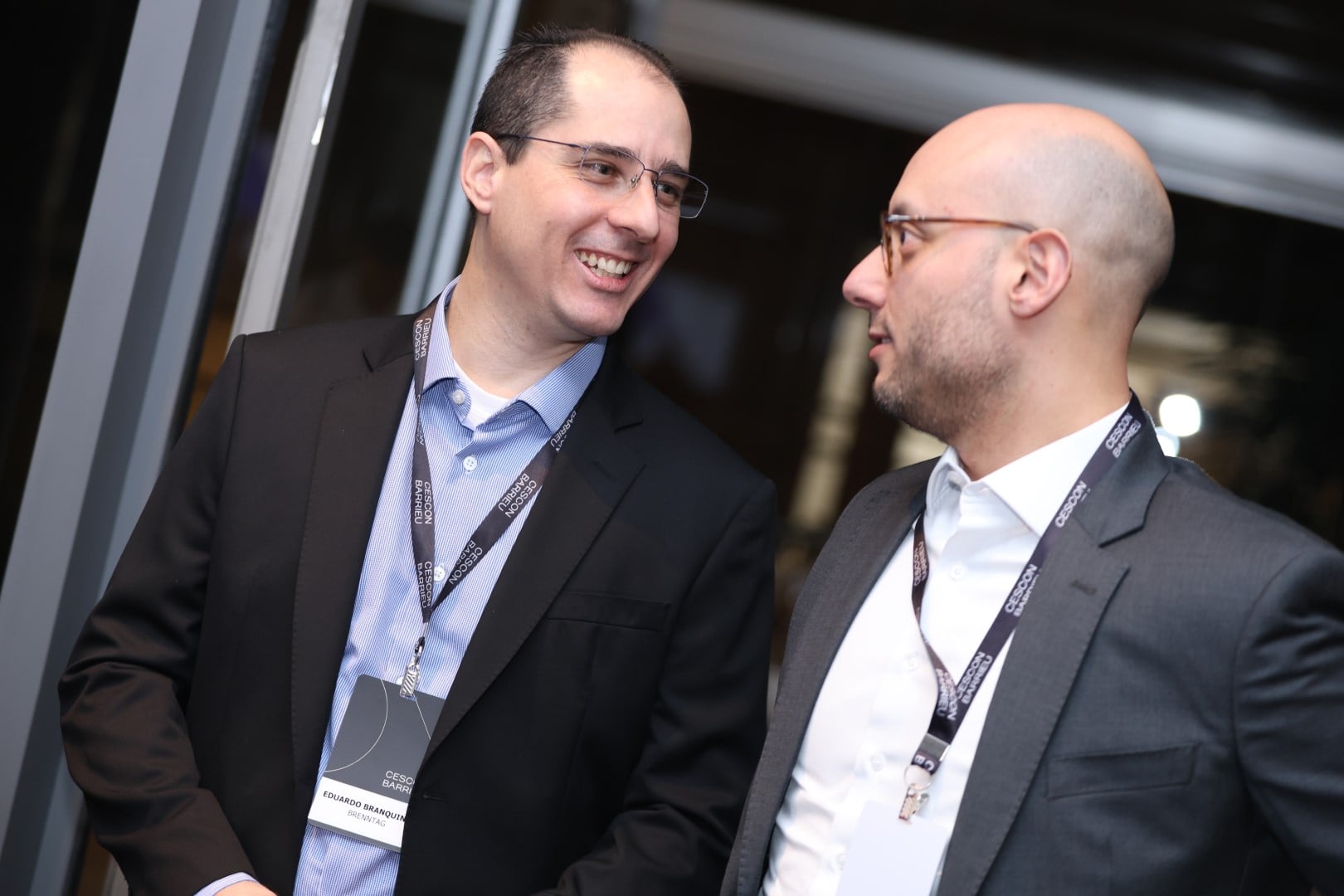
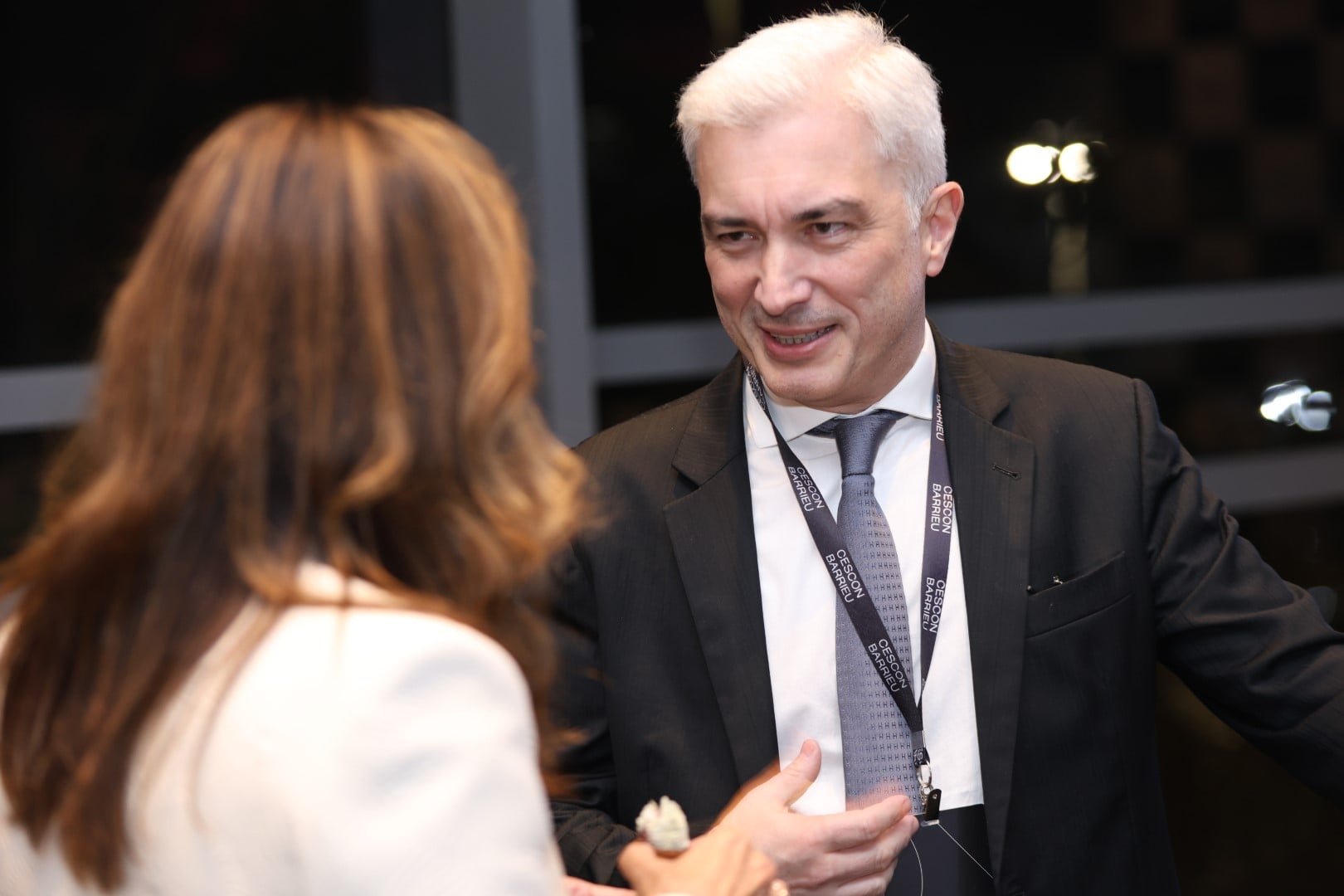
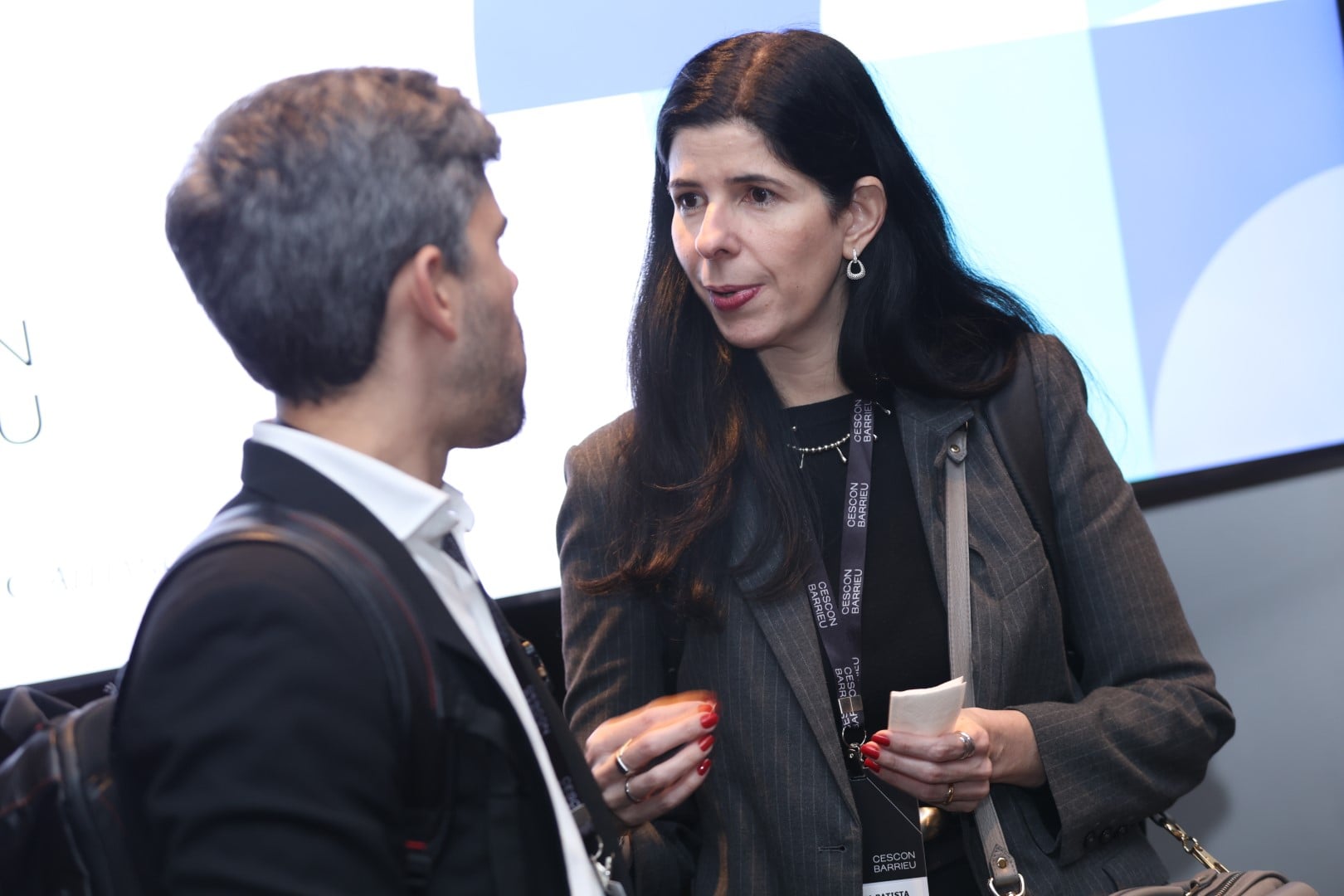
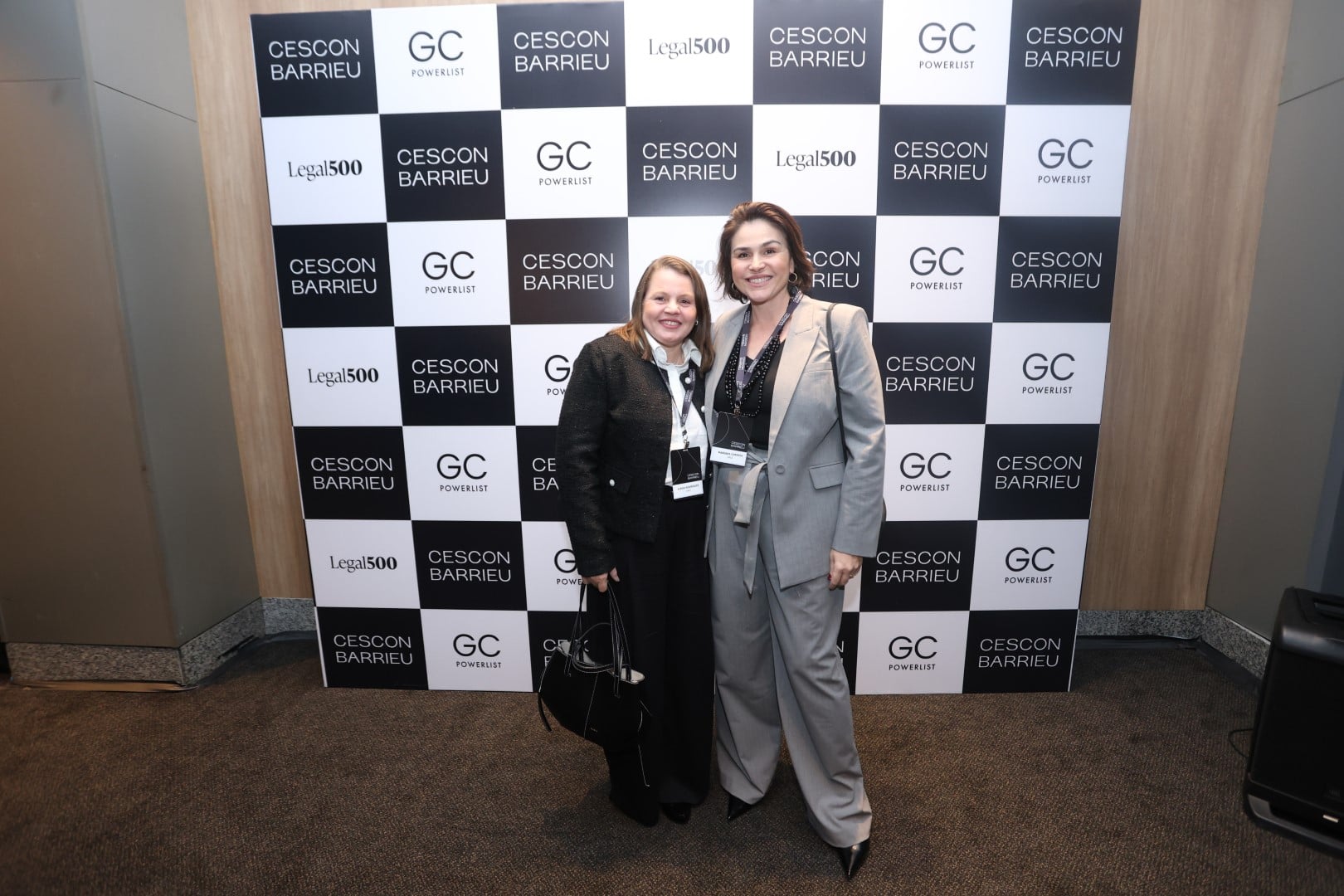
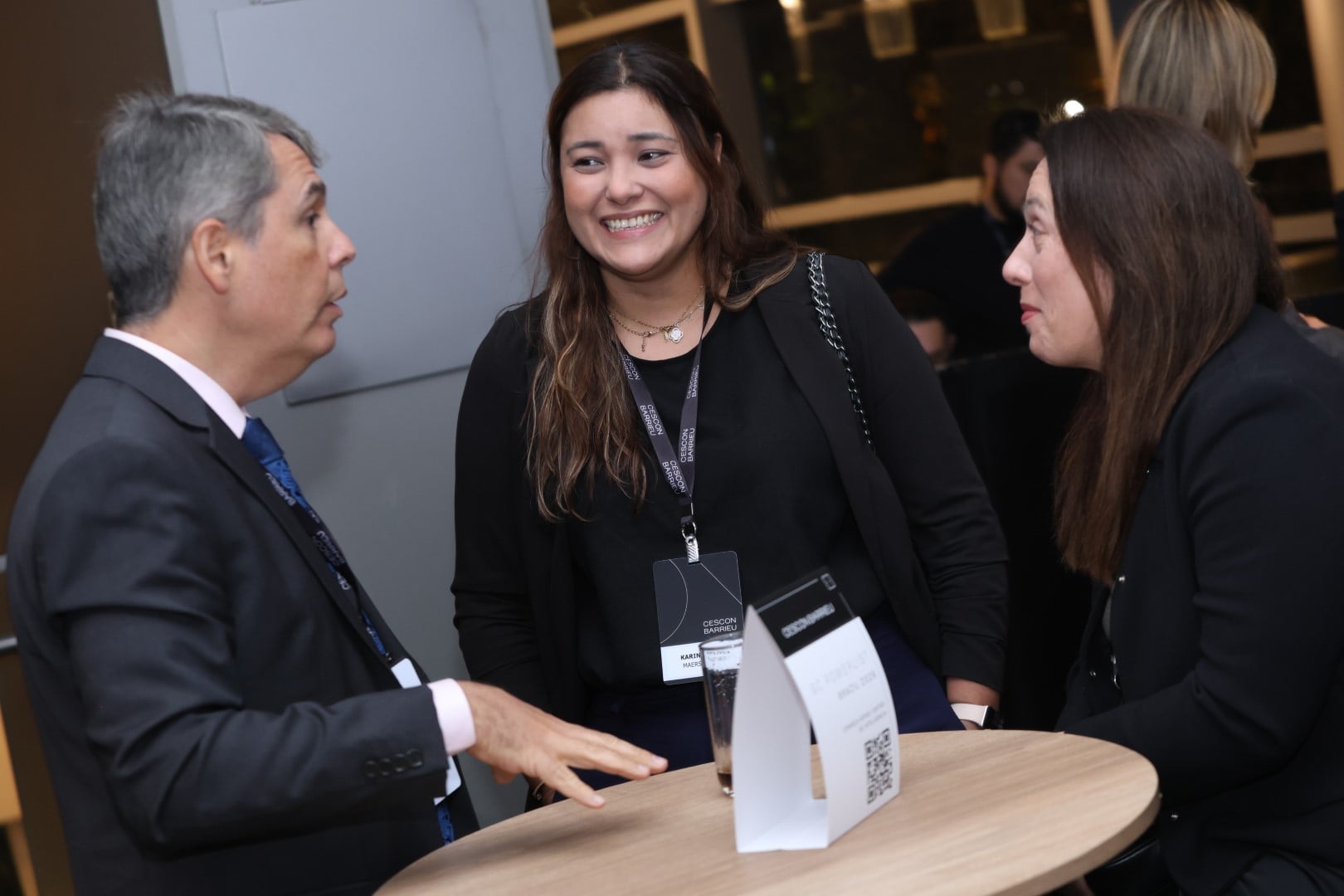
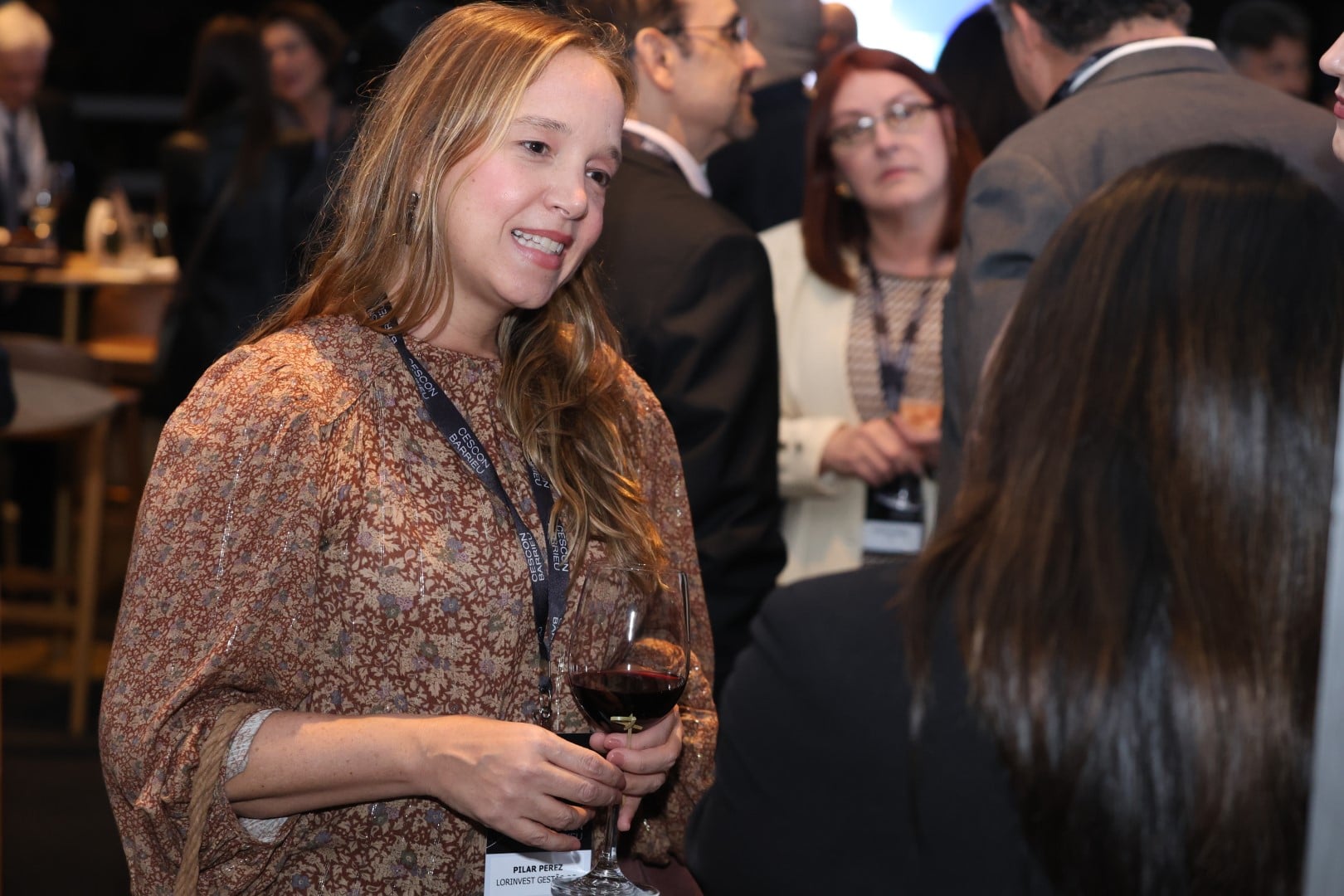
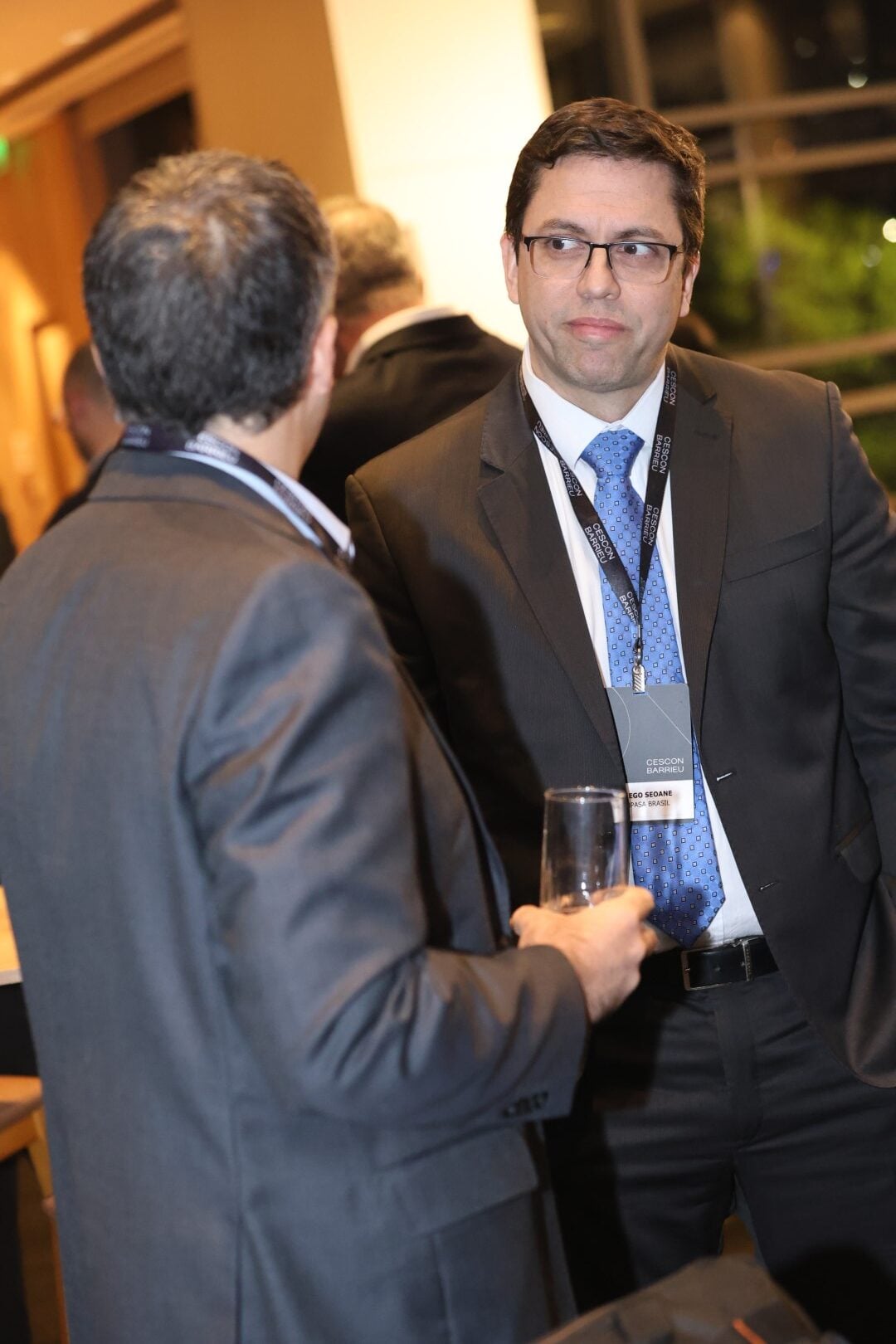
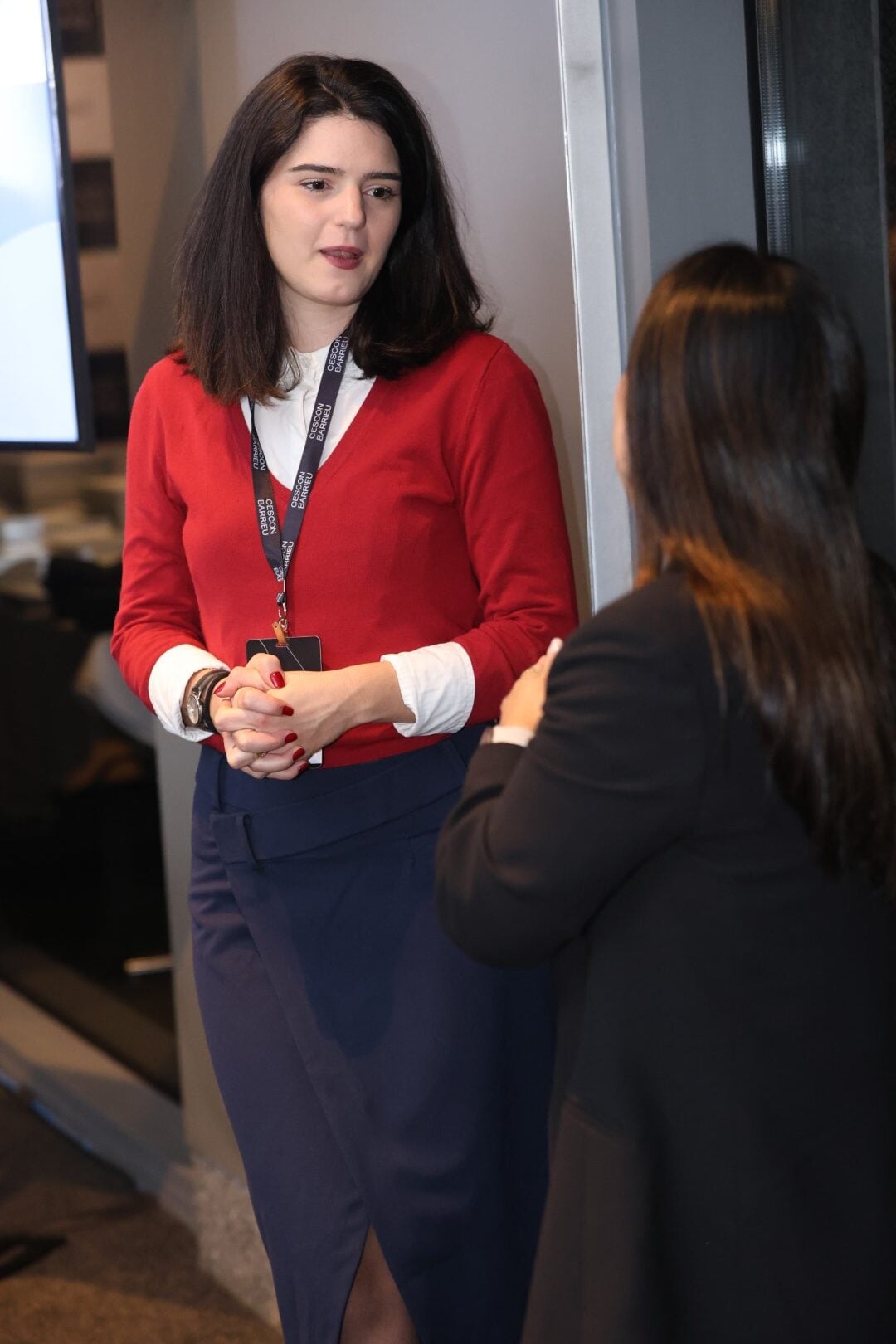
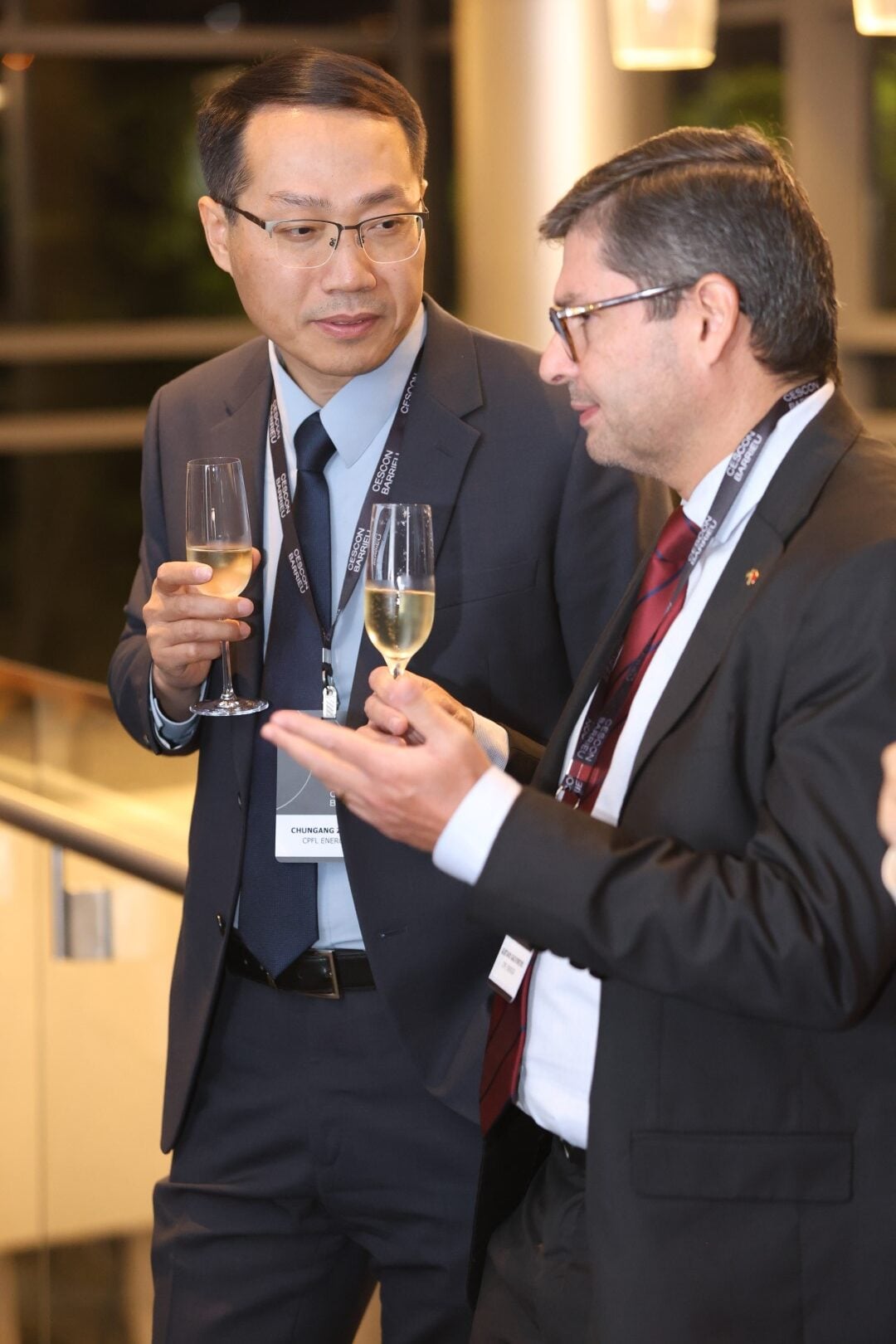
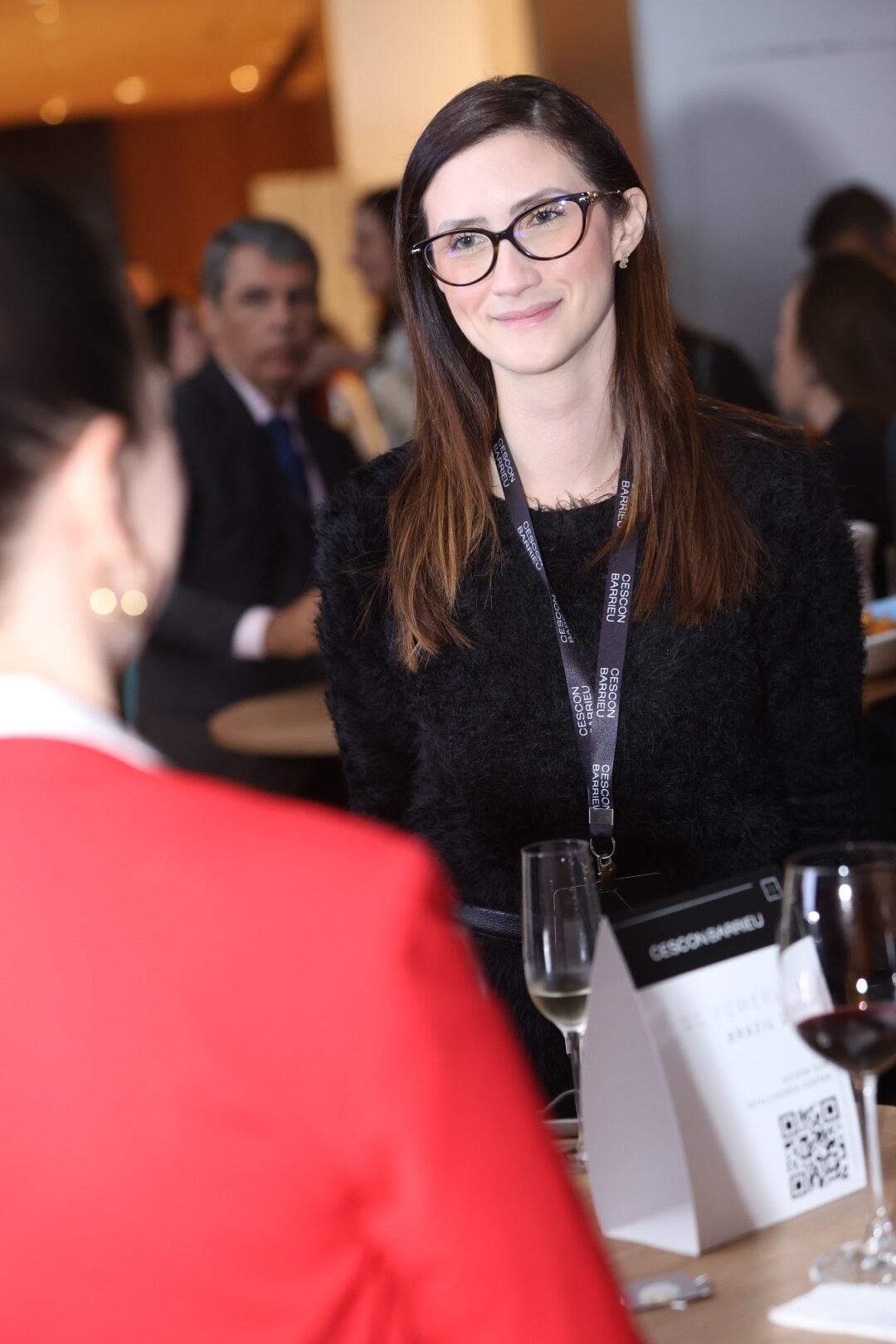
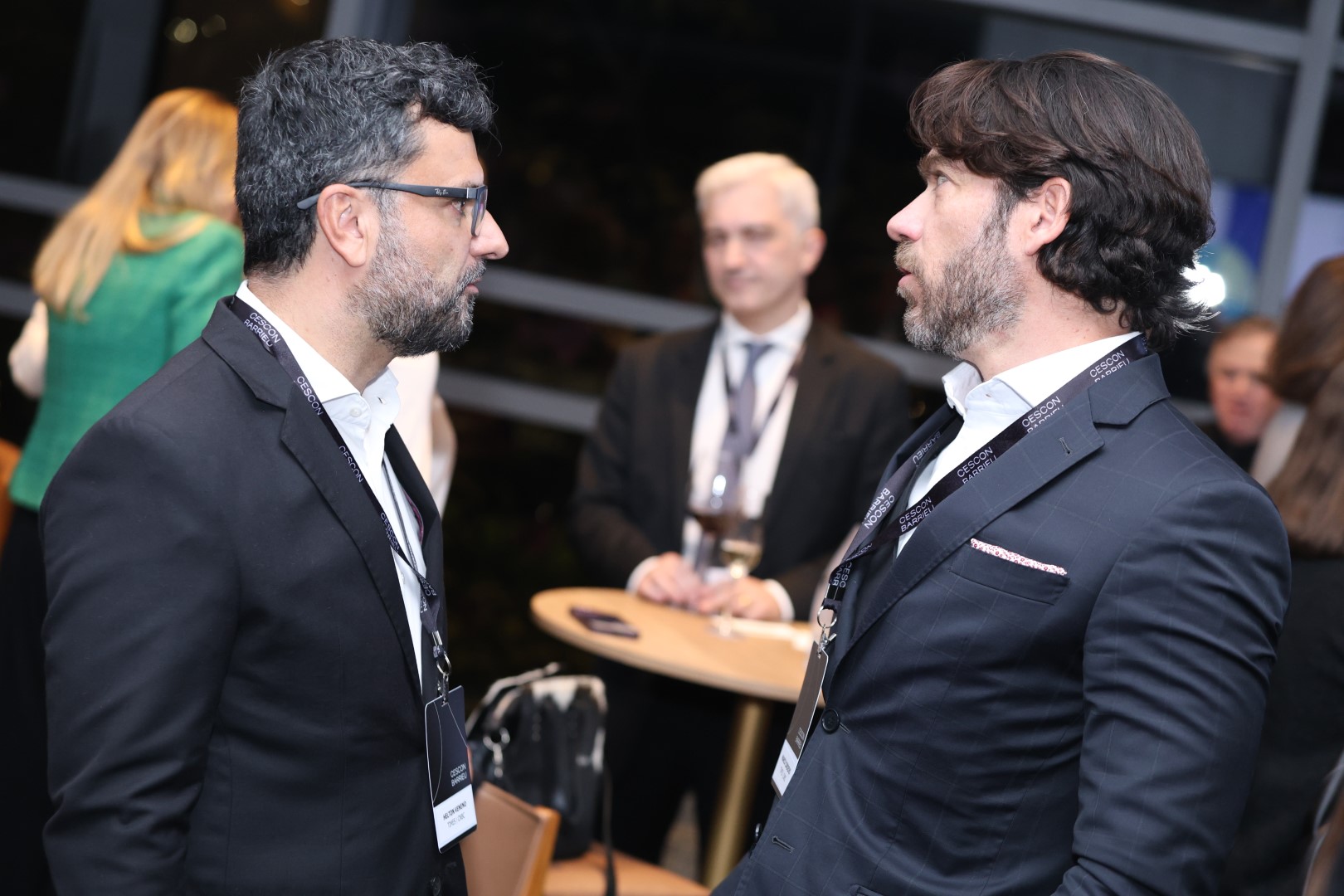
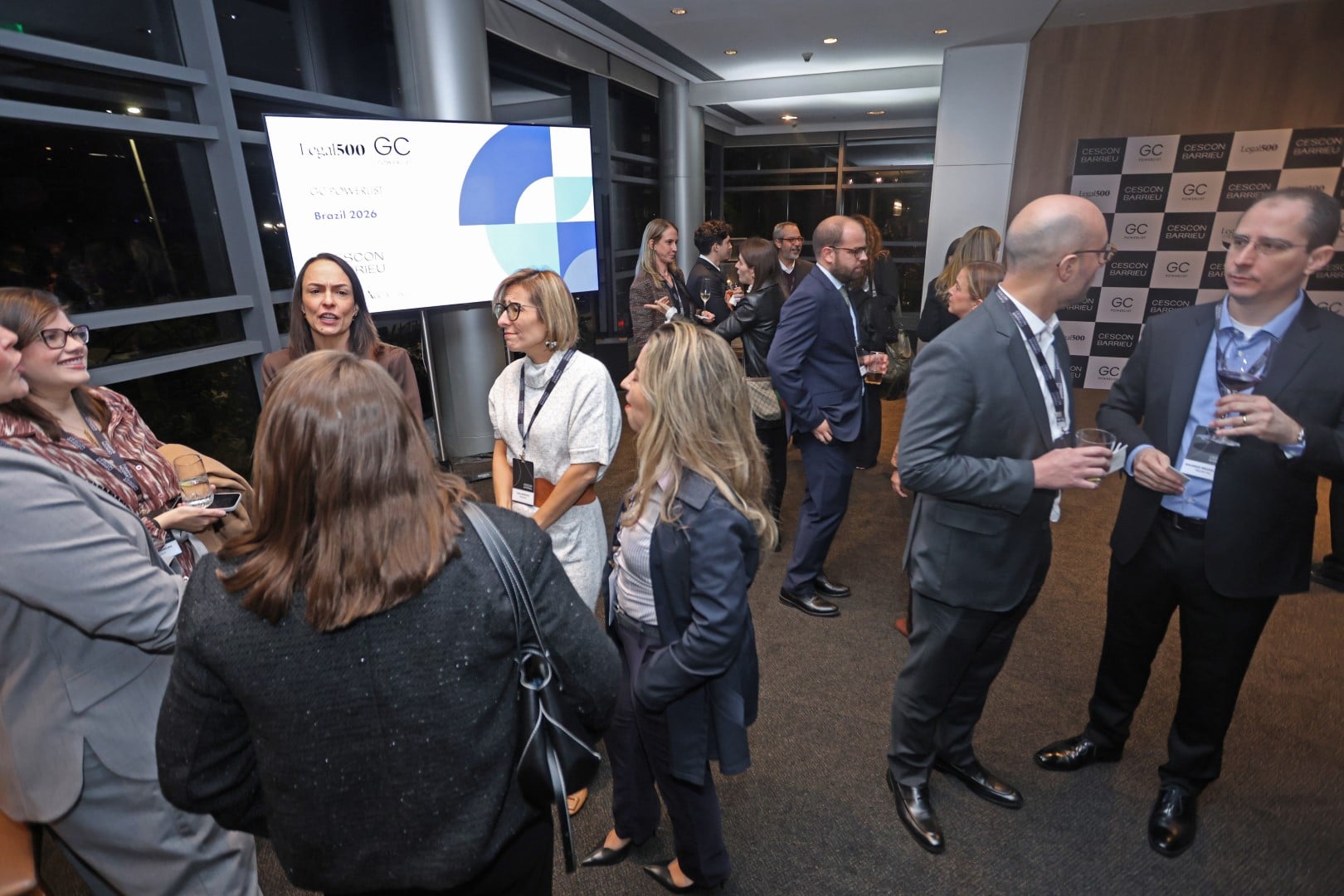
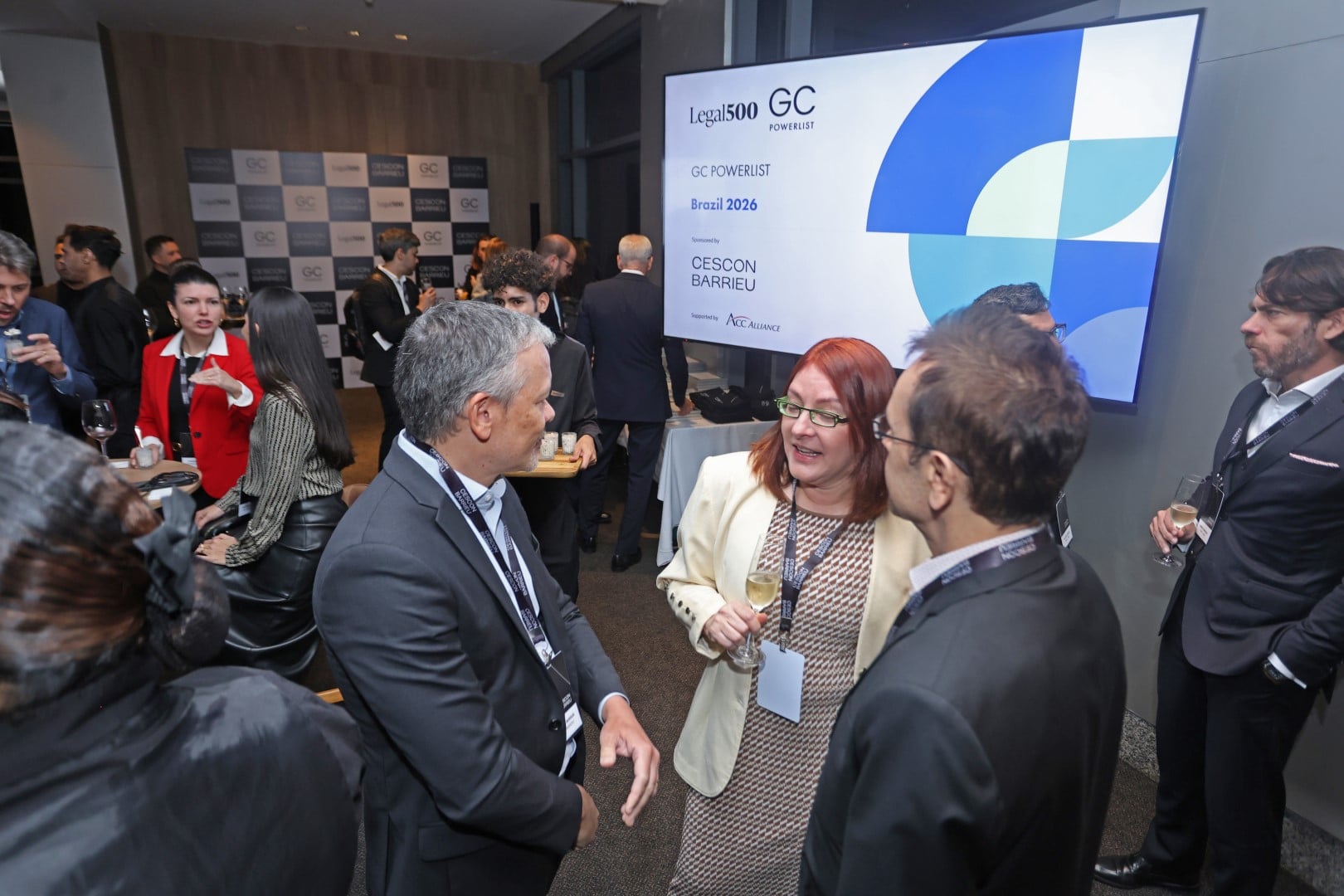
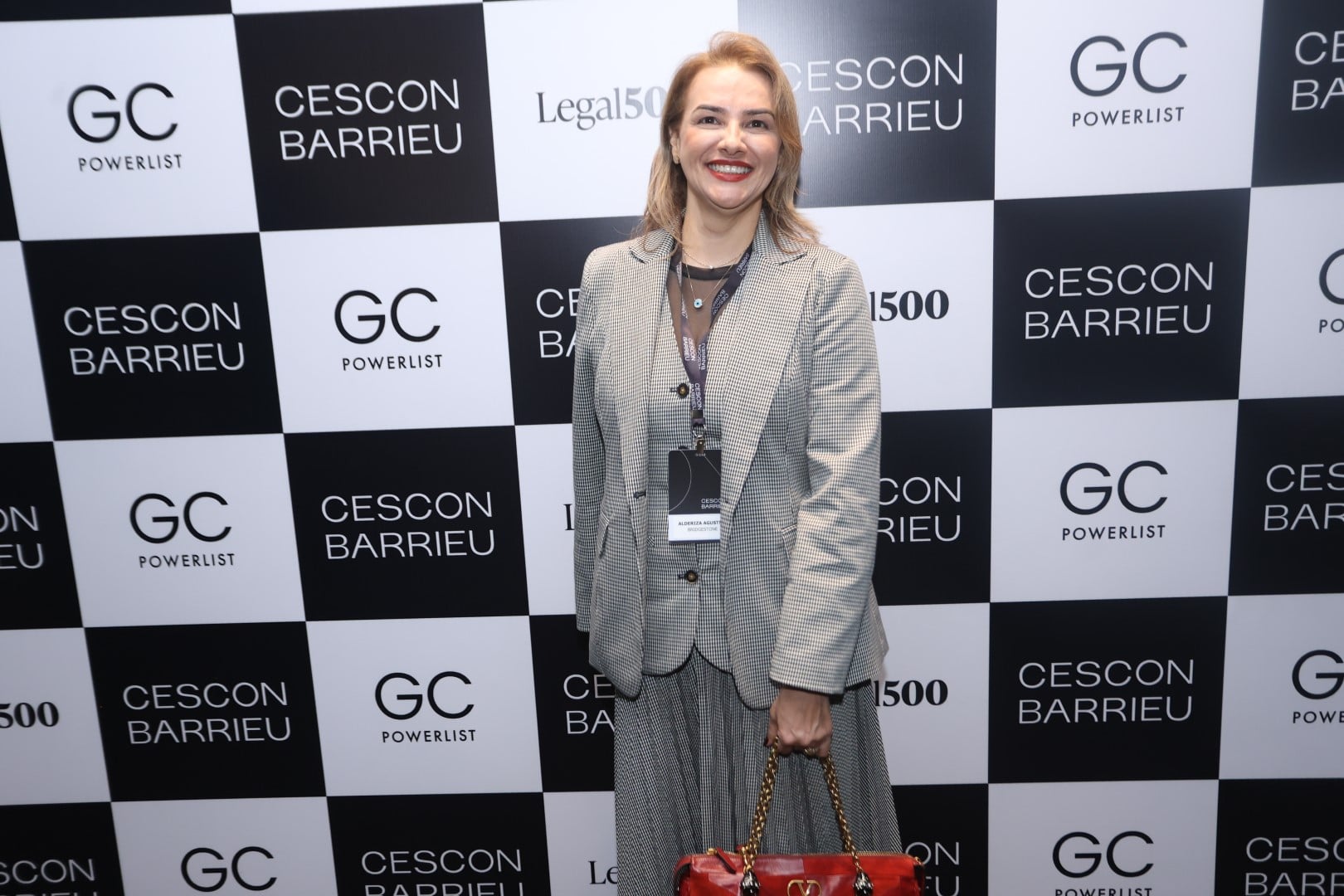
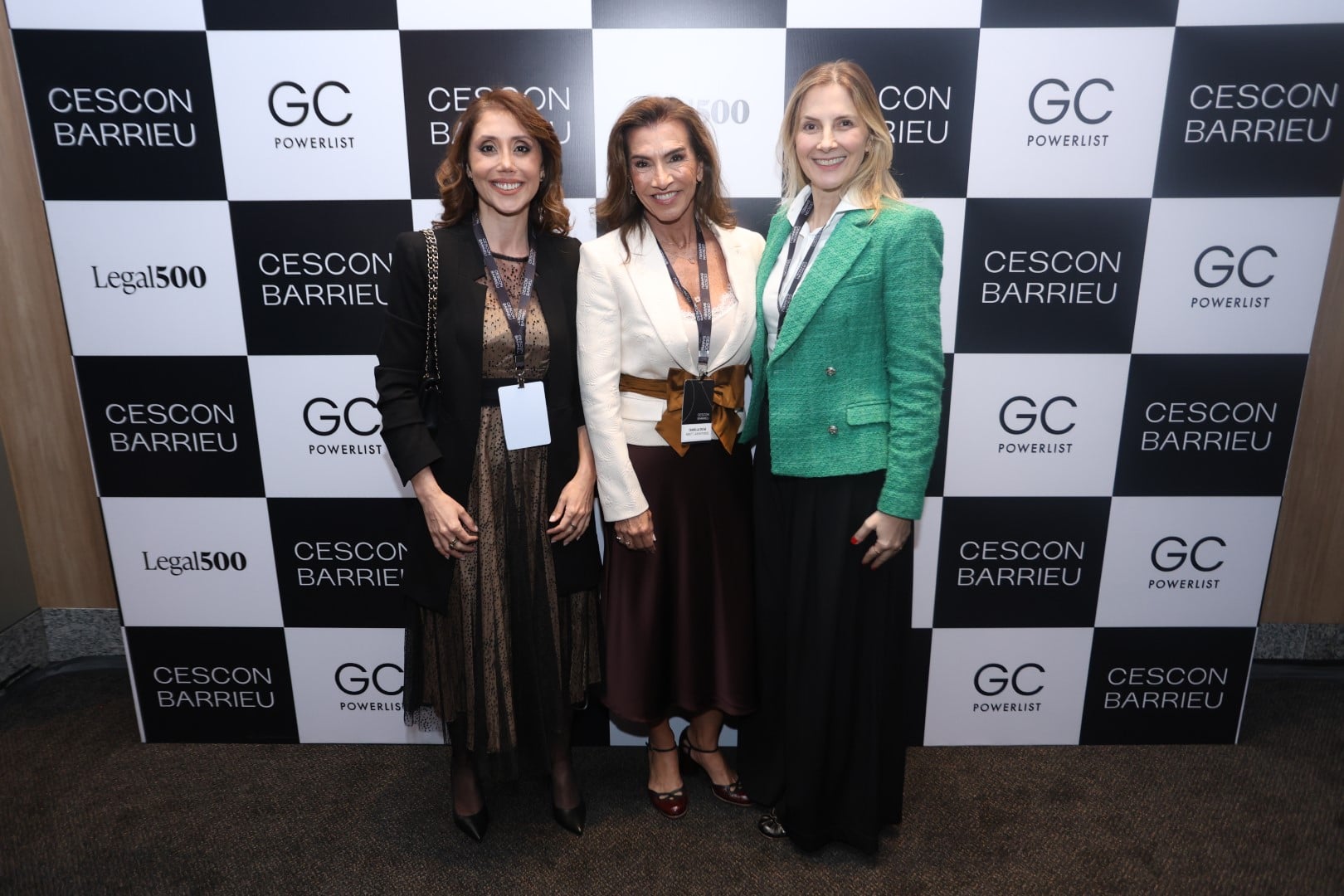
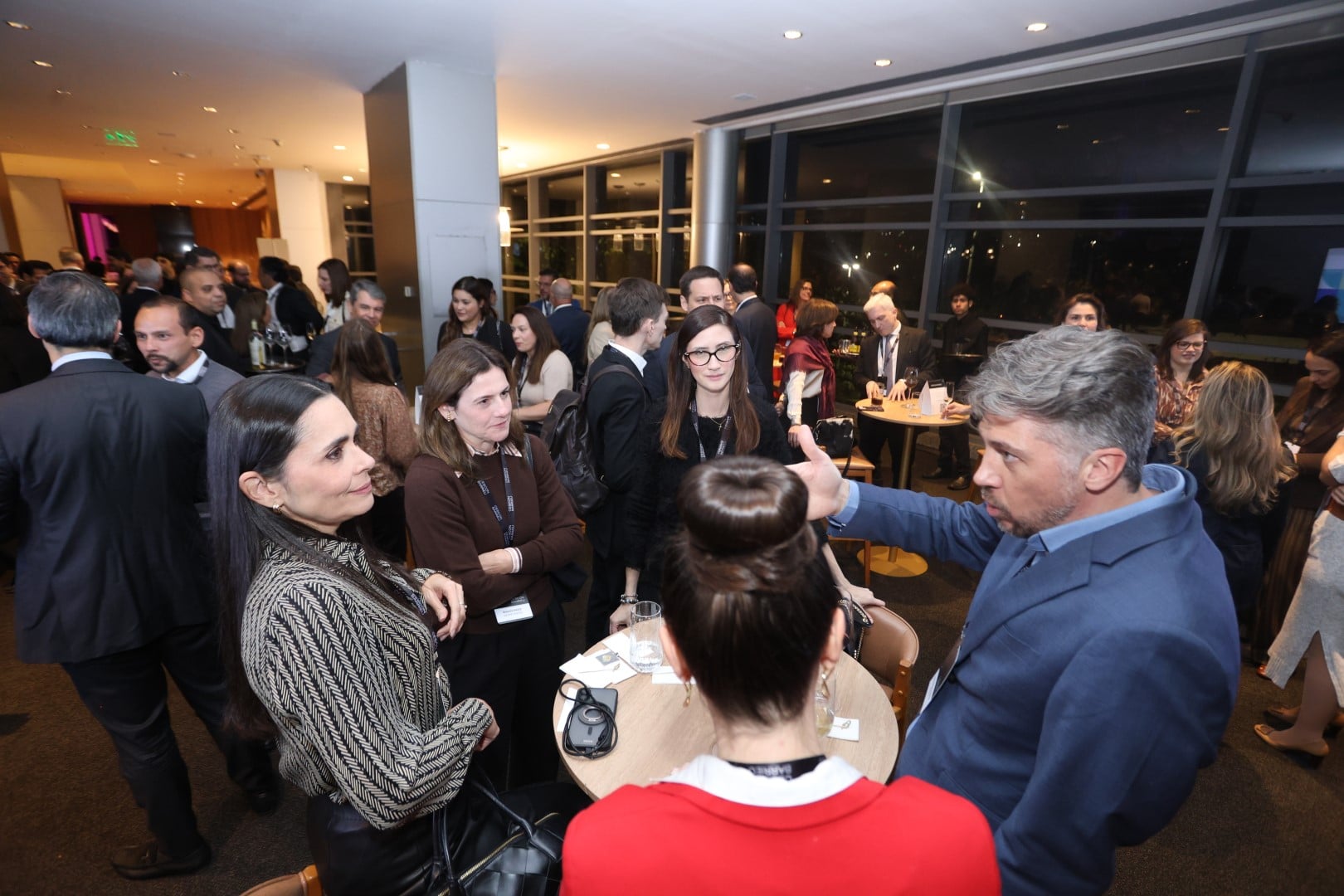
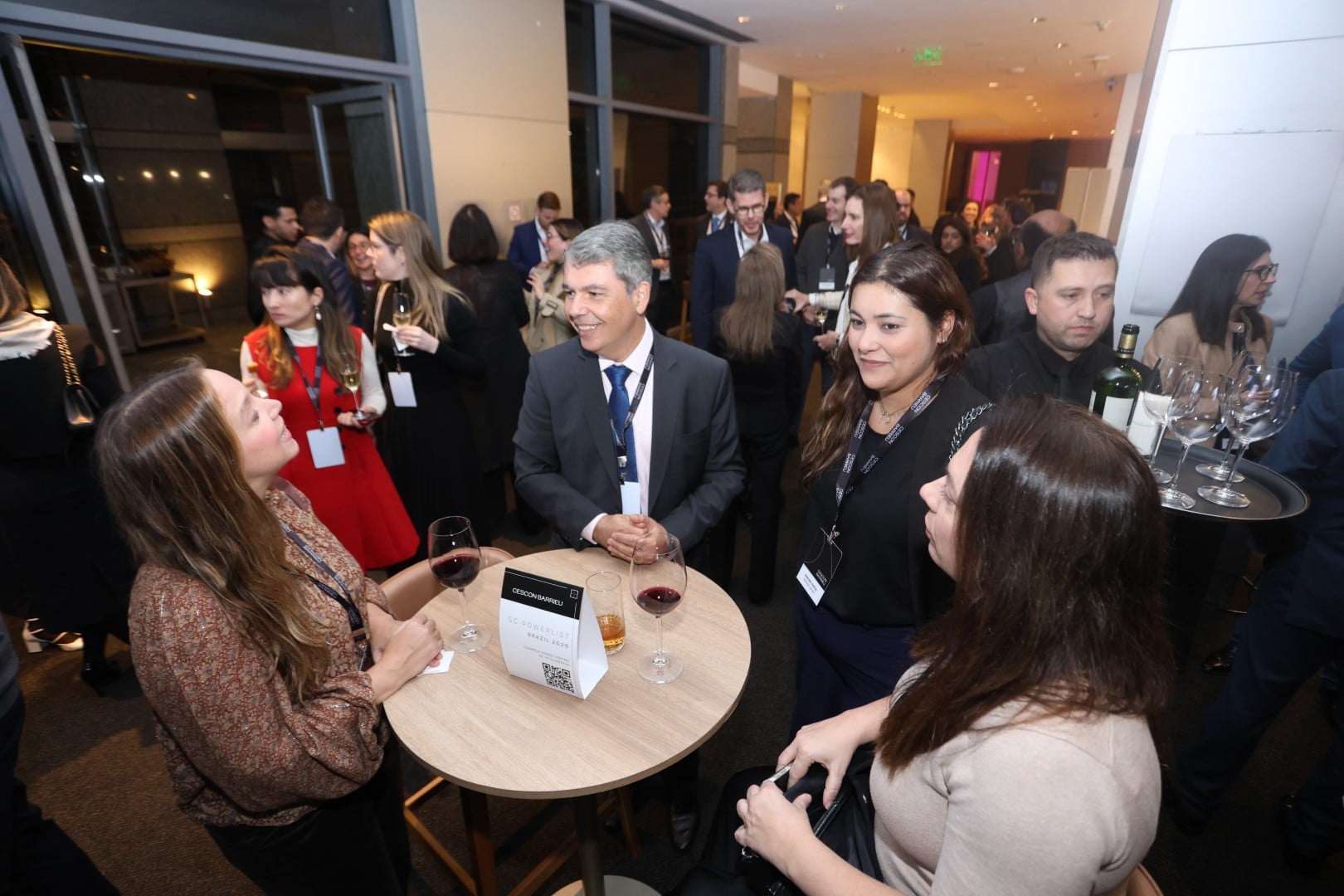
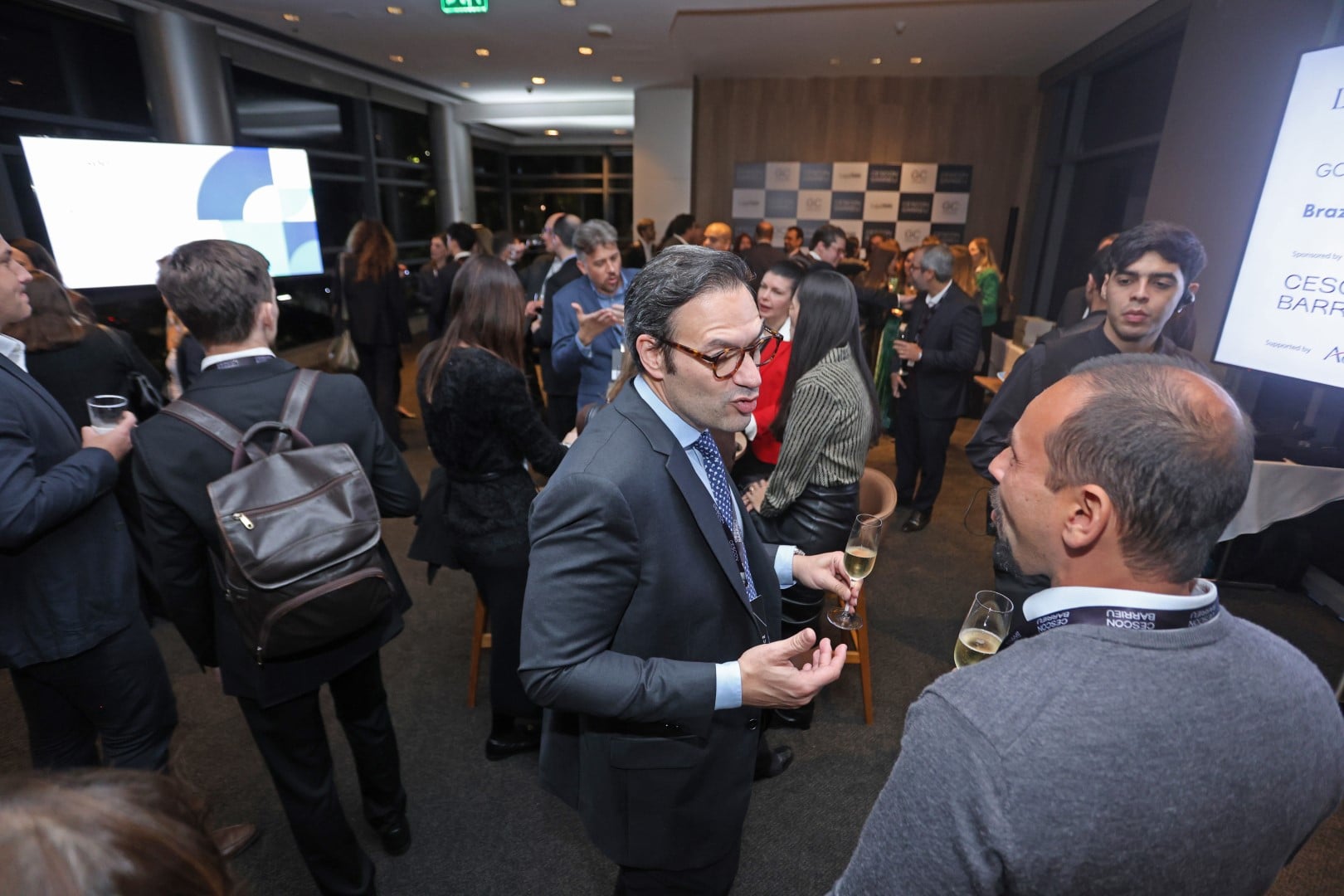
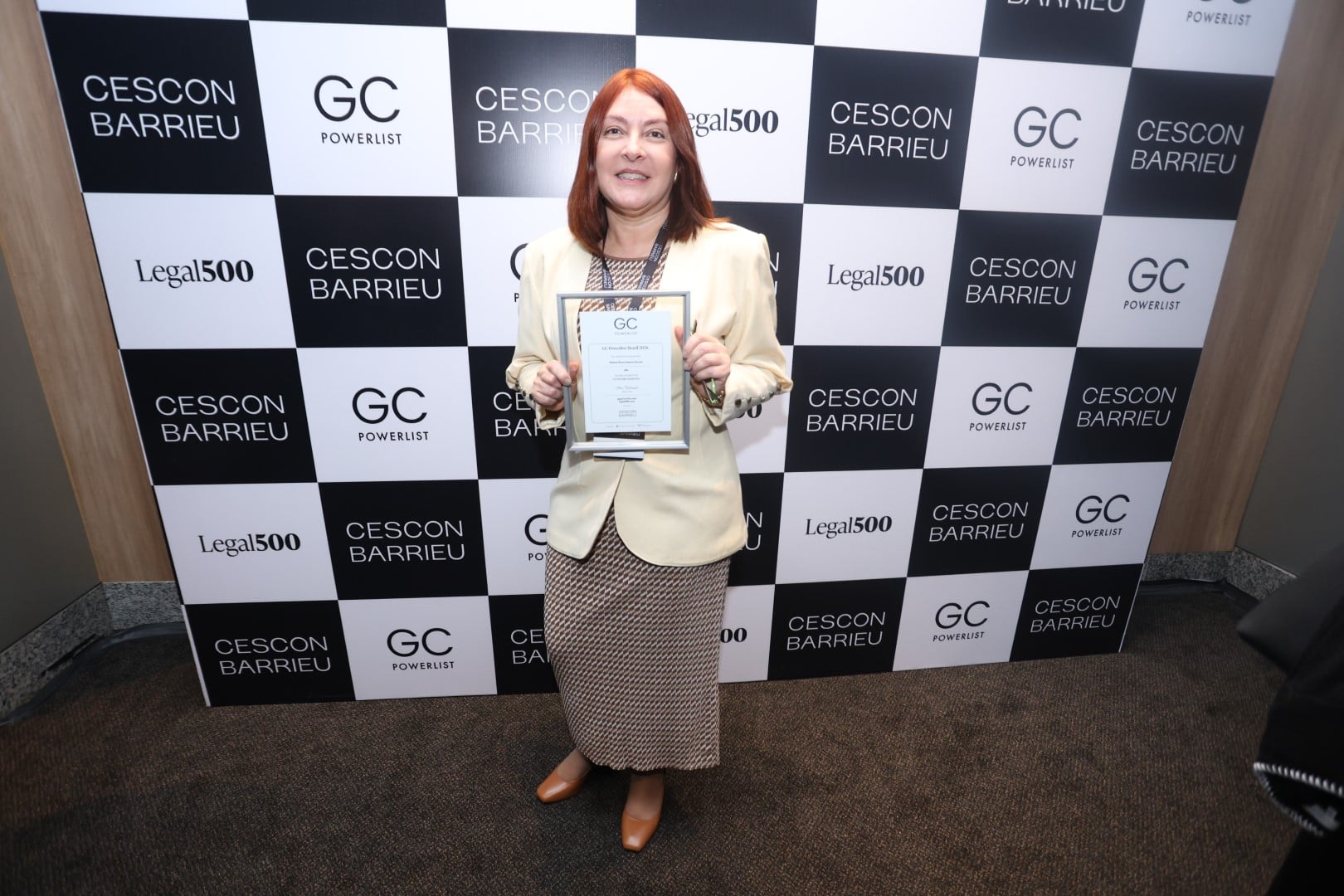
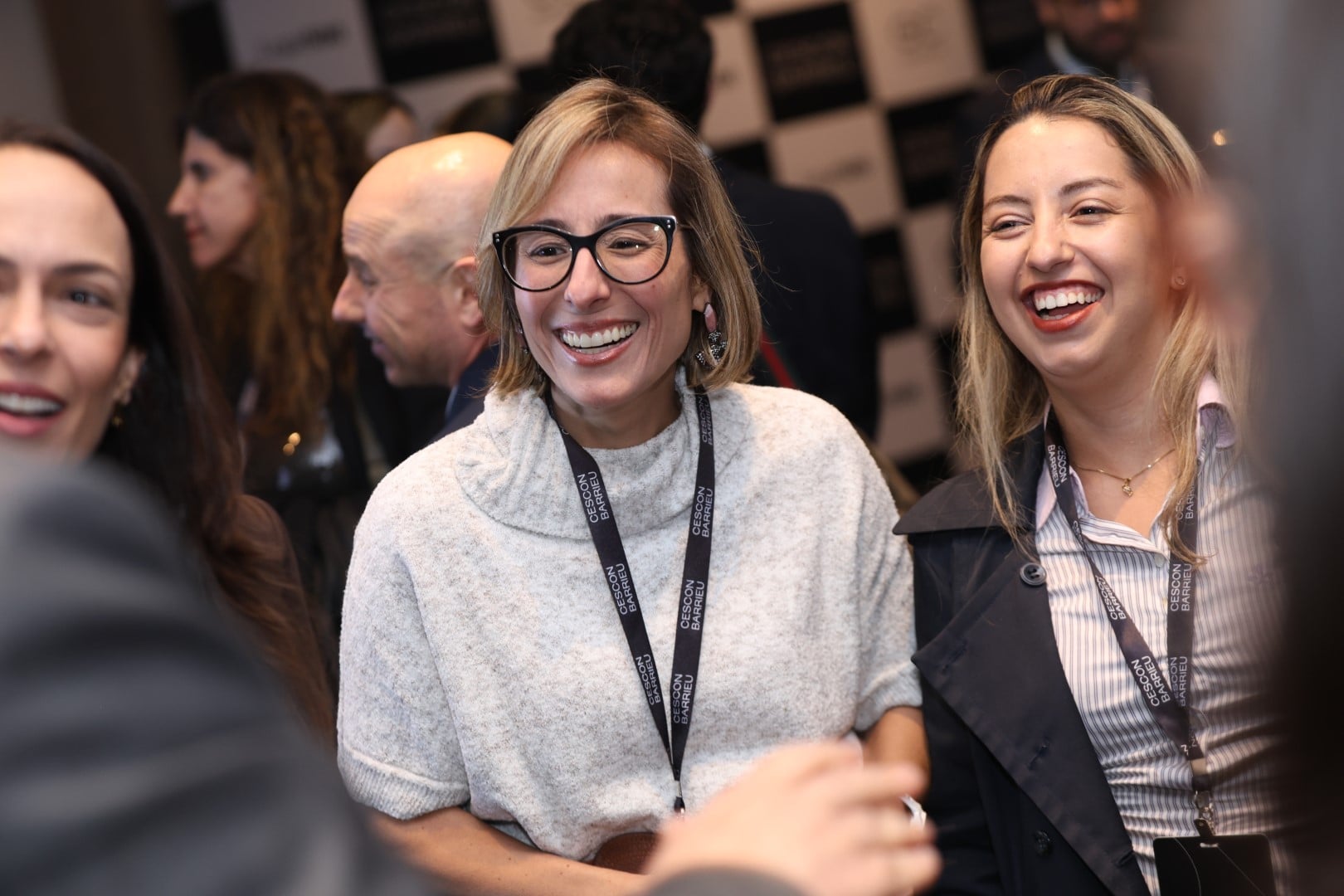
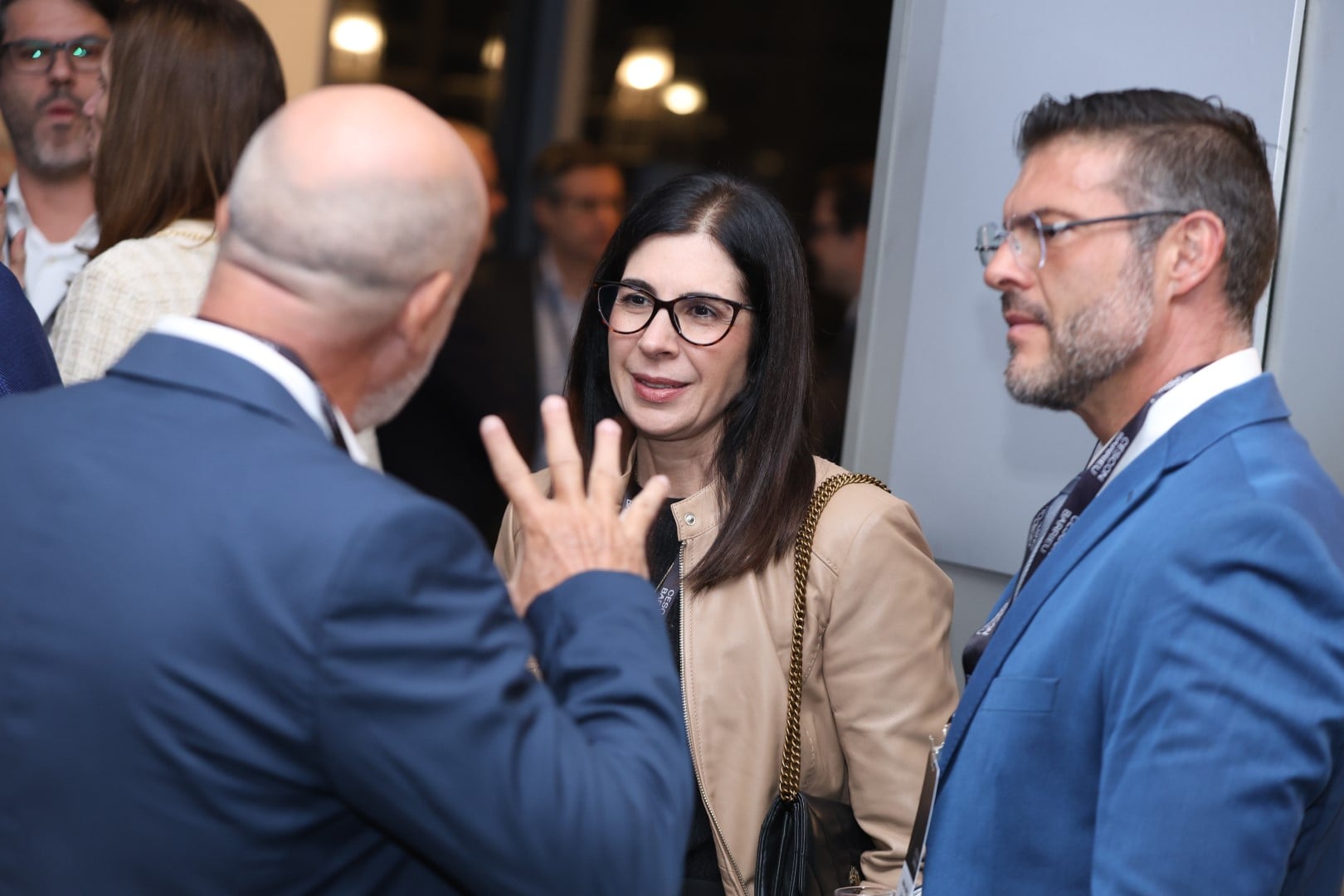
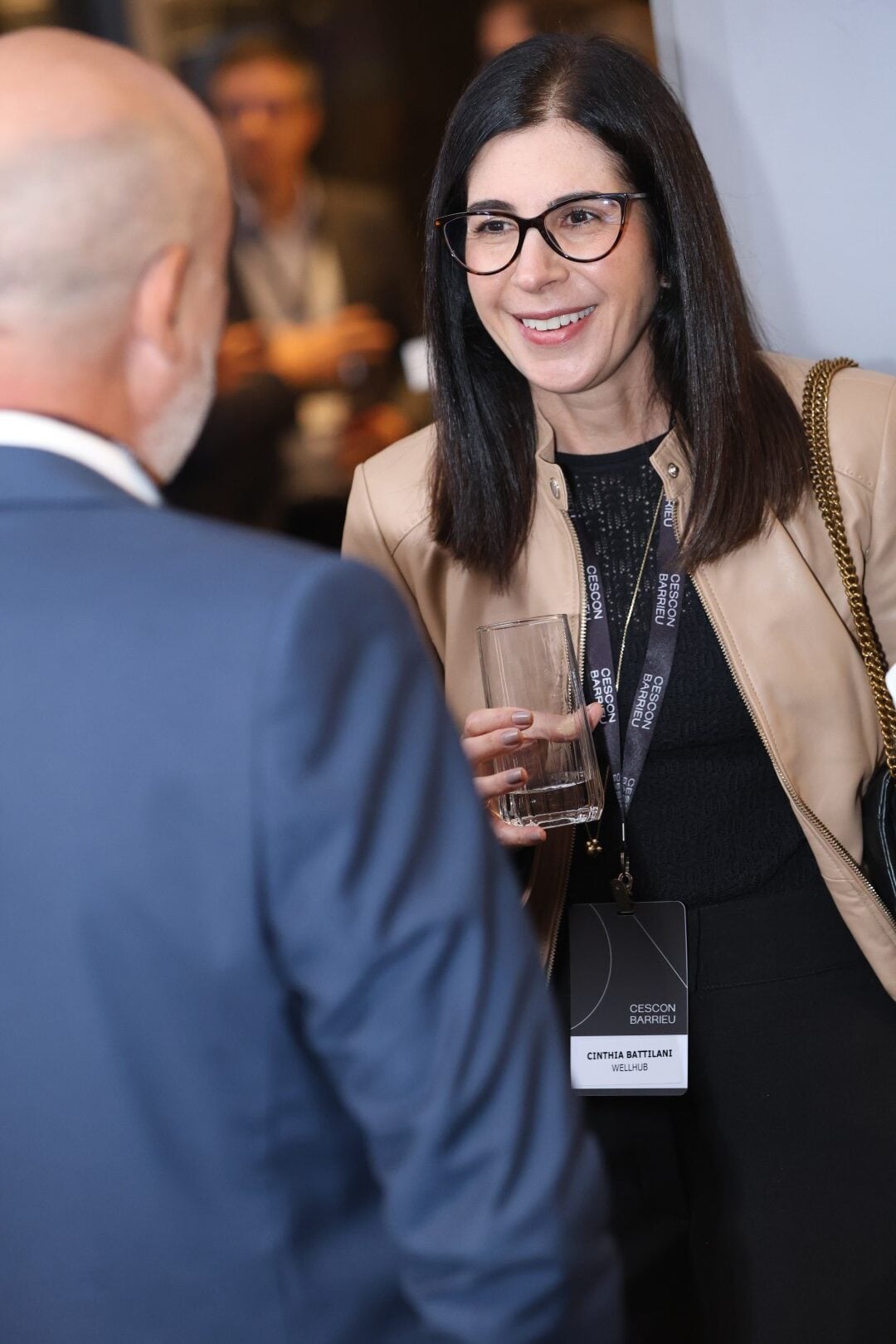
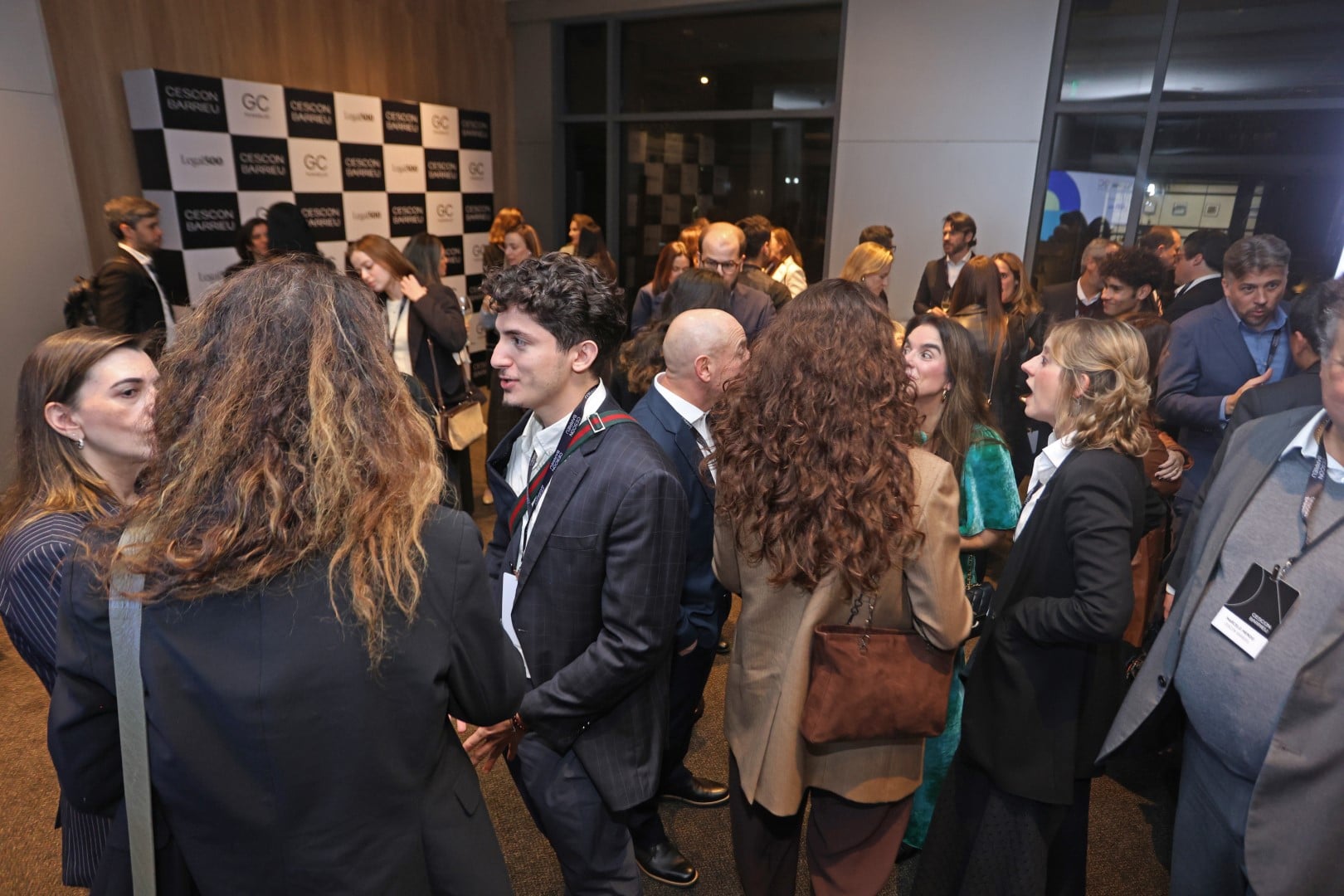
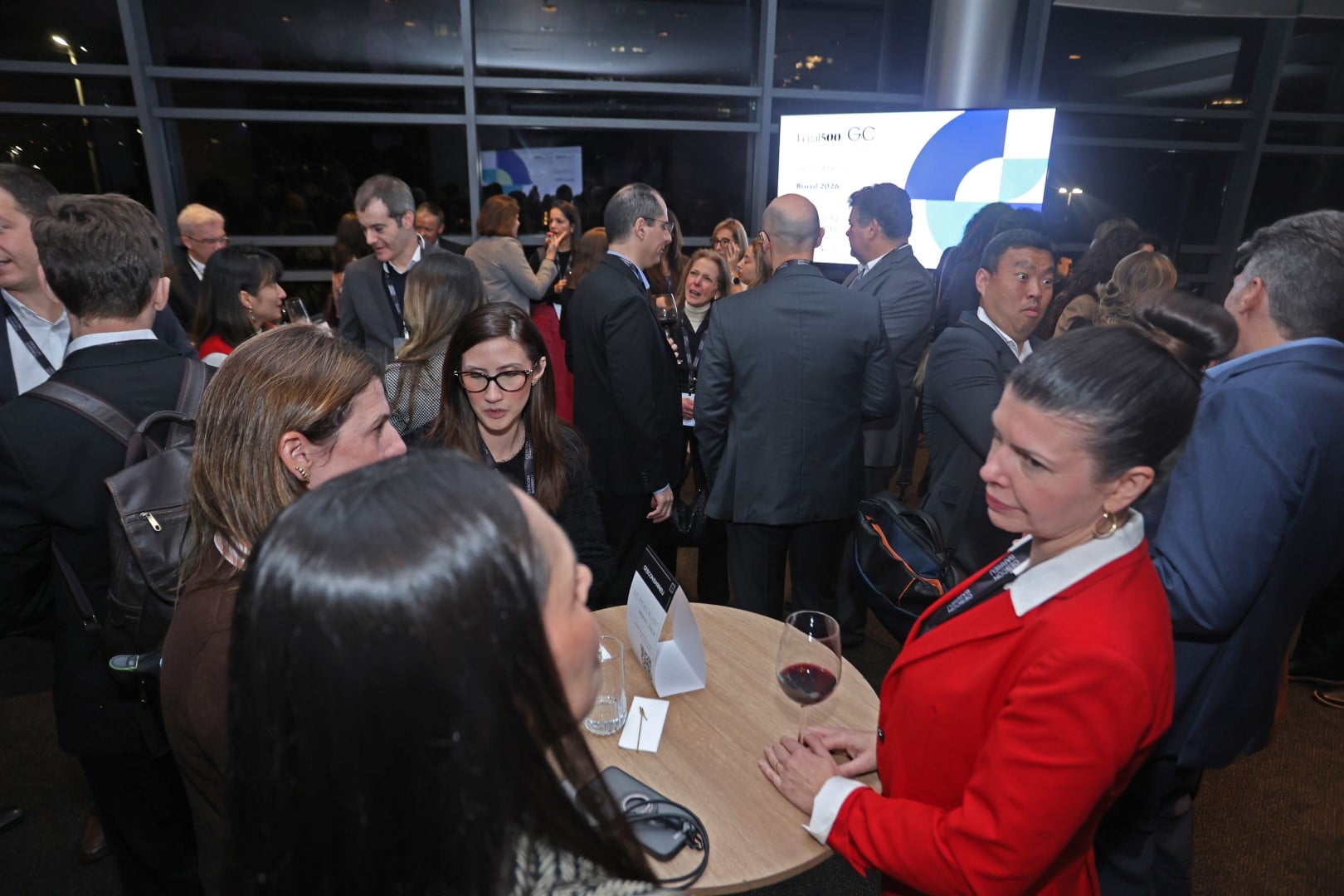
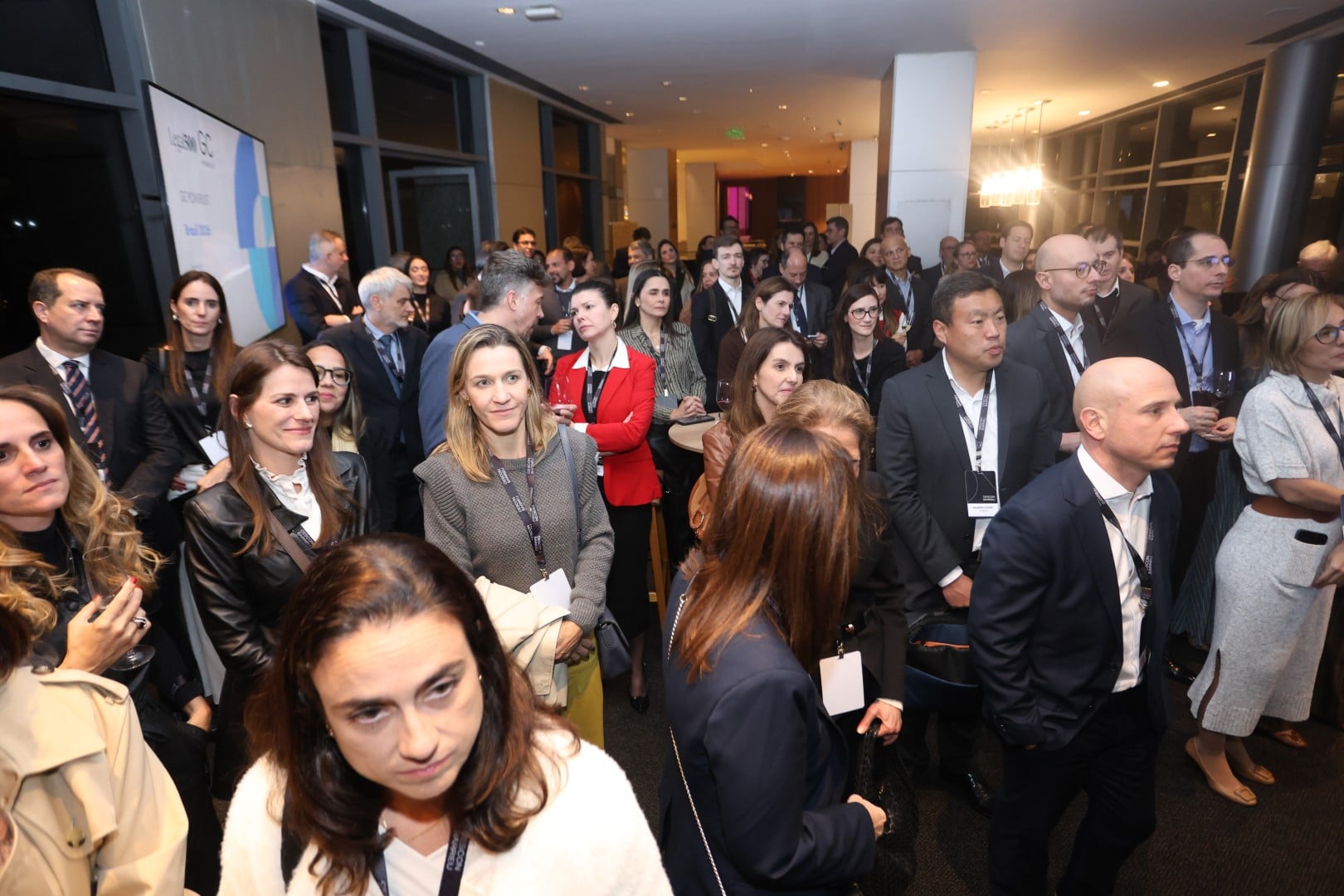
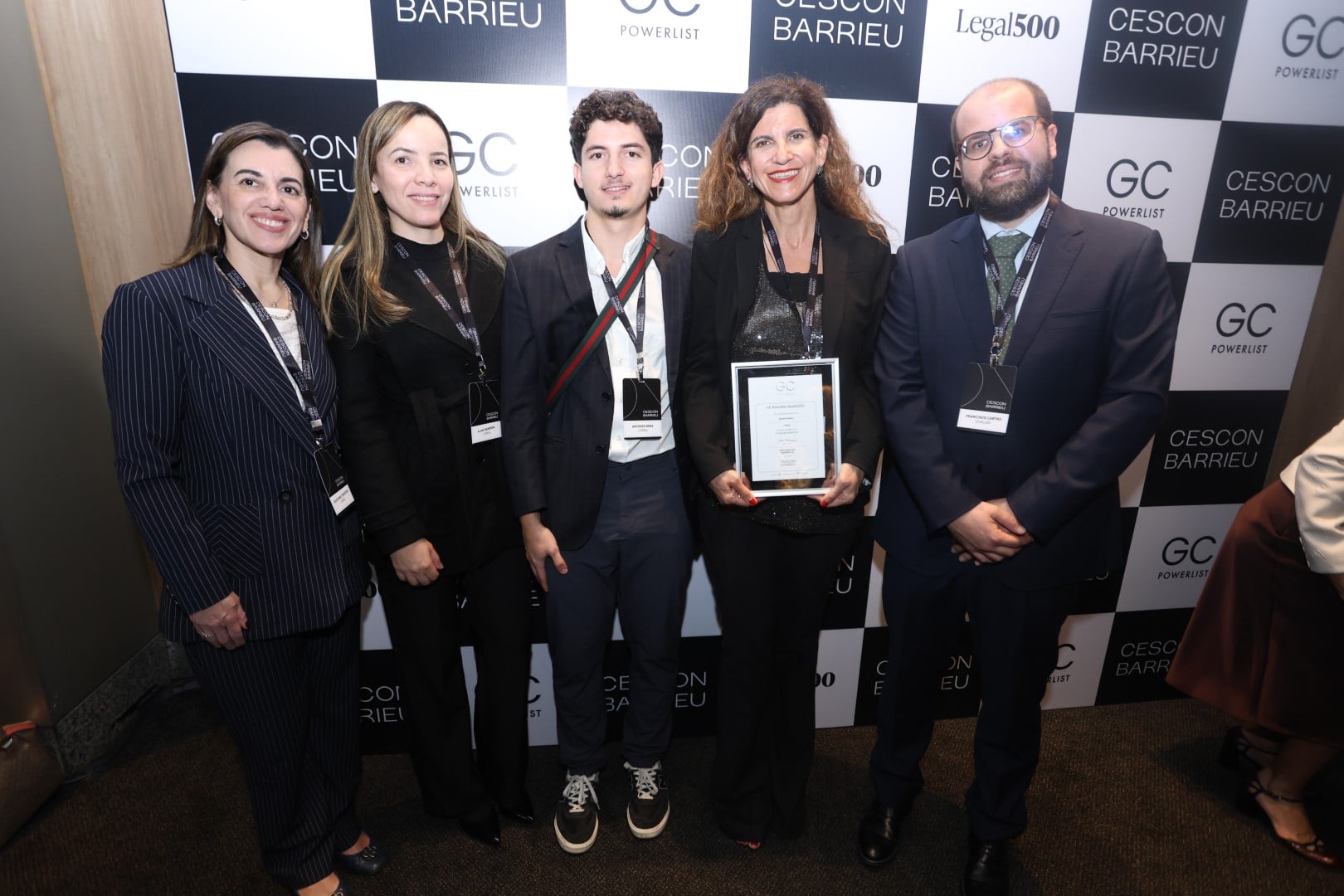
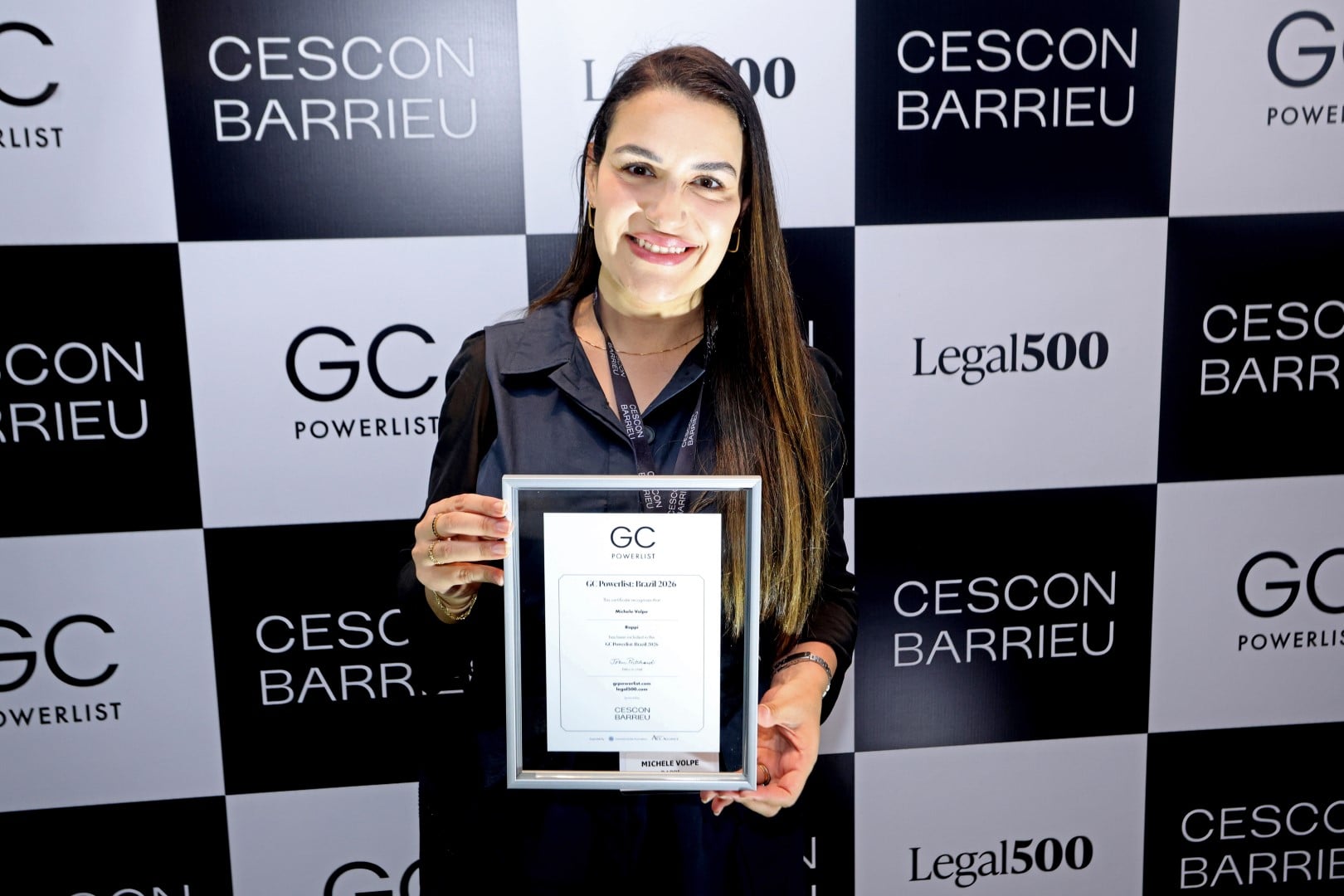
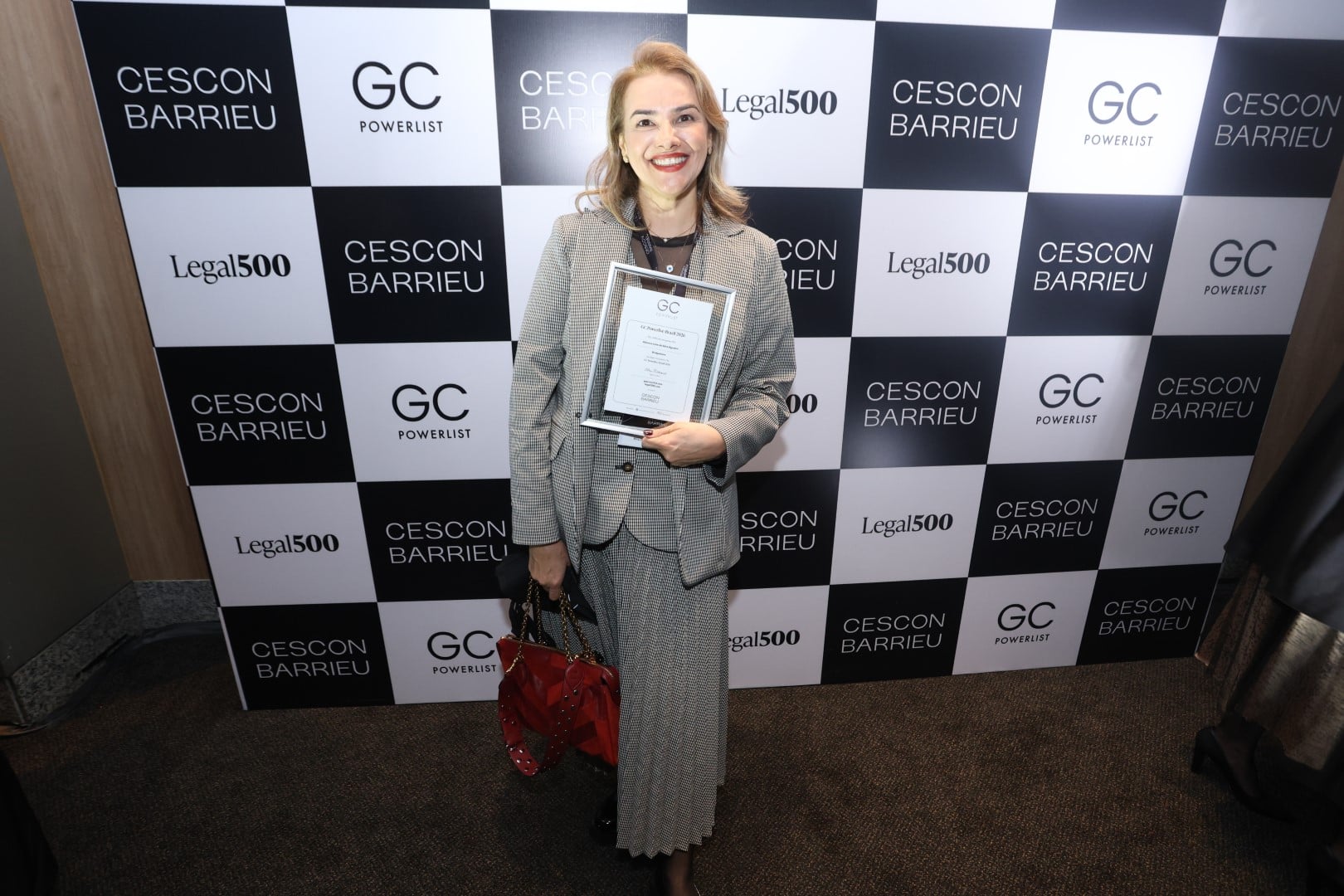
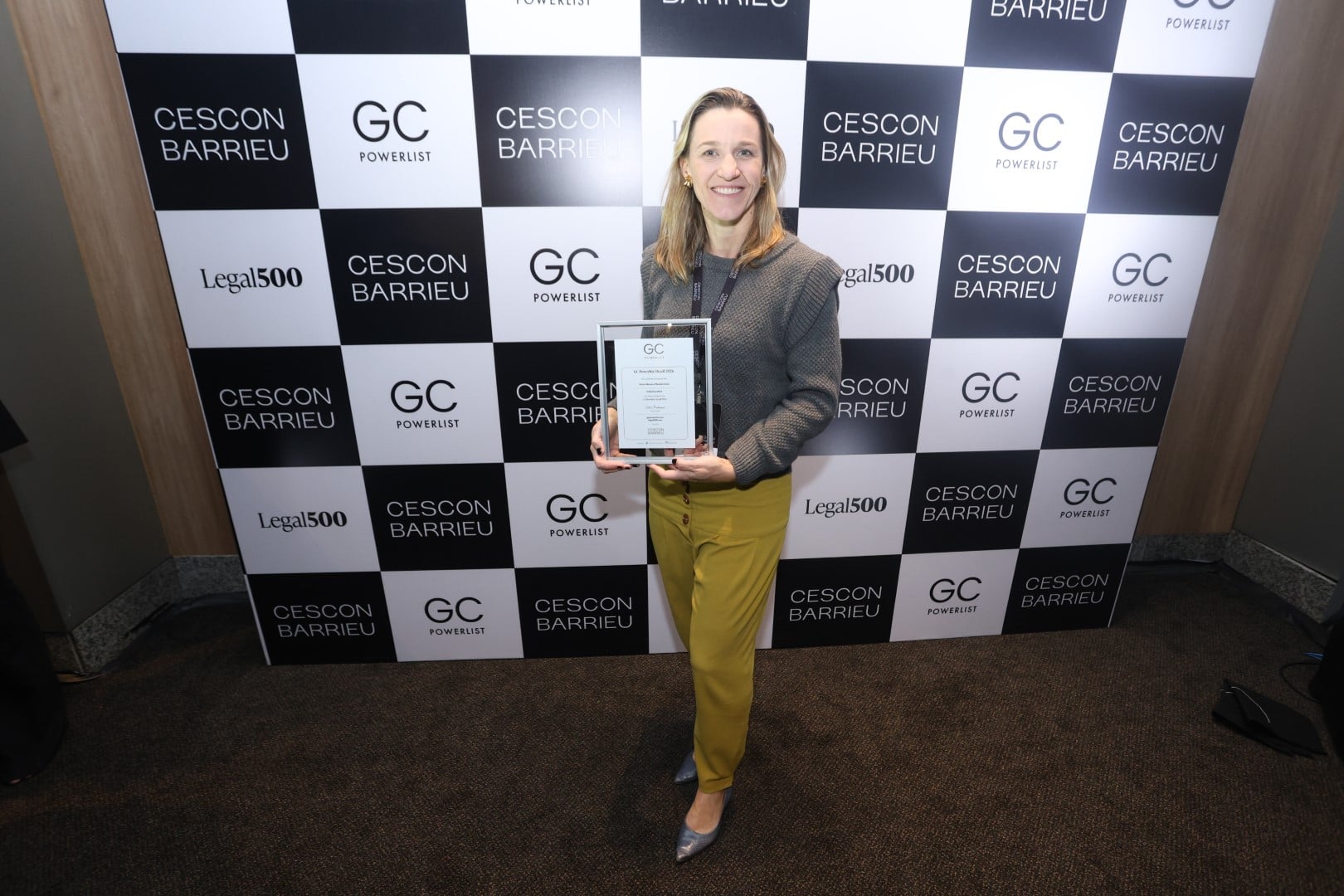
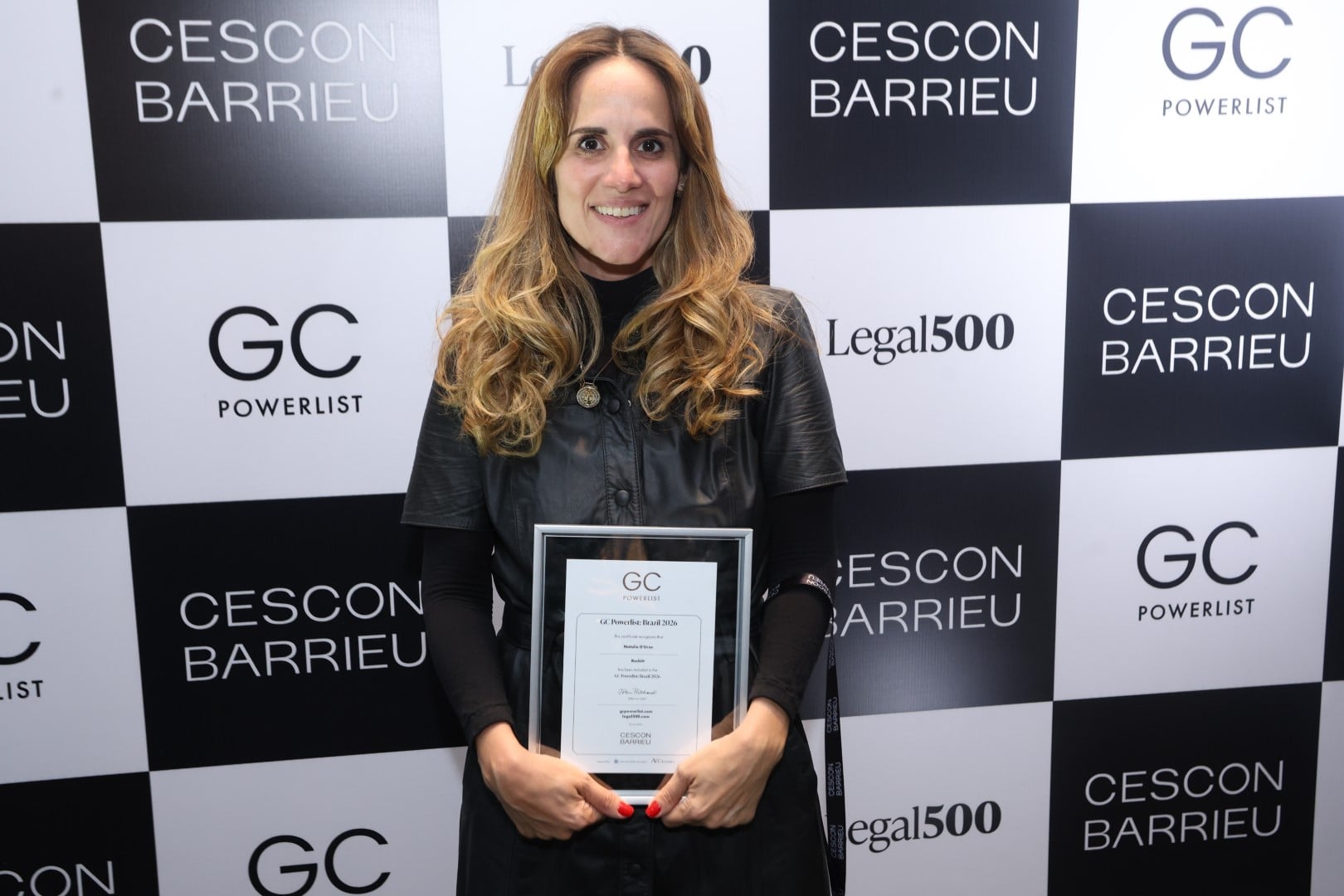
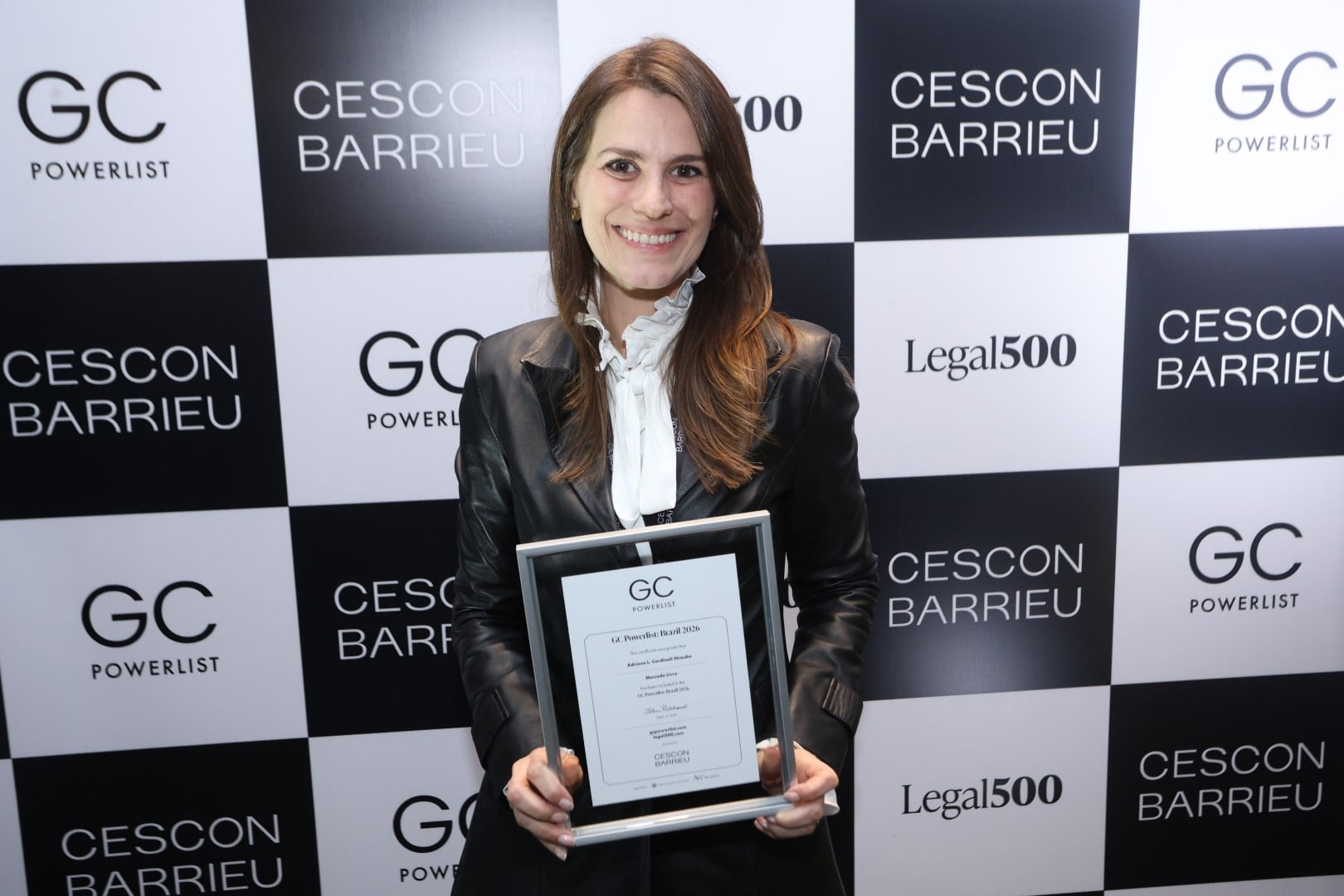
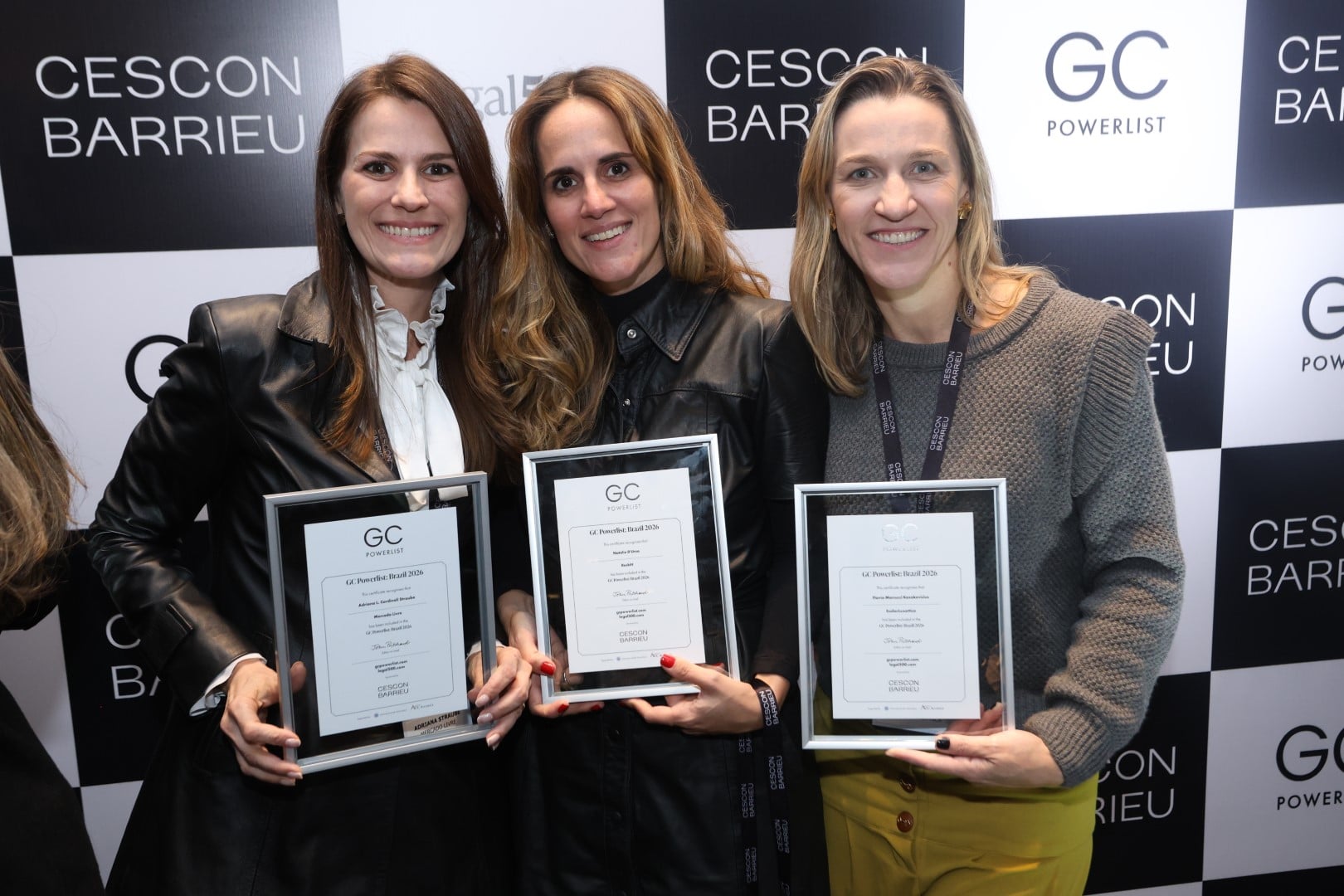
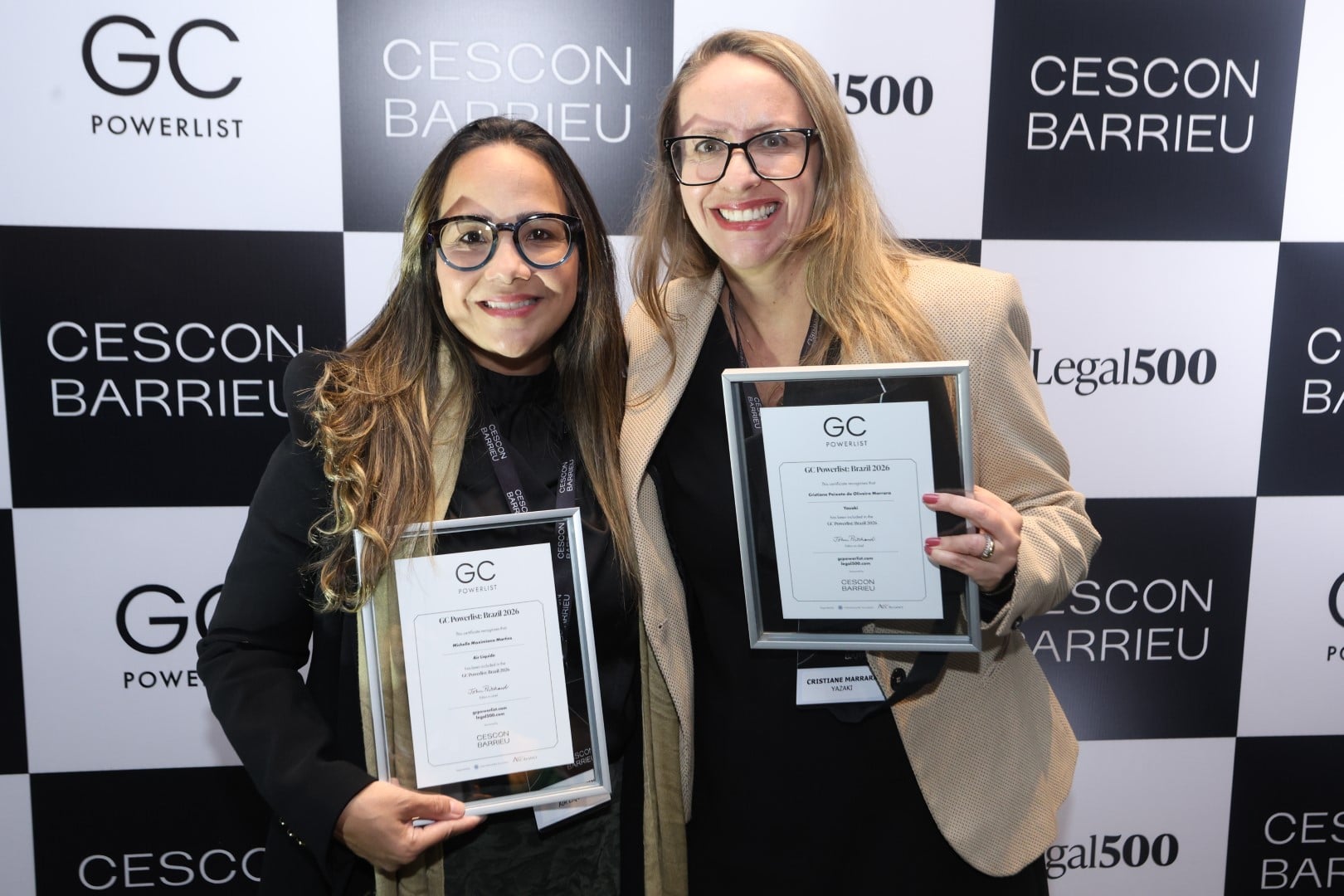
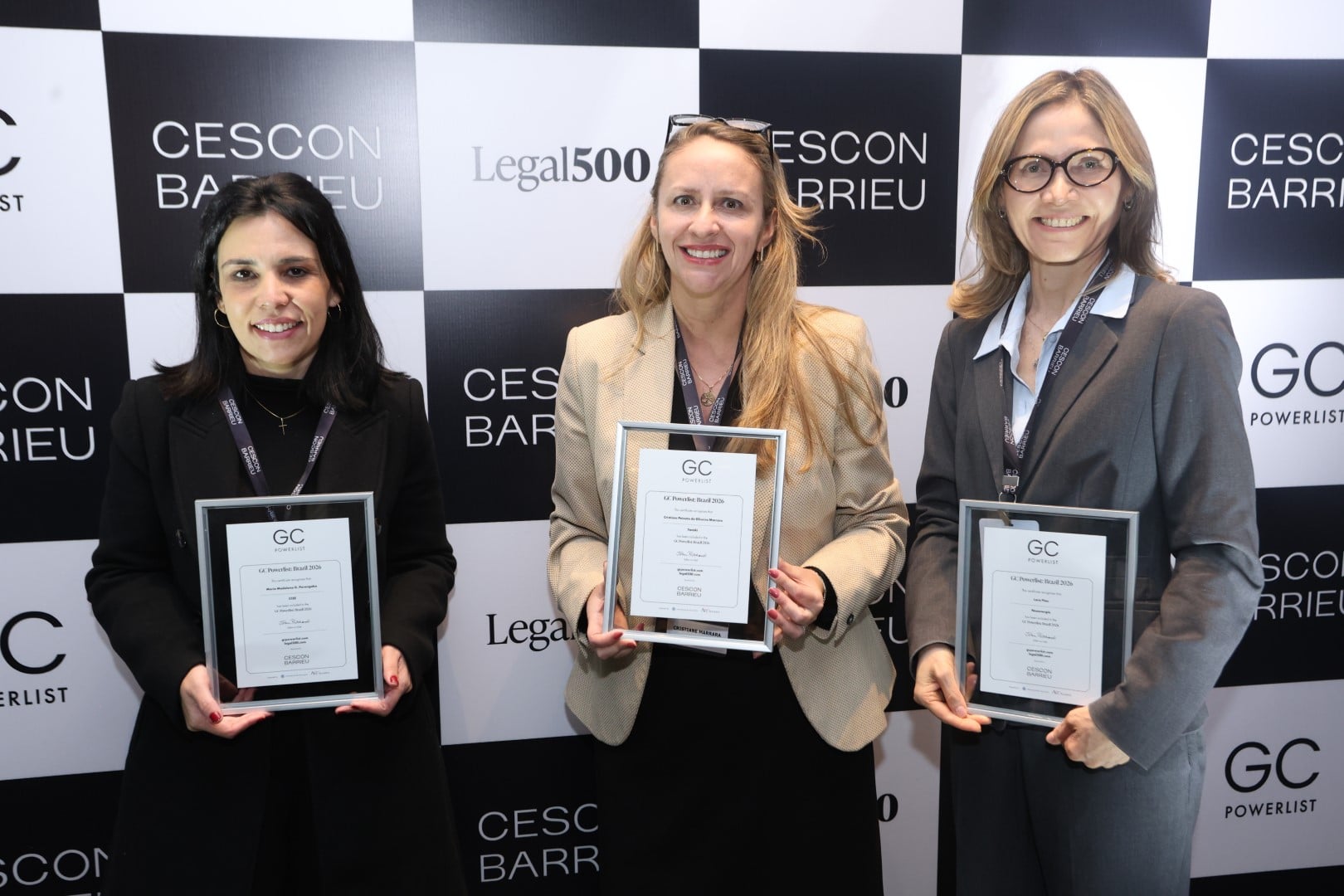
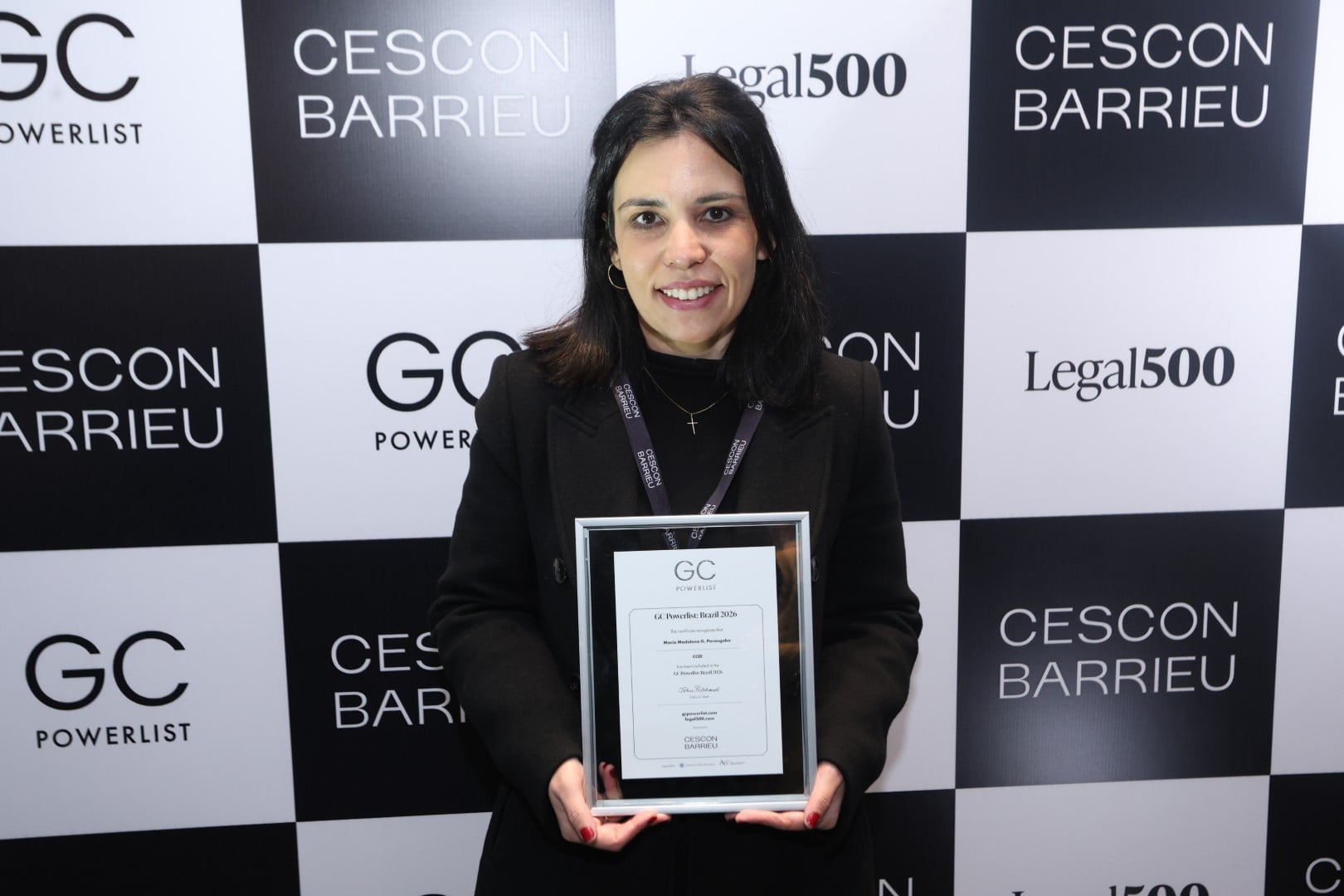
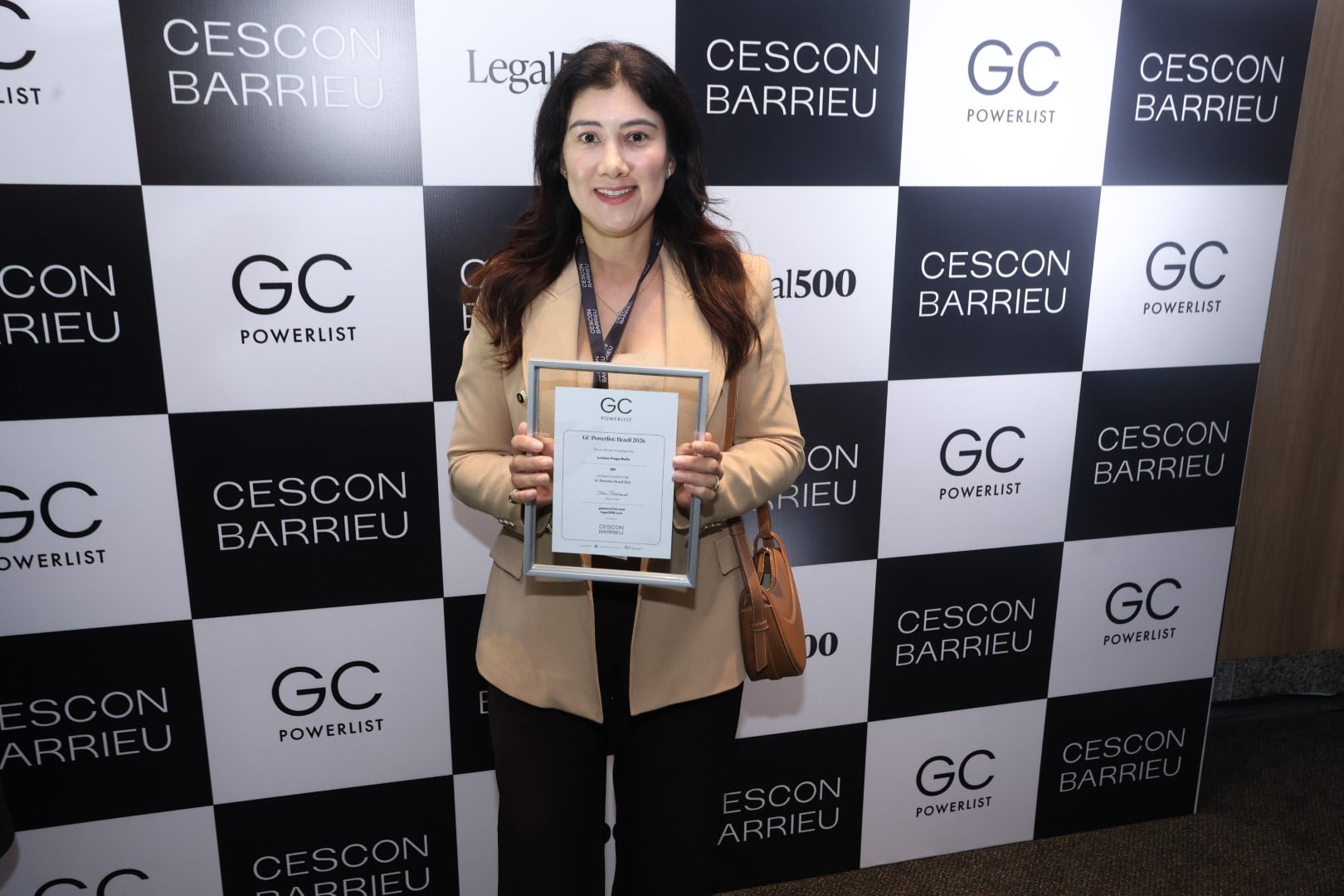
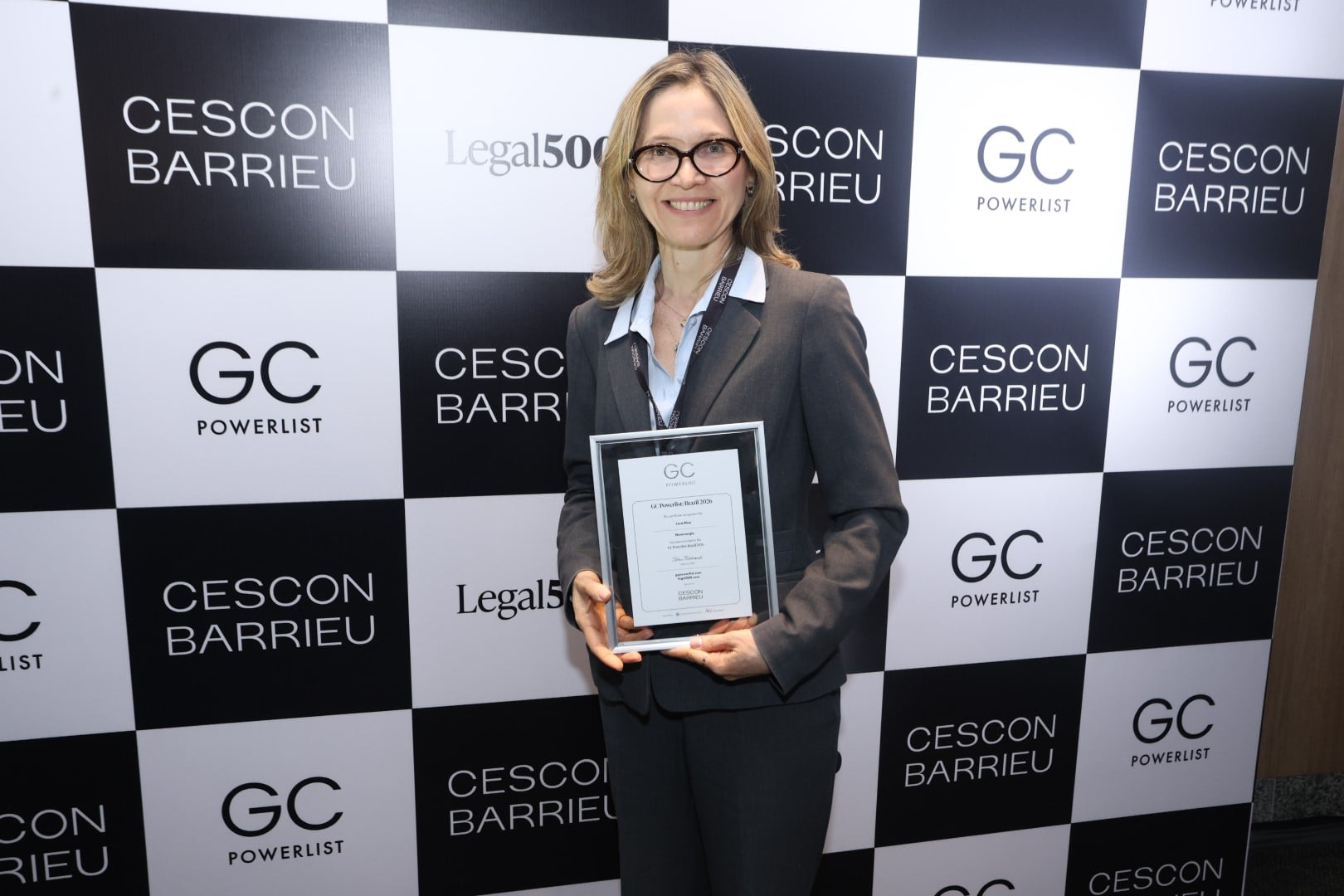
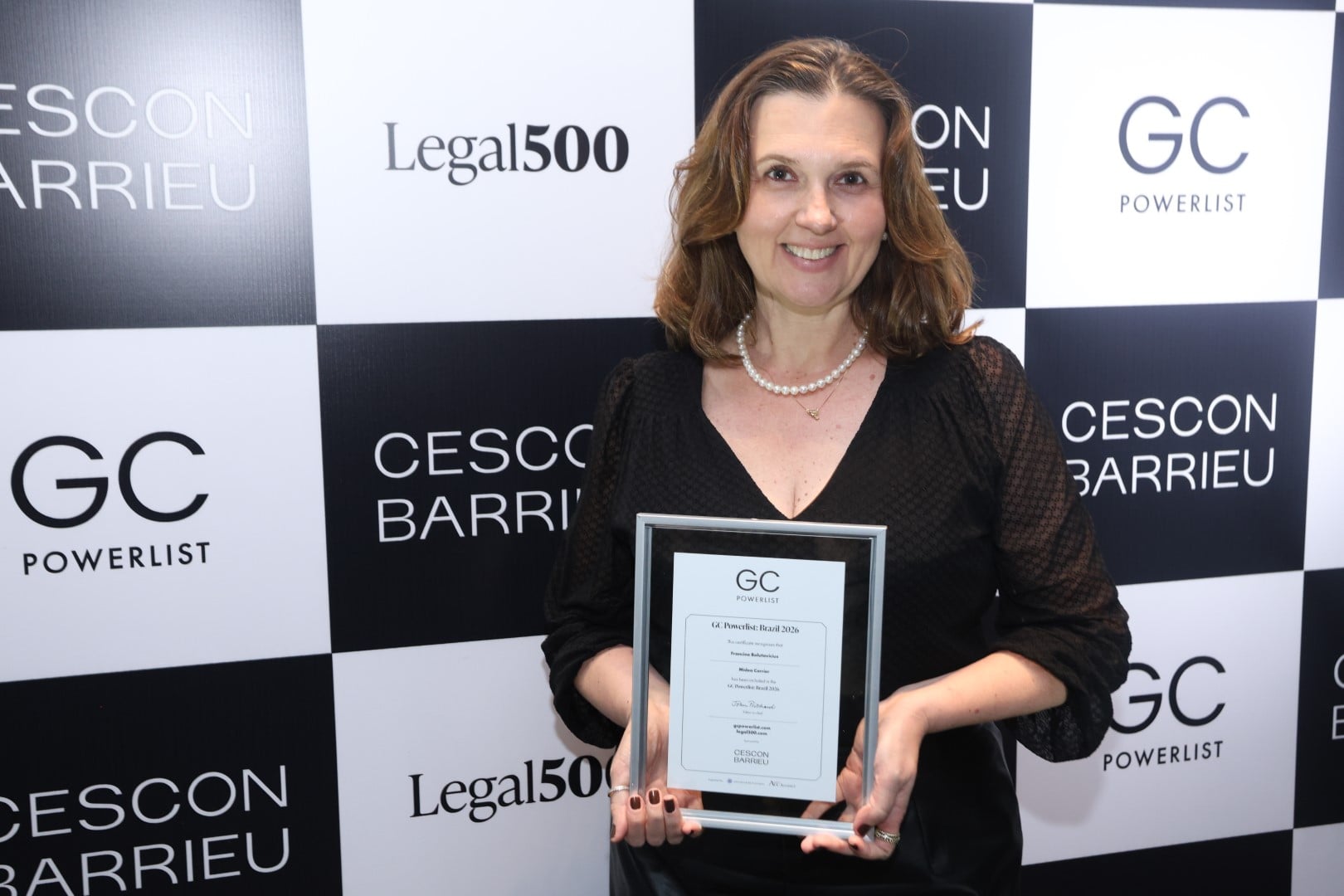
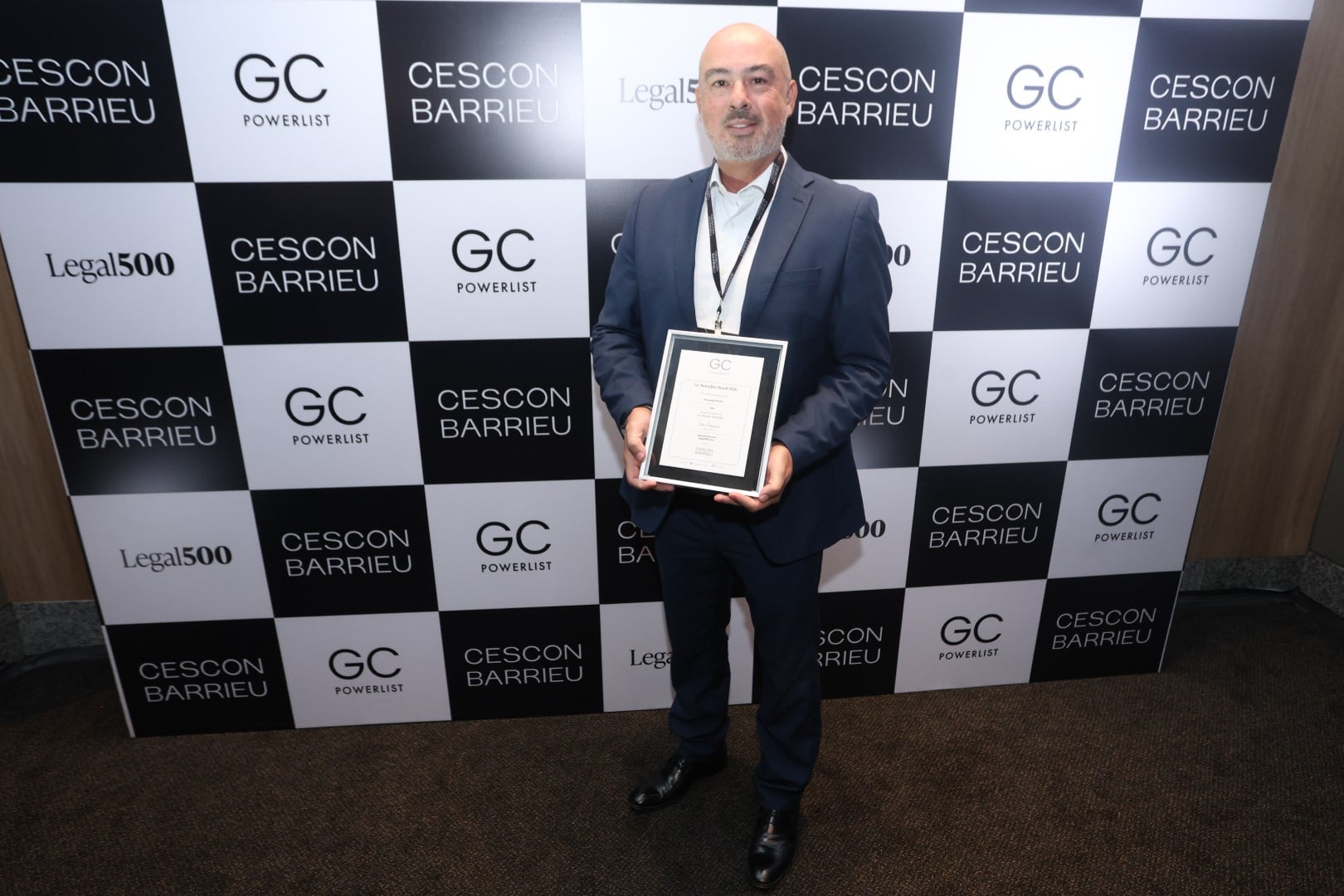
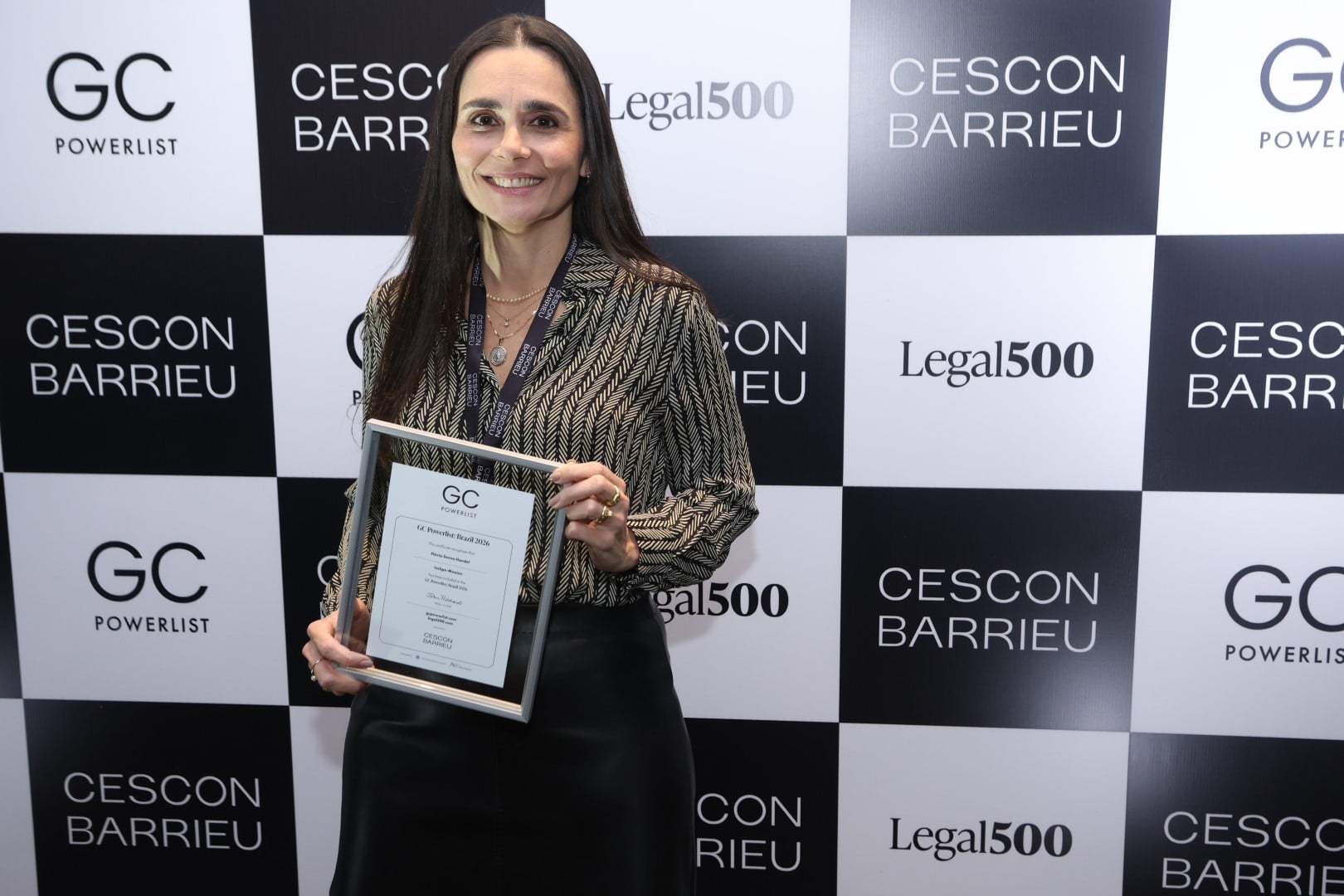
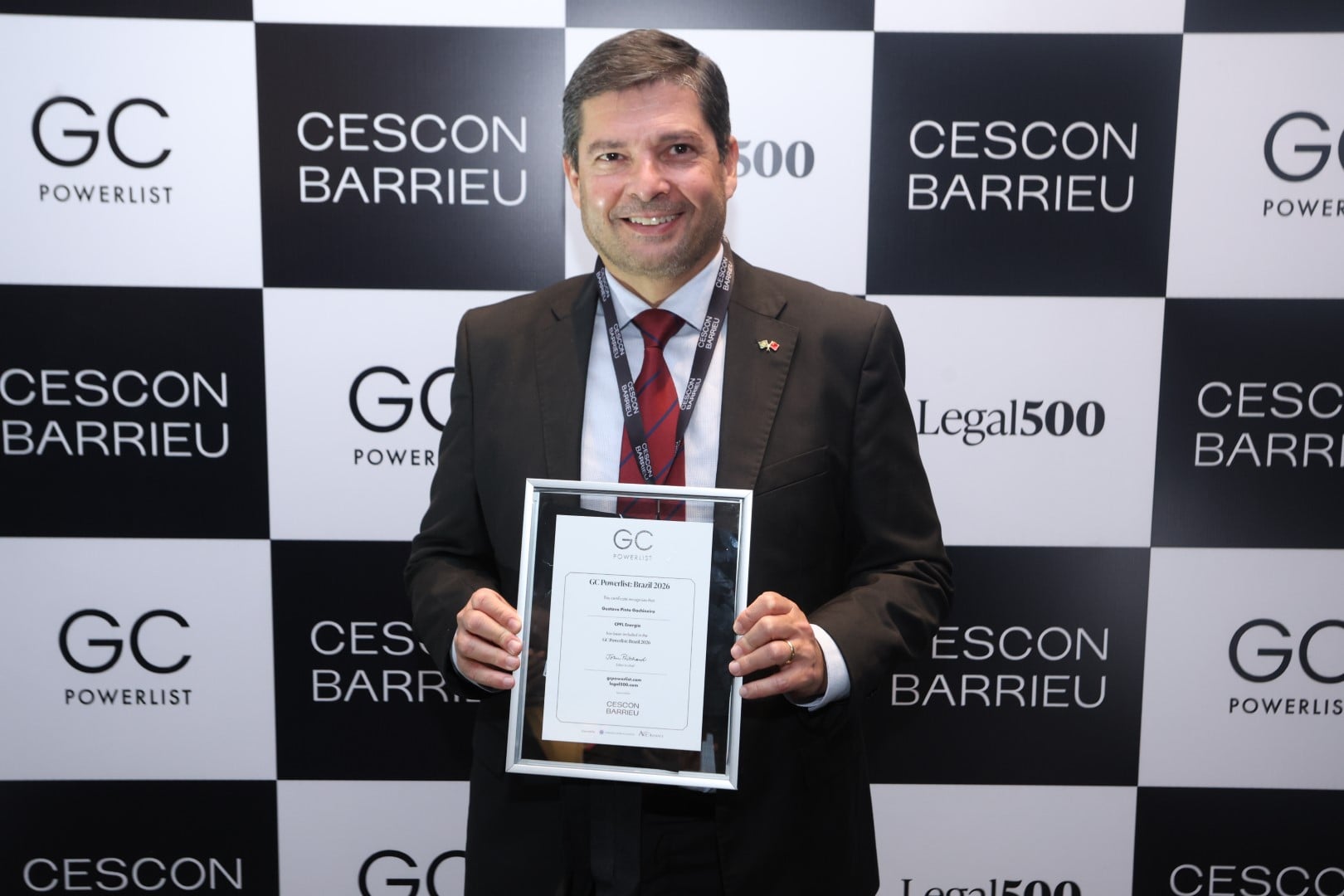
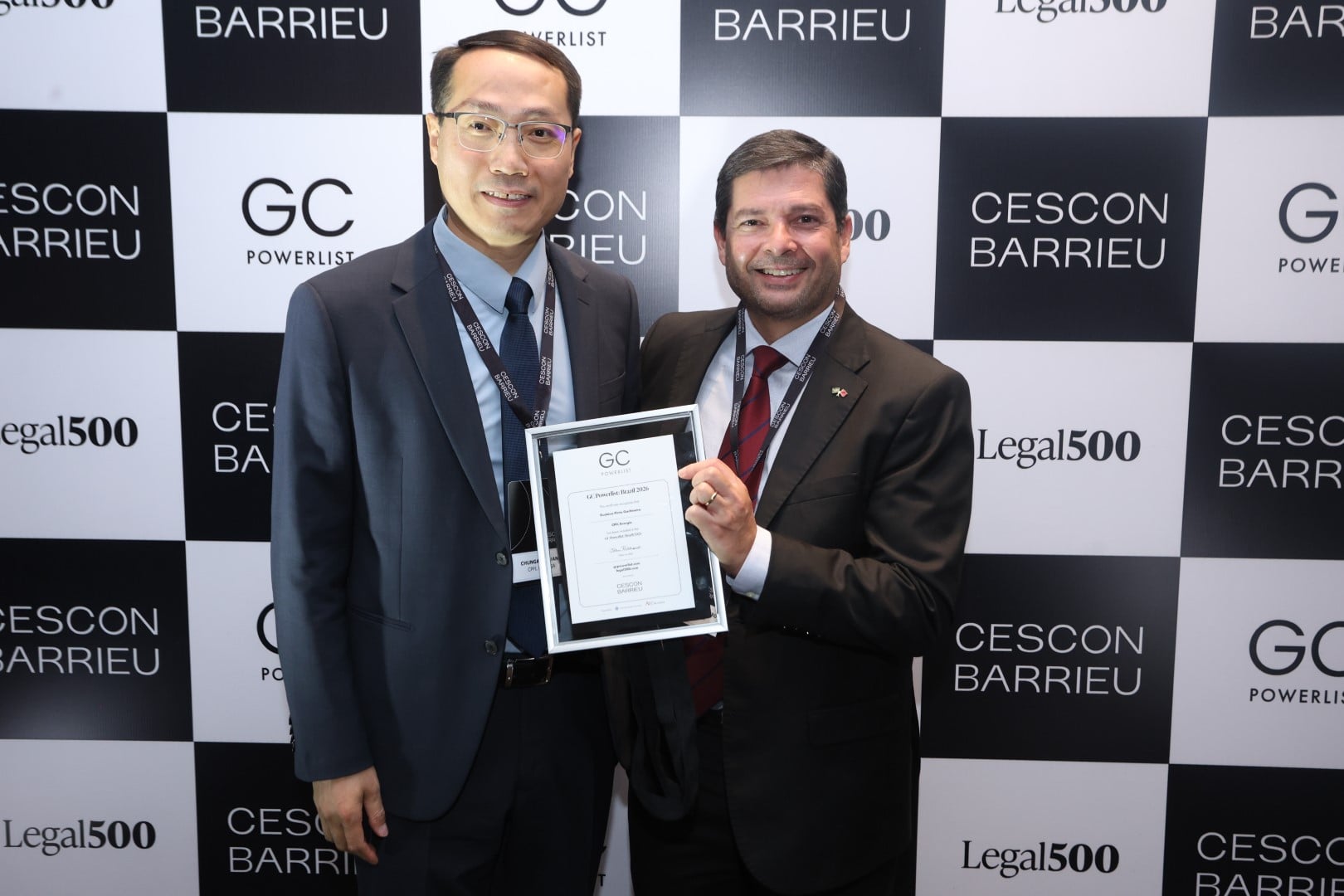
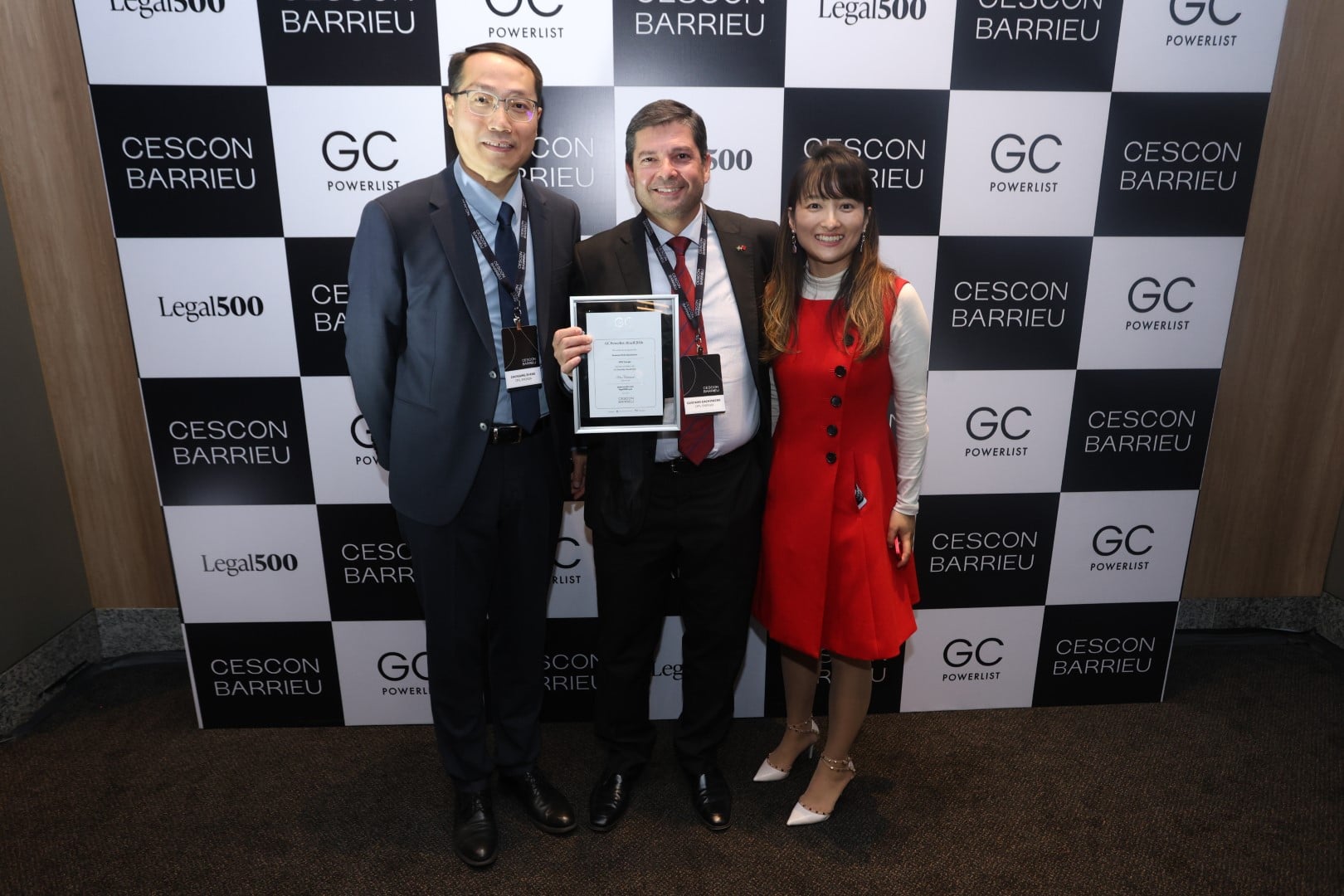
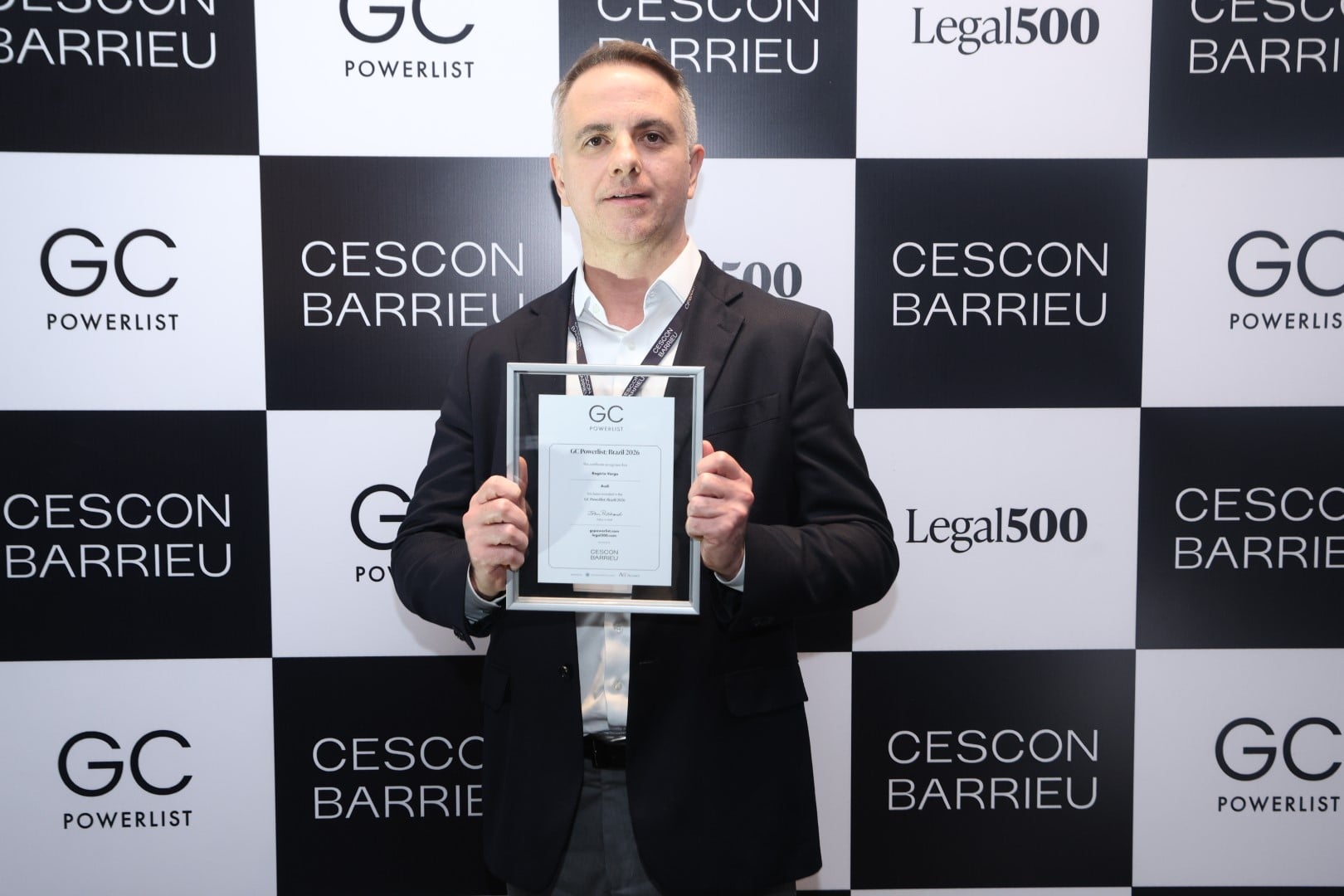
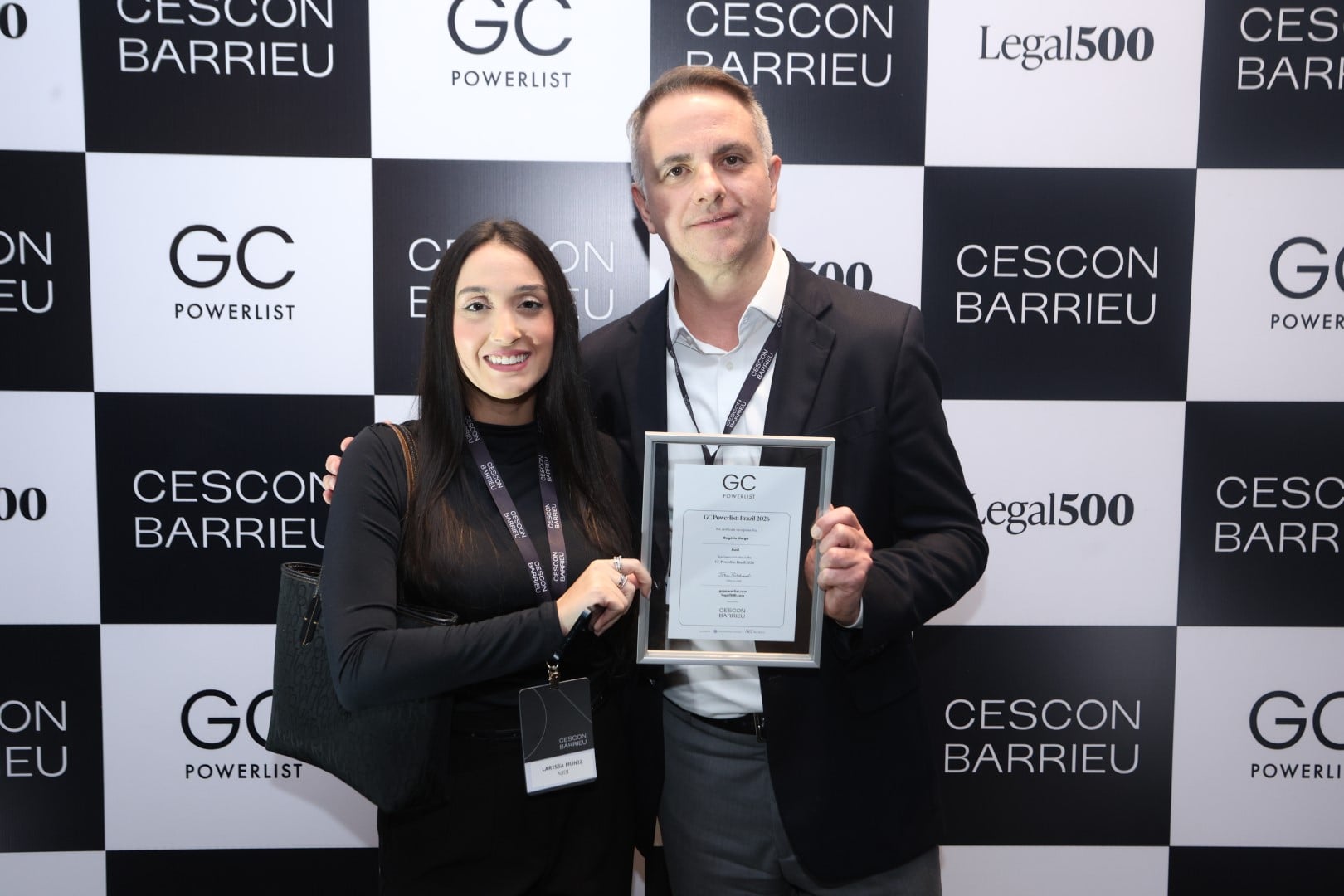
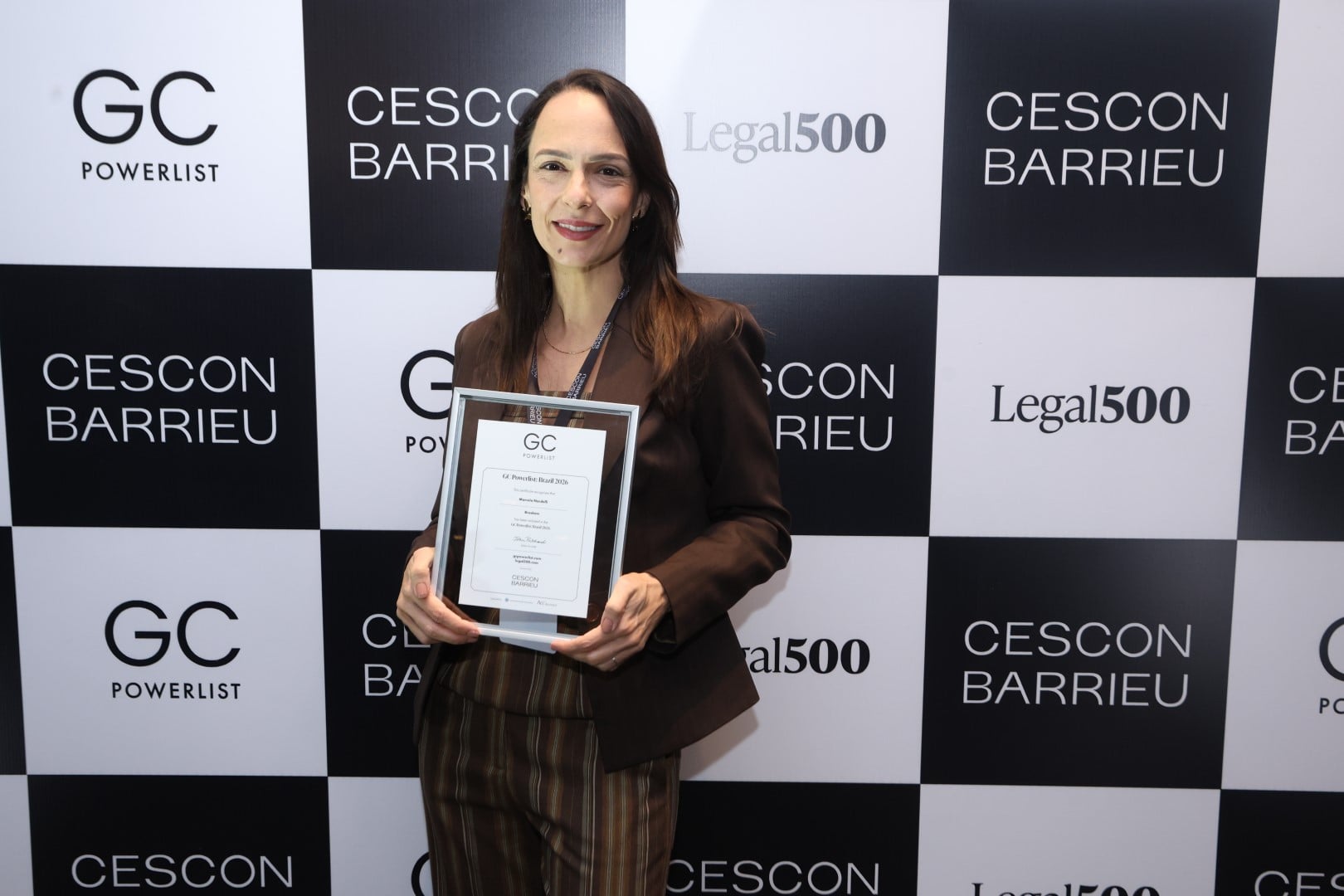
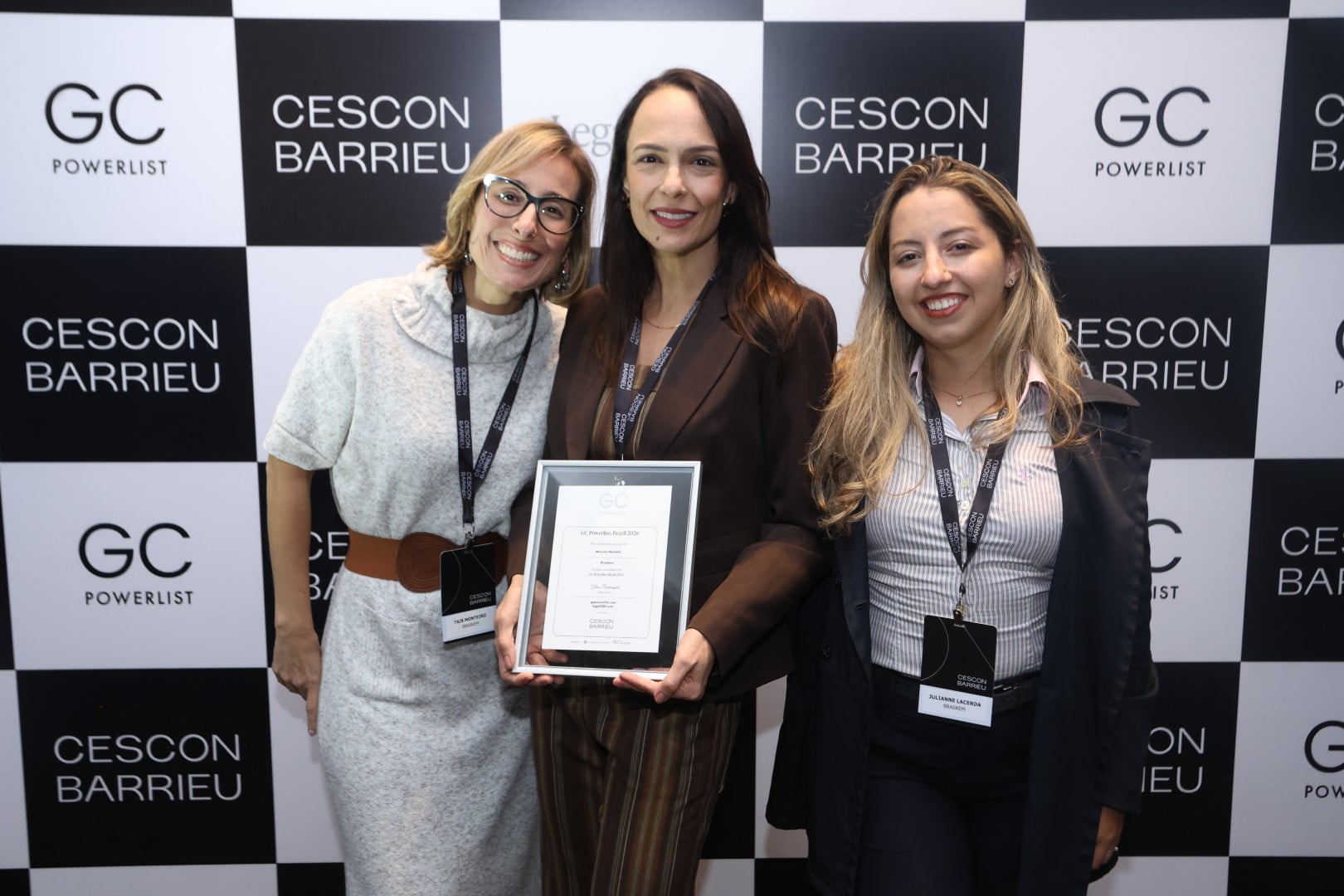
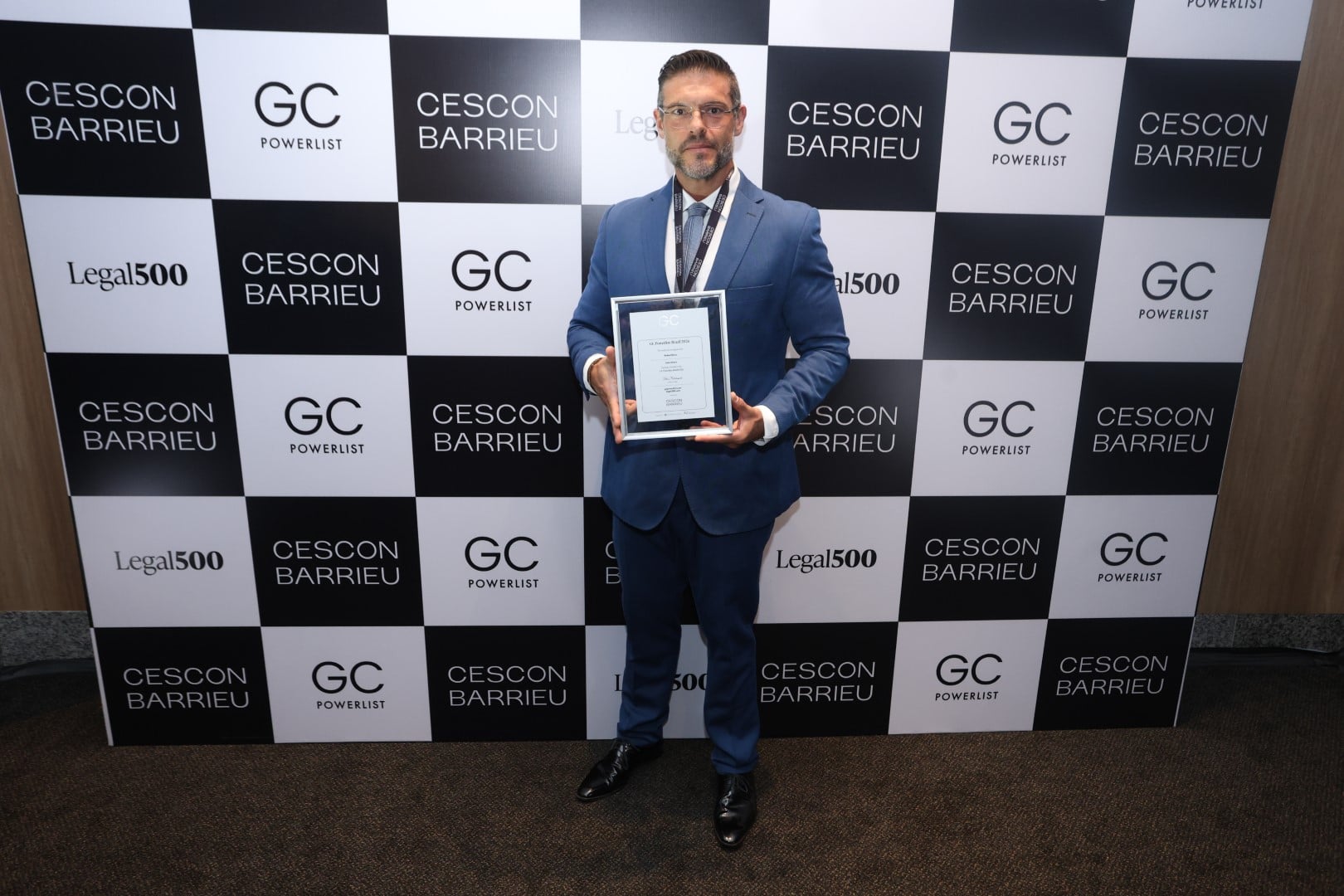
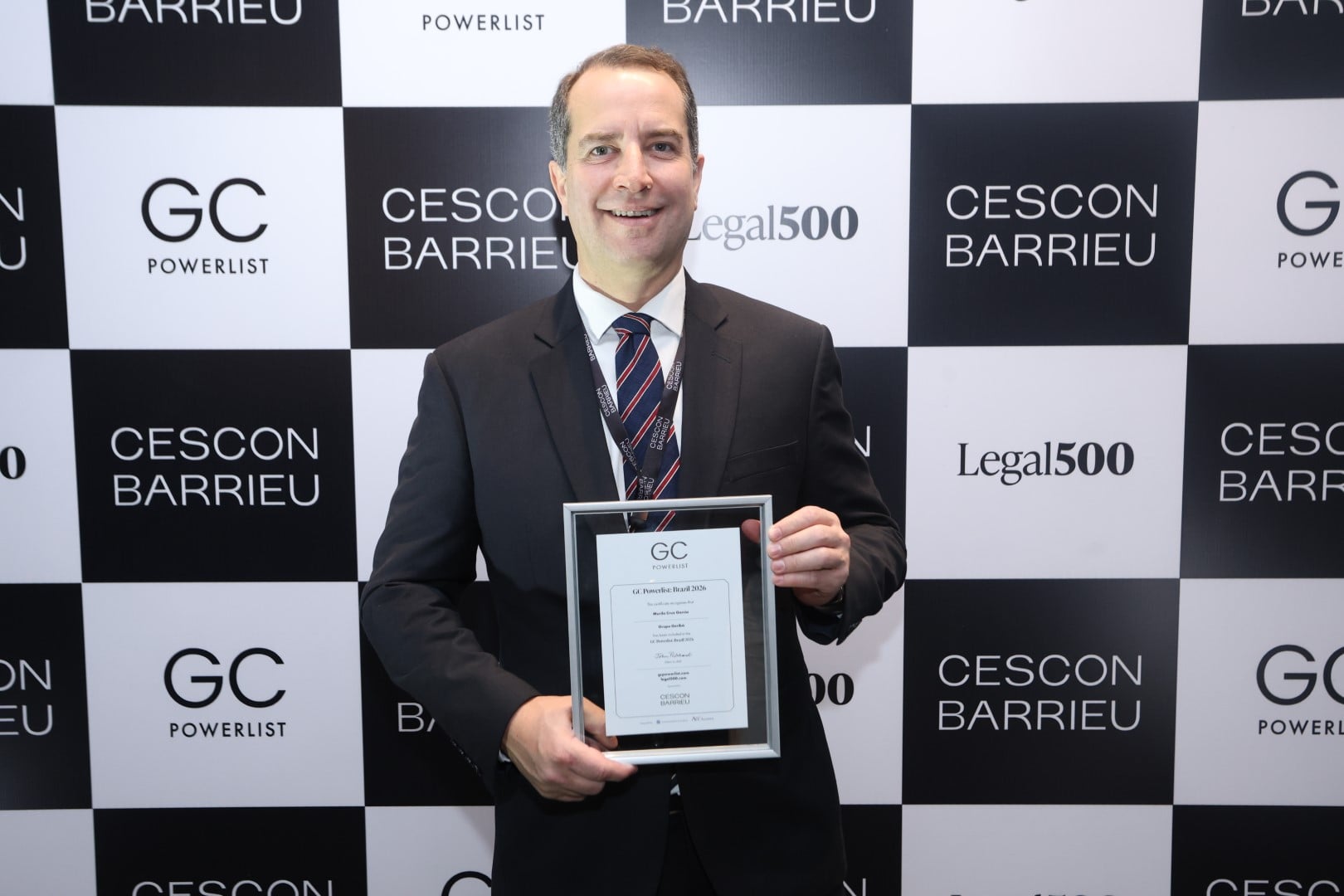
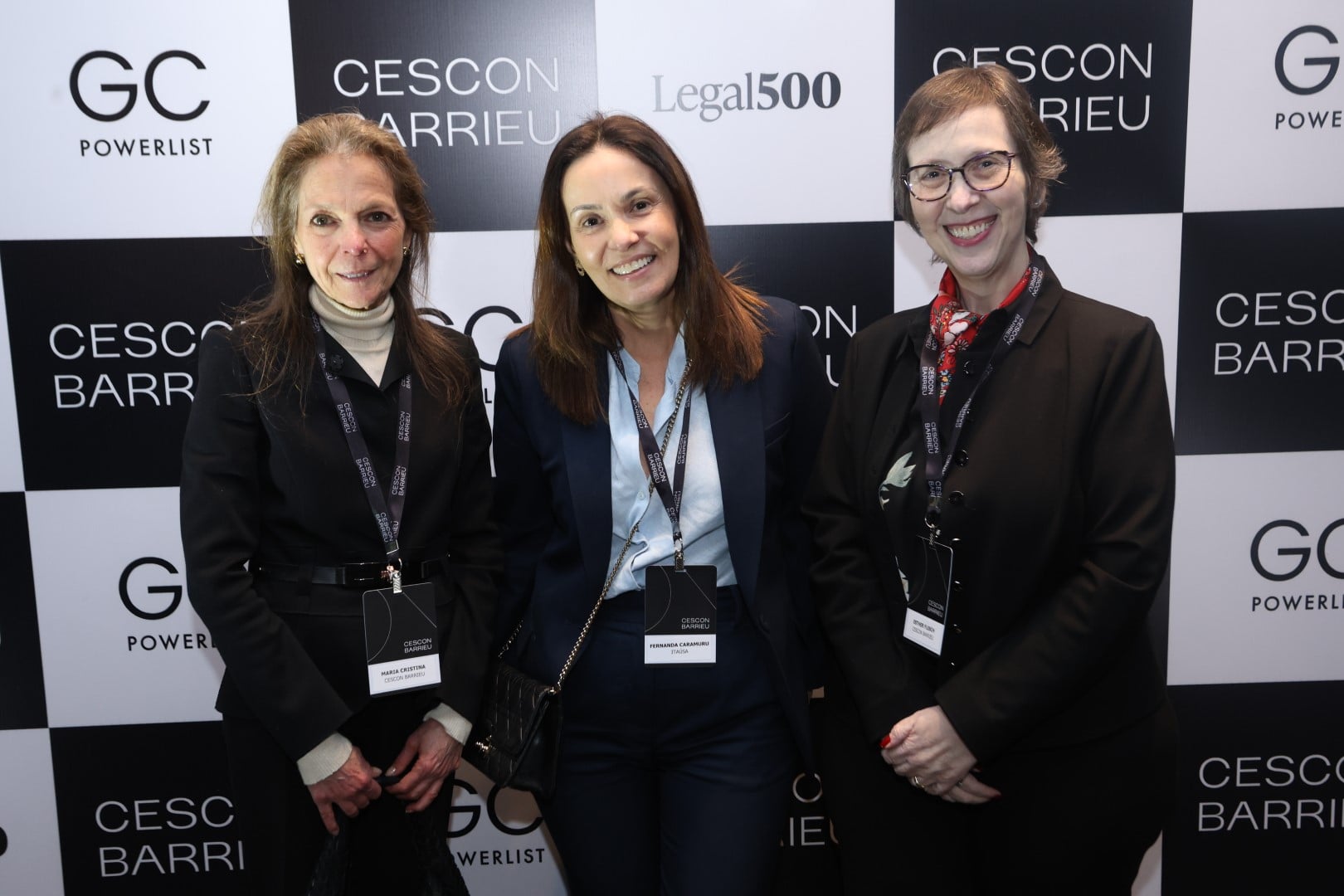
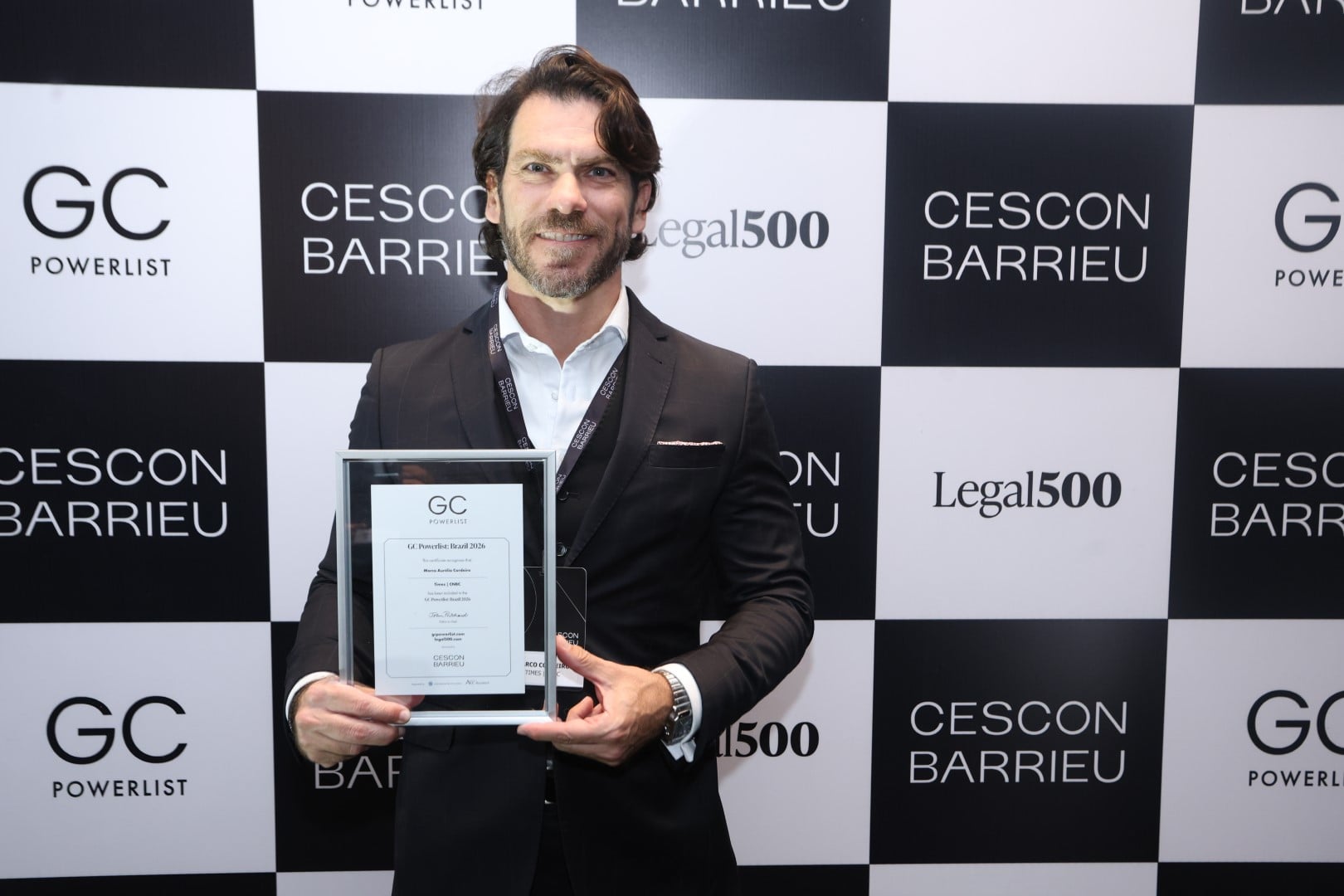
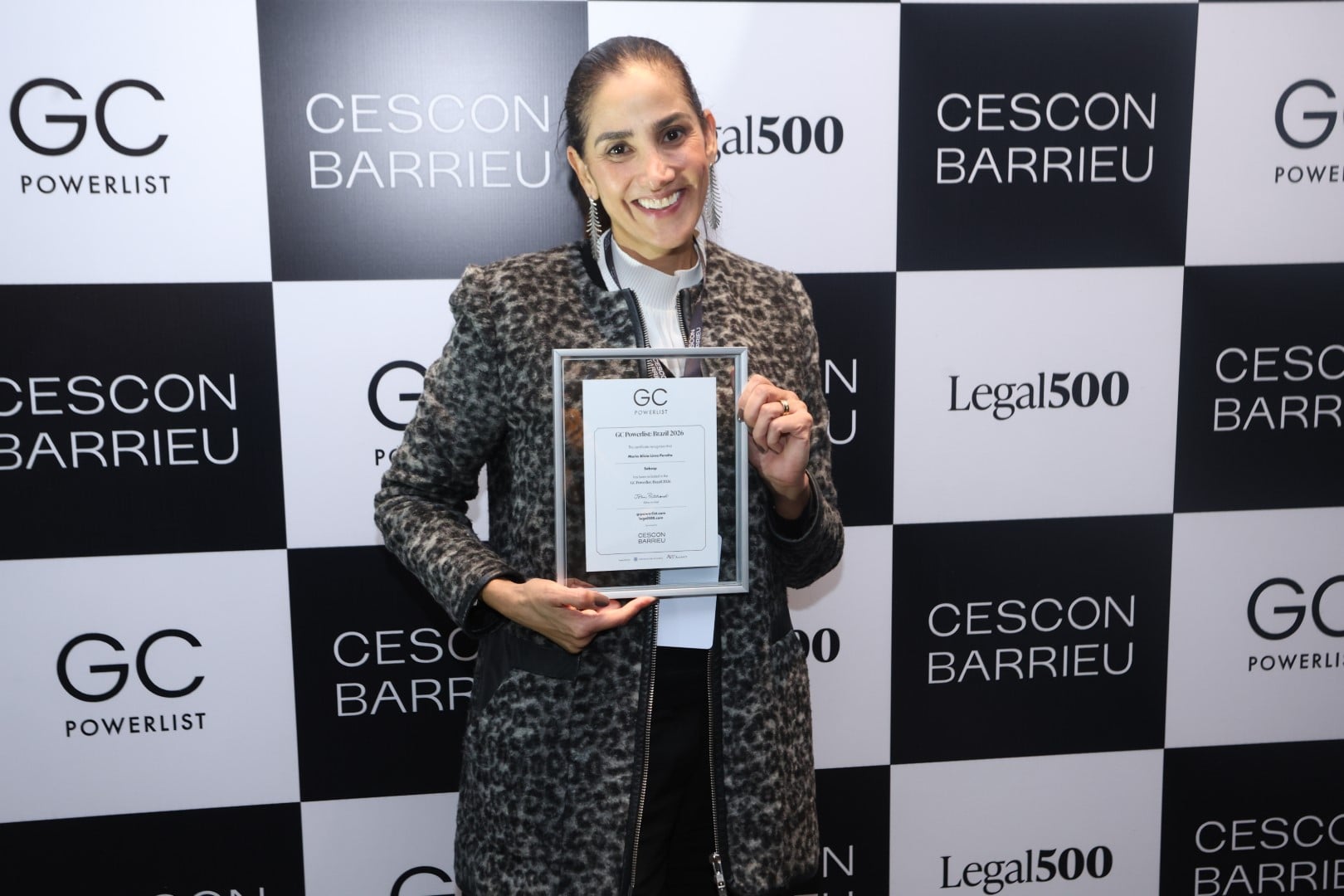
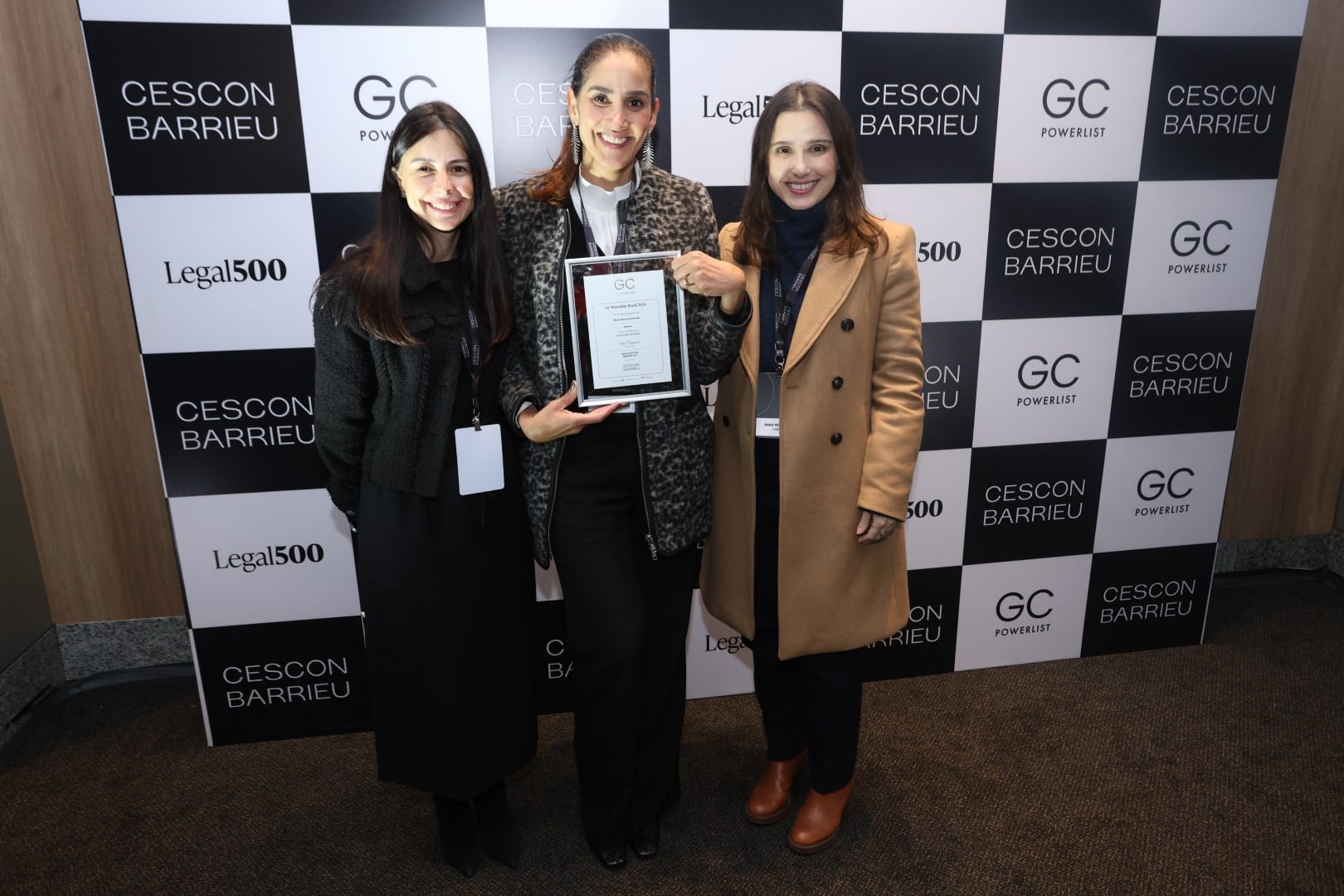
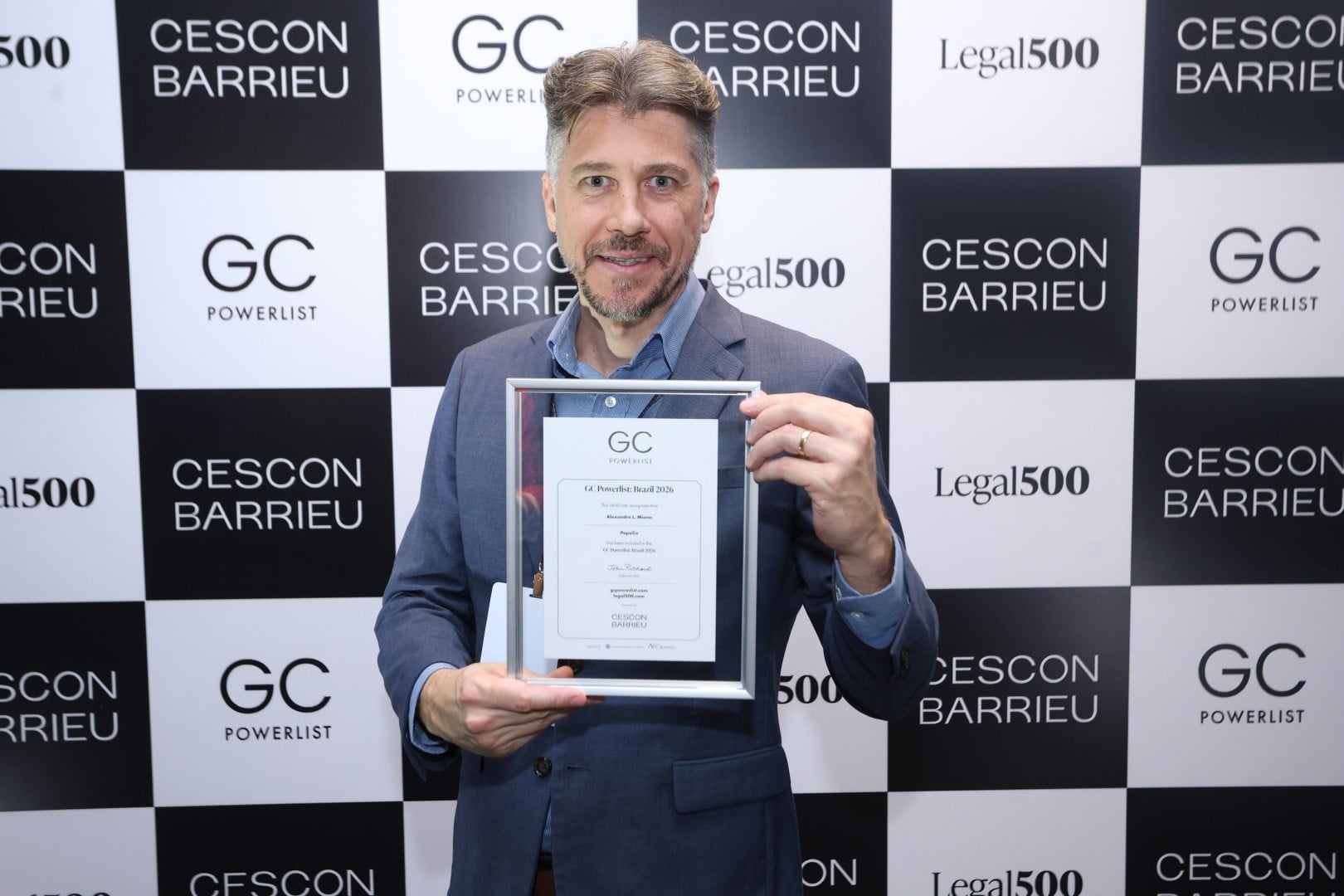
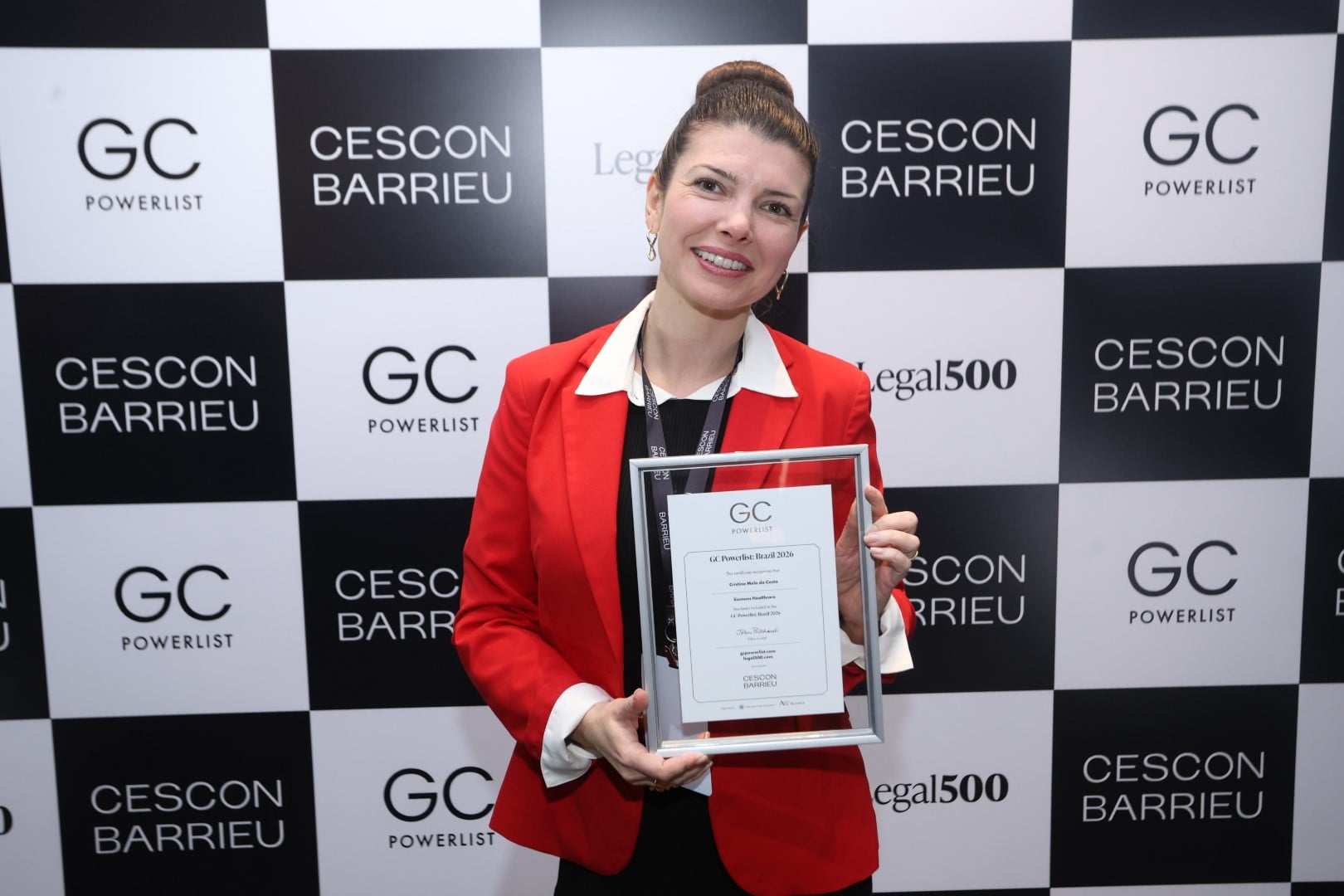
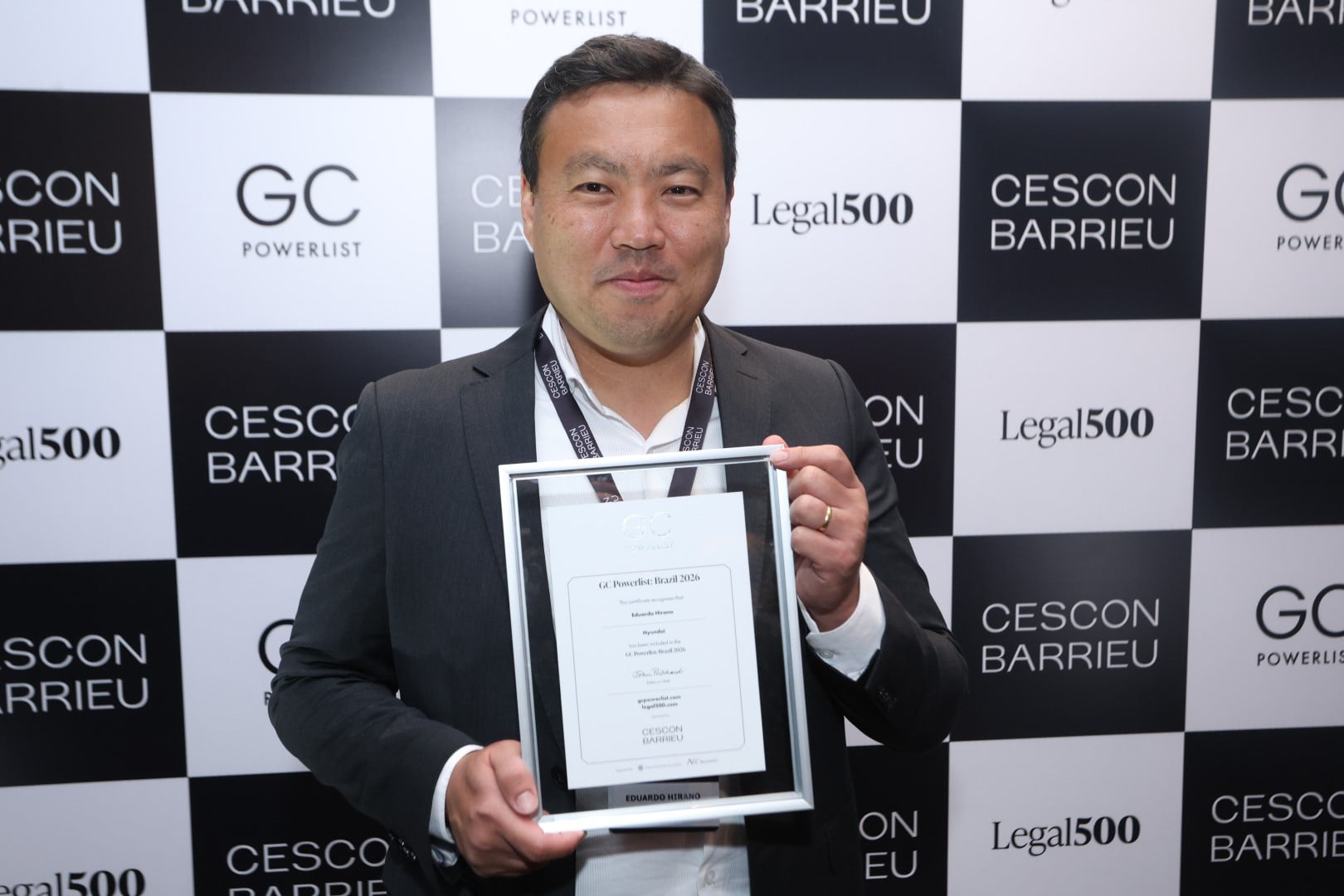
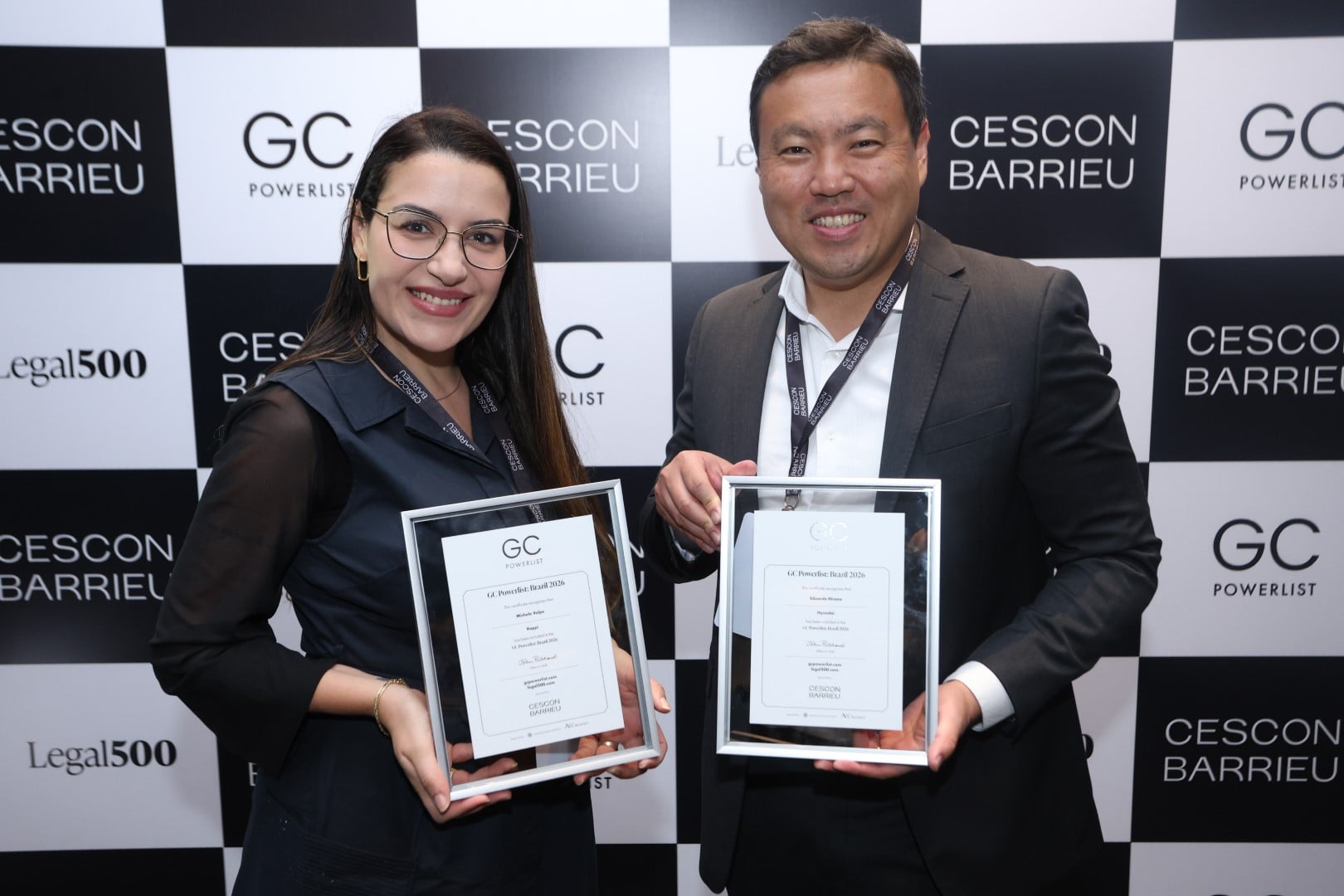
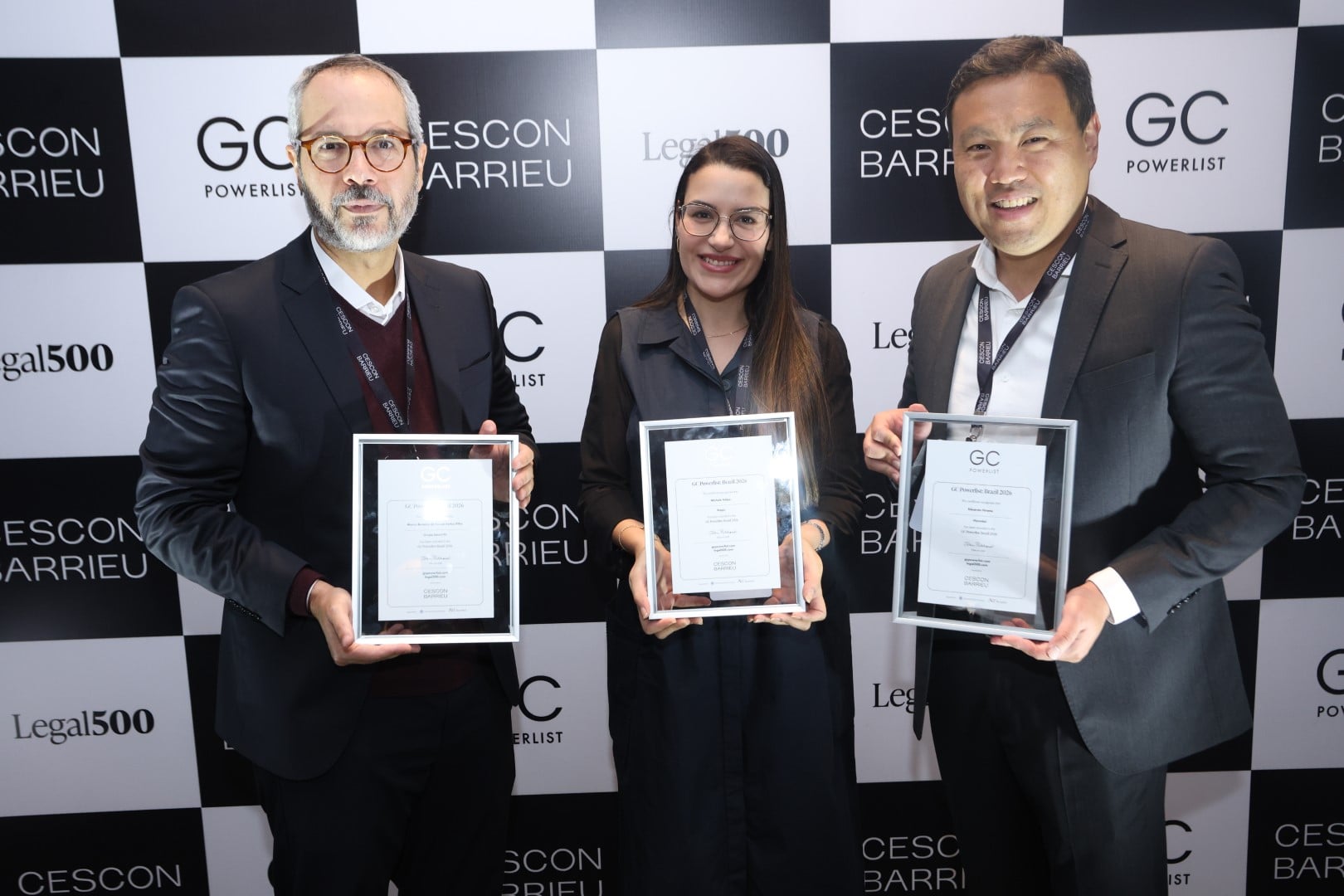
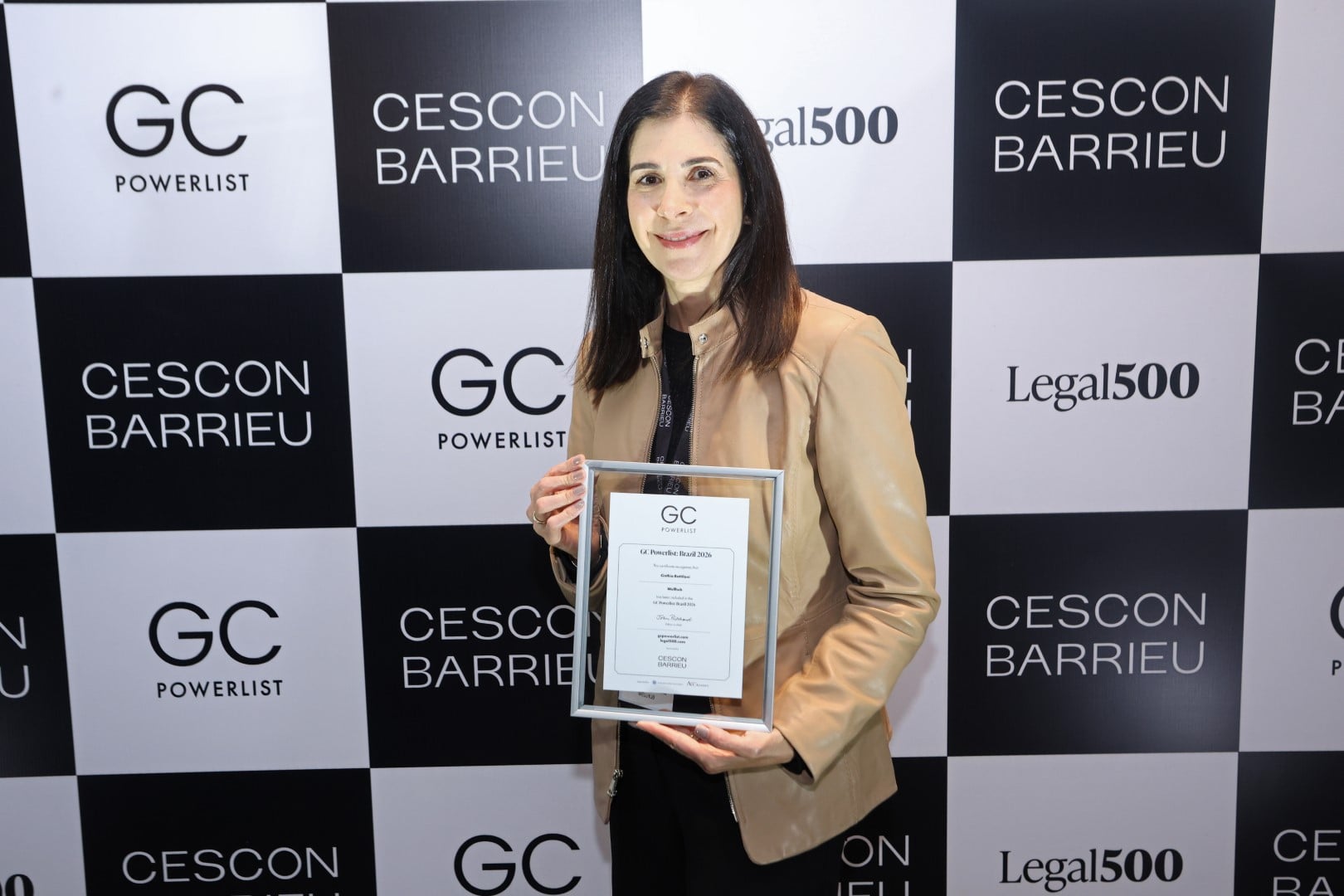
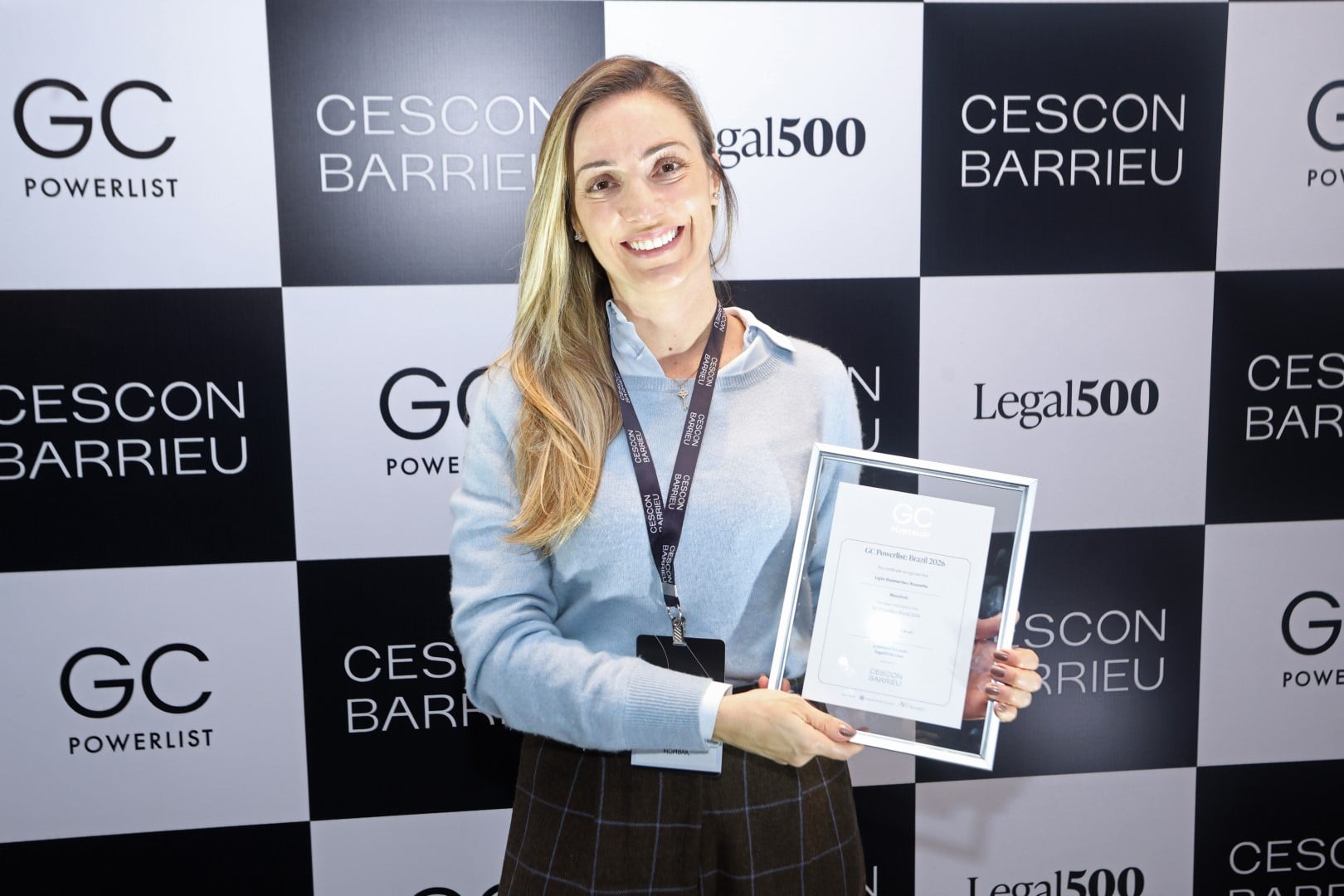
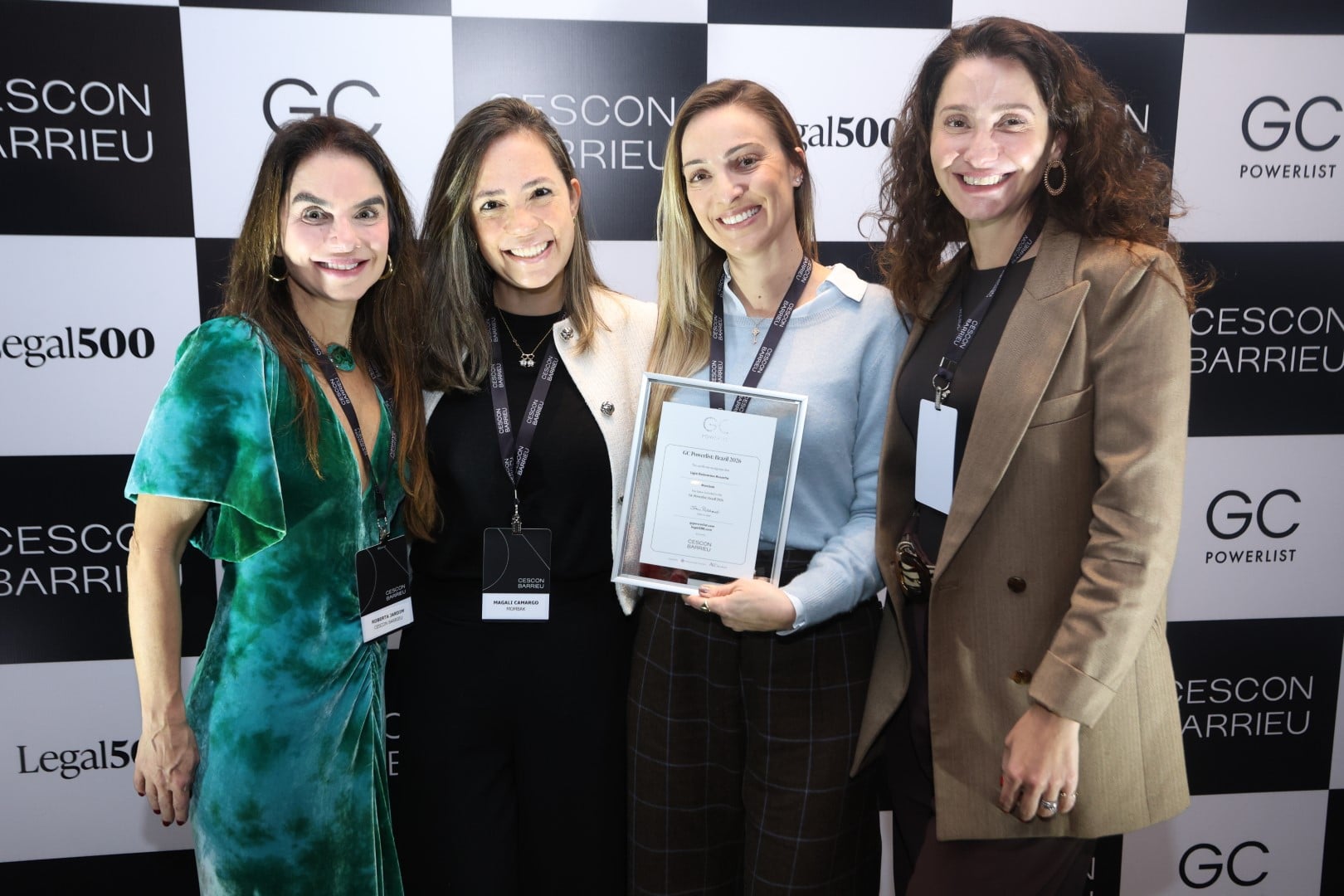
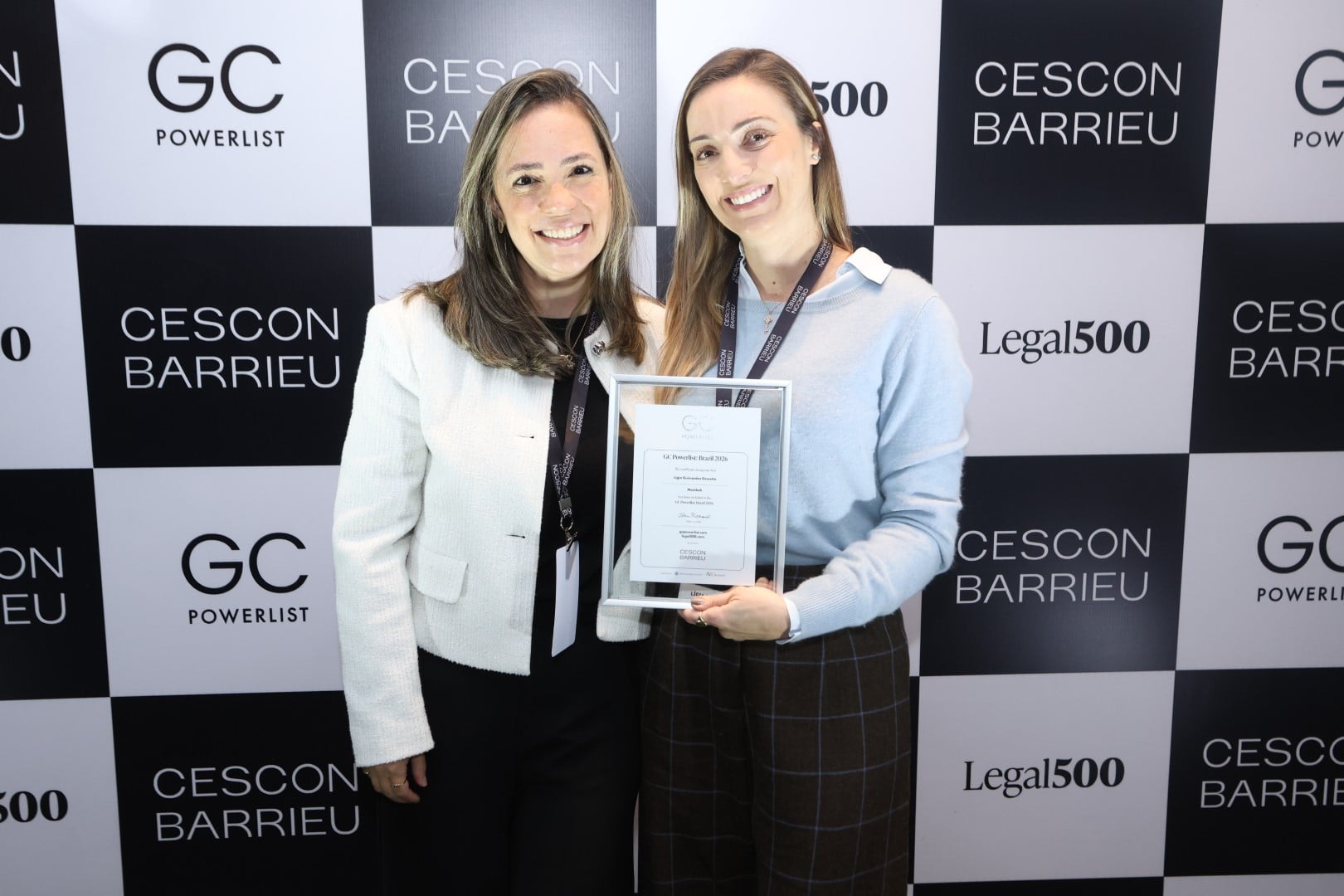
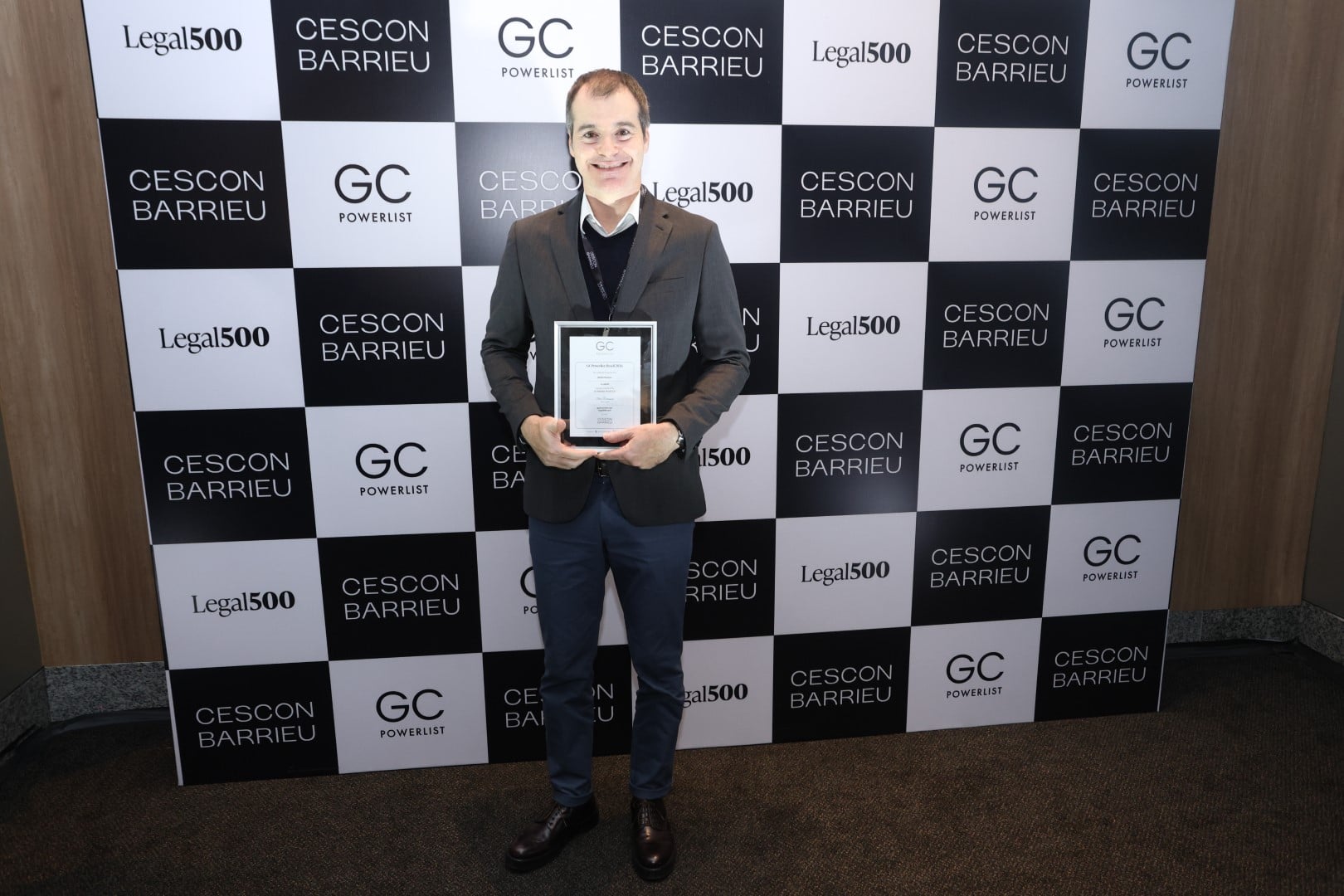
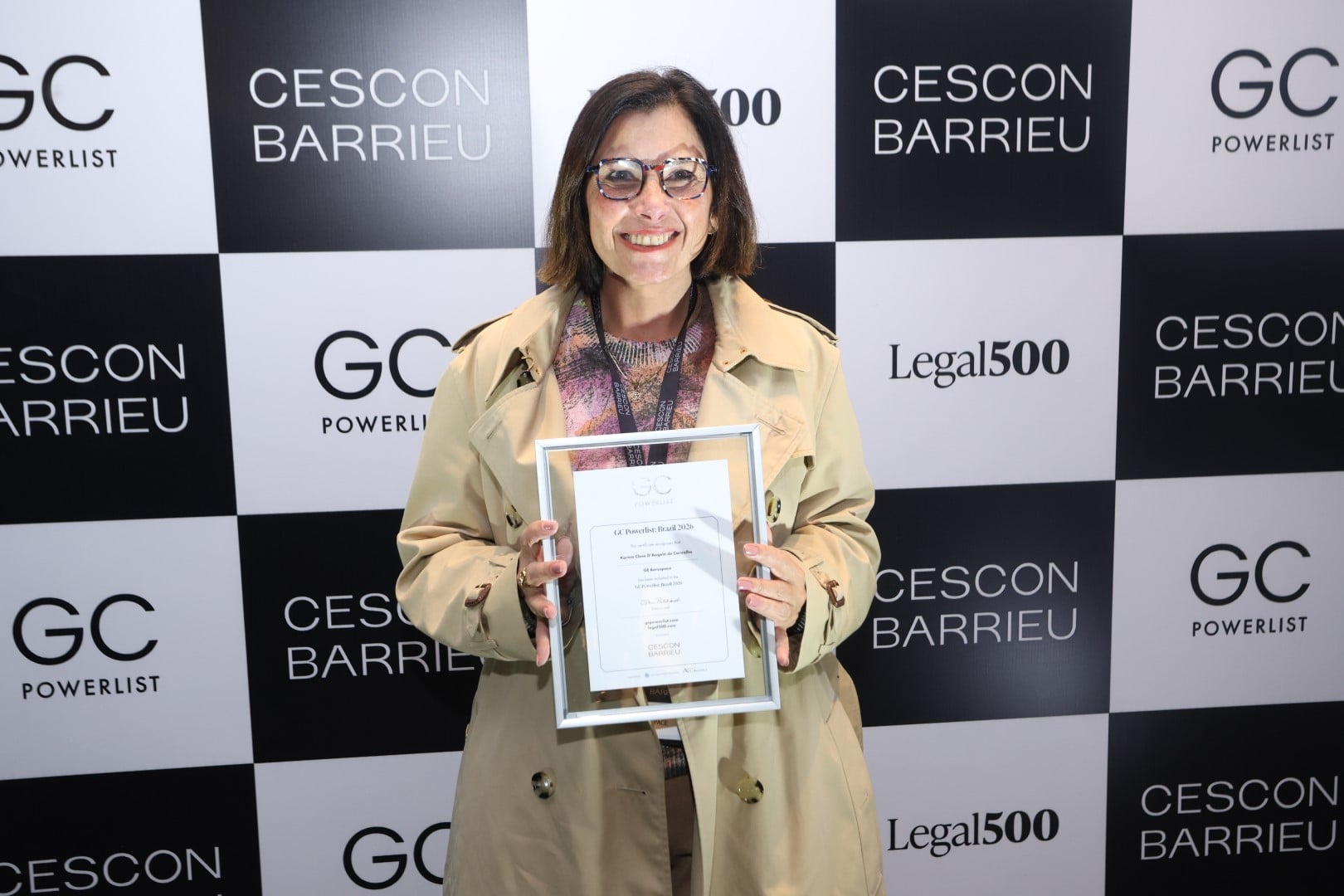
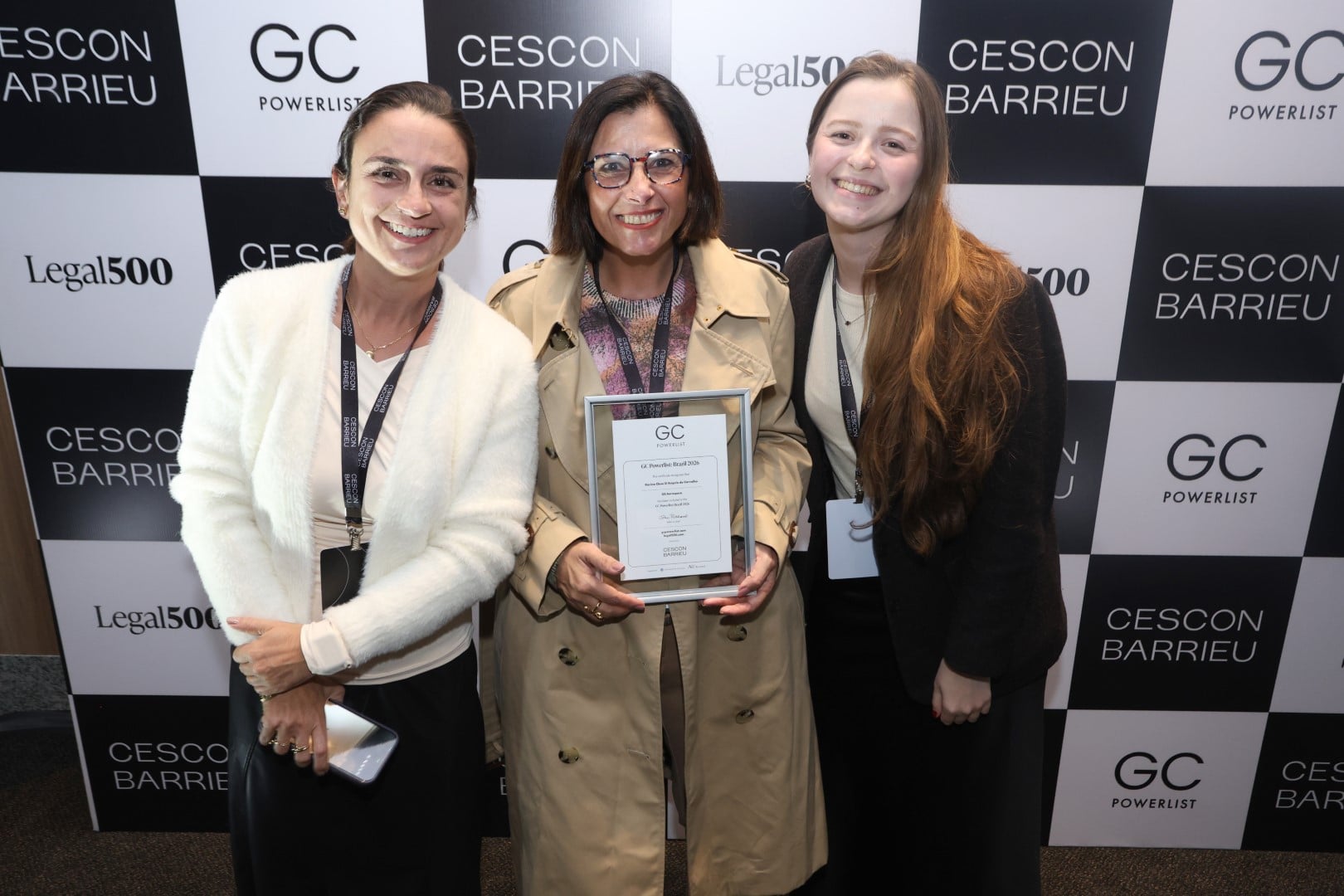
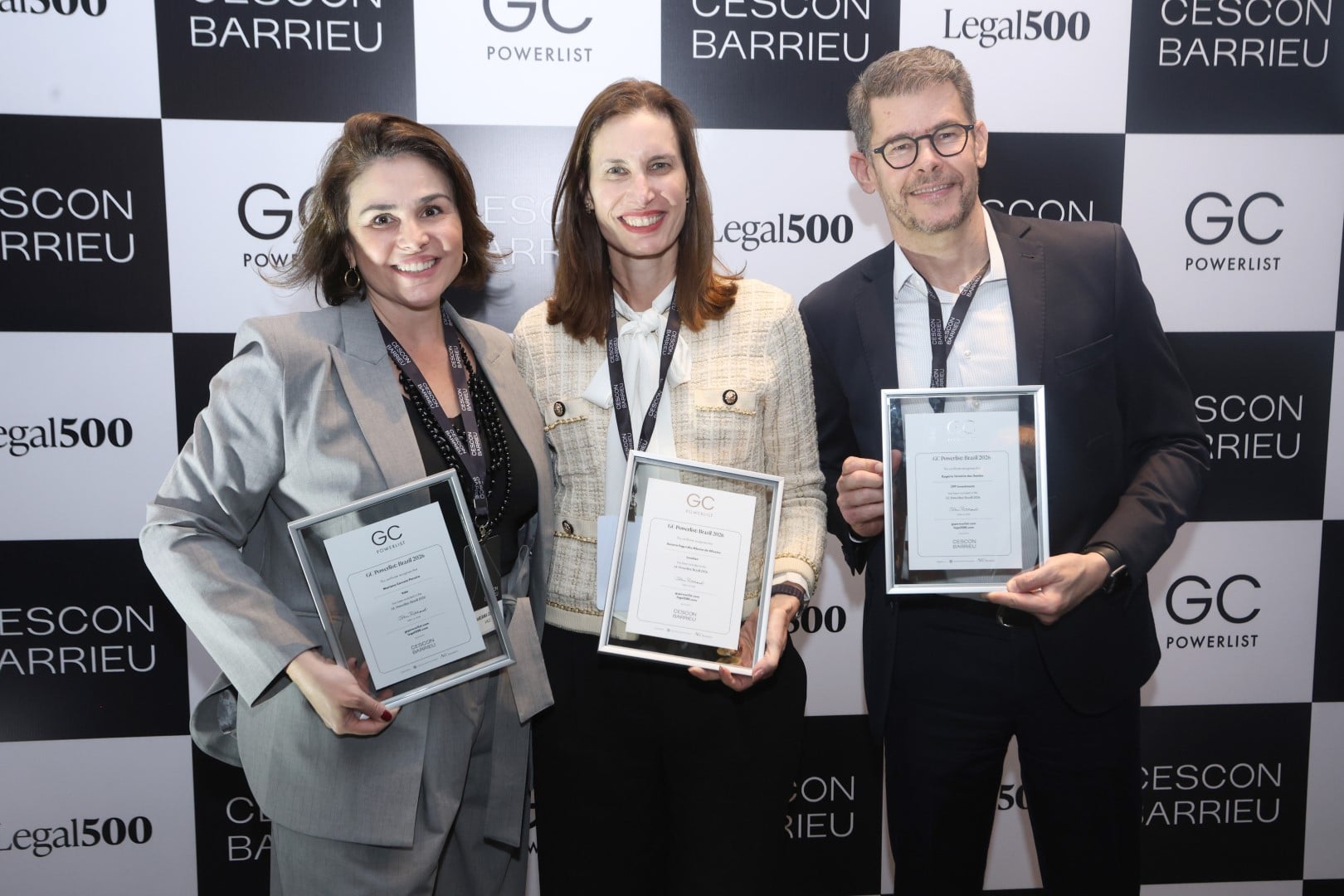
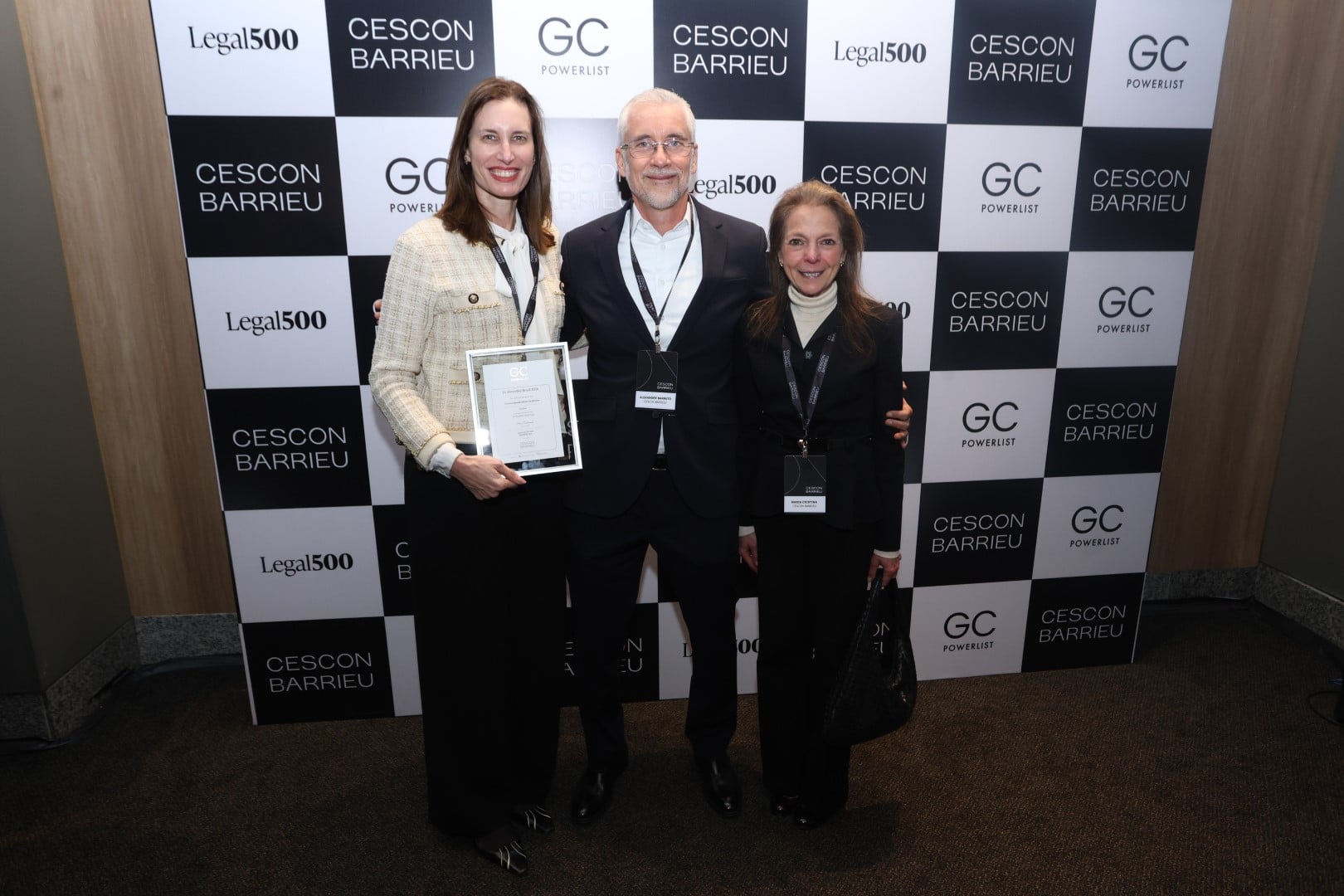
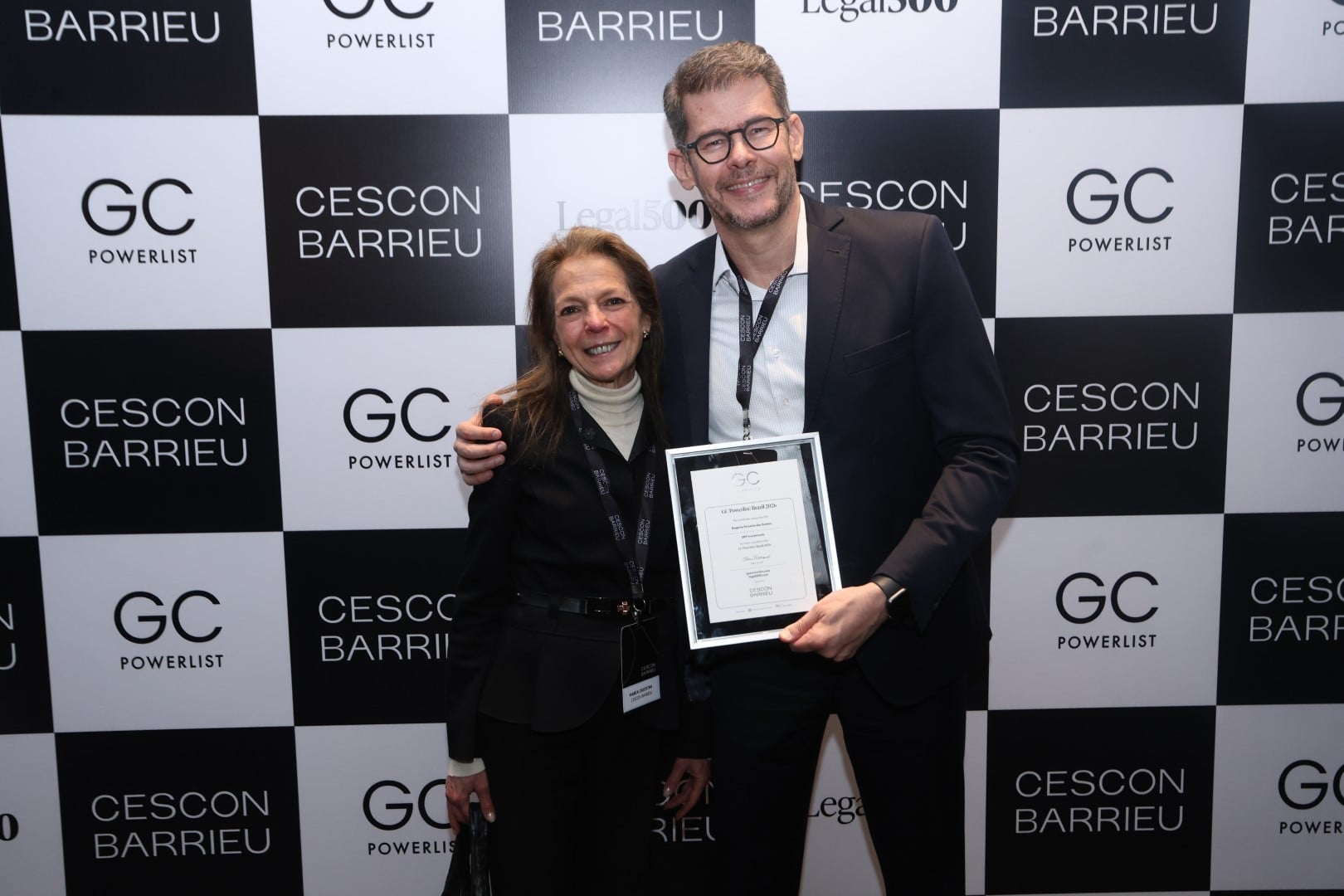
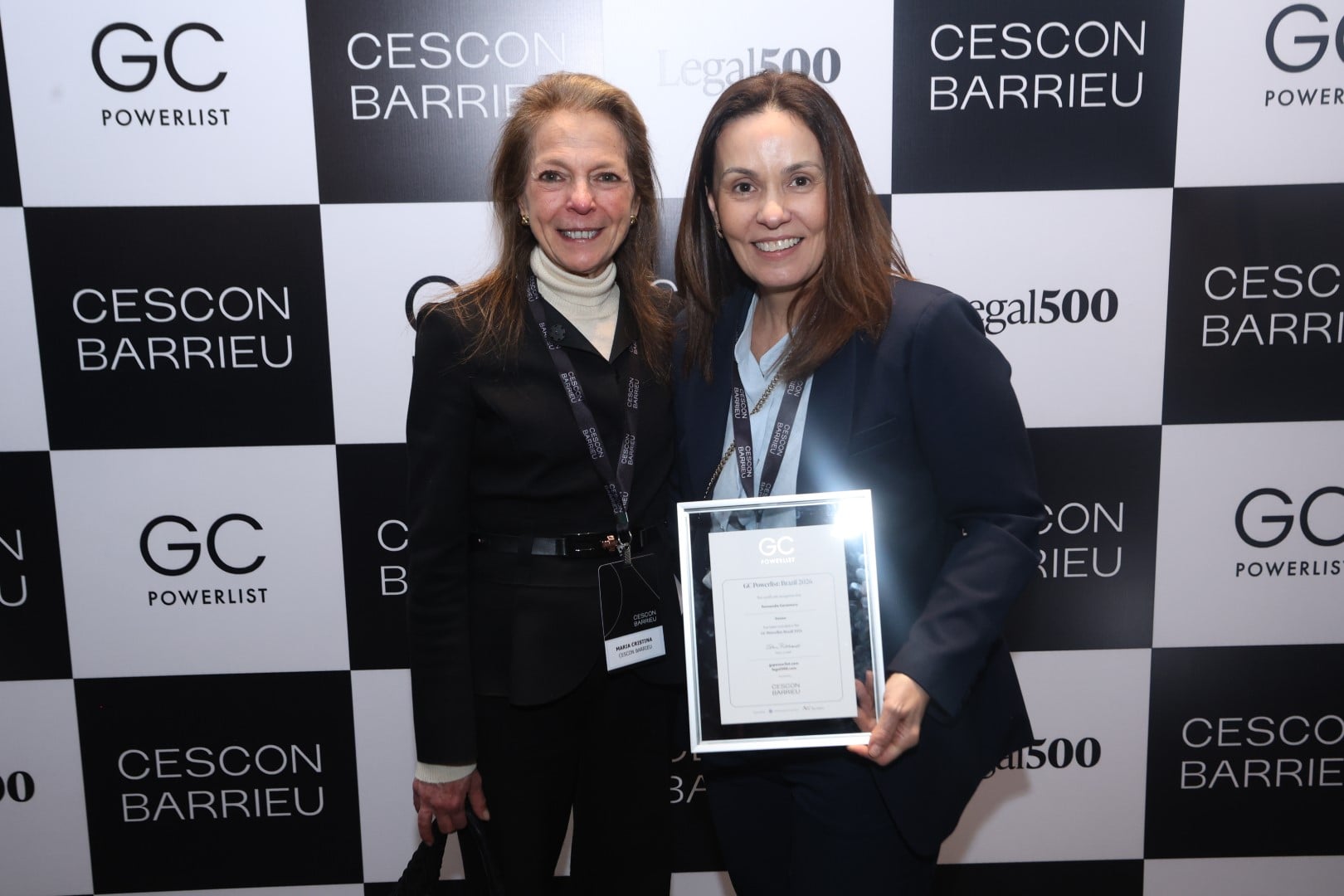
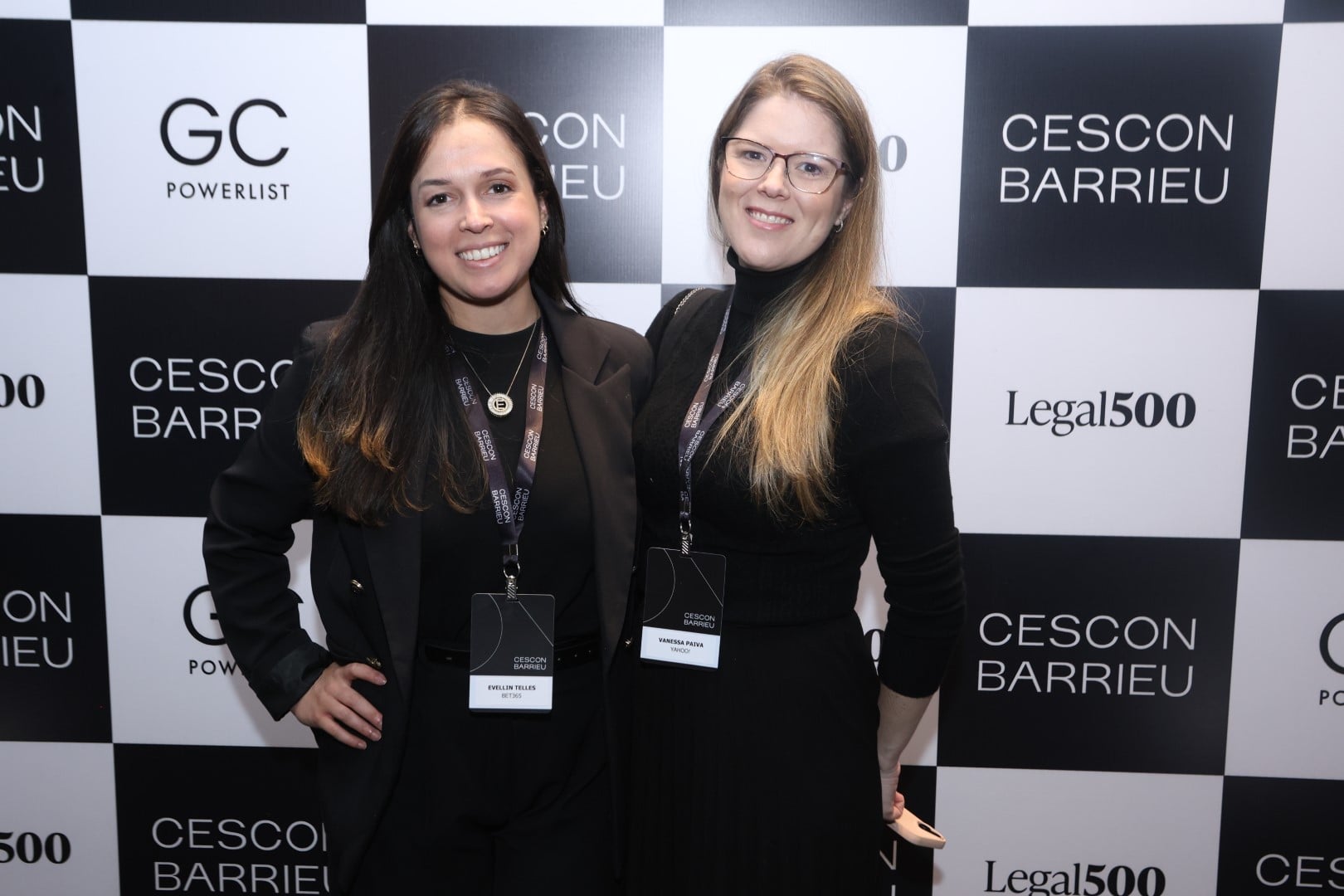
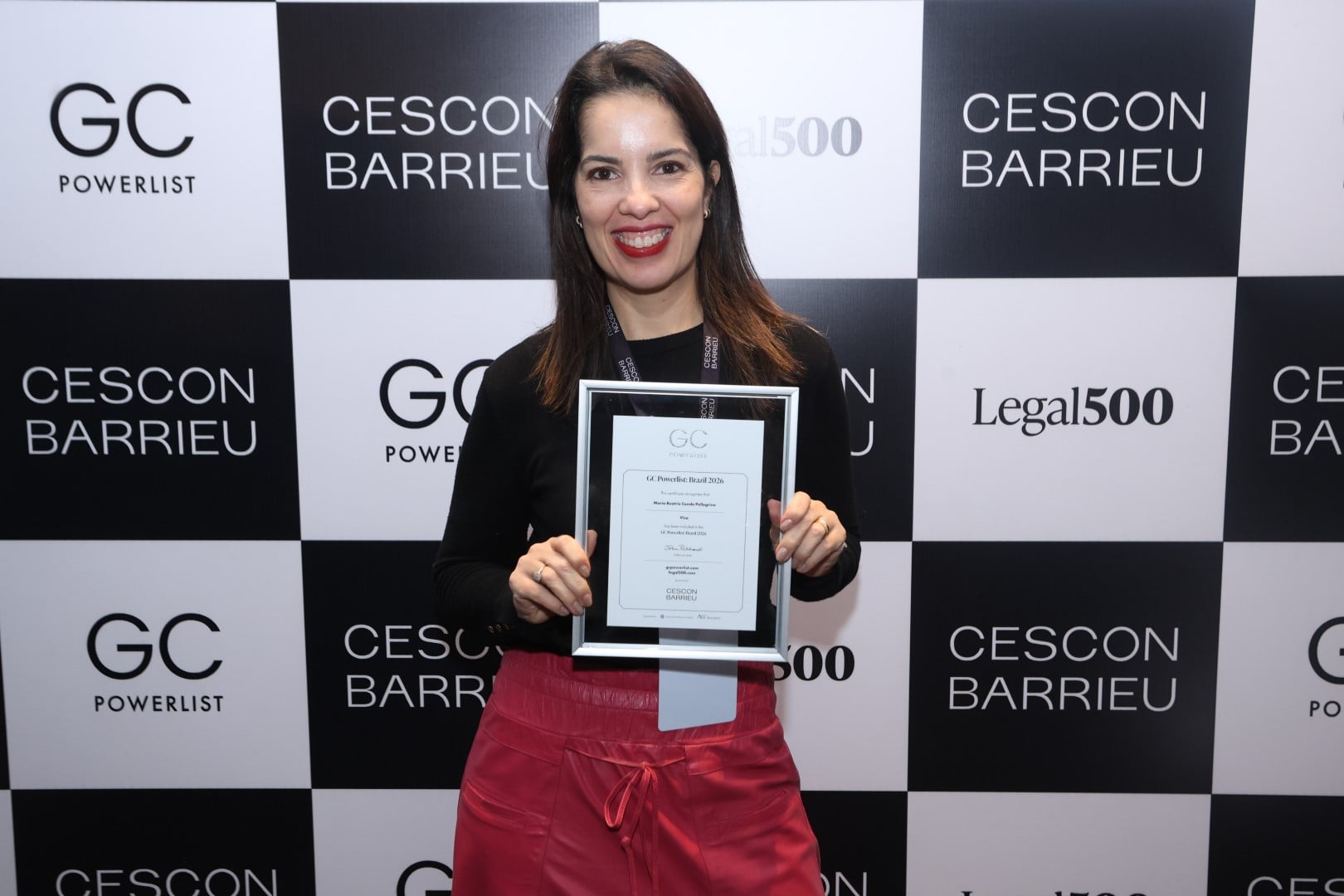
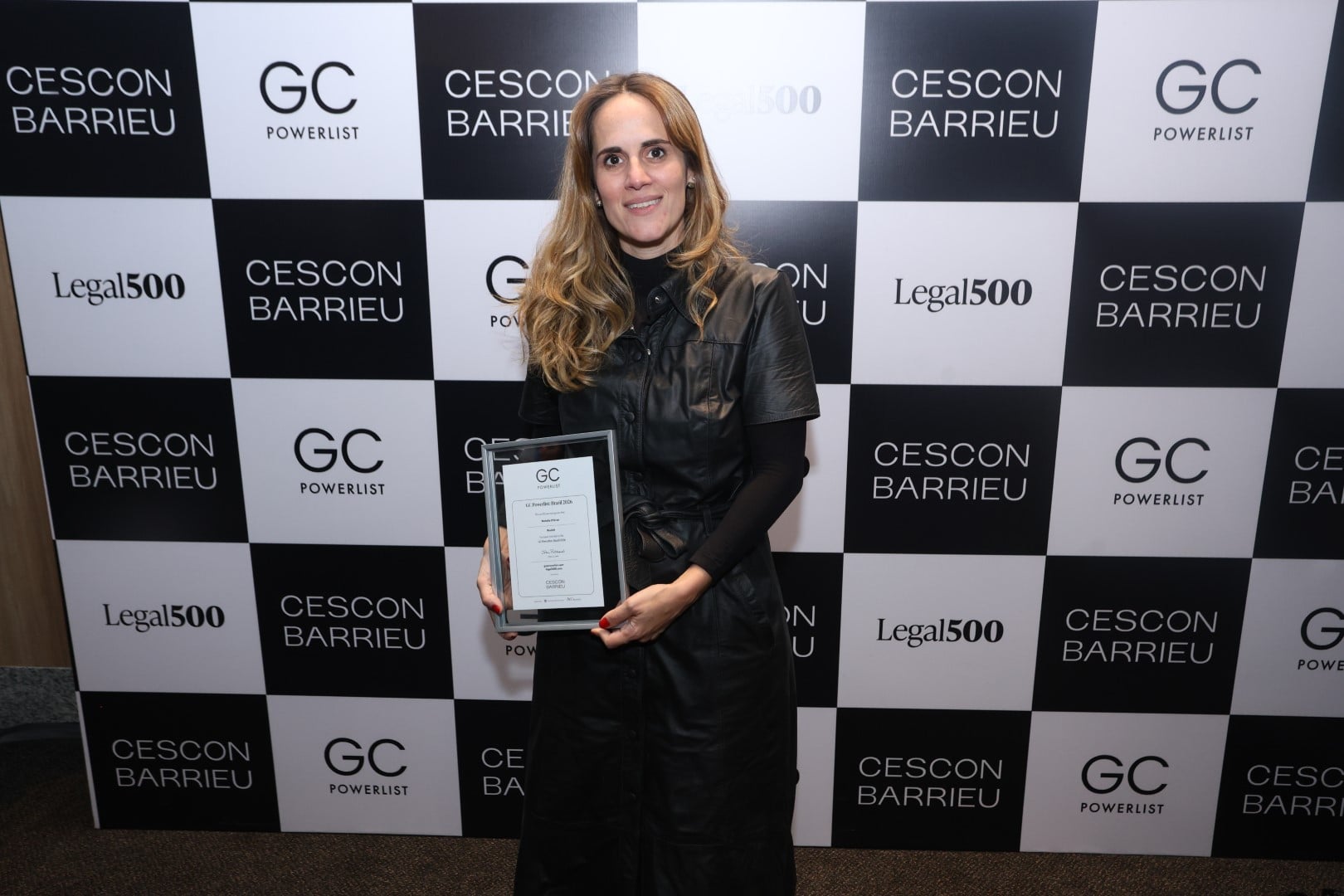
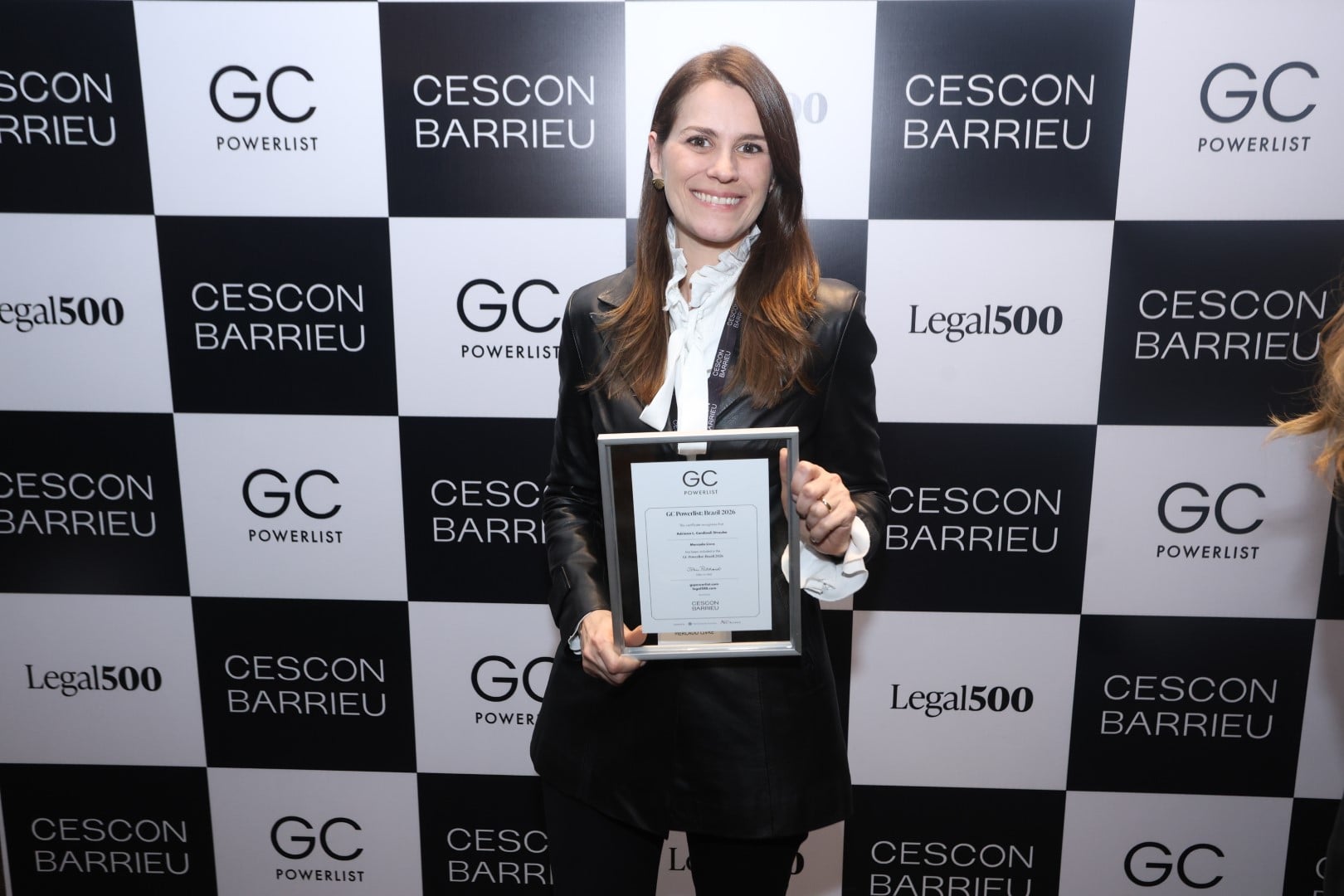
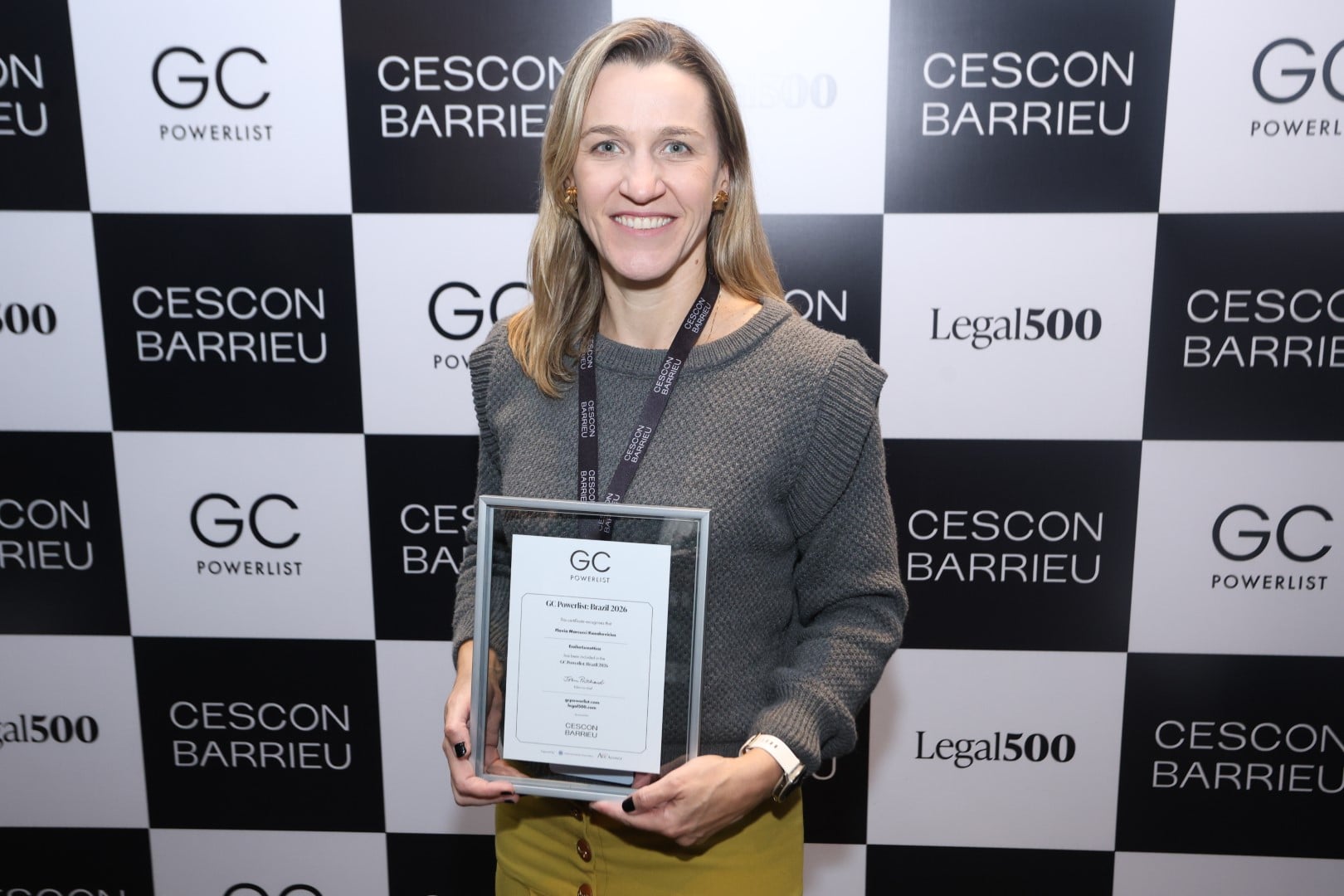
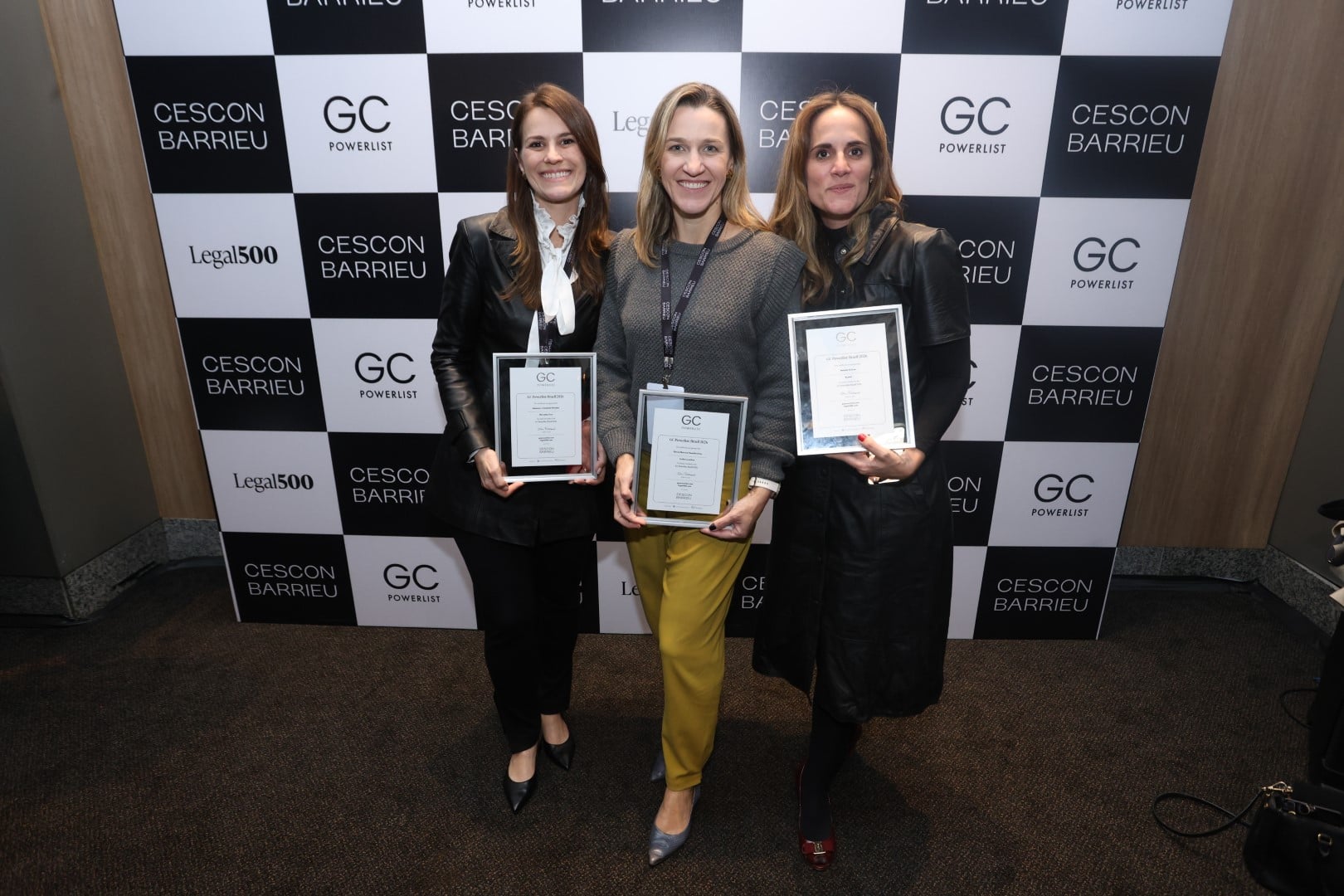
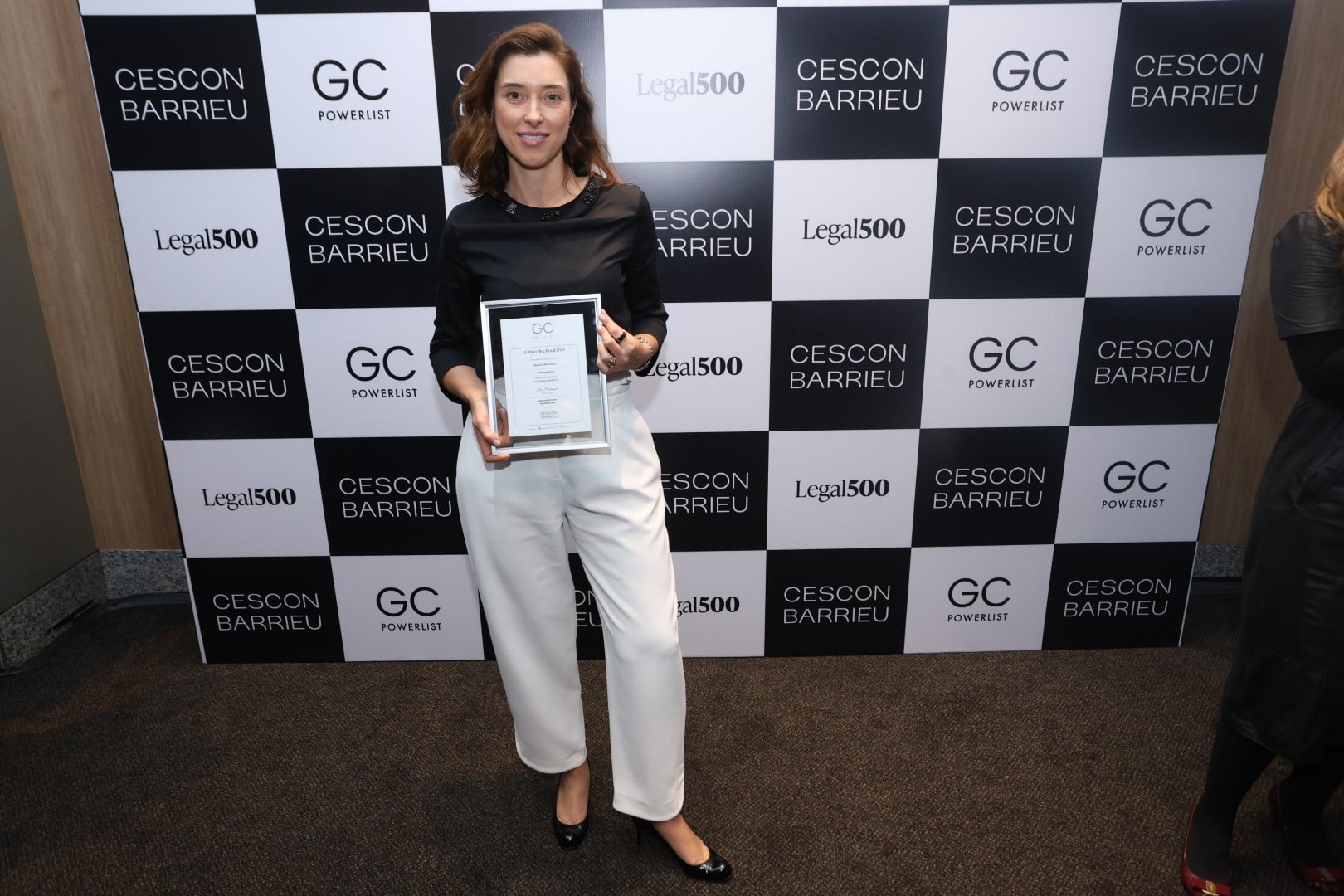
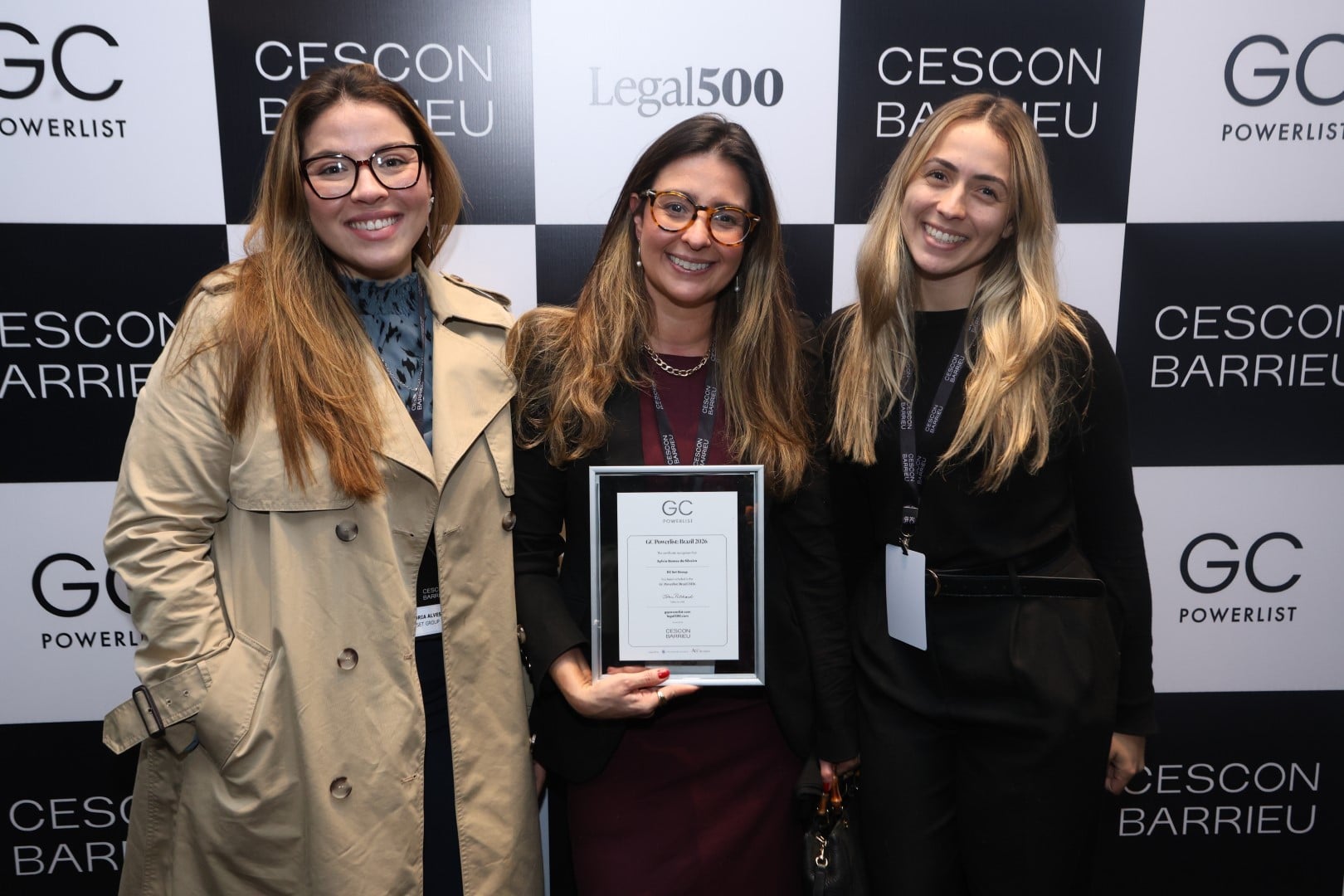
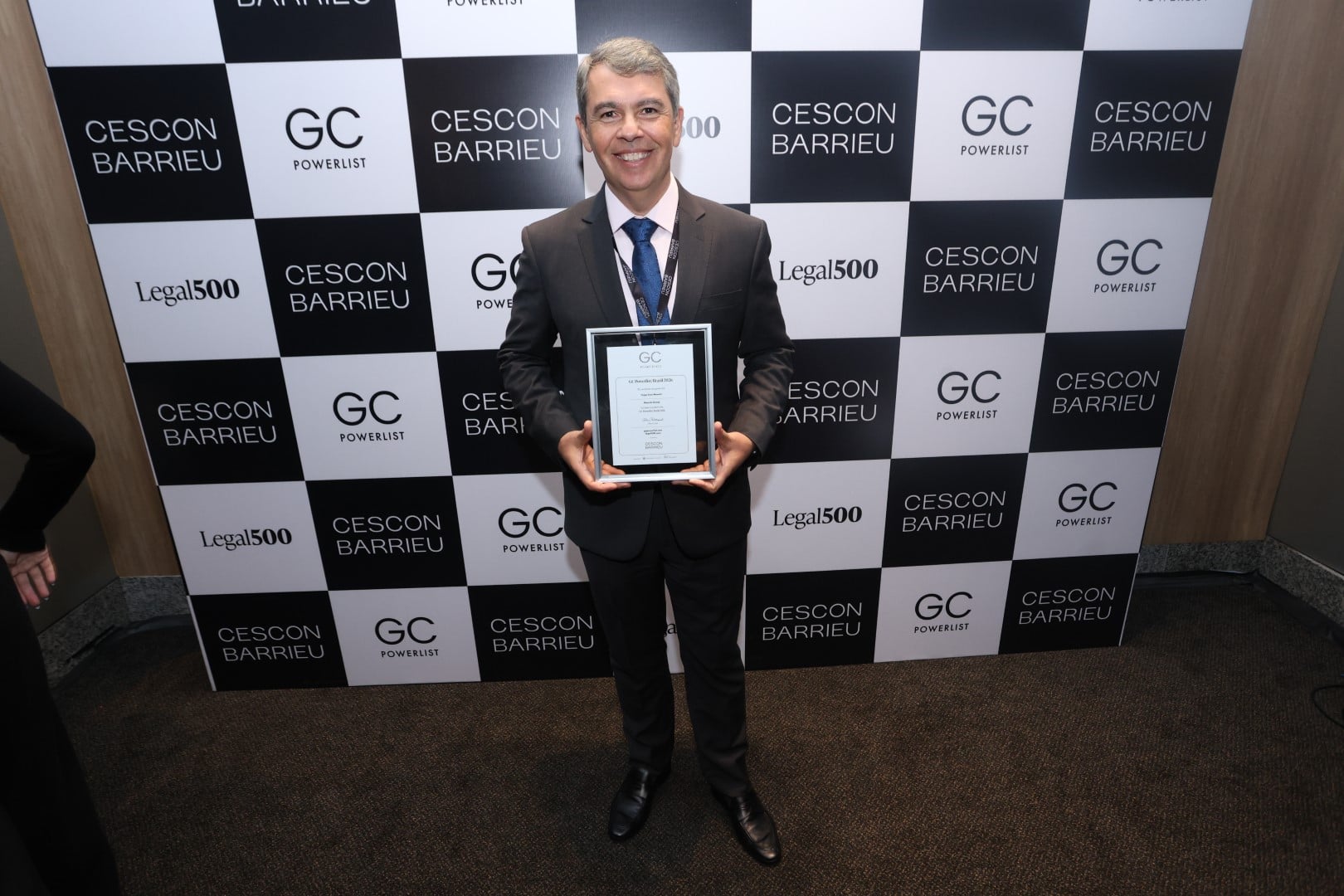
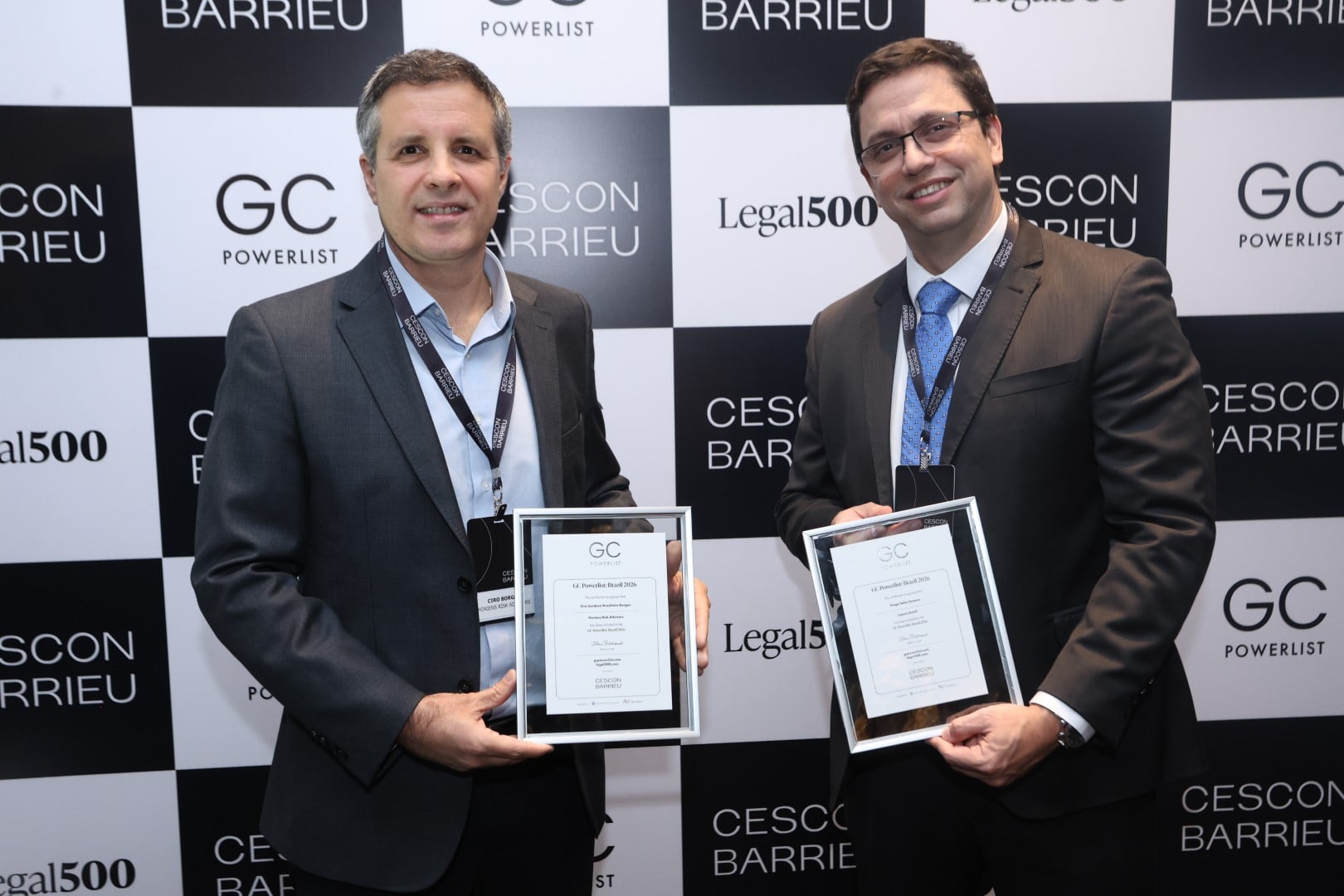
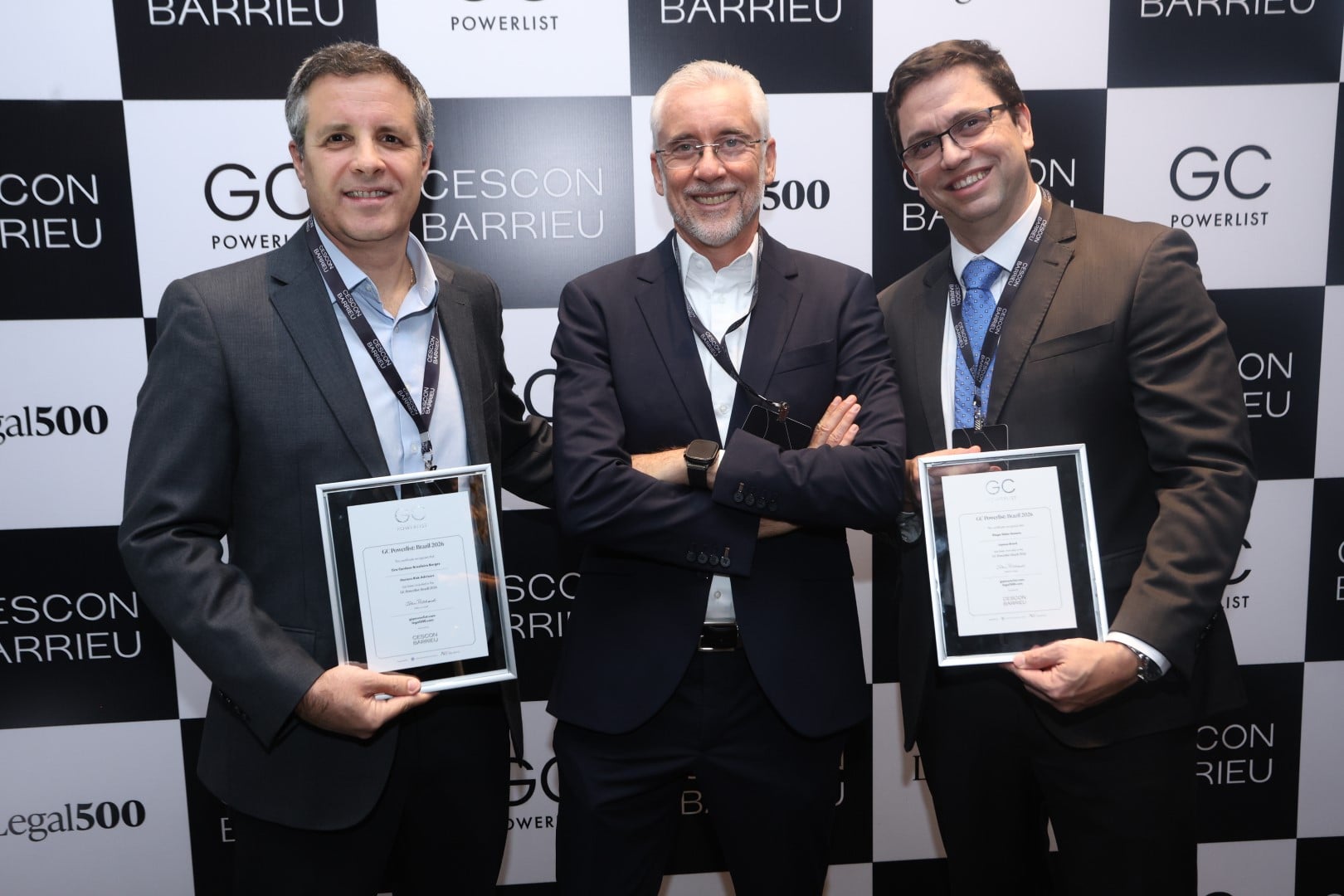
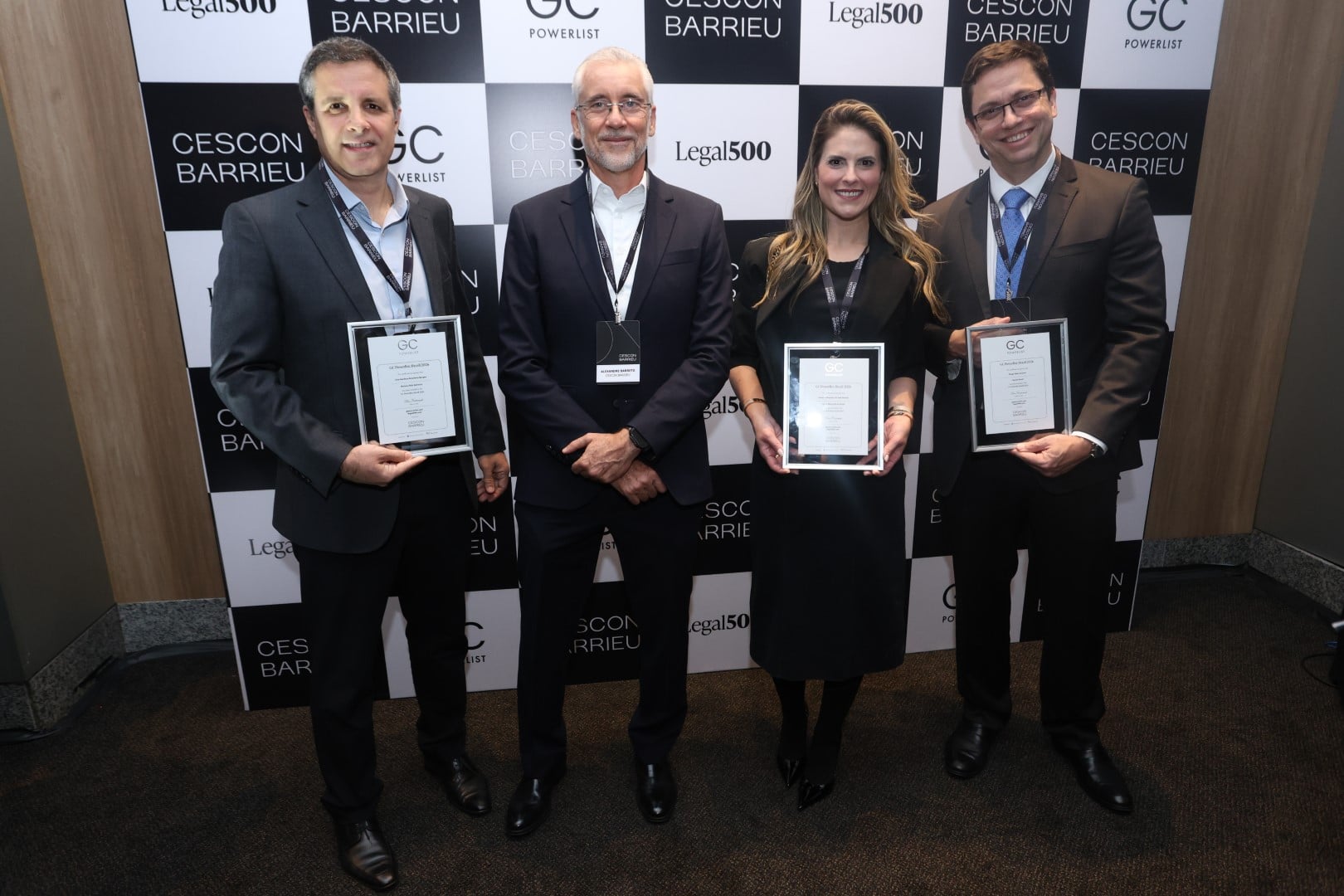
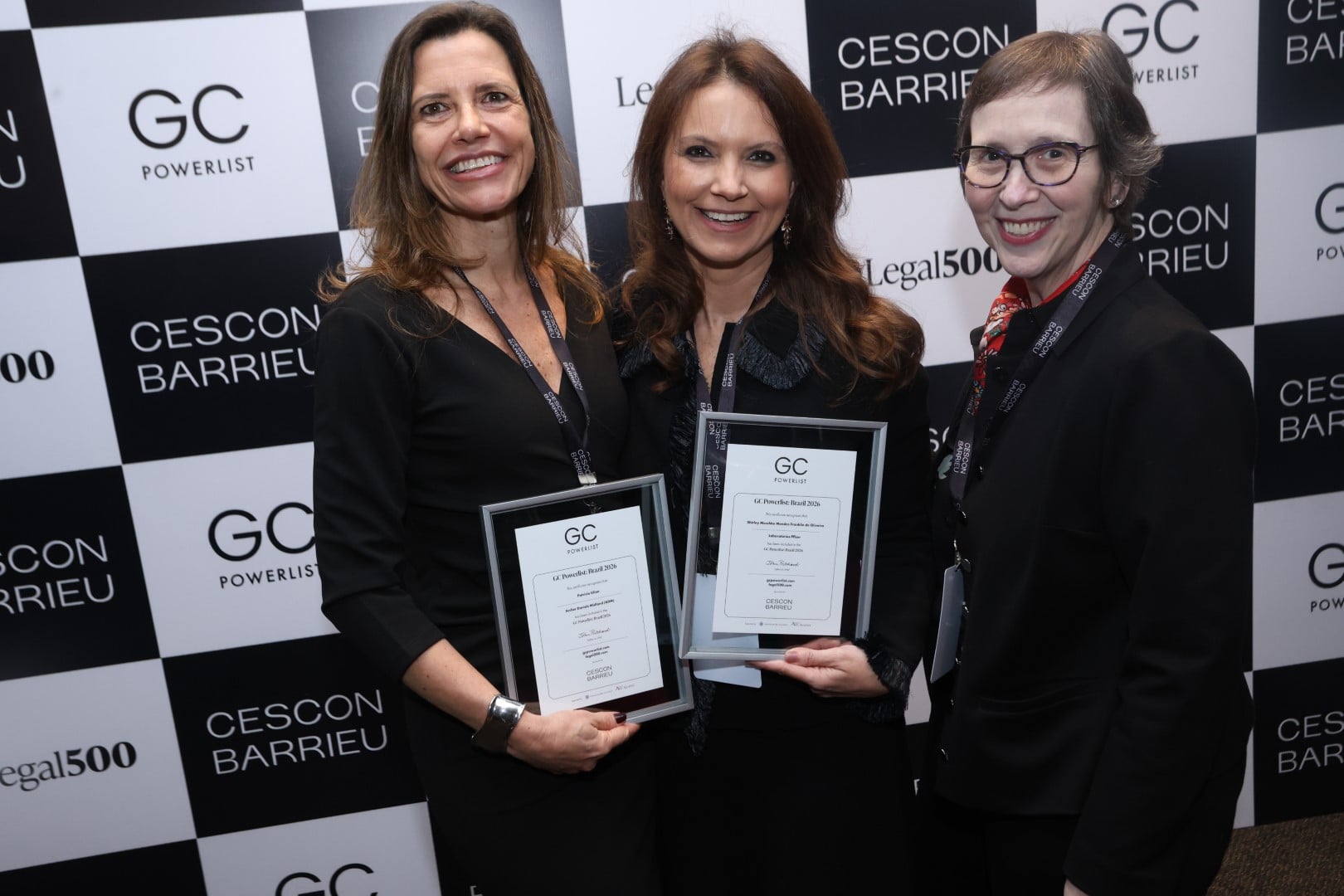
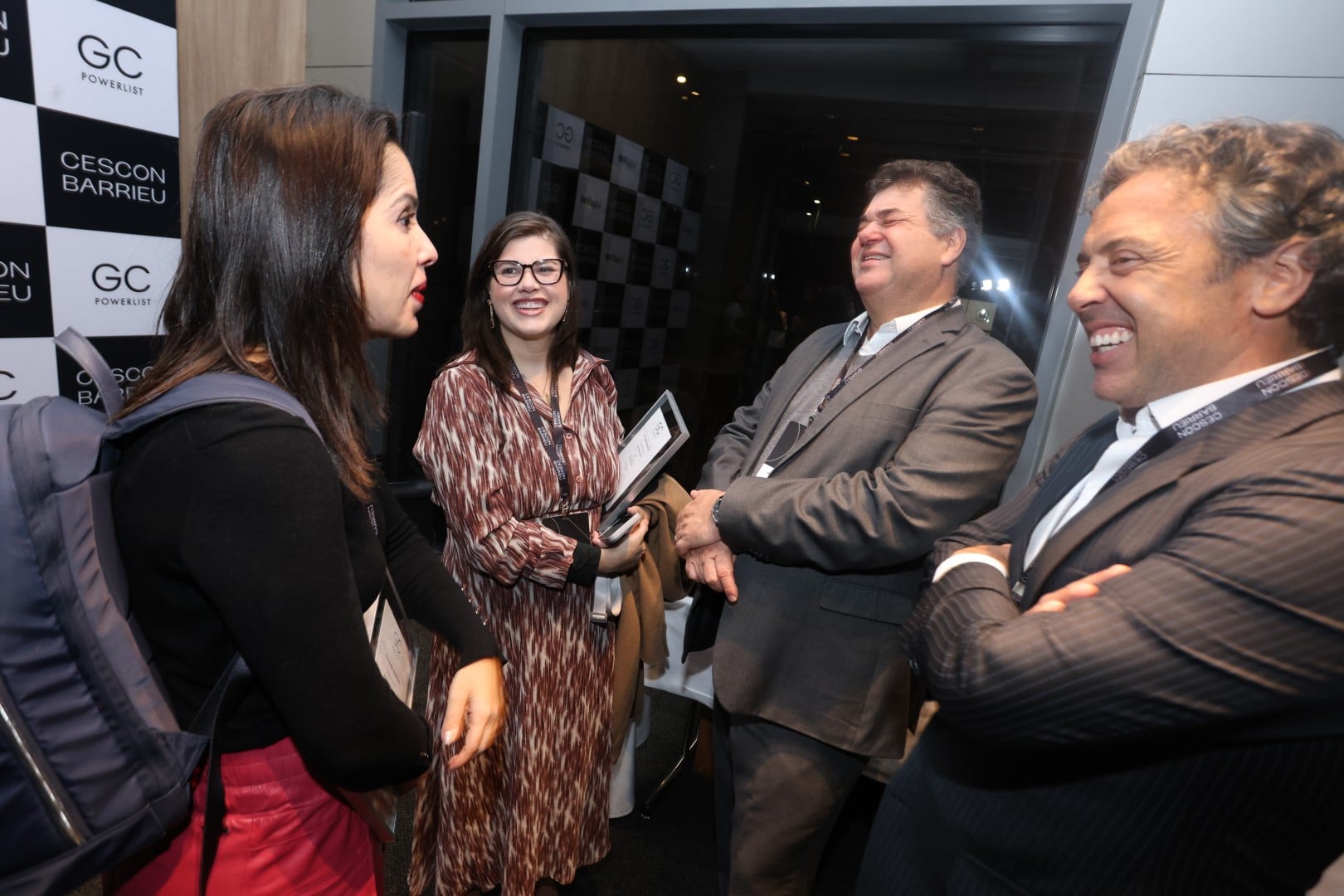
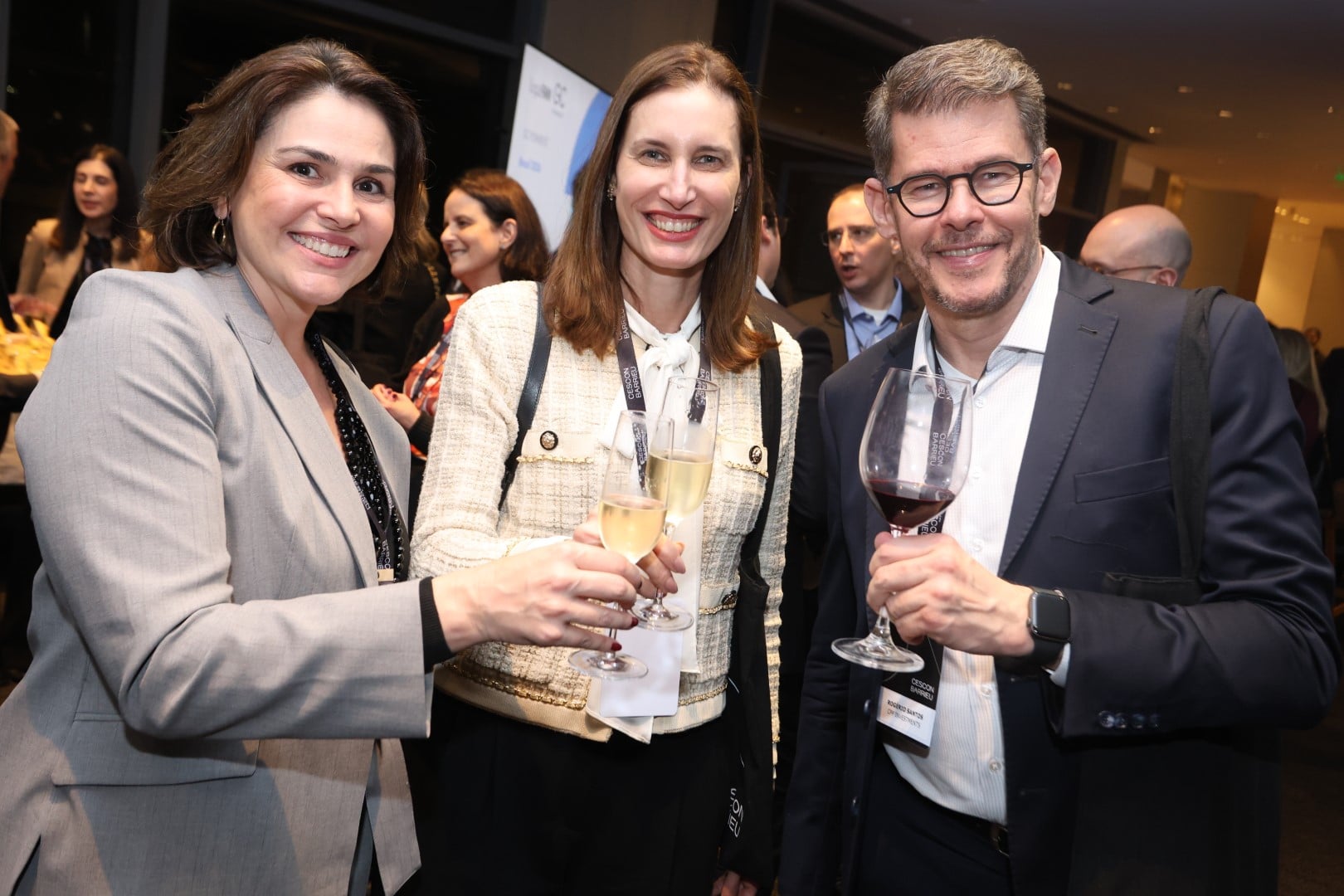
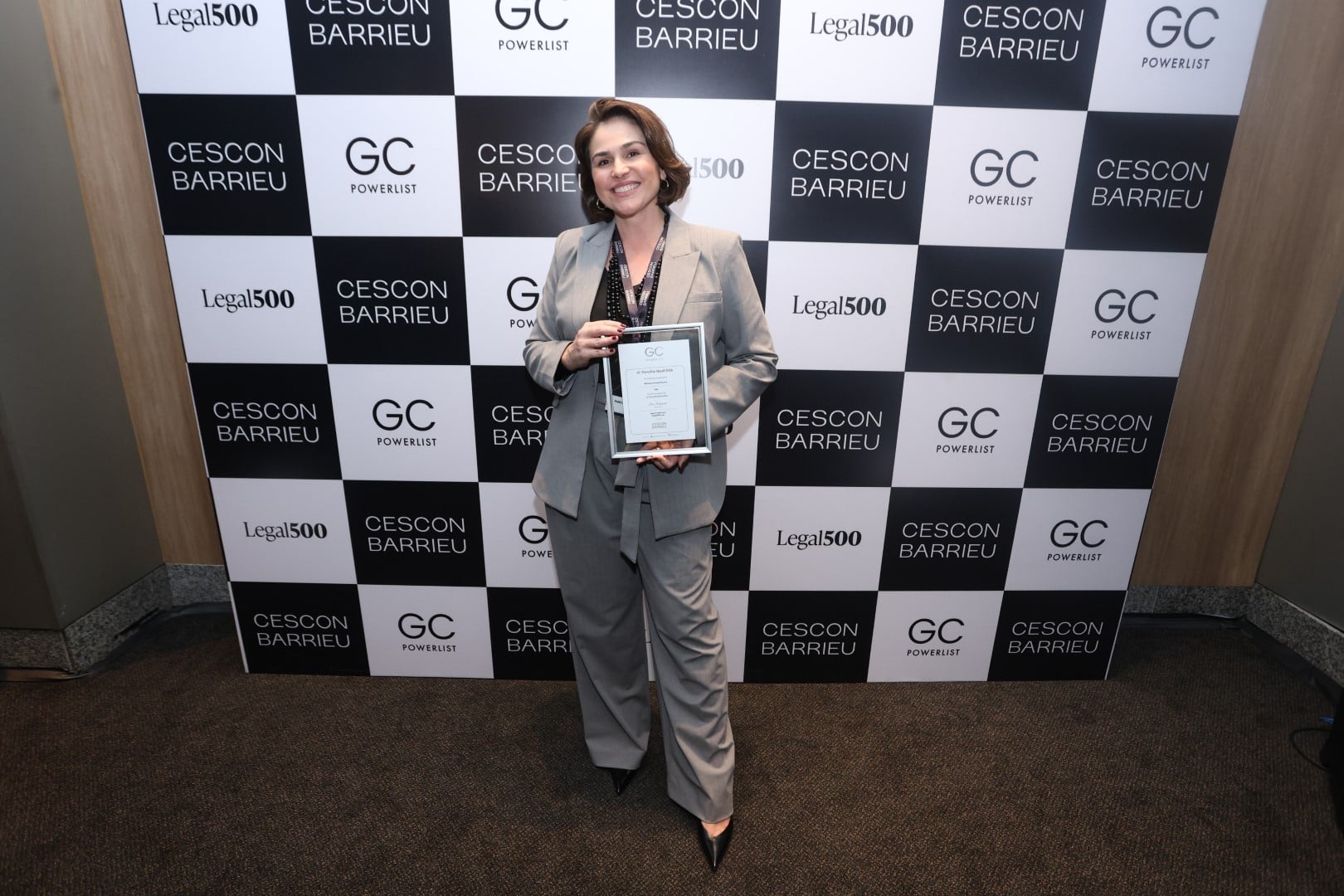
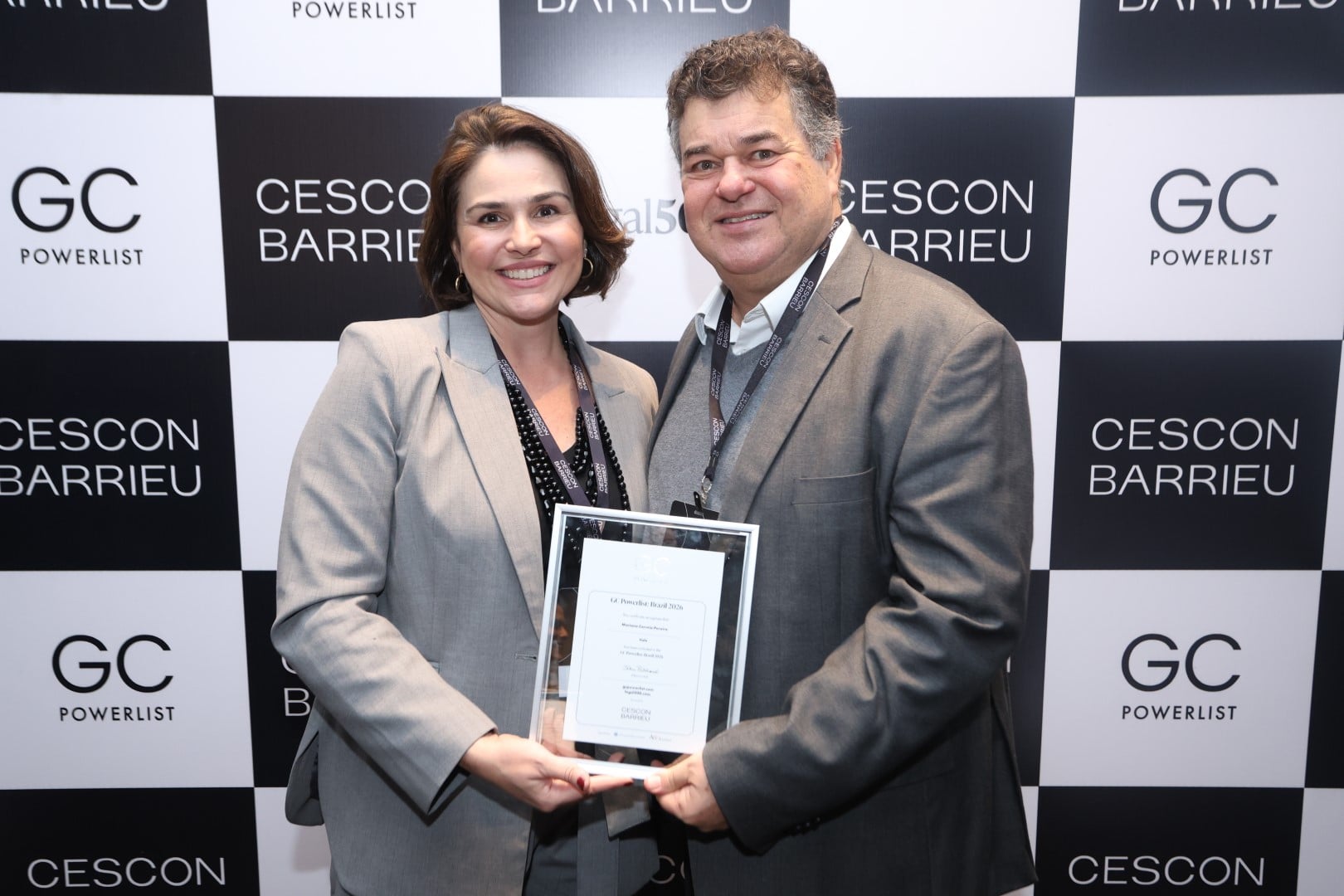
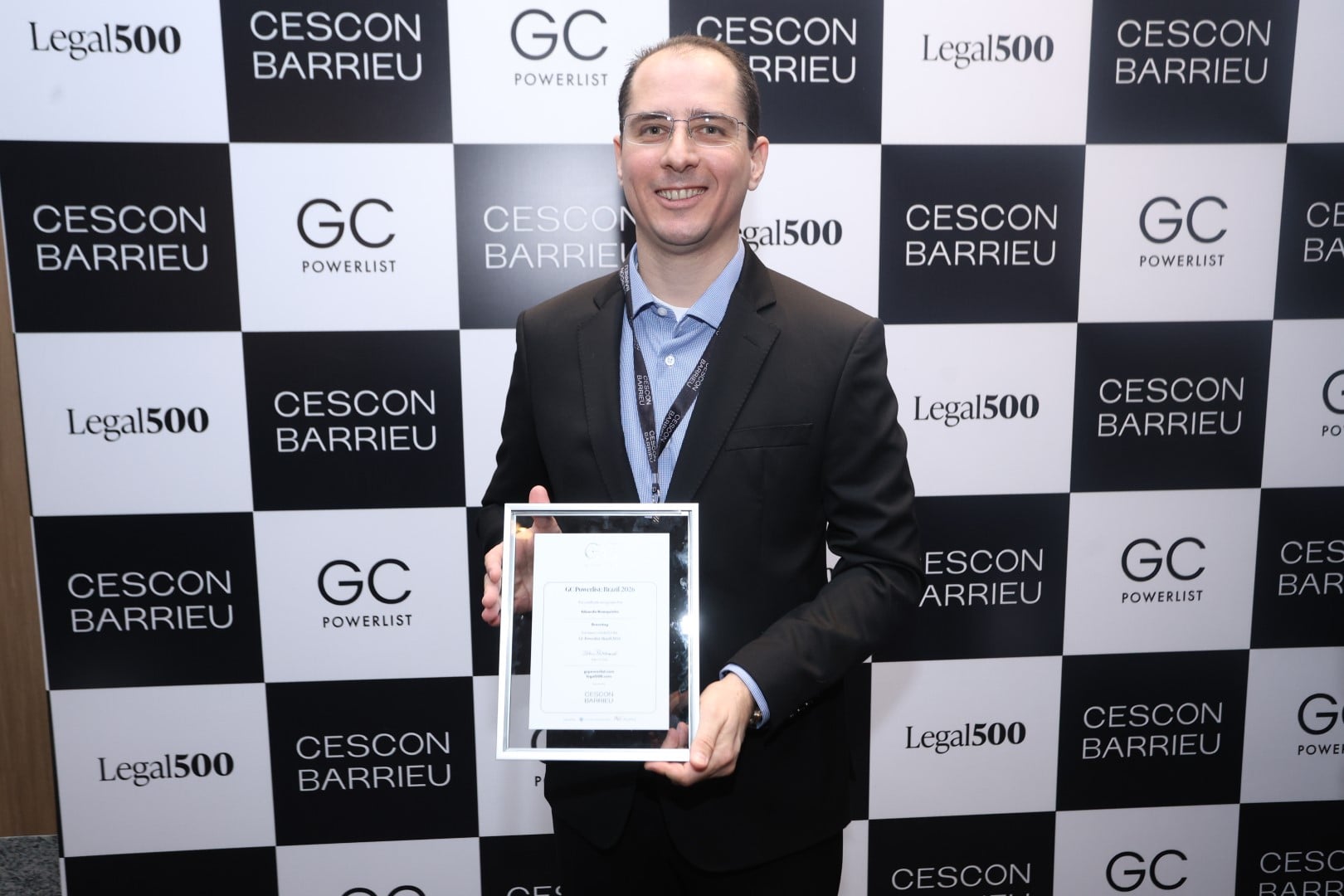
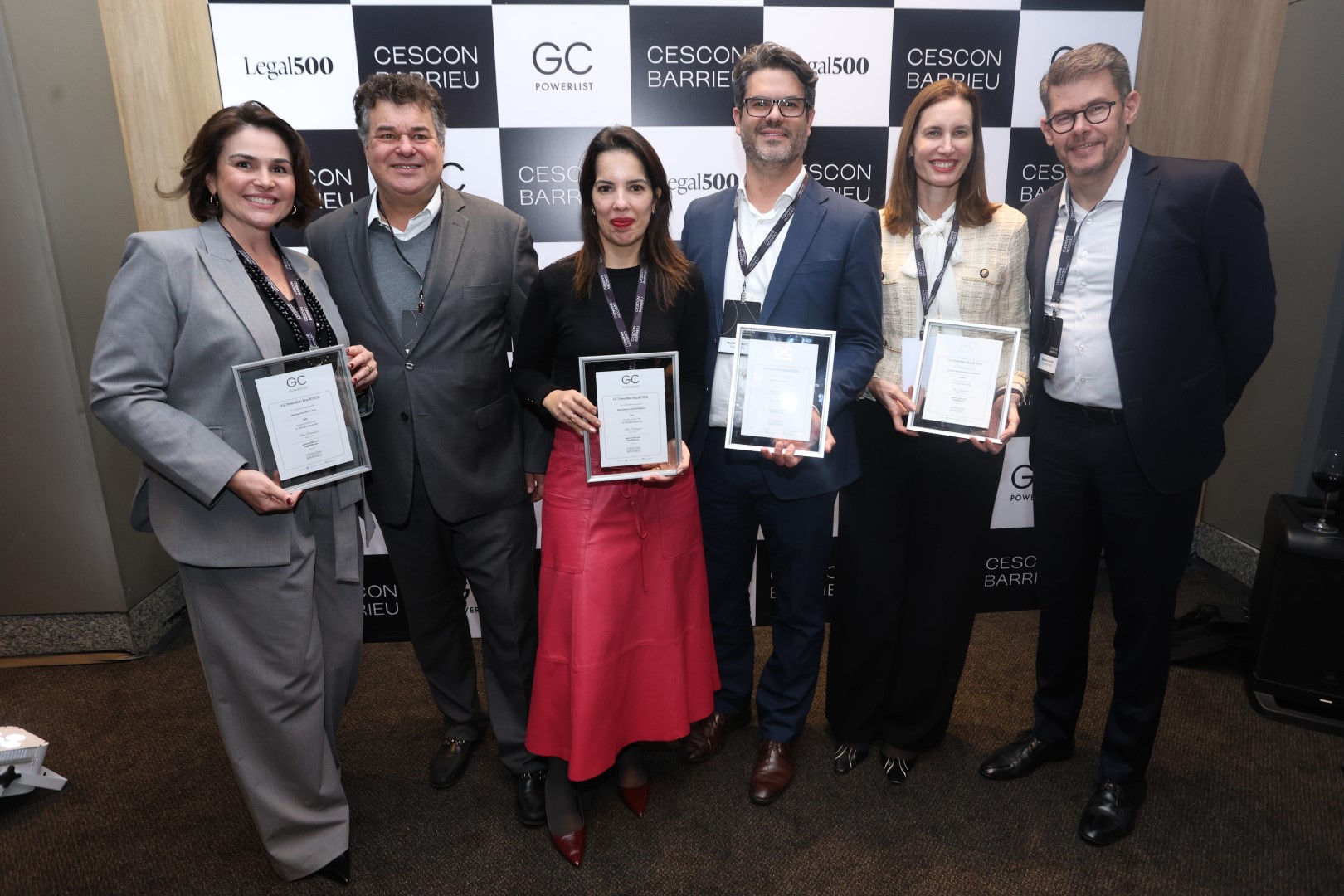
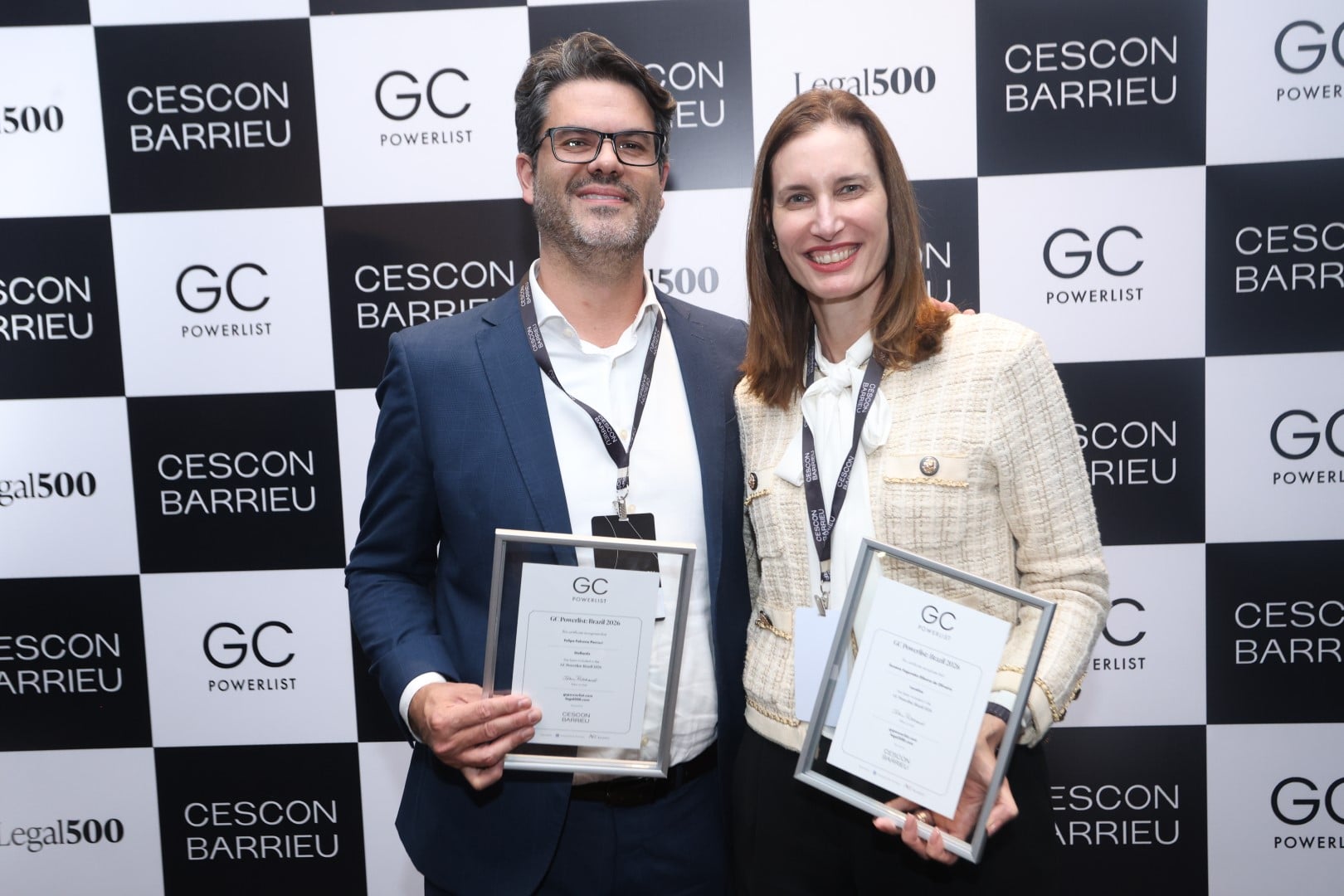
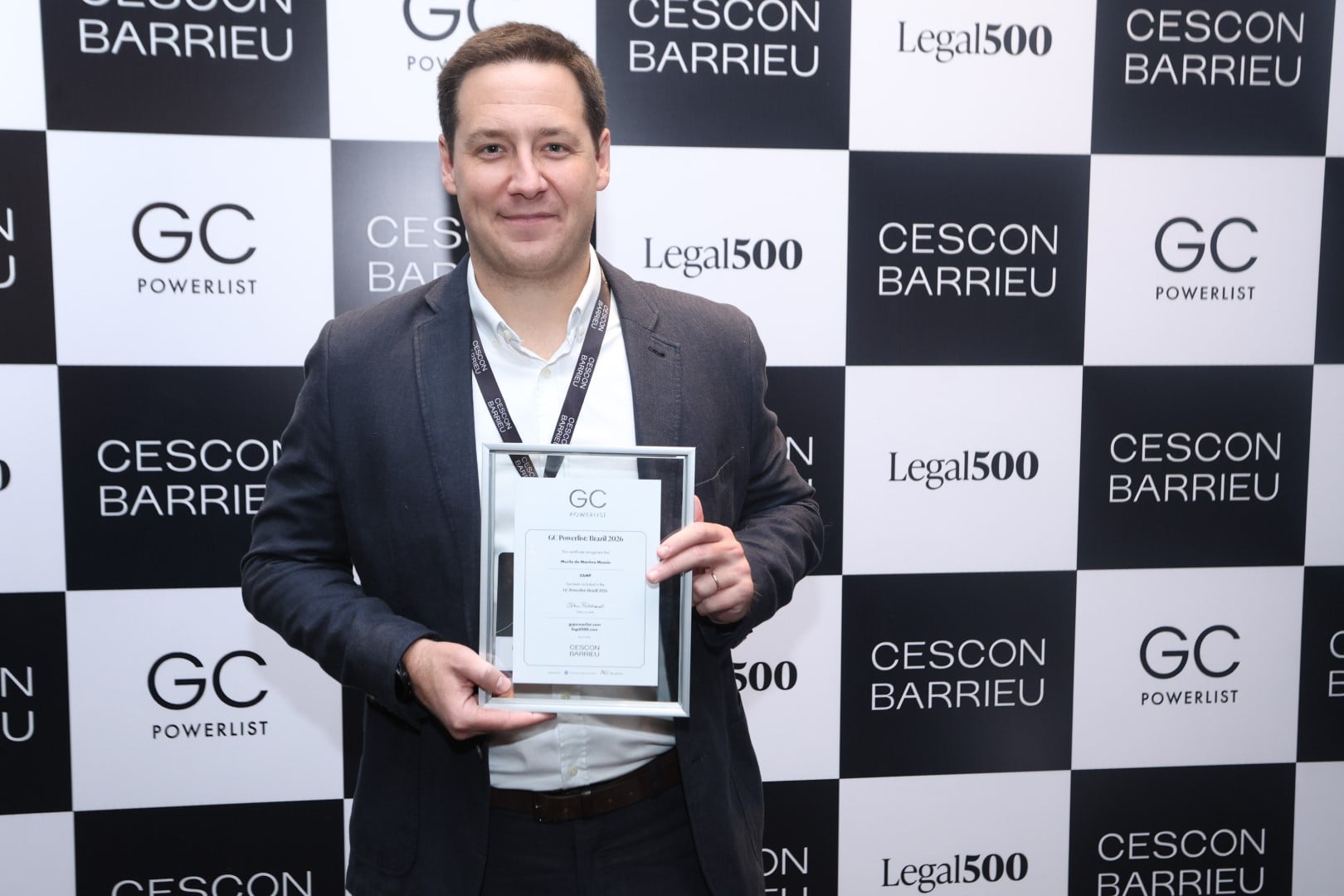
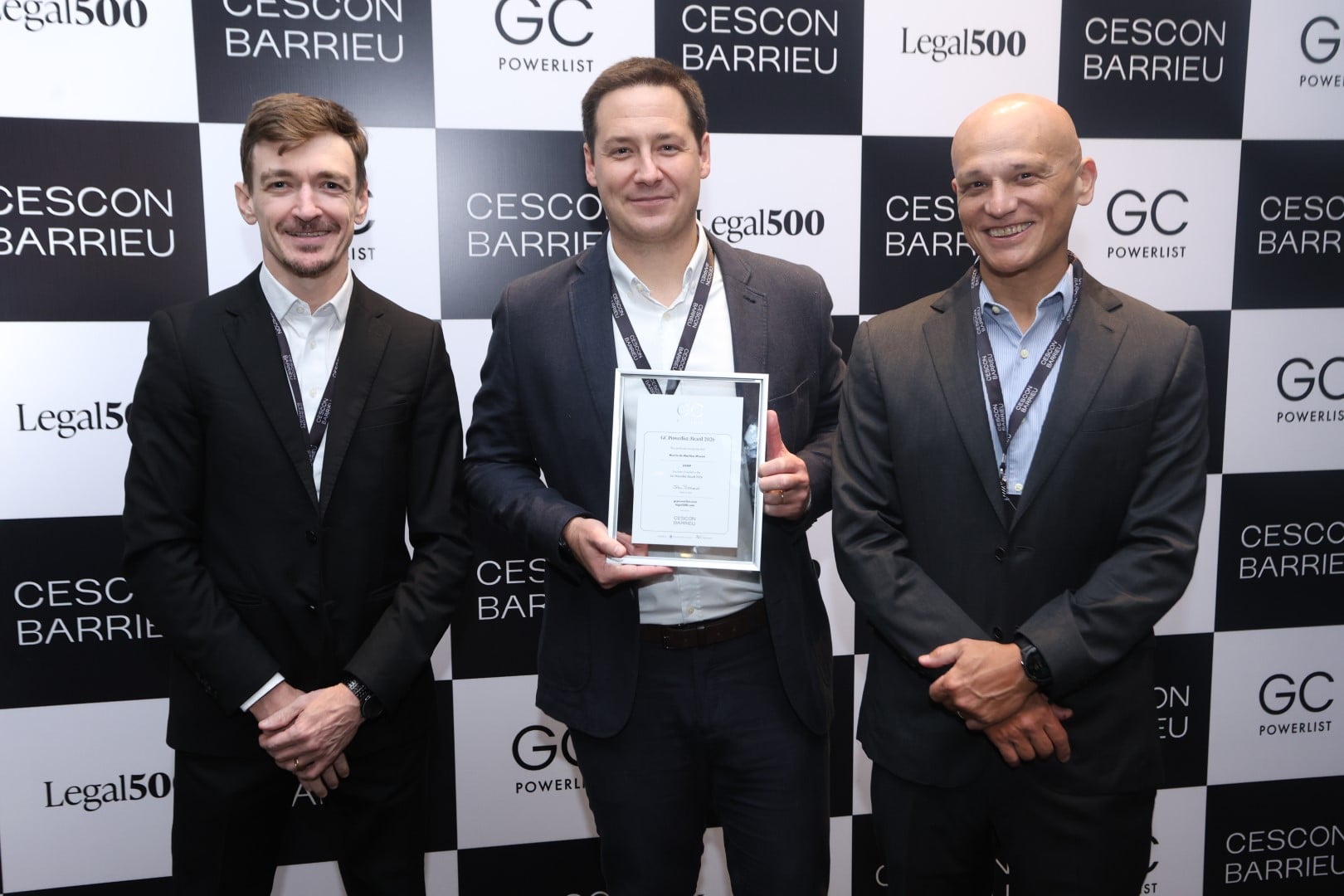
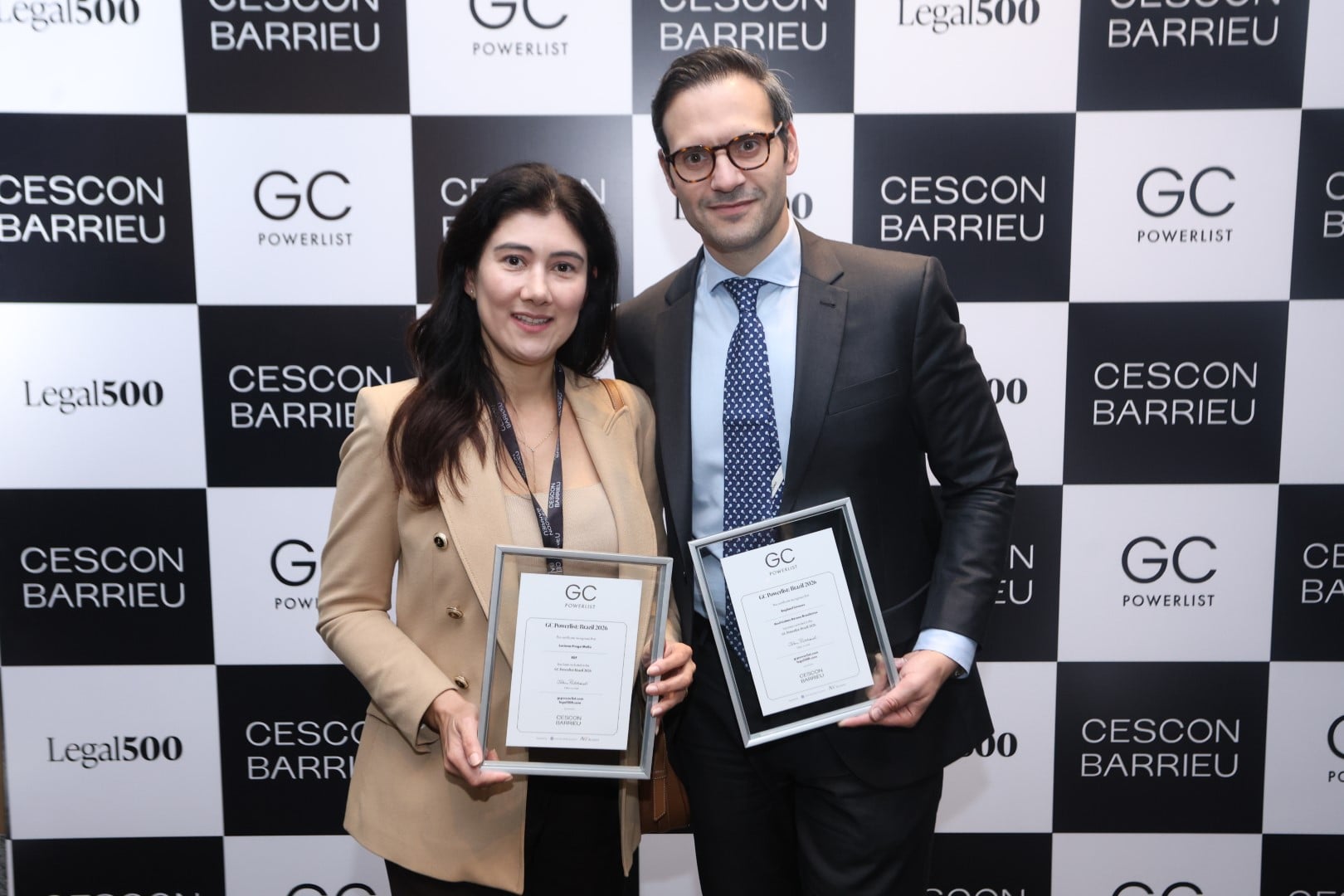
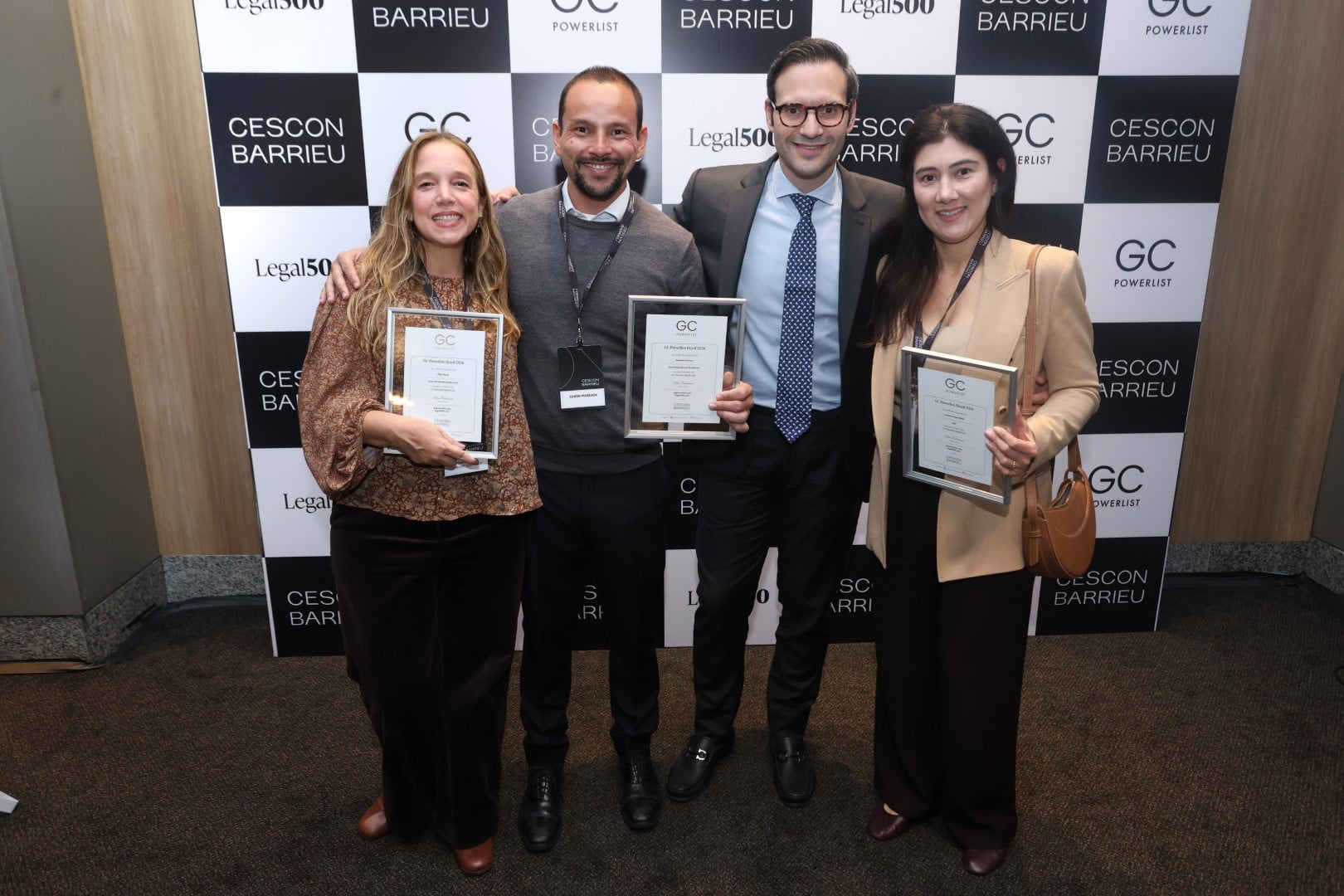
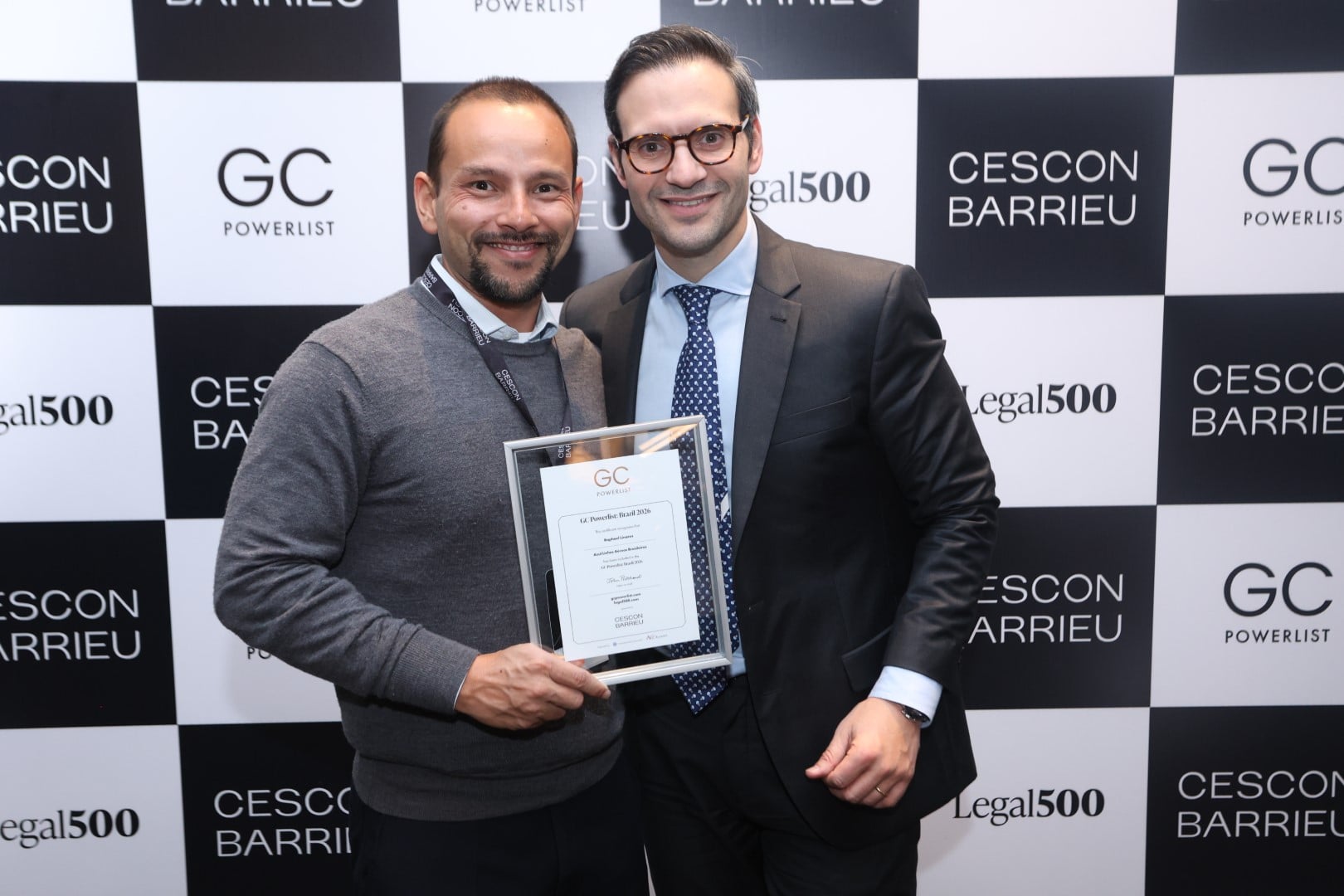
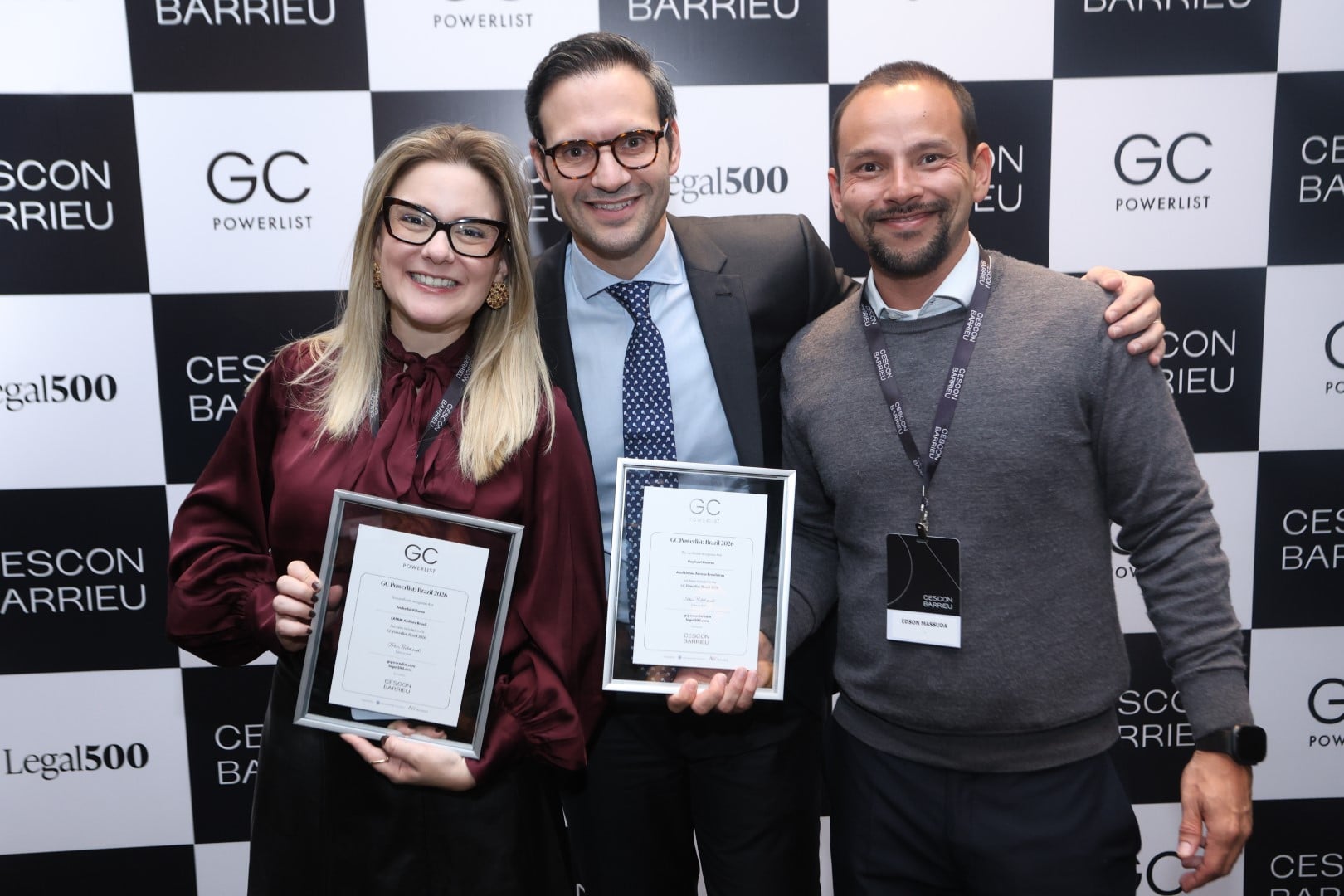
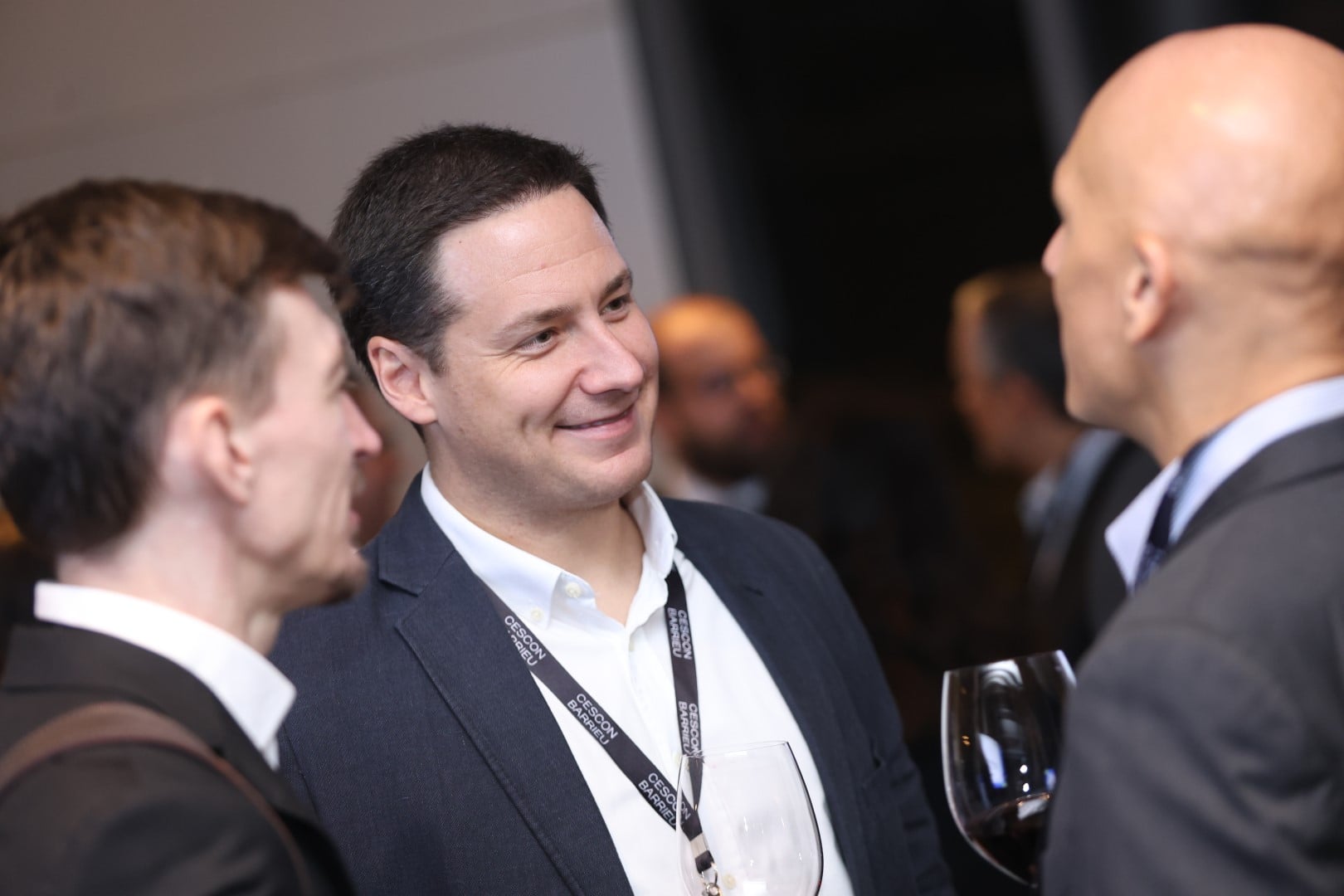
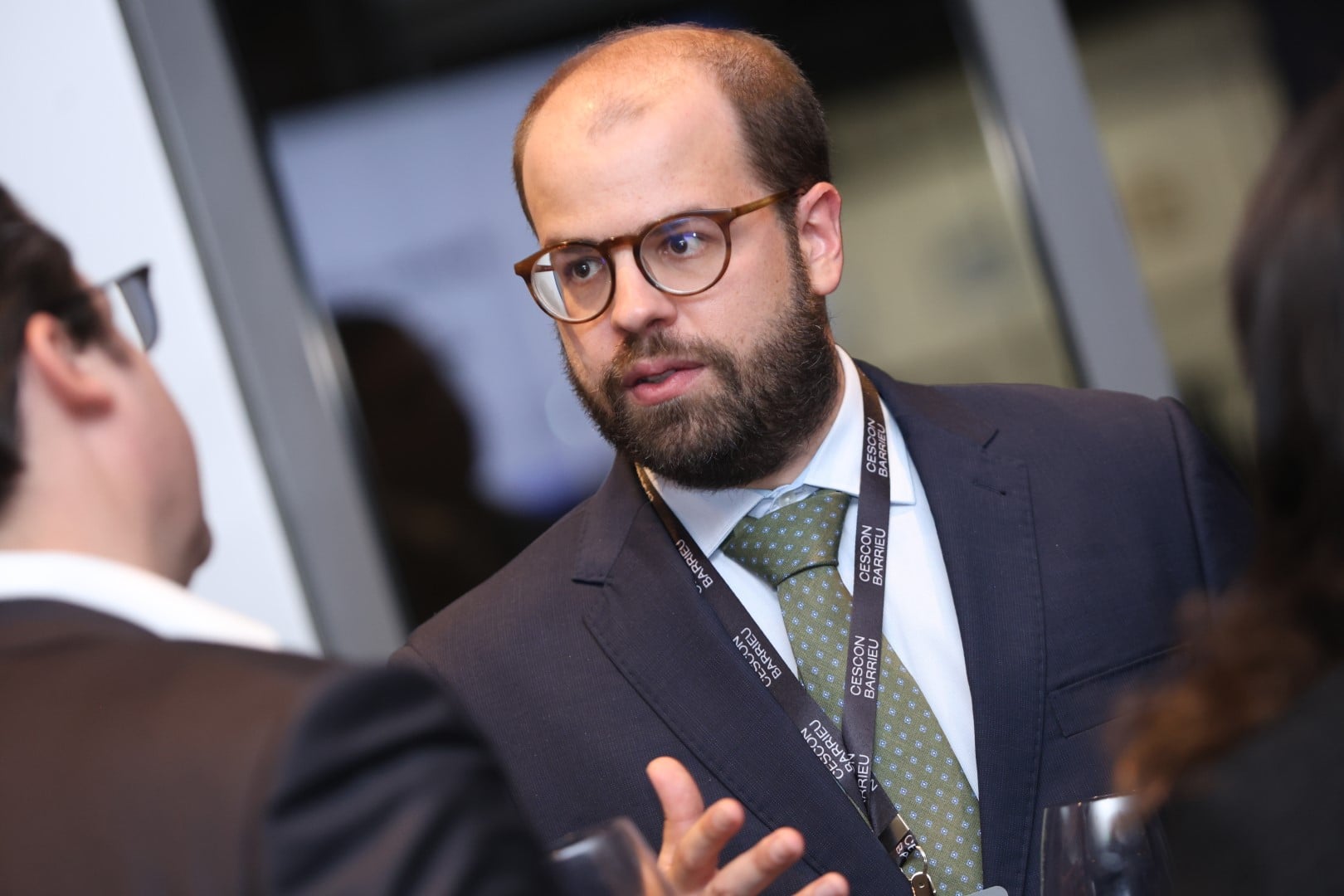
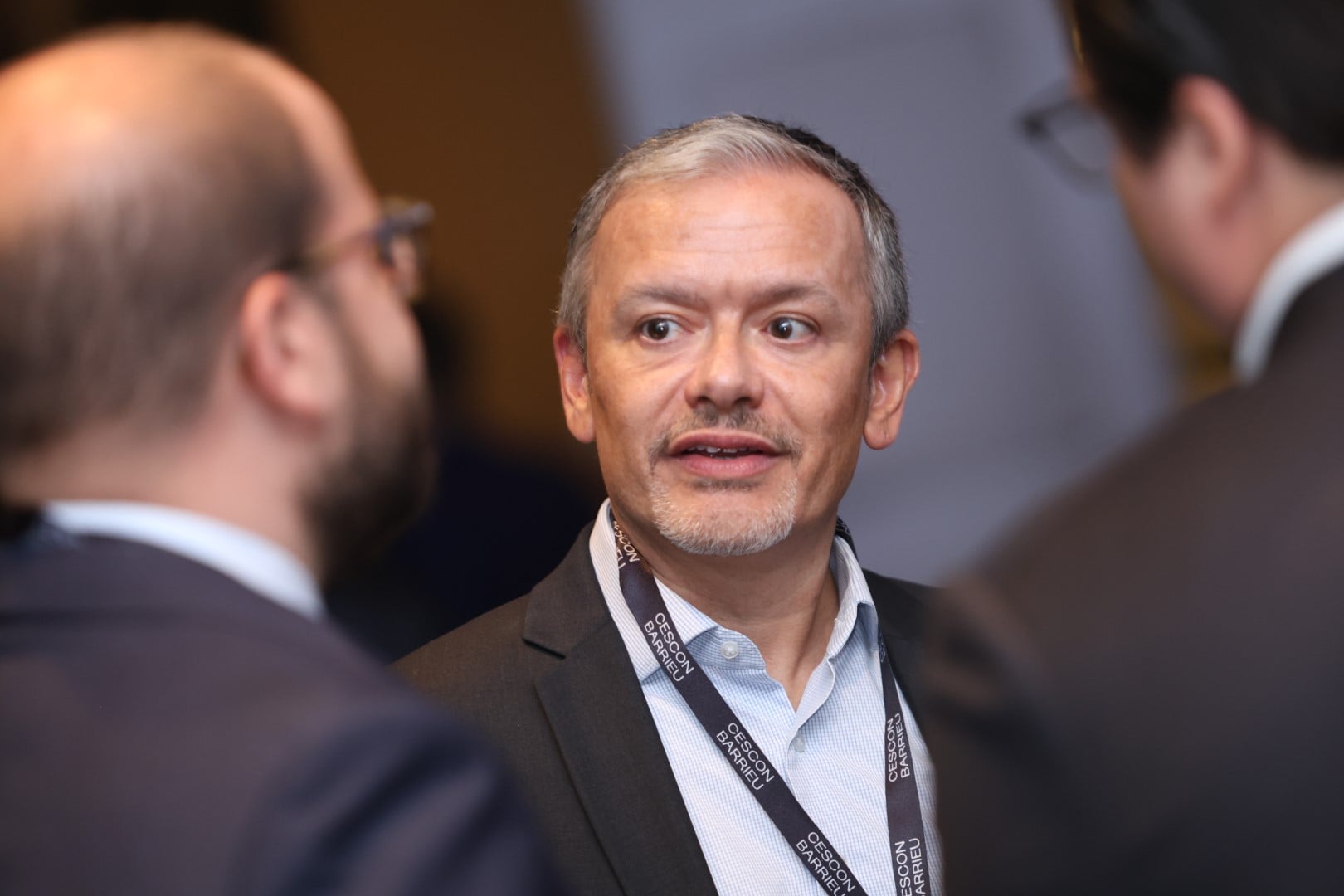
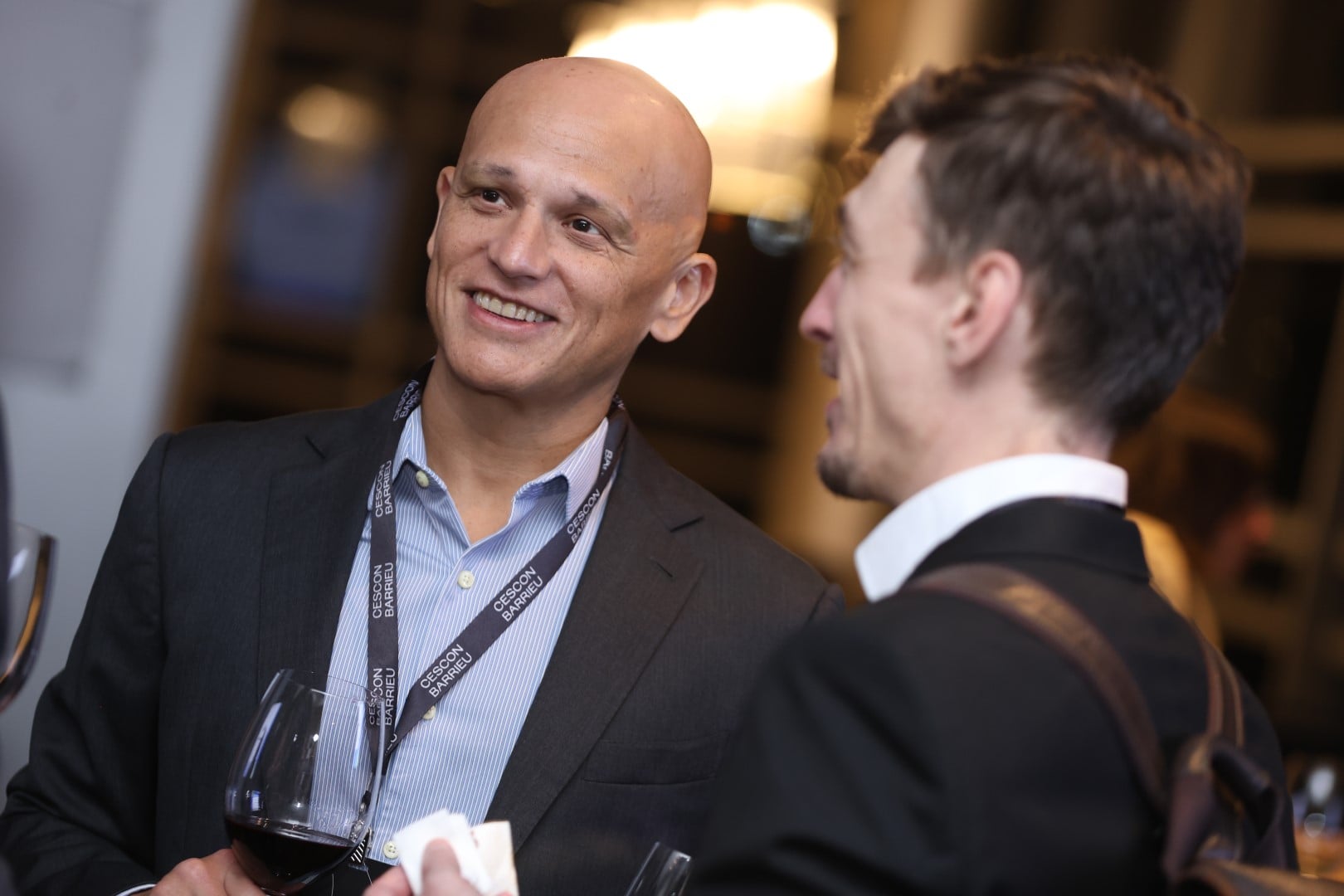
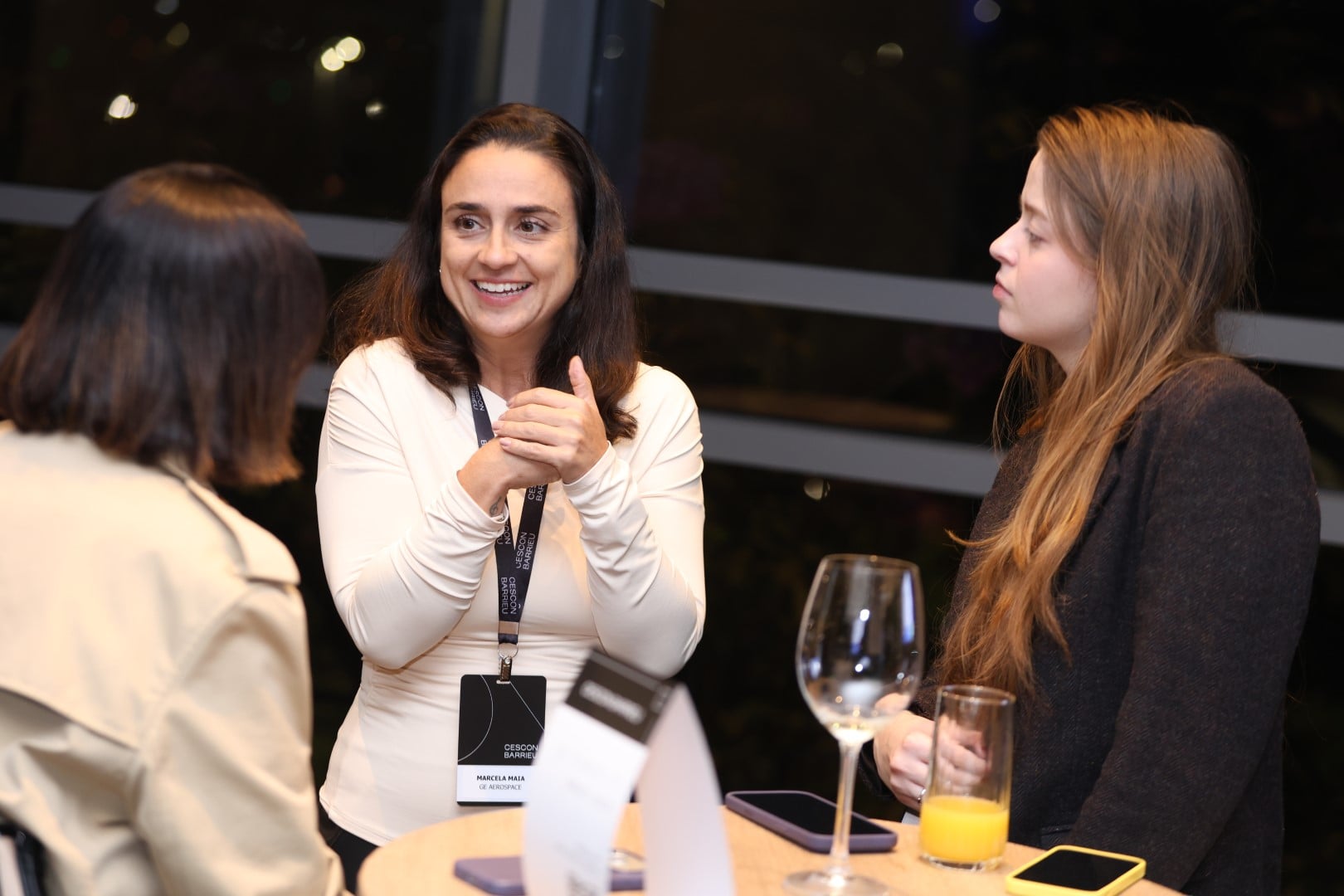
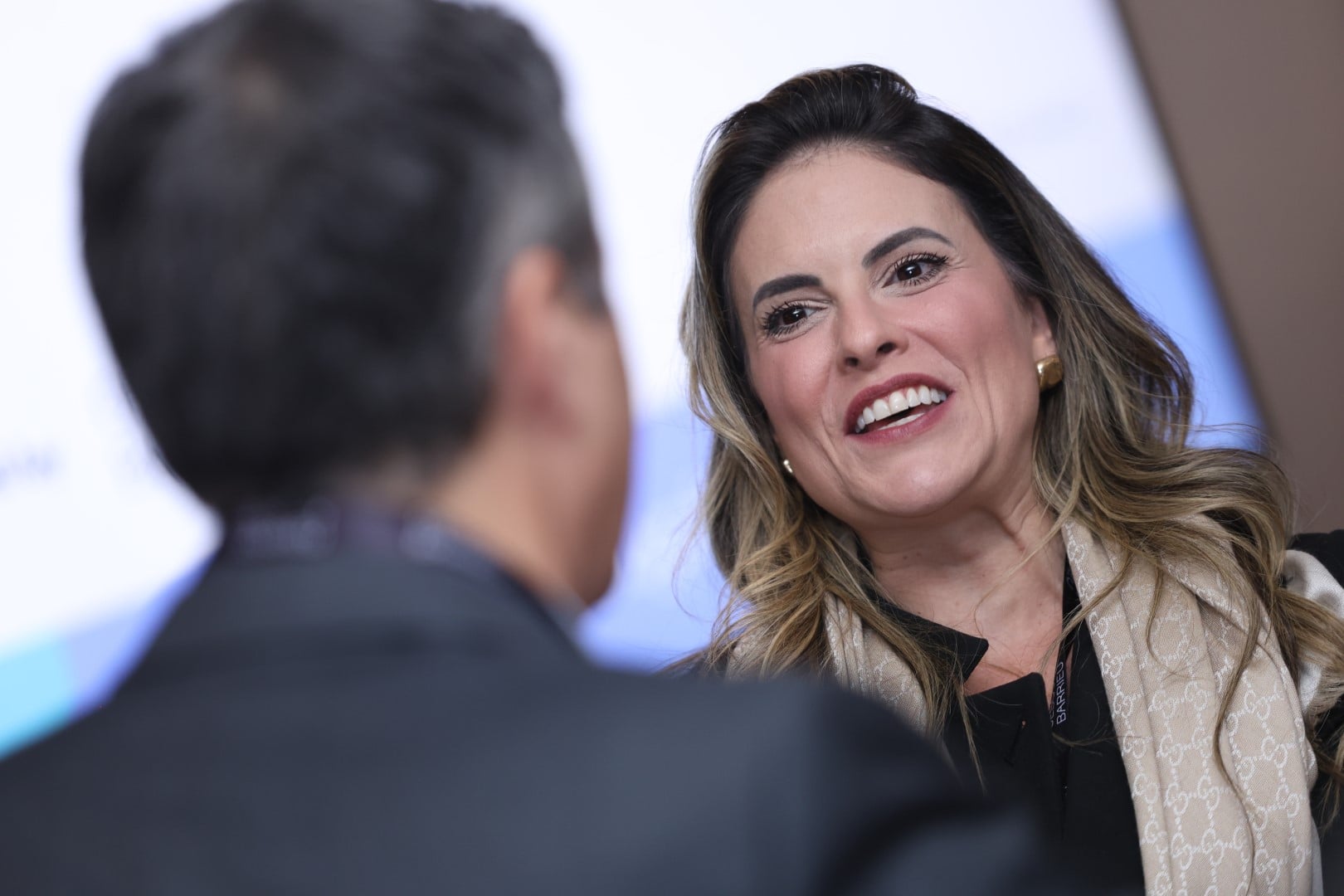
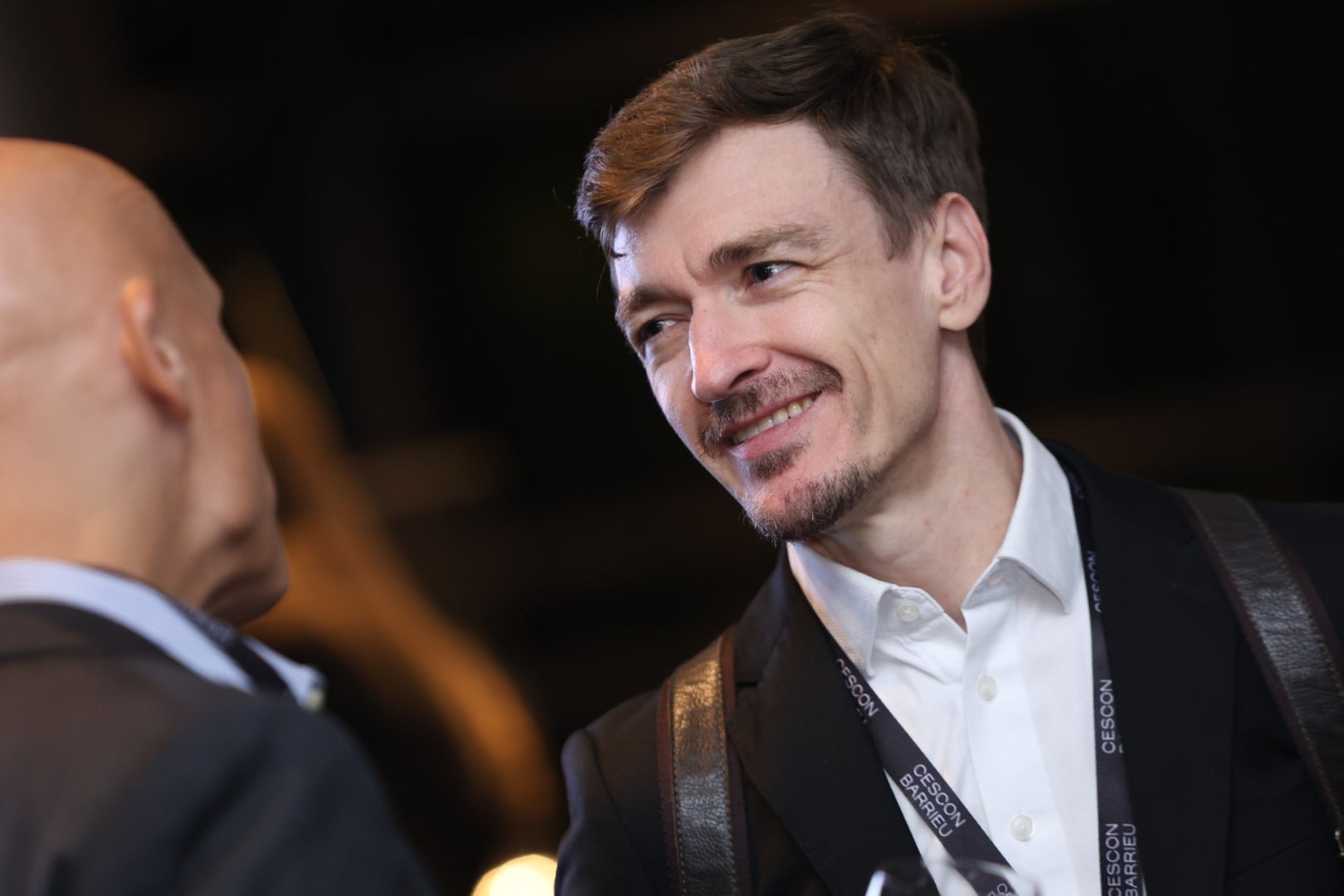
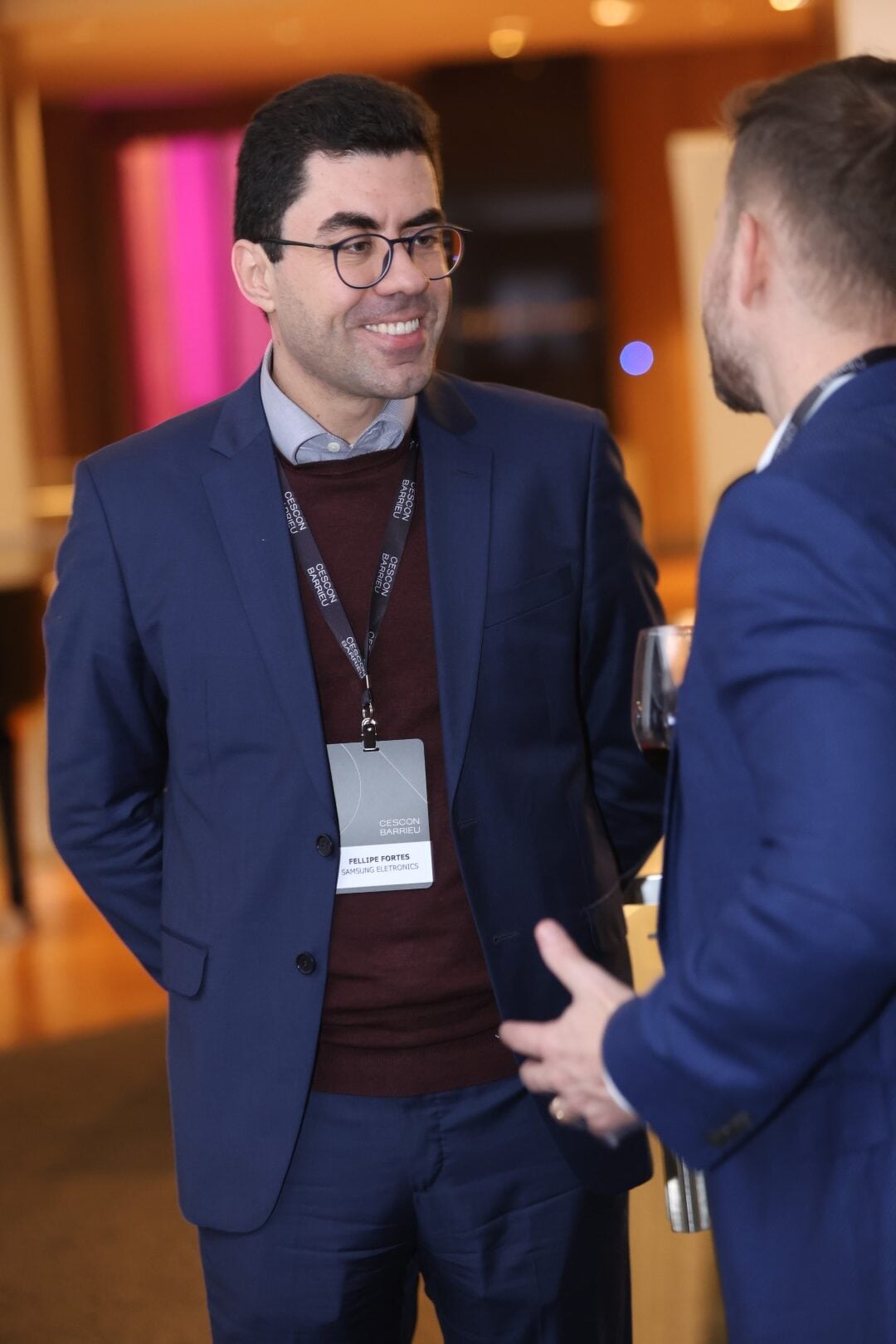
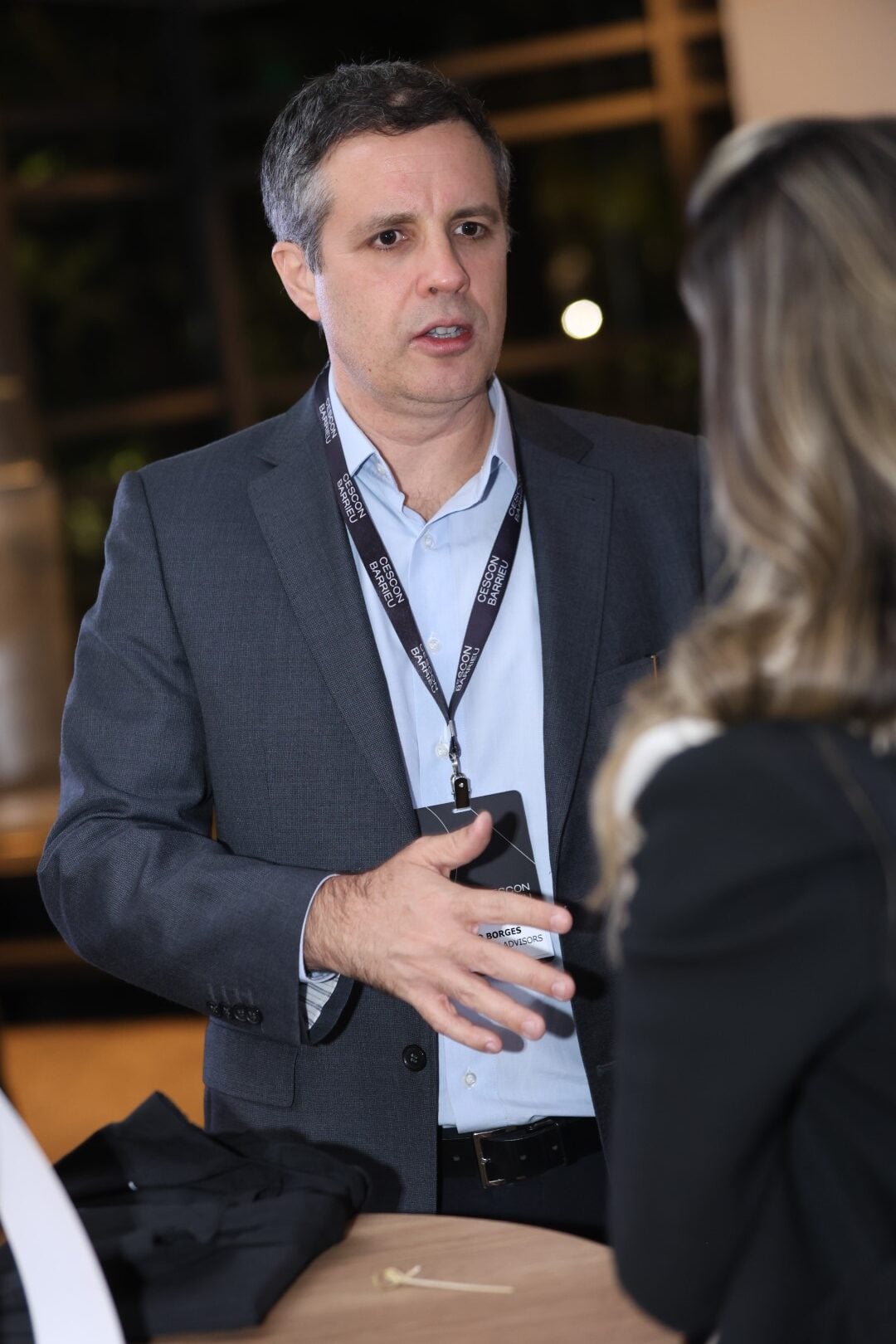
On 9 June, Legal 500 hosted the launch of the GC Powerlist: Brazil 2026 at the Grand Hyatt in São Paulo, once again in exclusive partnership with Cescon Barrieu – marking the fourth consecutive year of collaboration with our longstanding key partner in the country. This flagship publication celebrates the most accomplished and influential in-house lawyers in Brazil, bringing together leading corporate legal professionals to recognise their outstanding achievements.
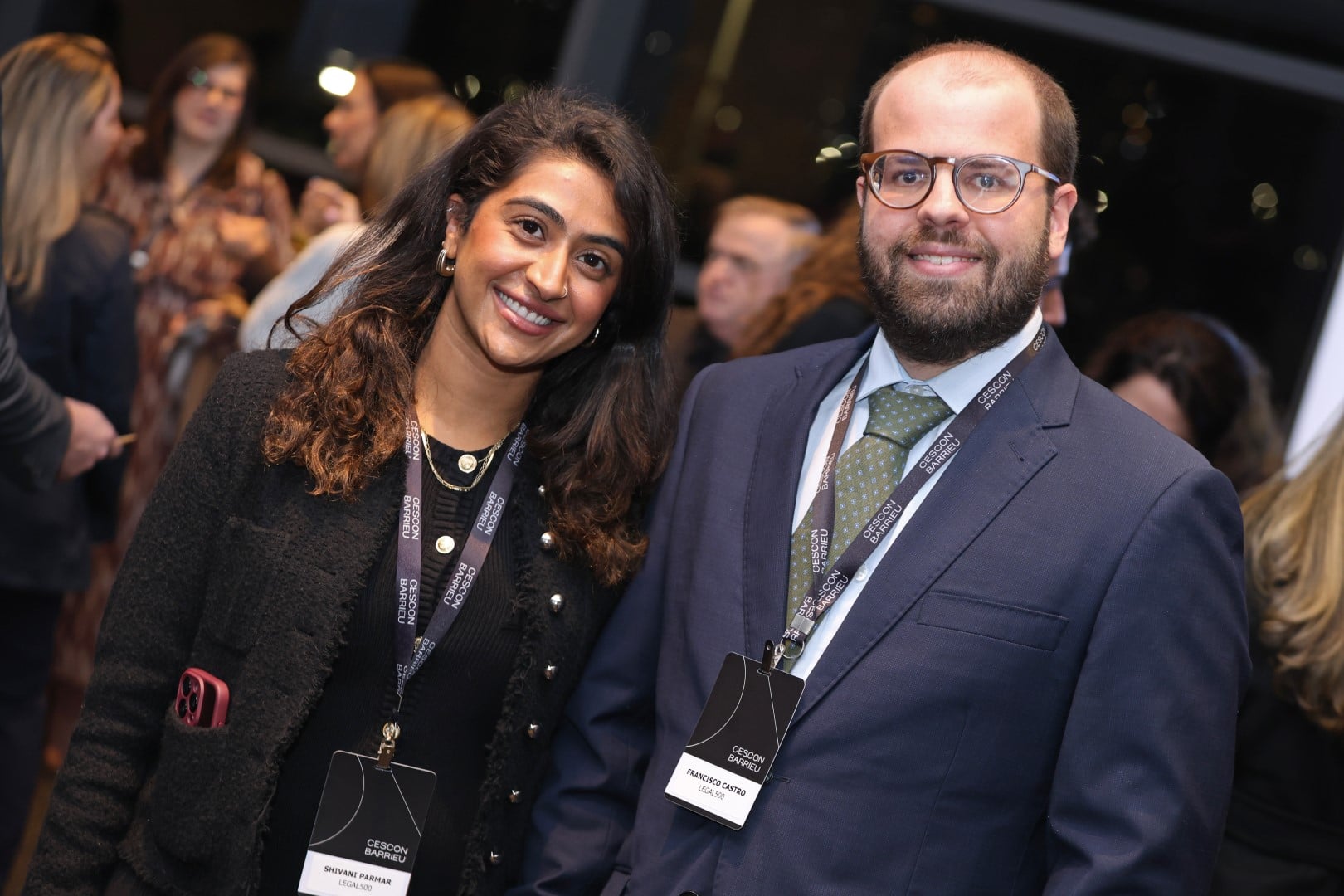
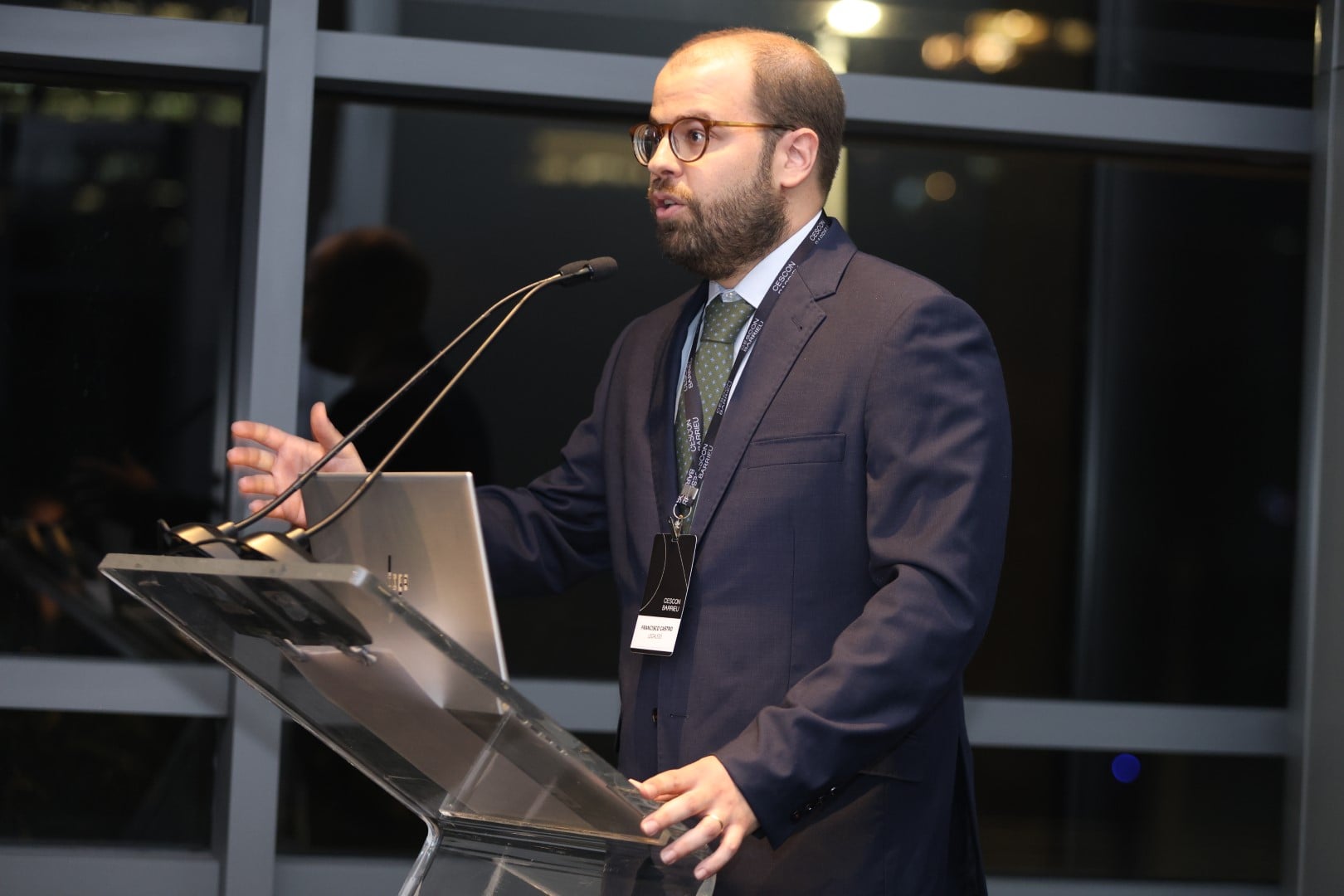
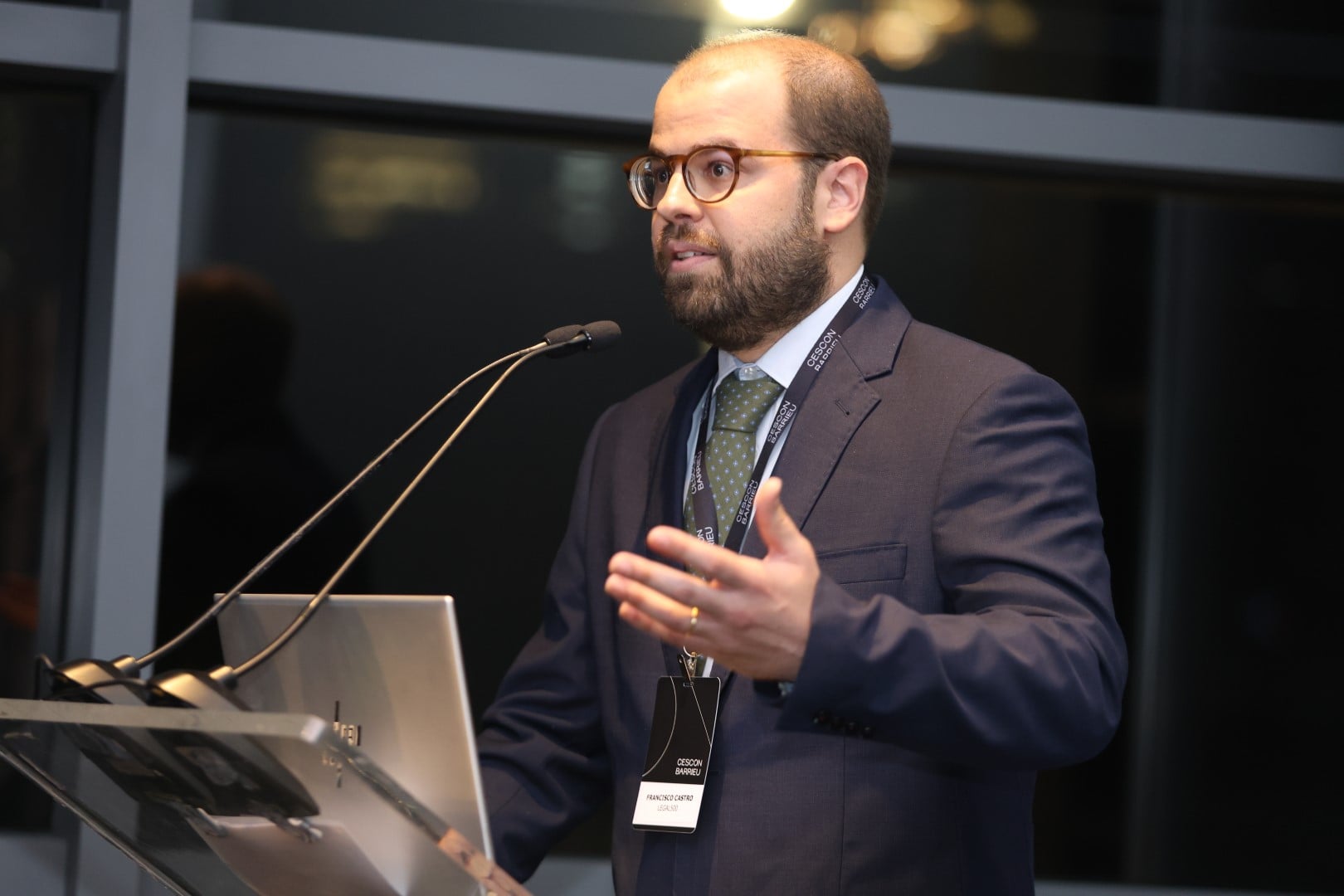
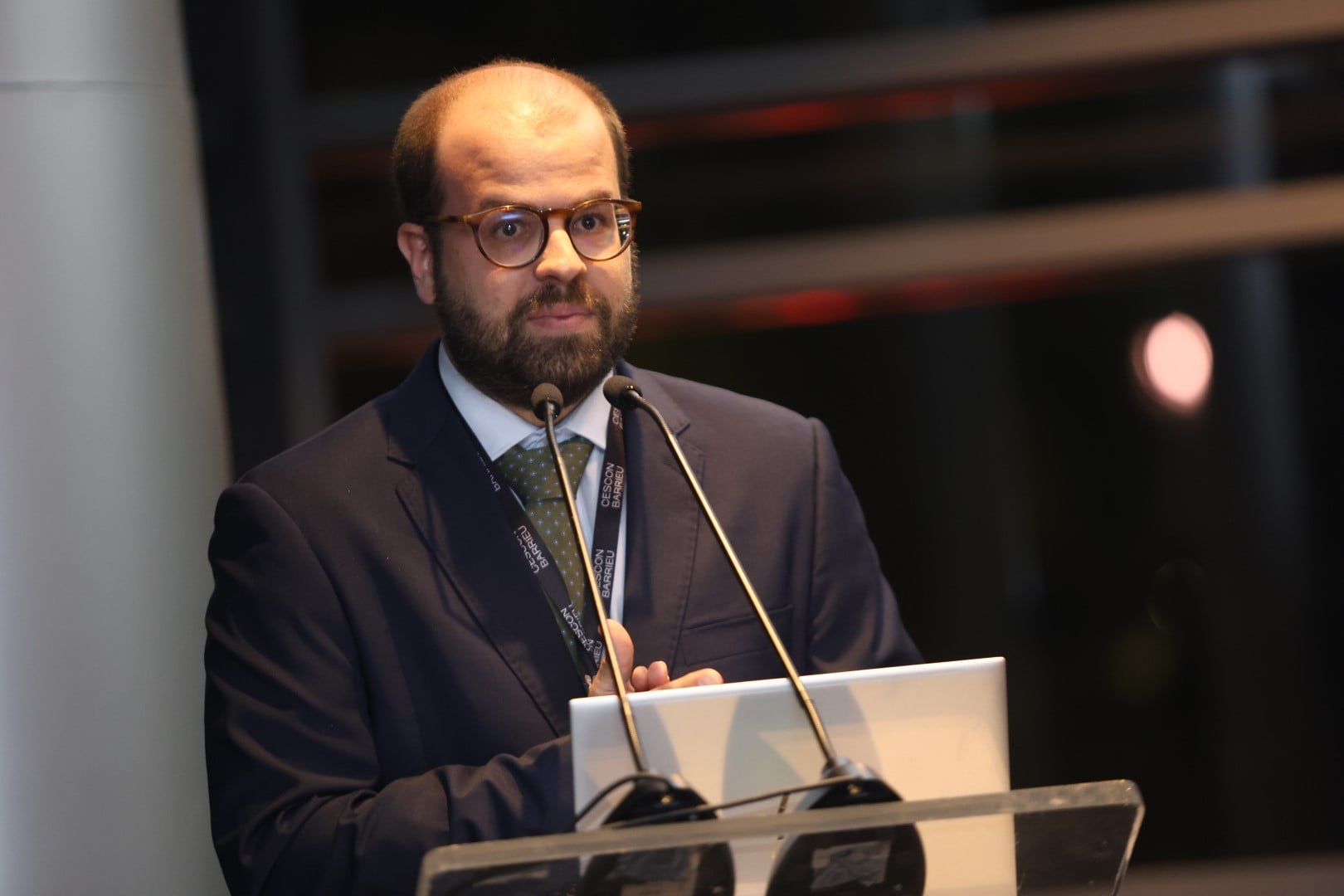
The evening opened with remarks from Francisco Castro, Research Editor at Legal 500 and editorial lead behind the publication. He highlighted the exceptional accomplishments of this year’s honourees and shared key insights drawn from the research and submissions process, including the prominence of certain industries, the continued expansion of in-house roles into executive and strategic functions, and the growing diversity, particularly the increasing presence of women in legal leadership positions.
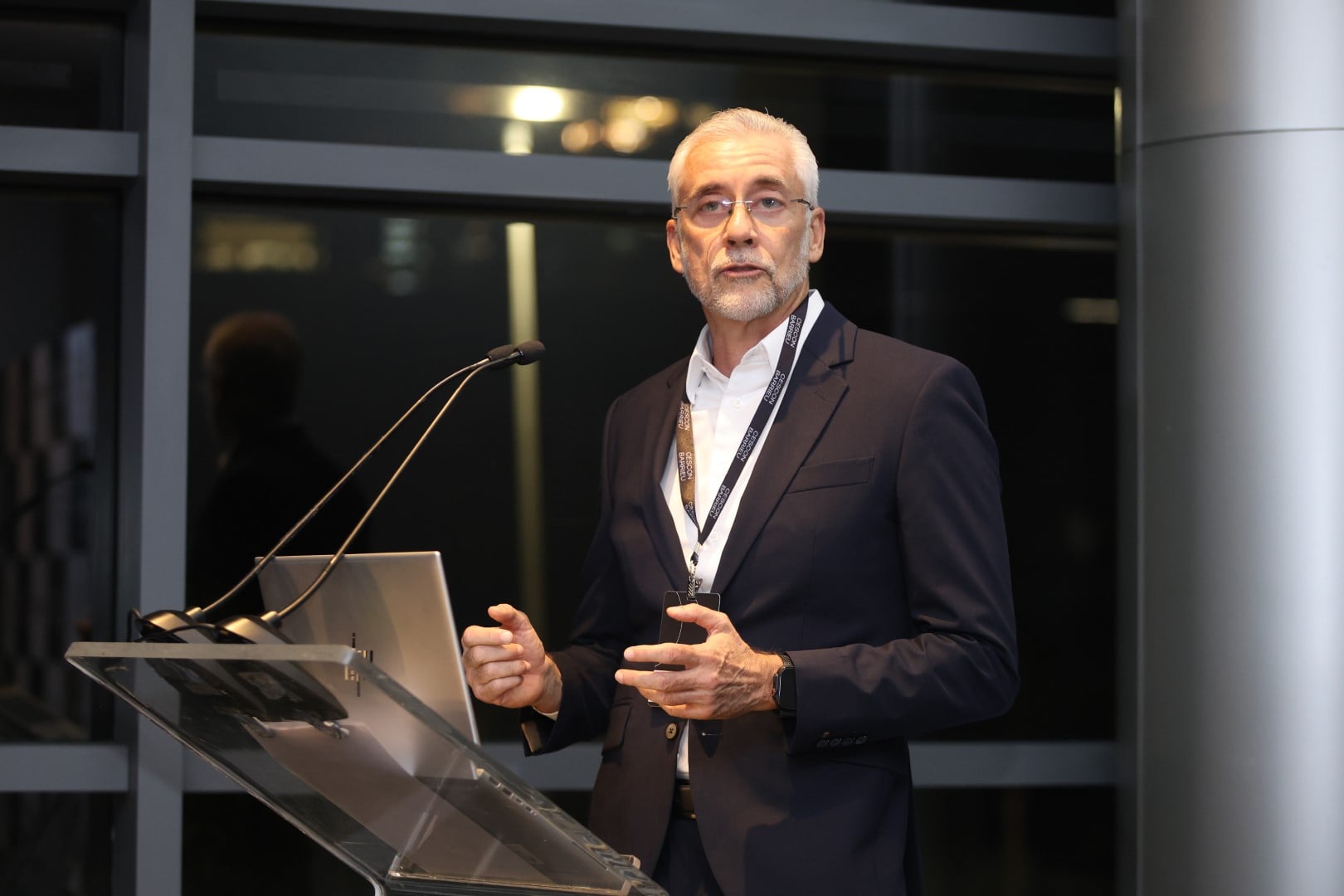
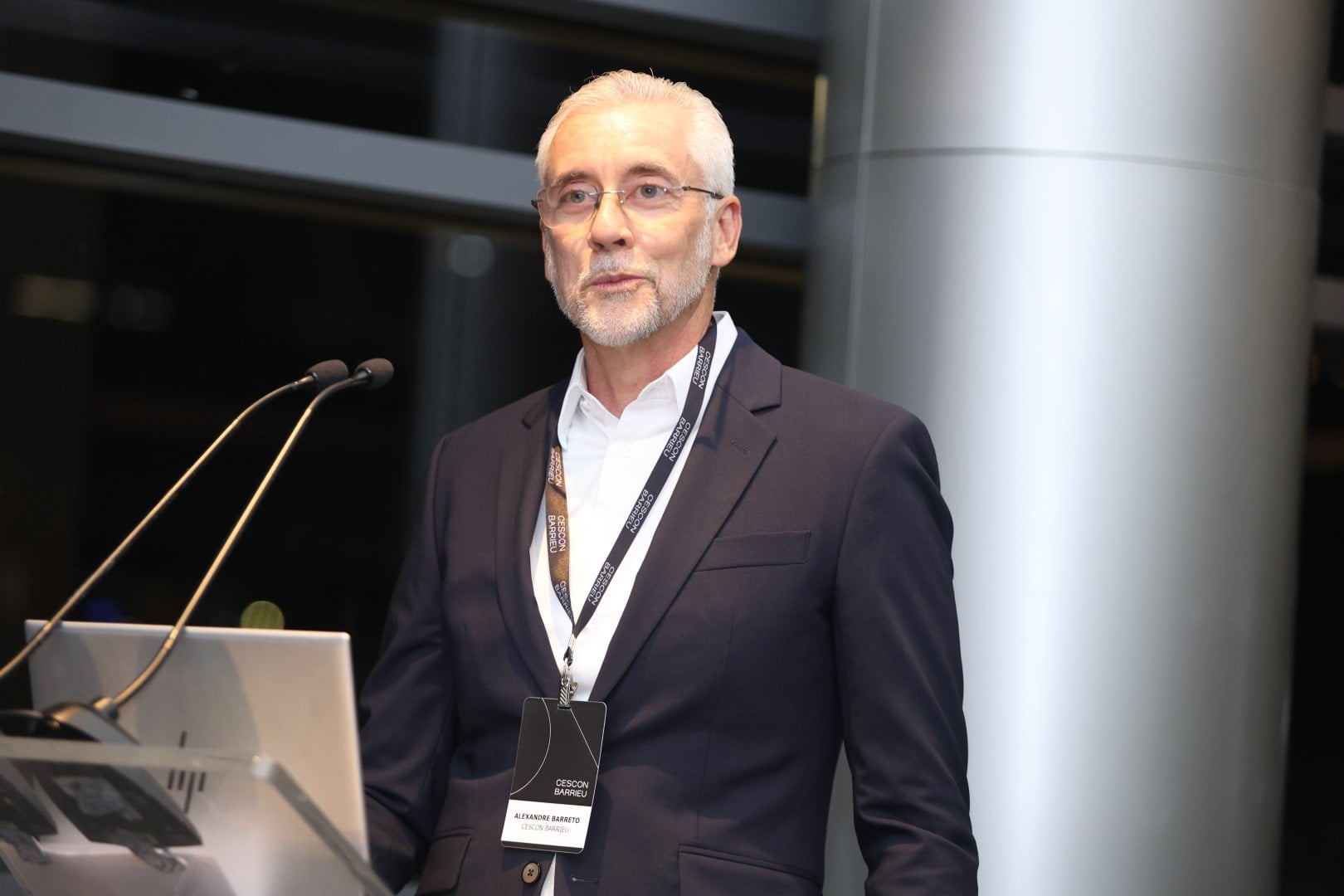
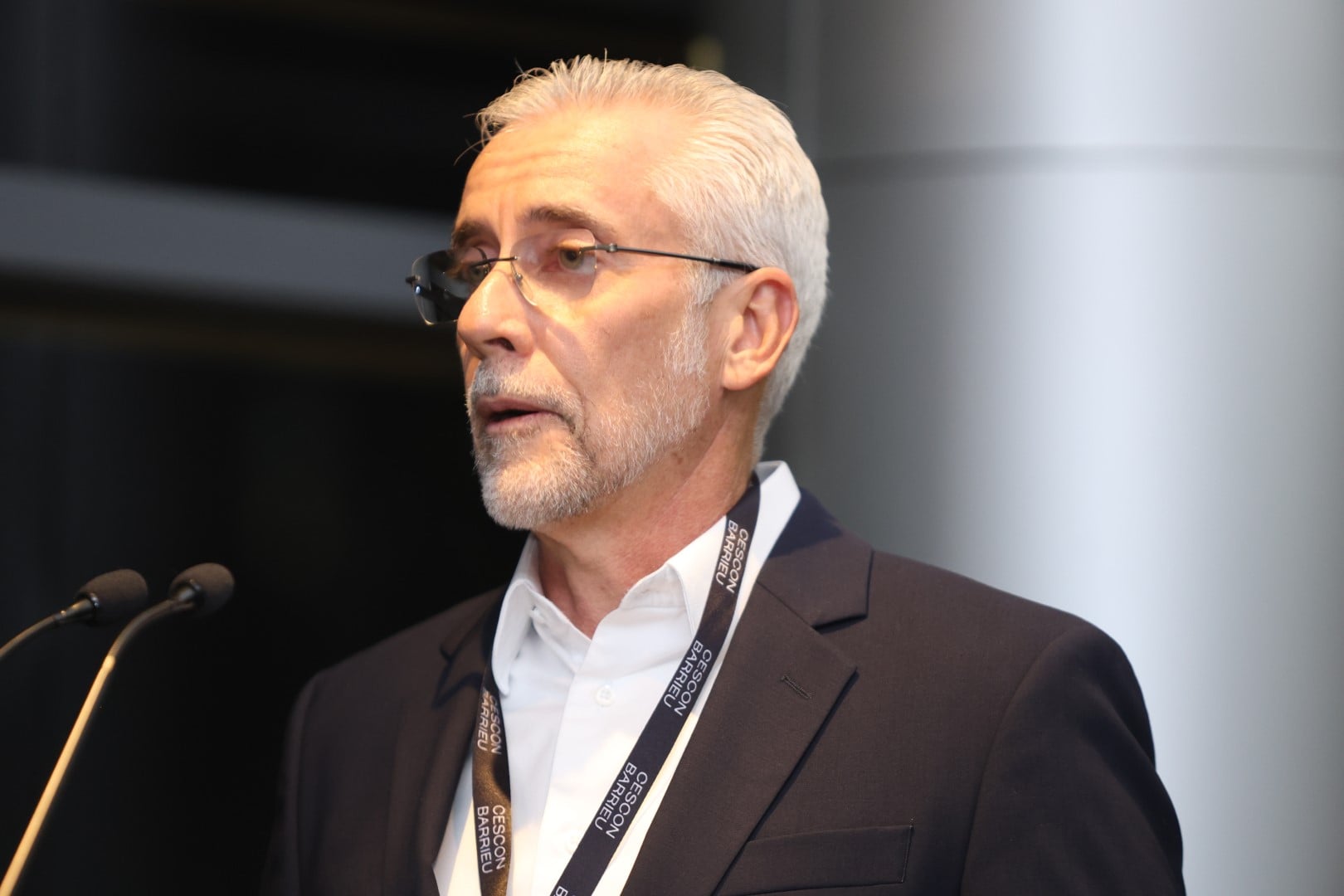
This was followed by remarks from Alexandre Barreto, Managing Partner at Cescon Barrieu, who congratulated the featured general counsel and reflected on the ongoing evolution of Brazil’s legal and business sectors. He underscored the importance of recognising the in-house legal community and noted how the firm continues to adapt to the shifting demands of both clients and the wider business landscape.
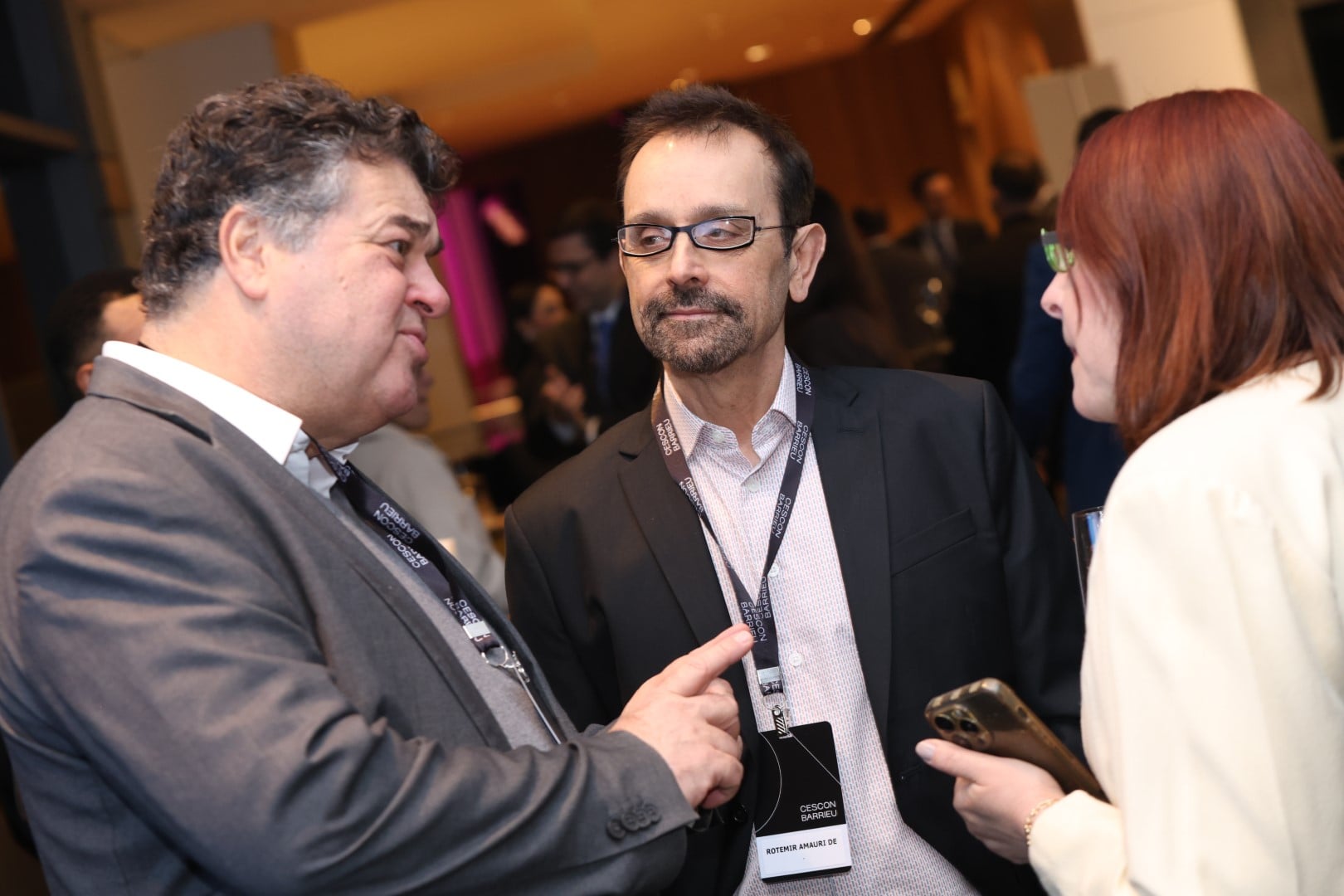
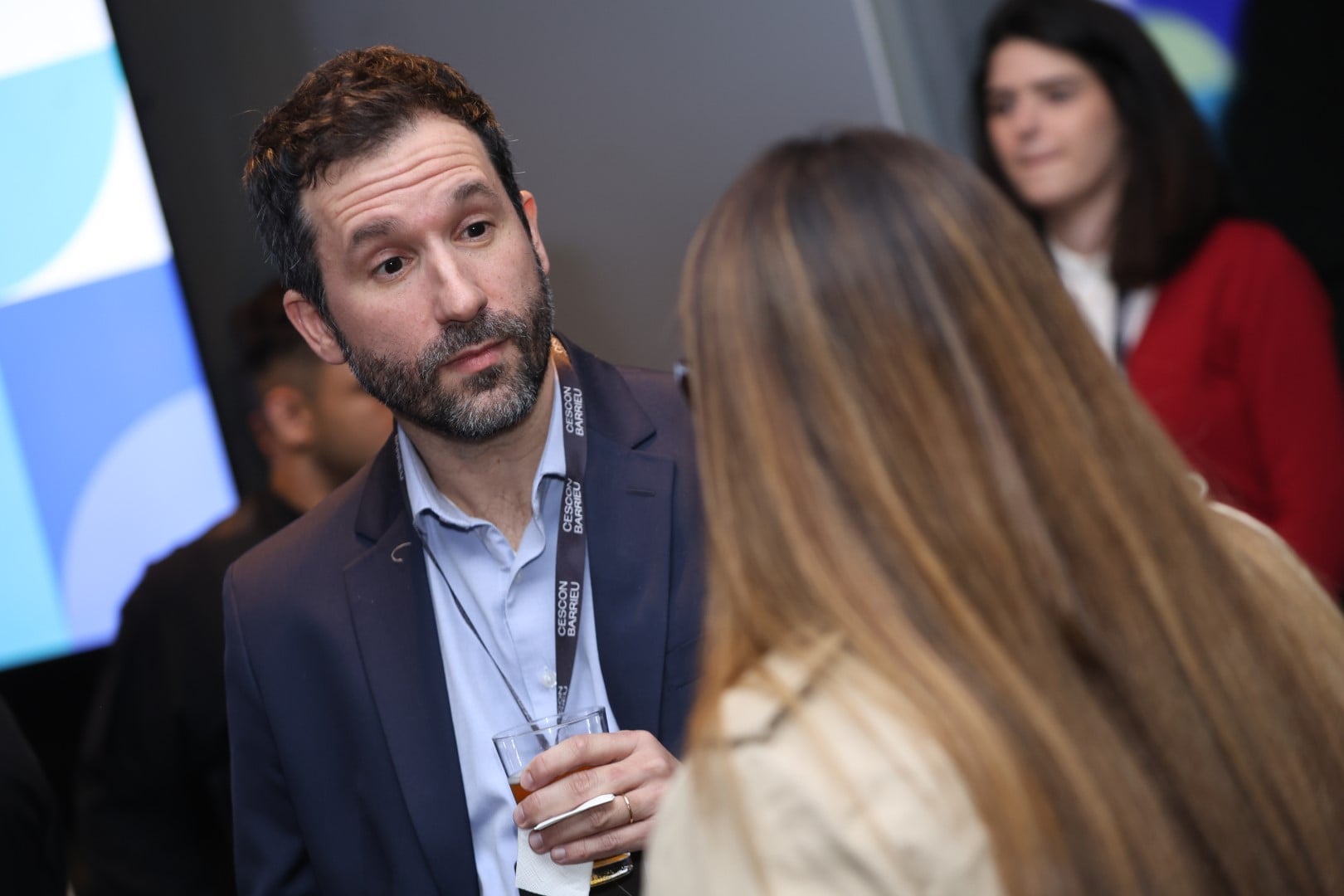
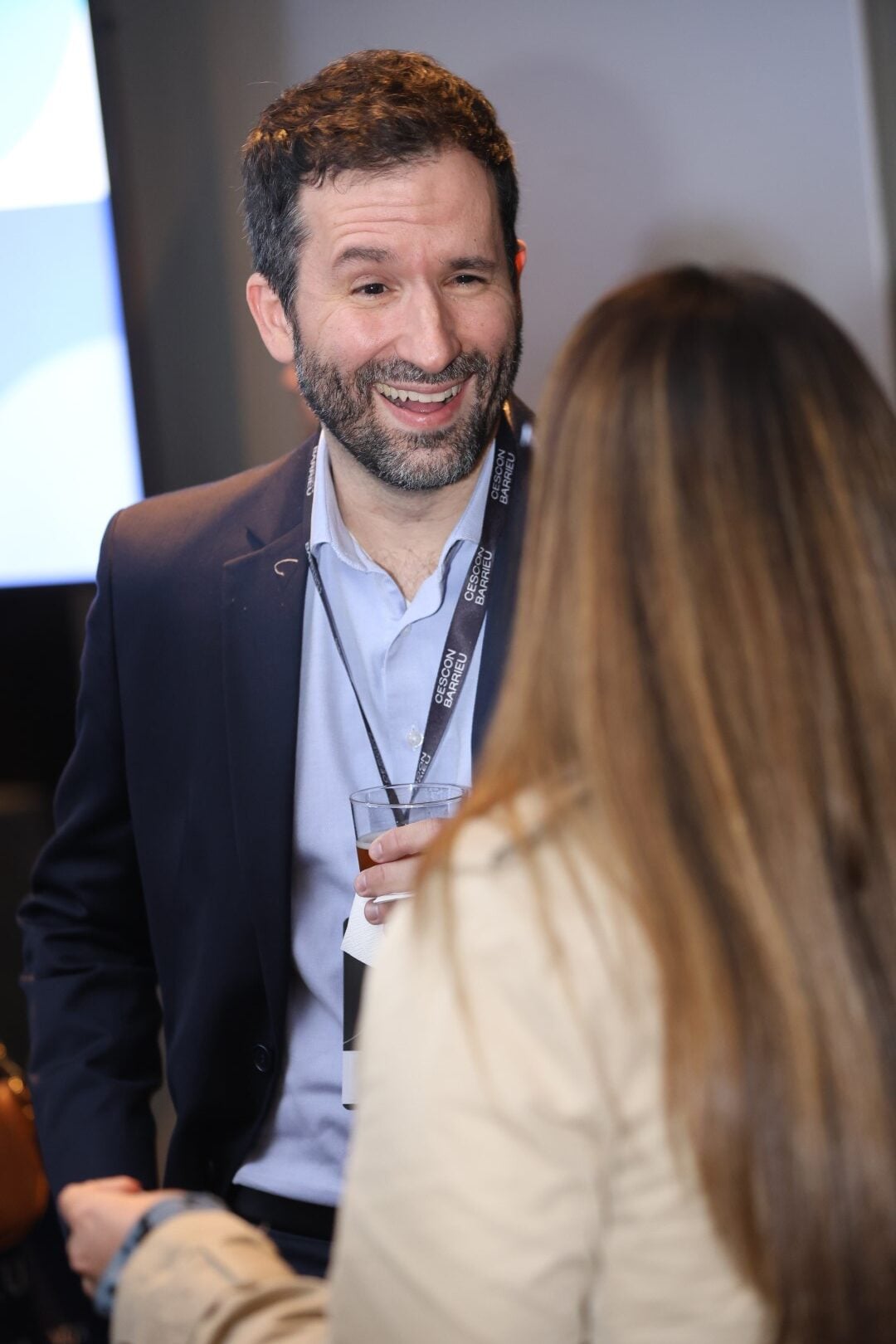
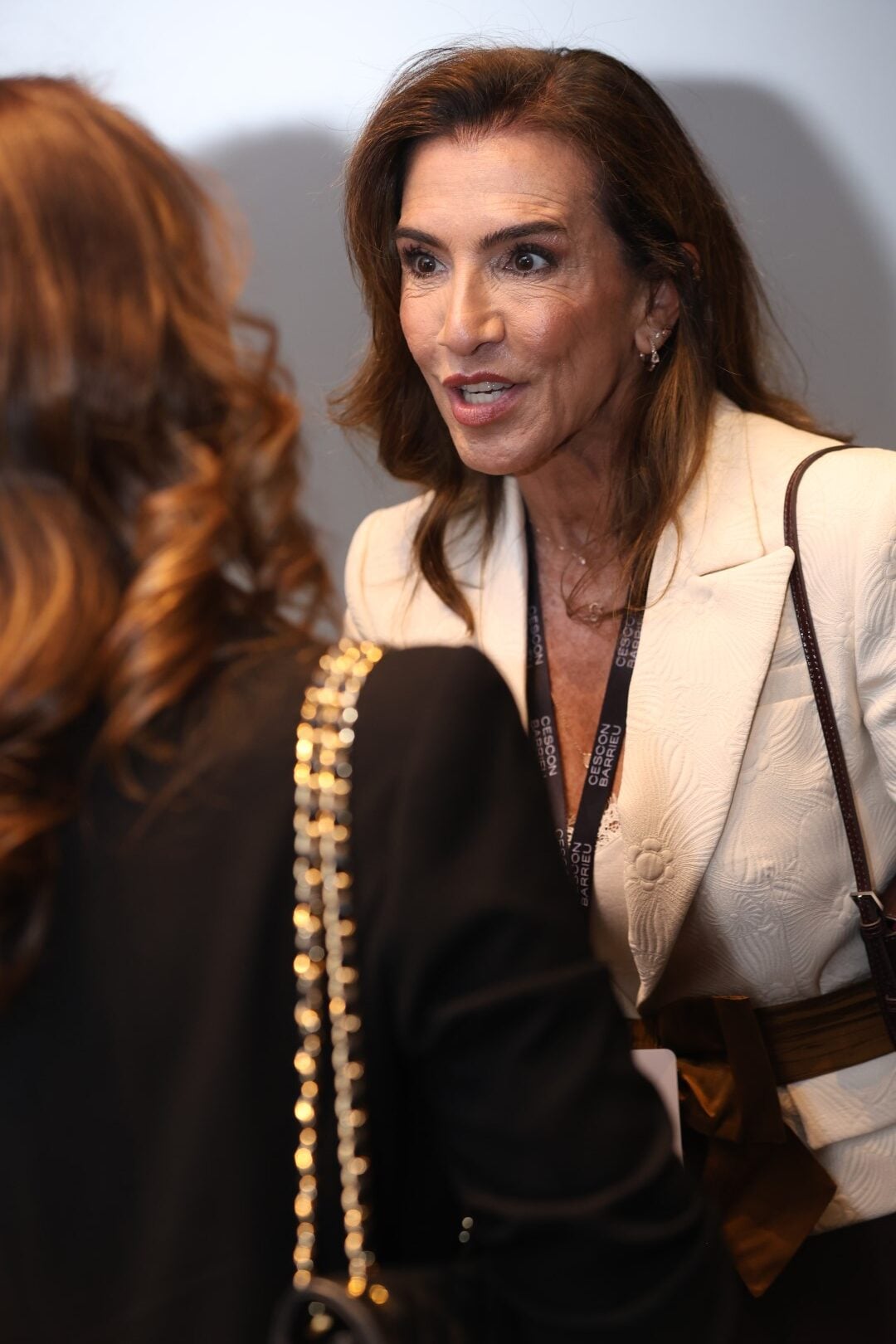
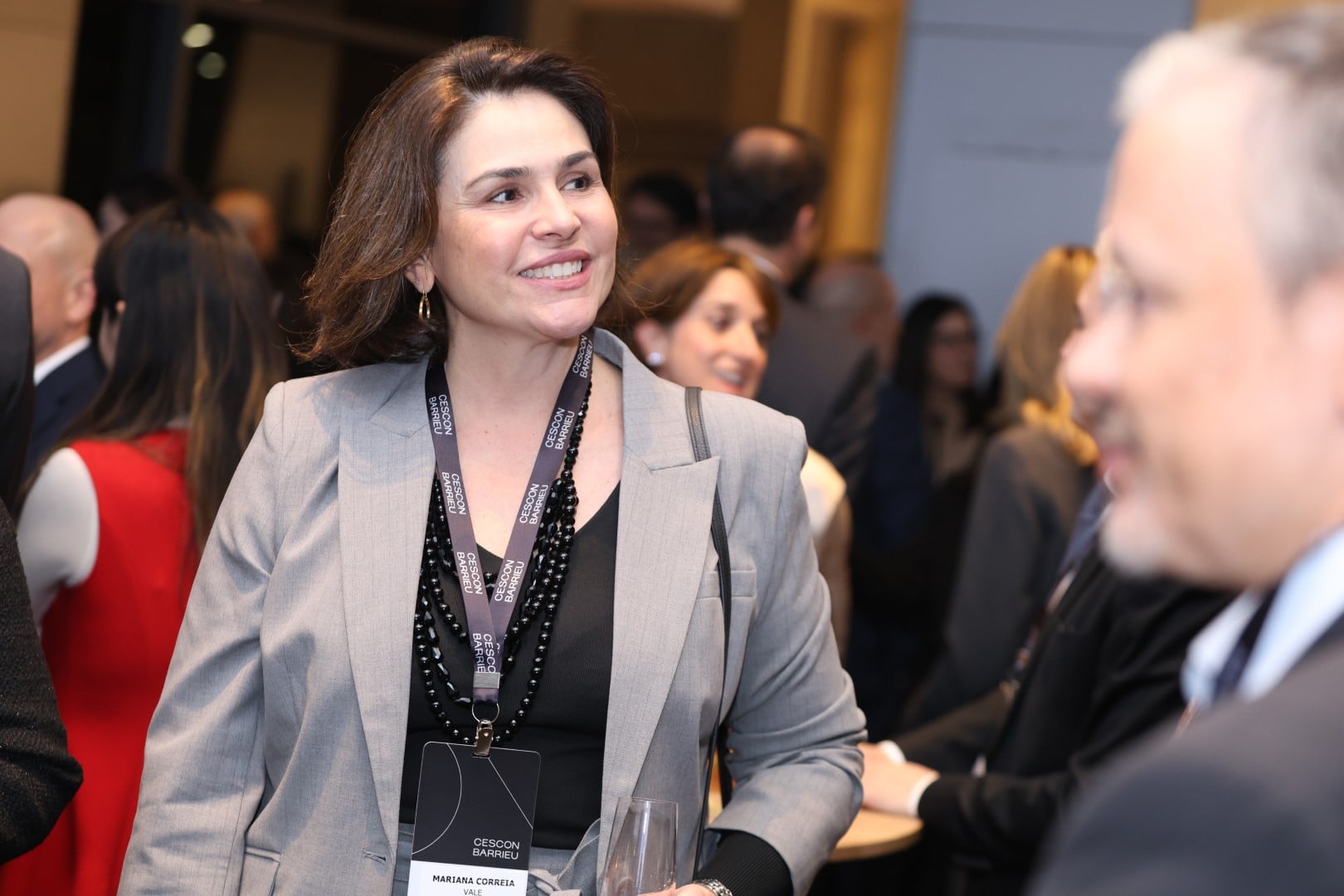
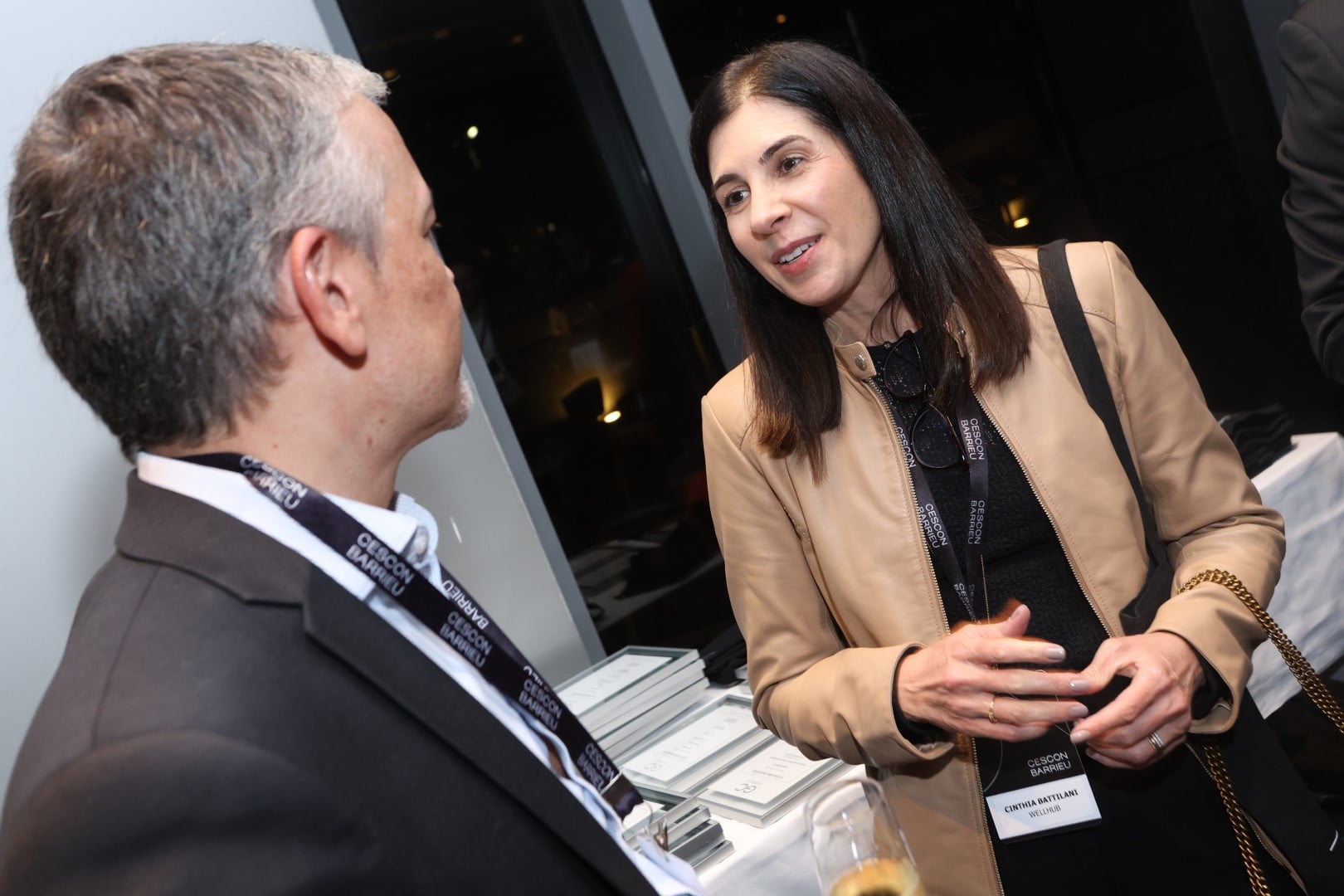
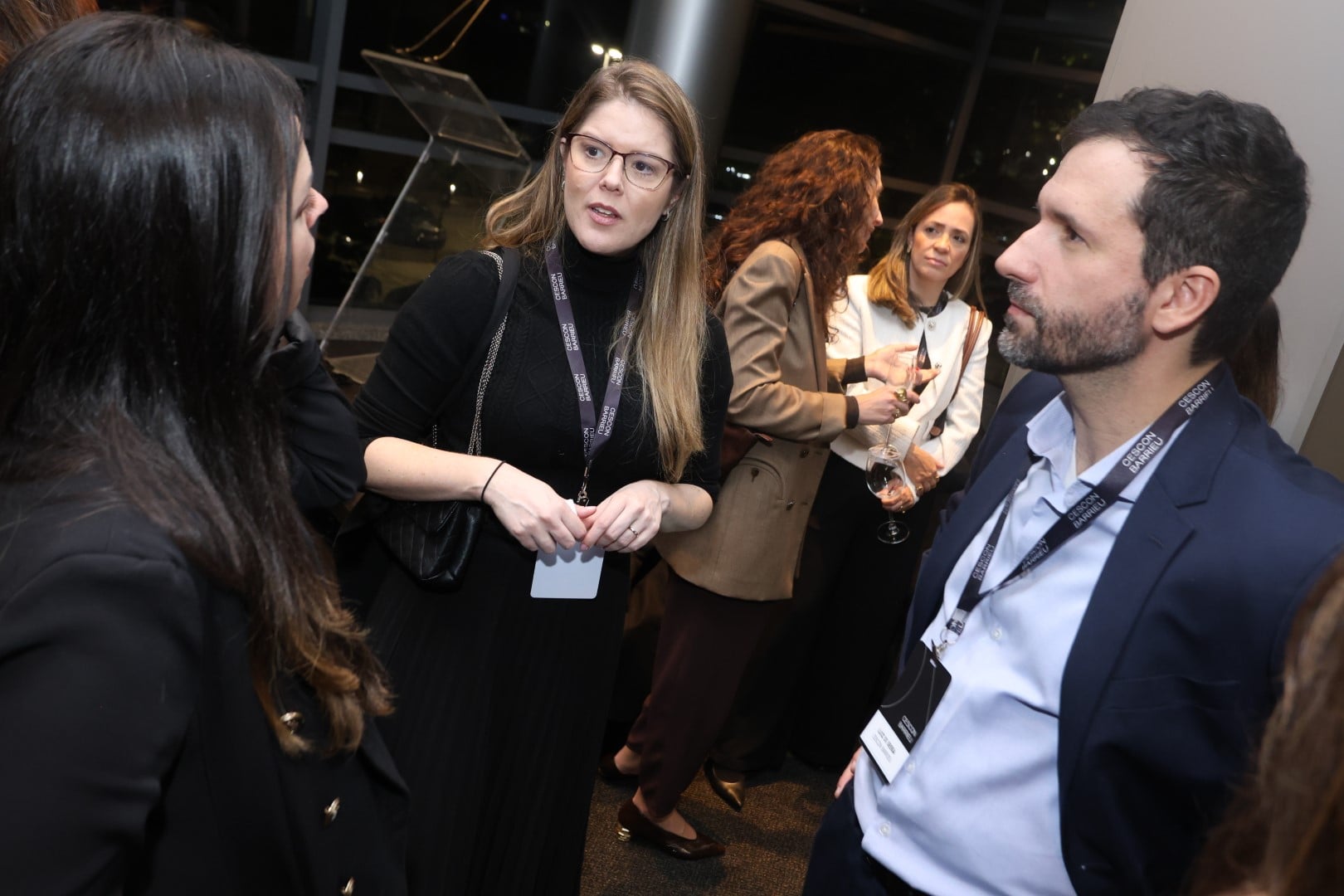
With over 100 guests in attendance, including many of Brazil’s leading corporate legal professionals, the event once again demonstrated Legal 500 and Cescon Barrieu’s shared commitment to championing the country’s in-house legal talent.
Legal 500 extends its sincere thanks to Cescon Barrieu for their continued partnership, now in its fourth consecutive year. We are also pleased to announce our return to Brazil later this year with the GC Summit Premier, our new flagship platform for in-house counsel to exchange ideas, strengthen networks, and explore the key legal challenges shaping today’s business environment.