Head of the Polish branch, Head of legal - Poland and Southeastern Europe | WOOD & Company Financial Services


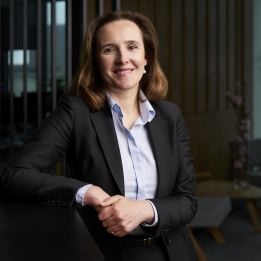
Magdalena Orzoł
Head of the Polish branch, Head of legal - Poland and Southeastern Europe | WOOD & Company Financial Services
Team size: 20
What are the key projects that you have been involved in over the past twelve months?
The work includes transactional experience in ECM transactions across Central and Eastern Europe, notably IPOs in Poland and Czechia, including Diagnostyka and Doosan Škoda Power, as well as accelerated bookbuild offerings (ABBs) in Poland with CCC, Benefit Systems, and cyber_Folks, and in Hungary with Shopper Park Plus. In addition to transactional work, the role involves cross-cutting legal projects, including analysis of the EU Listing Act and its implications for ECM transactions and investment banking operations, as well as issues related to the management of inside information under the Market Abuse Regulation regime. Further projects include assessing the use of AI in investment banking and other financial services and producing follow-up guidelines for business units. The work also covers employment transparency initiatives, particularly the implementation of legal changes affecting employment and remuneration frameworks and recruitment processes.
What are the key trends that in-house counsel should be monitoring in 2026?
AI remains the key challenge and, at the same time, area of interest for in-house legal teams. There are still more questions to be answered than the ones which we are clear about. I expect that implementation of guidelines and setting up safe environment for the use of AI in business will preoccupy in-house legal teams as much as it was the case in 2025. Other areas of particular importance seem to be cyber security and employment transparency (in particular, assessing and tackling gender/pay gaps).
Have you had any experiences during your career as a lawyer that stand out as particularly unique or interesting?
What I find particularly unique and personally enriching in my career is the opportunity to work on a cross-border basis with people from various jurisdictions and different legal mental set-up. It gives a lawyer a wider perspective and helps turning on the “listen & understand” mode, which is crucial when navigating through the complex business and regulatory world we operate in. My principal area of expertise and interest have been capital markets law and ECM transactions, which – among other things – give lawyers huge exposure on business. This, in turn, requires lawyers to dive deep and understand what the actual needs and/or problems are and how they can be achieved/resolved in the most efficient way.
What do you think are the most important attributes for a modern in-house counsel to possess?
The world of business and law is getting more and more complex, which makes legal profession more demanding and challenging. Personally, I consider the following attributes as essential for a modern in-house counsel: a) open-mindedness to be able to consider various perspectives and opinions, b) ability to learn, which is extremely important in the era of constant change and development, c) critical thinking, d) teamwork and relationship-building skills as it is easier and more effective to go through legal challenges together than solo.