Poland 2026
Supported by the Association of Corporate Counsel



Manager of the legal department, Poland, the Baltics & Ukraine | IBM
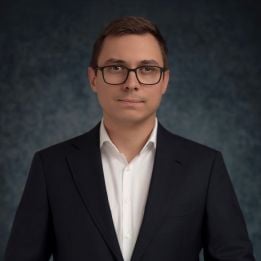

Senior assistant general counsel – CEERTMEA, Head of sanctions compliance – EMEA & APAC | Elanco Animal Health

General counsel and Compliance manager | Polska Akcja Humanitarna (Polish Humanitarian Action)
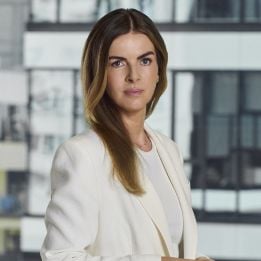
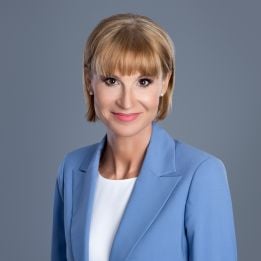
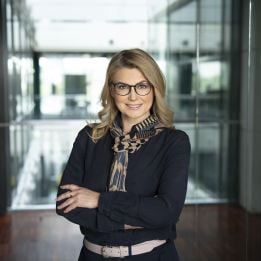

Assistant general counsel, North & South East Europe | Philip Morris Products S.A., Switzerland
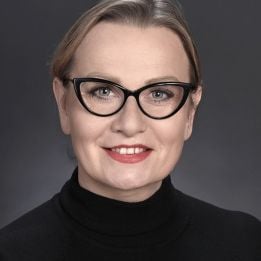
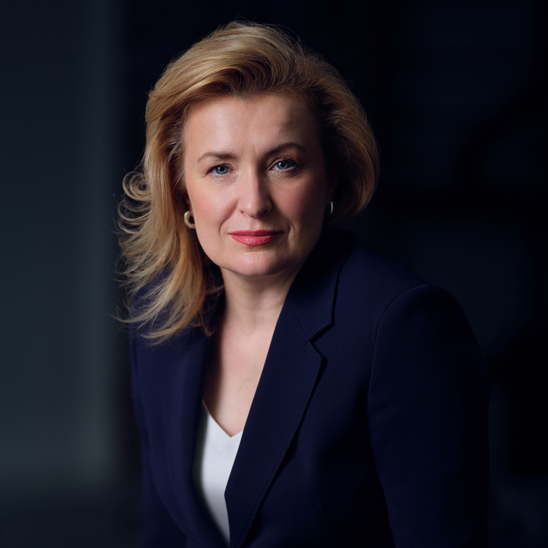
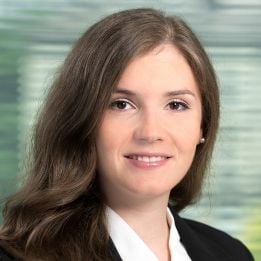
Assistant general counsel | McKinsey & Company Poland
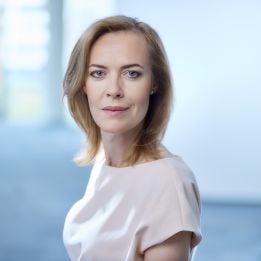


Head of legal | Towarowa Giełda Energii (Polish Power Exchange)
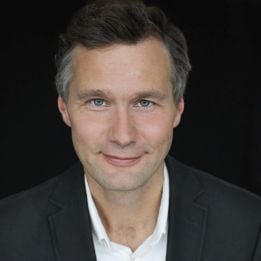
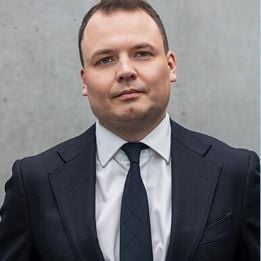
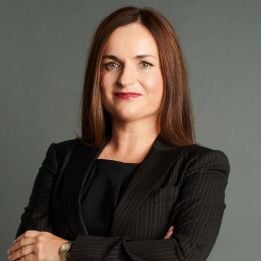

General counsel and Head of legal and compliance | KPMG Poland


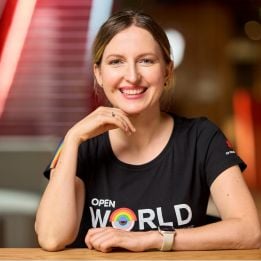

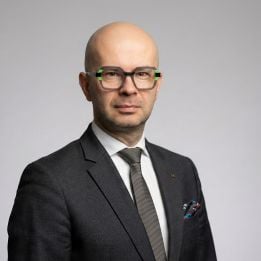
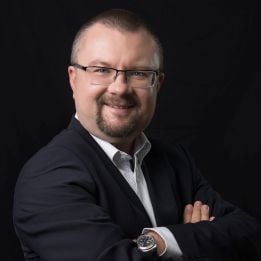
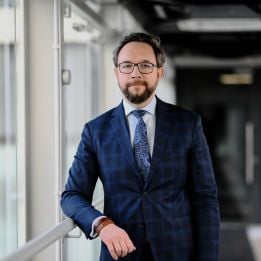

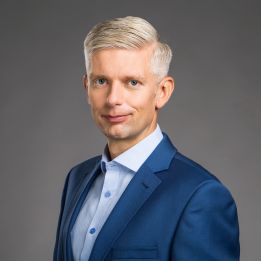



VP, Global privacy & EMEA associate general counsel | GlobalLogic


Director - legal services department for corporate, investment and international banking | PKO Bank Polski

Group head of legal and compliance | Match-Trade Technologies Group

Head of legal, advanced refractories EMEA, fused silica and global procurement | Vesuvius
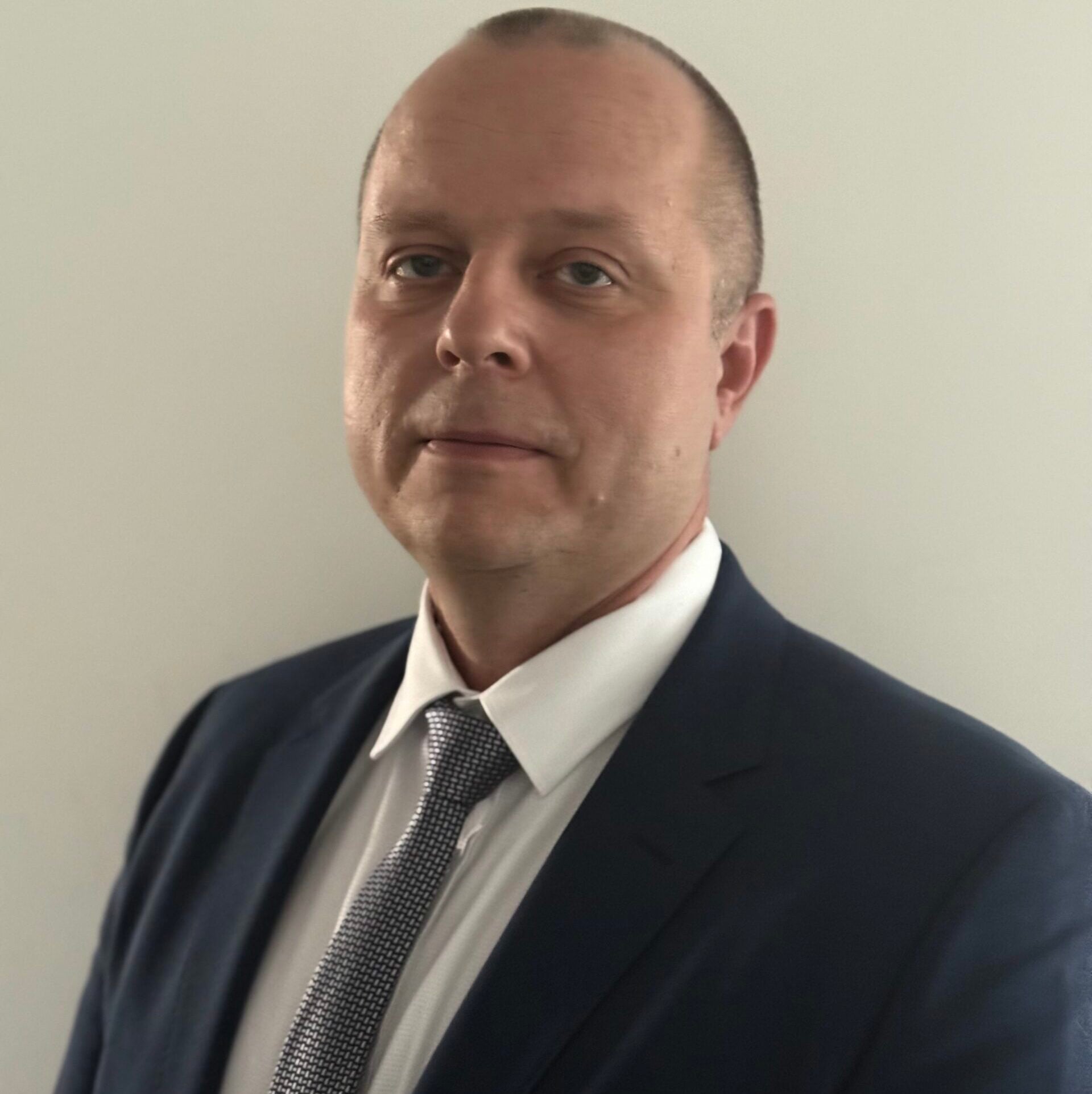

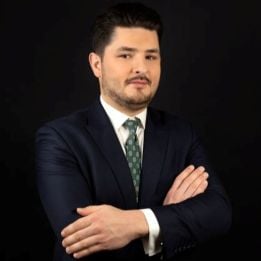



Legal and compliance director | Colas Polska/Colas Kruszywa

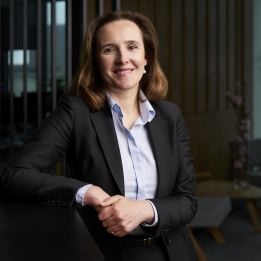
Head of the Polish branch, Head of legal - Poland and Southeastern Europe | WOOD & Company Financial Services


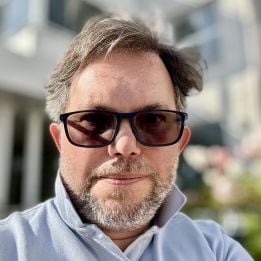
Director - heating and cooling and Poland, legal counsel | Fortum


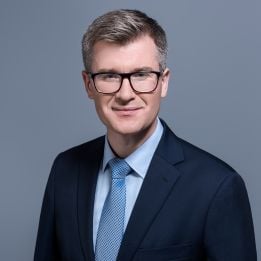

Head of the legal, regulatory and public affairs division | Agora Group

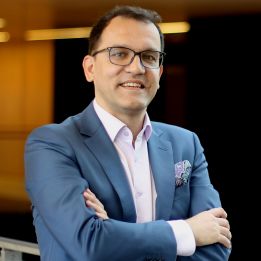
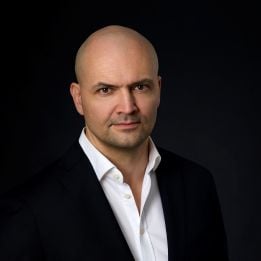
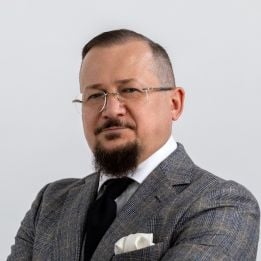

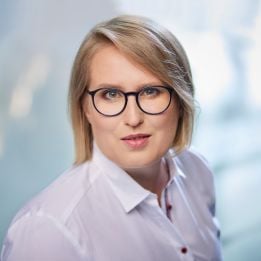



Director - head of legal operations | Union Energy Group/Loyd’s Aviation Group


Director of legal, compliance and HR/Head of legal and compliance | Wonga/Novum Finance

Head of legal, Poland and Eastern Europe | Kraft Heinz
Head of legal department, member of management board | Ghelamco Poland
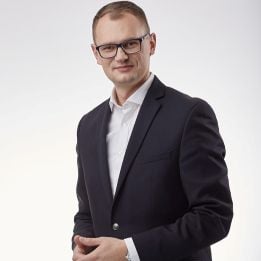
VP, Legal director | PZL Mielec (Polskie Zaklady Lotnicze), a Lockheed Martin company
I am honoured to launch the inaugural edition of Legal 500’s GC Powerlist: Poland, showcasing the country’s steady growth and development. In-house counsel remain at the forefront of this continued success, as integral players in both the business and legal landscape.
The GC Powerlist initiative aims to highlight the way in which in-house counsel continue to lead their organisations through these constant economic, technological and geopolitical shifts. As Hubert Kendziorek, Chief Legal Officer at Emitel S.A. points out, ‘the era of the siloed, reactive in-house lawyer is decisively over’. The GC role has had to adapt with the times, and in-house counsel are required to provide more than just legal advice.
A ‘modern in-house counsel must first and foremost be a strong business partner’, Łukasz Krysiak, Head of Legal Advanced Refractories EMEA, Fused Silica and Global Procurement at Vesuvius agrees. ‘That means being integrated into the team (being part of the team not the “advisor”), understanding commercial objectives, and contributing to decisions rather than simply identifying legal risks’, he goes on to explain.
Of course, legal advice remains at the core of what GCs do. In today’s fast-changing environment, rapid regulatory changes pose a particular challenge – ‘a tsunami of new EU regulations’, as Kendziorek puts it. Bogdan Piotrowski, Head of Legal at Towarowa Giełda Energii (Polish Power Exchange), agrees that there is ‘an increasing amount of regulation that needs to be assessed and followed’. One of the key challenges of the in-house role, he explains, is ‘to spot all new applicable regulations and find business-oriented way to follow them’.
A key area that has seen a plethora of new regulations is AI, an almost unavoidable topic in today’s market. Agnieszka Kozar, Assistant General Counsel, North & South East Europe at Philip Morris Products S.A., Switzerland, points to the ‘widespread adoption of AI across businesses, which is impacting legal teams and requiring them to keep pace with changing regulations and new forms of risk’.
AI does not come without risks, however, and should be applied to boost human efficiency – not replace it, as Magdalena Cholewa-Klimek, Legal & Compliance Director, at Colas Polska/Colas Kruszywa, warns. ‘Human oversight remains essential for nuanced judgment and ethical decision-making’, she emphasises. AI should be used ‘to reduce time spent on repetitive tasks and increase capacity for higher-value work’, Paweł Meus, Legal Director and Data Protection Officer at OpenX, agrees, to maintain the ‘human element’.
And the human element is increasingly important to preserve in the current unpredictable and volatile environment. Senior in-house counsel across the country continue to emphasise the importance of a diverse and nurtured team. Kozar highlights that ‘diversity and inclusion not only strengthen our organisation by bringing a wider range of perspectives and ideas, but also help develop our people’. Anna Wojdyga-Napora, Head of Legal Poland and Eastern Europe at KraftHeinz, is quick to corroborate this dual benefit: ‘It’s not about just being inclusive; it’s about making better, more innovative decisions for the business.’
Marcin Szlaszyński, Head of Legal at Nest Bank S.A., reminds in-house leaders that the culture starts at the top: ‘General counsel can foster an ESG-supportive culture by making ESG is not just another side project to be managed, but a real part of how the organisation operates and how its corporate governance structures function’.
Legal 500 would like to congratulate all those who are featured in the inaugural edition of the GC Powerlist: Poland.
Isabel Caine
Editor – Corporate Counsel
Legal 500

Greenberg Traurig, LLP is a global, multi-practice law firm with more than 3000 attorneys serving clients from 51 offices in the United States, Latin America, Europe, Asia, and the Middle East.
Greenberg Traurig Poland was named the 2025 Private Equity Firm of the Year at the PSIK (Polish Private Equity & Venture Capital Association) Awards 2025 and the 2025 Tax Law Firm of the Year in Poland by ITR (International Tax Review) EMEA Tax Awards. The Warsaw office of Greenberg Traurig, LLP serves clients throughout Central Europe and beyond with a team of 125 lawyers, many of whom are regularly recognised as leaders in their fields. Renowned for its expertise, the office consistently ranks among the top tiers in Chambers Global, Chambers Europe, IFLR1000, and EMEA Legal 500 across a broad range of practice areas including Corporate/M&A, Capital Markets, Real Estate, Private Equity, Tax, Banking and Finance, Project Finance, Energy, Dispute Resolution, TMT, and Competition/Antitrust.
As the exclusive sponsor of the inaugural Legal 500 General Counsel Powerlist Poland, Greenberg Traurig congratulates all the General Counsels recognised in this edition. In an era defined by the AI revolution and an ever-expanding regulatory landscape, the role of the General Counsel has never been more demanding. The leaders celebrated in this Powerlist are shaping strategy, driving transformation, and navigating complexity that extends well beyond the legal function.