Switzerland 2025
Supported by the Association of Corporate Counsel

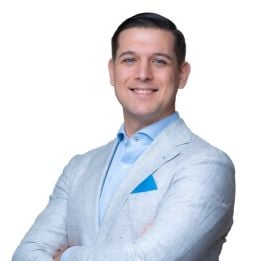


Vice president and associate general counsel europe | Philip Morris International


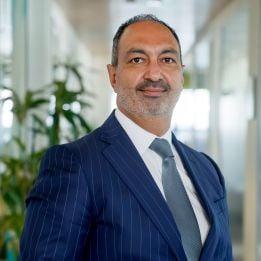
Chief legal and contracts officer | FIDIC International Federation of Consulting Engineers

Head legal and compliance group asset management | Helvetia Insurance Group

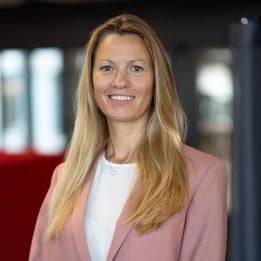
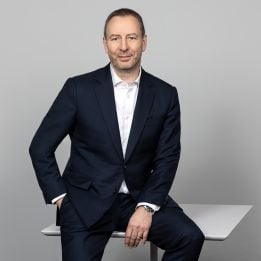


Chief regional counsel EMEA and EMEA-based businesses | BD Switzerland Sarl
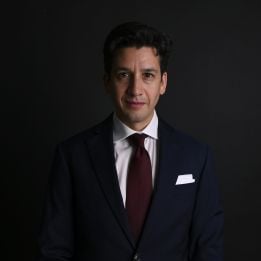
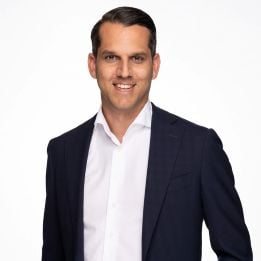


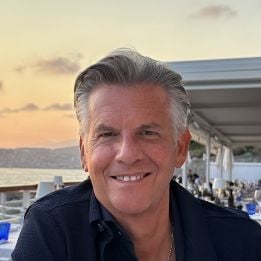
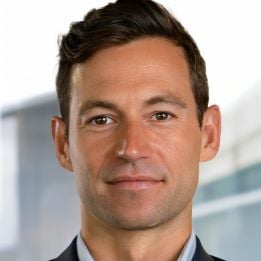


General Counsel & Corporate Secretary, Citi Switzerland / Legal Cluster Head, Citi Switzerland, Monaco & Liechtenstein | Citigroup

Chief legal officer and corporate secretary | Kuehne + Nagel International
General counsel and chief compliance officer | Burckhardt Compression
Senior vie president, group general counsel and chief compliance officer and member of the executive committee | SGS Société Générale de Surveillance



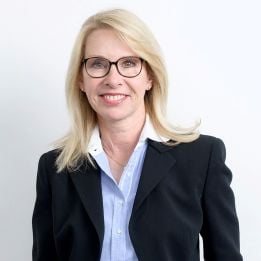
Group general counsel and company secretary | Chain IQ Group



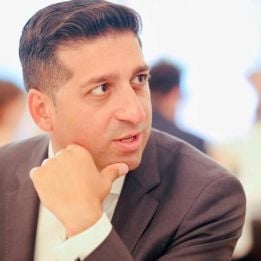
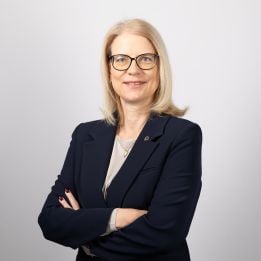
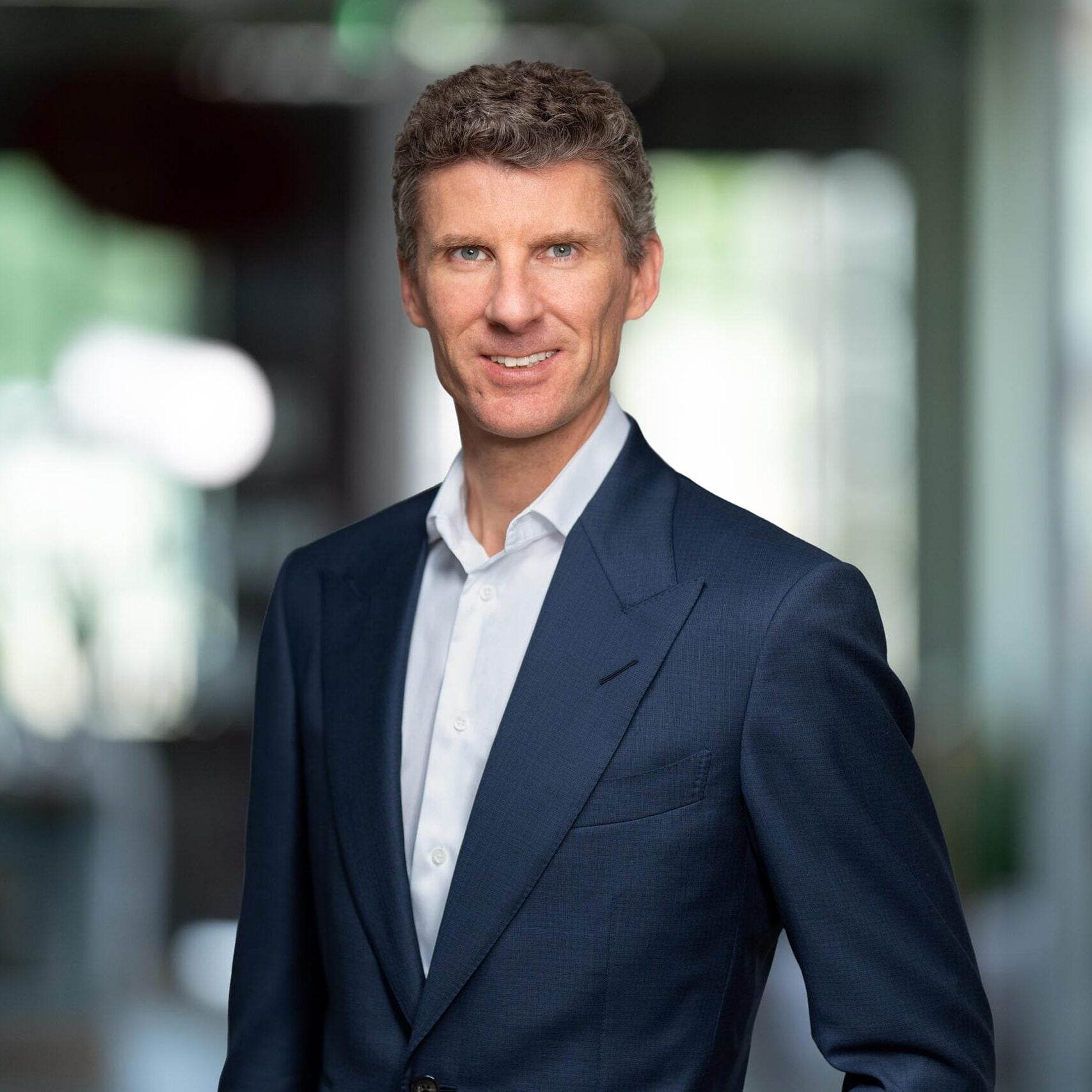
Senior vice president, group general counsel anf chief compliance officer, company secretary | SIG Group
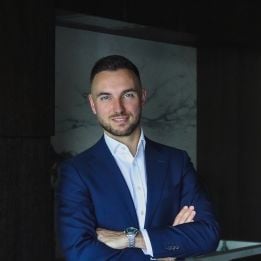

Director of legal and policy/General counsel | European Broadcasting Union
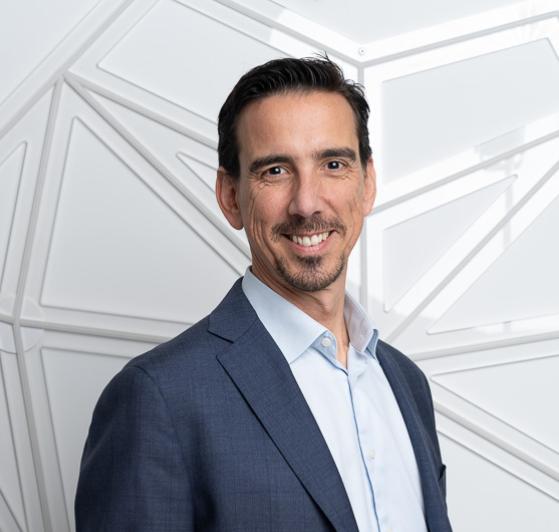
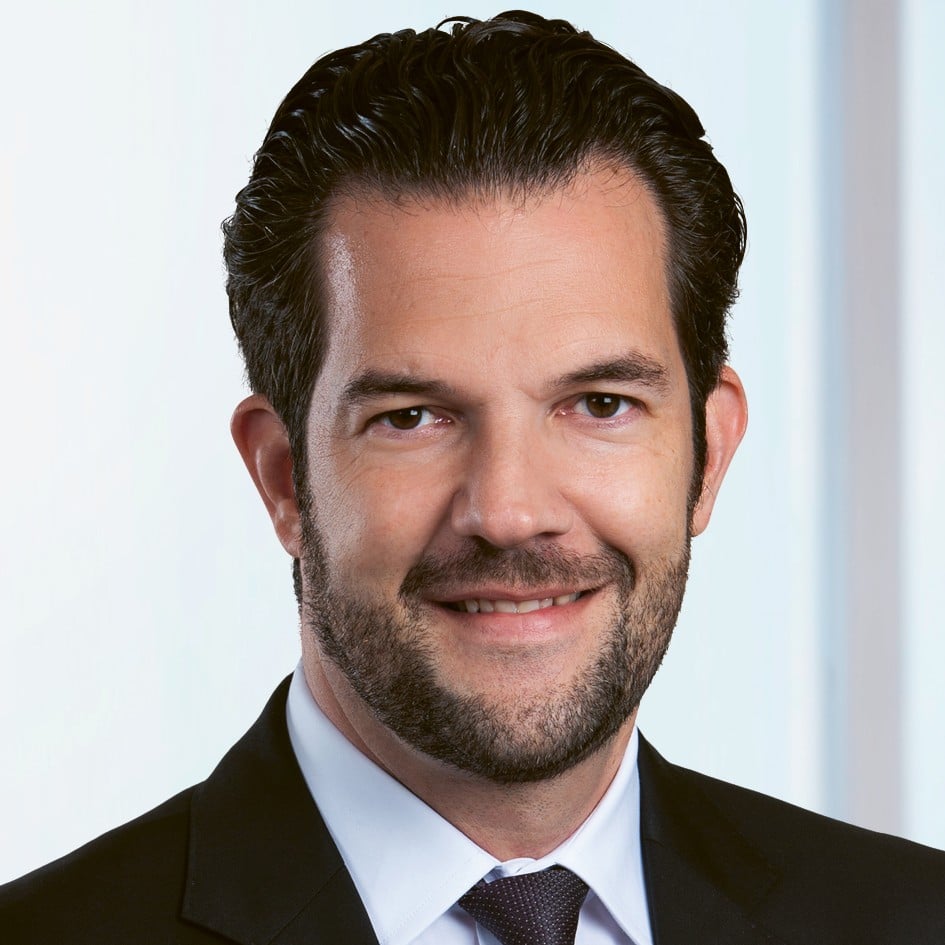
General counsel and head of legal and compliance | Raiffeisen Switzerland Cooperative
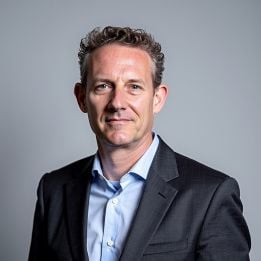
Chief legal, compliance and sustainability officer and executive board member | Swaroski International
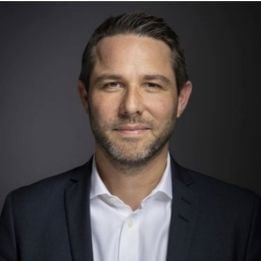
General counsel corporate / ESG and deputy group general counsel | Lindt & Sprüngli
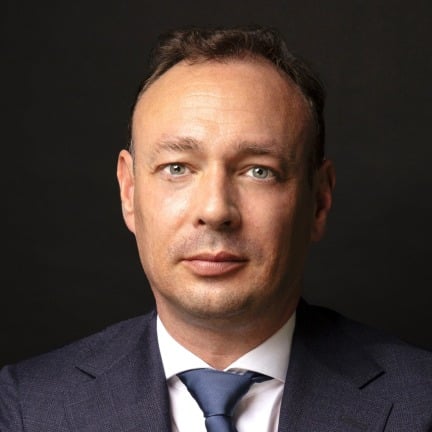
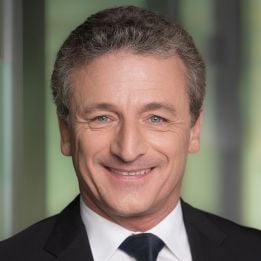
Chief legal officer, company secretary, head of corporate affairs and member of the executive committee | Medmix Group
Chief legal and corporate affairs officer, member of the executive committee | Lonza Group
Group general counsel, compliance officer and company secretary | Sonova International
SVP and chief counsel Europe | Mondelez International
General counsel EMEA | Honeywell Products and Solutions Sarl
General counsel, company secretary and director of strategic development | Coca-Cola HBC
Senior vice president, legal and regulatory affairs, and chief compliance officer | JTI-Japan Tobacco International

Vice president and general counsel, group commercial. | gategroup
Group general counsel and member of the executive board | Nestlé
General counsel Switzerland | McDonald's Suisse Restaurants
Group general counsel, chief compliance officer and secretary of the board of directors | Rieter
Switzerland’s in-house legal community continues to evolve as one of Europe’s most forward-looking and strategically embedded professional networks. The 2025 edition of the Legal 500 GC Powerlist: Switzerland highlights the in-house counsel community who are shaping governance, resilience, and transformation across a rapidly changing regulatory and business environment.
In the past years, the role of the Swiss general counsel has expanded far beyond the traditional boundaries of legal risk management. Today’s legal leaders in the country blend legal accuracy with strategic foresight, enabling organisations to anticipate change and preserve operational integrity.
The concept of resilience emerged as a defining theme in this year’s research. Across industries, legal departments are increasingly viewed as stabilising and enabling forces. Nora Zinsli, head of legal Switzerland at DHL Group, described her team’s approach: “The legal function acts as both a stabiliser and an enabler, helping the business navigate uncertainty while maintaining regulatory compliance and stakeholder trust.”
Similarly, Barbara Keiser, general counsel corporate, M&A and finance at gategroup, noted that the legal function must remain “a stabilising force … enabling the business to move forward with confidence while ensuring risks are properly managed.” Throughout their answers, Swiss GCs consistently emphasised agility, communication, and cross-functional collaboration as the cornerstones of organisational resilience.
Furthermore, digitalisation continues to redefine legal service delivery in the country. From automation and data analytics to the integration of AI, Swiss legal teams are adopting technology as a strategic enabler. Dr Stefan R. Sulzer, group general counsel of The Adecco Group, outlined an enterprise-wide transformation designed “to reposition legal as a strategic partner: agile, proactive, innovative and data-driven.”
At Microsoft, Karim Tejani highlighted the practical implications of this shift: “we are proactively engaging with relevant stakeholders, including legislators, and transforming our legal operations through AI and technology…ensuring our legal team can meet growing demands and complexity with speed and high quality.”
It is safe to state that this trend reflects a broader industry transition from reactive risk management to proactive, technology-enabled governance.
Swiss general counsel are also central to the country’s sustainability and governance agenda. The implementation of new ESG disclosure rules and supply chain due-diligence frameworks has brought legal teams to the forefront of corporate accountability.
At Nestlé’s Nestrade, Dirk Kessler explained how the legal function is “helping leadership navigate evolving ESG regulations and identify strategic opportunities for differentiation.” Federico Piccaluga, group general counsel of Duferco Group, described sustainability as “a strategic priority … integrating ESG principles into operations, supply chain and governance.” Legal teams are increasingly responsible for embedding these priorities into core business processes, ensuring that compliance and sustainability are aligned.
The evolution of the in-house role also encompasses culture and inclusion. Many legal leaders stressed the link between team diversity, innovation, and performance. Emmanuel Grand, general counsel of Recipharm, observed that “Diversity, Equity and Inclusion (DEI)… must grow naturally from how we build teams and work together.”
For Lorenzo Fanti, vice president legal at ONWARD Medical, leadership is rooted in trust and development: “My approach is best described as the letter “T”: broad in scope, deep in execution, yet trusting and enabling rather than controlling.” This focus on empowerment, adaptability, and collaboration underlines the modern profile of the Swiss general counsel.
Moreover, the research conducted for this edition shows a profession that continues to evolve in step with global business transformation. Swiss general counsel are combining legal acumen with technological literacy, ethical governance, and cultural awareness. Their leadership demonstrates that effective legal departments are not passive risk controllers but strategic contributors to long-term value creation.
As Martin Oesch, group general counsel of SGS, remarked how they “have deployed a legal transformation roadmap aimed at delivering more strategic, agile and digitally empowered solutions that drive real business value.” The professionals featured in this year’s GC Powerlist: Switzerland 2025 embody that principle.
Thank you so much to the 2025 cohort for your insightful answers and conversations held with our team throughout the research process. It has been a pleasure getting you know you.
Congratulations. You are positioning yourselves as a true driving force of the legal market, inspiring legal departments worldwide and pushing for change at home.
Carmen Godoy Martín, Lead Researcher: GC Powerlist Switzerland 2025