Portugal 2024
Supported by the Association of Corporate Counsel


Senior counsel | Tabaqueira (Philip Morris International)
Hall of fame



Legal, compliance and public affairs director and company secretary | The Navigator Company





Head of legal and compliance and secretary to the board of directors | Banco Primus




Head of legal Iberia and Global co-head of McKinsey legal sustainability | McKinsey & Company



Country legal counsel and compliance head | Citibank Portugal
Hall of fame


Group general counsel, chief compliance officer and company secretary | Fidelidade
Hall of fame






Head of legal, compliance (DPO and AML) and corporate affairs | Pignus - Crédito Económico Popular





General counsel and company secretary | TAP Air Portugal

Legal counsel | Tabaqueira (Philip Morris International)
Rising stars




Head of legal and company secretary | REN - Redes Energéticas Nacionais








Head of legal and compliance | Corticeira Amorim
Hall of fame





Company secretary, director of governance and compliance | Semapa – Sociedade de Investimento e Gestão




Head of legal | Sociedade Central de Cervejas e Bebidas and Novadis

Senior legal counsel | Securitas - Security Services Ibero America









Head of legal, compliance and company secretary | Altri

Building on the success of last year’s inaugural GC Powerlist: Portugal, we are thrilled to introduce the 2024 edition, spotlighting the nation’s most successful and accomplished in-house lawyers. This publication celebrates the exceptional achievements and innovative approaches of the selected individuals as they navigate the complexities of the Portuguese legal landscape.
This year, we are proud to present the second-ever GC Powerlist edition to feature a Hall of Fame category. This prestigious section honours the most distinguished corporate lawyers who have made a lasting impact over the past two decades. Inclusion in the Hall of Fame is a testament to a lawyer’s outstanding track record, extensive experience, and significant influence on Portugal’s legal field. This new section celebrates their enduring contributions and aims to inspire the next generation of in-house lawyers.
Within these pages, you will find in-depth profiles and exclusive interviews with the most influential and highly regarded general counsel from a diverse range of industries. These individuals have consistently demonstrated their ability to shape legal strategies, mitigate risks, and provide invaluable strategic guidance to their organisations. Their achievements serve as an inspiration to the legal community, showcasing the profound impact that in-house lawyers can have on shaping business strategies and driving remarkable success.
Split between individuals, Hall of Fame and Rising Stars categories, this publication covers many relevant topics and challenges unique to the in-house legal field. We invite you to explore the GC Powerlist: Portugal 2024 and discover the extraordinary stories of these exceptional professionals. Through their experiences and insights, we aim to provide a comprehensive overview of the in-house legal landscape in Portugal and highlight the invaluable contributions of the country’s top corporate lawyers.
On behalf of The Legal 500, I extend our deepest gratitude to all the in-house lawyers featured in this publication for their valuable contributions and for sharing their journeys with us. It is my pleasure to present to you this distinguished collection, showcasing Portugal’s future generation of brilliant general counsel and the current most exceptional, diligent, and celebrated in-house lawyers.
Francisco Castro | Senior research analyst | GC Powerlist series

As we reflect on the past year, we are reminded of the myriad challenges that have tested our resilience and adaptability. The global landscape has been marked by unprecedented uncertainties, from economic fluctuations to regulatory changes and unforeseen crises. Yet, amidst these trials, I have witnessed remarkable fortitude and ingenuity within the internal legal teams of our companies.
It is truly inspiring to see how you, the leaders of these teams, have navigated through these turbulent times with such grace and determination. Your ability to foresee risks, manage complexities, and provide sound legal guidance has been instrumental in steering your organisations toward stability and growth. The legal landscape is continually evolving, and your proactive approach in adapting to these changes is commendable. You have tackled intricate legal issues, navigated regulatory mazes, and strategized for the future, ensuring that our companies remain robust in an ever-changing world.
I must take a moment to express our heartfelt admiration for the internal legal teams you lead. Your dedication, expertise, and unwavering commitment have not gone unnoticed. It is your hard work behind the scenes that fortifies your companies, safeguarding their interests and enabling their ambitions.
The growth of these internal legal teams, under your exemplary leadership, has also been a source of growth and deep learning for us. As we engage with such dynamic and forward-thinking professionals, we too are driven to innovate, improve, and elevate our own practices. Your leadership not only influences your companies but also sets a benchmark for the wider legal community.
In conclusion, I want to extend PLMJ’s deepest thanks for sharing your valuable time with us. It has been a pleasure and an honour to share in your journey, to witness your resilience, and to grow together. As we look ahead, let us continue to build on this foundation of trust and collaboration, facing the future with confidence and optimism.
Thank you, and here’s to another year of shared success and mutual growth.
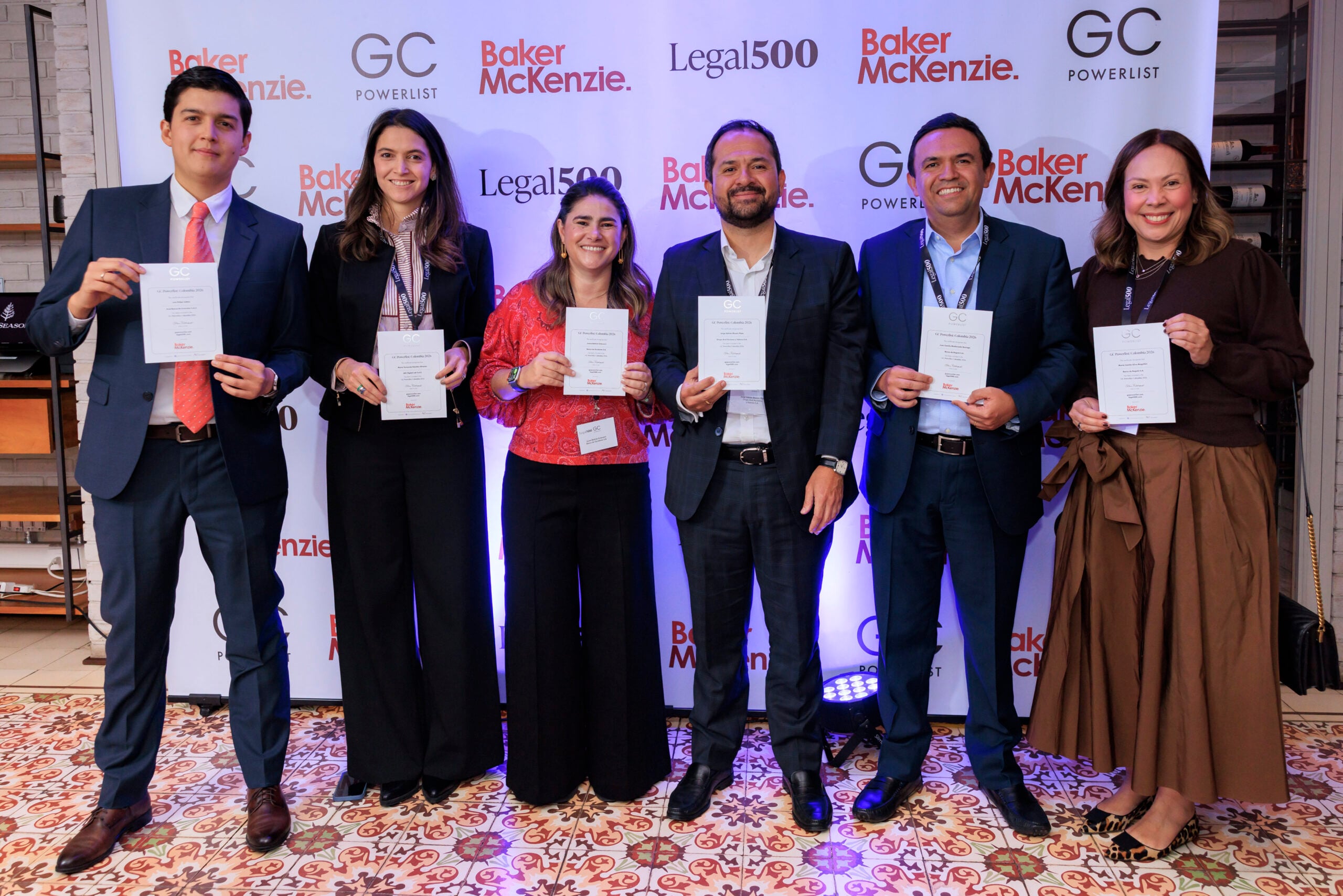
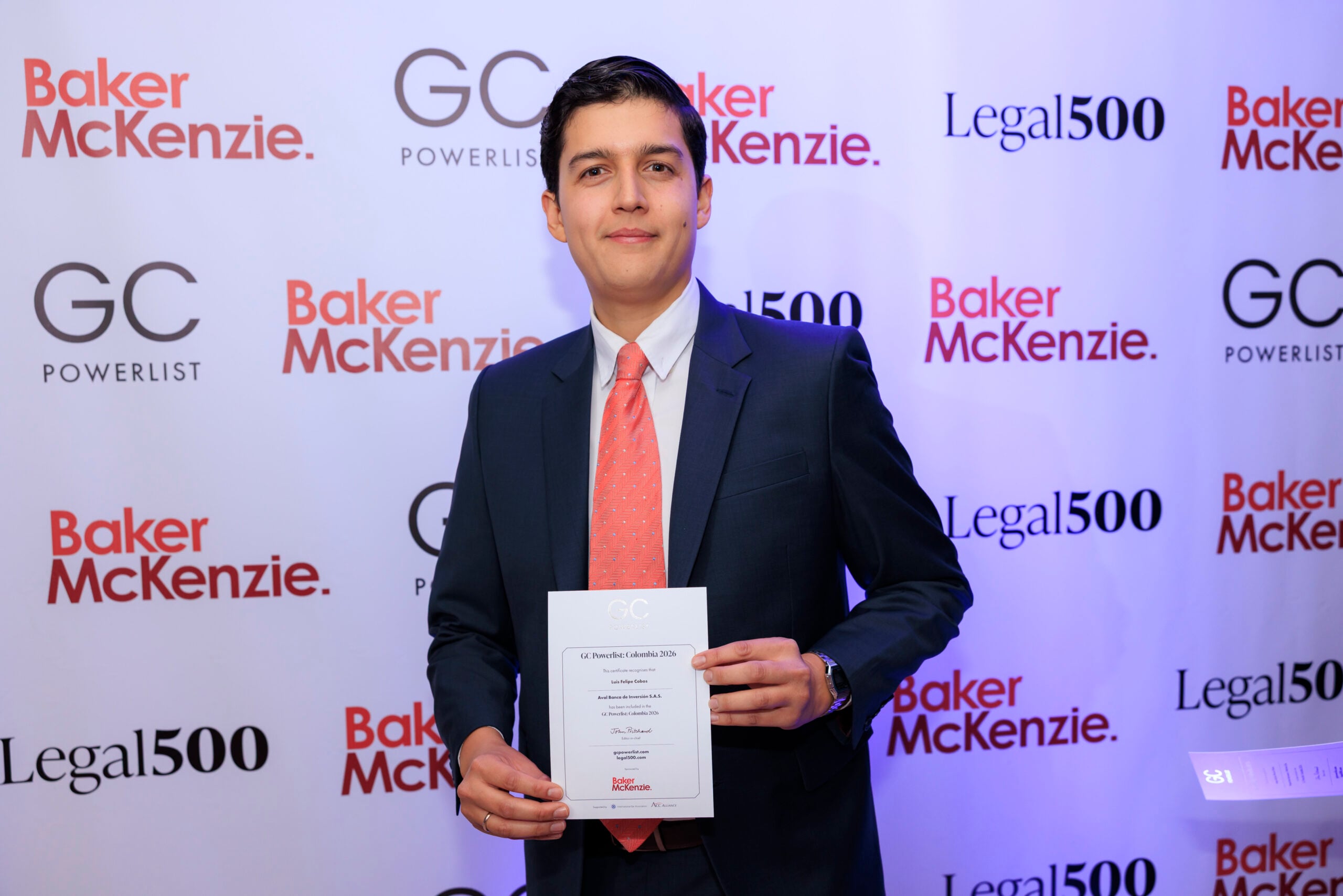
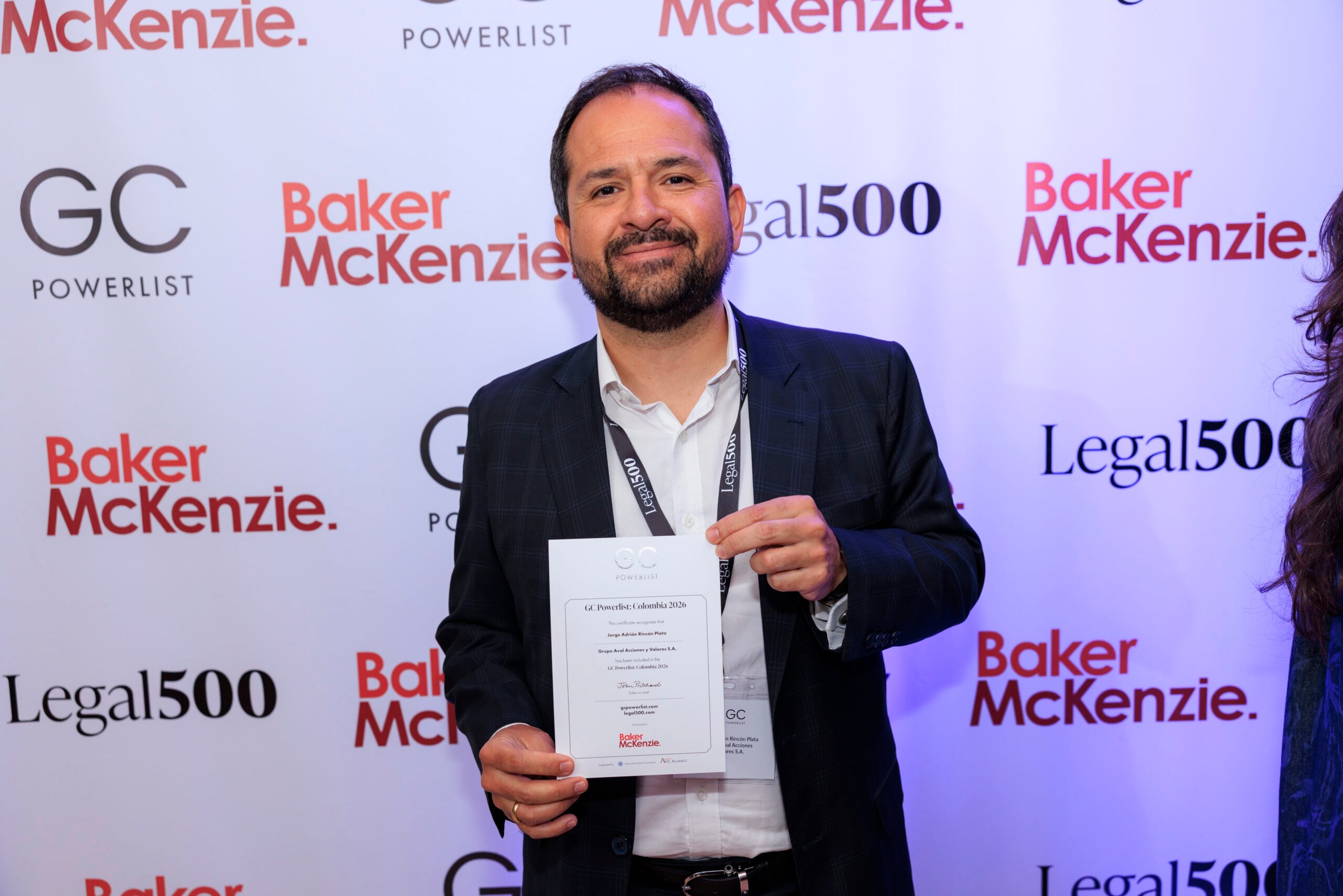
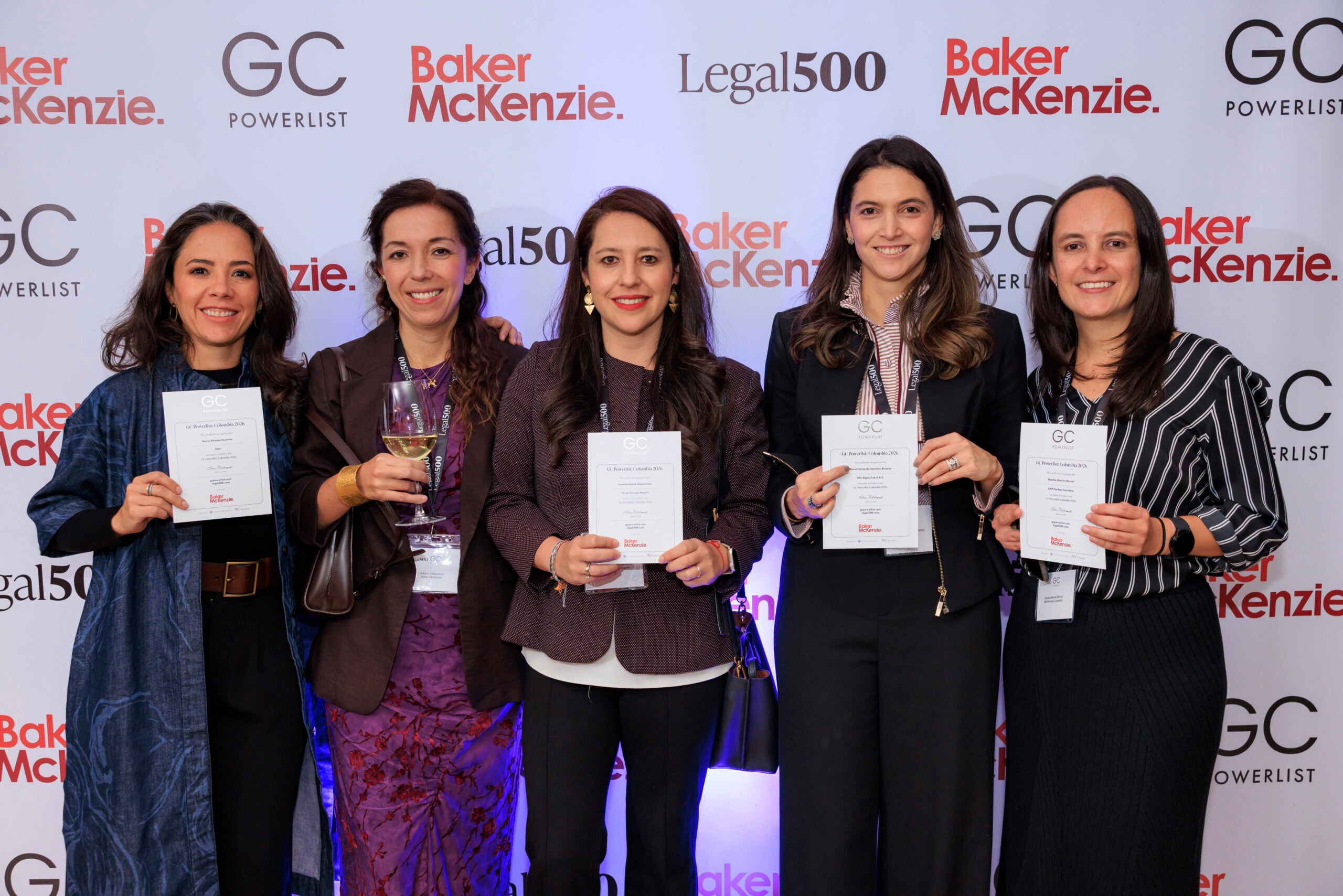
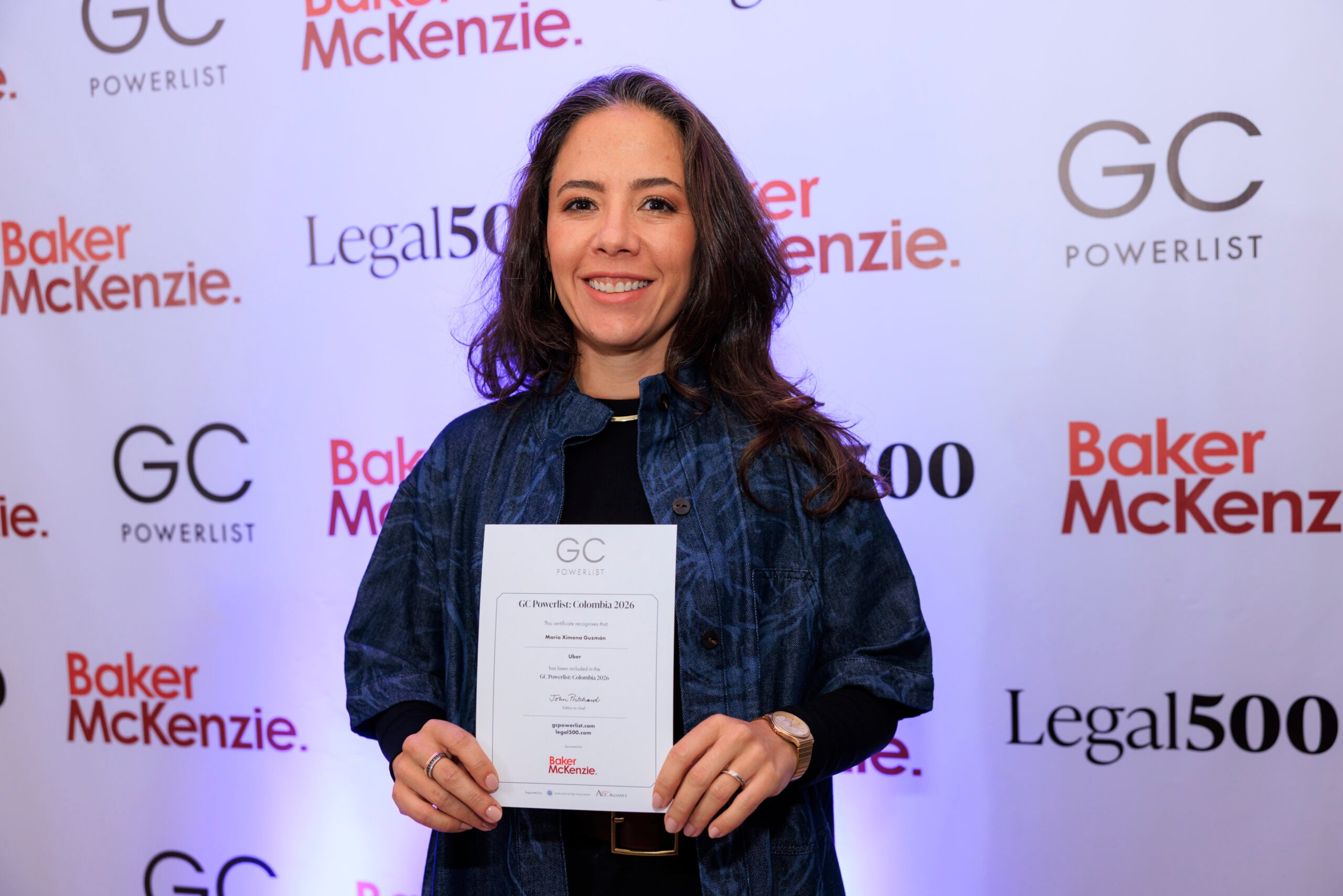
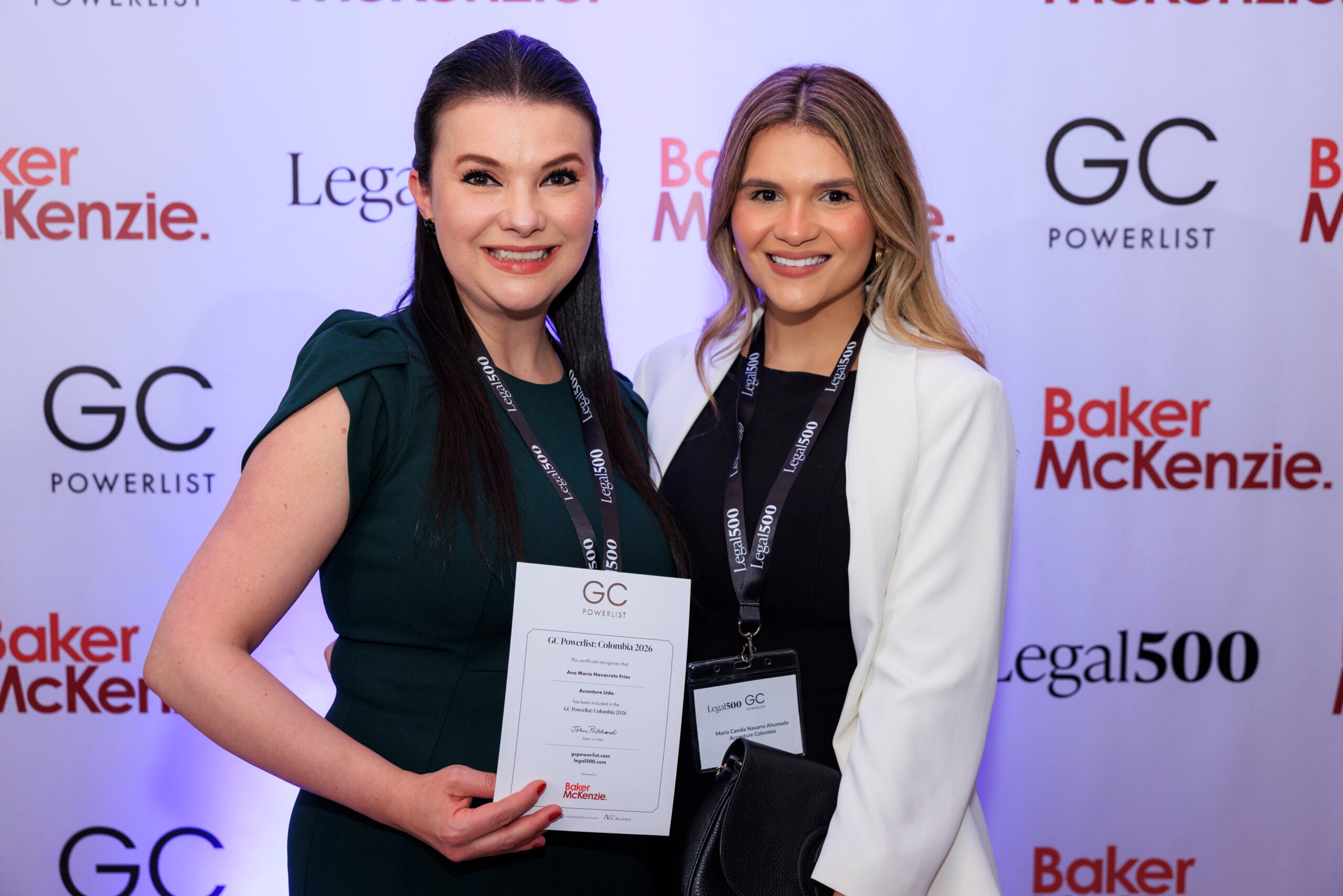
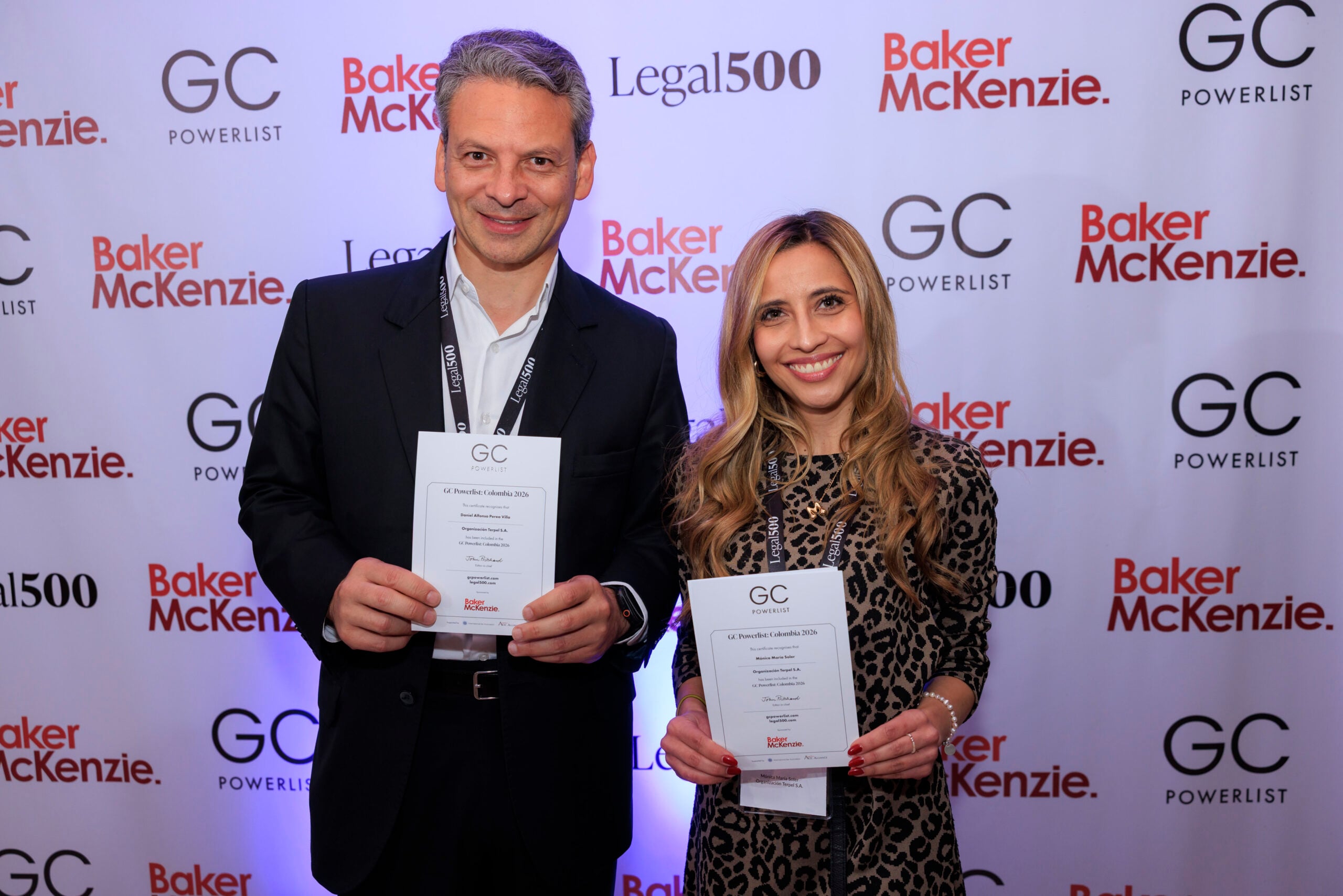
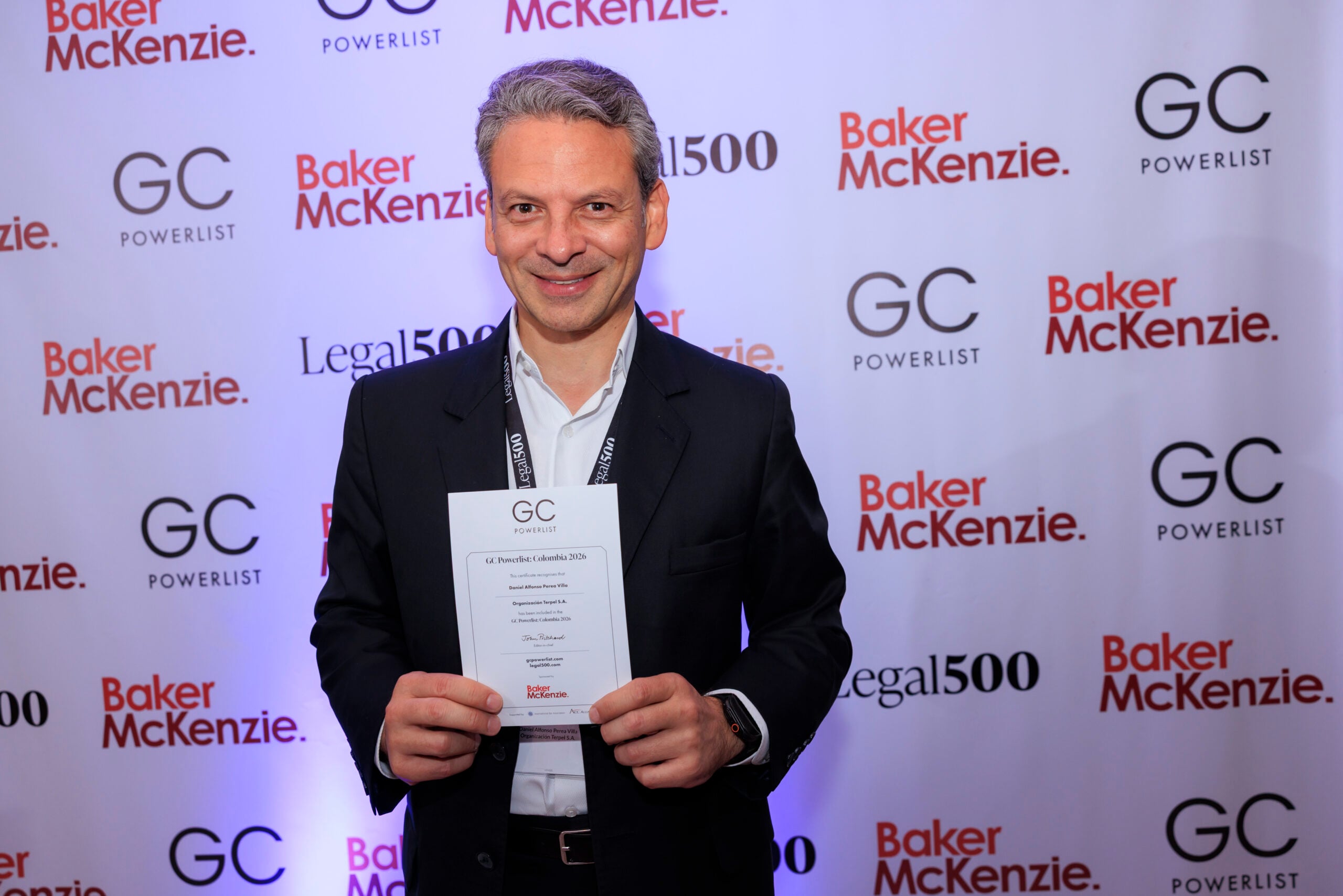
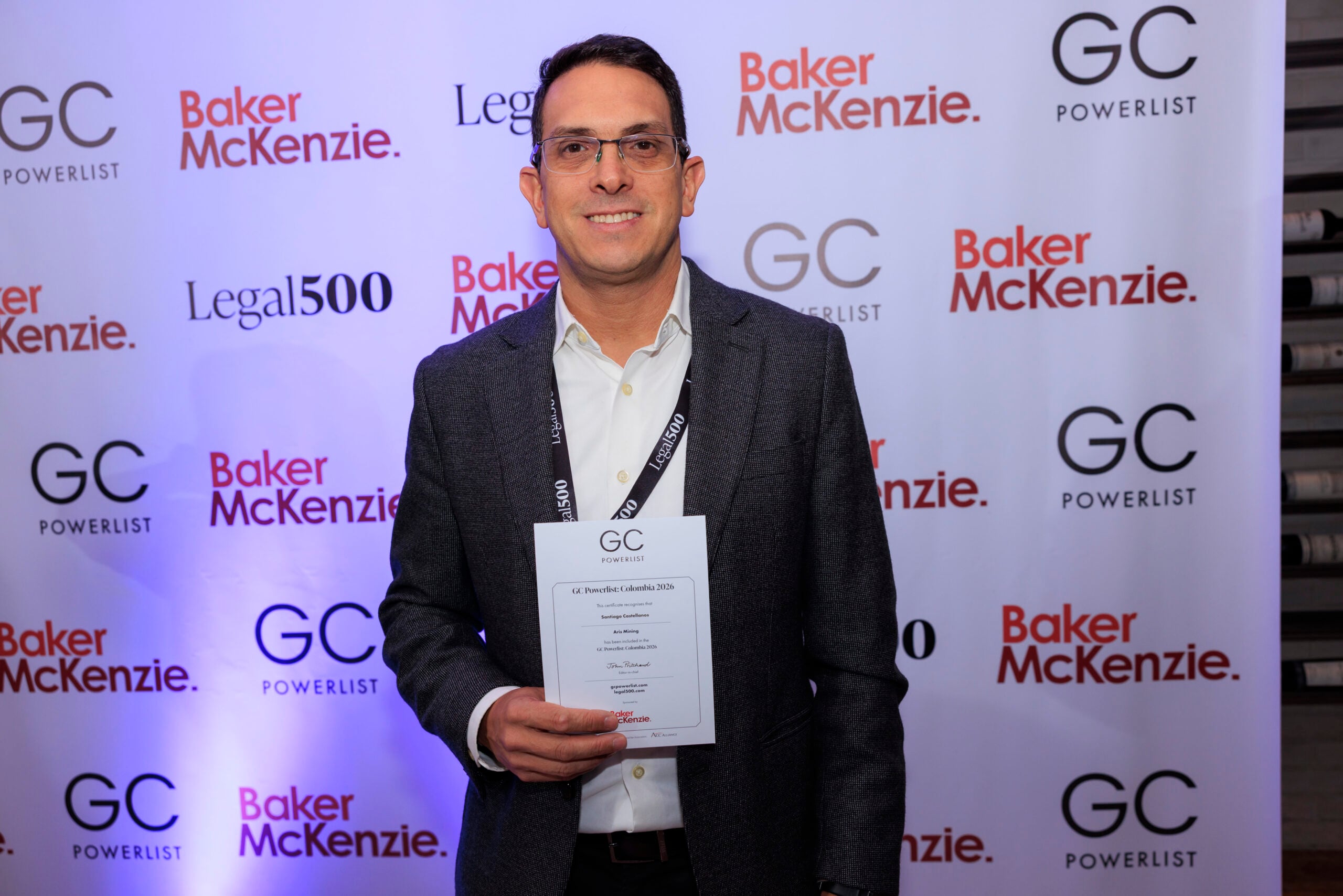
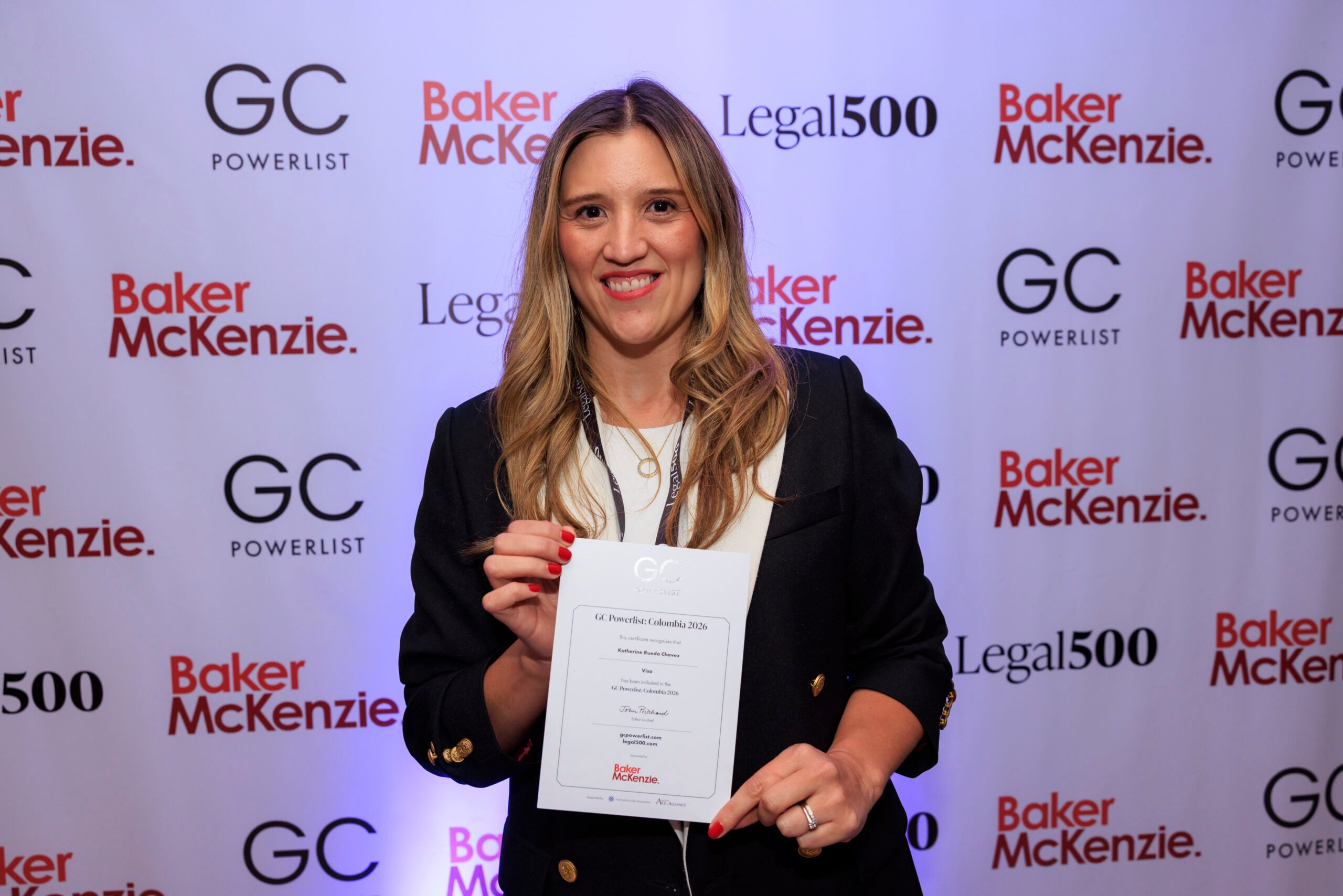
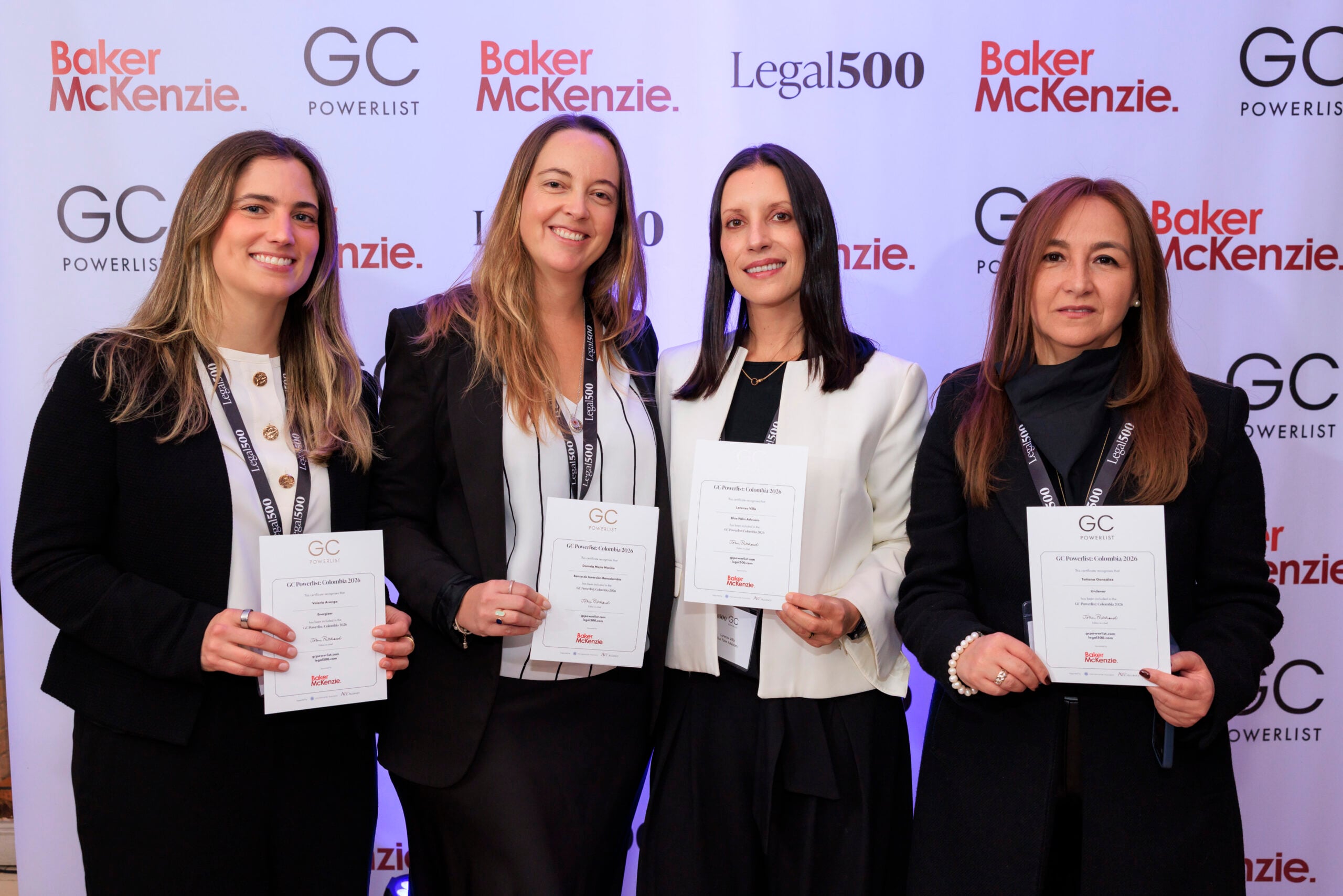
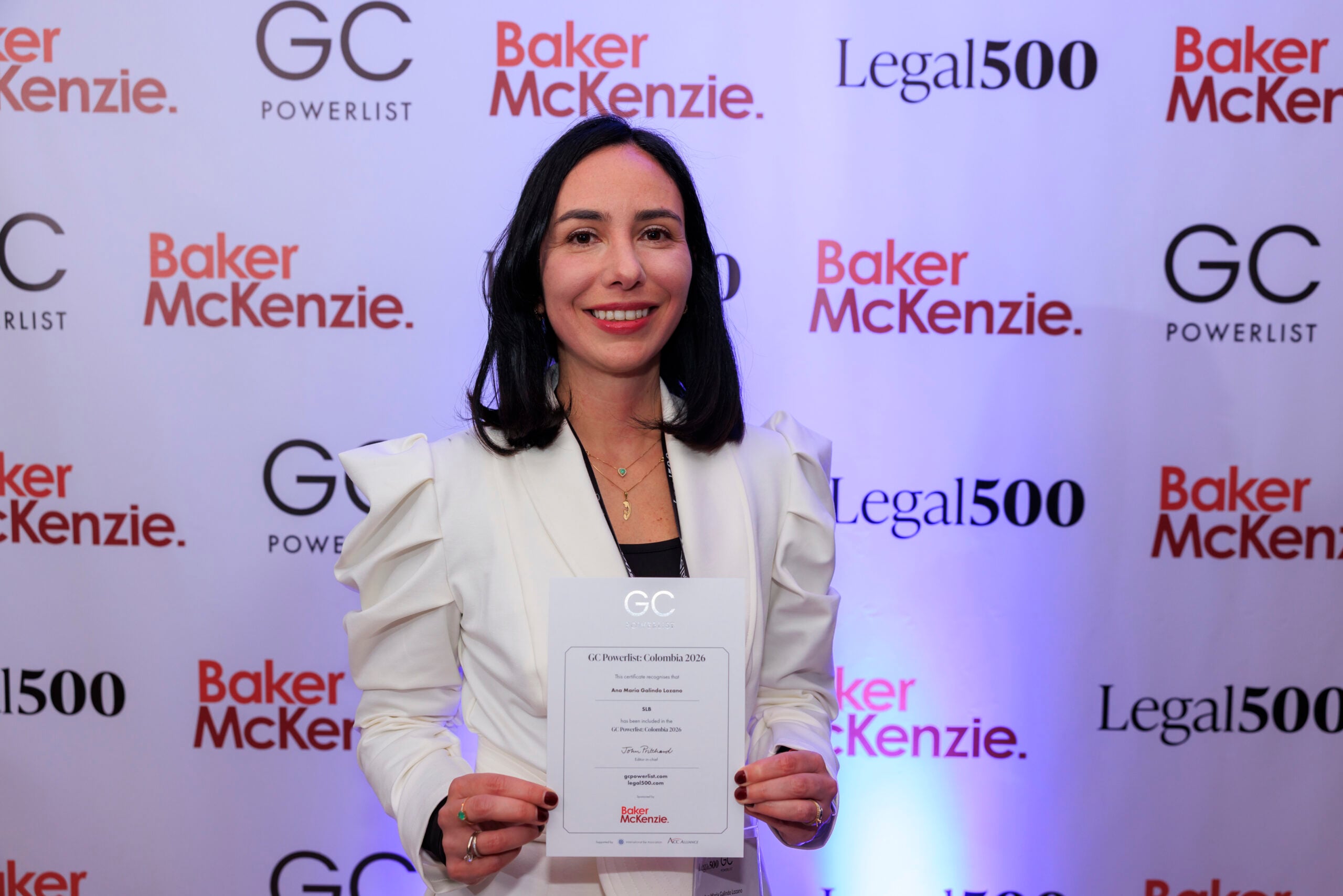
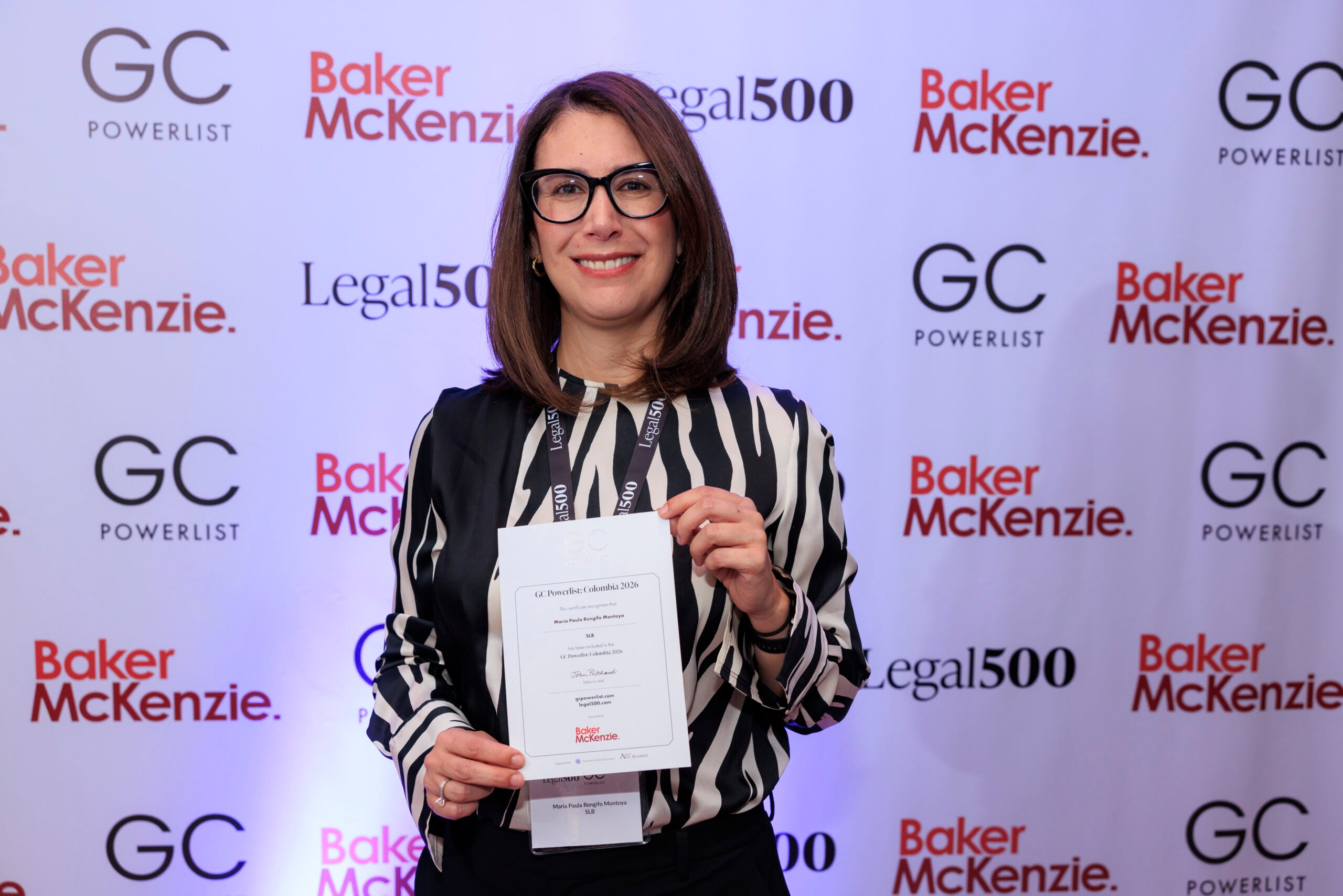
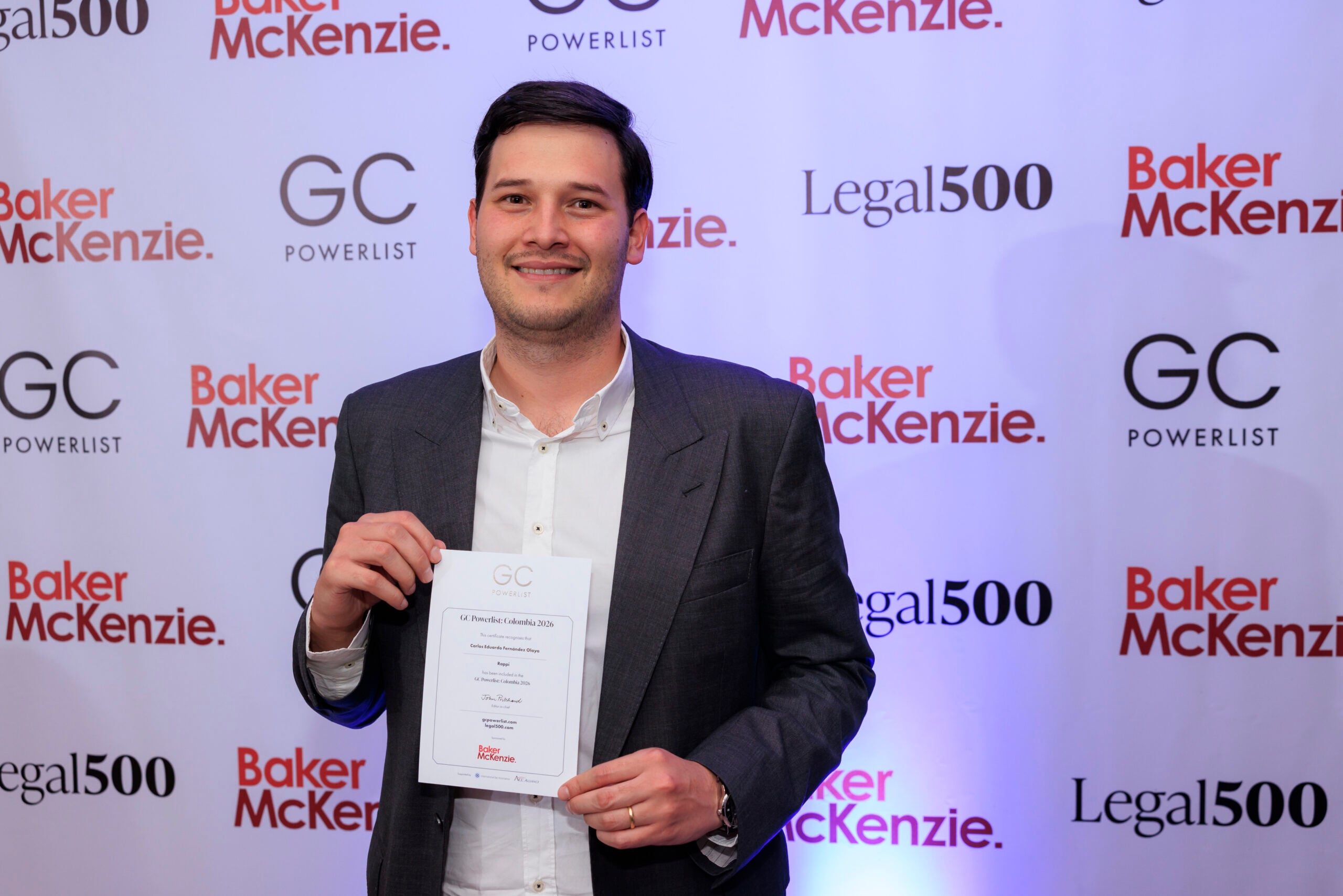
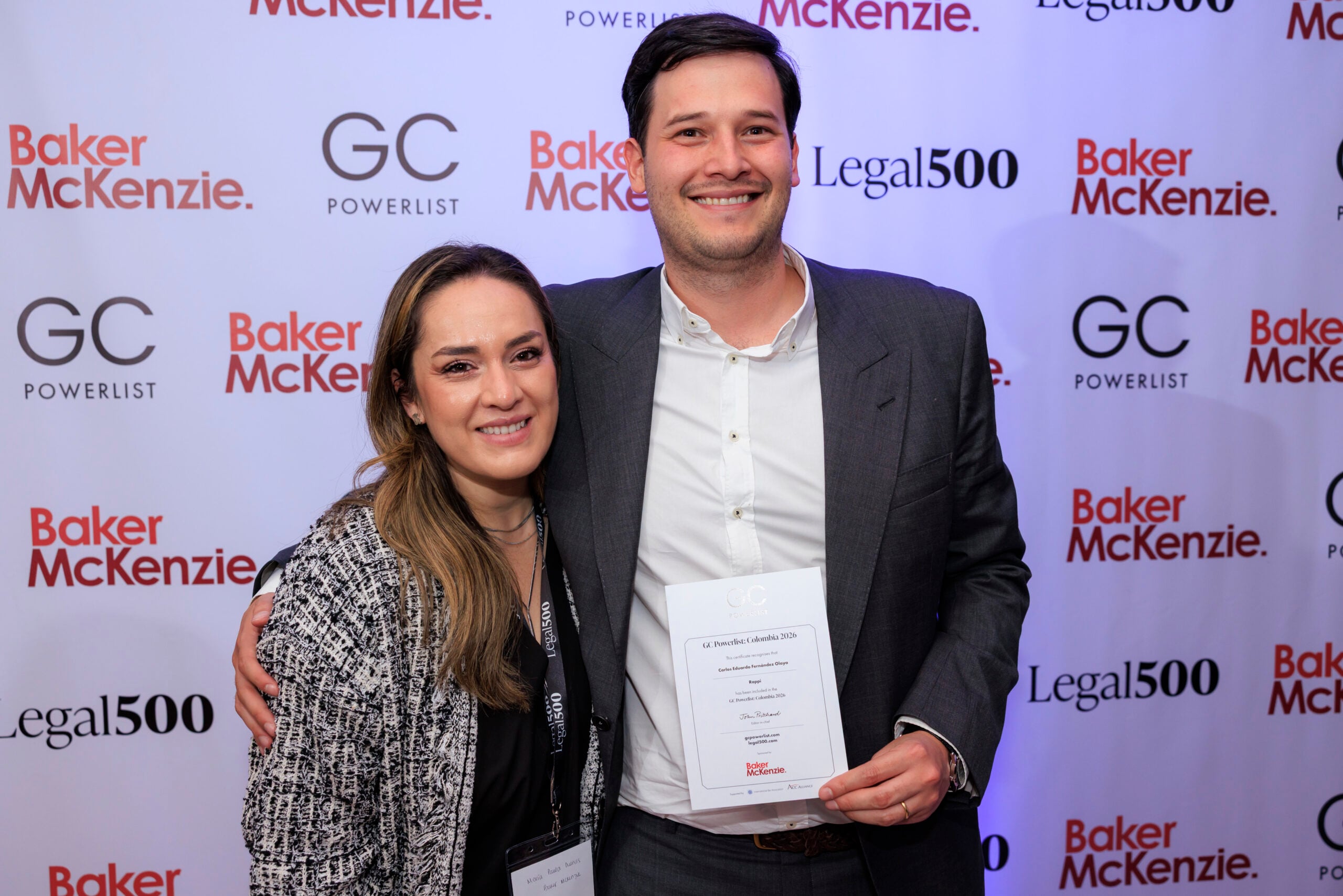
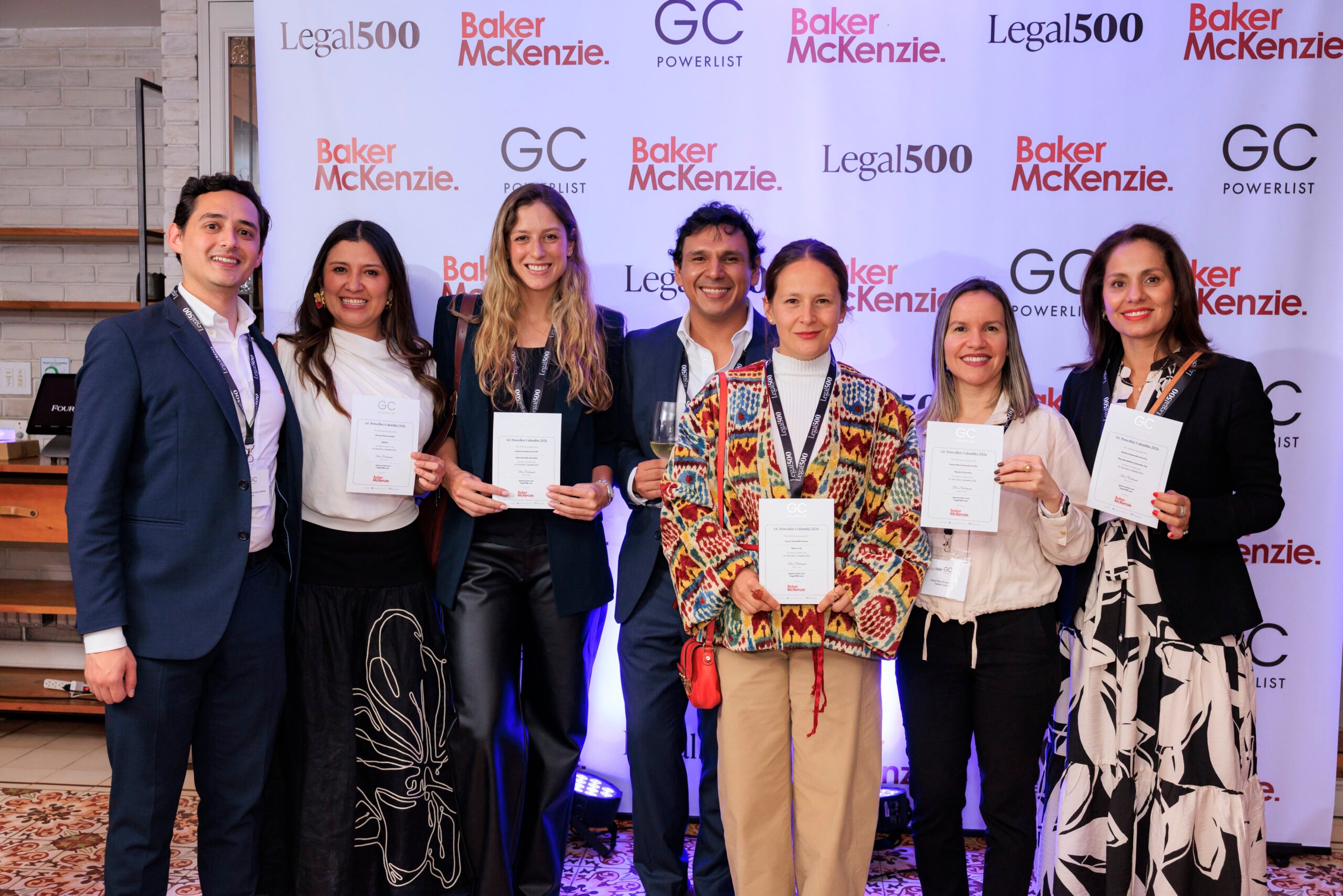
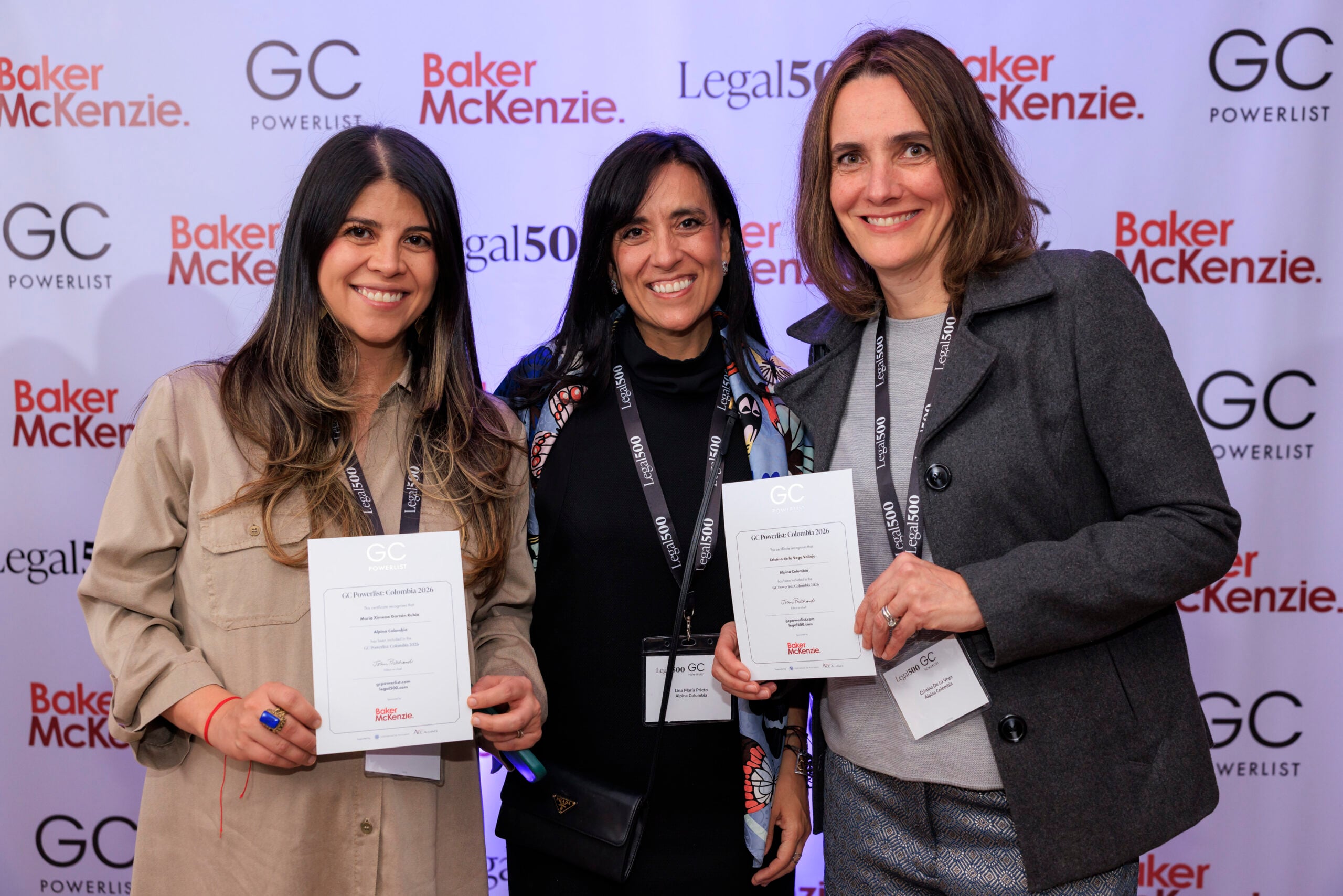
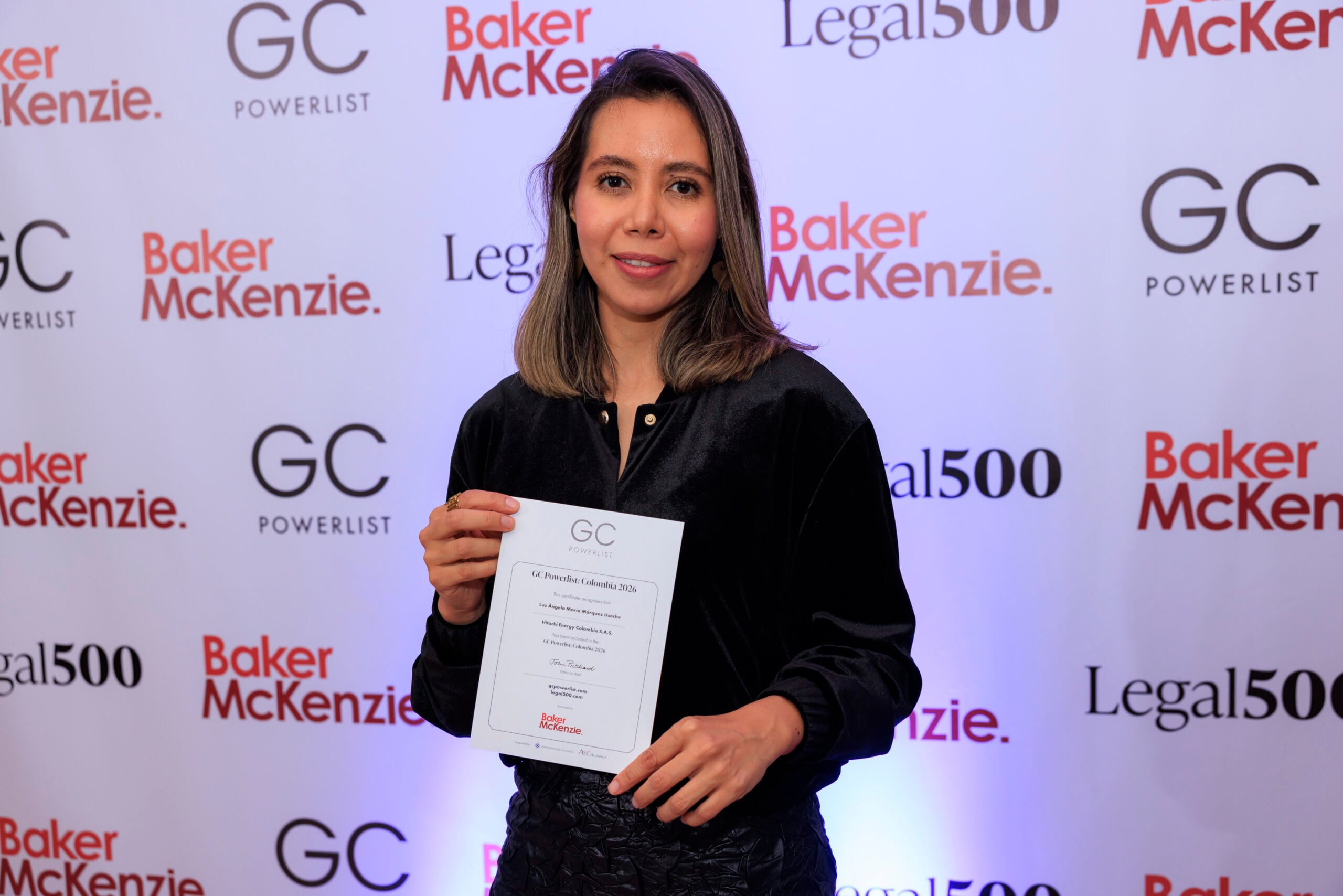
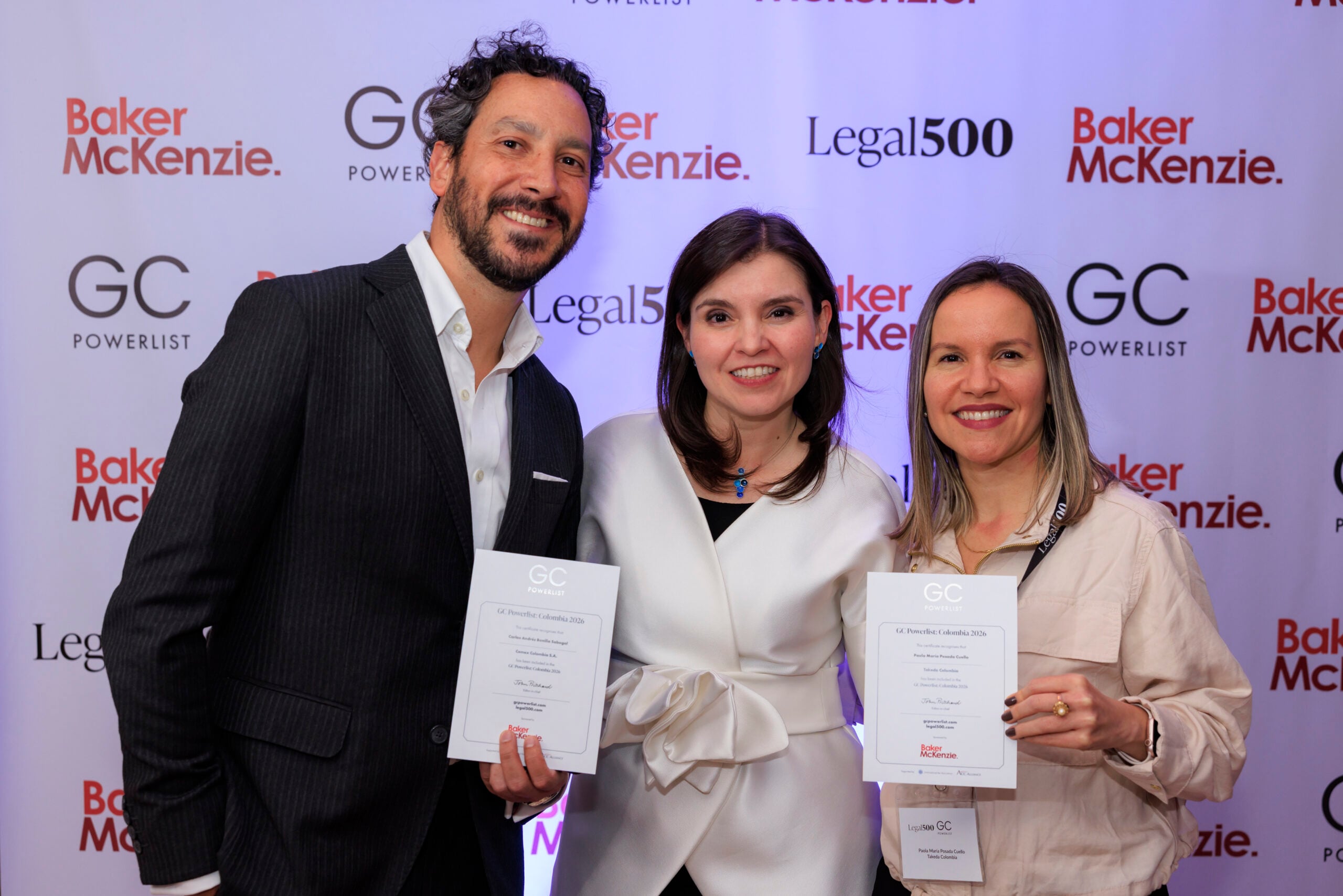
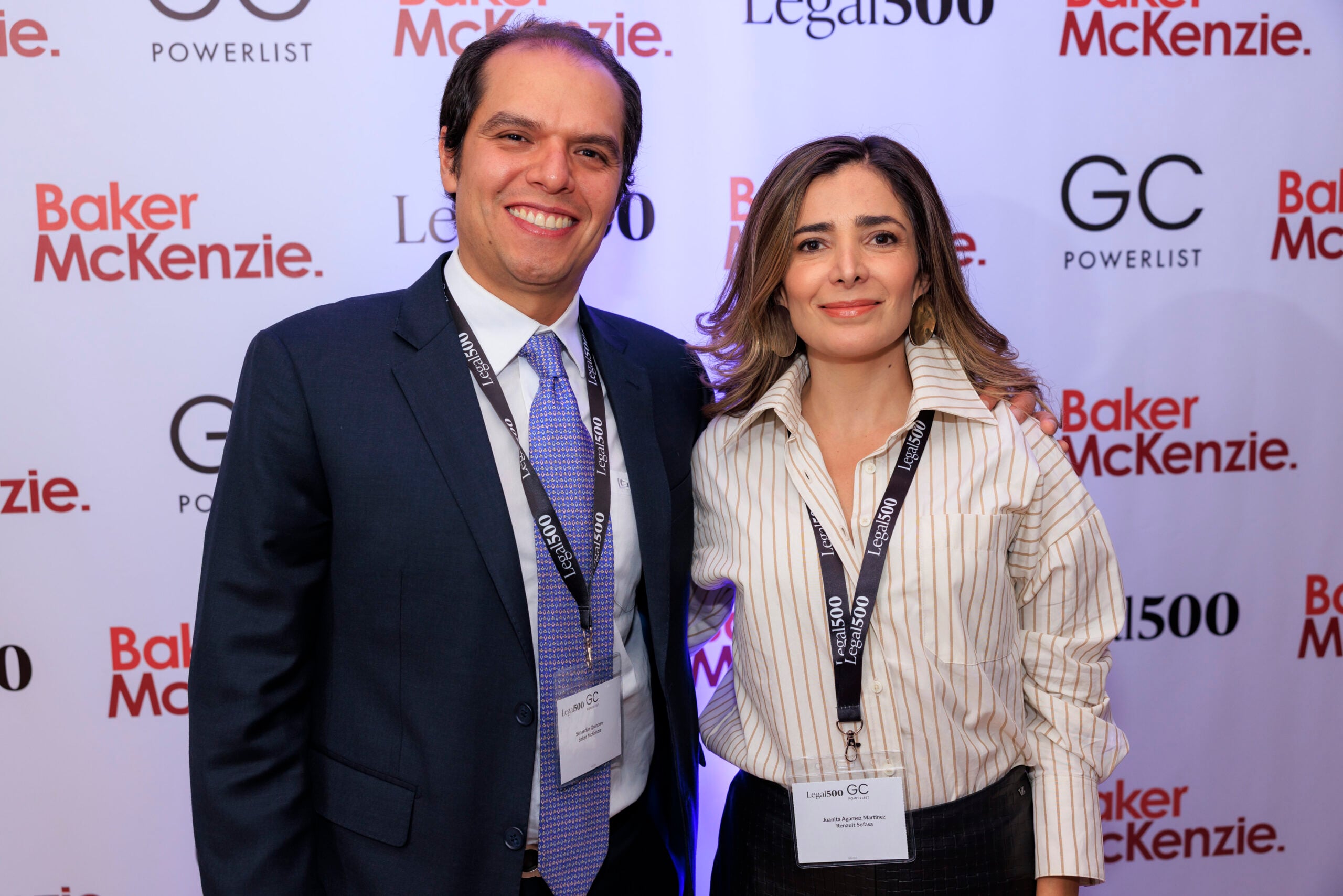
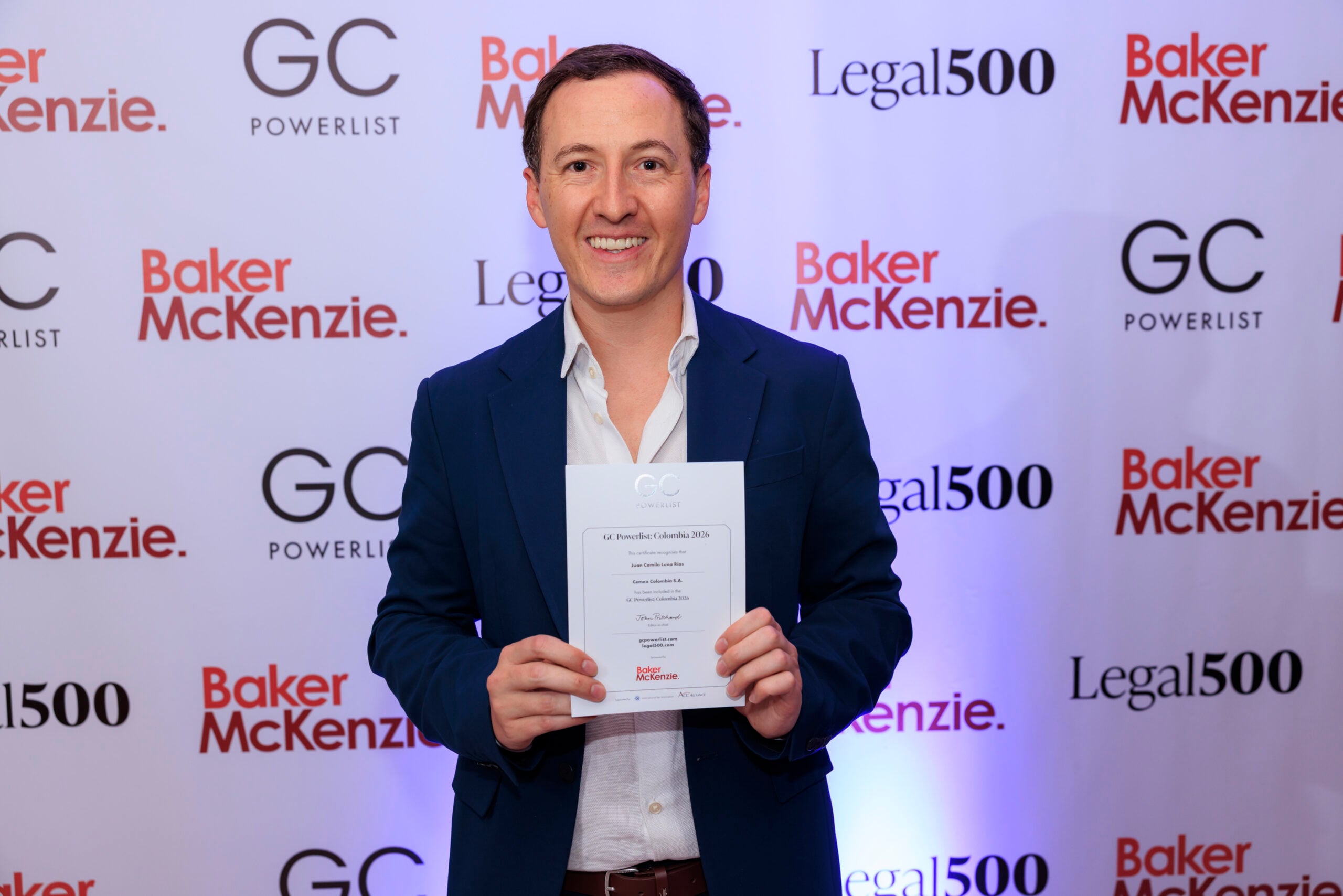
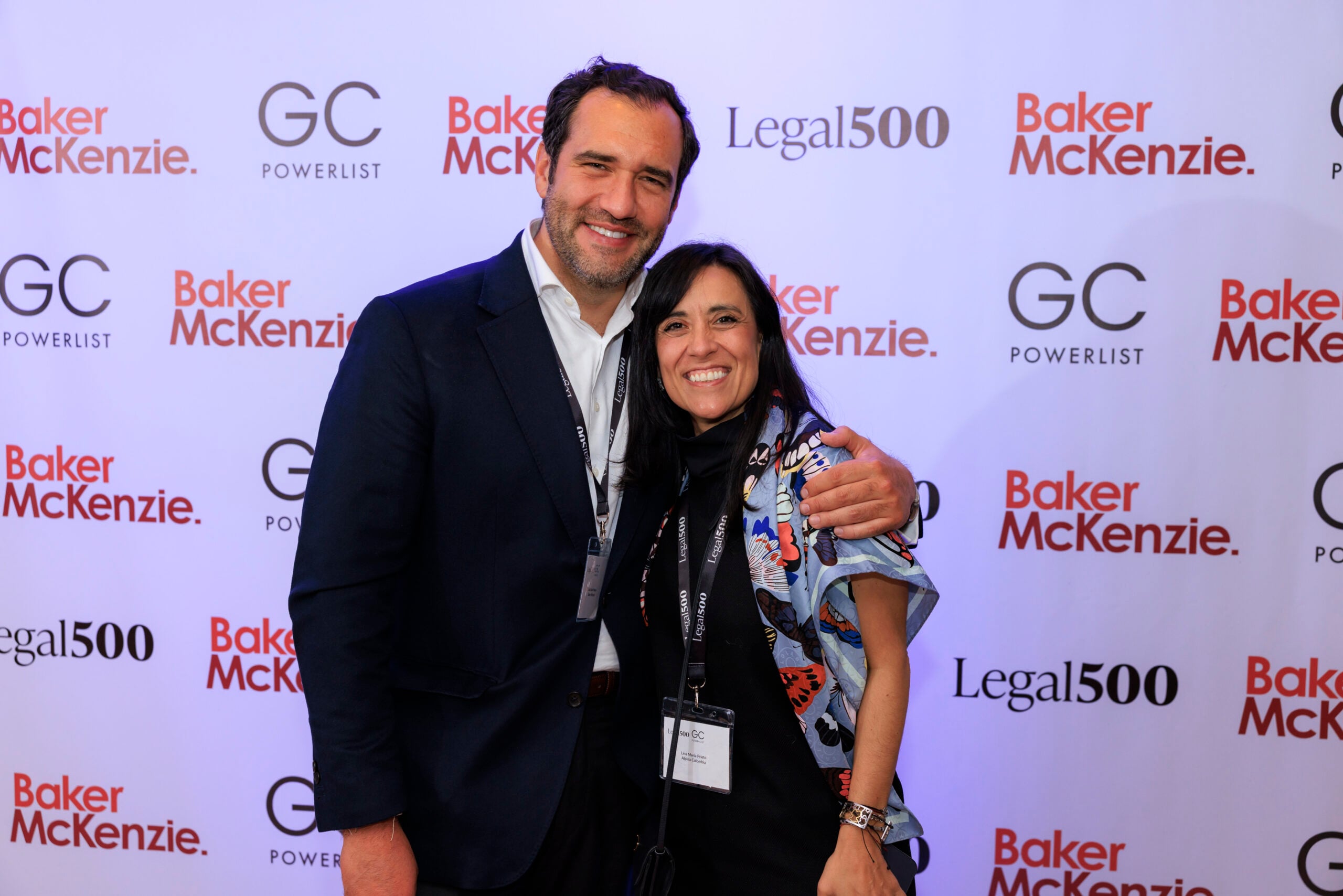
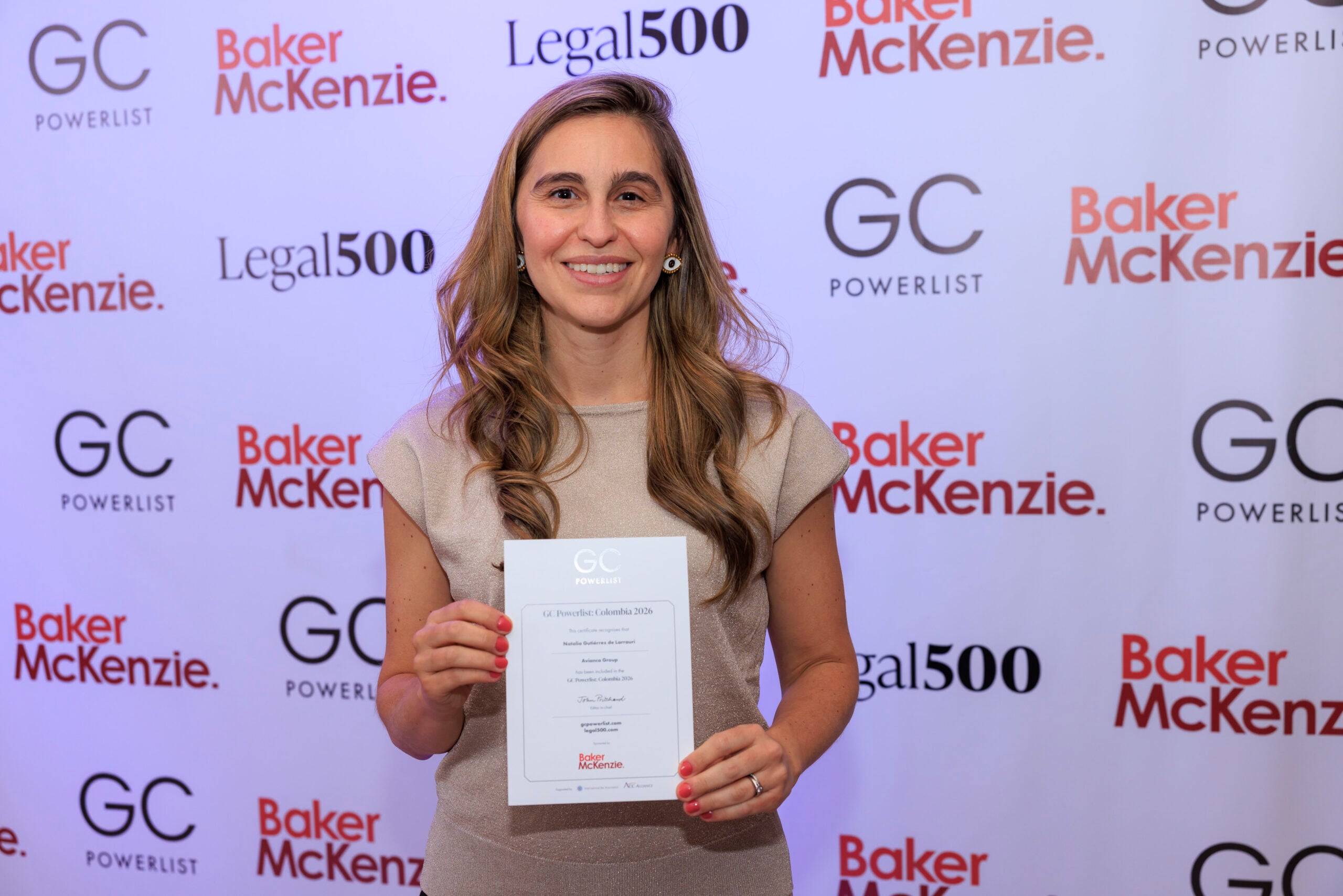
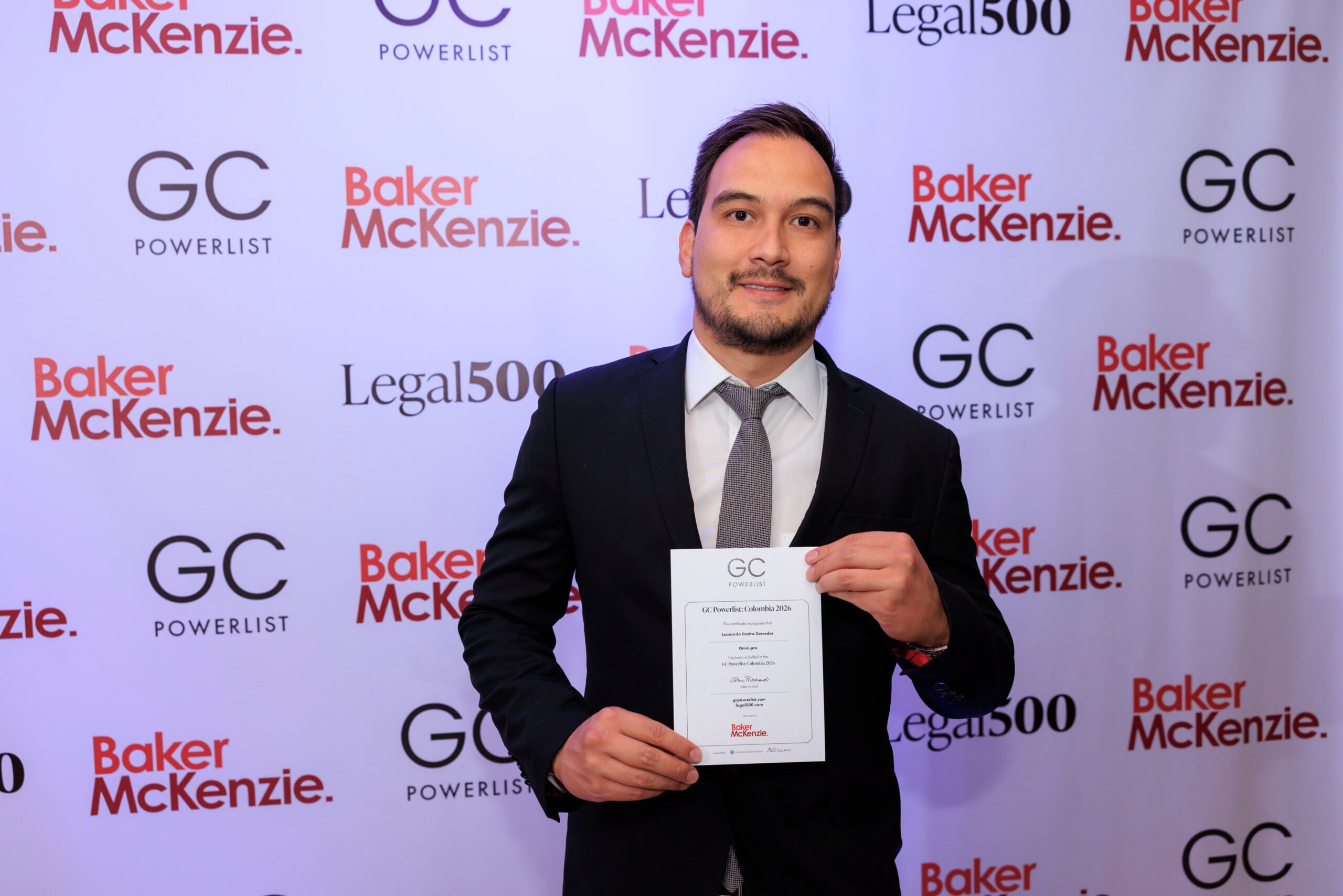
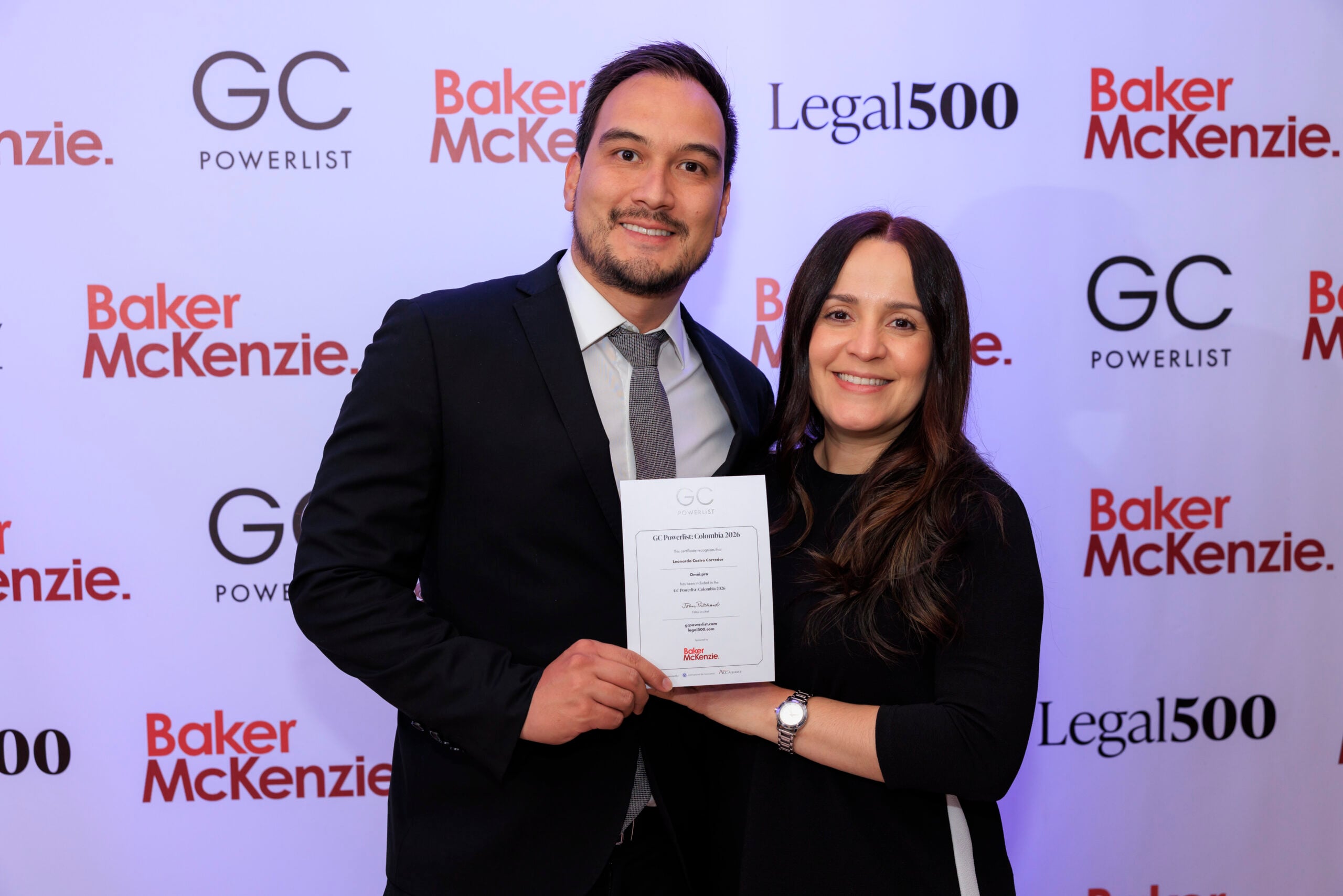
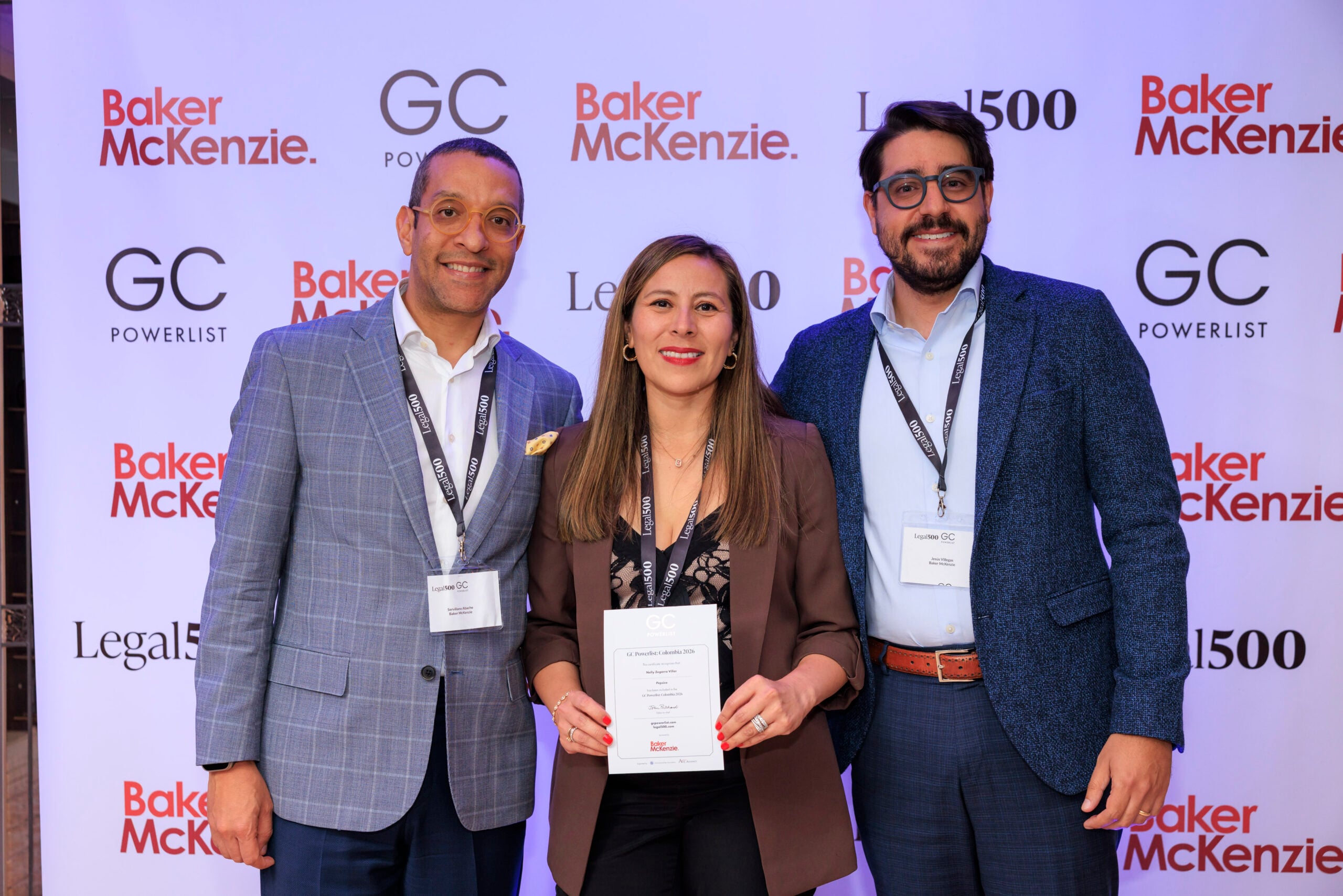
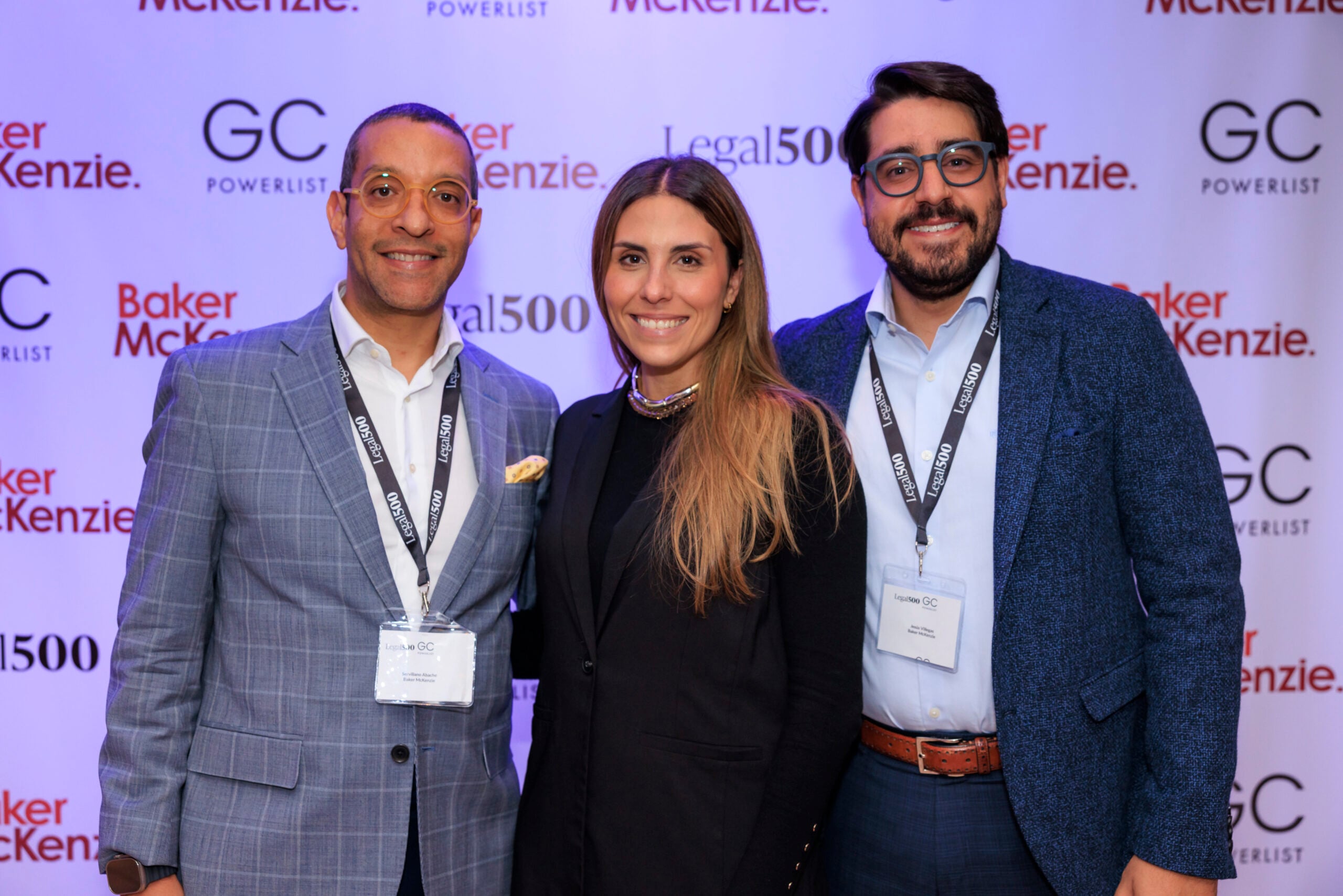
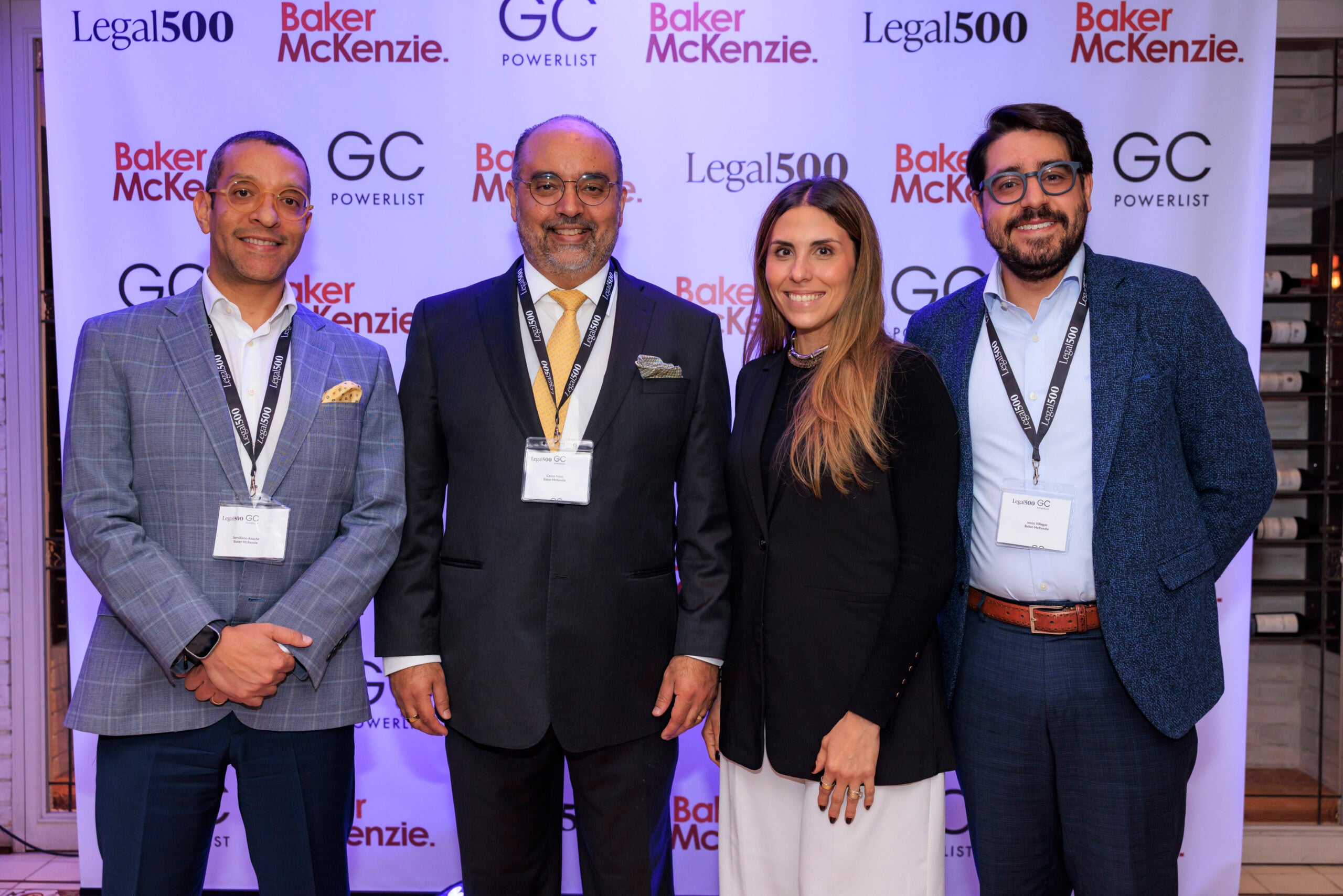
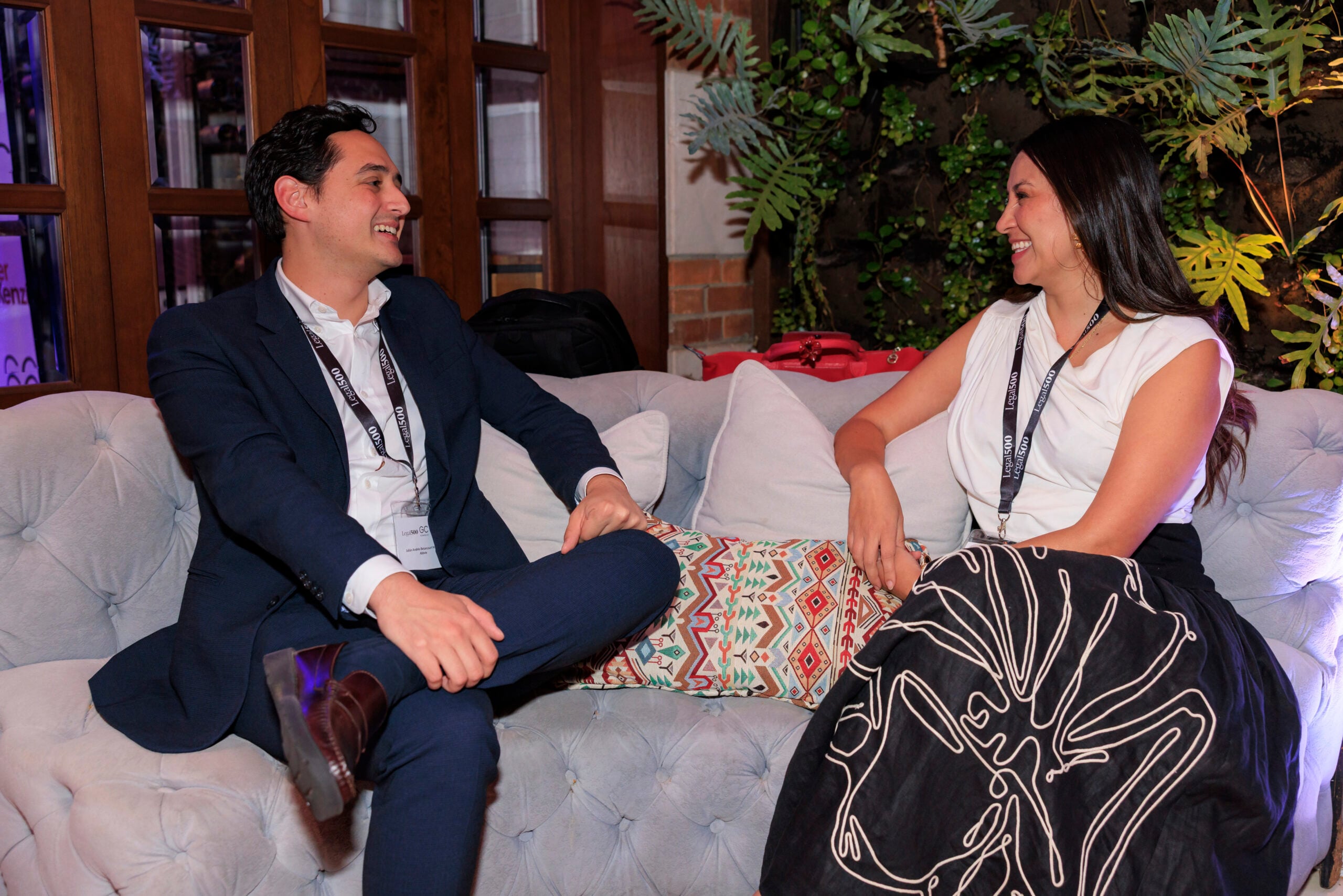
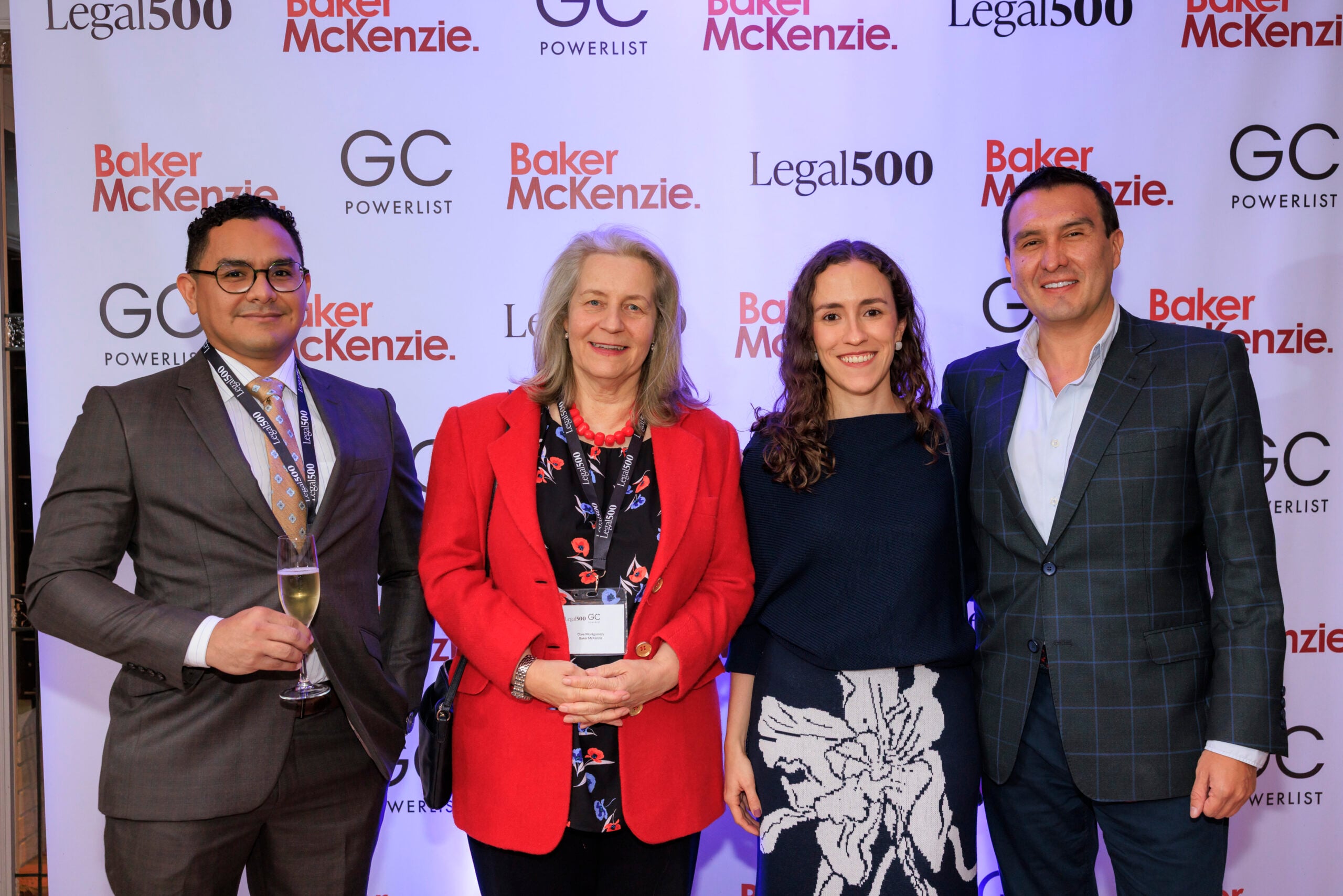
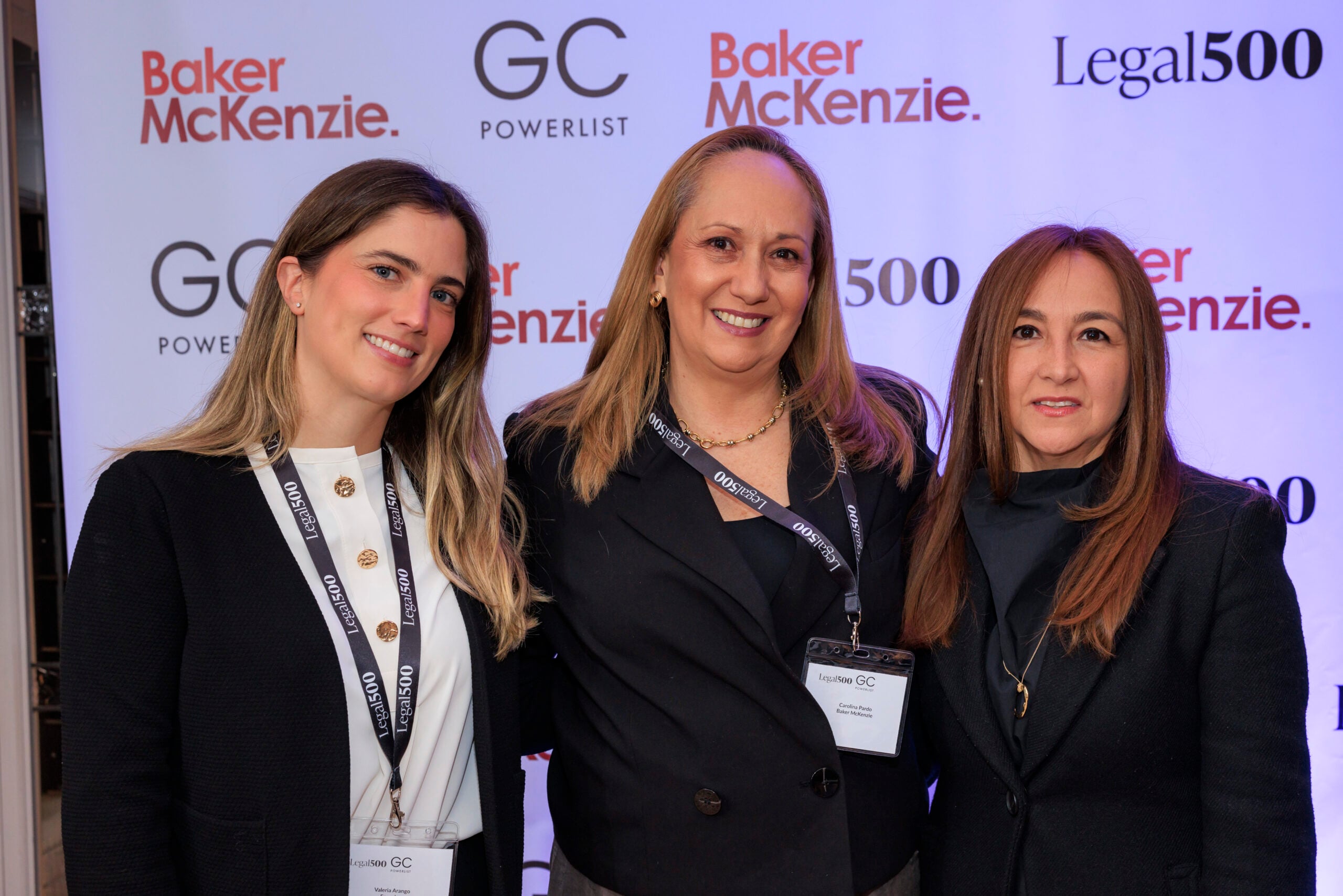
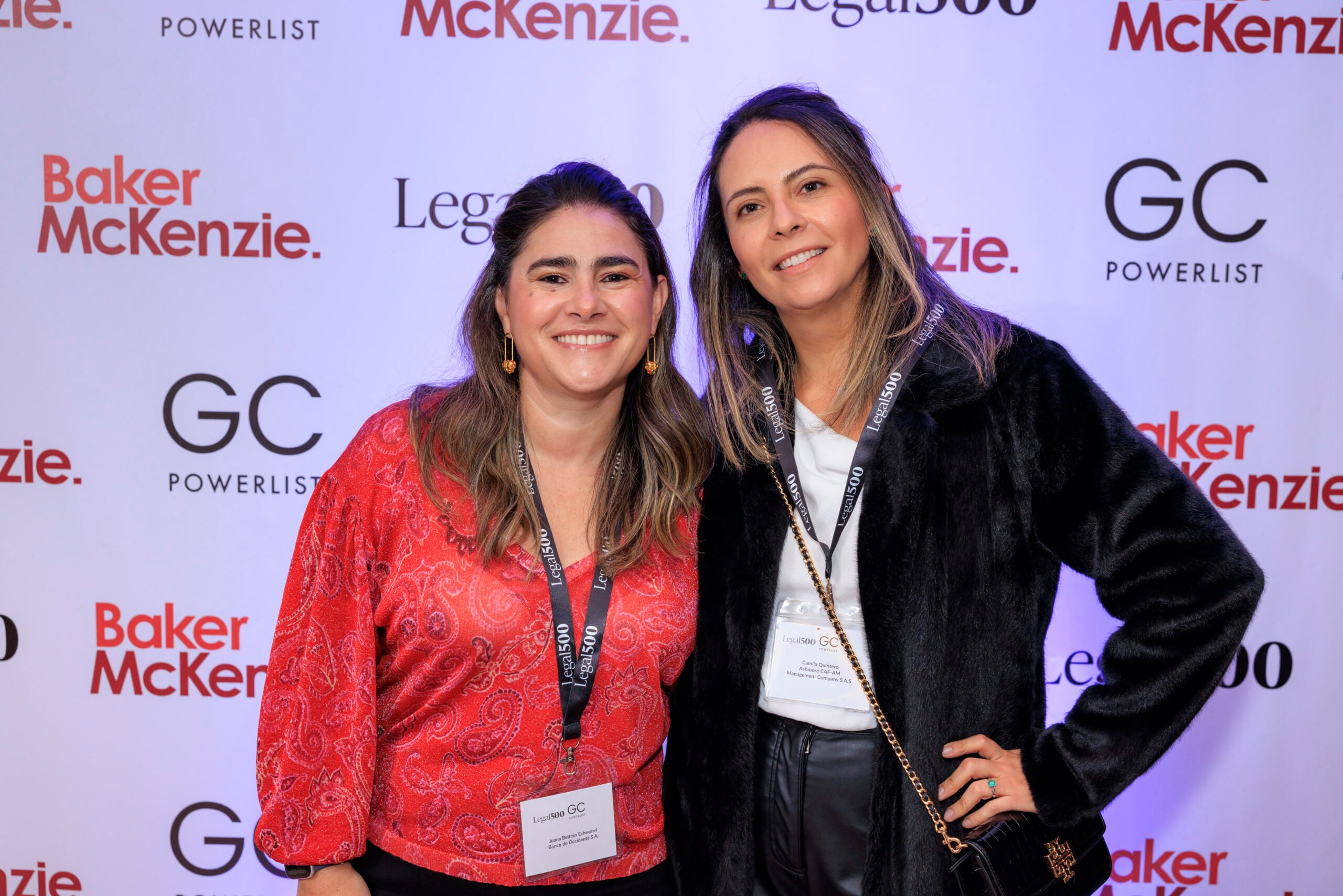
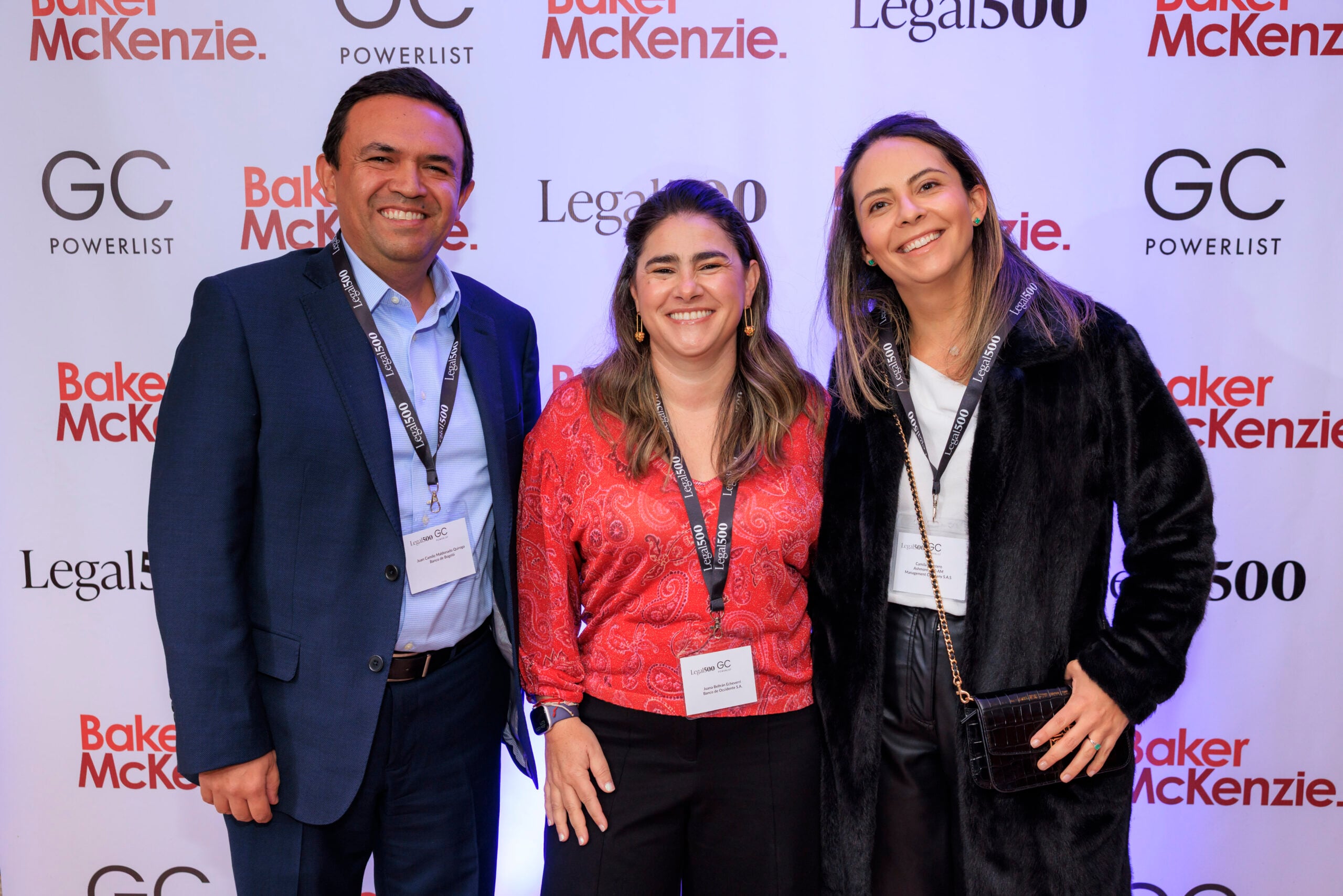
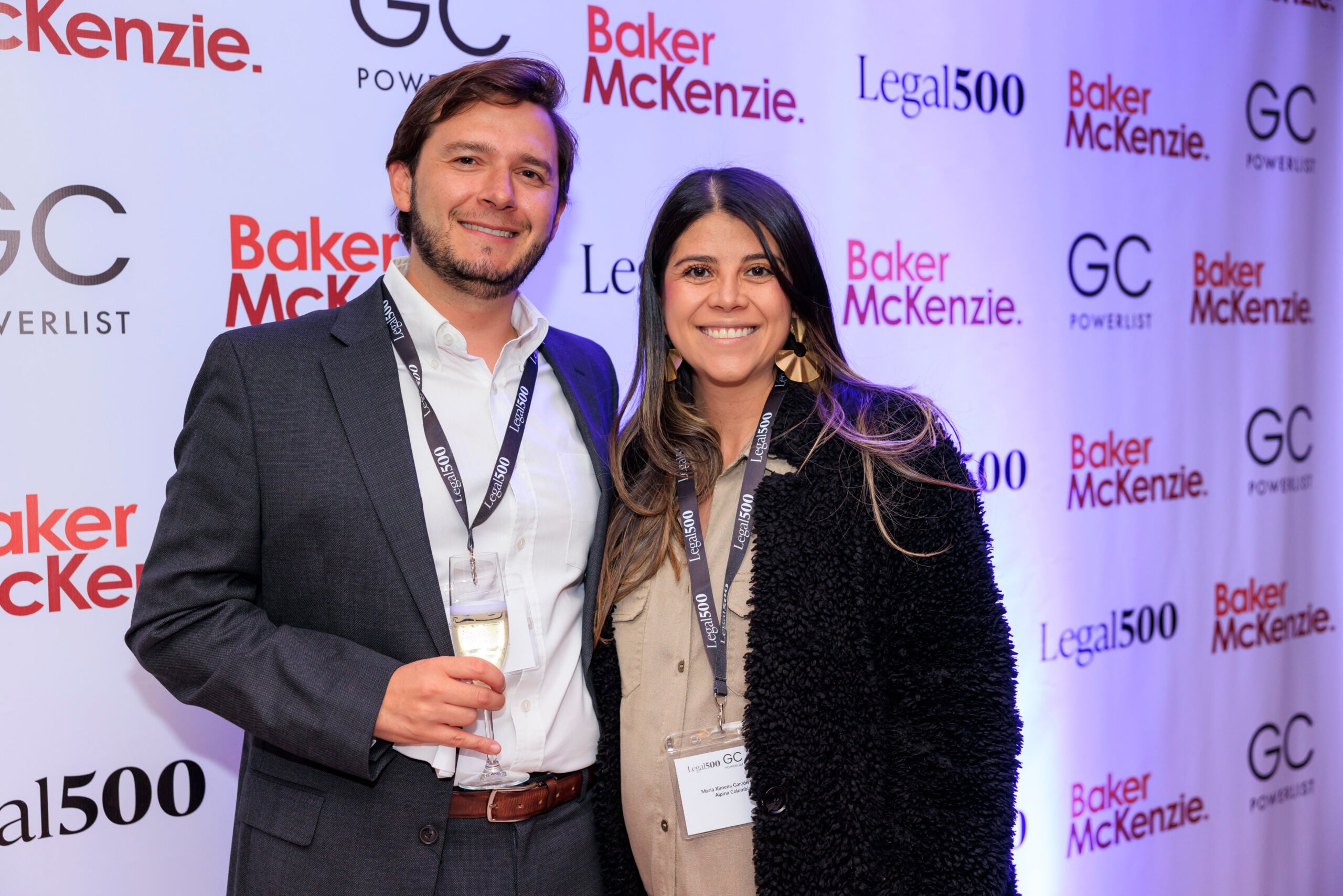
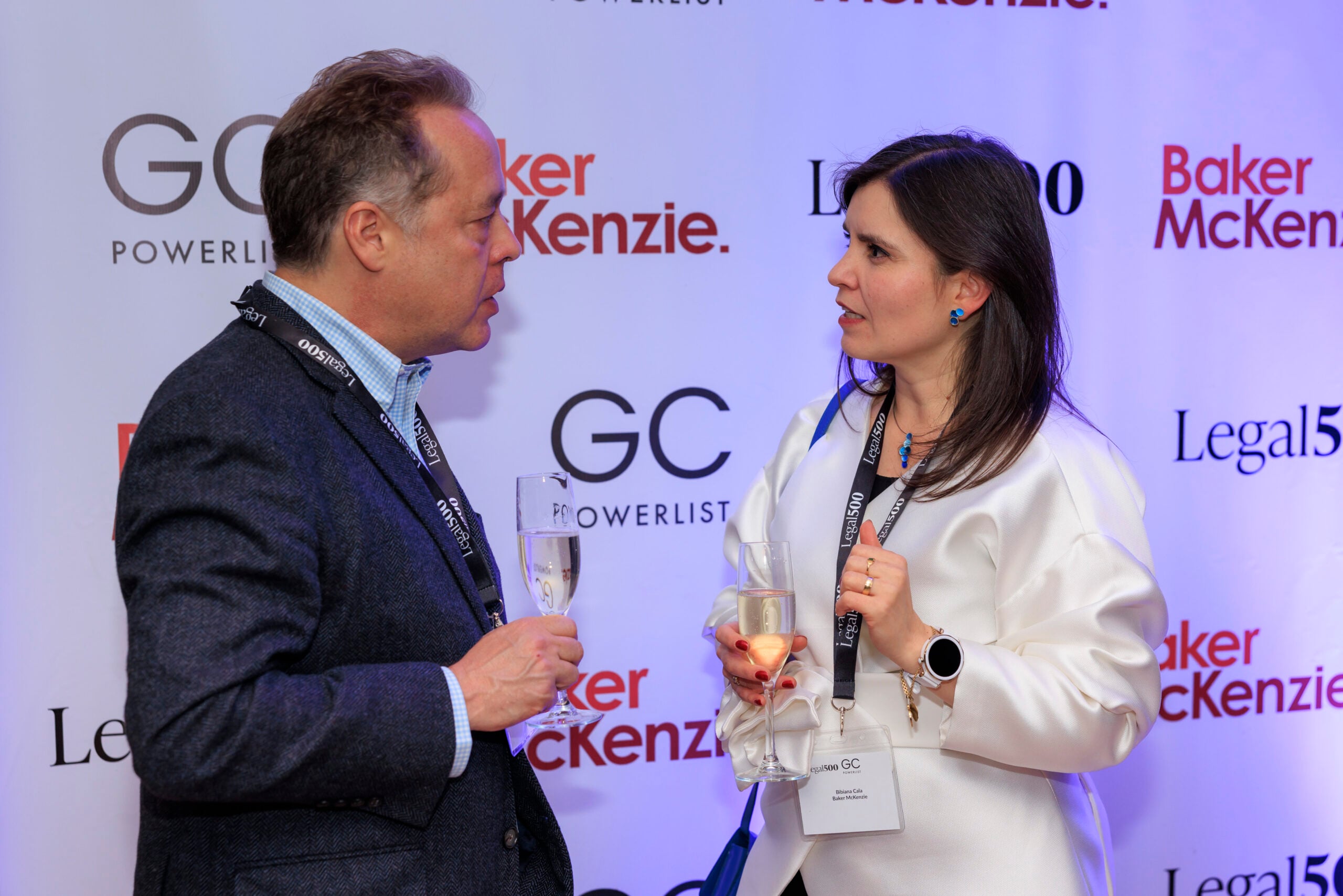
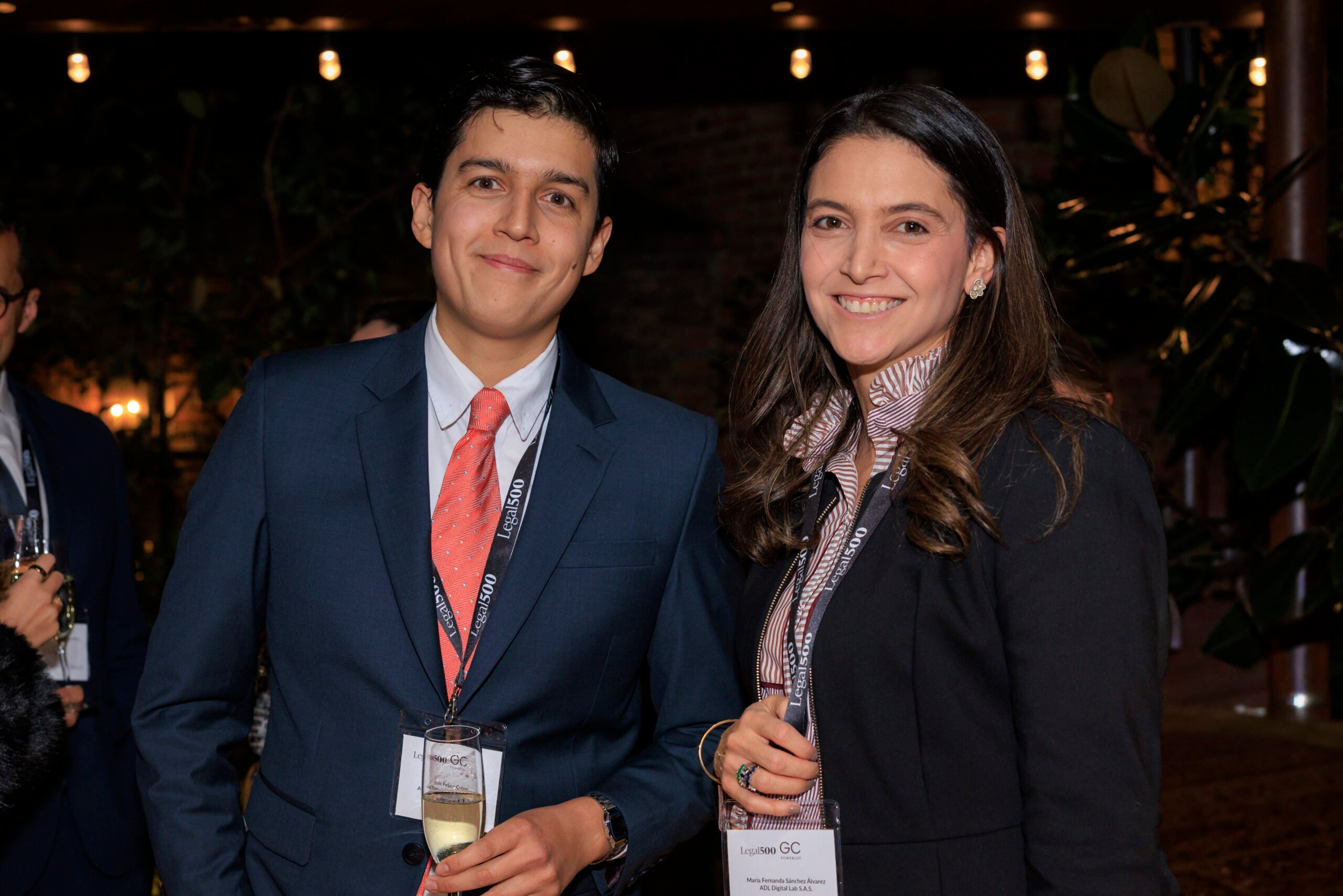
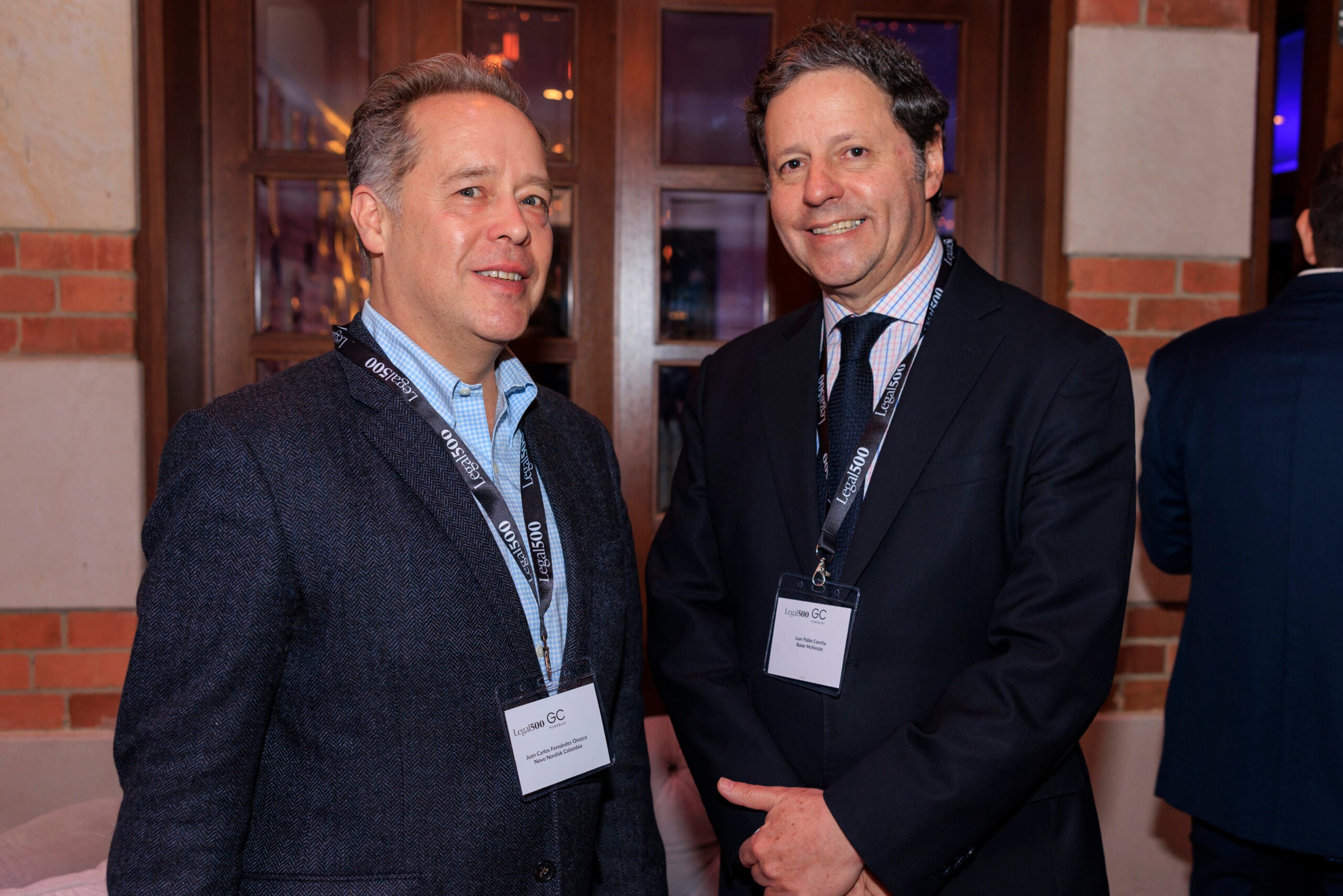
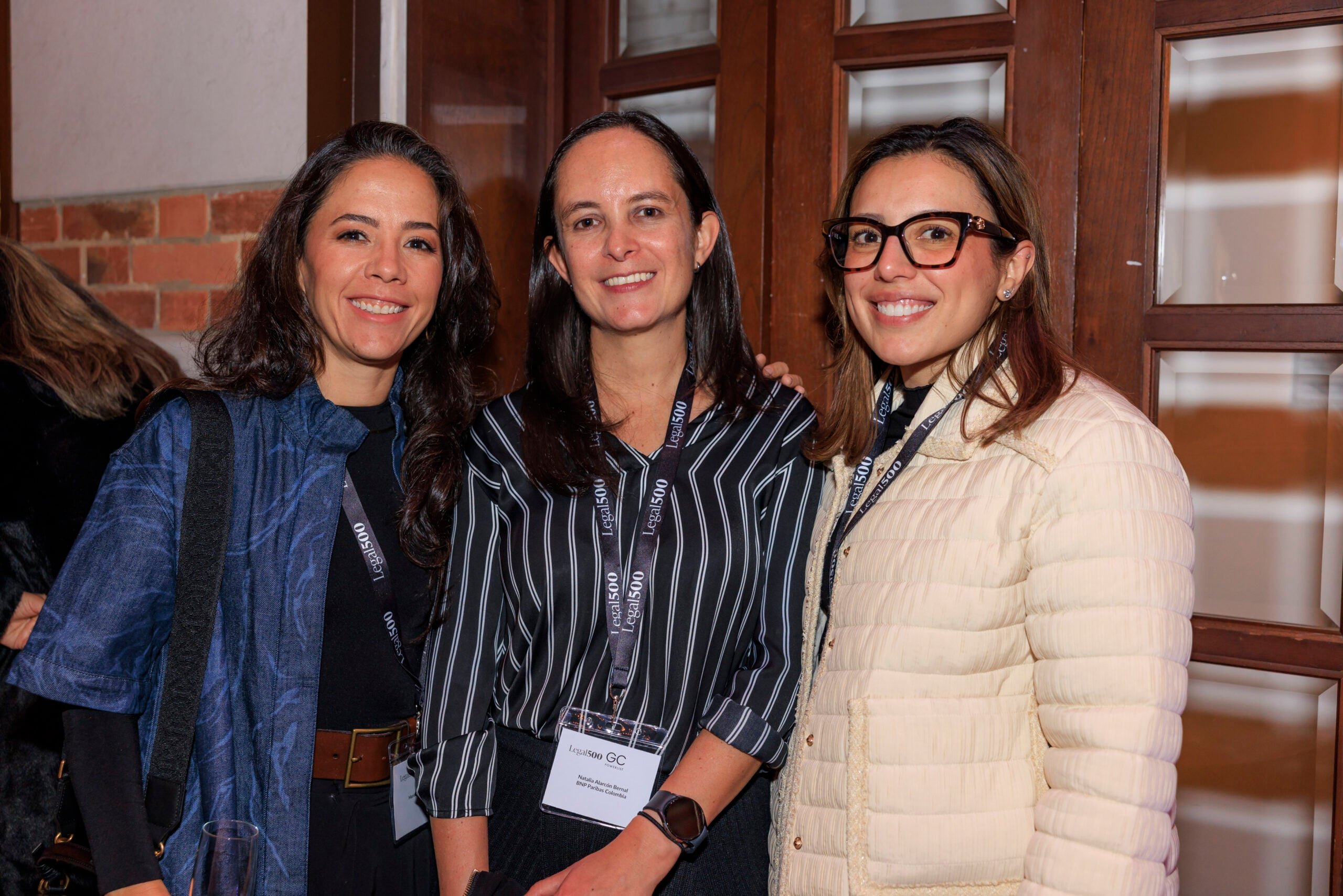
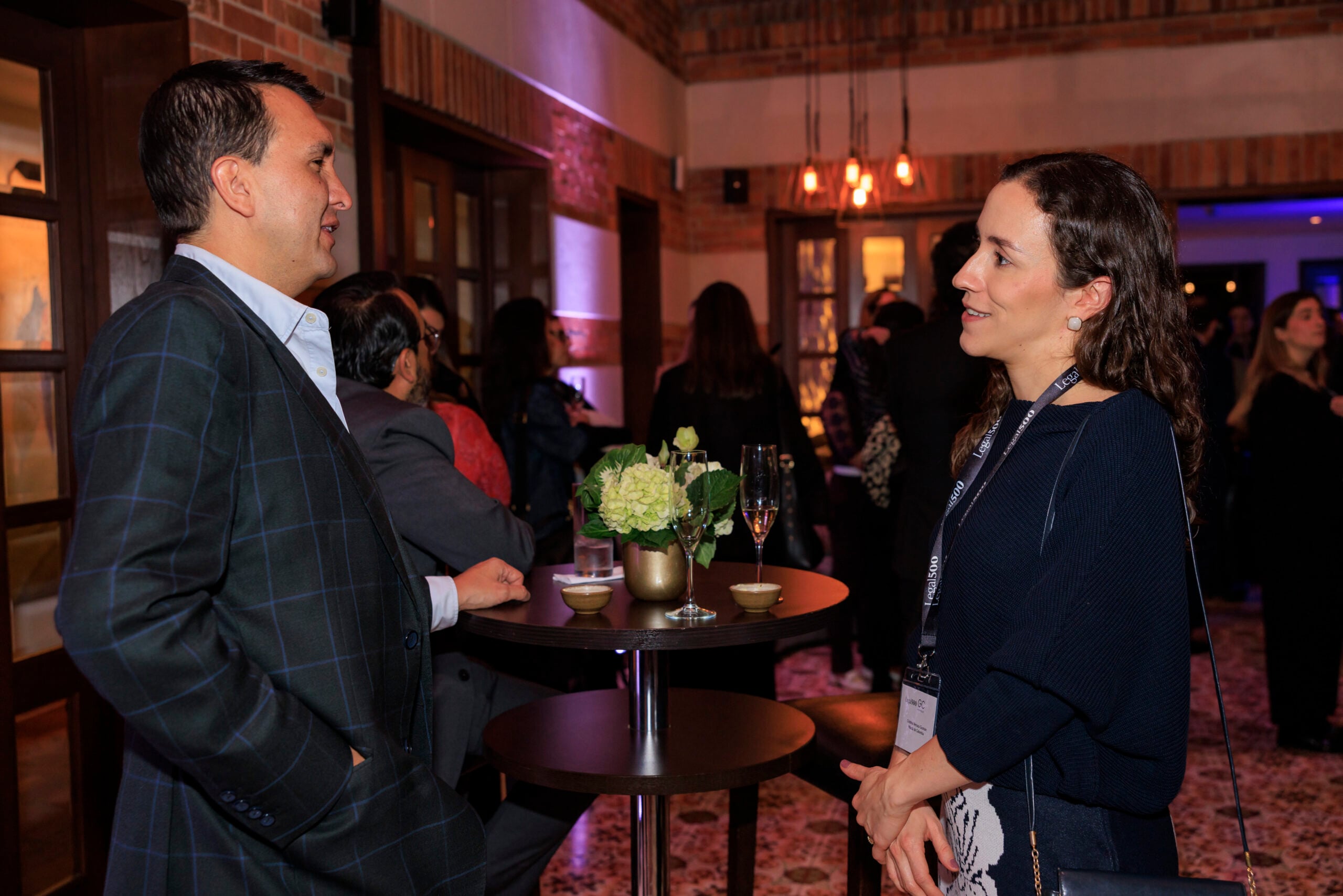
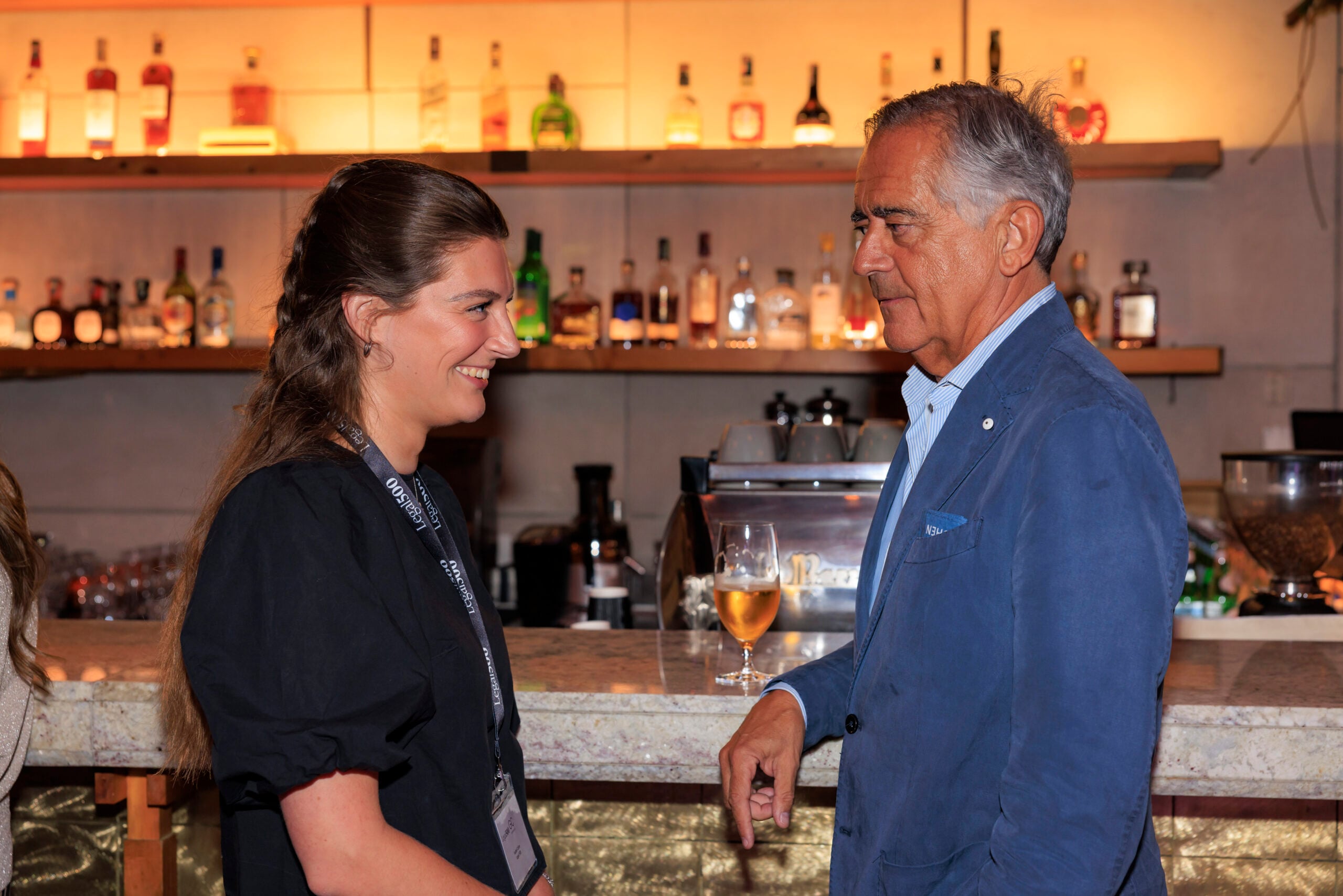
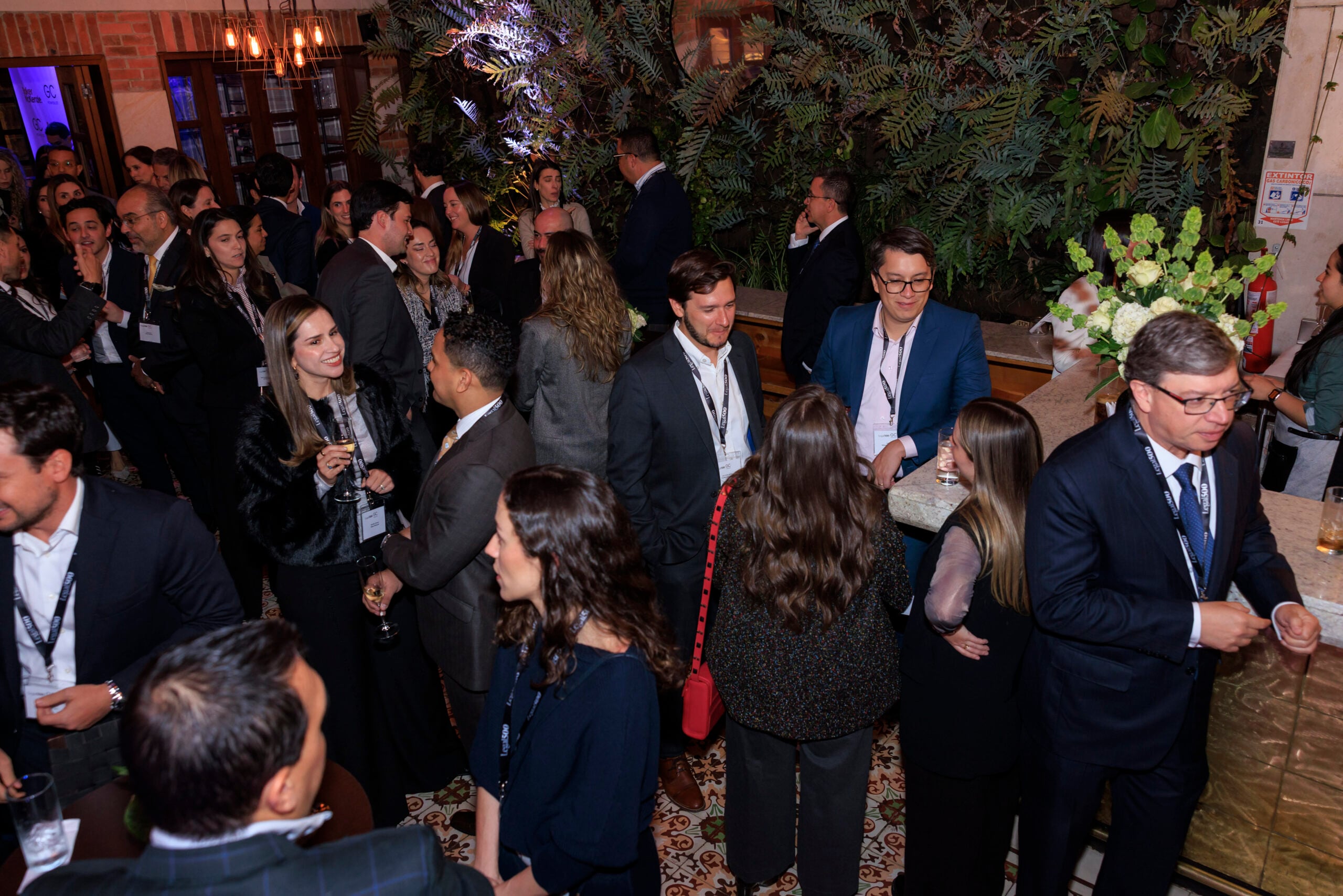
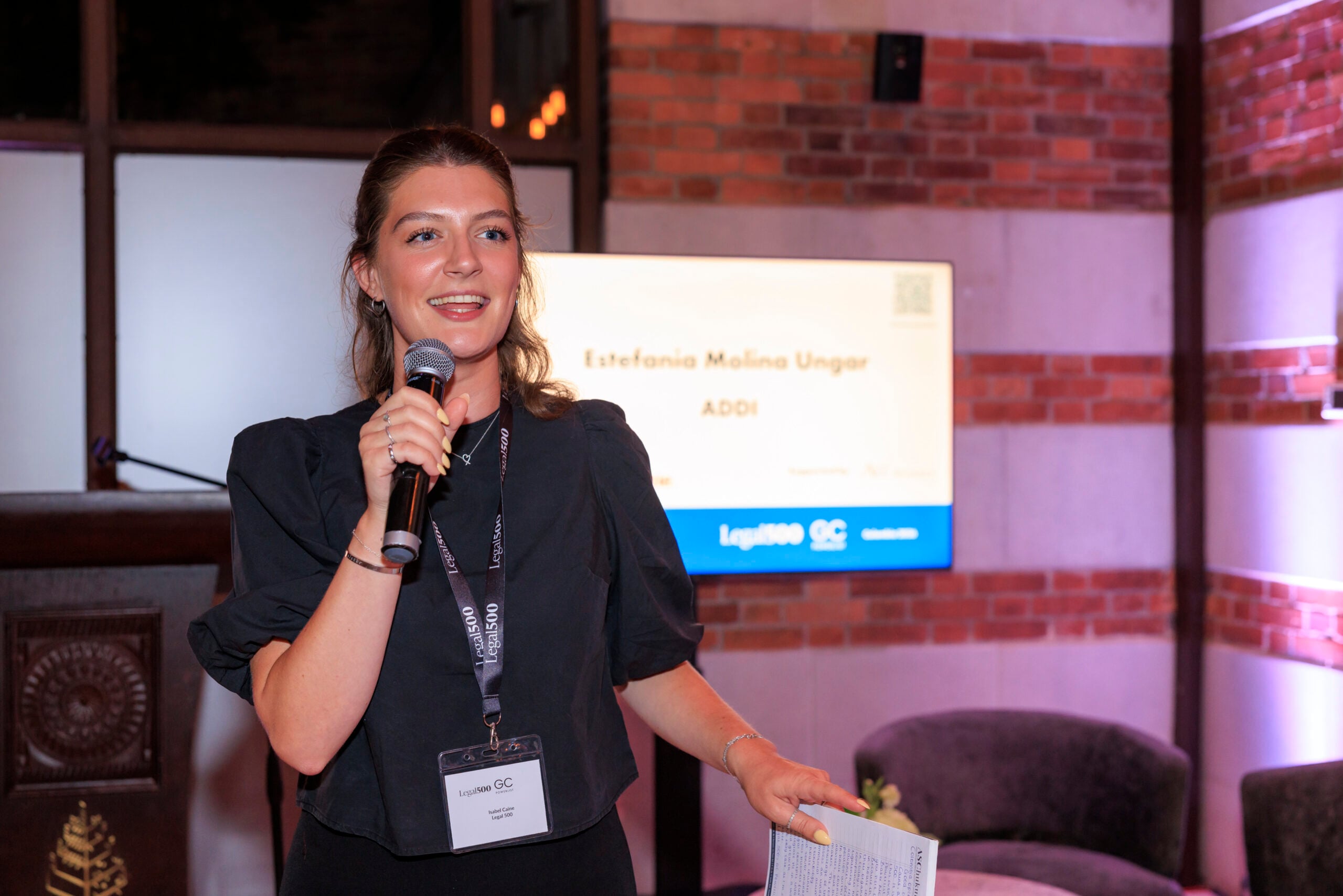
On 4th August, Legal 500 returned to Bogotá for the launch of the GC Powerlist: Colombia 2026, in partnership with Baker McKenzie.
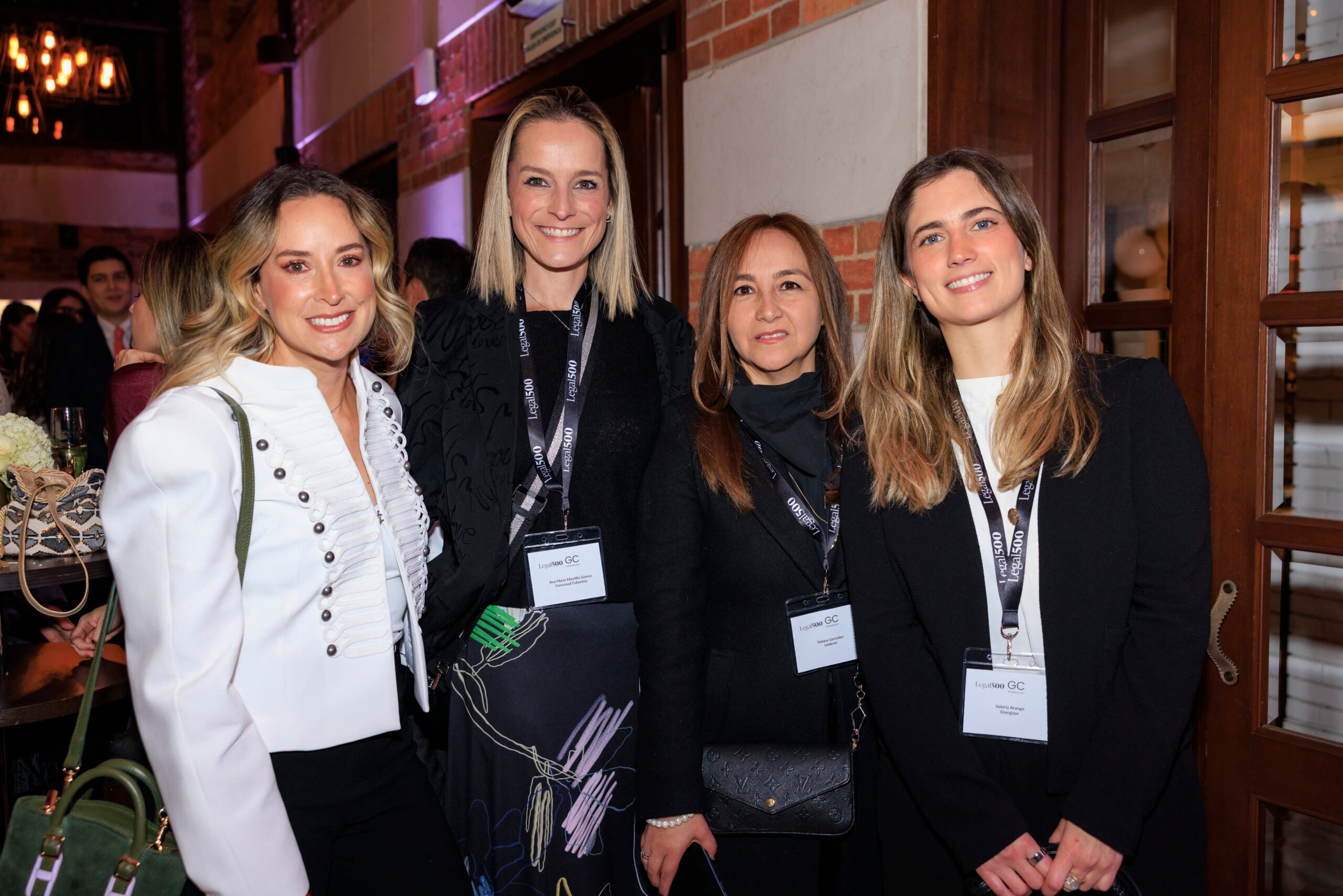
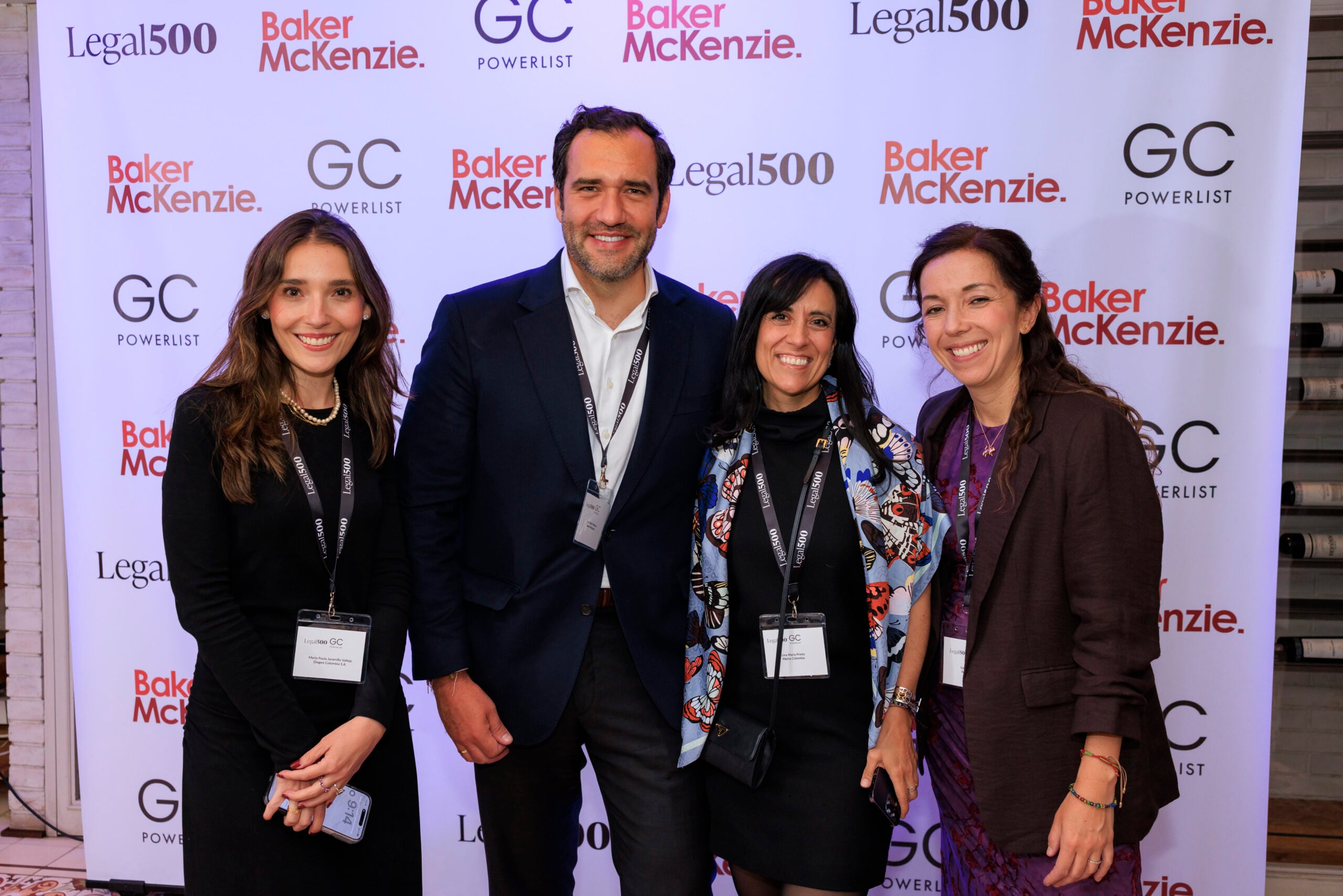
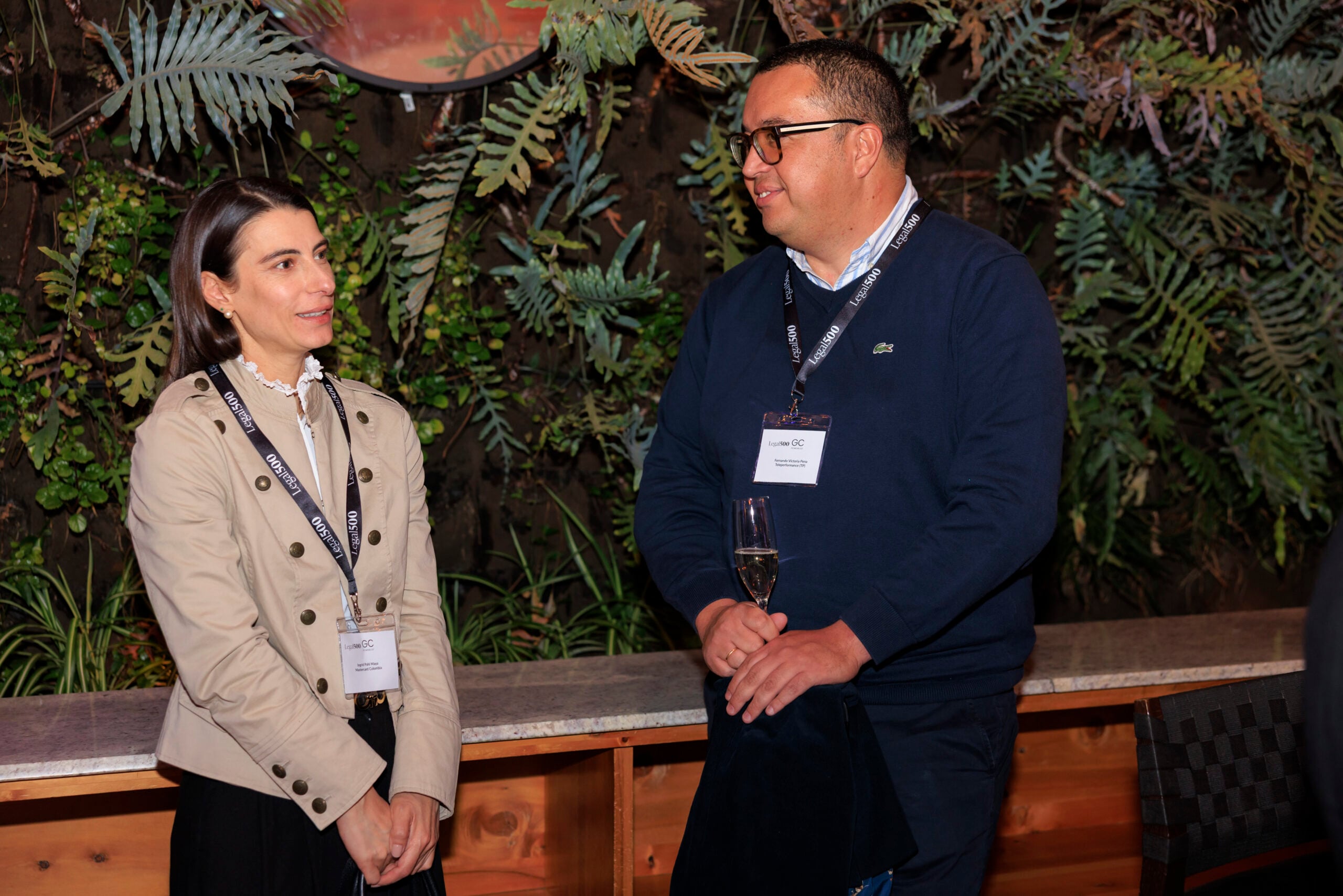
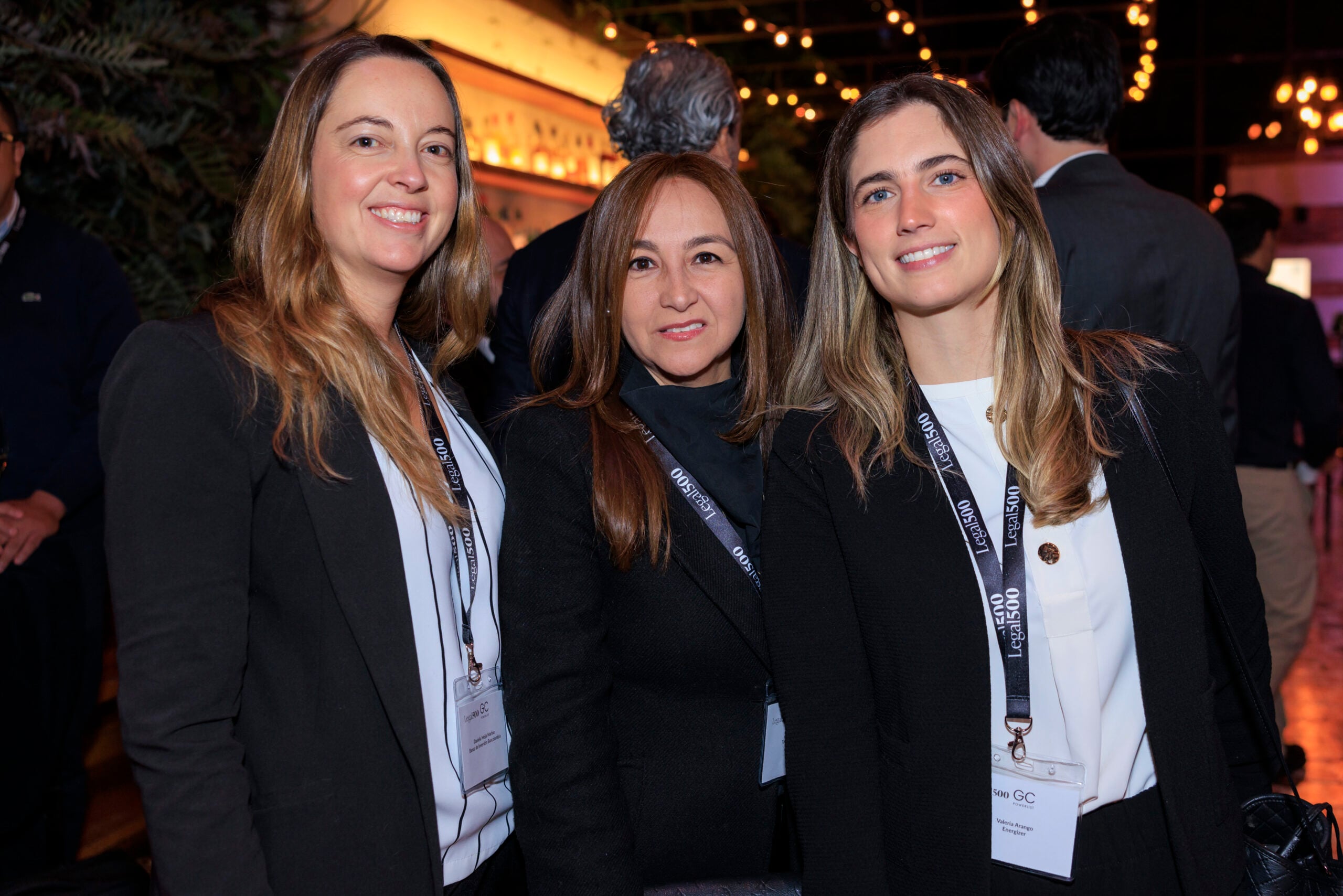
Guests arrived at Castanyoles Restaurant at the Four Seasons Hotel Casa Medina for an evening of celebration and networking with peers and colleagues.
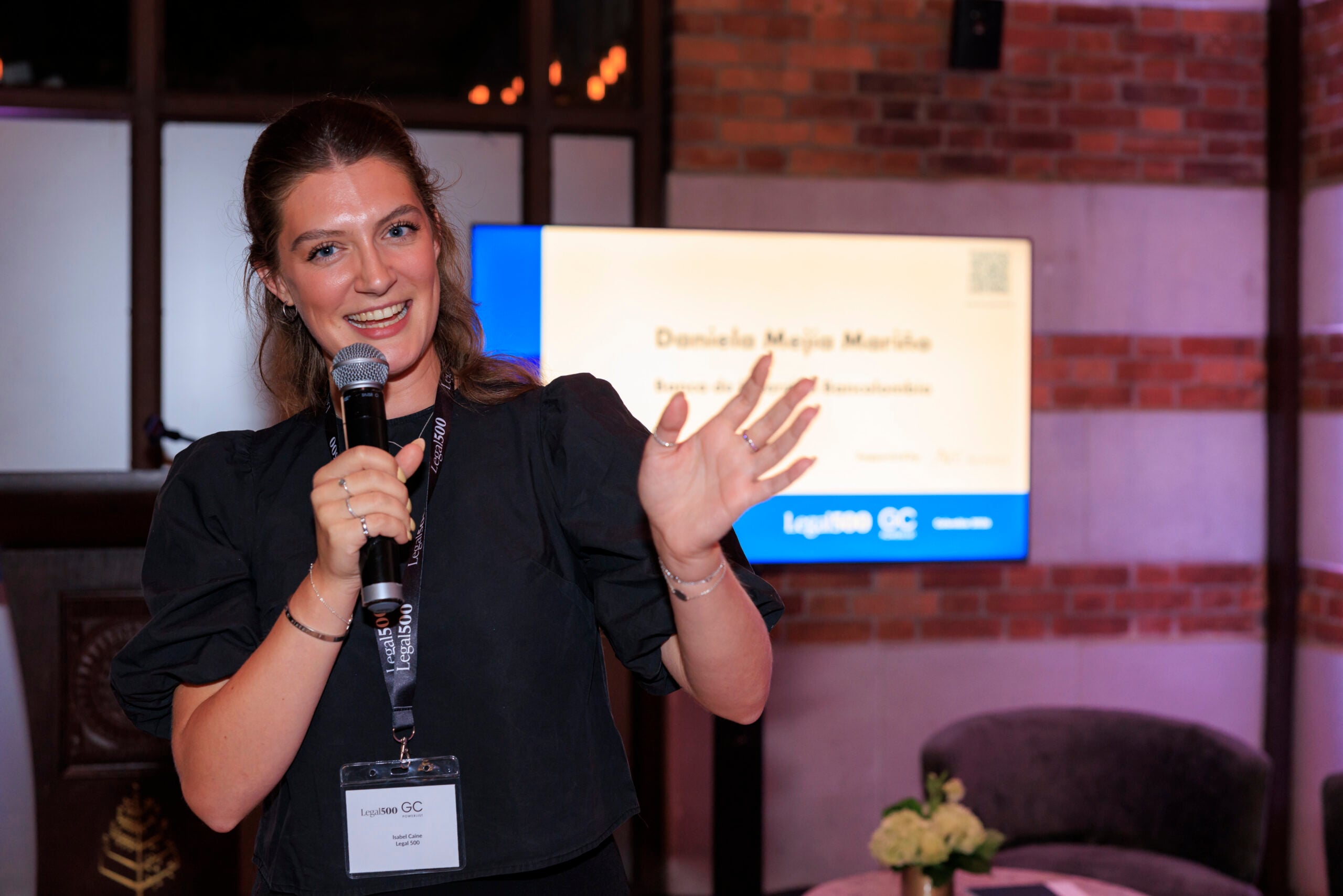
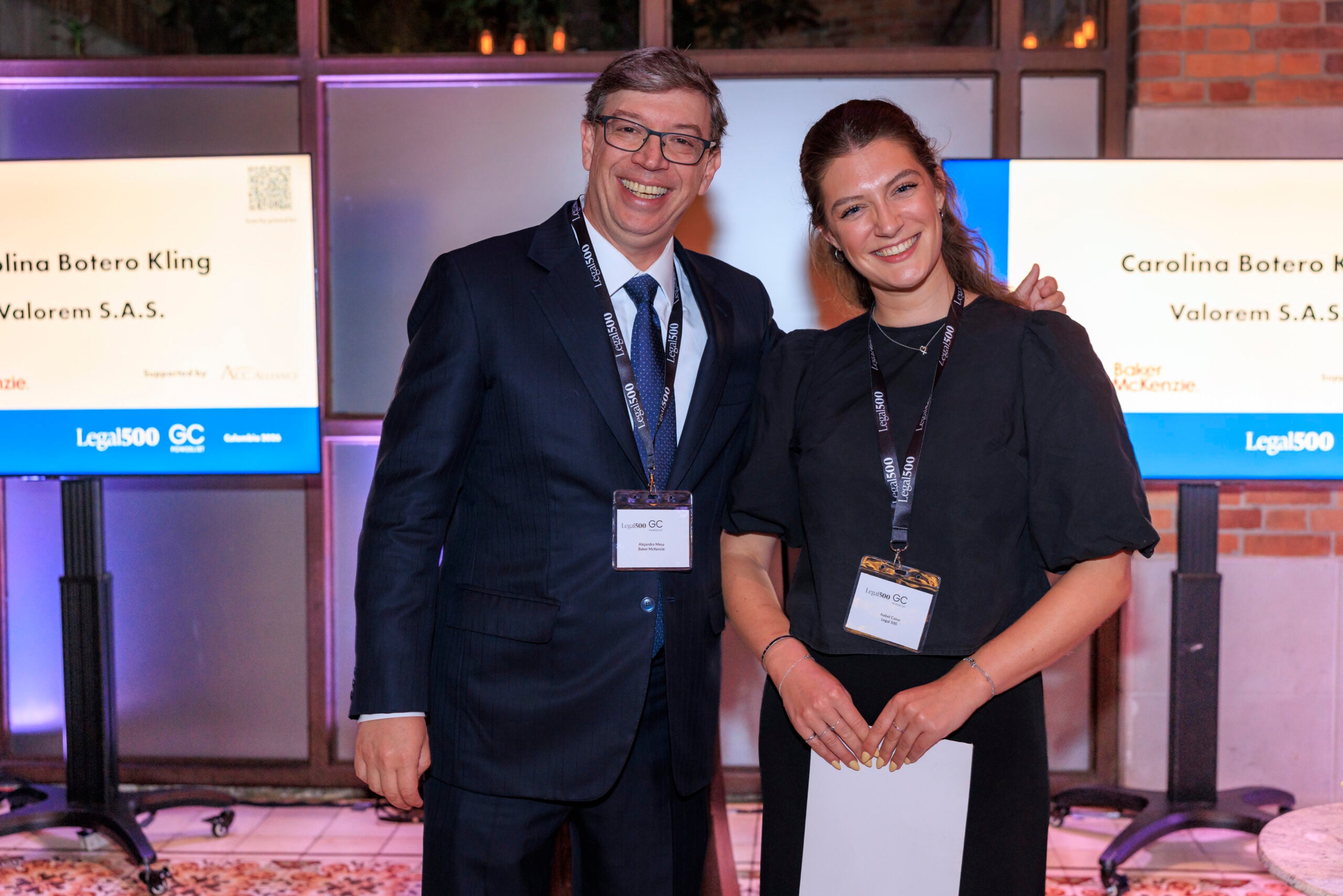
Isabel Caine, editor – corporate counsel at Legal 500, kicked off the evening, touching on the increasingly integral role of the GC as a trusted partner and strategic decision maker within the business. Paying tribute to the nominees’ achievements, dedication and commitment over the past year, she reflected on the vital contributions in-house counsel make within their organisations and beyond.
Alejandro Mesa, managing partner at Baker McKenzie Colombia, then delivered a welcome address on behalf of the firm, congratulating those included in the Powerlist and recognising the invaluable partnership between in-house and external counsel.
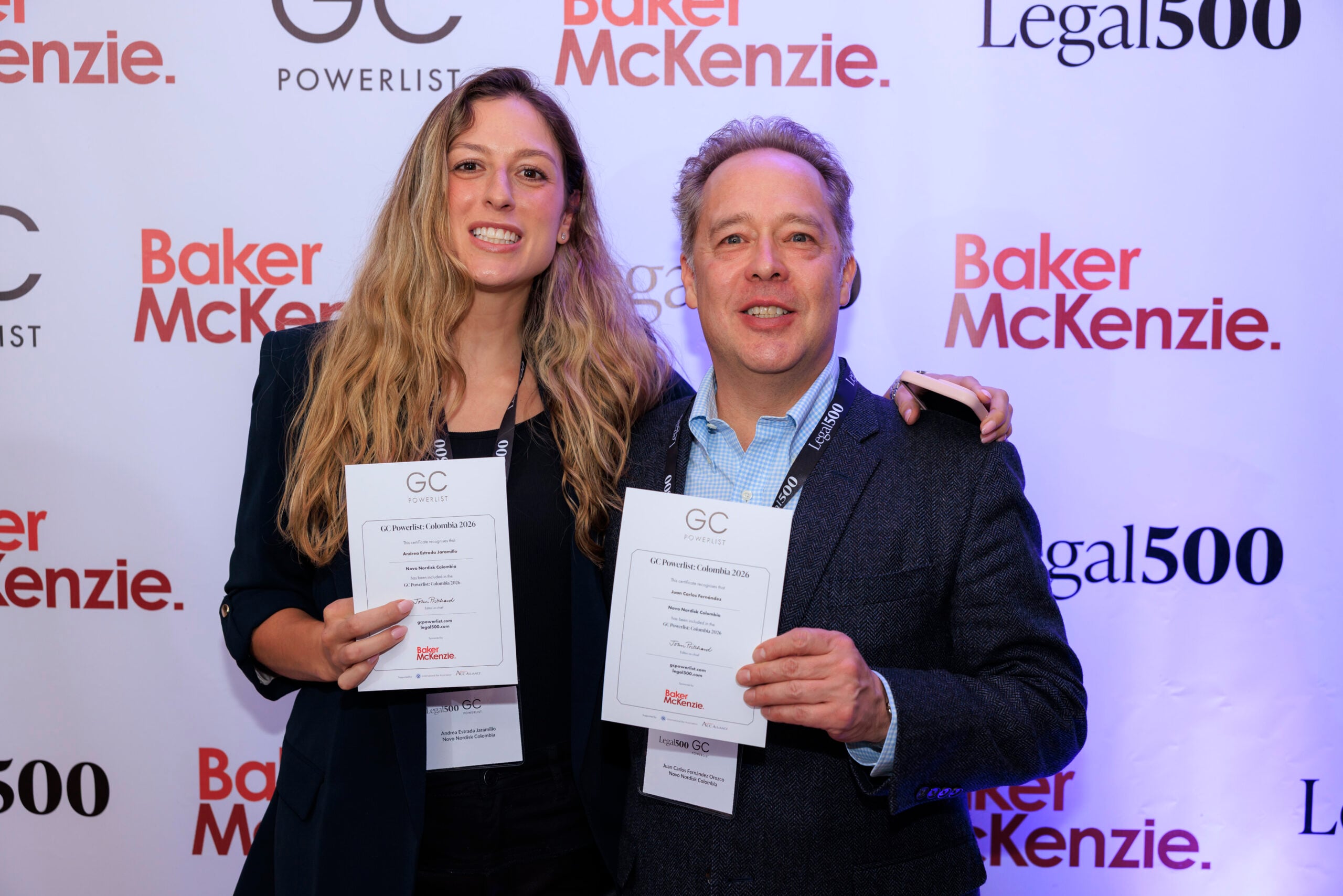
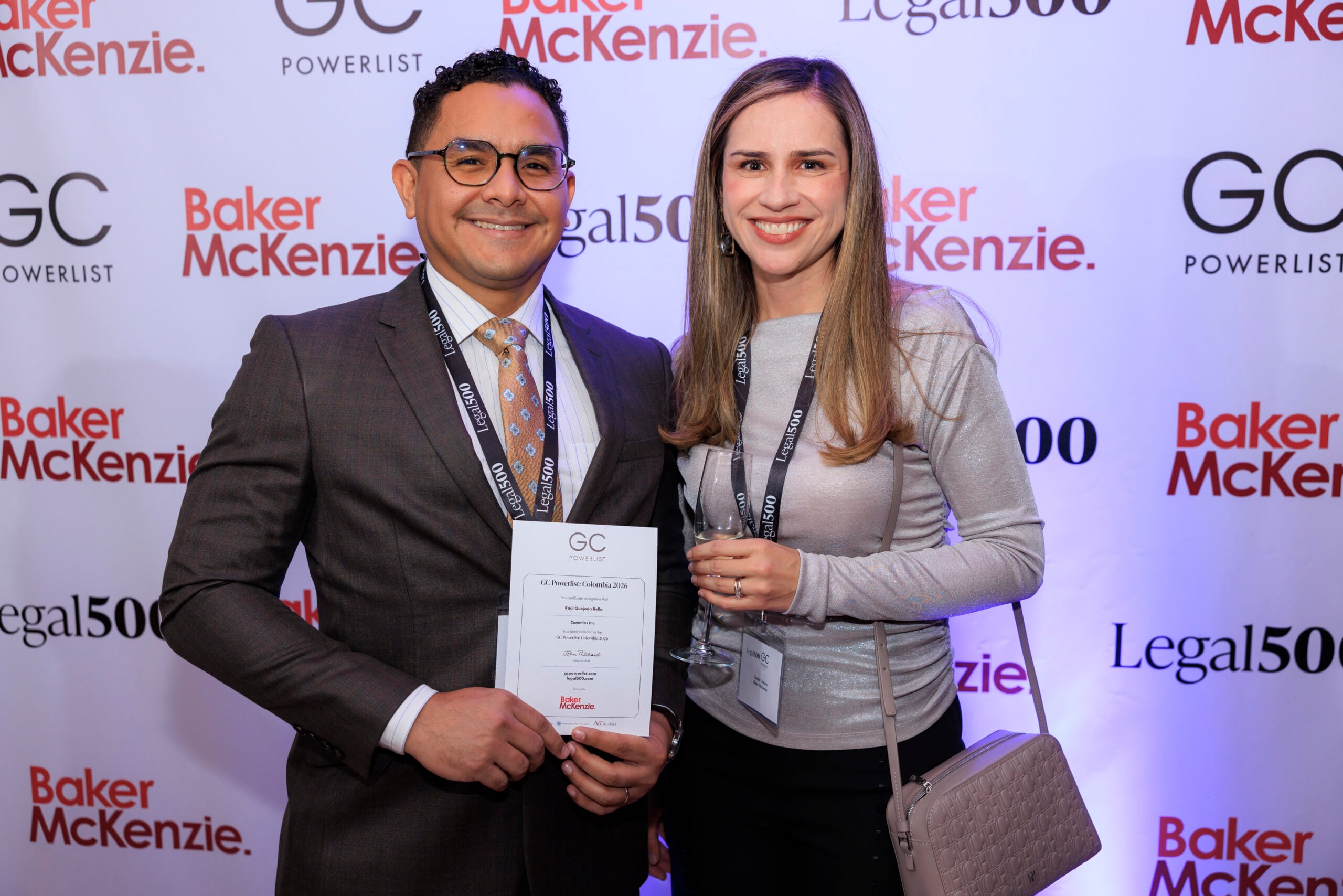
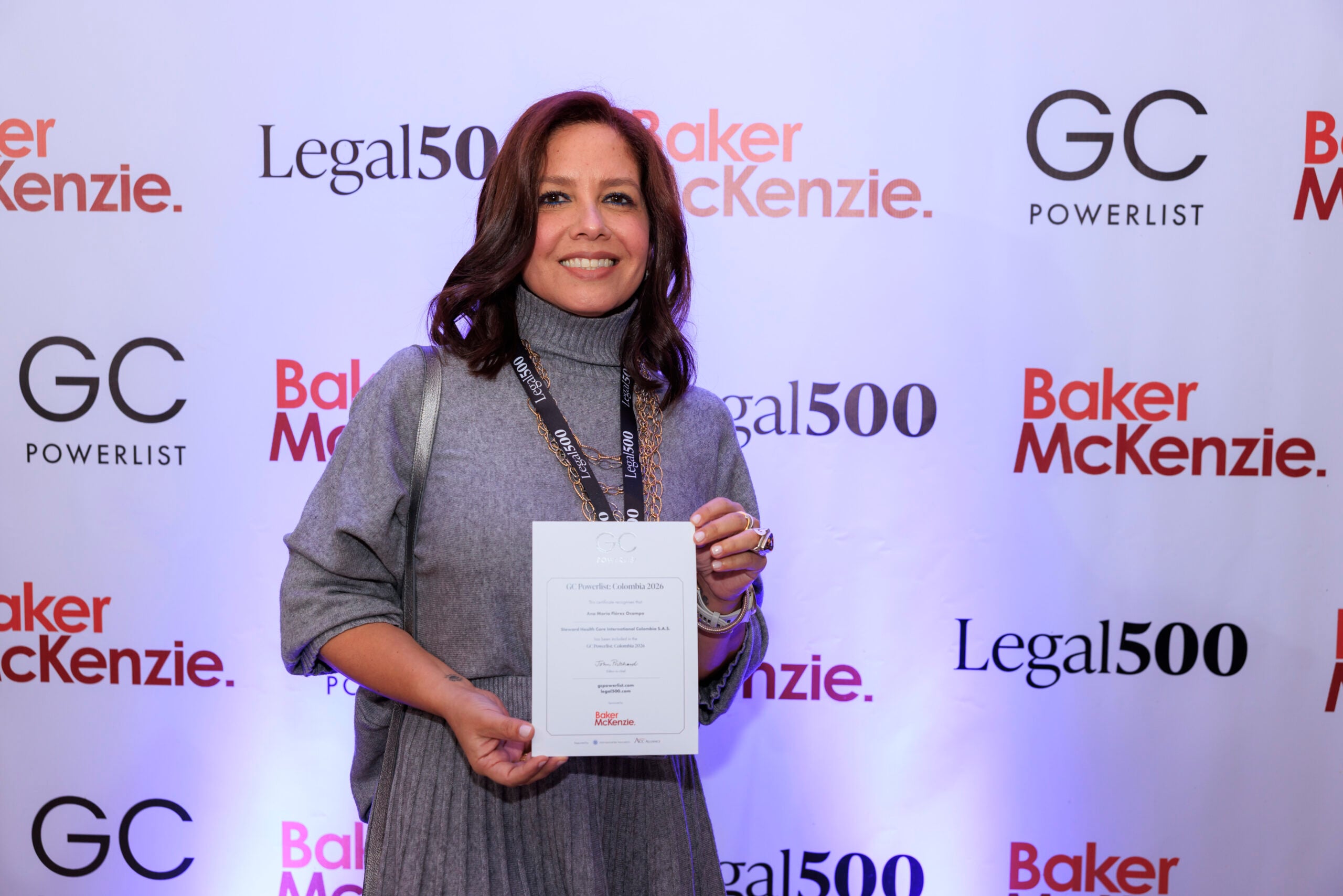
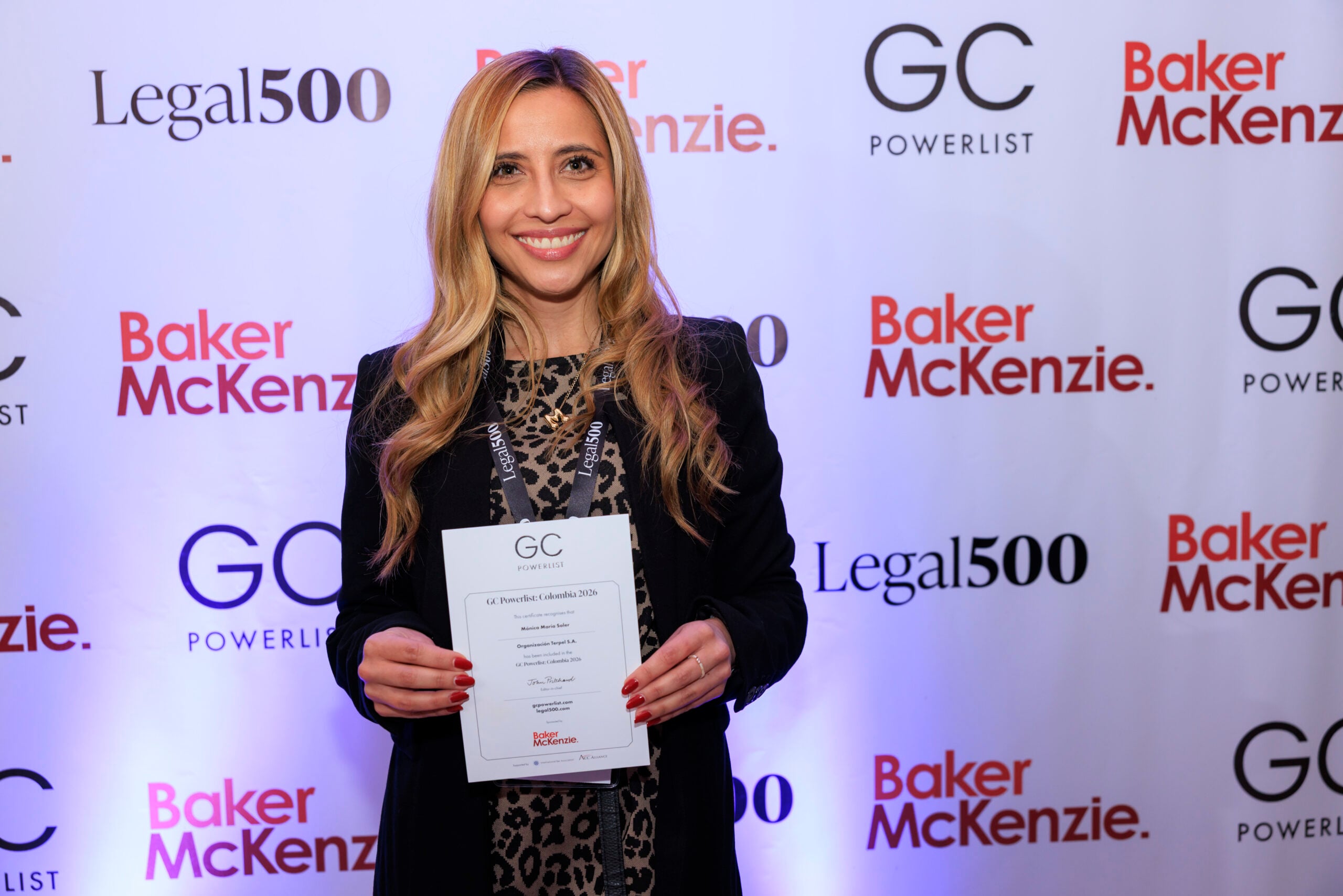
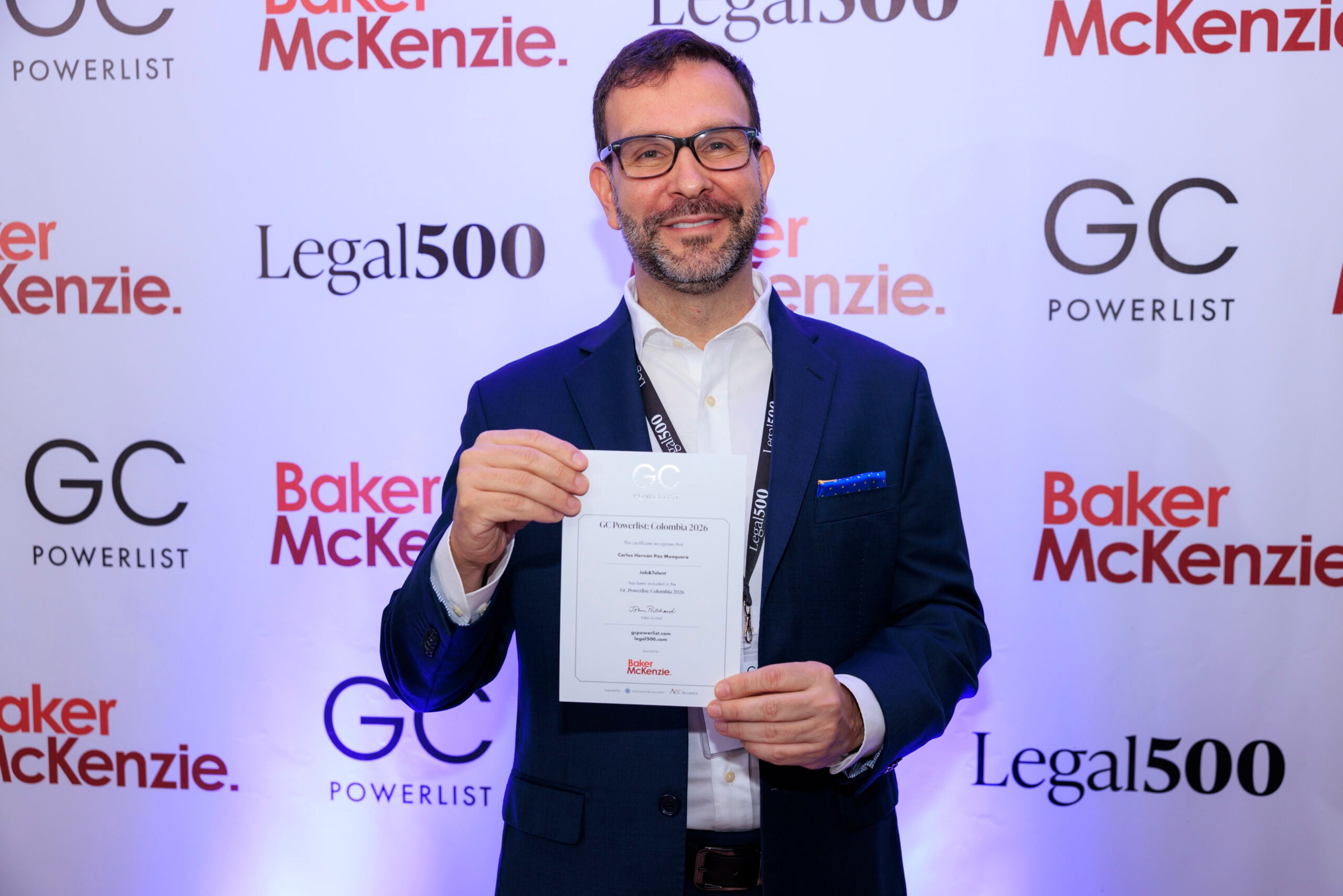
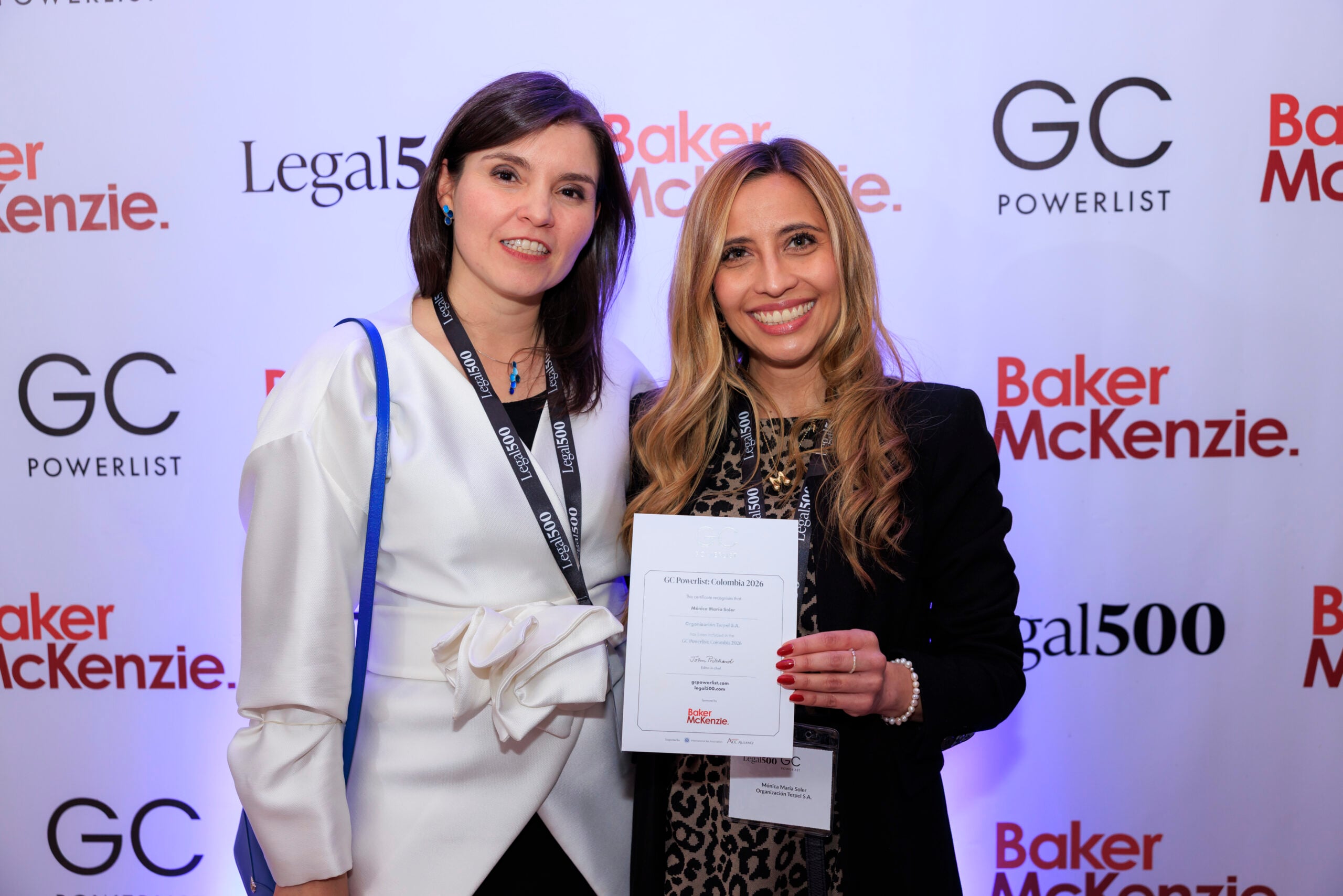
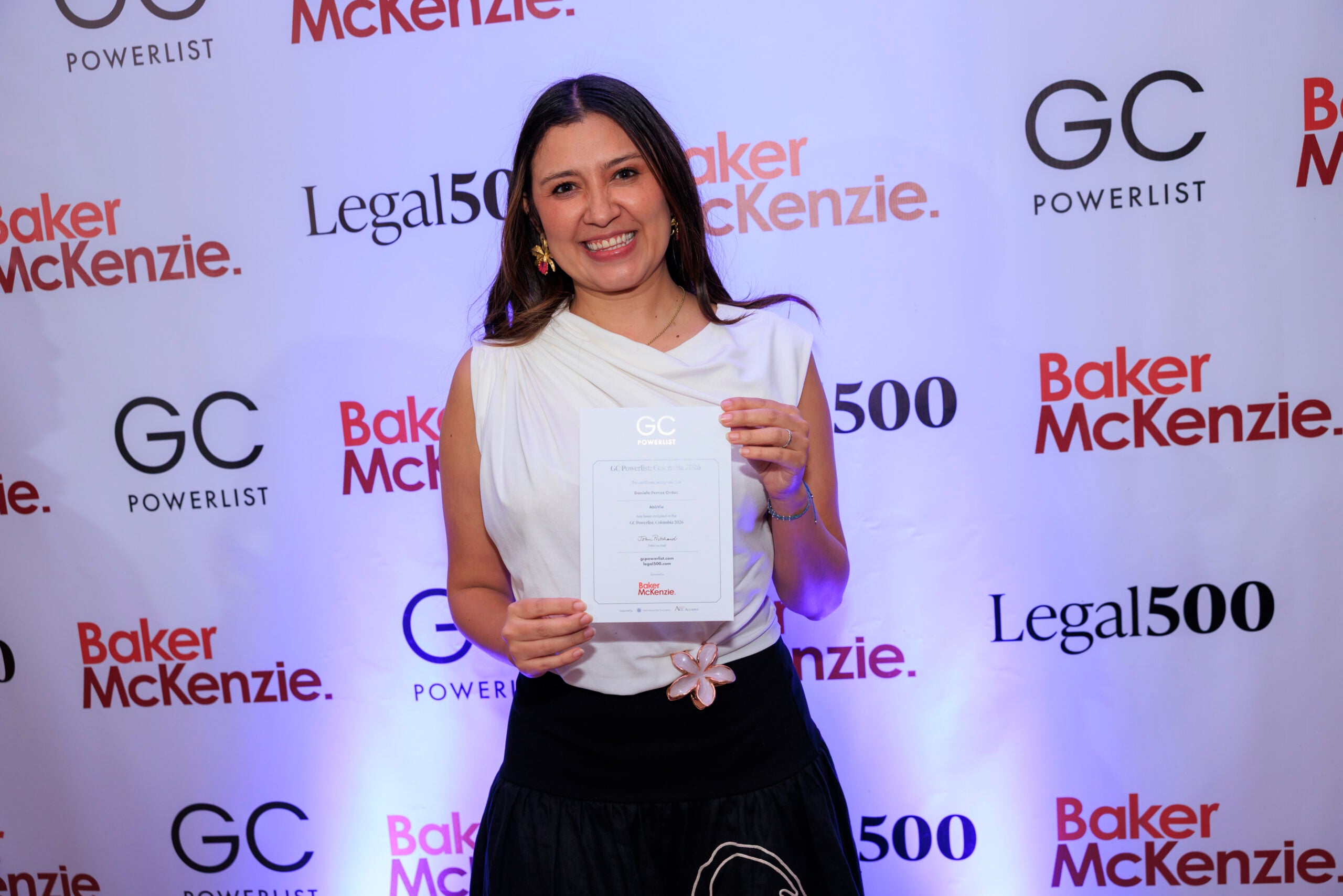
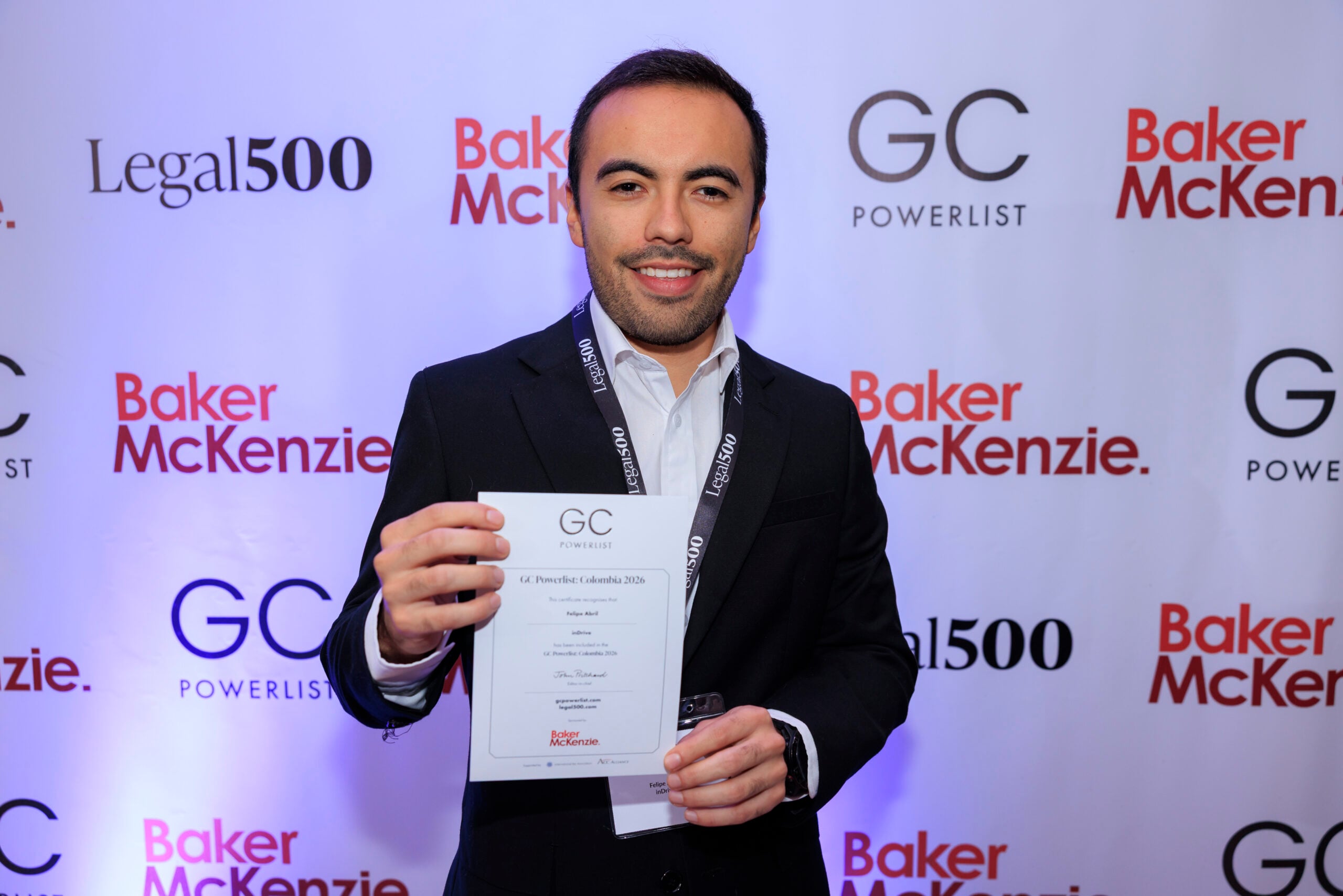
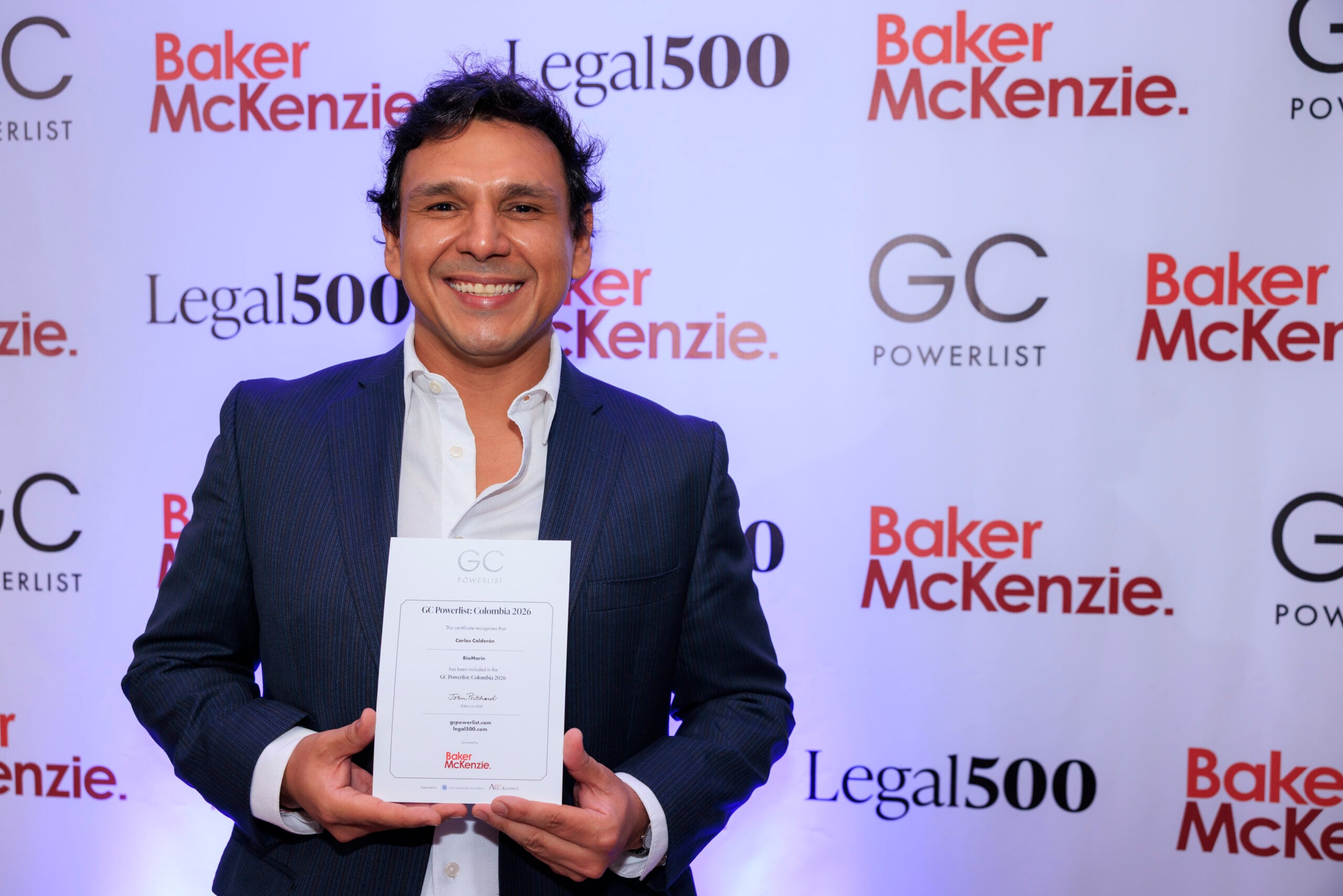
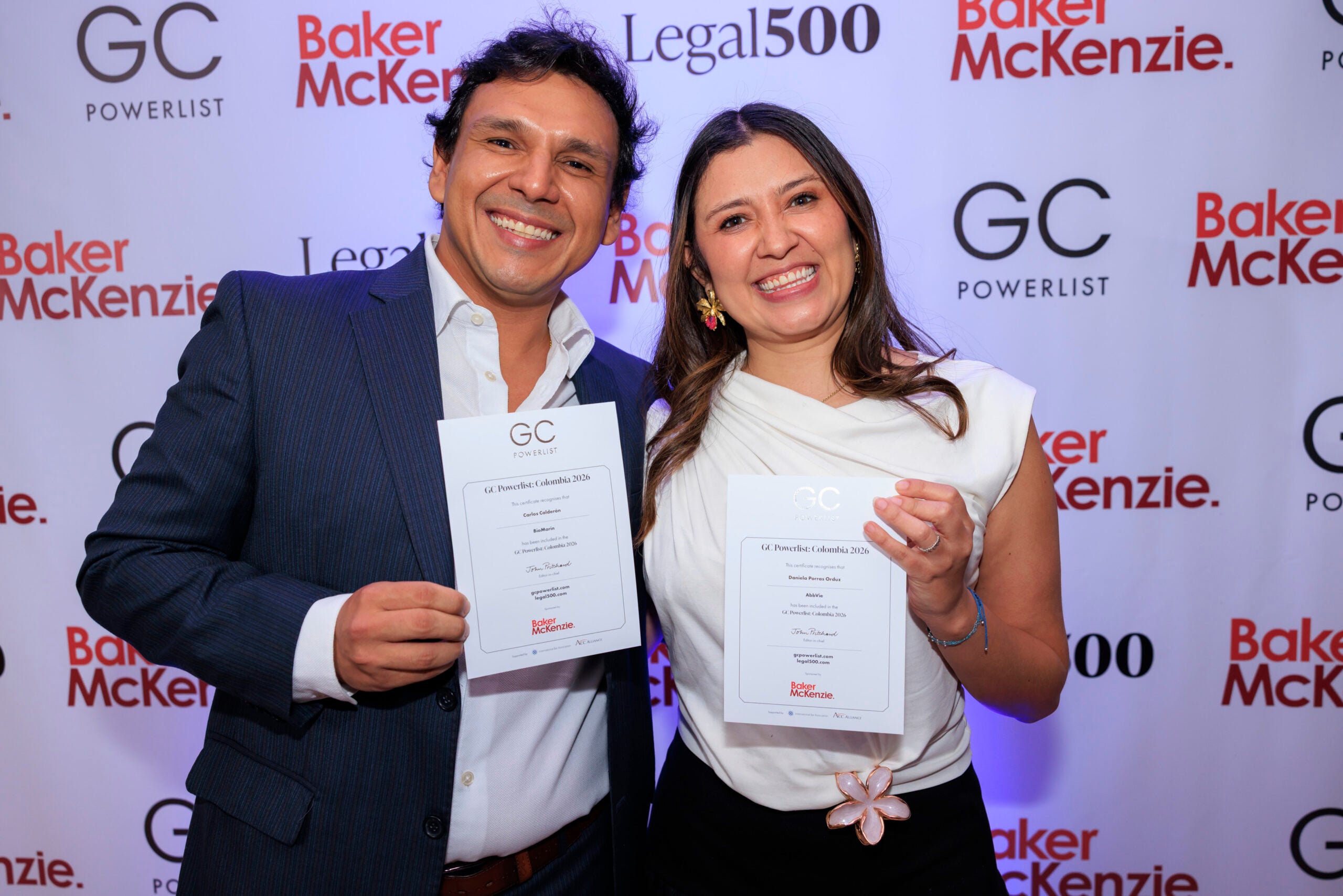
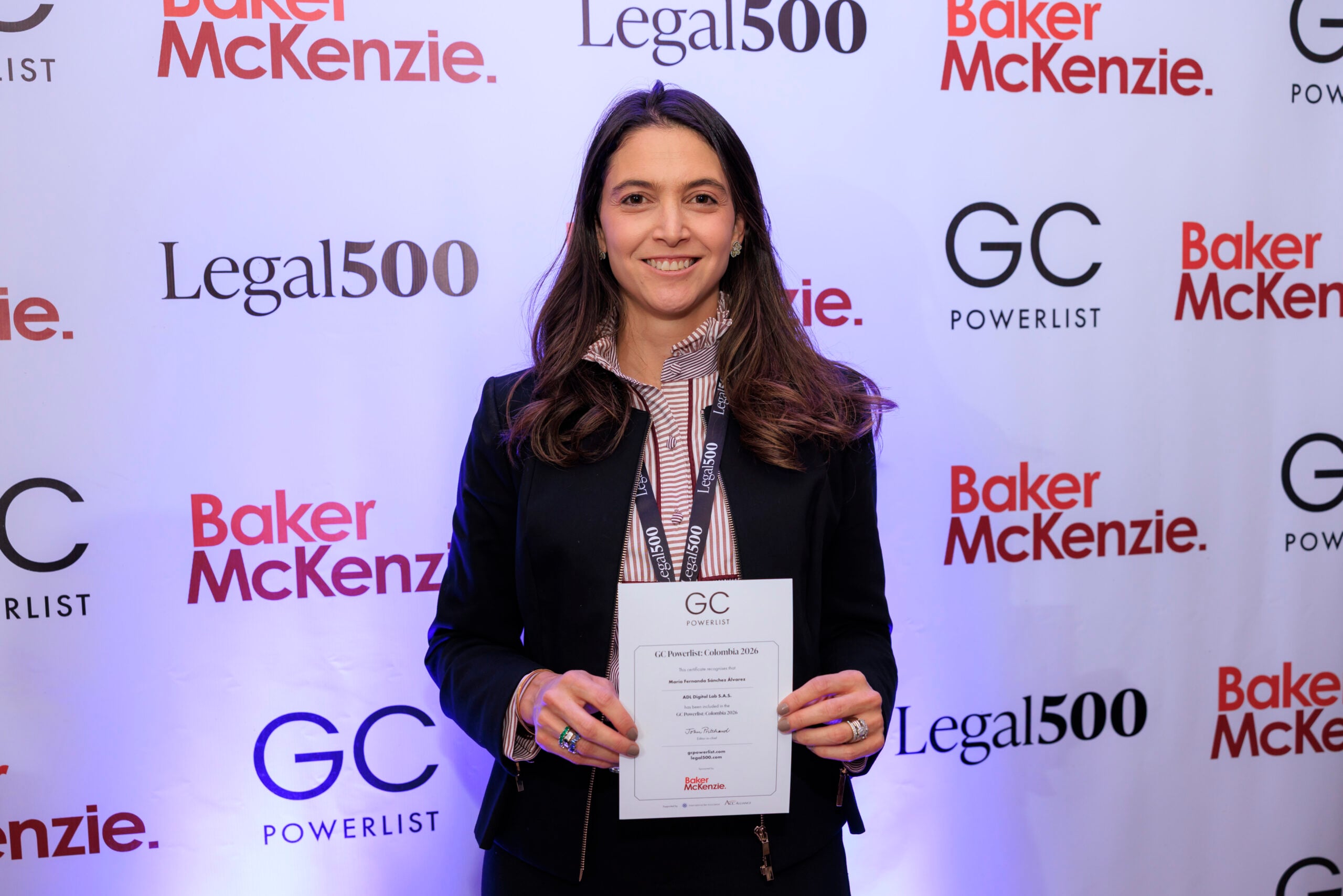
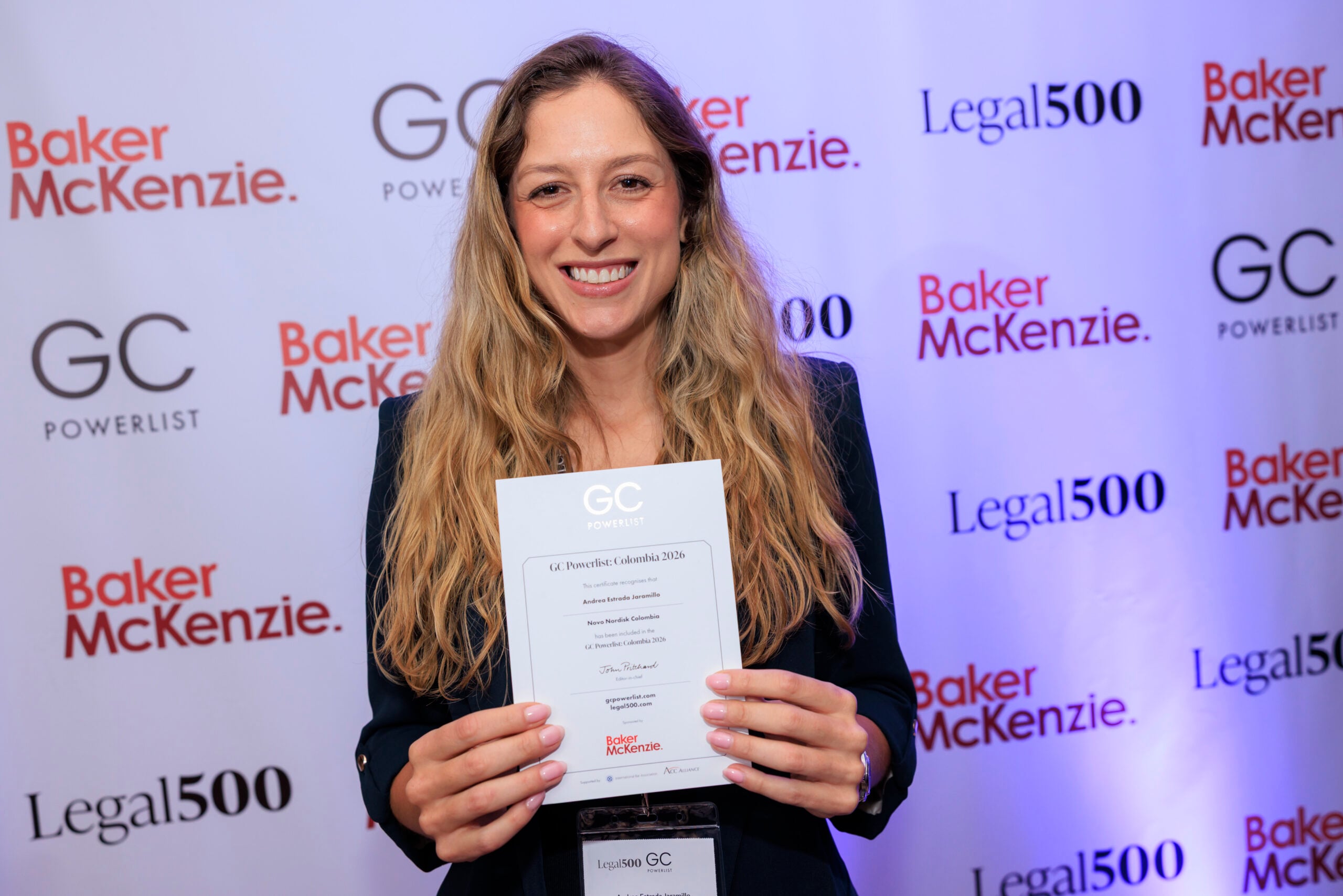
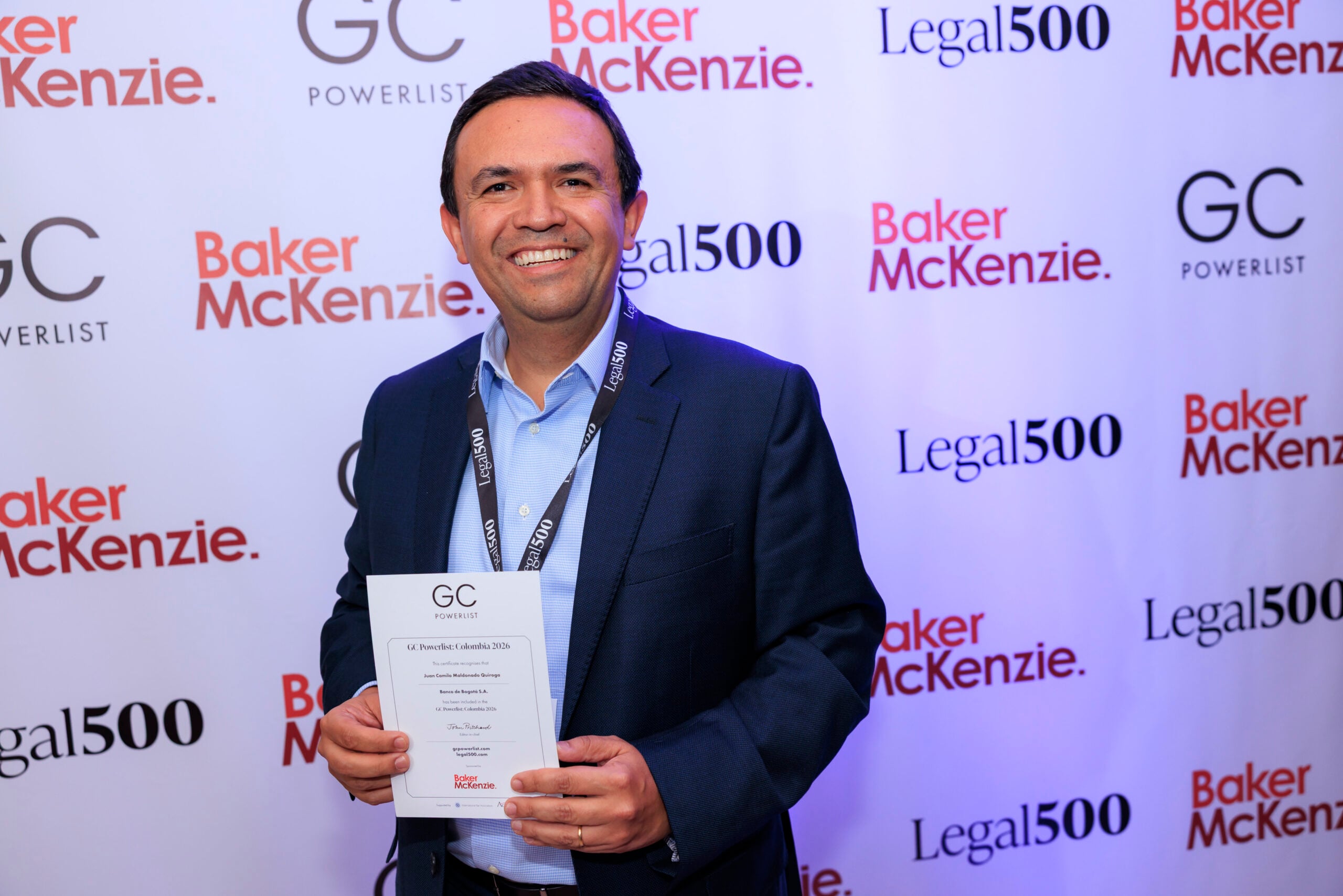
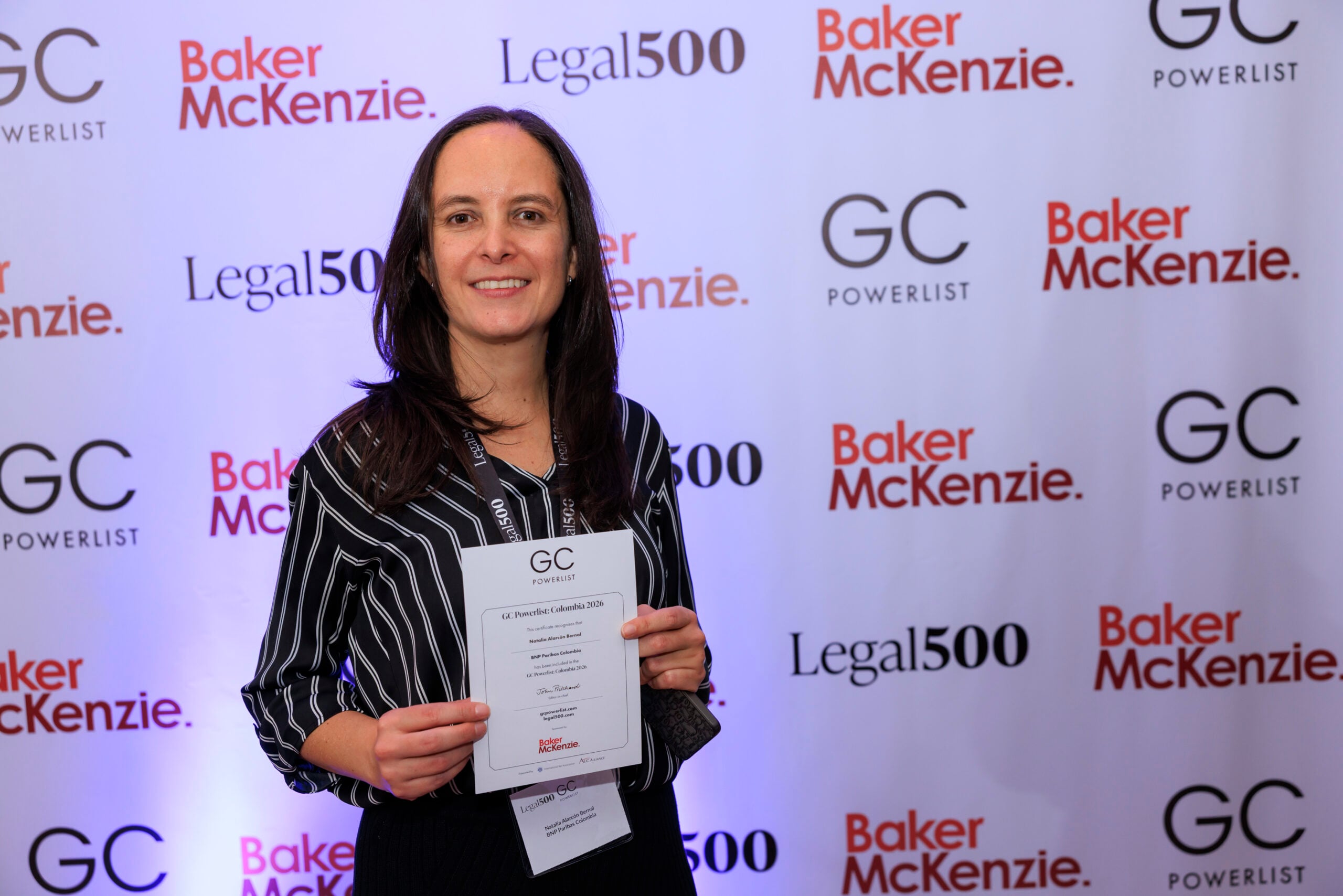
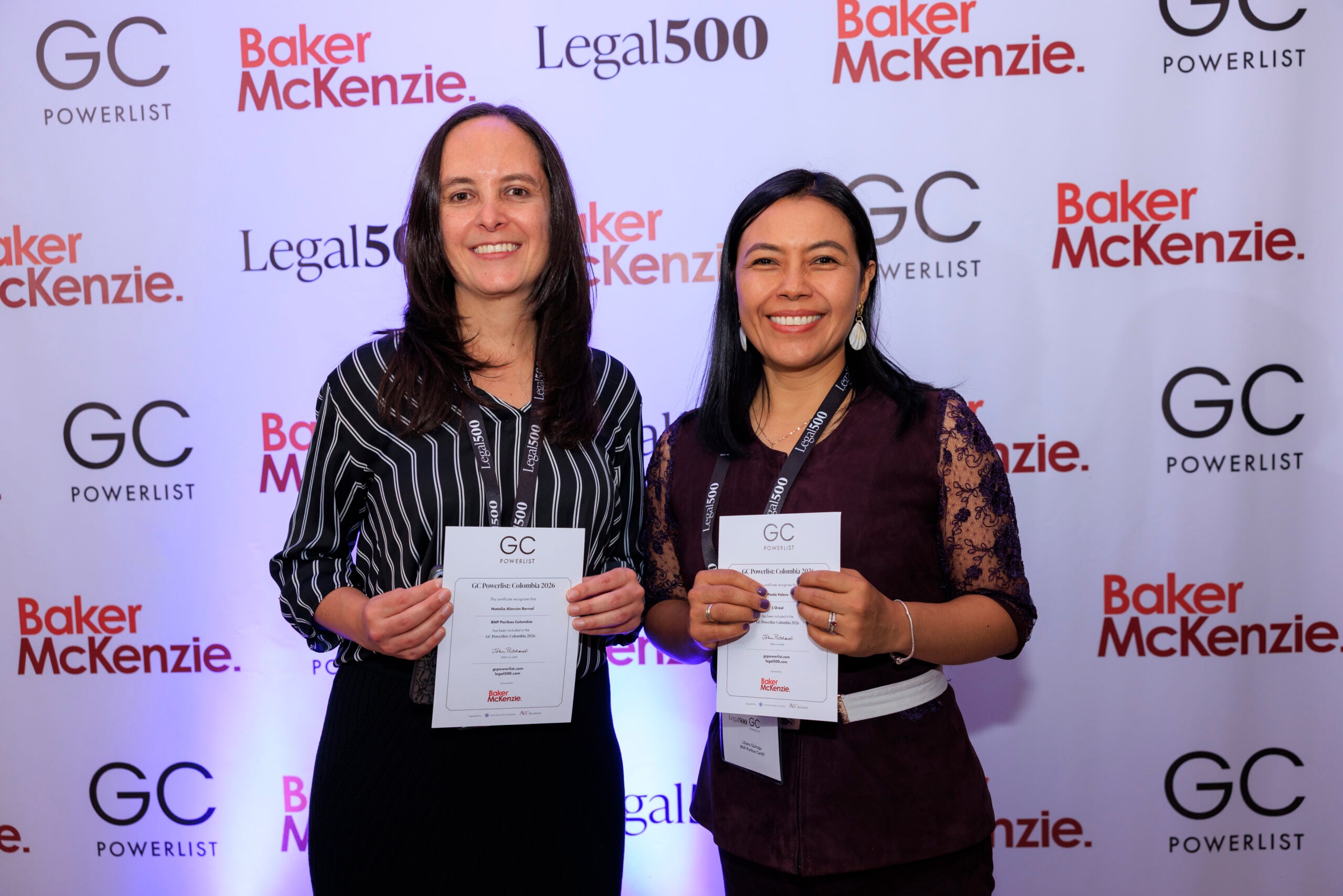
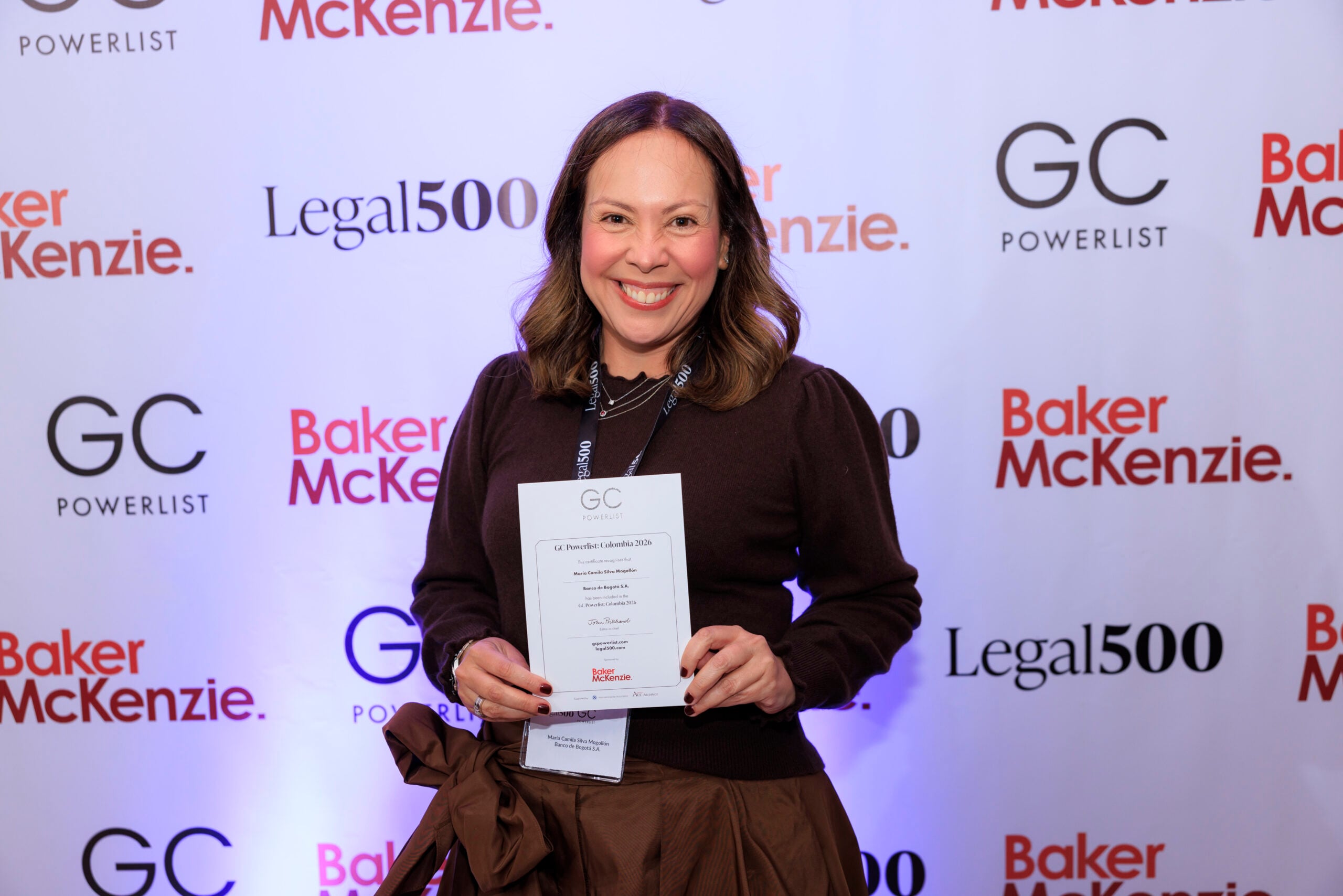
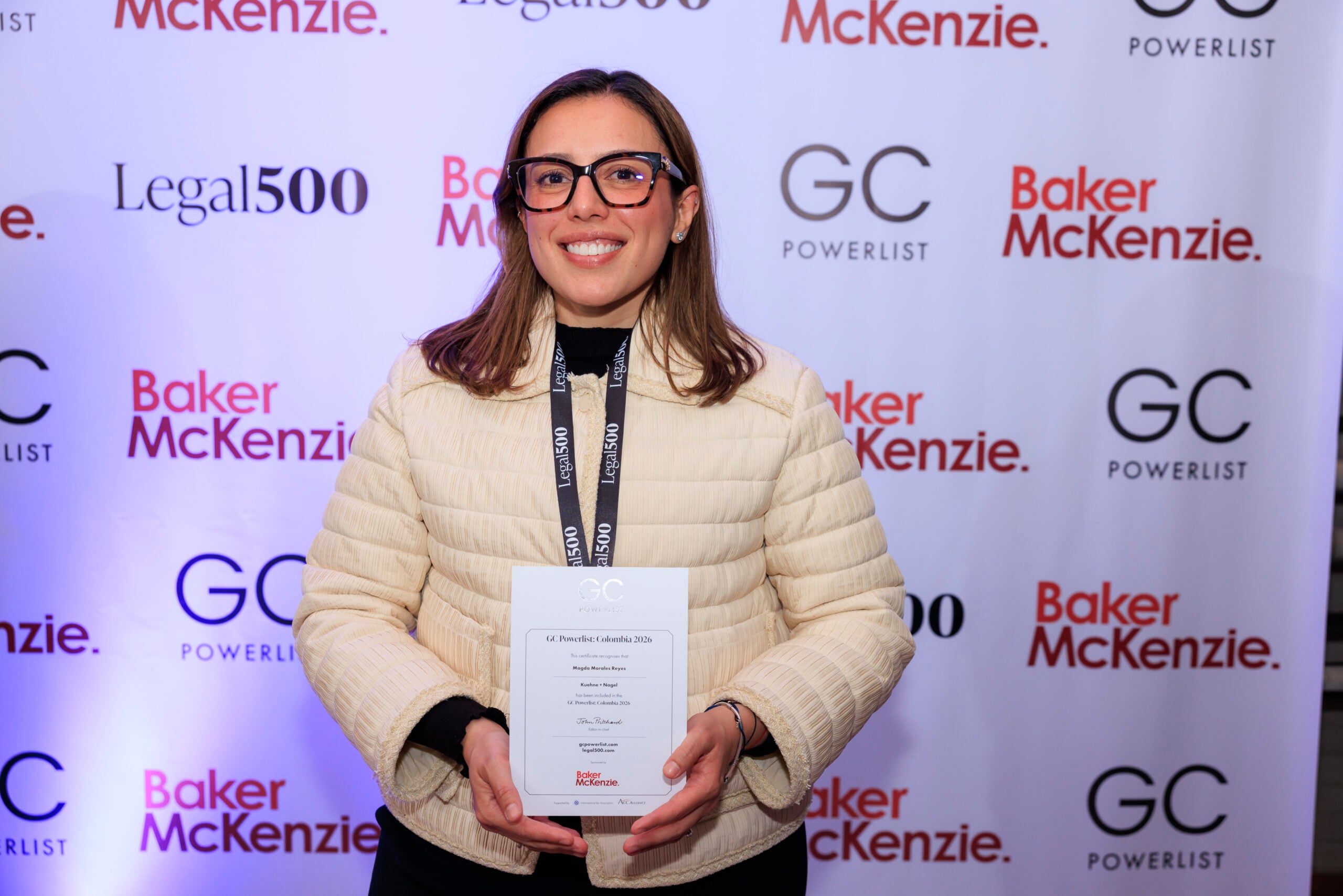
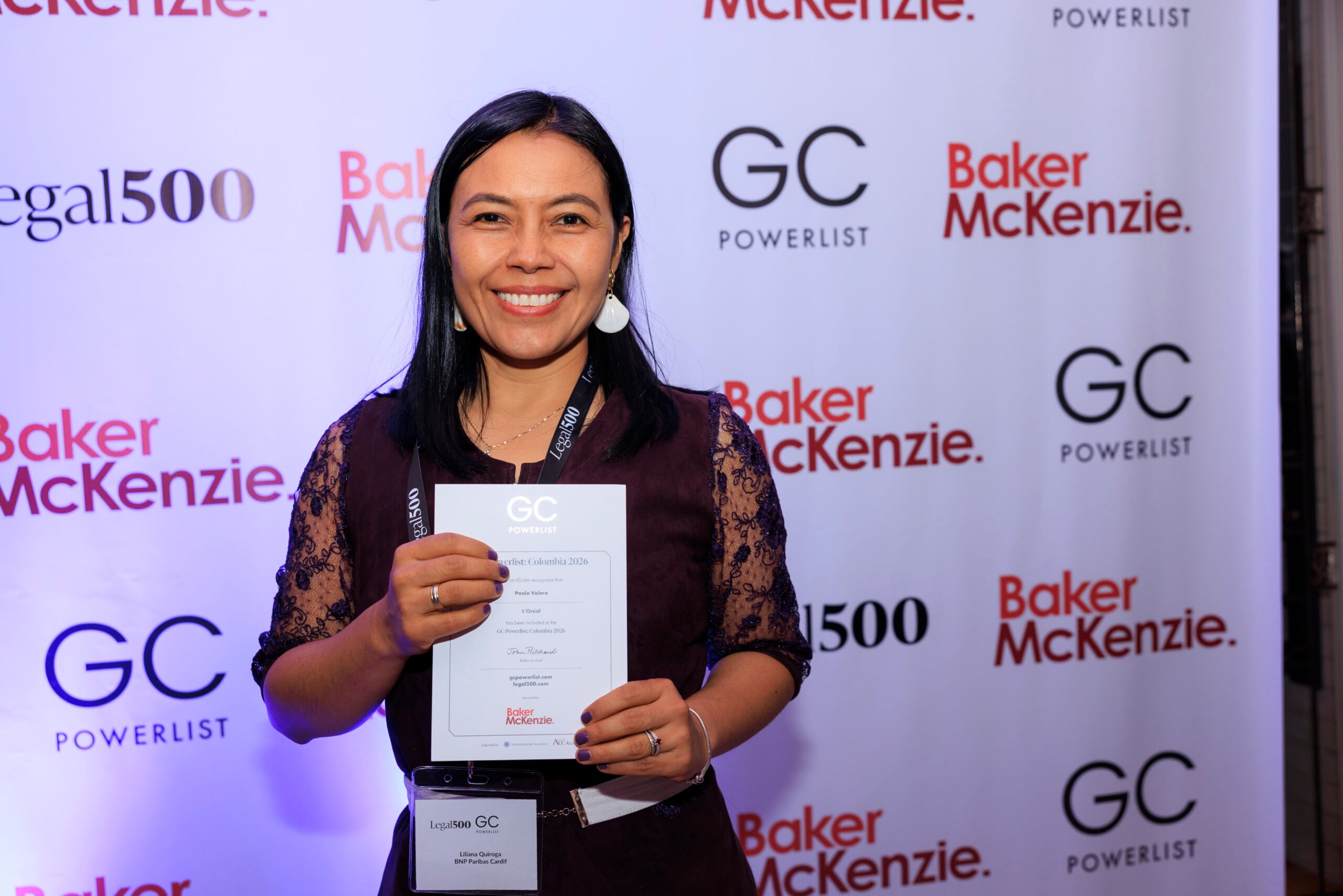
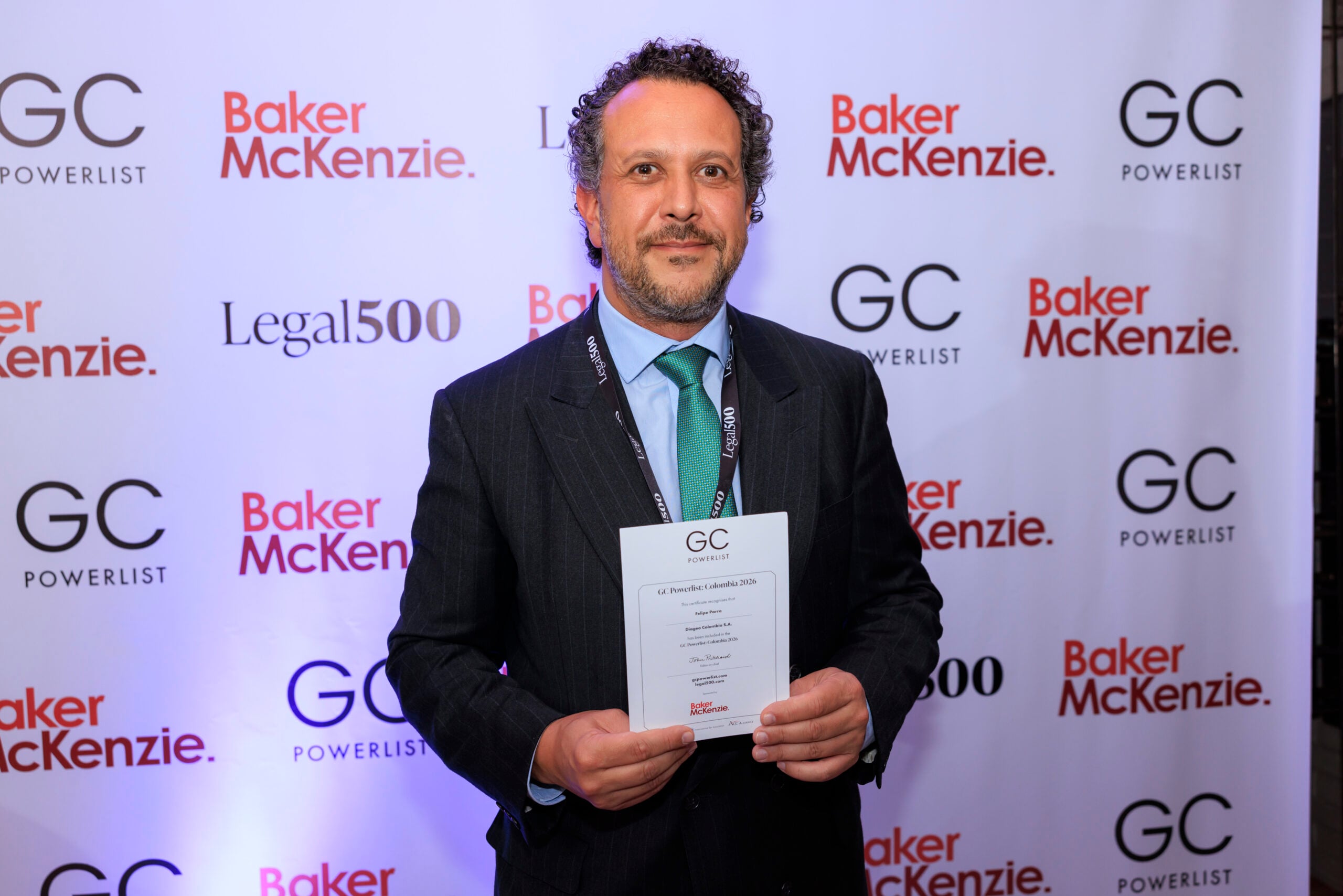
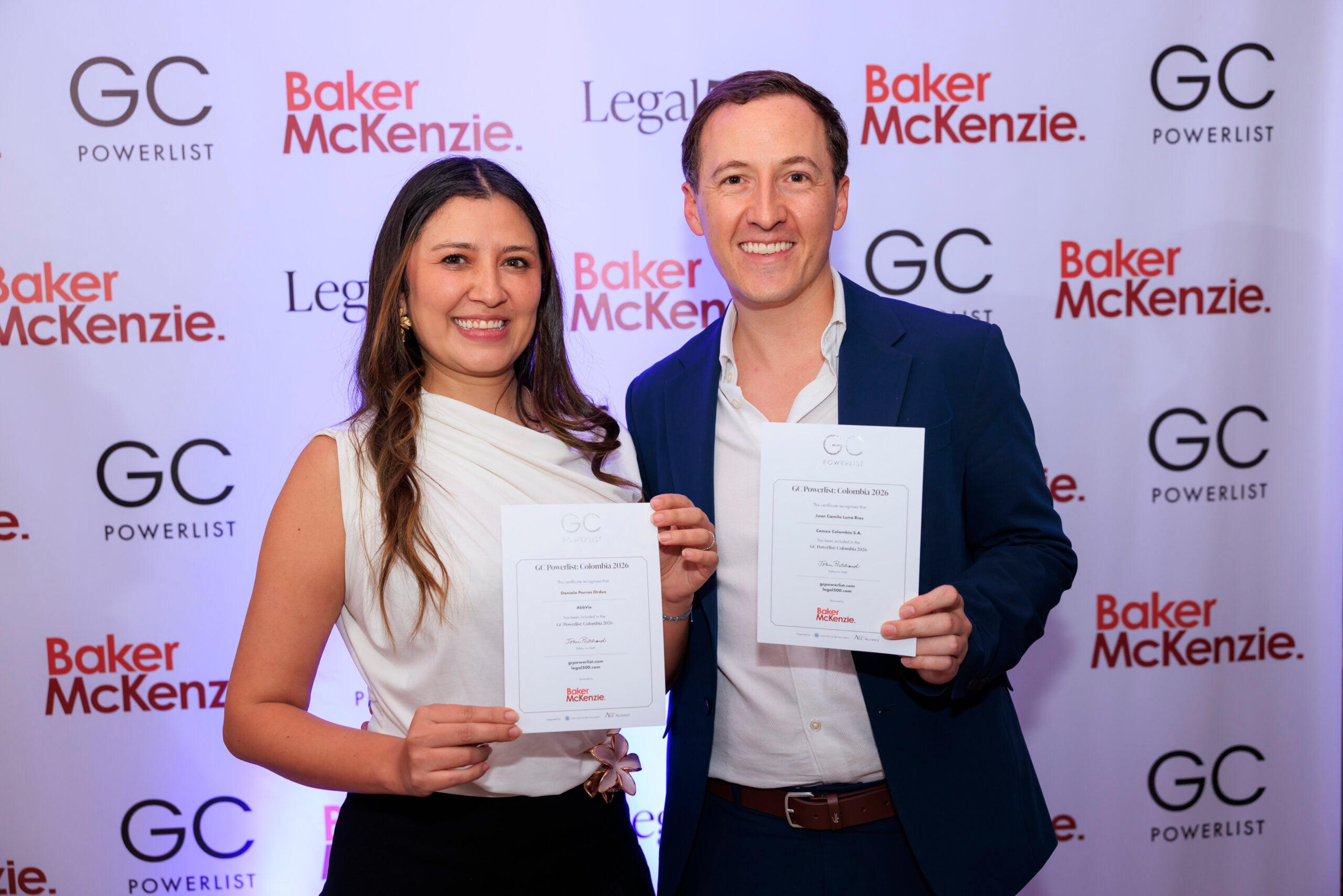
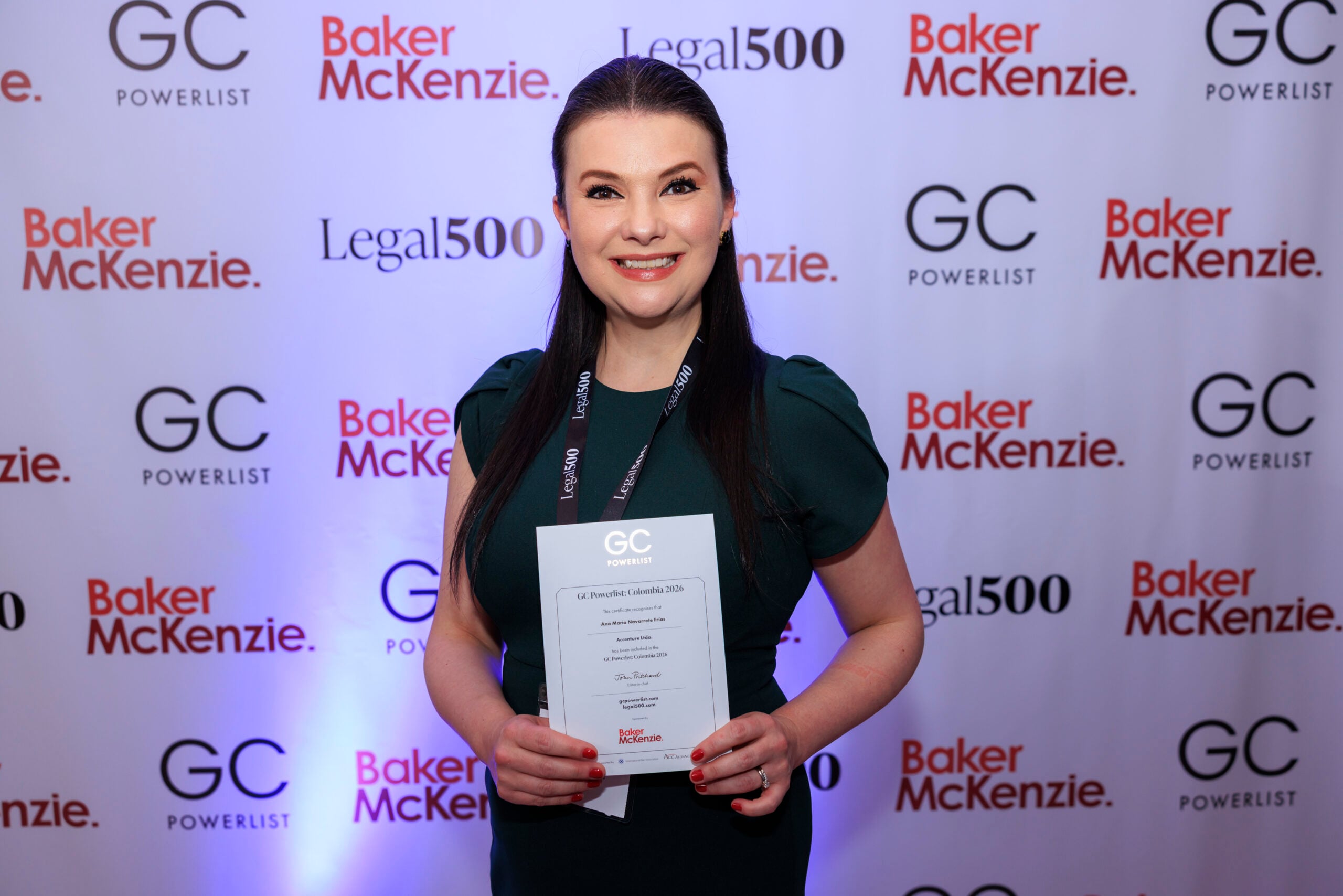
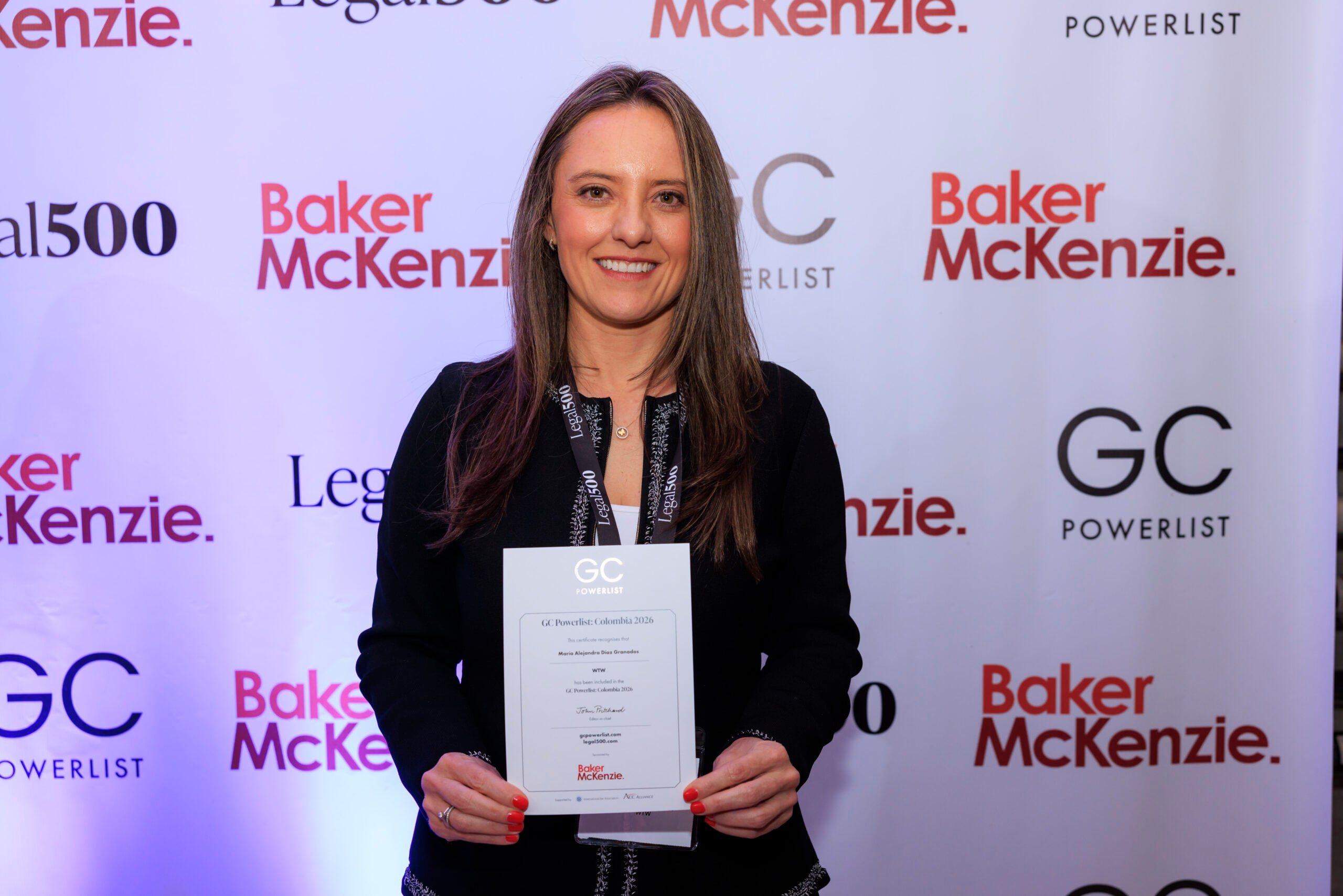
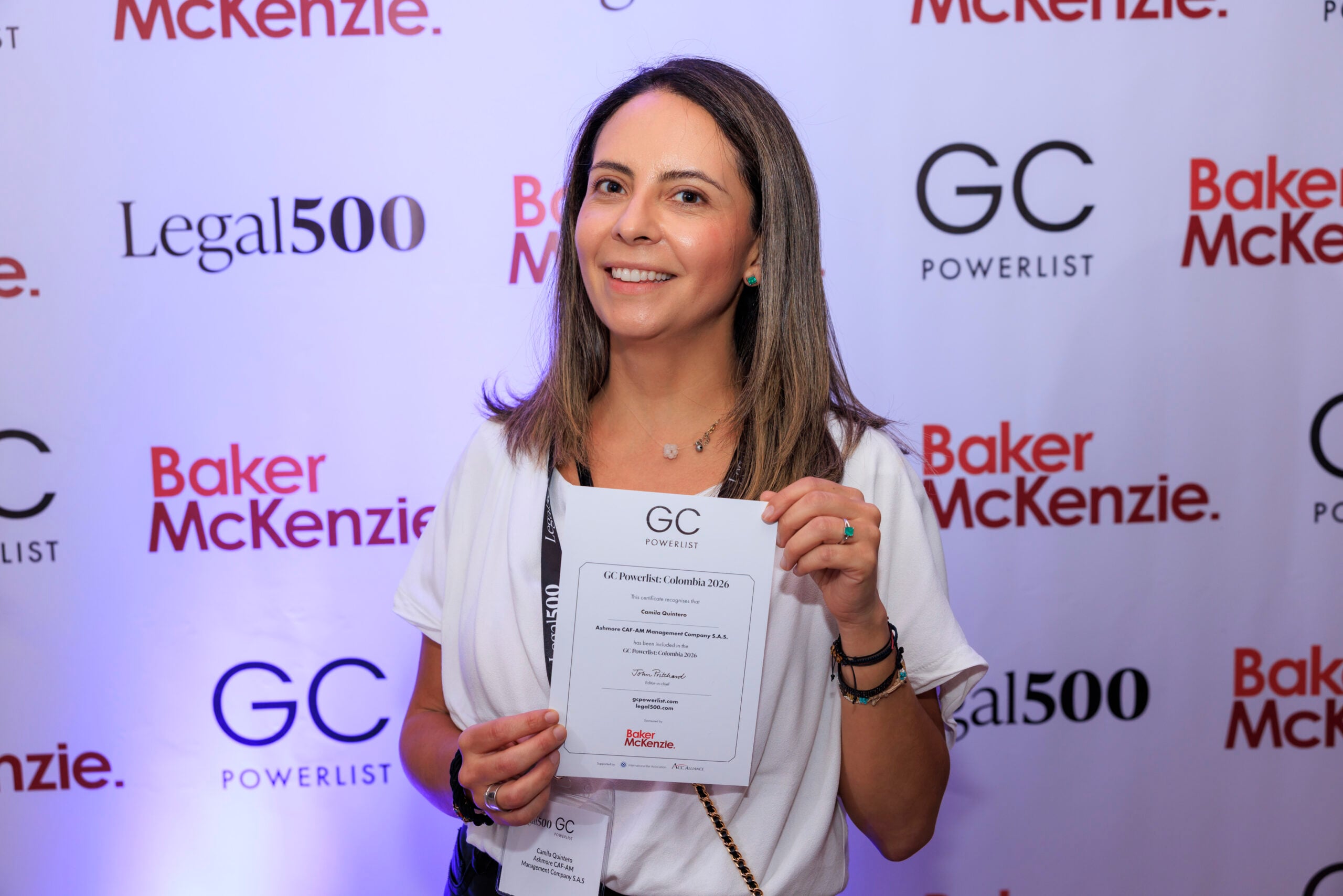
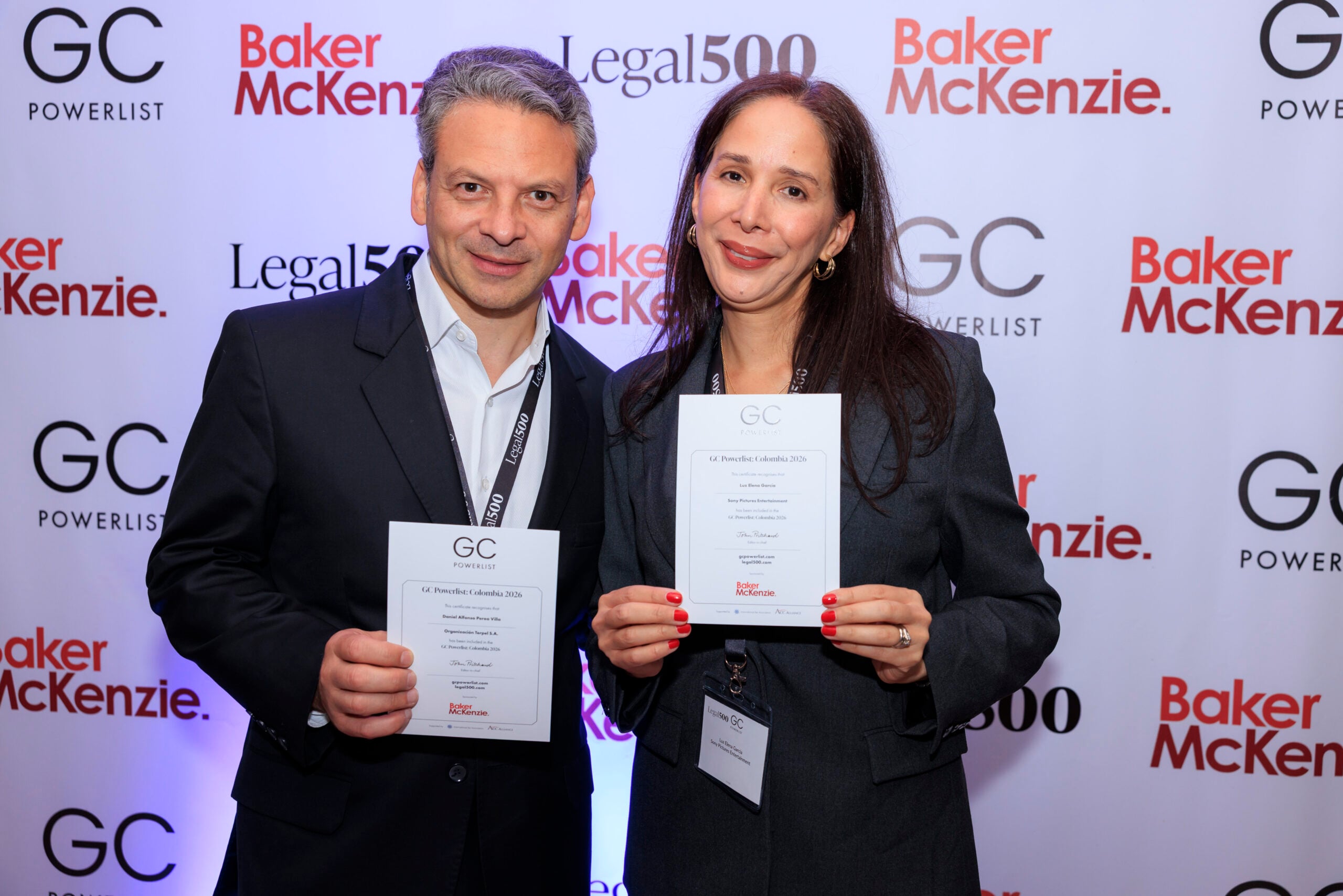
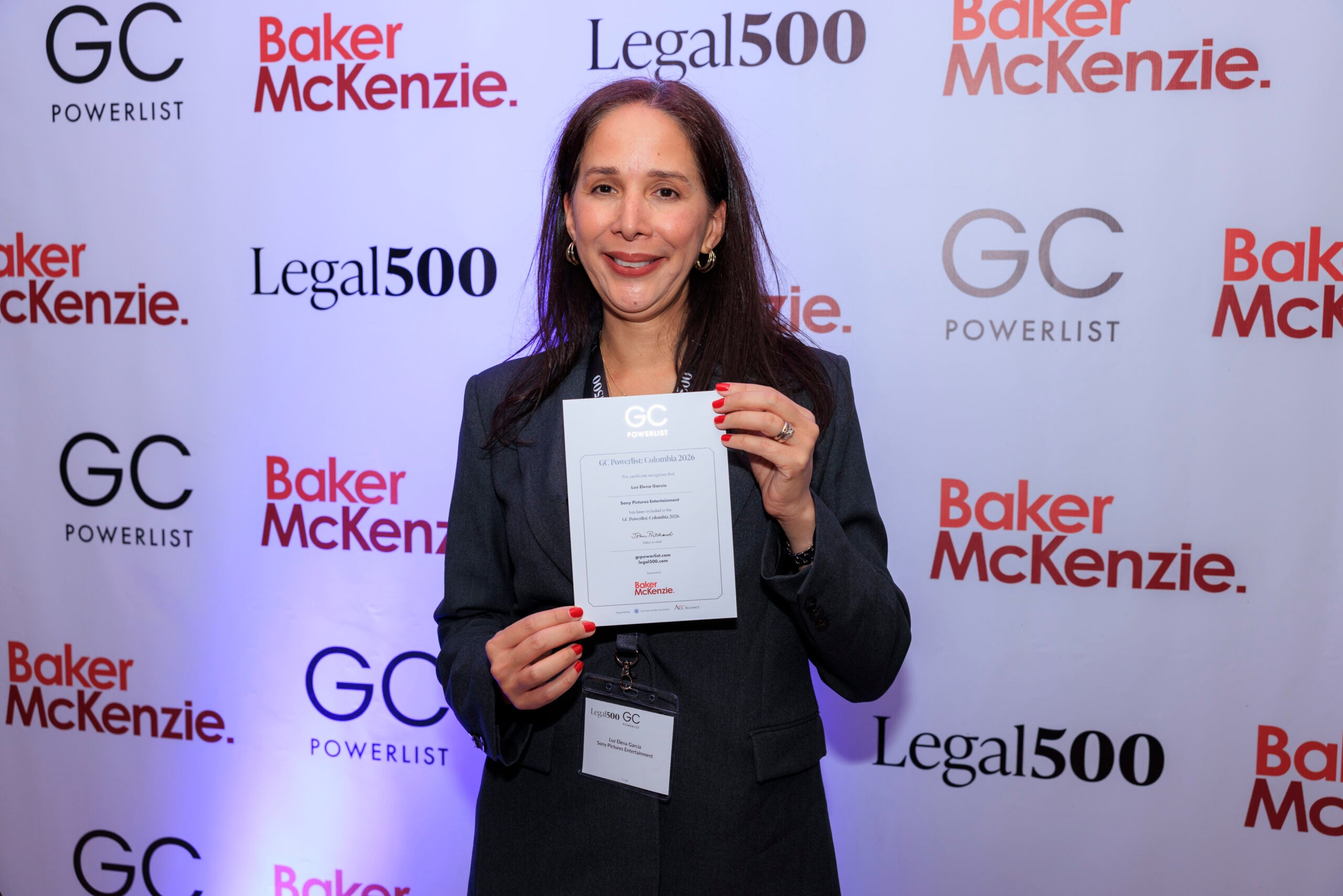
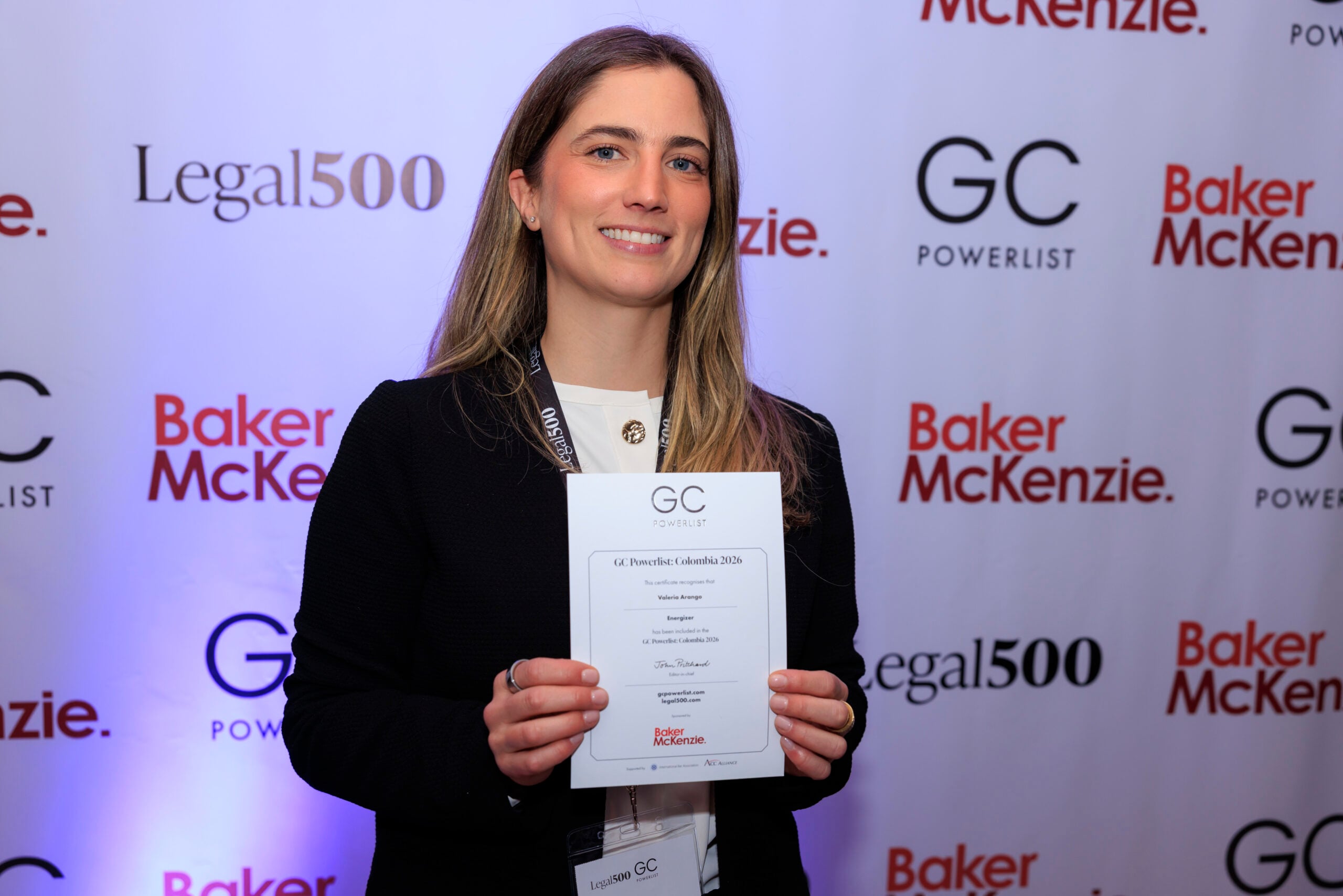
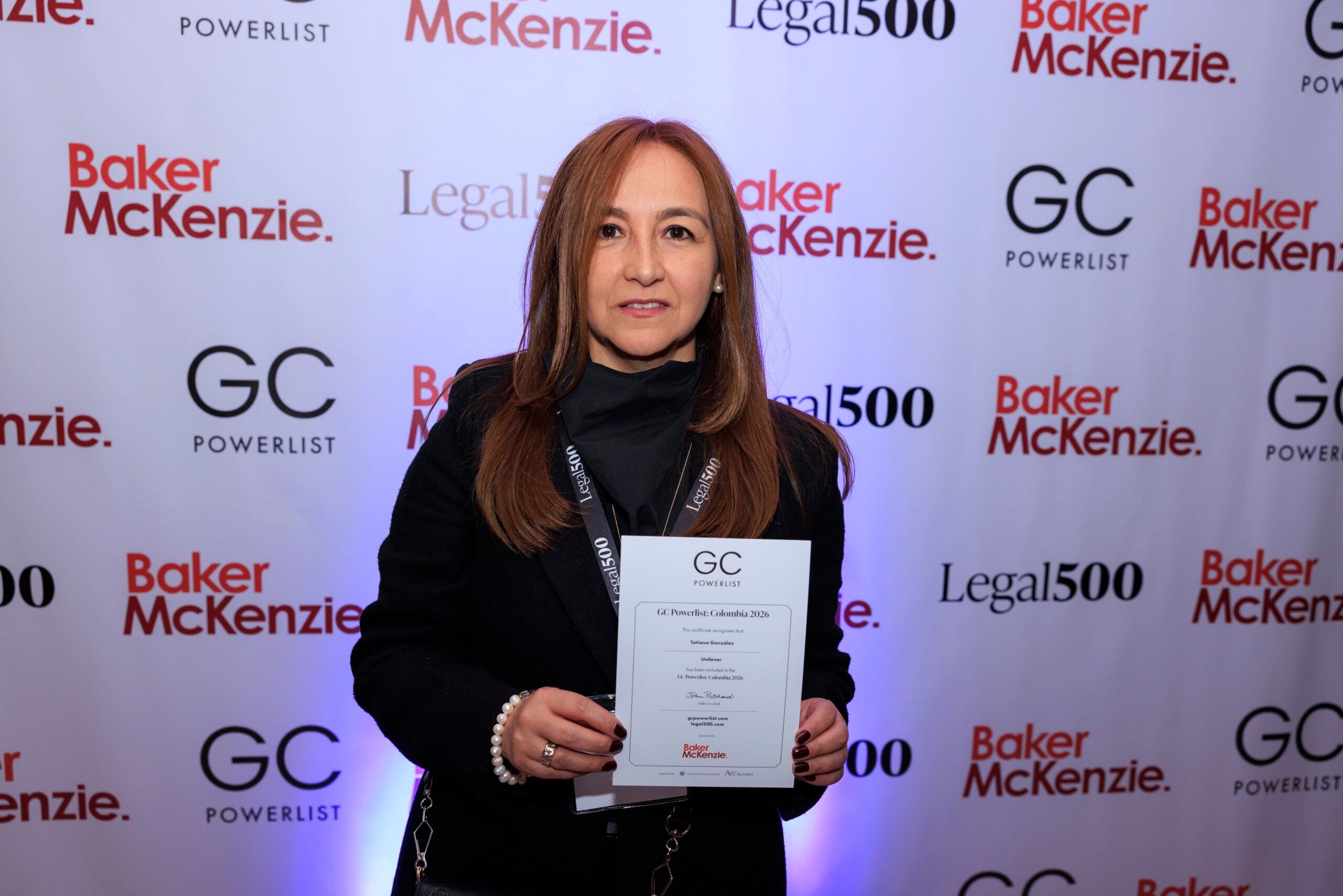
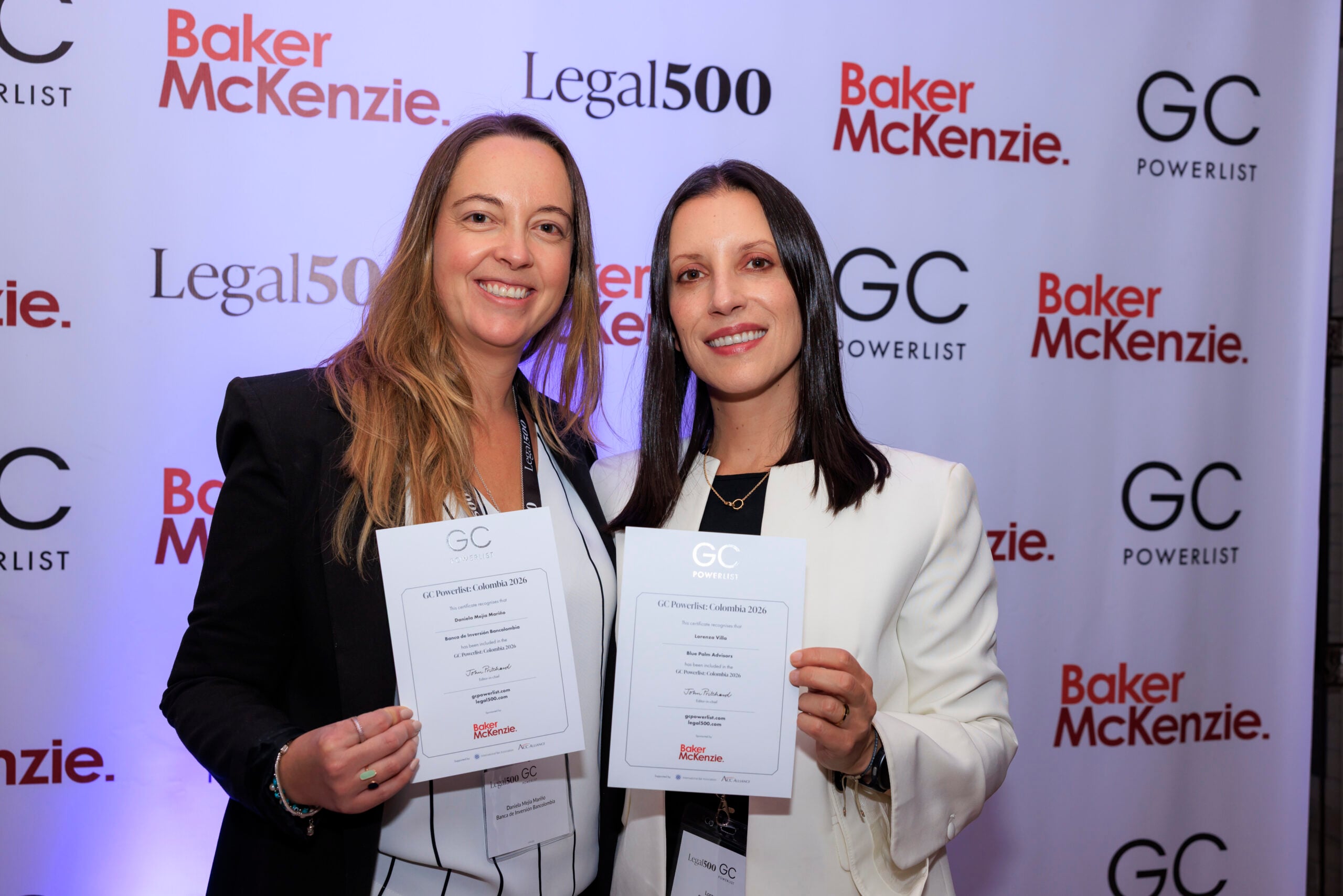
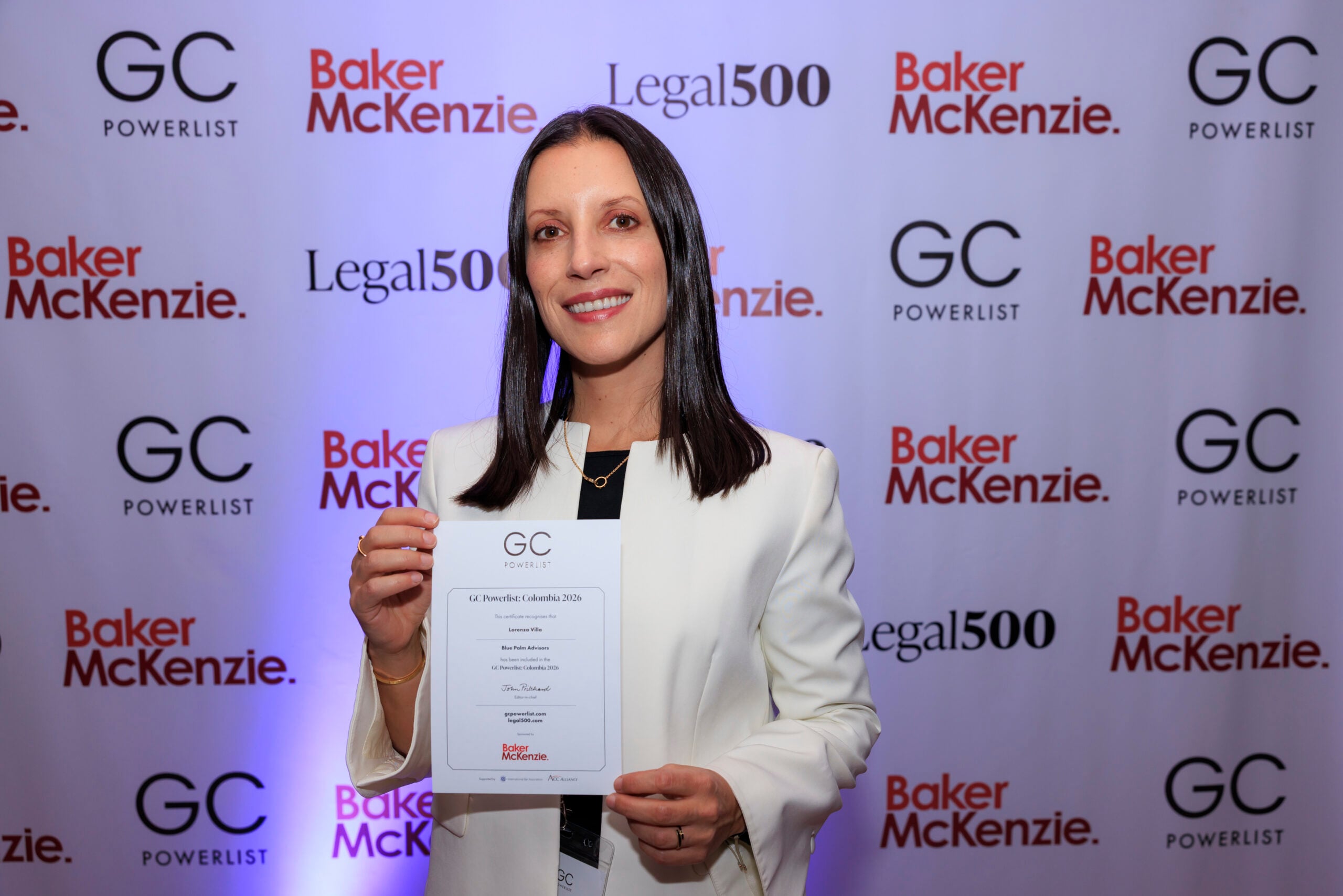
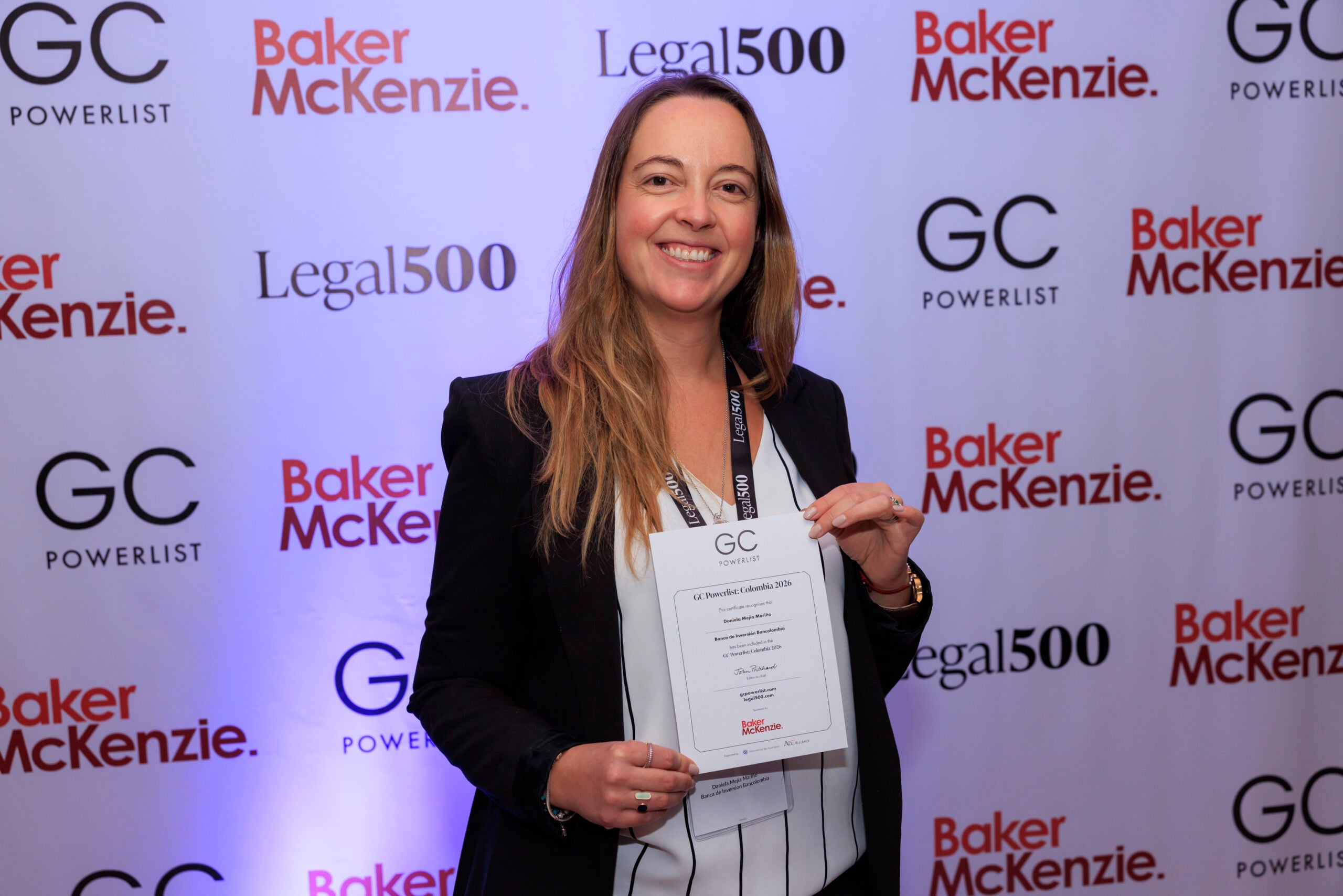
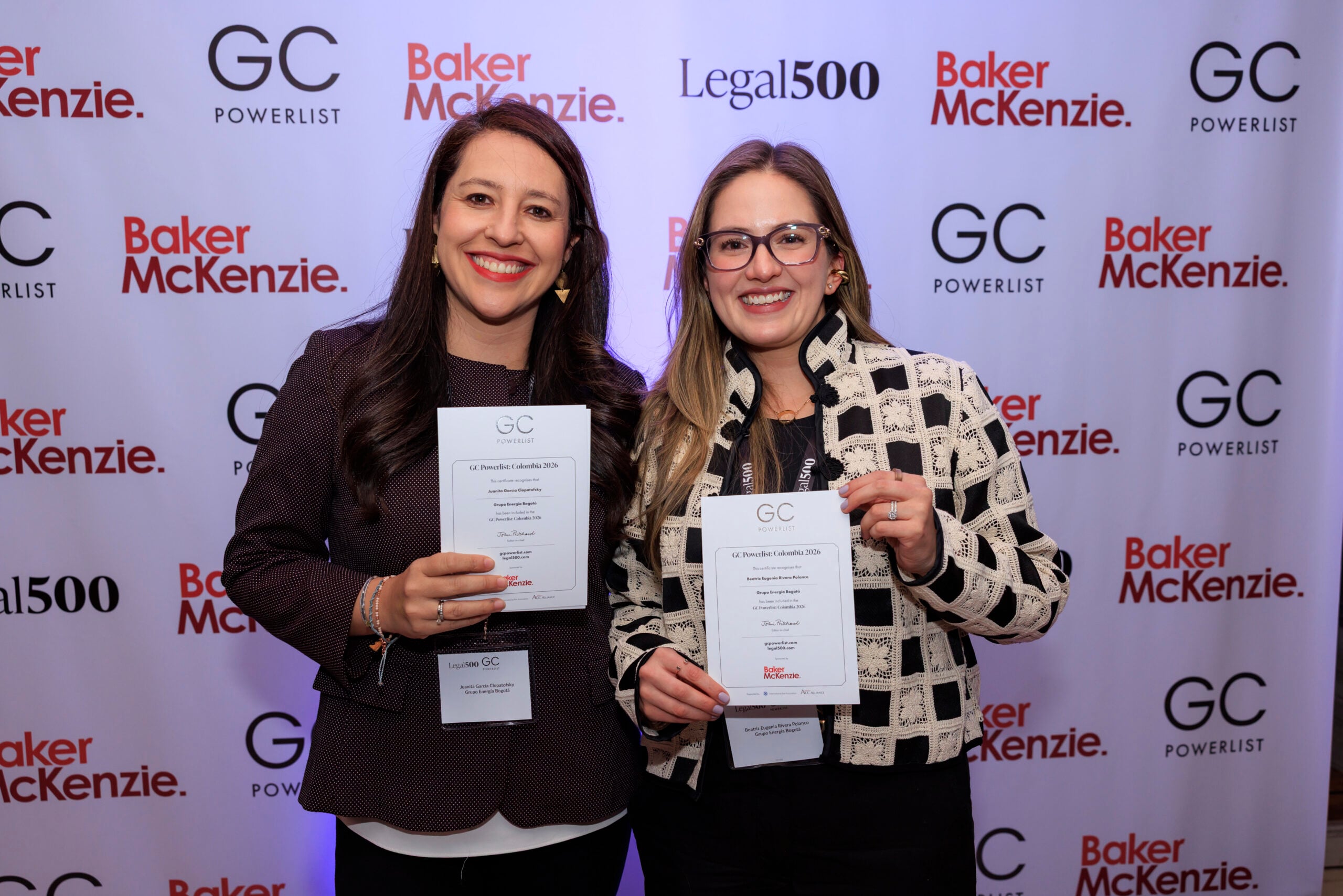
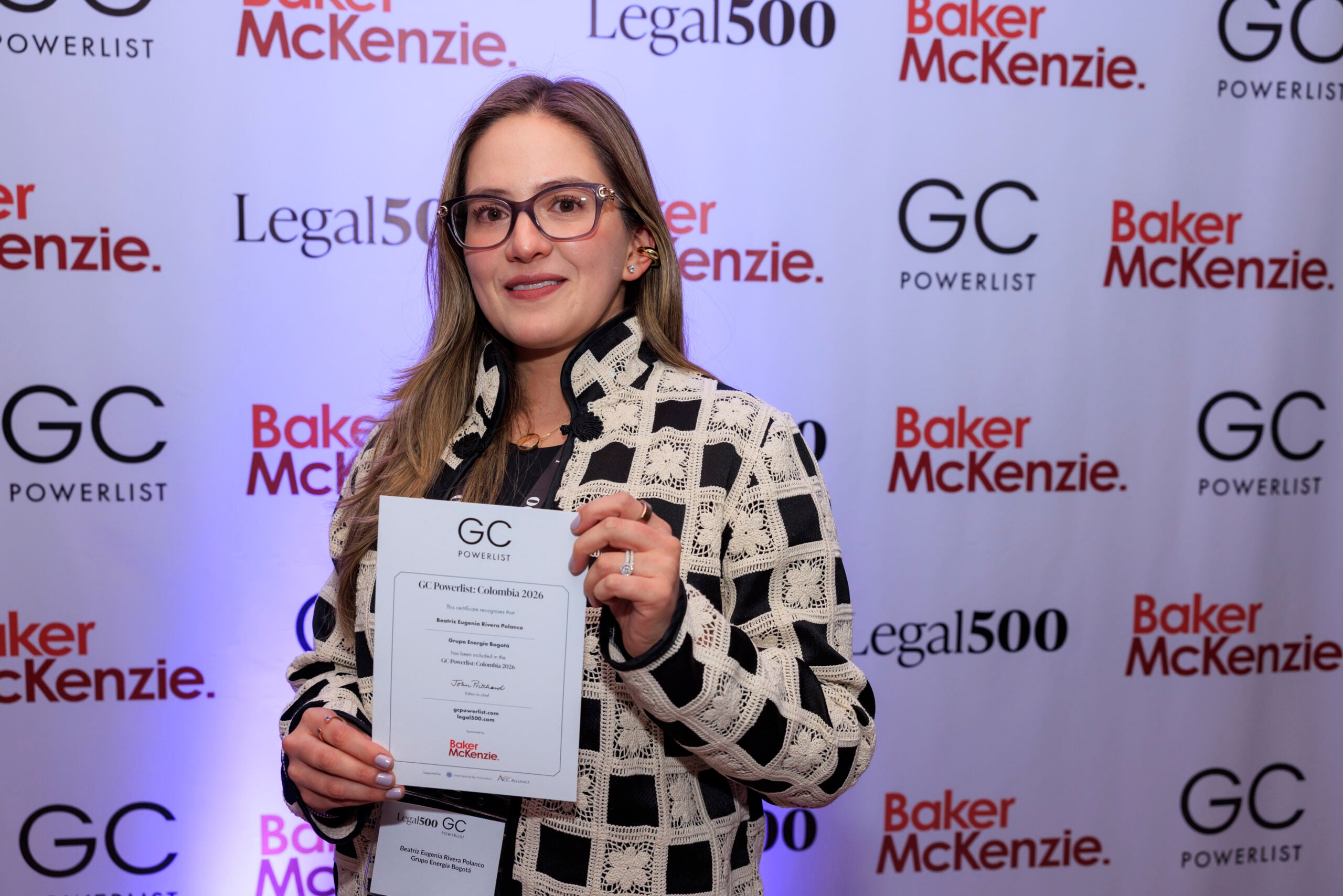
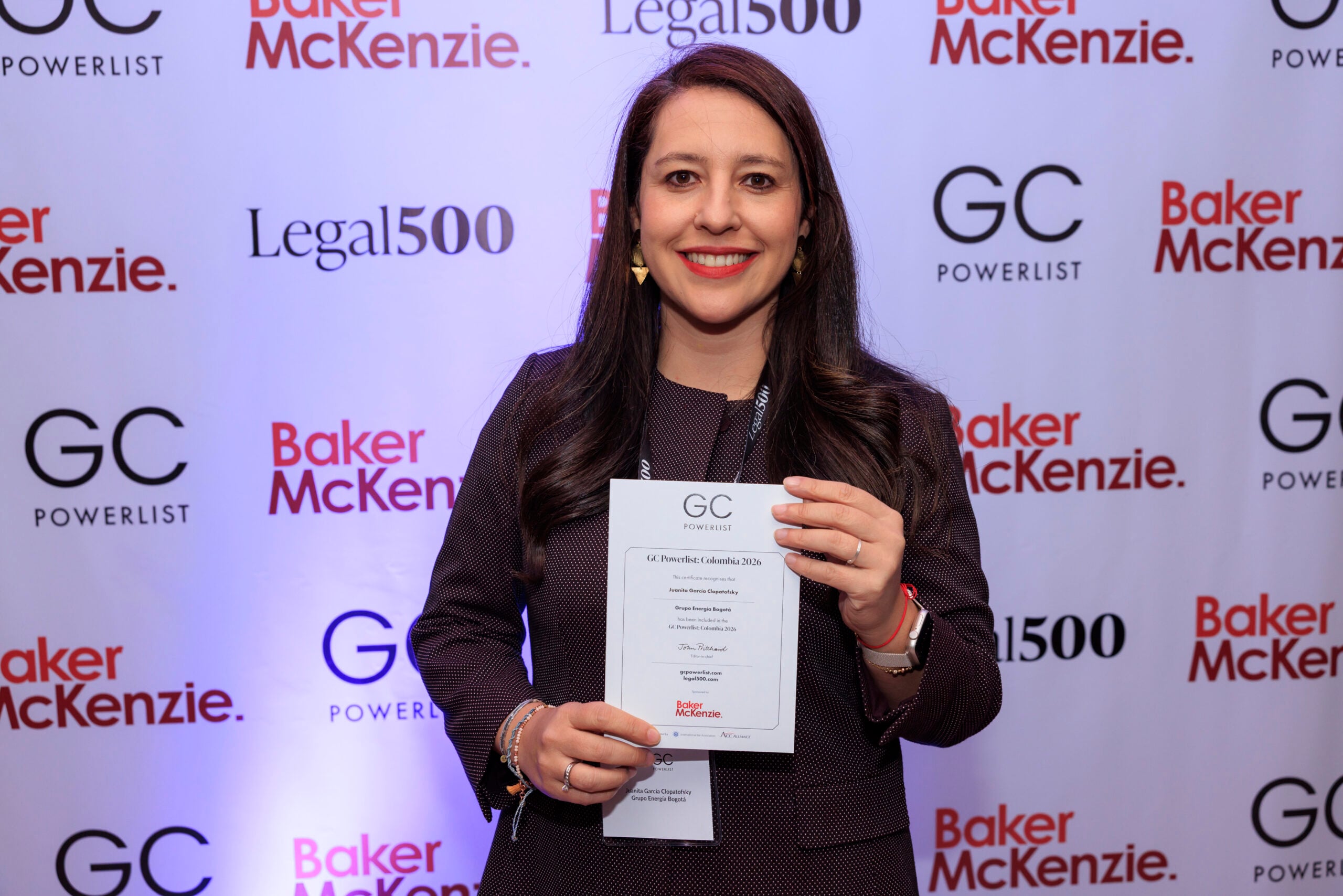
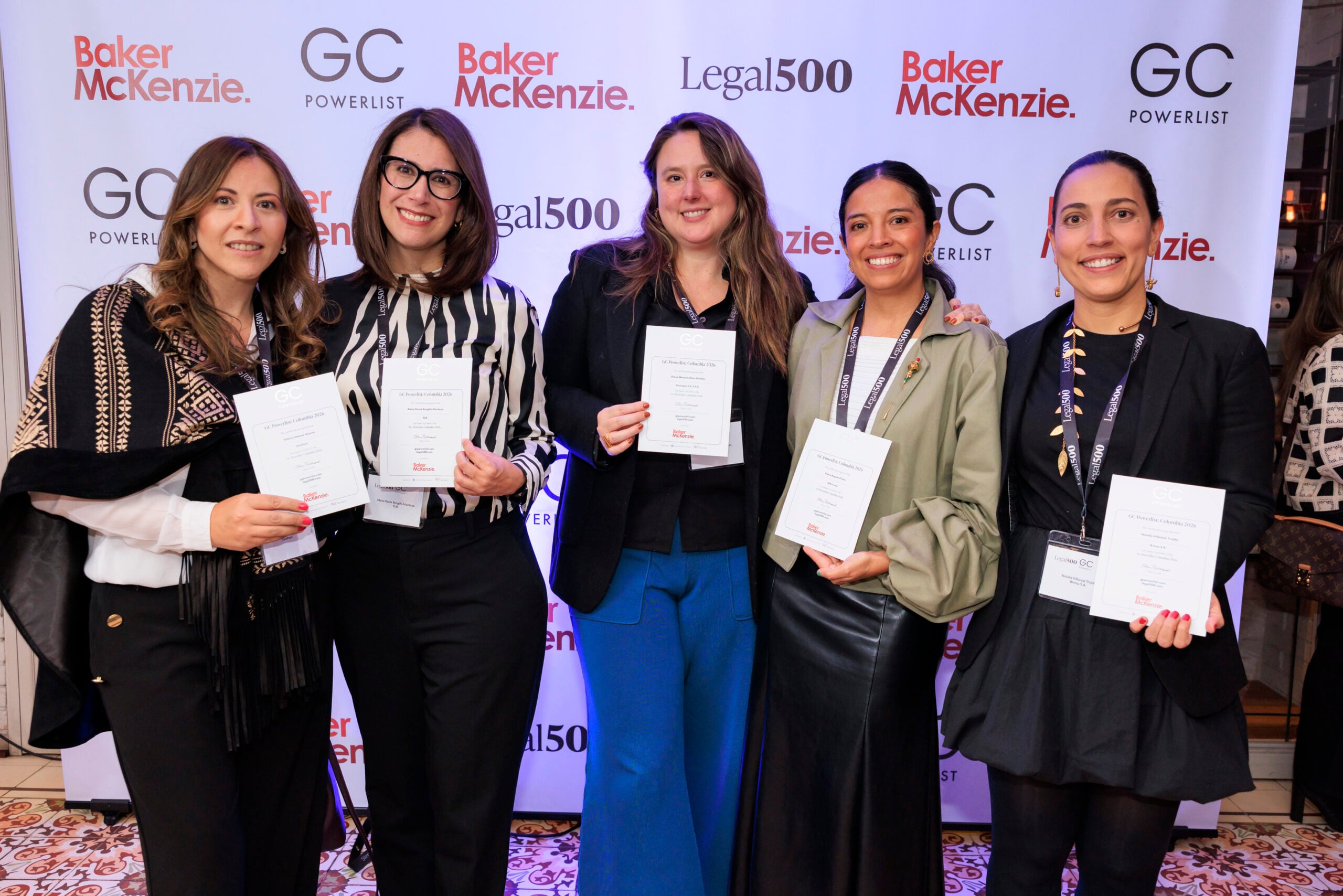
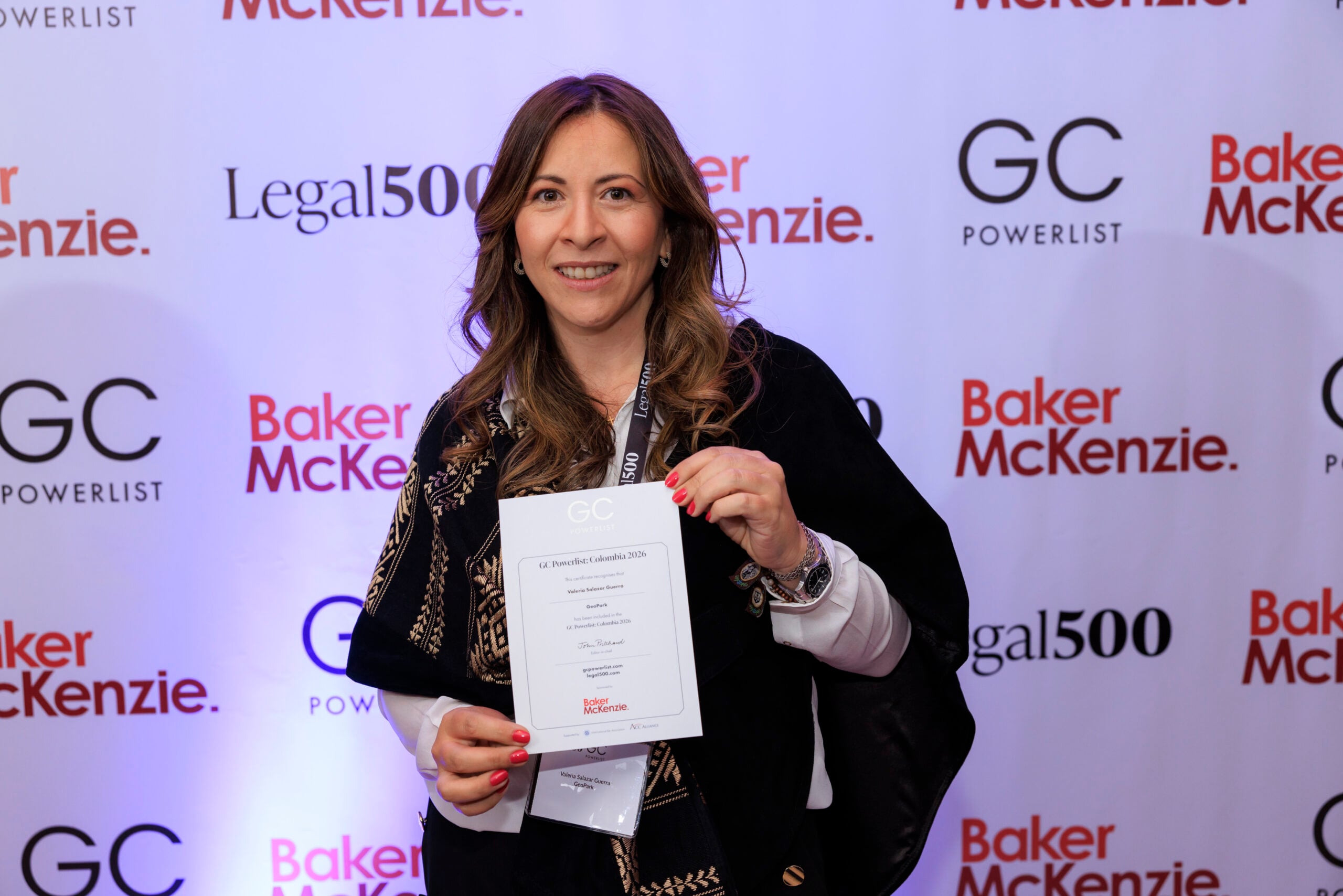
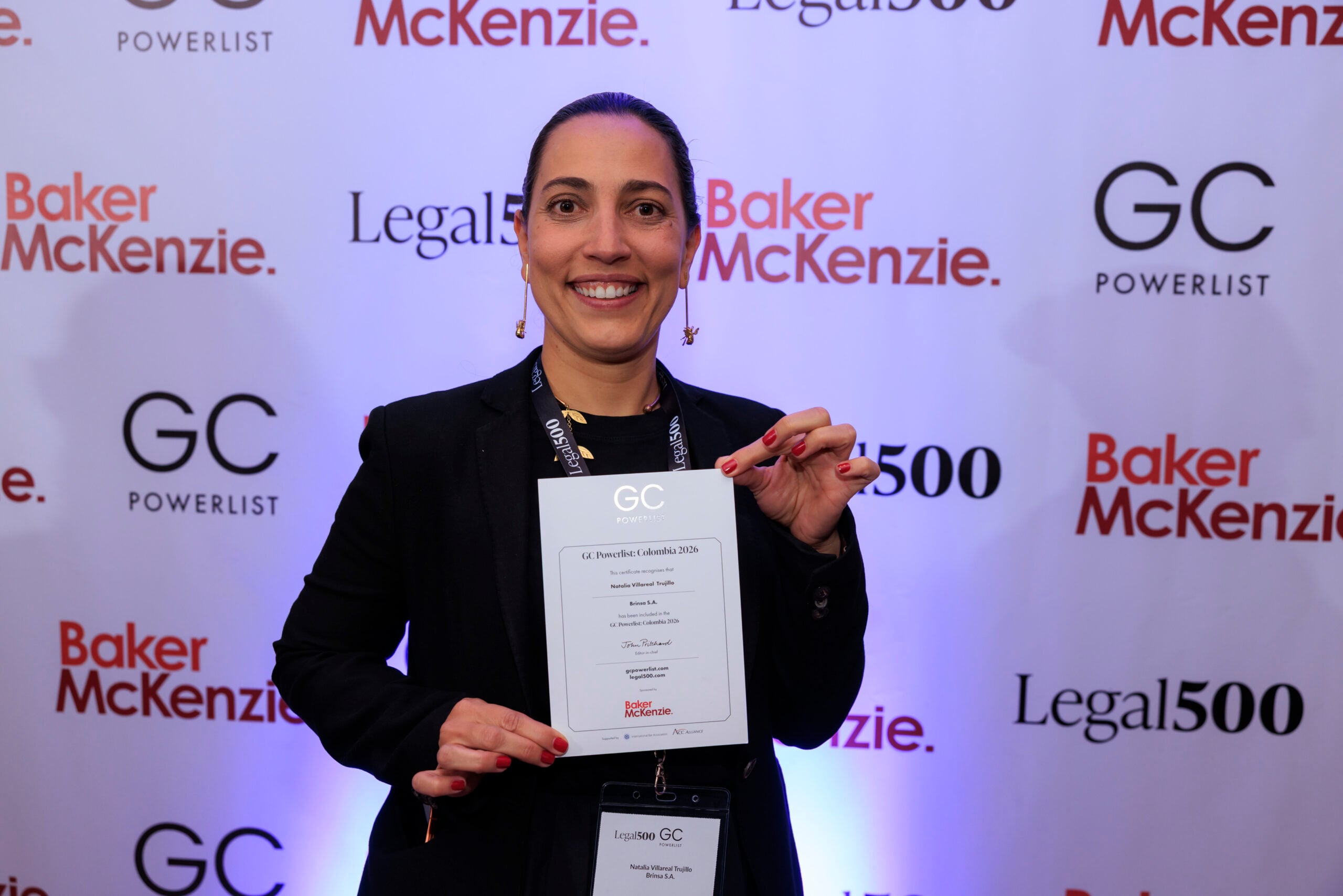
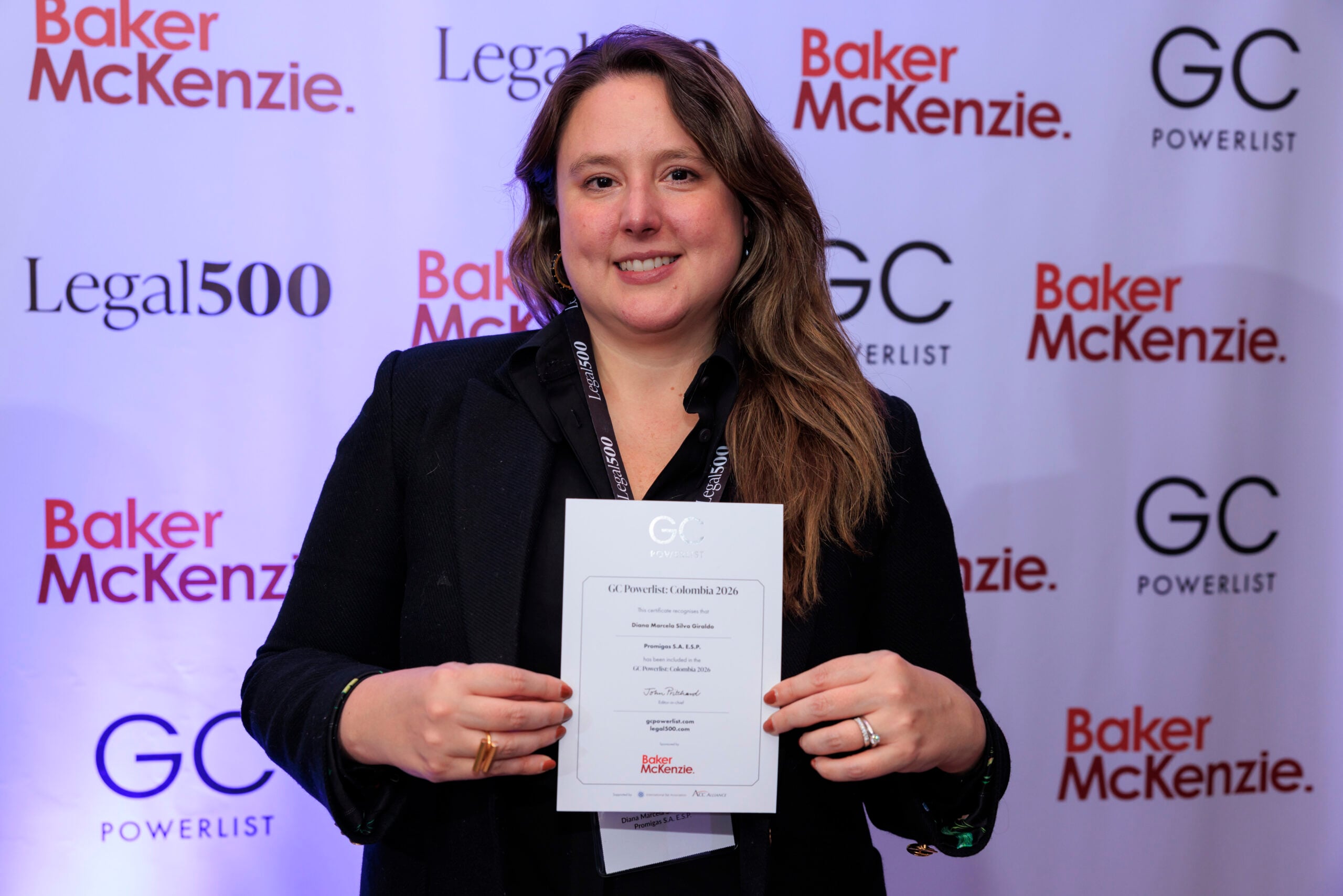
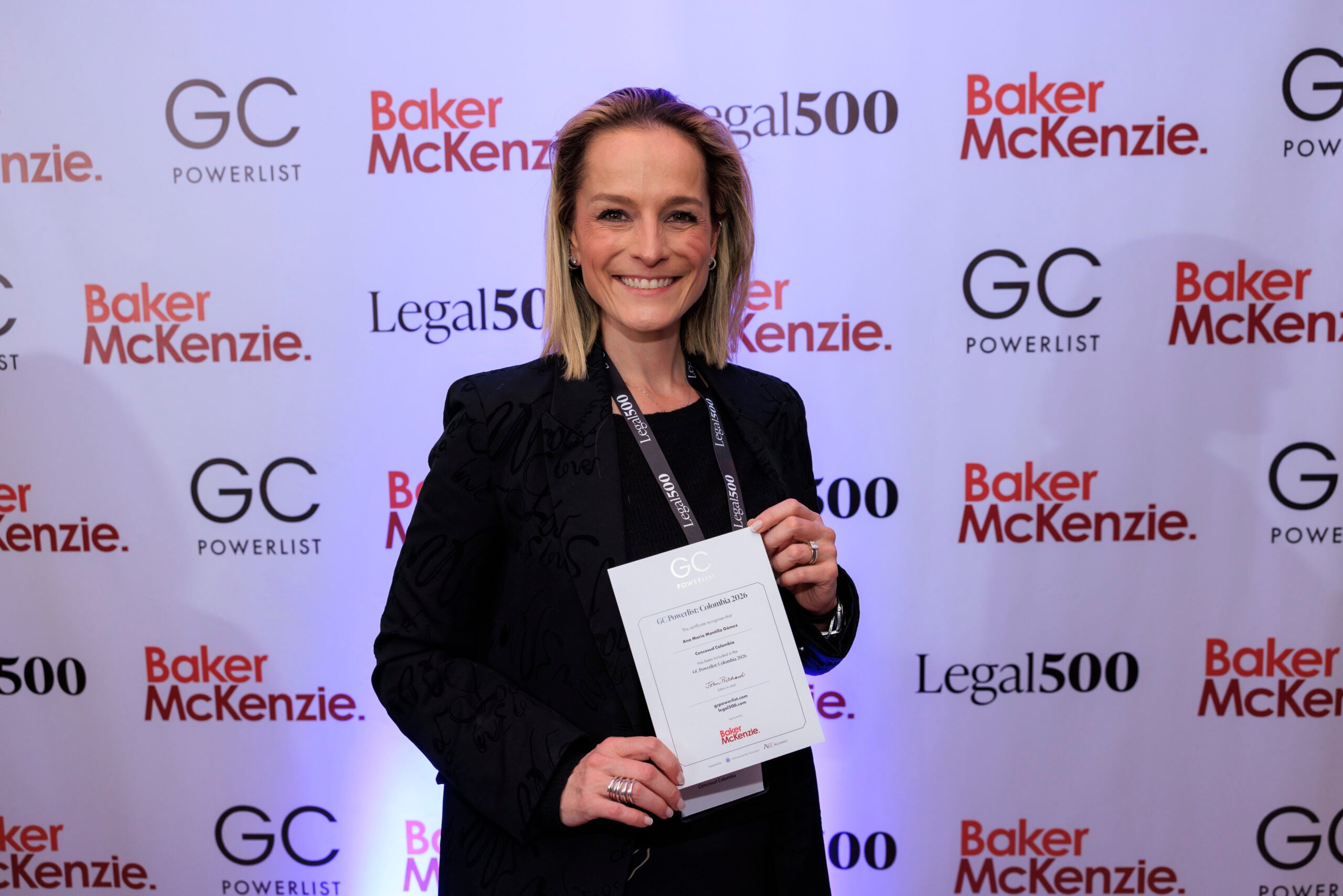
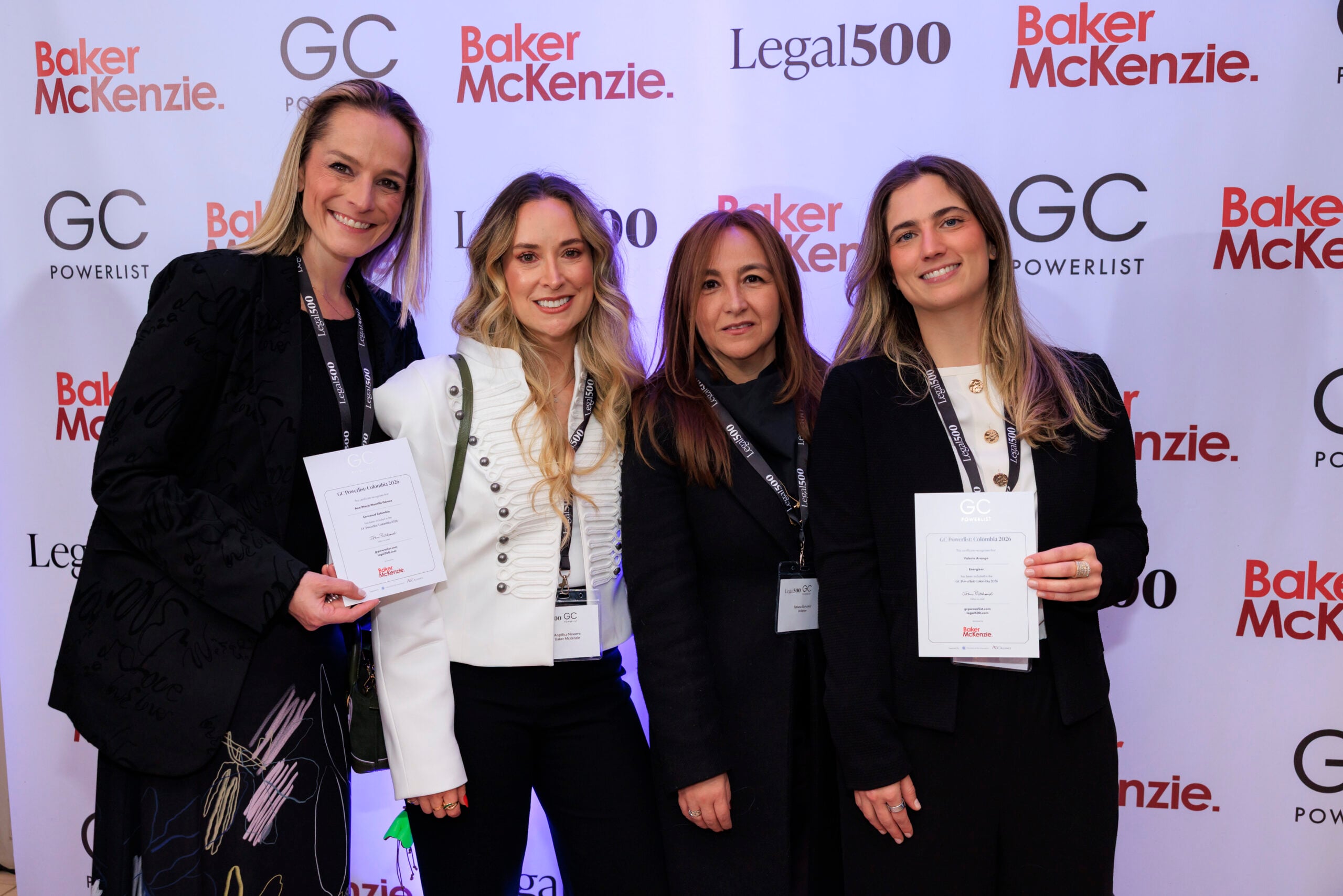
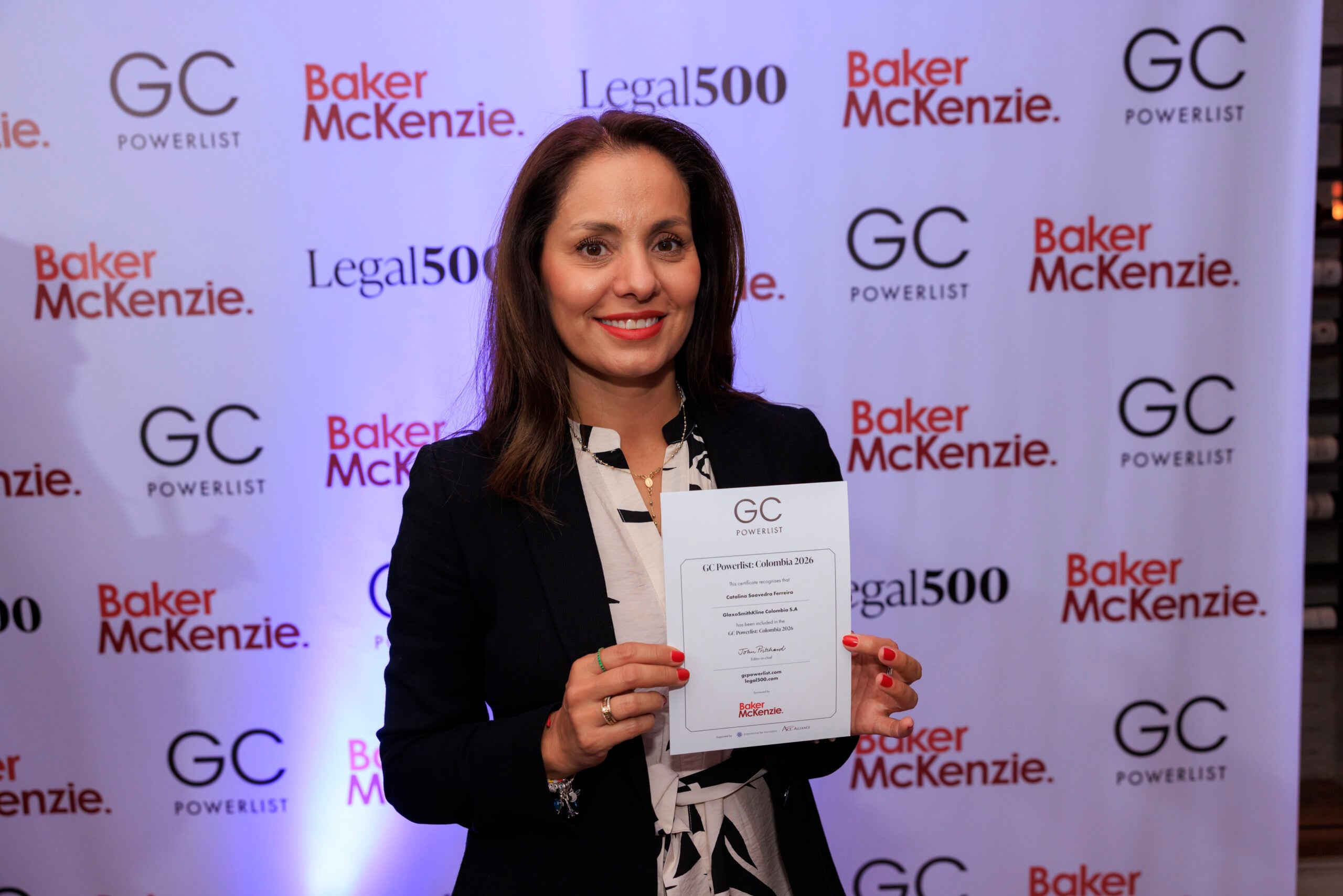
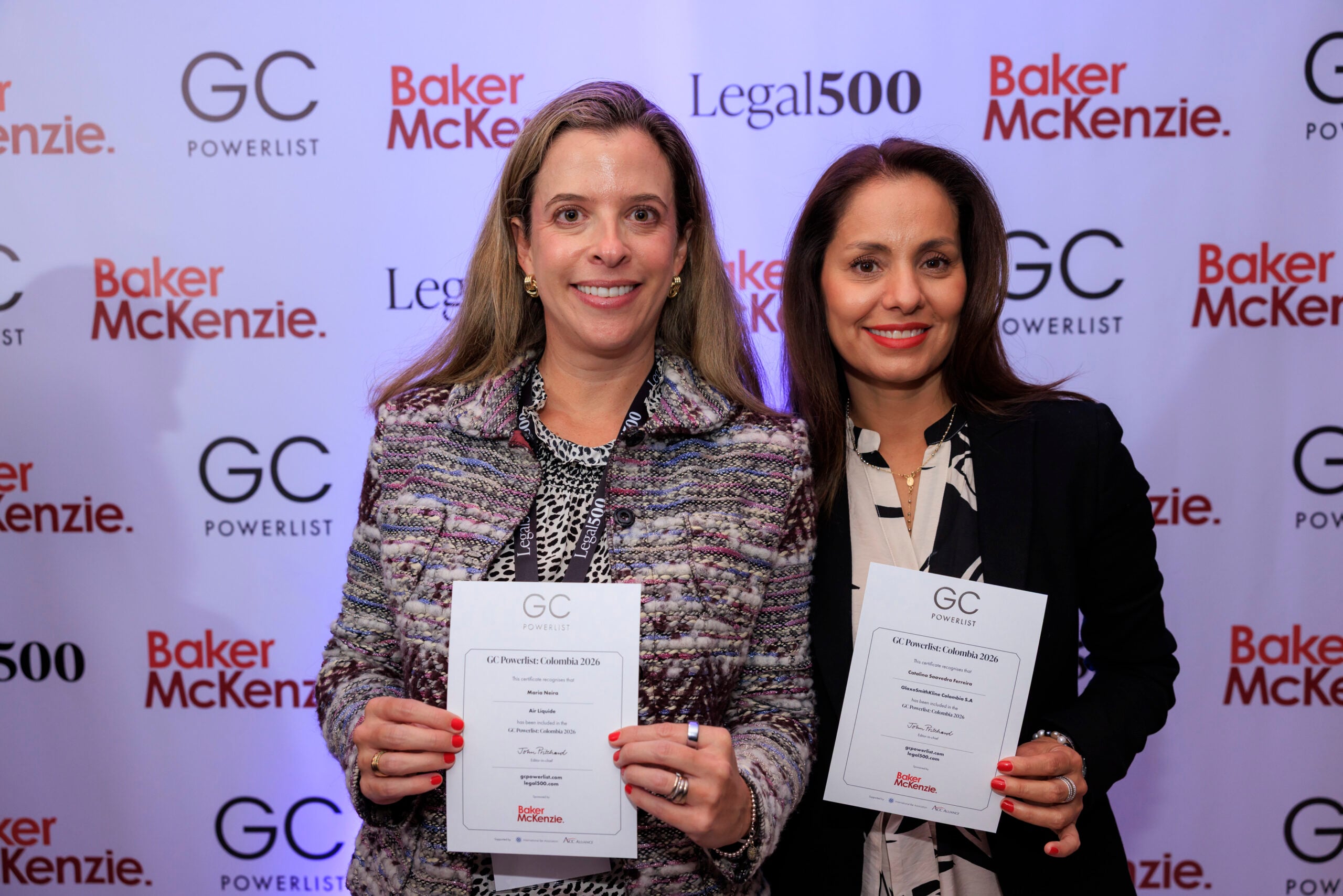
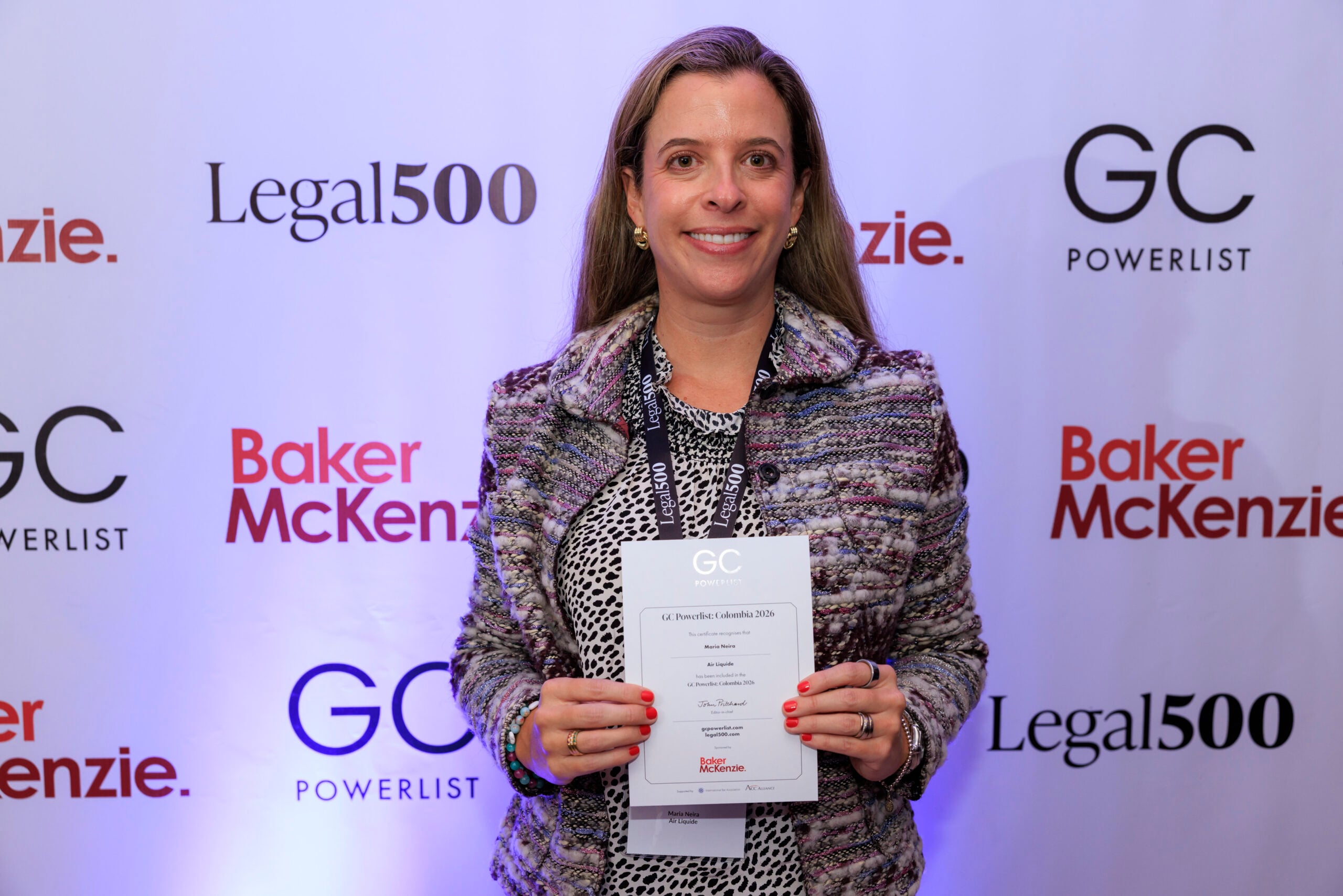
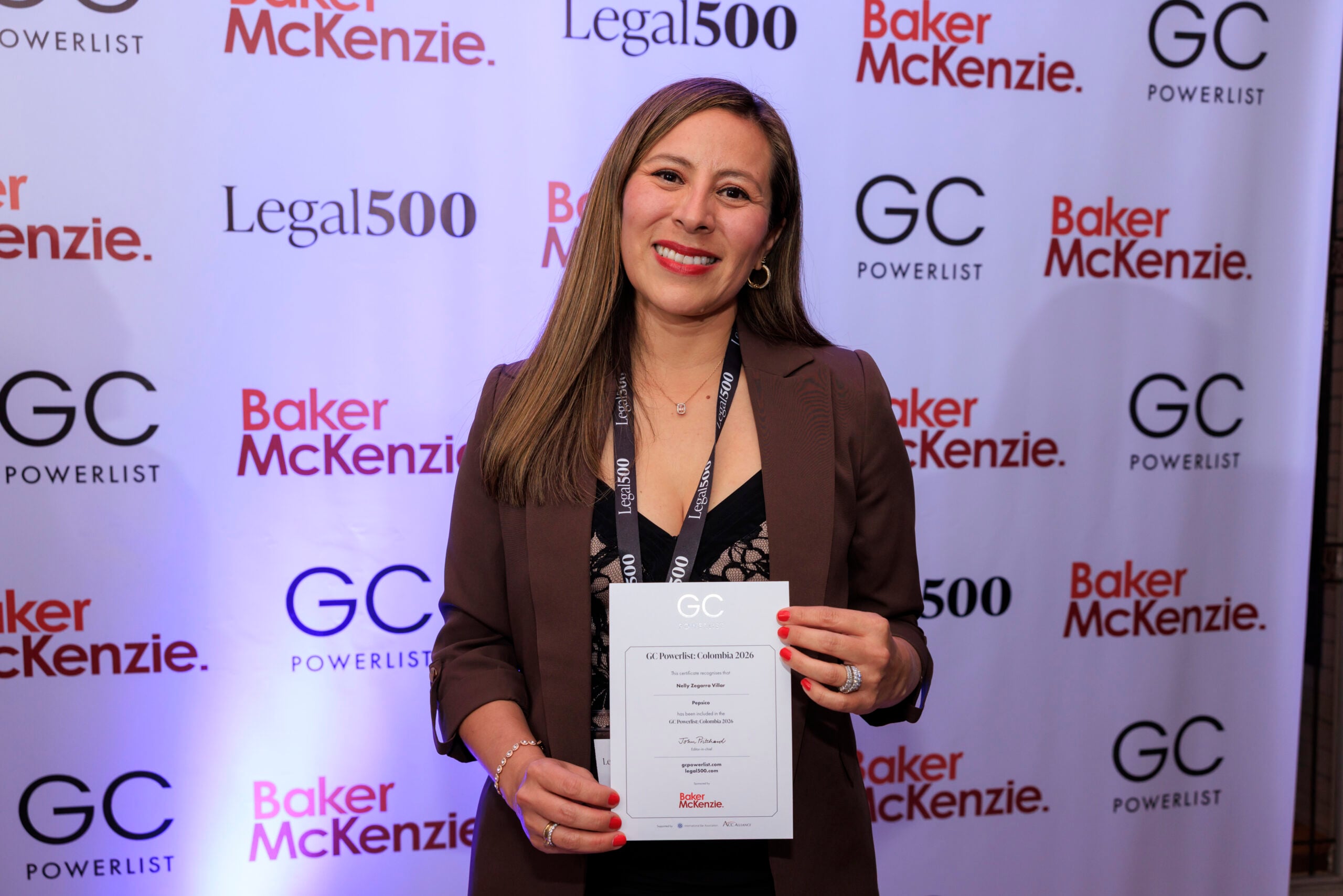
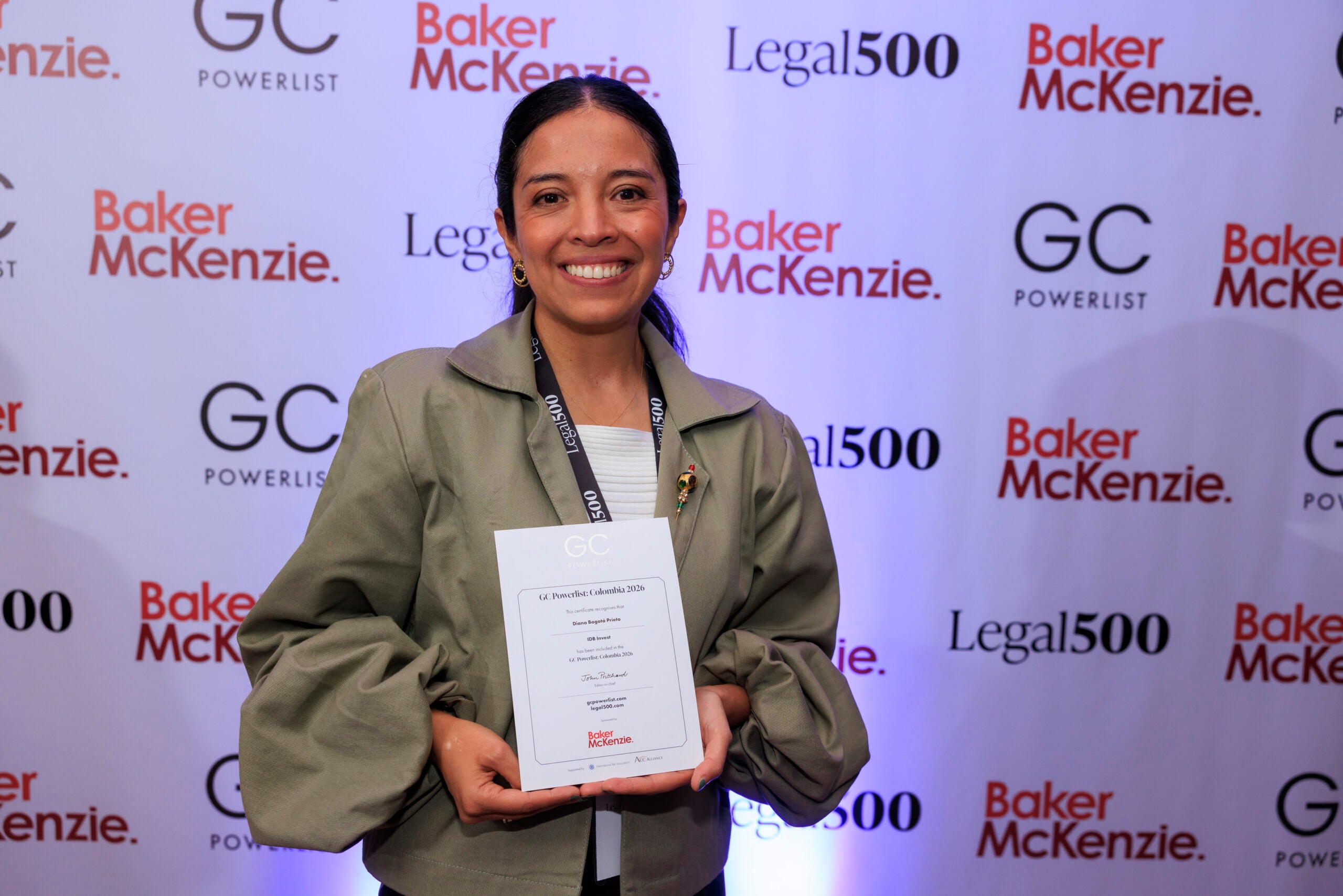
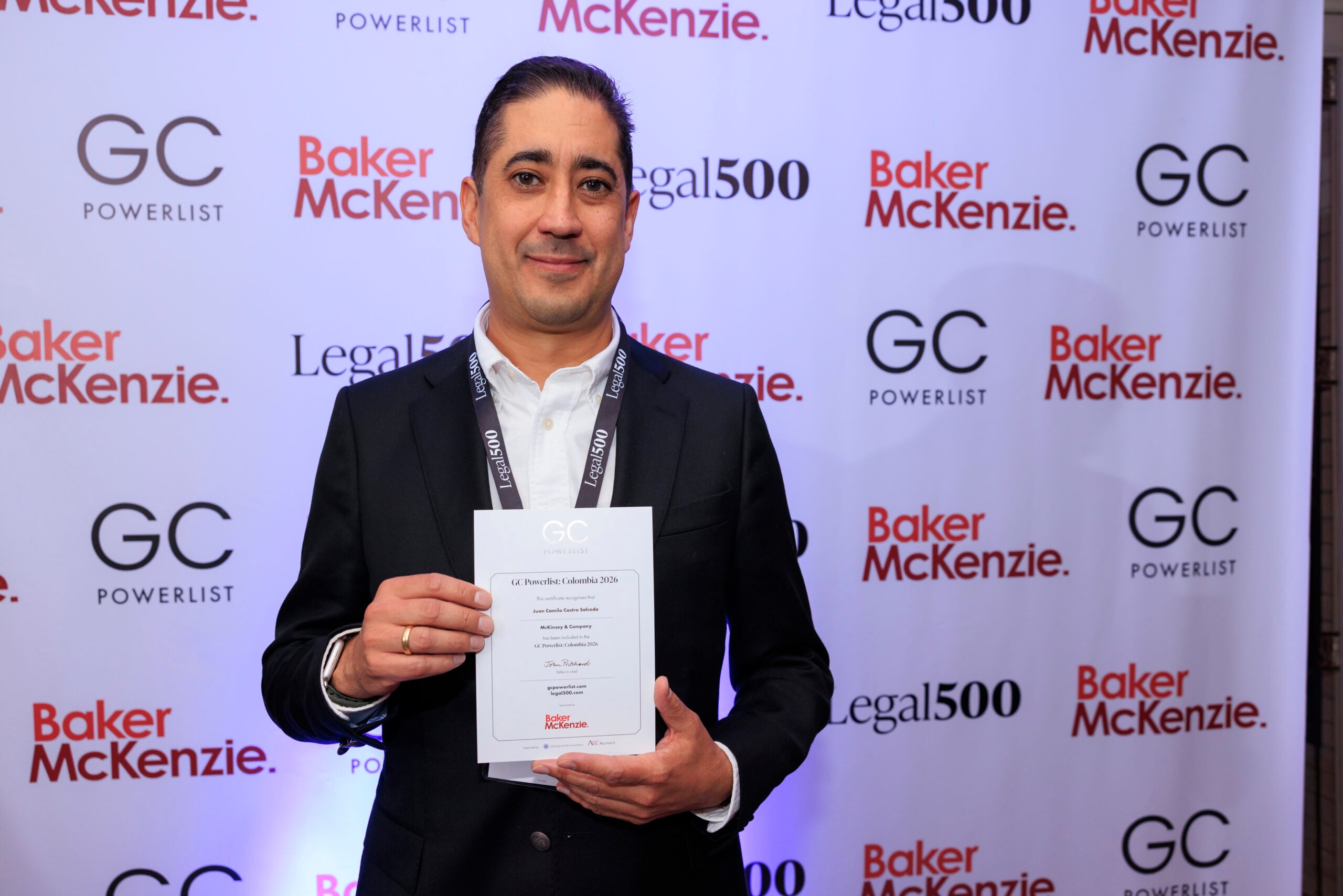
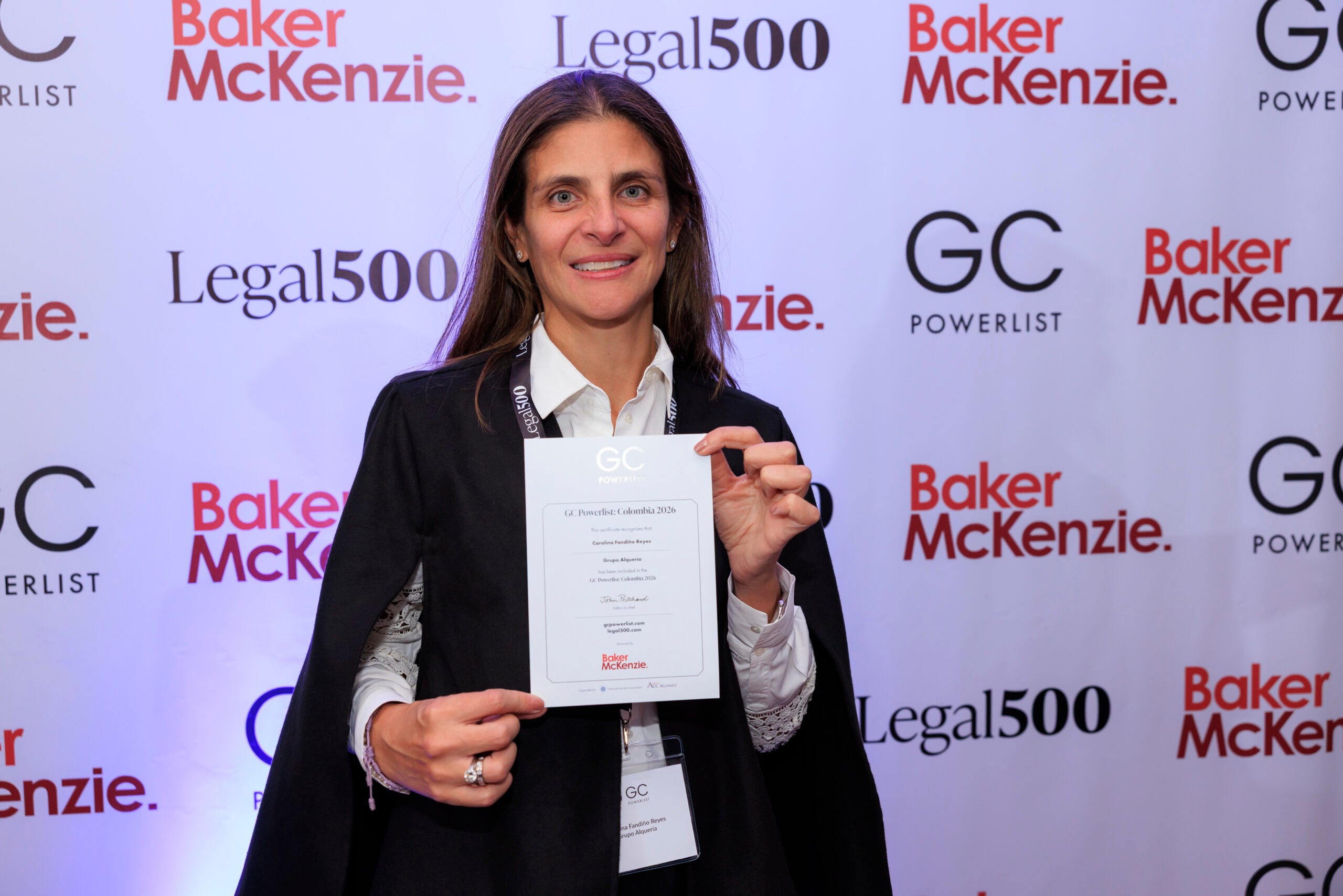
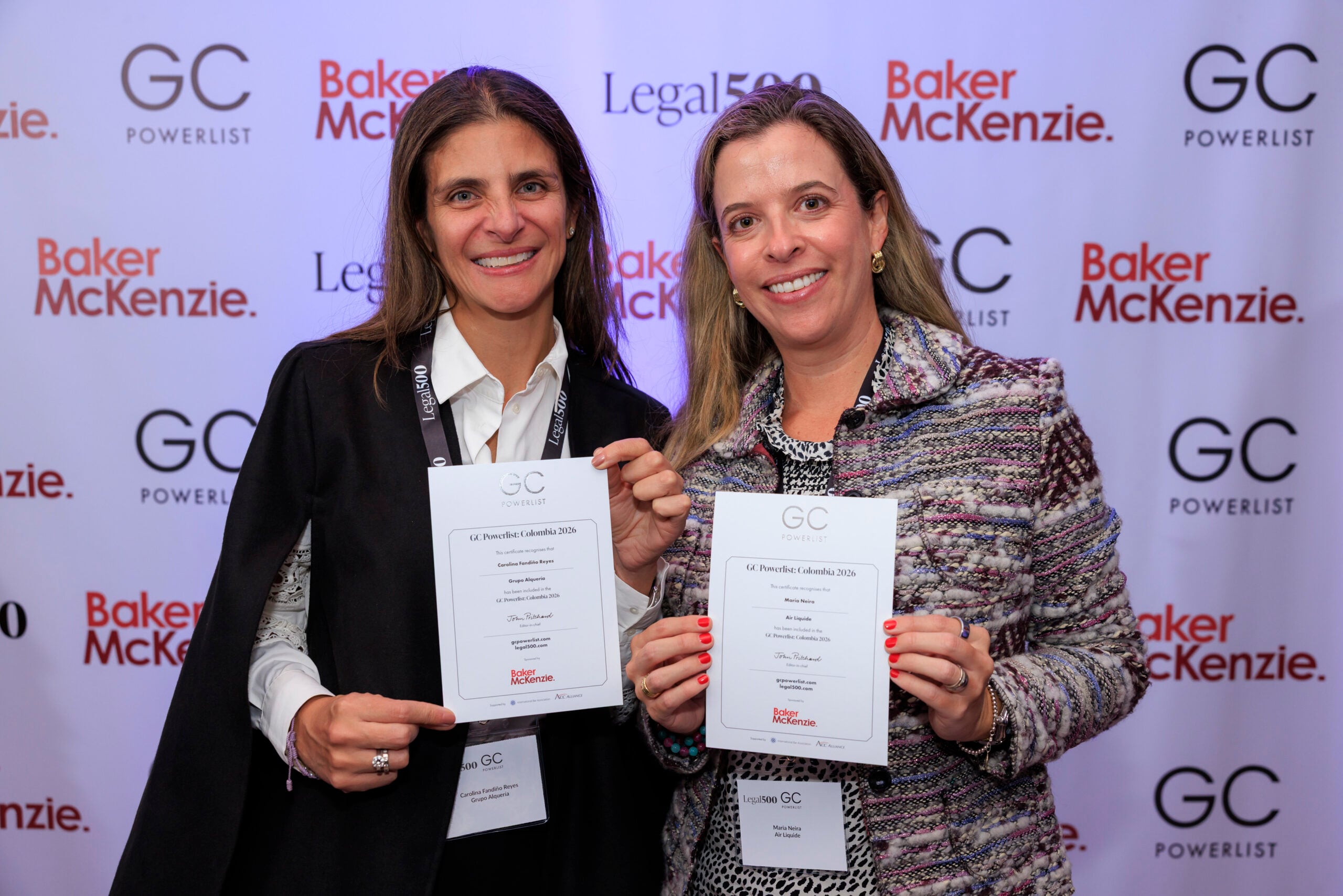
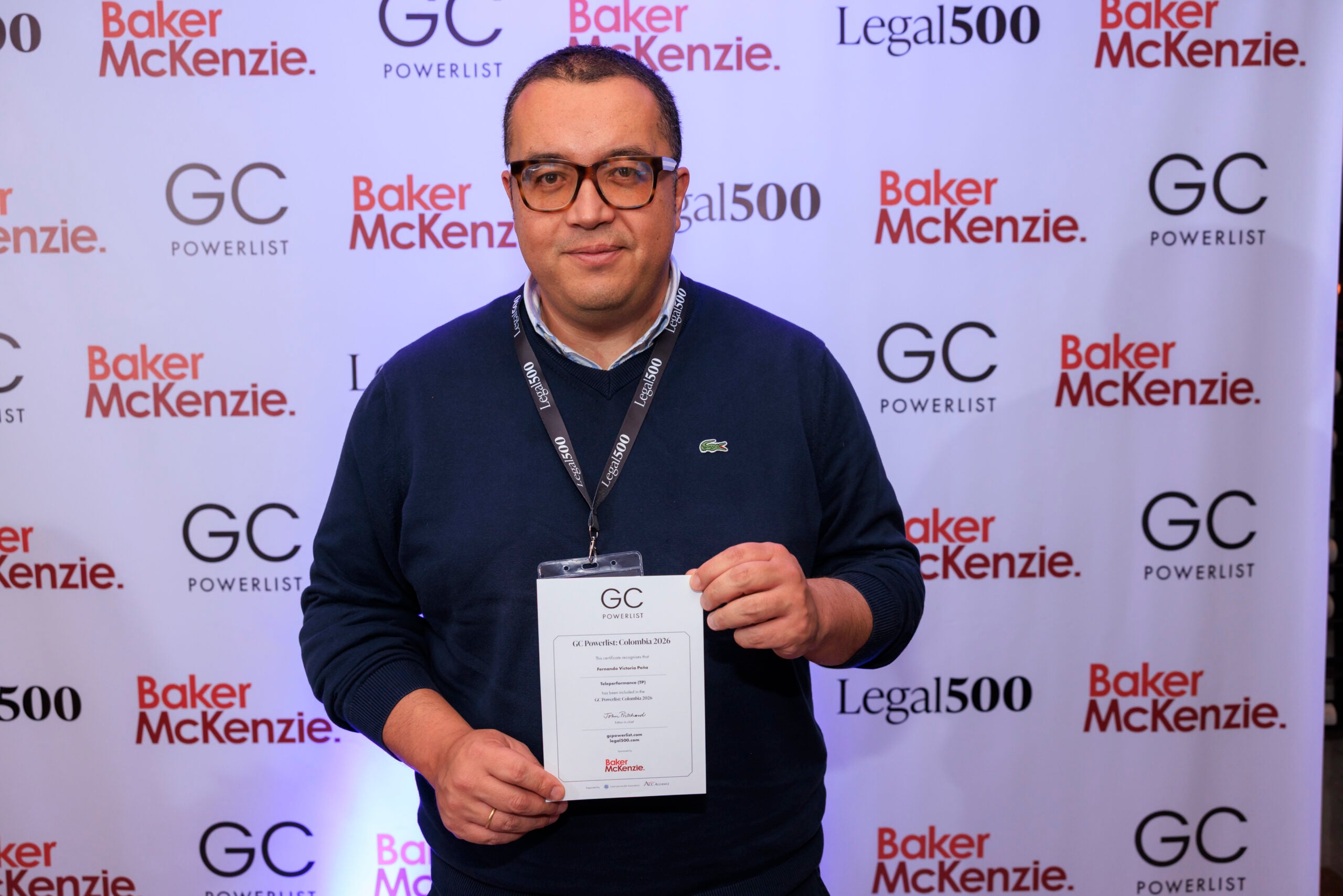
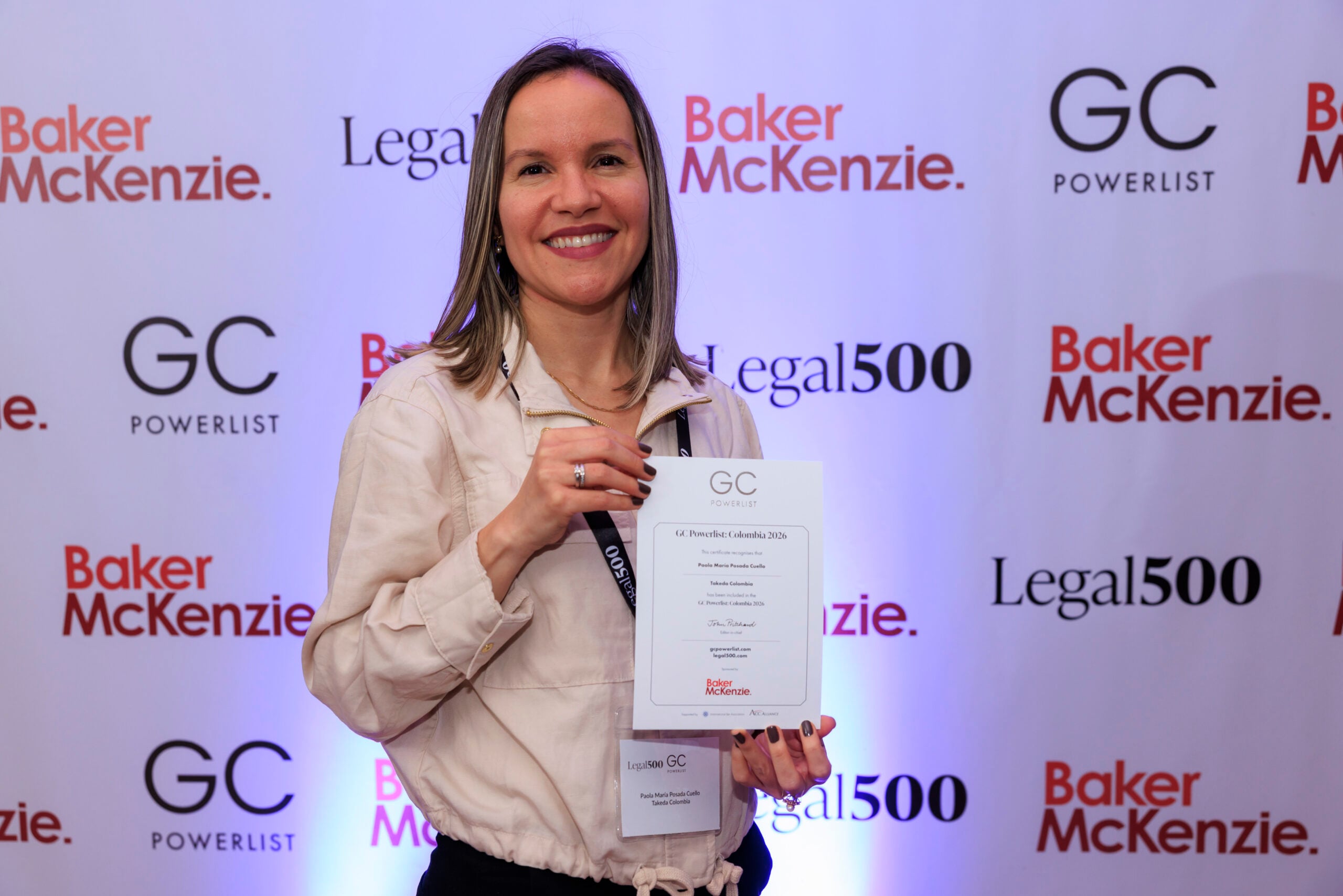
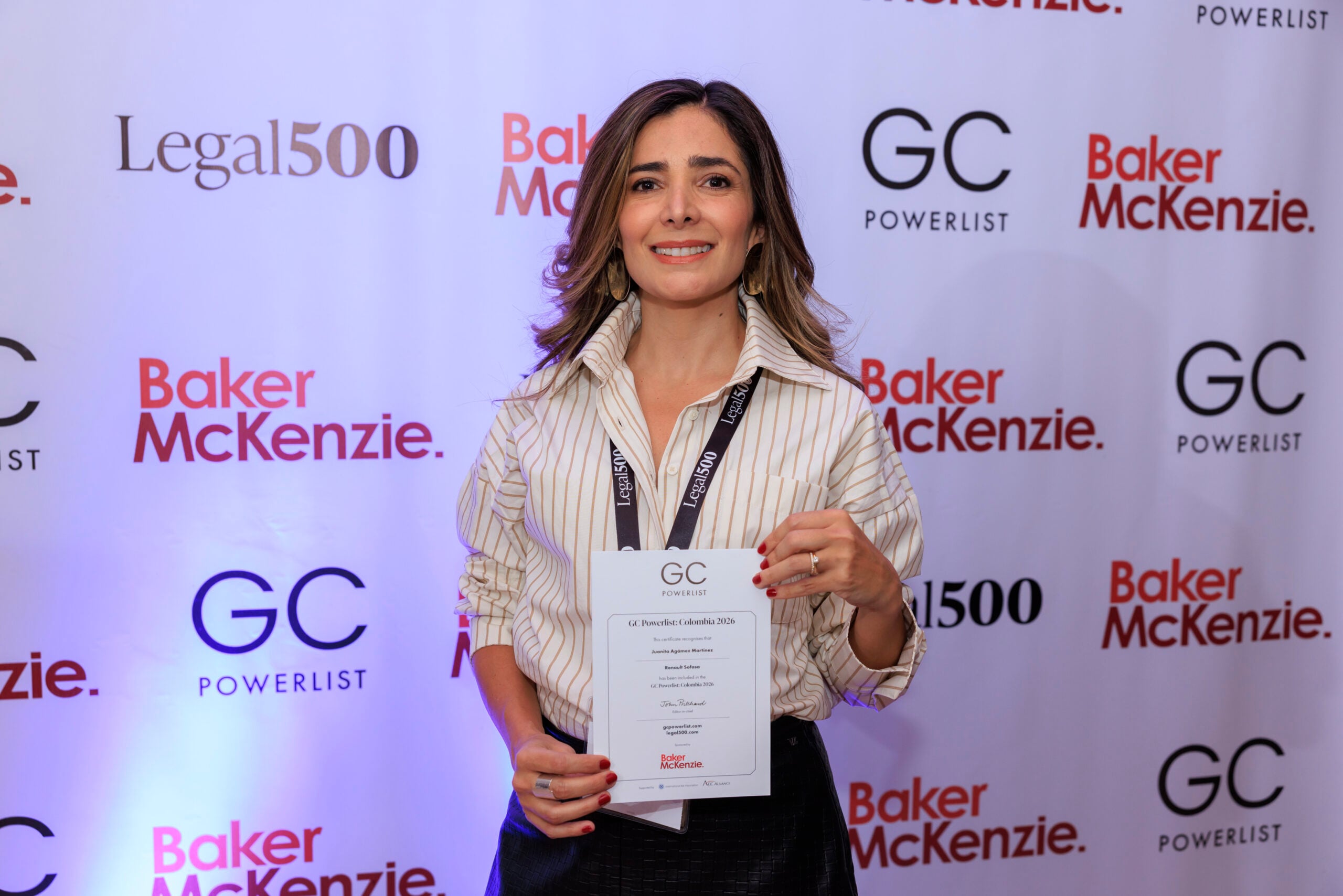
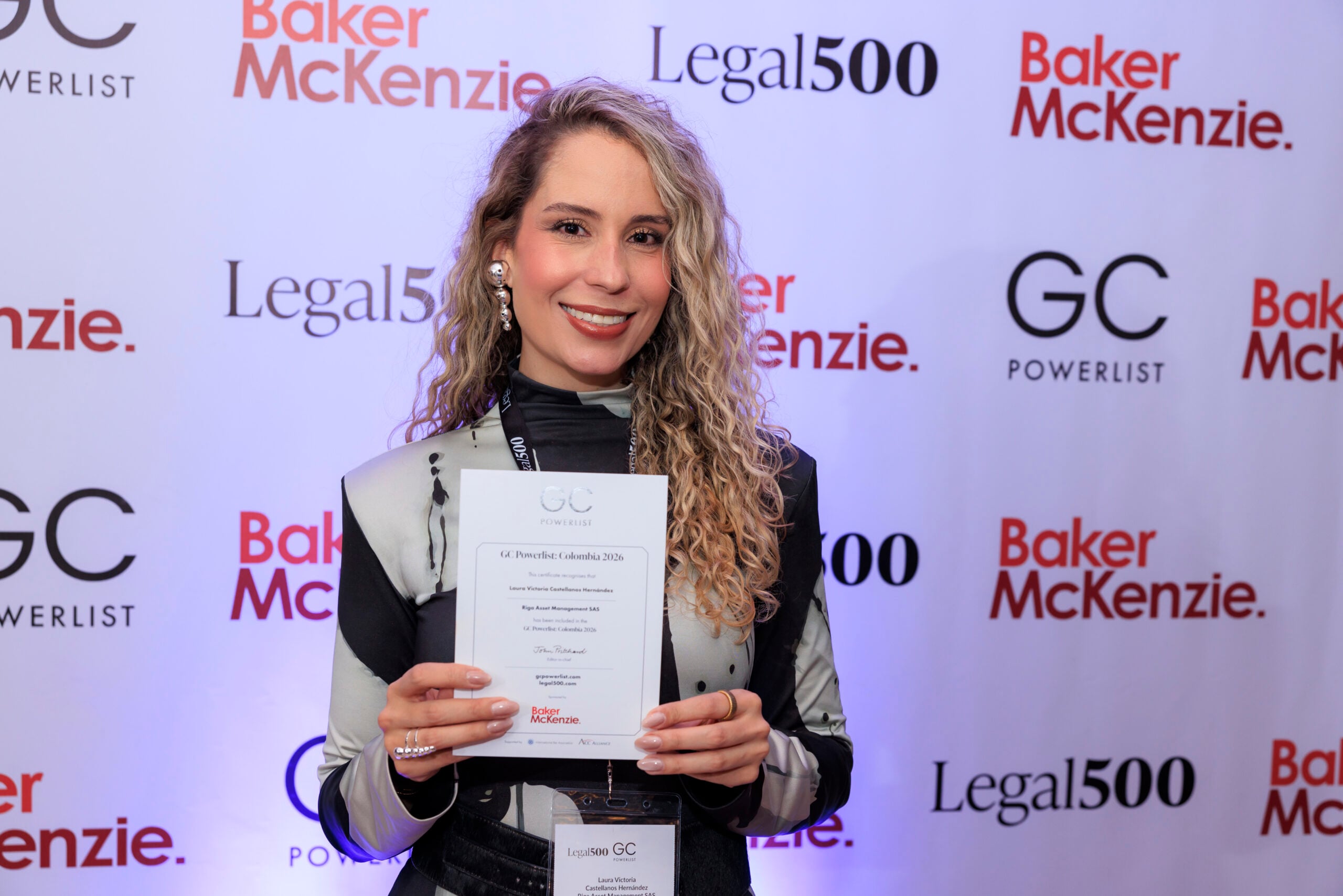
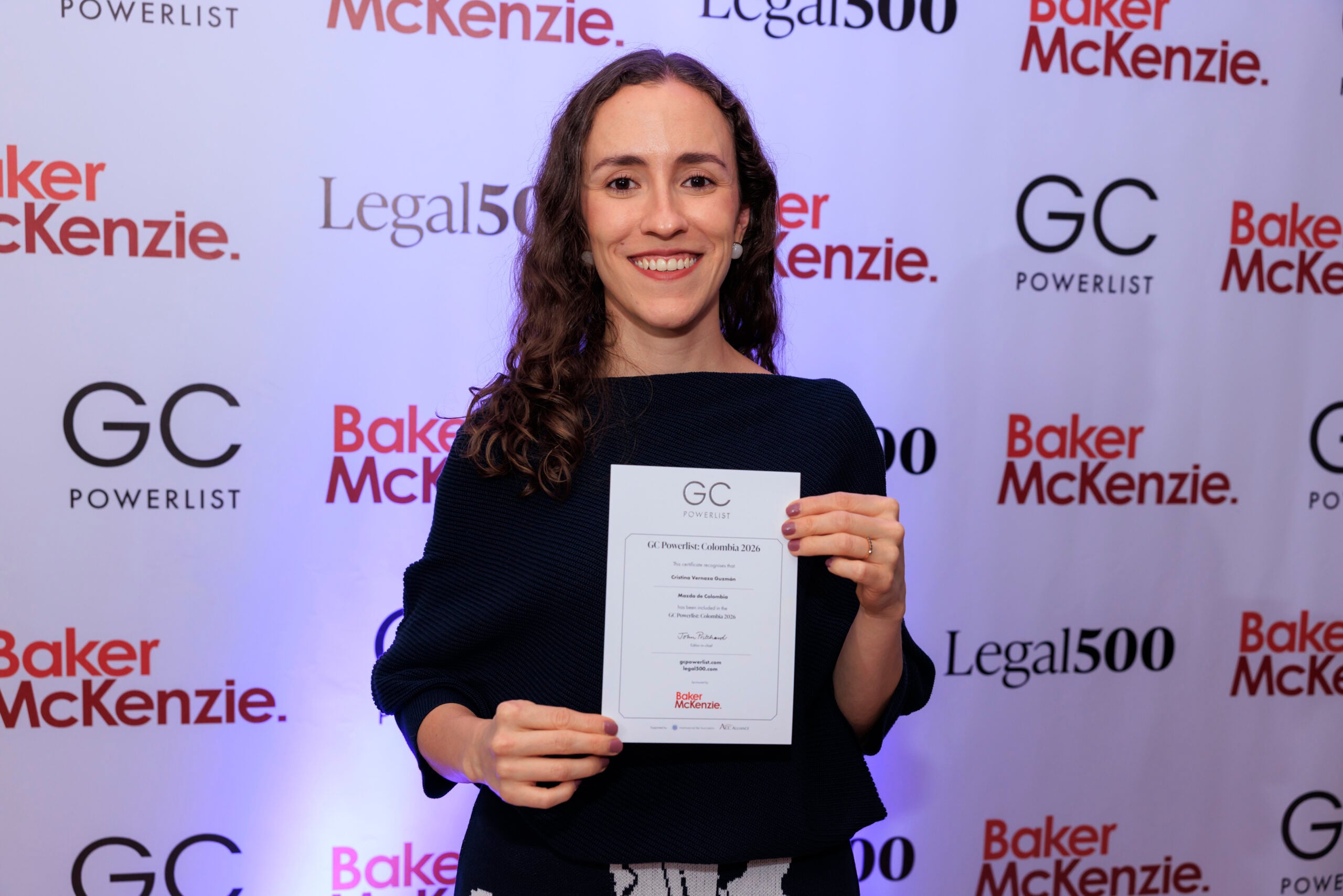
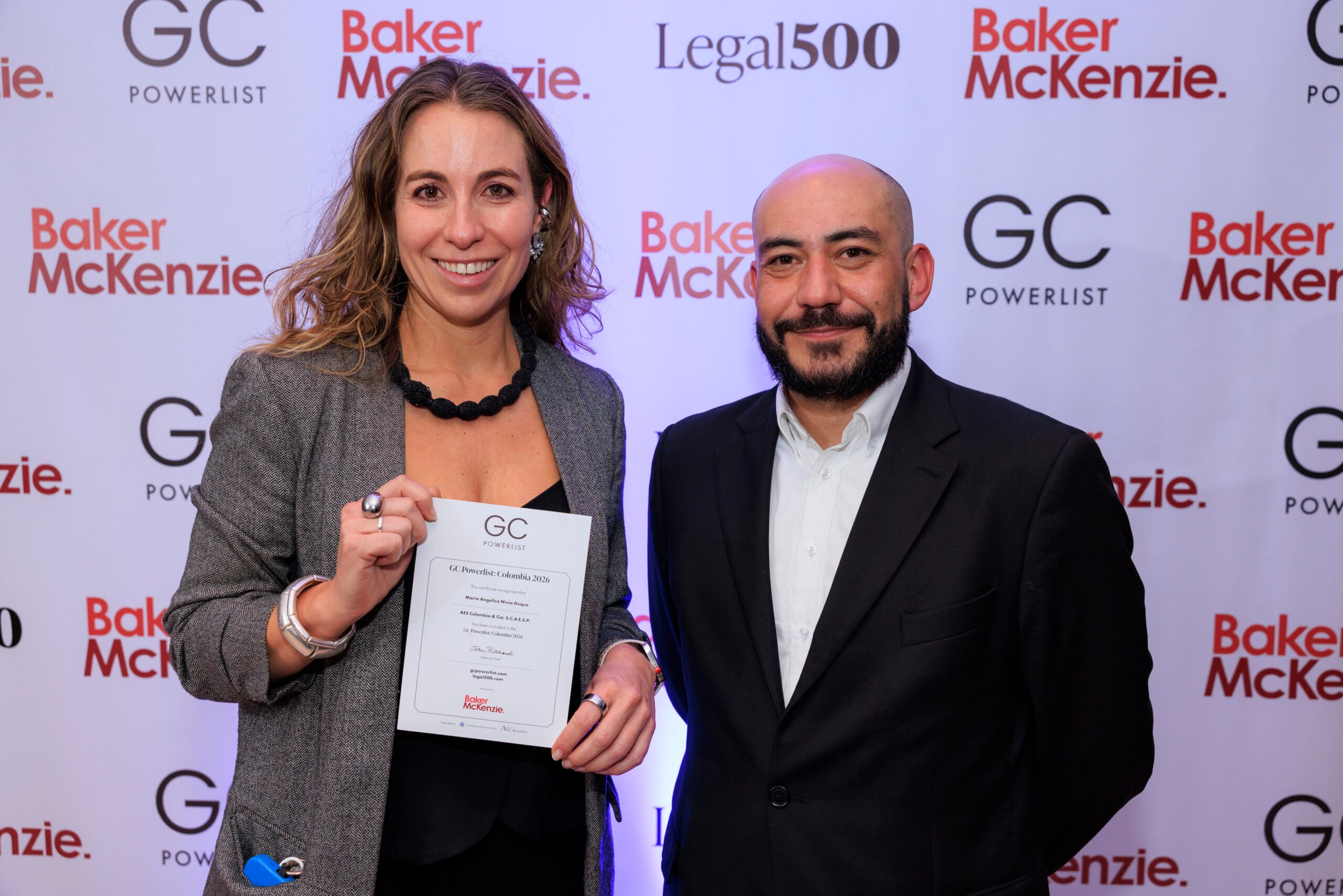
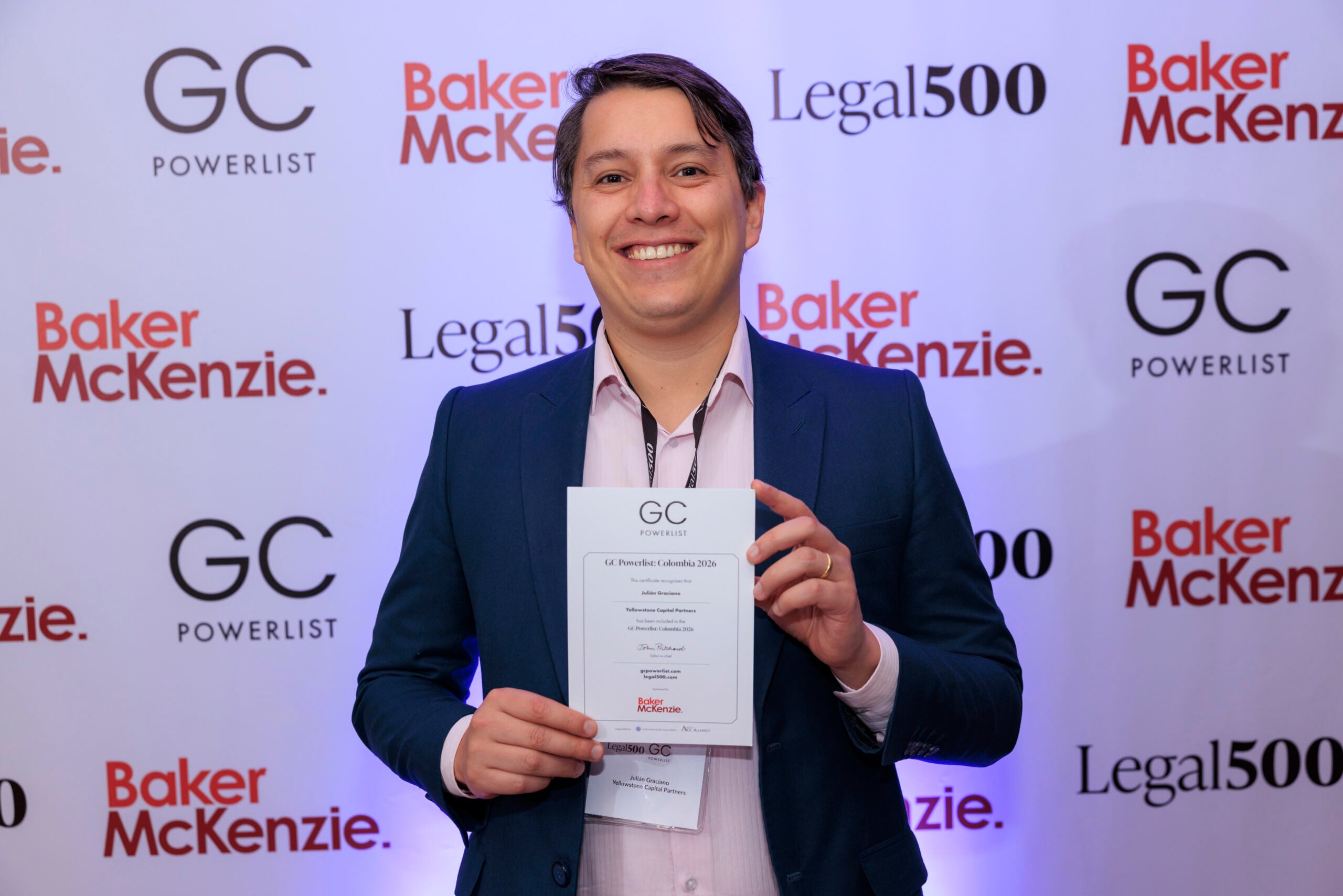
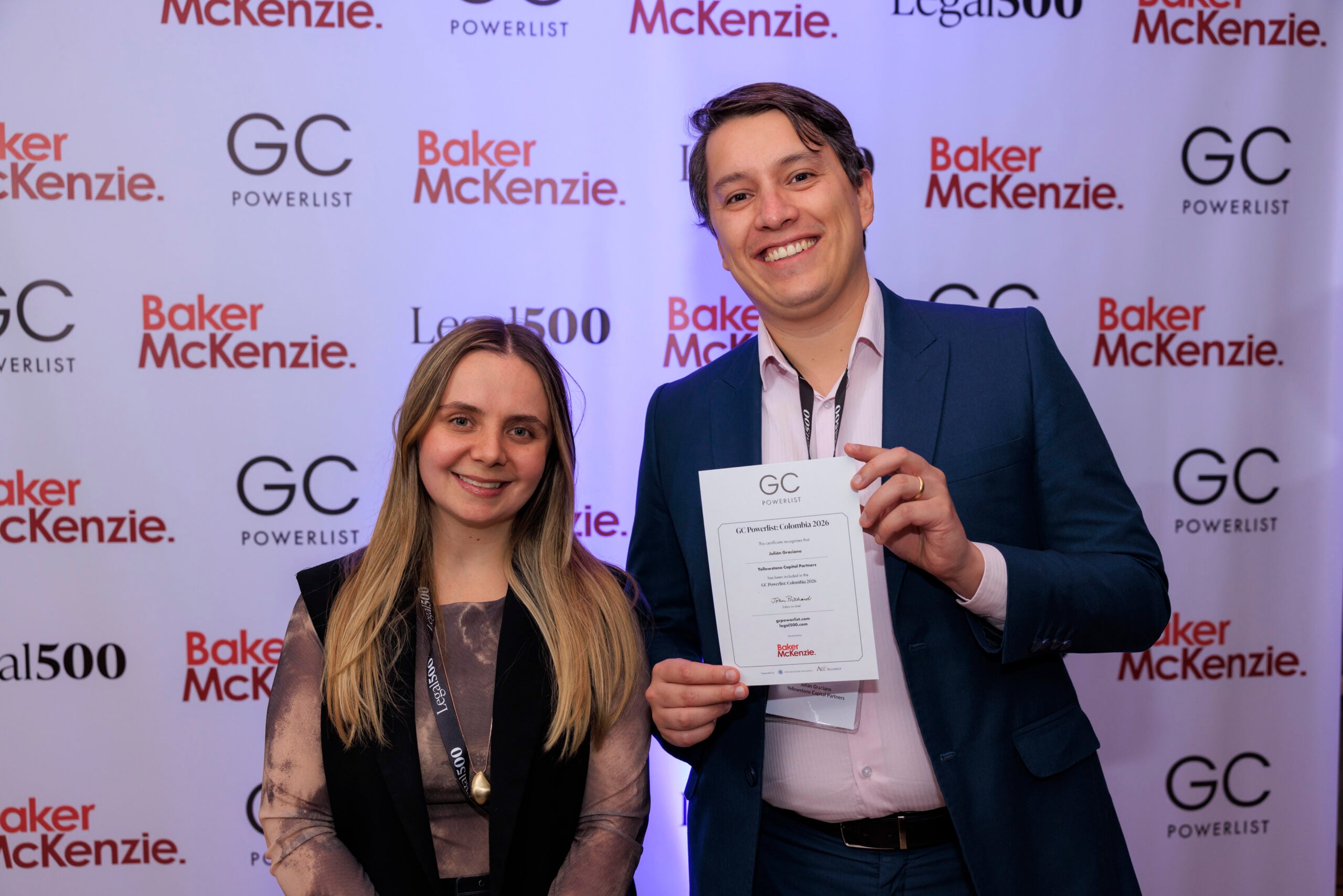
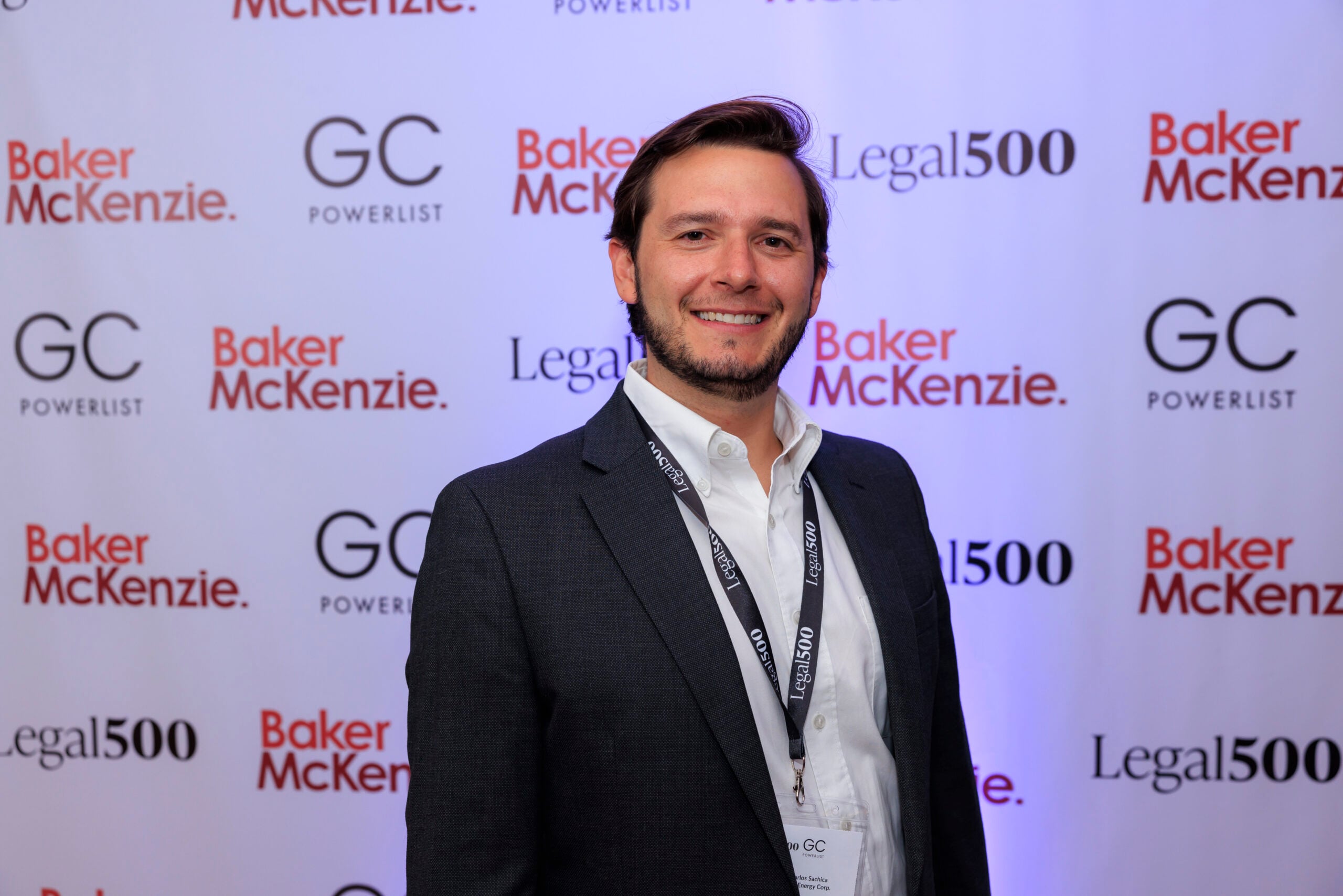
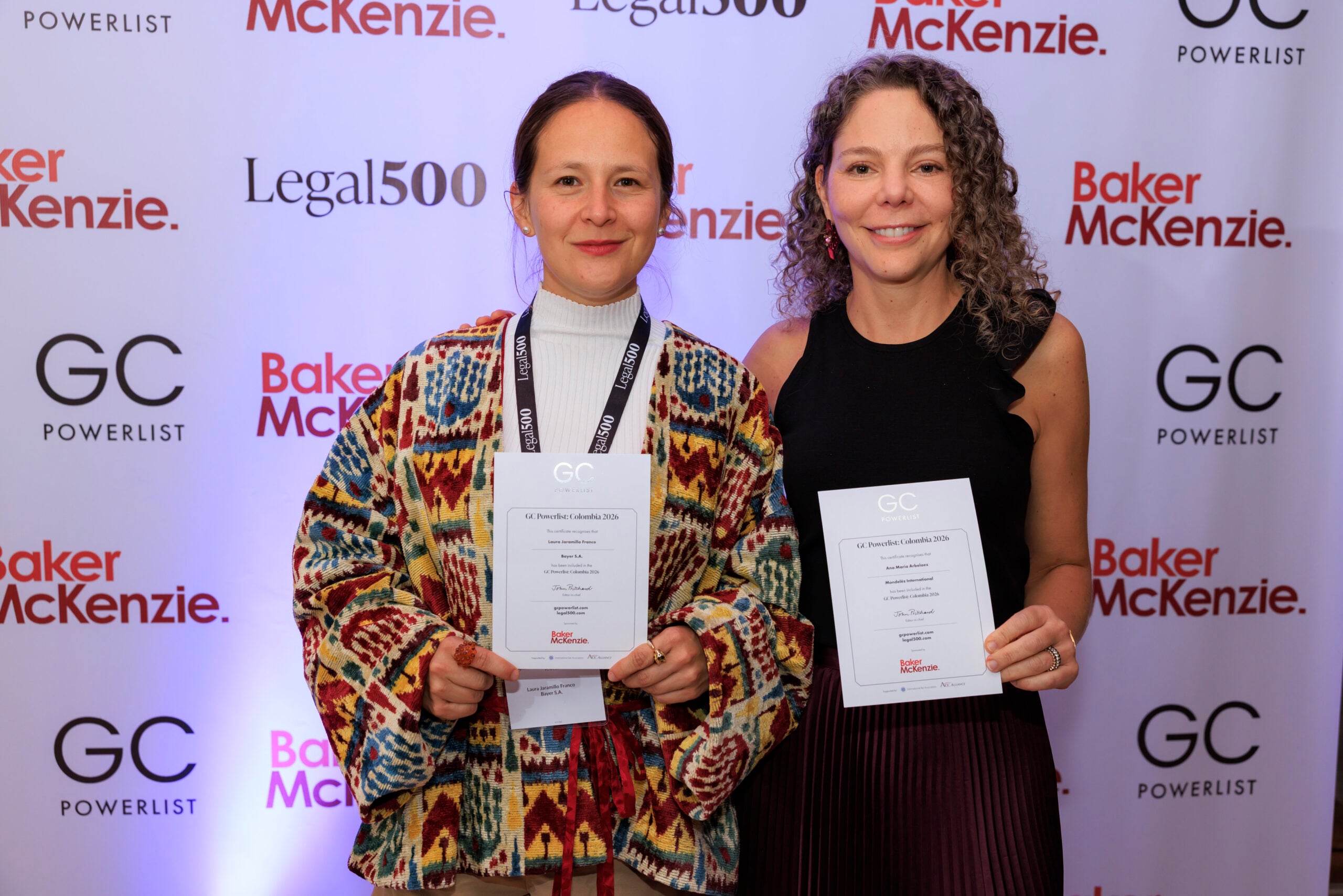
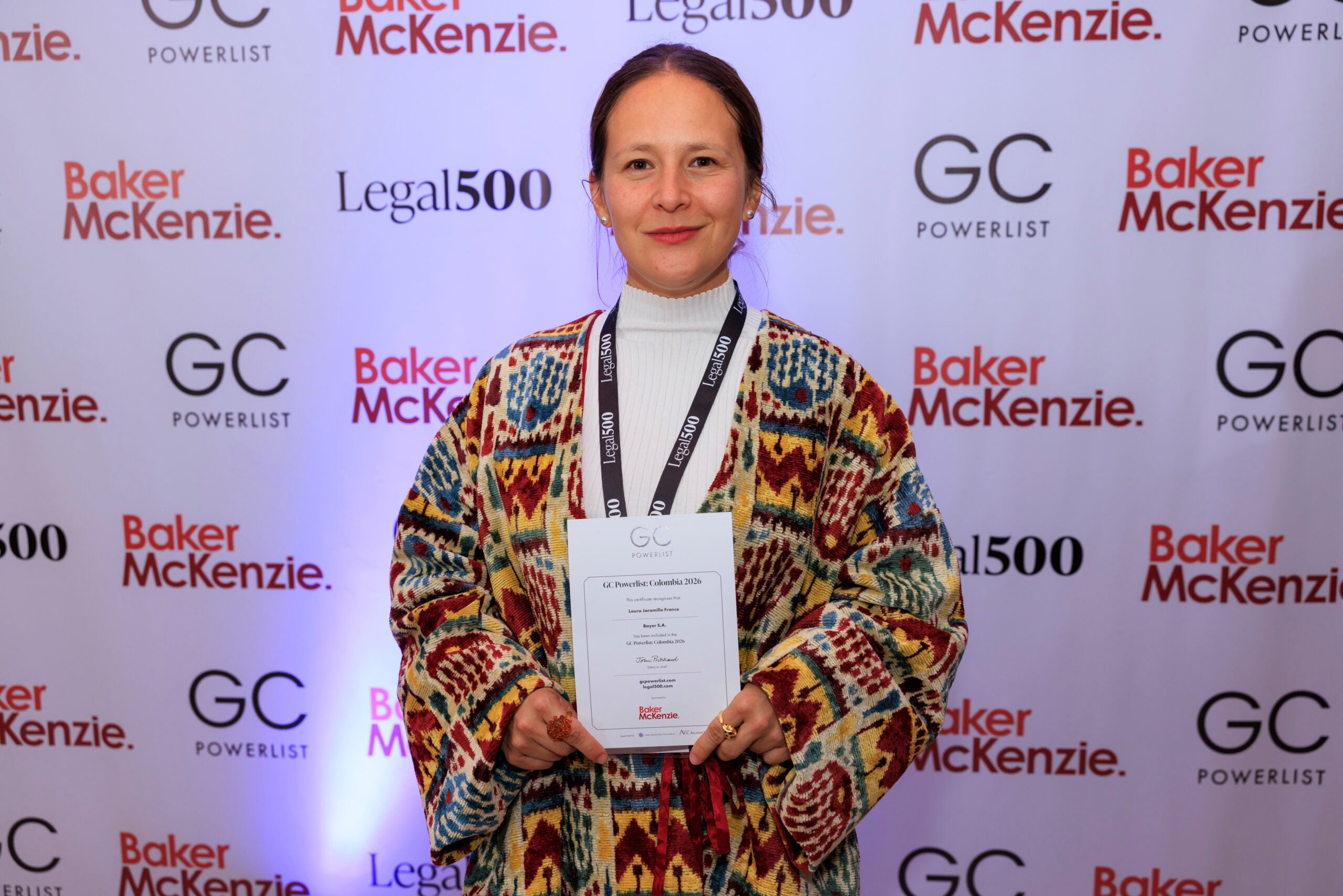
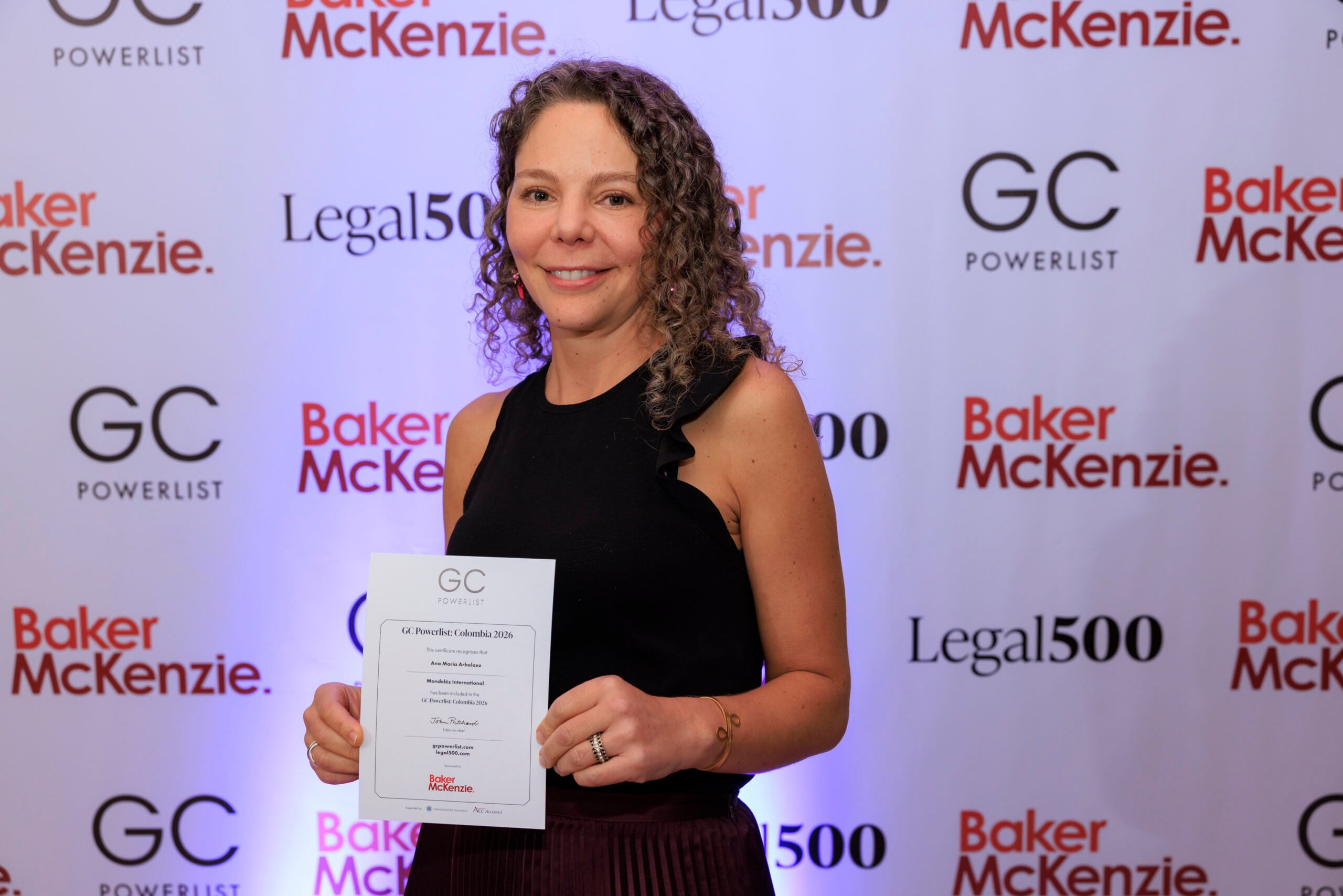
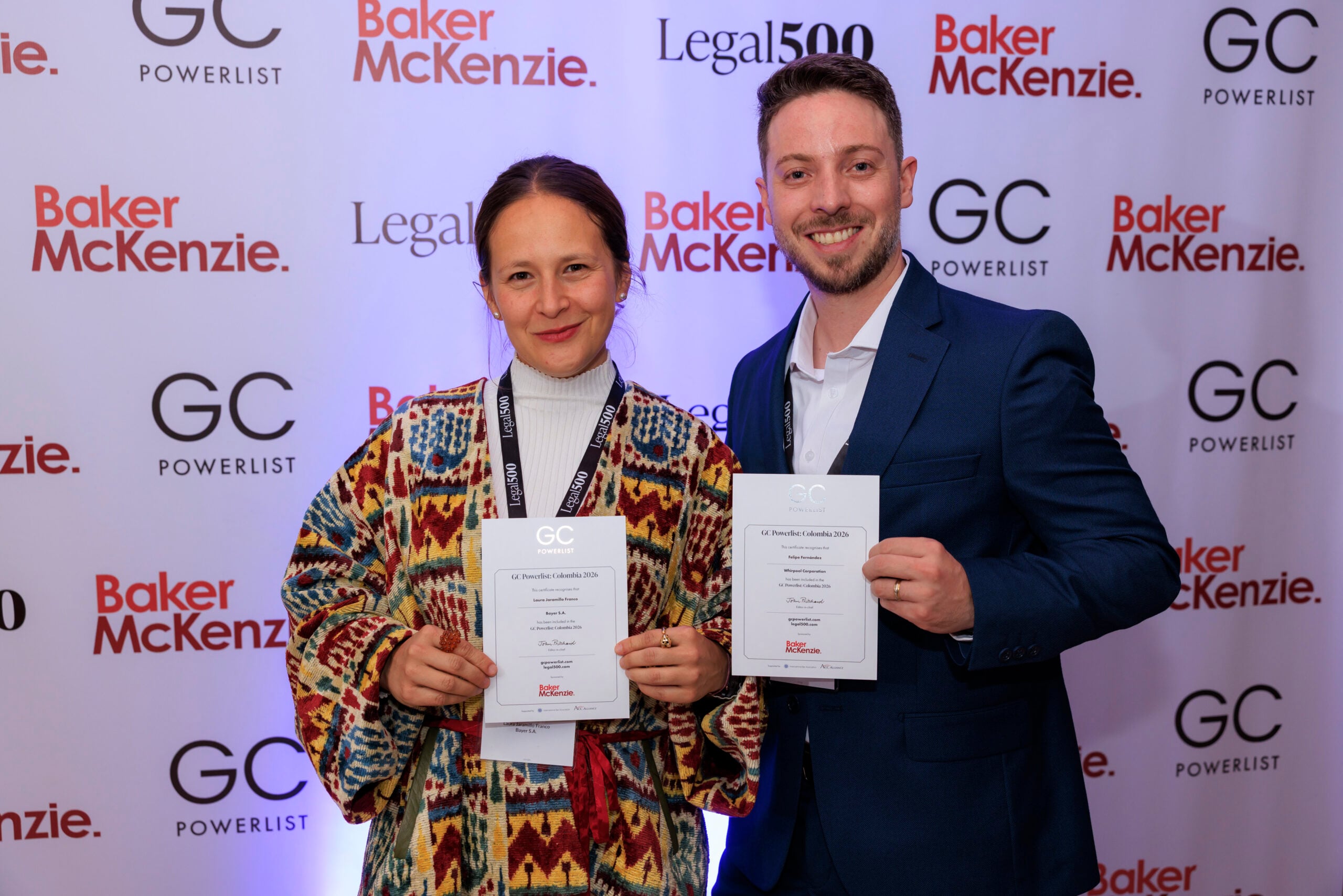
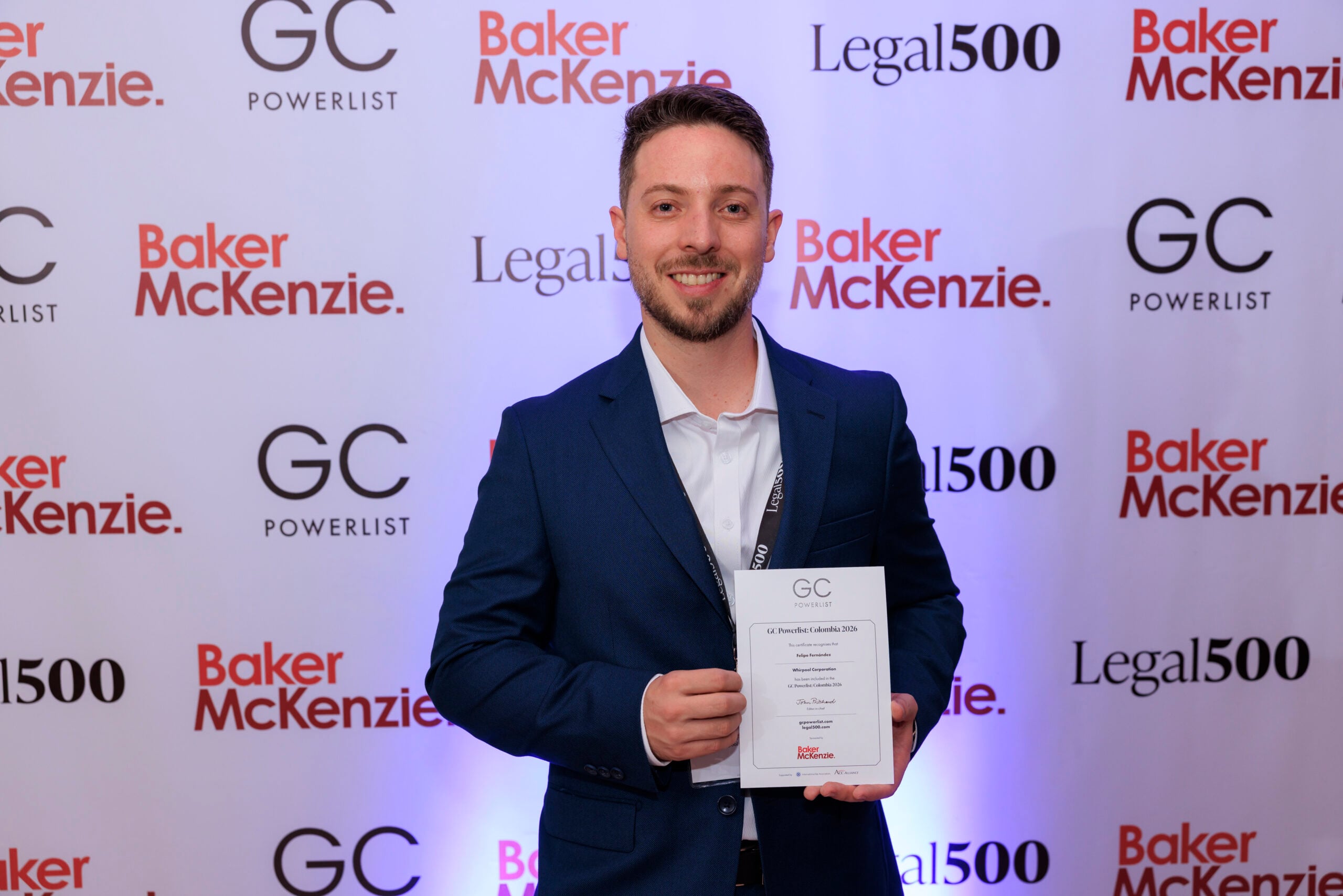
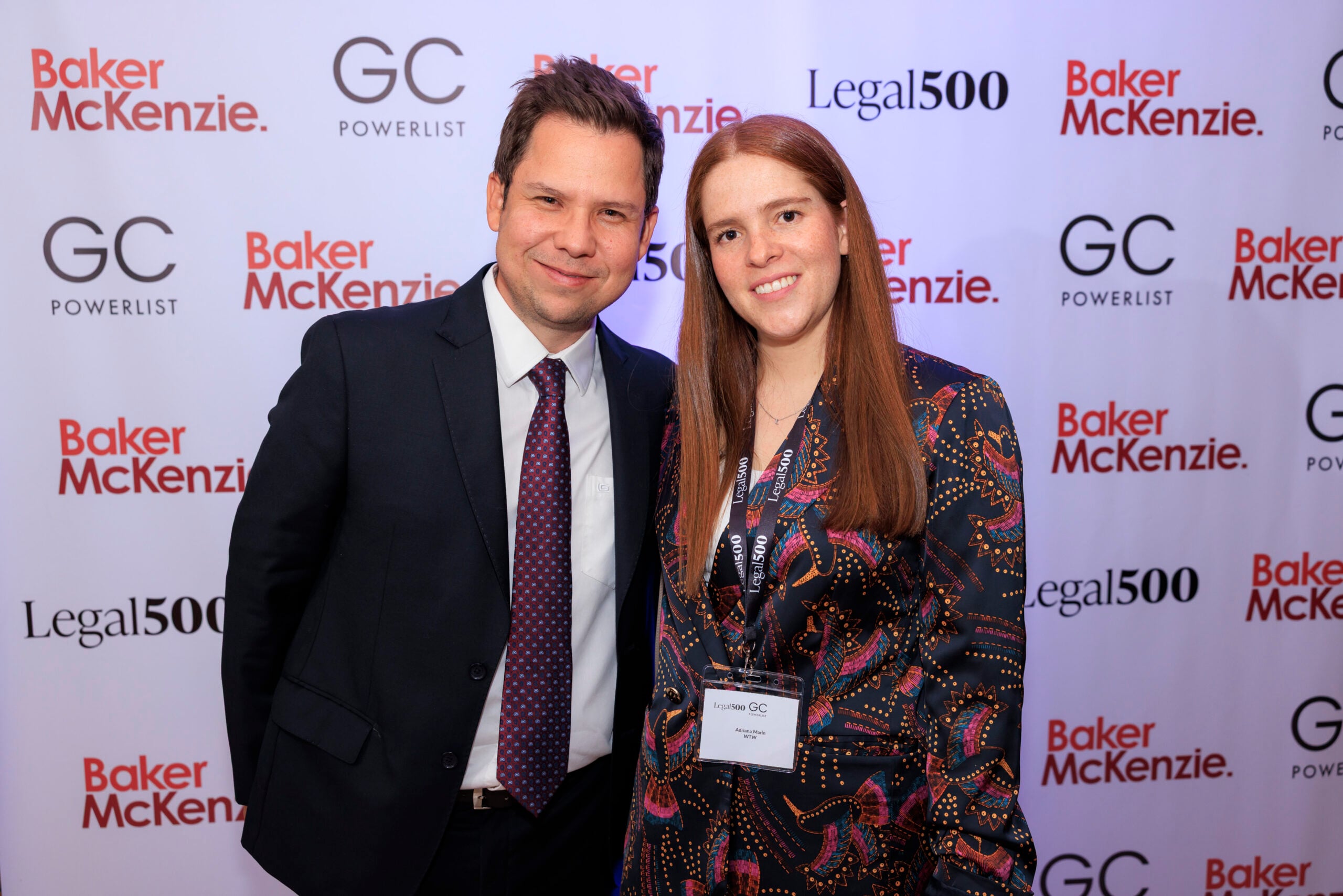
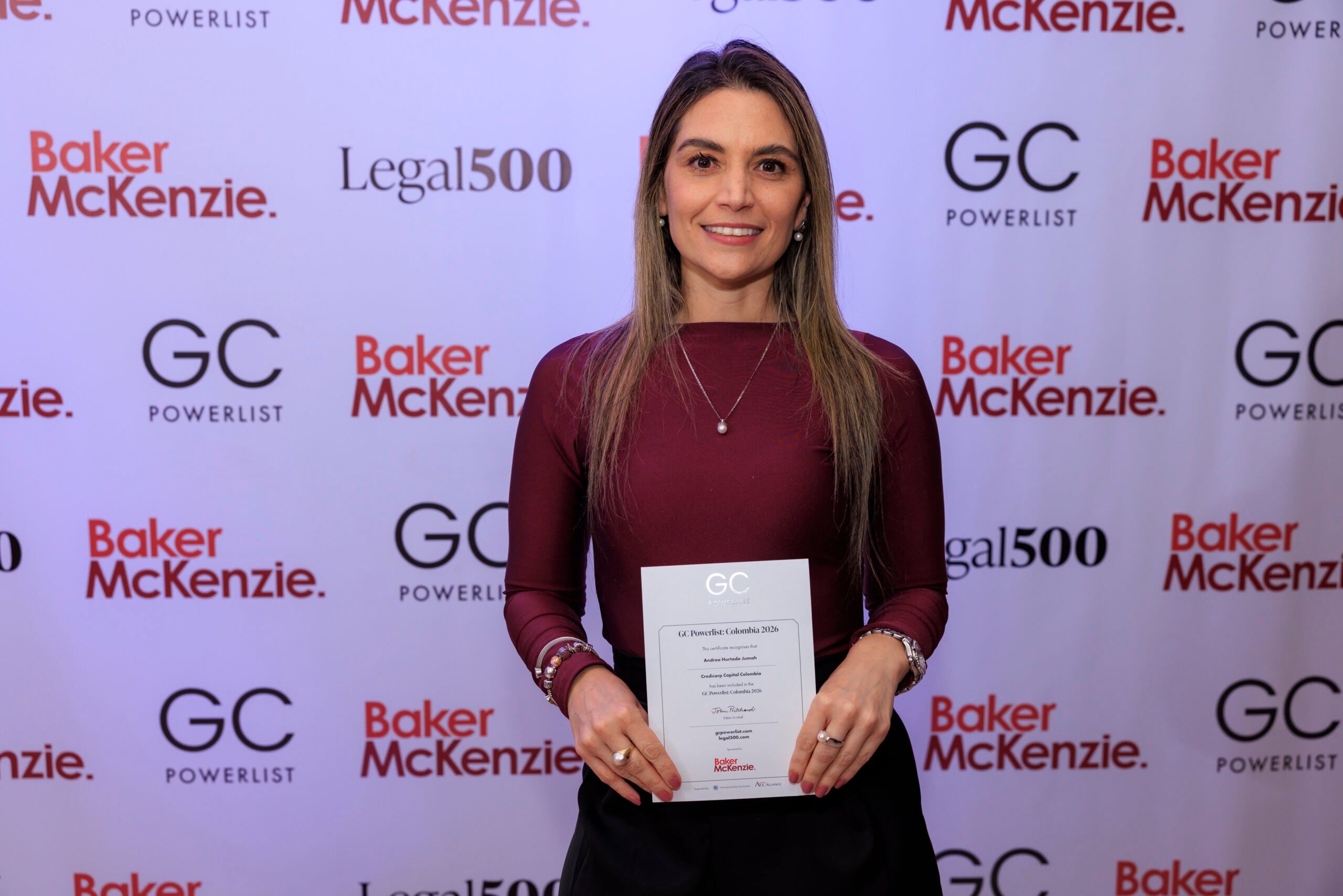
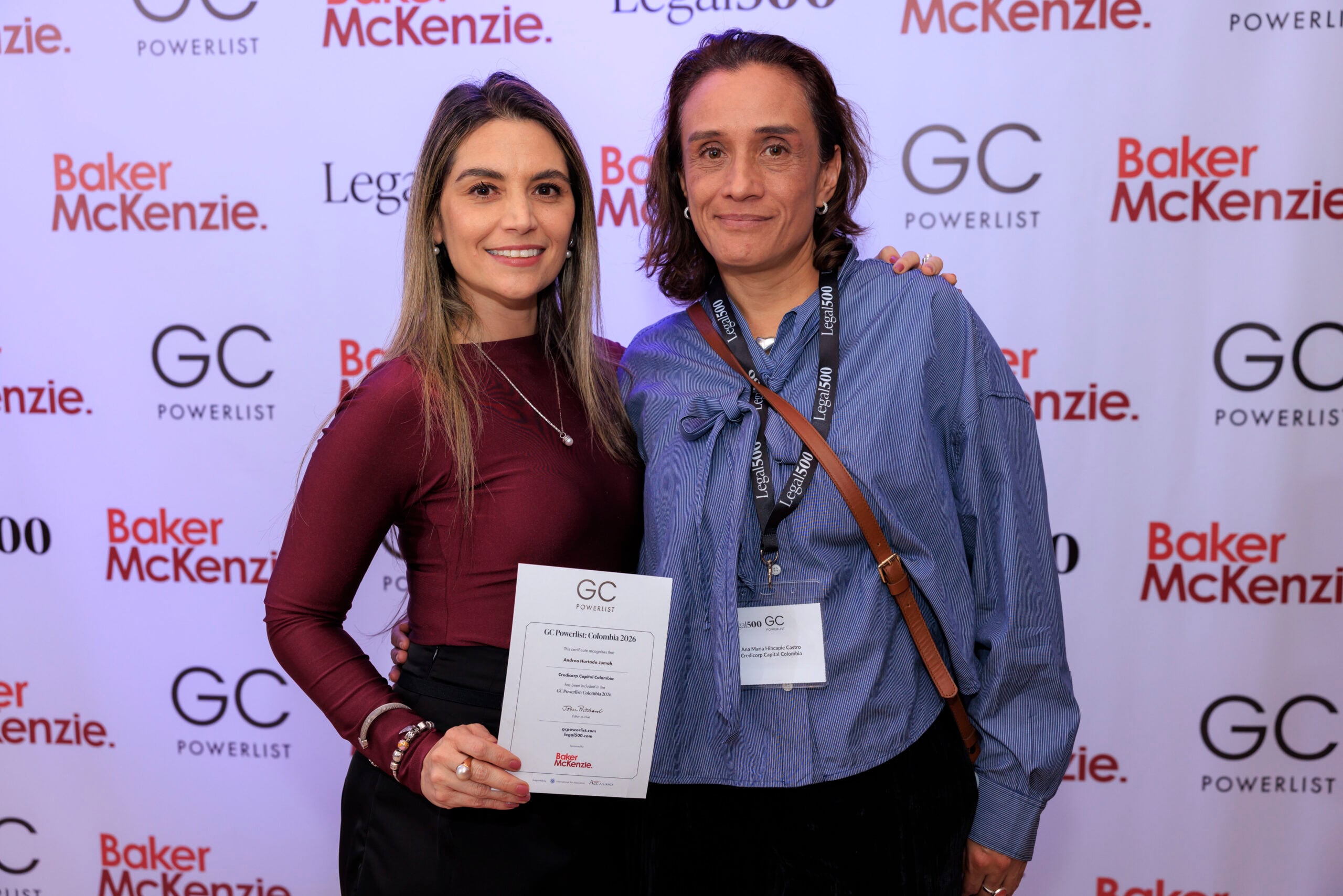
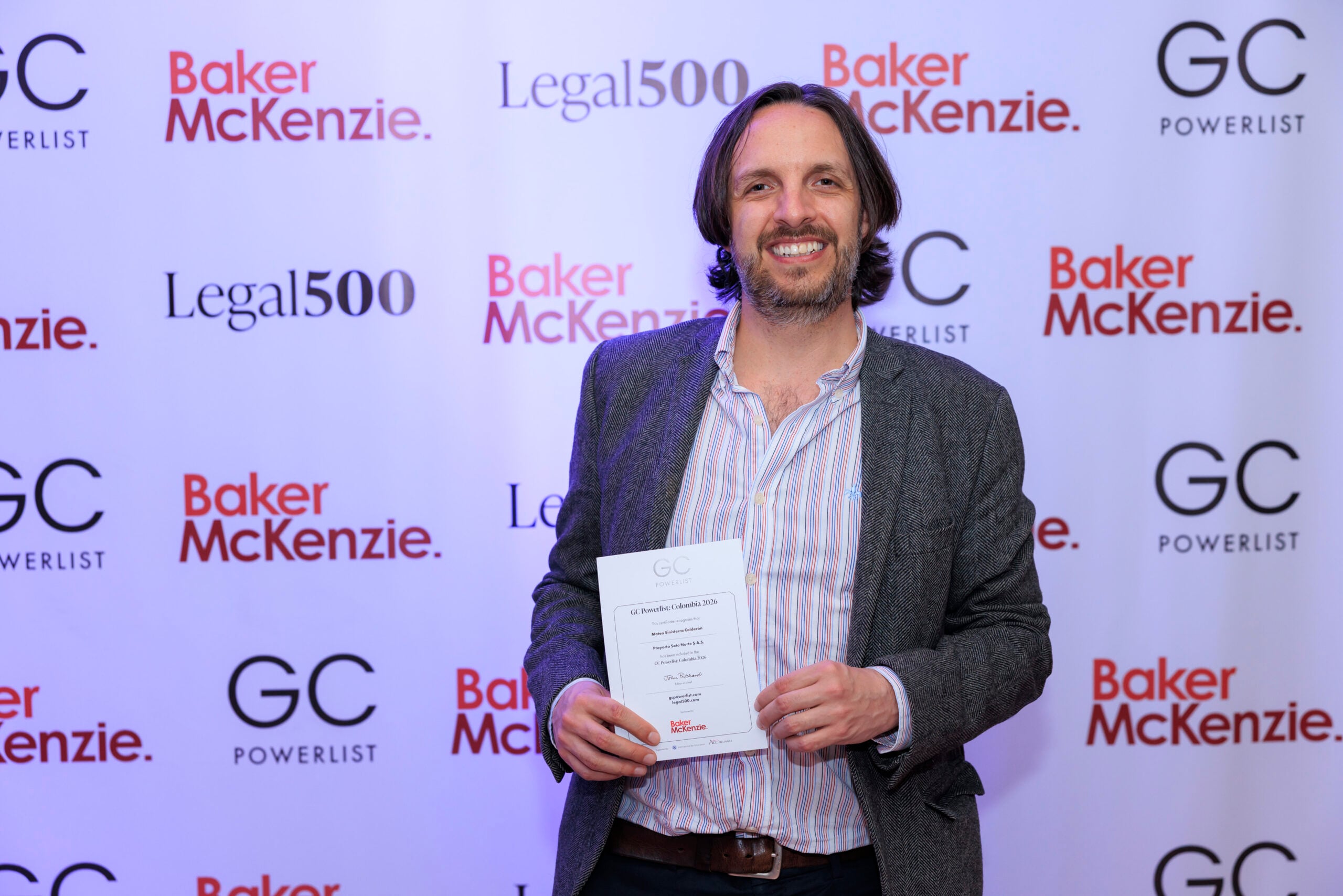
This year’s Powerlisters were then invited to collect their certificates and have their official photographs taken. The evening continued with lively discussions and networking as attendees shared insights, ideas and experiences over drinks and canapés.
Legal 500 would like to congratulate everyone included in the 2026 edition of the GC Powerlist: Colombia and thank Baker McKenzie for their partnership in bringing this event to life.