Netherlands 2025
Supported by the Association of Corporate Counsel



Executive Director Legal & Compliance | General Counsel | Rituals Cosmetics Enterprise B.V.



General Counsel Corporate Affairs | Darling Ingredients International

General Counsel | Amvest Investment Management B.V.



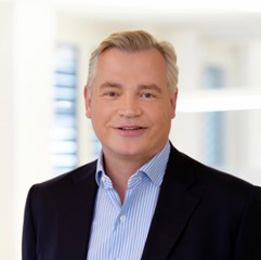
General Counsel, Mauer Consultancy | Mauer Management Consultancy B.V.








General Counsel, Group Manager Risk & Compliance | Fourthline
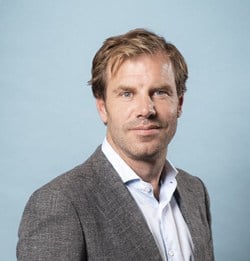





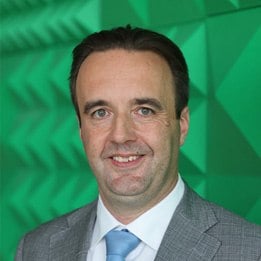









General Counsel Unilever Foods Europe & Head Legal the Netherlands | Unilever
Vice president, general counsel, ethics and compliance officer | Capgemini
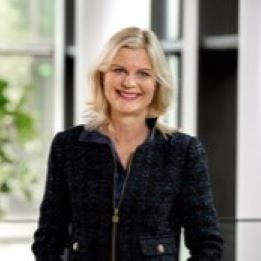





Legal, Compliance and Governance Assistant | Booking.com BV



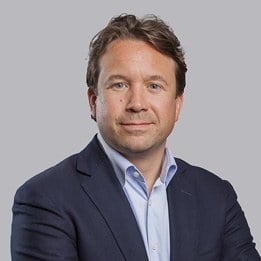


General Counsel, Senior Director | JTC Group
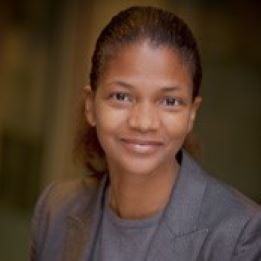











General Counsel EBSC and SSA | COFCO International Netherlands B.V.






Senior Director - Global Antitrust, AI & EU Affairs | Uber
Head of contract management and legal | VolkerWessels Bouw & Vastgoedontwikkeling

Head of Legal, Europe and Global Privacy Counsel | Tata Consultancy Services
General Counsel, Procurement Operations Sustainability | Danone

Ocom BV Global Group General Counsel | LeaseWeb Global B.V.
Head of legal business, head of corporate and financial law | Philips

General Counsel EMEA & LatAm | Spencer Stuart
Head of Legal Netherlands, Google Netherlands B.V. | Google Netherlands B.V.
I am delighted to introduce the inaugural edition of Legal 500 GC Powerlist: Netherlands 2025, and extend my congratulations to all those featured in this year’s list.
I would also like to thank everyone who contributed to the research process and took the time to speak with us. Our GC Powerlist initiative aims to provide a platform for general counsel to exchange knowledge, insights and expertise, fostering an environment in which individuals can learn from each other and share their experience.
Amid rapid geopolitical shifts and technological change, these shared experiences are becoming increasingly valuable. As Ernst van de Weert, general counsel at Heineken N.V., points out: ‘one significant trend is the increasing importance of digital transformation and the integration of technology in legal processes.’ His peers, across all sectors, are quick to agree. Eva de Vries, Meta’s associate general counsel, warns that ‘there will be more overlapping regulation and a bigger focus on tech and AI’, something that will have a particular impact on legal counsel.
Discussions around digitalisation and the use of AI are therefore essential – and taking place in almost every in-house team on a global scale. Harnessing AI is key, Vanessa Vilar, general counsel at Unilever Ice Cream, reminds us. If general counsels’ decision-making process ‘can be powered by technology and AI, the in-house counsel becomes even more efficient and impactful, allowing more time dedicated to high value activities’, she says.
It is these high value activities where general counsel shine. What distinguishes in-house legal professionals, as many of our interviewees agree, is their ability to embed themselves within the organisation, offering guidance not just as legal advisors, but as trusted business partners: general counsel ‘are also strategic partners who contribute to the overall success of the organisation,’ points out Kyong Soon Rijnders, general counsel and ethics and compliance officer at Capgemini Netherlands.
This level of involvement means that general counsel have to adapt, taking on roles well beyond their formal job descriptions. The list of the most important attributes for a general counsel is a long one: as Jantine Bos, legal director at Unibail-Rodamco-Westfield, candidly puts it, ‘what qualifies a modern in-house counsel… is a lot’. While legal expertise is a given, today’s general counsel must also possess a deep understanding of the business, a proactive approach to risk, the ability to translate complex issues into clear advice, and the agility to adapt and communicate with clarity.
The GC Powerlist: Netherlands 2025 is a testament to the vital role in-house counsel play in every organisation. As Bos succinctly reflects, ‘the work of a lawyer always lingers’.