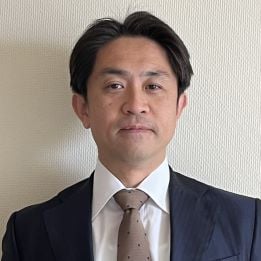
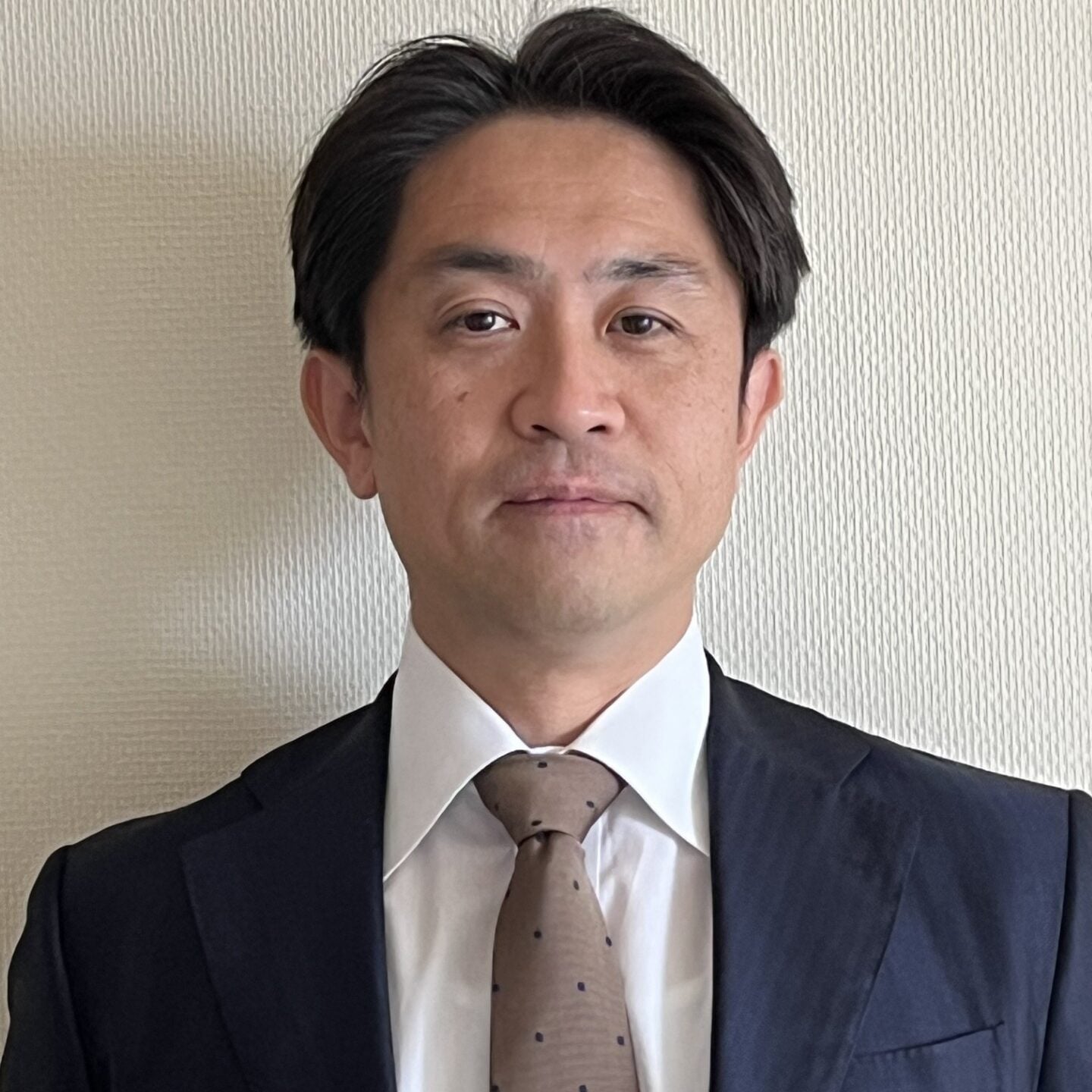
Head, R&D legal Japan | Novartis Pharma K.K.




Hideo Suzuki
Head, R&D legal Japan | Novartis Pharma K.K.
What are the key projects that you have been involved in over the past twelve months?
Over the past twelve months, I have been involved in a range of initiatives supporting research and development activities in a regulated environment, with a focus on ensuring appropriate legal support while maintaining alignment with applicable policies and requirements.
A key aspect of my role has been advising on collaborations with external stakeholders. In these situations, I have worked to help establish clear contractual arrangements and governance structures, with the objective of supporting smooth project execution and ensuring clarity in roles and responsibilities.
In addition, I have contributed to legal support in areas related to regulatory and quality frameworks, working with internal stakeholders to address potential risks and ensure that relevant considerations are appropriately reflected in decision-making processes.
Please describe a situation where your advice had a significant impact on business outcomes or objectives.
One example where my involvement contributed to business outcomes was in a collaboration context where different expectations existed among stakeholders. By facilitating discussions and helping to clarify key issues, I supported the alignment of relevant parties and the establishment of a workable approach.
This included ensuring that contractual documentation and governance arrangements were structured in a clear and consistent manner, enabling the project to proceed in accordance with internal policies and applicable requirements.
Overall, my role has been to provide balanced and practical legal support, helping the business to move forward while maintaining appropriate standards of compliance and governance.
Have you had any experiences during your career as a lawyer that stand out as particularly unique or interesting?
My career as a lawyer has been shaped by extensive experience as an in-house counsel in the pharmaceutical industry, where I have supported a wide range of legal matters across research and development, regulatory and compliance-related areas. Through this work, I have developed a strong foundation in navigating complex legal and regulatory frameworks within a highly regulated environment.
In parallel, my background as a digital solution architect has provided me with an additional perspective, enabling me to better understand and support business initiatives involving technology and innovation. This combination has allowed me to approach legal issues not only from a traditional legal standpoint, but also with an appreciation of underlying technical and operational considerations.
In my role as corporate in-house counsel, I have been involved in supporting innovative medicine platforms and new approaches within clinical development. This work often involves legal questions that may not arise in more conventional settings, requiring careful interpretation of applicable regulations and the ability to translate them into practical guidance.
By combining legal expertise with an understanding of technology and business context, I aim to provide balanced and pragmatic advice that supports decision-making while ensuring compliance with applicable laws and internal standards.
What are the key trends that in-house counsel should be monitoring over the coming months?
One of the key trends that in-house counsel should monitor is the evolving focus on AI governance, particularly the need to ensure that the use of AI technologies aligns with applicable laws, internal policies and ethical standards.
As organisations increasingly explore AI-driven solutions, legal teams play an important role in establishing governance frameworks that define appropriate use, accountability and oversight. This includes supporting the development of clear internal guidelines and ensuring that risks are properly considered in decision-making processes.
Another important aspect is the need for coordination across functions, as AI-related issues often involve legal, compliance, IT and business stakeholders. In-house counsel are increasingly expected to facilitate alignment and promote a consistent approach across the organisation.
AI remains at the forefront of conversations about the future. How can in-house counsel ensure the successful integration of legal tech, while maintaining the human element?
AI and legal technology are becoming increasingly relevant in the delivery of legal services, particularly in terms of improving efficiency and consistency.
In-house legal teams should consider how such technologies can support routine processes and enhance internal workflows, while ensuring that their use remains aligned with applicable policies and standards.
At the same time, legal work often involves interpretation, judgment and consideration of specific circumstances. For this reason, it is important to maintain appropriate human oversight and ensure that technology is used as a supporting tool rather than a substitute for professional judgment.
A measured and controlled approach to the adoption of legal technology can help ensure that its benefits are realised while managing potential risks.
In this context, the role of in-house counsel includes supporting the responsible use of technology and contributing to its appropriate integration within the organisation, in alignment with overall business objectives and compliance requirements.
R&D legal head, Japan | Novartis Pharma