Germany 2026
Supported by the Association of Corporate Counsel

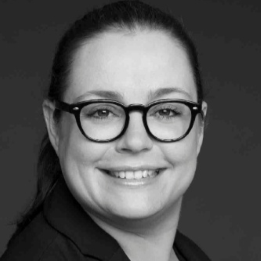
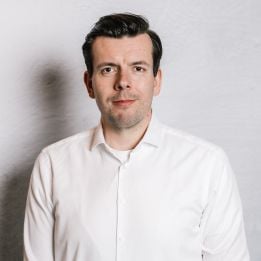

Head of legal and deputy director of legal and compliance | Condor Flugdienst
Rising Star

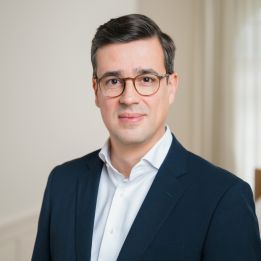
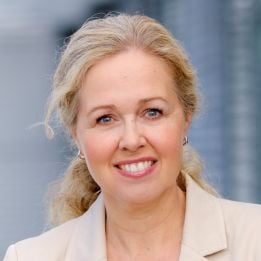
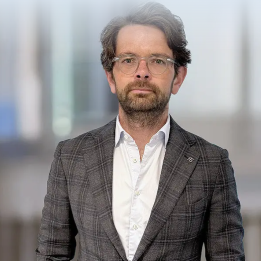
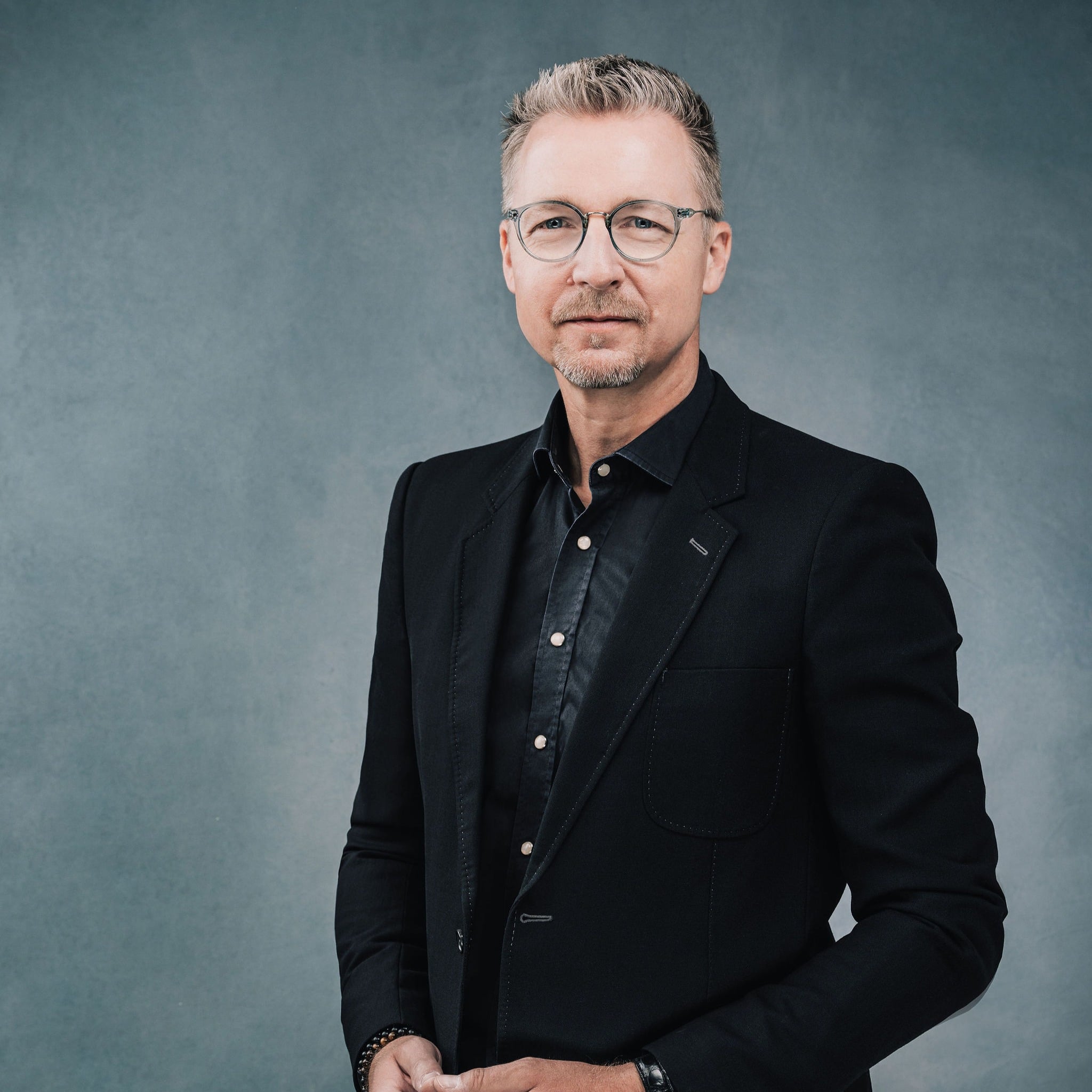
Vice president legal innovation and head of legal services global purchasing and logistics | Robert Bosch
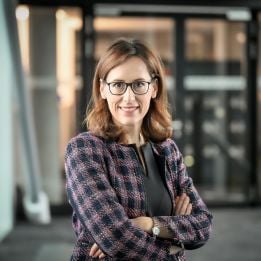
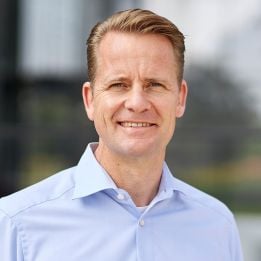
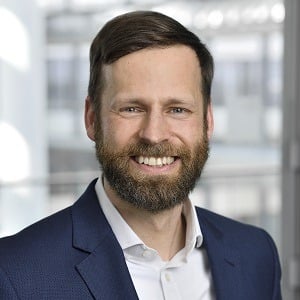
Head of legal and compliance officer | Danone Deutschland

Senior associate vice president and principal legal counsel | Deutsche Börse
Rising Star
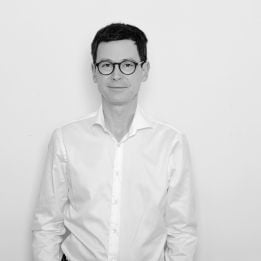
Group general counsel and chief compliance officer | SEFE Securing Energy for Europe

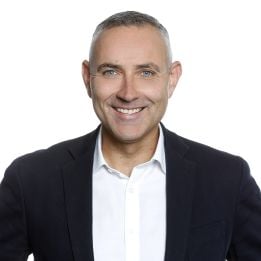
Group general counsel and senior vice president legal and audit | HARIBO Holding
Vice president legal, ethics, compliance and quality | Novo Nordisk
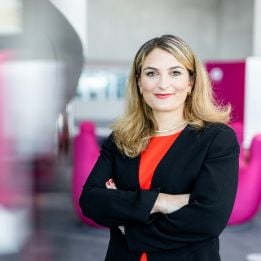
Head of legal - corporate, DigITal and sustainability | Merck Group
Rising Star
Group general counsel and member of the group management committee | Deutsche Bank

Team lead of technics and product law | Jungheinrich
Rising Star


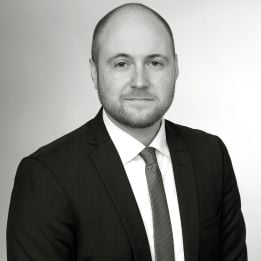
Group investment counsel and interim head of legal Germany | P3 Logistic Parks
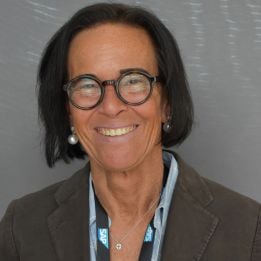
Regional general counsel Middle and Eastern Europe | SAP Deutschland

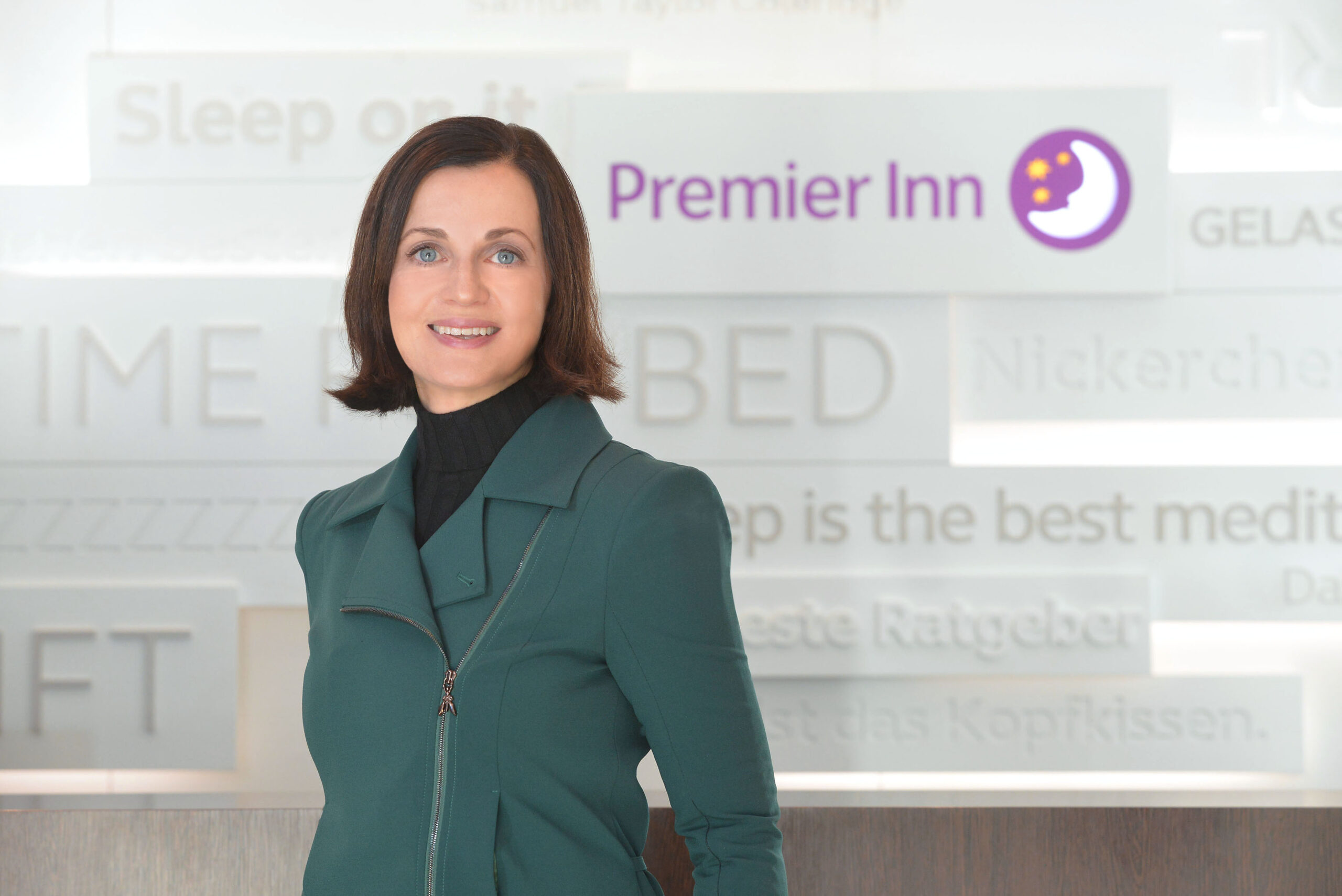
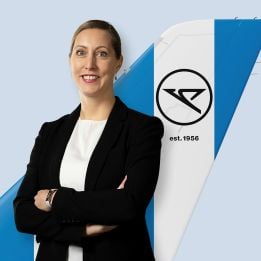
Director of legal and compliance | Condor Flugdienst


Assistant general counsel and director | Aramark Deutschland
Rising Star

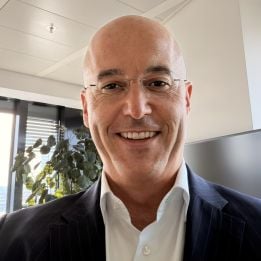
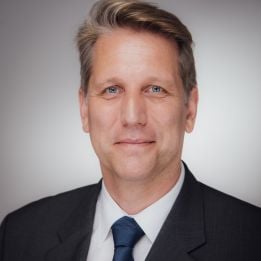
In-house counsel and director of corporate services | CGI
Rising Star

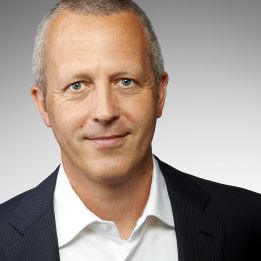
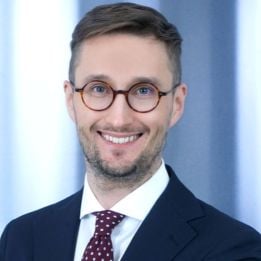
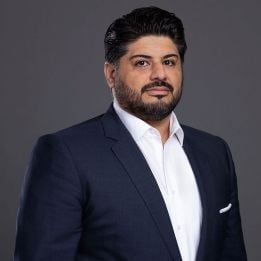
General counsel and vice president legal and compliance | GKN Automotive
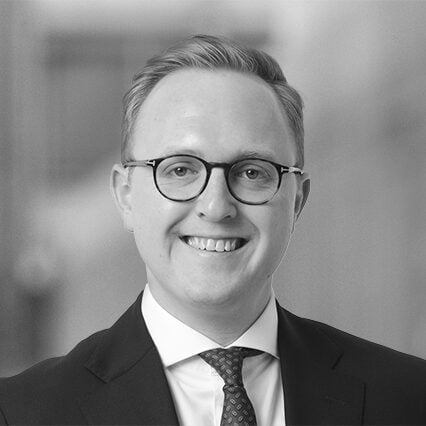
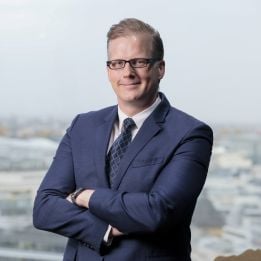
Head of legal corporate and investment banking Germany, Austria, Switzerland and Nordic countries | Banco Santander
Group head of contract and data protection law | Amadeus Fire Gruppe


Group vice president legal, audit and data protection | Amadeus Fire Gruppe
General counsel and head of global HR and legal | Maxon Computer

Director of legal, human resources and corporate development | VfL BOCHUM 1848
General counsel and vice president legal and corporate compliance | Vetter Pharma-Fertigung
Head of the legal department | Stadtwerke Verkehrsgesellschaft Frankfurt am Main
Rising Star
Head of legal, compliance and risk management | Lufthansa Industry Solutions
Rising Star
The German in-house legal market continues to move towards lean, tech-enabled and strategically embedded legal functions. The 2026 edition of the Legal 500 GC Powerlist: Germany puts the spotlight on the in-house leaders driving a legal counsel sector in which AI and human-centred leadership coexist under growing regulatory and geopolitical pressure.
Over the past year, Germany’s in-house legal market has been shaped by a technology-led transformation and rising regulatory complexity. These forces have pushed legal teams to evolve into the most strategic, efficient, and digitally enabled versions of themselves. Balancing compliance, business partnering, and operational excellence, as budgets tighten and the talent landscape grows increasingly competitive, has become the defining challenge for in-house legal leaders across the country.
Legal is no longer a support function within organisations, but a key strategic business partner. Legal teams across Germany are increasingly perceived as trusted advisors, navigators, and enablers of growth. Their early involvement in strategy, transformation, and crisis management positions GCs in the region not merely as lawyers sitting next to the business but, as Dr Ivo Frohmüller, Senior Associate VP and Principal Legal Counsel at Deutsche Börse, puts it, as “business leaders with a law degree.”
In conversations with in-house counsel worldwide, AI sits firmly at the top of the agenda, and Germany is no exception. With the integration of Copilot, Harvey, and other internal GenAI tools, the narrative has shifted from experimentation to pragmatic, tool-driven implementation. Several German GCs note that while AI is currently surrounded by hype, its real competitive impact will emerge only once it is fully embedded into legal workflows. As Dr Christian Folter, head of legal business at BASF SE, observes, “the trick is to recognize the turning point, and act accordingly.”
At the same time, rising regulatory density, alongside new trade restrictions, export controls, sanctions regimes, and the fragmentation of global legal frameworks, is transforming the legal function in the country. In-house teams are moving beyond the interpretation of law towards navigating contradiction, uncertainty, and speed in an increasingly complex operating environment.
Finally, German in-house counsel have matured their ESG thinking, understanding it as an element of operational culture rather than a standalone compliance exercise. As Dr Christine Fischer, director of legal counsel at Hapag-Lloyd AG, explains, “ESG requirements need to be translated into workable processes for the business, otherwise they risk becoming purely theoretical.”
Against this backdrop of rising expectations, regulatory intensity, and geopolitical pressure, the T-shaped leader, combining deep legal expertise with technological fluency, strategic thinking, and human-centred leadership, is becoming the norm across German legal teams.
We would like to thank and congratulate the 2026 cohort for their thoughtful insights and the candid conversations shared with our team throughout the research process. It has been a pleasure to learn from your perspectives and experiences.
Carmen Godoy Martin, Lead researcher: GC Powerlist Germany 2026
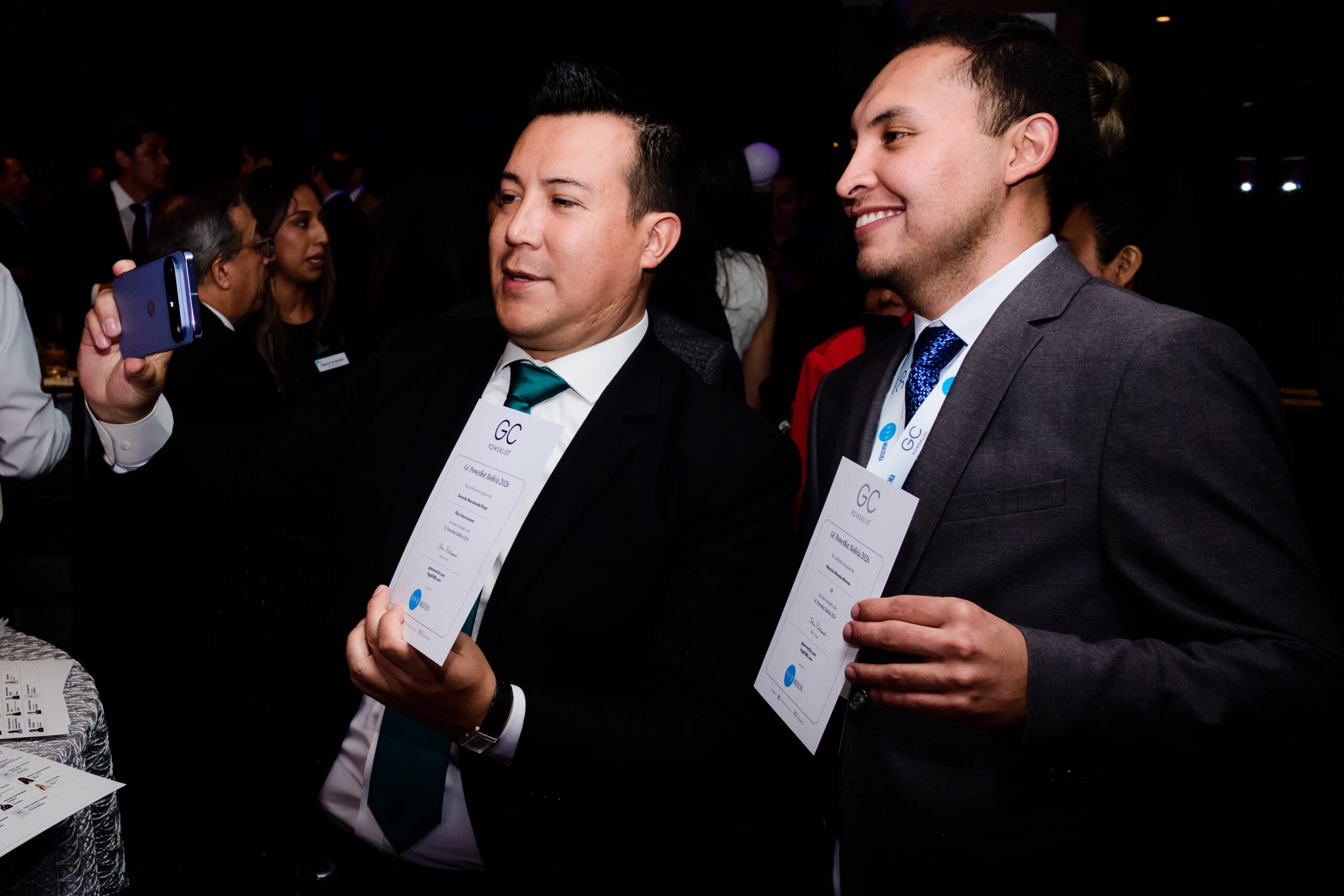
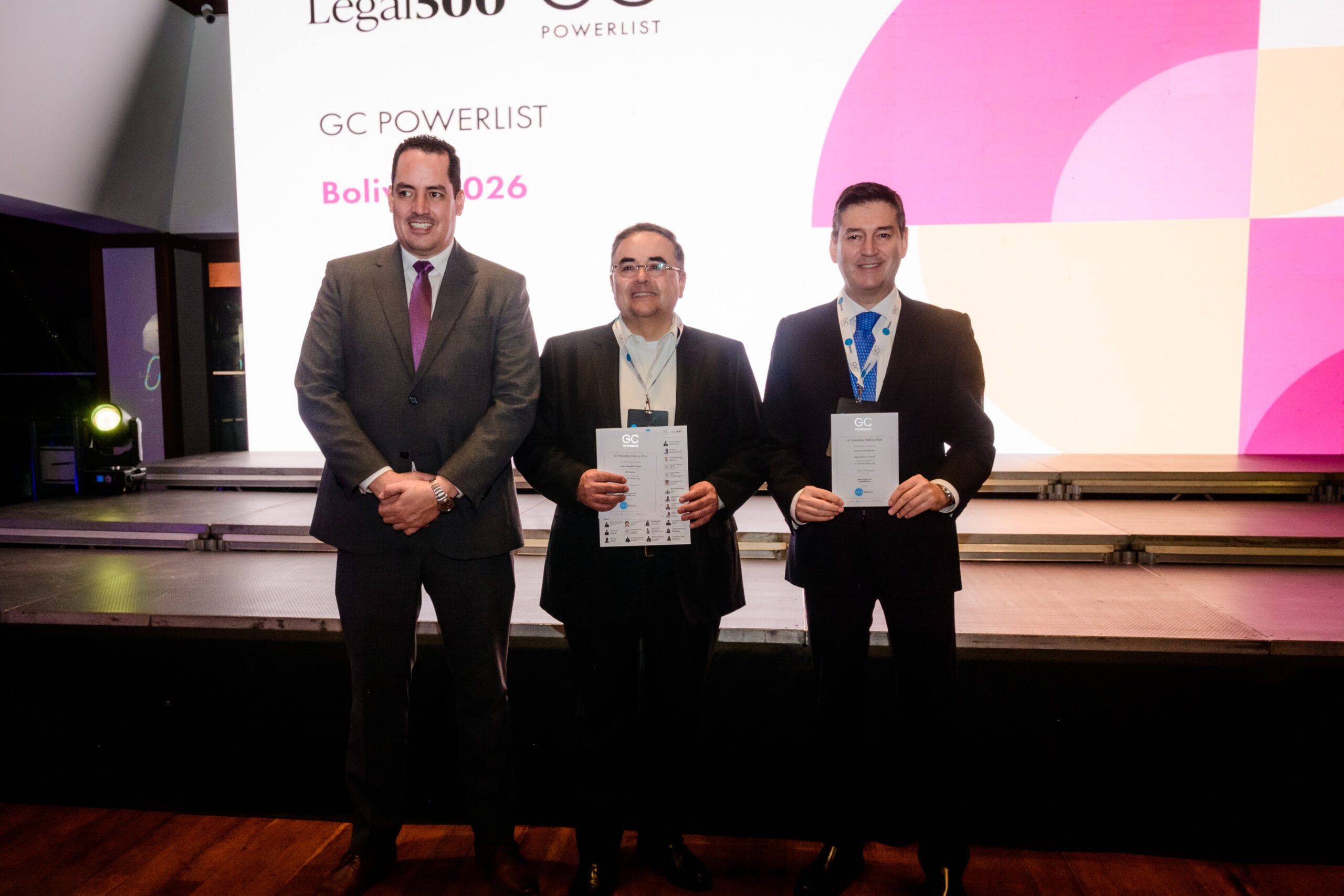
It has been an absolute honour for Legal 500 to present the fifth edition of the GC Powerlist Bolivia 2026. The years pass, yet the talent in the room never ceases to amaze us.
On 1 October, we met at Club Las Palmas in Santa Cruz de la Sierra to celebrate our 2026 cohort. Alongside our partners, PPO Abogados, we hosted some of the most prestigious in-house lawyers from across Bolivia in celebration of their outstanding leadership and achievements over the past year. It was a pleasure to reconnect with previous powerlisters and to welcome new members to the Legal 500 community in Bolivia.
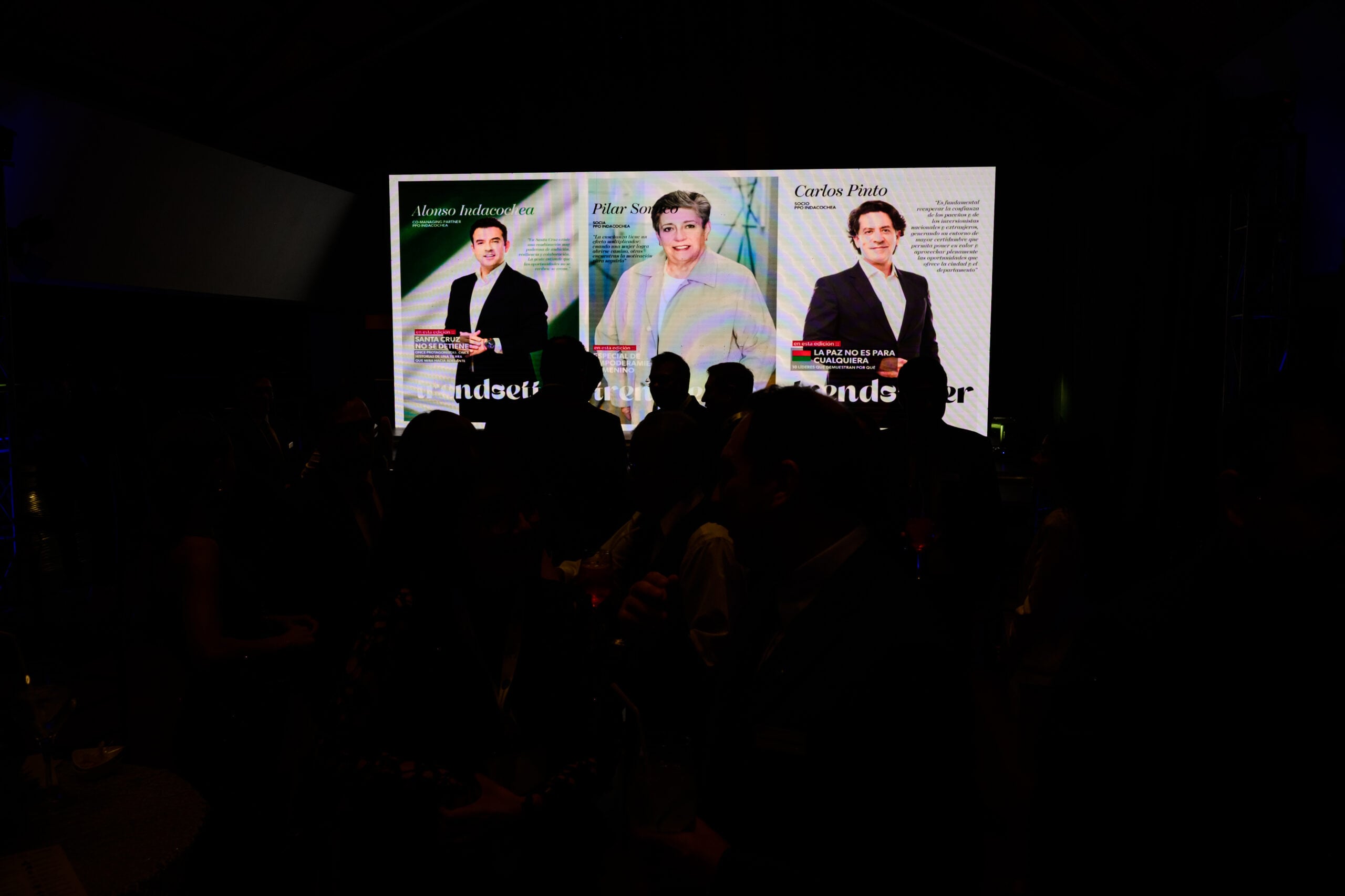
Andere Indacochea, Partner at PPO Indacochea, inaugurated the evening by addressing the powerlisters with a truly inspiring speech that left no one indifferent and highlighted the value of the legal profession within Bolivia’s current economic, political and regulatory landscape. Following her remarks, Carmen Godoy, Legal 500 Research Editor, welcomed this year’s cohort and presented the findings of our research, which position Bolivian in-house lawyers as key strategic partners to the businesses they represent, resilient in the face of regulatory change and increasingly focused on navigating technological transformation.
She then welcomed to the stage Rodrigo Valda Yanguas, Legal Manager at Tigo Bolivia, who addressed his peers as a representative of this year’s GC Powerlist Bolivia cohort. The speeches concluded with remarks from Pablo Ordóñez, Tax Partner at PPO Indacochea, who encouraged the general counsel in attendance to continue acting as ambassadors for the in-house legal profession under all circumstances and invited them to enjoy the rest of the evening.
Photos, music and great conversations filled the room throughout the remainder of the evening. We are grateful to PPO Indacochea for their longstanding partnership and continued support in making this event possible.
All that remains for us to say is that we are very pleased to see the very essence of what the Legal 500 GC Powerlist stands for reflected in this year’s cohort: a community that, in times of change, supports, learns from and inspires one another.