Finland 2025
Supported by the Association of Corporate Counsel

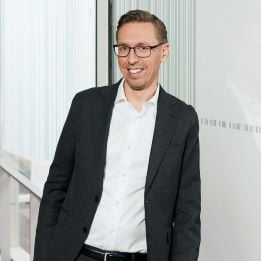
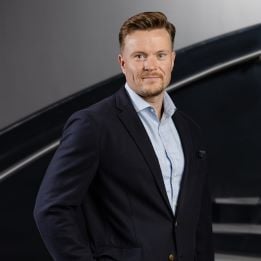
General counsel and secretary to the board of directors | F-Secure
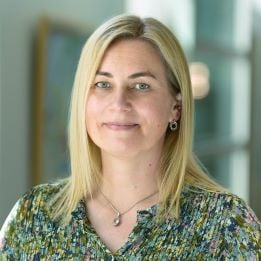
Executive vice president legal affairs and member of corporate management team | SOK

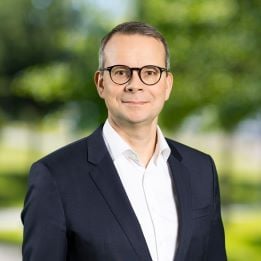
Executive vice president legal and compliance, and group general counsel | Assemblin Caverion Group
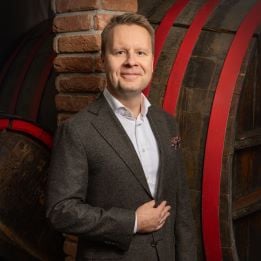
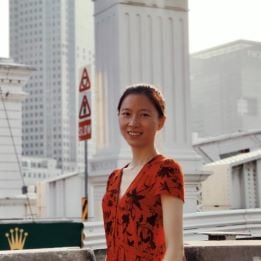
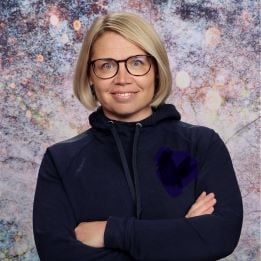
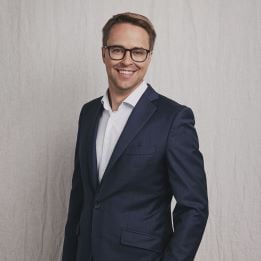
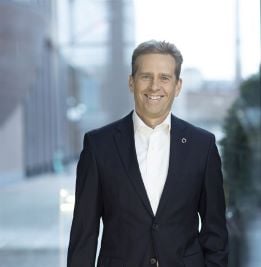
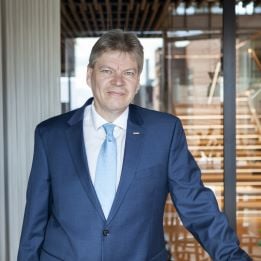
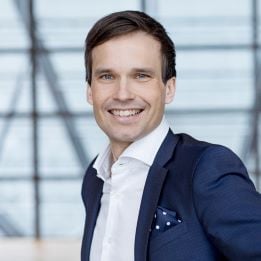
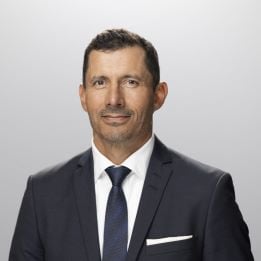

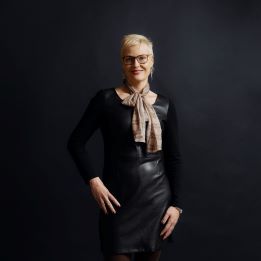
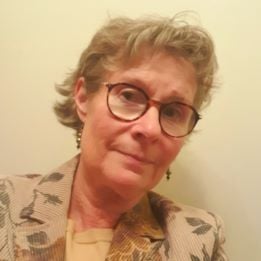
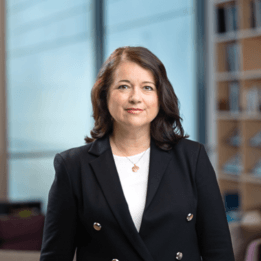
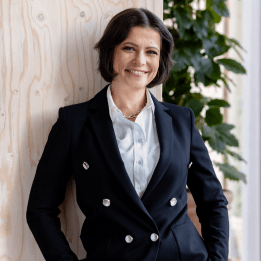
Executive vice president legal and general counsel | Stora Enso
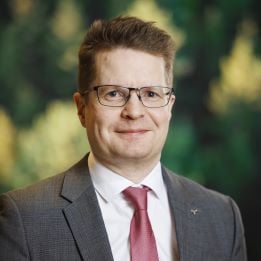
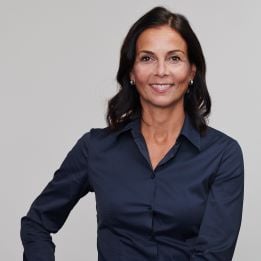
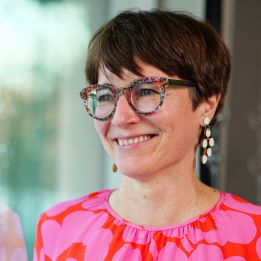
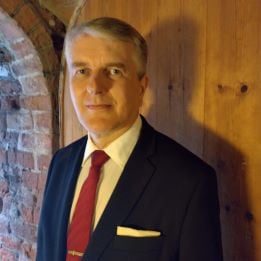
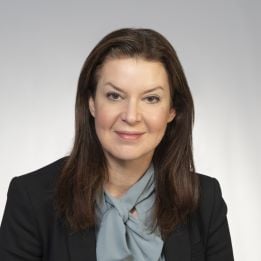
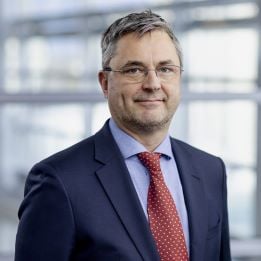
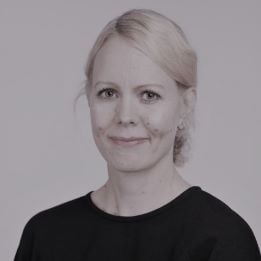
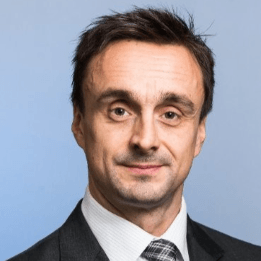
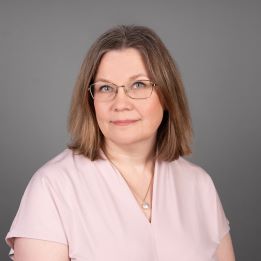
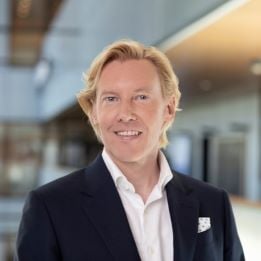
Executive vice president corporate affairs and legal, group general counsel, member of the global executive team | Huhtamaki
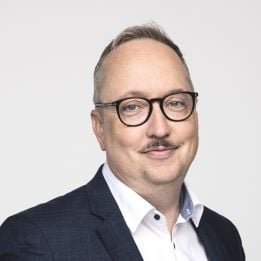
Group general counsel and senior vice president enterprise risk management and ESG | Goodpack
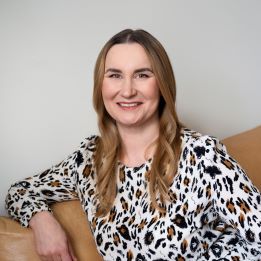
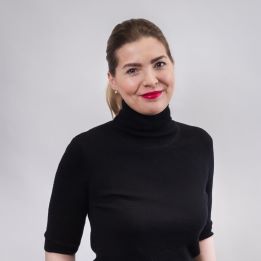
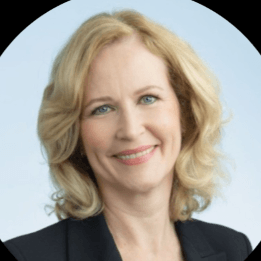
Senior vice president legal and sustainability and general counsel | Aspo
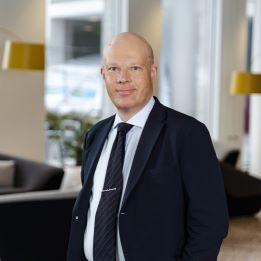
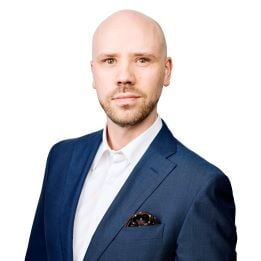

Senior vice president general counsel and chief compliance officer | Luvata
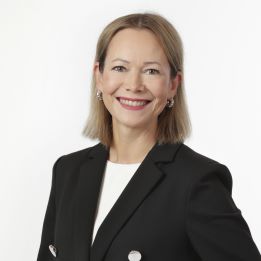
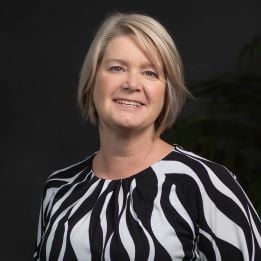
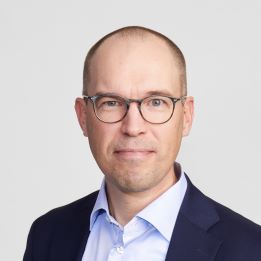
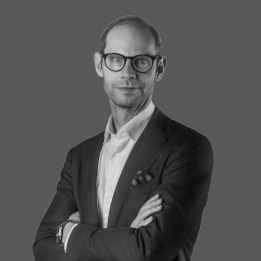
Senior vice president and group general counsel | Valmet Automotive
Executive vice president, corporate relations and legal affairs | Wärtsilä
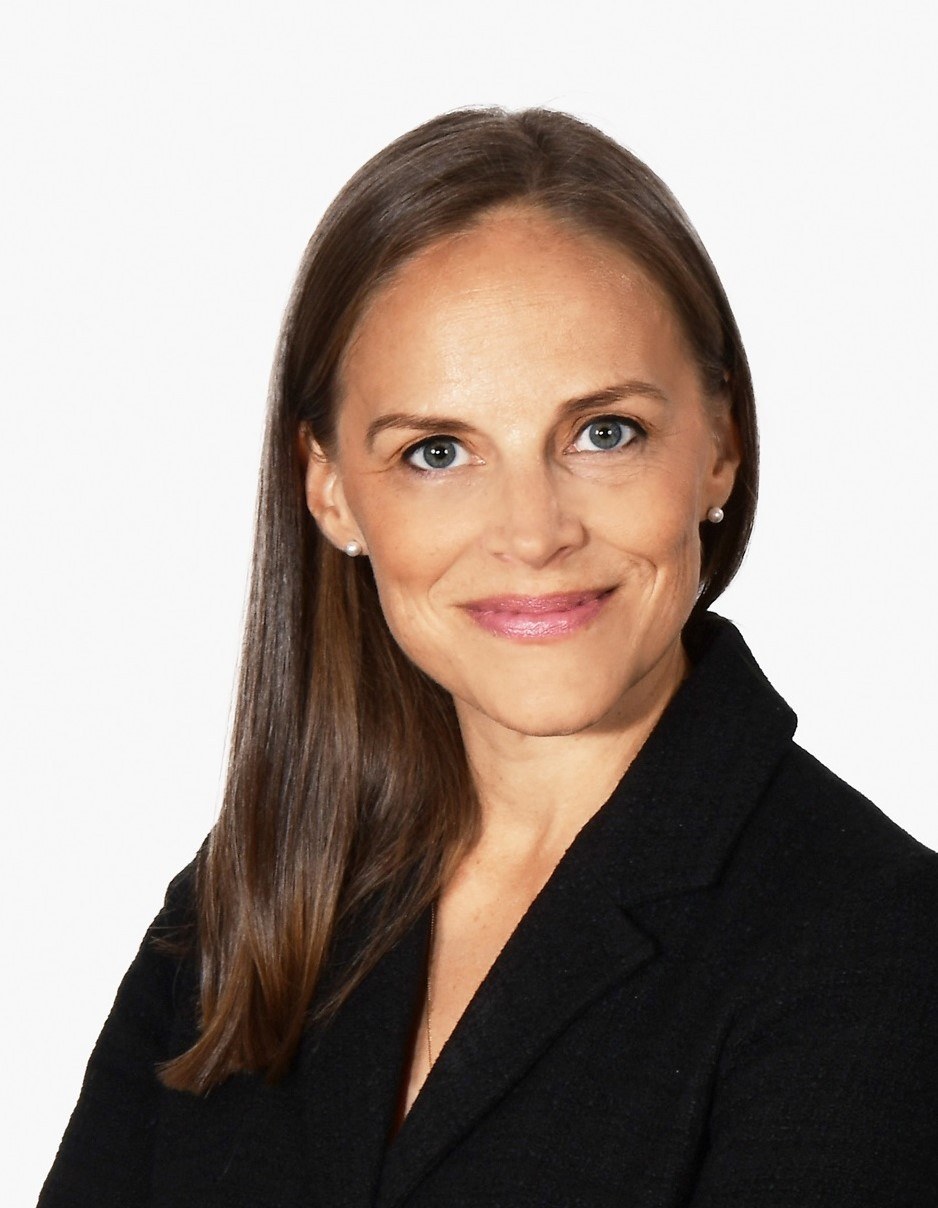
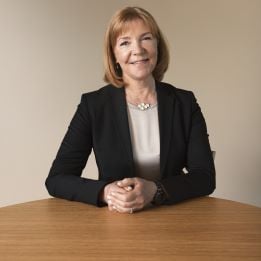
Chief legal officer, legal affairs and corporate responsibility | Raisio
Execuive vice president legal and compliance | Karl Fazer
General counsel and senior vice president human resources | Hiab
Executive vice president, general counsel, secretary of the board and head of sustainability | Rapala VMC
Congratulations to everyone featured on our first ever standalone GC Powerlist Finland, which is long overdue. Previously, our coverage of this major European economy was limited to an edition covering legal teams in the Nordic region all the way back in 2016, when the world was very different, so we are close to a decade without our highlighting the Finnish GC community – happily, we are rectifying that with this publication!
Thank you to everyone who interviewed with us for this project, as these interactions allow us to showcase insights from the world’s top GCs to a wide audience, and hopefully contribute to the knowledge base of the profession as a whole. I have picked some highlights to share from our research below.
Through our GC Powerlist initiative, we hope to build bridges between general counsel so that they can learn from each other and help in their career development, which we know can be indispensable to individuals’ professional growth. Elina Kaura, executive vice president for legal and compliance and group general counsel of Assemblin Caverion Group, gives a great example of this:
“Jutta Karlsson, currently the Group General Counsel for Amer Corporation, was my boss at Pöyry PLC from 2016 to 2019. Her trust and belief in me allowed me to shine and gave me the confidence to trust myself. I learned a great deal from her professionally, but even more importantly, I discovered that authenticity and joy in work and life in general are the key ingredients to reaching the next level when in the right environment to thrive. This principle guides me today in how I conduct myself and how I treat others.”
Chief legal officer of Nokia Esa Niinimäki spoke about some of the unique insights and career that becoming a GC can provide
‘One of the best parts of being a general counsel is the “general”: being exposed to so many areas of law with the different talented individuals in one’s own organisation. For me the most frequent activities include legal work relating to strategic growth areas of our business, M&A, commercial deals, IPR, litigation, regulatory tsunami, board work, ESG/sustainability, AI, people and culture. Another aspect where I derive a huge amount of satisfaction is how Chief Legal Officer is positioned in our company as a key contributor to strategic discussions: a big part of my work as a Group Leadership Team member does not relate to legal and compliance at all but is rather about acting as a strategic partner to the business, CEO and Board relating to their key considerations.’
Taru Uotila, Senior vice president, legal and sustainability, and general counsel of Aspo, spoke eloquently of the importance of a general counsel in managing risk during less-than-ideal business conditions:
‘We have witnessed an unprecedented number of significant crises during the past years – pandemic, Russian war in Ukraine, geopolitical tensions, climate crisis, and huge challenges in the global food chain. As the general counsel and member of our global executive team, I have been navigating through these crises and the VUCA (volatility, uncertainty, complexity and ambiguity) environment together with my team by partnering with the businesses to manage the impacts of uncertainty and disruption, participating in the executive management’s decision-making in the process. It is important that a general counsel represents stability, analytical support and active participation in alignment of the most strategically important topics. Creating a safe environment for the senior leadership, enabling them to focus on the right things, is the most important value-add a general counsel can provide.’
And, summing up, Andreas Elving, chief legal officer and general counsel of Ahlstrom gave a succinct appraisal of the benefits of an experienced GC for a company:
‘In-house lawyers have one of the best vantage points in a company to be silo-breakers. In our day-to-day jobs, we are exposed to a number of different internal and external topics across the spectrum of commercial, regulatory, financial and other angles, and we are therefore uniquely positioned to connect dots. Using that position to provide outside-in perspectives to our business colleagues can foster interesting discussions and creative solutions in partnership with our stakeholders.’
But most importantly, congratulations to all featured in our first-ever standalone Finland GC Powerlist edition. We hope this is the start of a series of publications celebrating the best and brightest in the Finnish in-house legal community, as we know that the hard work of GCs is often not celebrated as much as it should be.