Ecuador 2026
Supported by the Association of Corporate Counsel


Legal manager and head of the legal department | Banco Atlántida Ecuador




Chief legal officer | Trust Fiduciaria Administradora de Fondos y Fideicomisos




Legal and corporate affairs manager and compliance manager | Duragas Abastible


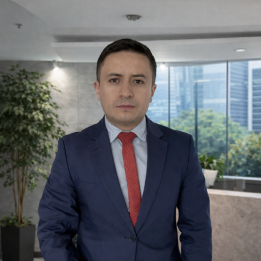


Legal and compliance manager | Corporación Quiport
Legal director and general counselor -Ecuador | Huawei Technologies Ecuador



Legal and compliance coordinator | Laboratorios Siegfried Ecuador
Senior counsel | Phoenix Tower International Ecuador (PTIE)

Vice president of legal and corporate affairs | Rey Banano del Pacífico

Director of legal advisory | Ministerio de Salud Publica - Ecuador



Legal and compliance and corporate affairs director | Holcim

Legal manager- Ecuador | LATAM Airlines Ecuador


Senior manager of legal and corporate affairs | DP World

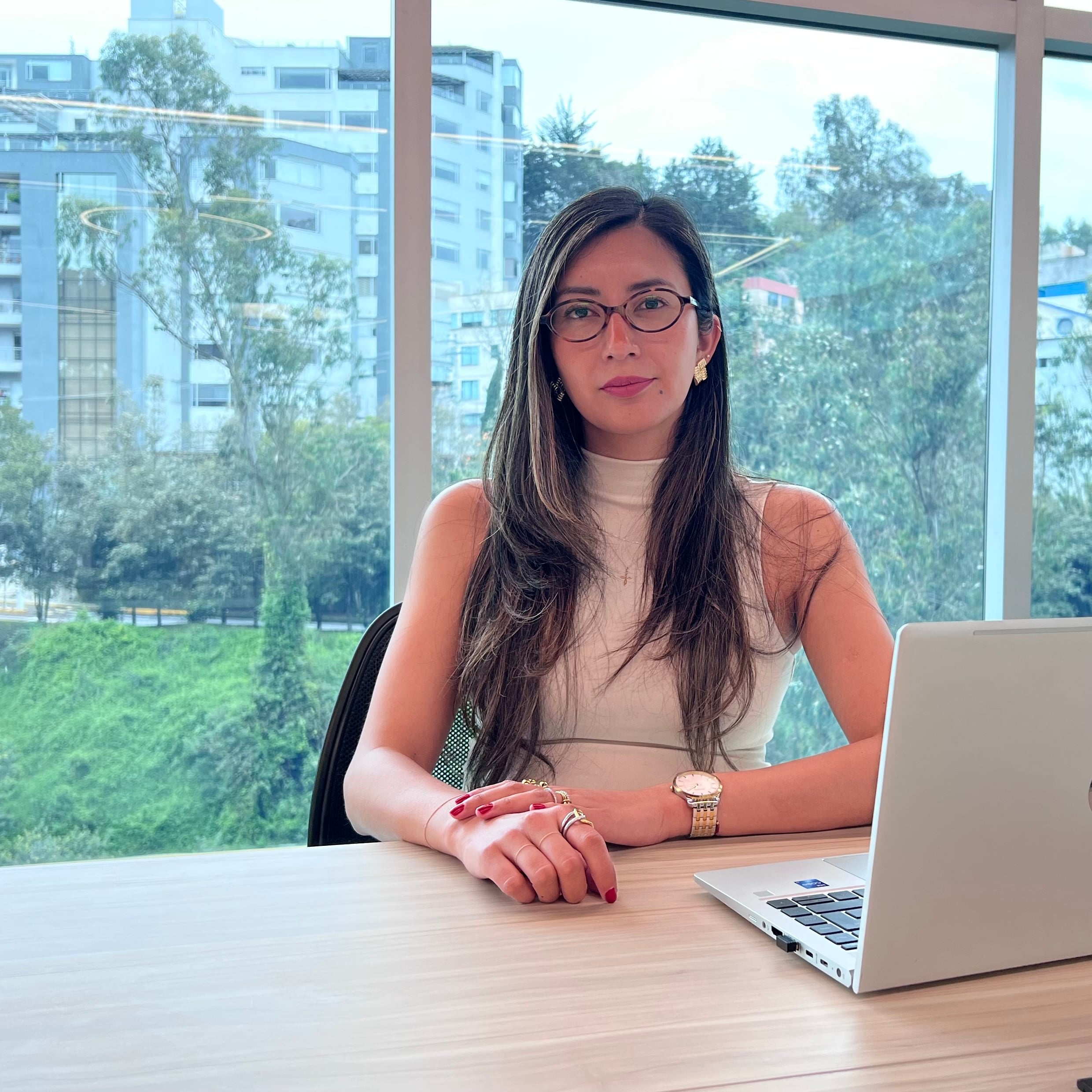
General counsel and president of the compliance unit | Grupo Santillana




Compliance, AML and data protection submanager | Generali Ecuador Compañía de Seguros
Corporate director for public affairs, sustainability and legal | Pronaca
Legal risk, sustainability and social submanager | Banco del Pacífico
Legal manager, regulatory coordinator and compliance regional lead | DIRECTV Latin America
Legal manager - Ecuador | SBA Communications Corporation Ecuado
Legal, corporate affairs and compliance manager | UNACEM Ecuador
Gerente nacional de asuntos corporativos y sostenibilidad e integridad | Netlife Ecuador
Vice president of legal, corporate affairs and sustainability | Nestlé Ecuador

The Ecuadorian in-house legal market continues to evolve towards more strategic, compliance-driven and technologically aware legal functions. The 2026 edition of the Legal 500 GC Powerlist: Ecuador highlights the legal leaders who are guiding organisations through an environment marked by regulatory development, digital transformation and growing expectations around corporate governance and ethics.
Over the past year, Ecuador’s legal landscape has been shaped by a combination of regulatory modernisation, economic uncertainty and rapid technological change. These dynamics have pushed in-house legal teams to adapt quickly, balancing the need for strong compliance frameworks with the agility required to support business growth. As organisations operate in increasingly complex and regulated sectors, from aviation and financial services to infrastructure, agribusiness and consumer industries, legal departments have become central to ensuring both operational continuity and responsible expansion.
Across the organisations represented in this Powerlist, legal teams are no longer confined to reactive advisory roles. Instead, they are embedded within strategic decision-making processes, supporting leadership with risk assessment, regulatory insight and business-oriented legal solutions. As emphasised by Simón David Zevallos, gerente jurídico at Conecel (Claro Ecuador), legal departments have evolved into “strategic business partners… promoting preventive compliance from the process design phase and relying on technological tools to ensure the sustainability and permanence of businesses over time”.
The growing sophistication of compliance and governance frameworks is another defining theme within Ecuador’s corporate environment. Over the past year, legal departments in Ecuador increasingly led initiatives that strengthen corporate ethics, internal controls and risk-management systems, while fostering transparent engagement with regulators and stakeholders. As noted by Roberto Vargas, corporate head of legal at Interoc, “in-house lawyers must prepare to become compliance officers and lead prevention campaigns in compliance matters”. This shift reflects a broader understanding that compliance is not merely a regulatory obligation but a fundamental component of long-term organisational resilience.
Technology is also playing an increasingly prominent role in the evolution of the legal function. The adoption of artificial intelligence tools, digital documentation systems and automated compliance processes is transforming the way legal teams manage information, analyse risk and support decision-making. While legal judgement remains irreplaceable, these tools are enhancing efficiency and encouraging lawyers across the country to adopt more analytical and forward-looking approaches to their work.
At the same time, the rise of data protection frameworks and the expanding regulatory focus on information security are reshaping corporate legal priorities across the country. As companies in the country integrate new technologies and digital processes into their operations, in-house counsel is increasingly responsible for ensuring that innovation proceeds in parallel with robust safeguards for personal and sensitive data.
Today’s Ecuadorian general counsel is expected not only to provide technical legal expertise, but also to act as a strategic partner capable of navigating regulatory complexity, supporting corporate governance and enabling sustainable business growth. The professionals recognised in this year’s GC Powerlist exemplify this evolution, demonstrating how legal leadership can shape organisational resilience, operational efficiency and ethical business culture.
We would like to thank and congratulate the 2026 cohort for their thoughtful insights and the openness with which they shared their experiences throughout the research process. It has been a privilege to learn from their perspectives and highlight the work of the in-house legal community in Ecuador.
Carmen Godoy Martin, Lead researcher: GC Powerlist Ecuador 2026