Colombia 2025
Supported by the Association of Corporate Counsel

Legal director and general counsel | Ocensa - Oleoducto Central

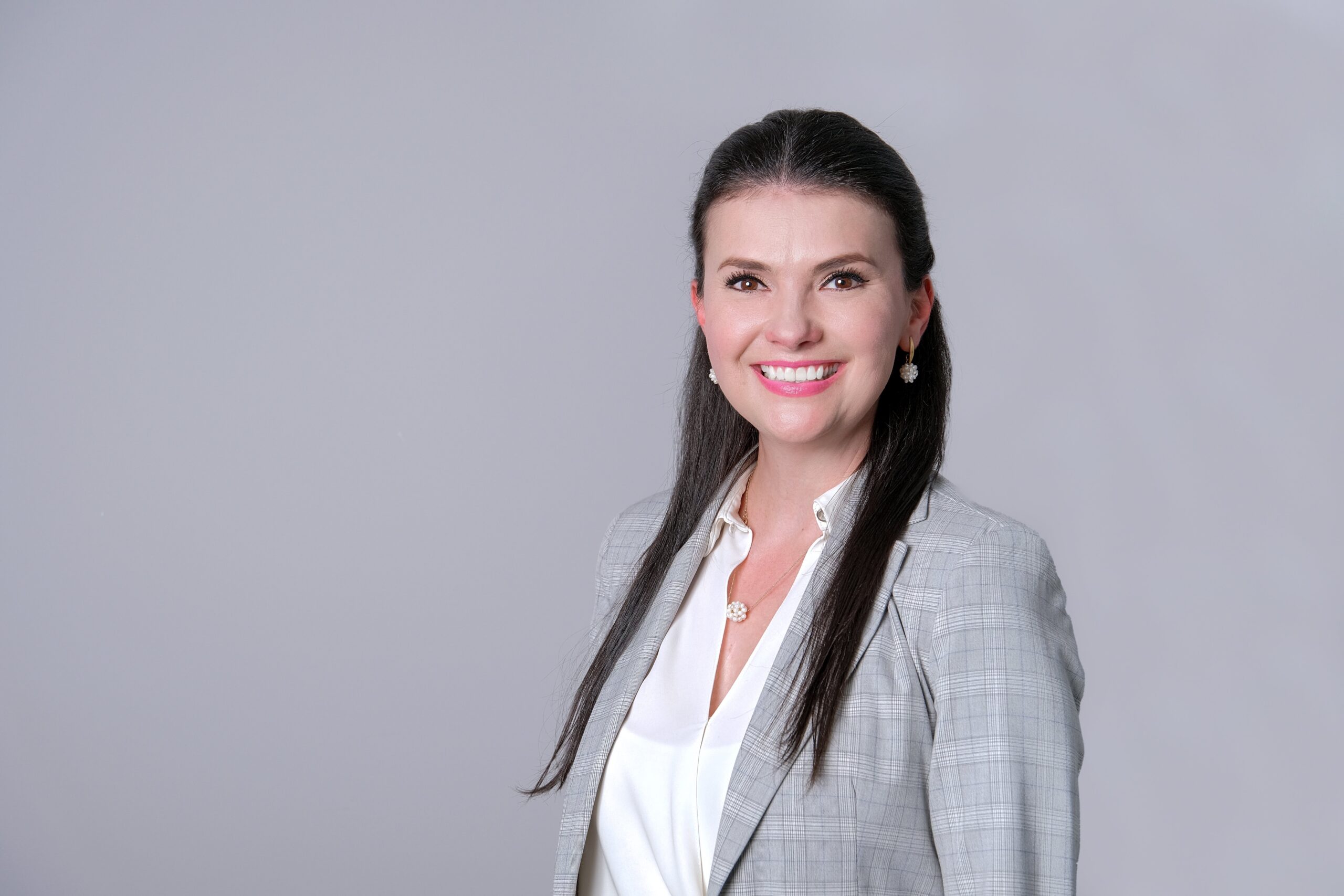
Legal lead Colombia – Contracting counsel senior manager | Accenture



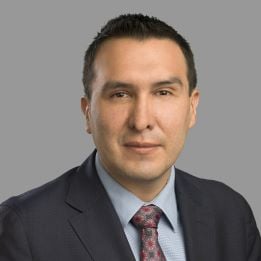
Head of legal, compliance, corporate social responsibility, and government relations | Mazda Colombia
Legal director Colombia and Costa Rica | Rappi


Senior legal director Latin America North, Central America and the Caribbean | Johnson & Johnson Innovative Medicine Latinoamérica
Vicepresident of corporate affairs | Organización Carvajal


Co-CEO and vice president of legal and corporate affairs | Sanford Management

Arbitration counsel | Agencia Nacional de Infraestructura (ANI)






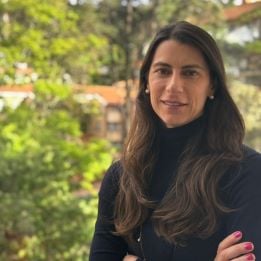
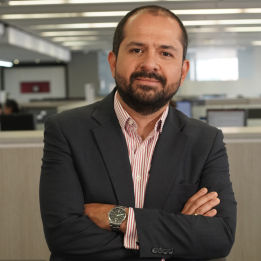
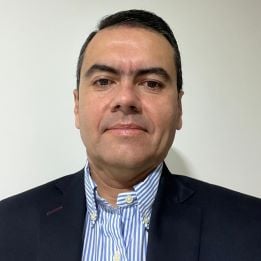
Legal director and company secretary | CARACOL PRIMERA CADENA RADIAL COLOMBIANA

Deputy general counsel and head of legal Latin America | McKinsey & Company
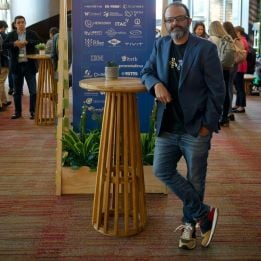





Head of Law, Patents and Compliance Andean, Caribbean and Central America | Bayer Colombia

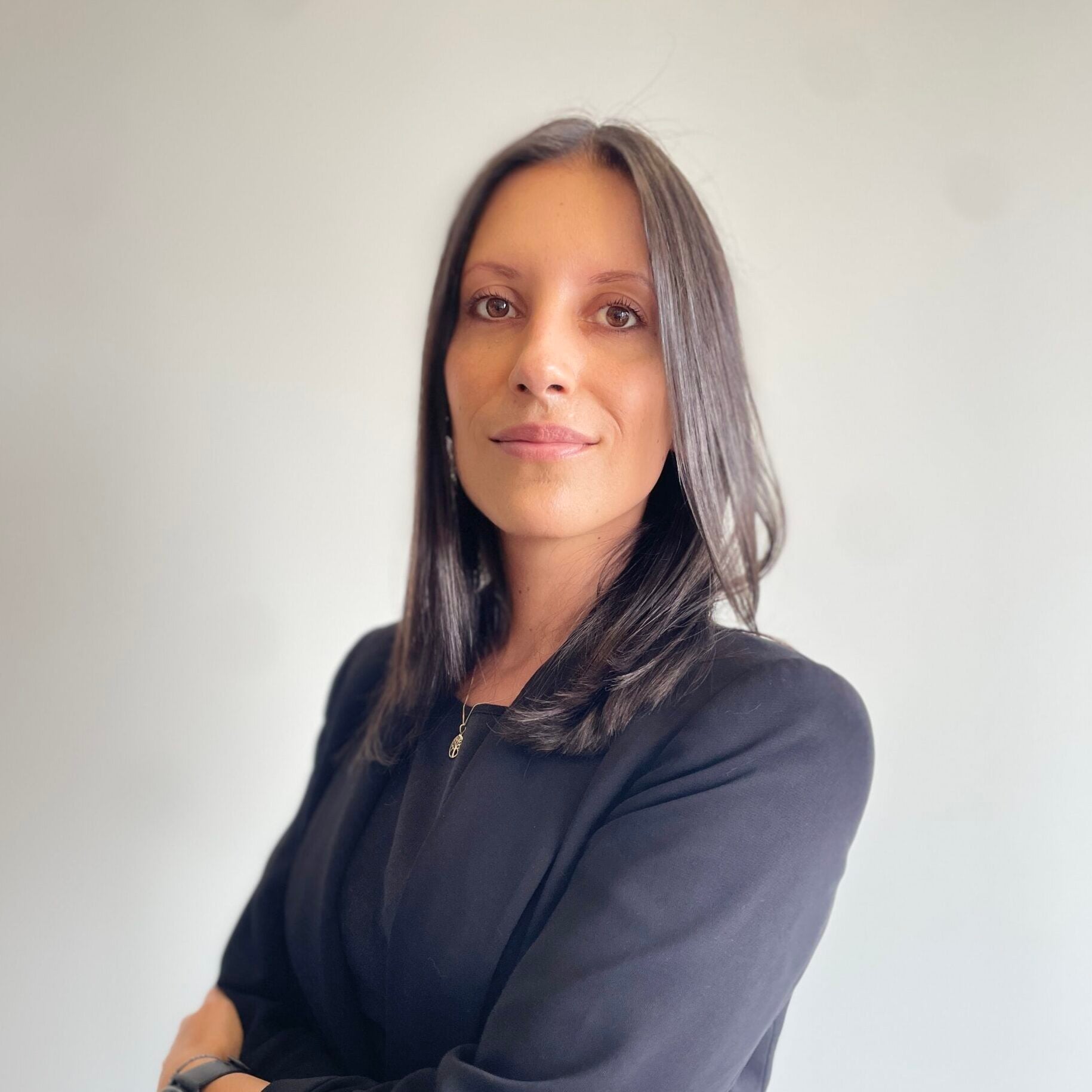
Head of Legal Colombia & Ecuador | Hitachi Energy

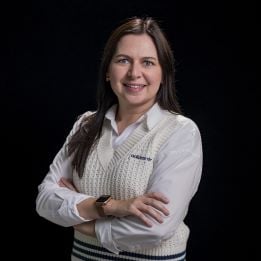

Head of Legal Colombia & Peru – executive director | Banco J.P. Morgan Colombia

Senior litigation counsel (ACAC-Central America, Andean, Caribbean) | Uber



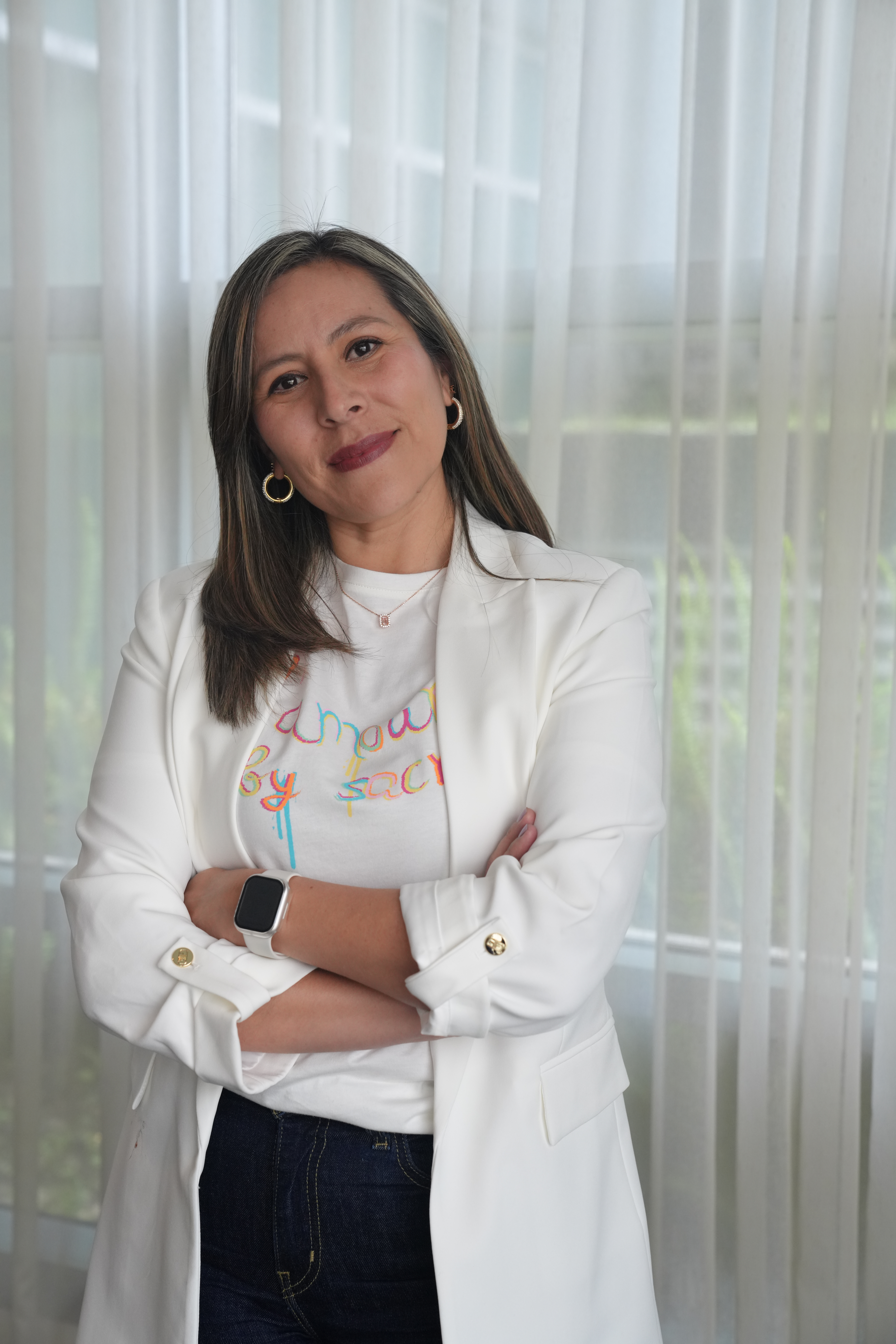
Legal director Colombia & Venezuela | Pepsico Alimentos Colombia
Vice president of legal affairs and general secretary | Scotiabank Colpatria

Legal Manager for Colombia and LSP (Cluster Chile, Perú and Ecuador) | GlaxoSmithKline

Chief legal officer and general counsel | Avianca

Legal director-private sector | Banco de Desarrollo de America Latina CAF
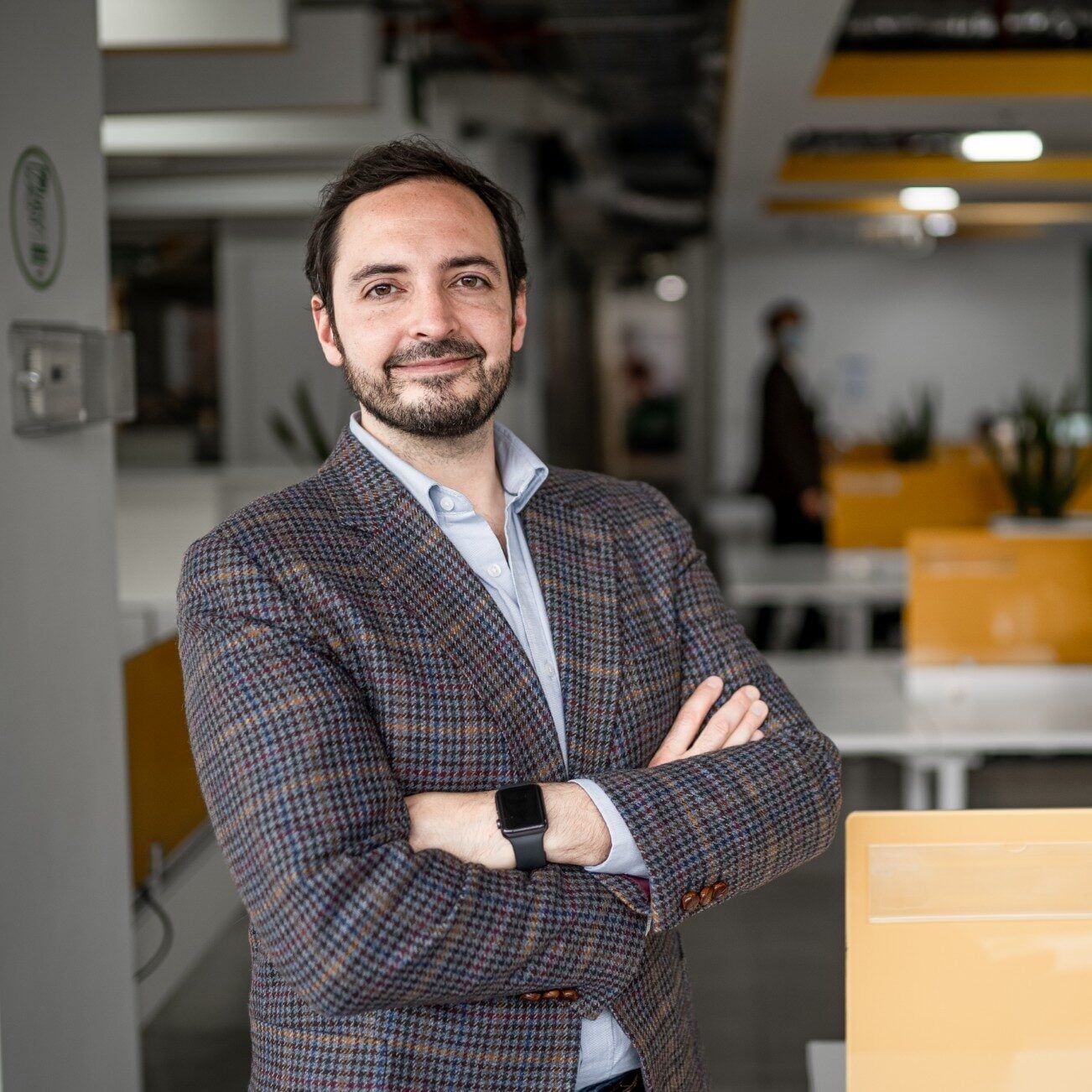
General counsel beauty and wellbeing– Head of legal Andean region | Unilever

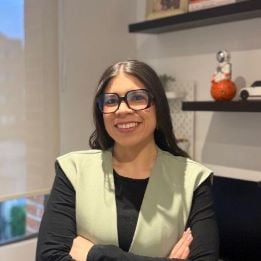

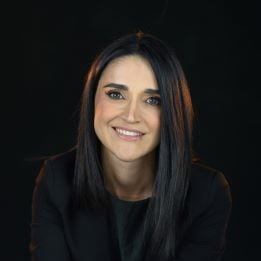
Senior Legal and Compliance Director America, Andean Countries, Chile and Venezuela | Mondelēz International

Legal vice president | Steward Health Care International Colombia

Corporate and legal counsel | Avaya Communication de Colombia
Head of Legal Department Colombia, Perú, LatAm Export Markets, Panamá Operations, Americas HUB | Haleon



Vice President of Hydrocarbon Contracts | Agencia Nacional de Hidrocarburos
Corporate legal department | National Oilwell Varco de Colombia
Chief Counsel of Private Sector/Non-Sovereign Operations, Legal Affairs | Development Bank of Latin America and the Caribbean (CAF)
It is with great enthusiasm that The Legal 500 presents the 2025 edition of the GC Powerlist: Colombia, our annual celebration of the country’s most impressive and influential in-house legal talent.
This year’s list recognises the exceptional contributions of general counsel and senior in-house lawyers who are not only legal experts but also critical drivers of strategic growth, innovation, and resilience within their organisations. In a landscape defined by both opportunity and uncertainty, these professionals continue to rise to the occasion—guiding their companies through regulatory upheaval, digital transformation, ESG commitments, and evolving corporate risks.
The individuals featured in this edition exemplify the dynamic role of modern in-house counsel. They serve as trusted advisers, crisis managers, and business enablers—constantly adapting their approach to meet the growing complexity of doing business in Colombia and beyond. Whether leading compliance reforms, negotiating sophisticated deals, or embedding sustainability into corporate governance, these legal leaders are shaping the future of their sectors.
This year’s Powerlist offers an in-depth look at their work and insights, through exclusive interviews and profiles that highlight both professional achievements and personal philosophies. From oil and energy to tech, finance, and infrastructure, the legal minds showcased here are transforming how legal departments contribute to strategic decision-making and long-term value creation.
A recurring theme in our conversations was the increasing alignment between legal functions and executive leadership. As one GC told us, “Being a legal leader today means more than mastering the law—it means having a seat at the table where key business decisions are made, and ensuring that the legal voice is both proactive and solutions-driven.”
We also heard compelling stories about how legal teams are leading the charge on ESG implementation, risk mitigation, and diversity and inclusion. Across sectors, GCs are embedding ethical considerations into contracts, supply chains, and company culture—demonstrating that legal departments are not only guardians of compliance, but also champions of responsible business.
We are deeply grateful to all the participants who generously shared their perspectives, experiences, and challenges with us. Their voices reflect a profession in motion—evolving to meet the demands of the present while shaping the values of the future.
It is our privilege to recognise and celebrate the achievements of Colombia’s top in-house counsel. We hope this publication inspires legal professionals across the region and beyond, and reaffirms the vital importance of the in-house legal role in building resilient, forward-thinking businesses.
Congratulations to all those featured in the GC Powerlist: Colombia 2025.
Margherita Birri
Research Editor
The Legal 500