China 2025
Supported by the Association of Corporate Counsel




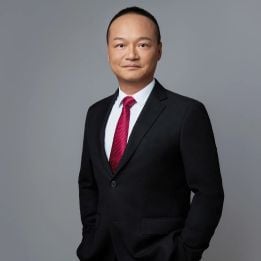

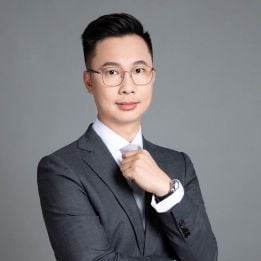

Vice president and general counsel | Foxconn Industrial Internet













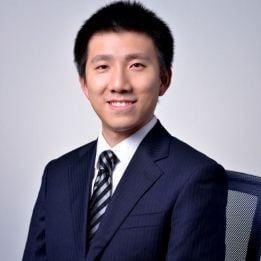
Head of Legal Affairs, Aviation Leasing Division | Bank of Communications Financial Leasing

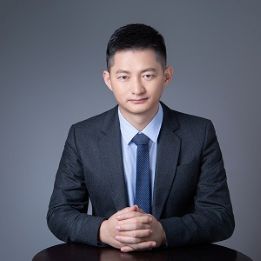
General manager of Legal Compliance and Risk Management Department | Dajia Insurance Group
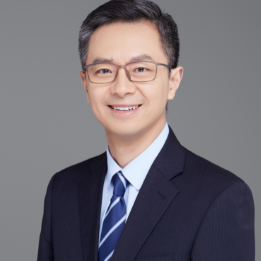
VP,Deputy General Counsel and General Counsel ,China Legal | Lenovo Group








Director of Legal and Risk Controling Department | China Datang Overseas Investment




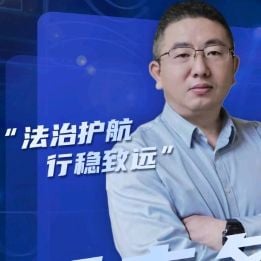
Group Assistant Vice President, General Counsel, Chief Compliance Officer | Inner Mongolia Mengniu Dair


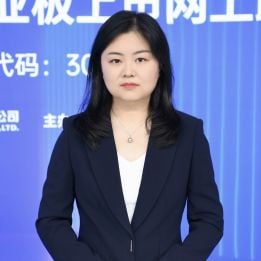
Deputy General Manager, Board Secretary, and Chief Legal Officer | Beijing Jiaman Clothing

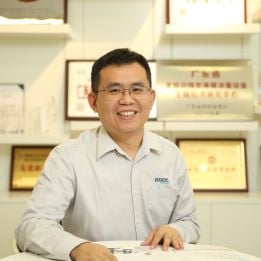
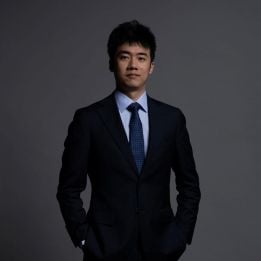




Head of Legal and Compliance Department | China Coal Construction Group

General Manager of Legal and Compliance Department | China CITIC Financial Asset Management

Chief compliance officer and general counsel | Beijing NAURA Microelectronics Equipment Company
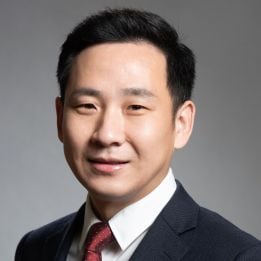







Director of Intellectual Property and Legal Affairs Center | Shenzhen DYMIND Biotechnology


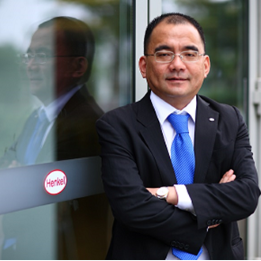

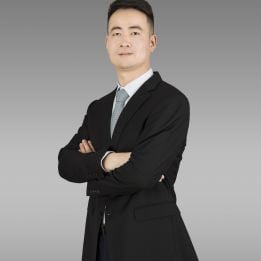
Board Secretary、Internal Control Officer | YINGJIA DISTILLERY
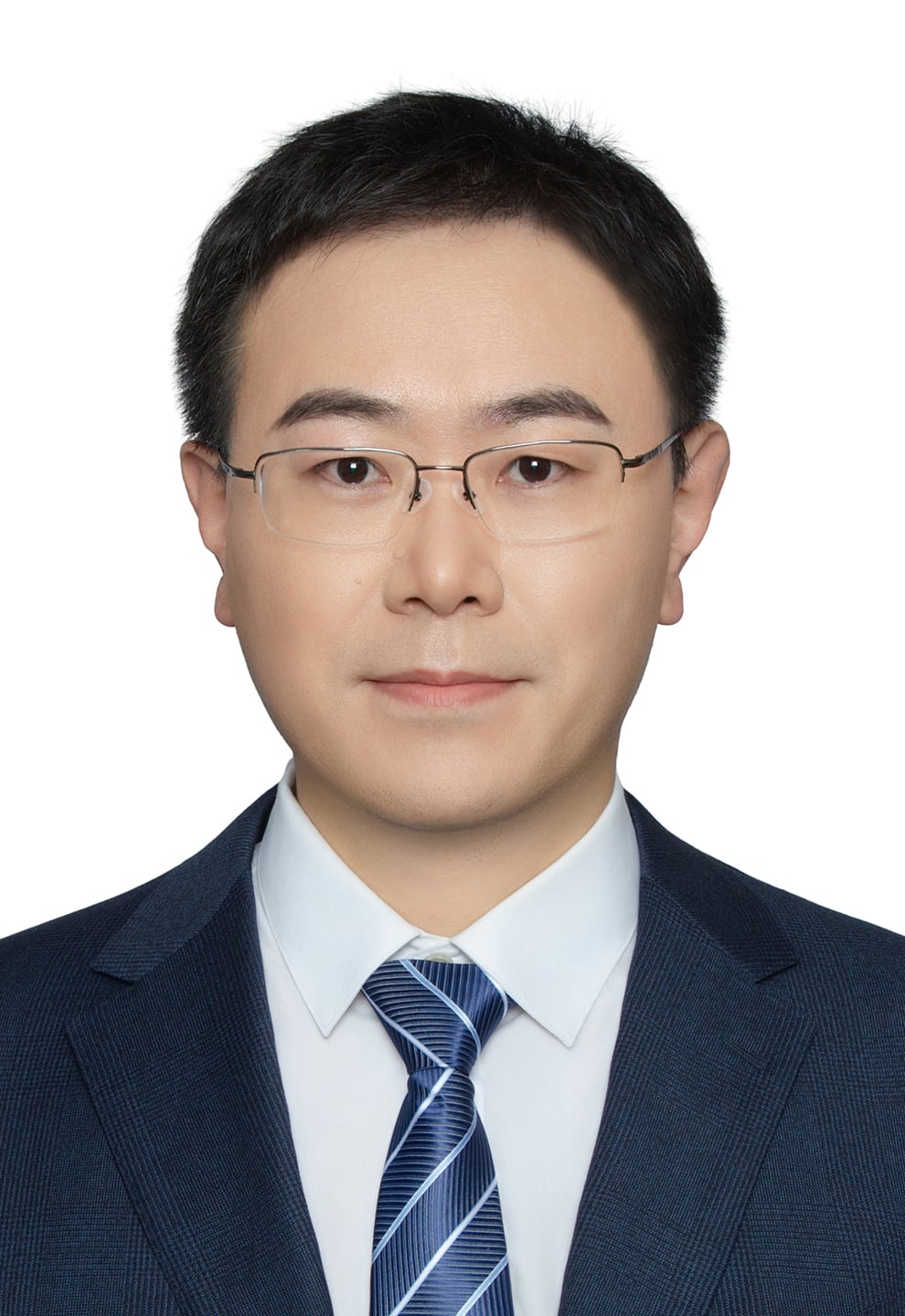


Head of Legal Department | Maxscend Miceoelectronics Company Limited

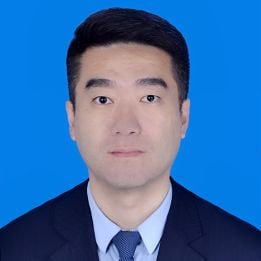
Head of Legal Affairs | Qin Chuangyuan Science and Technology Innovation Investment
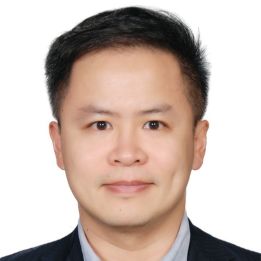
General manager of legal and compliance affairs | China Telecom Jiang su Branch

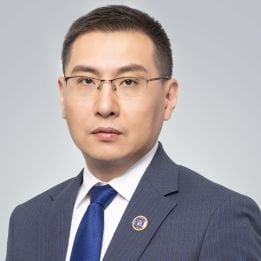




Legal Department Director | China Audio-Video Copyright Association (CAVCA)

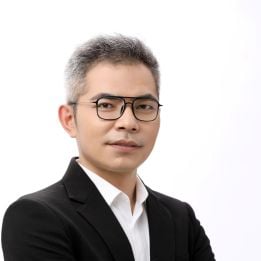



Senior Legal Director - Complete Housing Business Unit | KE Holdings



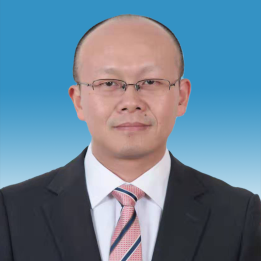
Deputy Director of Legal & Compliance Dept. | Bejing Automotive Group
Vice president, general counsel and head of corporate affairs | Tencent
Director, Vice president ,General counsel | Yonyou Network Technology

Deputy Director of the Securities and Legal Department | CECEP Ironman Environmental Technology
General Counsel | Beijing Electron Digital Intelligence Technology
International Legal Affairs Supervisor/ICBU | Beijing Tensam High-Tech Wind Power Equipment
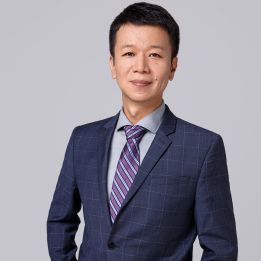
Vice general manager of intellectual property and legal center | Appotronics Corporation

General Counsel and Chief Compliance Officer, China | A. O. Smith Corporation

Deputy General Manager, General Counsel and Chief Compliance Officer | China Telecom Cloud Technology Co., Ltd

Global Compliance Manager (Business Operations) | Ruijie Networks
Executive Director | CEC Xianyang Western Intelligence Valley Industrial
Vice President, General Counsel, and Chief Compliance Officer | China Three Gorges Corporation
Legal Head for Greater China Region, including mainland China, Hongkong, Macao and Taiwan | Pfizer
VP,General Counsel Greater China | Infineon Technologies Greater China
Director of Legal and Compliance Department | Guangzhou Digital Technology Group
Director of Internal Control Contract Department | Xi'an Tongchou Technology Development
On behalf of Legal 500, I am delighted to introduce the GC Powerlist: China 2025.
This edition highlights the general counsel and in-house legal teams who play a crucial role in shaping China’s corporate and legal landscape. Through our research, we spoke with professionals who not only provide expert legal guidance but also influence strategy, drive transformation, and support business growth.
We were thrilled to receive a large number of nominations from China-based law firms and in-house teams, reflecting the country’s vibrant and engaged legal community. Across China, general counsel are increasingly moving beyond traditional advisory roles. They are central to navigating complex regulations, enabling innovation, supporting governance and compliance priorities, and guiding their organisations through periods of rapid change. The GC Powerlist: China 2025 celebrates those who combine deep legal expertise with leadership, vision, and tangible impact.
Managing uncertainty and building resilience is a common theme. Helen Wang, Head of Legal at Aspen China, explains:
‘Rapid legal risk mapping and business prioritisation is essential. In times of instability, my focus is to identify which legal and compliance exposures are mission-critical, and to integrate Legal into the core of the crisis response so decisions are legally safe and commercially viable.’
Brian Chen, Senior Vice President & General Counsel, Greater China, KONE Corporation, highlights a complementary approach:
‘Crisis management requires a combination of contract risk management, compliance monitoring, legal risk assessment, and clear stakeholder communication, supported by a structured crisis response plan. Legal is not just a gatekeeper — it is a platform for enabling resilience.’
Albert Xu, Head of Legal, BOCOM International, adds:
‘During periods of instability, I refine our legal risk early-warning mechanism, intervene proactively, and enhance inter-departmental communication and collaboration — ensuring that the team can respond rapidly and maintain business continuity.’
Driving strategic impact and business transformation is another defining trait. Zhao Peng, General Counsel & Legal Director, Rsun Group Limited, observes:
‘Our team positions itself as a business collaborator, transforming legal capabilities into momentum for strategic implementation. For example, by leading the closure optimisation of loss-making stores, we protected cash flow, safeguarded brand reputation, and enabled the light-asset transformation of the commercial sector.’
Victor Zhou, Intellectual Property Director, Anwen Group, illustrates the forward-looking mindset:
‘Proactive IP risk mapping and scenario planning are critical. In recent geopolitical tensions affecting trade, we conducted a supply chain IP audit and renegotiated key agreements to minimise operational impact — ensuring that legal acts as a stabiliser and enabler, not a bottleneck.’
Taken together, these perspectives highlight the strengths of China’s in-house legal community: resilient, strategically minded, and forward-looking. Legal teams are increasingly doing more than managing risk; they are helping shape business strategy, informing key decisions, and delivering measurable impact.
The GC Powerlist: China 2025 reflects this shift across the country’s legal community: from risk management to strategic influence, from technical advice to business impact, and from individual contribution to collaborative excellence.
We are pleased to present this year’s GC Powerlist: China, recognising the legal professionals who are shaping the future of corporate law while connecting local insight with global influence.