Central America 2025
Supported by the Association of Corporate Counsel


Senior director legal and regulatory | Cable & Wireless Panamá
Legal and government affairs manager Central America and Dominican Republic | Avon

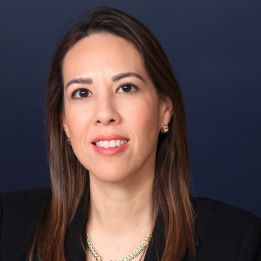

Legal Manager | LATAM privacy and tech compliance champion | Kimberly-Clark




Legal and risk manager | Securitas Costa Rica
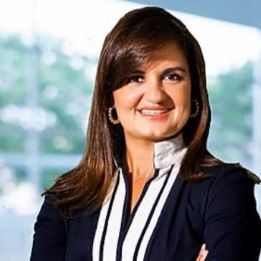



Head of legal affairs and compliance | Grupo EDECSA


Legal Director for Central America & The Caribbean | Asofarma (Adium Group)



Head of legal commercial operations Latam | Fresenius Medical Care Panamá

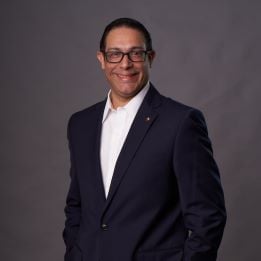
Executive vice president, chief legal officer and corporate secretary | BLADEX (Banco Latinoamericano De Comercio Exterior)



Regional legal director TT and compliance officer, LATAM. | FOUNDEVER
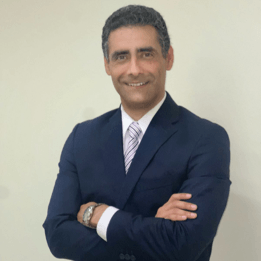
General counsel and corporate governance officer | Banco Promerica GUATEMALA
Director legal, corporate governance and regulatory compliance | Banco Davivienda Salvadoreño

Legal and compliance director | Roche Pharma Caribbean, Central America & Venezuela (CCAV)


Senior legal and contracts manager | MRO Holdings El Salvador









Legal counsel | Premium Restaurants of America
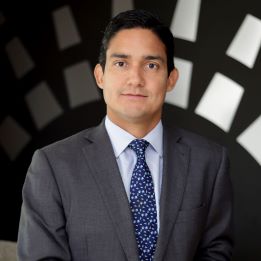

Legal director and general counsel | LifeMiles & Avianca Loyalties

Manager, legal affairs and regional data protection officer LATAM | Foundever
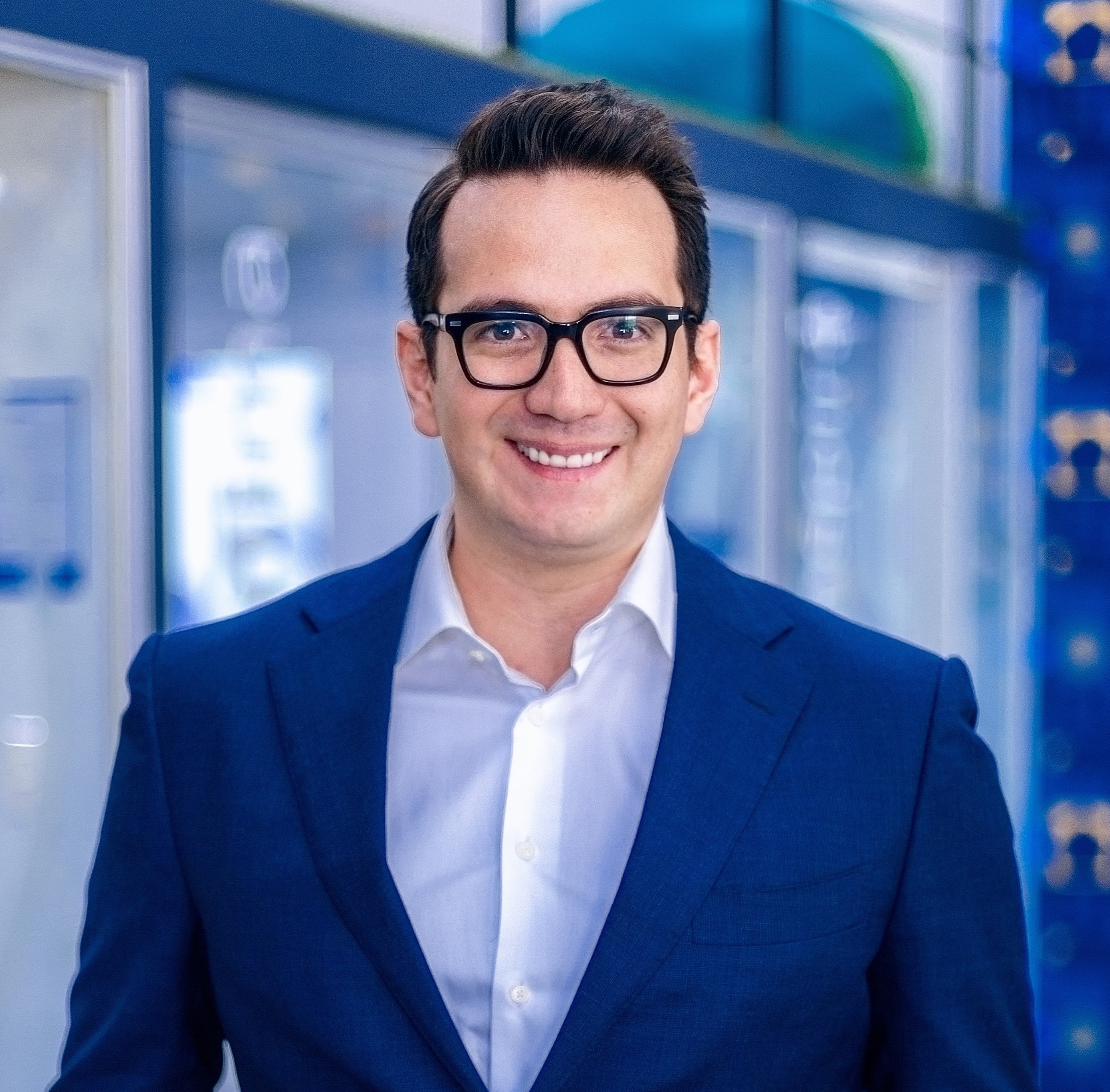

Legal director, regulation and corporate affairs | Telecable

Legal Lead for North Latin America and BOPE | Hewlett Packard Enterprise
General counsel | Corporacion Multi-Inversiones (CMI)
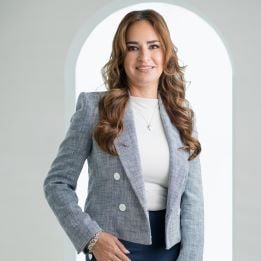

Global legal counsel north america and Latam | Unilever Central America
Vice president regional, compliance and data protection officer, AMERICAS | DHL Global Forwarding, Americas
Legal director ACAC (Central America, Andean Region and The Caribbean) | Uber
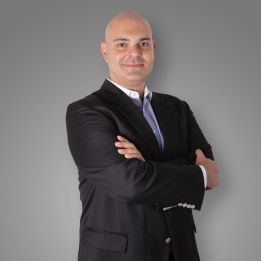
Legal, compliance and government relations manager NCA (Guatemala, El Salvador and Honduras) | Samsung Electronics
Senior legal manager, Head of legal and compliance officer RSS Americas Roche | Liberty Networks
Senior legal counsel LADMAR - Panama | Procter & Gamble
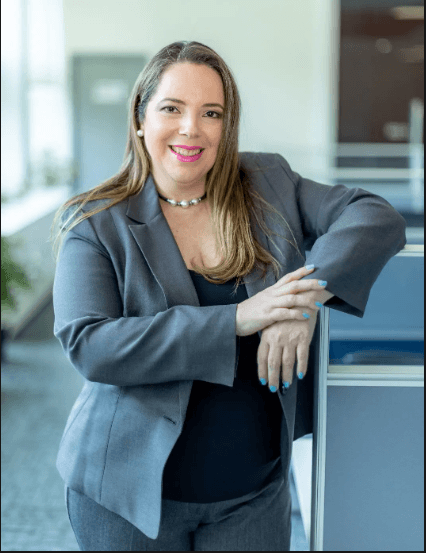
Corporate legal counsel | Holcim El Salvador
Of Salvadoran Nationality, Bernice is a Lawyer with more than 22 years of working experience, her practices were initially focused on Administrative Law, Human Rights, Banking, Litigation, and Labor law....

Chief legal counsel and regulatory compliance affairs | DELSUR
She is a lawyer and public notary, bilingual and multicultural manager with extensive expertise in corporate, constitutional, and administrative law, energy regulation in national and regional markets, social responsibility, compliance,...
General counsel | Citi Costa Rica
Cristina joined Citi back in July 2001, currently she is the General Counsel in Costa Rica with oversight for legal affairs and corporate governance matters for the financial group as...
Regional general counsel Mexico and Central America | Enel Green Power
Legal, corporate affairs and wholesale business director | Movistar El Salvador

Chief of legal consultancy unit | Centro Financiero Davivienda
Legal director, legal-regulatory control and corporate secretary | Grupo Financiero Davivienda Costa Rica

Legal manager and compliance officer | Nicaragua Energy Services
Director of legal affairs Central America, Caribbean, Argentina and Uruguay | JCDecaux
Senior director of legal advisory | Copa Airlines

Senior director, international and legal affairs | SBA Communications Corporation
Vice president legal and compliance | Banco Agromercantil de Guatemala (Bam)

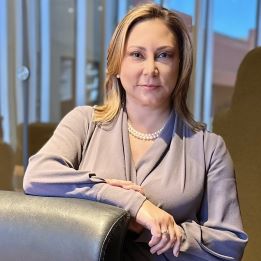
Regional director of legal services and corporate secretary | Scotiabank
Legal and external affairs manager Guatemala and El Salvador | British Tabacco Company
Head of legal, corporate security, ethics and compliance | Walmart Centro America (Costa Rica, Nicaragua, El Salvador, Guatemala, Honduras)

Executive vice president, general counsel and chief compliance officer | Integra Capital Group
President and executive director | CASEM -Cámara de Sedes de Empresas Multinacionales
It is a privilege to introduce this edition of the GC Powerlist: Central America 2025, recognising the region’s most forward-thinking and influential in-house legal professionals. These individuals have redefined what it means to be a corporate lawyer, proving that legal expertise alone is no longer sufficient in an environment shaped by technological disruption, shifting regulatory landscapes, and increasing business complexity. Their ability to balance legal risk with commercial strategy, foster innovation while ensuring compliance, and act as trusted advisors at the highest levels of decision-making makes them indispensable to their organisations.
One of the most pressing challenges facing corporate legal teams today is digital transformation. As businesses across Central America accelerate their adoption of technology, legal departments are at the forefront of navigating new risks associated with data privacy, cybersecurity, and automation. Striking the right balance between innovation and regulatory compliance has never been more critical, especially as governments across the region introduce stricter data protection laws and cross-border regulatory requirements continue to evolve.
Another defining theme of this year’s research is the growing expectation for legal teams to spearhead environmental, social, and governance (ESG) initiatives. As sustainability commitments and ethical business practices come under increased scrutiny from regulators, investors, and consumers, legal professionals are playing a central role in shaping corporate ESG strategies. This goes beyond regulatory compliance—many legal departments are actively influencing company policies to align with global sustainability goals and stakeholder expectations. Whether addressing environmental regulations, corporate governance structures, or social impact initiatives, in-house teams are proving to be instrumental in building responsible and resilient businesses
Artificial intelligence is also reshaping legal work, presenting both opportunities and challenges. AI-powered tools are streamlining contract management, regulatory tracking, and compliance monitoring, freeing legal professionals from time-consuming administrative tasks. However, concerns remain about over-reliance on automation, particularly regarding data security and ethical considerations. Additionally, the increasing use of AI in legal operations is raising questions about how junior lawyers develop critical skills, as routine legal work traditionally used for training is increasingly automated. Striking a balance between efficiency and foundational learning will be essential to maintaining strong legal teams for the future.
Beyond these broad industry shifts, many legal leaders in Central America are embracing a more integrated role within their companies, moving beyond the traditional perception of legal teams as risk mitigators. Today, they are active participants in business strategy, helping companies navigate geopolitical uncertainty, market expansion, and evolving corporate structures. The ability to anticipate challenges and provide proactive, strategic guidance has become a defining characteristic of successful legal leaders in the region.
The professionals featured in this publication exemplify the adaptability, vision, and leadership that define excellence in the modern in-house legal function. Their contributions are shaping not only their organisations but also the broader business landscape of Central America. It is an honor to showcase their achievements and insights in this edition of the GC Powerlist.
Margherita Birri, Research Editor, Legal 500