Bolivia 2025
Supported by the Association of Corporate Counsel


Deputy legal manager – compliance coordinator | Grupo Minero Sinchi Wayra


Assistant general counsel | Phoenix Tower International



Legal affairs director | Cámara de Industria, Comercio, Servicios y Turismo
Head of the legal counsel unit | Universidad Catolica Boliviana - Sede Santa Cruz
General counsel – associate legal & tax | Ruizmier Group
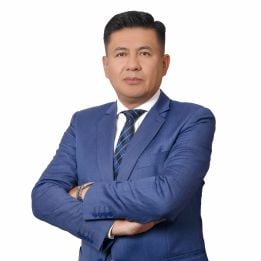

Legal manager Mexico+ cluster | Japan Tobacco International ( JTI)

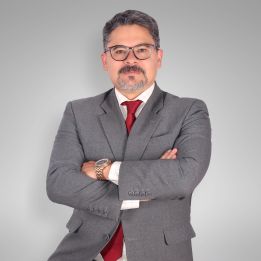
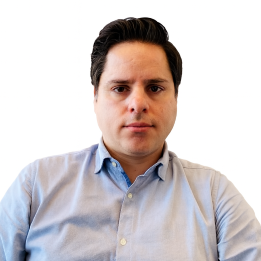
Manager of legal affairs for the Eastern region | Banco Nacional de Bolivia

General counsel | Importadora y Exportadora Monterrey
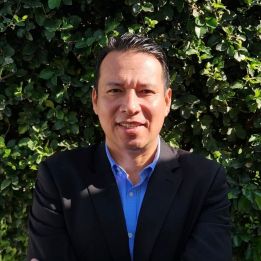
National legal manager | Embotelladoras Bolivianas Unidas (EMBOL)
Gerente de asuntos legales | Cámara de Industria, Comercio y Servicios de Cochabamba - ICAM
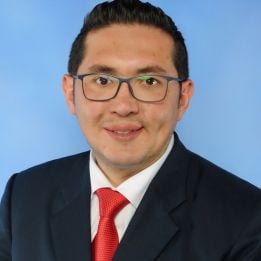
Legal and compliance manager | Pan American Silver Bolivia
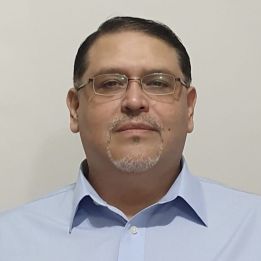
Corporate lawyer | CAMSA INDUSTRIA Y COMERCIO



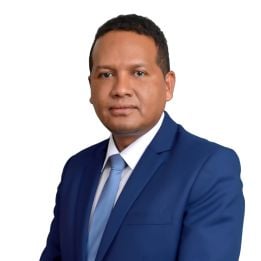
Executive director of the conciliation and arbitration centre | Cámara de Industria, Comercio y Servicios de Cochabamba-ICAM
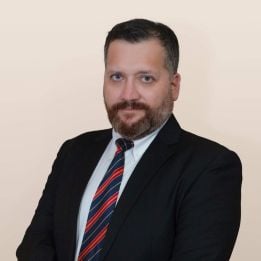

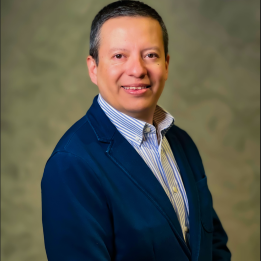
Corporate affairs vice president | Nuevatel - VIVA
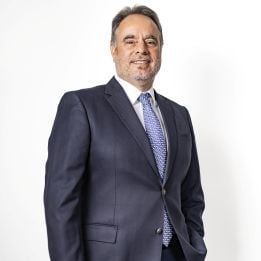

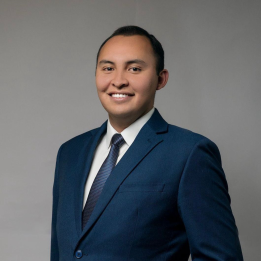
General counsel officer and LATAM counsel | EY

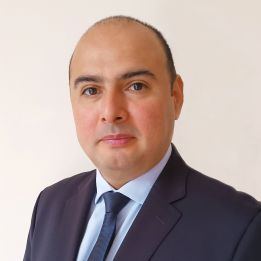
Legal manager -Argentina & Bolivia | Phoenix Tower International

Coordinator of legal affairs and labour relations | Nestlé Bolivia
Corporate affairs and compliance director | Telecel S.A. (Tigo)

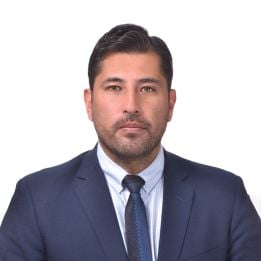
National deputy general counsel for corporate and operational affairs | Banco Unión
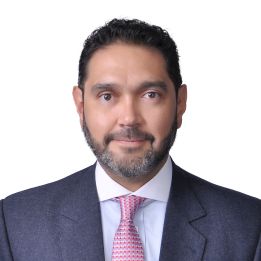
Gerente nacional legal | Sociedad Boliviana de cemento SOBOCE

Gerente legal y legal compliance manager | Grupo Linde (Praxair)
Legal affairs director | Compañía industrial comercial hermanos Vicente
Head of corporate affairs and internationalisation | Grupo Mamut
Institutional affairs manager | Fexpocruz
Gerente nacional del area legal | Inmobiliaria Kantutani
Legal counsel | La Boliviana Ciacruz de seguros y reaseguros

Head of legal | Compañía de alimentos
Corporate national manager | Alianza Compañía de Seguros y Reaseguros
National legal counsel | Importadora y Exportadora Monterrey
Legal counsel | Sociedad Controladora Mercantil Santa Cruz
It is a true privilege to have worked on and now present The Legal 500 GC Powerlist: Bolivia, 2025: a reflection on the unique realities of a jurisdiction where political volatility, economic uncertainty, and regulatory shifts are part of the day-to-day context for in-house counsel. This research highlights how Bolivia’s legal leaders are not only navigating instability but also transforming it into an opportunity to build resilience and sustainable growth.
A recurring theme across our conversations with the leading in-house lawyers in the country was the urgent need for adaptability in a business environment marked by currency shortages, shifting political priorities, and regulatory uncertainty. “Currently, my country is experiencing a severe currency crisis, which also affects other sectors. As the legal function, I consider it essential to take an active role in company operations, not merely as a filter for risks”, explained Jhessmy Camacho, general counsel at Importadora y Exportadora Monterrey. Camacho’s reflection illustrates how in-house counsel in Bolivia are taking ownership of crisis management and ensuring operational continuity while protecting corporate assets and credibility in the market.
Other in-house legal leaders emphasised that proactive and preventive approaches are critical. As Claudia García Paz, legal and executive director at Grupo Empresarial Nieme Inversiones, described it: “During periods of instability or crisis, our main focus is on building a strong foundation of anticipation and adaptability. We continuously update and strengthen our legal risk matrices to ensure they remain flexible and responsive to changing economic, political and regulatory conditions”.
Beyond crisis response, general counsel in Bolivia are also embedding sustainability into the heart of their corporate strategies. Ariane Milenka Augsten Roldan, in-house counsel at Itacamba Cemento, observed: “We leave a positive legacy in our environment by controlling and mitigating our impact, caring for biodiversity, and working on innovative solutions in our country”.
At the same time, the human dimension of leadership, a growing trend across Latin American legal teams, is not being overlooked by Bolivian in-house professionals. David Chavez Gonzales, legal counsel at Clínica Metropolitana de las Américas, shared how inclusivity and resilience go hand in hand: “Our legal team prioritises inclusivity, including gender equity, and highly values a proactive attitude when selecting staff… This collaborative approach fosters a continuous learning environment, reinforcing the team’s commitment to holistic development and diversity.”
Looking ahead, Bolivia’s legal leaders were candid about the challenges still to come. Many cited political transitions, gaps in data protection and cybersecurity law, and the pressures of adapting to ESG and digital transformation. As Marcelo Hassenteufel Loayza, corporate affairs VP at Nuevatel – VIVA, warned: “The major legal challenges for businesses in Bolivia over the next five years are concentrated in three areas: political constitution and regulations, judicial and bureaucratic systems, and investment security.”
Taken together, these testimonies showcase a Bolivian in-house counsel landscape in which corporate lawyers are operating at the crossroads of law, business, and society. They are not only interpreters of regulation but also strategic partners, risk managers, and innovators ensuring that companies remain competitive and compliant while contributing to sustainable development.
On behalf of The Legal 500, I would like to congratulate all the exceptional professionals featured in this 2025 edition of the GC Powerlist: Bolivia. Their voices reflect the legal challenges of today’s Bolivia and offer a clear vision for how in-house legal leadership can shape resilience, governance, and responsible growth in the years ahead.
Carmen Godoy Martin, Lead Researcher: GC Powerlist Bolivia 2025